Month: October 2026

  • Lennox Gastaut Syndrome Market Expected To Grow At 6.9% CAGR Through 2030: What Businesses Need To Know

    Lennox Gastaut Syndrome Market Expected To Grow At 6.9% CAGR Through 2030: What Businesses Need To Know

    Featuring market attractiveness scoring, total addressable market sizing, company benchmarking matrices, interactive Excel dashboards, deeper supply chain intelligence, emerging startup tracking, and granular product-level insights, The Business Research Company’s 2026 market reports are built to deliver research that is both more actionable and more strategically valuable.

    Lennox Gastaut Syndrome Market Set To Climb From $0.79 Billion In 2026 To $1.03 Billion By 2030

    The market size for Lennox Gastaut Syndrome has experienced robust growth in recent years. It is projected to expand from $0.74 billion in 2025 to $0.79 billion in 2026, exhibiting a compound annual growth rate (CAGR) of 7.2%. Contributing to this historical growth are elements like limited seizure control options, the prevalence of pediatric epilepsy, hospital-based neurology care, the development of antiepileptic drugs, and greater caregiver awareness.

    The lennox gastaut syndrome market size is anticipated to experience substantial growth in the upcoming years. It is forecast to reach $1.04 billion by 2030, progressing at a compound annual growth rate (CAGR) of 6.9%. This expansion throughout the forecast period stems from factors such as novel antiepileptic drug pipelines, personalized seizure management strategies, wider CBD approvals, dedicated rare disease funding programs, and improved diagnostic rates. Significant trends for the forecast period include the increasing uptake of cannabidiol-based therapies, an expansion in pediatric neurology treatments, a greater utilization of multimodal seizure management techniques, the development of dietary and device-based therapies, and an intensified focus on rare neurological disorders.

    Get A Free Sample Report With In-Depth Market Insights:

    https://thebusinessresearchcompany.com/sample_request?id=23807946&type=smp&name=Lennox%20Gastaut%20Syndrome%20Market%20Report%202026&utm_source=Blogs&utm_medium=Paid&utm_campaign=Oct_PR

    Lennox Gastaut Syndrome Market Growth Factors Behind Sustained Expansion

    A growing occurrence of brain abnormalities is projected to fuel the expansion of the lennox gastaut syndrome market moving forward. Brain abnormalities are defined as structural or functional irregularities in the brain that deviate from typical development or function. The rise in brain abnormalities is due to increased exposure to environmental toxins, such as air pollutants and industrial chemicals, which can disrupt brain development and neurological function, particularly during early childhood. Lennox-gastaut syndrome (LGS) treatment is necessary to manage brain abnormalities because the condition causes severe, drug-resistant seizures that, without proper intervention, can lead to developmental delays, cognitive impairments, and long-term neurological damage. For instance, in November 2024, according to the Centers for Disease Control and Prevention (CDC), a U.S.-based federal health agency, among babies born each year in the United States, anencephaly occurs in about 1 in 5,246 births (~700 babies annually), encephalocele occurs in about 1 in 10,365 births (~354 babies annually), and spina bifida (without anencephaly) occurs in about 1 in 2,875 births (~1,278 babies annually). Consequently, the increasing incidences of brain abnormalities will stimulate the growth of the lennox gastaut syndrome market.

    Lennox Gastaut Syndrome Market Segmentation: How Does The Market Break Down By Category?

    The lennox gastaut syndrome market covered in this report is segmented –

    1) By Treatment: Antiepileptic Drugs, Vagus Nerve Stimulation, Ketogenic Diet, Cannabidiol, Cannabinoids

    2) By Epileptic Type: Atonic Seizures, Myoclonic Seizures, Tonic Seizures, Atypical Absence Seizures, Other Types

    3) By Age Group: Pediatric, Adult, Geriatric

    4) By Route of Administration: Oral, Parenteral

    5) By End-Users: Hospitals, Specialty Clinics, Other End Users

    Subsegments:

    1) By Antiepileptic Drugs: Valproate, Lamotrigine, Topiramate, Rufinamide, Clobazam, Felbamate, Levetiracetam, Other Antiepileptic Drugs

    2) By Ketogenic Diet: Classic Ketogenic Diet, Modified Atkins Diet, Medium Chain Triglyceride (MCT) Diet, Low Glycemic Index Treatment

    3) By Vagus Nerve Stimulation: Implantable Vagus Nerve Stimulation Devices, External Vagus Nerve Stimulation Devices

    4) By Cannabidiol: Epidiolex (FDA Approved), Other Prescription Cannabidiol Products

    5) By Cannabinoids: THC-based Products, Synthetic Cannabinoids, Combined THC or CBD Formulations

    Lennox Gastaut Syndrome Market Industry Trends Fueling Future Revenue Growth

    Leading companies within the lennox gastaut syndrome market are concentrating on developing innovative products, such as fenfluramine oral solutions, to address the increasing demand for more effective complementary therapies for LGS-related treatment-resistant seizures. Fenfluramine oral solution is a pharmaceutical treatment that operates by adjusting serotonin activity in the brain, helping to lessen the frequency and severity of seizures. For instance, in February 2023, UCB, a Belgium-based biopharmaceutical company, introduced Fintepla oral solution in the European Union as an adjunctive therapy for seizures associated with LGS. Fintepla is a meticulously crafted solution enabling precise dosing based on patient weight, offering straightforward oral administration, and has demonstrated considerable reductions in seizure frequency during clinical trials. Its distinctive advantages include an inventive mechanism separate from standard antiseizure medications, potential enhancements in the overall quality of life for patients, and suitability for long-term application under medical supervision.

    Lennox Gastaut Syndrome Market Competitive Overview And Top Companies

    Major companies operating in the lennox gastaut syndrome market are GW Pharmaceuticals plc, Pfizer Inc., Novartis AG, Sun Pharmaceutical Industries Ltd., Dr. Reddy’s Laboratories Ltd., Aurobindo Pharma Ltd., Zydus Lifesciences Ltd., Lupin Limited, Glenmark Pharmaceuticals Ltd., Abbott Laboratories, Medtronic plc, Boston Scientific Corporation, LivaNova PLC, SK Biopharmaceuticals Co. Ltd., Otsuka Pharmaceutical Co. Ltd., Bial – Portela & Cª S.A., Eisai Co. Ltd., UCB Pharma S.A., Teva Pharmaceutical Industries Ltd., Marinus Pharmaceuticals Inc., Supernus Pharmaceuticals Inc., Xenon Pharmaceuticals Inc., Ovid Therapeutics Inc., Aquestive Therapeutics Inc., Neurocrine Biosciences Inc., Sunovion Pharmaceuticals Inc., Alkem Laboratories Ltd., Cipla Ltd., Torrent Pharmaceuticals Ltd., Hikma Pharmaceuticals PLC.

    View The Full Lennox Gastaut Syndrome Market Report:

    https://thebusinessresearchcompany.com/report/lennox-gastaut-syndrome-global-market-report?utm_source=Blogs&utm_medium=Paid&utm_campaign=Oct_PR

    Lennox Gastaut Syndrome Market Regional Distribution: Which Areas Power Market Growth?

    North America was the largest region in the lennox gastaut syndrome market in 2025. The regions covered in the lennox gastaut syndrome market report are Asia-Pacific, South East Asia, Western Europe, Eastern Europe, North America, South America, Middle East, Africa.

    Reach Out To Our Team:

    The Business Research Company: https://www.thebusinessresearchcompany.com/

    Americas: +1 310-496-7795

    Asia: +44 7882 955267 & +91 8897263534

    Europe: +44 7882 955267

    Email us at: marketing@tbrc.info

    Follow us on:

    LinkedIn: https://in.linkedin.com/company/the-business-research-company

    YouTube: https://www.youtube.com/channel/UC24_fI0rV8cR5DxlCpgmyFQ

    Global Market Model: https://www.thebusinessresearchcompany.com/global-market-model
  • Lenalidomide Market Forecast To Reach $17.83 Billion By 2030: Key Trends Explained

    Lenalidomide Market Forecast To Reach $17.83 Billion By 2030: Key Trends Explained

    Built to provide research that’s more actionable and strategically valuable, The Business Research Company’s 2026 market reports include market attractiveness analysis, total addressable market sizing, company benchmarking matrices, interactive Excel dashboards, broader supply chain intelligence, emerging startup tracking, and in-depth product insights.

    Lenalidomide Market Forecast: Value Set To Climb From $13.77 Billion To $17.83 Billion

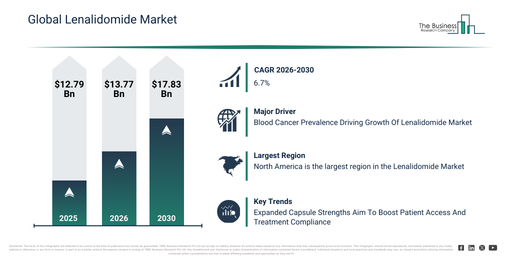
    The lenalidomide market has experienced significant growth recently. It is projected to expand from $12.79 billion in 2025 to $13.77 billion in 2026, demonstrating a compound annual growth rate (CAGR) of 7.7%. This historical market expansion can be ascribed to several factors, including the established clinical efficacy of lenalidomide in multiple myeloma, its approval for the treatment of myelodysplastic syndromes, improved survival outcomes when compared to older therapies, widespread adoption within oncology treatment guidelines, and the availability of multiple dosage strengths for flexible therapy.

    The lenalidomide market is anticipated to experience substantial expansion over the coming years. It is projected to grow to $17.83 billion in 2030, achieving a compound annual growth rate (CAGR) of 6.7%. This increase in size during the projection period stems from factors such as the increasing global incidence of multiple myeloma, wider integration of maintenance therapy protocols, improved availability of cancer treatments in developing regions, the escalating application of combination and sequential therapeutic approaches, and persistent demand for potent immunomodulatory medications for cancer. Key developments expected within this timeframe involve the sustained application of lenalidomide as a foundational treatment in multiple myeloma, its increasing incorporation into combination therapy plans, a greater supply of generic lenalidomide options, the rising implementation of maintenance therapy for enduring myeloma management, and an expansion of lenalidomide’s utility across other hematological indications.

    Get A Free Sample Report With In-Depth Market Insights:

    https://thebusinessresearchcompany.com/sample_request?id=50024941&type=smp&name=Lenalidomide%20Market%20Report%202026&utm_source=Blogs&utm_medium=Paid&utm_campaign=Oct_PR

    Lenalidomide Market Demand Drivers Opening New Revenue Streams

    The rising incidence of blood cancer cases is anticipated to drive the expansion of the lenalidomide market in the future. Blood cancer encompasses a category of cancers impacting blood cells, bone marrow, or the lymphatic system, thereby interfering with typical blood formation and immune system operation. The growing occurrence of blood cancer is attributed to factors such as an aging demographic, exposure to environmental toxins, inherited predispositions, and lifestyle choices. The lenalidomide market aids in blood cancer treatment through therapies designed to modulate immune reactions, suppress the multiplication of cancer cells, and encourage the eradication of cancerous cells. For example, data from the Cancer Facts & Figures 2023 report, issued by the American Cancer Society, a US-based non-profit, indicated that in January 2023, new myeloma cases in the United States were projected to be 35,730 in 2023, with 19,860 males and 15,870 females. Furthermore, roughly 184,720 people were anticipated to receive a diagnosis of leukemia, lymphoma, or myeloma in 2023. Consequently, the rising prevalence of blood cancer cases is fueling the expansion of the lenalidomide market.

    Lenalidomide Market Segment Trends And Revenue Contributors

    The lenalidomide market covered in this report is segmented –

    1) By Type: 5Mg Capsules, 10Mg Capsules, 15Mg Capsules, 25Mg Capsules

    2) By Application: Multiple Myeloma (MM), Myelodysplastic Syndromes (MDS), Lymphoma, Other Applications

    3) By End-User: Hospitals, Cancer Treatment Centers, Research Institutes

    Lenalidomide Market Trends Powering Strategic Industry Growth

    Key entities operating within the lenalidomide market are concentrating on developing innovative approaches, such as complex generic capsule formulations, to improve drug accessibility and enhance patient adherence. Complex generic capsule formulations are sophisticated versions of existing medicines crafted to mirror the original product’s effectiveness and safety while overcoming manufacturing or delivery hurdles. For instance, in March 2023, Teva Pharmaceutical Industries Ltd., an Israel-based pharmaceutical company, teamed up with Natco Pharma Limited, an India-based pharmaceutical company, to release additional strengths, 2.5 mg and 20 mg, for the generic version of Revlimid® (lenalidomide capsules) in the United States. This expansion boosts patient access to an essential treatment for multiple myeloma and related ailments. Their partnership supports a wider spectrum of therapy options by making the complete range of lenalidomide capsules strengths available by prescription.

    Lenalidomide Market Competitive Landscape: Which Companies Lead The Industry?

    Major companies operating in the lenalidomide market are Bristol-Myers Squibb Company, Teva Pharmaceutical Industries Ltd., Sun Pharmaceutical Industries Ltd., Intas Pharmaceuticals Ltd, Aurobindo Pharma, Dr. Reddy’s Laboratories, Cipla Limited, Apotex Inc, Zydus Lifesciences Limited, Alvogen, Lotus Pharmaceutical, Natco Pharma Limited, Accord Healthcare, Avra Laboratories Pvt. Ltd., Camber Pharmaceuticals Inc., Rochem International Inc, Florencia Healthcare, Alleviare Life Sciences Pvt Ltd., Sarv Biolabs Pvt Ltd, Speciality Medicines Private Limited, Healthiza Lifescience Private Limited.

    View The Full Lenalidomide Market Report:

    https://thebusinessresearchcompany.com/report/lenalidomide-global-market-report?utm_source=Blogs&utm_medium=Paid&utm_campaign=Oct_PR

    Lenalidomide Market Leading Geography: Which Region Contributes The Most Revenue?

    North America was the largest region in the lenalidomide market in 2025. Asia-Pacific is expected to be the fastest-growing region in the forecast period. The regions covered in the lenalidomide market report are Asia-Pacific, South East Asia, Western Europe, Eastern Europe, North America, South America, Middle East, Africa.

    Reach Out To Our Team:

    The Business Research Company: https://www.thebusinessresearchcompany.com/

    Americas: +1 310-496-7795

    Asia: +44 7882 955267 & +91 8897263534

    Europe: +44 7882 955267

    Email us at: marketing@tbrc.info

    Follow us on:

    LinkedIn: https://in.linkedin.com/company/the-business-research-company

    YouTube: https://www.youtube.com/channel/UC24_fI0rV8cR5DxlCpgmyFQ

    Global Market Model: https://www.thebusinessresearchcompany.com/global-market-model
  • Leiomyosarcoma Drug Market Analysis Through 2030: Market Size, Growth Trends And Industry Outlook

    Leiomyosarcoma Drug Market Analysis Through 2030: Market Size, Growth Trends And Industry Outlook

    Backed by market attractiveness analysis, total addressable market sizing, company benchmarking matrices, interactive Excel dashboards, wider supply chain intelligence, emerging startup coverage, and detailed product-level insights, The Business Research Company’s 2026 market reports are designed to offer research that is more actionable and strategically valuable than ever.

    Leiomyosarcoma Drug Market Revenue Growth On Track For A 8.3% CAGR Through 2030

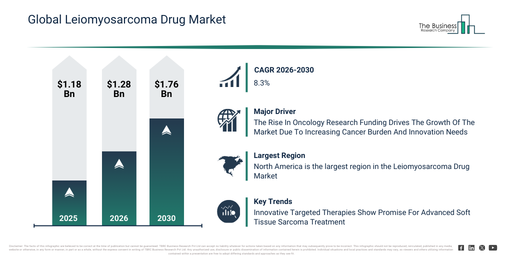
    The leiomyosarcoma drug market has experienced significant expansion in recent years. Its valuation is projected to increase from $1.18 billion in 2025 to $1.28 billion in 2026, demonstrating a compound annual growth rate (CAGR) of 8.6%. This historical growth can be attributed to several factors including chemotherapy-based sarcoma treatment, limitations in surgical outcomes, the broadening of the oncology drug pipeline, hospital-based cancer care, and incentives for orphan drugs.

    The leiomyosarcoma drug market size is projected to experience substantial growth in the upcoming years. It is forecast to reach $1.76 billion in 2030, demonstrating a compound annual growth rate (CAGR) of 8.3%. This anticipated expansion over the forecast period stems from factors such as the widespread adoption of precision oncology, enhanced molecular profiling of tumors, the broadening of clinical trials for rare cancers, the evolution of combination immunotherapy, and supportive regulatory frameworks for orphan drugs. Prominent developments expected in this timeframe include the increasing uptake of targeted cancer therapies, the diversification of combination treatment regimens, a heightened emphasis on drug development for rare cancers, the expanding influence of immunotherapy, and continuous progress in precision oncology.

    Get A Free Sample Report With In-Depth Market Insights:

    https://thebusinessresearchcompany.com/sample_request?id=13237394&type=smp&name=Leiomyosarcoma%20Drug%20Market%20Report%202026&utm_source=Blogs&utm_medium=Paid&utm_campaign=Oct_PR

    Leiomyosarcoma Drug Market Growth Backed By Core Demand Fundamentals

    The expanding investment in oncology research is anticipated to boost the leiomyosarcoma drug market’s growth moving forward. Oncology research is defined as the scientific investigation into the origins, progression, diagnosis, treatment, and prevention of cancer. This increased investment is primarily propelled by the escalating burden of cancer cases, which necessitates sophisticated treatments and enhanced patient outcomes. In turn, leiomyosarcoma drug development contributes to oncology research investment by fostering innovation in targeted therapies and encouraging funding for rare cancer treatment breakthroughs. For example, in 2023, the National Institutes of Health (NIH) received $51 billion in funding, with $9.988 billion allocated to the National Cancer Institute (NCI), representing a $2.7 billion rise from 2022, according to the American Society for Radiation Oncology (ASTRO). Consequently, the growing investment in oncology research is a key driver for the growth of the leiomyosarcoma drug market.

    Leiomyosarcoma Drug Market Segment Analysis Spotlighting Growth Areas

    The leiomyosarcoma drug market covered in this report is segmented –

    1) By Drug Type: Chemotherapy Agents, Targeted Therapy, Immunotherapy, Radiation Therapy, Combination Therapy

    2) By Drug Class: Anthracyclines, Alkylating Agents, Antimetabolites, Other Drug Class

    3) By Route of Administration: Oral, Intravenous, Subcutaneous, Topical, Intramuscular

    4) By Distribution Channel: Hospital Pharmacies, Retail Pharmacies, Online Pharmacies, Other Distribution Channels

    5) By End User: Hospitals, Specialized Clinics, Research Laboratories, Homecare Settings, Pharmaceutical Companies

    Subsegments:

    1) By Chemotherapy Agents: Anthracyclines, Alkylating Agents, Antimetabolites, Topoisomerase Inhibitors, Taxanes

    2) By Targeted Therapy: Deoxyribonucleic Acid Minor Groove Binders, Tyrosine Kinase Inhibitors, Mechanistic Target Of Rapamycin Inhibitors, Vascular Endothelial Growth Factor Inhibitors

    3) By Immunotherapy: Immune Checkpoint Inhibitors, Cancer Vaccines, Adoptive Cell Transfer

    4) By Radiation Therapy: External Beam Radiation Therapy, Stereotactic Body Radiation Therapy, Intensity-Modulated Radiation Therapy

    5) By Combination Therapy: Chemotherapy + Targeted Therapy, Chemotherapy + Radiation Therapy, Immunotherapy + Targeted Therapy

    Leiomyosarcoma Drug Market Growth Trends Reshaping The Competitive Landscape

    Leading companies in the leiomyosarcoma drug market are concentrating on developing innovative targeted therapies, such as lurbinectedin-based regimens, to improve patient treatment outcomes for those with advanced or resistant tumors. Lurbinectedin-based regimens are specific cancer treatments that employ the drug lurbinectedin to precisely target leiomyosarcoma cells and enhance therapeutic effectiveness. For instance, in October 2023, Pharma Mar S.A., a Spain-based pharmaceutical firm, initiated the Phase IIb/III clinical trial named SaLuDo to investigate the effectiveness of Zepzelca (lurbinectedin) combined with doxorubicin in treating patients with metastatic leiomyosarcoma (LMS). The trial aims to evaluate whether this combination can deliver superior outcomes compared to current treatments for this challenging cancer. It focuses on measuring progression-free survival and overall survival to determine the therapy’s potential advantages. If successful, the SaLuDo trial could establish a new standard of care, offering renewed hope for patients with metastatic leiomyosarcoma.

    Leiomyosarcoma Drug Market Leading Companies: Who Holds The Strongest Market Presence?

    Major companies operating in the leiomyosarcoma drug market are Pfizer Inc., Johnson And Johnson, Merck And Co. Inc., Bayer AG, Bristol-Myers Squibb Company, AstraZeneca Plc, Novartis AG, GlaxoSmithKline plc, Eli Lilly And Co, Philogen S.p.A, Eisai Co. Ltd, Incyte Corp, PharmaMar SA, Karyopharm Therapeutics Inc., Taiho Pharmaceutical Co. Ltd., Agenus Inc., Adaptimmune Therapeutics plc, BioInvent International AB, Advenchen Laboratories LLC, Radiopharm Theranostics Limited.

    View The Full Leiomyosarcoma Drug Market Report:

    https://thebusinessresearchcompany.com/report/leiomyosarcoma-drug-global-market-report?utm_source=Blogs&utm_medium=Paid&utm_campaign=Oct_PR

    Leiomyosarcoma Drug Market Regional Outlook: Where Is Opportunity Concentrated?

    North America was the largest region in the leiomyosarcoma drug market in 2025. Asia-Pacific is expected to be the fastest-growing region in the forecast period. The regions covered in the leiomyosarcoma drug market report are Asia-Pacific, South East Asia, Western Europe, Eastern Europe, North America, South America, Middle East, Africa.

    Reach Out To Our Team:

    The Business Research Company: https://www.thebusinessresearchcompany.com/

    Americas: +1 310-496-7795

    Asia: +44 7882 955267 & +91 8897263534

    Europe: +44 7882 955267

    Email us at: marketing@tbrc.info

    Follow us on:

    LinkedIn: https://in.linkedin.com/company/the-business-research-company

    YouTube: https://www.youtube.com/channel/UC24_fI0rV8cR5DxlCpgmyFQ

    Global Market Model: https://www.thebusinessresearchcompany.com/global-market-model
  • Lecithin Supplements Market Outlook From 2026 To 2030: Key Growth Factors And Future Opportunities

    Lecithin Supplements Market Outlook From 2026 To 2030: Key Growth Factors And Future Opportunities

    Featuring market attractiveness scoring, total addressable market sizing, company benchmarking matrices, interactive Excel dashboards, deeper supply chain intelligence, emerging startup tracking, and granular product-level insights, The Business Research Company’s 2026 market reports are built to deliver research that is both more actionable and more strategically valuable.

    Lecithin Supplements Market Value Growth And Long-Term Outlook

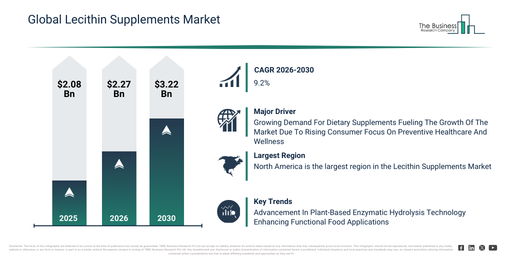
    The lecithin supplements market size has shown substantial growth in recent years. It is projected to increase from $2.08 billion in 2025 to $2.27 billion in 2026, at a compound annual growth rate (CAGR) of 9.3%. This expansion in the past can be attributed to rising dietary supplement consumption, enhanced awareness of lipid metabolism benefits, the broader production of soy and sunflower lecithin, a growing population of health-conscious consumers, and the availability of diverse lecithin formulations.

    The lecithin supplements market size is anticipated to undergo significant expansion in the coming years. It is forecast to achieve a value of $3.22 billion in 2030, advancing at a compound annual growth rate (CAGR) of 9.2%. The projected growth is propelled by factors such as the increasing embrace of plant-based nutrition, rising consumer demand for cognitive and liver health supplements, the expansion of clean-label supplement markets, growing penetration of e-commerce platforms, and advancements in lecithin extraction technologies. Prominent trends throughout the forecast period include an escalating demand for plant-based lecithin sources, an increase in the utilization of non-GMO and clean-label supplements, expanding applications in brain and heart health nutrition, the diversification of multi-format supplement offerings, and an intensified focus on functional lipid nutrition.

    Get A Free Sample Report With In-Depth Market Insights:

    https://thebusinessresearchcompany.com/sample_request?id=30771670&type=smp&name=Lecithin%20Supplements%20Market%20Report%202026&utm_source=Blogs&utm_medium=Paid&utm_campaign=Oct_PR

    Lecithin Supplements Market Growth Catalysts And Demand Drivers

    The escalating demand for dietary supplements is anticipated to underpin the future expansion of the lecithin supplements market. Dietary supplements encompass a broad spectrum of items, such as vitamins, minerals, amino acids, and other nutrients, specifically formulated to complement one’s diet and promote general well-being. This rising demand for these supplements stems from heightened health consciousness among consumers and an increased emphasis on preventive healthcare and wellness. Lecithin supplements are employed to support brain health, liver function, and fat metabolism, though individual usage varies. For instance, in September 2025, the Australian Bureau of Statistics reported that in 2023, approximately one in three Australians (33.6%) indicated they used a dietary supplement, with usage notably higher among adult females (43.7%) compared to adult males (30.8%). Consequently, the growing demand for dietary supplements is propelling the growth of the lecithin supplements market.

    Lecithin Supplements Market Segment Performance And Emerging Opportunities

    The lecithin supplements market covered in this report is segmented –

    1) By Product Form: Liquid Lecithin, Granulated Lecithin, Softgel Capsules, Powdered Lecithin

    2) By Type: Soy Lecithin, Sunflower Lecithin, Egg Lecithin, Other Types

    3) By Consumer Demographics: Age Groups, Gender, Health Conscious Consumers

    4) By Distribution Channel: Online Retail, Health Food Stores, Pharmacies, Supermarkets And Hypermarkets

    5) By End-User: Dietary Supplements, Food And Beverages, Pharmaceuticals, Cosmetics And Personal Care Products

    Subsegments:

    1) By Liquid Lecithin: Soy-Based Liquid Lecithin, Sunflower-Based Liquid Lecithin, Rapeseed-Based Liquid Lecithin, Egg-Based Liquid Lecithin, Non-GMO Liquid Lecithin

    2) By Granulated Lecithin: Soy Granulated Lecithin, Sunflower Granulated Lecithin, Rapeseed Granulated Lecithin, Egg Granulated Lecithin

    3) By Softgel Capsules: Soy Lecithin Softgels, Sunflower Lecithin Softgels, Non-GMO Lecithin Softgels, Phosphatidylcholine-Rich Softgels

    4) By Powdered Lecithin: Soy Powdered Lecithin, Sunflower Powdered Lecithin, Rapeseed Powdered Lecithin, Egg Powdered Lecithin, Non-GMO Powdered Lecithin

    Lecithin Supplements Market Trends Shaping Long-Term Demand

    Leading companies within the lecithin supplements market are prioritizing the creation of novel plant-based formulations, leveraging enzymatic hydrolysis to improve product functionality, sustainability, and suitability for contemporary nutritional and functional food applications. Enzymatic hydrolysis, a method where enzymes facilitate the breakdown of intricate molecules into simpler constituents through the addition of water, is central to this innovation. For example, in June 2025, Austrade Inc., a US-based food and beverage firm, unveiled a non-GMO hydrolyzed sunflower lecithin powder specifically intended for functional beverage applications. This ingredient, manufactured through enzymatic hydrolysis and concentration technology, attains a Hydrophilic-Lipophilic Balance (HLB) of 9–10, thereby optimizing oil-in-water emulsion performance. This sophisticated lecithin powder offers enhanced functionality even at lower dosage levels, all while preserving a neutral color and flavor, which makes it well-suited for applications such as plant-based coffee creamers, nutritional drinks, protein formulations, and frozen desserts. The introduction highlights Austrade’s dedication to sustainable, inventive solutions that not only tackle formulation complexities but also satisfy the increasing need for clean-label, plant-based ingredients within the functional beverage industry.

    Lecithin Supplements Market Key Players: Which Companies Lead Industry Competition?

    Major companies operating in the lecithin supplements market are Cargill Incorporated, Archer Daniels Midland Company (ADM), Louis Dreyfus Company, NOW Health Group Inc., Robinson Pharma Inc., Swanson Health Products Inc., Jarrow Formulas Inc., Life Extension Foundation Buyers Club Inc., Nature’s Way Products LLC, Swanson Health Products Inc., Natrol LLC, Integrative Therapeutics LLC, Pure Encapsulations LLC, Solgar Inc., Bulksupplements.com LLC, Jamieson Wellness Inc., Weihai Baihe Biology Technological Co. Ltd., Solaray Inc., Austrade Inc., NutraBlast Inc.

    View The Full Lecithin Supplements Market Report:

    https://thebusinessresearchcompany.com/report/global-lecithin-supplements-market-report?utm_source=Blogs&utm_medium=Paid&utm_campaign=Oct_PR

    Lecithin Supplements Market Geographic Landscape: Which Region Leads Industry Growth?

    North America was the largest region in the lecithin supplements market in 2025. Asia-Pacific is expected to be the fastest-growing region in the forecast period. The regions covered in the lecithin supplements market report are Asia-Pacific, South East Asia, Western Europe, Eastern Europe, North America, South America, Middle East, Africa.

    Reach Out To Our Team:

    The Business Research Company: https://www.thebusinessresearchcompany.com/

    Americas: +1 310-496-7795

    Asia: +44 7882 955267 & +91 8897263534

    Europe: +44 7882 955267

    Email us at: marketing@tbrc.info

    Follow us on:

    LinkedIn: https://in.linkedin.com/company/the-business-research-company

    YouTube: https://www.youtube.com/channel/UC24_fI0rV8cR5DxlCpgmyFQ

    Global Market Model: https://www.thebusinessresearchcompany.com/global-market-model
  • Laxatives Market Growth Forecast: Market Size, Key Trends And Emerging Opportunities Through 2030

    Laxatives Market Growth Forecast: Market Size, Key Trends And Emerging Opportunities Through 2030

    Built to provide research that’s more actionable and strategically valuable, The Business Research Company’s 2026 market reports include market attractiveness analysis, total addressable market sizing, company benchmarking matrices, interactive Excel dashboards, broader supply chain intelligence, emerging startup tracking, and in-depth product insights.

    Laxatives Market Poised To Hit $12.48 Billion By 2030 With A 8.2% CAGR

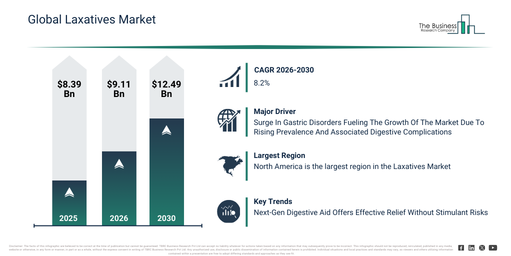
    The laxatives market has experienced substantial expansion in recent years. This market is anticipated to expand from $8.39 billion in 2025 to $9.11 billion in 2026, achieving a compound annual growth rate (CAGR) of 8.5%. Historically, this growth can be ascribed to factors such as inadequate dietary fiber, inactive lifestyles, an increasing elderly population, the management of constipation in hospitals, and the availability of over-the-counter (OTC) drugs.

    The laxatives market is anticipated to experience robust growth in the coming years, with its valuation expected to reach $12.49 billion in 2030, progressing at a compound annual growth rate (CAGR) of 8.2%. This growth during the forecast period is driven by an increased focus on preventive digestive health, the rising demand for clean-label laxatives, the expansion of e-commerce pharmacies, a greater prevalence of IBS, and innovative formulations for pediatric and geriatric users. Significant trends for the forecast period include a growing demand for over-the-counter digestive remedies, the increasing popularity of fiber-based and natural laxatives, enhanced awareness surrounding gut health, the continued expansion of online pharmacy sales, and product developments in gentle formulations.

    Get A Free Sample Report With In-Depth Market Insights:

    https://thebusinessresearchcompany.com/sample_request?id=37173090&type=smp&name=Laxatives%20Market%20Report%202026&utm_source=Blogs&utm_medium=Paid&utm_campaign=Oct_PR

    Laxatives Market Opportunity Drivers: What’s Unlocking New Revenue Potential?

    The expanding occurrence of gastric issues is anticipated to fuel the expansion of the laxatives market in the foreseeable future. Gastric disorders are medical ailments impacting the stomach’s structure and function, leading to symptoms like discomfort, digestive upset, and swelling. The frequency of gastric disorders is increasing, largely attributed to a greater intake of processed and fast foods. These food types commonly upset gut equilibrium by fostering inflammation and an imbalance of acid. Laxatives contribute to managing gastric conditions by facilitating bowel movements, alleviating constipation, and diminishing unease resulting from blockages in the digestive system. For instance, in February 2025, according to Cancer Australia, an Australia-based government agency, in 2023, an estimated 2,576 new stomach cancer cases were diagnosed, with a lifetime diagnosis risk by age 85 of 0.85% overall (1.1% for males and 0.61% for females). Consequently, the growing incidence of gastric disorders is propelling the growth of the laxatives market.

    Laxatives Market Segment Landscape And Growth Outlook

    The laxatives market covered in this report is segmented –

    1) By Type: Hypertonic Laxative, Lubricating Laxative, Stimulant Laxative, Swelling Laxative, Other Types

    2) By Formulation: Tablets, Powder, Liquid, Suppositories, Gels

    3) By Applications: Chronic Constipation, Irritable Bowel Syndrome (IBS), Post-Surgery Recovery, Weight Loss And Detox

    4) By End User: Hospitals, Clinics, Retail Pharmacies, Other End-Users

    Subsegments:

    1) By Hypertonic Laxative: Saline Laxatives, Osmotic Laxatives, Fleet Phospho-soda, Lactulose

    2) By Lubricating Laxative: Mineral Oil, Glycerin Suppositories, Emollient Enemas

    3) By Stimulant Laxative: Bisacodyl, Senna (Sennosides), Castor Oil, Sodium Picosulfate

    4) By Swelling Laxative: Psyllium Husk, Methylcellulose, Calcium Polycarbophil, Bran

    5) By Other Types: Enemas, Suppositories, Herbal Laxatives, Probiotic-Based Laxatives

    Laxatives Market Innovation Trends Shaping Future Development

    Leading companies within the laxatives market are concentrating on developing advanced solutions, such as osmotic laxatives, aimed at improving digestive health outcomes while fulfilling consumer desires for safer, non-habit-forming alternatives. Osmotic laxatives operate as non-stimulant agents that draw water into the intestines, which softens stool and encourages bowel movements. These products frequently contain polyethylene glycol (PEG) or lactulose. For example, in June 2024, Glenmark Pharmaceuticals, an India-based pharmaceutical enterprise, introduced LaxaGo, an over-the-counter osmotic laxative. LaxaGo is characterized by a polyethylene glycol (PEG) 3350 formulation, featuring balanced electrolytes for effective yet mild relief, enhanced palatability with a neutral taste to improve patient compliance, and a non-stimulant mode of action that avoids dependency risks linked with long-term application.

    Laxatives Market Competitive Landscape: Who Leads The Industry?

    Major companies operating in the laxatives market are Pfizer Inc., The Procter & Gamble Company, Johnson & Johnson, Sanofi S.A., Abbott Laboratories, GlaxoSmithKline plc, Takeda Pharmaceutical Company Limited, Reckitt Benckiser Group plc, Bausch Health Companies Inc., Nestlé Health Science, Sun Pharmaceutical Industries Ltd., Aurobindo Pharma Limited, Dr. Reddy’s Laboratories Ltd., Zydus Lifesciences Limited, Glenmark Pharmaceuticals Ltd., Purdue Pharma L.P., Boiron S.A., Ironwood Pharmaceuticals Inc., Ferring Pharmaceuticals, C.B. Fleet Company Inc.

    View The Full Laxatives Market Report:

    https://thebusinessresearchcompany.com/report/laxatives-global-market-report?utm_source=Blogs&utm_medium=Paid&utm_campaign=Oct_PR

    Laxatives Market Largest Region: Which Geography Holds The Biggest Share?

    North America was the largest region in the laxatives market in 2025. Asia-Pacific is expected to be the fastest-growing region in the forecast period. The regions covered in the laxatives market report are Asia-Pacific, South East Asia, Western Europe, Eastern Europe, North America, South America, Middle East, Africa.

    Reach Out To Our Team:

    The Business Research Company: https://www.thebusinessresearchcompany.com/

    Americas: +1 310-496-7795

    Asia: +44 7882 955267 & +91 8897263534

    Europe: +44 7882 955267

    Email us at: marketing@tbrc.info

    Follow us on:

    LinkedIn: https://in.linkedin.com/company/the-business-research-company

    YouTube: https://www.youtube.com/channel/UC24_fI0rV8cR5DxlCpgmyFQ

    Global Market Model: https://www.thebusinessresearchcompany.com/global-market-model
  • Lateral Epicondylitis Treatment Market CAGR Forecast Through 2030: Key Trends Shaping Industry Expansion

    Lateral Epicondylitis Treatment Market CAGR Forecast Through 2030: Key Trends Shaping Industry Expansion

    Backed by market attractiveness analysis, total addressable market sizing, company benchmarking matrices, interactive Excel dashboards, wider supply chain intelligence, emerging startup coverage, and detailed product-level insights, The Business Research Company’s 2026 market reports are designed to offer research that is more actionable and strategically valuable than ever.

    Lateral Epicondylitis Treatment Market Size And Revenue Outlook Through 2030

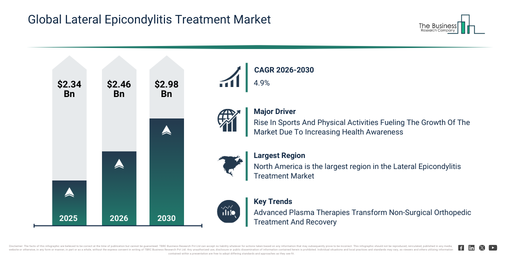
    The market size for lateral epicondylitis treatment has demonstrated substantial growth in recent years. Projections indicate its expansion from $2.34 billion in 2025 to $2.46 billion in 2026, achieving a compound annual growth rate (CAGR) of 5.2%. Historically, this growth is primarily a result of factors such as the widespread occurrence of sports-related injuries, repetitive occupational strain, the proliferation of orthopedic clinics, the acceptance of traditional physiotherapy, and pain management utilizing NSAIDs.

    The lateral epicondylitis treatment market is projected to experience consistent expansion over the upcoming years. Its valuation is anticipated to reach $2.98 billion in 2030, demonstrating a compound annual growth rate (CAGR) of 4.9%. This expansion during the projection period is primarily driven by the increasing embrace of minimally invasive treatments, the demographic shift towards an aging workforce, the proliferation of digital physiotherapy platforms, a heightened demand for swift recovery methods, and ongoing advancements in outpatient surgical procedures. Key developments during this forecast timeframe encompass a rising inclination towards non-surgical approaches, a greater uptake of physical therapy regimens, increased utilization of image-guided injections, the broadening scope of outpatient orthopedic services, and the seamless integration of rehabilitation with pain management strategies.

    Get A Free Sample Report With In-Depth Market Insights:

    https://thebusinessresearchcompany.com/sample_request?id=87842372&type=smp&name=Lateral%20Epicondylitis%20Treatment%20Market%20Report%202026&utm_source=Blogs&utm_medium=Paid&utm_campaign=Oct_PR

    Lateral Epicondylitis Treatment Market Growth Momentum: What Factors Are Shaping Demand?

    The increasing engagement in sports and physical activities is projected to propel the lateral epicondylitis treatment market’s development in the future. These activities refer to structured or recreational bodily movements undertaken to enhance physical fitness, maintain health, or participate in competitive or leisure pursuits. The rise in sports and physical activities stems from heightened health awareness, as more individuals prioritize fitness to avert diseases and elevate their mental and physical well-being. Lateral epicondylitis treatment proves advantageous for sports and physical activities by helping to restore pain-free arm function, thereby enabling individuals to execute movements like gripping and swinging without discomfort or restriction. As an illustration, in February 2024, the Sports and Fitness Industry Association (SFIA), a US-based trade association, reported that 78.8% of Americans, or 242 million people, engaged in at least one physical activity in 2023, which represents a 2.2% rise from 2022. Thus, the expansion of sports and physical activities is a significant driver for the growth of the lateral epicondylitis treatment market.

    Lateral Epicondylitis Treatment Market Breakdown By Product Type And Application

    The lateral epicondylitis treatment market covered in this report is segmented –

    1) By Treatment Type: Non-Surgical Treatment, Surgical Treatment

    2) By Age Group: Pediatric, Adult, Geriatric

    3) By Application: Athlete, Other Applications

    4) By End Use: Hospitals, Ambulatory Surgical Centers, Orthopedic Clinics, Homecare Settings, Other End Uses

    Subsegments:

    1) By Non-Surgical Treatment: Physical Therapy, Pharmacological Therapy, Orthotic Devices, Injections

    2) By Surgical Treatment: Open Surgery, Arthroscopic Surgery

    Lateral Epicondylitis Treatment Market Trends Redefining Industry Growth

    Leading companies within the lateral epicondylitis treatment market are concentrating on introducing novel solutions, specifically plasma therapies, aimed at broadening available treatment options and delivering sophisticated, non-surgical alternatives for individuals with orthopedic ailments. These therapies leverage elements from blood plasma, notably antibodies or growth factors, to address diverse medical conditions and bolster the body’s innate healing mechanisms. An example of this trend is seen in December 2023, when Tree Top Hospital (TTH), a cutting-edge hospital situated in the Maldives, introduced platelet-rich plasma (PRP) treatments within its comprehensive advanced orthopedic care services. This pioneering treatment capitalizes on the body’s inherent healing capabilities to tackle specific musculoskeletal issues like lateral epicondylitis (tennis elbow), early-stage knee arthritis, and tendon injuries linked to sports. Through the implementation of PRP therapy, TTH endeavors to improve patient recuperation using minimally invasive, scientifically supported regenerative approaches, thereby decreasing the reliance on surgical procedures.

    Lateral Epicondylitis Treatment Market Company Landscape And Competitive Strategy

    Major companies operating in the lateral epicondylitis treatment market are Merck & Co. Inc., 3M Company, Mayo Foundation for Medical Education and Research (MFMER), Cleveland Clinic, Chugai Pharmaceutical, Johns Hopkins Medicine, MedStar Health, Cipla Inc., Enovis Corporation, OttoBock HealthCare, Ossur Corporate, Max Healthcare, Seikagaku Corporation, Texas Orthopedic Specialists, Johari Digital, Mediheal Group of Hospitals, Scandinavian Physiotherapy Center, Veritas Health LLC, Folsom Orthopaedics & Sports Medicine, ReLiva Physiotherapy & Rehab, Molecular Pharmacology Limited

    View The Full Lateral Epicondylitis Treatment Market Report:

    https://thebusinessresearchcompany.com/report/lateral-epicondylitis-treatment-global-market-report?utm_source=Blogs&utm_medium=Paid&utm_campaign=Oct_PR

    Lateral Epicondylitis Treatment Market Regional Analysis: Which Geography Leads On Revenue?

    North America was the largest region in the lateral epicondylitis treatment market in 2025. Asia-Pacific is expected to be the fastest-growing region in the forecast period. The regions covered in the lateral epicondylitis treatment market report are Asia-Pacific, South East Asia, Western Europe, Eastern Europe, North America, South America, Middle East, Africa.

    Reach Out To Our Team:

    The Business Research Company: https://www.thebusinessresearchcompany.com/

    Americas: +1 310-496-7795

    Asia: +44 7882 955267 & +91 8897263534

    Europe: +44 7882 955267

    Email us at: marketing@tbrc.info

    Follow us on:

    LinkedIn: https://in.linkedin.com/company/the-business-research-company

    YouTube: https://www.youtube.com/channel/UC24_fI0rV8cR5DxlCpgmyFQ

    Global Market Model: https://www.thebusinessresearchcompany.com/global-market-model
  • Late Stage Chronic Kidney Disease Drugs Market To Witness 11.7% CAGR Growth Through 2030: Key Industry Drivers

    Late Stage Chronic Kidney Disease Drugs Market To Witness 11.7% CAGR Growth Through 2030: Key Industry Drivers

    Featuring market attractiveness scoring, total addressable market sizing, company benchmarking matrices, interactive Excel dashboards, deeper supply chain intelligence, emerging startup tracking, and granular product-level insights, The Business Research Company’s 2026 market reports are built to deliver research that is both more actionable and more strategically valuable.

    Late Stage Chronic Kidney Disease Drugs Market Growth From $8.73 Billion In 2026 To $13.58 Billion By 2030 At A CAGR Of 11.7%

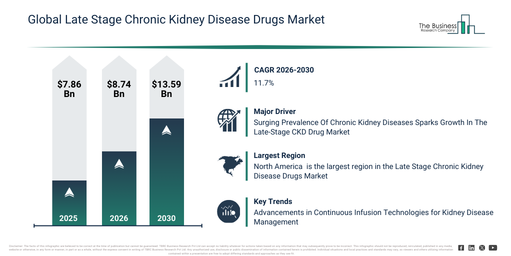
    The market for late stage chronic kidney disease drugs has seen significant expansion in recent years. This market is projected to expand from $7.86 billion in 2025 to $8.74 billion in 2026, demonstrating a compound annual growth rate (CAGR) of 11.1%. Factors contributing to this expansion during the historical period include the increasing incidence of chronic kidney disease, inadequate awareness regarding late-stage therapeutic choices, a rise in dialysis dependence, an expanding elderly population, and limitations in accessing specialized care.

    The late stage chronic kidney disease drugs market size is projected to experience substantial expansion in the coming years. It is anticipated to reach a size of $13.59 billion in 2030, demonstrating a compound annual growth rate (CAGR) of 11.7%. This projected growth during the forecast period can be linked to factors such as progress in precision medicine, the incorporation of digital health platforms, an increase in the use of new drug therapies, enhanced government healthcare programs, and increased funding for patient monitoring technologies. Key trends expected over this period involve personalized treatment plans, innovative drug formulations tailored for late-stage ckd, improved symptom management, solutions for patient adherence and monitoring, and tools to support healthcare provider decision-making.

    Get A Free Sample Report With In-Depth Market Insights:

    https://thebusinessresearchcompany.com/sample_request?id=42195674&type=smp&name=Late%20Stage%20Chronic%20Kidney%20Disease%20Drugs%20Market%20Report%202026&utm_source=Blogs&utm_medium=Paid&utm_campaign=Oct_PR

    Late Stage Chronic Kidney Disease Drugs Market Expansion Drivers: What’s Shaping Future Growth?

    The widespread occurrence of chronic kidney diseases is expected to propel the growth of the late-stage chronic kidney disease drug market going forward. Chronic kidney diseases encompass a diverse range of conditions impacting the structure and operation of the kidneys. Late-stage chronic kidney disease drugs are utilized to control blood pressure in patients and decrease protein loss, aiming to halt the progression of kidney impairment, manage symptoms, and avoid consequences. For instance, in May 2024, according to the Centers for Disease Control and Prevention (CDC), a US-based public health agency, an estimated 14% of U.S. adults, or around 35.5 million people, are living with chronic kidney diseases. Therefore, the prevalence of chronic kidney disease is driving the growth of the late-stage chronic kidney disease drug market.

    Late Stage Chronic Kidney Disease Drugs Market Segment Analysis And Revenue Potential

    The late stage chronic kidney disease drugs market covered in this report is segmented –

    1) By Product Type: Calcimimetics, Vitamin D, Sterols, Potassium Binders, Calcium-Based Phosphate Binders

    2) By Indication Type: Late Stage Chronic Kidney Disease Induced Hyperparathyroidism, Late Stage Chronic Kidney Disease Induced Hyperphosphatemia, Late Stage Chronic Kidney Disease Induced Hyperkalemia

    3) By Distribution Channel: Hospital Pharmacies, Online Pharmacies, Retail Pharmacies

    Subsegments:

    1) By Calcimimetics: Cinacalcet, Etelcalcetide

    2) By Vitamin D: Calcitriol, Doxercalciferol, Paricalcitol

    3) By Sterols: Ergocalciferol, Cholecalciferol

    4) By Potassium Binders: Sodium Polystyrene Sulfonate, Patiromer, Sodium Zirconium Cyclosilicate

    5) By Calcium-Based Phosphate Binders: Calcium Acetate, Calcium Carbonate

    Late Stage Chronic Kidney Disease Drugs Market Strategic Trends: What Defines The Next Growth Phase?

    Leading companies in the late-stage chronic kidney disease drugs market are developing advanced technologies, such as continuous subcutaneous infusion approaches, to improve the effectiveness of treatments, enhance patient outcomes, and optimize the drug development lifecycle. Continuous subcutaneous infusion technology facilitates the consistent delivery of medication using a small device positioned under the skin, ensuring stable therapeutic concentrations and boosting patient adherence. For instance, in January 2024, AbbVie Inc., a US-based pharmaceutical company, introduced PRODUODOPA (for levodopa/foscarbidopa). PRODUODOPA enables a continuous infusion of levodopa, which aids in maintaining stable dopamine levels in the bloodstream. This is essential for effectively managing symptoms, as it prolongs ‘on’ time periods when symptoms are well-controlled and minimizes ‘off’ time periods when symptoms resurface.

    Late Stage Chronic Kidney Disease Drugs Market Key Players Shaping Industry Direction

    Major companies operating in the late stage chronic kidney disease drugs market are Pfizer Inc., Johnson & Johnson, AbbVie Inc., Bayer AG, Novartis AG, Sanofi SA, Bristol-Myers Squibb Company, AstraZeneca plc, Eli Lilly and Company, C.H. Boehringer Sohn AG & Co. KG, Amgen Inc., Novo Nordisk A/S, Teva Pharmaceutical Industries Ltd., Otsuka Pharmaceutical Co. Ltd., Takeda Pharmaceutical Company Limited, Kyowa Kirin Co Ltd., OPKO Health Inc., Akebia Therapeutics Inc., Ardelyx Inc., Pharmaxis Limited, Deltanoid Pharmaceuticals Inc., Liminal BioSciences Inc., Chinook Therapeutics Inc., Allena Pharmaceuticals Inc., Shield Therapeutics Plc

    View The Full Late Stage Chronic Kidney Disease Drugs Market Report:

    https://thebusinessresearchcompany.com/report/late-stage-chronic-kidney-disease-drugs-global-market-report?utm_source=Blogs&utm_medium=Paid&utm_campaign=Oct_PR

    Late Stage Chronic Kidney Disease Drugs Market Geographic Spread And Regional Opportunities

    North America was the largest region in the late-stage chronic kidney disease drugs market in 2025. The regions covered in the late stage chronic kidney disease drugs market report are Asia-Pacific, South East Asia, Western Europe, Eastern Europe, North America, South America, Middle East, Africa.

    Reach Out To Our Team:

    The Business Research Company: https://www.thebusinessresearchcompany.com/

    Americas: +1 310-496-7795

    Asia: +44 7882 955267 & +91 8897263534

    Europe: +44 7882 955267

    Email us at: marketing@tbrc.info

    Follow us on:

    LinkedIn: https://in.linkedin.com/company/the-business-research-company

    YouTube: https://www.youtube.com/channel/UC24_fI0rV8cR5DxlCpgmyFQ

    Global Market Model: https://www.thebusinessresearchcompany.com/global-market-model

  • Lactose Intolerance Treatment Market Projected For Strong Expansion Through 2030: Key Trends And Future Outlook

    Lactose Intolerance Treatment Market Projected For Strong Expansion Through 2030: Key Trends And Future Outlook

    Built to provide research that’s more actionable and strategically valuable, The Business Research Company’s 2026 market reports include market attractiveness analysis, total addressable market sizing, company benchmarking matrices, interactive Excel dashboards, broader supply chain intelligence, emerging startup tracking, and in-depth product insights.

    Lactose Intolerance Treatment Market Expansion Outlook: What Revenue Opportunities Are Ahead?

    The lactose intolerance treatment market has seen substantial growth in recent years. Its value is anticipated to expand from $34.43 billion in 2025 to $36.96 billion in 2026, achieving a compound annual growth rate (CAGR) of 7.3%. Historical growth in this market can be attributed to factors such as an increasing prevalence of lactose intolerance, the restricted availability of lactose-free products, insufficient consumer awareness, a reliance on traditional remedies, and a rise in gastrointestinal disorders.

    The market for lactose intolerance treatment is anticipated to experience substantial expansion in the coming years. By 2030, this market is projected to reach $49.13 billion, exhibiting a compound annual growth rate (CAGR) of 7.4%. This projected growth is driven by factors such as the increasing need for individualized treatments, innovations in enzyme formulations, the broadening availability of functional dairy options, higher spending on healthcare, and a surge in home-based care. Key developments expected during this period involve tailored therapies for lactose intolerance, an increase in functional foods and dairy substitutes, greater use of enzyme supplements, enhanced public understanding and education regarding digestive wellness, and the proliferation of at-home treatment options.

    Get A Free Sample Report With In-Depth Market Insights:

    https://thebusinessresearchcompany.com/sample_request?id=10017505&type=smp&name=Lactose%20Intolerance%20Treatment%20Market%20Report%202026&utm_source=Blogs&utm_medium=Paid&utm_campaign=Oct_PR

    Lactose Intolerance Treatment Market Development Factors: What’s Supporting Demand?

    The expansion of the lactose intolerance treatment market is anticipated to be supported by the burgeoning global population during the forecast period. The worldwide population’s increase, combined with shifts in dietary patterns, has led to a rise in individuals affected by lactose intolerance, consequently boosting the need for effective treatments and management options. This demographic change, coupled with a heightened understanding of lactose intolerance, is expected to stimulate innovation and investment in therapeutic solutions. For instance, in January 2024, according to the United States Census Bureau, a U.S.-based government agency, the global population is projected to reach 8,019,876,189, representing an increase of 75,162,541 (0.95%) from 2023. Thus, the growing population will drive the demand within the lactose intolerance treatment market.

    Lactose Intolerance Treatment Market Segmentation And Category Overview

    The lactose intolerance treatment market covered in this report is segmented –

    1) By Treatment: Food Supplements, Enzyme Lactase Supplements, Probiotics, Other Treatments

    2) By Intolerance Type: Primary Lactose Intolerance, Secondary Lactose Intolerance, Congenital Lactose Intolerance, Developmental Lactose Intolerance

    3) By Route Of Administration: Oral, Injectable

    4) By End Users: Hospitals, Homecare, Specialty Clinics, Other End Users

    Subsegments:

    1) By Food Supplements: Lactose-Free Dairy Products, Fortified Foods

    2) By Enzyme Lactase Supplements: Capsules, Tablets, Chewable Tablets, Liquid Formulations

    3) By Probiotics: Probiotic Yogurts, Probiotic Capsules, Probiotic Powders

    4) By Other Treatments: Dietary Modifications, Prescription Medications

    Lactose Intolerance Treatment Market Transformation Trends: What Innovations Are Driving Change?

    Major companies operating in the lactose intolerance treatment market are concentrating on developing innovative solutions, such as advanced sugar-reduction and lactose-modification technologies, to meet the increasing demand for dairy products that are low in lactose, low in sugar, and gentle on digestion. These technologies function by enzymatically breaking down lactose and lowering natural sugar content, offering a practical alternative to traditional lactose-free processing methods while also enhancing nutritional profiles. For instance, in July 2023, Nestlé, a food and drink processing company based in Switzerland, introduced a versatile, cost-effective sugar-reduction technology applicable across various product categories. This technology not only decreases total sugars but can also be utilized to produce low-lactose and skimmed milk-based products, addressing both lactose intolerance and sugar-reduction needs for consumers.

    Lactose Intolerance Treatment Market Competitive Analysis Of Leading Industry Participants

    Major companies operating in the lactose intolerance treatment market are Abbott Laboratories Inc., Macleods Pharmaceuticals Limited, Ganeden Inc., Deerland Probiotics & Enzymes Inc., Novozymes A/S, Cargill Incorporated, Lupin Pharmaceuticals Inc., Nestlé S.A., Glenmark Pharmaceuticals Limited, Intas Pharmaceuticals Ltd., Wockhardt Ltd., Alkem Laboratories Limited, Teva Pharmaceutical Industries Ltd., Dr. Reddy’s Laboratories Ltd., Torrent Pharmaceuticals Ltd., DuPont Nutrition & Biosciences Inc., Kerry Group plc, Koninklijke DSM N.V., Solvay S.A., Chr. Hansen Holding A/S, Bio-Cat Inc.

    View The Full Lactose Intolerance Treatment Market Report:

    https://thebusinessresearchcompany.com/report/lactose-intolerance-treatment-global-market-report?utm_source=Blogs&utm_medium=Paid&utm_campaign=Oct_PR

    Lactose Intolerance Treatment Market Top Region By Revenue And Market Share

    North America was the largest region in the lactose intolerance treatment market in 2025. The regions covered in the lactose intolerance treatment market report are Asia-Pacific, South East Asia, Western Europe, Eastern Europe, North America, South America, Middle East, Africa.

    Reach Out To Our Team:

    The Business Research Company: https://www.thebusinessresearchcompany.com/

    Americas: +1 310-496-7795

    Asia: +44 7882 955267 & +91 8897263534

    Europe: +44 7882 955267

    Email us at: marketing@tbrc.info

    Follow us on:

    LinkedIn: https://in.linkedin.com/company/the-business-research-company

    YouTube: https://www.youtube.com/channel/UC24_fI0rV8cR5DxlCpgmyFQ

    Global Market Model: https://www.thebusinessresearchcompany.com/global-market-model
  • Lactation Support Supplements Market Outlook 2026–2030: Growth Trends, Market Dynamics And Emerging Opportunities

    Lactation Support Supplements Market Outlook 2026–2030: Growth Trends, Market Dynamics And Emerging Opportunities

    Backed by market attractiveness analysis, total addressable market sizing, company benchmarking matrices, interactive Excel dashboards, wider supply chain intelligence, emerging startup coverage, and detailed product-level insights, The Business Research Company’s 2026 market reports are designed to offer research that is more actionable and strategically valuable than ever.

    Lactation Support Supplements Market Growth Potential: How Will Market Size Shift Through 2030?

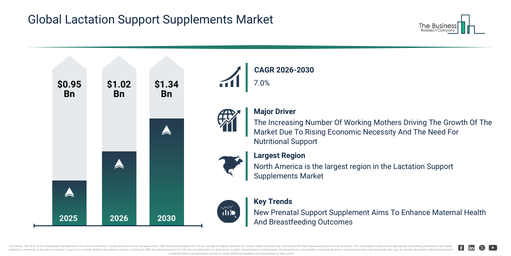
    The market size for lactation support supplements has shown robust growth recently. It is anticipated to increase from $0.95 billion in 2025 to $1.02 billion in 2026, reflecting a compound annual growth rate (CAGR) of 7.3%. This historical expansion can be attributed to several factors including increasing breastfeeding awareness, the adoption of traditional herbal medicine, a greater focus on postpartum nutrition, the ready availability of supplements in pharmacies, and various maternal healthcare initiatives.

    The market for lactation support supplements is anticipated to experience substantial growth over the coming years. This market is projected to reach $1.34 billion by 2030, exhibiting a compound annual growth rate (CAGR) of 7.0%. Several factors are expected to drive this expansion during the forecast period, including the proliferation of online maternal wellness platforms, a growing preference for clean-label supplements, an increasing number of working mothers, the demand for personalized maternal nutrition, and the expansion of health brands catering specifically to women. Key trends anticipated over the forecast period encompass an increasing inclination towards natural and herbal lactation products, greater adoption of plant-based galactagogues, the expansion of direct-to-consumer supplement sales channels, enhanced awareness regarding postpartum nutrition, and advancements in product innovation leading to more convenient dosage forms.

    Get A Free Sample Report With In-Depth Market Insights:

    https://thebusinessresearchcompany.com/sample_request?id=12663074&type=smp&name=Lactation%20Support%20Supplements%20Market%20Report%202026&utm_source=Blogs&utm_medium=Paid&utm_campaign=Oct_PR

    Lactation Support Supplements Market Industry Drivers: What’s Behind The Revenue Growth?

    The increasing number of working mothers is poised to fuel the expansion of the lactation support supplements market moving forward. Working mothers are women who balance their professional or career obligations with their duties as caregivers and parents, typically managing both household and work demands. The rise in working mothers is largely due to economic necessity, as many households depend on dual incomes to manage escalating living costs, support family requirements, and maintain financial stability. Lactation support supplements assist working mothers by delivering essential nutrients that stimulate milk production, thereby allowing them to meet both their breastfeeding and work responsibilities without compromising their well-being or their baby’s nourishment. As an illustration, in May 2025, figures from the U.S. Bureau of Labor Statistics (BLS), a U.S.-based federal agency, showed that in 2024, the labor force participation rate among mothers whose youngest child was aged 6–17 rose to 78.0%, compared to 68.3% for those with children under 6. Thus, the growing population of working mothers is a key driver for the lactation support supplements market’s growth.

    Lactation Support Supplements Market Segment Outlook: Which Categories Are Growing Fastest?

    The lactation support supplements market covered in this report is segmented –

    1) By Product Type: Capsules, Tablets, Powders, Teas

    2) By Ingredient Type: Fenugreek, Moringa, Milk Thistle, Fennel, Oatmeal, Other Ingredient Types

    3) By Sales Channel: Online Sales Channel, Direct Sales Channel, Pharmacies Or Drug Stores, Other Offline Channels

    Subsegments:

    1) By Capsules: Softgel Capsules, Hard Gel Capsules, Liquid Capsules

    2) By Tablets: Chewable Tablets, Regular Tablets, Effervescent Tablets

    3) By Powders: Single Serve Powders, Bulk Powders

    4) By Teas: Loose Leaf Teas, Tea Bags

    #Lactation Support Supplements Market Growth Trends: What’s Shaping The Future Outlook?

    Key companies within the lactation support supplements market are prioritizing the creation of innovative products, including prenatal support supplements, to boost maternal health and improve breastfeeding results. Prenatal support supplements are specially formulated items that supply vital vitamins, minerals, and nutrients to maintain the health of both the mother and the growing baby throughout pregnancy. For example, in October 2024, Synevit, a US-based nutraceutical company, unveiled Prenelact, a dietary supplement intended to assist women during pregnancy and breastfeeding. This offering provides a meticulously balanced mixture of 19 essential vitamins and minerals, specifically tailored to address the distinct nutritional needs of expectant and nursing mothers. Every ingredient is incorporated in clinically recommended daily doses to ensure efficient absorption and safety, thereby preventing the hazards of both shortages and oversupply.

    Lactation Support Supplements Market Leading Companies And Competitive Benchmarking

    Major companies operating in the lactation support supplements market are Nestlé S.A., Nature’s Way Products LLC, Munchkin Inc., Traditional Medicinals Inc., Willow Innovations Inc, Pink Stork LLC, Boobie Superfoods, UpSpring Baby LLC, Motherlove Herbal Company, Earth Mama Organics LLC, Fairhaven Health LLC, Holistic Lactation LLC, Legendairy Milk LLC, Majka LLC, Maxi Health Research LLC, Milky Mama LLC, Nutrizoe Nutriifoods Private Limited, Oat Mama LLC, Rumina Naturals Inc, Vitalpax

    View The Full Lactation Support Supplements Market Report:

    https://thebusinessresearchcompany.com/report/lactation-support-supplements-global-market-report?utm_source=Blogs&utm_medium=Paid&utm_campaign=Oct_PR

    Lactation Support Supplements Market Regional Analysis And Top Geography

    North America was the largest region in the lactation support supplements market in 2025. Asia-Pacific is expected to be the fastest-growing region in the forecast period. The regions covered in the lactation support supplements market report are Asia-Pacific, South East Asia, Western Europe, Eastern Europe, North America, South America, Middle East, Africa.

    Reach Out To Our Team:

    The Business Research Company: https://www.thebusinessresearchcompany.com/

    Americas: +1 310-496-7795

    Asia: +44 7882 955267 & +91 8897263534

    Europe: +44 7882 955267

    Email us at: marketing@tbrc.info

    Follow us on:

    LinkedIn: https://in.linkedin.com/company/the-business-research-company

    YouTube: https://www.youtube.com/channel/UC24_fI0rV8cR5DxlCpgmyFQ

    Global Market Model: https://www.thebusinessresearchcompany.com/global-market-model

  • Lab Automation In Drug Discovery Market Growth Outlook From $7.11 Billion In 2026 To $8.71 Billion By 2030

    Lab Automation In Drug Discovery Market Growth Outlook From $7.11 Billion In 2026 To $8.71 Billion By 2030

    Featuring market attractiveness scoring, total addressable market sizing, company benchmarking matrices, interactive Excel dashboards, deeper supply chain intelligence, emerging startup tracking, and granular product-level insights, The Business Research Company’s 2026 market reports are built to deliver research that is both more actionable and more strategically valuable.

    Lab Automation In Drug Discovery Market Value Analysis: What Growth Lies Ahead Over The Forecast Period?

    The lab automation in drug discovery market has experienced significant expansion in recent years. It is projected to grow from $6.77 billion in 2025 to $7.12 billion in 2026, demonstrating a compound annual growth rate (CAGR) of 5.1%. The historical increase in this market can be attributed to several factors, including the adoption of robotic arms in laboratories, rising investment in pharmaceutical research and development, an increased demand for automation to minimize errors, the integration of lab information management systems, and the growth in high-throughput screening technologies.

    The lab automation in drug discovery market is projected for substantial expansion in the coming years. It is anticipated to reach $8.72 billion by 2030, demonstrating a compound annual growth rate (CAGR) of 5.2%. This expected growth during the forecast period is driven by several factors, including the expansion of AI-driven drug discovery platforms, a growing demand for personalized medicine, the emergence of cloud-based lab management solutions, the adoption of advanced robotics for sample handling, and increasing collaborations between pharmaceutical and biotechnology companies. Prominent trends anticipated in this period feature high-throughput screening automation, integrated laboratory workflows, the use of predictive analytics in drug discovery, the miniaturization of lab processes, and cloud-based lab management.

    Get A Free Sample Report With In-Depth Market Insights:

    https://thebusinessresearchcompany.com/sample_request?id=57903064&type=smp&name=Lab%20Automation%20In%20Drug%20Discovery%20Market%20Report%202026&utm_source=Blogs&utm_medium=Paid&utm_campaign=Oct_PR

    Lab Automation In Drug Discovery Market Growth Factors: What’s Supporting Expansion?

    The escalating need for precision medicine is projected to stimulate the expansion of lab automation within the drug discovery market moving forward. Precision medicine, also known as personalized medicine, is a method for medical treatment and prevention that considers the unique variations in genes, environment, and lifestyle for each person. Lab automation quickens research, enhances experimental consistency, and improves the efficiency of precision medicine and drug discovery workflows, ultimately contributing to the development of more effective medications and diagnostics tailored for individual patients. For example, in February 2024, the Personalized Medicine Coalition, a US-based non-profit organization, reported that in 2023, the FDA sanctioned 16 new personalized therapies for patients with rare diseases, which was a considerable increase from the six approved in 2022. Thus, the heightened demand for precision medicine is propelling the growth of lab automation in the drug discovery market.

    Lab Automation In Drug Discovery Market Segment Landscape: Which Areas Lead Development?

    The lab automation in drug discovery market covered in this report is segmented –

    1) By Type: Automated Liquid Handlers, Automated Plate Handlers, Robotic Arms, Automated Storage And Retrieval Systems, Other Types

    2) By Component: Instruments, Software, Services

    3) By Application: High-Throughput Screening, Compound Management, Sample Preparation, Other Applications

    4) By End-User: Biotechnology And Pharmaceutical Industries, Research Institutes, Other End-Users

    Subsegments:

    1) By Automated Liquid Handlers: Automated Liquid Handlers, Multi-Channel Pipettes, Reagent Dispensing Systems, Automated Titrators, Liquid Handling Workstations

    2) By Automated Plate Handlers: Automated Plate Handlers, Microplate Stacker Systems, Plate Transportation Systems, Plate Sorting Systems

    3) By Robotic Arms: Robotic Arms, Cartesian Robots, SCARA Robots, Articulated Robots, Delta Robots

    4) By Automated Storage And Retrieval Systems (ASRS): Automated Storage and Retrieval Systems (ASRS), Vertical Lift Modules (VLM), Automated Guided Vehicles (AGVs), Carousel-Based Systems, High-Density Storage Systems

    5) By Other Types: Automated Sample Preparation Systems, Laboratory Information Management Systems (LIMS), Microarray Processors, Automated Screening Systems

    Lab Automation In Drug Discovery Market Industry Trends: What’s Reshaping Demand?

    Major companies engaged in lab automation within the drug discovery market are focusing on integrating AI-driven and robotics-based platforms to accelerate formulation development and improve R&D efficiency. These AI-powered and robot-assisted platforms leverage smart algorithms and automated machines to streamline tasks, enhance precision, and speed up workflows. For example, in May 2025, Intrepid Labs, a research laboratory based in Canada, launched its Valiant platform, an AI-driven and robotics-enabled system engineered to dramatically accelerate drug formulation development. Backed by over $11 million in total funding, including a recent $7 million seed round led by AVANT BIO, the company intends to replace slow, trial-and-error formulation processes with rapid, data-driven optimization. Valiant autonomously explores entire formulation design spaces, reducing timelines from months to days while simultaneously improving therapeutic performance and safety. Since its founding in 2023, Intrepid Labs has secured partnerships with major pharmaceutical companies and CROs, and is also developing proprietary oral and long-acting injectable technologies for licensing.

    Lab Automation In Drug Discovery Market Industry Leaders And Competitive Landscape

    Major companies operating in the lab automation in drug discovery market are Thermo Fisher Scientific Inc., Abbott Diagnostics, Roche Holdings Inc., Beckman Coulter, Siemens Healthineers, Becton Dickinson and Company, Agilent Technologies Inc., PerkinElmer Inc., Endress+Hauser, Shimadzu Corporation, Waters Corporation, Bio-Rad Laboratories Inc., QIAGEN, Beckhoff Automation GmbH & Co. KG, Eppendorf AG, Tecan Group Ltd., Brooks Automation Inc., Hamilton Company, Hudson Robotics Inc., OpenTrons Labworks Inc., Quanterix Corporation, The Technology Partnership, HighRes Biosolutions Inc., Biosero Inc., Peak Analysis and Automation Ltd., Aurora Biomed Inc., Synchron Lab Automation

    View The Full Lab Automation In Drug Discovery Market Report:

    https://thebusinessresearchcompany.com/report/lab-automation-in-drug-discovery-global-market-report?utm_source=Blogs&utm_medium=Paid&utm_campaign=Oct_PR

    Lab Automation In Drug Discovery Market Geographic Analysis: Where Is Demand Rising Fastest?

    North America was the largest region in the lab automation in drug discovery market in 2025. Asia-Pacific is expected to be the fastest-growing region in the forecast period. The regions covered in the lab automation in drug discovery market report are Asia-Pacific, South East Asia, Western Europe, Eastern Europe, North America, South America, Middle East, Africa.

    Reach Out To Our Team:

    The Business Research Company: https://www.thebusinessresearchcompany.com/

    Americas: +1 310-496-7795

    Asia: +44 7882 955267 & +91 8897263534

    Europe: +44 7882 955267

    Email us at: marketing@tbrc.info

    Follow us on:

    LinkedIn: https://in.linkedin.com/company/the-business-research-company

    YouTube: https://www.youtube.com/channel/UC24_fI0rV8cR5DxlCpgmyFQ

    Global Market Model: https://www.thebusinessresearchcompany.com/global-market-model