Month: October 2026

  • Constipation Laxative Market Analysis: How The Industry Is Evolving Toward A $9.8 Billion Future

    Constipation Laxative Market Analysis: How The Industry Is Evolving Toward A $9.8 Billion Future

    Backed by market attractiveness analysis, total addressable market sizing, company benchmarking matrices, interactive Excel dashboards, wider supply chain intelligence, emerging startup coverage, and detailed product-level insights, The Business Research Company’s 2026 market reports are designed to offer research that is more actionable and strategically valuable than ever.

    Constipation Laxative Market Size, Value And Growth Trajectory Through 2030

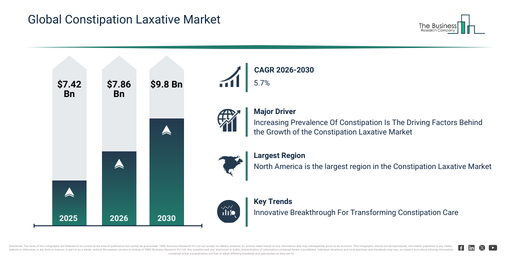
    The constipation laxative market has demonstrated significant expansion in recent years. It will grow from $7.42 billion in 2025 to $7.86 billion in 2026 at a compound annual growth rate (CAGR) of 5.9%. This historical development can be ascribed to several factors, including the widespread prevalence of constipation disorders, the long-standing use of stimulant and osmotic laxatives, the availability of affordable over-the-counter treatments, increasing urban sedentary lifestyles, and the established presence of hospital and retail pharmacy distribution networks.

    The constipation laxative market is set for significant expansion in the coming years. It is projected to achieve a size of $9.8 billion by 2030, advancing at a compound annual growth rate (CAGR) of 5.7%. This anticipated growth during the forecast period stems from the aging global population, a rise in chronic digestive disorders, increased public understanding of gut health, a surge in self-medication habits, and wider availability through online pharmacies. Prominent trends for this period include a growing preference for mild and sustained constipation management, an increasing need for bulk-forming and fiber-based laxatives, greater utilization of osmotic laxatives for ongoing constipation, an increase in the accessibility of over-the-counter laxatives, and a rising uptake of oral laxative preparations.

    Get A Free Sample Report With In-Depth Market Insights:

    https://thebusinessresearchcompany.com/sample_request?id=16021&type=smp&name=Constipation%20Laxative%20Market%20Report%202026&utm_source=Blogs&utm_medium=Paid&utm_campaign=Oct_PR

    Constipation Laxative Market Growth Backed By Core Demand Fundamentals

    The rising occurrence of constipation is expected to fuel the expansion of the constipation laxative market in the coming years. Constipation is a condition marked by infrequent bowel movements, typically fewer than three times per week, and difficulty passing hard, dry stools. The incidence of constipation has been increasing due to various elements, including changes in dietary habits, inactive lifestyles, inadequate fluid intake, and certain medical conditions or medications. Constipation laxatives are utilized to alleviate constipation by either stimulating bowel movements or softening stools, helping to restore regularity and ease discomfort when dietary and lifestyle adjustments are insufficient. For instance, in January 2024, a survey conducted in Saudi Arabia by Cureus, a US-based peer-reviewed journal, involving 1,139 participants aged 18 and above, indicated that a total of 811 participants, comprising 71.2% of the total, reported current or past experiences with constipation. Therefore, the growing prevalence of constipation is a primary driver for the growth of the constipation laxative market.

    Constipation Laxative Market Segmentation: How Does The Market Break Down By Category?

    The constipation laxative market covered in this report is segmented –

    1) By Drug Type: Bulk-Forming Laxatives, Stimulant Laxatives, Osmotic Laxative, Other Drugs

    2) By Route Of Administration: Oral, Rectal

    3) By Distribution Channel: Hospital Pharmacies, Retail Pharmacies, Online Pharmacies, Drug Stores

    Subsegments:

    1) By Bulk-Forming Laxatives: Psyllium, Methylcellulose, Polycarbophil

    2) By Stimulant Laxatives: Bisacodyl, Senna, Castor Oil

    3) By Osmotic Laxatives: Lactulose, Polyethylene Glycol (PEG), Magnesium-Based Laxatives, Sorbitol

    4) By Other Drugs: Lubiprostone, Linaclotide, Plecanatide, Prucalopride

    Constipation Laxative Market Growth Trends Reshaping The Competitive Landscape

    Major companies within the constipation laxative market are concentrating on developing novel products, like ayurvedic liquid laxatives, to satisfy consumer requirements for an efficient and pleasant-tasting constipation solution. An ayurvedic liquid laxative is a herbal-based remedy designed to alleviate constipation by encouraging bowel movements, offering a natural alternative within the range of constipation laxatives. For instance, in December 2023, Lupin Life, an India-based pharmaceutical company, launched Softovac Liquifibre, a 100% Ayurvedic liquid laxative. This innovative product combines Isabgol fiber with natural active ingredients such as Sonamukhi, Harad, Mulethi, Saunf, Amaltas, and Gulab Dal. Softovac Liquifibre provides a gentle and non-habit-forming method for constipation relief. It is further enhanced with advanced technologies for optimal particle size and mango flavor, addressing consumers’ preferences for palatable and diabetic-friendly options.

    Constipation Laxative Market Competitive Overview And Top Companies

    Major companies operating in the constipation laxative market are Procter & Gamble Corporation, Johnson & Johnson Services Inc., Merck & Co. Inc., Bayer AG, Sanofi S.A, AstraZeneca PLC, Abott Laboratories, GlaxoSmithKline Plc, Takeda Pharmaceutical Company Limited, Boehringer Ingelheim International GmBH, Reckitt Benckiser Group plc, Fresenius Kabi AG, Daiichi Sankya Company Limited, Eisai Co. Ltd, Sun Pharmaceutical Ltd, Shionogi & Co. Ltd, Dr. Reddy’s Laboratories Ltd., Cipla Limited, Mallinckrodt Pharmaceuticals, Ironwood Pharmaceuticals, Beutlich Pharmaceuticals LLC

    View The Full Constipation Laxative Market Report:

    https://thebusinessresearchcompany.com/report/constipation-laxative-global-market-report?utm_source=Blogs&utm_medium=Paid&utm_campaign=Oct_PR

    Constipation Laxative Market Regional Analysis And Top Geography

    North America was the largest region in the constipation laxative market in 2025. The regions covered in the constipation laxative market report are Asia-Pacific, South East Asia, Western Europe, Eastern Europe, North America, South America, Middle East, Africa.

    Reach Out To Our Team:

    The Business Research Company: https://www.thebusinessresearchcompany.com/

    Americas: +1 310-496-7795

    Asia: +44 7882 955267 & +91 8897263534

    Europe: +44 7882 955267

    Email us at: marketing@tbrc.info

    Follow us on:

    LinkedIn: https://in.linkedin.com/company/the-business-research-company

    YouTube: https://www.youtube.com/channel/UC24_fI0rV8cR5DxlCpgmyFQ

    Global Market Model: https://www.thebusinessresearchcompany.com/global-market-model
  • Connective Tissue Disease Treatment Market Outlook Through 2030: Understanding The Growth Opportunity

    Connective Tissue Disease Treatment Market Outlook Through 2030: Understanding The Growth Opportunity

    Featuring market attractiveness scoring, total addressable market sizing, company benchmarking matrices, interactive Excel dashboards, deeper supply chain intelligence, emerging startup tracking, and granular product-level insights, The Business Research Company’s 2026 market reports are built to deliver research that is both more actionable and more strategically valuable.

    Connective Tissue Disease Treatment Market CAGR Outlook And Future Development

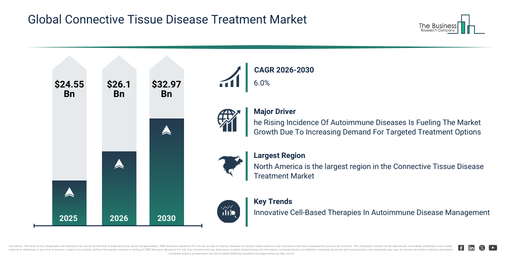
    The market size for connective tissue disease treatment has experienced robust growth over recent years. It is forecast to increase from $24.55 billion in 2025 to $26.1 billion in 2026, at a compound annual growth rate (CAGR) of 6.3%. The expansion observed in the past period can be attributed to factors such as the limited availability of biologic therapies, a reliance on conventional DMARDs, the rising prevalence of autoimmune connective tissue diseases, increasing adoption of hospital-based treatments, and enhanced awareness of disease management programs.

    The market for connective tissue disease treatment is projected to experience substantial expansion over the coming years, predicted to reach $32.97 billion in 2030, driven by a compound annual growth rate (CAGR) of 6.0%. This anticipated growth during the forecast period is primarily attributed to several factors: the advancement of targeted synthetic DMARDs and JAKs, increased investment in biologics and immunosuppressants, the broadening availability of homecare and outpatient treatment options, a heightened emphasis on personalized medicine and patient-centric care, and the incorporation of digital health and telemedicine technologies. Key trends anticipated during this period encompass the growing uptake of biologics and targeted therapies, a stronger inclination towards individualized treatment strategies, the expansion of homecare and outpatient care environments, an increasing requirement for oral and injectable drug delivery methods, and an emphasis on early diagnosis along with effective disease management initiatives.

    Get A Free Sample Report With In-Depth Market Insights:

    https://thebusinessresearchcompany.com/sample_request?id=88503375&type=smp&name=Connective%20Tissue%20Disease%20Treatment%20Market%20Report%202026&utm_source=Blogs&utm_medium=Paid&utm_campaign=Oct_PR

    Connective Tissue Disease Treatment Market Growth Catalysts And Demand Drivers

    The growing prevalence of autoimmune diseases is anticipated to propel the growth of the connective tissue disease treatment market. Autoimmune diseases refer to medical conditions where the body’s immune system erroneously attacks its healthy tissues and organs. The increasing occurrence of these diseases stems largely from a blend of genetic susceptibility, predisposing certain individuals to immune system malfunctions, and environmental influences such as infections, diet, stress, and toxic exposures, which can trigger or exacerbate these conditions. Connective tissue disease treatment plays a crucial role in managing autoimmune diseases by addressing the underlying immune system dysfunction responsible for inflammation and tissue damage. This approach helps in alleviating symptoms, retarding disease progression, and improving the general quality of life for patients afflicted with conditions like lupus, rheumatoid arthritis, and scleroderma. For example, in February 2024, Arthritis Australia reported that approximately 562,378 Australians are projected to be living with RA in 2025, representing 14% of all arthritis cases in that year. By 2040, this figure is expected to surge by 33% to 748,721 people, indicating an additional 186,343 Australians living with RA in 2040 compared to 2025. Thus, the escalating incidence of autoimmune diseases is a key factor driving the expansion of the connective tissue disease treatment market.

    Connective Tissue Disease Treatment Market Segment Trends And Revenue Contributors

    The connective tissue disease treatment market covered in this report is segmented –

    1) By Drug Class: Anti-Inammatory Drugs, Immunosuppressants, Biologics And Targeted Therapy, Disease-Modifying Anti-Rheumatic Drugs (DMARDs), Other Drug Classes

    2) By Disease Type: Systemic Lupus Erythematosus (SLE), Rheumatoid Arthritis (RA), Scleroderma, Dermatomyositis, Mixed Connective Tissue Disease (MCTD), Polymyositis, Sjögren’s Syndrome, Vasculitis, Antiphospholipid Syndrome (APS)

    3) By Route Of Administration: Oral, Injectable, Topical

    4) By Distribution Channel: Hospital Pharmacies, Retail Pharmacies, Online Pharmacies

    5) By End-User: Hospitals, Clinics, Homecare Settings

    Subsegments:

    1) By Anti-Inflammatory Drugs: Nonsteroidal Anti-Inflammatory Drugs (NSAIDs), Systemic Corticosteroids

    2) By Immunosuppressants: Calcineurin Inhibitors, Mammalian Target Of Rapamycin (mTOR) Inhibitors, Antimetabolites, Alkylating Agents

    3) By Biologics And Targeted Therapy: Tumor Necrosis Factor (TNF) Inhibitors, Interleukin-6 (IL-6) Inhibitors, B-Cell Inhibitors, T-Cell Co-Stimulation Modulators, Janus Kinase (JAK) Inhibitors

    4) By Disease-Modifying Anti-Rheumatic Drugs (DMARDs): Conventional Synthetic Disease-Modifying Anti-Rheumatic Drugs (DMARDs), Biologic Disease-Modifying Anti-Rheumatic Drugs (DMARDs), Targeted Synthetic Disease-Modifying Anti-Rheumatic Drugs (DMARDs)

    5) By Other Drug Classes: Analgesics, Antimalarial Drugs, Antibiotics, Monoclonal Antibodies

    Connective Tissue Disease Treatment Market Trends Shaping Long-Term Demand

    Leading companies in the connective tissue disease treatment market are dedicating efforts to clinical trials to develop innovative treatments, such as allogeneic CAR-NK cell therapy, aiming to boost efficacy and address existing unmet needs in autoimmune conditions. Allogeneic CAR-NK cell therapy is a therapeutic approach that utilizes natural killer (NK) cells obtained from healthy donors, which are then genetically modified with a chimeric antigen receptor (CAR) to specifically target and eliminate disease-causing cells. This therapy functions by enhancing the immune system’s capacity to remove harmful B-cells involved in autoimmune diseases, thus presenting a potentially safer and more accessible alternative to traditional cell therapies. For example, in July 2024, Nkarta Inc., a US-based clinical-stage biotechnology company, initiated the Ntrust-1 clinical trial to evaluate NKX019, an investigational allogeneic CAR-NK cell therapy, for treating lupus nephritis. Furthermore, it received FDA clearance to launch a separate trial (Ntrust-2) for systemic sclerosis, idiopathic inflammatory myopathy, and ANCA-associated vasculitis. These endeavors are designed to address significant unmet needs in autoimmune diseases by enhancing the safety, accessibility, and efficacy of cell-based therapies through genetically engineered NK cells that selectively target CD19-expressing B-cells.

    Connective Tissue Disease Treatment Market Competitive Landscape: Which Companies Lead The Industry?

    Major companies operating in the connective tissue disease treatment market are Pfizer Inc., F. Hoffmann‑La Roche AG, AbbVie Inc., Sanofi S.A., Bristol Myers Squibb Company, AstraZeneca PLC, Novartis AG, GlaxoSmithKline (GSK) PLC, Eli Lilly and Company, Amgen Inc., Biogen Inc., Vertex Pharmaceuticals, UCB S.A., Hikma Pharmaceuticals PLC, Innovent Biologics Inc., RemeGen Co. Ltd, Kymera Therapeutics, Adicet Bio, Equillium Inc.

    View The Full Connective Tissue Disease Treatment Market Report:

    https://thebusinessresearchcompany.com/report/connective-tissue-disease-treatment-global-market-report?utm_source=Blogs&utm_medium=Paid&utm_campaign=Oct_PR

    Connective Tissue Disease Treatment Market Geographic Analysis: Where Is Demand Rising Fastest?

    North America was the largest region in the connective tissue disease treatment market in 2025. Asia-Pacific is expected to be the fastest-growing region in the forecast period. The regions covered in the connective tissue disease treatment market report are Asia-Pacific, South East Asia, Western Europe, Eastern Europe, North America, South America, Middle East, Africa.

    Reach Out To Our Team:

    The Business Research Company: https://www.thebusinessresearchcompany.com/

    Americas: +1 310-496-7795

    Asia: +44 7882 955267 & +91 8897263534

    Europe: +44 7882 955267

    Email us at: marketing@tbrc.info

    Follow us on:

    LinkedIn: https://in.linkedin.com/company/the-business-research-company

    YouTube: https://www.youtube.com/channel/UC24_fI0rV8cR5DxlCpgmyFQ

    Global Market Model: https://www.thebusinessresearchcompany.com/global-market-model
  • Connected Drug Delivery Devices Market Growth Potential: What The Latest Forecast Reveals

    Connected Drug Delivery Devices Market Growth Potential: What The Latest Forecast Reveals

    Built to provide research that’s more actionable and strategically valuable, The Business Research Company’s 2026 market reports include market attractiveness analysis, total addressable market sizing, company benchmarking matrices, interactive Excel dashboards, broader supply chain intelligence, emerging startup tracking, and in-depth product insights.

    Connected Drug Delivery Devices Market Set To Climb From $11.48 Billion In 2026 To $27.01 Billion By 2030

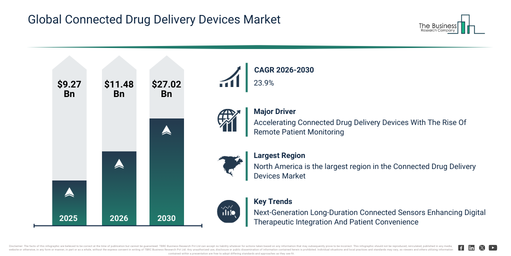
    The market size for connected drug delivery devices has expanded exponentially in recent years. It is forecast to increase from $9.27 billion in 2025 to $11.48 billion in 2026, exhibiting a compound annual growth rate (CAGR) of 23.8%. This historical growth is linked to the growing adoption of chronic disease management devices, an increasing prevalence of diabetes and respiratory disorders, technological advancements in smart syringes and inhalers, rising healthcare digitization initiatives, and increasing awareness about medication adherence.

    The connected drug delivery devices market is projected to experience substantial growth in the upcoming years. It is anticipated to reach $27.02 billion by 2030, exhibiting a compound annual growth rate (CAGR) of 23.9%. This expansion during the forecast period is driven by factors such as increasing demand for remote patient monitoring, the development of connected healthcare ecosystems, the incorporation of AI-based predictive analytics, the rise of wearable drug delivery devices, and supportive government policies for digital health adoption. Key trends identified for this period encompass personalized medication adherence monitoring, remote patient monitoring solutions, integration with electronic health records (EHR), data-driven dose optimization, and the provision of real-time alerts and notifications.

    Get A Free Sample Report With In-Depth Market Insights:

    https://thebusinessresearchcompany.com/sample_request?id=23350811&type=smp&name=Connected%20Drug%20Delivery%20Devices%20Market%20Report%202026&utm_source=Blogs&utm_medium=Paid&utm_campaign=Oct_PR

    Connected Drug Delivery Devices Market Opportunity Drivers: What’s Unlocking New Revenue Potential?

    The escalating significance of remote patient monitoring is projected to stimulate expansion within the connected drug delivery device market moving ahead. This method of healthcare delivery utilizes technology to remotely monitor patient health and medical information. Connected drug delivery devices augment RPM by allowing precise tracking of drug consumption and compliance, thereby facilitating prompt medical responses and offering customized care strategies. As an illustration, the Journal of Medical Internet Research, a peer-reviewed publication based in Canada, stated in May 2024 that 38.78% of adults in the US had utilized telehealth services over the preceding year. Consequently, the heightened emphasis on remote patient monitoring is fueling the expansion of the connected drug delivery device market.

    Connected Drug Delivery Devices Market Segment Analysis Spotlighting Growth Areas

    The connected drug delivery devices market covered in this report is segmented –

    1) By Type: Standalone Components And Software, Integrated Devices

    2) By Technology: Bluetooth, Near-Field Communication (NFC), Other Technologies

    3) By Administration: Parenteral, Inhalational

    4) By Application: Asthma, Chronic Obstructive Pulmonary Disease, Diabetes Management, Other Applications

    Subsegments:

    1) By Standalone Components And Software: Mobile Applications, Connectivity Modules, Data Analytics Software

    2) By Integrated Devices: Smart Inhalers, Smart Auto-injectors, Connected Syringes, Wearable Drug Delivery Devices

    Connected Drug Delivery Devices Market Innovation Trends Shaping Future Development

    Leading companies within the connected drug delivery devices market are concentrating on introducing advanced, longer-lasting, and more integrated digital health solutions. These innovations are designed to enhance treatment convenience, improve monitoring accuracy, and facilitate seamless connectivity with automated therapy systems. For instance, Dexcom, a US-based healthcare company, announced in November 2025 the upcoming launch of its new G7 15 Day continuous glucose monitor in the U.S. on December 1, 2025, for adults with diabetes. This device, having recently received FDA clearance, will become the longest-wearing CGM available, offering up to 15.5 days of use with an improved accuracy MARD of 8%. Upon its release, it will be accessible through DME providers and covered for Medicare users. The updated sensor is compatible with the iLet Bionic Pancreas, Omnipod 5, and will soon integrate with Tandem pumps, in addition to supporting Dexcom’s new Smart Basal insulin optimization system. With advantages like fewer sensor changes, a waterproof design, smartwatch connectivity, and simplified logging features, the G7 15 Day aims to provide greater convenience and superior long-term glucose management.

    Connected Drug Delivery Devices Market Leading Companies: Who Holds The Strongest Market Presence?

    Major companies operating in the connected drug delivery devices market are Pfizer Inc., Johnson & Johnson, Abbott Laboratories, Medtronic PLC, Eli Lilly and Company, Novo Nordisk A/S, Becton Dickinson and Company, Phillips-Medisize Corporation, AptarGroup Inc., Dexcom Inc., West Pharmaceutical Services Inc., Insulet Corporation, Tandem Diabetes Care Inc., Ypsomed AG, Meridian Medical Technologies LLC, Propeller Health, Findair Sp. z.o.o, Omron Healthcare Co. Ltd, Omnicell Inc., BD Medical

    View The Full Connected Drug Delivery Devices Market Report:

    https://thebusinessresearchcompany.com/report/connected-drug-delivery-devices-global-market-report?utm_source=Blogs&utm_medium=Paid&utm_campaign=Oct_PR

    Connected Drug Delivery Devices Market Global Footprint: Which Region Leads The Market?

    North America was the largest region in the connected drug delivery market in 2025. The regions covered in the connected drug delivery devices market report are Asia-Pacific, South East Asia, Western Europe, Eastern Europe, North America, South America, Middle East, Africa.

    Reach Out To Our Team:

    The Business Research Company: https://www.thebusinessresearchcompany.com/

    Americas: +1 310-496-7795

    Asia: +44 7882 955267 & +91 8897263534

    Europe: +44 7882 955267

    Email us at: marketing@tbrc.info

    Follow us on:

    LinkedIn: https://in.linkedin.com/company/the-business-research-company

    YouTube: https://www.youtube.com/channel/UC24_fI0rV8cR5DxlCpgmyFQ

    Global Market Model: https://www.thebusinessresearchcompany.com/global-market-model
  • Conjugated Monoclonal Antibodies Market Growth Outlook: Why Analysts Expect Continued Expansion

    Conjugated Monoclonal Antibodies Market Growth Outlook: Why Analysts Expect Continued Expansion

    Backed by market attractiveness analysis, total addressable market sizing, company benchmarking matrices, interactive Excel dashboards, wider supply chain intelligence, emerging startup coverage, and detailed product-level insights, The Business Research Company’s 2026 market reports are designed to offer research that is more actionable and strategically valuable than ever.

    Conjugated Monoclonal Antibodies Market Forecast: Value Set To Climb From $12.86 Billion To $16.76 Billion

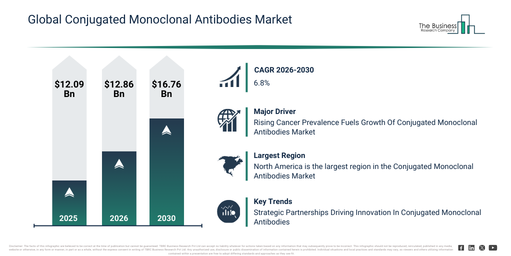
    The conjugated monoclonal antibodies market has seen strong growth in recent years. It is anticipated to increase from $12.09 billion in 2025 to $12.86 billion in 2026, demonstrating a compound annual growth rate (CAGR) of 6.4%. The historical period’s growth can be attributed to the limited availability of conjugated monoclonal antibodies, a reliance on conventional chemotherapy, the rising prevalence of cancer, intensified research into targeted therapies, and the initial approvals of ADC-based drugs.

    The market size for conjugated monoclonal antibodies is projected to experience substantial growth in the coming years. It is anticipated to reach $16.76 billion by 2030, progressing at a compound annual growth rate (CAGR) of 6.8%. This growth during the forecast period is attributable to the advancement of new linker technologies, the expansion of ADC applications to multiple cancers, an increasing adoption of personalized medicine approaches, augmented funding for oncology research, and a rising number of clinical trials and pipeline drugs. Key trends for the forecast period include the increasing integration of conjugated monoclonal antibodies in oncology, the expansion of targeted therapies for blood and solid tumors, the ongoing development of cleavable and non-cleavable linker technologies, the broader application of personalized medicine and precision oncology, and a boost in investment for clinical trials and cancer research.

    Get A Free Sample Report With In-Depth Market Insights:

    https://thebusinessresearchcompany.com/sample_request?id=51066408&type=smp&name=Conjugated%20Monoclonal%20Antibodies%20Market%20Report%202026&utm_source=Blogs&utm_medium=Paid&utm_campaign=Oct_PR

    Conjugated Monoclonal Antibodies Market Growth Momentum: What Factors Are Shaping Demand?

    The market for conjugated monoclonal antibodies is projected to expand significantly due to the widespread occurrence of cancer. Cancer is defined as a group of diseases characterized by the uncontrolled multiplication and spread of abnormal cells within the body. The increasing incidence of cancer is attributed to aging populations, given that the risk of developing the disease rises with age and individuals are now living longer. Conjugated monoclonal antibodies aid in treating cancer by precisely targeting cancer cells and delivering potent therapeutic agents directly to them, thus enhancing treatment efficacy while minimizing damage to healthy tissue. For example, in October 2025, according to the NHS England, a UK-based publicly funded healthcare system, there were 354,820 new cancer diagnoses in 2023, which signifies an increase of 8,605 from 2022. Consequently, the high prevalence of cancer is a key factor driving the growth of the conjugated monoclonal antibodies market.

    Conjugated Monoclonal Antibodies Market Segment Performance And Emerging Opportunities

    The conjugated monoclonal antibodies market covered in this report is segmented –

    1) By Drugs: Adcetris, Kadcyla

    2) By Technology: Cleavable Linker, Non-cleavable Linker

    3) By Application: Blood Cancer, Breast Cancer, Ovarian Cancer, Lung Cancer, Brain Tumor, Other Applications

    Conjugated Monoclonal Antibodies Market Trends Redefining Industry Growth

    Key companies engaged in conjugated monoclonal antibodies are increasingly embracing a strategic collaboration model to offer extensive solutions and bolster their capabilities. These strategic alliances involve businesses leveraging one another’s strengths and resources to secure mutual advantages and success. For example, in July 2023, BeiGene Ltd., a US-based biotechnology company, formed a partnership with Duality Biologics, a China-based clinical-stage company. Through this alliance, they intend to develop and commercialize a preclinical antibody-drug conjugate (ADC) therapy for individuals suffering from specific solid tumors. The combined strengths of both companies are anticipated to accelerate the progress of this promising ADC therapy through development and into the market.

    Conjugated Monoclonal Antibodies Market Key Players: Which Companies Lead Industry Competition?

    Major companies operating in the conjugated monoclonal antibodies market are Pfizer Inc., F. Hoffmann-La Roche AG, Bristol -Myers Squibb, Merck & Co. Inc., Immunomedics Inc., Takeda Pharmaceuticals Industries Ltd., Daiichi Sankyo Company Limited, Actinium Pharmaceutical, Nordic Nanovector Inc., AbbVie Inc., Bayer AG, AstraZeneca plc, Novartis AG, Amgen, Celgene, Genzyme, Incyte Corporation, MorphoSys AG, Regeneron Pharmaceuticals, Seattle Genetics

    View The Full Conjugated Monoclonal Antibodies Market Report:

    https://thebusinessresearchcompany.com/report/Conjugated-Monoclonal-Antibodie-global-market-report?utm_source=Blogs&utm_medium=Paid&utm_campaign=Oct_PR

    Conjugated Monoclonal Antibodies Market Regional Split: Which Areas Are Fueling Growth?

    North America was the largest region in the conjugated monoclonal antibody market in 2025. The Middle East is expected to be the fastest-growing region in the global conjugated monoclonal antibodies market share during the forecast period. The regions covered in the conjugated monoclonal antibodies market report are Asia-Pacific, South East Asia, Western Europe, Eastern Europe, North America, South America, Middle East, Africa.

    Reach Out To Our Team:

    The Business Research Company: https://www.thebusinessresearchcompany.com/

    Americas: +1 310-496-7795

    Asia: +44 7882 955267 & +91 8897263534

    Europe: +44 7882 955267

    Email us at: marketing@tbrc.info

    Follow us on:

    LinkedIn: https://in.linkedin.com/company/the-business-research-company

    YouTube: https://www.youtube.com/channel/UC24_fI0rV8cR5DxlCpgmyFQ

    Global Market Model: https://www.thebusinessresearchcompany.com/global-market-model
  • Conjugate Vaccine Market Forecast Insights: The Road To $38.53 Billion By 2030

    Conjugate Vaccine Market Forecast Insights: The Road To $38.53 Billion By 2030

    Featuring market attractiveness scoring, total addressable market sizing, company benchmarking matrices, interactive Excel dashboards, deeper supply chain intelligence, emerging startup tracking, and granular product-level insights, The Business Research Company’s 2026 market reports are built to deliver research that is both more actionable and more strategically valuable.

    Conjugate Vaccine Market Revenue Growth On Track For A 12.8% CAGR Through 2030

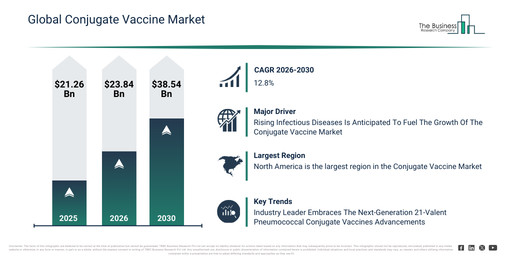
    The conjugate vaccine market size has experienced substantial expansion recently. It is projected to increase from $21.26 billion in 2025 to $23.84 billion by 2026, achieving a compound annual growth rate (CAGR) of 12.1%. Historically, this growth can be ascribed to government-led immunization initiatives, the high prevalence of bacterial infections, support from global health organizations, the proven efficacy of conjugate vaccines, and an expanding pediatric population.

    The conjugate vaccine market is projected to experience substantial expansion over the upcoming years. It is anticipated to reach a valuation of $38.54 billion by 2030, exhibiting a compound annual growth rate (CAGR) of 12.8%. This anticipated growth during the forecast period can be primarily attributed to several factors, including an increasing demand for combination vaccines, the broadening of adult vaccination programs, augmented funding for vaccine research and development, a heightened focus on antimicrobial resistance, and enhancements in cold chain infrastructure. Key trends expected within this period encompass the expansion of pediatric immunization initiatives, a growing embrace of multivalent conjugate vaccines, an intensified emphasis on long-term immunogenicity, an increase in public-private collaborations for vaccines, and progress in carrier protein technologies.

    Get A Free Sample Report With In-Depth Market Insights:

    https://thebusinessresearchcompany.com/sample_request?id=22738356&type=smp&name=Conjugate%20Vaccine%20Market%20Report%202026&utm_source=Blogs&utm_medium=Paid&utm_campaign=Oct_PR

    Conjugate Vaccine Market Expansion Drivers: What’s Shaping Future Growth?

    The conjugate vaccine market is projected to experience growth due to the escalating incidence of infectious diseases. These conditions are health ailments caused by pathogenic microorganisms, including bacteria, viruses, parasites, or fungi, which can be transmitted directly or indirectly between people, from animals to humans, or through environmental factors. Conjugate vaccines are crucial for preventing infectious diseases stemming from certain bacteria, particularly in vulnerable demographics such as infants and young children. For instance, data from the Centers for Disease Control and Prevention, a US government agency, indicates that tuberculosis cases increased from 8,320 in 2022 to 9,615 in 2023, showing an increase of 1,295 cases. Additionally, the incidence rate rose from 2.5 per 100,000 individuals in 2022 to 2.9 in 2023. Thus, the increasing occurrence of infectious diseases is a key driver for the expansion of the conjugate vaccine market.

    Conjugate Vaccine Market Segment Landscape And Growth Outlook

    The conjugate vaccine market covered in this report is segmented –

    1) By Product Type: Monovalent Conjugate Vaccines, Multivalent Conjugate Vaccine

    2) By Pathogen: Bacterial, Viral

    3) By Disease Indication: Pneumococcal, Influenza, Meningococcal, Typhoid

    4) By Patient: Pediatric, Adults

    5) By End-User: Hospitals, Clinics, Homecare Settings, Other End Users

    Conjugate Vaccine Market Strategic Trends: What Defines The Next Growth Phase?

    Leading companies in the conjugate vaccine market are prioritizing the creation of next-generation conjugate vaccines to deliver more extensive protection against various pneumococcal serotypes, thereby lessening the disease burden among susceptible demographics. These advanced conjugate vaccines operate by linking bacterial polysaccharides to carrier proteins to enhance the immune response, particularly in infants and immunocompromised individuals, providing superior protection, extended immunity, and increased efficacy compared to conventional vaccines. For example, in August 2025, Pfizer Ltd., an India-based pharmaceutical company, unveiled its next-generation 20-valent Pneumococcal Polysaccharide Conjugate Vaccine (Adsorbed) I.P., PCV20, for adults in India, thereby bolstering its conjugate vaccine offerings by ensuring broader defense against pneumococcal disease and aiding in improved public health outcomes.

    Conjugate Vaccine Market Competitive Landscape: Who Leads The Industry?

    Major companies operating in the conjugate vaccine market are Sanofi S.A., Pfizer Inc., Merck & Co. Inc., GlaxoSmithKline plc, Bharat Biotech International Limited, Serum Institute of India Private Limited, Biological E. Limited, Bavarian Nordic A/S, CSL Limited, Novartis AG, GreenSignal Bio Pharma Limited, Taj Pharmaceuticals Limited, Vaxcyte Inc., Neuron Biotech Co. Ltd., Bio-Med Pvt. Ltd., Sinovac Biotech Ltd., Takeda Pharmaceutical Company Limited, Valneva SE, Dynavax Technologies Corporation, Emergent BioSolutions Inc., Hualan Biological Engineering Inc., Panacea Biotec Ltd., Protein Sciences Corporation, Seqirus

    View The Full Conjugate Vaccine Market Report:

    https://thebusinessresearchcompany.com/report/conjugate-vaccine-global-market-report?utm_source=Blogs&utm_medium=Paid&utm_campaign=Oct_PR

    Conjugate Vaccine Market Top Region: Where Does Most Revenue Come From?

    North America was the largest region in the global conjugate vaccine market in 2025. The regions covered in the conjugate vaccine market report are Asia-Pacific, South East Asia, Western Europe, Eastern Europe, North America, South America, Middle East, Africa.

    Reach Out To Our Team:

    The Business Research Company: https://www.thebusinessresearchcompany.com/

    Americas: +1 310-496-7795

    Asia: +44 7882 955267 & +91 8897263534

    Europe: +44 7882 955267

    Email us at: marketing@tbrc.info

    Follow us on:

    LinkedIn: https://in.linkedin.com/company/the-business-research-company

    YouTube: https://www.youtube.com/channel/UC24_fI0rV8cR5DxlCpgmyFQ

    Global Market Model: https://www.thebusinessresearchcompany.com/global-market-model

  • Congenital Diaphragmatic Hernia Drugs Market Explained: What Is Fueling Growth To $6.81 Billion By 2030?

    Congenital Diaphragmatic Hernia Drugs Market Explained: What Is Fueling Growth To $6.81 Billion By 2030?

    Built to provide research that’s more actionable and strategically valuable, The Business Research Company’s 2026 market reports include market attractiveness analysis, total addressable market sizing, company benchmarking matrices, interactive Excel dashboards, broader supply chain intelligence, emerging startup tracking, and in-depth product insights.

    Congenital Diaphragmatic Hernia Drugs Market Value Growth And Long-Term Outlook

    The congenital diaphragmatic hernia drugs market has seen significant expansion in recent years. It is anticipated to expand from $4.69 billion in 2025 to $5.01 billion in 2026, demonstrating a compound annual growth rate (CAGR) of 6.9%. The historical progression of this market was driven by factors including limited therapeutic solutions, elevated neonatal mortality rates, a lack of awareness regarding congenital diaphragmatic hernia, a fragmented healthcare infrastructure, and the absence of consistent treatment protocols.

    The congenital diaphragmatic hernia drugs market is projected to experience substantial expansion in the coming years. Its valuation is anticipated to reach $6.81 billion by 2030, exhibiting a compound annual growth rate (CAGR) of 8.0%. This growth during the forecast period is propelled by factors such as the development of precision medicine, increased investment in neonatal care, a growing understanding of the benefits of early intervention, advancements in drug delivery methods, and the expansion of healthcare infrastructure in emerging regions. Significant trends in this period include sophisticated neonatal care medications, minimally invasive treatment approaches, personalized drug formulations, early diagnosis and intervention therapies, and multi-modal symptom management.

    Get A Free Sample Report With In-Depth Market Insights:

    https://thebusinessresearchcompany.com/sample_request?id=29725416&type=smp&name=Congenital%20Diaphragmatic%20Hernia%20Drugs%20Market%20Report%202026&utm_source=Blogs&utm_medium=Paid&utm_campaign=Oct_PR

    Congenital Diaphragmatic Hernia Drugs Market Development Factors: What’s Supporting Demand?

    The rising rate of birth defects is projected to drive the growth of the congenital diaphragmatic hernia drug market. Birth defects are characterized as structural or functional anomalies present at birth, which can impact a baby’s general health and development. Treatment strategies for congenital diaphragmatic hernia encompass prenatal screening, genetic counseling, and targeted therapies aimed at reducing the occurrence of birth defects attributed to congenital diaphragmatic hernia. These approaches also foster opportunities for early intervention and personalized care, ultimately improving the overall well-being and quality of life for affected individuals. For instance, in March 2023, the World Health Organization (WHO), a US-based intergovernmental organization, indicated that approximately 8 million infants are born annually with birth defects globally, with 9 out of 10 significant problems emerging in low- and middle-income nations. Furthermore, an estimated 240,000 newborns worldwide die within 28 days of birth each year due to congenital disorders. Therefore, the increasing prevalence of birth defects is a primary driver for the congenital diaphragmatic hernia drug market.

    Congenital Diaphragmatic Hernia Drugs Market Breakdown By Product Type And Application

    The congenital diaphragmatic hernia drugs market covered in this report is segmented –

    1) By Type: Posterolateral Bochdalek Hernia, Anterior Morgagni Hernia, Hiatal Hernia

    2) By Treatment: Extracorporeal Membrane Oxygenation, Other Treatments

    3) By Diagnosis: Prenatal, Postnatal

    4) By End-User: Hospitals, Homecare, Specialty Clinics, Other End Users

    Subsegments:

    1) By Posterolateral Bochdalek Hernia: Surgical Interventions, Medications for Symptoms

    2) By Anterior Morgagni Hernia: Medications for Symptoms

    3) By Hiatal Hernia: Surgical Interventions, Medications

    Congenital Diaphragmatic Hernia Drugs Market Company Landscape And Competitive Strategy

    Major companies operating in the congenital diaphragmatic hernia drugs market are Pfizer Inc., Merck & Co Inc., GlaxoSmithKline plc, Novartis AG, Sun Pharmaceutical Industries Ltd., Teva Pharmaceutical Industries Ltd., Viatris Inc., Bayer AG, Mallinckrodt Pharmaceuticals, Boehringer Ingelheim International GmbH, AbbVie Inc., Sanofi SA, Johnson & Johnson, United Therapeutics Corporation, Bristol‑Myers Squibb Company, Aurobindo Pharma Ltd, Cipla Inc., Lupin Ltd., Zydus Lifesciences Ltd., Fresenius Kabi.

    View The Full Congenital Diaphragmatic Hernia Drugs Market Report:

    https://thebusinessresearchcompany.com/report/congenital-diaphragmatic-hernia-drugs-global-market-report?utm_source=Blogs&utm_medium=Paid&utm_campaign=Oct_PR

    Congenital Diaphragmatic Hernia Drugs Market Regional Breakdown: Where Is Demand Concentrated?

    North America was the largest region in the congenital diaphragmatic hernia drugs market in 2025. The regions covered in the congenital diaphragmatic hernia drugs market report are Asia-Pacific, South East Asia, Western Europe, Eastern Europe, North America, South America, Middle East, Africa.

    Reach Out To Our Team:

    The Business Research Company: https://www.thebusinessresearchcompany.com/

    Americas: +1 310-496-7795

    Asia: +44 7882 955267 & +91 8897263534

    Europe: +44 7882 955267

    Email us at: marketing@tbrc.info

    Follow us on:

    LinkedIn: https://in.linkedin.com/company/the-business-research-company

    YouTube: https://www.youtube.com/channel/UC24_fI0rV8cR5DxlCpgmyFQ

    Global Market Model: https://www.thebusinessresearchcompany.com/global-market-model
  • Concierge Medicine Market Forecast To Reach $36.4 Billion By 2030: Key Trends Explained

    Concierge Medicine Market Forecast To Reach $36.4 Billion By 2030: Key Trends Explained

    Backed by market attractiveness analysis, total addressable market sizing, company benchmarking matrices, interactive Excel dashboards, wider supply chain intelligence, emerging startup coverage, and detailed product-level insights, The Business Research Company’s 2026 market reports are designed to offer research that is more actionable and strategically valuable than ever.

    Concierge Medicine Market Poised To Hit $36.4 Billion By 2030 With A 9.8% CAGR

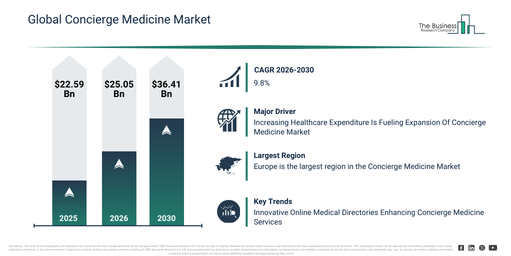
    The concierge medicine market has experienced swift expansion in recent years. It is projected to grow from $22.59 billion in 2025 to $25.05 billion in 2026 at a compound annual growth rate (CAGR) of 10.9%. The observed growth in the past can be attributed to various factors such as physician discontent with high patient volumes, the administrative complexities inherent in insurance-based healthcare, increasing patient desire for longer consultation periods, the expansion of high-income patient demographics, and the initial adoption of this model by independent primary care physicians.

    The concierge medicine market is expected to demonstrate significant expansion in the coming years. Its size is projected to reach $36.41 billion by 2030, achieving a compound annual growth rate (CAGR) of 9.8%. The growth anticipated in this period stems from several factors, including the increasing occurrence of chronic health conditions, a heightened focus on proactive and wellness-oriented care, rising levels of physician fatigue, the expansion of employer-backed healthcare benefits, and a growing willingness among patients to invest in premium healthcare access. Noteworthy trends during this forecast include the increasing adoption of subscription-based primary care models, a surging demand for individualized and preventative healthcare options, a noticeable shift by medical professionals away from traditional insurance-dependent practices, the expansion of concierge medicine services into specialized medical areas, and a growing corporate interest in concierge healthcare programs.

    Get A Free Sample Report With In-Depth Market Insights:

    https://thebusinessresearchcompany.com/sample_request?id=15773&type=smp&name=Concierge%20Medicine%20Market%20Report%202026&utm_source=Blogs&utm_medium=Paid&utm_campaign=Oct_PR

    Concierge Medicine Market Industry Drivers: What’s Behind The Revenue Growth?

    The escalating healthcare expenditure is projected to stimulate the growth of the concierge medicine market moving forward. Healthcare expenditure is defined as the total sum of resources dedicated to healthcare services and products within a specific period, encompassing costs for hospital care, physician services, medications, and other health-related provisions. This increase in healthcare spending stems from advancements in medical technology and the rising prevalence of chronic diseases. Concierge medicine utilizes these healthcare expenditures to provide personalized, premium medical services, offering patients enhanced access and tailored care. For instance, in November 2023, according to the Canadian Institute for Health Information (CIHI), a Canada-based not-for-profit organization specializing in collecting and analyzing health data, Canada is projected to spend approximately $344 billion on health care, marking an increase of $9 billion (or about 2.8%) from the previous year. Thus, the increasing healthcare expenditure is fueling the expansion of the concierge medicine market.

    Concierge Medicine Market Segment Analysis And Revenue Potential

    The concierge medicine market covered in this report is segmented –

    1) By Ownership: Group, Standalone

    2) By Application: Cardiology, Primary Care, Psychiatry, Pediatrics, Osteopathy, Neurology, Other Applications

    3) By End User: Individual, Corporate Organization

    Subsegments:

    1) By Group: Multi-Physician Concierge Practices, Physician Networks And Associations

    2) By Standalone: Independent Concierge Practices, Single-Physician Concierge Practices

    #Concierge Medicine Market Growth Trends: What’s Shaping The Future Outlook?

    Major companies operating within the concierge medicine market are providing services equipped with comprehensive functionalities, such as an online medical directory, aiming to enhance patient access to personalized and immediate healthcare. An online medical directory serves as a digital platform that lists healthcare providers, including doctors, specialists, and clinics, allowing users to search for and retrieve information regarding medical professionals and their services. For instance, in March 2023, HealthLynked Corporation, a US-based provider of healthcare services, launched an online concierge service, enabling patients to book doctor appointments nationwide through its extensive online directory containing over 880,000 healthcare providers. This service streamlines appointment bookings by presenting specific times for available slots and facilitating requests for unclaimed provider listings. Patients can also update their medical records through the HealthLynked app, with assistance provided by concierge nurse staff.

    Concierge Medicine Market Key Players Shaping Industry Direction

    Major companies operating in the concierge medicine market are Duke Health, Privia Health Group Inc., One Medical Group Inc., Crossover Health, MDVIP LLC, Sollis Health, Medix global, PinnacleCare, PartnerMD LLC, Paragon Private Health, SignatureMD, Castle Connolly Private Health Partners LLC, Concierge Choice Physicians, EliteHealth, Specialdocs Consultants LLC, Access Healthcare Direct, Dedication Health, Plus Humain, Diamond Physicians, Atlas MD, Red Carpet Concierge Medicine, HealthPulse Concierge Medicine, Lake Oconee Concierge Medicine, NOVA Concierge Medicine & Aesthetics

    View The Full Concierge Medicine Market Report:

    https://thebusinessresearchcompany.com/report/concierge-medicine-global-market-report?utm_source=Blogs&utm_medium=Paid&utm_campaign=Oct_PR

    Concierge Medicine Market Geographic Landscape: Which Region Dominates Industry Growth?

    Europe was the largest region in the concierge medicine market in 2025. North America is expected to be the fastest-growing region in the forecast period. The regions covered in the concierge medicine market report are Asia-Pacific, South East Asia, Western Europe, Eastern Europe, North America, South America, Middle East, Africa.

    Reach Out To Our Team:

    The Business Research Company: https://www.thebusinessresearchcompany.com/

    Americas: +1 310-496-7795

    Asia: +44 7882 955267 & +91 8897263534

    Europe: +44 7882 955267

    Email us at: marketing@tbrc.info

    Follow us on:

    LinkedIn: https://in.linkedin.com/company/the-business-research-company

    YouTube: https://www.youtube.com/channel/UC24_fI0rV8cR5DxlCpgmyFQ

    Global Market Model: https://www.thebusinessresearchcompany.com/global-market-model
  • Compression Therapy Market Analysis: Understanding The Drivers Behind 9.6% CAGR Through 2030 Growth

    Compression Therapy Market Analysis: Understanding The Drivers Behind 9.6% CAGR Through 2030 Growth

    Featuring market attractiveness scoring, total addressable market sizing, company benchmarking matrices, interactive Excel dashboards, deeper supply chain intelligence, emerging startup tracking, and granular product-level insights, The Business Research Company’s 2026 market reports are built to deliver research that is both more actionable and more strategically valuable.

    Compression Therapy Market Size And Revenue Outlook Through 2030

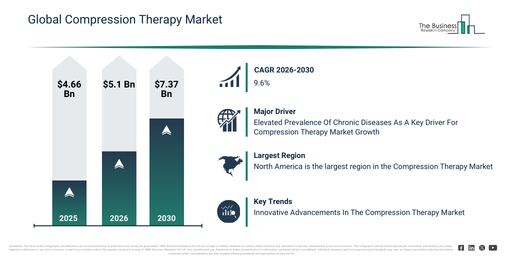
    The compression therapy market has experienced robust growth in recent years. This market is projected to expand from $4.66 billion in 2025 to $5.1 billion in 2026, demonstrating a compound annual growth rate (CAGR) of 9.5%. Historically, this expansion has been driven by factors such as the increasing occurrence of varicose veins and CVI, an expanding elderly demographic, a rise in sedentary lifestyles, the proliferation of hospital-based vascular treatments, and enhanced reimbursement policies for compression therapy.

    The compression therapy market size is anticipated to experience robust expansion over the coming years. It will grow to $7.37 billion in 2030 at a compound annual growth rate (CAGR) of 9.6%. Key factors contributing to this anticipated growth throughout the forecast period include the expansion of home healthcare services, ongoing technological improvements in dynamic compression devices, increased acceptance in lymphedema treatment, a heightened emphasis on preventive vascular care, and the penetration into nascent healthcare markets. Significant developments projected for the forecast period encompass a greater uptake of compression therapy for chronic venous conditions, the increased application of home-based compression therapy options, an escalating need for personalized and patient-specific compression products, the broadening scope of compression therapy in post-surgical and rehabilitative care, and enhanced understanding along with earlier detection of vascular ailments.

    Get A Free Sample Report With In-Depth Market Insights:

    https://thebusinessresearchcompany.com/sample_request?id=56604072&type=smp&name=Compression%20Therapy%20Market%20Report%202026&utm_source=Blogs&utm_medium=Paid&utm_campaign=Oct_PR

    Compression Therapy Market Growth Factors: What’s Supporting Expansion?

    An anticipated increase in chronic disease occurrence is set to drive expansion within the compression therapy market in the future. These enduring health conditions, also termed non-communicable diseases (NCDs), are characterized by their prolonged duration and typically gradual development. Many chronic illnesses manifest symptoms like diabetes, edema, ulcers, and circulatory problems, making compression therapy a necessary intervention that patients are prompted to pursue. As an illustration, data from Allergy UK, a national charity based in the UK, indicated that in April 2024, over 21 million individuals in the UK suffered from allergies, which emerged as the most frequently reported chronic health condition in 2022. Furthermore, forecasts suggest that by 2026, at least one allergy will affect half of Europe’s population. Consequently, the increasing incidence of chronic diseases serves as a key factor propelling the expansion of the compression therapy market.

    Compression Therapy Market Segmentation And Category Overview

    The compression therapy market covered in this report is segmented –

    1) By Product: Compression Pumps, Compression Stockings, Compression Bandages

    2) By Technique: Static Compression Therapy, Dynamic Compression Therapy

    3) By Application: Varicose Vein Treatment, Deep Vein Thrombosis Treatment, Lymphedema Treatment, Leg Ulcer Treatment, Other Applications

    Subsegments:

    1) By Compression Pumps: Sequential Compression Pumps, Non-sequential Compression Pumps

    2) By Compression Stockings: Knee-High Stockings, Thigh-High Stockings, Waist-High Stockings

    3) By Compression Bandages: Cohesive Bandages, Elastic Bandages

    Compression Therapy Market Industry Trends: What’s Reshaping Demand?

    Leading companies in the compression therapy market are developing innovative products, such as pneumatic compression devices, to attract broader customer bases, increase sales, and enhance revenue. Pneumatic compression devices are medical tools designed to assist in managing various circulatory and vascular conditions. For instance, in September 2023, AIROS Medical Inc., a US-based medical equipment manufacturer, launched its AIROS 6P sequential compression device. The AIROS 6P sequential compression device is distinguished by a unique feature set, including a Peristaltic Mode functionality, which delivers a wave-like inflation and deflation sequence preferred by physicians and lymphedema therapists, primarily for upper extremity treatment. Additionally, it comes with an upgraded electrical rating, allowing it to operate at 100-240 VAC, making it suitable for global use. Furthermore, the device incorporates a larger air pump, enabling treatment with the newer, larger garments required for some lymphedema patients.

    Compression Therapy Market Competitive Analysis Of Leading Industry Participants

    Major companies operating in the compression therapy market are 3M Company, ArjoHuntleigh AB, Bio Compression Systems Inc., BSN Medical GmbH, Cardinal Health Inc., DJ Orthopedics Global Inc., Julius Zorn GmbH, medi GmbH & Co KG, Paul Hartmann AG, Sanyleg Srl, Sigvaris Management AG, Smith & Nephew plc, Tactile Systems Technology Inc., Thuasne SA, Bauerfeind AG, Essity AB, Kinetec SAS, Lympha Press International Inc., Medi USA, Optima Molliter Srl, ConvaTec Inc.

    View The Full Compression Therapy Market Report:

    https://thebusinessresearchcompany.com/report/compression-therapy-global-market-report?utm_source=Blogs&utm_medium=Paid&utm_campaign=Oct_PR

    Compression Therapy Market Largest Region: Which Geography Holds The Highest Market Share?

    North America was the largest region in the compression therapy market in 2025. Europe was the second-largest market in the compression therapy market. The regions covered in the compression therapy market report are Asia-Pacific, South East Asia, Western Europe, Eastern Europe, North America, South America, Middle East, Africa.

    Reach Out To Our Team:

    The Business Research Company: https://www.thebusinessresearchcompany.com/

    Americas: +1 310-496-7795

    Asia: +44 7882 955267 & +91 8897263534

    Europe: +44 7882 955267

    Email us at: marketing@tbrc.info

    Follow us on:

    LinkedIn: https://in.linkedin.com/company/the-business-research-company

    YouTube: https://www.youtube.com/channel/UC24_fI0rV8cR5DxlCpgmyFQ

    Global Market Model: https://www.thebusinessresearchcompany.com/global-market-model
  • Compounding Chemotherapy Market Growth To $8.2 Billion By 2030: What’s Driving The Expansion?

    Compounding Chemotherapy Market Growth To $8.2 Billion By 2030: What’s Driving The Expansion?

    Built to provide research that’s more actionable and strategically valuable, The Business Research Company’s 2026 market reports include market attractiveness analysis, total addressable market sizing, company benchmarking matrices, interactive Excel dashboards, broader supply chain intelligence, emerging startup tracking, and in-depth product insights.

    Compounding Chemotherapy Market Growth From $6.49 Billion In 2026 To $8.2 Billion By 2030 At A CAGR Of 6%

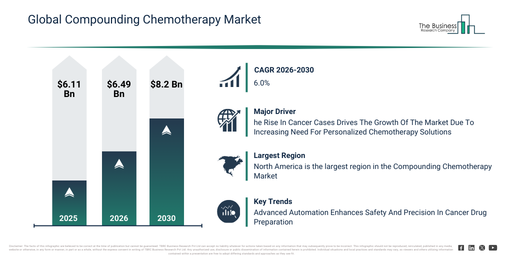
    The compounding chemotherapy market has demonstrated substantial growth in recent years. It is projected to increase from $6.11 billion in 2025 to $6.49 billion in 2026, at a compound annual growth rate (CAGR) of 6.2%. Historically, this expansion was driven by factors such as the limited availability of compounding technologies, the rising prevalence of cancer, the reliance on hospital-based compounding, growing awareness of cytotoxic drug safety, and the adoption of manual preparation methods.

    The compounding chemotherapy market is set for significant expansion over the next few years, with its size projected to reach $8.2 billion in 2030, demonstrating a compound annual growth rate (CAGR) of 6.0%. This forecasted growth is attributable to factors such as the development of automated and robotic compounding systems, the expansion of chemotherapy services into homecare, increased investment in sterile pharmacy infrastructure, stricter regulatory compliance for personalized medicine, and the proliferation of targeted therapies and immunomodulatory agents. Key trends expected in this period include the growing adoption of personalized chemotherapy formulations, the integration of robotic compounding systems, the expansion of compounding services through homecare and specialty clinics, an increasing focus on sterile and contamination-free environments, and a rising demand for supportive care drug compounding.

    Get A Free Sample Report With In-Depth Market Insights:

    https://thebusinessresearchcompany.com/sample_request?id=63656850&type=smp&name=Compounding%20Chemotherapy%20Market%20Report%202026&utm_source=Blogs&utm_medium=Paid&utm_campaign=Oct_PR

    Compounding Chemotherapy Market Demand Drivers: What’s Powering Industry Growth?

    The rising incidence of cancer diagnoses is anticipated to fuel the expansion of the compounding chemotherapy market in the future. Cancer is defined as a collection of illnesses marked by the uncontrolled multiplication and dispersion of aberrant cells throughout the body. This growing occurrence of cancer diagnoses stems mainly from detrimental lifestyle choices like inadequate nutrition, insufficient physical activity, smoking, excessive alcohol intake, and extended contact with environmental contaminants, all of which substantially elevate the chances of developing various forms of cancer. Compounding chemotherapy aids cancer therapy by allowing for customized drug formulations specifically designed for individual patient requirements, thereby boosting effectiveness and reducing adverse reactions. As an illustration, in October 2025, the National Health Service (NHS), a UK-based government health agency, reported 354,820 new cancer diagnoses in 2023, averaging 972 per day, an increase of 8,605 from 2022. Consequently, the growing frequency of cancer cases is a significant factor propelling the growth of the compounding chemotherapy market.

    Compounding Chemotherapy Market Segment Outlook: Which Categories Are Growing Fastest?

    The compounding chemotherapy market covered in this report is segmented –

    1) By Drug Type: Cytotoxic Drugs, Hormonal Agents, Immunomodulatory Agents, Targeted Therapies, Supportive Care Drugs

    2) By Route Of Administration: Intravenous, Oral, Subcutaneous, Intramuscular, Intrathecal

    3) By Technology: With Robotic Arms, Without Robotic Arms

    4) By Distribution Channel: Hospital Pharmacies, Retail Pharmacies, Online Pharmacies

    5) By Compounding Setting: Hospital Compounding, Compounding Pharmacies, Specialty Clinics, Homecare Settings

    Subsegments:

    1) By Cytotoxic Drugs: Alkylating Agents, Antimetabolites, Plant Alkaloids, Antitumor Antibiotics, Topoisomerase Inhibitors

    2) By Hormonal Agents: Estrogen Antagonists, Androgen Deprivation Therapy Agents, Aromatase Inhibitors, Progestins, Gonadotropin-Releasing Hormone Agonists

    3) By Immunomodulatory Agents: Immune Checkpoint Inhibitors, Monoclonal Antibodies, Interleukins, Cytokines, Immune System Activators

    4) By Targeted Therapies: Tyrosine Kinase Inhibitors, Proteasome Inhibitors, Mammalian Target Of Rapamycin Inhibitors, Poly Polymerase Inhibitors

    5) By Supportive Care Drugs: Antiemetics, Erythropoiesis-Stimulating Agents, Bone-Modifying Agents, Pain Management Drugs

    Compounding Chemotherapy Market Innovation Trends: What Developments Are Reshaping The Industry?

    Leading companies within the compounding chemotherapy market are concentrating on creating innovative solutions, including robotic chemotherapy automation systems, to improve the accuracy, safety, and efficiency involved in preparing personalized cancer treatments. Robotic chemotherapy automation systems are sophisticated devices engineered to precisely and securely prepare customized chemotherapy doses by automating the compounding procedure, thereby minimizing human error and potential contamination risks. As an illustration, in February 2024, Simplivia Healthcare Ltd., an Israel-based healthcare technology company, introduced Smart Compounders Advanced Systems aimed at automating and streamlining the preparation of cytotoxic (chemotherapy) drugs. These systems manage the compounding of cytostatics and antibodies, processing 20 to 40 preparations per hour, and incorporate automatic gravimetric verification and documentation to ensure superior accuracy. They substantially reduce pharmacy staff’s exposure to dangerous substances and are designed for seamless integration into existing laminar airflow (LAF) cabinets or isolators without requiring any modifications.

    Compounding Chemotherapy Market Leading Companies And Competitive Benchmarking

    Major companies operating in the compounding chemotherapy market are Baxter International Inc., Fresenius Kabi AG, Option Care Health Inc., ICU Medical Inc., Fagron NV, BioScrip Inc., B. Braun Melsungen AG, Medisca Pharmaceutique Inc., Central Admixture Pharmacy Services Inc., Icon Group Holdings Pty Ltd, Avella Specialty Pharmacy, McGuff Compounding Pharmacy Services Inc., Epicur Pharma LLC, PharMEDium Services LLC.

    View The Full Compounding Chemotherapy Market Report:

    https://thebusinessresearchcompany.com/report/compounding-chemotherapy-global-market-report?utm_source=Blogs&utm_medium=Paid&utm_campaign=Oct_PR

    Compounding Chemotherapy Market Regional Analysis: Which Region Leads By Revenue?

    North America was the largest region in the compounding chemotherapy market in 2025. Asia-Pacific is expected to be the fastest-growing region in the forecast period. The regions covered in the compounding chemotherapy market report are Asia-Pacific, South East Asia, Western Europe, Eastern Europe, North America, South America, Middle East, Africa.

    Reach Out To Our Team:

    The Business Research Company: https://www.thebusinessresearchcompany.com/

    Americas: +1 310-496-7795

    Asia: +44 7882 955267 & +91 8897263534

    Europe: +44 7882 955267

    Email us at: marketing@tbrc.info

    Follow us on:

    LinkedIn: https://in.linkedin.com/company/the-business-research-company

    YouTube: https://www.youtube.com/channel/UC24_fI0rV8cR5DxlCpgmyFQ

    Global Market Model: https://www.thebusinessresearchcompany.com/global-market-model

  • Compound Camphor Ointment Market Trends Reshaping Industry Growth Through 2030

    Compound Camphor Ointment Market Trends Reshaping Industry Growth Through 2030

    Backed by market attractiveness analysis, total addressable market sizing, company benchmarking matrices, interactive Excel dashboards, wider supply chain intelligence, emerging startup coverage, and detailed product-level insights, The Business Research Company’s 2026 market reports are designed to offer research that is more actionable and strategically valuable than ever.

    Compound Camphor Ointment Market Expansion Outlook: What Revenue Opportunities Are Ahead?

    The market size for compound camphor ointment has shown robust expansion in recent years. This market is projected to expand from $2.67 billion in 2025 to reach $2.81 billion by 2026, exhibiting a compound annual growth rate (CAGR) of 5.1%. Historically, this expansion has been driven by factors such as the enduring traditional application of camphor-based remedies, their broad accessibility via retail pharmacies, their recognized efficacy in managing pain and itching, the cost-effectiveness of camphor-based topical products, and consumers’ general acquaintance with over-the-counter topical treatments.

    The compound camphor ointment market is projected to experience consistent expansion in the coming years. Its valuation is set to reach $3.37 billion by 2030, exhibiting a compound annual growth rate (CAGR) of 4.7%. This anticipated growth during the forecast period stems from factors such as a rise in joint and muscle pain cases, an increasing need for self-care and at-home remedies, the spread of e-commerce pharmacy platforms, a greater inclination towards non-opioid solutions for pain, and the expanding urban demographic adopting sedentary lifestyles. Significant developments expected during this period involve an increasing favorability for topical and non-invasive pain relief methods, a surging interest in herbal and natural components for ointments, wider application of compound camphor ointments for musculoskeletal discomfort, enhanced over-the-counter accessibility across various retail outlets, and modifications to product formulas to boost skin compatibility and lessen irritation.

    Get A Free Sample Report With In-Depth Market Insights:

    https://thebusinessresearchcompany.com/sample_request?id=48701208&type=smp&name=Compound%20Camphor%20Ointment%20Market%20Report%202026&utm_source=Blogs&utm_medium=Paid&utm_campaign=Oct_PR

    Compound Camphor Ointment Market Growth Drivers: What’s Behind The Acceleration?

    The escalating occurrence of musculoskeletal disorders is projected to stimulate the expansion of the compound camphor ointment market moving forward. Musculoskeletal disorders (MSDs) are medical conditions that impact the muscles, bones, joints, ligaments, tendons, and surrounding soft tissues. The prevalence of these conditions is increasing due to poor posture, repetitive physical stress, sedentary lifestyles, and injuries from overuse. The compound camphor ointment market supports musculoskeletal well-being by offering analgesic and anti-inflammatory advantages that aid in alleviating pain and inflammation in affected muscles and joints. For instance, in January 2024, data from the Office for Health Improvement and Disparities, a UK-based government department, revealed that in 2023, 18.4% of people aged 16 and over reported experiencing a long-term musculoskeletal condition, which was a slight rise from 17.6% in 2022. These conditions were reported less frequently by males (15.8%) compared with females (20.9%). Therefore, the increasing prevalence of musculoskeletal disorders is fostering the growth of the compound camphor ointment market.

    Compound Camphor Ointment Market Segment Landscape: Which Areas Lead Development?

    The compound camphor ointment market covered in this report is segmented –

    1) By Formulation: Ointments, Creams, Gels, Balms And Rubs, Lotions And Liniments

    2) By Distribution: Retail Pharmacies, Hospital Pharmacies, Online Pharmacies

    3) By Application: Pain Relief, Anti-Itching, Fungal Infection, Other Applications

    Subsegments:

    1) By Ointments: Compound Camphor Ointments, Camphor–Menthol Ointments

    2) By Creams: Analgesic Creams, Anti-Itch Creams, Herbal Creams

    3) By Gels: Cooling Gels, Fast-Absorbing Pain Relief Gels

    4) By Balms And Rubs: Medicated Balms, Chest Rubs, Herbal Rubs

    5) By Lotions And Liniments: Massage Lotions, Therapeutic Liniments

    Compound Camphor Ointment Market Trends: What’s Defining The Industry’s Next Phase?

    Major companies operating in the compound camphor ointment market are concentrating on developing advanced pain relief topical solutions. This effort aims to enhance therapeutic effectiveness, improve user convenience, and address a broad spectrum of pain and inflammation-related conditions. A pain relief topical solution is characterized as a liquid formulation applied directly to the skin to deliver localized relief from pain, inflammation, or muscle discomfort, utilizing analgesic, anti-inflammatory, or soothing active ingredients such as camphor. For instance, in September 2024, Mankind Pharma Ltd., an India-based pharmaceutical company, launched Sofgel Neck Pain Relief, an innovative topical solution created to alleviate discomfort associated with neck pain resulting from poor posture, muscle strain, or injuries. This product features a targeted formulation developed to act directly at the pain site, reflecting the company’s commitment to offering accessible and effective solutions that improve the quality of life for individuals experiencing neck pain.

    Compound Camphor Ointment Market Industry Leaders And Competitive Landscape

    Major companies operating in the compound camphor ointment market are CVS Health, McKesson, Johnson & Johnson, China Resources Sanjiu Medical & Pharmaceutical Co. Ltd., Cipla Limited, Greenbrier International Inc, Emcure Pharmaceuticals Limited, Vi-jon Laboratories, Oriental Aromatics Ltd., Amrutanjan Health Care limited, Delon Laboratories Inc., Mentholatum Company, Frey & Lau GmbH, Indiana botanic gardens, DLC Laboratories Inc., Focus Consumers Health care LLC, Caribe Natural LLc, Emu Joy, Himalaya Wellness Co., AVN Ayurveda Formulations Pvt. Ltd., Ilesol Pharmaceuticals, Thera Wise

    View The Full Compound Camphor Ointment Market Report:

    https://thebusinessresearchcompany.com/report/compound-camphor-ointment-global-market-report?utm_source=Blogs&utm_medium=Paid&utm_campaign=Oct_PR

    Compound Camphor Ointment Market Geographic Distribution And Regional Opportunities

    North America was the largest region in compound camphor ointment in 2025. North America is expected to be the fastest-growing region in the forecast period. The regions covered in the compound camphor ointment market report are Asia-Pacific, South East Asia, Western Europe, Eastern Europe, North America, South America, Middle East, Africa.

    Reach Out To Our Team:

    The Business Research Company: https://www.thebusinessresearchcompany.com/

    Americas: +1 310-496-7795

    Asia: +44 7882 955267 & +91 8897263534

    Europe: +44 7882 955267

    Email us at: marketing@tbrc.info

    Follow us on:

    LinkedIn: https://in.linkedin.com/company/the-business-research-company

    YouTube: https://www.youtube.com/channel/UC24_fI0rV8cR5DxlCpgmyFQ

    Global Market Model: https://www.thebusinessresearchcompany.com/global-market-model