Author: Marketing Posting

  • Personalized LASIK Surgery Market Expected To Grow At 6.8% CAGR Through 2030: What Businesses Need To Know

    Personalized LASIK Surgery Market Expected To Grow At 6.8% CAGR Through 2030: What Businesses Need To Know

    Built to provide research that’s more actionable and strategically valuable, The Business Research Company’s 2026 market reports include market attractiveness analysis, total addressable market sizing, company benchmarking matrices, interactive Excel dashboards, broader supply chain intelligence, emerging startup tracking, and in-depth product insights.

    Personalized LASIK Surgery Market Forecast: What Value Will The Market Reach By 2030?

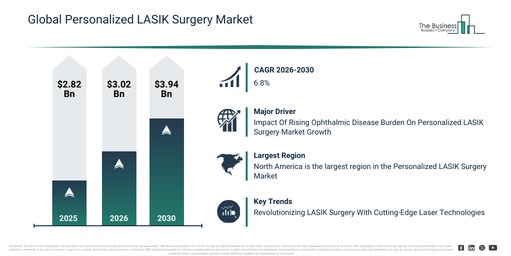
    The personalized lasik surgery market has shown robust expansion in recent years. This market is set to expand from $2.82 billion in 2025 to $3.02 billion in 2026, achieving a compound annual growth rate (CAGR) of 7.2%. Key drivers for its historical growth include the increasing prevalence of refractive errors, greater acceptance of elective vision correction surgery, advancements in laser system technology, the proliferation of ophthalmology specialty clinics, and enhanced surgical success rates.

    The personalized lasik surgery market size is projected to experience robust expansion over the coming years. It is anticipated to reach $3.94 billion by 2030, demonstrating a compound annual growth rate (CAGR) of 6.8%. This growth during the forecast period is primarily driven by the increasing demand for minimally invasive eye surgeries, the rising adoption of AI-assisted diagnostics, the expansion of outpatient surgical centers, growing patient awareness of personalized treatments, and increasing investment in advanced ophthalmic technologies. Prominent trends expected in this period include the growing adoption of customized vision correction procedures, the expanding use of advanced diagnostic imaging, a rising demand for wavefront and topography guided lasik, the expansion of patient-specific treatment planning, and an enhanced focus on surgical precision and outcomes.

    Get A Free Sample Report With In-Depth Market Insights:

    https://thebusinessresearchcompany.com/sample_request?id=69123126&type=smp&name=Personalized%20LASIK%20Surgery%20Market%20Report%202026&utm_source=Blogs&utm_medium=Paid&utm_campaign=Nov_PR

    Personalized LASIK Surgery Market Demand Drivers: What’s Powering Industry Growth?

    The growing prevalence of eye conditions is anticipated to fuel the expansion of the personalized LASIK surgery market. Ophthalmic diseases encompass medical issues affecting the eyes and vision, including glaucoma, cataracts, macular degeneration, and diabetic retinopathy. The increasing burden of these conditions is attributed to factors such as an aging population, a higher occurrence of chronic illnesses like diabetes, and lifestyle choices such as extended screen time, all of which contribute to a greater incidence of eye disorders. Personalized LASIK surgery helps address ophthalmic diseases by delivering tailored vision correction solutions that improve accuracy, effectiveness, and patient outcomes for myopia and astigmatism.

    Personalized LASIK Surgery Market Segment Analysis Spotlighting Growth Areas

    The personalized lasik surgery market covered in this report is segmented –

    1) By Type: Topography Guided LASIK, Wavefront Guided LASIK, Wavefront Optimized LASIK

    2) By Indication: Myopia, Hypermetropia, Presbyopia, Other Indications

    3) By End User: Hospitals, Clinics, Ambulatory Surgical Centers, Other End Users

    Subsegments:

    1) By Topography Guided LASIK: Corneal Topography Mapping, Customized Treatment Plans

    2) By Wavefront Guided LASIK: Aberrometry Analysis, Customized Wavefront Maps

    3) By Wavefront Optimized LASIK: Standardized Treatment Protocols, Preserving Natural Aberrations

    Personalized LASIK Surgery Market Innovation Trends Shaping Future Development

    Leading companies within the personalized LASIK surgery market are increasingly adopting advanced LASIK platforms, such as laser-assisted systems, to enhance precision, improve patient outcomes, and optimize surgical processes. Laser-assisted systems are sophisticated technologies employed in eye surgery that precisely reshape the cornea using lasers for vision correction, providing superior accuracy and customization compared to conventional methods.

    Personalized LASIK Surgery Market Leading Companies: Who Holds The Strongest Market Presence?

    Major companies operating in the personalized lasik surgery market are Carl Zeiss AG, Alcon Inc., Johnson & Johnson Vision Care Inc., Bausch Health Companies Inc., Topcon Corporation, NIDEK Co. Ltd., SCHWIND eye-tech-solutions GmbH, Ziemer Ophthalmic Systems AG, LaserSight Technologies Inc., Presbia PLC, STAAR Surgical Company, EssilorLuxottica SA, Lumenis Ltd., Ellex Medical Lasers Ltd., iVIS Technologies S.r.l., WaveLight GmbH, Avedro Inc., Glaukos Corporation, ClarVista Medical Inc.

    View The Full Personalized LASIK Surgery Market Report:

    https://thebusinessresearchcompany.com/report/personalized-lasik-surgery-global-market-report?utm_source=Blogs&utm_medium=Paid&utm_campaign=Nov_PR

    Personalized LASIK Surgery Market Regional Breakdown: Where Is Demand Concentrated?

    North America was the largest region in the personalized LASIK surgery market in 2025. Asia-Pacific is expected to be the fastest-growing region in the forecast period. The regions covered in the personalized lasik surgery market report are Asia-Pacific, South East Asia, Western Europe, Eastern Europe, North America, South America, Middle East, Africa.

    Reach Out To Our Team:

    The Business Research Company: https://www.thebusinessresearchcompany.com/

    Americas: +1 310-496-7795

    Asia: +44 7882 955267 & +91 8897263534

    Europe: +44 7882 955267

    Email us at: marketing@tbrc.info

    Follow us on:

    LinkedIn: https://in.linkedin.com/company/the-business-research-company

    YouTube: https://www.youtube.com/channel/UC24_fI0rV8cR5DxlCpgmyFQ

    Global Market Model: https://www.thebusinessresearchcompany.com/global-market-model
  • Personalized Daily Vitamin Packs Market Forecast To Reach $14.76 Billion By 2030: Key Trends Explained

    Personalized Daily Vitamin Packs Market Forecast To Reach $14.76 Billion By 2030: Key Trends Explained

    Backed by market attractiveness analysis, total addressable market sizing, company benchmarking matrices, interactive Excel dashboards, wider supply chain intelligence, emerging startup coverage, and detailed product-level insights, The Business Research Company’s 2026 market reports are designed to offer research that is more actionable and strategically valuable than ever.

    Personalized Daily Vitamin Packs Market Size Outlook: How Quickly Will Revenue Expand Through 2030?

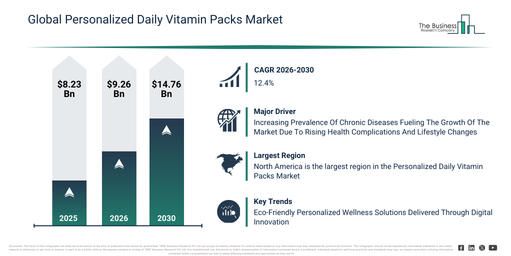
    The market for personalized daily vitamin packs has experienced swift expansion recently. This market is projected to expand from $8.23 billion in 2025 to $9.26 billion by 2026, demonstrating a compound annual growth rate (CAGR) of 12.6%. Historically, this growth was influenced by factors such as limited consumer awareness of personalized nutrition, a dependence on mass-market supplement products, the significant expense of customization, restricted access to genetic testing, and fragmented distribution channels.

    The market for personalized daily vitamin packs is projected to experience substantial growth over the upcoming years, reaching $14.76 billion by 2030, demonstrating a compound annual growth rate (CAGR) of 12.4%. This anticipated expansion is driven by a heightened consumer emphasis on preventive health measures, the increasing accessibility of genetic and lifestyle information, the growing adoption of e-commerce platforms for supplements, a rise in the health-conscious demographic, and expanding partnerships between nutritional firms and healthcare providers. Key developments anticipated during this period include a greater embrace of DNA-based and blood-test-based vitamin packs, the increased utilization of AI-driven platforms for personalized nutrition, enhanced integration of digital health data for customizing supplements, a rising consumer preference for natural and herbal components, and increased capital flow into direct-to-consumer and online distribution channels.

    Get A Free Sample Report With In-Depth Market Insights:

    https://thebusinessresearchcompany.com/sample_request?id=15325002&type=smp&name=Personalized%20Daily%20Vitamin%20Packs%20Market%20Report%202026&utm_source=Blogs&utm_medium=Paid&utm_campaign=Nov_PR

    Personalized Daily Vitamin Packs Market Growth Drivers: What’s Behind The Acceleration?

    The growing occurrence of chronic diseases is projected to stimulate the expansion of the personalized daily vitamin packs market in the future. Chronic diseases are defined as long-term health issues that typically progress slowly and necessitate ongoing management. This category includes conditions such as diabetes, heart disease, hypertension, arthritis, chronic respiratory diseases, cancer, and obesity. The rising incidence of these conditions is attributed to lifestyle changes, particularly poor diet and insufficient physical activity, which contribute to extended health complications. Personalized daily vitamin packs assist in chronic disease management by providing customized nutritional solutions that address specific health needs. They enhance overall wellness by delivering targeted vitamins and minerals that help manage symptoms and improve general health, fostering a better quality of life for individuals with chronic conditions.

    Personalized Daily Vitamin Packs Market Segment Performance And Emerging Opportunities

    The personalized daily vitamin packs market covered in this report is segmented –

    1) By Product: Custom Vitamin Packs, Single-Ingredient Vitamins, Multi-Ingredient Packs, Functional Vitamin Packs

    2) By Ingredient Type: Natural Ingredients, Synthetic Ingredients, Herbal Ingredients, Minerals, Amino Acids

    3) By Age Group: Children, Young Adults, Adults, Seniors

    4) By Application: Personalized Nutrition, Health And Wellness, Dietary Supplements

    5) By Distribution Channel: Online Retail, Pharmacies, Health Food Stores, Supermarkets, Direct Sales

    Subsegments:

    1) By Custom Vitamin Packs: Deoxyribonucleic Acid-Based Packs, Blood-Test Based Packs, Questionnaire-Based Packs, Lifestyle-Based Packs

    2) By Single-Ingredient Vitamins: Vitamin D, Vitamin B12, Vitamin C, Iron, Magnesium

    3) By Multi-Ingredient Packs: Immunity Support Packs, Energy Boost Packs, General Wellness Packs, Digestive Health Packs

    4) By Functional Vitamin Packs: Sleep Support Packs, Stress Relief Packs, Joint Health Packs, Brain Health Packs

    Personalized Daily Vitamin Packs Market Trends Redefining Industry Growth

    Leading companies in the personalized daily vitamin packs market are increasingly focusing on technological advancements in health, such as online customization platforms, to enhance personalization, precision, and user experience. An online customization platform serves as a digital tool or website, enabling users to tailor products or services according to their specific preferences, requirements, or stipulations.

    Personalized Daily Vitamin Packs Market Key Players: Which Companies Lead Industry Competition?

    Major companies operating in the personalized daily vitamin packs market are Unilever plc, Bayer AG, GSK plc, Amway Corporation, The Natures Bounty Co., The Vitamin Shoppe, Nestlé Health Science, EverlyWell Inc., Viome Life Sciences Inc., Hum Nutrition, Vitl Health Ltd., Baze Labs AG, Rootine, Vitable Inc., Vous Vitamin LLC, LemonBox, Nourished, Vitamins And Me, VitaRx, Care Of, Persona Nutrition, Gainful Health, Ritual Inc., SmartyPants Vitamins

    View The Full Personalized Daily Vitamin Packs Market Report:

    https://thebusinessresearchcompany.com/report/personalized-daily-vitamin-packs-global-market-report?utm_source=Blogs&utm_medium=Paid&utm_campaign=Nov_PR

    Personalized Daily Vitamin Packs Market Geographic Landscape: Which Region Leads Industry Growth?

    North America was the largest region in the personalized daily vitamin packs market in 2025. The regions covered in the personalized daily vitamin packs market report are Asia-Pacific, South East Asia, Western Europe, Eastern Europe, North America, South America, Middle East, Africa.

    Reach Out To Our Team:

    The Business Research Company: https://www.thebusinessresearchcompany.com/

    Americas: +1 310-496-7795

    Asia: +44 7882 955267 & +91 8897263534

    Europe: +44 7882 955267

    Email us at: marketing@tbrc.info

    Follow us on:

    LinkedIn: https://in.linkedin.com/company/the-business-research-company

    YouTube: https://www.youtube.com/channel/UC24_fI0rV8cR5DxlCpgmyFQ

    Global Market Model: https://www.thebusinessresearchcompany.com/global-market-model
  • Personalized Cell Therapy Market Analysis Through 2030: Market Size, Growth Trends And Industry Outlook

    Personalized Cell Therapy Market Analysis Through 2030: Market Size, Growth Trends And Industry Outlook

    Featuring market attractiveness scoring, total addressable market sizing, company benchmarking matrices, interactive Excel dashboards, deeper supply chain intelligence, emerging startup tracking, and granular product-level insights, The Business Research Company’s 2026 market reports are built to deliver research that is both more actionable and more strategically valuable.

    Personalized Cell Therapy Market Size, Value And Growth Trajectory Through 2030

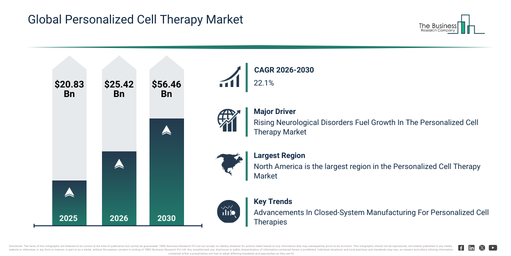
    The personalized cell therapy market has experienced rapid expansion recently. It is projected to increase from $20.83 billion in 2025 to $25.42 billion in 2026, demonstrating a compound annual growth rate (CAGR) of 22.1%. Factors contributing to its historical growth include the restricted availability of autologous cell therapies, a strong reliance on traditional treatments, insufficient advanced biomanufacturing infrastructure, delays in regulatory approvals, and inadequate patient understanding of personalized therapies.

    The personalized cell therapy market is projected to experience rapid expansion in the coming years. Its valuation is anticipated to reach $56.46 billion by 2030, demonstrating a compound annual growth rate (CAGR) of 22.1%. This expansion during the projection period stems from a heightened demand for autologous and allogeneic cell therapies, the increasing integration of AI-driven treatment optimization, a surge in government and private investment for cell therapy research, widening applications across cancer, cardiovascular, and autoimmune conditions, and fostering collaborations between biotechnology companies and research institutions. Key trends anticipated in this period encompass the growing embrace of genomic-based cell therapy methodologies, the increasing application of personalized immunotherapy techniques, the broader integration of digital platforms for managing cell therapies, a greater utilization of AI and big data in cell therapy research, and a rising commitment to biomanufacturing and scalable cell production.

    Get A Free Sample Report With In-Depth Market Insights:

    https://thebusinessresearchcompany.com/sample_request?id=55862773&type=smp&name=Personalized%20Cell%20Therapy%20Market%20Report%202026&utm_source=Blogs&utm_medium=Paid&utm_campaign=Nov_PR

    Personalized Cell Therapy Market Growth Factors Behind Sustained Expansion

    The growing prevalence of neurological disorders is anticipated to propel the personalized cell therapy market forward. These conditions encompass a range of afflictions impacting the brain, spinal cord, and nerves, manifesting in symptoms like impaired motor function, cognitive deficits, and sensory disturbances. The increase in neurological disorders stems from factors such as an aging population, environmental stressors, and shifting lifestyle patterns, which collectively elevate the occurrence of neurodegenerative diseases. Personalized cell therapy is crucial for addressing neurological disorders because it provides customized treatments that cater to individual patient requirements, potentially repairing damaged neural tissue and enhancing results in intricate, patient-specific circumstances.

    Personalized Cell Therapy Market Segment Landscape And Growth Outlook

    The personalized cell therapy market covered in this report is segmented –

    1) By Cell Type: Lymphocytes, Mesenchymal Stem Cells (MSCs), Hematopoietic Stem Cells, Other Cell Types

    2) By Technique: Cell Engineering And Expansion Techniques, Bone Marrow Transplantation, Autologous Cell Infusion Techniques, Adoptive Cell Transfer Techniques

    3) By Application: Cardiovascular Diseases, Neurological Disorders, Inflammatory Diseases, Diabetes, Cancer, Other Applications

    4) By End-User: Hospital, Cell Therapy Treatment Centers, Specialty Clinics, Other End-Users

    Subsegments:

    1) By Lymphocytes: T Cells, Natural Killer (NK) Cells, Regulatory T Cells

    2) By Mesenchymal Stem Cells (MSCs): Bone Marrow-Derived MSCs, Adipose Tissue-Derived MSCs, Umbilical Cord-Derived MSCs

    3) By Hematopoietic Stem Cells: Autologous Hematopoietic Stem Cells, Allogeneic Hematopoietic Stem Cells

    4) By Other Cell Types: Dendritic Cells, Fibroblasts, Endothelial Cells

    Personalized Cell Therapy Market Strategic Trends: What Defines The Next Growth Phase?

    Major companies active in the personalized cell therapy market are directing their efforts towards innovative treatments like closed-system sterility. This approach enables the contamination-free processing of patient-derived cells, from their initial collection to the final product formulation. Closed-system sterility itself is defined as a method where cells are processed without exposure to the external environment, ensuring their sterile condition throughout the entire manufacturing or handling procedure. An example of this advancement occurred in March 2025, when Limula SA, a Switzerland-based firm focused on advanced cell therapy solutions, unveiled LimONE. This automated cell therapy manufacturing platform signified a major leap forward, designed to streamline the production of personalized therapies such as CAR-T and hematopoietic stem cell treatments. Additionally, LimONE offers a closed-system sterile workflow, leading to more reproducible production of patient-specific cell therapy.

    Personalized Cell Therapy Market Competitive Landscape: Who Leads The Industry?

    Major companies operating in the personalized cell therapy market are Bristol-Myers Squibb Company, GlaxoSmithKline plc, Gilead Sciences Inc., Poseida Therapeutics Inc., Sangamo Therapeutics Inc., Nkarta Therapeutics Inc., Intellia Therapeutics Inc., Tessa Therapeutics Pte Ltd, Atara Biotherapeutics Inc., Adaptimmune Therapeutics plc, Precision BioSciences Inc., Editas Medicine Inc., Cellectis S.A., Gracell Biotechnologies Inc., Mesoblast Limited, Fate Therapeutics Inc., Athersys Inc., Bellicum Pharmaceuticals Inc., Celyad Oncology SA, Century Therapeutics Inc., Gamida Cell Ltd., CRISPR Therapeutics AG, Allogene Therapeutics Inc., Bluebird bio Inc., Autolus Therapeutics plc

    View The Full Personalized Cell Therapy Market Report:

    https://thebusinessresearchcompany.com/report/personalized-cell-therapy-global-market-report?utm_source=Blogs&utm_medium=Paid&utm_campaign=Nov_PR

    Personalized Cell Therapy Market Largest Region: Which Geography Holds The Biggest Share?

    North America was the largest region in the personalized cell therapy market in 2025. Asia-Pacific is expected to be the fastest-growing region in the forecast period. The regions covered in the personalized cell therapy market report are Asia-Pacific, South East Asia, Western Europe, Eastern Europe, North America, South America, Middle East, Africa.

    Reach Out To Our Team:

    The Business Research Company: https://www.thebusinessresearchcompany.com/

    Americas: +1 310-496-7795

    Asia: +44 7882 955267 & +91 8897263534

    Europe: +44 7882 955267

    Email us at: marketing@tbrc.info

    Follow us on:

    LinkedIn: https://in.linkedin.com/company/the-business-research-company

    YouTube: https://www.youtube.com/channel/UC24_fI0rV8cR5DxlCpgmyFQ

    Global Market Model: https://www.thebusinessresearchcompany.com/global-market-model
  • Personalized Cancer Treatment Market Outlook From 2026 To 2030: Key Growth Factors And Future Opportunities

    Personalized Cancer Treatment Market Outlook From 2026 To 2030: Key Growth Factors And Future Opportunities

    Built to provide research that’s more actionable and strategically valuable, The Business Research Company’s 2026 market reports include market attractiveness analysis, total addressable market sizing, company benchmarking matrices, interactive Excel dashboards, broader supply chain intelligence, emerging startup tracking, and in-depth product insights.

    Personalized Cancer Treatment Market CAGR Outlook And Future Development

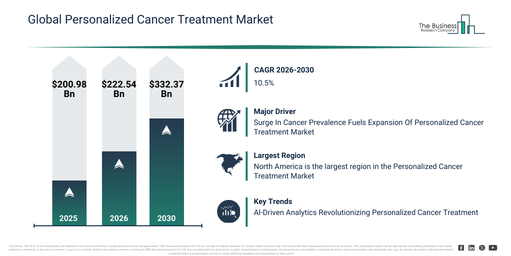
    The personalized cancer treatment market size has seen rapid expansion in recent years. It is anticipated to increase from $200.98 billion in 2025 to $222.54 billion in 2026, demonstrating a compound annual growth rate (CAGR) of 10.7%. Contributing to its growth in the historic period were factors such as limited access to genetic testing, a reliance on conventional chemotherapy, low awareness of personalized medicine benefits, a fragmented oncology healthcare infrastructure, and a lack of targeted therapy approvals.

    The personalized cancer treatment market is anticipated to experience substantial expansion over the coming years. This market is projected to reach $332.37 billion by 2030, demonstrating a compound annual growth rate (CAGR) of 10.5%. Factors contributing to this growth during the forecast period include increasing investment in genomics research, wider adoption of liquid biopsy and biomarker testing, a surge in demand for targeted therapies and immunotherapies, the incorporation of AI and big data into treatment planning, and the expansion of precision oncology clinical trials. Key trends anticipated during this period encompass the growing uptake of AI-based genomic analytics for cancer treatment, the expanding implementation of precision medicine platforms, greater utilization of biomarker-based diagnostic techniques, increasing integration of digital health solutions within oncology, and the rising adoption of immersive technologies for both patient monitoring and education.

    Get A Free Sample Report With In-Depth Market Insights:

    https://thebusinessresearchcompany.com/sample_request?id=15996720&type=smp&name=Personalized%20Cancer%20Treatment%20Market%20Report%202026&utm_source=Blogs&utm_medium=Paid&utm_campaign=Nov_PR

    Personalized Cancer Treatment Market Demand Drivers Opening New Revenue Streams

    The expanding occurrence of cancer is projected to drive the advancement of the personalized cancer treatment market in the future. This escalation in cancer cases is primarily linked to longer life expectancies, resulting in a greater number of individuals reaching ages prone to cancer, alongside increased exposure to risk factors like tobacco use, alcohol consumption, and obesity. Customized cancer therapies offer focused and potent solutions for addressing various cancer forms and progression stages, and this rising health challenge encourages investment and inventive developments in precision medicine, striving to enhance patient results via tailored treatment strategies.

    Personalized Cancer Treatment Market Breakdown By Product Type And Application

    The personalized cancer treatment market covered in this report is segmented –

    1) By Treatment Type: Targeted Therapy, Immunotherapy, Hormone Therapy, Chemotherapy, Radiation Therapy, Other Treatment Type

    2) By Diagnostic Techniques: Genomic Sequencing, Liquid Biopsy, Immunohistochemistry, In Situ Hybridization, Biomarker Testing, Other Diagnostic Techniques

    3) By Cancer Type: Breast Cancer, Lung Cancer, Colorectal Cancer, Prostate Cancer, Melanoma, Other Cancer Types

    4) By End-Users: Hospitals And Clinics, Research Institutes, Other End Users

    Subsegments:

    1) By Targeted Therapy: Monoclonal Antibodies, Small Molecule Inhibitors, Angiogenesis Inhibitors, Signal Transduction Inhibitors

    2) By Immunotherapy: Checkpoint Inhibitors, CAR T-Cell Therapy, Cancer Vaccines, Monoclonal Antibodies For Immunotherapy

    3) By Hormone Therapy: Anti-Estrogens, Aromatase Inhibitors, Progestins, LHRH Agonists

    4) By Chemotherapy: Alkylating Agents, Antimetabolites, Anthracyclines, Taxanes

    5) By Radiation Therapy: External Beam Radiation Therapy (EBRT), Brachytherapy, Radioimmunotherapy, Stereotactic Radiosurgery (SRS)

    6) By Other Treatment Types: Gene Therapy, Stem Cell Transplantation, Metabolic Therapy, Nanomedicine

    Personalized Cancer Treatment Market Transformation Trends: What Innovations Are Driving Change?

    Leading companies in the personalized cancer treatment market are concentrating on developing innovative solutions, such as artificial intelligence (AI)-enabled multimodal immune profile algorithmic tests. These aim to predict patient responses to immunotherapy and enhance personalized treatment strategies. An AI-enabled multimodal immune profile algorithmic test examines multiple types of data, including genomic, transcriptomic, and clinical biomarkers, to assess a patient’s immune profile and forecast their response to immunotherapy. This helps in patient stratification and guides personalized cancer treatments.

    Personalized Cancer Treatment Market Company Landscape And Competitive Strategy

    Major companies operating in the personalized cancer treatment market are Pfizer Inc., Johnson & Johnson, F. Hoffmann-La Roche, Merck & Co. Inc., Bristol Myers Squibb Company, Thermo Fisher Scientific Inc., AstraZeneca Plc, Novartis AG, BioNTech SE, Illumina Inc., Artera, Exact Sciences Corporation., Moffitt Cancer Center, Myriad Genetics, NeoGenomics Laboratories, Guardant Health, Caris Life Sciences, Tempus AI Inc., Foundation Medicine, Immatics, Fate Therapeutics, CureVac AG, TScan Therapeutics, CureMetrix, PDC*line Pharma

    View The Full Personalized Cancer Treatment Market Report:

    https://thebusinessresearchcompany.com/report/personalized-cancer-treatment-global-market-report?utm_source=Blogs&utm_medium=Paid&utm_campaign=Nov_PR

    Personalized Cancer Treatment Market Regional Analysis: Which Geography Leads On Revenue?

    North America was the largest region in the personalized cancer treatment market in 2025. Asia-Pacific is expected to be the fastest-growing region in the forecast period. The regions covered in the personalized cancer treatment market report are Asia-Pacific, South East Asia, Western Europe, Eastern Europe, North America, South America, Middle East, Africa.

    Reach Out To Our Team:

    The Business Research Company: https://www.thebusinessresearchcompany.com/

    Americas: +1 310-496-7795

    Asia: +44 7882 955267 & +91 8897263534

    Europe: +44 7882 955267

    Email us at: marketing@tbrc.info

    Follow us on:

    LinkedIn: https://in.linkedin.com/company/the-business-research-company

    YouTube: https://www.youtube.com/channel/UC24_fI0rV8cR5DxlCpgmyFQ

    Global Market Model: https://www.thebusinessresearchcompany.com/global-market-model
  • Personal Health Record Software Market Growth Forecast: Market Size, Key Trends And Emerging Opportunities Through 2030

    Personal Health Record Software Market Growth Forecast: Market Size, Key Trends And Emerging Opportunities Through 2030

    Backed by market attractiveness analysis, total addressable market sizing, company benchmarking matrices, interactive Excel dashboards, wider supply chain intelligence, emerging startup coverage, and detailed product-level insights, The Business Research Company’s 2026 market reports are designed to offer research that is more actionable and strategically valuable than ever.

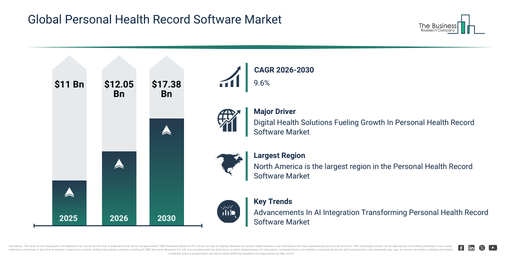
    Personal Health Record Software Market Set To Climb From $12.05 Billion In 2026 To $17.38 Billion By 2030

    The personal health record software market has experienced substantial growth in recent years. It is projected to expand from $11 billion in 2025 to $12.05 billion in 2026, achieving a compound annual growth rate (CAGR) of 9.5%. Historically, this market growth can be attributed to several factors, including the limited adoption of electronic health records, a lack of awareness regarding the benefits of personal health records, a continued reliance on paper-based health data, a fragmented healthcare IT infrastructure, and inconsistent data sharing between patients and providers.

    The personal health record software market is projected for significant expansion in the coming years, with its valuation anticipated to reach $17.38 billion by 2030, exhibiting a compound annual growth rate (CAGR) of 9.6%. This projected growth is driven by factors such as the increasing embrace of cloud-based healthcare solutions, the expanding utilization of mobile health applications, a heightened need for patient-centric care, the incorporation of AI and big data analytics into health records, and the broadening reach of telehealth and remote patient monitoring services. Key trends foreseen for this period encompass the escalating adoption of AI-powered personal health record management, the increasing integration of cloud-based health record systems, the expanding deployment of IoT-enabled health monitoring and tracking technologies, enhanced automation in health data processing, and a surge in the use of immersive digital experiences to engage patients.

    Get A Free Sample Report With In-Depth Market Insights:

    https://thebusinessresearchcompany.com/sample_request?id=69047081&type=smp&name=Personal%20Health%20Record%20Software%20Market%20Report%202026&utm_source=Blogs&utm_medium=Paid&utm_campaign=Nov_PR

    Personal Health Record Software Market Growth Backed By Core Demand Fundamentals

    The increasing demand for digital health solutions is projected to fuel the growth of the personal health record software market in the coming years. Digital health solutions encompass the integration of technology and digital tools into healthcare delivery, aiming to enhance efficiency, accessibility, quality of care, and patient outcomes. Personal health record software plays a crucial role within digital health solutions by empowering patients, improving care coordination, strengthening clinical decision-making, and promoting better health outcomes.

    Personal Health Record Software Market Segment Analysis And Revenue Potential

    The personal health record software market covered in this report is segmented –

    1) By Component: Software And Mobile Applications, Service

    2) By Deployment: Cloud-Based, Web-Based

    3) By Architecture: Payer-Tethered, Provider-Tethered, Standalone

    Subsegments:

    1) By Software And Mobile Applications: Personal Health Record (PHR) Software, Mobile Health (Mhealth) Apps, Cloud-Based Health Record Systems

    2) By Service: Implementation Services, Maintenance And Support Services, Training And Consulting Services

    #Personal Health Record Software Market Growth Trends: What’s Shaping The Future Outlook?

    Major companies in the personal health record software market are focusing on developments in AI advancement software, such as AWS HealthScribe, given the substantial advantages of AI integration in healthcare software solutions. AWS HealthScribe is a new generative AI-powered service that automatically generates clinical documentation from conversations between patients and clinicians.

    Personal Health Record Software Market Key Players Shaping Industry Direction

    Major companies operating in the personal health record software market are Cerner Corporation, Allscripts, eClinicalWorks, Athenahealth, NextGen Healthcare, Meditech, Greenway Health, CareCloud Inc., Kareo, E-MDs Inc., SoftClinic Software, Practice Fusion, AdvancedMD, HealthFusion, CureMD, Epic Systems Corporation, NoMoreClipboard, Amazing Charts, Validic Inc., Health Companion, Records For Living Inc., DrChrono, ChARM Health

    View The Full Personal Health Record Software Market Report:

    https://thebusinessresearchcompany.com/report/personal-health-record-software-global-market-report?utm_source=Blogs&utm_medium=Paid&utm_campaign=Nov_PR

    Personal Health Record Software Market Geographic Spread And Regional Opportunities

    North America was the largest region in the personal health record software market in 2025. The regions covered in the personal health record software market report are Asia-Pacific, South East Asia, Western Europe, Eastern Europe, North America, South America, Middle East, Africa.

    Reach Out To Our Team:

    The Business Research Company: https://www.thebusinessresearchcompany.com/

    Americas: +1 310-496-7795

    Asia: +44 7882 955267 & +91 8897263534

    Europe: +44 7882 955267

    Email us at: marketing@tbrc.info

    Follow us on:

    LinkedIn: https://in.linkedin.com/company/the-business-research-company

    YouTube: https://www.youtube.com/channel/UC24_fI0rV8cR5DxlCpgmyFQ

    Global Market Model: https://www.thebusinessresearchcompany.com/global-market-model
  • Personal Care Product Testing Market CAGR Forecast Through 2030: Key Trends Shaping Industry Expansion

    Personal Care Product Testing Market CAGR Forecast Through 2030: Key Trends Shaping Industry Expansion

    Featuring market attractiveness scoring, total addressable market sizing, company benchmarking matrices, interactive Excel dashboards, deeper supply chain intelligence, emerging startup tracking, and granular product-level insights, The Business Research Company’s 2026 market reports are built to deliver research that is both more actionable and more strategically valuable.

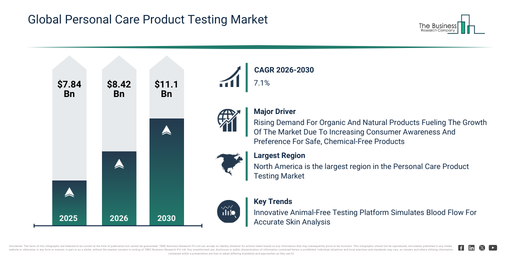
    Personal Care Product Testing Market Forecast: Value Set To Climb From $8.42 Billion To $11.1 Billion

    The personal care product testing market size has witnessed significant growth in recent years. It is anticipated to increase from $7.84 billion in 2025 to $8.42 billion in 2026, registering a compound annual growth rate (CAGR) of 7.5%. The expansion observed in the past can be ascribed to the growing complexity of cosmetic formulations, the broader reach of global personal care brands, heightened consumer awareness regarding safety, the strengthening of cosmetic regulatory frameworks, and the proliferation of contract testing laboratories.

    The personal care product testing market is poised for significant expansion over the next few years. It is forecast to achieve a size of $11.1 billion by 2030, progressing at a compound annual growth rate (CAGR) of 7.1%. This projected growth can be ascribed to a rising demand for cruelty-free and alternative testing methodologies, an increasing concentration on sustainable and biodegradable formulations, the growth of personalized personal care products, a rise in the outsourcing of testing services, and intensified regulatory examination across international markets. Noteworthy trends during the forecast period include the increasing adoption of advanced toxicological testing methods, a growing requirement for dermatological and hypoallergenic assessments, a sharpened focus on regulatory compliance testing, the broadening scope of microbiological and contaminant analysis, and an elevated importance placed on product efficacy validation.

    Get A Free Sample Report With In-Depth Market Insights:

    https://thebusinessresearchcompany.com/sample_request?id=69415989&type=smp&name=Personal%20Care%20Product%20Testing%20Market%20Report%202026&utm_source=Blogs&utm_medium=Paid&utm_campaign=Nov_PR

    Personal Care Product Testing Market Growth Catalysts And Demand Drivers

    The future expansion of the personal care product testing market is anticipated to be driven by the increasing need for organic and natural products. These items are defined as products crafted from plant-, mineral-, or naturally derived ingredients, produced without synthetic chemicals, pesticides, or fertilizers. The heightened consumer awareness of potential health risks associated with synthetic chemical exposure is fueling this rising demand. The personal care product testing market actively supports this driver by validating ingredient purity, safety, and product performance, thereby ensuring regulatory compliance and building consumer trust.

    Personal Care Product Testing Market Segmentation And Category Overview

    The personal care product testing market covered in this report is segmented –

    1) By Type: Chemical And Microbiological Testing, Stability And Shelf Life Testing, Other Types

    2) By Application: Enterprise, Government

    3) By End User: Personal Care Product Manufacturers, Cosmetic And Skincare Brands, Research And Academic Institutions, Contract Research Organizations (CROs), Regulatory Authorities And Certification Bodies

    Subsegments:

    1) By Chemical And Microbiological Testing: Heavy Metals Testing, Preservative Efficacy Testing, Pathogen Detection, Allergen Testing, pH And Chemical Composition Analysis, Contaminant And Impurity Analysis, Antimicrobial Effectiveness Testing

    2) By Stability And Shelf Life Testing: Accelerated Stability Testing, Real-Time Stability Testing, Packaging Compatibility Testing, Photostability Testing, Thermal And Humidity Testing, Freeze-Thaw Cycle Testing, Microbial Challenge Testing For Shelf Life

    3) By Other Types: Toxicological Risk Assessment, Dermatological Testing, Safety And Regulatory Compliance Testing, Performance And Efficacy Testing, Biocompatibility Testing, Consumer Acceptability Studies, Environmental Impact And Biodegradability Testing

    Personal Care Product Testing Market Industry Trends: What’s Reshaping Demand?

    Major companies operating in the personal care product testing market are focusing on developing innovative solutions, such as animal-free cosmetics testing platforms, to ensure products are safe, effective, and ethically tested while complying with regulations. An animal-free cosmetics testing platform refers to a method for evaluating product safety and effectiveness without using animals, often utilizing cell cultures, 3D skin models, or computer simulations.

    Personal Care Product Testing Market Competitive Analysis Of Leading Industry Participants

    Major companies operating in the personal care product testing market are Henkel AG & Co. KGaA, SGS SA, Eurofins Scientific SE, Bureau Veritas SA, Intertek Group plc, TÜV SÜD AG, UL Solutions Inc., ALS Limited, NSF International, SGS Institut Fresenius GmbH, MSL Solution Providers Ltd., Biorius SPRL, Microchem Laboratory Inc., QACS Ltd. (Quality Assurance & Chemical Safety), Accugen Laboratories Inc., Dermatest GmbH, TRI/Princeton Inc., Genemarkers LLC, Helioscience SAS, Essex Test Services LLC

    View The Full Personal Care Product Testing Market Report:

    https://thebusinessresearchcompany.com/report/personal-care-product-testing-global-market-report?utm_source=Blogs&utm_medium=Paid&utm_campaign=Nov_PR

    Personal Care Product Testing Market Top Region By Revenue And Market Share

    North America was the largest region in the personal care product testing market in 2025. The regions covered in the personal care product testing market report are Asia-Pacific, South East Asia, Western Europe, Eastern Europe, North America, South America, Middle East, Africa.

    Reach Out To Our Team:

    The Business Research Company: https://www.thebusinessresearchcompany.com/

    Americas: +1 310-496-7795

    Asia: +44 7882 955267 & +91 8897263534

    Europe: +44 7882 955267

    Email us at: marketing@tbrc.info

    Follow us on:

    LinkedIn: https://in.linkedin.com/company/the-business-research-company

    YouTube: https://www.youtube.com/channel/UC24_fI0rV8cR5DxlCpgmyFQ

    Global Market Model: https://www.thebusinessresearchcompany.com/global-market-model
  • Persistent Epithelial Defect Management Market To Witness 16.5% CAGR Growth Through 2030: Key Industry Drivers

    Persistent Epithelial Defect Management Market To Witness 16.5% CAGR Growth Through 2030: Key Industry Drivers

    Built to provide research that’s more actionable and strategically valuable, The Business Research Company’s 2026 market reports include market attractiveness analysis, total addressable market sizing, company benchmarking matrices, interactive Excel dashboards, broader supply chain intelligence, emerging startup tracking, and in-depth product insights.

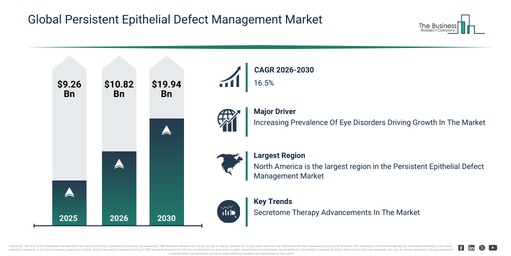
    Persistent Epithelial Defect Management Market Revenue Growth On Track For A 16.5% CAGR Through 2030

    The market for persistent epithelial defect management has experienced rapid expansion in recent years. This market is anticipated to increase from $9.26 billion in 2025 to $10.82 billion in 2026, exhibiting a compound annual growth rate (CAGR) of 16.9%. The historical growth of this market can be attributed to several factors, including limited awareness of persistent epithelial defects, a reliance on conventional lubricating eye drops, the slow adoption of autologous serum therapy, inadequate access to corneal specialists, and inconsistent follow-up and patient monitoring.

    The persistent epithelial defect management market size is anticipated to undergo significant expansion in the coming years. It is forecast to achieve a valuation of $19.94 billion in 2030, exhibiting a compound annual growth rate (CAGR) of 16.5%. The projected increase in market size is driven by advancements in stem cell and biologic therapies, the growing adoption of amniotic membrane transplantation, an increasing preference for bandage contact lenses, heightened awareness concerning early corneal defect management, and the proliferation of hospital and specialized eye care centers. Noteworthy trends during this forecast period include the increasing integration of AI-powered diagnostic and imaging tools, wider application of biologics and stem cell therapies, the incorporation of cloud-based patient monitoring systems, the development of IoT-enabled eye care devices, and progress in the automated manufacturing of ocular therapeutics.

    Get A Free Sample Report With In-Depth Market Insights:

    https://thebusinessresearchcompany.com/sample_request?id=87879947&type=smp&name=Persistent%20Epithelial%20Defect%20Management%20Market%20Report%202026&utm_source=Blogs&utm_medium=Paid&utm_campaign=Nov_PR

    Persistent Epithelial Defect Management Market Opportunity Drivers: What’s Unlocking New Revenue Potential?

    The increasing prevalence of eye disorders is expected to fuel the expansion of the persistent epithelial defect management market. Eye disorders refer to diverse medical conditions affecting the eyes’ structure, function, or health, potentially leading to vision impairment, discomfort, or blindness. This rise in prevalence stems from factors such as an aging global population, increased screen time, and environmental changes. Persistent epithelial defect management is vital for addressing eye disorders, as it aids healing, reduces inflammation, and prevents complications like infection or scarring.

    Persistent Epithelial Defect Management Market Segment Outlook: Which Categories Are Growing Fastest?

    The persistent epithelial defect management market covered in this report is segmented –

    1) By Disease Type: Epithelial Or Limbal, Inflammatory Disease, Neurotrophic Disease, Other Disease Types

    2) By Distribution Channel: Direct Sales, Online Pharmacy, Retail Pharmacy, Hospitals

    3) By End User: Hospitals And Specialty Eye Clinics, Physician Offices, Ophthalmology Specialty Centers, Other End Users

    Subsegments:

    1) By Epithelial Or Limbal: Limbal Stem Cell Deficiency (LSCD), Limbal Transplantation, Conjunctival Transplantation

    2) By Inflammatory Disease: Dry Eye Syndrome, Allergic Conjunctivitis, Uveitis

    3) By Neurotrophic Disease: Herpes Simplex Virus (HSV) Keratitis, Corneal Nerve Damage Associated Keratopathy, Neurotrophic Keratopathy

    4) By Other Disease Types: Chemical Burns, Trauma-Induced Defects, Congenital Corneal Opacities

    Persistent Epithelial Defect Management Market Innovation Trends: What Developments Are Reshaping The Industry?

    Major companies operating in the persistent epithelial defect management market are concentrating on creating advanced treatments, such as secretome therapy, to accelerate recovery and enhance patient outcomes for persistent epithelial defects. Secretome therapy involves leveraging bioactive molecules secreted by cells, including proteins, lipids, and extracellular vesicles, to facilitate tissue repair, regulate immune responses, and treat various conditions.

    Persistent Epithelial Defect Management Market Leading Companies And Competitive Benchmarking

    Major companies operating in the persistent epithelial defect management market are AbbVie Inc., Novartis AG, Johnson & Johnson Vision, RegeneRx Biopharmaceuticals Inc., Regeneron Pharmaceuticals Inc., Alcon Inc., Bausch Health Companies Inc., Hoya Vision Care, Santen Pharmaceutical Co. Ltd., Recordati Rare Diseases Inc., Dompé Farmaceutici S.p.A., TissueTech Inc., Ocular Therapeutix Inc., Amber Ophthalmics Inc., Noveome Biotherapeutics Inc., OcuNexus Therapeutics Inc., Lux Bio Inc., Eyenovia Inc., Kala Pharmaceuticals Inc., Aerie Pharmaceuticals Inc., EyePoint Pharmaceuticals Inc., Aldeyra Therapeutics Inc.

    View The Full Persistent Epithelial Defect Management Market Report:

    https://thebusinessresearchcompany.com/report/persistent-epithelial-defect-management-global-market-report?utm_source=Blogs&utm_medium=Paid&utm_campaign=Nov_PR

    Persistent Epithelial Defect Management Market Regional Analysis And Top Geography

    North America was the largest region in the persistent epithelial defect management market in 2025. Asia-Pacific is expected to be the fastest-growing region in the forecast period. The regions covered in the persistent epithelial defect management market report are Asia-Pacific, South East Asia, Western Europe, Eastern Europe, North America, South America, Middle East, Africa.

    Reach Out To Our Team:

    The Business Research Company: https://www.thebusinessresearchcompany.com/

    Americas: +1 310-496-7795

    Asia: +44 7882 955267 & +91 8897263534

    Europe: +44 7882 955267

    Email us at: marketing@tbrc.info

    Follow us on:

    LinkedIn: https://in.linkedin.com/company/the-business-research-company

    YouTube: https://www.youtube.com/channel/UC24_fI0rV8cR5DxlCpgmyFQ

    Global Market Model: https://www.thebusinessresearchcompany.com/global-market-model
  • Pernicious Anemia Diagnosis And Treatment Market Projected For Strong Expansion Through 2030: Key Trends And Future Outlook

    Pernicious Anemia Diagnosis And Treatment Market Projected For Strong Expansion Through 2030: Key Trends And Future Outlook

    Backed by market attractiveness analysis, total addressable market sizing, company benchmarking matrices, interactive Excel dashboards, wider supply chain intelligence, emerging startup coverage, and detailed product-level insights, The Business Research Company’s 2026 market reports are designed to offer research that is more actionable and strategically valuable than ever.

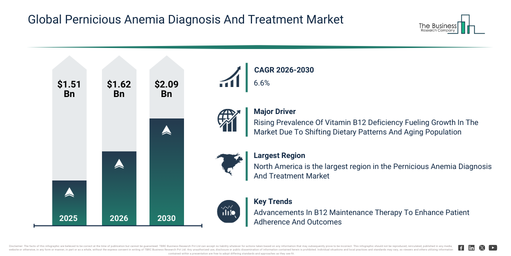
    Pernicious Anemia Diagnosis And Treatment Market Value Growth And Long-Term Outlook

    The pernicious anemia diagnosis and treatment market has experienced robust growth in recent years. It is projected to expand from $1.51 billion in 2025 to $1.62 billion in 2026, demonstrating a compound annual growth rate (CAGR) of 6.8%. The historic period’s expansion is attributable to the high incidence of hospital-acquired infections, a reliance on conventional IV catheters, an increasing patient population requiring IV therapy, the limited availability of advanced safety catheters, and a fragmented healthcare infrastructure.

    The pernicious anemia diagnosis and treatment market size is anticipated to demonstrate substantial expansion over the upcoming years, projected to reach $2.09 billion by 2030, exhibiting a compound annual growth rate (CAGR) of 6.6%. This projected growth during the forecast period is driven by factors such as progress in safety IV catheter technologies, the increasing uptake of smart and antimicrobial catheters, an expansion of home healthcare provisions, a rising preference for integrated/closed IV systems, and the burgeoning demand for minimally invasive therapy administration. Key trends observed in this forecast period include the increasing adoption of AI-based catheter insertion guidance systems, a surge in the use of cloud-based patient monitoring for IV therapy, the ongoing development of antimicrobial and smart catheters, the growing integration of IoT-enabled devices for IV monitoring, and the increasing implementation of smart manufacturing processes for peripheral IV catheters.

    Get A Free Sample Report With In-Depth Market Insights:

    https://thebusinessresearchcompany.com/sample_request?id=77098332&type=smp&name=Pernicious%20Anemia%20Diagnosis%20And%20Treatment%20Market%20Report%202026&utm_source=Blogs&utm_medium=Paid&utm_campaign=Nov_PR

    Pernicious Anemia Diagnosis And Treatment Market Growth Momentum: What Factors Are Shaping Demand?

    The increasing occurrence of vitamin B12 deficiency is anticipated to propel expansion within the pernicious anemia diagnosis and treatment market moving ahead. This deficiency arises when the body possesses insufficient vitamin B12 to generate a proper amount of red blood cells, leading to symptoms such as fatigue, weakness, and neurological issues. The escalation of vitamin B12 deficiency can be attributed to the growing preference for plant-based diets, which frequently do not provide enough natural B12 and may cause insufficient consumption without appropriate supplementation. Low vitamin B12 levels directly impede red blood cell production, thereby facilitating the diagnosis and treatment of pernicious anemia by prompting medical professionals to prescribe B12 supplementation as a fundamental and potent therapeutic approach.

    Pernicious Anemia Diagnosis And Treatment Market Segment Landscape: Which Areas Lead Development?

    The pernicious anemia diagnosis and treatment market covered in this report is segmented –

    1) By Type: Complete Blood Count Test, Vitamin B12 Deficiency test, Intrinsic Factor Deficiency Test

    2) By Treatment: Vitamin B12 Injections, Vitamin B12 Pills, Spray

    3) By Route Of Administration: Injection, Oral, Intranasal

    4) By End-User: Hospitals, Clinics, Diagnostic Centres, Other End-users

    Subsegments:

    1) By Complete Blood Count (CBC) Test: Red Blood Cell Count, Hemoglobin Concentration, Hematocrit Levels, Mean Corpuscular Volume (MCV), White Blood Cell Count, Platelet Count

    2) By Vitamin B12 Deficiency Test: Serum Vitamin B12 Test, Methylmalonic Acid (MMA) Test, Homocysteine Test, Holotranscobalamin (Active B12) Test

    3) By Intrinsic Factor Deficiency Test: Intrinsic Factor Antibody Test, Parietal Cell Antibody Test, Schilling Test, Gastrin Level Test

    Pernicious Anemia Diagnosis And Treatment Market Trends: What’s Defining The Industry’s Next Phase?

    Leading companies within the pernicious anemia diagnosis and treatment market are concentrating on developing innovative solutions, such as vitamin B12 maintenance therapy solutions, with the aim of enhancing patient adherence and improving long-term disease management. These vitamin B12 maintenance therapies involve consistent, continuous supplementation administered through oral tablets, injections, or nasal sprays to sustain adequate B12 levels and prevent the recurrence of deficiency-related symptoms.

    Pernicious Anemia Diagnosis And Treatment Market Industry Leaders And Competitive Landscape

    Major companies operating in the pernicious anemia diagnosis and treatment market are Pfizer Inc., F. Hoffmann-La Roche Ltd., Bayer AG, Novartis AG, Sanofi S.A., Thermo Fisher Scientific Inc., GSK plc, Takeda Pharmaceutical Company Limited, Lupin Limited, Eli Lilly and Company, DSM Nutritional Products AG, Bio-Rad Laboratories Inc., CSL Vifor Pharma, Par Pharmaceutical Companies Inc., AdvaCare Pharma, Monobind Inc., Merck KGaA, Abbott Laboratories, Siemens Healthineers AG, Ortho Clinical Diagnostics Inc., Quest Diagnostics Incorporated, Bio-Techne Corporation

    View The Full Pernicious Anemia Diagnosis And Treatment Market Report:

    https://thebusinessresearchcompany.com/report/pernicious-anemia-diagnosis-and-treatment-global-market-report?utm_source=Blogs&utm_medium=Paid&utm_campaign=Nov_PR

    Pernicious Anemia Diagnosis And Treatment Market Geographic Analysis: Where Is Demand Rising Fastest?

    North America was the largest region in the pernicious anemia diagnosis and treatment market in 2025. The regions covered in the pernicious anemia diagnosis and treatment market report are Asia-Pacific, South East Asia, Western Europe, Eastern Europe, North America, South America, Middle East, Africa.

    Reach Out To Our Team:

    The Business Research Company: https://www.thebusinessresearchcompany.com/

    Americas: +1 310-496-7795

    Asia: +44 7882 955267 & +91 8897263534

    Europe: +44 7882 955267

    Email us at: marketing@tbrc.info

    Follow us on:

    LinkedIn: https://in.linkedin.com/company/the-business-research-company

    YouTube: https://www.youtube.com/channel/UC24_fI0rV8cR5DxlCpgmyFQ

    Global Market Model: https://www.thebusinessresearchcompany.com/global-market-model
  • Peritoneal Dialysis Equipment Market Outlook 2026–2030: Growth Trends, Market Dynamics And Emerging Opportunities

    Peritoneal Dialysis Equipment Market Outlook 2026–2030: Growth Trends, Market Dynamics And Emerging Opportunities

    Featuring market attractiveness scoring, total addressable market sizing, company benchmarking matrices, interactive Excel dashboards, deeper supply chain intelligence, emerging startup tracking, and granular product-level insights, The Business Research Company’s 2026 market reports are built to deliver research that is both more actionable and more strategically valuable.

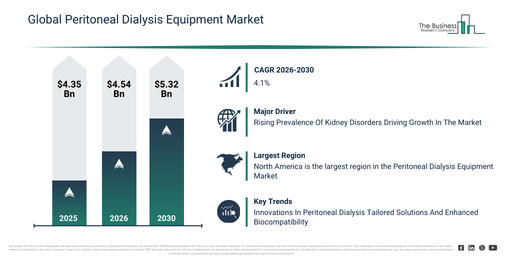
    Peritoneal Dialysis Equipment Market Poised To Hit $5.32 Billion By 2030 With A 4.1% CAGR

    The peritoneal dialysis equipment market has experienced consistent expansion in recent years. It is forecast to increase from $4.35 billion in 2025 to $4.54 billion in 2026, achieving a compound annual growth rate (CAGR) of 4.4%. This historical growth can be attributed to several factors including the limited provision of home dialysis systems, a strong reliance on hospital-based dialysis, the elevated cost of automated peritoneal dialysis systems, insufficient training programs for patients, and a shortage of advanced consumables.

    The peritoneal dialysis equipment market size is projected to experience consistent expansion in the coming years. It is anticipated to reach $5.32 billion by 2030, exhibiting a compound annual growth rate (CAGR) of 4.1%. This growth during the forecast period is attributable to several factors, including advancements in portable and automated PD systems, a growing preference for home-based dialysis solutions, heightened awareness regarding the advantages of peritoneal dialysis, increased embrace of continuous ambulatory and automated PD methods, and the expansion of dialysis infrastructure within hospitals and clinics. Key trends shaping the forecast period encompass a rising adoption of AI-enabled dialysis monitoring systems, the increasing integration of biotechnology and precision medicine into dialysis care, a growing utilization of cloud-based platforms and big data analytics for managing patients, an expanding deployment of IoT-enabled home dialysis systems, and advancements in automation and smart manufacturing within the production of dialysis equipment.

    Get A Free Sample Report With In-Depth Market Insights:

    https://thebusinessresearchcompany.com/sample_request?id=74595702&type=smp&name=Peritoneal%20Dialysis%20Equipment%20Market%20Report%202026&utm_source=Blogs&utm_medium=Paid&utm_campaign=Nov_PR

    Peritoneal Dialysis Equipment Market Expansion Drivers: What’s Shaping Future Growth?

    The rising occurrence of kidney ailments is anticipated to stimulate the expansion of the peritoneal dialysis equipment market in the future. Kidney disorders are defined as conditions that compromise the kidneys’ capacity to filter waste and uphold fluid and electrolyte equilibrium, encompassing everything from chronic conditions to sudden injuries and infections. This heightened prevalence of kidney disorders is largely attributable to escalating rates of diabetes, unhealthy lifestyle choices, an aging global demographic, and inadequate treatment at early stages. Peritoneal dialysis equipment offers support in kidney disorders by utilizing the peritoneum to extract waste and surplus fluids from the bloodstream when the kidneys fail to function correctly.

    Peritoneal Dialysis Equipment Market Segments: Where Is Growth Concentrated?

    The peritoneal dialysis equipment market covered in this report is segmented –

    1) By Product Type: Systems, Consumables

    2) By Treatment Type: Continuous Ambulatory Peritoneal Dialysis, Automated Peritoneal Dialysis

    3) By End-Users: Home Based Dialysis, Dialysis Center, Hospital-Based Dialysis

    Subsegments:

    1) By Systems: Automated Peritoneal Dialysis (APD) Systems, Continuous Ambulatory Peritoneal Dialysis (CAPD) Systems, Portable Peritoneal Dialysis Systems, Home Peritoneal Dialysis Machines, Remote Monitoring Enabled Peritoneal Dialysis Systems

    2) By Consumables: Peritoneal Dialysis Solution, Dialysis Catheters, Dialysis Bags, Transfer Sets, Catheter Insertion Kits, Filters And Connectors, Drainage Bags

    Peritoneal Dialysis Equipment Market Industry Trends Fueling Future Revenue Growth

    Leading firms within the peritoneal dialysis equipment market are concentrating on advancing novel solutions, including diverse dextrose concentrations. These advancements empower clinicians to finely adjust the osmotic gradient and customize the process of fluid removal, aligning with each patient’s specific ultrafiltration requirements. The term ‘multiple dextrose concentrations’ denotes the provision of varying dextrose strengths within peritoneal dialysis (PD) fluid, which facilitates the extraction of surplus fluid from the body during dialysis.

    Peritoneal Dialysis Equipment Market Key Participants And Competitive Landscape

    Major companies operating in the peritoneal dialysis equipment market are Fresenius Medical Care AG & Co. KGaA, Becton Dickinson and Company., Toray Medical Co. Ltd., Baxter International Inc., B. Melsungen AG, Terumo Corporation, Nipro Corp., Huaren Pharmaceutical Co. Ltd., Nikkiso Co. Ltd., JMS Co. Ltd., Polymedicure Limited., Rockwell Medical Inc., Amecath Srl., Infomed Fluids S.r.l., Mitra Industries Pvt. Ltd., Dialife SA, Kawasumi Laboratories Inc., Renax Biomedical Technology Co. Ltd., Weigao Group Medical Polymer Co. Ltd., Medionics International Inc., Farmasol, Medical Components Inc.

    View The Full Peritoneal Dialysis Equipment Market Report:

    https://thebusinessresearchcompany.com/report/peritoneal-dialysis-equipment-global-market-report?utm_source=Blogs&utm_medium=Paid&utm_campaign=Nov_PR

    Peritoneal Dialysis Equipment Market Global Footprint: Which Region Leads The Market?

    North America was the largest region in the peritoneal dialysis equipment market in 2025. Asia-Pacific is expected to be the fastest-growing region in the forecast period. The regions covered in the peritoneal dialysis equipment market report are Asia-Pacific, South East Asia, Western Europe, Eastern Europe, North America, South America, Middle East, Africa.

    Reach Out To Our Team:

    The Business Research Company: https://www.thebusinessresearchcompany.com/

    Americas: +1 310-496-7795

    Asia: +44 7882 955267 & +91 8897263534

    Europe: +44 7882 955267

    Email us at: marketing@tbrc.info

    Follow us on:

    LinkedIn: https://in.linkedin.com/company/the-business-research-company

    YouTube: https://www.youtube.com/channel/UC24_fI0rV8cR5DxlCpgmyFQ

    Global Market Model: https://www.thebusinessresearchcompany.com/global-market-model
  • Peripheral T-Cell Lymphoma Market Growth Outlook From $0.66 Billion In 2026 To $0.81 Billion By 2030

    Peripheral T-Cell Lymphoma Market Growth Outlook From $0.66 Billion In 2026 To $0.81 Billion By 2030

    Built to provide research that’s more actionable and strategically valuable, The Business Research Company’s 2026 market reports include market attractiveness analysis, total addressable market sizing, company benchmarking matrices, interactive Excel dashboards, broader supply chain intelligence, emerging startup tracking, and in-depth product insights.

    Peripheral T-Cell Lymphoma Market Size And Revenue Outlook Through 2030

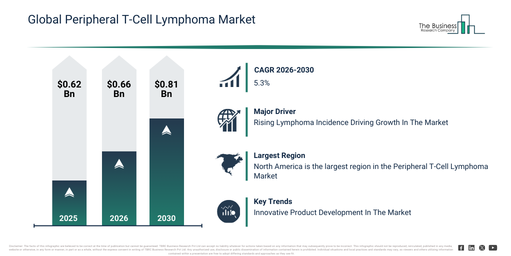
    The peripheral t-cell lymphoma market has experienced significant expansion in recent years. It is anticipated to increase from $0.62 billion in 2025 to $0.66 billion in 2026, achieving a compound annual growth rate (CAGR) of 5.5%. Historically, this growth can be ascribed to a limited supply of targeted therapies, a reliance on chemotherapy regimens, the disease’s high aggressiveness, late-stage diagnoses, and insufficient patient monitoring infrastructure.

    The market size for peripheral t-cell lymphoma is projected to experience substantial growth in the upcoming years. It is predicted to expand to $0.81 billion by 2030, achieving a compound annual growth rate (CAGR) of 5.3%. This anticipated growth during the forecast period is attributable to breakthroughs in immunotherapy and targeted therapy, the increasing integration of stem cell therapy, the rising application of monoclonal antibodies and HDAC inhibitors, the expanding availability of injectable and oral formulations, and the proliferation of specialty clinics and research institutes. Significant trends anticipated in this period include the wider adoption of AI-based diagnostic and prognostic tools, the growing use of genomics and precision medicine in PTCL treatment, increased reliance on big data analytics and cloud platforms for clinical decision support, the enhanced incorporation of Industry 4.0 technologies in PTCL drug development, and the rising implementation of IoT-enabled patient monitoring systems.

    Get A Free Sample Report With In-Depth Market Insights:

    https://thebusinessresearchcompany.com/sample_request?id=46539462&type=smp&name=Peripheral%20T-Cell%20Lymphoma%20Market%20Report%202026&utm_source=Blogs&utm_medium=Paid&utm_campaign=Nov_PR

    Peripheral T-Cell Lymphoma Market Development Factors: What’s Supporting Demand?

    The elevated occurrence of lymphoma is anticipated to boost the peripheral T-cell lymphoma market’s expansion. Lymphoma is defined as a cancer originating in the lymphatic system, an essential component of the body’s immune system. This elevated incidence of lymphoma stems from various factors, including genetic predisposition, environmental exposures, viral infections (like Epstein-Barr virus), immunodeficiency conditions, and lifestyle choices such as smoking and obesity. Peripheral T-cell lymphoma (PTCL) plays a role in the advancement of lymphoma; it develops from mature T-cells, resulting in aggressive disease characteristics, immune system imbalance, and diminished responsiveness to treatment when contrasted with other lymphoma categories.

    Peripheral T-Cell Lymphoma Market Segment Analysis: What Are The Core Market Categories?

    The peripheral t-cell lymphoma market covered in this report is segmented –

    1) By Type: Peripheral T-Cell Lymphoma Not Otherwise Specified (PTCL-NOS), Angioimmunoblastic T- Cell Lymphoma (AITL), Anaplastic Large Cell Lymphoma (ALCL), Adult T- Cell Leukaemia Or Lymphoma (ATLL), Enteropathy-Associated T- Cell Lymphoma (EATL), Hepatosplenic T- Cell Lymphoma, Other Types

    2) By Treatment Type: Chemotherapy, Target Therapy, Immunotherapy, Stem Cell Therapy, Radiation Therapy

    3) By Drug Class: Histone Deacetylase (HDAC) Inhibitors, Monoclonal Antibodies, Alkylating Angents, Antimetabolites, Other Drug Class

    4) By Route Of Administration: Oral, Injectable

    5) By End-User: Hospitals, Specialty Clinics, Ambulatory Surgical Center, Research Institute

    Subsegments:

    1) By Peripheral T-Cell Lymphoma Not Otherwise Specified (PTCL-NOS): Cutaneous PTCL, Systemic PTCL

    2) By Angioimmunoblastic T-Cell Lymphoma (AITL): Classical AITL, Variant AITL

    3) By Anaplastic Large Cell Lymphoma (ALCL): Systemic ALCL, Cutaneous ALCL

    4) By Adult T-Cell Leukaemia Or Lymphoma (ATLL): Acute ATLL, Chronic ATLL, Smoldering ATLL, Lymphoma Type ATLL

    5) By Enteropathy-Associated T-Cell Lymphoma (EATL): Type 1 EATL, Type 2 EATL

    6) By Hepatosplenic T-Cell Lymphoma: Hepatic Type, Splenic Type

    7) By Other Types: Subcutaneous T-Cell Lymphoma, Lymphomatoid Granulomatosis

    Peripheral T-Cell Lymphoma Market Trends Powering Strategic Industry Growth

    Leading companies active in the peripheral T-cell lymphoma market are concentrating on developing novel products, such as dihydrofolate reductase inhibitor, to enhance therapeutic efficacy and improve patient outcomes. A dihydrofolate reductase inhibitor is a pharmaceutical agent that inhibits the function of the enzyme dihydrofolate reductase, which is vital for DNA synthesis and cellular replication.

    Peripheral T-Cell Lymphoma Market Top Companies Driving Competitive Growth

    Major companies operating in the peripheral t-cell lymphoma market are Pfizer Inc., Johnson & Johnson, Bristol Myers Squibb Company, AstraZeneca plc, Novartis AG, Eli Lilly and Company, Eisai Co. Ltd., Kyowa Kirin Co. Ltd., Takeda Pharmaceutical Company Limited, BeiGene Ltd., Daiichi Sankyo Company Limited, Zymeworks Inc., Genor Biopharma Co. Ltd., Kura Oncology Inc., Spectrum Pharmaceuticals Inc., Verastem Inc., Astellas Pharma Inc., Autolus Therapeutics plc, Seagen Inc., Amgen Inc., Roche Holding AG, Gilead Sciences Inc.

    View The Full Peripheral T-Cell Lymphoma Market Report:

    https://thebusinessresearchcompany.com/report/peripheral-t-cell-lymphoma-global-market-report?utm_source=Blogs&utm_medium=Paid&utm_campaign=Nov_PR

    Peripheral T-Cell Lymphoma Market Regional Split: Which Areas Are Fueling Growth?

    North America was the largest region in the peripheral T-cell lymphoma market in 2025. Asia-Pacific is expected to be the fastest-growing region in the forecast period. The regions covered in the peripheral t-cell lymphoma market report are Asia-Pacific, South East Asia, Western Europe, Eastern Europe, North America, South America, Middle East, Africa.

    Reach Out To Our Team:

    The Business Research Company: https://www.thebusinessresearchcompany.com/

    Americas: +1 310-496-7795

    Asia: +44 7882 955267 & +91 8897263534

    Europe: +44 7882 955267

    Email us at: marketing@tbrc.info

    Follow us on:

    LinkedIn: https://in.linkedin.com/company/the-business-research-company

    YouTube: https://www.youtube.com/channel/UC24_fI0rV8cR5DxlCpgmyFQ

    Global Market Model: https://www.thebusinessresearchcompany.com/global-market-model