Author: Marketing Posting

  • Mobile Health (mHealth) Market Growth Potential: What The Latest Forecast Reveals

    Mobile Health (mHealth) Market Growth Potential: What The Latest Forecast Reveals

    Featuring market attractiveness scoring, total addressable market sizing, company benchmarking matrices, interactive Excel dashboards, deeper supply chain intelligence, emerging startup tracking, and granular product-level insights, The Business Research Company’s 2026 market reports are built to deliver research that is both more actionable and more strategically valuable.

    Mobile Health (mHealth) Market Set To Climb From $116.85 Billion In 2026 To $217.91 Billion By 2030

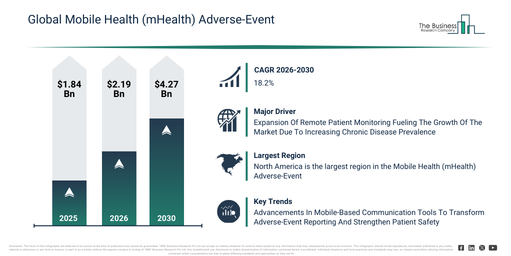
    The mobile health (mhealth) market has experienced significant expansion recently. Projections indicate it will increase from $99.72 billion in 2025 to $116.85 billion in 2026, demonstrating a compound annual growth rate (CAGR) of 17.2%. This historical growth is attributable to factors such as increased smartphone penetration in healthcare, a rising need for remote healthcare solutions, the growing occurrence of chronic illnesses, greater integration of digital health platforms, and enhanced mobile network connectivity.

    The mobile health (mhealth) market is projected to experience swift expansion over the coming years. This market is forecast to reach $217.91 billion by 2030, exhibiting a compound annual growth rate (CAGR) of 16.9%. This anticipated growth during the forecast period is primarily driven by factors such as the increasing incorporation of AI-driven diagnostics, escalating investments in digital healthcare infrastructure, the broadening of personalized mobile health solutions, a heightened focus on preventive healthcare, and strengthening regulatory backing for telehealth services. Key trends anticipated within the forecast timeframe encompass the expanding uptake of remote patient monitoring solutions, the growing utilization of wearable health devices, the widening reach of telemedicine platforms, an intensified focus on applications for chronic disease management, and the increasing integration of health data analytics.

    Get A Free Sample Report With In-Depth Market Insights:

    https://thebusinessresearchcompany.com/sample_request?id=74102680&type=smp&name=Mobile%20Health%20%28mHealth%29%20Market%20Report%202026&utm_source=Blogs&utm_medium=Paid&utm_campaign=Nov_PR

    Mobile Health (mHealth) Market Expansion Drivers: What’s Shaping Future Growth?

    The expanding incidence of chronic diseases is set to drive the expansion of the mobile health (mHealth) market in the future. Chronic diseases are defined as persistent or enduring health conditions, usually lasting a year or longer, often necessitating continuous medical care or restricting daily activities. The rise in these conditions is largely attributed to aging demographics, as extended lifespans lead to a greater number of long-term health issues. Mobile health assists in the management of chronic diseases by providing resources for health tracking, enhancing patient-doctor communication, and promoting adherence to treatment plans. Consequently, the increasing occurrence of chronic diseases is stimulating growth within the mobile health (mHealth) market.

    Mobile Health (mHealth) Market Segmentation And Category Overview

    The mobile health (mhealth) market covered in this report is segmented –

    1) By Type: Mobile Health (mHealth) Devices, Mobile Health (mHealth) Services

    2) By Application: Cardiovascular, Diabetes, Respiratory, Neurology, Other Applications

    3) By End-User: Patients, Providers, Payers, Other End Users

    Subsegments:

    1) By Mobile Health (mHealth) Devices: Wearable Devices, Mobile Health Applications, Diagnostic Devices, Remote Patient Monitoring Devices, Emergency and Alert Devices

    2) By Mobile Health (mHealth) Services: Telemedicine Services, Health and Wellness Services, Chronic Disease Management Services, Health Data Management Services, Education and Support Services

    Mobile Health (mHealth) Market Strategic Trends: What Defines The Next Growth Phase?

    Leading companies operating within the mobile health (mHealth) market are developing digital applications centered on whole-person care, designed to offer comprehensive and personalized healthcare solutions. A whole-person care digital app functions as a healthcare instrument that delivers extensive care by integrating physical, mental, and emotional health services onto a single platform.

    Mobile Health (mHealth) Market Competitive Analysis Of Leading Industry Participants

    Major companies operating in the mobile health (mhealth) market are Apple Inc., Samsung Group, Huawei Technologies Co. Ltd., Oracle Corporation, Abbott Laboratories, Xiaomi Corporation, Medtronic plc, Koninklijke Philips N.V., Stryker Corporation, GE HealthCare Technologies, Omron Corporation, Garmin Ltd., Hill-Rom Holdings Inc., Dexcom Inc., Masimo Corporation, Nihon Kohden Corporation, Polar Electro Oy, Verily Life Sciences LLC, Withings S.A.S., Empatica Inc., TempTraq, LifeSense Group B.V.

    View The Full Mobile Health (mHealth) Market Report:

    https://thebusinessresearchcompany.com/report/mobile-health-mhealth-global-market-report?utm_source=Blogs&utm_medium=Paid&utm_campaign=Nov_PR

    Mobile Health (mHealth) Market Geographic Analysis: Where Is Demand Rising Fastest?

    North America was the largest region in the mobile health (mHealth) market in 2025. Asia-Pacific is expected to be the fastest-growing region in the forecast period. The regions covered in the mobile health (mhealth) market report are Asia-Pacific, South East Asia, Western Europe, Eastern Europe, North America, South America, Middle East, Africa.

    Reach Out To Our Team:

    The Business Research Company: https://www.thebusinessresearchcompany.com/

    Americas: +1 310-496-7795

    Asia: +44 7882 955267 & +91 8897263534

    Europe: +44 7882 955267

    Email us at: marketing@tbrc.info

    Follow us on:

    LinkedIn: https://in.linkedin.com/company/the-business-research-company

    YouTube: https://www.youtube.com/channel/UC24_fI0rV8cR5DxlCpgmyFQ

    Global Market Model: https://www.thebusinessresearchcompany.com/global-market-model
  • Mobile Dental Cart Market Growth Outlook: Why Analysts Expect Continued Expansion

    Mobile Dental Cart Market Growth Outlook: Why Analysts Expect Continued Expansion

    Built to provide research that’s more actionable and strategically valuable, The Business Research Company’s 2026 market reports include market attractiveness analysis, total addressable market sizing, company benchmarking matrices, interactive Excel dashboards, broader supply chain intelligence, emerging startup tracking, and in-depth product insights.

    Mobile Dental Cart Market Forecast: Value Set To Climb From $1.29 Billion To $1.96 Billion

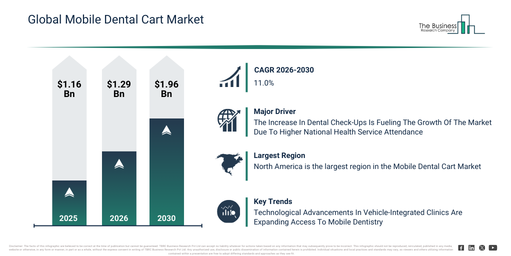
    The mobile dental cart market size has experienced rapid expansion in recent years. It is projected to grow from $1.16 billion in 2025 to $1.29 billion in 2026, exhibiting a compound annual growth rate (CAGR) of 11.3%. The increase observed historically can be attributed to several factors including the rise in dental clinic establishments, a growing demand for flexible dental workstations, an increased focus on infection control practices, the expansion of outpatient dental procedures, and the availability of compact dental equipment designs.

    The mobile dental cart market is projected to experience substantial expansion in the coming years, with its value set to reach $1.96 billion by 2030, demonstrating a compound annual growth rate (CAGR) of 11.0%. This anticipated growth over the forecast period stems from factors such as the wider uptake of tele-dentistry solutions, increased investments in mobile healthcare infrastructure, the broadening of community dental initiatives, a rising need for ergonomic dental tools, and a heightened emphasis on integrating digital dentistry. Key developments anticipated during this period involve the greater use of portable and modular dental equipment, an increasing need for space-efficient clinical setups, the growing incorporation of digital imaging systems, the expansion of mobile and outreach dental services, and an improved focus on streamlining workflows.

    Get A Free Sample Report With In-Depth Market Insights:

    https://thebusinessresearchcompany.com/sample_request?id=82987968&type=smp&name=Mobile%20Dental%20Cart%20Market%20Report%202026&utm_source=Blogs&utm_medium=Paid&utm_campaign=Nov_PR

    Mobile Dental Cart Market Development Factors: What’s Supporting Demand?

    The mobile dental cart market is expected to grow as the frequency of dental check-ups increases. Dental check-ups encompass routine preventative oral examinations and cleanings where practitioners assess oral health and deliver or plan necessary treatments. The rise in dental check-ups is attributed to higher national health service (NHS) attendance as routine care recovers following the pandemic. Mobile dental carts support this trend by supplying chairside power, suction, air or water, handpieces, and organized storage, which streamlines workflows in clinics and enables outreach services. Therefore, the increase in dental check-ups is a significant driver for the mobile dental cart market.

    Mobile Dental Cart Market Segment Outlook: Which Categories Are Growing Fastest?

    The mobile dental cart market covered in this report is segmented –

    1) By Product Type: Electric Mobile Dental Carts, Pneumatic Mobile Dental Carts, Battery-Operated Mobile Dental Carts

    2) By Technology: Digital Imaging Technologies, Tele-dentistry Solutions, Computer-Aided Design (CAD) Or Computer-Aided Manufacturing (CAM) Systems, Laser Dentistry

    3) By Distribution Channel: Direct Sales, Third-Party Distributors, Online Platforms, Retail Outlets

    4) By Application: General Dentistry, Pediatric Dentistry, Cosmetic Dentistry, Orthodontics, Periodontics

    5) By End-User: Hospitals, Dental Clinics, Mobile Dental Units, Educational Institutions, Government And Non-Governmental Organization (NGOs)

    Subsegments:

    1) By Electric Mobile Dental Carts: Integrated Delivery System Carts, Electric Height Adjustable Treatment Carts, Imaging Ready Utility Carts, Power Distribution And Charging Carts, Electric Suction And Waste Separation Carts

    2) By Pneumatic Mobile Dental Carts: Air Driven Delivery Carts, Oil Free Compressor Integrated Carts, High Flow Evacuation And Suction Carts, Multi Instrument Pneumatic Support Carts, Portable Air Supply Trolley Carts

    3) By Battery-Operated Mobile Dental Carts: Cordless Treatment Delivery Carts, Battery Powered Suction And Evacuation Carts, Rechargeable Power Module Utility Carts, Mobile Charging And Power Backup Carts, Field Ready Lightweight Battery Carts

    Mobile Dental Cart Market Transformation Trends: What Innovations Are Driving Change?

    Prominent companies in the mobile dental cart market are concentrating on creating technological innovations, such as vehicle-integrated mobile dental cart clinics, to offer superior chairside care beyond conventional facilities. Vehicle-integrated mobile dental cart clinics are self-sufficient, robust systems that integrate power, suction, air and water supply, sterilization, storage, and a foldable dental chair within a mobile framework to facilitate complete dentistry in distant or resource-constrained environments.

    Mobile Dental Cart Market Leading Companies And Competitive Benchmarking

    Major companies operating in the mobile dental cart market are Dentsply Sirona Inc., Planmeca Oy, Midmark Corporation, A-dec Inc., Takara Belmont Corporation, DentalEZ Inc., Aseptico Inc., ASI Medical Inc., Summit Dental Systems Inc. (SDS), TPC Advanced Technology Inc., Beaverstate Dental Systems Inc., Flight Dental Systems Inc., Ajax Medical Group Inc., Bell Dental Products Inc., Heka Dental A/S, DNTLworks Equipment Corporation, BPR Swiss GmbH, Runyes Medical Instrument Co. Ltd., Sinol Dental Limited, Joinchamp Medical Device Co. Ltd.

    View The Full Mobile Dental Cart Market Report:

    https://thebusinessresearchcompany.com/report/global-mobile-dental-cart-market-report?utm_source=Blogs&utm_medium=Paid&utm_campaign=Nov_PR

    Mobile Dental Cart Market Global Footprint: Which Region Leads The Market?

    North America was the largest region in the mobile dental cart market in 2025. Asia-Pacific is expected to be the fastest-growing region in the forecast period. The regions covered in the mobile dental cart market report are Asia-Pacific, South East Asia, Western Europe, Eastern Europe, North America, South America, Middle East, Africa.

    Reach Out To Our Team:

    The Business Research Company: https://www.thebusinessresearchcompany.com/

    Americas: +1 310-496-7795

    Asia: +44 7882 955267 & +91 8897263534

    Europe: +44 7882 955267

    Email us at: marketing@tbrc.info

    Follow us on:

    LinkedIn: https://in.linkedin.com/company/the-business-research-company

    YouTube: https://www.youtube.com/channel/UC24_fI0rV8cR5DxlCpgmyFQ

    Global Market Model: https://www.thebusinessresearchcompany.com/global-market-model
  • Mixed Reality in Healthcare Market Forecast Insights: The Road To $11.78 Billion By 2030

    Mixed Reality in Healthcare Market Forecast Insights: The Road To $11.78 Billion By 2030

    Backed by market attractiveness analysis, total addressable market sizing, company benchmarking matrices, interactive Excel dashboards, wider supply chain intelligence, emerging startup coverage, and detailed product-level insights, The Business Research Company’s 2026 market reports are designed to offer research that is more actionable and strategically valuable than ever.

    Mixed Reality in Healthcare Market Revenue Growth On Track For A 61.7% CAGR Through 2030

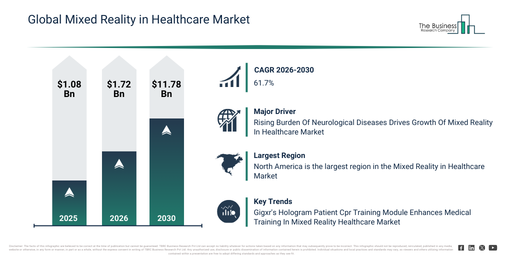
    The mixed reality in healthcare market size has experienced significant expansion over recent years. This market is set to increase from $1.08 billion in 2025 to $1.72 billion in 2026, achieving a compound annual growth rate (CAGR) of 60.2%. The historical growth can be linked to the early uptake of VR training tools, a rising demand for virtual surgery simulation, greater application of AR in patient consultation, increasing remote treatment needs, and technological advancements in wearable displays.

    The mixed reality in healthcare market is projected to experience substantial growth over the coming years. This market is set to reach a valuation of $11.78 billion by 2030, demonstrating a robust compound annual growth rate (CAGR) of 61.7%. Factors contributing to this anticipated growth include the broadening of AI-driven mixed reality solutions, an increasing need for immersive medical training, swift uptake within surgical facilities, seamless integration with telehealth platforms, and heightened investment in mixed reality hardware and software. Key trends for the forecast duration involve the proliferation of augmented reality/virtual reality-based medical instruction platforms, the incorporation of AI-powered mixed reality for diagnostic purposes, the development of cloud-supported mixed reality healthcare environments, a rise in the utilization of IoT-connected mixed reality devices, and the advancement of mixed reality surgical assistance through automation and robotics.

    Get A Free Sample Report With In-Depth Market Insights:

    https://thebusinessresearchcompany.com/sample_request?id=24136850&type=smp&name=Mixed%20Reality%20in%20Healthcare%20Market%20Report%202026&utm_source=Blogs&utm_medium=Paid&utm_campaign=Nov_PR

    Mixed Reality in Healthcare Market Industry Drivers: What’s Behind The Revenue Growth?

    The growing prevalence of neurological conditions is set to drive the mixed reality in the healthcare market. Neurological diseases encompass a broad spectrum of ailments affecting the nervous system, leading to various physical, cognitive, and functional impairments. Mixed-reality technology is seeing increased implementation in the healthcare sector to enhance patient outcomes, particularly within the domain of neurological diseases. This technology can establish virtual environments that aid patients with conditions such as Alzheimer’s, Parkinson’s, and multiple sclerosis in improving their cognitive and motor skills. Consequently, the escalating burden of neurological diseases will propel the mixed reality in the healthcare market.

    Mixed Reality in Healthcare Market Segment Landscape: Which Areas Lead Development?

    The mixed reality in healthcare market covered in this report is segmented –

    1) By Device Types: AR Devices, VR Devices

    2) By Component: Hardware, Software, Content And Application

    3) By Application: Surgery And Surgery Simulation, Patient Care Management, Fitness Management, Medical Training And Education, Other Applications

    4) By End-User: Hospital, Surgical Centers And Medical Institutes, Other End Users

    Subsegments:

    1) By AR Devices: Smart Glasses, Head-Mounted Displays (HMDs), Mobile AR Applications, Projection-Based AR Systems

    2) By VR Devices: Head-Mounted Displays (HMDs), VR Software Platforms, Motion Tracking Devices, Controllers And Input Devices

    #Mixed Reality in Healthcare Market Growth Trends: What’s Shaping The Future Outlook?

    Leading companies within the mixed reality healthcare market are introducing innovative solutions, such as a new module centered on basic life support. This Basic Life Support system leverages mixed reality technology to mimic an individual requiring CPR or a defibrillator. Its purpose is to provide instructors with a tool to educate various groups—including first responders, healthcare providers, medical and nursing students, public safety personnel, and general community members—either remotely or face-to-face.

    Mixed Reality in Healthcare Market Industry Leaders And Competitive Landscape

    Major companies operating in the mixed reality in healthcare market are Atheer Inc., EchoPixel Inc., Firsthand Technology Inc., Microsoft Corporation, Oculus Labs, HTC Corporation, Surgical Theater Inc., Osso VR Inc., Medical Realities Ltd., Augmedix Inc., MindMaze SA, Orca Health Care India Private Limited, AccuVein Inc., Medivis Inc., Intuitive Surgical Inc., Philips Healthcare, Siemens Healthineers, GE HealthCare Technologies Inc., Magic Leap Inc., Varjo Technologies, Vuzix Corporation, Augmentix Corporation

    View The Full Mixed Reality in Healthcare Market Report:

    https://thebusinessresearchcompany.com/report/mixed-reality-in-healthcare-global-market-report?utm_source=Blogs&utm_medium=Paid&utm_campaign=Nov_PR

    Mixed Reality in Healthcare Market Regional Split: Which Areas Are Fueling Growth?

    North America was the largest region in the mixed reality in healthcare market in 2025. Asia-Pacific is expected to be the fastest-growing region in the forecast period. The regions covered in the mixed reality in healthcare market report are Asia-Pacific, South East Asia, Western Europe, Eastern Europe, North America, South America, Middle East, Africa.

    Reach Out To Our Team:

    The Business Research Company: https://www.thebusinessresearchcompany.com/

    Americas: +1 310-496-7795

    Asia: +44 7882 955267 & +91 8897263534

    Europe: +44 7882 955267

    Email us at: marketing@tbrc.info

    Follow us on:

    LinkedIn: https://in.linkedin.com/company/the-business-research-company

    YouTube: https://www.youtube.com/channel/UC24_fI0rV8cR5DxlCpgmyFQ

    Global Market Model: https://www.thebusinessresearchcompany.com/global-market-model
  • Mitral Valve Disease Market Explained: What Is Fueling Growth To $5.01 Billion By 2030?

    Mitral Valve Disease Market Explained: What Is Fueling Growth To $5.01 Billion By 2030?

    Featuring market attractiveness scoring, total addressable market sizing, company benchmarking matrices, interactive Excel dashboards, deeper supply chain intelligence, emerging startup tracking, and granular product-level insights, The Business Research Company’s 2026 market reports are built to deliver research that is both more actionable and more strategically valuable.

    Mitral Valve Disease Market Value Growth And Long-Term Outlook

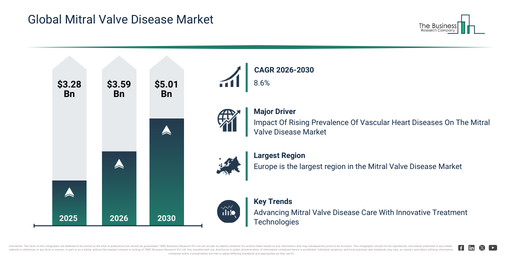
    The mitral valve disease market size has demonstrated significant expansion in recent times. It is anticipated to increase from $3.28 billion in 2025 to $3.59 billion in 2026, registering a compound annual growth rate (CAGR) of 9.7%. The expansion observed historically can be ascribed to an escalating prevalence of heart valve disorders, an enhanced reliance on echocardiography diagnostics, an uptick in surgical mitral valve repair procedures, the implementation of anticoagulation therapies, and improvements in hospital cardiac care infrastructure.

    The market for mitral valve disease is anticipated to experience robust expansion over the coming years. This market is projected to reach $5.01 billion by 2030, exhibiting a compound annual growth rate (CAGR) of 8.6%. Factors contributing to this growth during the forecast period include the increasing adoption of minimally invasive mitral valve procedures, an escalating demand for TMVR solutions, wider implementation of remote cardiac monitoring, greater investment in valve repair devices, and the emergence of personalized therapeutic strategies. Key trends anticipated during the forecast timeframe encompass progress in precision medicine-driven mitral valve therapies, the incorporation of AI into mitral valve diagnostics and monitoring, the expansion of cloud-based cardiac imaging and data platforms, the uptake of IoT-enabled remote cardiac monitoring devices, and a rise in the utilization of robotic-assisted mitral valve repair systems.

    Get A Free Sample Report With In-Depth Market Insights:

    https://thebusinessresearchcompany.com/sample_request?id=90543380&type=smp&name=Mitral%20Valve%20Disease%20Market%20Report%202026&utm_source=Blogs&utm_medium=Paid&utm_campaign=Nov_PR

    Mitral Valve Disease Market Growth Factors: What’s Supporting Expansion?

    The projected expansion of the mitral valve disease market is attributed to the rising occurrence of vascular heart conditions. These conditions encompass various ailments affecting the blood vessels that supply the heart or are located within the heart itself. A complex combination of lifestyle choices, demographic shifts, medical conditions, environmental influences, and genetic variables contributes to the increasing incidence of vascular heart diseases. Vascular heart diseases, such as ischemic heart disease and hypertension, can indirectly lead to mitral valve disease by compromising the heart’s structure and function, thus creating conditions that affect the mitral valve. Consequently, the increasing prevalence of vascular heart diseases is driving the mitral valve disease market.

    Mitral Valve Disease Market Segments: Where Is Growth Concentrated?

    The mitral valve disease market covered in this report is segmented –

    1) By Treatment Type: Mitral Valve Repair, Mitral Valve Replacement, Mitral Valve Therapeutics

    2) By Indication: Mitral Valve Stenosis, Mitral Valve Prolapse, Mitral Valve Regurgitation

    3) By End-User: Hospitals, Ambulatory Surgical Centers, Other End-Users

    Subsegments:

    1) By Mitral Valve Repair: Surgical Repair, Minimally Invasive Repair, Percutaneous Mitral Valve Repair

    2) By Mitral Valve Replacement: Mechanical Valve Replacement, Biological Valve Replacement, Transcatheter Mitral Valve Replacement (TMVR)

    3) By Mitral Valve Therapeutics: Pharmacological Treatments, Anticoagulation Therapy, Mitral Valve Repair Devices

    Mitral Valve Disease Market Industry Trends: What’s Reshaping Demand?

    Leading firms operating in the mitral valve disease market are developing stented tissue valves to address the growing demand for minimally invasive treatment options. These stented tissue valves are engineered to offer durable and reliable performance, presenting patients with an alternative to traditional surgical interventions.

    Mitral Valve Disease Market Key Participants And Competitive Landscape

    Major companies operating in the mitral valve disease market are Pfizer Inc., Bayer AG, Abbott Laboratories, Novartis AG, Medtronic plc, Boston Scientific Corporation, Edwards Lifesciences, ShockWave Medical Inc., Artivion Inc., TTK Health Care Limited, Braile Biomedica, JenaValve Technology Inc., 4C Medical technologies, Labcor Laboratorios Ltda, CryoLife Inc., Valcare Medical, Affluent Medical, Colibri Heart Valve LLC, Coramaze Technologies, Corcym UK Limited, HighLife Medical, Micro International Devices Inc., Neovasc Inc., Mitralign Inc., Transcatheter Technologies GmbH

    View The Full Mitral Valve Disease Market Report:

    https://thebusinessresearchcompany.com/report/mitral-valve-disease-global-market-report?utm_source=Blogs&utm_medium=Paid&utm_campaign=Nov_PR

    Mitral Valve Disease Market Top Region: Where Does Most Revenue Come From?

    Europe was the largest region in the mitral valve disease market in 2025. Asia-Pacific is expected to be the fastest-growing region in the forecast period. The regions covered in the mitral valve disease market report are Asia-Pacific, South East Asia, Western Europe, Eastern Europe, North America, South America, Middle East, Africa.

    Reach Out To Our Team:

    The Business Research Company: https://www.thebusinessresearchcompany.com/

    Americas: +1 310-496-7795

    Asia: +44 7882 955267 & +91 8897263534

    Europe: +44 7882 955267

    Email us at: marketing@tbrc.info

    Follow us on:

    LinkedIn: https://in.linkedin.com/company/the-business-research-company

    YouTube: https://www.youtube.com/channel/UC24_fI0rV8cR5DxlCpgmyFQ

    Global Market Model: https://www.thebusinessresearchcompany.com/global-market-model
  • Mitotic Spindle Organizing Protein 2B (MZT2B) Antibody Market Forecast To Reach $2.14 Billion By 2030: Key Trends Explained

    Mitotic Spindle Organizing Protein 2B (MZT2B) Antibody Market Forecast To Reach $2.14 Billion By 2030: Key Trends Explained

    Built to provide research that’s more actionable and strategically valuable, The Business Research Company’s 2026 market reports include market attractiveness analysis, total addressable market sizing, company benchmarking matrices, interactive Excel dashboards, broader supply chain intelligence, emerging startup tracking, and in-depth product insights.

    Mitotic Spindle Organizing Protein 2B (MZT2B) Antibody Market Poised To Hit $2.14 Billion By 2030 With A 13.6% CAGR

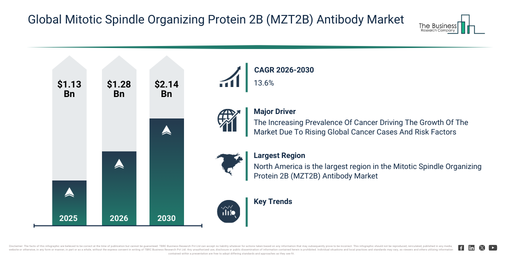
    The mitotic spindle organizing protein 2b (mzt2b) antibody market size has experienced rapid expansion in recent years. It is forecast to increase from $1.13 billion in 2025 to $1.28 billion in 2026, exhibiting a compound annual growth rate (CAGR) of 13.9%. The growth observed in past periods can be attributed to the expanding scope of biomedical research activities, greater financial investment in cell biology studies, an increase in academic research institutes, the growing utilization of immunoassays in laboratories, and the availability of advanced antibody production techniques.

    The market for mitotic spindle organizing protein 2b (mzt2b) antibodies is projected to experience swift expansion over the coming years. This market is anticipated to reach a valuation of $2.14 billion by 2030, exhibiting a compound annual growth rate (CAGR) of 13.6%. Key factors driving this growth during the forecast period include enhanced funding for precision medicine research, a greater need for targeted cancer investigations, the broadening scope of proteomics and genomics research, wider embrace of sophisticated molecular diagnostics, and stronger partnerships between academic institutions and biotechnology companies. Significant trends observed within this period encompass a heightened call for highly specific research antibodies, their increasing application in studies related to cell division and cancer, the expanding use of recombinant antibody technologies, advancements in precision diagnostics research, and a more concentrated effort on protein localization studies.

    Get A Free Sample Report With In-Depth Market Insights:

    https://thebusinessresearchcompany.com/sample_request?id=90769834&type=smp&name=Mitotic%20Spindle%20Organizing%20Protein%202B%20%28MZT2B%29%20Antibody%20Market%20Report%202026&utm_source=Blogs&utm_medium=Paid&utm_campaign=Nov_PR

    Mitotic Spindle Organizing Protein 2B (MZT2B) Antibody Market Demand Drivers: What’s Powering Industry Growth?

    The growing incidence of cancer is anticipated to fuel the expansion of the mitotic spindle organizing protein 2B (MZT2B) antibody market in the future. This uptick in cancer cases stems from various lifestyle and environmental elements, such as poor diets, lack of physical activity, consumption of tobacco and alcohol, and exposure to pollutants and radiation, all of which jointly elevate cancer risk globally. The mitotic spindle organizing protein 2B (MZT2B) antibody plays a crucial role in cancer research and treatment. It functions by targeting essential proteins engaged in cell division, allowing for accurate identification and potential suppression of unchecked tumor cell multiplication. Consequently, the expanding occurrence of cancer is a primary factor driving the growth of the mitotic spindle organizing protein 2B (MZT2B) antibody market.

    Mitotic Spindle Organizing Protein 2B (MZT2B) Antibody Market Segment Analysis: What Are The Core Market Categories?

    The mitotic spindle organizing protein 2b (mzt2b) antibody market covered in this report is segmented –

    1) By Type: Monoclonal Antibodies, Polyclonal Antibodies

    2) By Technology: Recombinant Technology, Hybridoma Technology, Phage Display Technology

    3) By Application: Research, Diagnostics, Therapeutics

    4) By Sales Channel: Direct Sales, Distributors, Online Sales

    5) By End User: Academic And Research Institutes, Pharmaceutical And Biotechnology Companies, Contract Research Organizations, Hospitals And Diagnostic Laboratories, Other End Users

    Subsegments:

    1) By Monoclonal Antibodies: Mouse Monoclonal Antibodies, Rabbit Monoclonal Antibodies, Humanized Monoclonal Antibodies, Chimeric Monoclonal Antibodies

    2) By Polyclonal Antibodies: Rabbit Polyclonal Antibodies, Goat Polyclonal Antibodies, Sheep Polyclonal Antibodies, Donkey Polyclonal Antibodies

    Mitotic Spindle Organizing Protein 2B (MZT2B) Antibody Market Top Companies Driving Competitive Growth

    Major companies operating in the mitotic spindle organizing protein 2b (mzt2b) antibody market are Thermo Fisher Scientific Inc., Sino Biological Inc., OriGene Technologies Inc., Elabscience Biotechnology Inc., RayBiotech Inc., ABclonal Technology Co. Ltd., GeneTex Inc., Proteintech Group Inc., ProSci Inc., Tebu-bio S.A., Santa Cruz Biotechnology Inc., Creative Diagnostics Inc., Novopro Labs Inc., MyBioSource Inc., Boster Biological Technology Co. Ltd., Abbexa Ltd., Biorbyt Ltd., St John’s Laboratory Ltd., LabCart GmbH, LifeSpan BioSciences Inc.

    View The Full Mitotic Spindle Organizing Protein 2B (MZT2B) Antibody Market Report:

    https://thebusinessresearchcompany.com/report/global-mitotic-spindle-organizing-protein-2b-mzt2b-antibody-market-report?utm_source=Blogs&utm_medium=Paid&utm_campaign=Nov_PR

    Mitotic Spindle Organizing Protein 2B (MZT2B) Antibody Market Regional Breakdown: Where Is Demand Concentrated?

    North America was the largest region in the mitotic spindle organizing protein 2B (MZT2B) antibody market in 2025. Asia-Pacific is expected to be the fastest-growing region in the forecast period. The regions covered in the mitotic spindle organizing protein 2b (mzt2b) antibody market report are Asia-Pacific, South East Asia, Western Europe, Eastern Europe, North America, South America, Middle East, Africa.

    Reach Out To Our Team:

    The Business Research Company: https://www.thebusinessresearchcompany.com/

    Americas: +1 310-496-7795

    Asia: +44 7882 955267 & +91 8897263534

    Europe: +44 7882 955267

    Email us at: marketing@tbrc.info

    Follow us on:

    LinkedIn: https://in.linkedin.com/company/the-business-research-company

    YouTube: https://www.youtube.com/channel/UC24_fI0rV8cR5DxlCpgmyFQ

    Global Market Model: https://www.thebusinessresearchcompany.com/global-market-model
  • Minimally Invasive Vertebral Compression Fracture Treatment Market Analysis: Understanding The Drivers Behind 8.2% CAGR Through 2030 Growth

    Minimally Invasive Vertebral Compression Fracture Treatment Market Analysis: Understanding The Drivers Behind 8.2% CAGR Through 2030 Growth

    Backed by market attractiveness analysis, total addressable market sizing, company benchmarking matrices, interactive Excel dashboards, wider supply chain intelligence, emerging startup coverage, and detailed product-level insights, The Business Research Company’s 2026 market reports are designed to offer research that is more actionable and strategically valuable than ever.

    Minimally Invasive Vertebral Compression Fracture Treatment Market Size And Revenue Outlook Through 2030

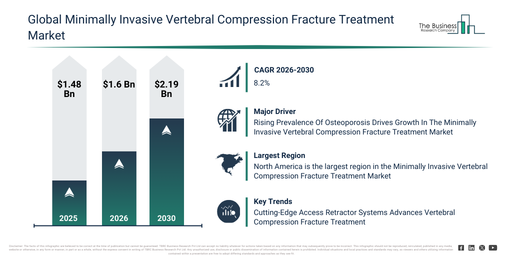
    The minimally invasive vertebral compression fracture treatment market has experienced robust growth in recent years. It is projected to expand from $1.48 billion in 2025 to $1.6 billion in 2026, demonstrating a compound annual growth rate (CAGR) of 8.4%. The expansion observed in the historic period can be attributed to factors such as the increasing incidence of osteoporosis-related fractures, the wider adoption of vertebroplasty and kyphoplasty, advancements in spinal imaging technologies, a rising demand for minimally invasive spinal procedures, and enhancements in hospital spine care infrastructure.

    The minimally invasive vertebral compression fracture treatment market is projected to experience substantial expansion in the coming years. This market is anticipated to reach $2.19 billion by 2030, exhibiting a compound annual growth rate (CAGR) of 8.2%. This projected growth is driven by factors such as the expansion of robotic-assisted spine surgery, a growing preference for outpatient minimally invasive procedures, the emergence of bio-cement and advanced bone fillers, increased investment in spine surgery devices, and a heightened demand for quicker postoperative recovery solutions. Key trends anticipated during this period encompass breakthroughs in precision medicine for spine fracture management, the incorporation of AI for vertebral compression fracture diagnosis, increasing automation and robotics in minimally invasive spine procedures, the expansion of cloud-based medical imaging and surgical planning, and the implementation of IoT-enabled postoperative monitoring solutions.

    Get A Free Sample Report With In-Depth Market Insights:

    https://thebusinessresearchcompany.com/sample_request?id=30563594&type=smp&name=Minimally%20Invasive%20Vertebral%20Compression%20Fracture%20Treatment%20Market%20Report%202026&utm_source=Blogs&utm_medium=Paid&utm_campaign=Nov_PR

    Minimally Invasive Vertebral Compression Fracture Treatment Market Growth Drivers: What’s Behind The Acceleration?

    The increasing occurrence of osteoporosis is anticipated to drive expansion in the minimally invasive vertebral compression fracture treatment market in the future. This medical condition, osteoporosis, leads to weakened bones, elevating the likelihood of fractures and reducing bone density. Employing minimally invasive vertebral compression fracture treatments for osteoporosis represents a sophisticated and efficient method for addressing fractures, with the goal of improving patient results and overall health. Consequently, the expanding prevalence of osteoporosis is fueling the growth of the minimally invasive vertebral compression fracture treatment market.

    Minimally Invasive Vertebral Compression Fracture Treatment Market Segment Breakdown: Which Categories Lead On Revenue?

    The minimally invasive vertebral compression fracture treatment market covered in this report is segmented –

    1) By Surgery: Minimally Invasive Spine Surgery, Open Spine Surgery

    2) By Technology: Balloon Kyphoplasty, Vertebroplasty

    3) By End-User: Hospitals, Ambulatory Surgery Centers (ASCs)

    Subsegments:

    1) By Minimally Invasive Spine Surgery: Kyphoplasty, Vertebroplasty, Balloon Kyphoplasty, Transforaminal Lumbar Interbody Fusion (TLIF), Percutaneous Spinal Fixation

    2) By Open Spine Surgery: Open Vertebroplasty, Open Decompression Surgery, Open Spinal Fusion, Laminectomy, Spinal Instrumentation And Fusion Techniques

    Minimally Invasive Vertebral Compression Fracture Treatment Market Trends: What’s Defining The Industry’s Next Phase?

    Leading companies in the minimally invasive vertebral compression fracture treatment market are concentrating on developing sophisticated technologies, such as access retractor systems, to better serve customers with advanced features. Minimally invasive access retractor systems are medical devices specifically designed to facilitate less invasive surgical procedures by enabling access to target areas with minimal tissue disruption, typically via small incisions or natural body openings.

    Minimally Invasive Vertebral Compression Fracture Treatment Market Leading Players And Competitive Positioning

    Major companies operating in the minimally invasive vertebral compression fracture treatment market are Johnson & Johnson, Medtronic plc, Stryker Corporation, Zimmer Biomet, Merit Medical Systems, Globus Medical, Orthofix Medical Inc., Aesculap Implant Systems LLC, Alphatec Holdings Inc., RTI Surgical, OsteoMed L.P., Spine Wave Inc., CoreLink Surgical, ZAVATION, Vexim SA, Benvenue Medical, Osseon Therapeutics, Spirit Spine Holding Corporation Inc., Lindare Medical Ltd., Teknimed, G-21 srl, BMK Global Medical Company, SOMATEX Medical Technologies GmbH, TAEYEON MEDICAL Co Ltd.

    View The Full Minimally Invasive Vertebral Compression Fracture Treatment Market Report:

    https://thebusinessresearchcompany.com/report/minimally-invasive-vertebral-compression-fracture-treatment-global-market-report?utm_source=Blogs&utm_medium=Paid&utm_campaign=Nov_PR

    Minimally Invasive Vertebral Compression Fracture Treatment Market Geographic Landscape: Which Region Leads Industry Growth?

    North America was the largest region in the minimally invasive vertebral compression fracture treatment market in 2025. Asia-Pacific is expected to be the fastest-growing region in the forecast period. The regions covered in the minimally invasive vertebral compression fracture treatment market report are Asia-Pacific, South East Asia, Western Europe, Eastern Europe, North America, South America, Middle East, Africa.

    Reach Out To Our Team:

    The Business Research Company: https://www.thebusinessresearchcompany.com/

    Americas: +1 310-496-7795

    Asia: +44 7882 955267 & +91 8897263534

    Europe: +44 7882 955267

    Email us at: marketing@tbrc.info

    Follow us on:

    LinkedIn: https://in.linkedin.com/company/the-business-research-company

    YouTube: https://www.youtube.com/channel/UC24_fI0rV8cR5DxlCpgmyFQ

    Global Market Model: https://www.thebusinessresearchcompany.com/global-market-model
  • Minimally Invasive Treatment Of Lung Cancer Market Growth To $5.21 Billion By 2030: What’s Driving The Expansion?

    Minimally Invasive Treatment Of Lung Cancer Market Growth To $5.21 Billion By 2030: What’s Driving The Expansion?

    Featuring market attractiveness scoring, total addressable market sizing, company benchmarking matrices, interactive Excel dashboards, deeper supply chain intelligence, emerging startup tracking, and granular product-level insights, The Business Research Company’s 2026 market reports are built to deliver research that is both more actionable and more strategically valuable.

    Minimally Invasive Treatment Of Lung Cancer Market Growth From $3.67 Billion In 2026 To $5.21 Billion By 2030 At A CAGR Of 9.2%

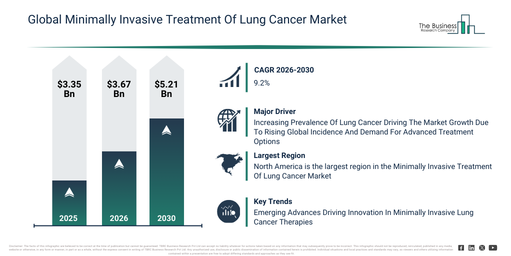
    The market size for the minimally invasive treatment of lung cancer has demonstrated robust expansion in recent years. It is forecast to grow from $3.35 billion in 2025 to $3.67 billion in 2026, achieving a compound annual growth rate (CAGR) of 9.5%. This historical growth can be ascribed to several factors, including an increase in lung cancer incidence rates, the proliferation of oncology treatment centers, advancements in interventional radiology techniques, greater availability of minimally invasive treatment options, and the growing clinical acceptance of ablation therapies.

    The minimally invasive treatment of lung cancer market is anticipated to experience substantial growth in the upcoming years. It is projected to expand to $5.21 billion by 2030, exhibiting a compound annual growth rate (CAGR) of 9.2%. This growth during the forecast period is driven by increasing investments in precision cancer care, the rising adoption of robotic and AI-assisted oncology treatments, the expansion of early-stage lung cancer detection programs, a growing demand for outpatient cancer procedures, and an increasing focus on personalized treatment pathways. Major trends expected in this period include the rising adoption of image-guided tumor ablation techniques, an increase in minimally invasive embolization procedures, the growing integration of robotic assistance in oncology care, the expansion of precision oncology treatment platforms, and an enhanced emphasis on reducing treatment-related complications.

    Get A Free Sample Report With In-Depth Market Insights:

    https://thebusinessresearchcompany.com/sample_request?id=39679417&type=smp&name=Minimally%20Invasive%20Treatment%20Of%20Lung%20Cancer%20Market%20Report%202026&utm_source=Blogs&utm_medium=Paid&utm_campaign=Nov_PR

    Minimally Invasive Treatment Of Lung Cancer Market Growth Factors Behind Sustained Expansion

    The rising prevalence of lung cancer is projected to fuel the expansion of the minimally invasive treatment of lung cancer market in the future. Lung cancer, a disease originating in the lungs, is characterized by unchecked cellular growth. The increase in lung cancer cases is largely attributed to a rise in tobacco smoking, which elevates the risk of uncontrolled cell proliferation and tumor formation. Minimally invasive treatment assists lung cancer patients by precisely targeting, removing, or destroying tumors through small incisions or imaging-guided probes. This method reduces recovery time, minimizes damage to healthy lung tissue, lowers complication risks, and allows patients to resume normal activities sooner. Thus, the growing incidence of lung cancer is propelling the growth of the minimally invasive treatment of lung cancer market.

    Minimally Invasive Treatment Of Lung Cancer Market Segmentation: How Does The Market Break Down By Category?

    The minimally invasive treatment of lung cancer market covered in this report is segmented –

    1) By Type: Lung Tumor Ablation, Lung Tumor Embolization

    2) By Stage: Stage I, Stage II, Stage III, Stage IV

    3) By Age Group: Under 30 Years, 31 To 45 Years, 46 To 60 Years

    4) By End-User: Hospitals, Ambulatory Surgical Centers (ASCs), Specialty Clinics, Research Institutions

    Subsegments:

    1) By Lung Tumor Ablation: Radiofrequency Ablation, Microwave Ablation, Cryoablation, Laser Ablation

    2) By Lung Tumor Embolization: Bronchial Artery Embolization, Pulmonary Artery Embolization, Chemoembolization, Radioembolization

    Minimally Invasive Treatment Of Lung Cancer Market Industry Trends Fueling Future Revenue Growth

    Leading companies in the minimally invasive treatment of lung cancer market are prioritizing the creation of cutting-edge solutions, including microwave ablation systems and navigation-assisted biopsy platforms, to address the growing need for lung-sparing procedures, quicker diagnoses, reduced hospital stays, and viable treatments for individuals unsuitable for open surgery. Microwave ablation (MWA) equipment transmits high-frequency electromagnetic energy via a probe to swiftly heat and congeal tumour tissue, resulting in predictable spherical ablation zones with quicker treatment durations and a lesser heat-sink effect compared to radiofrequency ablation. For example, in January 2025, Creo Medical Group plc, a medical device company from the UK specializing in minimally invasive surgical endoscopy, unveiled its MicroBlate Flex soft-tissue microwave ablation system and initiated its clinical study for lung lesions. The MicroBlate Flex consists of a microwave generator and an adaptable ablation applicator, engineered for application across various soft-tissue indications. It operates by emitting high-frequency microwave energy at the applicator’s tip to form controlled thermal zones that eliminate tumour cells. The system’s distinctive attributes encompass a high-frequency power profile for effective energy delivery, a pliable design meant for accessing challenging anatomical areas, and compatibility with endoscopic or percutaneous methods, facilitating its use in small pulmonary nodules, metastatic lung lesions, and for patients unable to undergo lobectomy. From a clinical perspective, these advantages translate into expedited procedure times, a diminished requirement for general anaesthesia, potential for outpatient settings, and an expanded range of treatment choices when contrasted with open surgery or stereotactic radiotherapy.

    Minimally Invasive Treatment Of Lung Cancer Market Competitive Overview And Top Companies

    Major companies operating in the minimally invasive treatment of lung cancer market are Johnson & Johnson, Medtronic plc, Siemens Healthineers AG, Stryker Corporation, Boston Scientific Corporation, Olympus Corporation, Intuitive Surgical Inc., Accuray Incorporated, Richard Wolf GmbH, AngioDynamics Inc., CMR Surgical Ltd., Guangzhou Geyi Medical Instrument Co. Ltd., Quantum Surgical SA, Scanlan International Inc., RZ Medizintechnik GmbH & Co. KG, August Reuchlen GmbH, SBH Surgical GmbH & Co. KG, Geister Medizintechnik GmbH, Cook Medical Incorporated, Terumo Corporation, Merit Medical Systems Inc., Sirtex Medical Limited

    View The Full Minimally Invasive Treatment Of Lung Cancer Market Report:

    https://thebusinessresearchcompany.com/report/minimally-invasive-treatment-of-lung-cancer-global-market-report?utm_source=Blogs&utm_medium=Paid&utm_campaign=Nov_PR

    Minimally Invasive Treatment Of Lung Cancer Market Largest Region: Which Geography Holds The Biggest Share?

    North America was the largest region in the minimally invasive treatment of lung cancer market in 2025. Asia-Pacific is expected to be the fastest-growing region in the forecast period. The regions covered in the minimally invasive treatment of lung cancer market report are Asia-Pacific, South East Asia, Western Europe, Eastern Europe, North America, South America, Middle East, Africa.

    Reach Out To Our Team:

    The Business Research Company: https://www.thebusinessresearchcompany.com/

    Americas: +1 310-496-7795

    Asia: +44 7882 955267 & +91 8897263534

    Europe: +44 7882 955267

    Email us at: marketing@tbrc.info

    Follow us on:

    LinkedIn: https://in.linkedin.com/company/the-business-research-company

    YouTube: https://www.youtube.com/channel/UC24_fI0rV8cR5DxlCpgmyFQ

    Global Market Model: https://www.thebusinessresearchcompany.com/global-market-model
  • Minimally Invasive Thoracic Surgery Market Trends Reshaping Industry Growth Through 2030

    Minimally Invasive Thoracic Surgery Market Trends Reshaping Industry Growth Through 2030

    Built to provide research that’s more actionable and strategically valuable, The Business Research Company’s 2026 market reports include market attractiveness analysis, total addressable market sizing, company benchmarking matrices, interactive Excel dashboards, broader supply chain intelligence, emerging startup tracking, and in-depth product insights.

    Minimally Invasive Thoracic Surgery Market Expansion Outlook: What Revenue Opportunities Are Ahead?

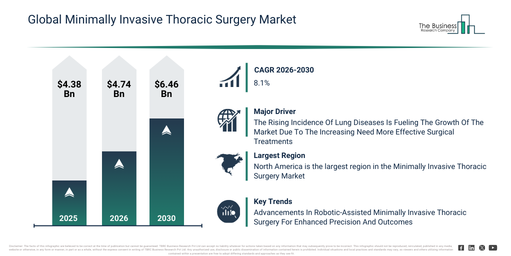
    The minimally invasive thoracic surgery market has experienced robust growth recently. This market is projected to expand from $4.38 billion in 2025 to $4.74 billion in 2026, demonstrating a compound annual growth rate (CAGR) of 8.2%. Historically, this expansion has been driven by several factors, including the rising occurrence of thoracic disorders, the proliferation of specialized surgical centers, advancements in minimally invasive surgical instruments, enhanced surgeon training in thoracoscopic techniques, and a growing patient inclination towards less invasive procedures.

    The minimally invasive thoracic surgery market size is projected to experience substantial expansion in the coming years. This market is anticipated to reach a valuation of $6.46 billion by 2030, exhibiting a compound annual growth rate (CAGR) of 8.1%. Several factors are expected to drive this growth during the forecast period, including the increased uptake of advanced robotic platforms, the growing incorporation of AI-assisted surgical planning, the expansion of outpatient programs for thoracic surgery, the escalating need for high-definition imaging systems, and a heightened emphasis on surgical outcomes. Key trends predicted for this period encompass the greater adoption of robotic-assisted thoracic procedures, increased utilization of sophisticated visualization systems, a rising preference for video-assisted techniques, the proliferation of precision energy devices, and an amplified focus on minimizing postoperative recovery periods.

    Get A Free Sample Report With In-Depth Market Insights:

    https://thebusinessresearchcompany.com/sample_request?id=61130829&type=smp&name=Minimally%20Invasive%20Thoracic%20Surgery%20Market%20Report%202026&utm_source=Blogs&utm_medium=Paid&utm_campaign=Nov_PR

    Minimally Invasive Thoracic Surgery Market Demand Drivers Opening New Revenue Streams

    An increasing occurrence of lung ailments is projected to drive expansion within the minimally invasive thoracic surgery market moving ahead. These conditions are health issues that hinder lung function and respiration, encompassing ailments like asthma, COPD, pneumonia, and lung cancer. The prevalence of lung disease is significantly escalating, primarily attributed to tobacco smoking, as the detrimental substances in tobacco progressively harm lung cell DNA, elevating the chance of uncontrolled cellular proliferation and tumor development. Minimally invasive surgical techniques offer advantages to individuals with lung conditions by precisely targeting, removing, or eliminating tumors via small cuts or imaging-guided instruments, thereby shortening recovery periods, reducing harm to healthy lung tissue, decreasing the likelihood of complications, and enabling patients to return to their regular routines more quickly. Consequently, the growing frequency of lung diseases is fueling the expansion of the minimally invasive thoracic surgery market.

    Minimally Invasive Thoracic Surgery Market Segment Trends And Revenue Contributors

    The minimally invasive thoracic surgery market covered in this report is segmented –

    1) By Surgical Resection Type: Lobectomy, Wedge Resection, Pneumonectomy, Other Types

    2) By Product: Energy Devices, Instruments, Staplers And Disposables, Visualization Systems

    3) By Procedure Type: Video-Assisted Thoracoscopic Surgery (VATS), Robotic-Assisted Thoracic Surgery, Endoscopic Thoracic Surgery, Other Procedure Types

    4) By Application: Lung Cancer Surgery, Esophageal Surgery, Mediastinal Surgery, Other Applications

    5) By End-User: Hospitals, Specialty Clinics, Ambulatory Surgical Centers, Other End-Users

    Subsegments:

    1) By Lobectomy: Bilobectomy, Sleeve Lobectomy, Thoracoscopic Lobectomy (VATS Lobectomy), Robotic-Assisted Lobectomy

    2) By Wedge Resection: Video-Assisted Thoracoscopic Surgery (VATS) Wedge Resection, Robotic-Assisted Wedge Resection, Open Wedge Resection

    3) By Pneumonectomy: Standard Pneumonectomy, Extended Pneumonectomy, Sleeve Pneumonectomy, Thoracoscopic

    4) By Other Types: Segmentectomy, Sleeve Resection, Decortication, Bullectomy, Thoracoscopic Resection For Metastasectomy

    Minimally Invasive Thoracic Surgery Market Trends Powering Strategic Industry Growth

    Leading companies in the minimally invasive thoracic surgery market are concentrating on developing innovative technologies, such as robotic-assisted surgery platforms, to boost surgical accuracy and improve overall clinical outcomes. A robotic-assisted surgery platform functions as a surgical system where surgeons maneuver robotic arms to conduct minimally invasive procedures with high exactness, thereby enhancing accuracy, dexterity, and visualization compared to traditional surgery.

    Minimally Invasive Thoracic Surgery Market Competitive Landscape: Which Companies Lead The Industry?

    Major companies operating in the minimally invasive thoracic surgery market are Johnson And Johnson Services Inc., Medtronic Plc, Koninklijke Philips N.V., Stryker Corporation, GE Healthcare Inc., Olympus Corporation, Intuitive Surgical Operations Inc., Smith & Nephew plc, Teleflex Incorporated, Karl Storz SE & Co. KG, Cook Group Incorporated, CONMED Corporation, Applied Medical Resources Corporation, KLS Martin Group, Aesculap Inc., Medela Inc., Richard Wolf GmbH, B. Braun Melsungen AG, Ackermann Instrumente GmbH, Cmr Surgical, Genesee Biomedical Inc.

    View The Full Minimally Invasive Thoracic Surgery Market Report:

    https://thebusinessresearchcompany.com/report/minimally-invasive-thoracic-surgery-global-market-report?utm_source=Blogs&utm_medium=Paid&utm_campaign=Nov_PR

    Minimally Invasive Thoracic Surgery Market Regional Analysis: Which Geography Leads On Revenue?

    North America was the largest region in the minimally invasive thoracic surgery market in 2025. Asia-Pacific is expected to be the fastest-growing region in the forecast period. The regions covered in the minimally invasive thoracic surgery market report are Asia-Pacific, South East Asia, Western Europe, Eastern Europe, North America, South America, Middle East, Africa.

    Reach Out To Our Team:

    The Business Research Company: https://www.thebusinessresearchcompany.com/

    Americas: +1 310-496-7795

    Asia: +44 7882 955267 & +91 8897263534

    Europe: +44 7882 955267

    Email us at: marketing@tbrc.info

    Follow us on:

    LinkedIn: https://in.linkedin.com/company/the-business-research-company

    YouTube: https://www.youtube.com/channel/UC24_fI0rV8cR5DxlCpgmyFQ

    Global Market Model: https://www.thebusinessresearchcompany.com/global-market-model
  • Minimal Residual Disease Market Growth To $3.57 Billion Creates New Opportunities Across The Industry

    Minimal Residual Disease Market Growth To $3.57 Billion Creates New Opportunities Across The Industry

    Backed by market attractiveness analysis, total addressable market sizing, company benchmarking matrices, interactive Excel dashboards, wider supply chain intelligence, emerging startup coverage, and detailed product-level insights, The Business Research Company’s 2026 market reports are designed to offer research that is more actionable and strategically valuable than ever.

    Minimal Residual Disease Market Growth Potential: How Will Market Size Shift Through 2030?

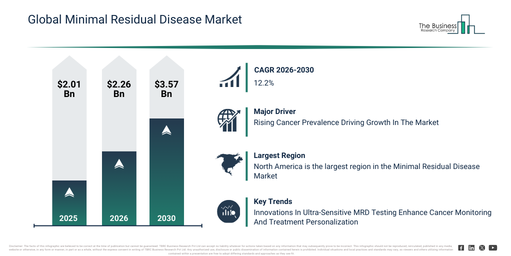
    The minimal residual disease market size has experienced rapid expansion in recent years. Projections indicate it will grow from $2.01 billion in 2025 to $2.26 billion in 2026, at a compound annual growth rate (CAGR) of 12.5%. This historical growth can be attributed to a rise in leukemia and lymphoma cases, the increasing utilization of flow cytometry testing, the early adoption of PCR-based MRD detection, an evolving clinical focus on relapse prediction, and the expansion of diagnostic laboratory capabilities.

    The minimal residual disease market is projected to experience substantial expansion over the upcoming years. This market is set to reach a value of $3.57 billion by 2030, demonstrating a compound annual growth rate (CAGR) of 12.2%. This anticipated growth during the forecast period is attributable to several factors, including the swift expansion of NGS-based MRD testing, the escalating need for personalized oncology treatments, advancements in ultra-sensitive molecular assays, the broader acceptance of liquid biopsy MRD testing, and increased investment in cancer diagnostics research. Key trends anticipated during this period encompass the incorporation of precision medicine into MRD detection, the integration of AI to boost sensitivity in MRD testing, the broader use of cloud-based data management for MRD monitoring, IoT-enabled connectivity within MRD diagnostic platforms, and the increasing automation and digitalization of laboratory MRD analysis.

    Get A Free Sample Report With In-Depth Market Insights:

    https://thebusinessresearchcompany.com/sample_request?id=79122874&type=smp&name=Minimal%20Residual%20Disease%20Market%20Report%202026&utm_source=Blogs&utm_medium=Paid&utm_campaign=Nov_PR

    Minimal Residual Disease Market Growth Backed By Core Demand Fundamentals

    The growing incidence of cancer is anticipated to boost the expansion of the minimal residual disease market in the coming years. Cancer refers to a collection of illnesses marked by the uncontrolled multiplication and dispersion of atypical cells throughout the body. This rise in cancer cases stems from factors such as an aging global population, greater exposure to environmental cancer-causing agents, detrimental lifestyle choices, and genetic susceptibilities. The escalating occurrence of cancer fuels the need for accurate MRD testing to identify remaining cancer cells, facilitating prompt intervention and tailored therapies. This consequently enhances the prediction of relapse and improves patient results. Consequently, the growing prevalence of cancer is a key driver for the expansion of the minimal residual disease market.

    Minimal Residual Disease Market Segment Analysis Spotlighting Growth Areas

    The minimal residual disease market covered in this report is segmented –

    1) By Detection Target: Lymphoma, Leukemia, Solid Tumors, Other Detection Targets

    2) By Test Technique: Flow Cytometry, Polymerase Chain Reaction (PCR), Next Generation Sequencing (NGS), Other Test Techniques

    3) By End-User: Hospitals, Diagnostic Laboratories, Research Institutions

    Subsegments:

    1) By Lymphoma: Hodgkin Lymphoma, Non-Hodgkin Lymphoma

    2) By Leukemia: Acute Lymphoblastic Leukemia, Acute Myeloid Leukemia, Chronic Lymphocytic Leukemia, Chronic Myeloid Leukemia

    3) By Solid Tumors: Breast Cancer, Lung Cancer, Colorectal Cancer, Prostate Cancer

    4) By Other Detection Targets: Multiple Myeloma, Neuroblastoma, Sarcomas

    Minimal Residual Disease Market Growth Trends Reshaping The Competitive Landscape

    Leading firms within the minimal residual disease (MRD) market are prioritizing the creation of sophisticated ultra-sensitive assays to improve early diagnosis and patient care. These ultra-sensitive assays are lab-based tests engineered to accurately identify circulating tumor DNA even at remarkably low concentrations, facilitating quicker recognition of cancer recurrence and more effective treatment choices. As an example, Natera, Inc., a US company specializing in cell-free DNA and genetic testing, introduced the Signatera Genome MRD test in April 2025. This test incorporates a tailored, tumor-informed assay derived from a patient’s complete genome sequence and corresponding normal DNA. Utilizing multiplex polymerase chain reaction and next-generation sequencing technology, the test can identify tumor DNA at concentrations as minute as 1 part per million and even lower for research purposes. Its clinical validity has been established across various cancer forms, specifically including breast, colorectal, non-small cell lung, melanoma, and renal cell carcinoma. Signatera Genome helps pinpoint postsurgical patients with an elevated risk of recurrence, provides valuable predictive clinical insights, serves both clinical and research needs, and is covered by Medicare for a wide array of indications, thus supporting more accurate and knowledgeable treatment plans.

    Minimal Residual Disease Market Leading Companies: Who Holds The Strongest Market Presence?

    Major companies operating in the minimal residual disease market are Thermo Fisher Scientific Inc., LabCorp, Quest Diagnostics Incorporated, Agilent Technologies Inc., Sysmex Corporation, Bio-Rad Laboratories Inc., Qiagen N.V., Natera Inc., Foundation Medicine Inc., NeoGenomics Inc., Guardant Health Inc., Adaptive Biotechnologies Corporation, Invivoscribe Inc., Mission Bio Inc., ArcherDx Inc., Abbott Laboratories, F. Hoffmann-La Roche Ltd., Illumina Inc., Personalis Inc., Asuragen Inc., ARUP Laboratories Inc., Myriad Genetics Inc., Luminex Corporation, EntroGen Inc., 3B BlackBio Biotech India, Bioartis, PerkinElmer Inc.

    View The Full Minimal Residual Disease Market Report:

    https://thebusinessresearchcompany.com/report/minimal-residual-disease-global-market-report?utm_source=Blogs&utm_medium=Paid&utm_campaign=Nov_PR

    Minimal Residual Disease Market Geographic Spread And Regional Opportunities

    North America was the largest region in the minimal residual disease market in 2025. Asia-Pacific is expected to be the fastest-growing region in the forecast period. The regions covered in the minimal residual disease market report are Asia-Pacific, South East Asia, Western Europe, Eastern Europe, North America, South America, Middle East, Africa.

    Reach Out To Our Team:

    The Business Research Company: https://www.thebusinessresearchcompany.com/

    Americas: +1 310-496-7795

    Asia: +44 7882 955267 & +91 8897263534

    Europe: +44 7882 955267

    Email us at: marketing@tbrc.info

    Follow us on:

    LinkedIn: https://in.linkedin.com/company/the-business-research-company

    YouTube: https://www.youtube.com/channel/UC24_fI0rV8cR5DxlCpgmyFQ

    Global Market Model: https://www.thebusinessresearchcompany.com/global-market-model
  • Mineral Sunscreen Market Forecast: Breaking Down The Numbers Behind Future Expansion

    Mineral Sunscreen Market Forecast: Breaking Down The Numbers Behind Future Expansion

    Featuring market attractiveness scoring, total addressable market sizing, company benchmarking matrices, interactive Excel dashboards, deeper supply chain intelligence, emerging startup tracking, and granular product-level insights, The Business Research Company’s 2026 market reports are built to deliver research that is both more actionable and more strategically valuable.

    Mineral Sunscreen Market Value Analysis: What Growth Lies Ahead Over The Forecast Period?

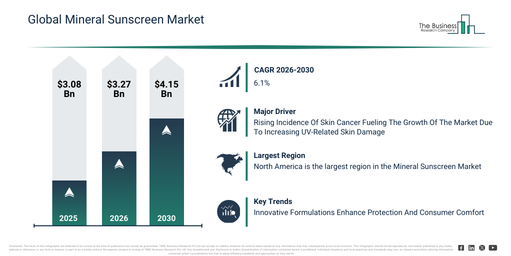
    The mineral sunscreen market has experienced robust expansion in recent years. It is projected to increase from $3.08 billion in 2025 to $3.27 billion in 2026, at a compound annual growth rate (CAGR) of 6.4%. This historical growth can be ascribed to a heightened understanding of skin cancer prevention, an uptick in outdoor recreational activities, the prompt adoption of zinc oxide formulations, the proliferation of dermatology-endorsed products, and rising consumer apprehension concerning chemical sunscreens.

    The mineral sunscreen market is anticipated to experience robust expansion over the coming years. It is projected to reach $4.15 billion by 2030, demonstrating a compound annual growth rate (CAGR) of 6.1%. This growth during the forecast period can be attributed to several factors, such as the increasing demand for sun protection safe for babies and children, the expansion of premium skincare segments, a heightened focus on sustainable personal care products, the growth of e-commerce sales for skincare, and increased regulatory scrutiny concerning sunscreen ingredients. Key trends expected in this period include a rising preference for physical UV filters, greater demand for formulations suitable for sensitive skin, an increase in the adoption of reef-safe sunscreens, the broadening availability of multi-format mineral sunscreen products, and an intensified focus on clean label claims.

    Get A Free Sample Report With In-Depth Market Insights:

    https://thebusinessresearchcompany.com/sample_request?id=90647116&type=smp&name=Mineral%20Sunscreen%20Market%20Report%202026&utm_source=Blogs&utm_medium=Paid&utm_campaign=Nov_PR

    Mineral Sunscreen Market Growth Catalysts And Demand Drivers

    The growing prevalence of skin cancer is anticipated to fuel the expansion of the mineral sunscreen market. Skin cancer is defined as the uncontrolled proliferation of abnormal skin cells, typically resulting from damage by ultraviolet radiation from either the sun or tanning beds. The increasing number of skin cancer diagnoses is primarily linked to excessive sun exposure, which causes harmful ultraviolet (UV) radiation to damage the DNA in skin cells. Mineral sunscreen bolsters skin protection by offering broad-spectrum defense against harmful UV rays, establishing its importance for everyday sun safety. It lowers the potential for skin damage and skin cancer, promoting healthier skin and long-term health. Hence, the rising incidence of skin cancer is a significant factor driving the growth of the mineral sunscreen market.

    Mineral Sunscreen Market Segment Performance And Emerging Opportunities

    The mineral sunscreen market covered in this report is segmented –

    1) By Product Type: Lotion, Cream, Spray, Stick, Powder

    2) By Skin Type: Dry, Oily, Sensitive

    3) By Sun Protection Factor (SPF): Up To 29 Sun Protection Factor (SPF), 30 To 49 Sun Protection Factor (SPF), 50 To 69 Sun Protection Factor (SPF), 70 And More Sun Protection Factor (SPF)

    4) By Distribution Channel: Supermarkets And Hypermarkets, Specialty Stores, Online Or E-commerce, Other Distribution Channels

    5) By End User: Adults, Children, Babies

    Subsegments:

    1) By Lotion: Face Lotion, Body Lotion, Tinted Lotion, Baby Lotion

    2) By Cream: Daily Wear Cream, Anti-Aging Cream, Moisturizing Cream, Sensitive Skin Cream

    3) By Spray: Continuous Spray, Pump Spray, Sport Spray, Kids Spray

    4) By Stick: Face Stick, Lip Balm Stick, Travel Stick, Sport Stick

    5) By Powder: Loose Powder Sunscreen, Pressed Powder Sunscreen, Tinted Powder, Touch-Up Powder

    Mineral Sunscreen Market Trends Shaping Long-Term Demand

    Major companies in the mineral sunscreen market are concentrating on developing innovative formulations, such as lightweight, broad-spectrum variants, to improve both protection and consumer comfort. These lightweight, broad-spectrum formulations refer to sunscreen products that feel light and non-greasy on the skin while providing defense against both UVA and UVB rays. For instance, in May 2025, Saltyface Natural Inc., a Canada-based cosmetics company, launched Daily Sun Shield mineral sunscreen, a lightweight, sheer SPF 30 formula designed for all skin types. This broad-spectrum sunscreen incorporates 14% non-nano zinc oxide, offering reef-safe, water- and sweat-resistant protection for up to 80 minutes. Its skincare-centric formula is fortified with hydrating and soothing ingredients such as hyaluronic acid, squalane, green tea, and chamomile, making it suitable for daily use, whether worn alone, under makeup, or during outdoor activities.

    Mineral Sunscreen Market Key Players: Which Companies Lead Industry Competition?

    Major companies operating in the mineral sunscreen market are Loreal SA, The Estee Lauder Companies Inc, Edgewell Personal Care Company, Crown Laboratories Inc, ISDIN SA, Sun Bum LLC, Goddess Garden LLC, EltaMD Inc, Australian Gold LLC, WS Badger Company, Supergoop LLC, Drunk Elephant LLC, Raw Elements USA LLC, CP Skin Health Group Inc, Babo Botanicals Inc, Coola LLC, Rubys Organics Private Limited, Think Operations LLC, Neutrogena Corporation, Blue Lizard Australian Sunscreen, La Roche Posay, Vanicream

    View The Full Mineral Sunscreen Market Report:

    https://thebusinessresearchcompany.com/report/mineral-sunscreen-global-market-report?utm_source=Blogs&utm_medium=Paid&utm_campaign=Nov_PR

    Mineral Sunscreen Market Top Region By Revenue And Market Share

    North America was the largest region in the mineral sunscreen market in 2025. Asia-Pacific is expected to be the fastest-growing region in the forecast period. The regions covered in the mineral sunscreen market report are Asia-Pacific, South East Asia, Western Europe, Eastern Europe, North America, South America, Middle East, Africa.

    Reach Out To Our Team:

    The Business Research Company: https://www.thebusinessresearchcompany.com/

    Americas: +1 310-496-7795

    Asia: +44 7882 955267 & +91 8897263534

    Europe: +44 7882 955267

    Email us at: marketing@tbrc.info

    Follow us on:

    LinkedIn: https://in.linkedin.com/company/the-business-research-company

    YouTube: https://www.youtube.com/channel/UC24_fI0rV8cR5DxlCpgmyFQ

    Global Market Model: https://www.thebusinessresearchcompany.com/global-market-model