Author: Marketing Posting

  • Axial Spondyloarthritis (axSpA) Market CAGR Of 8.5% Forecast For 2026–2030: What It Means For The Industry

    Axial Spondyloarthritis (axSpA) Market CAGR Of 8.5% Forecast For 2026–2030: What It Means For The Industry

    Designed to make market research more actionable and strategically valuable, The Business Research Company’s 2026 market reports feature market attractiveness scoring, total addressable market sizing, company benchmarking matrices, interactive Excel dashboards, deeper supply chain intelligence, emerging startup tracking, and granular product-level insights.

    Axial Spondyloarthritis (axSpA) Market To Expand At A 8.5% CAGR: Size And Growth Projections Through 2030

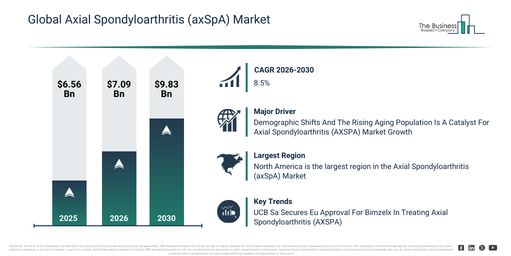
    The axial spondyloarthritis (axspa) market has demonstrated significant expansion in recent years. It is forecast to grow from $6.56 billion in 2025 to $7.09 billion in 2026, achieving a compound annual growth rate (CAGR) of 8.1%. This historical growth can be ascribed to several factors, including heightened awareness of inflammatory spinal disorders, the broader application of TNF inhibitors, enhanced availability of diagnostic imaging, the expansion of rheumatology specialty care, and strengthened initiatives promoting treatment adherence.

    The axial spondyloarthritis (axspa) market size is anticipated to undergo significant expansion over the next few years. It is projected to reach $9.83 billion by 2030, growing at a compound annual growth rate (CAGR) of 8.5%. This growth during the forecast period is attributed to the increasing uptake of JAK inhibitors and IL therapies, rising investments in personalized medicine, the expansion of early screening programs, the growing deployment of digital disease monitoring platforms, and continued innovation in biologic drug development. Major trends foreseen in this period include the increasing adoption of biologic therapies, greater use of targeted anti-inflammatory drugs, an enhanced focus on early diagnosis and disease monitoring, the expansion of personalized treatment approaches, and improved integration of digital health tools.

    Get Your Free Axial Spondyloarthritis (axSpA) Market Report Sample Today:

    https://thebusinessresearchcompany.com/sample_request?id=85944210&type=smp&name=Axial%20Spondyloarthritis%20%28axSpA%29%20Market%20Report%202026&utm_source=Blogs&utm_medium=Paid&utm_campaign=Nov_PR

    Which Factor Is Expected To Drive The Axial Spondyloarthritis (axSpA) Market Over The Forecast Period?

    The expanding elderly demographic is anticipated to stimulate the future expansion of the axial spondyloarthritis (axSpa) market. An aging population signifies a demographic pattern marked by a growing share or greater proportion of older people within a society. Effectively managing axial spondyloarthritis (axSpa) in older adults offers advantages such as enhanced joint function and movement, a better quality of life, safeguarding against spinal structural damage, lower healthcare expenditures, avoiding disability, and refined treatment approaches. Consequently, the rising number of elderly individuals is fueling the expansion of the axial spondyloarthritis (axSpa) market.

    Axial Spondyloarthritis (axSpA) Market Segmentation Insights: How Is The Industry Categorized?

    The axial spondyloarthritis (axspa) market covered in this report is segmented –

    1) By Type: Ankylosing Spondylitis (AS), Non-Radiographic Axial Spondyloarthritis (nr-axSpA)

    2) By Commercialized Therapies: Anti-Tumor Necrosis Factor Therapy (TNF), Anti-Interleukin Therapy (IL), Anti-Janus Kinase Therapy (JAK)

    3) By Dosage Form: Tablets, Injections

    4) By Treatment: Tumor Necrosis Factor (TNF) Alpha Inhibitors, Non-Steroidal Anti-Inflammatory Drugs (NSAID), Interleukin Blockers

    5) By End-Use: Hospital Pharmacies, Retailer Pharmacies, Online Pharmacy Stores

    Subsegments:

    1) By Ankylosing Spondylitis (AS): Early-stage AS, Advanced-stage AS

    2) By Non-Radiographic Axial Spondyloarthritis (nr-axSpA): Active nr-axSpA, Low-Disease-Activity nr-axSpA

    Axial Spondyloarthritis (axSpA) Market Trends Explained: What Is Changing And Why It Matters

    Leading companies within the axial spondyloarthritis (axSpA) market are concentrating on creating innovative treatments, such as advanced biologic drug therapies, to address the growing need for effective solutions that reduce inflammation and enhance long-term disease management. These biologic therapies work by modulating specific immune pathways, providing a more targeted method compared to conventional anti-inflammatory drugs, which mainly alleviate symptoms without directly impacting the root immune causes.

    Axial Spondyloarthritis (axSpA) Market Competitor Landscape: Who Are The Major Companies?

    Major companies operating in the axial spondyloarthritis (axspa) market are AbbVie Inc., Pfizer Inc., Novartis AG, Eli Lilly and Company, Johnson & Johnson, UCB S.A., Bristol-Myers Squibb Company, AstraZeneca plc, Sanofi S.A., Regeneron Pharmaceuticals Inc., Merck & Co. Inc., GSK plc, Takeda Pharmaceutical Company Limited, Boehringer Ingelheim International GmbH, Biogen Inc., Amgen Inc., Chugai Pharmaceutical Co. Ltd., Mitsubishi Tanabe Pharma Corporation, Kyowa Kirin Co. Ltd., Janssen Pharmaceuticals, Acelyrin Inc.

    See The Full Axial Spondyloarthritis (axSpA) Market Report For Complete Market Sizing And Trends:

    https://thebusinessresearchcompany.com/report/axial-spondyloarthritis-axSpA-global-market-report?utm_source=Blogs&utm_medium=Paid&utm_campaign=Nov_PR

    Axial Spondyloarthritis (axSpA) Market Regional Demand Analysis And Leading Geography

    North America was the largest region in the axial spondyloarthritis(axSpA) market in 2025. Asia-Pacific is expected to be the fastest-growing region in the forecast period. The regions covered in the axial spondyloarthritis (axspa) market report are Asia-Pacific, South East Asia, Western Europe, Eastern Europe, North America, South America, Middle East, Africa.

    Reach Out To Our Team:

    The Business Research Company: https://www.thebusinessresearchcompany.com/

    Americas: +1 310-496-7795

    Asia: +44 7882 955267 & +91 8897263534

    Europe: +44 7882 955267

    Email us at: marketing@tbrc.info

    Follow us on:

    LinkedIn: https://in.linkedin.com/company/the-business-research-company

    YouTube: https://www.youtube.com/channel/UC24_fI0rV8cR5DxlCpgmyFQ

    Global Market Model: https://www.thebusinessresearchcompany.com/global-market-model
  • Acute Respiratory Distress Syndrome (ARDS) Market Outlook 2026–2030: Everything You Need To Know

    Acute Respiratory Distress Syndrome (ARDS) Market Outlook 2026–2030: Everything You Need To Know

    Designed to make market research more actionable and strategically valuable, The Business Research Company’s 2026 market reports feature market attractiveness scoring, total addressable market sizing, company benchmarking matrices, interactive Excel dashboards, deeper supply chain intelligence, emerging startup tracking, and granular product-level insights.

    How Fast Is The Acute Respiratory Distress Syndrome (ARDS) Market Growing? Market Size, CAGR And Forecast Insights

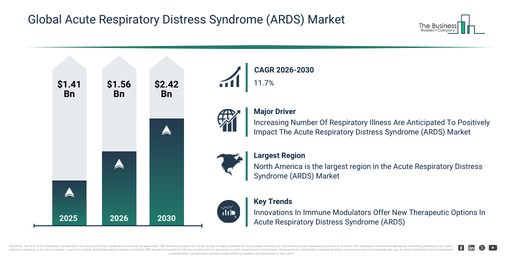
    The market size for acute respiratory distress syndrome (ARDS) has expanded quickly in recent years. It is anticipated to increase from $1.41 billion in 2025 to $1.56 billion in 2026, at a compound annual growth rate (CAGR) of 10.5%. The historical growth of this market can be linked to a surge in respiratory infection incidents, the development of hospital ICU infrastructure, greater awareness of ARDS management protocols, limited availability of advanced ventilation devices, and the adoption of supportive care practices.

    The market size for acute respiratory distress syndrome (ARDS) is projected to experience substantial growth over the next few years. It is expected to expand to $2.42 billion by 2030, demonstrating a compound annual growth rate (CAGR) of 11.7%. This anticipated growth during the forecast period can be attributed to technological progress in mechanical ventilation and ECMO systems, increased research and development in ARDS treatments, the global expansion of critical care units, rising investments in personalized patient management solutions, and the growing incidence of severe pneumonia and sepsis. Significant trends for the forecast period include a greater adoption of mechanical ventilation and ECMO devices, an escalating prevalence of ARDS resulting from COVID-19 and other respiratory illnesses, the increasing use of advanced diagnostic tests for early detection, the expansion of critical care and ICU facilities, and a focus on personalized and supportive care management.

    Unlock Acute Respiratory Distress Syndrome (ARDS) Market Insights With A Free Sample Report:

    https://thebusinessresearchcompany.com/sample_request?id=79505387&type=smp&name=Acute%20Respiratory%20Distress%20Syndrome%20%28ARDS%29%20Market%20Report%202026&utm_source=Blogs&utm_medium=Paid&utm_campaign=Nov_PR

    Acute Respiratory Distress Syndrome (ARDS) Market Momentum: Key Driver Expected To Boost Growth Through 2030

    The increasing prevalence of respiratory illnesses is projected to fuel the expansion of the acute respiratory distress syndrome (ARDS) market moving forward. Respiratory illness pertains to a collection of medical conditions affecting the respiratory system, including the airways and lungs, which can lead to breathing difficulties. The growing number of respiratory illnesses, such as COVID-19, represents a significant driver for the acute respiratory distress syndrome (ARDS) market’s growth. As more individuals develop respiratory illnesses, the need for ARDS treatments and therapies is expected to rise, thereby stimulating market development. Consequently, the escalating incidence of respiratory illnesses is driving the growth of the acute respiratory distress syndrome (ARDS) market.

    Acute Respiratory Distress Syndrome (ARDS) Market Segments: A Category-By-Category Overview

    The acute respiratory distress syndrome (ards) market covered in this report is segmented –

    1) By Type: Diagnosis, Treatment

    2) By Cause: COVID-19 Disease 2019 (COVID-19), Sepsis, Inhalation Of Harmful Substances, Severe Pneumonia, Other Causes

    3) By Severity: Mild, Moderate, Severe

    4) By End User: Hospitals, Clinics, Ambulatory Service Centers, Other End Users

    Subsegments:

    1) By Diagnosis: Imaging Tests, Blood Tests

    2) By Treatment: Mechanical Ventilation, Medications, Extracorporeal Membrane Oxygenation (ECMO), Supportive Care

    Which Emerging Trends Are Gaining Traction In The Acute Respiratory Distress Syndrome (ARDS) Market?

    Leading companies in the acute respiratory distress syndrome market are concentrating on developing advanced immune modulators to enhance patient survival and reduce inflammation. These immune modulators are therapies designed to restore immune balance by targeting dysfunctional inflammatory pathways without suppressing overall immune function. For instance, in June 2025, BioAegis Therapeutics, a US-based clinical-stage company, obtained FDA Fast Track designation for its primary product, recombinant human plasma gelsolin (rhu-pGSN), for the treatment of ARDS. This therapy operates by replenishing gelsolin, a critical immune regulatory protein, to modulate NLRP3 inflammasome activation, enhance microbial clearance, remove toxic actin and inflammatory mediators, and regulate macrophage activity. rhu-pGSN is currently being evaluated in a 600-patient global Phase 2b trial for moderate to severe ARDS and may also be made accessible through the FDA Expanded Access or Compassionate Use program. The Fast Track designation facilitates expedited regulatory interactions, a rolling review of marketing applications, and eligibility for priority review, potentially accelerating its market entry and offering a novel therapeutic option for patients with limited alternatives.

    Acute Respiratory Distress Syndrome (ARDS) Market Key Participants: Prominent Companies At A Glance

    Major companies operating in the acute respiratory distress syndrome (ards) market are Johnson & Johnson Services Inc., Novartis AG, GlaxoSmithKline plc, Medtronic plc, Boehringer Ingelheim International GmbH, Gilead Sciences Inc., Amgen Inc., Fresenius SE & Co. KGaA, Koninklijke Philips N.V., Baxter International Inc., Teva Pharmaceutical Industries Ltd., CSL Behring, Terumo Corporation, Smiths Medical Inc., Dräger Safety AG & Co. KGaA, Getinge AB, Mallinckrodt plc, Masimo Corporation, Fisher & Paykel Healthcare Corporation Limited, Hamilton Medical AG, Windtree Therapeutics Inc., Faron Pharmaceuticals Oy

    Get Detailed Acute Respiratory Distress Syndrome (ARDS) Market Forecasts In The Complete Report:

    https://thebusinessresearchcompany.com/report/acute-respiratory-distress-syndrome-ards-global-market-report?utm_source=Blogs&utm_medium=Paid&utm_campaign=Nov_PR

    Top Region In The Acute Respiratory Distress Syndrome (ARDS) Market: A Global Perspective

    North America was the largest region in the acute respiratory distress syndrome (ARDS) market in 2025. The regions covered in the acute respiratory distress syndrome (ards) market report are Asia-Pacific, South East Asia, Western Europe, Eastern Europe, North America, South America, Middle East, Africa.

    Reach Out To Our Team:

    The Business Research Company: https://www.thebusinessresearchcompany.com/

    Americas: +1 310-496-7795

    Asia: +44 7882 955267 & +91 8897263534

    Europe: +44 7882 955267

    Email us at: marketing@tbrc.info

    Follow us on:

    LinkedIn: https://in.linkedin.com/company/the-business-research-company

    YouTube: https://www.youtube.com/channel/UC24_fI0rV8cR5DxlCpgmyFQ

    Global Market Model: https://www.thebusinessresearchcompany.com/global-market-model
  • Avian Flu Treatment Market Forecast: $20.6 Billion Valuation Expected By 2030

    Avian Flu Treatment Market Forecast: $20.6 Billion Valuation Expected By 2030

    The Business Research Company’s 2026 market reports are designed to deliver research that is more actionable and strategically valuable. Key offerings include market attractiveness scoring, total addressable market sizing, company benchmarking matrices, interactive Excel dashboards, deeper supply chain intelligence, emerging startup tracking, and granular product-level insights.

    Avian Flu Treatment Market Size, Growth Rate And Key Forecast Highlights For 2026–2030

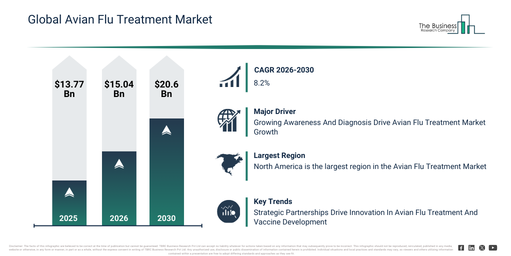
    The avian flu treatment market has experienced significant growth in recent years. This market is projected to expand from $13.77 billion in 2025 to $15.04 billion in 2026, demonstrating a compound annual growth rate (CAGR) of 9.3%. Historically, this expansion has been driven by factors such as a rise in avian influenza outbreaks, the adoption of antiviral stockpiling approaches, governmental disease control programs, the growth of hospital-based infectious disease care, and heightened public health knowledge.

    The market for avian flu treatments is anticipated to experience robust expansion over the coming years. This market is projected to reach $20.6 billion by 2030, exhibiting a compound annual growth rate (CAGR) of 8.2%. This expansion during the projection period stems from factors such as increased funding for zoonotic disease research, the ongoing development of advanced vaccines, the broadening of global disease monitoring systems, a heightened emphasis on prompt therapeutic interventions, and strengthened international cooperation for pandemic readiness. Key developments expected during this forecast timeframe encompass the wider acceptance of cutting-edge antiviral treatments, a stronger emphasis on platforms for swift vaccine creation, the increasing application of monoclonal antibody therapies, the broadening of early detection and monitoring initiatives, and a sharpened focus on preparing for pandemics.

    See What’s Inside The Avian Flu Treatment Market Report With A Free Sample:

    https://thebusinessresearchcompany.com/sample_request?id=10212997&type=smp&name=Avian%20Flu%20Treatment%20Market%20Report%202026&utm_source=Blogs&utm_medium=Paid&utm_campaign=Nov_PR

    Avian Flu Treatment Market Expansion: The Major Factor Driving Growth

    The rising awareness and diagnosis are projected to propel the growth of the avian flu treatment market in the coming years. Awareness refers to recognizing a specific condition, while diagnosis involves identifying a particular problem based on that recognition. The demand for avian flu treatment stems from an urgent necessity to safeguard public health, prevent potential pandemics, and protect poultry populations from substantial economic losses. Crucially, early awareness and diagnosis are vital for effective avian flu treatment, allowing for swift intervention and containment to prevent its spread. Thus, the increasing awareness and diagnosis are significant drivers of growth in the avian flu treatment market.

    Understanding Avian Flu Treatment Market Segmentation For Strategic Planning

    The avian flu treatment market covered in this report is segmented –

    1) By Type: Vaccines, Antiviral Agents, Immunoglobulins

    2) By Distribution Channel: Online Pharmacies, Offline Pharmacies

    3) By End User: Hospital, Institutional Health Centers, Clinics

    Subsegments:

    1) By Vaccines: Inactivated Vaccines, Live Attenuated Vaccines, Recombinant Vaccines, Subunit Vaccines, Dna Vaccines, Bivalent And Multivalent Vaccines

    2) By Antiviral Agents: Neuraminidase Inhibitors (Oseltamivir, Zanamivir), Polymerase Inhibitors, Antiviral Combination Therapies

    3) By Immunoglobulins: Human Immunoglobulin (Ivig), Monoclonal Antibodies, Hyperimmune Serum, Polyvalent Immunoglobulins, Avian Flu-Specific Immunoglobulins

    Key Avian Flu Treatment Market Trends To Watch In 2026

    Leading firms within the avian flu treatment market prioritize forming alliances to improve effectiveness and accelerate the creation of novel therapies. These collaborations typically unite pharmaceutical businesses, research organizations, and state bodies, allowing them to combine assets, exchange specialized knowledge, and conduct pioneering clinical studies.

    Key Companies Active In The Avian Flu Treatment Market

    Major companies operating in the avian flu treatment market are Pfizer Inc., F. Hoffmann-La Roche Ltd., Merck & Co. Inc., Sanofi S.A., GlaxoSmithKline Plc, Novartis AG, AstraZeneca Plc, Gilead Sciences Inc., CSL Limited, Moderna Inc., Shionogi & Co. Ltd., Cipla Ltd., Seqirus, Novavax Inc., Sinovac Biotech Ltd., Valneva SE, CureVac AG, BioCryst Pharmaceuticals Inc., Emergent BioSolutions Inc., Dynavax Technologies Corporation, Baxter International Inc., Takeda Pharmaceutical Company Limited

    Explore Detailed Avian Flu Treatment Market Research And Forecasts:

    https://thebusinessresearchcompany.com/report/avian-flu-treatment-global-market-report?utm_source=Blogs&utm_medium=Paid&utm_campaign=Nov_PR

    Which Geography Dominates The Avian Flu Treatment Market?

    North America was the largest region in the avian flu treatment market in 2025. Asia-Pacific is expected to be the fastest growing region in the market. The regions covered in the avian flu treatment market report are Asia-Pacific, South East Asia, Western Europe, Eastern Europe, North America, South America, Middle East, Africa.

    Reach Out To Our Team:

    The Business Research Company: https://www.thebusinessresearchcompany.com/

    Americas: +1 310-496-7795

    Asia: +44 7882 955267 & +91 8897263534

    Europe: +44 7882 955267

    Email us at: marketing@tbrc.info

    Follow us on:

    LinkedIn: https://in.linkedin.com/company/the-business-research-company

    YouTube: https://www.youtube.com/channel/UC24_fI0rV8cR5DxlCpgmyFQ

    Global Market Model: https://www.thebusinessresearchcompany.com/global-market-model
  • Autorefractor Market Overview: Size, Growth Drivers, Trends And Competitive Landscape

    Autorefractor Market Overview: Size, Growth Drivers, Trends And Competitive Landscape

    With a focus on actionable insights and strategic value, The Business Research Company’s 2026 market reports include market attractiveness scoring, total addressable market sizing, company benchmarking matrices, interactive Excel dashboards, deeper supply chain intelligence, emerging startup tracking, and granular product-level insights.

    How Much Will The Autorefractor Market Be Worth By 2030?

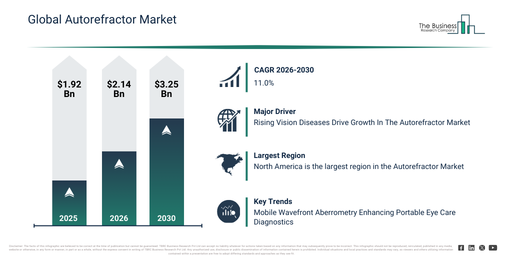
    The autorefractor market has experienced rapid expansion in recent years. Its size is expected to increase from $1.92 billion in 2025 to $2.14 billion in 2026, at a compound annual growth rate (CAGR) of 11.2%. Historically, this growth has been driven by the expansion of ophthalmic diagnostic services, a rising prevalence of refractive errors, greater adoption of automated eye testing, the growth of optometry clinics, and improved accessibility of vision care.

    The autorefractor market is projected to experience substantial expansion over the coming years. By 2030, this market is forecasted to reach $3.25 billion, demonstrating a compound annual growth rate (CAGR) of 11.0%. This anticipated growth stems from several factors, including the rising demand for point-of-care eye diagnostics, the expansion of tele-optometry services, a greater emphasis on detecting vision disorders early, the increasing uptake of smart ophthalmic devices, and growing investments in eye care infrastructure. Significant trends expected during this period involve the increasing adoption of portable automatic autorefractors, the growing integration of AI-based refraction analysis, the expanded use of multi-function diagnostic devices, the broadening of vision screening programs, and a heightened emphasis on rapid eye examination.

    Get Access To A Free Autorefractor Market Report Sample:

    https://thebusinessresearchcompany.com/sample_request?id=25427318&type=smp&name=Autorefractor%20Market%20Report%202026&utm_source=Blogs&utm_medium=Paid&utm_campaign=Nov_PR

    The Key Driver Behind The Autorefractor Market’s 11% CAGR

    The expanding occurrence of vision ailments is anticipated to fuel the expansion of the autorefractor market. A vision disease refers to a health condition that diminishes clear sight, impacting parts of the visual system such as the eyes, optic nerves, or the brain. These conditions are becoming more common due to an aging demographic, extended screen exposure, unhealthy lifestyle decisions, and a greater occurrence of chronic illnesses. Autorefractors play a crucial role in diagnosing vision diseases by swiftly and precisely assessing refractive errors to prescribe suitable corrective lenses. Consequently, the increasing prevalence of vision diseases is a key factor propelling the expansion of the autorefractor market.

    Autorefractor Market Classification: Main Segments And Detailed Subsegments

    The autorefractor market covered in this report is segmented –

    1) By Type: Manual Autorefractor, Automatic Autorefractor

    2) By Application: Hyperopia, Myopia, Other Applications

    3) By End-User: Hospitals, Ophthalmic Clinics, Diagnostic Centers

    Subsegments:

    1) By Manual Autorefractor: Tabletop Manual Autorefractor, Handheld Manual Autorefractor

    2) By Automatic Autorefractor: Desktop Automatic Autorefractor, Portable Automatic Autorefractor

    Autorefractor Market Strategic Shifts: What Leading Players Are Prioritizing

    Major companies operating in the autorefractor market are concentrating on creating mobile wavefront aberrometry systems. These portable diagnostic solutions combine handheld autorefractors with advanced software to accurately capture eye measurements, keratometry readings, and detailed wavefront analysis in a convenient and user-friendly format, thereby enhancing accessibility and efficiency in eye care diagnostics. For instance, in February 2025, PlenOptika, a US-based ophthalmic technology company, introduced the QuickSee Free Pro Companion App. This mobile platform allows eye care professionals to generate intricate wavefront maps, simulate visual acuity, and create comprehensive patient reports. The platform integrates keratometry and autorefractor data into one interface, provides immediate data visualization, and delivers clear patient-friendly reports to improve communication and decision-making. This innovation helps to streamline clinical processes, broaden access to high-quality refraction diagnostics in remote locations, and strengthen patient engagement.

    Autorefractor Market Company Analysis: Major Industry Participants

    Major companies operating in the autorefractor market are Topcon Corporation, Nidek Co. Ltd., Canon Medical Systems Corporation, Carl Zeiss Meditec, Rexxam Co. Ltd., Huvitz Co. Ltd., CSO Italia, Righton, Takagi Seiko Co. Ltd., Tomey Corporation, Oculus Optikgeräte GmbH, Kowa Company Ltd., Marco Ophthalmic Inc., Reichert Inc., Visionix Ltd., Luneau Technology GmbH, URK Corporation, Medizs Inc., Optopol Technology, Essilor Instruments, Sonomed Escalon

    Get Full Access To The Autorefractor Market Report 2026:

    https://thebusinessresearchcompany.com/report/autorefractor-global-market-report?utm_source=Blogs&utm_medium=Paid&utm_campaign=Nov_PR

    Autorefractor Market Global Regional Breakdown: Key Regions Analyzed

    North America was the largest region in the autorefractor market in 2025. Asia-Pacific is expected to be the fastest-growing region in the forecast period. The regions covered in the autorefractor market report are Asia-Pacific, South East Asia, Western Europe, Eastern Europe, North America, South America, Middle East, Africa.

    Reach Out To Our Team:

    The Business Research Company: https://www.thebusinessresearchcompany.com/

    Americas: +1 310-496-7795

    Asia: +44 7882 955267 & +91 8897263534

    Europe: +44 7882 955267

    Email us at: marketing@tbrc.info

    Follow us on:

    LinkedIn: https://in.linkedin.com/company/the-business-research-company

    YouTube: https://www.youtube.com/channel/UC24_fI0rV8cR5DxlCpgmyFQ

    Global Market Model: https://www.thebusinessresearchcompany.com/global-market-model
  • Acute Repetitive Seizures Market Forecast To 2030: Growth Outlook For Key Players Such As Pfizer Inc.

    Acute Repetitive Seizures Market Forecast To 2030: Growth Outlook For Key Players Such As Pfizer Inc.

    The Business Research Company’s 2026 market reports are designed to deliver research that is more actionable and strategically valuable. Key offerings include market attractiveness scoring, total addressable market sizing, company benchmarking matrices, interactive Excel dashboards, deeper supply chain intelligence, emerging startup tracking, and granular product-level insights.

    Acute Repetitive Seizures Market Historical Growth Vs. Forecast Growth: How Do The Numbers Compare?

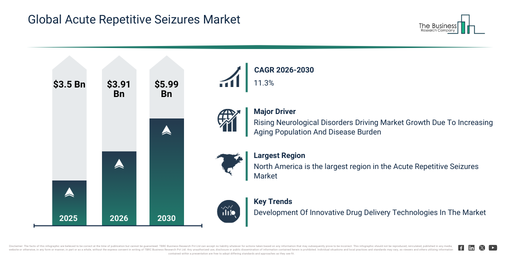
    The acute repetitive seizures market size has seen rapid growth in recent years. It is expected to expand from $3.5 billion in 2025 to $3.91 billion in 2026, achieving a compound annual growth rate (CAGR) of 11.6%. This historical increase can be attributed to several factors including the constrained availability of rapid-acting antiepileptic drugs, an uptick in the prevalence of epilepsy and various neurological disorders, enhanced hospital-based seizure management practices, the increasing adoption of benzodiazepines, and the broadened scope of clinical guidelines for treating acute seizures.

    The acute repetitive seizures market size is poised for substantial expansion over the next few years, projected to reach $5.99 billion by 2030, with an impressive compound annual growth rate (CAGR) of 11.3%. This anticipated growth is driven by the introduction of intranasal and rectal formulations, a heightened focus on home-based seizure management strategies, the increasing adoption of novel antiepileptic drugs, the integration of digital seizure monitoring devices, and the advancements in personalized and precision neurology therapies. Major trends expected during this forecast period include the rising acceptance of intranasal and rectal drug delivery methods, an increasing reliance on benzodiazepines for managing acute seizures, the expansion of home care and ambulatory care settings, growing awareness of rapid intervention protocols, and continued advancements in personalized epilepsy treatment.

    Start With A Free Sample Of The Acute Repetitive Seizures Market Research Report:

    https://thebusinessresearchcompany.com/sample_request?id=83188204&type=smp&name=Acute%20Repetitive%20Seizures%20Market%20Report%202026&utm_source=Blogs&utm_medium=Paid&utm_campaign=Nov_PR

    The Leading Growth Driver In The Acute Repetitive Seizures Market Explained

    The acute repetitive seizures market is anticipated to expand due to the increasing prevalence of neurological disorders. These conditions affect the brain, nerves, or spinal cord, resulting in impairments related to movement, speech, thinking, or overall bodily functions. The heightened occurrence of neurological disorders is largely attributed to an aging population, as older adults are more prone to degenerative brain changes, thereby increasing the risk of conditions such as Alzheimer’s disease, Parkinson’s disease, and stroke. Acute repetitive seizures exacerbate the progression of neurological disorders by elevating the risk of neuronal damage, cognitive decline, and long-term complications, necessitating early intervention to prevent worsening outcomes. Consequently, the rising prevalence of neurological disorders is a significant factor propelling the growth of the acute repetitive seizures market.

    Key Segments Shaping The Acute Repetitive Seizures Market Landscape

    The acute repetitive seizures market covered in this report is segmented –

    1) By Drug Type: Benzodiazepines, Barbiturates

    2) By Route Of Administration: Intranasal, Rectal, Oral, Other Routes Of Administrations

    3) By End User: Hospitals, Clinics, Home Care Settings

    Subsegments:

    1) By Benzodiazepines: Diazepam, Lorazepam, Midazolam

    2) By Barbiturates: Phenobarbital, Primidone

    Acute Repetitive Seizures Market Trend Spotlight: Key Shifts Shaping Future Demand

    Companies operating in the acute repetitive seizures market are concentrating on developing innovative formulations, such as benzodiazepine buccal film, to enhance drug absorption, provide rapid seizure relief, and improve patient convenience. A benzodiazepine buccal film is a slender, soluble film containing benzodiazepine medication, applied inside the cheek for swift absorption via the oral lining. This film aids in managing acute repetitive seizures by quickly delivering the drug into the bloodstream, thereby decreasing seizure duration and frequency.

    Acute Repetitive Seizures Market Competitive Analysis: Who Are The Main Competitors?

    Major companies operating in the acute repetitive seizures market are Pfizer Inc., Sanofi S.A., Novartis AG, GlaxoSmithKline plc, Takeda Pharmaceutical Company Limited, Boehringer Ingelheim International GmbH, Bausch Health US LLC., UCB S.A., Eisai Co. Ltd., Sun Pharmaceutical Industries Ltd., Hikma Pharmaceuticals PLC, Zydus Lifesciences Limited, Endo International plc, Lupin Limited, Amneal Pharmaceuticals LLC, Aquestive Therapeutics Inc., Neurelis Inc., Grupo Ferrer Internacional S.A., UpsherSmith Laboratories LLC, Aculys Pharma Inc.

    Find The Complete Acute Repetitive Seizures Market Outlook In The Full Report:

    https://thebusinessresearchcompany.com/report/acute-repetitive-seizures-global-market-report?utm_source=Blogs&utm_medium=Paid&utm_campaign=Nov_PR

    Mapping The Acute Repetitive Seizures Market: Regional Leadership And Global Reach

    North America was the largest region in the acute repetitive seizures market in 2025. Asia-Pacific is expected to be the fastest-growing region in the forecast period. The regions covered in the acute repetitive seizures market report are Asia-Pacific, South East Asia, Western Europe, Eastern Europe, North America, South America, Middle East, Africa.

    Reach Out To Our Team:

    The Business Research Company: https://www.thebusinessresearchcompany.com/

    Americas: +1 310-496-7795

    Asia: +44 7882 955267 & +91 8897263534

    Europe: +44 7882 955267

    Email us at: marketing@tbrc.info

    Follow us on:

    LinkedIn: https://in.linkedin.com/company/the-business-research-company

    YouTube: https://www.youtube.com/channel/UC24_fI0rV8cR5DxlCpgmyFQ

    Global Market Model: https://www.thebusinessresearchcompany.com/global-market-model
  • Automation In Biopharma Industry Market To Grow From $2.35 Billion To $3.16 Billion By 2030: Key Drivers Explained

    Automation In Biopharma Industry Market To Grow From $2.35 Billion To $3.16 Billion By 2030: Key Drivers Explained

    The Business Research Company’s 2026 market reports combine market attractiveness scoring, total addressable market sizing, company benchmarking matrices, interactive Excel dashboards, deeper supply chain intelligence, emerging startup tracking, and granular product-level insights to deliver research that is more actionable and strategically valuable.

    Automation In Biopharma Industry Market Revenue Forecast: $2.35 Billion In 2026 Rising To $3.16 Billion In 2030

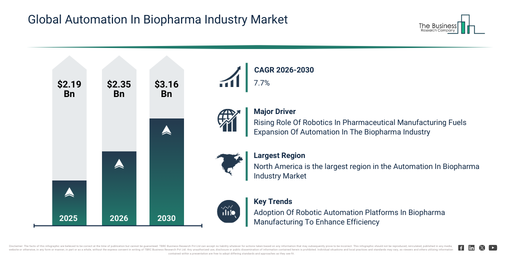
    The market for automation within the biopharma industry has experienced significant growth over recent years. This market is projected to expand from $2.19 billion in 2025 to $2.35 billion in 2026, demonstrating a compound annual growth rate (CAGR) of 7.1%. Historically, this expansion has been driven by factors such as the growing complexity of biologic drug production, an escalating need for scalable biopharma manufacturing solutions, the early integration of laboratory automation, the broadened scope of contract manufacturing services, and innovations in process control technologies.

    The market size for automation within the biopharma industry anticipates robust expansion over the coming years. This market is projected to reach $3.16 billion by 2030, driven by a compound annual growth rate (CAGR) of 7.7%. Factors contributing to this growth during the forecast period include increasing investments in smart biomanufacturing facilities, the growing adoption of continuous manufacturing, the expansion of personalized biologics production, a rising demand for regulatory-compliant automation, and an increasing focus on manufacturing efficiency optimization. Key trends anticipated in the same forecast period encompass the increasing adoption of robotic manufacturing platforms, the rising integration of digital twin technologies, the growing use of automated quality control systems, the expansion of end-to-end bioprocess automation, and an enhanced focus on data-driven manufacturing.

    Free Sample Report: Automation In Biopharma Industry Market Size, Trends And Forecast To 2030:

    https://thebusinessresearchcompany.com/sample_request?id=70009064&type=smp&name=Automation%20In%20Biopharma%20Industry%20Market%20Report%202026&utm_source=Blogs&utm_medium=Paid&utm_campaign=Nov_PR

    Automation In Biopharma Industry Market Growth Catalyst: What Is Creating New Demand?

    The expanding deployment of robots in pharmaceutical manufacturing is projected to stimulate the growth of the automation in biopharma industry market. Within this sector, robots in pharmaceutical manufacturing refer to sophisticated automated systems and machines that perform various tasks in the creation and packaging of pharmaceutical products. These robots are frequently utilized across multiple applications in drug manufacturing, including secondary packaging, intralogistics, laboratory automation, pick and place operations, the streamlining of pharmacy processes, and personalized medicine, thereby contributing to increased productivity, enhanced precision, reduced contamination risks, and improved worker safety. Consequently, the increasing adoption of robots in pharmaceutical manufacturing will drive the growth of the automation in biopharma industry market.

    Automation In Biopharma Industry Market Segment Overview: Categories Covered In The 2026 Report

    The automation in biopharma industry market covered in this report is segmented –

    1) By Technology: Automation Technology, Digitization Technology

    2) By Component: Automation Hardware, Automation Software, Services Project Phase, Services Operation Phase

    3) By Application: Clinical Phase, Drug Discovery Phase, Production Phase

    Subsegments:

    1) By Automation Technology: Process Automation, Laboratory Automation, Robotics And Artificial Intelligence, Control Systems, Programmable Logic Controllers (PLCs)

    2) By Digitization Technology: Data Analytics And Visualization, Electronic Lab Notebooks (ELN), Cloud Computing, Internet Of Things (IoT) In Pharma, Digital Twin Technology

    How Are Leading Companies Shaping Automation In Biopharma Industry Market Trends?

    Leading companies are actively implementing automation within the biopharma industry market, primarily focusing on developing technological breakthroughs such as robotic cell-therapy manufacturing platforms. These platforms are designed to achieve scalable, efficient, and error-reduced production of advanced therapies. A robotic cell-therapy manufacturing platform integrates mobile robotics, aseptic fluid-handling systems, automated tube welding, and digital process control into a completely closed and modular system, effectively replacing traditional manual bioprocessing methods that are heavily reliant on labor and open systems.

    Automation In Biopharma Industry Market Players: Key Companies Shaping Competition

    Major companies operating in the automation in biopharma industry market are F. Hoffmann-La Roche Ltd., Thermo Fisher Scientific Inc., Danaher Corporation, ABB Ltd, Siemens Healthineers AG, Emerson Electric Co., Becton Dickinson and Company (BD), Corning Incorporated, Rockwell Automation Inc., Agilent Technologies Inc., PerkinElmer Inc., Sartorius AG, bioMérieux SA, Mettler-Toledo International Inc., Beckman Coulter Inc., Waters Corporation, Pall Corporation, Bruker Corporation, Qiagen N.V., Eppendorf AG, Tecan Group Ltd., Promega Corporation, Brooks Automation Inc., Omron Automation, Hamilton Company, Integra Biosciences AG, Gilson Inc., Analytik Jena AG, BioTek Instruments Inc.

    Access Complete Automation In Biopharma Industry Market Data, Forecasts And Competitive Insights:

    https://thebusinessresearchcompany.com/report/automation-in-biopharma-industry-global-market-report?utm_source=Blogs&utm_medium=Paid&utm_campaign=Nov_PR

    Automation In Biopharma Industry Market Regional Performance And Geographic Coverage

    North America was the largest region in the automation in biopharma industry market in 2025. The regions covered in the automation in biopharma industry market report are Asia-Pacific, South East Asia, Western Europe, Eastern Europe, North America, South America, Middle East, Africa.

    Reach Out To Our Team:

    The Business Research Company: https://www.thebusinessresearchcompany.com/

    Americas: +1 310-496-7795

    Asia: +44 7882 955267 & +91 8897263534

    Europe: +44 7882 955267

    Email us at: marketing@tbrc.info

    Follow us on:

    LinkedIn: https://in.linkedin.com/company/the-business-research-company

    YouTube: https://www.youtube.com/channel/UC24_fI0rV8cR5DxlCpgmyFQ

    Global Market Model: https://www.thebusinessresearchcompany.com/global-market-model
  • Acute Renal Failure (ARF) Market Led By North America: Size, Growth And Regional Outlook

    Acute Renal Failure (ARF) Market Led By North America: Size, Growth And Regional Outlook

    With a focus on actionable insights and strategic value, The Business Research Company’s 2026 market reports include market attractiveness scoring, total addressable market sizing, company benchmarking matrices, interactive Excel dashboards, deeper supply chain intelligence, emerging startup tracking, and granular product-level insights.

    Acute Renal Failure (ARF) Market Size Forecast Points To $9.71 Billion In Revenue By 2030

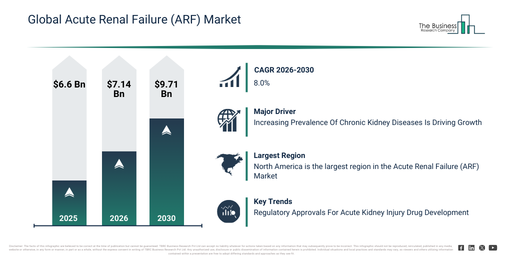
    The acute renal failure (arf) market has experienced significant growth recently. It is projected to expand from $6.6 billion in 2025 to $7.14 billion in 2026, exhibiting a compound annual growth rate (CAGR) of 8.3%. Historically, this growth has been driven by factors such as the increasing prevalence of hypertension and diabetes, enhanced hospital-based renal care, inadequate awareness of early ARF symptoms, the adoption of traditional dialysis techniques, and the expansion of hospital infrastructure.

    The market size for acute renal failure (ARF) is anticipated to experience substantial expansion over the upcoming years. This market is projected to reach $9.71 billion by 2030, exhibiting a compound annual growth rate (CAGR) of 8.0%. Factors contributing to this growth during the forecast period include the creation of new nephroprotective medications, the adoption of AI-powered diagnostic tools, the broadening of home healthcare provisions, a growing elderly demographic, and increased funding for renal disease investigations. Key trends expected throughout this period encompass a greater uptake of sophisticated dialysis and renal support treatments, enhanced emphasis on the early detection of acute kidney injury, a surge in the application of nephroprotective drug regimens, the broadening scope of imaging and biopsy-reliant diagnostic methods, and a rising inclination towards home-based healthcare management for ARF patients.

    Get A Free Acute Renal Failure (ARF) Market Sample Covering Drivers, Trends And Key Players:

    https://thebusinessresearchcompany.com/sample_request?id=38285003&type=smp&name=Acute%20Renal%20Failure%20%28ARF%29%20Market%20Report%202026&utm_source=Blogs&utm_medium=Paid&utm_campaign=Nov_PR

    Acute Renal Failure (ARF) Market Driver Analysis: Key Factor Supporting Revenue Growth

    The increasing prevalence of chronic kidney diseases (CKD) is anticipated to fuel the expansion of the Acute Renal Failure (ARF) market. Chronic kidney disease is defined as a persistent condition where kidney function is compromised, hindering proper blood filtration. The escalating rates of CKD globally are attributable to factors such as rising instances of diabetes, hypertension, obesity, an aging population, and lifestyle choices. Acute renal failure, characterized by an abrupt decline in kidney function, can serve as a critical initiator or aggravator of chronic kidney disease by inflicting permanent damage to kidney tissues, impairing filtration efficiency, and heightening the risk of progressive, long-term kidney dysfunction if not adequately managed. Thus, the growing incidence of chronic kidney diseases is a primary catalyst for growth in the Acute Renal Failure (ARF) market.

    Acute Renal Failure (ARF) Market Segmentation Framework: Major Segments At A Glance

    The acute renal failure (arf) market covered in this report is segmented –

    1) By Disease Type: Prerenal Acute Renal Failure, Renal Acute Renal Failure, Postrenal Acute Renal Failure

    2) By Drug Type: Diuretics, Vasopressors, Erythropoiesis-Stimulating Agents (ESAS), Phosphate Binders, Calcium and Vitamin D Supplements, Antibiotics, Other Drugs

    3) By Route of Administration: Oral, Intravenous

    4) By End-Users: Clinics, Hospitals, Others End-Users

    Subsegments:

    1) By Prerenal Acute Renal Failure: Hypovolemia, Decreased Cardiac Output, Renal Artery Stenosis

    2) By Renal Acute Renal Failure: Acute Tubular Necrosis, Glomerulonephritis, Interstitial Nephritis

    3) By Postrenal Acute Renal Failure: Obstructive Uropathy, Bladder Outlet Obstruction, Kidney Stones

    Latest Acute Renal Failure (ARF) Market Developments And Emerging Trends

    Leading companies within the acute renal failure (ARF) market are concentrating on acquiring regulatory approvals for medications to broaden their market reach and solidify their standing in the management of severe acute kidney injury (AKI). These regulatory clearances signify official authorization from governmental or oversight bodies for the marketing and public use of pharmaceutical products, medical devices, or treatments.

    Which Companies Are Shaping The Acute Renal Failure (ARF) Market?

    Major companies operating in the acute renal failure (arf) market are Pfizer Inc, Novartis AG, Baxter International Inc, Fresenius Medical Care AG and Co KGaA, Medtronic plc, Asahi Kasei Corporation, Astellas Pharma Inc, NIKKISO Co Ltd, NIPRO Corporation, Quark Pharmaceuticals Inc, AM Pharma BV, Sentien Biotechnologies, Angion Biomedica Corp, Alloksys Life Sciences BV, Theravance Biopharma, Kissei Pharmaceutical Co Ltd, Otsuka Pharmaceutical Co Ltd, B Braun Melsungen AG, Chiesi Farmaceutici SpA, Takeda Pharmaceutical Company Limited

    Dive Deeper Into The Acute Renal Failure (ARF) Market With The Full Report:

    https://thebusinessresearchcompany.com/report/acute-renal-failure-arf-global-market-report?utm_source=Blogs&utm_medium=Paid&utm_campaign=Nov_PR

    Acute Renal Failure (ARF) Market Regional Distribution: Where Is Revenue Concentrated?

    North America was the largest region in the acute renal failure (ARF) market in 2025. Asia-Pacific is expected to be the fastest-growing region in the forecast period. The regions covered in the acute renal failure (arf) market report are Asia-Pacific, South East Asia, Western Europe, Eastern Europe, North America, South America, Middle East, Africa.

    Reach Out To Our Team:

    The Business Research Company: https://www.thebusinessresearchcompany.com/

    Americas: +1 310-496-7795

    Asia: +44 7882 955267 & +91 8897263534

    Europe: +44 7882 955267

    Email us at: marketing@tbrc.info

    Follow us on:

    LinkedIn: https://in.linkedin.com/company/the-business-research-company

    YouTube: https://www.youtube.com/channel/UC24_fI0rV8cR5DxlCpgmyFQ

    Global Market Model: https://www.thebusinessresearchcompany.com/global-market-model
  • Automated Sample Preparation Market Worth $2.14 Billion In 2026: What The Latest Data Shows

    Automated Sample Preparation Market Worth $2.14 Billion In 2026: What The Latest Data Shows

    Market attractiveness scoring, total addressable market sizing, company benchmarking matrices, interactive Excel dashboards, deeper supply chain intelligence, emerging startup tracking, and granular product-level insights are among the key offerings featured in The Business Research Company’s 2026 market reports, designed to deliver more actionable and strategically valuable research.

    Automated Sample Preparation Market Size Overview: From Historical Performance To The 2030 Forecast

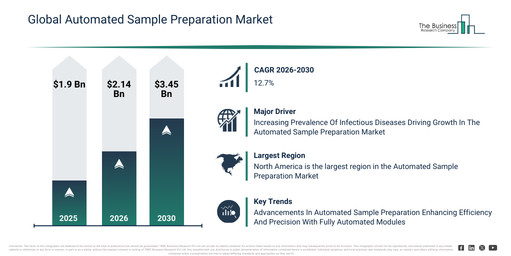
    The automated sample preparation market has experienced rapid expansion recently. It is projected to increase from $1.9 billion in 2025 to $2.14 billion in 2026, demonstrating a compound annual growth rate (CAGR) of 13.0%. This market’s historical growth can be attributed to factors such as the rise of laboratory automation initiatives, a growing volume of clinical and research samples, an increased emphasis on reproducibility in testing, the expansion of pharmaceutical R&D activities, and the availability of advanced laboratory instruments.

    The automated sample preparation market is anticipated to experience substantial growth over the next few years. It is projected to reach $3.45 billion by 2030, achieving a compound annual growth rate (CAGR) of 12.7%. This expansion during the forecast period is primarily driven by factors such as the increasing adoption of fully automated laboratories, a rising demand for precision diagnostics, the broadening scope of personalized medicine research, growing investments in smart laboratory infrastructure, and the enhanced integration of AI-driven analytics in sample preparation. Significant trends expected in this period include the increasing uptake of robotic liquid handling systems, a growing need for high-throughput sample processing, the expanding integration of automated workstations in laboratories, the development of error-reduction focused sample handling, and improved standardization of laboratory workflows.

    Get A Free Sample Of The Business Research Company’s Automated Sample Preparation Market Report:

    https://thebusinessresearchcompany.com/sample_request?id=68019631&type=smp&name=Automated%20Sample%20Preparation%20Market%20Report%202026&utm_source=Blogs&utm_medium=Paid&utm_campaign=Nov_PR

    What Factor Is Increasing Demand In The Automated Sample Preparation Market?

    The automated sample preparation market is anticipated to expand due to the rising occurrence of infectious diseases. These diseases are defined as sicknesses resulting from pathogens like bacteria, viruses, fungi, or parasites, capable of transmission between individuals or via tainted sources. The increase in infectious disease cases stems from issues such as poor sanitation, insufficient healthcare availability, changing climate conditions, and the emergence of drug-resistant pathogens. Automated sample preparation improves the precision and speed of diagnosing infectious diseases by streamlining and standardizing biological sample processing, consequently minimizing human mistakes and guaranteeing uniform outcomes in widespread testing. Consequently, the growing incidence of infectious diseases is propelling the expansion of the automated sample preparation market.

    Which Segments Make Up The Automated Sample Preparation Market?

    The automated sample preparation market covered in this report is segmented –

    1) By Product Type: Kits And Consumables, Instruments

    2) By Application: Research And Development, Diagnostics

    3) By End User: Biotechnology And Pharmaceutical Companies, Clinical And Diagnostic Laboratories, Academic And Research Institutions

    Subsegments:

    1) By Kits And Consumables: DNA/RNA Extraction Kits, Protein Purification Kits, Sample Collection Consumables, Reagents And Buffers, Assay Kits

    2) By Instruments: Automated Liquid Handling Systems, Magnetic Bead Separation Systems, Centrifuges, Robotically Controlled Pipetting Systems, Workstations For Sample Preparation

    Automated Sample Preparation Market Emerging Trends: What Are Industry Leaders Focusing On?

    Major companies operating in the automated sample preparation market are concentrating on developing advanced solutions, such as fully automated sample preparation modules, to boost efficiency, reduce manual errors, and enhance reproducibility in laboratory processes. Fully automated sample preparation modules are sophisticated systems engineered to manage all stages of sample processing with minimal human intervention.

    Major Companies To Know In The Automated Sample Preparation Market

    Major companies operating in the automated sample preparation market are F. Hoffmann-La Roche Ltd., Thermo Fisher Scientific Inc., Danaher Corporation, Agilent Technologies, Hitachi High-Technologies Corp, Sartorius AG, Mettler-Toledo International Inc., Shimadzu Corporation, PerkinElmer, Waters Corporation, Bio-Rad Laboratories, Bruker Corporation, QIAGEN NV, Eppendorf, Tecan Group, Hamilton Company, Malvern Panalytical, Promega Corporation, Biotage AB, Gilson Inc., Aurora Biomed

    Read The In-Depth Automated Sample Preparation Market Report:

    https://thebusinessresearchcompany.com/report/automated-sample-preparation-global-market-report?utm_source=Blogs&utm_medium=Paid&utm_campaign=Nov_PR

    Automated Sample Preparation Market Regional Landscape: Largest Region In 2025

    North America was the largest region in the automated sample preparation market in 2025. The regions covered in the automated sample preparation market report are Asia-Pacific, South East Asia, Western Europe, Eastern Europe, North America, South America, Middle East, Africa.

    Reach Out To Our Team:

    The Business Research Company: https://www.thebusinessresearchcompany.com/

    Americas: +1 310-496-7795

    Asia: +44 7882 955267 & +91 8897263534

    Europe: +44 7882 955267

    Email us at: marketing@tbrc.info

    Follow us on:

    LinkedIn: https://in.linkedin.com/company/the-business-research-company

    YouTube: https://www.youtube.com/channel/UC24_fI0rV8cR5DxlCpgmyFQ

    Global Market Model: https://www.thebusinessresearchcompany.com/global-market-model
  • Automated Next-Generation Sequencing (NGS) Library Preparation Market Competitive Landscape: F. Hoffmann-La Roche Ltd. And Other Key Players

    Automated Next-Generation Sequencing (NGS) Library Preparation Market Competitive Landscape: F. Hoffmann-La Roche Ltd. And Other Key Players

    Designed to make market research more actionable and strategically valuable, The Business Research Company’s 2026 market reports feature market attractiveness scoring, total addressable market sizing, company benchmarking matrices, interactive Excel dashboards, deeper supply chain intelligence, emerging startup tracking, and granular product-level insights.

    What Is The Projected CAGR Of The Automated Next-Generation Sequencing (NGS) Library Preparation Market Through 2030?

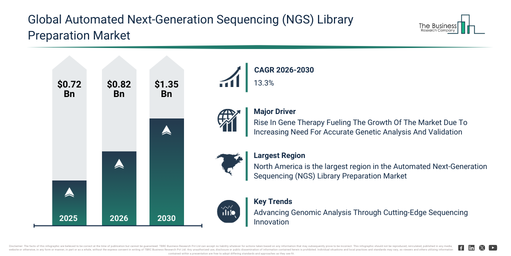
    The automated next-generation sequencing (ngs) library preparation market has shown substantial growth in recent years. Its value is expected to rise from $0.72 billion in 2025 to $0.82 billion in 2026, achieving a compound annual growth rate (CAGR) of 13.9%. Historically, this expansion has been propelled by factors including the broader scope of genomic research activities, increased integration of NGS in clinical research, advancements in precision medicine programs, a growing demand for adaptable sequencing workflows, and enhancements in sequencing chemistry technologies.

    The automated next-generation sequencing (NGS) library preparation market is projected to experience swift expansion in the coming years, anticipated to reach a valuation of $1.35 billion by 2030, exhibiting a compound annual growth rate (CAGR) of 13.3%. This growth during the projected period stems from several factors, including the expanding application of NGS in diagnostics, increasing capital allocation towards automated laboratory infrastructure, the proliferation of population genomics initiatives, a heightened need for quicker sequencing results, and the growing uptake of single-cell sequencing methodologies. Key trends expected over the forecast horizon encompass the wider adoption of fully automated library preparation platforms, an escalating requirement for high-throughput sequencing operations, the increasing incorporation of robotics in sample handling, the broadening of standardized and replicable NGS pipelines, and a stronger emphasis on minimizing errors and ensuring workflow uniformity.

    Claim Your Free Automated Next-Generation Sequencing (NGS) Library Preparation Market Sample Report With Key Data And Trends:

    https://thebusinessresearchcompany.com/sample_request?id=79386823&type=smp&name=Automated%20Next-Generation%20Sequencing%20%28NGS%29%20Library%20Preparation%20Market%20Report%202026&utm_source=Blogs&utm_medium=Paid&utm_campaign=Nov_PR

    Automated Next-Generation Sequencing (NGS) Library Preparation Market Demand Analysis: The Driving Force Behind Expansion

    The anticipated expansion of gene therapy is projected to fuel the advancement of the automated next-generation sequencing (NGS) library preparation market. This therapeutic approach involves modifying an individual’s genes to address or prevent illnesses, and its growth stems from the increasing incidence of genetic conditions necessitating precise and enduring treatment options. Within gene therapy, automated NGS library preparation facilitates the accurate analysis and validation of genetic alterations by preparing premium DNA or RNA samples for subsequent sequencing. Consequently, the expanding field of gene therapy is a key catalyst for the growth of the automated next-generation sequencing (NGS) library preparation market.

    Breaking Down The Automated Next-Generation Sequencing (NGS) Library Preparation Market By Segment

    The automated next-generation sequencing (ngs) library preparation market covered in this report is segmented –

    1) By Type: Targeted Genome Sequencing, Whole Genome Sequencing, Whole Exome Sequencing, Other Sequencing Types

    2) By Workflow: Nucleic Acid Extraction, Fragmentation, Adapter Ligation, Purification And Quantification

    3) By Application: Drug And Biomarker Discovery, Disease Diagnostics, Other Applications

    4) By End-Use: Hospitals And Clinics, Academic And Research Institutions, Pharmaceutical And Biotechnology Companies, Other End-Users

    Subsegments:

    1) By Targeted Genome Sequencing: Amplicon-Based Targeted Sequencing, Hybridization Capture-Based Targeted Sequencing, Custom Targeted Panels, Pre-designed Gene Panels

    2) By Whole Genome Sequencing: Human Whole Genome Sequencing, Animal Whole Genome Sequencing, Plant Whole Genome Sequencing, Microbial Whole Genome Sequencing

    3) By Whole Exome Sequencing: Standard Exome Sequencing, Clinical Exome Sequencing, Custom Exome Panels, Ultra-Rapid Exome Sequencing

    4) By Other Sequencing Types: RNA Sequencing (RNA-Seq), Epigenome Sequencing, Metagenomic Sequencing, Single-Cell Sequencing

    Top Trend Influencing The Automated Next-Generation Sequencing (NGS) Library Preparation Market Outlook

    Major companies within the automated next-generation sequencing (NGS) library preparation market are dedicating efforts to create cutting-edge technologies, such as Xpandomer technology, aiming to accelerate sequencing, improve data precision, and expand system capacity, ultimately optimizing workflows and facilitating more effective and dependable genomic analysis. Xpandomer technology constitutes a sophisticated deoxyribonucleic acid (DNA) or ribonucleic acid (RNA) sequencing technique that transforms a specific nucleic acid molecule into a synthetic, elongated polymer termed an Xpandomer, measuring approximately 50 times the length of the initial deoxyribonucleic acid (DNA) or ribonucleic acid (RNA) strand. As an illustration, in February 2025, Roche AG, a biotechnology firm based in Switzerland, unveiled Sequencing by Expansion, a state-of-the-art sequencing platform developed to enhance genomic resolution across advanced diagnostics, disease investigation, and precision medicine applications. This novel automated next-generation sequencing (NGS) library preparation system optimizes intricate workflows, improves data accuracy, and hastens genomic analysis, thereby assisting advanced research and tailored medicine. The Sequencing by Expansion platform demonstrates high adaptability, allowing for the accurate examination of diverse genomic modifications across numerous illnesses, such as cancer and uncommon genetic conditions, by boosting resolution and precision for more profound biological understanding.

    Automated Next-Generation Sequencing (NGS) Library Preparation Market Competitive Landscape And Major Players

    Major companies operating in the automated next-generation sequencing (ngs) library preparation market are F. Hoffmann-La Roche Ltd., Thermo Fisher Scientific Inc., Agilent Technologies India Private Limited, Illumina Inc., Beckman Coulter Inc., Bio-Rad Laboratories Inc., IDT Corporation, Tecan Group AG, Hamilton Company, Takara Bio Inc., 10x Genomics Inc., Oxford Nanopore Technologies plc, Twist Bioscience Corporation, New England Biolabs Inc., SPT Labtech Limited, Watchmaker Genomics Inc., Pillar Biosciences Inc., Aurora Biomed Inc., BGI Group, SEQWELL INC., Hudson Robotics Inc.

    Read The Full Automated Next-Generation Sequencing (NGS) Library Preparation Market Report By The Business Research Company:

    https://thebusinessresearchcompany.com/report/automated-next-generation-sequencing-ngs-library-preparation-global-market-report?utm_source=Blogs&utm_medium=Paid&utm_campaign=Nov_PR

    Where Is The Automated Next-Generation Sequencing (NGS) Library Preparation Market Largest? Key Regional Insights

    North America was the largest region in the automated next-generation sequencing (NGS) library preparation market in 2025. Asia-Pacific is expected to be the fastest-growing region in the forecast period. The regions covered in the automated next-generation sequencing (ngs) library preparation market report are Asia-Pacific, South East Asia, Western Europe, Eastern Europe, North America, South America, Middle East, Africa.

    Reach Out To Our Team:

    The Business Research Company: https://www.thebusinessresearchcompany.com/

    Americas: +1 310-496-7795

    Asia: +44 7882 955267 & +91 8897263534

    Europe: +44 7882 955267

    Email us at: marketing@tbrc.info

    Follow us on:

    LinkedIn: https://in.linkedin.com/company/the-business-research-company

    YouTube: https://www.youtube.com/channel/UC24_fI0rV8cR5DxlCpgmyFQ

    Global Market Model: https://www.thebusinessresearchcompany.com/global-market-model
  • Acute Pharyngitis Market Forecast To 2030: The Growing Role Of Innovations In Syndromic Point-Of-Care (POC) Technology Enhance Rapid Detection And Diagnostic Accuracy

    Acute Pharyngitis Market Forecast To 2030: The Growing Role Of Innovations In Syndromic Point-Of-Care (POC) Technology Enhance Rapid Detection And Diagnostic Accuracy

    The Business Research Company’s 2026 market reports combine market attractiveness scoring, total addressable market sizing, company benchmarking matrices, interactive Excel dashboards, deeper supply chain intelligence, emerging startup tracking, and granular product-level insights to deliver research that is more actionable and strategically valuable.

    Acute Pharyngitis Market Size Trajectory: Key Numbers Every Industry Stakeholder Should Know

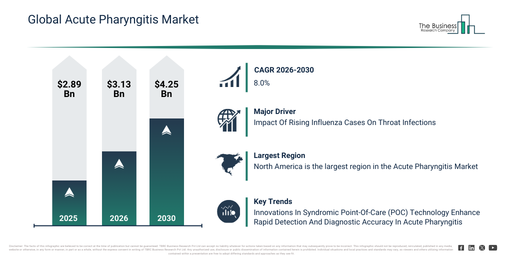
    The acute pharyngitis market has demonstrated strong growth in recent years. It is anticipated to increase from $2.89 billion in 2025 to $3.13 billion in 2026, exhibiting a compound annual growth rate (CAGR) of 8.2%. The expansion observed in prior periods can be attributed to the elevated prevalence of viral and bacterial pharyngitis, insufficient treatment awareness, improvements in healthcare infrastructure, an increase in outpatient visits, and the expanding availability of pharmaceuticals.

    The acute pharyngitis market is projected to experience substantial expansion in the coming years. This market is anticipated to reach a value of $4.25 billion by 2030, exhibiting a compound annual growth rate (CAGR) of 8.0%. Factors contributing to this growth during the forecast period include advancements in novel antivirals and antibiotics, increased adoption of telemedicine, the proliferation of online pharmacy platforms, a growing recognition of herbal and alternative remedies, and the broader availability of homecare and specialty care services. Key trends identified for the forecast period encompass an increasing utilization of antibiotics and antivirals to treat acute pharyngitis, a rise in the uptake of over-the-counter medications, a growing inclination towards herbal and alternative remedies, the diversification of treatment options within hospitals and homecare settings, and an emphasis on anti-inflammatory and corticosteroid therapies.

    Looking For Reliable Acute Pharyngitis Market Data? Request A Free Sample:

    https://thebusinessresearchcompany.com/sample_request?id=34342637&type=smp&name=Acute%20Pharyngitis%20Market%20Report%202026&utm_source=Blogs&utm_medium=Paid&utm_campaign=Nov_PR

    What Is Behind The Rising Demand In The Acute Pharyngitis Market?

    The increasing occurrence of influenza is anticipated to fuel the expansion of the acute pharyngitis market in the future. Influenza, caused by influenza viruses, spreads via respiratory droplets expelled from coughs and sneezes, or through contact with contaminated surfaces. This uptick in influenza prevalence stems from factors such as seasonal changes, inadequate vaccination rates, greater human movement, viral mutations, and compromised immunity within certain demographics. Acute pharyngitis treatment offers support to influenza patients by easing throat inflammation and discomfort, making swallowing less painful, preventing subsequent bacterial infections, and aiding overall recuperation. When combined with antiviral drugs, sufficient hydration, and rest, this treatment significantly boosts the body’s capacity to combat the influenza virus. For example, data from the Centers for Disease Control and Prevention, a US-based government agency, indicated that by February 2025, the positivity rate for influenza in clinical lab tests reached 31.6%, showing an increase from 29.4% the preceding week and 18.6% at the year’s commencement. Consequently, the rising prevalence of influenza is a key driver for the growth of the acute pharyngitis market.

    Acute Pharyngitis Market Segment Coverage And Subsegment Analysis

    The acute pharyngitis market covered in this report is segmented –

    1) By Treatment: Antibiotics, Antivirals, Over-the-Counter (OTC) Medications, Corticosteroids And Anti-inflammatory Drugs

    2) By Distribution Channel: Hospital Pharmacy, Online Pharmacy, Retail Pharmacy

    3) By End-User: Hospitals, Homecare, Speciality Centres, Other End Users

    Subsegments:

    1) By Antibiotics: Penicillins, Cephalosporins, Macrolides

    2) By Antivirals: Neuraminidase Inhibitors, Nucleoside Analogs

    3) By Over-the-Counter (OTC) Medications: Analgesics, Throat Lozenges, Cough Syrups

    4) By Corticosteroids And Anti-inflammatory Drugs: Glucocorticoids, Non-Steroidal Anti-Inflammatory Drugs (NSAIDs)

    Acute Pharyngitis Market Future Trends: Where Is The Industry Heading?

    Major companies in the acute pharyngitis market are focusing on developing advanced solutions, such as multiplex syndromic point-of-care (POC) testing, to improve diagnostic speed, enhance accuracy, and support pathogen-specific treatment decisions. Multiplex POC testing is a technological approach designed to detect multiple pathogens from a single sample in a short timeframe, which enables clinicians to differentiate between viral and bacterial infections and reduce unnecessary antibiotic use.

    Acute Pharyngitis Market Top Players List For 2026

    Major companies operating in the acute pharyngitis market are Pfizer Inc., Johnson & Johnson, Merck & Co. Inc., Sanofi S.A., AstraZeneca plc, Novartis AG, GlaxoSmithKline plc, F. Hoffmann La Roche AG, Abbott Laboratories, Bayer AG, Eli Lilly and Company, Bristol Myers Squibb Company, Boehringer Ingelheim International GmbH, Teva Pharmaceutical Industries Ltd., Sandoz Group AG, Hikma Pharmaceuticals PLC, Lupin Limited, Alkem Laboratories Ltd., Cipla Limited, Sun Pharmaceutical Industries Limited

    Order Your Copy Of The Acute Pharyngitis Market Report 2026:

    https://thebusinessresearchcompany.com/report/acute-pharyngitis-global-market-report?utm_source=Blogs&utm_medium=Paid&utm_campaign=Nov_PR

    How Does The Acute Pharyngitis Market Vary By Region?

    North America was the largest region in the acute pharyngitis market in 2025. The regions covered in the acute pharyngitis market report are Asia-Pacific, South East Asia, Western Europe, Eastern Europe, North America, South America, Middle East, Africa.

    Reach Out To Our Team:

    The Business Research Company: https://www.thebusinessresearchcompany.com/

    Americas: +1 310-496-7795

    Asia: +44 7882 955267 & +91 8897263534

    Europe: +44 7882 955267

    Email us at: marketing@tbrc.info

    Follow us on:

    LinkedIn: https://in.linkedin.com/company/the-business-research-company

    YouTube: https://www.youtube.com/channel/UC24_fI0rV8cR5DxlCpgmyFQ

    Global Market Model: https://www.thebusinessresearchcompany.com/global-market-model