Author: Marketing Posting

  • Fabry Disease Market Analysis Through 2030: Market Size, Growth Trends And Industry Outlook

    Fabry Disease Market Analysis Through 2030: Market Size, Growth Trends And Industry Outlook

    Built to provide research that’s more actionable and strategically valuable, The Business Research Company’s 2026 market reports include market attractiveness analysis, total addressable market sizing, company benchmarking matrices, interactive Excel dashboards, broader supply chain intelligence, emerging startup tracking, and in-depth product insights.

    Fabry Disease Market Size, Value And Growth Trajectory Through 2030

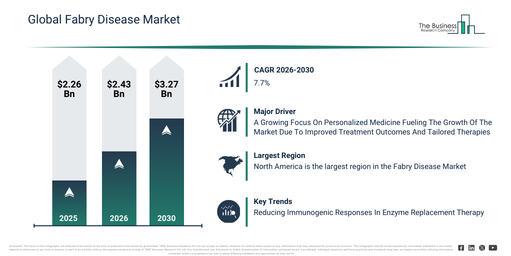
    The Fabry disease market has experienced robust expansion in recent years. It is projected to increase from $2.26 billion in 2025 to $2.43 billion in 2026, exhibiting a compound annual growth rate (CAGR) of 7.7%. Historically, this market growth can be attributed to heightened awareness of rare genetic disorders, the approval of enzyme replacement therapies, the expansion of specialty clinics, the growth in genetic screening programs, and rising diagnosis rates.

    The Fabry disease market is projected to undergo significant expansion in the coming years, with its size expected to reach $3.27 billion by 2030, demonstrating a compound annual growth rate (CAGR) of 7.7%. This anticipated growth during the forecast period is primarily driven by advancements in gene-based therapies, the broadening of newborn screening initiatives, increased healthcare investment in rare diseases, the evolution of personalized medicine, and the creation of next-generation oral therapies. Significant trends influencing this period include the rising adoption of enzyme replacement therapy, a heightened emphasis on diagnosing rare diseases, the growing application of genetic testing for early detection, the expansion of oral and adjunct treatment options, and the increasing implementation of patient-centric treatment approaches.

    Get A Free Sample Report With In-Depth Market Insights:

    https://thebusinessresearchcompany.com/sample_request?id=76502108&type=smp&name=Fabry%20Disease%20Market%20Report%202026&utm_source=Blogs&utm_medium=Paid&utm_campaign=Oct_PR

    Fabry Disease Market Demand Drivers: What’s Powering Industry Growth?

    An increasing emphasis on personalized medicine is anticipated to fuel the expansion of the fabry disease market in the future. This treatment approach utilizes an individual’s genetic, environmental, and lifestyle data to customize medical care and therapies, aiming for improved patient results. The heightened attention on personalized medicine stems from its capacity to enhance treatment efficacy and mitigate adverse effects through the customization of therapies for specific patient requirements. It facilitates the customization of treatment strategies according to a patient’s particular genetic mutation and the seriousness of their disease, thereby bettering outcomes and reducing unwarranted side effects. For instance, in February 2024, the Personalized Medicine Coalition, a US-based non-profit organization, reported that in 2023, the FDA granted approval for 16 new personalized treatments for rare disease patients, marking a substantial increase from the six approvals in 2022. Consequently, an increasing focus on personalized medicine is a key driver for the growth of the fabry disease market.

    Fabry Disease Market Segmentation And Category Overview

    The fabry disease market covered in this report is segmented –

    1) By Type: Type 1, Type 2, Other Types

    2) By Treatment: Enzyme Replacement Therapy, Oral Therapy, Adjunct Therapy, Other Treatments

    3) By Diagnosis: Blood Test, Genetic Test, Other Diagnosis

    4) By Distribution Channel: Hospital Pharmacy, Online Pharmacy, Retail Pharmacy

    5) By End User: Hospitals, Homecare, Specialty Clinics, Other End Users

    Subsegments:

    1) By Type 1: Classic Fabry Disease, Later-Onset Fabry Disease

    2) By Type 2: Cardiovascular-Focused Fabry Disease, Renal-Focused Fabry Disease

    3) By Other Types: Variant Fabry Disease, X-linked Fabry Disease

    Fabry Disease Market Innovation Trends: What Developments Are Reshaping The Industry?

    Major companies in the fabry disease market are concentrating on creating novel therapies, such as PEGylated enzyme replacement therapy (ERT). This focus aims to boost treatment effectiveness, improve patient adherence, and decrease immunogenic reactions often seen with traditional ERTs. PEGylated enzyme replacement therapy (ERT) represents an altered version of standard ERT, where polyethylene glycol (PEG) chains are joined to the enzyme. This modification serves to elevate its stability, extend its circulation duration within the body, and diminish reactions from the immune system. An illustrative example is the announcement in May 2023 by Chiesi Global Rare Diseases, a division of the Italy-based pharmaceutical company Chiesi Group, regarding the U.S. Food and Drug Administration (FDA), a US-based government agency, granting approval for PRX-102 (pegunigalsidase alfa) for treating adult Fabry disease patients. This approval stems from a comprehensive clinical program involving more than 140 patients, with long-term monitoring spanning up to 7.5 years. The program conclusively showed the therapy’s capability in lessening renal Gb3 deposits and sustaining kidney function, all while demonstrating a favorable safety profile.

    Fabry Disease Market Competitive Analysis Of Leading Industry Participants

    Major companies operating in the fabry disease market are Sanofi S.A., GlaxoSmithKline plc, Takeda Pharmaceutical Company Limited, JCR Pharmaceuticals Co. Ltd., Sumitomo Pharma Co. Ltd, Chiesi Farmaceutici S.p.A., Amicus Therapeutics Inc., Idorsia Pharmaceuticals Ltd, Sangamo Therapeutics Inc., uniQure N.V., Protalix BioTherapeutics Inc., Spur Therapeutics Inc., Exegenesis Bio Inc., ISU ABXIS Co. Ltd., Eleva GmbH, AceLink Therapeutics Inc., 4D Molecular Therapeutics Inc., iBio Inc., Freeline Therapeutics Holdings plc, Greenovation Biotech GmbH

    View The Full Fabry Disease Market Report:

    https://thebusinessresearchcompany.com/report/fabry-disease-global-market-report?utm_source=Blogs&utm_medium=Paid&utm_campaign=Oct_PR

    Fabry Disease Market Largest Region: Which Geography Holds The Biggest Share?

    North America was the largest region in the fabry disease market in 2025. Asia-Pacific is expected to be the fastest-growing region in the forecast period. The regions covered in the fabry disease market report are Asia-Pacific, South East Asia, Western Europe, Eastern Europe, North America, South America, Middle East, Africa.

    Reach Out To Our Team:

    The Business Research Company: https://www.thebusinessresearchcompany.com/

    Americas: +1 310-496-7795

    Asia: +44 7882 955267 & +91 8897263534

    Europe: +44 7882 955267

    Email us at: marketing@tbrc.info

    Follow us on:

    LinkedIn: https://in.linkedin.com/company/the-business-research-company

    YouTube: https://www.youtube.com/channel/UC24_fI0rV8cR5DxlCpgmyFQ

    Global Market Model: https://www.thebusinessresearchcompany.com/global-market-model
  • Lichen Planus Market To Witness 6.8% CAGR Growth Through 2030: Key Industry Drivers

    Lichen Planus Market To Witness 6.8% CAGR Growth Through 2030: Key Industry Drivers

    Featuring market attractiveness scoring, total addressable market sizing, company benchmarking matrices, interactive Excel dashboards, deeper supply chain intelligence, emerging startup tracking, and granular product-level insights, The Business Research Company’s 2026 market reports are built to deliver research that is both more actionable and more strategically valuable.

    Lichen Planus Market Revenue Outlook: What CAGR Lies Ahead Through 2030?

    The lichen planus market size has demonstrated significant growth in recent years. It is anticipated to expand from $1.26 billion in 2025 to $1.35 billion in 2026, achieving a compound annual growth rate (CAGR) of 7.1%. This historical growth can be attributed to an increased diagnosis of autoimmune skin disorders, the availability of corticosteroid therapies, the expansion of dermatology specialty clinics, improved clinical awareness of lichen planus, and the adoption of phototherapy techniques.

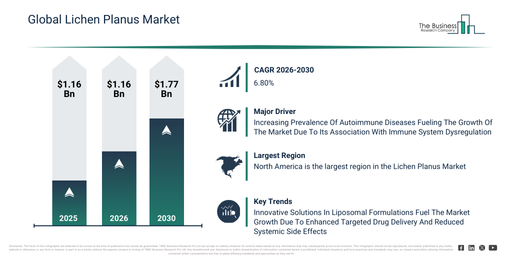
    The lichen planus market is projected to undergo significant expansion in the next few years. It is forecast to grow to $1.76 billion in 2030, showing a compound annual growth rate (CAGR) of 6.8%. This growth during the forecast period is fueled by an increasing demand for advanced immunotherapies, a greater emphasis on sustained symptom management, the broadening of research into biologic treatments, the rising integration of digital dermatology tools, and innovations in targeted anti-inflammatory drugs. Prominent trends anticipated in this period encompass the increased adoption of targeted immunomodulatory therapies, a surge in the use of combined topical and systemic treatments, a stronger focus on chronic disease management, the expansion of personalized dermatology care, and improved patient education alongside disease monitoring.

    Get A Free Sample Report With In-Depth Market Insights:

    https://thebusinessresearchcompany.com/sample_request?id=38699859&type=smp&name=Lichen%20Planus%20Market%20Report%202026&utm_source=Blogs&utm_medium=Paid&utm_campaign=Oct_PR

    Lichen Planus Market Industry Drivers: What’s Behind The Revenue Growth?

    The expanding presence of autoimmune conditions is anticipated to stimulate the development of the lichen planus market in the future. Autoimmune diseases are disorders where the body’s immune system mistakenly attacks its own healthy cells, including rheumatoid arthritis, lupus, type 1 diabetes, multiple sclerosis, and psoriasis. The increase in the prevalence of these conditions stems from genetic predisposition, as specific gene variations influence immune system activity and abnormalities in connective tissues. This rising incidence of autoimmune diseases not only indicates a broader issue with immune regulation but also contributes to an increased number of lichen planus cases. For example, in June 2024, data from the Australian Institute of Health and Welfare, an Australia-based government agency, revealed that approximately 514,000 (2.0%) people were afflicted with rheumatoid arthritis in 2022, which contributed to 2.0% of the total disease burden and 16% of the musculoskeletal conditions burden in 2023. Furthermore, 1,322 deaths (5.1 deaths per 100,000 population) linked to the condition were recorded in 2022, making up 0.7% of all deaths. Thus, the growing prevalence of autoimmune diseases is propelling the expansion of the lichen planus market.

    Lichen Planus Market Segment Performance And Emerging Opportunities

    The lichen planus market covered in this report is segmented –

    1) By Disease Type: Lichen Planus, Oral Lichen Planus, Genital Lichen Planus, Lichen Planus Pigmentosus

    2) By Treatment Type: Topical Therapies, Systemic Therapies, Phototherapy

    3) By Route Of Administration: Topical, Oral, Intravenous

    4) By End User: Hospitals, Homecare, Specialty Clinics, Other End-Users

    Subsegments:

    1) By Lichen Planus: Papular Lichen Planus, Hypertrophic Lichen Planus, Actinic Lichen Planus, Linear Lichen Planus, Annular Lichen Planus

    2) By Oral Lichen Planus: Reticular Oral Lichen Planus, Erosive Oral Lichen Planus, Atrophic Oral Lichen Planus, Plaque-Like Oral Lichen Planus, Bullous Oral Lichen Planus

    3) By Genital Lichen Planus: Erosive Genital Lichen Planus, Papular Genital Lichen Planus, Annular Genital Lichen Planus, Vulvovaginal-Gingival Syndrome

    4) By Lichen Planus Pigmentosus: Diffuse Lichen Planus Pigmentosus, Blotchy Lichen Planus Pigmentosus, Linear Lichen Planus Pigmentosus, Perifollicular Lichen Planus Pigmentosus, Flexural Lichen Planus Pigmentosus

    #Lichen Planus Market Growth Trends: What’s Shaping The Future Outlook?

    Companies within the lichen planus market are increasingly prioritizing the creation of advanced solutions, such as liposomal formulations, aimed at improving targeted drug delivery and reducing systemic adverse effects. These liposomal formulations are drug delivery systems designed to encapsulate active ingredients within liposomes—tiny, spherical vesicles made of lipid bilayers—which enhances drug stability, improves absorption, and facilitates precise delivery while minimizing systemic side effects. Illustratively, in February 2025, Lipella Pharmaceuticals Inc., a US-based biotechnology company specializing in therapies for serious diseases, secured US Food and Drug Administration approval for an expanded access program (EAP) concerning LP-310. This product is a liposomal formulation of tacrolimus, specifically developed to offer targeted relief for oral lichen planus (OLP) patients while ensuring minimal systemic exposure. The program enables individuals with serious or life-threatening conditions and unmet medical needs to access treatments prior to their official approval and outside of traditional clinical trials.

    Lichen Planus Market Key Participants And Competitive Landscape

    Major companies operating in the lichen planus market are Pfizer Inc., Johnson & Johnson Services Inc., F. Hoffmann-La Roche AG, Merck & Co. Inc, AbbVie Inc., Sanofi SA, Bristol-Myers Squibb Company, Novartis AG, GlaxoSmithKline plc, Takeda Pharmaceutical Company, Eli Lilly and Company, Teva Pharmaceutical Industries Ltd., Boehringer Ingelheim International GmbH, Dr. Reddy’s Laboratories Ltd, Amneal Pharmaceuticals Inc., Hikma Pharmaceuticals plc, LEO Pharma A/S, Basilea Pharmaceutica Ltd., UCB S.A., Almirall SA, Lipella Pharmaceuticals Inc.

    View The Full Lichen Planus Market Report:

    https://thebusinessresearchcompany.com/report/lichen-planus-global-market-report?utm_source=Blogs&utm_medium=Paid&utm_campaign=Oct_PR

    Lichen Planus Market Geographic Analysis: Where Is Demand Accelerating Fastest?

    North America was the largest region in the lichen planus market in 2025. The regions covered in the lichen planus market report are Asia-Pacific, South East Asia, Western Europe, Eastern Europe, North America, South America, Middle East, Africa.

    Reach Out To Our Team:

    The Business Research Company: https://www.thebusinessresearchcompany.com/

    Americas: +1 310-496-7795

    Asia: +44 7882 955267 & +91 8897263534

    Europe: +44 7882 955267

    Email us at: marketing@tbrc.info

    Follow us on:

    LinkedIn: https://in.linkedin.com/company/the-business-research-company

    YouTube: https://www.youtube.com/channel/UC24_fI0rV8cR5DxlCpgmyFQ

    Global Market Model: https://www.thebusinessresearchcompany.com/global-market-model
  • Library Preparation And Target Enrichment For Next-Generation Sequencing Product Market Projected For Strong Expansion Through 2030: Key Trends And Future Outlook

    Library Preparation And Target Enrichment For Next-Generation Sequencing Product Market Projected For Strong Expansion Through 2030: Key Trends And Future Outlook

    Built to provide research that’s more actionable and strategically valuable, The Business Research Company’s 2026 market reports include market attractiveness analysis, total addressable market sizing, company benchmarking matrices, interactive Excel dashboards, broader supply chain intelligence, emerging startup tracking, and in-depth product insights.

    Library Preparation And Target Enrichment For Next-Generation Sequencing Product Market Growth Analysis: How Will Revenue Trend Over The Forecast Period?

    The market for library preparation and target enrichment for next-generation sequencing products has witnessed rapid expansion in recent years. This market is projected to expand from $3.43 billion in 2025 to reach $3.84 billion in 2026, exhibiting a compound annual growth rate (CAGR) of 11.9%. This historical growth can be attributed to several factors, including an increase in cancer genomics research, the expansion of NGS platforms, a heightened demand for targeted sequencing, a rise in biomarker studies, and advancements in enrichment chemistry.

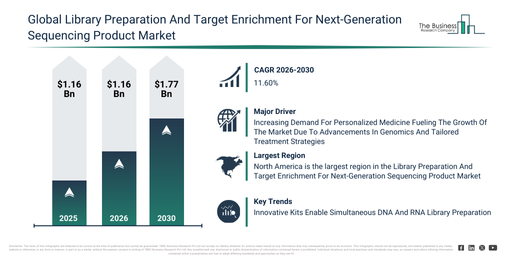
    The library preparation and target enrichment for next-generation sequencing product market is projected to experience substantial expansion over the upcoming years, reaching $5.96 billion in 2030, demonstrating a compound annual growth rate (CAGR) of 11.6%. This anticipated growth is driven by several factors, including the advancement of precision diagnostics, increased application in clinical laboratories, the broadening scope of rare disease testing, breakthroughs in enrichment efficiency, and supportive regulatory frameworks for genomics. Key trends anticipated during this period encompass the proliferation of targeted sequencing applications, a growing uptake of enrichment kits, the ongoing need for economical sequencing solutions, an expansion in clinical genomics testing, and the development of customized panels.

    Get A Free Sample Report With In-Depth Market Insights:

    https://thebusinessresearchcompany.com/sample_request?id=60410533&type=smp&name=Library%20Preparation%20And%20Target%20Enrichment%20For%20Next-Generation%20Sequencing%20Product%20Market%20Report%202026&utm_source=Blogs&utm_medium=Paid&utm_campaign=Oct_PR

    Library Preparation And Target Enrichment For Next-Generation Sequencing Product Market Growth Factors: What’s Supporting Expansion?

    The growing need for personalized medicine is expected to propel the expansion of the library preparation and target enrichment for next-generation sequencing product market in the future. Personalized medicine refers to a medical approach that customizes treatment and prevention strategies to an individual’s unique genetic makeup, lifestyle, and environment. The increasing adoption of personalized medicine is largely due to advancements in genomics, which facilitate precise identification of genetic variations and personalized treatments for individuals. Library preparation and target enrichment for next-generation sequencing products enhance personalized medicine by enabling accurate and efficient genomic analysis, making them ideal for identifying patient-specific genetic variations. These products reduce experimental complexity by offering streamlined workflows and targeted sequencing, thereby improving diagnostic accuracy and tailored treatment strategies. For instance, in February 2024, according to the Personalized Medicine Coalition (PMC), a US-based nonprofit organization, the U.S. Food and Drug Administration (FDA) approved 26 new personalized medicines in 2023, a significant increase from the 12 approved in 2022. Consequently, the increasing demand for personalized medicine is driving the growth of the library preparation and target enrichment for next-generation sequencing product market.

    Library Preparation And Target Enrichment For Next-Generation Sequencing Product Market Segment Landscape And Growth Outlook

    The library preparation and target enrichment for next-generation sequencing product market covered in this report is segmented –

    1) By Product Type: Library Preparation Kits, Target Enrichment Kits, Instrument Systems, Reagents, Consumables And Accessories

    2) By Technology: Targeted Sequencing, Whole Exome Sequencing, Whole Genome Sequencing, Ribonucleic Acid (RNA) Sequencing, Single-Cell Sequencing

    3) By Workflow Stage: Sample Preparation, Library Construction, Enrichment, Sequencing, Data Analysis

    4) By Application: Clinical Diagnostics, Research And Development, Forensic Applications, Other Applications

    5) By End User: Academic And Research Institutions, Clinical Laboratories, Pharmaceutical And Biotech Companies, Hospitals And Diagnostic Centers, Government And Non-Profit Organizations

    Subsegments:

    1) By Library Preparation Kits: Deoxyribonucleic Acid (DNA) Fragmentation Kits, Adapter Ligation Kits, Indexing Kits, Polymerase Chain Reaction (PCR) Amplification Kits

    2) By Target Enrichment Kits: Hybridization Capture Kits, Amplicon-Based Enrichment Kits, Custom Panel Kits, Pre-Capture Pooling Kits

    3) By Instrument Systems: Automated Library Preparation Systems, Automated Target Enrichment Systems, Quality Control And Quantification Systems, Integrated Next Generation Sequencing Workstations

    4) By Reagents: Deoxyribonucleic Acid (DNA) Polymerases, Ligases, Buffers And Enzymes, Nucleotides

    5) By Consumables And Accessories: Magnetic Beads, Microplates And Tubes, Cartridges And Columns, Pipette Tips And Seals

    Library Preparation And Target Enrichment For Next-Generation Sequencing Product Market Industry Trends: What’s Reshaping Demand?

    Leading companies active in the library preparation and target enrichment for next-generation sequencing market are concentrating on developing innovative solutions, such as multimodal NGS library preparation kits, to improve the efficiency, specificity, and coverage of genomic sequencing. A multimodal next-generation sequencing (NGS) library preparation kit is a laboratory solution designed to enable the simultaneous preparation of DNA and RNA sequencing libraries from a single biological sample, thereby reducing material usage, simplifying workflow complexity, and cutting down turnaround time while still supporting downstream target enrichment. For instance, in May 2024, QIAGEN N.V., a biotechnology company headquartered in the Netherlands, introduced the QIAseq Multimodal DNA or RNA Library Kit. This kit offers the first integrated method for producing both deoxyribonucleic acid (DNA) and ribonucleic acid (RNA) sequencing libraries from a single sample, accommodating diverse materials like blood, formalin-fixed paraffin-embedded tissue, and cell-free DNA, all while maintaining high sensitivity and variant detection capability. This innovation consolidates multiple laboratory workflows onto one platform, shortens preparation time, and broadens compatibility with various sequencing instruments and hybrid-capture enrichment panels, thereby fostering advanced research in complex diseases such as cancer.

    Library Preparation And Target Enrichment For Next-Generation Sequencing Product Market Top Companies Driving Competitive Growth

    Major companies operating in the library preparation and target enrichment for next-generation sequencing product market are F. Hoffmann-La Roche AG, Thermo Fisher Scientific Inc., Danaher Corporation, Becton Dickinson And Company, Eurofins Scientific SE, Agilent Technologies Inc., Illumina Inc., Sysmex Corporation, Bruker Corporation, Revvity Inc., Bio-Rad Laboratories Inc., QIAGEN N.V., Tecan Group Ltd., Hamilton Company, BGI Genomics Co. Ltd., Takara Bio Inc., Twist Bioscience Corporation, Pacific Biosciences of California Inc., New England Biolabs Inc., Zymo Research Corporation, Lexogen GmbH, Paragon Genomics Inc.

    View The Full Library Preparation And Target Enrichment For Next-Generation Sequencing Product Market Report:

    https://thebusinessresearchcompany.com/report/library-preparation-and-target-enrichment-for-next-generation-sequencing-product-global-market-report?utm_source=Blogs&utm_medium=Paid&utm_campaign=Oct_PR

    Library Preparation And Target Enrichment For Next-Generation Sequencing Product Market Global Footprint: Which Region Leads The Industry?

    North America was the largest region in the library preparation and target enrichment for next generation sequencing product market in 2025. Asia-Pacific is expected to be the fastest-growing region in the forecast period. The regions covered in the library preparation and target enrichment for next-generation sequencing product market report are Asia-Pacific, South East Asia, Western Europe, Eastern Europe, North America, South America, Middle East, Africa.

    Reach Out To Our Team:

    The Business Research Company: https://www.thebusinessresearchcompany.com/

    Americas: +1 310-496-7795

    Asia: +44 7882 955267 & +91 8897263534

    Europe: +44 7882 955267

    Email us at: marketing@tbrc.info

    Follow us on:

    LinkedIn: https://in.linkedin.com/company/the-business-research-company

    YouTube: https://www.youtube.com/channel/UC24_fI0rV8cR5DxlCpgmyFQ

    Global Market Model: https://www.thebusinessresearchcompany.com/global-market-model
  • Eylea Market Outlook From 2026 To 2030: Key Growth Factors And Future Opportunities

    Eylea Market Outlook From 2026 To 2030: Key Growth Factors And Future Opportunities

    Backed by market attractiveness analysis, total addressable market sizing, company benchmarking matrices, interactive Excel dashboards, wider supply chain intelligence, emerging startup coverage, and detailed product-level insights, The Business Research Company’s 2026 market reports are designed to offer research that is more actionable and strategically valuable than ever.

    Eylea Market CAGR Outlook And Future Development

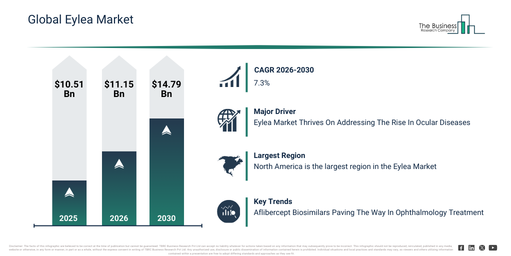
    The eylea market has shown robust expansion in recent years. Its value is expected to rise from $10.51 billion in 2025 to $11.15 billion in 2026, demonstrating a compound annual growth rate (CAGR) of 6.2%. This past growth can be attributed to several factors including the rising occurrence of age-related macular degeneration, an aging global demographic, the high clinical efficacy of anti-vegf drugs, an increase in ophthalmology specialty centers, and supportive reimbursement policies for retinal therapies.

    The eylea market is projected for substantial expansion over the coming years. By 2030, its valuation is predicted to reach $14.79 billion, exhibiting a compound annual growth rate (CAGR) of 7.3%. Factors contributing to this anticipated growth during the forecast timeframe include a rising diabetic demographic, broader application in more retinal conditions, advancements in long-acting formulations, enhancements in drug delivery methods, and wider availability in developing economies. Key developments expected within the same period encompass longer-interval anti-VEGF treatments, a move towards using prefilled syringes, increased application in managing diabetic retinopathy, a rise in hospital-administered intravitreal procedures, and a greater emphasis on real-world data and patient results.

    Get A Free Sample Report With In-Depth Market Insights:

    https://thebusinessresearchcompany.com/sample_request?id=88524868&type=smp&name=Eylea%20Market%20Report%202026&utm_source=Blogs&utm_medium=Paid&utm_campaign=Oct_PR

    Eylea Market Growth Drivers: What’s Behind The Acceleration?

    The Eylea market is anticipated to grow due to the rising occurrence of ocular diseases. These conditions refer to eye issues that interfere with proper eye function, negatively affecting vision and clarity, often without symptoms until they become advanced. Eylea provides treatment for various ocular diseases, specifically targeting conditions like wet age-related macular degeneration (AMD) and glaucoma, which damage the retina or macula and impair vision. Its mechanism involves blocking the protein responsible for developing new, weaker blood vessels and reducing retinal swelling caused by blockages in blood vessels. For instance, according to the BrightFocus Foundation, in 2024, approximately 80 million people globally are living with glaucoma, and this figure is projected to rise to 111 million by 2040. Consequently, the increasing prevalence of ocular diseases is driving the Eylea market.

    Eylea Market Segment Outlook: Which Categories Are Growing Fastest?

    The eylea market covered in this report is segmented –

    1) By Product: Prefilled Syringe Package, Vial Package

    2) By Disorder: Wet Age-Related Macular Degeneration (AMD), Diabetic Retinopathy, Other Disorders

    3) By Application: Hospitals, Retail Pharmacy, Other Applications

    Subsegments:

    1) By Prefilled Syringe Package: Single-Dose Prefilled Syringes, Multi-Dose Prefilled Syringes

    2) By Vial Package: Single-Dose Vials, Multi-Dose Vials

    Eylea Market Trends: What’s Defining The Industry’s Next Phase?

    Key companies within the eylea market are concentrating on creating biologic medications, such as aflibercept biosimilar, to secure a competitive edge. An Aflibercept Biosimilar represents a biologically analogous version of the original aflibercept drug, engineered to exhibit no clinically relevant discrepancies and provide an economical substitute for managing specific eye conditions. For example, in September 2023, Biocon Biologics Ltd., an India-based biopharmaceutical enterprise, obtained marketing approval from the European Commission (EC) for YESAFILI, an Aflibercept biosimilar, across the European Union (EU). This authorization followed a positive recommendation from the European Medicines Agency’s Committee for Medicinal Products for Human Use (CHMP) in July. YESAFILI, an ophthalmology solution, is developed for addressing various eye ailments, and its approval demonstrates its equivalence in terms of quality, safety, and efficacy when compared to the reference product Eylea (aflibercept).

    Eylea Market Leading Companies And Competitive Benchmarking

    Major companies operating in the eylea market are Regeneron Pharmaceuticals Inc., Bayer AG, Novartis AG, Roche Holding AG, Pfizer Inc., Amgen Inc., Sanofi S.A., AbbVie Inc., Alcon Inc., Genentech Inc., Johnson & Johnson, Samsung Bioepis Co. Ltd., Boehringer Ingelheim GmbH, Eisai Co. Ltd., Daiichi Sankyo Company Limited, Aerie Pharmaceuticals Inc., Otsuka Pharmaceutical Co. Ltd., Santen Pharmaceutical Co. Ltd., Allergan plc, BioMarin Pharmaceutical Inc.

    View The Full Eylea Market Report:

    https://thebusinessresearchcompany.com/report/eylea-global-market-report?utm_source=Blogs&utm_medium=Paid&utm_campaign=Oct_PR

    Eylea Market Regional Analysis: Which Geography Leads On Revenue?

    North America was the largest region in the eylea market in 2025. Asia-Pacific is expected to be the fastest-growing region in the eylea market during the forecast period. The regions covered in the eylea market report are Asia-Pacific, South East Asia, Western Europe, Eastern Europe, North America, South America, Middle East, Africa.

    Reach Out To Our Team:

    The Business Research Company: https://www.thebusinessresearchcompany.com/

    Americas: +1 310-496-7795

    Asia: +44 7882 955267 & +91 8897263534

    Europe: +44 7882 955267

    Email us at: marketing@tbrc.info

    Follow us on:

    LinkedIn: https://in.linkedin.com/company/the-business-research-company

    YouTube: https://www.youtube.com/channel/UC24_fI0rV8cR5DxlCpgmyFQ

    Global Market Model: https://www.thebusinessresearchcompany.com/global-market-model
  • Library Preparation (Prep) System Market Outlook 2026–2030: Growth Trends, Market Dynamics And Emerging Opportunities

    Library Preparation (Prep) System Market Outlook 2026–2030: Growth Trends, Market Dynamics And Emerging Opportunities

    Backed by market attractiveness analysis, total addressable market sizing, company benchmarking matrices, interactive Excel dashboards, wider supply chain intelligence, emerging startup coverage, and detailed product-level insights, The Business Research Company’s 2026 market reports are designed to offer research that is more actionable and strategically valuable than ever.

    Library Preparation (Prep) System Market Forecast: What Value Will The Market Reach By 2030?

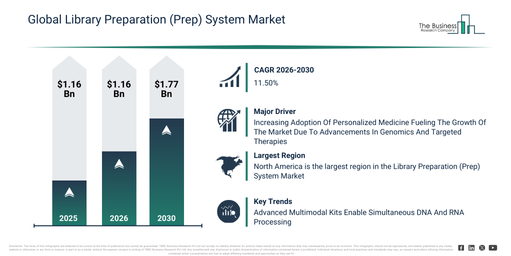
    The library preparation (prep) system market size has seen rapid growth in recent years. Its expansion is projected to be from $1.37 billion in 2025 to $1.53 billion in 2026, achieving a compound annual growth rate (CAGR) of 11.8%. Key factors contributing to this historical growth include the broader adoption of NGS, increased funding for genomic research, the rising need for sequencing accuracy, the development of clinical genomics, and a decrease in sequencing costs.

    The library preparation (prep) system market is anticipated to undergo significant expansion over the next few years. Its valuation is projected to reach $2.36 billion by 2030, exhibiting a compound annual growth rate (CAGR) of 11.5%. This growth during the forecast period is primarily fueled by advancements in precision medicine, an increase in clinical sequencing volumes, the incorporation of automated platforms, the expansion of population genomics, and the need for quicker processing times. Notable trends expected during this forecast period encompass the automation of library preparation workflows, a heightened demand for high-throughput sequencing, the development of single-cell sequencing preparation, the standardization of genomic workflows, and an enhanced emphasis on reproducibility.

    Get A Free Sample Report With In-Depth Market Insights:

    https://thebusinessresearchcompany.com/sample_request?id=68281416&type=smp&name=Library%20Preparation%20%28Prep%29%20System%20Market%20Report%202026&utm_source=Blogs&utm_medium=Paid&utm_campaign=Oct_PR

    Library Preparation (Prep) System Market Demand Drivers: What’s Powering Industry Growth?

    The growing integration of personalized medicine is anticipated to fuel expansion in the library preparation (prep) system market moving ahead. Personalized medicine is defined as a healthcare method that customizes treatment and prevention plans based on a person’s distinct genetic profile, lifestyle choices, and environmental factors. Its rising acceptance stems mainly from genomic breakthroughs, which allow for the accurate detection of genetic differences and the development of personalized therapies. Library preparation (prep) systems facilitate personalized medicine by ensuring the exact preparation of DNA and RNA samples, which is crucial for precise genomic analysis. These systems simplify intricate processes, minimize mistakes, and quicken the creation of targeted treatments, thereby enhancing patient-specific treatment results. For example, data from February 2024, provided by the Personalized Medicine Coalition (PMC), a US-based nonprofit group, shows that the U.S. Food and Drug Administration (FDA) authorized 26 novel personalized medicines in 2023, marking a considerable rise from the 12 approved in 2022. Consequently, the expanding use of personalized medicine is propelling the advancement of the library preparation (prep) system market.

    Library Preparation (Prep) System Market Breakdown By Product Type And Application

    The library preparation (prep) system market covered in this report is segmented –

    1) By Product Type: Manual Library Prep Systems, Automated Library Prep Systems

    2) By Technology: Next-Generation Sequencing (NGS), Sanger Sequencing, Microarray

    3) By Workflow Stage: Sample Preparation, Library Preparation, Quality Control, Data Analysis

    4) By Application: Whole Genome Sequencing, Targeted Sequencing, Ribonucleic Acid (RNA) Sequencing, Exome Sequencing, Metagenomics

    5) By End User: Academic And Research Institutes, Pharmaceutical And Biotechnology Companies, Clinical Laboratories, Diagnostics Laboratories

    Subsegments:

    1) By Manual Library Prep Systems: Deoxyribonucleic Acid (DNA) Library Prep Kits, Ribonucleic Acid (RNA) Library Prep Kits, Amplicon Library Prep Kits, Targeted Library Prep Kits, Low-input Or Single-cell Library Prep Kits

    2) By Automated Library Prep Systems: Automated Deoxyribonucleic Acid (DNA) Library Prep Instruments, Automated Ribonucleic Acid (RNA) Library Prep Instruments, High-throughput Library Prep Platforms, Benchtop Automated Library Prep Systems, Integrated NGS Workflow Systems

    Library Preparation (Prep) System Market Innovation Trends: What Developments Are Reshaping The Industry?

    Leading companies in the library preparation (prep) system market are concentrating on the development of advanced products, such as multimodal library preparation kits, to enhance efficiency, broaden research capabilities, and minimize both manual effort and the quantity of sample material needed. Multimodal library preparation kits are defined as integrated solutions designed to enable the simultaneous processing of DNA and RNA from a single sample for comprehensive genomic and transcriptomic analysis. For instance, in May 2024, Qiagen N.V., a biotechnology firm located in the Netherlands, launched its QIAseq Multimodal DNA or RNA library kit, marking the first NGS multimodal kit engineered to prepare both DNA and RNA libraries from a single sample. This groundbreaking solution simplifies the preparation of DNA and RNA libraries for next-generation sequencing (NGS), facilitating whole genome sequencing (WGS) and whole transcriptome sequencing (WTS) from one sample. It features integrated automated workflow and optimized chemistry for concurrent DNA and RNA processing, significantly decreasing turnaround times and reducing sample material usage without requiring operator intervention.

    Library Preparation (Prep) System Market Leading Players And Competitive Positioning

    Major companies operating in the library preparation (prep) system market are F. Hoffmann-La Roche AG, Thermo Fisher Scientific Inc., Siemens Healthineers AG, Agilent Technologies Inc., Illumina Inc., Bio-Rad Laboratories Inc., QIAGEN N.V., Tecan Group Ltd., GenScript Biotech Corporation, Promega Corporation, Takara Bio Inc., Oxford Nanopore Technologies Limited, Pacific Biosciences of California Inc., New England Biolabs Inc., Singleron Biotechnologies Co. Ltd., Bionano Genomics Inc., Automata Technologies Ltd., Zymo Research Corporation, Dolomite Bio Limited, Micronit Microtechnologies B.V., Opentrons Labworks Inc., EpigenDx Inc.

    View The Full Library Preparation (Prep) System Market Report:

    https://thebusinessresearchcompany.com/report/library-preparation-prep-system-global-market-report?utm_source=Blogs&utm_medium=Paid&utm_campaign=Oct_PR

    Library Preparation (Prep) System Market Regional Distribution: Which Areas Power Market Growth?

    North America was the largest region in the library preparation (prep) system market in 2025. Asia-Pacific is expected to be the fastest-growing region in the forecast period. The regions covered in the library preparation (prep) system market report are Asia-Pacific, South East Asia, Western Europe, Eastern Europe, North America, South America, Middle East, Africa.

    Reach Out To Our Team:

    The Business Research Company: https://www.thebusinessresearchcompany.com/

    Americas: +1 310-496-7795

    Asia: +44 7882 955267 & +91 8897263534

    Europe: +44 7882 955267

    Email us at: marketing@tbrc.info

    Follow us on:

    LinkedIn: https://in.linkedin.com/company/the-business-research-company

    YouTube: https://www.youtube.com/channel/UC24_fI0rV8cR5DxlCpgmyFQ

    Global Market Model: https://www.thebusinessresearchcompany.com/global-market-model
  • Leukapheresis Device Market Growth Outlook From $0.76 Billion In 2026 To $1.01 Billion By 2030

    Leukapheresis Device Market Growth Outlook From $0.76 Billion In 2026 To $1.01 Billion By 2030

    Featuring market attractiveness scoring, total addressable market sizing, company benchmarking matrices, interactive Excel dashboards, deeper supply chain intelligence, emerging startup tracking, and granular product-level insights, The Business Research Company’s 2026 market reports are built to deliver research that is both more actionable and more strategically valuable.

    Leukapheresis Device Market Size Outlook: How Quickly Will Revenue Expand Through 2030?

    The size of the leukapheresis device market has demonstrated robust growth recently. This market is forecast to expand from $0.7 billion in 2025 to $0.76 billion in 2026, achieving a compound annual growth rate (CAGR) of 8.6%. Historically, this expansion can be ascribed to several factors, including the increasing prevalence of leukemia and autoimmune disorders, the wider adoption of stem cell therapies, significant advancements in blood cell separation technology, a rise in clinical research activities, and the expansion of hospital-based apheresis services.

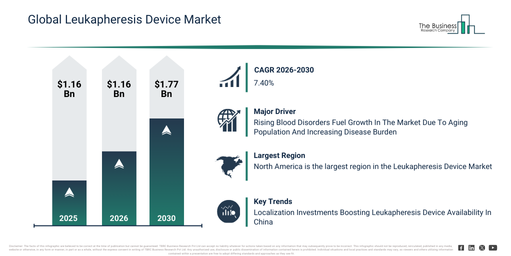
    The leukapheresis device market is anticipated to experience substantial expansion over the upcoming years. It is projected to reach $1.01 billion in 2030, exhibiting a compound annual growth rate (CAGR) of 7.4%. Key factors driving this growth during the projected period include the increasing demand for portable leukapheresis systems, the incorporation of AI and automation into devices, the broadening scope of biopharmaceutical research, new regulatory approvals for sophisticated apheresis technologies, and increased investments in precision medicine. Prominent trends expected over the forecast horizon encompass individualized leukapheresis therapies, less invasive apheresis methods, portable and point-of-care leukapheresis equipment, the incorporation of real-time monitoring systems, and improvements in automation and operational efficiency.

    Get A Free Sample Report With In-Depth Market Insights:

    https://thebusinessresearchcompany.com/sample_request?id=21548890&type=smp&name=Leukapheresis%20Device%20Market%20Report%202026&utm_source=Blogs&utm_medium=Paid&utm_campaign=Oct_PR

    Leukapheresis Device Market Growth Drivers: What’s Behind The Acceleration?

    The increasing occurrence of blood-related conditions is anticipated to drive the expansion of the leukapheresis device market in the future. These conditions impact the composition or operation of blood cells, leading to issues with oxygen transport, immune system function, or blood coagulation. The growing number of blood-related disorders is mainly due to an older demographic, as elderly individuals are more prone to ailments such as anemia, leukemia, and various hematological conditions. Leukapheresis equipment aids in managing these illnesses by precisely removing surplus or abnormal white blood cells from circulation, thereby helping to ease symptoms and lessen complications in diseases like leukemia and autoimmune conditions. For example, in March 2024, the Leukaemia Foundation, an Australia-based non-profit organization, reported that approximately 19,500 Australians received a diagnosis of blood cancer, including leukemia, lymphoma, and myeloma, with almost 43% incurring substantial out-of-pocket treatment expenses and 42% needing over three months away from work, underscoring both the increased frequency and the financial strain on patients and their relatives compared to prior years. Consequently, the escalating incidence of blood-related disorders is fueling the expansion of the leukapheresis device market.

    Leukapheresis Device Market Segment Analysis And Revenue Potential

    The leukapheresis device market covered in this report is segmented –

    1) By Device Type: Therapeutic Leukapheresis, Cytapheresis, Stem Cell Collection, Research Applications, Leukapheresis Columns and Cell Separators, Leukapheresis Disposables, Apheresis Devices

    2) By Component: Leukapheresis Machine, Blood Collection Set , Medical Consumables , Filters

    3) By End User: Hospitals, Academic Research Institutes, Pharmaceutical And Biotechnology Companies, Blood Component Providers, Blood Centers

    Subsegments:

    1) By Therapeutic Leukapheresis: Leukemia Treatment Systems, Sepsis Treatment Leukapheresis Units, Autoimmune Disease Management Devices

    2) By Cytapheresis: Plateletpheresis Devices, Lymphapheresis Units, Erythrocytapheresis Systems

    3) By Stem Cell Collection: Peripheral Blood Stem Cell (PBSC) Collection Devices, Umbilical Cord Blood Collection Systems, Bone Marrow Stem Cell Apheresis Systems

    4) By Research Applications: Cell Separation Systems for Research and Development, Clinical Trial Apheresis Platforms, Academic Laboratory Leukapheresis Devices

    5) By Leukapheresis Columns And Cell Separators: Adsorption Columns, Membrane-Based Cell Separation Systems, Centrifugal Cell Separators

    6) By Leukapheresis Disposables: Tubing Sets, Needles And Catheters, Collection Bags

    7) By Apheresis Devices: Continuous Flow Apheresis Machines, Portable Or Mobile Apheresis Units, Intermittent Flow Apheresis Systems

    Leukapheresis Device Market Trends: What’s Defining The Industry’s Next Phase?

    Major companies in the leukapheresis device market are concentrating on funneling capital into regional production capabilities to boost local access to high-quality therapeutic devices and support national healthcare aims. Investments in regional manufacturing aid in establishing efficient and flexible supply chains, which ensure on-time delivery, lessen dependence on imports, and enhance the affordability of advanced blood and cell collection systems. For instance, in November 2024, Terumo Blood and Cell Technologies, a US-based medical technology company, partnered with Terumo Medical Products (Hangzhou) Co., Ltd., a China-based medical technology subsidiary company, to inaugurate localized production in Hangzhou, China. This strategic initiative involves the domestic manufacturing of key leukapheresis products, including the Trima Accel Automated Blood Collection System and the Spectra Optia Apheresis System, both extensively employed in China for therapeutic apheresis, stem cell collection, and blood component separation.

    Leukapheresis Device Market Competitive Overview And Top Companies

    Major companies operating in the leukapheresis device market are Fresenius SE and Co. KGaA, Asahi Kasei Medical Co. Ltd, Baxter International Inc., Grifols S.A., TERUMO BCT INC., Kaneka Corporation, Nikkiso Co. Ltd, Haemonetics Corporation, Miltenyi Biotec GmbH, Macopharma, B. Braun Melsungen AG, Kawasumi Laboratories Inc., Beijing Zksk Technology Co. Ltd, Puriblood Medical Co. Ltd, Fresenius Kabi AG, JMS Co. Ltd, HemaCare Corporation, Medica Group PLC, LivaNova PLC, Cytiva, BioSafe Group SA, Terumo Corporation

    View The Full Leukapheresis Device Market Report:

    https://thebusinessresearchcompany.com/report/leukapheresis-device-global-market-report?utm_source=Blogs&utm_medium=Paid&utm_campaign=Oct_PR

    Leukapheresis Device Market Leading Geography: Which Region Contributes The Most Revenue?

    North America was the largest region in the leukapheresis device market in 2025. The regions covered in the leukapheresis device market report are Asia-Pacific, South East Asia, Western Europe, Eastern Europe, North America, South America, Middle East, Africa.

    Reach Out To Our Team:

    The Business Research Company: https://www.thebusinessresearchcompany.com/

    Americas: +1 310-496-7795

    Asia: +44 7882 955267 & +91 8897263534

    Europe: +44 7882 955267

    Email us at: marketing@tbrc.info

    Follow us on:

    LinkedIn: https://in.linkedin.com/company/the-business-research-company

    YouTube: https://www.youtube.com/channel/UC24_fI0rV8cR5DxlCpgmyFQ

    Global Market Model: https://www.thebusinessresearchcompany.com/global-market-model
  • Eye Drop Mist Market Growth Forecast: Market Size, Key Trends And Emerging Opportunities Through 2030

    Eye Drop Mist Market Growth Forecast: Market Size, Key Trends And Emerging Opportunities Through 2030

    Featuring market attractiveness scoring, total addressable market sizing, company benchmarking matrices, interactive Excel dashboards, deeper supply chain intelligence, emerging startup tracking, and granular product-level insights, The Business Research Company’s 2026 market reports are built to deliver research that is both more actionable and more strategically valuable.

    Eye Drop Mist Market Set To Climb From $1.71 Billion In 2026 To $2.6 Billion By 2030

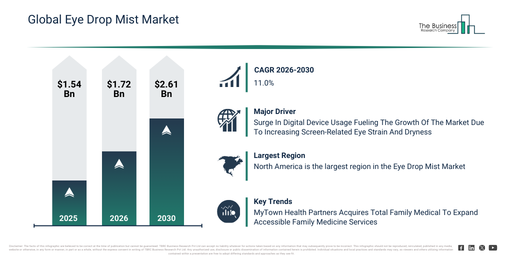
    The eye drop mist market has experienced swift expansion in recent times. This market is projected to expand from $1.54 billion in 2025 to $1.72 billion in 2026, demonstrating a compound annual growth rate (CAGR) of 11.3%. Historically, this expansion has been driven by factors such as the rising incidence of dry eye syndrome, increased exposure to screens, wider adoption of contact lenses, heightened public awareness concerning eye hygiene, and the accessibility of over-the-counter eye care products.

    The eye drop mist market is projected to experience substantial expansion over the upcoming years, with its valuation anticipated to reach $2.61 billion by 2030, exhibiting a compound annual growth rate (CAGR) of 11.0%. This anticipated growth during the forecast timeframe is primarily driven by factors such as the surging demand for portable eye care solutions, a heightened emphasis on formulations without preservatives, the expanding eye care requirements of an aging demographic, the rising integration of novel spray delivery methods, and a greater focus on everyday eye comfort. Key trends identified for this period encompass a greater uptake of preservative-free eye mist products, an increased need for accessible ocular hydration options, the widening application of multi-dose spray delivery mechanisms, the broadening scope of medicated eye mist uses, and an elevated concentration on user-friendly eye care items.

    Get A Free Sample Report With In-Depth Market Insights:

    https://thebusinessresearchcompany.com/sample_request?id=79083915&type=smp&name=Eye%20Drop%20Mist%20Market%20Report%202026&utm_source=Blogs&utm_medium=Paid&utm_campaign=Oct_PR

    Eye Drop Mist Market Growth Factors Behind Sustained Expansion

    The increasing adoption of digital devices is anticipated to fuel expansion in the eye drop mist market. This term denotes how people interact with electronics like smartphones, tablets, computers, and wearables for various activities including communication, entertainment, professional tasks, or education. This rise in digital device engagement stems from greater internet penetration, which has made online access more readily available and economical for a broader demographic. Using digital devices leads to increased eye strain and dryness associated with screens, thereby boosting the need for eye drop mist. Such mists offer rapid hydration and comfort, alleviating eye discomfort and mitigating irritation resulting from extended screen exposure. An example illustrates this trend: in October 2023, the GSM Association, a UK-based non-profit organization, reported that almost 4.3 billion people (53% of the global population) were using their smartphones for internet access, with approximately 80% of mobile internet users utilizing 4G or 5G smartphones, marking a rise of 330 million people from 2022 to 2023. Consequently, the growing prevalence of digital device usage is propelling the expansion of the eye drop mist market.

    Eye Drop Mist Market Segment Landscape: Which Areas Lead Development?

    The eye drop mist market covered in this report is segmented –

    1) By Product Type: Preservative-Free Eye Drop Mist, Medicated Eye Drop Mist, Lubricating Eye Drop Mist, Other Product Types

    2) By Application: Dry Eye Syndrome, Allergies, Eye Fatigue, Other Applications

    3) By Distribution Channel: Hospital Pharmacies, Retail Pharmacies, Online Pharmacies, Other Distribution Channels

    4) By End-User: Hospitals, Clinics, Homecare, Other End-Users

    Subsegments:

    1) By Preservative-Free Eye Drop Mist: Single Dose Units, Multi Dose Systems

    2) By Medicated Eye Drop Mist: Allergy Relief, Anti Inflammatory, Antibiotic Formulation, Antihistamine Formulation, Glaucoma Treatment

    3) By Lubricating Eye Drop Mist: Dry Eye Relief, Contact Lens Rewetting, Redness Relief, Moisturizing Formulation

    4) By Other Product Types Eye Drop Mist: Herbal Formulation, Vitamin Enriched Formulation, Combination Therapy, Specialty Use Formulation

    Eye Drop Mist Market Industry Trends Fueling Future Revenue Growth

    Major companies operating in the eye drop mist market are focusing on developing innovative solutions, such as microdosing systems, to deliver precise, controlled eye medication or moisture with minimal waste. A microdosing system is a delivery mechanism that administers precise, controlled, and minimal amounts of medication or fluid to the eyes, ensuring uniform coverage and reducing wastage compared to traditional droppers. For instance, in March 2023, EYE-GO A/S, a Denmark-based MedTech company, launched MistGo, an advanced microdosing delivery system for topical ophthalmic treatments. This system administers a precise, gentle mist of approximately 6 µL evenly over the cornea, maximizing drug absorption while avoiding issues such as overdosing, contamination, and incorrect application often seen with conventional eyedroppers. MistGo features integrated eye interfaces that allow safe, contact-free administration, enhancing patient adherence and improving therapeutic outcomes.

    Eye Drop Mist Market Industry Leaders And Competitive Landscape

    Major companies operating in the eye drop mist market are Bausch + Lomb Incorporated, AptarGroup Inc., Laboratoires Théa, Similasan AG, Reckitt Benckiser Group plc, OCuSOFT Inc., Scope Ophthalmics Ltd., Medicom Healthcare Ltd., AFT Pharmaceuticals Ltd., Aero Pump GmbH, I-MED Pharma Inc., Eyeeco Inc., EYE-GO A/S, Iskon Remedies Pvt. Ltd., Max Concept Enterprises Ltd., Servocare Lifesciences Pvt. Ltd., Dry Eye Shop LLC, Eyenovia Inc., KBIDI Co. Ltd., Swissvision Pharmaceuticals Pvt. Ltd.

    View The Full Eye Drop Mist Market Report:

    https://thebusinessresearchcompany.com/report/eye-drop-mist-global-market-report?utm_source=Blogs&utm_medium=Paid&utm_campaign=Oct_PR

    Eye Drop Mist Market Geographic Spread And Regional Opportunities

    North America was the largest region in the eye drop mist market in 2025. Asia-Pacific is expected to be the fastest-growing region in the forecast period. The regions covered in the eye drop mist market report are Asia-Pacific, South East Asia, Western Europe, Eastern Europe, North America, South America, Middle East, Africa.

    Reach Out To Our Team:

    The Business Research Company: https://www.thebusinessresearchcompany.com/

    Americas: +1 310-496-7795

    Asia: +44 7882 955267 & +91 8897263534

    Europe: +44 7882 955267

    Email us at: marketing@tbrc.info

    Follow us on:

    LinkedIn: https://in.linkedin.com/company/the-business-research-company

    YouTube: https://www.youtube.com/channel/UC24_fI0rV8cR5DxlCpgmyFQ

    Global Market Model: https://www.thebusinessresearchcompany.com/global-market-model
  • Left Ventricular Assist Devices Market Forecast To Reach $2.78 Billion By 2030: Key Growth Drivers And Industry Trends

    Left Ventricular Assist Devices Market Forecast To Reach $2.78 Billion By 2030: Key Growth Drivers And Industry Trends

    Built to provide research that’s more actionable and strategically valuable, The Business Research Company’s 2026 market reports include market attractiveness analysis, total addressable market sizing, company benchmarking matrices, interactive Excel dashboards, broader supply chain intelligence, emerging startup tracking, and in-depth product insights.

    Left Ventricular Assist Devices Market Size, Value And Growth Trajectory Through 2030

    The market for left ventricular assist devices has demonstrated robust expansion in recent years. This market is projected to increase from $1.73 billion in 2025 to $1.9 billion in 2026, registering a compound annual growth rate (CAGR) of 9.7%. The growth observed in the past can be attributed to the rising incidence of advanced heart failure, the restricted supply of donor hearts, the proliferation of specialized cardiac care centers, enhancements in surgical implantation methods, and the growing clinical adoption of mechanical circulatory support.

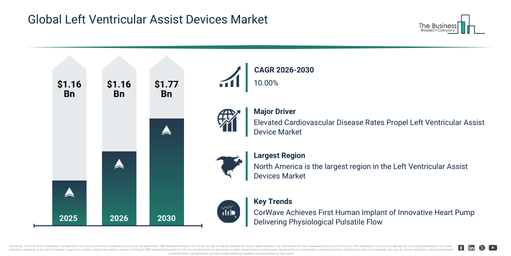
    The left ventricular assist devices market is projected to experience substantial expansion over the upcoming years. This market is anticipated to reach $2.78 billion by 2030, exhibiting a compound annual growth rate (CAGR) of 10.0%. Several factors are contributing to this expansion during the projected period, including a growing elderly demographic suffering from cardiac ailments, an increased need for long-term heart failure treatments, innovations in biocompatible materials, the broader incorporation of remote monitoring systems, and extended reimbursement options for LVADs. Key developments anticipated within this timeframe involve a greater uptake of continuous flow LVADs, an increased application of LVADs for destination therapy, a heightened emphasis on compact implantable pumps, an expansion of remote patient observation features, and a stronger focus on the devices’ robustness and lifespan.

    Get A Free Sample Report With In-Depth Market Insights:

    https://thebusinessresearchcompany.com/sample_request?id=57362789&type=smp&name=Left%20Ventricular%20Assist%20Devices%20Market%20Report%202026&utm_source=Blogs&utm_medium=Paid&utm_campaign=Oct_PR

    Left Ventricular Assist Devices Market Growth Factors Behind Sustained Expansion

    The increasing incidence of cardiovascular diseases is anticipated to drive the future expansion of the left ventricular assist device market. Cardiovascular diseases represent a category of disorders affecting the heart and blood vessels, encompassing conditions like coronary heart disease and congenital heart disease, among others. A left ventricular assist device provides aid to the heart’s left ventricle, which is responsible for pumping blood throughout the body’s tissues, particularly in cases of advanced heart failure. For example, according to the American Heart Association, a US-based non-profit organization, a report from January 2024 indicated that the age-adjusted death rate attributed to cardiovascular disease rose to 233.3 per 100,000 in 2024, reflecting an increase of 4.0% from 224.4 per 100,000 in 2023. Thus, the escalating prevalence of cardiovascular diseases is acting as a catalyst for the growth of the left ventricular assist device market.

    Left Ventricular Assist Devices Market Segmentation And Category Overview

    The left ventricular assist devices market covered in this report is segmented –

    1) By Type: Percutaneous Left Ventricular Assist Devices, Implantable Left Ventricular Assist Devices

    2) By Type Of Flow: Pulsatile, Non-Pulsatile

    3) By Application: Bridge-To-Recovery (BTR) Therapy, Bridge-To-Transplant (BTT) Therapy, Destination Therapy, Bridge-To-Candidacy (BTC) Therapy

    4) By End-User: Cardiology Centers, Hospitals

    Subsegments:

    1) By Percutaneous Left Ventricular Assist Devices: Axial-Flow Percutaneous LVADs, Centrifugal-Flow Percutaneous LVADs

    2) By Implantable Left Ventricular Assist Devices: Continuous Flow Devices, Pulsatile Flow Devices

    Left Ventricular Assist Devices Market Industry Trends Fueling Future Revenue Growth

    Leading companies within the left ventricular assist devices market are concentrating on creating sophisticated solutions, such as wave membrane technology, intended to supersede conventional rotary LVADs. This wave membrane solution represents a cutting-edge heart pump engineered to mimic physiological pulsatility and blood flow speeds akin to a healthy heart, thereby potentially lessening complications linked to existing devices. An example of this innovation occurred in September 2025, when CorWave SA, a medical device firm based in France, performed the initial implantation of its Left Ventricular Assisting System (LVAS) in a patient at St Vincent’s Hospital in Sydney. This novel device offers comprehensive cardiac assistance, effectively relieving the left ventricle while maintaining an aortic pulse pressure of 25.5 ± 6.1 mmHg and ensuring regular aortic valve opening. The system met its primary study objectives, showing no device-related adverse events within 30 days, and the patient underwent a successful heart transplantation after 84 days of support. CorWave’s LVAS signifies a significant technological achievement in sustained mechanical circulatory support, providing safe, physiological pulsatile flow capable of enhancing patient results and progressing heart failure treatment.

    Left Ventricular Assist Devices Market Competitive Landscape: Which Companies Lead The Industry?

    Major companies operating in the left ventricular assist devices market are Abbott Laboratories, Medtronic plc, Terumo Corporation, St. Jude Medical, MAQUET GmbH & Co., LivaNova Plc, Thoratec Corporation, Abiomed Inc, Berlin Heart GmbH, BioVentrix, Cleveland Heart Inc., Jarvik Heart Inc., CorWave SA, SynCardia Systems LLC, NuPulseCV Inc., Fineheart, Procyrion Inc, Carmat SA, BiVACOR Inc, Cardiac Assist Inc., Leviticus Cardio Ltd., Calon Cardio-Technology Ltd, Evaheart Inc., Sunshine Heart Inc., CH Biomedical Inc.

    View The Full Left Ventricular Assist Devices Market Report:

    https://thebusinessresearchcompany.com/report/left-ventricular-assist-devices-global-market-report?utm_source=Blogs&utm_medium=Paid&utm_campaign=Oct_PR

    Left Ventricular Assist Devices Market Regional Outlook: Where Is Opportunity Concentrated?

    North America was the largest region in the left ventricular assist devices market in 2025. The regions covered in the left ventricular assist devices market report are Asia-Pacific, South East Asia, Western Europe, Eastern Europe, North America, South America, Middle East, Africa.

    Reach Out To Our Team:

    The Business Research Company: https://www.thebusinessresearchcompany.com/

    Americas: +1 310-496-7795

    Asia: +44 7882 955267 & +91 8897263534

    Europe: +44 7882 955267

    Email us at: marketing@tbrc.info

    Follow us on:

    LinkedIn: https://in.linkedin.com/company/the-business-research-company

    YouTube: https://www.youtube.com/channel/UC24_fI0rV8cR5DxlCpgmyFQ

    Global Market Model: https://www.thebusinessresearchcompany.com/global-market-model
  • Eye Allergy Therapeutics Market CAGR Forecast Through 2030: Key Trends Shaping Industry Expansion

    Eye Allergy Therapeutics Market CAGR Forecast Through 2030: Key Trends Shaping Industry Expansion

    Built to provide research that’s more actionable and strategically valuable, The Business Research Company’s 2026 market reports include market attractiveness analysis, total addressable market sizing, company benchmarking matrices, interactive Excel dashboards, broader supply chain intelligence, emerging startup tracking, and in-depth product insights.

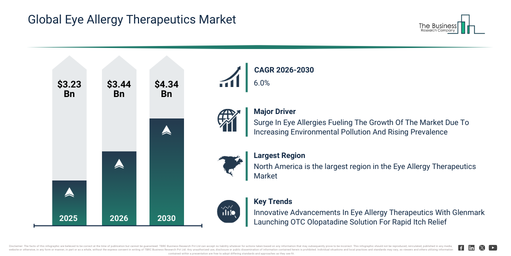
    Eye Allergy Therapeutics Market Forecast: Value Set To Climb From $3.44 Billion To $4.34 Billion

    The eye allergy therapeutics market size has demonstrated strong growth in recent years. This market is projected to expand from $3.23 billion in 2025 to $3.44 billion in 2026, at a compound annual growth rate (CAGR) of 6.5%. The historical growth in this sector can be attributed to several factors, including limited treatment options available for eye allergies, a reliance on traditional antihistamines, the growing prevalence of allergic conjunctivitis, an increase in ophthalmology clinic visits, and rising awareness of ocular allergy management.

    The eye allergy therapeutics market is projected to experience substantial expansion in the coming years, with its size expected to reach $4.34 billion by 2030, demonstrating a compound annual growth rate (CAGR) of 6.0%. Key factors contributing to this growth over the forecast period include the emergence of dual-action and biologic treatments, the broadening of immunotherapy choices, intensified research into innovative ocular drug delivery methods, a rise in the uptake of homecare treatment approaches, and the incorporation of digital health technologies for monitoring allergies. Noteworthy trends anticipated during this period encompass the increasing occurrence of both seasonal and perennial eye allergies, a greater acceptance of dual-action agents and new drug formulations, an expansion in homecare and self-administered therapies, the growth of online and retail pharmacy distribution networks, and a heightened emphasis on patient-focused care and safety.

    Get A Free Sample Report With In-Depth Market Insights:

    https://thebusinessresearchcompany.com/sample_request?id=60818467&type=smp&name=Eye%20Allergy%20Therapeutics%20Market%20Report%202026&utm_source=Blogs&utm_medium=Paid&utm_campaign=Oct_PR

    Eye Allergy Therapeutics Market Demand Drivers Opening New Revenue Streams

    The increasing occurrence of eye allergies is anticipated to drive the expansion of the eye allergy therapeutics market in the future. Eye allergies are defined as immune responses that lead to inflammation and irritation in the eyes when exposed to allergens. This surge in eye allergy cases stems from escalating environmental pollution, which exposes people to a greater quantity of airborne allergens, consequently leading to more frequent allergic reactions. Eye allergy therapeutics manage these conditions by diminishing inflammation, alleviating itching and redness, and inhibiting allergic responses to deliver effective symptom alleviation. For example, data from May 2025, provided by the National Library of Medicine, a US-based biomedical library, indicated that ocular allergy (OA) impacted 49.3% (n=207) of surveyed cases. Among these, seasonal allergic conjunctivitis (SAC) accounted for 90.3%, with a notable prevalence among 14-year-olds (23.4%) and females (58.8%). Consequently, the growing incidence of eye allergies is boosting the expansion of the eye allergy therapeutics market.

    Eye Allergy Therapeutics Market Segments: Where Is Growth Concentrated?

    The eye allergy therapeutics market covered in this report is segmented –

    1) By Drug Class: Antihistamines, Mast Cell Stabilizers, Dual-Action Agents, Corticosteroids, Immunotherapy, Other Drug Classes

    2) By Allergy Type: Seasonal Allergic Conjunctivitis (SAC), Perennial Allergic Conjunctivitis (PAC), Vernal Keratoconjunctivitis (VKC), Atopic Keratoconjunctivitis (AKC), Giant Papillary Conjunctivitis

    3) By Route of Administration: Topical, Oral, Injectable, Ocular, Systemic

    4) By Distribution Channel: Hospital Pharmacies, Retail Pharmacies, Online Pharmacies, Other Channels

    5) By End User: Hospitals, Clinics, Homecare Settings, Pharmacies, Research Institutions

    Subsegments:

    1) By Antihistamines: Olopatadine, Ketotifen, Emedastine, Levocabastine, Bepotastine

    2) By Mast Cell Stabilizers: Cromolyn Sodium, Nedocromil, Lodoxamide, Pemirolast

    3) By Dual-action Agents: Olopatadine, Ketotifen Fumarate, Azelastine, Alcaftadine

    4) By Corticosteroids: Loteprednol Etabonate, Prednisolone Acetate, Dexamethasone, Fluorometholone

    5) By Immunotherapy: Subcutaneous Immunotherapy, Sublingual Immunotherapy, Allergen-specific Desensitization Drops

    6) By Other Drug Classes: Nonsteroidal Anti-inflammatory Drugs, Biologics

    Eye Allergy Therapeutics Market Trends Powering Strategic Industry Growth

    Major companies operating in the eye allergy therapeutics market are concentrating on creating innovative solutions, such as eye allergy itch relief therapeutics, to provide quicker symptom alleviation, enhance patient comfort, and expand access via over-the-counter availability. Eye allergy itch relief therapeutics are treatments specifically formulated to alleviate itching caused by allergic reactions in the eyes. For instance, in August 2024, Glenmark Pharmaceuticals Limited, an India-based pharmaceutical company, launched Olopatadine Hydrochloride Ophthalmic Solution USP, 0.1% (OTC), aimed at relieving eye allergy symptoms. This formulation is designed for twice-daily use and provides rapid and long-lasting relief from allergic conjunctivitis symptoms such as itching, redness, and watery eyes. The over-the-counter availability aligns with the growing demand for self-care solutions and supports wider consumer reach in the eye care segment.

    Eye Allergy Therapeutics Market Key Participants And Competitive Landscape

    Major companies operating in the eye allergy therapeutics market are Novartis AG, Teva Pharmaceutical Industries Limited, Alcon Inc., Bausch Health Companies Inc., Sun Pharmaceutical Industries Limited, Santen Pharmaceutical Co. Ltd., Ocular Therapeutix Inc., Nicox S.A.

    View The Full Eye Allergy Therapeutics Market Report:

    https://thebusinessresearchcompany.com/report/eye-allergy-therapeutics-global-market-report?utm_source=Blogs&utm_medium=Paid&utm_campaign=Oct_PR

    Eye Allergy Therapeutics Market Top Region By Revenue And Market Share

    North America was the largest region in the eye allergy therapeutics market in 2025. The regions covered in the eye allergy therapeutics market report are Asia-Pacific, South East Asia, Western Europe, Eastern Europe, North America, South America, Middle East, Africa.

    Reach Out To Our Team:

    The Business Research Company: https://www.thebusinessresearchcompany.com/

    Americas: +1 310-496-7795

    Asia: +44 7882 955267 & +91 8897263534

    Europe: +44 7882 955267

    Email us at: marketing@tbrc.info

    Follow us on:

    LinkedIn: https://in.linkedin.com/company/the-business-research-company

    YouTube: https://www.youtube.com/channel/UC24_fI0rV8cR5DxlCpgmyFQ

    Global Market Model: https://www.thebusinessresearchcompany.com/global-market-model
  • Left Atrial Appendage Closure Device Market Research 2026: Market Size, Trends, Segments And Growth Forecast

    Left Atrial Appendage Closure Device Market Research 2026: Market Size, Trends, Segments And Growth Forecast

    Backed by market attractiveness analysis, total addressable market sizing, company benchmarking matrices, interactive Excel dashboards, wider supply chain intelligence, emerging startup coverage, and detailed product-level insights, The Business Research Company’s 2026 market reports are designed to offer research that is more actionable and strategically valuable than ever.

    Left Atrial Appendage Closure Device Market CAGR Outlook And Future Development

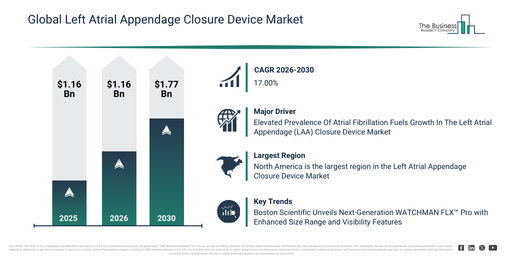
    The left atrial appendage closure device market size has seen rapid growth in recent years. It is projected to expand from $1.99 billion in 2025 to $2.33 billion in 2026, at a compound annual growth rate (CAGR) of 17.4%. The historical growth can be attributed to the increasing prevalence of atrial fibrillation, rising stroke incidence among aging populations, the expansion of interventional cardiology procedures, growing availability of minimally invasive cardiac treatments, and improved clinical outcomes data.

    The left atrial appendage closure device market is projected for substantial expansion in the coming years. This market is anticipated to reach $4.37 billion by 2030, exhibiting a compound annual growth rate (CAGR) of 17.0%. The expansion over the forecast period can be linked to several factors, including the increasing acceptance of non-pharmacological methods for stroke prevention, the growth in cardiac catheterization laboratory facilities, a rising need for customized cardiac implants, greater investments in therapies for structural heart diseases, and advancements in implant materials and delivery technologies. Key trends during the forecast period encompass a greater embrace of minimally invasive cardiac implants, an increasing requirement for devices preventing stroke, wider application of percutaneous LAA closure techniques, the development of more sophisticated occlusion device designs, and a heightened emphasis on cardiac solutions tailored to individual patients.

    Get A Free Sample Report With In-Depth Market Insights:

    https://thebusinessresearchcompany.com/sample_request?id=99055141&type=smp&name=Left%20Atrial%20Appendage%20Closure%20Device%20Market%20Report%202026&utm_source=Blogs&utm_medium=Paid&utm_campaign=Oct_PR

    Left Atrial Appendage Closure Device Market Demand Drivers Opening New Revenue Streams

    The increasing occurrence of atrial fibrillation is projected to stimulate the expansion of the left atrial appendage (LAA) closure device market in the coming years. Atrial fibrillation is defined as a medical state where the heart’s rhythm is irregular and frequently fast, occurring when the heart’s upper chambers, called the atria, fail to beat in a synchronized and regular fashion. Left atrial appendage (LAA) closure devices primarily serve to manage atrial fibrillation, working to lower the stroke risk in individuals afflicted with this cardiac arrhythmia and inhibit the formation or release of blood clots. As an illustration, data from May 2024, provided by the Centre’s for Disease Control and Prevention, a US-based public health agency, indicated that in 2023, the population of adults affected by atrial fibrillation in the United States reached an estimated 12.1 million, an increase from around 5.2 million in 2022. Consequently, the growing prevalence of atrial fibrillation is fueling the development of the left atrial appendage (LAA) closure device market.

    Left Atrial Appendage Closure Device Market Segment Outlook: Which Categories Are Growing Fastest?

    The left atrial appendage closure device market covered in this report is segmented –

    1) By Product: Epicardial Left Atrial Appendage (LAA) Devices, Endocardial Left Atrial Appendage (LAA) Devices

    2) By Procedure: Percutaneous, Surgical

    3) By End-User: Hospital, Ambulatory Surgical Centers, Other End-Users

    Subsegments:

    1) By Epicardial Left Atrial Appendage (LAA) Devices: Suture-Based Closure Devices, Ligation-Based Closure Devices, Clip-Based Closure Devices

    2) By Endocardial Left Atrial Appendage (LAA) Devices: Plug-Based Closure Devices, Disc-Based Closure Devices, Mesh-Based Closure Devices

    Left Atrial Appendage Closure Device Market Trends Powering Strategic Industry Growth

    Companies operating within the left atrial appendage closure device market are increasingly concentrating on technological advancements, such as expanded-size, radiopaque-marked closure systems featuring advanced polymer coatings, which collectively boost procedural accuracy, visibility, and patient safety while effectively accommodating a wider array of left atrial appendage anatomies. These expanded-size, radiopaque-marked closure systems incorporate various device sizes, distinct radiopaque markers, and biocompatible polymer coatings to facilitate precise placement under fluoroscopic guidance, thereby diminishing the risk of stroke associated with atrial fibrillation and minimizing complications commonly linked with anticoagulation therapy. A notable instance occurred in April 2024, when Boston Scientific Japan Co., Ltd., a Tokyo-based cardiovascular medical device firm, nationally introduced the WATCHMAN FLX Pro Left Atrial Appendage Closure System. This latest-generation system brings forth a new 40mm device size designed for larger left atrial appendages, integrates three radiopaque markers for enhanced visibility during implantation, and incorporates HEMOCOAT polymer coating, known for its established performance, all contributing to improved procedural performance, increased safety, and broader treatment options for individuals suffering from non-valvular atrial fibrillation.

    Left Atrial Appendage Closure Device Market Competitive Landscape: Who Leads The Industry?

    Major companies operating in the left atrial appendage closure device market are Boston Scientific Corporation, Abbott Laboratories, Medtronic plc, AtriCure Inc, Lifetech Scientific Corporation, Occlutech GmbH, Cardia Inc, SentreHEART Inc, Coherex Medical Inc, Lepu Medical Technology Co Ltd, MicroPort Scientific Corporation, NMT Medical Inc, Transcatheter Technologies GmbH, Shanghai Shape Memory Alloy Co Ltd, Braile Biomedica, Innovative Cardiovascular Solutions LLC, Eclipse Medical, PushMed (PushMed Medical), Cardiawave, Catheter Precision Inc.

    View The Full Left Atrial Appendage Closure Device Market Report:

    https://thebusinessresearchcompany.com/report/left-atrial-appendage-closure-device-global-market-report?utm_source=Blogs&utm_medium=Paid&utm_campaign=Oct_PR

    Left Atrial Appendage Closure Device Market Geographic Landscape: Which Region Leads Industry Growth?

    North America was the largest region in the left atrial appendage closure devices market in 2025. The regions covered in the left atrial appendage closure device market report are Asia-Pacific, South East Asia, Western Europe, Eastern Europe, North America, South America, Middle East, Africa.

    Reach Out To Our Team:

    The Business Research Company: https://www.thebusinessresearchcompany.com/

    Americas: +1 310-496-7795

    Asia: +44 7882 955267 & +91 8897263534

    Europe: +44 7882 955267

    Email us at: marketing@tbrc.info

    Follow us on:

    LinkedIn: https://in.linkedin.com/company/the-business-research-company

    YouTube: https://www.youtube.com/channel/UC24_fI0rV8cR5DxlCpgmyFQ

    Global Market Model: https://www.thebusinessresearchcompany.com/global-market-model