Author: Marketing Posting

  • Wearable Neurostimulation Devices Industry Valued at $1.1 Billion by 2029 With CAGR of 13% | Size and Share Insights

    Wearable Neurostimulation Devices Industry Valued at $1.1 Billion by 2029 With CAGR of 13% | Size and Share Insights

    Claim your 30% discount on Global Market Reports with code ONLINE30. Limited time only.

    What Is the Forecast for the Wearable Neurostimulation Devices Market from 2024 to 2025?

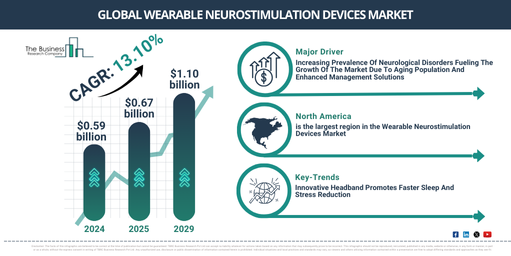
    In recent times, the market size for wearable neurostimulation devices has witnessed a swift expansion. From a figure of $0.59 billion in 2024, it is projected to increase to $0.67 billion in 2025, growing at a compound annual growth rate (CAGR) of 13.5%. This substantial growth in the historical timeframe can be credited to factors such as the increase in occurrence of epilepsy and chronic pain, the escalating numbers of mental health disorders, an aging population, a climb in the number of clinical trials, and a rise in the prevalence of depression and other mental health conditions.

    What Is the Projected Market Size of the Wearable Neurostimulation Devices Market?

    The market size of wearable neurostimulation devices is projected to experience rapid expansion in the coming years. It is expected to reach $1.10 billion in 2029 with a compound annual growth rate (CAGR) of 13.1%. This expansion in the projected period is due to factors such as the escalating prevalence of chronic pain, increased use of non-invasive treatments, growing necessity for home-based healthcare solutions, increased consciousness about mental health, surging elderly population, and rising awareness & acceptance of neuromodulation therapies. The main trends for the forecast period are improvements in device miniaturization, the incorporation of artificial intelligence for customizable treatment, the proliferation of wireless and Bluetooth enabled devices, usage of flexible and skin-compatible materials, and amalgamation with mobile applications for user manipulation and tracking.

    Download The Free Sample Report Here:

    https://www.thebusinessresearchcompany.com/sample.aspx?id=23578&type=smp

    Who are the Major Competitors in the Wearable Neurostimulation Devices Market Outlook?

    Major companies operating in the wearable neurostimulation devices market are Abbott Laboratories, Medtronic plc, FocusCalm, Boston Scientific Corporation, Alten Calsoft Labs India Private Limited, Nihon Kohden Corporation, LivaNova plc, Nevro Corp., Minnetronix Medical Inc., Neuropace Inc., Nalu Medical, Cala Health Inc., Myomo Inc., Ekso Bionics Holdings Inc., Cognito Therapeutics Inc., Apollo Neuroscience Inc., Curonix LLC, Soterix Medical Inc., Theranica Bioelectronics Ltd., NeuroMetrix Inc., Spark Biomedical Inc., Helius Medical Technologies Inc., Hapbee Technologies Inc., Flow Neuroscience, AxioBionics LLC , tVNS Technologies GmbH, Wearable Devices Ltd., Cadence Biomedical

    What Is Fueling Growth in the Wearable Neurostimulation Devices Market?

    The rise in neurological disorders is anticipated to boost the wearable neurostimulation devices market expansion in the future. Health issues that affect the brain, spinal cord, and nerves are considered neurological disorders, which can lead to a variety of symptoms like cognitive, motor, and sensory afflictions. The increasing incidents of these ailments are associated with the growing older population worldwide, as aging progressively deteriorates neural function, lessens the adaptability of the brain, and raises oxidative stress, thereby facilitating the onset and development of these disorders. Wearable neurostimulation gadgets provide an upgrade in the treatment of neurological disorders by furnishing non-invasive therapy, making them apt for daily use. These devices diminish symptoms by dispensing targeted stimulation, thus enhancing patient comfort and the overall quality of life. For example, as reported by the National Health Service, a governmental agency based in the UK, the number of patients diagnosed with dementia (a brain disorder that impairs memory, thinking, and daily operations) in June 2024 was 487,432, a rise of 3,155 cases from May 2024. Consequently, the escalating occurrence of neurological disorders is contributing to the expansion of the wearable neurostimulation devices market.

    Request For A Customized Report:

    https://www.thebusinessresearchcompany.com/customise?id=23578&type=smp

    Which Wearable Neurostimulation Devices Market Segments Are Growing the Fastest?

    The wearable neurostimulation devices market covered in this report is segmented –

    1) By Product Type: Electroencephalography (EEG) Devices, Transcranial Magnetic Stimulation (TMS) Devices, Brain Computer Interface (BCI) Devices, Neurostimulation Devices, Cognitive Training Devices

    2) By Application: Stroke, Spinal Cord Injury, Cerebral Palsy, Other Applications

    3) By End-User: Rehabilitation Centers, Hospitals And Clinics, Other End-Users

    Subsegments:

    1) By Electroencephalography (EEG) Devices: Portable Electroencephalography (EEG) Devices, Wireless Electroencephalography (EEG) Devices, Mobile Electroencephalography (EEG) Devices, Clinical Electroencephalography (EEG) Devices

    2) By Transcranial Magnetic Stimulation (TMS) Devices: Single-Pulse Transcranial Magnetic Stimulation (TMS), Repetitive Transcranial Magnetic Stimulation (rTMS), Deep Transcranial Magnetic Stimulation (TMS), Theta Burst Stimulation (TBS) Transcranial Magnetic Stimulation (TMS)

    3) By Brain Computer Interface (BCI) Devices: Invasive Brain Computer Interface (BCI) Devices, Non-invasive Brain Computer Interface (BCI) Devices, Partially Invasive Brain Computer Interface (BCI) Devices

    4) By Neurostimulation Devices: Deep Brain Stimulation (DBS) Devices, Transcranial Direct Current Stimulation (tDCS) Devices, Transcranial Alternating Current Stimulation (tACS) Devices, Peripheral Nerve Stimulation (PNS) Devices

    5) By Cognitive Training Devices: Memory Training Devices, Attention Training Devices, Neurofeedback Devices, Brain Training Games

    Which Industry Trends Are Shaping the Future of the Wearable Neurostimulation Devices Market?

    Top-tier firms in the wearable neurostimulation devices market are working on creating revolutionary solutions, such as the sleep-on-demand headband, with the aim of improving sleep health and treating sleep disorders. The device, which users wear, leverages neurostimulation or peaceful audio/vibration to aid users to fall asleep faster, foster calmness, and strengthen related brainwave activities for a better quality of sleep. For example, in June 2024, Elemind Technologies Inc., a neurotechnology organisation based in the US, introduced an unprecedented neurotechnology headband. The device, named the Elemind Headband, is essentially a sleep-on-demand neurostimulation device users wear that uses transcranial direct current stimulation (tDCS) or alike technologies to sway brain activity, thereby improving concentration, relaxation, and sleep. The device transmits mild electrical currents via scalp electrodes focusing on certain brain areas linked with cognitive functioning or relaxation, which aids in the enhancement of brainwave activities for precise cognition, stress relief, and improved sleep quality, according to the chosen settings.

    Access The Full Report Here:

    https://www.thebusinessresearchcompany.com/report/wearable-neurostimulation-devices-global-market-report

    Which Countries Are Leading the Wearable Neurostimulation Devices Market?

    North America was the largest region in the wearable neurostimulation devices market in 2024. Asia-Pacific is expected to be the fastest-growing region in the forecast period. The regions covered in the wearable neurostimulation devices market report are Asia-Pacific, Western Europe, Eastern Europe, North America, South America, Middle East, Africa.

    Purchase The Full Report Today:

    https://www.thebusinessresearchcompany.com/purchaseoptions.aspx?id=23578

    This Report Delivers Insight On:

    1. How big is the wearable neurostimulation devices market, and how is it changing globally?

    2. Who are the major companies in the wearable neurostimulation devices market, and how are they performing?

    3. What are the key opportunities and risks in the wearable neurostimulation devices market right now?

    4. Which products or customer segments are growing the most in the wearable neurostimulation devices market?

    5. What factors are helping or slowing down the growth of the wearable neurostimulation devices market?

    About The Business Research Company:

    With over 15000+ reports from 27 industries covering 60+ geographies, The Business Research Company has built a reputation for offering comprehensive, data-rich research and insights. Armed with 1,500,000 datasets, the optimistic contribution of in-depth secondary research, and unique insights from industry leaders, you can get the information you need to stay ahead in the game.

    Get in touch with us:

    The Business Research Company: https://www.thebusinessresearchcompany.com/

    Americas +1 310-496-7795

    Europe +44 7882 955267

    Asia & Others +44 7882 955267 & +91 8897263534

    Email us at info@tbrc.info

    Follow us on:

    LinkedIn: https://in.linkedin.com/company/the-business-research-company

    YouTube: https://www.youtube.com/channel/UC24_fI0rV8cR5DxlCpgmyFQ

    Global Market Model: https://www.thebusinessresearchcompany.com/global-market-model
  • Walking Assist Devices Market to Reach $9.1 Billion by 2029 | Key Drivers and Future Outlook

    Walking Assist Devices Market to Reach $9.1 Billion by 2029 | Key Drivers and Future Outlook

    Claim your 30% discount on Global Market Reports with code ONLINE30. Limited time only.

    What Is the Growth Rate of the Walking Assist Devices Market?

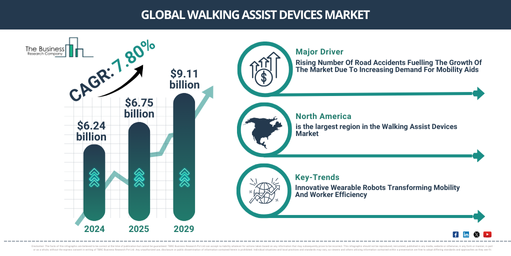
    Over the past few years, the market size for walking assist devices has seen robust growth. It is projected to escalate from $6.24 billion in 2024 to $6.75 billion in 2025, demonstrating a compound annual growth rate (CAGR) of 8.1%. The market expansion during the historic period is due to several factors, including an increased requirement for mobility aid devices, heightened attention towards healthcare, a surge in chronic health conditions, a developing start-up landscape, a rise in orthopedic health conditions, and an increase in instances of neurological diseases.

    What Growth Rate Is Forecasted for the Walking Assist Devices Market by 2029?

    In the coming years, the market for walking assist devices is predicted to experience robust growth. It is projected to expand to $9.11 billion by 2029, with a compound annual growth rate (CAGR) of 7.8%. The climb in the projection period can be linked to escalating cases of rheumatoid arthritis, growth in the elderly population, augmenting conditions limiting mobility, and an intensified focus on personalization. Top trends for the forecast period encompass progression in robotic walking aids, smart adaptation innovation, advancements in artificial intelligence (AI) and machine learning, wearable and smart technology integration innovation, and improvements in personalized design.

    Download The Free Sample Report Here:

    https://www.thebusinessresearchcompany.com/sample.aspx?id=23575&type=smp

    Which Key Companies Are Shaping the Future of the Walking Assist Devices Market?

    Major companies operating in the walking assist devices market are Honda Motor Co Ltd, Comfort Company, Ottobock SE & Co. KGaA, Invacare Corporation, BIOBASE Group, Permobil, Sunrise Medical, Drive DeVilbiss Healthcare, Pride Mobility Products Corp, Etac AB, Besco Medical Limited, GF Health Products Inc, LEVO AG, Ossenberg GmbH, Bischoff & Bischoff, Cobi Rehab, CHINESPORT S.p.a., MEYRA GmbH, Eurovema Mobility AB, Mikirad

    Which Factors Are Driving Demand in the Walking Assist Devices Industry?

    The burgeoning frequency of road mishaps is anticipated to fuel the expansion of the walking assist devices market in the future. Road mishaps refer to unforeseen occurrences on streets involving vehicles or pedestrians, often leading to losses, injuries, or mortalities. This increment in such accidents arises from escalating distractions for drivers, like the prevalent use of mobile devices, which distract focus from the roadway and diminish response intervals, contributing to increased probabilities of crashes. These accidents underscore the necessity for heightened safety and drive the demand for walking assist devices that aid individuals in recuperating from wounds and bettering mobility. For example, in March 2022, as per the Department of Infrastructure, Transport, Regional Development, Communications, and the Arts, a federal government department based in AUS, road fatalities in the year preceding February 2025 amounted to 1,292, signifying a 1.6% surge compared to the preceding year. Hence, the escalating frequency of road mishaps is propelling the expansion of the walking assist devices market.

    Request For A Customized Report:

    https://www.thebusinessresearchcompany.com/customise?id=23575&type=smp

    How Is the Walking Assist Devices Market Segmented by Several Divisions?

    The walking assist devices market covered in this report is segmented –

    1) By Product Type: Gait Belt And Lift Vest, Cane, Crutch, Walker, Wheelchair, Power Scooter

    2) By Age Group: Geriatric, Adults

    3) By Distribution Channel: Online, Offline

    4) By End-User: Hospitals, Homecare, Other End-Users

    Subsegments:

    1) By Gait Belt And Lift Vest: Standard Gait Belts, Padded Gait Belts, Quick-Release Gait Belts, Transfer And Lift Vests

    2) By Cane: Standard Canes, Quad Canes, Folding Canes, Offset Canes, Seat Canes

    3) By Crutch: Underarm Crutches, Forearm Crutches, Platform Crutches, Strutter Crutches

    4) By Walker: Standard Walkers, Rolling Walkers, Hemi Walkers, Knee Walkers

    5) By Wheelchair: Manual Wheelchairs, Electric Wheelchairs, Transport Wheelchairs, Sports Wheelchairs, Bariatric Wheelchairs

    6) By Power Scooter: Travel Scooters, Heavy-Duty Scooters, Folding Scooters, Three-Wheel Scooters, Four-Wheel Scooters

    What are the Emerging Market Trends Driving the Growth of the Walking Assist Devices Industry?

    Mainstay companies in the market for walking aid devices are concentrating on innovating new products like wearable robots, with the goal of increasing productivity, decreasing physical stress, and promoting safety in tasks like tree care and forestry work. These wearable robots are essentially robotic exoskeletons or assistive equipment meant to augment mobility, power, and stamina in various domains such as healthcare, rehabilitation, and industrial labour. For example, Samsung Electronics Co., Ltd., established in South Korea, unveiled a wearable robot, the Samsung EX1, in January 2024. The robot is distinctive for its ability to boost mobility and steadiness in elderly individuals by offering hip-attached robotic help. Unlike traditional walking aids, the EX1 actively aids in movement while directing users through organized workout routines to enhance muscle power and equilibrium. Studies demonstrate that routine usage can improve walking stride around 12% and propulsion about 21%, underlining its potential as a revolutionary breakthrough in the realm of wearable assistive technology.

    Access The Full Report Here:

    https://www.thebusinessresearchcompany.com/report/walking-assist-devices-global-market-report

    Which Regions Are Driving Growth in the Walking Assist Devices Market?

    North America was the largest region in the walking assist devices market in 2024. Asia-Pacific is expected to be the fastest-growing region in the forecast period. The regions covered in the walking assist devices market report are Asia-Pacific, Western Europe, Eastern Europe, North America, South America, Middle East, Africa.

    Purchase The Full Report Today:

    https://www.thebusinessresearchcompany.com/purchaseoptions.aspx?id=23575

    This Report Delivers Insight On:

    1. How big is the walking assist devices market, and how is it changing globally?

    2. Who are the major companies in the walking assist devices market, and how are they performing?

    3. What are the key opportunities and risks in the walking assist devices market right now?

    4. Which products or customer segments are growing the most in the walking assist devices market?

    5. What factors are helping or slowing down the growth of the walking assist devices market?

    About The Business Research Company:

    With over 15000+ reports from 27 industries covering 60+ geographies, The Business Research Company has built a reputation for offering comprehensive, data-rich research and insights. Armed with 1,500,000 datasets, the optimistic contribution of in-depth secondary research, and unique insights from industry leaders, you can get the information you need to stay ahead in the game.

    Get in touch with us:

    The Business Research Company: https://www.thebusinessresearchcompany.com/

    Americas +1 310-496-7795

    Europe +44 7882 955267

    Asia & Others +44 7882 955267 & +91 8897263534

    Email us at info@tbrc.info

    Follow us on:

    LinkedIn: https://in.linkedin.com/company/the-business-research-company

    YouTube: https://www.youtube.com/channel/UC24_fI0rV8cR5DxlCpgmyFQ

    Global Market Model: https://www.thebusinessresearchcompany.com/global-market-model
  • Vitreoretinal Disorder Market Size to Exceed $6.3 Billion by 2029 | Growth and Industry Trends

    Vitreoretinal Disorder Market Size to Exceed $6.3 Billion by 2029 | Growth and Industry Trends

    Claim your 30% discount on Global Market Reports with code ONLINE30. Limited time only.

    How Has the Vitreoretinal Disorder Market Grown from 2024 to 2025?

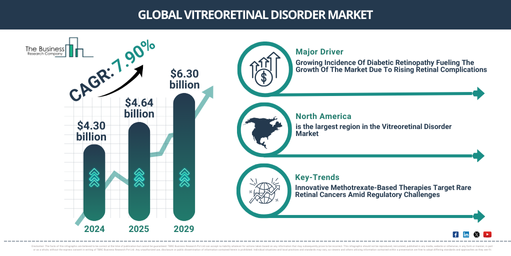
    The market size for vitreoretinal disorders has seen a significant increase in recent times. It is projected to expand from $4.30 billion in 2024 to $4.64 billion in 2025, with a Compound Annual Growth Rate (CAGR) of 8.1%. The growth observed in the historic period can be credited to factors such as increased diabetic retinopathy prevalence, growth of the aging populace, enhanced awareness about retinal diseases, the development of healthcare infrastructure, and the early adoption of anti-vascular endothelial growth factor (VEGF) therapy.

    What Growth Rate Is Anticipated for the Vitreoretinal Disorder Market in the Coming Years?

    The market for vitreoretinal disorders is predicted to experience robust growth in the coming years, ascending to $6.30 billion by 2029, with a compound annual growth rate (CAGR) of 7.9%. This projected growth during the forecast period can be credited to factors such as the surging prevalence of age-related macular degeneration, a rise in cases of diabetic retinopathy, increased investment in regenerative stem cell treatments, higher spending on eye health, enhanced awareness about the importance of early detection of retinal diseases, and government-led initiatives. The forecast period also anticipates major trends like the use of artificial intelligence (AI) in retinal disease detection, robotic assistance in vitreoretinal surgeries, nanotechnology in medicine delivery, smart contact lenses for real-time eye tracking, ultra-high-resolution through adaptive optics imaging, and biodegradable intravitreal implants.

    Download The Free Sample Report Here:

    https://www.thebusinessresearchcompany.com/sample.aspx?id=23574&type=smp

    Who Are the Leading Companies in the Vitreoretinal Disorder Market?

    Major companies operating in the vitreoretinal disorder market are Pfizer Inc., Johnson & Johnson, F. Hoffmann-La Roche AG, Merck & Co. Inc., AbbVie Inc., Bayer AG, Novartis AG, GSK plc, Teva Pharmaceutical Industries Ltd., Baxter International, Regeneron Pharmaceuticals Inc., Astellas Pharma Inc., Alcon Inc., Bausch Health Companies Inc., Santen Pharmaceutical Co. Ltd. , Topcon Corporation, Ocular Therapeutix Inc., Carl Zeiss Meditec AG, EyePoint Pharmaceuticals Inc., Kodiak Sciences Inc., Clearside Biomedical.

    What Are the Key Drivers of the Vitreoretinal Disorder Market?

    The increase in cases of diabetic retinopathy is anticipated to propel the expansion of the vitreoretinal disorder market. Diabetic retinopathy, a condition affecting the eye due to damage to the retina’s blood vessels caused by elevated blood sugar levels in diabetic individuals, is becoming increasingly common. This is due to the upward trend of diabetes incidence, linked to inactive lifestyles and inadequate blood sugar management, resulting in harm to retinal blood vessels. Effective management of vitreoretinal disorders is instrumental in addressing diabetic retinopathy. It deals with complications such as vitreous haemorrhage and tractional retinal detachment, hence preserving vision and circumventing additional retinal harm. For instance, the Australian Institute of Health and Welfare, a government agency based in Australia, stated in October 2024 that in 2022-23, 1.8% of First Nations people in Australia who were screened received treatment for diabetic retinopathy. This was a lower age-standardized treatment rate (1.3%) than that of non-Indigenous Australians (1.5%). Consequently, the upward trend in diabetic retinopathy cases is fueling the expansion of the vitreoretinal disorder market.

    Request For A Customized Report:

    https://www.thebusinessresearchcompany.com/customise?id=23574&type=smp

    What Are the Key Market Segments in the Vitreoretinal Disorder Industry?

    The vitreoretinal disorder market covered in this report is segmented –

    1) By Type: Retinal Tear, Retinal Detachment, Diabetic Retinopathy, Macular Degeneration, Macular Hole, Other Types

    2) By Diagnosis: Digital Fluorescein Angiography, Optical Coherence Tomography, Heidelberg Retinal Tomography, Indocyanine Green Angiography, Other Diagnosis

    3) By Treatment: Surgery, Medication, Other Treatments

    4) By Distribution Channel: Hospital Pharmacy, Online Pharmacy, Retail Pharmacy

    5) By End User: Hospitals, Homecare, Specialty Clinics, Other End Users

    Subsegments:

    1) By Retinal Tear: Atrophic Retinal Tear, Operculated Retinal Tear, Horseshoe Retinal Tear, Giant Retinal Tear

    2) By Retinal Detachment: Rhegmatogenous Retinal Detachment, Tractional Retinal Detachment, Exudative Retinal Detachment

    3) By Diabetic Retinopathy: Non-Proliferative Diabetic Retinopathy, Proliferative Diabetic Retinopathy, Diabetic Macular Edema

    4) By Macular Degeneration: Dry Macular Degeneration, Wet Macular Degeneration

    5) By Macular Hole: Full-Thickness Macular Hole, Lamellar Macular Hole, Tractional Macular Hole

    6) By Other Types: Epiretinal Membrane, Retinal Vein Occlusion, Retinal Artery Occlusion, Retinitis Pigmentosa, Uveitis, Vitreous Hemorrhage, Macular Edema, Central Serous Retinopathy, Proliferative Vitreoretinopathy

    What Are the Latest Trends in the Vitreoretinal Disorder Market?

    Leading businesses in the vitreoretinal disorder market are striving to create innovative treatments like methotrexate to cater to the unfulfilled healthcare needs related to unusual and aggressive retinal cancers. The use of methotrexate for treating primary vitreoretinal lymphoma involves the intravitreal application of a chemotherapy drug to target and inhibit malignant cells in the retina and vitreous, providing a localized and effective therapy for this rare ocular cancer. For instance, Aldeyra Therapeutics Inc., a biotechnology firm based in the USA, disclosed a successful pre-NDA meeting with the FDA in December 2022 about ADX-2191, a new, preservative-free version of methotrexate for treating primary vitreoretinal lymphoma (PVRL), an uncommon and hostile retinal cancer.

    Access The Full Report Here:

    https://www.thebusinessresearchcompany.com/report/vitreoretinal-disorder-global-market-report

    What Are the Key Regional Markets in the Vitreoretinal Disorder Industry?

    North America was the largest region in the vitreoretinal disorder market in 2024. The regions covered in the vitreoretinal disorder market report are Asia-Pacific, Western Europe, Eastern Europe, North America, South America, Middle East, Africa.

    Purchase The Full Report Today:

    https://www.thebusinessresearchcompany.com/purchaseoptions.aspx?id=23574

    This Report Delivers Insight On:

    1. How big is the vitreoretinal disorder market, and how is it changing globally?

    2. Who are the major companies in the vitreoretinal disorder market, and how are they performing?

    3. What are the key opportunities and risks in the vitreoretinal disorder market right now?

    4. Which products or customer segments are growing the most in the vitreoretinal disorder market?

    5. What factors are helping or slowing down the growth of the vitreoretinal disorder market?

    About The Business Research Company:

    With over 15000+ reports from 27 industries covering 60+ geographies, The Business Research Company has built a reputation for offering comprehensive, data-rich research and insights. Armed with 1,500,000 datasets, the optimistic contribution of in-depth secondary research, and unique insights from industry leaders, you can get the information you need to stay ahead in the game.

    Get in touch with us:

    The Business Research Company: https://www.thebusinessresearchcompany.com/

    Americas +1 310-496-7795

    Europe +44 7882 955267

    Asia & Others +44 7882 955267 & +91 8897263534

    Email us at info@tbrc.info

    Follow us on:

    LinkedIn: https://in.linkedin.com/company/the-business-research-company

    YouTube: https://www.youtube.com/channel/UC24_fI0rV8cR5DxlCpgmyFQ

    Global Market Model: https://www.thebusinessresearchcompany.com/global-market-model
  • Visceral Leishmaniasis Industry Insights 2025 – Market Forecast for Executives and Planners

    Visceral Leishmaniasis Industry Insights 2025 – Market Forecast for Executives and Planners

    Claim your 30% discount on Global Market Reports with code ONLINE30. Limited time only.

    How Has the Visceral Leishmaniasis Market Size Changed, over the years?

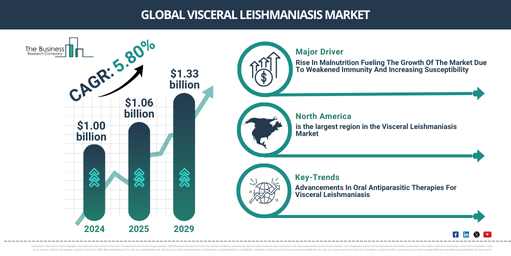
    In the last few years, the market size of visceral leishmaniasis has seen a robust growth. The market is set to increase from $1.00 billion in 2024 to $1.06 billion in 2025, with a compound annual growth rate (CAGR) of 6.1%. The factors contributing to the growth during the historic period include an increase in disease burden, surge in government funding, launch of amphotericin B, advancement of miltefosine, expansion of awareness campaigns, better accessibility to healthcare in endemic areas, and the foundation of public-private alliances.

    How Much Will the Visceral Leishmaniasis Market Be Worth in 2029?

    In the upcoming years, the market size for visceral leishmaniasis is set to witness substantial growth, with a projected worth of $1.33 billion in 2029, driven by a compound annual growth rate (CAGR) of 5.8%. Several factors can account for this growth in the forecast period, such as increased investment in the development of vaccines, heightened worldwide disease monitoring programs, growth in public-private partnerships, better funding for overlooked tropical diseases, and the introduction of gene-based therapies. Key trends predicted for this period include CRISPR-based gene alterations, AI-aided drug discovery, nanotechnology-improved drug delivery, next-gen sequencing for parasite examination, wearable biosensors for prompt detection, the application of blockchain for medical supply chain control, smartphone-driven diagnostic mechanisms, and 3D bioprinting geared towards personalized treatment research.

    Download The Free Sample Report Here:

    https://www.thebusinessresearchcompany.com/sample.aspx?id=23573&type=smp

    Which is the Largest Company in the Visceral Leishmaniasis Market?

    Major companies operating in the visceral leishmaniasis market are Pfizer Inc., Bristol-Myers Squibb Company, Abbott Laboratories, Novartis AG, GSK plc, Takeda Pharmaceutical Company Limited, Gilead Sciences Inc., Sun Pharmaceutical Industries Ltd., Dr. Reddy’s Laboratories, Aurobindo Pharma Limited, Cipla Limited, Zydus Lifesciences Limited, Glenmark Pharmaceuticals Limited, Alkem Laboratories Ltd, Xellia Pharmaceuticals, Knight Therapeutics Inc, Gufic Biosciences Ltd., United Biotech Private Limited, DNDi, TLC.

    What Are the Main Market Drivers in the Visceral Leishmaniasis Industry?

    The escalation in malnutrition levels is predicted to spur the expansion of the visceral leishmaniasis market. Malnutrition, a health issue resulting from insufficient or unbalanced intake of key nutrients required for bodily functions, has been on the rise due to food insecurity. This insecurity impedes access to nutritious food, prompting undernourishment and micro-nutrient insufficiencies, subsequently compromising the immune system. An impaired immune system heralds an increased susceptibility to infections, including visceral leishmaniasis. The body’s defense mechanisms are weakened by nutrient deficiencies, thereby augmenting the risk of intensified diseases and complications. For example, the Food and Agriculture Organization, an Italy-based specialized agency of the United Nations, reported in July 2024 that the count of undernourished people had elevated to 723.8 million in 2022, which was higher than 708.7 million in 2021. In consequence, malnutrition’s rise is fuelling the growth of the visceral leishmaniasis market.

    Request For A Customized Report:

    https://www.thebusinessresearchcompany.com/customise?id=23573&type=smp

    How Is the Visceral Leishmaniasis Market Segments Structured?

    The visceral leishmaniasis market covered in this report is segmented –

    1) By Treatment: Antiparasitic, Antifungal, Other Treatments

    2) By Diagnosis Method: Serological Tests, Molecular Tests, Microscopy, Culture Methods

    3) By Route Of Administration: Oral, Injectable, Other Routes Of Administration

    4) By Distribution Channel: Hospital Pharmacy, Online Pharmacy, Retail Pharmacy

    5) By End-User: Hospitals, Homecare, Specialty Clinics, Other End-Users

    Subsegments:

    1) By Antiparasitic: Pentavalent Antimonials, Miltefosine, Paromomycin, Sitamaquine, Combination Therapy

    2) By Antifungal: Amphotericin B, Liposomal Amphotericin B (AmBisome), Azoles, Echinocandins, Polyenes

    3) By Other Treatments: Immunotherapy, Monoclonal Antibodies, Vaccine-Based Approaches, Photodynamic Therapy, Gene Therapy

    What Strategic Trends Are Transforming the Visceral Leishmaniasis Market?

    Leading firms in the visceral leishmaniasis market are placing emphasis on the progression of treatment alternatives, such as antiparasitic drugs, to heighten effectiveness and boost patient access, particularly in areas heavily affected by the disease. Antiparasitic drugs, which are used to treat parasitic infections, operate by interfering with the parasite’s biological processes, limiting its growth, reproduction, or survival. For example, in February 2024, Zydus Lifesciences Limited, a pharmaceutical company based in India, was granted prequalification approval by the World Health Organization (WHO) for the active pharmaceutical ingredient (API) and formulation of miltefosine, used to treat leishmaniasis, also known as kala-azar. Miltefosine, an oral antiparasitic drug, functions by damaging the parasite’s cell membrane and disrupting its metabolism, causing cell death. Additionally, it inhibits parasite growth and ensures survival, making it a potent oral therapy for visceral leishmaniasis or kala azar.

    Access The Full Report Here:

    https://www.thebusinessresearchcompany.com/report/visceral-leishmaniasis-global-market-report

    Which Global Regions Offer the Highest Growth in the Visceral Leishmaniasis Market?

    North America was the largest region in the visceral leishmaniasis market in 2024. Asia-Pacific is expected to be the fastest-growing region in the forecast period. The regions covered in the visceral leishmaniasis market report are Asia-Pacific, Western Europe, Eastern Europe, North America, South America, Middle East, Africa.

    Purchase The Full Report Today:

    https://www.thebusinessresearchcompany.com/purchaseoptions.aspx?id=23573

    This Report Delivers Insight On:

    1. How big is the visceral leishmaniasis market, and how is it changing globally?

    2. Who are the major companies in the visceral leishmaniasis market, and how are they performing?

    3. What are the key opportunities and risks in the visceral leishmaniasis market right now?

    4. Which products or customer segments are growing the most in the visceral leishmaniasis market?

    5. What factors are helping or slowing down the growth of the visceral leishmaniasis market?

    About The Business Research Company:

    With over 15000+ reports from 27 industries covering 60+ geographies, The Business Research Company has built a reputation for offering comprehensive, data-rich research and insights. Armed with 1,500,000 datasets, the optimistic contribution of in-depth secondary research, and unique insights from industry leaders, you can get the information you need to stay ahead in the game.

    Get in touch with us:

    The Business Research Company: https://www.thebusinessresearchcompany.com/

    Americas +1 310-496-7795

    Europe +44 7882 955267

    Asia & Others +44 7882 955267 & +91 8897263534

    Email us at info@tbrc.info

    Follow us on:

    LinkedIn: https://in.linkedin.com/company/the-business-research-company

    YouTube: https://www.youtube.com/channel/UC24_fI0rV8cR5DxlCpgmyFQ

    Global Market Model: https://www.thebusinessresearchcompany.com/global-market-model
  • Virtual And Remote Laboratories Market Trends Report 2025 – For Business Development and Strategy Teams

    Virtual And Remote Laboratories Market Trends Report 2025 – For Business Development and Strategy Teams

    Claim your 30% discount on Global Market Reports with code ONLINE30. Limited time only.

    What Is the Forecast for the Virtual And Remote Laboratories Market Growth in 2025?

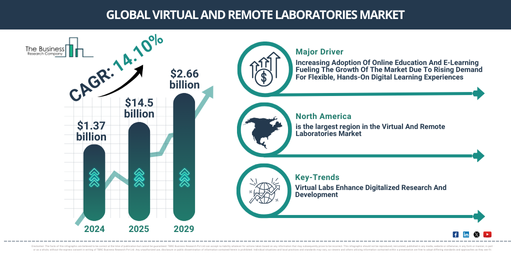
    In recent times, the market size for virtual and remote laboratories has seen quick expansion. The growth is predicted to climb from $1.37 billion in 2024 to $14.5 billion in 2025, representing a compound annual growth rate (CAGR) of 14.5%. The surge experienced in the historic period can be linked to the rising trend of digital transformation in education, a growing demand for affordable lab solutions, an increase in global internet accessibility, augmenting government support for digital education, and the expanding use of virtual labs within corporate training schemes.

    What Is the Forecast for the Virtual And Remote Laboratories Market Size Through 2029?

    The market size for virtual and remote laboratories is predicted to experience significant expansion in the upcoming years. The market is projected to reach a value of $2.66 billion in 2029, with a Compound Annual Growth Rate (CAGR) of 14.1%. This increase during the forecast period can be credited to the rising utilization of e-learning platforms, an escalating demand for scalable lab infrastructure, a growing emphasis on personalized learning environments, an increase in edtech startups providing lab simulations, and a rising requirement for scalable lab infrastructure. Key trends within the forecast period include the creation of cross-platform compatibility, the development of cost-effective virtual lab kits, incorporation with learning management systems, integration of simulation and control of actual devices, and the assimilation of video conferencing tools.

    Download The Free Sample Report Here:

    https://www.thebusinessresearchcompany.com/sample.aspx?id=23570&type=smp

    What are the Key Market Players in Virtual And Remote Laboratories Market and How They’re Evolving?

    Major companies operating in the virtual and remote laboratories market are HPE Virtual Labs, LabXchange, Immersive Labz, Immersive Labz Private Limited, Emerald Cloud Lab Inc., Labster ApS, Anatomage Inc., Fast Lane Institute for Knowledge Transfer GmbH, Shamrock Capital Advisors LLC, SimBiotic Software Inc., Beyond Labz, OpenLab VR, CorpAcademia iTechnovations Pvt. Ltd, VRLab Academy, Smart Science Labs, iXR Labs, MERLOT Virtual Labs , PraxiLabs, Amrita Virtual Labs, Inq-ITS

    What Are the Primary Growth Drivers in the Virtual And Remote Laboratories Market?

    The surge in the usage of web-based schooling and e-learning is projected to fuel the expansion of the virtual and remote labs market. Web-based schooling and e-learning involve presenting academic content and lessons via digital platforms and the internet, enabling participants to partake in courses, training, or academic programmes from anywhere and on their own schedule. The demand for adaptable and reachable learning solutions is driving the expansion of web-based schooling and e-learning as it enables students to learn whenever and wherever at their pace. Virtual and remote labs amplify web-based schooling and e-learning by providing interactive, practical experiences in digital form, making them optimal for remote learners and institutions lacking physical lab facilities. By simulating real-world experiments, they boost learning results by enhancing engagement and practical comprehension. For instance, as per Eurostat, a governing entity based in Luxembourg, in 2023, 30% of European Union internet users (aged 16–74) used web-based learning tools, a rise from 28% in 2022. Therefore, the rise in the usage of web-based schooling and e-learning propels the expansion of the virtual and remote labs market.

    Request For A Customized Report:

    https://www.thebusinessresearchcompany.com/customise?id=23570&type=smp

    What Are the Leading Segments in the Global Virtual And Remote Laboratories Industry?

    The virtual and remote laboratories market covered in this report is segmented –

    1) By Component: Software, Hardware, Services

    2) By Deployment Mode: On-Premises, Cloud

    3) By Application: Education, Research And Development, Quality Control, Training, Other Application

    4) By End-User: Academic Institutions, Enterprises, Government, Other End-Users

    Subsegments

    1) By Software: Lab Management Software, Simulation Software, Remote Access Software, Virtual Reality And Augmented Reality Software, Learning Management System Integration, Data Analytics And Reporting Tools

    2) By Hardware: Experimentation Devices, Remote Control Equipment, Data Acquisition Systems, Virtual Reality Headsets And Devices, Network And Communication Infrastructure, Cameras And Monitoring Equipment

    3) By Services: System Integration And Deployment, Technical Support And Maintenance, Training And Consulting Services, Content Development And Customization, Cloud Hosting And Infrastructure Services

    What Are the Key Market Trends in the Virtual And Remote Laboratories Industry?

    In the virtual and remote laboratories sector, top-tier companies are honing in on creating unique platforms such as virtual labs. These offer scalable, user-friendly, and immersive learning landscapes. This defines an environment, digitally simulated on a computer system that lets users perform experiments and connect with educational or scientific resources remotely, mimicking actual lab activities for learning or research. For example, HTE GmbH, a tech and services enterprise based in Germany, in June 2023, introduced a virtual lab for digitized research and development (R&D). It aims to elevate research proficiency in catalysis and materials R&D in sectors like energy, refining, chemicals, and battery manufacturing. This laboratory incorporates state-of-art technologies and workflows that assimilate reactor systems, software, and analytics to shape efficient lab operations aligned with energy, refining, chemicals, and batteries. It provides realistic 3D reactor systems, modular customization for testing units, and case studies addressing issues like CO₂ management, resource-efficient manufacturing, and synthesizing battery materials.

    Access The Full Report Here:

    https://www.thebusinessresearchcompany.com/report/virtual-and-remote-laboratories-global-market-report

    What Is the Regional Outlook for the Virtual And Remote Laboratories Market?

    North America was the largest region in the virtual and remote laboratories market in 2024. Asia-Pacific is expected to be the fastest-growing region in the forecast period. The regions covered in the virtual and remote laboratories market report are Asia-Pacific, Western Europe, Eastern Europe, North America, South America, Middle East, Africa.

    Purchase The Full Report Today:

    https://www.thebusinessresearchcompany.com/purchaseoptions.aspx?id=23570

    This Report Delivers Insight On:

    1. How big is the virtual and remote laboratories market, and how is it changing globally?

    2. Who are the major companies in the virtual and remote laboratories market, and how are they performing?

    3. What are the key opportunities and risks in the virtual and remote laboratories market right now?

    4. Which products or customer segments are growing the most in the virtual and remote laboratories market?

    5. What factors are helping or slowing down the growth of the virtual and remote laboratories market?

    About The Business Research Company:

    With over 15000+ reports from 27 industries covering 60+ geographies, The Business Research Company has built a reputation for offering comprehensive, data-rich research and insights. Armed with 1,500,000 datasets, the optimistic contribution of in-depth secondary research, and unique insights from industry leaders, you can get the information you need to stay ahead in the game.

    Get in touch with us:

    The Business Research Company: https://www.thebusinessresearchcompany.com/

    Americas +1 310-496-7795

    Europe +44 7882 955267

    Asia & Others +44 7882 955267 & +91 8897263534

    Email us at info@tbrc.info

    Follow us on:

    LinkedIn: https://in.linkedin.com/company/the-business-research-company

    YouTube: https://www.youtube.com/channel/UC24_fI0rV8cR5DxlCpgmyFQ

    Global Market Model: https://www.thebusinessresearchcompany.com/global-market-model
  • Market Analysis on Vestibular Neuronitis Treatment Industry – Insights for Corporate Strategy and R&D

    Market Analysis on Vestibular Neuronitis Treatment Industry – Insights for Corporate Strategy and R&D

    Claim your 30% discount on Global Market Reports with code ONLINE30. Limited time only.

    What Is the Forecast for the Vestibular Neuronitis Treatment Market from 2024 to 2025?

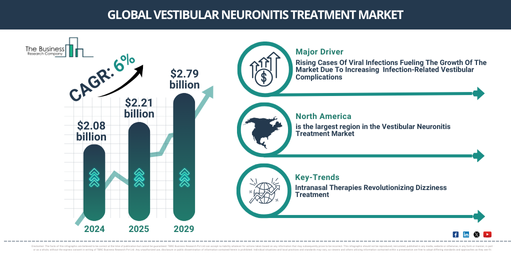
    In recent times, the market size for vestibular neuronitis treatment has significantly expanded. The market is forecasted to increase from $2.08 billion in 2024 to $2.21 billion in 2025, growing at a compound annual growth rate (CAGR) of 6.3%. The historic growth is credited to the rise in awareness on vestibular disorders, the increase in cases of chronic ailments, the sweeping prevalence of various vestibular conditions, the growing population of the elderly, and the escalating incidence of vestibular neuronitis.

    What Is the Projected Market Size of the Vestibular Neuronitis Treatment Market?

    Over the coming years, the market size for vestibular neuronitis treatment is predicted to experience robust growth. It’s projected to expand to $2.79 billion by 2029, with a Compound Annual Growth Rate (CAGR) of 6%. This growth within the forecast period is due to factors such as increased healthcare spending, a growing number of neurological disorder cases, a rise in sarcoma and ear infection incidences, and heightened awareness of balance disorders. The forecast period will also see significant trends such as the application of artificial intelligence (AI) and machine learning (ML) innovations, advancements in vestibular examination technological approaches, breakthroughs in drug delivery methods, the introduction of telemedicine for remote vestibular treatment, and enhancements in imaging technologies for inner ear evaluations.

    Download The Free Sample Report Here:

    https://www.thebusinessresearchcompany.com/sample.aspx?id=23567&type=smp

    Who are the Major Competitors in the Vestibular Neuronitis Treatment Market Outlook?

    Major companies operating in the vestibular neuronitis treatment market are Kaiser Permanente, Pfizer Inc., Johnson & Johnson, F. Hoffmann-La Roche AG, Merck & Co. Inc., AbbVie Inc., Abbott Laboratories, Novartis AG, GSK plc, Bupa, Teva Pharmaceutical Industries Ltd., Bausch Health Companies Inc., Cipla Limited, Dr. Reddy’s Laboratories Ltd. , Zydus Lifesciences Limited, Recordati S.p.A., ANI Pharmaceuticals Inc., Prestige Consumer Healthcare Inc., Sun Pharmaceutical Industries Ltd., LGM Pharma

    What Is Fueling Growth in the Vestibular Neuronitis Treatment Market?

    The escalating frequency of viral infections is anticipated to boost the vestibular neuronitis treatment market’s expansion. Viral diseases, which cause invading viruses to multiply in a host organism’s cells, result in a variety of symptoms and possible tissue damage. The surge in viral infections is predominantly attributed to global travel and urbanization, leading to increased population density and human interaction, allowing viruses to easily propagate through airborne droplets, direct contact, and tainted surfaces. Treatments for vestibular neuronitis assist in managing viral infections by reducing inflammation of the vestibular nerve, easing dizziness and balance disorders, and aiding recovery with the help of medications, rehabilitation therapy, and palliative care. For example, the UK Health Security Agency stated in October 2024 that HIV diagnoses in England hit 6,008 in 2023, a 51% leap from 3,975 in 2022 and a 56% uptick from 3,859 in 2019, highlighting how the increasing viral infections are driving the market for vestibular neuronitis treatment. The growth of the vestibular neuronitis treatment market is anticipated to be spurred by expanding healthcare expenditures. Healthcare spendings reflect the aggregate sum spent on medical services, treatments, facilities, research, and public health efforts to sustain or enhance health outcomes. The mounting demand for healthcare funds comes from the ageing population, who are more prone to balance disorders due to inner ear degeneration, subpar blood flow, and feeble nerve function. Healthcare expenses support vestibular neuronitis treatment by funding research, evolving medical technologies, and enhancing access to specialized care, facilitating superior treatment choices and quicker patient recovery. For example, the Centers for Medicare & Medicaid Services (CMS) reported in December 2024 that national health expenditures (NHE) rose by 7.5% in 2023, surpassing the GDP growth of 6.1%. From 2023 to 2032, the average national health expenditure (NHE) is expected to expand at an average annual rate of 5.6%, resulting in a rise of health spending share of GDP from 17.3% in 2022 to 19.7% in 2032, implying that growing healthcare expenses are propelling the market for vestibular neuronitis treatment.

    Request For A Customized Report:

    https://www.thebusinessresearchcompany.com/customise?id=23567&type=smp

    Which Vestibular Neuronitis Treatment Market Segments Are Growing the Fastest?

    The vestibular neuronitis treatment market covered in this report is segmented –

    1) By Treatment Type: Medication, Physical Therapy, Surgery, Alternative Therapy

    2) By Route Of Administration: Oral, Intravenous, Intramuscular

    3) By Age Group: Children, Adults, Elderly

    4) By Symptoms: Sudden Vertigo, Balance Issues, Nausea And Vomiting, Dizziness, Trouble Concentrating

    5) By End Users: Hospitals, Clinics, Other End Users

    Subsegments:

    1) By Medication: Corticosteroids, Antihistamines, Benzodiazepines, Antiemetics, Antiviral Drugs, Antibiotics

    2) By Physical Therapy: Vestibular Rehabilitation Therapy (VRT), Balance Training Exercises, Canalith Repositioning Maneuvers

    3) By Surgery: Labyrinthectomy, Vestibular Nerve Section, Endolymphatic Sac Decompression

    4) By Alternative Therapy: Acupuncture, Herbal Medicine, Chiropractic Therapy, Homeopathic Treatment, Dietary Supplements

    Which Industry Trends Are Shaping the Future of the Vestibular Neuronitis Treatment Market?

    Leading firms in the vestibular neuronitis treatment market are channeling their efforts towards the creation of cutting-edge solutions like vestibular modulators. These solutions aim to boost vestibular compensation, expedite recovery from vertigo, and increase the efficacy of treatments for balance disorder patients. Vestibular modulators serve as medicinal agents that control the activity of the vestibular system to enhance balance, minimize vertigo and amplify vestibular compensation. For example, Altamira Therapeutics Ltd., a biopharmaceutical company based in Switzerland, received investigational new drug (IND) clearance from the U.S. Food and Drug Administration in June 2023 for AM-125 (betahistine nasal spray) for acute vestibular syndrome (AVS). AM-125, a vestibular modulator, combats vestibular neuronitis via the increased release of histamine, enhanced vestibular compensation, and elevated inner ear blood flow, thereby alleviating vertigo and balance issues. It’s intranasal application guarantees swift absorption and amplified bioavailability for rapid symptom relief.

    Access The Full Report Here:

    https://www.thebusinessresearchcompany.com/report/vestibular-neuronitis-treatment-global-market-report

    Which Countries Are Leading the Vestibular Neuronitis Treatment Market?

    North America was the largest region in the vestibular neuronitis treatment market in 2024. Asia-Pacific is expected to be the fastest-growing region in the forecast period. The regions covered in the vestibular neuronitis treatment market report are Asia-Pacific, Western Europe, Eastern Europe, North America, South America, Middle East, Africa.

    Purchase The Full Report Today:

    https://www.thebusinessresearchcompany.com/purchaseoptions.aspx?id=23567

    This Report Delivers Insight On:

    1. How big is the vestibular neuronitis treatment market, and how is it changing globally?

    2. Who are the major companies in the vestibular neuronitis treatment market, and how are they performing?

    3. What are the key opportunities and risks in the vestibular neuronitis treatment market right now?

    4. Which products or customer segments are growing the most in the vestibular neuronitis treatment market?

    5. What factors are helping or slowing down the growth of the vestibular neuronitis treatment market?

    About The Business Research Company:

    With over 15000+ reports from 27 industries covering 60+ geographies, The Business Research Company has built a reputation for offering comprehensive, data-rich research and insights. Armed with 1,500,000 datasets, the optimistic contribution of in-depth secondary research, and unique insights from industry leaders, you can get the information you need to stay ahead in the game.

    Get in touch with us:

    The Business Research Company: https://www.thebusinessresearchcompany.com/

    Americas +1 310-496-7795

    Europe +44 7882 955267

    Asia & Others +44 7882 955267 & +91 8897263534

    Email us at info@tbrc.info

    Follow us on:

    LinkedIn: https://in.linkedin.com/company/the-business-research-company

    YouTube: https://www.youtube.com/channel/UC24_fI0rV8cR5DxlCpgmyFQ

    Global Market Model: https://www.thebusinessresearchcompany.com/global-market-model
  • Venturi Mask Forecast Report – Designed for Decision Makers and Product Teams

    Venturi Mask Forecast Report – Designed for Decision Makers and Product Teams

    Claim your 30% discount on Global Market Reports with code ONLINE30. Limited time only.

    What Is the Growth Rate of the Venturi Mask Market?

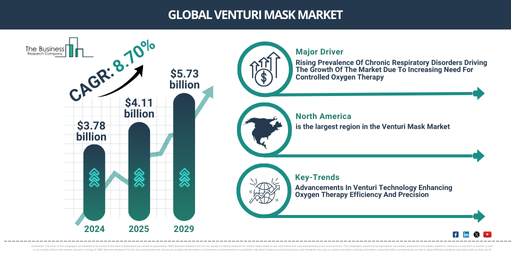
    In the past few years, the Venturi mask industry has showcased substantial growth. It’s projected to increase from $3.78 billion in 2024 to $4.11 billion in 2025, with a Compound Annual Growth Rate (CAGR) of 8.8%. The market growth during the historical period can be linked to various factors such as increased needs in ambulatory surgical centers, governmental support for respiratory care apparatus, high urban air contamination, improved healthcare access for the expanding middle-class population, and the evolution of in-home oxygen therapy.

    What Growth Rate Is Forecasted for the Venturi Mask Market by 2029?

    The market size for venturi masks is predicted to experience a considerable upswing in the coming years, growing to $5.73 billion by 2029 with a compound annual growth rate (CAGR) of 8.7%. The projected growth during this period can be traced back to an increase in chronic obstructive pulmonary disease incidences, rising asthma cases globally, high pneumonia infection prevalence, swelling numbers of elderly patients requiring hospital admission, and growing intensive care unit capabilities. The forecast period will also witness key trends such as the emergence of adjustable oxygen delivery systems, the incorporation of hepa filters to manage infections, the use of lightweight and adaptable materials, patient comfort enhancement through ergonomic designs, and a growing partnership trend between hospitals and device manufacturers.

    Download The Free Sample Report Here:

    https://www.thebusinessresearchcompany.com/sample.aspx?id=23566&type=smp

    Which Key Companies Are Shaping the Future of the Venturi Mask Market?

    Major companies operating in the venturi mask market are Intersurgical, Polymed Medical Devices, GaleMed Corporation, Suzhou Sunmed, Medilivescare Manufacturing Pvt. Ltd., Angiplast Pvt Ltd., Greetmed, Narang Medical Ltd., Manish Enterprises, Forca Healthcare, Life-O-Line Technologist , WEGO Medical, Forlong Medical Co. Ltd., Supertech Surgical Company, Airways Surgical Pvt. Ltd., APEX MEDICAL DEVICES, Hangzhou Shanyou Medical Equipment Co. Ltd., Yash Care Life Scieneces, Welco Lifecare Private Limited, Goldenwell

    Which Factors Are Driving Demand in the Venturi Mask Industry?

    The anticipated growth of the venturi mask market is linked to the rising prevalence of chronic respiratory conditions. These long-lasting lung diseases are characterized by enduring breathing difficulties and diminished lung function caused by inflammation, obstructions, or scarring. The increasing occurrence of these disorders can be attributed to persistent changes in worldwide health trends and improved diagnosis and acknowledgement of these conditions. Venturi masks play a critical role in treating these disorders as they supply a fixed concentration of oxygen, a fundamental requirement for conditions like COPD where excess oxygen can disrupt the body’s natural respiratory rhythm. A 2023 report from the US-based National Library of Medicine forecasted a significant rise in global COPD cases among those aged 25 and above, predicting nearly 600 million cases by 2050, up 23% from 2020. Interestingly, the report suggested a likely 47.1% increase in female cases, versus a mere 9.4% jump for males. It also indicated that low- to middle-income areas may witness over double the cases compared to affluent regions. Thus, the rising occurrence of chronic respiratory disorders is likely to augment the growth of the venturi mask market.

    Request For A Customized Report:

    https://www.thebusinessresearchcompany.com/customise?id=23566&type=smp

    How Is the Venturi Mask Market Segmented by Several Divisions?

    The venturi mask market covered in this report is segmented –

    1) By Product Type: Single Venturi Masks, Multi-Venturi Masks, Adjustable Flow Venturi Masks, Pediatric Venturi Masks, Adult Venturi Masks

    2) By Material Type: Plastic Venturi Masks, Silicone Venturi Masks, Rubber Venturi Masks, Disposable Venturi Masks, Re-Usable Venturi Masks

    3) By Oxygen Flow Rate: Low Flow Rate (1-6 L/min), Medium Flow Rate (6-12 L/min), High Flow Rate (12-15 L/min), Variable Flow Rate

    4) By Application: Chronic Obstructive Pulmonary Disease (COPD), Asthma, Pneumonia, Myocardial Infarction, Respiratory Distress Syndrome

    5) By End-User: Hospitals And Clinics, Homecare, Ambulatory Surgery Centers

    Subsegments:

    1) By Single Venturi Masks: Low-Flow Single Venturi Masks, High-Flow Single Venturi Masks

    2) By Multi-Venturi Masks: Fixed Multi-Venturi Masks, Adjustable Multi-Venturi Masks

    3) By Adjustable Flow Venturi Masks: Low-Flow Adjustable Venturi Masks, High-Flow Adjustable Venturi Masks

    4) By Pediatric Venturi Masks: Pediatric Low-Flow Venturi Masks, Pediatric High-Flow Venturi Masks

    5) By Adult Venturi Masks: Adult Low-Flow Venturi Masks, Adult High-Flow Venturi Masks

    What are the Emerging Market Trends Driving the Growth of the Venturi Mask Industry?

    Major businesses in the venturi mask industry are innovating advanced apparatus, like venturi adapters, that deliver accurate and dependable oxygen concentrations. These adapters manage the oxygen flow by blending it with ambient air, delivering the exact necessary oxygen concentration for patients’ treatments. As an illustration, in April 2024, Sunset Healthcare, an American firm with expertise in respiratory products, unveiled the Lynx Venturi System, a cutting-edge oxygen supply system. This system modernizes oxygen therapy by employing a single mask, which can be adjusted to high or low flow, circumventing the need for multiple venturi adapters. The Lynx Venturi System guarantees precise FiO2 for a range of oxygen needs, facilitating seamless handovers among Emergency Medical Services, Emergency Department, Intensive Care Units, and other care settings. Its compact design lessens waste, reduces the need for additional components, and enhances both clinical and fiscal performance. User-friendly adapters necessitate minimal instruction, allowing respiratory therapists to concentrate on complex care and aiding in the early identification of hypoxemia through accurate monitoring of PaO2 or FiO2.

    Access The Full Report Here:

    https://www.thebusinessresearchcompany.com/report/venturi-mask-global-market-report

    Which Regions Are Driving Growth in the Venturi Mask Market?

    North America was the largest region in the venturi mask market in 2024. Asia-Pacific is expected to be the fastest-growing region in the forecast period. The regions covered in the venturi mask market report are Asia-Pacific, Western Europe, Eastern Europe, North America, South America, Middle East, Africa.

    Purchase The Full Report Today:

    https://www.thebusinessresearchcompany.com/purchaseoptions.aspx?id=23566

    This Report Delivers Insight On:

    1. How big is the venturi mask market, and how is it changing globally?

    2. Who are the major companies in the venturi mask market, and how are they performing?

    3. What are the key opportunities and risks in the venturi mask market right now?

    4. Which products or customer segments are growing the most in the venturi mask market?

    5. What factors are helping or slowing down the growth of the venturi mask market?

    About The Business Research Company:

    With over 15000+ reports from 27 industries covering 60+ geographies, The Business Research Company has built a reputation for offering comprehensive, data-rich research and insights. Armed with 1,500,000 datasets, the optimistic contribution of in-depth secondary research, and unique insights from industry leaders, you can get the information you need to stay ahead in the game.

    Get in touch with us:

    The Business Research Company: https://www.thebusinessresearchcompany.com/

    Americas +1 310-496-7795

    Europe +44 7882 955267

    Asia & Others +44 7882 955267 & +91 8897263534

    Email us at info@tbrc.info

    Follow us on:

    LinkedIn: https://in.linkedin.com/company/the-business-research-company

    YouTube: https://www.youtube.com/channel/UC24_fI0rV8cR5DxlCpgmyFQ

    Global Market Model: https://www.thebusinessresearchcompany.com/global-market-model
  • Venlafaxine Market Outlook 2025 – Insights for Executive and Strategic Planning

    Venlafaxine Market Outlook 2025 – Insights for Executive and Strategic Planning

    Claim your 30% discount on Global Market Reports with code ONLINE30. Limited time only.

    How Has the Venlafaxine Market Grown from 2024 to 2025?

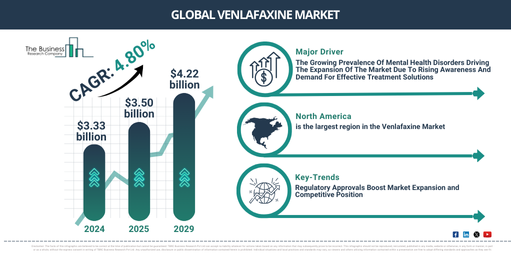
    In the past few years, the market size for venlafaxine has robustly expanded. The growth is expected to continue, with market value projected to increase from $3.33 billion in 2024 to $3.50 billion in 2025, boasting a compound annual growth rate (CAGR) of 5.1%. This upward trend during the historic period is largely associated with factors such as the escalating severity of depression, increasing symptoms of anxiety, a rise in treatment resistance, the growing necessity for dose adjustments, patient aging, and other health-related aspects.

    What Growth Rate Is Anticipated for the Venlafaxine Market in the Coming Years?

    Anticipations point towards a steady expansion of the venlafaxine market in the forthcoming years, with a potential escalation to $4.22 billion by 2029, boasting a Compound Annual Growth Rate (CAGR) of 4.8%. This anticipated expansion during the forecast terms is believed to be due to an increased apprehension of chronic stress, a surge in occurrences of panic attacks, sharpened knowledge into medication-resistant conditions, improved consciousness of neurobiological factors, and an amplified emphasis on personalized medical treatments. The forecast span is predicted to see major advancements including the progression of digital health and monitoring, discovery of drugs facilitated by AI, enhancements in drug delivery systems, regulatory and policy improvements, and the application of AI in monitoring treatments.

    Download The Free Sample Report Here:

    https://www.thebusinessresearchcompany.com/sample.aspx?id=23565&type=smp

    Who Are the Leading Companies in the Venlafaxine Market?

    Major companies operating in the venlafaxine market are Pfizer Inc., Merck & Co. Inc., Sanofi SA, Thermo Fisher Scientific Inc., AstraZeneca plc, Novartis AG, Takeda Pharmaceutical Company Limited., Viatris Inc., Teva Pharmaceutical Industries, Sun Pharmaceutical Industries Ltd., Aurobindo Pharma, Dr Reddy’s Laboratories., Zydus Cadila, Lupin Pharmaceuticals, Torrent Pharmaceuticals, Taylor & Francis , Stada Arzneimittel, Taj Pharma, Mesha Pharma, Suzhou Pharmaceutical.

    What Are the Key Drivers of the Venlafaxine Market?

    The surging rates of mental health disorders are anticipated to fuel the expansion of the venlafaxine market. These disorders, which impact an individual’s thoughts, emotions, behavior, or mood, frequently lead to distress and hinder everyday functionality. The rise in mental health disorders is linked to the excessive use of social media, which encourages unrealistic comparisons, promotes cyberbullying, and limits face-to-face interactions, intensifying anxiety and depression. Venlafaxine assists in managing these disorders by increasing serotonin and norepinephrine levels in the brain. Its dual action mechanism regulates mood and aids in reducing symptoms related to depression, anxiety disorders, and panic disorder. For example, in 2022, the National Institute of Mental Health (NIMH), a US-based federal agency, reported that 59.3 million or 23.1% of US adults suffered from any mental illness (AMI). A higher prevalence was seen in females at 26.4% compared to males at 19.7%. Consequently, the growing prevalence of mental health disorders is propelling the growth of the venlafaxine market. The growth of the venlafaxine market is also due to the increasing demand for personalized medicine, driven by advancements in genetic research and individualized treatments. Personalized medicine is a healthcare approach which factors in a person’s genetic makeup, lifestyle, and specific disease characteristics to tailor treatments for improved results. Progress in genetic research has led to more precise treatments that are tailored to a person’s unique genetic traits, resulting in better patient outcomes. Personalized medicine for venlafaxine uses genetic testing to note variations in metabolism-related genes. This allows doctors to modify the dosage or select alternative medications ensuring more effective and safer treatment. For instance, in February 2024, the Personalized Medicine Coalition, a US-based group representing scientists, patients, and providers, reported that the U.S. Food and Drug Administration (FDA) approved 16 new personalized treatments for rare diseases in 2023, an increase from six approvals in 2022. Thus, the growing demand for personalized medicine is fueling the growth of the venlafaxine market.

    Request For A Customized Report:

    https://www.thebusinessresearchcompany.com/customise?id=23565&type=smp

    What Are the Key Market Segments in the Venlafaxine Industry?

    The venlafaxine market covered in this report is segmented –

    1) By Formulation: Extended-Release Capsules, Immediate-Release Tablets, Oral Solution

    2) By Drug Class: Antidepressant, Selective Serotonin And Norepinephrine Reuptake Inhibitors (SNRIs)

    3) By Demographic: Adult, Pediatric, Geriatric

    4) By Application: Panic Disorder, Depression, Anxiety, Social Anxiety Disorder, Other Application

    5) By End-User: Clinic, Hospital, Other End-Users

    Subsegments:

    1) By Extended-Release Capsules: 37.5 Mg Capsules, 75 Mg Capsules, 150 Mg Capsules, 225 Mg Capsules

    2) By Immediate-Release Tablets: 25 Mg Tablets, 37.5 Mg Tablets, 50 Mg Tablets, 75 Mg Tablets, 100 Mg Tablets

    3) By Oral Solution: 25 Mg/Ml Oral Solution, 37.5 Mg/Ml Oral Solution, 50 Mg/Ml Oral Solution

    What Are the Latest Trends in the Venlafaxine Market?

    Major firms in the venlafaxine market are strategically acquiring regulatory consent to broaden their product range, gain better market penetration, and enhance their competitive standing. This regulatory approval is essentially an official endorsement from healthcare authorities that permits firms to fabricate, distribute, and vend pharmaceutical goods upon confirmation of their safety, effectiveness, and caliber. For example, Zydus Lifesciences, a pharmaceutical company located in India, was granted approval by the U.S. Food and Drug Administration (USFDA) in August 2022, to sell generic versions of venlafaxine and pregabalin extended-release tablets. The ratified venlafaxine formulations, purposed for depression and anxiety treatment, are accessible in 37.5 mg, 75 mg, 150 mg, and 225 mg strengths. Pregabalin has been authorized for managing neuropathic pain related to diabetic peripheral neuropathy, postherpetic neuralgia, fibromyalgia, spinal cord injury, and also as supplementary therapy for partial-onset seizures.

    Access The Full Report Here:

    https://www.thebusinessresearchcompany.com/report/venlafaxine-global-market-report

    What Are the Key Regional Markets in the Venlafaxine Industry?

    North America was the largest region in the venlafaxine market in 2024. The regions covered in the venlafaxine market report are Asia-Pacific, Western Europe, Eastern Europe, North America, South America, Middle East, Africa.

    Purchase The Full Report Today:

    https://www.thebusinessresearchcompany.com/purchaseoptions.aspx?id=23565

    This Report Delivers Insight On:

    1. How big is the venlafaxine market, and how is it changing globally?

    2. Who are the major companies in the venlafaxine market, and how are they performing?

    3. What are the key opportunities and risks in the venlafaxine market right now?

    4. Which products or customer segments are growing the most in the venlafaxine market?

    5. What factors are helping or slowing down the growth of the venlafaxine market?

    About The Business Research Company:

    With over 15000+ reports from 27 industries covering 60+ geographies, The Business Research Company has built a reputation for offering comprehensive, data-rich research and insights. Armed with 1,500,000 datasets, the optimistic contribution of in-depth secondary research, and unique insights from industry leaders, you can get the information you need to stay ahead in the game.

    Get in touch with us:

    The Business Research Company: https://www.thebusinessresearchcompany.com/

    Americas +1 310-496-7795

    Europe +44 7882 955267

    Asia & Others +44 7882 955267 & +91 8897263534

    Email us at info@tbrc.info

    Follow us on:

    LinkedIn: https://in.linkedin.com/company/the-business-research-company

    YouTube: https://www.youtube.com/channel/UC24_fI0rV8cR5DxlCpgmyFQ

    Global Market Model: https://www.thebusinessresearchcompany.com/global-market-model
  • Vasovagal Syncope Treatment Market Projected at $2.13 Billion by 2029 | Strategic Insights and Forecast Data

    Vasovagal Syncope Treatment Market Projected at $2.13 Billion by 2029 | Strategic Insights and Forecast Data

    Claim your 30% discount on Global Market Reports with code ONLINE30. Limited time only.

    How Has the Vasovagal Syncope Treatment Market Size Changed, over the years?

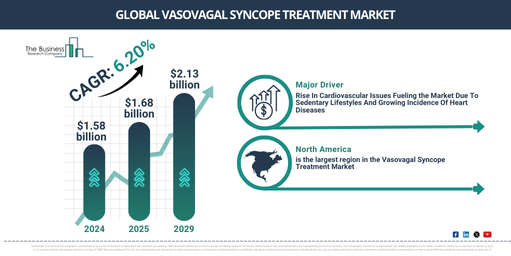
    The market size for vasovagal syncope treatment has seen a solid growth in the past years. Its growth trajectory is set to rise from $1.58 billion in 2024 to $1.68 billion in 2025, exhibiting a compound annual growth rate (CAGR) of 6.4%. Factors contributing to the growth during the historical period include the increased application of pharmacological interventions, heightened interest in tailor-made treatment, a surge in the number of healthcare professionals, enhanced knowledge of autonomic regulation and the vagus nerve, and improvements in accessing healthcare and treatments.

    How Much Will the Vasovagal Syncope Treatment Market Be Worth in 2029?

    In the coming years, a robust growth is projected in the vasovagal syncope treatment market size. The market is predicted to reach $2.13 billion by 2029 with a compound annual growth rate (CAGR) of 6.2%. The forecast period’s growth can be credited to the escalating advancements in personalized medicine, an increased focus on neurocardiogenic mechanisms, the expansion of public awareness, and an augmented understanding of psychological factors. Additionally, the rising integration of multidisciplinary care contributes to market expansion. Key trends during the forecast period are the incorporation of digital health tools, advancement in pharmacological technology, the evolution of wearable technology and remote monitoring, as well as the advent of artificial intelligence (AI), and machine learning.

    Download The Free Sample Report Here:

    https://www.thebusinessresearchcompany.com/sample.aspx?id=23563&type=smp

    Which is the Largest Company in the Vasovagal Syncope Treatment Market?

    Major companies operating in the vasovagal syncope treatment market are Johnson & Johnson, Sanofi S.A., Bristol-Myers Squibb Company, Abbott Laboratories, Novartis AG, Medtronic plc, Gilead Sciences Inc., Amgen Inc., Siemens Healthineers AG, Stryker Corporation, Regeneron Pharmaceuticals Inc., C.H. Boehringer Sohn AG & Co. KG, Boston Scientific Corporation, Terumo Corporation, Ipsen S.A., Amneal Pharmaceuticals Inc., Mallinckrodt plc, Biotronik SE & Co. KG, AtriCure Inc., Impax Laboratories Inc.

    What Are the Main Market Drivers in the Vasovagal Syncope Treatment Industry?

    Anticipated growth of the vasovagal syncope treatment market is linked to an increase in cardiovascular problems. Cardiovascular ailments encompass a variety of conditions impacting the heart and blood vessels, including heart disease, hypertension, stroke, and arrhythmias. Unhealthy diets, high consumption of processed foods, saturated fats and high levels of sodium trigger conditions like hypertension, obesity and high cholesterol levels, all of which heighten the risk for heart disease. By stabilizing blood pressure, enhancing autonomic regulation and averting sudden heart rate drops, vasovagal syncope treatment aids in managing cardiovascular problems. For example, the American Heart Association, a US nonprofit, confirmed 941,652 deaths in 2022 due to heart-related disease, marking an increase of over 10,000 from 2021. Consequently, an increase in cardiovascular issues is driving growth in the vasovagal syncope treatment market. The growth of the vasovagal syncope treatment market also coincides with the expansion of telehealth services driven by digital advancements and increased demand for easily accessible healthcare. Telehealth services, facilitated via digital communication devices and platforms, let patients consult healthcare professionals from their homes, saving them a trip to medical facilities. More and more patients are opting to consult remotely, hence decreasing the need for physical visits and enhancing flexibility, mainly in rural or underserved areas. Vasovagal syncope treatment strengthens telehealth services by ensuring timely interventions, personalized patient care and improved accessibility. For instance, a survey by Rock Health, a US-based corporation, found that 80% of participants used telemedicine services at least once, an increase of 8% from 2021. Thus, the expansion of telehealth services is pushing the vasovagal syncope treatment market forward.

    Request For A Customized Report:

    https://www.thebusinessresearchcompany.com/customise?id=23563&type=smp

    How Is the Vasovagal Syncope Treatment Market Segments Structured?

    The vasovagal syncope treatment market covered in this report is segmented –

    1) By Treatment Method: Medication, Lifestyle Modification, Surgical Intervention, Psychological Therapy

    2) By Diagnosis Type: Electrocardiogram, Tilt Table Test, Electrophysiological Study

    3) By Patient Age Group: Pediatric, Adult, Geriatric

    4) By Application: Cardiogenic, Neurological, Metabolic, Vasomotor, Other Applications

    5) By End User: Hospitals, Specialty Clinics, Home, Healthcare

    Subsegments:

    1) By Medication: Prescription Drugs, Over-The-Counter (OTC) Medications, Herbal Or Alternative Medications, Injections Or Infusions

    2) By Lifestyle Modification: Dietary Changes, Physical Activity, Sleep Hygiene, Stress Management, Substance Avoidance

    3) By Surgical Intervention: Minimally Invasive Surgeries, Major Surgical Procedures, Cosmetic Surgery, Bariatric Surgery, Orthopedic Surgeries

    4) By Psychological Therapy: Cognitive Behavioral Therapy (CBT), Psychodynamic Therapy, Dialectical Behavior Therapy (DBT), Interpersonal Therapy (IPT), Group Therapy, Family Therapy, Supportive Therapy, Play Therapy

    Access The Full Report Here:

    https://www.thebusinessresearchcompany.com/report/vasovagal-syncope-treatment-global-market-report

    Which Global Regions Offer the Highest Growth in the Vasovagal Syncope Treatment Market?

    North America was the largest region in the vasovagal syncope treatment market in 2024. The regions covered in the vasovagal syncope treatment market report are Asia-Pacific, Western Europe, Eastern Europe, North America, South America, Middle East, Africa.

    Purchase The Full Report Today:

    https://www.thebusinessresearchcompany.com/purchaseoptions.aspx?id=23563

    This Report Delivers Insight On:

    1. How big is the vasovagal syncope treatment market, and how is it changing globally?

    2. Who are the major companies in the vasovagal syncope treatment market, and how are they performing?

    3. What are the key opportunities and risks in the vasovagal syncope treatment market right now?

    4. Which products or customer segments are growing the most in the vasovagal syncope treatment market?

    5. What factors are helping or slowing down the growth of the vasovagal syncope treatment market?

    About The Business Research Company:

    With over 15000+ reports from 27 industries covering 60+ geographies, The Business Research Company has built a reputation for offering comprehensive, data-rich research and insights. Armed with 1,500,000 datasets, the optimistic contribution of in-depth secondary research, and unique insights from industry leaders, you can get the information you need to stay ahead in the game.

    Get in touch with us:

    The Business Research Company: https://www.thebusinessresearchcompany.com/

    Americas +1 310-496-7795

    Europe +44 7882 955267

    Asia & Others +44 7882 955267 & +91 8897263534

    Email us at info@tbrc.info

    Follow us on:

    LinkedIn: https://in.linkedin.com/company/the-business-research-company

    YouTube: https://www.youtube.com/channel/UC24_fI0rV8cR5DxlCpgmyFQ

    Global Market Model: https://www.thebusinessresearchcompany.com/global-market-model
  • Vasopressor Industry Growth Expected to Reach $4.92 Billion by 2029 at a CAGR of 6.9% | Segmentation and Growth Opportunities

    Vasopressor Industry Growth Expected to Reach $4.92 Billion by 2029 at a CAGR of 6.9% | Segmentation and Growth Opportunities

    Claim your 30% discount on Global Market Reports with code ONLINE30. Limited time only.

    What Is the Forecast for the Vasopressor Market Growth in 2025?

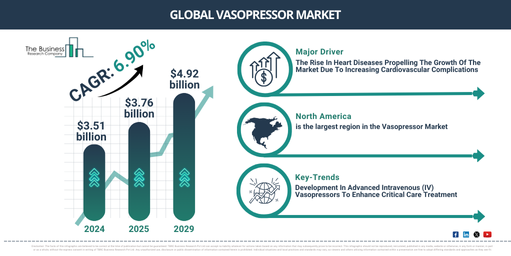
    The vasopressor market has seen robust growth in the past few years, expanding from a valuation of $3.51 billion in 2024 to a projected $3.76 billion in 2025. This represents a compound annual growth rate (CAGR) of 7.2%. Factors that have contributed to this growth include an upsurge in the elderly population, escalating healthcare costs, various government initiatives, an increased number of hospitals, and the growing incidence of cardiovascular diseases.

    What Is the Forecast for the Vasopressor Market Size Through 2029?

    The market for vasopressor is predicted to witness robust expansion in the forthcoming years, with an expected valuation of $4.92 billion at a compound annual growth rate (CAGR) of 6.9% by 2029. The forecasted growth stems from several factors such as increasing hypertension cases, more adoption of current sepsis management guidelines, higher investments in critical care technologies, rise in septic shock prevalence, and escalating demand for individualized critical care. Key trends projected for the forecast period encompass improvements in drug formulations, creation of customized therapies, technological progress in smart infusion pumps, incorporation of telemedicine into vasopressor treatments, and breakthroughs in biodegradable vasopressor implants.

    Download The Free Sample Report Here:

    https://www.thebusinessresearchcompany.com/sample.aspx?id=23562&type=smp

    What are the Key Market Players in Vasopressor Market and How They’re Evolving?

    Major companies operating in the vasopressor market are Pfizer Inc., Merck And Co Inc., Novartis AG, Baxter International Inc., Fresenius Kabi AG, Bauch & Lomb Incorporated, Dr. Reddy’s Laboratories Limited, Hikma Pharmaceuticals PLC, Endo Inc., Amphastar Pharmaceuticals Inc., American Regent Incorporated, Celon Laboratories Ltd., Athenex Inc., Sagent Pharmaceuticals Inc., Civica Rx, Eton Pharmaceuticals Inc., Amomed Pharma GmbH, Health Biotech Limited, Samarth Life Sciences Pvt. Ltd, Pace Biotech Limited.

    What Are the Primary Growth Drivers in the Vasopressor Market?

    The escalating incidence of heart diseases is predicted to drive the expansion of the vasopressor market. These heart issues encompass various disorders affecting the functionality and structure of the heart, such as coronary artery disease, arrhythmias, heart failure, and congenital heart ailments. The prevalence of inactive lifestyles is growing, leading to obesity and impaired cardiovascular health, thus substantially increasing the heart disease risk. Vasopressors play a crucial role in heart disease treatment, as they constrict blood vessels, raising blood pressure and enhancing the blood supply to vital organs. This aids in maintaining cardiac function during critical conditions. For example, in December 2023, data from the Australian Institute of Health and Welfare, a government agency in Australia, showed that in 2021 there were 14,100 doctor-certified deaths due to coronary heart disease (CHD), this number rose to 14,900 cases in 2022. Consequently, the increase in heart disease bolsters the growth of the vasopressor market.

    Request For A Customized Report:

    https://www.thebusinessresearchcompany.com/customise?id=23562&type=smp

    What Are the Leading Segments in the Global Vasopressor Industry?

    The vasopressor market covered in this report is segmented –

    1) By Type: Catecholamines, Non-Catecholamines, Vasopressin

    2) By Route Of Administration: Intravenous (IV), Intraosseous, Inhalational

    3) By Applications: Hypotension Management, Septic Shock Treatment, Cardiogenic Shock Support, Post-Surgical Management, Other Critical Care Applications

    4) By End Users: Hospitals, Ambulatory Surgical Centers, Emergency Medical Services, Home Care Settings

    Subsegments-

    1) By Catecholamines: Norepinephrine, Epinephrine, Dopamine, Isoproterenol

    2) By Non-Catecholamines: Phenylephrine, Angiotensin II

    3) By Vasopressin: Vasopressin

    What Are the Key Market Trends in the Vasopressor Industry?

    Leading enterprises in the vasopressor market are concentrating on creating refined products like intravenous (IV) vasopressors, designed to better regulate blood pressure and enhance patient outcomes. Intravenous (IV) vasopressors serve to tighten blood vessels and raise blood pressure in patients grappling with severe hypotension or shock, thus ensuring sufficient blood supply to crucial organs. Fresenius Kabi AG, a pharmaceutical company based in Germany, debuted Vasopressin Injection, USP, a generic substitute to Vasostrict, in the United States in June 2023, a move that broadened its critical care offerings. Primarily, this drug is meant for adults who are suffering from vasodilatory shock and continue to be hypotensive even after receiving fluids and catecholamines. The medication comes in a single-dose vial holding 20 units per 1 mL.

    Access The Full Report Here:

    https://www.thebusinessresearchcompany.com/report/vasopressor-global-market-report

    What Is the Regional Outlook for the Vasopressor Market?

    North America was the largest region in the vasopressor market in 2024. Asia-Pacific is expected to be the fastest-growing region in the forecast period. The regions covered in the vasopressor market report are Asia-Pacific, Western Europe, Eastern Europe, North America, South America, Middle East, Africa.

    Purchase The Full Report Today:

    https://www.thebusinessresearchcompany.com/purchaseoptions.aspx?id=23562

    This Report Delivers Insight On:

    1. How big is the vasopressor market, and how is it changing globally?

    2. Who are the major companies in the vasopressor market, and how are they performing?

    3. What are the key opportunities and risks in the vasopressor market right now?

    4. Which products or customer segments are growing the most in the vasopressor market?

    5. What factors are helping or slowing down the growth of the vasopressor market?

    About The Business Research Company:

    With over 15000+ reports from 27 industries covering 60+ geographies, The Business Research Company has built a reputation for offering comprehensive, data-rich research and insights. Armed with 1,500,000 datasets, the optimistic contribution of in-depth secondary research, and unique insights from industry leaders, you can get the information you need to stay ahead in the game.

    Get in touch with us:

    The Business Research Company: https://www.thebusinessresearchcompany.com/

    Americas +1 310-496-7795

    Europe +44 7882 955267

    Asia & Others +44 7882 955267 & +91 8897263534

    Email us at info@tbrc.info

    Follow us on:

    LinkedIn: https://in.linkedin.com/company/the-business-research-company

    YouTube: https://www.youtube.com/channel/UC24_fI0rV8cR5DxlCpgmyFQ

    Global Market Model: https://www.thebusinessresearchcompany.com/global-market-model