Author: Marketing Posting

  • Retractable Needle Safety Syringes Forecast Report – Designed for Decision Makers and Product Teams

    Retractable Needle Safety Syringes Forecast Report – Designed for Decision Makers and Product Teams

    Claim your 30% discount on Global Market Reports with code ONLINE30. Limited time only.

    What Is the Growth Rate of the Retractable Needle Safety Syringes Market?

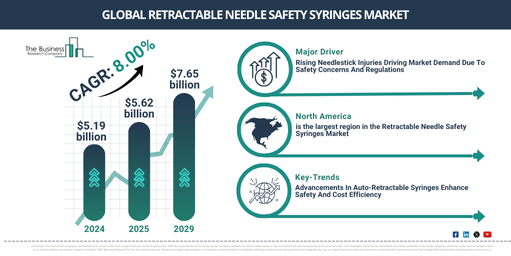
    The market size of retractable needle safety syringes has seen significant growth in the past few years. The market is projected to expand from $5.19 billion in 2024 to $5.62 billion in 2025, boasting a compound annual growth rate (CAGR) of 8.3%. The growth experienced during the historical period can be linked to factors such as the increase in measures to prevent needlestick injuries, the advancement of safety regulations for healthcare workers, the surge in hospital-acquired infections, the expansion of vaccination schemes, and the growing demand for disposable syringes.

    What Growth Rate Is Forecasted for the Retractable Needle Safety Syringes Market by 2029?

    The market for retractable needle safety syringes is projected to witness substantial growth in the coming years, reaching a value of $7.65 billion in 2029, with a compound annual growth rate (CAGR) of 8.0%. This anticipated growth during the projected period can be ascribed to stringent work safety regulations, surging uptake in developing markets, a rising inclination for innovative injection procedures, an escalating consciousness about infection prevention, and governmental drives for safer medical equipment. Main trends for the period of projection encompass the incorporation of intelligent syringes, enhancements in retractable needle mechanics, environmentally friendly and decomposable materials, the evolution of compact and less weighty syringe designs, and a focus on cost-effective safety syringes.

    Download The Free Sample Report Here:

    https://www.thebusinessresearchcompany.com/sample.aspx?id=23501&type=smp

    Which Key Companies Are Shaping the Future of the Retractable Needle Safety Syringes Market?

    Major companies operating in the retractable needle safety syringes market are Cardinal Health Inc., Becton Dickinson and Company, Terumo Corporation, Nipro Corporation, Jiangsu Sainty Corp. Ltd., Westlab Pty. Ltd., Hindustan Syringes And Medical Devices Ltd., Owen Mumford, Retractable Technologies Inc., Thomas Scientific, Zhejiang Lingyang Medical Apparatus Co. Ltd , Changzhou Medical Appliances General Factory Co. Ltd., G&N Medical, Anhui Tiankang Medical Technology Co. Ltd., Jiangsu caina medical co.ltd., Kohope Medical, Numedico Technologies Pty Ltd., Sharps Technology Inc., Ningbo Jumbo Medical Instruments Co. Ltd, C-Major Limited, Improve Medical USA.

    Which Factors Are Driving Demand in the Retractable Needle Safety Syringes Industry?

    The growth of the retractable needle safety syringes market is projected to be driven by an increasing occurrence of needlestick injuries. Needlestick injuries, which are inadvertent skin punctures by a needle often taking place in the healthcare environment, can expose individuals to bloodborne pathogens and present significant hazards to healthcare workers. The escalating rate of needlestick injuries can be attributed to the rising number of medical procedures that require injections, combined with insufficient safety measures and inappropriate waste disposal methods. Retractable needle safety syringes are instrumental in reducing the risk of needlestick injuries by integrating an automated feature that pulls the needle back after usage, thereby averting unintended exposure to potentially harmful pathogens and enhancing safety measures for healthcare professionals. As per the data released by the Centers for Disease Control and Prevention (CDC), a public health agency based in the US, roughly 385,000 needlesticks and other injuries related to sharp objects occur every year among hospital-based healthcare staff as of April 2024. This growing apprehension about needlestick injuries is thus boosting the demand for safer syringe technologies.

    Request For A Customized Report:

    https://www.thebusinessresearchcompany.com/customise?id=23501&type=smp

    How Is the Retractable Needle Safety Syringes Market Segmented by Several Divisions?

    The retractable needle safety syringes market covered in this report is segmented –

    1) By Product: Manual Retractable Safety Syringe, Auto-Retractable Safety Syringe

    2) By Material Type: Plastic, Glass, Metal

    3) By Needle Length: 1 Inch, 1.5 Inch, Other Needle Lengths

    4) By Application: Subcutaneous (Sub-Q), Intramuscular (IM), Intravenous (IV)

    5) By End-User: Hospitals, Clinics, Ambulatory Surgical Centers, Other End-Users

    Subsegments:

    1) By Manual Retractable Safety Syringe: Single-Use Manual Retractable Safety Syringe, Multiple-Use Manual Retractable Safety Syringe

    2) By Auto-Retractable Safety Syringe: Passive Auto-Retractable Safety Syringe, Active Auto-Retractable Safety Syringe

    What are the Emerging Market Trends Driving the Growth of the Retractable Needle Safety Syringes Industry?

    Leading firms in the retractable needle safety syringes market are centering their efforts on creating technological advancements such as auto-retractable safety syringes. The objective is to bolster safety and efficiency in health care environments by offering a safer, more economically beneficial solution for injections that use needles. Auto-retractable safety syringes are medical tools designed to pull back their needles into the barrel automatically after an injection, minimising needlestick injury risks and promoting safer disposal. For example, Zephyrus Innovations, a medical device company located in the US, received approval for its Aeroject 3ml safety syringe from the U.S. Food and Drug Administration (FDA) in February 2023. This innovative syringe comes equipped with a novel gas-powered retraction system, guaranteeing that the needle recedes into the syringe securely and automatically after utilization, averting unintentional contact with dangerous pathogens. Also, the syringe has been designed with minimal wasted space, enabling more doses to be obtained from every vial and thus increasing cost efficiency and curtailing medication wastage in healthcare institutes.

    Access The Full Report Here:

    https://www.thebusinessresearchcompany.com/report/retractable-needle-safety-syringes-global-market-report

    Which Regions Are Driving Growth in the Retractable Needle Safety Syringes Market?

    North America was the largest region in the retractable needle safety syringes market in 2024. Asia-Pacific is expected to be the fastest-growing region in the forecast period. The regions covered in the retractable needle safety syringes market report are Asia-Pacific, Western Europe, Eastern Europe, North America, South America, Middle East, Africa.

    Purchase The Full Report Today:

    https://www.thebusinessresearchcompany.com/purchaseoptions.aspx?id=23501

    This Report Delivers Insight On:

    1. How big is the retractable needle safety syringes market, and how is it changing globally?

    2. Who are the major companies in the retractable needle safety syringes market, and how are they performing?

    3. What are the key opportunities and risks in the retractable needle safety syringes market right now?

    4. Which products or customer segments are growing the most in the retractable needle safety syringes market?

    5. What factors are helping or slowing down the growth of the retractable needle safety syringes market?

    About The Business Research Company:

    With over 15000+ reports from 27 industries covering 60+ geographies, The Business Research Company has built a reputation for offering comprehensive, data-rich research and insights. Armed with 1,500,000 datasets, the optimistic contribution of in-depth secondary research, and unique insights from industry leaders, you can get the information you need to stay ahead in the game.

    Get in touch with us:

    The Business Research Company: https://www.thebusinessresearchcompany.com/

    Americas +1 310-496-7795

    Europe +44 7882 955267

    Asia & Others +44 7882 955267 & +91 8897263534

    Email us at info@tbrc.info

    Follow us on:

    LinkedIn: https://in.linkedin.com/company/the-business-research-company

    YouTube: https://www.youtube.com/channel/UC24_fI0rV8cR5DxlCpgmyFQ

    Global Market Model: https://www.thebusinessresearchcompany.com/global-market-model
  • Retinal Detachment Market Outlook 2025 – Insights for Executive and Strategic Planning

    Claim your 30% discount on Global Market Reports with code ONLINE30. Limited time only.

    How Has the Retinal Detachment Market Grown from 2024 to 2025?

    Over the past few years, the market size of retinal detachment has seen robust growth. It is projected to expand from $2.16 billion in 2024 to $2.30 billion in 2025, with a compound annual growth rate (CAGR) of 6.9%. The notable growth in the past has been linked to factors such as the rise in the older population, an increased incidence of diabetes, a higher number of eye injuries, heightened awareness of retinal ailments, and the development of healthcare infrastructure.

    What Growth Rate Is Anticipated for the Retinal Detachment Market in the Coming Years?

    The market for retinal detachment is projected to experience significant expansion in the coming years, estimated to reach $2.98 billion by 2029, growing at a compound annual growth rate (CAGR) of 6.6%. Factors contributing to this progression in the forecast period include a rise in high myopia cases, increased preference for minimally invasive procedures, improved access to expert eye care, increased health insurance coverage, and intensified gene therapy research. The forecast period is expected to witness key trends such as the production of artificial retina implants, broadening teleophthalmology services, advancements in stem cell therapy for retinal repair, the incorporation of robot-assisted surgical procedures for the retina, and advancements in retinal imaging technology.

    Download The Free Sample Report Here:

    https://www.thebusinessresearchcompany.com/sample.aspx?id=23500&type=smp

    Who Are the Leading Companies in the Retinal Detachment Market?

    Major companies operating in the retinal detachment market are Baxter International Inc., Alcon Vision LLC, Bausch & Lomb Incorporated, Carl Zeiss Meditec AG, Santen Pharmaceutical Co. Ltd., Optos plc, IRIDEX Corporation, Keeler Ltd. (A Halma Company), Rudolf Riester GmbH, Lombart Instrument Inc., Synergy Eye Care Pvt. Ltd., Ellex Medical Lasers Ltd., Millennium Surgical Corp., iCare World (iCare Finland Oy), Surtex Instruments Limited​, Eyenuk Inc., Lumibird Medical, NIDEK Co. Ltd., ONL Therapeutics Inc., FCI Ophthalmics.

    What Are the Key Drivers of the Retinal Detachment Market?

    The growth of the retinal detachment market is projected to be stimulated by the rising count of eye operations. Eye surgeries involve medical interventions carried out on the eye to rectify visual impairments, manage diseases, or mend injuries. The rise in the frequency of these surgeries can be traced back to extended exposure to screens, which triggers digital eye fatigue and exacerbates vision complications. This eventually leads to conditions like cataracts and myopia, which call for surgical solutions. Additionally, the shift in lifestyle patterns and the growing reliance on digital gadgets are contributing to an increase in vision-related problems. The importance of retinal detachment stands out as it necessitates the creation of innovative procedures and technology, geared at restoring sight, enhancing surgical accuracy, and improving the patient’s prognosis. For instance, the Eye Bank Association of America, a transplant association based in the United States, reported a 2.7% increase in domestic keratoplasty procedures, rising from 49,597 in 2022 to 50,925 in 2023. Consequently, the surge in eye surgeries is fostering the expansion of the retinal detachment market.

    Request For A Customized Report:

    https://www.thebusinessresearchcompany.com/customise?id=23500&type=smp

    What Are the Key Market Segments in the Retinal Detachment Industry?

    The retinal detachment market covered in this report is segmented –

    1) By Condition Type: Rhegmatogenous Retinal Detachment, Tractional Retinal Detachment, Exudative Retinal Detachment

    2) By Treatment: Photocoagulation, Cryopexy, Pneumatic Retinopexy, Scleral Buckling, Vitrectomy

    3) By End User: Hospitals And Clinics, Specialty Centers, Other End Users

    Subsegments:

    1) By Rhegmatogenous Retinal Detachment: Retinal Tears, Retinal Holes, Giant Retinal Tears

    2) By Tractional Retinal Detachment: Diabetic Tractional Detachment, Proliferative Vitreoretinopathy (PVR), Retinopathy of Prematurity (ROP)

    3) By Exudative Retinal Detachment: Inflammatory Disorders, Tumors, Vascular Disorders

    What Are the Latest Trends in the Retinal Detachment Market?

    Major firms in the retinal detachment market are concentrating their efforts on creating novel services like surgical retina services in a bid to elevate treatment results and patient care. Surgical retina services introduce a bespoke medical program or center that offers cutting-edge surgical solutions for retinal conditions. These services prioritize the diagnosis and treatment of retinal disorders such as retinal detachment, macular holes, diabetic retinopathy, and age-related macular degeneration. For instance, in July 2024, NYC Health + Hospitals/Harlem, a US teaching hospital, initiated a new Surgical Retina Service to amplify its capabilities in ophthalmology for managing complex retinal conditions within the Harlem community. This service, conceived in collaboration with Edward S. Harkness Eye Institute at the Columbia University Irving Medical Center—providing technical support—addresses the diagnosis and treatment of various retinal diseases, with retinal detachment being one of the most common reasons for retinal surgery.

    Access The Full Report Here:

    https://www.thebusinessresearchcompany.com/report/retinal-detachment-global-market-report

    What Are the Key Regional Markets in the Retinal Detachment Industry?

    North America was the largest region in the retinal detachment market in 2024. Asia-Pacific is expected to be the fastest-growing region in the forecast period. The regions covered in the retinal detachment market report are Asia-Pacific, Western Europe, Eastern Europe, North America, South America, Middle East, Africa.

    Purchase The Full Report Today:

    https://www.thebusinessresearchcompany.com/purchaseoptions.aspx?id=23500

    This Report Delivers Insight On:

    1. How big is the retinal detachment market, and how is it changing globally?

    2. Who are the major companies in the retinal detachment market, and how are they performing?

    3. What are the key opportunities and risks in the retinal detachment market right now?

    4. Which products or customer segments are growing the most in the retinal detachment market?

    5. What factors are helping or slowing down the growth of the retinal detachment market?

    About The Business Research Company:

    With over 15000+ reports from 27 industries covering 60+ geographies, The Business Research Company has built a reputation for offering comprehensive, data-rich research and insights. Armed with 1,500,000 datasets, the optimistic contribution of in-depth secondary research, and unique insights from industry leaders, you can get the information you need to stay ahead in the game.

    Get in touch with us:

    The Business Research Company: https://www.thebusinessresearchcompany.com/

    Americas +1 310-496-7795

    Europe +44 7882 955267

    Asia & Others +44 7882 955267 & +91 8897263534

    Email us at info@tbrc.info

    Follow us on:

    LinkedIn: https://in.linkedin.com/company/the-business-research-company

    YouTube: https://www.youtube.com/channel/UC24_fI0rV8cR5DxlCpgmyFQ

    Global Market Model: https://www.thebusinessresearchcompany.com/global-market-model
  • Respiratory Biologics Market Projected at $13.83 Billion by 2029 | Strategic Insights and Forecast Data

    Respiratory Biologics Market Projected at $13.83 Billion by 2029 | Strategic Insights and Forecast Data

    Claim your 30% discount on Global Market Reports with code ONLINE30. Limited time only.

    How Has the Respiratory Biologics Market Size Changed, over the years?

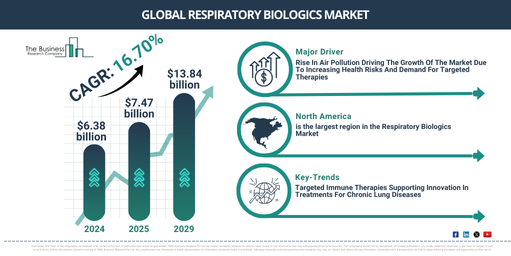
    Recent years have seen a swift expansion in the size of the respiratory biologics market. The forecast indicates a growth from $6.38 billion in 2024 to $7.47 billion in 2025, displaying a compound annual growth rate (CAGR) of 17.0%. The burgeoning growth observed in the past can be associated with factors such as the upsurge in respiratory diseases, a rise in the acceptance of personalized medicine, increased spending on healthcare worldwide, improved awareness and diagnosis of respiratory conditions, coupled with a growing older population suffering from respiratory disorders.

    How Much Will the Respiratory Biologics Market Be Worth in 2029?

    It is projected that the market size for respiratory biologics will experience fast-paced growth in the coming years, escalating to $13.84 billion by 2029, with a substantive compound annual growth rate (CAGR) of 16.7%. Several factors are responsible for this growth during the forecast period, including the increasing prevalence of ailments such as asthma and COPD, augmented use of biologic therapies, increased spending on R&D endeavors, heightened demand for non-invasive methods of drug delivery, and broader reimbursement policies. Key factors expected to shape the market in this forecast period include the application of monoclonal antibodies in treating respiratory diseases, breakthroughs in the formulation and delivery of biologic drugs, regulatory approvals, strategic partnerships and acquisitions among leading players, and the incorporation of artificial intelligence in the discovery and development of new drugs.

    Download The Free Sample Report Here:

    https://www.thebusinessresearchcompany.com/sample.aspx?id=23497&type=smp

    Which is the Largest Company in the Respiratory Biologics Market?

    Major companies operating in the respiratory biologics market are Pfizer Inc., Johnson & Johnson, F. Hoffmann-La Roche Ltd., Merck & Co. Inc., AbbVie Inc., Sanofi S.A., AstraZeneca plc, Novartis AG, GlaxoSmithKline plc, Amgen Inc., Viatris Inc., Regeneron Pharmaceuticals Inc., Boehringer Ingelheim International GmbH, Biogen Inc., Vertex Pharmaceuticals Incorporated, Swedish Orphan Biovitrum AB, Glenmark Pharmaceuticals Ltd., Zymeworks Inc., Kiniksa Pharmaceuticals Ltd., Pieris Pharmaceuticals Inc.

    What Are the Main Market Drivers in the Respiratory Biologics Industry?

    The growth of the respiratory biologics market is being accelerated by the uptick in air pollution. Air pollution, which encompasses the introduction of damaging substances like gases, particulate matter, and biological molecules into the Earth’s atmosphere, poses significant threats to both human health and the environment. Factors such as growing industrialization and urbanization are escalating air pollution levels as they trigger an increase in pollutant emissions from factories, vehicles, and construction activities. To mitigate the detrimental health implications of air pollution, respiratory biologics offers targeted treatments that alleviate inflammation and enhance lung functionality in individuals exposed to airborne contaminants. For example, the Environmental Protection Agency, a US government body, reported in January 2025 that the United States had discharged over 66 million tons of pollutants into the atmosphere in 2023. Furthermore, the United Nations Environment Programme, an environmental authority based in Kenya, stated in September 2022 that due to air pollution, 7 million premature deaths occur annually, and 99% of the global population inhales unclean air. Consequently, the escalation in air pollution is catalyzing the expansion of the respiratory biologics market.

    Request For A Customized Report:

    https://www.thebusinessresearchcompany.com/customise?id=23497&type=smp

    How Is the Respiratory Biologics Market Segments Structured?

    The respiratory biologics market covered in this report is segmented –

    1) By Disease Indication: Asthma, Chronic Rhinosinasitis, Hypereosinophilic Syndrome

    2) By Route Of Administration: Intravenous, Subcuteneous

    3) By Sales Channel: Hospitals, Specialty Clinics, Retail Pharmacies, Mail Order Pharmacies

    Subsegment:

    1) By Asthma: Severe Eosinophilic Asthma, Allergic Asthma, Non-Allergic Asthma

    2) By Type: Chronic Rhinosinusitis: Chronic Rhinosinusitis with Nasal Polyps, Chronic Rhinosinusitis without Nasal Polyps

    3) By Hypereosinophilic Syndrome (HES): Idiopathic HES, Lymphocytic Variant HES, Myeloproliferative HES

    What Strategic Trends Are Transforming the Respiratory Biologics Market?

    Leading firms in the respiratory biologics market are prioritizing the development of novel biologic therapies, such as targeted immune therapies for chronic respiratory ailments, in order to deliver more precise treatments that alleviate inflammation and enhance lung functionality. These targeted immune therapies aim to manage the body’s immune response so as to decrease swelling and alleviate breathing issues linked to long-term lung diseases. To illustrate, Sanofi S.A., a pharmaceutical company based in France, made an announcement in September 2024 that Dupixent (dupilumab) had received approval from the US Food and Drug Administration (FDA) for use as an adjunct maintenance therapy in adults suffering from inadequately managed chronic obstructive pulmonary disease (COPD) exhibiting an eosinophilic phenotype. This authorization symbolizes a significant breakthrough, with Dupixent being the first biologic drug to get approval in the US for the treatment of this particular subset of COPD patients.

    Access The Full Report Here:

    https://www.thebusinessresearchcompany.com/report/respiratory-biologics-global-market-report

    Which Global Regions Offer the Highest Growth in the Respiratory Biologics Market?

    North America was the largest region in the respiratory biologics market in 2024. Asia-Pacific is expected to be the fastest-growing region in the forecast period. The regions covered in the respiratory biologics market report are Asia-Pacific, Western Europe, Eastern Europe, North America, South America, Middle East, Africa.

    Purchase The Full Report Today:

    https://www.thebusinessresearchcompany.com/purchaseoptions.aspx?id=23497

    This Report Delivers Insight On:

    1. How big is the respiratory biologics market, and how is it changing globally?

    2. Who are the major companies in the respiratory biologics market, and how are they performing?

    3. What are the key opportunities and risks in the respiratory biologics market right now?

    4. Which products or customer segments are growing the most in the respiratory biologics market?

    5. What factors are helping or slowing down the growth of the respiratory biologics market?

    About The Business Research Company:

    With over 15000+ reports from 27 industries covering 60+ geographies, The Business Research Company has built a reputation for offering comprehensive, data-rich research and insights. Armed with 1,500,000 datasets, the optimistic contribution of in-depth secondary research, and unique insights from industry leaders, you can get the information you need to stay ahead in the game.

    Get in touch with us:

    The Business Research Company: https://www.thebusinessresearchcompany.com/

    Americas +1 310-496-7795

    Europe +44 7882 955267

    Asia & Others +44 7882 955267 & +91 8897263534

    Email us at info@tbrc.info

    Follow us on:

    LinkedIn: https://in.linkedin.com/company/the-business-research-company

    YouTube: https://www.youtube.com/channel/UC24_fI0rV8cR5DxlCpgmyFQ

    Global Market Model: https://www.thebusinessresearchcompany.com/global-market-model
  • Renin-Angiotensin-System (RAS)-Acting Agents Industry Growth Expected to Reach $7.72 Billion by 2029 at a CAGR of 5.7% | Segmentation and Growth Opportunities

    Renin-Angiotensin-System (RAS)-Acting Agents Industry Growth Expected to Reach $7.72 Billion by 2029 at a CAGR of 5.7% | Segmentation and Growth Opportunities

    Claim your 30% discount on Global Market Reports with code ONLINE30. Limited time only.

    What Is the Forecast for the Renin-Angiotensin-System (RAS)-Acting Agents Market Growth in 2025?

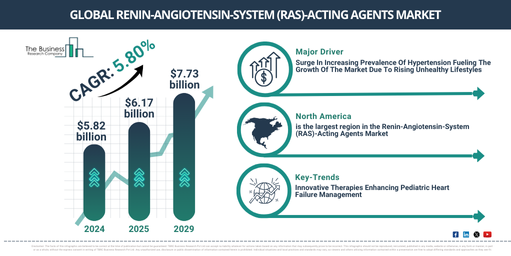
    In recent times, there has been a robust growth in the market size of the renin-angiotensin-system (RAS)-acting agents. It is projected to climb from $5.82 billion in 2024 to $6.17 billion in 2025, securing a compound annual growth rate (CAGR) of 6.0%. The growth during the former period can be credited to factors such as the escalating prevalence of hypertension, growth in cardiovascular disease cases, the rise in elderly population, increased cognizance regarding blood pressure management, substantial clinical research backing, and the granting of regulatory approvals for new drugs.

    What Is the Forecast for the Renin-Angiotensin-System (RAS)-Acting Agents Market Size Through 2029?

    The market for renin-angiotensin-system (RAS)-acting agents is projected to experience substantial growth in the coming years, increasing to $7.73 billion in 2029 with a compound annual growth rate (CAGR) of 5.8%. This anticipated growth during the forecast period is due to factors such as an increasing emphasis on customized therapies, growing demand for fixed-dose combinations, heightened investment in cardiovascular study, expanding healthcare availability in developing markets, and the rising occurrence of diseases related to lifestyle. Noteworthy developments expected in the forecast period include drug development driven by artificial intelligence (AI), nanotechnology-assisted drug delivery, advancements in personalized medicine, application of blockchain for secure clinical data storage, wearable biosensors for monitoring hypertension, and the use of digital twin technology in patient simulation.

    Download The Free Sample Report Here:

    https://www.thebusinessresearchcompany.com/sample.aspx?id=23496&type=smp

    What are the Key Market Players in Renin-Angiotensin-System (RAS)-Acting Agents Market and How They’re Evolving?

    Major companies operating in the renin-angiotensin-system (RAS)-acting agents market are Pfizer Inc., Merck And Co. Inc., Bayer AG, Sanofi S.A., Bristol-Myers Squibb Company, AstraZeneca plc, Novartis AG, GSK plc, Teva Pharmaceutical Industries Ltd., Boehringer Ingelheim GmbH, Sandoz International GmbH, Astellas Pharma Inc., Bausch Health Companies Inc., Aurobindo Pharma Limited, Cipla Limited, Dr. Reddy’s Laboratories Ltd., Biocon Limited, Daiichi Sankyo Company Limited, Glenmark Pharmaceuticals Ltd., Torrent Pharmaceuticals Ltd.

    What Are the Primary Growth Drivers in the Renin-Angiotensin-System (RAS)-Acting Agents Market?

    Expected growth in the renin-angiotensin system (RAS)-acting agents market is believed to be driven by the escalating occurrence of hypertension. Hypertension, also known as high blood pressure, is a chronic health issue where the blood pressure against the artery walls is persistently too high. The spike in hypertension is attributed to unhealthy eating habits, especially diets rich in salt and processed foods leading to heightened blood pressure and stress on the cardiovascular system. Renin-angiotensin system (RAS)-acting agents assist in controlling hypertension by managing blood pressure. They work by curbing angiotensin II, a hormone that tightens blood vessels and boosts fluid retention, thereby facilitating vasodilation and reducing blood pressure. As evidence, as of October 2024, the Australian Bureau of Statistics, a government agency in Australia, reported that 11.6% (3.0 million) of Australians were diagnosed with hypertension in 2022, with similar figures for both men (11.7%) and women (11.6%). For these reasons, the escalating prevalence of hypertension is contributing to the expansion of the renin-angiotensin system (RAS)-acting agents market.

    Request For A Customized Report:

    https://www.thebusinessresearchcompany.com/customise?id=23496&type=smp

    What Are the Leading Segments in the Global Renin-Angiotensin-System (RAS)-Acting Agents Industry?

    The renin-angiotensin-system (RAS)-acting agents market covered in this report is segmented –

    1) By Drug Class: Angiotensin-Converting Enzyme (ACE) Inhibitors, Angiotensin II Receptor Blockers (ARBs), Renin Inhibitors, Aldosterone Antagonists, Other Drug Classes

    2) By Indication: Hypertension, Heart Failure, Chronic Kidney Disease, Diabetic Nephropathy, Coronary Artery Disease

    3) By Distribution Channel: Hospital Pharmacies, Retail Pharmacies, Online Pharmacies, Specialty Clinics

    4) By End-User: Hospitals, Research Institutes, Pharmaceutical Companies, Other End-Users

    Subsegments:

    1) By Angiotensin-Converting Enzyme (ACE) Inhibitors: Captopril, Enalapril, Lisinopril, Ramipril, Perindopril

    2) By Angiotensin II Receptor Blockers (ARBs): Losartan, Valsartan, Irbesartan, Olmesartan, Telmisartan

    3) By Renin Inhibitors: Aliskiren

    4) By Aldosterone Antagonists: Spironolactone, Eplerenone

    5) By Other Drug Classes: Dual Angiotensin Receptor-Neprilysin Inhibitors (ARNIs), Endothelin Receptor Antagonists, Vasopeptidase Inhibitors, Mineralocorticoid Receptor Antagonists (MRAs), Angiotensin Receptor Blockers With Neprilysin Inhibitors (ARNBIs)

    What Are the Key Market Trends in the Renin-Angiotensin-System (RAS)-Acting Agents Industry?

    Primary businesses in the market for renin-angiotensin system (RAS)-acting agents are concentrating their efforts on the creation of new renin-angiotensin system (RAS) blockers, including angiotensin-converting enzyme (ACE) inhibitors. The aim is to maximize effectiveness, decrease adverse reactions, enhance patient adherence, and address conditions like hypertension, heart failure, and kidney disease. ACE inhibitors are medications that manipulate blood pressure and inhibit the enzyme responsible for converting angiotensin I into angiotensin II, a substance that constricts blood vessels. For example, in November 2023, UK pharmaceutical company Proveca Ltd. was granted a pediatric use marketing authorization (PUMA) by the European Commission for Aqumeldi (enalapril maleate) oro-dispersible tablets, which are meant for the treatment of heart failure in children aged newborn to under 18. By blocking the ACE and halting the conversion from angiotensin I to angiotensin II, Aqumeldi relaxes the blood vessels, enhances blood circulation, and reduces the heart’s workload in treatment of pediatric heart failure.

    Access The Full Report Here:

    https://www.thebusinessresearchcompany.com/report/renin-angiotensin-system-ras-acting-agents-global-market-report

    What Is the Regional Outlook for the Renin-Angiotensin-System (RAS)-Acting Agents Market?

    North America was the largest region in the renin-angiotensin-system (RAS)-acting agents market in 2024. Asia-Pacific is expected to be the fastest-growing region in the forecast period. The regions covered in the renin-angiotensin-system (RAS)-acting agents market report are Asia-Pacific, Western Europe, Eastern Europe, North America, South America, Middle East, Africa.

    Purchase The Full Report Today:

    https://www.thebusinessresearchcompany.com/purchaseoptions.aspx?id=23496

    This Report Delivers Insight On:

    1. How big is the renin-angiotensin-system (ras)-acting agents market, and how is it changing globally?

    2. Who are the major companies in the renin-angiotensin-system (ras)-acting agents market, and how are they performing?

    3. What are the key opportunities and risks in the renin-angiotensin-system (ras)-acting agents market right now?

    4. Which products or customer segments are growing the most in the renin-angiotensin-system (ras)-acting agents market?

    5. What factors are helping or slowing down the growth of the renin-angiotensin-system (ras)-acting agents market?

    About The Business Research Company:

    With over 15000+ reports from 27 industries covering 60+ geographies, The Business Research Company has built a reputation for offering comprehensive, data-rich research and insights. Armed with 1,500,000 datasets, the optimistic contribution of in-depth secondary research, and unique insights from industry leaders, you can get the information you need to stay ahead in the game.

    Get in touch with us:

    The Business Research Company: https://www.thebusinessresearchcompany.com/

    Americas +1 310-496-7795

    Europe +44 7882 955267

    Asia & Others +44 7882 955267 & +91 8897263534

    Email us at info@tbrc.info

    Follow us on:

    LinkedIn: https://in.linkedin.com/company/the-business-research-company

    YouTube: https://www.youtube.com/channel/UC24_fI0rV8cR5DxlCpgmyFQ

    Global Market Model: https://www.thebusinessresearchcompany.com/global-market-model
  • Relapsing-Remitting Multiple Sclerosis Industry Valued at $5.81 Billion by 2029 With CAGR of 4.8% | Size and Share Insights

    Relapsing-Remitting Multiple Sclerosis Industry Valued at $5.81 Billion by 2029 With CAGR of 4.8% | Size and Share Insights

    Claim your 30% discount on Global Market Reports with code ONLINE30. Limited time only.

    What Is the Forecast for the Relapsing-Remitting Multiple Sclerosis Market from 2024 to 2025?

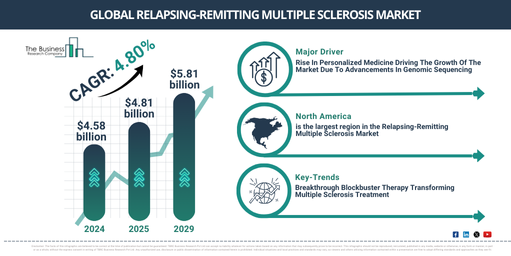
    In recent times, the market size for relapsing-remitting multiple sclerosis has shown substantial growth. It is predicted that the market will expand from $4.58 billion in 2024 to $4.81 billion in 2025, demonstrating a compound annual growth rate (CAGR) of 5.1%. Factors like rising number of multiple sclerosis cases, improved awareness leading to early diagnosis, development in healthcare infrastructure, increased government support towards neurological disorders, and improved access to treatment for patients, have significantly led to the growth in the previous period.

    What Is the Projected Market Size of the Relapsing-Remitting Multiple Sclerosis Market?

    In the coming years, the market size for relapsing-remitting multiple sclerosis is anticipated to witness significant expansion and is projected to reach $5.81 billion in 2029 with a compound annual growth rate (CAGR) of 4.8%. This surging outlook for the forecast period can be credited to the increasing adaptation of personalized medicine, amplified focus on biomarker research, growing investments in innovative therapeutic procedures, the widening application of AI in disease management, and governmental aid for groundbreaking treatments. The forecast period will see major trends like the rise of gene and cell therapies, a pivot towards oral disease-modifying therapies, progress in blood-brain barrier drug delivery systems, advancements in disease-altering therapies, and the evolution of next-generation monoclonal antibodies.

    Download The Free Sample Report Here:

    https://www.thebusinessresearchcompany.com/sample.aspx?id=23495&type=smp

    Who are the Major Competitors in the Relapsing-Remitting Multiple Sclerosis Market Outlook?

    Major companies operating in the relapsing-remitting multiple sclerosis market are Pfizer Inc., Johnson & Johnson Services Inc., F. Hoffmann-La Roche Ltd., AbbVie Inc., Bayer AG, Sanofi S.A., Bristol-Myers Squibb Company, Novartis AG, GSK plc, Eli Lilly and Company, Merck KGaA, Viatris Inc., Teva Pharmaceutical Industries Ltd., Biogen Inc., Eisai Co. Ltd., Genentech Inc., Hikma Pharmaceuticals LLC, Glenmark Pharmaceuticals Limited, CinnaGen Co, Zenas BioPharma Inc.

    What Is Fueling Growth in the Relapsing-Remitting Multiple Sclerosis Market?

    The growth of the relapsing-remitting multiple sclerosis (RRMS) market is expected to be propelled by the rising acceptance of personalized medicine. Customized medical treatments that consider an individual’s genetic makeup, environmental factors, and lifestyle habits to enhance healthcare results are gaining traction. The surge in personalized medicine can be attributed to the progress in genomic sequencing allowing the precise identification of genetic variations and biomarkers, thus providing more targeted and potent treatments. The role of personalized medicine is underlined by RRMS, which demonstrates that individual variability in disease progression, symptom intensity, and response to treatment can be addressed with tailored treatments, thereby enhancing patient outcomes. To illustrate, the Personalized Medicine Coalition, an organization promoting personalized medicine based in the U.S., reported in February 2024, that the U.S. Food and Drug Administration sanctioned 16 new personalized treatments for patients with rare diseases, a considerable increase from 6 in 2022. Therefore, the growing acceptance of personalized medicine is propelling the relapsing-remitting multiple sclerosis market’s expansion.

    Request For A Customized Report:

    https://www.thebusinessresearchcompany.com/customise?id=23495&type=smp

    Which Relapsing-Remitting Multiple Sclerosis Market Segments Are Growing the Fastest?

    The relapsing-remitting multiple sclerosis market covered in this report is segmented –

    1) By Drug Type: Beta-Interferon, Cladribine, Dimethyl Fumarate, Fingolimod, Ozanimod, Other Drug Types

    2) By Route Of Administration: Subcutaneous, Intravenous

    3) By Treatment: Immunomodulating Drugs, NrF2 Activators, Interferons, Other Treatments

    4) By End-User: Hospitals, Clinics, Other End-Users

    Subsegments:

    1) By Beta-Interferon: Interferon Beta-1a, Interferon Beta-1b

    2) By Cladribine: Oral Cladribine, Injectable Cladribine

    3) By Dimethyl Fumarate: Tecfidera, Vumerity

    4) By Fingolimod: Gilenya Fingolimod, Generic Fingolimod

    5) By Ozanimod: Zeposia

    6) By Other Drug Types: Natalizumab, Alemtuzumab, Ocrelizumab, Siponimod, Teriflunomide

    Which Industry Trends Are Shaping the Future of the Relapsing-Remitting Multiple Sclerosis Market?

    Leading businesses in the relapsing-remitting multiple sclerosis market are directing their efforts towards creating novel treatment methodologies, such as pioneering blockbuster therapy, to augment the effectiveness of treatment, improve patient welfare, and set new care standards for relapsing-remitting multiple sclerosis (RRMS). Pioneering blockbuster therapy is indicative of a groundbreaking, highly efficient treatment that significantly propels advancements in medical care, typically addressing unfulfilled needs or offering better results than present therapies. To illustrate, Roche Products (India) Pvt. Ltd., a pharmaceutical firm based in India, in February 2024 premiered Ocrevus (Ocrelizumab), an innovative solution for multiple sclerosis (MS), to enrich its neurology inventory and meet the unfulfilled medical requirements of Indian patients. Ocrevus is specifically engineered to target CD20-positive B cells, known to be involved in the progression of MS, with the aim to minimize relapses and decelerate the disability advancements in those affected. It possesses a unique method of action that selectively reduces B cells, thereby altering the course of the disease to enhance long-term patient results.

    Access The Full Report Here:

    https://www.thebusinessresearchcompany.com/report/relapsing-remitting-multiple-sclerosis-global-market-report

    Which Countries Are Leading the Relapsing-Remitting Multiple Sclerosis Market?

    North America was the largest region in the relapsing-remitting multiple sclerosis market in 2024. Asia-Pacific is expected to be the fastest-growing region in the forecast period. The regions covered in the relapsing-remitting multiple sclerosis market report are Asia-Pacific, Western Europe, Eastern Europe, North America, South America, Middle East, Africa.

    Purchase The Full Report Today:

    https://www.thebusinessresearchcompany.com/purchaseoptions.aspx?id=23495

    This Report Delivers Insight On:

    1. How big is the relapsing-remitting multiple sclerosis market, and how is it changing globally?

    2. Who are the major companies in the relapsing-remitting multiple sclerosis market, and how are they performing?

    3. What are the key opportunities and risks in the relapsing-remitting multiple sclerosis market right now?

    4. Which products or customer segments are growing the most in the relapsing-remitting multiple sclerosis market?

    5. What factors are helping or slowing down the growth of the relapsing-remitting multiple sclerosis market?

    About The Business Research Company:

    With over 15000+ reports from 27 industries covering 60+ geographies, The Business Research Company has built a reputation for offering comprehensive, data-rich research and insights. Armed with 1,500,000 datasets, the optimistic contribution of in-depth secondary research, and unique insights from industry leaders, you can get the information you need to stay ahead in the game.

    Get in touch with us:

    The Business Research Company: https://www.thebusinessresearchcompany.com/

    Americas +1 310-496-7795

    Europe +44 7882 955267

    Asia & Others +44 7882 955267 & +91 8897263534

    Email us at info@tbrc.info

    Follow us on:

    LinkedIn: https://in.linkedin.com/company/the-business-research-company

    YouTube: https://www.youtube.com/channel/UC24_fI0rV8cR5DxlCpgmyFQ

    Global Market Model: https://www.thebusinessresearchcompany.com/global-market-model
  • Radiation Oncology Market to Reach $12.51 Billion by 2029 | Key Drivers and Future Outlook

    Radiation Oncology Market to Reach $12.51 Billion by 2029 | Key Drivers and Future Outlook

    Claim your 30% discount on Global Market Reports with code ONLINE30. Limited time only.

    What Is the Growth Rate of the Radiation Oncology Market?

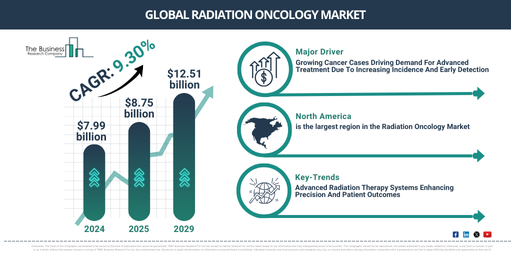
    Over the past few years, there has been significant growth in the size of the radiation oncology market. Its progression from $7.99 billion in 2024 to $8.75 billion in 2025, signifying a compound annual growth rate (CAGR) of 9.6%, is noteworthy. Factors contributing to this growth throughout the historic period include an increase in cancer cases, heightened healthcare expenditure, expanded investments in healthcare infrastructure, an aging demographic, and an increasing number of intricate cancer cases.

    What Growth Rate Is Forecasted for the Radiation Oncology Market by 2029?

    Anticipated robust expansion is predicted in the radiation oncology market in the coming years. It is projected to ramp up to $12.51 billion in 2029 with a compound annual growth rate (CAGR) of 9.3%. The impetus for growth during the projected timeframe can be traced to factors like increasing preference for precise treatment methods, growth of outpatient cancer facilities, rising uptake of treatment planning software, expanded government initiatives towards cancer care, and improved healthcare infrastructure. Foreseeable trends over the forecast period encompass individualized treatment strategies, superior quality imaging, AI-integrated imaging, stereotactic body radiation therapy (SBRT), and advancements in brachytherapy.

    Download The Free Sample Report Here:

    https://www.thebusinessresearchcompany.com/sample.aspx?id=23494&type=smp

    Which Key Companies Are Shaping the Future of the Radiation Oncology Market?

    Major companies operating in the radiation oncology market are Hitachi Ltd., Siemens Healthineers, Philips Healthcare, GE Healthcare Technologies Inc., Varian Medical Systems, Shimadzu Corporation, Elekta AB, Mirion Technologies, Ion Beam Applications (IBA), Accuray Incorporated, Canon Medical Systems, Eckert & Ziegler BEBIG, ViewRay Inc., MDS Nordion, Mevion Medical Systems, PTW-Freiburg, Toshiba Medical Systems, CivaTech Oncology, ProTom International, Radcal Corporation, ScandiDos.

    Which Factors Are Driving Demand in the Radiation Oncology Industry?

    The rise in cancer diagnoses is anticipated to stimulate expansion in the radiation oncology sector in the near future. Those diagnosed with cancer, a disorder marked by unregulated cell proliferation and dispersal throughout the body, are referred to as cancer patients. The mounting rate of these diagnoses is predominantly attributed to an increasing prevalence of unhealthy lifestyle habits that contribute to heightened cancer risks. High-energy radiation is employed in radiation oncology to annihilate cancer cells, reduce tumor size, alleviate symptoms, and augment the effectiveness of surgeries and chemotherapy, with advancements in methodology enhancing accuracy and results. For instance, the National Health Service, a UK government agency, reported in October 2024 that 346,217 new cancer cases were reported in 2022, which averages to 948 daily diagnoses, a 5% rise from 329,664 in 2021. Consequently, the surge in cancer patients is fuelling the expansion of the radiation oncology sector.

    Request For A Customized Report:

    https://www.thebusinessresearchcompany.com/customise?id=23494&type=smp

    How Is the Radiation Oncology Market Segmented by Several Divisions?

    The radiation oncology market covered in this report is segmented –

    1) By Type: External Beam Radiation Therapy, Internal Beam Radiation Therapy

    2) By Application: Prostate Cancer, Breast Cancer, Lung Cancer, Head And Neck Cancer, Colorectal Cancer, Cervical Cancer, Gynecological Cancer, Other Applications

    3) By End-User: Hospitals, Cancer Research Institutes, Other End-Users

    Subsegments:

    1) By Internal Beam Radiation Therapy, Brachytherapy, Endocavitary Brachytherapy, Interstitial Brachytherapy, Intraluminal Brachytherapy

    2) By External Beam Radiation Therapy, 3D Conformal Radiation Therapy (3DCRT), Intensity-Modulated Radiation Therapy (IMRT), Stereotactic Radiosurgery (SRS), Stereotactic Body Radiation Therapy (SBRT), Image-Guided Radiation Therapy (IGRT)

    What are the Emerging Market Trends Driving the Growth of the Radiation Oncology Industry?

    Leading businesses in the radiation oncology market are concentrating on the creation of sophisticated radiation therapy systems. These systems combine AI-empowered imaging and adaptive technologies to boost the accuracy of treatments, lessen the adverse effects, and better patient results in varied cancer treatment procedures. Artificial intelligence-enhanced radiotherapy involves the utilization of AI tech to improve several components of radiation therapy, such as treatment planning, imaging, delivery, and supervising. For instance, Elekta, a medical tech firm based in Sweden, unveiled Evo, its newest CT-Linac, in May 2024 with high-definition AI-boosted imaging meant to refine radiation therapy methodologies. This multifaceted system is capable of supporting offline and online adaptive radiation therapy and even enhances the standard image-guided radiation therapy. This system offers medical professionals improved precision and adaptability in customizing treatments for each patient. The aim of this improvement is to promote patient outcomes through the optimization of treatment precision and versatility.

    Access The Full Report Here:

    https://www.thebusinessresearchcompany.com/report/radiation-oncology-global-market-report

    Which Regions Are Driving Growth in the Radiation Oncology Market?

    North America was the largest region in the radiation oncology market in 2024. Asia-Pacific is expected to be the fastest-growing region in the forecast period. The regions covered in the radiation oncology market report are Asia-Pacific, Western Europe, Eastern Europe, North America, South America, Middle East, Africa.

    Purchase The Full Report Today:

    https://www.thebusinessresearchcompany.com/purchaseoptions.aspx?id=23494

    This Report Delivers Insight On:

    1. How big is the radiation oncology market, and how is it changing globally?

    2. Who are the major companies in the radiation oncology market, and how are they performing?

    3. What are the key opportunities and risks in the radiation oncology market right now?

    4. Which products or customer segments are growing the most in the radiation oncology market?

    5. What factors are helping or slowing down the growth of the radiation oncology market?

    About The Business Research Company:

    With over 15000+ reports from 27 industries covering 60+ geographies, The Business Research Company has built a reputation for offering comprehensive, data-rich research and insights. Armed with 1,500,000 datasets, the optimistic contribution of in-depth secondary research, and unique insights from industry leaders, you can get the information you need to stay ahead in the game.

    Get in touch with us:

    The Business Research Company: https://www.thebusinessresearchcompany.com/

    Americas +1 310-496-7795

    Europe +44 7882 955267

    Asia & Others +44 7882 955267 & +91 8897263534

    Email us at info@tbrc.info

    Follow us on:

    LinkedIn: https://in.linkedin.com/company/the-business-research-company

    YouTube: https://www.youtube.com/channel/UC24_fI0rV8cR5DxlCpgmyFQ

    Global Market Model: https://www.thebusinessresearchcompany.com/global-market-model
  • Pulmonary Drugs Market Size to Exceed $71.91 Billion by 2029 | Growth and Industry Trends

    Pulmonary Drugs Market Size to Exceed $71.91 Billion by 2029 | Growth and Industry Trends

    Claim your 30% discount on Global Market Reports with code ONLINE30. Limited time only.

    How Has the Pulmonary Drugs Market Grown from 2024 to 2025?

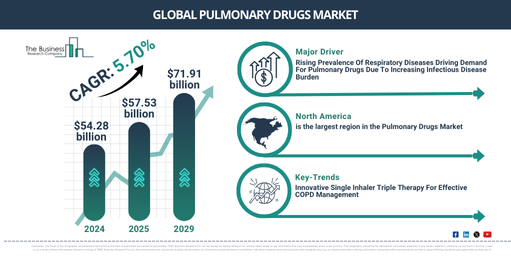
    The market size for pulmonary drugs has seen considerable growth in the recent past. It is projected to escalate from $54.28 billion in 2024 to $57.53 billion in 2025, exhibiting a compound annual growth rate (CAGR) of 6.0%. The growth during the historical period is a result of the increased prevalence of respiratory disorders, a rise in the rates of smoking, a swelling geriatric population, expanding access to healthcare, and a significant increase in pollution levels.

    What Growth Rate Is Anticipated for the Pulmonary Drugs Market in the Coming Years?

    In the upcoming years, the market size for pulmonary drugs is projected to witness robust growth, increasing to $71.91 billion by 2029 with a compound annual growth rate (CAGR) of 5.7%. This expansion during the forecast period is due to numerous factors such as the improvement of healthcare infrastructure, an increase in cardiovascular diseases, the growth of homecare treatments, heightened understanding of pulmonary diseases, and a surge in asthma cases. Key trends for the forecast period encompass technological innovation, the application of artificial intelligence in drug discovery, the usage of smart inhalers, the introduction of nanotechnology in drug formulation, and progress in gene therapy.

    Download The Free Sample Report Here:

    https://www.thebusinessresearchcompany.com/sample.aspx?id=23489&type=smp

    Who Are the Leading Companies in the Pulmonary Drugs Market?

    Major companies operating in the pulmonary drugs market are Pfizer Inc., F. Hoffmann-La Roche Ltd., Merck Sharp & Dohme Limited, AbbVie Inc., Bayer AG, Sanofi S.A., AstraZeneca plc, Novartis AG, GlaxoSmithKline plc, Mylan N.V., Teva Pharmaceutical Industries Ltd., Boehringer Ingelheim International GmbH, Grifols S.A., Chiesi Farmaceutici S.p.A., Cipla Limited, Lupin Pharmaceuticals Inc., United Therapeutics Corporation, Mallinckrodt Pharmaceuticals plc, Glenmark Pharmaceuticals Limited, Circassia Pharmaceuticals plc

    What Are the Key Drivers of the Pulmonary Drugs Market?

    The escalating occurrence of respiratory afflictions is anticipated to stimulate the expansion of the pulmonary drugs market in the future. Respiratory ailments involve medical issues that impact the lungs and airways, hindering regular breathing and the exchange of oxygen. The amplification of respiratory diseases is due to the increasing rate of smoking, which results in lung damage and chronic illnesses. Pulmonary medications are essential in managing respiratory ailments by enhancing lung performance, diminishing inflammation, and easing airway blockage for improved respiration. For example, the Bureau of Labor Statistics, a governmental agency in the US, reported in November 2023 that the disease rate amongst private sector employers in 2022 jumped to 45.2 cases per 10,000 FTE workers from 37.7 cases in 2021. This surge is primarily credited to the higher prevalence of respiratory diseases, which leaped from 27.8 cases per 10,000 FTE workers in 2021 to 35.8 cases in 2022. Consequently, the escalating respiratory ailments are fueling the expansion of the pulmonary drugs market.

    Request For A Customized Report:

    https://www.thebusinessresearchcompany.com/customise?id=23489&type=smp

    What Are the Key Market Segments in the Pulmonary Drugs Industry?

    The pulmonary drugs market covered in this report is segmented –

    1) By Drug Class: Inhaled Corticosteroids, Long Acting Beta-2 Agonists, Antihistamines, Vasodilators, Short Acting Beta-2 Agonists, Other Drug Classes

    2) By Indication: Asthma, Chronic Obstructive Pulmonary Disease (COPD), Allergic Rhinitis, Pulmonary Arterial Hypertension, Cystic Fibrosis, Other Indications

    3) By Distribution Channel: Retail Pharmacies, Online Pharmacies, Hospitals Pharmacies

    Subsegments:

    1) By Inhaled Corticosteroids: Beclomethasone, Budesonide, Fluticasone, Mometasone, Ciclesonide

    2) By Long-Acting Beta-2 Agonists: Salmeterol, Formoterol, Indacaterol, Olodaterol, Vilanterol

    3) By Antihistamines: Cetirizine, Loratadine, Fexofenadine, Diphenhydramine, Levocetirizine

    4) By Vasodilators: Endothelin Receptor Antagonists, Phosphodiesterase-5 Inhibitors, Prostacyclin Analogues

    5) By Short-Acting Beta-2 Agonists (SABA): Albuterol, Levalbuterol, Terbutaline, Fenoterol, Pirbuterol

    6) By Other Drug Classes: Monoclonal Antibodies, Enzymes, Antibiotics, Antileukotrienes

    What Are the Latest Trends in the Pulmonary Drugs Market?

    Pulmonary drugs market giants are concentrating their efforts on devising innovative treatments, such as single-inhaler triple therapy (SITT), with the goal of amplifying treatment effectiveness, endorsing patient compliance, and streamlining medication regimens for superior disease management. SITT is a multifaceted treatment method, combining three different drugs into one inhaler to support the management of chronic respiratory ailments like chronic obstructive pulmonary disease (COPD). For example, in April 2022, Trelegy Ellipta was introduced by GlaxoSmithKline Pharmaceuticals Limited, an Indian pharmaceutical firm, marking a first for India in single-inhaler triple therapy (SITT) for patients with COPD. The introduction of this therapy, which fuses fluticasone furoate, umeclidinium, and vilanterol, aims to augment lung function and diminish symptom flare-ups. The advanced Ellipta inhaler guarantees precise dosing and promotes patient consistency in comparison to therapies involving multiple inhalers. This new development is geared towards simplifying treatment procedures and enhancing patient health outcomes, marking a significant step considering India is home to more than 100 million COPD patients.

    Access The Full Report Here:

    https://www.thebusinessresearchcompany.com/report/pulmonary-drugs-global-market-report

    What Are the Key Regional Markets in the Pulmonary Drugs Industry?

    North America was the largest region in the pulmonary drugs market in 2024. Asia-Pacific is expected to be the fastest-growing region in the forecast period. The regions covered in the pulmonary drugs market report are Asia-Pacific, Western Europe, Eastern Europe, North America, South America, Middle East, Africa.

    Purchase The Full Report Today:

    https://www.thebusinessresearchcompany.com/purchaseoptions.aspx?id=23489

    This Report Delivers Insight On:

    1. How big is the pulmonary drugs market, and how is it changing globally?

    2. Who are the major companies in the pulmonary drugs market, and how are they performing?

    3. What are the key opportunities and risks in the pulmonary drugs market right now?

    4. Which products or customer segments are growing the most in the pulmonary drugs market?

    5. What factors are helping or slowing down the growth of the pulmonary drugs market?

    About The Business Research Company:

    With over 15000+ reports from 27 industries covering 60+ geographies, The Business Research Company has built a reputation for offering comprehensive, data-rich research and insights. Armed with 1,500,000 datasets, the optimistic contribution of in-depth secondary research, and unique insights from industry leaders, you can get the information you need to stay ahead in the game.

    Get in touch with us:

    The Business Research Company: https://www.thebusinessresearchcompany.com/

    Americas +1 310-496-7795

    Europe +44 7882 955267

    Asia & Others +44 7882 955267 & +91 8897263534

    Email us at info@tbrc.info

    Follow us on:

    LinkedIn: https://in.linkedin.com/company/the-business-research-company

    YouTube: https://www.youtube.com/channel/UC24_fI0rV8cR5DxlCpgmyFQ

    Global Market Model: https://www.thebusinessresearchcompany.com/global-market-model
  • Prothrombin Complex Concentrate Industry Insights 2025 – Market Forecast for Executives and Planners

    Prothrombin Complex Concentrate Industry Insights 2025 – Market Forecast for Executives and Planners

    Claim your 30% discount on Global Market Reports with code ONLINE30. Limited time only.

    How Has the Prothrombin Complex Concentrate Market Size Changed, over the years?

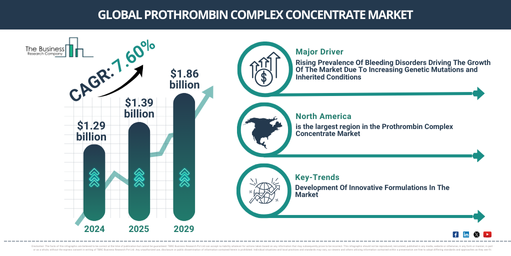
    In recent times, the prothrombin complex concentrate market has demonstrated significant growth. It is projected to expand from $1.29 billion in 2024 to $1.39 billion in 2025, with a compound annual growth rate (CAGR) of 7.8%. The growth experienced during the historical period is mainly due to an increased prevalence of bleeding disorders, a rise in the use of warfarin reversal, an enhanced awareness about coagulation therapies, an upsurge in surgical procedures, and a rise in trauma cases.

    How Much Will the Prothrombin Complex Concentrate Market Be Worth in 2029?

    Anticipations are high for the prothrombin complex concentrate market as it is poised to experience substantial expansion in the upcoming years. The market size is projected to escalate to $1.86 billion in 2029, expanding at a compound annual growth rate (CAGR) of 7.6%. This surge over the forecast period can be associated with the increasing need for quick coagulation treatments, heightened occurrence of hemophilia and liver disorders, growing use in emergency medical care, widening use cases in heart surgeries, and a rise in healthcare spending. The forecast period also unveils major trends such as the use of AI-powered diagnostic tools, progress in recombinant coagulation factors, development of next-gen recombinant pccs, the creation of tailored dosing algorithms, and advancements in blood plasma product technology.

    Download The Free Sample Report Here:

    https://www.thebusinessresearchcompany.com/sample.aspx?id=23488&type=smp

    Which is the Largest Company in the Prothrombin Complex Concentrate Market?

    Major companies operating in the prothrombin complex concentrate market are Pfizer Inc., Bristol-Myers Squibb Company, Takeda Pharmaceutical Company Limited, Novo Nordisk A/S, CSL Behring GmbH, Intas Pharmaceuticals Ltd, Baxter International Inc, Grifols S.A., Octapharma AG, Kedrion S.p.A, Haemonetics Corporation, Green Cross Corporation, Shanghai RAAS Blood Products Co. Ltd, Emergent BioSolutions, LFB Group, Hualan Biological Engineering Chongqing Co. Ltd., Sanquin Blood Supply Foundation, Bio Products Laboratory Ltd (BPL), Prothya Biosolutions B.V., China Biologic Products Holdings Inc.

    What Are the Main Market Drivers in the Prothrombin Complex Concentrate Industry?

    The prothrombin complex concentrate market’s growth is expected to be stimulated by an upsurge in bleeding disorders. These are conditions where the blood’s ability to clot is impaired, resulting in excessive bleeding due to faulty or absent clotting factors or platelets. The increase in bleeding disorders is predominantly due to the rising occurrence of genetic diseases like hemophilia, ascending liver disease cases, escalating use of anticoagulant drugs, and an elevated incidence of vitamin K shortages. Prothrombin complex concentrate aids in the treatment of these disorders by swiftly restoring clotting factors critical for effective blood coagulation and hemostasis. As an example, a study comprising 10,276 individuals with hemophilia was undertaken across 87 treatment centers in 40 countries according to the U.S.-based National Library of Medicine in November 2023. About half of these participants had severe hemophilia, with 99% being male and 85% diagnosed with hemophilia A. Furthermore, 67% of these patients hailed from low- to middle-income countries. Thus, the escalating prevalence of bleeding disorders is boosting the prothrombin complex concentrate market’s growth. A surge in anticoagulant prescriptions caused by a rising incidence of cardiovascular diseases is anticipated to drive future growth in the prothrombin complex concentrate market. An anticoagulant is a compound that discourages or dilutes clot formation by inhibiting platelet aggregation or coagulation factors. The elevated prescription rate for anticoagulants can be attributed to an increase in cardiovascular diseases, an aging populace, widening clinical signs, enhanced screening protocols, and progress in anticoagulant therapy. Prothrombin complex concentrate counteracts anticoagulants’ effects by quickly replacing clotting factors and reinstating hemostasis in patients with excessive bleeding or immediate surgical needs. For instance, the UK-based National Health Service reported in November 2023 that an additional 460,000 individuals began anticoagulant medication in 2022, leading to over 24 million prescriptions given to patients. This helped prevent an estimated 17,000 strokes and 4,000 deaths. Therefore, the expanding anticoagulant prescription rate is propelling the prothrombin complex concentrate market’s growth.

    Request For A Customized Report:

    https://www.thebusinessresearchcompany.com/customise?id=23488&type=smp

    How Is the Prothrombin Complex Concentrate Market Segments Structured?

    The prothrombin complex concentrate market covered in this report is segmented –

    1) By Product: 3-Factor Prothrombin Complex Concentrates, 4-Factor Prothrombin Complex Concentrates, Other Products

    2) By Indication: Haemorrhagic Episodes In Factor IX Deficiency (Haemophilia B), Trauma, Life-Threatening Coagulopathy With Acute Bleeding, Warfarin-Associated Acute, Life-Threatening Bleeding, Non-Warfarin Anticoagulant Reversal With Acute Bleeding

    3) By Route Of Administration: Intravenous, Subcutaneous, Intramuscular

    4) By End-Use: Hospital And Ambulatory Surgical Centers, Specialty Clinics, Other End Users

    Subsegments:

    1) By Type: Low-Dose 3-Factor Prothrombin Complex Concentrates (PCC), High-Dose 3-Factor Prothrombin Complex Concentrates (PCC), Lyophilized 3-Factor Prothrombin Complex Concentrates (PCC)

    2) By Type: Low-Dose 4-Factor Prothrombin Complex Concentrates (PCC), High-Dose 4-Factor Prothrombin Complex Concentrates (PCC), Activated 4-Factor Prothrombin Complex Concentrates (PCC)

    3) By Type: Recombinant Coagulation Factor Complexes, Plasma-Derived Coagulation Factor Complexes, Combination Therapy Products

    What Strategic Trends Are Transforming the Prothrombin Complex Concentrate Market?

    Noteworthy companies in the prothrombin complex concentrate market are creating novel formulations like lyophilized powder to augment stability, facilitate storage, and make administration easier. Lyophilized powder is a freeze-dried mixture that dehydrates to prolong shelf life and preserve potency. This facilitates improved storage conditions and fast reconstitution for urgent application. For example, in July 2023, Octapharma USA Inc., a biotech company from the US, secured FDA authorization for Balfaxar, a 4-factor prothrombin complex concentrate (4F-PCC) used for immediate warfarin reversal in surgical and invasive processes. The approval arose from the LEX-209 trial, which demonstrated a 94.6% hemostatic efficacy, establishing its effectiveness equivalent to Kcentra. This technological leap highlights the sector’s commitment to the enhancement of coagulation treatments to improve patient results in crucial care situations.

    Access The Full Report Here:

    https://www.thebusinessresearchcompany.com/report/prothrombin-complex-concentrate-global-market-report

    Which Global Regions Offer the Highest Growth in the Prothrombin Complex Concentrate Market?

    North America was the largest region in the prothrombin complex concentrate market in 2024. The regions covered in the prothrombin complex concentrate market report are Asia-Pacific, Western Europe, Eastern Europe, North America, South America, Middle East, Africa.

    Purchase The Full Report Today:

    https://www.thebusinessresearchcompany.com/purchaseoptions.aspx?id=23488

    This Report Delivers Insight On:

    1. How big is the prothrombin complex concentrate market, and how is it changing globally?

    2. Who are the major companies in the prothrombin complex concentrate market, and how are they performing?

    3. What are the key opportunities and risks in the prothrombin complex concentrate market right now?

    4. Which products or customer segments are growing the most in the prothrombin complex concentrate market?

    5. What factors are helping or slowing down the growth of the prothrombin complex concentrate market?

    About The Business Research Company:

    With over 15000+ reports from 27 industries covering 60+ geographies, The Business Research Company has built a reputation for offering comprehensive, data-rich research and insights. Armed with 1,500,000 datasets, the optimistic contribution of in-depth secondary research, and unique insights from industry leaders, you can get the information you need to stay ahead in the game.

    Get in touch with us:

    The Business Research Company: https://www.thebusinessresearchcompany.com/

    Americas +1 310-496-7795

    Europe +44 7882 955267

    Asia & Others +44 7882 955267 & +91 8897263534

    Email us at info@tbrc.info

    Follow us on:

    LinkedIn: https://in.linkedin.com/company/the-business-research-company

    YouTube: https://www.youtube.com/channel/UC24_fI0rV8cR5DxlCpgmyFQ

    Global Market Model: https://www.thebusinessresearchcompany.com/global-market-model
  • Proteus Syndrome Market Trends Report 2025 – For Business Development and Strategy Teams

    Proteus Syndrome Market Trends Report 2025 – For Business Development and Strategy Teams

    Claim your 30% discount on Global Market Reports with code ONLINE30. Limited time only.

    What Is the Forecast for the Proteus Syndrome Market Growth in 2025?

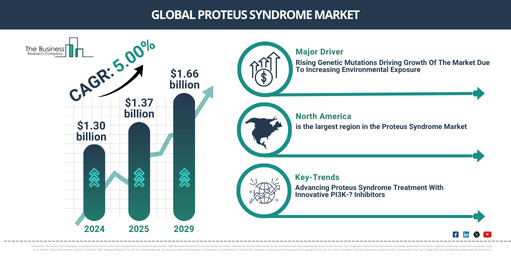
    The market size for proteus syndrome has seen robust growth in the past few years. It is anticipated to expand from $1.30 billion in 2024 to $1.37 billion in 2025, signifying a compound annual growth rate (CAGR) of 5.2%. This substantial growth during the historical period can be traced back to factors such as higher diagnosis rates, an upsurge in genetic research, the spread of precision medicine, augmented government initiatives, and an increase in the requirement for genetic testing.

    What Is the Forecast for the Proteus Syndrome Market Size Through 2029?

    Anticipated to see a robust rise in the coming years, the Proteus syndrome market size is projected to escalate to $1.66 billion in 2029 with a compound annual growth rate (CAGR) of 5.0%. The expected growth during the forecast period could be linked to the surge in personalized medicine, augmented employment of biomarkers, widened utilization of telemedicine, increased awareness of rare diseases, and escalating incidence of Proteus syndrome. The forecast period is likely to witness significant trends including technological advancements, innovations in gene therapy, diagnostics driven by AI, incorporation of big data analytics, and customized drug development.

    Download The Free Sample Report Here:

    https://www.thebusinessresearchcompany.com/sample.aspx?id=23487&type=smp

    What are the Key Market Players in Proteus Syndrome Market and How They’re Evolving?

    Major companies operating in the proteus syndrome market are Pfizer Inc., Merck Sharp & Dohme Corp, Intas Pharmaceuticals Ltd, Dr Reddy’s Laboratories Ltd, Zydus Pharmaceuticals Inc., Biocon Limited, Glenmark Pharmaceuticals Ltd, Curia Global, Concord Biotech Limited, Camber Pharmaceuticals, Chunghwa Chemical Synthesis & Biotech Co Ltd, Farmhispania Group SL, LGM Pharma LLC, ChemWerth Inc, Simson Pharma Limited, Actiza Pharmaceutical, AXXO GmbH, CFM Oskar Tropitzsch GmbH, MedicaPharma, Sumar Biotech LLP, Kachhela Medex Private Limited.

    What Are the Primary Growth Drivers in the Proteus Syndrome Market?

    The proteus syndrome market’s growth is anticipated to rise due to escalating occurrences of genetic mutations. Genetic mutations are lasting alterations in DNA sequences, changing genetic information and potentially leading to varying diseases or distinctive traits. Their increase is mainly tied to environment exposure to mutagens like radiation, pollutants, and chemicals which trigger DNA damage and genetic changes. Proteus syndrome aids the comprehension of genetic mutations by illuminating how an AKT1 gene mutation in somatic cells incites irregular cell growth, offering enlightenment into mosaicism and the evolution of diseases. A case in point is in March 2022, the UK Health Security Agency, a government agency based in the UK, reported 763 XE sequences and 637 cases with XE mutations spreading and cases escalating across England. Thereby, the surge in genetic mutations instances is fueling proteus syndrome market growth. The leap in research funding propels proteus syndrome market growth, owing to bulging investments in genetic and therapeutic studies. Research funding is financial backing given by governments, organizations, or institutions to foster scientific research, innovation, and technological progress. The ramp-up in research funding is motivated by the demand for improved cognition of genetic causes, enhanced diagnostic procedures, and the creation of targeted remedies. Proteus syndrome pulls in research funding by emphasizing the requirement for progressive genetic and therapeutic research, fueling investments from medical institutions, government agencies, and uncommon disease organizations. Taking for instance in August 2024, the BioIndustry Association, a UK trade association for innovative life sciences and the biotechnology sector, announced achieving the most vigorous investment quarter for UK’s life sciences and biotechnology sector post-pandemic, procuring $2.55 billion in the year’s first two quarters, surpassing the $2.32 billion generated in 2023. Consequently, the uptick in research funding is powering the expansion of the proteus syndrome market.

    Request For A Customized Report:

    https://www.thebusinessresearchcompany.com/customise?id=23487&type=smp

    What Are the Leading Segments in the Global Proteus Syndrome Industry?

    The proteus syndrome market covered in this report is segmented –

    1) By Product Type: Tablets, Capsules, Injectables, Other Product Types

    2) By Route of Administration: Oral, Parenteral, Other Route Of Administration

    3) By Distribution Channel: Online, Offline

    4) By End User: Hospital Pharmacy, Retail Pharmacy, Specialty Clinics

    Subsegments:

    1) By Tablets: Immediate-Release Tablets, Extended-Release Tablets, Effervescent Tablets

    2) By Capsules: Hard Gelatin Capsules, Soft Gelatin Capsules, Delayed-Release Capsules

    3) By Injectables: Intravenous (IV) Injectables, Intramuscular (IM) Injectables, Subcutaneous (SC) Injectables

    4) By Other Product Types: Topical Creams, Transdermal Patches, Liquid Suspensions

    What Are the Key Market Trends in the Proteus Syndrome Industry?

    Key players in the proteus syndrome market are concentrating their efforts on carrying out clinical trials to pave the way for groundbreaking products like PI3K-α inhibitors. Such innovations will boost the effectiveness of treatment and widen the range of therapeutic choices. PI3K-α inhibitors, medications that aim at the PI3K-alpha enzyme responsible for cell growth and division, help control proteus syndrome by curbing unusual tissue growth triggered by PIK3CA gene mutations, which excessively trigger the PI3K/AKT pathway. For example, Risen (Suzhou) Pharma Technology Co., Ltd., a pharmaceutical firm based in China, in November 2024, confirmed that its collaboration had received tacit approval for the clinical trials of two of its Class 1 new drug, RP903 tablets, under the acceptance codes CXHL2400566 and CXHL2400565. RP903 is a PI3K-α inhibitor that aims to target PIK3CA gene mutations related to proteus syndrome (PROS). This landmark underscores the firm’s dedication to enhancing groundbreaking treatments for seldom-seen illnesses and broadening treatment possibilities for PROS patients.

    Access The Full Report Here:

    https://www.thebusinessresearchcompany.com/report/proteus-syndrome-global-market-report

    What Is the Regional Outlook for the Proteus Syndrome Market?

    North America was the largest region in the proteus syndrome market in 2024 and it is expected to be the fastest-growing region in the forecast period. The regions covered in the proteus syndrome market report are Asia-Pacific, Western Europe, Eastern Europe, North America, South America, Middle East, Africa.

    Purchase The Full Report Today:

    https://www.thebusinessresearchcompany.com/purchaseoptions.aspx?id=23487

    This Report Delivers Insight On:

    1. How big is the proteus syndrome market, and how is it changing globally?

    2. Who are the major companies in the proteus syndrome market, and how are they performing?

    3. What are the key opportunities and risks in the proteus syndrome market right now?

    4. Which products or customer segments are growing the most in the proteus syndrome market?

    5. What factors are helping or slowing down the growth of the proteus syndrome market?

    About The Business Research Company:

    With over 15000+ reports from 27 industries covering 60+ geographies, The Business Research Company has built a reputation for offering comprehensive, data-rich research and insights. Armed with 1,500,000 datasets, the optimistic contribution of in-depth secondary research, and unique insights from industry leaders, you can get the information you need to stay ahead in the game.

    Get in touch with us:

    The Business Research Company: https://www.thebusinessresearchcompany.com/

    Americas +1 310-496-7795

    Europe +44 7882 955267

    Asia & Others +44 7882 955267 & +91 8897263534

    Email us at info@tbrc.info

    Follow us on:

    LinkedIn: https://in.linkedin.com/company/the-business-research-company

    YouTube: https://www.youtube.com/channel/UC24_fI0rV8cR5DxlCpgmyFQ

    Global Market Model: https://www.thebusinessresearchcompany.com/global-market-model

  • Market Analysis on Primary Immunodeficiency Disorders Industry – Insights for Corporate Strategy and R&D

    Market Analysis on Primary Immunodeficiency Disorders Industry – Insights for Corporate Strategy and R&D

    Claim your 30% discount on Global Market Reports with code ONLINE30. Limited time only.

    What Is the Forecast for the Primary Immunodeficiency Disorders Market from 2024 to 2025?

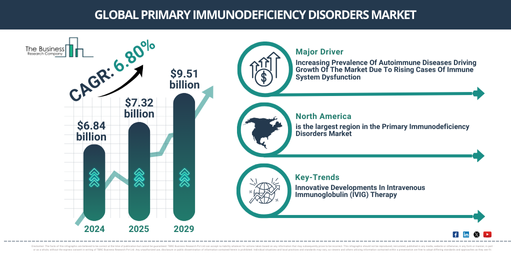
    In recent years, there has been robust growth in the primary immunodeficiency disorders market size. Its expansion is anticipated to proceed from $6.84 billion in 2024 to $7.32 billion in 2025, presenting a compound annual growth rate (CAGR) of 7.0%. The expansion during the historic period is a result of an increase in cases of primary immunodeficiency disorders, enhanced awareness among healthcare providers, a rise in demand for successful treatment, increased research budget, and an escalating emphasis on pediatric care.

    What Is the Projected Market Size of the Primary Immunodeficiency Disorders Market?

    In the coming years, a substantial surge is anticipated in the spectrum of primary immunodeficiency disorders, propelling the market to an estimated worth of $9.51 billion in 2029 with a compound annual growth rate (CAGR) of 6.8%. The upward trend during the forecast period is attributed to factors including broader acceptance of subcutaneous therapies, improved access to health care, solid research and development initiatives, a rising need for effective treatment modes and a growing demand for immunoglobulin replacement therapy. The projection period is expected to witness notable trends such as progress in biotechnology, innovative strategies in gene therapies and biologics, breakthroughs in genetic testing and personalized medicine, evolution in gene therapy, and strides in genetic examinations.

    Download The Free Sample Report Here:

    https://www.thebusinessresearchcompany.com/sample.aspx?id=23483&type=smp

    Who are the Major Competitors in the Primary Immunodeficiency Disorders Market Outlook?

    Major companies operating in the primary immunodeficiency disorders market are Pfizer Inc., Thermo Fisher Scientific Inc., Takeda Pharmaceuticals, CSL Behring, Baxter International Inc., Grifols SA, Octapharma, Kedrion Biopharma, Miltenyi Biotec, LFB Group, Clinigen Limited, ADMA Biologics Inc., Bio Products Laboratory Ltd, BD Biosciences, Cellectis SA, Florencia Healthcare, X4 Pharmaceuticals Inc., Amber Lifesciences, bluebird bio Inc., Chengdu Rongsheng Pharmaceutical Co Ltd.

    What Is Fueling Growth in the Primary Immunodeficiency Disorders Market?

    The increase in autoimmune diseases is predicted to stimulate the expansion of the primary immunodeficiency disorders market. When the immune system erroneously attacks the body’s healthy cells and tissues, viewing them as foreign invaders, it’s classified as an autoimmune disease. This unusual reaction causes inflammation and damage to various organs and systems. The spike in autoimmune diseases is due to an intricate combination of environmental factors, genetic propensities, and changes in lifestyle. Autoimmune diseases can trigger primary immunodeficiency disorders by interfering with immune regulation and targeting immune cells, resulting in impaired or dysfunctional immune responses. For example, Versorgungsatlas.de, a Germany-based interactive online platform, revealed in November 2024 that in 2022, out of 73,241,305 insured people, 6,304,340 were diagnosed with at least one autoimmune disease, yielding a raw prevalence rate of 8.61%. Hence, the rising prevalence of autoimmune diseases is propelling the expansion of the primary immunodeficiency disorders market.

    Request For A Customized Report:

    https://www.thebusinessresearchcompany.com/customise?id=23483&type=smp

    Which Primary Immunodeficiency Disorders Market Segments Are Growing the Fastest?

    The primary immunodeficiency disorders market covered in this report is segmented –

    1) By Disease: Antibody Deficiency, Cellular Immunodeficiency, Innate Immune Disorders, Other Diseases

    2) By Treatment: Immunoglobulin Replacement Therapy, Antibiotic Therapy, Stem Cell And Bone Marrow Transplantation, Gene Therapy, Other Treatments

    3) By Diagnostic Type: Genetic Testing, Blood Testing, Flow Cytometry, Other Diagnostic Types

    4) By End-User: Hospitals, Specialty Clinics, Homecare Settings, Research Institutions

    Subsegments:

    1) By Antibody Deficiency: Common Variable Immune Deficiency (CVID), IgA Deficiency, IgG Subclass Deficiency, Specific Antibody Deficiency

    2) By Cellular Immunodeficiency: Severe Combined Immunodeficiency (SCID), T-Cell Deficiency, DiGeorge Syndrome, Wiskott-Aldrich Syndrome

    3) By Innate Immune Disorders: Chronic Granulomatous Disease (CGD), Complement Deficiencies, Toll-like Receptor Deficiencies, Chediak-Higashi Syndrome

    4) By Other Diseases: Hyper IgM Syndrome, Hyper IgE Syndrome, Ataxia-Telangiectasia, Combined Immunodeficiencies With Syndromic Features

    Which Industry Trends Are Shaping the Future of the Primary Immunodeficiency Disorders Market?

    Leading firms in the primary immunodeficiency disorders market are concentrating on creating cutting-edge therapies, including intravenous immunoglobulin therapy, in order to improve patient results by enhancing immune functionality. Intravenous immunoglobulin (IVIG) therapy, a process where antibodies from donor plasma are directly injected into the patient’s bloodstream via an IV. For instance, in June 2024, Grifols, a Spain-based healthcare company, secured FDA approval for Yimmugo, an intravenous immunoglobulin (IVIg) therapy. This newly formulated, sugar-free, ready-to-use IgG solution, which is extracted from human blood plasma, is meant to be administered intravenously. Approved for use in the U.S. as a substitution therapy for primary antibody deficiency syndromes, Yimmugo provides antibody replacement to support people with immune system deficiencies. The introduction of this therapy boosts Grifols’ line-up of plasma-derived treatments by providing a safer and more efficient option to ward off infections.

    Access The Full Report Here:

    https://www.thebusinessresearchcompany.com/report/primary-immunodeficiency-disorders-global-market-report

    Which Countries Are Leading the Primary Immunodeficiency Disorders Market?

    North America was the largest region in the primary immunodeficiency disorders market in 2024. Asia-Pacific is expected to be the fastest-growing region in the forecast period. The regions covered in the primary immunodeficiency disorders market report are Asia-Pacific, Western Europe, Eastern Europe, North America, South America, Middle East, Africa.

    Purchase The Full Report Today:

    https://www.thebusinessresearchcompany.com/purchaseoptions.aspx?id=23483

    This Report Delivers Insight On:

    1. How big is the primary immunodeficiency disorders market, and how is it changing globally?

    2. Who are the major companies in the primary immunodeficiency disorders market, and how are they performing?

    3. What are the key opportunities and risks in the primary immunodeficiency disorders market right now?

    4. Which products or customer segments are growing the most in the primary immunodeficiency disorders market?

    5. What factors are helping or slowing down the growth of the primary immunodeficiency disorders market?

    About The Business Research Company:

    With over 15000+ reports from 27 industries covering 60+ geographies, The Business Research Company has built a reputation for offering comprehensive, data-rich research and insights. Armed with 1,500,000 datasets, the optimistic contribution of in-depth secondary research, and unique insights from industry leaders, you can get the information you need to stay ahead in the game.

    Get in touch with us:

    The Business Research Company: https://www.thebusinessresearchcompany.com/

    Americas +1 310-496-7795

    Europe +44 7882 955267

    Asia & Others +44 7882 955267 & +91 8897263534

    Email us at info@tbrc.info

    Follow us on:

    LinkedIn: https://in.linkedin.com/company/the-business-research-company

    YouTube: https://www.youtube.com/channel/UC24_fI0rV8cR5DxlCpgmyFQ

    Global Market Model: https://www.thebusinessresearchcompany.com/global-market-model