Author: Marketing Posting

  • Chronic Pulmonary Hypertension Treatment Growth Trajectory: Key Forecasts and Strategic Insights

    Our market reports now include the latest updates on global tariffs, trade impacts, and evolving supply chain dynamics.

    What Is the Current and Projected Market Size of the Chronic Pulmonary Hypertension Treatment Market Through 2034?

    The market size for treatment of chronic pulmonary hypertension has seen substantial growth over the past few years. The projection shows an increase from $6.82 billion in 2024 to $7.21 billion in 2025, marking a compound annual growth rate (CAGR) of 5.8%. Several factors have contributed to this growth in the historical period such as higher incidents of chronic pulmonary hypertension, increased approval of drugs, advantageous reimbursement policies, escalating healthcare costs, and the aging population.

    Anticipated to experience robust growth in the coming years, the market size for chronic pulmonary hypertension treatment is projected to surge to $8.95 billion in 2029, registering a Compound Annual Growth Rate (CAGR) of 5.6%. This growth trajectory during the forecast period can be ascribed to an escalating demand for potent treatments, augmented investments, enhanced governmental support for drug creation, an upsurging demand for innovative therapeutics, heightened awareness, and an elevated occurrence of chronic brain injuries. Major trends projected to shape the forecast period include the creation of new drugs and therapies, technological advancements, collaborations with pharmaceutical companies, research institutions, and healthcare organizations, the identification of fresh molecular pathways, investment endeavours from governments and healthcare organizations, and entrepreneurship of novel therapies.

    Download a free sample to assess the report’s scope and structure:

    https://www.thebusinessresearchcompany.com/sample.aspx?id=21148&type=smp

    Which Factors and External Forces Are Driving Demand in the Chronic Pulmonary Hypertension Treatment Market?

    The chronic pulmonary hypertension treatment market’s growth is anticipated to escalate due to the significant impact of cardiovascular diseases. These diseases encompass a variety of conditions negatively affecting the heart and blood vessels such as stroke, heart failure, and coronary artery disease. Factors like unhealthy eating habits, lack of physical activity, tobacco consumption, excessive alcohol intake, obesity, hypertension, diabetes, and aging populations contribute to the prevalence of cardiovascular diseases. The treatment for chronic pulmonary hypertension can improve cardiovascular wellness by diminishing pulmonary artery pressure, boosting heart functionality, and minimizing heart failure risks alongside associated complications. To illustrate, data collated in December 2023 by the Australian Institute of Health and Welfare, an agency of the Australian government, revealed a notable increase in physician-confirmed deaths due to coronary heart disease (CHD), up from 14,100 in 2021 to 14,900 in 2022. This prevalence of cardiovascular diseases is a key factor propelling the chronic pulmonary hypertension treatment market’s growth.

    Which Segments in the Chronic Pulmonary Hypertension Treatment Offer the Most Growth?

    The chronic pulmonary hypertension treatment market covered in this report is segmented –

    1) By Drug Type: Endothelin Receptor Antagonists, Phosphodiesterase (PDE-5) Inhibitors, Prostacyclin Analogs, Soluble Guanylate Cyclase (SGC) Stimulators

    2) By Route Of Administration: Oral, Intravenous Or Subcutaneous, Inhalational

    3) By Distribution Channel: Hospital Pharmacies, Retail Pharmacies, Online Pharmacies

    Subsegments:

    1) By Endothelin Receptor Antagonists: Bosentan, Ambrisentan, Macitentan

    2) By Phosphodiesterase (PDE-5) Inhibitors: Sildenafil, Tadalafil, Vardenafil

    3) By Prostacyclin Analogs: Epoprostenol, Treprostinil, Iloprost

    4) By Soluble Guanylate Cyclase (SGC) Stimulators: Riociguat

    Request customized data on this market:

    https://www.thebusinessresearchcompany.com/customise?id=21148&type=smp

    What Are the Fastest-Growing Geographies in the Which Factors and External Forces Are Driving Demand in the Chronic Pulmonary Hypertension Treatment Market? Market?

    North America was the largest region in the chronic pulmonary hypertension treatment market in 2024. The regions covered in the chronic pulmonary hypertension treatment market report are Asia-Pacific, Western Europe, Eastern Europe, North America, South America, Middle East, Africa.

    Which Cutting-Edge Market Trends Are Expected to Drive theChronic Pulmonary Hypertension Treatment Market’s Growth?

    Leading organizations active in the chronic pulmonary hypertension treatment market are concentrating on innovative strategies like subcutaneous injection, aiming to heighten patient adherence, augment convenience, and supply more precise treatment alternatives. Subcutaneous injections work by steadily releasing medication beneath the skin, consequently reducing pulmonary artery pressure and enhancing blood circulation in patients suffering from pulmonary hypertension. For instance, Merck & Co Inc., a pharmaceutical corporation based in the U.S., revealed in March 2024 that the U.S. FDA had given its approval to Winrevair (sotatercept-csrk), signifying a major step forward in pulmonary arterial hypertension (PAH) therapy. This novel treatment brings distinct advantages, marking it as a revolutionary option for PAH. Clinical studies show that Winrevair enhances WHO functional class for 29% of patients, which is a noticeable improvement compared to 14% in the placebo category, contributing to an overall betterment in quality of life.

    View the full report here:

    https://www.thebusinessresearchcompany.com/report/chronic-pulmonary-hypertension-treatment-global-market-report

    What Are the Key Elements That Define the Chronic Pulmonary Hypertension Treatment Market?

    Chronic pulmonary hypertension (PH) treatment refers to managing elevated blood pressure in the lungs to improve heart function and quality of life. It includes medications to reduce pressure, oxygen therapy, and diuretics to ease symptoms. Advanced treatments involve pulmonary rehabilitation, lifestyle modifications, and medical procedures if necessary. In severe cases, surgical interventions may be considered.

    Purchase the full report and get a swift delivery:

    https://www.thebusinessresearchcompany.com/purchaseoptions.aspx?id=21148

    About The Business Research Company:

    With over 15000+ reports from 27 industries covering 60+ geographies, The Business Research Company has built a reputation for offering comprehensive, data-rich research and insights. Armed with 1,500,000 datasets, the optimistic contribution of in-depth secondary research, and unique insights from industry leaders, you can get the information you need to stay ahead in the game.

    Get in touch with us:

    The Business Research Company: https://www.thebusinessresearchcompany.com/

    Americas +1 3156230293

    Asia +44 2071930708

    Europe +44 2071930708

    Email us at info@tbrc.info

    Follow us on:

    LinkedIn: https://in.linkedin.com/company/the-business-research-company

    YouTube: https://www.youtube.com/channel/UC24_fI0rV8cR5DxlCpgmyFQ

    Global Market Model: https://www.thebusinessresearchcompany.com/global-market-model
  • Von Willebrand Disease Market Outlook 2025 – Insights for Executive and Strategic Planning

    Von Willebrand Disease Market Outlook 2025 – Insights for Executive and Strategic Planning

    Claim your 30% discount on Global Market Reports with code ONLINE30. Limited time only.

    How Has the Von Willebrand Disease Market Grown from 2024 to 2025?

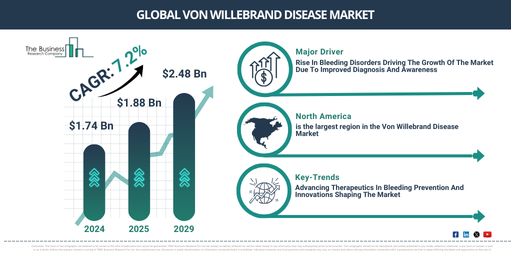
    The market size for von Willebrand disease has experienced a significant expansion recently. It’s projected to escalate from $1.74 billion in 2024 to $1.88 billion in 2025, fostering a compound annual growth rate (CAGR) of 7.6%. Factors such as growing awareness regarding obscure bleeding disorders, an increase in the identification of von Willebrand disease cases, expansion in research funding aimed at blood disorders, broader access to healthcare services, and an increase in the application of preventative measures in the treatment of hemophilia have contributed to the growth witnessed during the historical period.

    What Growth Rate Is Anticipated for the Von Willebrand Disease Market in the Coming Years?

    The market size for von Willebrand disease is projected to experience robust growth in the coming years, increasing to $2.48 billion by 2029 with a CAGR of 7.2%. The projected growth during this forecast period is due to factors such as the progression of gene therapy for bleeding disorders, increased funding for biotech research, a rising demand for non-invasive diagnostic methods, greater utilization of digital health resources for disease tracking, and the expansion of telemedicine services for rare illnesses. Key trends anticipated during this period include advancements in gene therapy strategies, the application of artificial intelligence in diagnostic procedures, new developments in non-invasive diagnostic equipment, the introduction of innovative drug delivery systems, and the use of digital health platforms for patient education.

    Download The Free Sample Report Here:

    https://www.thebusinessresearchcompany.com/sample.aspx?id=22168&type=smp

    Who Are the Leading Companies in the Von Willebrand Disease Market?

    Major companies operating in the von willebrand disease market are Pfizer Inc., Bayer AG, Sanofi S.A., Takeda Pharmaceutical Company Limited, Novo Nordisk A/S, Mayo Clinic, CSL Behring (a subsidiary of CSL Limited), Cleveland Clinic, Grifols S.A., Kedrion Biopharma Inc., Shanghai RAAS Blood Products Co. Ltd., Biotest AG, Versiti Inc., Fortis Healthcare Limited, LFB S.A., Hualan Biological Engineering Inc., Bio Products Laboratory Ltd. (BPL), Octapharma AG, Sino Biological Inc., Reliance Life Sciences Pvt. Ltd.

    What Are the Key Drivers of the Von Willebrand Disease Market?

    The increase in instances of bleeding disorders is projected to foster the expansion of the von willebrand disease market. These disorders, characterised by elongated or copious bleeding due to hindered blood clot formation, have seen growth in diagnosis, largely attributed to improvements in medical understanding and diagnostic methods. These advancements have facilitated more precise identification of previously undiscovered cases. Treatment for von willebrand disease enhances the quality of life for those with bleeding disorders by aiding blood clot formation and managing unchecked bleeding. For example, the United Kingdom Haemophilia Centre Doctors’ Organization noted in a November 2022 report that new Hemophilia A registrations rose from 16 in 2021 to 19 in 2022 in the United Kingdom. Consequently, the surging prevalence of bleeding disorders fuels the von willebrand disease market’s progression.

    Request For A Customized Report:

    https://www.thebusinessresearchcompany.com/customise?id=22168&type=smp

    What Are the Key Market Segments in the Von Willebrand Disease Industry?

    The von willebrand disease market covered in this report is segmented –

    1) By Type: Type 1, Type 2, Type 3

    2) By Drugs: Antihemophilic Factor, Coagulation Factor VIII Complex, Von Willebrand Factor, Desmopressin Acetate, Other Drugs

    3) By Severity: Mild, Moderate, Severe

    4) By Distribution Channel: Hospital Pharmacy, Retail Pharmacy, Online Pharmacy, Other Distribution Channels

    5) By End Users: Hospitals, Speciality Clinics, Homecare, Other End Users

    Subsegmentss:

    1) By Type 1: Mild Von Willebrand Disease, Moderate Von Willebrand Disease, Severe Von Willebrand Disease

    2) By Type 2: Type 2A, Type 2B, Type 2M, Type 2N

    3) By Type 3: Congenital Type 3, Acquired Type 3

    What Are the Latest Trends in the Von Willebrand Disease Market?

    Leading firms in the von willebrand disease market are prioritizing innovation in therapeutics, such as the von willebrand factor concentrate. This is aimed at increasing the effectiveness of treatments, minimizing bleeding occurrences and enhancing patient health results. The von willebrand factor concentrate is a form of treatment applied in the prevention and curing of bleeding in individuals suffering from von willebrand disease (VWD), a hereditary bleeding condition instigated by a lack or malfunction of the von willebrand factor. For example, Octapharma USA Inc., a pharmaceutical firm from the US, received approval for Wilate by the Food and Drug Administration in April 2024. Wilate, a von willebrand factor concentrate, is a freeze-dried powder solution that can be intravenously injected to regularly prevent high occurrences of bleeding in adults and children older than 6 years. The FDA’s decision to grant Wilate the title of orphan drug gives it exclusive access to the market for a period of up to seven years, a move meant to motivate the creation of treatments for uncommon diseases.

    Access The Full Report Here:

    https://www.thebusinessresearchcompany.com/report/von-willebrand-disease-global-market-report

    What Are the Key Regional Markets in the Von Willebrand Disease Industry?

    North America was the largest region in the von willebrand disease market in 2024. Asia-Pacific is expected to be the fastest-growing region in the forecast period. The regions covered in the von willebrand disease market report are Asia-Pacific, Western Europe, Eastern Europe, North America, South America, Middle East, Africa.

    Purchase The Full Report Today:

    https://www.thebusinessresearchcompany.com/purchaseoptions.aspx?id=22168

    This Report Delivers Insight On:

    1. How big is the von willebrand disease market, and how is it changing globally?

    2. Who are the major companies in the von willebrand disease market, and how are they performing?

    3. What are the key opportunities and risks in the von willebrand disease market right now?

    4. Which products or customer segments are growing the most in the von willebrand disease market?

    5. What factors are helping or slowing down the growth of the von willebrand disease market?

    About The Business Research Company:

    With over 15000+ reports from 27 industries covering 60+ geographies, The Business Research Company has built a reputation for offering comprehensive, data-rich research and insights. Armed with 1,500,000 datasets, the optimistic contribution of in-depth secondary research, and unique insights from industry leaders, you can get the information you need to stay ahead in the game.

    Get in touch with us:

    The Business Research Company: https://www.thebusinessresearchcompany.com/

    Americas +1 310-496-7795

    Europe +44 7882 955267

    Asia & Others +44 7882 955267 & +91 8897263534

    Email us at info@tbrc.info

    Follow us on:

    LinkedIn: https://in.linkedin.com/company/the-business-research-company

    YouTube: https://www.youtube.com/channel/UC24_fI0rV8cR5DxlCpgmyFQ

    Global Market Model: https://www.thebusinessresearchcompany.com/global-market-model
  • Valley Fever Industry Growth Expected to Reach $1.29 Billion by 2029 at a CAGR of 5.4% | Segmentation and Growth Opportunities

    Valley Fever Industry Growth Expected to Reach $1.29 Billion by 2029 at a CAGR of 5.4% | Segmentation and Growth Opportunities

    Claim your 30% discount on Global Market Reports with code ONLINE30. Limited time only.

    What Is the Forecast for the Valley Fever Market Growth in 2025?

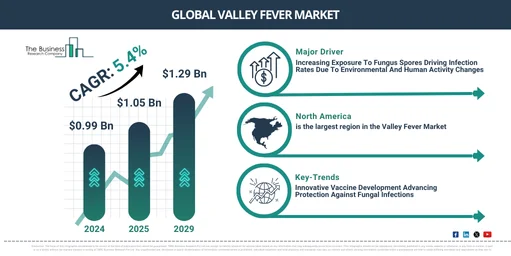
    The market size for valley fever has seen substantial growth over the recent years. It is expected to rise from $0.99 billion in 2024 to $1.05 billion in 2025, marking a compound annual growth rate (CAGR) of 5.8%. The growth historically is due to factors such as the escalating effects of climate change that cause fungal proliferation, increased funding for research targeted towards Valley Fever treatments, growing investments in the healthcare sector, the surging demand for specialized diagnostic laboratories, and an increase in Valley Fever cases in regions not traditionally affected.

    What Is the Forecast for the Valley Fever Market Size Through 2029?

    Projected robust growth is anticipated for the valley fever market size in the upcoming years, with expectations for it to reach $1.29 billion by 2029, embodying a compound annual growth rate (CAGR) of 5.4%. This growth during the forecast period is attributed to increased adoption of telemedicine, advancements in research surrounding antifungal resistance, a surge in funding geared towards vaccine development, an increase in population mobility across high-risk areas, and the increasing accessibility of antifungal treatments. Foreseen trends during the forecast period involve technological progression, demand for antifungal drugs, vaccine development, telemedicine, and international collaboration.

    Download The Free Sample Report Here:

    https://www.thebusinessresearchcompany.com/sample.aspx?id=22166&type=smp

    What are the Key Market Players in Valley Fever Market and How They’re Evolving?

    Major companies operating in the valley fever market are Merck & Co. Inc., Fresenius Kabi, Dr. Reddy’s Laboratories, Horster Life Science, Mankind Pharma, Atom Pharma, Ravoos Laboratories, Casca Remedies, Hema Pharmaceuticals, Globela Pharma, Spansules Pharmatech, Sanes Pharmaceuticals, CDH Chemicals, Sainor Laboratories, Maithili Life Sciences, Stratechem (I) Pvt. Ltd., Shantam Pharma, Cerata Pharmaceuticals, Aden Healthcare, Kabir Lifesciences

    What Are the Primary Growth Drivers in the Valley Fever Market?

    The increase in exposure to fungus spores is predicted to stimulate the advancement of the valley fever market. Fungus spores are tiny reproductive elements created by fungi, which can spread by air, water, or on surfaces, enabling the fungi to develop and proliferate in new settings. Deforestation and shifting weather patterns, which stir up soil and encourage spore dispersal, are increasing the contact with these spores, thereby escalating the risk of infections like valley fever, particularly in dry areas that are conducive to the growth of the coccidioides fungus. Valley fever treatments assist patients exposed to fungal spores by alleviating symptoms, averting complications, and constraining fungal expansion, which helps to enhance their recuperation and life quality. For example, the International Society for Infectious Diseases, a non-profit organization based in the US, reported in September 2024 that invasive fungal infections affect around 6.5 million people per year, leading to nearly 3.8 million deaths, out of which about 2.5 million are directly related to these infections. Consequently, the increased exposure to fungal spores is resulting in the growth of the valley fever market. Owing to a boost in medical technology, the ongoing expansion of healthcare facilities is driving the valley fever market’s upsurge. Healthcare facilities constitute critical structures, systems, and resources required to efficiently deliver healthcare services. The proliferation of healthcare facilities comes from advancements in medical technology, because new developments like telemedicine, robotic surgery, and diagnostic operations powered by AI necessitate improved facilities, sophisticated equipment and elevated healthcare delivery systems to ameliorate patient outcomes and productivity. Healthcare facilities aid valley fever by offering prompt diagnosis, antifungal therapy, patient knowledge and constant care to regulate symptoms and avoid further complications. According to the American Hospital Association, a non-profit organization based in the US, there were a total of 6,120 hospitals in the US in 2024, having risen from 6,093 hospitals in 2022. Hence, the development of healthcare infrastructure is propelling the growth of the valley fever market.

    Request For A Customized Report:

    https://www.thebusinessresearchcompany.com/customise?id=22166&type=smp

    What Are the Leading Segments in the Global Valley Fever Industry?

    The valley fever market covered in this report is segmented –

    1) By Types Of Treatment: Fluconazole, Itraconazole, Voriconazole, Posaconazole, Others Types Of Treatment

    2) By Site Of Infection: Skin, Lungs, Liver, Bones, Heart, Brain, Membranes That Surround The Brain And Spinal Cord, Other Sites Of Infection

    3) By End-Users: Human, Cattle, Sheep And Goats, Camel, Other End-Users

    Subsegmentss:

    1) By Fluconazole Type: Oral Fluconazole, Intravenous Fluconazole

    2) By Itraconazole Type: Capsule Itraconazole, Oral Solution Itraconazole

    3) By Voriconazole Type: Oral Voriconazole, Intravenous Voriconazole

    4) By Posaconazole Type: Oral Suspension Posaconazole, Delayed-Release Tablets Posaconazole, Intravenous Posaconazole

    5) By Other Treatment Types: Combination Therapy, Adjunctive Therapy

    What Are the Key Market Trends in the Valley Fever Industry?

    Leading businesses in the valley fever market are channeling their efforts towards the creation of innovative vaccines for valley fever, responding to the escalating threat posed by fungal infections. The rationale for valley fever vaccines is to safeguard individuals through the utilization of sophisticated scientific and production methods thereby promoting public health and safety. In a case example, Anivive Lifesciences Inc., a pet pharmaceutical company based in the US, was awarded a contract in August 2024 valued at roughly $33 million by the National Institute of Allergy and Infectious Diseases (NIAID), a governmental agency in the US. This grant is intended to aid in expansion in manufacturing, improved formulation, thorough safety checks, and a Phase 1 clinical trial, with the goal of introducing the first vaccine that can guard against a severe systemic fungal infection.

    Access The Full Report Here:

    https://www.thebusinessresearchcompany.com/report/valley-fever-global-market-report

    What Is the Regional Outlook for the Valley Fever Market?

    North America was the largest region in the valley fever market in 2024. The regions covered in the valley fever market report are Asia-Pacific, Western Europe, Eastern Europe, North America, South America, Middle East, Africa.

    Purchase The Full Report Today:

    https://www.thebusinessresearchcompany.com/purchaseoptions.aspx?id=22166

    This Report Delivers Insight On:

    1. How big is the valley fever market, and how is it changing globally?

    2. Who are the major companies in the valley fever market, and how are they performing?

    3. What are the key opportunities and risks in the valley fever market right now?

    4. Which products or customer segments are growing the most in the valley fever market?

    5. What factors are helping or slowing down the growth of the valley fever market?

    About The Business Research Company:

    With over 15000+ reports from 27 industries covering 60+ geographies, The Business Research Company has built a reputation for offering comprehensive, data-rich research and insights. Armed with 1,500,000 datasets, the optimistic contribution of in-depth secondary research, and unique insights from industry leaders, you can get the information you need to stay ahead in the game.

    Get in touch with us:

    The Business Research Company: https://www.thebusinessresearchcompany.com/

    Americas +1 310-496-7795

    Europe +44 7882 955267

    Asia & Others +44 7882 955267 & +91 8897263534

    Email us at info@tbrc.info

    Follow us on:

    LinkedIn: https://in.linkedin.com/company/the-business-research-company

    YouTube: https://www.youtube.com/channel/UC24_fI0rV8cR5DxlCpgmyFQ

    Global Market Model: https://www.thebusinessresearchcompany.com/global-market-model
  • Tibial Bearings Industry Valued at $1.77 Billion by 2029 With CAGR of 8.1% | Size and Share Insights

    Tibial Bearings Industry Valued at $1.77 Billion by 2029 With CAGR of 8.1% | Size and Share Insights

    Claim your 30% discount on Global Market Reports with code ONLINE30. Limited time only.

    What Is the Forecast for the Tibial Bearings Market from 2024 to 2025?

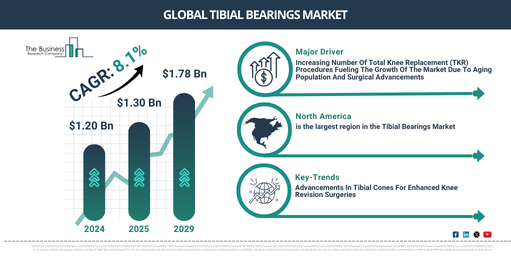
    In recent times, the tibial bearings market has experienced robust growth. The market, which is expected to expand from $1.20 billion in 2024 to $1.30 billion in 2025, is projected to have a compound annual growth rate (CAGR) of 8.5%. The historical growth trend in this market can be linked to factors such as the rise in the number of total knee replacement (TKR) procedures, an escalating obesity prevalence, amplified sedentary lifestyles, an increase in disposable income, and a surging requirement for knee implants.

    What Is the Projected Market Size of the Tibial Bearings Market?

    In the coming years, the market for tibial bearings is predicted to witness solid growth, anticipated to reach a value of $1.78 billion by 2029, growing at a Compound Annual Growth Rate (CAGR) of 8.1%. Several factors can be attributed to this projected growth during the forecast period, including an aging population, a heightened prevalence of conditions like arthritis and osteoporosis, an increasing demand for patient-specific and personalized implants, rising infection rates, and a growing inclination towards bicruciate-retaining total knee arthroplasty. The forecast period is expected to see key trends such as advancements in personalized medicine and patient-specific implants, surgical robotics, minimally invasive techniques, a shift towards less invasive surgical procedures, and progress in surgical methods.

    Download The Free Sample Report Here:

    https://www.thebusinessresearchcompany.com/sample.aspx?id=22162&type=smp

    Who are the Major Competitors in the Tibial Bearings Market Outlook?

    Major companies operating in the tibial bearings market are Stryker Corporation, Zimmer Biomet Holdings Inc., Smith & Nephew plc, DePuy Synthes, Baumer SA, Medacta International, Limacorporate SpA, Exactech Inc., Corin Group, MicroPort Orthopedics Inc., Waldemar Link GmbH & Co KG, Conformis Inc., Implantcast GmbH, FH Orthopedics, United Orthopedic Corporation, Jiangsu Gather Biotech Co Ltd, DJO Global, Zimed Medikal, AK Medical Holdings Limited, Mathys Ltd Bettlach.

    What Is Fueling Growth in the Tibial Bearings Market?

    The escalating number of total knee replacement (TKR) surgeries is poised to fuel the growth of the tibial bearings market in the future. Totally knee replacement (TKR) is an operation that replaces damaged knee joint surfaces with artificial implants to restore function and alleviate pain. The rising number of total knee replacements (TKR) is linked to the growing incidence of osteoarthritis, spurred by the aging population and lifestyle factors. Tibial bearings contribute to the durability and efficiency of total knee replacements (TKR), reducing wear and enhancing patient results, thus endorsing the growing demand for these procedures. For example, the Australian Orthopedic Association National Joint Replacement Registry, in September 2024, reported that the number of total knee replacements (TKRs) saw an uptick of 19.2% from 2022 to 2023, reflective of a significant increase in surgeries conducted during that period. Hence, the accelerating number of total knee replacements (TKR) procedures is prompting the growth of the tibial bearings market. The rising incidence of obesity is projected to drive the tibial bearings market forward, given the associated increase in osteoarthritis cases and the consequential demand for knee replacements. Obesity refers to the percentage of a population with an excess body weight, posing serious health hazards and straining public health resources. The incidence of obesity is on the rise, attributed to the growing intake of processed and high-calorie foods. Paired with sedentary lifestyles, this leads to a surplus of calorie ingestion over expenditure. As excessive body weight puts extra strain on knee joints, the increasing incidence of obesity is linked to a surge in osteoarthritis cases, thus necessitating more knee replacement surgeries. For instance, a report by the UK-based Office for Health Improvement & Disparities (OHID) in May 2024 indicated that an estimated 26.2% of adults were categorized as obese between 2022 and 2023, a marginal rise from 25.9% in 2021–2022. Therefore, the rising incidence of obesity is stimulating the growth of the tibial bearings market.

    Request For A Customized Report:

    https://www.thebusinessresearchcompany.com/customise?id=22162&type=smp

    Which Tibial Bearings Market Segments Are Growing the Fastest?

    The tibial bearings market covered in this report is segmented –

    1) By Type Of Bearing System: Fixed Bearing Systems, Mobile Bearing Systems, Conventional Bearing Systems, Hybrid Systems

    2) By Material Type: Polyethylene, Ceramic, Metallic Alloys, Composite Materials

    3) By Distribution Channel: Direct Sales, Online Retailers, Third-Party Distributors, Medical Supply Stores

    4) By Application: Orthopedic Implants, Sports Medicine, Trauma Surgery, Reconstructive Surgery

    5) By End-User: Hospitals, Orthopedic Clinics, Ambulatory Surgical Centers, Other End-Users

    Subsegments:

    1) By Fixed Bearing Systems: Polyethylene Bearings, Metal-Backed Bearings, Highly Cross-Linked Polyethylene Bearings

    2) By Mobile Bearing Systems: Rotating Platform Bearings, Medial-Pivot Bearings, High-Flex Bearings

    3) By Conventional Bearing Systems: Standard Polyethylene Bearings, Cemented Bearings, Uncemented Bearings

    4) By Hybrid Systems: Metal-Polyethylene Hybrid Bearings, Ceramic-Polyethylene Hybrid Bearings, Advanced Composite Bearings

    Which Industry Trends Are Shaping the Future of the Tibial Bearings Market?

    Key players in the tibial bearings market are concentrating their efforts on the creation of tibial cones, aiming to boost implant security, augment bone integration, and solve extreme bone loss during revision total knee arthroplasty (TKA) operations. Tibial cones, devices designed for implantation, act to counter metaphyseal bone loss in the tibia during revision total knee arthroplasty (TKA). For example, MicroPort Orthopaedics, an American medical device firm, introduced the Evolution Tibial Cones to the North American market in September 2024, to alleviate metaphyseal bone loss in revision total knee arthroplasty (TKA) procedures. These cones are made from OsteoSync Ti, a highly porous titanium substance that strengthens structural support, initial fixation, and bone integration. Thanks to their superior friction coefficient relative to competing products, they bolster implant stability and guarantee early rigid fixation which is vital for thriving knee revision surgeries.

    Access The Full Report Here:

    https://www.thebusinessresearchcompany.com/report/tibial-bearings-global-market-report

    Which Countries Are Leading the Tibial Bearings Market?

    North America was the largest region in the tibial bearings market in 2024. Asia-Pacific is expected to be the fastest-growing region in the forecast period. The regions covered in the tibial bearings market report are Asia-Pacific, Western Europe, Eastern Europe, North America, South America, Middle East, Africa.

    Purchase The Full Report Today:

    https://www.thebusinessresearchcompany.com/purchaseoptions.aspx?id=22162

    This Report Delivers Insight On:

    1. How big is the tibial bearings market, and how is it changing globally?

    2. Who are the major companies in the tibial bearings market, and how are they performing?

    3. What are the key opportunities and risks in the tibial bearings market right now?

    4. Which products or customer segments are growing the most in the tibial bearings market?

    5. What factors are helping or slowing down the growth of the tibial bearings market?

    About The Business Research Company:

    With over 15000+ reports from 27 industries covering 60+ geographies, The Business Research Company has built a reputation for offering comprehensive, data-rich research and insights. Armed with 1,500,000 datasets, the optimistic contribution of in-depth secondary research, and unique insights from industry leaders, you can get the information you need to stay ahead in the game.

    Get in touch with us:

    The Business Research Company: https://www.thebusinessresearchcompany.com/

    Americas +1 310-496-7795

    Europe +44 7882 955267

    Asia & Others +44 7882 955267 & +91 8897263534

    Email us at info@tbrc.info

    Follow us on:

    LinkedIn: https://in.linkedin.com/company/the-business-research-company

    YouTube: https://www.youtube.com/channel/UC24_fI0rV8cR5DxlCpgmyFQ

    Global Market Model: https://www.thebusinessresearchcompany.com/global-market-model
  • Protein Crystallization Market Trends Report 2025 – For Business Development and Strategy Teams

    Protein Crystallization Market Trends Report 2025 – For Business Development and Strategy Teams

    Claim your 30% discount on Global Market Reports with code ONLINE30. Limited time only.

    What Is the Forecast for the Protein Crystallization Market Growth in 2025?

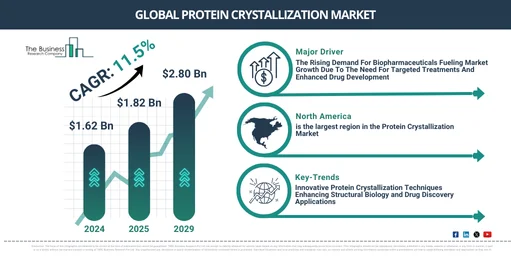
    The market for protein crystallization has seen fast-paced growth in recent years. There’s an expected increase from $1.62 billion in 2024 to about $1.82 billion in 2025, showcasing a compound annual growth rate (CAGR) of 11.8%. This growth in previous periods is believed to be due to the heightened need for personalized medicine, increased demand for biologics, expansion in structural proteomics, the rise in academic research initiatives, and the growing necessity for biologics development.

    What Is the Forecast for the Protein Crystallization Market Size Through 2029?

    In the coming years, the market size for protein crystallization is predicted to experience a rapid expansion, reaching $2.80 billion in 2029 with a compound annual growth rate (CAGR) of 11.5%. This projected growth can be ascribed to several factors, such as the rising demand for protein-centric drug development, increasing incidents of chronic ailments, extensive research into protein-ligand interactions, a heightened focus on high-throughput screening approaches, and the growing necessity for dedicated software in crystallography. The future forecasts also highlight significant trends like technological innovations, the incorporation of artificial intelligence in crystallization, lab workflow automation, the evolution of hybrid techniques, and the emergence of next-generation x-ray technologies.

    Download The Free Sample Report Here:

    https://www.thebusinessresearchcompany.com/sample.aspx?id=22117&type=smp

    What are the Key Market Players in Protein Crystallization Market and How They’re Evolving?

    Major companies operating in the protein crystallization market are Thermo Fisher Scientific, Corning Incorporated, Charles River Laboratories, Mettler-Toledo International Inc., Douglas Instruments Limited, Bruker Corporation, Tecan Group, Greiner Bio-One International GmbH, Rigaku Corporation, Viva Biotech, Formulatrix Inc., Creative Biostructure, Calibre Scientific Inc., Creative Biolabs, Molecular Dimensions, Creative Proteomics, Jena Bioscience GmbH, Saromics Biostructures, Art Robbins Instruments, Mitegen

    What Are the Primary Growth Drivers in the Protein Crystallization Market?

    The protein crystallization market is poised for growth, driven by increasing demand for biopharmaceuticals. Biopharmaceuticals, medical drugs produced biologically through methods like proteins, vaccines, and gene therapies, are highly sought after due to their capacity to offer targeted treatments, improve patient results, and tackle a broad array of chronic and complicated diseases. They offer personalized treatments that outperform traditional therapeutic methods. Protein crystallization plays a crucial role by facilitating an accurate determination of protein structures, refining the creation of targeted therapies and ensuring superior efficacy and stability in biopharmaceutical products. In June 2024, the Australian Bureau of Statistics reported that in 2022-23, the Australia-based government entities spent $4,344 million on research and development, marking an increase of $726 million from 2020-21. Meanwhile, private non-profit organizations allocated $1,595 million for the same, a surge of $196 million against the earlier period. Hence, the trend of increasing demand for biopharmaceuticals is fuelling the growth of the protein crystallization market.

    Request For A Customized Report:

    https://www.thebusinessresearchcompany.com/customise?id=22117&type=smp

    What Are the Leading Segments in the Global Protein Crystallization Industry?

    The protein crystallization market covered in this report is segmented –

    1) By Product: Instruments, Consumables, Software And Services

    2) By Technology: X-Ray Crystallography, Cryo-electron Microscopy, NMR Spectroscopy, Other Technologies

    3) By End-User: Pharmaceutical And Biotechnology Companies, Academic And Research Institutes

    Subsegmentss:

    1) By Instruments Type: X-ray Diffractometers, Liquid Handling Systems, Crystallization Imaging Systems, Microfluidic Systems, Incubators & Temperature Control Devices

    2) By Consumables Type: Crystallization Reagents, Microplates & Crystallization Plates, Screens & Buffers, Cryoprotectants, Protein Purification Kits

    3) By Software and Services Type: Crystallography Data Analysis Software, Molecular Modeling Software, AI-Based Structure Prediction Tools, Custom Crystallization Services, Training & Consulting Services

    What Are the Key Market Trends in the Protein Crystallization Industry?

    Leading corporations in the protein crystallization market are prioritizing the development of innovative practices that augment protein crystallization proficiency and clarity. They are utilizing progressive techniques like cell-free protein crystallization to allow for the examination of unstable proteins in structural biology and drug discovery. Cell-free protein crystallization is a method facilitating protein crystal formation without the need for living cells, paving the way for more expedient crystallization and protein analysis. For example, Tokyo Institute of Technology, a public university in Japan, introduced a novel cell-free protein crystallization method in October 2022 that allows for the direct creation of protein crystals. This method amplifies protein crystallization effectiveness and resolution for structural biology research and drug discovery purposes. It presents a more efficient approach to scrutinize unstable proteins that were formerly challenging to study using conventional techniques, and is projected to substantially enhance understanding of intricate cellular procedures and assist in the creation of new therapeutic approaches.

    Access The Full Report Here:

    https://www.thebusinessresearchcompany.com/report/protein-crystallization-global-market-report

    What Is the Regional Outlook for the Protein Crystallization Market?

    North America was the largest region in the protein crystallization market in 2024. Asia-Pacific is expected to be the fastest-growing region in the forecast period. The regions covered in the protein crystallization market report are Asia-Pacific, Western Europe, Eastern Europe, North America, South America, Middle East, Africa.

    Purchase The Full Report Today:

    https://www.thebusinessresearchcompany.com/purchaseoptions.aspx?id=22117

    This Report Delivers Insight On:

    1. How big is the protein crystallization market, and how is it changing globally?

    2. Who are the major companies in the protein crystallization market, and how are they performing?

    3. What are the key opportunities and risks in the protein crystallization market right now?

    4. Which products or customer segments are growing the most in the protein crystallization market?

    5. What factors are helping or slowing down the growth of the protein crystallization market?

    About The Business Research Company:

    With over 15000+ reports from 27 industries covering 60+ geographies, The Business Research Company has built a reputation for offering comprehensive, data-rich research and insights. Armed with 1,500,000 datasets, the optimistic contribution of in-depth secondary research, and unique insights from industry leaders, you can get the information you need to stay ahead in the game.

    Get in touch with us:

    The Business Research Company: https://www.thebusinessresearchcompany.com/

    Americas +1 310-496-7795

    Europe +44 7882 955267

    Asia & Others +44 7882 955267 & +91 8897263534

    Email us at info@tbrc.info

    Follow us on:

    LinkedIn: https://in.linkedin.com/company/the-business-research-company

    YouTube: https://www.youtube.com/channel/UC24_fI0rV8cR5DxlCpgmyFQ

    Global Market Model: https://www.thebusinessresearchcompany.com/global-market-model
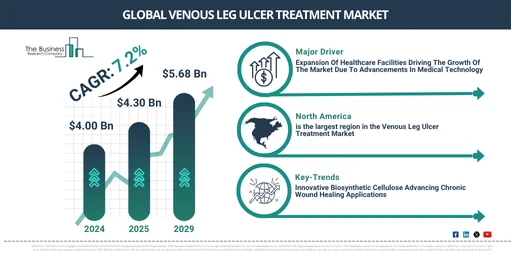
  • Venous Leg Ulcer Treatment  Market Projected at $5.67 Billion by 2029 | Strategic Insights and Forecast Data

    Venous Leg Ulcer Treatment Market Projected at $5.67 Billion by 2029 | Strategic Insights and Forecast Data

    Claim your 30% discount on Global Market Reports with code ONLINE30. Limited time only.

    How Has the Venous Leg Ulcer Treatment Market Size Changed, over the years?

    In the past few years, the venous leg ulcer treatment market has seen substantial growth. The market size is predicted to expand from $4.00 billion in 2024 to $4.30 billion in 2025, demonstrating a compound annual growth rate (CAGR) of 7.5%. Factors contributing to the market’s growth in the historical period include a higher count of venous leg ulcer cases, increased knowledge about modern wound care treatments, preference for less invasive treatment alternatives, escalating usage of antimicrobial dressings, and a rise in the acceptance of bioengineered skin substitutes.

    How Much Will the Venous Leg Ulcer Treatment Market Be Worth in 2029?

    The market for venous leg ulcer treatment is anticipated to witness robust growth in the coming years, ballooning to a value of $5.68 billion by 2029 with a compound annual growth rate of 7.2%. The predicted escalation in the coming period can be ascribed to factors such as the surge in healthcare spending, enhanced research and development, increased incidents of diabetes, mounting demand for products related to compression therapy, and escalating demand for tailored solutions for wound care. The emerging trends for the forecast duration encompass advanced wound dressings, innovations in compression therapy, the incorporation of telemedicine, the use of artificial intelligence in the assessment of wounds, and the expansion of health insurance coverage.

    Download The Free Sample Report Here:

    https://www.thebusinessresearchcompany.com/sample.aspx?id=22167&type=smp

    Which is the Largest Company in the Venous Leg Ulcer Treatment Market?

    Major companies operating in the venous leg ulcer treatment market are 3M Healthcare, Essity AB, B. Braun Melsungen AG, Smith & Nephew plc, Coloplast A/S, Convatec Group PLC, Molnlycke Healthcare, Integra LifeSciences, Hollister Incorporated, Bioventus LLC, Medi, Kerecis, HSE.ie, Tissue Regenix Group, The Whiteley Clinic, Huntleigh Healthcare, Derma Sciences, Systagenix Wound Management, Kinetic Concepts, Orpyx Medical Technologies

    What Are the Main Market Drivers in the Venous Leg Ulcer Treatment Industry?

    The upward trend in healthcare facilities is anticipated to fuel the increase of the venous leg ulcer treatment market in the future. These facilities are vital physical structures, systems, and resources that facilitate effective healthcare service delivery. The growth in healthcare infrastructure is a result of advancements in medical technology. Modern innovations such as telemedicine, robotic surgery, and AI-powered diagnostics necessitate updated facilities, specialized equipment, and improved healthcare delivery systems to enhance patient results and efficiency. The promotion of venous leg ulcer treatment by healthcare facilities works through guaranteeing access to modern wound care facilities, evidence-supported therapies, skilled medical experts, and pioneering treatment alternatives, all of which significantly contribute to improved healing outcomes and the patient’s quality of life. For instance, data from the American Hospital Association, a non-profit organization based in the US, indicates that there were a total of 6,120 hospitals in the United States in 2024, a slight increase from 6,093 hospitals in 2022. Therefore, the expansion of healthcare infrastructure is contributing to the increase in the venous leg ulcer treatment market.

    Request For A Customized Report:

    https://www.thebusinessresearchcompany.com/customise?id=22167&type=smp

    How Is the Venous Leg Ulcer Treatment Market Segments Structured?

    The venous leg ulcer treatment market covered in this report is segmented –

    1) By Treatment Type: Compression Therapy, Debridement, Medication, Surgery

    2) By Etiology: Venous Insufficiency, Arterial Insufficiency, Mixed Insufficiency, Other Etiologies

    3) By Mechnaism Of Action: Oxygenation Enhancers, Growth Factor Stimulators, Anti-inflammatory Agents, Antimicrobial Treatments

    4) By End Users: Hospitals, Clinics, Home Healthcare, Other End-Users

    Subsegmentss:

    1) By Compression Therapy Type: Short-Stretch Bandages, Long-Stretch Bandages, Multi-Layer Compression Bandages, Compression Stockings, Intermittent Pneumatic Compression (IPC) Devices

    2) By Debridement Type: Surgical Debridement, Autolytic Debridement, Enzymatic Debridement, Mechanical Debridement, Biological Debridement

    3) By Medication Type: Topical Antibiotics, Oral Antibiotics, Growth Factors, Anti-Inflammatory Agents, Wound Healing Agents

    4) By Surgery Type: Skin Grafting, Vein Ablation, Subfascial Endoscopic Perforator Surgery (SEPS), Sclerotherapy, Vein Bypass Surgery

    What Strategic Trends Are Transforming the Venous Leg Ulcer Treatment Market?

    Leading businesses in the venous leg ulcer treatment market are prioritizing the creation of innovative wound dressings that use biosynthetic cellulose for enhanced healing and improved management of chronic wounds. Being a bioengineered material generated through microbial fermentation, biosynthetic cellulose is highly pure, biocompatible, and exhibits exceptional strength for various purposes. For example, in June 2023, Germany’s Evonik Industries AG, a specialty chemicals firm, introduced Epicite Balance, a wound dressing developed from biosynthetic cellulose specifically for chronic wounds such as venous leg ulcers, diabetic foot ulcers, and pressure ulcers. The dressing facilitates wound healing by preserving a moist wound setting, soaking up exudate, and encouraging superior cleansing, making it ideal for both hospital and homecare scenarios.

    Access The Full Report Here:

    https://www.thebusinessresearchcompany.com/report/venous-leg-ulcer-treatment-global-market-report

    Which Global Regions Offer the Highest Growth in the Venous Leg Ulcer Treatment Market?

    North America was the largest region in the venous leg ulcer treatment market in 2024. Asia-Pacific is expected to be the fastest-growing region in the forecast period. The regions covered in the venous leg ulcer treatment market report are Asia-Pacific, Western Europe, Eastern Europe, North America, South America, Middle East, Africa.

    Purchase The Full Report Today:

    https://www.thebusinessresearchcompany.com/purchaseoptions.aspx?id=22167

    This Report Delivers Insight On:

    1. How big is the venous leg ulcer treatment market, and how is it changing globally?

    2. Who are the major companies in the venous leg ulcer treatment market, and how are they performing?

    3. What are the key opportunities and risks in the venous leg ulcer treatment market right now?

    4. Which products or customer segments are growing the most in the venous leg ulcer treatment market?

    5. What factors are helping or slowing down the growth of the venous leg ulcer treatment market?

    About The Business Research Company:

    With over 15000+ reports from 27 industries covering 60+ geographies, The Business Research Company has built a reputation for offering comprehensive, data-rich research and insights. Armed with 1,500,000 datasets, the optimistic contribution of in-depth secondary research, and unique insights from industry leaders, you can get the information you need to stay ahead in the game.

    Get in touch with us:

    The Business Research Company: https://www.thebusinessresearchcompany.com/

    Americas +1 310-496-7795

    Europe +44 7882 955267

    Asia & Others +44 7882 955267 & +91 8897263534

    Email us at info@tbrc.info

    Follow us on:

    LinkedIn: https://in.linkedin.com/company/the-business-research-company

    YouTube: https://www.youtube.com/channel/UC24_fI0rV8cR5DxlCpgmyFQ

    Global Market Model: https://www.thebusinessresearchcompany.com/global-market-model
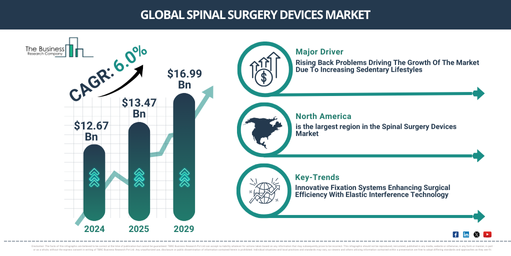
  • Spinal Surgery Devices  Market to Reach $16.98 Billion by 2029 | Key Drivers and Future Outlook

    Spinal Surgery Devices Market to Reach $16.98 Billion by 2029 | Key Drivers and Future Outlook

    Claim your 30% discount on Global Market Reports with code ONLINE30. Limited time only.

    What Is the Growth Rate of the Spinal Surgery Devices Market?

    In recent times, the market size of spinal surgery devices has seen substantial growth. The expansion is expected to continue, rising from $12.67 billion in 2024 to $13.47 billion in 2025, reflecting a compound annual growth rate (CAGR) of 6.3%. The surge during the historical period is attributable to the escalating call for minimally invasive procedures, higher occurrence of spinal disorders, increased inclination for motion preservation surgeries, a growing demand for endoscopic spinal procedures, and a rise in osteoporosis-related fractures.

    What Growth Rate Is Forecasted for the Spinal Surgery Devices Market by 2029?

    The market size for spinal surgery devices is predicted to experience significant growth in the upcoming years, potentially reaching $16.99 billion by 2029 with an estimated Compound Annual Growth Rate (CAGR) of 6.0%. This growth during the forecasted period could be driven by a variety of factors including a rise in the older population, an increased use of image-guided spinal navigation systems, growing demand for motion preservation technology and ergonomic medical devices used in spine care, and an increase in specialized spine care centers. The forecast period also anticipates several key trends like minimally invasive surgical techniques, 3D-printed custom implants, robotic-aided surgeries, motion preservation devices, and the utilization of advanced smart implants with sensors.

    Download The Free Sample Report Here:

    https://www.thebusinessresearchcompany.com/sample.aspx?id=22151&type=smp

    Which Key Companies Are Shaping the Future of the Spinal Surgery Devices Market?

    Major companies operating in the spinal surgery devices market are Johnson & Johnson, Medtronic plc, Stryker Corporation, NuVasive Inc., SeaSpine Holdings Corporation, Globus Medical Inc., Orthofix Medical Inc., Aesculap Inc., Alphatec Holdings Inc., Innovasis Inc., Nexus Spine, Spinal Elements Inc., Spineart SA, B. Braun Melsungen AG, SpineWave Inc., Centinel Spine LLC, Life Spine Inc., Camber Spine Technologies, Captiva Spine Inc., Aurora Spine Corporation

    Which Factors Are Driving Demand in the Spinal Surgery Devices Industry?

    The growth of the spinal surgery devices market is being fuelled by the increasing occurrences of back issues. Such issues encompass a variety of conditions that result in pain, unease, or restricted movement in the upper, middle, or lower back, which can be attributed to structural, muscular, or neural issues. Sedentary lifestyle is a key contributor to these problems, given that extended periods of sitting, incorrect posture, and insufficient movement lead to excessive strain on the spine, weakening of the core muscles, and speed up disc degeneration. This subsequently results in chronic pain and mobility impairments. Spinal surgery devices assist individuals suffering from back problems by offering structural stability, alleviating nerve pressure, realigning the spine, and increasing mobility. This ultimately reduces pain, enhances function, and improves quality of life. For instance, in June 2024, the Australian Welfare of Health and Welfare, a government organization in Australia, reported about 177,000 hospitalizations in 2021-2022 with back issues being the primary diagnosis. Furthermore, in 2022, around 72% of people suffering from back issues were also dealing with at least one other chronic condition. As such, the rising instances of back problems are driving the growth of the spinal surgery devices market.

    Request For A Customized Report:

    https://www.thebusinessresearchcompany.com/customise?id=22151&type=smp

    How Is the Spinal Surgery Devices Market Segmented by Several Divisions?

    The spinal surgery devices market covered in this report is segmented –

    1) By Device Type: Spinal Decompression, Spinal Fusion, Fracture Repair Devices, Arthroplasty Devices, Non-Fusion Devices

    2) By Disease Indication: Degenerative Disc Disease, Complex Deformity, Traumas And Fractures

    3) By Technology: Fusion, Non-Fusion, Vertebral Compression Fracture, Spine Biologics, Spinal Decompression

    4) By End-Users: Hospitals And Ambulatory Surgery Centers, Specialty Clinics, Other End Users

    Subsegmentss:

    1) By Spinal Decompression Device Type: Cervical Decompression, Lumbar Decompression, Thoracic Decompression

    2) By Spinal Fusion Device Type: Anterior Cervical Discectomy and Fusion (ACDF), Posterior Lumbar Interbody Fusion (PLIF), Transforaminal Lumbar Interbody Fusion (TLIF), Lateral Lumbar Interbody Fusion (LLIF), Interbody Fusion Devices

    3) By Fracture Repair Device Type: Pedicle Screws, Vertebroplasty Devices, Kyphoplasty Devices

    4) By Arthroplasty Device Type: Cervical Arthroplasty Devices, Lumbar Arthroplasty Devices

    5) By Non-Fusion Device Type: Artificial Discs, Dynamic Stabilization Devices

    What are the Emerging Market Trends Driving the Growth of the Spinal Surgery Devices Industry?

    Leading firms in the spinal surgery devices market are concentrating on creating innovative fixation systems that use elastic interference technology and compliant mechanism engineering to boost stability and better surgical results. Elastic interference technology is a unique fastening method that employs a flexible component to securely cover and grip another component, offering a robust, press-fit connection without the usual fasteners like set screws. For example, Nexus Spine, an American medical technology organization, introduced the PressON posterior lumbar fixation system in August 2022. The system uses elastic interference technology to remove the need for set screws by clamping rods through a flexible bore stretched over pedicle screw heads. This design strengthens stability, decreases implant size, and escalates surgical efficiency by enabling quicker implantation and customized intraoperative alteration of patient-specific rods.

    Access The Full Report Here:

    https://www.thebusinessresearchcompany.com/report/spinal-surgery-devices-global-market-report

    Which Regions Are Driving Growth in the Spinal Surgery Devices Market?

    North America was the largest region in the spinal surgery devices market in 2024. Asia-Pacific is expected to be the fastest-growing region in the forecast period. The regions covered in the spinal surgery devices market report are Asia-Pacific, Western Europe, Eastern Europe, North America, South America, Middle East, Africa.

    Purchase The Full Report Today:

    https://www.thebusinessresearchcompany.com/purchaseoptions.aspx?id=22151

    This Report Delivers Insight On:

    1. How big is the spinal surgery devices market, and how is it changing globally?

    2. Who are the major companies in the spinal surgery devices market, and how are they performing?

    3. What are the key opportunities and risks in the spinal surgery devices market right now?

    4. Which products or customer segments are growing the most in the spinal surgery devices market?

    5. What factors are helping or slowing down the growth of the spinal surgery devices market?

    About The Business Research Company:

    With over 15000+ reports from 27 industries covering 60+ geographies, The Business Research Company has built a reputation for offering comprehensive, data-rich research and insights. Armed with 1,500,000 datasets, the optimistic contribution of in-depth secondary research, and unique insights from industry leaders, you can get the information you need to stay ahead in the game.

    Get in touch with us:

    The Business Research Company: https://www.thebusinessresearchcompany.com/

    Americas +1 310-496-7795

    Europe +44 7882 955267

    Asia & Others +44 7882 955267 & +91 8897263534

    Email us at info@tbrc.info

    Follow us on:

    LinkedIn: https://in.linkedin.com/company/the-business-research-company

    YouTube: https://www.youtube.com/channel/UC24_fI0rV8cR5DxlCpgmyFQ

    Global Market Model: https://www.thebusinessresearchcompany.com/global-market-model
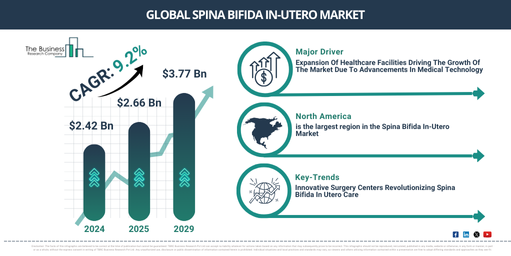
  • Spina Bifida In-Utero Market Size to Exceed $3.77 Billion by 2029 | Growth and Industry Trends

    Spina Bifida In-Utero Market Size to Exceed $3.77 Billion by 2029 | Growth and Industry Trends

    Claim your 30% discount on Global Market Reports with code ONLINE30. Limited time only.

    How Has the Spina Bifida In-Utero Market Grown from 2024 to 2025?

    The spina bifida in utero market has seen substantial growth in the past few years. The sector, currently valued at $2.42 billion in 2024, is set to increase to $2.66 billion in 2025, marking a compound annual growth rate (CAGR) of 9.5%. This growth during the historic period is a result of the rising incidence of spina bifida, an increase in awareness regarding fetal surgery, a surge in maternal age leading to associated pregnancy risks, higher healthcare expenditure, and the expansion in research and development in the field of fetal medicine.

    What Growth Rate Is Anticipated for the Spina Bifida In-Utero Market in the Coming Years?

    Expectations are high for a robust expansion in the spina bifida in utero market in the forthcoming years, with predictions putting it at $3.77 billion by 2029, growing at a compound annual growth rate of 9.2%. Factors contributing to this surge during the forecast period include the heightened awareness about prenatal diagnosis and treatment, a surge in the adoption of minimally invasive procedures, and encouraging government initiatives and funding. Further driving this upswing is the growing healthcare structure in developing markets and an upward trend in the number of specialized fetal surgery centers. Noteworthy trends in the forecast period encompass progress in prenatal screening and diagnostics, technological advancements in minimally invasive surgical methods, the creation of biomaterials for fetal surgical interventions, advances in therapies rooted in amniotic fluid, and the increasing use of artificial womb technology for supporting fetal development.

    Download The Free Sample Report Here:

    https://www.thebusinessresearchcompany.com/sample.aspx?id=22150&type=smp

    Who Are the Leading Companies in the Spina Bifida In-Utero Market?

    Major companies operating in the spina bifida in-utero market are Mayo Clinic, GE HealthCare, UC San Francisco, Children’s Health, Memorial Hermann Health System, Oregon Health & Science University, Seattle Children’s, Texas Children’s, Children’s Hospital of Philadelphia, UW Health, UC Davis, UCSF Health, Burjeel Hospital, UT Physicians, Thieme Group, Riley Children’s Health, Yale Medicine, Focused Ultrasound Foundation, Petals Health, Brown University Health

    What Are the Key Drivers of the Spina Bifida In-Utero Market?

    The spina bifida in-utero market is expected to flourish due to the advancement in healthcare facilities. These facilities encompass necessary physical systems, facilities, and resources required for delivering effective healthcare services. The bolstering of healthcare infrastructure stems from the progression in medical technology, facilitated by modernizations such as AI-driven diagnostics, telemedicine, and robotic surgery. These advancements necessitate upgraded facilities, specialized tools, and better healthcare delivery systems to magnify patient outcomes and efficiency. Providing access to evidence-based treatment protocols, qualified medical practitioners, and innovative therapeutic alternatives, healthcare facilities aid spina bifida in-utero, positively impacting healing results and enhancing a patient’s quality of life. For example, as per the reports by the American Hospital Association, a non-profit organization based in the U.S., the total number of hospitals in the United States has risen from 6,093 in 2022 to 6,120 in 2024. Hence, the development of healthcare infrastructure is stimulating the growth of the spina bifida in-utero market.

    Request For A Customized Report:

    https://www.thebusinessresearchcompany.com/customise?id=22150&type=smp

    What Are the Key Market Segments in the Spina Bifida In-Utero Industry?

    The spina bifida in-utero market covered in this report is segmented –

    1) By Type: Myelomeningocele, Meningocele, Occulta

    2) By Diagnosis: Ultrasound, Magnetic Resonance Imaging (MRI), Amniocentesis

    3) By Treatment: Surgery, Postnatal Surgery, Medication Management

    4) By End-User: Hospitals, Specialty Clinics, Ambulatory Surgical Centers

    Subsegmentss:

    1) By Myelomeningocele Type: Open Myelomeningocele, Closed Myelomeningocele, Lumbosacral Myelomeningocele, Thoracic Myelomeningocele, Cervical Myelomeningocele

    2) By Meningocele Type: Cranial Meningocele, Spinal Meningocele, Occipital Meningocele, Frontal Meningocele, Parietal Meningocele

    3) By Occulta Type: Lumbosacral Spina Bifida Occulta, Sacral Spina Bifida Occulta, Isolated Spina Bifida Occulta, Complex Spina Bifida Occulta, Tethered Cord Syndrome Associated Occulta

    What Are the Latest Trends in the Spina Bifida In-Utero Market?

    Leading companies in the prenatal spina bifida market are forming specialized centers, such as surgical centers, to combine cutting-edge imaging technology and minimally invasive methods for fetal treatments. These centers are designed for surgical procedures that don’t require hospital stays, which makes them more convenient. For example, Wadia Hospital in India launched a dedicated center for fetal spina bifida surgeries in January 2025. The establishment uses state-of-the-art surgical procedures coupled with a multi-disciplinary approach for early interventions. This approach can potentially decrease complications and boost long-term prognosis for babies affected by the condition. The center is committed to advancing surgical accuracy and patient care, providing hope for families dealing with open spina bifida.

    Access The Full Report Here:

    https://www.thebusinessresearchcompany.com/report/spina-bifida-in-utero-global-market-report

    What Are the Key Regional Markets in the Spina Bifida In-Utero Industry?

    North America was the largest region in the spina bifida in utero market in 2024. Asia-Pacific is expected to be the fastest-growing region in the forecast period. The regions covered in the spina bifida in-utero market report are Asia-Pacific, Western Europe, Eastern Europe, North America, South America, Middle East, Africa.

    Purchase The Full Report Today:

    https://www.thebusinessresearchcompany.com/purchaseoptions.aspx?id=22150

    This Report Delivers Insight On:

    1. How big is the spina bifida in-utero market, and how is it changing globally?

    2. Who are the major companies in the spina bifida in-utero market, and how are they performing?

    3. What are the key opportunities and risks in the spina bifida in-utero market right now?

    4. Which products or customer segments are growing the most in the spina bifida in-utero market?

    5. What factors are helping or slowing down the growth of the spina bifida in-utero market?

    About The Business Research Company:

    With over 15000+ reports from 27 industries covering 60+ geographies, The Business Research Company has built a reputation for offering comprehensive, data-rich research and insights. Armed with 1,500,000 datasets, the optimistic contribution of in-depth secondary research, and unique insights from industry leaders, you can get the information you need to stay ahead in the game.

    Get in touch with us:

    The Business Research Company: https://www.thebusinessresearchcompany.com/

    Americas +1 310-496-7795

    Europe +44 7882 955267

    Asia & Others +44 7882 955267 & +91 8897263534

    Email us at info@tbrc.info

    Follow us on:

    LinkedIn: https://in.linkedin.com/company/the-business-research-company

    YouTube: https://www.youtube.com/channel/UC24_fI0rV8cR5DxlCpgmyFQ

    Global Market Model: https://www.thebusinessresearchcompany.com/global-market-model
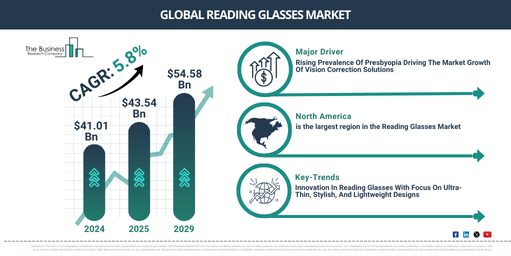
  • Reading Glasses Industry Insights 2025 – Market Forecast for Executives and Planners

    Reading Glasses Industry Insights 2025 – Market Forecast for Executives and Planners

    Claim your 30% discount on Global Market Reports with code ONLINE30. Limited time only.

    How Has the Reading Glasses Market Size Changed, over the years?

    In recent times, there has been a robust growth in the market size of reading glasses. The market, which stood at $41.01 billion in 2024, is projected to increase to $43.54 billion in 2025, representing a compound annual growth rate (CAGR) of 6.2%. Factors contributing to this growth during the historical period include an aging population, escalating urbanization, increasing incidents of presbyopia, a growing demand for vision correction and a surge in ocular diseases.

    How Much Will the Reading Glasses Market Be Worth in 2029?

    The market for reading glasses is forecasted to experience robust growth in the upcoming years, projected to reach a value of $54.58 billion by 2029, with a compound annual growth rate of 5.8%. Factors contributing to this predicted growth include the rise in online sales channels, increased consumer preference for high-end brands, greater demand for reading glasses, growth in disposable income, enhanced usage of tech devices like smartphones and computers, increasing demand for fashionable designs and branded products from the younger cohort, and e-commerce platform development. Noteworthy market trends include increased digital device usage, evolving consumer buying behaviours, technological progression, advances in eyeglass frame materials, and the incorporation of artificial intelligence into reading glasses designs.

    Download The Free Sample Report Here:

    https://www.thebusinessresearchcompany.com/sample.aspx?id=22122&type=smp

    Which is the Largest Company in the Reading Glasses Market?

    Major companies operating in the reading glasses market are Bausch & Lomb, Specsavers, Carl Zeiss, Vision Express, Kate Spade, Rodenstock GmbH, Warby Parker, JINS Eyewear, De Rigo Vision S.p.A., Maui Jim Inc., Zenni Optical Inc., Izipizi, Foster Grant, Clic Eyewear, Peepers, Prive Revaux, Gunnar Optiks, Felix Gray, ThinkOptic Inc., Nooz Optics

    What Are the Main Market Drivers in the Reading Glasses Industry?

    The growth of the reading glasses market is expected to be pushed by the increasing instances of presbyopia. Presbyopia is an age-related eye condition that makes it difficult to focus on nearby objects, typically affecting those over 40 years of age. This increase in presbyopia is due to the natural aging process which gradually decreases the elasticity of the eye’s lens, thus making it harder to focus on close objects. Changes in contemporary lifestyle, such as more screen time and fewer outdoor activities, could lead to an earlier start or more severe symptoms. Reading glasses aid those suffering from presbyopia by adjusting for the eye’s diminished capacity to focus on close range objects, offering the necessary magnification to improve sharpness and decrease strain. For instance, Ophthalmology Times Europe, a UK-based journal, mentioned that in September 2023, around 1.8 billion people were impacted by presbyopia globally in 2022. Moreover, it is anticipated that the incidence of presbyopia will hit approximately 2.1 billion by 2030. Therefore, the rising occurrence of presbyopia is fueling the growth of the reading glasses market.

    Request For A Customized Report:

    https://www.thebusinessresearchcompany.com/customise?id=22122&type=smp

    How Is the Reading Glasses Market Segments Structured?

    The reading glasses market covered in this report is segmented –

    1) By Type: Prescription Reading Glasses, Over-The-Counter (OTC) Reading Glasses

    2) By Material: Plastic, Metal, Hybrid, Other Materials

    3) By Age Group: Less Than 18 Years, 65 Years And Greater, 18-64 Years

    4) By Distribution Channel: Online Retail, Optical Stores, Supermarkets, Pharmacies, Other Distribution Channels

    Subsegmentss:

    1) By Prescription Reading Glasses: Single Vision Prescription Reading Glasses, Bifocal Prescription Reading Glasses, Progressive Prescription Reading Glasses, Blue Light Blocking Prescription Reading Glasses, Custom-Tinted Prescription Reading Glasses

    2) By Over-The-Counter (OTC) Reading Glasses: Full-Frame OTC Reading Glasses, Half-Frame OTC Reading Glasses, Rimless OTC Reading Glasses, Foldable OTC Reading Glasses, Multi-Strength OTC Reading Glasses

    What Strategic Trends Are Transforming the Reading Glasses Market?

    Key players in the reading glasses market, like Read On, are focusing their efforts on developing innovative products such as ultra-thin reading glasses. These glasses are designed to cater to the market demand for eyewear that is lightweight, stylish, and comfortable. Ultra-thin reading glasses are specifically designed for close vision and utilize high-tech materials and cutting-edge technology to reduce thickness and weight, while maintaining durability and optical clarity. For example, in February 2024, Read On, which is based in Switzerland, introduced their new product, Read On Light. These reading glasses are both lightweight and extremely flexible. They are constructed from superior TR90 eyewear material and are designed for optimal comfort and style. The glasses are sold with a corresponding hard case and are available in a range of five trendy colors. The glasses have extra-long temples for easy adjustment and can be folded flat for storage. This product meets the demand for fashionable and functional reading glasses that do not require to be integrated into a smartphone case, a feature that was seen in Read On’s previous products.

    Access The Full Report Here:

    https://www.thebusinessresearchcompany.com/report/reading-glasses-global-market-report

    Which Global Regions Offer the Highest Growth in the Reading Glasses Market?

    North America was the largest region in the reading glasses market in 2024. Asia-Pacific is expected to be the fastest-growing region in the forecast period. The regions covered in the reading glasses market report are Asia-Pacific, Western Europe, Eastern Europe, North America, South America, Middle East, Africa.

    Purchase The Full Report Today:

    https://www.thebusinessresearchcompany.com/purchaseoptions.aspx?id=22122

    This Report Delivers Insight On:

    1. How big is the reading glasses market, and how is it changing globally?

    2. Who are the major companies in the reading glasses market, and how are they performing?

    3. What are the key opportunities and risks in the reading glasses market right now?

    4. Which products or customer segments are growing the most in the reading glasses market?

    5. What factors are helping or slowing down the growth of the reading glasses market?

    About The Business Research Company:

    With over 15000+ reports from 27 industries covering 60+ geographies, The Business Research Company has built a reputation for offering comprehensive, data-rich research and insights. Armed with 1,500,000 datasets, the optimistic contribution of in-depth secondary research, and unique insights from industry leaders, you can get the information you need to stay ahead in the game.

    Get in touch with us:

    The Business Research Company: https://www.thebusinessresearchcompany.com/

    Americas +1 310-496-7795

    Europe +44 7882 955267

    Asia & Others +44 7882 955267 & +91 8897263534

    Email us at info@tbrc.info

    Follow us on:

    LinkedIn: https://in.linkedin.com/company/the-business-research-company

    YouTube: https://www.youtube.com/channel/UC24_fI0rV8cR5DxlCpgmyFQ

    Global Market Model: https://www.thebusinessresearchcompany.com/global-market-model
  • Post-Operative Nausea And Vomiting Forecast Report – Designed for Decision Makers and Product Teams

    Post-Operative Nausea And Vomiting Forecast Report – Designed for Decision Makers and Product Teams

    Claim your 30% discount on Global Market Reports with code ONLINE30. Limited time only.

    What Is the Growth Rate of the Post-Operative Nausea And Vomiting Market?

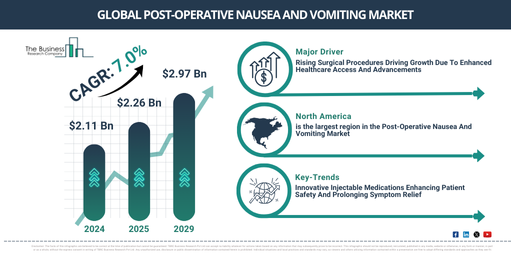
    There has been substantial expansion in the market size of post-operative nausea and vomiting in the past few years. The market, valued at $2.11 billion in 2024, is projected to escalate to $2.26 billion in 2025, reflecting a compound annual growth rate (CAGR) of 7.4%. This remarkable increase during the historic period can be credited to the escalation in research and development activities, growing inclination for progressive therapies, an uptrend in the expenditure on healthcare, augmented emphasis on personalized medicine, as well as the increasing embrace of digital health technologies.

    What Growth Rate Is Forecasted for the Post-Operative Nausea And Vomiting Market by 2029?

    In the coming years, the market size for post-operative nausea and vomiting is projected to witness a robust expansion. The market is forecasted to reach $2.97 billion in 2029, with a compound annual growth rate (CAGR) of 7.0%. Several factors contribute to this predicted growth, including an increased demand for pharmaceuticals, the rise of combination therapy, enhanced awareness and investment in healthcare, a surge in the elderly population, and an increase in cancer cases. Key trends anticipated during the forecast period consist of the development of superior antiemetic therapies, strategic affiliations, the introduction of novel drug compositions, the incorporation of cutting-edge diagnostic tools, and the use of electronic simulation devices.

    Download The Free Sample Report Here:

    https://www.thebusinessresearchcompany.com/sample.aspx?id=22109&type=smp

    Which Key Companies Are Shaping the Future of the Post-Operative Nausea And Vomiting Market?

    Major companies operating in the post-operative nausea and vomiting market are Pfizer Inc., Merck KGaA, Novartis AG, GlaxoSmithKline Plc, Takeda Pharmaceutical Company Limited. , Baxter Corporation, Teva Pharmaceutical Industries Ltd., Sandoz Group AG, Daiichi Sankyo Inc., Fresenius Kabi AG, Eisai Co. Ltd., Dr. Reddy’s Laboratories, Kyowa Hakko Kirin Taiwan Co. Ltd., Cipla Ltd., Alkem Laboratories Ltd., Eagle Pharmaceuticals Inc. , Camurus AB, Helsinn Healthcare SA, Heron Therapeutics Inc., Advacare Pharma

    Which Factors Are Driving Demand in the Post-Operative Nausea And Vomiting Industry?

    The post-operative nausea and vomiting market is anticipated to expand due to an increase in the number of surgical procedures. Surgical procedures encompass medical interventions that employ instruments to diagnose, treat, or dissect damaged tissues, organs, or anomalies through cutting or manipulation. Owing to advancements in medical technology, surgical processes have become safer, more effective, and less invasive, thereby gaining acceptance from patients and wider applicability. The management of post-operative nausea and vomiting optimises surgical procedures by improving patient comfort, decreasing recovery duration, lessening the risk of complications, facilitating improved post-operative care, and enhancing the overall outcomes of the surgery. For instance, records from the Australian Institute of Health and Welfare, a government agency based in Australia, indicated that 771,600 patients were admitted for surgical procedures from public hospital elective surgery waiting lists in November 2024, marking a 4.9% surge compared to 2022-23. Consequently, the increasing surgical procedures are fuelling the growth of the post-operative nausea and vomiting market.

    Request For A Customized Report:

    https://www.thebusinessresearchcompany.com/customise?id=22109&type=smp

    How Is the Post-Operative Nausea And Vomiting Market Segmented by Several Divisions?

    The post-operative nausea and vomiting market covered in this report is segmented –

    1) By Treatment Type: Serotonin Antagonists, Steroids, Dopamine Antagonists, Neurokinin NK-1 Receptor Antagonists, Non-pharmacological Treatment, Other Treatment Types

    2) By Route Of Administration: Oral, Intravenous, Transdermal, Other Route Of Administrations

    3) By Patient Demographics: Pediatric Patients, Adult Patients, Geriatric Patients

    4) By Surgical Procedure Type: Orthopedic Surgery, Gynecological Surgery, General Surgery, Cardiac Surgery, Ophthalmic Surgery

    5) By End-User: Hospitals, Ambulatory Surgical Centers, Specialty Clinics, Other End-Users

    Subsegmentss:

    1) By Serotonin Antagonists Type: Ondansetron, Granisetron, Palonosetron, Dolasetron, Tropisetron

    2) By Steroids Type: Dexamethasone, Methylprednisolone, Hydrocortisone, Prednisolone, Betamethasone

    3) By Dopamine Antagonists Type: Metoclopramide, Droperidol, Prochlorperazine, Domperidone, Chlorpromazine

    4) By Neurokinin NK-1 Receptor Antagonists Type: Aprepitant, Fosaprepitant, Rolapitant, Netupitant, Casopitant

    5) By Non-Pharmacological Treatment Type: Acupressure, Aromatherapy, Hypnotherapy, Electroacupuncture, Ginger Supplements

    6) By Other Treatment Types: Antihistamines, Anticholinergics, Cannabinoids, Combination Therapy, Herbal & Natural Remedies

    What are the Emerging Market Trends Driving the Growth of the Post-Operative Nausea And Vomiting Industry?

    Major businesses in the post-operative nausea and vomiting market are prioritizing the creation of vital injectable drugs. They are using advanced emulsion formulations and prolonged-release technology to enhance efficiency and provide long-term relief for patients after surgery. These critical injectable medications refer to vital drugs given through injections, formulated to offer quick and effective treatment for severe or pressing health issues. For example, Avenacy, a specialty pharmaceutical company based in the US, launched Palonosetron Hydrochloride Injection in 0.25 mg/5 mL single-dose vials in July 2024. This initiative was to help healthcare professionals minimize dosing mistakes and increase patient safety. The injection is used to prevent nausea and vomiting resulting from chemotherapy and to control postoperative nausea and vomiting (PONV) for up to 24 hours after a surgical procedure. It provides a dependable treatment alternative for patients who are susceptible to these conditions.

    Access The Full Report Here:

    https://www.thebusinessresearchcompany.com/report/post-operative-nausea-and-vomiting-global-market-report

    Which Regions Are Driving Growth in the Post-Operative Nausea And Vomiting Market?

    North America was the largest region in the post-operative nausea and vomiting market in 2024. Asia-Pacific is expected to be the fastest-growing region in the forecast period. The regions covered in the post-operative nausea and vomiting market report are Asia-Pacific, Western Europe, Eastern Europe, North America, South America, Middle East, Africa.

    Purchase The Full Report Today:

    https://www.thebusinessresearchcompany.com/purchaseoptions.aspx?id=22109

    This Report Delivers Insight On:

    1. How big is the post-operative nausea and vomiting market, and how is it changing globally?

    2. Who are the major companies in the post-operative nausea and vomiting market, and how are they performing?

    3. What are the key opportunities and risks in the post-operative nausea and vomiting market right now?

    4. Which products or customer segments are growing the most in the post-operative nausea and vomiting market?

    5. What factors are helping or slowing down the growth of the post-operative nausea and vomiting market?

    About The Business Research Company:

    With over 15000+ reports from 27 industries covering 60+ geographies, The Business Research Company has built a reputation for offering comprehensive, data-rich research and insights. Armed with 1,500,000 datasets, the optimistic contribution of in-depth secondary research, and unique insights from industry leaders, you can get the information you need to stay ahead in the game.

    Get in touch with us:

    The Business Research Company: https://www.thebusinessresearchcompany.com/

    Americas +1 310-496-7795

    Europe +44 7882 955267

    Asia & Others +44 7882 955267 & +91 8897263534

    Email us at info@tbrc.info

    Follow us on:

    LinkedIn: https://in.linkedin.com/company/the-business-research-company

    YouTube: https://www.youtube.com/channel/UC24_fI0rV8cR5DxlCpgmyFQ

    Global Market Model: https://www.thebusinessresearchcompany.com/global-market-model