Author: Marketing Posting

  • Intravascular Ultrasound Market Size to Exceed $3.83 Billion by 2029 | Growth and Industry Trends

    Intravascular Ultrasound Market Size to Exceed $3.83 Billion by 2029 | Growth and Industry Trends

    Claim your 30% discount on Global Market Reports with code ONLINE30. Limited time only.

    How Fast Is The Intravascular Ultrasound Market Expected to Grow Between 2025 And 2029?

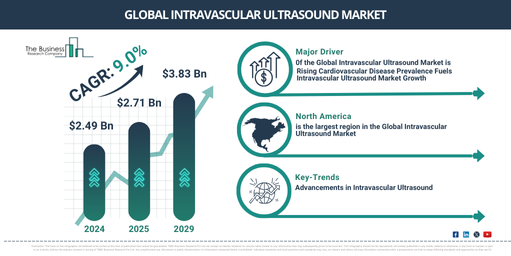
    The market size for intravascular ultrasound has been expanding robustly in the preceding years. An impressive growth from $2.49 billion in 2024 to an expected $2.71 billion in 2025 is predicted, displaying a compound annual growth rate (CAGR) of 9.2%. Factors such as the rising incidence of cardiovascular diseases, the increasing popularity of minimally invasive medical procedures, an aging society, advancement in healthcare infrastructures, and the escalation in healthcare spending can be credited for the considerable growth during the historical phase.

    What Growth Rate Is Anticipated for the Intravascular Ultrasound Market in the Coming Years?

    The market size of intravascular ultrasound is expected to experience robust growth in the upcoming years, rising to $3.83 billion in 2029 with a compound annual growth rate (CAGR) of 9.0%. The anticipated growth for the forecast period can be attributed to several factors. Among these are an increasing adoption of IVUS in heart treatments, growing public awareness for early detection and treatment of cardiovascular diseases, technological advancements in IVUS catheters, and a significant increase in research and development activities in medical imaging due to the rising prevalence of diabetes. Noteworthy trends in the forecast period include the adoption of IVUS technology, the use of AI and machine learning algorithms, the development of compact and portable IVUS devices, improved visualization through 3D IVUS imaging, enhanced image resolution, and the application of real-time feedback systems.

    Download The Free Sample Report Here:

    https://www.thebusinessresearchcompany.com/sample.aspx?id=18395&type=smp

    Who Are the Leading Companies in the Intravascular Ultrasound Market?

    Major companies operating in the intravascular ultrasound market are Abbott Laboratories, Medtronic plc, Siemens Healthcare GmbH, Fujifilm Corporation, GE HealthCare Technologies Inc., Koninklijke Philips N.V., Boston Scientific Corporation, B. Braun Holding GmbH & Co. KG, Terumo Corporation, Fujikura Ltd., Shenzhen Mindray Bio-Medical Electronics Co. Ltd., Nipro Corporation, Shimadzu Corporation, Cook Group Incorporated, Analogic Corporation, Canon Medical Systems Corporation, ACIST Medical Systems Inc., Insightec Ltd., HeartFlow Inc., Chison Medical Technologies Co. Ltd., CIVCO Medical Instruments Co. Inc., Pie Medical Imaging BV, Conavi Medical Inc., Samsung Medison Co. Ltd., Esaote S.p.A., Sonic Concepts Inc.

    What Are the Key Drivers of the Intravascular Ultrasound Market?

    The escalating incidence of cardiovascular diseases (CVDs) is forecasted to boost the expansion of the intravascular ultrasound market in the future. Cardiovascular diseases (CVDs) encompass a range of conditions that impact the heart and blood vessels. An unhealthy lifestyle characterized by insufficient physical exercise, poor diet, smoking, chronic stress, and excessive alcohol intake is escalating the prevalence of cardiovascular diseases (CVDs). Intravascular Ultrasound (IVUS) has proven to be an invaluable diagnostic resource for dealing with cardiovascular diseases (CVDs). It offers in-depth images and data about the internals of blood vessels, especially coronary arteries. This significantly improves the ability to diagnose, treat, and manage various cardiovascular ailments. For example, in September 2024, data provided by the British Heart Foundation, a cardiovascular research charity based in the UK, revealed that around 7.6 million people suffer from heart and circulatory diseases in the UK, including approximately 4 million men and 3.6 million women. These disorders result in about 27% of all deaths in the UK, amounting to more than 170,000 deaths a year, or nearly 480 deaths a day, which translates to one death every three minutes. Consequently, the increasing incidence of cardiovascular diseases (CVDs) is fuelling the expansion of the intravascular ultrasound market.

    Request For A Customized Report:

    https://www.thebusinessresearchcompany.com/customise?id=18395&type=smp

    What Are the Key Market Segments in the Intravascular Ultrasound Industry?

    The intravascular ultrasound market covered in this report is segmented –

    1) By Type: Platform Intravascular Ultrasound, Compact Intravascular Ultrasound

    2) By Modality: Virtual Histology Intravascular Ultrasound (IVUS), iMap Intravascular Ultrasound (IVUS), Integrated Backscatter Intravascular Ultrasound (IVUS)

    3) By Application: Peripheral Arterial Diseases, Cardiovascular Diseases

    4) By End use: Hospital, Diagnostic Centers, Academic And Research Institutes

    Subsegments:

    1) By Platform Intravascular Ultrasound: Console-Based Systems, Catheter-Based Systems

    2) By Compact Intravascular Ultrasound: Portable Systems, Handheld Systems

    What Are the Latest Trends in the Intravascular Ultrasound Market?

    Prominent firms involved in the intravascular ultrasound industry concentrate on advancements in Sonic Lumen Tomography (SLT) technology to strengthen diagnostic abilities, aid superior clinical decisions in cardiovascular procedures, and ultimately, improve patient health outcomes. SLT technology refines the picturization of blood vessels by presenting high-definition, cross-sectional displays of the lumen (the inner space of a blood vessel) and the vessel walls. For instance, in May 2024, Provisio Medical Inc., a US-based company specializing in medical equipment production, introduced its Provisio SLT Intravascular Ultrasound (IVUS) system. The Provisio SLT IVUS System integrates the SLT IVUS P1 system and the SLT IVUS support crossing catheter. Provisio enhances vessel sizing data collection and display by incorporating Sonic Lumen Tomography technology in frontline support crossing catheters. This solution diminishes data collection timelines, lowers the usage of contrasting agents, and minimizes radiation exposure without causing interruptions to the physician’s practice.

    Access The Full Report Here:

    https://www.thebusinessresearchcompany.com/report/intravascular-ultrasound-global-market-report

    What Are the Key Regional Markets in the Intravascular Ultrasound Industry?

    North America was the largest region in the intravascular ultrasound market in 2024. Asia-Pacific is expected to be the fastest-growing region in the forecast period. The regions covered in the intravascular ultrasound market report are Asia-Pacific, Western Europe, Eastern Europe, North America, South America, Middle East, Africa.

    Purchase The Full Report Today:

    https://www.thebusinessresearchcompany.com/purchaseoptions.aspx?id=18395

    This Report Delivers Insight On:

    1. How big is the intravascular ultrasound market, and how is it changing globally?

    2. Who are the major companies in the intravascular ultrasound market, and how are they performing?

    3. What are the key opportunities and risks in the intravascular ultrasound market right now?

    4. Which products or customer segments are growing the most in the intravascular ultrasound market?

    5. What factors are helping or slowing down the growth of the intravascular ultrasound market?

    About The Business Research Company:

    With over 15000+ reports from 27 industries covering 60+ geographies, The Business Research Company has built a reputation for offering comprehensive, data-rich research and insights. Armed with 1,500,000 datasets, the optimistic contribution of in-depth secondary research, and unique insights from industry leaders, you can get the information you need to stay ahead in the game.

    Get in touch with us:

    The Business Research Company: https://www.thebusinessresearchcompany.com/

    Americas +1 310-496-7795

    Asia +44 2071930708

    Europe +44 7882 955267

    Email us at info@tbrc.info

    Follow us on:

    LinkedIn: https://in.linkedin.com/company/the-business-research-company

    YouTube: https://www.youtube.com/channel/UC24_fI0rV8cR5DxlCpgmyFQ

    Global Market Model: https://www.thebusinessresearchcompany.com/global-market-model
  • Type 2 Diabetes Market to Reach $72.22 Billion by 2029 | Key Drivers and Future Outlook

    Type 2 Diabetes Market to Reach $72.22 Billion by 2029 | Key Drivers and Future Outlook

    Claim your 30% discount on Global Market Reports with code ONLINE30. Limited time only.

    What Is the Growth Rate of the Type 2 Diabetes Market?

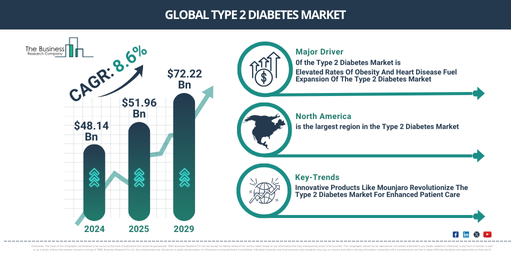
    The market size for type 2 diabetes has seen significant expansion in the recent past. It will increase from a size of $48.14 billion in 2024 to $51.96 billion in 2025, with a compound annual growth rate (CAGR) of 7.9%. The historic period’s growth can be ascribed to modifications in lifestyle and diet, increasing elderly population, advancements in pharmaceuticals, and public health initiatives.

    What Growth Rate Is Forecasted for the Type 2 Diabetes Market by 2029?

    The market for type 2 diabetes is anticipated to undergo robust expansion in the coming years, escalating to a value of $72.22 billion in 2029 with a CAGR of 8.6%. The progression during the predicted period is ascribed to the worldwide diabetes outbreak, individualized treatment options, advancements in technology, and alterations in healthcare policies. Key trends to lookout for during the forecast period encompass digital health and telemedicine, prevention coupled with early intervention strategies, artificial intelligence (AI) and machine learning (ML), and metabolic surgery.

    Download The Free Sample Report Here:

    https://www.thebusinessresearchcompany.com/sample.aspx?id=13050&type=smp

    Which Key Companies Are Shaping the Future of the Type 2 Diabetes Market?

    Major companies operating in the type 2 diabetes market are F. Hoffmann-La Roche AG, Merck and Co. Inc., Novartis AG, AstraZeneca PLC, Abbott Laboratories, Sanofi SA, Medtronic PLC, Takeda Pharmaceutical Company, GlaxoSmithKline plc., Eli Lilly and Company, Novo Nordisk A/S, Johnson And Johnson Private Limited, Daiichi Sankyo Co. Ltd., Boehringer Ingelheim International GmbH, Dexcom Inc., Amgen Inc., Insulet Corporation, Ascensia Diabetes Care, Byram Healthcare, Beta Bionics, Onduo LLC, DarioHealth, One Drop, Bigfoot Biomedical Inc., Digbi Health, MySugr GmbH, Senseonics Holdings Inc., Provention Bio Inc., Vida Health Inc., Diathrive Health.

    Which Factors Are Driving Demand in the Type 2 Diabetes Industry?

    The expansion of the type 2 diabetes market is anticipated to be fueled by the growing prevalence of obesity and heart disease. Obesity is characterized as a health condition resulting from the accumulation of an unhealthy level of excess body fat, while heart disease encompasses different disorders that impact the heart and blood vessels. Being overweight escalates the risk of insulin resistance that leads to elevated blood sugar levels and eventually, type 2 diabetes. Moreover, high blood sugar is detrimental to blood vessels and nerves regulating the heart and blood vessels, resulting in heart disease. For example, in March 2024, the World Health Organization (WHO), an intergovernmental organization based in Switzerland, indicated that one in every eight people globally was battling obesity. This accounted for 2.5 billion adults (18 years and older) who were overweight, with 890 million suffering from obesity. Among these adults, 43% were noted to be overweight, and 16% were categorized as obese. The number of children less than five years of age and overweight was stated to be 37 million. Therefore, the escalating rates of obesity and heart disease are contributing to the development of the type 2 diabetes market. The next driver stimulating the expansion of the type 2 diabetes market is the growing geriatric population. This term is used to denote individuals aged 65 years and above. The elder populace is susceptible to a host of diseases due to lowered immunity and advancing age. The risk of problems associated with type 2 diabetes such as hypoglycemia (diminished blood sugar), renal failure, and heart disease increases with age, affecting both acute and chronic microvascular and cardiovascular complications. For instance, the World Health Organization stated in July 2023 that by 2030, one in every six people globally would be aged 60 years or older. The count of people aged 60 and above worldwide will witness a twofold increase (reaching 2.1 billion) by 2050. The period from 2020 to 2050 will see the emergence of an additional 426 million people who are 80 years or older compared to the present number. Therefore, the growing geriatric population is stimulating the type 2 diabetes market.

    Request For A Customized Report:

    https://www.thebusinessresearchcompany.com/customise?id=13050&type=smp

    How Is the Type 2 Diabetes Market Segmented by Several Divisions?

    The type 2 diabetes market covered in this report is segmented –

    1) By Drug Class: Dipeptidyl Peptidase-4 (DPP-4) Inhibitors, Glucagon-Like Peptide-1 (GLP-1) Receptor Agonists, Thiazolidinediones, Alpha-Glucosidase Inhibitors, Sulfonylureas And Other Insulin Secretagogues, Biguanides, SodiumGlucose Cotransporter 2 Inhibitors, Other Drug Classes

    2) By Application: Glycemic Control, Cardiovascular Safety, Hypoglycemia Avoidance, Other Applications

    3) By End-User: Children, Adults

    Subsegments:

    1) By Dipeptidyl Peptidase-4 (DPP-4) Inhibitors: Sitagliptin, Saxagliptin, Linagliptin, Alogliptin

    2) By Glucagon-Like Peptide-1 (GLP-1) Receptor Agonists: Liraglutide, Semaglutide, Dulaglutide, Exenatide

    3) By Thiazolidinediones: Pioglitazone, Rosiglitazone

    4) By Alpha-Glucosidase Inhibitors: Acarbose, Miglitol

    5) By Sulfonylureas And Other Insulin Secretagogues: Glimepiride, Glipizide, Glyburide

    6) By Biguanides: Metformin

    7) By Sodium-Glucose Cotransporter 2 Inhibitors: Canagliflozin, Dapagliflozin, Empagliflozin

    8) By Other Drug Classes: Amylin Analogues, Bile Acid Sequestrants, Dopamine Agonists

    What are the Emerging Market Trends Driving the Growth of the Type 2 Diabetes Industry?

    The type 2 diabetes market is marked by the introduction of innovative products by leading companies such as Mounjaro, with the motive of elevating safety and performance standards for those dealing with diabetes. These pioneer drugs, for example, Mounjaro, are designed to intensify the success rate, safety, or simplicity of managing diabetes, in comparison to previously available medicines. The current advancements in diabetes medications are centered around enhancing control over blood sugar, curbing potential side effects, and dealing with other associated health problems. One such instance is Eli Lilly and Co, a pharmaceutical company from the United States, who secured approval in May 2022 from the U.S. Food and Drug Administration, a government body, for Mounjaro’s (tripeptide) injection. This solution targets improved sugar level control in adults with type 2 diabetes along with dietary and physical activity adjustments. Tirzepatide emerges as a fresh, dual-action solution for type 2 diabetes. Administered as a once-weekly injection, it targets two hormones located in blood sugar regulation, specifically, glucagon-like peptide 1 (GLP-1) and glucose-dependent insulinotropic polypeptide (GIP). GLP-1 functions to stimulate insulin production and reduce glucagon production whereas GIP aids in boosting insulin production. As a result, Tirzepatide holds immense promise as a new treatment avenue for individuals dealing with type 2 diabetes, including those who failed to respond positively to other available treatments.

    Access The Full Report Here:

    https://www.thebusinessresearchcompany.com/report/type-2-diabetes-global-market-report

    Which Regions Are Driving Growth in the Type 2 Diabetes Market?

    North America was the largest region in the type 2 diabetes market in 2024. Europe is expected to be the fastest-growing region in the forecast period. The regions covered in type 2 diabetes market report are Asia-Pacific, Western Europe, Eastern Europe, North America, South America, Middle East and Africa.

    Purchase The Full Report Today:

    https://www.thebusinessresearchcompany.com/purchaseoptions.aspx?id=13050

    This Report Delivers Insight On:

    1. How big is the type 2 diabetes market, and how is it changing globally?

    2. Who are the major companies in the type 2 diabetes market, and how are they performing?

    3. What are the key opportunities and risks in the type 2 diabetes market right now?

    4. Which products or customer segments are growing the most in the type 2 diabetes market?

    5. What factors are helping or slowing down the growth of the type 2 diabetes market?

    About The Business Research Company:

    With over 15000+ reports from 27 industries covering 60+ geographies, The Business Research Company has built a reputation for offering comprehensive, data-rich research and insights. Armed with 1,500,000 datasets, the optimistic contribution of in-depth secondary research, and unique insights from industry leaders, you can get the information you need to stay ahead in the game.

    Get in touch with us:

    The Business Research Company: https://www.thebusinessresearchcompany.com/

    Americas +1 310-496-7795

    Asia +44 2071930708

    Europe +44 7882 955267

    Email us at info@tbrc.info

    Follow us on:

    LinkedIn: https://in.linkedin.com/company/the-business-research-company

    YouTube: https://www.youtube.com/channel/UC24_fI0rV8cR5DxlCpgmyFQ

    Global Market Model: https://www.thebusinessresearchcompany.com/global-market-model
  • Clinical Trial Management System (CTMS) Industry Insights 2025 – Market Forecast for Executives and Planners

    Clinical Trial Management System (CTMS) Industry Insights 2025 – Market Forecast for Executives and Planners

    Claim your 30% discount on Global Market Reports with code ONLINE30. Limited time only.

    How Has the Clinical Trial Management System (CTMS) Market Size Changed, over the years?

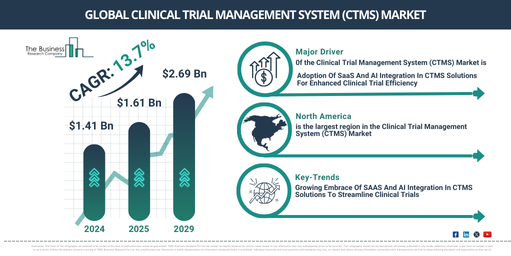
    The market size of the clinical trial management system (CTMS) has seen accelerated expansion in the past few years. It is expected to escalate from $1.41 billion in 2024 to $1.61 billion in 2025, with a compound annual growth rate (CAGR) of 14.2%. Factors like increasing complexity of clinical trials, a surge in global clinical trials, strict regulatory adherence, a growing emphasis on patient-centric trials, and a rise in the outsourcing of clinical trials have contributed to the growth in the historic period.

    How Much Will the Clinical Trial Management System (CTMS) Market Be Worth in 2029?

    The market size for the clinical trial management system (CTMS) is poised to experience significant growth in the upcoming years, with a projection to reach $2.69 billion in 2029 at a compound annual growth rate (CAGR) of 13.7%. This surge in growth for the future period is linked to the focus on immediate access to data, consolidation with electronic health records (EHRs), an increase in virtual and decentralized trials, a focus on risk-based supervision, and progress in analytics and AI. The forecasted period will also see prominent trends such as a heightened focus on regulatory compliance and securing data, the rise of adaptive clinical trial platforms, platforms for stakeholder engagement, remote monitoring and management of sites, and the evolution of data standards and interoperability.

    Download The Free Sample Report Here:

    https://www.thebusinessresearchcompany.com/sample.aspx?id=13147&type=smp

    Which is the Largest Company in the Clinical Trial Management System (CTMS) Market?

    Major companies operating in the clinical trial management system (CTMS) market report are The International Business Machines Corporation, Oracle Corporation, Laboratory Corporation of America Holdings, IQVIA Holdings Inc., Wipro Limited, ICON Public Limited Company, PAREXEL International Corporation, Veeva Systems Inc., Bioclinica Inc., Medidata Solutions Inc., Calyx.ai, Clario Medical Imaging Inc., Advarra Inc., Bio-Optronics Inc., MasterControl Inc., ERT Clinical, iWeb Technologies Limited, Anju Software Inc., Axiom Real-Time Metrics, EClinForce Inc., MedNet Solutions Inc., DSG Inc., ArisGlobal LLC, DZS Clinical Services Inc., Datatrak International Inc., Nextrials Nc., SimpleTrials, PHARMASEAL International Limited, Crucial Data Solutions Inc., RealTime Software Solutions LLC

    What Are the Main Market Drivers in the Clinical Trial Management System (CTMS) Industry?

    The surge in decentralized clinical trials is likely to boost the clinical trial management system (CTMS) market’s expansion. Decentralized clinical trials (DCTs) are those that use telemedicine and local health services to reduce or eliminate the necessity for patients to travel to hospital-based trial sites, a shift from the conventional clinical trial paradigm. The CTMS oversees recruitment and participant activities, offering comprehensive management and reporting across decentralized trials. For example, as claimed by Clinical Trials Arena, a UK-based digital publication specializing in clinical trials and research, in February 2023, the incorporation of decentralization components into clinical trials is predicted to grow by 17% by 2023-end, surpassing the peak levels reached in 2021. Hence, the growing frequency of decentralized clinical trials stands to propel the CTMS market. The anticipated rise in personalized medicine demand is set to further the growth of the clinical trial management system (CTMS) market. Personalized medicine, a medical model, utilizes an individual’s genetic makeup to guide choices regarding disease prevention, diagnosis, and treatment. The CTMS can enhance the clinical trial process by customizing recruitment, protocol creation, data gathering, patient interaction, and data interpretation to cater to each patient’s unique requirements. According to the Personalized Medicine Coalition’s 2022 Progress Scope and Significance report, the US Food and Drug Administration approved 12 personalized medicines in 2022, constituting approximately 34% of all freshly approved therapeutic molecular entities. Therefore, the amplified demand for personalized medicine is stimulating the CTMS market’s growth.

    Request For A Customized Report:

    https://www.thebusinessresearchcompany.com/customise?id=13147&type=smp

    How Is the Clinical Trial Management System (CTMS) Market Segments Structured?

    The clinical trial management system (CTMS) market covered in this report is segmented –

    1) By System Type: Enterprise Clinical Trial Management System, On-Site Clinical Trial Management System

    2) By Component: Software, Service, Hardware

    3) By Delivery: Web-Based (On-Demand), Licensed Enterprise (On-Premises), Cloud-Based (SaaS)

    4) By End User: Large Pharma-Biotech Companies, CROs, Medical Device Manufacturers, Small And Mid-Sized Pharma-Biotech Companies, Other End Users

    Subsegments:

    1) By Enterprise Clinical Trial Management System: Cloud-Based Solutions, On-Premises Solutions

    2) By On-Site Clinical Trial Management System: Manual Systems, Semi-Automated Systems

    What Strategic Trends Are Transforming the Clinical Trial Management System (CTMS) Market?

    Leading organizations in the Clinical Trial Management System (CTMS) market are implementing innovative technology platforms, including Software as a Service (SaaS) with integrated artificial intelligence, to accelerate drug development. SaaS-based CTMS is a cloud-based software tool that aids in efficiently managing and monitoring various aspects of clinical trials. Its remote accessibility eliminates the necessity for local software installation and upkeep. For instance, Saama Technologies, Inc., a U.S. supplier of clinical development software and services, debuted a collection of SaaS-based products integrated into a single platform in June 2023. These products complement its existing AI and machine learning-based solutions, and expedite clinical development and marketing. The platform automates critical clinical trial management procedures, allowing for reductions in query generation times by as much as 90% and significant time savings in study data transformation and analysis. It also provides an all-inclusive view of trial operations and patient progress from a single location.

    Access The Full Report Here:

    https://www.thebusinessresearchcompany.com/report/clinical-trial-management-system-ctms-global-market-report

    Which Global Regions Offer the Highest Growth in the Clinical Trial Management System (CTMS) Market?

    North America was the largest region in the clinical trial management system (CTMS) market in 2024. Asia-Pacific is expected to be the fastest-growing region in the forecast period. The regions covered in the clinical trial management system (CTMS) market report are Asia-Pacific, Western Europe, Eastern Europe, North America, South America, Middle East, Africa

    Purchase The Full Report Today:

    https://www.thebusinessresearchcompany.com/purchaseoptions.aspx?id=13147

    This Report Delivers Insight On:

    1. How big is the clinical trial management system (ctms) market, and how is it changing globally?

    2. Who are the major companies in the clinical trial management system (ctms) market, and how are they performing?

    3. What are the key opportunities and risks in the clinical trial management system (ctms) market right now?

    4. Which products or customer segments are growing the most in the clinical trial management system (ctms) market?

    5. What factors are helping or slowing down the growth of the clinical trial management system (ctms) market?

    About The Business Research Company:

    With over 15000+ reports from 27 industries covering 60+ geographies, The Business Research Company has built a reputation for offering comprehensive, data-rich research and insights. Armed with 1,500,000 datasets, the optimistic contribution of in-depth secondary research, and unique insights from industry leaders, you can get the information you need to stay ahead in the game.

    Get in touch with us:

    The Business Research Company: https://www.thebusinessresearchcompany.com/

    Americas +1 310-496-7795

    Asia +44 2071930708

    Europe +44 7882 955267

    Email us at info@tbrc.info

    Follow us on:

    LinkedIn: https://in.linkedin.com/company/the-business-research-company

    YouTube: https://www.youtube.com/channel/UC24_fI0rV8cR5DxlCpgmyFQ

    Global Market Model: https://www.thebusinessresearchcompany.com/global-market-model

  • Clinical Next-Generation Sequencing (NGS) Data Analysis Market Trends Report 2025 – For Business Development and Strategy Teams

    Claim your 30% discount on Global Market Reports with code ONLINE30. Limited time only.

    What Is the Forecast for the Clinical Next-Generation Sequencing (NGS) Data Analysis Market Growth in 2025?

    In recent times, there has been remarkable growth in the clinical next-generation sequencing (NGS) data analysis market. The market, which is valued at $3.43 billion in 2024, is projected to expand to $4.15 billion by 2025, demonstrating a compound annual growth rate (CAGR) of 20.8%. The significant growth during the historic period is credited to progress in genomics research, falling costs of sequencing, rising demand for tailor-made medicine, an wider use in clinical diagnostics, and a higher occurrence of genetic ailments.

    What Is the Forecast for the Clinical Next-Generation Sequencing (NGS) Data Analysis Market Size Through 2029?

    The market size of clinical next-generation sequencing (NGS) data analysis is predicted to experience a rapid surge in upcoming years, with an estimation to reach around $8.73 billion in 2029, at a compound annual growth rate (CAGR) of 20.5%. Factors contributing to the growth forecast include increasing adoption of liquid biopsy techniques, the application of artificial intelligence in data analysis, the spread of precision medicine initiatives, the introduction of new sequencing technologies, and an increased emphasis on population genomics initiatives. The forecasted period is also marked with the growing presence of companion diagnostics, rising prominence of decentralized testing models, a surge in the use of cloud-based solutions, the widening application of NGS in non-invasive prenatal testing, and standardized protocols for data interpretation.

    Download The Free Sample Report Here:

    https://www.thebusinessresearchcompany.com/sample.aspx?id=14877&type=smp

    What are the Key Market Players in Clinical Next-Generation Sequencing (NGS) Data Analysis Market and How They’re Evolving?

    Major companies operating in the clinical next-generation sequencing (NGS) data analysis market are Roche Diagnostics, Thermo Fisher Scientific Inc., Eurofins Scientific, Agilent Technologies Inc., Illumina Inc., PerkinElmer Inc., Bio-Rad Laboratories Inc., Qiagen, BGI Group, 10x Genomics, Genomic Health, Oxford Nanopore Technologies PLC., Pacific Biosciences of California Inc., Sophia Genetics, Genewiz, Partek Inc., DNAnexus, BioNano Genomics, PierianDx, GENAPSYS, Nugen Technologies, DNAStar Inc., Swift Biosciences, Basepair, BioDatomics, Congenica Ltd., Theragen Etex Inc., Golden Helix Inc.

    What Are the Primary Growth Drivers in the Clinical Next-Generation Sequencing (NGS) Data Analysis Market?

    The surge in the need for personalized medicines is predicted to drive the growth of the clinical next-generation sequencing data analysis market in the future. Personalized medicine involves a medical strategy that considers the unique genetic, environmental and lifestyle factors of each individual. This burgeoning desire for personalized treatments is due to genomic technologies, growing disease complexity, improved therapeutic results, and escalating healthcare expenses. The role of Next-generation sequencing (NGS) data analysis in personalized medicine is vital as it facilitates the quick and precise sequencing of multiple genes simultaneously, providing a profound understanding of a person’s genetic constitution. For example, in October 2022, as per publications by STAT, a healthcare-focused news agency based in the US, there were over 75,000 genetic testing products and 300 tailored medicines. Additionally, in 2023, the Personalized Medicine Coalition, a representative organization based in the U.S, reported that the FDA approved personalized medications for 34% of new drugs, and in the previous eight years, they had been sanctioned for a minimum of 25% of new pharmaceuticals. Consequently, the burgeoning need for customized medications is fueling the expansion of the clinical next-generation sequencing data analysis market.

    Request For A Customized Report:

    https://www.thebusinessresearchcompany.com/customise?id=14877&type=smp

    What Are the Leading Segments in the Global Clinical Next-Generation Sequencing (NGS) Data Analysis Industry?

    The clinical next-generation sequencing (NGS) data analysis market covered in this report is segmented –

    1) By Solution And Services: NGS Data Analysis Tools, NGS Data Analysis And Sequencing Services, NGS Storage, Management And Cloud Computing Platform, Platforms

    2) By Technology: Sequencing By Synthesis (SBS), Nanopore Sequencing, Single-Molecule Real-Time (SMRT) Sequencing, Other Technologies

    3) By Application: Diagnostics, Drug Discovery And Designing, Medical Research, Other Applications

    4) By End User: Hospitals And Clinics, Academic Institutes And Research Centers, Biotechnology Companies, Life Science Technology Vendors, Other End Users

    Subsegments:

    1) By NGS Data Analysis Tools: Software Platforms, Data Interpretation Tools, Bioinformatics Tools, Data Analytics Solutions

    2) By NGS Data Analysis And Sequencing Services: Sequencing Services, Data Analysis Services, Consultation Services, Research And Diagnostic Services

    3) By NGS Storage, Management, And Cloud Computing Platform: Data Storage Solutions, Data Management Platforms, Cloud-Based Platforms, Cloud Storage Services

    4) By Platforms: Sequencing Platforms, NGS Instrumentation Platforms, Integrated NGS Platforms

    What Are the Key Market Trends in the Clinical Next-Generation Sequencing (NGS) Data Analysis Industry?

    Top-tier corporations active within the clinical next-generation sequencing (NGS) data analysis market are forging ahead with innovative premium solutions, like the NextSeq 2000 Sequencing System, in an effort to fulfil burgeoning requirements for precision in genomic analysis. This system is indicative of a complete suite of integrated hardware and software tools utilized to carry out DNA sequencing, a process which entails ascertaining the exact order of nucleotides in a DNA molecule. For example, in September 2022, Illumina Inc., an American biotech firm, introduced the NovaSeq X Series, an innovative new range of production-scale sequencers that deliver quicker, mightier, and more sustainable sequencing. The series constituted of the NovaSeq X and NovaSeq X Plus, are capable of producing over 20,000 whole genomes annually, which is 2.5 times the output of previous sequencers. These sequencers employ groundbreaking technology, incorporating a totally new sequencing by synthesis (SBS) chemistry (XLEAP-SBS) which is twice as quick and upto thrice more precise, coupled with higher-resolution optics, and ultra-dense flow cells that provide 2.5x higher throughput whilst reducing sequencing costs.

    Access The Full Report Here:

    https://www.thebusinessresearchcompany.com/report/clinical-next-generation-sequencing-ngs-data-analysis-global-market-report

    What Is the Regional Outlook for the Clinical Next-Generation Sequencing (NGS) Data Analysis Market?

    North America was the largest region in the clinical next-generation sequencing (NGS) data analysis market in 2024. Asia-Pacific is expected to be the fastest-growing region in the forecast period. The regions covered in the clinical next-generation sequencing (NGS) data analysis market report are Asia-Pacific, Western Europe, Eastern Europe, North America, South America, Middle East, Africa.

    Purchase The Full Report Today:

    https://www.thebusinessresearchcompany.com/purchaseoptions.aspx?id=14877

    This Report Delivers Insight On:

    1. How big is the clinical next-generation sequencing (ngs) data analysis market, and how is it changing globally?

    2. Who are the major companies in the clinical next-generation sequencing (ngs) data analysis market, and how are they performing?

    3. What are the key opportunities and risks in the clinical next-generation sequencing (ngs) data analysis market right now?

    4. Which products or customer segments are growing the most in the clinical next-generation sequencing (ngs) data analysis market?

    5. What factors are helping or slowing down the growth of the clinical next-generation sequencing (ngs) data analysis market?

    About The Business Research Company:

    With over 15000+ reports from 27 industries covering 60+ geographies, The Business Research Company has built a reputation for offering comprehensive, data-rich research and insights. Armed with 1,500,000 datasets, the optimistic contribution of in-depth secondary research, and unique insights from industry leaders, you can get the information you need to stay ahead in the game.

    Get in touch with us:

    The Business Research Company: https://www.thebusinessresearchcompany.com/

    Americas +1 310-496-7795

    Asia +44 2071930708

    Europe +44 7882 955267

    Email us at info@tbrc.info

    Follow us on:

    LinkedIn: https://in.linkedin.com/company/the-business-research-company

    YouTube: https://www.youtube.com/channel/UC24_fI0rV8cR5DxlCpgmyFQ

    Global Market Model: https://www.thebusinessresearchcompany.com/global-market-model
  • Intrapartum Monitoring Devices Industry Insights 2025 – Market Forecast for Executives and Planners

    Intrapartum Monitoring Devices Industry Insights 2025 – Market Forecast for Executives and Planners

    Claim your 30% discount on Global Market Reports with code ONLINE30. Limited time only.

    #How Has The Intrapartum Monitoring Devices Market Size Shifted, And What Is the Outlook Through 2034?

    The market size of intrapartum monitoring devices has significantly expanded in the past few years. There will be an increase from $2.18 billion in 2024 to $2.33 billion in 2025, at a compound annual growth rate (CAGR) of 7.2%. The extraordinary growth observed in the previous era can be credited to factors such as technological progress, the rise in maternal age, the increasing frequency of premature births, initiatives and financial support from the government, and enhanced awareness and education.

    How Much Will the Intrapartum Monitoring Devices Market Be Worth in 2029?

    The market for intrapartum monitoring devices is predicted to experience substantial expansion in the coming years, reaching a value of $3.05 billion in 2029, with a compound annual growth rate (CAGR) of 6.9%. This anticipated growth during the forecast period can be credited to factors such as increasing instances of complications during pregnancies, heightened awareness and education, the establishment of government policies and initiatives, heightened healthcare spending, and an increasing population of older mothers. Noteworthy trends predicted for the future include the growing use of wireless monitoring devices, the integration of telehealth, increasing instances of high-risk pregnancies, enhanced precision and trustworthiness, and the issuing of regulatory approvals and guidelines.

    Download The Free Sample Report Here:

    https://www.thebusinessresearchcompany.com/sample.aspx?id=18649&type=smp

    Which is the Largest Company in the Intrapartum Monitoring Devices Market?

    Major companies operating in the intrapartum monitoring devices market are Cardinal Health Inc, Medtronic PLC, Fujifilm Holdings Corporation, Philips Healthcare, GE HealthCare Technologies Inc., Shenzhen Mindray Bio-Medical Electronics Co. Ltd, Drägerwerk AG & Co. KGaA, CooperSurgical Inc., Spacelabs Healthcare, Nihon Kohden Corporation, Contec Medical Systems Co Ltd., Mediana Co Ltd., Natus Medical Incorporated, EDAN Instruments Inc., Guangdong Biolight Meditech Co. Ltd, Dixion Vertrieb medizinischer Geräte GmbH, Bionet America Inc., Shenzhen Bestman Instrument Co Ltd., Huntleigh Healthcare Limited, Neoventa Medical AB, Trismed Co Ltd.

    What Are the Main Market Drivers in the Intrapartum Monitoring Devices Industry?

    The escalating occurrence of gynecological diabetes, also known as gestational diabetes mellitus (GDM), is anticipated to boost the growth of the intrapartum monitoring device market. This condition is typified by high blood sugar levels that take place during pregnancy and generally recede after childbirth. The emergence of this condition is on the rise due to the augmenting rates of obesity and inactive lifestyles. Intrapartum monitoring devices play a vital role in GDM by tracing the fetal heart rate and uterine contractions, facilitating timely discovery and handling of possible problems during labor and delivery. For instance, the Government of the United Kingdom reported in March 2024, that the proportion of individuals with type 1 diabetes in England who received 8 care processes at GP practices involved in the NDA surged to 43.8% in March 2023 from 35.2% the preceding year. Thus, the growing occurrence of gynecological diabetes is propelling the expansion of the intrapartum monitoring device market.

    Request For A Customized Report:

    https://www.thebusinessresearchcompany.com/customise?id=18649&type=smp

    How Is the Intrapartum Monitoring Devices Market Segments Structured?

    The intrapartum monitoring devices market covered in this report is segmented –

    1) By Product Type: Monitors, Electrodes

    2) By Method: Invasive, Non-invasive

    3) By End User: Hospitals, Maternity Centers, Other End Users

    Subsegments:

    1) By Monitors: Fetal Heart Rate Monitors Or Uterine Contraction Monitors Or Maternal Vital Sign Monitors (Blood Pressure, Temperature, Oxygen Saturation) Or Fetal Or Maternal Monitoring Systems (Integrated Systems)

    2) By Electrodes: Fetal Electrodes (Scalp Electrodes) Or Maternal Electrodes (For Ecg Monitoring) Or Disposable Electrodes Or Reusable Electrodes

    What Strategic Trends Are Transforming the Intrapartum Monitoring Devices Market?

    Key players in the intrapartum monitoring device market are honing their focus on the creation of innovative products, such as wireless and belt-free devices, in order to maintain their standing in the market. These updated intrapartum device designs provide the benefit of unrestricted movement and elevated comfort for mothers during childbirth, ensuring continuous tracking of the baby’s heart rate and uterine contractions. An example of innovation in the market is the clearance that GE HealthCare Technologies Inc., an American medical technology firm, received in February 2024 for their Novii+ Wireless Maternal and Fetal Monitoring Solution. This certification permits the system to oversee approximately 95% of total qualified births in the United States. Built for expectant mothers who are at least 34 weeks along, the Novii+ system is a noninvasive monitor for fetal heart rate, maternal heart rate, and uterine movement. With its wireless and belt-free design, the device can enhance mobility and possibly make labor a more comfortable experience for expecting mothers. Further benefiting its users, the product includes a sophisticated algorithm named cross-check artifact reduction that augments the precision and dependability of its data collection.

    Access The Full Report Here:

    https://www.thebusinessresearchcompany.com/report/intrapartum-monitoring-devices-global-market-report

    Which Global Regions Offer the Highest Growth in the Intrapartum Monitoring Devices Market?

    North America was the largest region in the intrapartum monitoring devices market in 2024. Asia-Pacific is expected to be the fastest-growing region in the forecast period. The regions covered in the intrapartum monitoring devices market report are Asia-Pacific, Western Europe, Eastern Europe, North America, South America, Middle East, Africa.

    Purchase The Full Report Today:

    https://www.thebusinessresearchcompany.com/purchaseoptions.aspx?id=18649

    This Report Delivers Insight On:

    1. How big is the intrapartum monitoring devices market, and how is it changing globally?

    2. Who are the major companies in the intrapartum monitoring devices market, and how are they performing?

    3. What are the key opportunities and risks in the intrapartum monitoring devices market right now?

    4. Which products or customer segments are growing the most in the intrapartum monitoring devices market?

    5. What factors are helping or slowing down the growth of the intrapartum monitoring devices market?

    About The Business Research Company:

    With over 15000+ reports from 27 industries covering 60+ geographies, The Business Research Company has built a reputation for offering comprehensive, data-rich research and insights. Armed with 1,500,000 datasets, the optimistic contribution of in-depth secondary research, and unique insights from industry leaders, you can get the information you need to stay ahead in the game.

    Get in touch with us:

    The Business Research Company: https://www.thebusinessresearchcompany.com/

    Americas +1 310-496-7795

    Asia +44 2071930708

    Europe +44 7882 955267

    Email us at info@tbrc.info

    Follow us on:

    LinkedIn: https://in.linkedin.com/company/the-business-research-company

    YouTube: https://www.youtube.com/channel/UC24_fI0rV8cR5DxlCpgmyFQ

    Global Market Model: https://www.thebusinessresearchcompany.com/global-market-model
  • Pediatric Radiology Industry Insights 2025 – Market Forecast for Executives and Planners

    Pediatric Radiology Industry Insights 2025 – Market Forecast for Executives and Planners

    Claim your 30% discount on Global Market Reports with code ONLINE30. Limited time only.

    #How Has The Pediatric Radiology Market Size Shifted, And What Is the Outlook Through 2034?

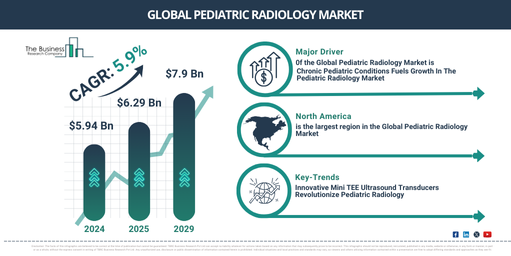
    The market size for pediatric radiology has seen significant growth over recent years. Projected to rise from $5.94 billion in 2024 to about $6.29 billion in 2025, it is expected to experience a compound annual growth rate (CAGR) of approximately 5.9%. Driving factors for this growth during the historic period include breakthroughs in medical imaging, a rise in pediatric illnesses, increased awareness and adoption, enhancements in the safety and quality of imaging, as well as research and training specifically centered around pediatrics.

    How Much Will the Pediatric Radiology Market Be Worth in 2029?

    In the coming years, the pediatric radiology market is poised to experience significant growth, anticipating to reach a market valuation of $7.9 billion by 2029 with a compound annual growth rate (CAGR) of 5.9%. Factors contributing to this projected expansion during the forecast period comprise the incorporation of artificial intelligence (AI), telemedicine, remote imaging, personalized treatments, precision imaging, a shift towards a value-driven healthcare approach and advancements in upcoming markets. The forecast period is also expected to witness trends such as those involving advancements in pediatric-specific imaging techniques, the amalgamation of artificial intelligence (AI) and machine learning, growing implementation of point-of-care imaging, telemedicine solutions, remote monitoring, and a focus on patient-centered and family-centered imaging.

    Download The Free Sample Report Here:

    https://www.thebusinessresearchcompany.com/sample.aspx?id=15891&type=smp

    Which is the Largest Company in the Pediatric Radiology Market?

    Major companies operating in the pediatric radiology market are Samsung Electronics Co. Ltd., Hitachi Ltd., Siemens AG, General Electric Company, Toshiba Corporation, Fujifilm Holdings Corporation, Koninklijke Philips N.V., Agilent Technologies Inc., Hologic Inc., Shimadzu Corporation, Varian Medical Systems Inc., Cook Medical Inc., Agfa-Gevaert N.V., Neusoft Corp, Carestream Health Inc., Shanghai United Imaging Healthcare Co. Ltd., NuVasive Inc., Esaote S.p.A., Canon Medical Systems Corporation, OrthoPediatrics Corporation, Ziehm Imaging GmBH, Shenzhen Landwind Industry Co., DMS Imaging SA, Allengers Medical Systems Ltd., Mindray Medical International Ltd

    What Are the Main Market Drivers in the Pediatric Radiology Industry?

    The advancement of the pediatric radiology market is anticipated to be fueled by the growing occurrence of chronic ailments in children. Chronic pediatric conditions, which are long-standing health matters that impact youngsters and adolescents, necessitate continual medical care or limit daily activities and can last for over a year. These conditions are on the rise due to a mix of genetic predisposition, environmental influences, and shifts in lifestyle. Pediatric radiology plays a vital role in the diagnosis, surveillance, and management of these long-term health matters with the help of imaging techniques such as X-rays, MRI, and CT scans, providing crucial data for successful treatment and care. For example, according to Asthma Australia, a non-profit organization based in Australia, more than 31,000 hospitalizations with asthma as the main diagnosis were recorded between 2022 and 2023. Almost 43% of these cases affected children aged 14 or under. Hence, the ascent in chronic pediatric conditions is fostering the growth of the pediatric radiology market.

    Request For A Customized Report:

    https://www.thebusinessresearchcompany.com/customise?id=15891&type=smp

    How Is the Pediatric Radiology Market Segments Structured?

    The pediatric radiology market covered in this report is segmented –

    1) By Product Type: Ultrasound, Magnetic Resonance Imaging (MRI), X-Ray, Computed Tomography Scanner, Other Product Types

    2) By Modality: Standalone Devices, Table-Top Devices, Portable Devices

    3) By Application: Oncology, Orthopedics, Cardiology, Other Applications

    4) By End-User: Hospitals, Pediatric Clinics, Diagnostic Centers, Other End-Users

    Subsegments:

    1) By Ultrasound: Portable Pediatric Ultrasound Machines, Pediatric Echocardiography Ultrasound

    2) By Magnetic Resonance Imaging (MRI): Pediatric MRI Systems, Open MRI Systems For Pediatrics, MRI-Compatible Pediatric Equipment

    3) By X-Ray: Digital Pediatric X-Ray Systems, Mobile X-Ray Systems For Pediatrics, Pediatric Fluoroscopy Systems

    4) By Computed Tomography Scanner: Pediatric CT Scanners, Low-Dose CT Scanners For Pediatrics, 3D Imaging Pediatric CT Scanners

    5) By Other Product Types: Pediatric Nuclear Medicine Systems, Pediatric Bone Densitometers, Pediatric Mammography Systems

    What Strategic Trends Are Transforming the Pediatric Radiology Market?

    Leading businesses in the pediatric radiology market are stepping up their game by pioneering groundbreaking products like mini transesophageal echocardiography (TEE) ultrasound transducers. These innovatives help to amplify diagnostic and therapeutic solutions for smaller or more at-risk patients, boost image accuracy, and elevate overall patient well-being and results. Mini transesophageal echocardiography (TEE) ultrasound transducers are condensed imaging tools envisaged to yield comprehensive pictures of the heart and its components via the esophagus, augmenting diagnostic and therapeutic proficiency for patients of diverse sizes and ailments. For example, Koninklijke Philips N.V., a conglomerate corporation based in the Netherlands, unveiled the X11-4t Mini 3D TEE transducer in May 2024. Originated for superior patient comfort, this trailblazing transducer spreads the advantages of 3D transesophageal echocardiography (TEE) to previously marginalized populations, encompassing tiny pediatric patients and adults prone to complications. This scaled-down, 35% smaller transducer is capable of delivering intricate 3D imaging crucial for the diagnosis and treatment of structural heart diseases, assisting in minimally invasive surgeries. Working seamlessly with Philips’ EPIQ CVx and EchoNavigator systems, it provides top-tier imaging while lessening the necessity for general anesthesia and cutting down recovery duration.

    Access The Full Report Here:

    https://www.thebusinessresearchcompany.com/report/pediatric-radiology-global-market-report

    Which Global Regions Offer the Highest Growth in the Pediatric Radiology Market?

    North America was the largest region in the pediatric radiology market in 2024. Asia-Pacific is expected to be the fastest-growing region in the forecast period. The regions covered in the pediatric radiology market report are Asia-Pacific, Western Europe, Eastern Europe, North America, South America, Middle East and Africa.

    Purchase The Full Report Today:

    https://www.thebusinessresearchcompany.com/purchaseoptions.aspx?id=15891

    This Report Delivers Insight On:

    1. How big is the pediatric radiology market, and how is it changing globally?

    2. Who are the major companies in the pediatric radiology market, and how are they performing?

    3. What are the key opportunities and risks in the pediatric radiology market right now?

    4. Which products or customer segments are growing the most in the pediatric radiology market?

    5. What factors are helping or slowing down the growth of the pediatric radiology market?

    About The Business Research Company:

    With over 15000+ reports from 27 industries covering 60+ geographies, The Business Research Company has built a reputation for offering comprehensive, data-rich research and insights. Armed with 1,500,000 datasets, the optimistic contribution of in-depth secondary research, and unique insights from industry leaders, you can get the information you need to stay ahead in the game.

    Get in touch with us:

    The Business Research Company: https://www.thebusinessresearchcompany.com/

    Americas +1 310-496-7795

    Asia +44 2071930708

    Europe +44 7882 955267

    Email us at info@tbrc.info

    Follow us on:

    LinkedIn: https://in.linkedin.com/company/the-business-research-company

    YouTube: https://www.youtube.com/channel/UC24_fI0rV8cR5DxlCpgmyFQ

    Global Market Model: https://www.thebusinessresearchcompany.com/global-market-model
  • Type 1 Diabetes Market Size to Exceed $22.7 Billion by 2029 | Growth and Industry Trends

    Type 1 Diabetes Market Size to Exceed $22.7 Billion by 2029 | Growth and Industry Trends

    Claim your 30% discount on Global Market Reports with code ONLINE30. Limited time only.

    How Has the Type 1 Diabetes Market Grown from 2024 to 2025?

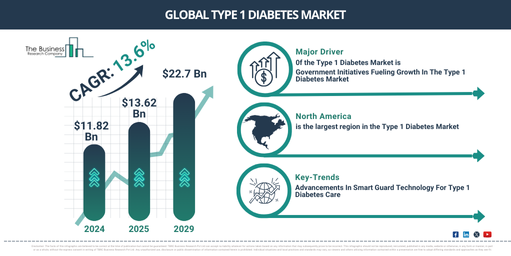
    In recent times, there has been a significant expansion of the type 1 diabetes market size. The anticipated growth is from $11.82 billion in 2024 to $13.62 billion in 2025, leading to a compound annual growth rate (CAGR) of 15.2%. The notable growth in the past can be linked to the increasing need for successful treatments, enhanced public understanding of type 1 diabetes, escalated funding for medication development, and the steady rise in healthcare spending globally.

    What Growth Rate Is Anticipated for the Type 1 Diabetes Market in the Coming Years?

    The market for type 1 diabetes is projected to experience swift expansion in the coming years. The market is forecasted to attain a value of $22.7 billion by 2029, growing at a compound annual growth rate (CAGR) of 13.6%. The expected growth during the forecast period can be credited to the rising awareness about the importance of early diabetes diagnosis, the escalating acceptance of home-care environments, increased efforts to research advanced drugs and the heightened awareness for nutritious product consumption. The anticipated trends for the forecast period include cutting-edge insulin formulations, advancements in medications and interventions, the use of artificial pancreas systems, and tailored approaches to medicine.

    Download The Free Sample Report Here:

    https://www.thebusinessresearchcompany.com/sample.aspx?id=12872&type=smp

    Who Are the Leading Companies in the Type 1 Diabetes Market?

    Major companies operating in the type 1 diabetes market are Johnson and Johnson Limited, Merck and Co. Inc., Sanofi-Aventis LLC., AstraZeneca PLC, Abbott Laboratories, Medtronic PLC, Eli Lilly and Co Ltd., Novo Nordisk A/S, Vertex Pharmaceuticals Incorporated, Dexcom Inc., Insulet Corporation, Tandem Diabetes Care Inc., Adaptive Biotechnologies Corporation, Xeris Pharmaceuticals Inc., MannKind Corporation, Biocon Ltd., Virta Health Corp., Bigfoot Biomedical Inc., ViaCyte Inc., Beta Bionics Inc., Adocia SA, Senseonics Holdings Inc., Zealand Pharmaceuticals A/S, Sigilon Therapeutics Inc., Provention Bio Inc.

    What Are the Key Drivers of the Type 1 Diabetes Market?

    Government efforts aimed at addressing diabetes are anticipated to ignite the growth of the type 1 diabetes market in the future. Such efforts encompass policies, strategies, initiatives, or programs launched by a government or government body to tackle specific challenges, attain objectives or instigate beneficial shifts in various societal segments. Leading government bodies are rolling out numerous efforts to fight diabetes, inclusive of type 1 diabetes, curtailing the diabetes risk and ensuring all diabetes-diagnosed people can avail equal, comprehensive, cost-effective, and high-quality care and treatment. To exemplify, the government of Canada partnered with JDRF Canada in July 2023, a Canadian non-profit organization, investing $33 million to back 12 research endeavors aimed at prevention, detection, management, and treatment of diabetes. The provided funds will also aid a countrywide screening research consortium, amalgamating experts and individuals impacted by diabetes to boost early-stage, pre-symptomatic type 1 diabetes screening in Canada. Consequently, the escalating initiatives by the government to tackle diabetes are steering the growth of the type 1 diabetes market. Regarding the type 1 diabetes market surge, it is underpinned by the escalating obesity and heart disease rates. The surge in obesity and heart diseases are expected to drive the growth of the Type 1 Diabetes Market. Obesity denotes a medical disorder where excessive body fat has amassed to an unhealthy extent, whilst heart disease alludes to an assortment of conditions impairing the heart and blood vessels. Surplus body weight amplifies the risk of insulin resistance, leading to elevated blood sugar levels and the onset of type 1 diabetes, and high blood sugar levels can potentially harm blood vessels and nerves controlling the heart and blood vessels, causing heart disease. For instance, as per the Centers for Disease Control and Prevention (CDC), a US-based national public health body in September 2024, severe obesity prevalence among adults from August 2021 to August 2023 was 9.4%. This rate spiked particularly in the 20–39 age bracket at 9.5% and in the 40–59 age bracket at 12.0%, while merely 6.6% of adults aged 60 or more were labeled as critically obese. Meanwhile, data from the British Heart Foundation in September 2024 revealed that approximately 7.6 million people in the UK are affected by heart and circulatory diseases, with roughly 4 million males and 3.6 million females having these conditions. These diseases account for approximately 27% of all UK deaths, which equals over 170,000 deaths each year, or around 480 deaths daily, symbolizing one death every three minutes. Hence, the growing obesity and heart disease rates are fueling the growth of the type 1 diabetes market.

    Request For A Customized Report:

    https://www.thebusinessresearchcompany.com/customise?id=12872&type=smp

    What Are the Key Market Segments in the Type 1 Diabetes Industry?

    The type 1 diabetes market covered in this report is segmented –

    1) By Product Type: Rapid Acting Insulin Analogs, Long-Acting Insulin Analogs, Premix Insulin Analogs, Others Product Types

    2) By Device: Insulin Pump, Insulin Pen, Blood Glucose Meter

    3) By Application: Childrens, Adults

    4) By End-User: Hospital, Research Institutes, Home Care

    Subsegments:

    1) By Rapid Acting Insulin Analogs: Insulin Lispro, Insulin Aspart, Insulin Glulisine

    2) By Long-Acting Insulin Analogs: Insulin Detemir, Insulin Glargine, Insulin Degludec

    3) By Premix Insulin Analogs: Premixed Insulin Lispro, Premixed Insulin Aspart, Premixed Insulin Glargine

    4) By Other Product Types: Insulin Pumps, Continuous Glucose Monitoring Systems, Non-Insulin Medications, Combination Therapies

    What Are the Latest Trends in the Type 1 Diabetes Market?

    Top corporations in the type 1 diabetes sector are striving for the creation of technologically superior solutions such as SmartGuard technology to maintain their market standing. SmartGuard technology is an innovative solution designed to assist individuals with diabetes who may have fears regarding hypoglycemia or lack awareness about it. For example, in March 2022, Medtronic PLC, a medical technology company based in Ireland, unveiled the MiniMed 780G system equipped with the latest SmartGuard technology. This novel product is a closed-loop insulin pump system set to streamline the management of type 1 diabetes. It automatically regulates the dispatch of basal insulin and correction boluses at five-minute intervals, facilitating diabetic patients to keep their glucose highs and lows under check more conveniently. Furthermore, this system allows patients to lessen variability and keep their glucose levels within predetermined limits, thus enabling a nearly normal lifestyle and superior clinical results.

    Access The Full Report Here:

    https://www.thebusinessresearchcompany.com/report/type-1-diabetes-global-market-report

    What Are the Key Regional Markets in the Type 1 Diabetes Industry?

    North America was the largest region in the type 1 diabetes market in 2024. The regions covered in type 1 diabetes market report are Asia-Pacific, Western Europe, Eastern Europe, North America, South America, Middle East and Africa.

    Purchase The Full Report Today:

    https://www.thebusinessresearchcompany.com/purchaseoptions.aspx?id=12872

    This Report Delivers Insight On:

    1. How big is the type 1 diabetes market, and how is it changing globally?

    2. Who are the major companies in the type 1 diabetes market, and how are they performing?

    3. What are the key opportunities and risks in the type 1 diabetes market right now?

    4. Which products or customer segments are growing the most in the type 1 diabetes market?

    5. What factors are helping or slowing down the growth of the type 1 diabetes market?

    About The Business Research Company:

    With over 15000+ reports from 27 industries covering 60+ geographies, The Business Research Company has built a reputation for offering comprehensive, data-rich research and insights. Armed with 1,500,000 datasets, the optimistic contribution of in-depth secondary research, and unique insights from industry leaders, you can get the information you need to stay ahead in the game.

    Get in touch with us:

    The Business Research Company: https://www.thebusinessresearchcompany.com/

    Americas +1 310-496-7795

    Asia +44 2071930708

    Europe +44 7882 955267

    Email us at info@tbrc.info

    Follow us on:

    LinkedIn: https://in.linkedin.com/company/the-business-research-company

    YouTube: https://www.youtube.com/channel/UC24_fI0rV8cR5DxlCpgmyFQ

    Global Market Model: https://www.thebusinessresearchcompany.com/global-market-model
  • Intragastric Balloons Market Trends Report 2025 – For Business Development and Strategy Teams

    Intragastric Balloons Market Trends Report 2025 – For Business Development and Strategy Teams

    Claim your 30% discount on Global Market Reports with code ONLINE30. Limited time only.

    #How Has the Intragastric Balloons Market Growth Performance Trended Historically, And What Lies Ahead?

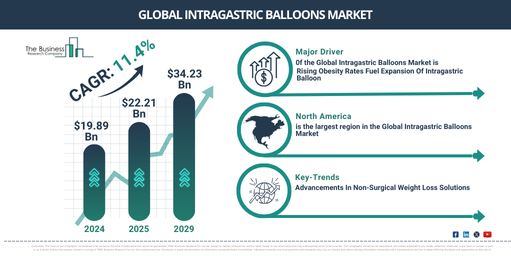
    Over the past few years, the size of the intragastric balloons market has seen a significant increase. It is projected to escalate from $19.89 billion in 2024 to a substantial $22.21 billion in 2025, bearing a compound annual growth rate (CAGR) of 11.7%. This growth during the historic period is largely due to factors such as the increase in obesity rates, the upsurge in healthcare spending, clinical proofs, FDA endorsements, awareness drives, advancements in balloon designs, and an expansion in medical tourism.

    What Is the Forecast for the Intragastric Balloons Market Size Through 2029?

    The market size of intragastric balloons is anticipated to experience swift expansion in the coming years, with an expected value of $34.23 billion in 2029 and a compound annual growth rate (CAGR) of 11.4%. Several factors contributing to this growth are celebrity endorsements, the prevalence of obesity-related health complications, growth in untapped markets, a rise in endoscopic procedures, a growing older population, and tailored treatment strategies. Noteworthy trends for the forecasting period involve technological advancements, social media awareness campaigns, the amalgamation with digital health platforms, implementation of artificial intelligence, the rise of virtual consultations, and improved patient education initiatives.

    Download The Free Sample Report Here:

    https://www.thebusinessresearchcompany.com/sample.aspx?id=15835&type=smp

    What are the Key Market Players in Intragastric Balloons Market and How They’re Evolving?

    Major companies operating in the intragastric balloons market are Medtronic plc, Mayo Clinic, Boston Scientific Corporation, Cleveland Clinic, Mediclinic Group, Spire Healthcare Group plc, Micro-Tech (Nanjing) Co., Ltd., American Hospital Dubai LLC, Silimed GmbH, Apollo Endosurgery Inc., Allurion Technologies Inc., MedicalExpo, ReShape Lifesciences Inc., Districlass Medical SA, Healthware Private Limited, Spatz Medical, Helioscopie SA, Bariatric Solutions International GmbH, HexaHealth Care Pvt. Ltd., USGI Medical Inc., Inamed Health, Medsil, Obalon Therapeutics Inc., Endalis, Lexel SRL

    What Are the Primary Growth Drivers in the Intragastric Balloons Market?

    The rise in obesity rates is anticipated to stimulate the expansion of the intragastric balloon market. Obesity rates signify the portion of a population deemed obese based on body mass index (BMI) readings, generally categorized as having a BMI of 30 or above. This rise in obesity rates is attributed to factors such as sedentary lifestyle, dietary habits, economic circumstances, marketing and advertising, biology and genetics, psychological and mental influences, and urbanization and infrastructure. Intragastric balloons are employed by obese individuals as a non-operative method to assist in weight loss by filling stomach space, inducing satiety, and decreasing food consumption. For instance, the World Obesity Atlas 2022 from the World Obesity Federation, a non-profit organization based in the UK, reported in March 2023 that if prevention and therapy strategies remain stagnant, the worldwide economic impact of overweight and obesity could reach $4.32 trillion annually by 2035. By then, over half of the global population (51% or more than 4 billion individuals) could be impacted by overweight or obesity, with nearly 2 billion individuals—1 in 4 people—expected to be obese if the present trends persist. Consequently, the growing obesity rates are fueling the expansion of the intragastric balloon market.

    Request For A Customized Report:

    https://www.thebusinessresearchcompany.com/customise?id=15835&type=smp

    What Are the Leading Segments in the Global Intragastric Balloons Industry?

    The intragastric balloons market covered in this report is segmented –

    1) By Type: Single, Dual, Triple Intragastric Balloons

    2) By Filling Material: Saline Filled, Gas Filled

    3) By Distribution Channel: Online Pharmacies, Retail Pharmacies, Hospital Pharmacies

    4) By Application Areas: Obesity, Diabetes, Diet Control, Weight-loss, Pre-operative Weight Reduction, Other Applications

    5) By End-User: Hospitals, Clinics, Ambulatory Surgical Centers, Other End-Users

    Subsegments:

    1) By Single Intragastric Balloon: Silicone-Based Single Balloon, Non-silicone-Based Single Balloon

    2) By Dual Intragastric Balloon: Silicone-Based Dual Balloon, Non-silicone-Based Dual Balloon

    3) By Triple Intragastric Balloon: Silicone-Based Triple Balloon, Non-silicone-Based Triple Balloon

    What Are the Key Market Trends in the Intragastric Balloons Industry?

    Major firms in the intragastric balloon market are concentrating their efforts on creating innovative advances in medical devices designed for weight loss, such as swallowable gastric balloons. These enhancements are geared at improving patient comfort, ease of use, and accessibility. Swallowable gastric balloons, non-surgical tools, assist in weight reduction by taking up temporary space within the stomach, creating a sensation of satiety, and cutting down on food consumption. Specifically, in September 2022, Allurion Technologies Inc., a medical device company based in the United States, introduced a swallowable gastric balloon capsule in India. This is the very first non-surgical swallowable gastric balloon in the world that doesn’t necessitate endoscopy or anesthesia for inserting or extracting. The Allurion gastric balloon capsule provides a safe, non-surgical, effective weight-loss solution, helping individuals successfully attain substantial weight loss and maintain healthy habits over the long run.

    Access The Full Report Here:

    https://www.thebusinessresearchcompany.com/report/intragastric-balloons-global-market-report

    What Is the Regional Outlook for the Intragastric Balloons Market?

    North America was the largest region in the intragastric balloons market in 2024. Asia-Pacific is expected to be the fastest-growing region in the forecast period. The regions covered in the intragastric balloons market report are Asia-Pacific, Western Europe, Eastern Europe, North America, South America, Middle East and Africa.

    Purchase The Full Report Today:

    https://www.thebusinessresearchcompany.com/purchaseoptions.aspx?id=15835

    This Report Delivers Insight On:

    1. How big is the intragastric balloons market, and how is it changing globally?

    2. Who are the major companies in the intragastric balloons market, and how are they performing?

    3. What are the key opportunities and risks in the intragastric balloons market right now?

    4. Which products or customer segments are growing the most in the intragastric balloons market?

    5. What factors are helping or slowing down the growth of the intragastric balloons market?

    About The Business Research Company:

    With over 15000+ reports from 27 industries covering 60+ geographies, The Business Research Company has built a reputation for offering comprehensive, data-rich research and insights. Armed with 1,500,000 datasets, the optimistic contribution of in-depth secondary research, and unique insights from industry leaders, you can get the information you need to stay ahead in the game.

    Get in touch with us:

    The Business Research Company: https://www.thebusinessresearchcompany.com/

    Americas +1 310-496-7795

    Asia +44 2071930708

    Europe +44 7882 955267

    Email us at info@tbrc.info

    Follow us on:

    LinkedIn: https://in.linkedin.com/company/the-business-research-company

    YouTube: https://www.youtube.com/channel/UC24_fI0rV8cR5DxlCpgmyFQ

    Global Market Model: https://www.thebusinessresearchcompany.com/global-market-model
  • Market Analysis on Clinical Data Management Systems (CDMS) Industry – Insights for Corporate Strategy and R&D

    Market Analysis on Clinical Data Management Systems (CDMS) Industry – Insights for Corporate Strategy and R&D

    Claim your 30% discount on Global Market Reports with code ONLINE30. Limited time only.

    What Is the Forecast for the Clinical Data Management Systems (CDMS) Market from 2024 to 2025?

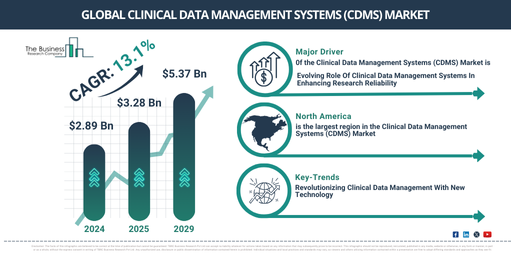
    In recent times, there has been a substantial expansion in the market size of clinical data management systems (CDMS). The value is projected to rise from $2.89 billion in 2024 to $3.28 billion in 2025, presenting a compound annual growth rate (CAGR) of 13.6%. This significant increase during the historical phase can be linked to several factors such as rigid regulatory standards, an escalating amount of clinical data, concentration on the accuracy and quality of data, a surge in multicenter clinical trials, and a rise in the outsourcing of such trials.

    What Is the Projected Market Size of the Clinical Data Management Systems (CDMS) Market?

    In the coming years, the market size for clinical data management systems (CDMS) is predicted to experience a significant surge, expanding to a value of $5.37 billion in 2029 with a compound annual growth rate (CAGR) of 13.1%. The anticipated growth for the forecasted period could be due to factors such as the acceptance of risk-based monitoring, the prevalent use of patient-centered trial designs, increased reliance on real-world evidence (RWE), the internationalization of clinical trials, a focus on interoperability, and a stress on decentralized and virtual trials. Major future trends expected to emerge in this forecasted timeframe include the integration with electronic health records (EHR), the practical application of artificial intelligence in data analytics, risk-based monitoring, inclusion of mobile health (mhealth), and adherence to data privacy regulations.

    Download The Free Sample Report Here:

    https://www.thebusinessresearchcompany.com/sample.aspx?id=13961&type=smp

    Who are the Major Competitors in the Clinical Data Management Systems (CDMS) Market Outlook?

    Major players in the clinical data management systems (CDMS) market are Oracle Corporation, IQVIA Inc., Dassault Systèmes SE, PAREXEL International Corporation, Epic Systems Corporation, Veeva Systems Inc., Medical Information Technology Inc., Clario, Merative L.P., Medrio Inc., Forte Research Systems Inc., Ennov Group, Axiom Real-Time Metrics Inc., MedNet Solutions, eClinical Solutions LLC, Deep 6 AI, Applied Clinical Intelligence LLC, ClinCapture LLC, OpenClinica LLC, Datatrak International Inc., CIMS Global LLC, Novaseek Research Inc., Ofni Systems, OmniComm Systems Inc., and EvidentIQ.

    What Is Fueling Growth in the Clinical Data Management Systems (CDMS) Market?

    The rise in both the volume and complexity of clinical trials is predicted to fuel the clinical data management systems (CDMS) market’s growth. Clinical trials, which serve to assess medical, surgical, or behavioral interventions, necessitate CDMS for the precise gathering, assimilation, and accessibility of data for assessment purposes. This enhances the dependability and expedition of research outcomes. To illustrate, ClinicalTrials.gov, an American government internet resource, reported that the number of clinical trials publishing results rose from 4,024 in 2022 to 5,063 in 2023, as indicated in February 2024. As such, the escalating volume and complexity of the clinical trial participant pool are spearheading the expansion of the clinical data management systems (CDMS) market.

    Request For A Customized Report:

    https://www.thebusinessresearchcompany.com/customise?id=13961&type=smp

    Which Clinical Data Management Systems (CDMS) Market Segments Are Growing the Fastest?

    The clinical data management systems (CDMS) market covered in this report is segmented –

    1) By Type: Paper-Based Systems, Electronic Data Capturing Systems, Hybrid Systems

    2) By Component: Software, Services

    3) By Deployment: On-Premise, Cloud-Based

    4) By End Use: Contract Research Organization (CROs), Medical Device Companies, Pharma/Biotech Companies, Other End Uses

    Subsegments:

    1) By Paper-Based Systems: Manual Data Entry, Paper Forms

    2) By Electronic Data Capturing Systems: Clinical Trial Management Systems (CTMS), Electronic Case Report Forms (eCRFs), Data Management Software

    3) By Hybrid Systems: Combination of Paper and Electronic Systems, Cloud-Based Solutions

    Which Industry Trends Are Shaping the Future of the Clinical Data Management Systems (CDMS) Market?

    Key businesses within the Clinical Data Management Systems (CDMS) market are prioritizing the creation of novel technologies, including health intelligence platforms, to bolster their profitability. Such a platform is essentially an amalgamation of technology that harnesses data analytics and artificial intelligence to boost effectiveness, precision, and insights gleaned from managing clinical trial data. For example, in April 2023, Orion Health Group Limited, a medical software corporation based in New Zealand, unveiled Orchestral. This innovative service transforms the management of healthcare data by offering a flexible platform compatible with cloud and on-site configurations, blending in advanced capabilities such as machine learning, natural language processing (NLP), and smooth data integration. This represents a crucial evolution in health data analytics, augmenting decision-making processes in the healthcare realm through unmatched efficiency and adaptability.

    Access The Full Report Here:

    https://www.thebusinessresearchcompany.com/report/clinical-data-management-systems-cdms-global-market-report

    Which Countries Are Leading the Clinical Data Management Systems (CDMS) Market?

    North America was the largest region in the clinical data management systems market in 2024. The regions covered in the clinical data management systems market report are Asia-Pacific, Western Europe, Eastern Europe, North America, South America, Middle East and Africa.

    Purchase The Full Report Today:

    https://www.thebusinessresearchcompany.com/purchaseoptions.aspx?id=13961

    This Report Delivers Insight On:

    1. How big is the clinical data management systems (cdms) market, and how is it changing globally?

    2. Who are the major companies in the clinical data management systems (cdms) market, and how are they performing?

    3. What are the key opportunities and risks in the clinical data management systems (cdms) market right now?

    4. Which products or customer segments are growing the most in the clinical data management systems (cdms) market?

    5. What factors are helping or slowing down the growth of the clinical data management systems (cdms) market?

    About The Business Research Company:

    With over 15000+ reports from 27 industries covering 60+ geographies, The Business Research Company has built a reputation for offering comprehensive, data-rich research and insights. Armed with 1,500,000 datasets, the optimistic contribution of in-depth secondary research, and unique insights from industry leaders, you can get the information you need to stay ahead in the game.

    Get in touch with us:

    The Business Research Company: https://www.thebusinessresearchcompany.com/

    Americas +1 310-496-7795

    Asia +44 2071930708

    Europe +44 7882 955267

    Email us at info@tbrc.info

    Follow us on:

    LinkedIn: https://in.linkedin.com/company/the-business-research-company

    YouTube: https://www.youtube.com/channel/UC24_fI0rV8cR5DxlCpgmyFQ

    Global Market Model: https://www.thebusinessresearchcompany.com/global-market-model

  • Pediatric Medical Devices Market Trends Report 2025 – For Business Development and Strategy Teams

    Pediatric Medical Devices Market Trends Report 2025 – For Business Development and Strategy Teams

    Claim your 30% discount on Global Market Reports with code ONLINE30. Limited time only.

    #How Has the Pediatric Medical Devices Market Growth Performance Trended Historically, And What Lies Ahead?

    The market for pediatric medical devices has experienced substantial growth in the past few years. The market value is expected to rise from $33.84 billion in 2024 to $36.69 billion in 2025, translating to a compound annual growth rate (CAGR) of 8.4%. The historical growth in this sector can be traced back to factors such as improved awareness, enhanced investments towards infrastructure, population expansion, government-driven initiatives, and the broadening of insurance coverage.

    What Is the Forecast for the Pediatric Medical Devices Market Size Through 2029?

    In the coming years, the pediatric medical devices market is projected to experience robust expansion. The market is forecasted to reach a valuation of $50.19 billion in 2029, with an 8.1% compound annual growth rate (CAGR). This expected growth during the forecast period can be credited to factors such as value-based care models, enhancements in manufacturing processes, personalized treatments, the shift towards home-based care, and shared innovation. Future trends to watch out for include remote monitoring solutions, telemedicine services for children, wearable health gadgets specifically designed for children, the application of robotics in pediatric surgeries, and the incorporation of Artificial Intelligence in pediatric healthcare.

    Download The Free Sample Report Here:

    https://www.thebusinessresearchcompany.com/sample.aspx?id=15890&type=smp

    What are the Key Market Players in Pediatric Medical Devices Market and How They’re Evolving?

    Major companies operating in the pediatric medical devices market are Cardinal Health Inc., Johnson & Johnson, Siemens AG, F. Hoffmann-La Roche Ltd., Abbott Laboratories, Medtronic plc, Siemens Healthineers, Koninklijke Philips N.V., Becton Dickinson and Company, Strykar Healthcare, GE HealthCare Technologies, Baxter International Inc., Boston Scientific Corporation, Zimmer Biomet Holdings Inc., Olympus Corporation, Terumo Corporation, Smith & Nephew plc, Hamilton Medical, Ningbo David Medical Device Co. Ltd., Phoenix Medical Systems Pvt Ltd., Fritz Stephan GmbH, Trimpeks, Atom Medical Corporation, Elektro-Mag, Novonate Inc.

    What Are the Primary Growth Drivers in the Pediatric Medical Devices Market?

    The burgeoning necessity for less intrusive pediatric surgical methods is anticipated to boost the trajectory of the pediatric medical devices market. These minimally invasive surgical methods for children entail the use of small incisions or natural apertures in the body, coupled with specialized tools and imaging technology. This enables the diagnosis, treatment, or management of pediatric health issues, causing less trauma and promoting swifter recovery compared to traditional open surgeries. This surge in demand stems from technological advancements that allow safer, more precise interventions, with fewer post-surgery complications. Pediatric medical devices play a crucial role in these surgical methods by providing accurate access, visualization, and manipulation of pediatric anatomy through small incisions. This assists in the successful treatment of pediatric conditions while causing minimal damage to surrounding tissues. For example, Washington University in St. Louis, a private US-based institution, reported in March 2023 that the number of operating room cases for minimally invasive surgery rose by 192, from 2,208 in 2021 to 2,400 in 2022. Consequently, this increasing demand for less invasive pediatric surgical procedures is fueling the expansion of the pediatric medical devices market.

    Request For A Customized Report:

    https://www.thebusinessresearchcompany.com/customise?id=15890&type=smp

    What Are the Leading Segments in the Global Pediatric Medical Devices Industry?

    The pediatric medical devices market covered in this report is segmented –

    1) By Product: Cardiology Devices, In Vitro Diagnostic (IVD) Devices, Diagnostic Imaging Devices, Anesthesia And Respiratory Care Devices, Neonatal Intensive Care Unit (ICU) Devices, Other Products

    2) By Age Group: Infants, Children, Adolescents

    3) By End-User: Hospitals, Diagnostic Laboratories, Ambulatory Surgical Centers, Other End-Users

    Subsegments:

    1) By Cardiology Devices: Pediatric ECG Machines, Pediatric Defibrillators, Pediatric Pacemakers, Pediatric Stethoscopes

    2) By In Vitro Diagnostic (IVD) Devices: Blood Glucose Monitoring Devices, Point-Of-Care Testing Devices, Molecular Diagnostic Devices, Immunoassay Analyzers

    3) By Diagnostic Imaging Devices: Pediatric Ultrasound Machines, Pediatric X-Ray Machines, Pediatric MRI Machines, Pediatric CT Scanners

    4) By Anesthesia And Respiratory Care Devices: Pediatric Ventilators, Pediatric Anesthesia Machines, CPAP Devices For Pediatrics, Oxygen Concentrators For Pediatrics

    5) By Neonatal Intensive Care Unit (ICU) Devices: Neonatal Incubators, Neonatal Ventilators, Neonatal Monitoring Devices, Phototherapy Devices

    6) By Other Products: Pediatric Surgical Instruments, Pediatric Infusion Pumps, Pediatric Monitoring Devices, Pediatric Rehabilitation Devices

    What Are the Key Market Trends in the Pediatric Medical Devices Industry?

    Major corporations in the pediatric medical devices market are focusing on the creation of orthopedic implants to cater to specific healthcare requirements of pediatric patients, spanning from musculoskeletal disorders to congenital malformations. These orthopedic implants function as medical tools that substitute or support missing or damaged bone or joint structures in the musculoskeletal system. For instance, OrthoPediatrics Corporation, a medical device firm based in the US, unveiled the RESPONSE Rib and Pelvic Fixation system in March 2024, designed specifically for pediatric patients suffering from Early Onset Scoliosis (EOS). This inclusive system has implants, tools, and linking devices, offering surgeons a flexible solution for rib and pelvic fixation, including options for patients who are in danger of Thoracic Insufficiency Syndrome. With its range of implant choices, low-profile structures, and locking mechanisms, this system boosts precision and versatility in handling EOS cases.

    Access The Full Report Here:

    https://www.thebusinessresearchcompany.com/report/pediatric-medical-devices-global-market-report

    What Is the Regional Outlook for the Pediatric Medical Devices Market?

    North America was the largest region in the pediatric medical devices market in 2024. Asia-Pacific is expected to be the fastest-growing region in the forecast period. The regions covered in the pediatric medical devices market report are Asia-Pacific, Western Europe, Eastern Europe, North America, South America, Middle East and Africa.

    Purchase The Full Report Today:

    https://www.thebusinessresearchcompany.com/purchaseoptions.aspx?id=15890

    This Report Delivers Insight On:

    1. How big is the pediatric medical devices market, and how is it changing globally?

    2. Who are the major companies in the pediatric medical devices market, and how are they performing?

    3. What are the key opportunities and risks in the pediatric medical devices market right now?

    4. Which products or customer segments are growing the most in the pediatric medical devices market?

    5. What factors are helping or slowing down the growth of the pediatric medical devices market?

    About The Business Research Company:

    With over 15000+ reports from 27 industries covering 60+ geographies, The Business Research Company has built a reputation for offering comprehensive, data-rich research and insights. Armed with 1,500,000 datasets, the optimistic contribution of in-depth secondary research, and unique insights from industry leaders, you can get the information you need to stay ahead in the game.

    Get in touch with us:

    The Business Research Company: https://www.thebusinessresearchcompany.com/

    Americas +1 310-496-7795

    Asia +44 2071930708

    Europe +44 7882 955267

    Email us at info@tbrc.info

    Follow us on:

    LinkedIn: https://in.linkedin.com/company/the-business-research-company

    YouTube: https://www.youtube.com/channel/UC24_fI0rV8cR5DxlCpgmyFQ

    Global Market Model: https://www.thebusinessresearchcompany.com/global-market-model