Author: Marketing Posting

  • Rituximab Biosimilars Market Projected at $5.18 Billion by 2029 | Strategic Insights and Forecast Data

    Rituximab Biosimilars Market Projected at $5.18 Billion by 2029 | Strategic Insights and Forecast Data

    Claim your 30% discount on Global Market Reports with code ONLINE30. Limited time only.

    How Has the Rituximab Biosimilars Market Size Changed, over the years?

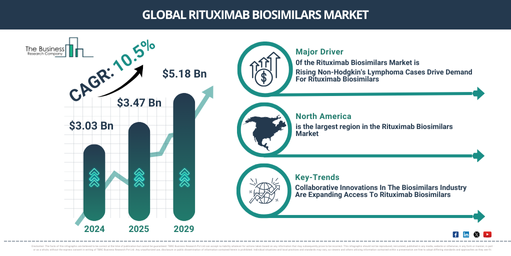
    The market size for rituximab biosimilars has expanded swiftly in the past few years, and it is projected to grow from $3.03 billion in 2024 to $3.47 billion in 2025 with a compound annual growth rate (CAGR) of 14.8%. This historical growth rate can be ascribed to factors such as governmental actions, amplified healthcare spending, increased investment in biopharmaceutical research and development, the affordability of biosimilars, and the progression of emerging markets.

    How Much Will the Rituximab Biosimilars Market Be Worth in 2029?

    Accelerated expansion is anticipated in the rituximab biosimilars market in the coming years, with an expected growth to $5.18 billion by 2029 at a compound annual growth rate (CAGR) of 10.5%. Factors contributing to this projected growth during the forecast period include an aging population, improving healthcare access, and a rising incidence of chronic illnesses. Forecasts also highlight key trends such as capitalizing on updated FDA regulations regarding biosimilar drug production, forming strategic alliances and collaborative agreements with industry giants to boost research and development endeavors in new drug creation, and substantial investment in R&D for the creation of innovative and effective biosimilars.

    Download The Free Sample Report Here:

    https://www.thebusinessresearchcompany.com/sample.aspx?id=3430&type=smp

    Which is the Largest Company in the Rituximab Biosimilars Market?

    Major companies operating in the rituximab biosimilars market include Novartis AG, Pfizer, BIOCAD, Shanghai Henlius Biotech Inc., Innovent Biologics Inc., Sinocelltech, Cadila Pharmaceuticals, Hetero Drugs Limited, Dr. Reddy’s Laboratories, Shanghai Fosun Pharmaceutical (Group) Co. Ltd., Reliance Life Sciences India, Zenotech Laboratories, NAPP Pharmaceuticals Limited, Mundipharma Deutschland GmbH & Co. KG, Celltrion, Biocad, MABION S.A., Janssen Pharmaceutical, Amgen, Teva Pharmaceuticals, Celltrion Healthcare, Coherus BioSciences, Aryogen Biopharma, TR-Pharm, Hikma Pharmaceuticals plc.

    What Are the Main Market Drivers in the Rituximab Biosimilars Industry?

    The anticipated increase in non-Hodgkin’s lymphoma (NHL) occurrences is projected to fuel the expansion of the rituximab biosimilars market. Non-Hodgkin’s lymphoma is a type of cancer that originates in the body’s immune system, specifically within the white blood cells and lymphocytes. The American Cancer Society, a prominent US-based cancer advocacy group, shared in January 2024 that an estimated 80,620 people (comprising 44,590 men and 36,030 women) are foreseen to be diagnosed with non-Hodgkin lymphoma in 2024. It is also forecasted that this disease will cause around 20,140 deaths (11,780 men and 8,360 women). Moreover, the likelihood of developing this type of cancer is roughly 1 in 42 for men and 1 in 52 for women. Therefore, the escalating cases of non-Hodgkin’s lymphoma are expected to stimulate a significant demand for rituximab biosimilars in the upcoming period.

    Request For A Customized Report:

    https://www.thebusinessresearchcompany.com/customise?id=3430&type=smp

    How Is the Rituximab Biosimilars Market Segments Structured?

    The rituximab biosimilars market covered in this report is segmented –

    1) By Route Of Administration: Subcutaneous, Intravenous, Molecular Type

    2) By Application: Non-Hodgkin’s Lymphoma, Chronic Lymphocytic Leukemia, Rheumatoid Arthritis, Other Applications

    3) By Distribution Channel: Hospital Pharmacy, Retail Pharmacy, Mail Order

    Subsegments:

    1) By Subcutaneous: Pre-filled Syringes, Injection Pens

    2) By Intravenous: IV Infusion Solutions, IV Push Formulations

    3) By Molecular Type: Monoclonal Antibodies, Antibody-Drug Conjugates (ADCs)

    What Strategic Trends Are Transforming the Rituximab Biosimilars Market?

    Companies in the biosimilars sector are persistently concentrating on the development of new products, often in cooperation with other players in the industry. This collaborative innovation is driving the rituximab biosimilars market. In July 2023, for example, Dr. Reddy’s Laboratories formed a partnership with Fresenius Kabi in order to bring their proposed rituximab biosimilar to the US market. The objective of this collaboration is to offer a cheaper and more obtainable treatment alternative for patients. The introduction of a rituximab biosimilar in the United States could potentially broaden the accessibility of this vital treatment for patients suffering from a variety of conditions, such as rheumatoid arthritis, non-Hodgkin’s lymphoma, chronic lymphocytic leukemia, pemphigus vulgaris, granulomatosis with polyangiitis, and microscopic polyangiitis.

    Access The Full Report Here:

    https://www.thebusinessresearchcompany.com/report/rituximab-biosimilar-global-market-report

    Which Global Regions Offer the Highest Growth in the Rituximab Biosimilars Market?

    North America was the largest region in the rituximab biosimilars market in 2024. Middle East is expected to be the fastest-growing region in the rituximab biosimilars market report during the forecast period. The regions covered in the rituximab biosimilars market report are Asia-Pacific, Western Europe, Eastern Europe, North America, South America, Middle East, Africa

    Purchase The Full Report Today:

    https://www.thebusinessresearchcompany.com/purchaseoptions.aspx?id=3430

    This Report Delivers Insight On:

    1. How big is the rituximab biosimilars market, and how is it changing globally?

    2. Who are the major companies in the rituximab biosimilars market, and how are they performing?

    3. What are the key opportunities and risks in the rituximab biosimilars market right now?

    4. Which products or customer segments are growing the most in the rituximab biosimilars market?

    5. What factors are helping or slowing down the growth of the rituximab biosimilars market?

    About The Business Research Company:

    With over 15000+ reports from 27 industries covering 60+ geographies, The Business Research Company has built a reputation for offering comprehensive, data-rich research and insights. Armed with 1,500,000 datasets, the optimistic contribution of in-depth secondary research, and unique insights from industry leaders, you can get the information you need to stay ahead in the game.

    Get in touch with us:

    The Business Research Company: https://www.thebusinessresearchcompany.com/

    Americas +1 310-496-7795

    Asia +44 2071930708

    Europe +44 7882 955267

    Email us at info@tbrc.info

    Follow us on:

    LinkedIn: https://in.linkedin.com/company/the-business-research-company

    YouTube: https://www.youtube.com/channel/UC24_fI0rV8cR5DxlCpgmyFQ

    Global Market Model: https://www.thebusinessresearchcompany.com/global-market-model
  • Drug Delivery Devices Industry Valued at $124.82 Billion by 2029 With CAGR of 6.6% | Size and Share Insights

    Drug Delivery Devices Industry Valued at $124.82 Billion by 2029 With CAGR of 6.6% | Size and Share Insights

    Claim your 30% discount on Global Market Reports with code ONLINE30. Limited time only.

    #What Is the Forecast for the Drug Delivery Devices Market from 2024 to 2025?#_x000D_

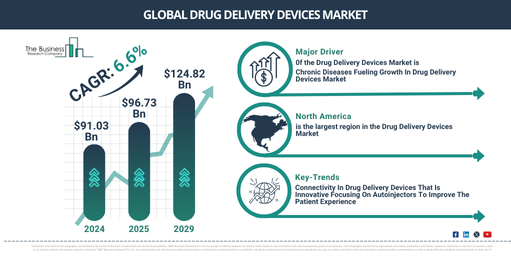
    There’s been significant growth in recent years in the market size for drug delivery devices. It’s predicted to expand from $91.03 billion in 2024 to $96.73 billion in 2025, presenting a compound annual growth rate (CAGR) of 6.3%. The surge during the historic timeframe is linked to factors such as the fast-aging population, an increase in the quantity of healthcare facilities, emerging market economies, and higher healthcare spending._x000D_

    _x000D_

    #What Is the Projected Market Size of the Drug Delivery Devices Market?#_x000D_

    The market for drug delivery devices is projected to experience robust growth in the coming years, escalating to $124.82 billion by 2029 at a CAGR of 6.6%. This growth during the projected timeframe can be credited to the rising occurrence of chronic diseases, an upward trend in demand for injectables, increased need for drug delivery devices, and the abrupt rise of severe infections. The primary trends anticipated during the forecast period involve investments in microneedle drug delivery technology, the pursuit of research and development in self-injectable drug delivery devices, a focus on mergers and acquisitions, and investments in wearable drug delivery devices._x000D_

    _x000D_

    #Download The Free Sample Report Here:#_x000D_

    https://www.thebusinessresearchcompany.com/sample.aspx?id=2833&type=smp_x000D_

    _x000D_

    #Who are the Major Competitors in the Drug Delivery Devices Market Outlook?#_x000D_

    Major companies operating in the drug delivery devices market include Becton, Dickinson and Company, Baxter International, B. Braun Melsungen AG, Catalent, 3M Company, West Pharmaceutical Services, Inc., Gerresheimer AG, Smiths Medical, Boehringer Ingelheim, SMC Ltd., Elcam Medical, Eli Lilly and Company, Injex, Novartis AG, Novo Nordisk A/S, Pfizer Inc, Sanofi Sa, Schott AG, Terumo Corporation, Teva Pharmaceuticals, Ypsomed Holding AG, F. Hoffmann-La Roche AG, GlaxoSmithKline, AstraZeneca, Congenica Ltd., UCB, Alkermes, Aptalis Pharma, Inc., Johnson & Johnson, Nektar Therapeutics, SkyePharma PLC, Pharmasyntez, NEARMEDIC PLUS LLC, Copernicus, Medtronic, Philips, Siemens, Stryker, GE Healthcare, Teleflex Medical, Gilero, Kedalion Therapeutics, MediPrint Ophthalmics, Nemera, Pendant Biosciences, Battelle Medical Devices, Merck & Co. Inc., Antares Pharma, Abbot, Allergan, Bilim Pharmaceuticals, H&T Presspart, Hovione Technology, Sorrel Medical, Syqe Medical, Julphar, ResMed Inc, Covidien plc_x000D_

    _x000D_

    #What Is Fueling Growth in the Drug Delivery Devices Market?#_x000D_

    The escalating occurrence of chronic illnesses such as heart disease, diabetes, cancer, and other ailments is projected to propel the drug delivery devices market forward. For example, the National Library of Medicine, a U.S.-based federally operated medical library, reported in January 2023 that the count of individuals in the United States aged 50 and older with one chronic ailment at least is expected to surge by 99.5%. This surge would raise the count from 71.522 million in 2020 to 142.66 million by 2050. There are many modes of administering medication for medical drugs. The innovation of new drug delivery systems is crucial in the pharmaceutical sector. Worldwide, research and development (R&D) in drug delivery are growing due increase in these diseases. The majority of pharmaceutical companies are prioritizing various drug delivery technologies to yield superior benefits and improved results for their marketed products. Consequently, the rising occurrence of chronic diseases that result in an increased use of therapeutic drugs and therapies is anticipated to serve as a catalyst for the expansion of the drug delivery devices market._x000D_

    _x000D_

    #Request For A Customized Report:#_x000D_

    https://www.thebusinessresearchcompany.com/customise?id=2833&type=smp_x000D_

    _x000D_

    #Which Drug Delivery Devices Market Segments Are Growing the Fastest?#_x000D_

    The drug delivery devices market covered in this report is segmented –_x000D_

    _x000D_

    1) By Route Of Administration: Oral Drug Delivery, Injectable Drug Delivery, Topical Drug Delivery, Ocular Drug Delivery, Pulmonary Drug Delivery, Nasal Drug Delivery, Transmucosal Drug Delivery, Implantable Drug Delivery_x000D_

    2) By Patient Care Setting: Hospitals, Diagnostic Centers, Ambulatory Surgery Centers/Clinics, Home Care Settings, Other Patient Care Settings_x000D_

    3) By Application: Cancer, Infectious Diseases, Respiratory Diseases, Diabetes, Cardiovascular Diseases, Autoimmune Diseases, Central Nervous System Disorders, Other Applications_x000D_

    _x000D_

    Subsegments:_x000D_

    1) By Oral Drug Delivery: Tablets and Capsules, Oral Sprays, Oral Liquids, Oral Disintegrating Tablets_x000D_

    2) By Injectable Drug Delivery: Syringes (manual and auto-disable), Vials and Cartridges, Pen Injectors, Infusion Pumps_x000D_

    3) By Topical Drug Delivery: Creams and Ointments, Transdermal Patches, Gels and Lotions, Powders_x000D_

    4) By Ocular Drug Delivery: Eye Drops, Ocular Inserts, Contact Lens Drug Delivery Systems_x000D_

    5) By Pulmonary Drug Delivery: Metered-Dose Inhalers (MDIs), Dry Powder Inhalers (DPIs), Nebulizers_x000D_

    6) By Nasal Drug Delivery: Nasal Sprays, Nasal Powders, Nasal Drops_x000D_

    7) By Transmucosal Drug Delivery: Buccal Tablets, Sublingual Tablets, Mucoadhesive Films_x000D_

    8) By Implantable Drug Delivery: Drug-Implantable Devices, Biodegradable Implants, Reservoir-based Implants_x000D_

    _x000D_

    #Which Industry Trends Are Shaping the Future of the Drug Delivery Devices Market?#_x000D_

    Leading businesses in the drug delivery device market are concentrating their efforts on creating groundbreaking devices like autoinjectors that are fully integrated with connectivity in order to excel in the market. Autoinjectors are specialized devices intended for individual application of a predetermined medication dosage. To illustrate, Jabil Healthcare, a healthcare manufacturing solutions provider based in the US, rolled out the Qfinity autoinjector platform, a reliable reusable drug delivery device, in May 2022. The Qfinity platform distinguishes itself as an uncomplicated, reusable, and modular approach to self-administering subcutaneous drugs. It provides an economical alternative to market rivals, advancing sustainable drug distribution in the pharmaceutical sector. Its adaptable design adapts to different drug volumes and viscosities. The patient-friendly design allows for up to 65% reduction in the cost per injection compared to top disposable autoinjectors on the market. The robust Qfinity device is capable of supporting over 100 injections and uses 1 mL or 2.25 mL prefilled disposable cassettes. Furthermore, it reduces the usage of components and materials which leads to an estimated 65% drop in cost per injection, a 60% smaller carbon footprint, 50% shrinkage in manufacturing footprint, and a 70% cutback in capital expenditure (CAPEX)._x000D_

    _x000D_

    #Access The Full Report Here:#_x000D_

    https://www.thebusinessresearchcompany.com/report/drug-delivery-devices-global-market-report_x000D_

    _x000D_

    #Which Countries Are Leading the Drug Delivery Devices Market?#_x000D_

    North America was the largest region in the drug delivery devices market in 2024. Asia-Pacific was the second-largest region in the global drug delivery devices market. The regions covered in the drug delivery devices market report are Asia-Pacific, Western Europe, Eastern Europe, North America, South America, Middle East, Africa_x000D_

    _x000D_

    #Purchase The Full Report Today:#_x000D_

    https://www.thebusinessresearchcompany.com/purchaseoptions.aspx?id=2833_x000D_

    _x000D_

    #This Report Delivers Insight On: #_x000D_

    1. How big is the drug delivery devices market, and how is it changing globally?_x000D_

    2. Who are the major companies in the drug delivery devices market, and how are they performing?_x000D_

    3. What are the key opportunities and risks in the drug delivery devices market right now?_x000D_

    4. Which products or customer segments are growing the most in the drug delivery devices market?_x000D_

    5. What factors are helping or slowing down the growth of the drug delivery devices market?_x000D_

    _x000D_

    #About The Business Research Company:#_x000D_

    With over 15000+ reports from 27 industries covering 60+ geographies, The Business Research Company has built a reputation for offering comprehensive, data-rich research and insights. Armed with 1,500,000 datasets, the optimistic contribution of in-depth secondary research, and unique insights from industry leaders, you can get the information you need to stay ahead in the game._x000D_

    _x000D_

    #Get in touch with us:#_x000D_

    The Business Research Company: https://www.thebusinessresearchcompany.com/_x000D_

    Americas +1 310-496-7795_x000D_

    Asia +44 2071930708_x000D_

    Europe +44 7882 955267_x000D_

    Email us at info@tbrc.info_x000D_

    _x000D_

    #Follow us on:#_x000D_

    _x000D_

    LinkedIn: https://in.linkedin.com/company/the-business-research-company_x000D_

    YouTube: https://www.youtube.com/channel/UC24_fI0rV8cR5DxlCpgmyFQ_x000D_

    Global Market Model: https://www.thebusinessresearchcompany.com/global-market-model

  • Research Antibodies and Reagents Industry Growth Expected to Reach $26.84 Billion by 2029 at a CAGR of 11.2% | Segmentation and Growth Opportunities

    Research Antibodies and Reagents Industry Growth Expected to Reach $26.84 Billion by 2029 at a CAGR of 11.2% | Segmentation and Growth Opportunities

    Claim your 30% discount on Global Market Reports with code ONLINE30. Limited time only.

    What Is the Forecast for the Research Antibodies and Reagents Market Growth in 2025?

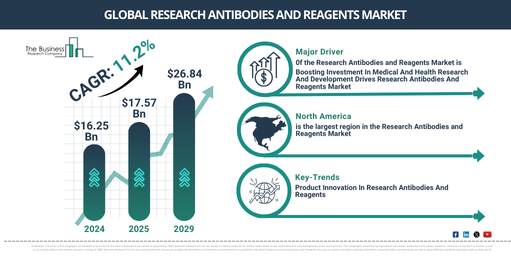
    In the past few years, the market size of research antibodies and reagents has significantly expanded. It is projected to escalate from $16.25 billion in 2024 to $17.57 billion in 2025, with a compound annual growth rate (CAGR) of 8.1%. The growth witnessed in the historic time was due to factors such as the rise in pharmaceutical R&D spending, an upsurge in the geriatric population, increased healthcare spending, more government funding for research, and a growth in the number of healthcare facilities.

    What Is the Forecast for the Research Antibodies and Reagents Market Size Through 2029?

    The market size for research antibodies and reagents is projected to experience significant expansion in the forthcoming years, with a predicted valuation of $26.84 billion in 2029 and a compound annual growth rate (CAGR) of 11.2%. The forecasted growth can be linked to factors such as the growing elderly population, increasing instances of cancer and chronic diseases, heightened research and development expenditure, rising healthcare costs, increased funding for proteomics projects, growing demand for personalized medicine and the emergence of infectious diseases. Key trends for the forecast period involve a focus on the utilization of nanotechnology for the detection of low-abundance molecules, the introduction of innovative technology-driven products to boost sales and profit margins, emphasis on the use of superior antibody purification technologies, contemplating mergers and acquisitions with other research entities and centers and investment in research and development labs and initiatives.

    Download The Free Sample Report Here:

    https://www.thebusinessresearchcompany.com/sample.aspx?id=3418&type=smp

    What are the Key Market Players in Research Antibodies and Reagents Market and How They’re Evolving?

    Major companies operating in the research antibodies and reagents market include Thermo Fisher Scientific Inc., Abcam plc, Cell Signaling Technology, Inc., Merck KGaA, Santa Cruz Biotechnology, Inc., Bio-Rad Laboratories, Inc., Danaher Corporation, Johnson & Johnson, F. Hoffmann-La Roche AG, Becton Dickinson and Company, Immunochina, Takara Bio, GE Healthcare, Zhejiang Kangte Biotechnology Co., Ltd., Wuxi Tech-star Technology Co., Ltd., Shaanxi Bloom Tech Co., Ltd., PerkinElmer Inc., Lonza Group AG, GenScript Biotech Corporation, Bio-Techne Corporation

    What Are the Primary Growth Drivers in the Research Antibodies and Reagents Market?

    The expansion of the research antibodies and reagents market is anticipated to be influenced by the escalating investment in medical and healthcare R&D. Antibodies and reagents play a crucial role in life science research for exploring biological processes or identifying disease origins through meticulous experiments, observations, laboratory tasks, assessments, and examinations. To illustrate, the National Center for Science and Engineering Statistics (NCSES), a statistical organization based in the United States, reported that R&D in the country reached $789.1 billion in 2021, and is projected to ascend to $885.6 billion in 2022, marking an $84.1 billion upsurge. Consequently, the rising investment in healthcare research and development is anticipated to boost the adoption of research antibodies and reagents in the market.

    Request For A Customized Report:

    https://www.thebusinessresearchcompany.com/customise?id=3418&type=smp

    What Are the Leading Segments in the Global Research Antibodies and Reagents Industry?

    The research antibodies and reagents market covered in this report is segmented –

    1) By Technology: Western Blot, Immunofluorescence, Immunohistochemistry, Flow Cytometry, Enzyme-Linked Immunosorbent Assay (Elisa), Others

    2) By Application: Proteomics, Genomics, Other Applications

    3) By End User: Pharmaceutical & Biotechnology Industry, Academic & Research Institutes, Contract Research Organizations (CROs)

    Subsegments:

    1) By Western Blot: Primary Antibodies For Western Blot, Secondary Antibodies For Western Blot, Detection Kits

    2) By Immunofluorescence: Primary Antibodies For Immunofluorescence, Secondary Antibodies For Immunofluorescence, Fluorescent Dyes And Probes

    3) By Immunohistochemistry: Primary Antibodies For Immunohistochemistry, Secondary Antibodies For Immunohistochemistry, Detection Kits

    4) By Flow Cytometry: Fluorochrome-Conjugated Antibodies, Isotype Controls, Flow Cytometry Kits

    5) By Enzyme-Linked Immunosorbent Assay (ELISA): Capture Antibodies, Detection Antibodies, ELISA Kits

    6) By Others: Proteomics Reagents, Cell Culture Reagents, Antibody Conjugation Kits

    What Are the Key Market Trends in the Research Antibodies and Reagents Industry?

    Leading firms in the research antibodies and reagents market are concentrating their efforts on crafting innovative solutions, such as bispecific antibodies, for antibody therapeutics. With two antigen-detection sites, bispecific antibodies (bsAbs) are capable of concurrently targeting two distinct epitopes. In a concrete example from January 2022, F. Hoffmann-La Roche AG, a pharmaceutical organization based in Switzerland, received FDA approval for Vabysmo (Faricimab) to manage wet age-related macular degeneration (AMD) and diabetic macular edema (DME). Notably, Vabysmo (faricimab) has the distinction of being the first-ever bispecific antibody developed specifically for eye treatment.

    Access The Full Report Here:

    https://www.thebusinessresearchcompany.com/report/research-antibodie-and-reagent-global-market-report

    What Is the Regional Outlook for the Research Antibodies and Reagents Market?

    North America was the largest region in the research antibodies and reagents market in 2024. The regions covered in the research antibodies and reagents market report are Asia-Pacific, Western Europe, Eastern Europe, North America, South America, Middle East, Africa

    Purchase The Full Report Today:

    https://www.thebusinessresearchcompany.com/purchaseoptions.aspx?id=3418

    This Report Delivers Insight On:

    1. How big is the research antibodies and reagents market, and how is it changing globally?

    2. Who are the major companies in the research antibodies and reagents market, and how are they performing?

    3. What are the key opportunities and risks in the research antibodies and reagents market right now?

    4. Which products or customer segments are growing the most in the research antibodies and reagents market?

    5. What factors are helping or slowing down the growth of the research antibodies and reagents market?

    About The Business Research Company:

    With over 15000+ reports from 27 industries covering 60+ geographies, The Business Research Company has built a reputation for offering comprehensive, data-rich research and insights. Armed with 1,500,000 datasets, the optimistic contribution of in-depth secondary research, and unique insights from industry leaders, you can get the information you need to stay ahead in the game.

    Get in touch with us:

    The Business Research Company: https://www.thebusinessresearchcompany.com/

    Americas +1 310-496-7795

    Asia +44 2071930708

    Europe +44 7882 955267

    Email us at info@tbrc.info

    Follow us on:

    LinkedIn: https://in.linkedin.com/company/the-business-research-company

    YouTube: https://www.youtube.com/channel/UC24_fI0rV8cR5DxlCpgmyFQ

    Global Market Model: https://www.thebusinessresearchcompany.com/global-market-model
  • Regenerative Medicine For Cartilage Industry Valued at $5.97 Billion by 2029 With CAGR of 6.3% | Size and Share Insights

    Regenerative Medicine For Cartilage Industry Valued at $5.97 Billion by 2029 With CAGR of 6.3% | Size and Share Insights

    Claim your 30% discount on Global Market Reports with code ONLINE30. Limited time only.

    What Is the Forecast for the Regenerative Medicine For Cartilage Market from 2024 to 2025?

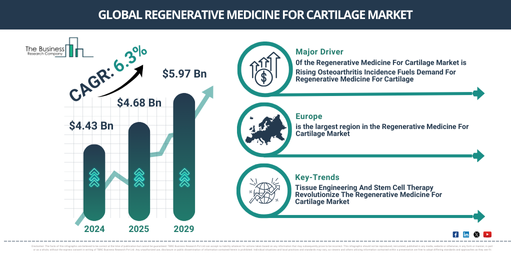
    The market size of regenerative medicine for cartilage has seen significant growth in the past few years. The market is anticipated to grow from $4.43 billion in 2024 to $4.68 billion in 2025, showcasing a compound annual growth rate (CAGR) of 5.6%. The prior phase of growth can be attributed to developments in the regenerative medicine market that include an increasing prevalence of chronic diseases, the expansion of emerging markets, the enactment of the 21st-century cures act, a swift increase in the aging population, and an enhancement in health awareness and healthcare expenditure.

    What Is the Projected Market Size of the Regenerative Medicine For Cartilage Market?

    In the coming years, an exponential surge is anticipated in the regenerative medicine for cartilage market, bringing it to an estimated $5.97 billion by 2029, with an impressive compound annual growth rate (CAGR) of 6.3%. This substantial growth predicted for the forecast period is primarily driven by the increased demand for organ transplants, rising healthcare spending, advanced technology in regenerative medicine research, a surge in investments in this research sector, and lifestyle changes. The forecast period is also observing pertinent trends such as the growing implementation of mesenchymal stem cell technology, escalating research and development initiatives in exploring novel gene therapy techniques, advancements in technology transfer and clinical translation, soaring strategic collaborations as well as partnerships and agreements, advent and expansion of new companies, the role of injectable hydrogel in cartilage repair as a regenerative medicine, and international research initiatives and financial support.

    Download The Free Sample Report Here:

    https://www.thebusinessresearchcompany.com/sample.aspx?id=3961&type=smp

    Who are the Major Competitors in the Regenerative Medicine For Cartilage Market Outlook?

    Major companies operating in the regenerative medicine for cartilage market include Smith & Nephew plc, Integra LifeSciences, Stryker Corporation, MiMedx Group, Inc., Zimmer Biomet Holdings Inc., B. Braun Melsungen AG, AbbVie, CONMED Corporation, Arthrex Inc., Baxter International Inc., China Regenerative Medicine International, AstraZenaca, ABLbio, Cellgenix Gmbh, BioTissue Technologies, Corin Group, Medical Import Ltd., Orthonika, Merete, 3di GmbH, Aditus Medical GmbH, Anton Hipp GmbH, AREX SAS, Acelity L.P. Inc., Celgene Corporation, StemCells, Inc, Organogenesis Inc, NuVasive, Inc, Japan Tissue Engineering Co., Ltd, Advantagene, Inc., Mesoblast Ltd, Globus Medical, DePuy Synthes, Cryolife Inc, Johnson & Johnson, Medtronic Plc, Rti Surgical, CartiHeal, Inc., DJO Global Inc., Wright Medical Group, Auxein, Aesculap, Inc, AMEGA Biotech

    What Is Fueling Growth in the Regenerative Medicine For Cartilage Market?

    The escalating prevalence of osteoarthritis worldwide is projected to stimulate the regenerative medicine market for cartilage. Osteoarthritis, a form of degenerative joint ailment, primarily affects the articular cartilage. Figures from the Arthritis Foundation indicate that degenerative joint conditions like osteoarthritis are expected to touch at least 130 million people internationally by 2050. The surge in occurrences of osteoarthritis is anticipated to propel the market demand for regenerative medicine for cartilage, with treatments like autologous chondrocyte implantation and scaffold implants being commonly implemented.

    Request For A Customized Report:

    https://www.thebusinessresearchcompany.com/customise?id=3961&type=smp

    Which Regenerative Medicine For Cartilage Market Segments Are Growing the Fastest?

    The regenerative medicine for cartilage market covered in this report is segmented –

    1) By Product: Cell Based, Gene Based, Tissue Based

    2) By End-Use: Ambulatory Surgical Centers, Hospitals And Clinics, Others

    3) By Application: Musculoskeletal, Oncology, Dental, Wound Care, Others

    Subsegments:

    1) By Cell-Based: Chondrocyte-Based Therapies, Mesenchymal Stem Cell (MSC) Therapies, Induced Pluripotent Stem Cell (iPSC) Therapies, Embryonic Stem Cell (ESC) Therapies

    2) By Gene-Based: Gene Modification Therapies, CRISPR-Based Gene Editing, Viral Vector Gene Therapies, Non-Viral Gene Therapies

    3) By Tissue-Based: Autologous Tissue Grafts, Allogeneic Tissue Grafts, Xenogeneic Tissue Grafts, Synthetic Scaffolds

    Which Industry Trends Are Shaping the Future of the Regenerative Medicine For Cartilage Market?

    The cartilage market is currently seeing the rise of tissue engineering and stem cell therapy as prominent trends in regenerative medicine. Tissue engineering technology’s expansion has unleashed new potential for the regeneration of cartilage. Moreover, compared to conventional orthopedic treatments, stem cell therapy is gaining more consideration due to its benefits. Stem cell therapy not only alleviates knee pain but also enhances knee cartilage regeneration and repair. For example, growth factors in the shape of platelet-rich plasma (PRP) therapy are administrated to effectively stimulate tissue regeneration. Firms involved in this market are perpetually working on the development and launch of fresh technologies to maintain their position in the regenerative medicine for cartilage market.

    Access The Full Report Here:

    https://www.thebusinessresearchcompany.com/report/regenerative-medicine-for-cartilage-global-market-report

    Which Countries Are Leading the Regenerative Medicine For Cartilage Market?

    Europe was the largest region in regenerative medicine for cartilage in 2024. The regions covered in the regenerative medicine for cartilage market report are Asia-Pacific, Western Europe, Eastern Europe, North America, South America, Middle East, Africa.

    Purchase The Full Report Today:

    https://www.thebusinessresearchcompany.com/purchaseoptions.aspx?id=3961

    This Report Delivers Insight On:

    1. How big is the regenerative medicine for cartilage market, and how is it changing globally?

    2. Who are the major companies in the regenerative medicine for cartilage market, and how are they performing?

    3. What are the key opportunities and risks in the regenerative medicine for cartilage market right now?

    4. Which products or customer segments are growing the most in the regenerative medicine for cartilage market?

    5. What factors are helping or slowing down the growth of the regenerative medicine for cartilage market?

    About The Business Research Company:

    With over 15000+ reports from 27 industries covering 60+ geographies, The Business Research Company has built a reputation for offering comprehensive, data-rich research and insights. Armed with 1,500,000 datasets, the optimistic contribution of in-depth secondary research, and unique insights from industry leaders, you can get the information you need to stay ahead in the game.

    Get in touch with us:

    The Business Research Company: https://www.thebusinessresearchcompany.com/

    Americas +1 310-496-7795

    Asia +44 2071930708

    Europe +44 7882 955267

    Email us at info@tbrc.info

    Follow us on:

    LinkedIn: https://in.linkedin.com/company/the-business-research-company

    YouTube: https://www.youtube.com/channel/UC24_fI0rV8cR5DxlCpgmyFQ

    Global Market Model: https://www.thebusinessresearchcompany.com/global-market-model
  • Proteomics Market to Reach $66.18 Billion by 2029 | Key Drivers and Future Outlook

    Proteomics Market to Reach $66.18 Billion by 2029 | Key Drivers and Future Outlook

    Claim your 30% discount on Global Market Reports with code ONLINE30. Limited time only.

    What Is the Growth Rate of the Proteomics Market?

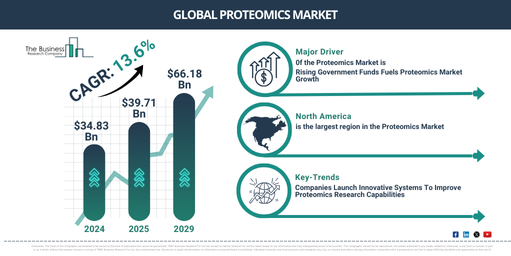
    In recent times, there has been a swift expansion in the size of the proteomics market. The market which stood at $34.83 billion in 2024, is predicted to escalate to $39.71 billion in 2025, with a compounded annual growth rate (CAGR) of 14.0%. This growth over the historical period can be ascribed to several factors such as augmented government funding towards proteomics research, technological advancements, increased healthcare spending, the burgeoning number of healthcare facilities and economic progress in emerging markets.

    What Growth Rate Is Forecasted for the Proteomics Market by 2029?

    In the coming years, the proteomics market is anticipated to witness substantial growth. The market size is projected to reach $66.18 billion by 2029, growing at a compound annual growth rate (CAGR) of 13.6%. This growth during the forecast period is attributable to factors such as an increase in funding for proteomics projects, a growing need for personalized medicine, surge in research and development activities and a rise in investments in biotech firms due to the COVID-19 pandemic. Key trends for the forecast period encompass adopting nanotechnology to identify low-abundance samples, progression and development of novel technologies, product launches, and investment in innovative technologies like artificial intelligence (AI) and real-time enhanced imaging.

    Download The Free Sample Report Here:

    https://www.thebusinessresearchcompany.com/sample.aspx?id=2828&type=smp

    Which Key Companies Are Shaping the Future of the Proteomics Market?

    Major companies operating in the proteomics market include Danaher Corporation, Thermo Fisher Scientific Inc., Merck KGaA, Agilent Technologies Inc., PerkinElmer Inc., Bruker Corporation, Bio-Rad Laboratories Inc., Promega Corporation, Waters Corporation, Creative Proteomics, Sino Biological, EIAab, DIMA Biotechnology, TechnoConcept India Pvt. Ltd., Cellular & Molecular Biology, GE Healthcare, Perseus Proteomics Inc., JEOL, APTBIO, Leisure Science (Suzhou) Co. Ltd., Centre for Cellular & Molecular Biology, Vproteomics, Shimadzu Corporation, Abcam plc, IRB Barcelona, SGS UK, MRM Proteomics Inc., FingerPrints, Biognosys AG, Olink Proteomics, Horiba, MS Bioworks, LC Sciences, MtoZ Biolabs, Integrated Proteomics Applications, Quantumbio Inc., Luminex Corporation, Applied Biomics Inc., Isoplexis Corporation, Caprion Proteomics Inc.

    Which Factors Are Driving Demand in the Proteomics Industry?

    The proteomics market is experiencing growth, driven by increased government funding for proteomics research. This funding aids researchers in their efforts towards drug discovery, diagnosing, and treating diseases. For example, Proteomics International Laboratories Limited, a medical technology company based in Australia that specializes in proteomics, was reportedly granted $400,000 in funding in May 2022. This financial boost aims to enhance its production abilities within Australia. Specifically, the funding is intended to progress the production of the PromarkerD test in Australia and South-East Asia, which includes further development of Proteomics International’s unique ISO 13485 certification. Thus, the surge in government funding has a constructive effect on the proteomics market.

    Request For A Customized Report:

    https://www.thebusinessresearchcompany.com/customise?id=2828&type=smp

    How Is the Proteomics Market Segmented by Several Divisions?

    The proteomics market covered in this report is segmented –

    1) By Component: Reagents, Instruments, Software

    2) By Instrument: Protein Microarrays, Spectroscopy, X-ray Crystallography, Chromatography, Electrophoresis, Surface Plasmon Resonance, Protein Fractionation

    3) By Type: Core Instrument Services, Proteomic Analytical Services

    Subsegments:

    1) By Reagents: Protein Assays, Immunoassay Reagents, Spectroscopy Reagents, Chromatography Reagents, Electrophoresis Reagents

    2) By Instruments: Mass Spectrometry, Chromatography Equipment, Electrophoresis Equipment, Microarray Instruments, X-ray Crystallography Instruments

    3) By Software: Data Analysis Software, Bioinformatics Tools, Cloud-Based Platforms For Proteomics

    What are the Emerging Market Trends Driving the Growth of the Proteomics Industry?

    Firms are introducing innovative products as a strategic move to boost their profits and attain a superior position compared to their competition. For example, Bruker Corporation, a scientific instruments manufacturer headquartered in the US, took the veil off its cutting-edge upgrade to the revolutionary 4D Multiomics timsTOF platform, the new timsTOF HT system, in June 2022. This system is equipped with an inventive 4th-generation TIMS (trapped ion mobility separation) XR cell and a 14-bit digitizer, which provides a broader dynamic range, enhanced peptide coverage, and improved accuracy of quantitation. This is particularly useful in non-preferential 4D plasma and tissue proteomics in addition to epiproteomics.

    Access The Full Report Here:

    https://www.thebusinessresearchcompany.com/report/proteomics-global-market-report

    Which Regions Are Driving Growth in the Proteomics Market?

    North America was the largest region in the proteomics market in 2024. Western Europe was the second largest region in the global proteomics market share. The regions covered in the proteomics market report are Asia-Pacific, Western Europe, Eastern Europe, North America, South America, Middle East, Africa

    Purchase The Full Report Today:

    https://www.thebusinessresearchcompany.com/purchaseoptions.aspx?id=2828

    This Report Delivers Insight On:

    1. How big is the proteomics market, and how is it changing globally?

    2. Who are the major companies in the proteomics market, and how are they performing?

    3. What are the key opportunities and risks in the proteomics market right now?

    4. Which products or customer segments are growing the most in the proteomics market?

    5. What factors are helping or slowing down the growth of the proteomics market?

    About The Business Research Company:

    With over 15000+ reports from 27 industries covering 60+ geographies, The Business Research Company has built a reputation for offering comprehensive, data-rich research and insights. Armed with 1,500,000 datasets, the optimistic contribution of in-depth secondary research, and unique insights from industry leaders, you can get the information you need to stay ahead in the game.

    Get in touch with us:

    The Business Research Company: https://www.thebusinessresearchcompany.com/

    Americas +1 310-496-7795

    Asia +44 2071930708

    Europe +44 7882 955267

    Email us at info@tbrc.info

    Follow us on:

    LinkedIn: https://in.linkedin.com/company/the-business-research-company

    YouTube: https://www.youtube.com/channel/UC24_fI0rV8cR5DxlCpgmyFQ

    Global Market Model: https://www.thebusinessresearchcompany.com/global-market-model
  • Precision Medicine Market Size to Exceed $129.37 Billion by 2029 | Growth and Industry Trends

    Precision Medicine Market Size to Exceed $129.37 Billion by 2029 | Growth and Industry Trends

    Claim your 30% discount on Global Market Reports with code ONLINE30. Limited time only.

    How Has the Precision Medicine Market Grown from 2024 to 2025?

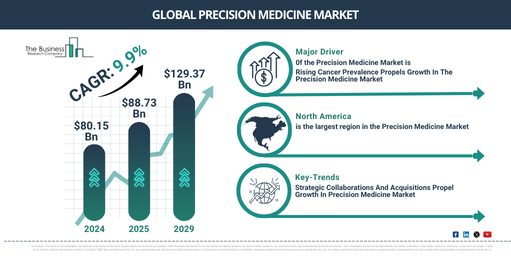
    The scale of the precision medicine market has escalated swiftly in the past few years. Its value is projected to rise from $80.15 billion in 2024 to $88.73 billion in 2025, maintaining a Compound Annual Growth Rate (CAGR) of 10.7%. Factors that contributed to this growth during the historic period include rising cases of cancer, a growing number of mental health disorders, a surge in respiratory diseases, increased funding, a rise in the elderly population, an increase in pharmaceutical research and development expenditure, and growing healthcare expenditure.

    What Growth Rate Is Anticipated for the Precision Medicine Market in the Coming Years?

    Significant expansion is predicted for the precision medicine market in the coming years, with an increase projected to be at $129.37 billion by 2029 and a compound annual growth rate (CAGR) of 9.9%. Several factors will likely contribute to this growth during the forecasted period, including a rising elderly population, an increase in cancer cases, the vast potential of emerging markets, new occurrences of pathogenic infections, augmented spending on research and development, and an increase in healthcare spending. The forecasted period will witness several emerging trends like adopting AI technologies to enhance competitiveness, personalizing diagnosis and treatments for immune-mediated diseases, heightening investment in research and development activities, and forming alliances and cooperations with technology and healthcare organizations to bolster their product offerings.

    Download The Free Sample Report Here:

    https://www.thebusinessresearchcompany.com/sample.aspx?id=5301&type=smp

    Who Are the Leading Companies in the Precision Medicine Market?

    Major companies operating in the precision medicine market include Quest Diagnostics, Thermo Fisher Scientific Inc., Roche Holding AG, Medtronic plc, Novartis AG, Pfizer Inc., Qiagen, AstraZeneca plc., Abbott Laboratories, Nordic Bioscience A/S, Takeda Pharmaceutical Company Ltd., Otsuka Pharmaceutical Co. Ltd., Daiichi Sankyo, China National Pharmaceutical Group Co., Ltd., GE Healthcare, Randox Laboratories, Almac Group, Sun Pharma, Nichi-Iko Pharmaceutical Co., Ltd., Daewoong Pharmaceutical Co.,Ltd, GlaxoSmithKline, Teva UK Limited, Vectura Group, Merck & Co., Boehringer Ingelheim, Mylan, Zentiva, Sanofi, Apotex, Gilead Sciences, Bayer, AbbVie Inc., Amgen, Janssen Pharmaceutica, Accord Healthcare Inc., Acerus Precision Medicine Corporation, AA Pharma Inc, Sanfer, LABORATORIOS SENOSIAIN SA DE CV, Siegfried Rhein, Biocrates LifeSciences, Nanostring Technologies, Tepnel Pharma Services, Intomics, Silicon Biosystems, EMS Pharma, Eurofarma, Biolab Farmaceutica, Cristalia, União Quimica

    What Are the Key Drivers of the Precision Medicine Market?

    The precision medicine market is expected to grow due to the increasing incidence of cancer. Cancer is a leading cause of death globally, with one in five individuals expected to develop the disease at some point in their lifetime. Precision medicine in oncology involves examining DNA from tumors to detect genetic abnormalities or mutations that trigger the cancer. Consequently, doctors may be able to select a treatment that best addresses, or targets, the modifications in the tumor DNA. For example, the World Health Organization, a specialized agency in Switzerland for international public health, estimates that by 2050 there will be over 35 million new cancer cases, an increase of 77% from the projected 20 million cases in 2022. The escalating incidence of cancer, therefore, propels the expansion of the precision medicine market.

    Request For A Customized Report:

    https://www.thebusinessresearchcompany.com/customise?id=5301&type=smp

    What Are the Key Market Segments in the Precision Medicine Industry?

    The precision medicine market covered in this report is segmented –

    1) By Technology: Big Data Analytics, Bioinformatics, Gene Sequencing, Drug Discovery, Companion Diagnostics, Other Technology

    2) By Application: Oncology, Respiratory Diseases, Central Nervous System Disorders, Immunology, Genetic Diseases, Other Applications.

    3) By End-Use: Pharmaceutical Companies, Diagnostic Companies, Healthcare And IT Firms, Others

    Subsegments:

    1) By Big Data Analytics: Predictive Analytics, Prescriptive Analytics, Data Mining

    2) By Bioinformatics: Genomic Data Analysis, Proteomics Data Analysis, Metabolomics Data Analysis

    3) By Gene Sequencing: Next-Generation Sequencing (NGS), Sanger Sequencing, Whole Genome Sequencing

    4) By Drug Discovery: Target Identification And Validation, Lead Compound Discovery, Preclinical And Clinical Trials

    5) By Companion Diagnostics: Biomarker Testing, Genomic Profiling, Companion Diagnostic Tests

    6) By Other Technology: Personalized Treatment Plans, Telemedicine And Digital Health Solutions, Wearable Health Technology

    What Are the Latest Trends in the Precision Medicine Market?

    The increasing prevalence of alliances and acquisitions among precision medicine businesses is diversifying their methods toward both cancer and non-cancer related fields. With ongoing advancements in precision medicine research and development, collaborative efforts and partnerships are fundamental to the expansion and enhancement of company strategies. For example, in September 2022, GSK plc, a pharmaceutical organization based in the UK, broadened its partnership with Tempus, a precision medicine firm from the US. Their three-year collaboration is designed to enhance clinical trial design, quicken patient recruitment, and employ Tempus’ AI-powered platform to identify drug targets by using broad-ranging de-identified patient data. This cooperative endeavor builds upon their previous work and is anticipated to boost GSK’s R&D capacities, with a particular focus on oncology.

    Access The Full Report Here:

    https://www.thebusinessresearchcompany.com/report/precision-medicine-global-market-report

    What Are the Key Regional Markets in the Precision Medicine Industry?

    North America was the largest region in the precision medicine market in 2024. Asia-Pacific is expected to be the fastest-growing region in the forecast period. The regions covered in the precision medicine market report are Asia-Pacific, Western Europe, Eastern Europe, North America, South America, Middle East, Africa.

    Purchase The Full Report Today:

    https://www.thebusinessresearchcompany.com/purchaseoptions.aspx?id=5301

    This Report Delivers Insight On:

    1. How big is the precision medicine market, and how is it changing globally?

    2. Who are the major companies in the precision medicine market, and how are they performing?

    3. What are the key opportunities and risks in the precision medicine market right now?

    4. Which products or customer segments are growing the most in the precision medicine market?

    5. What factors are helping or slowing down the growth of the precision medicine market?

    About The Business Research Company:

    With over 15000+ reports from 27 industries covering 60+ geographies, The Business Research Company has built a reputation for offering comprehensive, data-rich research and insights. Armed with 1,500,000 datasets, the optimistic contribution of in-depth secondary research, and unique insights from industry leaders, you can get the information you need to stay ahead in the game.

    Get in touch with us:

    The Business Research Company: https://www.thebusinessresearchcompany.com/

    Americas +1 310-496-7795

    Asia +44 2071930708

    Europe +44 7882 955267

    Email us at info@tbrc.info

    Follow us on:

    LinkedIn: https://in.linkedin.com/company/the-business-research-company

    YouTube: https://www.youtube.com/channel/UC24_fI0rV8cR5DxlCpgmyFQ

    Global Market Model: https://www.thebusinessresearchcompany.com/global-market-model
  • Digital Pathology Market to Reach $2.84 Billion by 2029 | Key Drivers and Future Outlook

    Digital Pathology Market to Reach $2.84 Billion by 2029 | Key Drivers and Future Outlook

    Claim your 30% discount on Global Market Reports with code ONLINE30. Limited time only.

    #What Is the Growth Rate of the Digital Pathology Market?#_x000D_

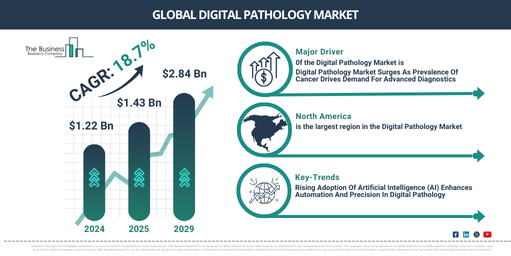
    In the past few years, there has been a significant expansion in the size of the digital pathology market. It’s projected to escalate from $1.22 billion in 2024 to reach $1.43 billion by the end of 2025, showing an impressive compound annual growth rate (CAGR) of 16.8%. Factors such as a rapidly aging population, a rise in medical mishaps, an uptick in cancer cases, an escalation in chronic diseases, the increasing number of healthcare establishments, amplified healthcare spending, reforms in public health insurance, and the impacts of the COVID-19 pandemic have all contributed to this growth in the historical period._x000D_

    _x000D_

    #What Growth Rate Is Forecasted for the Digital Pathology Market by 2029?#_x000D_

    In the coming years, the digital pathology market is predicted to experience rapid expansion. It is projected to reach a value of $2.84 billion in 2029, exhibiting a compound annual growth rate (CAGR) of 18.7%. This growth during the forecast period can be traced back to factors such as government backing, greater acceptance of digital devices, heightening prevalence of cancer and other chronic conditions, an aging demographic, and the rise of infectious diseases. Key trends for the forecast period encompass the utilization of artificial intelligence to enhance automation, an emphasis on cloud technology for standardizing and streamlining digital pathology setups, an increased reliance on digital imaging and video streaming technology, and a renewed focus on crafting innovative technological solutions, advancing partnerships to extend their product range, and heightening investment in research and development (R&D) initiatives._x000D_

    _x000D_

    #Download The Free Sample Report Here:#_x000D_

    https://www.thebusinessresearchcompany.com/sample.aspx?id=4107&type=smp_x000D_

    _x000D_

    #Which Key Companies Are Shaping the Future of the Digital Pathology Market?#_x000D_

    Major companies operating in the digital pathology market include Danaher Corporation, Hoffmann-La Roche Ltd, Koninklijke Philips N.V, Hamamatsu Photonics K.K, 3DHISTECH Ltd, Olympus Corporation, Nikon Corporation, Visiopharm A/S, Indica Labs Inc, Sectra AB, Grundium, Leica Biosystems, Apollo Enterprise Imaging Corp, Inspirata Inc, PathAI, Aiforia Technologies, Proscia, Ibex Medical Analytics, Better Doc, Ventana Medical Systems, Huron Digital Pathology, Synevo, Paige.ai, Morphle, Akoya, Aperio Digital Pathology, Smart in Media, MaRS, Perkin Elmer, Definiens AG, Digipath, CAE, Medical-X, C3? Holter Monitor, BIOEGYPT, Pulse_x000D_

    _x000D_

    #Which Factors Are Driving Demand in the Digital Pathology Industry?#_x000D_

    The surge in cancer cases is fueling the expansion of the digital pathology market. The likelihood of cancer increases as people age due to modifications in cells and extended exposure to risk elements. Additionally, behaviors like smoking, poor nutrition, sedentary lifestyle, and excessive drinking significantly increase cancer risk. Digital pathology expedites the diagnosis and treatment process for cancer patients hence the rise in cancer cases is boosting the market growth. For example, the American Cancer Society, a US-based nonprofit advocating for cancer, reported in January 2024, an increase in cancer diagnoses to 2,001,140, up from 1,958,310 in 2023, marking a 2.19% growth. Hence, the rising incidence of cancer is expected to stimulate the digital pathology market in the future._x000D_

    _x000D_

    #Request For A Customized Report:#_x000D_

    https://www.thebusinessresearchcompany.com/customise?id=4107&type=smp_x000D_

    _x000D_

    #How Is the Digital Pathology Market Segmented by Several Divisions?#_x000D_

    The digital pathology market covered in this report is segmented –_x000D_

    _x000D_

    1) By Product: Scanners, Software, Storage And Communication Systems_x000D_

    2) By Type: Human Pathology, Veterinary Pathology_x000D_

    3) By Application: Drug Discovery, Disease Diagnosis, Teleconsultation, Training And Education_x000D_

    4) By End-User: Pharmaceutical And Biotechnology Companies, Hospitals And Reference Laboratories, Academic And Research Institutes_x000D_

    _x000D_

    _x000D_

    Subsegments:_x000D_

    1) By Scanners: Whole Slide Scanners, Tissue Microarray Scanners, Digital Imaging Systems_x000D_

    2) By Software: Image Analysis Software, Workflow Management Software, Diagnostic Software_x000D_

    3) By Storage And Communication Systems: Data Storage Solutions, Cloud-Based Platforms, Network And Communication Systems_x000D_

    _x000D_

    #What are the Emerging Market Trends Driving the Growth of the Digital Pathology Industry?#_x000D_

    The Digital Pathology sector has been seeing a surge in interest towards artificial intelligence (AI), a trend that has been steadily gaining momentum. AI is being increasingly adopted by health care organizations to enhance the automation of diverse operational procedures. Its utility in image classification allows it to identify distinctive characteristics of diseases in humans such as cancer cells, as well as variations in crop health like leaf discoloration and rot. As an example, in January 2022, Inform Diagnostics based in the US introduced their latest innovation, the Paige FullFocus digital pathology viewer, in their labs. By integrating advanced technologies, the pathologists at Inform Diagnostics can leverage AI-powered tools, streamline their logistical processes and provide quicker diagnostic results._x000D_

    _x000D_

    #Access The Full Report Here:#_x000D_

    https://www.thebusinessresearchcompany.com/report/digital-pathology-global-market-report_x000D_

    _x000D_

    #Which Regions Are Driving Growth in the Digital Pathology Market?#_x000D_

    North America was the largest region in the digital pathology market in 2024. Asia-Pacific was the second-largest region in the digital pathology market. The regions covered in the digital pathology market report are Asia-Pacific, Western Europe, Eastern Europe, North America, South America, Middle East, Africa._x000D_

    _x000D_

    #Purchase The Full Report Today:#_x000D_

    https://www.thebusinessresearchcompany.com/purchaseoptions.aspx?id=4107_x000D_

    _x000D_

    #This Report Delivers Insight On: #_x000D_

    1. How big is the digital pathology market, and how is it changing globally?_x000D_

    2. Who are the major companies in the digital pathology market, and how are they performing?_x000D_

    3. What are the key opportunities and risks in the digital pathology market right now?_x000D_

    4. Which products or customer segments are growing the most in the digital pathology market?_x000D_

    5. What factors are helping or slowing down the growth of the digital pathology market?_x000D_

    _x000D_

    #About The Business Research Company:#_x000D_

    With over 15000+ reports from 27 industries covering 60+ geographies, The Business Research Company has built a reputation for offering comprehensive, data-rich research and insights. Armed with 1,500,000 datasets, the optimistic contribution of in-depth secondary research, and unique insights from industry leaders, you can get the information you need to stay ahead in the game._x000D_

    _x000D_

    #Get in touch with us:#_x000D_

    The Business Research Company: https://www.thebusinessresearchcompany.com/_x000D_

    Americas +1 310-496-7795_x000D_

    Asia +44 2071930708_x000D_

    Europe +44 7882 955267_x000D_

    Email us at info@tbrc.info_x000D_

    _x000D_

    #Follow us on:#_x000D_

    _x000D_

    LinkedIn: https://in.linkedin.com/company/the-business-research-company_x000D_

    YouTube: https://www.youtube.com/channel/UC24_fI0rV8cR5DxlCpgmyFQ_x000D_

    Global Market Model: https://www.thebusinessresearchcompany.com/global-market-model

  • Poc Hba1C Testing Industry Insights 2025 – Market Forecast for Executives and Planners

    Poc Hba1C Testing Industry Insights 2025 – Market Forecast for Executives and Planners

    Claim your 30% discount on Global Market Reports with code ONLINE30. Limited time only.

    How Has the Poc Hba1C Testing Market Size Changed, over the years?

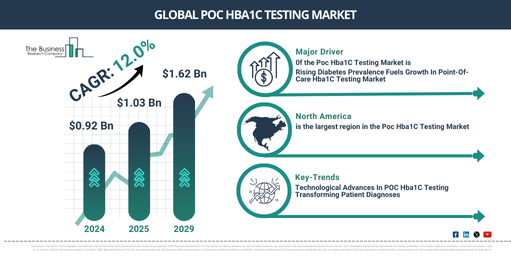
    The size of the Poc Hba1C testing market has experienced swift expansion in the recent past. The market is poised to expand from $0.92 billion in 2024 to $1.03 billion in 2025, with a compound annual growth rate (CAGR) of 11.2%. The growth observed in the historic period can be credited to robust economic development in emerging markets, a surge in diabetes cases, a rise in the number of COVID-19 cases, and an increase in disposable income.

    How Much Will the Poc Hba1C Testing Market Be Worth in 2029?

    Anticipation surrounds the Poc Hba1C testing market as it is predicted to experience substantial growth in the upcoming years, reaching $1.62 billion by 2029, with a compound annual growth rate (CAGR) of 12.0%. The upcoming surge throughout the forecast period can be credited to elements such as increased governmental backing, a rising prevalence of type II diabetes, the ease of access to POC tests, and the swiftness with which POC testing yields results compared to traditional lab testing processes. The future trends for this period are predicted to see an emphasis on the hba1c microfluidic immunofluorescence test, an increase in the usage of at-home hba1c testing kits, a focus on the hba1c test using capillary electrophoresis technology and advancements made in testing technologies.

    Download The Free Sample Report Here:

    https://www.thebusinessresearchcompany.com/sample.aspx?id=6833&type=smp

    Which is the Largest Company in the Poc Hba1C Testing Market?

    Major companies operating in the Poc Hba1C testing market include F. Hoffmann-La Roche Ltd, Siemens Healthineers AG, Bio-Rad Laboratories Inc, Menarini Group, Danaher Corporation, Tosoh Bioscience Inc, ARKRAY Inc, i-SENS, Inc, Abbott Laboratories, Trinity Biotech plc, Aina Blood Monitoring System, Getein Biotech Inc, Sugentech, Inc, Alere Inc, bioMerieux, EKF Diagnostics, HemoCue, PTS Diagnostics, Diazyme Laboratories, Osang Healthcare, Ortho Clinical Diagnostics, Ascensia, Platinum Equity (LifeScan), Becton Dickinson and Company, Medtronic PLC, Kainico Ltd, Evia Medical Technologies, Agamatrix Inc, Bionime Corporation, B Braun Melsungen AG.

    What Are the Main Market Drivers in the Poc Hba1C Testing Industry?

    The surging rates of diabetes are projected to boost the expansion of the POC HbA1C testing market. The rising occurrence of diabetes is linked to factors such as long hours at work, lack of physical exercise, and harmful dietary practices. The presence of diabetes can be identified and monitored via point-of-care (POC) HbA1c tests, which can be administered in local communities and healthcare establishments without labs. For example, data from the National Health Service (NHS), a UK government department, in June 2024 revealed a concerning upward trend among under 40s, with individuals diagnosed with diabetes rising from 173,166 in 2022 to 216,440 in 2023. This considerable increase exemplifies a distressing trend among younger demographics. This evidence shows a swift rise in instances of diabetes among young people. Consequently, the growing rate of diabetes is propelling the expansion of the POC HbA1c testing market.

    Request For A Customized Report:

    https://www.thebusinessresearchcompany.com/customise?id=6833&type=smp

    How Is the Poc Hba1C Testing Market Segments Structured?

    The Poc Hba1C testing market covered in this report is segmented –

    1) By Type of Product: Instruments, Consumables

    2) By Technology: Ion-Exchange HPLC, Enzymatic Assay, Affinity Binding Chromatography, Immunoassay, Other Technologies

    3) By End User: Hospitals, Physician Office Or Outpatient Center, Home Care, Other End Users

    Subsegments:

    1) By Instruments: Handheld HbA1c Testing Devices, Portable HbA1c Analyzers, Desktop HbA1c Testing Systems, Integrated Point Of Care Testing Systems

    2) By Consumables: Test Strips, Control Solutions, Reagents, Calibration Solutions, Sample Collection Devices

    What Strategic Trends Are Transforming the Poc Hba1C Testing Market?

    Technological innovation is a main trend rising to prominence in the POC HbA1C testing industry. Leading participants in this sector are investing in the enhancement of advanced technologies with the goal of delivering rapid and precise results, which can assist laboratories in coping with the surging demand for testing. For example, Abbott, an American healthcare and medical device firm, launched Afinion HbA1c Dx assay. It is an in-vitro diagnostic procedure for the quantitative determination of HbA1c in human capillary and venous whole blood. It is designed for usage on the Afinion 2 Analyzer and the Afinion AS100 Analyzer. The Afinion HbA1c Dx assay is the only rapid POC test approved by the U.S. Food and Drug Administration (FDA) to aid healthcare providers in diagnosing diabetes and evaluating a patient’s chances of contracting the disease. This test delivers consistent, precise readings of 1,2 glycated hemoglobin in as quick as three minutes, helping physicians assess patients in real-time and construct personalized care plans in a single doctor`s visit.

    Access The Full Report Here:

    https://www.thebusinessresearchcompany.com/report/poc-hba1c-testing-global-market-report

    Which Global Regions Offer the Highest Growth in the Poc Hba1C Testing Market?

    North America was the largest region in the POC HbA1C testing market in 2024. Africa is expected to be the fastest-growing region in the forecast- period. The regions covered in the POC hba1c testing market report are Asia-Pacific, Western Europe, Eastern Europe, North America, South America, Middle East, Africa.

    Purchase The Full Report Today:

    https://www.thebusinessresearchcompany.com/purchaseoptions.aspx?id=6833

    This Report Delivers Insight On:

    1. How big is the poc hba1c testing market, and how is it changing globally?

    2. Who are the major companies in the poc hba1c testing market, and how are they performing?

    3. What are the key opportunities and risks in the poc hba1c testing market right now?

    4. Which products or customer segments are growing the most in the poc hba1c testing market?

    5. What factors are helping or slowing down the growth of the poc hba1c testing market?

    About The Business Research Company:

    With over 15000+ reports from 27 industries covering 60+ geographies, The Business Research Company has built a reputation for offering comprehensive, data-rich research and insights. Armed with 1,500,000 datasets, the optimistic contribution of in-depth secondary research, and unique insights from industry leaders, you can get the information you need to stay ahead in the game.

    Get in touch with us:

    The Business Research Company: https://www.thebusinessresearchcompany.com/

    Americas +1 310-496-7795

    Asia +44 2071930708

    Europe +44 7882 955267

    Email us at info@tbrc.info

    Follow us on:

    LinkedIn: https://in.linkedin.com/company/the-business-research-company

    YouTube: https://www.youtube.com/channel/UC24_fI0rV8cR5DxlCpgmyFQ

    Global Market Model: https://www.thebusinessresearchcompany.com/global-market-model
  • Photodynamic Therapy Market Trends Report 2025 – For Business Development and Strategy Teams

    Photodynamic Therapy Market Trends Report 2025 – For Business Development and Strategy Teams

    Claim your 30% discount on Global Market Reports with code ONLINE30. Limited time only.

    What Is the Forecast for the Photodynamic Therapy Market Growth in 2025?

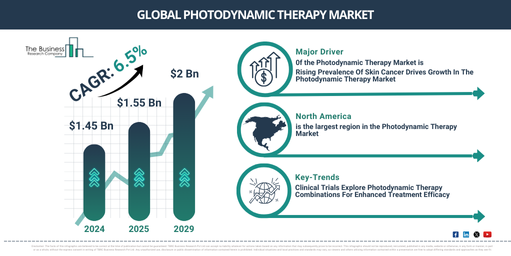
    The market size for photodynamic therapy has experienced significant growth in the past few years. There is an expected growth from $1.45 billion in 2024 to $1.55 billion in 2025, with a compound annual growth rate (CAGR) of 7.0%. Factors such as an expanding elderly population, rising cases of cancer and skin diseases, an increase in pollution levels, higher healthcare spending, and an increase in the number of healthcare centers have contributed to the historical growth.

    What Is the Forecast for the Photodynamic Therapy Market Size Through 2029?

    In the coming years, it is anticipated that the photodynamic therapy market will experience robust growth. The prediction is that by 2029, the value of this market will reach $2 billion, with a compound annual growth rate (CAGR) of 6.5%. The increased expansion anticipated over the forecast period stems from factors such as escalating healthcare expenditure, photodynamic therapy insurance coverage, the high potential seen in emerging economies, the growing teenage demographic, the amplifying older population, the rising occurrence of cancer and chronic conditions, and the emergence of infectious diseases. Significant trends during the forecast period include the advent of portable photodynamic therapy devices for at-home dermatological PDT treatments, investment in PDT powered by artificial intelligence for enhanced patient treatment, expansion of the product range in cosmetic procedures, ongoing investment in R&D, and efforts to offer photoimmunotherapy devices and extend the product range to incorporate photothermal therapy.

    Download The Free Sample Report Here:

    https://www.thebusinessresearchcompany.com/sample.aspx?id=5246&type=smp

    What are the Key Market Players in Photodynamic Therapy Market and How They’re Evolving?

    Major companies operating in the photodynamic therapy market include Galderma S.A., Bausch Health, Lumenis Ltd., Sun Pharmaceutical Industries Ltd., Biofrontera, Modlight Inc., PhotoMedex Inc., Soligenix Inc., Quest PharmaTech Inc., Novartis AG, Theralase Technologies Inc., Quantel Medical, Axcan Pharma, Sihealth, MediGlobus, Steba Biotech, Ambicare Health, Nuovo Therapy, Pharmstandard, Rusatom Healthcare, Roche Latvija SIA, Hologic, Inc., Dusa Pharmaceuticals, PDT Pharma Indústria e Comércio de ProdutosFarmacêuticos, MMOptics Ltd, Global Healthcare Solutions Perú, DMC Equipmentos LTDA, Biolite, SyMed LLC, Alma Lasers, Candela Medica, Velt International Group Inc.

    What Are the Primary Growth Drivers in the Photodynamic Therapy Market?

    The growth of the photodynamic therapy market can be attributed to the escalating incidences of skin cancer, which is the most common form of all types of cancer. Despite only constituting about 1% of skin cancer types, Melanoma is responsible for a significant amount of deaths related to skin cancer. Photodynamic treatment (PDT), a method that utilizes a powerful light and light-sensitizing drug together to kill cancer cells, is gaining popularity. The treatment involves applying a lotion that contains a light-sensitizing chemical to the area affected by the skin cancer. As reported by the American Cancer Society in January 2024, skin cancer has the highest incidence in the U.S., with Melanoma accounting for 1% of cases and a majority of skin cancer-related deaths. Moreover, in 2024, the biggest cases of melanoma in the country are anticipated to reach 100,640 with about 59,170 affecting men and 41,470 affecting women. Predicted melanoma deaths are about 8,290, including around 5,430 among men and 2,860 among women. As a result, the rising occurrence of skin cancer is set to drive the photodynamic therapy market in the following years.

    Request For A Customized Report:

    https://www.thebusinessresearchcompany.com/customise?id=5246&type=smp

    What Are the Leading Segments in the Global Photodynamic Therapy Industry?

    The photodynamic therapy market covered in this report is segmented –

    1) By Product: Drugs, Devices

    2) By Application: Actinic Keratosis (AK), Cancer, Acne, Psoriasis, Other Applications

    3) By End-User: Cosmetics And Dermatology Clinics, Hospitals, Cancer Treatment Centers, Other End-Users

    Subsegments:

    1) By Drugs: Photosensitizers, Combination Drug Therapies, Novel Photosensitizer Formulations

    2) By Devices: Light Sources (Laser Systems, LED Systems), Delivery Devices (Fiber Optics, Handheld Devices), Treatment Systems (Portable Devices, Fixed Systems)

    What Are the Key Market Trends in the Photodynamic Therapy Industry?

    An increasing number of entities within the photodynamic therapy market are showing a growing interest in conducting clinical trials that combine PDT with various pharmaceuticals. For instance, US-based biotech firm Kintara Therapeutics, in February 2024, revealed the commencement of a clinical trial for their REM-001 therapy that targets cutaneous metastatic breast cancer. The open-label study, identified by NCT05374915, involves 15 cutaneous metastatic breast cancer (CMBC) patients and aims to assess the effectiveness of the second-generation photodynamic therapy agent REM-001 in a 0.8 mg dosage. This trial aims to finetune the study design in preparation for a Phase 3 trial and primarily focuses on the bORR in treatment fields within a 24-week scope. The primary outcome measure will be the evaluation of complete and partial responses.

    Access The Full Report Here:

    https://www.thebusinessresearchcompany.com/report/photodynamic-therapy-global-market-report

    What Is the Regional Outlook for the Photodynamic Therapy Market?

    North America was the largest region in the photodynamic therapy market in 2024. The regions covered in the photodynamic therapy market report are Asia-Pacific, Western Europe, Eastern Europe, North America, South America, Middle East, Africa.

    Purchase The Full Report Today:

    https://www.thebusinessresearchcompany.com/purchaseoptions.aspx?id=5246

    This Report Delivers Insight On:

    1. How big is the photodynamic therapy market, and how is it changing globally?

    2. Who are the major companies in the photodynamic therapy market, and how are they performing?

    3. What are the key opportunities and risks in the photodynamic therapy market right now?

    4. Which products or customer segments are growing the most in the photodynamic therapy market?

    5. What factors are helping or slowing down the growth of the photodynamic therapy market?

    About The Business Research Company:

    With over 15000+ reports from 27 industries covering 60+ geographies, The Business Research Company has built a reputation for offering comprehensive, data-rich research and insights. Armed with 1,500,000 datasets, the optimistic contribution of in-depth secondary research, and unique insights from industry leaders, you can get the information you need to stay ahead in the game.

    Get in touch with us:

    The Business Research Company: https://www.thebusinessresearchcompany.com/

    Americas +1 310-496-7795

    Asia +44 2071930708

    Europe +44 7882 955267

    Email us at info@tbrc.info

    Follow us on:

    LinkedIn: https://in.linkedin.com/company/the-business-research-company

    YouTube: https://www.youtube.com/channel/UC24_fI0rV8cR5DxlCpgmyFQ

    Global Market Model: https://www.thebusinessresearchcompany.com/global-market-model
  • Digital Health Market Size to Exceed $595.47 Billion by 2029 | Growth and Industry Trends

    Digital Health Market Size to Exceed $595.47 Billion by 2029 | Growth and Industry Trends

    Claim your 30% discount on Global Market Reports with code ONLINE30. Limited time only.

    #How Has the Digital Health Market Grown from 2024 to 2025?#_x000D_

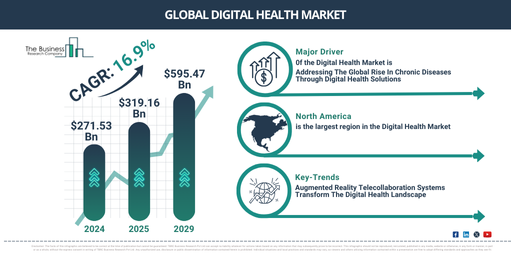
    The size of the digital health market has seen a swift expansion in previous years. The market, poised at $271.53 billion in 2024, is projected to elevate to $319.16 billion in 2025, marking an impressive compound annual growth rate (CAGR) of 17.5%. Factors contributing to this growth during the historic period encompass augmentation in disposable income, enhanced governmental endeavors in the healthcare sector, wider Internet accessibility, the implementation of cutting-edge technology amidst the COVID-19 crisis, and a burgeoning senior citizen population._x000D_

    _x000D_

    #What Growth Rate Is Anticipated for the Digital Health Market in the Coming Years?#_x000D_

    There is anticipated to be a swift expansion in the size of the digital health market over the coming years, projecting it to reach $595.47 billion in 2029 with a compound annual growth rate (CAGR) of 16.9%. This significant growth during the forecast period is expected to be driven by factors such as the growing incidence of chronic illnesses, an ageing global population, demographic changes in developing markets, continuous advancements in technology, and a rising demand for healthcare access. The forecast period is also expected to witness various trends including augmented reality telecollaboration systems, biofeedback APIs, application of blockchain technology, 3D AR surgical navigation, incorporation of artificial intelligence, and a surge in collaborations and partnerships within the digital health market._x000D_

    _x000D_

    #Download The Free Sample Report Here:#_x000D_

    https://www.thebusinessresearchcompany.com/sample.aspx?id=3953&type=smp_x000D_

    _x000D_

    #Who Are the Leading Companies in the Digital Health Market?#_x000D_

    Major companies operating in the digital health market include Cerner Corporation, GE Healthcare, Epic Systems Corporation, McKesson Corporation, Allscripts Healthcare Solutions Inc. Truven Health Analytics, Siemens Healthcare AG, eCLINICALWORKS, Cisco Systems Inc., Koninklijke Philips N.V., Innovaccer, Pharm Easy, 1mg, Practo, Mfine, Medi Buddy, Indegene, Ping A Good Doctor, JD Health, Honeywell Lifesciences, Philip Healthcare, Better Doc, Biovotion, BrainControl, Coimbra Genomics, Dacadoo, Doctoralia, Emperra, Exovite, Genexyx, Giraff, Healthbank, NeurNation, Nutrino, Psious, Px Healthcare, SilverCloud, Systems Healthcare Solutions, TrialReach, XtremeVRI, DOC+, Best Doctor, TeleMD, mediSensum, Apteki +, FindMeCure, ECG for Everybody, Eye read, InterAxon, Figure 1, Myndtec, Seamless MD, ApoloHealthMx, ECGlove, Heal on Site, Teladoc, MeMD, Amwell, MDlive, Aerotel Medical Systems Ltd, Care Innovations LLC, Honeywell Life Care Solutions, Polycom Inc, Didoc, Betterfly, Deenty, Examedi, Dentalink, Cero, Wecancer, MedPass, Pixeon, Hi Technologies, Conexa Saude, AXON Digital Health, Wuru, Yerbo, Welii, BioScience, Caecus, Omnia Salud, Altibbi, Dhoner Healthtech, Okadoc, DoctorsAE, Takalam, AlemHealth, DU, UAE’s Mulk, Cura, Primary Health Care Corporation, AMD Global Telemedicine Inc, Safermom, Mobicure, Ubenwa, Medsaf, GenRx, Medical device as a service, Kangpe, Hudibia, Lifebank, Redbank_x000D_

    _x000D_

    #What Are the Key Drivers of the Digital Health Market?#_x000D_

    Increasing occurrences of chronic illnesses such as cancer, diabetes, and hypertension are anticipated to fuel the growth of the digital health market. Factors like extended working hours, insufficient physical movement, and poor eating and drinking habits augment the prevalence of these chronic health conditions. Given this situation, people suffering from these diseases are more prone to further health complications, thereby amplifying the demand for digital health service platforms. For instance, data from the American Cancer Society, a reputable nonprofit cancer advocacy organization based in the US, showed a rise in cancer cases to 2,001,140 in January 2024, up from 1,958,310 in 2023, indicating a growth rate of 2.19%. Consequently, the escalating prevalence of chronic diseases is predicted to bolster the expansion of the market._x000D_

    _x000D_

    #Request For A Customized Report:#_x000D_

    https://www.thebusinessresearchcompany.com/customise?id=3953&type=smp_x000D_

    _x000D_

    #What Are the Key Market Segments in the Digital Health Industry?#_x000D_

    The digital health market covered in this report is segmented –_x000D_

    _x000D_

    1) By Technology: Mobile Health (Mhealth), Health Information Technology, Telehealth And Telemedicine, Health Analytics, Other Technologies_x000D_

    2) By Application: Cardiology, Diabetes, Neurology, Sleep Apnea, Oncology, Other Applications_x000D_

    3) By End-User: Healthcare Providers, Healthcare Payers, Pharmaceutical Companies, Other End Users_x000D_

    _x000D_

    Subsegments:_x000D_

    1) By Mobile Health (mHealth): Health Apps, Wearable Devices, Remote Patient Monitoring_x000D_

    2) By Health Information Technology: Electronic Health Records (EHR), Health Information Exchange (HIE), Practice Management Systems_x000D_

    3) By Telehealth And Telemedicine: Virtual Consultations, Remote Diagnosis, Teletherapy_x000D_

    4) By Health Analytics: Predictive Analytics, Data Management Solutions, Population Health Management_x000D_

    5) By Other Technologies: Blockchain In Health, Artificial Intelligence In Health, Internet Of Medical Things (IoMT)_x000D_

    _x000D_

    #What Are the Latest Trends in the Digital Health Market?#_x000D_

    The increasing popularity of augmented reality telecollaboration systems is a prominent trend in the digital health industry. Augmented reality (AR), which enhances reality with digital visual or sensory elements delivered through technology, is deeply utilized in the healthcare sector by practicing medical professionals and for teaching medical students. Its value lies in providing a safe, cost-effective, and comprehensive platform for demonstrating medical practices. For example, in May 2024, US-based medical tech company AppliedVR launched RelieVRx, the first FDA-approved virtual reality treatment specifically for chronic lower back pain (CLBP) in workers’ compensation. The device provides an immersive VR experience to help patients manage and reduce their chronic lower back pain (CLBP). This affordable, supplement therapy, which doesn’t rely on drugs, is clinically found to reduce pain intensity and the hindrance caused by the pain in everyday activities. The program combines cognitive behavioural therapy, biofeedback, and emotional control principles._x000D_

    _x000D_

    #Access The Full Report Here:#_x000D_

    https://www.thebusinessresearchcompany.com/report/digital-health-global-market-report_x000D_

    _x000D_

    #What Are the Key Regional Markets in the Digital Health Industry?#_x000D_

    North America was the largest region in the digital health market in 2024. Asia-Pacific is expected to be the fastest-growing region in the forecast period. The regions covered in the digital health market report are Asia-Pacific, Western Europe, Eastern Europe, North America, South America, Middle East, Africa._x000D_

    _x000D_

    #Purchase The Full Report Today:#_x000D_

    https://www.thebusinessresearchcompany.com/purchaseoptions.aspx?id=3953_x000D_

    _x000D_

    #This Report Delivers Insight On: #_x000D_

    1. How big is the digital health market, and how is it changing globally?_x000D_

    2. Who are the major companies in the digital health market, and how are they performing?_x000D_

    3. What are the key opportunities and risks in the digital health market right now?_x000D_

    4. Which products or customer segments are growing the most in the digital health market?_x000D_

    5. What factors are helping or slowing down the growth of the digital health market?_x000D_

    _x000D_

    #About The Business Research Company:#_x000D_

    With over 15000+ reports from 27 industries covering 60+ geographies, The Business Research Company has built a reputation for offering comprehensive, data-rich research and insights. Armed with 1,500,000 datasets, the optimistic contribution of in-depth secondary research, and unique insights from industry leaders, you can get the information you need to stay ahead in the game._x000D_

    _x000D_

    #Get in touch with us:#_x000D_

    The Business Research Company: https://www.thebusinessresearchcompany.com/_x000D_

    Americas +1 310-496-7795_x000D_

    Asia +44 2071930708_x000D_

    Europe +44 7882 955267_x000D_

    Email us at info@tbrc.info_x000D_

    _x000D_

    #Follow us on:#_x000D_

    _x000D_

    LinkedIn: https://in.linkedin.com/company/the-business-research-company_x000D_

    YouTube: https://www.youtube.com/channel/UC24_fI0rV8cR5DxlCpgmyFQ_x000D_

    Global Market Model: https://www.thebusinessresearchcompany.com/global-market-model