Author: Marketing Posting

  • Drug Delivery Systems Market Projected at $58.64 Billion by 2029 | Strategic Insights and Forecast Data

    Drug Delivery Systems Market Projected at $58.64 Billion by 2029 | Strategic Insights and Forecast Data

    Claim your 30% discount on Global Market Reports with code ONLINE30. Limited time only.

    How Has the Drug Delivery Systems Market Size Changed, over the years?

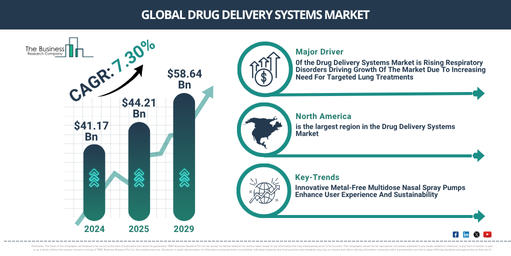
    In recent years, the market size for drug delivery systems has seen significant growth. It’s projected to expand from $41.17 billion in 2024 to $44.21 billion in 2025, with a compound annual growth rate (CAGR) of 7.4%. This growth during the historic period can be tied to factors such as an increase in research and development investments, a surge in chronic diseases, growth in biologics and monoclonal antibodies, a high demand for non-invasive delivery methods, as well as a need for enhanced patient compliance and adherence.

    How Much Will the Drug Delivery Systems Market Be Worth in 2029?

    The market for drug delivery systems is predicted to experience robust growth in the upcoming years, expanding to a worth of $58.64 billion in 2029 at a compound annual growth rate (CAGR) of 7.3%. This anticipated growth during the forecast period can be linked to the increasing emphasis on personalized medicine, a growing list of intricate and sensitive drugs in the pipeline, a rise in uncommon and orphan diseases, favorable regulatory environments for novel delivery systems, and an increasing elderly demographic. Main trends expected during this period are the formulation of drug delivery systems based on nanotechnology, advancements in controlled-release and sustained-release technologies, progress in biologics and biosimilars that need specialized delivery, incorporation of intelligent drug delivery devices, and the design of targeted delivery systems for cancer treatment.

    Download The Free Sample Report Here:

    https://www.thebusinessresearchcompany.com/sample.aspx?id=24523&type=smp

    Which is the Largest Company in the Drug Delivery Systems Market?

    Major companies operating in the drug delivery systems market are Pfizer Inc., Johnson & Johnson, F. Hoffmann-La Roche AG, Merck & Co. Inc., AbbVie Inc., Bayer AG, Sanofi S.A., Bristol-Myers Squibb Company, AstraZeneca PLC, Abbott Laboratories Inc., Novartis AG, GlaxoSmithKline PLC, Eli Lilly and Company, Amgen Inc., Becton, Dickinson and Company, Teva Pharmaceutical Industries Ltd., Boston Scientific Corporation, Tandem Diabetes, Pacira Biosciences, Poseida Therapeutics, Universal Stabilization Technologies Inc., Spectrum Pharmaceuticals Inc., VasoRx Inc.

    What Are the Main Market Drivers in the Drug Delivery Systems Industry?

    The drug delivery systems market is expected to expand due to the growing occurrence of respiratory disorders. Respiratory disorders interfere with the standard functioning of the lungs and airways, leading to breathing difficulties and less oxygen absorption. The escalating levels of air pollution, which continuously expose people to harmful airborne particles and gases, play a part in increasing respiratory disorders, thereby impacting lung function and leading to the progression of respiratory conditions. Drug delivery systems are crucial for effectively treating and managing respiratory afflictions like asthma, chronic obstructive pulmonary disease (COPD), pulmonary fibrosis, and cystic fibrosis. These systems ensure that the medication is delivered directly to the lungs, thereby enhancing treatment outcomes and reducing systemic side effects. For example, the UK Health Security Agency, a government body in the UK, reported in March 2025 that tuberculosis cases in England saw a rise of 13%, from 4,850 cases in 2023 to 5,480 cases in 2024. Hence, the surge in respiratory disorders is projected to spur growth in the drug delivery systems market.

    Request For A Customized Report:

    https://www.thebusinessresearchcompany.com/customise?id=24523&type=smp

    How Is the Drug Delivery Systems Market Segments Structured?

    The drug delivery systems market covered in this report is segmented –

    1) By Type: Injection-Based Drug Delivery System, Oral Drug Delivery System, Inhalation Or Pulmonary Drug Delivery System, Transmucosal Drug Delivery System

    2) By Material: Polymer-Based Drug Delivery Systems, Lipid-Based Drug Delivery Systems, Inorganic Drug Delivery Systems, Biologics-Based Drug Delivery Systems, Hybrid Drug Delivery Systems

    3) By Application: Infectious Disease, Oncology, Ophthalmology, Urology, Diabetes, Central Nervous System, Other Applications

    4) By End-User: Hospitals, Pharmaceutical Companies, Research Institutions, Homecare Settings, Diagnostic Laboratories

    Subsegments:

    1) By Injection-Based Drug Delivery System: Intravenous (IV), Intramuscular (IM), Subcutaneous (SC), Intradermal, Intrathecal, Depot Injections, Needle-Free Injectors

    2) By Oral Drug Delivery System: Tablets, Capsules, Solutions And Syrups, Suspensions, Powders And Granules, Modified Release Formulations

    3) By Inhalation Or Pulmonary Drug Delivery System: Metered Dose Inhalers (MDIs), Dry Powder Inhalers (DPIs), Nebulizers, Soft Mist Inhalers, Nasal Sprays

    4) By Transmucosal Drug Delivery System: Buccal Delivery, Sublingual Delivery, Rectal Delivery, Vaginal Delivery, Nasal Mucosal Delivery

    What Strategic Trends Are Transforming the Drug Delivery Systems Market?

    Leading companies in the drug delivery systems market are now prioritizing the development of innovative solutions, such as metal-free, multidose nasal spray pumps, to enhance user comfort and ease of use. These devices have been specifically designed to administer multiple doses of medication through the patient’s nasal passage without relying on any metal parts, guaranteeing both safety and compatibility with a variety of formulations. For example, in January 2023, Aptar Pharma, a pharmaceutical firm based in the US, introduced the APF Futurity metal-free, multidose nasal spray pump. This device is meticulously designed to deliver nasal saline and other related over-the-counter items, with a great emphasis on recyclability. As Aptar Pharma’s first fully recyclable nasal spray pump, it achieved Class AA certification from cyclos-HTP for recycling systems in Europe. Its construction from purely polyolefin materials, devoid of any metal parts or pollutants that may hinder recycling, allows for efficient recycling and enhances the quality of the recyclate. By leveraging Aptar Pharma’s Advanced Preservative Free technology, this metal-free pump guarantees accurate and regular doses through a gentle process, without sacrificing ease of use or performance.

    Access The Full Report Here:

    https://www.thebusinessresearchcompany.com/report/drug-delivery-systems-global-market-report

    Which Global Regions Offer the Highest Growth in the Drug Delivery Systems Market?

    North America was the largest region in the drug delivery system market in 2024. Asia-Pacific is expected to be the fastest-growing region in the forecast period. The regions covered in the drug delivery systems market report are Asia-Pacific, Western Europe, Eastern Europe, North America, South America, Middle East, Africa.

    Purchase The Full Report Today:

    https://www.thebusinessresearchcompany.com/purchaseoptions.aspx?id=24523

    This Report Delivers Insight On:

    1. How big is the drug delivery systems market, and how is it changing globally?

    2. Who are the major companies in the drug delivery systems market, and how are they performing?

    3. What are the key opportunities and risks in the drug delivery systems market right now?

    4. Which products or customer segments are growing the most in the drug delivery systems market?

    5. What factors are helping or slowing down the growth of the drug delivery systems market?

    About The Business Research Company:

    With over 15000+ reports from 27 industries covering 60+ geographies, The Business Research Company has built a reputation for offering comprehensive, data-rich research and insights. Armed with 1,500,000 datasets, the optimistic contribution of in-depth secondary research, and unique insights from industry leaders, you can get the information you need to stay ahead in the game.

    Get in touch with us:

    The Business Research Company: https://www.thebusinessresearchcompany.com/

    Americas +1 3156230293

    Asia +44 2071930708

    Europe +44 2071930708

    Email us at info@tbrc.info

    Follow us on:

    LinkedIn: https://in.linkedin.com/company/the-business-research-company

    YouTube: https://www.youtube.com/channel/UC24_fI0rV8cR5DxlCpgmyFQ

    Global Market Model: https://www.thebusinessresearchcompany.com/global-market-model
  • Mineral Sunscreen Market Trends Report 2025 – For Business Development and Strategy Teams

    Mineral Sunscreen Market Trends Report 2025 – For Business Development and Strategy Teams

    Claim your 30% discount on Global Market Reports with code ONLINE30. Limited time only.

    #What Is the Forecast for the Mineral Sunscreen Market Growth in 2025?#_x000D_

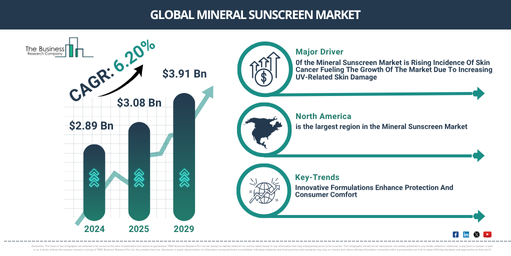
    The market size of mineral sunscreen has seen significant growth in the last few years. This market is projected to expand from $2.89 billion in 2024 to $3.08 billion in 2025, with a compound annual growth rate of 6.5%. Factors contributing to growth during the historical period include increasing cases of skin cancer, escalating demand for natural and organic personal care items, mounting anxieties about the chemical constituents in sunblock, a surge in eco-friendly product usage by millennials, and a rise in the consumer inclination towards coral reef-friendly sunscreens._x000D_

    _x000D_

    #What Is the Forecast for the Mineral Sunscreen Market Size Through 2029?#_x000D_

    Anticipated to witness substantial growth in the coming years, the mineral sunscreen market is projected to reach $3.91 billion by 2029, expanding at a compound annual growth rate (CAGR) of 6.2%. Several factors are responsible for this surge during the forecast period, including increasing awareness of blue light and infrared protection, growth in e-commerce sales of dermatologist-approved products, an escalating consumer preference for clean label products, a higher demand for vegan and cruelty-free sunscreen choices, and an upswing in demand for premium sun care in emerging markets. Moreover, the period is expected to see several emerging trends, such as the creation of water-resistant formulas, inclusion in dermatologist prescriptions, the development of non-greasy finishes, advancements in multi-functional sunscreens, and the production of skin tone-inclusive products._x000D_

    _x000D_

    #Download The Free Sample Report Here:#_x000D_

    https://www.thebusinessresearchcompany.com/sample.aspx?id=24607&type=smp_x000D_

    _x000D_

    #What are the Key Market Players in Mineral Sunscreen Market and How They’re Evolving?#_x000D_

    Major companies operating in the mineral sunscreen market are L’Oréal S.A., The Estée Lauder Companies Inc., Edgewell Personal Care Company, doTERRA International LLC, Crown Laboratories Inc., ISDIN S.A., Sun Bum LLC., Goddess Garden LLC, EltaMD Inc., Australian Gold LLC, W. S. Badger Company, Supergoop LLC, Drunk Elephant LLC, Raw Elements USA LLC, CP Skin Health Group Inc., Babo Botanicals Inc, Coola LLC, Ruby’s Organics Private Limited, The Beauty Corner, Think Operations LLC_x000D_

    _x000D_

    #What Are the Primary Growth Drivers in the Mineral Sunscreen Market?#_x000D_

    The escalating incidences of skin cancer are expected to spur on the expansion of the mineral sunscreen market. Skin cancer is typically a product of abnormal skin cell proliferation, often triggered by damage from ultraviolet radiation either from the sun or tanning salons. The increased prevalence of skin cancer is often linked to extreme solar exposure, which results in harmful ultraviolet (UV) damage to skin cell DNA. Mineral sunscreen significantly boosts skin defense by offering wide-spectrum protection from damaging UV rays, rendering it indispensable for regular sun protection. It lessens skin damage and skin cancer risk, fostering healthier skin and sustained wellbeing. For instance, Cancer Australia, a government agency, recorded approximately 8,257 new instances of skin melanoma in 2023, contributing to 2.6% of all cancer-related fatalities. Consequently, the escalating prevalence of skin cancer is fuelling the expansion of the mineral sunscreen market._x000D_

    _x000D_

    #Request For A Customized Report:#_x000D_

    https://www.thebusinessresearchcompany.com/customise?id=24607&type=smp_x000D_

    _x000D_

    #What Are the Leading Segments in the Global Mineral Sunscreen Industry?#_x000D_

    The mineral sunscreen market covered in this report is segmented –_x000D_

    _x000D_

    1) By Product Type: Lotion, Cream, Spray, Stick, Powder_x000D_

    2) By Skin Type: Dry, Oily, Sensitive_x000D_

    3) By Sun Protection Factor (SPF): Up To 29 Sun Protection Factor (SPF), 30 To 49 Sun Protection Factor (SPF), 50 To 69 Sun Protection Factor (SPF), 70 And More Sun Protection Factor (SPF)_x000D_

    4) By Distribution Channel: Supermarkets And Hypermarkets, Specialty Stores, Online Or E-commerce, Other Distribution Channels_x000D_

    5) By End User: Adults, Children, Babies_x000D_

    _x000D_

    Subsegments_x000D_

    1) By Lotion: Face Lotion, Body Lotion, Tinted Lotion, Baby Lotion_x000D_

    2) By Cream: Daily Wear Cream, Anti-Aging Cream, Moisturizing Cream, Sensitive Skin Cream_x000D_

    3) By Spray: Continuous Spray, Pump Spray, Sport Spray, Kids Spray_x000D_

    4) By Stick: Face Stick, Lip Balm Stick, Travel Stick, Sport Stick_x000D_

    5) By Powder: Loose Powder Sunscreen, Pressed Powder Sunscreen, Tinted Powder, Touch-Up Powder_x000D_

    _x000D_

    #What Are the Key Market Trends in the Mineral Sunscreen Industry?#_x000D_

    Leading businesses in the mineral sunscreen industry are turning their attention on creating innovative formulas like lightweight, broad-spectrum ones, to optimize both protection and user comfortability. Lightweight, broad-spectrum sunscreens are products that give a non-heavy, non-greasy feeling on the skin while providing dual protection against UVA and UVB rays. For instance, Saltyface Natural Inc., a company based in Canada specializing in cosmetics, introduced their new Daily Sun Shield mineral sunscreen in May 2025. This is a light, sheer SPF 30 formula that can accommodate all skin types. With 14% non-nano zinc oxide, this broad-spectrum sunscreen is not only safe for reefs, but also resistant to water and sweat, delivering protection for a duration of up to 80 minutes. Coupled with skin-nurturing ingredients like hyaluronic acid, squalane, green tea, and chamomile, it’s ideal for everyday wear, whether on its own, underneath makeup, or during outdoor pursuits._x000D_

    _x000D_

    #Access The Full Report Here:#_x000D_

    https://www.thebusinessresearchcompany.com/report/mineral-sunscreen-global-market-report_x000D_

    _x000D_

    #What Is the Regional Outlook for the Mineral Sunscreen Market?#_x000D_

    North America was the largest region in the mineral sunscreen market in 2024. Asia-Pacific is expected to be the fastest-growing region in the forecast period. The regions covered in the mineral sunscreen market report are Asia-Pacific, Western Europe, Eastern Europe, North America, South America, Middle East, Africa._x000D_

    _x000D_

    #Purchase The Full Report Today:#_x000D_

    https://www.thebusinessresearchcompany.com/purchaseoptions.aspx?id=24607_x000D_

    _x000D_

    #This Report Delivers Insight On: #_x000D_

    1. How big is the mineral sunscreen market, and how is it changing globally?_x000D_

    2. Who are the major companies in the mineral sunscreen market, and how are they performing?_x000D_

    3. What are the key opportunities and risks in the mineral sunscreen market right now?_x000D_

    4. Which products or customer segments are growing the most in the mineral sunscreen market?_x000D_

    5. What factors are helping or slowing down the growth of the mineral sunscreen market?_x000D_

    _x000D_

    #About The Business Research Company:#_x000D_

    With over 15000+ reports from 27 industries covering 60+ geographies, The Business Research Company has built a reputation for offering comprehensive, data-rich research and insights. Armed with 1,500,000 datasets, the optimistic contribution of in-depth secondary research, and unique insights from industry leaders, you can get the information you need to stay ahead in the game._x000D_

    _x000D_

    #Get in touch with us:#_x000D_

    The Business Research Company: https://www.thebusinessresearchcompany.com/_x000D_

    Americas +1 3156230293_x000D_

    Asia +44 2071930708_x000D_

    Europe +44 2071930708_x000D_

    Email us at info@tbrc.info_x000D_

    _x000D_

    #Follow us on:#_x000D_

    _x000D_

    LinkedIn: https://in.linkedin.com/company/the-business-research-company_x000D_

    YouTube: https://www.youtube.com/channel/UC24_fI0rV8cR5DxlCpgmyFQ_x000D_

    Global Market Model: https://www.thebusinessresearchcompany.com/global-market-model

  • Tubulin Inhibitors For Breast Cancer Industry Valued at $2.59 Billion by 2029 With CAGR of 7.5% | Size and Share Insights

    Tubulin Inhibitors For Breast Cancer Industry Valued at $2.59 Billion by 2029 With CAGR of 7.5% | Size and Share Insights

    Claim your 30% discount on Global Market Reports with code ONLINE30. Limited time only.

    What Is the Forecast for the Tubulin Inhibitors For Breast Cancer Market from 2024 to 2025?

    The market for tubulin inhibitors used in the treatment of breast cancer has seen robust growth recently. Its size is projected to increase from $1.8 billion in 2024 to $1.94 billion in 2025, representing a compound annual growth rate (CAGR) of 7.7%. Factors contributing to this growth during the historical period include the widespread prevalence of breast cancer worldwide, a rise in chemotherapy usage, an extension of treatment for metastatic breast cancers, heightened adoption in developing healthcare systems, and escalating healthcare expenditure.

    What Is the Projected Market Size of the Tubulin Inhibitors For Breast Cancer Market?

    Expectations are high for substantial escalation in the tubulin inhibitors for breast cancer market over the coming years. It is estimated to surge to $2.59 billion by 2029, presenting a compound annual growth rate (CAGR) of 7.5%. The anticipated expansion over this period is attributed to an increase in breast cancer cases, the widespread use of targeted and customized therapies, a growing necessity for combination therapies, steady enhancement of cancer care infrastructure, and increased healthcare expenditure. Major trends that are likely to influence the projected period include personalized cancer treatments, next-generation tubulin inhibitors, oral forms of tubulin inhibitors, AI-prompted drug discovery and structuring, and nanoparticle-facilitated drug delivery.

    Download The Free Sample Report Here:

    https://www.thebusinessresearchcompany.com/sample.aspx?id=24731&type=smp

    Who are the Major Competitors in the Tubulin Inhibitors For Breast Cancer Market Outlook?

    Major companies operating in the tubulin inhibitors for breast cancer market are Pfizer Inc., F. Hoffmann-La Roche Ltd, AbbVie Inc., Sanofi S.A., Bristol-Myers Squibb Company, Novartis AG, GlaxoSmithKline plc, Eli Lilly and Company, Eisai Co. Ltd., Sun Pharmaceutical Industries Limited, Genentech Inc., CSPC Pharmaceutical Group Limited, Jiangsu Hengrui Pharmaceuticals Co. Ltd., Khandelwal Laboratories Pvt. Ltd., Natco Pharma Limited, Samyang Biopharmaceuticals Corporation, Qilu Pharmaceutical Co. Ltd., Beijing Biostar Pharmaceuticals Co. Ltd., Beijing Youcare Pharmaceutical Group Co. Ltd., Luye Pharma Group Ltd.

    What Is Fueling Growth in the Tubulin Inhibitors For Breast Cancer Market?

    The rising incidence of chronic health conditions is set to stimulate the expansion of the market for tubulin inhibitors for breast cancer. Chronic illnesses, including breast cancer, involve unregulated cell growth and high relapse rates, requiring continuous treatment. Sedentary lifestyles predominantly fuel the increase in these diseases, leading to obesity, diabetes, and heart-related ailments. Tubulin inhibitors counter these chronic disorders by halting irregular cell division, therefore reducing inflammation, slowing down disease development, and aiding in the control of issues linked to uncontrolled cell growth. For example, the National Breast Cancer Foundation, a American nonprofit organization, predicted in April 2025, that 1 in 8 American women will face a breast cancer diagnosis during her lifetime. In 2025, approximately 316,950 women and 2,800 men are expected to be diagnosed with invasive breast cancer, with an extra 59,080 new occurrences of non-invasive (in situ) breast cancer. Consequently, the escalating incidence of chronic conditions is propelling the growth of the market for tubulin inhibitors for breast cancer.

    Request For A Customized Report:

    https://www.thebusinessresearchcompany.com/customise?id=24731&type=smp

    Which Tubulin Inhibitors For Breast Cancer Market Segments Are Growing the Fastest?

    The tubulin inhibitors for breast cancer market covered in this report is segmented –

    1) By Drug Class: Colchicine, Taxanes, Vinca Alkaloids, Epothilones, Other Drug Classes

    2) By Mechanism Of Action: Microtubule Destabilizers, Microtubule Polymerization Inhibitors, Modulators Of Tubulin Dynamics, Targeted Microtubule-Associated Proteins

    3) By Stage Of Breast Cancer: Early-stage Breast Cancer, Locally Advanced Breast Cancer, Metastatic Breast Cancer

    4) By Treatment Approach: Chemotherapy, Combination Therapy, Adjuvant Therapy, Neoadjuvant Therapy

    5) By Application: Hospital, Clinic, Drug Center, Other Applications

    Subsegment:

    1) By Colchicine: Oral Colchicine, Intravenous Colchicine

    2) By Taxanes: Paclitaxel, Docetaxel

    3) By Vinca Alkaloids: Vinorelbine, Vincristine, Vindesine

    4) By Epothilones: Ixabepilone, Epothilone B Derivatives

    5) By Other Drug Classes: Maytansinoids, Eribulin Mesylate, Cabazitaxel, Discodermolide

    Which Industry Trends Are Shaping the Future of the Tubulin Inhibitors For Breast Cancer Market?

    Key players in the breast cancer tubulin inhibitors industry are pioneering novel treatment strategies, like antibody-drug conjugates (ADCs), to enhance treatment precision and decrease adverse effects. ADCs integrated with tubulin inhibitors bind potent anti-mitotic drugs to unique monoclonal antibodies, specifically targeting breast cancer cells and leading to direct tumor site medication delivery. This precision-focused approach boosts the effectiveness of tubulin inhibitors and concurrently diminishes systemic toxicity. For example, Roche, a pharmaceutical firm headquartered in Switzerland, continued to extend Kadcyla (ado-trastuzumab emtansine), a HER2-focused ADC, in December 2023, which delivers the tubulin inhibitor DM1 directly to HER2-positive breast cancer cells, enhancing results in severe breast cancer patients. This groundbreaking treatment fosters improved results among those with advanced breast cancer by offering a more specialized, potent, and safer therapeutic alternative.

    Access The Full Report Here:

    https://www.thebusinessresearchcompany.com/report/tubulin-inhibitors-for-breast-cancer-global-market-report

    Which Countries Are Leading the Tubulin Inhibitors For Breast Cancer Market?

    North America was the largest region in the tubulin inhibitors for breast cancer market in 2024. Asia-Pacific is expected to be the fastest-growing region in the forecast period. The regions covered in the tubulin inhibitors for breast cancer market report are Asia-Pacific, Western Europe, Eastern Europe, North America, South America, Middle East, Africa.

    Purchase The Full Report Today:

    https://www.thebusinessresearchcompany.com/purchaseoptions.aspx?id=24731

    This Report Delivers Insight On:

    1. How big is the tubulin inhibitors for breast cancer market, and how is it changing globally?

    2. Who are the major companies in the tubulin inhibitors for breast cancer market, and how are they performing?

    3. What are the key opportunities and risks in the tubulin inhibitors for breast cancer market right now?

    4. Which products or customer segments are growing the most in the tubulin inhibitors for breast cancer market?

    5. What factors are helping or slowing down the growth of the tubulin inhibitors for breast cancer market?

    About The Business Research Company:

    With over 15000+ reports from 27 industries covering 60+ geographies, The Business Research Company has built a reputation for offering comprehensive, data-rich research and insights. Armed with 1,500,000 datasets, the optimistic contribution of in-depth secondary research, and unique insights from industry leaders, you can get the information you need to stay ahead in the game.

    Get in touch with us:

    The Business Research Company: https://www.thebusinessresearchcompany.com/

    Americas +1 3156230293

    Asia +44 2071930708

    Europe +44 2071930708

    Email us at info@tbrc.info

    Follow us on:

    LinkedIn: https://in.linkedin.com/company/the-business-research-company

    YouTube: https://www.youtube.com/channel/UC24_fI0rV8cR5DxlCpgmyFQ

    Global Market Model: https://www.thebusinessresearchcompany.com/global-market-model
  • Drug Delivery Systems Market Projected at $58.64 Billion by 2029 | Strategic Insights and Forecast Data

    Claim your 30% discount on Global Market Reports with code ONLINE30. Limited time only.

    How Has the Drug Delivery Systems Market Size Changed, over the years?

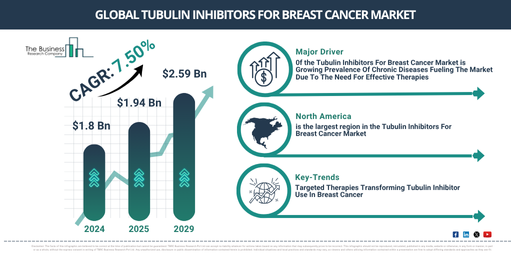
    In recent years, the market size for drug delivery systems has seen significant growth. It’s projected to expand from $41.17 billion in 2024 to $44.21 billion in 2025, with a compound annual growth rate (CAGR) of 7.4%. This growth during the historic period can be tied to factors such as an increase in research and development investments, a surge in chronic diseases, growth in biologics and monoclonal antibodies, a high demand for non-invasive delivery methods, as well as a need for enhanced patient compliance and adherence.

    How Much Will the Drug Delivery Systems Market Be Worth in 2029?

    The market for drug delivery systems is predicted to experience robust growth in the upcoming years, expanding to a worth of $58.64 billion in 2029 at a compound annual growth rate (CAGR) of 7.3%. This anticipated growth during the forecast period can be linked to the increasing emphasis on personalized medicine, a growing list of intricate and sensitive drugs in the pipeline, a rise in uncommon and orphan diseases, favorable regulatory environments for novel delivery systems, and an increasing elderly demographic. Main trends expected during this period are the formulation of drug delivery systems based on nanotechnology, advancements in controlled-release and sustained-release technologies, progress in biologics and biosimilars that need specialized delivery, incorporation of intelligent drug delivery devices, and the design of targeted delivery systems for cancer treatment.

    Download The Free Sample Report Here:

    https://www.thebusinessresearchcompany.com/sample.aspx?id=24523&type=smp

    Which is the Largest Company in the Drug Delivery Systems Market?

    Major companies operating in the drug delivery systems market are Pfizer Inc., Johnson & Johnson, F. Hoffmann-La Roche AG, Merck & Co. Inc., AbbVie Inc., Bayer AG, Sanofi S.A., Bristol-Myers Squibb Company, AstraZeneca PLC, Abbott Laboratories Inc., Novartis AG, GlaxoSmithKline PLC, Eli Lilly and Company, Amgen Inc., Becton, Dickinson and Company, Teva Pharmaceutical Industries Ltd., Boston Scientific Corporation, Tandem Diabetes, Pacira Biosciences, Poseida Therapeutics, Universal Stabilization Technologies Inc., Spectrum Pharmaceuticals Inc., VasoRx Inc.

    What Are the Main Market Drivers in the Drug Delivery Systems Industry?

    The drug delivery systems market is expected to expand due to the growing occurrence of respiratory disorders. Respiratory disorders interfere with the standard functioning of the lungs and airways, leading to breathing difficulties and less oxygen absorption. The escalating levels of air pollution, which continuously expose people to harmful airborne particles and gases, play a part in increasing respiratory disorders, thereby impacting lung function and leading to the progression of respiratory conditions. Drug delivery systems are crucial for effectively treating and managing respiratory afflictions like asthma, chronic obstructive pulmonary disease (COPD), pulmonary fibrosis, and cystic fibrosis. These systems ensure that the medication is delivered directly to the lungs, thereby enhancing treatment outcomes and reducing systemic side effects. For example, the UK Health Security Agency, a government body in the UK, reported in March 2025 that tuberculosis cases in England saw a rise of 13%, from 4,850 cases in 2023 to 5,480 cases in 2024. Hence, the surge in respiratory disorders is projected to spur growth in the drug delivery systems market.

    Request For A Customized Report:

    https://www.thebusinessresearchcompany.com/customise?id=24523&type=smp

    How Is the Drug Delivery Systems Market Segments Structured?

    The drug delivery systems market covered in this report is segmented –

    1) By Type: Injection-Based Drug Delivery System, Oral Drug Delivery System, Inhalation Or Pulmonary Drug Delivery System, Transmucosal Drug Delivery System

    2) By Material: Polymer-Based Drug Delivery Systems, Lipid-Based Drug Delivery Systems, Inorganic Drug Delivery Systems, Biologics-Based Drug Delivery Systems, Hybrid Drug Delivery Systems

    3) By Application: Infectious Disease, Oncology, Ophthalmology, Urology, Diabetes, Central Nervous System, Other Applications

    4) By End-User: Hospitals, Pharmaceutical Companies, Research Institutions, Homecare Settings, Diagnostic Laboratories

    Subsegments:

    1) By Injection-Based Drug Delivery System: Intravenous (IV), Intramuscular (IM), Subcutaneous (SC), Intradermal, Intrathecal, Depot Injections, Needle-Free Injectors

    2) By Oral Drug Delivery System: Tablets, Capsules, Solutions And Syrups, Suspensions, Powders And Granules, Modified Release Formulations

    3) By Inhalation Or Pulmonary Drug Delivery System: Metered Dose Inhalers (MDIs), Dry Powder Inhalers (DPIs), Nebulizers, Soft Mist Inhalers, Nasal Sprays

    4) By Transmucosal Drug Delivery System: Buccal Delivery, Sublingual Delivery, Rectal Delivery, Vaginal Delivery, Nasal Mucosal Delivery

    What Strategic Trends Are Transforming the Drug Delivery Systems Market?

    Leading companies in the drug delivery systems market are now prioritizing the development of innovative solutions, such as metal-free, multidose nasal spray pumps, to enhance user comfort and ease of use. These devices have been specifically designed to administer multiple doses of medication through the patient’s nasal passage without relying on any metal parts, guaranteeing both safety and compatibility with a variety of formulations. For example, in January 2023, Aptar Pharma, a pharmaceutical firm based in the US, introduced the APF Futurity metal-free, multidose nasal spray pump. This device is meticulously designed to deliver nasal saline and other related over-the-counter items, with a great emphasis on recyclability. As Aptar Pharma’s first fully recyclable nasal spray pump, it achieved Class AA certification from cyclos-HTP for recycling systems in Europe. Its construction from purely polyolefin materials, devoid of any metal parts or pollutants that may hinder recycling, allows for efficient recycling and enhances the quality of the recyclate. By leveraging Aptar Pharma’s Advanced Preservative Free technology, this metal-free pump guarantees accurate and regular doses through a gentle process, without sacrificing ease of use or performance.

    Access The Full Report Here:

    https://www.thebusinessresearchcompany.com/report/drug-delivery-systems-global-market-report

    Which Global Regions Offer the Highest Growth in the Drug Delivery Systems Market?

    North America was the largest region in the drug delivery system market in 2024. Asia-Pacific is expected to be the fastest-growing region in the forecast period. The regions covered in the drug delivery systems market report are Asia-Pacific, Western Europe, Eastern Europe, North America, South America, Middle East, Africa.

    Purchase The Full Report Today:

    https://www.thebusinessresearchcompany.com/purchaseoptions.aspx?id=24523

    This Report Delivers Insight On:

    1. How big is the drug delivery systems market, and how is it changing globally?

    2. Who are the major companies in the drug delivery systems market, and how are they performing?

    3. What are the key opportunities and risks in the drug delivery systems market right now?

    4. Which products or customer segments are growing the most in the drug delivery systems market?

    5. What factors are helping or slowing down the growth of the drug delivery systems market?

    About The Business Research Company:

    With over 15000+ reports from 27 industries covering 60+ geographies, The Business Research Company has built a reputation for offering comprehensive, data-rich research and insights. Armed with 1,500,000 datasets, the optimistic contribution of in-depth secondary research, and unique insights from industry leaders, you can get the information you need to stay ahead in the game.

    Get in touch with us:

    The Business Research Company: https://www.thebusinessresearchcompany.com/

    Americas +1 3156230293

    Asia +44 2071930708

    Europe +44 2071930708

    Email us at info@tbrc.info

    Follow us on:

    LinkedIn: https://in.linkedin.com/company/the-business-research-company

    YouTube: https://www.youtube.com/channel/UC24_fI0rV8cR5DxlCpgmyFQ

    Global Market Model: https://www.thebusinessresearchcompany.com/global-market-model
  • Tuberculous Meningitis Treatment Market to Reach $279.39 Billion by 2029 | Key Drivers and Future Outlook

    Tuberculous Meningitis Treatment Market to Reach $279.39 Billion by 2029 | Key Drivers and Future Outlook

    Claim your 30% discount on Global Market Reports with code ONLINE30. Limited time only.

    What Is the Growth Rate of the Tuberculous Meningitis Treatment Market?

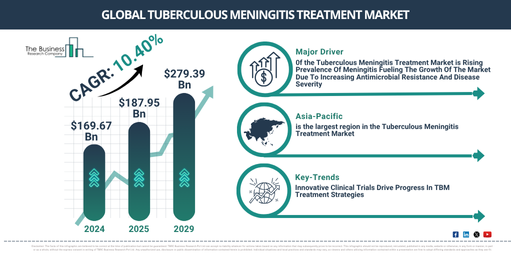
    The market size for treating tuberculous meningitis has seen a dramatic increase in previous years. The projections show a growth from $169.67 billion in 2024 to a staggering $187.95 billion in 2025, yielding a compound annual growth rate (CAGR) of 10.8%. The expansion during the historical period is believed to have been propelled by the widespread occurrence of tuberculosis, the growing HIV/AIDS problem, governmental efforts to curb TB, heightened awareness among healthcare professionals, and lack of sufficient healthcare facilities.

    What Growth Rate Is Forecasted for the Tuberculous Meningitis Treatment Market by 2029?

    In the coming years, the market size for tuberculous meningitis treatment is projected to experience swift expansion, soaring to $279.39 billion by 2029 with a compound annual growth rate (CAGR) of 10.4%. The anticipated growth in the forthcoming period can be linked to factors such as heightened prevalence of drug-resistant and extensively drug-resistant TBM, enhanced formulations of pediatric drugs, financial support from governments and international health organizations, and the enlargement of awareness and screening initiatives. Key trends projected during the forecast period encompass the incorporation of digital health and telemedicine, the creation of new anti-TB medication and supplementary therapies, the intersection of TBM treatment with HIV management, progress in rapid and accurate diagnostic tools, and innovative combination therapy solutions.

    Download The Free Sample Report Here:

    https://www.thebusinessresearchcompany.com/sample.aspx?id=24730&type=smp

    Which Key Companies Are Shaping the Future of the Tuberculous Meningitis Treatment Market?

    Major companies operating in the tuberculous meningitis treatment market are Merck & Co. Inc., Sanofi S.A., GlaxoSmithKline plc, Otsuka Pharmaceutical Co. Ltd., Sun Pharmaceutical Industries Limited, Aurobindo Pharma Limited, Cipla Limited, Cadila Pharmaceuticals Ltd., Amneal Pharmaceuticals Inc., Lupin Limited, Alkem Laboratories Limited, Macleods Pharmaceuticals Ltd., Torrent Pharmaceuticals Limited, Strides Pharma Science Limited, Ajanta Pharma Limited, Wockhardt Limited, Orchid Pharma Limited, Panacea Biotec Limited, Anuh Pharma Ltd., Rusan Pharma Ltd.

    Which Factors Are Driving Demand in the Tuberculous Meningitis Treatment Industry?

    The escalating incidence of meningitis is anticipated to spur the expansion of the tuberculous meningitis treatment market. Meningitis involves the swelling of the protective layers enveloping the brain and spinal cord, typically resulting from infections. If not promptly treated, it can cause significant neurological complications. The frequency of meningitis is ascending due to increased antimicrobial resistance, which complicates the effective treatment of bacterial infections, leading to extended illnesses, heightened transmission rates, and an amplified risk of outbreaks. Tuberculous meningitis treatments address this by eradicating tuberculosis bacteria, relieving brain swelling and alleviating brain pressure, thus aiding in preventing complications and enhancing patient recovery. Meningitis Now, a meningitis charity based in the UK noted that confirmed cases of invasive meningococcal disease increased to 396 in 2023 from 205 in 2022, as per their September 2024 report. Consequently, the escalating incidence of meningitis is catalyzing the expansion of the tuberculous meningitis treatment market. The augmented health care expenditure is also anticipated to spur the expansion of the tuberculous meningitis treatment market. The total sum spent on medical services, treatments, and health-linked resources comprises healthcare expenditure. The rising health care expenditure can be attributed to an aging population, thereby necessitating more medical services, extended care, and treatments associated with age, together exerting a more significant financial strain on healthcare systems. Tuberculous meningitis treatment benefits from healthcare expenditure via funding vital diagnostics, sophisticated medications, qualified care, and clinical research, thereby enhancing patient outcomes and reducing the disease burden. The American Medical Association, a professional association based in the U.S., reported in April 2025 that health spending in the U.S. witnessed a hike of 7.5% to $4.9 trillion, or $14,570 per person in 2023, marking a substantial increase in comparison to the 4.6% growth marked in 2022. Therefore, the augmented healthcare expenditure is spurring the expansion of the tuberculous meningitis treatment market.

    Request For A Customized Report:

    https://www.thebusinessresearchcompany.com/customise?id=24730&type=smp

    How Is the Tuberculous Meningitis Treatment Market Segmented by Several Divisions?

    The tuberculous meningitis treatment market covered in this report is segmented –

    1) By Treatment: Antibiotic Therapy, Adjunctive Corticosteroid Therapy, Neurosurgical Management

    2) By Distribution Channel: Hospital Pharmacy, Retail Pharmacy, Online Pharmacy

    3) By End User: Hospitals, Specialty Clinics, Other End Users

    Subsegments:

    1) By Antibiotic Therapy: First-Line Anti-Tuberculosis Drugs, Second-Line Anti-Tuberculosis Drugs

    2) By Adjunctive Corticosteroid Therapy: Dexamethasone, Prednisolone

    3) By Neurosurgical Management: Ventriculoperitoneal Shunt, External Ventricular Drainage (EVD), Surgical Removal Of Tuberculoma

    What are the Emerging Market Trends Driving the Growth of the Tuberculous Meningitis Treatment Industry?

    Major firms in the realm of tuberculous meningitis therapy are emphasizing the progression of treatment methods via ongoing clinical studies to bolster effectiveness and enhance patient results. Clinical trials are human research studies aimed at determining the safety, efficacy, and ideal application of medical interventions, including drugs, vaccines, and procedures. They play a pivotal role in confirming the effectiveness of a newly developed treatment, understanding potential side effects, and comparing its performance with existing treatments before they can be approved for general use. For example, in December 2023, the AIDS Clinical Trials Group, an American organization conducting HIV clinical trials, commenced the IMAGINE-TBM (A5384) clinical study. This international, randomized, open-label phase 2 research aims to evaluate a new six-month treatment plan for tuberculous meningitis (TBM). The plan featuring high-dose rifampicin, high-dose isoniazid, linezolid, and pyrazinamide will be juxtaposed with the prevailing nine-month standard care. The study, involving 330 participants aged 15 or older, irrespective of their HIV status, from various high-TB-risk countries, aims to assess the safety and efficacy of the abbreviated regimen hoping to improve treatment results and lessen therapy duration for this grave condition.

    Access The Full Report Here:

    https://www.thebusinessresearchcompany.com/report/tuberculous-meningitis-treatment-global-market-report

    Which Regions Are Driving Growth in the Tuberculous Meningitis Treatment Market?

    Asia-Pacific was the largest region in the tuberculous meningitis treatment market in 2024. The regions covered in the tuberculous meningitis treatment market report are Asia-Pacific, Western Europe, Eastern Europe, North America, South America, Middle East, Africa.

    Purchase The Full Report Today:

    https://www.thebusinessresearchcompany.com/purchaseoptions.aspx?id=24730

    This Report Delivers Insight On:

    1. How big is the tuberculous meningitis treatment market, and how is it changing globally?

    2. Who are the major companies in the tuberculous meningitis treatment market, and how are they performing?

    3. What are the key opportunities and risks in the tuberculous meningitis treatment market right now?

    4. Which products or customer segments are growing the most in the tuberculous meningitis treatment market?

    5. What factors are helping or slowing down the growth of the tuberculous meningitis treatment market?

    About The Business Research Company:

    With over 15000+ reports from 27 industries covering 60+ geographies, The Business Research Company has built a reputation for offering comprehensive, data-rich research and insights. Armed with 1,500,000 datasets, the optimistic contribution of in-depth secondary research, and unique insights from industry leaders, you can get the information you need to stay ahead in the game.

    Get in touch with us:

    The Business Research Company: https://www.thebusinessresearchcompany.com/

    Americas +1 3156230293

    Asia +44 2071930708

    Europe +44 2071930708

    Email us at info@tbrc.info

    Follow us on:

    LinkedIn: https://in.linkedin.com/company/the-business-research-company

    YouTube: https://www.youtube.com/channel/UC24_fI0rV8cR5DxlCpgmyFQ

    Global Market Model: https://www.thebusinessresearchcompany.com/global-market-model
  • Microbial Bio-Surfactants Forecast Report – Designed for Decision Makers and Product Teams

    Microbial Bio-Surfactants Forecast Report – Designed for Decision Makers and Product Teams

    Claim your 30% discount on Global Market Reports with code ONLINE30. Limited time only.

    #What Is the Growth Rate of the Microbial Bio-Surfactants Market?#_x000D_

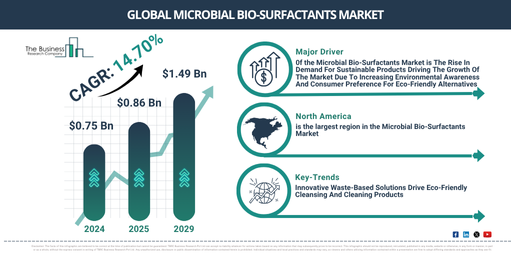
    In recent times, there has been a swift expansion in the microbial bio-surfactants market. The market value is set to increase from $0.75 billion in 2024 to $0.86 billion in 2025, boasting a compound annual growth rate (CAGR) of 15.0%. The historic growth stems from heightened demand for eco-conscious substitutes to synthetic surfactants, a surge in the usage of bio-based products in the personal care sector, increasing preference for biodegradable and harmless industrial solutions, an escalated use of microbial bio-surfactants in dealing with oil spills, and a growing need for natural components in cosmetic formulas._x000D_

    _x000D_

    #What Growth Rate Is Forecasted for the Microbial Bio-Surfactants Market by 2029?#_x000D_

    The market size for microbial bio-surfactants is predicted to experience swift expansion in the coming years, with a projection to reach $1.49 billion by 2029 at a compound annual growth rate (CAGR) of 14.7%. This growth over the forecast period can be linked to the rising demand for organic and natural skincare mixes, increased emphasis on sustainable production mechanisms and the circular bioeconomy, its growing application in emulsification processes in food and beverages, escalating favorability of vegan and cruelty-free personal care items, and the consumer drift towards organic domestic cleaning merchandise. Dominant trends anticipated during the forecast phase encompass the creation of economical production techniques, the development of custom biosurfactant mixtures, integration within the frameworks of circular bioeconomy, advancements in genetic engineering platforms, and amalgamation into cosmetic concoctions._x000D_

    _x000D_

    #Download The Free Sample Report Here:#_x000D_

    https://www.thebusinessresearchcompany.com/sample.aspx?id=24605&type=smp_x000D_

    _x000D_

    #Which Key Companies Are Shaping the Future of the Microbial Bio-Surfactants Market?#_x000D_

    Major companies operating in the microbial bio-surfactants market are Kaneka Corporation, BASF SE, Evonik Industries AG, Solvay S.A., Givaudan SA, Clariant International AG, Stepan Company, Croda International Plc, AmphiStar BV, Jeneil Biotech Inc., BiOWiSH Technologies Inc., Geocon Products Inc., Holiferm Limited, AGAE Technologies LLC, Biotensidon GmbH, GlycoSurf Inc., Tensiogreen LLC, Locus Performance Ingredients LLC, Toyobo Corporation Ltd., Shaanxi Deguan Biotechnology Co. Ltd._x000D_

    _x000D_

    #Which Factors Are Driving Demand in the Microbial Bio-Surfactants Industry?#_x000D_

    The microbial biosurfactants market is projected to flourish due to the surge in demand for environmentally friendly products. These sustainable products are planned, manufactured, and utilized to reduce environmental harm, conserve resources, and endorse societal and financial health throughout their existence. The increasing appeal of these products is mainly attributed to the heightened environmental consciousness among individuals. People are becoming increasingly mindful of their purchases’ ecological footprint and are seeking less harmful alternatives. Microbial biosurfactants cater to this need for green products by providing biodegradable, ecological substitutes that lessen dependence on man-made chemicals and decrease environmental degradation. For instance, the National Association of Convenience Stores, a United States-based trade group for the convenience and fuel retailing sector, reported in their April 2024 survey that consumer concern about the environmental consequence of their buying habits has grown to 80%, up from 68% in 2023 and 66% in 2022. This mounting requirement for sustainable goods propels the expansion of the microbial biosurfactants market._x000D_

    _x000D_

    #Request For A Customized Report:#_x000D_

    https://www.thebusinessresearchcompany.com/customise?id=24605&type=smp_x000D_

    _x000D_

    #How Is the Microbial Bio-Surfactants Market Segmented by Several Divisions?#_x000D_

    The microbial bio-surfactants market covered in this report is segmented –_x000D_

    _x000D_

    1) By Type: Anionic Biosurfactants, Cationic Biosurfactants, Non Ionic Biosurfactants, Amphoteric Biosurfactants_x000D_

    2) By Product: Methyl Ethyl Sulfonates, Alkyl Polyglucosides, Sorbitan Esters, Sophorolipids, Rhamnolipids, Sucrose Esters, Lipopeptides_x000D_

    3) By Source: Plant Based, Microbial Based, Animal Based_x000D_

    4) By Applications: Household Detergents, Agricultural Chemicals, Industrial Cleaners, Food Processing, Oilfield Chemicals, Personal Care, Textiles_x000D_

    _x000D_

    Subsegments_x000D_

    1) By Anionic Biosurfactants: Surfactin, Lichenysin, Fatty Acid Salts_x000D_

    2) By Cationic Biosurfactants: Amino Acid-Based Biosurfactants, Peptide-Lipid Conjugates_x000D_

    3) By Non-Ionic Biosurfactants: Trehalose Lipids, Mannosylerythritol Lipids, Polyol Lipids_x000D_

    4) By Amphoteric Biosurfactants: Zwitterionic Glycolipids, Zwitterionic Lipopeptides_x000D_

    _x000D_

    #What are the Emerging Market Trends Driving the Growth of the Microbial Bio-Surfactants Industry?#_x000D_

    Leading businesses in the microbial biosurfactants marketplace are prioritizing the creation of environment-friendly solutions like waste-based biosurfactants. These aim to diminish the environmental footprint and decrease manufacturing costs. Waste-based biosurfactants are surface-active compounds that microbes generate using waste materials as primary inputs, nudging production towards a greener, more cost-efficient direction. In October 2024, for example, AmphiStar BV, a biotechnology firm based in Belgium, launched two new waste-based biosurfactants, namely AmphiCare and AmphiClean, targeting personal and home care sectors. AmphiCare delivers impactful, gentle, and skin-compatible cleaning for personal care items, completely crafted from reclaimed bio-waste. It excludes sulfates, palm oil, and fossil-derived components, thereby drastically reducing its ecological impact. Conversely, AmphiClean provides potent, biodegradable cleaning options for home care by exclusively using food and agricultural waste streams. It’s efficient in removing grease and grime while maintaining a palm-free, fossil-free composition, ensuring it remains eco-friendly._x000D_

    _x000D_

    #Access The Full Report Here:#_x000D_

    https://www.thebusinessresearchcompany.com/report/microbial-bio-surfactants-global-market-report_x000D_

    _x000D_

    #Which Regions Are Driving Growth in the Microbial Bio-Surfactants Market?#_x000D_

    North America was the largest region in the microbial bio-surfactants market in 2024. Asia-Pacific is expected to be the fastest-growing region in the forecast period. The regions covered in the microbial bio-surfactants market report are Asia-Pacific, Western Europe, Eastern Europe, North America, South America, Middle East, Africa._x000D_

    _x000D_

    #Purchase The Full Report Today:#_x000D_

    https://www.thebusinessresearchcompany.com/purchaseoptions.aspx?id=24605_x000D_

    _x000D_

    #This Report Delivers Insight On: #_x000D_

    1. How big is the microbial bio-surfactants market, and how is it changing globally?_x000D_

    2. Who are the major companies in the microbial bio-surfactants market, and how are they performing?_x000D_

    3. What are the key opportunities and risks in the microbial bio-surfactants market right now?_x000D_

    4. Which products or customer segments are growing the most in the microbial bio-surfactants market?_x000D_

    5. What factors are helping or slowing down the growth of the microbial bio-surfactants market?_x000D_

    _x000D_

    #About The Business Research Company:#_x000D_

    With over 15000+ reports from 27 industries covering 60+ geographies, The Business Research Company has built a reputation for offering comprehensive, data-rich research and insights. Armed with 1,500,000 datasets, the optimistic contribution of in-depth secondary research, and unique insights from industry leaders, you can get the information you need to stay ahead in the game._x000D_

    _x000D_

    #Get in touch with us:#_x000D_

    The Business Research Company: https://www.thebusinessresearchcompany.com/_x000D_

    Americas +1 3156230293_x000D_

    Asia +44 2071930708_x000D_

    Europe +44 2071930708_x000D_

    Email us at info@tbrc.info_x000D_

    _x000D_

    #Follow us on:#_x000D_

    _x000D_

    LinkedIn: https://in.linkedin.com/company/the-business-research-company_x000D_

    YouTube: https://www.youtube.com/channel/UC24_fI0rV8cR5DxlCpgmyFQ_x000D_

    Global Market Model: https://www.thebusinessresearchcompany.com/global-market-model

  • Tramadol Drug Market Size to Exceed $6.3 Billion by 2029 | Growth and Industry Trends

    Tramadol Drug Market Size to Exceed $6.3 Billion by 2029 | Growth and Industry Trends

    Claim your 30% discount on Global Market Reports with code ONLINE30. Limited time only.

    How Has the Tramadol Drug Market Grown from 2024 to 2025?

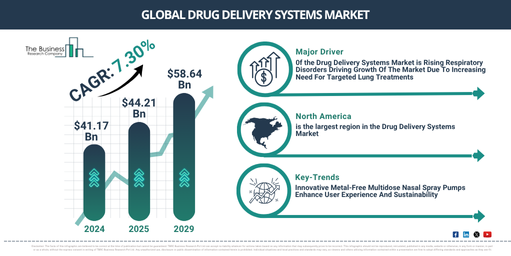
    The market size of the Tramadol drug has seen significant growth in the recent past. This market, which stood at $4.38 billion in 2024, is poised to increase to $4.72 billion in 2025 with a compound annual growth rate (CAGR) of 7.7%. The robust growth witnessed during the historical period can be credited to the surge in chronic pain prevalence, the increasing elderly population, surging demand for opioid painkillers, growing consciousness about pain management choices, and enhanced access to prescribed medications.

    What Growth Rate Is Anticipated for the Tramadol Drug Market in the Coming Years?

    Anticipations are high for the tramadol drug market size where significant expansion is projected in the coming years. It’s projected to reach a value of $6.3 billion in 2029, at a compound annual growth rate (CAGR) of 7.5%. This expected growth during the forecast period is due to several reasons including enlarged insurance coverages for pain treatments, a surge in post-operative proceedings, heightened occurrence of orthopedic disorders, online pharmacies’ expansion, and market entrance in newly developing areas. Major forecast period trends encompass advancements in drug delivery technology, creation of abuse-resistant formulas, combination treatments with non-opioids, development of drug formulations with the aid of artificial intelligence, and the advent of intelligent medication tracking packaging.

    Download The Free Sample Report Here:

    https://www.thebusinessresearchcompany.com/sample.aspx?id=24729&type=smp

    Who Are the Leading Companies in the Tramadol Drug Market?

    Major companies operating in the tramadol drug market are Teva Pharmaceutical Industries Ltd., Sun Pharmaceutical Industries Ltd., Apotex Inc., Aurobindo Pharma Limited, Grünenthal GmbH, Nippon Shinyaku Co., Ltd., Ipca Laboratories Ltd., Piramal Pharma Solutions Limited, MSN Laboratories Pvt. Ltd., Ajanta Pharma Limited, Wockhardt Ltd., Troikaa Pharmaceuticals Ltd., Sakar Healthcare Limited, Unosource Pharma Limited, Labopharm Inc., Hiral Laboratories Limited, Nuray Chemicals Pvt. Ltd., Lavybens Pharma Private Limited, Jubilant Generics Limited, SLR Pharma Pvt. Ltd.

    What Are the Key Drivers of the Tramadol Drug Market?

    Anticipated to fuel the tramadol drug market’s advancement is the increasing incidence of orthopedic disorders. These are medical issues involving the bones, joints, muscles, ligaments, or tendons, bringing about pain and restricted mobility. The growing aging population significantly contributes to the rise in orthopedic disorders, leading to a higher occurrence of age-related diseases such as osteoarthritis and osteoporosis, which result in joint degeneration and bone weakening. Tramadol is beneficial for orthopedic disorders as it eases moderate to severe pain arising from conditions like fractures or post-surgical recovery by acting upon the central nervous system to lessen the sensation of pain. For example, in March 2023, the UK government’s Office for Health Improvement & Disparities stated in a report that, in 2022, people aged 16 and over who self-reported a long-term musculoskeletal (MSK) condition increased to 17.6% from 17.0% in 2021. Thus, the escalating prominence of orthopedic disorders is fuelling the tramadol drug market’s growth. Increasing healthcare expenses, driven by a higher requirement for medical services and pain management, are projected to propel the forward movement of the tramadol drug market. Healthcare spending includes the total money used on health-related resources, treatments, and medical services over a particular period. This spending is significantly rising with the growing aging population, leading to a higher need for medical services, long-term care, and age-related treatments, imposing a larger financial load on healthcare systems. Healthcare expenditure aids tramadol, a prescribed pain medication, by financing the necessary infrastructure for its safe use, distribution, research, and regulation. For example, the American Medical Association, a professional association based in the U.S., stated in April 2025 that, in 2023, U.S. health expenses increased by 7.5%, reaching $4.9 trillion or $14,570 per individual, marking a remarkable increase from the 4.6% growth seen in 2022. Therefore, the surging healthcare expenditure continues to drive the tramadol drug market’s growth.

    Request For A Customized Report:

    https://www.thebusinessresearchcompany.com/customise?id=24729&type=smp

    What Are the Key Market Segments in the Tramadol Drug Industry?

    The tramadol drug market covered in this report is segmented –

    1) By Type: Tablet, Capsule, Liquid, Suspension, Other Types

    2) By Therapeutic Use: Pain Management, Anxiety Disorder, Postoperative Pain

    3) By Route Of Administration: Oral, Intravenous, Intramuscular

    4) By Distribution Channel: Hospital Pharmacies, Retail Pharmacies, Online Pharmacies

    5) By Application: Clinic, Hospital, Other Applications

    Subsegments:

    1) By Tablet: Immediate-Release Tablets, Extended-Release Tablets, Orally Disintegrating Tablets, Effervescent Tablets

    2) By Capsule: Hard Gelatin Capsules, Soft Gelatin Capsules, Modified-Release Capsules

    3) By Liquid: Oral Solution, Injectable Solution, Intravenous (IV) Formulation

    4) By Suspension: Reconstitutable Powder Suspension, Ready-To-Use Oral Suspension

    5) By Other Types: Suppositories, Transdermal Patches, Sublingual Tablets, Buccal Films, Topical Creams Or Gels

    What Are the Latest Trends in the Tramadol Drug Market?

    Leading organizations in the tramadol drug market are strategically focusing on securing regulatory approvals to widen their product offerings and break into new geographical markets. Regulatory approvals denote the official authorizations granted by governmental health bodies or regulatory agencies, permitting a pharmaceutical company to lawfully market and sell a drug within a specific country or region. For example, in 2022, Kowa Pharmaceuticals America Inc., a pharmaceutical entity based in the United States, disclosed the publication of their Phase 3 clinical trial data for SEGLENTIS, a compound of celecoxib 56 mg and tramadol hydrochloride 44 mg, an approved co-crystal formulation for managing moderate to severe acute pain in fitting adult patients by the Food and Drug Administration, a government agency based in the US. SEGLENTIS is a multimodal analgesic, utilizing four complementary pain relief processes involving both peripheral and central channels, presenting it as an innovative alternative for acute pain treatment in adults when other therapies fall short. This hybrid analgesic, using multiple pain relief methods, offers an efficacious alternative for managing acute pain in adults when other therapies are not sufficient.

    Access The Full Report Here:

    https://www.thebusinessresearchcompany.com/report/tramadol-drug-global-market-report

    What Are the Key Regional Markets in the Tramadol Drug Industry?

    North America was the largest region in the tramadol drug market in 2024. The regions covered in the tramadol drug market report are Asia-Pacific, Western Europe, Eastern Europe, North America, South America, Middle East, Africa.

    Purchase The Full Report Today:

    https://www.thebusinessresearchcompany.com/purchaseoptions.aspx?id=24729

    This Report Delivers Insight On:

    1. How big is the tramadol drug market, and how is it changing globally?

    2. Who are the major companies in the tramadol drug market, and how are they performing?

    3. What are the key opportunities and risks in the tramadol drug market right now?

    4. Which products or customer segments are growing the most in the tramadol drug market?

    5. What factors are helping or slowing down the growth of the tramadol drug market?

    About The Business Research Company:

    With over 15000+ reports from 27 industries covering 60+ geographies, The Business Research Company has built a reputation for offering comprehensive, data-rich research and insights. Armed with 1,500,000 datasets, the optimistic contribution of in-depth secondary research, and unique insights from industry leaders, you can get the information you need to stay ahead in the game.

    Get in touch with us:

    The Business Research Company: https://www.thebusinessresearchcompany.com/

    Americas +1 3156230293

    Asia +44 2071930708

    Europe +44 2071930708

    Email us at info@tbrc.info

    Follow us on:

    LinkedIn: https://in.linkedin.com/company/the-business-research-company

    YouTube: https://www.youtube.com/channel/UC24_fI0rV8cR5DxlCpgmyFQ

    Global Market Model: https://www.thebusinessresearchcompany.com/global-market-model
  • Drug Delivery Systems Market Projected at $58.64 Billion by 2029 | Strategic Insights and Forecast Data

    Drug Delivery Systems Market Projected at $58.64 Billion by 2029 | Strategic Insights and Forecast Data

    Claim your 30% discount on Global Market Reports with code ONLINE30. Limited time only.

    How Has the Drug Delivery Systems Market Size Changed, over the years?

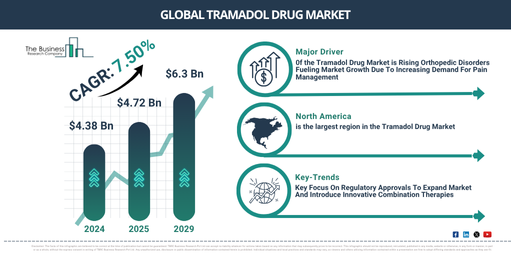
    In recent years, the market size for drug delivery systems has seen significant growth. It’s projected to expand from $41.17 billion in 2024 to $44.21 billion in 2025, with a compound annual growth rate (CAGR) of 7.4%. This growth during the historic period can be tied to factors such as an increase in research and development investments, a surge in chronic diseases, growth in biologics and monoclonal antibodies, a high demand for non-invasive delivery methods, as well as a need for enhanced patient compliance and adherence.

    How Much Will the Drug Delivery Systems Market Be Worth in 2029?

    The market for drug delivery systems is predicted to experience robust growth in the upcoming years, expanding to a worth of $58.64 billion in 2029 at a compound annual growth rate (CAGR) of 7.3%. This anticipated growth during the forecast period can be linked to the increasing emphasis on personalized medicine, a growing list of intricate and sensitive drugs in the pipeline, a rise in uncommon and orphan diseases, favorable regulatory environments for novel delivery systems, and an increasing elderly demographic. Main trends expected during this period are the formulation of drug delivery systems based on nanotechnology, advancements in controlled-release and sustained-release technologies, progress in biologics and biosimilars that need specialized delivery, incorporation of intelligent drug delivery devices, and the design of targeted delivery systems for cancer treatment.

    Download The Free Sample Report Here:

    https://www.thebusinessresearchcompany.com/sample.aspx?id=24523&type=smp

    Which is the Largest Company in the Drug Delivery Systems Market?

    Major companies operating in the drug delivery systems market are Pfizer Inc., Johnson & Johnson, F. Hoffmann-La Roche AG, Merck & Co. Inc., AbbVie Inc., Bayer AG, Sanofi S.A., Bristol-Myers Squibb Company, AstraZeneca PLC, Abbott Laboratories Inc., Novartis AG, GlaxoSmithKline PLC, Eli Lilly and Company, Amgen Inc., Becton, Dickinson and Company, Teva Pharmaceutical Industries Ltd., Boston Scientific Corporation, Tandem Diabetes, Pacira Biosciences, Poseida Therapeutics, Universal Stabilization Technologies Inc., Spectrum Pharmaceuticals Inc., VasoRx Inc.

    What Are the Main Market Drivers in the Drug Delivery Systems Industry?

    The drug delivery systems market is expected to expand due to the growing occurrence of respiratory disorders. Respiratory disorders interfere with the standard functioning of the lungs and airways, leading to breathing difficulties and less oxygen absorption. The escalating levels of air pollution, which continuously expose people to harmful airborne particles and gases, play a part in increasing respiratory disorders, thereby impacting lung function and leading to the progression of respiratory conditions. Drug delivery systems are crucial for effectively treating and managing respiratory afflictions like asthma, chronic obstructive pulmonary disease (COPD), pulmonary fibrosis, and cystic fibrosis. These systems ensure that the medication is delivered directly to the lungs, thereby enhancing treatment outcomes and reducing systemic side effects. For example, the UK Health Security Agency, a government body in the UK, reported in March 2025 that tuberculosis cases in England saw a rise of 13%, from 4,850 cases in 2023 to 5,480 cases in 2024. Hence, the surge in respiratory disorders is projected to spur growth in the drug delivery systems market.

    Request For A Customized Report:

    https://www.thebusinessresearchcompany.com/customise?id=24523&type=smp

    How Is the Drug Delivery Systems Market Segments Structured?

    The drug delivery systems market covered in this report is segmented –

    1) By Type: Injection-Based Drug Delivery System, Oral Drug Delivery System, Inhalation Or Pulmonary Drug Delivery System, Transmucosal Drug Delivery System

    2) By Material: Polymer-Based Drug Delivery Systems, Lipid-Based Drug Delivery Systems, Inorganic Drug Delivery Systems, Biologics-Based Drug Delivery Systems, Hybrid Drug Delivery Systems

    3) By Application: Infectious Disease, Oncology, Ophthalmology, Urology, Diabetes, Central Nervous System, Other Applications

    4) By End-User: Hospitals, Pharmaceutical Companies, Research Institutions, Homecare Settings, Diagnostic Laboratories

    Subsegments:

    1) By Injection-Based Drug Delivery System: Intravenous (IV), Intramuscular (IM), Subcutaneous (SC), Intradermal, Intrathecal, Depot Injections, Needle-Free Injectors

    2) By Oral Drug Delivery System: Tablets, Capsules, Solutions And Syrups, Suspensions, Powders And Granules, Modified Release Formulations

    3) By Inhalation Or Pulmonary Drug Delivery System: Metered Dose Inhalers (MDIs), Dry Powder Inhalers (DPIs), Nebulizers, Soft Mist Inhalers, Nasal Sprays

    4) By Transmucosal Drug Delivery System: Buccal Delivery, Sublingual Delivery, Rectal Delivery, Vaginal Delivery, Nasal Mucosal Delivery

    What Strategic Trends Are Transforming the Drug Delivery Systems Market?

    Leading companies in the drug delivery systems market are now prioritizing the development of innovative solutions, such as metal-free, multidose nasal spray pumps, to enhance user comfort and ease of use. These devices have been specifically designed to administer multiple doses of medication through the patient’s nasal passage without relying on any metal parts, guaranteeing both safety and compatibility with a variety of formulations. For example, in January 2023, Aptar Pharma, a pharmaceutical firm based in the US, introduced the APF Futurity metal-free, multidose nasal spray pump. This device is meticulously designed to deliver nasal saline and other related over-the-counter items, with a great emphasis on recyclability. As Aptar Pharma’s first fully recyclable nasal spray pump, it achieved Class AA certification from cyclos-HTP for recycling systems in Europe. Its construction from purely polyolefin materials, devoid of any metal parts or pollutants that may hinder recycling, allows for efficient recycling and enhances the quality of the recyclate. By leveraging Aptar Pharma’s Advanced Preservative Free technology, this metal-free pump guarantees accurate and regular doses through a gentle process, without sacrificing ease of use or performance.

    Access The Full Report Here:

    https://www.thebusinessresearchcompany.com/report/drug-delivery-systems-global-market-report

    Which Global Regions Offer the Highest Growth in the Drug Delivery Systems Market?

    North America was the largest region in the drug delivery system market in 2024. Asia-Pacific is expected to be the fastest-growing region in the forecast period. The regions covered in the drug delivery systems market report are Asia-Pacific, Western Europe, Eastern Europe, North America, South America, Middle East, Africa.

    Purchase The Full Report Today:

    https://www.thebusinessresearchcompany.com/purchaseoptions.aspx?id=24523

    This Report Delivers Insight On:

    1. How big is the drug delivery systems market, and how is it changing globally?

    2. Who are the major companies in the drug delivery systems market, and how are they performing?

    3. What are the key opportunities and risks in the drug delivery systems market right now?

    4. Which products or customer segments are growing the most in the drug delivery systems market?

    5. What factors are helping or slowing down the growth of the drug delivery systems market?

    About The Business Research Company:

    With over 15000+ reports from 27 industries covering 60+ geographies, The Business Research Company has built a reputation for offering comprehensive, data-rich research and insights. Armed with 1,500,000 datasets, the optimistic contribution of in-depth secondary research, and unique insights from industry leaders, you can get the information you need to stay ahead in the game.

    Get in touch with us:

    The Business Research Company: https://www.thebusinessresearchcompany.com/

    Americas +1 3156230293

    Asia +44 2071930708

    Europe +44 2071930708

    Email us at info@tbrc.info

    Follow us on:

    LinkedIn: https://in.linkedin.com/company/the-business-research-company

    YouTube: https://www.youtube.com/channel/UC24_fI0rV8cR5DxlCpgmyFQ

    Global Market Model: https://www.thebusinessresearchcompany.com/global-market-model
  • Toxicology Drug Screening Industry Insights 2025 – Market Forecast for Executives and Planners

    Toxicology Drug Screening Industry Insights 2025 – Market Forecast for Executives and Planners

    Claim your 30% discount on Global Market Reports with code ONLINE30. Limited time only.

    How Has the Toxicology Drug Screening Market Size Changed, over the years?

    In the past few years, the size of the toxicology drug screening market has experienced significant growth. It is projected to increase from $19.56 billion in 2024 to $21.44 billion in 2025, boasting a compound annual growth rate (CAGR) of 9.6%. Factors contributing to the growth during the historic period include a surge in drug abuse cases, the enforcement of workplace drug testing policies, the widespread use of toxicology screening in sports, the development of forensic toxicology services, and the escalating demand for toxicology reports in criminal investigations.

    How Much Will the Toxicology Drug Screening Market Be Worth in 2029?

    The market size of toxicology drug screening is set to experience substantial growth in the upcoming years, rising to $30.67 billion in 2029 with a compound annual growth rate (CAGR) of 9.4%. This expected growth during the forecasted period can be ascribed to the escalating demand for personalized medicine, augmented regulatory concentration on drug safety, increasing consumption of cannabis and synthetic drugs, expansion of health infrastructure in emerging markets, and growing cases of substance abuse. The forecasted period will also see major trends such as improvements in high-throughput screening technologies, enhanced use of AI in toxicology examination, growth of point-of-care toxicology tests, novel ideas in biomarker-based screening techniques, and progress in automation and robotics for drug screening.

    Download The Free Sample Report Here:

    https://www.thebusinessresearchcompany.com/sample.aspx?id=24728&type=smp

    Which is the Largest Company in the Toxicology Drug Screening Market?

    Major companies operating in the toxicology drug screening market are Thermo Fisher Scientific Inc., Abbott Laboratories, Danaher Corporation, Merck KGaA, Siemens Healthineers, BD Bioscience, Quest Diagnostics, ICON plc, Agilent Technologies Inc., Eurofins Scientific SE, Wuxi AppTec, Charles River Laboratories International Inc., Shimadzu Corporation, Waters Corporation, Bio-Rad Laboratories Inc., Bruker Corporation, Evotec AG, Promega Corporation, The Jackson Laboratory, Clinical Reference Laboratory Inc., Enzo Life Sciences Inc., Covance Inc., Randox Toxicology, Alere Inc.

    What Are the Main Market Drivers in the Toxicology Drug Screening Industry?

    The toxicology drug screening market is projected to expand due to the escalating epidemic of drug misuse. Drug misuse, a destructive or excessive consumption of drugs for non-therapeutic reasons, negatively affects an individual’s health and overall life. The drug misuse trend escalates as individuals grapple with increasing stress and mental health issues, causing many to turn to substance misuse as a coping strategy. Toxicology drug screening plays a critical role in this context by identifying the presence of drugs or their by-products in an individual’s body, facilitating premature detection, diagnosis, and supervision of substance misuse or overdose. To illustrate, in August 2024, the National Records of Scotland (NRS), a government department in Scotland, reported 1,172 drug misuse deaths in 2023, a 12% increase (121 extra deaths) compared to 2022. As a result, the escalating drug misuse epidemic is propelling the growth of the toxicology drug screening market.

    Request For A Customized Report:

    https://www.thebusinessresearchcompany.com/customise?id=24728&type=smp

    How Is the Toxicology Drug Screening Market Segments Structured?

    The toxicology drug screening market covered in this report is segmented –

    1) By Type: Monitoring And Logging, Security, Storage And Continuous Integration Or Continuous Deployment, Management And Orchestration, Networking And Data Management Services, Other Types

    2) By Test Type: Acute Systemic Toxicity, Dermal Toxicity, Carcinogenicity, Ocular Toxicity, Genotoxicity, Neurotoxicity, Organ-Specific Toxicity

    3) By Technology Type: High-Throughput Screening, Genomics, Transcriptomics, Toxicogenomics, Molecular Screening

    4) By Application: Immunotoxicity, Systemictoxicity, Developmental And Reproductive Toxicity (DART), Endocrine Disruption, Other Applications

    5) By End Users: Hospitals, Clinics, Contract Research Organizations (CROs), Pharmaceutical Companies, Workplace Testing Facilities

    Subsegments:

    1) By Monitoring And Logging: Real-Time Drug Monitoring Systems, Bioanalytical Instrumentation Logs, Toxicity Alert Notification Systems, Compliance And Audit Trail Monitoring

    2) By Security: Data Encryption Solutions For Lab Reports, Access Control Systems For Toxicology Data, Secure Sample Tracking Systems, HIPAA Or GDPR-Compliant Drug Testing Platforms

    3) By Storage And Continuous Integration Or Continuous Deployment: Cloud-Based Sample Data Storage Solutions, Automated Toxicology Report Generation Pipelines, LIMS (Laboratory Information Management Systems) Integration Tools, Version Control For Test Protocols And Databases

    4) By Management And Orchestration: Workflow Automation Tools For Toxicology Labs, Centralized Dashboard For Drug Screening Management, Multi-Site Test Scheduling And Coordination Platforms, Vendor Management Systems For Lab Supplies

    5) By Networking And Data Management Services: Interoperability Platforms For Healthcare Data Exchange, Toxicology Data Integration Services With EHR/EMR Systems, Remote Access For Toxicology Results And Analysis, Data Warehousing For Toxicology And Screening Records

    6) By Other Types: AI-Powered Predictive Toxicology Platforms, Mobile Drug Screening Applications, Blockchain-Based Chain Of Custody Solutions, Voice And Image Recognition Tools In Toxicology

    What Strategic Trends Are Transforming the Toxicology Drug Screening Market?

    Leading corporations in the toxicology drug screening market are increasingly directing their efforts towards the introduction of cutting-edge solutions such as forensic toxicology screening. This innovation aims to improve the speed and precision of substance detection in clinical, forensic, and occupational environments. Forensic toxicology screening entails the examination of biological specimens to detect and identify drugs, toxins, or poisons involved in criminal activities, accidents, or fatalities, primarily for legal investigative reasons. For example, Thermo Fisher Scientific Inc., a biotechnology and life sciences firm based in the US, unveiled the ToxSpec Analyzer in June 2022. This comprehensive LC-MS (liquid chromatography-mass spectrometry) solution is specifically designed for clinical and forensic toxicology screening applications. The system unifies hardware, software, and validated methodologies to automate and simplify the drug analytes screening process, making it user-friendly even for labs unfamiliar with LC-MS/MS technology. Through this innovation, the ToxSpec Analyzer enhances workflow productivity, heightens identification certainty, and provides the option to incorporate new compounds as necessary.

    Access The Full Report Here:

    https://www.thebusinessresearchcompany.com/report/toxicology-drug-screening-global-market-report

    Which Global Regions Offer the Highest Growth in the Toxicology Drug Screening Market?

    North America was the largest region in the toxicology drug screening market in 2024. Asia-Pacific is expected to be the fastest-growing region in the forecast period. The regions covered in the toxicology drug screening market report are Asia-Pacific, Western Europe, Eastern Europe, North America, South America, Middle East, Africa.

    Purchase The Full Report Today:

    https://www.thebusinessresearchcompany.com/purchaseoptions.aspx?id=24728

    This Report Delivers Insight On:

    1. How big is the toxicology drug screening market, and how is it changing globally?

    2. Who are the major companies in the toxicology drug screening market, and how are they performing?

    3. What are the key opportunities and risks in the toxicology drug screening market right now?

    4. Which products or customer segments are growing the most in the toxicology drug screening market?

    5. What factors are helping or slowing down the growth of the toxicology drug screening market?

    About The Business Research Company:

    With over 15000+ reports from 27 industries covering 60+ geographies, The Business Research Company has built a reputation for offering comprehensive, data-rich research and insights. Armed with 1,500,000 datasets, the optimistic contribution of in-depth secondary research, and unique insights from industry leaders, you can get the information you need to stay ahead in the game.

    Get in touch with us:

    The Business Research Company: https://www.thebusinessresearchcompany.com/

    Americas +1 3156230293

    Asia +44 2071930708

    Europe +44 2071930708

    Email us at info@tbrc.info

    Follow us on:

    LinkedIn: https://in.linkedin.com/company/the-business-research-company

    YouTube: https://www.youtube.com/channel/UC24_fI0rV8cR5DxlCpgmyFQ

    Global Market Model: https://www.thebusinessresearchcompany.com/global-market-model
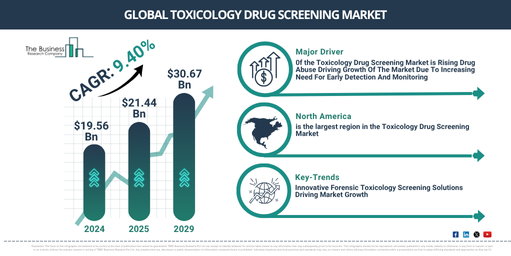
  • Topical Antifungals Market Trends Report 2025 – For Business Development and Strategy Teams

    Topical Antifungals Market Trends Report 2025 – For Business Development and Strategy Teams

    Claim your 30% discount on Global Market Reports with code ONLINE30. Limited time only.

    What Is the Forecast for the Topical Antifungals Market Growth in 2025?

    In recent times, the topical antifungals market has shown considerable growth and is projected to expand from a market size of $5.64 billion in 2024 to $6.02 billion in 2025, indicating a compound annual growth rate (CAGR) of 6.7%. Multiple factors have contributed to this prominent growth during the historic period, including a surge in nosocomial infections, heightened adoption of topical drugs, an increase in the number of identified aspergillus molds, a growing demand for antifungal medications, and a rising prevalence of diabetes cases.

    What Is the Forecast for the Topical Antifungals Market Size Through 2029?

    In the forthcoming years, the market for topical antifungals is poised for robust growth. It is projected to expand to $7.74 billion by 2029, with a compound annual growth rate (CAGR) of 6.5%. The increased growth during the predicted period can be linked to factors such as surging cases of subpar hygiene and climate changes, rising occurrence of chronic illnesses, a growing elderly population, an uptick in vulvovaginal candida cases, and a rise in cryptococcosis prevalence. The forecast period is likely to witness prominent trends such as evolving drug delivery systems, a shift towards relatively more cost-effective, advanced diagnostic tools, the use of artificial intelligence in drug discovery, and AI-enabled diagnoses of fungal infections.

    Download The Free Sample Report Here:

    https://www.thebusinessresearchcompany.com/sample.aspx?id=24727&type=smp

    What are the Key Market Players in Topical Antifungals Market and How They’re Evolving?

    Major companies operating in the topical antifungals market are Pfizer Inc., Bayer AG, Novartis AG, GSK plc, Fresenius Kabi AG, Macleods Pharmaceuticals Ltd, Sun Pharmaceutical Industries Ltd., Galderma S.A., Aurobindo Pharma Limited, Dr. Reddy’s Laboratories, Cipla Limited, LUPIN LIMITED, Zydus Cadila, Glenmark Pharmaceuticals Ltd., Alkem Laboratories Ltd., Ipca Laboratories Ltd, Taro Pharmaceutical Industries Ltd., Natco Pharma Ltd, Femcorp Pharma, Glamris Dermacare

    What Are the Primary Growth Drivers in the Topical Antifungals Market?

    The upward trend in skin diseases is projected to stimulate the expansion of the topical antifungals market. Skin ailments, which can range from irritation and inflammation to infections, affect the health, appearance, or function of the skin. This surge in skin-related issues can be attributed to heightened exposure to environmental contaminants and UV radiation, both known for causing damage to the skin and prompting various disorders. Topical antifungals offer a potent solution to these diseases, as they not only act directly on fungal pathogens but also decrease systemic exposure, lessen side effects, and speed up the healing process of impacted areas. For instance, a US-based peer-reviewed journal, the American Journal of Managed Care, reported in April 2022 that out of 40,000 patients sampled, 43% had experienced at least one skin condition or problem in the past year. In addition, the World Health Organization, a health organization based in Switzerland, estimated in March 2023 that nearly 1.8 billion people globally are affected by skin conditions at any one time. As a result, the rising incidence of skin diseases is set to fuel the growth of the topical antifungals market.

    Request For A Customized Report:

    https://www.thebusinessresearchcompany.com/customise?id=24727&type=smp

    What Are the Leading Segments in the Global Topical Antifungals Industry?

    The topical antifungals market covered in this report is segmented –

    1) By Product Type: Azoles, Allylamines, Echinocandins, Polyenes

    2) By Formulation Type: Creams, Ointments, Lotions, Sprays, Powders

    3) By Indication: Dermatophyte Infections, Candidiasis, Tinea Infections, Onychomycosis

    4) By Distribution Channel: Pharmacies, Online Pharmacies, Hospital Pharmacies, Drug Stores

    5) By End-User: Hospitals, Clinics, Home Healthcare, Pharmaceutical Companies

    Subsegments:

    1) By Azoles: Clotrimazole, Miconazole, Ketoconazole, Fluconazole

    2) By Allylamines: Terbinafine, Naftifine, Butenafine

    3) By Echinocandins: Caspofungin, Micafungin, Anidulafungin

    4) By Polyenes: Nystatin, Amphotericin B

    What Are the Key Market Trends in the Topical Antifungals Industry?

    Leading firms in the topical antifungals market are concentrating on creating revolutionary formulations such as histone deacetylase (HDAC) inhibitors. The objective is to increase the effectiveness of the treatment, tackle antifungal resistance, and boost nail bed penetration in the handling of onychomycosis. HDAC inhibitors act as compounds that impede histone deacetylase enzymes responsible for removing acetyl groups from histone proteins. In January 2024, for example, Vanda Pharmaceuticals Inc., an American biotech firm, earned approval from the US Food and Drug Administration (FDA) for reviewing VTR-297 as an onychomycosis remedy, a prevalent fungal nail infection. VTR-297, a small molecule HDAC inhibitor with antifungal attributes, was initially derived from the bacteria called Streptomyces hygroscopicus and initially identified as an antifungal antibiotic.

    Access The Full Report Here:

    https://www.thebusinessresearchcompany.com/report/topical-antifungals-global-market-report

    What Is the Regional Outlook for the Topical Antifungals Market?

    North America was the largest region in the topical antifungals market in 2024. Asia-Pacific is expected to be the fastest-growing region in the forecast period. The regions covered in the topical antifungals market report are Asia-Pacific, Western Europe, Eastern Europe, North America, South America, Middle East, Africa.

    Purchase The Full Report Today:

    https://www.thebusinessresearchcompany.com/purchaseoptions.aspx?id=24727

    This Report Delivers Insight On:

    1. How big is the topical antifungals market, and how is it changing globally?

    2. Who are the major companies in the topical antifungals market, and how are they performing?

    3. What are the key opportunities and risks in the topical antifungals market right now?

    4. Which products or customer segments are growing the most in the topical antifungals market?

    5. What factors are helping or slowing down the growth of the topical antifungals market?

    About The Business Research Company:

    With over 15000+ reports from 27 industries covering 60+ geographies, The Business Research Company has built a reputation for offering comprehensive, data-rich research and insights. Armed with 1,500,000 datasets, the optimistic contribution of in-depth secondary research, and unique insights from industry leaders, you can get the information you need to stay ahead in the game.

    Get in touch with us:

    The Business Research Company: https://www.thebusinessresearchcompany.com/

    Americas +1 3156230293

    Asia +44 2071930708

    Europe +44 2071930708

    Email us at info@tbrc.info

    Follow us on:

    LinkedIn: https://in.linkedin.com/company/the-business-research-company

    YouTube: https://www.youtube.com/channel/UC24_fI0rV8cR5DxlCpgmyFQ

    Global Market Model: https://www.thebusinessresearchcompany.com/global-market-model