Author: Marketing Posting

  • Market Analysis on Mastocytosis Drug Industry – Insights for Corporate Strategy and R&D

    Market Analysis on Mastocytosis Drug Industry – Insights for Corporate Strategy and R&D

    Claim your 30% discount on Global Market Reports with code ONLINE30. Limited time only.

    #What Is the Forecast for the Mastocytosis Drug Market from 2024 to 2025?#_x000D_

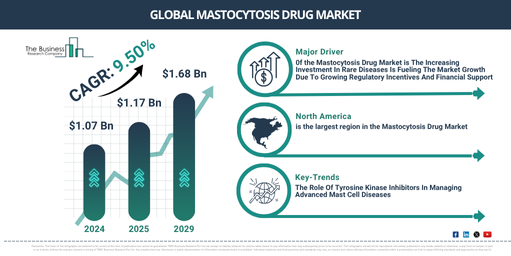
    In the past few years, there has been a robust expansion in the market size of mastocytosis drugs. From $1.07 billion in 2024, it is expected to rise to $1.17 billion in 2025, demonstrating a compound annual growth rate (CAGR) of 9.8%. Factors such as an aging population, a higher occurrence of blood cancer, increased application of biologic and immunotherapies, amplified healthcare spending, and an escalating prevalence of mastocytosis have contributed to this growth during the historic period._x000D_

    _x000D_

    #What Is the Projected Market Size of the Mastocytosis Drug Market?#_x000D_

    In the coming years, the mastocytosis drug market is anticipated to witness robust growth. By 2029, it’s projected to be worth $1.68 billion, growing at a compound annual growth rate (CAGR) of 9.5%. The expansion during the forecast period can be attributed to growing emphasis on treating rare diseases, emergence of personalized medicine, an increase in allergy and immune system disorder cases, increased usage of supportive therapies, and a broadening pipeline of drugs in development. Key trends for the forecast period encompass progress in medical research, the development of targeted therapies, advancement in genetic research, acceptance of combination therapies, and technological progress in drug delivery systems._x000D_

    _x000D_

    #Download The Free Sample Report Here:#_x000D_

    https://www.thebusinessresearchcompany.com/sample.aspx?id=24596&type=smp_x000D_

    _x000D_

    #Who are the Major Competitors in the Mastocytosis Drug Market Outlook?#_x000D_

    Major companies operating in the mastocytosis drug market are Pfizer Inc., Johnson & Johnson, Bayer AG, Sanofi S.A., Novartis AG, GSK plc, Teva Pharmaceutical Industries Limited, Alcon Inc., Bausch Health Companies Inc., Genentech Inc., Lupin Limited, Blueprint Medicines Corporation, Don Valley Pharma (Pvt.) Ltd., Vivan Life Sciences Private Limited, AB Science S.A., Medoz Pharmaceutical Private Limited, Zumax Biocare Private Limited, Hi-Cure Biotech Private Limited, Zenomed Healthcare Private Limited, Biosynth AG_x000D_

    _x000D_

    #What Is Fueling Growth in the Mastocytosis Drug Market?#_x000D_

    The mastocytosis drug market is anticipated to experience substantial growth due to the escalating investment in rare diseases. Rare diseases are health conditions that only affect a small fraction of the population, usually less than 200,000 people in the United States and less than 1 in 2,000 people in Europe. The rising investment in these rare diseases is incentivized by regulatory schemes, including orphan drug designations, extended market exclusivity, and tax credits. These factors help to mitigate development risks and maximize profitability for pharmaceutical companies. A mastocytosis drug is a specialized treatment that not only provides relief from mastocytosis symptoms, but also assists in the development of wider therapeutic breakthroughs for other rare diseases sharing similar immune and cellular pathways. For example, as per Global Genes, an American nonprofit organization, the first quarter of 2024 saw companies developing drugs for rare diseases raise $7.1 billion through public equity and debt financings. This constituted a 307% surge compared to the $1.8 billion raised in the corresponding period in 2023. Hence, the mounting investment in rare diseases is stimulating the development of the mastocytosis drug market._x000D_

    _x000D_

    #Request For A Customized Report:#_x000D_

    https://www.thebusinessresearchcompany.com/customise?id=24596&type=smp_x000D_

    _x000D_

    #Which Mastocytosis Drug Market Segments Are Growing the Fastest?#_x000D_

    The mastocytosis drug market covered in this report is segmented –_x000D_

    _x000D_

    1) By Drug Type: Antihistamines, Corticosteroids, Mast Cell Stabilizers_x000D_

    2) By Disease Type: Systemic Mastocytosis, Cutaneous Mastocytosis, Mast Cell Activation Syndrome_x000D_

    3) By Route Of Administration: Oral, Intravenous, Subcutaneous_x000D_

    4) By Distribution Channel: Hospital Pharmacy, Online Pharmacy, Retailers, Other Distribution Channels_x000D_

    5) By End Users: Hospitals, Homecare, Specialty Clinics, Other End Users_x000D_

    _x000D_

    Subsegments:_x000D_

    1) By Antihistamines: H1-Receptor Antagonists, H2-Receptor Antagonists_x000D_

    2) By Corticosteroids: Topical Corticosteroids, Oral Corticosteroids, Intravenous Corticosteroids_x000D_

    3) By Mast Cell Stabilizers: Cromolyn sodium, Ketotifen, Nedocromil_x000D_

    _x000D_

    #Which Industry Trends Are Shaping the Future of the Mastocytosis Drug Market?#_x000D_

    The main players in the mastocytosis drug market are emphasizing on the creation of innovative products like tyrosine kinase inhibitors to boost treatment effectiveness and offer targeted cures for individuals with severe mast cell diseases. The function of a tyrosine kinase inhibitor is to halt enzymes that trigger abnormal cell growth, and for mastocytosis, it aids by limiting the excessive multiplication of mast cells and decreasing symptoms like rashes and inflammation. For example, Blueprint Medicines Corporation, a biotechnology company from the US, achieved approval from the U.S. Food and Drug Administration in May 2023 for the application of Ayvakit (avapritinib) to treat adults with indolent systemic mastocytosis (ISM). This permission signifies a crucial progression in the handling of ISM, an infrequent and chronic ailment distinguished by an excessive production of mast cells. Ayvakit specifically inhibits the KIT D816V mutation, typically found in ISM patients, providing a precise treatment method to control symptoms and the disease._x000D_

    _x000D_

    #Access The Full Report Here:#_x000D_

    https://www.thebusinessresearchcompany.com/report/mastocytosis-drug-global-market-report_x000D_

    _x000D_

    #Which Countries Are Leading the Mastocytosis Drug Market?#_x000D_

    North America was the largest region in the mastocytosis drug market in 2024. Asia-Pacific is expected to be the fastest-growing region in the forecast period. The regions covered in the mastocytosis drug market report are Asia-Pacific, Western Europe, Eastern Europe, North America, South America, Middle East, Africa._x000D_

    _x000D_

    #Purchase The Full Report Today:#_x000D_

    https://www.thebusinessresearchcompany.com/purchaseoptions.aspx?id=24596_x000D_

    _x000D_

    #This Report Delivers Insight On: #_x000D_

    1. How big is the mastocytosis drug market, and how is it changing globally?_x000D_

    2. Who are the major companies in the mastocytosis drug market, and how are they performing?_x000D_

    3. What are the key opportunities and risks in the mastocytosis drug market right now?_x000D_

    4. Which products or customer segments are growing the most in the mastocytosis drug market?_x000D_

    5. What factors are helping or slowing down the growth of the mastocytosis drug market?_x000D_

    _x000D_

    #About The Business Research Company:#_x000D_

    With over 15000+ reports from 27 industries covering 60+ geographies, The Business Research Company has built a reputation for offering comprehensive, data-rich research and insights. Armed with 1,500,000 datasets, the optimistic contribution of in-depth secondary research, and unique insights from industry leaders, you can get the information you need to stay ahead in the game._x000D_

    _x000D_

    #Get in touch with us:#_x000D_

    The Business Research Company: https://www.thebusinessresearchcompany.com/_x000D_

    Americas +1 3156230293_x000D_

    Asia +44 2071930708_x000D_

    Europe +44 2071930708_x000D_

    Email us at info@tbrc.info_x000D_

    _x000D_

    #Follow us on:#_x000D_

    _x000D_

    LinkedIn: https://in.linkedin.com/company/the-business-research-company_x000D_

    YouTube: https://www.youtube.com/channel/UC24_fI0rV8cR5DxlCpgmyFQ_x000D_

    Global Market Model: https://www.thebusinessresearchcompany.com/global-market-model
  • Continuous Glucose Monitoring Industry Growth Expected to Reach $16.45 Billion by 2029 at a CAGR of 14.9% | Segmentation and Growth Opportunities

    Continuous Glucose Monitoring Industry Growth Expected to Reach $16.45 Billion by 2029 at a CAGR of 14.9% | Segmentation and Growth Opportunities

    Claim your 30% discount on Global Market Reports with code ONLINE30. Limited time only.

    What Is the Forecast for the Continuous Glucose Monitoring Market Growth in 2025?

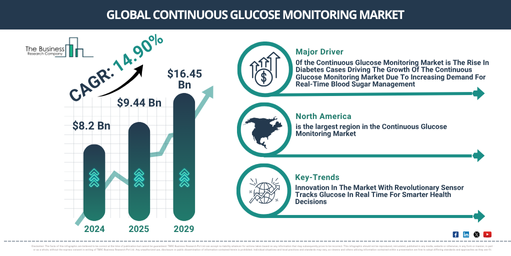
    The market size for continuous glucose monitoring has seen a swift expansion in the past few years. It is projected to surge from $8.2 billion in 2024 to $9.44 billion in 2025, with a compound annual growth rate (CAGR) of 15.2%. Factors contributing to the growth during the historical period include a heightened incidence of diabetes, enhanced understanding of diabetes management, growing need for instantaneous glucose monitoring, increased acceptance of less invasive technologies, and elevated healthcare spending in advanced nations.

    What Is the Forecast for the Continuous Glucose Monitoring Market Size Through 2029?

    The market size for continuous glucose monitoring is anticipated to experience a rapid surge in the coming years, escalating to $16.45 billion in 2029 with a Compound Annual Growth Rate (CAGR) of 14.9%. The predicted growth during the forecast period can be ascribed to the growing trend towards personalized and precision medicine, increasing utilization of telehealth and remote patient monitoring, a rising emphasis on preventive healthcare and early diagnosis, and a growing preference for home-based glucose monitoring. It is also boosted by higher market penetration in emerging markets. Key trends for the forecast period include the miniaturization of technology for implantable devices, the development of closed-loop insulin delivery systems, integration with electronic health records and fitness trackers and smartwatches, and advancements in skin adhesive materials.

    Download The Free Sample Report Here:

    https://www.thebusinessresearchcompany.com/sample.aspx?id=24512&type=smp

    What are the Key Market Players in Continuous Glucose Monitoring Market and How They’re Evolving?

    Major companies operating in the continuous glucose monitoring market are Roche Diabetes Care, Abbott Laboratories, Medtronic plc, Texas Instruments Inc., Microchip Technology Inc., Dexcom Inc., Insulet Corporation, Tandem Diabetes Care Inc., Ypsomed AG, Nova Biomedical, Ascensia Diabetes Care, Zillion Technologies Inc., Bionime Corporation, Biolinq Inc., Beta Bionics Inc., AgaMatrix Inc., A. Menarini Diagnostics S.r.l, Senseonics Holdings Inc., Medtrum Technologies Inc., Nemaura Medical Inc.

    What Are the Primary Growth Drivers in the Continuous Glucose Monitoring Market?

    The continuous glucose monitoring market’s expansion is predicted to be driven forward by the increasing prevalence of diabetes. Diabetes, a chronic medical condition, transpires when the body can’t effectively utilize the insulin it generates, or simply doesn’t generate enough, resulting in elevated blood sugar (glucose) levels. Unhealthy food habits high in sugar, fats, and processed foods primarily contribute to the escalating occurrence of diabetes as it leads to obesity and impairs insulin function. By providing real-time blood sugar trends, continuous glucose monitoring facilitates effective diabetes management, consequently allowing for prompt adjustments relating to diet, medication, and activity to maintain enhanced glucose balance. For instance, the American Diabetes Association, a US-based non-profit organization reported in November 2023 that the year 2022 witnessed an estimated 25.5 million individuals in the U.S. being diagnosed with diabetes, equating to 7.6% of the entire population. This depicts a 3% rise compared to preceding years. Thus, the growth of the continuous glucose monitoring market is being steered by the escalating prevalence of diabetes.

    Request For A Customized Report:

    https://www.thebusinessresearchcompany.com/customise?id=24512&type=smp

    What Are the Leading Segments in the Global Continuous Glucose Monitoring Industry?

    The continuous glucose monitoring market covered in this report is segmented –

    1) By Component: Transmitters, Sensors, Receivers

    2) By Age Group: Adults, Children

    3) By End Use: Hospitals, Home Care Settings, Diagnostic Centers And Clinics, Other End Uses

    Subsegments:

    1) By Transmitters: Reusable Transmitters, Disposable Transmitters, Rechargeable Transmitters

    2) By Sensors: Implantable Sensors, Transcutaneous Sensors, Disposable Sensors, Real-Time Sensors

    3) By Receivers: Standalone Receivers, Integrated Receivers, Wearable Display Devices

    What Are the Key Market Trends in the Continuous Glucose Monitoring Industry?

    Leading businesses in the continuous glucose monitoring market are emphasizing on the creation of innovative products like sensor-based glucose monitors in order to improve precision, real-time monitoring, and consumer comfort. These sensor-based glucose monitors function by continuously gauging blood sugar levels through a small sensor placed beneath the skin. For example, in August 2024, a healthcare company located in the US called DexCom, Inc. introduced Stelo, which is the initial over-the-counter (OTC) continuous glucose monitor (CGM) that is intended for adults who do not administer insulin. Stelo delivers 24/7 glucose readings in real-time through a tiny sensor that is worn on the upper arm’s back, transmitting data directly to a smartphone without the need for prescriptions or fingersticks. The device provides bespoke insights and analyzes trends, providing users with a clearer comprehension of the influence of factors like diet, exercise, and sleep on their glucose levels, thus facilitating more informed lifestyle choices. The sensor can work for a period of upto 15 days, can sync with health apps and is perfect for people with Type 2 diabetes who do not take insulin, those with prediabetes, or anyone keeping an eye on their glucose health.

    Access The Full Report Here:

    https://www.thebusinessresearchcompany.com/report/continuous-glucose-monitoring-global-market-report

    What Is the Regional Outlook for the Continuous Glucose Monitoring Market?

    North America was the largest region in the continuous glucose monitoring market in 2024. Asia-Pacific is expected to be the fastest-growing region in the forecast period. The regions covered in the continuous glucose monitoring market report are Asia-Pacific, Western Europe, Eastern Europe, North America, South America, Middle East, Africa.

    Purchase The Full Report Today:

    https://www.thebusinessresearchcompany.com/purchaseoptions.aspx?id=24512

    This Report Delivers Insight On:

    1. How big is the continuous glucose monitoring market, and how is it changing globally?

    2. Who are the major companies in the continuous glucose monitoring market, and how are they performing?

    3. What are the key opportunities and risks in the continuous glucose monitoring market right now?

    4. Which products or customer segments are growing the most in the continuous glucose monitoring market?

    5. What factors are helping or slowing down the growth of the continuous glucose monitoring market?

    About The Business Research Company:

    With over 15000+ reports from 27 industries covering 60+ geographies, The Business Research Company has built a reputation for offering comprehensive, data-rich research and insights. Armed with 1,500,000 datasets, the optimistic contribution of in-depth secondary research, and unique insights from industry leaders, you can get the information you need to stay ahead in the game.

    Get in touch with us:

    The Business Research Company: https://www.thebusinessresearchcompany.com/

    Americas +1 3156230293

    Asia +44 2071930708

    Europe +44 2071930708

    Email us at info@tbrc.info

    Follow us on:

    LinkedIn: https://in.linkedin.com/company/the-business-research-company

    YouTube: https://www.youtube.com/channel/UC24_fI0rV8cR5DxlCpgmyFQ

    Global Market Model: https://www.thebusinessresearchcompany.com/global-market-model

  • Lysosomal Enzyme Forecast Report – Designed for Decision Makers and Product Teams

    Lysosomal Enzyme Forecast Report – Designed for Decision Makers and Product Teams

    Claim your 30% discount on Global Market Reports with code ONLINE30. Limited time only.

    #What Is the Growth Rate of the Lysosomal Enzyme Market?#_x000D_

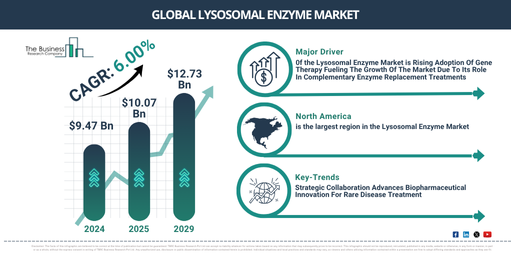
    The market size for lysosomal enzymes has witnessed robust growth in the past few years. It is set to rise from $9.47 billion in 2024 to $10.07 billion in 2025 with a compound annual growth rate (CAGR) of 6.3%. Factors contributing to the growth during the historical period include the increase in the occurrence of lysosomal storage ailments, rise in recognition and diagnosis rates, enhanced investment in research for rare diseases, favorable regulatory environments, expansion of biotech capabilities, and improved availability of orphan drugs._x000D_

    _x000D_

    #What Growth Rate Is Forecasted for the Lysosomal Enzyme Market by 2029?#_x000D_

    The market size of lysosomal enzymes is poised for significant expansion in the coming years, with projections suggesting a growth to $12.73 billion by 2029, implying an annual growth rate (CAGR) of 6.0%. Factors driving this growth during the forecast period include enhanced investments in the study of rare diseases, increased incorporation of gene therapy, widespread of newborn screening programs, increasing acceptance of enzyme replacement therapies, advent of novel biopharmaceutical innovations and favourable regulatory routes for orphan drugs. Other emerging trends during the forecast period that are expected to fuel the market growth are integration of gene therapy, novel innovations in enzyme replacement, precise drug delivery systems, diagnostics based on biomarkers, individualized treatment strategies, advanced techniques for infiltrating the blood-brain barrier, and widening of therapeutic applications._x000D_

    _x000D_

    #Download The Free Sample Report Here:#_x000D_

    https://www.thebusinessresearchcompany.com/sample.aspx?id=24595&type=smp_x000D_

    _x000D_

    #Which Key Companies Are Shaping the Future of the Lysosomal Enzyme Market?#_x000D_

    Major companies operating in the lysosomal enzyme market are Pfizer Inc., Sanofi SA, Takeda Pharmaceutical Company Limited, Eli Lilly and Company, BioMarin Pharmaceutical Inc., Amicus Therapeutics Inc., JCR Pharmaceuticals Co. Ltd., Sangamo Therapeutics Inc., Protalix BioTherapeutics Inc., Orchard Therapeutics Plc, Alexion Pharmaceuticals Inc., ISU Abxis Co. Ltd., Chiesi Farmaceutici S.p.A., GC Pharma Co. Ltd., Genzyme Corp., Shire plc, Greenovation Biotech GmbH, Oxyrane, Avrobio Inc., Ultragenyx Pharmaceutical Inc._x000D_

    _x000D_

    #Which Factors Are Driving Demand in the Lysosomal Enzyme Industry?#_x000D_

    Expectations for the growth of the lysosomal enzymes market are being fueled by the increasing embrace of gene therapy. Acting as a medical treatment, gene therapy alters or replaces genes within a person’s cells in a bid to prevent or treat diseases. Its acceptance is gaining traction due to improvements in delivery vectors and the demonstration of long-term efficacy, positioning gene therapy as a feasible, potentially healing solution for genetic disorders. Necessary initial or supplementary enzyme replacement treatments required while waiting for gene therapy to take effect, maintains the demand for lysosomal enzyme products. For example, in April 2024, data from the American Society of Gene & Cell Therapy, a non-profit organization based in the US, showed a 10% increase in phase III gene therapy clinical trials in 2023, signalling the first quarterly rise in 2022. Consequently, this upsurge in the adoption of gene therapy is set to stimulate the growth of the lysosomal enzymes market._x000D_

    _x000D_

    #Request For A Customized Report:#_x000D_

    https://www.thebusinessresearchcompany.com/customise?id=24595&type=smp_x000D_

    _x000D_

    #How Is the Lysosomal Enzyme Market Segmented by Several Divisions?#_x000D_

    The lysosomal enzyme market covered in this report is segmented –_x000D_

    _x000D_

    1) By Type: Acid Alpha-Glucosidase, Acid Sphingomyelinase, Beta-Glucocerebrosidase, Hexosaminidase_x000D_

    2) By Indication: Gaucher Disease, Mucopolysaccharidosis, Pompe Disease, Other Indications_x000D_

    3) By Source: Recombinant Enzymes, Natural Enzymes, Synthetic Enzymes_x000D_

    4) By Application: Enzyme Replacement Therapy, Research And Development, Diagnostics, Gene Therapy_x000D_

    5) By End-Use: Hospitals, Diagnostic Laboratories, Research Institutions, Pharmaceutical Companies_x000D_

    _x000D_

    Subsegments:_x000D_

    1) By Acid Alpha-Glucosidase: Pompe Disease Enzymes, Glycogen Storage Disease Type II Enzymes_x000D_

    2) By Acid Sphingomyelinase: Niemann-Pick Disease Type A, Niemann-Pick Disease Type B_x000D_

    3) By Beta-Glucocerebrosidase: Gaucher Disease Type I, Gaucher Disease Type II, Gaucher Disease Type III_x000D_

    4) By Hexosaminidase: Tay-Sachs Disease Enzymes, Sandhoff Disease Enzymes_x000D_

    _x000D_

    #What are the Emerging Market Trends Driving the Growth of the Lysosomal Enzyme Industry?#_x000D_

    The key players in the lysosomal enzymes market are adopting the strategy of forming strategic partnerships to bolster diagnostic capabilities and expedite the creation of new treatment options. This approach represents cooperative agreements among multiple organizations, pooling their resources and expertise to accomplish shared objectives and gain a competitive edge. For example, in February 2024, a biotech company in Spain collaborated with Biosidus, an Argentinian biotech firm, for the production of Agalsidase Beta, a key enzyme ingredient. This strategic partnership marks substantial progress in the creation and production of remedies for rare disorders, especially Fabry disease resulting from a lysosomal enzyme deficiency. This prominent regional development in the treatment of rare disorders underlines the commitment of these firms towards worldwide health and the wider access to innovative biopharmaceuticals._x000D_

    _x000D_

    #Access The Full Report Here:#_x000D_

    https://www.thebusinessresearchcompany.com/report/lysosomal-enzyme-global-market-report_x000D_

    _x000D_

    #Which Regions Are Driving Growth in the Lysosomal Enzyme Market?#_x000D_

    North America was the largest region in the lysosomal enzymes market in 2024. Asia-Pacific is expected to be the fastest-growing region in the forecast period. The regions covered in the lysosomal enzyme market report are Asia-Pacific, Western Europe, Eastern Europe, North America, South America, Middle East, Africa._x000D_

    _x000D_

    #Purchase The Full Report Today:#_x000D_

    https://www.thebusinessresearchcompany.com/purchaseoptions.aspx?id=24595_x000D_

    _x000D_

    #This Report Delivers Insight On: #_x000D_

    1. How big is the lysosomal enzyme market, and how is it changing globally?_x000D_

    2. Who are the major companies in the lysosomal enzyme market, and how are they performing?_x000D_

    3. What are the key opportunities and risks in the lysosomal enzyme market right now?_x000D_

    4. Which products or customer segments are growing the most in the lysosomal enzyme market?_x000D_

    5. What factors are helping or slowing down the growth of the lysosomal enzyme market?_x000D_

    _x000D_

    #About The Business Research Company:#_x000D_

    With over 15000+ reports from 27 industries covering 60+ geographies, The Business Research Company has built a reputation for offering comprehensive, data-rich research and insights. Armed with 1,500,000 datasets, the optimistic contribution of in-depth secondary research, and unique insights from industry leaders, you can get the information you need to stay ahead in the game._x000D_

    _x000D_

    #Get in touch with us:#_x000D_

    The Business Research Company: https://www.thebusinessresearchcompany.com/_x000D_

    Americas +1 3156230293_x000D_

    Asia +44 2071930708_x000D_

    Europe +44 2071930708_x000D_

    Email us at info@tbrc.info_x000D_

    _x000D_

    #Follow us on:#_x000D_

    _x000D_

    LinkedIn: https://in.linkedin.com/company/the-business-research-company_x000D_

    YouTube: https://www.youtube.com/channel/UC24_fI0rV8cR5DxlCpgmyFQ_x000D_

    Global Market Model: https://www.thebusinessresearchcompany.com/global-market-model
  • Constrained Peptide Drugs Industry Valued at $6.13 Billion by 2029 With CAGR of 17% | Size and Share Insights

    Constrained Peptide Drugs Industry Valued at $6.13 Billion by 2029 With CAGR of 17% | Size and Share Insights

    Claim your 30% discount on Global Market Reports with code ONLINE30. Limited time only.

    What Is the Forecast for the Constrained Peptide Drugs Market from 2024 to 2025?

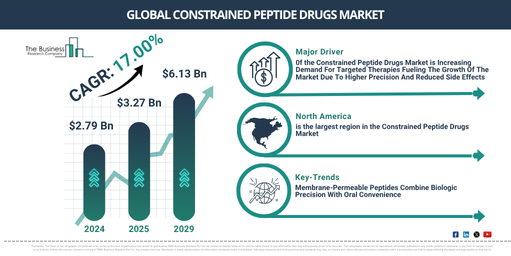
    The market size of constrained peptide drugs has seen a swift expansion in the past few years. The market, valued at $2.79 billion in 2024, is expected to escalate to $3.27 billion in 2025, advancing at a compound annual growth rate (CAGR) of 17.3%. The growth observed in the past can be linked to a rise in chronic diseases, an increasing need for targeted therapies, advancements in drug delivery systems, upgrades in peptide stability through chemical alterations, and regulatory backing for innovative treatments.

    What Is the Projected Market Size of the Constrained Peptide Drugs Market?

    In the coming years, the market size of constrained peptide drugs is predicted to experience swift expansion. Its growth is anticipated to reach $6.13 billion in 2029, with a compound annual growth rate (CAGR) of 17.0%. This growth during the forecast period can be ascribed to the escalating demand for individualized and targeted therapies, improved cellular uptake and binding affinity of constrained peptides, rise in government and private funding dedicated to peptide research, advancement of synthetic constraining methods, as well as the broadening applications in metabolic disorders and oncology. Some prominent trends during the forecast span include progress in solid-phase and microwave-assisted peptide synthesis, the emergence of peptide macrocyclization and stapling techniques, the fusion of artificial intelligence and machine learning in peptide design, the adoption of environmentally friendly chemistry for sustainable peptide production, and the use of cell-penetrating peptides and peptide-protein conjugates.

    Download The Free Sample Report Here:

    https://www.thebusinessresearchcompany.com/sample.aspx?id=24511&type=smp

    Who are the Major Competitors in the Constrained Peptide Drugs Market Outlook?

    Major companies operating in the constrained peptide drugs market are AstraZeneca PLC, Novartis AG, Union Chimique Belge S.A. (UCB), CPC Scientific Inc., PeptiDream Inc., Protagonist Therapeutics Inc., Bicycle Therapeutics plc, Zealand Pharma A/S, Bio-Synthesis Inc., Encycle Therapeutics Inc., Circle Pharma Inc., Issar Pharmaceuticals Inc., Aileron Therapeutics Inc., Creative Peptides, Fierce Biotech, Lisata Therapeutics Inc., Pepscan Therapeutics B.V., Phylogica Ltd., Pepticom Ltd, Spexis AG.

    What Is Fueling Growth in the Constrained Peptide Drugs Market?

    The escalation in the requirement for specific therapies is predicted to boost the progression of the constrained peptide drugs market going forward. Such therapies are distinct medical treatments that directly affect and interrupt the molecular pathways that contribute to the advancement and propagation of diseases. The escalating demand for these therapies is attributed to their superior precision and diminished side effects when contrasted with traditional treatments. These targeted therapies contribute to the development of constrained peptide drugs by centering their efforts on distinct molecular pathways, thereby heightening treatment accuracy. They enhance the effectiveness of drugs and decrease side effects, positioning constrained peptides as perfect candidates for specific intervention in intricate diseases. For instance, the American Society of Gene & Cell Therapy (ASGCT), a non-profit medical and scientific organization based in the US, stated in December 2024 that the Food and Drug Administration (FDA) sanctioned six gene therapy products in 2023, an increase from five approvals in 2022. In consequence, the escalating demand for targeted therapies is fueling growth in the constrained peptide drugs market.

    Request For A Customized Report:

    https://www.thebusinessresearchcompany.com/customise?id=24511&type=smp

    Which Constrained Peptide Drugs Market Segments Are Growing the Fastest?

    The constrained peptide drugs market covered in this report is segmented –

    1) By Drug Type: Linear Peptides, Cyclic Peptides, Stapled Peptides, Multivalent Peptides

    2) By Route Of Administration: Injectable, Intranasal, Transdermal, Oral

    3) By Application: Hospital, Institute Of Biology, Other Applications

    4) By Distribution Channel: Direct Sales, Third-Party Distributors, Online Pharmacies, Retail Pharmacies

    5) By End User: Hospitals, Pharmaceutical Companies, Research Laboratories, Specialty Clinics

    Subsegments:

    1) By Linear Peptides: Antimicrobial Peptides, Hormonal Peptides, Enzyme Inhibitors, Receptor Agonists

    2) By Cyclic Peptides: Natural Cyclic Peptides, Synthetic Cyclic Peptides, Disulfide-Bridged Peptides, Head-To-Tail Cyclized Peptides

    3) By Stapled Peptides: Alpha-Helix Stabilized Peptides, Hydrocarbon-Stapled Peptides, Double-Stapled Peptides, Backbone-Stapled Peptides

    4) By Multivalent Peptides: Bivalent Peptides, Trivalent Peptides, Tetravalent Peptides, Peptide-Drug Conjugates

    Which Industry Trends Are Shaping the Future of the Constrained Peptide Drugs Market?

    Leading businesses in the constrained peptide drugs market are concentrating their efforts on creating superior drug delivery systems like oral macrocyclic peptides. This not only increases bioavailability and patient adherence but also addresses conditions previously deemed untreatable. Oral macrocyclic peptides are specialized cyclic peptide-based medicines designed for easy absorption and stability when orally administered rather than injected. As an example, Insamo, a biotech entity from the US, introduced oral cyclic peptides in February 2024. These membrane-permeable, macroscale peptides, suitable for oral intake, merge the precise targeting of biologics with the ease of oral intake. Their production platform utilizes a machine learning-powered molecular design, increased capacity molecular biology, and concurrent synthetic chemistry, enabling the swift identification of preclinical candidates with advantageous pharmacological characteristics, including those targeting challenging drug targets.

    Access The Full Report Here:

    https://www.thebusinessresearchcompany.com/report/constrained-peptide-drugs-global-market-report

    Which Countries Are Leading the Constrained Peptide Drugs Market?

    North America was the largest region in the constrained peptide drugs market in 2024. The regions covered in the constrained peptide drugs market report are Asia-Pacific, Western Europe, Eastern Europe, North America, South America, Middle East, Africa.

    Purchase The Full Report Today:

    https://www.thebusinessresearchcompany.com/purchaseoptions.aspx?id=24511

    This Report Delivers Insight On:

    1. How big is the constrained peptide drugs market, and how is it changing globally?

    2. Who are the major companies in the constrained peptide drugs market, and how are they performing?

    3. What are the key opportunities and risks in the constrained peptide drugs market right now?

    4. Which products or customer segments are growing the most in the constrained peptide drugs market?

    5. What factors are helping or slowing down the growth of the constrained peptide drugs market?

    About The Business Research Company:

    With over 15000+ reports from 27 industries covering 60+ geographies, The Business Research Company has built a reputation for offering comprehensive, data-rich research and insights. Armed with 1,500,000 datasets, the optimistic contribution of in-depth secondary research, and unique insights from industry leaders, you can get the information you need to stay ahead in the game.

    Get in touch with us:

    The Business Research Company: https://www.thebusinessresearchcompany.com/

    Americas +1 3156230293

    Asia +44 2071930708

    Europe +44 2071930708

    Email us at info@tbrc.info

    Follow us on:

    LinkedIn: https://in.linkedin.com/company/the-business-research-company

    YouTube: https://www.youtube.com/channel/UC24_fI0rV8cR5DxlCpgmyFQ

    Global Market Model: https://www.thebusinessresearchcompany.com/global-market-model

  • Lung Cancer Surgery Equipment Market Outlook 2025 – Insights for Executive and Strategic Planning

    Lung Cancer Surgery Equipment Market Outlook 2025 – Insights for Executive and Strategic Planning

    Claim your 30% discount on Global Market Reports with code ONLINE30. Limited time only.

    #How Has the Lung Cancer Surgery Equipment Market Grown from 2024 to 2025?#_x000D_

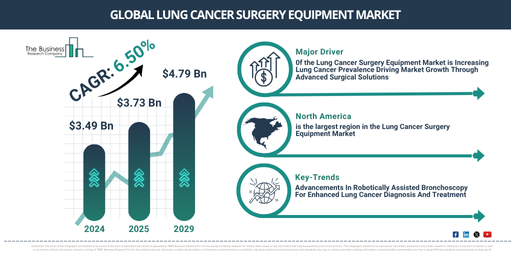
    The market size of lung cancer surgery equipment has experienced significant growth in the past few years. The market is projected to increase from $3.49 billion in 2024 to $3.73 billion in 2025, with a compound annual growth rate (CAGR) of 6.7%. Factors contributing to this growth during the historical period include a rising smoking prevalence, an increase in early diagnosis rates, enhanced surgical survival results, greater acceptance of lobectomy procedures, government-initiated cancer screening programs, expanding hospital infrastructure, the presence of proficient thoracic surgeons, an uptick in open thoracotomy surgeries, the lack of surgical alternatives, and financial aid for cancer surgeries._x000D_

    _x000D_

    #What Growth Rate Is Anticipated for the Lung Cancer Surgery Equipment Market in the Coming Years?#_x000D_

    The market for lung cancer surgery equipment is anticipated to experience significant growth in the coming years, predicted to reach a value of $4.79 billion in 2029, with a compound annual growth rate (CAGR) of 6.5%. The forecasted growth can be credited to factors such as an increase in lung cancer prevalence among non-smokers, a growing aging population, the expansion of minimally invasive surgeries, a rising demand for robotic assisted thoracic surgeries, an increment in healthcare expenditure, improved rates of post-surgical recovery, an increase in outpatient thoracic procedures, conducive regulatory approvals, enhanced awareness from lung cancer campaigns, and an expansion of insurance coverage in emerging markets. Key trends to observe during the forecast period include the adoption of robotic-enhanced surgical platforms, the application of artificial intelligence in surgical planning, incorporation of 3D imaging in surgical procedures, development of compact thoracoscopic tools, improved visualization systems, emergence of remote surgical techniques, real-time intraoperative navigation, adoption of intelligent staplers and instruments, customization of surgical tools through 3D printing, and the use of artificial intelligence in post-surgical monitoring systems._x000D_

    _x000D_

    #Download The Free Sample Report Here:#_x000D_

    https://www.thebusinessresearchcompany.com/sample.aspx?id=24594&type=smp_x000D_

    _x000D_

    #Who Are the Leading Companies in the Lung Cancer Surgery Equipment Market?#_x000D_

    Major companies operating in the lung cancer surgery equipment market are Johnson & Johnson, Medtronic plc, Siemens Healthcare AG, Fujifilm Limited, GE Healthcare Technologies Inc., Boston Scientific Corporation, Zimmer Biomet Inc., Olympus Corporation, Intuitive Surgical Inc., Teleflex Incorporated, KARL STORZ GmbH & Co. KG, Integra LifeSciences Corporation, Elekta AB, Accuray Incorporated, Richard Wolf GmbH, Angiodynamics Inc., B. Braun Melsungen AG, Quantum Surgical SAS, Sontec Instruments Inc., Novadaq Technologies Inc._x000D_

    _x000D_

    #What Are the Key Drivers of the Lung Cancer Surgery Equipment Market?#_x000D_

    The lung cancer surgery equipment market growth is projected to be driven by the increased incidence of lung cancer. This malady, often caused by smoking or harmful exposure to the environment, is characterized by the rampant proliferation of abnormal cells in the lungs. A surge in lung cancer cases is largely attributable to heightened exposure to risk factors such as tobacco smoke, airborne pollutants, occupational carcinogens, and an aging demographic. Lung cancer surgery equipment plays a crucial role in diagnosis, eradication of cancerous tissues, and post-operative care through high-precision surgery and patient surveillance. The Cancer Council, a non-profit organization based in Australia, stated in February 2025 that roughly 15,122 individuals were diagnosed with lung cancer in Australia in 2024, with the average age at diagnosis being 72. It is ranked as the fifth most common cancer diagnosis in the country, and approximately one in every 20 Australians is projected to be diagnosed with it by the time they reach 85. Hence, the increasing instances of lung cancer are boosting the growth of the lung cancer surgery equipment market._x000D_

    _x000D_

    #Request For A Customized Report:#_x000D_

    https://www.thebusinessresearchcompany.com/customise?id=24594&type=smp_x000D_

    _x000D_

    #What Are the Key Market Segments in the Lung Cancer Surgery Equipment Industry?#_x000D_

    The lung cancer surgery equipment market covered in this report is segmented –_x000D_

    _x000D_

    1) By Product Type: Surgical Instruments, Access Devices, Imaging Equipment, Electrosurgical Devices, Biopsy Devices, Patient Monitoring Equipment_x000D_

    2) By Surgery Type: Lobectomy Surgery, Pneumonectomy Surgery, Wedge Resection, Video-Assisted Thoracoscopic Surgery (VATS), Robotic-Assisted Surgery_x000D_

    3) By Application: Diagnosis, Treatment, Aftercare And Rehabilitation_x000D_

    4) By End User: Hospitals, Surgical Clinics, Ambulatory Surgical Centers, Research And Academic Institutes_x000D_

    _x000D_

    Subsegments:_x000D_

    1) By Surgical Instruments: Scalpels, Forceps, Retractors, Scissors, Sutures_x000D_

    2) By Access Devices: Trocars, Catheters, Guidewires, Introducers_x000D_

    3) By Imaging Equipment: CT Scanners, MRI Machines, PET Scanners, X-Ray Systems, Ultrasound Devices_x000D_

    4) By Electrosurgical Devices: Electrosurgical Generators, Electrosurgical Probes, Electrosurgical Electrodes, Smoke Evacuation Systems_x000D_

    5) By Biopsy Devices: Needle Biopsy Devices, Core Biopsy Devices, Vacuum-Assisted Biopsy Devices, Endoscopic Biopsy Devices_x000D_

    6) By Patient Monitoring Equipment: Pulse Oximeters, ECG Monitors, Respiratory Monitors, Blood Pressure Monitors, Temperature Monitors_x000D_

    _x000D_

    #What Are the Latest Trends in the Lung Cancer Surgery Equipment Market?#_x000D_

    Key players in the lung cancer surgery equipment market are concentrating their efforts on creating devices for robotically assisted bronchoscopy. This aims to enhance the accuracy and safety of tumor localization and biopsy, increase the access to lung nodules that are difficult to reach, and facilitate early and precise diagnosis of lung cancer. Robotically assisted bronchoscopy is a sophisticated medical technique that employs robotic technology to navigate a bronchoscope – a thin, pliable tube, into the lungs with a superior precision and control compared to conventional manual methods. For instance, Johnson and Johnson, a pharmaceutical company based in the US, revealed in March 2025 that its MONARCH QUEST system, a state-of-the-art robotic-assisted bronchoscopy technology, has been granted U.S. FDA 510(k) clearance. This system signifies the newest advancement of the MONARCH Platform, which is crafted to enhance the diagnosis of lung cancer via minimally invasive techniques. The system pairs with the GE HealthCare OEC 3D mobile CBCT Imaging System, enabling real-time, intraprocedural 3D imaging. This synchronization boosts the accuracy of targeting lung nodules, particularly those situated in difficult-to-access portions of the lung._x000D_

    _x000D_

    #Access The Full Report Here:#_x000D_

    https://www.thebusinessresearchcompany.com/report/lung-cancer-surgery-equipment-global-market-report_x000D_

    _x000D_

    #What Are the Key Regional Markets in the Lung Cancer Surgery Equipment Industry?#_x000D_

    North America was the largest region in the lung cancer surgery equipment market in 2024. Asia-Pacific is expected to be the fastest-growing region in the forecast period. The regions covered in the lung cancer surgery equipment market report are Asia-Pacific, Western Europe, Eastern Europe, North America, South America, Middle East, Africa._x000D_

    _x000D_

    #Purchase The Full Report Today:#_x000D_

    https://www.thebusinessresearchcompany.com/purchaseoptions.aspx?id=24594_x000D_

    _x000D_

    #This Report Delivers Insight On: #_x000D_

    1. How big is the lung cancer surgery equipment market, and how is it changing globally?_x000D_

    2. Who are the major companies in the lung cancer surgery equipment market, and how are they performing?_x000D_

    3. What are the key opportunities and risks in the lung cancer surgery equipment market right now?_x000D_

    4. Which products or customer segments are growing the most in the lung cancer surgery equipment market?_x000D_

    5. What factors are helping or slowing down the growth of the lung cancer surgery equipment market?_x000D_

    _x000D_

    #About The Business Research Company:#_x000D_

    With over 15000+ reports from 27 industries covering 60+ geographies, The Business Research Company has built a reputation for offering comprehensive, data-rich research and insights. Armed with 1,500,000 datasets, the optimistic contribution of in-depth secondary research, and unique insights from industry leaders, you can get the information you need to stay ahead in the game._x000D_

    _x000D_

    #Get in touch with us:#_x000D_

    The Business Research Company: https://www.thebusinessresearchcompany.com/_x000D_

    Americas +1 3156230293_x000D_

    Asia +44 2071930708_x000D_

    Europe +44 2071930708_x000D_

    Email us at info@tbrc.info_x000D_

    _x000D_

    #Follow us on:#_x000D_

    _x000D_

    LinkedIn: https://in.linkedin.com/company/the-business-research-company_x000D_

    YouTube: https://www.youtube.com/channel/UC24_fI0rV8cR5DxlCpgmyFQ_x000D_

    Global Market Model: https://www.thebusinessresearchcompany.com/global-market-model
  • Surgical Clip Market Trends Report 2025 – For Business Development and Strategy Teams

    Surgical Clip Market Trends Report 2025 – For Business Development and Strategy Teams

    Claim your 30% discount on Global Market Reports with code ONLINE30. Limited time only.

    What Is the Forecast for the Surgical Clip Market Growth in 2025?

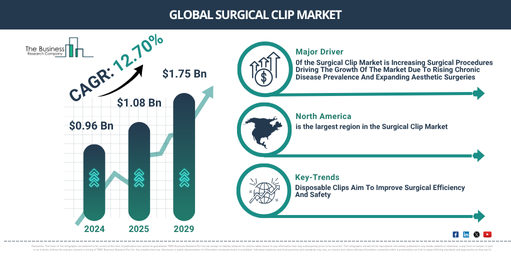
    In the past few years, the market size of the surgical clip has experienced a drastic growth. It’s set to expand from $0.96 billion in 2024 to $1.08 billion in 2025, with a compound annual growth rate (CAGR) of 13.0%. This historical growth stems from the rising incidences of chronic illnesses, advancements in surgical methodologies, heightened consciousness about complications post-surgery, enhanced hospital infrastructure and surgical amenities, and an increased inclination towards using high-tech imagery and visualisation tools.

    What Is the Forecast for the Surgical Clip Market Size Through 2029?

    In the upcoming years, the surgical clip market is predicted to experience a swift expansion. By 2029, it is projected to increase to a value of $1.75 billion at a compound annual growth rate (CAGR) of 12.7%. The upward trend during the forecast period is linked to factors such as increasing surgical procedures, advancement in minimally invasive surgeries (MIS), rise in chronic diseases, the growing number of bariatric and cosmetic surgeries, and amplification in ambulatory surgical centers. Notable trends in this projection period encompass integration with robotic surgical systems, a shift towards bioabsorbable surgical clips, upsurge in demand for laparoscopic clip appliers, and a preference for disposable clips over reusable ones, in addition to the advancement in digital inventory and intelligent surgical kits.

    Download The Free Sample Report Here:

    https://www.thebusinessresearchcompany.com/sample.aspx?id=24717&type=smp

    What are the Key Market Players in Surgical Clip Market and How They’re Evolving?

    Major companies operating in the surgical clip market are Cardinal Health Inc., Johnson & Johnson, 3M Company, Stryker Corporation, Medline Industries Inc., Medtronic plc , Becton, Dickinson and Company, Boston Scientific Corporation, Olympus Corporation, Smith & Nephew plc, Edwards Lifesciences Corporation, Teleflex Incorporated, Karl Storz SE & Co KG, Cook Medical Incorporated, CONMED Corporation, B. Braun Melsungen AG, Ackermann Medical GmbH & Co. KG, LeMaitre Vascular Inc., Scanlan International Inc., Grena Ltd.

    What Are the Primary Growth Drivers in the Surgical Clip Market?

    The surge in surgical procedures is anticipated to stimulate the expansion of the surgical clip market. These procedures, which employ manual or instrument-driven techniques to diagnose, address or rectify diseases, injuries, or anomalies, are witnessing a rise due to the growing incidence of chronic diseases. This results in an increased demand for surgical interventions to manage complications and enhance patients’ life quality. Surgical clips play a crucial role in surgical procedures, offering a quick, dependable, and minimally invasive means to seal or clip blood vessels and tissues. This aids in controlling bleeding, lessening the chance of complications, and decreasing the length of surgeries. For example, the British Association of Aesthetic Plastic Surgeons, a UK-based surgical group, reported in March 2023 that 31,057 cosmetic surgeries were carried out in 2022, denoting a 102% increase from 2021. As a result, the upswing in surgical procedures is fueling the progression of the surgical clip market.

    Request For A Customized Report:

    https://www.thebusinessresearchcompany.com/customise?id=24717&type=smp

    What Are the Leading Segments in the Global Surgical Clip Industry?

    The surgical clip market covered in this report is segmented –

    1) By Type: Hemostatic Clips, Ligating Clips, Biliary Clips, Tissue Clips, Other Types

    2) By Material: Titanium, Tantalum, Stainless Steel, Polymer, Biocompatible

    3) By Application: General Surgery, Cardiac Surgery, Orthopedic Surgery, Gynecological Surgery, Urological Surgery

    4) By End Use: Hospitals, Ambulatory Surgical Centers, Specialty Clinics, Other End Users

    Subsegments:

    1) By Hemostatic Clips: Metal Hemostatic Clips, Absorbable Hemostatic Clips, Ligating Hemostatic Clips

    2) By Ligating Clips: Metal Ligating Clips, Absorbable Ligating Clips, Polymer Ligating Clips

    3) By Biliary Clips: Titanium Biliary Clips, Polymer Biliary Clips, Absorbable Biliary Clips

    4) By Tissue Clips: Metal Tissue Clips, Absorbable Tissue Clips, Self-locking Tissue Clips

    5) By Other Types: Vascular Clips, Endoscopic Clips, Disposable Surgical Clips, Reusable Surgical Clips

    What Are the Key Market Trends in the Surgical Clip Industry?

    Leading firms in the surgical clip industry are directing efforts towards coming up with novel products like single-use hemostasis clips. These are expected to improve surgical procedures, boost patient safety, and result in better clinical outcomes. A single-use hemostasis clip is a one-time-use surgical clip designed to manage bleeding by providing a mechanical clamp to blood vessels or tissue during surgery. For example, Olympus Corporation, a medical technology firm based in Japan, unveiled Retentia HemoClip in March 2025. This new hemostasis clip caters to the needs of GI endoscopists. Features like a shortened tail facilitate the visualization of the target, making the placement of multiple clips a breeze. The sheath markings are useful for insertion/extraction, while the user-friendly handle supports swift, one-step deployment.

    Access The Full Report Here:

    https://www.thebusinessresearchcompany.com/report/surgical-clip-global-market-report

    What Is the Regional Outlook for the Surgical Clip Market?

    North America was the largest region in the surgical clip market in 2024. Asia-Pacific is expected to be the fastest-growing region in the forecast period. The regions covered in the surgical clip market report are Asia-Pacific, Western Europe, Eastern Europe, North America, South America, Middle East, Africa.

    Purchase The Full Report Today:

    https://www.thebusinessresearchcompany.com/purchaseoptions.aspx?id=24717

    This Report Delivers Insight On:

    1. How big is the surgical clip market, and how is it changing globally?

    2. Who are the major companies in the surgical clip market, and how are they performing?

    3. What are the key opportunities and risks in the surgical clip market right now?

    4. Which products or customer segments are growing the most in the surgical clip market?

    5. What factors are helping or slowing down the growth of the surgical clip market?

    About The Business Research Company:

    With over 15000+ reports from 27 industries covering 60+ geographies, The Business Research Company has built a reputation for offering comprehensive, data-rich research and insights. Armed with 1,500,000 datasets, the optimistic contribution of in-depth secondary research, and unique insights from industry leaders, you can get the information you need to stay ahead in the game.

    Get in touch with us:

    The Business Research Company: https://www.thebusinessresearchcompany.com/

    Americas +1 3156230293

    Asia +44 2071930708

    Europe +44 2071930708

    Email us at info@tbrc.info

    Follow us on:

    LinkedIn: https://in.linkedin.com/company/the-business-research-company

    YouTube: https://www.youtube.com/channel/UC24_fI0rV8cR5DxlCpgmyFQ

    Global Market Model: https://www.thebusinessresearchcompany.com/global-market-model
  • Connected Medical Device Market to Reach $101.84 Billion by 2029 | Key Drivers and Future Outlook

    Claim your 30% discount on Global Market Reports with code ONLINE30. Limited time only.

    What Is the Growth Rate of the Connected Medical Device Market?

    The market size for connected medical devices has seen fast-paced growth in the recent past. The value is anticipated to increase from $48.88 billion in 2024 to $56.74 billion in 2025, with a compound annual growth rate (CAGR) of 16.1%. The significant growth during the historical period is credited to the growing incidence of chronic diseases, increasing elderly population worldwide, heightened demand for remote patient monitoring, surging acceptance of wearable health gadgets, and a rise in healthcare spending.

    What Growth Rate Is Forecasted for the Connected Medical Device Market by 2029?

    Anticipations are high for the connected medical device market, as it is slated to experience exponential growth in the coming years. Expected to reach the market size of $101.84 billion by 2029, with a compound annual growth rate (CAGR) of 15.7%, this growth throughout the forecast period can be credited to several factors. These include the growing public awareness on health and fitness, the escalating prevalence of cardiovascular diseases, the mounting demand for instant health data analytics, digital health initiatives by the government, and the proliferation of smartphones. The expected trends for this period encapsulate developments in wireless communication technologies, the integration of artificial intelligence and machine learning into medical devices, the need for affordable healthcare solutions, innovative advancements in sensor technology, along with the emphasis on strengthening data security and privacy measures.

    Download The Free Sample Report Here:

    https://www.thebusinessresearchcompany.com/sample.aspx?id=24510&type=smp

    Which Key Companies Are Shaping the Future of the Connected Medical Device Market?

    Major companies operating in the connected medical device market are Cardinal Health Inc., Johnson And Johnson, Abbott Laboratories Inc., Medtronic plc, F. Hoffmann-La Roche Ltd., Siemens Healthineers AG, Fresenius Medical Care AG And Co. KGaA, Becton, Dickinson and Company, Koninklijke Philips N.V., Stryker Corporation, GE Healthcare Technologies Inc., Boston Scientific Corporation, Baxter International Inc., 3M Health Care, Zimmer Biomet Holdings Inc., Olympus Corporation, Terumo Corporation, Smith And Nephew plc, Garmin Ltd., Resmed Inc., Omron Healthcare Inc., Epitel Inc.

    Which Factors Are Driving Demand in the Connected Medical Device Industry?

    The anticipated surge in telemedicine services is expected to stimulate the growth of the connected medical device industry in the future. Telemedicine refers to the use of technology to deliver healthcare services and consultations remotely, eliminating the need for face-to-face appointments. As it provides easy access to medical care, allowing patients to converse with doctors promptly from their residences, telemedicine’s demand is on the rise, saving time and minimizing travel requirements. The growth in telemedicine services bolsters the need for connected medical devices as they facilitate remote patient monitoring, requiring instant patient data transmission to healthcare professionals, ensuring precise diagnosis and immediate intervention without requiring face-to-face appointments. For instance, a survey conducted by Rock Health, a US-based firm dedicated to digital health and healthcare innovation, between July and August 2022, involving 8,014 participants, revealed that 80% of respondents had used telemedicine at least once during the 2022 survey. This is an 8% increase from 72% in 2021. Hence, the surging telemedicine services are set to propel the growth of the connected medical device industry.

    Request For A Customized Report:

    https://www.thebusinessresearchcompany.com/customise?id=24510&type=smp

    How Is the Connected Medical Device Market Segmented by Several Divisions?

    The connected medical device market covered in this report is segmented –

    1) By Product Type: Wearable Devices, Implantable Devices, Stationary Devices

    2) By Connectivity Technology: Bluetooth, Wi-Fi, Cellular, Other Connectivity Technologies

    3) By Application: Remote Patient Monitoring, Telemedicine, Clinical Decision Support, Chronic Disease Management, Fitness And Wellness, Other Applications

    4) By End-User: Hospitals And Clinics, Home Care Settings, Long-Term Care Facilities, Ambulatory Surgical Centers, Other End-Users

    Subsegments:

    1) By Wearable Devices: Fitness Trackers, Smartwatches, Continuous Glucose Monitors (CGM), Wearable ECG Monitors, Blood Pressure Monitors, Pulse Oximeters, Sleep Trackers

    2) By Implantable Devices: Cardiac Pacemakers, Implantable Cardioverter Defibrillators (ICDs), Neurostimulators, Cochlear Implants, Implantable Glucose Sensors, Drug Delivery Implants

    3) By Stationary Devices: Remote Patient Monitoring Stations, Telehealth Kiosks, Connected Imaging Devices, Connected Ventilators, Connected Dialysis Machines, Connected Infusion Pumps

    What are the Emerging Market Trends Driving the Growth of the Connected Medical Device Industry?

    The focus of leading firms in the connected medical device market is on the creation of advanced solutions such as AI-based platforms. These digital systems, powered by artificial intelligence technologies, analyze data autonomously, make decisions and even carry out tasks with minimal human interference, optimizing user experiences by adjusting to each individual’s behaviors and preferences in real-time. An example of this occurred in October 2023 when US technology company, ZS, introduced ZAIDYN Connected Health solution. This specialized solution gives reliable, AI-driven insights to aid pharmaceutical firms, healthcare providers and payers in identifying and addressing unaddressed medical requirements and improving patient results. It uses its health insight suits to pinpoint care inadequacies and gives personalized suggestions for physicians, patients and manufacturers to boost access and coordination of treatments. Its patient engagement suite works towards apprehending the needs of each patient to provide tailored support and heighten patient program effectiveness. Advanced digital interaction tools are employed by Connected research in order to collect dependable evidence that helps healthcare organizations validate innovations and assist in making strategic decisions.

    Access The Full Report Here:

    https://www.thebusinessresearchcompany.com/report/connected-medical-device-global-market-report

    Which Regions Are Driving Growth in the Connected Medical Device Market?

    North America was the largest region in the connected medical device market in 2024. Asia-Pacific is expected to be the fastest-growing region in the forecast period. The regions covered in the connected medical device market report are Asia-Pacific, Western Europe, Eastern Europe, North America, South America, Middle East, Africa.

    Purchase The Full Report Today:

    https://www.thebusinessresearchcompany.com/purchaseoptions.aspx?id=24510

    This Report Delivers Insight On:

    1. How big is the connected medical device market, and how is it changing globally?

    2. Who are the major companies in the connected medical device market, and how are they performing?

    3. What are the key opportunities and risks in the connected medical device market right now?

    4. Which products or customer segments are growing the most in the connected medical device market?

    5. What factors are helping or slowing down the growth of the connected medical device market?

    About The Business Research Company:

    With over 15000+ reports from 27 industries covering 60+ geographies, The Business Research Company has built a reputation for offering comprehensive, data-rich research and insights. Armed with 1,500,000 datasets, the optimistic contribution of in-depth secondary research, and unique insights from industry leaders, you can get the information you need to stay ahead in the game.

    Get in touch with us:

    The Business Research Company: https://www.thebusinessresearchcompany.com/

    Americas +1 3156230293

    Asia +44 2071930708

    Europe +44 2071930708

    Email us at info@tbrc.info

    Follow us on:

    LinkedIn: https://in.linkedin.com/company/the-business-research-company

    YouTube: https://www.youtube.com/channel/UC24_fI0rV8cR5DxlCpgmyFQ

    Global Market Model: https://www.thebusinessresearchcompany.com/global-market-model
  • Connected Health Personal Medical Devices Market Size to Exceed $80 Billion by 2029 | Growth and Industry Trends

    Claim your 30% discount on Global Market Reports with code ONLINE30. Limited time only.

    How Has the Connected Health Personal Medical Devices Market Grown from 2024 to 2025?

    The market size for personal medical devices related to connected health has experienced swift expansion in the past few years. The ascension from $39.67 billion in 2024 to $45.71 billion in 2025, with a compound annual growth rate (CAGR) of 15.2% is anticipated. The rise in the occurrence of chronic diseases, an increasing number of aging individuals, the proliferation of smartphones, an upsurge in the utilization of health applications, and the need for remote patient monitoring have all served as significant contributors to the growth observed in the historic period.

    What Growth Rate Is Anticipated for the Connected Health Personal Medical Devices Market in the Coming Years?

    Anticipations are high for the rapid augmentation of the connected health personal medical devices market in the forthcoming years. It is estimated to escalate to a whopping $80 billion by 2029, with a compound annual growth rate (CAGR) of 15.0%. This escalating growth during the projected period is largely linked to the surge in telehealth services, the ascent in healthcare costs prompting home-based care, the demand for immediate health-related data, the expansive deployment of the 5G network, regulatory support fostering digital health, and an increased consumer inclination towards wellness tracking. Key trends likely to shape this period include miniaturization of medical devices, bespoke health monitoring, subscription-based health platforms, Artificial Intelligence (AI) driven health analytics, and storage of data in the cloud.

    Download The Free Sample Report Here:

    https://www.thebusinessresearchcompany.com/sample.aspx?id=24509&type=smp

    Who Are the Leading Companies in the Connected Health Personal Medical Devices Market?

    Major companies operating in the connected health personal medical devices market are Johnson & Johnson, F. Hoffmann-La Roche AG, Abbott Laboratories, Medtronic plc, Siemens Healthineers, Stryker Corporation, Becton, Dickinson and Company (BD), GE HealthCare, Philips Healthcare, Omron Healthcare India Private Limited, Zebra Technologies India Private Limited, Masimo Corporation, Oura Health Oy, Whoop Inc., Withings, Eko Health Inc., TytoCare Ltd., AliveCor Inc., DarioHealth Corp., iHealth Labs Inc., Levels Health Inc., Samsung Electronics Co. Ltd., Biostrap, Muse, Aktiia, Ava Science Inc., Bloomlife Inc., Lief Therapeutics, Movano Health, Oxitone Medical Ltd., Qardio Inc.

    What Are the Key Drivers of the Connected Health Personal Medical Devices Market?

    The increase in chronic illnesses is projected to drive the expansion of the connected health personal medical devices industry moving forward. Chronic illnesses are long-lasting health issues that develop gradually, typically necessitating ongoing medical attention. The surge in these illnesses can be partly attributed to sedentary lifestyles, with excessive sitting and lack of exercise leading to ailments such as heart disease and diabetes. Devices for personal connected health are beneficial for chronic disease monitoring as they provide real-time health analysis, making them optimal for handling conditions like diabetes and hypertension at home. They minimize the need for regular clinic visits by offering continuous data and prompt warnings, enhancing patient results and convenience. For instance, in June 2024, the UK’s National Health Service reported that 3,615,330 individuals registered with a general practitioner were diagnosed with non-diabetic hyperglycemia or pre-diabetes (a condition with raised blood sugar levels, not severe enough to be classified as diabetes) in 2023, which was an 18% increase from the 3,065,825 cases in 2022. Therefore, the escalating frequency of chronic diseases is fueling the development of the personal medical devices sector in connected health.

    Request For A Customized Report:

    https://www.thebusinessresearchcompany.com/customise?id=24509&type=smp

    What Are the Key Market Segments in the Connected Health Personal Medical Devices Industry?

    The connected health personal medical devices market covered in this report is segmented –

    1) By Type: Healthcare IT, Health Information Exchange, Healthcare Analytics

    2) By Product: Insulin Pumps, Blood Pressure (BP) Monitors, Portable Global Positioning System (GPS) Personal Emergency Response System (PERS), Glucose Monitor, Personal Pulse Oximeter, Smart Pill Dispenser, Personal Electrocardiogram (ECG)

    3) By Connectivity: Bluetooth, Wi-Fi, Cellular, Other Connectivities

    4) By Application: Chronic Disease Management, Fitness And Wellness, Home Healthcare, Other Applications

    5) By End User: Hospitals, Clinics, Homecare Settings, Other End Users

    Subsegments:

    1) By Healthcare IT: Electronic Health Records (EHR), Telemedicine Solutions, Mobile Health (mHealth) Applications, E-Prescribing Systems

    2) By Health Information Exchange: Directed Exchange, Query-Based Exchange, Consumer-Mediated Exchange, Cloud-Based Health Information Platforms

    3) By Healthcare Analytics: Descriptive Analytics, Predictive Analytics, Prescriptive Analytics, Real-Time Analytics

    What Are the Latest Trends in the Connected Health Personal Medical Devices Market?

    Leading corporations in the market for personal medical devices that are connected health centric are concentrating their efforts on creating cutting-edge items; these include sophisticated at-home diagnostic equipment that enhances preventive healthcare and accessibility for users. Home diagnostic systems are essentially healthcare devices and instruments that equip people with the means to regulate their health status, conduct medical tests, and manage their health conditions without having to step foot in a medical establishment. In January 2023, a notable illustration is the launch of U-Scan by Withings, a health-tech firm located in France. U-Scan is a novel, hands-free, domestic urine analysis system that is meant to be installed within a toilet bowl. It relies on a changeable cartridge capable of conducting daily examinations over a three-month period, evaluating crucial hydration and nutrition markers. This gadget links with a smartphone application, offering users prompt data interpretation and customised healthcare advice. The U-Scan thrives on making habitual health monitoring effortless and non-intrusive, encouraging active management of personal wellness.

    Access The Full Report Here:

    https://www.thebusinessresearchcompany.com/report/connected-health-personal-medical-devices-global-market-report

    What Are the Key Regional Markets in the Connected Health Personal Medical Devices Industry?

    North America was the largest region in the connected health personal medical devices market in 2024. Asia-Pacific is expected to be the fastest-growing region in the forecast period. The regions covered in the connected health personal medical devices market report are Asia-Pacific, Western Europe, Eastern Europe, North America, South America, Middle East, Africa.

    Purchase The Full Report Today:

    https://www.thebusinessresearchcompany.com/purchaseoptions.aspx?id=24509

    This Report Delivers Insight On:

    1. How big is the connected health personal medical devices market, and how is it changing globally?

    2. Who are the major companies in the connected health personal medical devices market, and how are they performing?

    3. What are the key opportunities and risks in the connected health personal medical devices market right now?

    4. Which products or customer segments are growing the most in the connected health personal medical devices market?

    5. What factors are helping or slowing down the growth of the connected health personal medical devices market?

    About The Business Research Company:

    With over 15000+ reports from 27 industries covering 60+ geographies, The Business Research Company has built a reputation for offering comprehensive, data-rich research and insights. Armed with 1,500,000 datasets, the optimistic contribution of in-depth secondary research, and unique insights from industry leaders, you can get the information you need to stay ahead in the game.

    Get in touch with us:

    The Business Research Company: https://www.thebusinessresearchcompany.com/

    Americas +1 3156230293

    Asia +44 2071930708

    Europe +44 2071930708

    Email us at info@tbrc.info

    Follow us on:

    LinkedIn: https://in.linkedin.com/company/the-business-research-company

    YouTube: https://www.youtube.com/channel/UC24_fI0rV8cR5DxlCpgmyFQ

    Global Market Model: https://www.thebusinessresearchcompany.com/global-market-model
  • Computer-Aided Diagnosis Industry Insights 2025 – Market Forecast for Executives and Planners

    Computer-Aided Diagnosis Industry Insights 2025 – Market Forecast for Executives and Planners

    Claim your 30% discount on Global Market Reports with code ONLINE30. Limited time only.

    How Has the Computer-Aided Diagnosis Market Size Changed, over the years?

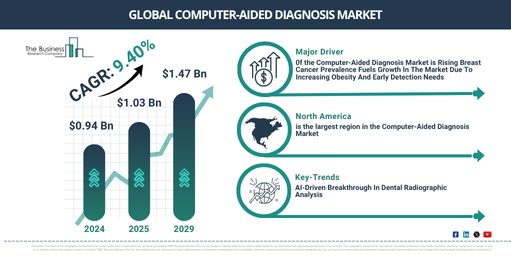
    The market size of computer-aided diagnosis has seen significant growth lately. It’s projected to rise from $0.94 billion in 2024 to $1.03 billion in 2025, showcasing a compound annual growth rate (CAGR) of 9.7%. This surge during the historical period can be credited to heightened awareness among practitioners regarding the advantages of CAD, escalating government efforts promoting digital health, the growing merger of CAD with imaging technologies, an intensified emphasis on personalized and precision medicine, and the increase in healthcare spending.

    How Much Will the Computer-Aided Diagnosis Market Be Worth in 2029?

    Anticipated robust growth is on the horizon for the computer-aided diagnosis market which is projected to expand to $1.47 billion by 2029, growing at a compound annual growth rate (CAGR) of 9.4%. This growth within the forecast period is attributed to various factors including a rise in the application of artificial intelligence and machine learning in the healthcare sector, an increased prevalence of chronic illnesses necessitating early detection, a surge in demand for quicker and more precise diagnostic equipment, augmenting investments in healthcare IT infrastructure, and an aging population with escalating diagnostic needs. The forecast period will also be highly influenced by the emerging trends such as advancements in AI and deep learning algorithm, the emergence of sophisticated imaging techniques, technological advancements in cloud computing for improved data storage and processing, the evolution of real-time diagnostic and decision-making tools, and the creation of multi-modal imaging analysis platforms.

    Download The Free Sample Report Here:

    https://www.thebusinessresearchcompany.com/sample.aspx?id=24508&type=smp

    Which is the Largest Company in the Computer-Aided Diagnosis Market?

    Major companies operating in the computer-aided diagnosis market are Hitachi Ltd, International Business Machines Corporation (IBM), Median Technologies, Siemens Healthineers AG, Fujifilm Holdings Corporation, Koninklijke Philips N.V., GE Healthcare Technologies Inc., Nano-X Imaging Ltd, Hologic Inc., Agfa-Gevaert NV, ESAOTE S.p.A., Samsung Medison, Merge Healthcare Inc., Canon Medical Systems Corporation, iCAD Inc., THERAPIXEL S.A.S., Riverain Technologies LLC, Zebra Medical Vision Ltd, CureMetrix Inc., EDDA Technology Inc.

    What Are the Main Market Drivers in the Computer-Aided Diagnosis Industry?

    The escalating incidence of breast cancer is anticipated to trigger the expansion of the computer-aided diagnosis industry. Breast cancer is a malignant proliferation of atypical cells that start off in the breast tissue, typically in the milk ducts or lobules. The rise in obesity levels amplifies the risk of breast cancer since surplus fat boosts estrogen levels which in turn foster tumor growth. Computer-Aided Diagnosis (CAD) comes into play by enhancing the precision and adeptness of tumor detection in medical imaging, thus assisting radiologists in early and dependable diagnosis. For instance, as per the National Center for Biotechnology Information, a government agency from the US, there will be a surge of over 40% in the yearly count of newly diagnosed breast cancer cases by 2040, amounting to around 3 million. Therefore, it’s the upsurge in the frequency of breast cancer that’s propelling the expansion of the computer-aided diagnosis sector.

    Request For A Customized Report:

    https://www.thebusinessresearchcompany.com/customise?id=24508&type=smp

    How Is the Computer-Aided Diagnosis Market Segments Structured?

    The computer-aided diagnosis market covered in this report is segmented –

    1) By Imging Modalities: Mammography, Nuclear Imaging, Ultrasound Imaging, Magnetic Resonance Imaging, Other Imaging Modalities

    2) By Application: Breast Cancer, Lung Cancer, Prostate Cancer, Alzheimer’s Disease, Diabetic Retinopathy, Other Applications

    3) By End Use: Hospitals, Clinics, Medical Diagnstic Centers, Other End Uses

    Subsegments:

    1) By Mammography: Full-Field Digital Mammography (FFDM), Contrast-Enhanced Mammography, Digital Breast Tomosynthesis (DBT)

    2) By Nuclear Imaging: Positron Emission Tomography (PET), Single-Photon Emission Computed Tomography (SPECT)

    3) By Ultrasound Imaging: 2D Ultrasound, Doppler Ultrasound, 3D Or 4D Ultrasound

    4) By Magnetic Resonance Imaging: Brain Magnetic Resonance Imaging, Cardiac Magnetic Resonance Imaging, Breast Magnetic Resonance Imaging

    5) By Other Imaging Modalities: Computed Tomography (CT), Optical Imaging, X-ray Imaging

    What Strategic Trends Are Transforming the Computer-Aided Diagnosis Market?

    Prominent businesses in the computer-aided diagnosis marketplace are concentrating on creating technologically sophisticated products like AI-enabled computer-aided detection (CADe) software. This move aims to improve diagnostic precision and streamline workflow processes. AI-enabled CADe software uses smart systems that utilize artificial intelligence and machine learning to autonomously detect and emphasize potential irregularities or illnesses in medical images, aiding healthcare professionals in making early and precise diagnoses. For instance, Align Technology Inc., an American manufacturing firm, unveiled an AI-driven software-based computer-aided detection (CADe) tool, named Align X-ray Insights, in March 2025. This software utilizes an automated analysis of 2D dental X-rays to help practitioners diagnose dental and oral diseases. It encourages standardized evaluations, enhanced clinical workflows, and more patient participation. Furthermore, it boosts dental practices by automating radiographic analysis, standardizing diagnostic procedures, streamlining processes, and enhancing patient communication and treatment acceptance.

    Access The Full Report Here:

    https://www.thebusinessresearchcompany.com/report/computer-aided-diagnosis-global-market-report

    Which Global Regions Offer the Highest Growth in the Computer-Aided Diagnosis Market?

    North America was the largest region in the computer-aided diagnosis market in 2024. The regions covered in the computer-aided diagnosis market report are Asia-Pacific, Western Europe, Eastern Europe, North America, South America, Middle East, Africa.

    Purchase The Full Report Today:

    https://www.thebusinessresearchcompany.com/purchaseoptions.aspx?id=24508

    This Report Delivers Insight On:

    1. How big is the computer-aided diagnosis market, and how is it changing globally?

    2. Who are the major companies in the computer-aided diagnosis market, and how are they performing?

    3. What are the key opportunities and risks in the computer-aided diagnosis market right now?

    4. Which products or customer segments are growing the most in the computer-aided diagnosis market?

    5. What factors are helping or slowing down the growth of the computer-aided diagnosis market?

    About The Business Research Company:

    With over 15000+ reports from 27 industries covering 60+ geographies, The Business Research Company has built a reputation for offering comprehensive, data-rich research and insights. Armed with 1,500,000 datasets, the optimistic contribution of in-depth secondary research, and unique insights from industry leaders, you can get the information you need to stay ahead in the game.

    Get in touch with us:

    The Business Research Company: https://www.thebusinessresearchcompany.com/

    Americas +1 3156230293

    Asia +44 2071930708

    Europe +44 2071930708

    Email us at info@tbrc.info

    Follow us on:

    LinkedIn: https://in.linkedin.com/company/the-business-research-company

    YouTube: https://www.youtube.com/channel/UC24_fI0rV8cR5DxlCpgmyFQ

    Global Market Model: https://www.thebusinessresearchcompany.com/global-market-model
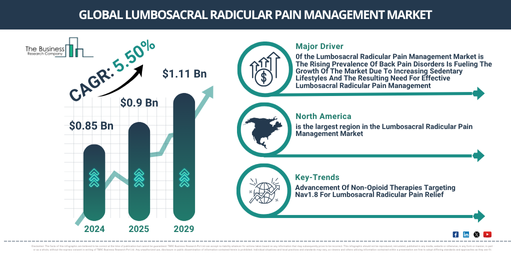
  • Lumbosacral Radicular Pain Management Industry Growth Expected to Reach $1.11 Billion by 2029 at a CAGR of 5.5% | Segmentation and Growth Opportunities

    Lumbosacral Radicular Pain Management Industry Growth Expected to Reach $1.11 Billion by 2029 at a CAGR of 5.5% | Segmentation and Growth Opportunities

    Claim your 30% discount on Global Market Reports with code ONLINE30. Limited time only.

    #What Is the Forecast for the Lumbosacral Radicular Pain Management Market Growth in 2025?#_x000D_

    Recent years have seen substantial growth in the lumbosacral radicular pain management market, with projections showing it expanding from a value of $0.85 billion in 2024 to $0.9 billion in 2025, a compound annual growth rate (CAGR) of 5.8%. The significant growth experienced in the historical period can be traced back to several contributing factors, including a heightened prevalence of lumbar disc herniation, increased consciousness about spinal disorders, a growing number of elderly, advancements in diagnostic imaging technology, and the growing inclination towards non-invasive pain management treatments._x000D_

    _x000D_

    #What Is the Forecast for the Lumbosacral Radicular Pain Management Market Size Through 2029?#_x000D_

    The market size for managing lumbosacral radicular pain is anticipated to undergo substantial growth in the upcoming years, with projections indicating expansion to $1.11 billion by 2029, experiencing a compound annual growth rate (CAGR) of 5.5%. Factors contributing to this growth during the forecast period include the introduction of innovative minimally invasive surgical methods, increased usage of biologic therapies, a heightened emphasis on individualized pain management, more demand for outpatient pain clinics, and the incorporation of digital health and telemedicine into pain control strategies. Also, notable trends expected over the forecast period are advancements in minimally invasive procedures for the spine, improvements in neurostimulation devices, adoption of biologic therapies such as platelet-rich plasma, AI-enabled diagnostics and tailored treatment agendas, and the emergence of new non-opioid analgesics._x000D_

    _x000D_

    #Download The Free Sample Report Here:#_x000D_

    https://www.thebusinessresearchcompany.com/sample.aspx?id=24592&type=smp_x000D_

    _x000D_

    #What are the Key Market Players in Lumbosacral Radicular Pain Management Market and How They’re Evolving?#_x000D_

    Major companies operating in the lumbosacral radicular pain management market are Pfizer Inc., Johnson & Johnson Services Inc., Bayer AG, Sanofi SA, Bristol-Myers Squibb, AstraZeneca plc, Novartis AG, GSK plc, Medtronic plc, Eli Lilly and Company, Amgen Inc, Koninklijke Philips NV, Stryker Corporation, Teva Pharmaceutical Industries Ltd, Boston Scientific Corporation, Dr Reddy’s Laboratories Ltd, NuVasive Inc., Nobel Biocare Holdings AG, Ultradent Products Inc., Nevro Corp., Zynex Inc., Eliem Therapeutics, Vertebral Technologies Inc., Semnur Pharmaceuticals Inc._x000D_

    _x000D_

    #What Are the Primary Growth Drivers in the Lumbosacral Radicular Pain Management Market?#_x000D_

    The escalating occurrence of back pain ailments is anticipated to steer the expansion of the lumbosacral radicular pain management market in the future. Back pain ailments encompass several conditions impacting the spine, muscles, or nerves in the back, leading to discomfort or pain. The escalating occurrence can be ascribed to sedentary lifestyles that lead to weakness in the back muscles, resulting in poor posture and ongoing pain. The goal of lumbosacral radicular pain management is to alleviate nerve root irritation in the lower back, decreasing pain and inflammation. This enhances mobility and life quality. For instance, data from the Australian Institute of Health and Welfare, a government agency based in Australia, reveals that in June 2024, over 52% of all hospitalizations for back issues in 2022 were ascribed to back or spine pain. Lower back pain was responsible for the most significant portion at 27%, succeeded by neck pain at 6.2% and radiculopathy at 6.0%. Furthermore, back issues had escalated to the third leading factor contributing to the overall health burden, representing 4.3% of the total in 2023. Thus, the escalating occurrence of back pain ailments stimulates the expansion of the lumbosacral radicular pain management market._x000D_

    _x000D_

    #Request For A Customized Report:#_x000D_

    https://www.thebusinessresearchcompany.com/customise?id=24592&type=smp_x000D_

    _x000D_

    #What Are the Leading Segments in the Global Lumbosacral Radicular Pain Management Industry?#_x000D_

    The lumbosacral radicular pain management market covered in this report is segmented –_x000D_

    _x000D_

    1) By Medication: Non-Steroidal Anti-Inflammatory Drugs, Opioids, Antidepressants, Anticonvulsants, Steroids_x000D_

    2) By Physical Therapy: Manual Therapy, Exercise Therapy, Electrotherapy, Thermal Therapy, Hydrotherapy_x000D_

    3) By Route Of Administration: Oral, Topical_x000D_

    4) By End-User: Hospital Pharmacy, Retail Pharmacy, Online Pharmacy_x000D_

    _x000D_

    Subsegments:_x000D_

    1) By Non-Steroidal Anti-Inflammatory Drugs: Ibuprofen, Naproxen, Diclofenac, Celecoxib, Etoricoxib_x000D_

    2) By Opioids: Tramadol, Oxycodone, Morphine, Hydrocodone, Fentanyl_x000D_

    3) By Antidepressants: Amitriptyline, Nortriptyline, Duloxetine, Desvenlafaxine, Venlafaxine_x000D_

    4) By Anticonvulsants: Gabapentin, Pregabalin, Carbamazepine, Lamotrigine, Topiramate_x000D_

    5) By Steroids: Dexamethasone, Methylprednisolone, Prednisone, Triamcinolone, Hydrocortison_x000D_

    _x000D_

    #What Are the Key Market Trends in the Lumbosacral Radicular Pain Management Industry?#_x000D_

    Leading organizations in the lumbosacral radicular pain management market are shifting their attention towards the creation of advanced therapeutic options. This includes experimental oral NaV1.8 pain signal inhibitors which act as a non-opioid substitute for enduring pain relief. This investigational oral NaV1.8 pain signal inhibitor is a medication under trial that zeroes in on the NaV1.8 sodium channel, an essential route for the transmission of pain via sensory nerves. For instance, Vertex Pharmaceuticals, a biotech firm based in the US, revealed the outcomes from its Phase 2 study on suzetrigine intended for painful lumbosacral radiculopathy (LSR) in December 2024. The study fulfilled its main goal, exhibiting a statistically significant and clinically relevant decline in pain from the baseline in the suzetrigine group. Suzetrigine was generally well received, with no severe adverse events reported. Vertex intends to tackle the high placebo response in subsequent Phase 3 trials so as to better evaluate the drug’s effectiveness._x000D_

    _x000D_

    #Access The Full Report Here:#_x000D_

    https://www.thebusinessresearchcompany.com/report/lumbosacral-radicular-pain-management-global-market-report_x000D_

    _x000D_

    #What Is the Regional Outlook for the Lumbosacral Radicular Pain Management Market?#_x000D_

    North America was the largest region in the lumbosacral radicular pain management market in 2024. Asia-Pacific is expected to be the fastest-growing region in the forecast period. The regions covered in the lumbosacral radicular pain management market report are Asia-Pacific, Western Europe, Eastern Europe, North America, South America, Middle East, Africa._x000D_

    _x000D_

    #Purchase The Full Report Today:#_x000D_

    https://www.thebusinessresearchcompany.com/purchaseoptions.aspx?id=24592_x000D_

    _x000D_

    #This Report Delivers Insight On: #_x000D_

    1. How big is the lumbosacral radicular pain management market, and how is it changing globally?_x000D_

    2. Who are the major companies in the lumbosacral radicular pain management market, and how are they performing?_x000D_

    3. What are the key opportunities and risks in the lumbosacral radicular pain management market right now?_x000D_

    4. Which products or customer segments are growing the most in the lumbosacral radicular pain management market?_x000D_

    5. What factors are helping or slowing down the growth of the lumbosacral radicular pain management market?_x000D_

    _x000D_

    #About The Business Research Company:#_x000D_

    With over 15000+ reports from 27 industries covering 60+ geographies, The Business Research Company has built a reputation for offering comprehensive, data-rich research and insights. Armed with 1,500,000 datasets, the optimistic contribution of in-depth secondary research, and unique insights from industry leaders, you can get the information you need to stay ahead in the game._x000D_

    _x000D_

    #Get in touch with us:#_x000D_

    The Business Research Company: https://www.thebusinessresearchcompany.com/_x000D_

    Americas +1 3156230293_x000D_

    Asia +44 2071930708_x000D_

    Europe +44 2071930708_x000D_

    Email us at info@tbrc.info_x000D_

    _x000D_

    #Follow us on:#_x000D_

    _x000D_

    LinkedIn: https://in.linkedin.com/company/the-business-research-company_x000D_

    YouTube: https://www.youtube.com/channel/UC24_fI0rV8cR5DxlCpgmyFQ_x000D_

    Global Market Model: https://www.thebusinessresearchcompany.com/global-market-model