Author: Marketing Posting

  • Non-Opioid Pain Patch Industry Growth Expected to Reach $4.5 Billion by 2029 at a CAGR of 5.3% | Segmentation and Growth Opportunities

    Non-Opioid Pain Patch Industry Growth Expected to Reach $4.5 Billion by 2029 at a CAGR of 5.3% | Segmentation and Growth Opportunities

    Claim your 30% discount on Global Market Reports with code ONLINE30. Limited time only.

    What Is the Forecast for the Non-Opioid Pain Patch Market Growth in 2025?

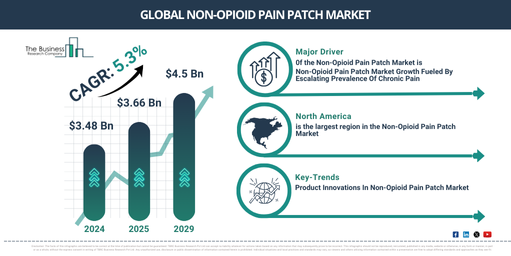
    In recent times, the market for non-opioid pain patches has seen robust growth. The market is set to increase from $3.48 billion in 2024 to $3.66 billion in 2025, with a compound annual growth rate (CAGR) of 5.1%. This growth during the historic period is a result of a rise in chronic pain incidents, patient inclination towards non-invasive treatments, enhanced formulations and components, an increase in sports-related injuries, and growing concerns about opioid dependency.

    What Is the Forecast for the Non-Opioid Pain Patch Market Size Through 2029?

    The market size of non-opioid pain patches is predicted to witness a substantial surge in the coming years. It is projected to attain a value of $4.5 billion by 2029, growing at a compound annual growth rate (CAGR) of 5.3%. The escalation during the forecast period can be credited to the rising investment in R&D, growing spending in healthcare, favorable regulatory conditions, elevation in consumer awareness and education, as well as an enlarging elderly population. Dominant trends expected during the forecast period include advancements in wireless and smart patch technologies, adoption of natural components, compatibility with wearable technology, emphasis on long-durability effects, and the development of eco-friendly, biodegradable patches.

    Download The Free Sample Report Here:

    https://www.thebusinessresearchcompany.com/sample.aspx?id=12230&type=smp

    What are the Key Market Players in Non-Opioid Pain Patch Market and How They’re Evolving?

    Major companies operating in the non-opioid pain patch market include Hisamitsu Pharmaceutical Co., Inc., Teikoku Pharma USA, Inc., Purdue Pharma L.P., Noven Pharmaceuticals, Inc., Johnson & Johnson Services, Inc., Pfizer Inc., Grünenthal GmbH, Mylan N.V., Teva Pharmaceutical Industries Ltd., Endo Pharmaceuticals Inc., Medtronic plc, Abbott Laboratories, Bayer AG, Iroko Pharmaceuticals, LLC, Scilex Pharmaceuticals Inc., Zosano Pharma Corporation, Adynxx Inc., BioElectronics Corporation, NeuroMetrix Inc., Virpax Pharmaceuticals Inc., Eli Lilly and Company, Novartis AG, Amgen Inc., DURECT Corporation

    What Are the Primary Growth Drivers in the Non-Opioid Pain Patch Market?

    The growth of the non-opioid pain patch market is anticipated to be fueled by the increasing incidence of chronic pain. Chronic pain is described as intense pain that persists for a long duration or occurs alongside another health issue. Non-opioid pain patches are designed to alleviate mild to severe pain and manage headaches, muscle discomfort, arthritis, backaches, among other forms of pain. As per the Eurostat, a government agency based in Luxembourg, in November 2023, it was reported that over one-third or 36.1% of individuals in the EU had a persistent (chronic) health issue in 2022. As such, the surging prevalence of chronic pain is driving the growth of the non-opioid pain patch market.

    Request For A Customized Report:

    https://www.thebusinessresearchcompany.com/customise?id=12230&type=smp

    What Are the Leading Segments in the Global Non-Opioid Pain Patch Industry?

    The non-opioid pain patch market covered in this report is segmented –

    1) By Patch: Lidocaine Patches, Diclofenac Patches, Capsaicin Patches, Ketoprofen Patches, Other Patches

    2) By Distribution Channel: Hospital Pharmacies, Retail Pharmacies, Other Distribution Channels

    3) By Indication: Musculoskeletal Pain, Neuropathic Pain

    Subsegments:

    1) By Lidocaine Patches: 5% Lidocaine Patch, Other Concentrations

    2) By Diclofenac Patches: 1.3% Diclofenac Patch, Other Concentrations

    3) By Capsaicin Patches: 8% Capsaicin Patch, Other Concentrations

    4) By Ketoprofen Patches: 5% Ketoprofen Patch, Other Concentrations

    5) By Other Patches: Combination Patches, Herbal Extract Patches, Other Non-Opioid Patches

    What Are the Key Market Trends in the Non-Opioid Pain Patch Industry?

    One of the predominant trends in the non-opioid pain patch market is the focus on product innovation. Numerous key players in the marketplace are developing inventive products to solidify their market standing. For example, in June 2022, The Mentholatum Company Inc., a medical product manufacturer based in the UK, introduced a new style of non-drug pain patch called the Deep Relief Actiflex Patch. This cooling hydrogel patch, which is primarily constituted of water, delivers quick cooling and calming relief as the water evaporates on the skin. This type of pain patch is designed to alleviate muscle and joint aches and discomfort.

    Access The Full Report Here:

    https://www.thebusinessresearchcompany.com/report/non-opioid-pain-patch-global-market-report

    What Is the Regional Outlook for the Non-Opioid Pain Patch Market?

    North America was the largest region in the non-opioid pain patch market in 2024. Asia-Pacific is expected to be the fastest-growing region in the non-opioid pain patch market report during the forecast period. The regions covered in the non-opioid pain patch market report are Asia-Pacific, Western Europe, Eastern Europe, North America, South America, Middle East, Africa.

    Purchase The Full Report Today:

    https://www.thebusinessresearchcompany.com/purchaseoptions.aspx?id=12230

    This Report Delivers Insight On:

    1. How big is the non-opioid pain patch market, and how is it changing globally?

    2. Who are the major companies in the non-opioid pain patch market, and how are they performing?

    3. What are the key opportunities and risks in the non-opioid pain patch market right now?

    4. Which products or customer segments are growing the most in the non-opioid pain patch market?

    5. What factors are helping or slowing down the growth of the non-opioid pain patch market?

    About The Business Research Company:

    With over 15000+ reports from 27 industries covering 60+ geographies, The Business Research Company has built a reputation for offering comprehensive, data-rich research and insights. Armed with 1,500,000 datasets, the optimistic contribution of in-depth secondary research, and unique insights from industry leaders, you can get the information you need to stay ahead in the game.

    Get in touch with us:

    The Business Research Company: https://www.thebusinessresearchcompany.com/

    Americas +1 3156230293

    Asia +44 2071930708

    Europe +44 2071930708

    Email us at info@tbrc.info

    Follow us on:

    LinkedIn: https://in.linkedin.com/company/the-business-research-company

    YouTube: https://www.youtube.com/channel/UC24_fI0rV8cR5DxlCpgmyFQ

    Global Market Model: https://www.thebusinessresearchcompany.com/global-market-model
  • Next-Generation Gynecological Cancer Diagnostics Industry Insights 2025 – Market Forecast for Executives and Planners

    Next-Generation Gynecological Cancer Diagnostics Industry Insights 2025 – Market Forecast for Executives and Planners

    Claim your 30% discount on Global Market Reports with code ONLINE30. Limited time only.

    How Has the Next-Generation Gynecological Cancer Diagnostics Market Size Changed, over the years?

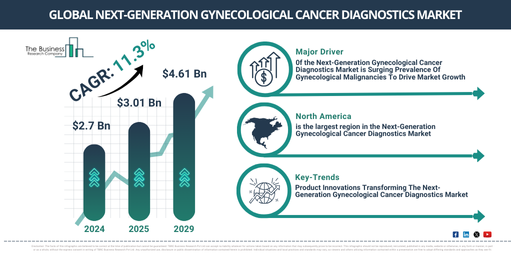
    The market for next-generation gynecological cancer diagnostics has witnessed swift growth in the last few years, expanding from a size of $2.7 billion in 2024 to an anticipated $3.01 billion in 2025, reflecting a compound annual growth rate (CAGR) of 11.6%. The significant growth observed in this historic period is the result of progress made in genomic research, enhanced awareness and screening efforts, an increased rate of gynecological cancer cases, advancements in biopsy methods, the influence of clinical trials, and research funding.

    How Much Will the Next-Generation Gynecological Cancer Diagnostics Market Be Worth in 2029?

    Projected advancements in the arena of gynecological cancer diagnostics, forecasted for the impending years, will propel the market size to a booming $4.61 billion by 2029, with a compound annual growth rate (CAGR) of 11.3%. The rise can be linked to the emergence of targeted therapies and precision medicine, incorporation of artificial intelligence (AI), the increasing popularity of liquid biopsy, enhanced point-of-care testing, widespread use of 3D imaging, and the rise of telemedicine in cancer care. The forecasted trend includes a patient-centered approach in diagnostics, extensive biomarker panels, the integration of wearable devices, collaboration and consortiums, and advancements in imaging modalities.

    Download The Free Sample Report Here:

    https://www.thebusinessresearchcompany.com/sample.aspx?id=12020&type=smp

    Which is the Largest Company in the Next-Generation Gynecological Cancer Diagnostics Market?

    Major companies operating in the next-generation gynecological cancer diagnostics market include F. Hoffmann-La Roche Ltd., Thermo Fisher Scientific Inc., Abbott Laboratories, Siemens Healthcare GmbH, Agena Bioscience Inc., Koninklijke Philips N.V., Becton, Dickinson and Company, GE HealthCare Technologies Inc., Laboratory Corporation Of America Holdings, Quest Diagnostics Incorporated, Agilent Technologies Inc., Hologic Inc., Illumina Inc., PerkinElmer Inc., Sysmex Corporation, Qiagen N.V., ARUP Laboratories, Almac Group, BGI Genomics Co Ltd, OPKO HEALTH Inc., BGI Genomics Co. Ltd., Myriad Genetics Inc., Fulgent Genetics Inc., Cepheid, Invitae Corporation, Centogene NV

    What Are the Main Market Drivers in the Next-Generation Gynecological Cancer Diagnostics Industry?

    The increased incidence of gynecological cancers is anticipated to drive the expansion of the next-generation gynecological cancer diagnostics market. Gynecological cancers encompass malignancies that affect the female reproductive organs like cervix, uterus, ovaries, fallopian tubes, and vulva. The next-generation gynecological cancer diagnostics significantly cut down the prevalence of gynecological cancers by facilitating early detection of cancer cells, paving the way for tailored treatments, and enhancing the overall patient survival rates. As an illustration, the National Cancer Institute, a US-based agency of Health and Human Services, reported in February 2023 that it is estimated that around 13,960 American women will receive a severe cervical cancer diagnosis, and approximately 4,310 deaths due to this disease are expected in 2023 in the US. In addition, there were 7.7 new cervical cancer cases per 100,000 women annually, with an annual death toll of 2.2 per 100,000 females. As a result, the escalating incidence of gynecological cancers is contributing to the growth of the next-generation gynecological cancer diagnostics market.

    Request For A Customized Report:

    https://www.thebusinessresearchcompany.com/customise?id=12020&type=smp

    How Is the Next-Generation Gynecological Cancer Diagnostics Market Segments Structured?

    The next-generation gynecological cancer diagnostics market covered in this report is segmented –

    1) By Cancer Type: Cervical Cancer, Ovarian Cancer, Uterine Cancer, Vaginal Cancer, Vulvar Cancer

    2) By Function: Therapeutic Monitoring, Companion Diagnostics, Prognostics, Cancer Screening, Risk Analysis

    3) By Technology: Next-Generation Sequencing, qPCR And Multiplexing, Lab-on- A- Chip (LOAC) And Reverse Transcriptase-PCR (RT-PCR), Protein Microarrays, DNA Microarrays

    4) By Application: Biomarker Development, CTC Analysis, Proteomic Analysis, Epigenetic Analysis, Genetic Analysis

    5) By End User: Hospitals And Ambulatory Centers, Diagnostic Laboratories, Academic And Research Institutes

    Subsegments:

    1) By Cervical Cancer: HPV Testing, Pap Smear Testing, Liquid-Based Cytology, Biomarker Testing

    2) By Ovarian Cancer: CA-125 Testing, HE4 Testing, Genetic Testing (BRCA1 Or BRCA2), Imaging Techniques

    3) By Uterine Cancer: Endometrial Biopsy, Ultrasound Imaging, Genetic Testing (PMS2, MLH1), Biomarker Testing

    4) By Vaginal Cancer: Pap Smear Testing, HPV Testing, Biopsy Procedures

    5) By Vulvar Cancer: Visual Inspection, Biopsy, HPV Testing, Genetic Testing

    What Strategic Trends Are Transforming the Next-Generation Gynecological Cancer Diagnostics Market?

    Leading firms in the market for next-generation gynecological cancer diagnostics are innovating and bringing new products to the market like AI-powered women’s health ultrasound systems, in order to maintain a competitive stance. An ultrasound system is an apparatus used in medical imaging that employs high-frequency sound waves to create images of the body’s inner structures. For instance, Samsung Electronics Co. Ltd., a company based in South Korea that specializes in consumer electronics, introduced a new healthcare device in February 2023: the HERA W10 Elite. This state-of-the-art women’s health ultrasound system employs AI-powered tools and applications specifically designed for Obstetrics and Gynecology. The HERA W10 Elite can visualize advanced 2D and 3D representations of microcirculation and slow blood flow. It comes with an improved MV-Flow feature, a larger organic light-emitting diode (OLED) display, and enhanced AI features such as HeartAssist, ViewAssist, and BiometryAssist. The HERA W10 Elite, conceived for improved diagnostic insight, aspires to usher in a visionary transformation in Obstetrics and Gynecology with its advanced image processing capabilities and ergonomic design.

    Access The Full Report Here:

    https://www.thebusinessresearchcompany.com/report/next-generation-gynecological-cancer-diagnostics-global-market-report

    Which Global Regions Offer the Highest Growth in the Next-Generation Gynecological Cancer Diagnostics Market?

    North America a was the largest region in the next-generation gynecological cancer diagnostics market in 2024. Asia-Pacific is expected to be the fastest-growing region in the forecast period. The regions covered in the next-generation gynecological cancer diagnostics market report are Asia-Pacific, Western Europe, Eastern Europe, North America, South America, Middle East, Africa.

    Purchase The Full Report Today:

    https://www.thebusinessresearchcompany.com/purchaseoptions.aspx?id=12020

    This Report Delivers Insight On:

    1. How big is the next-generation gynecological cancer diagnostics market, and how is it changing globally?

    2. Who are the major companies in the next-generation gynecological cancer diagnostics market, and how are they performing?

    3. What are the key opportunities and risks in the next-generation gynecological cancer diagnostics market right now?

    4. Which products or customer segments are growing the most in the next-generation gynecological cancer diagnostics market?

    5. What factors are helping or slowing down the growth of the next-generation gynecological cancer diagnostics market?

    About The Business Research Company:

    With over 15000+ reports from 27 industries covering 60+ geographies, The Business Research Company has built a reputation for offering comprehensive, data-rich research and insights. Armed with 1,500,000 datasets, the optimistic contribution of in-depth secondary research, and unique insights from industry leaders, you can get the information you need to stay ahead in the game.

    Get in touch with us:

    The Business Research Company: https://www.thebusinessresearchcompany.com/

    Americas +1 3156230293

    Asia +44 2071930708

    Europe +44 2071930708

    Email us at info@tbrc.info

    Follow us on:

    LinkedIn: https://in.linkedin.com/company/the-business-research-company

    YouTube: https://www.youtube.com/channel/UC24_fI0rV8cR5DxlCpgmyFQ

    Global Market Model: https://www.thebusinessresearchcompany.com/global-market-model
  • Market Analysis on Next-Generation Antibody Therapeutics Industry – Insights for Corporate Strategy and R&D

    Market Analysis on Next-Generation Antibody Therapeutics Industry – Insights for Corporate Strategy and R&D

    Claim your 30% discount on Global Market Reports with code ONLINE30. Limited time only.

    What Is the Forecast for the Next-Generation Antibody Therapeutics Market from 2024 to 2025?

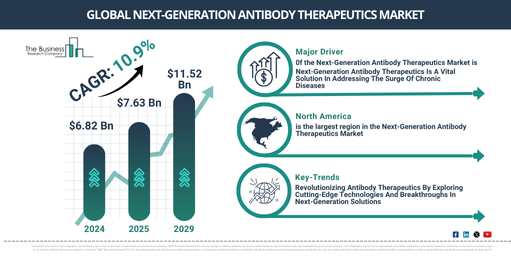
    In recent times, there has been a quick expansion in the size of the next-generation antibody therapeutics market. Analogous to this trend, it is projected to enlarge from $6.82 billion in 2024 to reach $7.63 billion in 2025, representing a compound annual growth rate (CAGR) of 11.8%. This growth during the historical period can be linked to the success of monoclonal antibody, the increasing frequency of chronic ailments, authorisation of antibody-drug conjugates, along with the advancement of immunotherapy, gene therapy and antibodies.

    What Is the Projected Market Size of the Next-Generation Antibody Therapeutics Market?

    The market size of the next-generation antibody therapeutics is projected to witness a swift expansion in the coming years. It is predicted to escalate to $11.52 billion by the year 2029 at a compound annual growth rate (CAGR) of 10.9%. The growth throughout the predicted period can be credited to several factors such as the development of biosimilars, bispecific antibodies, and nanobody, patient-centric methodologies, immunomodulatory antibodies, and growing applications in autoimmune diseases along with constant manufacturing. Key emerging trends throughout the forecast timeline will be the progress in antibody engineering, implementation of digital technologies in antibody designs, industry partnerships, breakthroughs in drug delivery systems, and usage of real-world evidence in antibody evolution.

    Download The Free Sample Report Here:

    https://www.thebusinessresearchcompany.com/sample.aspx?id=12678&type=smp

    Who are the Major Competitors in the Next-Generation Antibody Therapeutics Market Outlook?

    Major companies operating in the next-generation antibody therapeutics market include Pfizer Inc., F. Hoffmann-La Roche Ltd., Bayer AG, Bristol-Myers Squibb Company, AstraZeneca plc, GlaxoSmithKline plc, Takeda Pharmaceutical Company Limited, Gilead Sciences Inc., Boehringer Ingelheim International GmbH, Amgen Inc., Moderna Inc., BioNTech SE, Regeneron Pharmaceuticals Inc., Biogen Inc., Celgene Corporation, Lonza Group AG, Catalent Inc., Genentech Inc., Kyowa Hakko Kirin Co. Ltd., Samsung Biologics, WuXi Biologics, Seagen Inc., Seattle Genetics Inc., Xencor Inc., ImmunoGen Inc.

    What Is Fueling Growth in the Next-Generation Antibody Therapeutics Market?

    The rising prevalence of chronic diseases is anticipated to spur the next-generation antibody therapeutics market’s expansion. Chronic diseases, which typically last for a year or longer, often necessitate continued medical care and can limit daily activities. These advanced antibody therapeutics provide targeted care for individuals suffering from chronic diseases, potentially improving their health outcomes. For example, by January 2023, the National Center for Biotechnology Information (NCBI), a US-based National Library of Medicine, predicted that the number of people aged 50 and above with at least one chronic illness will increase by 99.5% by 2050, to a staggering 142.66 million. Consequently, this rise in chronic diseases is fueling the growth of the next-generation antibody therapeutics market.

    Request For A Customized Report:

    https://www.thebusinessresearchcompany.com/customise?id=12678&type=smp

    Which Next-Generation Antibody Therapeutics Market Segments Are Growing the Fastest?

    The next-generation antibody therapeutics market covered in this report is segmented –

    1) By Types Of Antibodies: Monoclonal Antibodies, Polyclonal Antibodies, Biospecific Antibodies, Antibody-Drug Conjugates, Other Types

    2) By Therapeutic Area: Oncology, Autoimmune Diseases, Infectious Diseases, Neurodegenerative Disorders, Other Therapeutic Areas

    3) By End-User: Hospitals And Clinics, Research Institutes, Pharmaceutical And Biotechnology Companies, Other End-Users

    Subsegments:

    1) By Monoclonal Antibodies: IgG Monoclonal Antibodies, IgM Monoclonal Antibodies

    2) By Polyclonal Antibodies: Serum-Derived Polyclonal Antibodies, Hybridoma-Derived Polyclonal Antibodies

    3) By Bispecific Antibodies: Dual-Targeting Antibodies, Single-Chain Variable Fragment (scFv) Antibodies

    4) By Antibody-Drug Conjugates (ADCs): Targeted ADCs, Payload Types

    5) By Other Types: Nanobodies, Engineered Antibodies

    Which Industry Trends Are Shaping the Future of the Next-Generation Antibody Therapeutics Market?

    The trend of technological advancements is becoming increasingly prevalent within the next-generation antibody therapeutics market. Major market players are emphasizing on the development of advanced technologies such as proprietary Molecular Indexing of Proteins by Self-Assembly (MIPSA) technology to amplify protein identification and profiling, thereby enabling more precise and targeted treatments. The objective of these progressions is to enhance therapeutic profiles, reduce expenditures, and effectively tackle complex diseases. Molecular Indexing of Proteins by Self-Assembly (MIPSA) is a technology that arranges protein molecules into organized assemblies for improved analysis and measurement. This improves the sensitivity and precision of protein detection, which is valuable in research and diagnostic scenarios. For example, in January 2024, Infinity Bio, Inc., a biotechnology firm based in the US, introduced a next-generation antibody profiling platform that employs MIPSA technology for extensive, cost-effective analysis of immune response, with the goal of improving disease knowledge and tailoring treatment approaches.

    Access The Full Report Here:

    https://www.thebusinessresearchcompany.com/report/next-generation-antibody-therapeutics-global-market-report

    Which Countries Are Leading the Next-Generation Antibody Therapeutics Market?

    North America was the largest region in the next-generation antibody therapeutics market in 2024. Asia-Pacific is expected to be the fastest-growing region in the forecast period. The regions covered in the next-generation antibody therapeutics market report are Asia-Pacific, Western Europe, Eastern Europe, North America, South America, Middle East, Africa

    Purchase The Full Report Today:

    https://www.thebusinessresearchcompany.com/purchaseoptions.aspx?id=12678

    This Report Delivers Insight On:

    1. How big is the next-generation antibody therapeutics market, and how is it changing globally?

    2. Who are the major companies in the next-generation antibody therapeutics market, and how are they performing?

    3. What are the key opportunities and risks in the next-generation antibody therapeutics market right now?

    4. Which products or customer segments are growing the most in the next-generation antibody therapeutics market?

    5. What factors are helping or slowing down the growth of the next-generation antibody therapeutics market?

    About The Business Research Company:

    With over 15000+ reports from 27 industries covering 60+ geographies, The Business Research Company has built a reputation for offering comprehensive, data-rich research and insights. Armed with 1,500,000 datasets, the optimistic contribution of in-depth secondary research, and unique insights from industry leaders, you can get the information you need to stay ahead in the game.

    Get in touch with us:

    The Business Research Company: https://www.thebusinessresearchcompany.com/

    Americas +1 3156230293

    Asia +44 2071930708

    Europe +44 2071930708

    Email us at info@tbrc.info

    Follow us on:

    LinkedIn: https://in.linkedin.com/company/the-business-research-company

    YouTube: https://www.youtube.com/channel/UC24_fI0rV8cR5DxlCpgmyFQ

    Global Market Model: https://www.thebusinessresearchcompany.com/global-market-model
  • Neurotoxin Market Outlook 2025 – Insights for Executive and Strategic Planning

    Neurotoxin Market Outlook 2025 – Insights for Executive and Strategic Planning

    Claim your 30% discount on Global Market Reports with code ONLINE30. Limited time only.

    How Has the Neurotoxin Market Grown from 2024 to 2025?

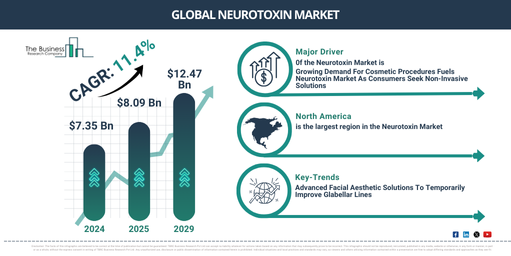
    In the past few years, the neurotoxin market has experienced swift expansion. The market value is projected to escalate from $7.35 billion in 2024 to approximately $8.09 billion in 2025, achieving a compound annual growth rate (CAGR) of 10.1%. Factors such as the surge in aesthetic procedures, therapeutic applications, progress in cosmetic industry, increasing elderly population, and broader acceptance of non-surgical procedures account for the growth observed in the historic period.

    What Growth Rate Is Anticipated for the Neurotoxin Market in the Coming Years?

    The neurotoxin market’s dimension is anticipated to experience a sharp increase in the coming years, expanding to $12.47 billion in 2029, with a compound annual growth rate (CAGR) of 11.4%. This expansion during the projection period can be ascribed to broadening use cases in neurology, sustained interest for aesthetic procedures, formulation innovation, heightened consumer consciousness and the growth of cosmetic tourism. Key trends for the forecast period encompass enhancements in drug delivery methods, partnerships for neurotoxin research and development, the industry’s response to changes in neurotoxin regulations, the inclusion of neurotoxins in comprehensive treatment plans, emphasis on enduring effects and patient satisfaction.

    Download The Free Sample Report Here:

    https://www.thebusinessresearchcompany.com/sample.aspx?id=11899&type=smp

    Who Are the Leading Companies in the Neurotoxin Market?

    Major companies operating in the neurotoxin market include AbbVie Inc., Galderma Inc., Ipsen SA, Daewoong Pharmaceutical Co. Ltd., Supernus Pharmaceuticals, Merz Pharma GmbH & Co KGaA, Hugel Inc., Evolus Inc., Medytox Inc., Croma-Pharma GmbH, Revance Therapeutics Inc., US WorldMeds, Gufic Biosciences Ltd., Hironic Co. Ltd., Allergan, List Biological Laboratories, Lanzhou Institute of Biological Products Co. Ltd., Sinclair Pharma, Vida Aesthetics, Aquavit Holdings LLC, PharmaResearch Products Co.Ltd, Entod Pharmaceuticals, Object Pharma Inc.

    What Are the Key Drivers of the Neurotoxin Market?

    The booming trend in cosmetic procedures aimed at enhancing looks is envisaged to fuel the neurotoxin market’s expansion in the future. The term ‘cosmetic procedures’ encompasses a variety of medical treatments or interventions whose main purpose is to boost or modify an individual’s physical aesthetics. This trend owes its origin to societal, technological, and cultural influences, along with increased consciousness about the benefits of cosmetic treatments. Neurotoxins have found their application in these procedures to relax specific muscles and tone down wrinkles and fine lines. For example, a beauty surgery survey conducted by the American Society of Plastic Surgeons in August 2022, a non-profit organization specializing in plastic surgery from the USA, reveals a growing interest amongst Americans for cosmetic enhancements. The survey shows that a staggering 75% of plastic surgeons in the USA have reported an increased demand for these procedures, while 30% have witnessed their cosmetic procedure businesses doubling. Hence, this rise in cosmetic treatments aimed at aesthetic improvements is triggering the neurotoxin market growth.

    Request For A Customized Report:

    https://www.thebusinessresearchcompany.com/customise?id=11899&type=smp

    What Are the Key Market Segments in the Neurotoxin Industry?

    The neurotoxin market covered in this report is segmented –

    1) By Product Type: Botox, Dysport, Xeomin, Other Products

    2) By Application: Therapeutic, Aesthetic

    3) By End User: Hospitals, Specialty Clinics, Dermatology Clinics, Other End Users

    Subsegments:

    1) By Botox: Cosmetic Uses, Therapeutic Uses

    2) By Dysport: Cosmetic Applications, Medical Indications

    3) By Xeomin: Cosmetic Treatments, Therapeutic Applications

    4) By Other Products: Jeuveau, Any Emerging Neurotoxins

    What Are the Latest Trends in the Neurotoxin Market?

    The trend towards innovative facial aesthetic products is rapidly growing in the neurotoxins market. To maintain market position, neurotoxins companies are focusing their efforts on the innovation of these products. For instance, Evolus Inc., an American company specializing in medical aesthetics, earned approval for its product Nuceiva (prabotulinumtoxinA) from the Australian Therapeutic Goods Administration (TGA) in January 2023. Nuceiva (prabotulinumtoxinA) is a neurotoxin utilized for cosmetic purposes. It is specifically used to enhance the look of moderate glabellar lines in adult patients. This is achieved by blocking nerve impulses in facial muscles, causing them to relax and ultimately smoothing the wrinkles created through facial expressions like squinting and frowning.

    Access The Full Report Here:

    https://www.thebusinessresearchcompany.com/report/neurotoxin-global-market-report

    What Are the Key Regional Markets in the Neurotoxin Industry?

    North America was the largest region in the neurotoxin market in 2024. Asia-Pacific is expected to be the fastest-growing region in the forecast period. The regions covered in the neurotoxin market report are Asia-Pacific, Western Europe, Eastern Europe, North America, South America, Middle East, Africa.

    Purchase The Full Report Today:

    https://www.thebusinessresearchcompany.com/purchaseoptions.aspx?id=11899

    This Report Delivers Insight On:

    1. How big is the neurotoxin market, and how is it changing globally?

    2. Who are the major companies in the neurotoxin market, and how are they performing?

    3. What are the key opportunities and risks in the neurotoxin market right now?

    4. Which products or customer segments are growing the most in the neurotoxin market?

    5. What factors are helping or slowing down the growth of the neurotoxin market?

    About The Business Research Company:

    With over 15000+ reports from 27 industries covering 60+ geographies, The Business Research Company has built a reputation for offering comprehensive, data-rich research and insights. Armed with 1,500,000 datasets, the optimistic contribution of in-depth secondary research, and unique insights from industry leaders, you can get the information you need to stay ahead in the game.

    Get in touch with us:

    The Business Research Company: https://www.thebusinessresearchcompany.com/

    Americas +1 3156230293

    Asia +44 2071930708

    Europe +44 2071930708

    Email us at info@tbrc.info

    Follow us on:

    LinkedIn: https://in.linkedin.com/company/the-business-research-company

    YouTube: https://www.youtube.com/channel/UC24_fI0rV8cR5DxlCpgmyFQ

    Global Market Model: https://www.thebusinessresearchcompany.com/global-market-model
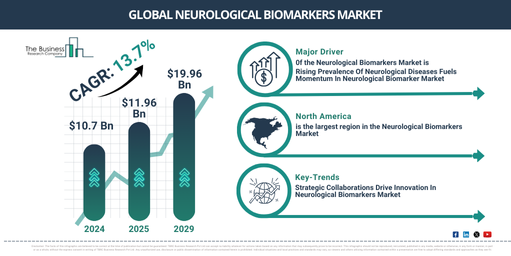
  • Neurological Biomarkers Market Projected at $19.96 Billion by 2029 | Strategic Insights and Forecast Data

    Neurological Biomarkers Market Projected at $19.96 Billion by 2029 | Strategic Insights and Forecast Data

    Claim your 30% discount on Global Market Reports with code ONLINE30. Limited time only.

    How Has the Neurological Biomarkers Market Size Changed, over the years?

    In recent years, the expansion of the neurological biomarkers market has been swift. The market which was worth $10.7 billion in 2024 is projected to increase to $11.96 billion in 2025, with a compound annual growth rate (CAGR) of 11.7%. This significant growth during the historical period is due to several factors, including the rising incidence of neurological disorders, an aging population, the necessity for drug development, heightened funding for neurological research, and the shift towards personalized medicine.

    How Much Will the Neurological Biomarkers Market Be Worth in 2029?

    Over the coming years, the market size for neurological biomarkers is projected to expand quickly. The market is estimated to reach a value of $19.96 billion in 2029, demonstrating a compound annual growth rate (CAGR) of 13.7%. This growth during the estimate period is due to factors including early detection biomarkers, biosensors, wearable devices, global health initiatives, and a patient-centric approach. The forecast period will also see major trends such as technological innovations in imaging, swift progress in omics technologies, the incorporation of artificial intelligence (AI), real-world verification of biomarkers, advances in diagnostic technologies, and collaboration between industrial sectors and research institutions.

    Download The Free Sample Report Here:

    https://www.thebusinessresearchcompany.com/sample.aspx?id=12677&type=smp

    Which is the Largest Company in the Neurological Biomarkers Market?

    Major companies operating in the neurological biomarkers market include Pfizer Inc., F. Hoffmann-La Roche AG, Merck & Co. Inc., Novartis AG, Thermos Fisher Scientific Inc., AstraZeneca Plc, Abbott Laboratories, Boehringer Ingelheim International GmbH, Becton Dickinson and Company, Agilent Technologies Inc., Grifols S.A., Eisai Co. Ltd., PerkinElmer Inc., Illumina Inc., Shimadzu Corporation, Waters Corporation, Bio-Rad Laboratories Inc., Mallinckrodt Plc, Qiagen N.V., Luminex Corporation, Siemens Healthineers, Olink Proteomics, Meso Scale Diagnostics, Quanterix Corp., Fujirebio, Cisbio Bioassays SAS, NeuroVision Imaging, Proteome Sciences Plc, Acumen Pharmaceuticals.

    What Are the Main Market Drivers in the Neurological Biomarkers Industry?

    The surge in neurological disorders is predicted to trigger the expansion of the neurological biomarker market. Neurological conditions impact the brain, spinal cord, and all other nervous systems of the body. Parkinson’s disease, a neurodegenerative disease, affects the neurological system and body parts that are managed by the nerves. Neurological biomarkers aid in early diagnosis of Parkinson’s disease through pathological, biochemical, and genetic testing. For example, the Parkinson’s Foundation – a non-profit based in the US, reported in December 2022 that the instances of new Parkinson’s disease diagnoses reached 90,000 in 2022, a rise from 60,000 in 2021. Hence, the escalating prevalence of neurological diseases is bolstering the growth of the neurological biomarker market.

    Request For A Customized Report:

    https://www.thebusinessresearchcompany.com/customise?id=12677&type=smp

    How Is the Neurological Biomarkers Market Segments Structured?

    The neurological biomarkers market covered in this report is segmented –

    1) By Product: Proteomics Biomarker, Genomics Biomarker, Metabolomics Biomarker, Imaging Biomarker, Other Products

    2) By Application: Alzheimer’s Disease, Parkinson’s Disease, Huntington’s Disease, Schizophrenia, Depression, Multiple Sclerosis, Spinal Muscular Atrophy

    3) By End-User: Hospital Laboratories, Clinical Diagnostic Centers, Research Organizations, Other End-Users

    Subsegments:

    1) By Proteomics Biomarker: Protein Biomarkers, Antibody Biomarkers

    2) By Genomics Biomarker: DNA Biomarkers, RNA Biomarkers

    3) By Metabolomics Biomarker: Metabolite Biomarkers, Lipid Biomarkers

    4) By Imaging Biomarker: MRI Biomarkers, PET Scan Biomarkers

    5) By Other Products: Neuroinflammatory Biomarkers, Neurotransmitter Biomarkers

    What Strategic Trends Are Transforming the Neurological Biomarkers Market?

    Key firms in the neurological biomarkers industry are forming partnerships to produce new products and reinforce their market dominance. Collaboration and partnerships spur innovation, utilize complementary skill sets, and facilitate faster development and commercialization of pioneering therapies by pooling resources and strengths. For instance, in July 2022, NeuroSense Therapeutics Ltd., an Israeli company engaged in devising treatments for extreme neurodegenerative diseases, allied itself with NeuraLight, another Israeli firm focused on developing precise and sensitive biomarkers for neurological ailments. This partnership aims at identifying oculometric indicators for Amyotrophic Lateral Sclerosis (ALS) through the use of Artificial Intelligence (AI) and Machine Learning (ML). Following NeuraLight’s $25 million Series A funding, the alliance aspires to heighten the identification and usage of ALS digital indications in a concurrent investigation. This marks the beginning of the collaboration’s first clinical trial and primarily concentrates on utilizing oculometric digital indicators, which could facilitate patient segmentation and increase the chances of success in clinical trials.

    Access The Full Report Here:

    https://www.thebusinessresearchcompany.com/report/neurological-biomarkers-global-market-report

    Which Global Regions Offer the Highest Growth in the Neurological Biomarkers Market?

    North America was the largest region in the neurological biomarkers market in 2024. The regions covered in the neurological biomarkers market report are Asia-Pacific, Western Europe, Eastern Europe, North America, South America, Middle East, Africa

    Purchase The Full Report Today:

    https://www.thebusinessresearchcompany.com/purchaseoptions.aspx?id=12677

    This Report Delivers Insight On:

    1. How big is the neurological biomarkers market, and how is it changing globally?

    2. Who are the major companies in the neurological biomarkers market, and how are they performing?

    3. What are the key opportunities and risks in the neurological biomarkers market right now?

    4. Which products or customer segments are growing the most in the neurological biomarkers market?

    5. What factors are helping or slowing down the growth of the neurological biomarkers market?

    About The Business Research Company:

    With over 15000+ reports from 27 industries covering 60+ geographies, The Business Research Company has built a reputation for offering comprehensive, data-rich research and insights. Armed with 1,500,000 datasets, the optimistic contribution of in-depth secondary research, and unique insights from industry leaders, you can get the information you need to stay ahead in the game.

    Get in touch with us:

    The Business Research Company: https://www.thebusinessresearchcompany.com/

    Americas +1 3156230293

    Asia +44 2071930708

    Europe +44 2071930708

    Email us at info@tbrc.info

    Follow us on:

    LinkedIn: https://in.linkedin.com/company/the-business-research-company

    YouTube: https://www.youtube.com/channel/UC24_fI0rV8cR5DxlCpgmyFQ

    Global Market Model: https://www.thebusinessresearchcompany.com/global-market-model
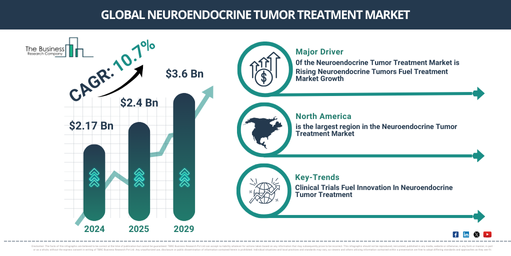
  • Neuroendocrine Tumor Treatment Industry Growth Expected to Reach $3.6 Billion by 2029 at a CAGR of 10.7% | Segmentation and Growth Opportunities

    Neuroendocrine Tumor Treatment Industry Growth Expected to Reach $3.6 Billion by 2029 at a CAGR of 10.7% | Segmentation and Growth Opportunities

    Claim your 30% discount on Global Market Reports with code ONLINE30. Limited time only.

    What Is the Forecast for the Neuroendocrine Tumor Treatment Market Growth in 2025?

    The market for neuroendocrine tumor treatment has seen swift expansion in the past few years. Its size is anticipated to increase from $2.17 billion in 2024 to $2.4 billion in 2025, with a compound annual growth rate (CAGR) of 10.6%. The growth observed in the historic period can be credited to factors such as developments in clinical research and understanding, heightened awareness and education, the presence of specialist medical skills, progress in radiation therapy, and enhanced supportive care services.

    What Is the Forecast for the Neuroendocrine Tumor Treatment Market Size Through 2029?

    The market for neuroendocrine tumor treatment is poised for rapid expansion in the upcoming years, with predictions suggesting it will reach $3.6 billion by 2029, growing at a compound annual growth rate (CAGR) of 10.7%. Factors driving this growth during the forecast period include advancements in precision medicine, developments in immunotherapy, minimally invasive surgery techniques, increasing incidence rates, and the advent of telemedicine and remote care. Trends anticipated in this period include progress in diagnostic technologies, improvements in peptide receptor radionuclide therapy (PRRT), the application of nanotechnology in drug delivery, the emergence of radiopharmaceuticals, and cross-disciplinary cooperation.

    Download The Free Sample Report Here:

    https://www.thebusinessresearchcompany.com/sample.aspx?id=12248&type=smp

    What are the Key Market Players in Neuroendocrine Tumor Treatment Market and How They’re Evolving?

    Major companies operating in the neuroendocrine tumor treatment market include Pfizer Inc., F Hoffmann-La Roche AG, Abbvie Inc., Novartis AG, Sanofi SA, Bristol-Myers Squibb Company, AstraZeneca, Takeda Pharmaceutical, Eli Lilly And Company, Amgen Inc., Merck & Co. Inc., Boehringer Ingelheim International GmbH, Servier, Teva Pharmaceutical Industries Ltd., Ipsen Pharma SAS, Exelixis Inc., Advanced Accelerator Applications SA, Hutchison Medipharma Ltd., Tarveda Therapeutics, GlycoMira Therapeutics Inc, AVEO Pharmaceuticals Inc., Progenics Pharmaceuticals Inc., Callisto Pharmaceuticals Pvt Ltd., Chiasma Inc.

    What Are the Primary Growth Drivers in the Neuroendocrine Tumor Treatment Market?

    The increasing occurrence of neuroendocrine tumors is anticipated to drive the expansion of the neuroendocrine tumor treatment market. Neuroendocrine tumors (NETs) are a rare form of tumors that originate from neuroendocrine cells. The treatment of these tumors is crucial for their cure and works to manage symptoms, control the development of the tumor, and uses radiation therapy to eliminate tumor cells. As per the data provided by the American Society of Clinical Oncology (ASCO), a professional organization based in the US, in March 2023, over 12,000 Americans are diagnosed with these tumors annually, with an estimated 171,000 individuals living with this diagnosis in 2023. Moreover, Cancer Australia, an Australian cancer control organization, reported in August 2022 that 5,437 Australians were diagnosed with neuroendocrine tumors in 2022, amounting to 3.4% of all new cases diagnosed that year. Thus, the rising occurrence of neuroendocrine tumors is fueling the growth of the neuroendocrine tumor treatment market.

    Request For A Customized Report:

    https://www.thebusinessresearchcompany.com/customise?id=12248&type=smp

    What Are the Leading Segments in the Global Neuroendocrine Tumor Treatment Industry?

    The neuroendocrine tumor treatment market covered in this report is segmented –

    1) By Product: Somatostatin Analogs (SSAs), Targeted Therapy, Chemotherapy, Others Products

    2) By Indication: Lungs, Pancreas, Gastrointestinal, Others Indications

    3) By End-Users: Hospitals, Oncology Centers, Other End-Users

    Subsegments:

    1) By Somatostatin Analogs (SSAs): Octreotide, Lanreotide

    2) By Targeted Therapy: Tyrosine Kinase Inhibitors (TKIs), Peptide Receptor Radionuclide Therapy (PRRT)

    3) By Chemotherapy: Traditional Chemotherapy Agents, Combination Chemotherapy Regimens

    4) By Other Products: Immunotherapy, Supportive Care Medications

    What Are the Key Market Trends in the Neuroendocrine Tumor Treatment Industry?

    The growing trend of using clinical drug development for treatment in the neuroendocrine tumor treatment market is being leveraged by major players in the field. To maintain their market position, these companies are working on groundbreaking therapies. For example, Viewpoint Molecular Targeting, Inc., an American pharmaceutical corporation, announced in October 2022 that it received a fast-track designation from the U.S. Food and Drug Administration (FDA) for the development of [212Pb] VMT-a-NET. This drug is used to treat patients suffering from SSTR2-positive unresectable or metastatic neuroendocrine tumors (NETs) and is a targeted alpha-particle therapy (TAT) specifically designed to eliminate cancer cells expressing somatostatin receptors specifically. The FDA’s fast-track designation is meant to speed up both the development and review process of [212Pb] VMT-a-NET for NET treatments. The designation is exclusively given to drugs that could potentially significantly increase the safety or efficacy of treatment for serious illnesses.

    Access The Full Report Here:

    https://www.thebusinessresearchcompany.com/report/neuroendocrine-tumor-treatment-global-market-report

    What Is the Regional Outlook for the Neuroendocrine Tumor Treatment Market?

    North America was the largest region in the neuroendocrine tumor treatment market in 2024. The regions covered in the neuroendocrine tumor treatment market report are Asia-Pacific, Western Europe, Eastern Europe, North America, South America, Middle East, Africa.

    Purchase The Full Report Today:

    https://www.thebusinessresearchcompany.com/purchaseoptions.aspx?id=12248

    This Report Delivers Insight On:

    1. How big is the neuroendocrine tumor treatment market, and how is it changing globally?

    2. Who are the major companies in the neuroendocrine tumor treatment market, and how are they performing?

    3. What are the key opportunities and risks in the neuroendocrine tumor treatment market right now?

    4. Which products or customer segments are growing the most in the neuroendocrine tumor treatment market?

    5. What factors are helping or slowing down the growth of the neuroendocrine tumor treatment market?

    About The Business Research Company:

    With over 15000+ reports from 27 industries covering 60+ geographies, The Business Research Company has built a reputation for offering comprehensive, data-rich research and insights. Armed with 1,500,000 datasets, the optimistic contribution of in-depth secondary research, and unique insights from industry leaders, you can get the information you need to stay ahead in the game.

    Get in touch with us:

    The Business Research Company: https://www.thebusinessresearchcompany.com/

    Americas +1 3156230293

    Asia +44 2071930708

    Europe +44 2071930708

    Email us at info@tbrc.info

    Follow us on:

    LinkedIn: https://in.linkedin.com/company/the-business-research-company

    YouTube: https://www.youtube.com/channel/UC24_fI0rV8cR5DxlCpgmyFQ

    Global Market Model: https://www.thebusinessresearchcompany.com/global-market-model
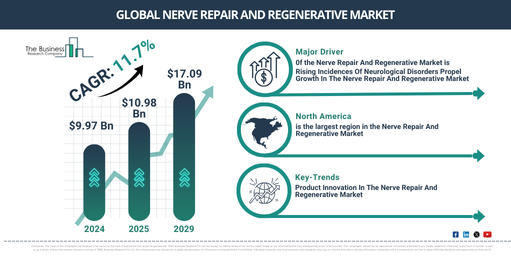
  • Nerve Repair And Regenerative Market to Reach $17.09 Billion by 2029 | Key Drivers and Future Outlook

    Nerve Repair And Regenerative Market to Reach $17.09 Billion by 2029 | Key Drivers and Future Outlook

    Claim your 30% discount on Global Market Reports with code ONLINE30. Limited time only.

    What Is the Growth Rate of the Nerve Repair And Regenerative Market?

    The size of the nerve repair and regeneration market has seen swift expansion in recent years. Its growth is forecasted to continue from $9.97 billion in 2024 to $10.98 billion in 2025, with an annual compound growth rate (CAGR) of 10.2%. The impressive growth observed in the historic period can be traced back to several factors including a rise in nerve injuries, an aging population and neurodegenerative diseases, an increase in peripheral nerve surgeries, enhanced awareness and diagnosis rates, along with a preference for minimally invasive procedures among patients.

    What Growth Rate Is Forecasted for the Nerve Repair And Regenerative Market by 2029?

    In the coming years, the nerve repair and regenerative market is projected to experience accelerated growth, expanding to a staggering $17.09 billion by 2029, with an 11.7% compound annual growth rate (CAGR). The anticipated growth during this period can be associated with the focus on stem cell therapies, a surge in nerve injuries related to sports, progress in gene therapy strategies, government strategies for rare illnesses, and patient-oriented healthcare models. Key trends during the forecast period are improvements in neurostimulation technologies, employing stem cells for nerve regeneration, applying nanotechnology in nerve repair, cooperative efforts and partnerships, and the unification of bioengineering and robotics.

    Download The Free Sample Report Here:

    https://www.thebusinessresearchcompany.com/sample.aspx?id=12093&type=smp

    Which Key Companies Are Shaping the Future of the Nerve Repair And Regenerative Market?

    Major companies operating in the nerve repair and regenerative market include Neuronetics Inc., Abbott Laboratories, Medtronic PLC., Stryker Corporation, Baxter International Inc., Boston Scientific Corporation, Integra LifeSciences Holdings Corporation, LivaNova PLC, Nevro Corporation, Medartis Holding AG, AxoGen Inc., NeuroPace Inc., BioWave Corporation, Soterix Medical Inc., Checkpoint Surgical Inc., Synapse Biomedical Inc., Nuvectra Corp., Synovis Micro Companies Alliance Inc., NeuroSigma, Regenity Biosciences, Epineuron Technologies Inc.

    Which Factors Are Driving Demand in the Nerve Repair And Regenerative Industry?

    The escalation in cases of neurological disorders is anticipated to boost the expansion of the nerve repair and regenerative market. A neurological disorder pertains to any disease or condition that negatively impacts the functionality or structure of the nervous system, which incorporates the brain, spinal cord, and peripheral nerves. A surge in such disorders is largely influenced by factors like a growing elderly population, lifestyle changes, genetic predispositions, and reduced physical activity. The purpose of nerve repair and regenerative methods is to promote the healing and regeneration of injured nerves, improving the odds of recovery and decreasing neurological disorder incidences, thereby stimulating the growth of this market. For example, in February 2023, a report by the World Health Organization (WHO), a United Nations agency, identified epilepsy as one of the most common neurological disorders globally. The report disclosed that over 50 million people across the world are affected by this recurring seizure disorder, indicating its far-reaching influence. It’s worth noting that about 80% of individuals diagnosed with epilepsy live in low- to middle-income countries. Hence, the surge in cases of neurological disorders is propelling the growth of the nerve repair and regenerative market.

    Request For A Customized Report:

    https://www.thebusinessresearchcompany.com/customise?id=12093&type=smp

    How Is the Nerve Repair And Regenerative Market Segmented by Several Divisions?

    The nerve repair and regenerative market covered in this report is segmented –

    1) By Product: Biomaterials, Neurostimulation And Neuromodulation Devices

    2) By Application: Direct Nerve Repair Or Neurorrhaphy, Nerve Grafting, Stem Cell Therapy, Neurostimulation And Neuromodulation Surgeries, Other Applications

    3) By End-Users: Hospitals And Clinics, Ambulatory Surgical Centers (ASCs), Research And Academic Institutions, Specialty Clinics, Other End-Users

    Subsegments:

    1) By Biomaterials: Nerve Conduits, Scaffolds, Hydrogels, Nerve Grafts

    2) By Neurostimulation And Neuromodulation Devices: Peripheral Nerve Stimulators, Spinal Cord Stimulators, Transcranial Magnetic Stimulation Devices, Deep Brain Stimulators, Vagus Nerve Stimulators, Sacral Nerve Stimulators

    What are the Emerging Market Trends Driving the Growth of the Nerve Repair And Regenerative Industry?

    Product innovation is currently a prevalent trend in the nerve repair and regenerative market. Main players in the market are focusing their resources on the development of original products to fortify their market presence. To illustrate, Abbott, a medical device company based in the US, achieved approval in August 2022 from the United States FDA for the ProClaim Plus spinal cord stimulation system equipped with FlexBurst therapy. The system aims to help those suffering from chronic pain linked to various conditions, including specific nerve-related disorders. The ProClaim Plus system comes with the added benefit of treating pain at multiple sites, enabling physicians to target different pain locations to deal with the intricate pain patterns related to some neurological disorders. This approval represents progress in the pain management sector and intends to enhance life quality by decreasing pain and promoting overall well-being.

    Access The Full Report Here:

    https://www.thebusinessresearchcompany.com/report/nerve-repair-and-regenerative-global-market-report

    Which Regions Are Driving Growth in the Nerve Repair And Regenerative Market?

    North America was the largest region in the nerve repair and regenerative market in 2024. Asia-Pacific is expected to be the fastest-growing region in the forecast period. The regions covered in the nerve repair and regenerative market report are Asia-Pacific, Western Europe, Eastern Europe, North America, South America, Middle East, Africa.

    Purchase The Full Report Today:

    https://www.thebusinessresearchcompany.com/purchaseoptions.aspx?id=12093

    This Report Delivers Insight On:

    1. How big is the nerve repair and regenerative market, and how is it changing globally?

    2. Who are the major companies in the nerve repair and regenerative market, and how are they performing?

    3. What are the key opportunities and risks in the nerve repair and regenerative market right now?

    4. Which products or customer segments are growing the most in the nerve repair and regenerative market?

    5. What factors are helping or slowing down the growth of the nerve repair and regenerative market?

    About The Business Research Company:

    With over 15000+ reports from 27 industries covering 60+ geographies, The Business Research Company has built a reputation for offering comprehensive, data-rich research and insights. Armed with 1,500,000 datasets, the optimistic contribution of in-depth secondary research, and unique insights from industry leaders, you can get the information you need to stay ahead in the game.

    Get in touch with us:

    The Business Research Company: https://www.thebusinessresearchcompany.com/

    Americas +1 3156230293

    Asia +44 2071930708

    Europe +44 2071930708

    Email us at info@tbrc.info

    Follow us on:

    LinkedIn: https://in.linkedin.com/company/the-business-research-company

    YouTube: https://www.youtube.com/channel/UC24_fI0rV8cR5DxlCpgmyFQ

    Global Market Model: https://www.thebusinessresearchcompany.com/global-market-model
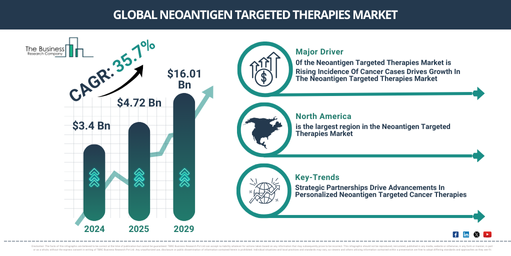
  • Neoantigen Targeted Therapies Market Size to Exceed $16.01 Billion by 2029 | Growth and Industry Trends

    Neoantigen Targeted Therapies Market Size to Exceed $16.01 Billion by 2029 | Growth and Industry Trends

    Claim your 30% discount on Global Market Reports with code ONLINE30. Limited time only.

    How Has the Neoantigen Targeted Therapies Market Grown from 2024 to 2025?

    In the last few years, the market for neoantigen targeted therapies has experienced a significant expansion. The market is projected to increase from $3.4 billion in 2024 to $4.72 billion in 2025, with a compound annual growth rate (CAGR) of 38.7%. Factors contributing to the growth during the historic period include advancements in genomic sequencing, evolution of immunotherapy, enhanced understanding of tumor immunology, the clinical success of checkpoint inhibitors, and progress in molecular profiling.

    What Growth Rate Is Anticipated for the Neoantigen Targeted Therapies Market in the Coming Years?

    The market for neoantigen targeted therapies is anticipated to witness an exponential expansion over the next few years. The market value is projected to reach $16.01 billion in 2029, growing at a compound annual growth rate (CAGR) of 35.7%. This anticipated growth during the forecast period can be linked to the advancement in bioinformatics, the growth of precision medicine, the development of neoantigen vaccines, the strategic combination of therapeutics, and biomarker validation. Key trends for the forecast period include the management of neoantigen resistance, neoantigen-primed adoptive cell therapies, combined neoantigen-based therapies, the incorporation of real-world data, and improved predictive models.

    Download The Free Sample Report Here:

    https://www.thebusinessresearchcompany.com/sample.aspx?id=11944&type=smp

    Who Are the Leading Companies in the Neoantigen Targeted Therapies Market?

    Major companies operating in the neoantigen targeted therapies market include F. Hoffmann-La Roche AG, Merck and Co. Inc., Bristol Myers Squibb Company, Eli Lilly and Company, Kite Pharma Inc., Gilead Sciences Inc., Amgen Inc., Moderna Inc., BioNTech SE, Bavarian Nordic Inc., Advaxis Inc., Immatics NV, Precision Biologics Inc., Iovance Biotherapeutics Inc., Agenus Inc., Achilles Therapeutics Plc, Medigene AG, Gritstone Bio Inc., SQZ Biotechnologies Company, Aduro BioTech Inc., Inovio Pharmaceuticals Inc., Gradalis Inc., EpiVax Inc., ISA Pharmaceuticals BV, Vaxon Biotech SA, Ziopharm Oncology, Genocea Biosciences Inc., Cellular Biomedicine Group Inc., Immunovaccine Inc.

    What Are the Key Drivers of the Neoantigen Targeted Therapies Market?

    The neoantigen targeted therapies market’s growth is anticipated to be fueled by the increasing number of cancer occurrences. The term cancer incidence relates to the total number of new cancer diagnoses within a specific demographic over a set time frame. Neoantigen-targeted treatments are typically combined to combat various cancer types. For example, according to the American Cancer Society, a voluntary health organization based in the US, there were about 1.9 million new cancer diagnoses in the US in 2022, showing a substantial rise from prior years. In addition, approximately 609,360 deaths were linked to cancer in the US in 2022, highlighting the profound seriousness and the overwhelming effect this disease has on sufferers and their loved ones. Hence, the upsurge in cancer incidence is a critical driving factor for the expanded growth of the neoantigen targeted therapies market.

    Request For A Customized Report:

    https://www.thebusinessresearchcompany.com/customise?id=11944&type=smp

    What Are the Key Market Segments in the Neoantigen Targeted Therapies Industry?

    The neoantigen targeted therapies market covered in this report is segmented –

    1) By Type: Monotherapy, Combination Therapy

    2) By Immunotherapy Type: DNA Or RNA-Based Vaccines, Protein-Based Vaccines, Dendritic Cell Vaccines, TIL-Based Therapies

    3) By Target Disease Indication: Colorectal Cancer, Renal Cell Carcinoma, Non-Small Cell Lung Cancer, Bone Cancer, Gynecological Cancer

    4) By Route Of Administration: Intradermal, Intravenous, Subcutaneous

    5) By Application: Medical Research Institution, Hospital, And Clinic, Other Applications

    Subsegments:

    1) By Monotherapy: Individual Neoantigen-Targeted Treatments

    2) By Combination Therapy: Neoantigen-Targeted Therapies Combined With Other Immunotherapies, Neoantigen-Targeted Therapies Combined With Chemotherapy, Neoantigen-Targeted Therapies Combined With Targeted Therapies

    What Are the Latest Trends in the Neoantigen Targeted Therapies Market?

    In order to overcome the hurdles of current immunotherapy in treating solid tumors, leading organizations in the neoantigen targeted therapies sector are adopting a collaborative strategy to individualize cancer treatments. This approach enables companies to tap into each other’s unique strengths and resources for shared benefits and triumphs. Take for example the collaboration in January 2023 between BioNTech SE, a biotech firm based in Germany, and the UK Government. Their joint effort seeks to provide personalized mRNA cancer immunotherapies for around 10,000 patients by 2030. It encompasses several key domains like the advancement of cancer immunotherapies, infectious disease vaccine research, and the establishment of a research and development centre in Cambridge. Using the UK’s clinical trial infrastructure and health data resources, they aim to enhance patient recruitment and select the proper trial locations for BioNTech’s mRNA therapies. The company intends to kickstart its initial clinical trials in the UK within the year, with a focus on cancer vaccines that could potentially be incorporated into standard treatment procedures given their effectiveness.

    Access The Full Report Here:

    https://www.thebusinessresearchcompany.com/report/neoantigen-targeted-therapies-global-market-report

    What Are the Key Regional Markets in the Neoantigen Targeted Therapies Industry?

    North America was the largest region in the neoantigen targeted therapies market in 2024. The regions covered in the neoantigen targeted therapies market report are Asia-Pacific, Western Europe, Eastern Europe, North America, South America, Middle East, Africa.

    Purchase The Full Report Today:

    https://www.thebusinessresearchcompany.com/purchaseoptions.aspx?id=11944

    This Report Delivers Insight On:

    1. How big is the neoantigen targeted therapies market, and how is it changing globally?

    2. Who are the major companies in the neoantigen targeted therapies market, and how are they performing?

    3. What are the key opportunities and risks in the neoantigen targeted therapies market right now?

    4. Which products or customer segments are growing the most in the neoantigen targeted therapies market?

    5. What factors are helping or slowing down the growth of the neoantigen targeted therapies market?

    About The Business Research Company:

    With over 15000+ reports from 27 industries covering 60+ geographies, The Business Research Company has built a reputation for offering comprehensive, data-rich research and insights. Armed with 1,500,000 datasets, the optimistic contribution of in-depth secondary research, and unique insights from industry leaders, you can get the information you need to stay ahead in the game.

    Get in touch with us:

    The Business Research Company: https://www.thebusinessresearchcompany.com/

    Americas +1 3156230293

    Asia +44 2071930708

    Europe +44 2071930708

    Email us at info@tbrc.info

    Follow us on:

    LinkedIn: https://in.linkedin.com/company/the-business-research-company

    YouTube: https://www.youtube.com/channel/UC24_fI0rV8cR5DxlCpgmyFQ

    Global Market Model: https://www.thebusinessresearchcompany.com/global-market-model
  • Market Analysis on Nanotechnology-Based Medical Devices Industry – Insights for Corporate Strategy and R&D

    Market Analysis on Nanotechnology-Based Medical Devices Industry – Insights for Corporate Strategy and R&D

    Claim your 30% discount on Global Market Reports with code ONLINE30. Limited time only.

    What Is the Forecast for the Nanotechnology-Based Medical Devices Market from 2024 to 2025?

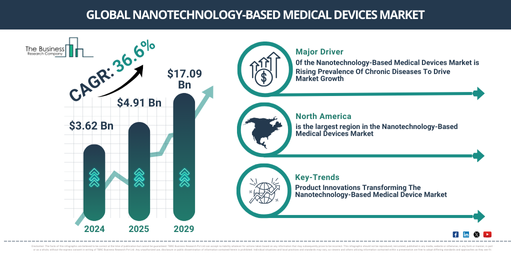
    The market size for medical devices based on nanotechnology has experienced significant expansion in the previous few years. It is projected to escalate from $3.62 billion in 2024 to $4.91 billion in 2025, with a compound annual growth rate (CAGR) of 35.6%. Factors like miniaturization of devices, breakthroughs in materials science, better diagnostics, advanced imaging methods, and the evolution of personalized medicine have contributed towards the historical growth.

    What Is the Projected Market Size of the Nanotechnology-Based Medical Devices Market?

    The market size of nanotechnology-based medical devices is predicted to see a significant surge in the coming years. The projected growth is to reach $17.09 billion by 2029, with a compound annual growth rate (CAGR) of 36.6%. This expected rise during the forecast period is largely due to the escalations in chronic disease prevalence, improvements in drug delivery systems, the spread of telemedicine, an increase in minor surgical procedures, and emphasis on point-of-care devices. Implantable nano systems, tissue engineering empowered by nano technology, nanoparticle imaging contrasting agents, 3D printing using nano materials, and eco-friendly nanotechnology are the key trends for the forecast period.

    Download The Free Sample Report Here:

    https://www.thebusinessresearchcompany.com/sample.aspx?id=12268&type=smp

    Who are the Major Competitors in the Nanotechnology-Based Medical Devices Market Outlook?

    Major companies operating in the nanotechnology-based medical devices market include Johnson & Johnson, General Electric Company, Thermo Fisher Scientific Inc., Abbott Laboratories, 3M Company, Medtronic PLC, Stryker Corporation, DuPont de Nemours Inc., Boston Scientific Corporation, Arkema Group, Zimmer Biomet, Smith And Nephew PLC, Sonova Holding AG, Dentsply Sirona Inc., Perkinelmer Inc., Bruker Corporation, Biotrinik SE & Co. KG, LivaNova Plc, MED-EL, Keystone Nano, Nanonics Imaging Ltd., Imina Technologies SA, Hummingbird Scientific, Blueberry Therapeutics, Cello Therapeutics

    What Is Fueling Growth in the Nanotechnology-Based Medical Devices Market?

    The surge in chronic illnesses is predicted to fuel the expansion of the market for medical devices based on nanotechnology. Chronic illnesses are characterized as conditions that persist for at least a year, requiring continuing medical treatment, limiting daily routines, or both. Nanotechnology-based medical equipment, which boasts enhanced optical intensity, anti-bacterial and antimicrobial functions, bioavailability, surface coupling, and biocompatibility, aids in diagnosing and treating these chronic ailments. For instance, the World Health Organization, a specialized United Nations agency based in Switzerland, reported in September 2022 that 41 million deaths — 74% of total deaths — worldwide each year are due to non-communicable diseases (NCDs) or chronic conditions. These include 17.9 million deaths from cardiovascular diseases, 9.3 million from cancer, 4.1 million from chronic respiratory conditions, and 2.0 million from diabetes. As such, the growing incidence of chronic illnesses is a key driver for the nanotechnology-based medical device market.

    Request For A Customized Report:

    https://www.thebusinessresearchcompany.com/customise?id=12268&type=smp

    Which Nanotechnology-Based Medical Devices Market Segments Are Growing the Fastest?

    The nanotechnology-based medical devices market covered in this report is segmented –

    1) By Product: Active Implantable Devices, Biochips, Implantable Materials, Medical Textiles And Wound Dressings, Other Products

    2) By Application: Therapeutic Applications, Diagnostic Applications, Research Applications

    3) By End-Users: Hospitals, Clinics, Other End-Users

    Subsegments:

    1) By Active Implantable Devices: Cardiac Pacemakers, Neurostimulators, Implantable Drug Delivery Systems

    2) By Biochips: Lab-On-A-Chip Devices: DNA Microarrays, Protein Microarrays

    3) By Implantable Materials: Nanocomposite Materials, Biodegradable Polymers, Coatings For Implants

    4) By Medical Textiles And Wound Dressings: Nanofiber Dressings, Antimicrobial Textiles, Smart Textiles For Monitoring

    5) By Other Products: Nanoparticles For Imaging, Diagnostic Devices Incorporating Nanotechnology

    Which Industry Trends Are Shaping the Future of the Nanotechnology-Based Medical Devices Market?

    The trend of product innovation is becoming increasingly prevalent in the field of nanotechnology-based medical devices. Significant market players are focusing on developing innovative products to establish a strong foothold in the market. For example, in January 2023, Ended Pharmaceuticals, a pharmaceutical firm based in India, partnered with Nonskin London, a cosmetic research lab based in the UK, to create a nanotechnology-based eye gel serum named Eyecare. The products are nanotechnology-based gel serums integrated with a nanotechnology-based bio-cellular formula featuring safe, scientifically verified, and meticulously selected natural ingredients.

    Access The Full Report Here:

    https://www.thebusinessresearchcompany.com/report/nanotechnology-based-medical-devices-global-market-report

    Which Countries Are Leading the Nanotechnology-Based Medical Devices Market?

    North America was the largest region in the nanotechnology-based medical devices market in 2024. Asia-Pacific is expected to be the fastest-growing region in the forecast period. The regions covered in the nanotechnology-based medical devices market report are Asia-Pacific, Western Europe, Eastern Europe, North America, South America, Middle East, Africa.

    Purchase The Full Report Today:

    https://www.thebusinessresearchcompany.com/purchaseoptions.aspx?id=12268

    This Report Delivers Insight On:

    1. How big is the nanotechnology-based medical devices market, and how is it changing globally?

    2. Who are the major companies in the nanotechnology-based medical devices market, and how are they performing?

    3. What are the key opportunities and risks in the nanotechnology-based medical devices market right now?

    4. Which products or customer segments are growing the most in the nanotechnology-based medical devices market?

    5. What factors are helping or slowing down the growth of the nanotechnology-based medical devices market?

    About The Business Research Company:

    With over 15000+ reports from 27 industries covering 60+ geographies, The Business Research Company has built a reputation for offering comprehensive, data-rich research and insights. Armed with 1,500,000 datasets, the optimistic contribution of in-depth secondary research, and unique insights from industry leaders, you can get the information you need to stay ahead in the game.

    Get in touch with us:

    The Business Research Company: https://www.thebusinessresearchcompany.com/

    Americas +1 3156230293

    Asia +44 2071930708

    Europe +44 2071930708

    Email us at info@tbrc.info

    Follow us on:

    LinkedIn: https://in.linkedin.com/company/the-business-research-company

    YouTube: https://www.youtube.com/channel/UC24_fI0rV8cR5DxlCpgmyFQ

    Global Market Model: https://www.thebusinessresearchcompany.com/global-market-model
  • Myocardial Infarction Forecast Report – Designed for Decision Makers and Product Teams

    Myocardial Infarction Forecast Report – Designed for Decision Makers and Product Teams

    Claim your 30% discount on Global Market Reports with code ONLINE30. Limited time only.

    What Is the Growth Rate of the Myocardial Infarction Market?

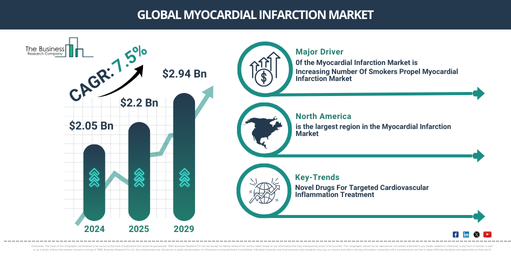
    The market size for myocardial infarction has seen significant growth recently. The industry is set to expand from a value of $2.05 billion in 2024 to $2.2 billion in 2025, which reflects a compound annual growth rate (CAGR) of 7.2%. This historic growth can be credited to the advent of beta-blockers, the foundation of chest pain institutions, thrombolytic treatment methods, personalized healthcare techniques, and wearable heart-related devices.

    What Growth Rate Is Forecasted for the Myocardial Infarction Market by 2029?

    In the coming years, the myocardial infarction market is poised for impressive growth, which is projected to reach $2.94 billion by 2029, with a CAGR of 7.5%. The anticipated growth in this period could be linked to universal health strategies focused on cardiovascular health, increase in accessibility to reperfusion treatment options, RNA treatments for heart diseases, patient-centric care strategies, attention on microvascular malfunction, and the implementation of bioelectronic medicine. Key market trends predicted for this period incorporate improvements in imaging techniques related to the cardiovascular field, advancements in cardiac surgery methodologies, progress in telemedicine, the application of artificial intelligence in diagnosing, the invention of digital biomarkers for risk assessment, application of blockchain for securing healthcare data, utilization of AI in drug discovery, and technological innovations in cardiac rehabilitation.

    Download The Free Sample Report Here:

    https://www.thebusinessresearchcompany.com/sample.aspx?id=12164&type=smp

    Which Key Companies Are Shaping the Future of the Myocardial Infarction Market?

    Major companies operating in the myocardial infarction market include Pfizer Inc., Johnson & Johnson Services Inc., F. Hoffmann-La Roche Ltd., Bayer AG, Novartis AG, Sanofi SA, Bristol-Myers Squibb Company, AstraZeneca PLC, Abbott Laboratories, Boehringer Ingelheim GmbH, Merck KGaA, Daiichi Sankyo Co. Ltd., Apotex Inc., Siemens Healthcare Diagnostics Limited, Annexin Pharmaceuticals AB, Heartseed Inc., Par Pharmaceutical Companies Inc., Tenaya Therapeutics Inc., Idorsia Pharmaceuticals Ltd., Acesion Pharma ApS, Applied Therapeutics Inc., Athersys Inc., Cardurion Pharmaceuticals Inc., Verve Therapeutics Inc., Serca Pharmaceuticals AS

    Which Factors Are Driving Demand in the Myocardial Infarction Industry?

    The growth of the myocardial infarction market is forecasted to surge due to a rising number of smokers. A smoker is defined as an individual who uses cigarettes, cigars, or pipes. The chemicals contained in cigarette smoke cause the blood to thicken and clot in veins and arteries, leading to myocardial infarction by blocking them. For example, in September 2023, the UK’s Office for National Statistics revealed that the highest percentage of current smokers fell within the 25 to 34 year age bracket, with around 1.4 million or 16.3% individuals falling in this category in 2022. This percentage saw an increase from the previous year, with the same age group showing a prevalence of 15.8%, approximately 1.3 million people. Hence, the ongoing increase in the number of smokers is contributing to the expansion of the myocardial infarction market.

    Request For A Customized Report:

    https://www.thebusinessresearchcompany.com/customise?id=12164&type=smp

    How Is the Myocardial Infarction Market Segmented by Several Divisions?

    The myocardial infarction market covered in this report is segmented –

    1) By Drug Class: Antiplatelet Agents, Glycoprotein IIb Or IIIa Inhibitors, Antithrombotic Agents, Beta-Adrenergic Blockers, Vasodilators, Angiotensin-Converting Enzyme (ACE) Inhibitors, Angiotensin-Receptor Blockers, Analgesics, Thrombolytics

    2) By Route Of Administration: Oral, Injectable

    3) By Distribution Channel: Hospital Pharmacies, Retail Pharmacies, Online Pharmacies

    Subsegments:

    1) By Antiplatelet Agents: Aspirin, Clopidogrel, Ticagrelor

    2) By Glycoprotein IIb Or IIIa Inhibitors: Abciximab, Eptifibatide, Tirofiban

    3) By Antithrombotic Agents: Heparins, Direct Oral Anticoagulants (DOACs)

    4) By Beta-Adrenergic Blockers: Metoprolol, Carvedilol

    5) By Vasodilators: Nitroglycerin, Isosorbide Dinitrate

    6) By Angiotensin-Converting Enzyme (ACE) Inhibitors: Lisinopril, Enalapril

    7) By Angiotensin-Receptor Blockers: Losartan, Valsartan

    8) By Analgesics: Morphine, Non-Steroidal Anti-Inflammatory Drugs (NSAIDs)

    9) By Thrombolytics: Alteplase, Reteplase

    What are the Emerging Market Trends Driving the Growth of the Myocardial Infarction Industry?

    Leading firms in the myocardial infarction market are emphasizing on the creation of innovative drugs, such as anti-inflammatory medications, to cater to specific treatments for cardiovascular inflammation and establish a competitive advantage. These drugs work by reducing inflammation, thus lessening discomfort and swelling by addressing the body’s immune response. For example, in June 2023, Agepha Pharma, a medical product manufacturing company based in Slovakia, got FDA approval for its drug, Lodoco (colchicine), which is the first of its kind to direct its action towards the root cause of atherosclerotic cardiovascular disease. This anti-inflammatory medication aims to decrease the risk of heart attack, stroke, coronary revascularization, and cardiovascular mortality in adults. It can function independently or along with medications to lower cholesterol levels. In a clinical trial, Lodoco, a restructured formulation of low-dose colchicine, showed a drop of 31% in the total risk of cardiovascular death, heart attack, stroke, or coronary revascularization.

    Access The Full Report Here:

    https://www.thebusinessresearchcompany.com/report/myocardial-infarction-global-market-report

    Which Regions Are Driving Growth in the Myocardial Infarction Market?

    North America was the largest region in the myocardial infarction market in 2024. Europe is expected to be the fastest-growing region in the forecast period. The regions covered in the myocardial infarction market report are Asia-Pacific, Western Europe, Eastern Europe, North America, South America, Middle East, Africa.

    Purchase The Full Report Today:

    https://www.thebusinessresearchcompany.com/purchaseoptions.aspx?id=12164

    This Report Delivers Insight On:

    1. How big is the myocardial infarction market, and how is it changing globally?

    2. Who are the major companies in the myocardial infarction market, and how are they performing?

    3. What are the key opportunities and risks in the myocardial infarction market right now?

    4. Which products or customer segments are growing the most in the myocardial infarction market?

    5. What factors are helping or slowing down the growth of the myocardial infarction market?

    About The Business Research Company:

    With over 15000+ reports from 27 industries covering 60+ geographies, The Business Research Company has built a reputation for offering comprehensive, data-rich research and insights. Armed with 1,500,000 datasets, the optimistic contribution of in-depth secondary research, and unique insights from industry leaders, you can get the information you need to stay ahead in the game.

    Get in touch with us:

    The Business Research Company: https://www.thebusinessresearchcompany.com/

    Americas +1 3156230293

    Asia +44 2071930708

    Europe +44 2071930708

    Email us at info@tbrc.info

    Follow us on:

    LinkedIn: https://in.linkedin.com/company/the-business-research-company

    YouTube: https://www.youtube.com/channel/UC24_fI0rV8cR5DxlCpgmyFQ

    Global Market Model: https://www.thebusinessresearchcompany.com/global-market-model