Author: Marketing Posting

  • Pancreaze (Pancrelipase) Market Outlook 2025–2034: Identifying Growth Drivers, Technology Trends, and Policy Impact

    Pancreaze (Pancrelipase) Market Outlook 2025–2034: Identifying Growth Drivers, Technology Trends, and Policy Impact

    Discover trends, market shifts, and competitive outlooks for the pancreaze (pancrelipase) global market report 2025 industry through 2025-2034 with The Business Research Company’s reliable data and in-depth research

    What Are the Key Milestones in the Pancreaze (Pancrelipase) Market’s Growth Trajectory From 2025 To 2034?

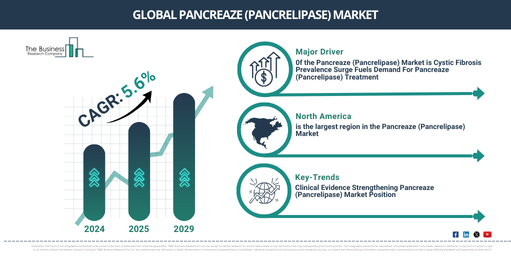
    Over the last few years, the market size of pancreaze (pancrelipase) has witnessed robust growth. It is expected to expand from $1566.86 million in 2024 to $1660.16 million in 2025, reflecting a compound annual growth rate (CAGR) of 6.0%. The surge in the market during the historic period is associated with factors such as a rise in exocrine pancreatic insufficiency (epi) cases, an aging demographic, enhanced treatment methodologies, an escalation in instances of pancreatic cancer, along with the internationalization of healthcare services.

    The market for pancreaze (pancrelipase) is projected to experience robust expansion in the imminent years, with predictions estimating its worth to reach $2063.36 million by 2029, growing at a compound annual growth rate (CAGR) of 5.6%. This prospective upturn during the forecast period is linked to the escalating incidence of pancreatic disorders, ongoing research and clinical studies, increased worldwide healthcare accessibility, enhanced healthcare facilities, and governmental strategies and reimbursement protocols. Noteworthy trends for this duration encompass progress in enzyme delivery systems, advancements in technology, incorporation of digital health solutions, burgeoning partnerships, and the creation of enteric-coated concoctions.

    Download a free sample to assess the report’s scope and structure:

    https://www.thebusinessresearchcompany.com/sample.aspx?id=20173&type=smp

    What Are the Core Market Drivers Propelling Growth in the Pancreaze (Pancrelipase) Industry?

    The escalation in cystic fibrosis incidences is anticipated to drive the pancreaze (pancrelipase) market’s expansion. It’s a hereditary condition that impacts the lungs, digestive system, and other organs by triggering the secretion of thick and sticky mucus, which can cause obstructions, infections, and loss of function. The main reasons behind the increasing cases of cystic fibrosis are heightened awareness, improved diagnostic methods, and broadened genetic testing programs. These factors have allowed the detection of milder cases that were previously undetected. Pancreaze (pancrelipase) is utilised in the treatment of cystic fibrosis to aid digestion by substituting the enzymes that the pancreas can’t efficiently produce. Its usage helps patients process nutrients from food, thereby enhancing overall nutritional health. For example, in October 2024, the Cystic Fibrosis Trust, a charity dedicated to aiding people with cystic fibrosis based in the UK, had registered 11,148 cystic fibrosis patients. This number increased by 1.5% to 11,318 in 2023, indicating a rise in patient registrations year-over-year. Thus, the increasing incidences of cystic fibrosis are leading to the growth of the pancreaze (pancrelipase) market.

    How Is the Pancreaze (Pancrelipase) Market Segmented?

    The pancreaze (pancrelipase) market covered in this report is segmented –

    1) By Type: Capsule, Tablet

    2) By Age: Children, Adults, Geriatrics

    3) By Distribution Channel: Hospital Pharmacies, Retail Pharmacies, Online Pharmacies

    4) By Application: Chronic Pancreatitis, Cystic Fibrosis, Other Applications

    Request customized data on this market:

    https://www.thebusinessresearchcompany.com/customise?id=20173&type=smp

    Which Regions Are Driving the Next Phase of the Pancreaze (Pancrelipase) Market Growth?

    North America was the largest region in the pancreaze (pancrelipase) market in 2024. The regions covered in the pancreaze (pancrelipase) market report are Asia-Pacific, Western Europe, Eastern Europe, North America, South America, Middle East and Africa.

    What Key Market Trends and Innovations Are Shaping the Future of the Pancreaze (Pancrelipase) Industry?

    One leading trend in the pancreaze (pancrelipase) market revolves around the growing focus on clinical evidence supporting drug efficiency, especially through the use of clinical trial data. This information is essential in boosting regulatory approval procedures, elevating patient results, and solidifying a drug’s market stance. For example, Vivus, Inc., a biopharmaceutical company from the US, revealed new clinical trial data in May 2024 showcasing the effectiveness of PANCREAZE (pancrelipase) in maintaining weight for chemotherapy patients with pancreatic ductal adenocarcinoma (PDAC) who are also coping with cachexia and exocrine pancreatic insufficiency (EPI). Additionally, the data suggest that PANCREAZE may have benefits in reducing bowel regularity and improving stool firmness. The trial was led by investigators and researchers from Cedars-Sinai Medical Center and the Samuel Oschin Cancer Center.

    View the full report here:

    https://www.thebusinessresearchcompany.com/report/pancreaze-pancrelipase-global-market-report

    How Is the Pancreaze (Pancrelipase) Market Defined and What Are Its Core Parameters?

    Pancreaze (pancrelipase) is a prescription medication that contains a combination of digestive enzymes, including amylase, lipase, and protease, used to help the body digest food. It is primarily prescribed to individuals with pancreatic insufficiency due to conditions such as cystic fibrosis or chronic pancreatitis.

    Purchase the full report and get a swift delivery:

    https://www.thebusinessresearchcompany.com/purchaseoptions.aspx?id=20173

    About The Business Research Company:

    With over 15000+ reports from 27 industries covering 60+ geographies, The Business Research Company has built a reputation for offering comprehensive, data-rich research and insights. Armed with 1,500,000 datasets, the optimistic contribution of in-depth secondary research, and unique insights from industry leaders, you can get the information you need to stay ahead in the game.

    Get in touch with us:

    The Business Research Company: https://www.thebusinessresearchcompany.com/

    Americas +1 3156230293

    Asia +44 2071930708

    Europe +44 2071930708

    Email us at info@tbrc.info

    Follow us on:

    LinkedIn: https://in.linkedin.com/company/the-business-research-company

    YouTube: https://www.youtube.com/channel/UC24_fI0rV8cR5DxlCpgmyFQ

    Global Market Model: https://www.thebusinessresearchcompany.com/global-market-model
  • Major Trends and Emerging Patterns in the Implantable Biomaterials Market: Stryker Corporation Launches Citrefi Suture Anchor System For Enhanced Bone Regeneration

    Major Trends and Emerging Patterns in the Implantable Biomaterials Market: Stryker Corporation Launches Citrefi Suture Anchor System For Enhanced Bone Regeneration

    Discover trends, market shifts, and competitive outlooks for the implantable biomaterials industry through 2025-2034 with The Business Research Company’s reliable data and in-depth research

    How Fast Is The Implantable Biomaterials Market Expected to Grow Between 2025 And 2029?

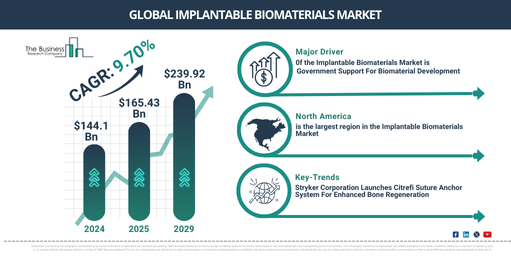
    The market size for implantable biomaterials has seen a quick expansion in the past few years. It’s anticipated to rise from $144.1 billion in 2024 to $165.43 billion in 2025, demonstrating a compound annual growth rate (CAGR) of 14.8%. Factors contributing to the growth during the historic period include successful clinical outcomes and patient results, advances in tissue engineering, the development of surface modification techniques, reaching regulatory milestones, and the introduction of biodegradable materials.

    In the coming years, the market size for implantable biomaterials is anticipated to witness substantial growth. An increase to $239.92 billion is expected by 2029 with a compound annual growth rate (CAGR) of 9.7%. This forecasted growth can be linked to developments in bioactive and bioresorbable materials, innovative and responsive biomaterials, regulatory and safety standards, as well as advancements in hybrid composite materials and tissue engineering. Major trends expected to dominate the forecast period include breakthroughs in drug-eluting implants, advancements in biocompatibility, 3D printing, customization, concentration on regenerative medicine, and the integration of nanotechnology.

    Download a free sample to assess the report’s scope and structure:

    https://www.thebusinessresearchcompany.com/sample.aspx?id=3274&type=smp

    What Are the Primary Drivers Supporting the Market Growth of the Implantable Biomaterials Market?

    The implantable biomaterials market has expanded due to the financing provided by government institutions for the creation of new biomaterials [SR1]. An example of this is the National Science Foundation, which received a grant of USD 200,000 from Drexel University, for research concerning biomaterial-mediated influence on macrophage behavior, which has an impact on biomaterial vascularization. The prominence of government support in the development of novel biomaterials promotes the enhancement of the implantable biomaterials market.

    Which Primary Segments of the Implantable Biomaterials Market Are Driving Growth and Industry Transformations?

    The implantable biomaterials market covered in this report is segmented –

    1) By Material: Metallic, Ceramic, Polymers, Natural

    2) By Application: Dental, Cardiovascular, Ophthalmology, Orthopedic, Other Applications

    3) By End-user: Hospitals, Ambulatory Surgical Centers, Specialty Clinics

    Subsegments:

    1) By Metallic: Stainless Steel, Titanium And Titanium Alloys, Cobalt-Chromium Alloys

    2) By Ceramic: Alumina, Hydroxyapatite, Bioactive Glass

    3) By Polymers: Polyethylene (PE), Polymethyl Methacrylate (PMMA), Polylactic Acid (PLA), Polyurethane (PU)

    4) By Natural: Collagen, Chitosan, Silk Fibroin

    Request customized data on this market:

    https://www.thebusinessresearchcompany.com/customise?id=3274&type=smp

    Which Regions Are Key Players in the Growth of the Implantable Biomaterials Market?

    The countries covered in the implantable biomaterials market report are Australia, Brazil, China, France, Germany, India, Indonesia, Japan, Russia, South Korea, UK, USA, Canada, Italy, Spain

    What Key Trends Are Shaping the Future of the Implantable Biomaterials Market?

    Leading organizations within the implantable biomaterial market are honing their efforts on creative product developments like Citregen biomaterial. This innovative product is tailored to boost results in tissue repair and regeneration. Citregen biomaterial is a resorbable and biodegradable synthetic substance, designed for use in implantable devices to facilitate tissue regeneration. To illustrate, in December 2022, Stryker Corporation, a US-based pharmaceutical firm, introduced the Citrefi Suture anchor system. This unique Citregen biomaterial system aims to augment bone regeneration while aiding the natural healing processes. The Citrefi Suture anchor system comes as a sterile-packed set, inclusive of a cartridge with a preloaded implant and eyelet, a drill guide and bit, as well as a pre-assembled inserter, to simplify the surgical process. This kit also consists of a disposable suture anchor with a resorbable biomimetic anchor body, designed to improve pull-out strength in contrast to conventional suture anchors, and at the same time reduce chronic inflammation during the recovery stage. The Citrefi Suture anchor system is designed specifically for foot and ankle surgical interventions.

    View the full report here:

    https://www.thebusinessresearchcompany.com/report/implantable-biomaterials-global-market-report

    What Parameters Are Used to Define the Implantable Biomaterials Market?

    An implantable biomaterial is a natural or synthetic material that is used in medical applications to support, enhance, or replace damaged tissue or a biological structure.

    Purchase the full report and get a swift delivery:

    https://www.thebusinessresearchcompany.com/purchaseoptions.aspx?id=3274

    About The Business Research Company:

    With over 15000+ reports from 27 industries covering 60+ geographies, The Business Research Company has built a reputation for offering comprehensive, data-rich research and insights. Armed with 1,500,000 datasets, the optimistic contribution of in-depth secondary research, and unique insights from industry leaders, you can get the information you need to stay ahead in the game.

    Get in touch with us:

    The Business Research Company: https://www.thebusinessresearchcompany.com/

    Americas +1 3156230293

    Asia +44 2071930708

    Europe +44 2071930708

    Email us at info@tbrc.info

    Follow us on:

    LinkedIn: https://in.linkedin.com/company/the-business-research-company

    YouTube: https://www.youtube.com/channel/UC24_fI0rV8cR5DxlCpgmyFQ

    Global Market Model: https://www.thebusinessresearchcompany.com/global-market-model
  • Strong CAGR to Propel in the Psoriatic Arthritis Treatment Market and Beyond upto $17.16 Billion by 2029

    Strong CAGR to Propel in the Psoriatic Arthritis Treatment Market and Beyond upto $17.16 Billion by 2029

    Discover trends, market shifts, and competitive outlooks for the psoriatic arthritis treatment industry through 2025-2034 with The Business Research Company’s reliable data and in-depth research

    #What Are the Key Projections for the CAGR of the Psoriatic Arthritis Treatment Market Size From 2025 to 2034?#_x000D_

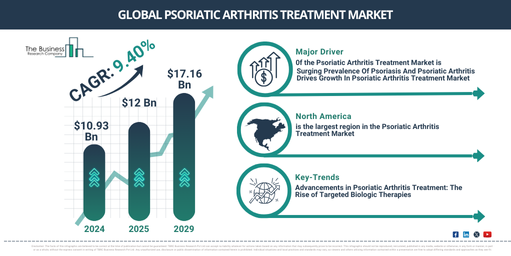
    The market for treating psoriatic arthritis has notably expanded in the recent past. It is projected to escalate from $10.93 billion in 2024 to $12 billion in 2025, with a compound annual growth rate (CAGR) of 9.8%. The historic expansion is credited to factors such as heightened diagnosis, surge in psoriatic arthritis cases, growing awareness about psoriatic arthritis and its medical solutions, broadening spectrum of approved treatments for psoriatic arthritis, government-backed research and development, and increased funding from pharmaceutical enterprises._x000D_

    _x000D_

    In the upcoming years, the market size for the psoriatic arthritis treatment is expected to steadily rise. By 2029, the growth is set to reach $17.16 billion with a Compound Annual Growth Rate (CAGR) of 9.4%. The key factors contributing to this predicted increase during the forecast period include the advent of individualized medicines, novel biologics and small molecules, broader treatment alternatives, and the rising global aging population. Notable trends within the forecast period encompass advancements in biologics and oral small molecules, focus on specific pathways, the use of telemedicine and remote patient monitoring, an emphasis on patient-centered care, and the utilization of real-world evidence._x000D_

    _x000D_

    #Download a free sample to assess the report’s scope and structure:#_x000D_

    https://www.thebusinessresearchcompany.com/sample.aspx?id=3458&type=smp_x000D_

    _x000D_

    #Which Primay Drivers Are Accelerating Growth in the Psoriatic Arthritis Treatment Market?#_x000D_

    The escalation in the incidence of psoriasis and psoriatic arthritis has stimulated the expansion of the psoriatic arthritis treatment market. Both psoriasis (PSO) and psoriatic arthritis (PsA) are inflammatory conditions that can drastically impact health and life quality. Psoriasis is linked with inflammatory arthritis, known as psoriatic arthritis (PsA), occurring in 30% of psoriasis patients. For example, in January 2024, the National Library of Medicine, a U.S. government entity, reported that the annual occurrence of psoriatic arthritis among psoriasis patients varies from 1.9% to 2.7% per 100 patients. The probability of PsA development increases over time, with rates of 1.7% at 5 years, 3.1% at 10 years, and up to 20.5% at 30 years post-psoriasis diagnosis. Therefore, the increasing incidence of psoriasis and psoriatic arthritis propels the growth of the market._x000D_

    _x000D_

    #Which Primary Segments of the Psoriatic Arthritis Treatment Market Are Driving Growth and Industry Transformations?#_x000D_

    The psoriatic arthritis treatment market covered in this report is segmented –_x000D_

    _x000D_

    1) By Drug Class: Nonsteroidal Anti-Inflammatory Drugs (NSAIDS), Disease-Modifying Anti-Rheumatic Drugs (DMARDS), Biologics, Other Drug Classes_x000D_

    2) By Route Of Administration: Oral, Parenteral, Topical_x000D_

    3) By Distribution Channel: Hospital Pharmacies, Retail Pharmacies, Online Pharmacies_x000D_

    _x000D_

    Subsegments:_x000D_

    1) By Nonsteroidal Anti-Inflammatory Drugs (NSAIDs): Traditional NSAIDs, COX-2 Inhibitors_x000D_

    2) By Disease-Modifying Anti-Rheumatic Drugs (DMARDs): Conventional DMARDs, Targeted Synthetic DMARDs_x000D_

    3) By Biologics: Tumor Necrosis Factor (TNF) Inhibitors, Interleukin Inhibitors, Other Biologics_x000D_

    4) By Other Drug Classes: Corticosteroids, Topical Treatments, Janus Kinase (JAK) Inhibitors_x000D_

    _x000D_

    #Request customized data on this market:#_x000D_

    https://www.thebusinessresearchcompany.com/customise?id=3458&type=smp_x000D_

    _x000D_

    #Which Regions Are Key Players in the Growth of the Psoriatic Arthritis Treatment Market?#_x000D_

    The countries covered in the psoriatic arthritis treatment market report are Australia, Brazil, China, France, Germany, India, Indonesia, Japan, Russia, South Korea, UK, USA, Italy, Spain, Canada._x000D_

    _x000D_

    #Which Technological Trends Are Reshaping the Psoriatic Arthritis Treatment Industry Dynamics?#_x000D_

    Leading corporations in the psoriatic arthritis treatment market are steadily concentrating on the creation and development of advanced therapeutic solutions like targeted biologic therapy. These novel treatment methods specifically focus on the underlying inflammatory process, ameliorating patient outcomes and boosting the overall quality of life for those suffering from this relentless ailment. Targeted biologic therapy employs specifically engineered medications or substances to interfere with certain molecules that contribute to the proliferation and dissemination of cancerous cells. The goal is to reduce harm to healthy cells while maximizing therapeutic effectiveness. For example, AbbVie, a biopharmaceutical company based in the US, announced in January 2022, that its product, SKYRIZI (risankizumab-rzaa), has received approval from the U.S. Food and Drug Administration (FDA). It’s an IL-23 inhibitor with a designated use for active psoriatic arthritis treatment. It works by inhibiting the p19 subunit of IL-23, targeting inflammation at its origin. There have been significant enhancements in joint symptoms and overall disease activity in the clinical studies, bringing many patients into clinical remission and improving their quality of life. As it is administered via a subcutaneous injection, the treatment offers a convenient patient-friendly option with flexible dosing options that can be adapted to individual needs._x000D_

    _x000D_

    #View the full report here:#_x000D_

    https://www.thebusinessresearchcompany.com/report/psoriatic-arthritis-treatments-global-market-report_x000D_

    _x000D_

    #What Parameters Are Used to Define the Psoriatic Arthritis Treatment Market?#_x000D_

    Psoriatic arthritis treatment refers to a method of treatment or drug used to stop or lessen a chronic inflammatory disease of the joints and the areas where tendons and ligaments attach to the bones (entheses). This treatment focuses on controlling skin involvement and treating joint pain and disability._x000D_

    _x000D_

    #Purchase the full report and get a swift delivery:#_x000D_

    https://www.thebusinessresearchcompany.com/purchaseoptions.aspx?id=3458_x000D_

    _x000D_

    #About The Business Research Company:#_x000D_

    With over 15000+ reports from 27 industries covering 60+ geographies, The Business Research Company has built a reputation for offering comprehensive, data-rich research and insights. Armed with 1,500,000 datasets, the optimistic contribution of in-depth secondary research, and unique insights from industry leaders, you can get the information you need to stay ahead in the game._x000D_

    _x000D_

    #Get in touch with us:#_x000D_

    The Business Research Company: https://www.thebusinessresearchcompany.com/_x000D_

    Americas +1 3156230293_x000D_

    Asia +44 2071930708_x000D_

    Europe +44 2071930708_x000D_

    Email us at info@tbrc.info_x000D_

    _x000D_

    #Follow us on:#_x000D_

    _x000D_

    LinkedIn: https://in.linkedin.com/company/the-business-research-company_x000D_

    YouTube: https://www.youtube.com/channel/UC24_fI0rV8cR5DxlCpgmyFQ_x000D_

    Global Market Model: https://www.thebusinessresearchcompany.com/global-market-model

  • Key Developments and Trends Steering the Immunosuppressants Market Forward: Transforming Drug Dosing And Clinical Decision-Making

    Key Developments and Trends Steering the Immunosuppressants Market Forward: Transforming Drug Dosing And Clinical Decision-Making

    Discover trends, market shifts, and competitive outlooks for the immunosuppressants industry through 2025-2034 with The Business Research Company’s reliable data and in-depth research

    What Are the Key Projections for the CAGR of the Immunosuppressants Market Size From 2025 to 2034?

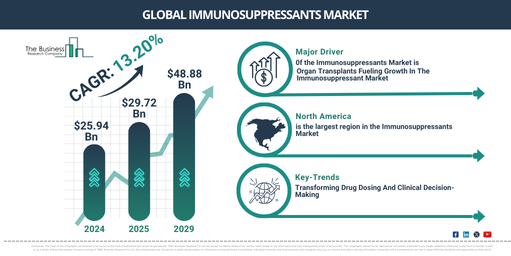
    In recent times, the immunosuppressants market has experienced swift expansion. It is projected to escalate from a worth of $25.94 billion in 2024 to an approximate value of $29.72 billion in 2025, registering a compound annual growth rate (CAGR) of 14.6%. Factors contributing to this surge in the past include advancements in transplant medicine, innovative drug development, regulatory green lights, an increase in transplant surgeries, and improved clinical efficacy and safety.

    In the coming years, the immunosuppressants market is projected to experience a swift expansion. It is set to escalate to a valuation of $48.88 billion by 2029 with a compound annual growth rate (CAGR) of 13.2%. The surge expected during the forecast period can be accounted to advancements in areas such as targeted therapies, precision medicine, biologics and biosimilars, immunotherapy combinations, gene therapy, and immunomodulation. Additionally, drug delivery innovations are expected to contribute to this growth. The major trends expected during the forecast period encompass expanded indications, safety and regulatory considerations, precision medicine methodologies, telehealth, remote monitoring, biosimilars and generics.

    Download a free sample to assess the report’s scope and structure:

    https://www.thebusinessresearchcompany.com/sample.aspx?id=3467&type=smp

    How Are Key Drivers in the Industry Acting as Catalysts for the Growth of the Immunosuppressants Market?

    The primary factor propelling the growth of the immunosuppressant market is the uptick in organ transplant operations such as kidney and liver procedures, due to a rise in organ failure occurrences. For example, the American Kidney Fund, a health organization based in the US, has projected that the national transplant waiting list will have over 106,000 individuals by June 2022, with approximately 92,000 (or 87%) of these waiting for a kidney transplant in the US. Hence, the escalating count of organ transplant procedures and instances of organ failure is poised to stimulate the expansion of the immunosuppressants market.

    Which Segments in the Immunosuppressants Offer the Most Growth?

    The immunosuppressants market covered in this report is segmented –

    1) By Drug Class: Corticosteroids, Monoclonal Antibodies (mAbs), Calcineurin Inhibitors, mTOR Inhibitors, Anti-Proliferative Agents, Other Drug Classes

    2) By Indication: Organ Transplantation, Autoimmune Disorders, Non-Autoimmune Inflammatory Diseases

    3) By Distribution Channel: Hospital Pharmacies, Retail Pharmacies, Online Pharmacies

    Subsegments:

    1) By Corticosteroids: Prednisone, Methylprednisolone, Dexamethasone

    2) By Monoclonal Antibodies (mAbs): Anti-TNF Agents, Anti-CD20 Agents, Anti-IL-6 Agents

    3) By Calcineurin Inhibitors: Cyclosporine, Tacrolimus

    4) By mTOR Inhibitors: Sirolimus, Everolimus

    5) By Anti-Proliferative Agents: Azathioprine, Mycophenolate Mofetil

    6) By Other Drug Classes: Co-Stimulation Blockers, JAK Inhibitors

    Request customized data on this market:

    https://www.thebusinessresearchcompany.com/customise?id=3467&type=smp

    What Are the Fastest-Growing Geographies in the Immunosuppressants Market?

    The countries covered in the immunosuppressants market report are Australia, Brazil, China, France, Germany, India, Indonesia, Japan, Russia, South Korea, UK, USA, Canada, Italy, Spain

    Which Cutting-Edge Market Trends Are Expected to Drive the Immunosuppressants Market’s Growth?

    A novel approach to tackle the complications associated with immunosuppressants merges artificial intelligence and medical intervention, aptly named Phenotypic personalized medicine (PPM). Take, for example, Tacrolimus, a commonly used immunosuppressant for organ transplant patients. While the patient is admitted to the hospital, physicians find it necessary to continuously monitor and make alterations to the levels of Tacrolimus immunosuppressant. The PPM method, which hinges on a computational platform, is being employed to address this problem. The platform-based PPM system takes inputs such as the patient’s past reaction to the drug dosage, other medications they are taking and their current liver and kidney status. With the aid of PPM, doctors can determine the most suitable drug and dosage combination from the range of options. Hence, it’s perceived that artificial intelligence is playing a significant role in not just improving personalized and effective drug doses, but also enhancing physicians’ decision-making abilities by supplying clinical data over forecasted reactions.

    View the full report here:

    https://www.thebusinessresearchcompany.com/report/immunosuppressant-global-market-report

    What Are the Key Elements That Define the Immunosuppressants Market?

    Immunosuppressant refers to a medication that prevents the immune system from attacking healthy cells and tissues. These medications are used to stop transplant rejection in recipients of stem cell and organ transplants. The medications also address the symptoms of autoimmune diseases. Immunosuppressants market are potent medications that need to be carefully monitored to prevent side effects.

    Purchase the full report and get a swift delivery:

    https://www.thebusinessresearchcompany.com/purchaseoptions.aspx?id=3467

    About The Business Research Company:

    With over 15000+ reports from 27 industries covering 60+ geographies, The Business Research Company has built a reputation for offering comprehensive, data-rich research and insights. Armed with 1,500,000 datasets, the optimistic contribution of in-depth secondary research, and unique insights from industry leaders, you can get the information you need to stay ahead in the game.

    Get in touch with us:

    The Business Research Company: https://www.thebusinessresearchcompany.com/

    Americas +1 3156230293

    Asia +44 2071930708

    Europe +44 2071930708

    Email us at info@tbrc.info

    Follow us on:

    LinkedIn: https://in.linkedin.com/company/the-business-research-company

    YouTube: https://www.youtube.com/channel/UC24_fI0rV8cR5DxlCpgmyFQ

    Global Market Model: https://www.thebusinessresearchcompany.com/global-market-model
  • Top Trends Driving Innovation and Change in the Padcev Market: Introduction Of Combination Therapies In The PADCEV Market To Enhance Cancer Treatment Efficacy

    Discover trends, market shifts, and competitive outlooks for the padcev global market report 2025 industry through 2025-2034 with The Business Research Company’s reliable data and in-depth research

    How Has The Padcev Market Size Shifted, And What Is the Outlook Through 2034?

    The market size of padcev has recently seen a HCAGR of XX. The market is projected to progress from a valuation of $XX million in 2024 to reach $XX million in 2025, with a compound annual growth rate (CAGR) of XX%. The expansion within the historical period can be associated with factors such as increased integration with other oncological drugs, heightened focus on rare cancer therapies, more attention to enhancing cancer treatment results, an uptick in the adoption of emerging cancer therapies, and the escalating elderly population.

    Expectations for the padcev market size indicate a forecasted compound annual growth rate (FCAGR) of XX% in the upcoming years, with projections suggesting it could reach $XX million by 2029. The anticipated expansion during this period can be linked to the rising demand for precision medicine, increasing emphasis on targeted cancer treatments, a growing trend towards combination therapies, elevated investment in cancer research and development, and a paradigm shift towards therapies that are more effective and less harmful. Crucial trends to look out for in this forecast period comprises the adoption of antibody-drug conjugate (adc) technology, incorporation of artificial intelligence in drug discovery, the uptake of biomarker-driven targeted therapies, the utilization of data analytics for optimizing treatment, and the enhancement of precision oncology platforms.

    Download a free sample to assess the report’s scope and structure:

    https://www.thebusinessresearchcompany.com/sample.aspx?id=20172&type=smp

    Which Primay Drivers Are Accelerating Growth in the Padcev Market?

    The rise in bladder cancer cases is anticipated to fuel the expansion of the Padcev market. This form of cancer involves irregular cell growth in the bladder, potentially forming tumors and interfering with standard urinary functions. The frequency of bladder cancer can be linked to factors such as smoking, exposure to industrial chemicals, chronic bladder infections, and a family history of the condition. Padcev contributes to bladder cancer treatment by focusing on a particular protein in cancer cells and administering a chemotherapy drug directly into the tumor. This approach aids in the elimination of cancer cells and improves patient outcomes during the disease’s advanced stages. For example, the American Cancer Society Facts and Figures, a professional organization based in the US, estimated a slight increase to 83,190 new cases of urinary bladder cancer in March 2024, up from 82,290 new cases in 2023. As such, the escalating bladder cancer incidence is promoting the Padcev market’s growth.

    Which Primary Segments of the Padcev Market Are Driving Growth and Industry Transformations?

    The padcev market covered in this report is segmented –

    1) By Clinical Indication: Urothelial Cancer, Bladder Cancer

    2) By Distribution Channel: Retail Pharmacies, Online Pharmacies

    3) By End-User: Hospitals, Clinics, Ambulatory Care, Home Care

    Request customized data on this market:

    https://www.thebusinessresearchcompany.com/customise?id=20172&type=smp

    Which Regions Are Key Players in the Growth of the Padcev Market?

    North America was the largest region in the padcev market in 2024. Asia-Pacific is expected to be the fastest-growing region in the forecast period. The regions covered in the padcev market report are Asia-Pacific, Western Europe, Eastern Europe, North America, South America, Middle East and Africa.

    Which Technological Trends Are Reshaping the Padcev Industry Dynamics?

    A primary evolution in the Padcev market lies in the creation of advanced therapies like combination therapy, to augment treatment effectiveness and improve patient outcomes in the domain of cancer care. Combination therapy utilizes more than one treatment or drug at a time to focus on a particular condition, thus improving the comprehensive therapeutic impact. For instance, Astellas Pharma Inc., a pharmaceutical company rooted in Japan, gained approval from the European Commission in August 2024 for the use of PADCEV (enfortumab vedotin, an antibody-drug conjugate [ADC]) alongside KEYTRUDA (pembrolizumab, a PD-1 inhibitor). The pairing of PADCEV (enfortumab vedotin) and KEYTRUDA (pembrolizumab) is a treatment protocol for advanced urothelial cancer. The combination optimizes enfortumab vedotin’s focused therapy and KEYTRUDA’s immune checkpoint inhibition to amplify anti-cancer effectiveness.

    View the full report here:

    https://www.thebusinessresearchcompany.com/report/padcev-global-market-report

    What Parameters Are Used to Define the Padcev Market?

    Padcev (enfortumab vedotin) is a medication used to treat certain types of cancer, specifically metastatic urothelial carcinoma (a form of bladder cancer). It is an antibody-drug conjugate (ADC), that combines a targeted antibody with a chemotherapy drug. The antibody specifically targets and binds to the Nectin-4 protein, found on the surface of cancer cells. Once bound, the chemotherapy drug is released into the cancer cell, leading to its destruction. Padcev is typically used in patients who have received prior treatments, including chemotherapy or immune checkpoint inhibitors.

    Purchase the full report and get a swift delivery:

    https://www.thebusinessresearchcompany.com/purchaseoptions.aspx?id=20172

    About The Business Research Company:

    With over 15000+ reports from 27 industries covering 60+ geographies, The Business Research Company has built a reputation for offering comprehensive, data-rich research and insights. Armed with 1,500,000 datasets, the optimistic contribution of in-depth secondary research, and unique insights from industry leaders, you can get the information you need to stay ahead in the game.

    Get in touch with us:

    The Business Research Company: https://www.thebusinessresearchcompany.com/

    Americas +1 3156230293

    Asia +44 2071930708

    Europe +44 2071930708

    Email us at info@tbrc.info

    Follow us on:

    LinkedIn: https://in.linkedin.com/company/the-business-research-company

    YouTube: https://www.youtube.com/channel/UC24_fI0rV8cR5DxlCpgmyFQ

    Global Market Model: https://www.thebusinessresearchcompany.com/global-market-model
  • Protein Labeling Market Valuation Expected To Reach $4.36 Billion By 2029, Growing At A Rate Of 11.3%

    Protein Labeling Market Valuation Expected To Reach $4.36 Billion By 2029, Growing At A Rate Of 11.3%

    Discover trends, market shifts, and competitive outlooks for the protein labeling industry through 2025-2034 with The Business Research Company’s reliable data and in-depth research

    #How Has The Protein Labeling Market Growth Evolved From 2024 To 2025, And What’s Ahead?#_x000D_

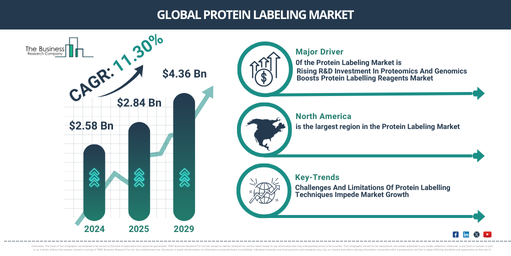
    The market size for protein labeling has seen swift expansion in the last few years. The market is predicted to rise from $2.58 billion in 2024 to $2.84 billion in 2025, recording a compound annual growth rate (CAGR) of 10.1%. The historical growth has been propelled by a rising demand for protein-centric therapeutics, the increasing use of proteomics research, a widening application scope for protein labeling, a growing understanding of protein labeling’s advantages, a rise in the supply of qualified workforce, and an increasing incidence of chronic ailments._x000D_

    _x000D_

    In the upcoming years, it is projected that the protein labeling market will experience swift expansion. The market valuation is speculated to reach $4.36 billion in 2029, with an 11.3% compound annual growth rate (CAGR). The projected growth during the forecast period is driven by factors such as the prevalence of personalized medicine, point-of-care (POC) testing, the expansion of proteomics, augmented funding and investment in life science research, and increasing healthcare spending. Key trends anticipated during the forecast period encompass advancements in protein labeling technologies, the use of quantum dots and nanoparticles, multiplexing and high-throughput labeling, biorthogonal labeling, incorporation of artificial intelligence (ai), sustainable labeling reagents and drug development._x000D_

    _x000D_

    #Download a free sample to assess the report’s scope and structure:#_x000D_

    https://www.thebusinessresearchcompany.com/sample.aspx?id=3417&type=smp_x000D_

    _x000D_

    #Which Factors and External Forces Are Driving Demand in the Protein Labeling Market?#_x000D_

    The growth of the protein labeling reagents market is being propelled by a rise in spending on genomics and proteomics R&D. Proteomics, which is the comprehensive study of a cell, tissue or organism’s protein content, necessitates the use of protein labeling methods prior to separation and analysis in proteomic profiling techniques. For example, the National Institutes of Health (NIH) in the US allocated $37 billion towards biomedical research funding. This financial support is dedicated to life sciences research conducted at the molecular level, aiming to comprehend the basic processes through which diseases emerge, identify biomarkers that indicate the existence of a disease, or find out the genes or proteins causing the disease. The University of Copenhagen was awarded up to $1.5 million by the Novo Nordisk Foundation to create a mass spectrometry department, symbolizing a new and thrilling phase in protein research. Consequently, the surge in spending for proteomics and genomics research and development is pushing the market forward._x000D_

    _x000D_

    #Which Segments in the Protein Labeling Offer the Most Growth?#_x000D_

    The protein labeling market covered in this report is segmented –_x000D_

    _x000D_

    1) By Product: Reagents, Protein, Enzymes, Probes/ Tags, Monoclonal Antibodies_x000D_

    2) By Labeling Method: In-vitro Labeling, In-vivo Labeling_x000D_

    3) By Application: Cell Based-Assay, Fluorescence Microscopy, Immunological Techniques, Mass Spectrometry, Protein Micro Assay_x000D_

    _x000D_

    Subsegments:_x000D_

    1) By Reagents: Fluorescent Dyes, Enzyme Labels, Chemiluminescent Reagents, Radioactive Labels_x000D_

    2) By Protein: Recombinant Proteins, Native Proteins, Modified Proteins_x000D_

    3) By Enzymes: Alkaline Phosphatase, Horseradish Peroxidase, Other Enzymatic Labels_x000D_

    4) By Probes Or Tags: Biotin Labels, Antibody Tags, Fluorophore Probes, Affinity Tags_x000D_

    5) By Monoclonal Antibodies: Primary Monoclonal Antibodies, Secondary Monoclonal Antibodies, Conjugated Monoclonal Antibodies_x000D_

    _x000D_

    #Request customized data on this market:#_x000D_

    https://www.thebusinessresearchcompany.com/customise?id=3417&type=smp_x000D_

    _x000D_

    #What Are the Fastest-Growing Geographies in the Protein Labeling Market?#_x000D_

    The countries covered in the protein labeling market report are Australia, Brazil, China, France, Germany, India, Indonesia, Japan, Russia, South Korea, UK, USA, Italy, Spain, Canada._x000D_

    _x000D_

    #Which Cutting-Edge Market Trends Are Expected to Drive the Protein Labeling Market’s Growth?#_x000D_

    The market may be impeded by the disadvantages associated with protein labeling methods. There is a tendency to favor label-free techniques over labeled ones due to certain issues like the complexity of the wet lab and lack of adaptability. Unlike labeled samples which require elaborate wet lab preconditions, label-free samples require minimal preparation. Labeling techniques necessitate the use of either metabolic (like SILAC) or chemical (like iTRAQ or TMT) reagents, and the combination of various conditions. This increases their susceptibility to errors in the wet lab compared to label-free techniques. Furthermore, label-free methods boast high adaptability, even after the onset of the study. They can accommodate new samples into the study at any time, unlike labeled techniques that need a consistent number of each condition. Labeled techniques make it impossible to incorporate new samples if they can’t be physically combined and measured with the control. Super-SILAC, a labeled technique, mitigates this issue but needs meticulous planning. Due to these reasons, label-free methods are more preferred, which is why the handicap associated with protein labeling techniques could potentially obstruct the market._x000D_

    _x000D_

    #View the full report here:#_x000D_

    https://www.thebusinessresearchcompany.com/report/protein-labelings-global-market-report_x000D_

    _x000D_

    #What Are the Key Elements That Define the Protein Labeling Market?#_x000D_

    Protein labelling refers to the process of detecting or purifying the labelled protein and its binding partners by using the proper molecular labels. Most biological research uses one of three basic categories of protein labels: biotin, enzyme conjugates, or fluorescence probes._x000D_

    _x000D_

    #Purchase the full report and get a swift delivery:#_x000D_

    https://www.thebusinessresearchcompany.com/purchaseoptions.aspx?id=3417_x000D_

    _x000D_

    #About The Business Research Company:#_x000D_

    With over 15000+ reports from 27 industries covering 60+ geographies, The Business Research Company has built a reputation for offering comprehensive, data-rich research and insights. Armed with 1,500,000 datasets, the optimistic contribution of in-depth secondary research, and unique insights from industry leaders, you can get the information you need to stay ahead in the game._x000D_

    _x000D_

    #Get in touch with us:#_x000D_

    The Business Research Company: https://www.thebusinessresearchcompany.com/_x000D_

    Americas +1 3156230293_x000D_

    Asia +44 2071930708_x000D_

    Europe +44 2071930708_x000D_

    Email us at info@tbrc.info_x000D_

    _x000D_

    #Follow us on:#_x000D_

    _x000D_

    LinkedIn: https://in.linkedin.com/company/the-business-research-company_x000D_

    YouTube: https://www.youtube.com/channel/UC24_fI0rV8cR5DxlCpgmyFQ_x000D_

    Global Market Model: https://www.thebusinessresearchcompany.com/global-market-model

  • Top Trends Driving Innovation and Change in the HER2 Inhibitors Market: Increasing Focus On Developing Treatment Forher2-Low Breast Cancerto Gain A Competitive Edge

    Top Trends Driving Innovation and Change in the HER2 Inhibitors Market: Increasing Focus On Developing Treatment Forher2-Low Breast Cancerto Gain A Competitive Edge

    Discover trends, market shifts, and competitive outlooks for the her2 inhibitors industry through 2025-2034 with The Business Research Company’s reliable data and in-depth research

    What is the Projected CAGR for the HER2 Inhibitors Market Size from 2025 to 2034?

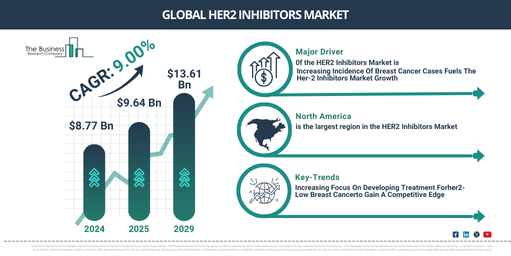
    In the past few years, the HER2 inhibitors market has experienced significant growth. It’s projected to expand from a value of $8.77 billion in 2024 to around $9.64 billion in 2025, showcasing a compound annual growth rate (CAGR) of 9.9%. This growth during the historic period is due in part to developments in biotechnology, the success of clinical trials, changes in treatment paradigms, increased investment in research and development, and an overall improvement in patient outcomes.

    In the forthcoming years, robust growth is anticipated in the HER2 inhibitors market, with the market size reaching $13.61 billion in 2029, exhibiting a compound annual growth rate (CAGR) of 9.0%. The escalation during the expected span can be credited to factors such as patient-centric care models, regulation modifications, and approvals, drug resistance management, worldwide market penetration, broadened indications, and the implementation of precision oncology. Noteworthy trends in the forecast period comprise patient advocacy and awareness, clinical trials and research, early detection and diagnoses, precision medicine and biomarker testing, adjuvant and neo-adjuvant therapy.

    Download a free sample to assess the report’s scope and structure:

    https://www.thebusinessresearchcompany.com/sample.aspx?id=3396&type=smp

    What External and Internal Drivers Are Contributing to the Growth of the HER2 Inhibitors Market?

    The global escalation in breast cancer incidences is expected to foster the expansion of the HER-2 inhibitors market in the upcoming years. As reported by the American Cancer Society in January 2022, an estimated 1.9 million fresh cancer cases and 609,360 cancer-induced deaths are projected in the United States, approximating 1,670 deaths each day. Lung, prostate, bowel, and female breast cancer make up the four most prevalent cancer types globally, constituting 43% of all novel cancer diagnoses. Consequently, the surge in breast cancer rates worldwide is predicted to stimulate the demand for HER-2 inhibitors in the market in the approaching years.

    What Segment Types Define the HER2 Inhibitors Market Structure?

    The HER2 inhibitors market covered in this report is segmented –

    1) By Treatment: Monotherapy, Combination Therapy

    2) By Application: Squamous Cell Carcinoma, Adenocarcinoma, Large Cell Carcinoma, Breast Cancer, Other Applications

    3) By End User: Hospitals, Clinics, Other End Users

    Subsegments:

    1) By Monotherapy: Single-Agent HER2 Inhibitors, Targeted HER2 Therapies

    2) By Combination Therapy: HER2 Inhibitors Combined With Chemotherapy, HER2 Inhibitors Combined With Targeted Therapies, HER2 Inhibitors Combined With Hormonal Therapies

    Request customized data on this market:

    https://www.thebusinessresearchcompany.com/customise?id=3396&type=smp

    Which Geographic Areas Hold the Strongest Growth Potential in the HER2 Inhibitors Market?

    The countries covered in the HER2 inhibitors market report are Australia, Brazil, China, France, Germany, India, Indonesia, Japan, Russia, South Korea, UK, USA, Canada, Italy, Spain

    Which Emerging Trends that Are Influencing the HER2 Inhibitors Industry Evolution?

    Leading firms in the HER2 inhibitor market are spearheading efforts to create treatments for HER2-low breast cancer, aiming to solidify their dominance in the marketplace. HER2-low breast cancer is a newly characterized subgroup of HER2-negative breast cancers, which are classified by the lack of overexpression or excessive replication of the HER2 protein. For instance, AstraZeneca PLC, a pharmaceutical and biotechnology corporation based in the UK, received approval from the U.S. Food and Drug Administration (FDA) in August 2022 for Enhertu (fam-trastuzumab deruxtecan-nxki). This makes it the premier HER2-targeted therapy for patients with HER2-low metastatic breast cancer. Administered via intravenous infusion, Enhertu is indicated for HER2-low (IHC 1+ or IHC 2+/ISH-) breast cancer in adults who have received prior metastatic chemotherapy or have had a relapse within half a year of finishing adjuvant chemotherapy.

    View the full report here:

    https://www.thebusinessresearchcompany.com/report/her2-inhibitor-global-market-report

    What Is the Definition of the HER2 Inhibitors Market?

    HER2 inhibitors refer to a group of drugs used to treat certain HER2-low breast malignancies as well as all stages of HER2-positive breast cancer, from early-stage to metastatic. Anti-HER2 drugs bind to the HER2 receptor proteins on the surface of breast cancer cells, and they function by preventing the HER2 receptors in HER2-positive breast cancer from receiving growth impulses.

    Purchase the full report and get a swift delivery:

    https://www.thebusinessresearchcompany.com/purchaseoptions.aspx?id=3396

    About The Business Research Company:

    With over 15000+ reports from 27 industries covering 60+ geographies, The Business Research Company has built a reputation for offering comprehensive, data-rich research and insights. Armed with 1,500,000 datasets, the optimistic contribution of in-depth secondary research, and unique insights from industry leaders, you can get the information you need to stay ahead in the game.

    Get in touch with us:

    The Business Research Company: https://www.thebusinessresearchcompany.com/

    Americas +1 3156230293

    Asia +44 2071930708

    Europe +44 2071930708

    Email us at info@tbrc.info

    Follow us on:

    LinkedIn: https://in.linkedin.com/company/the-business-research-company

    YouTube: https://www.youtube.com/channel/UC24_fI0rV8cR5DxlCpgmyFQ

    Global Market Model: https://www.thebusinessresearchcompany.com/global-market-model
  • Emerging Trends Redefining the Gasoline Stations Market Landscape: Increasing Focus On The Use Of Herbs And Essential Oils To Gain A Competitive Edge

    Emerging Trends Redefining the Gasoline Stations Market Landscape: Increasing Focus On The Use Of Herbs And Essential Oils To Gain A Competitive Edge

    Discover trends, market shifts, and competitive outlooks for the hand cream and hand lotion industry through 2025-2034 with The Business Research Company’s reliable data and in-depth research

    What Is the Current and Projected Market Size of the Hand Cream and Hand Lotion Market Through 2034?

    The market for hand cream and hand lotion has exhibited significant growth in the past few years. The market size, which was $7.8 billion in 2024, is projected to increase to $8.53 billion in 2025, growing at a compound annual growth rate (CAGR) of 9.4%. This growth during the historical period can be attributed to factors such as increased awareness about skin health, shifts in consumer preferences, seasonal demands, fashion and beauty trends, advice from healthcare professionals, and effective marketing and branding strategies.

    The market size for hand cream and lotion is predicted to expand substantially in the forthcoming years, reaching a value of $13.3 billion in 2029 with a Compound Annual Growth Rate (CAGR) of 11.7%. This anticipated growth during the forecast period can be credited to factors such as transparency in ingredient listing and sustainability, customization and personalization, the rising trend of natural and clean beauty, increasing awareness about hygiene and health-related concerns, as well as packaging and sustainability initiatives. Considerable trends for the projected period comprise the inclusion of CBD and botanical extracts, novel modes of application, products serving multiple purposes, diversity in aromatherapy and fragrances, and targeted solutions.

    Download a free sample to assess the report’s scope and structure:

    https://www.thebusinessresearchcompany.com/sample.aspx?id=3454&type=smp

    What Are the Core Market Drivers Propelling Growth in the Hand Cream and Hand Lotion Industry?

    The rising trend of regular hand washing to prevent infection significantly contributes to the expansion of the hand cream and lotion industry. Stringent and frequent hand washing is an effective measure to curb the spread of COVID-19, as our hands are majorly responsible for conveying bacteria into our respiratory system. However, frequent hand washing and the utilization of strong sanitizers, while critical for preventing the virus, can damage the skin, leading to dry, broken, and painful hands. As a result, medical professionals advise utilizing hand creams that maintain hand hydration, alleviate dry patches, and reduce skin irritation. Therefore, the dehydration of hands due to constant hand washing is anticipated to stimulate the growth of the hand cream and hand lotion sector.

    How Is the Hand Cream and Hand Lotion Market Segmented?

    The hand cream and hand lotion market covered in this report is segmented –

    1) By Type: Moisturizing Hand Lotion, Protective Hand Lotion, Repair Hand Crème, Other Types

    2) By Application: Adult, Baby

    3) By Distribution Channel: Super market/Hyper market, Specialty Store, Beauty Salon, Pharma & Drug Store, Online Store

    Subsegments:

    1) By Moisturizing Hand Lotion: Hydrating Lotions, Daily Moisturizers, Lightweight Formulas

    2) By Protective Hand Lotion: Barrier Lotions, Anti-Bacterial Lotions, SPF-Infused Lotions

    3) By Repair Hand Crème: Intensive Repair Crèmes, Healing Crèmes For Damaged Skin, Crèmes For Cracked Or Dry Hands

    4) By Other Types: Anti-Aging Hand Lotions, Scented Hand Lotions, Natural Or Organic Hand Lotions

    Request customized data on this market:

    https://www.thebusinessresearchcompany.com/customise?id=3454&type=smp

    Which Regions Are Driving the Next Phase of the Hand Cream and Hand Lotion Market Growth?

    The countries covered in the hand cream and hand lotion market report are Australia, Brazil, China, France, Germany, India, Indonesia, Japan, Russia, South Korea, UK, USA, Canada, Italy, Spain

    What Key Trends Are Shaping the Future of the Hand Cream and Hand Lotion Market?

    Hand lotions and creams composed of beneficial elements like herbals and essential oils, which can heal and restore the skin, are leading a significant trend in the hand cream and lotion market. For example, hand repair creams that use 60% aloe gel, like aloe-based creams, offer the skin immense moisture, resulting in soft and pleasant hands. These creams are not only beneficial to fixing rough and split skin but can also be utilized on notably dry skin sections, including knees and elbows. Moreover, the gentle fragrance provided by these organic ingredients promotes their more common use.

    View the full report here:

    https://www.thebusinessresearchcompany.com/report/hand-cream-and-hand-lotions-global-market-report

    How Is the Hand Cream and Hand Lotion Market Defined and What Are Its Core Parameters?

    Hand cream and hand lotion refer to a low viscosity substance that is employed or rubbed onto hands to hydrate the skin and soften the body and hands of those who work hard all day. It is used to repair and prevent dry, cracked hands.

    Purchase the full report and get a swift delivery:

    https://www.thebusinessresearchcompany.com/purchaseoptions.aspx?id=3454

    About The Business Research Company:

    With over 15000+ reports from 27 industries covering 60+ geographies, The Business Research Company has built a reputation for offering comprehensive, data-rich research and insights. Armed with 1,500,000 datasets, the optimistic contribution of in-depth secondary research, and unique insights from industry leaders, you can get the information you need to stay ahead in the game.

    Get in touch with us:

    The Business Research Company: https://www.thebusinessresearchcompany.com/

    Americas +1 3156230293

    Asia +44 2071930708

    Europe +44 2071930708

    Email us at info@tbrc.info

    Follow us on:

    LinkedIn: https://in.linkedin.com/company/the-business-research-company

    YouTube: https://www.youtube.com/channel/UC24_fI0rV8cR5DxlCpgmyFQ

    Global Market Model: https://www.thebusinessresearchcompany.com/global-market-model

  • Oxlumo Market Overview 2025: Competitive Shifts, Forecast Models, and Emerging Opportunities

    Oxlumo Market Overview 2025: Competitive Shifts, Forecast Models, and Emerging Opportunities

    Discover trends, market shifts, and competitive outlooks for the oxlumo global market report 2025 industry through 2025-2034 with The Business Research Company’s reliable data and in-depth research

    How Has the Oxlumo Market Growth Performance Trended Historically, And What Lies Ahead?

    In recent years, the market size for oxlumo has seen a significant increase of XX (HCAGR). Projected growth is anticipated to elevate the market from a value of $XX million in 2024 to $XX million in 2025, representing a compound annual growth rate (CAGR) of XX%. This growth over the historical period has been driven by a variety of factors, including increased reimbursement and insurance coverage, an uptick in positive clinical study results and ongoing research, a rise in healthcare priority shifts, an absence of alternative effective therapies for ph1, and the expansion of diagnostic capabilities.

    Predictions for the Oxlumo market size indicate a compound annual growth rate (CAGR) of XX% in the coming years, ultimately leading to a market worth $XX million by 2029. The anticipated growth during the forecast period is ascribed to increased demand for non-invasive treatments, rising levels of government and institutional funding for rare diseases, enhanced patient consciousness and advocacy, the widening reach of market penetration in developing economies and advancements in diagnostic methodologies. Key trends during this forecast period encompass strides in gene editing and CRISPR technology, digital health aids and remote patient monitoring, the utilization of telemedicine for managing rare diseases, the inclusion of artificial intelligence (AI) in the formulation of drugs, and the advancement of RNA-based therapeutic strategies.

    Download a free sample to assess the report’s scope and structure:

    https://www.thebusinessresearchcompany.com/sample.aspx?id=20171&type=smp

    Which Factors and External Forces Are Driving Demand in the Oxlumo Market?

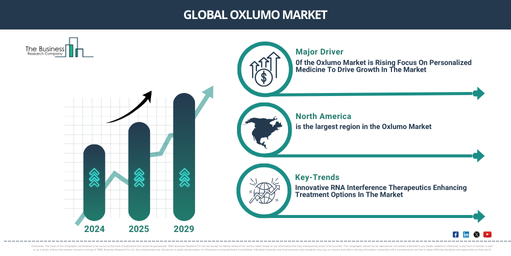
    The oxlumo market is expected to flourish due to a rising emphasis on personalized medicine. Tailoring therapy and treatment protocols to an individual’s genetic composition, lifestyle, and environmental factors define personalized medicine, which aims to produce the most efficient outcomes. This shift towards personalized medicine is mostly due to progress in the field of genomics, permitting treatments that are more focused and effective based on an individual’s genetic and lifestyle particulars. Oxlumo (lumasiran) augments personalized medicine by targeting specific genetic variants in individuals afflicted with primary hyperoxaluria type 1 (PH1), a rare genetic disorder. It provides a custom treatment plan to diminish oxalate production and ward off kidney damage based on a patient’s genetic makeup. For example, in February 2024, the Personalized Medicine Coalition (PMC), a US-based organization, reported that in 2023, the FDA authorized 16 new personalized treatments for patients with wild type diseases, up from six in 2022. Hence, the mounting emphasis on personalized medicine is propelling the growth of the oxlumo market.

    Which Segments in the Oxlumo Offer the Most Growth?

    The oxlumo market covered in this report is segmented –

    1) By Clinical Indication: Primary Hyperoxaluria Type 1 (PH1), Kidney Stones, End-Stage Renal Disease (ESRD)

    2) By Distribution Channel: Retail Pharmacies, Online Pharmacies

    3) By End User: Pediatric, Adult

    Request customized data on this market:

    https://www.thebusinessresearchcompany.com/customise?id=20171&type=smp

    What Are the Fastest-Growing Geographies in the Oxlumo Market?

    North America was the largest region in the oxlumo market in 2024. Asia-Pacific is expected to be the fastest-growing region in the forecast period. The regions covered in the oxlumo market report are Asia-Pacific, Western Europe, Eastern Europe, North America, South America, Middle East and Africa.

    Which Cutting-Edge Market Trends Are Expected to Drive theOxlumo Market’s Growth?

    A prevailing trend in the oxlumo market is the advancement in the creation of innovative drugs such as RNA interference (RNAi) therapeutics, aimed at improving treatment possibilities for genetic conditions. RNA interference therapy employs small RNA particles to either silence or impede the expression of particular genes, lending to a potential method for identifying and treating genetic diseases. For example, in October 2022, Alnylam Pharmaceuticals Inc., a company based in the United States, revealed that the U.S. Food and Drug Administration (FDA) endorsed an expansion of the oxlumo (lumasiran) label. Oxlumo (lumasiran) is a therapeutic form of RNAi used in the management of primary hyperoxaluria type 1 (PH1), with the aim of decreasing urinary and plasma oxalate levels in pediatric and adult cases. It accomplishes this by muting the HAO1 gene, therefore lessening oxalate production, and subsequently preventing complications related to PH1.

    View the full report here:

    https://www.thebusinessresearchcompany.com/report/oxlumo-global-market-report

    What Are the Key Elements That Define the Oxlumo Market?

    Oxlumo (lumasiran) is a medication used to treat primary hyperoxaluria type 1, a rare genetic disorder that causes excessive oxalate production, leading to kidney damage. It works by inhibiting the enzyme HOGA1, which is involved in oxalate production. Oxlumo helps prevent kidney stones and kidney failure by reducing oxalate levels. It is administered as an injection under the skin (subcutaneous).

    Purchase the full report and get a swift delivery:

    https://www.thebusinessresearchcompany.com/purchaseoptions.aspx?id=20171

    About The Business Research Company:

    With over 15000+ reports from 27 industries covering 60+ geographies, The Business Research Company has built a reputation for offering comprehensive, data-rich research and insights. Armed with 1,500,000 datasets, the optimistic contribution of in-depth secondary research, and unique insights from industry leaders, you can get the information you need to stay ahead in the game.

    Get in touch with us:

    The Business Research Company: https://www.thebusinessresearchcompany.com/

    Americas +1 3156230293

    Asia +44 2071930708

    Europe +44 2071930708

    Email us at info@tbrc.info

    Follow us on:

    LinkedIn: https://in.linkedin.com/company/the-business-research-company

    YouTube: https://www.youtube.com/channel/UC24_fI0rV8cR5DxlCpgmyFQ

    Global Market Model: https://www.thebusinessresearchcompany.com/global-market-model
  • Protein Inhibitors Market Forecast Reaching $125.26 Billion by 2029 at 9% CAGR

    Protein Inhibitors Market Forecast Reaching $125.26 Billion by 2029 at 9% CAGR

    Discover trends, market shifts, and competitive outlooks for the protein inhibitors industry through 2025-2034 with The Business Research Company’s reliable data and in-depth research

    #What is the Projected CAGR for the Protein Inhibitors Market Size from 2025 to 2034?#_x000D_

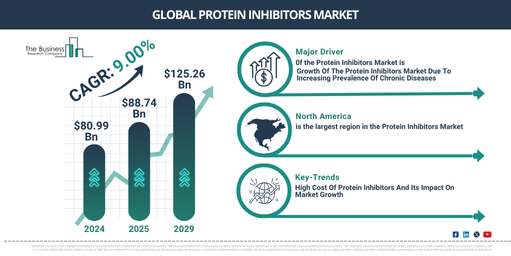
    In the past few years, the size of the protein inhibitors market has seen robust growth. This market is anticipated to expand from $80.99 billion in 2024 to $88.74 billion in 2025, with a compound annual growth rate (CAGR) of 9.6%. Factors such as drug discovery, drug development, cancer treatment, and regulatory approvals have contributed to the growth in this historic period._x000D_

    _x000D_

    The market size of protein inhibitors is anticipated to exhibit robust growth in the coming years, reaching a value of $125.26 billion by 2029 with a compound annual growth rate (CAGR) of 9.0%. The predicted growth during the projection period can be ascribed to elements such as precision medicine, immunotherapy, drug combinations, and an aging population. Noteworthy trends during the forecast period encompass data sharing and collaboration, sustainability and ESG, personalized medicine, and adaptive clinical trials._x000D_

    _x000D_

    #Download a free sample to assess the report’s scope and structure:#_x000D_

    https://www.thebusinessresearchcompany.com/sample.aspx?id=3429&type=smp_x000D_

    _x000D_

    #Which Major Market Drivers Are Expected to Boost the Growth Potential of the Protein Inhibitors Market?#_x000D_

    The anticipated growth of the protein inhibitors market is expected to be influenced by the rising prevalence of chronic diseases. Conditions such as cancer, cardiovascular diseases, and autoimmune diseases are escalating in occurrence. For example, the National Health Service, which is a public healthcare system based in the UK, reported in June 2024 that 3,615,330 individuals registered with a GP were diagnosed with non-diabetic hyperglycemia, also known as pre-diabetes, in 2023. This figure reflected an almost fifth (18%) increase from the 3,065,825 cases recorded in 2022. Consequently, the escalating numbers of individuals with chronic conditions are forecasted to drive the demand for the protein inhibitors market to grow._x000D_

    _x000D_

    #Which Key Market Segments Comprise the Protein Inhibitors Market and Drive Its Revenue Growth?#_x000D_

    The protein inhibitors market covered in this report is segmented –_x000D_

    _x000D_

    1) By Product: Protein Kinase Inhibitors, Monoclonal Antibody, Other Products_x000D_

    2) By Application: Oncology, Inflammatory Diseases, Other Applications_x000D_

    3) By Distribution Channel: Hospital Pharmacies, Independent Pharmacies, Online Pharmacies_x000D_

    _x000D_

    Subsegments:_x000D_

    1) By Protein Kinase Inhibitors: Selective Kinase Inhibitors, Non-selective Kinase Inhibitors, Small Molecule Kinase Inhibitors, Biologic Kinase Inhibitors_x000D_

    2) By Monoclonal Antibodies: Chimeric Monoclonal Antibodies, Humanized Monoclonal Antibodies, Fully Human Monoclonal Antibodies, Conjugated Monoclonal Antibodies_x000D_

    3) By Other Products: Peptide Inhibitors, Protein Degradation Technologies, Small Molecule Inhibitors, Combination Therapy Products_x000D_

    _x000D_

    #Request customized data on this market:#_x000D_

    https://www.thebusinessresearchcompany.com/customise?id=3429&type=smp_x000D_

    _x000D_

    #Which Areas Are Leading Regions in the Protein Inhibitors Market Expansion Across the Globe?#_x000D_

    The countries covered in the protein inhibitors market report are Australia, Brazil, China, France, Germany, India, Indonesia, Japan, Russia, South Korea, UK, USA, Italy, Spain, Canada_x000D_

    _x000D_

    #What Are the Key Market Trends in the Protein Inhibitors Market Over the Coming Years?#_x000D_

    The projected growth of the protein inhibitors market may be hindered due to the expensive nature of protein inhibitors utilized in cancer treatments. Monoclonal antibodies, which are lab-produced protein types designed to bind substances within the body such as cancer cells, are a prevalent cancer treatment option but are often expensive. This is illustrated by data from the National Center for Biotechnology Information, where the average cost of monoclonal antibodies was noted to be $96,731 for 34 different antibody indication combinations. Monoclonal antibodies for oncology and hematology comprised 40% of approved combinations, but accounted for over 85% priced at $100,000 or more. These particular antibodies were also significantly more expensive than those for metabolic or cardiovascular disorders, ophthalmology, infectious diseases, allergies, and immunology – with costs reaching up to $149,622 higher. Therefore, the costly nature of protein inhibitors, including monoclonal antibodies, could present a challenge to the growth of the market._x000D_

    _x000D_

    #View the full report here:#_x000D_

    https://www.thebusinessresearchcompany.com/report/protein-inhibitor-global-market-report_x000D_

    _x000D_

    #How Is the Protein Inhibitors Market Conceptually Defined?#_x000D_

    Protein inhibitors refer to compounds that interfere with the steps directly involved in the production of new proteins in cells. Protein inhibitors operate at the ribosome level, benefiting from the significant variations between prokaryotic and eukaryotic ribosome architectures._x000D_

    _x000D_

    #Purchase the full report and get a swift delivery:#_x000D_

    https://www.thebusinessresearchcompany.com/purchaseoptions.aspx?id=3429_x000D_

    _x000D_

    #About The Business Research Company:#_x000D_

    With over 15000+ reports from 27 industries covering 60+ geographies, The Business Research Company has built a reputation for offering comprehensive, data-rich research and insights. Armed with 1,500,000 datasets, the optimistic contribution of in-depth secondary research, and unique insights from industry leaders, you can get the information you need to stay ahead in the game._x000D_

    _x000D_

    #Get in touch with us:#_x000D_

    The Business Research Company: https://www.thebusinessresearchcompany.com/_x000D_

    Americas +1 3156230293_x000D_

    Asia +44 2071930708_x000D_

    Europe +44 2071930708_x000D_

    Email us at info@tbrc.info_x000D_

    _x000D_

    #Follow us on:#_x000D_

    _x000D_

    LinkedIn: https://in.linkedin.com/company/the-business-research-company_x000D_

    YouTube: https://www.youtube.com/channel/UC24_fI0rV8cR5DxlCpgmyFQ_x000D_

    Global Market Model: https://www.thebusinessresearchcompany.com/global-market-model