Author: Marketing Posting

  • Strong CAGR to Propel in the Vein Illumination Devices Market and Beyond upto $1 Billion by 2029

    Strong CAGR to Propel in the Vein Illumination Devices Market and Beyond upto $1 Billion by 2029

    Discover trends, market shifts, and competitive outlooks for the vein illumination devices industry through 2025-2034 with The Business Research Company’s reliable data and in-depth research

    #What is the Anticipated CAGR of the Vein Illumination Devices Market, and What Factors Will Drive It?#_x000D_

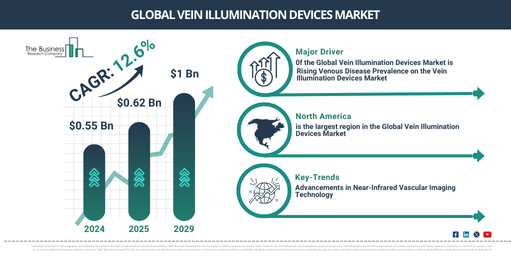
    Over the recent years, the market size for vein illumination devices has significantly expanded. It’s projected to increase from $0.55 billion in 2024 to $0.62 billion in 2025, with a compound annual growth rate (CAGR) of 13.0%. The historical growth is linked to various factors including the escalated use during the pandemic for venous access in patients with COVID-19, heightened awareness about the advantages of vein illumination devices among healthcare providers, growth in healthcare spending, initiatives to educate patients, and the incline in the use of intravenous drugs in both medical scenarios and illegal settings._x000D_

    _x000D_

    Expectations are high for a significant expansion in the vein illumination devices market in the upcoming years. Projections show growth to $1 billion by 2029, featuring a compound annual growth rate (CAGR) of 12.6%. The predicted growth in this period is a result of increased health infrastructure investment, enhanced medical staff skills and knowledge because of these devices, cost-effectiveness, and a rise in the need for venipuncture assistance. There’s also the factor of its heightened usage in distant and home healthcare setups for patients in regular need of venous access. Key trends within this forecasted period include becoming more compact and wearable devices, integration of wireless connectivity, advancement in augmented reality (AR) solutions, hybrid imaging technology, and holographic projection technology._x000D_

    _x000D_

    #Download a free sample to assess the report’s scope and structure:#_x000D_

    https://www.thebusinessresearchcompany.com/sample.aspx?id=16567&type=smp_x000D_

    _x000D_

    #Which Major Market Drivers Are Expected to Boost the Growth Potential of the Vein Illumination Devices Market?#_x000D_

    The vein illumination devices market is expected to see substantial growth due to the rising occurrence of venous illnesses such as deep vein thrombosis and varicose veins. These venous diseases often result in compromised vein function, leading to symptoms like swelling, discomfort, and skin alterations. Aging and hormonal changes, possibly due to menopause or contraception usage, can negatively impact vein function as well. Vein illumination devices are instrumental in handling these disorders, offering better vein visibility, more accurate procedures like IV access, and take blood samples. This results in safer procedures, fewer complications, and enhanced patient results. For example, in August 2023, the Nuffield Trust reported a notable 21% rise in Venous Thromboembolism cases between 2019-20 and 2020-21, from 9,030 to 10,884. Consequently, the escalating incidence of venous diseases such as deep vein thrombosis and varicose veins is driving the expansion of the vein illumination devices market. Greater demand for minimally invasive procedures is also anticipated to fuel the vein illumination devices market’s growth. These procedures often involve small incisions or entry points, leading to quicker recovery periods and lesser tissue damage compared to traditional surgeries. They are also increasingly favored by patients due to less risk of complications, added comfort, and quicker recovery times. Vein illumination devices are crucial to these minimally invasive processes, as they provide precise vein visualization. This results in increased safety during needle insertions, reductions in complications and discomfort for the patient, and higher success rates for venipuncture and catheter insertions. As an instance, the American Academy of Facial Plastic and Reconstructive Surgery reported in February 2024, that in 2023, about 83% of medical procedures executed were minimally invasive, while the rest 17% were conventional surgeries. Therefore, the sharp increase in demand for minimally invasive procedures is a key driver for the vein illumination devices market._x000D_

    _x000D_

    #Which Primary Segments of the Vein Illumination Devices Market Are Driving Growth and Industry Transformations?#_x000D_

    The vein illumination devices market covered in this report is segmented –_x000D_

    _x000D_

    1) By Product Type: Table-Top Devices, Hand-Held Devices_x000D_

    2) By Technology: Transillumination, Near Infrared Illumination, Ultrasound Technologies_x000D_

    3) By Application: Intravenous Access, Blood Draw, Venipuncture Assistance, Sclerotherapy, Other Applications_x000D_

    4) By End-User: Hospitals And Clinics, Rehabilitation Facilities, Blood Donation Camps, Academic Institutions, Nursing Homes, Other End-Users_x000D_

    _x000D_

    Subsegments:_x000D_

    1) By Table-Top Devices: Desktop Or Stationary Vein Illuminators, Wall-Mounted Vein Illumination Systems_x000D_

    2) By Hand-Held Devices: Portable Vein Illuminators, Mobile Or Compact Vein Detection Devices_x000D_

    _x000D_

    #Request customized data on this market:#_x000D_

    https://www.thebusinessresearchcompany.com/customise?id=16567&type=smp_x000D_

    _x000D_

    #Which Areas Are Leading Regions in the Vein Illumination Devices Market Expansion Across the Globe?#_x000D_

    North America was the largest region in the vein illumination devices market in 2023. Asia-Pacific is expected to be the fastest-growing region in the forecast period. The regions covered in the vein illumination devices market report are Asia-Pacific, Western Europe, Eastern Europe, North America, South America, Middle East, Africa._x000D_

    _x000D_

    #Which Emerging Trends that Are Influencing the Vein Illumination Devices Industry Evolution?#_x000D_

    Notable firms in the vein illumination devices market are currently innovating in the field of near-infrared vascular imaging technology with the goal of significantly enhancing the precision and effectiveness of medical processes. Advancements in this technology contribute to the superior and non-invasive visualization of blood vessels in high-resolution, thereby elevating the reliability of diagnoses and designing treatments. An example of this is the VeinViewer, a premier near-infrared imaging gadget unveiled by Christie Medical Holdings, a medical device corporation based in the US, in April 2022. The VeinViewer displays real-time, high-definition images of veins directly on the patient’s skin, enriching the preciseness and efficiency of medical operations. Capable of illuminating veins as deep as 10 mm, it is employed in plasma donation centers to bolster donor comfort and the success rate of procedures._x000D_

    _x000D_

    #View the full report here:#_x000D_

    https://www.thebusinessresearchcompany.com/report/vein-illumination-devices-global-market-report_x000D_

    _x000D_

    #What Parameters Are Used to Define the Vein Illumination Devices Market?#_x000D_

    A vein illumination device, also known as a vein finder or vein locator, is a medical tool designed to help healthcare professionals visualize veins beneath the skin. It uses various technologies such as near-infrared (NIR) light, transillumination, and ultrasound to enhance the visibility of veins, making it easier to locate them for procedures like venipuncture, intravenous (IV) access, and blood draws. The primary purpose of vein illumination devices is to improve the accuracy and efficiency of vein access procedures._x000D_

    _x000D_

    #Purchase the full report and get a swift delivery:#_x000D_

    https://www.thebusinessresearchcompany.com/purchaseoptions.aspx?id=16567_x000D_

    _x000D_

    #About The Business Research Company:#_x000D_

    With over 15000+ reports from 27 industries covering 60+ geographies, The Business Research Company has built a reputation for offering comprehensive, data-rich research and insights. Armed with 1,500,000 datasets, the optimistic contribution of in-depth secondary research, and unique insights from industry leaders, you can get the information you need to stay ahead in the game._x000D_

    _x000D_

    #Get in touch with us:#_x000D_

    The Business Research Company: https://www.thebusinessresearchcompany.com/_x000D_

    Americas +1 3156230293_x000D_

    Asia +44 2071930708_x000D_

    Europe +44 2071930708_x000D_

    Email us at info@tbrc.info_x000D_

    _x000D_

    #Follow us on:#_x000D_

    _x000D_

    LinkedIn: https://in.linkedin.com/company/the-business-research-company_x000D_

    YouTube: https://www.youtube.com/channel/UC24_fI0rV8cR5DxlCpgmyFQ_x000D_

    Global Market Model: https://www.thebusinessresearchcompany.com/global-market-model
  • Critical Market Drivers Shaping the Outlook for Divalproex Sodium Market from 2025-2034: Rising Prevalence Of Neurological Disorders Fueling The Growth Of The Market Due To Increasing Aging Population And Associated Conditions

    Critical Market Drivers Shaping the Outlook for Divalproex Sodium Market from 2025-2034: Rising Prevalence Of Neurological Disorders Fueling The Growth Of The Market Due To Increasing Aging Population And Associated Conditions

    We’ve updated all our reports with current data on tariff changes, trade developments, and supply chain shifts affecting key industries.

    How Has The Divalproex Sodium Market Size Shifted, And What Is the Outlook Through 2034?

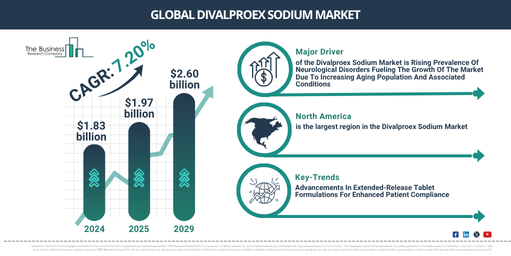
    The market size for divalproex sodium has seen substantial growth lately. It is projected to escalate from $1.83 billion in 2024 to $1.97 billion in 2025, with a compound annual growth rate (CAGR) of 7.4%. Factors contributing to the growth during the historic period include increased health care spending, growth in pharmaceutical distribution networks, surge in demand for outpatient and home-based care, financial support from government reimbursement and insurance, and a rising demand for managing chronic illnesses.

    A sturdy expansion in the divalproex sodium market size is forecasted for the upcoming years, causing it to climb to $2.60 billion by 2029 given a compound annual growth rate (CAGR) of 7.2%. The prospective growth during the anticipated period can be credited to an escalating frequency of epilepsy, an increasing occurrence of bipolar disorder, rising diagnoses of migraine disorders, an expanding elderly demographic susceptible to neurological disorders, and a broader reach of healthcare amenities. Noteworthy trends predicted for this period encompass enhancements in drug formulation techniques, heightened research on CNS disorders, advancements in drug delivery systems, improved diagnostic instruments for epilepsy and bipolar disorders, and the production of biomarkers for tailored treatment.

    Download a free sample to assess the report’s scope and structure:

    https://www.thebusinessresearchcompany.com/sample.aspx?id=24211&type=smp

    What Are the Core Growth Drivers Propelling the Divalproex Sodium Market Forward?

    The growing incidence of neurologic diseases is anticipated to propel the divalproex sodium market’s expansion in the future. Neurologic diseases encompass conditions impacting the brain, nerves, and spinal cord, resulting in functional impairments and symptoms such as cognitive problems, seizures, and muscle weakness. The surge in neurologic diseases is largely due to increased life expectancy, because older individuals are more susceptible to diseases like Parkinson’s and Alzheimer’s, which usually occur later in life. Divalproex Sodium is essential in treating neurologic diseases because it maintains the brain’s electrical stability, effectively avoiding seizures and regulating mood fluctuations frequently found in diseases such as bipolar disorder and epilepsy. For instance, in May 2024, the Centers for Disease Control and Prevention, a government agency in the U.S., reported that roughly 2.9 million adults in the United States, representing about 1% of the adult population, suffered from active epilepsy in 2021 and 2022. Therefore, the escalating prevalence of neurologic disorders is fueling the growth of the divalproex sodium market.

    What Segment Types Define the Divalproex Sodium Market Structure?

    The divalproex sodium market covered in this report is segmented –

    1) By Product Type: Tablets, Capsules, Extended-Release Tablets, Others Products

    2) By Route of Administration: Oral, Intravenous

    3) By Application: Epilepsy Treatment, Bipolar Disorder Management, Migraine Prophylaxis, Neuropsychiatric Disorders, Other Applications

    4) By Distribution Channel: Hospital Pharmacies, Retail Pharmacies, Online Pharmacies, Other Distributions

    Subsegments:

    1) By Tablets: 250 Mg Tablets, 500 Mg Tablets, Other Strength Tablets

    2) By Capsules: 125 Mg Capsules, 250 Mg Capsules, 500 Mg Capsules, Other Strength Capsules

    3) By Extended-Release Tablets: 250 Mg Extended-Release Tablets, 500 Mg Extended-Release Tablets, Other Strength Extended-Release Tablets

    4) By Other Products: Oral Solution, Injectable Form

    Request customized data on this market:

    https://www.thebusinessresearchcompany.com/sample.aspx?id=24211&type=smp

    Which Geographic Areas Hold the Strongest Growth Potential in the Divalproex Sodium Market?

    North America was the largest region in the divalproex sodium market in 2024. Asia-Pacific is expected to be the fastest-growing region in the forecast period. The regions covered in the divalproex sodium market report are Asia-Pacific, Western Europe, Eastern Europe, North America, South America, Middle East, Africa.

    Which Emerging Trends that Are Influencing the Divalproex Sodium Industry Evolution?

    Prominent firms in the divalproex sodium market are prioritizing the creation of innovative solutions, like extended-release tablets, to improve patient adherence. These tablets are designed to gradually release their active ingredient, thereby requiring less frequent dosages and ensuring steady therapeutic effects. For example, Unichem Laboratories, a pharmaceutical enterprise based in India, received approval from the U.S. Food and Drug Administration (FDA) in March 2022 for its generic version of Divalproex Sodium extended-release tablets in 250 mg and 500 mg potencies. These tablets are employed for managing acute manic or mixed bouts associated with bipolar disorder, both separately and in conjunction with other treatments, and for preventing migraines.

    View the full report here:

    https://www.thebusinessresearchcompany.com/report/divalproex-sodium-global-market-report

    What Is the Definition of the Divalproex Sodium Market?

    Divalproex sodium is a prescription medication used to manage certain neurological and psychological conditions. It is made from a combination of sodium valproate and valproic acid, which work by increasing the levels of gamma aminobutyric acid (GABA), a chemical in the brain that helps reduce excessive nerve activity. By stabilizing electrical signals in the brain, this medication helps maintain mental and neurological balance.

    Purchase the full report and get a swift delivery:

    https://www.thebusinessresearchcompany.com/customise?id=24211&type=smp

    About The Business Research Company:

    With over 15000+ reports from 27 industries covering 60+ geographies, The Business Research Company has built a reputation for offering comprehensive, data-rich research and insights. Armed with 1,500,000 datasets, the optimistic contribution of in-depth secondary research, and unique insights from industry leaders, you can get the information you need to stay ahead in the game.

    Get in touch with us:

    The Business Research Company: https://www.thebusinessresearchcompany.com/

    Americas +1 3156230293

    Asia +44 2071930708

    Europe +44 2071930708

    Email us at info@tbrc.info

    Follow us on:

    LinkedIn: https://in.linkedin.com/company/the-business-research-company

    YouTube: https://www.youtube.com/channel/UC24_fI0rV8cR5DxlCpgmyFQ

    Global Market Model: https://www.thebusinessresearchcompany.com/global-market-model

  • Global Vasopressin Market Projected to Reach $2.71 Billion by 2029 at a CAGR of 14.4%

    Global Vasopressin Market Projected to Reach $2.71 Billion by 2029 at a CAGR of 14.4%

    Discover trends, market shifts, and competitive outlooks for the vasopressin industry through 2025-2034 with The Business Research Company’s reliable data and in-depth research

    #What Are the Projected Market Size and Growth Rates for the Vasopressin Market From 2025 To 2029?#_x000D_

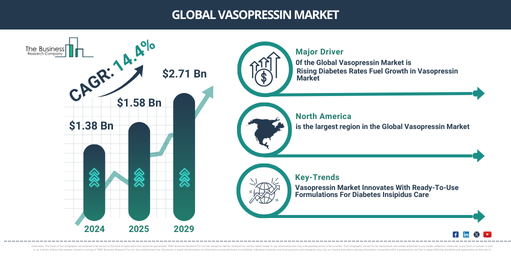
    The size of the vasopressin market has experienced swift growth over the past few years. The market is projected to expand from $1.38 billion in 2024 to $1.58 billion in 2025, boasting a compound annual growth rate (CAGR) of 14.7%. Factors contributing to the growth observed in the historical period include a rise in the elderly population, improvements in hospital and healthcare infrastructure, increased incidents of autonomic dysreflexia, heightened awareness among medical personnel, as well as a high incidence of chronic diseases._x000D_

    _x000D_

    The market size for vasopressin is anticipated to experience swift expansion in the coming years. By 2029, it is expected to reach $2.71 billion, with a compound annual growth rate (CAGR) of 14.4%. This surge in the prediction period can be credited to a rising occurrence of diabetes insipidus, advancements in drug delivery systems, an increase in knowledge and diagnostic capabilities, initiatives in research and development, and heightened awareness of diabetes. Notable trends for the forecast period encompass technological advancements in production, innovations in formulations and drug delivery methods, the introduction of a personalized approach for multimodal treatment as a fresh therapeutic approach, an emphasis on health and wellness, and a shift towards personalizing and customizing treatments._x000D_

    _x000D_

    #Download a free sample to assess the report’s scope and structure:#_x000D_

    https://www.thebusinessresearchcompany.com/sample.aspx?id=16207&type=smp_x000D_

    _x000D_

    #How Are Key Drivers in the Industry Acting as Catalysts for the Growth of the Vasopressin Market?#_x000D_

    The upsurge in diabetes incidents is anticipated to accelerate the expansion of the vasopressin market. Diabetes, an enduring health condition marked by increased glucose levels in the blood, arises due to the body’s poor ability to produce or use insulin correctly. The increased incidence of diabetes traces back to rising obesity rates, stress, mental health issues, and hereditary factors. Vasopressin is essential in treating central diabetes insipidus, as it reestablishes normal water balance and alleviates the symptoms of extreme urination and thirst. For example, in June 2024, the National Health Service (NHS), a UK government body, reported that the number of individuals under 40 with diabetes had risen from 173,166 in 2022 to 216,440 in 2023. This substantial growth underscores an alarming trend in this age group. The statistics show an expedited rise in diabetes incidence among younger demographics. Consequently, the escalating frequency of diabetes is fuelling the vasopressin market._x000D_

    _x000D_

    #How Is the Vasopressin Market Segmented?#_x000D_

    The vasopressin market covered in this report is segmented –_x000D_

    _x000D_

    1) By Product Type: Intravenous Injection, Intramuscular Injection, Subcutaneous Injection_x000D_

    2) By Application: Anti-Diuretic Hormone Deficiency, Vasodilatory Shock, Gastrointestinal Bleeding, Ventricular Tachycardia And Fibrillation_x000D_

    3) By End-User: Hospitals, Clinics, Other End Users_x000D_

    _x000D_

    Subsegments:_x000D_

    1) By Intravenous Injection: Standard Iv Vasopressin Injection, High-Dose Iv Vasopressin Injection, Iv Vasopressin For Sepsis And Shock Treatment, Iv Vasopressin For Post-Operative Care_x000D_

    2) By Intramuscular Injection: Standard Im Vasopressin Injection, Intramuscular Vasopressin For Hormonal Imbalance, Vasopressin Injection For Acute Hemorrhage Control_x000D_

    3) By Subcutaneous Injection: Subcutaneous Vasopressin For Diabetes Insipidus, Vasopressin Injection For Fluid Retention Treatment, Long-Acting Subcutaneous Vasopressin Formulations_x000D_

    _x000D_

    _x000D_

    _x000D_

    #Request customized data on this market:#_x000D_

    https://www.thebusinessresearchcompany.com/customise?id=16207&type=smp_x000D_

    _x000D_

    #What Are the Fastest-Growing Geographies in the Vasopressin Market?#_x000D_

    North America was the largest region in the vasopressin market in 2024. The regions covered in the vasopressin market report are Asia-Pacific, Western Europe, Eastern Europe, North America, South America, Middle East, Africa._x000D_

    _x000D_

    #What Are the Key Market Trends in the Vasopressin Market Over the Coming Years?#_x000D_

    Leading corporations in the vasopressin market are pioneering novel products like pre-mix ready-to-use (RTU) injection bottles to heighten user convenience, assure accurate dosage, and bolster patient safety by mitigating the chances of contamination and preparation blunders. The introduction of pre-mix ready-to-use (RTU) injection bottles marks a notable advancement in the pharmaceutical sector especially for drugs like vasopressin. For example, Endo International plc, a pharmaceutical firm based in the US, launched VASOSTRICT (vasopressin injection, USP) in February 2022, setting a landmark with the first-ever ready-to-use 100 mL pre-mix version of this medication. This fresh VASOSTRICT variant possesses a shelf life of two years with durability of up to 12 months under room temperature conditions, thus enhancing inventory management besides the other advantages conferred by a ready-to-use format. Provided as a virtually colorless clear solution for intravenous usage, it can be procured in single-dose vials with 20 units per mL or multi-dose vials comprising 200 units per 10 mL (equivalent to 20 units per mL)._x000D_

    _x000D_

    #View the full report here:#_x000D_

    https://www.thebusinessresearchcompany.com/report/vasopressin-global-market-report_x000D_

    _x000D_

    #How Is the Vasopressin Market Defined and What Are Its Core Parameters?#_x000D_

    Vasopressin, also known as antidiuretic hormone (ADH), is a peptide hormone produced by the hypothalamus and released by the posterior pituitary gland into the bloodstream. It plays a crucial role in regulating the body’s water and blood pressure, maintaining water balance, regulating blood pressure, and responding to stress._x000D_

    _x000D_

    #Purchase the full report and get a swift delivery:#_x000D_

    https://www.thebusinessresearchcompany.com/purchaseoptions.aspx?id=16207_x000D_

    _x000D_

    #About The Business Research Company:#_x000D_

    With over 15000+ reports from 27 industries covering 60+ geographies, The Business Research Company has built a reputation for offering comprehensive, data-rich research and insights. Armed with 1,500,000 datasets, the optimistic contribution of in-depth secondary research, and unique insights from industry leaders, you can get the information you need to stay ahead in the game._x000D_

    _x000D_

    #Get in touch with us:#_x000D_

    The Business Research Company: https://www.thebusinessresearchcompany.com/_x000D_

    Americas +1 3156230293_x000D_

    Asia +44 2071930708_x000D_

    Europe +44 2071930708_x000D_

    Email us at info@tbrc.info_x000D_

    _x000D_

    #Follow us on:#_x000D_

    _x000D_

    LinkedIn: https://in.linkedin.com/company/the-business-research-company_x000D_

    YouTube: https://www.youtube.com/channel/UC24_fI0rV8cR5DxlCpgmyFQ_x000D_

    Global Market Model: https://www.thebusinessresearchcompany.com/global-market-model
  • Cytokine Release Syndrome ManagementMarket Overview 2025–2034: CAGR Trends, Long-Term Growth Paths, and Business Implications

    Cytokine Release Syndrome ManagementMarket Overview 2025–2034: CAGR Trends, Long-Term Growth Paths, and Business Implications

    We’ve updated all our reports with current data on tariff changes, trade developments, and supply chain shifts affecting key industries.

    How Has the Cytokine Release Syndrome Management Market Growth Performance Trended Historically, And What Lies Ahead?

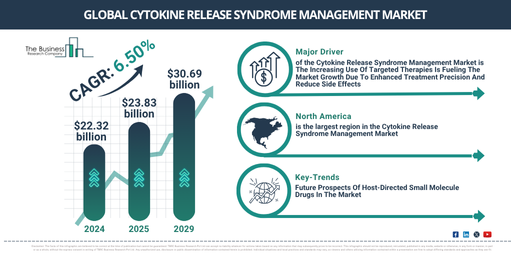
    The market for managing cytokine release syndrome has seen substantial growth in recent years. The market size is projected to increase from $22.32 billion in 2024 to $23.83 billion in 2025, with a compound annual growth rate (CAGR) of 6.8%. This growth during the historical period can be associated with increased spending on healthcare, an increase in awareness, lifestyle modifications, higher disposable income, adoption of personalized medicine methods, and the rise in the utilization of specific targeted therapies.

    There is an anticipated robust growth for the cytokine release syndrome management market size in the forthcoming years. It’s predicted to hit a value of $30.69 billion by 2029, climbing at a compound annual growth rate (CAGR) of 6.5%. Factors propelling this projected growth within this forecast timeline include an escalated demand for diagnostic tools and treatments, increased government investment, surges in demand for effective therapies, an ageing population, and the proliferation of initiatives from both public and private entities. The period is also expected to witness trends like minimally invasive breast biopsy devices, strategic alliances and cooperations, antibiotic infusion services at home, the rise of innovative drug delivery systems, and the adoption of electronic health records in monitoring infections.

    Download a free sample to assess the report’s scope and structure:

    https://www.thebusinessresearchcompany.com/sample.aspx?id=24199&type=smp

    What Are the Primary Drivers Supporting the Market Growth of the Cytokine Release Syndrome Management Market?

    The growth of the cytokine release syndrome management market is anticipated to be fueled by the growing utilization of targeted therapies. These therapies are medications or treatments explicitly aimed at hindering the proliferation and metastasis of cancer by interacting with molecular targets linked with tumor genesis. The appeal of these targeted therapies lies in their heightened accuracy towards cancer cells while lessening harm to healthy cells, advancing treatment efficacy, and mitigating adverse effects in comparison to conventional therapies. Management of cytokine release syndrome is crucial in enhancing targeted therapies as it regulates intense inflammatory responses, thereby increasing the safety and effectiveness of treatments such as CAR-T cell therapy and immune checkpoint inhibitors. For example, the American Society of Gene and Cell Therapy, a US-based gene and cell therapy institution, reported in January 2024 that there was a 10% increase in gene therapies in Phase III clinical trials in the final quarter of 2023, the first quarterly growth of this nature since the third quarter of 2022. Consequently, the expanding adoption of targeted therapies is catalyzing the growth of the cytokine release syndrome management market.

    Which Primary Segments of the Cytokine Release Syndrome Management Market Are Driving Growth and Industry Transformations?

    The cytokine release syndrome management market covered in this report is segmented –

    1) By Treatment Type: Monoclonal Antibodies, Corticosteroids, Intravenous Immunoglobulin (IVIG), Targeted Therapy, Supportive Care, Other Treatment Types

    2) By Indication: Chimeric Antigen Receptor (CAR) T-Cell Therapy, Immune Checkpoint Inhibitors, Hematopoietic Stem Cell Transplantation (HSCT), Autoimmune Diseases, Infections, Other Indications

    3) By Route Of Administration: Intravenous (IV), Subcutaneous (SC), Oral, Intramuscular (IM), Intrathecal, Other Routes Of Administration

    4) By End Users: Hospital Pharmacies, Retail Pharmacies, Online Pharmacies, Specialty Clinics, Research Institutions, Other End Users

    Subsegments:

    1) By Monoclonal Antibodies: Tocilizumab, Siltuximab, Infliximab, Rituximab, Other Monoclonal Antibodies

    2) By Corticosteroids: Dexamethasone, Prednisone, Methylprednisolone, Hydrocortisone, Other Corticosteroids

    3) By Intravenous Immunoglobulin (IVIG): Immunoglobulin G (IgG)-Based Intravenous Immunoglobulin, Immunoglobulin A (IgA)-Based Intravenous Immunoglobulin, Immunoglobulin M (IgM)-Based Intravenous Immunoglobulin, Polyvalent Intravenous Immunoglobulin, Other Types of Intravenous Immunoglobulin

    4) By Targeted Therapy: Janus Kinase (JAK) Inhibitors, Interleukin-6 (IL-6) Inhibitors, Tumor Necrosis Factor-Alpha (TNF-a) Inhibitors, Bruton’s Tyrosine Kinase (BTK) Inhibitors, Other Targeted Agents

    5) By Supportive Care: Antipyretic Medications, Analgesic Medications, Intravenous Fluids And Electrolyte Solutions, Oxygen Therapy, Vasopressor Agents

    6) By Other Treatment Types: Plasmapheresis (Therapeutic Plasma Exchange), Antihistamine Medications, Leukapheresis, Experimental Therapies, Nutritional Support

    Request customized data on this market:

    https://www.thebusinessresearchcompany.com/sample.aspx?id=24199&type=smp

    Which Regions Are Key Players in the Growth of the Cytokine Release Syndrome Management Market?

    North America was the largest region in the cytokine release syndrome management market in 2024. Asia-Pacific is expected to be the fastest-growing region in the forecast period. The regions covered in the cytokine release syndrome management market report are Asia-Pacific, Western Europe, Eastern Europe, North America, South America, Middle East, Africa.

    What Are the Most Significant Market Trends in the Cytokine Release Syndrome Management Market?

    Major corporations active in the management market for cytokine release syndrome are concentrating on implementing clinical studies to create novel treatments, such as host-directed small molecule drugs, which will control immune response and downplay the intensity of the cytokine storms without jeopardizing the body’s capability to fend off infections or cancer. A host-directed small molecule drug is a compound of low molecular weight that targets the host’s immune signaling pathways to inhibit excessive cytokine production, hence aiding in the management of cytokine release syndrome (CRS) by averting overactivation of the immune system. For instance, in April 2025, US-based biotech company CytoAgents Inc, revealed the successful conclusion of the initial dose-escalation group in its CTO1681 Phase 1b/2a clinical trial, a host-directed small molecule drug designed to prevent and treat CRS in patients undergoing CAR T-cell therapy. This experimental treatment displayed a preferable safety profile, without any dose-limiting toxicities or hindrance to CAR T-cell performance. To establish the recommended dose for the next phase, the trial, which utilises a six dose-escalation system, is carried out to measure the safety, endurance, and initial effectiveness of CTO1681.

    View the full report here:

    https://www.thebusinessresearchcompany.com/report/cytokine-release-syndrome-management-global-market-report

    What Parameters Are Used to Define the Cytokine Release Syndrome Management Market?

    Cytokine release syndrome (CRS) management involves medical strategies to control the excessive immune response caused by an overproduction of cytokines, often seen in conditions such as CAR-T cell therapy or certain infections. It includes the use of medications such as corticosteroids and cytokine inhibitors, supportive care, and sometimes intensive monitoring to prevent severe complications. This management is crucial in reducing the risk of severe organ damage and improving patient outcomes.

    Purchase the full report and get a swift delivery:

    https://www.thebusinessresearchcompany.com/customise?id=24199&type=smp

    About The Business Research Company:

    With over 15000+ reports from 27 industries covering 60+ geographies, The Business Research Company has built a reputation for offering comprehensive, data-rich research and insights. Armed with 1,500,000 datasets, the optimistic contribution of in-depth secondary research, and unique insights from industry leaders, you can get the information you need to stay ahead in the game.

    Get in touch with us:

    The Business Research Company: https://www.thebusinessresearchcompany.com/

    Americas +1 3156230293

    Asia +44 2071930708

    Europe +44 2071930708

    Email us at info@tbrc.info

    Follow us on:

    LinkedIn: https://in.linkedin.com/company/the-business-research-company

    YouTube: https://www.youtube.com/channel/UC24_fI0rV8cR5DxlCpgmyFQ

    Global Market Model: https://www.thebusinessresearchcompany.com/global-market-model

  • Key Factors Fueling the Growth of the Digital Health For Cardiovascular Market in 2025: Increasing Adoption Of Telehealth Services Fuelling The Growth Of The Market Due To The Rising Need For Remote Chronic Disease Management

    Key Factors Fueling the Growth of the Digital Health For Cardiovascular Market in 2025: Increasing Adoption Of Telehealth Services Fuelling The Growth Of The Market Due To The Rising Need For Remote Chronic Disease Management

    We’ve updated all our reports with current data on tariff changes, trade developments, and supply chain shifts affecting key industries.

    How Has the Digital Health For Cardiovascular Market Growth Performance Trended Historically, And What Lies Ahead?

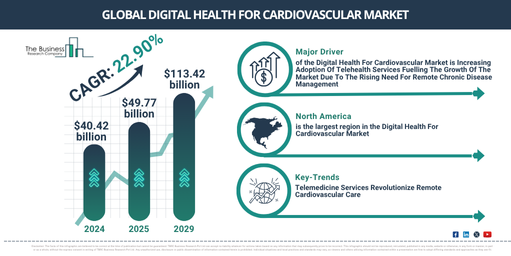
    Over the past few years, the market size for digital health in the cardiovascular field has witnessed a significant surge. The market, which is currently valued at $40.42 billion in 2024, is predicted to reach a value of $49.77 billion in 2025, displaying a compound annual growth rate (CAGR) of 23.1%. The historical growth of this market can be traced back to factors such as the rising occurrence of cardiovascular diseases, enhanced uptake of remote healthcare solutions, an increase in the necessity for personalized healthcare, health reforms and initiatives brought about by the government, and escalating healthcare expenses.

    The digital health domain focusing on cardiovascular health is predicted to experience a massive growth spurt over the coming years, with the market size anticipated to reach a staggering $113.42 billion by 2029. This implies a compound annual growth rate (CAGR) of 22.9%. This substantial growth over the predicted period can be linked to several factors such as the increasing adoption of 5G networks, an aging global populace, the impactful role of artificial intelligence in customised healthcare, heightened awareness and proactive healthcare measures, plus the increasing consumer inclination towards healthcare at home. Major trends that will characterize this forecast period encompass diagnostics powered by AI, integration of telemedicine, real-time data through 5G connectivity, platforms dedicated to telecardiology, and health platforms built on cloud technology.

    Download a free sample to assess the report’s scope and structure:

    https://www.thebusinessresearchcompany.com/sample.aspx?id=24210&type=smp

    What are the Fundamental Drivers and Innovations Shaping the Digital Health For Cardiovascular Market?

    The digital health for cardiovascular care market’s expansion is expected to be fueled by the growing use of telehealth services. Telehealth services, consisting of healthcare consultations via phone, video calls, or applications, enable patients to seek medical advice without a trip to the hospital or clinic. They offer an especially useful means of dealing with chronic ailments such as heart conditions from the comfort of one’s own home. Digital health for cardiovascular care augments telehealth services through the facilitation of remote patient monitoring and consultations, thereby making medical attention more accessible. It optimizes healthcare delivery through immediate access to data, enhances diagnostic and treatment procedures, and lessens the necessity for physical clinic visits. For example, in August 2022, the Australian Digital Health Agency reported delivering 118.2 million telehealth services to 18 million patients in 2022, with the involvement of over 95,000 practitioners. Thus, the escalating usage of telehealth services accelerates the growth of the digital health for cardiovascular care market.

    How Is the Digital Health For Cardiovascular Market Segmented?

    The digital health for cardiovascular market covered in this report is segmented –

    1) By Product Type: Remote Monitoring Devices, Mobile Health Applications, Diagnostic Software, Wearable ECG Monitors, Blood Pressure Monitors, Biosensors

    2) By Technology: Artificial Intelligence (AI), Internet Of Things (IoT), Telemedicine, Wearable Devices, Big Data Analytics, Blockchain

    3) By Deployment: On-Premise, Cloud

    4) By Application: Cardiac Monitoring, Diagnosis And Early Detection, Post-Surgical Care, Preventive Care, Rehabilitation Management

    5) By End User: Hospitals And Clinics, Homecare Settings, Ambulatory Care Centers, Academic And Research Institutes

    Subsegments:

    1) By Remote Monitoring Devices: Implantable Loop Recorders, Holter Monitors, Mobile Cardiac Telemetry Devices, Patch Monitors

    2) By Mobile Health Applications: Heart Rate Monitoring Apps, Blood Pressure Monitoring Apps, Medication Adherence Apps, Diet And Lifestyle Management Apps

    3) By Diagnostic Software: Electrocardiogram (ECG) Interpretation Software, Artificial intelligence (AI)-Powered Diagnostic Tools, Cardiac Imaging Analysis Software, Risk Assessment Tools

    4) By Wearable Electrocardiogram (ECG) Monitors: Smartwatches With Electrocardiogram (ECG) Functionality, Chest Strap Electrocardiogram (ECG) Monitors, Wristband Electrocardiogram (ECG) Monitors, Clothing-Integrated Electrocardiogram (ECG) Sensors

    5) By Blood Pressure Monitors: Arm Cuff Monitors, Wrist Cuff Monitors, Finger Monitors, Wireless Blood Pressure (BP) Monitors

    6) By Biosensors: Implantable Biosensors, Skin Patch Biosensors, Sweat-Based Sensors, Multi-Parameter Biosensors

    Request customized data on this market:

    https://www.thebusinessresearchcompany.com/sample.aspx?id=24210&type=smp

    Which Regions Are Driving the Next Phase of the Digital Health For Cardiovascular Market Growth?

    North America was the largest region in the digital health for cardiovascular market in 2024. Asia-Pacific is expected to be the fastest-growing region in the forecast period. The regions covered in the digital health for cardiovascular market report are Asia-Pacific, Western Europe, Eastern Europe, North America, South America, Middle East, Africa.

    What Key Trends Are Shaping the Future of the Digital Health For Cardiovascular Market?

    Leading firms in the cardiovascular digital health market are concentrating on creating groundbreaking services like telemedicine to boost remote patient tracking, enhance healthcare accessibility, and timely interventions for people with heart-related ailments. Telemedicine refers to the application of digital communication tech, including video calls, smartphone applications, and remote monitoring gadgets, to conduct medical consultations, diagnoses, and treatments from afar. For example, Withings, a consumer electronics firm based in France, introduced Cardio Check-Up, a telemedicine service incorporated into its Withings Plus subscription in January 2025. Subscribers can utilize any Withings gadget that collects electrocardiogram data for professional heart health evaluation. This service gives four cardiologist reports yearly, based on the data and made possible by Heartbeat Health.

    View the full report here:

    https://www.thebusinessresearchcompany.com/report/digital-health-for-cardiovascular-global-market-report

    How Is the Digital Health For Cardiovascular Market Defined and What Are Its Core Parameters?

    Digital health for cardiovascular care refers to the use of technologies to monitor, prevent, and manage heart-related conditions. Its primary purpose is to provide real-time data, enhance early detection, improve patient outcomes, and support personalized, continuous care for individuals with cardiovascular diseases.

    Purchase the full report and get a swift delivery:

    https://www.thebusinessresearchcompany.com/customise?id=24210&type=smp

    About The Business Research Company:

    With over 15000+ reports from 27 industries covering 60+ geographies, The Business Research Company has built a reputation for offering comprehensive, data-rich research and insights. Armed with 1,500,000 datasets, the optimistic contribution of in-depth secondary research, and unique insights from industry leaders, you can get the information you need to stay ahead in the game.

    Get in touch with us:

    The Business Research Company: https://www.thebusinessresearchcompany.com/

    Americas +1 3156230293

    Asia +44 2071930708

    Europe +44 2071930708

    Email us at info@tbrc.info

    Follow us on:

    LinkedIn: https://in.linkedin.com/company/the-business-research-company

    YouTube: https://www.youtube.com/channel/UC24_fI0rV8cR5DxlCpgmyFQ

    Global Market Model: https://www.thebusinessresearchcompany.com/global-market-model

  • Market Trends Influencing Strategic Decisions in the Primary Ovarian Insufficiency Industry: Innovative Cell-Free Therapy Gains FDA Nod For Restoring Ovarian Function And Fertility

    Market Trends Influencing Strategic Decisions in the Primary Ovarian Insufficiency Industry: Innovative Cell-Free Therapy Gains FDA Nod For Restoring Ovarian Function And Fertility

    We’ve updated all our reports with current data on tariff changes, trade developments, and supply chain shifts affecting key industries.

    How Has The Primary Ovarian Insufficiency Market Size Shifted, And What Is the Outlook Through 2034?

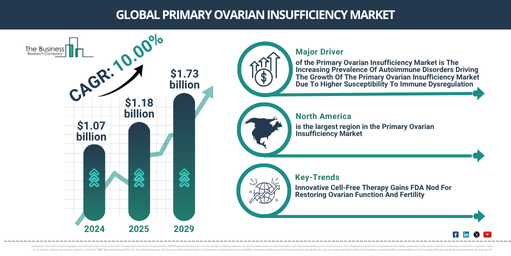
    In recent years, the market size for primary ovarian insufficiency has seen rapid expansion. Projected growth from $1.07 billion in 2024 to $1.18 billion in 2025 is expected, with a compound annual growth rate (CAGR) of 10.1%. Factors contributing to this historic period of growth include an increased frequency of autoimmune disorders, heightened stress levels, a growing incidence of genetic mutations, a rise in the number of women postponing childbirth, and an increased prevalence of endocrine disorders.

    The market for primary ovarian insufficiency is projected to experience swift expansion in the forthcoming years, with the market value deciding to surge to $1.73 billion by 2029, growing at a compound annual growth rate (CAGR) of 10.0%. This projected increase in the forecasted period is due to several factors such as the expanded use of assisted reproductive technologies, the escalating uptake of fertility preservation alternatives, the surge in a concentrated approach towards personalized medicine, the growing preference for hormonal therapies, and an increased inclination towards fertility preservation methods. The forthcoming period also anticipates significant trends that include advancements in diagnostic technology, the inclusion of genetic testing techniques, technological improvements in fertility preservation, developments in non-hormonal therapies, and innovations in early detection biomarkers.

    Download a free sample to assess the report’s scope and structure:

    https://www.thebusinessresearchcompany.com/sample.aspx?id=24387&type=smp

    What Are the Major Market Drivers Behind the Rising Adoption of Primary Ovarian Insufficiency Market?

    The rise in autoimmune disorders is anticipated to stimulate the expansion of the primary ovarian insufficiency market in the future. Autoimmune disorders constitute a category of conditions where the body’s defense mechanism wrongly assaults and destroys the body’s own healthy cells and tissues. The prevalent escalation of autoimmune disorders primarily originates from genetic predisposition, where particular genes inherited make individuals more prone to immune system dysfunction. Primary ovarian insufficiency (POI) aids in the comprehension of autoimmune disorders by unveiling the interaction between hormonal imbalances and immune system misregulation, thereby increasing the risk of autoimmune diseases in affected persons. For instance, in November 2024, as per Versorgungsatlas.de, a German organization, in 2022, out of 73,241,305 insured individuals, 6,304,340 were identified with at least a single autoimmune disease, yielding a raw prevalence rate of 8.61%. Thus, the escalating prevalence of autoimmune disorders is propelling the growth of the primary ovarian insufficiency market.

    Which Key Market Segments Comprise the Primary Ovarian Insufficiency Market and Drive Its Revenue Growth?

    The primary ovarian insufficiency market covered in this report is segmented –

    1) By Type: Hormone Replacement Therapy (HRT), Calcium and Vitamin D Supplements, In Vitro Fertilization (IVF), Stem Cell Therapy, Other Types

    2) By Diagnosis Method: Blood Tests, Ultrasound Imaging, Genetic Testing

    3) By Application: Less Than 20 Years Old, 20 To 30 Years Old, 30 To 45 Years Old, 45 Years Old And Older

    4) By End-Users: Hospitals And Clinics, Specialty Fertility Centers

    Subsegments:

    1) By Hormone Replacement Therapy: Estrogen Therapy, Estrogen-Progestin Therapy, Transdermal Patches, Vaginal Estrogen Products, Oral Hormone Therapy

    2) By Calcium And Vitamin D Supplements: Calcium Carbonate, Calcium Citrate, Vitamin D2 (Ergocalciferol), Vitamin D3 (Cholecalciferol), Combined Calcium + Vitamin D Formulations

    3) By In Vitro Fertilization: Conventional In Vitro Fertilization, Intracytoplasmic Sperm Injection (ICSI), Egg Donation In Vitro Fertilization, Embryo Freezing And Transfer, Preimplantation Genetic Testing (PGT)

    4) By Stem Cell Therapy: Autologous Stem Cell Therapy, Allogeneic Stem Cell Therapy, Mesenchymal Stem Cell (MSC) Therapy, Ovarian Stem Cell Transplantation

    5) By Other Types: Psychological Counseling And Support Therapies, Assisted Reproductive Technologies (other than IVF), Immunomodulatory Therapies, Lifestyle And Dietary Interventions

    Request customized data on this market:

    https://www.thebusinessresearchcompany.com/sample.aspx?id=24387&type=smp

    Which Areas Are Leading Regions in the Primary Ovarian Insufficiency Market Expansion Across the Globe?

    North America was the largest region in the primary ovarian insufficiency market in 2024. The regions covered in the primary ovarian insufficiency market report are Asia-Pacific, Western Europe, Eastern Europe, North America, South America, Middle East, Africa.

    What Are the Strategic Trends Steering the Primary Ovarian Insufficiency Market Direction?

    Leading firms in the primary ovarian insufficiency market are concentrating their efforts on the creation of groundbreaking therapies like allogenic exosomal therapy, which aims to rejuvenate ovarian function and enhance fertility outcomes. Allogenic exosomal therapy describes a method of treatment that utilizes donor stem cell-derived exosomes, or extracellular vesicles, to convey restorative signals that facilitate tissue repair and ovarian function restoration in patients suffering from primary ovarian insufficiency. For example, in October 2022, Vitti Labs LLC, a biotechnology firm based in the US, was granted approval by the United States Food and Drug Administration (FDA) to administer EV-Pure for primary ovarian insufficiency treatment. This approval was given due to the therapy’s capacity to harness mesenchymal stromal cell-derived exosomes’ regenerative, immunomodulatory, and anti-inflammatory attributes to restore ovarian function and fertility. The treatment provides a ready-made, cell-free remedy that eliminates the potential hazards connected with cell-based treatments like malignant transformation or immune rejection, while also delivering bioactive molecules necessary for tissue repair and homeostasis.

    View the full report here:

    https://www.thebusinessresearchcompany.com/report/primary-ovarian-insufficiency-global-market-report

    How Is the Primary Ovarian Insufficiency Market Conceptually Defined?

    Primary ovarian insufficiency (POI) is a condition where the ovaries stop functioning normally before the age of 40, leading to reduced estrogen production and irregular or absent menstrual periods. It can result in infertility and is often associated with hormonal imbalances despite the presence of some ovarian activity.

    Purchase the full report and get a swift delivery:

    https://www.thebusinessresearchcompany.com/customise?id=24387&type=smp

    About The Business Research Company:

    With over 15000+ reports from 27 industries covering 60+ geographies, The Business Research Company has built a reputation for offering comprehensive, data-rich research and insights. Armed with 1,500,000 datasets, the optimistic contribution of in-depth secondary research, and unique insights from industry leaders, you can get the information you need to stay ahead in the game.

    Get in touch with us:

    The Business Research Company: https://www.thebusinessresearchcompany.com/

    Americas +1 3156230293

    Asia +44 2071930708

    Europe +44 2071930708

    Email us at info@tbrc.info

    Follow us on:

    LinkedIn: https://in.linkedin.com/company/the-business-research-company

    YouTube: https://www.youtube.com/channel/UC24_fI0rV8cR5DxlCpgmyFQ

    Global Market Model: https://www.thebusinessresearchcompany.com/global-market-model

  • Vascular Imaging Devices Market Forecast 2025–2034: Trends Reshaping Demand, Investment, and Innovation

    Vascular Imaging Devices Market Forecast 2025–2034: Trends Reshaping Demand, Investment, and Innovation

    Discover trends, market shifts, and competitive outlooks for the vasodilators industry through 2025-2034 with The Business Research Company’s reliable data and in-depth research

    #What Is the Estimated Market Size of the Vasodilators Market In 2029?#_x000D_

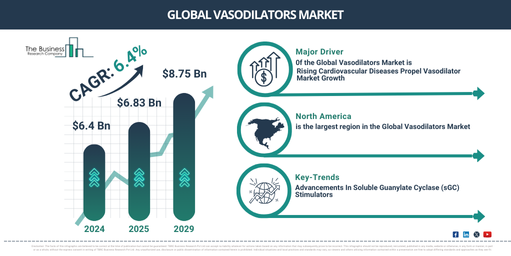
    The market for vasodilators has seen robust growth in the past few years. The market is projected to expand from $6.4 billion in 2024 to $6.83 billion in 2025, marking a compound annual growth rate (CAGR) of 6.8%. This significant growth in the historic period could be a result of factors such as increased awareness and diagnostics, government initiatives and health care policies, heightened health consciousness among the population, advancements in gene therapy, and a growing preference for artificial intelligence._x000D_

    _x000D_

    The market size for vasodilators is forecasted to experience robust growth in the upcoming years, with projections reaching $8.75 billion in 2029, boasting a compound annual growth rate (CAGR) of 6.4%. The growth drivers during this period can be credited to the escalating incidence of hypertension and cardiovascular conditions, the surge in the need for sophisticated medical technology for heart-related diseases, an expanding elderly population globally, and an increase in instances of diabetes and high blood pressure. Also, the emphasis on personalized medicine is on the rise. The forecast period is likely to witness significant trends such as strategic collaborations and acquisitions, a transition towards outpatient facilities and home-based care, innovative products, technological progression, and the broadening of healthcare infrastructure._x000D_

    _x000D_

    #Download a free sample to assess the report’s scope and structure:#_x000D_

    https://www.thebusinessresearchcompany.com/sample.aspx?id=16565&type=smp_x000D_

    _x000D_

    #What Are the Major Market Drivers Behind the Rising Adoption of Vasodilators Market?#_x000D_

    The surge in cardiovascular diseases is predicted to boost the vasodilators market’s expansion. These diseases consist of numerous conditions that impact the heart and blood vessels, such as coronary artery disease, heart failure, and stroke, frequently tied to hypertension and other risk elements. The escalating occurrence of these diseases is chiefly attributed to sedentary lifestyles, improper diet, obesity, smoking, and an aging population. Vasodilators play a role in combating cardiovascular diseases by easing blood vessels, lowering blood pressure, and augmenting blood circulation. For example, in May 2024, the Centers for Disease Control and Prevention, a US government agency, reported that heart disease resulted in 702,880 deaths in 2022, representing 1 in every 5 deaths. Every year, approximately 805,000 people endure a heart attack in the United States, with 605,000 being first-time heart attacks and 200,000 in individuals who have previously suffered one. Thus, the escalating prevalence of cardiovascular diseases is fueling the expansion of the vasodilators market.

    Vasodilators Market Driver: Sedentary Lifestyles Propel The Vasodilator Market’s Growth

    _x000D_


    _x000D_

    #Which Primary Segments of the Vasodilators Market Are Driving Growth and Industry Transformations?#_x000D_

    The vasodilators market covered in this report is segmented –_x000D_

    _x000D_

    1) By Type: Arterial Dilators, Venous Dilators, Mixed Dilators_x000D_

    2) By Drugs: Nitroglycerin, Alprostadil, Minoxidil, Sorbitrate, Other Drugs_x000D_

    3) By Indication: Hypertension, Angina, Heart Failure, Other Indications_x000D_

    4) By Route Of Administration: Oral, Parenteral, Other Routes Of Administration_x000D_

    5) By End User: Hospitals, Homecare, Specialty Centers, Other End Users_x000D_

    _x000D_

    Subsegments:_x000D_

    1) By Arterial Dilators: Calcium Channel Blockers, Nitric Oxide Donors, Potassium Channel Activators_x000D_

    2) By Venous Dilators: Nitrates, Nitrites, Phosphodiesterase Inhibitors (PDE5 Inhibitors)_x000D_

    3) By Mixed Dilators: Alpha-Adrenergic Antagonists, Angiotensin II Receptor Blockers (ARBs), ACE Inhibitors (Angiotensin-Converting Enzyme Inhibitors)_x000D_

    _x000D_

    _x000D_

    #Request customized data on this market:#_x000D_

    https://www.thebusinessresearchcompany.com/customise?id=16565&type=smp_x000D_

    _x000D_

    #Which Areas Are Leading Regions in the Vasodilators Market Expansion Across the Globe?#_x000D_

    North America was the largest region in the vasodilators market in 2024. Asia-Pacific is expected to be the fastest-growing region in the forecast period. The regions covered in the vasodilators market report are Asia-Pacific, Western Europe, Eastern Europe, North America, South America, Middle East, Africa._x000D_

    _x000D_

    #Which Emerging Trends that Are Influencing the Vasodilators Industry Evolution?#_x000D_

    Primarily, firms in the vasodilators market are concentrating on producing cutting-edge items, such as soluble guanylate cyclase (sGC) stimulators, as a strategy for competitive advantage. Soluble guanylate cyclase (sGC) is an enzyme mainly existing in smooth muscle cells found in blood vessels. The activation of soluble guanylate cyclase (sGC) results in the transformation of guanosine triphosphate (GTP) into cyclic guanosine monophosphate (cGMP), triggering vasodilation and improved blood circulation. As an example, in September 2022, Bayer AG, a German pharmaceutical and biotech firm, released Vericiguat (Verquvo), an sGC stimulator intended for adults who have symptomatic chronic heart failure. This new drug works on a pathway not currently explored by conventional treatments, thus decreasing the chances of cardiovascular death and hospitalization._x000D_

    _x000D_

    #View the full report here:#_x000D_

    https://www.thebusinessresearchcompany.com/report/vasodilators-global-market-report_x000D_

    _x000D_

    #What Parameters Are Used to Define the Vasodilators Market?#_x000D_

    Vasodilators are medications that widen blood vessels by relaxing the smooth muscle cells within the vessel walls, especially in large arteries and veins. They are used to treat conditions such as hypertension (high blood pressure), angina (chest pain), and heart failure by reducing the workload on the heart and improving circulation._x000D_

    _x000D_

    #Purchase the full report and get a swift delivery:#_x000D_

    https://www.thebusinessresearchcompany.com/purchaseoptions.aspx?id=16565_x000D_

    _x000D_

    #About The Business Research Company:#_x000D_

    With over 15000+ reports from 27 industries covering 60+ geographies, The Business Research Company has built a reputation for offering comprehensive, data-rich research and insights. Armed with 1,500,000 datasets, the optimistic contribution of in-depth secondary research, and unique insights from industry leaders, you can get the information you need to stay ahead in the game._x000D_

    _x000D_

    #Get in touch with us:#_x000D_

    The Business Research Company: https://www.thebusinessresearchcompany.com/_x000D_

    Americas +1 3156230293_x000D_

    Asia +44 2071930708_x000D_

    Europe +44 2071930708_x000D_

    Email us at info@tbrc.info_x000D_

    _x000D_

    #Follow us on:#_x000D_

    _x000D_

    LinkedIn: https://in.linkedin.com/company/the-business-research-company_x000D_

    YouTube: https://www.youtube.com/channel/UC24_fI0rV8cR5DxlCpgmyFQ_x000D_

    Global Market Model: https://www.thebusinessresearchcompany.com/global-market-model
  • Major Trends and Emerging Patterns in the Digital Denture Market: Advancements In Multi-Material 3D Printing Drive Innovation And Efficiency In Digital Denture Fabrication

    Major Trends and Emerging Patterns in the Digital Denture Market: Advancements In Multi-Material 3D Printing Drive Innovation And Efficiency In Digital Denture Fabrication

    We’ve updated all our reports with current data on tariff changes, trade developments, and supply chain shifts affecting key industries.

    What Are the Projected Market Size and Growth Rates for the Digital Denture Market From 2025 To 2029?

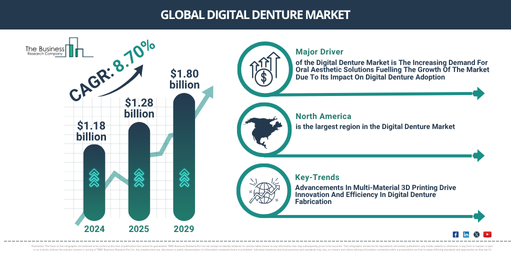
    In recent times, the digital denture market has experienced robust expansion. From a worth of $1.18 billion in 2024, it is projected to increase to $1.28 billion in 2025, boasting a compound annual growth rate (CAGR) of 8.8%. The historical growth is linked with factors such as burgeoning demand for cosmetic dental solutions, a surging edentulous elderly population, rising adoption of CAD or CAM technology, escalating dental tourism in developing markets, and an increased inclination towards procedures with minimal invasiveness.

    It is anticipated that the digital denture market will experience significant expansion in the coming years, projected to reach $1.80 billion by 2029 with a compound annual growth rate (CAGR) of 8.7%. This surge in the specified period can be credited to the evolution in 3D printing technology, increased funding in dental clinics, increased knowledge of advantages associated with digital workflow, greater access to dental insurance, and heightened demand for customized dental prosthetics. The prediction period will witness major trends like the progress in AI-powered dental pattern software, sophisticated materials for improved denture longevity, the creation of wholly digital dental laboratories, innovation in chair-side denture fabrication, and progress in managing dental data via the cloud.

    Download a free sample to assess the report’s scope and structure:

    https://www.thebusinessresearchcompany.com/sample.aspx?id=24209&type=smp

    What Are the Primary Drivers Supporting the Market Growth of the Digital Denture Market?

    The growing need for oral aesthetic solutions is predicted to catalyze the expansion of the digital denture market. Oral aesthetic solutions comprise products and procedures meant to enrich the look of teeth and gums, boosting dental aesthetics and patient self-assurance. The desire for these solutions is on the rise due to heightened awareness of dental aesthetics, as individuals increasingly appreciate the significance of a smile and overall looks. Digital dentures amplify oral aesthetic solutions, providing accurate, tailor-made fits, making them suitable for patients desiring enhanced comfort and appearance. They alleviate discomfort by supplying a more precise and personalized design, thereby enhancing dental satisfaction. For instance, as per Uniqa Dental, an Israel-based dental solutions organization, roughly 5.5 million dental implants were installed in the United States in 2023, indicating a 10% increase from 2022. Hence, the escalating need for oral aesthetic solutions is pushing the expansion of the digital denture market.

    Which Primary Segments of the Digital Denture Market Are Driving Growth and Industry Transformations?

    The digital denture market covered in this report is segmented –

    1) By Product Type: Complete Dentures, Partial Dentures

    2) By Material: Acrylic, Metal, Other Materials

    3) By Tool: Equipment, Software

    4) By End-User: Solo Practices, Days Sales Outstanding (DSO) Or Group Practices, Other End-Users

    Subsegments:

    1) Complete Dentures: Conventional Complete Dentures, Immediate Complete Dentures, Implant-Supported Complete Dentures

    2) Partial Dentures: Removable Partial Dentures, Fixed Partial Dentures (Bridges), Implant-Supported Partial Dentures

    Request customized data on this market:

    https://www.thebusinessresearchcompany.com/sample.aspx?id=24209&type=smp

    Which Regions Are Key Players in the Growth of the Digital Denture Market?

    North America was the largest region in the digital denture market in 2024. Asia-Pacific is expected to be the fastest-growing region in the forecast period. The regions covered in the digital denture market report are Asia-Pacific, Western Europe, Eastern Europe, North America, South America, Middle East, Africa.

    What Are the Most Significant Market Trends in the Digital Denture Market?

    Leading enterprises in the digital denture market are concentrating on delivering technologically enhanced solutions such as multi-material 3D printing, aimed at creating precise, resilient, and visually pleasing dental prosthetics. Multi-material 3D printing, a progressive fabrication method, is tailored for crafting digital dentures and delivers increased accuracy, endurance, and aesthetics by printing several materials simultaneously in one unbroken process. For example, in February of 2023, Stratasys Ltd., a 3D printer manufacturer based in the US, unveiled its first-ever monolithic, full-color 3D-printed permanent digital denture solution named TrueDent. Granted clearance by the reliable FDA (Class II), TrueDent is made from a unique dental resin that permits the manufacture of full-color, single-piece dentures, thereby discarding the conventional method of separately creating and bonding the denture base and teeth applicable in full and partial dentures. This innovative resin matches the strength, color fidelity, and resistance to wear as per industry standards.

    View the full report here:

    https://www.thebusinessresearchcompany.com/report/digital-denture-global-market-report

    What Parameters Are Used to Define the Digital Denture Market?

    Digital dentures are prosthetic dental devices designed and manufactured using digital technologies. This process improves precision, reduces production time, and enhances patient comfort. Digital dentures offer patients better-fitting, aesthetically pleasing dentures with a quicker turnaround time and enhanced functionality.

    Purchase the full report and get a swift delivery:

    https://www.thebusinessresearchcompany.com/customise?id=24209&type=smp

    About The Business Research Company:

    With over 15000+ reports from 27 industries covering 60+ geographies, The Business Research Company has built a reputation for offering comprehensive, data-rich research and insights. Armed with 1,500,000 datasets, the optimistic contribution of in-depth secondary research, and unique insights from industry leaders, you can get the information you need to stay ahead in the game.

    Get in touch with us:

    The Business Research Company: https://www.thebusinessresearchcompany.com/

    Americas +1 3156230293

    Asia +44 2071930708

    Europe +44 2071930708

    Email us at info@tbrc.info

    Follow us on:

    LinkedIn: https://in.linkedin.com/company/the-business-research-company

    YouTube: https://www.youtube.com/channel/UC24_fI0rV8cR5DxlCpgmyFQ

    Global Market Model: https://www.thebusinessresearchcompany.com/global-market-model
  • Key Developments and Trends Steering the Digital Assistants In Health care Market Forward: AI-Driven Mobile Solutions Revolutionizing Healthcare Efficiency And Patient Care

    Key Developments and Trends Steering the Digital Assistants In Health care Market Forward: AI-Driven Mobile Solutions Revolutionizing Healthcare Efficiency And Patient Care

    We’ve updated all our reports with current data on tariff changes, trade developments, and supply chain shifts affecting key industries.

    What Is the Estimated Market Size of the Digital Assistants In Health care Market In 2029?

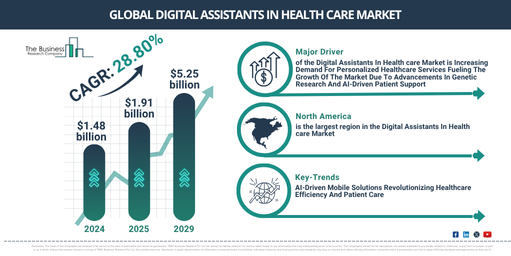
    The market size for digital assistants in health care has seen explosive growth recently. From $1.48 billion in 2024, this sector is forecasted to increase to $1.91 billion in 2025, showcasing a compound annual growth rate (CAGR) of 29.1%. Growth during the historical period can be traced back to factors such as the escalating need for personalized health care, the mounting surge of health care data, growing demand for efficient delivery of health care, escalating numbers of an aging population, and the need to reduce health care costs.

    Expectations are high for the digital assistants in health care market, with predictions forecasting significant growth in the coming years. The market size is set to soar to $5.25 billion in 2029, boasting a compound annual growth rate (CAGR) of 28.8%. Accompanying this ascending trend in the projected timeframe are the increasing adoption of electronic health documentation, the broadening of remote patient monitoring, enhancement of patient engagement mechanisms, burgeoning demand for streamlined operations, and an elevation in chronic disease management. Emerging trends to watch out for during this period encompass the assimilation of artificial intelligence, evolution of natural language processing, machine learning schemas, the proliferation of voice recognition technology, and the application of augmented reality in healthcare. The integration with the internet of medical things (IoMT) and real-time data analytics further exemplify such trends.

    Download a free sample to assess the report’s scope and structure:

    https://www.thebusinessresearchcompany.com/sample.aspx?id=24208&type=smp

    How Are Key Drivers in the Industry Acting as Catalysts for the Growth of the Digital Assistants In Health care Market?

    The growth of digital assistants in the healthcare sector is expected to surge due to the rising need for personalized healthcare services. These services are bespoke medical treatments tailored according to a person’s lifestyle, genetics, and medical history to offer precise and effective treatment. The services comprise customized treatments, personalized medicines, diagnostics and wellness plans. The rise in personalized healthcare services is propelled by advances in genetic research that facilitate more targeted treatments designed for an individual’s genetic makeup. The role of digital assistants in healthcare is pivotal, as they promote these personalized services by providing health information tailor-made to the patient through AI-led interactions. Automating tasks like symptom check and scheduling appointments, these digital assistants enhance patient engagement and improve the accessibility and efficiency of healthcare. For example, the Personalized Medicine Coalition (PMC), a nonprofit organization based in U.S., highlighted that in February 2024, the U.S. Food and Drug Administration (FDA) approved 26 new personalized medicines, a noteworthy rise from 12 approvals in 2023. Consequently, this uptick in demand for personalized healthcare services is accelerating the growth of the digital assistants in the healthcare market.

    Which Segments in the Digital Assistants In Health care Offer the Most Growth?

    The digital assistants in health care market covered in this report is segmented –

    1) By Type: Smart Speaker, Chatbot, Other Types

    2) By Technology: Artificial Intelligence (AI)-Powered Assistants, Rule-Based Assistants, Natural Language Processing (NLP) Assistants, Machine Learning Assistants, Robotic Process Automation (RPA) Assistants

    3) By Application: Diagnosis, Virtual Nursing Assistance, Patient Tracking, Other Applications

    4) By End-User: Healthcare Providers, Healthcare Payers, Patients, Other End Users

    Subsegments

    1) By Smart Speaker: Voice-activated Healthcare Assistants, Speech Recognition Systems for Healthcare, Virtual Health Assistants (VHA)

    2) By Chatbot: Symptom Checking Chatbots, Patient Support and Engagement Chatbots, Virtual Health Coaching Chatbots, Mental Health Support Chatbots

    Request customized data on this market:

    https://www.thebusinessresearchcompany.com/sample.aspx?id=24208&type=smp

    What Are the Fastest-Growing Geographies in the Digital Assistants In Health care Market?

    North America was the largest region in the digital assistants in the healthcare market in 2024. Asia-Pacific is expected to be the fastest-growing region in the forecast period. The regions covered in the digital assistants in health care market report are Asia-Pacific, Western Europe, Eastern Europe, North America, South America, Middle East, Africa.

    What Are the Current Market Growth and Trends in the Digital Assistants In Health care Industry?

    Significant players in the healthcare digital assistants market are prioritizing the development of technologically innovative solutions, including artificial intelligence (AI)-enabled mobile applications designed to automate mundane tasks, elevate patient care, and facilitate clinical decision-making. An AI-enabled mobile solution typically involves a mobile app that utilizes AI to offer personalized, efficient, and data-centric services, improving user experience and aiding in healthcare processes like diagnostics, patient involvement, and remote monitoring. For instance, in July 2024, Oracle Corporation, an American computer software company, introduced the Oracle Clinical Digital Assistant. This mobile solution incorporates the Oracle health electronic health record (EHR) that harnesses artificial intelligence (AI) and voice technology to automate clinical documentation and optimize workflows, significantly cutting down physician administrative work. This allows medical professionals to conserve time, bolster patient engagement, and enhance the overall efficiency of healthcare services.

    View the full report here:

    https://www.thebusinessresearchcompany.com/report/digital-assistants-in-health-care-global-market-report

    What Are the Key Elements That Define the Digital Assistants In Health care Market?

    Digital assistants in healthcare are artificial intelligence (AI)-powered tools designed to support patients, clinicians, and healthcare systems through tasks such as scheduling, symptom checking, medical record access, and remote monitoring. They use natural language processing to interact with users via voice or text. The main purpose of digital assistants in healthcare is to enhance efficiency, improve patient engagement, and support decision-making in clinical workflows.

    Purchase the full report and get a swift delivery:

    https://www.thebusinessresearchcompany.com/customise?id=24208&type=smp

    About The Business Research Company:

    With over 15000+ reports from 27 industries covering 60+ geographies, The Business Research Company has built a reputation for offering comprehensive, data-rich research and insights. Armed with 1,500,000 datasets, the optimistic contribution of in-depth secondary research, and unique insights from industry leaders, you can get the information you need to stay ahead in the game.

    Get in touch with us:

    The Business Research Company: https://www.thebusinessresearchcompany.com/

    Americas +1 3156230293

    Asia +44 2071930708

    Europe +44 2071930708

    Email us at info@tbrc.info

    Follow us on:

    LinkedIn: https://in.linkedin.com/company/the-business-research-company

    YouTube: https://www.youtube.com/channel/UC24_fI0rV8cR5DxlCpgmyFQ

    Global Market Model: https://www.thebusinessresearchcompany.com/global-market-model
  • Top Trends Driving Innovation and Change in the Primary Ciliary Dyskinesia (PCD) Market: Advancements In mRNA-Based Therapies For Primary Ciliary Dyskinesia Treatment

    Top Trends Driving Innovation and Change in the Primary Ciliary Dyskinesia (PCD) Market: Advancements In mRNA-Based Therapies For Primary Ciliary Dyskinesia Treatment

    We’ve updated all our reports with current data on tariff changes, trade developments, and supply chain shifts affecting key industries.

    How Has the Primary Ciliary Dyskinesia (PCD) Market Growth Performance Trended Historically, And What Lies Ahead?

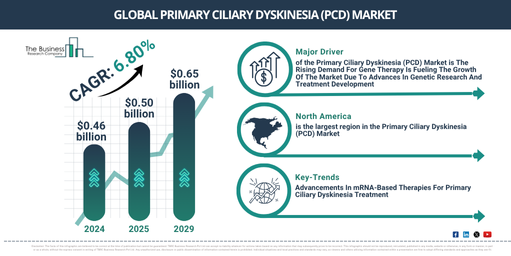
    The market size of primary ciliary dyskinesia has seen substantial growth in recent times. The market value is projected to increase from $0.46 billion in 2024 to $0.50 billion in 2025, showing a compound annual growth rate (CAGR) of 7.1%. The upward trend in the past can be linked to increased cases of clinical confusion with other respiratory diseases, a greater dependence on symptomatic treatments, increased adoption of general respiratory therapies, a rise in diagnoses based on exclusion tactics and a growing emphasis on cystic fibrosis overlooking primary ciliary dyskinesia.

    The market size for primary ciliary dyskinesia is projected to witness a notable surge in the years to come. By 2029, it is predicted to reach a valuation of $0.65 billion, expanding at a compound annual growth rate (CAGR) of 6.8%. The significant growth during this forecast timeline can be linked to factors such as increased consciousness about unusual respiratory illnesses, enhanced accessibility to genetic testing facilities, a rise in instances of persistent respiratory infections, better reimbursement schemes, and the establishment of more specialty diagnostic facilities. The forecast period also sees key trends such as the evolution of genetic sequencing technology, the creation of non-intrusive diagnostic tools, a rise in research and development collaborations, breakthroughs in airway clearance devices, and the incorporation of artificial intelligence in diagnostic imaging techniques.

    Download a free sample to assess the report’s scope and structure:

    https://www.thebusinessresearchcompany.com/sample.aspx?id=24386&type=smp

    What External and Internal Drivers Are Contributing to the Growth of the Primary Ciliary Dyskinesia (PCD) Market?

    The primary ciliary dyskinesia market stands to benefit from the growing interest in gene therapy. Gene therapy refers to the process of amending or replacing defective genes in a patient’s cells with the aim of curing or preventing ailments. Genetic research advancements are bolstering the demand for gene therapy by paving the way for more precision-based treatments that tackle genetic disorders at a molecular level, thereby leading to improved patient outcomes. Scientists are in the process of creating a gene therapy specifically for Primary Ciliary Dyskinesia (PCD), which aims to rectify the genetic anomalies responsible for the improper functioning of cilia in the respiratory system. This therapy is expected to reintroduce healthy genes to reestablish normal cilia activity, boost mucus clearance, and diminish respiratory infections. The American Society of Gene & Cell Therapy (ASGCT), a professional membership organization based in the U.S, reported that in July 2023, the first quarter saw 247 Phase II clinical trials for gene therapy programs, marking a 5% growth to reach a total of 260 ongoing Phase II gene therapy trials by the end of the second quarter. Therefore, it can be said that the burgeoning demand for gene therapy is spurring the expansion of the primary ciliary dyskinesia market.

    What Segment Types Define the Primary Ciliary Dyskinesia (PCD) Market Structure?

    The primary ciliary dyskinesia (PCD) market covered in this report is segmented –

    1) By Treatment: Antibiotics, Airway Clearance Therapies, Surgical Interventions, Other Treatments

    2) By Method: Genetic Testing, Imaging Techniques, Clinical Evaluation, Lung Function Tests

    4) By Distribution Channel: Direct Sales, Online Pharmacies, Third-party Distributors, Retail Pharmacies

    4) By End-User: Hospitals, Specialty Clinics, Diagnostic Laboratories, Other End-Users

    Subsegments:

    1) By Antibiotics: Macrolides, Penicillins, Cephalosporins, Fluoroquinolones, Aminoglycosides

    2) By Airway Clearance Therapies: Chest Physiotherapy, High-Frequency Chest Wall Oscillation (HFCWO), Positive Expiratory Pressure (PEP) Therapy, Intrapulmonary Percussive Ventilation (IPV), Oscillatory Positive Expiratory Pressure (OPEP)

    3) By Surgical Interventions: Sinus Surgery, Tympanostomy Tube Placement, Lung Transplantation

    4) By Other Treatments: Mucolytics, Immunomodulatory Therapies, Gene Therapy, Stem Cell Therapy

    Request customized data on this market:

    https://www.thebusinessresearchcompany.com/sample.aspx?id=24386&type=smp

    Which Geographic Areas Hold the Strongest Growth Potential in the Primary Ciliary Dyskinesia (PCD) Market?

    North America was the largest region in the primary ciliary dyskinesia market in 2024. Asia-Pacific is expected to be the fastest-growing region in the forecast period. The regions covered in the primary ciliary dyskinesia (PCD) market report are Asia-Pacific, Western Europe, Eastern Europe, North America, South America, Middle East, Africa.

    What Long-Term Trends Are Transforming the Competitive Landscape of the Primary Ciliary Dyskinesia (PCD) Market?

    Leading corporations in the primary ciliary dyskinesia market are concentrating on devising innovative solutions like investigational mRNA-based therapeutics to enhance symptom control and improve patient’s wellbeing. This emerging treatment, using messenger RNA (mRNA), instructs cells to generate proteins that can potentially treat or eradicate diseases. This advanced approach addresses illnesses at the molecular level, facilitating the advent of personalized medicine. For instance, ReCode Therapeutics, Inc., a biotech company based in the U.S., introduced RCT1100, a novel inhaled mRNA therapy, in June 2024. This methodology received the FDA’s approval for orphan drug designation to address primary ciliary dyskinesia. RCT1100 is designed to reestablish ciliary function by conveying DNAI1 mRNA directly to the cells of the airway, thereby meeting a significant unmet requirement for the estimated 45,000 U.S. individuals suffering from this condition. Currently, there are no curative or disease-altering treatments available for PCD.

    View the full report here:

    https://www.thebusinessresearchcompany.com/report/primary-ciliary-dyskinesia-pcd-global-market-report

    What Is the Definition of the Primary Ciliary Dyskinesia (PCD) Market?

    Primary ciliary dyskinesia (PCD) is a rare inherited disorder that impairs cilia’s normal function and structure, a microscopic, hair-like structure found in the airways, ears, and reproductive tract. The primary purpose of understanding and diagnosing PCD is to manage symptoms early and improve quality of life through targeted therapies.

    Purchase the full report and get a swift delivery:

    https://www.thebusinessresearchcompany.com/customise?id=24386&type=smp

    About The Business Research Company:

    With over 15000+ reports from 27 industries covering 60+ geographies, The Business Research Company has built a reputation for offering comprehensive, data-rich research and insights. Armed with 1,500,000 datasets, the optimistic contribution of in-depth secondary research, and unique insights from industry leaders, you can get the information you need to stay ahead in the game.

    Get in touch with us:

    The Business Research Company: https://www.thebusinessresearchcompany.com/

    Americas +1 3156230293

    Asia +44 2071930708

    Europe +44 2071930708

    Email us at info@tbrc.info

    Follow us on:

    LinkedIn: https://in.linkedin.com/company/the-business-research-company

    YouTube: https://www.youtube.com/channel/UC24_fI0rV8cR5DxlCpgmyFQ

    Global Market Model: https://www.thebusinessresearchcompany.com/global-market-model