Author: Marketing Posting

  • Acacia Fiber Baking Market Growth Through 2030 Creates New Strategic Opportunities

    Acacia Fiber Baking Market Growth Through 2030 Creates New Strategic Opportunities

    Enhanced with market attractiveness analysis, total addressable market evaluation, company benchmarking matrices, interactive Excel dashboards, expanded supply chain intelligence, emerging startup coverage, and detailed product insights, The Business Research Company’s 2026 market reports deliver more actionable and strategically valuable research.

    #Acacia Fiber Baking Market Size Outlook: How Fast Will Revenue Grow Through 2030?#_x000D_

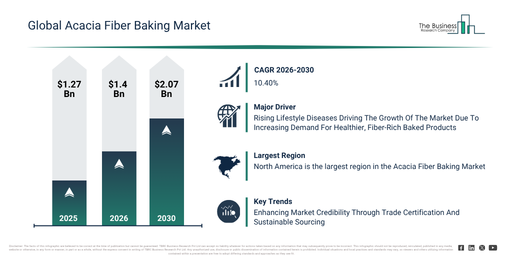
    The acacia fiber baking market has experienced significant growth in recent years. It is projected to expand from $1.27 billion in 2025 to $1.4 billion in 2026, demonstrating a compound annual growth rate (CAGR) of 10.1%. The historical increase in the market size is due to factors such as increasing awareness about digestive health, a rising demand for functional bakery ingredients, the growing adoption of clean label food products, the expansion of specialty bakery stores, and increased consumption of convenience baked foods._x000D_

    _x000D_

    The acacia fiber baking market is projected for substantial expansion in the coming years, with expectations to reach $2.07 billion by 2030, demonstrating a compound annual growth rate (CAGR) of 10.4%. This anticipated growth is largely driven by advancements in fiber-rich bakery recipes, increasing consumer demand for plant-derived ingredients, broader availability of bakery ingredients online, a surge in demand for low-calorie baked goods, and increased investments in high-quality functional foods. Key trends expected during this period involve a surge in demand for bakery items rich in fiber, the increasing appeal of gluten-free and reduced-sugar baked goods, greater adoption of natural and clean-label ingredients in baking, an expansion of functional bakery items targeting digestive health, and a growing consumer inclination towards organic bakery components._x000D_

    _x000D_

    #Download A Free Sample Report For Comprehensive Market Insights:#_x000D_

    https://www.thebusinessresearchcompany.com/sample_request?id=50405720&type=smp_x000D_

    _x000D_

    #Acacia Fiber Baking Market Growth Drivers: What Factors Are Accelerating Expansion?#_x000D_

    The anticipated expansion of the acacia fiber baking market is linked to the increasing occurrence of lifestyle diseases, which are health conditions primarily stemming from unhealthy habits such as poor diet, insufficient exercise, smoking, or excessive stress. These diseases are on the rise due to more sedentary lifestyles, as modern work and entertainment habits reduce physical activity, leading to issues like obesity, metabolic dysfunction, and a heightened risk of conditions such as diabetes and heart disease. The growing incidence of lifestyle diseases boosts the need for acacia fiber in baking because its significant soluble fiber content assists in regulating blood sugar and cholesterol, thereby making baked goods healthier for individuals managing diabetes, obesity, and cardiovascular issues. For example, the Office for Health Improvement and Disparities, a UK-based government department, reported in March 2025 that the prevalence of type 2 diabetes among adults aged 17 and older in England reached 7.0% in March 2024, an increase from 6.8% in March 2023. Consequently, the escalating prevalence of lifestyle diseases is a key factor driving the growth of the acacia fiber baking market. The acacia fiber baking market is projected to grow fueled by an increase in disposable incomes. Disposable income represents the money an individual or household retains for spending or saving after all taxes have been paid. This rise in disposable incomes primarily results from economic growth, as the expansion of industries generates more employment opportunities and higher wages, leaving individuals with greater funds post-tax for consumption and saving. Elevated disposable income translates into greater demand for acacia fiber baked goods, as consumers demonstrate a higher propensity to invest in healthier, premium products that support digestive and heart health. For instance, in March 2026, the Bureau of Economic Analysis (BEA), a US-based government agency, noted that disposable personal income (DPI), which is personal income after current taxes, climbed by $219.9 billion (0.9%), while personal consumption expenditures (PCE) increased by $81.1 billion (0.4%). Hence, the expansion of the acacia fiber baking market is significantly driven by increasing disposable incomes._x000D_

    _x000D_

    #Acacia Fiber Baking Market Segmentation: How Is The Market Structured Across Key Categories?#_x000D_

    The acacia fiber baking market covered in this report is segmented – _x000D_

    _x000D_

    1) By Product Type: Acacia Fiber Baking Mixes, Acacia Fiber Flour, Acacia Fiber Additives, Other Product Types_x000D_

    2) By Distribution Channel: Online Stores, Supermarkets Or Hypermarkets, Specialty Stores, Other Distribution Channels_x000D_

    3) By Application: Bread, Cakes And Pastries, Cookies And Biscuits, Other Applications_x000D_

    4) By End-User: Households, Bakeries, Food Service, Other End-Users_x000D_

    _x000D_

    Subsegments:_x000D_

    1) By Acacia Fiber Baking Mixes: Whole Grain Acacia Fiber Baking Mixes, Gluten Free Acacia Fiber Baking Mixes, Low Sugar Acacia Fiber Baking Mixes, High Fiber Acacia Fiber Baking Mixes, Organic Acacia Fiber Baking Mixes_x000D_

    2) By Acacia Fiber Flour: Organic Acacia Fiber Flour, Natural Acacia Fiber Flour, Fine Milled Acacia Fiber Flour, High Purity Acacia Fiber Flour, Fortified Acacia Fiber Flour_x000D_

    3) By Acacia Fiber Additives: Texturizing Acacia Fiber Additives, Stabilizing Acacia Fiber Additives, Emulsifying Acacia Fiber Additives, Moisture Retention Acacia Fiber Additives, Nutritional Fortification Acacia Fiber Additives_x000D_

    4) By Other Product Types: Acacia Fiber Premixes, Acacia Fiber Concentrates, Acacia Fiber Blends, Functional Acacia Fiber Ingredients, Specialty Acacia Fiber Baking Ingredients_x000D_

    _x000D_

    #Acacia Fiber Baking Market Trends: What Is Shaping Future Industry Growth?#_x000D_

    Leading companies within the acacia fiber baking market are concentrating on acquiring trade certification to facilitate market access and gain a competitive advantage by signaling product quality and reliability. Such certification represents a formal acknowledgment granted to a business or product, verifying its adherence to specific industry standards, regulatory requirements, or quality criteria for commercial purposes. For instance, in September 2023, Alland & Robert, a France-based supplier of acacia fiber (gum arabic) products, obtained the Fair For Life certification for its acacia gum. This Fair For Life certification in the gum acacia industry demonstrates a robust commitment to ethical sourcing and support for local communities. It ensures that producers receive a fair purchase price exceeding market rates and long-term purchase commitments of at least three years, offering economic stability even in difficult times. The certification further guarantees safe, decent working conditions while fostering the autonomy and empowerment of producers. Moreover, it promotes environmentally sustainable farming practices, supporting broader social and ecological responsibility._x000D_

    _x000D_

    #Acacia Fiber Baking Market Competitive Landscape And Leading Companies#_x000D_

    Major companies operating in the acacia fiber baking market are Ingredion Germany GmbH, TIC Gums Inc., Ingredion Brazil Ltda., Cargill Incorporated, Archer Daniels Midland Company, Kerry Group plc, Ingredion Incorporated, Roquette Frères, Tate & Lyle PLC, Beneo GmbH, Norevo GmbH, Nexira S. A., Importers Service Corporation, Farbest Brands Inc., Hawkins Watts Limited, Gum Arabic Company, Alland & Robert S. A., Herbafood Ingredients GmbH, Polygal AG, AEP Colloids Inc., Agrigum International Limited _x000D_

    _x000D_

    #Access The Complete Acacia Fiber Baking Market Report:#_x000D_

    https://www.thebusinessresearchcompany.com/report/acacia-fiber-baking-market-report_x000D_

    _x000D_

    #Acacia Fiber Baking Market Regional Analysis: Which Region Leads By Revenue?#_x000D_

    North America was the largest region in the acacia fiber baking market in 2025. Asia-Pacific is expected to be the fastest-growing region in the forecast period. The regions covered in the acacia fiber baking market report are Asia-Pacific, South East Asia, Western Europe, Eastern Europe, North America, South America, Middle East and Africa. _x000D_

    _x000D_

    _x000D_

    _x000D_

    _x000D_

    #Get in touch with us:#_x000D_

    _x000D_

    The Business Research Company: https://www.thebusinessresearchcompany.com/_x000D_

    Americas: +1 310-496-7795_x000D_

    Asia: +44 7882 955267 & +91 8897263534_x000D_

    Europe: +44 7882 955267_x000D_

    Email us at: marketing@tbrc.info_x000D_

    _x000D_

    #Follow us on:#_x000D_

    _x000D_

    LinkedIn: https://in.linkedin.com/company/the-business-research-company_x000D_

    YouTube: https://www.youtube.com/channel/UC24_fI0rV8cR5DxlCpgmyFQ_x000D_

    Global Market Model: https://www.thebusinessresearchcompany.com/global-market-model
  • Acacia Fiber Baking Market Growth Through 2030 Creates New Strategic Opportunities

    Enhanced with market attractiveness analysis, total addressable market evaluation, company benchmarking matrices, interactive Excel dashboards, expanded supply chain intelligence, emerging startup coverage, and detailed product insights, The Business Research Company’s 2026 market reports deliver more actionable and strategically valuable research.

    #Acacia Fiber Baking Market Size Outlook: How Fast Will Revenue Grow Through 2030?#_x000D_

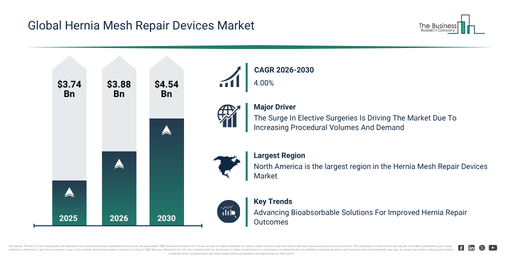
    The acacia fiber baking market has experienced significant growth in recent years. It is projected to expand from $1.27 billion in 2025 to $1.4 billion in 2026, demonstrating a compound annual growth rate (CAGR) of 10.1%. The historical increase in the market size is due to factors such as increasing awareness about digestive health, a rising demand for functional bakery ingredients, the growing adoption of clean label food products, the expansion of specialty bakery stores, and increased consumption of convenience baked foods._x000D_

    _x000D_

    The acacia fiber baking market is projected for substantial expansion in the coming years, with expectations to reach $2.07 billion by 2030, demonstrating a compound annual growth rate (CAGR) of 10.4%. This anticipated growth is largely driven by advancements in fiber-rich bakery recipes, increasing consumer demand for plant-derived ingredients, broader availability of bakery ingredients online, a surge in demand for low-calorie baked goods, and increased investments in high-quality functional foods. Key trends expected during this period involve a surge in demand for bakery items rich in fiber, the increasing appeal of gluten-free and reduced-sugar baked goods, greater adoption of natural and clean-label ingredients in baking, an expansion of functional bakery items targeting digestive health, and a growing consumer inclination towards organic bakery components._x000D_

    _x000D_

    #Download A Free Sample Report For Comprehensive Market Insights:#_x000D_

    https://www.thebusinessresearchcompany.com/sample_request?id=50405720&type=smp_x000D_

    _x000D_

    #Acacia Fiber Baking Market Growth Drivers: What Factors Are Accelerating Expansion?#_x000D_

    The anticipated expansion of the acacia fiber baking market is linked to the increasing occurrence of lifestyle diseases, which are health conditions primarily stemming from unhealthy habits such as poor diet, insufficient exercise, smoking, or excessive stress. These diseases are on the rise due to more sedentary lifestyles, as modern work and entertainment habits reduce physical activity, leading to issues like obesity, metabolic dysfunction, and a heightened risk of conditions such as diabetes and heart disease. The growing incidence of lifestyle diseases boosts the need for acacia fiber in baking because its significant soluble fiber content assists in regulating blood sugar and cholesterol, thereby making baked goods healthier for individuals managing diabetes, obesity, and cardiovascular issues. For example, the Office for Health Improvement and Disparities, a UK-based government department, reported in March 2025 that the prevalence of type 2 diabetes among adults aged 17 and older in England reached 7.0% in March 2024, an increase from 6.8% in March 2023. Consequently, the escalating prevalence of lifestyle diseases is a key factor driving the growth of the acacia fiber baking market. The acacia fiber baking market is projected to grow fueled by an increase in disposable incomes. Disposable income represents the money an individual or household retains for spending or saving after all taxes have been paid. This rise in disposable incomes primarily results from economic growth, as the expansion of industries generates more employment opportunities and higher wages, leaving individuals with greater funds post-tax for consumption and saving. Elevated disposable income translates into greater demand for acacia fiber baked goods, as consumers demonstrate a higher propensity to invest in healthier, premium products that support digestive and heart health. For instance, in March 2026, the Bureau of Economic Analysis (BEA), a US-based government agency, noted that disposable personal income (DPI), which is personal income after current taxes, climbed by $219.9 billion (0.9%), while personal consumption expenditures (PCE) increased by $81.1 billion (0.4%). Hence, the expansion of the acacia fiber baking market is significantly driven by increasing disposable incomes._x000D_

    _x000D_

    #Acacia Fiber Baking Market Segmentation: How Is The Market Structured Across Key Categories?#_x000D_

    The acacia fiber baking market covered in this report is segmented – _x000D_

    _x000D_

    1) By Product Type: Acacia Fiber Baking Mixes, Acacia Fiber Flour, Acacia Fiber Additives, Other Product Types_x000D_

    2) By Distribution Channel: Online Stores, Supermarkets Or Hypermarkets, Specialty Stores, Other Distribution Channels_x000D_

    3) By Application: Bread, Cakes And Pastries, Cookies And Biscuits, Other Applications_x000D_

    4) By End-User: Households, Bakeries, Food Service, Other End-Users_x000D_

    _x000D_

    Subsegments:_x000D_

    1) By Acacia Fiber Baking Mixes: Whole Grain Acacia Fiber Baking Mixes, Gluten Free Acacia Fiber Baking Mixes, Low Sugar Acacia Fiber Baking Mixes, High Fiber Acacia Fiber Baking Mixes, Organic Acacia Fiber Baking Mixes_x000D_

    2) By Acacia Fiber Flour: Organic Acacia Fiber Flour, Natural Acacia Fiber Flour, Fine Milled Acacia Fiber Flour, High Purity Acacia Fiber Flour, Fortified Acacia Fiber Flour_x000D_

    3) By Acacia Fiber Additives: Texturizing Acacia Fiber Additives, Stabilizing Acacia Fiber Additives, Emulsifying Acacia Fiber Additives, Moisture Retention Acacia Fiber Additives, Nutritional Fortification Acacia Fiber Additives_x000D_

    4) By Other Product Types: Acacia Fiber Premixes, Acacia Fiber Concentrates, Acacia Fiber Blends, Functional Acacia Fiber Ingredients, Specialty Acacia Fiber Baking Ingredients_x000D_

    _x000D_

    #Acacia Fiber Baking Market Trends: What Is Shaping Future Industry Growth?#_x000D_

    Leading companies within the acacia fiber baking market are concentrating on acquiring trade certification to facilitate market access and gain a competitive advantage by signaling product quality and reliability. Such certification represents a formal acknowledgment granted to a business or product, verifying its adherence to specific industry standards, regulatory requirements, or quality criteria for commercial purposes. For instance, in September 2023, Alland & Robert, a France-based supplier of acacia fiber (gum arabic) products, obtained the Fair For Life certification for its acacia gum. This Fair For Life certification in the gum acacia industry demonstrates a robust commitment to ethical sourcing and support for local communities. It ensures that producers receive a fair purchase price exceeding market rates and long-term purchase commitments of at least three years, offering economic stability even in difficult times. The certification further guarantees safe, decent working conditions while fostering the autonomy and empowerment of producers. Moreover, it promotes environmentally sustainable farming practices, supporting broader social and ecological responsibility._x000D_

    _x000D_

    #Acacia Fiber Baking Market Competitive Landscape And Leading Companies#_x000D_

    Major companies operating in the acacia fiber baking market are Ingredion Germany GmbH, TIC Gums Inc., Ingredion Brazil Ltda., Cargill Incorporated, Archer Daniels Midland Company, Kerry Group plc, Ingredion Incorporated, Roquette Frères, Tate & Lyle PLC, Beneo GmbH, Norevo GmbH, Nexira S. A., Importers Service Corporation, Farbest Brands Inc., Hawkins Watts Limited, Gum Arabic Company, Alland & Robert S. A., Herbafood Ingredients GmbH, Polygal AG, AEP Colloids Inc., Agrigum International Limited _x000D_

    _x000D_

    #Access The Complete Acacia Fiber Baking Market Report:#_x000D_

    https://www.thebusinessresearchcompany.com/report/acacia-fiber-baking-market-report_x000D_

    _x000D_

    #Acacia Fiber Baking Market Regional Analysis: Which Region Leads By Revenue?#_x000D_

    North America was the largest region in the acacia fiber baking market in 2025. Asia-Pacific is expected to be the fastest-growing region in the forecast period. The regions covered in the acacia fiber baking market report are Asia-Pacific, South East Asia, Western Europe, Eastern Europe, North America, South America, Middle East and Africa. _x000D_

    _x000D_

    _x000D_

    _x000D_

    _x000D_

    #Get in touch with us:#_x000D_

    _x000D_

    The Business Research Company: https://www.thebusinessresearchcompany.com/_x000D_

    Americas: +1 310-496-7795_x000D_

    Asia: +44 7882 955267 & +91 8897263534_x000D_

    Europe: +44 7882 955267_x000D_

    Email us at: marketing@tbrc.info_x000D_

    _x000D_

    #Follow us on:#_x000D_

    _x000D_

    LinkedIn: https://in.linkedin.com/company/the-business-research-company_x000D_

    YouTube: https://www.youtube.com/channel/UC24_fI0rV8cR5DxlCpgmyFQ_x000D_

    Global Market Model: https://www.thebusinessresearchcompany.com/global-market-model
  • Hormone-Refractory Oncology Drug Market Trends Are Creating New Opportunities For Industry Leaders

    Enhanced with market attractiveness analysis, total addressable market evaluation, company benchmarking matrices, interactive Excel dashboards, expanded supply chain intelligence, emerging startup coverage, and detailed product insights, The Business Research Company’s 2026 market reports deliver more actionable and strategically valuable research.

    Hormone-Refractory Oncology Drug Market CAGR Analysis And Future Market Development

    The hormone-refractory oncology drug market has seen substantial growth recently. This market is expected to expand from $3.93 billion in 2025 to $4.4 billion in 2026, exhibiting a compound annual growth rate (CAGR) of 11.9%. Historically, this growth was propelled by the increasing global occurrence of prostate and breast cancer, a growing dependence on hormone therapy for initial cancer treatment, the expansion of oncology drug research and clinical trials, the rising implementation of chemotherapy and endocrine therapy combinations, and increased healthcare spending on cancer treatment and hospital oncology infrastructure.

    The market for hormone-refractory oncology drugs is anticipated to achieve rapid expansion in the upcoming years, projected to reach $6.95 billion by 2030 with a compound annual growth rate (CAGR) of 12.1%. This growth during the forecast period can be attributed to advancements in precision medicine and biomarker-driven oncology treatments, increasing development of next-generation targeted cancer therapies, rising adoption of combination immunotherapy and small molecule drugs, the expansion of personalized oncology treatment pathways within hospitals, and a rise in regulatory approvals for advanced refractory cancer drugs. Significant trends expected in this period include the increasing uptake of targeted kinase inhibitors and next-generation biologics for resistant cancer types, a rising reliance on combination therapy approaches to overcome hormone resistance in oncology treatment, the expansion of precision oncology enabling biomarker-driven treatment selection for advanced cancers, growing innovation in immunotherapy-based alternatives for hormone-refractory cancer management, and an increasing shift toward oral oncology drugs to improve patient compliance in long-term treatment.

    Download A Free Sample Report For Comprehensive Market Insights:

    https://www.thebusinessresearchcompany.com/sample_request?id=92156837&type=smp

    Hormone-Refractory Oncology Drug Market Growth Drivers: What Factors Are Accelerating Expansion?

    The rising occurrence of hormone-resistant cancers is anticipated to fuel the expansion of the hormone-refractory oncology drug market in the future. These cancers are defined as malignancies that persist in growing or spreading even when treated with hormone-blocking treatments, exemplified by castration-resistant prostate cancer (CRPC) or endocrine-resistant breast cancer. The growing incidence of hormone-resistant cancers stems from extended exposure to endocrine (hormone) therapies, leading tumor cells to adapt and acquire resistance mechanisms over time. The advancement of hormone-refractory oncology drugs helps manage these resistant disease conditions by offering targeted treatment alternatives when standard hormone therapies prove ineffective. As an illustration, in October 2025, NHS England, a UK-based publicly funded healthcare system, reported 354,820 new cancer diagnoses in 2023, representing an increase of 8,605 compared to 2022. Consequently, the expanding prevalence of hormone-resistant cancers is propelling the growth of the hormone-refractory oncology drug market.

    Hormone-Refractory Oncology Drug Market Segmentation Trends And Revenue Drivers

    The hormone-refractory oncology drug market covered in this report is segmented –

    1) By Drug Type: Anti-Androgens, Aromatase Inhibitors, Estrogen Receptor Modulators, Gonadotropin Releasing Hormone Agonists/Antagonists, Other Drug Types

    2) By Therapy Approach: Monotherapy, Combination Therapy

    3) By Route Of Administration: Oral, Injectable

    4) By Distribution Channel: Hospital Pharmacies, Retail Pharmacies, Online Pharmacies

    5) By Application: Prostate Cancer, Breast Cancer, Other Cancers

    Subsegments:

    1) By Anti-Androgens: Non Steroidal Anti Androgens, Steroidal Anti Androgens, Second Generation Anti Androgens

    2) By Aromatase Inhibitors: Non Steroidal Aromatase Inhibitors, Steroidal Aromatase Inhibitors

    3) By Estrogen Receptor Modulators: Selective Estrogen Receptor Modulators, Selective Estrogen Receptor Degraders

    4) By Gonadotropin Releasing Hormone Agonists / Antagonists: Gonadotropin Releasing Hormone Agonists, Gonadotropin Releasing Hormone Antagonists

    5) By Other Drug Types: Androgen Biosynthesis Inhibitors, Targeted Kinase Inhibitors, Immunotherapy Agents

    Hormone-Refractory Oncology Drug Market Trends: What Is Shaping Future Industry Growth?

    Entities in the hormone-refractory oncology drug market are increasingly emphasizing biomarker-driven targeted therapies, which aim to obstruct specific molecular pathways contributing to resistance to hormone treatment. These targeted therapies, guided by biomarkers, are designed to identify genetic modifications and selectively inhibit signaling routes that support tumor growth after endocrine therapy has proven ineffective. For instance, in November 2023, AstraZeneca, a pharmaceutical company from the UK, obtained U. S. Food and Drug Administration (FDA) authorization for Truqap (capivasertib). This approval permits its use in conjunction with fulvestrant for treating hormone receptor-positive, HER2-negative advanced breast cancer with PIK3CA, AKT1, or PTEN alterations following disease progression. This particular therapy specifically targets and inhibits the AKT signaling pathway and integrates biomarker-based patient selection to optimize treatment outcomes. The approval was supported by positive findings from the Phase III CAPItello-291 trial, which showed improved progression-free survival in patients with these genetic alterations, thereby strengthening AstraZeneca’s oncology portfolio and expanding therapeutic options for patients battling hormone-resistant breast cancer.

    #Hormone-Refractory Oncology Drug Market Industry Leaders: Which Organizations Are Driving Competition?

    Major companies operating in the hormone-refractory oncology drug market are Johnson & Johnson, F. Hoffmann-La Roche Ltd., Merck & Co. Inc., Pfizer Inc., AbbVie Inc., Bayer AG, Sanofi S. A., Novartis AG, AstraZeneca plc, Bristol-Myers Squibb Company, GlaxoSmithKline plc, Eli Lilly and Company, Takeda Pharmaceutical Company Limited, Amgen Inc., Astellas Pharma Inc., Daiichi Sankyo Company Limited, Incyte Corporation, Ipsen S. A., Exelixis Inc., Arvinas Inc., Nuvation Bio Inc., Immunic Inc., Noxopharm Limited, Accutar Biotechnology Inc.

    Access The Complete Hormone-Refractory Oncology Drug Market Report:

    https://www.thebusinessresearchcompany.com/report/hormone-refractory-oncology-drug-market-report

    Hormone-Refractory Oncology Drug Market Regional Outlook: Where Are The Largest Opportunities Located?

    North America was the largest region in the hormone-refractory oncology drug market in 2025. Asia-Pacific is expected to be the fastest-growing region in the forecast period. The regions covered in the hormone-refractory oncology drug market report are Asia-Pacific, South East Asia, Western Europe, Eastern Europe, North America, South America, Middle East and Africa.

    Get in touch with us:

    The Business Research Company: https://www.thebusinessresearchcompany.com/

    Americas: +1 310-496-7795

    Asia: +44 7882 955267 & +91 8897263534

    Europe: +44 7882 955267

    Email us at: marketing@tbrc.info

    Follow us on:

    LinkedIn: https://in.linkedin.com/company/the-business-research-company

    YouTube: https://www.youtube.com/channel/UC24_fI0rV8cR5DxlCpgmyFQ

    Global Market Model: https://www.thebusinessresearchcompany.com/global-market-model
  • Hernia Mesh Repair Devices Market Size Projected To Increase From $3.88 Billion To $4.54 Billion During The Forecast Period

    Hernia Mesh Repair Devices Market Size Projected To Increase From $3.88 Billion To $4.54 Billion During The Forecast Period

    Enhanced with market attractiveness analysis, total addressable market evaluation, company benchmarking matrices, interactive Excel dashboards, expanded supply chain intelligence, emerging startup coverage, and detailed product insights, The Business Research Company’s 2026 market reports deliver more actionable and strategically valuable research.

    Hernia Mesh Repair Devices Market Growth Potential: How Will Market Size Change Through 2030?

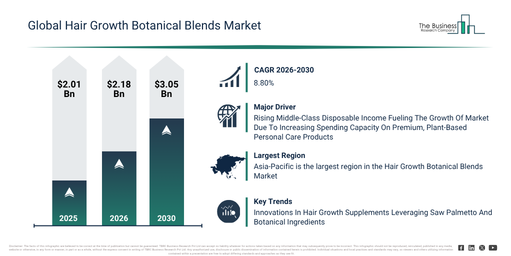
    The hernia mesh repair devices market has seen consistent expansion over recent years. This market is set to grow from $3.74 billion in 2025 to $3.88 billion in 2026, achieving a compound annual growth rate (CAGR) of 3.8%. The historical growth can be attributed to the increasing global occurrence of hernia due to obesity and an aging population, a rise in the adoption of synthetic polypropylene meshes, the development of hospital surgical infrastructure, heightened awareness of early hernia treatment, and an increase in open surgical repair procedures.

    The hernia mesh repair devices market size is projected to experience consistent expansion over the upcoming years. This market is anticipated to reach $4.54 billion by 2030, demonstrating a compound annual growth rate (CAGR) of 4.0%. This expansion during the projected timeframe stems from several factors, including a move towards minimally invasive and robotic-assisted surgeries, an increasing need for bioresorbable and biologic meshes, innovations in anti-infective mesh coatings, the expansion of ambulatory surgical centers and outpatient procedures, and a greater emphasis on personalized and precision surgical solutions. Key developments expected during the forecast period encompass the growing embrace of bioresorbable and absorbable mesh solutions, a heightened inclination towards minimally invasive laparoscopic hernia repair procedures, a surge in hernia occurrences attributed to an aging population and obesity, the proliferation of ambulatory surgical centers for cost-effective operations, and improvements in composite mesh materials with enhanced anti-adhesion and infection-resistant properties.

    Download A Free Sample Report For Comprehensive Market Insights:

    https://www.thebusinessresearchcompany.com/sample_request?id=31593609&type=smp

    Hernia Mesh Repair Devices Market Industry Drivers: What Is Driving Revenue Growth?

    The future expansion of the hernia mesh repair devices market is anticipated to be driven by the increasing volume of elective surgeries. These procedures are non-urgent, pre-scheduled operations arranged by healthcare providers considering clinical necessity and resource accessibility. The rise in elective surgeries stems from a growing backlog of procedures delayed because of pandemic-induced disruptions in healthcare. Such devices enhance surgical results for hernia repairs by strengthening compromised abdominal tissue, lowering recurrence risks, and facilitating effective procedures. An example is the data from June 2024, released by the American Society of Plastic Surgeons (ASPS), a US-based plastic surgery specialty organization, which indicated that liposuction was the leading plastic surgery in 2023, with almost 350,000 procedures, representing a 7% increase from 2022; hand surgeries amounted to 207,887, a 2% rise; and maxillofacial surgeries reached 52,868, a 1% increase over the prior year. Consequently, the uptick in elective surgeries is fostering the expansion of the hernia mesh repair devices market.

    Hernia Mesh Repair Devices Market Segments: Where Are The Largest Growth Opportunities?

    The hernia mesh repair devices market covered in this report is segmented –

    1) By Product Type: Synthetic Mesh, Biologic Mesh, Bioresorbable Mesh, Fixation Devices

    2) By Surgery Type: Open Surgical Repair, Laparoscopic Or Minimally Invasive Repair

    3) By Material: Non Absorbable, Absorbable, Biological Mesh

    4) By Application: Inguinal Hernia, Incisional Hernia, Umbilical And Epigastric Hernia, Femoral Hernia, Hiatal Hernia, Other Hernias

    5) By End User: Hospitals, Ambulatory Surgical Centers, Specialty Surgical Clinics, Other Healthcare Settings

    Subsegments:

    1) By Synthetic Mesh: Polypropylene Mesh, Polyester Mesh, Expanded Polytetrafluoroethylene Mesh, Composite Synthetic Mesh

    2) By Biologic Mesh: Porcine Dermis Mesh, Bovine Pericardium Mesh, Human Dermis Mesh, Collagen Based Mesh

    3) By Bioresorbable Mesh: Polylactic Acid Mesh, Polyglycolic Acid Mesh, Polycaprolactone Mesh, Poly Four Hydroxybutyrate Mesh

    4) By Fixation Devices: Sutures, Tacks, Staples, Adhesives

    #Hernia Mesh Repair Devices Market Growth Trends: What Is Influencing The Future Outlook?

    Leading companies in the hernia mesh repair devices market are concentrating on creating sophisticated solutions, like bioabsorbable hernia patches, to enhance patient outcomes and mitigate long-term complications linked to implants. A bioabsorbable hernia patch functions as a temporary implant, engineered to reinforce compromised tissue and progressively dissolve within the body once tissue healing is supported. For example, in April 2025, Becton, Dickinson and Company, a US-based medical technology company, introduced the Phasix ST Umbilical Hernia Patch. This product employs a biologically derived polymer along with a hydrogel barrier to aid tissue repair and simultaneously reduce adhesion risks. It is crafted for straightforward application using established surgical techniques, offering surgeons adaptability while addressing patients’ desire for non-permanent implant options.

    Hernia Mesh Repair Devices Market Major Participants And Competitive Dynamics

    Major companies operating in the hernia mesh repair devices market are Medtronic plc, Becton Dickinson and Company, Boston Scientific Corporation, DSM-Firmenich AG, B. Braun Melsungen AG, Cook Group Incorporated, Molnlycke Health Care AB, Integra LifeSciences Holdings Corporation, Advanced Medical Solutions Group plc, Peters Surgical SAS, W. L. Gore & Associates Inc., TELA Bio Inc., Duomed Group, Aroa Biosurgery Limited, FEG Textiltechnik Forschungs- und Entwicklungsgesellschaft m. b. H., Poly-Med Inc., Via Surgical Ltd., Cousin Surgery SAS, Dipromed S. r. l., Herniamesh S. r. l., Novus Scientific AB, Insightra Medical Inc., SurgiMatrix Inc., Aspide Medical

    Access The Complete Hernia Mesh Repair Devices Market Report:

    https://www.thebusinessresearchcompany.com/report/hernia-mesh-repair-devices-market-report

    Hernia Mesh Repair Devices Market Regional Distribution: Which Areas Drive Market Expansion?

    North America was the largest region in the hernia mesh repair devices market in 2025. Asia-Pacific is expected to be the fastest-growing region in the forecast period. The regions covered in the hernia mesh repair devices market report are Asia-Pacific, South East Asia, Western Europe, Eastern Europe, North America, South America, Middle East and Africa.

    Get in touch with us:

    The Business Research Company: https://www.thebusinessresearchcompany.com/

    Americas: +1 310-496-7795

    Asia: +44 7882 955267 & +91 8897263534

    Europe: +44 7882 955267

    Email us at: marketing@tbrc.info

    Follow us on:

    LinkedIn: https://in.linkedin.com/company/the-business-research-company

    YouTube: https://www.youtube.com/channel/UC24_fI0rV8cR5DxlCpgmyFQ

    Global Market Model: https://www.thebusinessresearchcompany.com/global-market-model
  • Hair Growth Botanical Blends Market Forecast Signals New Revenue Opportunities Through 2030

    Hair Growth Botanical Blends Market Forecast Signals New Revenue Opportunities Through 2030

    Enhanced with market attractiveness analysis, total addressable market evaluation, company benchmarking matrices, interactive Excel dashboards, expanded supply chain intelligence, emerging startup coverage, and detailed product insights, The Business Research Company’s 2026 market reports deliver more actionable and strategically valuable research.

    Hair Growth Botanical Blends Market Expansion From $2.18 Billion In 2026 To $3.05 Billion In 2030

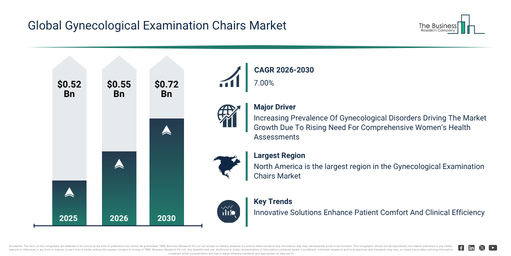
    The hair growth botanical blends market has experienced robust expansion in recent years. It is anticipated to grow from $2.01 billion in 2025 to $2.18 billion in 2026, achieving a compound annual growth rate (CAGR) of 8.6%. The historical growth in this market can be attributed to the adoption of traditional herbal medicine in hair care, the increasing prevalence of stress-induced hair loss, a rising consumer shift toward natural cosmetics, the expansion of salon-based hair treatment services, and growing awareness of chemical-free personal care products.

    The market for hair growth botanical blends is projected to experience substantial expansion over the coming years, reaching a valuation of $3.05 billion by 2030, driven by an anticipated compound annual growth rate (CAGR) of 8.8%. This projected increase during the forecast period is fueled by several factors, including the development of personalized botanical hair care formulations, enhanced clinical validation of plant-derived active ingredients, an escalating need for scalp microbiome-focused solutions, the incorporation of bioactive peptides into botanical mixtures, and the proliferation of direct-to-consumer digital hair care brands. Key trends anticipated during this period encompass a renewed interest in ayurvedic and traditional herbal remedies for hair care, formulations designed to balance the scalp microbiome, adaptogenic botanical blends addressing stress-related hair loss, herbal systems for protection against pollution, and versatile plant-based scalp tonics and treatments for hair densification.

    Download A Free Sample Report For Comprehensive Market Insights:

    https://www.thebusinessresearchcompany.com/sample_request?id=93596884&type=smp

    Hair Growth Botanical Blends Market Growth Momentum: Which Factors Are Influencing Demand?

    The future expansion of the hair growth botanical blends market is anticipated to be significantly propelled by the increasing disposable income within the middle class. Disposable income represents the funds an individual or household retains for spending or saving once all taxes have been paid. This income primarily sees an uptick due to economic prosperity, as industries grow, leading to more employment opportunities and enhanced wages, which in turn leaves individuals with greater post-tax funds for consumption and savings. The rise in disposable income particularly among the higher middle class fuels the demand for hair growth botanical blends because it enables consumers to invest more in premium, plant-based items recognized for their effectiveness, thereby encouraging the uptake of superior, performance-driven hair care solutions. As an illustration, the Bureau of Economic Analysis (BEA), a US-based government body, reported in March 2026 that disposable personal income (DPI), defined as personal income minus current taxes, saw an increase of $219.9 billion (0.9%), while personal consumption expenditures (PCE) advanced by $81.1 billion (0.4%). Consequently, the expanding disposable income of the middle class is a key factor driving the growth of the hair growth botanical blends market.

    Hair Growth Botanical Blends Market Segment Analysis And Revenue Opportunities

    The hair growth botanical blends market covered in this report is segmented –

    1) By Product: Shampoos, Serums, Oils, Supplements, Other Products

    2) By Distribution Channel: Online Stores, Supermarkets Or Hypermarkets, Pharmacies, Specialty Stores, Other Distribution Channels

    3) By Application: Men, Women, Unisex

    4) By End User: Individual Consumers, Professional Salons, Dermatology Clinics, Hair Care Treatment Centers

    Subsegments:

    1) By Shampoos: Herbal Infused Shampoos, Botanical Extract Shampoos, Plant Based Nourishing Shampoos, Sulfate Free Botanical Shampoos, Scalp Revitalizing Herbal Shampoos

    2) By Serums: Botanical Hair Growth Serums, Herbal Concentrate Serums, Plant Extract Strengthening Serums, Scalp Repair Botanical Serums, Natural Follicle Stimulating Serums

    3) By Oils: Herbal Infused Hair Oils, Botanical Blend Hair Oils, Plant Extract Nourishing Oils, Scalp Therapy Botanical Oils, Cold Pressed Herbal Hair Oils

    4) By Supplements: Botanical Hair Growth Capsules, Herbal Nutritional Supplements, Plant Based Hair Health Tablets, Botanical Extract Hair Support Supplements, Natural Hair Strengthening Supplements

    5) By Other Products: Botanical Hair Growth Sprays, Herbal Hair Masks And Creams, Scalp Treatment Tonics, Leave In Conditioning Treatments, Natural Hair Growth Kits

    Hair Growth Botanical Blends Market Trends Reshaping Industry Growth

    Major companies within the hair growth botanical blends market are concentrating on developing innovative products, such as saw palmetto extract, to foster a healthy scalp environment, which can lead to stronger and healthier hair growth. Saw palmetto extract is a natural, plant-derived substance obtained from the berries of the saw palmetto palm, frequently used to support hair health and hormonal balance. For example, in March 2026, Live Conscious, a US-based lifestyle wellness brand, launched Clinical Hair Growth+. This innovative hair growth supplement features Serevelle, a scientifically validated saw palmetto extract, which was demonstrated in a double-blind, randomized, placebo-controlled study to boost hair growth by 35% within 90 days. It is specifically designed for men and women experiencing age-related hair thinning, shedding, or reduced density. The product combines clinically supported ingredients, collagen, botanicals, and essential vitamins to nurture hair from within. This supplement aids in reducing everyday hair shedding, strengthening hair structure, and supporting visible hair density. Additionally, it promotes healthy hair growth at the root while maintaining overall scalp health.

    Hair Growth Botanical Blends Market Leading Players Shaping Industry Direction

    Major companies operating in the hair growth botanical blends market are Rahua Beauty, Blossom Kochhar Aroma Magic Pvt. Ltd., The Good Glamm Group, WishCare, Hindustan Unilever Limited, Innersense Organic Beauty Inc., Rolland S. r. l., Brillare Science Pvt. Ltd., Lotus Herbals Pvt. Ltd., Juicy Chemistry Pvt. Ltd., Biotique Bio Veda Action Research Company, Soulflower Co. Pvt. Ltd., Khadi Natural Healthcare Pvt. Ltd., Forest Essentials Pvt. Ltd., Kama Ayurveda Pvt. Ltd., Briogeo Hair Care LLC, Herbal Hills Wellness India Pvt. Ltd., EVOLVh Inc., Bo International Pvt. Ltd., Nakshtra Botanique Pvt. Ltd.

    Access The Complete Hair Growth Botanical Blends Market Report:

    https://www.thebusinessresearchcompany.com/report/hair-growth-botanical-blends-market-report

    Hair Growth Botanical Blends Market Geographic Analysis: Where Is Demand Growing The Fastest?

    Asia-Pacific was the largest region in the hair growth botanical blends market in 2025. North America is expected to be the fastest-growing region in the forecast period. The regions covered in the hair growth botanical blends market report are Asia-Pacific, South East Asia, Western Europe, Eastern Europe, North America, South America, Middle East and Africa.

    Get in touch with us:

    The Business Research Company: https://www.thebusinessresearchcompany.com/

    Americas: +1 310-496-7795

    Asia: +44 7882 955267 & +91 8897263534

    Europe: +44 7882 955267

    Email us at: marketing@tbrc.info

    Follow us on:

    LinkedIn: https://in.linkedin.com/company/the-business-research-company

    YouTube: https://www.youtube.com/channel/UC24_fI0rV8cR5DxlCpgmyFQ

    Global Market Model: https://www.thebusinessresearchcompany.com/global-market-model
  • Gynecological Examination Chairs Market Growth Is Accelerating As Industry Transformation Continues

    Gynecological Examination Chairs Market Growth Is Accelerating As Industry Transformation Continues

    Through market attractiveness analysis, total addressable market evaluation, company benchmarking matrices, interactive Excel dashboards, expanded supply chain intelligence, emerging startup coverage, and detailed product insights, The Business Research Company’s 2026 market reports provide more actionable and strategically valuable research.

    Gynecological Examination Chairs Market Forecast Highlighting Growth From $0.55 Billion To $0.72 Billion

    The gynecological examination chairs market size has experienced significant growth in recent years. It is projected to increase from $0.52 billion in 2025 to $0.55 billion in 2026, registering a compound annual growth rate (CAGR) of 6.8%. Historically, this expansion can be attributed to the rising demand for enhanced women’s healthcare infrastructure, the global proliferation of hospitals and gynecology clinics, increasing awareness surrounding preventive gynecological examinations, the adoption of basic mechanical examination furniture in clinical settings, and the growth in maternal and prenatal care services.

    The market for gynecological examination chairs is anticipated to experience substantial expansion over the coming years. This sector is projected to reach $0.72 billion by 2030, demonstrating a compound annual growth rate (CAGR) of 7.0%. Factors contributing to this growth during the forecast period include the incorporation of intelligent digital control systems in medical seating, a surge in demand for outpatient and mobile gynecological interventions, advancements in minimally invasive diagnostic techniques, an uptick in healthcare spending within developing nations, and the implementation of automated positioning and ergonomic improvement systems. Key trends anticipated during this period involve a greater embrace of electric and motorized gynecological examination chairs to enhance patient comfort and precise positioning, the expanding integration of IoT-enabled smart examination chairs for dynamic adjustments and oversight, a heightened preference for ergonomic and patient-focused chair designs in women’s health settings, the proliferation of versatile gynecological chairs capable of supporting both diagnostic and minor surgical procedures, and an intensified emphasis on medical chair materials that are resistant to infection and easy to sanitize within clinical environments.

    Download A Free Sample Report For Comprehensive Market Insights:

    https://www.thebusinessresearchcompany.com/sample_request?id=35576158&type=smp

    Gynecological Examination Chairs Market Expansion Drivers: What Is Shaping Future Growth?

    The anticipated expansion of the gynecological examination chairs market is linked to the growing incidence of gynecological disorders. These disorders encompass various medical conditions impacting the female reproductive system, such as hormonal, structural, and functional issues involving the uterus, ovaries, and associated organs. The heightened occurrence of gynecological disorders is attributed to shifts in lifestyle, including inadequate diet, inactive lifestyles, and elevated stress, all of which can disturb hormonal equilibrium and reproductive well-being. These specialized chairs facilitate healthcare professionals in conducting comprehensive and comfortable examinations, diagnostic processes, and therapeutic interventions for women experiencing gynecological disorders, thereby ensuring precise evaluation and efficient management of conditions impacting the reproductive system. An example illustrates this trend: in September 2025, data from the Centers for Disease Control and Prevention, a US-based government agency, indicated approximately 209,253 syphilis cases were reported in 2023, marking a 1% increase from 207,269 cases in 2022. Consequently, the rising prevalence of gynecological disorders is acting as a primary catalyst for the expansion of the gynecological examination chairs market.

    Gynecological Examination Chairs Market Segmentation And Category Breakdown

    The gynecological examination chairs market covered in this report is segmented –

    1) By Product Type: Non Electric, Electric, Hydraulic, Electro Hydraulic Hybrid, Smart Or Internet Of Things (IOT) Integrated Models

    2) By Sales Channel: Direct Sales, Distributor And Wholesaler Sales, Original Equipment Manufacturer And Private Label

    3) By Application: Diagnostic Examinations, Surgical Procedures, Prenatal Care And Monitoring

    4) By End User: Hospitals, Diagnostic Centers, Acute Care Centers, Ambulatory Surgical Centers, Clinics

    Subsegments:

    1) By Non Electric: Fixed Height Chairs, Adjustable Backrest Chairs, Foldable Examination Chairs, Basic Mechanical Leg Support Chairs

    2) By Electric: Single Motor Chairs, Dual Motor Chairs, Multi Motor Chairs, Programmable Position Chairs

    3) By Hydraulic: Foot Operated Hydraulic Chairs, Manual Pump Hydraulic Chairs, Height Adjustable Hydraulic Chairs, Heavy Duty Hydraulic Chairs

    4) By Electro Hydraulic Hybrid: Electric Height Hydraulic Tilt Chairs, Programmable Electro Hydraulic Chairs, Dual Control Hybrid Chairs, High Stability Hybrid Chairs

    5) By Smart Or Internet Of Things (IOT) Integrated Models: Connected Digital Control Chairs, Remote Monitoring Enabled Chairs, Automated Position Memory Chairs, Integrated Data System Chairs

    Gynecological Examination Chairs Market Strategic Trends: What Is Defining The Next Phase Of Growth?

    Key companies in the gynecological examination chairs market are dedicating efforts to creating groundbreaking products, such as sophisticated ergonomic and hygienic examination chairs, aiming to improve patient comfort and optimize clinical workflows. These advanced ergonomic and hygienic examination chairs are specifically engineered with adjustable settings, supportive contours, and easy-to-clean materials, which collectively enhance patient comfort, lessen clinician fatigue, and guarantee elevated hygiene levels during gynecological examinations. For example, in March 2024, SCHMITZ GmbH & Co. KG, a medical equipment manufacturer based in Germany, unveiled the medi-matic, a pioneering gynecological examination chair. The medi-matic chair merges excellent ergonomic qualities with intelligent, straightforward functionality, incorporating adjustable height and tilt, hygienic surfaces suitable for quick disinfection, and adaptable positions for various examinations and minor procedures. Its construction prioritizes both the comfort of the patient and the efficiency of the practitioner, setting a new standard for medical and surgical examination chairs.

    Gynecological Examination Chairs Market Competitive Analysis Of Major Industry Participants

    Major companies operating in the gynecological examination chairs market are Stryker Corporation, Baxter International Inc., STERIS plc, Midmark Corporation, Paramount Bed Holdings Co. Ltd., FAMED Zywiec Sp. z o. o., Promotal, UFSK-International OSYS GmbH, IndoSurgicals Private Limited, Euroclinic Group S. r. l., LINET Group SE, Schmitz u. Söhne GmbH & Co. KG, medifa GmbH & Co. KG, AGA Sanitätsartikel GmbH, Brumaba GmbH & Co. KG, Malvestio S. p. A., Novak M d. o. o., Lemi Group S. r. l., United Poly Engineering Private Limited, Adequate Medical Equipment Private Limited, Moretti S. p. A., Esthetica Medical & Spa Solution

    Access The Complete Gynecological Examination Chairs Market Report:

    https://www.thebusinessresearchcompany.com/report/gynecological-examination-chairs-market-report

    Gynecological Examination Chairs Market Global Footprint: Which Region Holds Market Leadership?

    North America was the largest region in the gynecological examination chairs market in 2025. Asia-Pacific is expected to be the fastest-growing region in the forecast period. The regions covered in the gynecological examination chairs market report are Asia-Pacific, South East Asia, Western Europe, Eastern Europe, North America, South America, Middle East and Africa.

    Get in touch with us:

    The Business Research Company: https://www.thebusinessresearchcompany.com/

    Americas: +1 310-496-7795

    Asia: +44 7882 955267 & +91 8897263534

    Europe: +44 7882 955267

    Email us at: marketing@tbrc.info

    Follow us on:

    LinkedIn: https://in.linkedin.com/company/the-business-research-company

    YouTube: https://www.youtube.com/channel/UC24_fI0rV8cR5DxlCpgmyFQ

    Global Market Model: https://www.thebusinessresearchcompany.com/global-market-model

  • Food And Drug Administration (FDA)-Cleared Pediatric Wearable Devices Market Trends Are Creating New Opportunities For Industry Leaders

    Delivering more actionable and strategically valuable research, The Business Research Company’s 2026 market reports feature market attractiveness analysis, total addressable market evaluation, company benchmarking matrices, interactive Excel dashboards, expanded supply chain intelligence, emerging startup coverage, and detailed product insights.

    Food And Drug Administration (FDA)-Cleared Pediatric Wearable Devices Market Size Outlook: How Fast Will Revenue Grow Through 2030?

    The market for food and drug administration (FDA)-cleared pediatric wearable devices has seen substantial growth in recent years. It is projected to increase from $0.61 billion in 2025 to $0.73 billion in 2026, exhibiting a compound annual growth rate (CAGR) of 20.1%. This historical expansion can be attributed to the increasing prevalence of pediatric chronic diseases, a rising demand for early diagnostic interventions, the limited availability of child-specific medical wearables, a growing dependency on hospital-based monitoring, and heightened awareness of preventive pediatric healthcare.

    The market for food and drug administration (FDA)-cleared pediatric wearable devices is projected to experience substantial growth in the coming years, reaching $1.52 billion by 2030, with a compound annual growth rate (CAGR) of 20.3%. This expansion during the forecast period is propelled by factors such as the broadening of home-based pediatric healthcare monitoring, the rising adoption of AI-driven predictive health analytics, increased investment in pediatric digital health infrastructure, a surge in regulatory approvals for wearable medical devices, and greater integration of cloud and IoT healthcare ecosystems. Key trends anticipated within this timeframe encompass the growing uptake of AI-enabled pediatric wearable diagnostics for immediate health insights, enhanced integration of IoT-based connected monitoring ecosystems within pediatric care, the expansion of cloud-based remote patient monitoring platforms for children, the increasing application of advanced biosensor miniaturization to boost wearable accuracy, and the greater implementation of cybersecurity frameworks to protect pediatric health data.

    Download A Free Sample Report For Comprehensive Market Insights:

    https://www.thebusinessresearchcompany.com/sample_request?id=76754310&type=smp

    Food And Drug Administration (FDA)-Cleared Pediatric Wearable Devices Market Development Factors: Which Trends Are Supporting Demand?

    The rise in chronic pediatric conditions is anticipated to fuel the expansion of the FDA-cleared pediatric wearable devices market in the future. These conditions are enduring health issues impacting infants, children, or adolescents, generally lasting for three months or more, and frequently necessitate continuous medical attention, management, and occasional lifestyle modifications. Their increasing occurrence stems from various factors, including environmental exposures, shifts in lifestyle like inactive habits and unhealthy eating patterns, alongside better diagnostic methods and greater awareness. FDA-cleared pediatric wearable devices, such as continuous glucose monitors and cardiac monitoring systems, facilitate real-time physiological monitoring and prompt identification of complications, which leads to more anticipatory disease management and enhanced adherence to treatment. With the increasing strain from chronic conditions, healthcare systems and caregivers are progressively adopting these technologies to improve patient results and decrease long-term healthcare expenses. For instance, in December 2025, according to the World Health Organization (WHO), a Switzerland-based United Nations (UN) organization, globally, an estimated 35 million children below five years of age were affected by excess weight in 2024, while more than 390 million individuals aged five to nineteen were overweight in 2022, including around 160 million with obesity. Consequently, the expanding prevalence of chronic pediatric conditions is propelling the growth of the FDA-cleared pediatric wearable devices market.

    Food And Drug Administration (FDA)-Cleared Pediatric Wearable Devices Market Segmentation And Category Breakdown

    The food and drug administration (fda)-cleared pediatric wearable devices market covered in this report is segmented –

    1) By Device Type: Pulse Oximeters, Cardiac Monitors Or Electrocardiogram Wearables, Respiratory Monitors, Multi-Vital Monitors, Glucose Monitoring Wearables, Sleep Trackers

    2) By Clinical Use: Cardiac Monitoring, Respiratory Monitoring, Glucose Monitoring, Temperature Monitoring, Sudden Infant Death Syndrome Adjunct Monitoring

    3) By Technology: Optical (Photoplethysmography), Electrical (Electrocardiography), Accelerometers, Bio-Impedance

    4) By End-User: Hospitals And Neonatal Intensive Care Units, Pediatric Clinics And Outpatient Centers, Homecare Settings And Caregivers, Ambulatory Surgical Centers

    Subsegments:

    1) By Pulse Oximeters: Fingertip Pulse Oximeters, Wrist-Worn Pulse Oximeters, Handheld Pulse Oximeters, Ring-Based Pulse Oximeters

    2) By Cardiac Monitors Or Electrocardiogram Wearables: Patch-Based Cardiac Monitors, Chest Strap Heart Monitors, Wearable Holter Monitors, Smart Garment Cardiac Monitors

    3) By Respiratory Monitors: Wearable Respiratory Rate Monitors, Chest-Worn Breathing Monitors, Apnea Monitoring Devices, Smart Garment Respiratory Monitors

    4) By Multi-Vital Monitors: Integrated Vital Sign Monitoring Wearables, Smart Patch Multi-Vital Monitors, Wrist-Worn Multi-Parameter Monitors, Smart Clothing Multi-Vital Monitors

    5) By Glucose Monitoring Wearables: Continuous Glucose Monitoring Devices, Flash Glucose Monitoring Devices, Implantable Glucose Monitoring Devices, Non-Invasive Glucose Monitoring Wearables

    6) By Sleep Trackers: Wearable Sleep Monitoring Bands, Smart Sock Sleep Trackers, Mattress-Integrated Sleep Monitoring Devices, Smart Pajamas And Sleep Garment Trackers, Wrist-Worn Pediatric Sleep Trackers, Sleep And Movement Monitoring Patches, Infant Sleep Position Monitors, Multi-Parameter Sleep Tracking Wearables

    Food And Drug Administration (FDA)-Cleared Pediatric Wearable Devices Market Transformation Trends: Which Innovations Are Driving Change?

    Leading firms within the FDA-cleared pediatric wearable devices sector are prioritizing groundbreaking developments, notably therapeutic wearable devices, to facilitate non-invasive and individualized treatment options. Such a device represents a medical technology worn on the body, engineered to provide specific therapeutic intervention directly to the individual. An example is seen in June 2025, when SoundHealth, a US-based medical technology enterprise focused on artificial intelligence-powered healthcare solutions, publicized the U. S. Food and Drug Administration (FDA) approval for its SONU Band. This particular device employs artificial intelligence to chart sinus anatomies and dispense tailored acoustic vibrations, which assist in decreasing nasal inflammation and enhancing airflow. With its non-invasive, drug-free methodology and home-based usability, it stands out as a notable leap forward in pediatric respiratory care, boosting both safety and access to treatment.

    Food And Drug Administration (FDA)-Cleared Pediatric Wearable Devices Market Competitive Analysis Of Major Industry Participants

    Major companies operating in the food and drug administration (fda)-cleared pediatric wearable devices market are Abbott Laboratories, Medtronic plc, Koninklijke Philips N. V., GE HealthCare Technologies Inc., Dexcom Inc., Masimo Corporation, Insulet Corporation, Nihon Kohden Corporation, iRhythm Technologies Inc., Natus Medical Incorporated, Bittium Corporation, Current Health Ltd., Sibel Health Inc., Empatica Inc., Owlet Baby Care Inc., LifeSignals Inc., VitalConnect Inc., Blue Spark Technologies Inc., BioIntelliSense Inc., Nonin Medical Inc., Biobeat Technologies Ltd., Lief Therapeutics Inc., Preventice Solutions Inc.

    Access The Complete Food And Drug Administration (FDA)-Cleared Pediatric Wearable Devices Market Report:

    https://www.thebusinessresearchcompany.com/report/food-and-drug-administration-fda-cleared-pediatric-wearable-devices-market-report

    Food And Drug Administration (FDA)-Cleared Pediatric Wearable Devices Market Leading Geography: Which Region Generates The Most Revenue?

    North America was the largest region in the food and drug administration (FDA)-cleared pediatric wearable devices market in 2025. Asia-Pacific is expected to be the fastest-growing region in the forecast period. The regions covered in the food and drug administration (FDA)-cleared pediatric wearable devices market report are Asia-Pacific, South East Asia, Western Europe, Eastern Europe, North America, South America, Middle East and Africa.

    Get in touch with us:

    The Business Research Company: https://www.thebusinessresearchcompany.com/

    Americas: +1 310-496-7795

    Asia: +44 7882 955267 & +91 8897263534

    Europe: +44 7882 955267

    Email us at: marketing@tbrc.info

    Follow us on:

    LinkedIn: https://in.linkedin.com/company/the-business-research-company

    YouTube: https://www.youtube.com/channel/UC24_fI0rV8cR5DxlCpgmyFQ

    Global Market Model: https://www.thebusinessresearchcompany.com/global-market-model

  • Fat-Based Injectable Fillers Market Growth Is Accelerating As Industry Transformation Continues

    Delivering more actionable and strategically valuable research, The Business Research Company’s 2026 market reports feature market attractiveness analysis, total addressable market evaluation, company benchmarking matrices, interactive Excel dashboards, expanded supply chain intelligence, emerging startup coverage, and detailed product insights.

    Fat-Based Injectable Fillers Market Expansion From $0.78 Billion In 2026 To $1.18 Billion In 2030

    The market for fat-based injectable fillers has experienced significant expansion recently. This market is projected to expand from $0.7 billion in 2025 to $0.78 billion in 2026, demonstrating a compound annual growth rate (CAGR) of 10.7%. Historically, this growth can be ascribed to several factors, including a heightened demand for aesthetic improvement and facial rejuvenation, the growing acceptance of liposuction-based fat transfer methods, an increase in cosmetic surgery clinics and dermatology centers, greater public awareness of minimally invasive cosmetic options, and an rise in disposable income that facilitates elective aesthetic procedures.

    The fat-based injectable fillers market is projected to experience significant expansion in the upcoming years, reaching $1.18 billion by 2030, with a compound annual growth rate (CAGR) of 10.9%. This anticipated growth during the forecast period is attributed to advancements in regenerative medicine and stem cell-enriched fat grafting, a surging demand for lasting and natural aesthetic solutions, the progression of personalized cosmetic treatment planning, increased adoption of enhanced fat processing technologies, and the expansion of medical tourism for cosmetic procedures. Prominent trends observed within this period include a growing demand for minimally invasive fat grafting procedures, an escalating preference for natural and autologous aesthetic treatments, an increase in combination therapies utilizing fat and regenerative techniques, the proliferation of outpatient cosmetic surgery centers, and a wider embrace of advanced fat processing and purification systems.

    Download A Free Sample Report For Comprehensive Market Insights:

    https://www.thebusinessresearchcompany.com/sample_request?id=42697482&type=smp

    Fat-Based Injectable Fillers Market Demand Drivers: What Is Fueling Industry Growth?

    The increasing demand for minimally invasive cosmetic treatments is anticipated to drive growth within the fat-based injectable fillers market. These procedures are defined as cosmetic enhancements that require little to no surgical intervention, involve shorter recovery periods, and carry reduced risks compared to traditional surgical methods. The rising popularity of minimally invasive aesthetic procedures stems from a preference for swift treatments with minimal interruption to daily life. Fat-based injectable fillers cater to this demand by offering natural-looking outcomes, lower associated risks, and reduced downtime when compared to surgical alternatives. For example, data released in June 2024 by the American Society of Plastic Surgeons, a US-based organization, indicated that approximately 25.4 million minimally invasive cosmetic procedures were conducted in the U. S. in 2023, marking a 7% increase from 2022 and underscoring significant and growing adoption. Consequently, the escalating demand for minimally invasive aesthetic procedures is fueling the expansion of the fat-based injectable fillers market. The expansion of cosmetic and medical aesthetic clinics is projected to stimulate the growth of the fat-based injectable fillers market. These clinics are specialized healthcare establishments that deliver non-surgical and minimally invasive cosmetic treatments focused on enhancing physical appearance and skin condition. The increase in these clinics is driven by rising consumer interest in aesthetic procedures, greater public awareness of cosmetic enhancements, and ongoing innovations in aesthetic treatment technologies. Fat-based injectable fillers support the proliferation of these clinics by providing natural-looking, minimally invasive options for facial rejuvenation, which draws a wider patient demographic seeking safe and effective aesthetic solutions. For instance, in February 2024, the International Society of Aesthetic Plastic Surgery (ISAPS), a US-based professional body, reported that the total number of aesthetic procedures performed globally rose by 11.2% in 2023 compared to the previous year. Therefore, the growth in cosmetic and medical aesthetic clinics is propelling the fat-based injectable fillers market forward.

    Fat-Based Injectable Fillers Market Segments: Where Are The Largest Growth Opportunities?

    The fat-based injectable fillers market covered in this report is segmented –

    1) By Type: Autologous Fat Injections, Allogeneic Fat Injections, Other Types

    2) By Material: Micronized Fat, Nanofat, Macrofat

    3) By Gender: Female, Male

    4) By Application: Facial Line Correction, Lip Enhancement, Breast Augmentation, Buttock Augmentation, Other Applications

    5) By End User: Hospitals, Cosmetic Clinics, Ambulatory Surgical Centers, Other End-Users

    Subsegments:

    1) By Autologous Fat Injections: Micro Fat Grafting, Nano Fat Grafting, Structural Fat Grafting, Stem Cell Enriched Fat Grafting

    2) By Allogeneic Fat Injections: Processed Donor Fat, Cryopreserved Fat, Decellularized Fat Matrix, Sterilized Fat Derivatives

    Fat-Based Injectable Fillers Market Innovation Trends: Which Developments Are Transforming The Industry?

    Leading companies in the fat-based injectable fillers market are concentrating on developing novel products, such as structural adipose allograft fillers, to satisfy the growing demand for aesthetic treatments that appear natural, are long-lasting, and minimally invasive. Structural adipose allograft fillers are injectable solutions derived from processed human adipose (fat) tissue that preserve extracellular matrix components, growth factors, and proteins, thereby enabling both volumization and tissue regeneration. For instance, in September 2025, Tiger Aesthetics, a US-based medical aesthetics company, introduced alloClae, an innovative structural adipose injectable specifically designed for body contouring applications. This product is made of purified, donor-derived adipose tissue, processed to retain regenerative elements like collagen and growth factors, allowing it to integrate with host tissue and encourage natural fat regeneration. It is a ready-to-use, shelf-stable injectable that removes the requirement for liposuction, which is necessary in traditional autologous fat grafting, thereby reducing the procedure time and its invasiveness.

    Fat-Based Injectable Fillers Market Major Participants And Competitive Dynamics

    Major companies operating in the fat-based injectable fillers market are Merz Aesthetics, MTF Biologics, Huons Co. Ltd., Dongkook Pharmaceutical, Anika Therapeutics Inc, Daehan New Pharm, Estetique International, MicroAire Surgical Instruments, RegenLab SA, Koru Pharma, SoftFil, Teoxane Laboratories, Cytori Therapeutics, Gana R&D, Nouvag AG, Lipogems International S. p. A., Iskra Medical, Black & Black Surgical Inc., HK Surgical, Marina Medical Instruments

    Access The Complete Fat-Based Injectable Fillers Market Report:

    https://www.thebusinessresearchcompany.com/report/fat-based-injectable-fillers-market-report

    #Fat-Based Injectable Fillers Market Largest Region: Which Geography Holds The Highest Market Share?

    North America was the largest region in the fat-based injectable fillers market in 2025. Asia-Pacific is expected to be the fastest-growing region in the forecast period. The regions covered in the fat-based injectable fillers market report are Asia-Pacific, South East Asia, Western Europe, Eastern Europe, North America, South America, Middle East and Africa.

    Get in touch with us:

    The Business Research Company: https://www.thebusinessresearchcompany.com/

    Americas: +1 310-496-7795

    Asia: +44 7882 955267 & +91 8897263534

    Europe: +44 7882 955267

    Email us at: marketing@tbrc.info

    Follow us on:

    LinkedIn: https://in.linkedin.com/company/the-business-research-company

    YouTube: https://www.youtube.com/channel/UC24_fI0rV8cR5DxlCpgmyFQ

    Global Market Model: https://www.thebusinessresearchcompany.com/global-market-model

  • Eye Examination Equipment Market Trends And Growth Drivers Point To Strong Future Potential

    Eye Examination Equipment Market Trends And Growth Drivers Point To Strong Future Potential

    Through market attractiveness analysis, total addressable market evaluation, company benchmarking matrices, interactive Excel dashboards, expanded supply chain intelligence, emerging startup coverage, and detailed product insights, The Business Research Company’s 2026 market reports provide more actionable and strategically valuable research.

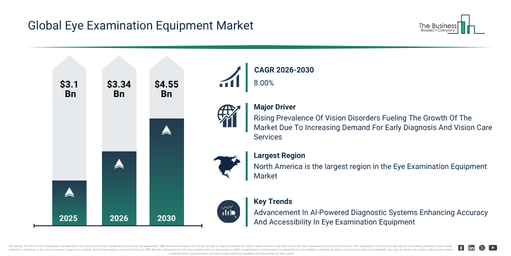
    Eye Examination Equipment Market Revenue Growth Supported By A CAGR Of 4.55% Through 2030

    The eye examination equipment market size has shown substantial growth in recent years. It is anticipated to expand from $3.1 billion in 2025 to $3.34 billion in 2026, achieving a compound annual growth rate (CAGR) of 7.8%. This historical growth can be linked to factors such as an increase in the prevalence of refractive errors and age-related eye conditions, the expansion of ophthalmic clinics and eye care infrastructure, growing public awareness of preventive eye health screenings, a rise in the adoption of conventional diagnostic instruments like slit lamps and tonometers, and greater healthcare spending along with improved access to vision care services.

    The eye examination equipment market is projected to experience robust expansion over the coming years, anticipated to reach $4.55 billion by 2030, exhibiting a compound annual growth rate (CAGR) of 8.0%. This growth during the forecast period is primarily driven by several factors, including advancements in AI-driven retinal imaging and improved diagnostic precision, a rising need for early detection of conditions like glaucoma and diabetic retinopathy, the proliferation of mobile and portable eye examination solutions, the expansion of digital healthcare infrastructure and telemedicine integration, and an aging population boosting demand for vision correction and monitoring. Key trends anticipated during this period encompass the growing acceptance of AI-assisted ophthalmic diagnostic systems, an escalating demand for portable and handheld eye examination devices, increasing incorporation of cloud-based patient eye health records, the broadening scope of tele-ophthalmology and remote vision screening services, and a greater utilization of automated retinal imaging and screening technologies.

    Download A Free Sample Report For Comprehensive Market Insights:

    https://www.thebusinessresearchcompany.com/sample_request?id=16592898&type=smp

    Eye Examination Equipment Market Growth Factors Supporting Long-Term Expansion

    The increasing occurrence of vision impairments is projected to fuel the expansion of the eye examination equipment market in the future. These disorders encompass conditions hindering normal sight or impacting the eye’s structure and function, such as refractive errors, cataracts, glaucoma, and age-related macular degeneration. Their prevalence is rising due to factors like an aging demographic and extended exposure to digital screens. Eye examination equipment is crucial for early detection and ongoing monitoring, facilitating precise diagnosis of visual and ocular conditions, which in turn boosts the demand for diagnostic methods and equipment usage. For example, data from February 2026, provided by the Switzerland-based World Health Organization, indicates that at least 2. 2 billion individuals globally suffer from near or distance vision impairment, with more than 1 billion of these cases being either preventable or still requiring intervention. Consequently, the growing occurrence of vision disorders is propelling the eye examination equipment market’s growth.

    Eye Examination Equipment Market Segment Breakdown: Which Categories Generate The Most Revenue?

    The eye examination equipment market covered in this report is segmented –

    1) By Product: Optical Coherent Tomography Scanners (OCT), Ophthalmic Ultrasound Imaging Systems, Corneal Topography Systems, Slit Lamps, Tonometer, Ophthalmoscopes, Perimeters Or Visual Field Analyzers, Fundus Cameras, Autorefractors And Keratometers

    2) By Technology: Manual Equipment, Automated Equipment, Digital Systems, AI-Integrated Diagnostic Systems

    3) By Distribution: Direct Sales, Distributors And Dealers, Online Sales

    4) By Application: Refractive Error Testing, Glaucoma Detection, Cataract Diagnosis, Retinal Disorders, Corneal Disorders, General Eye Examination

    5) By End User: Hospitals, Clinics, Other End User

    Subsegments:

    1) By Optical Coherent Tomography Scanners: Spectral Domain Optical Coherent Tomography Scanners, Swept Source Optical Coherent Tomography Scanners, Time Domain Optical Coherent Tomography Scanners, Handheld Optical Coherent Tomography Scanners

    2) By Ophthalmic Ultrasound Imaging Systems: A Scan Ultrasound Systems, B Scan Ultrasound Systems, Combined Scan Ultrasound Systems, Ultrasound Biomicroscopy Systems

    3) By Corneal Topography Systems: Placido Disc Based Systems, Scheimpflug Imaging Systems, Scanning Slit Based Systems, Color Led Topography Systems

    4) By Slit Lamps: Table Top Slit Lamps, Portable Slit Lamps, Digital Slit Lamps, Led Slit Lamps

    5) By Tonometer: Applanation Tonometer, Indentation Tonometer, Rebound Tonometer, Non Contact Tonometer

    6) By Ophthalmoscopes: Direct Ophthalmoscopes, Indirect Ophthalmoscopes, Digital Ophthalmoscopes, Panoramic Ophthalmoscopes

    7) By Perimeters Visual Field Analyzers: Static Perimeters, Kinetic Perimeters, Automated Perimeters, Combination Perimeters

    8) By Fundus Cameras: Mydriatic Fundus Cameras, Non Mydriatic Fundus Cameras, Handheld Fundus Cameras, Ultra Widefield Fundus Cameras

    9) By Autorefractors And Keratometers Phoropters: Manual Autorefractors, Automatic Autorefractors, Manual Keratometers, Automatic Keratometers, Digital Phoropters, Manual Phoropters

    Eye Examination Equipment Market Industry Trends Shaping Future Revenue Growth

    Companies operating in the eye examination equipment market are prioritizing innovations in AI-powered diagnostic systems, especially AI-integrated retinal imaging devices, to enhance diagnostic accuracy and broaden access to screening. These devices combine fundus cameras with artificial intelligence algorithms to automatically analyze retinal images and identify eye conditions such as diabetic retinopathy, glaucoma, and macular degeneration. For example, in May 2024, Optomed Oyj, a medical technology company from Finland, launched the Optomed Aurora handheld fundus camera, which is integrated with AI. This device enables autonomous detection of diabetic retinopathy, provides results in less than one minute, and facilitates portable screening across various care settings, highlighting the growing trend towards AI-enabled and decentralized eye diagnostics.

    Eye Examination Equipment Market Key Players And Strategic Industry Positioning

    Major companies operating in the eye examination equipment market are Topcon Corporation, NIDEK Co. Ltd., Appasamy Associates, Heidelberg Engineering, Rexxam Co. Ltd., Lumibird Medical, Keeler Ltd, Oculus Optikgeräte GmbH, Optopol Technology, Forus Health, Volk Optical, Optovue Inc., Luneau Technology Group, Remidio Innovative Solutions, Takagi Seiko Co. Ltd., Visionix, Haag-Streit Group, DGH Technology Inc., Ziemer Ophthalmic Systems, CSO Italy

    Access The Complete Eye Examination Equipment Market Report:

    https://www.thebusinessresearchcompany.com/report/eye-examination-equipment-market-report

    Eye Examination Equipment Market Geographic Distribution And Regional Opportunities

    North America was the largest region in the eye examination equipment market in 2025. Asia-Pacific is expected to be the fastest-growing region in the forecast period. The regions covered in the eye examination equipment market report are Asia-Pacific, South East Asia, Western Europe, Eastern Europe, North America, South America, Middle East and Africa.

    Get in touch with us:

    The Business Research Company: https://www.thebusinessresearchcompany.com/

    Americas: +1 310-496-7795

    Asia: +44 7882 955267 & +91 8897263534

    Europe: +44 7882 955267

    Email us at: marketing@tbrc.info

    Follow us on:

    LinkedIn: https://in.linkedin.com/company/the-business-research-company

    YouTube: https://www.youtube.com/channel/UC24_fI0rV8cR5DxlCpgmyFQ

    Global Market Model: https://www.thebusinessresearchcompany.com/global-market-model

  • Environmental Allergy Monitoring Market Size Projected To Increase From $0.83 Billion To $1.36 Billion During The Forecast Period

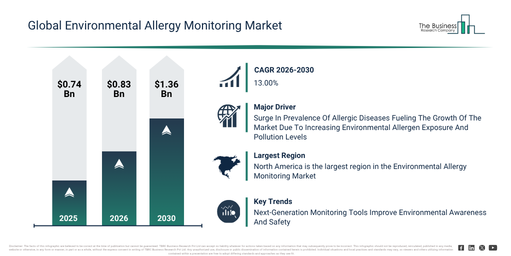
    Environmental Allergy Monitoring Market Size Projected To Increase From $0.83 Billion To $1.36 Billion During The Forecast Period

    Delivering more actionable and strategically valuable research, The Business Research Company’s 2026 market reports feature market attractiveness analysis, total addressable market evaluation, company benchmarking matrices, interactive Excel dashboards, expanded supply chain intelligence, emerging startup coverage, and detailed product insights.

    Environmental Allergy Monitoring Market Growth From $0.83 Billion In 2026 To $1.36 Billion By 2030 At A CAGR Of 13%

    The environmental allergy monitoring market size has experienced rapid growth in recent years. Its size is projected to increase from $0.74 billion in 2025 to $0.83 billion in 2026, achieving a compound annual growth rate (CAGR) of 12.7%. Historically, the market’s expansion was driven by factors such as basic manual pollen count reporting systems, limited awareness of environmental allergy triggers, the development of basic air quality monitoring stations, the broadening of respiratory health surveillance programs, and the early adoption of digital weather forecasting tools.

    The environmental allergy monitoring market is poised for substantial expansion over the next several years. It is forecast to achieve a size of $1.36 billion by 2030, demonstrating a compound annual growth rate (CAGR) of 13.0%. This anticipated growth can be linked to the adoption of AI-based allergen prediction models, the increasing worldwide incidence of respiratory allergies, the expansion of smart city environmental surveillance networks, a growing call for tailored health risk notifications, and the proliferation of IoT-enabled wearable health monitoring technologies. Significant developments expected during this timeframe include hyperlocal allergen forecasting systems, personal environmental exposure tracking wearables, allergy alert systems integrated into smart homes, predictive modeling for air quality health risks, and platforms for real-time mapping of urban pollution and allergens.

    Download A Free Sample Report For Comprehensive Market Insights:

    https://www.thebusinessresearchcompany.com/sample_request?id=62768657&type=smp

    Environmental Allergy Monitoring Market Opportunity Drivers: What Is Creating New Revenue Potential?

    The increasing occurrence of allergic conditions is projected to boost the expansion of the environmental allergy monitoring market in the coming years. Allergic diseases involve immune system disorders where the body reacts excessively to substances in the environment that are usually harmless, such as pollen, dust, or specific foods. The frequency of these diseases is growing due to greater exposure to environmental contaminants and allergens, which elevates immune responsiveness in people. Environmental allergy monitoring facilitates the management of allergic diseases by providing real-time identification and tracking of environmental allergens such as pollen, dust, and pollutants, thereby assisting individuals and medical professionals in controlling exposure and minimizing health dangers linked to allergies. For instance, in January 2026, according to the Centers for Disease Control and Prevention, a US-based public health agency, in 2024, 31.7% of adults had a diagnosed seasonal allergy, eczema, or food allergy, compared to lower historical levels, with 25.2% experiencing seasonal allergies, 7.7% experiencing eczema, and 6.7% experiencing food allergies. Consequently, the growing incidence of allergic diseases is propelling the environmental allergy monitoring market forward.

    Environmental Allergy Monitoring Market Segment Performance And Strategic Opportunities

    The environmental allergy monitoring market covered in this report is segmented –

    1) By Type: Wearable Pollen Monitors, Internet Of Things Air Allergen Sensors, Real Time Air Quality Platforms

    2) By Allergen Type: Pollen Allergens, Dust Mites, Mold Spores, Pet Dander, Air Pollutants, Other Allergen Types

    3) By Distribution Channel: Direct Sales, Online Retail, Offline Retail, System Integrators And Solution Providers

    4) By Application: Outdoor Pollen Monitoring, Indoor Allergen Tracking, Workplace Allergy Risk, Smart Home Allergy Alerts

    5) By End User: Government Agencies, Healthcare Providers And Payers, Employers And Facility Managers, Consumers And Individuals, Universities And Research Institutes

    Subsegments:

    1) By Wearable Pollen Monitors: Personal Wearable Pollen Detection Devices, Clip On Pollen Monitoring Devices, Wrist Based Pollen Monitoring Devices, Portable Handheld Pollen Monitoring Devices, Smart Clothing Integrated Pollen Sensors

    2) By Internet Of Things Air Allergen Sensors: Indoor Air Allergen Monitoring Sensors, Outdoor Air Allergen Monitoring Sensors, Smart Home Integrated Allergen Sensors, Industrial Air Allergen Detection Sensors, Wireless Connected Allergen Sensor Networks

    3) By Real Time Air Quality Platforms: Cloud Based Air Quality Monitoring Platforms, Mobile Application Based Air Quality Platforms, Web Based Air Quality Analytics Platforms, Integrated Environmental Data Visualization Platforms, Predictive Air Quality Forecasting Platforms

    Environmental Allergy Monitoring Market Innovation Trends Driving Future Development

    Key players within the environmental allergy monitoring market are concentrating on creating advanced solutions, including AI-powered real-time air quality sensors. These innovations aim to improve the identification of airborne allergens, offer hyperlocal data, enable individuals to make well-informed choices, and support citizen science projects. AI-powered real-time air quality sensors are devices that employ artificial intelligence to automatically identify, categorize, and report airborne particles such as pollen, mold, and dust as they manifest. For example, in November 2024, Pollen Sense LLC, a US-based air quality monitoring company, revealed the release of its APS400 sensor for the consumer market. The APS400 uses imaging and AI capabilities to continually sample and classify airborne particles, delivering real-time allergen information accessible through the ParticleSense app. Designed for both indoor and outdoor settings, the sensor provides highly localized air quality insights, smooth app integration, and intuitive visualization, assisting allergy sufferers in controlling their exposure and contributing to a larger automated monitoring network.

    Environmental Allergy Monitoring Market Key Players: Which Companies Shape Industry Competition?

    Major companies operating in the environmental allergy monitoring market are Samsung Electronics Co. Ltd., Siemens AG, Thermo Fisher Scientific Inc., Honeywell International Inc., ABB Ltd., Merck KGaA, Danaher Corporation, Agilent Technologies Inc., AMETEK Inc., Sartorius AG, Waters Corporation, HORIBA Ltd., Sensirion AG, ACOEM Group, Bosch Sensortec GmbH, IQAir AG, Airthings ASA, Awair Inc., Kaiterra Inc., Clarity Movement Co. Inc.

    Access The Complete Environmental Allergy Monitoring Market Report:

    https://www.thebusinessresearchcompany.com/report/environmental-allergy-monitoring-market-report

    Environmental Allergy Monitoring Market Global Footprint: Which Region Holds Market Leadership?

    North America was the largest region in the environmental allergy monitoring market in 2025. Asia-Pacific is expected to be the fastest-growing region in the forecast period. The regions covered in the environmental allergy monitoring market report are Asia-Pacific, South East Asia, Western Europe, Eastern Europe, North America, South America, Middle East and Africa.

    Get in touch with us:

    The Business Research Company: https://www.thebusinessresearchcompany.com/

    Americas: +1 310-496-7795

    Asia: +44 7882 955267 & +91 8897263534

    Europe: +44 7882 955267

    Email us at: marketing@tbrc.info

    Follow us on:

    LinkedIn: https://in.linkedin.com/company/the-business-research-company

    YouTube: https://www.youtube.com/channel/UC24_fI0rV8cR5DxlCpgmyFQ

    Global Market Model: https://www.thebusinessresearchcompany.com/global-market-model