Author: Marketing Posting

  • Proliferative Diabetic Retinopathy (PDR) Market Set To Expand From $4.49 Billion In 2026: Growth Outlook Through 2030

    Proliferative Diabetic Retinopathy (PDR) Market Set To Expand From $4.49 Billion In 2026: Growth Outlook Through 2030

    Built to provide research that’s more actionable and strategically valuable, The Business Research Company’s 2026 market reports include market attractiveness analysis, total addressable market sizing, company benchmarking matrices, interactive Excel dashboards, broader supply chain intelligence, emerging startup tracking, and in-depth product insights.

    Proliferative Diabetic Retinopathy (PDR) Market Growth Analysis: How Will Revenue Trend Over The Forecast Period?

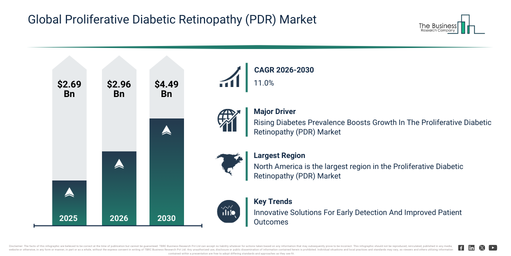
    The market for proliferative diabetic retinopathy (pdr) has experienced substantial growth in recent years. This market is set to expand from $2.69 billion in 2025 to $2.96 billion by 2026, at a compound annual growth rate (CAGR) of 10.3%. During the historical period, this growth was primarily driven by the increasing prevalence of diabetes mellitus, a broader embrace of retinal laser therapies, the expansion of ophthalmology clinics, improved access to eye care services, and the development of diabetic screening programs.

    The market size for proliferative diabetic retinopathy (pdr) is anticipated to undergo swift development over the upcoming period. Its valuation is forecasted to expand to $4.49 billion in 2030, reflecting a compound annual growth rate (CAGR) of 11.0%. This expansion during the forecast period can be attributed to a growing need for long-acting injectable therapies, increasing adoption of AI-based retinal diagnostics, the extension of outpatient ophthalmic procedures, an escalating focus on vision preservation strategies, and greater investment in managing diabetic eye disease. Key developments projected for this timeframe include a rising uptake of anti-VEGF therapies, increased utilization of advanced retinal imaging technologies, an intensified emphasis on early screening and diagnosis, the broadening of minimally invasive surgical interventions, and better integration of multidisciplinary diabetes care.

    Get A Free Sample Report With In-Depth Market Insights:

    https://thebusinessresearchcompany.com/sample_request?id=95333806&type=smp&name=Proliferative%20Diabetic%20Retinopathy%20%28PDR%29%20Market%20Report%202026&utm_source=Blogs&utm_medium=Paid&utm_campaign=Nov_PR

    Proliferative Diabetic Retinopathy (PDR) Market Demand Drivers: What’s Powering Industry Growth?

    An anticipated increase in diabetes cases is projected to fuel the expansion of the proliferative diabetic retinopathy (PDR) market in the future. This chronic medical condition, diabetes, is defined by abnormally high glucose (sugar) concentrations within the bloodstream. As the primary catalyst for proliferative diabetic retinopathy disease, diabetes necessitates diverse treatment approaches aimed at averting additional retinal harm and safeguarding sight.

    Proliferative Diabetic Retinopathy (PDR) Market Segment Breakdown: Which Categories Lead On Revenue?

    The proliferative diabetic retinopathy (pdr) market covered in this report is segmented –

    1) By Treatment Type: Anti-VEGF (Vascular Endothelial Growth Factor) Therapy, Intraocular Steroids, Laser Surgery, Vitrectomy

    2) By Mode of Administration: Injectables, Intravitreal Administration Focus, Other Mode Of Administrations

    3) By Application: Hospitals, Clinics, Other Applications

    Subsegments:

    1) By Anti-VEGF Therapy: Aflibercept, Ranibizumab, Bevacizumab

    2) By Intraocular Steroids: Triamcinolone Acetonide, Dexamethasone Implant, Fluocinolone Acetonide

    3) By Laser Surgery: Focal Laser Photocoagulation, Panretinal Laser Photocoagulation

    4) By Vitrectomy: Pars Plana Vitrectomy, Anterior Vitrectomy

    Proliferative Diabetic Retinopathy (PDR) Market Innovation Trends Shaping Future Development

    Leading firms within the proliferative diabetic retinopathy (PDR) market are concentrating their efforts on creating advanced solutions, including AI-based autonomous retinal screening systems and handheld fundus cameras, with the goal of improving early diagnosis and patient results. These AI-powered autonomous screening systems are engineered to analyze retinal images independently, delivering swift and precise detection of diabetic retinopathy, whereas handheld fundus cameras enable convenient and portable retinal imaging.

    Proliferative Diabetic Retinopathy (PDR) Market Leading Players And Competitive Positioning

    Major companies operating in the proliferative diabetic retinopathy (pdr) market are Johnson And Johnson Limited, F Hoffmann La Roche Ltd, AbbVie Inc, Bayer AG, Novartis AG, Merck KGaA, Kubota Vision Inc, Teva Pharmaceutical Industries Ltd, Regeneron Pharmaceuticals Inc, Mylan NV, Santen Pharmaceutical Co Ltd, Lupin Limited, Genentech Inc, Alcon Inc, Carl Zeiss Meditec AG, Topcon Corporation, Nidek Co Ltd, Bausch And Lomb Corporation, Heidelberg Engineering GmbH, Iridex Corporation, Lumenis Ltd, Optos plc, Zeiss Meditec India Pvt Ltd, Alimera Sciences Inc

    View The Full Proliferative Diabetic Retinopathy (PDR) Market Report:

    https://thebusinessresearchcompany.com/report/proliferative-diabetic-retinopathy-pdr-global-market-report?utm_source=Blogs&utm_medium=Paid&utm_campaign=Nov_PR

    Proliferative Diabetic Retinopathy (PDR) Market Geographic Landscape: Which Region Leads Industry Growth?

    North America was the largest region in the proliferative diabetic retinopathy market in 2025. Asia Pacific is expected to be the fastest-growing region in the forecast period. The regions covered in the proliferative diabetic retinopathy (pdr) market report are Asia-Pacific, South East Asia, Western Europe, Eastern Europe, North America, South America, Middle East, Africa.

    Reach Out To Our Team:

    The Business Research Company: https://www.thebusinessresearchcompany.com/

    Americas: +1 310-496-7795

    Asia: +44 7882 955267 & +91 8897263534

    Europe: +44 7882 955267

    Email us at: marketing@tbrc.info

    Follow us on:

    LinkedIn: https://in.linkedin.com/company/the-business-research-company

    YouTube: https://www.youtube.com/channel/UC24_fI0rV8cR5DxlCpgmyFQ

    Global Market Model: https://www.thebusinessresearchcompany.com/global-market-model
  • Progressive Multifocal Leukoencephalopathy Treatment Market Size And Growth In 2026: Key Factors Shaping Future Demand

    Progressive Multifocal Leukoencephalopathy Treatment Market Size And Growth In 2026: Key Factors Shaping Future Demand

    Backed by market attractiveness analysis, total addressable market sizing, company benchmarking matrices, interactive Excel dashboards, wider supply chain intelligence, emerging startup coverage, and detailed product-level insights, The Business Research Company’s 2026 market reports are designed to offer research that is more actionable and strategically valuable than ever.

    Progressive Multifocal Leukoencephalopathy Treatment Market Forecast: What Value Will The Market Reach By 2030?

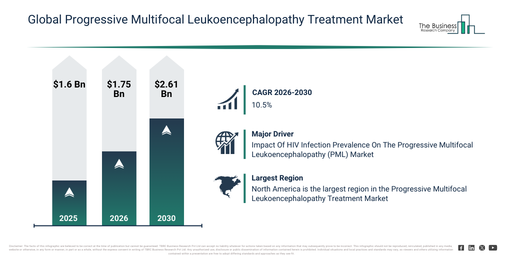
    In recent years, the progressive multifocal leukoencephalopathy treatment market has experienced robust expansion. Projections indicate it will expand from $1.6 billion in 2025 to reach $1.75 billion by 2026, exhibiting a compound annual growth rate (CAGR) of 9.8%. Historically, this growth has been driven by factors such as the increasing prevalence of immunocompromised populations, the broader adoption of immunosuppressive therapies, enhanced diagnostic awareness of pml, the expansion of hospital-based neurological care, and the availability of antiviral management protocols.

    The progressive multifocal leukoencephalopathy treatment market is projected for substantial expansion in the coming years. By 2030, its valuation is anticipated to reach $2.61 billion, demonstrating a compound annual growth rate (CAGR) of 10.5%. This growth during the forecast period is fueled by several factors, including intensified research into targeted antiviral treatments, a heightened need for swift diagnostic instruments, the broadening application of precision medicine, a greater emphasis on modulating the immune system, and increased clinical partnerships for rare viral conditions. Key developments expected in this period involve an amplified focus on immunomodulatory treatment methods, a rise in the utilization of sophisticated neuroimaging diagnostics, a stronger push for early identification in patients with compromised immune systems, the wider availability of supportive and symptom management therapies, and improved integration of care teams across various disciplines.

    Get A Free Sample Report With In-Depth Market Insights:

    https://thebusinessresearchcompany.com/sample_request?id=73283733&type=smp&name=Progressive%20Multifocal%20Leukoencephalopathy%20Treatment%20Market%20Report%202026&utm_source=Blogs&utm_medium=Paid&utm_campaign=Nov_PR

    Progressive Multifocal Leukoencephalopathy Treatment Market Growth Drivers: What’s Behind The Acceleration?

    The increasing prevalence of human immunodeficiency virus (HIV) infection is anticipated to fuel the expansion of the progressive multifocal leukoencephalopathy market moving forward. HIV, a retrovirus, impairs the immune system by targeting CD4 cells (T cells) vital for fighting infections. A poor immunological state, characterized by a low CD4 cell count (200/L), is the primary global cause of progressive multifocal leukoencephalopathy (PML) in most HIV patients. A significant HIV-induced immune deficiency can lead to the activation of the latent JCV archetype strain in the brain, resulting in brain white matter lesions and PML.

    Progressive Multifocal Leukoencephalopathy Treatment Market Segmentation: How Does The Market Break Down By Category?

    The progressive multifocal leukoencephalopathy treatment market covered in this report is segmented –

    1) By Treatment: Anti-retroviral Therapy, Antiviral Or Anti-John Cunningham Virus (JCV), Other Symptomatic

    2) By Indication: HIV Or AIDS, Organ Transplantation, Multiple Sclerosis, Hematologic Malignancies

    3) By Route of Administration: Oral, Parenteral, Other Routes Of Administration

    4) By End-Users: Hospitals, Homecare, Specialty Centers, Other End-Users

    Subsegments:

    1) By Anti-retroviral Therapy: NRTIs (Nucleoside Reverse Transcriptase Inhibitors), NNRTIs (Non-Nucleoside Reverse Transcriptase Inhibitors), PIs (Protease Inhibitors), Integrase Inhibitors

    2) By Antiviral Or Anti-John Cunningham Virus (JCV): Natalizumab, Fumaric Acid Esters, Other JCV-targeted Therapies

    3) By Other Symptomatic Treatments: Corticosteroids, Immunomodulators, Supportive Care, Symptomatic Relief Medications

    Progressive Multifocal Leukoencephalopathy Treatment Market Competitive Overview And Top Companies

    Major companies operating in the progressive multifocal leukoencephalopathy treatment market are Pfizer Inc, Johnson And Johnson, Roche Holding AG, Merck And Co Inc, AbbVie Inc, Novartis AG, Bristol Myers Squibb Company, Sanofi SA, Takeda Pharmaceutical Company Limited, Eli Lilly And Company, Gilead Sciences Inc, Viatris Inc, Teva Pharmaceutical Industries Ltd, Biogen Inc, Otsuka Pharmaceutical Co Ltd, Jazz Pharmaceuticals plc, Ipsen Pharma, Apotex Inc, Alkermes plc, Genentech Inc, Neurimmune AG, NeoImmuneTech, Inhibikase Therapeutics Inc, Bayer AG

    View The Full Progressive Multifocal Leukoencephalopathy Treatment Market Report:

    https://thebusinessresearchcompany.com/report/progressive-multifocal-leukoencephalopathy-treatment-global-market-report?utm_source=Blogs&utm_medium=Paid&utm_campaign=Nov_PR

    Progressive Multifocal Leukoencephalopathy Treatment Market Largest Region: Which Geography Holds The Biggest Share?

    North America was the largest region in the progressive multifocal leukoencephalopathy treatment market in 2025. The regions covered in the progressive multifocal leukoencephalopathy treatment market report are Asia-Pacific, South East Asia, Western Europe, Eastern Europe, North America, South America, Middle East, Africa.

    Reach Out To Our Team:

    The Business Research Company: https://www.thebusinessresearchcompany.com/

    Americas: +1 310-496-7795

    Asia: +44 7882 955267 & +91 8897263534

    Europe: +44 7882 955267

    Email us at: marketing@tbrc.info

    Follow us on:

    LinkedIn: https://in.linkedin.com/company/the-business-research-company

    YouTube: https://www.youtube.com/channel/UC24_fI0rV8cR5DxlCpgmyFQ

    Global Market Model: https://www.thebusinessresearchcompany.com/global-market-model
  • Progressive Ataxia And Weakness Disorders Market Forecast 2026–2030: Market Size, Trends And Growth Opportunities

    Progressive Ataxia And Weakness Disorders Market Forecast 2026–2030: Market Size, Trends And Growth Opportunities

    Featuring market attractiveness scoring, total addressable market sizing, company benchmarking matrices, interactive Excel dashboards, deeper supply chain intelligence, emerging startup tracking, and granular product-level insights, The Business Research Company’s 2026 market reports are built to deliver research that is both more actionable and more strategically valuable.

    Progressive Ataxia And Weakness Disorders Market Size Outlook: How Quickly Will Revenue Expand Through 2030?

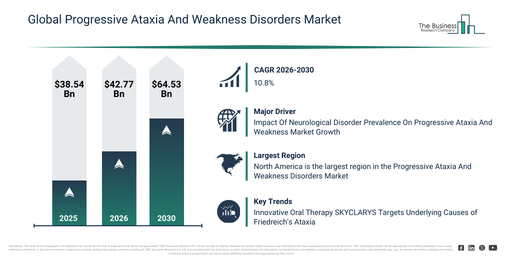
    The market size for progressive ataxia and weakness disorders has seen rapid expansion in recent years. This market is anticipated to expand from $38.54 billion in 2025 to $42.77 billion in 2026, achieving a compound annual growth rate (CAGR) of 11.0%. The growth observed in previous periods can be linked to factors such as improved recognition of rare neurological disorders, the expansion of neurology specialty clinics, the increasing use of symptomatic drug therapies, the availability of genetic testing technologies, and a rise in patient advocacy initiatives.

    The market size for progressive ataxia and weakness disorders is projected to experience rapid expansion in the coming years. It is expected to reach $64.53 billion by 2030, growing at a compound annual growth rate (CAGR) of 10.8%. This anticipated growth during the forecast period is attributed to increased investment in neurodegenerative disease research, a rising demand for personalized treatment options, the expansion of biomarker-based diagnostics, a growing focus on disease-modifying therapies, and intensified clinical trial activity for rare disorders. Significant trends in the forecast period include the increasing development of targeted neurological therapies, a rising adoption of advanced genetic diagnostics, the growing implementation of multidisciplinary treatment approaches, an expansion of symptom management solutions, and an enhanced focus on early disease detection.

    Get A Free Sample Report With In-Depth Market Insights:

    https://thebusinessresearchcompany.com/sample_request?id=34930075&type=smp&name=Progressive%20Ataxia%20And%20Weakness%20Disorders%20Market%20Report%202026&utm_source=Blogs&utm_medium=Paid&utm_campaign=Nov_PR

    Progressive Ataxia And Weakness Disorders Market Growth Factors Behind Sustained Expansion

    The rising occurrence of neurological conditions is anticipated to boost the expansion of the progressive ataxia and weakness disorders market. These disorders encompass illnesses impacting the central and peripheral nervous systems, specifically involving the brain, spinal cord, cranial and peripheral nerves, autonomic nervous system, nerve roots, neuromuscular junction, and muscles. This increase in prevalence stems from an aging global population, genetic predispositions, and infectious ailments. Within neurology, progressive ataxia and weakness disorders are vital for informing diagnosis, treatment strategies, research endeavors, and patient care programs, all designed to enhance the results and quality of life for those afflicted by these complex neurological states.

    Progressive Ataxia And Weakness Disorders Market Segment Trends And Revenue Contributors

    The progressive ataxia and weakness disorders market covered in this report is segmented –

    1) By Type: Progressive Ataxia, Progressive Weakness Disorders

    2) By Technology: Small Molecule, Monoclonal Antibody, Other Technology

    3) By Distribution Channel: Retail Pharmacy, Hospital Pharmacy, Online Pharmacy

    4) By Application: Hospital, Clinic, Other Applications

    Subsegments:

    1) By Progressive Ataxia: Cerebellar Ataxia, Sensory Ataxia, Vestibular Ataxia, Friedreich’s Ataxia, Spinocerebellar Ataxia (SCA), Idiopathic Ataxia

    2) By Progressive Weakness Disorders: Amyotrophic Lateral Sclerosis (ALS), Muscular Dystrophy, Spinal Muscular Atrophy (SMA), Myasthenia Gravis, Multiple Sclerosis (MS), Guillain-Barré Syndrome (GBS)

    Progressive Ataxia And Weakness Disorders Market Strategic Trends: What Defines The Next Growth Phase?

    Key companies operating in the progressive ataxia and weakness disorders market are concentrating on creating innovative products, including oral medications for the treatment of Friedreich’s ataxia in adults and adolescents aged 16 years and older. Oral medication refers to drugs ingested by mouth, commonly in the form of tablets, capsules, or liquids.

    Progressive Ataxia And Weakness Disorders Market Competitive Landscape: Which Companies Lead The Industry?

    Major companies operating in the progressive ataxia and weakness disorders market are Pfizer Inc, Merck And Co Inc, Bristol Myers Squibb Company, Novartis AG, Takeda Pharmaceutical Company Limited, Astellas Pharma Inc, Biogen Inc, BioMarin Pharmaceutical Inc, Sarepta Therapeutics Inc, PTC Therapeutics Inc, Kissei Pharmaceutical Co Ltd, Biohaven Pharmaceutical Holding Company Ltd, Design Therapeutics Inc, Anavex Life Sciences Corp, Larimar Therapeutics Inc, Voyager Therapeutics Inc, Stealth BioTherapeutics Corp, Capsida Biotherapeutics Inc, Retrotope Inc, Taysha Gene Therapies Inc, CRISPR Therapeutics AG, Ionis Pharmaceuticals Inc, Roche Holding AG, Sanofi SA

    View The Full Progressive Ataxia And Weakness Disorders Market Report:

    https://thebusinessresearchcompany.com/report/progressive-ataxia-and-weakness-disorders-global-market-report?utm_source=Blogs&utm_medium=Paid&utm_campaign=Nov_PR

    Progressive Ataxia And Weakness Disorders Market Regional Analysis: Which Geography Leads On Revenue?

    North America was the largest region in the progressive ataxia and weakness disorders market in 2025. The regions covered in the progressive ataxia and weakness disorders market report are Asia-Pacific, South East Asia, Western Europe, Eastern Europe, North America, South America, Middle East, Africa.

    Reach Out To Our Team:

    The Business Research Company: https://www.thebusinessresearchcompany.com/

    Americas: +1 310-496-7795

    Asia: +44 7882 955267 & +91 8897263534

    Europe: +44 7882 955267

    Email us at: marketing@tbrc.info

    Follow us on:

    LinkedIn: https://in.linkedin.com/company/the-business-research-company

    YouTube: https://www.youtube.com/channel/UC24_fI0rV8cR5DxlCpgmyFQ

    Global Market Model: https://www.thebusinessresearchcompany.com/global-market-model
  • Private Nursing Services Market Size Reaches $643.67 Billion In 2026: What Is Driving Growth?

    Private Nursing Services Market Size Reaches $643.67 Billion In 2026: What Is Driving Growth?

    Built to provide research that’s more actionable and strategically valuable, The Business Research Company’s 2026 market reports include market attractiveness analysis, total addressable market sizing, company benchmarking matrices, interactive Excel dashboards, broader supply chain intelligence, emerging startup tracking, and in-depth product insights.

    Private Nursing Services Market Size, Value And Growth Trajectory Through 2030

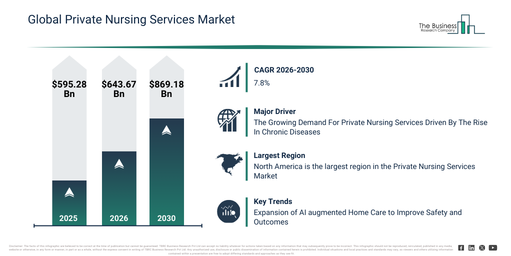
    The private nursing services market has demonstrated robust growth in recent years. It is anticipated to increase from $595.28 billion in 2025 to $643.67 billion in 2026, advancing at a compound annual growth rate (CAGR) of 8.1%. The expansion observed during the historic period can be attributed to an aging population, the rising occurrence of chronic diseases, a growing inclination towards home healthcare, the proliferation of private healthcare services, and deficiencies in hospital capacity.

    The private nursing services market is anticipated to experience substantial growth in the upcoming years. This sector is forecast to expand to $869.18 billion by 2030, achieving a compound annual growth rate (CAGR) of 7.8%. The projected growth can be attributed to several factors, including increasing demand for home-based medical services, rising adoption of digital health platforms, expansion of insurance coverage for home care, a growing focus on cost-effective care delivery, and increasing investments in private nursing workforce development. Key trends during this forecast period include an expanding demand for in-home skilled nursing care, a rising focus on personalized patient care plans, the growing use of remote health monitoring tools, increased integration of medical and non-medical services, and the expansion of subscription-based care models.

    Get A Free Sample Report With In-Depth Market Insights:

    https://thebusinessresearchcompany.com/sample_request?id=99192615&type=smp&name=Private%20Nursing%20Services%20Market%20Report%202026&utm_source=Blogs&utm_medium=Paid&utm_campaign=Nov_PR

    Private Nursing Services Market Demand Drivers Opening New Revenue Streams

    The increasing prevalence of chronic diseases is anticipated to fuel the expansion of the private nursing services market. Worldwide, the occurrence of chronic diseases is steadily rising, influenced by an aging global population, lifestyle choices, and environmental factors. Private nursing services provide consistent care, building strong patient-nurse relationships that are vital for managing chronic conditions effectively and improving overall health outcomes.

    Private Nursing Services Market Segment Analysis Spotlighting Growth Areas

    The private nursing services market covered in this report is segmented –

    1) By Service Type: Medical (Skilled Nursing) Services, Nursing-Supervised Supportive Care Services

    2) By Service Provider: Private Practitioners, Mental Health Clinics And Hospitals, Online Counseling Platforms, Religious And Faith-Based Counselors, Corporate Employee Assistance Programs (EAPs)

    3) By Gender: Female, Male

    4) By Medical Condition: Pediatric Care, Chronic Disease Management, Post Operative Services, Elderly Care, Other Medical Conditions

    5) By Payment Model: Insurance Covered Services, Fee For Service

    Subsegments:

    1) By Medical (Skilled Nursing) Services: Skilled Nursing Care, Post-Surgical / Post-Operative Nursing Care, Wound Care Management, Medication Administration & Management, Chronic Disease Management, Pediatric Private Duty Nursing, Geriatric Nursing Care, Palliative & End-of-Life Nursing Care, IV Therapy & Injections, Rehabilitation & Recovery Nursing Support

    2) By Nursing-Supervised Supportive Care Services: Personal Care Assistance, Activities of Daily Living Support, Companionship & Patient Monitoring, Nutrition Support & Meal Assistance, Light Household Assistance Related to Patient Care, Transportation Assistance for Medical Appointments, Respite Care for Family Caregivers, Safety Supervision & Fall-Prevention Support

    Private Nursing Services Market Transformation Trends: What Innovations Are Driving Change?

    Companies in the private nursing services market are actively developing innovative services like nurse-led, AI-powered home care monitoring models to address the increasing demand for safer, preventive, and data-driven home-based care for aging adults and individuals requiring long-term personal care. This home care monitoring incorporates daily oversight by licensed nurses, integrated with predictive analytics tools designed to identify early signs of health deterioration, risk of falls, wounds, hospitalizations, or changes in mental status, thus enabling proactive interventions and reducing emergency incidents. For instance, in November 2025, BAYADA Home Health Care, a U.S.-based nonprofit home health provider, launched its “Enhanced Quality of Care (EQoC)” model. This model represents the first AI-enhanced home care solution created to support private pay personal care clients through daily nurse oversight, complemented by predictive technology monitoring. The EQoC model tracks over 40 detection points daily, such as pain, wounds, fall risk, hospitalizations, and mental status. It leverages AI-driven insights to detect subtle changes early, prompting registered nurses to adjust care plans and customize visit frequency to individual needs. This approach helps prevent falls and hospitalizations, thereby improving safety and supporting independent living at home.

    Private Nursing Services Market Leading Companies: Who Holds The Strongest Market Presence?

    Major companies operating in the private nursing services market are Maxim Healthcare Services, Aveanna Healthcare, Bayshore HealthCare, LHC Group, Care UK, CBI Health Group, Extendicare, Helping Hands Home Care, Alliance Homecare, NurseRegistry, ParaMed, Homage, Grand World Elder Care, Able Community Care, Interim HealthCare, Bayada Home Health Care, BrightStar Care, Right at Home, Kindred at Home, Visiting Nurse Service of New York, Apollo HomeCare, MedCare Professional

    View The Full Private Nursing Services Market Report:

    https://thebusinessresearchcompany.com/report/private-nursing-services-global-market-report?utm_source=Blogs&utm_medium=Paid&utm_campaign=Nov_PR

    Private Nursing Services Market Geographic Spread And Regional Opportunities

    North America was the largest region in the private nursing services market in 2025. The regions covered in the private nursing services market report are Asia-Pacific, South East Asia, Western Europe, Eastern Europe, North America, South America, Middle East, Africa.

    Reach Out To Our Team:

    The Business Research Company: https://www.thebusinessresearchcompany.com/

    Americas: +1 310-496-7795

    Asia: +44 7882 955267 & +91 8897263534

    Europe: +44 7882 955267

    Email us at: marketing@tbrc.info

    Follow us on:

    LinkedIn: https://in.linkedin.com/company/the-business-research-company

    YouTube: https://www.youtube.com/channel/UC24_fI0rV8cR5DxlCpgmyFQ

    Global Market Model: https://www.thebusinessresearchcompany.com/global-market-model
  • Private Hospital Market Valued At $8613.32 Billion In 2026: Key Trends And Growth Drivers

    Private Hospital Market Valued At $8613.32 Billion In 2026: Key Trends And Growth Drivers

    Backed by market attractiveness analysis, total addressable market sizing, company benchmarking matrices, interactive Excel dashboards, wider supply chain intelligence, emerging startup coverage, and detailed product-level insights, The Business Research Company’s 2026 market reports are designed to offer research that is more actionable and strategically valuable than ever.

    Private Hospital Market CAGR Outlook And Future Development

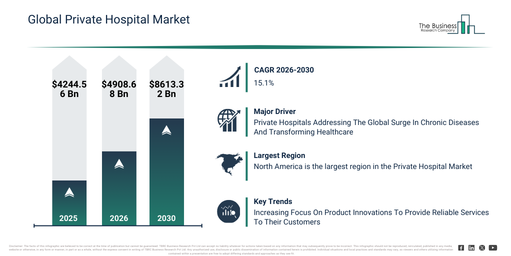
    The private hospital market size has experienced rapid growth in recent years. It is anticipated to expand from $4244.56 billion in 2025 to $4908.68 billion in 2026, demonstrating a compound annual growth rate (CAGR) of 15.6%. This historical growth can be attributed to factors such as rising healthcare expenditure in the private sector, an increasing patient preference for private healthcare services, the expansion of urban hospital infrastructure, the availability of advanced medical technologies, and the growth in the insured patient population.

    The private hospital market size is projected to experience significant expansion over the coming years. By 2030, this market is anticipated to reach $8613.32 billion, demonstrating a compound annual growth rate (CAGR) of 15.1%. Factors contributing to this growth during the forecast period include greater investments in smart hospital infrastructure, an escalating demand for specialized healthcare services, the expansion of private hospitals into emerging markets, a heightened focus on operational efficiency, and the increasing incorporation of digital patient engagement platforms. Key trends expected within the forecast period encompass a surge in the adoption of digital health management systems, an increase in the expansion of multispecialty private hospitals, a rising need for advanced diagnostic infrastructure, an amplified focus on patient-centric care models, and the broadening of telemedicine and remote monitoring services.

    Get A Free Sample Report With In-Depth Market Insights:

    https://thebusinessresearchcompany.com/sample_request?id=10373367&type=smp&name=Private%20Hospital%20Market%20Report%202026&utm_source=Blogs&utm_medium=Paid&utm_campaign=Nov_PR

    Private Hospital Market Growth Backed By Core Demand Fundamentals

    An increasing mortality rate linked to chronic illnesses is projected to fuel the expansion of the private hospital market in the future. Chronic conditions are defined as ailments persisting for a minimum of one year and necessitating continuous medical care. The prevalence of chronic diseases is escalating as a result of more inactive lifestyles, which in turn elevates the likelihood of developing conditions such as obesity, diabetes, and cardiovascular issues over a period. Private hospitals offer a vital opportunity to initiate effective management of chronic illnesses and tackle preventive health issues.

    Private Hospital Market Segment Performance And Emerging Opportunities

    The private hospital market covered in this report is segmented –

    1) By Category: Children’s Hospital, Multispecialty Hospitals, Acute Care Hospitals, Specialty Hospitals

    2) By Capacity: Large (>500 Beds), Medium (100 Beds-500 Beds), Small (100 Beds)

    3) By Location: Rural, Urban

    Subsegments:

    1) By Children’s Hospital: Pediatric Intensive Care Units (PICU), Neonatal Care Units

    2) By Multispecialty Hospitals: General Medicine, General Surgery, Cardiology

    3) By Acute Care Hospitals: Trauma Centers, Emergency Care Facilities

    4) By Specialty Hospitals: Orthopedic Hospitals, Cardiac Hospitals, Oncology Hospital

    #Private Hospital Market Growth Trends: What’s Shaping The Future Outlook?

    Leading companies in the private hospital market are concentrating on innovative offerings like a 506-bed hospital to boost their market revenues. A 506 multi-specialty hospital functions as a healthcare institution that delivers a wide array of medical services and specializations under one roof, providing convenience and accessibility to patients seeking treatment for various health conditions.

    Private Hospital Market Key Players: Which Companies Lead Industry Competition?

    Major companies operating in the private hospital market are Toulon Hyeres Private Hospital, Deaconesses Croix Saint, Nuffield Health, London Bridge Healthcare, Ramsay Health Care, HCA Healthcare Inc, Spire Healthcare Group PLC, Meoclinic GmbH, Fortis Healthcare Limited, Fresenius SE And Co KGaA, Life Healthcare Group, Max Superspecialty Hospital Group, Apollo Hospitals Enterprise Ltd, IASIS Healthcare LLC, Community Health Systems Inc, Universal Health Services Inc, Tenet Healthcare Corporation, LifePoint Health Inc, Kindred Healthcare LLC, Encompass Health Corporation, Acadia Healthcare Company, Select Medical Holdings Corporation, National Healthcare Corporation, Surgery Partners Inc, Surgery Care Affiliates Inc, IHH Healthcare Berhad

    View The Full Private Hospital Market Report:

    https://thebusinessresearchcompany.com/report/private-hospital-global-market-report?utm_source=Blogs&utm_medium=Paid&utm_campaign=Nov_PR

    Private Hospital Market Top Region By Revenue And Market Share

    North America was the largest region in the private hospital market share in 2025. Asia-Pacific is expected to be the fastest-growing region in the forecast period. The regions covered in the private hospital market report are Asia-Pacific, South East Asia, Western Europe, Eastern Europe, North America, South America, Middle East, Africa.

    Reach Out To Our Team:

    The Business Research Company: https://www.thebusinessresearchcompany.com/

    Americas: +1 310-496-7795

    Asia: +44 7882 955267 & +91 8897263534

    Europe: +44 7882 955267

    Email us at: marketing@tbrc.info

    Follow us on:

    LinkedIn: https://in.linkedin.com/company/the-business-research-company

    YouTube: https://www.youtube.com/channel/UC24_fI0rV8cR5DxlCpgmyFQ

    Global Market Model: https://www.thebusinessresearchcompany.com/global-market-model
  • Private Healthcare Market Size In 2026: Growth Outlook And Forecast Through 2030

    Private Healthcare Market Size In 2026: Growth Outlook And Forecast Through 2030

    Featuring market attractiveness scoring, total addressable market sizing, company benchmarking matrices, interactive Excel dashboards, deeper supply chain intelligence, emerging startup tracking, and granular product-level insights, The Business Research Company’s 2026 market reports are built to deliver research that is both more actionable and more strategically valuable.

    Private Healthcare Market Set To Climb From $5685.81 Billion In 2026 To $6928.41 Billion By 2030

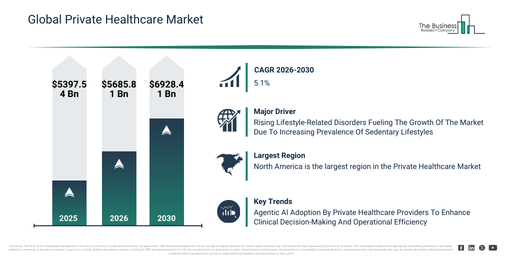
    The private healthcare market size has exhibited substantial growth over the past few years. This market is projected to expand from $5397.54 billion in 2025 to $5685.81 billion in 2026, achieving a compound annual growth rate (CAGR) of 5.3%. Historically, this expansion has been driven by factors such as the increase in private health insurance coverage, a growing demand for quicker medical access, the development of specialty healthcare services, an uptick in medical tourism, and enhanced availability of private healthcare facilities.

    The private healthcare market size is anticipated to expand significantly in the coming years, reaching $6928.41 billion by 2030, with a compound annual growth rate (CAGR) of 5.1%. This expansion during the forecast period is attributed to factors like the increasing integration of digital health technologies, a rising demand for personalized medicine offerings, the broadening of premium healthcare services, growing investments in private hospital infrastructure, and an increasing focus on value-based care models. Major trends expected in this period encompass the wider availability of personalized private healthcare services, an increasing adoption of digital health platforms, a growing demand for preventive and wellness care, the increased utilization of advanced diagnostics, and an enhanced focus on patient experience and convenience.

    Get A Free Sample Report With In-Depth Market Insights:

    https://thebusinessresearchcompany.com/sample_request?id=55218965&type=smp&name=Private%20Healthcare%20Market%20Report%202026&utm_source=Blogs&utm_medium=Paid&utm_campaign=Nov_PR

    Private Healthcare Market Growth Catalysts And Demand Drivers

    The increasing incidence of lifestyle-related conditions is anticipated to fuel the expansion of the private healthcare market in the future. These disorders stem primarily from everyday habits and choices, such as poor diet, insufficient physical activity, stress, and detrimental addictions. The surge in lifestyle ailments is linked to growing urbanization, which promotes sedentary lifestyles characterized by extended work hours and diminished physical movement, leading to adverse health consequences. Private healthcare proves advantageous in addressing these conditions by providing faster access to specialists and customized treatment strategies, facilitating prompt intervention and improved enduring health results.

    Private Healthcare Market Segment Landscape And Growth Outlook

    The private healthcare market covered in this report is segmented –

    1) By Service Type: Primary Care, Specialty Care, Diagnostic Services, Surgical Procedures, Wellness Services

    2) By Consumer Preferences: Complementary Medicine, Personalized Medicine

    3) By Application: Trauma And Orthopedics, General Surgery, Oncology, Maternity And OB-Gyn, Cardiology, Urology

    4) By End User: International Tourists, Private Medical Insurance Referrals And Private Medical Insurance, Self-pay Individuals

    Subsegments:

    1) By Primary Care: General Practitioner Consultations, Family Medicine, Pediatrics, Geriatric Care, Preventive Health Screenings

    2) By Specialty Care: Cardiology, Oncology, Neurology, Orthopedics, Dermatology

    3) By Diagnostic Services: Laboratory Testing, Imaging Services, Pathology Services, Genetic Testing, Point-of-Care Diagnostics

    4) By Surgical Procedures: Minimally Invasive Surgery, Orthopedic Surgery, Cardiovascular Surgery, Cosmetic Or Plastic Surgery, Transplant Surgery

    5) By Wellness Services: Nutrition And Diet Counseling, Physical Therapy And Rehabilitation, Mental Health And Counseling, Fitness And Exercise Programs, Alternative And Complementary Therapies

    Private Healthcare Market Industry Trends: What’s Reshaping Demand?

    Major companies in the private healthcare market are focusing on creating advanced solutions, including agentic AI, to improve clinical decision-making, automate administrative duties, and deliver personalized patient care, while simultaneously upholding data privacy and regulatory adherence. Agentic AI refers to a form of artificial intelligence capable of making independent decisions and taking actions. For example, in April 2025, OneAdvanced, a prominent UK-based provider of sector-specific SaaS software, launched a private Large Language Model specifically for healthcare organizations to facilitate secure, role-based AI applications while protecting sensitive patient data. OneAdvanced’s private LLM for healthcare establishes a fully encrypted, closed AI environment to safeguard sensitive patient information. It features industry-specific intelligence, retrieval-augmented generation, and agentic AI to boost decision-making and automation. Additionally, customizable workspaces enable secure collaboration across teams while ensuring compliance with regulations.

    Private Healthcare Market Competitive Landscape: Who Leads The Industry?

    Major companies operating in the private healthcare market are HCA Healthcare, Fresenius Medical Care, Tenet Healthcare Corporation, Universal Health Services, Ramsay Health Care, Mediclinic International, Bupa, Apollo Hospitals, Manipal Hospitals, Thumbay Hospital, Spire Healthcare Group Plc, One Medical, Fortis Healthcare Limited, BMI Healthcare, Circle Health Group, Saudi German Health, The London Clinic Ltd., Pantai Holdings, Aspen Healthcare, Parkway Pantai Ltd., IHH Healthcare Berhad, NMC Healthcare

    View The Full Private Healthcare Market Report:

    https://thebusinessresearchcompany.com/report/private-healthcare-global-market-report?utm_source=Blogs&utm_medium=Paid&utm_campaign=Nov_PR

    Private Healthcare Market Regional Analysis And Top Geography

    North America was the largest region in the private healthcare market in 2025. Asia-Pacific is expected to be the fastest-growing region in the forecast period. The regions covered in the private healthcare market report are Asia-Pacific, South East Asia, Western Europe, Eastern Europe, North America, South America, Middle East, Africa.

    Reach Out To Our Team:

    The Business Research Company: https://www.thebusinessresearchcompany.com/

    Americas: +1 310-496-7795

    Asia: +44 7882 955267 & +91 8897263534

    Europe: +44 7882 955267

    Email us at: marketing@tbrc.info

    Follow us on:

    LinkedIn: https://in.linkedin.com/company/the-business-research-company

    YouTube: https://www.youtube.com/channel/UC24_fI0rV8cR5DxlCpgmyFQ

    Global Market Model: https://www.thebusinessresearchcompany.com/global-market-model
  • Primary Ovarian Insufficiency Market Trends Supporting 9.8% CAGR Growth Through 2030

    Primary Ovarian Insufficiency Market Trends Supporting 9.8% CAGR Growth Through 2030

    Built to provide research that’s more actionable and strategically valuable, The Business Research Company’s 2026 market reports include market attractiveness analysis, total addressable market sizing, company benchmarking matrices, interactive Excel dashboards, broader supply chain intelligence, emerging startup tracking, and in-depth product insights.

    Primary Ovarian Insufficiency Market Forecast: Value Set To Climb From $1.3 Billion To $1.88 Billion

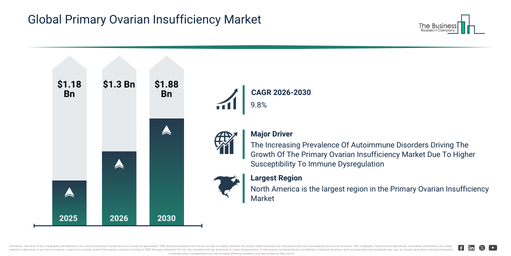
    The primary ovarian insufficiency market has experienced significant growth in recent years. It is anticipated to increase from $1.18 billion in 2025 to $1.3 billion in 2026, achieving a compound annual growth rate (CAGR) of 10.0%. This historical expansion can be linked to heightened awareness of female reproductive health, the more widespread adoption of hormone replacement therapy, a surge in the need for infertility treatments, advancements in diagnostic tools for hormonal disorders, and the establishment of more specialty fertility clinics.

    The primary ovarian insufficiency market is projected to experience significant expansion in the coming years. It is anticipated to grow to $1.88 billion by 2030, exhibiting a compound annual growth rate (CAGR) of 9.8%. This growth during the forecast period can be attributed to increased investment in regenerative medicine research, a rising demand for early diagnosis solutions, the expansion of precision medicine approaches, a growing emphasis on non-invasive fertility treatments, and the increasing availability of advanced reproductive technologies. Key trends expected in the forecast period include the wider adoption of personalized hormone therapies, an increased use of advanced diagnostic testing, a heightened focus on fertility preservation solutions, the proliferation of regenerative and stem cell-based treatments, and an enhanced integration of multidisciplinary care models.

    Get A Free Sample Report With In-Depth Market Insights:

    https://thebusinessresearchcompany.com/sample_request?id=24387&type=smp&name=Primary%20Ovarian%20Insufficiency%20Market%20Report%202026&utm_source=Blogs&utm_medium=Paid&utm_campaign=Nov_PR

    Primary Ovarian Insufficiency Market Opportunity Drivers: What’s Unlocking New Revenue Potential?

    The increasing occurrence of autoimmune disorders is expected to drive the expansion of the primary ovarian insufficiency market going forward. Autoimmune disorders are a category of diseases where the immune system incorrectly targets and damages the body’s own healthy cells and tissues. The rising prevalence of these disorders is primarily linked to genetic predisposition, as individuals inherit specific genes that heighten their susceptibility to immune system dysfunctions. Primary ovarian insufficiency (POI) helps in comprehending autoimmune disorders by illustrating how hormonal imbalances and immune system dysregulation interact, leading to an elevated risk of autoimmune diseases in affected individuals. For instance, in 2025, according to the WeCovr, an UK-based embedded insurance platform, it is estimated that over 3.5 million people in the UK will be living with an autoimmune disease by the end of 2025, a figure that has risen by nearly 40% since the early 2000s. This is higher than earlier estimates of 3% to 9%. Therefore, the increasing prevalence of autoimmune disorders is propelling the growth of the primary ovarian insufficiency market.

    Primary Ovarian Insufficiency Market Breakdown By Product Type And Application

    The primary ovarian insufficiency market covered in this report is segmented –

    1) By Type: Hormone Replacement Therapy (HRT), Calcium and Vitamin D Supplements, In Vitro Fertilization (IVF), Stem Cell Therapy, Other Types

    2) By Diagnosis Method: Blood Tests, Ultrasound Imaging, Genetic Testing

    3) By Application: Less Than 20 Years Old, 20 To 30 Years Old, 30 To 45 Years Old, Perimenopausal Age Group Exclusion As POI Occurs Before 40

    4) By End-Users: Hospitals And Clinics, Specialty Fertility Centers

    Subsegments:

    1) By Hormone Replacement Therapy: Estrogen Therapy, Estrogen-Progestin Therapy, Transdermal Patches, Vaginal Estrogen Products, Oral Hormone Therapy

    2) By Calcium And Vitamin D Supplements: Calcium Carbonate, Calcium Citrate, Vitamin D2 (Ergocalciferol), Vitamin D3 (Cholecalciferol), Combined Calcium + Vitamin D Formulations

    3) By In Vitro Fertilization: Conventional In Vitro Fertilization, Intracytoplasmic Sperm Injection (ICSI), Egg Donation In Vitro Fertilization, Embryo Freezing And Transfer, Preimplantation Genetic Testing (PGT)

    4) By Stem Cell Therapy: Autologous Stem Cell Therapy, Allogeneic Stem Cell Therapy, Mesenchymal Stem Cell (MSC) Therapy, Ovarian Stem Cell Transplantation

    5) By Other Types: Psychological Counseling And Support Therapies, Assisted Reproductive Technologies (other than IVF), Immunomodulatory Therapies, Lifestyle And Dietary Interventions

    Primary Ovarian Insufficiency Market Company Landscape And Competitive Strategy

    Major companies operating in the primary ovarian insufficiency market are Mayo Clinic, Johns Hopkins Medicine, Baptist Health, Ferring Pharmaceuticals AS, PreventionGenetics LLC, The Fertility Partnership UK, Celmatix Inc, IVIRMA Global, Bioscience Institute SpA, Sparsh Diagnostics Pvt Ltd, Bristol Menopause Clinic, Indira IVF Hospital Private Limited, Lawley Pharmaceuticals Pty Ltd, OvaScience Inc, Merck KGaA, Roche Holding AG, Pfizer Inc, Novartis AG, AbbVie Inc, Eli Lilly And Company, Bayer AG, Takeda Pharmaceutical Company Limited

    View The Full Primary Ovarian Insufficiency Market Report:

    https://thebusinessresearchcompany.com/report/primary-ovarian-insufficiency-global-market-report?utm_source=Blogs&utm_medium=Paid&utm_campaign=Nov_PR

    Primary Ovarian Insufficiency Market Geographic Analysis: Where Is Demand Rising Fastest?

    North America was the largest region in the primary ovarian insufficiency market in 2025. The regions covered in the primary ovarian insufficiency market report are Asia-Pacific, South East Asia, Western Europe, Eastern Europe, North America, South America, Middle East, Africa.

    Reach Out To Our Team:

    The Business Research Company: https://www.thebusinessresearchcompany.com/

    Americas: +1 310-496-7795

    Asia: +44 7882 955267 & +91 8897263534

    Europe: +44 7882 955267

    Email us at: marketing@tbrc.info

    Follow us on:

    LinkedIn: https://in.linkedin.com/company/the-business-research-company

    YouTube: https://www.youtube.com/channel/UC24_fI0rV8cR5DxlCpgmyFQ

    Global Market Model: https://www.thebusinessresearchcompany.com/global-market-model
  • Primary Immunodeficiency Disorders Market Forecast Highlights A $10.01 Billion Opportunity For Industry Participants

    Primary Immunodeficiency Disorders Market Forecast Highlights A $10.01 Billion Opportunity For Industry Participants

    Backed by market attractiveness analysis, total addressable market sizing, company benchmarking matrices, interactive Excel dashboards, wider supply chain intelligence, emerging startup coverage, and detailed product-level insights, The Business Research Company’s 2026 market reports are designed to offer research that is more actionable and strategically valuable than ever.

    Primary Immunodeficiency Disorders Market Revenue Growth On Track For A 6.5% CAGR Through 2030

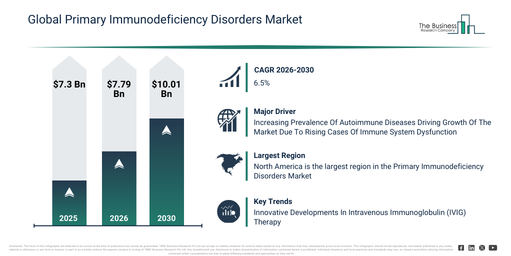
    The primary immunodeficiency disorders market size has experienced robust expansion in recent years. It is projected to increase from $7.3 billion in 2025 to $7.79 billion in 2026, exhibiting a compound annual growth rate (CAGR) of 6.8%. This historical growth can be attributed to several factors, including enhanced clinical identification of immunodeficiency disorders, the broadening of diagnostic testing capabilities, increased awareness among healthcare professionals, the presence of immunoglobulin therapies, and the proliferation of specialized treatment centers.

    The market size for primary immunodeficiency disorders is projected to experience robust expansion over the coming years. This market is set to reach $10.01 billion by 2030, exhibiting a compound annual growth rate (CAGR) of 6.5%. Factors driving this growth during the forecast period include enhanced progress in gene therapy research, a growing need for prompt and precise diagnosis, the broadening of precision immunology therapies, increasing financial commitment to rare disease research, and the greater incorporation of AI into diagnostic procedures. Key trends anticipated in the forecast period involve the wider acceptance of genetic testing for early detection, expanded application of immunoglobulin replacement therapies, an increasing emphasis on individualized treatment strategies, the enlargement of newborn screening initiatives, and improved integration of sophisticated diagnostic platforms.

    Get A Free Sample Report With In-Depth Market Insights:

    https://thebusinessresearchcompany.com/sample_request?id=47471669&type=smp&name=Primary%20Immunodeficiency%20Disorders%20Market%20Report%202026&utm_source=Blogs&utm_medium=Paid&utm_campaign=Nov_PR

    Primary Immunodeficiency Disorders Market Growth Momentum: What Factors Are Shaping Demand?

    The increasing occurrence of autoimmune diseases is anticipated to stimulate expansion in the Primary Immunodeficiency Disorders Market. These conditions arise when the immune system incorrectly identifies the body’s own healthy cells and tissues as external dangers, leading to inflammation and harm across various organs and systems. The surge in autoimmune diseases stems from a combination of environmental factors, genetic susceptibilities, and evolving lifestyle habits. Such diseases can contribute to primary immunodeficiency disorders by interfering with immune regulation and targeting immune cells, which results in compromised or ineffective immune responses.

    Primary Immunodeficiency Disorders Market Segment Analysis And Revenue Potential

    The primary immunodeficiency disorders market covered in this report is segmented –

    1) By Disease: Antibody Deficiency, Cellular Immunodeficiency, Innate Immune Disorders, Other Diseases

    2) By Treatment: Immunoglobulin Replacement Therapy, Antibiotic Therapy, Stem Cell And Bone Marrow Transplantation, Gene Therapy, Other Treatments

    3) By Diagnostic Type: Genetic Testing, Blood Testing, Flow Cytometry, Other Diagnostic Types

    4) By End-User: Hospitals, Specialty Clinics, Homecare Settings, Research Institutions

    Subsegments:

    1) By Antibody Deficiency: Common Variable Immune Deficiency (CVID), IgA Deficiency, IgG Subclass Deficiency, Specific Antibody Deficiency

    2) By Cellular Immunodeficiency: Severe Combined Immunodeficiency (SCID), T-Cell Deficiency, DiGeorge Syndrome, Wiskott-Aldrich Syndrome

    3) By Innate Immune Disorders: Chronic Granulomatous Disease (CGD), Complement Deficiencies, Toll-like Receptor Deficiencies, Chediak-Higashi Syndrome

    4) By Other Diseases: Hyper IgM Syndrome, Hyper IgE Syndrome, Ataxia-Telangiectasia, Combined Immunodeficiencies With Syndromic Features

    Primary Immunodeficiency Disorders Market Trends: What’s Defining The Industry’s Next Phase?

    Major companies operating in the primary immunodeficiency disorders market are concentrating on developing advanced therapies, such as intravenous immunoglobulin therapy, to improve patient outcomes by enhancing immune function. Intravenous immunoglobulin (IVIG) therapy is a treatment where immunoglobulin (antibodies) derived from donor plasma is delivered directly into a patient’s bloodstream via an IV.

    Primary Immunodeficiency Disorders Market Key Players Shaping Industry Direction

    Major companies operating in the primary immunodeficiency disorders market are Pfizer Inc, Takeda Pharmaceuticals, CSL Behring, Baxter International Inc, Grifols SA, Octapharma, Kedrion Biopharma, LFB Group, ADMA Biologics Inc, Bio Products Laboratory Ltd, Miltenyi Biotec, BD Biosciences, Cellectis SA, X4 Pharmaceuticals Inc, bluebird bio Inc, Chengdu Rongsheng Pharmaceutical Co Ltd, Sanofi SA, Roche Holding AG, Novartis AG, AbbVie Inc, AstraZeneca plc, Gilead Sciences Inc

    View The Full Primary Immunodeficiency Disorders Market Report:

    https://thebusinessresearchcompany.com/report/primary-immunodeficiency-disorders-global-market-report?utm_source=Blogs&utm_medium=Paid&utm_campaign=Nov_PR

    Primary Immunodeficiency Disorders Market Global Footprint: Which Region Leads The Market?

    North America was the largest region in the primary immunodeficiency disorders market in 2025. Asia-Pacific is expected to be the fastest-growing region in the forecast period. The regions covered in the primary immunodeficiency disorders market report are Asia-Pacific, South East Asia, Western Europe, Eastern Europe, North America, South America, Middle East, Africa.

    Reach Out To Our Team:

    The Business Research Company: https://www.thebusinessresearchcompany.com/

    Americas: +1 310-496-7795

    Asia: +44 7882 955267 & +91 8897263534

    Europe: +44 7882 955267

    Email us at: marketing@tbrc.info

    Follow us on:

    LinkedIn: https://in.linkedin.com/company/the-business-research-company

    YouTube: https://www.youtube.com/channel/UC24_fI0rV8cR5DxlCpgmyFQ

    Global Market Model: https://www.thebusinessresearchcompany.com/global-market-model
  • Primary Health Care Service Market Analysis: How The Industry Is Evolving Toward A $585.85 Billion Future

    Primary Health Care Service Market Analysis: How The Industry Is Evolving Toward A $585.85 Billion Future

    Featuring market attractiveness scoring, total addressable market sizing, company benchmarking matrices, interactive Excel dashboards, deeper supply chain intelligence, emerging startup tracking, and granular product-level insights, The Business Research Company’s 2026 market reports are built to deliver research that is both more actionable and more strategically valuable.

    Primary Health Care Service Market Value Growth And Long-Term Outlook

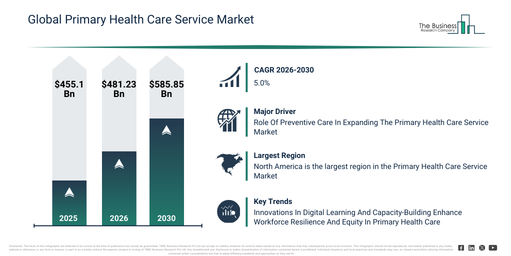
    The market for primary health care services has experienced robust growth in recent years. It is projected to increase from $455.1 billion in 2025 to $481.23 billion in 2026, achieving a compound annual growth rate (CAGR) of 5.7%. During the historic period, this expansion was driven by factors including the development of public health infrastructure, enhanced access to basic healthcare services, an increase in outpatient and clinic-based care, a growing demand for preventive healthcare, and the wider deployment of community health programs.

    The primary health care service market size is anticipated to undergo significant expansion over the coming years, projected to reach $585.85 billion by 2030, demonstrating a compound annual growth rate (CAGR) of 5.0%. This growth during the forecast period is driven by factors such as increasing investments in digital primary care platforms, a rising demand for value-based care delivery, the expansion of home-based healthcare services, the growing integration of remote monitoring tools, and an increasing focus on population health outcomes. Key trends expected in the forecast period include the expansion of integrated primary care networks, the growing adoption of virtual care models, an increasing emphasis on preventive and community health services, improved coordination across the care continuum, and the enhanced use of digital health records.

    Get A Free Sample Report With In-Depth Market Insights:

    https://thebusinessresearchcompany.com/sample_request?id=47303730&type=smp&name=Primary%20Health%20Care%20Service%20Market%20Report%202026&utm_source=Blogs&utm_medium=Paid&utm_campaign=Nov_PR

    Primary Health Care Service Market Expansion Drivers: What’s Shaping Future Growth?

    The increasing emphasis on preventive care is anticipated to drive the expansion of the primary health care service market. Preventive care involves healthcare services and interventions designed to prevent diseases, detect health conditions early, and promote overall health and well-being. This growing focus on preventive strategies within primary health care signifies a deliberate move towards proactive healthcare management, aiming to decrease expenses and improve long-term health outcomes. Investing in preventive care through primary health care services is vital for reducing healthcare costs, enhancing health results, and ensuring long-term sustainability.

    Primary Health Care Service Market Segmentation And Category Overview

    The primary health care service market covered in this report is segmented –

    1) By Service: Injury, Preventive Care, Chronic Conditions, Acute Conditions, Pre Or Post-Surgery

    2) By Mode Of Consultation: Virtual, Physical

    3) By Age Group: Infants, Pediatrics, Adults, Geriatrics

    4) By Provider: Hospitals, Clinics, Outpatient Department, Other Providers

    Subsegments:

    1) By Injury: Treatment Of Minor Injuries, Emergency Care Services

    2) By Rehabilitation: Physical Rehabilitation, Occupational Rehabilitation

    3) By Preventive Care: Health Screenings, Vaccination Services, Health Education And Counseling

    4) By Chronic Conditions: Diabetes Management, Hypertension Management, Asthma And Respiratory Disease Care

    5) By Acute Conditions: Short-Term Illnesses Treatment, Infections And Injuries, Immediate Care Services

    6) By Pre Or Post-Surgery: Pre-Surgical Consultation And Preparation, Post-Surgical Monitoring And Rehabilitation

    Primary Health Care Service Market Industry Trends Fueling Future Revenue Growth

    Leading organizations operating within the primary health care service market are increasingly concentrating on developing advanced digital learning and capacity-building solutions. These initiatives aim to enhance workforce resilience, foster improved collaboration, and ensure the equitable delivery of health services. Digital capacity-building presents a scalable method for strengthening the skills and competencies of healthcare workers across diverse regions, achieved by integrating online courses, practical workshops, and interactive communities. For example, in August 2025, the Pan American Health Organization (PAHO), an international public health agency based in the US, introduced its Primary Health Care Learning Pathway. This launch was concurrent with the virtual course titled “Introduction to PHC in the 21st Century: Principles and Implementation.” The course is structured for approximately 16 hours, divided into five modules, and covers both the foundational and strategic aspects of PHC, supported by practical regional examples. It places significant emphasis on people-centered care, active community engagement, understanding social determinants, and intersectoral teamwork. Designed for interprofessional teams, managers, and decision-makers, the learning path seeks to deepen understanding of PHC as a pivotal, transformative strategy for constructing more equitable and resilient health systems. Participants receive official certification through PAHO’s Virtual Campus for Public Health once they successfully complete the required evaluation and survey.

    Primary Health Care Service Market Competitive Analysis Of Leading Industry Participants

    Major companies operating in the primary health care service market are UnitedHealth Group, CVS Health Corporation, Centene Corporation, Kaiser Permanente, Humana Inc, HCA Healthcare, Ascension Health, Providence Health And Services, Tenet Healthcare, Mayo Clinic, AdventHealth, Sutter Health, Intermountain Healthcare, Mount Sinai Health System, Cleveland Clinic Foundation, Dignity Health, Baylor Scott And White Health, Cedars Sinai Medical Center, Trinity Health Corporation, Massachusetts General Hospital, Apollo Hospitals Enterprise Limited, UCSF Health, Primary Health Care Corporation, Ramsay Health Care Limited

    View The Full Primary Health Care Service Market Report:

    https://thebusinessresearchcompany.com/report/primary-health-care-service-global-market-report?utm_source=Blogs&utm_medium=Paid&utm_campaign=Nov_PR

    Primary Health Care Service Market Regional Split: Which Areas Are Fueling Growth?

    North America was the largest region in the primary health care service market in 2025. The regions covered in the primary health care service market report are Asia-Pacific, South East Asia, Western Europe, Eastern Europe, North America, South America, Middle East, Africa.

    Reach Out To Our Team:

    The Business Research Company: https://www.thebusinessresearchcompany.com/

    Americas: +1 310-496-7795

    Asia: +44 7882 955267 & +91 8897263534

    Europe: +44 7882 955267

    Email us at: marketing@tbrc.info

    Follow us on:

    LinkedIn: https://in.linkedin.com/company/the-business-research-company

    YouTube: https://www.youtube.com/channel/UC24_fI0rV8cR5DxlCpgmyFQ

    Global Market Model: https://www.thebusinessresearchcompany.com/global-market-model
  • Primary Cells Market Outlook Through 2030: Understanding The Growth Opportunity

    Primary Cells Market Outlook Through 2030: Understanding The Growth Opportunity

    Built to provide research that’s more actionable and strategically valuable, The Business Research Company’s 2026 market reports include market attractiveness analysis, total addressable market sizing, company benchmarking matrices, interactive Excel dashboards, broader supply chain intelligence, emerging startup tracking, and in-depth product insights.

    Primary Cells Market Poised To Hit $2.68 Billion By 2030 With A 9.9% CAGR

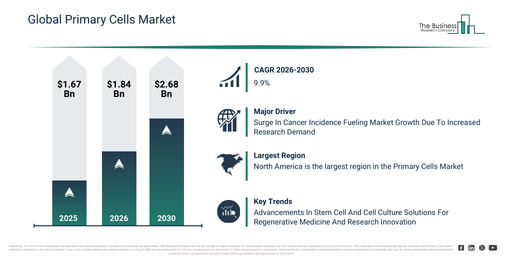
    The primary cells market size has experienced swift development in recent years. This market is anticipated to expand from $1.67 billion in 2025 to $1.84 billion in 2026, exhibiting a compound annual growth rate (CAGR) of 10.2%. Historically, this expansion can be ascribed to the broadening of biomedical research activities, the greater utilization of cell-based disease models, increased investment in cancer research, the progression of virology and immunology studies, and the accessibility of advanced cell isolation techniques.

    The primary cells market is set to experience robust expansion over the next few years, with its valuation projected to reach $2.68 billion by 2030, demonstrating a compound annual growth rate (CAGR) of 9.9%. This projected growth during the forecast period is influenced by factors such as the increasing demand for precision medicine applications, the rising incorporation of primary cells in drug discovery initiatives, the broadening of regenerative medicine research, the expanding deployment of AI-driven cell analytics, and heightened investment in advanced cell therapies. Notable trends anticipated in this period include the intensified utilization of primary cells in translational research, the growing acceptance of 3D cell culture models, an escalating demand for human-derived primary cells, the proliferation of personalized cell-based assays, and a stronger emphasis on cell quality and traceability.

    Get A Free Sample Report With In-Depth Market Insights:

    https://thebusinessresearchcompany.com/sample_request?id=75651382&type=smp&name=Primary%20Cells%20Market%20Report%202026&utm_source=Blogs&utm_medium=Paid&utm_campaign=Nov_PR

    Primary Cells Market Development Factors: What’s Supporting Demand?

    The primary cells market is poised for growth due to the increasing incidence of cancer. Cancer is characterized by uncontrolled cellular proliferation and spread within the body, disrupting normal functions. The rise in cancer cases is linked to longer life expectancy, as more individuals reach ages where the disease naturally becomes more common, thereby increasing overall population incidence. Primary cells aid in cancer research by supplying biologically accurate cell models, which allow scientists to investigate tumor behavior and evaluate potential treatments with greater reliability.

    Primary Cells Market Segment Outlook: Which Categories Are Growing Fastest?

    The primary cells market covered in this report is segmented –

    1) By Type: Hematopoietic Cells, Dermatophytes, Gastrointestinal Cells, Hepatocytes, Lung Cells, Renal Cells, Heart Cells, Musculoskeletal Cells, Other Primary Cells

    2) By Origin: Human Primary Cells, Animal Primary Cells

    3) By End User: Pharmaceuticals, Biotechnology Companies, Contract Research Organizations (CRO), Academic And Research Institutes, Other End Users

    Subsegments:

    1) By Hematopoietic Cells: Bone Marrow-Derived Cells, Peripheral Blood-Derived Cells

    2) By Dermatophytes: Keratinocytes, Fibroblasts

    3) By Gastrointestinal Cells: Enterocytes, Goblet Cells, Paneth Cells

    4) By Hepatocytes: Liver Parenchymal Cells, Hepatic Stellate Cells

    5) By Lung Cells: Alveolar Epithelial Cells, Bronchial Epithelial Cells

    6) By Renal Cells: Proximal Tubular Cells, Glomerular Cells

    7) By Heart Cells: Cardiomyocytes, Cardiac Fibroblasts

    8) By Musculoskeletal Cells: Myoblasts, Chondrocytes

    9) By Other Primary Cells: Endothelial Cells, Adipocytes

    Primary Cells Market Trends Powering Strategic Industry Growth

    Leading companies in the primary cell market are focusing on enhancements in cell products, such as cell culture and stem cell products, to improve research applications and advancements in therapeutics. A novel serum-free medium refers to a culture or growth medium used in cell or tissue culture that does not contain serum, specifically fetal bovine serum (FBS) or other animal-derived sera.

    Primary Cells Market Leading Companies And Competitive Benchmarking

    Major companies operating in the primary cells market are Thermo Fisher Scientific Inc, Merck KGaA, BD Biosciences, Corning Incorporated, Cytiva, Lonza Group Ltd, Charles River Laboratories Inc, STEMCELL Technologies Inc, American Type Culture Collection, BioIVT, InvivoGen, HemaCare Corporation, Creative Bioarray Inc, PromoCell GmbH, CellGenix, AllCells LLC, Axol Bioscience Ltd, AnaBios Corporation, ReachBio Research Labs, PELOBIOTECH GmbH, Cell Biologics Inc, ZenBio Inc, StemBioSys Inc, MatTek Corporation

    View The Full Primary Cells Market Report:

    https://thebusinessresearchcompany.com/report/primary-cells-global-market-report?utm_source=Blogs&utm_medium=Paid&utm_campaign=Nov_PR

    Primary Cells Market Top Region: Where Does Most Revenue Come From?

    North America was the largest region in the primary cells market in 2025. The regions covered in the primary cells market report are Asia-Pacific, South East Asia, Western Europe, Eastern Europe, North America, South America, Middle East, Africa.

    Reach Out To Our Team:

    The Business Research Company: https://www.thebusinessresearchcompany.com/

    Americas: +1 310-496-7795

    Asia: +44 7882 955267 & +91 8897263534

    Europe: +44 7882 955267

    Email us at: marketing@tbrc.info

    Follow us on:

    LinkedIn: https://in.linkedin.com/company/the-business-research-company

    YouTube: https://www.youtube.com/channel/UC24_fI0rV8cR5DxlCpgmyFQ

    Global Market Model: https://www.thebusinessresearchcompany.com/global-market-model