Author: The Business Research Company

  • Future Growth Forecast For The Nurse Call System Global Market 2024-2033

    Future Growth Forecast For The Nurse Call System Global Market 2024-2033

    The Business Research Company’s global market reports provide comprehensive analysis on the various markets in 27 industries across 60 geographies.

     The nurse call system market has experienced remarkable growth, reaching $2.44 billion in 2023 and projecting an increase to $2.74 billion in 2024 at a Compound Annual Growth Rate (CAGR) of 12.2%. This expansion is attributed to pivotal factors in the healthcare landscape.

    • Healthcare Industry Momentum
    • Aging Population Demands
    • Patient Safety Imperatives
    • Regulatory Compliance Necessities
    • Emergency Response Enhancement

    Future Outlook: Anticipating Rapid Surge

    The nurse call system market is poised for continued acceleration, expecting to reach $4.51 billion in 2028 at a CAGR of 13.2%. Key drivers for this anticipated growth include emerging trends and a shift in focus towards critical aspects of healthcare.

    • Infection Control Prioritization
    • Telehealth Services Integration
    • Emphasis on Sustainable Practices
    • Mobile Applications for Seamless Communication
    • Heightened Focus on Staff and Patient Satisfaction

    Navigating Trends in the Forecast Period

    As we peer into the future, several trends are set to shape the nurse call systems market, bringing about transformative changes and advancements in healthcare technology.

    • Internet of Things (IoT) Integration
    • Harnessing Artificial Intelligence (AI)
    • Real-time Location Services (RTLS) Implementation
    • Continual Technological Advancements
    • Remote Patient Monitoring Evolution

    Geriatric Population Surge: A Driving Force

    The burgeoning geriatric population is a significant catalyst propelling the nurse call system market forward. The elderly, susceptible to ailments like osteoarthritis and chronic obstructive pulmonary diseases, necessitate rapid response nursing care services. With approximately 727 million people aged 65 and above in 2020, projected to reach 1.5 billion by 2050, the demand for streamlined communication among patients is surging.

    • Healthcare Demand for the Elderly
    • Global Geriatric Population Statistics
    • Customized Communication for Patient Care

    Industry Giants: Major Players Shaping the Landscape

    Several prominent companies are at the forefront of steering the nurse call system market. Recognizable names include Johnson Controls International PLC, Rauland-Borg Corporation, Honeywell International Inc., and more.

    • Johnson Controls International PLC
    • Rauland-Borg Corporation
    • Honeywell International Inc.
    • Azure Healthcare Limited
    • Jeron Electronic Systems Inc.

    View More On The Nurse Call System Market Report 2024 – https://www.thebusinessresearchcompany.com/report/nurse-call-system-global-market-report

    Innovations through Collaboration: Strategic Partnerships
    In the dynamic realm of healthcare technology, strategic partnerships have emerged as a key driver of innovation. Notable examples include Ascom Holding AG’s partnership with Vizient Inc. and PalCare’s collaboration with NOTIFY Nurse Call, both aimed at advancing nurse call systems.

    • Ascom Holding AG’s Strategic Partnership
    • PalCare and NOTIFY Nurse Call Collaboration

    Industry Game-Changer: Baxter International’s Acquisition of Hillrom

    In December 2021, Baxter International Inc. made waves with the acquisition of Hillrom for USD 10.5 billion, expanding its healthcare footprint. This strategic move positions Baxter as a global player with enhanced connectivity opportunities and a focus on digital health innovation.

    • Baxter International Inc.’s Strategic Acquisition
    • Digital Health Innovation Prospects

    Market Dynamics Unveiled: Segmentation Insights

    Understanding the diverse landscape, the nurse call system market is segmented based on type, technology, applications, and end-users.

    1. By Type:
    • Button-Based Systems
    • Integrated Communication Systems
    • Mobile Systems
    • Intercom Systems
    1. By Technology:
    • Wired Communication
    • Wireless Communication
    1. By Applications:
    • Emergency Medical Alarms
    • Wanderer Control
    • Workflow Support
    • Other Applications
    1. By End User:
    • Hospitals
    • Long-term Care Facilities
    • Clinics and Physician Offices
    • Other End Users

    Regional Dynamics: North America Leads, Asia-Pacific Surges Ahead
    In 2023, North America held the reins as the largest region in the nurse call system market. However, Asia-Pacific is poised to be the fastest-growing region in the forecast period, signaling a shifting landscape in global healthcare technology adoption.

    • North America’s Dominance
    • Asia-Pacific’s Rapid Surge

    In Closing

    The nurse call system market’s journey is marked by innovation, strategic collaborations, and a relentless commitment to enhancing healthcare outcomes. As the industry continues to evolve, stakeholders must stay attuned to these dynamics, fostering a future where seamless communication and advanced technology redefine patient care.

    Request A Sample Of The Global Nurse Call System Market Report 2024:
    https://www.thebusinessresearchcompany.com/sample_request?id=6739&type=smp

  • Global Nuclear Medicine Market Key Insights 2024-2033

    Global Nuclear Medicine Market Key Insights 2024-2033

    The Business Research Company’s global market reports are now updated with the latest market sizing information for the year 2024 and forecasted to 2033

    According to The Business Research Company’s Nuclear Medicine Global Market Report 2024, the nuclear medicine market is expected to show promising growth in the forecast period.

    The nuclear medicine market has experienced a significant surge in recent years, with impressive growth expected to continue. From a size of $7.75 billion in 2023, the market is projected to reach $8.88 billion in 2024, boasting a remarkable Compound Annual Growth Rate (CAGR) of 14.6%. This growth is attributed to various factors, including an aging population, increased demand for cancer diagnosis, and advancements in cardiology applications.

    Global Growth Trajectory: The nuclear medicine market is poised for rapid expansion in the coming years. Projections indicate that by 2028, the market will soar to $14.1 billion, with a CAGR of 12.3%. This growth is fueled by a range of factors, including the rise of personalized medicine, increased focus on oncology and neurology research, sustainable practices, and robust research and development initiatives.

    Major Trends Shaping the Future:

    1. Radioimmunotherapy: A groundbreaking approach that combines the specificity of immunotherapy with the precision of nuclear medicine.
    2. Hybrid Imaging: Integration of multiple imaging modalities for more accurate diagnostics and treatment planning.
    3. Artificial Intelligence (AI): Implementation of AI for enhanced data analysis and interpretation in nuclear medicine.
    4. Emerging Radiopharmaceuticals: Ongoing research and development leading to the discovery of novel radiopharmaceuticals for improved diagnostic and therapeutic applications.
    5. Diagnostic Imaging Advancements: Continuous innovation in diagnostic imaging technologies for better patient outcomes.

    Cardiovascular Disease and Cancer Surge Drive Growth: The escalating prevalence of cardiovascular diseases (CVD) and cancer is a significant driver for the nuclear medicine market. Nuclear cardiac imaging plays a crucial role in rapidly diagnosing cardiac diseases, while nuclear medicine therapy is increasingly used in conjunction with other treatment options for cancer. With the American Cancer Society projecting over 1.95 million new cancer cases in 2023, the demand for nuclear medicine is set to rise substantially.

    Key Players Paving the Way: Major companies contributing to the nuclear medicine market include Bracco Imaging S.P.A., Lantheus Medical Imaging Inc., NTP Radioisotopes SOC Ltd., GE Healthcare Technologies Inc., and many others. Their diverse portfolios and commitment to innovation position them as key players in the industry.

    View More On The Nuclear Medicine Market Report 2024 – https://www.thebusinessresearchcompany.com/report/nuclear-medicine-global-market-report

    Product Innovation Drives Advancements: Product innovation is a central trend shaping the nuclear medicine market. Companies are keen on developing novel products to enhance their market presence. For instance, GE Healthcare launched Star Guide in 2021, a nuclear medicine system leveraging Cadmium Zinc Telluride (CZT) technology for improved precision health and theranostics. Additionally, Hungary’s Mediso’s acquisition of Bartec Technologies in 2022 strengthened its market position in the UK and Ireland.

    Market Segmentation: The nuclear medicine market is segmented based on:

    1. Type: Diagnostic, Therapeutic
    2. Application: Cardiology, Lymphoma, Thyroid, Neurology, Oncology, Other Applications
    3. End-User: Hospitals and Clinics, Diagnostic Centers, Other End Users

    Regional Dominance: In 2023, North America emerged as the largest region in the nuclear medicine market, with Asia-Pacific expected to be the fastest-growing region in the forecast period. These regional dynamics underscore the global impact and relevance of nuclear medicine.

    Conclusion: The nuclear medicine market’s phenomenal growth is indicative of its pivotal role in diagnosing and treating a range of medical conditions. With the convergence of innovative technologies, increased research focus, and a growing global population, the future promises continued advancements, shaping the landscape of medical imaging and therapeutics.

    Request A Sample Of The Global Nuclear Medicine Market Report 2024:
    https://www.thebusinessresearchcompany.com/sample_request?id=7485&type=smp

  • Overview Of The Nootropics Market 2024-2033: Growth And Major Players Analysis

    Overview Of The Nootropics Market 2024-2033: Growth And Major Players Analysis

    The Business Research Company’s global market reports are now updated with the latest market sizing information for the year 2024 and forecasted to 2033

    The nootropics market has experienced exponential growth in recent years, evolving from a $4.6 billion industry in 2023 to a projected $5.29 billion in 2024, reflecting a remarkable compound annual growth rate (CAGR) of 15.0%. This surge can be attributed to several key factors, including an aging population, regulatory support, increased research and development, the expansion of e-commerce, and the rise of esports.

    Anticipating Robust Growth: A Proactive Outlook

    Looking ahead, the nootropics market is poised for continued rapid growth, with a forecasted size of $9.73 billion in 2028, propelled by a robust CAGR of 16.5%. Contributing factors include the escalating stress and cognitive demands in modern life, globalization, rising disposable incomes, heightened mental health awareness, and the expansion of emerging markets. Notable trends in the forecast period encompass the emergence of natural and plant-based nootropics, digital nootropics, the use of transcranial stimulation devices, sustainable and ethical sourcing, and increased collaboration within the industry.

    Elevated Health Expenditure Driving Nootropics Market

    Holistic Health and Wellness Spending:

    The increasing focus on health and wellness expenditure is expected to be a significant driver for the growth of the nootropics market. With health and wellness becoming integral to individuals seeking mental and physical wellbeing, the demand for products like nootropics is on the rise. In 2021, the Centers for Medicare & Medicaid Services reported a 7.8% increase in expenditure on prescription drugs, reaching $378.0 billion. This surge in spending underscores the heightened awareness and emphasis on healthcare and wellness, subsequently boosting the demand for nootropics. Major companies contributing to this growth include Accelerated Intelligence Inc., Mental Mojo LLC., and PepsiCo.

    View More On The Nootropics Market Report 2024 – https://www.thebusinessresearchcompany.com/report/nootropics-global-market-report

    Innovative Multi-Flavored Nootropics Transforming the Market

    Appealing to Diverse Tastes:

    Major players in the nootropics market are innovating with multi-flavored nootropics to cater to a diverse consumer base with varying tastes and preferences. These cognitive-enhancing supplements come in various flavors, providing a personalized experience. For instance, Rollagranola, a UK-based food and beverage company, introduced a Nootropics range with unique flavors like Calm, Energize, Body and Soul, and Complete Vegan. Each variant is tailored to specific nutritional needs and taste preferences, combining ingredients like ashwagandha, matcha green tea, lion’s mane, caffeine, and more.

    Global Expansion Through Strategic Acquisitions

    Unilever’s Wellness Portfolio Growth:

    In a strategic move in April 2021, Unilever Global, a UK-based consumer goods company, acquired Onnit, a specialist in functional nutrition, fitness, and nootropics, for an undisclosed amount. This acquisition positions Unilever as a key player in the growing wellness and supplement market, alongside brands like olly, equilibria, liquid I.V., and SmartyPants Vitamins. Onnit’s expertise in mental and emotional wellness aligns with Unilever’s commitment to providing advanced wellness solutions.

    Navigating Nootropics Market Segmentation

    Segment Overview:

    The nootropics market is segmented based on drug type, form, distribution channel, and application. Drug types include Prescription Nootropics and Over-the-Counter (OTC) Nootropics. Forms range from Capsules or Tablets, Powder, Drinks, to other innovative formulations. Distribution channels cover both offline and online platforms. Applications include Memory Enhancement, Mood and Depression, Attention and Focus, Longevity and Anti-aging, Sleep and Recovery, and Anxiety.

    Regional Dynamics:

    North America emerged as the largest region in the nootropics market in 2023, driven by a growing emphasis on mental health and cognitive enhancement. Asia-Pacific is anticipated to be the fastest-growing region in the forecast period, reflecting the global nature of the nootropics market.

    Conclusion: Paving the Way for Cognitive Enhancement
    In conclusion, the nootropics market is experiencing a surge driven by factors such as increased health and wellness spending, innovative product developments like multi-flavored nootropics, and strategic acquisitions by global players. As the market continues to expand, it aligns with the growing awareness of mental health and the pursuit of cognitive enhancement. The forecasted trends, including the rise of natural and plant-based nootropics and digital innovations, signal a dynamic future for the industry. The collaborative efforts of major corporations and innovative startups will play a pivotal role in shaping the evolving landscape of the nootropics market.

    Request A Sample Of The Global Nootropics Market Report 2024:
    https://www.thebusinessresearchcompany.com/sample_request?id=6130&type=smp

  • Key Trends And Drivers In The NGS-Based RNA-Sequencing Market 2024

    Key Trends And Drivers In The NGS-Based RNA-Sequencing Market 2024

    The Business Research Company’s market reports offer an in-depth analysis on the market’s growth potential, major drivers, key trends and more.

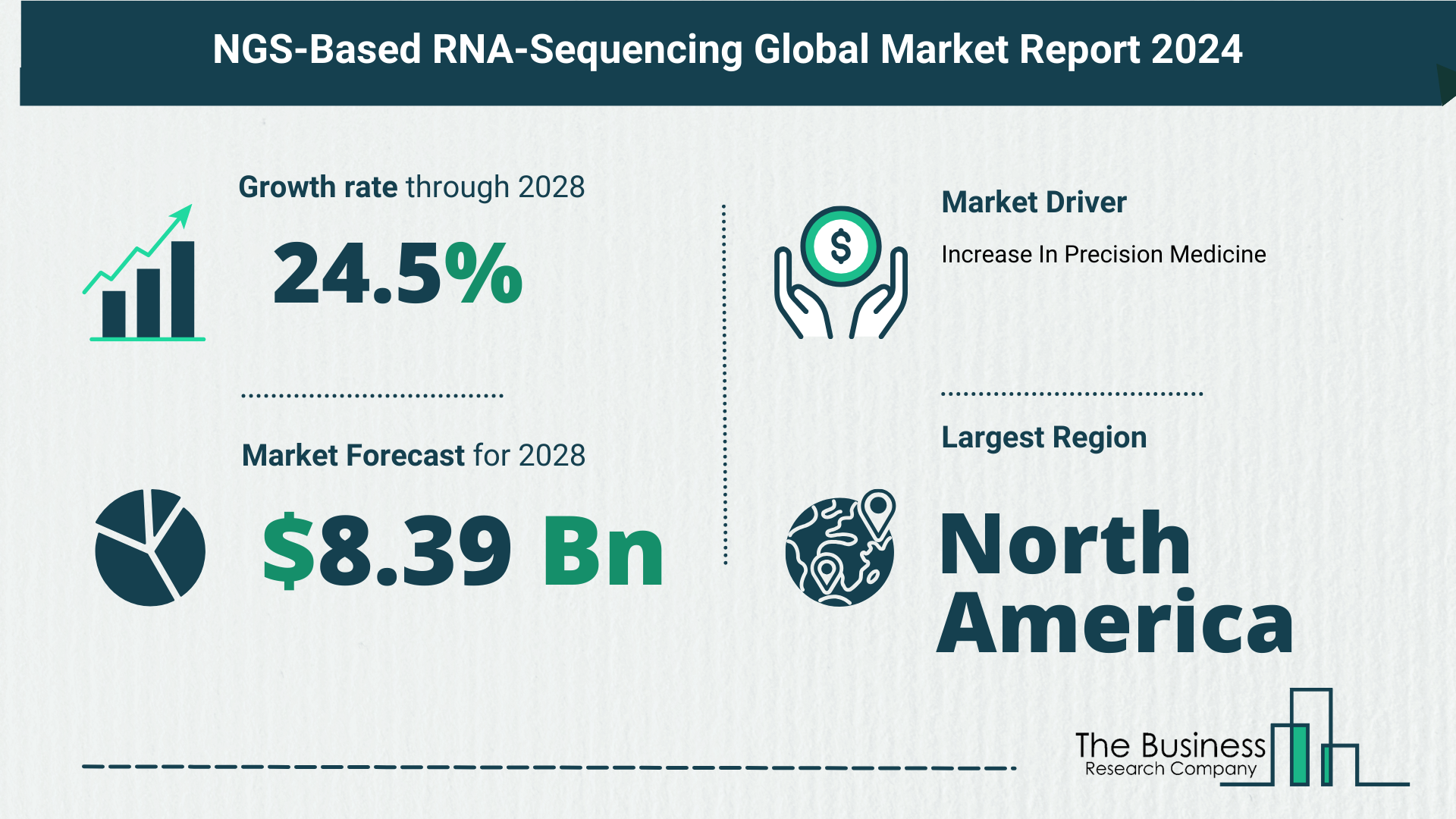
    The NGS-based RNA sequencing market has witnessed exponential growth in recent years, escalating from $2.79 billion in 2023 to an anticipated $3.49 billion in 2024, showcasing an impressive compound annual growth rate (CAGR) of 24.9%. This surge in market size during the historic period is attributed to genomic research initiatives, reduced sequencing costs, advancements in drug discovery and development, the advent of personalized medicine, and the increasing adoption of NGS technologies.

    Factors Driving Growth in the Historic Period

    • Genomic research initiatives
    • Reduction in sequencing costs
    • Drug discovery and development
    • Personalized medicine
    • Increasing NGS adoption

    Factors Propelling Growth in the Forecast Period

    • Clinical diagnostics
    • Global collaborations
    • Ethical and regulatory frameworks
    • Agricultural and environmental research
    • Green genomics

    Major Trends in the Forecast Period

    • Single-cell RNA-sequencing (scRNA-seq)
    • Spatial transcriptomics
    • Epitranscriptomics
    • Multi-omics integration
    • Sustainable agriculture

    Precision Medicine Paves the Way

    The burgeoning field of precision medicine stands as a key driver propelling the growth of NGS-based RNA sequencing. Precision medicine, with its focus on tailoring treatment plans based on an individual’s genetic makeup, is gaining prominence. Particularly in severe diseases like cancer, precision medicine leverages NGS-based RNA sequencing to identify the root cause of diseases, facilitating the prescription of specific precision medicines. Notably, the Swedish Government’s investment of $21.15 million in Genomic Medicine Sweden in September 2021 reflects a global commitment to integrating precision medicine into healthcare systems.

    Industry Giants: Shaping the Landscape

    Several major companies wield significant influence in steering the NGS-based RNA sequencing market:

    • Illumina Inc.
    • Thermo Fisher Scientific Inc.
    • Oxford Nanopore Technologies Ltd.
    • Agilent Technologies Inc.
    • And many more…

    Read More On The NGS-Based RNA-Sequencing Market Report 2024 – https://www.thebusinessresearchcompany.com/report/ngs-based-rna-sequencing-global-market-report

    Innovation to Meet Growing Demand
    As the demand for NGS-based RNA sequencing intensifies, major players in the market are focusing on innovation to cater to this surge. Innovative products, such as ultra-fast RNA methods, are being introduced to meet the growing demand for RNA sequencing. For instance, Quantabio’s sparQ RNA-Seq HMR Kit, launched in March 2022, is designed for precision oncology applications. This ultra-fast RNA library preparation kit significantly accelerates RNA sequencing and analysis, holding great promise for research and diagnostics.

    Strategic Acquisitions Boost Market Presence
    In a strategic move in April 2021, Agilent Technologies, Inc. acquired Resolution Bioscience for $695 million, fortifying its position in the NGS-based RNA sequencing market. This acquisition enhances Agilent’s cancer diagnostic capabilities, aligning with the soaring demands of the precision medicine market. Resolution Bioscience’s liquid biopsy-based diagnostic technologies expand Agilent’s footprint in clinical diagnostics and biopharma, fostering growth in diagnostics and genomics sectors.

    Comprehensive Market Segmentation

    The NGS-based RNA sequencing market is intricately segmented to offer a comprehensive view of its dynamics:

    1. By Product and Service:
      • Sample Preparation Products
      • Sequencing Platforms and Consumables
      • Sequencing Services
      • Data Analysis, Storage, and Management
    2. By Technology:
      • Sequencing by Synthesis
      • Ion Semiconductor Sequencing
      • Single-molecule Real-time Sequencing
      • Nanopore Sequencing
    3. By Application:
      • Expression Profiling Analysis
      • Small RNA Sequencing
      • De Novo Transcriptome Assembly
      • Variant Calling and Transcriptome Epigenetics
    4. By End User:
      • Research & Academia
      • Hospitals & Clinics
      • Pharmaceutical & Biotechnology Companies
      • Other End Users

    Regional Dynamics
    North America emerged as the largest region in the NGS-based RNA sequencing market in 2023, while Asia-Pacific is poised to be the fastest-growing region in the forecast period. This geographical shift underscores the global nature of the market, reflecting the widespread adoption and application of NGS-based RNA sequencing technologies.

    In conclusion, the NGS-based RNA sequencing market’s growth trajectory is marked by precision medicine, innovation, and strategic acquisitions. With major players continuously pushing the boundaries of technology, the market is poised for exponential growth, playing a pivotal role in advancing healthcare, diagnostics, and research.

    Request for A Sample Of The Global NGS-Based RNA-Sequencing Market Report:
    https://www.thebusinessresearchcompany.com/sample_request?id=7416&type=smp

  • What’s The Growth Forecast For Neuroscience Antibodies & Assays Market Through 2024-2033?

    What’s The Growth Forecast For Neuroscience Antibodies & Assays Market Through 2024-2033?

    The Business Research Company’s global market reports provide comprehensive analysis on the various markets in 27 industries across 60 geographies.

    A Rapidly Evolving Landscape

    The neuroscience antibodies & assays market has undergone rapid growth in recent years, propelled by various factors, and is poised for substantial expansion in the future.

    Market Growth

    • Surging from $4.1 billion in 2023 to $4.63 billion in 2024 at a CAGR of 13.0%.
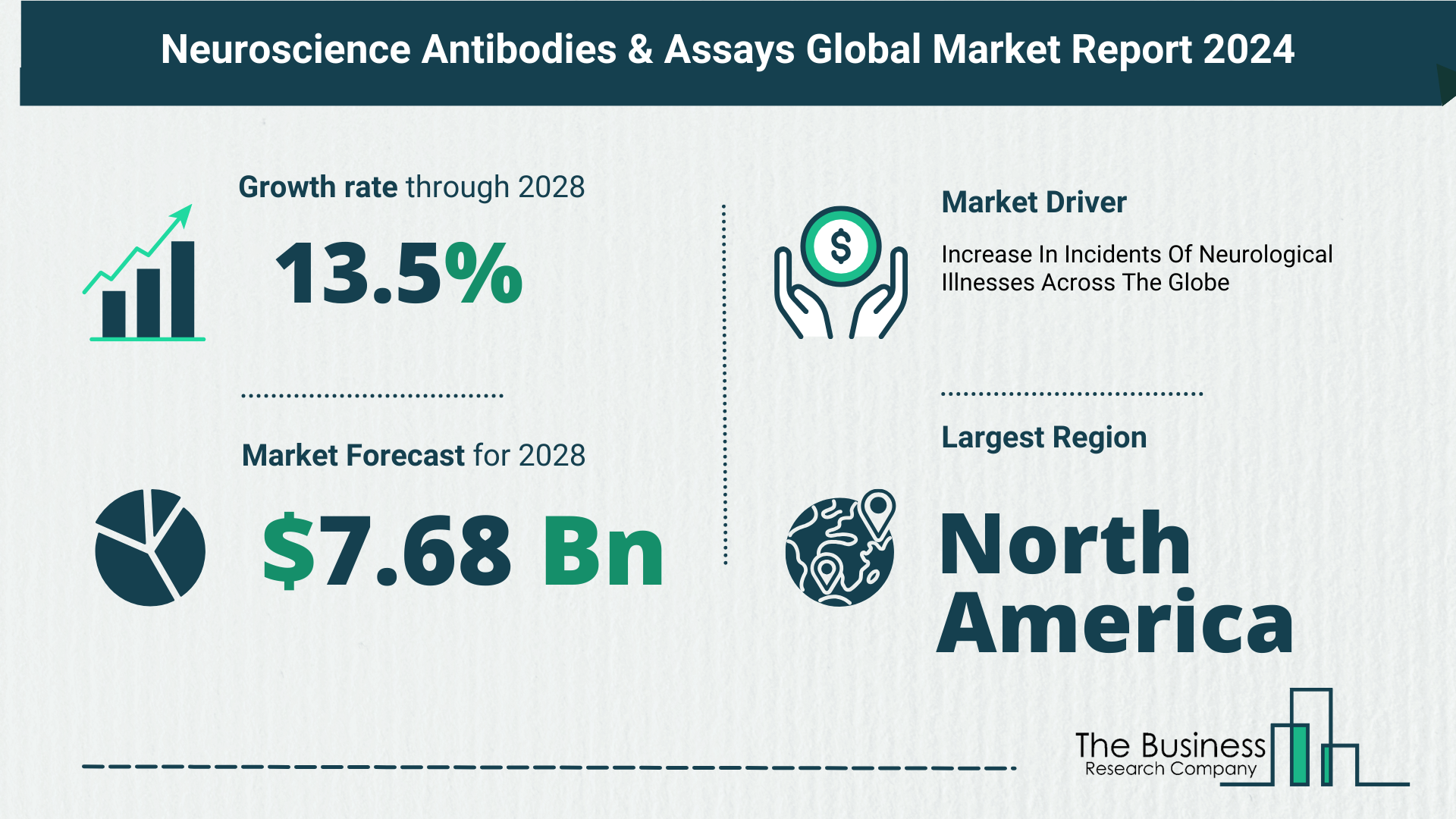
    • Future projections anticipate reaching $7.68 billion in 2028, driven by a robust CAGR of 13.5%.

    Historical Catalysts

    • Research funding and initiatives.
    • Drug discovery and development.
    • Rising prevalence of neurodegenerative diseases.
    • Government support and initiatives.
    • The emergence of personalized medicine.

    Unleashing the Market Potential

    Surge in Neurological Illnesses

    • Escalating incidents of neurological illnesses worldwide are propelling market growth.
    • Neurological disorders include epilepsy, Alzheimer’s disease, dementia, necessitating extensive research.
    • The World Health Organization reports 55 million people living with dementia globally.

    Key Market Players

    • Abcam PLC.
    • BioLegend Inc.
    • Bio-Rad Laboratories Inc.
    • F. Hoffmann-La Roche AG.
    • Thermo Fisher Scientific.
    • And many more.

    Product Innovation Driving Research and Diagnostics

    Product Innovation

    • Companies are focusing on developing innovative products to support research and diagnostics in neuroscience.
    • Labcorp’s Neurofilament Light Chain (NFL) blood test aids in the diagnosis and treatment of neurodegenerative diseases.

    Fujirebio’s Strategic Acquisition

    • In June 2022, Fujirebio acquired ADx NeuroSciences, a Belgium-based neurodegenerative biomarker developer.
    • This acquisition positions Fujirebio to offer global-level neurodegenerative disease diagnostic solutions.

    Market Segmentation

    1. Product Types:
      • Consumables.
      • Instruments.
    2. Technology:
      • Molecular Diagnostics.
      • Clinical Chemistry.
      • Immunoassays or Immunochemistry.
      • Other Technologies.
    3. Applications:
      • In Vitro Diagnostics.
      • Research.
      • Drug Discovery.
    4. End Users:
      • Hospitals and Diagnostics Centers.
      • Academic and Research Institutes.
      • Pharmaceutical and Biotechnology Companies.

    View More On The Neuroscience Antibodies & Assays Market Report 2024 – https://www.thebusinessresearchcompany.com/report/neuroscience-antibodies-and-assays-global-market-report

    Future Trends and Opportunities

    Collaboration for Growth

    • Collaborations are expected to play a significant role in the market’s future growth.
    • Partnerships can lead to the development of innovative solutions and drive market expansion.

    Telemedicine in Neurology

    • The integration of telemedicine in neurology is anticipated to contribute to market growth.
    • Remote patient monitoring and consultations will enhance accessibility to neurological care.

    Emphasis on Education and Training

    • Education and training initiatives will foster expertise in handling neuroscience antibodies and assays.
    • This focus supports the growth of skilled professionals in the field.

    Biomarker-Driven Therapies

    • Increasing emphasis on biomarker-driven therapies is a key trend.
    • Precision medicine approaches, targeting specific biomarkers, are expected to gain prominence.

    Neuroimmunology Focus

    • The growing focus on neuroimmunology will impact the market positively.
    • Understanding the interactions between the nervous system and the immune system is crucial for advancing neurology research.

    Major Technological Trends

    • MicroRNA and Non-coding RNA Assays:
      • Advancements in understanding gene expression.
    • Digital Pathology:
      • Utilization of digital technologies for pathology analysis.
    • Advanced Imaging-Compatible Assays:
      • Development of assays compatible with advanced imaging techniques.
    • Single-Cell Analysis:
      • Analyzing individual cells for precise insights.
    • 3D Organoid Models:
      • Modeling tissues in three dimensions for improved accuracy.

    Regional Dynamics

    North America’s Dominance

    • North America emerged as the largest region in the neuroscience antibodies & assays market in 2023.
    • The region’s robust healthcare infrastructure and research capabilities contribute to its leadership.

    In conclusion, the neuroscience antibodies & assays market’s growth trajectory is marked by innovation, strategic acquisitions, and a focus on addressing the increasing burden of neurological illnesses globally. The industry’s ability to adapt to emerging trends and collaborate for advancements will be crucial for continued success.

    Request A Sample Of The Global Neuroscience Antibodies & Assays Market Report 2024:
    https://www.thebusinessresearchcompany.com/sample_request?id=7548&type=smp

  • Understand How The Ocular Implants Market Is Poised To Grow Through 2024-2033

    Understand How The Ocular Implants Market Is Poised To Grow Through 2024-2033

    The Business Research Company’s global market reports are now updated with the latest market sizing information for the year 2024 and forecasted to 2033

    As per The Business Research Company’s Ocular Implants Global Market Report 2024, the ocular implants market is expected to show significant growth in the forecast period.

    1. Introduction

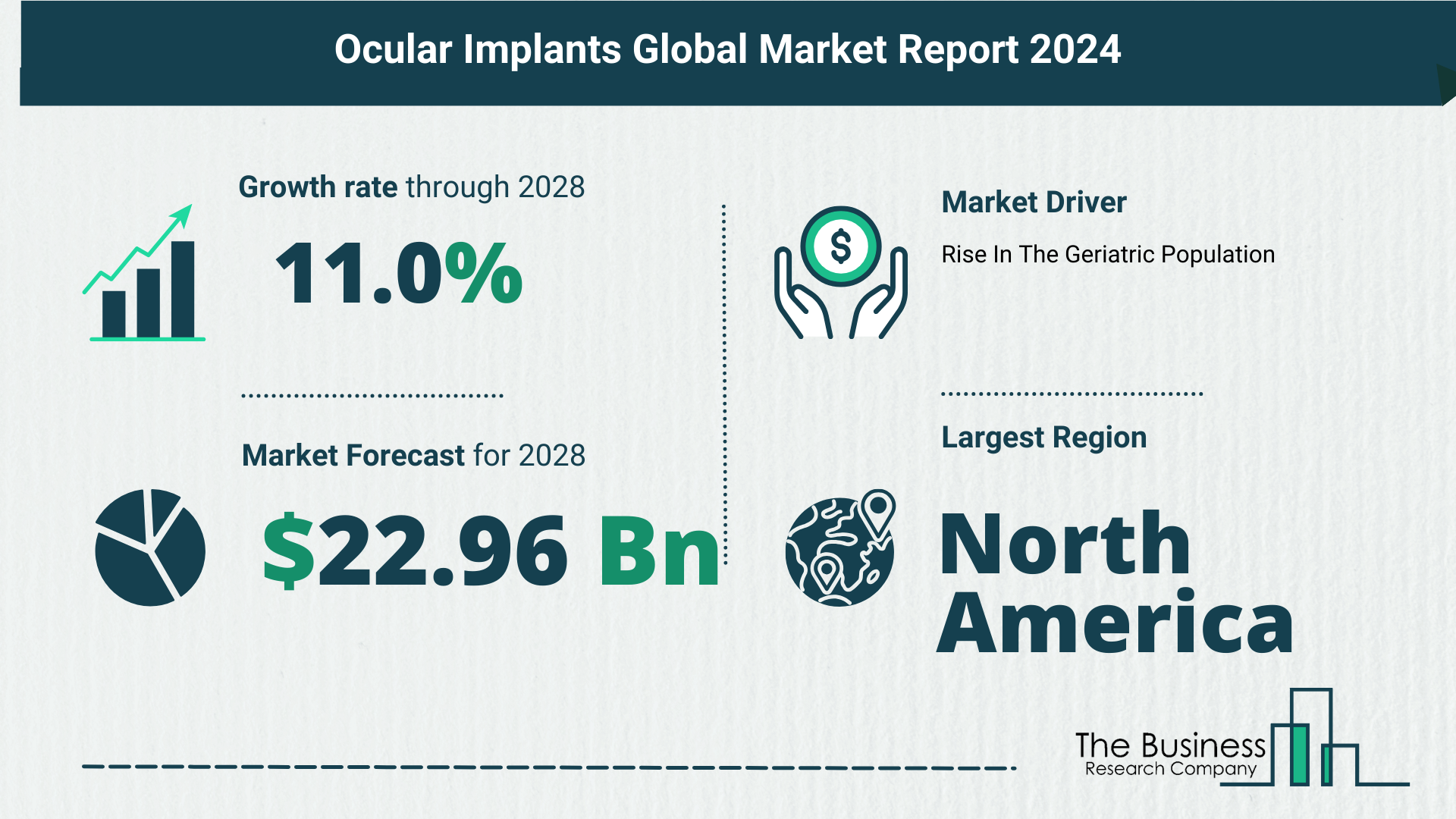
    The ocular implants market has experienced rapid expansion in recent years, setting the stage for substantial growth in the near future. In 2023, the market size stood at $13.57 billion, projected to reach $15.14 billion in 2024 with a robust CAGR of 11.6%. Looking ahead, the forecast indicates further acceleration, with the market expected to surge to $22.96 billion in 2028, boasting a CAGR of 11.0%. This flourishing trajectory is attributed to various factors, including the aging global population, the prevalence of myopia, glaucoma management, minimally invasive surgery, and a commitment to patient safety.

    1. Geriatric Boom Driving Market Expansion
    2. Geriatric Population and Eye Health
    • Ocular implants cater to age-related eye conditions like cataracts, glaucoma, and presbyopia.
    • Enhances vision, reduces reliance on corrective eyewear, and improves the quality of life for older individuals.
    1. Global Aging Trends
    • According to the World Health Organization, the global population aged 60 years is projected to reach 1.4 billion by 2022.
    • One out of six people worldwide will be aged 60 or older by 2030.
    1. Market Players
    • Major companies in the ocular implants market include Alcon Inc., Bausch & Lomb Inc., Carl Zeiss AG, and Johnson and Johnson Services Inc.

    View More On The Ocular Implants Market Report 2024 – https://www.thebusinessresearchcompany.com/report/ocular-implants-global-market-report

    1. Innovative Ocular Implant Products Reshaping Care
    2. Premium Iris Implant Products
    • Major companies are introducing premium-quality iris implant products for a competitive edge.
    • Example: HumanOptics Holding AG’s ARTIFICIALIRIS SELECT offers customizable iris replacement, allowing surgeons to select from a range of colors for efficient patient care.
    1. Strategic Moves in the Industry
    2. Alcon’s Acquisition of Ivantis
    • In August 2021, Alcon acquired Ivantis for $475 million in cash.
    • Demonstrates Alcon’s commitment to the surgical glaucoma market.
    • Strengthens Alcon’s position in cataract, refractive, retina, and glaucoma segments.
    1. Market Segmentation and Regional Insights
    • Segmentation:
      1. By Product: Intraocular Lens, Corneal Implants, Orbital Implants, Glaucoma Implants, Other Products
      2. By Application: Glaucoma Surgery, Diabetic Retinopathy, Age-Related Macular Degeneration
      3. By End-User: Specialty Eye Institutes, Hospitals, Clinics
    • Regional Insights:
      • North America led the ocular implants market in 2023.
      • Asia-Pacific is anticipated to be the fastest-growing region in the forecast period.
    1. Conclusion

    The ocular implants market is not only witnessing remarkable growth but is also undergoing transformative changes with technological advancements, ophthalmic innovation, and the integration of digital healthcare and artificial intelligence. As major players introduce cutting-edge products and engage in strategic acquisitions, the landscape of ocular care is evolving. The surge in the aging population and a growing emphasis on patient safety further emphasize the need for continuous innovation in this dynamic sector. Stakeholders in the ocular implants market must remain vigilant to capitalize on emerging trends and contribute to the evolution of eye care solutions.

    Request A Sample Of The Global Ocular Implants Market Report 2024:
    https://www.thebusinessresearchcompany.com/sample_request?id=6557&type=smp

  • 5 Takeaways From The Neuroprosthetics Market Overview 2024

    5 Takeaways From The Neuroprosthetics Market Overview 2024

    The Business Research Company’s global market reports are now updated with the latest market sizing information for the year 2024 and forecasted to 2033

    According to The Business Research Company’s Neuroprosthetics Global Market Report 2024, the neuroprosthetics market is expected to show promising growth in the forecast period.

    1. Introduction

    The neuroprosthetics market has experienced rapid growth in recent years, demonstrating its pivotal role in addressing neurological disorders and nerve injuries. In 2023, the market size reached $9.16 billion, poised to surge to $10.52 billion in 2024 with an impressive CAGR of 14.9%. Looking forward, the forecast indicates even more substantial growth, with the market expected to reach $18.09 billion in 2028, boasting a CAGR of 14.5%. This expansion is attributed to factors such as personalized medicine, chronic disease prevalence, telemedicine services, global healthcare expenditure, and neurorehabilitation.

    1. The Driving Force: Surging Neurological Disorder Cases
    2. Neurological Disorders and Nerve Injuries
    • Neurological disorders impact the brain and nerves, causing a myriad of health issues.
    • Nerve injuries result from accidents, leading to damage that neuroprosthetics aim to address.
    1. Global Impact
    • WHO reports 50 million people globally suffering from epilepsy in 2022.
    • Neuroprosthetics play a crucial role in restoring motor and sensory functions for these patients.
    1. Market Players
    • Major companies in the neuroprosthetics market include Abbott Laboratories, Boston Scientific Corp., Cochlear Ltd., LivaNova PLC, and Medtronic PLC.

    View More On The Neuroprosthetics Market Report 2024 – https://www.thebusinessresearchcompany.com/report/neuroprosthetics-global-market-report

    1. Innovative Brain-Machine Interfaces Revolutionize Neuroprosthetics
    2. Brain-Machine Interfaces (BMIs)
    • Companies are developing cutting-edge brain-machine interfaces to meet the growing demand.
    • BMIs enable direct communication between the brain and machines.
    1. Technological Advancements
    • Axoft’s launch of a BMI in October 2022 to treat neurological disorders.
    • BMI technology involves acquiring neuronal signals, preprocessing, feature extraction, and control signal generation.
    1. Strategic Expansion: Flow Neuroscience Acquires Halo Neuroscience
    2. Personalized Solutions
    • Flow Neuroscience, a Sweden-based company, acquires Halo Neuroscience in February 2021.
    • Aims to provide more personalized solutions for brain disorders.
    1. Halo Neuroscience’s Expertise
    • Halo Neuroscience, a US-based developer of brain stimulators, specializes in enhancing muscle memory and designing neuroprosthetics.
    1. Market Segmentation and Regional Insights
    • Segmentation:
      1. By Type: Motor Neuroprosthetics, Auditory Neuroprosthetics, Visual Neuroprosthetics, Cognitive Neuroprosthetics
      2. By Technique: Spinal Cord Stimulation, Deep Brain Stimulation, Vagus Nerve Stimulation, Sacral Nerve Stimulation, Transcranial Magnetic Stimulation
      3. By Application: Motor Neuron Disorders, Physiological Disorders, Cognitive Disorders
    • Regional Insights:
      • North America led the neuroprosthetics market in 2023.
      • Asia-Pacific is anticipated to be the fastest-growing region in the forecast period.
    1. Conclusion

    As the neuroprosthetics market continues to evolve, driven by technological advancements and a growing need for personalized solutions, it is transforming the landscape of healthcare. The surge in neurological disorders and nerve injuries necessitates innovative approaches, and companies are rising to the occasion with brain-machine interfaces and strategic acquisitions. Stakeholders in the neuroprosthetics sector need to stay attuned to these developments, ensuring they contribute to the ongoing revolution in restoring functionality for individuals facing neurological challenges.

    Request A Sample Of The Global Neuroprosthetics Market Report 2024:
    https://www.thebusinessresearchcompany.com/sample_request?id=6606&type=smp

  • Global Nasal Polyps Treatment Market Analysis: Estimated Market Size And Growth Rate

    Global Nasal Polyps Treatment Market Analysis: Estimated Market Size And Growth Rate

    The Business Research Company’s global market reports are now updated with the latest market sizing information for the year 2024 and forecasted to 2033

    The nasal polyps treatment market has experienced robust growth, reaching $4.83 billion in 2023 and projecting an increase to $5.24 billion in 2024 at a Compound Annual Growth Rate (CAGR) of 8.4%. This growth is rooted in historical factors such as surgical procedures, steroid medications, and the impact of allergic rhinitis, chronic sinusitis, and environmental factors.

    • Surgical Procedures and Medications
    • Influence of Allergic Rhinitis and Chronic Sinusitis
    • Environmental Factors Shaping the Market

    A Promising Future: Anticipated Growth
    The nasal polyps treatment market is expected to witness continued strong growth, reaching $7.38 billion in 2028 at a CAGR of 9.0%. This anticipated surge is driven by factors such as drug development, personalized medicine, telehealth services, patient-centric care, and regulatory approvals.

    • Focus on Drug Development
    • Embracing Personalized Medicine
    • Rise of Telehealth Services
    • Patient-Centric Care Approaches
    • Regulatory Approvals as Catalysts

    Trends Shaping the Future
    As we look ahead, several trends are set to define the landscape of the nasal polyps treatment market, introducing new dimensions and advancements in healthcare.

    • Diagnostic Technologies Transforming Care
    • Continuous Medical Advancements
    • Biologic Therapies Redefining Treatment
    • Immunotherapies as a Paradigm Shift
    • Collaborative Research for Holistic Solutions

    Healthcare Expenditure: A Driving Force
    The upward trajectory of healthcare expenditure globally is poised to be a significant driver for the nasal polyps treatment market. As nations allocate greater resources to their healthcare systems, there is a natural inclination towards enhanced diagnosis, management, and treatment of nasal polyps.

    • Definition of Healthcare Expenditure
    • Impact on Patient Access
    • Innovative Treatment Options
    • Research and Development Initiatives
    • Example from India’s Healthcare Landscape

    Industry Giants: Major Players Paving the Way
    Several major companies are playing a pivotal role in shaping the nasal polyps treatment market. Recognizable names include Sanofi SA, GlaxoSmithKline PLC, F. Hoffmann La Roche AG, Merck & Co. Inc., and many others.

    • Sanofi SA
    • GlaxoSmithKline PLC
    • F. Hoffmann La Roche AG
    • Merck & Co. Inc.
    • Teva Pharmaceutical Industries Ltd.

    View More On The Nasal Polyps Treatment Market Report 2024 – https://www.thebusinessresearchcompany.com/report/nasal-polyps-treatment-global-market-report

    Innovation Unleashed: Nasal Polyps Treatment Evolution
    Innovation is a key driver, with companies focusing on new product developments to strengthen their positions. GlaxoSmithKline PLC., for example, received FDA approval for Nucala (mepolizumab), a monoclonal antibody targeting interleukin-5, marking a significant milestone in chronic rhinosinusitis and nasal polyps treatment.

    • GlaxoSmithKline PLC.’s Nucala Approval
    • Advancements in Chronic Rhinosinusitis Treatment

    Strategic Acquisition: Merck & Co. Inc. and Acceleron Pharma
    The landscape of nasal polyps treatment underwent a transformative shift with Merck & Co. Inc.’s acquisition of Acceleron Pharma Inc. for $11.5 billion. This strategic move reflects the industry’s dedication to leveraging scientific expertise in addressing serious and rare diseases, including nasal polyps treatment therapies.

    • Merck & Co. Inc.’s Acquisition Strategy
    • Acceleration of Therapeutics Development

    Market Dynamics Unveiled: Segmentation Insights
    To understand the diverse landscape, the nasal polyps treatment market is segmented based on type, route, and distribution.

    1. By Type:
    • Pharmacological Therapies
    • Surgeries
    1. By Route:
    • Oral
    • Nasal
    • Other Routes
    1. By Distribution:
    • Hospital Pharmacies
    • Retail Pharmacies
    • Online Pharmacies

    Regional Dynamics: North America Leading, Asia-Pacific Rising
    In 2023, North America took the lead in the nasal polyps treatment market. However, Asia-Pacific is poised to emerge as the fastest-growing region in the forecast period, signaling a shift in global healthcare dynamics.

    • North America’s Market Dominance
    • Asia-Pacific’s Accelerated Growth

    Conclusion
    The nasal polyps treatment market’s trajectory is marked by innovation, strategic acquisitions, and a commitment to patient-centric care. As the industry evolves, stakeholders must remain vigilant, navigating a landscape where advancements redefine treatment paradigms and propel healthcare into a future of enhanced well-being.

    Request A Sample Of The Global Nasal Polyps Treatment Market Report 2024:
    https://www.thebusinessresearchcompany.com/sample_request?id=7109&type=smp

  • 5 Key Insights On The Mucosal Atomization Devices Market 2024

    5 Key Insights On The Mucosal Atomization Devices Market 2024

    The Business Research Company’s global market reports are now updated with the latest market sizing information for the year 2024 and forecasted to 2033

    As per The Business Research Company’s Mucosal Atomization Devices Global Market Report 2024, the mucosal atomization devices market is expected to show significant growth in the forecast period.

    The mucosal atomization devices market has witnessed robust growth in recent years, with promising projections for the future. From $0.79 billion in 2023, the market is set to reach $0.87 billion in 2024, demonstrating an impressive Compound Annual Growth Rate (CAGR) of 9.9%. Factors such as emergency medicine, anesthesia, pediatric care, pain management, and dental procedures have contributed to this growth.

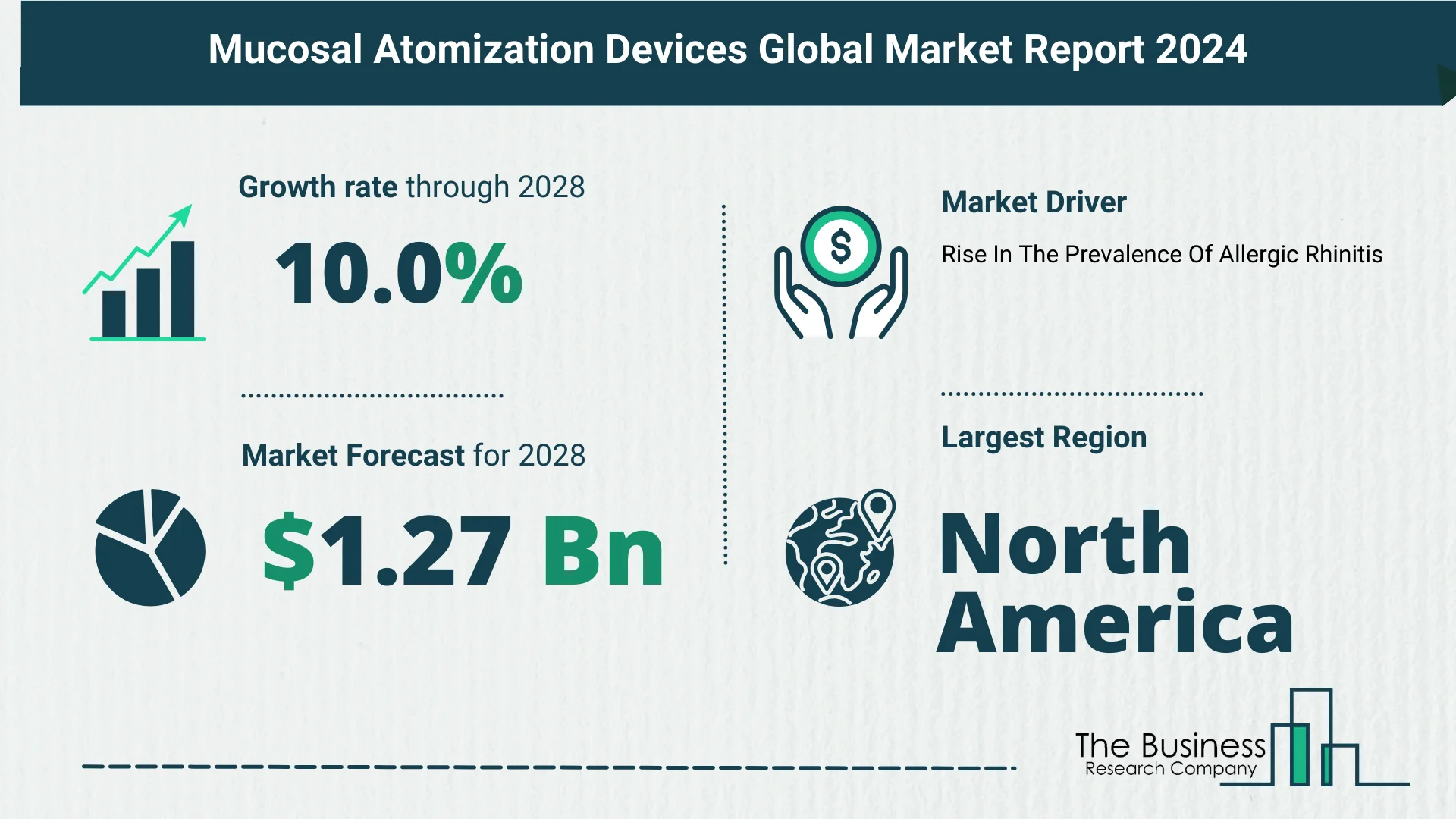
    Global Growth Trajectory: Anticipated to continue its upward trajectory, the mucosal atomization devices market is expected to soar to $1.27 billion by 2028, with a CAGR of 10.0%. This growth is attributed to a diverse range of factors, including the rising prevalence of chronic diseases, the surge in telemedicine services, the emergence of precision medicine, the demand for cosmetic procedures, patient comfort considerations, and even the influence of autonomous vehicles.

    Major Trends Shaping the Future:

    1. Sustainable and Eco-friendly Practices: A growing emphasis on environmentally conscious solutions.
    2. Digital Mortuary Management: Innovations in managing mortuary processes through digital platforms.
    3. Green Burial Options: Increasing interest in environmentally friendly burial practices.
    4. Remote Viewing and Streaming Services: Utilizing technology to enhance funeral experiences.
    5. Hybrid Funeral Services: A blend of traditional and digital elements for memorial services.

    View More On The Mucosal Atomization Devices Market Report 2024 – https://www.thebusinessresearchcompany.com/report/mucosal-atomization-devices-global-market-report

    Rising Prevalence of Allergic Rhinitis Drives Market Growth: The global increase in allergic rhinitis cases is a significant driver for the mucosal atomization devices market. With symptoms triggered by allergens like pollen, dust, or animal dander, these devices play a crucial role in delivering treatments for conditions like chronic rhinosinusitis. The prevalence of seasonal allergic rhinitis, also known as hay fever, is particularly notable, affecting around 7.7% of adults and 7.2% of children in the United States.

    Key Players Paving the Way: Major companies contributing to the mucosal atomization devices market include Teleflex Incorporated, DeVilbiss Healthcare LLC, Becton Dickinson and Company, Medtronic PLC, and numerous others. Their influence is pivotal in driving innovation and expanding the reach of mucosal atomization devices.

    Strategic Partnerships Fuel Growth and Innovation: Strategic partnerships have become a cornerstone for companies in the mucosal atomization device market. Pulmodyne, Inc., for instance, formed a partnership with Alcove Manufacturing and Distribution, Inc. in October 2021 to enhance distribution and jointly develop new atomization technologies. Such collaborations aim to optimize product designs swiftly and foster innovation in the sector.

    Mergers Enhancing Development of Medical Therapies: The merger between Kurve Technology Inc. and Savile Therapeutics Inc. in March 2022 exemplifies the trend of companies combining strengths to advance medical therapies. With Kurve Technology gaining access to Savile Therapeutics’ assets, this merger is poised to drive growth and expansion in the medical device sector.

    Market Segmentation: The mucosal atomization devices market is segmented based on:

    1. Type: Nasal Atomization Devices, Fiber-Optic Atomization Devices, Laryngo-Tracheal Atomization Devices, Bottle Atomizer Devices
    2. Technology: Gas Propelled Atomization Devices, Electrical Atomization Devices
    3. End User: Hospitals, Ambulatory Surgical Centers, Specialized Clinics

    Regional Dynamics: In 2023, North America emerged as the largest region in the mucosal atomization devices market, while Asia-Pacific is expected to experience the fastest growth in the forecast period. This regional diversity highlights the global impact and relevance of mucosal atomization devices.

    Conclusion: As the mucosal atomization devices market continues to expand, driven by technological advancements and innovative trends, its role in providing effective medical solutions becomes increasingly crucial. With a focus on sustainability, digitalization, and strategic collaborations, the future promises continued growth and transformative developments in this dynamic sector.

    Request A Sample Of The Global Mucosal Atomization Devices Market Report 2024:
    https://www.thebusinessresearchcompany.com/sample_request?id=7440&type=smp

  • HPV Associated Disorders Global Market Outlook 2024-2033: Size And Growth Rate Analysis

    HPV Associated Disorders Global Market Outlook 2024-2033: Size And Growth Rate Analysis

    The Business Research Company’s global market reports provide comprehensive analysis on the various markets in 27 industries across 60 geographies.

    The HPV associated disorders market has witnessed robust growth in recent years, with a market size reaching $19.42 billion in 2023. The growth trajectory continues into 2024, projecting an increase to $20.97 billion at a compound annual growth rate (CAGR) of 8.0%. The drivers behind this expansion include the rising prevalence of HPV-associated disorders, increased awareness, advancements in diagnostic technologies, government initiatives, and a growing demand for early screening and vaccination.

    Upward Trajectory: A Glimpse into Future Growth
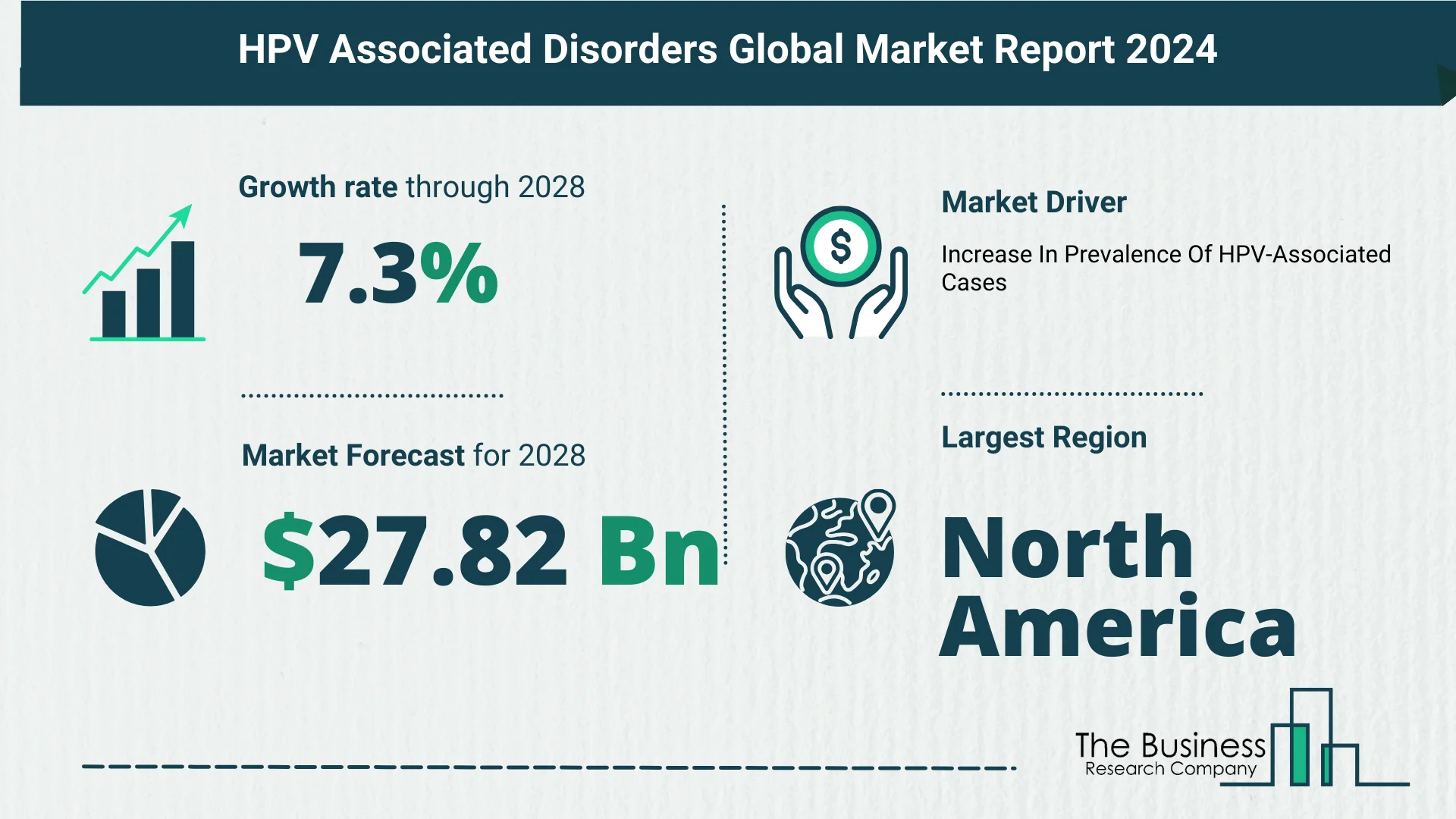
    The market is poised for substantial growth in the upcoming years, with a projected market size of $27.82 billion in 2028, driven by a CAGR of 7.3%. Anticipated factors fueling this growth include the approval of new HPV vaccines, enhanced screening and vaccination initiatives, a surge in cervical cancer cases, a demand for non-invasive diagnostic tests, and the integration of HPV testing into routine healthcare. Notable trends in the forecast period encompass the development of next-gen HPV vaccines, point-of-care HPV testing adoption, a shift towards molecular techniques, personalized approaches in management, and the integration of HPV testing in women’s health services.

    Rising Prevalence: Catalyst for Growth
    The Global Burden:
    The prevalence of HPV-associated cases, spanning from benign verrucae vulgates to various malignancies, serves as a pivotal driver for the market. Conditions such as cervical, vulva, anus, and penis cancers, anogenital warts, recurrent respiratory papillomatosis, and oropharyngeal cancers are all part of this spectrum. Notably, in January 2022, an estimated 14,100 women in the United States were diagnosed with invasive cervical cancer, and globally, 604,127 women battled cervical cancer in 2020. The surge in HPV cases, especially in women, propels market growth.

    Corporate Players in Action:
    Major companies in the HPV associated disorders market, including AstraZeneca plc, F. Hoffmann-La Roche Ltd, and Pfizer Inc., are actively contributing to this growth. Their engagement encompasses a range of activities from research and development to the provision of innovative solutions.

    View More On The HPV Associated Disorders Market Report 2024 – https://www.thebusinessresearchcompany.com/report/hpv-associated-disorders-global-market-report

    Emerging Therapies: A Paradigm Shift
    Targeted Therapies:
    A noteworthy trend reshaping the landscape of HPV-associated disorders treatment is the advent of targeted therapies. These therapies, designed for conditions like cervical cancer and oropharyngeal cancer, focus on specific proteins within cancer cells. An exemplary case is the FDA’s approval of Tivdak (tisotumab vedotin-tftv) in September 2021 for recurrent or metastatic cervical cancer. This marks a significant stride in treating HPV-associated disorders effectively.

    Strategic Acquisitions:
    In a strategic move in May 2022, GlaxoSmithKline plc acquired Affinivax, Inc. for $2.1 billion, fortifying its vaccine research and development pipeline. This acquisition provides access to innovative vaccine technology platforms like MAPS (Multiple Antigen Presenting System), setting the stage for further advancements in HPV-related solutions.

    Market Segmentation: Navigating the Landscape
    Segment Overview:
    The HPV associated disorders market is segmented based on indication, therapy, and distribution channel. Indications cover a spectrum from Cervical Intraepithelial Neoplasia (CIN) to Genital Warts and other conditions. Therapies are categorized into Prevention and Treatment, while the distribution channel includes Hospital Pharmacies, Retail Pharmacies, and Online Pharmacies.

    Regional Dynamics:
    North America claimed the largest share in the HPV associated disorders market in 2023, with Asia-Pacific expected to be the fastest-growing region in the forecast period. This regional diversity reflects the global impact of HPV-associated disorders and the need for comprehensive solutions.

    Conclusion: A Dynamic Future Awaits
    In conclusion, the HPV associated disorders market is experiencing a robust upward trajectory. With rising awareness, technological advancements, and strategic initiatives, the market is poised for significant expansion. The integration of targeted therapies, strategic acquisitions, and market segmentation further contribute to the dynamic landscape. As we move into the future, the collaborative efforts of healthcare organizations, government bodies, and industry leaders will play a crucial role in shaping the landscape of HPV-associated disorders treatment and prevention.

    Request A Sample Of The Global HPV Associated Disorders Market Report 2024:
    https://www.thebusinessresearchcompany.com/sample_request?id=7777&type=smp