Author: The Business Research Company

  • Global Medical Alert Systems Market Key Insights 2024-2033

    Global Medical Alert Systems Market Key Insights 2024-2033

    The Business Research Company’s global market reports are now updated with the latest market sizing information for the year 2024 and forecasted to 2033

    According to The Business Research Company’s Medical Alert Systems Global Market Report 2024, the medical alert systems market is expected to show promising growth in the forecast period.

    Market Growth: A Statistical Outlook

    • Rapid expansion: The medical alert systems market is on the rise.
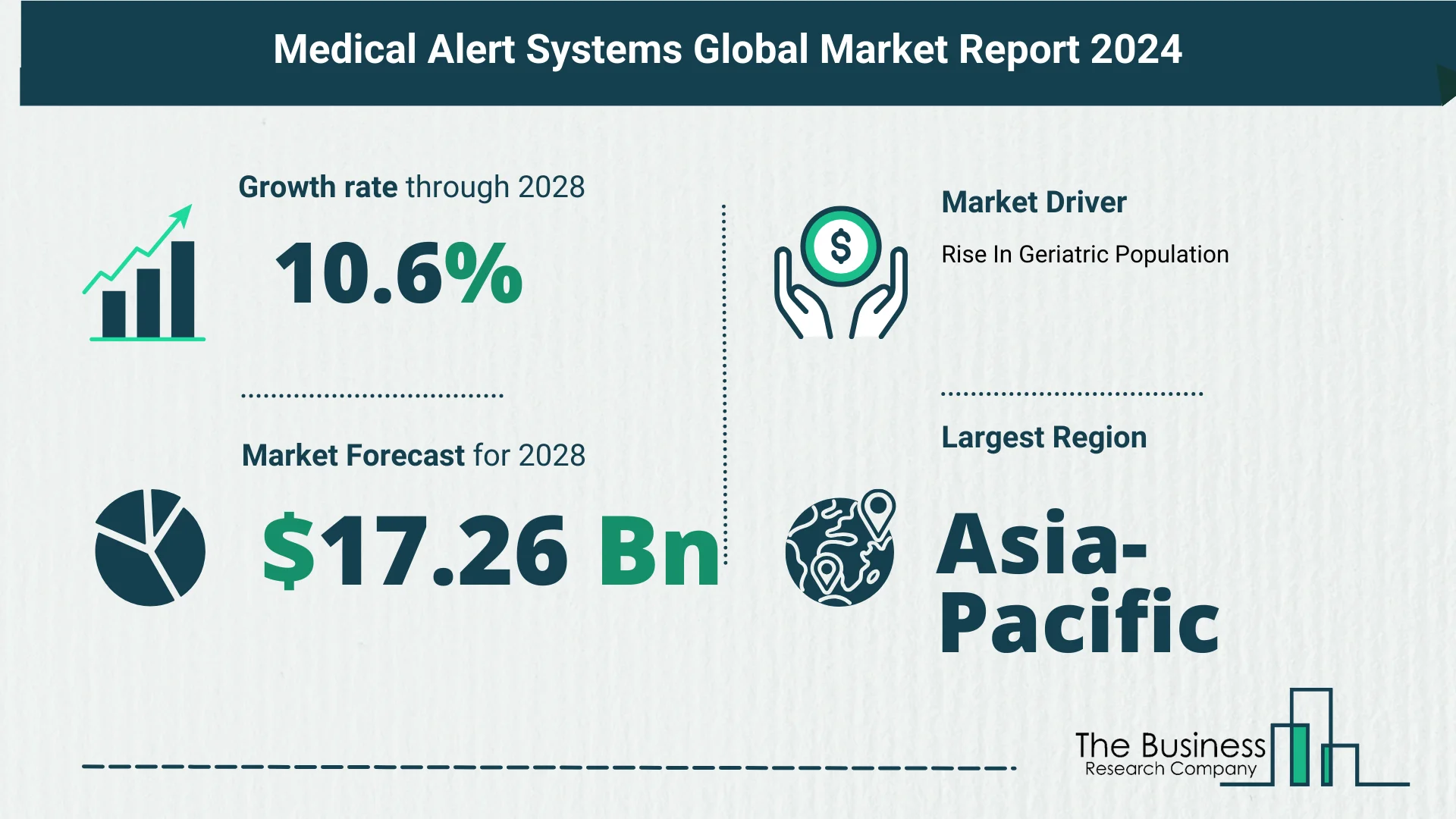
    • From $10.42 billion in 2023 to $11.55 billion in 2024 at a CAGR of 10.8%.
    • Projected growth to $17.26 billion in 2028, with a CAGR of 10.6%.

    Driving Forces Behind the Growth

    • Chronic health conditions and aging population contribute to historic growth.
    • Healthcare infrastructure and government initiatives play a vital role.
    • Telehealth services add a new dimension to the expanding market.

    Forecasted Surge: Factors at Play

    • Independent living becomes a driving force.
    • Medical cost savings and rural healthcare access fuel growth.
    • Personalized emergency plans and tackling elderly social isolation.

    View More On The Medical Alert Systems Market Report 2024 – https://www.thebusinessresearchcompany.com/report/medical-alert-systems-global-market-report

    Major Trends Shaping the Future

    • IoT and wearable integration redefine medical alert systems.
    • Blockchain addresses health data security concerns.
    • Voice-activated systems and AI for predictive care gain prominence.
    • Fall detection technology enhances emergency response capabilities.

    Geriatric Population as a Catalyst

    • Rising geriatric population propels market growth.
    • Essential safety and immediate assistance for independent living.
    • WHO predicts 1 in 6 individuals aged 60 or older by 2030 and 2.1 billion by 2050.

    Industry Players: A Landscape Overview

    • Key companies shaping the medical alert systems market.
    • Major players include Koninklijke Philips, Connect America Holdings, ADT Inc., and others.
    • Diverse services offered by companies like Medical Guardian, MobileHelp, and LifeFone.

    Technological Innovations: Transforming Healthcare

    • Advancements drive the market forward.
    • Essence Group introduces Umbrella, a 5G-enabled mobile Personal Emergency Response System.
    • Integration with cloud services enhances personal safety and care in remote settings.

    Advocate Aurora Enterprises’ Strategic Move

    • Aurora’s acquisition of MobileHelp in April 2022.
    • Aims to enhance whole-person health services beyond conventional clinical care.
    • Emphasizes investment in solutions complementing clinical offerings.

    Market Segmentation: Understanding the Landscape

    • Breakdown by offering type: Hardware and Services.
    • System types include Personal Emergency Response System (PERS), Nurse Calling System (NCS), and Smart Belt.
    • Technology types cover Two-way Voice Systems, Medical Alert Alarm (Button) System, and IP-based Systems.
    • Distribution channels span pharmacies, online sales, and hypermarkets.
    • Applications range from home-based users to senior living facilities, assisted living facilities, hospitals, and clinics.

    Regional Dynamics: Asia-Pacific Takes the Lead

    • Asia-Pacific dominates the medical alert systems market in 2023.
    • Expected to be the fastest-growing region in the forecast period.

    In conclusion, the medical alert systems market is experiencing robust growth driven by a confluence of factors. The aging population, technological advancements, and strategic acquisitions are reshaping the landscape. With innovations like IoT integration and predictive care, the industry is set to offer enhanced safety and care solutions. As the market continues to evolve, it opens doors for collaboration, innovation, and improved healthcare services on a global scale.

    Request A Sample Of The Global Medical Alert Systems Market Report 2024:
    https://www.thebusinessresearchcompany.com/sample_request?id=7166&type=smp
  • Growth Trajectory Of The Medical Aesthetics Market 2024-2033

    Growth Trajectory Of The Medical Aesthetics Market 2024-2033

    The Business Research Company’s global market reports are now updated with the latest market sizing information for the year 2024 and forecasted to 2033

    The medical aesthetics market has witnessed a remarkable surge in recent years, marked by substantial growth in market size and a promising compound annual growth rate (CAGR). As we delve into the dynamics of this thriving industry, we explore the key factors driving this growth, the evolving trends, and the major players shaping the future of medical aesthetics.

    Market Growth and Projections
    Current and Future Growth
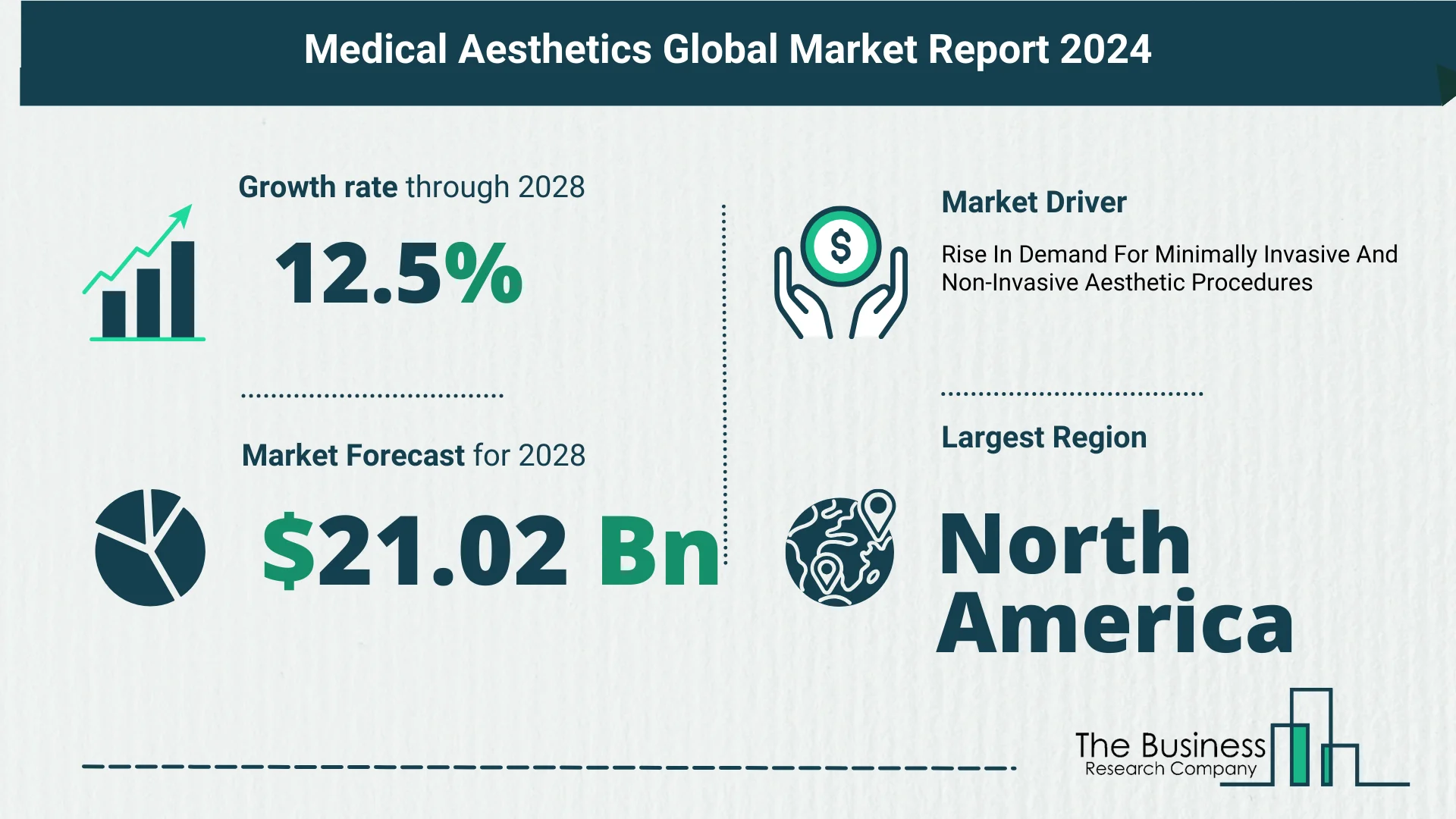
    The medical aesthetics market is on a trajectory of robust expansion. From $11.5 billion in 2023, it is set to reach $13.11 billion in 2024, boasting a notable CAGR of 14.0%. Looking ahead, the market is projected to achieve even greater heights, anticipating a surge to $21.02 billion by 2028, with a CAGR of 12.5%. This growth is attributed to a variety of factors, including an aging population, the flourishing cosmetic industry, increased consumer awareness, medical tourism, and regulatory approvals.

    Rising Demand For Minimally Invasive And Non-Invasive Aesthetic Procedures Fuels Medical Aesthetics Market Growth
    Shift Towards Minimally Invasive Procedures
    The increasing adoption of minimally invasive and non-invasive aesthetic procedures is a pivotal driver of the market’s expansion. These procedures, characterized by limited incisions or injections, are preferred for their quick, safe, and effective nature, requiring minimal downtime. Liposuction, for instance, experienced a surge with over 1.9 million cases in January 2023, indicating a 24.8% increase and underscoring the growing popularity of minimally invasive techniques.

    Key Players in the Market
    Major companies contributing to the growth of the medical aesthetics market include AbbVie Inc., Medytox Inc., Galderma S.A., and various others. Their innovations and contributions align with the rising demand for minimally invasive procedures, fostering market growth.

    View More On The Medical Aesthetics Market Report 2024 – https://www.thebusinessresearchcompany.com/report/medical-aesthetics-global-market-report

    Rising Adoption Of Robot-Based Surgery And Advanced Technology Innovations In The Medical Aesthetics Market
    Adoption of Robot-Based Surgery
    A significant trend in the medical aesthetics market is the adoption of robot-based surgery, showcasing the industry’s commitment to technological advancements. Companies like Smith-Nephew have launched advanced robotic tools like CORI, providing surgeons with a digital operating room experience. This technology enhances precision, reduces pain, and increases patient satisfaction post-surgery.

    Strategic Acquisitions for Portfolio Enhancement
    Crown Laboratories’ acquisition of Eclipse Med Corp. LLC in May 2022 exemplifies strategic moves within the industry. This acquisition expanded Crown’s aesthetics portfolio, aligning with the global mission to drive innovation and offer superior products and services. Such strategic moves contribute to the dynamic and evolving nature of the medical aesthetics market.

    Market Segmentation and Regional Dynamics
    Comprehensive Market Segmentation
    The medical aesthetics market is segmented based on product, technology, distribution channel, application, and end-user. Products range from facial aesthetic products to hair removal devices, while technology includes invasive, non-invasive, and minimally invasive options. This comprehensive segmentation reflects the diverse offerings within the market.

    Regional Insights
    North America is expected to lead the medical aesthetics market in 2023, while Asia-Pacific is poised to be the fastest-growing region in the forecast period. These regional dynamics underscore the global nature of the market, with varying trends and opportunities across different parts of the world.

    Conclusion
    In conclusion, the medical aesthetics market is thriving, fueled by a combination of technological advancements, consumer preferences for minimally invasive procedures, and strategic industry moves. As the industry continues to evolve, stakeholders need to stay attuned to emerging trends such as combination therapies, regenerative aesthetics, and the integration of artificial intelligence and virtual reality. The medical aesthetics market isn’t just about enhancing appearances; it’s about embracing innovation to redefine the future of aesthetic healthcare.

    Request A Sample Of The Global Medical Aesthetics Market Report 2024:
    https://www.thebusinessresearchcompany.com/sample_request?id=7646&type=smp

  • Global Live Cell Imaging Market Key Insights 2024-2033

    Global Live Cell Imaging Market Key Insights 2024-2033

    The Business Research Company’s global market reports are now updated with the latest market sizing information for the year 2024 and forecasted to 2033

    According to The Business Research Company’s Live Cell Imaging Global Market Report 2024, the live cell imaging market is expected to show promising growth in the forecast period.

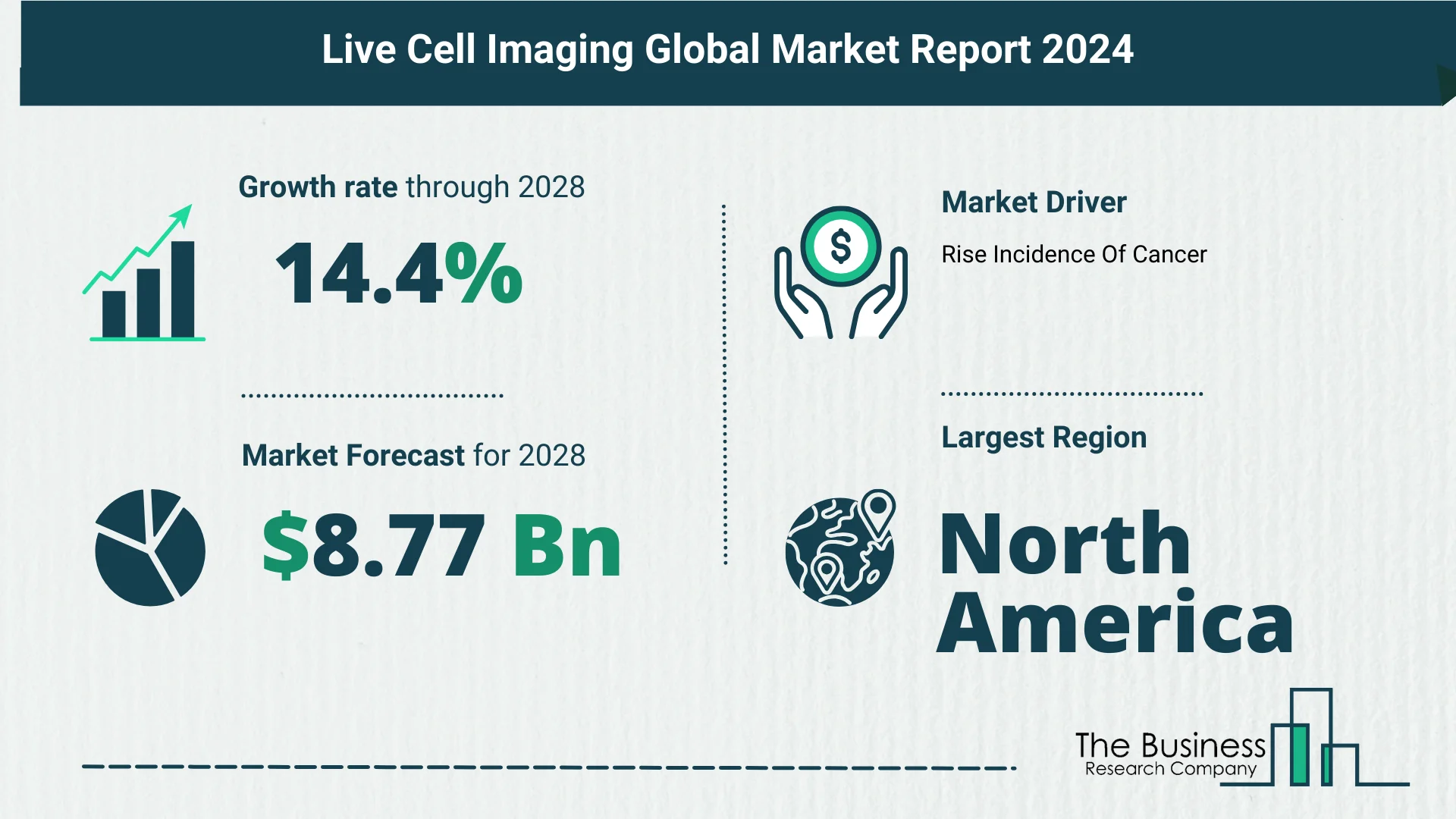
    The live cell imaging market has experienced remarkable growth, catapulting from $4.43 billion in 2023 to a projected $5.11 billion in 2024, reflecting a compound annual growth rate (CAGR) of 15.4%. This expansion is attributed to pivotal factors such as drug discovery and development, cancer research, biotechnology, biopharmaceuticals, clinical applications, and cellular and molecular biology. Looking ahead, the market is poised for continued rapid growth, reaching $8.77 billion in 2028, with a CAGR of 14.4%. The forecasted surge is driven by infectious disease research, the adoption of personalized medicine, environmental and ecological research, and immunotherapy development. Notable trends in the forecast period include 3D and 4D imaging, super-resolution microscopy, high-content screening, live-cell tracking software, and the utilization of microfluidic devices.

    Cancer Incidence as a Catalyst for Growth
    The live cell imaging market is anticipated to experience a significant upswing due to the rising incidence of cancer. Globally, cancer stands as the second major cause of death, claiming one in every six lives annually. Projections indicate an increase to 29.5 million cancer cases and 16.4 million cancer-related deaths worldwide by 2040. In the United States alone, the number of cancer patients is expected to rise from 16.9 million in 2019 to 22.2 million by 2030. Live cell imaging technology plays a pivotal role in cancer immunotherapy advancement, allowing for visualization, characterization, and evaluation of the biological processes of living cells. Major companies contributing to this market include Leica Microsystems GmbH, Olympus Corporation, Sigma-Aldrich Corporation, and more.

    • Major companies in the market include:
      • Leica Microsystems GmbH
      • Olympus Corporation
      • Sigma-Aldrich Corporation
      • PerkinElmer Inc.
      • GE Healthcare Technologies Inc.
      • And many more…

    Increasing Focus on Next-Generation Live Cell Imaging
    Innovation is at the forefront of major companies operating in the live cell imaging market, with a focus on developing next-generation products to drive revenues. An exemplary case is the CytoSMART Omni FL, a live-cell imaging analysis system introduced by CytoSMART Technologies. Launched in April 2022, this system incorporates red and green fluorescence channels into its signature CytoSMART Omni product line, producing high-quality, whole-well brightfield, or high-throughput fluorescence images of living cells. The device’s versatility allows scanning of various transparent cell culture vessels, from T75 flasks to microfluidic chips.

    • CytoSMART Omni FL – A Next-Generation Live-Cell Imaging System

    In April 2022, CytoSMART Technologies introduced CytoSMART Omni FL, a next-generation live-cell imaging analysis system. This innovative device incorporates red and green fluorescence channels into its product line, providing high-quality images of living cells.

    View More On The Live Cell Imaging Market Report 2024 – https://www.thebusinessresearchcompany.com/report/live-cell-imaging-global-market-report

    Axion Biosystems’ Strategic Acquisition of CytoSMART Technologies
    In a strategic move in March 2022, Axion BioSystems, a US-based life sciences company, acquired CytoSMART Technologies for an undisclosed amount. This acquisition aims to propel Axion’s expansion in stem cell research and immuno-oncology. CytoSMART Technologies, based in the Netherlands, is recognized for its contributions to the live cell imaging domain.

    • Strategic Acquisition – Axion Biosystems and CytoSMART Technologies

    In March 2022, Axion BioSystems acquired CytoSMART Technologies, marking a strategic move to expand its presence in stem cell research and immuno-oncology.

    Market Segmentation
    The live cell imaging market is segmented based on key factors:

    1. Product:
      • Equipment
      • Consumable
      • Software
    2. Technology:
      • Time-Lapse Microscopy
      • Fluorescence Recovery After Photobleaching (FRAP)
      • Fluorescence Resonance Energy Transfer (FRET)
      • High Content Screening (HCS)
      • Other Technologies
    3. Application:
      • Cell Biology
      • Developmental Biology
      • Stem Cell and Drug Discovery
      • Other Applications
    4. End-User:
      • Pharmaceutical and Biotechnology Companies
      • Academic and Research Institutes
      • Contract Research Organizations (CROs)

    Regional Dynamics: North America Leading the Charge
    In 2023, North America emerged as the largest region in the live cell imaging market, showcasing the region’s commitment to advancing life sciences and technology.

    Conclusion
    The live cell imaging market stands at the forefront of technological advancements, with a trajectory of sustained growth. Driven by the rising incidence of cancer and continuous innovation in imaging technologies, major companies are actively shaping the future of live cell imaging. As the market evolves, the integration of next-generation imaging solutions and strategic partnerships will play pivotal roles in defining the industry’s landscape, contributing to advancements in drug discovery, cancer research, and personalized medicine.

    Request A Sample Of The Global Live Cell Imaging Market Report 2024:
    https://www.thebusinessresearchcompany.com/sample_request?id=4110&type=smp

  • Overview Of The Liposuction Surgery Devices Market 2024-2033: Growth And Major Players Analysis

    Overview Of The Liposuction Surgery Devices Market 2024-2033: Growth And Major Players Analysis

    The Business Research Company’s global market reports are now updated with the latest market sizing information for the year 2024 and forecasted to 2033

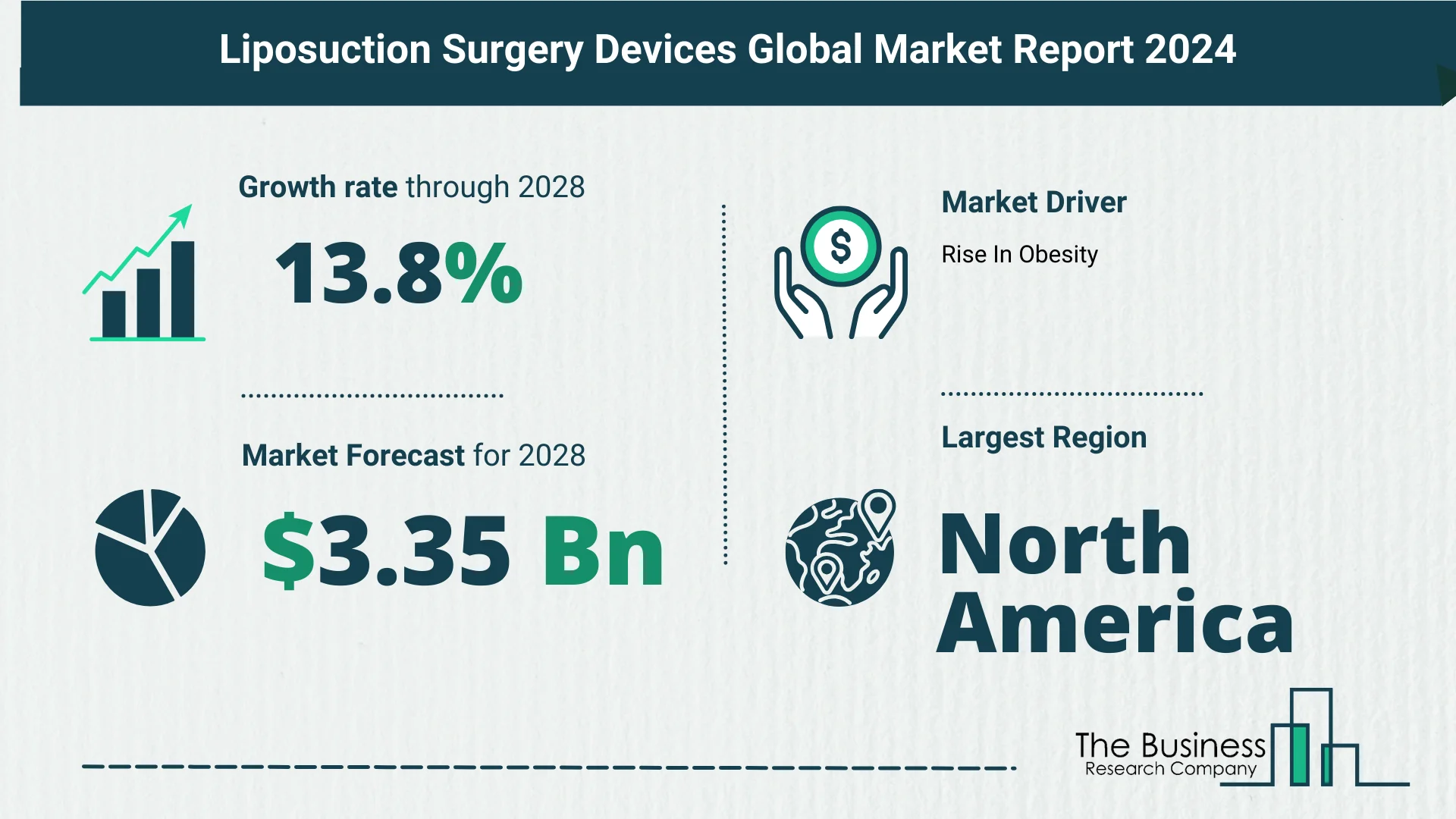
    The liposuction surgery devices market has experienced rapid growth in recent years, reaching $1.74 billion in 2023 and projected to hit $2 billion in 2024, with a compound annual growth rate (CAGR) of 14.7%. Looking ahead, the market is set to continue its expansion, reaching $3.35 billion by 2028 at a CAGR of 13.8%. This growth is fueled by various factors, including the rising obesity epidemic, increased aging population, lifestyle changes, and the growth of medical tourism.

    Driving Forces: Factors Behind the Growth

    1. Obesity Epidemic as a Catalyst
    • Obesity is a prevailing medical condition worldwide, driven by genetic, environmental, and lifestyle factors.
    • Liposuction surgery devices play a crucial role in addressing obesity by surgically removing excess body fat.
    • The World Health Organization predicts a continuous rise in obesity, further boosting the demand for liposuction surgery devices.
    1. Key Players in the Market
    • Major companies contributing to the liposuction surgery devices market include Solta Medical Inc., Cynosure LLC, Alma Lasers Ltd., and many others.
    • These companies play a pivotal role in shaping the market dynamics and technological advancements.

    View More On The Liposuction Surgery Devices Market Report 2024 – https://www.thebusinessresearchcompany.com/report/liposuction-surgery-devices-global-market-report

    Technological Innovations Shaping the Landscape

    1. Technological Advancements in Skincare
    • The integration of advanced technologies such as non-invasive, laser, ultrasound, and RF is transforming the liposuction surgery devices market.
    • Companies like InMode are at the forefront, introducing hands-free non-invasive thermal body and skin treatments, revolutionizing the liposuction outcome.
    1. Symeres’ Strategic Acquisition
    • Symeres, a Netherlands-based drug discovery services firm, made a significant move by acquiring Organix, a US-based manufacturer of lipids.
    • This acquisition expands Symeres’ drug discovery capabilities, catering to the growing demand from mRNA therapeutics and vaccines developers.

    Market Segmentation: Understanding the Dynamics
    The liposuction surgery devices market is segmented based on technology, type, and application, providing a comprehensive view of its diverse landscape.

    1. By Technology
    • Ultrasound-Assisted Liposuction (UAL)
    • Twin Cannula-Assisted Liposuction (TCAL)
    • Laser-Assisted Liposuction (LAL)
    • Power-Assisted Liposuction (PAL)
    • Suction-Assisted Liposuction (SAL)
    • Tumescent Liposuction
    • RF-Assisted Liposuction (RFAL)
    • Water-Assisted Liposuction (WAL)
    • Aspirator Devices
    1. By Type
    • Stand-Alone Liposuction Surgery Devices
    • Portable Liposuction Surgery Devices
    1. By Application
    • Hospitals
    • Ambulatory Surgical Centers
    • Cosmetic Surgical Centers

    Regional Dynamics: North America Leading, Asia-Pacific Emerging
    North America dominated the liposuction surgery devices market in 2023, while Asia-Pacific is anticipated to be the fastest-growing region in the forecast period. This shift underscores the global nature of the market and the increasing demand for liposuction surgery devices across diverse geographical regions.

    In conclusion, the liposuction surgery devices market is poised for substantial growth driven by factors like the obesity epidemic, technological advancements, and strategic business moves. As the market continues to evolve, companies need to adapt to emerging trends and innovations to stay competitive in this dynamic landscape.

    Request A Sample Of The Global Liposuction Surgery Devices Market Report 2024:
    https://www.thebusinessresearchcompany.com/sample_request?id=6365&type=smp

  • 5 Takeaways From The Joint Pain Injections Market Overview 2024

    5 Takeaways From The Joint Pain Injections Market Overview 2024

    The Business Research Company’s global market reports are now updated with the latest market sizing information for the year 2024 and forecasted to 2033

    According to The Business Research Company’s Joint Pain Injections Global Market Report 2024, the joint pain injections market is expected to show promising growth in the forecast period.

    The joint pain injections market has witnessed a rapid and substantial growth trajectory in recent years, driven by factors such as an aging population, increased arthritis prevalence, and the global focus on healthcare digitalization. This blog delves into the current dynamics of the joint pain injections market, exploring growth projections, significant trends, and noteworthy developments within the industry.

    Market Growth and Projections

    Current Growth and Future Projections

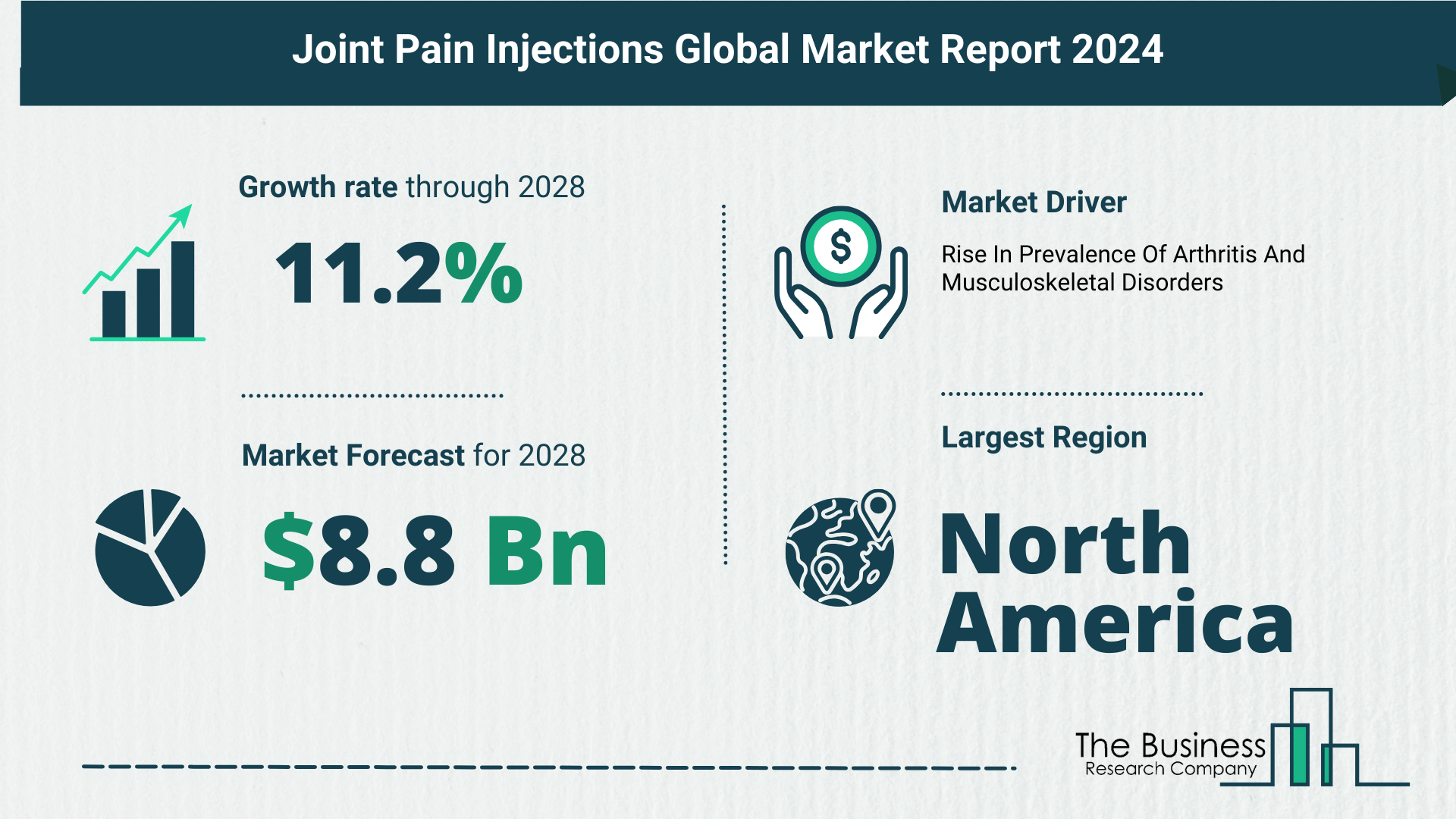
    The joint pain injections market, valued at $5.19 billion in 2023, is set to grow to $5.75 billion in 2024, boasting a commendable compound annual growth rate (CAGR) of 10.9%. Looking forward, the market is poised for rapid expansion, with a projected value of $8.8 billion by 2028 and an expected CAGR of 11.2%. This growth is attributed to various factors, including the expansion of telehealth services, personalized pain management, and sustainable healthcare practices.

    Elevated Prevalence Of Arthritis And Musculoskeletal Disorders Drives Growth

    Scope and Impact of Musculoskeletal Disorders

    The increasing prevalence of arthritis and musculoskeletal disorders emerges as a significant driver for the joint pain injections market. These disorders, major causes of disability globally, impact around 1.71 billion people worldwide. In 2021, arthritis affected approximately 350 million people, with low back pain being a common cause of impairment in 160 nations. The rising numbers underscore the critical need for effective joint pain solutions.

    Key Players in the Market

    Major companies contributing to the growth of the joint pain injections market include Seikagaku Corporation, Flexion Therapeutics Inc., Zimmer Biomet Holdings Inc., and several others. These companies play a crucial role in providing innovative solutions to address the escalating prevalence of musculoskeletal disorders.

    View More On The Joint Pain Injections Market Report 2024 – https://www.thebusinessresearchcompany.com/report/joint-pain-injections-global-market-report

    Development Of Farm Animal Vaccines

    Innovations in Joint Pain Injections

    Innovations in joint pain injections are pivotal in meeting the evolving needs of patients. Companies like Ono Pharmaceutical Co. Ltd. are introducing groundbreaking products, such as JOYCLU 30mg Intra-articular Injection, designed to improve joint function. This injection, launched in May 2021, focuses on treating knee and hip osteoarthritis, combining hyaluronic acid and the anti-inflammatory medication diclofenac.

    Strategic Acquisitions for Market Expansion

    Strategic acquisitions, such as Pacira BioSciences’ acquisition of Flexion Therapeutics for $630 million in October 2021, highlight significant industry moves. The acquisition aims to provide patients access to Zilretta, a non-opioid injection for pain treatment approved by the FDA for intra-articular therapy in osteoarthritis-related knee pain. This strategic move underscores the importance of acquisitions in strengthening market positions.

    Market Segmentation and Major Trends

    Comprehensive Market Segmentation

    The joint pain injections market is segmented based on the type of injection, joint type, and distribution channel. Types of injections include steroid joint injection, hyaluronic acid injections, platelet-rich plasma (PRP) injections, placental tissue matrix (PTM) injections, and others. Joint types range from hip joints to knee and ankle, shoulder and elbow, facet joints of the spine, and others. Distribution channels encompass hospital pharmacies, retail pharmacies, and online pharmacies.

    Emerging Trends in the Forecast Period

    Major trends expected in the forecast period include regenerative medicine, personalized pain management, innovative injection materials, rehabilitation technologies, and AI-enhanced injections. These trends reflect the industry’s commitment to advancing treatment options, incorporating cutting-edge technologies, and enhancing patient outcomes.

    Conclusion

    In conclusion, the joint pain injections market is at the forefront of healthcare advancements, addressing the growing challenges posed by arthritis and musculoskeletal disorders. As the industry continues to evolve, stakeholders must remain vigilant to emerging trends and innovations that redefine pain management and improve the quality of life for patients. The joint pain injections market is not just a segment within healthcare; it represents a commitment to alleviating pain, restoring mobility, and empowering individuals to lead healthier lives.

    Request A Sample Of The Global Joint Pain Injections Market Report 2024:
    https://www.thebusinessresearchcompany.com/sample_request?id=6482&type=smp

  • Key Trends And Drivers In The Life Science Analytics Market 2024

    Key Trends And Drivers In The Life Science Analytics Market 2024

    The Business Research Company’s market reports offer an in-depth analysis on the market’s growth potential, major drivers, key trends and more.

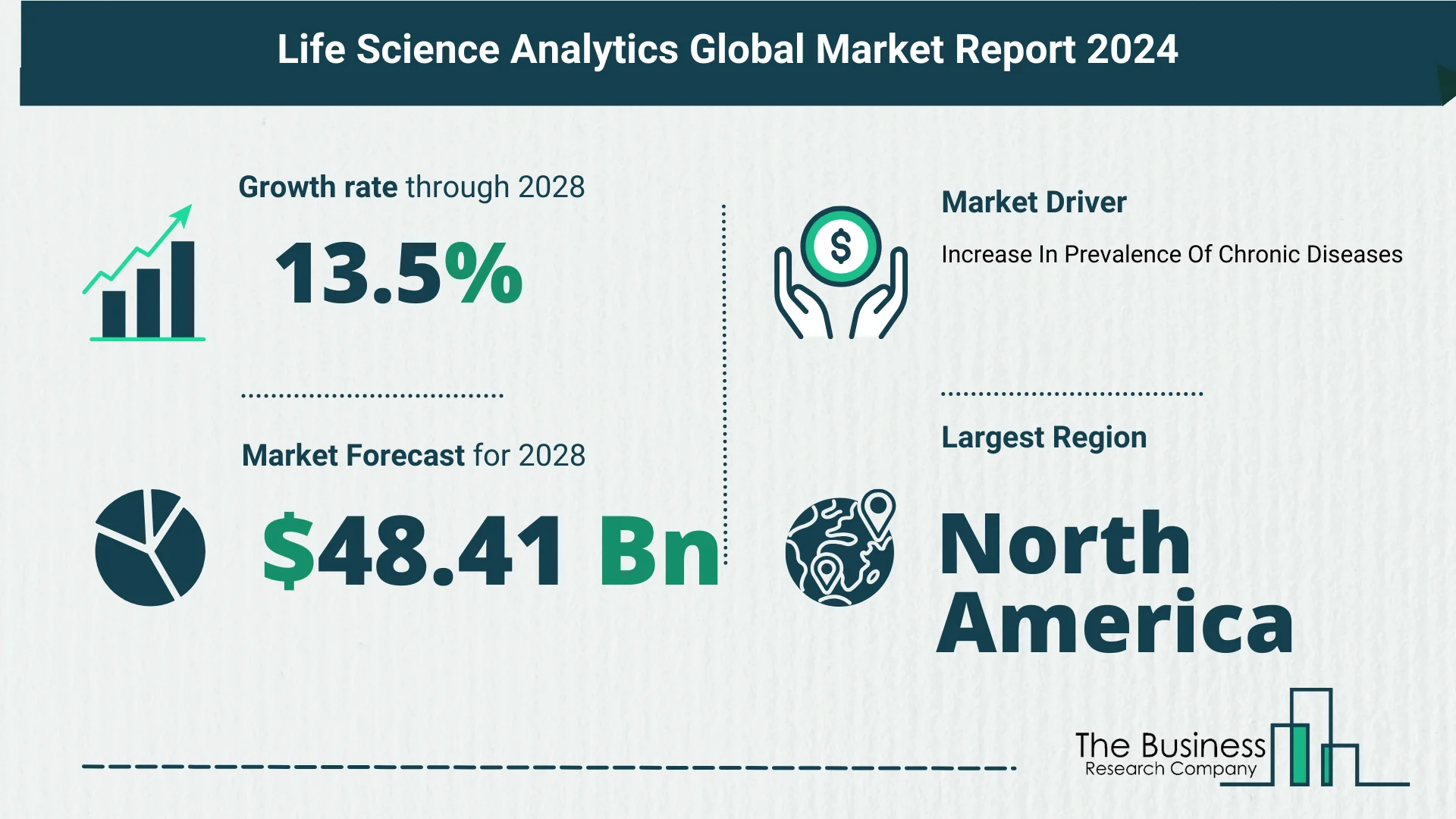
    The life science analytics market has witnessed a remarkable surge in recent years, expanding from $26.2 billion in 2023 to $29.2 billion in 2024, boasting a Compound Annual Growth Rate (CAGR) of 11.5%. This growth, attributed to various factors, is projected to continue its upward trajectory, reaching $48.41 billion by 2028 with a CAGR of 13.5%. Key drivers in this growth include pharmaceutical sales and marketing, healthcare cost reduction, global health preparedness, biopharmaceutical manufacturing, and the adoption of digital health.

    Navigating the Growth Drivers

    1. Chronic Disease Surge

    The escalating prevalence of chronic diseases is a pivotal factor propelling the life science analytics market. With diseases persisting over an extended period, analytics, especially predictive analytics, becomes instrumental in early detection and intervention. For instance, the International Diabetes Federation reported a staggering 537 million adults living with diabetes in 2021, a number projected to rise to 643 million by 2030 and 783 million by 2045. This underscores the crucial role of analytics in addressing the challenges posed by chronic diseases.

    1. Technological Leaps

    Technological advancements stand out as a driving force in the life science analytics sector. Key market players are actively engaged in developing cutting-edge solutions to fortify their positions. Notable among these is Charles River Associates, which introduced the Healthcare Claims Analytics Platform (HCAP) in July 2022. HCAP, a dynamic data visualization tool, streamlines the analysis of patient, healthcare practitioner, and healthcare organization data, facilitating informed decision-making.

    1. Strategic Acquisitions

    In a strategic move to enhance capabilities, Trinity Life Sciences acquired D Cube Analytics in July 2022. This acquisition brings extensive data science and digital transformation capabilities into Trinity’s portfolio. D Cube Analytics, based in Illinois, adds a layer of sophistication to Trinity’s offerings, contributing to the overall growth and competitiveness of the life science analytics market.

    Segmenting the Market Landscape

    1. Classification by Type

    The life science analytics market is categorized into Descriptive Analytics, Predictive Analytics, and Prescriptive Analytics. Each type plays a distinct role in providing insights and aiding decision-making processes.

    1. Component Breakdown

    Breaking down components, the market comprises Software and Services. The synergy between these components is crucial in delivering comprehensive analytics solutions.

    1. Deployment Modes

    Analyzing deployment modes, the market offers choices between On-Demand and On-Premises options, catering to the diverse needs of end-users.

    1. Application Scope

    The applications span across Research and Development, Preclinical Trials, Clinical Trials, Sales and Marketing, Regulatory Compliance, Supply Chain Optimization, and Pharmacovigilance, showcasing the versatility of life science analytics.

    1. End User Landscape

    Finally, the end-user landscape covers Medical Device, Pharmaceutical, Biotechnology, and Other End Users, indicating the broad spectrum of industries benefitting from life science analytics.

    Read More On The Life Science Analytics Market Report 2024 – https://www.thebusinessresearchcompany.com/report/life-science-analytics-global-market-report

    Regional Dynamics
    North America’s Dominance
    In 2023, North America emerged as the largest region in the life science analytics market. However, the spotlight is shifting towards Asia-Pacific, anticipated to be the fastest-growing region in the forecast period. This shift reflects the global nature of the market, with diverse regions actively participating in the evolution and expansion of life science analytics.

    Looking Ahead: Future Trends

    1. AI-Enhanced Drug Safety

    The integration of artificial intelligence in drug safety is a prominent trend. This not only enhances safety protocols but also streamlines processes, contributing to the overall efficiency of life science analytics.

    1. Predictive Analytics in Diagnostics

    Predictive analytics is increasingly becoming a vital tool in diagnostics, enabling healthcare professionals to foresee potential health issues and take preventive measures.

    1. Gene Editing Advancements

    Advancements in gene editing technologies are influencing the life science analytics landscape, opening new avenues for precision medicine and targeted therapies.

    1. Data Visualization Tools

    The importance of data visualization tools is on the rise, simplifying complex information and making it more accessible for decision-makers.

    1. Blockchain for Data Security

    Blockchain technology is gaining traction in ensuring the security and integrity of data in the life science analytics domain.

    In conclusion, the life science analytics market is on an upward trajectory, fueled by a confluence of factors including technological advancements, strategic acquisitions, and the imperative need to address the rising tide of chronic diseases. As the market continues to evolve, staying attuned to emerging trends and regional dynamics will be key for stakeholders aiming to navigate and capitalize on this dynamic landscape.

    Request for A Sample Of The Global Life Science Analytics Market Report:
    https://www.thebusinessresearchcompany.com/sample_request?id=6581&type=smp

  • Global Intravascular Catheters Market Analysis: Estimated Market Size And Growth Rate

    Global Intravascular Catheters Market Analysis: Estimated Market Size And Growth Rate

    The Business Research Company’s global market reports are now updated with the latest market sizing information for the year 2024 and forecasted to 2033

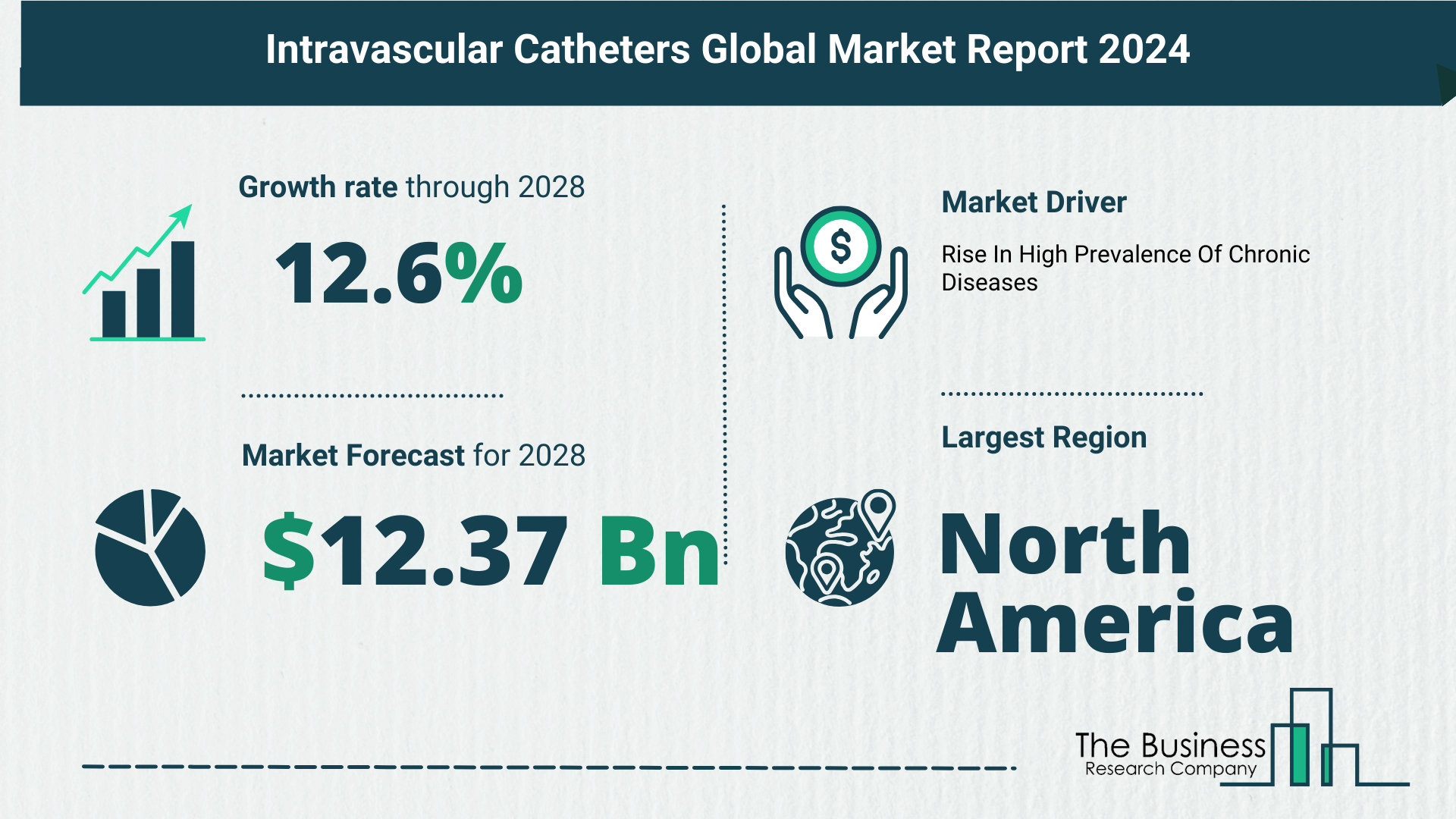
    The intravascular catheters market has witnessed rapid growth, surging from $6.76 billion in 2023 to a projected $7.7 billion in 2024, exhibiting a compound annual growth rate (CAGR) of 13.8%. This expansion is attributed to the increased aging population, a rise in cardiovascular diseases, adoption of minimally invasive procedures, healthcare digitalization, and global health initiatives. The market is poised for further acceleration, expected to reach $12.37 billion in 2028 with a CAGR of 12.6%. The anticipated growth in the forecast period is fueled by the growth of precision medicine, sustainable healthcare, expansion of telemedicine, patient education and engagement, and the increased use of intravascular catheters. Notable trends include smart catheters, advanced navigation systems, vascular access in pediatrics, AI-assisted catheter placement, and advancements in non-invasive catheter procedures.

    Elevated Hospitalization Rates Driven By Chronic Diseases Fuel Intravascular Catheters Market Growth

    • Rising Hospitalization Rates: The Catalyst for Market Expansion

    The growth of the intravascular catheters market is propelled by the escalating hospitalization rates attributed to the prevalence of chronic diseases. Intravascular catheters play a crucial role in the treatment of chronic diseases by facilitating sample collection for tests and aiding in the administration of fluids, nutrients, and blood. For instance, Fresenius Medical Care estimates that the number of people suffering from chronic kidney failure is expected to increase from 3.7 million patients in 2021 to 4.9 million by 2025.

    • Major Players in the Market

    Major companies operating in the intravascular catheters market include Cook Group Incorporated, Smiths Medical Inc., Edwards Lifesciences Corporation, Medtronic Inc., Johnson & Johnson, Abbott Laboratories, and others.

    View More On The Intravascular Catheters Market Report 2024 – https://www.thebusinessresearchcompany.com/report/intravascular-catheters-global-market-report

    Innovative Product Offerings Drive Market Advancements In The Intravascular Catheters Sector

    • Embracing Innovation: A Key Trend

    Innovation in product offerings is a prominent trend in the intravascular catheters market. Leading players focus on developing advanced products to solidify their market position. Notable examples include B. Braun Medical Inc.’s introduction of the Introcan Safety 2 IV Catheter with one-time blood control, enhancing IV access safety by reducing the risk of blood exposure and needle stick accidents. Shockwave Medical Inc. introduced the Shockwave M5+ catheter designed to treat calcified lesions in challenging locations.

    • Strategic Acquisition: Prunus Technology and Biosensors International Group

    In January 2021, Prunus Technology Co., Ltd., based in Shenzhen, expanded its medical equipment portfolio through the acquisition of Biosensors International Group, Ltd. This strategic move enabled Prunus Technology to venture into central venous catheters, pressure transducers, pulmonary artery catheters, and other medical consumables.

    Market Segmentation

    The intravascular catheters market is segmented based on several key factors:

    1. Product:
      • Short PIVC
      • Integrated/Closed PIVC
    2. Application:
      • Oncology
      • Gastroenterology
      • Renal Disease
      • Infectious Diseases
      • Other Applications
    3. End-Use:
      • Hospitals
      • Clinics
      • Ambulatory Surgical Center
      • Homecare

    Regional Dynamics: North America Leading the Charge, Asia-Pacific Emerging Strong

    In 2023, North America emerged as the largest region in the intravascular catheters market. Looking ahead, Asia-Pacific is anticipated to be the fastest-growing region in the forecast period, signifying the evolving dynamics of the global market.

    Conclusion

    As the intravascular catheters market continues its upward trajectory, driven by factors like rising chronic diseases and innovative product offerings, the industry is poised for transformative advancements. The integration of smart catheters, AI-assisted procedures, and non-invasive techniques will play a pivotal role in shaping the future landscape. With a focus on precision medicine and sustainable healthcare, the market is set to contribute significantly to the evolving landscape of medical interventions and patient care.

    Request A Sample Of The Global Intravascular Catheters Market Report 2024:
    https://www.thebusinessresearchcompany.com/sample_request?id=7439&type=smp

  • 5 Key Insights On The Intraoperative Imaging Market 2024

    5 Key Insights On The Intraoperative Imaging Market 2024

    The Business Research Company’s global market reports are now updated with the latest market sizing information for the year 2024 and forecasted to 2033

    As per The Business Research Company’s Intraoperative Imaging Global Market Report 2024, the intraoperative imaging market is expected to show significant growth in the forecast period.

    The intraoperative imaging market has witnessed robust growth, surging from $2.52 billion in 2023 to a projected $2.74 billion in 2024, marking a substantial compound annual growth rate (CAGR) of 8.7%. This expansion is attributed to a range of factors, including the increased aging population, a rise in cancer surgeries, augmented orthopedic procedures, heightened cardiovascular surgeries, and an upswing in neurological surgeries.

    1. Historical Momentum and Growth Drivers
    • Strong growth in 2023, reaching $2.52 billion.
    • CAGR of 8.7% fueled by increased aging population and a surge in various surgical procedures.
    • Notable contributors: Rise in cancer surgery, increased orthopedic procedures, cardiovascular surgery, and neurological surgery.

    Future Trajectory: Projecting Strong Growth

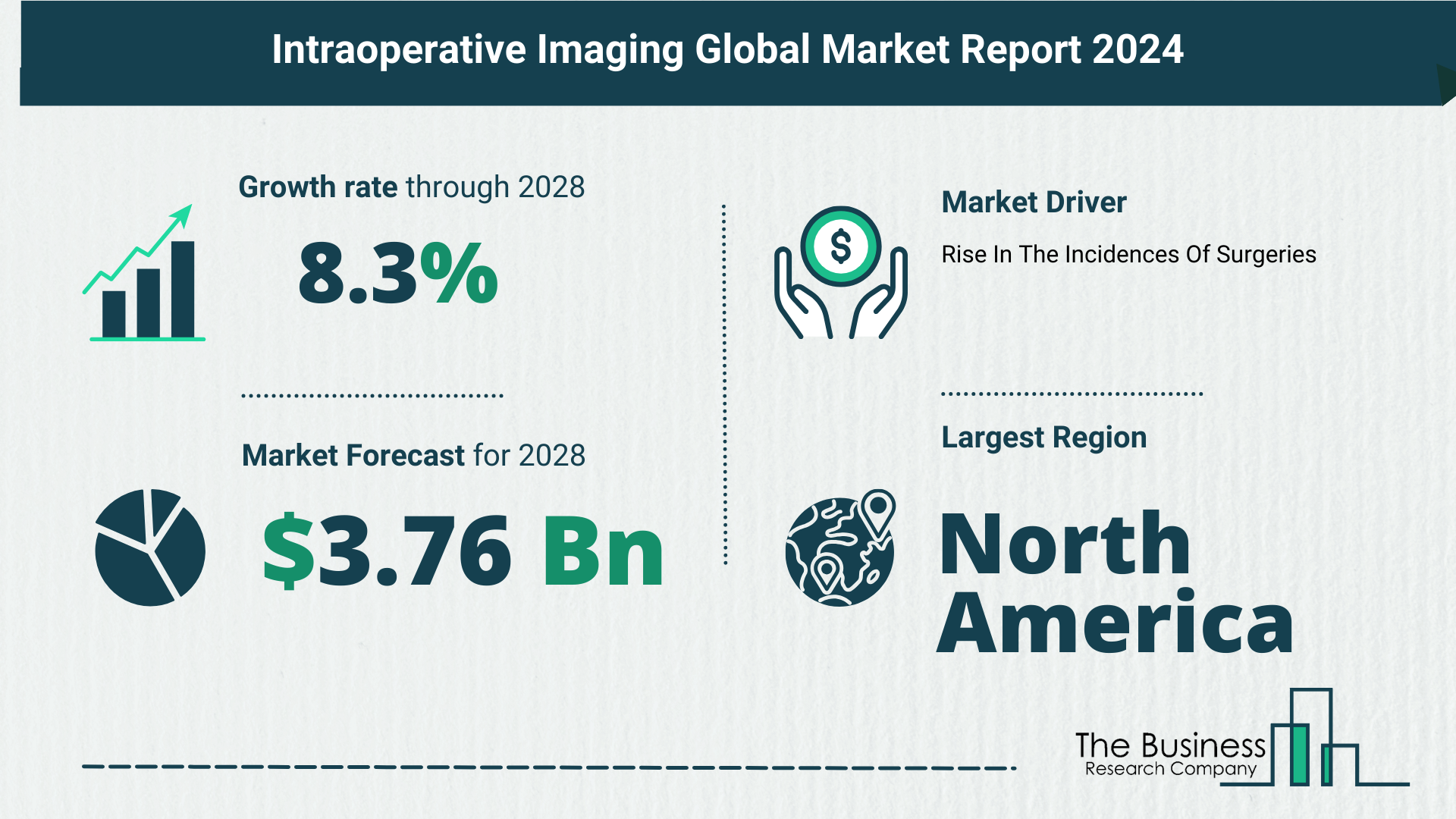
    The intraoperative imaging market is poised for continued growth, projecting an increase to $3.76 billion by 2028, with a slightly reduced CAGR of 8.3%. Anticipated factors driving this growth include the escalating use of personalized medicines, increased global healthcare access, rising medical tourism, global health initiatives, and a heightened focus on radiation safety measures.

    1. Key Trends in the Forecast Period
    • Integration of augmented reality (AR) and virtual reality (VR).
    • Emergence of portable intraoperative imaging solutions.
    • Advancements in enhanced 3D imaging technologies.
    • Surge in robot-assisted surgery.
    • Adoption of advanced navigation systems.
    • Growing prominence of image-guided radiation therapy (IGRT).

    Aging Population: A Catalyst for Expansion

    1. Rising Aging Population
    • Aging population as a significant growth driver for the intraoperative imaging market.
    • Aging individuals necessitate orthopedic surgeries, and intraoperative imaging ensures precise implant placement and surgical success.
    • Example: The UK is expected to see a 24% population over 65 by 2043, driving the senior population and the demand for intraoperative imaging.
    1. Industry Leaders Shaping the Market
    • Major companies influencing the market include Canon Medical Systems Corporation, Carl Zeiss Meditec AG, General Electric Company, Siemens AG, and Stryker Corporation.
    • These players contribute to the market’s dynamics and technological advancements.

    View More On The Intraoperative Imaging Market Report 2024 – https://www.thebusinessresearchcompany.com/report/intraoperative-imaging-global-market-report

    Innovations Transforming the Landscape

    1. Q Guidance System: Pioneering Surgical Navigation
    • Major companies innovate with products like the Q Guidance System to boost profitability.
    • The Q Guidance System, launched by Stryker Corporation in September 2022, enhances surgical navigation and planning for cranial and spine surgeries.
    • Real-time imaging aids in locating anatomical features and surgical targets, leading to improved decision-making and surgical outcomes.
    1. Strategic Acquisitions: GE Healthcare’s Move
    • In December 2021, GE Healthcare acquired BK Medical for $1.45 billion, expanding its surgical imaging portfolio.
    • The acquisition positioned GE Healthcare to offer end-to-end services, from diagnosis to therapy, through real-time surgical imaging.

    Market Segmentation: Understanding the Landscape

    The intraoperative imaging market is segmented based on product types, applications, and end-users, providing a comprehensive view of the diverse landscape.

    1. Market Segmentation
    • By Product:
      • Intraoperative Ultrasound System
      • Intraoperative Computed Tomography System
      • C-Arms System
      • Intraoperative Magnetic Resonance Imaging Systems
      • Other Products
    • By Application:
      • Neurology Surgery
      • Oncology Surgery
      • ENT Surgery
      • Orthopedic Surgery
      • Other Applications
    • By End-User:
      • Hospitals
      • Ambulatory Surgical Centers
      • Clinics
      • Other End-Users

    Regional Dynamics: North America Leading, Asia-Pacific Rising

    North America took the lead in the intraoperative imaging market in 2023, while Asia-Pacific is expected to emerge as the fastest-growing region in the forecast period. This shift highlights the global nature of the market and the increasing demand for intraoperative imaging solutions across diverse geographical regions.

    In conclusion, the intraoperative imaging market is on a trajectory of sustained growth, fueled by demographic shifts, technological innovations, and strategic industry moves. Companies operating in this space must stay agile, embracing emerging trends and technologies to navigate this dynamic landscape successfully.

    Request A Sample Of The Global Intraoperative Imaging Market Report 2024:
    https://www.thebusinessresearchcompany.com/sample_request?id=7078&type=smp

  • What’s The Growth Forecast For Laboratory Mixer Market Through 2024-2033?

    What’s The Growth Forecast For Laboratory Mixer Market Through 2024-2033?

    The Business Research Company’s global market reports provide comprehensive analysis on the various markets in 27 industries across 60 geographies.

    The laboratory mixer market has witnessed robust growth, reaching $1.69 billion in 2023 and projected to soar to $1.85 billion in 2024 at a compelling CAGR of 9.7%. This surge is attributed to the expansion in the chemical industry, increased food and beverage production, adherence to food safety regulations, advancements in biopharmaceutical production, and the rise in clinical diagnostics.

    Forecasted Expansion
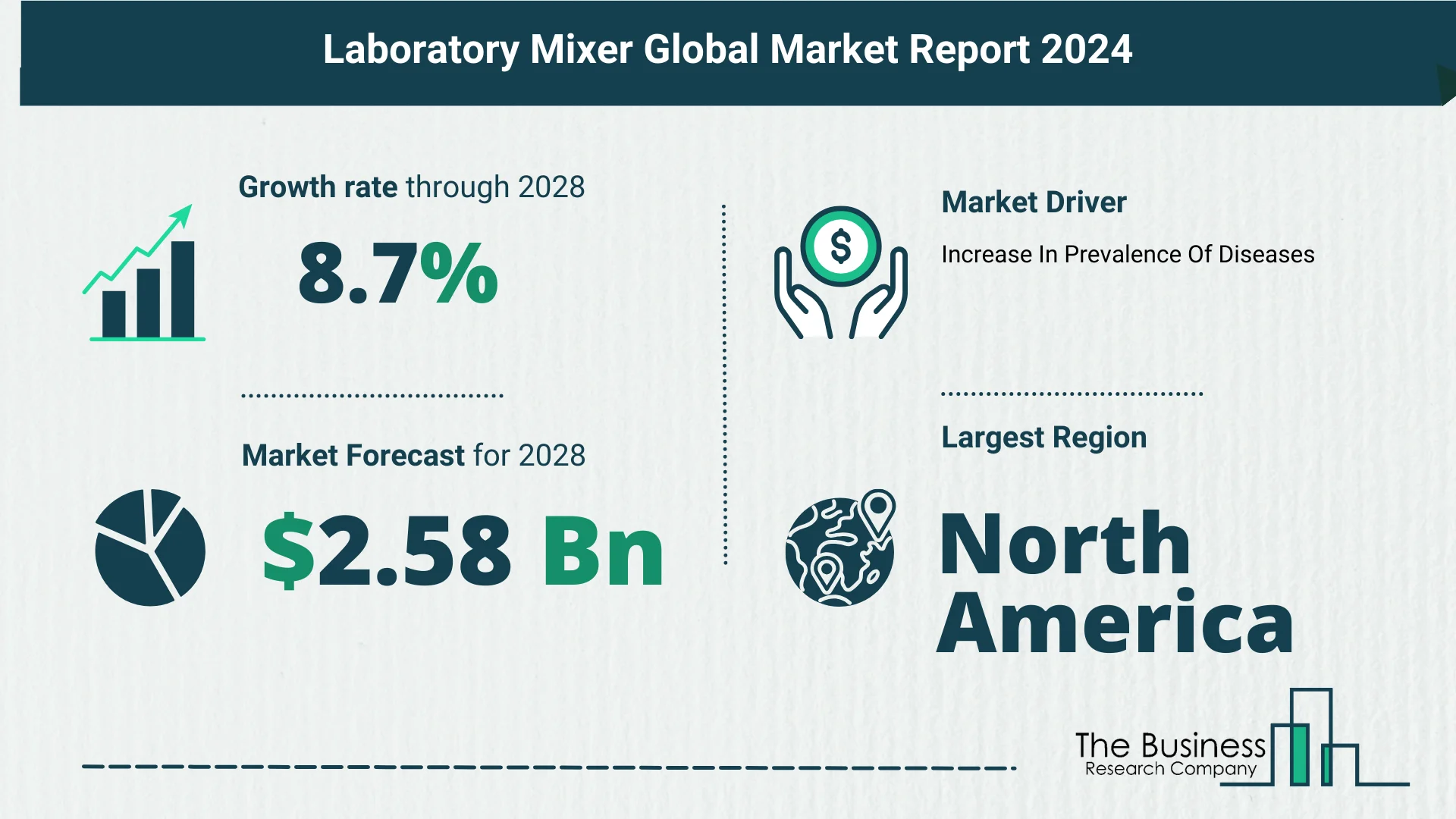
    Anticipated to continue its upward trajectory, the laboratory mixer market is forecasted to achieve a noteworthy size of $2.58 billion by 2028, boasting a CAGR of 8.7%. This growth will be fueled by initiatives such as green chemistry, the emphasis on supply chain resilience, the expansion of healthcare diagnostics, global health initiatives, and the rise of telemedicine. Notable trends in this period include sustainable mixing solutions, integration of artificial intelligence and automation, advanced sensors and controls, point-of-care diagnostics, and pharmaceutical innovation.

    Research and Development: Catalyst for Market Growth
    One of the driving forces behind the laboratory mixer market’s ascent is the escalating investments in research and development (R&D) activities. Pharmaceutical companies, in particular, are playing a pivotal role in shaping the landscape of this market. Notable examples include the substantial R&D expenditure by Merck KGaA, a German biopharmaceutical manufacturer, reaching $2.76 billion in 2022, up from $2.65 billion in 2021.

    Industry Leaders and Market Players
    Major companies contributing to the flourishing laboratory mixer market include Bio-Rad Laboratories Inc., Thermo Fisher Scientific Inc., Eppendorf AG, Cole-Parmer Instrument Company LLC, and many more. These entities are instrumental in providing the necessary lab equipment for the expanding R&D activities in pharmaceuticals and other industries.

    Strategic Moves
    Companies such as IKA-Werke GmbH & Co are focusing on introducing convertible mixing devices to gain a competitive edge. The TWISTER, launched in June 2022, serves as both a single-position and multi-position magnetic stirrer, offering versatile mixing capabilities. This innovation aligns with the market’s trends towards adaptability and efficiency in mixing applications.

    View More On The Laboratory Mixer Market Report 2024 – https://www.thebusinessresearchcompany.com/report/laboratory-mixer-global-market-report

    Strategic Acquisitions
    In a strategic move in March 2021, SPT Labtech, a UK-based automated instrumentation manufacturer, acquired BioMicroLab Inc., a US-based manufacturer of laboratory automation equipment, including laboratory mixers. This acquisition not only enhances SPT Labtech’s automation services but also strengthens its presence in the competitive California life science instrumentation market.

    Market Segmentation
    The laboratory mixer market is segmented based on various parameters, providing a comprehensive understanding of the industry’s nuances:

    1. By Product:
      • Shakers
      • Magnetic Stirrers
      • Vortex Mixers
      • Conical Mixers
      • Overhead Stirrers
      • Accessories
    2. By Platform:
      • Digital Devices
      • Analog Devices
    3. By Operability:
      • Gyratory Movement
      • Linear Movement
      • Rocking or Tilting Movement
      • Orbital Movement
    4. By End-User:
      • Research Laboratories and Institutes
      • Pharmaceutical and Biotechnology Companies
      • Other End-Users

    Regional Dynamics
    North America emerged as the largest region in the laboratory mixer market in 2023. However, the Asia-Pacific region is expected to outpace others, emerging as the fastest-growing region in the laboratory mixer market during the forecast period.

    In conclusion, the laboratory mixer market is witnessing an exciting phase of growth, driven by strategic innovations, acquisitions, and an increasing focus on R&D activities. As the industry continues to evolve, businesses that align with emerging trends and market demands are likely to thrive in this dynamic landscape.

    Request A Sample Of The Global Laboratory Mixer Market Report 2024:
    https://www.thebusinessresearchcompany.com/sample_request?id=5178&type=smp

  • What Is The Forecast Growth Rate For The Feed Mycotoxin Binders And Modifiers Market?

    What Is The Forecast Growth Rate For The Feed Mycotoxin Binders And Modifiers Market?

    The Business Research Company’s market reports offer an in-depth analysis on the market’s growth potential, major drivers, key trends and more.

    The Ascension of the Feed Mycotoxin Binders and Modifiers Market

    The feed mycotoxin binders and modifiers market has exhibited robust growth in recent years, surging from $2.55 billion in 2023 to $2.71 billion in 2024, boasting a commendable compound annual growth rate (CAGR) of 6.5%. This growth is attributed to heightened awareness, an upswing in livestock production, and the implementation of stringent regulations.

    Projected Growth and Market Dynamics

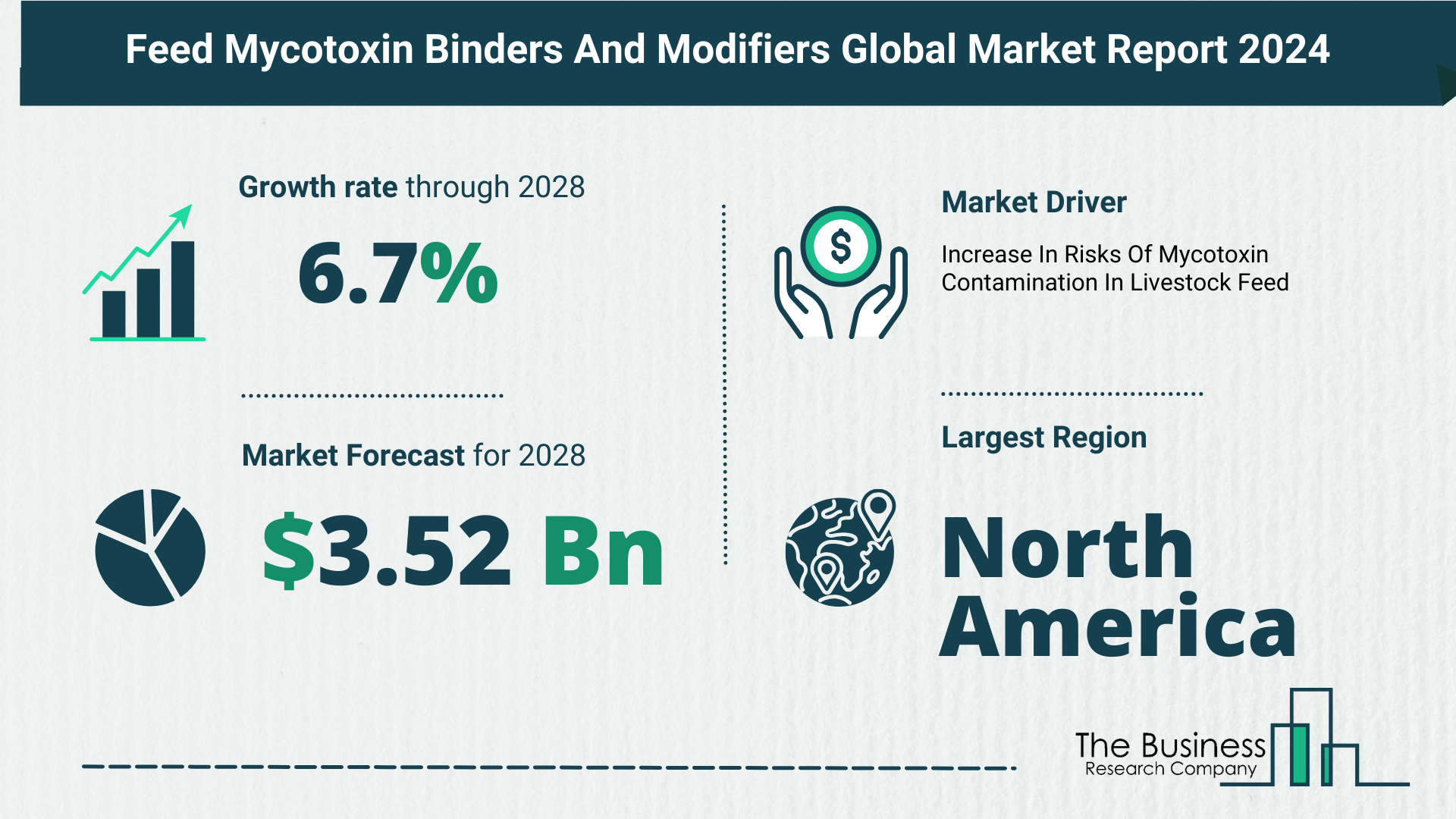
    Anticipated to maintain its momentum, the feed mycotoxin binders and modifiers market is expected to reach $3.52 billion in 2028, with a CAGR of 6.7%. The forecasted growth is propelled by climate change impact, global expansion of the livestock industry, a focus on food safety, and intensified research and development efforts. Notable trends in this period include technological advancements, the increasing adoption of natural binders, integration of mycotoxin management programs, focus on multi-toxin binders, emergence of next-generation modifiers, and strategic collaborations and partnerships.

    • Sub-Point: Rise of the feed mycotoxin binders and modifiers market driven by factors beyond historical growth.

    Increase in Growth in the Livestock Industry Driving Market Expansion

    The burgeoning livestock industry emerges as a primary catalyst driving the growth of the feed mycotoxin binders and modifiers market. As the sector involved in the breeding and raising of animals expands, particularly for human consumption, the demand for animal feed rises. This growth, however, brings forth the challenge of mycotoxin contamination in various feed components, leading to health issues in livestock. With a focus on livestock health and the economic implications of contaminated feed, the demand for mycotoxin binders and modifiers rises proportionally.

    • Sub-Point: Livestock industry expansion correlated with the demand for feed mycotoxin binders and modifiers.
    • Sub-Point: Contaminated feed can lead to reduced growth rates, immunosuppression, and increased susceptibility to diseases.
    • Sub-Point: Increase in beef production, as indicated by the Australian Bureau of Statistics, underscores the growing need for effective mycotoxin management.

    Major Players Steering the Market

    Key players shaping the feed mycotoxin binders and modifiers market landscape include industry giants like Cargill Inc., BASF SE, The Archer-Daniels-Midland Company, Bayer AG, and Novus International Inc., among others. These companies play a pivotal role in developing and providing innovative solutions to tackle the challenges posed by mycotoxin contamination in animal feed.

    • Sub-Point: Major companies contributing to market growth through technological advancements.
    • Sub-Point: Noteworthy players actively participating in the feed mycotoxin binders and modifiers market.

    Read More On The Feed Mycotoxin Binders And Modifiers Market Report 2024 – https://www.thebusinessresearchcompany.com/report/feed-mycotoxin-binders-and-modifiers-global-market-report

    Product Innovation: A Driving Force in the Market

    Product innovation emerges as a central trend in the feed mycotoxin binders and modifiers market, with companies like Biomin leading the charge. Biomin’s launch of Mycofix Plus 5.Z with ZENzyme in March 2021 exemplifies this trend, providing an all-in-one feed additive next-generation mycotoxin risk management solution for breeding animals and their offspring.

    • Sub-Point: Focus on technological and innovative solutions to strengthen market positions.
    • Sub-Point: Biomin’s ZENzyme, a purified enzyme, showcases the commitment to effective mycotoxin risk management.

    Strategic Acquisitions Shaping the Industry Landscape

    Strategic acquisitions are pivotal in expanding market reach. AB Agri’s acquisition of Greencoat Limited in July 2022 exemplifies this trend, signifying a move towards international expansion in the animal nutrition business.

    • Sub-Point: AB Agri’s acquisition aimed at expanding international presence in the animal nutrition business.
    • Sub-Point: Greencoat Limited’s role as a UK-based animal feed additives manufacturer aligns with AB Agri’s objectives.

    Market Segmentation for Targeted Solutions

    The feed mycotoxin binders and modifiers market is segmented into types, sources, and livestock categories to cater to diverse industry needs:

    1. By Type:
      • Feed Mycotoxin Binders
      • Feed Mycotoxin Modifiers
    2. By Source:
      • Inorganic
      • Organic
    3. By Livestock:
      • Poultry
      • Swine
      • Ruminants
      • Aquatic Animals
      • Other Livestocks

    Regional Dynamics in the Market

    In 2023, North America took the lead as the largest region in the feed mycotoxin binders and modifiers market, with Asia-Pacific expected to experience the fastest growth in the forecast period. This regional perspective underscores the global nature of the market and the importance of adapting solutions to regional nuances.

    In conclusion, the feed mycotoxin binders and modifiers market’s growth trajectory is driven by a confluence of factors, including the expansion of the livestock industry, product innovation, and strategic acquisitions. As the market evolves, staying attuned to technological trends and global dynamics will be imperative for stakeholders aiming to navigate and capitalize on the opportunities within this thriving industry. 

    Request for A Sample Of The Global Feed Mycotoxin Binders And Modifiers Market Report:
    https://www.thebusinessresearchcompany.com/sample_request?id=7523&type=smp