Author: The Business Research Company

  • Next-Gen Candidiasis Therapeutics : Market Forecast, Transformation, and Long-Term Trajectories

    Next-Gen Candidiasis Therapeutics : Market Forecast, Transformation, and Long-Term Trajectories

    Discover trends, market shifts, and competitive outlooks for the candidiasis therapeutics industry through 2025-2034 with The Business Research Company’s reliable data and in-depth research

    What is the Anticipated CAGR of the Candidiasis Therapeutics Market, and What Factors Will Drive It?

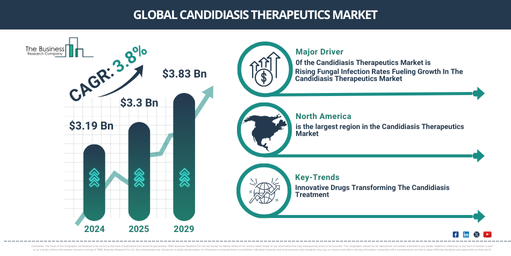
    The market size of candidiasis therapeutics has been experiencing consistent growth in the past years. The trajectory shows an increase from $3.19 billion in 2024 to $3.3 billion in 2025, reflecting a compound annual growth rate (CAGR) of about 3.4%. The historical growth trend is due to factors such as a rise in candidiasis incidence, the usage and resistance of antibiotics, infections acquired from hospitals, changes in patterns of fungal resistance, and the implementation of awareness and education programs.

    In the coming years, a steady expansion is anticipated in the Candidiasis therapeutics market, advancing to a value of $3.83 billion by 2029, with a compound annual growth rate (CAGR) of 3.8%. The growth during this projected period can be credited to precision medicine strategies, worldwide antifungal stewardship programs, the rising prevalence of Candida auris, and global initiatives to counter antifungal resistance. Key trends within this forecast period encompass developments in drug delivery technologies, the use of telemedicine and remote patient monitoring, patient-focused care, combination therapies, and collaborative research pursuits.

    Download a free sample to assess the report’s scope and structure:

    https://www.thebusinessresearchcompany.com/sample.aspx?id=13182&type=smp

    Which Major Market Drivers Are Expected to Boost the Growth Potential of the Candidiasis Therapeutics Market?

    The candidiasis therapeutics market is anticipated to expand due to the escalating prevalence of fungal infections. Human diseases brought on by various fungi that can impact the skin, mucous membranes, and internal organs are known as fungal infections. The increasing number of individuals with weak immune systems and those with fungal infections raise the vulnerability to candidiasis, paving the way for drug companies to create and provide unique and more efficacious antifungal medications. These drugs are designed to tackle the root fungal pathogens, alleviate symptoms, prevent further complications, assist with patient recuperation, limit the spread of Candida infections in healthcare facilities and improve patient outcomes overall. For example, a study done by the University of Minnesota in January 2024 found that annually, fungal infections resulted in over 3.75 million deaths, with nearly 2.55 million directly linked to fungal illnesses. Therefore, the escalating prevalence of fungal infections is forecasted to stimulate the candidiasis therapeutics market’s growth.

    Candidiasis Therapeutics Market Driver: Increasing Clinical Trials Boost Developments In Candidiasis Therapeutics Market


    Which Key Market Segments Comprise the Candidiasis Therapeutics Market and Drive Its Revenue Growth?

    The candidiasis therapeutics market covered in this report is segmented –

    1) By Treatment Type: Medication, Surgery, Other Treatments

    2) By Anatomy Type: Oral Candidiasis, Vulvovaginal Candidiasis, Cutaneous Candidiasis, Invasive Candidiasis, Systemic Candidiasis

    3) By Mode Of Administration: Injectable, Oral, Other Mode Of Administrations

    4) By Patient Population: Adults, Pediatrics

    5) By End User: Hospitals, Homecare, Specialty Clinics, Other End Users

    Subsegments:

    1) By Medication: Antifungal Drugs, Topical Treatments, Systemic Treatments

    2) By Surgery: Surgical Debridement, Organ Removal

    3) By Other Treatments: Probiotics, Home Remedies, Lifestyle Modifications

    Request customized data on this market:

    https://www.thebusinessresearchcompany.com/customise?id=13182&type=smp

    Which Areas Are Leading Regions in the Candidiasis Therapeutics Market Expansion Across the Globe?

    North America was the largest region in the candidiasis therapeutics market in 2024. Asia-Pacific is expected to be the fastest-growing region in the forecast period. The regions covered in the candidiasis therapeutics market report are Asia-Pacific, Western Europe, Eastern Europe, North America, South America, Middle East, Africa

    What Are the Key Market Trends in theCandidiasis Therapeutics Market Over the Coming Years?

    Leading companies in the field of candidiasis therapeutics are working on advanced drug formulations like BREXAFEMME (ibrexafungerp tablets) to decrease the occurrence of recurrent vulvovaginal candidiasis (RVVC) in women. The oral, non-azole medication, BREXAFEMME (ibrexafungerp tablets), is specifically designed for the therapy of vulvovaginal candidiasis (VVC) and to minimize instances of RVVC, also associated with persistent yeast infections. For example, Scynexis Inc., an American pharmaceutical firm, successfully obtained approval from the US Food and Drug Administration (FDA) in December 2022 for the use of BREXAFEMME (ibrexafungerp tablets) in treating VVC and reducing the recurrence of RVVC in women battling chronic yeast infections. By inhibiting the growth of Candida albicans – the fungus responsible for VVC, BREXAFEMME proves to be a reliable, effective method of treating VVC. Exclusively available on prescription, the recommended dosage is a single 150-mg capsule, to be taken orally once a day for a day.

    View the full report here:

    https://www.thebusinessresearchcompany.com/report/candidiasis-therapeutics-global-market-report

    How Is the Candidiasis Therapeutics Market Conceptually Defined?

    Candidiasis is a fungal infection caused by the overgrowth of Candida species that naturally reside in the human body, particularly in the mouth, throat, gut, and genital area. Treatment for candidiasis typically involves antifungal medications, which can be topical (applied to the affected area) or oral (taken by mouth), depending on the severity and location of the infection.

    Purchase the full report and get a swift delivery:

    https://www.thebusinessresearchcompany.com/purchaseoptions.aspx?id=13182

    About The Business Research Company:

    With over 15000+ reports from 27 industries covering 60+ geographies, The Business Research Company has built a reputation for offering comprehensive, data-rich research and insights. Armed with 1,500,000 datasets, the optimistic contribution of in-depth secondary research, and unique insights from industry leaders, you can get the information you need to stay ahead in the game.

    Get in touch with us:

    The Business Research Company: https://www.thebusinessresearchcompany.com/

    Americas +1 3156230293

    Asia +44 2071930708

    Europe +44 2071930708

    Email us at info@tbrc.info

    Follow us on:

    LinkedIn: https://in.linkedin.com/company/the-business-research-company

    YouTube: https://www.youtube.com/channel/UC24_fI0rV8cR5DxlCpgmyFQ

    Global Market Model: https://www.thebusinessresearchcompany.com/global-market-model
  • Market Trends Influencing Strategic Decisions in the Hepatitis Diagnostic Tests Industry: Innovative Automated Immunoassays Transform Hepatitis Diagnostic Testing

    Market Trends Influencing Strategic Decisions in the Hepatitis Diagnostic Tests Industry: Innovative Automated Immunoassays Transform Hepatitis Diagnostic Testing

    Discover trends, market shifts, and competitive outlooks for the hepatitis diagnostic tests industry through 2025-2034 with The Business Research Company’s reliable data and in-depth research

    How Has the Hepatitis Diagnostic Tests Market Growth Performance Trended Historically, And What Lies Ahead?

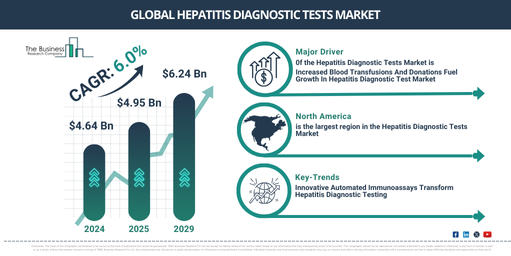
    The market size for hepatitis diagnostic tests has experienced significant growth recently. The market is projected to expand from $4.64 billion in 2024 to $4.95 billion in 2025, showcasing a compound annual growth rate (CAGR) of 6.5%. The growth observed during the historical period can be credited to factors such as the globalization of healthcare, governmental initiatives, a high prevalence of the disease, heightened measures for blood safety, and public health campaigns.

    The market size for hepatitis diagnostic tests is predicted to witness robust growth in the forthcoming years, reaching $6.24 billion in 2029 with a compound annual growth rate (CAGR) of 6.0%. The anticipated growth during this forecast period can be linked to concerns over global health security, population increase and urbanization, customized testing approaches, a focus on eradication programs, and an upsurge in healthcare expenditures. Notable trends during this period comprise improvements in testing techniques, combined testing for various hepatitis viruses, the incorporation of molecular diagnostics, digital health solutions, and strategic alliances and partnerships.

    Download a free sample to assess the report’s scope and structure:

    https://www.thebusinessresearchcompany.com/sample.aspx?id=13153&type=smp

    What Are the Major Market Drivers Behind the Rising Adoption of Hepatitis Diagnostic Tests Market?

    The uptick in blood transfusions and donations is forecasted to stimulate the hepatitis diagnostic test market growth in the future. Blood transfusions and blood donations are closely linked procedures where individuals voluntarily provide their blood. This blood is collected, screened, and then given to patients who need extra blood components to attend to health conditions or replace lost blood following surgeries, accidents, or sickness. Hepatitis diagnostic tests play a significant role in rigorously screening blood prior to donation or transfusion, thus ensuring patient safety. For example, the Royal College of Pathologists, a UK-based organization, reported in August 2023 that blood transfusion is the most common procedure for patients in the hospital, with around 2 million blood components issued and transfused each year in England, amounting to over £300 ($390.69) million. Hence, the increase in number of blood transfusions and donations fuels the growth of the hepatitis diagnostic test market. The acceleration in the hepatitis diagnostic tests market should also be attributed to the increasing incidence of hepatitis. Hepatitis, a medical term denoting liver inflammation, is a condition marked by swelling and irritation of the liver tissue, potentially causing a range of symptoms and health complications. Diagnostic tests for hepatitis are paramount to pinpoint and ascertain hepatitis infections, thereby allowing prompt and efficient management of these diseases. According to the Hepatitis B Foundation, a US-based entity, in 2023, around 1.5 million people are newly infected by hepatitis each year. Thus, the surge in hepatitis cases contributes to the growth of the hepatitis diagnostic tests market.

    Which Key Market Segments Comprise the Hepatitis Diagnostic Tests Market and Drive Its Revenue Growth?

    The hepatitis diagnostic tests market covered in this report is segmented –

    1) By Test Type: Blood Tests, Imaging Tests, Liver Biopsy

    2) By Technology: Enzyme-Linked Immunosorbent Assay (ELISA), Rapid Diagnostic Tests (RDTs), Polymerase Chain Reaction (PCR), Isothermal Nucleic Acid Amplification Test (INAAT), Other Technologies

    3) By End User: Hospitals, Diagnostic Laboratories, Blood Bank, Other End Users

    Subsegments:

    1) By Blood Tests: Serological Tests, Polymerase Chain Reaction (PCR) Tests, Enzyme-Linked Immunosorbent Assays (ELISA)

    2) By Imaging Tests: Ultrasound, Computed Tomography (CT), Magnetic Resonance Imaging (MRI)

    3) By Liver Biopsy: Percutaneous Biopsy, Transjugular Biopsy, Laparoscopic Biopsy

    Request customized data on this market:

    https://www.thebusinessresearchcompany.com/customise?id=13153&type=smp

    Which Areas Are Leading Regions in the Hepatitis Diagnostic Tests Market Expansion Across the Globe?

    North America was the largest region in the hepatitis diagnostic tests market in 2024. Asia-Pacific is expected to be the fastest-growing region in the forecast period. The regions covered in the hepatitis diagnostic tests market report are Asia-Pacific, Western Europe, Eastern Europe, North America, South America, Middle East, Africa

    What Are the Strategic Trends Steering theHepatitis Diagnostic Tests Market Direction?

    Key players in the hepatitis diagnostic test market are concentrating on the creation of advanced automated immunoassays, such as the Elecsys HCV Duo, to provide dependable customer service. The Elecsys HCV Duo Automated immunoassays encompass automated systems and specific tools to manage all stages of the immunoassay process, which include handling of samples, mixing reagents, incubation, detection, and calculation of results. For example, in July 2023, an Indian company specializing in biotechnology research, Roche Diagnostics India, introduced the Elecsys HCV Duo. This product is India’s inaugural fully automated immunoassay that is commercially available and facilitates the concurrent and independent examination of hepatitis C virus (HCV) antigen and antibody levels in a single human plasma or serum sample. Moreover, it offers single specimen testing and refines the diagnostic methodology, potentially reducing the frequency of needing additional tests and alleviating the impact of testing on the healthcare system.

    View the full report here:

    https://www.thebusinessresearchcompany.com/report/hepatitis-diagnostic-tests-global-market-report

    How Is the Hepatitis Diagnostic Tests Market Conceptually Defined?

    Hepatitis diagnostic tests refer to medical examinations and laboratory procedures designed to identify and diagnose hepatitis infections, specifically hepatitis A, B, C, D, and E. These tests aim to detect the presence of hepatitis viruses or specific antibodies in a patient’s blood or other bodily fluids to confirm the infection and determine its type, severity, and progression.

    Purchase the full report and get a swift delivery:

    https://www.thebusinessresearchcompany.com/purchaseoptions.aspx?id=13153

    About The Business Research Company:

    With over 15000+ reports from 27 industries covering 60+ geographies, The Business Research Company has built a reputation for offering comprehensive, data-rich research and insights. Armed with 1,500,000 datasets, the optimistic contribution of in-depth secondary research, and unique insights from industry leaders, you can get the information you need to stay ahead in the game.

    Get in touch with us:

    The Business Research Company: https://www.thebusinessresearchcompany.com/

    Americas +1 3156230293

    Asia +44 2071930708

    Europe +44 2071930708

    Email us at info@tbrc.info

    Follow us on:

    LinkedIn: https://in.linkedin.com/company/the-business-research-company

    YouTube: https://www.youtube.com/channel/UC24_fI0rV8cR5DxlCpgmyFQ

    Global Market Model: https://www.thebusinessresearchcompany.com/global-market-model
  • Top Trends Driving Innovation and Change in the Hepatitis B Virus (HBV) Market: Rising Emphasis On Highly Sensitive Hbsag Test Revolutionizes Hepatitis B Virus (HBV) Detection And Treatment

    Top Trends Driving Innovation and Change in the Hepatitis B Virus (HBV) Market: Rising Emphasis On Highly Sensitive Hbsag Test Revolutionizes Hepatitis B Virus (HBV) Detection And Treatment

    Discover trends, market shifts, and competitive outlooks for the hepatitis b virus (hbv) industry through 2025-2034 with The Business Research Company’s reliable data and in-depth research

    What Are the Projected Market Size and Growth Rates for the Hepatitis B Virus (HBV) Market From 2025 To 2029?

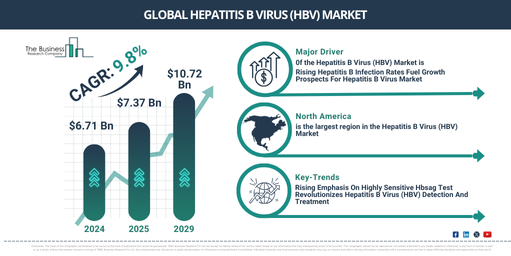
    The market size for the hepatitis B virus (HBV) has seen substantial growth lately. It is projected to increase from $6.71 billion in 2024 to $7.37 billion in 2025, with a compound annual growth rate (CAGR) of 9.9%. Factors contributing to the growth during the historic period include an increasing incidence of hepatitis b virus (HBV), a greater demand for HBV diagnostic tools, a wider coverage of the HBV vaccine, and heightened awareness of the hepatitis B virus (HBV).

    The market for the hepatitis B virus (HBV) is projected to experience substantial expansion in the upcoming years. With an expected increase to $10.72 billion in 2029, the market will see a compound annual growth rate (CAGR) of 9.8%. Factors contributing to this growth during the projected period include the advent of personalized medicine, augmented backing from patient advocacy groups, an upswing in vaccination programs, and an enhancement in healthcare spending. Key trends for this period are expected to be the discovery of new drugs, advancements in diagnostic methodologies, collaborative efforts between public and private sectors, and the emergence of innovative biological treatments.

    Download a free sample to assess the report’s scope and structure:

    https://www.thebusinessresearchcompany.com/sample.aspx?id=12867&type=smp

    What External and Internal Drivers Are Contributing to the Growth of the Hepatitis B Virus (HBV) Market?

    Expectations indicate that the high prevalence of hepatitis B infections will be a substantial driver for the augmentation of the hepatitis B virus market. The disease, hepatitis B, is a liver ailment introduced by the hepatitis B virus (HBV), and it can be prevented via timely vaccinations. If the infection rate of hepatitis B rises, there will be a consequent surge in the demand for diagnostic procedures and treatments. In 2024, the World Health Organization, Switzerland, reported that 254 million people were suffering from chronic hepatitis B in 2022, with 1.2 million new annual cases. Hence, the surge in hepatitis B infections will lead to the expansion of the hepatitis B virus market. Heading: Ascending instances of Liver Damage and Cirrhosis Spark Expansion in Hepatitis B Virus Market

    What Segment Types Define the Hepatitis B Virus (HBV) Market Structure?

    The hepatitis B virus (HBV) market covered in this report is segmented –

    1) By Type: Acute, Chronic

    2) By Treatment: Immune Modulator Drugs, Antiviral Drugs, Vaccine, Surgery

    3) By Age Group: Pediatrics, Adults, Seniors

    4) By End User: Medical Providers, Patients, Healthcare Payers

    Subsegments:

    1) By Acute HBV: Asymptomatic Acute HBV, Symptomatic Acute HBV, Severe Acute HBV

    2) By Chronic HBV: Chronic Hepatitis B (HBeAg Positive), Chronic Hepatitis B (HBeAg Negative), Chronic Hepatitis B With Compensated Liver Disease, Chronic Hepatitis B With Decompensated Liver Disease, Chronic Hepatitis B With Hepatocellular Carcinoma (HCC)

    Request customized data on this market:

    https://www.thebusinessresearchcompany.com/customise?id=12867&type=smp

    Which Geographic Areas Hold the Strongest Growth Potential in the Hepatitis B Virus (HBV) Market?

    North America was the largest region in the hepatitis B Virus (HBV) market in 2024. Asia-Pacific is expected to be the fastest-growing region in the forecast period. The regions covered in hepatitis B virus (HBV) market report are Asia-Pacific, Western Europe, Eastern Europe, North America, South America, Middle East and Africa.

    What Long-Term Trends Are Transforming the Competitive Landscape of the Hepatitis B Virus (HBV) Market?

    In the market for hepatitis B virus (HBV), leading enterprises are focusing on producing innovative diagnostics and treatments, such as highly sensitive chemiluminescent microparticle immunoassay (CMIA), to secure a competitive edge. For example, in May 2022, Abbott Laboratories, an American healthcare firm, introduced the HBsAg Next Qualitative Solution Test. This new tool will facilitate earlier detection of hepatitis B virus (HBV) in serum and plasma specimens from humans and will enhance patient outcomes by ensuring safe blood supplies. This extremely sensitive CMIA allows for the early and accurate diagnosis of HBV in human serum and plasma samples and enables widespread screening.

    View the full report here:

    https://www.thebusinessresearchcompany.com/report/hepatitis-b-virus-hbv-global-market-report

    What Is the Definition of the Hepatitis B Virus (HBV) Market?

    Hepatitis B virus (HBV) is a viral infection targeting the liver, transmitted via exposure to contaminated blood or bodily fluids or vertical transmission from mother to child during childbirth. Treatment involves antiviral medications to suppress viral replication, with vaccination being a crucial preventive measure.

    Purchase the full report and get a swift delivery:

    https://www.thebusinessresearchcompany.com/purchaseoptions.aspx?id=12867

    About The Business Research Company:

    With over 15000+ reports from 27 industries covering 60+ geographies, The Business Research Company has built a reputation for offering comprehensive, data-rich research and insights. Armed with 1,500,000 datasets, the optimistic contribution of in-depth secondary research, and unique insights from industry leaders, you can get the information you need to stay ahead in the game.

    Get in touch with us:

    The Business Research Company: https://www.thebusinessresearchcompany.com/

    Americas +1 3156230293

    Asia +44 2071930708

    Europe +44 2071930708

    Email us at info@tbrc.info

    Follow us on:

    LinkedIn: https://in.linkedin.com/company/the-business-research-company

    YouTube: https://www.youtube.com/channel/UC24_fI0rV8cR5DxlCpgmyFQ

    Global Market Model: https://www.thebusinessresearchcompany.com/global-market-model
  • Emerging Trends Redefining the Hemp Rebar Market Landscape: Innovative Drug Development Drives Competition In The Hepatic Encephalopathy Market

    Emerging Trends Redefining the Hemp Rebar Market Landscape: Innovative Drug Development Drives Competition In The Hepatic Encephalopathy Market

    Discover trends, market shifts, and competitive outlooks for the hepatic encephalopathy industry through 2025-2034 with The Business Research Company’s reliable data and in-depth research

    What Is the Estimated Market Size of the Hepatic Encephalopathy Market In 2029?

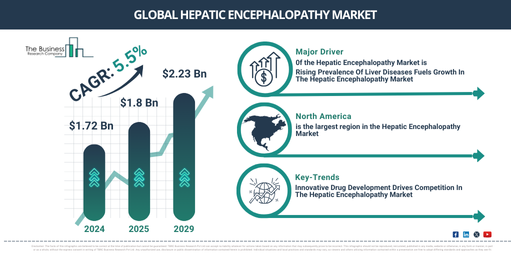
    In recent times, there has been robust growth in the market size of hepatic encephalopathy. From $1.72 billion in 2024, the market is set to expand to $1.8 billion in 2025, a compound annual growth rate (CAGR) of 5.1% being instrumental to this increase. The notable development in the historic period is a result of several factors, prominently the widespread liver diseases, amplified consciousness regarding hepatic encephalopathy, governmental endeavors, and the surge in innovative liver therapies.

    In the coming years, the hepatic encephalopathy market is set to experience robust expansion, predicted to reach a value of $2.23 billion by 2029, growing at a compound annual growth rate (CAGR) of 5.5%. This anticipated expansion during the forecast period is primarily due to factors such as the rise in the ageing population, an increase in the availability of treatment options, higher healthcare infrastructure spending, and investment in hepatic encephalopathy treatments. Key trends expected during the forecast period encompass the introduction of new therapies, conducting research and clinical trials, progress in liver transplantation techniques, pharmaceutical developments, advancements in nutritional and dietary management, and the adoption of telemedicine and remote monitoring.

    Download a free sample to assess the report’s scope and structure:

    https://www.thebusinessresearchcompany.com/sample.aspx?id=12906&type=smp

    What Are the Core Market Drivers Propelling Growth in the Hepatic Encephalopathy Industry?

    The surge in liver disease cases is predicted to spur on the growth of the hepatic encephalopathy market. Liver disease is a health issue that hampers the functionality of the liver. Hepatic encephalopathy, as a treatment for liver disease, can mitigate symptoms, slow down the advance of the disease, enhance liver functionality and decrease hepatic encephalopathy incidents by better-handling underlying issues, thus potentially reducing the severity and frequency, and in turn, improving the overall quality of life of patients. For example, in April 2024, as reported by the Office for Health Improvement and Disparities, a government department in the UK, hospital admission rates for liver disease have been on an upward trajectory, hitting 155.2 per 100,000 population (with a span of 152.9 to 157.5) in the financial year ending 2023, an increase from 150.6 (148.2 to 152.9) the previous year. Consequently, the expanding incidences of liver diseases are powering the hepatic encephalopathy market. The hepatic encephalopathy market is set to experience growth, propelled by the escalation in healthcare expenditures. Healthcare expenditures encapsulate the total outlay on healthcare services, products, and activities over a defined period, usually on an individual, community, national or global scale. Elevated healthcare expenditures can contribute positively to hepatic encephalopathy treatment avenues by encouraging progress in diagnosis, treatment, awareness, and patient care. For example, in December 2023, as per the Centers for Medicare & Medicaid Services, a federal agency based in the US, healthcare spending in the US rose by 4.1% in 2022, hitting $4.5 trillion, a more considerable growth rate than the 3.2% surge witnessed in 2021. Hence, the rise in healthcare expenditure will fuel the growth of the hepatic encephalopathy market.

    How Is the Hepatic Encephalopathy Market Segmented?

    The hepatic encephalopathy market covered in this report is segmented –

    1) By Drug Class: Antibiotics, Laxatives, L-Ornithine, L-Aspartate, Other Drug Classes

    2) By Route Of Administration: Oral, Intravenous, Rectal

    3) By Distribution Channel: Hospital Pharmacies, Retail Pharmacies, Online Pharmacies

    Subsegments:

    1) By Antibiotics: Rifaximin, Neomycin, Metronidazole

    2) By Laxatives: Lactulose, Polyethylene Glycol, Sorbitol

    3) By L-Ornithine, L-Aspartate: L-Ornithine L-Aspartate

    4) By Other Drug Classes: Zinc Supplements, Probiotics, Hepatoprotective Agents

    Request customized data on this market:

    https://www.thebusinessresearchcompany.com/customise?id=12906&type=smp

    Which Regions Are Driving the Next Phase of the Hepatic Encephalopathy Market Growth?

    North America was the largest region in the hepatic encephalopathy market in 2024. The regions covered in hepatic encephalopathy market report are Asia-Pacific, Western Europe, Eastern Europe, North America, South America, Middle East and Africa.

    What Key Market Trends and Innovations Are Shaping the Future of the Hepatic Encephalopathy Industry?

    In a bid to obtain a competitive edge and solidify their market position, key players in the hepatic encephalopathy market are focusing on the creation of revolutionary drugs for treating hepatic encephalopathy. For instance, in June 2023, Karolinska Development AB, a pharmaceutical corporation based in Sweden, came up with a novel treatment for hepatic encephalopathy known as GR3027 (golexanolone). This orally-taken small molecule is a GABAA-receptor-modulating steroid antagonist (GAMSA) intended to counteract positive GABAA-receptor modulation by intrinsic neuroactive steroids. Furthermore, the effectiveness of this drug in treating hepatic encephalopathy is currently being evaluated in Phases I/IIa of the CHE trial.

    View the full report here:

    https://www.thebusinessresearchcompany.com/report/hepatic-encephalopathy-global-market-report

    How Is the Hepatic Encephalopathy Market Defined and What Are Its Core Parameters?

    Hepatic encephalopathy is a condition characterized by a decline in brain function resulting from severe liver disease. It is a reversible syndrome of impaired brain function in patients with advanced liver diseases. Treating hepatic encephalopathy (HE) involves managing the underlying liver disease, reducing ammonia levels in the blood and addressing neurological symptoms.

    Purchase the full report and get a swift delivery:

    https://www.thebusinessresearchcompany.com/purchaseoptions.aspx?id=12906

    About The Business Research Company:

    With over 15000+ reports from 27 industries covering 60+ geographies, The Business Research Company has built a reputation for offering comprehensive, data-rich research and insights. Armed with 1,500,000 datasets, the optimistic contribution of in-depth secondary research, and unique insights from industry leaders, you can get the information you need to stay ahead in the game.

    Get in touch with us:

    The Business Research Company: https://www.thebusinessresearchcompany.com/

    Americas +1 3156230293

    Asia +44 2071930708

    Europe +44 2071930708

    Email us at info@tbrc.info

    Follow us on:

    LinkedIn: https://in.linkedin.com/company/the-business-research-company

    YouTube: https://www.youtube.com/channel/UC24_fI0rV8cR5DxlCpgmyFQ

    Global Market Model: https://www.thebusinessresearchcompany.com/global-market-model
  • Hemostasis Products Growth Trajectory: Key Forecasts and Strategic Insights

    Hemostasis Products Growth Trajectory: Key Forecasts and Strategic Insights

    Discover trends, market shifts, and competitive outlooks for the hemostasis products industry through 2025-2034 with The Business Research Company’s reliable data and in-depth research

    What Are the Key Projections for the CAGR of the Hemostasis Products Market Size From 2025 to 2034?

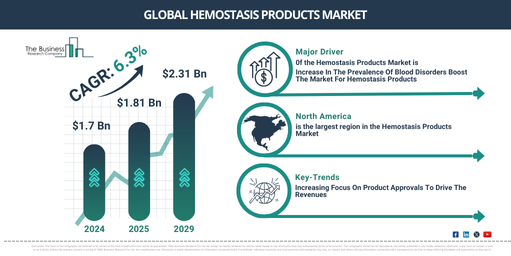
    The market size for hemostasis products has seen significant growth in the past few years. Projected to increase from $1.7 billion in 2024 to $1.81 billion in 2025, it will maintain a compound annual growth rate (CAGR) of 6.7%. Factors such as an increase in surgical procedures, an aging population, a higher incidence of hemophilia, enhanced healthcare infrastructure, and increased awareness of blood clotting disorders have contributed to the growth observed during the historic period.

    A significant surge is anticipated in the hemostasis products market size in the coming years, with predictions estimating it will reach $2.31 billion in 2029, demonstrating a compound annual growth rate (CAGR) of 6.3%. The predicted increase within the forecast period can be credited to the escalating demand for minimally invasive operations, a worldwide rise in trauma instances, the broadening applications of hemostasis in chronic diseases, the shift towards ambulatory surgical centers, personalized healthcare and biomarker investigation. Major trends anticipated during the forecast period encompass technological improvements in hemostasis, progressive enhancements in hemostatic technologies, increasing inclination toward minimally invasive treatments, an expanding number of chronic disease incidences, and emphasis on biodegradable hemostatic agents.

    Download a free sample to assess the report’s scope and structure:

    https://www.thebusinessresearchcompany.com/sample.aspx?id=13244&type=smp

    Which Factors and External Forces Are Driving Demand in the Hemostasis Products Market?

    The surge in blood disorders is anticipated to boost the hemostasis products market’s expansion. Hematologic disorders, commonly referred to as blood disorders, encompass a variety of medical conditions impacting the blood’s makeup, functionality, and conduct. Hemostasis products, which control clotting and bleeding in the body, are utilized in a variety of blood disorders. They can assist in dealing with excessive bleeding (hemorrhage) and clotting (thrombosis) that can happen in various blood disorders. The Leukemia and Lymphoma Society, based in the United States, reported that the number of Americans diagnosed with Leukemia per 100,000 citizens increased from 14.1 in 2021 to 14.3 in 2022. Thus, the growth of the hemostasis products market is being fueled by the escalating prevalence of blood disorders. An escalating incidence of cardiovascular disorders is also expected to fuel the expansion of the hemostasis products market. Cardiac disorders, referring to a range of medical conditions and diseases affecting the heart and blood vessels, can be managed and treated with hemostasis products. These products are useful in managing bleeding related to cardiac disorders, thereby reducing blood loss, the need for transfusions, and potential complications. For example, the American Heart Association reported that the age-adjusted death rate due to cardiovascular disease rose 4.0% to 233.3 per 100,000 in 2024 from 224.4 per 100,000 in 2023. Consequently, the increasing prevalence of heart disorders is fueling the hemostasis products market’s growth.

    Which Segments in the Hemostasis Products Offer the Most Growth?

    The hemostasis products market covered in this report is segmented –

    1) By Product: Topical Hemostasis Product, Infusible Hemostasis Product, Advanced Hemostasis Product

    2) By Application: Trauma, Surgery, Hemophilia, Myocardial Infarction, Other Applications

    3) By End User: Hospitals, Clinics, Other End Users

    Subsegments:

    1) By Topical Hemostasis Product: Hemostatic Agents, Tissue Sealants, Fibrin Sealants

    2) By Infusible Hemostasis Product: Platelet-Rich Plasma (PRP), Coagulation Factors, Prothrombin Complex Concentrates

    3) By Advanced Hemostasis Product: Biological Adhesives, Synthetic Hemostatic Agents, Hemostatic Dressings

    Request customized data on this market:

    https://www.thebusinessresearchcompany.com/customise?id=13244&type=smp

    What Are the Fastest-Growing Geographies in the Hemostasis Products Market?

    North America was the largest region in the hemostasis products market in 2024. Asia-Pacific is expected to be the fastest-growing region in the forecast period. The regions covered in the hemostasis products market report are Asia-Pacific, Western Europe, Eastern Europe, North America, South America, Middle East, Africa

    Which Cutting-Edge Market Trends Are Expected to Drive theHemostasis Products Market’s Growth?

    Leading corporations within the hemostasis products market, such as Medtronic PLC, are introducing innovatory drugs like the Nexpowder endoscopic hemostasis system. These businesses are acquiring permissions to create a full spectrum of active and passive hemostatic products for bleeding control. Essentially, an endoscopic hemostasis system is a medical invention and method implemented to halt bleeding in the gastrointestinal (GI) tract during endoscopic procedures. For instance, in September 2022, Medtronic PLC, a renowned medical device company based in the US, gained approval from the U.S. Food and Drug Administration for the Nexpowder Endoscopic Hemostasis System, designed to treat nonvariceal upper GI bleeding. This novel hemostatic tool works in sync with endoscopy and provides an easy, effective, and well-tolerated method of treating nonvariceal upper GI bleeding, potentially impacting the treatment significantly.

    View the full report here:

    https://www.thebusinessresearchcompany.com/report/hemostasis-products-global-market-report

    What Are the Key Elements That Define the Hemostasis Products Market?

    Hemostasis products refer to medical substances or devices used to control bleeding and promote clotting (hemostasis) in various medical settings. These products are crucial for managing bleeding disorders and promoting wound healing, while also ensuring that the body’s clotting mechanisms function properly.

    Purchase the full report and get a swift delivery:

    https://www.thebusinessresearchcompany.com/purchaseoptions.aspx?id=13244

    About The Business Research Company:

    With over 15000+ reports from 27 industries covering 60+ geographies, The Business Research Company has built a reputation for offering comprehensive, data-rich research and insights. Armed with 1,500,000 datasets, the optimistic contribution of in-depth secondary research, and unique insights from industry leaders, you can get the information you need to stay ahead in the game.

    Get in touch with us:

    The Business Research Company: https://www.thebusinessresearchcompany.com/

    Americas +1 3156230293

    Asia +44 2071930708

    Europe +44 2071930708

    Email us at info@tbrc.info

    Follow us on:

    LinkedIn: https://in.linkedin.com/company/the-business-research-company

    YouTube: https://www.youtube.com/channel/UC24_fI0rV8cR5DxlCpgmyFQ

    Global Market Model: https://www.thebusinessresearchcompany.com/global-market-model
  • Next-Gen Hemophilia : Market Forecast, Transformation, and Long-Term Trajectories

    Next-Gen Hemophilia : Market Forecast, Transformation, and Long-Term Trajectories

    Discover trends, market shifts, and competitive outlooks for the hemophilia industry through 2025-2034 with The Business Research Company’s reliable data and in-depth research

    How Has The Hemophilia Market Growth Evolved From 2024 To 2025, And What’s Ahead?

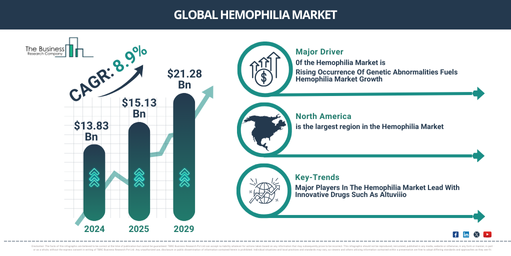
    The size of the hemophilia market has recently seen vigorous growth. It is forecasted to expand from $13.83 billion in 2024 to $15.13 billion in 2025, exhibiting a compound annual growth rate (CAGR) of 9.4%. The historically observed growth is linked to factors like government initiatives, a rising count of hemophilic patients, improved diagnostic screening, and heightened awareness regarding hemophilia treatments.

    There is forecasted to be significant expansion in the hemophilia market in the coming years. The market is estimated to reach a value of $21.28 billion by 2029, with a compound annual growth rate (CAGR) of 8.9%. This upsurge during the projection period is primarily due to the intensifying hemophilia-related research and development activities, escalating diagnostic screenings, an increment in healthcare expenditure, and global treatment accessibility. Prominent trends predicted for the forecast period encompass the launch and approval of new drugs, increased development of innovative drugs, research, and clinical trials, the rise of digital health solutions, and progress in treatment alternatives.

    Download a free sample to assess the report’s scope and structure:

    https://www.thebusinessresearchcompany.com/sample.aspx?id=12905&type=smp

    Which Major Market Drivers Are Expected to Boost the Growth Potential of the Hemophilia Market?

    The increased prevalence of genetic disorders is anticipated to fuel the expansion of the hemophilia market. Genetic disorders or mutations refer to variations in an individual’s gene’s DNA sequence, which can cause assorted health problems and physical characteristics. The goal of hemophilia treatment is to avert or manage bleeding instances, reduce complications, and enhance life quality for individuals with genetic disorders. For example, Gene People, a registered charity in the UK that supports genetic conditions, reported in June 2023 that one out of every 25 children had a genetic disorder. As a result, annually, 30,000 newborns and young children in the UK, and over 2.4 million children and adults are impacted by a genetic disorder. Hence, the increasing incidence of genetic abnormalities is motivating the advancement of the hemophilia market. Significant efforts in investments towards hemophilia care are expected to stimulate the growth of the hemophilia market. Investment endeavors denote the distribution of financial assets, R&D initiatives, and enhancements in healthcare infrastructure aimed to progress the treatment, management, and overall health of individuals enduring hemophilia. These efforts seek to augment access to hemophilia treatment in underdeveloped regions by instigating and partnering on initiatives that widen the patient base and market scale. For instance, in September 2022, the National Hemophilia Foundation (NHF), a non-profit organization based in the US, launched Pathway to Cures (P2C), an innovative venture philanthropy investment fund, with an initial capital of $3.5 million. P2C aims to bring about substantial and ground-breaking developments in inheritable blood disorders, utilizing its team’s proficiency in blood disorder research and taking advantage of NHF’s effective ties with scientific research institutions and clinical experts. Consequently, investment endeavors in hemophilia care will offer momentum to the growth of the hemophilia market.

    Which Key Market Segments Comprise the Hemophilia Market and Drive Its Revenue Growth?

    The hemophilia market covered in this report is segmented –

    1) By Type: Hemophilia A, Hemophilia B, Hemophilia C, Other Types

    2) By Treatment: Replacement Therapy, Hemostatic Agents, Desmopressin, Gene Therapy, Other Treatments

    3) By End-User: Hospitals, Clinics, Home Care Settings, Other End-Users

    Subsegments:

    1) By Hemophilia A: Severe Hemophilia A, Moderate Hemophilia A, Mild Hemophilia A

    2) By Hemophilia B: Severe Hemophilia B, Moderate Hemophilia B, Mild Hemophilia B

    3) By Hemophilia C: Severe Hemophilia C, Mild Hemophilia C

    4) By Other Types: Acquired Hemophilia, Von Willebrand Disease

    Request customized data on this market:

    https://www.thebusinessresearchcompany.com/customise?id=12905&type=smp

    Which Areas Are Leading Regions in the Hemophilia Market Expansion Across the Globe?

    North America was the largest region in the hemophilia market in 2024. Asia-Pacific is expected to be the fastest-growing region in the forecast period. The regions covered in hemophilia market report are Asia-Pacific, Western Europe, Eastern Europe, North America, South America, Middle East and Africa.

    What Are the Key Market Trends in theHemophilia Market Over the Coming Years?

    Leading firms in the hemophilia market, such as Sanofi S.A., are creating innovative medications like ALTUVIIIO to maintain their market standing. Sanofi S.A., a health care and pharmaceutical company rooted in France, launched ALTUVIIIO for hemophilia in February 2023. This was subsequently approved by The Food and Drug Administration (FDA), a government agency based in the US. ALTUVIIIO, as the first and only hemophilia A medication that requires only a once-weekly dosage, provides regular to nearly normal factor activity levels (above 40%) for the majority of the week. Compared to earlier factor VIII prophylaxis, it significantly reduces bleeding.

    View the full report here:

    https://www.thebusinessresearchcompany.com/report/hemophilia-global-market-report

    How Is the Hemophilia Market Conceptually Defined?

    Hemophilia is a rare genetic disorder that affects the body’s ability to clot blood properly and generally occurs when a person gets injured and starts bleeding. Hemophilia treatment treats Hemophilia disease through various medical interventions and strategies to manage and address the bleeding tendencies associated with hemophilia.

    Purchase the full report and get a swift delivery:

    https://www.thebusinessresearchcompany.com/purchaseoptions.aspx?id=12905

    About The Business Research Company:

    With over 15000+ reports from 27 industries covering 60+ geographies, The Business Research Company has built a reputation for offering comprehensive, data-rich research and insights. Armed with 1,500,000 datasets, the optimistic contribution of in-depth secondary research, and unique insights from industry leaders, you can get the information you need to stay ahead in the game.

    Get in touch with us:

    The Business Research Company: https://www.thebusinessresearchcompany.com/

    Americas +1 3156230293

    Asia +44 2071930708

    Europe +44 2071930708

    Email us at info@tbrc.info

    Follow us on:

    LinkedIn: https://in.linkedin.com/company/the-business-research-company

    YouTube: https://www.youtube.com/channel/UC24_fI0rV8cR5DxlCpgmyFQ

    Global Market Model: https://www.thebusinessresearchcompany.com/global-market-model
  • Hemodynamic Monitoring Systems Market Overview 2025: Competitive Shifts, Forecast Models, and Emerging Opportunities

    Hemodynamic Monitoring Systems Market Overview 2025: Competitive Shifts, Forecast Models, and Emerging Opportunities

    Discover trends, market shifts, and competitive outlooks for the hemodynamic monitoring systems industry through 2025-2034 with The Business Research Company’s reliable data and in-depth research

    What is the Projected CAGR for the Hemodynamic Monitoring Systems Market Size from 2025 to 2034?

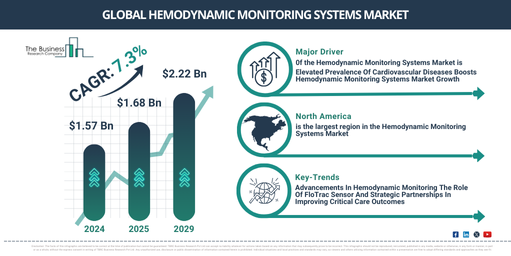
    In the recent past, the hemodynamic monitoring systems market has exhibited substantial development. This market, which is currently worth $1.57 billion as of 2024, is projected to increase to $1.68 billion in 2025. This translates to a compound annual growth rate (CAGR) of 7.2%. Factors leading to the expansion during the historical period include heightened incidence of cardiovascular illness, an aging populace and chronic ailments, surgical operations and critical care units (ICUs), a clinical focus on patient security, and advancements in the healthcare infrastructure.

    Anticipations are high for substantial expansion in the hemodynamic monitoring systems market in the ensuing years. The market forecast predicts it will propel to a value of $2.22 billion by 2029, with a strong compound annual growth rate (CAGR) of 7.3%. The projected growth during the forecast period can be ascribed to the shift towards less invasive methods, incorporation with digital health records (EHRs), mechanisms for remote patient supervision, emphasis on prompt diagnosis and intervention, international health hurdles, and essential care requirements. Noteworthily, vital trends that might shape the forecast period include the utilization of artificial intelligence (AI) and machine learning (ML). Other trends include remote observation and integration of telehealth, broadening the use of hemodynamic monitoring in critical care environments, partnership for technology progress, and a strong focus on data protection and patient confidentiality.

    Download a free sample to assess the report’s scope and structure:

    https://www.thebusinessresearchcompany.com/sample.aspx?id=13152&type=smp

    What Are the Core Growth Drivers Propelling the Hemodynamic Monitoring Systems Market Forward?

    The escalating occurrence of cardiovascular diseases is anticipated to fuel the expansion of the hemodynamic monitoring systems market in the future. Cardiovascular disease encompasses a range of conditions that impact the heart and blood vessels. Hemodynamic monitoring systems offer real-time information and understanding of a patient’s cardiovascular condition, allowing medical professionals to implement accurate and timely interventions, refine treatment methods and enhance patient results. For example, in March 2024, as per the UK government, a UK-centered website disclosed that in the fiscal year concluded in 2023, a bit over 1,862,500 individuals in England, constituting 3% of the populace, had received a GP diagnosis of coronary heart disease (CHD). Consequently, the escalating prevalence of cardiovascular diseases will stimulate the expansion of the hemodynamic monitoring systems market. An uptick in the prevalence of respiratory diseases is also anticipated to boost the growth of the hemodynamic monitoring systems market in the future. Respiratory diseases comprise a category of medical conditions impacting the respiratory system, which includes the organs and structures responsible for breathing. Hemodynamic monitoring systems are integral in managing respiratory diseases as they provide real-time cardiovascular data to healthcare providers. For example, in June 2023, the Australian Institute of Health and Welfare, a national agency situated in Australia, announced that almost a third (30%) of Australians, amounting to 7.5 million individuals, are struggling with chronic respiratory diseases. Therefore, the increasing prevalence of respiratory diseases is propelling the hemodynamic monitoring systems market.

    What Segment Types Define the Hemodynamic Monitoring Systems Market Structure?

    The hemodynamic monitoring systems market covered in this report is segmented –

    1) By Product: Monitors, Consumables

    2) By Technique Type: Invasive, Non-Invasive

    3) By End-User: Hospitals, Cath Labs, Other End-Users

    Subsegments:

    1) By Monitors: Bedside Monitors, Handheld Monitors, Portable Monitors

    2) By Consumables: Catheters, Sensors, Tubing and Accessories

    Request customized data on this market:

    https://www.thebusinessresearchcompany.com/customise?id=13152&type=smp

    Which Geographic Areas Hold the Strongest Growth Potential in the Hemodynamic Monitoring Systems Market?

    North America was the largest region in the hemodynamic monitoring systems market in 2024. The regions covered in the hemodynamic monitoring systems market report are Asia-Pacific, Western Europe, Eastern Europe, North America, South America, Middle East, Africa

    Which Emerging Trends that Are Influencing theHemodynamic Monitoring Systems Industry Evolution?

    Leading firms in the hemodynamic monitoring systems industry are focusing their efforts on creating cutting-edge solutions that can elevate patient outcomes, bolster accuracy in cardiovascular assessments, and facilitate on-the-spot data interpretation for superior clinical choices in dire care conditions. The FloTrac Sensor, a minimally invasive piece of equipment, has been designed to provide continuous hemodynamic monitorization for patients in critical condition. It offers instantaneous readings of cardiac output and other vital hemodynamic parameters by analyzing arterial waveforms via a regular arterial catheter. In an example from June 2023, Chinese company Mindray Medical International Ltd collaborated with Edwards Lifesciences, an American company, to release a hemodynamic monitoring solution that features the implementation of the FloTrac™ sensor. This sensor can connect to an arterial line and continuously compute essential hemodynamic parameters such as Cardiac Output (CO), Stroke Volume (SV), Stroke Volume Variation (SVV), Systemic Vascular Resistance (SVR), and Mean Arterial Pressure (MAP) at 20-second increments. This integration is facilitated through Mindray’s BeneVision N series patient monitors.

    View the full report here:

    https://www.thebusinessresearchcompany.com/report/hemodynamic-monitoring-systems-global-market-report

    What Is the Definition of the Hemodynamic Monitoring Systems Market?

    Hemodynamic monitoring systems are medical devices and techniques used to measure and assess physiological parameters related to the functioning of the cardiovascular system. These systems provide real-time data and insights into blood circulation, cardiac output, and other vital parameters within the circulatory system.

    Purchase the full report and get a swift delivery:

    https://www.thebusinessresearchcompany.com/purchaseoptions.aspx?id=13152

    About The Business Research Company:

    With over 15000+ reports from 27 industries covering 60+ geographies, The Business Research Company has built a reputation for offering comprehensive, data-rich research and insights. Armed with 1,500,000 datasets, the optimistic contribution of in-depth secondary research, and unique insights from industry leaders, you can get the information you need to stay ahead in the game.

    Get in touch with us:

    The Business Research Company: https://www.thebusinessresearchcompany.com/

    Americas +1 3156230293

    Asia +44 2071930708

    Europe +44 2071930708

    Email us at info@tbrc.info

    Follow us on:

    LinkedIn: https://in.linkedin.com/company/the-business-research-company

    YouTube: https://www.youtube.com/channel/UC24_fI0rV8cR5DxlCpgmyFQ

    Global Market Model: https://www.thebusinessresearchcompany.com/global-market-model
  • From Insight to Impact: Strategic Growth Mapping in the Hemodialysis Chairs Market

    From Insight to Impact: Strategic Growth Mapping in the Hemodialysis Chairs Market

    Discover trends, market shifts, and competitive outlooks for the hemodialysis chairs industry through 2025-2034 with The Business Research Company’s reliable data and in-depth research

    What Is the Current and Projected Market Size of the Hemodialysis Chairs Market Through 2034?

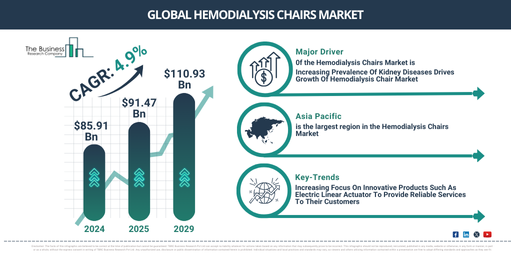
    The market size for hemodialysis chairs has experienced significant growth in the recent past. From $85.91 billion in 2024, it will expand to $91.47 billion in 2025, with a compound annual growth rate (CAGR) of 6.5%. This growth during the historical period is due to factors such as the increasing prevalence of hernias, the surge in obesity rates, an aging population, patient inclination towards less invasive surgeries, changing regulatory frameworks, and the cooperation between surgeons and manufacturers.

    The market for hemodialysis chairs is anticipated to experience consistent expansion in the coming years, projecting a growth to $110.93 billion by 2029 with a compound annual growth rate (CAGR) of 4.9%. The projected expansion during the forecast period can be ascribed to concentration on biocompatible substances, tailored treatment strategies, global health programs, augmented patient and physician awareness, and burgeoning demand for robotic-aided surgeries. Noteworthy trends in the forecast timeframe are progress in biocompatible substances, emphasis on minimally invasive procedures, breakthroughs in absorbable mesh technology, personalization for intricate hernias, and consolidation of barrier coatings.

    Download a free sample to assess the report’s scope and structure:

    https://www.thebusinessresearchcompany.com/sample.aspx?id=13452&type=smp

    What are the Fundamental Drivers and Innovations Shaping the Hemodialysis Chairs Market?

    Hemodialysis chair market growth is projected to be driven by the surging instances of kidney diseases. These conditions impact the organ’s structure and functioning, necessitating the use of hemodialysis chairs which offer much-needed comfort, safety, cushioning, and patient monitoring during long dialysis sessions. As per ZS Associates, a UK-based Kidney Research Commission, in June 2023, 7.19 million people or over 10% of the UK population is anticipated to be afflicted by kidney disease. By 2033, this number is set to increase to 7.61 million, with 51% of these patients being in the later stages of the disease, up from 45%. Hence, the growth of the hemodialysis chair market is propelled by the escalating instances of kidney diseases.

    Hemodialysis Chairs Market Driver: Diabetes Fuels Hemodialysis Chairs Market Growth


    How Is the Hemodialysis Chairs Market Segmented?

    The hemodialysis chairs market covered in this report is segmented –

    1) By Product: Manual Hemodialysis Chair, Electrical Hemodialysis Chair

    2) By Material: Leather, Vinyl, Other Material

    3) By End User: Hospitals, Hemodialysis Research Centers, Government Organizations, Ambulatory Centers, Home Care

    Subsegments:

    1) By Manual Hemodialysis Chair: Fixed Manual Hemodialysis Chair, Adjustable Manual Hemodialysis Chair

    2) By Electrical Hemodialysis Chair: Fully Electric Hemodialysis Chair, Semi-Electric Hemodialysis Chair

    Request customized data on this market:

    https://www.thebusinessresearchcompany.com/customise?id=13452&type=smp

    Which Regions Are Driving the Next Phase of the Hemodialysis Chairs Market Growth?

    Asia Pacific was the largest region in the hemodialysis chairs market in 2024. The regions covered in the hemodialysis chairs market report are Asia-Pacific, Western Europe, Eastern Europe, North America, South America, Middle East, Africa.

    What Key Trends Are Shaping the Future of the Hemodialysis Chairs Market?

    Major players in the hemodialysis chairs market are shifting their focus towards the creation of innovative electric linear actuators with IO-link for dependable customer service. An electric linear actuator, powered by a motor, is deployed in assembly, positioning, and handling systems. For example, in 2022, the Europe-based Swiss firm, Tecan Group Ltd, known for its expertise in supplying laboratory instruments and solutions for biopharmaceuticals, forensics, medical technology, and clinical diagnostics, announced that its newly launched automated liquid handling systems (Fluent) harness the power of electric linear actuators to attain accurate and consistent pipetting. This preciseness is crucial for a range of tasks like reagent dispensing, setting up assays, and sample preparation. The precision achieved through these actuators enhances the dependability and efficiency of lab processes, thereby guaranteeing efficient and smooth workflows. Tecan plays a substantial role in cancer therapy by fostering progress from research to clinical applications. Their technologies facilitate early detection, preventative care, and robotic surgery, thereby accelerating healthcare advancements globally.

    View the full report here:

    https://www.thebusinessresearchcompany.com/report/hemodialysis-chairs-global-market-report

    How Is the Hemodialysis Chairs Market Defined and What Are Its Core Parameters?

    Hemodialysis chairs are specialized pieces of medical furniture designed to provide comfort and support to patients undergoing hemodialysis treatment. Hemodialysis is a medical procedure used to filter waste products and excess fluids from the blood when the kidneys are unable to perform this function adequately. Hemodialysis chairs play a crucial role in ensuring patients engage in activities, mobility, and accessibility.

    Purchase the full report and get a swift delivery:

    https://www.thebusinessresearchcompany.com/purchaseoptions.aspx?id=13452

    About The Business Research Company:

    With over 15000+ reports from 27 industries covering 60+ geographies, The Business Research Company has built a reputation for offering comprehensive, data-rich research and insights. Armed with 1,500,000 datasets, the optimistic contribution of in-depth secondary research, and unique insights from industry leaders, you can get the information you need to stay ahead in the game.

    Get in touch with us:

    The Business Research Company: https://www.thebusinessresearchcompany.com/

    Americas +1 3156230293

    Asia +44 2071930708

    Europe +44 2071930708

    Email us at info@tbrc.info

    Follow us on:

    LinkedIn: https://in.linkedin.com/company/the-business-research-company

    YouTube: https://www.youtube.com/channel/UC24_fI0rV8cR5DxlCpgmyFQ

    Global Market Model: https://www.thebusinessresearchcompany.com/global-market-model

  • Heart Transplant Market Valuation Expected To Reach $18.1 Billion By 2029, Growing At A Rate Of 9%

    Heart Transplant Market Valuation Expected To Reach $18.1 Billion By 2029, Growing At A Rate Of 9%

    Discover trends, market shifts, and competitive outlooks for the heart transplant industry through 2025-2034 with The Business Research Company’s reliable data and in-depth research

    How Fast Is The Heart Transplant Market Expected to Grow Between 2025 And 2029?

    The size of the heart transplant market has increased rapidly over the past few years. The market, which was valued at $11.49 billion in 2024, is expected to reach $12.66 billion by 2025, growing at an annual compound rate (CAGR) of 10.2%. The strong growth in the historic period is due to significant improvements in medical technology, greater awareness and education, progress in organ preservation, and advancements in healthcare infrastructure.

    Projected to experience substantial growth in the coming years, the heart transplant market is set to reach a worth of $18.1 billion in 2029, a development marked by a compound annual growth rate of 9.3%. Factors contributing to this expected growth within the stipulated period include governmental backing and funding, worldwide expansion of transplant programs, augmentation of transplant center capabilities, and the integration of telemedicine and remote monitoring. Main trends expected within the forecast period encompass technological advancements, artificial heart and assist devices, as well as the use of artificial intelligence in donor organ selection.

    Download a free sample to assess the report’s scope and structure:

    https://www.thebusinessresearchcompany.com/sample.aspx?id=12967&type=smp

    Which Factors and External Forces Are Driving Demand in the Heart Transplant Market?

    The rise in cardiovascular disease occurrences is projected to stimulate further expansion of the heart transplant market. Cardiovascular conditions, which mainly concern the heart and blood arteries, often necessitate a heart transplant at their extreme stages. This medical procedure, often a last resort for those with end-stage heart failure non-responsive to other treatments, enhances the quality of life and life expectancy. The British Heart Foundation, a respected cardiovascular research charity based in the UK, reported for September 2024 that about 7.6 million individuals, comprising 4 million men and 3.6 million women, are currently plagued with heart and circulatory diseases in the UK. They project this number to increase by one million by 2030 and by another two million by 2040, emphasizing the deepening grip of cardiovascular diseases. This cardiovascular disease prevalence thus primes the heart transplant market for growth. Emerging awareness concerning organ donation and transplantation is likely to further spur the heart transplant market’s expansion. This awareness encapsulates the level to which individuals and communities comprehend the processes, significance, and repercussions of organ donation and transplantation in healthcare. By increasing the understanding of organ donation and transplantation, the supply of donors can be expanded, wait-times for recipients reduced, and patient outcomes can be improved. The United Network for Organ Sharing, a US-based non-profit scientific and educational organization, reported in January 2023 a new annual record of 42,887 organ transplants performed in the US during 2022, marking a 3.7% increase from 2021. Notably, this includes having 9,528 liver transplants, 4,111 heart transplants, and 2,692 lung transplants performed, reflecting the heightened awareness about organ donation. Consequently, this burgeoning awareness about organ donation and transplantation stands to power the heart transplant market.

    Which Segments in the Heart Transplant Offer the Most Growth?

    The heart transplant market covered in this report is segmented –

    1) By Surgery Type: Total Artificial Heart, Biventricular Pacing, Ventricular Assist Devices, Other Surgery Types

    2) By Transplant: Autograft, Allograft, Other Transplants

    3) By End-User: Hospitals, Cardiac Institutes, Other End-Users

    Subsegments:

    1) By Total Artificial Heart: Temporary Total Artificial Heart, Permanent Total Artificial Heart

    2) By Biventricular Pacing: Cardiac Resynchronization Therapy Pacemakers (CRT-P), Cardiac Resynchronization Therapy Defibrillators (CRT-D)

    3) By Ventricular Assist Devices: Left Ventricular Assist Device (LVAD), Right Ventricular Assist Device (RVAD), Biventricular Assist Device (BIVAD)

    4) By Other Surgery Types: Heart And Lung Transplant, Heterotopic Heart Transplant

    Request customized data on this market:

    https://www.thebusinessresearchcompany.com/customise?id=12967&type=smp

    What Are the Fastest-Growing Geographies in the Heart Transplant Market?

    North America was the largest region in the heart transplant market in 2024. Asia-Pacific is expected to be the fastest-growing region in the forecast period. The regions covered in heart transplant market report are Asia-Pacific, Western Europe, Eastern Europe, North America, South America, Middle East and Africa.

    Which Cutting-Edge Market Trends Are Expected to Drive theHeart Transplant Market’s Growth?

    Leading businesses present in the heart transplant market are more and more focusing on the development of novel solutions, like heart preservation technology, to enhance patient health outcomes and transplantation success rates. This technology significantly increases the time a heart can be preserved outside the body in comparison to the traditional ice storage method. Consequently, it allows for better patient health results and fewer post-surgery complications. For example, in May 2023, the U.S. Food and Drug Administration (FDA) gave Xvivo Perfusion AB, a medical technology enterprise based in Sweden, the approval for its Investigational Device Exemption (IDE) application regarding its heart preservation technology, enabling the company to kickstart the “PRESERVE Clinical Trial.” This is a prospective, open-label study conducted in multiple centers and single-handedly focuses on heart transplants performed post non-ischemic heart preservation from extended donors, especially including Donation after Circulatory Death (DCD) hearts. XVIVO’s heart preservation technology’s standout feature is its non-ischemic hypothermic perfusion system that employs cold, oxygenated perfusion to maintain donor hearts while being transported.

    View the full report here:

    https://www.thebusinessresearchcompany.com/report/heart-transplant-global-market-report

    What Are the Key Elements That Define the Heart Transplant Market?

    A heart transplant is a medical operation that involves removing and replacing a damaged or diseased heart with a healthy donor heart. It is a complex and life-saving medical intervention for individuals with end-stage heart failure or certain severe heart diseases.

    Purchase the full report and get a swift delivery:

    https://www.thebusinessresearchcompany.com/purchaseoptions.aspx?id=12967

    About The Business Research Company:

    With over 15000+ reports from 27 industries covering 60+ geographies, The Business Research Company has built a reputation for offering comprehensive, data-rich research and insights. Armed with 1,500,000 datasets, the optimistic contribution of in-depth secondary research, and unique insights from industry leaders, you can get the information you need to stay ahead in the game.

    Get in touch with us:

    The Business Research Company: https://www.thebusinessresearchcompany.com/

    Americas +1 3156230293

    Asia +44 2071930708

    Europe +44 2071930708

    Email us at info@tbrc.info

    Follow us on:

    LinkedIn: https://in.linkedin.com/company/the-business-research-company

    YouTube: https://www.youtube.com/channel/UC24_fI0rV8cR5DxlCpgmyFQ

    Global Market Model: https://www.thebusinessresearchcompany.com/global-market-model
  • Healthcare Visual Assistants Market Forecast Reaching $8.82 Billion by 2029 at 41% CAGR

    Healthcare Visual Assistants Market Forecast Reaching $8.82 Billion by 2029 at 41% CAGR

    Discover trends, market shifts, and competitive outlooks for the healthcare visual assistants industry through 2025-2034 with The Business Research Company’s reliable data and in-depth research

    What Are the Key Projections for the CAGR of the Healthcare Visual Assistants Market Size From 2025 to 2034?

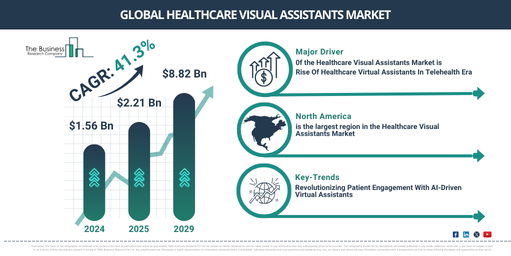
    In the last few years, the market size of healthcare visual assistants has expanded significantly. Its growth is projected to surge from $1.56 billion in 2024 to $2.21 billion in 2025, with a compound annual growth rate (CAGR) of 41.8%. The growth witnessed in the historical period can be credited to factors such as improved internet connectivity, a rise in smartphone usage, increasing demand from the healthcare industry, and the widespread use of mobile applications.

    The market size for healthcare visual assistants is predicted to undergo significant expansion in the coming years, ballooning to $8.82 billion by 2029 with a compound annual growth rate (CAGR) of 41.3%. The surge during the predicted period can be attributed to the escalating incidence of chronic illnesses, a rising demand for teleconsultations, intensified focus on patient involvement, and an increasing strain from lifestyle diseases. Key trends anticipated for this period consist of technological progression, product evolution, collaborations, and healthcare-related investments.

    Download a free sample to assess the report’s scope and structure:

    https://www.thebusinessresearchcompany.com/sample.aspx?id=13854&type=smp

    Which Major Market Drivers Are Expected to Boost the Growth Potential of the Healthcare Visual Assistants Market?

    The growth of the healthcare virtual assistant market is predicted to surge, driven by a rise in telehealth services. Telehealth services denote the use of digital communication technologies to offer health-related services and information, encompassing care, advice, reminders, education, intervention, monitoring, and remote admissions. Enhanced by healthcare virtual assistants that offer automated, round-the-clock patient support via digital platforms do duties like facilitating appointment arrangements, checking symptoms, medication reminders and offering personalized health advice; these inventions boost accessibility and efficiency in healthcare delivery. For example, the Health Information National Trends Survey (HINTS), a government agency based in the US, revealed in January 2024 that around 40% of US adults used telehealth services in 2022, despite significant access hurdles. Hence, the growing use of telehealth services is fueling the expansion of the healthcare virtual assistant market.

    Which Key Market Segments Comprise the Healthcare Visual Assistants Market and Drive Its Revenue Growth?

    The healthcare visual assistants market covered in this report is segmented –

    1) By Product: Chatbots, Smart Speakers

    2) By Technology: Automatic Speech Recognition (ASR) And Speech Recognition, Text Based, Text-To-Speech

    3) By End User: Providers, Payers, Other End Users

    Subsegments:

    1) By Chatbots: Rule-Based Chatbots, AI-Driven Chatbots, Voice-Enabled Chatbots, Patient Engagement Chatbots

    2) By Smart Speakers: Voice-Activated Smart Speakers, Health-Focused Smart Speakers, Smart Speakers With Display Screens, Multi-Functional Smart Speakers

    Request customized data on this market:

    https://www.thebusinessresearchcompany.com/customise?id=13854&type=smp

    Which Areas Are Leading Regions in the Healthcare Visual Assistants Market Expansion Across the Globe?

    North America was the largest region in the healthcare virtual assistant market in 2024. Asia-Pacific is expected to be the fastest-growing region in the forecast period. The regions covered in the healthcare visual assistants market report are Asia-Pacific, Western Europe, Eastern Europe, North America, South America, Middle East, Africa.

    What Are the Key Market Trends in theHealthcare Visual Assistants Market Over the Coming Years?

    Leading corporations in the healthcare visual assistants market are concentrating on crafting innovative products employing cutting-edge technology like AI-enabled omnichannel conversational virtual assistants, to increase their financial gains within the market. These AI-empowered conversational healthcare virtual assistants are digital utilities that offer personalized, automated patient assistance over various communication platforms using artificial intelligence. For example, TeleVox, an American healthcare technology firm, introduced Iris in April 2023. Iris is an Artificial Intelligence-powered virtual assistant that is capable of engaging in natural language discussions with patients. Iris is superior to basic chatbots that are dependent on limited content and pre-set responses, as it incorporates high-level AI features, such as the large-scale generative models provided by Microsoft Azure OpenAI Service. It empowers Iris to comprehend a broad spectrum of patient inquiries and deliver instant, pertinent replies.

    View the full report here:

    https://www.thebusinessresearchcompany.com/report/healthcare-visual-assistants-global-market-report

    How Is the Healthcare Visual Assistants Market Conceptually Defined?

    Healthcare virtual assistants refer to AI-powered digital systems or applications designed to assist patients, healthcare providers, or administrative staff in various healthcare-related tasks and services. Healthcare virtual assistants significantly enhance patient engagement by offering accessible and instant support.

    Purchase the full report and get a swift delivery:

    https://www.thebusinessresearchcompany.com/purchaseoptions.aspx?id=13854

    About The Business Research Company:

    With over 15000+ reports from 27 industries covering 60+ geographies, The Business Research Company has built a reputation for offering comprehensive, data-rich research and insights. Armed with 1,500,000 datasets, the optimistic contribution of in-depth secondary research, and unique insights from industry leaders, you can get the information you need to stay ahead in the game.

    Get in touch with us:

    The Business Research Company: https://www.thebusinessresearchcompany.com/

    Americas +1 3156230293

    Asia +44 2071930708

    Europe +44 2071930708

    Email us at info@tbrc.info

    Follow us on:

    LinkedIn: https://in.linkedin.com/company/the-business-research-company

    YouTube: https://www.youtube.com/channel/UC24_fI0rV8cR5DxlCpgmyFQ

    Global Market Model: https://www.thebusinessresearchcompany.com/global-market-model