Category: Healthcare Services

  • Hemophilia Market Revenue Growth Expected to Reach $23.16 Billion by 2030 with 9.3% CAGR

    Hemophilia Market Revenue Growth Expected to Reach $23.16 Billion by 2030 with 9.3% CAGR

    The Business Research Company’s 2026 market reports include new capabilities such as market attractiveness scoring and analysis, total addressable market analysis, company scoring matrix, interactive excel data dashboard, improved supply chain analysis, upcoming startups in the market, and overview of key products, aimed at improving the depth, usability, and strategic value of the insights delivered.

    What Is The Market Size Of The Hemophilia Market In 2026 And What Value Is Projected For 2030?

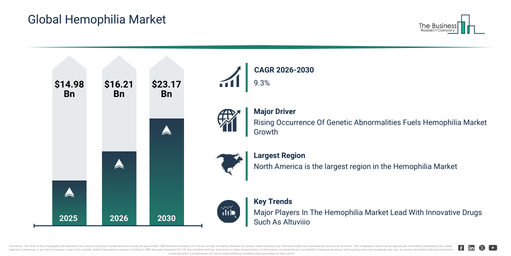
    The hemophilia market has seen significant expansion in recent years. Its valuation is predicted to increase from $14.98 billion in 2025 to $16.21 billion in 2026, achieving a compound annual growth rate (CAGR) of 8.2%. This historical growth can be ascribed to improved availability of clotting factor concentrates, expansion of prophylactic treatment adoption, growth in hemophilia awareness programs, advancements in recombinant factor production, and increased access to specialized care centers.

    The hemophilia market is poised for substantial expansion over the next few years, with projections indicating it will reach $23.17 billion by 2030, growing at a compound annual growth rate (CAGR) of 9.3%. This anticipated growth can be attributed to several factors, including the increasing number of gene therapy approvals, a rising preference for personalized treatment approaches, the broadening availability of home infusion programs, escalating investments in rare disease research, and a heightened emphasis on improving patients’ quality of life. Key trends expected in the forecast period encompass the greater adoption of long-acting clotting factor therapies, an intensified focus on gene therapy specifically for hemophilia, the increasing utilization of home-based treatment regimens, the expansion of personalized prophylactic treatment plans, and enhanced integration of digital patient monitoring solutions.

    Download the Free Sample Report to Explore Key Market Insights:

    https://www.thebusinessresearchcompany.com/sample.aspx?id=12905&type=smp

    What Drivers Are Influencing The Hemophilia Market?

    The increasing incidence of genetic abnormalities is anticipated to fuel the expansion of the hemophilia market in the future. Genetic abnormalities, alternatively termed genetic mutations or disorders, are defined as alterations in an individual’s gene DNA sequence, potentially leading to diverse health issues and physical characteristics. The goal of hemophilia treatment is to avert or manage bleeding episodes, lessen complications, and enhance the quality of life for those affected by these genetic conditions. For example, data from October 2024, provided by Cystic Fibrosis Trust, a UK-based organization assisting individuals with cystic fibrosis, showed approximately 11,148 cystic fibrosis (a genetic disorder) patients registered in 2022, a figure that climbed to 11,318 by 2023, indicating a 1.5% year-over-year rise in patient registrations. Consequently, the growing prevalence of genetic abnormalities is propelling the expansion of the hemophilia market.

    What Are The Key Segments Of The Hemophilia Market?

    The hemophilia market covered in this report is segmented –

    1) By Type: Hemophilia A, Hemophilia B, Hemophilia C, Other Types

    2) By Treatment: Replacement Therapy, Hemostatic Agents, Desmopressin, Gene Therapy, Other Treatments

    3) By End-User: Hospitals, Clinics, Home Care Settings, Other End-Users

    Subsegments:

    1) By Hemophilia A: Severe Hemophilia A, Moderate Hemophilia A, Mild Hemophilia A

    2) By Hemophilia B: Severe Hemophilia B, Moderate Hemophilia B, Mild Hemophilia B

    3) By Hemophilia C: Severe Hemophilia C, Mild Hemophilia C

    4) By Other Types: Acquired Hemophilia, Von Willebrand Disease

    Which Trends Are Shaping The Future Of The Hemophilia Market?

    Leading companies in the hemophilia sector are developing advanced medications such as ALTUVIIIO to maintain their market presence. For instance, in February 2023, Sanofi S.A., a France-based pharmaceutical and healthcare company, introduced ALTUVIIIO for hemophilia, which was approved by The Food and Drug Administration (FDA), a US-based government agency. With its once-weekly dosing, ALTUVIIIO is the first and only hemophilia A medication to provide regular to near-normal factor activity levels (above 40%) for most of the week and significantly reduce bleeding compared to previous factor VIII prophylaxis.

    Who Are The Leading Companies Operating In The Hemophilia Market?

    Major companies operating in the hemophilia market are Kedrion S.p.A., Chugai Pharmaceutical Co. Ltd., Pfizer Inc., F. Hoffmann-La Roche AG, Bayer AG, Sanofi S.A., Bristol-Myers Squibb Company, Takeda Pharmaceutical Company Limited, Novo Nordisk A/S, Baxter International Inc., CSL Limited, Biogen Inc., Grifols S.A., Octapharma AG, BioMarin Pharmaceutical Inc., GC Pharma, Alnylam Pharmaceuticals Inc., Bio Products Laboratory Ltd., Sangamo Therapeutics Inc., UniQure, Intellia tx, ProMetic BioSciences Ltd., Dimension Therapeutics, Amarna therapeutics, HEMA Biologics LLC, Aptevo Therapeutics, Arcturus Therapeutics Inc., Ferring Lakemedel AB, Chiesi Farmaceutici S.p.A.

    Read the full hemophilia market report here:

    https://www.thebusinessresearchcompany.com/report/hemophilia-global-market-report

    Which Regions Are Expected To Experience Rapid Expansion In The Hemophilia Market?

    North America was the largest region in the hemophilia market in 2025. Asia-Pacific is expected to be the fastest-growing region in the forecast period. The regions covered in the hemophilia market report are Asia-Pacific, South East Asia, Western Europe, Eastern Europe, North America, South America, Middle East, Africa.

    Request A Tailored Hemophilia Market Research Report For Competitive Advantage:

    https://www.thebusinessresearchcompany.com/customise?id=12905&type=smp

    Browse Through More Reports Similar to the Global Hemophilia Market 2026, By The Business Research Company

    Hepatitis Therapeutics Global Market Report

    https://www.thebusinessresearchcompany.com/report/hepatitis-therapeutics-global-market-report

    Acquired Hemophilia Treatment Global Market Report

    https://www.thebusinessresearchcompany.com/report/acquired-hemophilia-treatment-global-market-report

    Hemostasis Products Global Market Report

    https://www.thebusinessresearchcompany.com/report/hemostasis-products-global-market-report

    Get in touch with us:

    The Business Research Company: https://www.thebusinessresearchcompany.com/

    Americas +1 310-496-7795

    Asia +44 7882 955267 & +91 8897263534

    Europe +44 7882 955267

    Email us at info@tbrc.info

    Follow us on:

    LinkedIn: https://in.linkedin.com/company/the-business-research-company

    YouTube: https://www.youtube.com/channel/UC24_fI0rV8cR5DxlCpgmyFQ

    Global Market Model: https://www.thebusinessresearchcompany.com/global-market-model
  • Hemophagocytic Lymphohistiocytosis Market Expected to Record Steady Growth and Approach $3.23 Billion by 2030

    Hemophagocytic Lymphohistiocytosis Market Expected to Record Steady Growth and Approach $3.23 Billion by 2030

    The Business Research Company’s 2026 market reports include new capabilities such as market attractiveness scoring and analysis, total addressable market analysis, company scoring matrix, interactive excel data dashboard, improved supply chain analysis, upcoming startups in the market, and overview of key products, aimed at improving the depth, usability, and strategic value of the insights delivered.

    What Will Be The Estimated Market Valuation Of The Hemophagocytic Lymphohistiocytosis Market By The End Of 2030?

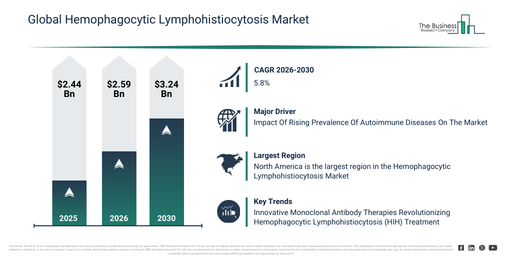
    The hemophagocytic lymphohistiocytosis market size has seen significant growth in recent years. It is projected to expand from $2.44 billion in 2025 to $2.59 billion in 2026, at a compound annual growth rate (CAGR) of 6.0%. The historical increase can be attributed to enhancements in critical care management, a rise in clinical awareness regarding rare immune disorders, the expansion of diagnostic testing capacities, the availability of chemotherapy-based treatment regimens, and an increase in specialized hospital units.

    The market for hemophagocytic lymphohistiocytosis is projected to experience robust expansion over the coming years. By 2030, this market is anticipated to reach a valuation of $3.24 billion, demonstrating a compound annual growth rate (CAGR) of 5.8%. Factors contributing to this growth during the forecast timeframe include intensified research into targeted immunotherapies, a greater uptake of precision diagnostics, the broadening of early intervention strategies, an enhanced emphasis on managing rare diseases, and the escalating creation of new treatment protocols. Key trends expected within this period encompass the increased use of genetic testing for prompt diagnosis, the expanding application of targeted immunosuppressive treatments, a heightened priority on swift diagnostic procedures, the establishment of more specialized HLH treatment facilities, and a stronger incorporation of multidisciplinary care frameworks.

    Download the Free Sample Report to Explore Key Market Insights:

    https://www.thebusinessresearchcompany.com/sample.aspx?id=21200&type=smp

    What Drivers Are Shaping The Future Growth Of The Hemophagocytic Lymphohistiocytosis Market?

    The growing incidence of autoimmune conditions is anticipated to fuel the expansion of the hemophagocytic lymphohistiocytosis market in the future. These conditions develop when the immune system mistakenly attacks and harms the body’s healthy cells and tissues. The heightened prevalence of autoimmune diseases stems from various factors, including genetic predispositions, environmental triggers, infections, hormonal changes, and improvements in early diagnosis and awareness. Hemophagocytic lymphohistiocytosis treatments assist autoimmune patients by suppressing excessive immune system activation, reducing inflammation, and re-establishing immune balance, which can alleviate severe immune-related complications and enhance overall disease management. For example, in February 2024, according to Arthritis Australia, an Australia-based non-profit organization, projections for 2025 indicate that approximately 212,136 males and 362,137 females are expected to have rheumatoid arthritis (RA), with these figures predicted to increase by 2040 to around 280,040 males and 479,828 females. Consequently, the rising prevalence of autoimmune diseases is a key factor driving the growth of the hemophagocytic lymphohistiocytosis market.

    Which Segment Classifications Shape The Hemophagocytic Lymphohistiocytosis Market?

    The hemophagocytic lymphohistiocytosis market covered in this report is segmented –

    1) By Type: Familial, Acquired

    2) By Diagnosis: Blood Tests, Bone Marrow Biopsy, Genetic Testing

    3) By Treatment: Steroids, Chemotherapy, Other Treatments

    4) By End-Users: Hospitals, Specialty Clinics

    Subsegments:

    1) By Familial Hemophagocytic Lymphohistiocytosis (FHL): FHL Type 1, FHL Type 2, FHL Type 3, FHL Type 4, FHL Type 5

    2) By Acquired Hemophagocytic Lymphohistiocytosis (HLH): Infection-Associated HLH, Malignancy-Associated HLH, Autoimmune-Associated HLH

    What Key Trends Are Influencing The Development Of The Hemophagocytic Lymphohistiocytosis Market?

    Leading companies operating within the hemophagocytic lymphohistiocytosis market are directing their efforts toward developing advanced solutions, such as monoclonal antibody therapy, with the goal of targeting and selectively depleting pathogenic immune cells. Monoclonal antibody therapy is a medical intervention that employs laboratory-engineered antibodies designed to identify specific antigens on cells, thereby enabling the modulation of immune responses or the treatment of various diseases. For example, in October 2024, Electra Therapeutics, Inc., a US-based biotechnology company, launched ELA026, which received Orphan Drug Designation (ODD) from the Food and Drug Administration for its application in treating hemophagocytic lymphohistiocytosis (HLH). ELA026, an innovative first-in-class antibody therapy designed to target signal regulatory proteins (SIRP), offers a novel approach for secondary HLH (sHLH), a rare and life-threatening condition for which no approved treatments currently exist.

    Which Companies Are Expanding Their Footprint In The Hemophagocytic Lymphohistiocytosis Market?

    Major companies operating in the hemophagocytic lymphohistiocytosis market are Labcorp, Quest Diagnostics Incorporated, Electra Therapeutics Inc., Swedish Orphan Biovitrum AB, ARUP Laboratories, Invitae Corp., Mayo Clinic Laboratories, Metropolis Healthcare, Centogene NV, Fulgent Genetics, Atara Biotherapeutics Inc., Innate Pharma S.A., Blueprint Genetics, Novimmune SA, Machaon Diagnostics Inc., SeaStar Medical Inc., AB2 Bio Ltd., Elixiron Immunotherapeutics Inc., Bellicum Pharmaceuticals Inc., Eurofins Biomnis

    Read the full hemophagocytic lymphohistiocytosis market report here:

    https://www.thebusinessresearchcompany.com/report/hemophagocytic-lymphohistiocytosis-global-market-report

    Which Geographic Regions Are Influencing Demand In The Hemophagocytic Lymphohistiocytosis Market?

    North America was the largest region in the hemophagocytic lymphohistiocytosis market in 2025. The regions covered in the hemophagocytic lymphohistiocytosis market report are Asia-Pacific, South East Asia, Western Europe, Eastern Europe, North America, South America, Middle East, Africa.

    Request A Tailored Hemophagocytic Lymphohistiocytosis Market Research Report For Competitive Advantage:

    https://www.thebusinessresearchcompany.com/customise?id=21200&type=smp

    Browse Through More Reports Similar to the Global Hemophagocytic Lymphohistiocytosis Market 2026, By The Business Research Company

    Hemophilia Global Market Report

    https://www.thebusinessresearchcompany.com/report/hemophilia-global-market-report

    Non Hodgkin Lymphoma Nhl Global Market Report

    https://www.thebusinessresearchcompany.com/report/non-hodgkin-lymphoma-nhl-global-market-report

    Non Hodgkin Lymphoma Nhl Global Market Report

    https://www.thebusinessresearchcompany.com/report/non-hodgkin-lymphoma-nhl-global-market-report

    Get in touch with us:

    The Business Research Company: https://www.thebusinessresearchcompany.com/

    Americas +1 310-496-7795

    Asia +44 7882 955267 & +91 8897263534

    Europe +44 7882 955267

    Email us at info@tbrc.info

    Follow us on:

    LinkedIn: https://in.linkedin.com/company/the-business-research-company

    YouTube: https://www.youtube.com/channel/UC24_fI0rV8cR5DxlCpgmyFQ

    Global Market Model: https://www.thebusinessresearchcompany.com/global-market-model
  • Hemoglobinopathies Treatment Industry Expansion Forecast Showing Market Size of $14.79 Billion by 2030 at 8.2% CAGR

    Hemoglobinopathies Treatment Industry Expansion Forecast Showing Market Size of $14.79 Billion by 2030 at 8.2% CAGR

    The Business Research Company’s 2026 market reports include new capabilities such as market attractiveness scoring and analysis, total addressable market analysis, company scoring matrix, interactive excel data dashboard, improved supply chain analysis, upcoming startups in the market, and overview of key products, aimed at improving the depth, usability, and strategic value of the insights delivered.

    What Market Size Growth Is Projected For The Hemoglobinopathies Treatment Market During The Forecast Period 2026–2030?

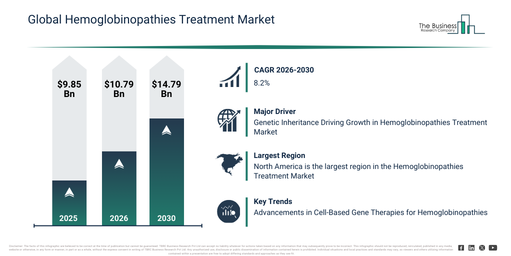
    The hemoglobinopathies treatment market size has experienced robust expansion in recent years. This market is projected to expand from $9.85 billion in 2025 to $10.79 billion in 2026, demonstrating a compound annual growth rate (CAGR) of 9.6%. Historically, this growth was driven by factors such as enhanced survival rates among thalassemia patients, the increased accessibility of blood transfusion services, the establishment of more specialized treatment centers, the rising adoption of iron chelation therapy, and a heightened understanding of genetic disorders.

    The hemoglobinopathies treatment market is projected to undergo significant expansion in the coming years. It is anticipated to grow to $14.79 billion by 2030, achieving a compound annual growth rate (CAGR) of 8.2%. The expected growth during this forecast period stems from factors such as increasing approvals of gene editing therapies, rising investments in research for curative treatments, the broader adoption of personalized medicine, improved access to advanced transplantation procedures, and a heightened focus on long-term disease management. Furthermore, prominent trends anticipated during this period include the increasing uptake of gene therapy-based treatments, a rise in the use of stem cell transplantation approaches, a growing emphasis on personalized treatment protocols, the expansion of advanced iron chelation therapies, and enhanced integration of digital patient monitoring.

    Download the Free Sample Report to Explore Key Market Insights:

    https://www.thebusinessresearchcompany.com/sample.aspx?id=15583&type=smp

    Which Economic Or Industry Drivers Are Impacting The Hemoglobinopathies Treatment Market?

    The anticipated expansion of genetic inheritance is set to propel the hemoglobinopathies treatment market forward. Genetic inheritance describes the process through which traits are passed from parents to their offspring via DNA during both sexual and asexual reproduction. Its significance has increased due to advancements in genetic research and technology, leading to a better comprehension of how genetic elements contribute to various diseases and ailments, including hemoglobinopathies. This genetic inheritance fuels the advancement of hemoglobinopathies treatment through enhanced targeted therapies, personalized medicine, drug development, and diagnosis. For instance, reports from October 2024 by the Cystic Fibrosis Trust, a UK-based organization assisting individuals with cystic fibrosis, indicated that approximately 11,148 cystic fibrosis (a genetic disorder) patients were recorded in 2022, a figure that climbed to 11,318 in 2023, representing a 1.5% annual rise in patient registrations. Consequently, the rising prevalence of genetic inheritance is driving the growth of the hemoglobinopathies treatment market.

    What Market Segments Are Evaluated Within The Hemoglobinopathies Treatment Market?

    The hemoglobinopathies treatment market covered in this report is segmented –

    1) By Treatment: Stem Cell Therapy, Blood Transfusion

    2) By Application: Thalassemia, Sickle Cell Anemia

    3) By Distribution Channel: Hospital Pharmacy, Online Providers, Drug Stores And Retail Pharmacy

    Subsegments:

    1) By Stem Cell Therapy: Hematopoietic Stem Cell Transplantation (Hsct), Gene Therapy For Hemoglobinopathies, Autologous Stem Cell Therapy, Allogeneic Stem Cell Transplantation, Gene Editing Techniques ( Crispr-cas9), Umbilical Cord Blood Stem Cell Therapy, Bone Marrow Transplantation

    2) By Blood Transfusion: Regular Blood Transfusion (For Anemia), Exchange Blood Transfusion, Iron Chelation Therapy Post-Transfusion, Red Blood Cell Transfusions, Leukoreduced Blood Transfusion, Emergency Blood Transfusion In Severe Cases

    What Key Trends Are Influencing The Development Of The Hemoglobinopathies Treatment Market?

    Leading companies in the hemoglobinopathies treatment market are developing cell-based gene therapies with the goal of offering potentially curative solutions for individuals afflicted by these genetic conditions. Cell-based gene therapies for hemoglobinopathies demonstrate the potential to rectify the underlying genetic defects, possibly delivering long-term or complete cures, lessening symptoms and associated complications, and improving treatment pathways for affected patients. As an illustration, in December 2023, Vertex Pharmaceuticals Incorporated, a US-based biotech company, introduced Casgevy for addressing sickle cell disease (SCD) and transfusion-dependent beta thalassemia. Casgevy represents a cell-based gene therapy that employs CRISPR/Cas9 technology to edit hematopoietic stem cells from patients, thereby enhancing fetal hemoglobin production to avert red blood cell sickling. This therapy is a one-time intervention involving the collection, genetic modification, and reinfusion of the patient’s stem cells.

    Who Are The Top Market Participants Influencing The Hemoglobinopathies Treatment Market?

    Major companies operating in the hemoglobinopathies treatment market are Pfizer Inc., Sanofi S.A., Novartis AG, Bristol Myers Squibb, Vertex Pharmaceuticals Incorporated, Pharmacosmos A/S, Global Blood Therapeutics Inc., Acceleron Pharma Inc., Sangamo Therapeutics Inc., Gamida Cell Ltd., Beam Therapeutics, Intellia Therapeutics, Orchard Therapeutics plc, Editas Medicine, Agios Pharmaceuticals Inc., Emmaus Life Sciences Inc., Bluebird Bio Inc., CRISPR Therapeutics AG, Bioverativ Inc., Celgene Corporation

    Read the full hemoglobinopathies treatment market report here:

    https://www.thebusinessresearchcompany.com/report/hemoglobinopathies-treatment-global-market-report

    What Are The Top-Performing Regions Within The Hemoglobinopathies Treatment Market?

    North America was the largest region in the hemoglobinopathies treatment market in 2025. Asia-Pacific is expected to be the fastest-growing region in the forecast period. The regions covered in the hemoglobinopathies treatment market report are Asia-Pacific, South East Asia, Western Europe, Eastern Europe, North America, South America, Middle East, Africa.

    Request A Tailored Hemoglobinopathies Treatment Market Research Report For Competitive Advantage:

    https://www.thebusinessresearchcompany.com/customise?id=15583&type=smp

    Browse Through More Reports Similar to the Global Hemoglobinopathies Treatment Market 2026, By The Business Research Company

    Hematology Drug Global Market Report

    https://www.thebusinessresearchcompany.com/report/hematology-drug-global-market-report

    Acquired Hemophilia Treatment Global Market Report

    https://www.thebusinessresearchcompany.com/report/acquired-hemophilia-treatment-global-market-report

    Hepatitis Therapeutics Global Market Report

    https://www.thebusinessresearchcompany.com/report/hepatitis-therapeutics-global-market-report

    Get in touch with us:

    The Business Research Company: https://www.thebusinessresearchcompany.com/

    Americas +1 310-496-7795

    Asia +44 7882 955267 & +91 8897263534

    Europe +44 7882 955267

    Email us at info@tbrc.info

    Follow us on:

    LinkedIn: https://in.linkedin.com/company/the-business-research-company

    YouTube: https://www.youtube.com/channel/UC24_fI0rV8cR5DxlCpgmyFQ

    Global Market Model: https://www.thebusinessresearchcompany.com/global-market-model
  • Hemoglobin A1c (HbA1c) Testing Market Revenue Expected to Reach $3.31 Billion by 2030 with 10.3% CAGR

    Hemoglobin A1c (HbA1c) Testing Market Revenue Expected to Reach $3.31 Billion by 2030 with 10.3% CAGR

    The Business Research Company’s 2026 market reports include new capabilities such as market attractiveness scoring and analysis, total addressable market analysis, company scoring matrix, interactive excel data dashboard, improved supply chain analysis, upcoming startups in the market, and overview of key products, aimed at improving the depth, usability, and strategic value of the insights delivered.

    How Will The Market Size Of The Hemoglobin A1c (HbA1c) Testing Market Evolve From 2026 To 2030?

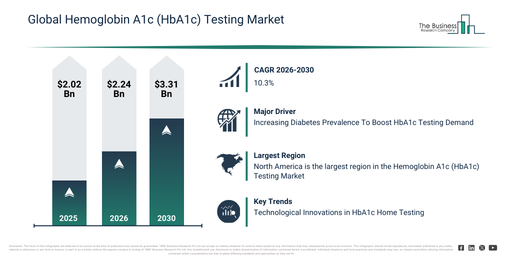
    The hemoglobin a1c (hba1c) testing market size has expanded considerably in recent years. Its valuation is anticipated to increase from $2.02 billion in 2025 to $2.24 billion in 2026, exhibiting a compound annual growth rate (CAGR) of 10.5%. Historically, this expansion has been driven by factors such as the increasing global prevalence of diabetes, a greater embrace of long-term glucose monitoring, the development of diagnostic laboratory infrastructure, enhanced awareness regarding diabetes screening, and the broader integration of hba1c as a diagnostic benchmark.

    The hemoglobin a1c (hba1c) testing market is set for substantial expansion in the coming years. It is forecast to grow to $3.31 billion by 2030, achieving a compound annual growth rate (CAGR) of 10.3%. This projected growth can be ascribed to the increasing uptake of home-based diabetes monitoring, rising investments in connected diagnostic devices, the expansion of preventive healthcare initiatives, a growing emphasis on early diabetes detection, and an increasing demand for rapid diagnostic solutions. Significant trends during the forecast period involve the increasing adoption of point-of-care hba1c testing devices, a rising demand for portable and home-use hba1c analyzers, the growing integration of wireless and connected testing solutions, the expansion of high-accuracy laboratory-based hba1c technologies, and an enhanced focus on standardization and diagnostic accuracy.

    Download the Free Sample Report to Explore Key Market Insights:

    https://www.thebusinessresearchcompany.com/sample.aspx?id=18632&type=smp

    What Major Drivers Are Influencing Demand In The Hemoglobin A1c (HbA1c) Testing Market?

    The growing occurrence of diabetes is projected to fuel the advancement of the hemoglobin A1c (HbA1c) testing market in the future. Diabetes refers to a long-term health condition characterized by the body’s inability to effectively manage blood glucose levels, stemming from either inadequate insulin production or insulin resistance. The increase in diabetes diagnoses is linked to factors such as unhealthy eating habits, particularly the significant intake of processed items and sweetened beverages, alongside inactive lifestyles marked by limited physical movement. Furthermore, an older demographic and a genetic predisposition to diabetes heighten the likelihood of developing the condition. Hemoglobin A1c (HbA1c) testing serves to track blood sugar management over an extended period in diabetic patients, by assessing the average glucose concentration over the preceding two to three months. As an illustration, figures released in June 2023 by The Lancet, a UK-headquartered organization known for publishing books and periodic data, indicate that worldwide diabetes cases are expected to climb from 529 million in 2021 to 1.3 billion by 2050. Consequently, the escalating incidence of diabetes will be a primary catalyst for the expansion of the hemoglobin A1c (HbA1c) testing market.

    Which Segment Areas Are Covered In The Hemoglobin A1c (HbA1c) Testing Market Analysis?

    The hemoglobin a1c (hba1c) testing market covered in this report is segmented –

    1) By Testing Method: Laboratory-Based Testing, Point Of Care (PoC) Testing

    2) By Product Type: Instruments, Reagents, Kits

    3) By Technology: Immunoassays, Chromatography, Enzymatic Assays, Boronate Affinity Chromatography, High Performance Liquid Chromatography

    4) By End User: Hospitals And Clinics, Diagnostic Laboratories, Homecare Settings

    Subsegments:

    1) By Laboratory-Based Testing: High-Performance Liquid Chromatography (HPLC) Testing, Ion-Exchange Chromatography, Capillary Electrophoresis

    2) By Point Of Care (PoC) Testing: Fingerstick Testing Devices, Portable Hba1c Analyzers, Handheld Hba1c Test Kits

    How Are Trends Impacting The Hemoglobin A1c (HbA1c) Testing Market?

    Major companies in the hemoglobin A1c (HbA1c) testing market are focusing on technological advancements within diagnostic testing, such as HbA1c home tests, to deliver more convenient, accurate, and accessible options for early diabetes detection and management. HbA1c home tests are at-home diagnostic kits that allow individuals to measure their average blood sugar levels over the past 2-3 months, aiding in diabetes monitoring and management. For instance, in February 2023, Hurdle Health, a US-based company dedicated to providing innovative healthcare solutions, including diagnostic tools for chronic disease management, launched its Hemoglobin A1c (HbA1c) Test. This new at-home blood sample test enables adults to screen and monitor diabetes, supporting Chronomics’ mission to improve accessibility to diagnostic testing and enhance health outcomes through direct-to-consumer solutions.

    Which Global Companies Are Actively Competing In The Hemoglobin A1c (HbA1c) Testing Market?

    Major companies operating in the hemoglobin a1c (hba1c) testing market are Roche Holding AG, Thermo Fisher Scientific Inc., Abbott Laboratories, Danaher Corporation, Siemens Healthineers, Tosoh Corporation, Hitachi High-Technologies Corporation, Beckman Coulter Inc, Sysmex Corporation, Bio Rad Laboratories Inc, ARKRAY Inc, Randox Laboratories Ltd, Ortho Clinical Diagnostics, Agappe Diagnostics Ltd, SEKISUI Diagnostics LLC, Helena Laboratories, Transasia Bio Medicals Ltd, EKF Diagnostics, Trinity Biotech plc, HemoCue AB, CPC Diagnostics Pvt Ltd, PTS Diagnostics, Menarini Diagnostics srl, Diazyme Laboratories Inc, Osang HealthCare Co Ltd, Eurolyser Diagnostica GmbH, DiaSys Diagnostic Systems GmbH

    Read the full hemoglobin a1c (hba1c) testing market report here:

    https://www.thebusinessresearchcompany.com/report/hemoglobin-a1c-hba1c-testing-global-market-report

    Which Region Shows The Strongest Potential For Future Growth In The Hemoglobin A1c (HbA1c) Testing Market?

    North America was the largest region in the hemoglobin A1c (HbA1c) testing market in 2025. Asia-Pacific is expected to be the fastest-growing region in the forecast period. The regions covered in the hemoglobin a1c (hba1c) testing market report are Asia-Pacific, South East Asia, Western Europe, Eastern Europe, North America, South America, Middle East, Africa.

    Request A Tailored Hemoglobin A1c (HbA1c) Testing Market Research Report For Competitive Advantage:

    https://www.thebusinessresearchcompany.com/customise?id=18632&type=smp

    Browse Through More Reports Similar to the Global Hemoglobin A1c (HbA1c) Testing Market 2026, By The Business Research Company

    Hemoglobin A1C Testing Devices Global Market Report

    https://www.thebusinessresearchcompany.com/report/hemoglobin-a1c-testing-devices-global-market-report

    Hemoglobin Testing Global Market Report

    https://www.thebusinessresearchcompany.com/report/hemoglobin-testing-global-market-report

    Poc Hba1C Testing Global Market Report

    https://www.thebusinessresearchcompany.com/report/poc-hba1c-testing-global-market-report

    Get in touch with us:

    The Business Research Company: https://www.thebusinessresearchcompany.com/

    Americas +1 310-496-7795

    Asia +44 7882 955267 & +91 8897263534

    Europe +44 7882 955267

    Email us at info@tbrc.info

    Follow us on:

    LinkedIn: https://in.linkedin.com/company/the-business-research-company

    YouTube: https://www.youtube.com/channel/UC24_fI0rV8cR5DxlCpgmyFQ

    Global Market Model: https://www.thebusinessresearchcompany.com/global-market-model
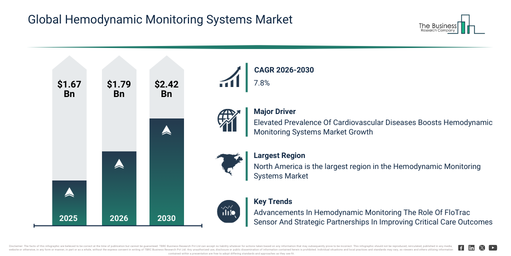
  • Global Hemodynamic Monitoring Systems Market Set for Strong Expansion Reaching $2.42 Billion by 2030 at 7.8% CAGR

    Global Hemodynamic Monitoring Systems Market Set for Strong Expansion Reaching $2.42 Billion by 2030 at 7.8% CAGR

    The Business Research Company’s 2026 market reports include new capabilities such as market attractiveness scoring and analysis, total addressable market analysis, company scoring matrix, interactive excel data dashboard, improved supply chain analysis, upcoming startups in the market, and overview of key products, aimed at improving the depth, usability, and strategic value of the insights delivered.

    What Is The Forecasted Market Value Of The Hemodynamic Monitoring Systems Market Across 2026–2030?

    The hemodynamic monitoring systems market size has experienced strong growth in recent years. It is projected to expand from $1.67 billion in 2025 to $1.79 billion in 2026, registering a compound annual growth rate (CAGR) of 7.1%. The expansion observed in the historic period can be attributed to an increasing number of critical care admissions, the expansion of intensive care units, a rising adoption of invasive monitoring techniques, technological improvements in sensor accuracy, and increased clinician awareness.

    The market for hemodynamic monitoring systems is projected to experience substantial expansion in the coming years. By 2030, this market is forecasted to reach $2.42 billion, growing at a compound annual growth rate (CAGR) of 7.8%. Factors contributing to this growth during the forecast period include a surge in demand for remote patient observation, the increasing integration of AI-powered clinical decision support, the proliferation of minimally invasive monitoring options, a heightened emphasis on prompt shock identification, and greater capital expenditure on sophisticated monitoring systems. Key developments anticipated in this period encompass the wider acceptance of non-invasive monitoring methods, the escalating incorporation of real-time data analysis, an expanding deployment of portable hemodynamic devices, the broadening scope of critical care monitoring uses, and a stronger emphasis on timely hemodynamic interventions.

    Download the Free Sample Report to Explore Key Market Insights:

    https://www.thebusinessresearchcompany.com/sample.aspx?id=13152&type=smp

    Which Market Drivers Are Supporting The Expansion Of The Hemodynamic Monitoring Systems Market?

    The increasing occurrence of cardiovascular diseases is anticipated to boost the expansion of the hemodynamic monitoring systems market in the future. These conditions specifically affect the heart and blood vessels. Hemodynamic monitoring systems provide real-time data and insights into a patient’s cardiovascular status, enabling healthcare professionals to make timely and precise interventions, optimize treatment strategies, and improve patient outcomes. For instance, in March 2024, according to the Government of the United Kingdom, a UK-based website, data for the financial year ending in 2023 indicated that slightly more than 1,862,500 people in England, representing 3% of the population, had a GP diagnosis of coronary heart disease (CHD). This elevated occurrence of cardiovascular diseases is therefore projected to stimulate the market for hemodynamic monitoring systems.

    What Segmentation Levels Are Considered In The Hemodynamic Monitoring Systems Market?

    The hemodynamic monitoring systems market covered in this report is segmented –

    1) By Product: Monitors, Consumables

    2) By Technique Type: Invasive, Non-Invasive

    3) By End-User: Hospitals, Cath Labs, Other End-Users

    Subsegments:

    1) By Monitors: Bedside Monitors, Handheld Monitors, Portable Monitors

    2) By Consumables: Catheters, Sensors, Tubing and Accessories

    What Industry Trends Are Redefining The Hemodynamic Monitoring Systems Market?

    Major companies within the hemodynamic monitoring systems market are concentrating on developing advanced solutions to improve patient outcomes, enhance accuracy in cardiovascular assessments, and enable real-time data analysis for more effective clinical decision-making in critical care environments. A notable example is the FloTrac Sensor, a minimally invasive device designed for continuous hemodynamic monitoring in critically ill patients. It provides real-time measurements of cardiac output and other vital hemodynamic parameters through arterial waveform analysis via a standard arterial catheter. For instance, in June 2023, Mindray Medical International Ltd, a China-based company, in partnership with Edwards Lifesciences, a US-based company, introduced a hemodynamic monitoring solution that incorporates the FloTrac™ sensor, connecting to an arterial line. This sensor automatically calculates crucial hemodynamic parameters like Cardiac Output (CO), Stroke Volume (SV), Stroke Volume Variation (SVV), Systemic Vascular Resistance (SVR), and Mean Arterial Pressure (MAP) every 20 seconds. Mindray’s BeneVision N series patient monitors provide the platform for this integration.

    Which Leading Firms Are Contributing To The Growth Of The Hemodynamic Monitoring Systems Market?

    Major companies operating in the hemodynamic monitoring systems market are Abbott Laboratories, Medtronic Plc., Siemens Healthineers AG, Koninklijke Philips N.V., GE HealthCare Technologies Inc., Baxter International Inc., CNSystems Medizintechnik GmbH, Edwards Lifesciences Corporation, Drägerwerk AG & Co. KGaA, Getinge AB, ICU Medical Inc., Masimo Corporation, N.I. Medical Ltd., Nihon Kohden Corporation, Deltex Medical Group plc, CareTaker Medical, Osypka Medical GmbH, Cnoga Digital Care, Tensys Medical Inc., Uscom Limited, Shenzhen Keman Medical Equipment Co. Ltd., Schwarzer Cardiotek GmbH, EMTEL Sliwa sp. k.

    Read the full hemodynamic monitoring systems market report here:

    https://www.thebusinessresearchcompany.com/report/hemodynamic-monitoring-systems-global-market-report

    How Is The Hemodynamic Monitoring Systems Market Distributed Across Key Geographic Regions?

    North America was the largest region in the hemodynamic monitoring systems market in 2025. The regions covered in the hemodynamic monitoring systems market report are Asia-Pacific, South East Asia, Western Europe, Eastern Europe, North America, South America, Middle East, Africa.

    Request A Tailored Hemodynamic Monitoring Systems Market Research Report For Competitive Advantage:

    https://www.thebusinessresearchcompany.com/customise?id=13152&type=smp

    Browse Through More Reports Similar to the Global Hemodynamic Monitoring Systems Market 2026, By The Business Research Company

    Home Health Monitoring Devices Global Market Report

    https://www.thebusinessresearchcompany.com/report/home-health-monitoring-devices-global-market-report

    Hemostasis Diagnostic Devices And Equipment Global Market Report

    https://www.thebusinessresearchcompany.com/report/hemostasis-diagnostic-devices-and-equipment-global-market-report

    Cardiovascular Monitoring And Diagnostic Devices And Equipment Global Market Report

    https://www.thebusinessresearchcompany.com/report/cardiovascular-monitoring-and-diagnostic-devices-and-equipment-global-market-report

    Get in touch with us:

    The Business Research Company: https://www.thebusinessresearchcompany.com/

    Americas +1 310-496-7795

    Asia +44 7882 955267 & +91 8897263534

    Europe +44 7882 955267

    Email us at info@tbrc.info

    Follow us on:

    LinkedIn: https://in.linkedin.com/company/the-business-research-company

    YouTube: https://www.youtube.com/channel/UC24_fI0rV8cR5DxlCpgmyFQ

    Global Market Model: https://www.thebusinessresearchcompany.com/global-market-model
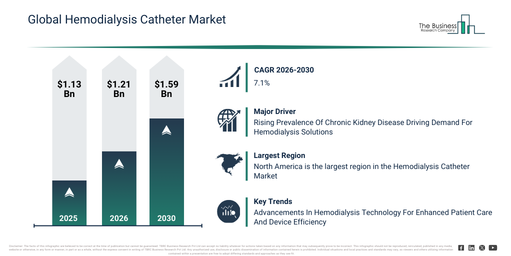
  • Hemodialysis Catheter Market Growth Expected to Reach $1.59 Billion by 2030 with 7.1% CAGR

    Hemodialysis Catheter Market Growth Expected to Reach $1.59 Billion by 2030 with 7.1% CAGR

    The Business Research Company’s 2026 market reports include new capabilities such as market attractiveness scoring and analysis, total addressable market analysis, company scoring matrix, interactive excel data dashboard, improved supply chain analysis, upcoming startups in the market, and overview of key products, aimed at improving the depth, usability, and strategic value of the insights delivered.

    What Market Size Increase Is Anticipated For The Hemodialysis Catheter Market Over The 2026–2030 Period?

    The hemodialysis catheter market size has shown strong growth in recent years. It is anticipated to expand from $1.13 billion in 2025 to $1.21 billion in 2026, at a compound annual growth rate (CAGR) of 7.4%. The growth observed during the historic period can be attributed to the increasing prevalence of chronic kidney disease, the expansion of dialysis centers, the rising use of central venous access, improvements in catheter materials, and a growing demand for long-term dialysis solutions.

    The hemodialysis catheter market size is projected to experience substantial growth in the upcoming years. It is forecast to expand to $1.59 billion by 2030, achieving a compound annual growth rate (CAGR) of 7.1%. This expansion during the forecast period is attributed to several factors including the increasing adoption of advanced biocompatible materials, a heightened focus on reducing catheter-related infections, the broadening of home-based dialysis programs, growing investments in vascular access innovation, and an increasing demand for patient-centric designs. Major developments expected within this period involve the increasing use of antimicrobial-coated catheters, a rise in the deployment of tunneled cuffed catheters, a growing emphasis on infection prevention designs, the expansion of home dialysis access solutions, and an enhanced focus on patient comfort and safety.

    Download the Free Sample Report to Explore Key Market Insights:

    https://www.thebusinessresearchcompany.com/sample.aspx?id=20830&type=smp

    What Underlying Factors Are Accelerating The Growth Of The Hemodialysis Catheter Market?

    The increasing occurrence of chronic kidney disease (CKD) is anticipated to propel the expansion of the hemodialysis catheters market in the future. Chronic kidney disease (CKD) describes a progressive reduction in kidney function, frequently resulting from conditions such as diabetes, high blood pressure, and inherited predispositions. The incidence of chronic kidney disease (CKD) is escalating, attributable to an aging demographic, poor lifestyle decisions, and the growing prevalence of diabetes and hypertension. Hemodialysis catheters play a crucial role by offering vascular access for individuals with chronic kidney disease needing prolonged renal replacement therapy. As an illustration, data from February 2024, released by Kidney Research UK, a UK-based government agency, indicates that approximately 3.25 million individuals in the UK are living with chronic kidney disease (CKD) stages 3-5. This figure is forecast to rise to 3.9 million by 2033. Consequently, the increasing prevalence of chronic kidney disease (CKD) is stimulating the growth within the hemodialysis catheters market.

    How Is The Hemodialysis Catheter Market Segmented Across Key Categories?

    The hemodialysis catheter market covered in this report is segmented –

    1) By Product: Cuffed Tunneled Catheter, Non-Cuffed Tunneled Catheters, Non-tunneled Catheters

    2) By Tip Configuration: Step-Tip Catheters, Split-Tip Catheters, Symmetric Catheters

    3) By Material: Silicone, Carbothane, Polyurethane

    4) By End-User: Dialysis Centers, Hospitals, Other End Users

    Subsegments:

    1) By Cuffed Tunneled Catheter: Single Lumen Cuffed Tunneled Catheter, Double Lumen Cuffed Tunneled Catheter

    2) By Non-Cuffed Tunneled Catheters: Single Lumen Non-Cuffed Tunneled Catheter, Double Lumen Non-Cuffed Tunneled Catheter

    3) By Non-Tunneled Catheters: Single Lumen Non-Tunneled Catheter, Double Lumen Non-Tunneled Catheter

    What Key Developments And Trends Are Impacting The Hemodialysis Catheter Market?

    Leading firms in the hemodialysis catheters market are concentrating on creating cutting-edge technologies, including multi-mechanism hemodialysis, with the goal of improving patient results, boosting catheter effectiveness, lowering issues like infections or clotting, and prolonging the useful life of these devices. This multi-mechanism approach to hemodialysis utilizes catheters featuring integrated capabilities like enhanced flow, prevention of clots, and resistance to infection, thereby boosting the efficiency and safety of treatment. As an illustration, during April 2023, Becton, Dickinson and Company, a US-based producer of medical devices, obtained Food and Drug Administration (FDA) 510(k) clearance for their Aspirex mechanical aspiration thrombectomy system, equipped with 6- and 8-F catheters, intended for addressing acute emboli and thrombi within hemodialysis access sites such as arteriovenous grafts (AVGs) and fistulas (AVFs). The Aspirex system operates using a three-in-one mechanism, integrating clot aspiration, continuous maceration to avert clogging, and mechanical transportation for effective clot removal. This particular system seeks to reinstate patency in thrombosed AVGs or AVFs, thereby supporting crucial hemodialysis for individuals suffering from end-stage kidney disease.

    Who Are The Dominant Players Shaping The Hemodialysis Catheter Market Landscape?

    Major companies operating in the hemodialysis catheter market are Medtronic plc, Fresenius Medical Care AG & Co. KGaA, Toray Industries Inc., Becton Dickinson and Company, Baxter International Inc., Nipro Corporation, Teleflex Incorporated, Cook Medical Incorporated, Asahi Kasei Medical Co. Ltd., Nikkiso Co. Ltd., Merit Medical System Inc., JMS Co. Ltd., AngioDynamics Inc., B. Braun Melsungen AG, Medikit Co. Ltd., Kawasumi Laboratories Inc., Amecath, Mais India Medical Devices Pvt. Ltd., Browndove Healthcare Private Limited, Duomed Ltd.

    Read the full hemodialysis catheter market report here:

    https://www.thebusinessresearchcompany.com/report/hemodialysis-catheter-global-market-report

    Which Region Is Projected To Dominate The Hemodialysis Catheter Market During The Forecast Period?

    North America was the largest region in the hemodialysis catheter market in 2025. Asia-Pacific is expected to be the fastest-growing region in the forecast period. The regions covered in the hemodialysis catheter market report are Asia-Pacific, South East Asia, Western Europe, Eastern Europe, North America, South America, Middle East, Africa.

    Request A Tailored Hemodialysis Catheter Market Research Report For Competitive Advantage:

    https://www.thebusinessresearchcompany.com/customise?id=20830&type=smp

    Browse Through More Reports Similar to the Global Hemodialysis Catheter Market 2026, By The Business Research Company

    Hemodialysis Global Market Report

    https://www.thebusinessresearchcompany.com/report/hemodialysis-global-market-report

    Urinary Catheters Global Market Report

    https://www.thebusinessresearchcompany.com/report/urinary-catheters-global-market-report

    Catheters Global Market Report

    https://www.thebusinessresearchcompany.com/report/catheters-global-market-report

    Get in touch with us:

    The Business Research Company: https://www.thebusinessresearchcompany.com/

    Americas +1 310-496-7795

    Asia +44 7882 955267 & +91 8897263534

    Europe +44 7882 955267

    Email us at info@tbrc.info

    Follow us on:

    LinkedIn: https://in.linkedin.com/company/the-business-research-company

    YouTube: https://www.youtube.com/channel/UC24_fI0rV8cR5DxlCpgmyFQ

    Global Market Model: https://www.thebusinessresearchcompany.com/global-market-model
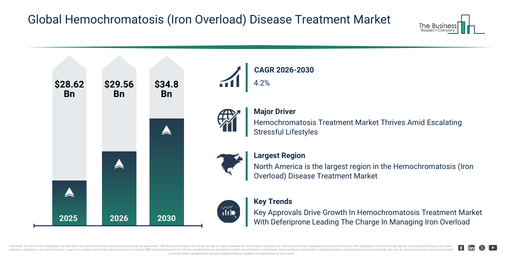
  • Hemochromatosis (Iron Overload) Disease Treatment Market Forecast 2026–2035 Reflecting Expansion Opportunities Across Industries

    Hemochromatosis (Iron Overload) Disease Treatment Market Forecast 2026–2035 Reflecting Expansion Opportunities Across Industries

    The Business Research Company’s 2026 market reports include new capabilities such as market attractiveness scoring and analysis, total addressable market analysis, company scoring matrix, interactive excel data dashboard, improved supply chain analysis, upcoming startups in the market, and overview of key products, aimed at improving the depth, usability, and strategic value of the insights delivered.

    How Much Is The Hemochromatosis (Iron Overload) Disease Treatment Market Expected To Grow In Terms Of Market Value Between 2026 And 2030?

    The hemochromatosis (iron overload) disease treatment market size has demonstrated consistent expansion over the last few years. This market is projected to expand from $28.62 billion in 2025 to $29.56 billion in 2026, exhibiting a compound annual growth rate (CAGR) of 3.3%. Historically, this expansion has stemmed from improved recognition of hereditary iron overload, expansion of diagnostic testing availability, increased use of phlebotomy as standard care, rising clinical awareness, and the availability of chelation therapies.

    The hemochromatosis (iron overload) disease treatment market size is anticipated to experience consistent growth over the next few years. It is projected to expand to $34.8 billion in 2030, achieving a compound annual growth rate (CAGR) of 4.2%. This growth in the forecast period is primarily driven by the increasing adoption of personalized treatment strategies, a rising demand for non-invasive monitoring tools, the expansion of genetic counseling services, a growing emphasis on early intervention, and increasing research into novel therapies. Key developments expected in the forecast period include a heightened focus on early genetic screening, the rising adoption of therapeutic phlebotomy protocols, the growing use of iron chelation therapies, an expansion of disease awareness programs, and an enhanced focus on long-term disease management.

    Download the Free Sample Report to Explore Key Market Insights:

    https://www.thebusinessresearchcompany.com/sample.aspx?id=13151&type=smp

    Which Growth Drivers Are Contributing To The Progress Of The Hemochromatosis (Iron Overload) Disease Treatment Market?

    An escalating stressful lifestyle is projected to stimulate the growth of the hemochromatosis (iron overload) disease treatment market going forward. Stressful living conditions significantly impact a person’s physical and mental health, and prolonged exposure to high-stress levels can lead to a range of health issues, including hemochromatosis (iron overload) disease. The treatment of hemochromatosis, a condition characterized by iron overload in the body, not only addresses the physical aspects of the disease but also plays a vital role in alleviating the emotional and psychological stress that often accompanies managing a chronic health condition. For example, in November 2025, according to the American Psychiatric Association, a US-based professional organization of psychiatrists and trainee psychiatrists, among U.S. adults, 41% report expecting more stress related to the holidays this year than last year, a notable increase over 2024 (28%) and 2023 (29%). Therefore, the increase in stressful lifestyles drives the hemochromatosis (iron overload) disease treatment market.

    What Major Segment Divisions Exist Within The Hemochromatosis (Iron Overload) Disease Treatment Market?

    The hemochromatosis (iron overload) disease treatment market covered in this report is segmented –

    1) By Type: Hereditary Hemochromatosis, Acquired Hemochromatosis

    2) By Treatment: Therapeutic Phlebotomy, Iron Chelation Therapy, Other Treatments

    3) By End-Users: Hospitals, Surgical Centers, Other End-Users

    Subsegments:

    1) By Hereditary Hemochromatosis: Genetic Counseling, Phlebotomy, Chelation Therapy

    2) By Acquired Hemochromatosis: Treatment Of Underlying Conditions, Phlebotomy, Chelation Therapy

    What Trends Are Projected To Affect The Hemochromatosis (Iron Overload) Disease Treatment Market?

    Leading companies within the hemochromatosis (iron overload) disease treatment market are obtaining approvals for medications like deferiprone, which are designed for patients experiencing transfusional iron overload to assist in reducing excess iron levels in the body and preventing issues such as organ damage stemming from iron accumulation. Deferiprone is a medication utilized to address iron overload in individuals who have received multiple blood transfusions, frequently observed in conditions like thalassemia, sickle cell anemia, or other chronic anemias. As an illustration, in March 2023, Chiesi Global Rare Diseases Inc, a US-based entity, declared the approval of FERRIPROX MR (deferiprone) extended-release tablets in Canada. FERRIPROX MR is indicated for managing transfusional iron overload in patients with thalassemia syndromes when current chelation therapy is insufficient, and for those with sickle cell disease (SCD) or other forms of anemia. Functioning as an orally active iron-chelating agent, deferiprone effectively diminishes iron concentration in the body by permeating cell membranes and binding to surplus iron, thereby aiding its removal from organs and tissues.

    Which Companies Are Leading Innovation In The Hemochromatosis (Iron Overload) Disease Treatment Market?

    Major companies operating in the hemochromatosis (iron overload) disease treatment market are Pfizer Inc., AbbVie Inc., Novartis AG, Merck KGaA, Sanofi SA, Takeda Pharmaceutical Company Limited, Bayer AG, GlaxoSmithKline plc, Roche Holding AG, Abbott Laboratories, Fresenius Kabi AG, Apotex Inc., Teva Pharmaceutical Industries Ltd., Recordati S.p.A., Chiesi Farmaceutici S.p.A., Ionis Pharmaceuticals Inc., Silence Therapeutics, DisperSol Technologies LLC., Hinoman Ltd., Pharmacosmos A/S

    Read the full hemochromatosis (iron overload) disease treatment market report here:

    https://www.thebusinessresearchcompany.com/report/hemochromatosis-iron-overload-disease-treatment-global-market-report

    What Are The Leading Geographic Regions In The Hemochromatosis (Iron Overload) Disease Treatment Market?

    North America was the largest region in the hemochromatosis (Iron Overload) disease treatment market in 2025. The regions covered in the hemochromatosis (iron overload) disease treatment market report are Asia-Pacific, South East Asia, Western Europe, Eastern Europe, North America, South America, Middle East, Africa.

    Request A Tailored Hemochromatosis (Iron Overload) Disease Treatment Market Research Report For Competitive Advantage:

    https://www.thebusinessresearchcompany.com/customise?id=13151&type=smp

    Browse Through More Reports Similar to the Global Hemochromatosis (Iron Overload) Disease Treatment Market 2026, By The Business Research Company

    Iron Deficiency Injectable Global Market Report

    https://www.thebusinessresearchcompany.com/report/iron-deficiency-injectable-global-market-report

    Hemostasis Products Global Market Report

    https://www.thebusinessresearchcompany.com/report/hemostasis-products-global-market-report

    Hematology Drug Global Market Report

    https://www.thebusinessresearchcompany.com/report/hematology-drug-global-market-report

    Get in touch with us:

    The Business Research Company: https://www.thebusinessresearchcompany.com/

    Americas +1 310-496-7795

    Asia +44 7882 955267 & +91 8897263534

    Europe +44 7882 955267

    Email us at info@tbrc.info

    Follow us on:

    LinkedIn: https://in.linkedin.com/company/the-business-research-company

    YouTube: https://www.youtube.com/channel/UC24_fI0rV8cR5DxlCpgmyFQ

    Global Market Model: https://www.thebusinessresearchcompany.com/global-market-model
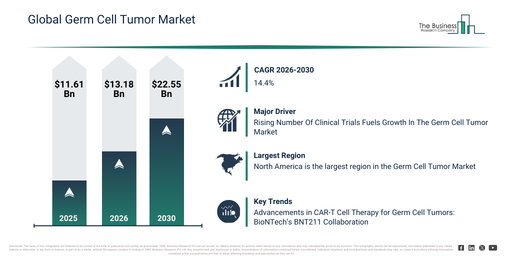
  • A significant industry trend in the Germ Cell Tumor Market includes the Advancements in CAR‑T Cell Therapy for Germ Cell Tumors: BioNTech’s BNT211 Collaboration

    A significant industry trend in the Germ Cell Tumor Market includes the Advancements in CAR‑T Cell Therapy for Germ Cell Tumors: BioNTech’s BNT211 Collaboration

    The Business Research Company’s 2026 market reports include new capabilities such as market attractiveness scoring and analysis, total addressable market analysis, company scoring matrix, interactive excel data dashboard, improved supply chain analysis, upcoming startups in the market, and overview of key products, aimed at improving the depth, usability, and strategic value of the insights delivered.

    How Much Is The Germ Cell Tumor Market Expected To Grow In Terms Of Market Value Between 2026 And 2030?

    The germ cell tumor market has seen a rapid increase in size over recent years. Its valuation is anticipated to climb from $11.61 billion in 2025 to $13.18 billion in 2026, at a compound annual growth rate (CAGR) of 13.5%. The historical expansion of this market can be linked to improvements in oncology chemotherapy, better cancer diagnostic methods, the creation of oncology centers, increased awareness regarding testicular cancer, and the broader scope of clinical trials.

    The market for germ cell tumors is projected to experience swift expansion over the coming years. This market is forecast to reach $22.55 billion by 2030, exhibiting a compound annual growth rate (CAGR) of 14.4%. This anticipated growth during the forecast period is primarily driven by factors such as the advancement of targeted therapies, increased embrace of immunotherapy, ongoing research in precision oncology, the widening of cancer treatment facilities, and enhancements in screening methods. Key trends expected over this period encompass a surge in the application of combination chemotherapy regimens, a greater uptake of immunotherapy strategies, an intensified focus on diagnosing tumors early, the broadening of treatment options for pediatric germ cell tumors, and better survival rates resulting from multimodal care.

    Download the Free Sample Report to Explore Key Market Insights:

    https://www.thebusinessresearchcompany.com/sample.aspx?id=13249&type=smp

    Which Growth Drivers Are Contributing To The Progress Of The Germ Cell Tumor Market?

    The increasing number of clinical trials is anticipated to drive the expansion of the germ cell tumor market moving forward. These trials are meticulously designed research investigations involving human participants, intended to evaluate the safety, effectiveness, and potential advantages of new medical interventions, treatments, therapies, or procedures. Clinical trials hold significant importance in the study of germ-cell cancers, assisting in the assessment of novel medicine efficacy and safety, and offering valuable insights into current treatment methodologies. For instance, in May 2023, Xtalks, a Canada-based digital health company, reported that 452,604 registered clinical trials were listed globally on ClinicalTrials.gov, with 64,838 actively recruiting participants as of May 2023. Consequently, the rising volume of clinical trials is fueling the growth of the germ cell tumor market. The increasing prevalence of cancer is expected to propel the growth of the germ cell tumor market in the future. Cancer describes a collection of diseases characterized by the unrestrained multiplication and dissemination of abnormal cells, frequently forming tumors that can invade surrounding tissues and spread to other parts of the body. The principal treatment for germ cell tumors entails the surgical removal of the tumor, followed by chemotherapy to target any residual cancer cells. For example, in 2023, the American Cancer Society Inc., a US-based non-profit health group, projected 1,958,310 new cancer cases to be diagnosed in the US, a rise from 1,918,030 new cancer cases in 2022. Therefore, the growing prevalence of cancer is driving the expansion of the germ cell tumor market.

    What Major Segment Divisions Exist Within The Germ Cell Tumor Market?

    The germ cell tumor market covered in this report is segmented –

    1) By Disease: Testicular, Ovarian, Other Diseases

    2) By Treatment Type: Chemotherapy, Immunotherapy

    3) By Route Of Administration: Oral, Intravenous, Intraperitoneal

    4) By End User: Hospitals And Clinics, Research Institutes, Other End Users

    Subsegments:

    1) By Testicular: Seminomas, Non-Seminomas

    2) By Ovarian: Dysgerminoma, Non-Dysgerminomatous Germ Cell Tumors

    3) By Other Diseases: Extragonadal Germ Cell Tumors, Germ Cell Tumors In Children

    Which Trends Are Impacting The Growth Of The Germ Cell Tumor Market?

    Leading companies in the germ cell tumor market are concentrating on advancements such as CAR T cell therapies. CAR T cell therapy represents an advanced immunotherapy where a patient’s own T cells, a type of immune cell, are genetically engineered to express chimeric antigen receptors (CARs) capable of specifically recognizing and binding to cancer cells. Once these modified T cells are reintroduced into the patient’s body, they actively seek out and destroy targeted tumor cells. For instance, in March 2025, BioNTech SE, a Germany-based biotechnology company focused on developing innovative immunotherapies, initiated a collaboration with Autolus Therapeutics plc, a UK-based biopharmaceutical company. This partnership aims to advance BNT211, a CAR T therapy specifically targeting CLDN6-positive solid tumors, which includes germ cell tumors. The collaboration intends to accelerate the development of personalized CAR T treatments for patients with germ cell malignancies by leveraging BioNTech’s expertise in RNA-based and cell therapies. This alliance combines cutting-edge cellular therapy technology with targeted oncology research, potentially offering new therapeutic options for patients who currently have limited treatment choices.

    Which Companies Are Leading Innovation In The Germ Cell Tumor Market?

    Major companies operating in the germ cell tumor market are Johnson & Johnson, Pfizer Inc., F. Hoffmann-La Roche AG, AbbVie Inc., Bayer AG, Novartis AG, Merck & Co. Inc., Bristol-Myers Squibb Company, Fresenius Kabi Oncology Limited, Sanofi S.A., AstraZeneca plc, Ipsen Pharma, Takeda Pharmaceutical Company Limited, Eli Lilly and Company, Regeneron Pharmaceuticals Inc., Sandoz International GmbH, Daiichi Sankyo Co. Ltd., Jazz Pharmaceuticals plc, Ono Pharmaceutical Co. Ltd., Kyowa Hakko Kirin Co. Ltd., Mallinckrodt Pharmaceuticals, Taiho Pharmaceutical Co. Ltd., Accord Healthcare Limited, Spectrum Pharmaceuticals Inc., Ziopharm Oncology Inc.

    Read the full germ cell tumor market report here:

    https://www.thebusinessresearchcompany.com/report/germ-cell-tumor-global-market-report

    What Are The Leading Geographic Regions In The Germ Cell Tumor Market?

    North America was the largest region in the germ cell tumors market in 2025. Asia-Pacific is expected to be the fastest-growing region in the forecast period. The regions covered in the germ cell tumor market report are Asia-Pacific, South East Asia, Western Europe, Eastern Europe, North America, South America, Middle East, Africa.

    Request A Tailored Germ Cell Tumor Market Research Report For Competitive Advantage:

    https://www.thebusinessresearchcompany.com/customise?id=13249&type=smp

    Browse Through More Reports Similar to the Global Germ Cell Tumor Market 2026, By The Business Research Company

    Alzheimers Drugs Global Market Report

    https://www.thebusinessresearchcompany.com/report/alzheimers-drugs-global-market-report

    Geriatric Care Services Global Market Report

    https://www.thebusinessresearchcompany.com/report/geriatric-care-services-global-market-report

    Geriatric Medicines Global Market Report

    https://www.thebusinessresearchcompany.com/report/geriatric-medicines-global-market-report

    Get in touch with us:

    The Business Research Company: https://www.thebusinessresearchcompany.com/

    Americas +1 310-496-7795

    Asia +44 7882 955267 & +91 8897263534

    Europe +44 7882 955267

    Email us at info@tbrc.info

    Follow us on:

    LinkedIn: https://in.linkedin.com/company/the-business-research-company

    YouTube: https://www.youtube.com/channel/UC24_fI0rV8cR5DxlCpgmyFQ

    Global Market Model: https://www.thebusinessresearchcompany.com/global-market-model
  • A key trend shaping the Geriatric Medicines Market involves the Innovative Diabetes Therapies Addressing The Needs Of The Aging Population

    A key trend shaping the Geriatric Medicines Market involves the Innovative Diabetes Therapies Addressing The Needs Of The Aging Population

    The Business Research Company’s 2026 market reports include new capabilities such as market attractiveness scoring and analysis, total addressable market analysis, company scoring matrix, interactive excel data dashboard, improved supply chain analysis, upcoming startups in the market, and overview of key products, aimed at improving the depth, usability, and strategic value of the insights delivered.

    What Market Value Is Expected For The Geriatric Medicines Market At The End Of The 2026–2030 Forecast Period?

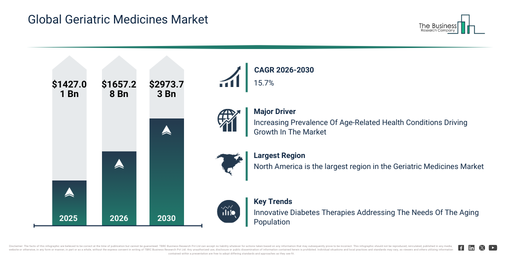
    The geriatric medicines market has shown significant growth in recent years. Its valuation is predicted to rise from $1427.01 billion in 2025 to $1657.28 billion in 2026, at a compound annual growth rate (CAGR) of 16.1%. The expansion observed historically can be attributed to the growing aging population, an uptick in chronic diseases, the proliferation of hospital pharmacies, early innovations in geriatric drug development, and a rise in life expectancy.

    The geriatric medicines market is anticipated to experience substantial growth in the coming years. It is projected to reach $2973.73 billion by 2030, progressing at a compound annual growth rate (CAGR) of 15.7%. This expansion during the forecast period is primarily driven by factors such as the increasing elderly population, the development of safer formulations, the expansion of online pharmacies, a focus on personalized geriatric care, and rising healthcare expenditure. Major trends expected in this period include a growing demand for polypharmacy management, an increased emphasis on age-specific drug formulations, the rising use of cognitive health medications, the expansion of chronic disease drug therapies, and improved medication adherence solutions.

    Download the Free Sample Report to Explore Key Market Insights:

    https://www.thebusinessresearchcompany.com/sample.aspx?id=20817&type=smp

    What Primary Drivers Are Shaping The Development Of The Geriatric Medicines Market?

    The geriatric medicines market is projected to experience growth due to the escalating prevalence of age-related health conditions. These health conditions are characterized by an increase in their frequency or intensity with advancing age, resulting from the aging process itself. Key factors contributing to this rising prevalence include longer life expectancies, advancements in healthcare, and a general aging of the population. Geriatric medicines are essential for managing these conditions, offering specialized treatments to older adults that improve their quality of life and health outcomes. For example, in April 2025, the Centers for Disease Control and Prevention, a US-based government public health agency, reported that in 2023, approximately 194 million American adults, comprising 6 in 10 young adults, 8 in 10 midlife adults, and 9 in 10 older adults, had 1 or more conditions. Notably, the prevalence of chronic conditions among young adults increased by 7.0 percentage points. Hence, the growing occurrence of age-related health conditions is a significant impetus for the geriatric medicines market.

    What Segment Types Make Up The Geriatric Medicines Market?

    The geriatric medicines market covered in this report is segmented –

    1) By Therapeutics: Analgesics, Antihypertensive, Statins, Proton Pump Inhibitors, Anticoagulant, Antipsychotic, Other Therapeutics

    2) By Condition: Cardiovascular, Arthritis, Neurological, Cancer, Osteoporosis, Respiratory, Other Conditions

    3) By Route Of Administration: Oral, Parenteral, Other Routes Of Administration

    4) By Distribution Channel: Hospital Pharmacy, Retail Pharmacy, Online Pharmacy

    Subsegments:

    1) By Analgesics: Non-Opioid Analgesics (Acetaminophen, NSAIDs), Opioid Analgesics (Morphine, Oxycodone), Topical Analgesics (Lidocaine Patches)

    2) By Antihypertensive: Angiotensin-Converting Enzyme (ACE) Inhibitors, Angiotensin II Receptor Blockers (ARBs), Beta-Blockers, Calcium Channel Blockers, Diuretics, Alpha-Blockers

    3) By Statins: Atorvastatin, Simvastatin, Rosuvastatin, Pravastatin, Lovastatin

    4) By Proton Pump Inhibitors: Omeprazole, Esomeprazole, Lansoprazole, Pantoprazole, Rabeprazole

    5) By Anticoagulant: Warfarin, Direct Oral Anticoagulants (DOACs): Dabigatran, Rivaroxaban, Apixaban, Heparin

    6) By Antipsychotic: Atypical Antipsychotics, Typical Antipsychotics

    7) By Other Therapeutics: Antidepressants (SSRIs, SNRIs), Antidiabetic Medications (Insulin, Metformin), Anticonvulsants, Anti-Inflammatory Drugs (Corticosteroids), Cognitive Enhancers (Donepezil, Memantine)

    What Major Market Trends Are Driving Changes In The Geriatric Medicines Market?

    Leading companies operating within the geriatric medicines market are prioritizing the development of innovative diabetes therapies to meet the escalating demand for effective solutions among the aging population. Such diabetes therapy encompasses novel treatments that improve diabetes management or offer potential cures, thereby surpassing traditional methods and enhancing efficacy, safety, and patient outcomes. As an illustration, in August 2023, Akums Drugs & Pharmaceuticals Ltd., an India-based contract manufacturing pharmaceutical company, announced the introduction of a new combination therapy featuring Vildagliptin SR and Metformin SR. This advanced formulation is specifically engineered to manage Type 2 diabetes in elderly patients. It aims to deliver effective glycemic control while minimizing critical concerns like hypoglycemia and weight gain, which are especially important for this demographic. By combining the mechanisms of both drugs, the therapy boosts insulin secretion and effectively lowers blood sugar levels, ensuring both safety and efficacy. The product has obtained regulatory approval from the Drug Controller General of India (DCGI).

    Who Are The Key Players Driving Competition In The Geriatric Medicines Market?

    Major companies operating in the geriatric medicines market are Pfizer Inc., Merck & Co. Inc., AbbVie Inc., Sanofi S.A., Bristol-Myers Squibb Company, Novartis AG, F. Hoffmann-La Roche AG, GlaxoSmithKline plc, Eli Lilly and Company, Viatris Inc., Teva Pharmaceutical Industries Ltd., Boehringer Ingelheim GmbH, Regeneron Pharmaceuticals Inc., Macleods Pharmaceuticals Ltd., Apotex Inc., Intas Pharmaceuticals Limited, Dr. Reddy’s Laboratories, Lupin Limited, Biocon Limited, Torrent Pharmaceuticals Ltd., Endo Pharmaceuticals Inc.

    Read the full geriatric medicines market report here:

    https://www.thebusinessresearchcompany.com/report/geriatric-medicines-global-market-report

    How Does The Geriatric Medicines Market Perform Across Major Global Regions?

    North America was the largest region in the geriatric medicines market in 2025. Asia-Pacific is expected to be the fastest-growing region in the forecast period. The regions covered in the geriatric medicines market report are Asia-Pacific, South East Asia, Western Europe, Eastern Europe, North America, South America, Middle East, Africa.

    Request A Tailored Geriatric Medicines Market Research Report For Competitive Advantage:

    https://www.thebusinessresearchcompany.com/customise?id=20817&type=smp

    Browse Through More Reports Similar to the Global Geriatric Medicines Market 2026, By The Business Research Company

    Elderly Care Services Global Market Report

    https://www.thebusinessresearchcompany.com/report/elderly-care-services-global-market-report

    Elderly Care Global Market Report

    https://www.thebusinessresearchcompany.com/report/elderly-care-global-market-report

    Geriatric Medicines Global Market Report

    https://www.thebusinessresearchcompany.com/report/geriatric-medicines-global-market-report

    Get in touch with us:

    The Business Research Company: https://www.thebusinessresearchcompany.com/

    Americas +1 310-496-7795

    Asia +44 7882 955267 & +91 8897263534

    Europe +44 7882 955267

    Email us at info@tbrc.info

    Follow us on:

    LinkedIn: https://in.linkedin.com/company/the-business-research-company

    YouTube: https://www.youtube.com/channel/UC24_fI0rV8cR5DxlCpgmyFQ

    Global Market Model: https://www.thebusinessresearchcompany.com/global-market-model
  • An Important Factor Driving the Geriatric Care Services Market Is the Growing Prevalence Of Chronic Diseases Driving The Geriatric Care Services Market

    An Important Factor Driving the Geriatric Care Services Market Is the Growing Prevalence Of Chronic Diseases Driving The Geriatric Care Services Market

    The Business Research Company’s 2026 market reports include new capabilities such as market attractiveness scoring and analysis, total addressable market analysis, company scoring matrix, interactive excel data dashboard, improved supply chain analysis, upcoming startups in the market, and overview of key products, aimed at improving the depth, usability, and strategic value of the insights delivered.

    What Is The Estimated Market Size Of The Geriatric Care Services Market During 2026–2030?

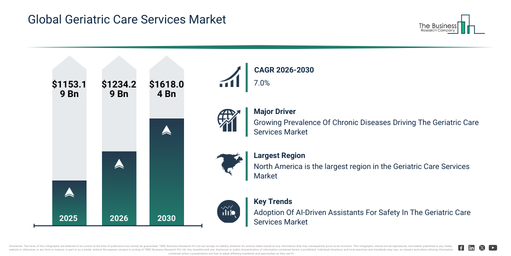
    The market for geriatric care services has experienced robust expansion in recent times. It is projected to increase from $1153.19 billion in 2025 to $1234.29 billion in 2026, demonstrating a compound annual growth rate (CAGR) of 7.0%. The historical growth can be attributed to factors such as aging population growth, increased life expectancy, family structure changes, early homecare services adoption, and healthcare infrastructure expansion.

    The geriatric care services market is projected to experience robust expansion in the coming years. It is anticipated to reach $1618.04 billion by 2030, demonstrating a compound annual growth rate (CAGR) of 7.0%. This expansion during the forecast period is fueled by several factors, including an increase in the elderly population, the adoption of digital health tools, a growing demand for personalized elderly care, the proliferation of assisted living communities, and various government initiatives supporting senior care. Key developments anticipated over this period encompass a surging preference for home-based elderly care, the broadening of telehealth services for older adults, a heightened emphasis on managing chronic diseases, greater utilization of assisted living facilities, and the incorporation of robust caregiver support systems.

    Download the Free Sample Report to Explore Key Market Insights:

    https://www.thebusinessresearchcompany.com/sample.aspx?id=15577&type=smp

    Which Major Factors Are Driving The Expansion Of The Geriatric Care Services Market?

    The growing incidence of chronic diseases is anticipated to drive the expansion of the geriatric care services market in the future. Chronic diseases are defined as long-term health conditions that endure for an extended duration, often necessitating ongoing management and treatment because they are typically incurable. The increase in chronic disease rates is attributable to several interconnected factors, such as an aging population, unhealthy lifestyles, and the state of healthcare accessibility and infrastructure. Geriatric care services are vital for improving the quality of life for senior citizens with long-term medical conditions, as they provide comprehensive, patient-centered care that considers their functional, psychological, and medical requirements. For instance, in April 2025, the Centers for Disease Control and Prevention, a US-based government public health agency, reported that in 2023, approximately 194 million American adults, including 6 in 10 young adults, 8 in 10 midlife adults, and 9 in 10 older adults, reported 1 or more conditions. The prevalence of chronic conditions among young adults increased by 7.0 percentage points. Therefore, the increasing prevalence of chronic diseases is a significant driver for the geriatric care services market.

    How Are The Various Segments Of The Geriatric Care Services Market Categorized?

    The geriatric care services market covered in this report is segmented –

    1) By Type: Homecare, Healthcare, Institutional Care Centers, Non-Medical Health Care, Hospital Based Care, Assisted Living, Independent Senior Living, Rehabilitative Care Services

    2) By Age Group: 65 To 70 Years, 70 To 75 Years, 75 To 80 Years, More Than 80 Years

    3) By Application: Respiratory Diseases, Diabetes, Osteoporosis, Other Applications

    4) By End User: Institutional Care Services, Nursing Homes, Rehabilitation Centers, Hospitals

    Subsegments:

    1) By Homecare: Personal Care Services ( Bathing, Dressing), Companionship Services, Home Health Aide Services, Nursing Care Services At Home, Physical Therapy And Rehabilitation At Home, Chronic Disease Management At Home

    2) By Healthcare: In-Home Medical Care ( Physician Visits), Telehealth And Telemedicine For Seniors, Geriatric Nursing Services, Palliative And Hospice Care, Elderly Vaccination And Preventive Health Services, Geriatric Health Screenings And Assessments

    3) By Institutional Care Centers: Nursing Homes, Long-Term Care Facilities, Memory Care Units (For Alzheimer’s Or Dementia Patients), Skilled Nursing Facilities (Snfs), Rehabilitation Centers, Geriatric Psychiatric Care Institutions

    4) By Non-Medical Health Care: Assistance With Daily Living Activities ( Meal Preparation, Housekeeping), Elderly Transportation Services, Companion Care Services, Caregiver Support And Respite Care, Home Safety And Accessibility Modifications

    5) By Hospital-Based Care: Acute Geriatric Care, Geriatric Emergency Care Services, Geriatric Surgery Services, Inpatient Rehabilitation Services, Palliative Care And Pain Management In Hospitals

    6) By Assisted Living: Independent Living With Assistance, Memory Care Assisted Living, 24/7 Supervision And Personal Care Assistance, Community-Based Assisted Living Centers, Medication Management And Assistance

    7) By Independent Senior Living: Senior Apartments And Housing Communities, Age-Restricted Independent Living Communities, Senior Retirement Communities, Community Socialization And Recreation Services, Maintenance-free Living For Seniors, Active Lifestyle Programs For Seniors

    8) By Rehabilitative Care Services: Physical Therapy And Occupational Therapy, Post-Surgery Recovery Services, Speech And Language Therapy, Cardiac And Stroke Rehabilitation, Inpatient And Outpatient Rehabilitation Services, Sports Medicine And Injury Recovery

    Which Trends Are Shaping The Future Of The Geriatric Care Services Market?

    Leading companies in the geriatric care services market are concentrating on developing innovative technologies, such as AI-powered assistant services, to enable users to effectively care for the elderly. These AI-driven assistants for elderly care are technology-based solutions that utilize artificial intelligence (AI) to support and enhance the well-being, health, and daily living activities of older adults. For instance, in February 2024, Intuition Robotics, a U.S.-based AI robotics company, introduced ElliQ 3 at CES, a next-generation eldercare companion robot powered by generative AI (large language models). With this launch, the company aims to expand its conversational companion for older adults, providing more natural, contextual interactions while maintaining memory and emotional awareness. ElliQ 3 operates on a lighter hardware platform with an octa-core plus AI chip, and its software upgrade is compatible with earlier ElliQ devices, allowing existing users to benefit from the generative AI enhancements.

    Which Major Firms Influence Developments In The Geriatric Care Services Market?

    Major companies operating in the geriatric care services market are Home Instead Senior Care Incorporated, Genesis HealthCare Corporation, Kindred Healthcare Incorporated, Benesse Holdings Inc., Brookdale Senior Living Incorporated, Amedisys Incorporated, Sunrise Senior Living Incorporated, Active Day Inc., Living Assistance Services Inc., Rosewood Care Group Inc., St Luke’s ElderCare Ltd., Epoch Elder Care Private Limited, LivHOME, GGNSC Holdings LLC, Maxim Healthcare Services, SavaSeniorCare, Senior Lifestyle Corporation, Comfort Keepers, Visiting Angels, Life Care Services, Atria Senior Living

    Read the full geriatric care services market report here:

    https://www.thebusinessresearchcompany.com/report/geriatric-care-services-global-market-report

    Which Region Currently Holds The Largest Share Of The Geriatric Care Services Market?

    North America was the largest region in the geriatric care services market in 2025. Asia-Pacific is expected to be the fastest-growing region in the forecast period. The regions covered in the geriatric care services market report are Asia-Pacific, South East Asia, Western Europe, Eastern Europe, North America, South America, Middle East, Africa.

    Request A Tailored Geriatric Care Services Market Research Report For Competitive Advantage:

    https://www.thebusinessresearchcompany.com/customise?id=15577&type=smp

    Browse Through More Reports Similar to the Global Geriatric Care Services Market 2026, By The Business Research Company

    Geographic Information System Global Market Report

    https://www.thebusinessresearchcompany.com/report/geographic-information-system-global-market-report

    Geotourism Global Market Report

    https://www.thebusinessresearchcompany.com/report/geotourism-global-market-report

    Athleisure Global Market Report

    https://www.thebusinessresearchcompany.com/report/athleisure-global-market-report

    Get in touch with us:

    The Business Research Company: https://www.thebusinessresearchcompany.com/

    Americas +1 310-496-7795

    Asia +44 7882 955267 & +91 8897263534

    Europe +44 7882 955267

    Email us at info@tbrc.info

    Follow us on:

    LinkedIn: https://in.linkedin.com/company/the-business-research-company

    YouTube: https://www.youtube.com/channel/UC24_fI0rV8cR5DxlCpgmyFQ

    Global Market Model: https://www.thebusinessresearchcompany.com/global-market-model