Category: Healthcare Services

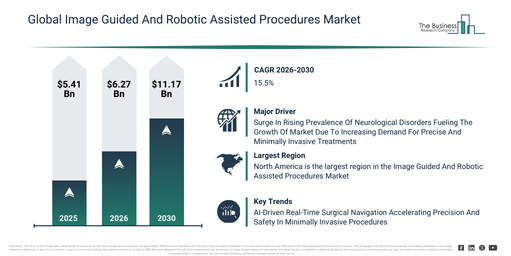
  • A key trend shaping the Image Guided And Robotic Assisted Procedures Market involves the AI-Driven Real-Time Surgical Navigation Accelerating Precision And Safety In Minimally Invasive Procedures

    A key trend shaping the Image Guided And Robotic Assisted Procedures Market involves the AI-Driven Real-Time Surgical Navigation Accelerating Precision And Safety In Minimally Invasive Procedures

    The Business Research Company’s 2026 market reports include new capabilities such as market attractiveness scoring and analysis, total addressable market analysis, company scoring matrix, interactive excel data dashboard, improved supply chain analysis, upcoming startups in the market, and overview of key products, aimed at improving the depth, usability, and strategic value of the insights delivered.

    How Is The Market Size Of The Image Guided And Robotic Assisted Procedures Market Expected To Change Between 2026 And 2030?

    The market size for image guided and robotic assisted procedures has experienced rapid growth in recent years. It is anticipated to expand from $5.41 billion in 2025 to $6.27 billion in 2026, exhibiting a compound annual growth rate (CAGR) of 15.9%. The increase observed in the historic period can be attributed to enhancements in medical imaging technologies, a rising preference among surgeons for minimally invasive procedures, the early adoption of robotic surgery systems in tertiary hospitals, better patient outcomes and reduced recovery times, and the increasing incidence of complex surgical conditions.

    The market for image guided and robotic assisted procedures is anticipated to experience substantial growth in the upcoming years. By 2030, it is projected to achieve a valuation of $11.17 billion, expanding at a compound annual growth rate (CAGR) of 15.5%. This projected increase can be attributed to rapid advancements in surgical robotics, greater financial commitments to smart operating environments, broader acceptance in outpatient and ambulatory care settings, the incorporation of AI-driven surgical decision support systems, and the expansion of training programs for robotic-assisted operations. Prominent trends expected during the forecast period include the increasing uptake of minimally invasive robotic surgeries, enhanced integration of real-time imaging with surgical navigation, a rising demand for high precision and accuracy in complex medical interventions, the wider application of robot-assisted procedures across various medical specialties, and a growing utilization of simulation-based surgical training.

    Download the Free Sample Report to Explore Key Market Insights:

    https://www.thebusinessresearchcompany.com/sample.aspx?id=23426&type=smp

    What Underlying Factors Are Accelerating The Growth Of The Image Guided And Robotic Assisted Procedures Market?

    The increasing occurrence of neurological conditions is projected to boost the expansion of the image-guided and robotic-assisted procedures market in the future. These disorders are health issues impacting the nervous system, encompassing the brain, spinal cord, and nerves, resulting in difficulties with movement, cognitive abilities, and various other bodily functions. Key contributors to the increased incidence of neurological disorders include lifestyle factors such as inadequate diet, lack of physical activity, and persistent stress, all of which adversely affect brain health and its operations. Image-guided and robotic-assisted procedures improve neurological treatment through enhanced surgical accuracy, reduced invasiveness, and shorter recovery periods, rendering them crucial for managing intricate medical situations. As an illustration, in February 2024, Dementia Australia, an Australia-based non-profit entity, indicated that the prevalence of dementia in the nation is anticipated to climb by 93% by 2054, predicting 812,500 individuals will be living with the condition, an increase from 421,000 in 2024. Consequently, the increasing occurrence of neurological disorders is fueling the expansion of the image-guided and robotic-assisted procedures market.

    How Is The Image Guided And Robotic Assisted Procedures Market Structured Across Different Segments?

    The image guided and robotic assisted procedures market covered in this report is segmented –

    1) By Product Type: MRI Guided Robot, X-Ray Computed Tomography Guided Robot, X-Ray Mammography Guided Robot, Optical Imaging Guided Robot, Ultrasound Imaging Guided Robot

    2) By Technology: Image-Guided Surgery, Robotic-Assisted Surgery, Augmented Reality (AR) Surgery, Virtual Reality (VR) Simulation

    3) By Specialty: Orthopedic Surgery, Neurology, Urology, Gynecology, Cardiothoracic Surgery

    4) By Application: Diagnostic Applications, Minimally Invasive Procedures

    5) By End User: Hospitals, Outpatient Facilities

    Subsegments:

    1) By MRI Guided Robot: Neurosurgery Robots, Prostate Biopsy Robots, Cardiac Catheterization Robots, Tumor Ablation Systems

    2) By X-Ray Computed Tomography (CT) Guided Robot: Interventional Radiology Robots, Spine Surgery Assistance Systems, Biopsy And Ablation Robots, Orthopedic Robotic Systems

    3) By X-Ray Mammography Guided Robot: Breast Biopsy Assistance Robots, Lesion Localization Systems, Automated Breast Imaging Robots

    4) By Optical Imaging Guided Robot: Robotic Endoscopy Systems, Robotic Fluorescence-Guided Surgery Tools, Ophthalmic Surgical Robots, Robotic Systems For Dental Imaging

    5) By Ultrasound Imaging Guided Robot: Robotic-Assisted Fetal Procedures, Liver And Kidney Biopsy Robots, Robotic Prostate Interventions, Needle Guidance Systems

    What Key Developments And Trends Are Impacting The Image Guided And Robotic Assisted Procedures Market?

    Leading companies within the image guided & robotic assisted procedures market are prioritizing real-time navigation methods employing AI and computer vision, such as light field surgical guidance, to achieve a competitive edge. This real-time AI and computer-vision navigation utilizes live image processing to interpret the surroundings and offer immediate directional advice or action. As an illustration, in November 2024, Globus Medical, a US-based musculoskeletal-device company, introduced its ExcelsiusHub navigation platform, developed to improve surgical precision and safety. This system offers surgeons three adaptable workflow choices: automatic 3D registration, CT–fluoroscopy image merging, and 2D intraoperative navigation, thereby enabling increased flexibility during intricate operations. Furthermore, it integrates real-time patient array monitoring to ensure consistent accuracy throughout the surgical process. Additionally, the platform includes tissue-sparing drills designed to minimize anatomical disruption and mitigate procedural risks. Through lessening reliance on continuous X-ray imaging, ExcelsiusHub promotes a more secure operating setting for both medical professionals and individuals undergoing surgery, simultaneously enhancing efficiency and overall patient results.

    Which Major Players Dominate The Image Guided And Robotic Assisted Procedures Market?

    Major companies operating in the image guided and robotic assisted procedures market are Intuitive Surgical Inc., Medtronic plc, Johnson & Johnson, Stryker Corporation, Zimmer Biomet Holdings Inc., GE Healthcare, Siemens Healthineers AG, Koninklijke Philips N.V., Boston Scientific Corporation, Asensus Surgical Inc., Brainlab AG, Carl Zeiss Meditec AG, Karl Storz SE & Co. KG, Globus Medical Inc., Renishaw plc, Synaptive Medical Inc., MicroPort Scientific Corporation, CMR Surgical Ltd., THINK Surgical Inc., Auris Health Inc.

    Read the full image guided and robotic assisted procedures market report here:

    https://www.thebusinessresearchcompany.com/report/image-guided-and-robotic-assisted-procedures-global-market-report

    Which Region Is Projected To Dominate The Image Guided And Robotic Assisted Procedures Market During The Forecast Period?

    North America was the largest region in the image-guided and robot-assisted surgical procedures market in 2025. Asia-Pacific is expected to be the fastest-growing region in the forecast period. The regions covered in the image guided and robotic assisted procedures market report are Asia-Pacific, South East Asia, Western Europe, Eastern Europe, North America, South America, Middle East, Africa.

    Request A Tailored Image Guided And Robotic Assisted Procedures Market Research Report For Competitive Advantage:

    https://www.thebusinessresearchcompany.com/customise?id=23426&type=smp

    Browse Through More Reports Similar to the Global Image Guided And Robotic Assisted Procedures Market 2026, By The Business Research Company

    Vision Guided Robotics Software Global Market Report

    https://www.thebusinessresearchcompany.com/report/vision-guided-robotics-software-global-market-report

    Automated Guided Vehicle Global Market Report

    https://www.thebusinessresearchcompany.com/report/automated-guided-vehicle-global-market-report

    Automated Guided Vehicle Global Market Report

    https://www.thebusinessresearchcompany.com/report/automated-guided-vehicle-global-market-report

    Get in touch with us:

    The Business Research Company: https://www.thebusinessresearchcompany.com/

    Americas +1 310-496-7795

    Asia +44 7882 955267 & +91 8897263534

    Europe +44 7882 955267

    Email us at info@tbrc.info

    Follow us on:

    LinkedIn: https://in.linkedin.com/company/the-business-research-company

    YouTube: https://www.youtube.com/channel/UC24_fI0rV8cR5DxlCpgmyFQ

    Global Market Model: https://www.thebusinessresearchcompany.com/global-market-model
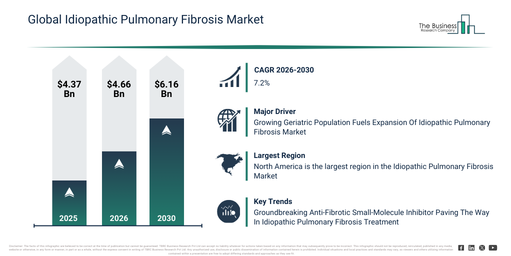
  • A significant industry trend in the Idiopathic Pulmonary Fibrosis Market includes the Groundbreaking Anti-Fibrotic Small-Molecule Inhibitor Paving The Way In Idiopathic Pulmonary Fibrosis Treatment

    A significant industry trend in the Idiopathic Pulmonary Fibrosis Market includes the Groundbreaking Anti-Fibrotic Small-Molecule Inhibitor Paving The Way In Idiopathic Pulmonary Fibrosis Treatment

    The Business Research Company’s 2026 market reports include new capabilities such as market attractiveness scoring and analysis, total addressable market analysis, company scoring matrix, interactive excel data dashboard, improved supply chain analysis, upcoming startups in the market, and overview of key products, aimed at improving the depth, usability, and strategic value of the insights delivered.

    What Is The Market Size Of The Idiopathic Pulmonary Fibrosis Market In 2026 And What Value Is Projected For 2030?

    The idiopathic pulmonary fibrosis market has demonstrated robust growth over recent years. Projections indicate it will expand from $4.37 billion in 2025 to $4.66 billion in 2026, reflecting a compound annual growth rate (CAGR) of 6.7%. This historical market expansion can be credited to several factors, including the limited availability of treatment options for fibrotic lung diseases, a rising prevalence of the aging population, improved clinical recognition of IPF, the approval of nintedanib and pirfenidone, and an increase in hospital-based management for chronic lung disorders.

    The idiopathic pulmonary fibrosis market is projected for significant expansion in the coming years. This market is anticipated to reach $6.16 billion by 2030, exhibiting a compound annual growth rate (CAGR) of 7.2%. Factors driving this growth during the forecast period include increasing investment in pulmonary fibrosis research, the emergence of next-generation antifibrotic medications, wider application of real-world evidence for treatment choices, the expansion of online and specialized pharmacy routes, and heightened public awareness of rare respiratory conditions. Key trends anticipated over this period involve greater uptake of antifibrotic treatments, a stronger emphasis on prompt and precise diagnosis, an increase in combination drug regimens, the broadening of home-based and long-term disease management solutions, and enhanced involvement in clinical trials for new therapeutic options.

    Download the Free Sample Report to Explore Key Market Insights:

    https://www.thebusinessresearchcompany.com/sample.aspx?id=12579&type=smp

    Which Growth Drivers Are Contributing To The Progress Of The Idiopathic Pulmonary Fibrosis Market?

    The idiopathic pulmonary fibrosis market is anticipated to experience growth due to an expanding geriatric population. This demographic specifically denotes the elderly or senior citizens within a particular society. Aging is linked to alterations in lung structure and function, which makes older individuals more vulnerable to respiratory illnesses like IPF. This heightened susceptibility associated with age contributes to the overall need for IPF treatments. For instance, in January 2024, the Population Reference Bureau, a US-based non-profit organization, reported that the number of Americans aged 65 and older is projected to increase from 58 million in 2022 to 82 million by 2050, signifying a 47% rise. As a consequence, this age group’s share of the total U.S. population will grow from 17% to 23% over this timeframe. Thus, the increasing geriatric population is a key driver for the expansion of the idiopathic pulmonary fibrosis market.

    What Are The Key Segments Of The Idiopathic Pulmonary Fibrosis Market?

    The idiopathic pulmonary fibrosis market covered in this report is segmented –

    1) By Drug Type: Nintedanib, Pirfenidone, Other Drug Types

    2) By Mode Of Action: Antifibrotic Agents, Tyrosine Kinase Inhibitors, Other Modes Of Action

    3) By Route Of Administration: Oral, Parenteral

    4) By Distribution Channel: Hospital Pharmacies, Retail Pharmacies, Online Providers

    5) By End Users: Hospitals And Clinics, Other End Users

    Subsegments:

    1) By Nintedanib: Indications, Dosage Forms, Administration Routes

    2) By Pirfenidone: Indications, Dosage Forms, Administration Routes

    3) By Other Drug Types: Specific Agents Or Classes, Emerging Therapies, Combination Therapies

    What Trends Are Projected To Affect The Idiopathic Pulmonary Fibrosis Market?

    Major companies in the idiopathic pulmonary fibrosis (IPF) market are prioritizing novel products, such as anti-fibrotic small-molecule inhibitors, to maintain their market presence. These inhibitors are pharmaceutical compounds designed to target and suppress fibrotic processes in the body. For example, in June 2023, Insilico Medicine, a US-based clinical-stage biotechnology company utilizing generative artificial intelligence (AI), announced the commencement of Phase II clinical trials for INS018_055. This marks the world’s first anti-fibrotic small molecule inhibitor created through generative AI, with the initial dose administered to patients in a randomized, double-blind, placebo-controlled study. The trial aims to assess the safety, tolerability, pharmacokinetics, and preliminary efficacy of a 12-week oral dosage of INS018_055 in individuals with idiopathic pulmonary fibrosis (IPF). This AI-driven approach in drug discovery represents a significant potential advancement in the treatment of idiopathic pulmonary fibrosis (IPF) diseases.

    Who Are The Leading Companies Operating In The Idiopathic Pulmonary Fibrosis Market?

    Major companies operating in the idiopathic pulmonary fibrosis market are F. Hoffmann-La Roche Ltd., Merck & Co. Inc., Novartis AG, Bristol-Myers Squibb Company, AstraZeneca PLC, Sanofi S.A., Gilead Sciences Inc., Toray Industries Inc., Boehringer Ingelheim International GmbH, Viatris Inc., Sun Pharmaceutical Industries Limited, Shionogi and Co. Ltd., Cipla Inc., Zydus Lifesciences Ltd., Chong Kun Dang Pharmaceutical Corp., Kyorin Pharmaceutical Co. Ltd., Galapagos NV, Veracyte Inc., Genentech Inc., FibroGen Inc., GNI Group Ltd., Pliant Therapeutics Inc., Pulmatrix Inc., Galimedix Therapeutics Inc., Avalyn Pharma Inc., MediciNova Inc., Liminal BioSciences Inc., Beijing Continent Pharmaceuticals Company, Galecto Inc.

    Read the full idiopathic pulmonary fibrosis market report here:

    https://www.thebusinessresearchcompany.com/report/idiopathic-pulmonary-fibrosis-global-market-report

    What Are The Leading Geographic Regions In The Idiopathic Pulmonary Fibrosis Market?

    North America was the largest region in the idiopathic pulmonary fibrosis market in 2025. Asia Pacific is expected to be the fastest-growing region in the forecast period. The regions covered in the idiopathic pulmonary fibrosis market report are Asia-Pacific, South East Asia, Western Europe, Eastern Europe, North America, South America, Middle East, Africa.

    Request A Tailored Idiopathic Pulmonary Fibrosis Market Research Report For Competitive Advantage:

    https://www.thebusinessresearchcompany.com/customise?id=12579&type=smp

    Browse Through More Reports Similar to the Global Idiopathic Pulmonary Fibrosis Market 2026, By The Business Research Company

    Non Cystic Fibrosis Bronchiectasis Global Market Report

    https://www.thebusinessresearchcompany.com/report/non-cystic-fibrosis-bronchiectasis-global-market-report

    Interstitial Lung Disease Global Market Report

    https://www.thebusinessresearchcompany.com/report/interstitial-lung-disease-global-market-report

    Cystic Fibrosis Cf Therapeutics Global Market Report

    https://www.thebusinessresearchcompany.com/report/cystic-fibrosis-cf-therapeutics-global-market-report

    Get in touch with us:

    The Business Research Company: https://www.thebusinessresearchcompany.com/

    Americas +1 310-496-7795

    Asia +44 7882 955267 & +91 8897263534

    Europe +44 7882 955267

    Email us at info@tbrc.info

    Follow us on:

    LinkedIn: https://in.linkedin.com/company/the-business-research-company

    YouTube: https://www.youtube.com/channel/UC24_fI0rV8cR5DxlCpgmyFQ

    Global Market Model: https://www.thebusinessresearchcompany.com/global-market-model
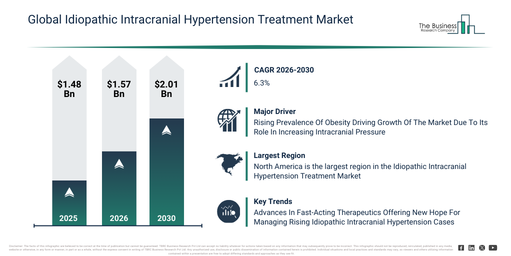
  • A key trend shaping the Idiopathic Intracranial Hypertension Treatment Market involves the Advances In Fast-Acting Therapeutics Offering New Hope For Managing Rising Idiopathic Intracranial Hypertension Cases

    A key trend shaping the Idiopathic Intracranial Hypertension Treatment Market involves the Advances In Fast-Acting Therapeutics Offering New Hope For Managing Rising Idiopathic Intracranial Hypertension Cases

    The Business Research Company’s 2026 market reports include new capabilities such as market attractiveness scoring and analysis, total addressable market analysis, company scoring matrix, interactive excel data dashboard, improved supply chain analysis, upcoming startups in the market, and overview of key products, aimed at improving the depth, usability, and strategic value of the insights delivered.

    What Will Be The Estimated Market Valuation Of The Idiopathic Intracranial Hypertension Treatment Market By The End Of 2030?

    The idiopathic intracranial hypertension treatment market size has experienced robust expansion in recent years. It is projected to increase from $1.48 billion in 2025 to $1.57 billion in 2026, achieving a compound annual growth rate (CAGR) of 6.5%. Historically, this market growth has been influenced by the increasing incidence of obesity-related neurological disorders, improved access to neuroimaging techniques, heightened awareness regarding vision-related complications, the provision of hospital-based management for severe cases, and the well-established utilization of acetazolamide therapy.

    The idiopathic intracranial hypertension treatment market is projected to experience substantial growth in the upcoming years. This market is set to reach $2.01 billion by 2030, achieving a compound annual growth rate (CAGR) of 6.3%. The anticipated expansion during this forecast period is driven by factors such as the rising global incidence of obesity, progress in minimally invasive neurosurgical methods, the proliferation of specialized neurology clinics, a heightened emphasis on prompt screening and diagnosis, and the emergence of new therapeutic strategies. Key developments expected within the forecast timeframe encompass the increasing application of pharmacological treatments as an initial approach, a greater emphasis on early detection to avert vision impairment, the rising uptake of minimally invasive surgical procedures, the broadening of multidisciplinary care frameworks for IIH management, and a magnified focus on initiatives for lifestyle and weight control.

    Download the Free Sample Report to Explore Key Market Insights:

    https://www.thebusinessresearchcompany.com/sample.aspx?id=23425&type=smp

    What Primary Drivers Are Shaping The Development Of The Idiopathic Intracranial Hypertension Treatment Market?

    The expanding incidence of obesity is projected to propel the development of the idiopathic intracranial hypertension treatment market in the coming years. Obesity is defined as a medical state characterized by an excess of body fat that could be detrimental to an individual’s health. The rise in obesity is attributed to increasingly inactive ways of life alongside a surge in the intake of high-calorie, processed sustenance. This condition contributes to idiopathic intracranial hypertension by elevating intracranial pressure through stimulating overproduction of cerebrospinal fluid and hindering its proper absorption. For instance, a report released in 2024 by the Office for Health Improvement and Disparities, a UK-based government department focused on public health policies, indicated that between 2022 and 2023, 64.0% of adults aged 18 and over in England were categorized as overweight or living with obesity. Consequently, the growing prevalence of obesity is driving expansion within the idiopathic intracranial hypertension treatment market.

    Which Segment Classifications Shape The Idiopathic Intracranial Hypertension Treatment Market?

    The idiopathic intracranial hypertension treatment market covered in this report is segmented –

    1) By Treatment Type: Medications, Surgeries, Therapies

    2) By Treatment Administration: Oral Administration, Intrathecal Administration

    3) By Diagnostic Type: Neuroimaging, Lumbar Puncture, Visual Field Tests

    4) By End User: Hospitals, Specialty Clinics, Ambulatory Surgical Centres

    Subsegments:

    1) By Medications: Diuretics, Corticosteroids, Acetazolamide

    2) By Surgeries: Shunt Surgery, Optic Nerve Sheath Fenestration, Stenting

    3) By Therapies: Weight Management Programs, Lifestyle Modifications, Physical Therapy

    Which Upcoming Trends Are Expected To Influence The Idiopathic Intracranial Hypertension Treatment Market?

    Major companies within the idiopathic intracranial hypertension treatment market are concentrating on developing novel, rapid-acting therapies designed to safely reduce brain pressure and improve headache outcomes, a focus supported by emerging clinical evidence such as the encouraging phase two results for exenatide. For example, in March 2023, researchers at the University of Birmingham (UK), a UK-based institution, announced that a phase two trial had identified exenatide, an injectable GLP-1 receptor agonist already prescribed for type 2 diabetes, as a potential new treatment for idiopathic intracranial hypertension (IIH). The study, which was led by neurologists at the University of Birmingham, indicated that patients administered exenatide experienced a significant decrease in brain pressure within hours and sustained improvement over 12 weeks. Participants additionally reported nearly eight fewer headache days per month when contrasted with minimal changes in the placebo group. As the incidence of IIH increases in parallel with global obesity rates, this promising evidence signifies an important progression towards a much-needed licensed therapy for a condition that can result in severe headaches and vision loss.

    Which Companies Are Expanding Their Footprint In The Idiopathic Intracranial Hypertension Treatment Market?

    Major companies operating in the idiopathic intracranial hypertension treatment market are Siemens AG, Medtronic plc, Becton Dickinson and Company, Philips Healthcare, GE HealthCare Technologies Inc., Teva Pharmaceuticals, Boston Scientific Corporation, Henry Schein, Sun Pharmaceutical Industries, Zydus LifeSciences, Topcon Corporation, Natus Medical Incorporated, Canon Medical Systems Corporation, Carl Zeiss Meditec AG, Optopol Technology, Strides Pharma, NIDEK Co., Haag-Streit AG, Invex Therapeutics, Metrovision

    Read the full idiopathic intracranial hypertension treatment market report here:

    https://www.thebusinessresearchcompany.com/report/idiopathic-intracranial-hypertension-treatment-global-market-report

    How Does The Idiopathic Intracranial Hypertension Treatment Market Perform Across Major Global Regions?

    North America was the largest region in the idiopathic intracranial hypertension treatment market in 2025. Asia-Pacific is expected to be the fastest-growing region in the forecast period. The regions covered in the idiopathic intracranial hypertension treatment market report are Asia-Pacific, South East Asia, Western Europe, Eastern Europe, North America, South America, Middle East, Africa.

    Request A Tailored Idiopathic Intracranial Hypertension Treatment Market Research Report For Competitive Advantage:

    https://www.thebusinessresearchcompany.com/customise?id=23425&type=smp

    Browse Through More Reports Similar to the Global Idiopathic Intracranial Hypertension Treatment Market 2026, By The Business Research Company

    Anti Hypertensive Drugs Global Market Report

    https://www.thebusinessresearchcompany.com/report/anti-hypertensive-drugs-global-market-report

    Intracranial Pressure Icp Monitoring Devices Global Market Report

    https://www.thebusinessresearchcompany.com/report/intracranial-pressure-icp-monitoring-devices-global-market-report

    Cerebral Palsy Treatment Global Market Report

    https://www.thebusinessresearchcompany.com/report/cerebral-palsy-treatment-global-market-report

    Get in touch with us:

    The Business Research Company: https://www.thebusinessresearchcompany.com/

    Americas +1 310-496-7795

    Asia +44 7882 955267 & +91 8897263534

    Europe +44 7882 955267

    Email us at info@tbrc.info

    Follow us on:

    LinkedIn: https://in.linkedin.com/company/the-business-research-company

    YouTube: https://www.youtube.com/channel/UC24_fI0rV8cR5DxlCpgmyFQ

    Global Market Model: https://www.thebusinessresearchcompany.com/global-market-model
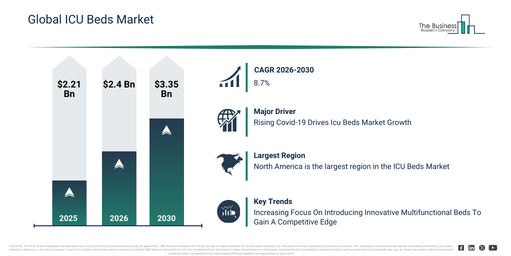
  • An Important Factor Driving the ICU Beds Market Is the Rising Covid-19 Drives Icu Beds Market Growth

    An Important Factor Driving the ICU Beds Market Is the Rising Covid-19 Drives Icu Beds Market Growth

    The Business Research Company’s 2026 market reports include new capabilities such as market attractiveness scoring and analysis, total addressable market analysis, company scoring matrix, interactive excel data dashboard, improved supply chain analysis, upcoming startups in the market, and overview of key products, aimed at improving the depth, usability, and strategic value of the insights delivered.

    What Market Size Growth Is Projected For The ICU Beds Market During The Forecast Period 2026–2030?

    The icu beds market size has experienced robust growth in recent years. It is projected to expand from $2.21 billion in 2025 to $2.4 billion in 2026, demonstrating a compound annual growth rate (CAGR) of 8.7%. This historical growth can be attributed to several factors, including the increasing occurrence of critical illnesses and trauma cases, progress in hospital infrastructure development, augmented healthcare spending, an aging population leading to higher ICU admissions, and valuable lessons derived from pandemic-driven ICU demand.

    The icu beds market size is anticipated to undergo substantial growth over the coming years. The market is projected to reach $3.35 billion by 2030, exhibiting a compound annual growth rate (CAGR) of 8.7%. This expansion during the forecast period stems from factors such as the proliferation of smart hospital initiatives, the increasing integration of connected medical devices, rising investments in critical care capacity, a growing need for neonatal and pediatric ICU facilities, and a dedicated focus on sustainability and energy-efficient hospital equipment. Noteworthy trends anticipated during this period involve the rising adoption of smart and connected ICU beds, an increased demand for electrically adjustable and bariatric ICU beds, a heightened emphasis on patient safety and ergonomic bed design, the expansion of ICU infrastructure within emerging economies, and a greater preference for modular and flexible ICU bed configurations.

    Download the Free Sample Report to Explore Key Market Insights:

    https://www.thebusinessresearchcompany.com/sample.aspx?id=2882&type=smp

    Which Major Factors Are Driving The Expansion Of The ICU Beds Market?

    The ICU beds market is undergoing rapid expansion. A global surge in COVID-19 cases is compelling governments in both developing and developed nations to enhance their intensive care capabilities. Consequently, public health initiatives are allocating funds to acquire essential hospital infrastructure, among which ICU beds are a crucial component. The increasing establishment of hospitals is anticipated to fuel the expansion of the ICU beds market. Hospitals serve as vital healthcare institutions, housing medical experts and resources to deliver diverse services such as diagnosis, treatment, surgical interventions, and emergency assistance for individuals facing various health conditions. Within these facilities, ICU beds are essential for providing critical care to severely ill or injured patients, ensuring advanced monitoring, life support, and specialized medical oversight to improve prospects for recovery and survival. As an illustration, data from the American Hospital Association, a US-based professional body, revealed that in May 2023, the United States maintained 6,129 hospitals, marking a 0.591% rise from the 6,093 hospitals recorded in the preceding year. This steady increase in the number of hospitals is therefore a key factor propelling the growth of the ICU beds market.

    What Market Segments Are Evaluated Within The ICU Beds Market?

    The icu beds market covered in this report is segmented –

    1) By Type: Electric Beds, Semi-Electric Beds

    2) By Application: Pediatric Intensive Care Unit, Neonatal Intensive Care Unit, Cardiac Intensive Care Unit, Neurological Intensive Care Unit, Trauma Intensive Care Unit, Surgical Intensive Care Unit

    3) By End Use: General And Acute Care Hospitals, Specialized Hospitals, Multi-Specialty Hospitals

    Subsegments:

    1) By Electric Beds: Full Electric ICU Beds, Bariatric Electric ICU Beds

    2) By Semi-Electric Beds: Manual Head/Foot Control ICU Beds, Electric Height Adjustment ICU Beds

    How Are Trends Shaping The Direction Of The ICU Beds Market?

    Leading companies within the ICU beds market are increasingly prioritizing the introduction of multifunctional ICU beds, such as the Hillrom Progressa+, to gain a competitive advantage. The Hillrom Progressa+ bed, designed for intensive care units, represents a new generation offering advanced technology and functionalities to simplify nursing care and support patient recuperation. For example, in June 2023, the US-based healthcare firm, Baxter International Inc., unveiled the Hillrom Progressa+ bed for the ICU. This Progressa+ model incorporates technologies aimed at addressing pulmonary requirements, safeguarding skin, and facilitating early mobility protocols. The bed delivers in-bed percussion, vibration, and continuous lateral rotation therapies, which are intended to mitigate pulmonary complications linked to immobility. Furthermore, it provides adaptable frame choices for secure and effortless patient transfer, featuring one-button FullChair positioning with chair egress and an embedded 3-mode bed exit alarm to identify movement and help ensure patient safety while in bed.

    Who Are The Top Market Participants Influencing The ICU Beds Market?

    Major companies operating in the icu beds market are Stryker Corporation, Hill-Rom Holdings Inc., Getinge AB, Invacare Corporation, Paramount Bed Holdings Co. Ltd., Joerns Healthcare LLC, LINET Group SE, Stiegelmeyer GmbH & Co. KG, Hebei Pukang Medical Instruments Co. Ltd., Malvestio SpA, Umano Medical Inc., Favero Health Projects Ltd., Graham-Field Health Products Inc., Drive Medical Limited, Medline Industries Inc., Merivaara Corp, Span-America Medical Systems Inc., Savion Industries Ltd., Nitrocare Medical Bed, Haelvoet NV, Nexus Medical LLC, Proma Reha Ltd., Jiangsu Saikang Medical Equipment Co. Ltd., Zhangjiagang Medi Medical Equipment Co. Ltd., Novum Medical Products Inc., Integrity Medical Solutions Inc., Missaglia SpA, Besco Medical Limited

    Read the full icu beds market report here:

    https://www.thebusinessresearchcompany.com/report/icu-beds-global-market-report

    Which Region Currently Holds The Largest Share Of The ICU Beds Market?

    North America was the largest region in the ICU beds market in 2025. Western Europe was the second largest region in the ICU beds market. The regions covered in the icu beds market report are Asia-Pacific, South East Asia, Western Europe, Eastern Europe, North America, South America, Middle East, Africa.

    Request A Tailored ICU Beds Market Research Report For Competitive Advantage:

    https://www.thebusinessresearchcompany.com/customise?id=2882&type=smp

    Browse Through More Reports Similar to the Global ICU Beds Market 2026, By The Business Research Company

    Hospital Beds Global Market Report

    https://www.thebusinessresearchcompany.com/report/hospital-beds-global-market-report

    Medical Bed Global Market Report

    https://www.thebusinessresearchcompany.com/report/medical-bed-global-market-report

    Hospital Bed Management Systems Global Market Report

    https://www.thebusinessresearchcompany.com/report/hospital-bed-management-systems-global-market-report

    Get in touch with us:

    The Business Research Company: https://www.thebusinessresearchcompany.com/

    Americas +1 310-496-7795

    Asia +44 7882 955267 & +91 8897263534

    Europe +44 7882 955267

    Email us at info@tbrc.info

    Follow us on:

    LinkedIn: https://in.linkedin.com/company/the-business-research-company

    YouTube: https://www.youtube.com/channel/UC24_fI0rV8cR5DxlCpgmyFQ

    Global Market Model: https://www.thebusinessresearchcompany.com/global-market-model
  • A Significant Growth Driver for the Hysteroscopy Procedures Market Is the Growing Prevalence Of Gynecological Problems Fuels Expansion Of The Hysteroscopy Procedure Market

    A Significant Growth Driver for the Hysteroscopy Procedures Market Is the Growing Prevalence Of Gynecological Problems Fuels Expansion Of The Hysteroscopy Procedure Market

    The Business Research Company’s 2026 market reports include new capabilities such as market attractiveness scoring and analysis, total addressable market analysis, company scoring matrix, interactive excel data dashboard, improved supply chain analysis, upcoming startups in the market, and overview of key products, aimed at improving the depth, usability, and strategic value of the insights delivered.

    How Will The Market Size Of The Hysteroscopy Procedures Market Evolve From 2026 To 2030?

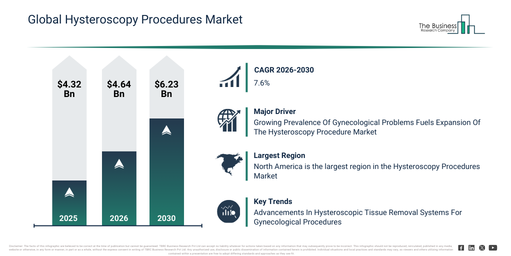
    The hysteroscopy procedures market size has demonstrated significant expansion in recent years. Forecasts indicate it will grow from $4.32 billion in 2025 to $4.64 billion in 2026, achieving a compound annual growth rate (CAGR) of 7.4%. The historical rise can be credited to factors such as the increasing prevalence of abnormal uterine bleeding, heightened awareness of minimally invasive diagnostics, improved availability of gynecological care, an increase in hospital-based surgical procedures, and advancements in optical and imaging technologies.

    The hysteroscopy procedures market is anticipated to experience substantial expansion over the coming years. It is projected to reach $6.23 billion by 2030, exhibiting a compound annual growth rate (CAGR) of 7.6%. This anticipated growth during the forecast period stems from factors such as increasing demand for fertility assessment procedures, the proliferation of ambulatory surgery centers, a growing inclination towards outpatient diagnostic methods, advancements in flexible hysteroscopes, and an increase in healthcare spending dedicated to women’s health. Key trends expected during this period involve the rising uptake of minimally invasive gynecological interventions, a notable move towards office-based and outpatient hysteroscopy settings, an increased need for diagnostic hysteroscopy in addressing infertility, ongoing technological progress in hysteroscopic imaging and tools, and the broadening application of hysteroscopy for the early identification of uterine conditions.

    Download the Free Sample Report to Explore Key Market Insights:

    https://www.thebusinessresearchcompany.com/sample.aspx?id=10710&type=smp

    What Key Drivers Are Influencing The Growth Of The Hysteroscopy Procedures Market?

    The increasing occurrence of gynecological conditions is anticipated to fuel the expansion of the hysteroscopy procedure market moving ahead. These disorders are conditions that disrupt the typical operation of the female reproductive system, encompassing issues like uterine fibroids, menstrual irregularities, and polycystic ovarian syndrome. Hysteroscopy methods are instrumental in addressing the rising incidence of gynecological ailments by identifying and managing underlying issues responsible for symptoms such as abnormal uterine bleeding, unusually heavy menstruation, inconsistent spotting between cycles, and post-menopausal bleeding. For example, data from January 2023, cited in an article from the National Center for Biotechnology Information, indicates that more than 70% of women develop uterine fibroids by the onset of menopause, and 25% of women in their reproductive years experience clinically detectable uterine fibroids. Additionally, an article released in March 2023 by the World Health Organization, a Switzerland-based entity overseeing global public health, revealed that endometriosis impacts approximately 10% (190 million) of women and girls globally who are of reproductive age. Consequently, the escalating prevalence of gynecological problems is a primary driver for the growth of the hysteroscopy procedure market.

    Which Segment Areas Are Covered In The Hysteroscopy Procedures Market Analysis?

    The hysteroscopy procedures market covered in this report is segmented –

    1) By Product Type: Flexible Hysteroscopes, Forceps, Rigid Hysteroscopes, Scissors

    2) By Application: Hysteroscopy, Endometrial Ablation, Myomectomy, Polypectomy, Other Applications

    3) By End-User: Hospitals, Clinics, Ambulatory Surgery Centers, Other End-Users

    Subsegments:

    1) By Flexible Hysteroscopes: Diagnostic Flexible Hysteroscopes, Operative Flexible Hysteroscopes

    2) By Forceps: Biopsy Forceps, Grasping Forceps

    3) By Rigid Hysteroscopes: Diagnostic Rigid Hysteroscopes, Operative Rigid Hysteroscopes

    4) By Scissors: Curved Scissors, Straight Scissors

    Which Market Trends Are Creating New Opportunities In The Hysteroscopy Procedures Market?

    Leading companies in the hysteroscopy procedures market are dedicating efforts to developing inventive solutions, such as hysteroscopic tissue removal systems, aiming to render hysteroscopic procedures minimally intrusive and considerably simpler. A hysteroscopic tissue removal system is a medical device designed for minimal invasion, utilized for the resection or removal of abnormal tissues located within the uterus, employing hysteroscopy to offer real-time visualization and accurate treatment. For example, in July 2023, GenWorks Health Private Limited, an India-based company providing equipment and technology solutions, launched its mechanical hysteroscopic tissue removal system. This mechanical system is a medical instrument engineered to enable the minimally invasive extraction of intrauterine tissues during hysteroscopic interventions. It operates using a direct mechanical strategy, permitting the insertion of the hysteroscope into the uterus, where specialized soft tissue shavers simultaneously cut and aspirate abnormal tissues, including endometrial fibroids and polyps. The design facilitates direct visualization of the intrauterine cavity, ensuring precise identification and targeting of abnormalities, while also aiding in the collection of tissue for pathological analysis. By lessening the reliance on energy discharge and reducing the amount of fluid used, the system enhances both safety and overall efficiency, contributing to shorter procedural durations and more favorable patient outcomes. With a streamlined operation that requires fewer steps and only a single insertion, it proves to be an essential asset in gynecological practice.

    Which Global Companies Are Actively Competing In The Hysteroscopy Procedures Market?

    Major companies operating in the hysteroscopy procedures market are Hologic Inc., CooperSurgical Inc., Stryker Corp., Karl Storz SE & Co. KG, Medtronic plc, Johnson & Johnson Services Inc., Olympus Corporation, B. Braun SE, Richard Wolf GmbH, Erbe Elektromedizin GmbH, Boston Scientific Corporation, MedGyn Products Inc., LiNA Medical ApS, LUMINELLE, Meditrina Inc., Maxer Endoscopy GmbH, Smith & Nephew plc, Cook Medical LLC, Fujifilm Holdings Corporation, ConMed Corporation, Silex Medical LLC, Endo Optiks Inc.

    Read the full hysteroscopy procedures market report here:

    https://www.thebusinessresearchcompany.com/report/hysteroscopy-procedures-global-market-report

    Which Region Is Expected To Register The Fastest Growth In The Hysteroscopy Procedures Market?

    North America was the largest region in the hysteroscopy procedure market in 2025.Asia-Pacific is expected to be the fastest-growing region in the global hysteroscopy procedure market report during the forecast period. The regions covered in the hysteroscopy procedures market report are Asia-Pacific, South East Asia, Western Europe, Eastern Europe, North America, South America, Middle East, Africa.

    Request A Tailored Hysteroscopy Procedures Market Research Report For Competitive Advantage:

    https://www.thebusinessresearchcompany.com/customise?id=10710&type=smp

    Browse Through More Reports Similar to the Global Hysteroscopy Procedures Market 2026, By The Business Research Company

    Laparoscopic Gynecological Procedures Global Market Report

    https://www.thebusinessresearchcompany.com/report/laparoscopic-gynecological-procedures-global-market-report

    Non Surgical Cosmetic Procedures Global Market Report

    https://www.thebusinessresearchcompany.com/report/non-surgical-cosmetic-procedures-global-market-report

    Laparoscopy Devices Global Market Report

    https://www.thebusinessresearchcompany.com/report/laparoscopy-devices-global-market-report

    Get in touch with us:

    The Business Research Company: https://www.thebusinessresearchcompany.com/

    Americas +1 310-496-7795

    Asia +44 7882 955267 & +91 8897263534

    Europe +44 7882 955267

    Email us at info@tbrc.info

    Follow us on:

    LinkedIn: https://in.linkedin.com/company/the-business-research-company

    YouTube: https://www.youtube.com/channel/UC24_fI0rV8cR5DxlCpgmyFQ

    Global Market Model: https://www.thebusinessresearchcompany.com/global-market-model
  • Global Hypophosphatasia Treatment Industry Trends and Market Growth Forecast for 2026–2030

    Global Hypophosphatasia Treatment Industry Trends and Market Growth Forecast for 2026–2030

    The Business Research Company’s 2026 market reports include new capabilities such as market attractiveness scoring and analysis, total addressable market analysis, company scoring matrix, interactive excel data dashboard, improved supply chain analysis, upcoming startups in the market, and overview of key products, aimed at improving the depth, usability, and strategic value of the insights delivered.

    What Is The Forecasted Market Value Of The Hypophosphatasia Treatment Market Across 2026–2030?

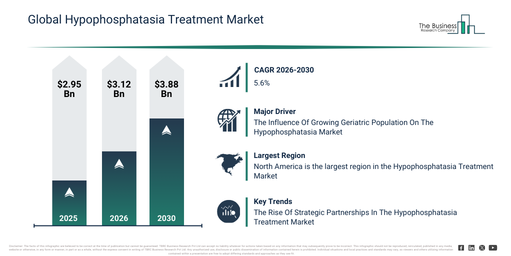
    The hypophosphatasia treatment market has experienced robust growth in recent years. This market is projected to expand from $2.95 billion in 2025 to reach $3.12 billion by 2026, achieving a compound annual growth rate (CAGR) of 5.9%. Its historical growth can be attributed to several factors including the limited availability of targeted therapies, an increasing recognition of rare metabolic bone disorders, improved diagnostic imaging and laboratory testing, hospital-centered management of severe cases, and the gradual adoption of enzyme replacement therapy.

    The hypophosphatasia treatment market size is anticipated to undergo significant growth in the coming years. It is projected to expand to $3.88 billion by 2030, exhibiting a compound annual growth rate (CAGR) of 5.6%. This growth over the forecast period is primarily driven by expanding genetic testing and newborn screening programs, increasing investment in rare disease drug development, the enhanced availability of advanced enzyme replacement therapies, growing patient awareness and advocacy initiatives, and improved access to specialty clinics. Key trends identified for this period encompass the increasing adoption of enzyme replacement therapy, a heightened focus on early genetic diagnosis and screening, a rising demand for personalized treatment protocols, the expansion of multidisciplinary care models for rare bone disorders, and advancements in long-term disease monitoring and supportive care.

    Download the Free Sample Report to Explore Key Market Insights:

    https://www.thebusinessresearchcompany.com/sample.aspx?id=9424&type=smp

    What Major Growth Drivers Are Shaping The Outlook Of The Hypophosphatasia Treatment Market?

    The increasing geriatric population is anticipated to drive the expansion of the hypophosphatasia treatment market in the foreseeable future. The geriatric population, also referred to as the elderly or seniors, consists of individuals in the older age group, typically those 65 years and above. This growing demographic enhances the demand for hypophosphatasia-related healthcare services, from initial diagnosis to prolonged management, and stimulates developments in understanding and treating this condition within the aging segment. For instance, in January 2024, the Population Reference Bureau, a US-based non-profit organization, reported that the count of Americans aged 65 and older is projected to rise from 58 million in 2022 to 82 million by 2050, indicating a 47% increase. As a consequence, this age group’s proportion of the entire U.S. population will grow from 17% to 23% over this period. Hence, the expanding geriatric population is fostering the growth of the hypophosphatasia treatment market.

    What Segmentation Levels Are Considered In The Hypophosphatasia Treatment Market?

    The hypophosphatasia treatment market covered in this report is segmented –

    1) By Type: Odontohypophosphatasia, Pseudohypophosphatasia

    2) By Route Of Administration: Oral, Injectable

    3) By Distribution Channel: Hospital Pharmacy, Online Pharmacy, Retail Pharmacy

    4) By End User: Hospitals, Homecare, Specialty Clinics, Other End Users

    Subsegments:

    1) By Odontohypophosphatasia: Childhood Odontohypophosphatasia, Adult Odontohypophosphatasia

    2) By Pseudohypophosphatasia: Genetically Confirmed Pseudohypophosphatasia, Clinically Diagnosed Pseudohypophosphatasia

    What Trends Are Affecting The Expansion Of The Hypophosphatasia Treatment Market?

    Leading companies in the Hypophosphatasia treatment market are concentrating on the creation of cutting-edge therapies, such as engineered B Cell Medicines and enzyme replacement treatments, to improve patient outcomes and better manage this rare genetic condition. B Cell Medicines (BCMs) are sophisticated therapeutic methods that use modified B cells to produce and secrete therapeutic proteins, offering potential treatments for various diseases, including genetic disorders and cancers. For instance, in June 2024, Be Biopharma, Inc., a US-based company that develops B cell medicines for severe diseases, revealed promising preclinical data concerning a new B Cell Medicine (BCM) designed to treat Hypophosphatasia (HPP), a rare genetic disorder characterized by a deficiency in tissue-nonspecific alkaline phosphatase (ALP). This research highlights the innovative application of CRISPR/Cas9-based precision gene engineering combined with artificial intelligence-guided protein design to enhance the therapeutic potential of BCMs.

    Which Leading Firms Are Contributing To The Growth Of The Hypophosphatasia Treatment Market?

    Major companies operating in the hypophosphatasia treatment market are Ultragenyx Pharmaceutical Inc, Alexion Pharmaceuticals Inc, BioMarin Pharmaceutical Inc, Inozyme Pharma Inc, Kyowa Kirin Co. Ltd., Shire plc, Takeda Pharmaceutical Company Limited, AstraZeneca plc, Pfizer Inc, Novartis AG, Sanofi S.A., Roche Holding AG, Amgen Inc, Eli Lilly and Company, Regeneron Pharmaceuticals Inc, Bristol Myers Squibb Company, Gilead Sciences Inc, AbbVie Inc, Merck & Co Inc, Johnson & Johnson

    Read the full hypophosphatasia treatment market report here:

    https://www.thebusinessresearchcompany.com/report/hypophosphatasia-treatment-global-market-report

    Which Regions Are Projected To Dominate The Hypophosphatasia Treatment Market In The Coming Years?

    North America was the largest region in the hypophosphatasia treatment market in 2025. The regions covered in the hypophosphatasia treatment market report are Asia-Pacific, South East Asia, Western Europe, Eastern Europe, North America, South America, Middle East, Africa.

    Request A Tailored Hypophosphatasia Treatment Market Research Report For Competitive Advantage:

    https://www.thebusinessresearchcompany.com/customise?id=9424&type=smp

    Browse Through More Reports Similar to the Global Hypophosphatasia Treatment Market 2026, By The Business Research Company

    Hypolipidemics Global Market Report

    https://www.thebusinessresearchcompany.com/report/hypolipidemics-global-market-report

    Hydrocephalus Global Market Report

    https://www.thebusinessresearchcompany.com/report/hydrocephalus-global-market-report

    Encephalitis Treatment Global Market Report

    https://www.thebusinessresearchcompany.com/report/encephalitis-treatment-global-market-report

    Get in touch with us:

    The Business Research Company: https://www.thebusinessresearchcompany.com/

    Americas +1 310-496-7795

    Asia +44 7882 955267 & +91 8897263534

    Europe +44 7882 955267

    Email us at info@tbrc.info

    Follow us on:

    LinkedIn: https://in.linkedin.com/company/the-business-research-company

    YouTube: https://www.youtube.com/channel/UC24_fI0rV8cR5DxlCpgmyFQ

    Global Market Model: https://www.thebusinessresearchcompany.com/global-market-model
  • Hypertrophic Cardiomyopathy Treatment Market Size Outlook and Demand Growth Across 2026–2030

    Hypertrophic Cardiomyopathy Treatment Market Size Outlook and Demand Growth Across 2026–2030

    The Business Research Company’s 2026 market reports include new capabilities such as market attractiveness scoring and analysis, total addressable market analysis, company scoring matrix, interactive excel data dashboard, improved supply chain analysis, upcoming startups in the market, and overview of key products, aimed at improving the depth, usability, and strategic value of the insights delivered.

    What Market Size Increase Is Anticipated For The Hypertrophic Cardiomyopathy Treatment Market Over The 2026–2030 Period?

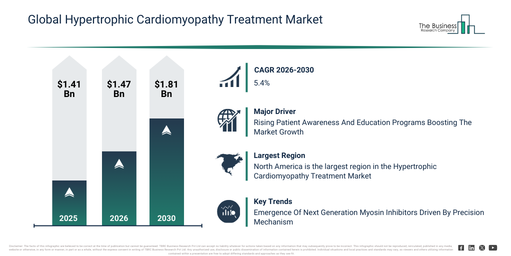
    The hypertrophic cardiomyopathy treatment market has experienced consistent expansion in recent years. Its valuation is anticipated to increase from $1.41 billion in 2025 to $1.47 billion in 2026, reflecting a compound annual growth rate (CAGR) of 4.2%. This historical growth can be attributed to factors such as better awareness of hypertrophic cardiomyopathy, the widespread application of beta blockers and calcium channel blockers, improved access to echocardiography diagnostics, structured hospital care for symptomatic patients, and the rising identification of familial HCM cases.

    The hypertrophic cardiomyopathy treatment market is projected for substantial expansion over the coming years, expected to reach $1.81 billion in 2030, exhibiting a compound annual growth rate (CAGR) of 5.4%. This anticipated growth during the forecast period is attributed to several factors, including the increasing adoption of genetic testing and screening, a rising demand for implantable cardioverter defibrillators, the growing use of targeted pharmacological therapies, the expansion of specialized cardiology centers, and improvements in long-term patient monitoring and follow-up care. Significant trends expected within this period encompass the growing integration of precision medicine in hypertrophic cardiomyopathy treatment, a rising utilization of advanced cardiac imaging for treatment planning, an increasing preference for minimally invasive septal reduction therapies, the broader deployment of implantable cardiac devices for sudden cardiac death prevention, and an enhanced focus on personalized long-term disease management.

    Download the Free Sample Report to Explore Key Market Insights:

    https://www.thebusinessresearchcompany.com/sample.aspx?id=13017&type=smp

    What Drivers Are Expected To Influence The Hypertrophic Cardiomyopathy Treatment Market During The Forecast Period?

    Increased patient understanding and educational initiatives are anticipated to boost the expansion of the hypertrophic cardiomyopathy treatment market in the foreseeable future. Such programs serve to shape patient conduct, leading to changes in their comprehension, perspectives, and skills essential for preserving or improving health by providing relevant information and knowledge. Hypertrophic cardiomyopathy, being an uncommon genetic condition, often goes unrecognized, with many individuals remaining undiagnosed because of insufficient public awareness about it. Initiating awareness and educational campaigns for this condition helps reduce disease risk through prompt detection and intervention. For example, data from September 2024, sourced from the GOV.UK, a UK-based government body, indicates that adult involvement in further education and skills within the UK reached 1,627,320, marking a 0.9% increase since 2022/23. Furthermore, engagement in adult education and training saw a 4.6% rise, reaching 863,790. Consequently, the increasing emphasis on patient awareness and educational initiatives is fueling the hypertrophic cardiomyopathy treatment market.

    How Is The Hypertrophic Cardiomyopathy Treatment Market Segmented Across Key Categories?

    The hypertrophic cardiomyopathy treatment market covered in this report is segmented –

    1) By Disease Type: Obstructive Hypertrophic Cardiomyopathy Treatment, Non-Obstructive Hypertrophic Cardiomyopathy Treatment

    2) By Diagnosis: Chest X-Ray, Echocardiogram, Electrocardiogram (ECG), Treadmill Stress Test, Cardiac Catheterization, Cardiac MRI, Cardiac CT Scan, Blood Tests, Genetic Testing Or Screening

    3) By Treatment: Medication, Surgically Implanted Devices, Nonsurgical Procedures, Surgery

    4) By End-User: Hospitals, Research Institutes, Specialty Clinics

    Subsegments:

    1) By Obstructive Hypertrophic Cardiomyopathy Treatment: Medications, Surgical Procedures, Alcohol Septal Ablation, Implantable Cardioverter Defibrillators (ICDs)

    2) By Non-Obstructive Hypertrophic Cardiomyopathy Treatment: Medications, Lifestyle Modifications, Genetic Counseling And Testing, Monitoring And Follow-Up Care

    Which Trends Are Influencing The Hypertrophic Cardiomyopathy Treatment Market?

    Major companies operating within the Hypertrophic Cardiomyopathy Treatment market are increasingly focusing on selective cardiac myosin inhibition, including small molecule allosteric myosin inhibitors, to achieve a competitive advantage. These specific agents directly target hypercontractility in HCM by decreasing the count of active actin-myosin cross bridges. For example, in December 2024, Cytokinetics, a US-based biotechnology company, announced that the FDA had accepted its New Drug Application for aficamten, which is a next generation cardiac myosin inhibitor, with a planned action date of September 2025. Aficamten demonstrated statistically significant improvement in exercise capacity (peak VO₂), alongside reductions in left ventricular outflow tract gradients, and a favorable safety profile during the SEQUOIA HCM Phase III trial. This development bolsters disease-modifying strategies that extend beyond mere symptom management, although long-term safety and competition for indications (e.g., non obstructive HCM) persist as challenges.

    Who Are The Dominant Players Shaping The Hypertrophic Cardiomyopathy Treatment Market Landscape?

    Major companies operating in the hypertrophic cardiomyopathy treatment market are Pfizer Inc., F. Hoffmann-La Roche AG, Merck & Co. Inc., Novartis AG, Sanofi S.A., Bristol-Myers Squibb Company, AstraZeneca plc, Abbott Laboratories Ltd., GlaxoSmithKline plc, Takeda Pharmaceutical Company Limited, Teva Pharmaceutical Industries Ltd., Boston Scientific Corporation, Mylan N.V., Sun Pharmaceutical Industries Ltd., Cipla Ltd., Aurobindo Pharma Ltd., Hikma Pharmaceuticals plc, Lupin Limited, Zydus Lifesciences Limited, XyloCor Therapeutics Inc., Cytokinetics Inc., Santhera Pharmaceuticals Holding AG, DiNAQOR AG, Correvio Pharma Corp, Cardurion Pharmaceuticals Inc.

    Read the full hypertrophic cardiomyopathy treatment market report here:

    https://www.thebusinessresearchcompany.com/report/hypertrophic-cardiomyopathy-treatment-global-market-report

    Which Region Is Forecast To Lead The Hypertrophic Cardiomyopathy Treatment Market In Terms Of Market Size?

    North America was the largest region in the hypertrophic cardiomyopathy treatment market in 2025. The regions covered in the hypertrophic cardiomyopathy treatment market report are Asia-Pacific, South East Asia, Western Europe, Eastern Europe, North America, South America, Middle East, Africa.

    Request A Tailored Hypertrophic Cardiomyopathy Treatment Market Research Report For Competitive Advantage:

    https://www.thebusinessresearchcompany.com/customise?id=13017&type=smp

    Browse Through More Reports Similar to the Global Hypertrophic Cardiomyopathy Treatment Market 2026, By The Business Research Company

    Hypertrophic Cardiomyopathy Hcm Therapeutics Global Market Report

    https://www.thebusinessresearchcompany.com/report/hypertrophic-cardiomyopathy-hcm-therapeutics-global-market-report

    Cardiometabolic Diseases Global Market Report

    https://www.thebusinessresearchcompany.com/report/cardiometabolic-diseases-global-market-report

    Hypertrophic And Keloid Scar Treatment Global Market Report

    https://www.thebusinessresearchcompany.com/report/hypertrophic-and-keloid-scar-treatment-global-market-report

    Get in touch with us:

    The Business Research Company: https://www.thebusinessresearchcompany.com/

    Americas +1 310-496-7795

    Asia +44 7882 955267 & +91 8897263534

    Europe +44 7882 955267

    Email us at info@tbrc.info

    Follow us on:

    LinkedIn: https://in.linkedin.com/company/the-business-research-company

    YouTube: https://www.youtube.com/channel/UC24_fI0rV8cR5DxlCpgmyFQ

    Global Market Model: https://www.thebusinessresearchcompany.com/global-market-model
  • Hypertrophic Cardiomyopathy (HCM) Therapeutics Market Insights Highlighting Opportunities and Drivers Supporting Growth to 2030

    Hypertrophic Cardiomyopathy (HCM) Therapeutics Market Insights Highlighting Opportunities and Drivers Supporting Growth to 2030

    The Business Research Company’s 2026 market reports include new capabilities such as market attractiveness scoring and analysis, total addressable market analysis, company scoring matrix, interactive excel data dashboard, improved supply chain analysis, upcoming startups in the market, and overview of key products, aimed at improving the depth, usability, and strategic value of the insights delivered.

    How Much Is The Hypertrophic Cardiomyopathy (HCM) Therapeutics Market Expected To Grow In Terms Of Market Value Between 2026 And 2030?

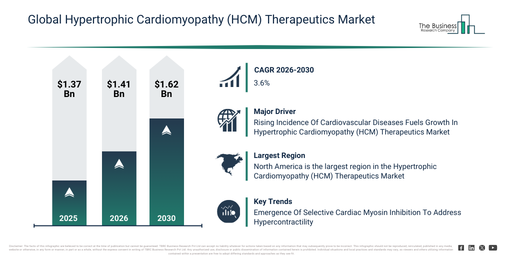
    The hypertrophic cardiomyopathy (hcm) therapeutics market has experienced consistent growth in recent years. It is anticipated to increase from $1.37 billion in 2025 to $1.41 billion in 2026, achieving a compound annual growth rate (CAGR) of 3.2%. This expansion during the preceding period can be attributed to several factors, including enhanced awareness of inherited cardiomyopathies, the extensive use of beta blockers and calcium channel blockers, improved availability of diagnostic imaging, a rising incidence of genetic cardiac disorders, and the provision of hospital-based management for high-risk patients.

    The hypertrophic cardiomyopathy (hcm) therapeutics market is projected to experience consistent expansion over the upcoming years. This market is anticipated to reach $1.62 billion by 2030, demonstrating a compound annual growth rate (CAGR) of 3.6%. The anticipated growth during this period is largely driven by factors such as the increasing acceptance of innovative myosin inhibitors, the broadening of genetic screening initiatives, a surge in the utilization of implantable defibrillators, a heightened emphasis on individualized cardiology treatments, and better long-term outcomes in disease management. Key trends expected throughout the forecast horizon involve the expanding integration of targeted myosin inhibitors, an increased focus on prompt diagnosis and risk assessment, the growing application of implantable cardiac devices to prevent sudden cardiac death, the development of combined drug and device therapeutic strategies, and a greater prioritization of sustained symptom management and patient quality of life.

    Download the Free Sample Report to Explore Key Market Insights:

    https://www.thebusinessresearchcompany.com/sample.aspx?id=9914&type=smp

    What Drivers Are Influencing The Hypertrophic Cardiomyopathy (HCM) Therapeutics Market?

    The rising occurrence of cardiovascular diseases (CVD) is projected to fuel the expansion of the hypertrophic cardiomyopathy (HCM) therapeutics market. CVD refers to conditions impacting the heart or blood vessels. These diseases encompass various heart rhythm disorders, including atrial fibrillation, ventricular fibrillation, and atrioventricular block, which necessitate ongoing observation. The main goal of therapeutic interventions for hypertrophic cardiomyopathy is to relieve symptoms and prevent sudden cardiac death among individuals at high risk. As an illustration, in January 2024, data from the American Heart Association, a US-based non-profit organization, indicated that the age-adjusted death rate due to cardiovascular disease escalated to 233.3 per 100,000 in 2024. This represented an increase of 4.0% from 224.4 per 100,000 compared to 2023. Consequently, the growing prevalence of cardiovascular diseases (CVD) propels the hypertrophic cardiomyopathy (HCM) therapeutics market.

    What Major Segment Divisions Exist Within The Hypertrophic Cardiomyopathy (HCM) Therapeutics Market?

    The hypertrophic cardiomyopathy (hcm) therapeutics market covered in this report is segmented –

    1) By Drug Type: Antiarrhythmic Agents, Anticoagulants, Beta Adrenergic Blocking Agents, Calcium Channel Blockers, Other Drug Types

    2) By Device Type: Defibrillators, Pacemakers, Other Device Types

    3) By End User: Hospitals, Clinics

    Subsegments:

    1) By Antiarrhythmic Agents: Class I Agents, Class II Agents, Class III Agents, Class IV Agents

    2) By Anticoagulants: Vitamin K Antagonists, Direct Oral Anticoagulants (DOACs), Low Molecular Weight Heparins (LMWH)

    3) By Beta Adrenergic Blocking Agents: Non-Selective Beta Blockers, Selective Beta Blockers

    4) By Calcium Channel Blockers: Dihydropyridines, Non-Dihydropyridines

    5) By Other Drug Types: Myosin Inhibitors, Antimetabolites

    What Trends Are Advancing Progress In The Hypertrophic Cardiomyopathy (HCM) Therapeutics Market?

    Major companies within the hypertrophic cardiomyopathy therapeutics market are prioritizing small molecule allosteric cardiac myosin inhibitors, such as selective myosin modulation, to achieve an edge in competition. These agents function by limiting actin–myosin cross-bridge formation, thereby attenuating excessive contractile force in the myocardium. For instance, in December 2024, Cytokinetics, a U.S.-based biopharmaceutical company, had its New Drug Application for aficamten, a next-generation myosin inhibitor, accepted by the FDA. This drug showed notable enhancements in peak VO₂, reductions in outflow tract gradients, and a positive safety profile during the pivotal SEQUOIA HCM Phase III trial. This method provides a disease-modifying alternative to symptom relief treatments, yet it introduces regulatory intricacy, underscored by the submission of a risk mitigation plan (REMS) alongside the NDA.

    Which Companies Are Leading Innovation In The Hypertrophic Cardiomyopathy (HCM) Therapeutics Market?

    Major companies operating in the hypertrophic cardiomyopathy (hcm) therapeutics market are Merck & Co. Inc., Pfizer Inc., Sanofi SA, Teva Pharmaceutical Industries Ltd., Novartis AG, AstraZeneca plc, Gilead Sciences Inc., Bayer AG, Correvio Pharma Corp., Advanz Pharma Corp., Lupin Limited, Boston Scientific Corporation, Bristol-Myers Squibb Company, Johnson & Johnson, Medtronic plc, Cardiome Pharma Corp., Cytokinetics Inc., Daiichi Sankyo Company Limited, GlaxoSmithKline plc., HUYA Bioscience International LLC, Ionis Pharmaceuticals Inc., Kowa Company Ltd., Luitpold Pharmaceuticals Inc., Menarini Group, Mitsubishi Tanabe Pharma Corporation, Nippon Shinyaku Co. Ltd., Otsuka Holdings Co. Ltd., Servier Laboratories

    Read the full hypertrophic cardiomyopathy (hcm) therapeutics market report here:

    https://www.thebusinessresearchcompany.com/report/hypertrophic-cardiomyopathy-hcm-therapeutics-global-market-report

    Which Regions Are Expected To Experience Rapid Expansion In The Hypertrophic Cardiomyopathy (HCM) Therapeutics Market?

    North America was the largest region in the hypertrophic cardiomyopathy (HCM) therapeutics market in 2025. Asia-Pacific is expected to be the fastest-growing region in the hypertrophic cardiomyopathy (HCM) therapeutics market report during the forecast period. The regions covered in the hypertrophic cardiomyopathy (hcm) therapeutics market report are Asia-Pacific, South East Asia, Western Europe, Eastern Europe, North America, South America, Middle East, Africa.

    Request A Tailored Hypertrophic Cardiomyopathy (HCM) Therapeutics Market Research Report For Competitive Advantage:

    https://www.thebusinessresearchcompany.com/customise?id=9914&type=smp

    Browse Through More Reports Similar to the Global Hypertrophic Cardiomyopathy (HCM) Therapeutics Market 2026, By The Business Research Company

    Hypertrophic Cardiomyopathy Treatment Global Market Report

    https://www.thebusinessresearchcompany.com/report/hypertrophic-cardiomyopathy-treatment-global-market-report

    Cardiometabolic Diseases Global Market Report

    https://www.thebusinessresearchcompany.com/report/cardiometabolic-diseases-global-market-report

    Cardiovascular Monitoring And Diagnostic Devices And Equipment Global Market Report

    https://www.thebusinessresearchcompany.com/report/cardiovascular-monitoring-and-diagnostic-devices-and-equipment-global-market-report

    Get in touch with us:

    The Business Research Company: https://www.thebusinessresearchcompany.com/

    Americas +1 310-496-7795

    Asia +44 7882 955267 & +91 8897263534

    Europe +44 7882 955267

    Email us at info@tbrc.info

    Follow us on:

    LinkedIn: https://in.linkedin.com/company/the-business-research-company

    YouTube: https://www.youtube.com/channel/UC24_fI0rV8cR5DxlCpgmyFQ

    Global Market Model: https://www.thebusinessresearchcompany.com/global-market-model
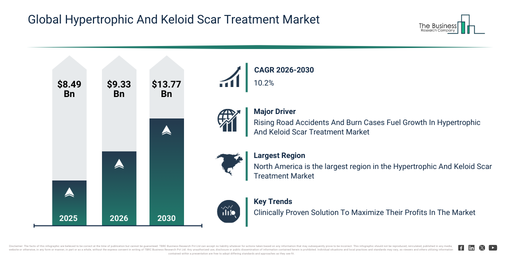
  • Global Hypertrophic And Keloid Scar Treatment Market Expected to Reach $13.76 Billion by 2030 with 10.2% CAGR

    Global Hypertrophic And Keloid Scar Treatment Market Expected to Reach $13.76 Billion by 2030 with 10.2% CAGR

    The Business Research Company’s 2026 market reports include new capabilities such as market attractiveness scoring and analysis, total addressable market analysis, company scoring matrix, interactive excel data dashboard, improved supply chain analysis, upcoming startups in the market, and overview of key products, aimed at improving the depth, usability, and strategic value of the insights delivered.

    What Market Value Is Expected For The Hypertrophic And Keloid Scar Treatment Market At The End Of The 2026–2030 Forecast Period?

    The hypertrophic and keloid scar treatment market size has experienced significant expansion in recent years. This market is projected to expand from $8.49 billion in 2025 to $9.33 billion in 2026, demonstrating a compound annual growth rate (CAGR) of 9.9%. Historically, this growth can be ascribed to a rising volume of surgical procedures, an increase in trauma and burn cases, the extensive application of corticosteroid injections, the expansion of dermatology and cosmetic clinics, and the pronounced aesthetic effects of scars.

    The hypertrophic and keloid scar treatment market size is expected to experience substantial expansion over the coming years. It is projected to reach $13.77 billion by 2030, achieving a compound annual growth rate (CAGR) of 10.2%. This growth in the forecast period is primarily driven by a rising preference for non-invasive scar treatments, the increasing adoption of laser and radiotherapy techniques, growing awareness regarding early scar management, the expansion of combination treatment protocols, and improved access to advanced dermatology services. Prominent trends anticipated in this period include the increasing uptake of combination scar management therapies, a rising demand for minimally invasive and non-surgical treatments, the growing use of laser and energy-based scar revision techniques, the expansion of post-surgical and preventive scar care solutions, and a heightened focus on early intervention and long-term scar control.

    Download the Free Sample Report to Explore Key Market Insights:

    https://www.thebusinessresearchcompany.com/sample.aspx?id=10692&type=smp

    What Drivers Are Shaping The Future Growth Of The Hypertrophic And Keloid Scar Treatment Market?

    The increasing prevalence of road accidents and burn injuries is projected to stimulate the expansion of the hypertrophic and keloid scar treatment market moving forward. Road accidents are defined as incidents occurring on a road involving at least one vehicle and individuals. Both road accidents and burn cases demand attention and appropriate measures for prevention and effective medical care. Hypertrophic and keloid scar treatments are utilized for individuals injured in road accidents to reduce the height and tightness of scars. A rise in road accidents and burn cases contributes to the growth of the hypertrophic and keloid scar treatment market. For instance, in January 2025, The Health Foundation, a UK-based independent organization, indicated that in 2023, 43 serious or fatal casualties occurred per billion miles traveled by car, in contrast to 1,032 for cyclists and 1,914 for motorcyclists, while 92 pedestrians per million residents were killed or seriously injured. Hence, the escalation in road accidents and burn cases will drive the hypertrophic and keloid scar treatment market.

    What Segment Types Make Up The Hypertrophic And Keloid Scar Treatment Market?

    The hypertrophic and keloid scar treatment market covered in this report is segmented –

    1) By Treatment: Cryotherapy, Surgical Excision, Pressure Dressings, Intralesional 5-Fluorouracil, Superficial X-Ray, Intralesional Corticosteroid Injection, Other Treatments

    2) By Products: Topical Products, Laser Products, Injectables, Other Products

    3) By Scar: Hypertrophic Scars, Keloid Scars

    4) By End-Use: Hospitals, Clinics, Other End-Users

    Subsegments:

    1) By Cryotherapy: Liquid Nitrogen Cryotherapy, Intralesional Cryotherapy

    2) By Surgical Excision: Simple Excision, Excision With Skin Grafting

    3) By Pressure Dressings: Elastic Bandage Pressure Dressings, Silicone Gel Pressure Dressings

    4) By Intralesional 5-Fluorouracil: Standalone 5-FU Treatment, Combination With Corticosteroids

    5) By Superficial X-Ray: Low-Dose X-Ray Therapy, Combination X-Ray With Other Treatments

    6) By Intralesional Corticosteroid Injection: Triamcinolone Acetonide Injection, Combination With 5-Fluorouracil

    7) By Other Treatments: Laser Therapy, Radiotherapy, Interferon Therapy

    How Are Trends Transforming The Hypertrophic And Keloid Scar Treatment Market Landscape?

    Leading companies in the hypertrophic and keloid scar treatment market are prioritizing the creation of clinically validated silicone-based products, such as medical-grade silicone strips, to boost their market earnings. Medical-grade silicone strips are therapeutic items crafted from superior silicone material, specifically formulated to encourage scar recovery and reduction. For instance, in April 2023, Scar Erase, a UK firm offering silicone-based scar reduction therapy, introduced Scar Erase silicone strips, a clinically proven and budget-friendly option for scar healing. Fashioned from 3mm of medical-grade silicone, these strips support the management of various scar types, including hypertrophic, keloid, post-surgery, and stretch marks. This silicone technology surrounds the scar area, facilitating hydration and an optimal healing setting, which leads to substantial improvements in scar texture, color, and height. It is engineered for both comfort and subtlety, providing an easily accessible at-home treatment for scars.

    Who Are The Key Players Driving Competition In The Hypertrophic And Keloid Scar Treatment Market?

    Major companies operating in the hypertrophic and keloid scar treatment market are Smith & Nephew plc, Merz Pharmaceutical LLC, Lumenis Ltd., Enaltus LLC, Sonoma Pharmaceuticals Inc., Molnlycke Health Care AB, Suneva Medical Inc., Pacific World Corporation, Perrigo Company plc, Cynosure Inc., Alliance Pharma plc, Newmedical Technology Inc., HRA Pharma, Scar Heal Inc., McKesson Medical Surgical Inc., Johnson & Johnson Private Limited, Medtronic plc, 3M Company, Sinclair Pharma plc, Avita Medical, Stratpharma AG, Biodermis, Mederma, Silagen

    Read the full hypertrophic and keloid scar treatment market report here:

    https://www.thebusinessresearchcompany.com/report/hypertrophic-and-keloid-scar-treatment-global-market-report

    Which Geographic Regions Are Influencing Demand In The Hypertrophic And Keloid Scar Treatment Market?

    North America was the largest region in the hypertrophic and keloid scar treatment market in 2025. Asia-Pacific is expected to be the fastest-growing region in the global hypertrophic and keloid scar treatment market report during the forecast period. The regions covered in the hypertrophic and keloid scar treatment market report are Asia-Pacific, South East Asia, Western Europe, Eastern Europe, North America, South America, Middle East, Africa.

    Request A Tailored Hypertrophic And Keloid Scar Treatment Market Research Report For Competitive Advantage:

    https://www.thebusinessresearchcompany.com/customise?id=10692&type=smp

    Browse Through More Reports Similar to the Global Hypertrophic And Keloid Scar Treatment Market 2026, By The Business Research Company

    Scar Treatment Global Market Report

    https://www.thebusinessresearchcompany.com/report/scar-treatment-global-market-report

    Keloids Treatment Global Market Report

    https://www.thebusinessresearchcompany.com/report/keloids-treatment-global-market-report

    Neurotrophic Keratitis Treatment Global Market Report

    https://www.thebusinessresearchcompany.com/report/neurotrophic-keratitis-treatment-global-market-report

    Get in touch with us:

    The Business Research Company: https://www.thebusinessresearchcompany.com/

    Americas +1 310-496-7795

    Asia +44 7882 955267 & +91 8897263534

    Europe +44 7882 955267

    Email us at info@tbrc.info

    Follow us on:

    LinkedIn: https://in.linkedin.com/company/the-business-research-company

    YouTube: https://www.youtube.com/channel/UC24_fI0rV8cR5DxlCpgmyFQ

    Global Market Model: https://www.thebusinessresearchcompany.com/global-market-model
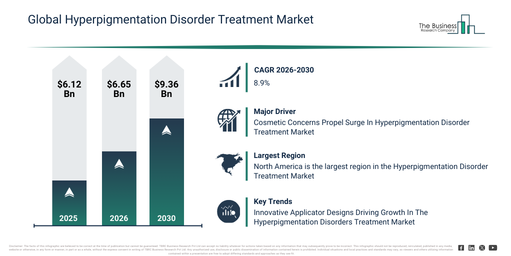
  • Hyperpigmentation Disorder Treatment Market Future Outlook Showing Expansion Toward $9.36 Billion by 2030

    Hyperpigmentation Disorder Treatment Market Future Outlook Showing Expansion Toward $9.36 Billion by 2030

    The Business Research Company’s 2026 market reports include new capabilities such as market attractiveness scoring and analysis, total addressable market analysis, company scoring matrix, interactive excel data dashboard, improved supply chain analysis, upcoming startups in the market, and overview of key products, aimed at improving the depth, usability, and strategic value of the insights delivered.

    What Is The Estimated Market Size Of The Hyperpigmentation Disorder Treatment Market During 2026–2030?

    The hyperpigmentation disorder treatment market size has experienced robust expansion in recent years. This market is projected to expand from $6.12 billion in 2025 to reach $6.65 billion in 2026, demonstrating a compound annual growth rate (CAGR) of 8.5%. Key factors driving this historical growth include the escalating prevalence of melasma and post-inflammatory hyperpigmentation (PIH), a heightened aesthetic awareness among the population, the proliferation of dermatology clinics, the extensive adoption of topical depigmenting agents, and increased exposure to sunlight.

    The hyperpigmentation disorder treatment market size is anticipated to experience significant growth in the upcoming years. It is projected to expand to $9.36 billion by 2030, progressing at a compound annual growth rate (CAGR) of 8.9%. This expansion during the forecast period can be attributed to factors such as an increasing demand for laser and energy-based devices, the broadening of personalized skincare treatments, rising disposable income, greater adoption of combination therapies, and the growing influence of aesthetic medicine. Prominent trends for the forecast period include a rising demand for non-invasive aesthetic treatments, an increasing preference for combination therapy approaches, a wider use of preventive and maintenance skincare regimens, the expansion of medical-grade cosmeceuticals, and higher adoption of clinic-based advanced procedures.

    Download the Free Sample Report to Explore Key Market Insights:

    https://www.thebusinessresearchcompany.com/sample.aspx?id=10709&type=smp

    Which Economic Or Industry Drivers Are Impacting The Hyperpigmentation Disorder Treatment Market?

    The increasing prevalence of aesthetic worries is projected to drive the growth of the hyperpigmentation disorder treatment market in the coming years. Cosmetic concerns refer to apprehensions or considerations related to an individual’s appearance, beauty, or overall aesthetics. These escalating concerns motivate people to seek and undergo hyperpigmentation disorder treatments, thereby stimulating innovation within the cosmetic and dermatological industries and enhancing the overall patient experience. For example, in March 2025, as reported by Yellow Bus ABA, a US-based therapy group, the global plastic surgery sector demonstrated significant activity in 2023, with approximately 34.9 million aesthetic procedures performed worldwide, showing a 3.4% rise from 2022. Consequently, the heightened focus on cosmetic concerns is a primary factor fueling the expansion of the hyperpigmentation disorder treatment market.

    How Are The Various Segments Of The Hyperpigmentation Disorder Treatment Market Categorized?

    The hyperpigmentation disorder treatment market covered in this report is segmented –

    1) By Treatment Type: Cosmeceuticals, Laser Therapy, Chemical Peels, Microdermabrasion

    2) By Disease Indication: Melasma, Post-Inflammatory Hyperpigmentation, Solar Lentigines

    3) By End-Users: Hospitals, Esthetic Clinics And Dermatology Centers

    Subsegments:

    1) By Cosmeceuticals: Topical Creams and Gels, Serums and Lotions

    2) By Laser Therapy: Fractional Laser Resurfacing, Intense Pulsed Light (IPL) Therapy

    3) By Chemical Peels: Superficial Peels, Medium Depth Peels

    4) By Microdermabrasion: Crystal Microdermabrasion, Diamond Microdermabrasion

    Which Trends Are Impacting The Growth Of The Hyperpigmentation Disorder Treatment Market?

    Leading firms within the hyperpigmentation disorders treatment market are concentrating on creating glycolic acid formulations to enhance their market standing and achieve a competitive edge. These glycolic acid solutions are skincare products that incorporate glycolic acid, an alpha hydroxy acid (AHA) recognized for its exfoliating capabilities, which contribute to better skin texture, increased brightness, and an improved overall look through accelerated cell turnover. As an illustration, in February 2024, the French personal care giant L’Oréal SA introduced the Glycolic Bright Dark Circle Eye Serum, specifically designed to address dark circles and dullness surrounding the eyes. This novel serum utilizes glycolic acid for its skin-exfoliating benefits, leading to a more radiant complexion and refined texture. Additionally, the formulation likely contains moisturizing components to nurture the sensitive eye region.

    Which Major Firms Influence Developments In The Hyperpigmentation Disorder Treatment Market?

    Major companies operating in the hyperpigmentation disorder treatment market are Vivier Pharma, Obagi Cosmeceuticals LLC, EpiPharm AG, Laboratories Pierre Fabre, SkinCeuticals, Galderma S.A., Allergan PLC., Lumenis Be Ltd., Aerolase Corporation, Candela Corporation, Cynosure, PCA Skin, La Roche-Posay, L’Oréal S.A., Pierre Fabre Laboratories, Clinuvel Pharmaceuticals Ltd., Clarify Medical Inc., Dr. Reddy’s Laboratories Ltd., Glenmark Pharmaceuticals Ltd., SkinMedica Inc., Neutrogena Corporation, Paula’s Choice Inc., ZO Skin Health Inc., Estée Lauder Companies Inc.

    Read the full hyperpigmentation disorder treatment market report here:

    https://www.thebusinessresearchcompany.com/report/hyperpigmentation-disorder-treatment-global-market-report

    What Are The Top-Performing Regions Within The Hyperpigmentation Disorder Treatment Market?

    North America was the largest region in the hyperpigmentation disorders treatment market in 2025.Asia-Pacific is expected to be the fastest-growing region in the global hyperpigmentation disorder treatment market report during the forecast period. The regions covered in the hyperpigmentation disorder treatment market report are Asia-Pacific, South East Asia, Western Europe, Eastern Europe, North America, South America, Middle East, Africa.

    Request A Tailored Hyperpigmentation Disorder Treatment Market Research Report For Competitive Advantage:

    https://www.thebusinessresearchcompany.com/customise?id=10709&type=smp

    Browse Through More Reports Similar to the Global Hyperpigmentation Disorder Treatment Market 2026, By The Business Research Company

    Retinal Disorder Treatment Global Market Report

    https://www.thebusinessresearchcompany.com/report/retinal-disorder-treatment-global-market-report

    Ocular Hypertension Treatment Global Market Report

    https://www.thebusinessresearchcompany.com/report/ocular-hypertension-treatment-global-market-report

    Pigmentation Disorders Treatment Global Market Report

    https://www.thebusinessresearchcompany.com/report/pigmentation-disorders-treatment-global-market-report

    Get in touch with us:

    The Business Research Company: https://www.thebusinessresearchcompany.com/

    Americas +1 310-496-7795

    Asia +44 7882 955267 & +91 8897263534

    Europe +44 7882 955267

    Email us at info@tbrc.info

    Follow us on:

    LinkedIn: https://in.linkedin.com/company/the-business-research-company

    YouTube: https://www.youtube.com/channel/UC24_fI0rV8cR5DxlCpgmyFQ

    Global Market Model: https://www.thebusinessresearchcompany.com/global-market-model