Category: Healthcare Services

  • A significant industry trend in the Cerebrospinal Fluid (CSF) Cell Counter Market includes the Horiba Ltd. Launches The Yumizen H550E Automatic Sampling System

    A significant industry trend in the Cerebrospinal Fluid (CSF) Cell Counter Market includes the Horiba Ltd. Launches The Yumizen H550E Automatic Sampling System

    The Business Research Company’s 2026 market reports include new capabilities such as market attractiveness scoring and analysis, total addressable market analysis, company scoring matrix, interactive excel data dashboard, improved supply chain analysis, upcoming startups in the market, and overview of key products, aimed at improving the depth, usability, and strategic value of the insights delivered.

    What Is The Expected Market Size Of The Cerebrospinal Fluid (CSF) Cell Counter Market From 2026 To 2030?

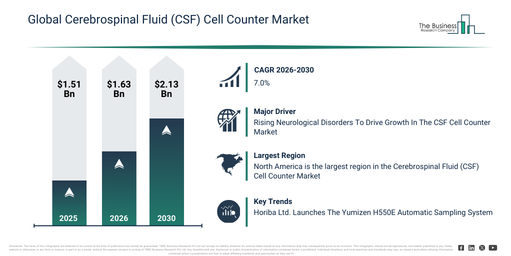
    The cerebrospinal fluid (csf) cell counter market size has observed substantial growth in recent years. It is anticipated to expand from $1.51 billion in 2025 to $1.63 billion in 2026, demonstrating a compound annual growth rate (CAGR) of 7.3%. This historical expansion can be attributed to the increasing prevalence of neurological disorders, a rise in hospital diagnostic testing volumes, the growing application of csf analysis in clinical diagnostics, the ongoing expansion of laboratory automation, and the availability of advanced diagnostic instruments.

    The cerebrospinal fluid (csf) cell counter market is projected to experience robust expansion over the coming years, with its size forecast to reach $2.13 billion by 2030, driven by a compound annual growth rate (CAGR) of 7.0%. This growth during the forecast period can be attributed to factors such as a heightened need for swift neurological diagnostics, an uptick in the use of point-of-care testing solutions, broader integration of digital pathology, an intensified emphasis on discovering diseases early, and greater financial commitments to sophisticated clinical diagnostics. Key trends anticipated for this period encompass the wider implementation of automated csf cell counting systems, an escalating requirement for portable and point-of-care counters, enhanced incorporation of digital imaging and analysis software, the extension of high-throughput diagnostic processes, and a stronger emphasis on the precision of diagnoses.

    Download the Free Sample Report to Explore Key Market Insights:

    https://www.thebusinessresearchcompany.com/sample.aspx?id=19365&type=smp

    What Drivers Are Influencing The Cerebrospinal Fluid (CSF) Cell Counter Market?

    The increasing occurrence of neurological disorders is projected to fuel the expansion of the cerebrospinal fluid (CSF) cell counter market in the coming years. These conditions, which impact the brain, spinal cord, and nerves—such as Alzheimer’s, Parkinson’s, epilepsy, and multiple sclerosis—result in various physical and cognitive difficulties. Factors like infections, traumatic injuries, environmental toxins, aging, and existing medical conditions such as diabetes or hypertension contribute to the increasing prevalence of neurological disorders. Cerebrospinal fluid (CSF) cell counters are vital in this context for analyzing cell counts and their characteristics within CSF, thereby assisting in the diagnosis, monitoring, and treatment of conditions including infections, tumors, and neurodegenerative diseases. As an illustration, the World Federation of Neurology (WFN), a UK-based international nonprofit neurological organization, reported in October 2023 that over 40% of the global population was afflicted with a neurological condition, with the total neurological disease burden anticipated to nearly double by 2050. Consequently, the increasing frequency of neurological disorders is a key driver for the cerebrospinal fluid (CSF) cell counter market’s growth.

    Cerebrospinal Fluid (CSF) Cell Counter Market Driver: Rising Incidence Of Infectious Diseases To Drive Growth In The CSF Cell Counter Market

    Which Segments Are Included In The Analysis Of The Cerebrospinal Fluid (CSF) Cell Counter Market?

    The cerebrospinal fluid (csf) cell counter market covered in this report is segmented –

    1) By Device Configuration: Fixed Type, Portable Type, Other Types

    2) By Product: Instruments, Consumables And Accessories, Software

    3) By Application: Hospitals And Diagnostic Laboratories, Pharmaceutical & Biotechnology, Research Institutes, Other Applications

    Subsegments:

    1) By Fixed Type: Laboratory-Based CSF Cell Counters, High-Throughput Fixed CSF Cell Counters, Automated Fixed Cell Counters, Microscopic Fixed CSF Cell Counters, Flow Cytometry-Based Fixed CSF Cell Counters

    2) By Portable Type: Handheld CSF Cell Counters, Compact, Battery-Operated CSF Cell Counters, Point-of-Care Portable CSF Cell Counters, Wireless Or Bluetooth-Enabled Portable Counters

    3) By Other Types: Semi-Automated CSF Cell Counters, Manual CSF Cell Counting Devices, Multi-Functional Cell Counters, Optical-Based CSF Cell Counters

    What Industry Trends Are Redefining The Cerebrospinal Fluid (CSF) Cell Counter Market?

    Leading firms within the cerebrospinal fluid (CSF) cell counter market are concentrating on creating advanced products, including hematology analyzers, to improve the effectiveness and precision of cell counting. A hematology analyzer, specifically for cerebrospinal fluid (CSF) cell counting, is a specialized instrument built to quantify and examine the cell counts present in cerebrospinal fluid. Such an analyzer offers comprehensive data regarding the categories and amounts of cells within the CSF, essential for both the diagnosis and ongoing assessment of numerous neurological ailments. As an example, in June 2024, Horiba Ltd., a Japan-based supplier of scientific and analytical instruments, introduced the Yumizen H550E, a compact hematology analyzer. This particular device conducts complete blood count (CBC), white blood cell differential (DIFF), and erythrocyte sedimentation rate (ESR) tests using whole blood in just 60 seconds. The versatility of this device makes it appropriate for use in critical care, oncology, infectious disease care, blood banks, satellite laboratories, and health centers.

    Which Key Industry Participants Are Active In The Cerebrospinal Fluid (CSF) Cell Counter Market?

    Major companies operating in the cerebrospinal fluid (csf) cell counter market are Merck KGaA, Thermo Fisher Scientific Inc., Abbott Laboratories, Danaher Corporation, Corning Incorporated, Agilent Technologies Inc., Olympus Corporation, Eppendorf, Bio-Rad Laboratories Inc., Sysmex Corporation, Tecan Group, Natus Medical Incorporated, Advanced Instruments, ChemoMetec A/S, NanoEntek Inc., Logos Biosystems, Oxford Optronix Ltd., Nexcelom Bioscience, DeNovix Inc., Cypress Diagnostics

    Read the full cerebrospinal fluid (csf) cell counter market report here:

    https://www.thebusinessresearchcompany.com/report/cerebrospinal-fluid-csf-cell-counter-global-market-report

    Which Regions Are Expected To Experience Rapid Expansion In The Cerebrospinal Fluid (CSF) Cell Counter Market?

    North America was the largest region in the cerebrospinal fluid (CSF) cell counter market in 2025. The regions covered in the cerebrospinal fluid (csf) cell counter market report are Asia-Pacific, South East Asia, Western Europe, Eastern Europe, North America, South America, Middle East, Africa.

    Request A Tailored Cerebrospinal Fluid (CSF) Cell Counter Market Research Report For Competitive Advantage:

    https://www.thebusinessresearchcompany.com/customise?id=19365&type=smp

    Browse Through More Reports Similar to the Global Cerebrospinal Fluid (CSF) Cell Counter Market 2026, By The Business Research Company

    Virtual Rehabilitation Global Market Report

    https://www.thebusinessresearchcompany.com/report/virtual-rehabilitation-global-market-report

    Virtual Reality Vr In Medical Simulation Global Market Report

    https://www.thebusinessresearchcompany.com/report/virtual-reality-vr-in-medical-simulation-global-market-report

    Bells Palsy Treatment Global Market Report

    https://www.thebusinessresearchcompany.com/report/bells-palsy-treatment-global-market-report

    Get in touch with us:

    The Business Research Company: https://www.thebusinessresearchcompany.com/

    Americas +1 310-496-7795

    Asia +44 7882 955267 & +91 8897263534

    Europe +44 7882 955267

    Email us at info@tbrc.info

    Follow us on:

    LinkedIn: https://in.linkedin.com/company/the-business-research-company

    YouTube: https://www.youtube.com/channel/UC24_fI0rV8cR5DxlCpgmyFQ

    Global Market Model: https://www.thebusinessresearchcompany.com/global-market-model
  • A key trend shaping the Cerebral Palsy Virtual Reality Therapy Market involves the Transforming Therapy Through Engaging And Personalized Experiences

    A key trend shaping the Cerebral Palsy Virtual Reality Therapy Market involves the Transforming Therapy Through Engaging And Personalized Experiences

    The Business Research Company’s 2026 market reports include new capabilities such as market attractiveness scoring and analysis, total addressable market analysis, company scoring matrix, interactive excel data dashboard, improved supply chain analysis, upcoming startups in the market, and overview of key products, aimed at improving the depth, usability, and strategic value of the insights delivered.

    What Market Valuation Is Forecasted For The Cerebral Palsy Virtual Reality Therapy Market By 2030 Starting From Its 2026 Size?

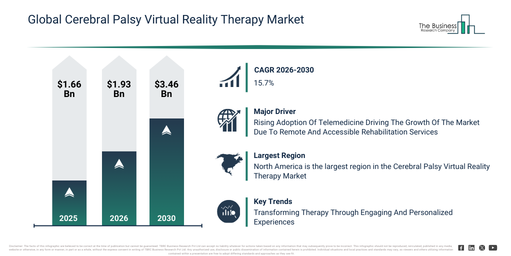
    The cerebral palsy virtual reality therapy market size has experienced rapid expansion in recent years. It is projected to increase from $1.66 billion in 2025 to $1.93 billion in 2026, at a compound annual growth rate (CAGR) of 16.0%. The growth observed in the historic period can be attributed to the growth in pediatric rehabilitation services, an increasing prevalence of cerebral palsy diagnoses, the early adoption of virtual therapy tools, a rising demand for engaging rehabilitation methods, and advancements in VR hardware accessibility.

    The cerebral palsy virtual reality therapy market is projected to experience substantial expansion in the coming years. By 2030, its valuation is anticipated to reach $3.46 billion, expanding at a compound annual growth rate (CAGR) of 15.7%. This anticipated growth during the forecast period is driven by several factors, including a heightened demand for pediatric therapy provided in home settings, increasing investments in immersive healthcare technologies, the proliferation of tele-rehabilitation models, a stronger emphasis on personalized neurorehabilitation, and the greater integration of VR into clinical practice. Key trends expected during this period involve the wider implementation of immersive rehabilitation environments, an increase in the use of gamified therapy programs, the growing incorporation of motion tracking sensors, the broadened availability of home-based VR therapy solutions, and a heightened emphasis on training approaches based on neuroplasticity.

    Download the Free Sample Report to Explore Key Market Insights:

    https://www.thebusinessresearchcompany.com/sample.aspx?id=28163&type=smp

    What Drivers Are Shaping The Future Growth Of The Cerebral Palsy Virtual Reality Therapy Market?

    The increasing utilization of telemedicine is anticipated to boost the expansion of the cerebral palsy virtual reality therapy market in the future. Telemedicine involves providing health services and medical advice remotely through digital communication tools like video conferencing, mobile applications, and web-based platforms. Its growing embrace stems from its capacity to offer accessible, prompt, and remote healthcare access, thereby lessening the necessity for physical appointments. Within telemedicine, cerebral palsy virtual reality therapy facilitates interactive rehabilitation sessions from a distance, enabling children to practice motor and cognitive abilities with expert supervision without requiring clinic visits. An example highlights this trend: in September 2024, data from the Australian Bureau of Statistics (ABS), Australia’s national statistical agency, indicated that during 2023–24, 83.5% of males utilized telehealth services, an increase from 78.6% in 2022–23. Consequently, the expanding use of telemedicine is fueling the growth within the cerebral palsy virtual reality therapy market.

    Which Segment Categories Define The Cerebral Palsy Virtual Reality Therapy Market?

    The cerebral palsy virtual reality therapy market covered in this report is segmented –

    1) By Therapy Type: Motor Skills Training, Pain Management, Cognitive Rehabilitation, Other Therapy Types

    2) By Technology: Non-Immersive Virtual Reality (VR), Semi-Immersive Virtual Reality (VR), Fully Immersive Virtual Reality (VR)

    3) By End-User: Hospitals, Rehabilitation Centers, Homecare Settings, Other End-Users

    Subsegments:

    1) By Motor Skills Training: Gait Training, Balance Training, Upper Limb Rehabilitation, Fine Motor Skills Development

    2) By Pain Management: Distraction-Based Therapy, Immersive Relaxation Environments, Virtual Reality (VR)-Based Mind-Body Therapy, Sensory Modulation Programs

    3) By Cognitive Rehabilitation: Memory Enhancement Exercises, Attention And Focus Training, Problem-Solving Simulations, Social And Communication Skills Training

    4) By Other Therapy Types: Psychological Support & Stress Reduction, Speech And Language Therapy Support, Virtual Recreational Therapy, Occupational Therapy Support

    What Key Developments And Trends Are Impacting The Cerebral Palsy Virtual Reality Therapy Market?

    Major companies operating within the cerebral palsy virtual reality therapy market are prioritizing technological advancements, such as robotic-assisted pediatric gait trainers, to improve motor function recovery, boost patient engagement, and deliver more tailored rehabilitation experiences for children with cerebral palsy. A robotic-assisted pediatric gait trainer is defined as a technology-enabled rehabilitation device that combines robotics, often alongside virtual reality, to assist children with cerebral palsy or other mobility impairments in practicing and refining their walking abilities. For instance, in January 2025, Genrobotics Innovations Private Limited, an India-based technology company, introduced the first robotic-assisted pediatric gait trainer, G-Gaiter Paediatric, in Kerala, marking a significant innovation in pediatric rehabilitation. This device is designed for children with conditions such as cerebral palsy, muscular dystrophy, and spinal cord injuries, integrating advanced robotics with virtual reality and interactive gaming to provide engaging, personalized therapy. It enables children to relearn motor skills, enhance muscle coordination, and develop natural walking patterns with precise support. The solution not only improves clinical outcomes but also increases patient motivation and accessibility, placing Genrobotics at the forefront of pediatric rehabilitation technology in India.

    Who Are The Top Companies Competing In The Cerebral Palsy Virtual Reality Therapy Market?

    Major companies operating in the cerebral palsy virtual reality therapy market are Evolv Rehabilitation Technologies S.L., MIRA Rehab Limited, Neofect Co. Ltd., XRHealth USA Inc., Tyromotion GmbH, MotusAcademy Ltd., Floreo Inc., Gait Up, Neuro Rehab VR Inc., Rehametrics S.L., Cognihab Private Limited, GaitBetter Ltd, CUREosity GmbH, Eodyne Systems S.L., Viribus VR Labs, KineQuantum SAS, Jintronix Inc., GestureTek Health Inc., Firsthand Technology Inc., VAST.Rehab sp. z o.o.

    Read the full cerebral palsy virtual reality therapy market report here:

    https://www.thebusinessresearchcompany.com/report/cerebral-palsy-virtual-reality-therapy-global-market-report

    Which Geographic Regions Are Influencing Demand In The Cerebral Palsy Virtual Reality Therapy Market?

    North America was the largest region in the cerebral palsy virtual reality therapy market in 2025. Asia-Pacific is expected to be the fastest-growing region in the forecast period. The regions covered in the cerebral palsy virtual reality therapy market report are Asia-Pacific, South East Asia, Western Europe, Eastern Europe, North America, South America, Middle East, Africa.

    Request A Tailored Cerebral Palsy Virtual Reality Therapy Market Research Report For Competitive Advantage:

    https://www.thebusinessresearchcompany.com/customise?id=28163&type=smp

    Browse Through More Reports Similar to the Global Cerebral Palsy Virtual Reality Therapy Market 2026, By The Business Research Company

    Bells Palsy Treatment Global Market Report

    https://www.thebusinessresearchcompany.com/report/bells-palsy-treatment-global-market-report

    Rare Neurological Disease Treatment Global Market Report

    https://www.thebusinessresearchcompany.com/report/rare-neurological-disease-treatment-global-market-report

    Neuralgia Treatment Global Market Report

    https://www.thebusinessresearchcompany.com/report/neuralgia-treatment-global-market-report

    Get in touch with us:

    The Business Research Company: https://www.thebusinessresearchcompany.com/

    Americas +1 310-496-7795

    Asia +44 7882 955267 & +91 8897263534

    Europe +44 7882 955267

    Email us at info@tbrc.info

    Follow us on:

    LinkedIn: https://in.linkedin.com/company/the-business-research-company

    YouTube: https://www.youtube.com/channel/UC24_fI0rV8cR5DxlCpgmyFQ

    Global Market Model: https://www.thebusinessresearchcompany.com/global-market-model
  • An Important Factor Driving the Cerebral Palsy Treatment Market Is the The Increasing Prevalence Of Cerebral Palsy

    An Important Factor Driving the Cerebral Palsy Treatment Market Is the The Increasing Prevalence Of Cerebral Palsy

    The Business Research Company’s 2026 market reports include new capabilities such as market attractiveness scoring and analysis, total addressable market analysis, company scoring matrix, interactive excel data dashboard, improved supply chain analysis, upcoming startups in the market, and overview of key products, aimed at improving the depth, usability, and strategic value of the insights delivered.

    How Is The Market Size Of The Cerebral Palsy Treatment Market Expected To Change Between 2026 And 2030?

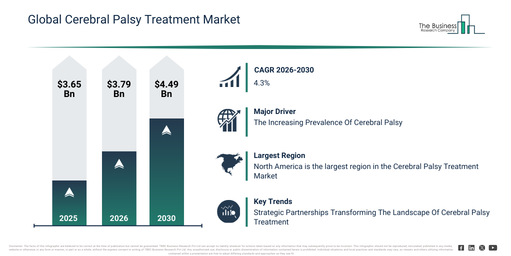
    The cerebral palsy treatment market has witnessed consistent expansion over recent years. Its valuation is projected to rise from $3.65 billion in 2025 to $3.79 billion in 2026, achieving a compound annual growth rate (CAGR) of 4.0%. This historical growth can be attributed to several factors, including improved survival rates in neonatal care, heightened awareness of developmental disorders, an increase in pediatric rehabilitation services, broader access to physical and occupational therapy, and the growing application of antispastic medications.

    The cerebral palsy treatment market size is anticipated to experience consistent expansion in the coming years. This market is projected to reach $4.49 billion by 2030, demonstrating a compound annual growth rate (CAGR) of 4.3%. During this forecast period, the expansion is driven by heightened investments in neurorehabilitation research, an increase in advanced assistive devices, wider adoption of digital therapy platforms, a greater emphasis on lifelong care models, and enhanced availability of specialized cerebral palsy treatments. Key developments expected in the forecast period encompass a broader embrace of multidisciplinary therapy strategies, an uptick in personalized treatment plans, the increasing incorporation of assistive medical technologies, the spread of early intervention initiatives, and a stronger focus on achieving long-term functional results.

    Download the Free Sample Report to Explore Key Market Insights:

    https://www.thebusinessresearchcompany.com/sample.aspx?id=12598&type=smp

    Which Economic Or Industry Drivers Are Impacting The Cerebral Palsy Treatment Market?

    The rising incidence of cerebral palsy is projected to drive expansion within the cerebral palsy (CP) treatment market in the future. Cerebral palsy (CP) encompasses a range of neurological conditions emerging during infancy or soon after, leading to permanent impairments in physical movement and muscle coordination. The identification of new cerebral palsy cases stimulates the creation of novel therapeutic strategies and interventions. As an illustration, figures released in October 2025 by Cerebral Palsy Guidance, an organization based in the US, indicate that in 2025, cerebral palsy continues to be the most common motor disability observed in early childhood, impacting around 1 in every 345 children in the United States. Consequently, the expanding occurrence of cerebral palsy fuels the advancement of the cerebral palsy treatment market.

    How Is The Cerebral Palsy Treatment Market Structured Across Different Segments?

    The cerebral palsy treatment market covered in this report is segmented –

    1) By Treatment: Surgery Therapy, Medication

    2) By Drug Type: Anticholinergics, Anticonvulsants, Antidepressants, Other Drugs

    3) By Disease Type: Spastic Cerebral Palsy, Dyskinetic Cerebral Palsy, Ataxic Cerebral Palsy, Mixed Cerebral Palsy

    4) By Distribution Channel: Hospital Pharmacies, Retail stores And Pharmacy, Online Providers

    Subsegments:

    1) By Surgery Therapy: Orthopedic Surgery, Neurosurgery, Tendon Release Surgery, Selective Dorsal Rhizotomy

    2) By Medication: Muscle Relaxants, Anti-Seizure Medications, Pain Management Medications, Spasticity Management Drugs

    What Trends Are Projected To Affect The Cerebral Palsy Treatment Market?

    Key players operating in the cerebral palsy treatment market are prioritizing the formation of strategic partnerships with organizations spanning the healthcare, research, and insurance sectors. This strategic focus aims to expand support services, boost inclusivity, and strengthen their presence in the market. Within this domain, strategic alliances entail cooperative endeavors to enhance access to resources, propel research innovations, and champion initiatives that aid individuals living with cerebral palsy and related disabilities. For example, in November 2023, the Cerebral Palsy Alliance Research Foundation (CPARF), a US-based organization committed to advancing research and improving outcomes for people with cerebral palsy, extended its collaboration with QBE North America, a Switzerland-based insurance company. This reinforced partnership is designed to foster a more open, accessible, and inclusive world for individuals with cerebral palsy and co-occurring disabilities, reflecting the shared commitment of both organizations to evolving support systems and generating meaningful impact within the cerebral palsy treatment market.

    Which Major Players Dominate The Cerebral Palsy Treatment Market?

    Major companies operating in the cerebral palsy treatment market are Ipsen Biopharmaceuticals Inc., Merz GmbH & Co. KGaA, Teva Pharmaceutical Industries Ltd., Supernus Pharmaceuticals Inc., AbbVie Inc., Proveca Ltd, Novartis AG, Revance Therapeutics, Baylx Inc., Hope Biosciences, Lannett Co Inc, MGC Pharma, Pfizer Inc., Bayer AG, Johnson & Johnson, GlaxoSmithKline plc., Tris Pharma Inc., Neurocrine Biosciences Inc., Medtronic, Allergan plc., Abbott, Jazz Pharmaceuticals, Rohto Pharmaceutical, Acorda Therapeutics, Astellas Pharma, UCB S.A., Sanofi S.A.

    Read the full cerebral palsy treatment market report here:

    https://www.thebusinessresearchcompany.com/report/cerebral-palsy-treatment-global-market-report

    What Are The Top-Performing Regions Within The Cerebral Palsy Treatment Market?

    North America was the largest region in the cerebral palsy treatment market in 2025. Asia Pacific is expected to be the fastest-growing region in the forecast period. The regions covered in the cerebral palsy treatment market report are Asia-Pacific, South East Asia, Western Europe, Eastern Europe, North America, South America, Middle East, Africa.

    Request A Tailored Cerebral Palsy Treatment Market Research Report For Competitive Advantage:

    https://www.thebusinessresearchcompany.com/customise?id=12598&type=smp

    Browse Through More Reports Similar to the Global Cerebral Palsy Treatment Market 2026, By The Business Research Company

    Atrophic Glossitis Treatment Global Market Report

    https://www.thebusinessresearchcompany.com/report/atrophic-glossitis-treatment-global-market-report

    Rare Neurological Disease Treatment Global Market Report

    https://www.thebusinessresearchcompany.com/report/rare-neurological-disease-treatment-global-market-report

    Neurological Disorder Drugs Global Market Report

    https://www.thebusinessresearchcompany.com/report/neurological-disorder-drugs-global-market-report

    Get in touch with us:

    The Business Research Company: https://www.thebusinessresearchcompany.com/

    Americas +1 310-496-7795

    Asia +44 7882 955267 & +91 8897263534

    Europe +44 7882 955267

    Email us at info@tbrc.info

    Follow us on:

    LinkedIn: https://in.linkedin.com/company/the-business-research-company

    YouTube: https://www.youtube.com/channel/UC24_fI0rV8cR5DxlCpgmyFQ

    Global Market Model: https://www.thebusinessresearchcompany.com/global-market-model
  • A Significant Growth Driver for the Cerebral Amyloid Angiopathy Treatment Market Is the Rising Neurological Disorders Fueling Growth Of The Market

    A Significant Growth Driver for the Cerebral Amyloid Angiopathy Treatment Market Is the Rising Neurological Disorders Fueling Growth Of The Market

    The Business Research Company’s 2026 market reports include new capabilities such as market attractiveness scoring and analysis, total addressable market analysis, company scoring matrix, interactive excel data dashboard, improved supply chain analysis, upcoming startups in the market, and overview of key products, aimed at improving the depth, usability, and strategic value of the insights delivered.

    What Is The Market Size Of The Cerebral Amyloid Angiopathy Treatment Market In 2026 And What Value Is Projected For 2030?

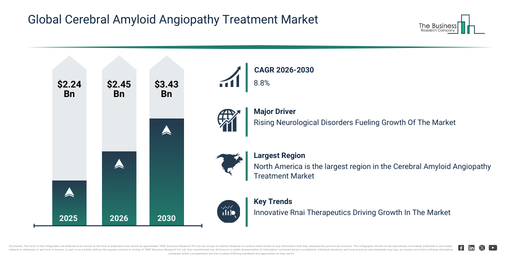
    The cerebral amyloid angiopathy treatment market has experienced significant growth in recent years. It is forecast to expand from $2.24 billion in 2025 to $2.45 billion in 2026, demonstrating a compound annual growth rate (CAGR) of 9.1%. The market’s past growth can be ascribed to an enhanced clinical understanding of amyloid-related disorders, a higher rate of diagnosis for age-related cerebrovascular conditions, the expansion of neurology specialty centers, the widespread availability of advanced neuroimaging tools, and the increasing use of antihypertensive therapies.

    The cerebral amyloid angiopathy treatment market is projected to experience robust expansion in the coming years. Its valuation is anticipated to reach $3.43 billion by 2030, exhibiting a compound annual growth rate (CAGR) of 8.8%. This projected growth is driven by several factors, including increased funding for neurodegenerative disease research, the growing acceptance of personalized medicine, an expanding pipeline of monoclonal antibody therapies, a heightened emphasis on early intervention, and more favorable clinical trial results for amyloid-targeting medications. Key trends expected during this period involve the accelerated development of anti-amyloid therapeutics, a greater uptake of precision diagnostics for caa, a stronger focus on treatments that modify the disease course, an increase in minimally invasive surgical options, and an enhanced commitment to long-term supportive care.

    Download the Free Sample Report to Explore Key Market Insights:

    https://www.thebusinessresearchcompany.com/sample.aspx?id=21136&type=smp

    What Major Drivers Are Influencing Demand In The Cerebral Amyloid Angiopathy Treatment Market?

    The growing occurrence of neurological disorders is anticipated to stimulate the expansion of the Cerebral Amyloid Angiopathy Treatment Market moving forward. Neurological disorders encompass conditions impacting the brain, spinal cord, or nerves, resulting in difficulties with movement, sensation, cognition, or other bodily functions. This increase in neurological disorder prevalence is linked to an aging population, lifestyle choices, environmental exposures, genetic predispositions, and enhanced diagnostic capabilities. Cerebral amyloid angiopathy treatment aids in managing neurological disorders by decreasing amyloid accumulation in blood vessels, improving brain blood flow, and mitigating the chances of cognitive decline and complications from strokes. For example, the Alzheimer’s Association stated in March 2023 that approximately 6.7 million Americans aged 65 and older were living with Alzheimer’s dementia in 2023, with projections showing this number could rise to 13.8 million by 2060. Consequently, the rising incidence of neurological disorders is a key driver for the Cerebral Amyloid Angiopathy Treatment Market. The increasing healthcare expenditure is projected to fuel the expansion of the Cerebral Amyloid Angiopathy Treatment Market in the future. Healthcare expenditure refers to the total financial investment in health services, including medical care, hospital stays, pharmaceuticals, and preventive measures, by individuals, governments, and organizations. The upward trend in healthcare spending is attributed to factors like an aging demographic, the rising prevalence of chronic illnesses, advancements in medical technology, and greater demand for health services and treatments. Cerebral amyloid angiopathy treatment contributes to managing healthcare costs by fostering the development of specific therapies, improving patient outcomes, and lowering expenses associated with long-term care, thereby promoting more efficient use of healthcare resources. For instance, according to the Centers for Medicare & Medicaid Services in December 2024, U.S. health care spending in 2023 saw an increase of 7.5%, reaching $4.9 trillion, which translates to roughly $14,570 per individual. Hence, the escalating healthcare expenditure is a significant factor driving the growth of the Cerebral Amyloid Angiopathy Treatment Market.

    What Are The Key Segments Of The Cerebral Amyloid Angiopathy Treatment Market?

    The cerebral amyloid angiopathy treatment market covered in this report is segmented –

    1) By Type: Medication, Therapeutic Procedures, Surgery, Supportive Care

    2) By Route Of Administration: Oral, Intravenous, Intramuscular

    3) By Patient Type: Geriatric, Adult, Pediatric

    4) By End User: Hospitals, Clinics, Homecare Settings

    Subsegments:

    1) By Medication: Antihypertensive Drugs, Antiplatelet Drugs, Statins, Monoclonal Antibodies, Anti-Amyloid Agents

    2) By Therapeutic Procedures: Plasma Exchange, Gene Therapy, Immunotherapy

    3) By Surgery: Cranial Decompression Surgery, Surgical Drainage Of Hematomas, Vascular Reconstruction Surgery

    4) By Supportive Care: Cognitive Rehabilitation, Physical Therapy, Pain Management, Nutritional Support

    Which Upcoming Trends Are Expected To Influence The Cerebral Amyloid Angiopathy Treatment Market?

    Major companies engaged in the cerebral amyloid angiopathy treatment market are prioritizing the development of innovative solutions, such as RNAi therapeutics, to target disease-related gene expression and lessen amyloid buildup in cerebral vessels. RNAi therapeutics refer to a class of medications that leverage RNA interference (RNAi) to silence specific genes, thereby preventing the creation of proteins that cause illness. For instance, in July 2023, Alnylam Pharmaceuticals Inc., a US-based pharmaceutical company, intends to commence the multiple-dose phase of its ALN-APP clinical trial in authorized regions. The ALN-APP trial is structured to assess both the safety and efficacy of RNAi-based therapeutics in reducing amyloid precursor proteins (APP), which are critical contributors to amyloid plaque formation in the brain. By silencing the gene responsible for producing these proteins, the trial aims to determine if ALN-APP can help prevent or even reverse the progression of cerebral amyloid angiopathy (CAA).

    Who Are The Leading Companies Operating In The Cerebral Amyloid Angiopathy Treatment Market?

    Major companies operating in the cerebral amyloid angiopathy treatment market are Pfizer Inc., Johnson & Johnson Services Inc., F. Hoffmann-La Roche Limited, Merck & Co. Inc., Bayer AG, Novartis International AG, Sanofi S.A., Bristol-Myers Squibb Company, AstraZeneca Public Limited Company, Abbott Laboratories, GlaxoSmithKline plc, Medtronic PLC, Eli Lilly and Company, Boehringer Ingelheim International Limited, Viatris Incorporated, Biogen Idec Inc., Sandoz Group AG, Daiichi Sankyo Company Limited, Amneal Pharmaceuticals LLC, Lupin Limited, Glenmark Pharmaceuticals Limited, Alnylam Pharmaceuticals Incorporated, Amydis Inc.

    Read the full cerebral amyloid angiopathy treatment market report here:

    https://www.thebusinessresearchcompany.com/report/cerebral-amyloid-angiopathy-treatment-global-market-report

    Which Region Shows The Strongest Potential For Future Growth In The Cerebral Amyloid Angiopathy Treatment Market?

    North America was the largest region in the Largest cerebral amyloid angiopathy treatment market in 2025. The regions covered in the cerebral amyloid angiopathy treatment market report are Asia-Pacific, South East Asia, Western Europe, Eastern Europe, North America, South America, Middle East, Africa.

    Request A Tailored Cerebral Amyloid Angiopathy Treatment Market Research Report For Competitive Advantage:

    https://www.thebusinessresearchcompany.com/customise?id=21136&type=smp

    Browse Through More Reports Similar to the Global Cerebral Amyloid Angiopathy Treatment Market 2026, By The Business Research Company

    Cerebral Palsy Treatment Global Market Report

    https://www.thebusinessresearchcompany.com/report/cerebral-palsy-treatment-global-market-report

    Neurological Disorder Drugs Global Market Report

    https://www.thebusinessresearchcompany.com/report/neurological-disorder-drugs-global-market-report

    Vitamin D Therapy Global Market Report

    https://www.thebusinessresearchcompany.com/report/vitamin-d-therapy-global-market-report

    Get in touch with us:

    The Business Research Company: https://www.thebusinessresearchcompany.com/

    Americas +1 310-496-7795

    Asia +44 7882 955267 & +91 8897263534

    Europe +44 7882 955267

    Email us at info@tbrc.info

    Follow us on:

    LinkedIn: https://in.linkedin.com/company/the-business-research-company

    YouTube: https://www.youtube.com/channel/UC24_fI0rV8cR5DxlCpgmyFQ

    Global Market Model: https://www.thebusinessresearchcompany.com/global-market-model
  • Global Cerebral Adrenoleukodystrophy (CALD) Industry Trends and Market Growth Forecast for 2026–2030

    Global Cerebral Adrenoleukodystrophy (CALD) Industry Trends and Market Growth Forecast for 2026–2030

    The Business Research Company’s 2026 market reports include new capabilities such as market attractiveness scoring and analysis, total addressable market analysis, company scoring matrix, interactive excel data dashboard, improved supply chain analysis, upcoming startups in the market, and overview of key products, aimed at improving the depth, usability, and strategic value of the insights delivered.

    What Will Be The Estimated Market Valuation Of The Cerebral Adrenoleukodystrophy (CALD) Market By The End Of 2030?

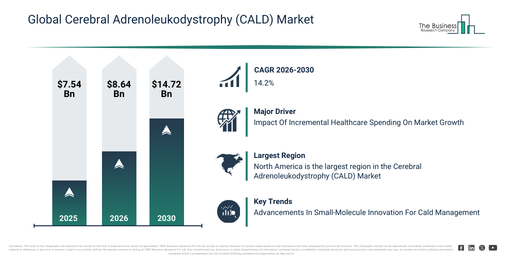
    The cerebral adrenoleukodystrophy (cald) market size has shown rapid expansion in recent years. This market is projected to expand from $7.54 billion in 2025 to $8.64 billion in 2026, reflecting a compound annual growth rate (CAGR) of 14.6%. Historically, this growth can be linked to several factors including an improved genetic understanding of ALD, the accessibility of stem cell transplantation options, the broadening of rare disease registries, heightened awareness among neurologists, and the establishment of more specialty treatment centers.

    The market for cerebral adrenoleukodystrophy (CALD) is projected to experience substantial expansion over the upcoming years. This market is anticipated to reach a valuation of $14.72 billion by 2030, exhibiting a compound annual growth rate (CAGR) of 14.2%. Driving this growth during the forecast period are factors such as the heightened uptake of gene therapy solutions, increased investments dedicated to developing drugs for rare diseases, the broadening scope of newborn screening programs, a sharpened focus on tailored treatment methodologies, and enhanced collaboration between research institutions and clinical facilities. Key trends projected for this period encompass intensified research into gene therapy techniques, the expanding implementation of early diagnostic screening programs, wider availability of stem cell transplantation therapies, a greater emphasis on rare disease awareness, and improved management of supportive care.

    Download the Free Sample Report to Explore Key Market Insights:

    https://www.thebusinessresearchcompany.com/sample.aspx?id=21135&type=smp

    Which Market Drivers Are Supporting The Expansion Of The Cerebral Adrenoleukodystrophy (CALD) Market?

    Future growth in the cerebral adrenoleukodystrophy (CALD) market is anticipated to be fueled by increasing healthcare expenditures. This rise in healthcare spending stems from factors such as an aging demographic, the prevalence of chronic illnesses, progress in medical science, escalating drug expenses, and broader health insurance coverage. Such spending benefits cerebral adrenoleukodystrophy (CALD) by facilitating better diagnostic methods, funding novel therapies like gene therapy and stem cell transplantation, and enhancing patients’ ability to access specialized care and timely interventions. Illustratively, data from the US federal agency, Centers for Medicare And Medicaid Services (CMS), revealed in December 2024 that national health expenditures (NHE) saw a 7.5% increase in 2023, exceeding the 6.1% growth observed in the gross domestic product (GDP). From 2023 to 2032, national health expenditures (NHE) are forecasted to expand at an average yearly rate of 5.6%, consequently raising healthcare’s proportion of the gross domestic product (GDP) from 17.3% in 2022 to 19.7% by 2032. Consequently, the expansion of healthcare spending is a key factor propelling the cerebral adrenoleukodystrophy (CALD) market’s development.

    Which Segment Classifications Shape The Cerebral Adrenoleukodystrophy (CALD) Market?

    The cerebral adrenoleukodystrophy (cald) market covered in this report is segmented –

    1) By Type Of Treatment: Dietary Management, Medications, Stem Cell Therapy

    2) By Patient Age Group: Adults, Children, Infants, Teens

    3) By End User: Healthcare Facilities, Patients And Caregivers, Pharmaceutical Companies

    Subsegments:

    1) By Dietary Management: Lorenzo’s Oil, Omega-3 Fatty Acids, Fatty Acid Supplements

    2) By Medications: Corticosteroids, Antioxidants, Anti-inflammatory Drugs

    3) By Stem Cell Therapy: Hematopoietic Stem Cell Transplantation (HSCT), Gene Therapy

    How Are Trends Shaping The Direction Of The Cerebral Adrenoleukodystrophy (CALD) Market?

    Leading companies in the cerebral adrenoleukodystrophy (cALD) market are increasingly prioritizing the development of innovative oral small-molecule therapies, particularly selective PPARγ agonists, to boost neuroprotective activity, enhance central nervous system penetration, and provide safer, more convenient alternatives to existing invasive or less targeted treatment methods. A PPARγ agonist (Peroxisome Proliferator-Activated Receptor gamma agonist) is defined as a drug or molecule that activates the PPARγ receptor, a nuclear hormone receptor found primarily in fat cells (adipocytes), immune cells, and muscle tissue. For example, in May 2023, Minoryx Therapeutics, a Spain-based biotech company, received FDA approval to commence its Phase 3 CALYX trial for leriglitazone (MIN-102). Leriglitazone is described as a novel, orally bioavailable, brain-penetrant, and selective PPARγ agonist, designed to target neuroinflammation, mitochondrial dysfunction, demyelination, and axonal degeneration mechanisms crucial to cALD progression. Unlike traditional interventions such as HSCT or gene therapy, which are invasive, carry significant risks, and are often impractical for many adult patients, leriglitazone offers a non-cellular, potentially safer, and more accessible therapeutic option. Furthermore, compassionate-use studies have indicated that leriglitazone is well tolerated and demonstrates efficacy in stabilizing both clinical and radiological disease markers in adult cALD patients.

    Which Companies Are Expanding Their Footprint In The Cerebral Adrenoleukodystrophy (CALD) Market?

    Major companies operating in the cerebral adrenoleukodystrophy (cald) market are Bluebird Bio Inc., Minoryx Therapeutics S.L., SwanBio Therapeutics Inc., Magenta Therapeutics Inc., Novartis AG, Vertex Pharmaceuticals Inc., MedDay Pharmaceuticals SAS, SOM Biotech Inc., Autobahn Therapeutics Inc., Orpheris Inc., Sperogenix Therapeutics Inc., NeuroVia Inc., REGENXBIO Inc., Ultragenyx Pharmaceutical Inc., Taysha Gene Therapies Inc., Neurogene Inc., Applied Genetic Technologies Corporation, Oxford BioMedica plc, UniQure N.V.

    Read the full cerebral adrenoleukodystrophy (cald) market report here:

    https://www.thebusinessresearchcompany.com/report/cerebral-adrenoleukodystrophy-cald-global-market-report

    How Is The Cerebral Adrenoleukodystrophy (CALD) Market Distributed Across Key Geographic Regions?

    North America was the largest region in the cerebral adrenoleukodystrophy (CALD) market in 2025. The regions covered in the cerebral adrenoleukodystrophy (cald) market report are Asia-Pacific, South East Asia, Western Europe, Eastern Europe, North America, South America, Middle East, Africa.

    Request A Tailored Cerebral Adrenoleukodystrophy (CALD) Market Research Report For Competitive Advantage:

    https://www.thebusinessresearchcompany.com/customise?id=21135&type=smp

    Browse Through More Reports Similar to the Global Cerebral Adrenoleukodystrophy (CALD) Market 2026, By The Business Research Company

    Dental Implants And Prosthetics Global Market Report

    https://www.thebusinessresearchcompany.com/report/dental-implants-and-prosthetics-global-market-report

    Medical Ceramics Global Market Report

    https://www.thebusinessresearchcompany.com/report/medical-ceramics-global-market-report

    Cosmetic Implants Global Market Report

    https://www.thebusinessresearchcompany.com/report/cosmetic-implants-global-market-report

    Get in touch with us:

    The Business Research Company: https://www.thebusinessresearchcompany.com/

    Americas +1 310-496-7795

    Asia +44 7882 955267 & +91 8897263534

    Europe +44 7882 955267

    Email us at info@tbrc.info

    Follow us on:

    LinkedIn: https://in.linkedin.com/company/the-business-research-company

    YouTube: https://www.youtube.com/channel/UC24_fI0rV8cR5DxlCpgmyFQ

    Global Market Model: https://www.thebusinessresearchcompany.com/global-market-model
  • Ceramic Dental Implant Market Size Outlook and Demand Growth Across 2026–2030

    Ceramic Dental Implant Market Size Outlook and Demand Growth Across 2026–2030

    The Business Research Company’s 2026 market reports include new capabilities such as market attractiveness scoring and analysis, total addressable market analysis, company scoring matrix, interactive excel data dashboard, improved supply chain analysis, upcoming startups in the market, and overview of key products, aimed at improving the depth, usability, and strategic value of the insights delivered.

    What Market Size Growth Is Projected For The Ceramic Dental Implant Market During The Forecast Period 2026–2030?

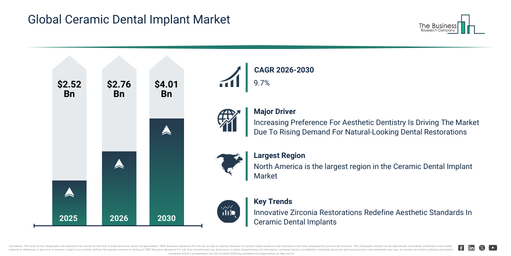
    The ceramic dental implant market has experienced robust expansion in recent years. Its size is expected to climb from $2.52 billion in 2025 to $2.76 billion in 2026, demonstrating a compound annual growth rate (CAGR) of 9.8%. This growth observed historically is attributable to factors like the increasing prevalence of dental disorders, a rising demand for cosmetic dentistry procedures, enhanced acceptance of implant-based restorations, breakthroughs in ceramic material science, and the broader development of dental care infrastructure.

    The ceramic dental implant market is poised for significant expansion in the coming years. It is expected to grow to $4.01 billion by 2030, demonstrating a compound annual growth rate (CAGR) of 9.7%. This anticipated growth can be attributed to factors such as an increasing patient preference for metal-free implants, the rising adoption of digital dentistry workflows, the expansion of dental implant tourism, growing investments in advanced dental materials, and an increasing demand for long-lasting aesthetic restorations. Major trends predicted for this period include the increasing adoption of metal-free dental implant solutions, a rising demand for zirconia-based implants, the growing use of CAD/CAM-manufactured ceramic implants, the expansion of aesthetic-focused dental restorations, and an enhanced focus on biocompatibility and osseointegration.

    Download the Free Sample Report to Explore Key Market Insights:

    https://www.thebusinessresearchcompany.com/sample.aspx?id=30228&type=smp

    What Underlying Factors Are Accelerating The Growth Of The Ceramic Dental Implant Market?

    The escalating preference for aesthetic dentistry is anticipated to fuel the expansion of the ceramic dental implant market. This field is dedicated to improving the visual appeal of teeth and smiles by rectifying issues such as misaligned, discolored, fractured, or absent teeth, thereby helping patients achieve a more appealing and healthier smile. The heightened demand for aesthetic dentistry largely stems from individuals’ increased attention to their appearance, as an enhanced smile can significantly boost self-confidence and positively influence personal and social interactions. Ceramic dental implants support aesthetic dentistry by offering natural-looking, tooth-colored replacements that blend seamlessly with existing teeth, while also being gentle on the gums and mitigating the risk of allergic reactions. For instance, in July 2023, according to Dentistry, a UK-based dental website and magazine, approximately one-third of individuals under 35 underwent cosmetic dental procedures, spending an average of $3,677, with 10% of those aged 25–34 investing $25,000 or more, primarily on professional treatments rather than routine care or at-home options. Consequently, the growing inclination towards aesthetic dentistry is propelling the growth of the ceramic dental implant market.

    What Market Segments Are Evaluated Within The Ceramic Dental Implant Market?

    The ceramic dental implant market covered in this report is segmented –

    1) By Product Type: All-Ceramic Implants, Zirconia Implants, Porcelain Implants, Hybrid Ceramic Implants

    2) By Design: One-Piece Implants, Two-Piece Implants

    3) By Distribution Channel: Direct Sales, Online Retail, Dental Supply Stores, Dental Device Distributors

    4) By Application: Single Tooth Replacement, Multiple Teeth Replacement, Full Mouth Rehabilitation, Preventive Dental Care, Periodontal Treatments

    5) By End-User: Dental Clinics, Dental Hospitals, Research Institutions, Dental Laboratories

    Subsegments:

    1) By All-Ceramic Implants: Single-Phase Implants, Two-Phase Implants, Custom-Made Implants

    2) By Zirconia Implants: One-Piece Zirconia Implants, Two-Piece Zirconia Implants, Surface-Modified Zirconia Implants

    3) By Porcelain Implants: Fused Porcelain Implants, Pressed Porcelain Implants, Layered Porcelain Implants

    4) By Hybrid Ceramic Implants: Ceramic-Metal Composite Implants, Polymer-Infiltrated Ceramic Implants, Fiber-Reinforced Ceramic Implants

    Which Market Trends Are Creating New Opportunities In The Ceramic Dental Implant Market?

    Leading companies in the ceramic dental implant market are concentrating on developing innovative products, such as advanced zirconia full-arch restorations, to enhance the natural aesthetics, durability, and personalization of implant-supported smiles. An advanced zirconia full-arch restoration represents a high-performance dental prosthetic made from zirconia ceramic, engineered to replicate the appearance and function of natural teeth while offering superior strength, biocompatibility, and resistance to wear compared to traditional materials. For example, in June 2025, ClearChoice Management Services, a US-based network of dental implant centers, unveiled Endura Elite. This product features handcrafted, multi-layered zirconia designed to closely mimic the color depth, texture, and light reflection of natural teeth, alongside delivering exceptional strength and longevity. This introduction demonstrates how businesses in the ceramic dental implant market are integrating advanced digital design and artisanal craftsmanship to produce highly individualized, lifelike restorations, thereby supporting the growth and adoption of ceramic implants in aesthetic dentistry.

    Who Are The Top Market Participants Influencing The Ceramic Dental Implant Market?

    Major companies operating in the ceramic dental implant market are 3M Company, Danaher Corporation, GE Healthcare, Zimmer Biomet Holdings Inc., Dentsply Sirona Inc., Straumann Group, Planmeca Oy, Midmark Corporation, J. Morita Corporation, NewTom, 3Shape A/S, Vatech Co. Ltd., Carestream Dental LLC, Yoshida Denki Co. Ltd., Takara Belmont Corporation, GC Corporation, BIOLASE Inc., Seiler Instrument & Mfg. Co. Inc., Stern Weber S.r.l., Dürr Dental AG

    Read the full ceramic dental implant market report here:

    https://www.thebusinessresearchcompany.com/report/global-ceramic-dental-implant-market-report

    Which Region Is Projected To Dominate The Ceramic Dental Implant Market During The Forecast Period?

    North America was the largest region in the ceramic dental implant market in 2025. Asia-Pacific is expected to be the fastest-growing region in the forecast period. The regions covered in the ceramic dental implant market report are Asia-Pacific, South East Asia, Western Europe, Eastern Europe, North America, South America, Middle East, Africa.

    Request A Tailored Ceramic Dental Implant Market Research Report For Competitive Advantage:

    https://www.thebusinessresearchcompany.com/customise?id=30228&type=smp

    Browse Through More Reports Similar to the Global Ceramic Dental Implant Market 2026, By The Business Research Company

    Catheters Global Market Report

    https://www.thebusinessresearchcompany.com/report/catheters-global-market-report

    Intravascular Catheters Global Market Report

    https://www.thebusinessresearchcompany.com/report/intravascular-catheters-global-market-report

    Neurovascular Catheters Global Market Report

    https://www.thebusinessresearchcompany.com/report/neurovascular-catheters-global-market-report

    Get in touch with us:

    The Business Research Company: https://www.thebusinessresearchcompany.com/

    Americas +1 310-496-7795

    Asia +44 7882 955267 & +91 8897263534

    Europe +44 7882 955267

    Email us at info@tbrc.info

    Follow us on:

    LinkedIn: https://in.linkedin.com/company/the-business-research-company

    YouTube: https://www.youtube.com/channel/UC24_fI0rV8cR5DxlCpgmyFQ

    Global Market Model: https://www.thebusinessresearchcompany.com/global-market-model
  • Central Venous Catheters Market Insights Highlighting Opportunities and Drivers Supporting Growth to 2030

    Central Venous Catheters Market Insights Highlighting Opportunities and Drivers Supporting Growth to 2030

    The Business Research Company’s 2026 market reports include new capabilities such as market attractiveness scoring and analysis, total addressable market analysis, company scoring matrix, interactive excel data dashboard, improved supply chain analysis, upcoming startups in the market, and overview of key products, aimed at improving the depth, usability, and strategic value of the insights delivered.

    How Will The Market Size Of The Central Venous Catheters Market Evolve From 2026 To 2030?

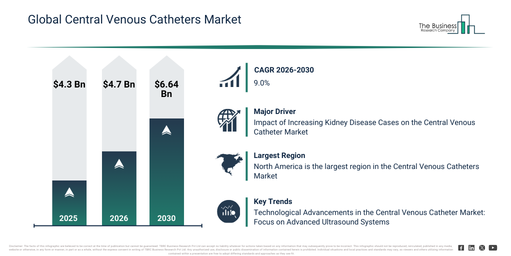
    The central venous catheters market size has demonstrated significant growth in recent years. It is anticipated to expand from $4.3 billion in 2025 to $4.7 billion in 2026, progressing at a compound annual growth rate (CAGR) of 9.2%. This market expansion in the past can be attributed to increasing hospital admission rates, the heightened application of intravenous therapies, the broadening of critical care services, a surging requirement for long-term vascular access, and the presence of standardized catheterization practices.

    The central venous catheters market is anticipated to experience robust expansion over the coming years. This market is projected to reach $6.64 billion by 2030, exhibiting a compound annual growth rate (CAGR) of 9.0%. Factors contributing to this growth during the forecast period include a heightened emphasis on reducing hospital-acquired infections, the increasing use of advanced catheter materials, the expansion of outpatient infusion services, a rising need for safer vascular access devices, and greater investments in technologies for patient safety. Key trends expected throughout the forecast period encompass a growing utilization of antimicrobial-coated catheters, the increasing embrace of multi-lumen catheter designs, an elevated focus on infection prevention protocols, the broader availability of long-term vascular access solutions, and improved training for catheter placement procedures.

    Download the Free Sample Report to Explore Key Market Insights:

    https://www.thebusinessresearchcompany.com/sample.aspx?id=18291&type=smp

    Which Growth Drivers Are Contributing To The Progress Of The Central Venous Catheters Market?

    An anticipated increase in kidney disease instances is projected to boost the central venous catheter market in the future. This growing prevalence of kidney ailments stems from the escalating rates of chronic conditions like diabetes and hypertension, which frequently require interventions such as central venous catheters for essential treatments including dialysis. Central venous catheters play a crucial role in the management of kidney diseases, offering vital access for hemodialysis, the delivery of medication, nutritional assistance, and routine blood sampling. For example, data from Kidney Research UK, a UK-based charity, indicated in June 2023 that an estimated 7.19 million individuals in the UK, exceeding 10% of its population, are affected by kidney disease in 2023. This figure is projected to rise to 7.61 million by 2033, concurrently with an increase in the proportion of patients in advanced disease stages, moving from 45% to 51%. Consequently, the expanding occurrence of kidney diseases will propel the central venous catheter market.

    Which Segment Areas Are Covered In The Central Venous Catheters Market Analysis?

    The central venous catheters market covered in this report is segmented –

    1) By Type: Single-lumen, Double-lumen, Triple-lumen, Other Types

    2) By Property: Antimicrobial Coated, Non-Antimicrobial Coated

    3) By Application: Jugular Vein, Subclavian Vein, Femoral Vein, Other Applications

    4) By End User: Hospitals, Ambulatory Surgical Centers, Other End Users

    Subsegments:

    1) By Single-Lumen: Non-Tunneled Single-Lumen Catheters, Tunneled Single-Lumen Catheters

    2) By Double-Lumen: Non-Tunneled Double-Lumen Catheters, Tunneled Double-Lumen Catheters

    3) By Triple-Lumen: Non-Tunneled Triple-Lumen Catheters, Tunneled Triple-Lumen Catheters

    4) By Other Types: Quad-Lumen Catheters, Peripherally Inserted Central Catheters (PICC)

    What Trends Are Affecting The Expansion Of The Central Venous Catheters Market?

    Major companies in the central venous catheter market are developing advanced ultrasound systems to enhance precision and safety during catheter insertion procedures. These sophisticated ultrasound systems improve central venous catheter placement by offering real-time visualization, increasing accuracy, reducing complications, and boosting patient comfort and procedural efficiency. For instance, in November 2023, Becton, Dickinson, and Company (BD), a US-based medical technology firm, launched SiteRite 9, an advanced vascular access ultrasound system designed to improve clinician efficiency when placing peripherally inserted central catheters (PICCs), central venous catheters, IV lines, and other vascular access devices. The SiteRite 9 ultrasound system features a user-friendly 15.6-inch touchscreen with enhanced image quality. It includes the Cue needle tracking system for real-time needle tracking and the Sherlock 3CG+ tip confirmation system for precise catheter navigation. BD’s advanced ultrasound technology aims to simplify vascular access procedures, supporting clinician efficiency with intelligent, connected features such as vessel assessment and automated data capture.

    Which Global Companies Are Actively Competing In The Central Venous Catheters Market?

    Major companies operating in the central venous catheters market are Medtronic plc, Becton, Dickinson and Company (BD), Boston Scientific Corporation, B. Braun Holding GmbH & Co. KG, Terumo Corporation, Edwards Lifesciences Corporation, Teleflex Incorporated, Cook Group Incorporated, ICU Medical Inc., Lepu Medical Technology (Beijing) Co. Ltd, Merit Medical Systems Inc, Vygon SAS, AngioDynamics Inc., Argon Medical Devices Inc., Poly Medicure Limited, Vogt Medical Vertrieb GmbH, MedCath Corporation, GaltNeedleTech Inc., Romsons International, Newtech Medical Devices Private Limited, NIPRO Medical Corporation, DemeTECH Corporation, Scitech Medical Products SA, Prodimed, P. K. Scientific & Chemicals

    Read the full central venous catheters market report here:

    https://www.thebusinessresearchcompany.com/report/central-venous-catheters-global-market-report

    What Are The Leading Geographic Regions In The Central Venous Catheters Market?

    North America was the largest region in the central venous catheters market in 2025. The regions covered in the central venous catheters market report are Asia-Pacific, South East Asia, Western Europe, Eastern Europe, North America, South America, Middle East, Africa.

    Request A Tailored Central Venous Catheters Market Research Report For Competitive Advantage:

    https://www.thebusinessresearchcompany.com/customise?id=18291&type=smp

    Browse Through More Reports Similar to the Global Central Venous Catheters Market 2026, By The Business Research Company

    Precocious Puberty Treatment Global Market Report

    https://www.thebusinessresearchcompany.com/report/precocious-puberty-treatment-global-market-report

    Male Hypogonadism Global Market Report

    https://www.thebusinessresearchcompany.com/report/male-hypogonadism-global-market-report

    Middle School Global Market Report

    https://www.thebusinessresearchcompany.com/report/middle-school-global-market-report

    Get in touch with us:

    The Business Research Company: https://www.thebusinessresearchcompany.com/

    Americas +1 310-496-7795

    Asia +44 7882 955267 & +91 8897263534

    Europe +44 7882 955267

    Email us at info@tbrc.info

    Follow us on:

    LinkedIn: https://in.linkedin.com/company/the-business-research-company

    YouTube: https://www.youtube.com/channel/UC24_fI0rV8cR5DxlCpgmyFQ

    Global Market Model: https://www.thebusinessresearchcompany.com/global-market-model
  • Global Central Precocious Puberty Market Expected to Reach $3.36 Billion by 2030 with 10.1% CAGR

    Global Central Precocious Puberty Market Expected to Reach $3.36 Billion by 2030 with 10.1% CAGR

    The Business Research Company’s 2026 market reports include new capabilities such as market attractiveness scoring and analysis, total addressable market analysis, company scoring matrix, interactive excel data dashboard, improved supply chain analysis, upcoming startups in the market, and overview of key products, aimed at improving the depth, usability, and strategic value of the insights delivered.

    What Is The Forecasted Market Value Of The Central Precocious Puberty Market Across 2026–2030?

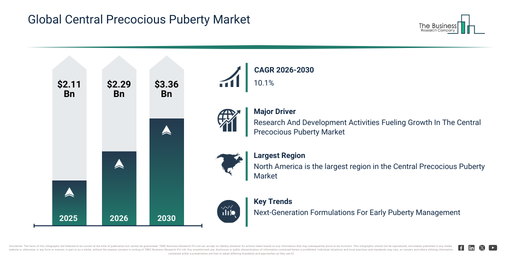
    The central precocious puberty market has experienced substantial growth in recent years. It is projected to expand from $2.11 billion in 2025 to $2.29 billion in 2026, at a compound annual growth rate (CAGR) of 8.8%. The increase observed in the past can be attributed to several factors, including higher diagnosis rates of early puberty, enhanced access to pediatric healthcare services, the widespread availability of hormone suppression therapies, the expansion of specialized endocrine clinics, and a growing awareness among healthcare providers.

    The central precocious puberty market is projected to experience substantial expansion over the upcoming years. It is anticipated to reach a valuation of $3.36 billion by 2030, exhibiting a compound annual growth rate (CAGR) of 10.1%. This anticipated growth during the forecast period is driven by factors such as a heightened demand for long-acting and less invasive treatments, an increasing emphasis on individualized pediatric care strategies, the expansion of home-based healthcare models, a greater uptake of digital tools for patient monitoring, and increased capital flowing into the development of pediatric drugs. Key developments expected in this period encompass an rise in early detection of puberty-related conditions, wider adoption of long-acting GnRH therapies, a sharpened focus on pediatric endocrinology services, the broadening of patient monitoring initiatives, and improved public understanding of hormonal imbalances.

    Download the Free Sample Report to Explore Key Market Insights:

    https://www.thebusinessresearchcompany.com/sample.aspx?id=13184&type=smp

    What Primary Drivers Are Shaping The Development Of The Central Precocious Puberty Market?

    A surge in research and development initiatives is projected to boost the central precocious puberty market’s expansion in the future. Research and development activities encompass various processes and efforts organizations undertake to generate novel knowledge, products, services, or procedures, or to enhance existing ones. These R&D activities are critical for central precocious puberty (CPP), playing a significant role in improving the understanding of the condition, refining diagnostic and treatment methods, and elevating the overall care provided to individuals affected by central precocious puberty. For instance, in April 2025, The Office for National Statistics (ONS), a UK-based government agency, stated that the UK government’s net expenditure on research and development (R&D) rose to £17.4 billion in 2023, compared to £16.1 billion in 2022, indicating an 8.2% increase. Consequently, the rising volume of research and development activities is a primary factor propelling the growth of the central precocious puberty market.

    What Segmentation Levels Are Considered In The Central Precocious Puberty Market?

    The central precocious puberty market covered in this report is segmented –

    1) By Drug: Leuprolide Acetate, Triptorelin, Histrelin Acetate, Nafarelin

    2) By Route Of Administration: Parenteral, Subcutaneous, Intramuscular, Other Routes Of Administrations

    3) By Distribution Channel: Hospital Pharmacy, Retail Pharmacy, Online Pharmacy

    4) By End-Users: Hospitals, Specialty Clinics, Homecare, Other End-Users

    Subsegments:

    1) By Leuprolide Acetate: Injectable Formulations, Depot Formulations

    2) By Triptorelin: Injectable Formulations, Long-acting Formulations

    3) By Histrelin Acetate: Implant Formulations, Injectable Formulations

    4) By Nafarelin: Nasal Spray Formulations, Injectable Formulations

    Which Trends Are Influencing The Central Precocious Puberty Market?

    Major companies active in the central precocious puberty (CPP) market are concentrating on developing advanced therapeutic formulations, such as long-acting GnRH agonists, to enhance treatment outcomes, ensure consistent hormone suppression, and improve patient convenience. Long-acting GnRH agonists remain the established standard of care, with innovations primarily centered on sustained-release delivery systems that decrease dosing frequency and support better adherence in pediatric populations. For instance, in October 2025, LG Chem, a South Korea-based life sciences company, launched Leupone, a new treatment for premature puberty. This therapy is engineered to provide effective and prolonged suppression of early pubertal hormonal activity, offering a reliable and patient-friendly option for managing central precocious puberty. The introduction of Leupone strengthens LG Chem’s endocrinology portfolio and supports wider access to advanced CPP treatments globally.

    Which Leading Firms Are Contributing To The Growth Of The Central Precocious Puberty Market?

    Major companies operating in the central precocious puberty market are Pfizer Inc., AbbVie Inc., Ipsen Ltd., Ferring Pharmaceuticals Private Limited, Endo Pharmaceuticals Inc., Amneal Pharmaceuticals Inc., Arbor Pharmaceuticals LLC, Sun Pharmaceutical Industries Ltd., Cipla Limited, Piramal Enterprises Limited, Livzon Pharmaceutical Group Inc., The Bachem Group, Antares Pharma Inc., Tolmar Pharmaceuticals Inc., Debiopharm Group, Salvavidas Pharmaceutical Pvt. Ltd., Actiza Pharmaceutical Private Limited, Foresee Pharmaceuticals Co. Ltd., Manus Aktteva Biopharma LLP, Midas Pharma GmbH, LGM Pharma LLC, Varian Pharmed Group, Shenzhen JYMed Technology Co. Ltd.

    Read the full central precocious puberty market report here:

    https://www.thebusinessresearchcompany.com/report/central-precocious-puberty-global-market-report

    How Does The Central Precocious Puberty Market Perform Across Major Global Regions?

    North America was the largest region in the central precocious puberty market in 2025. The regions covered in the central precocious puberty market report are Asia-Pacific, South East Asia, Western Europe, Eastern Europe, North America, South America, Middle East, Africa.

    Request A Tailored Central Precocious Puberty Market Research Report For Competitive Advantage:

    https://www.thebusinessresearchcompany.com/customise?id=13184&type=smp

    Browse Through More Reports Similar to the Global Central Precocious Puberty Market 2026, By The Business Research Company

    Diffuse Large B Cell Lymphoma Therapeutics Global Market Report

    https://www.thebusinessresearchcompany.com/report/diffuse-large-b-cell-lymphoma-therapeutics-global-market-report

    Follicular Lymphoma Treatment Global Market Report

    https://www.thebusinessresearchcompany.com/report/follicular-lymphoma-treatment-global-market-report

    Non Hodgkin Lymphoma Nhl Global Market Report

    https://www.thebusinessresearchcompany.com/report/non-hodgkin-lymphoma-nhl-global-market-report

    Get in touch with us:

    The Business Research Company: https://www.thebusinessresearchcompany.com/

    Americas +1 310-496-7795

    Asia +44 7882 955267 & +91 8897263534

    Europe +44 7882 955267

    Email us at info@tbrc.info

    Follow us on:

    LinkedIn: https://in.linkedin.com/company/the-business-research-company

    YouTube: https://www.youtube.com/channel/UC24_fI0rV8cR5DxlCpgmyFQ

    Global Market Model: https://www.thebusinessresearchcompany.com/global-market-model
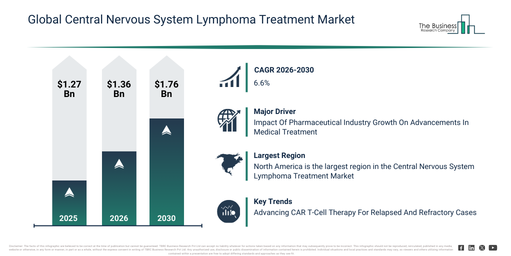
  • Central Nervous System Lymphoma Treatment Market Future Outlook Showing Expansion Toward $1.76 Billion by 2030

    Central Nervous System Lymphoma Treatment Market Future Outlook Showing Expansion Toward $1.76 Billion by 2030

    The Business Research Company’s 2026 market reports include new capabilities such as market attractiveness scoring and analysis, total addressable market analysis, company scoring matrix, interactive excel data dashboard, improved supply chain analysis, upcoming startups in the market, and overview of key products, aimed at improving the depth, usability, and strategic value of the insights delivered.

    What Market Size Increase Is Anticipated For The Central Nervous System Lymphoma Treatment Market Over The 2026–2030 Period?

    The central nervous system lymphoma treatment market has seen significant expansion over recent years. Its valuation is expected to rise from $1.27 billion in 2025 to $1.36 billion in 2026, exhibiting a compound annual growth rate (CAGR) of 6.9%. This historical growth can be linked to factors such as enhanced survival rates due to high-dose chemotherapy, the development of oncology treatment infrastructure, a surge in clinical research for hematologic malignancies, increasing awareness of primary CNS lymphoma, and the availability of advanced imaging methods.

    The central nervous system lymphoma treatment market size is anticipated to experience robust expansion over the next few years. It is projected to grow to $1.76 billion by 2030, achieving a compound annual growth rate (CAGR) of 6.6%. This growth during the forecast period is attributable to the increasing adoption of CAR-T and targeted immunotherapies, rising investments in oncology drug development, the expansion of personalized oncology care models, a growing utilization of minimally toxic treatment regimens, and an increasing focus on long-term disease remission. Major trends expected within this period include the escalating adoption of immunotherapy-based regimens, the growing use of targeted therapies for CNS lymphoma, the expansion of combination treatment approaches, an increasing focus on personalized treatment planning, and enhanced use of advanced diagnostic monitoring.

    Download the Free Sample Report to Explore Key Market Insights:

    https://www.thebusinessresearchcompany.com/sample.aspx?id=21134&type=smp

    Which Major Factors Are Driving The Expansion Of The Central Nervous System Lymphoma Treatment Market?

    The central nervous system lymphoma treatment market is anticipated to experience growth, propelled by the swift expansion of the pharmaceutical industry. This sector specializes in the research, creation, production, and distribution of medicines used to prevent, treat, and manage diseases. Its expansion is driven by advancements in medical research, an aging global demographic, enhanced access to healthcare worldwide, an increase in chronic illnesses, global health emergencies, governmental backing, and greater expenditure on healthcare. The pharmaceutical sector’s growth further advances the central nervous system lymphoma treatment market by encouraging innovation in specific treatments, improving diagnostic tools, and boosting research and development funding for uncommon cancers. As an illustration, the European Federation of Pharmaceutical Industries and Associations (EFPIA), a Belgium-based trade organization for the pharmaceutical industry, reported in June 2024 that European pharmaceutical production reached $4,17,300 million (€390,000 million) in 2023, up from $3,88,141 million (€363,300 million) in 2022. Consequently, the rapid development within the pharmaceutical industry is a key factor driving the growth of the central nervous system lymphoma treatment market.

    How Is The Central Nervous System Lymphoma Treatment Market Segmented Across Key Categories?

    The central nervous system lymphoma treatment market covered in this report is segmented –

    1) By Treatment Type: Chemotherapy, Radiation Therapy, Targeted Therapy, Corticosteroids, Immunotherapy

    2) By Route Of Administration: Intravenous, Oral, Intrathecal

    3) By Distribution Channel: Direct Sales, Third-Party Distributors

    4) By End User: Hospitals, Clinics, Ambulatory Surgical Centers

    Subsegments:

    1) By Chemotherapy: High-Dose Methotrexate, Temozolomide, Rituximab-Based Regimens, Carmustine, Cytarabine

    2) By Radiation Therapy: Whole Brain Radiation Therapy (WBRT), Stereotactic Radiosurgery (SRS), Brachytherapy

    3) By Targeted Therapy: Monoclonal Antibodies, Tyrosine Kinase Inhibitors, B-Cell Antigen Inhibitors, PI3K Inhibitors

    4) By Corticosteroids: Dexamethasone, Prednisone, Methylprednisolone

    5) By Immunotherapy: Checkpoint Inhibitors, Chimeric Antigen Receptor T-Cell (CAR-T) Therapy, Monoclonal Antibodies, Immune Modulators

    What Trends Are Advancing Progress In The Central Nervous System Lymphoma Treatment Market?

    Major companies operating in the central nervous system lymphoma market are concentrating on developing advanced therapies, such as chimeric antigen receptor (CAR) T-cell therapy, with the goal of improving treatment effectiveness, offering tailored therapy options, and enhancing patient outcomes, especially for those with recurrent or resistant conditions. CAR T-cell therapy is an immunotherapy that involves altering a patient’s T-cells to more effectively recognize and attack cancer cells. For example, in June 2024, Kite Pharma, a US-based pharmaceutical company, in collaboration with Dana-Farber Cancer Institute, a US-based cancer treatment center, announced Yescarta (axicabtagene ciloleucel), which was well-tolerated by patients experiencing relapsed or refractory (R/R) primary or secondary central nervous system lymphoma (PCNSL and SCNSL). Yescarta (axicabtagene ciloleucel) operates as a CAR T-cell therapy by collecting a patient’s T-cells, modifying them to specifically target cancer cells, and then reinfusing them back into the body. These re-engineered T-cells then assist in destroying lymphoma cells, including those found in the central nervous system, particularly in cases that are relapsed or difficult to treat.

    Who Are The Dominant Players Shaping The Central Nervous System Lymphoma Treatment Market Landscape?

    Major companies operating in the central nervous system lymphoma treatment market are Pfizer Inc., Johnson & Johnson, F. Hoffmann-La Roche AG, Merck & Co. Inc, AbbVie Inc., Bristol-Myers Squibb, AstraZeneca plc, Novartis AG, GlaxoSmithKline Plc, Gilead Sciences, Amgen Inc, Regeneron Pharmaceuticals, Incyte Corporation, Takeda Pharmaceutical Company Limited, Seagen Inc., MorphoSys AG, Nurix Therapeutics, Astellas Pharma, BeiGene Ltd., Viatris Inc., Teva Pharmaceutical Industries Ltd., Sandoz Group AG, Fresenius SE & Co KGaA

    Read the full central nervous system lymphoma treatment market report here:

    https://www.thebusinessresearchcompany.com/report/central-nervous-system-lymphoma-treatment-global-market-report

    Which Region Currently Holds The Largest Share Of The Central Nervous System Lymphoma Treatment Market?

    North America was the largest region in the central nervous system lymphoma treatment market in 2025. Asia-Pacific is expected to be the fastest-growing region in the forecast period. The regions covered in the central nervous system lymphoma treatment market report are Asia-Pacific, South East Asia, Western Europe, Eastern Europe, North America, South America, Middle East, Africa.

    Request A Tailored Central Nervous System Lymphoma Treatment Market Research Report For Competitive Advantage:

    https://www.thebusinessresearchcompany.com/customise?id=21134&type=smp

    Browse Through More Reports Similar to the Global Central Nervous System Lymphoma Treatment Market 2026, By The Business Research Company

    Neurological Biomarkers Global Market Report

    https://www.thebusinessresearchcompany.com/report/neurological-biomarkers-global-market-report

    Biomarkers Global Market Report

    https://www.thebusinessresearchcompany.com/report/biomarkers-global-market-report

    Clinical Biomarkers Global Market Report

    https://www.thebusinessresearchcompany.com/report/clinical-biomarkers-global-market-report

    Get in touch with us:

    The Business Research Company: https://www.thebusinessresearchcompany.com/

    Americas +1 310-496-7795

    Asia +44 7882 955267 & +91 8897263534

    Europe +44 7882 955267

    Email us at info@tbrc.info

    Follow us on:

    LinkedIn: https://in.linkedin.com/company/the-business-research-company

    YouTube: https://www.youtube.com/channel/UC24_fI0rV8cR5DxlCpgmyFQ

    Global Market Model: https://www.thebusinessresearchcompany.com/global-market-model
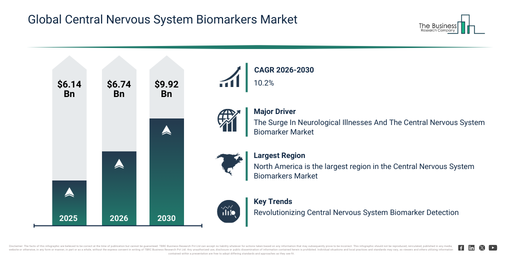
  • Central Nervous System Biomarkers Market Revenue Growth Expected to Reach $9.92 Billion by 2030 with 10.2% CAGR

    Central Nervous System Biomarkers Market Revenue Growth Expected to Reach $9.92 Billion by 2030 with 10.2% CAGR

    The Business Research Company’s 2026 market reports include new capabilities such as market attractiveness scoring and analysis, total addressable market analysis, company scoring matrix, interactive excel data dashboard, improved supply chain analysis, upcoming startups in the market, and overview of key products, aimed at improving the depth, usability, and strategic value of the insights delivered.

    How Much Is The Central Nervous System Biomarkers Market Expected To Grow In Terms Of Market Value Between 2026 And 2030?

    The central nervous system biomarkers market has experienced substantial growth in its size over recent years. It is projected to expand from $6.14 billion in 2025 to $6.74 billion in 2026, demonstrating a compound annual growth rate (CAGR) of 9.8%. The growth observed in the historic period can be ascribed to the increasing prevalence of neurological disorders, advancements in neuroimaging and assay technologies, growing clinical research activity in neurology, rising demand for disease progression monitoring, and the expansion of biomarker validation studies.

    The central nervous system biomarkers market is anticipated to show significant expansion over the next few years, projected to reach $9.92 billion by 2030, reflecting a compound annual growth rate (CAGR) of 10.2%. This growth throughout the forecast period is attributed to factors such as increased investments in precision neurology, the growing application of biomarkers in personalized medicine, the rising adoption of AI-driven biomarker discovery, the expansion of biomarker-guided clinical trials, and enhanced regulatory acceptance of biomarker endpoints. Prominent trends expected during this period involve the increasing uptake of blood-based CNS biomarkers, the growing deployment of biomarkers in drug development pipelines, a heightened focus on early detection of neurodegenerative diseases, the proliferation of companion diagnostic biomarkers, and improved integration of multi-omics data.

    Download the Free Sample Report to Explore Key Market Insights:

    https://www.thebusinessresearchcompany.com/sample.aspx?id=12632&type=smp

    What Key Drivers Are Influencing The Growth Of The Central Nervous System Biomarkers Market?

    An increase in neurological disorders is projected to propel the expansion of the central nervous system biomarker market. Neurological disorders refer to diverse conditions that affect the brain, spinal cord, and nerves across the body, arising from various factors including genetic predispositions, infections, autoimmune responses, degenerative processes, tumors, vascular problems, and traumatic injuries. Within these conditions, central nervous system (CNS) biomarkers are instrumental in clinical diagnosis, evaluating illness risk or prognosis, determining the disease stage, and monitoring treatment response. Their role is significant in understanding and treating these diseases. For instance, in April 2023, the Centers for Disease Control and Prevention, a US-based government agency, reported that an estimated 6.7 million Americans aged 65 and older were affected by Alzheimer’s disease. This figure is anticipated to nearly triple to 14 million by 2060, with the number of individuals living with the disease doubling every five years after the age of 65. Therefore, the growing prevalence of neurological illnesses is a primary driver for the central nervous system biomarker market’s growth.

    What Major Segment Divisions Exist Within The Central Nervous System Biomarkers Market?

    The central nervous system biomarkers market covered in this report is segmented –

    1) By Type: Safety Biomarker, Efficacy Biomarker, Validation Biomarker, Other Types

    2) By Disease: Multiple Sclerosis, Alzheimer’s Disease, Parkinson’s Disease, Traumatic Brain Injury, Other Diseases

    3) By Application: Drug Discovery And Development, Personalized Medicines, Disease Risk Assessment, Diagnostics, Other Applications

    4) By End-Users: Diagnostic Labs, Clinics, Hospitals, Research Centers, Other End-Users

    Subsegments:

    1) By Safety Biomarker: Toxicity Biomarkers, Adverse Event Biomarkers

    2) By Efficacy Biomarker: Pharmacodynamic Biomarkers, Response Biomarkers

    3) By Validation Biomarker: Predictive Biomarkers, Prognostic Biomarkers

    4) By Other Types: Diagnostic Biomarkers, Biomarkers For Disease Progression

    How Are Trends Transforming The Central Nervous System Biomarkers Market Landscape?

    Leading firms within the central nervous system biomarker market are concentrating on bringing advanced solutions, like assay kits, to market. An assay kit consists of a pre-assembled collection of reagents and materials utilized for carrying out a particular scientific analysis. For example, in June 2023, Sysmex Corporation, a research and development company based in Japan, introduced an Automated Immunoassay System. This assay kit is engineered to detect the buildup of amyloid beta (Aβ) in the brain, a known contributor to Alzheimer’s disease, by analyzing a minimal blood sample. It quantifies the proportion of Aβ peptides present in the blood, employing an automated immunoassay system. This enables clinicians to pinpoint Aβ accumulation in the brain through a small blood sample, facilitating earlier diagnosis and subsequent treatment for individuals.

    Which Companies Are Leading Innovation In The Central Nervous System Biomarkers Market?

    Major companies operating in the central nervous system biomarkers market are F. Hoffmann-La Roche AG, Novartis AG, Siemens Healthineers, Thermo Fisher Scientific Inc, Abbott Laboratories, Merck KGaA, Eurofins Scientific, Charles River Laboratories International Inc., PerkinElmer Inc., Bio-Rad Laboratories Inc., QIAGEN N.V., Axon Neuroscience SE, Alector Inc., Oryzon Genomics S.A., Banyan Biomarkers Inc., Anavex Life Sciences Corp., Applied Neurosolutions Inc., C2N Diagnostics, Alzheon Inc., DiaGenic ASA, Avid Radiopharmaceuticals Inc., Cassava Sciences Inc.

    Read the full central nervous system biomarkers market report here:

    https://www.thebusinessresearchcompany.com/report/central-nervous-system-biomarkers-global-market-report

    Which Region Is Expected To Register The Fastest Growth In The Central Nervous System Biomarkers Market?

    North America was the largest region in the central nervous system biomarkers market in 2025. Asia-Pacific is expected to be the fastest-growing region in the forecast period. The regions covered in the central nervous system biomarkers market report are Asia-Pacific, South East Asia, Western Europe, Eastern Europe, North America, South America, Middle East, Africa.

    Request A Tailored Central Nervous System Biomarkers Market Research Report For Competitive Advantage:

    https://www.thebusinessresearchcompany.com/customise?id=12632&type=smp

    Browse Through More Reports Similar to the Global Central Nervous System Biomarkers Market 2026, By The Business Research Company

    Non Hodgkin Lymphoma Nhl Global Market Report

    https://www.thebusinessresearchcompany.com/report/non-hodgkin-lymphoma-nhl-global-market-report

    Non Hodgkin Lymphoma Nhl Global Market Report

    https://www.thebusinessresearchcompany.com/report/non-hodgkin-lymphoma-nhl-global-market-report

    Non Hodgkin Lymphoma Nhl Global Market Report

    https://www.thebusinessresearchcompany.com/report/non-hodgkin-lymphoma-nhl-global-market-report

    Get in touch with us:

    The Business Research Company: https://www.thebusinessresearchcompany.com/

    Americas +1 310-496-7795

    Asia +44 7882 955267 & +91 8897263534

    Europe +44 7882 955267

    Email us at info@tbrc.info

    Follow us on:

    LinkedIn: https://in.linkedin.com/company/the-business-research-company

    YouTube: https://www.youtube.com/channel/UC24_fI0rV8cR5DxlCpgmyFQ

    Global Market Model: https://www.thebusinessresearchcompany.com/global-market-model