Category: Healthcare Services

  • Global Artificial Intelligence (AI) in Hospital Management Market Report 2026–2035 Highlighting Expansion Outlook and Forecast Opportunities

    Global Artificial Intelligence (AI) in Hospital Management Market Report 2026–2035 Highlighting Expansion Outlook and Forecast Opportunities

    The Business Research Company’s 2026 market reports include new capabilities such as market attractiveness scoring and analysis, total addressable market analysis, company scoring matrix, interactive excel data dashboard, improved supply chain analysis, upcoming startups in the market, and overview of key products, aimed at improving the depth, usability, and strategic value of the insights delivered.

    How Will The Market Size Of The Artificial Intelligence (AI) in Hospital Management Market Evolve From 2026 To 2030?

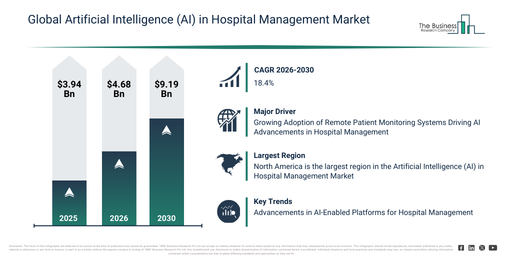
    The artificial intelligence (AI) in hospital management market size has experienced rapid expansion in recent years. Projections indicate it will expand from $3.94 billion in 2025 to $4.68 billion in 2026, demonstrating a compound annual growth rate (CAGR) of 18.7%. Historically, this growth has been driven by factors such as increasing hospital digitization initiatives, rising patient admission volumes, the adoption of electronic health records, mounting pressure to reduce operational costs, and the early implementation of analytics tools within healthcare.

    The artificial intelligence (AI) in hospital management market is projected to experience substantial expansion in the coming years. By 2030, its value is anticipated to reach $9.19 billion, exhibiting a compound annual growth rate (CAGR) of 18.4%. This projected growth is driven by several factors, including greater investments in smart hospital infrastructure, a heightened need for optimizing operational efficiency, the broadened scope of AI-enabled patient care management, wider use of cloud-based hospital platforms, and an increased emphasis on value-based healthcare delivery. Key developments expected during this period encompass the increased integration of predictive analytics in hospital operations, a rise in the deployment of AI-based clinical decision support systems, further automation of administrative tasks, the expansion of AI-powered patient flow management, and improved integration for data-driven resource optimization.

    Download the Free Sample Report to Explore Key Market Insights:

    https://www.thebusinessresearchcompany.com/sample.aspx?id=20474&type=smp

    What Major Drivers Are Influencing Demand In The Artificial Intelligence (AI) in Hospital Management Market?

    The increased implementation of remote patient monitoring (RPM) systems is projected to fuel the expansion of the artificial intelligence (AI) in hospital management market moving forward. A remote patient monitoring system is defined as a technologically driven method that allows healthcare providers to continuously track and manage patient health data from a distance. Such systems enhance patient care through the provision of real-time information, timely interventions, and improved patient engagement. AI in hospital management further enhances remote patient monitoring by supplying advanced data analysis, predictive insights, and tailored treatment recommendations, ultimately improving patient outcomes and operational efficiency. For instance, in August 2025, the US Department of Health and Human Services, a US-based government administration, indicated that nearly 1 million enrollees received remote patient monitoring in 2024, which represented a 27% increase from 2023. Therefore, the growing adoption of remote patient monitoring systems is a key driver for artificial intelligence (AI) in the hospital management market.

    Which Segment Areas Are Covered In The Artificial Intelligence (AI) in Hospital Management Market Analysis?

    The artificial intelligence (AI) in hospital management market covered in this report is segmented –

    1) By Component: Software, Hardware, Services

    2) By Technology: Computer Vision, Context-Aware Computing, Machine Learning, Natural Language Processing

    3) By Deployment: Cloud-Based, On-Premises

    4) By Application: Patient Care Management, Administrative Processes, Diagnostic Imaging And Radiology, Drug Discovery, Other Applications

    5) By End-User: Healthcare Payers, Hospital And Healthcare Providers, Patients, Pharmaceuticals And Biotechnology Companies, Other End-Users

    Subsegments:

    1) By Software: AI-Based Clinical Decision Support Systems (CDSS), Patient Management Software, Medical Imaging Software, Natural Language Processing (NLP), Administrative Software, Population Health Management Software, AI-Driven Cybersecurity Tools

    2) By Hardware: AI Servers, Wearables and IoT Devices, Medical Imaging Devices, Robotics Systems, AI Chips and Processors, Healthcare Robotics Hardware

    3) By Services: AI Consulting Services, AI System Integration Services, AI Maintenance and Support Services, AI Training and Education Services, Managed AI Services, Analytics as a Service (AaaS)

    Which Upcoming Trends Are Expected To Influence The Artificial Intelligence (AI) in Hospital Management Market?

    Major companies operating in the artificial intelligence (AI) in the hospital management market are developing AI-enabled platforms to enhance the accuracy and efficiency of hospital operations, patient care, and administrative tasks. These AI-powered platforms utilize artificial intelligence to analyze data and automate processes, thereby assisting hospital management in improving operational efficiency, patient care, and decision-making. For instance, in October 2023, ZS Associates, a US-based management consulting services company, launched ZAIDYN Connected Health. ZAIDYN Connected Health is an AI-powered platform designed to boost patient engagement and improve health outcomes through personalized interventions and data-driven insights. This solution incorporates three primary components: health insights, patient engagement, and connected research, which collectively address unmet needs and optimize care delivery.

    Which Global Companies Are Actively Competing In The Artificial Intelligence (AI) in Hospital Management Market?

    Major companies operating in the artificial intelligence (AI) in hospital management market are Google LLC, McKesson Corporation, Microsoft Corporation, Amazon Web Service, Johnson & Johnson Services Inc., Intel Corporation, Accenture plc, International Business Machines Corporation, Oracle Corporation, Medtronic plc, SAP SE, Micron Technology Inc., Nvidia Corporation, Capgemini SE, Siemens Healthineers AG, Cognizant Technology Solutions Corporation, Koninklijke Philips N.V., GE HealthCare Technologies Inc., Zebra Medical Vision, Infor Inc., Change Healthcare, Epic Systems Corporation, Nuance Communications Inc., Veradigm Inc., Corti ApS

    Read the full artificial intelligence (ai) in hospital management market report here:

    https://www.thebusinessresearchcompany.com/report/artificial-intelligence-ai-in-hospital-management-global-market-report

    Which Region Shows The Strongest Potential For Future Growth In The Artificial Intelligence (AI) in Hospital Management Market?

    North America was the largest region in the artificial intelligence (AI) in hospital management market in 2025. The regions covered in the artificial intelligence (AI) in hospital management market report are Asia-Pacific, South East Asia, Western Europe, Eastern Europe, North America, South America, Middle East, Africa.

    Request A Tailored Artificial Intelligence (AI) in Hospital Management Market Research Report For Competitive Advantage:

    https://www.thebusinessresearchcompany.com/customise?id=20474&type=smp

    Browse Through More Reports Similar to the Global Artificial Intelligence (AI) in Hospital Management Market 2026, By The Business Research Company

    Disposable Hospital Supplies Global Market Report

    https://www.thebusinessresearchcompany.com/report/disposable-hospital-supplies-global-market-report

    Hospital Emr Systems Global Market Report

    https://www.thebusinessresearchcompany.com/report/hospital-emr-systems-global-market-report

    Hospital Information System Global Market Report

    https://www.thebusinessresearchcompany.com/report/hospital-information-system-global-market-report

    Get in touch with us:

    The Business Research Company: https://www.thebusinessresearchcompany.com/

    Americas +1 310-496-7795

    Asia +44 7882 955267 & +91 8897263534

    Europe +44 7882 955267

    Email us at info@tbrc.info

    Follow us on:

    LinkedIn: https://in.linkedin.com/company/the-business-research-company

    YouTube: https://www.youtube.com/channel/UC24_fI0rV8cR5DxlCpgmyFQ

    Global Market Model: https://www.thebusinessresearchcompany.com/global-market-model
  • A Significant Growth Driver for the Bioinformatics In In-Vitro Diagnostics (IVD) Testing Market Is the Rising Chronic Diseases Propel Growth In Bioinformatics For IVD Testing Market

    A Significant Growth Driver for the Bioinformatics In In-Vitro Diagnostics (IVD) Testing Market Is the Rising Chronic Diseases Propel Growth In Bioinformatics For IVD Testing Market

    The Business Research Company’s 2026 market reports include new capabilities such as market attractiveness scoring and analysis, total addressable market analysis, company scoring matrix, interactive excel data dashboard, improved supply chain analysis, upcoming startups in the market, and overview of key products, aimed at improving the depth, usability, and strategic value of the insights delivered.

    What Is The Expected Market Size Of The Bioinformatics In In-Vitro Diagnostics (IVD) Testing Market From 2026 To 2030?

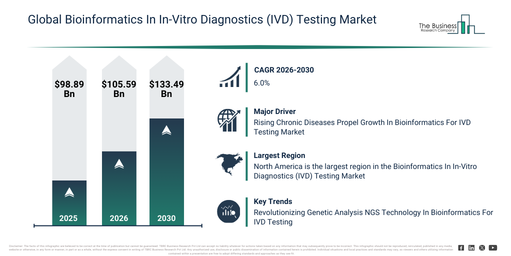
    The market size for bioinformatics in in-vitro diagnostics (ivd) testing has experienced robust growth recently. This market is projected to expand from $98.89 billion in 2025 to $105.59 billion by 2026, demonstrating a compound annual growth rate (CAGR) of 6.8%. Historically, this expansion has been driven by factors such as increased volumes of molecular diagnostic testing, the growing acceptance of next-generation sequencing in diagnostics, the proliferation of centralized diagnostic laboratories, the presence of sophisticated diagnostic hardware, and the increased application of data-driven clinical decision support systems.

    The market for bioinformatics in in-vitro diagnostics (ivd) testing is projected to experience robust expansion in the coming years. This market is forecast to reach $133.49 billion by 2030, driven by a compound annual growth rate (CAGR) of 6.0%. Key factors contributing to this growth during the forecast period include the escalating demand for precision diagnostics, the broadening scope of personalized medicine diagnostics, increasing investments in AI-enabled diagnostic platforms, the expanding utilization of cloud-based diagnostic analytics, and the growing regulatory acceptance of digital diagnostics. Significant trends anticipated in the forecast period encompass the increasing deployment of AI-based diagnostic interpretation software, the rising uptake of cloud-enabled IVD bioinformatics platforms, the growing integration of molecular and clinical data sets, the expansion of companion diagnostics analytics, and an enhanced emphasis on real-time diagnostic data processing.

    Download the Free Sample Report to Explore Key Market Insights:

    https://www.thebusinessresearchcompany.com/sample.aspx?id=16629&type=smp

    What Key Drivers Are Influencing The Growth Of The Bioinformatics In In-Vitro Diagnostics (IVD) Testing Market?

    The rising incidence of cancer is expected to accelerate the growth of bioinformatics in the IVD testing market moving forward. Cancer is a general term for a group of diseases characterized by abnormal cell division that can invade and spread to other areas of the body. The increasing frequency of cancer can be attributed to various elements connected to exposure, lifestyle, and environmental factors. Bioinformatics within IVD testing revolutionizes cancer diagnostics by offering precise, individualized, and comprehensive genetic insights that enhance early detection, inform treatment decisions, and improve patient outcomes. For instance, in February 2024, the World Health Organization, a Switzerland-based specialized agency of the United Nations, reported a prediction of over 35 million new cancer cases by 2050. Thus, the escalating prevalence of cancer is a key driver for bioinformatics in the IVD testing market.

    Which Segments Are Included In The Analysis Of The Bioinformatics In In-Vitro Diagnostics (IVD) Testing Market?

    The bioinformatics in in-vitro diagnostics (ivd) testing market covered in this report is segmented –

    1) By Component: Hardware, Software

    2) By Type Of Test: Blood Based Tests, Tissue Based Tests

    3) By Application: Cardiovascular Diseases, Chronic Diseases, Diabetes, Cancer, Other Applications

    Subsegments:

    1) By Hardware: Analyzers, Laboratory Equipment, Data Storage Devices, Sensors And Detectors, Workstations And Data Processing Hardware

    2) By Software: Bioinformatics Platforms, Data Management and Integration Software, Analytics And Interpretation Software, Cloud-Based Software Solutions, AI-Based Software For Diagnostics

    Which Market Trends Are Creating New Opportunities In The Bioinformatics In In-Vitro Diagnostics (IVD) Testing Market?

    Leading companies engaged in bioinformatics within the IVD testing market are prioritizing the development of innovative solutions, notably next-generation sequencing (NGS) technology. These efforts aim to enhance the identification and analysis of genetic mutations, improve diagnostic accuracy, and facilitate personalized medicine approaches. Next-generation sequencing (NGS) is recognized as a high-throughput method that enables the rapid sequencing of entire genomes or specific DNA and RNA regions, thereby facilitating comprehensive genetic analysis. For example, in January 2024, QIAGEN Digital Insights, which is the bioinformatics division of the Netherlands-based molecular diagnostics company QIAGEN, released LightSpeed. This ultra-fast NGS secondary-analysis software accelerator is embedded within its CLC Genomics Workbench Premium platform. The LightSpeed module allows laboratories to process somatic cancer NGS data at unprecedented speed, transforming raw sequencing files (FASTQ) into variant calls (VCF) in just minutes, while simultaneously reducing the cost per sample. LightSpeed supports high-throughput cancer panels and is compatible with both cloud-based and on-premises workflows, empowering bioinformatics teams to swiftly analyze multiple tumor genes and biomarkers from a single sample to guide precision oncology decision-making.

    Which Key Industry Participants Are Active In The Bioinformatics In In-Vitro Diagnostics (IVD) Testing Market?

    Major companies operating in the bioinformatics in in-vitro diagnostics (ivd) testing market are Illumina Inc, Thermo Fisher Scientific Inc, QIAGEN N.V, Agilent Technologies Inc, PerkinElmer Inc, Roche Holding AG, BGI Genomics Co Ltd, DNAnexus Inc, Seven Bridges Genomics Inc, Dassault Systèmes SE (BIOVIA), Genedata AG, Partek Inc, Data4Cure Inc, Ontoforce NV, Geneious (Biomatters), SoftGenetics LLC, Eagle Genomics Ltd, Wuxi NextCODE Genomics, Bio-Rad Laboratories Inc, Eurofins Scientific SE

    Read the full bioinformatics in in-vitro diagnostics (ivd) testing market report here:

    https://www.thebusinessresearchcompany.com/report/bioinformatics-in-in-vitro-diagnostics-ivd-testing-global-market-report

    Which Region Is Expected To Register The Fastest Growth In The Bioinformatics In In-Vitro Diagnostics (IVD) Testing Market?

    North America was the largest region in the bioinformatics in in-vitro diagnostics (IVD) testing market in 2025. Asia-Pacific is expected to be the fastest-growing region in the forecast period. The regions covered in the bioinformatics in in-vitro diagnostics (ivd) testing market report are Asia-Pacific, South East Asia, Western Europe, Eastern Europe, North America, South America, Middle East, Africa.

    Request A Tailored Bioinformatics In In-Vitro Diagnostics (IVD) Testing Market Research Report For Competitive Advantage:

    https://www.thebusinessresearchcompany.com/customise?id=16629&type=smp

    Browse Through More Reports Similar to the Global Bioinformatics In In-Vitro Diagnostics (IVD) Testing Market 2026, By The Business Research Company

    Bioinformatics Services Global Market Report

    https://www.thebusinessresearchcompany.com/report/bioinformatics-services-global-market-report

    Ai In Bioinformatics Global Market Report

    https://www.thebusinessresearchcompany.com/report/ai-in-bioinformatics-global-market-report

    Chemoinformatics Global Market Report

    https://www.thebusinessresearchcompany.com/report/chemoinformatics-global-market-report

    Get in touch with us:

    The Business Research Company: https://www.thebusinessresearchcompany.com/

    Americas +1 310-496-7795

    Asia +44 7882 955267 & +91 8897263534

    Europe +44 7882 955267

    Email us at info@tbrc.info

    Follow us on:

    LinkedIn: https://in.linkedin.com/company/the-business-research-company

    YouTube: https://www.youtube.com/channel/UC24_fI0rV8cR5DxlCpgmyFQ

    Global Market Model: https://www.thebusinessresearchcompany.com/global-market-model
  • Anatomical Models Market Global Report 2026 Industry Expansion Forecast Showing Market Size of $62.55 Billion by 2030 at 2.5% CAGR

    Anatomical Models Market Global Report 2026 Industry Expansion Forecast Showing Market Size of $62.55 Billion by 2030 at 2.5% CAGR

    The Business Research Company’s 2026 market reports include new capabilities such as market attractiveness scoring and analysis, total addressable market analysis, company scoring matrix, interactive excel data dashboard, improved supply chain analysis, upcoming startups in the market, and overview of key products, aimed at improving the depth, usability, and strategic value of the insights delivered.

    What Market Size Growth Is Projected For The Anatomical Models Market During The Forecast Period 2026–2030?

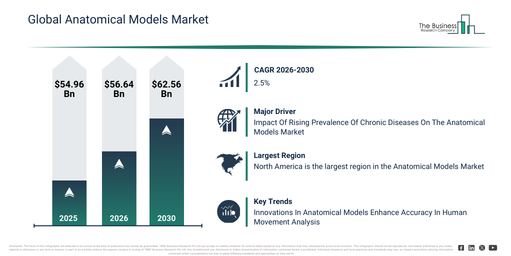
    The anatomical models market has experienced steady expansion in recent years. It is projected to increase from $54.96 billion in 2025 to $56.64 billion in 2026, achieving a compound annual growth rate (CAGR) of 3.0%. Historically, this growth can be attributed to several factors including the greater adoption of physical models in medical education, the expansion of anatomy-based teaching programs, the widespread availability of traditional molded models, the establishment of more clinical training institutions, and a rising demand for practical, hands-on learning tools.

    The anatomical models market size is anticipated to experience consistent growth in the coming years. It is projected to expand to $62.56 billion by 2030, demonstrating a compound annual growth rate (CAGR) of 2.5%. This growth during the forecast period is attributable to the increasing integration of digital and physical anatomy tools, the rising adoption of 4D printing technologies, a greater use of models in surgical planning, the expansion of personalized medical education, and growing investments in advanced simulation labs. Significant trends expected during this period include a heightened adoption of 3D printed anatomical models, an increasing demand for patient-specific models, the expanding use of high-fidelity simulation models, the proliferation of customizable educational models, and an enhanced focus on durable and reusable materials.

    Download the Free Sample Report to Explore Key Market Insights:

    https://www.thebusinessresearchcompany.com/sample.aspx?id=14845&type=smp

    What Drivers Are Expected To Influence The Anatomical Models Market During The Forecast Period?

    The increasing occurrence of chronic illnesses is anticipated to boost the expansion of the anatomical models market in the future. Chronic conditions are defined as health issues that endure for a prolonged duration, are generally not curable outright, but are frequently manageable via modifications in lifestyle, pharmaceutical treatments, and other interventions. This escalating prevalence of chronic diseases stems from factors such as an aging demographic, inactive lifestyles, poor dietary habits, and smoking. In the context of chronic diseases, anatomical models serve to improve patient understanding, facilitate better dialogue between medical professionals and individuals, and offer visual aids for clearer comprehension. As an illustration, the World Health Organization, an intergovernmental body based in Switzerland, reported in February 2024 a projection of more than 35 million new cancer cases by 2050. This signifies a 77% surge when contrasted with the approximate 20 million cases recorded in 2022. Consequently, the growing incidence of chronic conditions is stimulating the expansion of the anatomical models market.

    What Market Segments Are Evaluated Within The Anatomical Models Market?

    The anatomical models market covered in this report is segmented –

    1) By Type: Brain Model, Torso Model, Organ Model, Nervous System Model, Skeletal System Model, Hand Model, Eye Model, Tooth Model, Digestive System Model

    2) By Printing Technology: 2D Printing, 3D Printing, 4D Printing

    3) By End-User: Scientific Research Centers, Hospitals And Clinics, Education Centers, Rehabilitation Centers

    Subsegments:

    1) By Brain Model: Human Brain Models, Animal Brain Models

    2) By Torso Model: Human Torso Models, Animal Torso Models

    3) By Organ Model: Heart Model, Liver Model, Kidney Model, Lungs Model, Other Organ Models

    4) By Nervous System Model: Central Nervous System (CNS) Model, Peripheral Nervous System Model, Neuron Models

    5) By Skeletal System Model: Human Skeleton Models, Animal Skeleton Models, Joint and Bone Models

    6) By Hand Model: Human Hand Models, Animal Hand Models

    7) By Eye Model: Human Eye Model, Animal Eye Model

    8) By Tooth Model: Human Tooth Models, Animal Tooth Models

    9) By Digestive System Model: Human Digestive System Models, Animal Digestive System Models

    What Industry Trends Are Redefining The Anatomical Models Market?

    Companies operating within the anatomical models market are concentrating on developing sophisticated solutions, such as refined anatomical modeling, to improve movement accuracy, assist ergonomic assessment, and enhance biomechanical analysis. Refined anatomical modeling represents a technological capability that integrates precise human body parameters, including limb length, hip and shoulder width, and spinal curvature, allowing for a more realistic simulation of human posture and motion. For example, in May 2025, Movella, a Netherlands-based inertial motion capture provider, launched Xsens Analyze 2025, which features natively integrated male and female anatomical models with distinct centre of mass, hip and shoulder width, and limb length parameters that closely mirror true human variance. This update further introduces an improved spine model that supports an S-shape when standing and a C-curve when bending, enabling more precise posture and movement assessment. It also includes Auto Sensor Mapping for its 17-sensor system to accelerate setup and a redesigned user interface with dark mode to support lengthy analysis sessions.

    Who Are The Top Market Participants Influencing The Anatomical Models Market?

    Major companies operating in the anatomical models market are Apollo Global Management Inc., AdamRouilly Limited, Laerdal Medical, 3D Systems Corporation, 3B Scientific GmbH, Nasco Healthcare, Denoyer-Geppert Science, Altay Scientific Group SRL, The Prometheus Group, Anatomage Inc., Sakamoto Model Corporation, A. Algeo Limited, Sawbones, Simulaids Inc, GPI Anatomicals, Dynamic Disc Designs Corp, ERLER-ZIMMER GMBH & CO. KG, 3DIEMME srl, Columbia Dentoform, Rudiger-Anatomie GmbH, Xilloc Holding BV, Frasaco GmbH, SOMSO, Anatomy Warehouse

    Read the full anatomical models market report here:

    https://www.thebusinessresearchcompany.com/report/anatomical-models-global-market-report

    Which Region Is Forecast To Lead The Anatomical Models Market In Terms Of Market Size?

    North America was the largest region in the anatomical models market in 2025. The regions covered in the anatomical models market report are Asia-Pacific, South East Asia, Western Europe, Eastern Europe, North America, South America, Middle East, Africa.

    Request A Tailored Anatomical Models Market Research Report For Competitive Advantage:

    https://www.thebusinessresearchcompany.com/customise?id=14845&type=smp

    Browse Through More Reports Similar to the Global Anatomical Models Market 2026, By The Business Research Company

    animal model global market report

    https://www.thebusinessresearchcompany.com/report/animal-model-global-market-report

    human liver model global market report

    https://www.thebusinessresearchcompany.com/report/human-liver-model-global-market-report

    rat model global market report

    https://www.thebusinessresearchcompany.com/report/rat-model-global-market-report

    Get in touch with us:

    The Business Research Company: https://www.thebusinessresearchcompany.com/

    Americas +1 310-496-7795

    Asia +44 7882 955267 & +91 8897263534

    Europe +44 7882 955267

    Email us at info@tbrc.info

    Follow us on:

    LinkedIn: https://in.linkedin.com/company/the-business-research-company

    YouTube: https://www.youtube.com/channel/UC24_fI0rV8cR5DxlCpgmyFQ

    Global Market Model: https://www.thebusinessresearchcompany.com/global-market-model
  • Artificial Intelligence (AI) In Drug Discovery Market Growth Prospects 2026–2030 with Innovation Trends and Competitive Landscape

    Artificial Intelligence (AI) In Drug Discovery Market Growth Prospects 2026–2030 with Innovation Trends and Competitive Landscape

    The Business Research Company’s 2026 market reports include new capabilities such as market attractiveness scoring and analysis, total addressable market analysis, company scoring matrix, interactive excel data dashboard, improved supply chain analysis, upcoming startups in the market, and overview of key products, aimed at improving the depth, usability, and strategic value of the insights delivered.

    What Is The Forecasted Market Value Of The Artificial Intelligence (AI) In Drug Discovery Market Across 2026–2030?

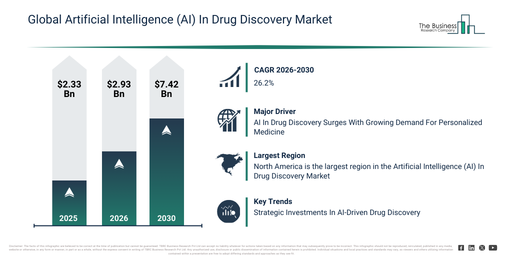
    The artificial intelligence (AI) in drug discovery market has experienced significant expansion in recent years. This market is forecast to increase from $2.33 billion in 2025 to $2.93 billion in 2026, achieving a compound annual growth rate (CAGR) of 25.9%. Historically, this market’s expansion has been propelled by factors such as higher pharmaceutical research and development spending, the increasing intricacy of drug discovery pipelines, the growing availability of biological and chemical datasets, the initial implementation of machine learning in bioinformatics, and more frequent collaborations between pharmaceutical and technology companies.

    The artificial intelligence (AI) in drug discovery market is anticipated to experience substantial growth over the next few years. It is expected to expand to $7.42 billion by 2030, exhibiting a compound annual growth rate (CAGR) of 26.2%. This growth during the forecast period is fueled by the escalating adoption of generative AI models, an increasing demand for precision therapeutics, the broadening application of AI-enabled clinical trial design, rising investments in cloud-based discovery platforms, and the regulatory acceptance of AI-assisted drug development. Significant trends projected for the forecast period involve a greater emphasis on AI-driven target identification, the growing utilization of deep learning for molecule screening, the increasing integration of virtual drug screening platforms, the expansion of AI-based lead optimization tools, and a heightened focus on accelerating drug development timelines.

    Download the Free Sample Report to Explore Key Market Insights:

    https://www.thebusinessresearchcompany.com/sample.aspx?id=3411&type=smp

    Which Market Drivers Are Supporting The Expansion Of The Artificial Intelligence (AI) In Drug Discovery Market?

    The increasing need for personalized medicine is anticipated to fuel the expansion of artificial intelligence (AI) in the drug discovery market. Personalized medicine involves a tailored method for preventing, diagnosing, and treating diseases, utilizing an individual’s genetic, proteomic, or biological makeup to inform clinical choices. The growing acceptance of personalized medicine stems from a greater necessity for accurate, patient-specific treatments that enhance therapy success and minimize unwanted side effects. AI facilitates this change by speeding up the discovery of molecular targets, refining potential drug candidates, and improving clinical judgment across the entire development process. A relevant example highlights this trend: in February 2024, the U.S. FDA approved 26 new personalized treatments in 2023, encompassing 20 new molecular entities and 6 gene- or cell-based therapies, as reported by the Personalized Medicine Coalition, a US-based advocacy and research organization. Consequently, the rising demand for personalized medicine is powering the growth of artificial intelligence (AI) in the drug discovery market.

    What Segmentation Levels Are Considered In The Artificial Intelligence (AI) In Drug Discovery Market?

    The artificial intelligence (AI) in drug discovery market covered in this report is segmented –

    1) By Technology: Context-Aware Processing, Natural Language Processing, Deep Learning

    2) By Drug Type: Small Molecules, Large Molecules

    3) By Therapeutic Type: Metabolic Disease, Cardiovascular Disease, Oncology, Neurodegenerative Diseases, Anti-Infective Diseases, Respiratory Diseases, Other Therapeutics

    4) By End User: Pharmaceutical Companies, Biopharmaceutical Companies, Academic And Research Institutes, Other End-Users

    Subsegments:

    1) By Context-Aware Processing: Contextual Data Integration, Predictive Modeling, Adaptive Learning Systems

    2) By Natural Language Processing (NLP): Text Mining And Analysis, Drug Interaction Extraction, Clinical Trial Data Analysis

    3) By Deep Learning: Neural Networks, Convolutional Neural Networks (CNNs), Recurrent Neural Networks (RNNs), Reinforcement Learning Applications

    How Are Trends Shaping The Direction Of The Artificial Intelligence (AI) In Drug Discovery Market?

    Leading corporations are channelling investments into companies specializing in artificial intelligence within the drug discovery market, aiming to identify and design novel therapies and subsequently offer these models to other drugmakers. This strategic funding is essential for the research and development of new drugs, a process known for being both costly and protracted. Such financial support helps companies propel their drug discovery initiatives forward and bring innovative treatments to market. As an illustration, in July 2023, Nvidia, a US-based software company, invested $50 million in Recursion Pharmaceuticals, a US-based biotech company that employs artificial intelligence for drug discovery. This investment is intended to assist Recursion in accelerating the development of its AI foundation models for biology and chemistry by leveraging Nvidia’s cloud services.

    Which Leading Firms Are Contributing To The Growth Of The Artificial Intelligence (AI) In Drug Discovery Market?

    Major companies operating in the artificial intelligence (AI) in drug discovery market are Exscientia, Insilico Medicine, Owkin Inc., XtalPi Inc., Standigm Inc., Innoplexus AG, Atomwise, Inc., BenevolentAI, Deep Genomics Inc., NuMedii, Inc., Verge Genomics, Inc., Berg LLC, Cyclica Inc., Iktos, Quris, Adagene Inc., Gero Pte. Ltd., IBM Corporation, Microsoft Corporation, NVIDIA Corporation, Alphabet Inc., DeepMind Technologies Limited, IQVIA Holdings Inc., GNS Healthcare, Inc., GE HealthCare Technologies Inc., Novartis AG, Pfizer Inc., F. Hoffmann-La Roche Ltd., Merck & Co., Inc., AbbVie Inc., AstraZeneca PLC, Amgen Inc., GlaxoSmithKline plc, Johnson & Johnson, Takeda Pharmaceutical Company Limited, Ipsen S.A., Galderma S.A.

    Read the full artificial intelligence (ai) in drug discovery market report here:

    https://www.thebusinessresearchcompany.com/report/artificial-intelligence-in-drug-discovery-global-market-report

    How Is The Artificial Intelligence (AI) In Drug Discovery Market Distributed Across Key Geographic Regions?

    North America was the largest region in the artificial intelligence (AI) in drug discovery market in 2025. Western Europe was the second largest region in the global artificial intelligence (AI) in drug discovery market share. The regions covered in the artificial intelligence (AI) in drug discovery market report are Asia-Pacific, South East Asia, Western Europe, Eastern Europe, North America, South America, Middle East, Africa.

    Request A Tailored Artificial Intelligence (AI) In Drug Discovery Market Research Report For Competitive Advantage:

    https://www.thebusinessresearchcompany.com/customise?id=3411&type=smp

    Browse Through More Reports Similar to the Global Artificial Intelligence (AI) In Drug Discovery Market 2026, By The Business Research Company

    Generative Artificial Intelligence Ai In Drug Discovery Global Market Report

    https://www.thebusinessresearchcompany.com/report/generative-artificial-intelligence-ai-in-drug-discovery-global-market-report

    Artificial Intelligence Ai In Biopharmaceuticals Global Market Report

    https://www.thebusinessresearchcompany.com/report/artificial-intelligence-ai-in-biopharmaceuticals-global-market-report

    Artificial Intelligence Ai In Predictive Toxicology Global Market Report

    https://www.thebusinessresearchcompany.com/report/artificial-intelligence-ai-in-predictive-toxicology-global-market-report

    Get in touch with us:

    The Business Research Company: https://www.thebusinessresearchcompany.com/

    Americas +1 310-496-7795

    Asia +44 7882 955267 & +91 8897263534

    Europe +44 7882 955267

    Email us at info@tbrc.info

    Follow us on:

    LinkedIn: https://in.linkedin.com/company/the-business-research-company

    YouTube: https://www.youtube.com/channel/UC24_fI0rV8cR5DxlCpgmyFQ

    Global Market Model: https://www.thebusinessresearchcompany.com/global-market-model
  • Anaplastic Large Cell Lymphoma Therapeutics Market Global Report 2026 Market Revenue Expected to Reach $15.72 Billion by 2030 with 6.1% CAGR

    Anaplastic Large Cell Lymphoma Therapeutics Market Global Report 2026 Market Revenue Expected to Reach $15.72 Billion by 2030 with 6.1% CAGR

    The Business Research Company’s 2026 market reports include new capabilities such as market attractiveness scoring and analysis, total addressable market analysis, company scoring matrix, interactive excel data dashboard, improved supply chain analysis, upcoming startups in the market, and overview of key products, aimed at improving the depth, usability, and strategic value of the insights delivered.

    How Will The Market Size Of The Anaplastic Large Cell Lymphoma Therapeutics Market Evolve From 2026 To 2030?

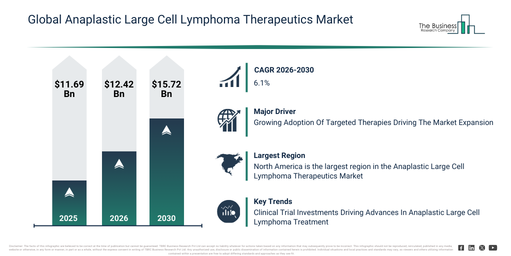
    The anaplastic large cell lymphoma therapeutics market has experienced robust growth in recent years. This market is projected to expand from $11.69 billion in 2025 to $12.42 billion in 2026, progressing at a compound annual growth rate (CAGR) of 6.3%. Historically, this growth can be ascribed to improvements in chemotherapy protocols, increased awareness of rare lymphomas, the availability of CHOP-based treatment regimens, early adoption of monoclonal antibody therapies, and the expansion of oncology treatment centers.

    The anaplastic large cell lymphoma therapeutics market is projected for significant expansion in the coming years, reaching $15.72 billion by 2030, propelled by a compound annual growth rate (CAGR) of 6.1%. This projected growth throughout the forecast period stems from several factors, including the increasing development of innovative biologics, heightened clinical trial engagement for uncommon lymphomas, a greater emphasis on precision oncology, the broadening of immunotherapy pipelines, and enhanced diagnostic precision for ALCL. Key trends anticipated during this period encompass the wider embrace of targeted antibody therapies, a surge in personalized treatment approaches, an increased focus on managing relapsed and refractory ALCL, the expanded application of stem cell transplants, and a stronger commitment to treatment options with reduced toxicity.

    Download the Free Sample Report to Explore Key Market Insights:

    https://www.thebusinessresearchcompany.com/sample.aspx?id=21097&type=smp

    What Drivers Are Influencing The Anaplastic Large Cell Lymphoma Therapeutics Market?

    The increasing use of targeted therapies is anticipated to drive expansion in the anaplastic large cell lymphoma therapeutics market in the future. These therapies represent sophisticated medical interventions engineered to precisely block molecules or pathways that fuel cancer’s progression, thereby minimizing damage to healthy cellular structures. Demand for targeted therapies is on an upward trend, attributed to progress in precision medicine, increased clinical research and innovation, and a growing incidence of cancer cases. Targeted therapies aid anaplastic large cell lymphoma (ALCL) treatments by precisely targeting cancer cells exhibiting specific molecular changes, like ALK gene rearrangements or CD30 expression. This mechanism improves treatment effectiveness, lessens harm to healthy tissues, decreases overall body toxicity, and enhances patient results via individualized medicine strategies. To illustrate, a report released in July 2023 by the American Society of Gene & Cell Therapy (ASGCT), a professional membership organization based in the US, and Citeline, a US-based supplier of drugs and devices, indicated that while 247 gene therapies were in Phase II at the close of Q1 2023, this figure increased by 5% to 260 by the end of Q2. Consequently, the increasing embrace of targeted therapies is propelling the expansion of the anaplastic large cell lymphoma therapeutics market.

    Which Segment Areas Are Covered In The Anaplastic Large Cell Lymphoma Therapeutics Market Analysis?

    The anaplastic large cell lymphoma therapeutics market covered in this report is segmented –

    1) By Disease Type: Primary Anaplastic Large Cell Lymphoma, Relapsed Anaplastic Large Cell Lymphoma

    2) By Treatment Type: Chemotherapy, Cyclophosphamide, Doxorubicin, Vincristine, And Prednisone (CHOP), Brentuximab Vedotin, Pralatrexate, Radiation Therapy, Stem Cell Transplant

    3) By Application: In-Patient, Out-Patient

    Subsegments:

    1) By Primary Anaplastic Large Cell Lymphoma: Cutaneous Type, Systemic Type

    2) By Relapsed Anaplastic Large Cell Lymphoma: Early Relapse, Late Relapse

    What Key Developments And Trends Are Impacting The Anaplastic Large Cell Lymphoma Therapeutics Market?

    Leading companies in the anaplastic large cell lymphoma therapeutics market are increasingly concentrating on investments in clinical trials to boost treatment effectiveness and broaden the array of therapeutic choices. Investing in clinical trials involves allocating financial and resource commitments to facilitate the development, rigorous testing, and evaluation of new drugs, therapies, or medical devices, thereby guaranteeing their safety, efficacy, and readiness for market approval. As an illustration, in November 2023, March Biosciences, a US-based clinical-stage company specializing in cell therapy, announced a significant $4.8 million investment from the Cancer Focus Fund. This funding is dedicated to supporting March Bio’s Phase 2 clinical trial of MB-105, an innovative CAR-T therapy designed to target CD5 for treating relapsed T-cell leukemias and lymphomas. The forthcoming open-label, multi-center trial will focus on evaluating MB-105 in patients diagnosed with CD5-positive relapsed or refractory T-cell lymphoma. March Biosciences holds the conviction that MB-105 possesses the potential to emerge as a pioneering, life-saving treatment option for relapsed T-cell lymphoma patients who currently have limited therapeutic alternatives.

    Which Global Companies Are Actively Competing In The Anaplastic Large Cell Lymphoma Therapeutics Market?

    Major companies operating in the anaplastic large cell lymphoma therapeutics market are Pfizer Inc. , Bristol-Myers Squibb Company , Kyowa Kirin Co. Ltd. , Genmab A/S , Novartis AG , Takeda Pharmaceutical Company Limited , Merck & Co. Inc. , AbbVie Inc. , Gilead Sciences Inc. , Amgen Inc. , Regeneron Pharmaceuticals Inc. , BeiGene Ltd. , BioCryst Pharmaceuticals Inc. , Acrotech Biopharma Inc. , Citius Pharmaceuticals Inc. , Prescient Therapeutics Ltd. , Autolus Therapeutics Plc , AstraZeneca Plc , Daiichi Sankyo Company Limited , Verastem Inc. , Innate Pharma SA , Affimed GmbH , Eisai Co. Ltd. , Adaptimmune Therapeutics PLC , Cellectis SA

    Read the full anaplastic large cell lymphoma therapeutics market report here:

    https://www.thebusinessresearchcompany.com/report/anaplastic-large-cell-lymphoma-therapeutics-global-market-report

    Which Regions Are Expected To Experience Rapid Expansion In The Anaplastic Large Cell Lymphoma Therapeutics Market?

    North America was the largest region in the anaplastic large cell lymphoma therapeutics market in 2025. Asia-Pacific is expected to be the fastest-growing region in the forecast period. The regions covered in the anaplastic large cell lymphoma therapeutics market report are Asia-Pacific, South East Asia, Western Europe, Eastern Europe, North America, South America, Middle East, Africa.

    Request A Tailored Anaplastic Large Cell Lymphoma Therapeutics Market Research Report For Competitive Advantage:

    https://www.thebusinessresearchcompany.com/customise?id=21097&type=smp

    Browse Through More Reports Similar to the Global Anaplastic Large Cell Lymphoma Therapeutics Market 2026, By The Business Research Company

    emphysema global market report

    https://www.thebusinessresearchcompany.com/report/emphysema-global-market-report

    non hodgkin lymphoma NHL global market report

    https://www.thebusinessresearchcompany.com/report/non-hodgkin-lymphoma-nhl-global-market-report

    follicular lymphoma treatment global market report

    https://www.thebusinessresearchcompany.com/report/follicular-lymphoma-treatment-global-market-report

    Get in touch with us:

    The Business Research Company: https://www.thebusinessresearchcompany.com/

    Americas +1 310-496-7795

    Asia +44 7882 955267 & +91 8897263534

    Europe +44 7882 955267

    Email us at info@tbrc.info

    Follow us on:

    LinkedIn: https://in.linkedin.com/company/the-business-research-company

    YouTube: https://www.youtube.com/channel/UC24_fI0rV8cR5DxlCpgmyFQ

    Global Market Model: https://www.thebusinessresearchcompany.com/global-market-model
  • Artificial Intelligence (AI) In Aging And Elderly Care Market Forecast 2026–2035 Highlighting Market Data Patterns and Industry Insights

    Artificial Intelligence (AI) In Aging And Elderly Care Market Forecast 2026–2035 Highlighting Market Data Patterns and Industry Insights

    The Business Research Company’s 2026 market reports include new capabilities such as market attractiveness scoring and analysis, total addressable market analysis, company scoring matrix, interactive excel data dashboard, improved supply chain analysis, upcoming startups in the market, and overview of key products, aimed at improving the depth, usability, and strategic value of the insights delivered.

    What Market Size Increase Is Anticipated For The Artificial Intelligence (AI) In Aging And Elderly Care Market Over The 2026–2030 Period?

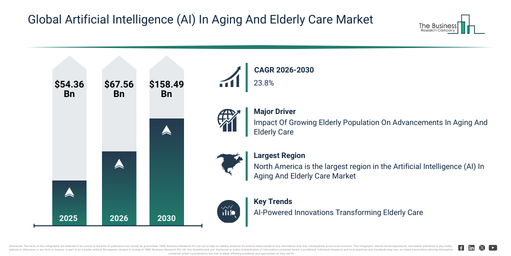
    The artificial intelligence (AI) in aging and elderly care market has seen substantial growth in recent years. It is anticipated to expand from $54.36 billion in 2025 to $67.56 billion by 2026, achieving a compound annual growth rate (CAGR) of 24.3%. This historical surge can be ascribed to an aging global populace, the increasing incidence of chronic illnesses, the spread of remote healthcare services, the rising uptake of digital health technologies, and the growing need for assisted living solutions.

    The artificial intelligence (AI) in aging and elderly care market is projected to experience substantial expansion over the upcoming years. Its value is anticipated to reach $158.49 billion in 2030, propelled by a compound annual growth rate (CAGR) of 23.8%. This growth during the forecast period is primarily driven by escalating investments in AI-powered healthcare platforms, an increasing need for customized elderly care solutions, wider adoption of smart home healthcare, a stronger focus on preventive healthcare, and the growing integration of robotics in eldercare services. Significant trends expected in this period encompass the expanded deployment of AI-enabled health monitoring systems, a rise in the use of wearable devices for elderly care, the increasing application of predictive analytics for health risk management, the proliferation of robotic assistance solutions, and a heightened emphasis on remote care models.

    Download the Free Sample Report to Explore Key Market Insights:

    https://www.thebusinessresearchcompany.com/sample.aspx?id=20714&type=smp

    What Underlying Factors Are Accelerating The Growth Of The Artificial Intelligence (AI) In Aging And Elderly Care Market?

    The increasing number of older individuals is anticipated to fuel the expansion of artificial intelligence (AI) within the aging and elderly care market moving ahead. This demographic consists of individuals aged 60 or 65 and above, who require customized care and assistance because of health and lifestyle issues associated with aging. The growth in the elderly population stems from extended lifespans, attributable to progress in healthcare, and a decrease in birth rates, which subsequently lowers the percentage of younger people in the overall population. Artificial intelligence (AI) is revolutionizing aging and elderly care by bolstering healthcare services, increasing accessibility, and fostering greater independence for older adults. For example, a report released in January 2024 by the Population Reference Bureau, a US-based non-profit organization, projects that the population of Americans aged 65 and above will climb from 58 million in 2022 to 82 million by 2050, representing a 47% increase. Consequently, this demographic’s share of the entire U.S. population is predicted to expand from 17% to 23% over the same timeframe. Hence, the expanding elderly population is a key factor fueling the expansion of artificial intelligence (AI) in the aging and elderly care market.

    How Is The Artificial Intelligence (AI) In Aging And Elderly Care Market Segmented Across Key Categories?

    The artificial intelligence (AI) in aging and elderly care market covered in this report is segmented –

    1) By Type: Natural Language Processing (NLP) Systems, Robotics And Robotic Assistance, Smart Home Devices And IoT Solutions, Machine Learning And Predictive Analytics, Virtual Health Assistants

    2) By Technology: Wearable Devices, Smart Home Systems, Mobile Apps, Cloud Computing, Internet Of Things (IoT)

    3) By Applications: Fall Detection And Prevention, Medication Management, Remote Health Monitoring, Social Engagement And Companion AI, Cognitive Stimulation And Brain Training

    4) By End User: Home Care Settings, Assisted Living Facilities, Nursing Homes And Long-Term Care Centers, Hospitals And Healthcare Institutions

    Subsegments:

    1) By Natural Language Processing (NLP) Systems: Voice-Activated Assistants, AI-Powered Speech Recognition Systems, NLP for Cognitive Health Monitoring

    2) By Robotics And Robotic Assistance: Elderly Care Robots, Robotic Mobility Assistance Devices, Robotic Companions For Seniors

    3) By Smart Home Devices And IoT Solutions: Smart Sensors (Fall Detection, Monitoring), AI-Enabled Smart Home Automation Systems, Wearable IoT Devices For Health Monitoring

    4) By Machine Learning And Predictive Analytics: AI-Based Health Risk Prediction Models, Machine Learning For Personalized Care Plans, Predictive Analytics For Medication Management

    5) By Virtual Health Assistants: AI-Powered Virtual Care Assistants, Telemedicine Virtual Assistants, Virtual Health Coaching And Support Systems

    Which Market Trends Are Creating New Opportunities In The Artificial Intelligence (AI) In Aging And Elderly Care Market?

    Leading firms within the artificial intelligence (AI) in aging and elderly care market are prioritizing the creation of novel solutions, including AI-powered virtual caregivers, aiming to deliver tailored care options, boost monitoring functionalities, and elevate the overall quality of life for seniors. An AI virtual caregiver functions as an intelligent digital assistant, assisting with health monitoring, medication reminders, companionship, and emergency responses, thereby critically supporting elderly individuals in preserving their autonomy and welfare. As an illustration, in November 2024, Electronic Caregiver Inc., a medical equipment supplier based in the US, introduced Addison Care+ via the AWS marketplace. Addison Care+ represents a sophisticated AI-powered virtual caregiver designed to transform senior care through improved health management, increased engagement, and greater independence for older adults and those with chronic conditions. This system offers continuous 24/7 activity surveillance, early detection of health concerns, and detailed care information encompassing medication oversight and immediate emergency actions. Its integration with AI-driven telecare operations facilitates simpler national deployment, equipping caregivers with proactive instruments to manage client health and refine the provision of care.

    Who Are The Dominant Players Shaping The Artificial Intelligence (AI) In Aging And Elderly Care Market Landscape?

    Major companies operating in the artificial intelligence (AI) in aging and elderly care market are Amazon.com Inc., Google LLC, Samsung Electronics Co. Ltd., Microsoft Corporation, Intel Corporation, General Electric Company, International Business Machines Corporation, Oracle Corporation, Medtronic plc, NVIDIA Corporation, Siemens Healthineers AG, Koninklijke Philips N.V., AARP Services Inc., Suki AI Inc., AiCure LLC, Sensi.AI, Orbita Inc., Sensely Inc., CarePredict Inc., Cognivue Corporation, Reemo Health Inc., Canary Health Technologies Inc., Somatix Inc.

    Read the full artificial intelligence (ai) in aging and elderly care market report here:

    https://www.thebusinessresearchcompany.com/report/artificial-intelligence-ai-in-aging-and-elderly-care-global-market-report

    Which Region Is Projected To Dominate The Artificial Intelligence (AI) In Aging And Elderly Care Market During The Forecast Period?

    North America was the largest region in the artificial intelligence (AI) in aging and elderly care market in 2025. Asia-Pacific is expected to be the fastest-growing region in the forecast period. The regions covered in the artificial intelligence (AI) in aging and elderly care market report are Asia-Pacific, South East Asia, Western Europe, Eastern Europe, North America, South America, Middle East, Africa.

    Request A Tailored Artificial Intelligence (AI) In Aging And Elderly Care Market Research Report For Competitive Advantage:

    https://www.thebusinessresearchcompany.com/customise?id=20714&type=smp

    Browse Through More Reports Similar to the Global Artificial Intelligence (AI) In Aging And Elderly Care Market 2026, By The Business Research Company

    Artificial Intelligence In Healthcare Diagnosis Global Market Report

    https://www.thebusinessresearchcompany.com/report/artificial-intelligence-in-healthcare-diagnosis-global-market-report

    Artificial Intelligence In Diabetes Management Global Market Report

    https://www.thebusinessresearchcompany.com/report/artificial-intelligence-in-diabetes-management-global-market-report

    Artificial Intelligence Ai In Precision Medicine Global Market Report

    https://www.thebusinessresearchcompany.com/report/artificial-intelligence-ai-in-precision-medicine-global-market-report

    Get in touch with us:

    The Business Research Company: https://www.thebusinessresearchcompany.com/

    Americas +1 310-496-7795

    Asia +44 7882 955267 & +91 8897263534

    Europe +44 7882 955267

    Email us at info@tbrc.info

    Follow us on:

    LinkedIn: https://in.linkedin.com/company/the-business-research-company

    YouTube: https://www.youtube.com/channel/UC24_fI0rV8cR5DxlCpgmyFQ

    Global Market Model: https://www.thebusinessresearchcompany.com/global-market-model
  • Global Anaplastic Astrocytoma Market Global Report 2026 Market Set for Strong Expansion Reaching $0.64 Billion by 2030 at 7% CAGR

    Global Anaplastic Astrocytoma Market Global Report 2026 Market Set for Strong Expansion Reaching $0.64 Billion by 2030 at 7% CAGR

    The Business Research Company’s 2026 market reports include new capabilities such as market attractiveness scoring and analysis, total addressable market analysis, company scoring matrix, interactive excel data dashboard, improved supply chain analysis, upcoming startups in the market, and overview of key products, aimed at improving the depth, usability, and strategic value of the insights delivered.

    What Is The Forecasted Market Value Of The Anaplastic Astrocytoma Market Across 2026–2030?

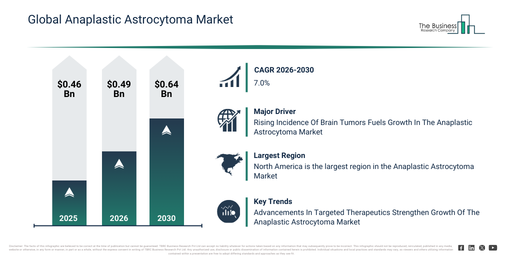
    The anaplastic astrocytoma market size has exhibited strong growth in recent years. It is anticipated to expand from $0.46 billion in 2025 to $0.49 billion in 2026, achieving a compound annual growth rate (CAGR) of 6.1%. Factors contributing to its historical growth include improvements in brain tumor diagnostics, the availability of neurosurgical treatment options, the expansion of oncology treatment centers, growing clinical trial participation, and the increased use of radiotherapy.

    The anaplastic astrocytoma market is anticipated to experience robust expansion over the coming years. Its valuation is projected to reach $0.64 billion by 2030, exhibiting a compound annual growth rate (CAGR) of 7.0%. This anticipated growth during the forecast period is attributable to several factors, including heightened investments in neuro-oncology research, the growing acceptance of precision medicine methodologies, the broadening scope of targeted and adjunct treatments, an increased emphasis on early detection techniques, and stronger partnerships among research organizations. Key trends for the forecast duration encompass the increasing uptake of multimodal treatment methods, the expanded utilization of sophisticated neuroimaging instruments, a heightened emphasis on individualized oncology therapies, the broadening of clinical research endeavors, and improved integration of surgical and radiotherapy procedures.

    Download the Free Sample Report to Explore Key Market Insights:

    https://www.thebusinessresearchcompany.com/sample.aspx?id=12874&type=smp

    What Drivers Are Shaping The Future Growth Of The Anaplastic Astrocytoma Market?

    The increasing occurrence of primary malignant and non-malignant brain tumors is projected to boost the expansion of the anaplastic astrocytoma market. Brain tumors represent masses within the brain, categorized as either malignant (cancerous and invasive) or benign (non-cancerous and non-invasive), exhibiting diverse levels of aggressiveness and capacity for dissemination. Treatment for anaplastic astrocytoma involves excising the tumor along with adjacent affected tissue, all while maintaining brain function. As an illustration, the American Society of Clinical Oncology (ASCO), a non-profit organization based in the US, reported in March 2023 that an estimated 24,810 adults in the United States are anticipated to be diagnosed with primary cancerous tumors originating in the brain and spinal cord, comprising 14,280 cases among men and 10,530 among women. Consequently, the rising occurrence of primary malignant and non-malignant brain tumors is set to fuel the future expansion of the anaplastic astrocytoma market.

    What Segmentation Levels Are Considered In The Anaplastic Astrocytoma Market?

    The anaplastic astrocytoma market covered in this report is segmented –

    1) By Treatment Type: Surgery, Chemotherapy, Radiation Therapy

    2) By Route of Administration: Oral, Parenteral

    3) By End User: Hospitals, Specialty Cancer Centers

    Subsegments:

    1) By Surgery: Maximal Safe Tumor Resection, Stereotactic Biopsy

    2) By Chemotherapy: Alkylating Agents, Targeted Therapy

    3) By Radiation Therapy: External Beam Radiation Therapy (EBRT), Intensity-Modulated Radiation Therapy (IMRT)

    What Trends Are Projected To Affect The Anaplastic Astrocytoma Market?

    Leading companies in the anaplastic astrocytoma market are concentrating on developing advanced combination therapies to improve overall survival and progression-free survival in patients with recurrent disease. This approach involves using two or more drugs to simultaneously target cancer pathways, thereby enhancing treatment efficacy and reducing tumor progression. For example, in November 2024, Orbus Therapeutics, a US-based biopharmaceutical company, introduced a combination of eflornithine and lomustine within its Phase 3 STELLAR study. This therapy has shown clinically significant improvements in overall survival and progression-free survival for patients with grade 3 IDH mutant astrocytoma. Its prominent features include a median overall survival of 34.9 months, contrasted with 23.5 months for lomustine alone, a median progression-free survival of 15.8 months versus 7.2 months, and a generally well-tolerated safety profile. The treatment harnesses eflornithine’s capacity to irreversibly inhibit ornithine decarboxylase, a vital enzyme in polyamine biosynthesis, thereby boosting its cytostatic effect. The study encompassed over 343 patients across North America and Europe, demonstrating considerable clinical benefit in a difficult-to-treat population and presenting a promising new choice for patients suffering from recurrent anaplastic astrocytoma.

    Which Leading Firms Are Contributing To The Growth Of The Anaplastic Astrocytoma Market?

    Major companies operating in the anaplastic astrocytoma market are Pfizer Inc., Hoffmann-La Roche Ltd., Merck & Co. Inc., Novartis AG, Bristol Myers Squibb, AstraZeneca, Eli Lilly and Company, Johnson & Johnson, Eisai Co. Ltd, AbbVie Inc., Bayer AG, Amgen Inc., Ipsen SA, Takeda Pharmaceutical Company Limited, Teva Pharmaceutical Industries Ltd., Cipla Limited, Sun Pharmaceutical Industries Ltd., Dr Reddy’s Laboratories Ltd., Novocure Ltd., Celldex Therapeutics Inc.

    Read the full anaplastic astrocytoma market report here:

    https://www.thebusinessresearchcompany.com/report/anaplastic-astrocytoma-global-market-report

    Which Geographic Regions Are Influencing Demand In The Anaplastic Astrocytoma Market?

    North America was the largest region in the anaplastic astrocytoma market in 2025. Asia-Pacific is expected to be the fastest-growing region in the forecast period. The regions covered in the anaplastic astrocytoma market report are Asia-Pacific, South East Asia, Western Europe, Eastern Europe, North America, South America, Middle East, Africa.

    Request A Tailored Anaplastic Astrocytoma Market Research Report For Competitive Advantage:

    https://www.thebusinessresearchcompany.com/customise?id=12874&type=smp

    Browse Through More Reports Similar to the Global Anaplastic Astrocytoma Market 2026, By The Business Research Company

    anaplastic astrocytoma global market report

    https://www.thebusinessresearchcompany.com/report/anaplastic-astrocytoma-global-market-report

    anaplastic astrocytoma global market report

    https://www.thebusinessresearchcompany.com/report/anaplastic-astrocytoma-global-market-report

    paraganglioma global market report

    https://www.thebusinessresearchcompany.com/report/paraganglioma-global-market-report

    Get in touch with us:

    The Business Research Company: https://www.thebusinessresearchcompany.com/

    Americas +1 310-496-7795

    Asia +44 7882 955267 & +91 8897263534

    Europe +44 7882 955267

    Email us at info@tbrc.info

    Follow us on:

    LinkedIn: https://in.linkedin.com/company/the-business-research-company

    YouTube: https://www.youtube.com/channel/UC24_fI0rV8cR5DxlCpgmyFQ

    Global Market Model: https://www.thebusinessresearchcompany.com/global-market-model
  • Artificial Intelligence (AI) Heart Sound Digital Twin Analytics Market Outlook 2026–2030 with Major Growth Drivers and Emerging Industry Trends

    Artificial Intelligence (AI) Heart Sound Digital Twin Analytics Market Outlook 2026–2030 with Major Growth Drivers and Emerging Industry Trends

    The Business Research Company’s 2026 market reports include new capabilities such as market attractiveness scoring and analysis, total addressable market analysis, company scoring matrix, interactive excel data dashboard, improved supply chain analysis, upcoming startups in the market, and overview of key products, aimed at improving the depth, usability, and strategic value of the insights delivered.

    How Much Is The Artificial Intelligence (AI) Heart Sound Digital Twin Analytics Market Expected To Grow In Terms Of Market Value Between 2026 And 2030?

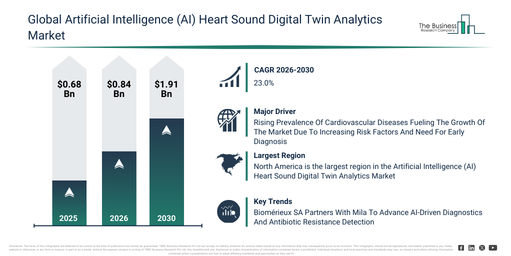
    The artificial intelligence (AI) heart sound digital twin analytics market size has grown exponentially in recent years. It will grow from $0.68 billion in 2025 to $0.84 billion in 2026 at a compound annual growth rate (CAGR) of 23.3%. The growth in the historic period can be attributed to growth in cardiovascular disease prevalence, advances in digital auscultation devices, increased use of ai in clinical diagnostics, expansion of remote patient monitoring, availability of large cardiac datasets.

    The artificial intelligence (AI) heart sound digital twin analytics market is projected to experience rapid expansion in the coming years. This market is anticipated to reach $1.91 billion by 2030, exhibiting a compound annual growth rate (CAGR) of 23.0%. Factors driving this growth during the forecast period include the escalating demand for prompt cardiac risk detection, the increasing uptake of personalized cardiology solutions, the broadening reach of cloud-based clinical analytics, a heightened emphasis on uninterrupted cardiac monitoring, and the greater incorporation of AI into clinical workflows. Key trends observed throughout this period encompass the wider acceptance of digital twin cardiac models, a surge in the application of AI-based heart sound analytics, the proliferation of remote cardiac monitoring tools, the increasing integration of wearable cardiac sensors, and a sharper focus on predictive cardiovascular diagnostics.

    Download the Free Sample Report to Explore Key Market Insights:

    https://www.thebusinessresearchcompany.com/sample.aspx?id=28119&type=smp

    Which Growth Drivers Are Contributing To The Progress Of The Artificial Intelligence (AI) Heart Sound Digital Twin Analytics Market?

    The increasing prevalence of cardiovascular conditions is anticipated to fuel the expansion of the artificial intelligence (AI) heart sound digital twin analytics market moving forward. These conditions encompass various disorders affecting the heart and blood vessels, such as coronary heart disease, heart failure, stroke, and hypertension. The rise in cardiovascular diseases is primarily linked to unhealthy diets, where excessive consumption of saturated fats, trans fats, added sugars, and sodium contributes to elevated blood pressure, obesity, and high cholesterol, all significant risk factors for heart-related ailments. Artificial intelligence (AI) heart sound digital twin analytics assist in diagnosing cardiovascular diseases by creating customized digital heart models for patients, making them highly effective for early detection and continuous monitoring. They help lessen clinical burdens by offering real-time heart sound analysis, thus enhancing diagnostic precision and individualized treatment. For instance, in September 2025, the American College of Cardiology (ACC), a US-based non-profit medical professional society, reported that CVD remains the leading cause of disability-adjusted life years (DALYs) and deaths estimated in the GBD globally. There were 437 million CVD DALYs in 2023. Consequently, the escalating occurrence of cardiovascular diseases is propelling the growth of the artificial intelligence (AI) heart sound digital twin analytics market. The growing demand for personalized healthcare approaches is projected to accelerate the expansion of the artificial intelligence (AI) heart sound digital twin analytics market in the future. Personalized medicine involves a medical strategy that customizes treatment and prevention plans to an individual’s unique genetic makeup, lifestyle, and environmental factors. This increasing demand for tailored medical interventions stems mainly from advancements in genomics, which enable precise identification of genetic variations and the development of specific treatments for individuals. Artificial intelligence (AI) heart sound digital twin analytics improve personalized medicine by providing patient-specific digital models of the heart, making them ideal for adapting treatments to individual cardiac profiles. They diminish diagnostic uncertainties by delivering real-time analysis of heart sounds, thereby enhancing treatment accuracy and patient outcomes. For instance, in February 2024, the Personalized Medicine Coalition (PMC), a US-based nonprofit organization, stated that the U.S. Food and Drug Administration (FDA) approved 26 new personalized medicines in 2023, a significant increase from the 12 approved in 2022. Therefore, the increasing adoption of personalized medicine is fueling the growth of the artificial intelligence (AI) heart sound digital twin analytics market.

    What Major Segment Divisions Exist Within The Artificial Intelligence (AI) Heart Sound Digital Twin Analytics Market?

    The artificial intelligence (AI) heart sound digital twin analytics market covered in this report is segmented –

    1) By Component: Software, Hardware, Services

    2) By Deployment Mode: On-Premises, Cloud

    3) By Application: Cardiology, Remote Patient Monitoring, Clinical Diagnostics, Research, Other Applications

    4) By End-User: Hospitals, Clinics, Research Institutes, Diagnostic Centers, Other End-Users

    Subsegments:

    1) By Software: AI Algorithms And Models, Predictive Analytics Platforms, Simulation And Modeling Tools, Data Integration And Management Software, Visualization And Reporting Dashboards

    2) By Hardware: Sensors, Digital Stethoscopes, Wearable Devices, Edge Devices Or Processing Units, Cloud Or Server Infrastructure

    3) By Services: Implementation And Integration Services, Consulting And Advisory Services, Training And Education Services, Support And Maintenance Services, Data-As-A-Service (DaaS)

    What Trends Are Affecting The Expansion Of The Artificial Intelligence (AI) Heart Sound Digital Twin Analytics Market?

    Companies operating in the artificial intelligence (AI) heart sound digital twin analytics market are primarily focused on creating advanced products, such as digital stethoscopes, to analyze heart sounds, facilitate early diagnosis, and support personalized patient care. A digital stethoscope functions as an electronic device that amplifies and records body sounds, offering noise reduction and connectivity with various apps for enhanced diagnosis and data sharing. As an example, in April 2025, Eko Health Inc., a US-based digital health company, introduced its CORE 500 digital stethoscope and Eko+ membership service in Canada. The CORE 500 digital stethoscope stands out as a highly advanced device, featuring patented audio technology with three listening modes, visualization of both ECG and heart sounds, and active noise cancellation for precise auscultation, alongside enabling effortless data capture, sharing, and monitoring. Furthermore, the Eko+ membership expands its utility with AI-powered murmur and arrhythmia detection, waveform visualization, guided examination flows, and secure sharing capabilities. This launch empowers Canadian clinicians with cutting-edge, AI-driven instruments designed to improve cardiac and pulmonary care and ultimately enhance patient outcomes.

    Which Companies Are Leading Innovation In The Artificial Intelligence (AI) Heart Sound Digital Twin Analytics Market?

    Major companies operating in the artificial intelligence (AI) heart sound digital twin analytics market are Medtronic plc, Tata Consultancy Services Limited (TCS), Siemens Healthineers AG, Fujifilm Healthcare Corporation, GE Healthcare Technologies Inc., Dassault Systemes SE, Synopsys Inc., Tempus Labs Inc., Biofourmis Inc., HeartFlow Inc., Viz.ai Inc., Aidoc Medical Ltd., Butterfly Network Inc., Eko Health Inc., Shenzhen Minttihealth Co. Ltd., Ultromics Limited, Thinklabs Medical LLC, Acorai AB, Sensydia Corporation, CardioSignal, Cardionics Inc., Ayu Devices Pvt. Ltd., Ai Health Highway India Pvt Ltd., Aevice Health Pte Ltd., CSD Labs, Sanolla Ltd., HeartTronics AI

    Read the full artificial intelligence (ai) heart sound digital twin analytics market report here:

    https://www.thebusinessresearchcompany.com/report/artificial-intelligence-ai-heart-sound-digital-twin-analytics-global-market-report

    What Are The Leading Geographic Regions In The Artificial Intelligence (AI) Heart Sound Digital Twin Analytics Market?

    North America was the largest region in the artificial intelligence (AI) heart sound digital twin analytics market in 2025. The regions covered in the artificial intelligence (AI) heart sound digital twin analytics market report are Asia-Pacific, South East Asia, Western Europe, Eastern Europe, North America, South America, Middle East, Africa.

    Request A Tailored Artificial Intelligence (AI) Heart Sound Digital Twin Analytics Market Research Report For Competitive Advantage:

    https://www.thebusinessresearchcompany.com/customise?id=28119&type=smp

    Browse Through More Reports Similar to the Global Artificial Intelligence (AI) Heart Sound Digital Twin Analytics Market 2026, By The Business Research Company

    Artificial Intelligence In Cardiology Global Market Report

    https://www.thebusinessresearchcompany.com/report/artificial-intelligence-in-cardiology-global-market-report

    Ai In Life Science Analytics Global Market Report

    https://www.thebusinessresearchcompany.com/report/ai-in-life-science-analytics-global-market-report

    Digital Twins In Healthcare Global Market Report

    https://www.thebusinessresearchcompany.com/report/digital-twins-in-healthcare-global-market-report

    Get in touch with us:

    The Business Research Company: https://www.thebusinessresearchcompany.com/

    Americas +1 310-496-7795

    Asia +44 7882 955267 & +91 8897263534

    Europe +44 7882 955267

    Email us at info@tbrc.info

    Follow us on:

    LinkedIn: https://in.linkedin.com/company/the-business-research-company

    YouTube: https://www.youtube.com/channel/UC24_fI0rV8cR5DxlCpgmyFQ

    Global Market Model: https://www.thebusinessresearchcompany.com/global-market-model
  • Anaphylaxis Treatment Market Global Report 2026 Market Growth Expected to Reach $9.32 Billion by 2030 with 7.2% CAGR

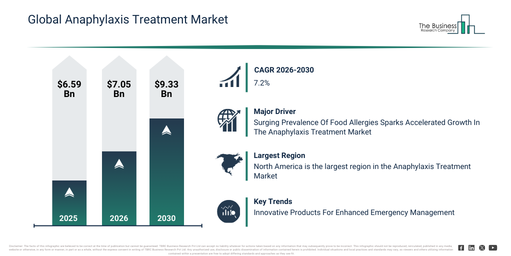
    Anaphylaxis Treatment Market Global Report 2026 Market Growth Expected to Reach $9.32 Billion by 2030 with 7.2% CAGR

    The Business Research Company’s 2026 market reports include new capabilities such as market attractiveness scoring and analysis, total addressable market analysis, company scoring matrix, interactive excel data dashboard, improved supply chain analysis, upcoming startups in the market, and overview of key products, aimed at improving the depth, usability, and strategic value of the insights delivered.

    What Market Size Increase Is Anticipated For The Anaphylaxis Treatment Market Over The 2026–2030 Period?

    The anaphylaxis treatment market has shown significant growth in recent years. It is anticipated to expand from $6.59 billion in 2025 to $7.05 billion in 2026, reflecting a compound annual growth rate (CAGR) of 7.0%. This historical growth can be attributed to several factors, including the increasing diagnosis of allergic disorders, the establishment of emergency treatment standards, the availability of epinephrine-based therapies, the expansion of hospital pharmacy networks, and growing physician awareness.

    The anaphylaxis treatment market is projected to experience significant expansion in the coming years. This market is expected to reach $9.33 billion by 2030, growing at a compound annual growth rate (CAGR) of 7.2%. The expansion during the forecast period can be attributed to several factors, including increasing investments in advanced drug delivery systems, a rising focus on patient-centric treatment solutions, the expansion of digital pharmacy platforms, a growing demand for fast-acting medications, and increasing global allergy prevalence. Key trends anticipated in the forecast period include the increasing use of auto-injectable epinephrine products, the rising adoption of multi-drug treatment protocols, a growing emphasis on rapid intervention, the expansion of retail and online distribution channels, and an enhanced focus on treatment accessibility.

    Download the Free Sample Report to Explore Key Market Insights:

    https://www.thebusinessresearchcompany.com/sample.aspx?id=12105&type=smp

    Which Economic Or Industry Drivers Are Impacting The Anaphylaxis Treatment Market?

    The increasing occurrence of food allergies is projected to fuel the expansion of the anaphylaxis treatment market in the future. These allergies are adverse immune responses where the body misinterprets certain food proteins as dangerous, leading to reactions spanning from minor discomfort to severe, life-threatening anaphylaxis. A significant contributor to the growing prevalence of food allergies is heightened environmental and dietary exposure early in life, which can modify immune system development and boost susceptibility to typical food allergens. Anaphylaxis treatment addresses this escalating clinical demand by offering swift, life-saving interventions that alleviate severe allergic reactions and improve patient safety as food allergy incidence rises. For example, data from May 2024 by the Food Standards Agency, a government department based in the UK, indicated that approximately 6% of UK adults, amounting to about 2.4 million people, were estimated to have a clinically diagnosed food allergy in 2024. Consequently, the expanding prevalence of food allergies is a key impetus for the growth of the anaphylaxis treatment market.

    How Is The Anaphylaxis Treatment Market Segmented Across Key Categories?

    The anaphylaxis treatment market covered in this report is segmented –

    1) By Treatment: Epinephrine, Antihistamines, Steroids, Other Treatments

    2) By Distribution Channel: Hospital Pharmacy, Retail Pharmacy

    3) By Application: Food Allergy, Insect Sting Allergy, Drug-Induced Allergy, Latex Allergy, Exercise-Induced Anaphylaxis, Idiopathic Anaphylaxis, Other Applications

    Subsegments:

    1) By Epinephrine: Auto-Injectors, Vials Or Syringes

    2) By Antihistamines: Oral Antihistamines, Injectable Antihistamines

    3) By Steroids: Oral Steroids, Injectable Steroids

    4) By Other Treatments: Corticosteroids, Intravenous Fluids, Other Supportive Treatments

    Which Upcoming Trends Are Expected To Influence The Anaphylaxis Treatment Market?

    Major companies within the anaphylaxis treatment market are prioritizing the creation of innovative solutions, such as epinephrine injections, to enhance emergency responses and improve patient outcomes. Epinephrine injection is a vital, life-saving medicine employed for severe allergic reactions, effectively and quickly counteracting symptoms like constricted airways, low blood pressure, and hives. For example, in March 2023, American Regent Inc., a US-based pharmaceutical company, introduced sulfite-free epinephrine injection USP. This product is formulated for subcutaneous, intramuscular, and intravenous application, and it contains no sulfite or preservatives. Epinephrine is also suggested for adult patients with hypotension related to septic shock, with the aim of elevating mean arterial blood pressure.

    Who Are The Dominant Players Shaping The Anaphylaxis Treatment Market Landscape?

    Major companies operating in the anaphylaxis treatment market are Merck & Co. Inc., Novartis International AG, GlaxoSmithKline plc, Viatris Inc., Teva Pharmaceutical Industries Ltd., Sun Pharmaceutical Industries Ltd., Dr. Reddy’s Laboratories Ltd., Hikma Pharmaceuticals plc, Amneal Pharmaceuticals Inc., ALK-Abelló A/S, Amphastar Pharmaceuticals Inc., Par Pharmaceutical Inc., Pfizer Inc., Sanofi S.A., Bristol Myers Squibb, AbbVie Inc., AstraZeneca plc, Boehringer Ingelheim, Eli Lilly and Company, Takeda Pharmaceutical Company Limited

    Read the full anaphylaxis treatment market report here:

    https://www.thebusinessresearchcompany.com/report/anaphylaxis-treatment-global-market-report

    What Are The Top-Performing Regions Within The Anaphylaxis Treatment Market?

    North America was the largest region in the anaphylaxis treatment market in 2025. Asia-Pacific is expected to be the fastest-growing region in the forecast period. The regions covered in the anaphylaxis treatment market report are Asia-Pacific, South East Asia, Western Europe, Eastern Europe, North America, South America, Middle East, Africa.

    Request A Tailored Anaphylaxis Treatment Market Research Report For Competitive Advantage:

    https://www.thebusinessresearchcompany.com/customise?id=12105&type=smp

    Browse Through More Reports Similar to the Global Anaphylaxis Treatment Market 2026, By The Business Research Company

    emphysema treatment global market report

    https://www.thebusinessresearchcompany.com/report/emphysema-treatment-global-market-report

    allergy treatment global market report

    https://www.thebusinessresearchcompany.com/report/allergy-treatment-global-market-report

    calciphylaxis treatment global market report

    https://www.thebusinessresearchcompany.com/report/calciphylaxis-treatment-global-market-report

    Get in touch with us:

    The Business Research Company: https://www.thebusinessresearchcompany.com/

    Americas +1 310-496-7795

    Asia +44 7882 955267 & +91 8897263534

    Europe +44 7882 955267

    Email us at info@tbrc.info

    Follow us on:

    LinkedIn: https://in.linkedin.com/company/the-business-research-company

    YouTube: https://www.youtube.com/channel/UC24_fI0rV8cR5DxlCpgmyFQ

    Global Market Model: https://www.thebusinessresearchcompany.com/global-market-model
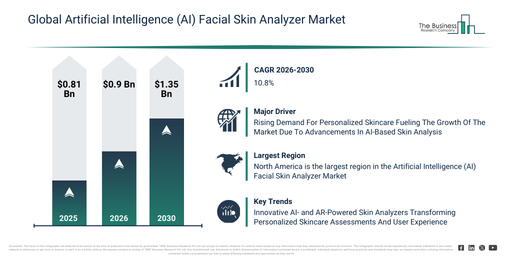
  • One of the Major Drivers of the Artificial Intelligence (AI) Facial Skin Analyzer Market Is the Rising Demand For Personalized Skincare Fueling The Growth Of The Market Due To Advancements In AI-Based Skin Analysis

    One of the Major Drivers of the Artificial Intelligence (AI) Facial Skin Analyzer Market Is the Rising Demand For Personalized Skincare Fueling The Growth Of The Market Due To Advancements In AI-Based Skin Analysis

    The Business Research Company’s 2026 market reports include new capabilities such as market attractiveness scoring and analysis, total addressable market analysis, company scoring matrix, interactive excel data dashboard, improved supply chain analysis, upcoming startups in the market, and overview of key products, aimed at improving the depth, usability, and strategic value of the insights delivered.

    What Market Value Is Expected For The Artificial Intelligence (AI) Facial Skin Analyzer Market At The End Of The 2026–2030 Forecast Period?

    The artificial intelligence (AI) facial skin analyzer market has experienced substantial expansion in recent years. This market is projected to expand from $0.81 billion in 2025 to reach $0.9 billion by 2026, demonstrating a compound annual growth rate (CAGR) of 11.2%. Historically, this growth has been driven by several factors, including a heightened consumer interest in skincare analysis, the proliferation of digital dermatology instruments, an increase in the adoption of cosmetic technology, the wider availability of high-resolution imaging devices, and a growing demand for customized beauty solutions.

    The artificial intelligence (AI) facial skin analyzer market size is projected to undergo significant expansion in the coming years. It is anticipated to attain a value of $1.35 billion by 2030, growing at a compound annual growth rate (CAGR) of 10.8%. This growth during the forecast period stems from factors such as the increasing integration of AI in aesthetic medicine, the rising use of virtual skincare consultations, the expansion of data-driven cosmetic formulation, the growing adoption in clinical dermatology settings, and the increasing demand for real-time skin monitoring solutions. Key trends influencing this period include the increasing adoption of AI-driven skin diagnostics, the rising integration of mobile-based skin analysis platforms, the growing use of 3D facial imaging technologies, the expansion of personalized skincare recommendation systems, and enhanced accuracy in multi-parameter skin assessment.

    Download the Free Sample Report to Explore Key Market Insights:

    https://www.thebusinessresearchcompany.com/sample.aspx?id=24469&type=smp

    What Primary Drivers Are Shaping The Development Of The Artificial Intelligence (AI) Facial Skin Analyzer Market?

    The increasing demand for personalized skincare solutions is expected to drive the expansion of the artificial intelligence (AI) facial skin analyzer market in the future. Personalized skincare involves custom-fitting products and regimens to an individual’s unique skin characteristics and specific concerns. The rise in personalized skincare solutions is attributed to the growing utilization of AI and skin analysis technologies, which enable customized product recommendations based on individual skin needs. Artificial Intelligence (AI) facial skin analyzers contribute to personalizing skincare by accurately assessing individual skin conditions and subsequently generating data-driven, bespoke product and treatment recommendations. As an illustration, figures from December 2024, provided by the US-based government agency Bureau of Labor Statistics, show that consumer spending on personal care products and services climbed from USD 866 in 2022 to USD 950 in 2023. This reflects a 9.7% year-over-year increase, building on a 12.3% rise observed in 2022. Therefore, the escalating demand for personalized skincare solutions is a primary driver for the growth of the artificial intelligence (AI) facial skin analyzer market.

    What Segment Types Make Up The Artificial Intelligence (AI) Facial Skin Analyzer Market?

    The artificial intelligence (AI) facial skin analyzer market covered in this report is segmented –

    1) By Product Type: Portable, Desktop

    2) By Device Type: Mobile App, Web-Based Platform, Standalone Device

    3) By Technology: Artificial intelligence (AI)-Based, Machine Learning, Deep Learning

    4) By Application: Skincare, Aesthetic Treatments, Cosmetics, Medical Diagnosis

    5) By End User: Healthcare, Personal Care, Other End-Users

    Subsegments:

    1) By Portable: Handheld Skin Analyzers, Smartphone-Compatible Devices, Wearable Skin Analyzers

    2) By Desktop: Multi-Parameter Skin Analyzers, 3D Imaging Skin Analyzers, Clinical-Grade Skin Analyzers

    Which Trends Are Influencing The Artificial Intelligence (AI) Facial Skin Analyzer Market?

    Leading companies in the artificial intelligence (AI) facial skin analyzer market are concentrating on developing innovative solutions, including AI and augmented reality (AR)-powered skin analyzers. These aim to offer real-time, personalized skincare assessments, enhance user engagement, and expand accessibility across consumer and professional segments. These AI and AR-driven analyzers utilize smart algorithms and augmented visuals to evaluate skin health and show immediate skincare effects, aiding users in making informed choices through interactive, customized analysis. For instance, in January 2024, Flipkart Private Limited, an India-based e-commerce company, unveiled the ModiFace Powered Skin Analyzer. This AI-driven tool is seamlessly integrated into Flipkart’s mobile platform, allowing users to conduct a facial skin analysis by simply taking a selfie and answering a few basic questions. The technology assesses crucial skin parameters such as pores, wrinkles, pigmentation, acne, and firmness, leveraging advanced artificial intelligence and augmented reality. Subsequently, it delivers customized skincare recommendations specifically tailored to each user’s skin profile, spanning seven stages: cleanse, prepare, treat, moisturize, care, targeted, and protect.

    Who Are The Key Players Driving Competition In The Artificial Intelligence (AI) Facial Skin Analyzer Market?

    Major companies operating in the artificial intelligence (AI) facial skin analyzer market are JANUS Pro, LUMINI LLC, FotoFinder Systems Inc., Revieve Inc., Canfield Scientific Inc., DermaCompare, HiMirror, SkinVision B.V., Haut.AI, Skintelligent, Perfect Corp, Quantificare, BeautyAI, SkinAI, Syensqo, OKKAMI, UVisio, Meicet Technology Co LTD, Coralai, Zemits, Aram Huvis Co Ltd, Courage + Khazaka Electronic GmbH, Microderm GLO, Pixience, BeautyBio

    Read the full artificial intelligence (ai) facial skin analyzer market report here:

    https://www.thebusinessresearchcompany.com/report/artificial-intelligence-ai-facial-skin-analyzer-global-market-report

    How Does The Artificial Intelligence (AI) Facial Skin Analyzer Market Perform Across Major Global Regions?

    North America was the largest region in the artificial intelligence (AI) facial skin analyzer market in 2025. Asia-Pacific is expected to be the fastest-growing region in the forecast period. The regions covered in the artificial intelligence (AI) facial skin analyzer market report are Asia-Pacific, South East Asia, Western Europe, Eastern Europe, North America, South America, Middle East, Africa.

    Request A Tailored Artificial Intelligence (AI) Facial Skin Analyzer Market Research Report For Competitive Advantage:

    https://www.thebusinessresearchcompany.com/customise?id=24469&type=smp

    Browse Through More Reports Similar to the Global Artificial Intelligence (AI) Facial Skin Analyzer Market 2026, By The Business Research Company

    Artificial Intelligence Server Global Market Report

    https://www.thebusinessresearchcompany.com/report/artificial-intelligence-server-global-market-report

    Edge Ai Software Global Market Report

    https://www.thebusinessresearchcompany.com/report/edge-ai-software-global-market-report

    Artificial Intelligence In Medicine Global Market Report

    https://www.thebusinessresearchcompany.com/report/artificial-intelligence-in-medicine-global-market-report

    Get in touch with us:

    The Business Research Company: https://www.thebusinessresearchcompany.com/

    Americas +1 310-496-7795

    Asia +44 7882 955267 & +91 8897263534

    Europe +44 7882 955267

    Email us at info@tbrc.info

    Follow us on:

    LinkedIn: https://in.linkedin.com/company/the-business-research-company

    YouTube: https://www.youtube.com/channel/UC24_fI0rV8cR5DxlCpgmyFQ

    Global Market Model: https://www.thebusinessresearchcompany.com/global-market-model