Category: Healthcare Services

  • Global Alpers Disease Treatment Market Global Report 2026 Industry Trends and Market Growth Forecast for 2026–2030

    Global Alpers Disease Treatment Market Global Report 2026 Industry Trends and Market Growth Forecast for 2026–2030

    The Business Research Company’s 2026 market reports include new capabilities such as market attractiveness scoring and analysis, total addressable market analysis, company scoring matrix, interactive excel data dashboard, improved supply chain analysis, upcoming startups in the market, and overview of key products, aimed at improving the depth, usability, and strategic value of the insights delivered.

    What Market Value Is Expected For The Alpers Disease Treatment Market At The End Of The 2026–2030 Forecast Period?

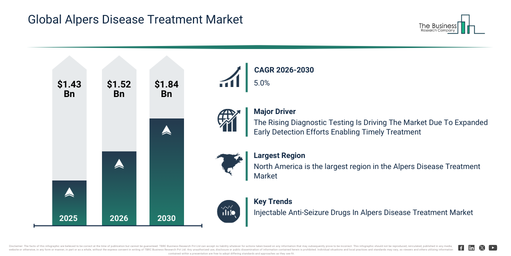
    The alpers disease treatment market has experienced significant expansion over recent years. It is anticipated to increase from $1.43 billion in 2025 to $1.52 billion in 2026, achieving a compound annual growth rate (CAGR) of 5.7%. Throughout the historic period, this growth was shaped by various factors, including limited awareness of alpers disease, a deficiency in specialized diagnostic tools, restricted access to rare disease therapies, a prevailing reliance on traditional anticonvulsant medications, and a small patient population influencing the adoption of treatments.

    The market for Alpers disease treatment is projected to experience consistent expansion over the upcoming years. This market is anticipated to reach a valuation of $1.84 billion by 2030, demonstrating a compound annual growth rate (CAGR) of 5.0%. Several factors are expected to drive this growth during the projection period, including progress in genetic testing methods, the creation of specific supportive treatments, increased funding for rare disease studies, the establishment of more specialized healthcare centers, and growing partnerships between hospitals and therapy providers. Key trends anticipated during this period involve the greater use of anticonvulsant medications to manage seizures, an increasing emphasis on comprehensive, multidisciplinary therapeutic strategies, the expanded application of molecular genetic testing for diagnostic purposes, the broadening of specialized clinics and hospital services for rare conditions, and improved development of both supportive and nutritional interventions.

    Download the Free Sample Report to Explore Key Market Insights:

    https://www.thebusinessresearchcompany.com/sample.aspx?id=16585&type=smp

    What Primary Drivers Are Shaping The Development Of The Alpers Disease Treatment Market?

    The Alpers disease treatment market is anticipated to be propelled forward by the increasing prevalence of diagnostic testing. This testing involves a systematic examination of biological samples, physiological functions, or imaging results to pinpoint, monitor, or rule out medical conditions, thereby guiding appropriate clinical decisions. A significant factor contributing to the rise in diagnostic testing is the heightened emphasis on early and accurate disease detection, as healthcare providers prioritize prompt diagnoses to enhance outcomes, prevent complications, and ensure more effective long-term management. For Alpers disease treatment, this growth in diagnostics is beneficial, enabling earlier identification of mitochondrial dysfunction, which supports timely intervention and more informed clinical care for affected patients. As an illustration, in August 2025, according to the NHS England, a UK-based executive non-departmental public body, the count of patients waiting for crucial diagnostic tests climbed to 1,657,600, an increase of 95,500 from August 2024, while completed diagnostic procedures reached 2,370,800, marking an increase of 18,600 within the same period. Therefore, the expansion of diagnostic testing is a primary impetus for the Alpers disease treatment market.

    What Segment Types Make Up The Alpers Disease Treatment Market?

    The alpers disease treatment market covered in this report is segmented –

    1) By Treatment: Anticonvulsant Drugs, Speech Therapy, Physical Therapy, Occupational Therapy

    2) By Diagnosis: Genetic and Molecular Testing, Neurodiagnostic Tests, Biochemical and Metabolic Tests

    3) By Dosage: Tablet, Injection, Other Dosages

    4) By Symptom: Seizures, Spasticity, Liver Dysfunction, Cerebral Degeneration

    Subsegments:

    1) By Anticonvulsant Drugs: Levetiracetam, Lamotrigine, Topiramate, Clonazepam

    2) By Speech Therapy: Articulation Therapy, Language Development Therapy, Swallowing Therapy, Cognitive Communication Therapy

    3) By Physical Therapy: Motor Skill Therapy, Balance And Coordination Training, Stretching And Strengthening Exercises, Gait Training

    4) By Occupational Therapy: Fine Motor Skill Training, Sensory Integration Therapy, Adaptive Techniques For Daily Living, Cognitive Rehabilitation

    Which Market Trends Are Creating New Opportunities In The Alpers Disease Treatment Market?

    Leading companies operating in the alpers disease treatment market are developing innovative solutions, such as Injectable anti-seizure drugs (ASDs), to provide a more rapid and reliable onset of action compared to oral medications. These Injectable anti-seizure drugs (ASDs) offer advantages for individuals with Alpers disease by delivering rapid and reliable seizure control, bypassing potential absorption issues in the gastrointestinal tract, ensuring stable and effective dosing, and providing a more precise treatment option for managing this challenging neurological condition. For instance, in April 2024, Eisai Co. Ltd., a Japan-based pharmaceutical company, launched FYCOMPA, an injection formulation designed for treating epilepsy. This medication functions as a selective, noncompetitive AMPA receptor antagonist, which is thought to reduce neuronal hyper-excitation associated with seizures by targeting glutamate activity at AMPA receptors on postsynaptic membranes. However, its use in patients with Alpers disease requires careful consideration due to the specific challenges and sensitivities linked to the condition.

    Who Are The Key Players Driving Competition In The Alpers Disease Treatment Market?

    Major companies operating in the alpers disease treatment market are UCB S.A., Jazz Pharmaceuticals, Eisai Co. Ltd., Otsuka Pharmaceutical Co. Ltd., H. Lundbeck A/S, Biogen Inc., Ultragenyx Pharmaceutical Inc., PTC Therapeutics Inc., Ionis Pharmaceuticals Inc., Sarepta Therapeutics Inc., GW Pharmaceuticals plc, Supernus Pharmaceuticals Inc., SK Biopharmaceuticals Co. Ltd., Marinus Pharmaceuticals Inc., Neurelis Inc., Zogenix Inc., Aquestive Therapeutics Inc., Bial – Portela & Cª S.A., Desitin Arzneimittel GmbH, Adamas Pharmaceuticals Inc.

    Read the full alpers disease treatment market report here:

    https://www.thebusinessresearchcompany.com/report/alpers-disease-treatment-global-market-report

    How Does The Alpers Disease Treatment Market Perform Across Major Global Regions?

    North America was the largest region in the alpers disease treatment market in 2025. The regions covered in the alpers disease treatment market report are Asia-Pacific, South East Asia, Western Europe, Eastern Europe, North America, South America, Middle East, Africa.

    Request A Tailored Alpers Disease Treatment Market Research Report For Competitive Advantage:

    https://www.thebusinessresearchcompany.com/customise?id=16585&type=smp

    Browse Through More Reports Similar to the Global Alpers Disease Treatment Market 2026, By The Business Research Company

    rare diseases treatment global market report

    https://www.thebusinessresearchcompany.com/report/rare-diseases-treatment-global-market-report

    condyloma acuminata treatment global market report

    https://www.thebusinessresearchcompany.com/report/condyloma-acuminata-treatment-global-market-report

    albuterol global market report

    https://www.thebusinessresearchcompany.com/report/albuterol-global-market-report

    Get in touch with us:

    The Business Research Company: https://www.thebusinessresearchcompany.com/

    Americas +1 310-496-7795

    Asia +44 7882 955267 & +91 8897263534

    Europe +44 7882 955267

    Email us at info@tbrc.info

    Follow us on:

    LinkedIn: https://in.linkedin.com/company/the-business-research-company

    YouTube: https://www.youtube.com/channel/UC24_fI0rV8cR5DxlCpgmyFQ

    Global Market Model: https://www.thebusinessresearchcompany.com/global-market-model
  • Alopecia Areata Market Global Report 2026 Market Size Outlook and Demand Growth Across 2026–2030

    Alopecia Areata Market Global Report 2026 Market Size Outlook and Demand Growth Across 2026–2030

    The Business Research Company’s 2026 market reports include new capabilities such as market attractiveness scoring and analysis, total addressable market analysis, company scoring matrix, interactive excel data dashboard, improved supply chain analysis, upcoming startups in the market, and overview of key products, aimed at improving the depth, usability, and strategic value of the insights delivered.

    What Is The Estimated Market Size Of The Alopecia Areata Market During 2026–2030?

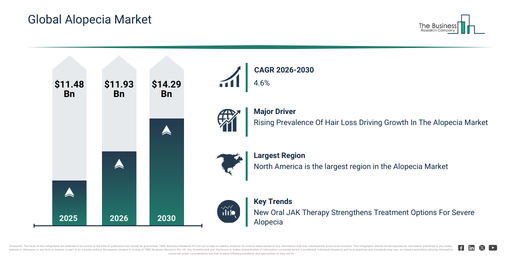
    The alopecia areata market size has demonstrated significant expansion in recent years. It is projected to increase from $3.81 billion in 2025 to $4.11 billion in 2026, at a compound annual growth rate (CAGR) of 7.9%. Historically, this growth can be ascribed to the escalating global prevalence of alopecia areata, historically constrained treatment alternatives, a rising need for dermatology care, the development of hospital and specialty clinic infrastructure, and the adoption of traditional herbal and natural remedies.

    The alopecia areata market is projected to experience substantial expansion over the upcoming years, anticipated to reach $5.72 billion by 2030, demonstrating a compound annual growth rate (CAGR) of 8.6%. This anticipated growth during the forecast period stems from factors such as the creation of new immunotherapy medications, heightened investment in dermatological research, a growing inclination towards customized hair loss solutions, the proliferation of homecare and teledermatology offerings, and an increase in clinical trials focused on hair regrowth. Key trends foreseen for this period encompass a heightened understanding of autoimmune hair conditions, increased acceptance of topical and oral treatments, the emergence of specialized clinics and at-home care options, improvements in trichoscopy and diagnostic methodologies, and a surge in research into innovative hair regrowth treatments.

    Download the Free Sample Report to Explore Key Market Insights:

    https://www.thebusinessresearchcompany.com/sample.aspx?id=12596&type=smp

    Which Major Factors Are Driving The Expansion Of The Alopecia Areata Market?

    The escalating occurrence of alopecia is projected to stimulate the expansion of the alopecia areata market in the coming years. Alopecia describes the complete or partial loss of hair, typically observed on the scalp but also capable of affecting other bodily areas. The rising prevalence of alopecia primarily results from an increase in autoimmune disorders, elevated stress levels, genetic predispositions, and environmental stimuli that disrupt the normal functioning of hair follicles. Treatments for alopecia areata aim to tackle this growing concern by targeting immune-mediated follicular inflammation, fostering hair regrowth, and improving the quality of life for patients through more potent and rapidly effective therapeutic choices. For example, in July 2023, an article published by the U.S. Department of Health and Human Services reported that approximately 50 Mn men and 30 Mn women in the U.S. are estimated to be impacted by androgenetic alopecia annually. Thus, the increasing incidence of alopecia is propelling the growth of the alopecia areata market.

    How Are The Various Segments Of The Alopecia Areata Market Categorized?

    The alopecia areata market covered in this report is segmented –

    1) By Type: Patchy Alopecia Areata, Alopecia Totalis, Alopecia Universalis, Diffuse Alopecia Areata, Ophiasis Alopecia

    2) By Diagnosis: Trichoscopy, Skin Biopsy, Other Diagnoses

    3) By Route Of Administration: Oral, Topical, Parenteral, Other Routes Of Administration

    4) By End-Users: Hospitals, Specialty Clinics

    What Trends Are Affecting The Expansion Of The Alopecia Areata Market?

    Leading companies in the alopecia areata market are concentrating on securing approvals for innovative drugs, such as Janus kinase (JAK) inhibitors, to enhance their market standing and deliver advanced therapies. JAK inhibitors are a class of medications that work by blocking specific enzymes (JAK1/JAK2) implicated in the autoimmune process that attacks hair follicles, thereby encouraging hair regrowth in individuals with severe alopecia areata. For instance, in June 2023, Pfizer Inc., a US-based biotechnology and pharmaceutical company, announced that the US Food and Drug Administration (FDA), a US-based federal agency of the Department of Health and Human Services responsible for protecting public health, had approved LITFULOTM (ritlecitinib). This represents the first and only treatment for severe alopecia areata approved for patients as young as 12. It is a once-daily oral treatment for alopecia areata, an autoimmune condition for which there were previously no FDA-approved treatments for teenagers and limited options for adults. LITFULO functions as a kinase inhibitor that blocks Janus kinase 3 (JAK3) and the tyrosine kinase family of kinases found in hepatocellular carcinoma (TEC).

    Which Major Firms Influence Developments In The Alopecia Areata Market?

    Major companies operating in the alopecia areata market are Pfizer Inc., Eli Lilly and Company, Incyte Corporation, AbbVie Inc., Novartis AG, Sanofi SA, Bristol Myers Squibb, GlaxoSmithKline plc, Aclaris Therapeutics Inc., Almirall SA, Lupin Ltd., Sun Pharmaceutical Industries Ltd., Cipla Ltd., Glenmark Pharmaceuticals Ltd., Dr Reddys Laboratories Ltd., Teva Pharmaceutical Industries Ltd., Janssen Pharmaceuticals, Arena Pharmaceuticals, AnaptysBio Inc., Viela Bio, Priovant Therapeutics

    Read the full alopecia areata market report here:

    https://www.thebusinessresearchcompany.com/report/alopecia-areata-global-market-report

    Which Region Currently Holds The Largest Share Of The Alopecia Areata Market?

    North America was the largest region in the alopecia areata market in 2025. Asia-Pacific is expected to be the fastest-growing region in the forecast period. The regions covered in the alopecia areata market report are Asia-Pacific, South East Asia, Western Europe, Eastern Europe, North America, South America, Middle East, Africa.

    Request A Tailored Alopecia Areata Market Research Report For Competitive Advantage:

    https://www.thebusinessresearchcompany.com/customise?id=12596&type=smp

    Browse Through More Reports Similar to the Global Alopecia Areata Market 2026, By The Business Research Company

    alopecia global market report

    https://www.thebusinessresearchcompany.com/report/alopecia-global-market-report

    androgenetic alopecia treatment global market report

    https://www.thebusinessresearchcompany.com/report/androgenetic-alopecia-treatment-global-market-report

    hair preparations global market report

    https://www.thebusinessresearchcompany.com/report/hair-preparations-global-market-report

    Get in touch with us:

    The Business Research Company: https://www.thebusinessresearchcompany.com/

    Americas +1 310-496-7795

    Asia +44 7882 955267 & +91 8897263534

    Europe +44 7882 955267

    Email us at info@tbrc.info

    Follow us on:

    LinkedIn: https://in.linkedin.com/company/the-business-research-company

    YouTube: https://www.youtube.com/channel/UC24_fI0rV8cR5DxlCpgmyFQ

    Global Market Model: https://www.thebusinessresearchcompany.com/global-market-model
  • Alopecia Market Global Report 2026 Market Insights Highlighting Opportunities and Drivers Supporting Growth to 2030

    Alopecia Market Global Report 2026 Market Insights Highlighting Opportunities and Drivers Supporting Growth to 2030

    The Business Research Company’s 2026 market reports include new capabilities such as market attractiveness scoring and analysis, total addressable market analysis, company scoring matrix, interactive excel data dashboard, improved supply chain analysis, upcoming startups in the market, and overview of key products, aimed at improving the depth, usability, and strategic value of the insights delivered.

    What Market Size Expansion Is Predicted For The Alopecia Market Between 2026 And 2030?

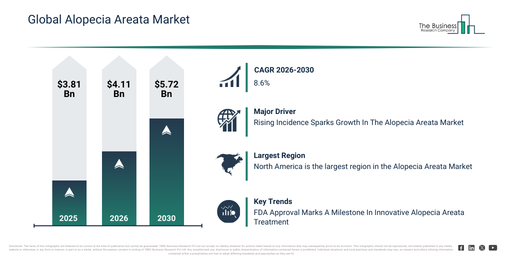
    The alopecia market size has demonstrated steady growth in recent years. It is forecast to expand from $11.48 billion in 2025 to $11.93 billion in 2026, advancing at a compound annual growth rate (CAGR) of 3.9%. The drivers behind this historical expansion include the rising worldwide prevalence of alopecia, an increase in dermatology clinic visits, historically limited treatment options, burgeoning research in hair loss therapies, and increasing cosmetic awareness.

    The alopecia market is anticipated to experience consistent expansion over the upcoming years. By 2030, its valuation is projected to reach $14.29 billion, expanding at a compound annual growth rate (CAGR) of 4.6%. This anticipated growth during the forecast period stems from several factors, including the emergence of innovative regenerative medicine therapies, improvements in lltt device technology, the rising uptake of customized alopecia treatments, the broadening of online pharmacy distribution networks, and increased funding for hair restoration research. Key trends observed within this projection timeframe encompass a greater reliance on pharmaceutical solutions for hair loss, the growing application of low-level laser therapy (lllt) devices, an increase in hair transplant operations, the broadening scope of regenerative medicine uses for alopecia, and enhanced recognition and availability of at-home hair loss treatments.

    Download the Free Sample Report to Explore Key Market Insights:

    https://www.thebusinessresearchcompany.com/sample.aspx?id=12862&type=smp

    What Key Drivers Are Influencing The Growth Of The Alopecia Market?

    The increasing occurrence of hair loss is projected to drive the expansion of the alopecia market in the future. Hair loss signifies the partial or complete absence of hair from areas where it typically grows. Alopecia treatments support affected patients by addressing various aspects of hair loss, including encouraging hair regrowth, devising tailored treatment plans, utilizing combination therapies, and managing the physical implications of hair loss, as these approaches can significantly enhance an individual’s emotional well-being and overall quality of life. For instance, data from the National Health Commission, a China-based executive department, indicated that in April 2023, more than 250 million Chinese individuals experienced hair loss, with 42% of them being between 26 and 30 years old. Additionally, in February 2023, the Statistic Brain Research Institute, a US-based educational institute, stated that approximately 40% of men are anticipated to suffer from visible hair loss by age 35. Therefore, the growing prevalence of hair loss is a significant force behind the alopecia market.

    Which Market Segments Are Examined In The Alopecia Market Study?

    The alopecia market covered in this report is segmented –

    1) By Type: Alopecia Areata, Androgenetic Alopecia, Traction Alopecia, Cicatricial Alopecia, Other Types

    2) By Treatment: Pharmaceutical, Low Level Laser Therapy (LLLT) Devices, Hair Transplant, Regenerative Medicine, Other Treatments

    3) By Gender: Male, Female

    4) By Distribution Channel: Hospital Pharmacies, Retail Pharmacies, Online Pharmacies, Other Distribution Channels

    5) By End-User: Dermatology Clinics, Homecare Settings, Other End-Users

    Subsegments:

    1) By Alopecia Areata: Patchy Alopecia Areata, Persistent Patchy Alopecia Areata, Alopecia Universalis, Diffuse Alopecia Areata, Ophiasis

    2) By Androgenetic Alopecia: Male Pattern Baldness, Female Pattern Hair Loss

    3) By Traction Alopecia: Frontal Traction Alopecia, Occipital Traction Alopecia

    4) By Cicatricial Alopecia: Lichen Planopilaris, Discoid Lupus Erythematosus, Central Centrifugal Cicatricial Alopecia, Frontal Fibrosing Alopecia, Folliculitis Decalvans

    5) By Other Types: Telogen Effluvium, Anagen Effluvium, Trichotillomania

    Which Trends Are Influencing The Alopecia Market?

    Leading firms in the alopecia market are prioritizing the creation of novel therapies, including oral JAK inhibitors, aimed at boosting treatment efficacy and achieving quicker, more lasting hair restoration for individuals experiencing autoimmune-related hair loss. This type of oral JAK inhibitor functions as a specific drug, working to regulate inflammation driven by the immune system through the obstruction of Janus kinase pathways that contribute to follicular damage. As an illustration, Sun Pharmaceutical Industries Limited, an Indian pharmaceutical company specializing in generics and dermatology, introduced LEQSELVI (deuruxolitinib) in the United States during July 2025. This treatment showed swift clinical progress, with a notable percentage of patients experiencing significant scalp hair regeneration in as little as eight weeks. Its release provides a current, scientifically supported treatment alternative for severe alopecia areata, broadening the range of therapeutic options available to healthcare providers and those affected.

    Who Are The Primary Competitors In The Alopecia Market?

    Major companies operating in the alopecia market are Pfizer Inc., Johnson and Johnson Ltd., Merck and Co. Inc., Bayer AG, Novartis AG, Sanofi SA, Eli Lilly and Company, Boehringer Ingelheim International GmbH, Allergan Plc, Teva Pharmaceutical Industries Ltd., Mylan N.V., Sun Pharmaceutical Industries Ltd., Perrigo Company Plc, Dr. Reddy’s Laboratories Ltd., Cipla Limited, Almirall S.A., Aclaris Therapeutics Inc., Curallux LLC, Theradome Inc., Lexington International LLC, Histogen Inc., Apira Science Inc.

    Read the full alopecia market report here:

    https://www.thebusinessresearchcompany.com/report/alopecia-global-market-report

    Which Region Is Expected To Register The Fastest Growth In The Alopecia Market?

    North America was the largest region in the alopecia market in 2025. Asia-Pacific is expected to be the fastest-growing region in the forecast period. The regions covered in the alopecia market report are Asia-Pacific, South East Asia, Western Europe, Eastern Europe, North America, South America, Middle East, Africa.

    Request A Tailored Alopecia Market Research Report For Competitive Advantage:

    https://www.thebusinessresearchcompany.com/customise?id=12862&type=smp

    Browse Through More Reports Similar to the Global Alopecia Market 2026, By The Business Research Company

    alopecia areata global market report

    https://www.thebusinessresearchcompany.com/report/alopecia-areata-global-market-report

    androgenetic alopecia treatment global market report

    https://www.thebusinessresearchcompany.com/report/androgenetic-alopecia-treatment-global-market-report

    hair preparations global market report

    https://www.thebusinessresearchcompany.com/report/hair-preparations-global-market-report

    Get in touch with us:

    The Business Research Company: https://www.thebusinessresearchcompany.com/

    Americas +1 310-496-7795

    Asia +44 7882 955267 & +91 8897263534

    Europe +44 7882 955267

    Email us at info@tbrc.info

    Follow us on:

    LinkedIn: https://in.linkedin.com/company/the-business-research-company

    YouTube: https://www.youtube.com/channel/UC24_fI0rV8cR5DxlCpgmyFQ

    Global Market Model: https://www.thebusinessresearchcompany.com/global-market-model
  • Global Allogeneic Cell Therapy Market Global Report 2026 Market Expected to Reach $1.97 Billion by 2030 with 10.2% CAGR

    Global Allogeneic Cell Therapy Market Global Report 2026 Market Expected to Reach $1.97 Billion by 2030 with 10.2% CAGR

    The Business Research Company’s 2026 market reports include new capabilities such as market attractiveness scoring and analysis, total addressable market analysis, company scoring matrix, interactive excel data dashboard, improved supply chain analysis, upcoming startups in the market, and overview of key products, aimed at improving the depth, usability, and strategic value of the insights delivered.

    How Large Is The Allogeneic Cell Therapy Market Projected To Become By 2030 Based On Its 2026 Valuation?

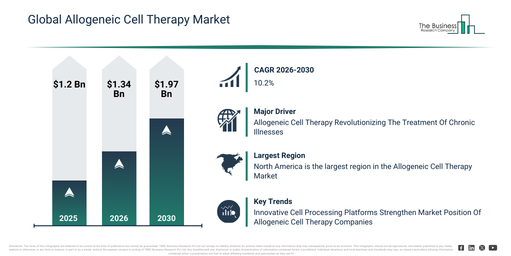
    The allogeneic cell therapy market size has experienced rapid expansion in recent years. This market is projected to expand from $1.2 billion in 2025 to $1.34 billion in 2026, demonstrating a compound annual growth rate (CAGR) of 11.5%. Historically, this growth can be attributed to factors such as the limited availability of allogeneic cell therapy products, the broadening of early-stage clinical trials, an escalating prevalence of hematological disorders, the increasing integration of cell therapies by hospitals, and a reliance on donor cell banks.

    The allogeneic cell therapy market is poised for significant expansion in the coming years. This market is projected to reach $1.97 billion by 2030, demonstrating a compound annual growth rate (CAGR) of 10.2%. Several factors contribute to this projected growth, including progress in stem cell and immune cell engineering, a wider array of dermatological and other therapeutic applications, increased capital allocation for cell therapy production sites, partnerships between healthcare institutions and biotechnology companies, and the integration of automated cell processing technologies. Key trends anticipated during this period encompass the growing acceptance of stem cell therapies, heightened interest in T-cell and NK cell therapies, broadening of IPSC-based therapeutic uses, an increasing need for customized cell therapy solutions, and strengthened regulatory frameworks coupled with improved safety protocols.

    Download the Free Sample Report to Explore Key Market Insights:

    https://www.thebusinessresearchcompany.com/sample.aspx?id=15976&type=smp

    What Major Growth Drivers Are Shaping The Outlook Of The Allogeneic Cell Therapy Market?

    The expanding occurrence of chronic illnesses is anticipated to propel the expansion of the allogeneic cell therapy market. A chronic illness refers to an enduring ailment often necessitating continuous medical care, potentially restricting everyday pursuits or overall well-being. The widespread nature of chronic conditions stems from changes in lifestyle, genetic predispositions, and encounters with chemicals, toxins, and atmospheric pollutants. Allogeneic cell therapy offers considerable promise in addressing numerous chronic diseases through the use of healthy donor cells to mend, substitute, or regulate impaired cells or tissues within the patient. For example, in January 2023, data from the National Center for Biotechnology Information (NCBI), a US-based medicine library, indicated that the population aged 50 and above grappling with at least one chronic ailment is projected to rise by 99.5% by 2050, surging from 71.52 million in 2020 to 142.66 million. Consequently, the heightened occurrence of chronic diseases is a key factor driving the expansion of the allogeneic cell therapy market.

    What Segment Groups Are Identified Within The Allogeneic Cell Therapy Market?

    The allogeneic cell therapy market covered in this report is segmented –

    1) By Type: Stem Cell Therapies, Non-Stem Cell Therapies

    2) By Therapeutic Area: Hematological Disorders, Dermatological Disorders

    3) By End User: Hospitals, Specialty Clinics

    Subsegments:

    1) By Stem Cell Therapies: Hematopoietic Stem Cell Therapy (Hematopoietic Stem Cells), Mesenchymal Stem Cell Therapy (MSC-Based Therapies), Induced Pluripotent Stem Cells (iPSC-Based Therapies), Neural Stem Cell Therapy

    2) By Non-Stem Cell Therapies: T-cell Therapies, Natural Killer (NK) Cell Therapies, Dendritic Cell Therapies

    What Trends Are Advancing Progress In The Allogeneic Cell Therapy Market?

    Leading companies in the allogeneic cell therapy market are concentrating on developing innovative solutions, such as cell processing platforms, to strengthen their market position. Cell processing platforms are systems and technologies utilized to prepare and manipulate cells for therapeutic applications, covering isolation, purification, expansion, modification, and quality control to ensure cells are fit for clinical use. For instance, in March 2024, Getinge, a Sweden-based healthcare company, partnered with CellRev, a UK-based biotechnology company, to launch Livit ACE, a platform for continuous cell processing (Adherent Cell Expansion). This advanced platform integrates sophisticated automation and bioprocessing technologies, significantly improving the efficiency and scalability of cell production. Its distinctive features include cutting-edge cell isolation and purification systems that guarantee high cell purity and viability, robust expansion capabilities to produce substantial quantities of therapeutic cells, sophisticated genetic modification tools for precise cell engineering, and rigorous quality control measures to ensure the safety and efficacy of the cell products.

    Which Companies Hold Significant Positions In The Allogeneic Cell Therapy Market?

    Major companies operating in the allogeneic cell therapy market are Novartis AG, Bristol Myers Squibb Company, Takeda Pharmaceutical Company Limited, Bluebird Bio Inc., Poseida Therapeutics Inc., Fate Therapeutics Inc., Fortress Biotech Inc., Sorrento Therapeutics Inc., Eureka Therapeutics Inc., Juno Therapeutics Inc., Adaptimmune Therapeutics plc, Cellectis SA, Ziopharm Oncology Inc., Allogene Therapeutics Inc., Century Therapeutics Inc., Autolus Therapeutics plc, Bellicum Pharmaceuticals Inc., Celyad SA, TILT Biotherapeutics Ltd., CRISPR Therapeutics AG

    Read the full allogeneic cell therapy market report here:

    https://www.thebusinessresearchcompany.com/report/allogeneic-cell-therapy-global-market-report

    Which Regions Are Projected To Dominate The Allogeneic Cell Therapy Market In The Coming Years?

    North America was the largest region in the allogeneic cell therapy market in 2025. Asia-Pacific is expected to be the fastest-growing region in the forecast period. The regions covered in the allogeneic cell therapy market report are Asia-Pacific, South East Asia, Western Europe, Eastern Europe, North America, South America, Middle East, Africa.

    Request A Tailored Allogeneic Cell Therapy Market Research Report For Competitive Advantage:

    https://www.thebusinessresearchcompany.com/customise?id=15976&type=smp

    Browse Through More Reports Similar to the Global Allogeneic Cell Therapy Market 2026, By The Business Research Company

    Cells Therapy global market report

    https://www.thebusinessresearchcompany.com/report/cells-therapy-global-market-report

    Cell Therapy Technologies Global Market Report

    https://www.thebusinessresearchcompany.com/report/cell-therapy-technologies-global-market-report

    autologous cell therapy global market report

    https://www.thebusinessresearchcompany.com/report/autologous-cell-therapy-global-market-report

    Get in touch with us:

    The Business Research Company: https://www.thebusinessresearchcompany.com/

    Americas +1 310-496-7795

    Asia +44 7882 955267 & +91 8897263534

    Europe +44 7882 955267

    Email us at info@tbrc.info

    Follow us on:

    LinkedIn: https://in.linkedin.com/company/the-business-research-company

    YouTube: https://www.youtube.com/channel/UC24_fI0rV8cR5DxlCpgmyFQ

    Global Market Model: https://www.thebusinessresearchcompany.com/global-market-model
  • Allergy Treatment Market Global Report 2026 Market Future Outlook Showing Expansion Toward $35.62 Billion by 2030

    Allergy Treatment Market Global Report 2026 Market Future Outlook Showing Expansion Toward $35.62 Billion by 2030

    The Business Research Company’s 2026 market reports include new capabilities such as market attractiveness scoring and analysis, total addressable market analysis, company scoring matrix, interactive excel data dashboard, improved supply chain analysis, upcoming startups in the market, and overview of key products, aimed at improving the depth, usability, and strategic value of the insights delivered.

    What Market Value Is Anticipated For The Allergy Treatment Market Over The Period 2026–2030?

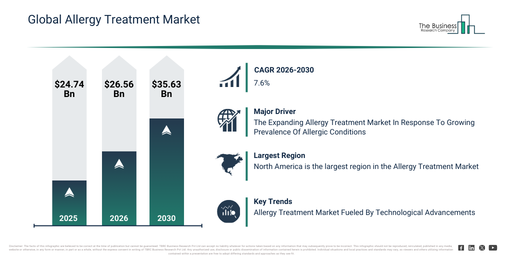
    The allergy treatment market size has demonstrated robust growth in recent years. It is anticipated to expand from $24.74 billion in 2025 to $26.56 billion in 2026, exhibiting a compound annual growth rate (CAGR) of 7.3%. Historically, this growth has been driven by factors such as the worldwide increase in allergy prevalence, a rise in allergy treatments at hospitals and clinics, restricted knowledge of advanced immunotherapy, a continued reliance on conventional antihistamines, and the broadening of retail pharmacy networks.

    The allergy treatment market is projected to experience robust expansion over the coming years. By 2030, this market is anticipated to reach $35.63 billion, exhibiting a compound annual growth rate (CAGR) of 7.6%. This projected growth is driven by several factors, including an escalating demand for tailored allergy solutions, innovations in immunotherapy delivery systems, the proliferation of online pharmacy platforms, enhanced financial commitment to allergy studies, and the increasing incidence of asthma and rhinitis in both children and adults. Key trends expected during this period encompass a greater acceptance of anti-allergy medications and immunotherapy, heightened public understanding of allergy control and avoidance, the broadening availability of homecare and specialized clinic services, an intensified emphasis on customized allergy therapies, and an increased reliance on nasal and oral methods of drug administration.

    Download the Free Sample Report to Explore Key Market Insights:

    https://www.thebusinessresearchcompany.com/sample.aspx?id=12130&type=smp

    What Drivers Are Expected To Influence The Allergy Treatment Market During The Forecast Period?

    The expanding occurrence of allergic conditions is projected to drive the growth of the allergy treatment market moving forward. An allergic condition arises when the body’s immune system overreacts to an allergen, typically a harmless substance. These treatments provide allergic therapies, utilizing either non-prescription or prescription medication, which aids in recognizing and avoiding various allergy triggers. This, in turn, helps prevent allergic responses, alleviate symptoms, mitigate the severity of allergies, and enhance individuals’ overall well-being. For instance, data from April 2024, shared by Allergy UK, a UK-based national charity, indicates that over 21 million people in the UK are impacted by allergies, which was identified as the most frequently reported chronic health condition in 2022. Furthermore, projections suggest that by 2026, half of Europe’s population will encounter at least one allergy. Consequently, the rising prevalence of allergic conditions is significantly contributing to the expansion of the allergy treatment market.

    How Is The Allergy Treatment Market Divided Into Its Major Segments?

    The allergy treatment market covered in this report is segmented –

    1) By Treatment Type: Anti-Allergy Drugs, Immunotherapy

    2) By Type: Eye Allergy, Skin Allergy, Food Allergy, Rhinitis, Other Types

    3) By Route of Administration: Oral, Parenteral, Nasal, Other Routes of Administration

    4) By Distribution Channels: Hospital Pharmacies, Retail Pharmacies, Online Retailers, Other Distribution Channels

    5) By End-Users: Hospitals, Specialty Clinics, Homecare, Other End-Users

    Subsegments:

    1) By Anti-Allergy Drugs: Antihistamines, Corticosteroids, Leukotriene Receptor Antagonists, Decongestants

    2) By Immunotherapy: Allergy Shots, Sublingual Immunotherapy (SLIT), Oral Immunotherapy

    How Are Trends Transforming The Allergy Treatment Market Landscape?

    Leading companies within the allergy treatment market are prioritizing the adoption of advanced technologies to enhance patient care, improve treatment delivery, and optimize diagnostic and therapeutic outcomes. These technological innovations in allergy treatment encompass digital health platforms, telehealth solutions, wearable monitoring devices, and precision immunotherapy tools, all of which contribute to streamlining patient management, tracking allergic reactions, and providing personalized therapy options. For example, in May 2023, Metropolis Healthcare Limited, an India-based chain of pathology labs and diagnostic centers, introduced AI-powered allergy component testing rooted in Component Resolved Diagnostics (CRD). This specific component testing utilizes artificial intelligence (AI) to assist physicians in making informed clinical decisions and offers valuable insights for selecting and refining an individual’s allergic disease treatment plan. It is powered by a nanotechnology-based multiplex system that employs molecular components, capable of identifying specific IgE antibodies against 295 different allergens through a simple blood test, and presents findings for 158 food allergens, ten contact allergens, and 127 respiratory allergens.

    Who Are The Prominent Organizations Shaping The Allergy Treatment Market?

    Major companies operating in the allergy treatment market are Pfizer Inc., Johnson and Johnson, Allergy Therapeutics PLC, F. Hoffmann-La Roche Ltd, AbbVie Inc., Novartis AG, Merck & Co. Inc., Sanofi S.A., Thermo Fisher Scientific Inc., AstraZeneca, GlaxoSmithKline PLC, Eli Lilly and Company, Boehringer Ingelheim International GmbH, Regeneron Pharmaceuticals, Bausch Health Companies Inc., Teva Pharmaceutical Industries Ltd., Almirall S.A, Akorn Operating Company LLC, Alembic Pharmaceuticals Limited, ALK-Abelló A/S, Stallergenes Greer International AG, Adamis Pharmaceuticals, HollisterStier Allergy, Leti Pharma SL

    Read the full allergy treatment market report here:

    https://www.thebusinessresearchcompany.com/report/allergy-treatment-global-market-report

    Which Region Is Forecast To Lead The Allergy Treatment Market In Terms Of Market Size?

    North America was the largest region in the allergy treatment market in 2025. Asia-Pacific is expected to be the fastest-growing region in the forecast period. The regions covered in the allergy treatment market report are Asia-Pacific, South East Asia, Western Europe, Eastern Europe, North America, South America, Middle East, Africa.

    Request A Tailored Allergy Treatment Market Research Report For Competitive Advantage:

    https://www.thebusinessresearchcompany.com/customise?id=12130&type=smp

    Browse Through More Reports Similar to the Global Allergy Treatment Market 2026, By The Business Research Company

    food allergy treatment global market report

    https://www.thebusinessresearchcompany.com/report/food-allergy-treatment-global-market-report

    allergy immunotherapy global market report

    https://www.thebusinessresearchcompany.com/report/allergy-immunotherapy-global-market-report

    peanut allergy treatment global market report

    https://www.thebusinessresearchcompany.com/report/peanut-allergy-treatment-global-market-report

    Get in touch with us:

    The Business Research Company: https://www.thebusinessresearchcompany.com/

    Americas +1 310-496-7795

    Asia +44 7882 955267 & +91 8897263534

    Europe +44 7882 955267

    Email us at info@tbrc.info

    Follow us on:

    LinkedIn: https://in.linkedin.com/company/the-business-research-company

    YouTube: https://www.youtube.com/channel/UC24_fI0rV8cR5DxlCpgmyFQ

    Global Market Model: https://www.thebusinessresearchcompany.com/global-market-model
  • Global Next-Generation Sequencing Data Analysis Market Report 2026–2030: Data-Driven Growth Insights

    Global Next-Generation Sequencing Data Analysis Market Report 2026–2030: Data-Driven Growth Insights

    Uncover key drivers, emerging technologies, and competitive movements shaping the next-generation sequencing data analysis market from 2026–2035 with trusted insights from The Business Research Company

    What is the expected shift in the Next-Generation Sequencing Data Analysis Market’s size between 2026 and 2030?

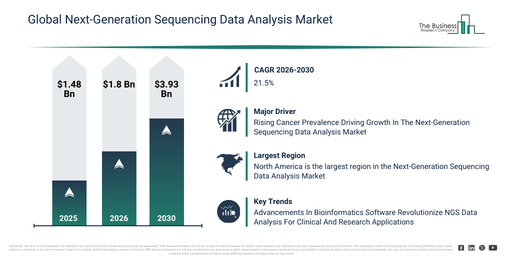
    The next-generation sequencing data analysis market has seen substantial growth in size during recent years. Projections indicate it will expand from $1.48 billion in 2025 to $1.8 billion in 2026, achieving a compound annual growth rate (CAGR) of 21.9%. This historical expansion is attributable to several factors, including increasing volumes of NGS data generation, the broader application of genomic data in research, the growth of clinical sequencing programs, advancements in computational infrastructure, and the escalating adoption of outsourced bioinformatics services.

    The next-generation sequencing data analysis market is projected to experience rapid expansion over the coming years. This market is forecast to reach a value of $3.93 billion by 2030, exhibiting a compound annual growth rate (CAGR) of 21.5%. This anticipated growth during the forecast period is driven by factors such as the increasing integration of AI in variant interpretation, a growing demand for real-time genomic insights, the expansion of personalized medicine applications, rising investments in secure genomic data platforms, and a heightened regulatory focus on data compliance. Key trends characterizing this period encompass the increasing adoption of AI-driven bioinformatics platforms, a surging demand for cloud-based NGS data analysis, the growing utilization of long-read sequencing analytics, the expansion of integrated genomic pipelines, and an enhanced emphasis on the accuracy of data interpretation.

    Access Your Free Sample Report for In-Depth Market Insights:

    https://www.thebusinessresearchcompany.com/sample.aspx?id=19614&type=smp

    Which Drivers Are Shaping Strategic Decisions In The Next-Generation Sequencing Data Analysis Market?

    The rising incidence of cancer is anticipated to propel the expansion of the next-generation sequencing data analysis market moving forward. Cancer describes a collection of illnesses defined by the unchecked proliferation and dissemination of abnormal cells within the body, which, if left unaddressed, can potentially result in severe health complications or death. Unhealthy lifestyle choices, including smoking, excessive alcohol consumption, and diets high in processed foods while being low in fruits and vegetables, can significantly heighten the risk of developing cancer. Next-generation sequencing data analysis supports cancer treatment by enabling the accurate identification of genetic mutations, thereby leading to personalized therapies and more effective treatment strategies tailored to the specific genetic makeup of an individual’s cancer. For instance, in February 2024, the World Health Organization, a Switzerland-based intergovernmental organization, projected that by 2050, over 35 million new cancer cases would emerge, indicating a 77% rise compared to the estimated 20 million cases in 2022. Thus, the increasing prevalence of cancer is a key driver for the growth of the next-generation sequencing data analysis market.

    What Segment Categories Are Covered In The Next-Generation Sequencing Data Analysis Market?

    The next-generation sequencing data analysis market covered in this report is segmented –

    1) By Product: Services, Next-Generation Sequencing (NGS) Commercial Software

    2) By Read Length: Short Read Sequencing, Long Read Sequencing, Very Long Read Sequencing

    3) By Mode: In-House, Outsourced

    4) By Workflow: Primary, Secondary, Tertiary

    5) By End-User: Academic Research, Clinical Research, Hospitals And Clinics, Pharma And Biotech Entities, Other End-Users

    Subsegments:

    1) By Services: Data Analysis Services, Bioinformatics Services, Consulting Services, Training and Support Services

    2) By Next-Generation Sequencing (NGS) Commercial Software: Data Management Software, Alignment Software, Variant Calling Software, Visualization Software, Pipeline Management Software, Specialized Analysis Software

    Which Trends Are Influencing The Development Of The Next-Generation Sequencing Data Analysis Market?

    Major companies within the next-generation sequencing data analysis market are concentrating on developing advanced secondary analysis bioinformatics software to enable quicker and more precise identification of genetic variants for both research and clinical applications. This secondary analysis bioinformatics software is engineered to process raw sequencing data from next-generation sequencing (NGS) and convert it into interpretable formats, such as variant call files (VCF), which detail genetic variants, thereby streamlining NGS data analysis for research and clinical purposes. For example, in January 2024, QIAGEN Digital Insights, the US-based bioinformatics division of QIAGEN, introduced the QIAGEN CLC Genomics Workbench Premium with LightSpeed technology. This software aids next-generation sequencing (NGS) for somatic cancer analysis and efficiently processes whole genome sequencing (WGS) samples. Using LightSpeed technology, which effectively converts raw FASTQ data into interpretable formats, it can analyze 34x human genomes in 25 minutes and 50x exomes in 90 seconds. With costs as low as $1 for genomes and a few cents for exomes when utilizing cloud infrastructure, it presents a cost-effective solution for high-throughput laboratories. The program functions on standard hardware or cloud platforms, offering flexibility and remarkable accuracy, making it well-suited for clinical applications while also reducing its carbon footprint.

    Which Key Players Are Driving Competition In The Next-Generation Sequencing Data Analysis Market?

    Major companies operating in the next-generation sequencing data analysis market are Thermo Fisher Scientific Inc., Agilent Technologies Inc., Illumina Inc., QIAGEN N.V., MedGenome Inc., Element Biosciences Inc., Seven Bridges Genomics Inc., Synthego Corp., Eurofins Genomics India Pvt. Ltd., Fabric Genomics Inc., Strand Life Sciences Pvt. Ltd., Admera Health LLC, Congenica Ltd., DNASTAR Inc., Golden Helix Inc., Geneious, SciGenom Labs Pvt. Ltd., Partek Incorporated, PathoQuest SAS, BioDatomics Inc., BGI Genomics Co. Ltd

    Access The Complete Report For Deeper Market Insights:

    https://www.thebusinessresearchcompany.com/report/next-generation-sequencing-data-analysis-global-market-report

    Which Region Currently Holds The Largest Share Of The Next-Generation Sequencing Data Analysis Market?

    North America was the largest region in the next-generation sequencing data analysis market in 2025. Asia-Pacific is expected to be the fastest-growing region in the forecast period. The regions covered in the next-generation sequencing data analysis market report are Asia-Pacific, South East Asia, Western Europe, Eastern Europe, North America, South America, Middle East, Africa.

    Request Your Customized Next-Generation Sequencing Data Analysis Market Research Report for Competitive Advantage:

    https://www.thebusinessresearchcompany.com/customise?id=19614&type=smp

    Browse Through More Reports Similar to the Global Next-Generation Sequencing Data Analysis Market 2026, By The Business Research Company

    Next Generation Firewall Market Report 2026

    https://www.thebusinessresearchcompany.com/report/next-generation-firewall-global-market-report

    Ngs Based Rna Sequencing Market Report 2026

    https://www.thebusinessresearchcompany.com/report/ngs-based-rna-sequencing-global-market-report

    Prenatal Dna Sequencing Market Report 2026

    https://www.thebusinessresearchcompany.com/report/prenatal-dna-sequencing-global-market-report

    Get in touch with us:

    The Business Research Company: https://www.thebusinessresearchcompany.com/

    Americas +1 310-496-7795

    Asia +44 7882 955267 & +91 8897263534

    Europe +44 7882 955267

    Email us at info@tbrc.info

    Follow us on:

    LinkedIn: https://in.linkedin.com/company/the-business-research-company

    YouTube: https://www.youtube.com/channel/UC24_fI0rV8cR5DxlCpgmyFQ

    Global Market Model: https://www.thebusinessresearchcompany.com/global-market-model
  • Peripheral Artery Disease Market Forecast: How Big Will It Be by 2030?

    Peripheral Artery Disease Market Forecast: How Big Will It Be by 2030?

    Uncover key drivers, emerging technologies, and competitive movements shaping the peripheral artery disease market from 2026–2035 with trusted insights from The Business Research Company

    Starting from its 2026 valuation, what market size is the Peripheral Artery Disease Market expected to reach by 2030?

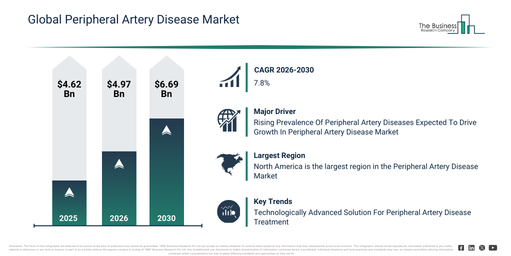
    The market size for peripheral artery disease has shown significant expansion over the past few years. This market is projected to expand from $4.62 billion in 2025 to $4.97 billion in 2026, demonstrating a compound annual growth rate (CAGR) of 7.5%. Historically, this expansion has been driven by factors such as the high prevalence of peripheral artery disease, insufficient understanding of PAD risk factors, a dependency on conventional treatments, insufficient availability of interventional specialists, and disjointed patient care systems.

    The peripheral artery disease market is projected to experience substantial expansion over the upcoming years. This market is forecast to reach $6.69 billion by 2030, exhibiting a compound annual growth rate (CAGR) of 7.8%. This anticipated growth is driven by several factors, including progress in minimally invasive peripheral interventions, the increasing uptake of drug-eluting balloons and stents, the proliferation of hospitals and specialized vascular clinics, enhanced patient awareness coupled with early detection efforts, and the expanding application of combined treatment approaches such as lifestyle adjustments and pharmacotherapy. Key trends anticipated during this period encompass the expanded deployment of AI for early PAD diagnosis and risk assessment, a surge in the adoption of cloud-based patient monitoring platforms, an intensified emphasis on genomic-guided personalized PAD treatments, the growing incorporation of IoT devices for monitoring after interventions, and the increasing utilization of smart manufacturing processes in the production of PAD devices.

    Access Your Free Sample Report for In-Depth Market Insights:

    https://www.thebusinessresearchcompany.com/sample.aspx?id=12068&type=smp

    What Drivers Are Driving Adoption Within The Peripheral Artery Disease Market?

    The increasing incidence of peripheral artery diseases is projected to stimulate the expansion of the peripheral artery disease market in the future. This condition, peripheral artery disease, involves the constriction or obstruction of arteries located outside the heart, commonly in the legs, leading to diminished blood flow and potential health issues. Treating peripheral artery disease aids in alleviating its symptoms, boosting mobility, and lowering the likelihood of serious complications, thereby improving patients’ overall health. For example, data from June 2023, provided by the American Heart Association, a US-based nonprofit organization, indicates that an estimated 7 to 12 million individuals in the United States and 200 million people globally suffer from this condition. Consequently, the growing prevalence of peripheral artery diseases is fueling the development of the peripheral artery disease market.

    What Segments Are Included Within The Peripheral Artery Disease Market?

    The peripheral artery disease market covered in this report is segmented –

    1) By Type: Peripheral Angioplasty Balloons, Peripheral Stents, Peripheral Catheters, Inferior Vena Cava (IVC) Filters, Plaque Modification Devices, Hemodynamic Flow Alteration Devices, Peripheral Accessories

    2) By Drugs: Lipid-Lowering Drugs, Blood Pressure Lowering Drugs, Glucose Regulating Drugs, Blood Clot Preventing Drugs, Inotropes, Thrombolytics Agents, Anti-Inflammatory Agents

    3) By Route Of Administration: Oral, Parenteral, Other Routes Of Administrations

    4) By End Users: Hospitals, Specialty Clinics, Other End Users

    Subsegments:

    1) By Peripheral Angioplasty Balloons: Drug-Eluting Balloons, Non-Drug-Eluting Balloons, Scoring Balloons, Cutting Balloons

    2) By Peripheral Stents: Drug-Eluting Stents, Bare Metal Stents, Covered Stents

    3) By Peripheral Catheters: Sheath Introducers, Guidewires, Diagnostic Catheters, Delivery Catheters

    4) By Inferior Vena Cava (IVC) Filters: Retrievable IVC Filters, Permanent IVC Filters

    5) By Plaque Modification Devices: Atherectomy Devices, Laser Atherectomy Devices, Rotational Atherectomy Devices

    6) By Hemodynamic Flow Alteration Devices: Flow Diversion Devices, Flow Restriction Devices

    7) By Peripheral Accessories: Diagnostic Imaging Accessories, Accessory Kits For Interventional Procedures, Support Devices

    How Are Emerging Trends Affecting The Progression Of The Peripheral Artery Disease Market?

    Leading companies within the peripheral artery disease (PAD) market are concentrating on creating advanced solutions, such as dissolvable drug-eluting scaffold systems, in response to the increasing need for safer, more lasting, and less intrusive treatment methods for arterial blockages below the knee. These absorbable scaffold technologies are designed to restore proper blood flow before progressively dissolving, offering a significant improvement over conventional permanent metallic stents. For example, in April 2024, Abbott Laboratories, a medical-device company based in the U.S., launched the Esprit BTK Everolimus Eluting Resorbable Scaffold System, which represents a pioneering dissolvable stent therapy specifically for below-the-knee PAD. This system releases everolimus, a medication that helps prevent the re-narrowing of vessels, while its entirely resorbable structure naturally breaks down over time, thereby removing the long-term risks linked with metal implants. It provides medical professionals with an advanced option beyond traditional angioplasty or permanent stenting, particularly benefiting patients suffering from extended lesions or critical limb ischemia. Through its combination of drug delivery and temporary structural assistance, the Esprit BTK System aims to foster better vessel healing, decrease complications, and broaden treatment possibilities for intricate PAD conditions.

    Who Are The Prominent Global Companies Shaping The Peripheral Artery Disease Market Landscape?

    Major companies operating in the peripheral artery disease market are Cardinal Health Inc., Vascular Solutions Inc., Bayer AG, Abbott Laboratories, Medtronic plc., Koninklijke Philips N.V. (Royal Philips), B. Braun Melsungen AG., Terumo Corporation, Edwards Lifesciences, Becton Dickinson and Company (BD), Boston Scientific Corporation Incorporated, Cook Group Incorporated, Merit Medical Systems Inc., NuVasive Inc., Arjo AB, Penumbra Inc., BIOTRONIK SE and Co. KG, AngioDynamics Inc., Shockwave Medical Inc., Cardiovascular Systems Inc., Endologix LLC., LeMaitre Vascular Inc., Silk Road Medical Inc., WL Gore and Associates Inc., MicroPort Scientific Corporation, Bard Peripheral Vascular Inc., Avinger Inc.

    Access The Complete Report For Deeper Market Insights:

    https://www.thebusinessresearchcompany.com/report/peripheral-artery-disease-global-market-report

    Which Geographic Areas Are Emerging As Strong Markets For The Peripheral Artery Disease Market?

    North America was the largest region in the peripheral artery disease market in 2025. Asia-Pacific is expected to be the fastest-growing region in the forecast period. The regions covered in the peripheral artery disease market report are Asia-Pacific, South East Asia, Western Europe, Eastern Europe, North America, South America, Middle East, Africa.

    Request Your Customized Peripheral Artery Disease Market Research Report for Competitive Advantage:

    https://www.thebusinessresearchcompany.com/customise?id=12068&type=smp

    Browse Through More Reports Similar to the Global Peripheral Artery Disease Market 2026, By The Business Research Company

    Coronary Artery Disease Market Report 2026

    https://www.thebusinessresearchcompany.com/report/coronary-artery-disease-global-market-report

    Peripheral Arterial Disease Market Report 2026

    https://www.thebusinessresearchcompany.com/report/peripheral-arterial-disease-global-market-report

    Peripheral Vascular Devices And Equipment Market Report 2026

    https://www.thebusinessresearchcompany.com/report/peripheral-vascular-devices-and-equipment-global-market-report

    Get in touch with us:

    The Business Research Company: https://www.thebusinessresearchcompany.com/

    Americas +1 310-496-7795

    Asia +44 7882 955267 & +91 8897263534

    Europe +44 7882 955267

    Email us at info@tbrc.info

    Follow us on:

    LinkedIn: https://in.linkedin.com/company/the-business-research-company

    YouTube: https://www.youtube.com/channel/UC24_fI0rV8cR5DxlCpgmyFQ

    Global Market Model: https://www.thebusinessresearchcompany.com/global-market-model
  • Peripheral Arterial Disease Market Report 2026: Strategic Insights and Revenue Outlook

    Peripheral Arterial Disease Market Report 2026: Strategic Insights and Revenue Outlook

    Uncover key drivers, emerging technologies, and competitive movements shaping the peripheral arterial disease market from 2026–2035 with trusted insights from The Business Research Company

    Across 2026–2030, what is the expected market valuation path of the Peripheral Arterial Disease Market?

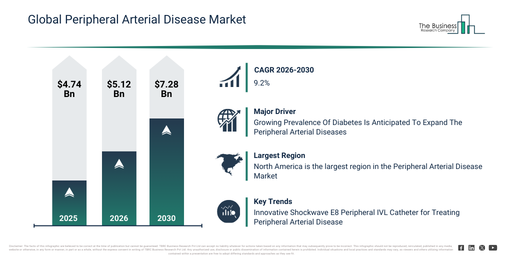
    The peripheral arterial disease market has demonstrated robust expansion in recent years. It is projected to increase from $4.74 billion in 2025 to $5.12 billion in 2026, reflecting a compound annual growth rate (CAGR) of 8.1%. Key factors contributing to its historical growth include the high prevalence of peripheral arterial disease, limited awareness of PAD symptoms, reliance on conventional medications, inadequate access to vascular specialists, and fragmented care delivery systems.

    The peripheral arterial disease market size is projected to experience robust expansion over the coming years. This market is anticipated to reach a valuation of $7.28 billion by 2030, exhibiting a compound annual growth rate (CAGR) of 9.2%. Factors contributing to this growth during the forecast period include advances in minimally invasive endovascular techniques, the increasing acceptance of drug-eluting devices, the expansion of hospitals and specialized clinics dedicated to PAD treatment, heightened patient awareness regarding timely intervention, and the escalating application of combined therapies that encompass lifestyle changes and medications. Key trends expected within this period involve the expanding utilization of AI for early detection and risk evaluation, a greater uptake of digital and cloud-based systems for patient monitoring, an intensifying emphasis on personalized PAD treatments based on genomics, the growing deployment of IoT-enabled devices for tracking after treatment, and the increasing incorporation of smart manufacturing methods in the production of PAD devices.

    Access Your Free Sample Report for In-Depth Market Insights:

    https://www.thebusinessresearchcompany.com/sample.aspx?id=12999&type=smp

    Which Drivers Are Supporting The Rise Of The Peripheral Arterial Disease Market?

    The expanding incidence of diabetes is anticipated to boost the peripheral arterial disease market in the future. Diabetes is defined as a long-term metabolic condition marked by elevated blood glucose levels. An increase in diabetes cases consequently raises the need for its treatments. This rise in diabetes significantly contributes to peripheral arterial disease (PAD), as diabetic individuals face an increased likelihood of developing atherosclerosis, the primary cause of PAD, which necessitates intervention. For example, reports from The Office for Health Improvement and Disparities (OHID), a UK-based government agency, indicated in March 2024 that the proportion of people with type 1 diabetes receiving eight care processes grew by 22% between the 15 months ending March 2022 and March 2023, with a 21% increase for type 2 diabetes during the same period. Consequently, the rising prevalence of diabetes is fueling the expansion of the peripheral arterial disease market.

    What Leading Segments Are Studied In The Peripheral Arterial Disease Market?

    The peripheral arterial disease market covered in this report is segmented –

    1) By Treatment Type: Devices, Catheters, Drugs, Other Types

    2) By Route Of Administration: Oral, Parenteral, Other Route Of Administrations

    3) By End User: Hospitals, Specialty Clinics, Other End-Users

    Subsegments:

    1) By Devices: Stents, Balloons, Atherectomy Devices

    2) By Catheters: Drug-Eluting Catheters, Balloon Catheters, Guidewires

    3) By Drugs: Antiplatelet Agents, Anticoagulants, Vasodilators

    4) By Other Types: Surgical Interventions, Lifestyle Modification Programs, Endovascular Therapy

    Which Innovation Trends Are Advancing Developments Within The Peripheral Arterial Disease Market?

    Companies operating in the peripheral arterial disease market are heavily invested in developing sophisticated medical devices, such as the intravascular lithotripsy (IVL) catheter, aimed at boosting treatment efficacy, improving patient outcomes, and decreasing recovery times for individuals affected by vascular conditions. The intravascular lithotripsy (IVL) catheter serves as a medical device for addressing calcified arterial blockages by emitting controlled shockwaves to fragment calcium, thereby aiding in the restoration of blood flow and enhancing vessel flexibility during procedures like angioplasty. For instance, in September 2024, Shockwave Medical, Inc., a U.S.-based medical technology company, introduced the Shockwave E8 peripheral IVL catheter. This device is specifically engineered to treat peripheral arterial disease through targeted intravascular lithotripsy, employing sonic waves to break down calcium deposits in arterial walls. This innovative strategy helps re-establish blood flow while simultaneously minimizing trauma to adjacent tissues. The catheter’s advanced construction also facilitates easier navigation within complex vascular anatomy, rendering it suitable for a broad spectrum of patients.

    Which Key Players Are Driving Competition In The Peripheral Arterial Disease Market?

    Major companies operating in the peripheral arterial disease market are Johnson and Johnson Limited, Abbott Laboratories, Medtronic Plc, Becton Dickinson and Company, Koninklijke Philips N.V., Boston Scientific Corporation, B. Braun SE, Terumo Corp., Cook Medical LLC, Penumbra Inc., Shockwave Medical Inc., AngioDynamics Inc., Cardiovascular Systems Inc., ACIST Medical Systems Inc., SurModics Inc., QT Vascular Ltd., Avinger Inc., Mercator MedSystems Inc., VentureMed Group Ltd., Eximo Medical Ltd., LimFlow SA, Contego Medical LLC

    Access The Complete Report For Deeper Market Insights:

    https://www.thebusinessresearchcompany.com/report/peripheral-arterial-disease-global-market-report

    Which Region Is Projected To Lead The Peripheral Arterial Disease Market During The Forecast Period?

    North America was the largest region in the peripheral artery disease market in 2025. The regions covered in the peripheral arterial disease market report are Asia-Pacific, South East Asia, Western Europe, Eastern Europe, North America, South America, Middle East, Africa.

    Request Your Customized Peripheral Arterial Disease Market Research Report for Competitive Advantage:

    https://www.thebusinessresearchcompany.com/customise?id=12999&type=smp

    Browse Through More Reports Similar to the Global Peripheral Arterial Disease Market 2026, By The Business Research Company

    Peripheral Neuropathy Market Report 2026

    https://www.thebusinessresearchcompany.com/report/peripheral-neuropathy-global-market-report

    Peripheral Artery Disease Market Report 2026

    https://www.thebusinessresearchcompany.com/report/peripheral-artery-disease-global-market-report

    Peripheral Vascular Devices And Equipment Market Report 2026

    https://www.thebusinessresearchcompany.com/report/peripheral-vascular-devices-and-equipment-global-market-report

    Get in touch with us:

    The Business Research Company: https://www.thebusinessresearchcompany.com/

    Americas +1 310-496-7795

    Asia +44 7882 955267 & +91 8897263534

    Europe +44 7882 955267

    Email us at info@tbrc.info

    Follow us on:

    LinkedIn: https://in.linkedin.com/company/the-business-research-company

    YouTube: https://www.youtube.com/channel/UC24_fI0rV8cR5DxlCpgmyFQ

    Global Market Model: https://www.thebusinessresearchcompany.com/global-market-model
  • Global Periodontal Disease Treatment Industry Trends and Market Forecast 2026–2030

    Global Periodontal Disease Treatment Industry Trends and Market Forecast 2026–2030

    Uncover key drivers, emerging technologies, and competitive movements shaping the periodontal disease treatment market from 2026–2035 with trusted insights from The Business Research Company

    What size range is anticipated for the Periodontal Disease Treatment Market from 2026 to 2030?

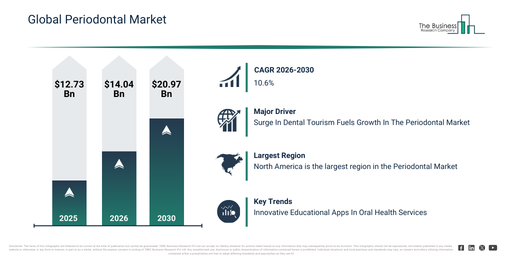
    The periodontal disease treatment market size has experienced significant growth in recent years. This market is projected to expand from $1.67 billion in 2025 to $1.79 billion in 2026, at a compound annual growth rate (CAGR) of 7.0%. The growth observed in the historic period can be ascribed to factors such as the high prevalence of gingivitis and periodontitis, limited awareness of periodontal disease treatments, a reliance on conventional dental care methods, inadequate early diagnostic tools, and fragmented dental care delivery systems.

    The periodontal disease treatment market is anticipated to show significant expansion in the coming years. It is projected to achieve a value of $2.33 billion by 2030, growing at a compound annual growth rate (CAGR) of 6.8%. This growth during the forecast period can be attributed to advancements in minimally invasive surgical procedures, an increasing embrace of regenerative therapy and bone grafts, the proliferation of dental clinics and academic research institutes, rising patient awareness and demand for periodontal care, and the integration of digital solutions and connected oral care systems. Noteworthy trends expected in this period include the expanding use of AI for early diagnosis and risk stratification, a rising adoption of digital and cloud-based patient records, the growing deployment of IoT-enabled devices for post-treatment monitoring, increasing implementation of smart manufacturing for periodontal instruments, and a heightened focus on personalized periodontal therapy based on genomic insights.

    Access Your Free Sample Report for In-Depth Market Insights:

    https://www.thebusinessresearchcompany.com/sample.aspx?id=21253&type=smp

    What Drivers Are Affecting Demand In The Periodontal Disease Treatment Market?

    The increasing occurrence of oral health issues is anticipated to propel the growth of the periodontal disease treatment market moving forward. These disorders are conditions impacting the teeth, gums, and mouth, including cavities, gum disease, oral infections, and oral cancer. The rising incidence of oral health disorders is fueled by poor oral hygiene, unhealthy diets, tobacco and alcohol use, aging populations, and limited access to dental care. Periodontal disease treatment is utilized to manage and prevent oral health disorders by addressing gum infections, inflammation, and bone loss. For instance, in March 2025, the World Health Organization (WHO), a Switzerland-based intergovernmental public health organization, reported that estimated oral diseases affect nearly 3.7 billion people. Therefore, the growing incidence of oral health disorders will drive the growth of the periodontal disease treatment market.

    Which Segment Groups Are Influencing The Periodontal Disease Treatment Market?

    The periodontal disease treatment market covered in this report is segmented –

    1) By Type: Gingivitis, Chronic Periodontal Disease, Aggressive Periodontal Disease, Other Types

    2) By Treatment Type: Non-Surgical Treatment, Scaling And Root Planning, Medication, Surgical Treatment, Flap Surgery, Bone Grafts, Other Treatment Types

    3) By Route Of Administration: Oral, Injectable

    4) By Distribution Channel: Hospital Pharmacies, Retail Pharmacies, Other Distribution Channels

    5) By End-User: Hospitals, Clinic, Dental Clinic, Dental Academics And Research Institutes, Other End-Users

    Subsegments:

    1) By Gingivitis: Plaque-Induced Gingivitis, Non-Plaque-Induced Gingivitis

    2) By Chronic Periodontal Disease: Mild Periodontitis, Moderate Periodontitis, Severe Periodontitis

    3) By Aggressive Periodontal Disease: Localized Aggressive Periodontitis, Generalized Aggressive Periodontitis

    4) By Other Types: Necrotizing Periodontal Disease, Periodontitis Associated With Systemic Conditions

    Which Competitive Trends Are Impacting The Structure Of The Periodontal Disease Treatment Market?

    Major companies operating in the periodontal disease treatment market are focusing on developing advanced solutions like dental gel to enhance bone regeneration, improve access to treatment, reduce invasiveness, and offer more effective and patient-friendly alternatives to traditional periodontal therapies. A dental gel is a medicated oral product containing antibacterial, anti-inflammatory, or fluoride agents, used to prevent cavities, reduce gum disease, and relieve oral discomfort. For instance, in October 2024, Oral Biolife Inc., a US-based biotechnology company, announced Ambrilux Dental Gel, an innovative treatment designed to promote bone regeneration in periodontal disease, which has shown promising results in large animal trials. With successful testing in Beagle dogs, where 100% of treated animals exhibited increased bone growth, this innovation could revolutionize non-invasive dental care for both humans and companion animals, addressing a significant unmet medical need.

    Who Are The Top-Performing Companies In The Periodontal Disease Treatment Market In Recent Years?

    Major companies operating in the periodontal disease treatment market are Bausch Health Companies Inc, DENTSPLY SIRONA Inc., Straumann AG, Sunstar Suisse S.A, NovaBone Products LLC, Nakanishi Inc., Brasseler USA, Geistlich Pharma AG, BIOLASE Inc., Bien-Air Dental, Convergent Dental Inc., Carl Martin GmbH, Karl Schumacher, Yoshida Dental MFG. Co. Ltd., Botiss Biomaterials GmbH, Millennium Dental Technologies Inc., PreXion Inc., AMD Lasers Inc., Steris Healthcare Pvt Ltd, Perio Protect, Deppeler SA.

    Access The Complete Report For Deeper Market Insights:

    https://www.thebusinessresearchcompany.com/report/periodontal-disease-treatment-global-market-report

    Which Region Currently Holds The Largest Share Of The Periodontal Disease Treatment Market?

    North America was the largest region in the periodontal disease treatment market in 2025. Asia-Pacific is expected to be the fastest-growing region in the forecast period. The regions covered in the periodontal disease treatment market report are Asia-Pacific, South East Asia, Western Europe, Eastern Europe, North America, South America, Middle East, Africa.

    Request Your Customized Periodontal Disease Treatment Market Research Report for Competitive Advantage:

    https://www.thebusinessresearchcompany.com/customise?id=21253&type=smp

    Browse Through More Reports Similar to the Global Periodontal Disease Treatment Market 2026, By The Business Research Company

    Crohns Disease Treatment Market Report 2026

    https://www.thebusinessresearchcompany.com/report/crohns-disease-treatment-global-market-report

    Bleeding Disorders Treatment Market Report 2026

    https://www.thebusinessresearchcompany.com/report/bleeding-disorders-treatment-global-market-report

    Oral Cancer Treatment Market Report 2026

    https://www.thebusinessresearchcompany.com/report/oral-cancer-treatment-global-market-report

    Get in touch with us:

    The Business Research Company: https://www.thebusinessresearchcompany.com/

    Americas +1 310-496-7795

    Asia +44 7882 955267 & +91 8897263534

    Europe +44 7882 955267

    Email us at info@tbrc.info

    Follow us on:

    LinkedIn: https://in.linkedin.com/company/the-business-research-company

    YouTube: https://www.youtube.com/channel/UC24_fI0rV8cR5DxlCpgmyFQ

    Global Market Model: https://www.thebusinessresearchcompany.com/global-market-model
  • Periodontal Market Size and Demand Forecast 2026–2030

    Periodontal Market Size and Demand Forecast 2026–2030

    Uncover key drivers, emerging technologies, and competitive movements shaping the periodontal market from 2026–2035 with trusted insights from The Business Research Company

    How is the Periodontal Market size predicted to change over the forecast window of 2026–2035?

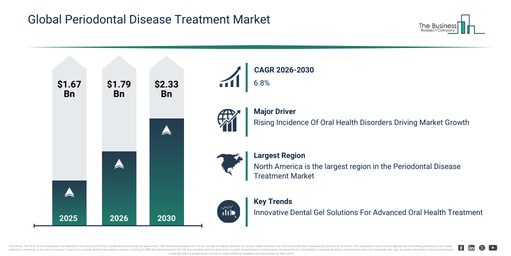
    The periodontal market has experienced substantial growth in recent years. It is projected to increase from $12.73 billion in 2025 to $14.04 billion in 2026, achieving a compound annual growth rate (CAGR) of 10.3%. This historical expansion can be traced to contributing factors such as a high prevalence of gingivitis and periodontitis, restricted awareness of periodontal well-being, a reliance on traditional dental instruments, insufficient early diagnostic capabilities, and disjointed dental care delivery systems.

    The periodontal market size is projected to experience substantial expansion over the coming years. This market is anticipated to reach $20.97 billion by 2030, exhibiting a compound annual growth rate (CAGR) of 10.6%. Factors contributing to this growth during the forecast period include progress in laser and ultrasonic treatment devices, the increasing uptake of minimally invasive periodontal techniques, the broadening reach of dental clinics and group practices, heightened patient understanding of oral health, and the incorporation of digital and connected dental care platforms. Key trends for the forecast duration encompass the expanded application of AI for early diagnosis and risk prediction, the growing embrace of digital imaging and cloud-based patient records, the wider utilization of IoT-enabled devices for monitoring after treatment, the increased deployment of smart manufacturing processes for periodontal instruments, and an escalating emphasis on personalized periodontal care informed by genomic data.

    Access Your Free Sample Report for In-Depth Market Insights:

    https://www.thebusinessresearchcompany.com/sample.aspx?id=13907&type=smp

    Which Drivers Are Contributing To The Expansion Of The Periodontal Market?

    The increasing embrace of dental tourism is expected to fuel the expansion of the periodontal market going forward. This involves individuals traveling to other countries specifically for dental care. Dental tourism provides economical choices for patients seeking quality dental treatments at lower prices. Patients frequently journey to nations where dental services are more budget-friendly, which consequently boosts the demand for periodontal treatments in those specific regions. For instance, in September 2024, FineUp Clinic, a Turkey-based establishment offering dental and cosmetic treatments, disclosed that the second quarter of 2024 alone saw an 11.8% rise in tourism revenue, bringing the total to a significant $14.875 billion. Therefore, the growing adoption of dental tourism is a primary driver for the growth of the periodontal market.

    What Segment Classifications Make Up The Periodontal Market?

    The periodontal market covered in this report is segmented –

    1) By Product: Diagnostic Instruments, Treatment Instruments, Surgical Instruments

    2) By Procedures: Scaling And Root Planing, Gum Grafting, Regenerative Therapy, Dental Crown Lengthening, Periodontal Pocket Procedures, Single Tooth Dental Implants, Multiple Tooth Dental Implants

    3) By End User: Hospitals, Dental Clinics, Group Dental Practice, Ambulatory Surgical Centers

    Subsegments:

    1) By Diagnostic Instruments: Periodontal Probes, Diagnostic Kits, X-Ray Imaging Systems

    2) By Treatment Instruments: Ultrasonic Scalers, Hand Instruments, Laser Treatment Devices

    3) By Surgical Instruments: Surgical Scalpels, Suturing Devices, Bone Grafting Instruments

    What Industry Trends Are Transforming The Periodontal Market?

    Leading companies in the periodontal market are concentrating on creating innovative solutions, such as educational applications, to deliver dependable services to consumers. An educational app is a mobile software designed to aid and enhance the learning process. For example, in October 2023, Universitas Gadjah Mada, an Indonesia-based public university, introduced the mobile application Gigi Kecil. This app provides real-time detection of dental caries using AI, incorporates interactive educational games based on augmented reality, and offers complimentary consultations with professional dentists for children. The application also includes an “Ayo Belajar!” (Let’s Learn!) function, an augmented reality educational tool crafted to help young children grasp the mechanism of tooth decay.

    Which Leading Companies Dominate The Periodontal Market Share?

    Major companies operating in the periodontal market are 3M Company, Colgate-Palmolive Company, Henry Schein Inc., Zimmer Biomet Inc., Dentsply Sirona Inc., Straumann AG, Planmeca Oy, Biohorizons Implant Systems Inc., DENTAURUM GmbH Co. KG, DenMat Holdings LLC, Biolase Inc., Carl Martin GmBH, ASA Dental S.p.A., Karl Schumacher, Deppeler SA, AMD Lasers Inc., GC Corporation, Hu-Friedy Mfg Co LLC, Coltene Holding AG, DIO Corporation, Sunstar Suisse SA, Osstem Implant Co Ltd, Ultradent Products Inc, BEGO GmbH

    Access The Complete Report For Deeper Market Insights:

    https://www.thebusinessresearchcompany.com/report/periodontal-global-market-report

    How Does The Periodontal Market Perform Across Major Global Regions?

    North America was the largest region in the periodontal market in 2025. Asia-Pacific is expected to be the fastest-growing region in the forecast period. The regions covered in the periodontal market report are Asia-Pacific, South East Asia, Western Europe, Eastern Europe, North America, South America, Middle East, Africa.

    Request Your Customized Periodontal Market Research Report for Competitive Advantage:

    https://www.thebusinessresearchcompany.com/customise?id=13907&type=smp

    Browse Through More Reports Similar to the Global Periodontal Market 2026, By The Business Research Company

    Endodontics Market Report 2026

    https://www.thebusinessresearchcompany.com/report/endodontics-global-market-report

    Oral Hygiene Market Report 2026

    https://www.thebusinessresearchcompany.com/report/oral-hygiene-global-market-report

    Oral Care Market Report 2026

    https://www.thebusinessresearchcompany.com/report/oral-care-global-market-report

    Get in touch with us:

    The Business Research Company: https://www.thebusinessresearchcompany.com/

    Americas +1 310-496-7795

    Asia +44 7882 955267 & +91 8897263534

    Europe +44 7882 955267

    Email us at info@tbrc.info

    Follow us on:

    LinkedIn: https://in.linkedin.com/company/the-business-research-company

    YouTube: https://www.youtube.com/channel/UC24_fI0rV8cR5DxlCpgmyFQ

    Global Market Model: https://www.thebusinessresearchcompany.com/global-market-model