
Category: Healthcare Services

  • Global Nontuberculous Mycobacterial Infection Market Set for Strong Expansion, Reaching $21.01 Billion With 7.3% CAGR by 2030

    Global Nontuberculous Mycobacterial Infection Market Set for Strong Expansion, Reaching $21.01 Billion With 7.3% CAGR by 2030

    Uncover key drivers, emerging technologies, and competitive movements shaping the nontuberculous mycobacterial infection market from 2026–2035 with trusted insights from The Business Research Company

    What is the expected shift in the Nontuberculous Mycobacterial Infection Market’s size between 2026 and 2030?

    The nontuberculous mycobacterial infection market size has experienced strong growth in recent years. This market is set to expand from $14.96 billion in 2025 to $15.87 billion in 2026, achieving a compound annual growth rate (CAGR) of 6.1%. The historical increase in the market can be ascribed to a high incidence of pulmonary infections, limited effective therapies, delayed diagnosis of nontuberculous mycobacteria, reliance on conventional antibiotic regimens, and low awareness among clinicians.

    The nontuberculous mycobacterial infection market is anticipated to experience substantial growth in the upcoming years, with its size projected to reach $21.01 billion by 2030, demonstrating a compound annual growth rate (CAGR) of 7.3%. This expansion over the forecast period is driven by the escalating adoption of macrolide and rifampin combination therapies, greater availability of aminoglycosides, the proliferation of personalized treatment strategies, the widening reach of hospital and specialty pharmacy networks, and the innovation of AI-enabled monitoring and diagnostic instruments. Noteworthy trends during this period also comprise the increased uptake of macrolide and rifampin treatments, more extensive use of aminoglycoside-based regimens, the broader implementation of multi-drug protocols, the expanding utilization of sophisticated diagnostic tools, and the progressing incorporation of AI-powered treatment oversight.

    Access Your Free Sample Report for In-Depth Market Insights:

    https://www.thebusinessresearchcompany.com/sample.aspx?id=13020&type=smp

    Which Drivers Are Shaping Strategic Decisions In The Nontuberculous Mycobacterial Infection Market?

    The growing occurrence of chronic obstructive pulmonary disease (COPD) is projected to stimulate the expansion of the nontuberculous mycobacterial infection market in the future. COPD itself is a long-term respiratory ailment marked by ongoing and frequently worsening restrictions in lung airflow. When nontuberculous mycobacterial (NTM) infections affect individuals with COPD, they are linked to a more pronounced reduction in forced expiratory volume in one second (FEV1) and an elevated frequency of exacerbations. COPD can compromise the immune system and harm lung tissue, thereby facilitating NTM bacterial colonization of the lungs. As an illustration, in September 2024, data from Public Health Scotland, a government health agency based in Scotland, indicated that during 2022/23 in Scotland, the incidence of COPD, determined by hospital admissions and death records, stood at 112.4 cases per 100,000 for females and 109.7 cases per 100,000 for males. Consequently, the increasing occurrence of chronic obstructive pulmonary disease (COPD) is a key factor stimulating the expansion of the nontuberculous mycobacterial infection market.

    What Segment Classifications Make Up The Nontuberculous Mycobacterial Infection Market?

    The nontuberculous mycobacterial infection market covered in this report is segmented –

    1) By Drug Class: Macrolides, Rifampin, Aminoglycoside, Other Drug Classes

    2) By Route Of Administration: Oral, Parenteral, Other Routes Of Administration

    3) By Distribution Channel: Hospital Pharmacies, Retail Pharmacies, Online Pharmacies

    Subsegments:

    1) By Macrolides: Azithromycin, Clarithromycin, Erythromycin

    2) By Rifampin: Rifampin Monotherapy, Rifampin Combination Therapy, Extended-Duration Rifampin Therapy

    3) By Aminoglycoside: Amikacin, Streptomycin, Tobramycin

    4) By Other Drug Classes: Fluoroquinolones, Ethambutol, Linezolid, Clofazimine

    Which Trends Are Shaping Activity Within The Nontuberculous Mycobacterial Infection Market?

    Companies operating within the nontuberculous mycobacterial infection market are concentrating on developing advanced solutions, such as boron-based antibiotics, to boost treatment effectiveness, overcome drug resistance, and improve patient outcomes. These boron-based antibiotics are small-molecule therapies formulated to inhibit bacterial protein synthesis, providing powerful and safer options for persistent infections. For example, in September 2023, AN2 Therapeutics, a US-based biopharmaceutical company, started enrolling patients in the Phase 3 part of its pivotal Phase 2/3 clinical trial for epetraborole in treatment-refractory Mycobacterium avium complex lung disease, after having completed Phase 2 enrolments. Designed for oral administration, epetraborole demonstrated potential in preclinical studies to treat Mycobacterium abscessus infections, with the aim of reducing treatment duration, enhancing tolerability, and addressing unmet medical needs in rare and serious infectious lung diseases, thereby contributing to better patient outcomes and disease management.

    Which Leading Companies Dominate The Nontuberculous Mycobacterial Infection Market Share?

    Major companies operating in the nontuberculous mycobacterial infection market are Teva Pharmaceutical Industries Ltd., Mylan N.V., Sun Pharmaceutical Industries Ltd., Lupin Limited, Insmed Incorporated, Paratek Pharmaceuticals Inc., Spero Therapeutics Inc., Aradigm Corporation, Dauntless Pharmaceuticals Inc., Validus Pharmaceuticals LLC, Savara Inc, Mannkind Corporation, Matinas BioPharma Holdings Inc, Vast Therapeutics Inc, Crestone Inc, AN2 Therapeutics Inc, Revimmune Inc, Shionogi Co Ltd, Summit Therapeutics plc, BioVersys AG, RedHill Biopharma Ltd, Shanghai MicuRx Pharmaceutical Co Ltd, Otsuka Pharmaceutical Co Ltd, Cipla Limited, Daiichi Sankyo Company Ltd.

    Access The Complete Report For Deeper Market Insights:

    https://www.thebusinessresearchcompany.com/report/nontuberculous-mycobacterial-infection-global-market-report

    Which Region Is Anticipated To See The Fastest Growth In The Nontuberculous Mycobacterial Infection Market?

    North America was the largest region in the nontuberculous mycobacterial infection market in 2025. North America is expected to be the fastest-growing region in the forecast period. The regions covered in the nontuberculous mycobacterial infection market report are Asia-Pacific, South East Asia, Western Europe, Eastern Europe, North America, South America, Middle East, Africa.

    Request Your Customized Nontuberculous Mycobacterial Infection Market Research Report for Competitive Advantage:

    https://www.thebusinessresearchcompany.com/customise?id=13020&type=smp

    Browse Through More Reports Similar to the Global Nontuberculous Mycobacterial Infection Market 2026, By The Business Research Company

    Rare Disease Diagnostics Market Report 2026

    https://www.thebusinessresearchcompany.com/report/rare-disease-diagnostics-global-market-report

    Tuberculosis Diagnostics Market Report 2026

    https://www.thebusinessresearchcompany.com/report/tuberculosis-diagnostics-global-market-report

    Clinical Microbiology Market Report 2026

    https://www.thebusinessresearchcompany.com/report/clinical-microbiology-global-market-report

    Get in touch with us:

    The Business Research Company: https://www.thebusinessresearchcompany.com/

    Americas +1 310-496-7795

    Asia +44 7882 955267 & +91 8897263534

    Europe +44 7882 955267

    Email us at info@tbrc.info

    Follow us on:

    LinkedIn: https://in.linkedin.com/company/the-business-research-company

    YouTube: https://www.youtube.com/channel/UC24_fI0rV8cR5DxlCpgmyFQ

    Global Market Model: https://www.thebusinessresearchcompany.com/global-market-model
  • Pediatric Imaging Market 2026–2030: Emerging Trends and Forecast Opportunities

    Pediatric Imaging Market 2026–2030: Emerging Trends and Forecast Opportunities

    Uncover key drivers, emerging technologies, and competitive movements shaping the pediatric imaging market from 2026–2035 with trusted insights from The Business Research Company

    Starting from its 2026 valuation, what market size is the Pediatric Imaging Market expected to reach by 2030?

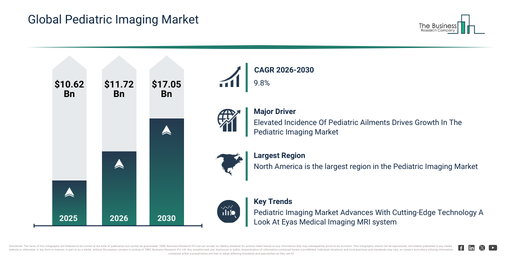
    The pediatric imaging market has seen swift growth in recent years. It is anticipated to expand from $10.62 billion in 2025 to $11.72 billion in 2026, exhibiting a compound annual growth rate (CAGR) of 10.3%. Historically, the market’s expansion can be attributed to factors such as limited pediatric imaging equipment, low adoption of advanced imaging modalities, reliance on adult imaging protocols, a fragmented imaging infrastructure, and insufficient pediatric-focused training.

    The pediatric imaging market is projected to experience substantial growth in the upcoming years. This market is anticipated to reach $17.05 billion by 2030, demonstrating a compound annual growth rate (CAGR) of 9.8%. This projected growth throughout the forecast period stems from factors such as the increasing embrace of low-dose CT and MRI, greater integration of AI in imaging analysis, the rising use of teleradiology, an escalated demand for early disease detection in children, and expanded investments in pediatric imaging facilities. Key trends anticipated during this period encompass the growing adoption of AI-powered imaging analytics, an increase in the utilization of cloud-based imaging data management, expanding integration of genomics with imaging diagnostics, the rising deployment of IoT-enabled pediatric imaging devices, and the growing implementation of smart imaging workflows within hospitals.

    Access Your Free Sample Report for In-Depth Market Insights:

    https://www.thebusinessresearchcompany.com/sample.aspx?id=7465&type=smp

    What Drivers Are Driving Adoption Within The Pediatric Imaging Market?

    The increasing prevalence of pediatric ailments among children is anticipated to propel the expansion of the pediatric imaging market in the future. Pediatric imaging involves the examination and diagnosis of younger patients utilizing sophisticated technologies like ultrasound, CT scans, X-rays, and similar methods to detect anomalies in children’s bodies and formulate suitable treatment strategies. Within pediatric nuclear medicine, imaging assists in identifying critical, life-threatening conditions in children, including those that are congenital, infectious, non-infectious, or a combination thereof, for instance, cancer. As an illustration, data from August 2024, released by the National Cancer Institute, a US Department of Health and Human Services, indicates that in the United States, an estimated 14,910 children and adolescents aged 0 to 19 are projected to be diagnosed with cancer in 2024, leading to 1,590 fatalities. Specifically, 9,620 diagnoses and 1,040 deaths are expected among children aged 0 to 14, while adolescents aged 15 to 19 will account for 5,290 diagnoses and 550 deaths. Consequently, the increasing incidence of pediatric health issues among children is fueling the expansion of the pediatric imaging market.

    How Is The Pediatric Imaging Market Organized Into Various Segments?

    The pediatric imaging market covered in this report is segmented –

    1) By Modality: Ultrasound, Magnetic Resonance Imaging (MRI), Computed Tomography (CT), X-Ray, Other Modalities

    2) By Application: Orthopedics, Gastroenterology, Cardiology, Oncology, Neurology, Other Applications

    3) By End-User: Hospitals, Diagnostic Centers, Other End-Users

    Subsegments:

    1) By Ultrasound: 2D Ultrasound, 3D Ultrasound, Doppler Ultrasound

    2) By Magnetic Resonance Imaging (MRI): Open MRI, Closed MRI, Functional MRI (fMRI)

    3) By Computed Tomography (CT): Standard CT, Low-Dose CT, CT Angiography

    4) By X-Ray: Digital X-Ray, Conventional X-Ray, Fluoroscopy

    5) By Other Modalities: Nuclear Medicine, Positron Emission Tomography (PET), Single Photon Emission Computed Tomography (SPECT)

    Which Innovation Trends Are Advancing Developments Within The Pediatric Imaging Market?

    Major companies operating in the pediatric imaging market are concentrating on developing innovative solutions, such as neonatal Magnetic Resonance Imaging (MRI) systems, to satisfy the growing demand for high-precision, radiation-free imaging for newborns and critically ill infants. A neonatal MRI system represents a specialized imaging technology crafted to capture high-resolution anatomical and functional images while accommodating the unique physiological needs of neonates, providing diagnostics that are both safer and more accurate than traditional imaging modalities like CT or ultrasound. For instance, in July 2023, Eyas Medical Imaging, a US-based precision imaging company, unveiled Ascent, an advanced neonatal MRI system that was introduced after 2022. The Ascent is equipped with a powerful 3 Tesla (3T) magnet, delivering a magnetic field strength previously unavailable in neonatal MRI platforms. It offers highly detailed visualization of vital organs such as the brain, lungs, heart, and abdomen, enabling earlier and more accurate diagnosis. This system is engineered for neonatal safety, providing improved image quality, reduced scan times, and enhanced diagnostic confidence across a broad range of clinical applications.

    Who Are The Core Companies Influencing Trends In The Pediatric Imaging Market?

    Major companies operating in the pediatric imaging market are Agfa-Gevaert NV, Analogic Corporation, CAN-med Healthcare, Canon Inc., Eastman Kodak Company, EOS imaging, Esaote SpA, FUJIFILM Holdings Corporation, Hitachi Medical Corporation, Koninklijke Philips N.V., Mindray Medical International Limited, Samsung Medison Co. Ltd, Shenzhen Anke High-tech Co. Ltd, Siemens Healthcare GmbH, Toshiba Medical Systems Corporation, Trivitron Healthcare Pvt. Ltd., BK Medical UK Ltd., Clarius Mobile Health Corp., CurveBeam AI Ltd., General Electric Company, Hologic Inc., InnoVision Ltd.

    Access The Complete Report For Deeper Market Insights:

    https://www.thebusinessresearchcompany.com/report/pediatric-imaging-global-market-report

    Which Regions Are Projected To Dominate The Pediatric Imaging Market In The Coming Years?

    North America was the largest region in the pediatric imaging market in 2025. Asia-Pacific is expected to be the fastest-growing region in the forecast period. The regions covered in the pediatric imaging market report are Asia-Pacific, South East Asia, Western Europe, Eastern Europe, North America, South America, Middle East, Africa.

    Request Your Customized Pediatric Imaging Market Research Report for Competitive Advantage:

    https://www.thebusinessresearchcompany.com/customise?id=7465&type=smp

    Browse Through More Reports Similar to the Global Pediatric Imaging Market 2026, By The Business Research Company

    Preclinical Imaging Market Report 2026

    https://www.thebusinessresearchcompany.com/report/preclinical-imaging-global-market-report

    Pediatric Radiology Market Report 2026

    https://www.thebusinessresearchcompany.com/report/pediatric-radiology-global-market-report

    Medical Imaging Market Report 2026

    https://www.thebusinessresearchcompany.com/report/medical-imaging-global-market-report

    Get in touch with us:

    The Business Research Company: https://www.thebusinessresearchcompany.com/

    Americas +1 310-496-7795

    Asia +44 7882 955267 & +91 8897263534

    Europe +44 7882 955267

    Email us at info@tbrc.info

    Follow us on:

    LinkedIn: https://in.linkedin.com/company/the-business-research-company

    YouTube: https://www.youtube.com/channel/UC24_fI0rV8cR5DxlCpgmyFQ

    Global Market Model: https://www.thebusinessresearchcompany.com/global-market-model
  • Non-Surgical Cosmetic Procedures Market Growth Projection: Expected to Surpass $47.36 Billion by 2030 at 10.5% CAGR

    Non-Surgical Cosmetic Procedures Market Growth Projection: Expected to Surpass $47.36 Billion by 2030 at 10.5% CAGR

    Uncover key drivers, emerging technologies, and competitive movements shaping the non-surgical cosmetic procedures market from 2026–2035 with trusted insights from The Business Research Company

    What growth pattern is forecast for the Non-Surgical Cosmetic Procedures Market size between 2026 and 2035?

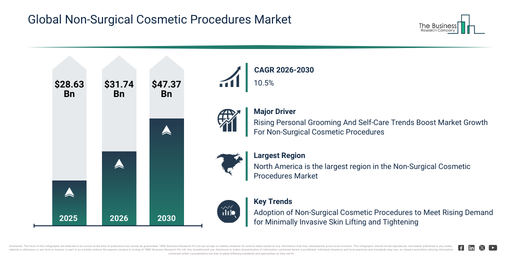
    The non-surgical cosmetic procedures market has experienced significant expansion recently. It is projected to grow from $28.63 billion in 2025 to $31.74 billion in 2026, demonstrating a compound annual growth rate (CAGR) of 10.9%. This historical increase can be linked to heightened aesthetic awareness among individuals, the spread of outpatient cosmetic clinics, the growing impact of social media on looks, increasing adoption of cosmetic procedures, and better access to qualified practitioners.

    The non-surgical cosmetic procedures market is projected to experience substantial expansion in the coming years, with an anticipated growth to $47.37 billion by 2030 at a compound annual growth rate (CAGR) of 10.5%. This expansion throughout the forecast period stems from several factors, including the rising desire for individualized aesthetic solutions, the increasing use of sophisticated laser and energy-based equipment, the wider acceptance of cosmetic treatments among men, a heightened emphasis on preventive beauty measures, and breakthroughs in minimally invasive techniques. Key developments expected during this time frame encompass a heightened preference for injectable aesthetic procedures, the increasing integration of non-invasive skin rejuvenation methods, the expanding application of tailored cosmetic processes, the proliferation of energy-based aesthetic devices, and a stronger emphasis on less invasive approaches.

    Access Your Free Sample Report for In-Depth Market Insights:

    https://www.thebusinessresearchcompany.com/sample.aspx?id=20581&type=smp

    Which Drivers Are Impacting Market Performance In The Non-Surgical Cosmetic Procedures Market?

    The expanding focus on personal grooming and self-care is anticipated to fuel the expansion of the non-surgical cosmetic procedures market in the future. These terms encompass the routines and actions people undertake to preserve their physical appearance, cleanliness, and general wellness. This increase in personal grooming and self-care is propelled by heightened beauty consciousness, the impact of social media, and a greater focus on wellness and self-assurance. Non-surgical cosmetic procedures complement personal grooming and self-care by providing rapid, less invasive alternatives to enhance looks and uplift self-esteem. For example, a July 2024 report from the British Beauty Council, a UK-based organization, indicated that in 2023, the personal care sector’s contribution to GDP reached £27.2 billion ($30.44 billion), showing an 11% increase over 2022. This rise was attributed to a 10% increase in household expenditure on personal care products and services across the UK. Consequently, the increasing desire for personal grooming and self-care is stimulating the growth of the non-surgical cosmetic procedures market.

    What Segment Types Are Examined In The Non-Surgical Cosmetic Procedures Market?

    The non-surgical cosmetic procedures market covered in this report is segmented –

    1) By Technique: Botulinum Toxins, Hyaluronic Acid-Based Derma Fillers, Hair Removal, Other Techniques

    2) By Gender: Women, Men

    3) By End User: Hospitals Or Surgery Centers, MedSpas, Healthcare Professionals-Owned Clinics

    Subsegments:

    1) By Botulinum Toxins: Botox, Dysport, Xeomin, Jeuveau

    2) By Hyaluronic Acid-Based Derma Fillers: Juvederm, Restylane, Belotero, Teosyal, Captique

    3) By Hair Removal: Laser Hair Removal, Intense Pulsed Light (IPL) Hair Removal, Radiofrequency-Based Hair Removal, Electrolysis

    4) By Other Techniques: Chemical Peels, Microdermabrasion, Non-Surgical Fat Reduction, Skin Tightening, Non-Surgical Facelift, Lip Augmentation, Cellulite Treatment, Dermal Micro-Needling

    Which Trends Are Influencing The Development Of The Non-Surgical Cosmetic Procedures Market?

    Leading firms within the non-surgical cosmetic procedures market are actively pursuing technological innovations, like micro-focused ultrasound skin-lifting platforms, to address the growing need for efficient, non-invasive solutions for facial rejuvenation, skin tightening, and treatments for age-related skin laxity. Such micro-focused ultrasound systems precisely deliver ultrasonic energy to the deeper dermal and sub-dermal tissue layers, thereby encouraging the natural production of collagen and elastin without requiring incisions, anesthesia, or recovery periods, thus presenting a non-surgical substitute for conventional facelifts. As an example, in September 2024, Merz Aesthetics, a medical aesthetics company based in the U.S., introduced Ultherapy PRIME, which is an advanced non-invasive platform for skin lifting. This product offers customizable energy delivery complemented by real-time imaging, enhances collagen stimulation, and yields noticeable lifting and firming effects in just one session, all while significantly reducing recovery time when contrasted with surgical options.

    Who Are The Major Companies Operating In The Non-Surgical Cosmetic Procedures Market?

    Major companies operating in the non-surgical cosmetic procedures market are AbbVie Inc., Galderma S.A., Merz Pharma GmbH and Co KGaA, Revance Therapeutics Inc., Cynosure Inc., BTL Industries, InMode Ltd, Lumenis Be Ltd., Sisram Medical Ltd, Cutera Inc., Lutronic Corporation, Candela Corporation, Fotona d.o.o., Alma Lasers Ltd, Sciton Inc., EndyMed Medical Ltd, Johnson and Johnson, Shiseido Company Limited, Sientra Inc., Strata Skin Sciences

    Access The Complete Report For Deeper Market Insights:

    https://www.thebusinessresearchcompany.com/report/non-surgical-cosmetic-procedures-global-market-report

    Which Region Is Anticipated To See The Fastest Growth In The Non-Surgical Cosmetic Procedures Market?

    North America was the largest region in the non-surgical cosmetic procedures market in 2025. The regions covered in the non-surgical cosmetic procedures market report are Asia-Pacific, South East Asia, Western Europe, Eastern Europe, North America, South America, Middle East, Africa.

    Request Your Customized Non-Surgical Cosmetic Procedures Market Research Report for Competitive Advantage:

    https://www.thebusinessresearchcompany.com/customise?id=20581&type=smp

    Browse Through More Reports Similar to the Global Non-Surgical Cosmetic Procedures Market 2026, By The Business Research Company

    Vegan Cosmetics Market Report 2026

    https://www.thebusinessresearchcompany.com/report/vegan-cosmetics-global-market-report

    Waterless Cosmetics Market Report 2026

    https://www.thebusinessresearchcompany.com/report/waterless-cosmetics-global-market-report

    Mineral Cosmetics Market Report 2026

    https://www.thebusinessresearchcompany.com/report/mineral-cosmetics-global-market-report

    Get in touch with us:

    The Business Research Company: https://www.thebusinessresearchcompany.com/

    Americas +1 310-496-7795

    Asia +44 7882 955267 & +91 8897263534

    Europe +44 7882 955267

    Email us at info@tbrc.info

    Follow us on:

    LinkedIn: https://in.linkedin.com/company/the-business-research-company

    YouTube: https://www.youtube.com/channel/UC24_fI0rV8cR5DxlCpgmyFQ

    Global Market Model: https://www.thebusinessresearchcompany.com/global-market-model
  • Global Pediatric Home Healthcare Market Forecast 2026–2035: Long-Term Growth Insights

    Global Pediatric Home Healthcare Market Forecast 2026–2035: Long-Term Growth Insights

    Uncover key drivers, emerging technologies, and competitive movements shaping the pediatric home healthcare market from 2026–2035 with trusted insights from The Business Research Company

    Across 2026–2030, what is the expected market valuation path of the Pediatric Home Healthcare Market?

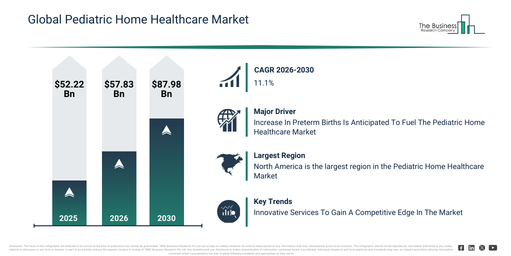
    The pediatric home healthcare market has experienced rapid expansion in recent years. Its valuation is expected to rise from $52.22 billion in 2025 to $57.83 billion in 2026, achieving a compound annual growth rate (CAGR) of 10.8%. In the past, this growth was influenced by factors such as limited understanding of home healthcare options, a prevailing reliance on hospital-focused pediatric services, fragmented pediatric care provision, minimal uptake of telehealth, and a shortage of skilled pediatric homecare professionals.

    The pediatric home healthcare market size is projected to experience substantial growth over the coming years, reaching $87.98 billion by 2030, exhibiting a compound annual growth rate (CAGR) of 11.1%. This expansion during the forecast period is attributable to factors like the increasing acceptance of remote monitoring devices, the expanded utilization of AI-driven care platforms, the rising integration of telehealth services, a greater demand for individualized pediatric care plans, and an enhanced emphasis on managing chronic conditions at home. Significant trends anticipated in this period include a wider adoption of remote patient monitoring devices, an increase in the application of AI-enabled care management tools, the expanding incorporation of telehealth solutions specifically for pediatric care, the enhanced deployment of data-driven home healthcare services, and a heightened commitment to personalized pediatric care plans.

    Access Your Free Sample Report for In-Depth Market Insights:

    https://www.thebusinessresearchcompany.com/sample.aspx?id=10421&type=smp

    Which Drivers Are Supporting The Rise Of The Pediatric Home Healthcare Market?

    The anticipated rise in preterm births is projected to drive expansion within the pediatric home healthcare market. A preterm birth occurs when an infant is delivered prior to reaching 37 weeks of gestation. The increase in preterm births can be attributed to rising maternal age, leading to a greater number of pregnancies in age groups with elevated biological risks and more frequent complications. Pediatric home healthcare provides essential support to preterm infants, offering specialized medical attention and monitoring services within their home environment. For instance, as reported in August 2024 by the CDC National Center for Health Statistics (NCHS), the United States’ primary health statistics agency, the preterm birth rate in the United States rose from 29.31% in 2022 to 29.84% in 2023. Consequently, the growing incidence of preterm births is a significant catalyst for the pediatric home healthcare market.

    What Segments Are Identified Within The Structure Of The Pediatric Home Healthcare Market?

    The pediatric home healthcare market covered in this report is segmented –

    1) By Service: Skilled Nursing Services, Personal Care Assistance, Rehabilitation Therapy Services

    2) By Device: Diagnostic And Monitoring Devices, Therapeutic Devices, Home Mobility Assist Devices

    3) By Application: Premature Babies, Cardiovascular Disease, Complex Intravenous Therapy, Pediatric Oncology, Chronic Disease, Infectious Disease, Other Applications

    Subsegments:

    1) By Skilled Nursing Services: Pediatric Assessments, Medication Management, Wound Care, Intravenous (IV) Therapy, Care For Chronic Conditions

    2) By Personal Care Assistance: Bathing And Hygiene Assistance, Meal Preparation, Mobility Assistance, Companionship, Light Housekeeping

    3) By Rehabilitation Therapy Services: Physical Therapy, Occupational Therapy, Speech Therapy, Behavioral Therapy, Developmental Therapy

    Which Competitive Trends Are Impacting The Structure Of The Pediatric Home Healthcare Market?

    Leading companies in the pediatric home healthcare market are concentrating on delivering innovative services, including respiratory therapy, to gain a competitive advantage. Respiratory therapy, a healthcare discipline focused on breathing and cardiopulmonary conditions, forms a crucial part of these services. For instance, in August 2024, Cubhub, a US-based leading provider of electronic medical records (EMR) solutions for home healthcare serving Medicaid populations, introduced its new Family CNA module for Colorado providers. This innovative module improves home healthcare by streamlining workflows, enhancing operational efficiency, and providing an exceptional experience for families. As the only EMR system specifically designed for pediatric care, Cubhub continues to be a leader in innovation and user-focused solutions. The Family CNA module integrates seamlessly with Cubhub’s existing pediatric tools, facilitating a smooth transition while upholding high-quality patient care. By automating many intricate elements of Colorado’s Family CNA program, Cubhub aims to boost caregiver satisfaction and improve patient outcomes. This launch reinforces Cubhub’s commitment to empowering healthcare providers with advanced technology customized to support their essential work in pediatric home healthcare.

    Which Major Industry Participants Are Leading The Pediatric Home Healthcare Market Growth?

    Major companies operating in the pediatric home healthcare market are Aveanna Healthcare LLC, BAYADA Home Health Care Inc, Tendercare Home Health Services Inc, BrightStar Group Holdings Inc, Angels of Care Pediatric Home Health, New England Home Care Inc, Pediatric Home Healthcare, Enviva Pediatric Care, Interim Healthcare Inc, eKidzCare, EKIDZCARE CORPORATE, MGA Homecare LLC, At Home Healthcare, Paramed Inc, Thrive Skilled Pediatric Care, Continuum Pediatric Nursing Services, Pediatric Home Service, Advanced Care Pediatric Services, Sunshine Home Care, TeamCare Home Health, Family First Homecare, KidsCare Home Health, Priority Home Care, Pediatric Home Nursing Services, Comprehensive Home Care, Kids Choice Pediatric Home Care, Children First Home Care, Reliable Home Care, Star Pediatric Home Care

    Access The Complete Report For Deeper Market Insights:

    https://www.thebusinessresearchcompany.com/report/pediatric-home-healthcare-global-market-report

    Which Region Is Expected To Experience The Fastest Growth In The Pediatric Home Healthcare Market?

    North America was the largest region in the pediatric home healthcare market in 2025. Asia-Pacific is expected to be the fastest-growing region in the global pediatric home healthcare market during the forecast period. The regions covered in the pediatric home healthcare market report are Asia-Pacific, South East Asia, Western Europe, Eastern Europe, North America, South America, Middle East, Africa.

    Request Your Customized Pediatric Home Healthcare Market Research Report for Competitive Advantage:

    https://www.thebusinessresearchcompany.com/customise?id=10421&type=smp

    Browse Through More Reports Similar to the Global Pediatric Home Healthcare Market 2026, By The Business Research Company

    Death Care Services Market Report 2026

    https://www.thebusinessresearchcompany.com/report/death-care-services-global-market-report

    Home Healthcare Market Report 2026

    https://www.thebusinessresearchcompany.com/report/home-healthcare-global-market-report

    Pediatric Vaccine Market Report 2026

    https://www.thebusinessresearchcompany.com/report/pediatric-vaccine-global-market-report

    Get in touch with us:

    The Business Research Company: https://www.thebusinessresearchcompany.com/

    Americas +1 310-496-7795

    Asia +44 7882 955267 & +91 8897263534

    Europe +44 7882 955267

    Email us at info@tbrc.info

    Follow us on:

    LinkedIn: https://in.linkedin.com/company/the-business-research-company

    YouTube: https://www.youtube.com/channel/UC24_fI0rV8cR5DxlCpgmyFQ

    Global Market Model: https://www.thebusinessresearchcompany.com/global-market-model
  • Pediatric Growth Hormone Deficiency Market 2026–2030: Forecasting Business Opportunities Ahead

    Pediatric Growth Hormone Deficiency Market 2026–2030: Forecasting Business Opportunities Ahead

    Uncover key drivers, emerging technologies, and competitive movements shaping the pediatric growth hormone deficiency market from 2026–2035 with trusted insights from The Business Research Company

    What size range is anticipated for the Pediatric Growth Hormone Deficiency Market from 2026 to 2030?

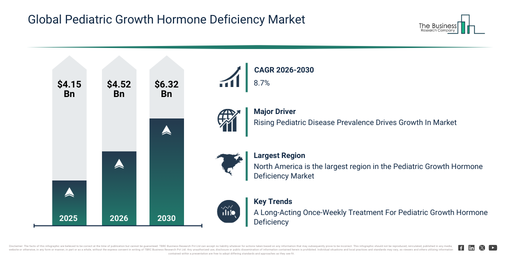
    The market size for pediatric growth hormone deficiency has demonstrated robust expansion in recent years. This market is forecasted to increase from $4.15 billion in 2025 to $4.52 billion in 2026, exhibiting a compound annual growth rate (CAGR) of 9.0%. Contributing factors to its historical development include restricted awareness of GH deficiency, a reliance on conventional therapies, segmented pediatric endocrinology care, limited application of digital monitoring, and a low rate of adoption for long-acting GH formulations.

    The market for pediatric growth hormone deficiency is projected to experience substantial expansion in the coming years, reaching a valuation of $6.32 billion by 2030, demonstrating an impressive compound annual growth rate (CAGR) of 8.7%. This anticipated growth during the forecast period is driven by factors such as the increasing uptake of rhGH therapy, the advancement in developing long-acting GH analogs, a heightened emphasis on individualized treatment strategies, the greater integration of digital tools for patient monitoring, and enhanced regulatory backing for pediatric endocrine treatments. Key trends during this time frame encompass the expanding adoption of recombinant human growth hormone therapy, the growing utilization of long-acting growth hormones, the broader integration of digital instruments for patient oversight, the increased deployment of AI-based methods for diagnosis and treatment planning, and a sharpened focus on precision medicine strategies within pediatric growth hormone deficiency.

    Access Your Free Sample Report for In-Depth Market Insights:

    https://www.thebusinessresearchcompany.com/sample.aspx?id=21250&type=smp

    What Drivers Are Affecting Demand In The Pediatric Growth Hormone Deficiency Market?

    The increasing prevalence of pediatric diseases is anticipated to propel the growth of the pediatric growth hormone deficiency market going forward. Pediatric diseases refer to medical conditions or illnesses predominantly affecting children, spanning from infancy to adolescence. The rise in pediatric diseases is largely due to environmental factors, improved detection methods, lifestyle changes, genetic predispositions, and increasing rates of chronic conditions and allergies among children. These conditions can contribute to pediatric growth hormone deficiency (GHD) by affecting the hypothalamus or pituitary gland, which are responsible for producing growth hormone. For instance, in August 2024, according to the United Nations Children’s Fund (UNICEF), a US-based government organization, it was reported that globally, about 1.1 million children and adolescents aged 0–19 years have type 1 diabetes and need insulin daily to survive; many who live in low- and middle-income countries do not have access to lifesaving care and treatment for this debilitating and often fatal disease. Therefore, the growing occurrence of pediatric diseases is driving the growth of the pediatric growth hormone deficiency market.

    Which Segments Are Gaining Traction In The Pediatric Growth Hormone Deficiency Market?

    The pediatric growth hormone deficiency market covered in this report is segmented –

    1) By Etiology Type: Congenital GH Deficiency, Acquired GH Deficiency, Idiopathic GH deficiency

    2) By Product: Recombinant Human Growth Hormone (rhGH), Human Growth Hormone (HGH) Analogs, Long-Acting Growth Hormones

    3) By Route Of Administration: Subcutaneous, Intramuscular, Oral

    4) By Distribution Channel: Hospital Pharmacies, Retail Pharmacies, Online Pharmacies

    5) By Application: Growth Hormone Deficiency, Idiopathic Short Stature, Turner Syndrome, Small For Gestational Age, Prader Willi Syndrome, Other Applications

    Subsegments:

    1) By Congenital GH Deficiency: Isolated GH Deficiency, Combined Pituitary Hormone Deficiency

    2) By Acquired GH Deficiency: GH Deficiency Due To Pituitary Tumors, GH Deficiency Due To Brain Injury, GH Deficiency Due To Radiation Therapy

    3) By Idiopathic GH Deficiency: Primary Idiopathic GH Deficiency, Secondary Idiopathic GH Deficiency

    What Industry Trends Are Transforming The Pediatric Growth Hormone Deficiency Market?

    Leading companies within the pediatric growth hormone deficiency market are concentrating on developing advanced solutions, such as long-acting, once-weekly human growth hormone analogs, to enhance patient adherence and convenience. A long-acting, once-weekly human growth hormone (HGH) analog is a modified version of the natural human growth hormone engineered for a prolonged duration of action in the body. For instance, in June 2023, Pfizer Inc., a US-based pharmaceutical company, and OPKO Health Inc., a US-based medication company, jointly announced NGENLA (somatrogon-ghla), a once-weekly human growth hormone analog for treating pediatric patients aged three years and older experiencing growth failure due to inadequate secretion of endogenous growth hormone, which was approved by the Food and Drug Administration, a US-based government agency. This innovative therapy aims to improve patient compliance by reducing the frequency of injections, given that traditional treatments typically necessitate daily doses. Clinical trials have indicated that NGENLA offers similar efficacy to daily growth hormone treatments, providing a more convenient and manageable option for children and their families.

    Who Are The Prominent Global Companies Shaping The Pediatric Growth Hormone Deficiency Market Landscape?

    Major companies operating in the pediatric growth hormone deficiency market are Pfizer Inc., Eli Lilly and Company, Novo Nordisk A/S, Genentech Inc., Merck KGaA Darmstadt Germany, Ipsen Pharma, Ferring Pharmaceuticals, OPKO Health Inc., Ascendis Pharma A/S, Versartis Inc., LG Chem Ltd., GeneScience Pharmaceuticals Co Ltd, Biopartners GmbH, JHM Biopharma, JCR Pharmaceuticals Co Ltd, Samsung Bioepis, Intas Pharmaceuticals Ltd, BioMarin Pharmaceutical Inc, Abbott Laboratories, Amgen Inc, Chugai Pharmaceutical Co Ltd, Sanofi S A, AnkeBio Co Ltd, Zhongshan Sinobioway Hygene Biomedicine Co Ltd.

    Access The Complete Report For Deeper Market Insights:

    https://www.thebusinessresearchcompany.com/report/pediatric-growth-hormone-deficiency-global-market-report

    Which Geographic Areas Are Emerging As Strong Markets For The Pediatric Growth Hormone Deficiency Market?

    North America was the largest region in the pediatric growth hormone deficiency market in 2025. Asia-Pacific is expected to be the fastest-growing region in the forecast period. The regions covered in the pediatric growth hormone deficiency market report are Asia-Pacific, South East Asia, Western Europe, Eastern Europe, North America, South America, Middle East, Africa.

    Request Your Customized Pediatric Growth Hormone Deficiency Market Research Report for Competitive Advantage:

    https://www.thebusinessresearchcompany.com/customise?id=21250&type=smp

    Browse Through More Reports Similar to the Global Pediatric Growth Hormone Deficiency Market 2026, By The Business Research Company

    5 Alpha Reductase Deficiency Market Report 2026

    https://www.thebusinessresearchcompany.com/report/5-alpha-reductase-deficiency-global-market-report

    Combined Pituitary Hormone Deficiencies Market Report 2026

    https://www.thebusinessresearchcompany.com/report/combined-pituitary-hormone-deficiencies-global-market-report

    Pediatric Supplements Market Report 2026

    https://www.thebusinessresearchcompany.com/report/pediatric-supplements-global-market-report

    Get in touch with us:

    The Business Research Company: https://www.thebusinessresearchcompany.com/

    Americas +1 310-496-7795

    Asia +44 7882 955267 & +91 8897263534

    Europe +44 7882 955267

    Email us at info@tbrc.info

    Follow us on:

    LinkedIn: https://in.linkedin.com/company/the-business-research-company

    YouTube: https://www.youtube.com/channel/UC24_fI0rV8cR5DxlCpgmyFQ

    Global Market Model: https://www.thebusinessresearchcompany.com/global-market-model
  • Non-Small Cell Lung Cancer (NSCLC) Market Forecast 2026–2035: How to Leverage Market Growth

    Non-Small Cell Lung Cancer (NSCLC) Market Forecast 2026–2035: How to Leverage Market Growth

    Uncover key drivers, emerging technologies, and competitive movements shaping the non-small cell lung cancer (nsclc) market from 2026–2035 with trusted insights from The Business Research Company

    How much larger will the Non-Small Cell Lung Cancer (NSCLC) Market be in 2030 compared with 2026?

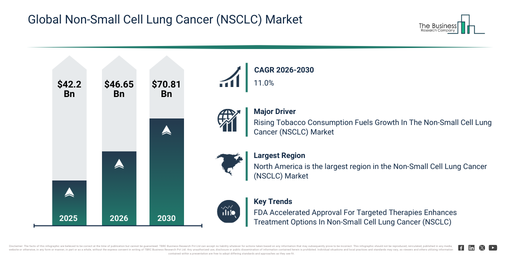
    The non-small cell lung cancer (nsclc) market has seen swift expansion in recent years. Its valuation is set to rise from $42.2 billion in 2025 to $46.65 billion in 2026, exhibiting a compound annual growth rate (CAGR) of 10.5%. This historical growth can be linked to factors such as the widespread incidence of smoking, exposure to airborne pollutants, diagnoses at later stages, the scarcity of specific targeted therapy solutions, and a sustained dependence on traditional chemotherapy methods.

    The market for non-small cell lung cancer (nsclc) is projected to experience swift expansion in the coming years. This market is set to reach $70.81 billion by 2030, demonstrating a compound annual growth rate (CAGR) of 11.0%. During the forecast period, this expansion can be linked to the increasing uptake of targeted therapies and immunotherapy, augmented investment in lung cancer diagnostic tools, the evolution of personalized medicine, a broader presence of oncology centers and specialized clinics, and the creation of AI-driven predictive models and imaging solutions. Key trends anticipated within the forecast timeframe encompass the growing embrace of targeted therapy and immunotherapy, an uptick in the application of sophisticated radiotherapy methods, wider utilization of laser therapy and photodynamic therapy, an expansion in the rollout of early diagnosis and screening initiatives, and the progressive integration of AI-powered imaging and predictive oncology.

    Access Your Free Sample Report for In-Depth Market Insights:

    https://www.thebusinessresearchcompany.com/sample.aspx?id=13232&type=smp

    What Drivers Are Guiding Growth Patterns In The Non-Small Cell Lung Cancer (NSCLC) Market?

    The escalating rate of tobacco consumption is anticipated to propel the future growth of the non-small cell lung cancer (NSCLC) market. Tobacco consumption refers to individuals’ utilization of tobacco products, typically through smoking, chewing, or snuffing, which introduces nicotine and other chemicals into the body. Tobacco smoke contains several carcinogens capable of damaging the DNA (deoxyribonucleic acid) in lung cells, leading to mutations and the uncontrolled proliferation of cancerous cells, including non-small-cell lung cancer (NSCLC). For instance, in October 2024, the 2024 National Youth Tobacco Survey, published by the US Food and Drug Administration (USFDA), a US-based federal agency, indicated that 1.1% of all students (approximately 2.25 million) reported current use of tobacco products. This included 10.1% of high school students (about 1.58 million) and 5.4% of middle school students (around 640,000) using tobacco; additionally, 2.8% of students (about 760,000) reported current use of any combustible tobacco product, while 3.0% (approximately 840,000) reported using multiple tobacco products. Therefore, the increasing rate of tobacco consumption is driving the growth of the non-small cell lung cancer (NSCLC) market.

    Which Segments Are Driving Activity In The Non-Small Cell Lung Cancer (NSCLC) Market?

    The non-small cell lung cancer (nsclc) market covered in this report is segmented –

    1) By Type: Squamous Cell Carcinoma, Large Cell Carcinoma, Adenocarcinoma, Other Types

    2) By Therapy: Radiotherapy, Laser Therapy, Photodynamic Therapy (PDT), Other Therapies

    3) By Distribution Channel: Hospital Pharmacy, Online Pharmacy, Other Distribution Channels

    Subsegments:

    1) By Squamous Cell Carcinoma: Keratinizing Squamous Cell Carcinoma, Non-Keratinizing Squamous Cell Carcinoma

    2) By Large Cell Carcinoma: Undifferentiated Large Cell Carcinoma, Large Cell Neuroendocrine Carcinoma

    3) By Adenocarcinoma: Invasive Adenocarcinoma, Bronchioloalveolar Carcinoma

    4) By Other Types: Mixed Cell Type Carcinoma, Sarcomatoid Carcinoma

    What Trends Are Expected To Impact The Competitive Landscape Of The Non-Small Cell Lung Cancer (NSCLC) Market?

    Leading companies within the non-small cell lung cancer market are prioritizing the development of targeted therapies. These initiatives often involve securing FDA accelerated approval for drugs designed to address specific genetic mutations, thereby improving available treatment options for patients. FDA accelerated approval signifies a regulatory pathway through which the U.S. Food and Drug Administration grants earlier clearance to therapies that specifically target a molecular or genetic abnormality within a disease, based on surrogate or intermediate clinical endpoints that are deemed reasonably likely to predict a clinical benefit. As an illustration, in July 2025, Dizal (Jiangsu) Pharmaceutical Co., Ltd., a research-based biotechnology firm based in China, launched sunvozertinib (Zegfrovy) for adult patients diagnosed with locally advanced or metastatic NSCLC harboring EGFR exon 20 insertion mutations who have experienced disease progression following platinum-based chemotherapy. Zegfrovy is prescribed for oral administration at 200 mg once daily with food, to be continued until either disease progression or unacceptable toxicity is observed. Clinical data from the WU-KONG1B trial showed that the therapy achieved a confirmed overall response rate of 46% and a duration of response lasting 11.1 months. The FDA’s approval additionally incorporated the Oncomine Dx Express Test to serve as a companion diagnostic for identifying eligible patients. Sunvozertinib includes warnings regarding potential side effects such as interstitial lung disease, gastrointestinal and dermatologic reactions, ocular toxicity, and embryo-fetal toxicity, collectively outlining its comprehensive safety profile.

    Which Major Firms Are Strengthening Their Position In The Non-Small Cell Lung Cancer (NSCLC) Market?

    Major companies operating in the non-small cell lung cancer (nsclc) market are Pfizer Inc., F. Hoffmann-La Roche AG, Merck & Co. Inc., AbbVie Inc., Novartis AG, Sanofi S.A., Bristol-Myers Squibb Company, AstraZeneca plc, GlaxoSmithKline Plc, Takeda Pharmaceutical Company Limited, Eli Lilly and Company, Amgen Inc., Regeneron Pharmaceuticals Inc., Astellas Pharma Inc., Clovis Oncology, Revolution Medicines, Boehringer Ingelheim GmbH, Johnson & Johnson, Daiichi Sankyo Company Limited, BeiGene Ltd., DualityBio, Gilead Sciences Inc., Mirati Therapeutics Inc., Arcus Biosciences Inc., NeoImmuneTech

    Access The Complete Report For Deeper Market Insights:

    https://www.thebusinessresearchcompany.com/report/non-small-cell-lung-cancer-nsclc-global-market-report

    Which Global Regions Are Shaping The Competitive Landscape Of The Non-Small Cell Lung Cancer (NSCLC) Market?

    North America was the largest region in the non-small cell lung cancer (NSCLC) market in 2025. Asia-Pacific is expected to be the fastest-growing region in the forecast period. The regions covered in the non-small cell lung cancer (nsclc) market report are Asia-Pacific, South East Asia, Western Europe, Eastern Europe, North America, South America, Middle East, Africa.

    Request Your Customized Non-Small Cell Lung Cancer (NSCLC) Market Research Report for Competitive Advantage:

    https://www.thebusinessresearchcompany.com/customise?id=13232&type=smp

    Browse Through More Reports Similar to the Global Non-Small Cell Lung Cancer (NSCLC) Market 2026, By The Business Research Company

    Non Small Cell Lung Cancer Nsclc Market Report 2026

    https://www.thebusinessresearchcompany.com/report/non-small-cell-lung-cancer-nsclc-global-market-report

    Non Small Cell Lung Cancer Nsclc Market Report 2026

    https://www.thebusinessresearchcompany.com/report/non-small-cell-lung-cancer-nsclc-global-market-report

    Non Small Cell Lung Cancer Nsclc Market Report 2026

    https://www.thebusinessresearchcompany.com/report/non-small-cell-lung-cancer-nsclc-global-market-report

    Get in touch with us:

    The Business Research Company: https://www.thebusinessresearchcompany.com/

    Americas +1 310-496-7795

    Asia +44 7882 955267 & +91 8897263534

    Europe +44 7882 955267

    Email us at info@tbrc.info

    Follow us on:

    LinkedIn: https://in.linkedin.com/company/the-business-research-company

    YouTube: https://www.youtube.com/channel/UC24_fI0rV8cR5DxlCpgmyFQ

    Global Market Model: https://www.thebusinessresearchcompany.com/global-market-model
  • Global Pediatric Electronic Medical Record (EMR) Software Market Report 2026–2035: Key Forecasts and Growth Areas

    Global Pediatric Electronic Medical Record (EMR) Software Market Report 2026–2035: Key Forecasts and Growth Areas

    Uncover key drivers, emerging technologies, and competitive movements shaping the pediatric electronic medical record (emr) software market from 2026–2035 with trusted insights from The Business Research Company

    How is the Pediatric Electronic Medical Record (EMR) Software Market size predicted to change over the forecast window of 2026–2035?

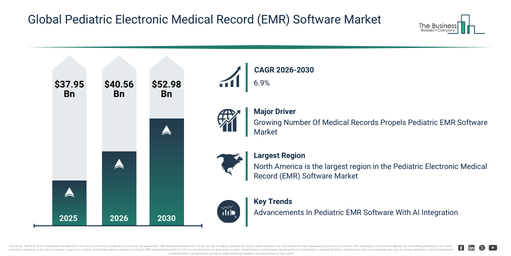
    The pediatric electronic medical record (emr) software market size has experienced robust expansion over the past few years. This market is projected to grow from $37.95 billion in 2025 to $40.56 billion in 2026, exhibiting a compound annual growth rate (CAGR) of 6.9%. Historically, the market’s growth was influenced by factors such as limited digitization of pediatric records, a reliance on paper-based systems, fragmented healthcare data, low awareness of emr benefits, and minimal integration with pediatric-specific features.

    The pediatric electronic medical record (emr) software market size is poised for substantial expansion over the next few years. It is projected to reach $52.98 billion in 2030, exhibiting a compound annual growth rate (CAGR) of 6.9%. This growth throughout the forecast period can be attributed to the rising implementation of cloud-based and integrated EMR solutions, a surging demand for AI-powered analytics, an intensified focus on interoperability and data security, the increasing necessity for pediatric-specific templates and tools, and enhanced regulatory support for digital health solutions. Noteworthy trends during this same period encompass the broader adoption of cloud-based pediatric EMR systems, the escalating integration of artificial intelligence and machine learning for pediatric data analytics, the expanding utilization of big data and digital instruments for managing pediatric care, a heightened emphasis on secure and interoperable EMR platforms, and the increasing incorporation of precision medicine functionalities within pediatric EMR software.

    Access Your Free Sample Report for In-Depth Market Insights:

    https://www.thebusinessresearchcompany.com/sample.aspx?id=14451&type=smp

    Which Drivers Are Contributing To The Expansion Of The Pediatric Electronic Medical Record (EMR) Software Market?

    An increasing volume of medical records is anticipated to boost the expansion of the pediatric electronic medical record (EMR) software market in the future. These records represent an organized compilation of a patient’s health details, encompassing their medical background, clinical observations, diagnostic outcomes, care before and after operations, patient advancement, and prescribed drugs. The quantity of pediatric medical records is escalating due to multiple contributors, such as the widespread occurrence of long-term health issues in children, a greater focus on proactive child healthcare, and enhanced use of medical facilities for children. EMR software streamlines the management and exchange of these medical documents, thereby allowing for quicker diagnoses and therapeutic choices for young patients. For example, the Organisation for Economic Co-operation and Development, a France-based intergovernmental economic organization, stated in November 2025 that nations within the OECD have advanced in broadening access to EHRs. In 2024, the typical accessibility of digital health services online reached 82%, which was an increase from 79% in 2023 among countries providing similar data. Consequently, the expanding volume of medical records is propelling the growth of the pediatric EMR software market.

    What Segment Categories Are Covered In The Pediatric Electronic Medical Record (EMR) Software Market?

    The pediatric electronic medical record (emr) software market covered in this report is segmented –

    1) By Type: Cloud Based Electronic Medical Record (EMR), On Premises Electronic Medical Record (EMR)

    2) By Components: Software Services, Consulting

    3) By Functionality: Clinical Documentation, Patient Management, Reporting And Analytics

    4) By Application: Large Enterprise, Small And Medium-sized Enterprises (SMEs)

    5) By End User: Hospitals, Diagnostic Centers, Other End Users

    Subsegments:

    1) By Cloud Based Electronic Medical Record (EMR): Web-Based Pediatric Electronic Medical Record (EMR) Platforms, Subscription-Based Cloud Pediatric Electronic Medical Record (EMR), Mobile-Accessible Cloud Pediatric Electronic Medical Record (EMR), Cloud Pediatric Electronic Medical Record (EMR) With Telehealth Integration

    2) By On Premises Electronic Medical Record (EMR): Server-Based Pediatric Electronic Medical Record (EMR) Systems, Locally Hosted Pediatric Electronic Medical Record (EMR), Customizable On Premises Pediatric Electronic Medical Record (EMR), On Premises Pediatric Electronic Medical Record (EMR) With In-House Data Control

    What Trends Are Reshaping The Dynamics Of The Pediatric Electronic Medical Record (EMR) Software Market?

    Companies operating within the pediatric EMR software market are increasingly focused on incorporating advanced AI-powered solutions into pediatric electronic medical records to secure a competitive edge. These AI-based solutions in pediatric EMR systems are instrumental in refining clinical decision-making, delivering individualized care, boosting operational efficiency, and achieving better results for pediatric patients and their families. For example, in December 2023, Pieces Technologies, a US-based healthcare artificial intelligence and technology enterprise, launched Children’s Health, a clinical generative AI system, at the North Texas Pediatric Health System. This technology seamlessly integrates with the pediatric health system’s Epic electronic medical record (EMR), which medical practitioners, including doctors, nurses, and case managers, regularly utilize for activities such as clinical handoffs, length of stay management, resolution of discharge barriers, team communication, and multidisciplinary rounds. Pieces achieves a remarkably low rate of significant errors by combining contextual modeling, collaborative and adversarial AI, human-in-the-loop supervision, and automated clinical rapid engineering.

    Which Key Players Are Driving Competition In The Pediatric Electronic Medical Record (EMR) Software Market?

    Major companies operating in the pediatric electronic medical record (emr) software market are Meta Platforms Inc., Oracle Corporation, SAP SE, Cognizant Technology Solutions Corporation, Koninklijke Philips N.V., Optum Inc., Goodwill Industries International, Epic Systems Corporation, Change Healthcare Inc., Infor Inc., eClinicalWorks, Athenahealth Inc., Allscripts Healthcare Solutions Inc., NextGen Healthcare Inc., Meditech, Computer Programs and Systems Inc., GroupOne Health Source Inc., Greenway Health LLC, Bizmatics Inc., Kareo Inc., AdvancedMD Inc., Connexin Software Inc., Elinext Group, Duchang Information Technology, Kaaspro Enterprises, MedicalMine Inc., JAG Products LLC, AllegianceMD Software Inc.

    Access The Complete Report For Deeper Market Insights:

    https://www.thebusinessresearchcompany.com/report/pediatric-electronic-medical-record-emr-software-global-market-report

    Which Region Is Projected To Lead The Pediatric Electronic Medical Record (EMR) Software Market During The Forecast Period?

    North America was the largest region in the pediatric electronic medical record (EMR) software market in 2025. Asia-Pacific is expected to be the fastest-growing region in the forecast period. The regions covered in the pediatric electronic medical record (emr) software market report are Asia-Pacific, South East Asia, Western Europe, Eastern Europe, North America, South America, Middle East, Africa.

    Request Your Customized Pediatric Electronic Medical Record (EMR) Software Market Research Report for Competitive Advantage:

    https://www.thebusinessresearchcompany.com/customise?id=14451&type=smp

    Browse Through More Reports Similar to the Global Pediatric Electronic Medical Record (EMR) Software Market 2026, By The Business Research Company

    Pediatric Software Market Report 2026

    https://www.thebusinessresearchcompany.com/report/pediatric-software-global-market-report

    Electronic Medical Records Market 2026

    https://www.thebusinessresearchcompany.com/report/electronic-medical-records-market

    Ambulatory Electronic Medical Records Market Report 2026

    https://www.thebusinessresearchcompany.com/report/ambulatory-electronic-medical-records-global-market-report

    Get in touch with us:

    The Business Research Company: https://www.thebusinessresearchcompany.com/

    Americas +1 310-496-7795

    Asia +44 7882 955267 & +91 8897263534

    Europe +44 7882 955267

    Email us at info@tbrc.info

    Follow us on:

    LinkedIn: https://in.linkedin.com/company/the-business-research-company

    YouTube: https://www.youtube.com/channel/UC24_fI0rV8cR5DxlCpgmyFQ

    Global Market Model: https://www.thebusinessresearchcompany.com/global-market-model
  • Global Non-Radiographic Axial Spondyloarthritis Therapeutic Market 2026–2030: Forecast Insights for Business Planning

    Global Non-Radiographic Axial Spondyloarthritis Therapeutic Market 2026–2030: Forecast Insights for Business Planning

    Uncover key drivers, emerging technologies, and competitive movements shaping the non-radiographic axial spondyloarthritis therapeutic market from 2026–2035 with trusted insights from The Business Research Company

    Starting from its 2026 valuation, what market size is the Non-Radiographic Axial Spondyloarthritis Therapeutic Market expected to reach by 2030?

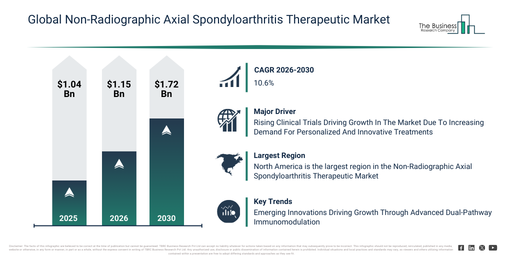
    The non-radiographic axial spondyloarthritis therapeutic market has experienced substantial expansion in recent times. Its valuation is projected to increase from $1.04 billion in 2025 to $1.15 billion in 2026, demonstrating a compound annual growth rate (CAGR) of 10.9%. This historical growth can be linked to factors such as a heightened awareness of non-radiographic axial spondyloarthritis, the shortcomings of traditional NSAID treatments, the implementation of better diagnostic standards, broader access to rheumatology specialized care, and a wider availability of biologic medications.

    The market for therapies addressing non-radiographic axial spondyloarthritis is projected to experience swift expansion over the coming years, with its size anticipated to reach $1.72 billion by 2030, reflecting a compound annual growth rate (CAGR) of 10.6%. This growth during the forecast period is primarily driven by the accelerated development of next-generation biologics, the increasing adoption of JAK inhibitor therapies, a growing focus on personalized rheumatology care, the expansion of early-stage intervention protocols, and improvements in patient awareness and diagnosis rates. Major trends expected within this period include the rising adoption of biologic disease-modifying therapies, increased utilization of IL-17 and TNF inhibitors, a stronger emphasis on early disease intervention, the expansion of targeted small molecule treatments, and an enhanced focus on long-term disease control.

    Access Your Free Sample Report for In-Depth Market Insights:

    https://www.thebusinessresearchcompany.com/sample.aspx?id=24627&type=smp

    What Drivers Are Driving Adoption Within The Non-Radiographic Axial Spondyloarthritis Therapeutic Market?

    The non-radiographic axial spondyloarthritis therapeutic market is anticipated to expand, driven by the rising number of clinical trials. These trials involve human research to assess the safety, efficacy, and adverse reactions of medical therapies or interventions. The rise in clinical trials stems from a heightened need for tailored and novel treatments, which necessitate thorough safety and effectiveness evaluations. For non-radiographic axial spondyloarthritis therapeutics, clinical trials offer evidence-based confirmation of treatment effectiveness and safety during early disease stages, facilitating regulatory acceptance and widespread clinical use. An example of this trend is seen in the UK, where the Association of the British Pharmaceutical Industry, a government and NHS organization focused on enhancing patient access to new treatments, stated in December 2024 that the total number of industry-initiated clinical trials increased from 411 trials in 2022 to 426 in 2023. Consequently, the expansion of clinical trials is a key factor boosting the non-radiographic axial spondyloarthritis therapeutic market.

    How Is The Non-Radiographic Axial Spondyloarthritis Therapeutic Market Organized Into Various Segments?

    The non-radiographic axial spondyloarthritis therapeutic market covered in this report is segmented –

    1) By Type: Non-Steroidal Anti-Inflammatory Drugs, Biologics, Small Molecule Therapies, Corticosteroids

    2) By Application: Oral, Injectable, Parenteral

    3) By End User: Hospitals, Ambulatory Surgical Centers, Homecare Settings

    Subsegments:

    1) By Non-Steroidal Anti-Inflammatory Drugs: COX-2 Inhibitors, Non-Selective NSAIDs

    2) By Biologics: Tumor Necrosis Factor (TNF) Inhibitors, Interleukin-17 (IL-17) Inhibitors

    3) By Small Molecule Therapies: Janus Kinase (JAK) Inhibitors, TYK2 Inhibitors

    4) By Corticosteroids: Oral Corticosteroids, Intra-Articular Corticosteroid Injections

    Which Trends Are Guiding The Evolution Of The Non-Radiographic Axial Spondyloarthritis Therapeutic Market?

    Leading firms within the non-radiographic axial spondyloarthritis (nr-axSpA) therapeutic market are prioritizing the creation of novel approaches like dual IL-17A/IL-17F biologic inhibitors and highly convenient delivery methods. This focus responds to increasing diagnosis rates, earlier disease identification, the necessity for swift and profound inflammatory control, and patient preference for less frequent or more accessible dosing. Dual IL-17A/IL-17F biologic inhibitors consist of monoclonal antibodies that specifically and concurrently inhibit the cytokines IL-17A and IL-17F, which contributes to the management of nr-axSpA by alleviating inflammation, pain, stiffness, and structural progression. As an illustration, in September 2024, UCB S.A. (Union Chimique Belge Société Anonyme), a Belgium-based global biopharmaceutical company, introduced BIMZELX in the U.S. for adults experiencing active nr-axSpA, following FDA approval. BIMZELX is a humanized IgG monoclonal antibody engineered to neutralize both IL-17A and IL-17F, offering more extensive suppression of IL-17-mediated pathways compared with conventional TNF inhibitors or single-target IL-17 treatments. Beyond its use in nr-axSpA, BIMZELX also holds indications for moderate-to-severe plaque psoriasis, psoriatic arthritis, and ankylosing spondylitis, thereby catering to the changing therapeutic requirements of patients with inflammatory conditions.

    Who Are The Primary Competitors In The Global Non-Radiographic Axial Spondyloarthritis Therapeutic Market?

    Major companies operating in the non-radiographic axial spondyloarthritis therapeutic market are Pfizer Inc, Johnson and Johnson, AbbVie Inc, Sanofi SA, Bristol Myers Squibb Company, AstraZeneca PLC, Novartis AG, Eli Lilly and Company, Gilead Sciences Inc, Amgen Inc, Biogen Inc, Daiichi Sankyo Company Limited, UCB SA, Mochida Pharmaceutical Co Ltd, Mereo BioPharma Group plc, Suzhou Zelgen Biopharmaceuticals Co Ltd, Qyuns Therapeutics Co Ltd, Sandoz Group AG, Boehringer Ingelheim GmbH, Roche Holding AG

    Access The Complete Report For Deeper Market Insights:

    https://www.thebusinessresearchcompany.com/report/non-radiographic-axial-spondyloarthritis-therapeutic-global-market-report

    Which Regions Are Poised For Strategic Growth In The Non-Radiographic Axial Spondyloarthritis Therapeutic Market?

    North America was the largest region in the non-radiographic axial spondyloarthritis therapeutics market in 2025. The regions covered in the non-radiographic axial spondyloarthritis therapeutic market report are Asia-Pacific, South East Asia, Western Europe, Eastern Europe, North America, South America, Middle East, Africa.

    Request Your Customized Non-Radiographic Axial Spondyloarthritis Therapeutic Market Research Report for Competitive Advantage:

    https://www.thebusinessresearchcompany.com/customise?id=24627&type=smp

    Browse Through More Reports Similar to the Global Non-Radiographic Axial Spondyloarthritis Therapeutic Market 2026, By The Business Research Company

    Ankylosing Spondylitis Market Report 2026

    https://www.thebusinessresearchcompany.com/report/ankylosing-spondylitis-global-market-report

    Cervical Spondylosis Treatment Market Report 2026

    https://www.thebusinessresearchcompany.com/report/cervical-spondylosis-treatment-global-market-report

    Osteoarthritis Market Report 2026

    https://www.thebusinessresearchcompany.com/report/osteoarthritis-global-market-report

    Get in touch with us:

    The Business Research Company: https://www.thebusinessresearchcompany.com/

    Americas +1 310-496-7795

    Asia +44 7882 955267 & +91 8897263534

    Europe +44 7882 955267

    Email us at info@tbrc.info

    Follow us on:

    LinkedIn: https://in.linkedin.com/company/the-business-research-company

    YouTube: https://www.youtube.com/channel/UC24_fI0rV8cR5DxlCpgmyFQ

    Global Market Model: https://www.thebusinessresearchcompany.com/global-market-model
  • Pediatric Dental Market 2026–2030: Forecast, Innovation, and Competitive Trends

    Pediatric Dental Market 2026–2030: Forecast, Innovation, and Competitive Trends

    Uncover key drivers, emerging technologies, and competitive movements shaping the pediatric dental market from 2026–2035 with trusted insights from The Business Research Company

    What market expansion outlook does the Pediatric Dental Market show for the 2026–2030 period?

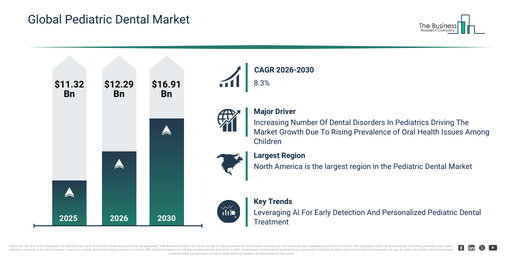
    The pediatric dental market size has demonstrated strong growth in recent years. The market is anticipated to increase from $11.32 billion in 2025 to $12.29 billion in 2026, achieving a compound annual growth rate (CAGR) of 8.6%. This historical expansion can be attributed to factors such as a rise in awareness regarding pediatric oral health, the proliferation of school-based dental programs, an increase in the prevalence of dental caries among children, enhanced access to pediatric dental services, and the development of specialty dental practices.

    The pediatric dental market size is projected for significant expansion in the coming years. This market is anticipated to reach $16.91 billion by 2030, demonstrating a compound annual growth rate (CAGR) of 8.3%. This expansion over the forecast period is driven by factors such as heightened demand for early orthodontic solutions, a growing emphasis on preventive dental health, broadened pediatric dental insurance access, greater integration of advanced restorative substances, and an increased priority on patient comfort and adherence. Key trends during this period encompass a stronger focus on preventive pediatric oral hygiene, the increasing application of minimally invasive dental techniques, a surging need for child-centric dental services, the proliferation of specialized pediatric dental facilities, and an elevated utilization of cutting-edge dental materials.

    Access Your Free Sample Report for In-Depth Market Insights:

    https://www.thebusinessresearchcompany.com/sample.aspx?id=25869&type=smp

    What Drivers Are Shaping The Development Of The Pediatric Dental Market?

    The rising incidence of dental disorders among children is anticipated to propel the expansion of the pediatric dental market. These pediatric dental conditions encompass various oral health issues like tooth decay, gum disease, and malocclusion that affect children and adolescents. The increase in these disorders among children is largely attributed to higher consumption of sugary foods and beverages, which fosters the proliferation of detrimental bacteria in the mouth, leading to tooth decay and cavities. Pediatric dental care is instrumental in preventing and managing these disorders by offering early diagnosis, prompt treatment, and ongoing oral health education tailored to children’s specific developmental needs, thereby mitigating the risk of complications such as tooth decay, gum disease, and misaligned teeth during their growth. For example, in March 2025, data from the Office for Health Improvement and Disparities, a UK-based government department, indicated that during the 2023 to 2024 period, 5-year-old schoolchildren residing in the most deprived fifth of the country were more than twice as likely to have experienced dentinal decay (32.2%) compared to those in the least deprived fifth (13.6%). Consequently, the growing number of dental disorders in pediatrics is a primary factor driving the growth of the pediatric dental market.

    Which Segments Are Contributing To The Growth Of The Pediatric Dental Market?

    The pediatric dental market covered in this report is segmented –

    1) By Type: Primary, Permanent

    2) By Disease Type: Dental Caries, Enamel Disorders, Other Diseases

    3) By Procedure Type: Pulpotomies, Stainless Steel Crowns (SSCs), Tooth Colored Fillings, Dental Cleaning (Prophylaxis), Other Procedures

    Subsegments:

    1) By Primary: Anterior Crowns, Posterior Crowns, Space Maintainers, Pulp Therapy Products

    2) By Permanent: Dental Sealants, Orthodontic Brackets, Restorative Materials, Fluoride Treatments

    How Are New Market Trends Shaping The Landscape Of The Pediatric Dental Market?

    Leading companies in the pediatric dental market are concentrating on utilizing advanced technologies, such as artificial intelligence (AI), to boost diagnostic accuracy, customize treatment approaches, and achieve better patient results in children’s oral healthcare. Artificial intelligence (AI), which describes machines’ capability to mimic human intellect like learning and decision-making, aids pediatric dental care by analyzing dental images to detect problems early and support precise diagnoses and treatment planning. For example, in March 2024, Overjet Inc., a US-based software development company, unveiled Overjet for Kids, an FDA-cleared artificial intelligence (AI) technology designed to identify, outline, and quantify tooth decay in children aged 4 and above. This allows pediatric dentists to spot cavities earlier, enhance diagnostic accuracy, and better communicate treatment necessities to parents. This AI tool examines dental X-rays to identify conditions in both primary and permanent teeth with high precision, resulting in a 57% reduction in missed cavities and a 25% improvement in case acceptance rates due to clearer visual explanations provided to families.

    Who Are The Top-Performing Companies In The Pediatric Dental Market In Recent Years?

    Major companies operating in the pediatric dental market are 3M Company, Henry Schein Inc., Dentsply Sirona Inc., Ultradent Products Inc., Dentaurum GmbH & Co. KG, VOCO America Inc., Shinhung Co. Ltd., GC America Inc., NuSmile Ltd., BISCO Inc., Pulpdent Corporation, Young Innovations Inc., Space Maintainers Laboratories Inc., Sprig Oral Health Technologies Inc., Acero Crowns Inc., Cheng Crowns, Kinder Krowns, Denovo Dental Inc., Kids Crown, Ivoclar Vivadent AG

    Access The Complete Report For Deeper Market Insights:

    https://www.thebusinessresearchcompany.com/report/pediatric-dental-global-market-report

    Which Region Currently Holds The Largest Share Of The Pediatric Dental Market?

    North America was the largest region in the pediatric dental market in 2025. Asia-Pacific is expected to be the fastest-growing region in the forecast period. The regions covered in the pediatric dental market report are Asia-Pacific, South East Asia, Western Europe, Eastern Europe, North America, South America, Middle East, Africa.

    Request Your Customized Pediatric Dental Market Research Report for Competitive Advantage:

    https://www.thebusinessresearchcompany.com/customise?id=25869&type=smp

    Browse Through More Reports Similar to the Global Pediatric Dental Market 2026, By The Business Research Company

    Therapeutic Dental Equipment Market Report 2026

    https://www.thebusinessresearchcompany.com/report/therapeutic-dental-equipment-global-market-report

    Dental Services Market 2026

    https://www.thebusinessresearchcompany.com/report/dental-services-market

    Digital Dentistry Market Report 2026

    https://www.thebusinessresearchcompany.com/report/digital-dentistry-global-market-report

    Get in touch with us:

    The Business Research Company: https://www.thebusinessresearchcompany.com/

    Americas +1 310-496-7795

    Asia +44 7882 955267 & +91 8897263534

    Europe +44 7882 955267

    Email us at info@tbrc.info

    Follow us on:

    LinkedIn: https://in.linkedin.com/company/the-business-research-company

    YouTube: https://www.youtube.com/channel/UC24_fI0rV8cR5DxlCpgmyFQ

    Global Market Model: https://www.thebusinessresearchcompany.com/global-market-model
  • Non-Proliferative Diabetic Retinopathy Market Outlook 2026–2035: Growth Drivers and Industry Forecast

    Non-Proliferative Diabetic Retinopathy Market Outlook 2026–2035: Growth Drivers and Industry Forecast

    Uncover key drivers, emerging technologies, and competitive movements shaping the non-proliferative diabetic retinopathy market from 2026–2035 with trusted insights from The Business Research Company

    Across 2026–2030, what is the expected market valuation path of the Non-Proliferative Diabetic Retinopathy Market?

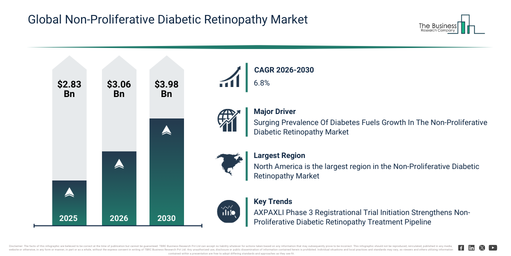
    The non-proliferative diabetic retinopathy market has witnessed substantial growth in recent years. It is anticipated to expand from $2.83 billion in 2025 to $3.06 billion in 2026, exhibiting a compound annual growth rate (CAGR) of 8.0%. This historical growth can be attributed to the widespread occurrence of diabetes, insufficient understanding of retinal complications, a reliance on traditional laser treatments, infrequent use of intravitreal injections, and inadequate screening facilities.

    The market for non-proliferative diabetic retinopathy is projected to experience substantial expansion over the upcoming years. This market is anticipated to reach a valuation of $3.98 billion by 2030, driven by a compound annual growth rate (CAGR) of 6.8%. Several factors are contributing to this projected growth, including the increasing occurrence of diabetic retinopathy, wider acceptance of anti-VEGF and steroid treatments, the proliferation of ophthalmology clinics and specialized centers, advancements in retinal imaging technologies, and enhanced patient education and early detection initiatives. Key trends anticipated during the forecast period encompass the increasing application of anti-VEGF therapy in npdr, greater utilization of intraocular steroid injections, the rising implementation of sophisticated laser surgery methods, wider adoption of vitrectomy procedures, and the progressing incorporation of AI-powered retinal imaging and diagnostic tools.

    Access Your Free Sample Report for In-Depth Market Insights:

    https://www.thebusinessresearchcompany.com/sample.aspx?id=15620&type=smp

    Which Drivers Are Supporting The Rise Of The Non-Proliferative Diabetic Retinopathy Market?

    The expanding occurrence of diabetes is projected to fuel the expansion of the non-proliferative diabetic retinopathy market moving ahead. This condition is a persistent metabolic ailment marked by high blood glucose levels, resulting from either insufficient insulin production by the pancreas or the body’s cells developing resistance to insulin’s effects. Contributing factors to diabetes include inactive lifestyles, poor eating habits, and hereditary inclinations. Diabetes leads to non-proliferative diabetic retinopathy through damage to the retinal blood vessels, predominantly from extended periods of high blood glucose, which can cause vision problems and eventual blindness. As an illustration, the National Health Service (NHS), a UK government body, reported in June 2024 that in 2023, more than 549,000 new individuals in England were identified as being at risk of type 2 diabetes. This increased the total number of people with non-diabetic hyperglycemia, or pre-diabetes, registered with a GP to 3,615,330. This figure shows a notable increase from 3,065,825 in 2022, indicating an almost 20% surge. Consequently, the growing incidence of diabetes is a key driver for the expansion of the non-proliferative diabetic retinopathy market.

    What Segments Are Identified Within The Structure Of The Non-Proliferative Diabetic Retinopathy Market?

    The non-proliferative diabetic retinopathy market covered in this report is segmented –

    1) By Treatment Type: Anti-Vascular Endothelial Growth Factor (VEGF) Therapy, Intraocular Steroid Injection, Laser Surgery, Vitrectomy

    2) By Disease Severity Level: Mild Non-Proliferative Diabetic Retinopathy, Moderate Non-Proliferative Diabetic Retinopathy, Severe Non-Proliferative Diabetic Retinopathy

    3) By End-User: Hospitals, Specialty Clinics, Ambulatory Surgical Centers, Other End-Users

    Subsegments:

    1) By Anti-Vascular Endothelial Growth Factor (VEGF) Therapy: Bevacizumab (Avastin), Ranibizumab (Lucentis), Aflibercept (Eylea), Pegaptanib (Macugen)

    2) By Intraocular Steroid Injection: Triamcinolone Acetonide, Dexamethasone Implant (Ozurdex), Fluocinolone Acetonide Implant (Iluvien)

    3) By Laser Surgery: Focal Laser Photocoagulation, Panretinal Photocoagulation

    4) By Vitrectomy: Pars Plana Vitrectomy (PPV), Membrane Peeling Vitrectomy, Phaco-Vitrectomy (Combined Cataract And Vitrectomy Surgery)

    What Trends Are Projected To Support The Growth Of The Non-Proliferative Diabetic Retinopathy Market?

    Leading companies in the non-proliferative diabetic retinopathy (NPDR) market are prioritizing the development of advanced clinical solutions, such as Phase 3 registrational trial enrollment, to enhance therapeutic validation, generate robust evidence, and support regulatory approval for emerging NPDR treatments. This type of enrollment involves the formal initiation and randomization of patients into a pivotal late-stage clinical trial, specifically designed to produce comprehensive efficacy and safety data essential for market authorization of a therapeutic intervention. For instance, in November 2025, Ocular Therapeutix, a US-based biopharmaceutical company specializing in retinal diseases, announced the first patient randomization in the HELIOS-3 Phase 3 registrational program assessing AXPAXLI (OTX-TKI) for NPDR. AXPAXLI is an investigational bioresorbable intravitreal hydrogel that contains axitinib, a tyrosine kinase inhibitor with anti-angiogenic activity, engineered to deliver sustained therapy with fewer injections. The HELIOS-3 trial, along with HELIOS-2, employs a novel ordinal =2-step Diabetic Retinopathy Severity Score (DRSS) improvement as the primary endpoint and includes patients with non-center-involved diabetic macular edema (non-CI-DME), thereby positioning AXPAXLI as a potentially transformative option for durable and effective NPDR management.

    Which Key Market Players Are Investing In Expansion And Innovation Within The Non-Proliferative Diabetic Retinopathy Market?

    Major companies operating in the non-proliferative diabetic retinopathy market are Pfizer Inc., Johnson & Johnson, F. Hoffmann-La Roche AG, AbbVie Inc., Bayer AG, Abbott Laboratories, Novartis AG, Regeneron Pharmaceuticals Inc., Bausch Health Companies Inc., Genentech Inc., Carl Zeiss Meditec AG, ZEISS Group, Santen Pharmaceutical Co. Ltd., Santen Inc., Topcon Corporation, Lumenis Ltd., Alimera Science, Ocular Therapeutix Inc., Acucela Inc., Kowa Company Ltd.

    Access The Complete Report For Deeper Market Insights:

    https://www.thebusinessresearchcompany.com/report/non-proliferative-diabetic-retinopathy-global-market-report

    Which Regions Are Projected To Dominate The Non-Proliferative Diabetic Retinopathy Market In The Coming Years?

    North America was the largest region in the non-proliferative diabetic retinopathy market in 2025. Asia-Pacific is expected to be the fastest-growing region in the forecast period. The regions covered in the non-proliferative diabetic retinopathy market report are Asia-Pacific, South East Asia, Western Europe, Eastern Europe, North America, South America, Middle East, Africa.

    Request Your Customized Non-Proliferative Diabetic Retinopathy Market Research Report for Competitive Advantage:

    https://www.thebusinessresearchcompany.com/customise?id=15620&type=smp

    Browse Through More Reports Similar to the Global Non-Proliferative Diabetic Retinopathy Market 2026, By The Business Research Company

    Diabetic Neuropathy Market Report 2026

    https://www.thebusinessresearchcompany.com/report/diabetic-neuropathy-global-market-report

    Diabetic Retinopathy Market Report 2026

    https://www.thebusinessresearchcompany.com/report/diabetic-retinopathy-global-market-report

    Proliferative Diabetic Retinopathy Pdr Market Report 2026

    https://www.thebusinessresearchcompany.com/report/proliferative-diabetic-retinopathy-pdr-global-market-report

    Get in touch with us:

    The Business Research Company: https://www.thebusinessresearchcompany.com/

    Americas +1 310-496-7795

    Asia +44 7882 955267 & +91 8897263534

    Europe +44 7882 955267

    Email us at info@tbrc.info

    Follow us on:

    LinkedIn: https://in.linkedin.com/company/the-business-research-company

    YouTube: https://www.youtube.com/channel/UC24_fI0rV8cR5DxlCpgmyFQ

    Global Market Model: https://www.thebusinessresearchcompany.com/global-market-model