Category: Healthcare Services

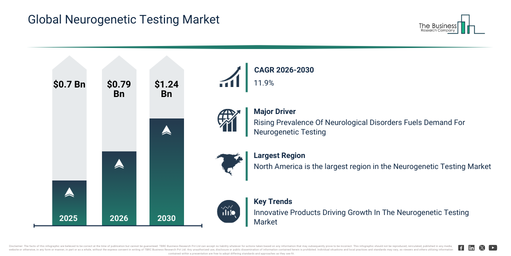
  • Neurogenetic Testing Market Growth Projection: Expected to Surpass $1.24 Billion by 2030 at 11.9% CAGR

    Neurogenetic Testing Market Growth Projection: Expected to Surpass $1.24 Billion by 2030 at 11.9% CAGR

    Uncover key drivers, emerging technologies, and competitive movements shaping the neurogenetic testing market from 2026–2035 with trusted insights from The Business Research Company

    What is the expected shift in the Neurogenetic Testing Market’s size between 2026 and 2030?

    The neurogenetic testing market size has seen rapid expansion in recent years. This market is set to increase from $0.7 billion in 2025 to $0.79 billion in 2026, achieving a compound annual growth rate (CAGR) of 13.5%. The market’s past growth can be attributed to the early adoption of PCR-based genetic testing, the rising incidence of inherited neurological disorders, the increased utilization of microarray platforms, advancements in early diagnostic techniques, and the initial integration of genetic screening into clinical workflows.

    The neurogenetic testing market is anticipated to undergo significant growth in the upcoming years, with its valuation expected to reach $1.24 billion by 2030, exhibiting a compound annual growth rate (CAGR) of 11.9%. This projected expansion during the forecast period is driven by factors such as the increasing demand for next-generation sequencing, the expanding application of clinical exome sequencing, a rise in investment dedicated to genetic research, the development of sophisticated molecular diagnostic tools, and the growing adoption of personalized neurological treatment approaches. Key trends for this period include the increased uptake of whole-exome sequencing technologies, a greater reliance on PCR-based neurological genetic tests, the broader implementation of microarray analysis, an expansion in testing capabilities for rare neurological genetic disorders, and a growing emphasis on early diagnosis and predictive testing.

    Access Your Free Sample Report for In-Depth Market Insights:

    https://www.thebusinessresearchcompany.com/sample.aspx?id=16131&type=smp

    Which Drivers Are Shaping Strategic Decisions In The Neurogenetic Testing Market?

    An increase in the occurrence of neurological conditions is anticipated to fuel the expansion of the neurogenetic testing market. These conditions encompass any ailments impacting the nervous system, specifically the brain, spinal cord, and nerves. Their increasing occurrence can be attributed to factors such as genetic predisposition, infections, physical trauma, exposure to toxins, autoimmune reactions, and degenerative processes. Neurogenetic testing substantially improves the diagnosis, therapeutic approaches, and overall management of neurological disorders. It achieves this by providing individualized understanding of genetic predispositions, aiding in treatment selection, and enabling patients and their families to make well-informed health decisions, ultimately leading to better patient care and results. As an illustration, in October 2023, the World Federation of Neurology, a UK-based charity, reported that neurological disorders, indicating a rapidly growing global health burden, are now the second-leading cause of mortality and the primary contributor to disability globally. More than 40 percent of the world’s population was affected in 2023, and the count of people suffering from brain diseases is expected to nearly double by 2050. Consequently, the growing frequency of neurological disorders is set to stimulate the expansion of the neurogenetic testing market.

    What Segment Classifications Make Up The Neurogenetic Testing Market?

    The neurogenetic testing market covered in this report is segmented –

    1) By Type: Microarray Analysis, Whole-Exome Sequencing (WES), Multiplex Ligation Dependent Probe Amplification (MLPA), Polymerase Chain Reaction (PCR) Tests, Other Types

    2) By Disease: Rare Genetic Disorder, Huntington’s Disease, Fragile X Syndrome, Other Diseases

    3) By End-Users: Hospitals, Specialty Clinics, Research Institutes, Diagnostics Laboratories

    Subsegments:

    1) By Microarray Analysis: Comparative Genomic Hybridization (CGH) Microarray, Single Nucleotide Polymorphism (SNP) Microarray, Gene Expression Microarray

    2) By Whole-Exome Sequencing (WES): Targeted Exome Sequencing, Clinical Exome Sequencing, Research-Grade Exome Sequencing

    3) By Multiplex Ligation Dependent Probe Amplification (MLPA): MLPA For Copy Number Variation, MLPA For Methylation Analysis, MLPA For Specific Disease Detection

    4) By Polymerase Chain Reaction (PCR) Tests: Quantitative PCR (qPCR), Reverse Transcription PCR (RT-PCR), Digital PCR (dPCR)

    5) By Other Types: Next-Generation Sequencing (NGS), Southern Blotting, Fluorescence In Situ Hybridization (FISH), Sanger Sequencing

    What Trends Are Expected To Impact The Competitive Landscape Of The Neurogenetic Testing Market?

    Major companies within the neurogenetic testing market are actively developing innovative solutions, such as whole-genome sequencing, to improve the precision and extent of genetic analysis, thereby providing more thorough and individualized testing for neurological conditions. Whole-genome sequencing (WGS) represents a comprehensive genetic testing approach that involves mapping an individual’s entire DNA sequence. For example, in March 2024, Nucleus Genomics, a US-based company specializing in genetic analysis, introduced a new DNA analysis product. This platform is designed to furnish individuals with a deeper insight into their genetic predispositions, enabling them to make knowledgeable choices concerning their health and overall welfare. By combining state-of-the-art technology with expert genetic counseling services, Nucleus Genomics intends to reshape the field of genetic testing, making whole-genome sequencing directly available to people and revolutionizing genomic medicine.

    Which Major Industry Participants Are Leading The Neurogenetic Testing Market Growth?

    Major companies operating in the neurogenetic testing market are Thermo Fisher Scientific Inc., Mayo Clinic, Roche Diagnostics Corporation, Laboratory Corporation, Quest Diagnostics Incorporated, Eurofins Scientific Inc., Agilent Technologies Inc., PerkinElmer Inc., Illumina Inc., Bio-Rad Laboratories Inc., QIAGEN N.V., Myriad Genetics Inc., BioReference Laboratories Inc., Connecticut Children’s, Invitae Corp., Ambry Genetics Corporation, Fulgent Genetics Inc., Blueprint Genetics Inc., GeneDx LLC, Pacific Biosciences of California Inc., MedGenome Labs, CENTOGENE, Baylor Genetics, Victorian Clinical Genetics Services

    Access The Complete Report For Deeper Market Insights:

    https://www.thebusinessresearchcompany.com/report/neurogenetic-testing-global-market-report

    Which Geographic Areas Are Emerging As Strong Markets For The Neurogenetic Testing Market?

    North America was the largest region in the neurogenetic testing market in 2025. Asia-Pacific is expected to be the fastest-growing region in the forecast period. The regions covered in the neurogenetic testing market report are Asia-Pacific, South East Asia, Western Europe, Eastern Europe, North America, South America, Middle East, Africa.

    Request Your Customized Neurogenetic Testing Market Research Report for Competitive Advantage:

    https://www.thebusinessresearchcompany.com/customise?id=16131&type=smp

    Browse Through More Reports Similar to the Global Neurogenetic Testing Market 2026, By The Business Research Company

    Dna Testing Market Report 2026

    https://www.thebusinessresearchcompany.com/report/dna-testing-global-market-report

    Genetic Testing Market Report 2026

    https://www.thebusinessresearchcompany.com/report/genetic-testing-global-market-report

    Prenatal And Newborn Genetic Testing Market Report 2026

    https://www.thebusinessresearchcompany.com/report/prenatal-and-newborn-genetic-testing-global-market-report

    Get in touch with us:

    The Business Research Company: https://www.thebusinessresearchcompany.com/

    Americas +1 310-496-7795

    Asia +44 7882 955267 & +91 8897263534

    Europe +44 7882 955267

    Email us at info@tbrc.info

    Follow us on:

    LinkedIn: https://in.linkedin.com/company/the-business-research-company

    YouTube: https://www.youtube.com/channel/UC24_fI0rV8cR5DxlCpgmyFQ

    Global Market Model: https://www.thebusinessresearchcompany.com/global-market-model
  • Neurofibromatosis Type 1 Market Forecast 2026–2035: How to Leverage Market Growth

    Neurofibromatosis Type 1 Market Forecast 2026–2035: How to Leverage Market Growth

    Uncover key drivers, emerging technologies, and competitive movements shaping the neurofibromatosis type 1 market from 2026–2035 with trusted insights from The Business Research Company

    What growth pattern is forecast for the Neurofibromatosis Type 1 Market size between 2026 and 2035?

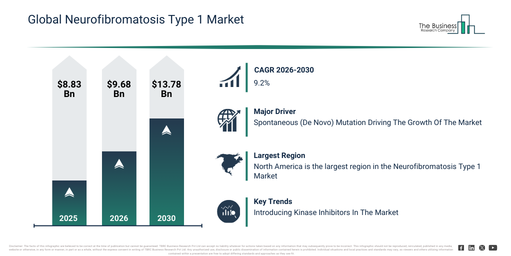
    The neurofibromatosis type 1 market has experienced robust expansion in recent years. It is projected to expand from $8.83 billion in 2025 to $9.68 billion in 2026, exhibiting a compound annual growth rate (CAGR) of 9.6%. This historical growth is attributable to several key factors, including the prompt recognition of NF1 symptoms, the creation of effective pain management therapies, an increase in the diagnosis of plexiform neurofibromas, the implementation of surgical removal for tumors, and increasing public understanding of genetic counseling.

    The neurofibromatosis type 1 market is projected to experience substantial expansion in the coming years. This market is anticipated to reach a valuation of $13.78 billion by 2030, exhibiting a compound annual growth rate (CAGR) of 9.2%. This projected growth during the forecast period is primarily driven by factors such as an increasing demand for targeted nf1 therapies, greater investment in precision oncology, the broadening of treatment options for optic gliomas, enhanced access to advanced imaging technologies, and the creation of innovative gene-based treatments. Key trends expected within the forecast period encompass the expanded application of targeted therapy for tumor reduction, a heightened demand for early nf1 genetic testing, an increase in surgical interventions for tumor removal, the growing uptake of radiation therapy for optic gliomas, and an intensified emphasis on supportive care and counseling services.

    Access Your Free Sample Report for In-Depth Market Insights:

    https://www.thebusinessresearchcompany.com/sample.aspx?id=21230&type=smp

    Which Drivers Are Impacting Market Performance In The Neurofibromatosis Type 1 Market?

    The market for neurofibromatosis type 1 (NF1) is anticipated to experience growth driven by spontaneous (de novo) mutations. A spontaneous (de novo) mutation is defined as a genetic change occurring for the initial time in an individual, originating from DNA replication errors or environmental influences, rather than being passed down through inheritance. The increase in spontaneous (de novo) mutations can be linked to factors such as elevated parental age, environmental elements like radiation and chemical exposure, and mistakes in DNA replication processes during cell division. Neurofibromatosis type 1 (NF1) itself contributes to these spontaneous (de novo) mutations because of the NF1 gene’s high mutation rate, often experiencing significant deletions, insertions, or point mutations during gametogenesis, resulting in new cases even without a prior family history. For example, in August 2023, a report from the US-based peer-reviewed journal, Molecular Biology and Evolution, indicated that 1.17 million autosomal and pseudoautosomal variants, with an average of 11,007 variants per offspring, successfully passed the Mendelian violation filter. Out of these, 534 suspected de novo mutations (DNMs) were found in POR and TVA families, not counting those shared between siblings. Consequently, spontaneous (de novo) mutation serves as a key driver for the expansion of the neurofibromatosis type 1 (NF1) market.

    What Segment Types Are Examined In The Neurofibromatosis Type 1 Market?

    The neurofibromatosis type 1 market covered in this report is segmented –

    1) By Treatment: Medication, Surgery, Radiation Therapy, Other Treatments

    2) By Disease Type: Plexiform Neurofibromas, Cutaneous Neurofibromas, Optic Gliomas, Other Diseases

    3) By Distribution Channel: Hospital Pharmacies, Retail Pharmacies, Online Pharmacies

    4) By End User: Hospitals, Specialty Clinics, Ambulatory Surgical Centers, Other End Users

    Subsegments:

    1) By Medication: Targeted Therapy, Pain Management Medications, Anticonvulsants

    2) By Surgery: Tumor Removal Surgery, Nerve Decompression Surgery

    3) By Radiation Therapy: Stereotactic Radiosurgery, External Beam Radiation Therapy

    4) By Other Treatments: Physical Therapy, Genetic Counseling, Psychological Support And Counseling

    Which Trends Are Guiding The Evolution Of The Neurofibromatosis Type 1 Market?

    Leading companies in the neurofibromatosis type 1 (NF1) market are concentrating on introducing innovative products, such as kinase inhibitors, to enhance targeted treatment and patient outcomes. A kinase inhibitor is a drug type that impedes the function of kinases, which are enzymes vital for transferring phosphate groups to proteins, thereby regulating various cellular processes. For instance, in May 2023, AstraZeneca plc, a UK-based pharmaceutical industry company, obtained approval from China for Koselugo (selumetinib). This medication is intended for treating symptomatic, inoperable plexiform neurofibromas (PN) in pediatric patients aged three years and above who have neurofibromatosis type 1 (NF1). This approval broadens the selection of targeted treatment options for pediatric NF1 patients, improving disease management and overall quality of life. The introduction of Koselugo (selumetinib) in China aligns with the rising emphasis on precision medicine, presenting a non-surgical alternative for managing inoperable plexiform neurofibromas.

    Who Are The Prominent Global Companies Shaping The Neurofibromatosis Type 1 Market Landscape?

    Major companies operating in the neurofibromatosis type 1 market are Pfizer Inc, F. Hoffmann-La Roche Ltd, Merck & Co. Inc, Novartis AG, Takeda Pharmaceutical Company Limited, Vertex Pharmaceuticals Incorporated, BeiGene Ltd, BioMarin Pharmaceutical Inc, Blueprint Medicines Corporation, SpringWorks Therapeutics Inc, Healx Limited, Infixion Bioscience Limited, NFlection Therapeutics Inc, Pasithea Therapeutics Corporation, Mulberry Biotherapeutics Inc, CureAge Therapeutics, Fosun Pharmaceutical Group Co Ltd, AstraZeneca Plc, Genentech Inc, Regeneron Pharmaceuticals Inc, Amgen Inc, AbbVie Inc, GL Pharm Tech Corporation, ReCode Therapeutics Inc.

    Access The Complete Report For Deeper Market Insights:

    https://www.thebusinessresearchcompany.com/report/neurofibromatosis-type-1-global-market-report

    Which Region Is Projected To Lead The Neurofibromatosis Type 1 Market During The Forecast Period?

    North America was the largest region in the neurofibromatosis type 1 (NF1) market in 2025. Asia-Pacific is expected to be the fastest-growing region in the forecast period. The regions covered in the neurofibromatosis type 1 market report are Asia-Pacific, South East Asia, Western Europe, Eastern Europe, North America, South America, Middle East, Africa.

    Request Your Customized Neurofibromatosis Type 1 Market Research Report for Competitive Advantage:

    https://www.thebusinessresearchcompany.com/customise?id=21230&type=smp

    Browse Through More Reports Similar to the Global Neurofibromatosis Type 1 Market 2026, By The Business Research Company

    Acoustic Neuroma Market Report 2026

    https://www.thebusinessresearchcompany.com/report/acoustic-neuroma-global-market-report

    Idiopathic Pulmonary Fibrosis Market Report 2026

    https://www.thebusinessresearchcompany.com/report/idiopathic-pulmonary-fibrosis-global-market-report

    Rare Neurological Disease Treatment Market Report 2026

    https://www.thebusinessresearchcompany.com/report/rare-neurological-disease-treatment-global-market-report

    Get in touch with us:

    The Business Research Company: https://www.thebusinessresearchcompany.com/

    Americas +1 310-496-7795

    Asia +44 7882 955267 & +91 8897263534

    Europe +44 7882 955267

    Email us at info@tbrc.info

    Follow us on:

    LinkedIn: https://in.linkedin.com/company/the-business-research-company

    YouTube: https://www.youtube.com/channel/UC24_fI0rV8cR5DxlCpgmyFQ

    Global Market Model: https://www.thebusinessresearchcompany.com/global-market-model
  • Global Neurofibromatosis Treatment Market 2026–2030: Forecast Insights for Business Planning

    Global Neurofibromatosis Treatment Market 2026–2030: Forecast Insights for Business Planning

    Uncover key drivers, emerging technologies, and competitive movements shaping the neurofibromatosis treatment market from 2026–2035 with trusted insights from The Business Research Company

    How much larger will the Neurofibromatosis Treatment Market be in 2030 compared with 2026?

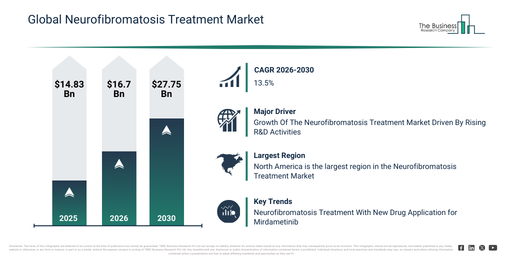
    The size of the neurofibromatosis treatment market has expanded considerably in recent years. This market is forecast to expand from $14.83 billion in 2025 to $16.7 billion in 2026, achieving a compound annual growth rate (CAGR) of 12.6%. Factors contributing to this historical growth encompass increased diagnosis of neurofibromatosis disorders, the initial acceptance of surgical tumor removal, progress in radiation therapy methods, greater awareness of genetic disorders, and the emergence of targeted therapy options.

    The neurofibromatosis treatment market is anticipated to experience substantial expansion over the upcoming years. This market is projected to reach $27.75 billion by 2030, demonstrating a compound annual growth rate (CAGR) of 13.5%. This projected growth during the forecast period is attributable to several factors, including the increasing need for precision oncology treatments, enhanced accessibility of genetic testing tools, heightened investment in developing tumor-targeting drugs, the broadening range of minimally invasive surgical choices, and the creation of innovative pain management solutions. Key trends anticipated within the forecast timeframe encompass the expanding application of targeted drug therapies for tumor reduction, the increasing uptake of surgical interventions for managing complications, a rising demand for radiation therapy specifically in NF2 cases, the broadening scope of genetic counseling and early detection initiatives, and an intensified emphasis on managing pain and controlling symptoms.

    Access Your Free Sample Report for In-Depth Market Insights:

    https://www.thebusinessresearchcompany.com/sample.aspx?id=12996&type=smp

    What Drivers Are Guiding Growth Patterns In The Neurofibromatosis Treatment Market?

    The neurofibromatosis treatment market is projected to expand due to the rise in research and development (R&D) efforts. R&D encompasses structured, goal-oriented endeavors focused on uncovering novel knowledge, creating advanced technologies, and enhancing products or services via scientific investigation and technical trials. The escalating demand for more efficacious and precise medical solutions is a significant impetus behind this rise in R&D, prompting organizations to fund new scientific methods that can fulfill unmet clinical requirements and enhance long-term patient results. Within this framework, progress in neurofibromatosis treatment further strengthens the impetus of growing R&D by showcasing the benefits of sustained innovation in intricate disease fields and inspiring more investigation into therapeutic innovations. As an illustration, the Office for National Statistics, a UK statistics authority, reported in April 2025 that the UK government’s net spending on research and development rose to £17.4 billion ($21.8 billion) in 2023 from £16.1 billion ($20.1 billion) in 2022, marking an 8.2% increase. Consequently, the expanding research and development (R&D) endeavors are propelling the growth of the neurofibromatosis treatment market.

    Which Segments Are Driving Activity In The Neurofibromatosis Treatment Market?

    The neurofibromatosis treatment market covered in this report is segmented –

    1) By Type: Neurofibromatosis 1 (NF1), Neurofibromatosis 2 (NF2), Schwannomatosis

    2) By Treatment: Medications, Surgery, Radiation Therapy, Other Treatments

    3) By End-User: Hospitals, Clinics, Other End Users

    Subsegments:

    1) By Neurofibromatosis 1 (NF1): Surgical Interventions, Medication for Symptom Management, Genetic Counseling

    2) By Neurofibromatosis 2 (NF2): Surgical Interventions, Radiation Therapy, Medication For Symptom Management

    3) By Schwannomatosis: Surgical Interventions, Pain Management Therapies, Genetic Counseling

    What Trends Are Projected To Support The Growth Of The Neurofibromatosis Treatment Market?

    Leading companies in the neurofibromatosis treatment market are engaged in developing innovative drugs and experimental targeted therapies, such as MEK inhibitors, to maintain their presence in the sector. A MEK inhibitor is a category of targeted treatments that functions by blocking the MEK enzyme, which is part of the MAPK signaling pathway, thereby aiding in the management of cancers and genetic conditions like neurofibromatosis through the suppression of cell growth and tumor progression. For example, in March 2024, SpringWorks Therapeutics, Inc., a US-based biopharmaceutical company, concluded its new drug application submission to the FDA for Mirdametinib, purposed for treating both children and adults with NF1-PN. Mirdametinib operates as a selective MEK inhibitor, specifically formulated to target pathways crucial for the growth of neurofibromas. The FDA’s forthcoming review process will scrutinize the safety and effectiveness of this treatment, holding the potential to significantly enhance results for individuals affected by NF1-PN.

    Which Key Players Are Driving Competition In The Neurofibromatosis Treatment Market?

    Major companies operating in the neurofibromatosis treatment market are Pfizer Inc., F. Hoffmann-La Roche AG, Merck & Co. Inc., Novartis AG, Sanofi S.A., AstraZeneca plc, GSK PLC, Takeda Pharmaceutical Company Limited, Eli Lilly and Company, Amgen Inc., Vertex Pharmaceuticals Inc., BioMarin Pharmaceutical, BioXcel Therapeutics Inc., Blueprint Medicines Corp., SpringWorks Therapeutics, Affymax Inc., NFlection Therapeutics Inc., Mulberry Biotherapeutics, CureAge Therapeutics, Recursion Pharmaceuticals, Vivace Therapeutics, Healx Limited, NF2 Therapeutics Inc.

    Access The Complete Report For Deeper Market Insights:

    https://www.thebusinessresearchcompany.com/report/neurofibromatosis-treatment-global-market-report

    Which Region Currently Holds The Largest Share Of The Neurofibromatosis Treatment Market?

    North America was the largest region in the neurofibromatosis treatment market in 2025. The regions covered in the neurofibromatosis treatment market report are Asia-Pacific, South East Asia, Western Europe, Eastern Europe, North America, South America, Middle East, Africa.

    Request Your Customized Neurofibromatosis Treatment Market Research Report for Competitive Advantage:

    https://www.thebusinessresearchcompany.com/customise?id=12996&type=smp

    Browse Through More Reports Similar to the Global Neurofibromatosis Treatment Market 2026, By The Business Research Company

    Uterine Fibroids Treatment Market Report 2026

    https://www.thebusinessresearchcompany.com/report/uterine-fibroids-treatment-global-market-report

    Fibromyalgia Treatment Market Report 2026

    https://www.thebusinessresearchcompany.com/report/fibromyalgia-treatment-global-market-report

    Rare Neurological Disease Treatment Market Report 2026

    https://www.thebusinessresearchcompany.com/report/rare-neurological-disease-treatment-global-market-report

    Get in touch with us:

    The Business Research Company: https://www.thebusinessresearchcompany.com/

    Americas +1 310-496-7795

    Asia +44 7882 955267 & +91 8897263534

    Europe +44 7882 955267

    Email us at info@tbrc.info

    Follow us on:

    LinkedIn: https://in.linkedin.com/company/the-business-research-company

    YouTube: https://www.youtube.com/channel/UC24_fI0rV8cR5DxlCpgmyFQ

    Global Market Model: https://www.thebusinessresearchcompany.com/global-market-model
  • Neurofeedback System Market Outlook 2026–2035: Growth Drivers and Industry Forecast

    Neurofeedback System Market Outlook 2026–2035: Growth Drivers and Industry Forecast

    Uncover key drivers, emerging technologies, and competitive movements shaping the neurofeedback system market from 2026–2035 with trusted insights from The Business Research Company

    Starting from its 2026 valuation, what market size is the Neurofeedback System Market expected to reach by 2030?

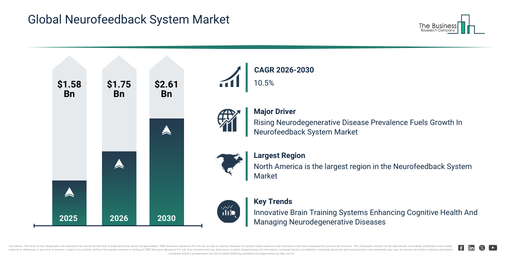
    The neurofeedback system market has experienced significant expansion in recent years. It is projected to increase from $1.58 billion in 2025 to $1.75 billion in 2026, demonstrating a compound annual growth rate (CAGR) of 10.8%. This growth observed in the past can be linked to factors such as the rising utilization of neurofeedback in clinical research, an increase in the diagnosis of neurological disorders, the development of specialized neurotherapy practices, the availability of advanced imaging technologies, and a greater acceptance of non-invasive brain therapies.

    The neurofeedback system market is projected to experience substantial growth over the coming years. Its size is anticipated to reach $2.61 billion by 2030, exhibiting a compound annual growth rate (CAGR) of 10.5%. This expansion during the projection period stems from escalating investments in brain-computer interface research, a surging demand for precise neurotherapy systems, the broadening acceptance of clinical neurofeedback, increasing integration with digital health platforms, and an amplified emphasis on customized brain training solutions. Key developments expected within the forecast timeframe encompass the rising uptake of sophisticated neurofeedback system platforms, the increasing incorporation of real-time brain monitoring technologies, the expanding application of AI-driven signal processing, a wider array of clinical and research applications, and a heightened concentration on precise brain mapping.

    Access Your Free Sample Report for In-Depth Market Insights:

    https://www.thebusinessresearchcompany.com/sample.aspx?id=19610&type=smp

    What Drivers Are Driving Adoption Within The Neurofeedback System Market?

    The growing occurrence of neurodegenerative conditions is anticipated to drive the expansion of the neurofeedback systems market in the coming years. These diseases involve the gradual deterioration of brain and nervous system function, resulting in impairments in memory, motor skills, and cognitive processes. Well-known neurodegenerative diseases include Alzheimer’s disease, Parkinson’s disease, amyotrophic lateral sclerosis (ALS), Huntington’s disease, multiple sclerosis (MS), and frontotemporal dementia (FTD). The higher incidence of neurodegenerative diseases can be attributed to an aging global population, enhanced diagnostic methods and public awareness, and various lifestyle elements. While neurofeedback presents promising methods for managing neurodegenerative disorders, it is typically utilized as a supplementary therapy alongside standard medical treatments. Customizing neurofeedback protocols to suit individual patient requirements and responses is crucial for achieving the best possible results. For example, the Parkinson Foundation, a US-based governmental body, reported that the annual incidence of Parkinson’s disease (PD) among the elderly is 50% higher than the current projection of 60,000 cases. Additionally, an estimated 1.2 million additional Americans are projected to develop Parkinson’s disease by 2030. Consequently, the rising prevalence of neurodegenerative diseases is fueling the expansion of the neurofeedback systems market.

    How Is The Neurofeedback System Market Organized Into Various Segments?

    The neurofeedback system market covered in this report is segmented –

    1) By System: Frequency And Power Neurofeedback System, Slow Cortical Potential Neurofeedback (SCP-NF) System, Low-Energy Neurofeedback System (LENS), Hemoencephalographic (HEG) Neurofeedback System

    2) By Application: Attention Deficit Hyperactivity Disorder (ADHD), Anxiety, Depression, Epilepsy, Insomnia, Drug Addiction

    3) By End-User: Hospitals, Physician Office

    Subsegments:

    1) By Frequency and Power Neurofeedback System: Theta-Beta Neurofeedback Systems, Alpha Neurofeedback Systems, Gamma Neurofeedback Systems

    2) By Slow Cortical Potential Neurofeedback (SCP-NF) System: SCP Training Systems, SCP Signal Processing Systems, SCP Feedback Devices

    3) By Low-Energy Neurofeedback System (LENS): LENS Devices For ADHD, LENS Devices For Anxiety and Depression, LENS Training Software

    4) By Hemoencephalographic (HEG) Neurofeedback System: Near-Infrared HEG Systems, Infrared HEG Systems, HEG Training Devices

    Which Trends Are Influencing The Performance And Direction Of The Neurofeedback System Market?

    Leading companies in the neurofeedback systems market are dedicating their efforts to creating advanced systems, including brain training systems, with the goal of improving cognitive function, enhancing mental well-being, and alleviating symptoms linked to neurodegenerative diseases. Brain training systems, often known as neurofeedback systems, are engineered to optimize cognitive abilities and emotional regulation by delivering live feedback on brain activity. As an illustration, in October 2023, Sens.ai, an innovative company based in Canada, introduced its At-Home Brain Training System. This ground-breaking product integrates diverse cutting-edge technologies into an easy-to-use device that comprises a headset and an interactive app experience. The system prioritizes user convenience, allowing individuals to engage in brain training sessions that can be as brief as 15 minutes. The app presents a range of dynamic programs and missions designed to address prevalent issues such as sleep, stress, and focus.

    Who Are The Top-Performing Companies In The Neurofeedback System Market In Recent Years?

    Major companies operating in the neurofeedback system market are Thought Technology Ltd., NeurOptimal, EMOTIV Inc., EEG Info, ANT Neuro b.v., NeuroCare Group, NeuroSky’s, Neuroelectrics Corporation, Brain Master Technologies Inc., Mind Media Inc., Neurofield Inc., Brain Vision LLC, Mitsar Co. Ltd., Mind Alive Inc., Bee Medic LLC, Myndlift, Braincore, Divergent Technologies Inc., MIndfield Biosystems Ltd., NIRx Medical Technologies LLC

    Access The Complete Report For Deeper Market Insights:

    https://www.thebusinessresearchcompany.com/report/neurofeedback-system-global-market-report

    How Does The Neurofeedback System Market Perform Across Major Global Regions?

    North America was the largest region in the neurofeedback system market in 2025. Asia-Pacific is expected to be the fastest-growing region in the forecast period. The regions covered in the neurofeedback system market report are Asia-Pacific, South East Asia, Western Europe, Eastern Europe, North America, South America, Middle East, Africa.

    Request Your Customized Neurofeedback System Market Research Report for Competitive Advantage:

    https://www.thebusinessresearchcompany.com/customise?id=19610&type=smp

    Browse Through More Reports Similar to the Global Neurofeedback System Market 2026, By The Business Research Company

    Neuroscience Antibodies And Assays Market Report 2026

    https://www.thebusinessresearchcompany.com/report/neuroscience-antibodies-and-assays-global-market-report

    Interventional Neurology Devices And Equipment Market Report 2026

    https://www.thebusinessresearchcompany.com/report/interventional-neurology-devices-and-equipment-global-market-report

    Neuroprosthetics Market Report 2026

    https://www.thebusinessresearchcompany.com/report/neuroprosthetics-global-market-report

    Get in touch with us:

    The Business Research Company: https://www.thebusinessresearchcompany.com/

    Americas +1 310-496-7795

    Asia +44 7882 955267 & +91 8897263534

    Europe +44 7882 955267

    Email us at info@tbrc.info

    Follow us on:

    LinkedIn: https://in.linkedin.com/company/the-business-research-company

    YouTube: https://www.youtube.com/channel/UC24_fI0rV8cR5DxlCpgmyFQ

    Global Market Model: https://www.thebusinessresearchcompany.com/global-market-model
  • Neurofeedback Market 2026–2030: Emerging Trends and Forecast Opportunities

    Neurofeedback Market 2026–2030: Emerging Trends and Forecast Opportunities

    Uncover key drivers, emerging technologies, and competitive movements shaping the neurofeedback market from 2026–2035 with trusted insights from The Business Research Company

    Across 2026–2030, what is the expected market valuation path of the Neurofeedback Market?

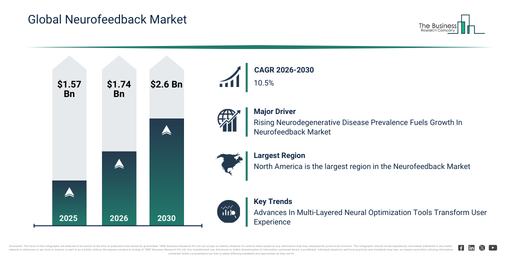
    The neurofeedback market size has witnessed rapid expansion in recent years. This market is expected to expand from $1.57 billion in 2025 to $1.74 billion in 2026, achieving a compound annual growth rate (CAGR) of 10.8%. The historical growth trajectory can be ascribed to several factors, including heightened awareness of mental health therapies, an increasing prevalence of neurological disorders, the advancement of alternative and non-invasive treatments, the proliferation of neurotherapy clinics, and the availability of EEG monitoring technologies.

    The neurofeedback market size is anticipated to experience significant expansion in the coming years. It is projected to reach $2.6 billion by 2030, demonstrating a compound annual growth rate (CAGR) of 10.5%. The expansion during the forecast period is propelled by increasing demand for personalized mental health treatments, rising adoption of digital therapeutics, expansion of remote neurofeedback training, growing integration of ai in brain signal analysis, and an increasing focus on cognitive wellness optimization. Furthermore, key trends in this period include increasing adoption of eeg-based training systems, rising use of personalized neurofeedback protocols, growing integration of software-based brain training tools, expansion of home-based neurofeedback solutions, and an enhanced focus on cognitive performance improvement.

    Access Your Free Sample Report for In-Depth Market Insights:

    https://www.thebusinessresearchcompany.com/sample.aspx?id=20577&type=smp

    Which Drivers Are Supporting The Rise Of The Neurofeedback Market?

    The growing occurrence of neurodegenerative conditions is anticipated to drive the future expansion of the neurofeedback market. These diseases involve a gradual decline in brain and nervous system function, resulting in difficulties related to memory, movement, and cognitive processes. This rise in neurodegenerative conditions largely stems from an aging demographic, enhanced diagnostic capabilities and public awareness, and various lifestyle elements. Neurofeedback offers a beneficial approach for managing Parkinson’s disease, assisting in the betterment of motor control, cognitive abilities, emotional balance, and general brain well-being. It can also be utilized to enhance sleep quality, frequently impaired in individuals with Parkinson’s; by optimizing brainwave activities conducive to restorative sleep, patients could achieve improved overall health and symptom control. For example, data from March 2023, released by the Alzheimer’s Association, a US-based nonprofit voluntary health organization, indicated that in 2023, around 6.7 million Americans aged 65 and older were affected by Alzheimer’s dementia, a figure expected to escalate to 13.8 million by 2060. Consequently, the expanding occurrence of neurodegenerative illnesses is fueling the neurofeedback market’s growth.

    What Segments Are Identified Within The Structure Of The Neurofeedback Market?

    The neurofeedback market covered in this report is segmented –

    1) By Product: Amplifiers, Electrodes or Sensors, Computer Software

    2) By System: Frequency Or Power Neurofeedback System, Slow Cortical Potential Neurofeedback (SCP-NF) System, Low-Energy Neurofeedback System (LENS), Hemoencephalographic (HEG) Neurofeedback System, Live Z-Score Neurofeedback System, Low-Resolution Electromagnetic Tomography (LORE-TA)

    3) By Application: Attention Deficit Hyperactivity Disorder (ADHD), Anxiety, Depression, Epilepsy, Insomnia, Drug Addiction, Schizophrenia, Other Applications

    4) By End User: Hospitals, Physician Offices

    Subsegments:

    1) By Amplifiers: EEG Amplifiers, Wireless Amplifiers, Portable Amplifiers

    2) By Electrodes or Sensors: EEG Electrodes, Disposable Electrodes, Dry Electrodes, Conductive Gel Electrodes

    3) By Computer Software: Neurofeedback Training Software, Data Analysis Software, Visualization Software, Biofeedback Software

    What Long-Term Trends Are Expected To Shape The Future Of The Neurofeedback Market?

    Leading companies in the neurofeedback market are concentrating on developing innovative products, such as customized at-home brain training systems, to address the increasing demand for cognitive enhancement, stress reduction, and overall mental wellbeing. These personalized at-home brain training systems integrate advanced neurofeedback technology with complementary features like heart coherence training, transcranial photobiomodulation (light stimulation), brain function performance testing, and meditation guidance. For instance, in October 2023, Sens.ai Inc., a Canada-based neurofeedback and personalized brain-training company, launched its Sens.ai system, an innovative 5-in-1 brain training technology. The system comprises a headset and a gamified app experience, designed to measure brain processing speed using event-related potentials (ERPs), offer multisensory meditation training, provide targeted light stimulation boosts, track cognitive performance, and evolve its programs over time in accordance with user progress. This closed-loop approach enables users to improve focus, manage stress, enhance sleep, and achieve superior cognitive and psychological performance from home.

    Which Leading Companies Dominate The Neurofeedback Market Share?

    Major companies operating in the neurofeedback market are Thought Technology Ltd., NeurOptimal, Brain Master Technologies Inc., Mind Media Inc., Neurofield Inc., Bee Medic LLC, Mitsar Co. Ltd., Mind Alive Inc., ANT Neuro b.v., EEG Info, NeuroSky, EMOTIV Inc., Neuroelectrics, Brain Vision LLC, Myndlift, BrainCore, NIRx Medical Technologies LLC, Mindfield Biosystems Ltd., NeuroCare Group, Brainquiry

    Access The Complete Report For Deeper Market Insights:

    https://www.thebusinessresearchcompany.com/report/neurofeedback-global-market-report

    Which Region Is Anticipated To See The Fastest Growth In The Neurofeedback Market?

    North America was the largest region in the neurofeedback market in 2025. The regions covered in the neurofeedback market report are Asia-Pacific, South East Asia, Western Europe, Eastern Europe, North America, South America, Middle East, Africa.

    Request Your Customized Neurofeedback Market Research Report for Competitive Advantage:

    https://www.thebusinessresearchcompany.com/customise?id=20577&type=smp

    Browse Through More Reports Similar to the Global Neurofeedback Market 2026, By The Business Research Company

    Neurotrophic Keratitis Treatment Market Report 2026

    https://www.thebusinessresearchcompany.com/report/neurotrophic-keratitis-treatment-global-market-report

    Neurological Biomarkers Market Report 2026

    https://www.thebusinessresearchcompany.com/report/neurological-biomarkers-global-market-report

    Neuropathic Pain Market Report 2026

    https://www.thebusinessresearchcompany.com/report/neuropathic-pain-global-market-report

    Get in touch with us:

    The Business Research Company: https://www.thebusinessresearchcompany.com/

    Americas +1 310-496-7795

    Asia +44 7882 955267 & +91 8897263534

    Europe +44 7882 955267

    Email us at info@tbrc.info

    Follow us on:

    LinkedIn: https://in.linkedin.com/company/the-business-research-company

    YouTube: https://www.youtube.com/channel/UC24_fI0rV8cR5DxlCpgmyFQ

    Global Market Model: https://www.thebusinessresearchcompany.com/global-market-model
  • Global Neuroendocrine Tumor Treatment Market Forecast 2026–2035: Long-Term Growth Insights

    Global Neuroendocrine Tumor Treatment Market Forecast 2026–2035: Long-Term Growth Insights

    Uncover key drivers, emerging technologies, and competitive movements shaping the neuroendocrine tumor treatment market from 2026–2035 with trusted insights from The Business Research Company

    What size range is anticipated for the Neuroendocrine Tumor Treatment Market from 2026 to 2030?

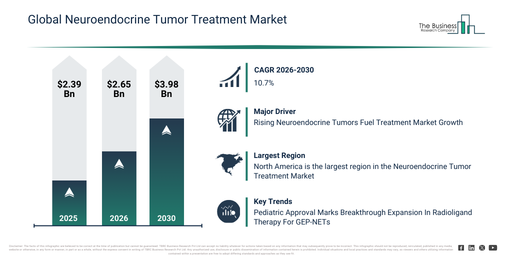
    The neuroendocrine tumor treatment market size has experienced significant expansion recently. Forecasts suggest it will rise from $2.39 billion in 2025 to $2.65 billion in 2026, achieving a compound annual growth rate (CAGR) of 10.5%. This past growth can be attributed to several factors, including the early use of somatostatin analogs, an increase in neuroendocrine tumor cases, the initial introduction of targeted therapies, advancements in diagnostic imaging, and greater awareness of rare cancer types.

    The neuroendocrine tumor treatment market is projected for swift expansion in the upcoming years. This market is anticipated to reach $3.98 billion by 2030, exhibiting a compound annual growth rate (CAGR) of 10.7%. Factors driving this growth over the forecast period include increased investment in PRRT innovations, wider acceptance of personalized oncology treatment, the expansion of immunotherapy in NET treatment, a growing number of available oncology care centers, and the creation of novel combination chemotherapy regimens. Key trends anticipated during this period encompass the increased application of somatostatin analogs to manage tumor growth, the rising uptake of targeted therapy options, higher usage of chemotherapy in advanced NET cases, the broadening scope of peptide receptor radionuclide therapy (PRRT), and a growing need for multidisciplinary oncology care.

    Access Your Free Sample Report for In-Depth Market Insights:

    https://www.thebusinessresearchcompany.com/sample.aspx?id=12248&type=smp

    What Drivers Are Affecting Demand In The Neuroendocrine Tumor Treatment Market?

    The increasing occurrence of neuroendocrine tumors is anticipated to significantly boost the expansion of the neuroendocrine tumor treatment market in the foreseeable future. Neuroendocrine tumors, often referred to as NETs, are uncommon growths that develop from neuroendocrine cells. Treating neuroendocrine tumors is a crucial process, aiming to manage symptoms, inhibit tumor progression, and eliminate tumor cells through methods like radiation therapy. For example, in 2024, data from NeuroEndocrine Cancer Australia (NECA), an Australian advocacy, education, and research group, projected that approximately 21.1 per 100,000 people would receive a neuroendocrine tumor (NETs) diagnosis, amounting to roughly 5,755 new diagnoses. The 39-year prevalence was also estimated at 29,351 individuals living with NETs. Consequently, the rising incidence of neuroendocrine tumors is a key factor driving the growth of the neuroendocrine tumor treatment market.

    Which Segments Are Gaining Traction In The Neuroendocrine Tumor Treatment Market?

    The neuroendocrine tumor treatment market covered in this report is segmented –

    1) By Product: Somatostatin Analogs (SSAs), Targeted Therapy, Chemotherapy, Other Products

    2) By Indication: Lungs, Pancreas, Gastrointestinal, Other Indications

    3) By End-User: Hospitals, Oncology Centers, Other End-Users

    Subsegments:

    1) By Somatostatin Analogs (SSAs): Octreotide, Lanreotide

    2) By Targeted Therapy: Tyrosine Kinase Inhibitors (TKIs), Peptide Receptor Radionuclide Therapy (PRRT)

    3) By Chemotherapy: Traditional Chemotherapy Agents, Combination Chemotherapy Regimens

    4) By Other Products: Immunotherapy, Supportive Care Medications

    Which Market Trends Are Opening Growth Opportunities In The Neuroendocrine Tumor Treatment Market?

    Leading companies in the neuroendocrine tumor treatment market are concentrating on advancing therapeutic solutions, such as radioligand therapies, to improve clinical results and offer more treatment choices for patients with GEP-NETs. Radioligand therapy is a focused treatment method that delivers radioactive isotopes directly to tumor cells that express specific receptors, allowing for precise tumor cell elimination while minimizing harm to surrounding healthy tissues. For example, in April 2024, Novartis, a Switzerland-based healthcare company, announced that the U.S. Food and Drug Administration (FDA) had approved Lutathera. This product is the first radioligand therapy specifically approved for pediatric patients aged 12 years and older suffering from somatostatin receptor-positive gastroenteropancreatic neuroendocrine tumors. This approval expands the availability of targeted radiopharmaceutical treatment for younger NET patients and underscores the increasing importance of radioligand therapies in enhancing treatment effectiveness, clinical decision-making, and overall patient care.

    Who Are The Major Companies Operating In The Neuroendocrine Tumor Treatment Market?

    Major companies operating in the neuroendocrine tumor treatment market are Pfizer Inc, F Hoffmann-La Roche AG, Novartis AG, Sanofi SA, Takeda Pharmaceutical, Ipsen Pharma SAS, Jiangsu Hengrui Medicine, Provectus Biopharmaceuticals, NanoValent Pharmaceuticals, Camurus, ITM Solucin, Radiomedix, Clarity Pharmaceuticals, TaiRx, Peloton Therapeutics, Ascentage Pharma, Debiopharm, Boehringer Ingelheim International GmbH, Hutchison MediPharma Ltd, Exelixis Inc, EpicentRx Inc, Tarveda Therapeutics, Teclison Ltd, Novatek Pharmaceuticals, Phanes Therapeutics, Fujifilm Pharmaceuticals, Jazz Pharmaceuticals

    Access The Complete Report For Deeper Market Insights:

    https://www.thebusinessresearchcompany.com/report/neuroendocrine-tumor-treatment-global-market-report

    Which Region Is Anticipated To See The Fastest Growth In The Neuroendocrine Tumor Treatment Market?

    North America was the largest region in the neuroendocrine tumor treatment market in 2025. The regions covered in the neuroendocrine tumor treatment market report are Asia-Pacific, South East Asia, Western Europe, Eastern Europe, North America, South America, Middle East, Africa.

    Request Your Customized Neuroendocrine Tumor Treatment Market Research Report for Competitive Advantage:

    https://www.thebusinessresearchcompany.com/customise?id=12248&type=smp

    Browse Through More Reports Similar to the Global Neuroendocrine Tumor Treatment Market 2026, By The Business Research Company

    Thyroid Cancer Drugs Market Report 2026

    https://www.thebusinessresearchcompany.com/report/thyroid-cancer-drugs-global-market-report

    Brain Tumor Drugs Market Report 2026

    https://www.thebusinessresearchcompany.com/report/brain-tumor-drugs-global-market-report

    Glioma Treatment Market Report 2026

    https://www.thebusinessresearchcompany.com/report/glioma-treatment-global-market-report

    Get in touch with us:

    The Business Research Company: https://www.thebusinessresearchcompany.com/

    Americas +1 310-496-7795

    Asia +44 7882 955267 & +91 8897263534

    Europe +44 7882 955267

    Email us at info@tbrc.info

    Follow us on:

    LinkedIn: https://in.linkedin.com/company/the-business-research-company

    YouTube: https://www.youtube.com/channel/UC24_fI0rV8cR5DxlCpgmyFQ

    Global Market Model: https://www.thebusinessresearchcompany.com/global-market-model
  • Neuroendocrine Carcinoma Market 2026–2030: Forecasting Business Opportunities Ahead

    Neuroendocrine Carcinoma Market 2026–2030: Forecasting Business Opportunities Ahead

    Uncover key drivers, emerging technologies, and competitive movements shaping the neuroendocrine carcinoma market from 2026–2035 with trusted insights from The Business Research Company

    How is the Neuroendocrine Carcinoma Market size predicted to change over the forecast window of 2026–2035?

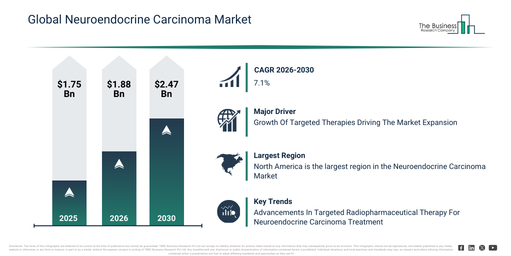
    The market size for neuroendocrine carcinoma has experienced substantial growth in recent years. Its valuation is set to climb from $1.75 billion in 2025 to $1.88 billion in 2026, at a compound annual growth rate (CAGR) of 7.3%. This historical expansion can be linked to the increasing prevalence of neuroendocrine carcinoma, enhanced use of imaging for early detection, the early adoption of surgical tumor removal, the development of initial chemotherapy protocols, and a growing clinical awareness of nec subtypes.

    The neuroendocrine carcinoma market is anticipated to show significant expansion over the coming years, with projections indicating a rise to $2.47 billion by 2030, demonstrating a compound annual growth rate (CAGR) of 7.1%. This projected growth is largely due to the wider application of targeted biologic therapies, increased funding for immunotherapy research, the greater accessibility of precision diagnostic instruments, advancements in radiotherapy systems, and the expanding establishment of multidisciplinary oncology centers. Prominent trends expected during this period encompass the increasing uptake of chemotherapy for managing aggressive tumors, more frequent use of targeted therapies in advanced nec cases, greater reliance on radiotherapy for localized tumor control, the broadened scope of diagnostic methods involving biopsy and serology, and a heightened need for multidisciplinary approaches to treatment planning.

    Access Your Free Sample Report for In-Depth Market Insights:

    https://www.thebusinessresearchcompany.com/sample.aspx?id=21229&type=smp

    Which Drivers Are Contributing To The Expansion Of The Neuroendocrine Carcinoma Market?

    The expansion of targeted therapies is projected to significantly drive the neuroendocrine carcinoma market forward. These therapies are specific treatments designed to precisely target and interrupt the molecular processes or genetic alterations that contribute to a disease, particularly cancer. The demand for targeted therapies is increasing due to their precision in addressing specific genetic mutations, advancements in personalized medicine, and improved patient outcomes with fewer side effects. Neuroendocrine carcinoma facilitates the development of targeted therapies that specifically address the tumor’s genetic and biochemical profiles, thereby enhancing treatment precision and effectiveness. For instance, in July 2023, a report published by the American Society of Gene & Cell Therapy (ASGCT), a US-based professional membership organization, and Citeline, a US-based provider of drugs and devices, noted that at the end of Q1 2023, there were 247 gene therapies in Phase II, but this figure climbed by 5% to reach 260 by the end of Q2. Therefore, the growth of targeted therapies is propelling the neuroendocrine carcinoma market.

    What Segment Categories Are Covered In The Neuroendocrine Carcinoma Market?

    The neuroendocrine carcinoma market covered in this report is segmented –

    1) By Type: Gastroenteropancreatic Neuroendocrine Tumors, Carcinoid Tumors, Pheochromocytoma, Medullary Thyroid Carcinoma

    2) By Diagnostic Tools: Imaging, Biopsy, Serology

    3) By Treatment: Chemotherapy, Radiotherapy, Surgery, Other Treatments

    4) By Distribution Channel: Hospital Pharmacies, Retail Pharmacies, Online Pharmacies

    5) By End-User: Hospitals, Clinics, Oncology Centers, Ambulatory Surgery Centers

    Subsegments:

    1) By Gastroenteropancreatic Neuroendocrine Tumors (GEP-NETs): Pancreatic Neuroendocrine Tumors (pNETs), Small Intestinal Neuroendocrine Tumors, Gastric Neuroendocrine Tumors, Colorectal Neuroendocrine Tumors

    2) By Carcinoid Tumors: Pulmonary Carcinoid Tumors, Gastrointestinal Carcinoid Tumors

    3) By Pheochromocytoma: Adrenal Pheochromocytoma, Extra-Adrenal Paraganglioma

    4) By Medullary Thyroid Carcinoma: Sporadic Medullary Thyroid Carcinoma, Hereditary Medullary Thyroid Carcinoma (MEN2-Associated)

    How Are Emerging Trends Affecting The Progression Of The Neuroendocrine Carcinoma Market?

    Companies operating within the neuroendocrine carcinoma market are concentrating on developing advanced therapies, such as targeted radiopharmaceutical therapy, to enhance treatment precision and improve patient outcomes. Targeted radiopharmaceutical therapy employs radioactive molecules that specifically locate and deliver radiation to cancer cells, thereby minimizing damage to healthy tissue. For example, in September 2024, Abdera Therapeutics Inc., a biotechnology company based in Canada, secured orphan drug designation from the Food and Drug Administration (FDA) for ABD-147 for addressing neuroendocrine carcinoma. This compound is engineered to selectively target tumors that express the DLL3 protein, often overexpressed in aggressive neuroendocrine cancers, including small cell lung cancer (SCLC) and large cell neuroendocrine carcinoma (LCNEC). The designation grants significant development advantages, such as tax credits for clinical trials and potential market exclusivity, positioning ABD-147 as a valuable treatment candidate in this specialized oncology field.

    Which Major Firms Are Strengthening Their Position In The Neuroendocrine Carcinoma Market?

    Major companies operating in the neuroendocrine carcinoma market are Pfizer Inc., Merck & Co. Inc., AbbVie Inc., Bristol-Myers Squibb Company, AstraZeneca plc, Novartis AG, Amgen Inc., Boehringer Ingelheim GmbH, Exelixis Inc., Lantheus Holdings Inc., HUTCHMED Limited, Dana-Farber Cancer Institute Inc., Abdera Therapeutics Inc., Orano Med S.A, Eckert & Ziegler Radiopharma GmbH, Callisto Pharmaceuticals Inc., RadioMedix Inc., Clarity Pharmaceuticals Limited, Delcath Systems Inc., Provectus Biopharmaceuticals Inc.

    Access The Complete Report For Deeper Market Insights:

    https://www.thebusinessresearchcompany.com/report/neuroendocrine-carcinoma-global-market-report

    Which Global Regions Are Shaping The Competitive Landscape Of The Neuroendocrine Carcinoma Market?

    North America was the largest region in the neuroendocrine carcinoma market in 2025. Asia-Pacific is expected to be the fastest-growing region in the forecast period. The regions covered in the neuroendocrine carcinoma market report are Asia-Pacific, South East Asia, Western Europe, Eastern Europe, North America, South America, Middle East, Africa.

    Request Your Customized Neuroendocrine Carcinoma Market Research Report for Competitive Advantage:

    https://www.thebusinessresearchcompany.com/customise?id=21229&type=smp

    Browse Through More Reports Similar to the Global Neuroendocrine Carcinoma Market 2026, By The Business Research Company

    Basal Cell Carcinoma Treatment Market Report 2026

    https://www.thebusinessresearchcompany.com/report/basal-cell-carcinoma-treatment-global-market-report

    Basal Cell Carcinoma Treatment Market Report 2026

    https://www.thebusinessresearchcompany.com/report/basal-cell-carcinoma-treatment-global-market-report

    Adrenal Cancer Diagnostics Market Report 2026

    https://www.thebusinessresearchcompany.com/report/adrenal-cancer-diagnostics-global-market-report

    Get in touch with us:

    The Business Research Company: https://www.thebusinessresearchcompany.com/

    Americas +1 310-496-7795

    Asia +44 7882 955267 & +91 8897263534

    Europe +44 7882 955267

    Email us at info@tbrc.info

    Follow us on:

    LinkedIn: https://in.linkedin.com/company/the-business-research-company

    YouTube: https://www.youtube.com/channel/UC24_fI0rV8cR5DxlCpgmyFQ

    Global Market Model: https://www.thebusinessresearchcompany.com/global-market-model
  • Global Neurodiagnostics Market Report 2026–2035: Key Forecasts and Growth Areas

    Global Neurodiagnostics Market Report 2026–2035: Key Forecasts and Growth Areas

    Uncover key drivers, emerging technologies, and competitive movements shaping the neurodiagnostics market from 2026–2035 with trusted insights from The Business Research Company

    What market expansion outlook does the Neurodiagnostics Market show for the 2026–2030 period?

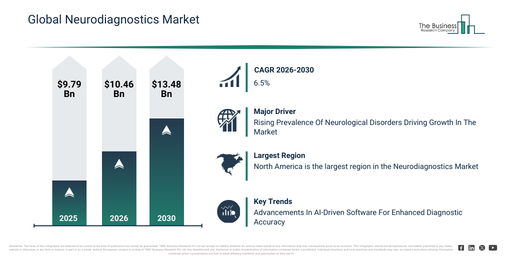
    The neurodiagnostics market has experienced substantial expansion in recent times. This market is projected to expand from $9.79 billion in 2025 to $10.46 billion in 2026, demonstrating a compound annual growth rate (CAGR) of 6.8%. Historically, this expansion has been driven by factors such as a greater occurrence of neurological conditions, the swift uptake of MRI and CT scanning technologies, the advancement of EEG and EMG systems, an escalating need for tools to diagnose strokes, and the expansion of neurodiagnostic facilities within hospitals.

    The neurodiagnostics market is projected to experience robust expansion in the coming years, with an anticipated growth to $13.48 billion by 2030, demonstrating a compound annual growth rate (CAGR) of 6.5%. This projected growth is driven by factors such as the proliferation of biomarker-based diagnostics, heightened investment in neuroimaging advancements, the increasing uptake of digital neuroinformatics platforms, the creation of portable and wearable neurodiagnostic tools, and the rising need for point-of-care neurological examinations. Key trends during this period encompass the wider acceptance of advanced neuroimaging methods, expanded application of in-vitro neurodiagnostic biomarkers, a growing imperative for early diagnosis of neurological conditions, the broadening use of EEG and MEG for real-time brain surveillance, and a heightened emphasis on non-invasive and minimally invasive diagnostic approaches.

    Access Your Free Sample Report for In-Depth Market Insights:

    https://www.thebusinessresearchcompany.com/sample.aspx?id=20902&type=smp

    What Drivers Are Shaping The Development Of The Neurodiagnostics Market?

    The future expansion of the neurodiagnostics market is anticipated due to the rising occurrence of neurological conditions. These conditions affect the brain, spinal cord, or nerves, resulting in diverse cognitive, motor, and sensory difficulties. The increase in neurological ailments is predominantly attributed to factors such as an aging demographic, environmental influences, shifts in lifestyle, genetic predispositions, and improved diagnostic methods. Neurodiagnostic tools are crucial for the accurate identification, evaluation, and tracking of neurological conditions, facilitating precise diagnoses, well-informed treatment choices, and efficient handling of issues impacting the brain, spinal cord, and nerves. For instance, in April 2023, according to the National Library of Medicine, a US-based medical library for medical research information, it was reported that, in 2023, 6.7 million Americans are affected by Alzheimer’s, and this number is expected to grow to 13.8 million by 2060. Consequently, the growing incidence of neurological disorders is fueling the expansion of the neurodiagnostics market.

    Which Segments Are Contributing To The Growth Of The Neurodiagnostics Market?

    The neurodiagnostics market covered in this report is segmented –

    1) By Type: Diagnostic And Imaging Solutions, In-Vitro Diagnostics

    2) By Technology: Neuroimaging Technologies, Nuclear Medicine Imaging, Near Infrared Spectroscopic Imaging (NIRS), Magneto-Encephalography (MEG), Voxel Based Morphometry (VBM), Neuroinformatics

    3) By Condition: Epilepsy, Alzheimer’s Disease, Parkinson’s Disease, Stroke, Other Conditions

    4) By End Use: Hospitals And Clinics, Diagnostic Laboratories, Imaging Centers, Other End Uses

    Subsegments:

    1) By Diagnostic And Imaging Solutions: MRI (Magnetic Resonance Imaging) Systems, CT (Computed Tomography) Scanners, EEG (Electroencephalogram) Systems, EMG (Electromyography) Systems, MEG (Magnetoencephalography) Systems, PET (Positron Emission Tomography) Scanners, SPECT (Single Photon Emission Computed Tomography) Scanners, Functional MRI (fMRI) Systems, Intracranial Pressure Monitors

    2) By In-Vitro Diagnostics: Blood-Based Diagnostics, Cerebrospinal Fluid (Csf) Analysis, Genetic Testing And Biomarkers, Neurochemical Diagnostics, Point-Of-Care Neurodiagnostics, Diagnostic Kits For Neurodegenerative Disorders

    Which Innovation Trends Are Advancing Developments Within The Neurodiagnostics Market?

    Leading firms in the neurodiagnostics market are prioritizing technological innovations, including sophisticated software algorithms, to boost diagnostic precision and better patient results. A sophisticated software algorithm is defined as an intricate series of commands designed to process and analyze data, often employing methods like artificial intelligence (AI) or machine learning, thereby improving diagnostic capabilities and decision-making. For example, in October 2023, Ceribell Inc., a medical equipment manufacturer based in the US, introduced its ClarityPro AI algorithm, representing a notable leap forward in detecting electrographic status epilepticus (ESE). This cutting-edge software, incorporated into the Ceribell EEG system, utilizes machine learning to examine EEG waveforms and provide immediate notifications for potential seizures. Significantly, ClarityPro holds the distinction of being the first acute care device to gain FDA approval for independent diagnosis. The primary aim of this innovative technology is to refine clinical decision-making through constant monitoring of brain activity, providing practical insights, and facilitating quicker, more efficient treatment interventions.

    Who Are The Primary Competitors In The Global Neurodiagnostics Market?

    Major companies operating in the neurodiagnostics market are Nihon Kohden Corporation, Cephalon LLC, Stratus Neuro LLC, Cadwell Industries Inc., Compumedics Limited, Ceribell Inc., CND Life Sciences Inc., Lifelines Neuro Inc., ANT Neuro B.V., Neurovative Diagnostics LLC, Firefly Neuroscience Inc, IntraNerve Neuroscience Inc, NeuroDiagnostics Laboratories LLC, Advanced Brain Monitoring Inc, Spes Medica S.r.l., BioSignal Group Inc, Combinostics Inc., Deymed Diagnostic LLC, NeuLine Health Inc., Ridge Diagnostics Inc., Beacon Biosignals Inc., Intch Inc.

    Access The Complete Report For Deeper Market Insights:

    https://www.thebusinessresearchcompany.com/report/neurodiagnostics-global-market-report

    Which Regions Are Poised For Strategic Growth In The Neurodiagnostics Market?

    North America was the largest region in the neurodiagnostics market in 2025. Asia-Pacific is expected to be the fastest-growing region in the forecast period. The regions covered in the neurodiagnostics market report are Asia-Pacific, South East Asia, Western Europe, Eastern Europe, North America, South America, Middle East, Africa.

    Request Your Customized Neurodiagnostics Market Research Report for Competitive Advantage:

    https://www.thebusinessresearchcompany.com/customise?id=20902&type=smp

    Browse Through More Reports Similar to the Global Neurodiagnostics Market 2026, By The Business Research Company

    Clinical Diagnostics Market Report 2026

    https://www.thebusinessresearchcompany.com/report/clinical-diagnostics-global-market-report

    Nephrologists Market Report 2020 2030 Covid 19 Implications And Growth 2026

    https://www.thebusinessresearchcompany.com/report/nephrologists-market-global-report-2020-2030-covid-19-implications-and-growth

    Nephrologists Market Report 2020 2030 Covid 19 Implications And Growth 2026

    https://www.thebusinessresearchcompany.com/report/nephrologists-market-global-report-2020-2030-covid-19-implications-and-growth

    Get in touch with us:

    The Business Research Company: https://www.thebusinessresearchcompany.com/

    Americas +1 310-496-7795

    Asia +44 7882 955267 & +91 8897263534

    Europe +44 7882 955267

    Email us at info@tbrc.info

    Follow us on:

    LinkedIn: https://in.linkedin.com/company/the-business-research-company

    YouTube: https://www.youtube.com/channel/UC24_fI0rV8cR5DxlCpgmyFQ

    Global Market Model: https://www.thebusinessresearchcompany.com/global-market-model
  • Optical Genome Mapping Industry Growth Insights: Revenue Forecast to 2030

    Optical Genome Mapping Industry Growth Insights: Revenue Forecast to 2030

    Uncover key drivers, emerging technologies, and competitive movements shaping the optical genome mapping market from 2026–2035 with trusted insights from The Business Research Company

    What long-term size projections exist for the Optical Genome Mapping Market covering 2026–2035?

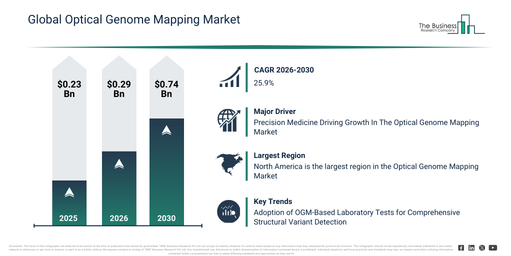
    The market size for optical genome mapping has expanded significantly in recent years. It is projected to increase from $0.23 billion in 2025 to $0.29 billion in 2026, registering a compound annual growth rate (CAGR) of 29.4%. Historically, this growth has been fueled by factors such as the limitations of next generation sequencing in detecting large structural variants, a rise in genomic research funding, the increasing prevalence of genetic disorders, a growing demand for advanced cytogenetic techniques, and technological advancements in imaging and DNA labeling.

    The optical genome mapping market is projected to experience substantial expansion over the next few years. It is expected to achieve a market size of $0.74 billion by 2030, demonstrating a compound annual growth rate (CAGR) of 25.9%. This anticipated growth during the forecast period stems from several factors, including the increasing integration of optical genome mapping (OGM) into clinical laboratories, rising investments in precision medicine initiatives, the growing adoption of automated genomic analysis platforms, expanding applications in oncology and hematological malignancies, and the declining costs associated with genomic analysis technologies. Prominent trends observed for this period encompass the growing adoption of optical genome mapping in structural variant detection, its increased utilization in rare disease and cancer research, a rising demand for high-resolution long-read genomic analysis, the expansion of OGM applications within clinical diagnostics, and a growing preference for the complementary use of OGM alongside sequencing technologies.

    Access Your Free Sample Report for In-Depth Market Insights:

    https://www.thebusinessresearchcompany.com/sample.aspx?id=15882&type=smp

    Which Drivers Are Impacting The Competitive Landscape Of The Optical Genome Mapping Market?

    The rising demand for precision medicine is anticipated to fuel the expansion of the optical genome mapping market moving forward. Precision medicine represents a healthcare approach that tailors medical treatments and prevention strategies to individual characteristics such as genetic makeup, lifestyle, and environment. The need for precision medicine is propelled by factors including the increasing prevalence of chronic diseases, breakthroughs in genomic technologies, rising investment and funding, and patient desire for personalized care. optical genome mapping enhances the effectiveness of precision medicine by delivering a comprehensive and precise understanding of genomic alterations linked to various diseases. For instance, in February 2024, as per the Personalized Medicine Coalition, a US-based non-profit organization, the FDA sanctioned 16 new personalized therapies for patients with rare diseases in 2023, an increase from six in 2022. Thus, the growing requirement for precision medicine is driving the growth of the optical genome mapping market.

    What Segments Are Identified Within The Structure Of The Optical Genome Mapping Market?

    The optical genome mapping market covered in this report is segmented –

    1) By Product: Instruments, Consumables And Reagents, Software, Services

    2) By Application: Structural Variant Detection, Genome Assembly, Microbial Strain Typing, Other Applications

    3) By End-User: Biotechnology And Pharmaceutical Companies, Clinical Laboratories, Academic Research Institutes, Other End-Users

    Subsegments:

    1) By Instruments: Optical Genome Mapping Systems, Imaging Systems, Detection And Analysis Devices

    2) By Consumables And Reagents: DNA Preparation Kits, Labeling Reagents, Flow Cells

    3) By Software: Data Analysis Software, Image Processing Software, Mapping Software

    4) By Services: Data Analysis Services, Technical Support Services, Training And Consultation Services

    Which Market Trends Are Opening Growth Opportunities In The Optical Genome Mapping Market?

    Leading companies in the optical genome mapping (OGM) market are primarily focused on advancing technology, such as developing OGM-based laboratory-developed tests (LDTs) for genome-wide structural variant detection, with the goals of improving diagnostic accuracy, increasing workflow efficiency, and reducing the need for multiple traditional cytogenetic tests. An OGM-based LDT operates by using ultra-long, high-molecular-weight DNA molecules, which are fluorescently labeled and then linearized in nanochannels, enabling high-resolution imaging. This allows for the identification of insertions, deletions, translocations, and repeat expansions across the genome, capabilities often missed by short-read sequencing or microarrays. For example, in March 2023, Bionano Laboratories, a CLIA-certified U.S. subsidiary of Bionano Genomics, introduced the OGM Dx Postnatal Whole Genome SV test. This product facilitates genome-wide detection of structural variants in patients experiencing developmental disorders, intellectual disability, autism spectrum disorder, epilepsy, or undiagnosed genetic conditions. It integrates high-resolution OGM with variant calling within a single-test workflow, thereby minimizing the necessity for multiple classical cytogenetic assays and providing more rapid, comprehensive diagnostic insights.

    Which Key Market Players Are Investing In Expansion And Innovation Within The Optical Genome Mapping Market?

    Major companies operating in the optical genome mapping market are Bionano Genomics Inc., 10x Genomics Inc., Oxford Nanopore Technologies plc, Pacific Biosciences of California Inc., BioSkryb Genomics, Phase Genomics Inc., Nabsys, Daicel Arbor Biosciences, OpGen, Thermo Fisher Scientific Inc., Roche Sequencing Solutions, Genomic Vision SA, INRAE French Plant Genomic Resources Center, Source BioScience, Resolve Biosciences, Arima Genomics Inc., GnuBIO Inc., Longas Technologies, GE Healthcare Life Sciences, Danaher Corporation, Strand Life Sciences, Berry Genomics, Dante Genomics

    Access The Complete Report For Deeper Market Insights:

    https://www.thebusinessresearchcompany.com/report/optical-genome-mapping-global-market-report

    Which Regions Are Projected To Dominate The Optical Genome Mapping Market In The Coming Years?

    North America was the largest region in the optical genome mapping market in 2025. Asia-Pacific is expected to be the fastest-growing region in the forecast period. The regions covered in the optical genome mapping market report are Asia-Pacific, South East Asia, Western Europe, Eastern Europe, North America, South America, Middle East, Africa.

    Request Your Customized Optical Genome Mapping Market Research Report for Competitive Advantage:

    https://www.thebusinessresearchcompany.com/customise?id=15882&type=smp

    Browse Through More Reports Similar to the Global Optical Genome Mapping Market 2026, By The Business Research Company

    Genomics Market Report 2026

    https://www.thebusinessresearchcompany.com/report/genomics-global-market-report

    Digital Genome Market Report 2026

    https://www.thebusinessresearchcompany.com/report/digital-genome-global-market-report

    Optical Imaging Market Report 2026

    https://www.thebusinessresearchcompany.com/report/optical-imaging-global-market-report

    Get in touch with us:

    The Business Research Company: https://www.thebusinessresearchcompany.com/

    Americas +1 310-496-7795

    Asia +44 7882 955267 & +91 8897263534

    Europe +44 7882 955267

    Email us at info@tbrc.info

    Follow us on:

    LinkedIn: https://in.linkedin.com/company/the-business-research-company

    YouTube: https://www.youtube.com/channel/UC24_fI0rV8cR5DxlCpgmyFQ

    Global Market Model: https://www.thebusinessresearchcompany.com/global-market-model
  • Global Optic Neuropathy Management Market Performance Report: Global Trends 2026–2030

    Global Optic Neuropathy Management Market Performance Report: Global Trends 2026–2030

    Uncover key drivers, emerging technologies, and competitive movements shaping the optic neuropathy management market from 2026–2035 with trusted insights from The Business Research Company

    What total market size is anticipated for the Optic Neuropathy Management Market in 2030?

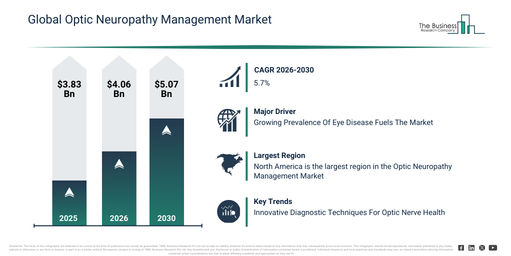
    The optic neuropathy management market has shown robust expansion in recent years. This market is projected to increase from $3.83 billion in 2025 to $4.06 billion in 2026, achieving a compound annual growth rate (CAGR) of 6.0%. The historical expansion is primarily due to the rising prevalence of glaucoma-related optic neuropathy, restricted therapeutic choices for advanced optic nerve damage, an increasing occurrence of ischemic and inflammatory optic neuropathies, the heightened use of corticosteroids in acute care, and insufficient awareness coupled with delayed diagnosis during initial stages.

    The market for managing optic neuropathy is projected to experience robust expansion over the coming years. This market is anticipated to reach $5.07 billion by 2030, exhibiting a compound annual growth rate (CAGR) of 5.7%. This anticipated growth during the forecast period is fueled by several factors, including the increasing clinical integration of stem cell and gene therapies, heightened investment in neuroprotection studies, a rising need for customized optic neuropathy treatment strategies, the proliferation of specialized ophthalmology and neurology facilities, and enhanced availability of sophisticated diagnostic imaging techniques. Key trends foreseen in this period encompass an elevated emphasis on prompt diagnosis and ongoing monitoring of optic neuropathy, a greater uptake of neuroprotective and antioxidant drugs, expanding utilization of less invasive surgical methods for optic nerve injuries, a surging requirement for vision rehabilitation and low vision assistance, and the growing incorporation of comprehensive multidisciplinary care approaches in optic neuropathy management.

    Access Your Free Sample Report for In-Depth Market Insights:

    https://www.thebusinessresearchcompany.com/sample.aspx?id=21236&type=smp

    What Drivers Are Influencing Production Trends In The Optic Neuropathy Management Market?

    An anticipated increase in the occurrence of eye disease is projected to drive the expansion of the optic neuropathy management market in the future. Eye disease encompasses various conditions impacting the eyes’ structure or function, often resulting in diminished vision or associated symptoms. Factors contributing to the growing prevalence of eye disease include an aging demographic, extended screen exposure, unhealthy lifestyle habits, and pre-existing medical issues like diabetes. Effective optic neuropathy management assists in lowering the incidence of eye disease by averting additional optic nerve harm and safeguarding eyesight. For example, data from February 2025, released by the Department of Health and Social Care, a UK-based government entity, indicates that roughly 2 million individuals in the UK currently experience some level of sight impairment, a figure anticipated to climb to 2.7 million by 2030. Consequently, the increasing prevalence of eye disease is a key factor propelling the expansion of the optic neuropathy management market.

    Which Segments Are Gaining Traction In The Optic Neuropathy Management Market?

    The optic neuropathy management market covered in this report is segmented –

    1) By Treatment Type: Medications, Surgery, Other Treatment Types

    2) By Diagnosis: Imaging Tests, Blood Tests, Other Diagnosis

    3) By End-User: Hospitals, Specialty Clinics, Ambulatory Surgical Centers, Other End-Users

    Subsegments:

    1) By Medications: Corticosteroids, Neuroprotective Agents, Antioxidants, Immunosuppressants, Prostaglandin Analogs

    2) By Surgery: Optic Nerve Decompression Surgery, Optic Nerve Transplantation, Retinal Implant Surgery

    3) By Other Treatment Types: Low Vision Aids, Stem Cell Therapy, Gene Therapy

    How Are Emerging Trends Affecting The Progression Of The Optic Neuropathy Management Market?

    Leading companies in the optic neuropathy management market are focusing on developing advanced therapies, such as monoclonal antibody treatment, to achieve a competitive edge. Monoclonal antibodies are laboratory-produced proteins engineered to mimic the immune system’s natural ability to combat detrimental pathogens like viruses and bacteria. For instance, in March 2023, Horizon Therapeutics, an Ireland-based firm, presented new analysis of MRI findings for their medication, UPLIZNA (inebilizumab). The analysis showed that UPLIZNA decreases the formation of asymptomatic optic nerve lesions in individuals with neuromyelitis optica spectrum disorder (NMOSD). This demonstrates Horizon’s commitment to delivering innovative treatments for rare diseases including NMOSD, gout, and thyroid eye disease. UPLIZNA is a monoclonal antibody created to treat NMOSD by targeting and eliminating harmful B cells, thereby reducing inflammation and preventing further damage to the central nervous system and optic nerves, ultimately decreasing relapses and preserving vision.

    Who Are The Core Companies Influencing Trends In The Optic Neuropathy Management Market?

    Major companies operating in the optic neuropathy management market are Pfizer Inc., F. Hoffmann‑La Roche AG, Bayer AG, Novartis AG, Merck KGaA, Regeneron Pharmaceuticals Inc., Bausch Health Companies Inc., Santen Pharmaceutical Co. Ltd., Aerie Pharmaceuticals, Neurophth Therapeutics, GenSight Biologics S.A., Stealth BioTherapeutics, Oculis Holding AG, Neurotech Pharmaceuticals Inc., Quark Pharmaceuticals Inc., Astellas Pharma Inc., Ionis Pharmaceuticals Inc., Apellis Pharmaceuticals, Biogen Inc., Johnson & Johnson Vision, Sanofi S.A., Sun Pharmaceutical Industries Ltd., Alcon Inc., NicOx SA

    Access The Complete Report For Deeper Market Insights:

    https://www.thebusinessresearchcompany.com/report/optic-neuropathy-management-global-market-report

    Which Region Is Expected To Experience The Fastest Growth In The Optic Neuropathy Management Market?

    North America was the largest region in the optic neuropathy management market in 2025. Asia-Pacific is expected to be the fastest-growing region in the forecast period. The regions covered in the optic neuropathy management market report are Asia-Pacific, South East Asia, Western Europe, Eastern Europe, North America, South America, Middle East, Africa.

    Request Your Customized Optic Neuropathy Management Market Research Report for Competitive Advantage:

    https://www.thebusinessresearchcompany.com/customise?id=21236&type=smp

    Browse Through More Reports Similar to the Global Optic Neuropathy Management Market 2026, By The Business Research Company

    Diabetic Neuropathy Market Report 2026

    https://www.thebusinessresearchcompany.com/report/diabetic-neuropathy-global-market-report

    Optic Atrophy Management Market Report 2026

    https://www.thebusinessresearchcompany.com/report/optic-atrophy-management-global-market-report

    Peripheral Neuropathy Market Report 2026

    https://www.thebusinessresearchcompany.com/report/peripheral-neuropathy-global-market-report

    Get in touch with us:

    The Business Research Company: https://www.thebusinessresearchcompany.com/

    Americas +1 310-496-7795

    Asia +44 7882 955267 & +91 8897263534

    Europe +44 7882 955267

    Email us at info@tbrc.info

    Follow us on:

    LinkedIn: https://in.linkedin.com/company/the-business-research-company

    YouTube: https://www.youtube.com/channel/UC24_fI0rV8cR5DxlCpgmyFQ

    Global Market Model: https://www.thebusinessresearchcompany.com/global-market-model