Category: Healthcare Services

  • Isosorbide Mononitrate Tablet Market 2026: Market Size, Growth Drivers And Emerging Opportunities

    Isosorbide Mononitrate Tablet Market 2026: Market Size, Growth Drivers And Emerging Opportunities

    Backed by market attractiveness analysis, total addressable market sizing, company benchmarking matrices, interactive Excel dashboards, wider supply chain intelligence, emerging startup coverage, and detailed product-level insights, The Business Research Company’s 2026 market reports are designed to offer research that is more actionable and strategically valuable than ever.

    Isosorbide Mononitrate Tablet Market Forecast: Value Set To Climb From $1.26 Billion To $1.55 Billion

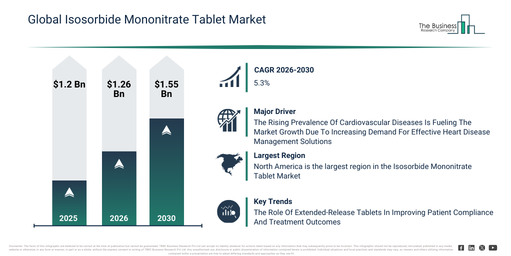
    The isosorbide mononitrate tablet market has demonstrated substantial growth in recent years. This market is anticipated to expand from $1.2 billion in 2025 to $1.26 billion in 2026, with a compound annual growth rate (CAGR) of 5.3%. Key drivers for this historical expansion include the growing incidence of coronary artery disease, the prolonged use of nitrates for angina treatment, the expanding elderly population, the presence of affordable generic drugs, and the enhancement of hospital and retail pharmacy networks.

    The market for isosorbide mononitrate tablets is projected to experience robust expansion over the coming years. This market is anticipated to reach a valuation of $1.55 billion by 2030, demonstrating a compound annual growth rate (CAGR) of 5.3%. Factors contributing to this expansion during the projection period include an increase in chronic cardiovascular ailments, a growing need for extended-release formulations, the wider acceptance of online pharmacy services, enhanced detection of angina and heart failure, and greater availability of cardiovascular medications in developing regions. Key developments expected during the forecast timeframe encompass long-duration cardiovascular maintenance treatments, an increasing inclination towards extended-release dosage forms, the escalating consumption of generic nitrate drugs, better patient compliance achieved via once-daily administration, and broadened access to both online and physical retail pharmacies.

    Get A Free Sample Report With In-Depth Market Insights:

    https://thebusinessresearchcompany.com/sample_request?id=62114812&type=smp&name=Isosorbide%20Mononitrate%20Tablet%20Market%20Report%202026&utm_source=Blogs&utm_medium=Paid&utm_campaign=Oct_PR

    Isosorbide Mononitrate Tablet Market Growth Momentum: What Factors Are Shaping Demand?

    An increasing incidence of cardiovascular diseases is anticipated to drive the expansion of the isosorbide mononitrate tablet market in the future. These conditions, known as CVDs, encompass a range of ailments impacting the heart and blood vessels, such as coronary artery disease, heart failure, and hypertension. The growing occurrence of cardiovascular diseases mainly stems from unwholesome dietary habits, frequently characterized by significant amounts of saturated fats, trans fats, sodium, and added sugars, resulting in issues like obesity, hypertension, and elevated cholesterol. Isosorbide mononitrate tablets aid in the management of cardiovascular diseases through their action of relaxing and expanding blood vessels, which subsequently enhances blood flow and diminishes the heart’s exertion. This mechanism effectively relieves chest pain (angina), decreases blood pressure, and boosts oxygen supply to the heart muscle. As an illustration, the Global Burden of Disease study, as reported by the American College of Cardiology, a US-based nonprofit medical association and professional society for cardiologists, indicated 19.2 million cardiovascular disease deaths globally in 2023, with this information highlighted in September 2025. Consequently, the increasing incidence of cardiovascular diseases is serving as a catalyst for the expansion of the isosorbide mononitrate tablet market.

    Isosorbide Mononitrate Tablet Market Segment Breakdown: Which Categories Lead On Revenue?

    The isosorbide mononitrate tablet market covered in this report is segmented –

    1) By Dosage Form: Immediate-Release Tablets, Extended-Release Tablets

    2) By Indication Type: Angina Pectoris, Coronary Artery Disease (CAD)

    3) By Distribution Channel: Hospital Pharmacies, Retail Pharmacies, Online Pharmacies

    Subsegments:

    1) By Immediate-Release Tablets: Low-Dose, Single Strength Tablets

    2) By Extended-Release Tablets: Moderate-Dose, High-Dose, Once-Daily Formulation, Twice-Daily Formulation

    Isosorbide Mononitrate Tablet Market Trends Redefining Industry Growth

    Leading companies within the isosorbide mononitrate tablet market are concentrating on developing innovative products like extended-release (ER) formulations to enhance patient compliance, provide sustained therapeutic effects, and optimize treatment outcomes for conditions such as angina pectoris. An extended-release formulation is an advanced drug delivery system designed to allow for the gradual release of medication over an extended period, thereby reducing dosing frequency and maintaining consistent blood levels. For instance, in February 2024, Zydus Lifesciences Limited, an India-based pharmaceutical manufacturing company, received approval from the United States Food and Drug Administration (USFDA) to manufacture and market isosorbide mononitrate extended-release tablets USP in strengths of 30 mg, 60 mg, and 120 mg. These tablets are prescribed to prevent chest pain (angina) in patients with coronary artery disease and are considered equivalent to the reference listed drug (RLD), imdur extended-release tablets.

    Isosorbide Mononitrate Tablet Market Leading Players And Competitive Positioning

    Major companies operating in the isosorbide mononitrate tablet market are Pfizer Inc., Merck & Co., Inc., AstraZeneca plc, Abbott Laboratories, Teva Pharmaceutical Industries Ltd., Sun Pharmaceutical Industries Ltd., Aurobindo Pharma Ltd., Cipla Ltd., Zydus Lifesciences Limited, Torrent Pharmaceuticals Ltd., Micro Labs Ltd., Lupin Limited, Dr. Reddy’s Laboratories Ltd., Glenmark Pharmaceuticals Ltd., Alkem Laboratories Ltd., Mylan N.V., Hikma Pharmaceuticals PLC, Sandoz International GmbH, Qilu Pharmaceutical Co., Ltd., Lunan Pharmaceutical Group, Shandong Keyuan Pharmaceutical Co., Ltd.

    View The Full Isosorbide Mononitrate Tablet Market Report:

    https://thebusinessresearchcompany.com/report/isosorbide-mononitrate-tablet-global-market-report?utm_source=Blogs&utm_medium=Paid&utm_campaign=Oct_PR

    Isosorbide Mononitrate Tablet Market Geographic Spread And Regional Opportunities

    North America was the largest region in the isosorbide mononitrate tablet market in 2025. Asia-Pacific is expected to be the fastest-growing region in the forecast period. The regions covered in the isosorbide mononitrate tablet market report are Asia-Pacific, South East Asia, Western Europe, Eastern Europe, North America, South America, Middle East, Africa.

    Reach Out To Our Team:

    The Business Research Company: https://www.thebusinessresearchcompany.com/

    Americas: +1 310-496-7795

    Asia: +44 7882 955267 & +91 8897263534

    Europe: +44 7882 955267

    Email us at: marketing@tbrc.info

    Follow us on:

    LinkedIn: https://in.linkedin.com/company/the-business-research-company

    YouTube: https://www.youtube.com/channel/UC24_fI0rV8cR5DxlCpgmyFQ

    Global Market Model: https://www.thebusinessresearchcompany.com/global-market-model
  • Ischemia Reperfusion Injury Market Set To Expand From $2.38 Billion In 2026: Growth Outlook Through 2030

    Ischemia Reperfusion Injury Market Set To Expand From $2.38 Billion In 2026: Growth Outlook Through 2030

    Featuring market attractiveness scoring, total addressable market sizing, company benchmarking matrices, interactive Excel dashboards, deeper supply chain intelligence, emerging startup tracking, and granular product-level insights, The Business Research Company’s 2026 market reports are built to deliver research that is both more actionable and more strategically valuable.

    Ischemia Reperfusion Injury Market Revenue Growth On Track For A 7.4% CAGR Through 2030

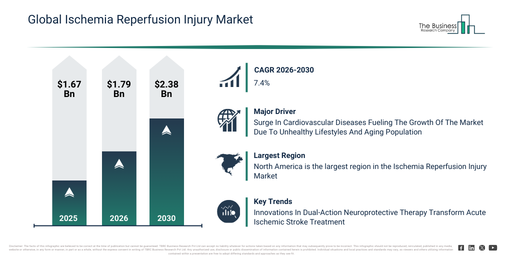
    The ischemia reperfusion injury market has experienced robust growth in recent years. It is projected to expand from $1.67 billion in 2025 to $1.79 billion by 2026, achieving a compound annual growth rate (CAGR) of 7.5%. The historical growth of this market can be attributed to the rising incidence of cardiovascular diseases, an increasing number of organ transplant procedures, the growing prevalence of stroke and heart attack cases, advancements in acute care infrastructure, and the increased use of pharmacological therapies.

    The ischemia reperfusion injury market size is projected to experience robust expansion over the coming years. This market is anticipated to reach a valuation of $2.38 billion by 2030, exhibiting a compound annual growth rate (CAGR) of 7.4%. The growth during the forecast period is attributable to the advancement of stem cell and gene therapy research, a growing embrace of non-pharmacological conditioning therapies, heightened investment in critical care technologies, a rise in clinical trials focused on mitochondrial protective agents, and enhanced understanding of ischemia-reperfusion mechanisms. Key trends anticipated in the upcoming period encompass AI-powered prediction of ischemia-reperfusion injury outcomes, targeted therapeutics for cellular and mitochondrial protection, clinical decision support systems utilizing data, integrated monitoring of tissue perfusion and oxygenation, and sophisticated manufacturing processes for specific therapeutics.

    Get A Free Sample Report With In-Depth Market Insights:

    https://thebusinessresearchcompany.com/sample_request?id=97967402&type=smp&name=Ischemia%20Reperfusion%20Injury%20Market%20Report%202026&utm_source=Blogs&utm_medium=Paid&utm_campaign=Oct_PR

    Ischemia Reperfusion Injury Market Expansion Drivers: What’s Shaping Future Growth?

    The expanding occurrence of cardiovascular diseases is anticipated to propel the growth of the ischemia-reperfusion injury market moving forward. Cardiovascular diseases refer to a collection of conditions affecting the heart and blood vessels, including issues like coronary artery disease, heart failure, and stroke. The increased prevalence of these diseases is attributable to unhealthy lifestyle choices and an aging population. Diets high in saturated fats, sugar, and salt, coupled with a lack of physical activity, have contributed to rising rates of obesity, hypertension, and diabetes, which are all significant risk factors for cardiovascular diseases. Ischemia-reperfusion injury plays a role in the worsening of cardiovascular diseases by intensifying tissue damage via oxidative stress, inflammation, and cell death, ultimately impairing cardiac function and increasing the risk of heart failure and other complications. For instance, in October 2024, the Centers for Disease Control and Prevention, a US-based public health agency, reported that 919,032 people died from cardiovascular disease in 2023, which was equivalent to one in three deaths. Thus, the growing prevalence of cardiovascular diseases is driving the expansion of the ischemia-reperfusion injury market.

    Ischemia Reperfusion Injury Market Segmentation: How Does The Market Break Down By Category?

    The ischemia reperfusion injury market covered in this report is segmented –

    1) By Treatment Type: Pharmacological Therapy, Non-pharmacological Therapy

    2) By Application: Cardiovascular Diseases, Stroke, Organ Transplantation, Heart Attack

    3) By End User: Hospitals, Clinics, Ambulatory Services

    Subsegments:

    1) By Pharmacological Therapy: Antioxidants, Anti-inflammatory Agents, Calcium Channel Blockers, Free Radical Scavengers, Nitric Oxide Donors, Mitochondrial Protective Agents

    2) By Non-Pharmacological Therapy: Ischemic Preconditioning (IPC), Ischemic Postconditioning (IPO), Remote Ischemic Conditioning (RIC), Hypothermia Therapy, Mechanical Interventions

    Ischemia Reperfusion Injury Market Strategic Trends: What Defines The Next Growth Phase?

    Leading companies within the ischemia-reperfusion injury market are concentrating on pioneering treatments, specifically dual-acting stroke therapeutics, aimed at enhancing patient recuperation, diminishing disability, and bettering treatment results. These dual-acting neuroprotective therapeutics represent sophisticated small-molecule compounds that integrate selective NMDA receptor modulation with antioxidant free-radical scavenging. This combination facilitates actions such as mitigating reperfusion-induced neuronal damage, boosting post-occlusion tissue survival, and aiding functional recovery. As an illustration, in July 2025, GNT Pharma, a biopharmaceutical firm based in South Korea, secured regulatory clearance to commence multinational Phase 3 clinical trials for Nelonemdaz. This drug is a next-generation dual-acting neuroprotective agent intended to lessen neuronal injury in individuals undergoing endovascular thrombectomy for acute ischemic stroke. The treatment operates through selective inhibition of NMDA receptor-mediated excitotoxicity and powerful free-radical scavenging to alleviate oxidative damage. Nelonemdaz contributes to improved neuroprotection, functional recovery, and post-reperfusion outcomes in patients suffering from ischemic stroke.

    Ischemia Reperfusion Injury Market Competitive Overview And Top Companies

    Major companies operating in the ischemia reperfusion injury market are Pfizer Inc, Novartis AG, AstraZeneca PLC, Bristol Myers Squibb, F. Hoffmann-La Roche Ltd, Sanofi, Merck KGaA, Takeda Pharmaceutical Company, Bayer AG, Amgen Inc, Otsuka Pharmaceutical Co Ltd, Simcere Innovation Inc, Faron Pharmaceuticals Oy, Faraday Pharmaceuticals Inc, Prolong Pharmaceuticals LLC, Angion Biomedica Corp, CalciMedica Inc, Athersys Inc, Oxitope Pharma BV, LUCA Science Inc

    View The Full Ischemia Reperfusion Injury Market Report:

    https://thebusinessresearchcompany.com/report/ischemia-reperfusion-injury-global-market-report?utm_source=Blogs&utm_medium=Paid&utm_campaign=Oct_PR

    Ischemia Reperfusion Injury Market Top Region By Revenue And Market Share

    North America was the largest region in the ischemia reperfusion injury market in 2025. Asia-Pacific is expected to be the fastest-growing region in the forecast period. The regions covered in the ischemia reperfusion injury market report are Asia-Pacific, South East Asia, Western Europe, Eastern Europe, North America, South America, Middle East, Africa.

    Reach Out To Our Team:

    The Business Research Company: https://www.thebusinessresearchcompany.com/

    Americas: +1 310-496-7795

    Asia: +44 7882 955267 & +91 8897263534

    Europe: +44 7882 955267

    Email us at: marketing@tbrc.info

    Follow us on:

    LinkedIn: https://in.linkedin.com/company/the-business-research-company

    YouTube: https://www.youtube.com/channel/UC24_fI0rV8cR5DxlCpgmyFQ

    Global Market Model: https://www.thebusinessresearchcompany.com/global-market-model
  • Irritable Bowel Syndrome (IBS) Treatment Market Size And Growth In 2026: Key Factors Shaping Future Demand

    Irritable Bowel Syndrome (IBS) Treatment Market Size And Growth In 2026: Key Factors Shaping Future Demand

    Built to provide research that’s more actionable and strategically valuable, The Business Research Company’s 2026 market reports include market attractiveness analysis, total addressable market sizing, company benchmarking matrices, interactive Excel dashboards, broader supply chain intelligence, emerging startup tracking, and in-depth product insights.

    Irritable Bowel Syndrome (IBS) Treatment Market Value Growth And Long-Term Outlook

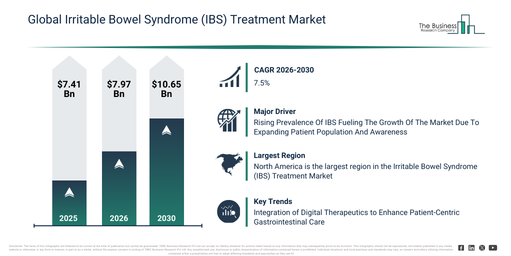
    The irritable bowel syndrome (ibs) treatment market size has experienced robust growth in recent years. It is anticipated to increase from $7.41 billion in 2025 to $7.97 billion in 2026, with a compound annual growth rate (CAGR) of 7.6%. The historical expansion of this market can be attributed to the rising prevalence of gastrointestinal disorders, increased diagnosis rates of ibs, growing awareness of digestive health, the availability of prescription ibs drugs, and the expansion of hospital and retail pharmacy networks.

    The irritable bowel syndrome (IBS) treatment market size is anticipated to demonstrate robust expansion in the upcoming years. It is projected to ascend to $10.65 billion by 2030, achieving a compound annual growth rate (CAGR) of 7.5%. This projected increase is driven by factors such as progress in precision medicine, broader acceptance of digital health platforms, the proliferation of online pharmacy channels, a growing emphasis on microbiome research, and rising healthcare spending dedicated to chronic conditions. Significant developments expected during the forecast period involve precision medicine and microbiome-based therapies, the integration of digital therapeutics with mobile health, AI-powered IBS diagnosis and treatment optimization, remote patient monitoring coupled with smart gut health devices, and a shift towards sustainable, patient-centric drug development.

    Get A Free Sample Report With In-Depth Market Insights:

    https://thebusinessresearchcompany.com/sample_request?id=11978&type=smp&name=Irritable%20Bowel%20Syndrome%20%28IBS%29%20Treatment%20Market%20Report%202026&utm_source=Blogs&utm_medium=Paid&utm_campaign=Oct_PR

    Irritable Bowel Syndrome (IBS) Treatment Market Development Factors: What’s Supporting Demand?

    The increasing occurrence of Irritable Bowel Syndrome (IBS) is anticipated to drive expansion within the IBS treatment market. IBS is a long-term digestive condition primarily affecting the large intestine, characterized by symptoms like constipation, diarrhea, abdominal discomfort, and bloating, which notably diminish an individual’s quality of life. This rise in IBS cases stems from various lifestyle elements such as inadequate diet, heightened stress levels, and environmental factors, all contributing to a greater number of people developing the condition. To meet patient demands, the IBS treatment market offers both drug-based solutions, like antispasmodics and medications specifically targeting the gut, alongside non-drug approaches, including cognitive behavioral therapy, hypnotherapy, and controlled diets. As an example, in December 2023, the IBD Registry, a UK-based non-profit organization, noted that it reached over 5,300 individuals with Inflammatory Bowel Disease (IBD) by 2023, which signifies an increase of more than 3,000 members compared to 2022. Consequently, the increasing prevalence of IBS is a significant factor propelling the expansion of the IBS treatment market.

    Irritable Bowel Syndrome (IBS) Treatment Market Segment Trends And Revenue Contributors

    The irritable bowel syndrome (ibs) treatment market covered in this report is segmented –

    1) By Drug Type: Eluxadoline, Alosetron, Other Drugs

    2) By Indication: IBS With Constipation, IBS With Diarrhea, IBS With Alternating Constipation And Diarrhea

    3) By Distribution Channel: Hospital Pharmacies, Online Pharmacies, Retail Pharmacies

    4) By End-Users: Hospitals, Clinics, Homecare Settings

    Subsegments:

    1) By Eluxadoline: IBS with Diarrhea (IBS-D) Treatment, Moderate IBS-D Treatment

    2) By Alosetron: Severe IBS-D Treatment for Women, Refractory IBS-D Treatment

    3) By Other Drugs: Prucalopride, Tenapanor, Plecanatide

    Irritable Bowel Syndrome (IBS) Treatment Market Transformation Trends: What Innovations Are Driving Change?

    Leading firms in the irritable bowel syndrome (IBS) treatment market are increasingly integrating digital therapeutic solutions, particularly mobile applications based on gut-directed hypnotherapy, to boost patient involvement, expand treatment availability, and enhance symptom handling. These gut-directed hypnotherapy mobile applications serve as prescribed digital platforms, offering structured hypnotherapy sessions via smartphones to adjust gut–brain interaction, thus supporting features like guided behavioral therapy, live symptom tracking, and automated patient progress oversight. An example of this trend is observed in May 2023, when Launchit DTx, a digital health commercialization company based in Canada, introduced Regulora. This digital therapeutic, utilizing gut-directed hypnotherapy, aims to assist adults in managing abdominal pain linked with irritable bowel syndrome (IBS), incorporating evidence-based hypnotherapy modules, prescribing workflows for clinicians, and a mobile application for tracking patient responses over time. By providing a non-pharmacologic, digitally delivered therapeutic option, Regulora improves treatment accessibility, self-management capabilities, and general symptom alleviation for individuals suffering from IBS.

    Irritable Bowel Syndrome (IBS) Treatment Market Competitive Landscape: Which Companies Lead The Industry?

    Major companies operating in the irritable bowel syndrome (ibs) treatment market are Ironwood Pharmaceuticals Inc., AbbVie Inc., Takeda Pharmaceutical Company Limited, Pfizer Inc., Johnson & Johnson Services Inc., AstraZeneca plc, Novartis AG, Abbott Laboratories, Eli Lilly and Company, Astellas Pharma Inc., Bausch Health Companies Inc., Sebela Pharmaceuticals Inc., Prometheus Laboratories Inc., RedHill Biopharma Ltd., Ardelyx Inc., Renexxion Ireland Ltd., 4D Pharma plc, Biora Therapeutics Inc., Salix Pharmaceuticals Ltd., Allergan plc, Synergy Pharmaceuticals Inc.

    View The Full Irritable Bowel Syndrome (IBS) Treatment Market Report:

    https://thebusinessresearchcompany.com/report/irritable-bowel-syndrome-IBS-treatment-global-market-report?utm_source=Blogs&utm_medium=Paid&utm_campaign=Oct_PR

    Irritable Bowel Syndrome (IBS) Treatment Market Regional Analysis And Top Geography

    North America was the largest region in the irritable bowel syndrome (IBS) treatment market in 2025. Europe is expected to be the fastest-growing region in the forecast period. The regions covered in the irritable bowel syndrome (ibs) treatment market report are Asia-Pacific, South East Asia, Western Europe, Eastern Europe, North America, South America, Middle East, Africa.

    Reach Out To Our Team:

    The Business Research Company: https://www.thebusinessresearchcompany.com/

    Americas: +1 310-496-7795

    Asia: +44 7882 955267 & +91 8897263534

    Europe: +44 7882 955267

    Email us at: marketing@tbrc.info

    Follow us on:

    LinkedIn: https://in.linkedin.com/company/the-business-research-company

    YouTube: https://www.youtube.com/channel/UC24_fI0rV8cR5DxlCpgmyFQ

    Global Market Model: https://www.thebusinessresearchcompany.com/global-market-model
  • Irradiation Sterilization Services Market Forecast 2026–2030: Market Size, Trends And Growth Opportunities

    Irradiation Sterilization Services Market Forecast 2026–2030: Market Size, Trends And Growth Opportunities

    Backed by market attractiveness analysis, total addressable market sizing, company benchmarking matrices, interactive Excel dashboards, wider supply chain intelligence, emerging startup coverage, and detailed product-level insights, The Business Research Company’s 2026 market reports are designed to offer research that is more actionable and strategically valuable than ever.

    Irradiation Sterilization Services Market Poised To Hit $5.33 Billion By 2030 With A 11.8% CAGR

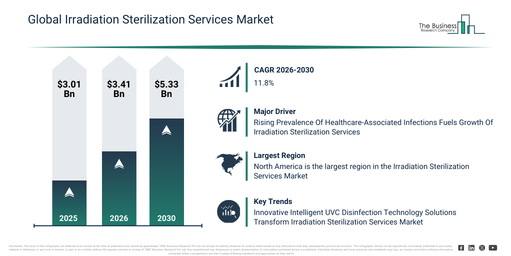
    The irradiation sterilization services market has observed rapid expansion in recent years. This market is set to increase from $3.01 billion in 2025 to $3.41 billion in 2026, registering a compound annual growth rate (CAGR) of 13.4%. The historical growth trajectory can be attributed to several factors, including an increase in medical device manufacturing, rising risks associated with healthcare-associated infections, regulatory mandates requiring sterile products, the broadening of pharmaceutical production, and the demonstrated effectiveness of irradiation sterilization.

    The market for irradiation sterilization services is projected to experience swift expansion over the coming years. This market is predicted to reach $5.33 billion by 2030, exhibiting a compound annual growth rate (CAGR) of 11.8%. Factors contributing to this growth during the projection period include an increase in biologics and injectable drug manufacturing, a greater need for sterile food processing, the expansion of contract sterilization services, improvements in healthcare infrastructure within developing economies, and innovations in irradiation techniques. Key developments anticipated during this timeframe involve an elevated demand for disposable medical devices, a rise in the outsourcing of sterilization operations, broader integration into pharmaceutical and biologics production, extended use in food and laboratory sterilization, and an increased emphasis on regulatory adherence and validation processes.

    Get A Free Sample Report With In-Depth Market Insights:

    https://thebusinessresearchcompany.com/sample_request?id=64367136&type=smp&name=Irradiation%20Sterilization%20Services%20Market%20Report%202026&utm_source=Blogs&utm_medium=Paid&utm_campaign=Oct_PR

    Irradiation Sterilization Services Market Industry Drivers: What’s Behind The Revenue Growth?

    The increasing prevalence of healthcare-associated infections is projected to propel the growth of the irradiation sterilization services market going forward. Healthcare-associated infections (HAIs) are illnesses patients acquire while receiving medical treatment in a healthcare facility, encompassing hospitals, long-term care facilities, and outpatient clinics, typically not present or incubating at admission but developing within a defined period afterward. The escalating incidence of healthcare-associated infections is attributed to antibiotic resistance, inadequate infection control measures, and the growing complexity of medical procedures. Irradiation sterilization services are utilized in healthcare to prevent healthcare-associated infections by ensuring medical instruments and surfaces are free from harmful microorganisms. For instance, in May 2024, according to the European Centre for Disease Prevention and Control, a Sweden-based government agency focused on public health and infectious diseases, 4.3 million patients in hospitals in the EU/EEA are affected by healthcare-associated infections annually. Therefore, the rising occurrence of healthcare-associated infections is driving the expansion of the irradiation sterilization services market.

    Irradiation Sterilization Services Market Segment Analysis Spotlighting Growth Areas

    The irradiation sterilization services market covered in this report is segmented –

    1) By Type: Onsite Sterilization Services, Offsite Sterilization Services

    2) By Technology: Gamma Irradiation, X-Ray Irradiation, E-Beam Irradiation

    3) By Application: Medical Instruments, Drug, Food And Laboratory, Other Applications

    Subsegments:

    1) By Onsite Sterilization Services: Mobile Irradiation Units, In-Facility Contract Sterilization Services

    2) By Offsite Sterilization Services: Centralized Commercial Irradiation Facilities, Third-Party Contract Sterilization Services

    #Irradiation Sterilization Services Market Growth Trends: What’s Shaping The Future Outlook?

    Leading companies within the irradiation sterilization services market are developing innovative products, such as intelligent UVC disinfection, to better serve customers with advanced features. Intelligent UVC disinfection employs advanced UV-C light technology to effectively eliminate microorganisms present on surfaces and in the air, thereby ensuring a high level of sanitation. For instance, in March 2023, PDI Healthcare, a US-based company focused on preventing infections across healthcare, hospitality, and communities, introduced the Tru-D SmartUVC, representing a new generation of intelligent UVC disinfection products. This device utilizes ultraviolet-C (UVC) light for disinfection, specifically engineered to eradicate pathogens within healthcare environments. It generates UVC light energy that modifies the DNA or RNA structure of infectious cells, effectively destroying harmful microorganisms like MRSA and C. difficile. This technology is a key part of a comprehensive strategy to enhance infection control and reduce hospital-acquired infections (HAIs) through advanced sterilization techniques.

    Irradiation Sterilization Services Market Leading Companies: Who Holds The Strongest Market Presence?

    Major companies operating in the irradiation sterilization services market are Steris plc, Sotera Health, Sterigenics N.V., Synergy Health plc, IBA Industrial, Nordion Inc., Ionisos SAS, BGS Beta-Gamma-Service GmbH & Co. KG, E-BEAM Services Inc., SteriTek, Microtrol Sterilisation Services Pvt. Ltd., BBF Sterilisationsservice GmbH, Gamma Service Recycling GmbH, VPT Rad Inc., Reviss Services (UK) Ltd., Scapa Sterilisation Services, Medisafe International, Aragogamma SA, Radiation Sterilization Services Inc.

    View The Full Irradiation Sterilization Services Market Report:

    https://thebusinessresearchcompany.com/report/irradiation-sterilization-services-global-market-report?utm_source=Blogs&utm_medium=Paid&utm_campaign=Oct_PR

    Irradiation Sterilization Services Market Geographic Analysis: Where Is Demand Rising Fastest?

    North America was the largest region in the irradiation sterilization services market in 2025. Asia-Pacific is expected to be the fastest-growing region in the forecast period. The regions covered in the irradiation sterilization services market report are Asia-Pacific, South East Asia, Western Europe, Eastern Europe, North America, South America, Middle East, Africa.

    Reach Out To Our Team:

    The Business Research Company: https://www.thebusinessresearchcompany.com/

    Americas: +1 310-496-7795

    Asia: +44 7882 955267 & +91 8897263534

    Europe: +44 7882 955267

    Email us at: marketing@tbrc.info

    Follow us on:

    LinkedIn: https://in.linkedin.com/company/the-business-research-company

    YouTube: https://www.youtube.com/channel/UC24_fI0rV8cR5DxlCpgmyFQ

    Global Market Model: https://www.thebusinessresearchcompany.com/global-market-model
  • Iron Deficiency Injectable Market Size Reaches $16.74 Billion In 2026: What Is Driving Growth?

    Iron Deficiency Injectable Market Size Reaches $16.74 Billion In 2026: What Is Driving Growth?

    Featuring market attractiveness scoring, total addressable market sizing, company benchmarking matrices, interactive Excel dashboards, deeper supply chain intelligence, emerging startup tracking, and granular product-level insights, The Business Research Company’s 2026 market reports are built to deliver research that is both more actionable and more strategically valuable.

    Iron Deficiency Injectable Market Size And Revenue Outlook Through 2030

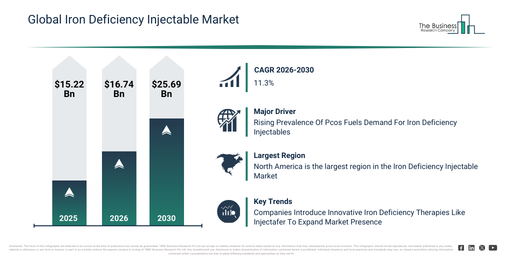
    The market for injectable treatments for iron deficiency has shown robust growth over recent years. Projections indicate expansion from $15.22 billion in 2025 to $16.74 billion in 2026, achieving a compound annual growth rate (CAGR) of 10.0%. Historically, this growth has been driven by factors such as the widespread occurrence of iron deficiency anemia, the restricted effectiveness of oral iron treatments, a rise in chronic kidney disease diagnoses, an increase in hospital-administered infusion therapies, and the broader clinical adoption of injectable iron solutions.

    The iron deficiency injectable market is projected to experience substantial expansion in the coming years. Its valuation is anticipated to reach $25.69 billion by 2030, exhibiting a compound annual growth rate (CAGR) of 11.3%. This projected increase is primarily driven by factors such as a growing elderly population, the rising incidence of cancer and IBD, the broadening of homecare infusion services, enhanced safety characteristics of contemporary formulations, and expanding access to healthcare in developing regions. Key developments expected during this period involve an increasing preference for injectable iron over oral alternatives, its more widespread application in chronic kidney disease management, the proliferation of day-care and brief infusion protocols, an increase in generic injectable iron products, and greater adoption in oncology and chronic disease treatment.

    Get A Free Sample Report With In-Depth Market Insights:

    https://thebusinessresearchcompany.com/sample_request?id=81480112&type=smp&name=Iron%20Deficiency%20Injectable%20Market%20Report%202026&utm_source=Blogs&utm_medium=Paid&utm_campaign=Oct_PR

    Iron Deficiency Injectable Market Growth Factors: What’s Supporting Expansion?

    The rising occurrence of polycystic ovary syndrome (PCOS) is anticipated to drive the expansion of the iron deficiency injectables market in the future. PCOS, a widespread hormonal condition, impacts individuals with ovaries, predominantly women of reproductive age. This syndrome results in iron overload, which contributes to substantial blood loss during menstruation and renders patients anemic; these conditions can be addressed by injectable iron deficiency medications. As an illustration, in June 2023, data from the World Health Organization, a US-based specialized health agency, indicated that an estimated 8–13% of women of reproductive age worldwide are affected by polycystic ovary syndrome (PCOS), with 70% of these cases going undiagnosed. Consequently, the widespread occurrence of polycystic ovary syndrome (PCOS) is fueling the expansion of the iron deficiency injectables market.

    Iron Deficiency Injectable Market Segment Performance And Emerging Opportunities

    The iron deficiency injectable market covered in this report is segmented –

    1) By Type: Iron Dextran, Ferric Carboxymaltose

    2) By Branded or Generics: Branded, Generics

    3) By Application: Chronic Kidney Disease, Inflammatory Bowel Disease, Cancer, Other Applications

    4) By End User: Hospitals, Homecare, Specialty Clinics, Other End Users

    Subsegments:

    1) By Iron Dextran: Low Molecular Weight Iron Dextran, High Molecular Weight Iron Dextran

    2) By Ferric Carboxymaltose: Injectafer, Ferinject

    Iron Deficiency Injectable Market Industry Trends: What’s Reshaping Demand?

    Leading companies in the iron deficiency injectables market are developing new therapies, such as INJECTAFER, to maintain their competitive position. For example, in June 2023, Daiichi Sankyo Company, a US-based healthcare company, along with American Regent Inc., a US-based injectables manufacturer, launched INJECTAFER (ferric carboxymaltose injection) for iron deficiency, following its approval by the Food And Drug Administration, a US-based government agency. This product stands as the first and only intravenous iron replacement therapy approved by the FDA for adult patients experiencing chronic and progressive heart failure. INJECTAFER was evaluated in more than 40 clinical trials, involving over 8,800 participants from various countries. This latest approval further supports INJECTAFER’s demonstrated and successful use in these patients, including adult and pediatric patients with iron-deficient anemia and heart failure.

    Iron Deficiency Injectable Market Key Players: Which Companies Lead Industry Competition?

    Major companies operating in the iron deficiency injectable market are Daiichi Sankyo Company Limited, Pfizer Inc., Fresenius Medical Care, AbbVie Inc., Bayer AG, AstraZeneca Plc, GSK Plc, Teva Pharmaceutical Industries Ltd., Mylan N.V., B Braun Medical Inc., Sandoz, Fresenius Kabi AG, AMAG Pharmaceuticals Inc., Luitpold Pharmaceuticals Inc., Akebia Therapeutics Inc., Covis Pharma GmbH , Keryx Biopharmaceuticals Inc., Rockwell Medical Inc., American Regent Inc.

    View The Full Iron Deficiency Injectable Market Report:

    https://thebusinessresearchcompany.com/report/iron-deficiency-injectable-global-market-report?utm_source=Blogs&utm_medium=Paid&utm_campaign=Oct_PR

    Iron Deficiency Injectable Market Global Footprint: Which Region Leads The Market?

    North America was the largest region in the iron deficiency injectable market in 2025. The regions covered in the iron deficiency injectable market report are Asia-Pacific, South East Asia, Western Europe, Eastern Europe, North America, South America, Middle East, Africa.

    Reach Out To Our Team:

    The Business Research Company: https://www.thebusinessresearchcompany.com/

    Americas: +1 310-496-7795

    Asia: +44 7882 955267 & +91 8897263534

    Europe: +44 7882 955267

    Email us at: marketing@tbrc.info

    Follow us on:

    LinkedIn: https://in.linkedin.com/company/the-business-research-company

    YouTube: https://www.youtube.com/channel/UC24_fI0rV8cR5DxlCpgmyFQ

    Global Market Model: https://www.thebusinessresearchcompany.com/global-market-model
  • Iron Deficiency Anemia Market Valued At $4.78 Billion In 2026: Key Trends And Growth Drivers

    Iron Deficiency Anemia Market Valued At $4.78 Billion In 2026: Key Trends And Growth Drivers

    Built to provide research that’s more actionable and strategically valuable, The Business Research Company’s 2026 market reports include market attractiveness analysis, total addressable market sizing, company benchmarking matrices, interactive Excel dashboards, broader supply chain intelligence, emerging startup tracking, and in-depth product insights.

    Iron Deficiency Anemia Market Growth From $3.79 Billion In 2026 To $4.78 Billion By 2030 At A CAGR Of 6%

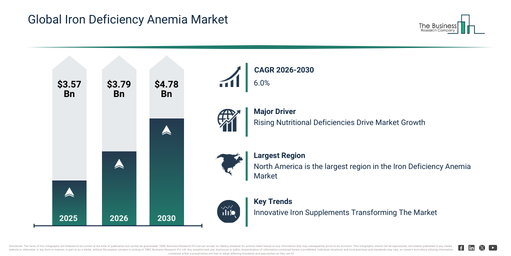
    The iron deficiency anemia market size has seen substantial growth in recent years. It is anticipated to increase from $3.57 billion in 2025 to $3.79 billion in 2026, exhibiting a compound annual growth rate (CAGR) of 6.2%. The expansion observed in the historic period can be ascribed to the high prevalence of nutritional iron deficiency, the widespread use of oral iron supplements, chronic blood loss from gastrointestinal disorders, maternal anemia in developing regions, and limited access to advanced parenteral therapies.

    The iron deficiency anemia market is projected to demonstrate substantial growth in the upcoming years. It is anticipated to expand to $4.78 billion by 2030, exhibiting a compound annual growth rate (CAGR) of 6.0%. This growth during the forecast period is fueled by an increasing global burden of anemia, the rising acceptance of intravenous iron therapies, an expanding geriatric population, broader healthcare access in emerging markets, and enhanced diagnostic and screening initiatives. Significant trends expected during this period include a greater adoption of parenteral iron therapies, an increased focus on managing maternal and pediatric anemia, the growing utilization of high-dose and long-acting iron formulations, an expansion of home-based iron therapy and infusion services, and heightened awareness and screening programs for iron deficiency.

    Get A Free Sample Report With In-Depth Market Insights:

    https://thebusinessresearchcompany.com/sample_request?id=27457321&type=smp&name=Iron%20Deficiency%20Anemia%20Market%20Report%202026&utm_source=Blogs&utm_medium=Paid&utm_campaign=Oct_PR

    Iron Deficiency Anemia Market Demand Drivers: What’s Powering Industry Growth?

    The growing incidence of nutritional deficiencies is anticipated to boost the iron deficiency anemia market in the coming years. Nutritional deficiency refers to a state where the body lacks the required amounts of one or more essential nutrients, such as vitamins, minerals, proteins, or fats, crucial for optimal health. These deficiencies are increasing due to poor dietary choices, widespread consumption of processed foods, and food insecurity, which limits access to nutrient-dense options, especially for lower-income populations. Iron deficiency anemia, a common type of nutritional deficiency, arises when a lack of dietary iron reduces the number of red blood cells, thus hindering the body’s oxygen transport capabilities. For instance, in February 2025, data from the World Health Organization, a Switzerland-based intergovernmental organization, estimated that anemia impacts 40% of children aged 6–59 months, 37% of pregnant women, and 30% of women between 15 and 49 years old. This escalating number of nutritional deficiencies is therefore a significant factor driving the iron deficiency anemia market.

    Iron Deficiency Anemia Market Segment Landscape And Growth Outlook

    The iron deficiency anemia market covered in this report is segmented –

    1) By Therapy Type: Oral Iron Therapy, Parenteral Iron Therapy, Red Blood Cell Transfusion

    2) By Distribution Channel: Hospital Pharmacy, Drug Stores and Retail Pharmacies, Online Pharmacies

    3) By End Users: Hospitals, Clinics, Home Healthcare

    Subsegments:

    1) By Oral Iron Therapy: Ferrous Sulfate, Ferrous Gluconate, Ferrous Fumarate, Polysaccharide-Iron Complex, Carbonyl Iron

    2) By Parenteral Iron Therapy: Iron Sucrose, Ferric Carboxymaltose, Iron Dextran, Ferumoxytol, Ferric Gluconate

    3) By Red Blood Cell Transfusion: Leukocyte-Reduced Red Blood Cell Transfusion, Washed Red Blood Cell Transfusion, Irradiated Red Blood Cell Transfusion

    Iron Deficiency Anemia Market Innovation Trends: What Developments Are Reshaping The Industry?

    Companies operating in the iron deficiency anemia market are actively developing advanced solutions, such as intravenous iron injections, aiming to provide a precise combination of nutrients that maximizes absorption and enhances tolerance, thereby effectively combating iron deficiency. Intravenous iron injection represents a medical procedure where iron is delivered directly into the bloodstream to treat iron deficiency or anemia, especially when oral supplements are either ineffective or insufficient. For example, in March 2024, Cadila Pharmaceuticals, an India-based pharmaceutical company, launched Redshot FCM. This intravenous iron injection is formulated with ferric carboxymaltose to effectively manage iron deficiency anemia (IDA). It is suitable for both adults and children over one year old who cannot tolerate oral iron supplements. Redshot FCM features a strong safety profile and minimal risk of anaphylaxis, allowing for the administration of high doses of iron in a single session, which facilitates rapid improvement in hemoglobin levels. It proves particularly beneficial for vulnerable groups like pregnant women, the elderly, and cancer patients.

    Iron Deficiency Anemia Market Competitive Landscape: Who Leads The Industry?

    Major companies operating in the iron deficiency anemia market are Sanofi S.A., Abbott Laboratories, Fresenius SE & Co. KGaA, Sandoz International GmbH, Perrigo Company, Cipla Limited, Dr. Reddy’s Laboratories Limited, Cadila Healthcare Limited, Zydus Cadila, Lupin Limited, Alkem Laboratories Limited, AMAG Pharmaceuticals Inc., Rockwell Medical Inc., Pharmacosmos A/S, Shield Therapeutics plc, AdvaCare Pharma LLC

    View The Full Iron Deficiency Anemia Market Report:

    https://thebusinessresearchcompany.com/report/iron-deficiency-anemia-global-market-report?utm_source=Blogs&utm_medium=Paid&utm_campaign=Oct_PR

    Iron Deficiency Anemia Market Regional Split: Which Areas Are Fueling Growth?

    North America was the largest region in the iron deficiency anemia market in 2025. Asia-Pacific is expected to be the fastest-growing region in the forecast period. The regions covered in the iron deficiency anemia market report are Asia-Pacific, South East Asia, Western Europe, Eastern Europe, North America, South America, Middle East, Africa.

    Reach Out To Our Team:

    The Business Research Company: https://www.thebusinessresearchcompany.com/

    Americas: +1 310-496-7795

    Asia: +44 7882 955267 & +91 8897263534

    Europe: +44 7882 955267

    Email us at: marketing@tbrc.info

    Follow us on:

    LinkedIn: https://in.linkedin.com/company/the-business-research-company

    YouTube: https://www.youtube.com/channel/UC24_fI0rV8cR5DxlCpgmyFQ

    Global Market Model: https://www.thebusinessresearchcompany.com/global-market-model
  • Iron Chelation Therapy Market Size In 2026: Growth Outlook And Forecast Through 2030

    Iron Chelation Therapy Market Size In 2026: Growth Outlook And Forecast Through 2030

    Backed by market attractiveness analysis, total addressable market sizing, company benchmarking matrices, interactive Excel dashboards, wider supply chain intelligence, emerging startup coverage, and detailed product-level insights, The Business Research Company’s 2026 market reports are designed to offer research that is more actionable and strategically valuable than ever.

    Iron Chelation Therapy Market Expansion Outlook: What Revenue Opportunities Are Ahead?

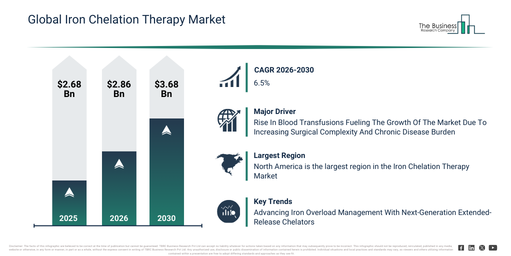
    The iron chelation therapy market has experienced robust growth in its size over recent years. Its expansion is projected to be from $2.68 billion in 2025 to $2.86 billion in 2026, demonstrating a compound annual growth rate (CAGR) of 6.8%. Historically, this growth can be ascribed to several factors, including the rising prevalence of transfusion-dependent anemias, the broader availability of chelation drugs, the expansion of pediatric hematology services, enhanced survival rates for thalassemia patients, and increasing clinical understanding of the dangers of iron overload.

    The iron chelation therapy market is projected to experience substantial expansion over the upcoming years, reaching a valuation of $3.68 billion by 2030, exhibiting a compound annual growth rate (CAGR) of 6.5%. This anticipated growth is primarily fueled by factors such as the increasing adoption of patient-centric treatment regimens, the rising development of next-generation chelators, the expansion of home-based iron management solutions, a growing emphasis on minimizing therapy side effects, and heightened investments in rare disease therapeutics. During this forecast period, significant trends are expected, including a greater preference for oral chelation therapies, an increased focus on patient adherence and compliance, the growing implementation of personalized iron management plans, the expansion of long-term iron overload monitoring, and the enhanced development of modified-release formulations.

    Get A Free Sample Report With In-Depth Market Insights:

    https://thebusinessresearchcompany.com/sample_request?id=89507687&type=smp&name=Iron%20Chelation%20Therapy%20Market%20Report%202026&utm_source=Blogs&utm_medium=Paid&utm_campaign=Oct_PR

    Iron Chelation Therapy Market Growth Drivers: What’s Behind The Acceleration?

    The escalating number of blood transfusions is projected to fuel the expansion of the iron chelation therapy market. Blood transfusion entails providing patients with donated blood to restore blood volume or manage particular health issues, such as anemia or blood loss. The uptick in blood transfusions can be attributed to the growing occurrence of intricate surgeries, which often result in considerable blood loss, making transfusions essential to preserve hemodynamic stability and facilitate patient recovery. Iron chelation therapy is employed to extract surplus iron that accumulates in the body from frequent blood transfusions. For instance, as per the American Red Cross, a US-based non-profit organization, around 16 million blood components are transfused annually in the U.S. Sickle cell disease impacts 90,000 to 100,000 people, with approximately 1,000 babies born with it each year, and a significant number of these patients require lifelong blood transfusions. Thus, the increasing blood transfusions are a primary driver for the growth of the iron chelation therapy market.

    Iron Chelation Therapy Market Breakdown By Product Type And Application

    The iron chelation therapy market covered in this report is segmented –

    1) By Drug Type: Deferasirox, Deferoxamine, Deferiprone

    2) By Route Of Administration: Intravenous Administration, Subcutaneous Delivery

    3) By Indication: Thalassemia, Sickle Cell Disease, Myelodysplastic Syndromes (MDS), Non-Transfusion-Dependent Thalassemia (NTDT)

    4) By Patient Demographics: Pediatric Patients, Adult Patients, Elderly Patients

    5) By End-User: Hospitals, Specialty Clinics, Homecare Settings, Other End-Users

    Subsegments:

    1) By Deferasirox: Dispersible Tablets (DT), Film-Coated Tablets (FCT), Oral Suspension

    2) By Deferoxamine: Injectable Solution, Subcutaneous Infusion, Intramuscular Injection, Intravenous Infusion

    3) By Deferiprone: Oral Solution, Oral Tablets, Modified-Release Tablets

    Iron Chelation Therapy Market Trends: What’s Defining The Industry’s Next Phase?

    Leading companies in the iron chelation therapy market are concentrating on developing next-generation chelators that offer enhanced bioavailability. This effort aims to improve treatment efficacy, reduce adverse effects, and boost patient adherence. These advanced chelators are specifically designed to enhance the absorption and overall effectiveness of iron chelation therapies, with the goal of optimizing dosing schedules and increasing patient compliance in managing various iron overload disorders. For instance, in March 2023, Chiesi Farmaceutici S.p.A., an Italy-based pharmaceutical company, secured approval from Health Canada for its FERRIPROX MR. This medication, a twice-daily extended-release iron chelator, is intended for treating iron overload in patients with thalassemia, sickle cell disease, and other anemias, thereby offering improved convenience and continued support for rare disease care. Clinical data indicates that FERRIPROX MR 1,000 mg is both effective and safe for the specified patient population, with its safety profile considered acceptable for individuals experiencing iron overload.

    Iron Chelation Therapy Market Company Landscape And Competitive Strategy

    Major companies operating in the iron chelation therapy market are Novartis AG, Bayer AG, Vifor Pharma Group, Teva Pharmaceutical Industries Ltd., Sun Pharmaceutical Industries Ltd., Aurobindo Pharma Ltd., Dr Reddys Laboratories Ltd., Cipla Ltd., Zydus Cadila, Natco Pharma Ltd., Apotex Inc., Mylan NV (Viatris Inc.), Chiesi Farmaceutici S.pA., Lupin Limited, Taro Pharmaceutical Industries Ltd., Unichem Laboratories Ltd., Accord Healthcare, Sandoz International GmbH, Recordati S.p.A., Swedish Orphan Biovitrum AB, Glenmark Pharmaceuticals Ltd., Fresenius Kabi AG, Hikma Pharmaceuticals PLC, Amneal Pharmaceuticals Inc., Keryx Biopharmaceuticals Inc.

    View The Full Iron Chelation Therapy Market Report:

    https://thebusinessresearchcompany.com/report/iron-chelation-therapy-global-market-report?utm_source=Blogs&utm_medium=Paid&utm_campaign=Oct_PR

    Iron Chelation Therapy Market Top Region: Where Does Most Revenue Come From?

    North America was the largest region in the iron chelation therapy market in 2025. Asia-Pacific is expected to be the fastest-growing region in the forecast period. The regions covered in the iron chelation therapy market report are Asia-Pacific, South East Asia, Western Europe, Eastern Europe, North America, South America, Middle East, Africa.

    Reach Out To Our Team:

    The Business Research Company: https://www.thebusinessresearchcompany.com/

    Americas: +1 310-496-7795

    Asia: +44 7882 955267 & +91 8897263534

    Europe: +44 7882 955267

    Email us at: marketing@tbrc.info

    Follow us on:

    LinkedIn: https://in.linkedin.com/company/the-business-research-company

    YouTube: https://www.youtube.com/channel/UC24_fI0rV8cR5DxlCpgmyFQ

    Global Market Model: https://www.thebusinessresearchcompany.com/global-market-model
  • Ion Chromatography Market Trends Supporting 8.3% CAGR Growth Through 2030

    Ion Chromatography Market Trends Supporting 8.3% CAGR Growth Through 2030

    Featuring market attractiveness scoring, total addressable market sizing, company benchmarking matrices, interactive Excel dashboards, deeper supply chain intelligence, emerging startup tracking, and granular product-level insights, The Business Research Company’s 2026 market reports are built to deliver research that is both more actionable and more strategically valuable.

    Ion Chromatography Market Growth Potential: How Will Market Size Shift Through 2030?

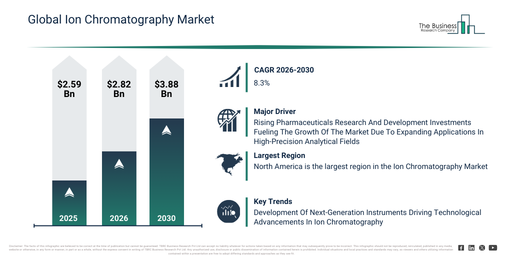
    The ion chromatography market has seen substantial growth recently. Its value is predicted to rise from $2.59 billion in 2025 to $2.82 billion in 2026, exhibiting a compound annual growth rate (CAGR) of 8.6%. This historical increase is a result of growing regulatory testing requirements, the expansion of environmental monitoring programs, the increased use of chromatography in pharmaceutical analysis, the growth in food safety testing, and the availability of advanced ion exchange resins.

    The ion chromatography market is projected to experience substantial growth in the coming years, with its size expected to reach $3.88 billion by 2030, reflecting a compound annual growth rate (CAGR) of 8.3%. This anticipated expansion during the forecast period is primarily driven by an escalating demand for high-throughput analytical systems, an increased focus on trace-level ion detection, the broader application of industrial quality control testing, rising investments in laboratory automation, and the ongoing development of advanced chromatography detectors. Significant trends for the forecast period include the increasing adoption of high-pressure ion chromatography systems, a growing demand for automated sample preparation, the expanded use of capillary ion chromatography, the broadening of environmental and pharmaceutical testing applications, and a heightened emphasis on analytical accuracy.

    Get A Free Sample Report With In-Depth Market Insights:

    https://thebusinessresearchcompany.com/sample_request?id=82765238&type=smp&name=Ion%20Chromatography%20Market%20Report%202026&utm_source=Blogs&utm_medium=Paid&utm_campaign=Oct_PR

    Ion Chromatography Market Growth Factors Behind Sustained Expansion

    The growth of the ion chromatography market is projected to be propelled by increasing investments in pharmaceutical research and development. This research and development encompasses the scientific process of discovering, designing, testing, and bringing new drugs to market for treating or preventing diseases. The escalation in pharmaceutical research and development is attributed to the rising prevalence of chronic and complex conditions, such as cancer, diabetes, and neurodegenerative disorders, which necessitates an urgent search for new and more effective treatments. Ion chromatography plays a vital role in the pharmaceutical industry by enabling the precise detection and quantification of ionic compounds, including active pharmaceutical ingredients (APIs), excipients, and impurities. For instance, according to the Department for Science, Innovation, and Technology, a UK government department, in July 2024 it was reported that the business enterprise sector in the UK spent $12.1 billion (£9.0 billion) on research and development (R&D) in the pharmaceutical industry in 2022, accounting for 0.36% of the nation’s gross domestic product (GDP). Therefore, increased investments in pharmaceutical research and development will significantly boost the ion chromatography market’s growth. The rising demand for water quality testing is anticipated to drive the expansion of the ion chromatography market. Water quality testing involves the analysis of water to determine its chemical, physical, and biological characteristics, ensuring it is safe and appropriate for use. The increase in water quality testing is spurred by growing health awareness, as individuals seek safer water to prevent illnesses and maintain overall well-being. Ion chromatography is instrumental in water quality testing by precisely detecting and quantifying trace ions, facilitating an accurate assessment of contaminants and ensuring overall water safety. For example, in November 2025, the Department for Environment, Food & Rural Affairs, a UK-based department overseeing environmental protection, food production and standards, agriculture, fisheries, and rural communities in England, reported that in 2025, 297 bathing waters in England (66.1 per cent) met the Excellent standard of the Bathing Water Regulations. Consequently, the increasing demand for water quality testing is a key driver for the ion chromatography market’s growth.

    Ion Chromatography Market Segment Analysis And Revenue Potential

    The ion chromatography market covered in this report is segmented –

    1) By Product Type: Ion Chromatographs, Ion Exchange Resins, Sample Preparation Systems

    2) By Technique Type: Suppressed Ion Chromatography, Non-Suppressed Ion Chromatography, Capillary Ion Chromatography

    3) By Application: Environmental Testing, Pharmaceutical Industry, Food Industry, Chemical Industry, Other Applications

    Subsegments:

    1) By Ion Chromatographs: Benchtop Ion Chromatographs, Portable Ion Chromatographs, High-Pressure Ion Chromatographs, Capillary Ion Chromatographs

    2) By Ion Exchange Resins: Cation Exchange Resins, Anion Exchange Resins, Mixed Bed Resins, Specialty Resins

    3) By Sample Preparation Systems: Filtration Units, Solid Phase Extraction (SPE) Systems, Liquid-Liquid Extraction Systems, Automated Sample Preparation Workstations

    Ion Chromatography Market Industry Trends Fueling Future Revenue Growth

    Leading companies within the ion chromatography market are concentrating on developing advanced solutions, such as next-generation instruments, to enhance reliability, efficiency, and functional adaptability in laboratories across various sectors. A next-generation instrument is a cutting-edge device developed with the latest innovations to deliver superior performance, precision, and flexibility. For instance, in February 2024, Thermo Fisher Scientific, a US-based biotechnology company, launched the Thermo Scientific Dionex Inuvion Ion Chromatography (IC) system. This system incorporates advanced pump technology that enhances operational speed, improves data accuracy, and ensures consistent reproducibility. Its intuitive design allows easy access to internal components, simplifying system setup and routine maintenance. It supports reagent-free ion chromatography (RFIC) with automatic eluent generation, saving time and promoting reliable performance. The system also offers flexible suppression choices, either chemical or electrolytic, to optimize sensitivity based on application requirements. Its modular and customizable architecture supports the integration of user-installed accessories, making it adaptable to changing analytical demands. Designed with a compact footprint and advanced software interface, the system delivers efficient functionality and reliable, high-quality results across various industries.

    Ion Chromatography Market Key Players Shaping Industry Direction

    Major companies operating in the ion chromatography market are Thermo Fisher Scientific, Agilent Technologies Inc., Shimadzu Corporation, Waters Corporation, Metrohm AG, Tosoh Bioscience LLC, MembraPure GmbH, Sykam Chromatography, Qingdao Shenghan Chromatograph Technology Co. Ltd., Qingdao Puren Instrument, East & West Analytical Instruments, Qingdao Luhai, Cecil Instruments, Nittoseiko Analytech Co. Ltd., JASCO Corporation, Analytik Jena GmbH, Hach Company, Scion Instruments, Hamilton Company

    View The Full Ion Chromatography Market Report:

    https://thebusinessresearchcompany.com/report/ion-chromatography-global-market-report?utm_source=Blogs&utm_medium=Paid&utm_campaign=Oct_PR

    Ion Chromatography Market Regional Breakdown: Where Is Demand Concentrated?

    North America was the largest region in the ion chromatography market in 2025. Asia-Pacific is expected to be the fastest-growing region in the forecast period. The regions covered in the ion chromatography market report are Asia-Pacific, South East Asia, Western Europe, Eastern Europe, North America, South America, Middle East, Africa.

    Reach Out To Our Team:

    The Business Research Company: https://www.thebusinessresearchcompany.com/

    Americas: +1 310-496-7795

    Asia: +44 7882 955267 & +91 8897263534

    Europe: +44 7882 955267

    Email us at: marketing@tbrc.info

    Follow us on:

    LinkedIn: https://in.linkedin.com/company/the-business-research-company

    YouTube: https://www.youtube.com/channel/UC24_fI0rV8cR5DxlCpgmyFQ

    Global Market Model: https://www.thebusinessresearchcompany.com/global-market-model
  • Iodine Market Forecast Highlights A $4.37 Billion Opportunity For Industry Participants

    Iodine Market Forecast Highlights A $4.37 Billion Opportunity For Industry Participants

    Built to provide research that’s more actionable and strategically valuable, The Business Research Company’s 2026 market reports include market attractiveness analysis, total addressable market sizing, company benchmarking matrices, interactive Excel dashboards, broader supply chain intelligence, emerging startup tracking, and in-depth product insights.

    Iodine Market Value Analysis: What Growth Lies Ahead Over The Forecast Period?

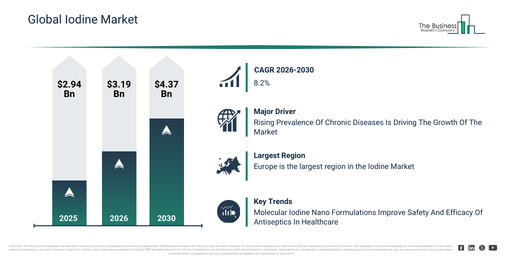
    The iodine market has experienced substantial expansion in recent years. This market is projected to expand from $2.94 billion in 2025 to $3.19 billion in 2026, reflecting a compound annual growth rate (CAGR) of 8.5%. Historically, its growth can be attributed to several factors, including iodine deficiency disorders driving iodized salt adoption, the established use of iodine in antiseptics, the growth of x-ray contrast media applications, dependence on caliche ore and brine extraction, and the expansion of animal feed supplementation.

    The iodine market is projected to experience substantial expansion over the upcoming years. This market is set to reach $4.37 billion by 2030, exhibiting a compound annual growth rate (CAGR) of 8.2%. This anticipated growth is primarily driven by factors such as the rise in diagnostic imaging procedures, greater emphasis on micronutrient fortification, an upswing in pharmaceutical manufacturing, the creation of sustainable iodine recovery techniques, and wider application in advanced materials and electronics. Key trends during this period are expected to encompass an escalating demand for iodine in medical imaging and diagnostics, expanding utilization of iodine in pharmaceutical and nutritional uses, increasing integration of iodine-based biocides and disinfectants, broadening efforts in recycling and sustainable iodine procurement, and rising intake of iodine in polymer and electronics production.

    Get A Free Sample Report With In-Depth Market Insights:

    https://thebusinessresearchcompany.com/sample_request?id=81538094&type=smp&name=Iodine%20Market%20Report%202026&utm_source=Blogs&utm_medium=Paid&utm_campaign=Oct_PR

    Iodine Market Demand Drivers Opening New Revenue Streams

    The increasing occurrence of long-term health conditions is anticipated to boost the iodine market’s expansion in the future. Chronic diseases are defined as persistent health ailments that endure for prolonged durations, generally exceeding three months, and frequently advance gradually. This growing incidence of chronic diseases, including conditions like thyroid disorders, cardiovascular diseases, and cancer, fuels the need for iodine because of its essential functions in medical imaging, pharmaceutical uses, and nutritional supplements designed to manage and prevent these health issues. Iodine is crucial in addressing chronic illnesses by aiding thyroid function, regulating metabolic processes, strengthening the immune system, and decreasing inflammation, all of which contribute to better overall health and a stronger defense against diseases. For example, data from January 2023, published by the National Library of Medicine, a US-based medical library, projects that by 2050, 142.66 million Americans 50 and older will likely experience at least one chronic illness. Consequently, the increasing occurrence of chronic diseases is propelling the expansion of the iodine market.

    Iodine Market Segmentation And Category Overview

    The iodine market covered in this report is segmented –

    1) By Form: Inorganic Salts And Complexes, Elemental And Isotopes, Organic Compound

    2) By Source: Underground Brines, Seaweeds, Caliche Ore, Recycling

    3) By Application: Pharmaceuticals, Biocides, Iodophors, X-Ray Contrast Media, Catalyst In Polymer Processing, Optical Polarizing Films, Human Nutrition, Fluorochemicals, Animal Feed, Other Applications

    Subsegments:

    1) By Inorganic Salts And Complexes: Sodium Iodide, Potassium Iodide, Calcium Iodate

    2) By Elemental And Isotopes: Elemental Iodine, Iodine-131, Iodine-123

    3) By Organic Compound: Iodophors, Iodinated Contrast Media, Iodinated Organic Chemicals

    Iodine Market Trends Powering Strategic Industry Growth

    Leading companies active in the iodine market are focusing on incorporating advanced nanotechnology, such as nano-iodine infusion, to enhance product performance and flexibility in application. A nano-iodine infusion refers to the intravenous delivery of iodine particles specifically engineered at the nanoscale, which aids in improving both iodine absorption and its antimicrobial activity within a singular formulation. For instance, in September 2024, I2Pure, a US-based company specializing in iodine formulations, developed its unique nano-iodine platform. This nanotechnology is designed to provide shelf-stable, pH-neutral iodine solutions for uses such as antisepsis, wound irrigation, and oral rinses. It features high free-iodine concentrations (hundreds of times more than traditional products), room-temperature storage, and sterility in a ready-to-use format. I2Pure’s nano-iodine platform helps improve cost control, formulation automation, and decision-making in healthcare product design by enabling more effective doses and faster market entry for iodine-based therapies.

    Iodine Market Competitive Analysis Of Leading Industry Participants

    Major companies operating in the iodine market are Sociedad Química y Minera de Chile S.A., MilliporeSigma, ACF Minera S.A., Nippoh Chemicals Co. Ltd., ISE Chemicals Corporation, Algorta Norte S.A., Godo Shigen Co. Ltd., Iofina plc, American Elements, Deepwater Chemicals Inc., Kanto Chemical Co. Inc., Eskay Iodine, Salvi Chemicals Industries Limited, Azer Yod LLC, Junsei Chemical Co. Ltd.

    View The Full Iodine Market Report:

    https://thebusinessresearchcompany.com/report/iodine-global-market-report?utm_source=Blogs&utm_medium=Paid&utm_campaign=Oct_PR

    Iodine Market Geographic Landscape: Which Region Leads Industry Growth?

    Europe was the largest region in the iodine market in 2025. Asia-Pacific is expected to be the fastest-growing region in the forecast period. The regions covered in the iodine market report are Asia-Pacific, South East Asia, Western Europe, Eastern Europe, North America, South America, Middle East, Africa.

    Reach Out To Our Team:

    The Business Research Company: https://www.thebusinessresearchcompany.com/

    Americas: +1 310-496-7795

    Asia: +44 7882 955267 & +91 8897263534

    Europe: +44 7882 955267

    Email us at: marketing@tbrc.info

    Follow us on:

    LinkedIn: https://in.linkedin.com/company/the-business-research-company

    YouTube: https://www.youtube.com/channel/UC24_fI0rV8cR5DxlCpgmyFQ

    Global Market Model: https://www.thebusinessresearchcompany.com/global-market-model
  • In-Vitro Toxicology Testing Market Analysis: How The Industry Is Evolving Toward A $20.87 Billion Future

    In-Vitro Toxicology Testing Market Analysis: How The Industry Is Evolving Toward A $20.87 Billion Future

    Backed by market attractiveness analysis, total addressable market sizing, company benchmarking matrices, interactive Excel dashboards, wider supply chain intelligence, emerging startup coverage, and detailed product-level insights, The Business Research Company’s 2026 market reports are designed to offer research that is more actionable and strategically valuable than ever.

    In-Vitro Toxicology Testing Market Size Forecast: How Big Could The Market Get By 2030?

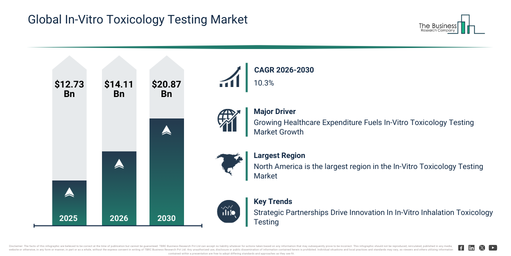
    The in-vitro toxicology testing market size has seen substantial growth over recent years. This market is forecast to increase from $12.73 billion in 2025 to $14.11 billion in 2026, achieving a compound annual growth rate (CAGR) of 10.9%. Historically, this expansion has been influenced by factors including ethical issues concerning animal testing, a rise in pharmaceutical research and development activities, the initial adoption of cell-based assays, regulatory constraints on animal experimentation, and an increase in cosmetic safety evaluations.

    The in-vitro toxicology testing market size anticipates substantial expansion in the upcoming years. Projections indicate it will reach a value of $20.87 billion by 2030, exhibiting a compound annual growth rate (CAGR) of 10.3%. This anticipated growth during the forecast period is driven by factors such as progress in toxicogenomics and predictive modeling, a heightened need for safety assessments in personalized medicine, greater capital allocation towards alternative testing methods, the broadening of regulatory structures that back in vitro techniques, and the expansion within biotechnology and biopharmaceutical development pipelines. Key trends for the upcoming period encompass a noticeable transition from in vivo to in vitro toxicology approaches, a surge in the implementation of high-throughput screening solutions, an increasing requirement for initial toxicity evaluations during drug discovery, the proliferation of cell-based and organ-on-chip assays, and enhanced regulatory approval for non-animal toxicology methods.

    Get A Free Sample Report With In-Depth Market Insights:

    https://thebusinessresearchcompany.com/sample_request?id=65483221&type=smp&name=In-Vitro%20Toxicology%20Testing%20Market%20Report%202026&utm_source=Blogs&utm_medium=Paid&utm_campaign=Oct_PR

    In-Vitro Toxicology Testing Market Growth Backed By Core Demand Fundamentals

    Increased healthcare expenditure is anticipated to drive the in-vitro toxicology testing market forward. Health expenditure refers to the funds spent by both citizens and the government from their total income on hospitals, home health services, prescription pharmaceuticals, nursing facilities, and personal healthcare. Globally, health expenditure is on the rise due to the increasing prevalence of diseases that utilize in-vitro toxicology testing. For instance, in September 2024, a report from the Centers for Medicare & Medicaid Services, a US-based federal agency, indicated that from 2023 to 2032, the average growth rate of national health expenditure (NHE) is projected to be 5.6%, which is higher than the average GDP growth rate of 4.3%. Consequently, the share of health spending as a percentage of GDP is expected to increase from 17.3% in 2022 to 19.7% in 2032. Therefore, the expanding healthcare expenditure is a significant driver for the in-vitro toxicology testing market.

    In-Vitro Toxicology Testing Market Segment Outlook: Which Categories Are Growing Fastest?

    The in-vitro toxicology testing market covered in this report is segmented –

    1) By Product And Service: Consumables, Assays, Equipment, Software, Services

    2) By Technology: Cell Culture Technologies, High-throughput Technologies, Toxicogenomics

    3) By Applications: Neurotoxicity, Dermal toxicity, Cytotoxicity, Other Applications

    4) By Industry: Pharmaceuticals And Biopharmaceuticals, Cosmetic And Household Products, Food, Chemicals

    Subsegments:

    1) By Consumables: Reagents, Cell Culture Media, Plates And Vials

    2) By Assays: Cell-Based Assays, Biochemical Assays, Genetic Toxicity Assays

    3) By Equipment: Automated Systems, Microscopes, Plate Readers

    4) By Software: Data Analysis Software, Laboratory Information Management Systems (LIMS), Toxicology Modeling Software

    5) By Services: Testing Services, Consultation Services, Regulatory Compliance Services

    In-Vitro Toxicology Testing Market Growth Trends Reshaping The Competitive Landscape

    Leading companies within the in-vitro toxicology testing market are adopting a strategic partnership approach to offer inhalation toxicology tests, aiming to bolster their market position. Such strategic partnerships signify a process where organizations harness each other’s strengths and resources to achieve mutual benefits and collective success. For example, in November 2024, Charles River Laboratories International Inc., a US-based provider of pharmaceutical products and services, collaborated with Met Tak life sciences, a US-based biotechnology company, to develop a new approach methodology (NAM) inhalation toxicology test. This initiative seeks to diminish reliance on traditional animal research methods, as the integration of MatTek’s advanced 3D human tissue models into toxicology testing workflows is expected to bridge the gap between animal testing and human biology.

    In-Vitro Toxicology Testing Market Leading Companies And Competitive Benchmarking

    Major companies operating in the in-vitro toxicology testing market are Thermo Fisher Scientific Inc., Merck KGaA, Laboratory Corporation of America Holdings (LabCorp), Gentronix Limited (a subsidiary of Eurofins Scientific SE), Bio-Rad Laboratories Inc., Eurofins Scientific SE, Charles River Laboratories International Inc., Promega Corporation, Agilent Technologies Inc., Evotec SE, SGS SA, BioIVT LLC, MB Research Laboratories LLC, Creative Biolabs Inc., Creative Bioarray Inc., InSphero AG, PerkinElmer Inc., Cyprotex PLC, MatTek Corporation, Danaher Corporation, Ncardia AG, Sekisui Chemical Co. Ltd., BioReliance Corporation, CellSystems Biotechnologie Vertrieb GmbH, Taconic Biosciences Inc., Biopredic International, MultiCell Technologies Inc., Altasciences Clinical Research Holdings Inc., Molecular Toxicology Inc., Toxys BV, XenoTech LLC, Optivia Biotechnology Inc., Toxikon Corporation

    View The Full In-Vitro Toxicology Testing Market Report:

    https://thebusinessresearchcompany.com/report/in-vitro-toxicology-testing-global-market-report?utm_source=Blogs&utm_medium=Paid&utm_campaign=Oct_PR

    In-Vitro Toxicology Testing Market Largest Region: Which Geography Holds The Biggest Share?

    North America was the largest region in the in- vitro toxicology testing market in 2025. Asia-Pacific is expected to be the fastest-growing region in the in- vitro toxicology testing market report during the forecast period. The regions covered in the in-vitro toxicology testing market report are Asia-Pacific, South East Asia, Western Europe, Eastern Europe, North America, South America, Middle East, Africa.

    Reach Out To Our Team:

    The Business Research Company: https://www.thebusinessresearchcompany.com/

    Americas: +1 310-496-7795

    Asia: +44 7882 955267 & +91 8897263534

    Europe: +44 7882 955267

    Email us at: marketing@tbrc.info

    Follow us on:

    LinkedIn: https://in.linkedin.com/company/the-business-research-company

    YouTube: https://www.youtube.com/channel/UC24_fI0rV8cR5DxlCpgmyFQ

    Global Market Model: https://www.thebusinessresearchcompany.com/global-market-model