Category: Healthcare Services

  • Health Data Lineage Platforms Market Growth To $4.63 Billion Creates New Opportunities Across The Industry

    Health Data Lineage Platforms Market Growth To $4.63 Billion Creates New Opportunities Across The Industry

    Featuring market attractiveness scoring, total addressable market sizing, company benchmarking matrices, interactive Excel dashboards, deeper supply chain intelligence, emerging startup tracking, and granular product-level insights, The Business Research Company’s 2026 market reports are built to deliver research that is both more actionable and more strategically valuable.

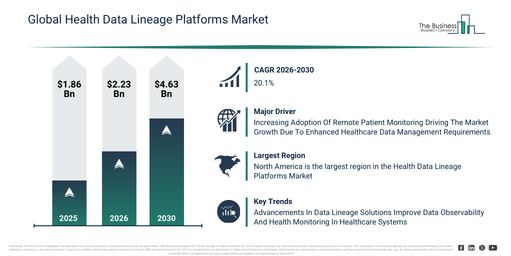
    Health Data Lineage Platforms Market Growth From $2.23 Billion In 2026 To $4.63 Billion By 2030 At A CAGR Of 20.1%

    The health data lineage platforms market size has seen rapid growth in recent years. This market is forecasted to increase from $1.86 billion in 2025 to $2.23 billion in 2026, at a compound annual growth rate (CAGR) of 19.8%. The historical growth can be attributed to several factors including the rising adoption of electronic health records, increasing regulatory demands for health data compliance, the growing need for data-driven clinical decision-making, the early deployment of healthcare IT solutions, and the expansion of clinical analytics capabilities.

    The market for health data lineage platforms is projected to experience substantial expansion in the coming years. Its valuation is anticipated to reach $4.63 billion by 2030, exhibiting a compound annual growth rate (CAGR) of 20.1%. This upward trajectory during the projection period stems from factors such as the proliferation of AI-driven health data lineage tools, a growing need for cloud-based deployment, a heightened emphasis on patient data privacy and consent monitoring, the broadening of integrated healthcare analytics platforms, and stricter interoperability demands within healthcare environments. Key developments during this timeframe encompass the traceability of clinical data, validation of data quality and integrity, mechanisms for tracking consent and access, lineage visualization capabilities for analytical purposes, and preparedness for regulatory compliance and audits.

    Get A Free Sample Report With In-Depth Market Insights:

    https://thebusinessresearchcompany.com/sample_request?id=43431869&type=smp&name=Health%20Data%20Lineage%20Platforms%20Market%20Report%202026&utm_source=Blogs&utm_medium=Paid&utm_campaign=Oct_PR

    Health Data Lineage Platforms Market Opportunity Drivers: What’s Unlocking New Revenue Potential?

    The escalating embrace of remote patient monitoring is set to fuel the expansion of the health data lineage platforms market moving forward. Remote patient monitoring (RPM) is a healthcare innovation that enables patients to gather and convey their health information through connected medical devices to healthcare providers for ongoing oversight and management. The rising uptake of remote patient monitoring is propelled by the broadening of medicare reimbursement policies, which encourage healthcare providers to implement these technologies for managing chronic diseases and offer financial coverage for remote monitoring services. Remote patient monitoring necessitates health data lineage platforms capable of tracking and overseeing the origin, flow, and alteration of health data as it moves from patient devices to provider systems, thereby guaranteeing data accuracy, regulatory adherence, and security throughout the monitoring process. For instance, in August 2025, data from the Department of Health & Human Services, a US-based executive branch department, indicated that in 2024, Medicare expenditure on remote patient monitoring surpassed $536 million, marking a 31% surge compared to 2023. Concurrently, nearly 1 million beneficiaries utilized RPM services, representing a 27% year-over-year increase, and approximately 4,600 medical practices regularly billed for these services. Consequently, the heightened adoption of remote patient monitoring is propelling the expansion of the health data lineage platforms market.

    Health Data Lineage Platforms Market Segment Analysis And Revenue Potential

    The health data lineage platforms market covered in this report is segmented –

    1) By Component: Software, Services

    2) By Deployment Mode: On Premises, Cloud

    3) By Application: Data Governance, Regulatory Compliance, Risk Management, Data Quality Management, Other Applications

    4) By End User: Healthcare Providers, Payers, Life Sciences, Public Health Agencies, Other End Users

    Subsegments:

    1) By Software: Healthcare Data Lineage Tracking Software, Clinical Data Integration Software, Data Governance And Compliance Software, Metadata Management Software, Visualization And Reporting Software

    2) By Services: Implementation And Integration Services, Consulting And Integration Services, Maintenance And Support Services, Training And Education Services, Managed Data Lineage Services

    Health Data Lineage Platforms Market Innovation Trends Shaping Future Development

    Leading companies in the health data lineage platforms market are concentrating on developing advanced data lineage and observability solutions. The goal of these solutions is to enhance data transparency, reliability, and governance within complex healthcare data ecosystems. Data lineage and observability solutions are integrated tools that offer complete visibility into how data is created, transformed, and utilized across systems, simultaneously tracking data quality, accuracy, and performance. This functionality allows organizations to quickly detect data problems, ensure accurate analytics, and maintain regulatory adherence via real-time data health tracking. For example, in June 2023, ThinkData Works Inc., a Canada-based data intelligence company, introduced a data lineage solution specifically designed to boost data observability and health monitoring in enterprise data environments. This solution provides end-to-end visibility into data flows, empowering healthcare organizations to proactively spot data quality problems, monitor data health, and guarantee reliable analytics and reporting for clinical, operational, and research use cases.

    Health Data Lineage Platforms Market Industry Leaders And Competitive Landscape

    Major companies operating in the health data lineage platforms market are Microsoft Corporation, International Business Machines Corporation, Oracle Corporation, SAP SE, SAS Institute Inc., Hitachi Vantara LLC, Informatica Inc., Cloudera Inc., Rocket Software Inc., Qlik Technologies Inc., Precisely Software Inc., Collibra NV, Syniti Inc., Alation Inc., Ataccama Corporation, OvalEdge Inc., data.world Inc, Global IDs Inc., DataKitchen Inc., Alex Solutions Pty Ltd., and Quest Software Inc.

    View The Full Health Data Lineage Platforms Market Report:

    https://thebusinessresearchcompany.com/report/health-data-lineage-platforms-market-report?utm_source=Blogs&utm_medium=Paid&utm_campaign=Oct_PR

    Health Data Lineage Platforms Market Regional Analysis And Top Geography

    North America was the largest region in the health data lineage platforms market in 2025. Asia-Pacific is expected to be the fastest-growing region in the forecast period. The regions covered in the health data lineage platforms market report are Asia-Pacific, South East Asia, Western Europe, Eastern Europe, North America, South America, Middle East, Africa.

    Reach Out To Our Team:

    The Business Research Company: https://www.thebusinessresearchcompany.com/

    Americas: +1 310-496-7795

    Asia: +44 7882 955267 & +91 8897263534

    Europe: +44 7882 955267

    Email us at: marketing@tbrc.info

    Follow us on:

    LinkedIn: https://in.linkedin.com/company/the-business-research-company

    YouTube: https://www.youtube.com/channel/UC24_fI0rV8cR5DxlCpgmyFQ

    Global Market Model: https://www.thebusinessresearchcompany.com/global-market-model
  • Emergency Medical Services Software Market Forecast To Reach $3.6 Billion By 2030: Key Trends Explained

    Emergency Medical Services Software Market Forecast To Reach $3.6 Billion By 2030: Key Trends Explained

    Backed by market attractiveness analysis, total addressable market sizing, company benchmarking matrices, interactive Excel dashboards, wider supply chain intelligence, emerging startup coverage, and detailed product-level insights, The Business Research Company’s 2026 market reports are designed to offer research that is more actionable and strategically valuable than ever.

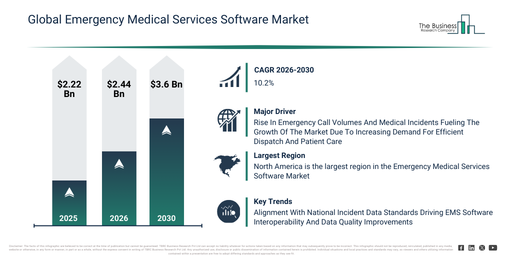
    Emergency Medical Services Software Market Forecast: Value Set To Climb From $2.44 Billion To $3.6 Billion

    The emergency medical services software market has observed strong growth in recent years. It is anticipated to expand from $2.22 billion in 2025 to $2.44 billion in 2026, at a compound annual growth rate (CAGR) of 10.0%. The growth witnessed historically is due to factors such as the increasing demand for efficient pre-hospital care, the greater adoption of digital health solutions, the expansion of emergency medical services infrastructure, the rising need for patient data management, and the integration of communication tools in EMS operations.

    The emergency medical services software market size is anticipated to experience swift expansion over the coming years. This market is projected to reach $3.6 billion in 2030, demonstrating a compound annual growth rate (CAGR) of 10.2%. Factors contributing to this growth during the forecast period include advancements in AI-driven dispatch systems, the emergence of cloud-based emergency services solutions, increased adoption of interoperable health record sharing, the broader integration of telehealth within EMS, and a heightened emphasis on predictive analytics for resource allocation. Key trends anticipated in the same period encompass real-time emergency response coordination, enhanced patient data interoperability, optimization of fleet and resources, adherence to regulatory compliance and reporting standards, and the automation of clinical documentation processes.

    Get A Free Sample Report With In-Depth Market Insights:

    https://thebusinessresearchcompany.com/sample_request?id=32610&type=smp&name=Emergency%20Medical%20Services%20Software%20Market%20Report%202026&utm_source=Blogs&utm_medium=Paid&utm_campaign=Oct_PR

    Emergency Medical Services Software Market Growth Backed By Core Demand Fundamentals

    The increasing number of emergency call volumes and medical incidents is projected to stimulate the growth of the emergency medical services software market in the future. Emergency call volumes and medical incidents refer to the aggregate count of emergency service requests received by dispatch centers and the associated patient care events managed by EMS personnel. These emergency call volumes and medical incidents are rising due to factors such as increasing population density, an aging demographic, and a growing prevalence of chronic health conditions. Emergency medical services software aids in managing elevated call volumes by facilitating faster incident prioritization and more efficient dispatch, thereby enhancing response times when demand is high. For instance, in December 2025, the Midland Fire Department, a US-based provider of fire protection and emergency medical services, indicated that emergency medical services (EMS) calls increased from 14,895 during January to November 2024 to 15,592 over the same period in 2025, representing an approximate year-over-year increase of 4.08%. Therefore, the escalating emergency call volumes and medical incidents are driving the expansion of the emergency medical services software market.

    Emergency Medical Services Software Market Segmentation: How Does The Market Break Down By Category?

    The emergency medical services software market covered in this report is segmented –

    1) By Product Type: Computer-Aided Dispatch, Electronic Patient Care Reporting, Emergency Medical Services (EMS) Billing, Scheduling And Workforce Management, Fleet Management, Other Product Types

    2) By Deployment Mode: Cloud-Based, On-Premises

    3) By Functionality: Incident Reporting, Resource Allocation, Communication And Coordination, Reporting And Analytics, Compliance Management

    4) By Application: Hospitals And Clinics, Emergency Service Providers, Other Applications

    5) By End User: Public Ambulance Services, Private Ambulance Services, Healthcare Organizations, Fire Departments, Other Emergency Services

    Subsegments:

    1) By Computer-Aided Dispatch: Priority Based Dispatch, Real Time Unit Tracking, Call Taking And Triage, Location Based Dispatching, Inter Agency Dispatch Coordination

    2) By Electronic Patient Care Reporting: Clinical Documentation Management, Patient Data Capture, Treatment And Outcome Recording, Interoperable Health Record Sharing, Quality Assurance And Audit Support

    3) By Emergency Medical Services (EMS) Billing: Insurance Claim Processing, Automated Invoice Generation, Reimbursement Management, Revenue Cycle Optimization, Payment Tracking And Reporting

    4) By Scheduling And Workforce Management: Shift Scheduling, Staff Availability Management, Credential And Certification Tracking, Overtime And Leave Management, Workforce Performance Monitoring

    5) By Fleet Management: Vehicle Location Tracking, Maintenance And Service Scheduling, Fuel And Cost Monitoring, Asset And Equipment Tracking, Fleet Utilization Analysis

    6) By Other Product Types: Inventory And Supply Management, Compliance And Regulatory Reporting, Training And Simulation Management, Analytics And Performance Dashboards, Telehealth And Remote Support Integration

    Emergency Medical Services Software Market Growth Trends Reshaping The Competitive Landscape

    Leading companies in the emergency medical services software market are prioritizing the alignment of their platforms with evolving national incident data standards, such as NEMSIS and the National Emergency Response Information System (NERIS), to enhance data quality and usability. These NEMSIS-compliant and NERIS-aligned data architectures are standardized digital frameworks created to structure, validate, and facilitate the exchange of emergency medical and fire incident data, adhering to federal and state reporting requirements. For example, in April 2024, ImageTrend, a US-based public safety and healthcare software company, published a policy position statement explaining its method for NERIS data flow within its EMS and fire data platform. The company stressed its support for NERIS modernization while advocating for a state-centric data submission approach, where incident data proceeds from local agencies to state systems before transmission to NERIS. This endeavor showcases ImageTrend’s deployment of NERIS-aligned data frameworks and transitional resources within its software, designed to assist EMS and fire agencies in adapting to the National Emergency Response Information System while simultaneously upholding data governance, ensuring interoperability, and maintaining compliance with developing federal reporting mandates.

    Emergency Medical Services Software Market Top Companies Driving Competitive Growth

    Major companies operating in the emergency medical services software market are Motorola Solutions Incorporation, Hexagon AB, Tyler Technologies Inc., Eso Solutions Inc., ZOLL Medical Corporation, ImageTrend Inc., Forte Holdings Inc., Sansio, Emergency Reporting, Digitech Computer Inc., Ortivus AB, Traumasoft Inc., AngelTrack LLC, MP Cloud Technologies Inc., AIM System, EPIC EMS, Documed Systems International Inc., Healthware Corp., Macrologic Inc., Emergidata.

    View The Full Emergency Medical Services Software Market Report:

    https://thebusinessresearchcompany.com/report/emergency-medical-services-software-market-report?utm_source=Blogs&utm_medium=Paid&utm_campaign=Oct_PR

    Emergency Medical Services Software Market Global Footprint: Which Region Leads The Market?

    North America was the largest region in the emergency medical services software market in 2025. Asia-Pacific is expected to be the fastest-growing region in the forecast period. The regions covered in the emergency medical services software market report are Asia-Pacific, South East Asia, Western Europe, Eastern Europe, North America, South America, Middle East, Africa.

    Reach Out To Our Team:

    The Business Research Company: https://www.thebusinessresearchcompany.com/

    Americas: +1 310-496-7795

    Asia: +44 7882 955267 & +91 8897263534

    Europe: +44 7882 955267

    Email us at: marketing@tbrc.info

    Follow us on:

    LinkedIn: https://in.linkedin.com/company/the-business-research-company

    YouTube: https://www.youtube.com/channel/UC24_fI0rV8cR5DxlCpgmyFQ

    Global Market Model: https://www.thebusinessresearchcompany.com/global-market-model
  • Artificial Intelligence (AI) Medical Scribe Software Market Set To Expand From $5.08 Billion In 2026: Growth Outlook Through 2030

    Artificial Intelligence (AI) Medical Scribe Software Market Set To Expand From $5.08 Billion In 2026: Growth Outlook Through 2030

    Featuring market attractiveness scoring, total addressable market sizing, company benchmarking matrices, interactive Excel dashboards, deeper supply chain intelligence, emerging startup tracking, and granular product-level insights, The Business Research Company’s 2026 market reports are built to deliver research that is both more actionable and more strategically valuable.

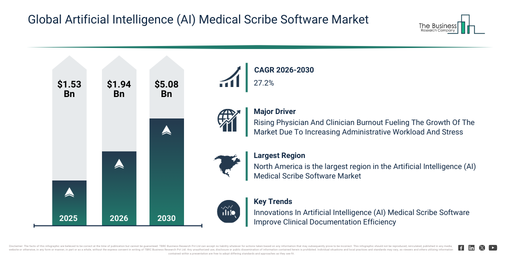
    Artificial Intelligence (AI) Medical Scribe Software Market Forecast: Value Set To Climb From $1.94 Billion To $5.08 Billion

    The artificial intelligence (AI) medical scribe software market size has expanded significantly in recent years. It is forecast to increase from $1.53 billion in 2025 to $1.94 billion in 2026, exhibiting a compound annual growth rate (CAGR) of 26.9%. The historical growth of this market can be attributed to physician burnout, the growth in EHR adoption, the emergence of early speech recognition tools, the digitization of healthcare, and existing documentation inefficiencies.

    The artificial intelligence (AI) medical scribe software market is projected to experience significant expansion over the next few years. It is anticipated to reach a value of $5.08 billion by 2030, exhibiting a compound annual growth rate (CAGR) of 27.2%. This growth during the forecast period is attributed to factors like AI-driven healthcare automation, the expansion of telemedicine, the necessity for regulatory documentation, a focus on clinician productivity, and the rise of cloud healthcare platforms. Major developments expected in this period include automated clinical documentation, real-time speech recognition, optimization of healthcare workflows, AI-powered compliance support, and context-aware medical transcription.

    Get A Free Sample Report With In-Depth Market Insights:

    https://thebusinessresearchcompany.com/sample_request?id=92055440&type=smp&name=Artificial%20Intelligence%20%28AI%29%20Medical%20Scribe%20Software%20Market%20Report%202026&utm_source=Blogs&utm_medium=Paid&utm_campaign=Oct_PR

    Artificial Intelligence (AI) Medical Scribe Software Market Expansion Drivers: What’s Shaping Future Growth?

    The increasing occurrence of physician and clinician burnout is anticipated to fuel the expansion of the artificial intelligence medical scribe software market in the future. This burnout refers to a condition of physical, emotional, and mental depletion resulting from sustained occupational stress within healthcare environments. The growing incidence of physician and clinician burnout primarily stems from an expanding administrative burden, as extensive documentation and electronic health record responsibilities curtail time spent on patient care, leading to stress, weariness, and emotional drain. Artificial intelligence medical scribe software assists in tackling the increasing problem of physician and clinician burnout by automating clinical record-keeping, easing administrative load, and enabling medical professionals to concentrate more on treating patients and less on administrative tasks. For example, data from December 2024, reported by the Australian Journal of General Practice, an Australia-based general practitioner publication, indicated that 71% of 2,000 Australian GPs suffered from burnout in 2023. Consequently, the growing occurrence of physician and clinician burnout is projected to stimulate the expansion of the artificial intelligence medical scribe software market.

    Artificial Intelligence (AI) Medical Scribe Software Market Segment Analysis And Revenue Potential

    The artificial intelligence (AI) medical scribe software market covered in this report is segmented –

    1) By Component: Software, Services

    2) By Deployment Mode: Cloud-Based, On-Premises

    3) By Application: Hospitals, Clinics, Ambulatory Surgical Centers, Specialty Centers, Other Applications

    4) By End-User: Healthcare Providers, Medical Institutions, Other End-Users

    Subsegments:

    1) By Software: Clinical Documentation Software, Speech Recognition Software, Natural Language Processing Software, Workflow Automation Software, Analytics And Reporting Software

    2) By Services: Consulting And Advisory Services, Implementation And Integration Services, Training And Education Services, Support And Maintenance Services, Customization And Optimization Services

    Artificial Intelligence (AI) Medical Scribe Software Market Strategic Trends: What Defines The Next Growth Phase?

    Leading companies in the artificial intelligence medical scribe software market are concentrating on creating innovative solutions, such as native artificial intelligence charting tools, to boost clinical documentation accuracy and ultimately achieve improved patient care outcomes. These native artificial intelligence charting tools are either built-in or integrated with AI-powered data visualization features that automatically generate charts, graphs, and insights from data directly within a platform, eliminating the need for external plugins or manual coding. For instance, in August 2025, Epic, a US-based electronic health records (EHR) software provider, announced the development of its native AI charting tool. This tool utilizes integrated AI to automatically complete portions of a patient’s electronic patient record (EPR), thereby reducing the time spent on documentation and administrative tasks and allowing clinicians to better focus on patient care. This technology combines Microsoft’s Dragon Ambient AI for transcription with Epic’s proprietary processing to generate structured visit documentation directly within the EPR and is projected to be ready for limited deployment by early 2026, with further AI capabilities like discharge planning agents and virtual assistants slated for introduction afterward.

    Artificial Intelligence (AI) Medical Scribe Software Market Competitive Landscape: Who Leads The Industry?

    Major companies operating in the artificial intelligence (AI) medical scribe software market are TruBridge Inc, Innovaccer Inc, CureMDcom Inc, Abridge AI Inc, OmniMD Inc, Notable Health Inc, Nabla Labs Inc, Voicebrook Inc, Tandem Health AB, Sully AI Inc, Freed AI Inc, Heidi Health Pty Ltd, Ambience Healthcare Pty Ltd, Upheal Inc, Tali AI Inc, ScribeAmerica AI Inc, Playback Health Inc, SPRY Therapeutics Inc., Suki AI Inc, and Sunoh AI Inc

    View The Full Artificial Intelligence (AI) Medical Scribe Software Market Report:

    https://thebusinessresearchcompany.com/report/artificial-intelligence-ai-medical-scribe-software-market-report?utm_source=Blogs&utm_medium=Paid&utm_campaign=Oct_PR

    Artificial Intelligence (AI) Medical Scribe Software Market Geographic Landscape: Which Region Dominates Industry Growth?

    North America was the largest region in the artificial intelligence medical scribe software market in 2025. Asia-Pacific is expected to be the fastest-growing region in the forecast period. The regions covered in the artificial intelligence (AI) medical scribe software market report are Asia-Pacific, South East Asia, Western Europe, Eastern Europe, North America, South America, Middle East, Africa.

    Reach Out To Our Team:

    The Business Research Company: https://www.thebusinessresearchcompany.com/

    Americas: +1 310-496-7795

    Asia: +44 7882 955267 & +91 8897263534

    Europe: +44 7882 955267

    Email us at: marketing@tbrc.info

    Follow us on:

    LinkedIn: https://in.linkedin.com/company/the-business-research-company

    YouTube: https://www.youtube.com/channel/UC24_fI0rV8cR5DxlCpgmyFQ

    Global Market Model: https://www.thebusinessresearchcompany.com/global-market-model
  • Rare Disease Contract Research Organization (CRO) Market Forecast 2026: Market Size, Competitive Landscape And Growth Drivers

    Rare Disease Contract Research Organization (CRO) Market Forecast 2026: Market Size, Competitive Landscape And Growth Drivers

    Featuring market attractiveness scoring, total addressable market sizing, company benchmarking matrices, interactive Excel dashboards, deeper supply chain intelligence, emerging startup tracking, and granular product-level insights, The Business Research Company’s 2026 market reports are built to deliver research that is both more actionable and more strategically valuable.

    Rare Disease Contract Research Organization (CRO) Market Value Growth And Long-Term Outlook

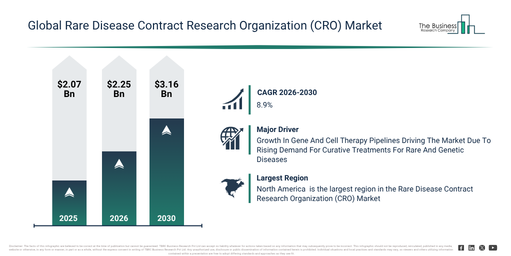
    The rare disease contract research organization (CRO) market size has experienced significant expansion in recent years. This market is set to increase from $2.07 billion in 2025 to $2.25 billion in 2026, achieving a compound annual growth rate (CAGR) of 8.6%. Historically, this growth can be ascribed to elements such as limited rare disease awareness hindering patient identification, fragmented clinical data systems impairing trial recruitment efficiency, the high expense of orphan drug development reducing the scale of trial outsourcing, a reliance on traditional site-based clinical research models, and the absence of standardized global rare disease regulatory frameworks.

    The rare disease contract research organization (CRO) market is set to experience robust expansion in the upcoming years. It is forecast to reach $3.16 billion in 2030, progressing at a compound annual growth rate (CAGR) of 8.9%. This growth throughout the forecast period can be attributed to advancements in genomic sequencing, which enable earlier detection of rare diseases; an increase in orphan drug approvals, thereby driving demand for CRO outsourcing; the expansion of precision medicine, accelerating niche clinical research; the rising adoption of decentralized trials, improving global patient access; and growing biotech investments in rare disease therapeutics. Notable trends during the forecast period include adaptive, patient-centric trial designs for ultra-rare disease cohorts, the expansion of global rare disease patient registry ecosystems, a greater embrace of decentralized and hybrid rare disease clinical trials, the development of specialized orphan drug regulatory consulting services, and the increasing integration of real-world evidence in rare disease clinical validation.

    Get A Free Sample Report With In-Depth Market Insights:

    https://thebusinessresearchcompany.com/sample_request?id=95686361&type=smp&name=Rare%20Disease%20Contract%20Research%20Organization%20%28CRO%29%20Market%20Report%202026&utm_source=Blogs&utm_medium=Paid&utm_campaign=Oct_PR

    Rare Disease Contract Research Organization (CRO) Market Expansion Drivers: What’s Shaping Future Growth?

    The expansion of gene and cell therapy pipelines is anticipated to fuel the future growth of the rare disease contract research organization market. These sophisticated treatments work by modifying genes or utilizing engineered cells to address the fundamental cause of illnesses. The increasing prevalence of chronic and rare genetic diseases primarily drives the rise in gene and cell therapies, as they provide focused, potentially curative solutions by targeting the underlying genetic or cellular issues rather than merely alleviating symptoms. Rare disease contract research organizations (CROs) aid gene and cell therapy by developing and overseeing highly specialized clinical studies, facilitating effective patient identification and enrollment for uncommon genetic conditions, ensuring adherence to regulations, and managing the intricate data and logistical demands of these cutting-edge, precision-based treatments. For instance, in March 2024, IQVIA Holdings Inc., a US-based provider of advanced analytics, technology solutions, and clinical research services for the life sciences and healthcare industries, noted that global expenditure on cell and gene therapies escalated to $5.9 billion in 2023, marking a 38% rise from 2022. Consequently, the development in gene and cell therapy pipelines is propelling the expansion of the rare disease contract research organization market. An anticipated increase in research and development (R&D) activities is set to boost the rare disease contract research organization (CRO) market in the coming years. R&D encompasses efforts aimed at generating novel knowledge and applying it to create or enhance products, services, or technologies. The surge in R&D endeavors stems from the escalating requirement for ongoing innovation to maintain a competitive edge in rapidly evolving markets, motivating companies to invest in advanced products and technologies that cater to shifting consumer demands and industry patterns. Rare disease contract research organizations (CROs) assist research and development by offering specialized knowledge, facilities, and patient sourcing abilities that help expedite the planning, execution, and oversight of intricate clinical trials and drug development initiatives for rare diseases. For example, in 2023, the Office for National Statistics, a UK-based government agency, stated that the UK government’s net expenditure on research and development (R&D) grew to £17.4 ($22.1 billion) in 2023, an increase from £16.1 billion ($20.45 billion) in 2022, signifying an 8.2% surge. Thus, the expansion of research and development activities is stimulating the growth of the rare disease contract research organization market.

    Rare Disease Contract Research Organization (CRO) Market Segmentation And Category Overview

    The rare disease contract research organization (CRO) market covered in this report is segmented –

    1) By Service Type: Drug Development Strategy, Clinical Trial Management, Patient Recruitment And Retention Services, Data Management And Biostatistics, Regulatory Affairs And Consulting, Pharmacovigilance Services, Medical Writing And Documentation, Decentralized Clinical Trial Services, Other Service Types

    2) By Phase: Pre Clinical, Phase One, Phase Two, Phase Three, Phase Four

    3) By Therapeutic Area: Oncology, Neurology, Cardiovascular Disorders, Metabolic Disorders, Genetic Disorders, Hematology, Immunology, Rare Infectious Diseases, Other Rare Indications

    4) By Delivery Model: On Site Clinical Trials, Decentralized Clinical Trials, Hybrid Clinical Trials

    5) By End User: Pharmaceutical And Biotechnology Companies, Non Profit And Government Organizations, Academic And Research Institutes, Other End Users

    Subsegments:

    1) By Drug Development Strategy: Preclinical Development Planning, Clinical Development Planning, Target Identification And Validation, Portfolio Strategy Optimization

    2) By Clinical Trial Management: Phase One Trial Management, Phase Two Trial Management, Phase Three Trial Management, Site Monitoring And Coordination

    3) By Patient Recruitment And Retention Services: Patient Identification Services, Patient Enrollment Support, Patient Engagement Programs, Patient Retention Strategies

    4) By Data Management And Biostatistics: Clinical Data Collection And Processing, Statistical Analysis And Modeling, Database Design And Management, Data Quality Assurance

    5) By Regulatory Affairs And Consulting: Regulatory Strategy Development, Submission Preparation And Filing, Compliance And Audit Support, Regulatory Advisory Services

    6) By Pharmacovigilance Services: Adverse Event Monitoring, Safety Data Analysis, Risk Management Planning, Signal Detection And Reporting

    7) By Medical Writing And Documentation: Clinical Study Report Writing, Protocol Development Documentation, Regulatory Writing Services, Scientific Publication Writing

    8) By Decentralized Clinical Trial Services: Remote Patient Monitoring, Virtual Trial Management, Home Healthcare Services, Digital Data Collection Solutions

    9) By Other Service Types: Rare Disease Consulting Services, Genetic Research Support, Biomarker Development Services, Translational Research Services

    Rare Disease Contract Research Organization (CRO) Market Leading Players And Competitive Positioning

    Major companies operating in the rare disease contract research organization (cro) market are Thermo Fisher Scientific Inc., IQVIA Holdings Inc., Laboratory Corporation of America Holdings, ICON plc, SGS SA, Charles River Laboratories International Inc., Fortrea Holdings Inc., Medpace Holdings Inc., ALS Limited, PSI CRO AG, Ratos AB, Precision for Medicine Inc., Allucent, QPS Holdings LLC, Alira Health SAS, Rho Inc., Veristat LLC, Quanticate Ltd., Cromos Pharma LLC, Frontage Laboratories Inc., ProTrials Research Inc., PROMETRIKA LLC, Machaon Diagnostics Inc., Sofpromed GmbH

    View The Full Rare Disease Contract Research Organization (CRO) Market Report:

    https://thebusinessresearchcompany.com/report/rare-disease-contract-research-organization-cro-market-report?utm_source=Blogs&utm_medium=Paid&utm_campaign=Oct_PR

    Rare Disease Contract Research Organization (CRO) Market Regional Distribution: Which Areas Power Market Growth?

    North America was the largest region in the rare disease contract research organization (CRO) market in 2025. Asia-Pacific is expected to be the fastest-growing region in the forecast period. The regions covered in the rare disease contract research organization (CRO) market report are Asia-Pacific, South East Asia, Western Europe, Eastern Europe, North America, South America, Middle East, Africa.

    Reach Out To Our Team:

    The Business Research Company: https://www.thebusinessresearchcompany.com/

    Americas: +1 310-496-7795

    Asia: +44 7882 955267 & +91 8897263534

    Europe: +44 7882 955267

    Email us at: marketing@tbrc.info

    Follow us on:

    LinkedIn: https://in.linkedin.com/company/the-business-research-company

    YouTube: https://www.youtube.com/channel/UC24_fI0rV8cR5DxlCpgmyFQ

    Global Market Model: https://www.thebusinessresearchcompany.com/global-market-model

  • Acute Bacterial Skin And Skin Structure Infections Market Analysis 2026: Market Size, Growth Trends And Industry Outlook

    Acute Bacterial Skin And Skin Structure Infections Market Analysis 2026: Market Size, Growth Trends And Industry Outlook

    Backed by market attractiveness analysis, total addressable market sizing, company benchmarking matrices, interactive Excel dashboards, wider supply chain intelligence, emerging startup coverage, and detailed product-level insights, The Business Research Company’s 2026 market reports are designed to offer research that is more actionable and strategically valuable than ever.

    Acute Bacterial Skin And Skin Structure Infections Market Revenue Outlook: What CAGR Lies Ahead Through 2030?

    The acute bacterial skin and skin structure infections market has experienced significant expansion in recent years. Its value is projected to rise from $12.9 billion in 2025 to $14.09 billion in 2026, reflecting a compound annual growth rate (CAGR) of 9.2%. The growth observed in prior periods can be attributed to several factors, including the limited availability of broad-spectrum antibiotics, an increase in the prevalence of hospital-acquired infections, greater awareness of complications from skin infections, improved access to community healthcare, and the widespread adoption of standard infection control protocols.

    The market size for acute bacterial skin and skin structure infections is anticipated to expand significantly in the coming years. It is projected to achieve a valuation of $20.79 billion by 2030, demonstrating a compound annual growth rate (CAGR) of 10.2%. This growth during the forecast period is primarily driven by factors such as the advancement of next-generation antibiotics, increased investments in antimicrobial research, the expansion of community-based infection management programs, the broadening of hospital pharmacy distribution channels, and the adoption of rapid diagnostic technologies. Notable trends during this period include a rising prevalence of acute bacterial skin and skin structure infections, an increasing embrace of novel antibiotics and combination therapies, the growth of hospital and community healthcare facilities, a greater reliance on oral and parenteral antibiotics, and a dedicated focus on lowering hospital-acquired infection rates.

    Get A Free Sample Report With In-Depth Market Insights:

    https://thebusinessresearchcompany.com/sample_request?id=23521067&type=smp&name=Acute%20Bacterial%20Skin%20And%20Skin%20Structure%20Infections%20Market%20Report%202026&utm_source=Blogs&utm_medium=Paid&utm_campaign=Oct_PR

    Acute Bacterial Skin And Skin Structure Infections Market Growth Drivers: What’s Behind The Acceleration?

    The increasing occurrence of skin infections is anticipated to fuel the expansion of the acute bacterial skin and skin structure infections market moving forward. Skin infections are conditions where microorganisms, such as bacteria, fungi, or viruses, invade and multiply within the skin, leading to various symptoms and discomfort. This surge in skin infections drives a greater need for therapeutic solutions, antibiotics, and innovative treatments to tackle acute bacterial and skin structure infections, ensuring patients receive the best possible care and outcomes. For instance, in March 2023, the World Health Organization, a Switzerland-based specialized agency of the United Nations, reported that about 1.8 billion people globally suffer from skin conditions at any time. Neglected tropical diseases (NTDs) comprise around 10% of these cases, with fungal infections at 34% and bacterial infections at 23%, frequently leading to high mortality rates. Thus, the growing prevalence of skin infections will propel the growth of the acute bacterial skin and skin structure infections market.

    Acute Bacterial Skin And Skin Structure Infections Market Segment Breakdown: Which Categories Lead On Revenue?

    The acute bacterial skin and skin structure infections market covered in this report is segmented –

    1) By Type Of Infection: Hospital-Acquired Acute Bacterial Skin And Skin Structure Infections, Community-Acquired Acute Bacterial Skin And Skin Structure Infections

    2) By Active Ingredients: Delafloxacin, Vancomycin, Ceftaroline Fosamil, Oritavancin, Tedizolid, Daptomycin, Tigecycline, Linezolid, Other Active Ingredients

    3) By Route Of Administration: Oral, Parenteral

    4) By Distribution Channel: Hospital Pharmacies, Retail Pharmacies, Online Pharmacies

    Subsegments:

    1) By Hospital-Acquired Acute Bacterial Skin And Skin Structure Infections (HABSSSIs): Surgical Site Infections, Catheter-Related Infections, Infections Related To Medical Devices

    2) By Community-Acquired Acute Bacterial Skin And Skin Structure Infections (CABSSSIs): Cellulitis, Abscesses, Impetigo, Folliculitis, Wound Infections

    Acute Bacterial Skin And Skin Structure Infections Market Trends: What’s Defining The Industry’s Next Phase?

    Leading companies in the acute bacterial skin and skin structure infections market are concentrating on developing innovative single-dose therapies, such as Dalbonova, to gain a competitive advantage. Dalbonova is a single-dose treatment that provides convenience and effectiveness, enabling patients to achieve desired results with just one potent 1500 mg dose administered once. For example, in August 2023, BDR Pharmaceuticals International Pvt. Ltd., an India-based pharmaceutical company specializing in API and formulation therapeutic segments, including acute bacterial skin and skin structure infections, introduced Dalbonova injection, a single-dose therapy for acute bacterial skin and skin structure infections (ABSSSI). Dalbonova Injection lessens the risk of hospital-acquired diseases by offering a single-dose treatment and removing the need for hospital admissions. It is formulated to treat acute bacterial skin and skin structure infections (ABSSSI) caused by certain gram-positive microorganisms in patients of all ages, including newborns.

    Acute Bacterial Skin And Skin Structure Infections Market Leading Players And Competitive Positioning

    Major companies operating in the acute bacterial skin and skin structure infections market are Pfizer Inc., AbbVie Inc., Novartis AG, GSK PLC, Takeda Pharmaceutical Company Limited, Viatris Inc., Teva Pharmaceutical Industries Ltd., Sun Pharmaceutical Industries Limited, Dr. Reddy’s Laboratories Ltd., Cipla Limited, Lupin Limited, Zydus Lifesciences Limited, Aurobindo Pharma Limited, Glenmark Pharmaceuticals Ltd., Alkem Laboratories Limited, Aspen Pharmacare Holdings Limited, Melinta Therapeutics LLC, Abbott Laboratories, Fresenius SE & Co. KGaA, Menarini Group

    View The Full Acute Bacterial Skin And Skin Structure Infections Market Report:

    https://thebusinessresearchcompany.com/report/acute-bacterial-skin-and-skin-structure-infections-global-market-report?utm_source=Blogs&utm_medium=Paid&utm_campaign=Oct_PR

    Acute Bacterial Skin And Skin Structure Infections Market Top Region By Revenue And Market Share

    Asia-Pacific was the largest region in the acute bacterial skin and skin structure infections market in 2025. North America is expected to be the fastest-growing region in the forecast period. The regions covered in the acute bacterial skin and skin structure infections market report are Asia-Pacific, South East Asia, Western Europe, Eastern Europe, North America, South America, Middle East, Africa.

    Reach Out To Our Team:

    The Business Research Company: https://www.thebusinessresearchcompany.com/

    Americas: +1 310-496-7795

    Asia: +44 7882 955267 & +91 8897263534

    Europe: +44 7882 955267

    Email us at: marketing@tbrc.info

    Follow us on:

    LinkedIn: https://in.linkedin.com/company/the-business-research-company

    YouTube: https://www.youtube.com/channel/UC24_fI0rV8cR5DxlCpgmyFQ

    Global Market Model: https://www.thebusinessresearchcompany.com/global-market-model
  • Acute Agitation And Aggression Treatment Market Growth To $8.37 Billion Creates New Opportunities Across The Industry

    Acute Agitation And Aggression Treatment Market Growth To $8.37 Billion Creates New Opportunities Across The Industry

    Featuring market attractiveness scoring, total addressable market sizing, company benchmarking matrices, interactive Excel dashboards, deeper supply chain intelligence, emerging startup tracking, and granular product-level insights, The Business Research Company’s 2026 market reports are built to deliver research that is both more actionable and more strategically valuable.

    Acute Agitation And Aggression Treatment Market Growth Analysis: How Will Revenue Trend Over The Forecast Period?

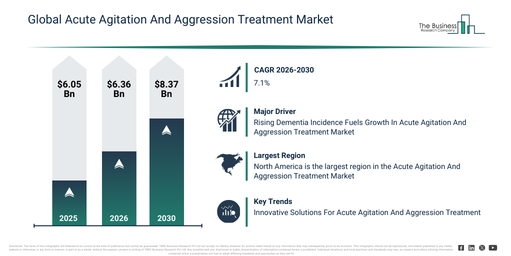
    The acute agitation and aggression treatment market has experienced robust expansion in recent years. It is projected to climb from $6.05 billion in 2025 to $6.36 billion in 2026, exhibiting a compound annual growth rate (CAGR) of 5.2%. Historically, this growth can be ascribed to elements such as the rising incidence of psychiatric disorders, an uptick in emergency department visits for agitation, broader access to antipsychotic medications, the development of mental health services, and increased understanding of behavioral health conditions.

    The acute agitation and aggression treatment market size is anticipated to experience robust expansion in the coming years. It is projected to reach $8.37 billion by 2030, progressing at a compound annual growth rate (CAGR) of 7.1%. This growth during the forecast period can be ascribed to an escalating need for swift-acting therapeutic solutions, increased financial backing for neuropsychiatric drug research, the burgeoning utilization of digital mental health resources, the broadening of integrated behavioral care frameworks, and a heightened emphasis on patient-centered treatment methodologies. Significant trends for the forecast duration encompass the wider embrace of rapid-onset pharmacological therapies, a growing emphasis on individualized psychiatry methods, the expanding incorporation of digital oversight instruments, the extension of emergency behavioral care procedures, and a stronger commitment to patient well-being.

    Get A Free Sample Report With In-Depth Market Insights:

    https://thebusinessresearchcompany.com/sample_request?id=31356299&type=smp&name=Acute%20Agitation%20And%20Aggression%20Treatment%20Market%20Report%202026&utm_source=Blogs&utm_medium=Paid&utm_campaign=Oct_PR

    Acute Agitation And Aggression Treatment Market Growth Factors Behind Sustained Expansion

    The rising occurrence of dementia is projected to fuel the expansion of the acute agitation and aggression treatment market moving forward. Dementia encompasses conditions characterized by compromised memory, cognitive function, and the ability to perform daily activities. Agitation, a symptom frequently observed in dementia patients, manifests through behaviors such as restlessness, repetitive actions, or frequent hand movements. Treating acute agitation and aggression holds significant importance in dementia care, as it lessens the danger of harmful symptoms, enhances the patient’s quality of life, and addresses the underlying reasons for the agitation. For example, in February 2023, data from the Australian Institute of Health and Welfare, an Australia-based government agency, indicated that an estimated 401,300 Australians had dementia in 2022, a figure anticipated to nearly double to 849,300 by 2058. Thus, the growing incidence of dementia is a key driver for the acute agitation and aggression treatment market’s growth.

    Acute Agitation And Aggression Treatment Market Segmentation: How Does The Market Break Down By Category?

    The acute agitation and aggression treatment market covered in this report is segmented –

    1) By Treatment Approach: Behavioral Approaches, Environmental Interventions, Pharmacologic Approaches

    2) By Drug Class: Anti-Psychotics, Benzodiazepines, Other Drug Classes

    3) By Route of Administration: Oral, Intramuscular, Other Routes of Administrations

    4) By Indication: Schizophrenia, Dementia, Bipolar Disorder, Depression, Drug-Induced Agitation And Aggression, Alcohol Withdrawal, Other Indications

    5) By End User: Hospitals And Ambulatory Surgical Centers, Psychiatric Care Facilities, Other End Users

    Subsegments:

    1) By Behavioral Approaches: Cognitive Behavioral Therapy (CBT), De-escalation Techniques, Psychoeducation, Relaxation Therapy, Other Behavioral Interventions

    2) By Environmental Interventions: Sensory Modifications, Safe Room Or Containment Strategies, Environmental Noise Reduction, Lighting And Temperature Adjustments, Other Environmental Interventions

    3) By Pharmacologic Approaches: Antipsychotic Medications, Benzodiazepine Medications, Mood Stabilizers, Other Pharmacologic Agents, Adjunctive Medications

    Acute Agitation And Aggression Treatment Market Industry Trends Fueling Future Revenue Growth

    Leading companies active in the acute agitation and aggression treatment market are concentrating on the development of innovative products, such as a generic variant of Zyprexa, to cater to patient needs. Generic Zyprexa is a rendition of the brand-name drug Zyprexa, which comprises olanzapine as its active ingredient and is utilized for managing psychotic conditions. For example, in September 2023, Camber Pharmaceuticals, a US-based pharmaceutical company, released a generic version of Zyprexa. This atypical antipsychotic medicine is indicated for addressing acute agitation connected with schizophrenia and bipolar I mania.

    Acute Agitation And Aggression Treatment Market Competitive Overview And Top Companies

    Major companies operating in the acute agitation and aggression treatment market are Pfizer Inc., Johnson and Johnson Pvt Ltd., F Hoffmann-La Roche Ltd., AbbVie Inc., Novartis AG, Sanofi SA, Bristol-Myers Squibb Company, GlaxoSmithKline plc., Eli Lilly and Company, Teva Pharmaceutical Industries Ltd., Otsuka Pharmaceutical Co Ltd., Mylan NV, Biogen Inc., Bausch Health Companies Inc., UCB SA, Servier Laboratories, Sun Pharmaceutical Industries Ltd., AstraZeneca PLC, Ono Pharmaceutical Co Ltd., Apotex Inc., H Lundbeck A/S, Hikma Pharmaceuticals PLC, Amneal Pharmaceuticals LLC, Neurocrine Biosciences Inc., Aurobindo Pharma Limited, Alkermes plc., Indivior plc., Sunovion Pharmaceuticals Inc., Vanda Pharmaceuticals Inc., and Alexza Pharmaceuticals Inc

    View The Full Acute Agitation And Aggression Treatment Market Report:

    https://thebusinessresearchcompany.com/report/acute-agitation-and-aggression-treatment-global-market-report?utm_source=Blogs&utm_medium=Paid&utm_campaign=Oct_PR

    Acute Agitation And Aggression Treatment Market Regional Analysis And Top Geography

    North America was the largest region in the acute agitation and aggression treatment market in 2025. Asia-Pacific is expected to be the fastest-growing region in the forecast period. The regions covered in the acute agitation and aggression treatment market report are Asia-Pacific, South East Asia, Western Europe, Eastern Europe, North America, South America, Middle East, Africa.

    Reach Out To Our Team:

    The Business Research Company: https://www.thebusinessresearchcompany.com/

    Americas: +1 310-496-7795

    Asia: +44 7882 955267 & +91 8897263534

    Europe: +44 7882 955267

    Email us at: marketing@tbrc.info

    Follow us on:

    LinkedIn: https://in.linkedin.com/company/the-business-research-company

    YouTube: https://www.youtube.com/channel/UC24_fI0rV8cR5DxlCpgmyFQ

    Global Market Model: https://www.thebusinessresearchcompany.com/global-market-model
  • Active Wound Care Market Forecast: Breaking Down The Numbers Behind Future Expansion

    Active Wound Care Market Forecast: Breaking Down The Numbers Behind Future Expansion

    Built to provide research that’s more actionable and strategically valuable, The Business Research Company’s 2026 market reports include market attractiveness analysis, total addressable market sizing, company benchmarking matrices, interactive Excel dashboards, broader supply chain intelligence, emerging startup tracking, and in-depth product insights.

    Active Wound Care Market Forecast: What Value Will The Market Reach By 2030?

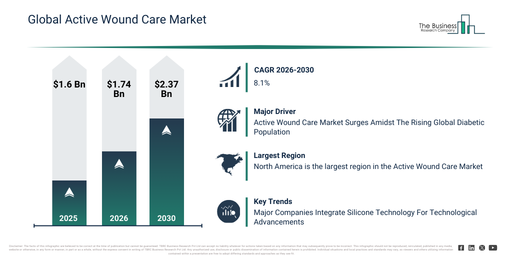
    The size of the active wound care market has experienced significant growth in recent years. This market is projected to expand from $1.6 billion in 2025 to reach $1.74 billion in 2026, demonstrating a compound annual growth rate (CAGR) of 8.4%. Historically, this growth can be attributed to factors such as limited availability of advanced wound care products, a rising prevalence of chronic wounds, an increase in hospital and clinic wound care procedures, growing awareness of diabetic foot ulcers, and the adoption of conventional dressings.

    The active wound care market is anticipated to experience robust expansion over the next few years, projected to reach $2.37 billion by 2030, exhibiting an 8.1% compound annual growth rate. This growth throughout the forecast period is fueled by the progress in bioengineered skin substitutes, a greater reliance on growth factors for wound healing, the spread of home care wound management services, increased financial backing for chronic wound treatment research, and the incorporation of smart wound care monitoring technologies. Prominent trends for the forecast period encompass a rising adoption of sophisticated wound dressings, an escalating use of growth factors for tissue regeneration, an expansion in both chronic and acute wound management, an increasing inclination towards skin substitutes and biomaterials, and a strong emphasis on infection control and pain management.

    Get A Free Sample Report With In-Depth Market Insights:

    https://thebusinessresearchcompany.com/sample_request?id=26511226&type=smp&name=Active%20Wound%20Care%20Market%20Report%202026&utm_source=Blogs&utm_medium=Paid&utm_campaign=Oct_PR

    Active Wound Care Market Demand Drivers Opening New Revenue Streams

    The global increase in individuals diagnosed with diabetes is projected to drive the expansion of the active wound care market in the future. Excessively high blood glucose levels, a state frequently linked with obesity, lead to the formation of sores and ulcers, consequently raising the probability of infections and other serious health problems. Active wound care interventions enable patients to undergo a structured healing process by utilizing diverse solutions and treatments on wounds, which in turn boosts the demand for active wound care. As an illustration, figures from April 2025 released by the International Diabetes Federation (IDF), a non-profit entity based in Belgium, show that approximately 589 million adults worldwide within the 20–79 age range are living with diabetes, making up 11.1% of the global demographic in that age bracket. Forecasts indicate this figure will climb to 853 million (13%) by the year 2050. Additionally, an estimated 252 million adults afflicted with diabetes are believed to be undiagnosed. Consequently, the growing count of individuals with diabetes and related fatalities is set to propel the expansion of the active wound care market.

    Active Wound Care Market Segment Trends And Revenue Contributors

    The active wound care market covered in this report is segmented –

    1) By Product: Biomaterials, Skin-Substitutes, Synthetic Skin-Substitute, Growth Factors

    2) By Indications: Burns, Diabetic Foot Ulcers, Pressure Ulcers, Lower Limb Ulcers

    3) By Application: Chronic Wounds, Acute Wounds

    4) By End-User: Hospitals, Clinics, Home Care Settings, Other End-users

    Subsegments:

    1) By Biomaterials: Collagen-Based Products, Hydrogel Dressings, Alginate Dressings

    2) By Skin-Substitutes: Autografts, Allografts, Xenografts

    3) By Synthetic Skin-Substitutes: Polyurethane Films, Silicone-Based Products, Dermal Regeneration Templates

    4) By Growth Factors: Platelet-Derived Growth Factors (PDGF), Epidermal Growth Factors (EGF), Vascular Endothelial Growth Factors (VEGF)

    Active Wound Care Market Trends Powering Strategic Industry Growth

    Leading companies in the active wound care market are introducing technologically sophisticated products, such as those employing silicone technology, to maintain their competitive edge. Silicone technology involves the utilization of materials known as silicones, which are synthetic polymers composed of silicon, oxygen, carbon, and hydrogen. For example, in January 2023, Convatec, a UK-based medical products and technologies firm, released ConvaFoam, an advanced foam dressing specifically designed to address the requirements of healthcare providers and their patients. Enhanced silicone technology is incorporated into ConvaFoam to provide superior adhesion, improved absorbency, effective fluid management, a wear period of seven days, and a patterned film design that may assist in exudate monitoring. By offering more than just a simple bandage, ConvaFoam simplifies wound care, thereby supporting patients and healthcare professionals in tackling this widespread health challenge.

    Active Wound Care Market Competitive Landscape: Which Companies Lead The Industry?

    Major companies operating in the active wound care market are Smith & Nephew PLC, MiMedx Group Inc., Tissue Regenix Group, Organogenesis Inc., Acell Inc., Integra Life Sciences Holdings Corporation, Solsys Medical LLC, Osiris Therapeutics Inc., Cytori Therapeutics Inc., Human BioSciences Inc., Wright Medical Group NV, Mölnlycke Health Care AB, Medline Industries Inc., AVITA Medical Inc., ConvaTec Inc., Stryker Corporation, 3M Company, Acelity L.P. Inc., B. Braun Melsungen AG, BSN Medical GmbH, Cardinal Health Inc., Celularity Inc., Coloplast A/S, Generex Biotechnology Corp., Hollister Incorporated, Johnson & Johnson Inc., Lohmann & Rauscher GmbH & Co. Kg, Medtronic PLC, PAUL HARTMANN AG, Adynxx Inc., Derma sciences Inc., Baxter International Inc., Axio Biosolutions

    View The Full Active Wound Care Market Report:

    https://thebusinessresearchcompany.com/report/active-wound-care-global-market-report?utm_source=Blogs&utm_medium=Paid&utm_campaign=Oct_PR

    Active Wound Care Market Geographic Analysis: Where Is Demand Rising Fastest?

    North America was the largest region in the active wound care market in 2025. The regions covered in the active wound care market report are Asia-Pacific, South East Asia, Western Europe, Eastern Europe, North America, South America, Middle East, Africa.

    Reach Out To Our Team:

    The Business Research Company: https://www.thebusinessresearchcompany.com/

    Americas: +1 310-496-7795

    Asia: +44 7882 955267 & +91 8897263534

    Europe: +44 7882 955267

    Email us at: marketing@tbrc.info

    Follow us on:

    LinkedIn: https://in.linkedin.com/company/the-business-research-company

    YouTube: https://www.youtube.com/channel/UC24_fI0rV8cR5DxlCpgmyFQ

    Global Market Model: https://www.thebusinessresearchcompany.com/global-market-model
  • Actinic Keratosis Treatment Market Expected To Grow At 7.7% CAGR Through 2030: What Businesses Need To Know

    Actinic Keratosis Treatment Market Expected To Grow At 7.7% CAGR Through 2030: What Businesses Need To Know

    Backed by market attractiveness analysis, total addressable market sizing, company benchmarking matrices, interactive Excel dashboards, wider supply chain intelligence, emerging startup coverage, and detailed product-level insights, The Business Research Company’s 2026 market reports are designed to offer research that is more actionable and strategically valuable than ever.

    Actinic Keratosis Treatment Market Size Outlook: How Quickly Will Revenue Expand Through 2030?

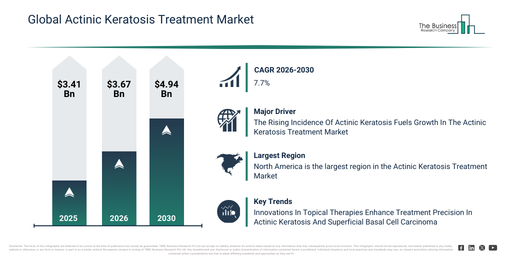
    The actinic keratosis treatment market has shown considerable expansion in recent years. It is forecast to grow from $3.41 billion in 2025 to $3.67 billion in 2026, at a compound annual growth rate (CAGR) of 7.7%. The growth observed in previous periods is attributable to the rising incidence of actinic keratoses due to UV exposure, a limited availability of treatment options in earlier stages, the proliferation of dermatology awareness campaigns, increased adoption rates of cryotherapy and laser therapy, and the accessibility of prescription medications.

    The actinic keratosis treatment market is anticipated to experience substantial expansion in the coming years. Its valuation is projected to reach $4.94 billion by 2030, exhibiting a compound annual growth rate (CAGR) of 7.7%. This projected growth during the forecast period is attributable to several factors, including the emergence of new topical and photodynamic therapies, increased capital expenditure in dermatology clinics, a surge in the use of combination treatments, the expansion of homecare and self-administration solutions, and advancements in minimally invasive procedural techniques. Key trends anticipated during the forecast period involve a growing embrace of topical treatments for actinic keratosis, a heightened inclination towards photodynamic therapy procedures, the increased utilization of medications such as fluorouracil, imiquimod, and diclofenac, the proliferation of dermatology clinics and laser therapy centers, and an enhanced understanding of the importance of sun protection and homecare treatments.

    Get A Free Sample Report With In-Depth Market Insights:

    https://thebusinessresearchcompany.com/sample_request?id=30361466&type=smp&name=Actinic%20Keratosis%20Treatment%20Market%20Report%202026&utm_source=Blogs&utm_medium=Paid&utm_campaign=Oct_PR

    Actinic Keratosis Treatment Market Growth Backed By Core Demand Fundamentals

    The actinic keratosis treatment market is anticipated to expand due to the increasing demand for minimally invasive therapies. These therapies involve medical interventions with minimal or no incisions, leading to less tissue damage and quicker recovery times than conventional open surgeries. The increasing preference for minimally invasive procedures stems from aging populations in developed nations, where older individuals increasingly look for treatments with faster recuperation and fewer adverse effects. Minimally invasive therapies directly contribute to the expansion of actinic keratosis treatment by providing patients with more convenient, effective options, characterized by less discomfort and quicker healing. For example, data from April 2025, published by the British Association of Aesthetic Plastic Surgeons, a UK-based surgical body, indicated a 5% rise in cosmetic surgical procedures between 2023 and 2024, totaling 27,462 procedures performed in 2024. Consequently, the escalating demand for minimally invasive therapies is a primary driver for the growth of the actinic keratosis treatment market.

    Actinic Keratosis Treatment Market Segment Analysis Spotlighting Growth Areas

    The actinic keratosis treatment market covered in this report is segmented –

    1) By Treatment: Topical Treatment, Procedural Modality, Photodynamic Therapy

    2) By Medication: Fluorouracil Cream, Imiquimod Cream, Ingenol Mebutate Gel, Diclofenac Gel

    3) By End User: Hospitals, Private Dermatology Clinics, Laser Therapy Centers, Homecare

    Subsegments:

    1) By Topical Treatment: 5-Fluorouracil (5-FU), Imiquimod, Ingenol Mebutate, Diclofenac

    2) By Procedural Modality: Cryotherapy, Curettage And Electrosurgery, Laser Therapy

    3) By Photodynamic Therapy: ALA-Based PDT, MAL-Based PDT

    Actinic Keratosis Treatment Market Growth Trends Reshaping The Competitive Landscape

    Companies operating within the actinic keratosis treatment market are prioritizing the development of advanced solutions, such as combination topical therapies, to boost treatment efficacy, minimize adverse reactions, and provide convenient prescription options for dermatology providers. Combination topical therapies are formulations that integrate multiple active ingredients to target abnormal skin growths while also supporting overall skin health. For instance, in April 2025, SKNV, a US-based dermatologic innovation company, introduced Kefunova Cream, a topical therapy containing fluorouracil 5% and calcipotriene 0.005%, which is utilized to treat actinic keratosis (AK) and superficial basal cell carcinoma (sBCC). This treatment involves direct application of the cream to affected skin areas, offering a prescription-only option that addresses the requirements of dermatology providers managing these conditions.

    Actinic Keratosis Treatment Market Leading Companies: Who Holds The Strongest Market Presence?

    Major companies operating in the actinic keratosis treatment market are Sun Pharmaceutical Industries Ltd., Hill Dermaceuticals Inc., Bausch Health Companies Inc., LEO Pharma A/S, Almirall SA, Biofrontera AG, Galderma SA, Mylan NV, Cipher Pharmaceuticals Inc., Pierre Fabre Pharmaceuticals Inc., Cutanea Life Sciences Inc., DUSA Pharmaceuticals Inc., Foamix Pharmaceuticals Ltd., Hikma Pharmaceuticals PLC, Innocutis Holdings LLC, Mayne Pharma Group Limited, Meda AB, Merz Pharma GmbH & Co KGaA, Perrigo Company PLC, Promius Pharma LLC, Ranbaxy Laboratories Limited, Sandoz International GmbH, Stiefel Laboratories Inc., Teva Pharmaceutical Industries Ltd., Valeant Pharmaceuticals International Inc., Zydus Pharmaceuticals Inc., Dermira Inc., Sol-Gel Technologies Ltd., Verrica Pharmaceuticals Inc.

    View The Full Actinic Keratosis Treatment Market Report:

    https://thebusinessresearchcompany.com/report/actinic-keratosis-treatment-global-market-report?utm_source=Blogs&utm_medium=Paid&utm_campaign=Oct_PR

    Actinic Keratosis Treatment Market Global Footprint: Which Region Leads The Market?

    North America was the largest region in the actinic keratosis treatment market in 2025. Asia-Pacific is expected to be the fastest-growing region in the forecast period. The regions covered in the actinic keratosis treatment market report are Asia-Pacific, South East Asia, Western Europe, Eastern Europe, North America, South America, Middle East, Africa.

    Reach Out To Our Team:

    The Business Research Company: https://www.thebusinessresearchcompany.com/

    Americas: +1 310-496-7795

    Asia: +44 7882 955267 & +91 8897263534

    Europe: +44 7882 955267

    Email us at: marketing@tbrc.info

    Follow us on:

    LinkedIn: https://in.linkedin.com/company/the-business-research-company

    YouTube: https://www.youtube.com/channel/UC24_fI0rV8cR5DxlCpgmyFQ

    Global Market Model: https://www.thebusinessresearchcompany.com/global-market-model
  • Actinic Keratosis Market Forecast To Reach $11.06 Billion By 2030: Key Trends Explained

    Actinic Keratosis Market Forecast To Reach $11.06 Billion By 2030: Key Trends Explained

    Featuring market attractiveness scoring, total addressable market sizing, company benchmarking matrices, interactive Excel dashboards, deeper supply chain intelligence, emerging startup tracking, and granular product-level insights, The Business Research Company’s 2026 market reports are built to deliver research that is both more actionable and more strategically valuable.

    Actinic Keratosis Market Size, Value And Growth Trajectory Through 2030

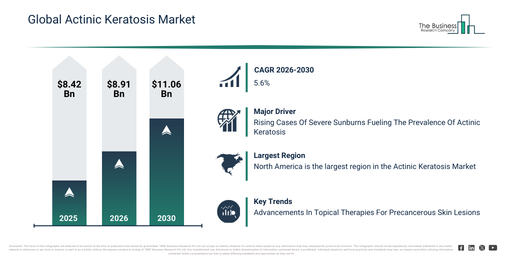
    The actinic keratosis market has demonstrated significant growth in recent years. It is anticipated to expand from $8.42 billion in 2025 to $8.91 billion in 2026, reflecting a compound annual growth rate (CAGR) of 5.8%. The historic period’s expansion is attributable to factors such as increasing UV exposure and sunburn incidence, the limited availability of effective topical agents, a rising prevalence of skin cancer, the development of dermatology infrastructure, and the adoption of conventional surgical procedures.

    The actinic keratosis market is projected to experience substantial expansion in the coming years, reaching $11.06 billion by 2030, demonstrating a compound annual growth rate (CAGR) of 5.6%. This anticipated growth during the forecast period is driven by factors such as the advancement of photodynamic therapies, a rise in the application of combined topical and procedural treatments, the broadening of hospital and dermatology clinic infrastructures, heightened consumer understanding of the benefits of early intervention, and the emergence of novel homecare treatment options. Key trends anticipated over this period encompass a greater emphasis on sun protection and overall skin health, an uptick in the utilization of non-invasive photodynamic therapy, increased adoption of topical therapeutics for early-stage actinic keratosis, the proliferation of dermatology clinics and homecare treatments, and a growing inclination towards combination therapy approaches.

    Get A Free Sample Report With In-Depth Market Insights:

    https://thebusinessresearchcompany.com/sample_request?id=64949120&type=smp&name=Actinic%20Keratosis%20Market%20Report%202026&utm_source=Blogs&utm_medium=Paid&utm_campaign=Oct_PR

    Actinic Keratosis Market Growth Catalysts And Demand Drivers

    A rise in severe sunburn incidents is anticipated to drive the expansion of the actinic keratosis market in the future. Intense skin burns, known as severe sunburns, stem from excessive ultraviolet (UV) radiation exposure, manifesting as redness, pain, swelling, and occasionally blisters. Factors contributing to sunburns include extended exposure to ultraviolet (UV) radiation, insufficient sun protection, more outdoor pursuits during intense UV periods, and escalating temperatures from climate change. Sunburns induce actinic keratosis by virtue of ultraviolet (UV) radiation harming the DNA within skin cells, causing mutations that interfere with regular cell processes and fostering the formation of precancerous lesions, particularly after recurrent or extended sun exposure. As an illustration, in May 2024, Melanoma Focus, a UK-based charity, reported 201 hospital admissions for sunburn in 2022-23, encompassing 89 children and 25 babies under one year old. The same charity also discovered that 66% of UK adults aged 16-65 recalled having sunburns in childhood, with 65% of these individuals experiencing severe sunburns accompanied by blisters at least once. This figure escalated to 77% for individuals possessing light, pale, or white skin tones. Consequently, the escalating incidence of severe sunburns is propelling the expansion of the actinic keratosis market.

    Actinic Keratosis Market Segment Performance And Emerging Opportunities

    The actinic keratosis market covered in this report is segmented –

    1) By Treatment Type: Topical Treatment, Surgical Procedure, Photodynamic Therapy, Other Treatment Types

    2) By Distribution Channels: Hospital Pharmacies, Drug Stores And Retail Pharmacies

    3) By End-User: Hospitals, Dermatology Clinics, Homecare Settings, Other End-Users

    Subsegments:

    1) By Topical Treatment: 5-Fluorouracil (5-FU), Imiquimod, Diclofenac

    2) By Surgical Procedure: Cryotherapy, Curettage And Electrodessication

    3) By Photodynamic Therapy: Aminolevulinic Acid (ALA) Plus Light Therapy, Methyl Aminolevulinate (MAL) Plus Light Therapy

    4) By Other Treatment Types: Laser Therapy, Combination Therapies

    Actinic Keratosis Market Trends Shaping Long-Term Demand

    Major companies operating within the actinic keratosis market are directing their focus toward developing topical ointments designed to effectively target and eliminate precancerous lesions. These efforts aim to decrease recurrence rates and enhance patient compliance through shorter treatment durations and improved safety profiles. Topical ointments represent medicated creams or gels applied directly to the affected skin, featuring active ingredients like tirbanibulin, which function by targeting abnormal keratinocytes to treat precancerous lesions. For instance, in June 2024, Almirall SA, a Spain-based biopharmaceutical company, obtained approval from the US Food and Drug Administration (FDA) for a supplemental new drug application (sNDA) to broaden the use area for its drug, Klisyri, to up to 100 cm2. Klisyri (tirbanibulin) 1% ointment operates as a microtubule inhibitor, engineered to prevent the proliferation of abnormal keratinocytes, thereby effectively reducing the number and size of precancerous lesions for the treatment of actinic keratosis (AK) on the face or scalp.

    Actinic Keratosis Market Key Players: Which Companies Lead Industry Competition?

    Major companies operating in the actinic keratosis market are Galderma SA, LEO Pharma A/S, Almirall S.A., Bausch Health Companies Inc., Perrigo Company plc, Pfizer Inc, F. Hoffmann-La Roche AG, Merck & Co. Inc., AbbVie Inc., Sanofi S.A., Novartis AG, GSK plc, Amgen Inc., Incyte Corporation, Aclaris Therapeutics Inc., Biofrontera AG, Hill Dermaceuticals Inc., Sun Pharmaceutical Industries Ltd., Dr. Reddy’s Laboratories Ltd., Viatris Inc.

    View The Full Actinic Keratosis Market Report:

    https://thebusinessresearchcompany.com/report/actinic-keratosis-global-market-report?utm_source=Blogs&utm_medium=Paid&utm_campaign=Oct_PR

    Actinic Keratosis Market Regional Split: Which Areas Are Fueling Growth?

    North America was the largest region in the actinic keratosis market in 2025. Asia-Pacific is expected to be the fastest-growing region in the forecast period. The regions covered in the actinic keratosis market report are Asia-Pacific, South East Asia, Western Europe, Eastern Europe, North America, South America, Middle East, Africa.

    Reach Out To Our Team:

    The Business Research Company: https://www.thebusinessresearchcompany.com/

    Americas: +1 310-496-7795

    Asia: +44 7882 955267 & +91 8897263534

    Europe: +44 7882 955267

    Email us at: marketing@tbrc.info

    Follow us on:

    LinkedIn: https://in.linkedin.com/company/the-business-research-company

    YouTube: https://www.youtube.com/channel/UC24_fI0rV8cR5DxlCpgmyFQ

    Global Market Model: https://www.thebusinessresearchcompany.com/global-market-model
  • Acromegaly Market Size Forecast From 2026 To 2030: Key Industry Trends

    Acromegaly Market Size Forecast From 2026 To 2030: Key Industry Trends

    Built to provide research that’s more actionable and strategically valuable, The Business Research Company’s 2026 market reports include market attractiveness analysis, total addressable market sizing, company benchmarking matrices, interactive Excel dashboards, broader supply chain intelligence, emerging startup tracking, and in-depth product insights.

    Acromegaly Market CAGR Outlook And Future Development

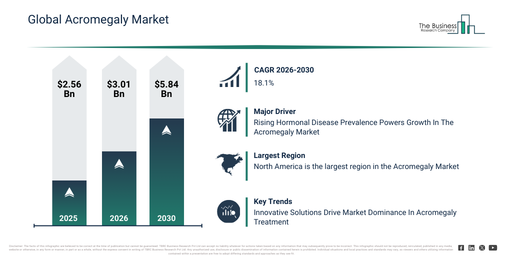
    The acromegaly market has experienced rapid expansion in recent years. It is projected to increase from $2.56 billion in 2025 to $3.01 billion in 2026, achieving a compound annual growth rate (CAGR) of 17.5%. The growth observed in the past can be attributed to various elements, including the limited availability of acromegaly diagnostic tools, an increasing prevalence of growth hormone disorders, the expansion of hospital and specialty clinic infrastructure, the adoption of conventional treatment methods, and a growing awareness of rare endocrine disorders.

    The acromegaly market is projected to experience substantial expansion over the upcoming years. Its value is anticipated to reach $5.84 billion by 2030, exhibiting a compound annual growth rate (CAGR) of 18.1%. This projected growth during the forecast timeframe is primarily driven by the advancement of sophisticated somatostatin analogues, an increase in parenteral treatment availability, the growing embrace of precision medicine techniques, the expansion of homecare and outpatient treatment paradigms, and the incorporation of digital health and remote monitoring technologies. Significant trends anticipated in this period encompass a greater acceptance of growth hormone measurement and IGF-I testing, an increased application of somatostatin analogues and dopamine agonists, the broadening scope of minimally invasive surgery and radiation therapy, an intensifying emphasis on tailored patient treatment strategies, and improved awareness and initiatives for early detection.

    Get A Free Sample Report With In-Depth Market Insights:

    https://thebusinessresearchcompany.com/sample_request?id=78209457&type=smp&name=Acromegaly%20Market%20Report%202026&utm_source=Blogs&utm_medium=Paid&utm_campaign=Oct_PR

    Acromegaly Market Opportunity Drivers: What’s Unlocking New Revenue Potential?

    The increasing incidence of hormonal conditions, such as diabetes, is projected to accelerate the expansion of the acromegaly market. These hormonal diseases, also known as endocrine disorders, are medical issues caused by a malfunction in the endocrine system. Diabetes is recognized as one of the most widespread and significant hormonal diseases. Acromegaly, along with other endocrine disorders, can develop from an overproduction of certain hormones, including growth hormone or cortisol. Moreover, high amounts of growth hormone can impact insulin synthesis, potentially leading to insulin resistance or type 2 diabetes mellitus in roughly 50% of individuals with acromegaly. For instance, in March 2024, the Office for Health Improvement and Disparities, a UK-based government department, indicated that from March 2022 to March 2023, the proportion of people with type 1 diabetes receiving all eight recommended care processes grew by 22%, and for type 2 diabetes, it increased by 21%, while the percentage achieving target HbA1c levels reached 37.9%, the highest value ever reported by the National Diabetes Audit (NDA). Hence, the rising number of hormonal diseases is propelling the growth of the acromegaly market.

    Acromegaly Market Segment Landscape And Growth Outlook

    The acromegaly market covered in this report is segmented –

    1) By Type: Ectopic Acromegaly, Acromegaly Due To Growth Hormone

    2) By Diagnosis: GH And IGF-I Measurement, Growth Hormone Suppression Test, Imaging, Other Diagnosis

    3) By Route Of Administration: Oral, Parental, Other Routes Of Administration

    4) By Treatment: Medication, Somatostatin analogues, Dopamine Agonists, Growth Hormone Antagonist, Surgery, Radiation, Other Treatments

    5) By End Users: Hospitals, Specialty Clinics, Other End Users

    Subsegments:

    1) By Ectopic Acromegaly: Tumor-Induced Ectopic Acromegaly, Non-Tumor-Induced Ectopic Acromegaly

    2) By Acromegaly Due To Growth Hormone: Primary Growth Hormone Excess, Secondary Growth Hormone Excess

    Acromegaly Market Innovation Trends Shaping Future Development

    Companies operating within the acromegaly market are actively pursuing the development of innovative products and solutions, such as generic lanreotide, to broaden treatment options and enhance patient outcomes. Generic lanreotide refers to a non-branded formulation of a medication used to treat acromegaly and certain neuroendocrine tumors. It functions as a somatostatin analogue, effectively reducing growth hormone secretion and improving patient accessibility to viable treatment choices. For instance, in October 2024, Teva Pharmaceutical Industries Ltd., an Israel-based pharmaceutical company focused on generic drugs, launched the first and only generic version of Sandostatin LAR Depot in the United States. This injectable suspension, octreotide acetate, is indicated for addressing acromegaly and severe diarrhea associated with carcinoid syndrome. Its introduction significantly improves access to crucial therapy for patients requiring these treatments.

    Acromegaly Market Competitive Landscape: Who Leads The Industry?

    Major companies operating in the acromegaly market are Pfizer Inc., Johnson & Johnson Private Limited, Merck & Co Inc., AbbVie Inc., Bayer AG, Novartis AG, Sanofi S.A., AstraZeneca plc, GlaxoSmithKline plc, Eli Lilly and Company, Gilead Sciences Inc., Boehringer Ingelheim International GmbH., Amgen Inc., Allergan Inc., Teva Pharmaceutical Industries Ltd., Mylan N.V., Ipsen Pharma S.A., Hikma Pharmaceuticals PLC, Lupin Ltd., Recordati S.p.A., Ionis Pharmaceuticals Inc., Amryt Pharma plc , Strongbridge Biopharma plc, Aquestive Therapeutics Inc., Peptron Inc., Crinetics Pharmaceuticals, Chiasma Inc.

    View The Full Acromegaly Market Report:

    https://thebusinessresearchcompany.com/report/acromegaly-global-market-report?utm_source=Blogs&utm_medium=Paid&utm_campaign=Oct_PR

    Acromegaly Market Top Region: Where Does Most Revenue Come From?

    North America was the largest region in the acromegaly market in 2025. The regions covered in the acromegaly market report are Asia-Pacific, South East Asia, Western Europe, Eastern Europe, North America, South America, Middle East, Africa.

    Reach Out To Our Team:

    The Business Research Company: https://www.thebusinessresearchcompany.com/

    Americas: +1 310-496-7795

    Asia: +44 7882 955267 & +91 8897263534

    Europe: +44 7882 955267

    Email us at: marketing@tbrc.info

    Follow us on:

    LinkedIn: https://in.linkedin.com/company/the-business-research-company

    YouTube: https://www.youtube.com/channel/UC24_fI0rV8cR5DxlCpgmyFQ

    Global Market Model: https://www.thebusinessresearchcompany.com/global-market-model