Category: Healthcare Services

  • Virtual Reality Therapy Post-Traumatic Stress Disorder (PTSD) Market Expected To Reach $4.56 Billion By 2030 As Growth Accelerates At 22.3% CAGR

    Virtual Reality Therapy Post-Traumatic Stress Disorder (PTSD) Market Expected To Reach $4.56 Billion By 2030 As Growth Accelerates At 22.3% CAGR

    Delivering more actionable and strategically valuable research, The Business Research Company’s 2026 market reports feature market attractiveness analysis, total addressable market evaluation, company benchmarking matrices, interactive Excel dashboards, expanded supply chain intelligence, emerging startup coverage, and detailed product insights.

    Virtual Reality Therapy Post-Traumatic Stress Disorder (PTSD) Market Revenue Outlook: What CAGR Is Expected Through 2030?

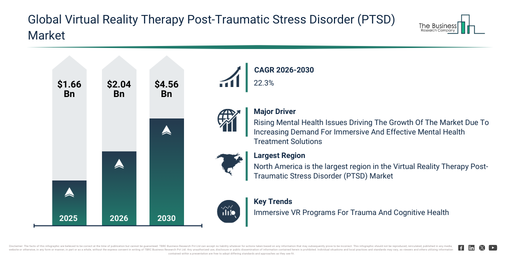
    The market for virtual reality therapy for post-traumatic stress disorder (PTSD) has experienced remarkable expansion recently, projected to advance from $1.66 billion in 2025 to $2.04 billion in 2026, reflecting an impressive compound annual growth rate (CAGR) of 22.6%. This upward trajectory during the historical period is underpinned by several key factors, including the escalating incidence of PTSD diagnoses, a growing embrace of digital solutions within mental healthcare, considerable investment in clinical investigations into VR’s psychological applications, significant enhancements in VR hardware technology, and a heightened adoption of simulation-driven therapeutic approaches.

    The virtual reality therapy for post-traumatic stress disorder (PTSD) market is poised for remarkable expansion in the coming years. Projections indicate a significant rise, reaching $4.56 billion by the year 2030, driven by a compound annual growth rate (CAGR) of 22.3%. This anticipated growth during the forecast period is fueled by several key factors, including the escalating need for adaptable mental health interventions, a greater embrace of virtual reality within clinical psychology practices, the broadening of mental health support for military personnel and veterans, the increasing incorporation of biometric feedback mechanisms, and burgeoning investments in immersive healthcare technologies. Key developments anticipated in this period encompass a wider acceptance of immersive exposure therapy platforms, enhanced integration of AI for personalized therapy adjustments, more prevalent utilization of multi-sensory virtual reality environments, an extension of remote and at-home PTSD treatment options, and a heightened emphasis on quantifying therapeutic results.

    Download A Free Sample Report For Comprehensive Market Insights:

    https://www.thebusinessresearchcompany.com/sample.aspx?id=29239&type=smp

    Virtual Reality Therapy Post-Traumatic Stress Disorder (PTSD) Market Development Factors: Which Trends Are Supporting Demand?

    The escalating prevalence of mental health challenges is anticipated to serve as a key catalyst for the expansion of the virtual reality therapy for post-traumatic stress disorder (PTSD) market. These conditions, which affect an individual’s emotional, psychological, and social state, influence thought processes, feelings, and daily behaviors, are increasingly being linked to the considerable stress and pressure inherent in contemporary lifestyles. Virtual reality therapy offers a way to manage PTSD by creating engaging and carefully managed settings that enable individuals to face and work through traumatic memories, thereby alleviating symptoms and fostering better mental well-being. Illustrating this trend, data from the Australian Bureau of Statistics in October 2023 indicated that roughly 43% of Australians have contended with a mental illness at some juncture, with 21.5% reporting they showed signs of a mental illness within the preceding year, underscoring the substantial impact of mental health concerns on the market for virtual reality PTSD treatment.

    Virtual Reality Therapy Post-Traumatic Stress Disorder (PTSD) Market Segment Outlook: Which Categories Are Expanding The Fastest?

    The virtual reality therapy post-traumatic stress disorder (ptsd) market covered in this report is segmented –

    1) By Component Type: Hardware, Software, Services

    2) By Therapy Type: Exposure Therapy, Cognitive Behavioral Therapy, Stress Inoculation Training, Other Therapy Type

    3) By Technology Type: 3D Visualization, Haptic Feedback, Gesture Tracking, Eye Tracking, Artificial Intelligence, Machine Learning, Cloud Computing

    4) By Application Type: Military Trauma, Civilian Trauma, Phobias, Other Applications

    5) By End-User: Hospitals And Clinics, Military And Defense, Research And Academic Institutes, Other End-Users

    Subsegments:

    1) By Hardware: Head Mounted Displays, Motion Sensors, Haptic Devices, Computers And Consoles

    2) By Software: Virtual Reality Applications, Therapy Management Software, Simulation Programs, Analytics And Reporting Tools

    3) By Services: Training And Support, Consultation Services, Maintenance Services, Customization Services

    Virtual Reality Therapy Post-Traumatic Stress Disorder (PTSD) Market Transformation Trends: Which Innovations Are Driving Change?

    Leading entities within the virtual reality therapy market for post-traumatic stress disorder are concentrating their efforts on creating sophisticated tools, notably AI-integrated VR systems. These advanced solutions aim to personalize exposure therapy, provide immediate tracking of patient advancement, and ultimately boost the effectiveness of treatments for individuals contending with trauma-induced conditions. AI-driven VR systems are characterized by their use of artificial intelligence to customize therapeutic encounters, assess user reactions, and refine therapeutic results instantaneously. As a case in point, X-Technology, a startup originating from the UAE, initiated the rollout of its AI-powered VR platform throughout the MENA region in May 2025. This platform is designed to bolster emotional and cognitive well-being within clinical and rehabilitative environments. This groundbreaking offering furnishes engaging VR therapeutic programs specifically crafted for PTSD, trauma rehabilitation, stress management, and cognitive impairment, thereby facilitating patient access to care in various settings such as hospitals, wellness facilities, or even from their residences. The system’s integration with AI and clinician-guided components permits the adaptation of therapeutic settings, dynamic adjustments to the intensity of exposure, and ongoing observation of patient engagement, all while eliminating the necessity for installing new hardware at each location.

    Virtual Reality Therapy Post-Traumatic Stress Disorder (PTSD) Market Key Companies And Competitive Benchmarking

    Major companies operating in the virtual reality therapy post-traumatic stress disorder (ptsd) market are Ellie Mental Health PLLP, MindMaze SA., XRHealth Inc., AppliedVR Inc., Healium XR. LLC., Mieron Inc., SimX Inc., VREX Immersive Inc., MyndVR Inc., Foretell Reality LLC., PsyTechVR Ltd., Virtually Better Inc., Oxford VR Ltd., TheraVR Inc., oVRcome Ltd., Firsthand Technology Inc., Wundrsight Health Inc., PsyCurio GmbH, Limbix Inc., BehaVR Inc.

    Access The Complete Virtual Reality Therapy Post-Traumatic Stress Disorder (PTSD) Market Report:

    https://www.thebusinessresearchcompany.com/report/virtual-reality-therapy-post-traumatic-stress-disorder-ptsd-global-market-report

    Virtual Reality Therapy Post-Traumatic Stress Disorder (PTSD) Market Regional Analysis: Which Region Leads By Revenue?

    North Americawas the largest region in the virtual reality therapy post-traumatic stress disorder (PTSD) market in 2025. Asia-Pacificis expected to be the fastest-growing region in the forecast period. The regions covered in the virtual reality therapy post-traumatic stress disorder (ptsd) market report are Asia-Pacific, South East Asia, Western Europe, Eastern Europe, North America, South America, Middle East, Africa.

    Get in touch with us:

    The Business Research Company: https://www.thebusinessresearchcompany.com/

    Americas: +1 310-496-7795

    Asia: +44 7882 955267 & +91 8897263534

    Europe: +44 7882 955267

    Email us at: marketing@tbrc.info

    Follow us on:

    LinkedIn: https://in.linkedin.com/company/the-business-research-company

    YouTube: https://www.youtube.com/channel/UC24_fI0rV8cR5DxlCpgmyFQ

    Global Market Model: https://www.thebusinessresearchcompany.com/global-market-model
  • Virtual Reality Phantom Limb Pain Therapy Market Set To Grow From $1.19 Billion In 2026 To $2.67 Billion By 2030 At A CAGR Of 22.4%

    Virtual Reality Phantom Limb Pain Therapy Market Set To Grow From $1.19 Billion In 2026 To $2.67 Billion By 2030 At A CAGR Of 22.4%

    Enhanced with market attractiveness analysis, total addressable market evaluation, company benchmarking matrices, interactive Excel dashboards, expanded supply chain intelligence, emerging startup coverage, and detailed product insights, The Business Research Company’s 2026 market reports deliver more actionable and strategically valuable research.

    Virtual Reality Phantom Limb Pain Therapy Market Growth Analysis: How Will Revenue Expand During The Forecast Period?

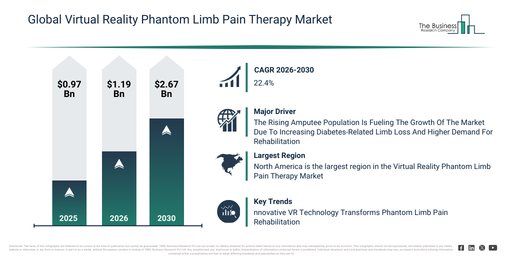
    The VR phantom limb pain therapy sector anticipates substantial expansion, projecting a rise from $0.97 billion in 2025 to $1.19 billion by 2026, reflecting a robust compound annual growth rate (CAGR) of 22.7%. This upward trajectory during the historical period is fueled by several key factors, including a rising incidence of limb amputations, the integration of virtual reality into pain management strategies, a growing preference for non-invasive treatment approaches, the broader availability of rehabilitation services, and the advancement of immersive feedback technologies.

    The market for virtual reality treatment of phantom limb pain is projected for significant expansion in the coming years, reaching an estimated $2.67 billion by 2030 with a compound annual growth rate of 22.4%. This anticipated growth is driven by several key factors, including a rising need for tailored pain management approaches, the increasing incorporation of artificial intelligence for customizing therapies, the proliferation of remote rehabilitation services, a heightened emphasis on enduring pain management strategies, and growing evidence supporting the efficacy of VR interventions through clinical studies. The forecast period is also expected to witness prominent developments such as greater acceptance of VR for pain management, expanded use of mirror therapy simulations, more widespread integration of haptic feedback technology, the development of at-home solutions for phantom limb therapy, and a stronger emphasis on both psychological and sensory aspects of rehabilitation.

    Download A Free Sample Report For Comprehensive Market Insights:

    https://www.thebusinessresearchcompany.com/sample.aspx?id=28357&type=smp

    Virtual Reality Phantom Limb Pain Therapy Market Industry Drivers: What Is Driving Revenue Growth?

    The augmentation of the amputee demographic is anticipated to be a key catalyst for the expansion of the virtual reality phantom limb pain therapy sector. This demographic encompasses individuals who have experienced the loss of a limb, either partially or entirely, necessitating sustained rehabilitation and distinct forms of medical intervention. A primary contributor to the escalating number of amputees is the growing incidence of diabetes, which frequently results in serious health issues like compromised blood flow and nerve damage, thereby substantially increasing the frequency of limb amputations. Virtual reality therapy for phantom limb pain addresses this trend by offering engaging environments conducive to neural pathway recalibration, alleviating discomfort associated with phantom sensations, and enhancing the general quality of life for affected individuals. Illustrative of the substantial financial implications, data from March 2024, as reported by the American Diabetes Association, indicated that annual healthcare costs linked to amputations stemming from diabetes in the U.S. surpassed $9.1 billion, with global expenditures on diabetes-related healthcare exceeding $966 billion, underscoring the immense economic strain associated with an increasing number of limb loss incidents. Consequently, the expanding population of amputees serves as a significant impetus for the growth trajectory of the virtual reality phantom limb pain therapy market.

    Virtual Reality Phantom Limb Pain Therapy Market Segment Landscape: Which Areas Lead Market Development?

    The virtual reality phantom limb pain therapy market covered in this report is segmented –

    1) By Technology: Hardware, Software, Services

    2) By Therapy Type: Immersive Virtual Reality (VR) Therapy, Non-Immersive Virtual Reality (VR) Therapy, Mixed Reality Therapy

    3) By Patient Type: Upper Limb Amputees, Lower Limb Amputees

    4) By Application: Hospitals, Rehabilitation Centers, Homecare Settings, Other Applications

    Subsegments:

    1) By Hardware: Head-Mounted Displays (HMDs), Motion Tracking Sensors, Haptic Feedback Devices, Virtual Reality (VR) Gloves, Virtual Reality (VR) Treadmills, Eye-Tracking Devices

    2) By Software: Immersive Virtual Reality (VR) Therapy Applications, Non-Immersive Virtual Reality (VR) Therapy Applications, Mixed Reality Therapy Applications, Artificial Intelligence (AI)-Based Therapy Modules, Gamified Rehabilitation Software

    3) By Services: Clinical Implementation Services, Remote Patient Monitoring Services, Maintenance And Support Services, Training And Consultation Services, Therapy Customization Services

    #Virtual Reality Phantom Limb Pain Therapy Market Growth Trends: What Is Influencing The Future Outlook?

    Leading entities within the virtual reality phantom limb pain therapy sector are prioritizing the creation of novel approaches, including advanced virtual reality simulators, aimed at alleviating pain and improving the efficacy of rehabilitation processes. A virtual reality simulator is a sophisticated system employing three-dimensional immersive environments coupled with motion-sensing technology to recreate tangible situations for educational, therapeutic, or rehabilitative objectives. As an illustration, in November 2025, The UNBROKEN National Rehabilitation Center, a comprehensive medical and rehabilitation facility located in Ukraine, introduced VRNOW, a transformative virtual reality technology engineered to mitigate phantom limb pain experienced by amputees by constructing a virtual representation of the absent limb. This innovative system facilitates patients in lessening their phantom pain through deeply engaging VR experiences that mimic the sensation and motion of the lost limb, thereby augmenting the sense of bodily integrity and providing pain reduction. VRNOW signifies a substantial leap forward in rehabilitation instrumentation for the effective management of phantom pain and the advancement of recovery following amputation.

    Virtual Reality Phantom Limb Pain Therapy Market Industry Leaders And Market Competition

    Major companies operating in the virtual reality phantom limb pain therapy market are Samsung Electronics Co Ltd, Lenovo Group Ltd, Mayo Clinic, The University of Texas at Dallas, Shirley Ryan AbilityLab, HTC Corporation, MindMaze SA, XRHealth Inc., HaptX Inc., Limber Health Inc., Virtualis, LimbPower Limited, OrthoCarolina Research Institute Inc., Karuna Labs Inc., Neuro Rehab VR, Tongji Hospital/University of Science and Technology of China, Bionic Hope Private Limited, Instalimb, Khymeia Group, Veterans Affairs (VA) North Texas Health Care System.

    Access The Complete Virtual Reality Phantom Limb Pain Therapy Market Report:

    https://www.thebusinessresearchcompany.com/report/virtual-reality-phantom-limb-pain-therapy-global-market-report

    Virtual Reality Phantom Limb Pain Therapy Market Geographic Distribution And Regional Opportunities

    North Americawas the largest region in the virtual reality phantom limb pain therapy market in 2025. The regions covered in the virtual reality phantom limb pain therapy market report are Asia-Pacific, South East Asia, Western Europe, Eastern Europe, North America, South America, Middle East, Africa.

    Get in touch with us:

    The Business Research Company: https://www.thebusinessresearchcompany.com/

    Americas: +1 310-496-7795

    Asia: +44 7882 955267 & +91 8897263534

    Europe: +44 7882 955267

    Email us at: marketing@tbrc.info

    Follow us on:

    LinkedIn: https://in.linkedin.com/company/the-business-research-company

    YouTube: https://www.youtube.com/channel/UC24_fI0rV8cR5DxlCpgmyFQ

    Global Market Model: https://www.thebusinessresearchcompany.com/global-market-model
  • Virtual Reality Motion Desensitization Platform Market Opportunities Are Emerging Beyond Traditional Growth Areas

    Virtual Reality Motion Desensitization Platform Market Opportunities Are Emerging Beyond Traditional Growth Areas

    Through market attractiveness analysis, total addressable market evaluation, company benchmarking matrices, interactive Excel dashboards, expanded supply chain intelligence, emerging startup coverage, and detailed product insights, The Business Research Company’s 2026 market reports provide more actionable and strategically valuable research.

    Virtual Reality Motion Desensitization Platform Market Forecast: What Market Value Is Expected By 2030?

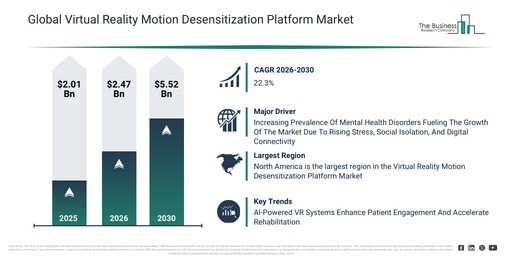
    Experiencing substantial expansion, the virtual reality motion desensitization platform sector is projected to ascend from a valuation of $2.01 billion in 2025 to $2.47 billion by 2026, marking a significant compound annual growth rate of 22.6%. This upward trajectory during the preceding period was fueled by a confluence of factors, including the escalating incidence of motion sensitivity disorders, the integration of virtual reality into vestibular rehabilitation, heightened public consciousness regarding non-invasive desensitization methodologies, the proliferation of specialized therapy centers, and the increasing accessibility of sophisticated immersive simulation technologies.

    The market for virtual reality motion desensitization platforms is poised for substantial expansion over the upcoming years, projecting a surge to $5.52 billion by 2030, fueled by a compound annual growth rate of 22.3%. This anticipated growth is largely driven by several key factors: a burgeoning demand for customized motion desensitization solutions, escalating investment in virtual reality therapy systems, the proliferation of remote therapeutic services, a greater incorporation of artificial intelligence in adaptive simulations, and the expanding utility of these platforms within both training and healthcare sectors. Furthermore, prevailing trends shaping this market over the forecast period encompass a heightened implementation of VR-based motion exposure therapy, wider acceptance of staged desensitization methodologies, increased integration of dynamic simulation settings, the broader availability of both clinical and at-home motion therapy solutions, and a more pronounced emphasis on vestibular rehabilitation.

    Download A Free Sample Report For Comprehensive Market Insights:

    https://www.thebusinessresearchcompany.com/sample.aspx?id=28356&type=smp

    Virtual Reality Motion Desensitization Platform Market Growth Factors: Which Forces Are Supporting Market Expansion?

    The escalating incidence of mental health conditions is anticipated to be a primary catalyst for the expansion of the virtual reality motion desensitization platform market. These conditions, which profoundly affect an individual’s emotional state, cognitive processes, conduct, and general psychological well-being, are on the rise. Factors contributing to this surge include the heightened stress levels characteristic of contemporary living, encompassing workplace demands, information overload from digital sources, and a growing sense of detachment from others. The virtual reality motion desensitization platform market directly addresses this trend by offering engaging, carefully managed therapeutic settings that enable incremental exposure to stimuli, thereby easing psychological suffering and enhancing patient involvement in treatments for anxiety, specific fears, and post-traumatic stress disorder. Illustrating this trend, the American Psychiatric Association reported in May 2024 that 43% of adults experienced increased anxiety compared to the previous year, a notable rise from 37% in 2023 and 32% in 2022, underscoring the persistent growth in mental health challenges. Consequently, the burgeoning rates of mental health disorders are a significant driver for the virtual reality motion desensitization platform market.

    Virtual Reality Motion Desensitization Platform Market Segments: Where Are The Largest Growth Opportunities?

    The virtual reality motion desensitization platform market covered in this report is segmented –

    1) By Component: Hardware, Software, Services

    2) By Deployment Mode: On-Premises, Cloud-Based

    3) By Application: Healthcare And Therapy, Gaming And Entertainment, Education And Training, Military And Defense, Other Applications

    4) By End-User: Hospitals And Clinics, Rehabilitation Centers, Academic And Research Institutes, Military Organizations, Other End-Users

    Subsegments:

    1) By Hardware: Head-Mounted Displays, Sensors, Tracking Devices, Haptic Devices

    2) By Software: Virtual Reality Applications, Simulation Software, Analytics Software, Therapy Management Software

    3) By Services: Consulting Services, Maintenance Services, Training Services, Support Services

    Virtual Reality Motion Desensitization Platform Market Industry Trends: What Changes Are Reshaping Demand?

    Leading firms within the virtual reality motion desensitization platform sector are prioritizing the creation of cutting-edge solutions, including AI-driven personalized therapy frameworks, with the aim of improving treatment effectiveness, increasing patient involvement, and lessening obstacles and the period required for adaptation in therapy. These AI-driven personalized therapy systems represent sophisticated virtual reality environments designed through artificial intelligence to generate bespoke therapeutic settings and situations meticulously crafted to meet the unique requirements of each patient, thereby optimizing outcomes in both desensitization and rehabilitation processes. As an illustration, in September 2024, Interacoustics A/S, a manufacturer of medical devices headquartered in Denmark, introduced its Virtualis line of balance rehabilitation tools. The Virtualis platform integrates highly immersive virtual reality technology with advanced dynamic posturography force plates, recreating authentic surroundings to facilitate rehabilitation techniques such as adaptation, substitution, and habituation. This system incorporates intelligent, adaptive components like SkiVR and MotionVR, which autonomously modify the difficulty of training based on how well the patient performs, allowing for accurate and encouraging balance rehabilitation without continuous oversight from a healthcare professional. Furthermore, the system facilitates exact motion desensitization for conditions affecting the vestibular system by offering graded exposure within virtual reality settings.

    Virtual Reality Motion Desensitization Platform Market Major Participants And Competitive Dynamics

    Major companies operating in the virtual reality motion desensitization platform market are MindMaze SA, XRHealth Ltd., Bertec Corporation, NeuroSync Inc., Virtual Reality Medical Center Inc., PsyTech VR Inc., C2Care, Virtually Better Inc., Cyclops Medtech Pvt. Ltd., Kinequantum, Neuroequilibrium, Saebo Inc., Kinesix VR, Rey, Rewin Health, PhysioSensing Vertigo, AppliedVR Inc., MindMotion SA, Motek Medical, Synaptive Medical

    Access The Complete Virtual Reality Motion Desensitization Platform Market Report:

    https://www.thebusinessresearchcompany.com/report/virtual-reality-motion-desensitization-platform-global-market-report

    Virtual Reality Motion Desensitization Platform Market Largest Region By Revenue And Market Share

    North Americawas the largest region in the virtual reality motion desensitization platform market in 2025. The regions covered in the virtual reality motion desensitization platform market report are Asia-Pacific, South East Asia, Western Europe, Eastern Europe, North America, South America, Middle East, Africa.

    Get in touch with us:

    The Business Research Company: https://www.thebusinessresearchcompany.com/

    Americas: +1 310-496-7795

    Asia: +44 7882 955267 & +91 8897263534

    Europe: +44 7882 955267

    Email us at: marketing@tbrc.info

    Follow us on:

    LinkedIn: https://in.linkedin.com/company/the-business-research-company

    YouTube: https://www.youtube.com/channel/UC24_fI0rV8cR5DxlCpgmyFQ

    Global Market Model: https://www.thebusinessresearchcompany.com/global-market-model
  • Virtual Reality (VR)-Based Balance Confidence Training Platform Market Expansion Is Opening New Pathways For Strategic Investment

    Virtual Reality (VR)-Based Balance Confidence Training Platform Market Expansion Is Opening New Pathways For Strategic Investment

    Delivering more actionable and strategically valuable research, The Business Research Company’s 2026 market reports feature market attractiveness analysis, total addressable market evaluation, company benchmarking matrices, interactive Excel dashboards, expanded supply chain intelligence, emerging startup coverage, and detailed product insights.

    Virtual Reality (VR)-Based Balance Confidence Training Platform Market Size Outlook: How Fast Will Revenue Grow Through 2030?

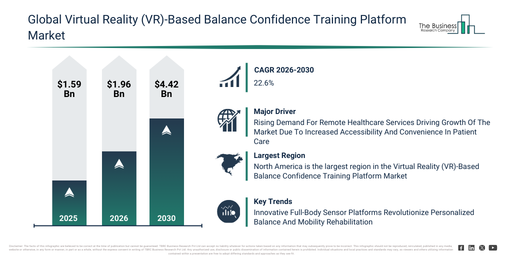
    The market for virtual reality (VR)-based training platforms designed to enhance balance confidence has experienced substantial expansion recently. Projections indicate a considerable surge from $1.59 billion in 2025 to $1.96 billion by 2026, reflecting a compound annual growth rate (CAGR) of 22.9%. This upward trajectory during the historical period is largely influenced by a greater prevalence of balance-related conditions, a growing elderly demographic, the integration of VR technology within physical therapy practices, a heightened emphasis on mitigating fall risks, and the increased accessibility of wearable motion-sensing devices.

    The market for virtual reality (VR)-enabled balance confidence training is poised for significant expansion, projected to reach $4.42 billion by 2030, driven by a compound annual growth rate (CAGR) of 22.6%. This upward trajectory is fueled by several key factors including a rising demand for proactive balance enhancement, the proliferation of VR-based at-home therapeutic options, the growing incorporation of artificial intelligence for balance evaluation, increased utilization within sports injury recovery, and a heightened emphasis on achieving improved rehabilitation outcomes centered on user confidence. Key developments expected during this period encompass greater acceptance of VR balance training programs, expanded use of live motion data analysis, the integration of virtual environments designed to bolster confidence, the extension of both home-based and clinical balance rehabilitation services, and a stronger concentration on technologies geared towards preventing falls.

    Download A Free Sample Report For Comprehensive Market Insights:

    https://www.thebusinessresearchcompany.com/sample.aspx?id=28355&type=smp

    Virtual Reality (VR)-Based Balance Confidence Training Platform Market Demand Drivers: What Is Fueling Industry Growth?

    The expansion of the market for virtual reality (VR)-based balance confidence training platforms is anticipated to be significantly boosted by the escalating need for remote healthcare services, which encompasses the delivery of medical assistance via digital and telecommunication methods, connecting patients and healthcare professionals without the necessity for in-person appointments. This growing preference for remote healthcare stems from a heightened demand for accessible and convenient medical care, especially benefiting individuals residing in remote areas, those with limited access to services, or people facing mobility challenges. The VR-based balance confidence training platform market directly supports this trend by facilitating interactive rehabilitation sessions that can be conducted from home, thereby improving balance, mitigating the risk of falls, and reducing the frequency of required clinic visits. As an illustration of this trend, data from the U.S. Department of Health & Human Services Office of Inspector General in August 2025 indicated that Medicare payments for remote patient monitoring surpassed US $536 million in 2024, representing a 31% increase from the previous year, with nearly 1 million enrollees utilizing these services, a 27% rise, and approximately 4,600 medical practices regularly billing for RPM, thus underscoring how the increasing demand for remote healthcare services is a key driver for the VR-based balance confidence training platform market.

    The virtual reality (VR)-based balance confidence training platform market is poised for growth, fueled by escalating healthcare expenditures which, in turn, stimulate greater investment in sophisticated rehabilitation technologies. Healthcare expenditure encompasses the total financial outlay on medical care, health products, and public health efforts by individuals, governments, and private entities aimed at preserving and enhancing well-being. A primary factor contributing to this rise in healthcare spending is the increasing incidence of chronic diseases, necessitating prolonged treatment, ongoing patient monitoring, and frequent utilization of health services. This upward trend in healthcare spending encourages the adoption of VR-based balance confidence training platforms, as it empowers healthcare providers to allocate more resources towards advanced rehabilitation technologies that promise improved patient outcomes and engagement. For example, in December 2024, the Centers for Medicare & Medicaid Services (CMS) reported that national health expenditures in the United States reached $4.9 trillion in 2023, marking a 7.5% growth, and constituting 17.6% of the GDP, a significant acceleration from the 4.6% spending increase observed in 2022, thereby demonstrating how increased healthcare expenditure is propelling the virtual reality (VR)-based balance confidence training platform market forward.

    Virtual Reality (VR)-Based Balance Confidence Training Platform Market Segment Analysis: What Are The Major Market Categories?

    The virtual reality (vr)-based balance confidence training platform market covered in this report is segmented –

    1) By Component: Hardware, Software, Services

    2) By Deployment Mode: On-Premises, Cloud-Based

    3) By Application: Rehabilitation Centers, Hospitals And Clinics, Home Care Settings, Academic And Research Institutes, Other Applications

    4) By End-User: Adults, Geriatric Population, Athletes, Other End-Users

    Subsegments:

    1) By Hardware: Head-Mounted Displays (HMDs), Sensors And Motion Trackers, Balance Boards And Platforms, Virtual Reality (VR) Gloves And Controllers, Cameras And Tracking Systems

    2) By Software: Virtual Reality (VR) Simulation And Training Software, Balance Assessment And Monitoring Software, Rehabilitation And Therapy Software, Data Analytics And Reporting Tools

    3) By Services: Training And Education Services, Installation And Integration Services, Maintenance And Support Services, Consulting Services, Cloud-Based Service Offerings

    Virtual Reality (VR)-Based Balance Confidence Training Platform Market Innovation Trends: Which Developments Are Transforming The Industry?

    Leading entities within the VR-based balance-confidence training platform sector are prioritizing the creation of cutting-edge systems, notably those utilizing full-body sensors to boost patient mobility, engagement, and tailored therapeutic approaches. These sensor-enabled systems are designed to capture comprehensive real-time body movements, offering detailed insights for refining balance, posture, and coordination. A prime illustration of this innovation is Interacoustics A/S from Denmark, which in September 2024 introduced Virtualis, a novel suite of balance rehabilitation tools that integrates highly immersive virtual reality with either static or dynamic force plates for posturography. This offering incorporates dynamic (MotionVR) or static (StaticVR) posturography force plates alongside deeply immersive VR to replicate everyday scenarios for individualized evaluations like the Sensory Organization Test (SOT), Limits of Stability (LoS), and Subjective Visual Vertical (SVV). Specialized modules, namely BalanceVR and PhysioVR, present stimulating, gamified exercises intended to foster adaptation, substitution, and habituation techniques, providing immediate feedback and customization options for a range of vestibular, neurological, and orthopedic conditions. These advanced solutions serve to elevate patient motivation, enable objective progress monitoring, and support secure training protocols aimed at recovering functional capabilities and self-assurance in daily life.

    Virtual Reality (VR)-Based Balance Confidence Training Platform Market Leading Companies Driving Competitive Growth

    Major companies operating in the virtual reality (vr)-based balance confidence training platform market are Meta Platforms Inc., Interacoustics, MindMaze SA, Motek Medical, XRHealth, Evolv Rehabilitation Technologies, MindMotion, FYZICAL, Rehabtronics, Virtualis Co, Mieron Inc., Rehab-Robotics Co. Ltd., GaitBetter, Upright VR, Knoxlabs, Teslasuit, Neuro Rehab VR, SyncVR Medical, Immersive Reha, WEART.

    Access The Complete Virtual Reality (VR)-Based Balance Confidence Training Platform Market Report:

    https://www.thebusinessresearchcompany.com/report/virtual-reality-vr-based-balance-confidence-training-platform-global-market-report

    Virtual Reality (VR)-Based Balance Confidence Training Platform Market Regional Analysis And Leading Geography

    North Americawas the largest region in the virtual reality (VR)-based balance confidence training platform market in 2025. Asia-Pacific is expected to be the fastest-growing region in the forecast period. The regions covered in the virtual reality (vr)-based balance confidence training platform market report are Asia-Pacific, South East Asia, Western Europe, Eastern Europe, North America, South America, Middle East, Africa.

    Get in touch with us:

    The Business Research Company: https://www.thebusinessresearchcompany.com/

    Americas: +1 310-496-7795

    Asia: +44 7882 955267 & +91 8897263534

    Europe: +44 7882 955267

    Email us at: marketing@tbrc.info

    Follow us on:

    LinkedIn: https://in.linkedin.com/company/the-business-research-company

    YouTube: https://www.youtube.com/channel/UC24_fI0rV8cR5DxlCpgmyFQ

    Global Market Model: https://www.thebusinessresearchcompany.com/global-market-model
  • Virtual Reality (VR) Stroke Rehabilitation Market Trends Are Creating New Opportunities For Industry Leaders

    Virtual Reality (VR) Stroke Rehabilitation Market Trends Are Creating New Opportunities For Industry Leaders

    Enhanced with market attractiveness analysis, total addressable market evaluation, company benchmarking matrices, interactive Excel dashboards, expanded supply chain intelligence, emerging startup coverage, and detailed product insights, The Business Research Company’s 2026 market reports deliver more actionable and strategically valuable research.

    Virtual Reality (VR) Stroke Rehabilitation Market Size, Value And Growth Trends Through 2030

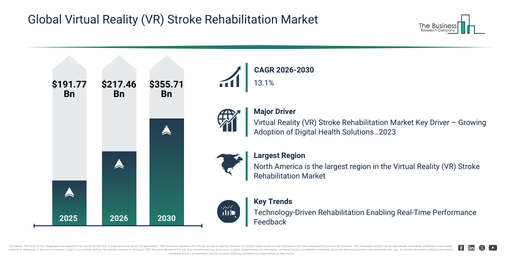
    The market for virtual reality (VR) stroke rehabilitation experienced significant expansion, projected to advance from $191.77 billion in 2025 to $217.46 billion in 2026, reflecting a compound annual growth rate of 13.4%. Factors contributing to this upward trajectory during the review period encompassed an escalating worldwide incidence of strokes, the broadening of rehabilitation facilities, increasing acceptance of technology-aided therapeutic approaches, a heightened emphasis on rehabilitation through repeated task execution, and the accessibility of VR systems designed for clinical application.

    The virtual reality utilized for stroke recovery is poised for considerable expansion in the forthcoming years, projecting a market valuation of $355.71 billion by 2030, driven by a compound annual growth rate of 13.1%. This projected surge is anticipated to stem from several key factors, including a heightened need for tailored stroke treatment plans, escalating investments in digital neurological rehabilitation techniques, the broadening scope of telemedicine for rehabilitation services, the increasing incorporation of artificial intelligence for therapy data analysis, and a greater acceptance of VR within established medical practices. During this forecast period, prominent developments are expected to include a wider embrace of VR-powered neuroplasticity training, increased utilization of simulations for task-specific motor function restoration, the enhanced integration of both cognitive and physical rehabilitation components, the proliferation of at-home VR stroke therapy options, and a more concentrated emphasis on using data to meticulously monitor therapeutic advancements.

    Download A Free Sample Report For Comprehensive Market Insights:

    https://www.thebusinessresearchcompany.com/sample.aspx?id=28354&type=smp

    Virtual Reality (VR) Stroke Rehabilitation Market Growth Drivers: What Factors Are Accelerating Expansion?

    The increasing integration of digital health technologies is poised to significantly boost the virtual reality (VR) stroke rehabilitation market. Digital health encompasses a variety of digital tools, platforms, and connected devices designed to advance healthcare services, improve patient results, and simplify health administration. This trend towards digital health is fueled by the ease of accessing care remotely, which allows individuals to obtain medical assistance and oversight without the necessity of frequent physical appointments. VR stroke rehabilitation aligns perfectly with this trend by offering engaging, technologically advanced therapeutic interventions featuring tailored exercises and remote tracking, thereby facilitating a more efficient and readily available recovery process for stroke survivors. To illustrate this point, in April 2024, data from Queen Margaret University, a public university located in the UK, indicated that by November 2023, 189 NHS trusts had integrated new electronic patient record systems, signifying a 90% implementation rate among all trusts. Consequently, the expanding utilization of digital health solutions serves as a primary catalyst for the expansion of the virtual reality (VR) stroke rehabilitation market.

    Virtual Reality (VR) Stroke Rehabilitation Market Segment Breakdown: Which Categories Generate The Most Revenue?

    The virtual reality (vr) stroke rehabilitation market covered in this report is segmented –

    1) By Rehabilitation Type: Physical Rehabilitation, Cognitive Rehabilitation

    2) By Technology Type: Hardware, Software Platforms, Therapeutic Content

    3) By Patient Type: Short Term Patients, Long Term Patients

    4) By Virtual Reality (VR) Application: Motor Skills Training, Cognitive Skills Training, Sensory Training, Pain Management

    5) By End-User: Hospitals, Rehabilitation Centers, Clinics, Home-Based Rehabilitation

    Subsegments:

    1) By Physical Rehabilitation: Upper Limb Rehabilitation, Lower Limb Rehabilitation, Balance And Gait Training, Motor Function Recovery

    2) By Cognitive Rehabilitation: Memory Training, Attention And Concentration Training, Problem-Solving And Executive Function Training, Visual And Spatial Perception Training

    Virtual Reality (VR) Stroke Rehabilitation Market Trends: What Is Shaping Future Industry Growth?

    Leading players in the worldwide virtual reality (VR) stroke rehabilitation sector are prioritizing the creation of sophisticated offerings, including immersive VR solutions for upper-limb therapy, with the aim of boosting motor function recovery, augmenting patient independence, and elevating engagement levels throughout the post-stroke treatment journey. These advanced VR systems designed for upper-limb rehabilitation involve virtual environments accessed via head-mounted displays, employing engaging, game-like scenarios to provide focused, activity-specific training for arm and hand movements. The systems also integrate real-time performance tracking to facilitate tailored rehabilitation plans. A notable example occurred in 2024 when professionals at Beijing Tiantan Hospital, affiliated with Capital Medical University in China, introduced an immersive virtual reality upper-extremity rehabilitation program within a randomized controlled study. This program incorporated three weeks of intensive VR therapy, comprising five sessions weekly, alongside standard rehabilitation practices. Participants engaged in interactive exercises involving reaching and grasping within fully simulated environments, demonstrating significant clinical enhancements in both the Fugl-Meyer Assessment Upper Extremity and Barthel Index scores, alongside positive shifts in motor-network brain connectivity.

    Virtual Reality (VR) Stroke Rehabilitation Market Key Players And Strategic Industry Positioning

    Major companies operating in the virtual reality (vr) stroke rehabilitation market are Penumbra Inc., Shepherd Center Inc., Evolv Rehabilitation Technologies S.L., DIH Technology Co. Ltd., Tyromotion GmbH, BTS Bioengineering S.p.A., Floreo Inc., Saebo Inc., Motus Nova LLC, Immergo Labs Inc., Kinestica d.o.o., Cognihab Private Limited, Evolv Solutions LLC, Rehametrics S.L., RecoveryVR Pty Ltd, Neuro Rehab VR Inc., PhysioFunction Limited, XRHealth USA Inc., Bended S.r.l., Jintronix Inc.

    Access The Complete Virtual Reality (VR) Stroke Rehabilitation Market Report:

    https://www.thebusinessresearchcompany.com/report/virtual-reality-vr-stroke-rehabilitation-global-market-report

    Virtual Reality (VR) Stroke Rehabilitation Market Geographic Analysis: Where Is Demand Growing The Fastest?

    North Americawas the largest region in the virtual reality (VR) stroke rehabilitation market in 2025. Asia Pacific is expected to be the fastest-growing region in the forecast period. The regions covered in the virtual reality (vr) stroke rehabilitation market report are Asia-Pacific, South East Asia, Western Europe, Eastern Europe, North America, South America, Middle East, Africa.

    Get in touch with us:

    The Business Research Company: https://www.thebusinessresearchcompany.com/

    Americas: +1 310-496-7795

    Asia: +44 7882 955267 & +91 8897263534

    Europe: +44 7882 955267

    Email us at: marketing@tbrc.info

    Follow us on:

    LinkedIn: https://in.linkedin.com/company/the-business-research-company

    YouTube: https://www.youtube.com/channel/UC24_fI0rV8cR5DxlCpgmyFQ

    Global Market Model: https://www.thebusinessresearchcompany.com/global-market-model
  • Virtual Reality (VR) Metaverse Concussion Rehabilitation Market Growth Is Reshaping Competitive Advantage Across The Industry

    Virtual Reality (VR) Metaverse Concussion Rehabilitation Market Growth Is Reshaping Competitive Advantage Across The Industry

    Through market attractiveness analysis, total addressable market evaluation, company benchmarking matrices, interactive Excel dashboards, expanded supply chain intelligence, emerging startup coverage, and detailed product insights, The Business Research Company’s 2026 market reports provide more actionable and strategically valuable research.

    Virtual Reality (VR) Metaverse Concussion Rehabilitation Market CAGR Analysis And Future Market Development

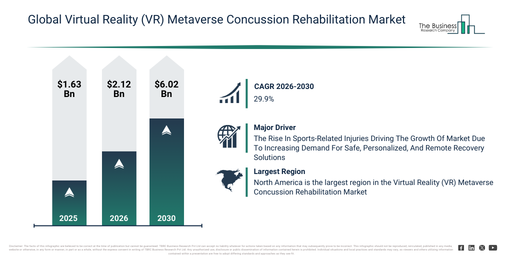
    Within the virtual reality metaverse concussion rehabilitation sector, a significant upward trajectory has been observed. Projections indicate a market expansion from $1.63 billion in 2025 to $2.12 billion in 2026, reflecting a compound annual growth rate of 30.2%. This accelerated growth during the preceding period is largely owing to a greater number of sports-induced concussions, elevated consciousness surrounding virtual rehabilitation methods, the integration of VR into neurological treatments, the increasing accessibility of VR technology within medical settings, and the proliferation of ambulatory rehabilitation offerings.

    The market for virtual reality (VR) metaverse-based concussion rehabilitation is poised for substantial expansion, projected to reach $6.02 billion by 2030 with a compound annual growth rate (CAGR) of 29.9%. This anticipated surge is fueled by escalating investments in metaverse healthcare solutions, a growing preference for at-home rehabilitation, the increasing incorporation of AI for personalized therapy, the broader availability of remote patient monitoring, and a greater embrace of digital therapeutic approaches. Key developments shaping this market during the forecast period involve the wider adoption of immersive VR rehabilitation, the growing utilization of customized cognitive recovery tools, the expanding integration of tele-rehabilitation platforms, advancements in motion tracking and sensory feedback technologies, and a heightened emphasis on keeping patients involved and committed to their therapy.

    Download A Free Sample Report For Comprehensive Market Insights:

    https://www.thebusinessresearchcompany.com/sample.aspx?id=28353&type=smp

    Virtual Reality (VR) Metaverse Concussion Rehabilitation Market Growth Factors Supporting Long-Term Expansion

    The escalating occurrence of injuries linked to sports activities is anticipated to fuel the expansion of the virtual reality (VR) metaverse concussion rehabilitation market moving forward. These sports-related injuries, which manifest as physical harm sustained during athletic pursuits or exercise, commonly impact musculature, skeletal structures, joints, and the head. A heightened participation in demanding, competitive, and recreational sports in the post-pandemic era is contributing to the rise in these injuries. The VR metaverse concussion rehabilitation sector plays a crucial role by offering engaging and carefully controlled cognitive-physical therapy settings that facilitate a more secure recovery process, tailor rehabilitation programs to individual needs, and enable remote monitoring for a safe return to play. For example, data from Insideworldfootball, a UK-based online news service, indicated that in October 2024, sports injuries totaled 4,123 during the 2023-24 season, a 4% increase from the 2022-23 period. Consequently, the growing incidence of sports-related injuries is a significant driver for the virtual reality (VR) metaverse concussion rehabilitation market.

    Virtual Reality (VR) Metaverse Concussion Rehabilitation Market Driver: The Rise In The Geriatric Population Driving The Growth Of The Market Due To Increased Life Expectancy And Demand For Specialized, Low-Risk, And Personalized Therapy

    A growing elderly demographic is poised to stimulate the expansion of the virtual reality (VR) metaverse concussion rehabilitation market. This segment of the population, generally comprising individuals aged 65 and above, experiences age-related changes in bodily functions, mental state, and social interactions, often necessitating tailored healthcare and support. The primary factor behind this demographic shift is an extended life expectancy, attributed to advancements in medical care, improved nutrition, and better living conditions, which allow individuals to live longer, thereby increasing the proportion of older adults. VR metaverse concussion rehabilitation offers benefits to this demographic by providing immersive, low-risk, and individualized therapy solutions that promote both cognitive and physical recuperation while minimizing the need for physically demanding in-person sessions. For illustrative purposes, data from the UK Parliament’s House of Commons Library in July 2024 revealed that in 2022, the UK population included 12.7 million individuals aged 65 or older, constituting 19% of the total populace, with projections indicating this figure will reach 22.1 million, or 27% of the population, by 2072. Therefore, the increasing numbers of older adults are driving the virtual reality (VR) metaverse concussion rehabilitation market.

    Virtual Reality (VR) Metaverse Concussion Rehabilitation Market Segmentation: How Is The Market Structured Across Key Categories?

    The virtual reality (vr) metaverse concussion rehabilitation market covered in this report is segmented –

    1) By Component: Hardware, Software, Services

    2) By Deployment Mode: On-Premises, Cloud-Based

    3) By Therapy Type: Physical Therapy, Cognitive Therapy, Occupational Therapy, Speech Therapy, Other Therapy Types

    4) By End-User: Hospitals And Clinics, Rehabilitation Centers, Homecare Settings, Other End-Users

    Subsegments:

    1) By Hardware: Virtual Reality (VR) Headsets, Motion Sensors And Trackers, Controllers And Haptics Devices, Cameras And Wearables, Computing Devices

    2) By Software: Therapy And Rehabilitation Software, Cognitive Training Programs, Balance And Motor Skills Training Software, Speech And Occupational Therapy Software, Cloud-Based Virtual Reality (VR) Platforms

    3) By Services: Deployment And Integration Services, Training And Education Services, Support And Maintenance Services, Tele-rehabilitation And Remote Monitoring Services, Customization And Consulting Services

    Virtual Reality (VR) Metaverse Concussion Rehabilitation Market Competitive Landscape And Leading Companies

    Major companies operating in the virtual reality (vr) metaverse concussion rehabilitation market are MindMaze SA, Oculus Health Inc., XRHealth Inc., Cureosity GmbH, AppliedVR Inc., Takeaway Reality Ltd., Mieron VR Inc., Virtualis Sàrl, Rehametrics S.L., TechVillage Technologies Pvt. Ltd., Neuromersiv Pty Ltd., Cognihab, ORamaVR SA, BehaVR Inc., Neuro Rehab VR Inc., Eye-Sync Inc., HeadRehab VR Inc., Kinesim S.r.l., MindMotion SA, Corpus VR B.V.

    Access The Complete Virtual Reality (VR) Metaverse Concussion Rehabilitation Market Report:

    https://www.thebusinessresearchcompany.com/report/virtual-reality-vr-metaverse-concussion-rehabilitation-global-market-report

    Virtual Reality (VR) Metaverse Concussion Rehabilitation Market Global Footprint: Which Region Holds Market Leadership?

    North Americawas the largest region in the virtual reality (VR) metaverse concussion rehabilitation market in 2025. The regions covered in the virtual reality (vr) metaverse concussion rehabilitation market report are Asia-Pacific, South East Asia, Western Europe, Eastern Europe, North America, South America, Middle East, Africa.

    Get in touch with us:

    The Business Research Company: https://www.thebusinessresearchcompany.com/

    Americas: +1 310-496-7795

    Asia: +44 7882 955267 & +91 8897263534

    Europe: +44 7882 955267

    Email us at: marketing@tbrc.info

    Follow us on:

    LinkedIn: https://in.linkedin.com/company/the-business-research-company

    YouTube: https://www.youtube.com/channel/UC24_fI0rV8cR5DxlCpgmyFQ

    Global Market Model: https://www.thebusinessresearchcompany.com/global-market-model
  • Virtual Reality (VR) In Telerehabilitation Market Forecast Signals New Revenue Opportunities Through 2030

    Virtual Reality (VR) In Telerehabilitation Market Forecast Signals New Revenue Opportunities Through 2030

    Delivering more actionable and strategically valuable research, The Business Research Company’s 2026 market reports feature market attractiveness analysis, total addressable market evaluation, company benchmarking matrices, interactive Excel dashboards, expanded supply chain intelligence, emerging startup coverage, and detailed product insights.

    Virtual Reality (VR) In Telerehabilitation Market Expansion From $1.2 Billion In 2026 To $2.66 Billion In 2030

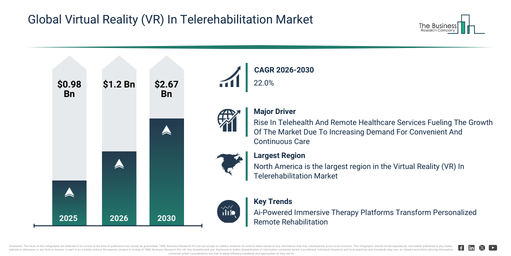
    The telerehabilitation market, specifically within the realm of virtual reality, has experienced remarkable expansion recently. Projections indicate a significant increase from its 2025 valuation of $0.98 billion to $1.2 billion by 2026, demonstrating a compound annual growth rate of 22.3% during this period. This upward trajectory in the past can be attributed to several key factors including the broader implementation of telerehabilitation services, a greater acceptance of digital therapeutics, an elevated emphasis on care models centered around the patient, the accessibility of virtual reality equipment for consumers, and the overall advancement of remote healthcare solutions.

    The market for virtual reality in telerehabilitation is poised for significant expansion over the coming years, projected to reach $2.67 billion by 2030 with a compound annual growth rate (CAGR) of 22.0%. This anticipated expansion is fueled by several key factors, including escalating investments in immersive healthcare technologies, a growing preference for rehabilitation services delivered at home, the proliferation of AI-powered therapy platforms, increased connectivity with wearable devices, and a heightened emphasis on rehabilitation models that prioritize measurable outcomes. During this forecast period, prominent trends are expected to include a greater uptake of immersive remote rehabilitation programs, the expanding application of gamified therapeutic environments, the increasing incorporation of AI for tracking patient progress, the broader availability of home-based virtual reality therapy solutions, and a stronger commitment to improving patient involvement and treatment adherence.

    Download A Free Sample Report For Comprehensive Market Insights:

    https://www.thebusinessresearchcompany.com/sample.aspx?id=28352&type=smp

    Virtual Reality (VR) In Telerehabilitation Market Demand Drivers Creating New Revenue Opportunities

    The expanding utilization of telehealth and remote healthcare solutions is poised to fuel the expansion of the virtual reality (VR) in telerehabilitation sector. Telehealth and remote healthcare are defined by the provision of medical services to individuals utilizing digital and telecommunication means, bypassing the necessity for face-to-face appointments. Patient enthusiasm for convenient at-home consultations and ongoing health surveillance, aimed at minimizing travel burdens, lengthy waits, and continuity disruptions, is contributing to the growing trend in telehealth. The VR in telerehabilitation market directly contributes to this trend by elevating remote therapeutic interventions through engaging, interactive, and professionally directed virtual reality settings that foster improved recuperation. As evidence, Vivalink, a prominent US healthcare technology firm, reported in August 2023 that a substantial 81% of medical practitioners were employing remote patient monitoring (RPM) technologies during that year, underscoring a robust and escalating acceptance of remote care instruments, thus confirming that the increasing embrace of telehealth and remote healthcare services is a key impetus for the virtual reality (VR) in telerehabilitation market’s growth.

    Virtual Reality (VR) In Telerehabilitation Market Segmentation Trends And Revenue Drivers

    The virtual reality (vr) in telerehabilitation market covered in this report is segmented –

    1) By Component: Hardware, Software, Services

    2) By Rehabilitation: In-Person Rehabilitation, Remote Rehabilitation

    3) By Application: Physical Rehabilitation, Neurological Rehabilitation, Cardiac Rehabilitation, Psychological Rehabilitation, Orthopedic Rehabilitation

    4) By End-User: Healthcare Providers, Rehabilitation Centers, Homecare Settings, Fitness And Wellness Centers, Corporates

    Subsegments:

    1) By Hardware: Head-Mounted Displays (HMDs), Motion Tracking Sensors, Haptic Feedback Devices, Virtual Reality (VR) Gloves, Virtual Reality (VR) Treadmills, Eye-Tracking Devices, Cameras And Depth Sensors, Computing And Graphics Processing Units (GPUs)

    2) By Software: Immersive Virtual Reality (VR) Therapy Applications, Non-Immersive Virtual Reality (VR) Therapy Applications, Mixed Reality Therapy Applications, Artificial Intelligence (AI)-Based Therapy Modules, Gamified Rehabilitation Software, Patient Data Management And Analytics Platforms, Cloud-Based Therapy Software

    3) By Services: Clinical Implementation Services, Remote Patient Monitoring Services, Maintenance And Support Services, Training And Education Services, Consultation And Integration Services

    Virtual Reality (VR) In Telerehabilitation Market Trends Driving Strategic Industry Expansion

    Leading players within the virtual reality (VR) telerehabilitation sector are prioritizing the creation of sophisticated offerings, including virtual reality environments augmented by artificial intelligence, with the aim of furnishing tailored, remote therapy and cognitive support. These AI-enhanced immersive therapy systems are essentially digital frameworks merging virtual reality with artificial intelligence capabilities to construct individualized, engaging therapeutic encounters for recovery, psychological well-being, or cognitive skill development. Case in point, in November of 2024, XRHealth Inc., a firm specializing in digital therapeutics based in the United States, introduced a sophisticated extended reality (XR) therapeutic platform enhanced by artificial intelligence, which unites cutting-edge AI with immersive XR experiences, thereby offering customized and interactive therapeutic settings. This platform incorporates an AI Generator Space, granting medical professionals the ability to design bespoke 360-degree therapeutic environments specifically adapted to the unique requirements of each patient, and it also showcases dynamic avatars to improve patient engagement.

    Virtual Reality (VR) In Telerehabilitation Market Industry Leaders: Which Organizations Are Driving Competition?

    Major companies operating in the virtual reality (vr) in telerehabilitation market are Penumbra Inc., DIH Holding US Inc., MindMaze, Reflexion Interactive Technologies Inc., Saebo, VR Rehab Inc., CUREosity GmbH, InfiVR, SyncVR Medical, Rehametrics, GestureTek Health, Doctor Kinetic, Cognihab Inc., Neuro Rehab VR, Virtualware, Mice Labs, Evolv Rehabilitation Technologies, XR4REHAB, MIRA Rehab Limited, LiteGait.

    Access The Complete Virtual Reality (VR) In Telerehabilitation Market Report:

    https://www.thebusinessresearchcompany.com/report/virtual-reality-vr-in-telerehabilitation-global-market-report

    Virtual Reality (VR) In Telerehabilitation Market Regional Distribution: Which Areas Drive Market Expansion?

    North Americawas the largest region in the virtual reality (VR) in telerehabilitation market in 2025. Asia-Pacific is expected to be the fastest-growing region in the forecast period. The regions covered in the virtual reality (vr) in telerehabilitation market report are Asia-Pacific, South East Asia, Western Europe, Eastern Europe, North America, South America, Middle East, Africa.

    Get in touch with us:

    The Business Research Company: https://www.thebusinessresearchcompany.com/

    Americas: +1 310-496-7795

    Asia: +44 7882 955267 & +91 8897263534

    Europe: +44 7882 955267

    Email us at: marketing@tbrc.info

    Follow us on:

    LinkedIn: https://in.linkedin.com/company/the-business-research-company

    YouTube: https://www.youtube.com/channel/UC24_fI0rV8cR5DxlCpgmyFQ

    Global Market Model: https://www.thebusinessresearchcompany.com/global-market-model
  • Virtual Reality (VR) In Medical Simulation Market Growth Is Accelerating As Industry Transformation Continues

    Virtual Reality (VR) In Medical Simulation Market Growth Is Accelerating As Industry Transformation Continues

    Enhanced with market attractiveness analysis, total addressable market evaluation, company benchmarking matrices, interactive Excel dashboards, expanded supply chain intelligence, emerging startup coverage, and detailed product insights, The Business Research Company’s 2026 market reports deliver more actionable and strategically valuable research.

    Virtual Reality (VR) In Medical Simulation Market Forecast Highlighting Growth From $8.42 Billion To $24.17 Billion

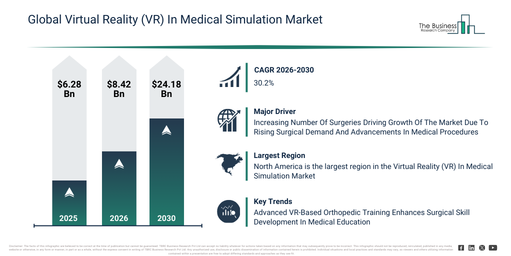
    The market for virtual reality (VR) in medical simulation has experienced significant expansion, projected to ascend from $6.28 billion in 2025 to $8.42 billion in 2026, demonstrating a compound annual growth rate (CAGR) of 34.2%. This growth trajectory during the preceding period can be associated with several key factors, including the enhancement of medical education infrastructure, a burgeoning need for consistent clinical training methods, the increasing embrace of simulation-based learning approaches, augmented investment in medical training technologies, and enhanced availability of VR hardware.

    The virtual reality (VR) sector within medical simulation is poised for substantial expansion, projecting a market valuation of $24.18 billion by 2030, driven by a robust compound annual growth rate (CAGR) of 30.2%. This anticipated upswing is fueled by a confluence of factors, including heightened contributions toward immersive medical instruction, a burgeoning need for training methodologies that are both remote and adaptable, the broadening application of VR in evaluating patient conditions, the increasing incorporation of artificial intelligence for performance feedback, and a wider acceptance within healthcare organizations. Key developments expected to shape this market encompass the greater implementation of VR-based training modules, a surge in the utilization of virtual platforms for surgical rehearsal, the deeper integration of AI-supported clinical simulations, the proliferation of distance-based medical education initiatives, and a heightened emphasis on acquiring skills in a secure, consequence-free environment.

    Download A Free Sample Report For Comprehensive Market Insights:

    https://www.thebusinessresearchcompany.com/sample.aspx?id=16211&type=smp

    Virtual Reality (VR) In Medical Simulation Market Expansion Supported By Key Demand Factors

    The expansion of virtual reality (VR) within the medical simulation sector is anticipated to advance significantly due to a rise in the frequency of surgical operations. Surgical interventions, defined as procedures undertaken by medical professionals to address ailments or injuries through incisions for accessing internal structures, are experiencing an upswing. This escalation in surgical activity is fueled by innovations in medical technology, refinements in surgical methodologies, and an expanded scope for operative treatments across various medical fields. VR technology in medical training contributes to this trend by furnishing lifelike, engaging settings that faithfully reproduce intricate anatomical details and operative situations, thereby empowering surgeons to hone their proficiencies in a risk-free virtual setting prior to actual patient care. Illustratively, the International Society of Aesthetic Plastic Surgery (ISAPS), a US-based organization, detailed in their June 2024 Global Survey 2023 that the total count of aesthetic procedures reached 34.9 million in 2023, with plastic surgeons performing over 15.8 million surgical procedures, marking a 5.5% annual increase and a 40% surge over a four-year period. Consequently, the burgeoning volume of surgical procedures is a primary catalyst for the growth of VR in medical simulation.

    Virtual Reality (VR) In Medical Simulation Market Segment Analysis Highlighting Growth Areas

    The virtual reality (vr) in medical simulation market covered in this report is segmented –

    1) By Age Group: Adult, Children, Infant

    2) By Application: Medical Education, Virtual Reality In Diagnostics, Pain Management, Mental Illness Treatment, Physical Fitness And Therapy, Virtual Reality In Surgery, Human Simulation Techniques, Virtual Reality In Dentistry, Virtual Reality In Nursing, Other Applications

    3) By End-User: Hospitals, Physician Clinics, Ambulatory Surgical Centers, Medical Institutes, Research Laboratory, Pharmaceutical Industry, Other End-Users

    Subsegments:

    1) By Adult: Vr Medical Simulations For Surgical Training, Vr Simulations For Clinical Diagnosis And Procedures, Vr For Pain Management And Physical Rehabilitation, Vr For Emergency And Trauma Care Training, Vr For Mental Health Therapy (Anxiety, Ptsd)

    2) By Children: Pediatric Vr Simulations For Medical Procedures, Vr For Pediatric Pain Management And Relaxation, Vr For Children’s Health Education (Explaining Procedures), Vr For Pediatric Physical Therapy And Rehabilitation, Vr For Cognitive And Emotional Development

    3) By Infant: Neonatal Vr Simulations For Caregivers And Healthcare Providers, Vr For Infant Care Training (Resuscitation Techniques), Vr For Monitoring Infant Vital Signs And Development, Vr For Early Developmental Therapy (Sensory Stimulation)

    Virtual Reality (VR) In Medical Simulation Market Growth Trends Influencing Competitive Dynamics

    Major companies operating in the virtual reality (VR) in the medical simulation market are focusing on developing advanced solutions such as immersive arthroscopic training modules to enhance surgical competency, reduce training risks, and provide anatomically accurate, repeatable practice environments for learners. These VR-based arthroscopic training modules simulate minimally invasive orthopedic procedures, enabling trainees to practice skills such as instrument handling, triangulation, arm positioning, and repair techniques in a controlled, realistic environment that goes beyond the limitations of traditional cadaver-based training or textbook learning. For instance, in May 2023, PrecisionOS, a Canada-based medical simulation technology company, launched its VR Shoulder Simulation Module, an advanced arthroscopic double-row rotator cuff repair training solution sponsored by CONMED. The module is designed to improve trainee proficiency by offering high-fidelity anatomical visualization, real-time performance feedback, procedural step-by-step guidance, rotator cuff tear pattern assessment, and options for independent practice or remote mentorship, thereby helping residents and fellows develop the competencies required for safe and effective surgical performance.

    Virtual Reality (VR) In Medical Simulation Market Leading Companies: Who Holds Significant Market Presence?

    Major companies operating in the virtual reality (vr) in medical simulation market are CAE Healthcare Inc, Brainlab AG, Surgical Science Sweden AB, Osso VR Inc, Mentice AB, Augmedics, Virtalis Holdings Ltd, VirtaMed AG, Oxford Medical Simulation Ltd, Health Scholars Inc, AppliedVR Inc, Medisim Ltd, Fundamental Surgery, ImmersiveTouch Inc, SimforHealth, SimX, PrecisionOS Technologies Inc, Body Interact, XRHealth, Oxford Medical Simulation Ltd, Psious, Surgical Theater, MedVR Education, Medical Realities

    Access The Complete Virtual Reality (VR) In Medical Simulation Market Report:

    https://www.thebusinessresearchcompany.com/report/virtual-reality-vr-in-medical-simulation-global-market-report

    Virtual Reality (VR) In Medical Simulation Market Leading Geography: Which Region Generates The Most Revenue?

    North Americawas the largest region in the virtual reality (VR) in medical simulation market in 2025. Asia-Pacificis expected to be the fastest-growing region in the forecast period. The regions covered in the virtual reality (vr) in medical simulation market report are Asia-Pacific, South East Asia, Western Europe, Eastern Europe, North America, South America, Middle East, Africa.

    Get in touch with us:

    The Business Research Company: https://www.thebusinessresearchcompany.com/

    Americas: +1 310-496-7795

    Asia: +44 7882 955267 & +91 8897263534

    Europe: +44 7882 955267

    Email us at: marketing@tbrc.info

    Follow us on:

    LinkedIn: https://in.linkedin.com/company/the-business-research-company

    YouTube: https://www.youtube.com/channel/UC24_fI0rV8cR5DxlCpgmyFQ

    Global Market Model: https://www.thebusinessresearchcompany.com/global-market-model
  • Virtual Nutrition Coach App Market Outlook Highlights The Next Major Growth Opportunities

    Virtual Nutrition Coach App Market Outlook Highlights The Next Major Growth Opportunities

    Through market attractiveness analysis, total addressable market evaluation, company benchmarking matrices, interactive Excel dashboards, expanded supply chain intelligence, emerging startup coverage, and detailed product insights, The Business Research Company’s 2026 market reports provide more actionable and strategically valuable research.

    Virtual Nutrition Coach App Market Revenue Growth Supported By A CAGR Of 898.4% Through 2030

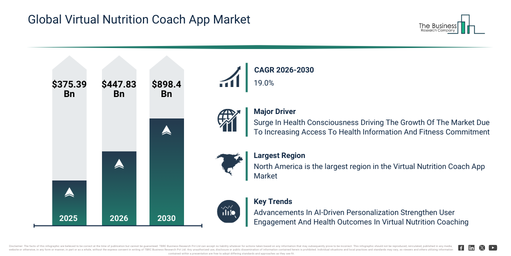
    The virtual nutrition coach app sector has experienced substantial expansion lately, projected to surge from $375.39 billion in 2025 to $447.83 billion in 2026, reflecting a compound annual growth rate of 19.3%. This past growth trajectory has been fueled by increased smartphone adoption, heightened consumer consciousness regarding healthy living, a broader range of digital health solutions, enhanced access to health data analysis tools, and a greater embrace of remote well-being services.

    The marketplace for virtual nutrition coaching applications is poised for substantial expansion in the coming years, projected to reach $898.4 billion by 2030, reflecting a compound annual growth rate of 19.0%. This anticipated surge is fueled by several key factors: a heightened consumer desire for tailored healthcare approaches, the growing incorporation of artificial intelligence into health applications accessible to the general public, the proliferation of nutrition guidance grounded in data analysis, a heightened emphasis on averting chronic illnesses, and the increasing acceptance of digital health services offered through subscription models. Moreover, several significant developments are anticipated during this forecast period, including the wider embrace of AI-powered individualized dietary regimens, greater connectivity with wearable health-monitoring gadgets, the expanded utilization of immediate dietary logging functionalities, the broadening reach of subscription-based nutrition platforms, and an intensified concentration on proactive health and well-being strategies.

    Download A Free Sample Report For Comprehensive Market Insights:

    https://www.thebusinessresearchcompany.com/sample.aspx?id=24425&type=smp

    Virtual Nutrition Coach App Market Growth Drivers And Industry Catalysts

    The increasing prevalence of health awareness among consumers is anticipated to be a significant catalyst for the expansion of the virtual nutrition coach app market. This heightened health consciousness, characterized by a greater individual focus on actively preserving and enhancing physical and mental wellness, is fueled by readily available health information via social media platforms, empowering individuals to make more judicious choices regarding their personal health. Virtual nutrition coach applications cater effectively to this demographic by delivering tailored dietary advice, facilitating the monitoring of nutritional objectives, furnishing immediate feedback, and assisting users in making sound food selections, thereby fostering healthier dietary patterns and contributing to a more robust state of overall well-being. Evidence of this trend can be observed in consumer spending habits, where Experian Information Solutions, Inc. reported in February 2025 that gym membership expenditures climbed by 11% during the Christmas season and an additional 4% in January, indicating a strong initial dedication to fitness pursuits in early 2025, with individuals aged 35-44 showing a notable 7% increase in fitness spending, underscoring a prioritization of health and wellness within this age group. Consequently, the escalating consumer focus on health is directly fueling the growth trajectory of the virtual nutrition coach app sector.

    Virtual Nutrition Coach App Market Segment Performance And Strategic Opportunities

    The virtual nutrition coach app market covered in this report is segmented –

    1) By Product Type: Live Streaming, On-Demand Streaming

    2) By Device Type: Smart TVs, Smartphones, Laptops Desktops, Other Device Types

    3) By Revenue Model: Subscription, Advertisement

    Subsegments:

    1) By Live Streaming: One-On-One Coaching Sessions, Group Coaching Sessions, Interactive Q&A Sessions, Real-Time Meal Planning, Live Fitness and Nutrition Integration

    2) By On-Demand Streaming: Pre-Recorded Nutrition Courses, Diet-Specific Modules, Meal Prep Tutorials, Habit-Building Video Series, Expert-Led Educational Content

    #Virtual Nutrition Coach App Market Trends Influencing Long-Term Demand

    Leading players in the virtual nutrition coach app sector are prioritizing the implementation of sophisticated technologies, exemplified by AI-driven personalized nutrition planning systems, with the objective of boosting user interaction, aiding in the prevention of chronic illnesses, and elevating overall health results. These AI-powered systems employ machine learning to scrutinize user information, encompassing dietary habits, health indicators, lifestyle choices, and personal objectives, thereby delivering customized meal suggestions, immediate dietary advice, and responsive coaching that adapts to an individual’s journey, presenting a more accurate approach compared to conventional generic diet strategies. As an illustration, in June of 2024, the Cleveland Clinic, a prominent American healthcare institution, introduced its Cleveland Clinic Diet App, a state-of-the-art platform for wellness and dietary coaching, created in collaboration with FitNow, Inc. This platform aims to refine users’ nutritional choices and foster sustained adherence through clinician-designed programs, intelligent food identification capabilities (photo, barcode, voice), an extensive food repository, specialized tracking functionalities, and structured modules for lifestyle enhancement like “BodyGuard” and “HeartSmart.” Through the integration of research-backed programs with AI-enhanced personalization, this application provides users with tailored, practical, and adaptable nutritional assistance.

    Virtual Nutrition Coach App Market Key Players: Which Companies Shape Industry Competition?

    Major companies operating in the virtual nutrition coach app market are Noom Inc., GOQii Inc., MyFitnessPal Inc., HealthifyMe Inc., Lark Health Inc., Zoe Global Ltd., 8fit Inc., Lifesum AB., Fooducate Inc., DayTwo Ltd., Asken Diet Inc., GB HealthWatch Inc., Yazio GmbH., Nourishly Inc., Eat This Much Inc., MacroFactor, Cronometer, Fitia, FoodNoms, CalBye, RP Strength (RP Diet Coach App), Fastic, Lose It!, My Macros Plus, Nutrium

    Access The Complete Virtual Nutrition Coach App Market Report:

    https://www.thebusinessresearchcompany.com/report/virtual-nutrition-coach-app-global-market-report

    Virtual Nutrition Coach App Market Regional Outlook: Where Are The Largest Opportunities Located?

    North Americawas the largest region in the virtual nutrition coach app market in 2025. Asia-Pacificis expected to be the fastest-growing region in the forecast period. The regions covered in the virtual nutrition coach app market report are Asia-Pacific, South East Asia, Western Europe, Eastern Europe, North America, South America, Middle East, Africa.

    Get in touch with us:

    The Business Research Company: https://www.thebusinessresearchcompany.com/

    Americas: +1 310-496-7795

    Asia: +44 7882 955267 & +91 8897263534

    Europe: +44 7882 955267

    Email us at: marketing@tbrc.info

    Follow us on:

    LinkedIn: https://in.linkedin.com/company/the-business-research-company

    YouTube: https://www.youtube.com/channel/UC24_fI0rV8cR5DxlCpgmyFQ

    Global Market Model: https://www.thebusinessresearchcompany.com/global-market-model
  • Virtual Intensive Care Unit (ICU) Market Trends And Growth Drivers Point To Strong Future Potential

    Virtual Intensive Care Unit (ICU) Market Trends And Growth Drivers Point To Strong Future Potential

    Delivering more actionable and strategically valuable research, The Business Research Company’s 2026 market reports feature market attractiveness analysis, total addressable market evaluation, company benchmarking matrices, interactive Excel dashboards, expanded supply chain intelligence, emerging startup coverage, and detailed product insights.

    Virtual Intensive Care Unit (ICU) Market Value Expansion And Long-Term Growth Outlook

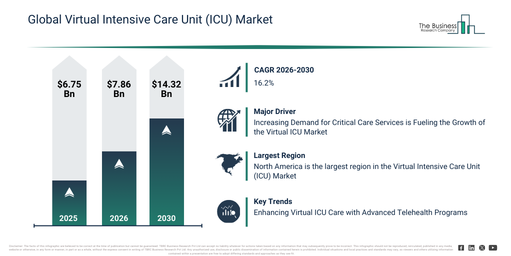
    The virtual intensive care unit (ICU) sector has experienced notable expansion lately, projecting an increase from $6.75 billion in 2025 to $7.86 billion by 2026, reflecting a compound annual growth rate (CAGR) of 16.5%. This historical growth trajectory is largely fueled by factors such as the growing scarcity of physicians specializing in critical care present at hospitals, the widespread development of telemedicine capabilities, an upward trend in the number of patients requiring ICU care, the integration of electronic health records, and the necessity for coordinated management of critical care services.

    The global virtual intensive care unit (ICU) market is poised for significant expansion, projected to reach a valuation of $14.32 billion by 2030, driven by a robust compound annual growth rate (CAGR) of 16.2%. This anticipated surge in market value throughout the forecast period is fueled by several key factors, including a heightened need for flexible and scalable critical care services, increased financial commitments to digital health technologies, broader implementation of artificial intelligence for clinical monitoring, a stronger emphasis on value-based healthcare approaches, and the growing acceptance of virtual hospital frameworks. Furthermore, prominent developments shaping this market’s trajectory include the escalating use of remote ICU monitoring systems, the greater incorporation of real-time patient data analysis, the wider deployment of tele-intensivist coverage models, the increasing application of predictive tools for clinical decision support, and a heightened focus on uninterrupted critical care supervision.

    Download A Free Sample Report For Comprehensive Market Insights:

    https://www.thebusinessresearchcompany.com/sample.aspx?id=19752&type=smp

    Virtual Intensive Care Unit (ICU) Market Opportunity Drivers: What Is Creating New Revenue Potential?

    The expansion of the virtual intensive care unit (ICU) market is anticipated to be fueled by an increasing requirement for critical care services. These services encompass specialized medical attention for individuals with conditions that pose a threat to life, necessitating close observation and intervention. Factors contributing to this heightened demand include the escalating incidence of long-term illnesses, an expanding elderly demographic, and increasingly intricate medical situations. Virtual ICUs augment critical care delivery through continuous remote monitoring and expert oversight from intensivists, leading to better patient results and more efficient use of resources, particularly in remote or underserved regions lacking immediate access to on-site specialists. Illustrating this, data from November 2025, shared by the Organisation for Economic Co operation and Development, indicated that in 2023, the average number of ICU beds across 31 OECD member nations was 17 per 100,000 individuals, with substantial variations observed, ranging from over 40 beds per 100,000 in the Czechia and Estonia to fewer than 5 beds per 100,000 in New Zealand and Sweden. Post-pandemic, many nations have bolstered their ICU capacities. Consequently, the escalating demand for critical care provisions is a primary driver for the virtual ICU market’s growth.

    Virtual Intensive Care Unit (ICU) Market Segment Landscape And Growth Potential

    The virtual intensive care unit (icu) market covered in this report is segmented –

    1) By Type: Traditional Medical Intensive Care Unit (ICU), Cardiac Care Unit, Neonatal Intensive Care Unit (ICU), Pediatric Intensive Care Unit (ICU), Trauma Intensive Care Unit (ICU), Psychiatric Intensive Care Unit (ICU), High-Dependency Unit, Other Types

    2) By Component: Software, Hardware

    3) By Technology: Machine Learning, Deep Learning, Artificial Intelligence, Other Technologies

    4) By End User: Payer, Patient, Provider

    Subsegments:

    1) By Traditional Medical Intensive Care Unit (ICU): General Medical ICU, Surgical ICU, Respiratory ICU

    2) By Cardiac Care Unit: Coronary Care Unit, Cardiac Surgery ICU

    3) By Neonatal Intensive Care Unit (ICU): Level I Neonatal ICU, Level II Neonatal ICU, Level III Neonatal ICU

    4) By Pediatric Intensive Care Unit (ICU): General Pediatric ICU, Cardiac Pediatric ICU, Neuro Pediatric ICU

    5) By Trauma Intensive Care Unit (ICU): Surgical Trauma ICU, Medical Trauma ICU

    6) By Psychiatric Intensive Care Unit (ICU): Adult Psychiatric ICU, Adolescent Psychiatric ICU

    7) By High-Dependency Unit: Step-Down Unit, Intermediate Care Unit

    8) By Other Types: Burn Unit, Post-Anesthesia Care Unit, Stroke Unit

    Virtual Intensive Care Unit (ICU) Market Innovation Trends Driving Future Development

    Leading participants within the virtual intensive care unit (ICU) sector are prioritizing the creation of sophisticated offerings, including telehealth initiatives, aimed at elevating the standard of ICU care. These initiatives facilitate continuous patient observation, access to specialist medical advice, and better health results. Through the application of digital communication tools, telehealth programs extend medical assistance and services beyond the confines of a physical location. This remote delivery permits medical practitioners to oversee individuals under their care, engage in consultative sessions, and prescribe therapeutic guidance without the necessity for direct, face-to-face interaction. As an illustration, in August of 2024, Aster DM Healthcare, a healthcare organization based in India, unveiled its Tele ICU service, which operates under the umbrella of Aster Connected Care. This Tele ICU service represents a cutting-edge virtual critical care program, empowering intensivists and critical care nurses located remotely to contribute to patient management through real-time surveillance, virtual patient visits, and systems designed to aid clinical judgment. Ultimately, it boosts the caliber and availability of intensive care proficiency by providing uninterrupted remote oversight and constant audio-visual connectivity with the medical staff present at the facility.

    Virtual Intensive Care Unit (ICU) Market Competitive Landscape: Who Are The Leading Companies?

    Major companies operating in the virtual intensive care unit (icu) market are Cisco Systems Inc., Oracle Corporation, Medtronic plc, Siemens Healthineers AG, Koninklijke Philips N.V., GE HealthCare Technologies Inc., ResMed Inc., Hill-Rom Holdings Inc., Teladoc Health Inc., Masimo Corporation, Nihon Kohden Corporation, American Well Corporation, Caregility Corporation, Hicuity Health Inc., Eagle Telemedicine, HealthNet Global, Apollo TeleHealth Services Private Limited, Philips Healthcare, Medsphere Systems Corporation, eCareManager

    Access The Complete Virtual Intensive Care Unit (ICU) Market Report:

    https://www.thebusinessresearchcompany.com/report/virtual-intensive-care-unit-icu-global-market-report

    Virtual Intensive Care Unit (ICU) Market Geographic Landscape: Which Region Dominates Industry Growth?

    North Americawas the largest region in the virtual intensive care unit (ICU) market in 2025. Asia-Pacificis expected to be the fastest-growing region in the forecast period. The regions covered in the virtual intensive care unit (icu) market report are Asia-Pacific, South East Asia, Western Europe, Eastern Europe, North America, South America, Middle East, Africa.

    Get in touch with us:

    The Business Research Company: https://www.thebusinessresearchcompany.com/

    Americas: +1 310-496-7795

    Asia: +44 7882 955267 & +91 8897263534

    Europe: +44 7882 955267

    Email us at: marketing@tbrc.info

    Follow us on:

    LinkedIn: https://in.linkedin.com/company/the-business-research-company

    YouTube: https://www.youtube.com/channel/UC24_fI0rV8cR5DxlCpgmyFQ

    Global Market Model: https://www.thebusinessresearchcompany.com/global-market-model