Category: Healthcare Services

  • Optic Neuropathy Management Market Outlook Highlights The Next Major Growth Opportunities

    Optic Neuropathy Management Market Outlook Highlights The Next Major Growth Opportunities

    Enhanced with market attractiveness analysis, total addressable market evaluation, company benchmarking matrices, interactive Excel dashboards, expanded supply chain intelligence, emerging startup coverage, and detailed product insights, The Business Research Company’s 2026 market reports deliver more actionable and strategically valuable research.

    Optic Neuropathy Management Market Size Forecast: How Large Could The Market Become By 2030?

    The market for optic neuropathy management experienced robust expansion recently, with projections indicating a rise from $3.83 billion in 2025 to $4.06 billion in 2026, reflecting a compound annual growth rate of 6.0%. This historical growth trajectory is largely explained by several key factors: a higher occurrence of glaucoma-associated optic neuropathy, the constrained availability of treatments for severe optic nerve deterioration, an escalating rate of ischemic and inflammatory optic neuropathies, the increased application of corticosteroids for acute care, and the presence of limited awareness coupled with delayed diagnoses during the initial phases of the condition.

    The sector dedicated to managing optic neuropathy is poised for substantial expansion over the forthcoming years, projected to reach a value of $5.07 billion by 2030, exhibiting a compound annual growth rate of 5.7%. This anticipated upswing during the forecast period is underpinned by several key factors: the escalating integration of stem cell and gene therapy techniques into clinical practice, augmented investments in research focused on neuroprotection, a heightened demand for bespoke treatment regimens tailored to individual optic neuropathy cases, the proliferation of specialized ophthalmology and neurology practices, and enhanced accessibility to sophisticated diagnostic imaging tools. Prominent trends shaping this market in the upcoming years encompass an intensifying emphasis on the early detection and ongoing surveillance of optic neuropathy, a greater embrace of neuroprotective and antioxidant pharmaceutical agents, a rise in minimally invasive surgical procedures aimed at addressing optic nerve damage, increased consumer interest in vision rehabilitation services and assistive devices for the visually impaired, and a growing trend towards incorporating comprehensive, multidisciplinary care models into the overall management strategy for optic neuropathy.

    Download A Free Sample Report For Comprehensive Market Insights:

    https://www.thebusinessresearchcompany.com/sample.aspx?id=21236&type=smp

    Optic Neuropathy Management Market Development Factors: Which Trends Are Supporting Demand?

    An increasing incidence of eye conditions is anticipated to fuel the expansion of the optic neuropathy management market in the future. Eye disease encompasses any ailment impacting the eye’s structure or function, resulting in diminished eyesight or associated symptoms. Factors contributing to the heightened prevalence of eye disease include an aging global population, extended periods of screen engagement, unhealthy lifestyle habits, and pre-existing health issues like diabetes. Optic neuropathy management plays a crucial role in mitigating the impact of eye disease by preventing additional damage to the optic nerve and safeguarding visual capability. For example, data from the UK’s Department of Health and Social Care indicated that in February 2025, around 2 million individuals in the United Kingdom were experiencing some form of vision impairment, with projections suggesting this figure could reach 2.7 million by 2030. Consequently, the escalating rate of eye disease is a significant driver for the growth of the optic neuropathy management market.

    Optic Neuropathy Management Market Segment Analysis Highlighting Growth Areas

    The optic neuropathy management market covered in this report is segmented –

    1) By Treatment Type: Medications, Surgery, Other Treatment Types

    2) By Diagnosis: Imaging Tests, Blood Tests, Other Diagnosis

    3) By End-User: Hospitals, Specialty Clinics, Ambulatory Surgical Centers, Other End-Users

    Subsegments:

    1) By Medications: Corticosteroids, Neuroprotective Agents, Antioxidants, Immunosuppressants, Prostaglandin Analogs

    2) By Surgery: Optic Nerve Decompression Surgery, Optic Nerve Transplantation, Retinal Implant Surgery

    3) By Other Treatment Types: Low Vision Aids, Stem Cell Therapy, Gene Therapy

    Optic Neuropathy Management Market Transformation Trends: Which Innovations Are Driving Change?

    Within the optic neuropathy management market, leading entities are strategically focusing on pioneering novel therapeutic approaches, including monoclonal antibody treatments, as a means to secure a superior market position. Monoclonal antibodies, essentially engineered proteins, are developed to replicate the body’s natural defense mechanisms against detrimental agents like viruses and bacteria. A case in point is Horizon Therapeutics, an Irish firm, which in March 2023, shared updated MRI data concerning their medication, UPLIZNA (inebilizumab). This research indicated that UPLIZNA effectively curbs the development of silent optic nerve lesions in patients diagnosed with neuromyelitis optica spectrum disorder (NMOSD), underscoring Horizon’s dedication to delivering groundbreaking treatments for conditions such as NMOSD, gout, and thyroid eye disease. UPLIZNA functions as a monoclonal antibody specifically formulated to manage NMOSD by targeting and eliminating pathogenic B cells, thereby mitigating inflammation and safeguarding the central nervous system and optic nerves from further detriment, ultimately leading to fewer relapses and the preservation of sight.

    Optic Neuropathy Management Market Leading Companies: Who Holds Significant Market Presence?

    Major companies operating in the optic neuropathy management market are Pfizer Inc., F. Hoffmann-La Roche AG, Bayer AG, Novartis AG, Merck KGaA, Regeneron Pharmaceuticals Inc., Bausch Health Companies Inc., Santen Pharmaceutical Co. Ltd., Aerie Pharmaceuticals, Neurophth Therapeutics, GenSight Biologics S.A., Stealth BioTherapeutics, Oculis Holding AG, Neurotech Pharmaceuticals Inc., Quark Pharmaceuticals Inc., Astellas Pharma Inc., Ionis Pharmaceuticals Inc., Apellis Pharmaceuticals, Biogen Inc., Johnson & Johnson Vision, Sanofi S.A., Sun Pharmaceutical Industries Ltd., Alcon Inc., NicOx SA

    Access The Complete Optic Neuropathy Management Market Report:

    https://www.thebusinessresearchcompany.com/report/optic-neuropathy-management-global-market-report

    Optic Neuropathy Management Market Regional Analysis And Leading Geography

    North Americawas the largest region in the optic neuropathy management market in 2025. Asia-Pacificis expected to be the fastest-growing region in the forecast period. The regions covered in the optic neuropathy management market report are Asia-Pacific, South East Asia, Western Europe, Eastern Europe, North America, South America, Middle East, Africa.

    Get in touch with us:

    The Business Research Company: https://www.thebusinessresearchcompany.com/

    Americas: +1 310-496-7795

    Asia: +44 7882 955267 & +91 8897263534

    Europe: +44 7882 955267

    Email us at: marketing@tbrc.info

    Follow us on:

    LinkedIn: https://in.linkedin.com/company/the-business-research-company

    YouTube: https://www.youtube.com/channel/UC24_fI0rV8cR5DxlCpgmyFQ

    Global Market Model: https://www.thebusinessresearchcompany.com/global-market-model
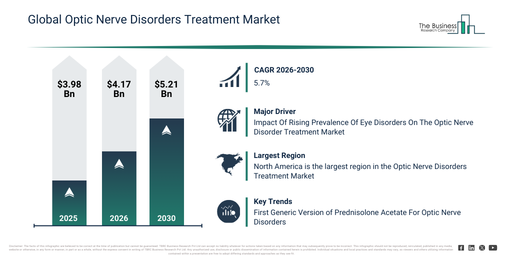
  • Optic Nerve Disorders Treatment Market Trends And Growth Drivers Point To Strong Future Potential

    Optic Nerve Disorders Treatment Market Trends And Growth Drivers Point To Strong Future Potential

    Through market attractiveness analysis, total addressable market evaluation, company benchmarking matrices, interactive Excel dashboards, expanded supply chain intelligence, emerging startup coverage, and detailed product insights, The Business Research Company’s 2026 market reports provide more actionable and strategically valuable research.

    Optic Nerve Disorders Treatment Market Revenue Outlook: What CAGR Is Expected Through 2030?

    The market for optic nerve disorder treatments has demonstrated consistent expansion throughout recent periods, projecting a rise from $3.98 billion in 2025 to $4.17 billion in 2026, fueled by a compound annual growth rate of 4.6%. This historical growth trajectory found its impetus in several key factors, including the significant incidence of glaucoma and optic neuritis, the limitations associated with conventional single-drug treatments, a rising number of optic nerve disorders linked to autoimmune responses, the expanding application of corticosteroids for acute optic issues, and challenges in accessing early diagnostic tools within developing economies.

    The market for treating optic nerve disorders is poised for considerable expansion over the coming years, projected to reach $5.21 billion by 2030, reflecting a compound annual growth rate of 5.7%. This anticipated growth trajectory is fueled by several key factors, including intensified clinical research into neuroprotection strategies, a rise in the utilization of immunomodulatory drugs and biologics, greater public awareness concerning hereditary optic nerve conditions, the proliferation of specialized eye care facilities, and an escalating demand for tailored treatment plans. Dominant trends expected to shape this market during the forecast period involve a heightened emphasis on the early detection and management of optic nerve damage, increased use of combination therapies for both inflammatory and degenerative optic disorders, a stronger focus on sustained disease management to preserve vision, a growing preference for neuroprotective and supportive therapeutic interventions, and a more integrated approach to optic nerve disorder treatment involving multiple medical disciplines.

    Download A Free Sample Report For Comprehensive Market Insights:

    https://www.thebusinessresearchcompany.com/sample.aspx?id=12997&type=smp

    Optic Nerve Disorders Treatment Market Industry Drivers: What Is Driving Revenue Growth?

    A rising incidence of vision impairments is anticipated to serve as a significant catalyst for the expansion of the optic nerve disorder treatment sector. Vision impairments encompass a spectrum of ailments and conditions impacting the intricate structures and elements of the eyes. Treatments for optic nerve disorders are designed to assist individuals afflicted with these eye conditions, addressing diverse ocular issues, including glaucoma, by mitigating or halting progressive damage to the optic nerve. Illustratively, data released in July 2025 by GOV.UK, a governmental body in the United Kingdom, indicated that during the fiscal year concluding in 2024, approximately 3.7 million individuals received hospital outpatient care for vision-related concerns in England. This translates to a rate of 6,127 (ranging from 6,121 to 6,134) per 100,000 individuals. Consequently, the escalating occurrence of vision disorders is fueling the growth trajectory of the optic nerve disorder treatment market.

    Optic Nerve Disorders Treatment Market Segment Performance And Strategic Opportunities

    The optic nerve disorders treatment market covered in this report is segmented –

    1) By Treatment Type: Steroidal Therapy, Immunomodulators therapy, Other Treatment Types

    2) By Indication: Glaucoma, Optic Neuritis, Optic Neuropathy, Congenital Optic Atrophy, Other Indications

    3) By End User: Hospitals, Ambulatory Surgery Centers, Clinics, Other End Users

    Subsegments:

    1) By Steroidal Therapy: Corticosteroids, Intravitreal Steroid Injections, Oral Steroids

    2) By Immunomodulators Therapy: Disease-Modifying Antirheumatic Drugs (DMARDs), Biologic Agents, Intravenous Immunoglobulin (IVIG)

    3) By Other Treatment Types: Optical Nerve Decompression Surgery, Neuroprotective Agents, Supportive Therapies

    #Optic Nerve Disorders Treatment Market Growth Trends: What Is Influencing The Future Outlook?

    Key players within the optic nerve disorder treatment market are actively pursuing new strategies, such as the introduction of generic suspensions, to solidify their market presence. These generic suspensions, commonly incorporating corticosteroids or other anti-inflammatory substances in a liquid base, are specifically developed to alleviate inflammation and address symptomology in conditions affecting the optic nerve, like optic neuritis. A notable development occurred in October 2024 when Lupin, a pharmaceutical firm based in India, unveiled the inaugural generic equivalent of prednisolone acetate ophthalmic suspension. This introduction represents a substantial progression in the therapeutic avenues available to individuals afflicted with optic nerve disorders, offering a cost-effective substitute for its branded counterpart and thereby enhancing patient accessibility. This particular formulation is engineered to combat inflammation and manage a spectrum of ocular ailments, specifically encompassing those that impact the optic nerve.

    Optic Nerve Disorders Treatment Market Key Players: Which Companies Shape Industry Competition?

    Major companies operating in the optic nerve disorders treatment market are Pfizer Inc., F. Hoffmann-La Roche Ltd., Merck and Co. Inc., Novartis AG, Regeneron Pharmaceuticals Inc., Alcon Inc., Sun Pharmaceutical Industries Limited, Bausch + Lomb Corporation, Horizon Therapeutics Inc., Santen Pharmaceutical Co. Ltd., Allergan Inc., Akorn Inc., Ionis Pharmaceuticals Inc., Lumenis Ltd., Glaukos Corporation, Nidek Co. Ltd., Aerie Pharmaceuticals Inc., Spark Therapeutics Inc., IRIDEX Corporation, Kowa Company Limited, New World Medical Inc., Heidelberg Engineering GmbH, Editas Medicine Inc., Quark Pharmaceuticals Inc., iSTAR Medical SA, Neurotech Pharmaceuticals Inc., Nicox SA., GenSight Biologics S.A., Inotek Pharmaceuticals Co., Oculis Holding AG

    Access The Complete Optic Nerve Disorders Treatment Market Report:

    https://www.thebusinessresearchcompany.com/report/optic-nerve-disorders-treatment-global-market-report

    Optic Nerve Disorders Treatment Market Geographic Analysis: Where Is Demand Growing The Fastest?

    North Americawas the largest region in the optic nerve disorders treatment market in 2025. The regions covered in the optic nerve disorders treatment market report are Asia-Pacific, South East Asia, Western Europe, Eastern Europe, North America, South America, Middle East, Africa.

    Get in touch with us:

    The Business Research Company: https://www.thebusinessresearchcompany.com/

    Americas: +1 310-496-7795

    Asia: +44 7882 955267 & +91 8897263534

    Europe: +44 7882 955267

    Email us at: marketing@tbrc.info

    Follow us on:

    LinkedIn: https://in.linkedin.com/company/the-business-research-company

    YouTube: https://www.youtube.com/channel/UC24_fI0rV8cR5DxlCpgmyFQ

    Global Market Model: https://www.thebusinessresearchcompany.com/global-market-model

  • Optic Atrophy Management Market Expansion Is Reshaping Competitive Dynamics Across The Industry

    Optic Atrophy Management Market Expansion Is Reshaping Competitive Dynamics Across The Industry

    Delivering more actionable and strategically valuable research, The Business Research Company’s 2026 market reports feature market attractiveness analysis, total addressable market evaluation, company benchmarking matrices, interactive Excel dashboards, expanded supply chain intelligence, emerging startup coverage, and detailed product insights.

    Optic Atrophy Management Market Growth Analysis: How Will Revenue Expand During The Forecast Period?

    The market for managing optic atrophy has experienced robust expansion recently, projected to advance from $8.91 billion in 2025 to $9.51 billion in 2026, demonstrating a compound annual growth rate of 6.8%. This recent growth trajectory is fueled by several key factors, including the significant prevalence of optic nerve damage stemming from conditions like glaucoma and ischemic disorders, a scarcity of definitive treatment options, an increasing rate of infectious and medication-induced optic neuropathy, and diagnostic delays within developing healthcare infrastructures, all of which necessitate a continued reliance on treatments focused on symptom relief and supportive care.

    The market dedicated to managing optic atrophy is poised for substantial expansion over the upcoming years, with projections indicating a rise to $12.32 billion by 2030, propelled by a compound annual growth rate of 6.7%. This anticipated growth trajectory is underpinned by several key factors, including augmented investment in neuro-ophthalmology research, heightened awareness of optic atrophy among healthcare professionals, an expanding elderly demographic susceptible to neurodegenerative conditions, the proliferation of sophisticated diagnostic and imaging technologies, and an intensified focus on individualized and sustained vision care strategies. Key developments anticipated within this forecast period involve a greater emphasis on the early detection and tracking of optic nerve degeneration, increased integration of vision rehabilitation and supportive care services, a growing concentration on addressing the root causes of neurological and systemic ailments, escalating demand for therapies aimed at neuroprotection and disease stabilization, and a more widespread utilization of integrated multidisciplinary approaches in the realm of vision management.

    Download A Free Sample Report For Comprehensive Market Insights:

    https://www.thebusinessresearchcompany.com/sample.aspx?id=13499&type=smp

    Optic Atrophy Management Market Growth Factors: Which Forces Are Supporting Market Expansion?

    The rising occurrence of diabetes is anticipated to be a significant catalyst for the expansion of the optic atrophy management market. Diabetes, a persistent ailment defined by heightened blood sugar levels stemming from inadequate insulin secretion or inefficient insulin utilization, has direct implications for vision. Optic atrophy management offers crucial benefits to individuals with diabetes, especially those grappling with syndromes like Wolfram syndrome, by targeting the gradual decline in eyesight linked to nerve degradation, thereby aiming to avert or mitigate the advancement of diabetes-related ocular issues. Corroborating this trend, Diabetes Canada, a Canadian non-profit, reported in February 2023 that diabetes cases in Canada are forecasted to climb from an estimated 2,409,000 individuals (representing 15% of the populace) in 2023 to 3,009,000 individuals (constituting 17% of the populace) by 2033. Consequently, this escalating prevalence of diabetes is a key determinant in the growth trajectory of the optic atrophy management market.

    Optic Atrophy Management Market Segment Landscape And Growth Potential

    The optic atrophy management market covered in this report is segmented –

    1) By Drug Type: Disulfiram, Amebicides, Ethambutol, Isoniazid, Chloramphenicol, Vincristine, Ciclosporin, Cimetidine

    2) By Route Of Administration: Oral, Injectable

    3) By Distribution Channel: Hospital Pharmacies, Retail Pharmacies, Online Pharmacies

    4) By End-User: Hospitals, Specialty Clinics, Ambulatory Surgical Centers, Rehabilitation Centers

    Subsegments:

    1) By Disulfiram: Oral Disulfiram Tablets, Low-Dose Disulfiram Therapy, Adjunct Neuroprotective Disulfiram Use

    2) By Amebicides: Metronidazole-Based Amebicides, Tinidazole-Based Amebicides, Combination Amebicidal Therapy

    3) By Ethambutol: Low-Dose Ethambutol Regimens, Dose-Adjusted Ethambutol Therapy, Ethambutol With Visual Monitoring Protocols

    4) By Isoniazid: Standard Isoniazid Therapy, Pyridoxine-Supplemented Isoniazid Therapy, Modified-Dose Isoniazid Regimens

    5) By Chloramphenicol: Oral Chloramphenicol Therapy, Injectable Chloramphenicol Therapy, Short-Term Chloramphenicol Use

    6) By Vincristine: Low-Dose Vincristine Therapy, Intravenous Vincristine Administration, Combination Chemotherapy Regimens With Vincristine

    7) By Ciclosporin: Oral Ciclosporin Therapy, Immunomodulatory Ciclosporin Regimens, Dose-Titrated Ciclosporin Treatment

    8) By Cimetidine: Oral Cimetidine Therapy, Adjunctive Cimetidine Use, Dose-Adjusted Cimetidine Regimens

    Optic Atrophy Management Market Industry Trends: What Changes Are Reshaping Demand?

    The dominant players within the optic atrophy management market are intensifying their efforts to innovate through clinical trials, aiming to create specialized treatments for uncommon genetic conditions and thus enhance their market standing. These specialized treatments are designed to address the underlying genetic causes of the illness. The process typically involves introducing genetic material into the body’s cells to correct or replace a defective gene, thereby tackling the disease at its source. A pertinent example occurred in April 2023 when Stoke Therapeutics, Inc., a biotechnology firm based in the United States, secured authorization from the UK’s Medicines and Healthcare Products Regulatory Agency (MHRA) to proceed with its clinical trial application. This approval greenlit the commencement of the Phase I/II OSPREY study involving STK-002. This particular investigation focuses on treating autosomal dominant optic atrophy (ADOA), which stands as the most frequently encountered hereditary disorder affecting the optic nerve, leading to gradual and irreparable vision impairment in both eyes, often manifesting around the age of ten. It is significant to note that no treatments are presently approved for this ailment, and the STK-002 therapy holds the promise of slowing or possibly halting the deterioration of vision in those diagnosed with autosomal dominant optic atrophy (ADOA).

    Optic Atrophy Management Market Competitive Landscape: Who Are The Leading Companies?

    Major companies operating in the optic atrophy management market are Pfizer Inc., Johnson And Johnson, F. Hoffmann-La Roche AG, AbbVie Inc., Bayer AG, Novartis AG, Bristol-Myers Squibb Company, Sanofi SA, GlaxoSmithKline plc, Eli Lilly And Company, Boehringer Ingelheim International GmbH., Teva Pharmaceuticals, Viatris (Mylan N.V.), Astellas Pharma Inc, Bausch Health Companies Inc., Sumitomo Dainippon Pharma Co. Ltd, Bausch And Lomb Inc., Aurobindo Pharma, Cipla Ltd, Apotex Inc. , Zydus Cadila, Santen Pharmaceutical Co. Ltd, Lupin, Allergan ple., LEO Pharma A/S, Aerie Pharmaceuticals Inc., Neurophth Therapeutics Inc, Stoke Therapeutics Inc, Bionure Farma S.L., Mallinckrodt Pharmaceuticals, Ixchel Pharma LLC

    Access The Complete Optic Atrophy Management Market Report:

    https://www.thebusinessresearchcompany.com/report/optic-atrophy-management-global-market-report

    Optic Atrophy Management Market Global Footprint: Which Region Holds Market Leadership?

    North Americawas the largest region in the optic atrophy management market in 2025. The regions covered in the optic atrophy management market report are Asia-Pacific, South East Asia, Western Europe, Eastern Europe, North America, South America, Middle East, Africa.

    Get in touch with us:

    The Business Research Company: https://www.thebusinessresearchcompany.com/

    Americas: +1 310-496-7795

    Asia: +44 7882 955267 & +91 8897263534

    Europe: +44 7882 955267

    Email us at: marketing@tbrc.info

    Follow us on:

    LinkedIn: https://in.linkedin.com/company/the-business-research-company

    YouTube: https://www.youtube.com/channel/UC24_fI0rV8cR5DxlCpgmyFQ

    Global Market Model: https://www.thebusinessresearchcompany.com/global-market-model

  • Opioid-Induced Constipation Treatment Market Forecast Reveals Where Future Industry Value Will Be Created

    Opioid-Induced Constipation Treatment Market Forecast Reveals Where Future Industry Value Will Be Created

    Enhanced with market attractiveness analysis, total addressable market evaluation, company benchmarking matrices, interactive Excel dashboards, expanded supply chain intelligence, emerging startup coverage, and detailed product insights, The Business Research Company’s 2026 market reports deliver more actionable and strategically valuable research.

    Opioid-Induced Constipation Treatment Market Forecast: What Market Value Is Expected By 2030?

    The market catering to treatments for opioid-induced constipation has experienced robust expansion recently. Projections indicate a rise from $1.9 billion in 2025 to $2.02 billion in 2026, reflecting a compound annual growth rate of 6.7%. This past expansion was fueled by several key factors: the extensive prescription of opioids for managing persistent pain, the insufficient efficacy of conventional laxative treatments, an increasing incidence of pain associated with cancer, a deficiency in therapies specifically designed for opioid-induced constipation early on, and a greater number of hospital admissions arising from adverse opioid reactions.

    The market for treatments addressing opioid-induced constipation is projected for significant expansion over the forthcoming years, anticipating a valuation of $2.54 billion by 2030, fueled by a compound annual growth rate of 5.9%. This projected expansion stems from several key drivers: escalating demand for therapies centered on PAMORA, a consistent increase in long-term opioid prescriptions, particularly within an aging demographic, a heightened clinical emphasis on pain management approaches that prioritize the patient’s experience, enhanced accessibility through both online and traditional retail pharmacies, and augmented investments in the development of drugs for gastrointestinal conditions. Significant trends expected to shape this market during the forecast period involve a greater uptake of peripherally acting µ-opioid receptor antagonists, a growing inclination towards OIC therapies that specifically target the condition without compromising pain relief, an increased integration of both medicinal and non-medicinal treatment strategies, a stronger emphasis on enhancing the quality of life for individuals managing chronic pain, and a rising level of awareness alongside improved diagnosis rates for opioid-induced constipation.

    Download A Free Sample Report For Comprehensive Market Insights:

    https://www.thebusinessresearchcompany.com/sample.aspx?id=15881&type=smp

    Opioid-Induced Constipation Treatment Market Demand Drivers: What Is Fueling Industry Growth?

    The increasing utilization of opioids for managing both cancer-related and non-cancer pain is anticipated to be a significant driver for the opioid-induced constipation treatment market’s expansion. Cancer pain stems from the disease itself or its therapeutic interventions, whereas non-cancer pain originates from conditions independent of malignancy. The prescription of opioids for these pain conditions is predominantly motivated by the necessity for effective management of moderate to severe pain, taking into account pain severity, duration, individual patient responses to alternative therapies, and the overarching therapeutic objective of enhancing life quality while diligently mitigating addiction risks and adverse effects. Treatments designed for opioid-induced constipation (OIC) offer relief to patients experiencing discomfort from opioid use, regardless of whether their pain is cancer-related or not. By alleviating this specific side effect, OIC treatments contribute to greater patient comfort, improved compliance with prescribed pain management plans, and an overall better quality of life without sacrificing the efficacy of pain relief. Illustrating this trend, the Centers for Disease Control and Prevention, a prominent US health authority, reported in November 2024 that in 2023, approximately 37.5 opioid prescriptions were dispensed for every 100 individuals. High dispensing rates were observed in states such as Arkansas with 71.5, Alabama with 71.4, Mississippi with 63.1, and Louisiana with 62.7 prescriptions per 100 individuals in 2023. Consequently, the elevated use of opioids for managing cancer and non-cancer pain directly fuels the growth trajectory of the market dedicated to treating opioid-induced constipation.

    Opioid-Induced Constipation Treatment Market Categorization By Product Type And Application

    The opioid-induced constipation treatment market covered in this report is segmented –

    1) By Drug Class: Laxatives, Peripherally Acting µ-opioid Receptor Antagonists, Serotonin Receptor Agonists

    2) By Type: Oral, Parenteral

    3) By Distribution Channel: Hospital Pharmacies, Online Pharmacies, Retail Pharmacies

    Subsegments:

    1) By Laxatives: Osmotic Laxatives, Stimulant Laxatives, Bulk-Forming Laxatives

    2) By Peripherally Acting µ-Opioid Receptor Antagonists: Naloxegol, Methylnaltrexone, Alvimopan

    3) By Serotonin Receptor Agonists: Prucalopride, Tegaserod

    Opioid-Induced Constipation Treatment Market Innovation Trends: Which Developments Are Transforming The Industry?

    Within the market for treatments targeting opioid-induced constipation, prominent pharmaceutical entities are actively engaged in pioneering novel therapeutic approaches. Their efforts are particularly concentrated on the development of innovations like peripherally acting µ-opioid receptor antagonists (PAMORAs). These agents are designed for precise modulation of receptors within the gastrointestinal tract, aiming to elevate treatment effectiveness, foster greater patient adherence, and mitigate undesirable systemic reactions that can occur during opioid-based pain management. A key characteristic of PAMORAs is their ability to selectively impede µ-opioid receptors exclusively in the digestive system, without permeating the blood-brain barrier. This targeted action facilitates the restoration of normal bowel movements while preserving the pain-relieving effects provided by central pain management strategies, distinguishing them from conventional laxatives which fail to address the root cause of constipation stemming from receptor activity. Illustrating this advancement, in May 2025, Luye Pharma, a pharmaceutical firm headquartered in China, introduced Mimeixin, a formulation combining oral oxycodone and naloxone in a sustained-release tablet format, specifically engineered for OIC management. This once-daily treatment not only provides pain relief but also counteracts opioid activity in the gut, offering enhanced bowel regularity and a reduction in gastrointestinal adverse effects when contrasted with earlier treatment options. Consequently, Mimeixin presents a convenient solution for patients, integrating pain alleviation and constipation control into a single, easy-to-take medication.

    Opioid-Induced Constipation Treatment Market Company Landscape And Strategic Competition

    Major companies operating in the opioid-induced constipation treatment market are Pfizer Inc., AstraZeneca plc, Takeda Pharmaceutical Company Limited, Bausch Health Companies Inc., Ironwood Pharmaceuticals Inc., Collegium Pharmaceutical Inc., Cumberland Pharmaceuticals Inc., RedHill Biopharma Ltd., Theravance Biopharma Inc., Mundipharma International Limited, Daiichi Sankyo Co Ltd, Progenics Pharmaceuticals Inc, Shionogi & Co Ltd, Purdue Pharma, Nektar Therapeutics, S L A Pharma AG, Bristol-Myers Squibb Company, Fresenius Kabi AG, Viatris Inc, Novartis AG, Teva Pharmaceutical Industries Ltd, F Hoffmann-La Roche Ltd, Aurobindo Pharma, Abbott Laboratories, Daewoong Pharmaceutical Company

    Access The Complete Opioid-Induced Constipation Treatment Market Report:

    https://www.thebusinessresearchcompany.com/report/opioid-induced-constipation-treatment-global-market-report

    Opioid-Induced Constipation Treatment Market Regional Distribution: Which Areas Drive Market Expansion?

    North Americawas the largest region in the opioid-induced constipation treatment market in 2025. Asia-Pacificis expected to be the fastest-growing region in the forecast period. The regions covered in the opioid-induced constipation treatment market report are Asia-Pacific, South East Asia, Western Europe, Eastern Europe, North America, South America, Middle East, Africa.

    Get in touch with us:

    The Business Research Company: https://www.thebusinessresearchcompany.com/

    Americas: +1 310-496-7795

    Asia: +44 7882 955267 & +91 8897263534

    Europe: +44 7882 955267

    Email us at: marketing@tbrc.info

    Follow us on:

    LinkedIn: https://in.linkedin.com/company/the-business-research-company

    YouTube: https://www.youtube.com/channel/UC24_fI0rV8cR5DxlCpgmyFQ

    Global Market Model: https://www.thebusinessresearchcompany.com/global-market-model

  • Opioid Use Disorder (OUD) Market Growth Through 2030 Creates New Strategic Opportunities

    Opioid Use Disorder (OUD) Market Growth Through 2030 Creates New Strategic Opportunities

    Through market attractiveness analysis, total addressable market evaluation, company benchmarking matrices, interactive Excel dashboards, expanded supply chain intelligence, emerging startup coverage, and detailed product insights, The Business Research Company’s 2026 market reports provide more actionable and strategically valuable research.

    Opioid Use Disorder (OUD) Market Size Outlook: How Fast Will Revenue Grow Through 2030?

    The market for Opioid Use Disorder (OUD) has experienced substantial expansion. Projections indicate a growth from $4.37 billion in 2025 to $4.89 billion in 2026, reflecting a compound annual growth rate of 11.8%. Factors contributing to its expansion during the preceding period include the widespread prescription of opioid analgesics, a rise in the incidence of persistent pain, restricted availability of initial addiction interventions, societal prejudices concerning addiction treatment, and the increasing accessibility of illegal opioids.

    Anticipated to expand significantly in the coming years, the opioid use disorder (OUD) market is projected to reach a valuation of $7.82 billion by 2030, driven by a compound annual growth rate (CAGR) of 12.5%. This upward trajectory during the forecast period is bolstered by several key factors, including increased financial contributions from governments towards addiction treatment initiatives, a greater acceptance of medication-assisted treatment, the proliferation of virtual and telehealth services for addiction support, broader insurance coverage for OUD interventions, and a heightened emphasis on strategies aimed at prevention and harm reduction. Furthermore, prominent trends expected to shape the market include a growing embrace of medication-assisted treatment programs, the enhanced combination of behavioral therapy with pharmaceutical treatments, the wider establishment of community-based opioid treatment facilities, a surge in interest for long-acting injectable treatments for OUD, and a more pronounced focus on preventing relapse and supporting sustained recovery.

    Download A Free Sample Report For Comprehensive Market Insights:

    https://www.thebusinessresearchcompany.com/sample.aspx?id=12586&type=smp

    Opioid Use Disorder (OUD) Market Growth Drivers: What Factors Are Accelerating Expansion?

    The increasing prevalence of opioid addiction is anticipated to fuel the expansion of the opioid use disorder (OUD) market. Opioid addiction, a condition marked by persistent and uncontrolled opioid consumption with detrimental health outcomes, stems from the euphoric and pain-relieving properties of these substances. Sustained use can result in the development of tolerance, necessitating increased dosages for the same effect, which may ultimately lead to opioid use disorder. Illustrating this trend, the Centers for Disease Control and Prevention reported that in 2023, there were 79,358 drug overdose deaths involving any opioid in the United States, translating to 23.7 deaths per 100,000 individuals. Consequently, the rising incidence of opioid addiction is a primary driver for the growth observed in the opioid use disorder (OUD) market.

    Opioid Use Disorder (OUD) Market Segment Analysis And Revenue Opportunities

    The opioid use disorder (oud) market covered in this report is segmented –

    1) By Drug Type: Buprenorphine, Naltrexone, Methadone

    2) By Route Of Administration: Oral, Parenteral

    3) By Age Group: 19 To 40, 41 To 60, 61 And Over

    4) By Distribution Channel: Hospital Pharmacies, Retail Pharmacies And Stores, Online Pharmacies

    Subsegments:

    1) By Buprenorphine: Suboxone, Buprenorphine Tablets, Buprenorphine Film

    2) By Naltrexone: Naltrexone Tablets, Vivitrol

    3) By Methadone: Methadone Tablets, Methadone Oral Solution

    Opioid Use Disorder (OUD) Market Trends: What Is Shaping Future Industry Growth?

    The leading businesses within the opioid use disorder (OUD) sector are concentrating their efforts on crafting novel treatments, specifically advanced extended-release buprenorphine formulations, in response to the escalating need for long-duration therapies that aid compliance, alleviate withdrawal phenomena, and enhance recovery achievements. These extended-release buprenorphine products ensure a continuous supply of medication across weekly or monthly periods, presenting superior ease of use and consistent therapeutic levels when contrasted with daily oral or sublingual methods that potentially elevate the likelihood of relapse. A notable development occurred in May 2023 when Brixadi (buprenorphine) extended-release injection received approval from the U.S. Food and Drug Administration, a federal entity in the United States, for the management of moderate to severe opioid use disorder (OUD). Brixadi is offered in two distinct administrations: a weekly injection suitable for individuals initiating treatment with a single dose of a transmucosal buprenorphine product or those currently on the medication, and a monthly option designated for patients already undergoing treatment.

    Opioid Use Disorder (OUD) Market Leading Players Shaping Industry Direction

    Major companies operating in the opioid use disorder (oud) market are Indivior Plc., Alkermes Inc., Braeburn Pharmaceuticals Inc., Titan Pharmaceuticals Inc., BioDelivery Sciences International Inc., Camurus AB, Orexo US Inc., Rhodes Pharmaceuticals L P, Mallinckrodt Pharmaceuticals, Hikma Pharmaceuticals Plc., Teva Pharmaceutical Industries Ltd., Viatris Inc., Mylan NV, Adapt Pharma Inc., Opiant Pharmaceuticals Inc., Dr Reddy’s Laboratories Ltd., Cipla Limited, Luye Pharma Group, Amneal Pharmaceuticals Inc., Sun Pharmaceutical Industries Ltd., Knight Therapeutics, BioCorRx Inc., Lannett Company Inc., Zydus Cadila, Apotex Inc., Intas Biopharmaceuticals, Glenmark Pharmaceuticals Ltd., InterveXion Therapeutics

    Access The Complete Opioid Use Disorder (OUD) Market Report:

    https://www.thebusinessresearchcompany.com/report/opioid-use-disorder-oud-global-market-report

    Opioid Use Disorder (OUD) Market Leading Geography: Which Region Generates The Most Revenue?

    North Americawas the largest region in the opioid use disorder (OUD) market in 2025. The regions covered in the opioid use disorder (oud) market report are Asia-Pacific, South East Asia, Western Europe, Eastern Europe, North America, South America, Middle East, Africa.

    Get in touch with us:

    The Business Research Company: https://www.thebusinessresearchcompany.com/

    Americas: +1 310-496-7795

    Asia: +44 7882 955267 & +91 8897263534

    Europe: +44 7882 955267

    Email us at: marketing@tbrc.info

    Follow us on:

    LinkedIn: https://in.linkedin.com/company/the-business-research-company

    YouTube: https://www.youtube.com/channel/UC24_fI0rV8cR5DxlCpgmyFQ

    Global Market Model: https://www.thebusinessresearchcompany.com/global-market-model
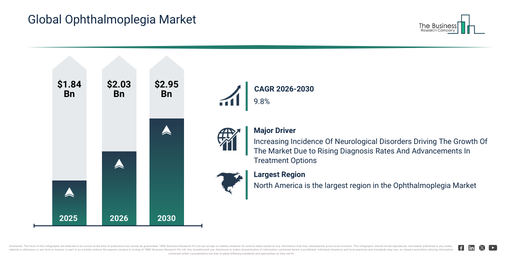
  • Ophthalmoplegia Market Size Projected To Increase From $2.03 Billion To $2.95 Billion During The Forecast Period

    Ophthalmoplegia Market Size Projected To Increase From $2.03 Billion To $2.95 Billion During The Forecast Period

    Delivering more actionable and strategically valuable research, The Business Research Company’s 2026 market reports feature market attractiveness analysis, total addressable market evaluation, company benchmarking matrices, interactive Excel dashboards, expanded supply chain intelligence, emerging startup coverage, and detailed product insights.

    Ophthalmoplegia Market Size, Value And Growth Trends Through 2030

    The market for ophthalmoplegia is poised for substantial expansion, forecasted to climb from $1.84 billion in 2025 to $2.03 billion in 2026, exhibiting a compound annual growth rate of 10.1%. This projected growth is underpinned by several factors that have historically driven the market. These include the scarcity of effective therapeutic interventions for ophthalmoplegia, a deficit in dedicated eye care facilities, insufficient public understanding of conditions affecting eye muscles, a prevailing dependence on traditional surgical methods, and a rise in neuromuscular ailments that impact vision.

    The global ophthalmoplegia market is poised for substantial expansion over the upcoming years, projected to reach $2.95 billion by 2030, fueled by a compound annual growth rate of 9.8%. This anticipated surge is largely driven by innovations in less invasive surgical procedures, the development of specialized pharmaceutical treatments, increased uptake of remote eye care services, elevated government backing for the management of uncommon ocular ailments, and progress in personalized medicine and genetic testing. Key developments expected during this period encompass a greater embrace of minimally invasive surgeries for ophthalmoplegia, enhanced utilization of targeted drug interventions for ocular muscle infirmities, a heightened emphasis on early detection and screening protocols, the broader implementation of tele-ophthalmology for routine patient oversight, and a growing public understanding of neurological and muscular eye conditions.

    Download A Free Sample Report For Comprehensive Market Insights:

    https://www.thebusinessresearchcompany.com/sample.aspx?id=22081&type=smp

    Ophthalmoplegia Market Growth Factors Supporting Long-Term Expansion

    The escalating occurrence of neurological disorders is anticipated to fuel the expansion of the ophthalmoplegia market in the future. Neurological disorders encompass a range of medical conditions affecting the brain, spinal cord, and nerves, manifesting as symptoms like muscle weakness, difficulties with coordination, and cognitive deficits. Contributing factors to the rise in neurological conditions include a predisposition due to genetics, rendering individuals more vulnerable to ailments such as Alzheimer’s and Parkinson’s, alongside lifestyle shifts like suboptimal nutrition, sedentary habits, and persistent stress, all of which can lead to neurodegeneration and compromised brain function. Ophthalmoplegia plays a crucial role in diagnosing neurological disorders like Alzheimer’s disease, multiple sclerosis, and stroke by signaling impaired control over eye muscles, which in turn reflects underlying dysfunction within the nervous system. As an illustration, the Alzheimer’s Association reported in March 2023 that approximately 6.7 million Americans aged 65 and older were living with Alzheimer

    Ophthalmoplegia Market Segmentation And Category Breakdown

    The ophthalmoplegia market covered in this report is segmented –

    1) By Type: External Opthalmoplegia, Internuclear Opthalmoplegia

    2) By Treatment: Surgery, Drug Treatment

    3) By End-User: Hospitals, Clinics, Ambulatory Clinics

    Subsegments:

    1) By External Ophthalmoplegia: Chronic Progressive External Ophthalmoplegia (CPEO), Myasthenic External Ophthalmoplegia, Mitochondrial Myopathy-Associated External Ophthalmoplegia

    2) By Internuclear Ophthalmoplegia: Unilateral Internuclear Ophthalmoplegia, Bilateral Internuclear Ophthalmoplegia

    Ophthalmoplegia Market Competitive Analysis Of Major Industry Participants

    Major companies operating in the ophthalmoplegia market are Hoffmann-La Roche Ltd., AbbVie Inc., Novartis AG., Regeneron Pharmaceuticals Inc., Bausch Health Companies Inc., Sun Pharmaceutical Industries Limited, Bayer AG., Santen Pharmaceutical Co. Ltd., Oculis Holding AG., Clearside Biomedical Inc., ViGeneron GmbH, GenSight Biologics SA, EyeBio Inc., Pfizer Inc., Johnson & Johnson, Merck & Co. Inc., Eli Lilly and Company, Bristol-Myers Squibb, Amgen Inc., Vertex Pharmaceuticals Inc., Acorda Therapeutics Inc., Biogen Inc., NicOx S.A.

    Access The Complete Ophthalmoplegia Market Report:

    https://www.thebusinessresearchcompany.com/report/ophthalmoplegia-global-market-report

    Ophthalmoplegia Market Regional Outlook: Where Are The Largest Opportunities Located?

    North Americawas the largest region in the ophthalmoplegia market in 2025. Asia-Pacificis expected to be the fastest-growing region in the forecast period. The regions covered in the ophthalmoplegia market report are Asia-Pacific, South East Asia, Western Europe, Eastern Europe, North America, South America, Middle East, Africa.

    Get in touch with us:

    The Business Research Company: https://www.thebusinessresearchcompany.com/

    Americas: +1 310-496-7795

    Asia: +44 7882 955267 & +91 8897263534

    Europe: +44 7882 955267

    Email us at: marketing@tbrc.info

    Follow us on:

    LinkedIn: https://in.linkedin.com/company/the-business-research-company

    YouTube: https://www.youtube.com/channel/UC24_fI0rV8cR5DxlCpgmyFQ

    Global Market Model: https://www.thebusinessresearchcompany.com/global-market-model

  • Ophthalmology Medical Service Market Growth Outlook Reveals A CAGR Of 6% And A Market Value Of $65.9 Billion By 2030

    Ophthalmology Medical Service Market Growth Outlook Reveals A CAGR Of 6% And A Market Value Of $65.9 Billion By 2030

    Enhanced with market attractiveness analysis, total addressable market evaluation, company benchmarking matrices, interactive Excel dashboards, expanded supply chain intelligence, emerging startup coverage, and detailed product insights, The Business Research Company’s 2026 market reports deliver more actionable and strategically valuable research.

    Ophthalmology Medical Service Market CAGR Analysis And Future Market Development

    The ophthalmology medical service sector has experienced robust expansion lately, with projections indicating a rise from $49.11 billion in 2025 to $52.17 billion in 2026, reflecting a compound annual growth rate of 6.2%. Factors contributing to this historical growth trajectory include restricted access to specialized eye care services, a prevailing preference for conventional surgical techniques, a general lack of awareness regarding preventative eye health measures, a growing incidence of conditions like cataracts and glaucoma, and deficiencies in diagnostic capabilities.

    The ophthalmology medical service sector is poised for substantial expansion over the approaching years, projected to reach $65.9 billion by 2030 with a compound annual growth rate of 6.0%. This anticipated upswing is fueled by several key factors, including innovations in imaging modalities such as OCT and fundus photography, an increase in cataract and refractive surgical procedures, the growing integration of tele-ophthalmology, supportive government efforts focused on eye health, and the development of customized ophthalmological care leveraging genomics and biotechnology. During this forecast period, prominent trends will encompass the increased utilization of sophisticated diagnostic instruments within ophthalmology, a heightened demand for refractive and vision correction interventions, a greater prevalence of minimally invasive surgical approaches, the broader implementation of tele-ophthalmology and remote patient monitoring, and an intensified emphasis on specialized ophthalmological services for pediatric and geriatric populations.

    Download A Free Sample Report For Comprehensive Market Insights:

    https://www.thebusinessresearchcompany.com/sample.aspx?id=24346&type=smp

    Ophthalmology Medical Service Market Demand Drivers Creating New Revenue Opportunities

    The ophthalmology medical service market is poised for expansion, largely driven by the escalating incidence of eye health issues in children. These conditions encompass a broad spectrum of visual impairments and ocular disorders affecting individuals from infancy through their teenage years. Factors contributing to this rise include prolonged exposure to digital screens, which results in eye fatigue, dryness, and an increased propensity for early-onset myopia. Ophthalmic medical services are instrumental in managing these pediatric eye conditions, offering essential early detection, tailored therapeutic interventions, and protective measures to foster optimal visual development in youngsters. To illustrate, projected data from the BMJ Group indicates that by 2030, myopia is anticipated to affect 600 million individuals worldwide, with this figure climbing past 740 million by 2050, representing approximately 40% of the global population. Consequently, the growing burden of pediatric eye conditions is a significant catalyst for the advancement of the ophthalmology medical service sector.

    Ophthalmology Medical Service Market Segment Outlook: Which Categories Are Expanding The Fastest?

    The ophthalmology medical service market covered in this report is segmented –

    1) By Type Of Services: Vision Correction Services, Diagnostic Services, Treatment Services

    2) By Product Type: Devices, Medications

    3) By Disease: Glaucoma, Cataract, Age-Related Macular Degeneration, Refractive Disorders

    4) By Age Group: Pediatric, Adult, Geriatric

    5) By End User Industry: Hospitals, Medical Institutes And Research Organizations, Healthcare Service Providers, Government And Academic Institutions

    Subsegments:

    1) By Vision Correction Services: Refractive Surgery, Eyeglasses And Contact, Implantable Lenses

    2) By Diagnostic Services: Eye Examinations And Screening, Optical Coherence Tomography (OCT), Visual Field Testing, Fundus Photography, Retinal Imaging, Fluorescein Angiography

    3) By Treatment Services: Cataract Surgery, Glaucoma Treatment, Retina Treatments, Corneal Transplant, Oculoplastic Surgery, Low Vision Rehabilitation, Pediatric Ophthalmology Treatments

    Ophthalmology Medical Service Market Trends Driving Strategic Industry Expansion

    The ophthalmology medical service sector sees leading corporations dedicating resources toward pioneering advancements like the SmartTracker 2 fixation tracking technology, aiming to elevate diagnostic precision, optimize operational processes, and boost patient experience. Smarttracker 2 fixation tracking technology represents a sophisticated system integrated into ophthalmic diagnostic instruments to continuously observe and follow a patient’s eye gaze during examinations. To illustrate, in January 2024, OCULUS Inc., an American manufacturer of ophthalmic diagnostic devices, introduced the Easyfield VR, a virtual reality headset engineered for swift and comfortable vision assessments, encompassing visual field examinations, color perception, contrast sensitivity, and stereo vision testing. This cutting-edge equipment not only simplifies clinical procedures and enhances patient comfort but also integrates fluidly with current OCULUS diagnostic hardware, thereby improving testing effectiveness and the general standard of patient treatment.

    Ophthalmology Medical Service Market Key Companies And Competitive Benchmarking

    Major companies operating in the ophthalmology medical service market are Johnson & Johnson Vision Care Inc., Merck & Co. Inc., AbbVie Inc., Bayer AG, Novartis AG, Medtronic plc, Regeneron Pharmaceuticals Inc., Alcon Inc., Hoya Corporation, Bausch & Lomb Inc., Carl Zeiss Meditec AG, Santen Pharmaceutical Co. Ltd., Lumenis Be Ltd., Staar Surgical Company, Heidelberg Engineering GmbH, Rayner Surgical Group Limited, Iridex Corporation, Ellex Medical Lasers, Kowa Co. Ltd., TearLab Corporation.

    Access The Complete Ophthalmology Medical Service Market Report:

    https://www.thebusinessresearchcompany.com/report/ophthalmology-medical-service-global-market-report

    Ophthalmology Medical Service Market Geographic Landscape: Which Region Dominates Industry Growth?

    North Americawas the largest region in the ophthalmology medical service market in 2025. Asia-Pacificis expected to be the fastest-growing region in the forecast period. The regions covered in the ophthalmology medical service market report are Asia-Pacific, South East Asia, Western Europe, Eastern Europe, North America, South America, Middle East, Africa.

    Get in touch with us:

    The Business Research Company: https://www.thebusinessresearchcompany.com/

    Americas: +1 310-496-7795

    Asia: +44 7882 955267 & +91 8897263534

    Europe: +44 7882 955267

    Email us at: marketing@tbrc.info

    Follow us on:

    LinkedIn: https://in.linkedin.com/company/the-business-research-company

    YouTube: https://www.youtube.com/channel/UC24_fI0rV8cR5DxlCpgmyFQ

    Global Market Model: https://www.thebusinessresearchcompany.com/global-market-model

  • Ophthalmology Contract Research Organization Market Forecast Highlights Expansion From $3.21 Billion To $4.39 Billion Through 2030

    Ophthalmology Contract Research Organization Market Forecast Highlights Expansion From $3.21 Billion To $4.39 Billion Through 2030

    Through market attractiveness analysis, total addressable market evaluation, company benchmarking matrices, interactive Excel dashboards, expanded supply chain intelligence, emerging startup coverage, and detailed product insights, The Business Research Company’s 2026 market reports provide more actionable and strategically valuable research.

    Ophthalmology Contract Research Organization Market Expansion From $3.21 Billion In 2026 To $4.39 Billion In 2030

    The ophthalmology contract research organization sector has experienced robust expansion lately, with projections indicating a continued upward trajectory. This market is estimated to increase from $2.97 billion in 2025 to $3.22 billion in 2026, reflecting a compound annual growth rate of 8.4%. Factors fueling this historical growth encompass a heightened incidence of eye conditions, escalating investment in vision care research and development, growing intricacy in clinical trial designs, a greater need for specialized trial knowledge, and more rigorous regulatory oversight.

    The market for ophthalmology contract research organizations is poised for significant expansion in the coming years, projecting a rise to $4.39 billion by 2030 with a compound annual growth rate of 8.1%. This projected growth is fueled by several key factors, including heightened financial commitments to gene and cell therapies targeting ocular ailments, a burgeoning need for studies generating real-world evidence, the proliferation of digital platforms for trial administration, an intensified concentration on uncommon ophthalmic conditions, and the increasing internationalization of clinical research efforts. During this forecast period, prominent trends are expected to emerge, such as a greater prevalence of outsourcing ophthalmic clinical trials, an escalated demand for niche contract research services catering to specific eye diseases, wider implementation of sophisticated imaging and diagnostic techniques, the broader scope of global multi-center trials, and a reinforced emphasis on assisting with regulatory adherence.

    Download A Free Sample Report For Comprehensive Market Insights:

    https://www.thebusinessresearchcompany.com/sample.aspx?id=24637&type=smp

    Ophthalmology Contract Research Organization Market Expansion Supported By Key Demand Factors

    The escalating incidence of eye conditions is anticipated to fuel the expansion of the ophthalmology contract research organization sector in the future. These eye conditions encompass a broad spectrum of ailments impacting the eye’s form or function, potentially leading to visual impairment or unease. A significant factor contributing to the increased occurrence of eye disorders is the demographic shift towards an older population, where age-related issues like cataracts, glaucoma, macular degeneration, and diabetic retinopathy are more frequently observed as individuals grow older. Ophthalmology contract research organizations play a crucial role in facilitating the progress of treatments for these eye disorders by offering specialized clinical research services that expedite the creation, evaluation, and authorization of novel ophthalmic treatments. To illustrate, data from the Welsh Government, a UK governmental body, indicated that in August 2024, ophthalmology units in Wales documented in excess of 35,000 patient admissions during the 2023-24 period, signifying a 5.8% rise compared to the preceding year. Consequently, the growing prevalence of eye disorders is a key driver for the market’s advancement in ophthalmology contract research organizations.

    Ophthalmology Contract Research Organization Market Segment Landscape: Which Areas Lead Market Development?

    The ophthalmology contract research organization market covered in this report is segmented –

    1) By Service Type: Early Phase Development Services, Clinical Research, Laboratory Services, Regulatory Consulting Services

    2) By Therapy: Traditional Interventions, Anti-Inflammatory Interventions, Corticosteroids, Non-Steroidal Anti-Inflammatory Drugs, Other Anti-Inflammatory Interventions, Anti-Oxidative Interventions, Other Traditional Interventions, Advanced Interventions

    3) By End-User: Pharma Or Biopharma companies, Medical Device Companies, Academic Institutes

    Subsegments:

    1) By Early Phase Development Services: Preclinical Trials, Pharmacokinetics (PK) And Pharmacodynamics (PD) Studies, Toxicology Studies, First-In-Human (FIH) Studies, Formulation Development

    2) By Clinical Research: Phase I Trials, Phase II Trials, Phase III Trials, Phase IV (Post-Marketing Surveillance), Site Management, Patient Recruitment and Retention

    3) By Laboratory Services: Bioanalytical Testing, Biomarker Analysis, Central Laboratory Services, Histopathology, Genomic And Proteomic Services

    4) By Regulatory Consulting Services: Regulatory Strategy Development, Investigational New Drug Or Clinical Trial Application Preparation And Submission, Regulatory Writing And Documentation, Health Authority Meeting Support, Labeling And Compliance Consulting

    Ophthalmology Contract Research Organization Market Growth Trends Influencing Competitive Dynamics

    Leading entities within the ophthalmology contract research organization sector are prioritizing the creation of novel approaches, exemplified by integrated trial platforms, aimed at optimizing study implementation and bolstering data oversight effectiveness. These comprehensive trial platforms serve as cohesive digital frameworks that simplify every phase of clinical studies, encompassing participant enrollment, data acquisition, and adherence to regulations, thereby empowering ophthalmology CROs to elevate their operational performance, minimize inaccuracies, and expedite the advancement of vision-related therapies. As an illustration, in September 2024, Lindus Health Limited, a biotechnology firm situated in the United Kingdom, unveiled its All-in-One Ophthalmology CRO, featuring its proprietary integrated trial platform known as Citrus. This sophisticated platform is engineered to consolidate all pivotal elements of ophthalmology clinical trials, spanning participant recruitment, electronic data capture (EDC), electronic consent (eConsent), patient appointment coordination, and clinical trial management system (CTMS) capabilities. Through the amalgamation of these crucial functionalities within a solitary, adaptable digital environment, Citrus significantly boosts operational workflows, curtails data discrepancies, and upholds regulatory conformity across the entirety of the trial process.

    Ophthalmology Contract Research Organization Market Industry Leaders And Market Competition

    Major companies operating in the ophthalmology contract research organization market are IQVIA Holdings Inc, Eurofins Scientific SE, Syneos Health Inc, Charles River Laboratories International Inc, Parexel International Corporation, Fortrea Holdings Inc, Medpace Holdings Inc, PSI CRO AG, Worldwide Clinical Trials, The Emmes Company LLC, TFS HealthScience, QPS Holdings LLC, ProTrial Research Inc, Lexitas Pharma Services Inc, Covance Inc, Cliantha Research Limited, Iris Pharma, WuXi AppTec Co Ltd, ORA Inc, Novotech Health Holdings Pty Limited, SGS Life Sciences, ICON plc

    Access The Complete Ophthalmology Contract Research Organization Market Report:

    https://www.thebusinessresearchcompany.com/report/ophthalmology-contract-research-organization-global-market-report

    Ophthalmology Contract Research Organization Market Largest Region: Which Geography Holds The Highest Market Share?

    North Americawas the largest region in the ophthalmology contract research organization market in 2025. Europeis expected to be the fastest-growing region in the forecast period. The regions covered in the ophthalmology contract research organization market report are Asia-Pacific, South East Asia, Western Europe, Eastern Europe, North America, South America, Middle East, Africa.

    Get in touch with us:

    The Business Research Company: https://www.thebusinessresearchcompany.com/

    Americas: +1 310-496-7795

    Asia: +44 7882 955267 & +91 8897263534

    Europe: +44 7882 955267

    Email us at: marketing@tbrc.info

    Follow us on:

    LinkedIn: https://in.linkedin.com/company/the-business-research-company

    YouTube: https://www.youtube.com/channel/UC24_fI0rV8cR5DxlCpgmyFQ

    Global Market Model: https://www.thebusinessresearchcompany.com/global-market-model
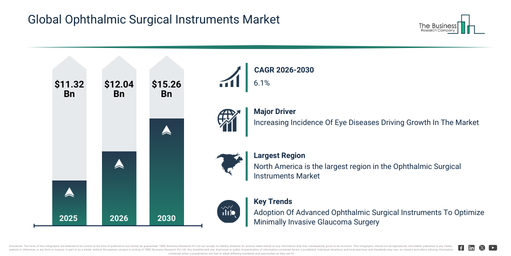
  • Ophthalmic Surgical Instruments Market Expected To Reach $15.26 Billion By 2030 As Growth Accelerates At 6.1% CAGR

    Ophthalmic Surgical Instruments Market Expected To Reach $15.26 Billion By 2030 As Growth Accelerates At 6.1% CAGR

    Delivering more actionable and strategically valuable research, The Business Research Company’s 2026 market reports feature market attractiveness analysis, total addressable market evaluation, company benchmarking matrices, interactive Excel dashboards, expanded supply chain intelligence, emerging startup coverage, and detailed product insights.

    Ophthalmic Surgical Instruments Market Forecast Highlighting Growth From $12.03 Billion To $15.26 Billion

    The market for ophthalmic surgical instruments has experienced robust expansion recently, with projections indicating a significant increase. It is anticipated to expand from $11.32 billion in 2025 to $12.04 billion in 2026, reflecting a compound annual growth rate (CAGR) of 6.4%. This historical growth trajectory can be attributed to factors such as the limitations in precision offered by traditional surgical instruments, a rising incidence of conditions like cataracts and glaucoma, a continued dependence on manual microsurgical tools, an increasing volume of ophthalmic surgical procedures performed, and a deficiency in advanced intraocular lens (IOL) choices.

    The market for ophthalmic surgical instruments is poised for significant expansion in the coming years, projecting a valuation of $15.26 billion by 2030, driven by a compound annual growth rate (CAGR) of 6.1%. This anticipated expansion is fueled by several key factors, including progressive developments in phacoemulsification techniques, a greater inclination towards laser-assisted eye surgeries, a heightened demand for digital ophthalmic microscopes, the increasing prevalence of multifocal and accommodative intraocular lenses, and a growing emphasis on less invasive surgical approaches for eye conditions. Within this forecast period, notable trends include a surge in the utilization of phacoemulsification tools for cataract removal, the greater incorporation of sophisticated illumination systems in surgical theaters, expanding interest in intraocular lenses featuring multifocal and toric capabilities, increased application of viscoelastic devices and balanced salt solutions, and a rising need for specialized surgical adjuncts and micro-instruments.

    Download A Free Sample Report For Comprehensive Market Insights:

    https://www.thebusinessresearchcompany.com/sample.aspx?id=20913&type=smp

    Ophthalmic Surgical Instruments Market Growth Drivers And Industry Catalysts

    The expanding prevalence of vision impairments is anticipated to be a key driver for the ophthalmic surgical instruments market’s expansion in the future. This rise in eye conditions can be attributed to demographic shifts like an aging global population, modern lifestyle habits including prolonged digital device usage, and external environmental factors such as air contamination. These sophisticated surgical tools are instrumental in accurately diagnosing, effectively treating, and proficiently managing a wide spectrum of ocular ailments, enabling delicate operations on the eye’s sensitive components. To illustrate, data from the Centers for Disease Control and Prevention in May 2024 indicated that within the United States, an estimated 17.2% of individuals aged 40 and above, equating to approximately 20.5 million people, are projected to have cataracts in at least one eye in 2024, with projections suggesting this figure could surpass 30 million by 2028. Consequently, the escalating rate of eye diseases is acting as a significant catalyst for the growth trajectory of the ophthalmic surgical instruments sector.

    Ophthalmic Surgical Instruments Market Segments: Where Are The Largest Growth Opportunities?

    The ophthalmic surgical instruments market covered in this report is segmented –

    1) By Product: Microscopes, Illumination Devices, Phacoemulsification Instruments, Lasers, Intraocular Lenses, Shunts And Related Drainage Devices

    2) By Application: Cataract Surgery, Glaucoma Surgery, Refractive Surgery, Vitreoretinal Surgery, Other Applications

    3) By End User: Hospitals, Clinics, Ambulatory Surgery Centers, Other End Users

    Subsegments:

    1) By Microscopes: Operating Microscopes, Handheld Microscopes, Digital Ophthalmic Microscopes

    2) By Illumination Devices: Slit Lamps, Surgical Headlights, Operating Room Lighting

    3) By Phacoemulsification Instruments: Phacoemulsifiers, Phaco Tips, Handpieces and Foot Pedals

    4) By Lasers: Diode Lasers, YAG Lasers, Argon Lasers

    5) By Intraocular Lenses: Monofocal Intraocular Lenses, Multifocal Intraocular Lenses, Toric Intraocular Lenses, Accommodative Intraocular Lenses

    6) By Shunts And Related Drainage Devices: Glaucoma Shunts, Drainage Implants

    #Ophthalmic Surgical Instruments Market Trends Influencing Long-Term Demand

    Within the ophthalmic surgical instruments market, prominent players are concentrating on innovations like bladeless excisional devices. These advancements aim to elevate surgical accuracy, bolster patient safety, and minimize tissue injury during ophthalmic operations. Unlike conventional instruments with sharp blades, a bladeless excisional device employs a grasping or microengineered mechanism for tissue removal. This approach facilitates a more precise and controlled excision, thereby lowering the probability of unintended tissue damage. As an illustration, in April 2025, Sight Sciences, an American enterprise specializing in eye care technology, introduced the OMNI Edge Surgical System. This system is specifically engineered for minimally invasive glaucoma surgery (MIGS). Through its proprietary TruSync system, which synchronizes viscoelastic infusion with surgical rotation, the OMNI Edge device executes canaloplasty and trabeculotomy with enhanced precision and consistency. The OMNI Edge is developed for secure, single-use applications, addresses the three fundamental areas of resistance to aqueous outflow, and contributes to achieving optimal intraocular pressure management for individuals diagnosed with glaucoma.

    Ophthalmic Surgical Instruments Market Major Participants And Competitive Dynamics

    Major companies operating in the ophthalmic surgical instruments market are Johnson & Johnson, Alcon Inc., Hoya Corporation, Carl Zeiss Meditec AG, Santen Pharmaceutical, Corza Ophthalmology, Lumenis, Haag-Streit Group, Accutome Inc., Millennium Surgical Corp, Appasamy Associates, Tomey Corporation, IndoSurgicals, Microtrack Surgicals, INKA Surgical Instruments, Surgical Holdings, Devine Meditech, Ambler Surgical, ASICO LLC, Topcon Corporation, NIDEK Co Ltd, OCULUS Optikgeräte GmbH, Ziemer Ophthalmic Systems AG, Kowa Company Ltd

    Access The Complete Ophthalmic Surgical Instruments Market Report:

    https://www.thebusinessresearchcompany.com/report/ophthalmic-surgical-instruments-global-market-report

    Ophthalmic Surgical Instruments Market Regional Analysis: Which Region Leads By Revenue?

    North Americawas the largest region in the ophthalmic surgical instruments market in 2025. The regions covered in the ophthalmic surgical instruments market report are Asia-Pacific, South East Asia, Western Europe, Eastern Europe, North America, South America, Middle East, Africa.

    Get in touch with us:

    The Business Research Company: https://www.thebusinessresearchcompany.com/

    Americas: +1 310-496-7795

    Asia: +44 7882 955267 & +91 8897263534

    Europe: +44 7882 955267

    Email us at: marketing@tbrc.info

    Follow us on:

    LinkedIn: https://in.linkedin.com/company/the-business-research-company

    YouTube: https://www.youtube.com/channel/UC24_fI0rV8cR5DxlCpgmyFQ

    Global Market Model: https://www.thebusinessresearchcompany.com/global-market-model
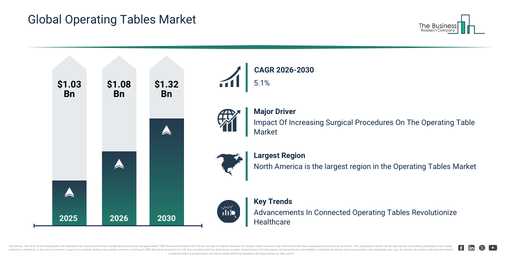
  • Operating Tables Market Set To Grow From $1.08 Billion In 2026 To $1.31 Billion By 2030 At A CAGR Of 5.1%

    Operating Tables Market Set To Grow From $1.08 Billion In 2026 To $1.31 Billion By 2030 At A CAGR Of 5.1%

    Enhanced with market attractiveness analysis, total addressable market evaluation, company benchmarking matrices, interactive Excel dashboards, expanded supply chain intelligence, emerging startup coverage, and detailed product insights, The Business Research Company’s 2026 market reports deliver more actionable and strategically valuable research.

    Operating Tables Market Revenue Growth Supported By A CAGR Of 1.31% Through 2030

    The global market for operating tables experienced robust expansion lately and is projected to continue this upward trajectory, increasing from $1.03 billion in 2025 to $1.08 billion in 2026, reflecting a compound annual growth rate of 5.1%. This historical growth was fueled by factors such as the prevalence of manual operating tables offering restricted capabilities, a rising volume of surgical interventions, substantial demand for tables suitable for general surgery, an insufficient availability of adaptable and specialized tables, and a general dependence on existing hospital frameworks for achieving proper surgical positioning.

    The global market for operating tables is poised for substantial expansion, projected to reach a value of $1.32 billion by the year 2030. This upward trajectory is anticipated to occur at a compound annual growth rate (CAGR) of 5.1% over the coming years. Key drivers fueling this expansion include the ongoing

    Download A Free Sample Report For Comprehensive Market Insights:

    https://www.thebusinessresearchcompany.com/sample.aspx?id=18419&type=smp

    Operating Tables Market Opportunity Drivers: What Is Creating New Revenue Potential?

    A surge in surgical interventions is projected to propel the operating table market forward. This rise in surgical activity can be attributed to several factors, including enhancements in medical technology, improved access to healthcare services, and an expanding elderly demographic. Operating tables are indispensable for surgical interventions, offering a stable and adaptable surface that allows for optimal patient positioning tailored to the specific operation. As an illustration, data from the American Society of Plastic Surgeons indicated that in 2023, close to 1.6 million cosmetic surgical procedures were conducted in the United States. Liposuction emerged as the most common procedure, with 347,782 instances, representing a 7% increase compared to the previous year, while breast augmentation followed with 304,181 procedures, marking a 2% increase. Consequently, the growing volume of surgical procedures is expected to be a key driver for the operating table market.

    Operating Tables Market Segment Analysis: What Are The Major Market Categories?

    The operating tables market covered in this report is segmented –

    1) By Product Type: General Surgery Tables, Radiolucent Operating Tables, Specialty Surgery Tables, Pediatric Operating Tables

    2) By Technology: Powered Operating Tables, Non-Powered Operating Tables, Hybrid Operating Tables

    3) By End User: Hospitals, Ambulatory Surgical Centers, Clinics, Other End Users

    Subsegments:

    1) By General Surgery Tables: Manual General Surgery Tables, Electric General Surgery Tables, Hydraulic General Surgery Tables, Hybrid General Surgery Tables

    2) By Radiolucent Operating Tables: Fixed Radiolucent Operating Tables, Adjustable Radiolucent Operating Tables, Radiolucent Tables With Imaging Capability

    3) By Specialty Surgery Tables: Orthopedic Surgery Tables, Neurosurgery Tables, Cardiac Surgery Tables, Urology Surgery Tables, Obstetrics And Gynecology Surgery Tables, Bariatric Surgery Tables, Ent (Ear, Nose, And Throat) Surgery Tables

    4) By Pediatric Operating Tables: Manual Pediatric Operating Tables, Electric Pediatric Operating Tables, Adjustable Pediatric Operating Tables, Pediatric Surgery Tables With Height Adjustments

    Operating Tables Market Innovation Trends Driving Future Development

    In the operating table sector, key players are prioritizing the creation of innovative solutions, like integrated operating tables, to secure a stronger market position. These integrated operating tables represent sophisticated surgical platforms incorporating technological advancements and network capabilities. As an illustration, Getinge, a medical technology firm headquartered in Sweden, introduced the Maquet Corin in October 2023, a cutting-edge operating room table engineered to transform future healthcare delivery. The networked functionality of the Maquet Corin facilitates expedited and more effective upkeep, granting service personnel access to crucial device status data prior to their on-site inspections, thereby enabling them to offer remote guidance or arrive fully equipped. This sophisticated technology is specifically aimed at elevating the safety standards for individuals undergoing procedures and for the surgical team, optimizing operational processes and upholding superior levels of patient and clinician security.

    Operating Tables Market Leading Companies Driving Competitive Growth

    Major companies operating in the operating tables market are Stryker Corporation, Steris PLC, Getinge AB, DIXION, KLS Martin Group, Biçakcilar, Mizuho OSI, BenQ Medical Technology Corporation, Alvo Medical, Shandong Mingtai Medical Equipment Group Co. Ltd., Skytron LLC, Schmitz u. Söhne GmbH & Co. KG, Eschmann Equipment, Merivaara Corp., Lojer Group, Schaerer Medical USA Inc., Stille AB, UFSK-International OSYS GmbH, Denyers International, Medifa-Hesse GmbH & Co. KG, OPT SurgiSystems, AGA Sanitätsartikel GmbH, SternMed GmbH, Infinium Medical, Fazzini S.r.l.

    Access The Complete Operating Tables Market Report:

    https://www.thebusinessresearchcompany.com/report/operating-tables-global-market-report

    Operating Tables Market Geographic Distribution And Regional Opportunities

    North Americawas the largest region in the operating tables market in 2025. Asia-Pacificis expected to be the fastest-growing region in the forecast period. The regions covered in the operating tables market report are Asia-Pacific, South East Asia, Western Europe, Eastern Europe, North America, South America, Middle East, Africa.

    Get in touch with us:

    The Business Research Company: https://www.thebusinessresearchcompany.com/

    Americas: +1 310-496-7795

    Asia: +44 7882 955267 & +91 8897263534

    Europe: +44 7882 955267

    Email us at: marketing@tbrc.info

    Follow us on:

    LinkedIn: https://in.linkedin.com/company/the-business-research-company

    YouTube: https://www.youtube.com/channel/UC24_fI0rV8cR5DxlCpgmyFQ

    Global Market Model: https://www.thebusinessresearchcompany.com/global-market-model