Category: Healthcare Services

  • Active Wound Care Market Opportunities Are Emerging Beyond Traditional Growth Areas

    Active Wound Care Market Opportunities Are Emerging Beyond Traditional Growth Areas

    Through market attractiveness analysis, total addressable market evaluation, company benchmarking matrices, interactive Excel dashboards, expanded supply chain intelligence, emerging startup coverage, and detailed product insights, The Business Research Company’s 2026 market reports provide more actionable and strategically valuable research.

    #Active Wound Care Market Size And Revenue Forecast Through 2030

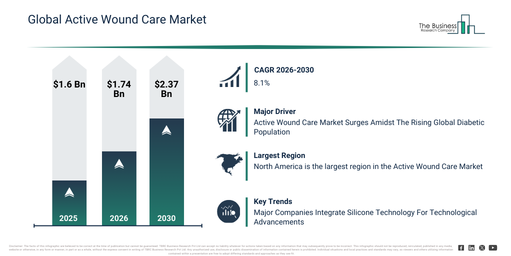
    Fueled by several contributing factors, the active wound care market experienced robust expansion, projecting a climb from $1.6 billion in 2025 to $1.74 billion by 2026, reflecting an 8.4% compound annual growth rate. This past growth trajectory was notably influenced by the restricted access to sophisticated wound management solutions, a surge in the incidence of persistent wounds, an increase in wound treatment interventions within healthcare facilities, heightened awareness surrounding diabetic foot ulcers, and the widespread utilization of traditional wound coverings.

    Download A Free Sample Report For Comprehensive Market Insights:

    https://www.thebusinessresearchcompany.com/sample.aspx?id=8123&type=smp

    #Active Wound Care Market Growth Factors: Which Forces Are Supporting Market Expansion?

    The escalating global prevalence of diabetes is poised to be a primary catalyst for the expansion of the active wound care market. Obesity, a common characteristic linked to elevated blood glucose levels, frequently leads to the development of sores and ulcers, significantly heightening the vulnerability to infections and other serious health issues. Active wound care interventions facilitate a structured approach to healing by employing diverse solutions and therapies for wounds, consequently stimulating demand for these treatments. Illustratively, the International Diabetes Federation (IDF), a non-profit entity headquartered in Belgium, reported in April 2025 that an estimated 589 million adults aged 20–79 worldwide currently live with diabetes, representing 11.1% of the global adult population in this demographic, with projections indicating this figure will climb to 853 million (13%) by the year 2050. Furthermore, it is estimated that approximately 252 million adults with diabetes remain undiagnosed. Consequently, the increasing incidence of diabetes and related mortality will serve as a key driver for the active wound care market’s growth.

    Active Wound Care Market Segmentation: How Is The Market Structured Across Key Categories?

    The active wound care market covered in this report is segmented –

    1) By Product: Biomaterials, Skin-Substitutes, Synthetic Skin-Substitute, Growth Factors

    2) By Indications: Burns, Diabetic Foot Ulcers, Pressure Ulcers, Lower Limb Ulcers

    3) By Application: Chronic Wounds, Acute Wounds

    4) By End-User: Hospitals, Clinics, Home Care Settings, Other End-users

    Subsegments:

    1) By Biomaterials: Collagen-Based Products, Hydrogel Dressings, Alginate Dressings

    2) By Skin-Substitutes: Autografts, Allografts, Xenografts

    3) By Synthetic Skin-Substitutes: Polyurethane Films, Silicone-Based Products, Dermal Regeneration Templates

    4) By Growth Factors: Platelet-Derived Growth Factors (PDGF), Epidermal Growth Factors (EGF), Vascular Endothelial Growth Factors (VEGF)

    Active Wound Care Market Industry Trends: What Changes Are Reshaping Demand?

    To maintain their standing in the active wound care sector, leading corporations are introducing innovative products incorporating silicone technology, which involves the use of synthetic polymers composed of silicon, oxygen, carbon, and hydrogen. An illustrative example is Convatec, a medical products and technologies firm based in the UK, which introduced ConvaFoam in January 2023. This advanced foam dressing was developed to meet the requirements of both healthcare providers and individuals receiving care. ConvaFoam leverages enhanced silicone technology to offer superior adhesion, increased absorbency, effective fluid management, extended wear capabilities for up to seven days, and a unique patterned film design intended to aid in the observation of exudate. This product moves beyond basic wound coverage, simplifying the wound care process and supporting patients and medical professionals in tackling a pervasive health challenge.

    Active Wound Care Market Competitive Landscape And Leading Companies

    Major companies operating in the active wound care market are Smith & Nephew PLC, MiMedx Group Inc., Tissue Regenix Group, Organogenesis Inc., Acell Inc., Integra Life Sciences Holdings Corporation, Solsys Medical LLC, Osiris Therapeutics Inc., Cytori Therapeutics Inc., Human BioSciences Inc., Wright Medical Group NV, Mölnlycke Health Care AB, Medline Industries Inc., AVITA Medical Inc., ConvaTec Inc., Stryker Corporation, 3M Company, Acelity L.P. Inc., B. Braun Melsungen AG, BSN Medical GmbH, Cardinal Health Inc., Celularity Inc., Coloplast A/S, Generex Biotechnology Corp., Hollister Incorporated, Johnson & Johnson Inc., Lohmann & Rauscher GmbH & Co. Kg, Medtronic PLC, PAUL HARTMANN AG, Adynxx Inc., Derma sciences Inc., Baxter International Inc., Axio Biosolutions

    Access The Complete Active Wound Care Market Report:

    https://www.thebusinessresearchcompany.com/report/active-wound-care-global-market-report

    Active Wound Care Market Leading Geography: Which Region Generates The Most Revenue?

    North Americawas the largest region in the active wound care market in 2025. The regions covered in the active wound care market report are Asia-Pacific, South East Asia, Western Europe, Eastern Europe, North America, South America, Middle East, Africa.

    Get in touch with us:

    The Business Research Company: https://www.thebusinessresearchcompany.com/

    Americas: +1 310-496-7795

    Asia: +44 7882 955267 & +91 8897263534

    Europe: +44 7882 955267

    Email us at: marketing@tbrc.info

    Follow us on:

    LinkedIn: https://in.linkedin.com/company/the-business-research-company

    YouTube: https://www.youtube.com/channel/UC24_fI0rV8cR5DxlCpgmyFQ

    Global Market Model: https://www.thebusinessresearchcompany.com/global-market-model
  • Actinic Keratosis Treatment Market Expansion Is Opening New Pathways For Strategic Investment

    Actinic Keratosis Treatment Market Expansion Is Opening New Pathways For Strategic Investment

    Delivering more actionable and strategically valuable research, The Business Research Company’s 2026 market reports feature market attractiveness analysis, total addressable market evaluation, company benchmarking matrices, interactive Excel dashboards, expanded supply chain intelligence, emerging startup coverage, and detailed product insights.

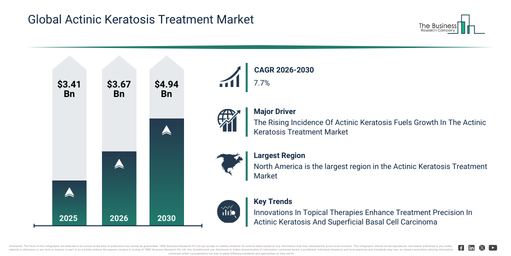
    Actinic Keratosis Treatment Market Growth From $3.67 Billion In 2026 To $4.93 Billion By 2030 At A CAGR Of 7.7%

    The actinic keratosis treatment market experienced robust expansion recently. Projections indicate a rise from $3.41 billion in 2025 to $3.67 billion in 2026, demonstrating a compound annual growth rate (CAGR) of 7.7%. This historical growth trajectory was fueled by several factors, including an increased incidence of actinic keratoses linked to UV radiation exposure, a scarcity of therapeutic choices in earlier times, heightened public understanding of dermatological issues, greater utilization of cryotherapy and laser treatments, and the accessibility of prescription drugs.

    The market for actinic keratosis treatments is poised for significant expansion in the coming years, projecting a rise to $4.94 billion by 2030, driven by a compound annual growth rate of 7.7%. This anticipated growth is fueled by several key factors, including the creation of innovative topical solutions and photodynamic therapies, increased financial backing for dermatology practices, a greater acceptance of combined treatment approaches, the burgeoning availability of at-home care and self-administered options, and progress in less invasive procedural techniques. Furthermore, prominent trends expected to influence this market during the forecast period encompass a heightened utilization of topical treatments for actinic keratosis, a growing inclination towards photodynamic therapy, the expanding application of medications such as fluorouracil, imiquimod, and diclofenac, the proliferation of dermatology clinics and laser therapy facilities, and a general uplift in awareness concerning sun protection and home-based treatment strategies.

    Download A Free Sample Report For Comprehensive Market Insights:

    https://www.thebusinessresearchcompany.com/sample.aspx?id=8283&type=smp

    Actinic Keratosis Treatment Market Demand Drivers: What Is Fueling Industry Growth?

    The expansion of the actinic keratosis treatment market is anticipated to be fueled by an increasing preference for minimally invasive therapeutic approaches. These procedures, characterized by minimal or absent incisions, result in less tissue trauma and swifter convalescence than conventional open surgical methods. Factors such as an expanding elderly demographic in affluent nations, where individuals frequently opt for treatments with expedited recovery and diminished risks, are contributing to the heightened demand for these less invasive interventions. Consequently, these minimally invasive techniques enhance the actinic keratosis treatment landscape by presenting patients with more accessible and efficient alternatives that involve less distress and promote quicker healing. Illustratively, the British Association of Aesthetic Plastic Surgeons reported a 5% surge in cosmetic surgical procedures between 2023 and 2024, totaling 27,462 in the latter year, as noted in April 2025. This escalating trend in less invasive treatments directly correlates with the projected growth of the actinic keratosis treatment market.

    Actinic Keratosis Treatment Market Segmentation Trends And Revenue Drivers

    The actinic keratosis treatment market covered in this report is segmented –

    1) By Treatment: Topical Treatment, Procedural Modality, Photodynamic Therapy

    2) By Medication: Fluorouracil Cream, Imiquimod Cream, Ingenol Mebutate Gel, Diclofenac Gel

    3) By End User: Hospitals, Private Dermatology Clinics, Laser Therapy Centers, Homecare

    Subsegments:

    1) By Topical Treatment: 5-Fluorouracil (5-FU), Imiquimod, Ingenol Mebutate, Diclofenac

    2) By Procedural Modality: Cryotherapy, Curettage And Electrosurgery, Laser Therapy

    3) By Photodynamic Therapy: ALA-Based PDT, MAL-Based PDT

    Actinic Keratosis Treatment Market Innovation Trends: Which Developments Are Transforming The Industry?

    Within the actinic keratosis treatment sector, key industry players are concentrating their efforts on innovating sophisticated approaches, including multifaceted topical treatments designed to enhance therapeutic outcomes, reduce side effects, and offer dermatologists straightforward prescription choices. These comprehensive topical treatments involve compounds that blend several active components to combat precancerous skin lesions while simultaneously aiding in skin rejuvenation. As an illustration, SKNV, a US-based pioneer in dermatological advancements, introduced Kefunova Cream in April 2025. This topical agent, formulated with fluorouracil 5% and calcipotriene 0.005%, is indicated for the management of actinic keratosis (AK) and superficial basal cell carcinoma (sBCC), targeting the affected skin with direct application and serving as a physician-prescribed solution for those addressing these dermatological concerns.

    #Actinic Keratosis Treatment Market Industry Leaders: Which Organizations Are Driving Competition?

    Major companies operating in the actinic keratosis treatment market are Sun Pharmaceutical Industries Ltd., Hill Dermaceuticals Inc., Bausch Health Companies Inc., LEO Pharma A/S, Almirall SA, Biofrontera AG, Galderma SA, Mylan NV, Cipher Pharmaceuticals Inc., Pierre Fabre Pharmaceuticals Inc., Cutanea Life Sciences Inc., DUSA Pharmaceuticals Inc., Foamix Pharmaceuticals Ltd., Hikma Pharmaceuticals PLC, Innocutis Holdings LLC, Mayne Pharma Group Limited, Meda AB, Merz Pharma GmbH & Co KGaA, Perrigo Company PLC, Promius Pharma LLC, Ranbaxy Laboratories Limited, Sandoz International GmbH, Stiefel Laboratories Inc., Teva Pharmaceutical Industries Ltd., Valeant Pharmaceuticals International Inc., Zydus Pharmaceuticals Inc., Dermira Inc., Sol-Gel Technologies Ltd., Verrica Pharmaceuticals Inc.

    Access The Complete Actinic Keratosis Treatment Market Report:

    https://www.thebusinessresearchcompany.com/report/actinic-keratosis-treatment-global-market-report

    Actinic Keratosis Treatment Market Regional Outlook: Where Are The Largest Opportunities Located?

    North Americawas the largest region in the actinic keratosis treatment market in 2025. Asia-Pacificis expected to be the fastest-growing region in the forecast period. The regions covered in the actinic keratosis treatment market report are Asia-Pacific, South East Asia, Western Europe, Eastern Europe, North America, South America, Middle East, Africa.

    Get in touch with us:

    The Business Research Company: https://www.thebusinessresearchcompany.com/

    Americas: +1 310-496-7795

    Asia: +44 7882 955267 & +91 8897263534

    Europe: +44 7882 955267

    Email us at: marketing@tbrc.info

    Follow us on:

    LinkedIn: https://in.linkedin.com/company/the-business-research-company

    YouTube: https://www.youtube.com/channel/UC24_fI0rV8cR5DxlCpgmyFQ

    Global Market Model: https://www.thebusinessresearchcompany.com/global-market-model
  • Actinic Keratosis Market Trends Are Creating New Opportunities For Industry Leaders

    Actinic Keratosis Market Trends Are Creating New Opportunities For Industry Leaders

    Enhanced with market attractiveness analysis, total addressable market evaluation, company benchmarking matrices, interactive Excel dashboards, expanded supply chain intelligence, emerging startup coverage, and detailed product insights, The Business Research Company’s 2026 market reports deliver more actionable and strategically valuable research.

    Actinic Keratosis Market Expansion Outlook: What Revenue Opportunities Lie Ahead?

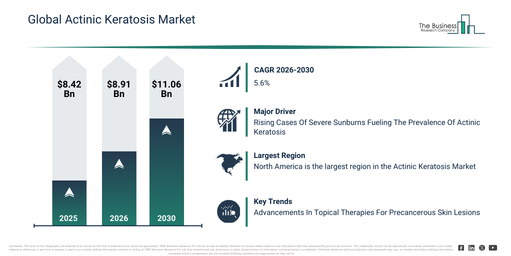
    The actinic keratosis market has experienced robust expansion lately, projected to increase from $8.42 billion in 2025 to $8.91 billion in 2026, reflecting a compound annual growth rate of 5.8%. This upward trend in the historical period stems from factors such as increased UV radiation exposure and a higher occurrence of sunburns, coupled with a scarcity of potent topical treatments, a rise in skin cancer cases, the development of dermatological healthcare facilities, and the utilization of standard surgical interventions.

    The market for actinic keratosis is poised for significant expansion in the coming years, projected to reach $11.06 billion by 2030, reflecting a compound annual growth rate of 5.6%. This anticipated growth trajectory is fueled by several key factors, including advancements in photodynamic therapies, a greater embrace of combined topical and procedural treatment approaches, the proliferation of hospital and dermatology clinic facilities, heightened public consciousness regarding the importance of early intervention, and the emergence of novel treatment options for home use. During this forecast period, dominant market trends will include a heightened emphasis on sun protection and skin health awareness, a growing acceptance of non-invasive photodynamic therapy, increased utilization of topical treatments for early-stage actinic keratosis, the expansion of both dermatology clinic services and at-home care solutions, and a discernible shift towards combination therapy preferences.

    Download A Free Sample Report For Comprehensive Market Insights:

    https://www.thebusinessresearchcompany.com/sample.aspx?id=21077&type=smp

    Actinic Keratosis Market Growth Drivers: What Factors Are Accelerating Expansion?

    The rise in instances of severe sunburn is anticipated to fuel the expansion of the actinic keratosis market. These intense skin burns, stemming from excessive ultraviolet (UV) radiation exposure, manifest as redness, discomfort, swelling, and occasionally blistering. Factors contributing to sunburn include extended periods under UV rays, inadequate sun protection, increased outdoor pursuits during peak UV times, and escalating global temperatures attributed to climate change. Sunburns contribute to actinic keratosis by damaging the DNA within skin cells via UV radiation, leading to mutations that impair normal cellular activity and consequently foster the development of precancerous lesions, particularly with repeated or prolonged sun exposure. As an illustration, data from Melanoma Focus, a UK charity, revealed that in the 2022-23 period, there were 201 hospital admissions related to sunburn, a figure that encompassed 89 children and 25 infants under the age of one. The same report indicated that 66% of UK adults aged 16-65 recalled experiencing sunburn during their childhood, with 65% of this group having endured a severe sunburn involving blisters at least once; this proportion increased to 77% among individuals with fair, pale, or white skin tones. Consequently, the escalating frequency of severe sunburns is acting as a catalyst for the growth observed in the actinic keratosis market.

    Actinic Keratosis Market Segment Analysis Highlighting Growth Areas

    The actinic keratosis market covered in this report is segmented –

    1) By Treatment Type: Topical Treatment, Surgical Procedure, Photodynamic Therapy, Other Treatment Types

    2) By Distribution Channels: Hospital Pharmacies, Drug Stores And Retail Pharmacies

    3) By End-User: Hospitals, Dermatology Clinics, Homecare Settings, Other End-Users

    Subsegments:

    1) By Topical Treatment: 5-Fluorouracil (5-FU), Imiquimod, Diclofenac

    2) By Surgical Procedure: Cryotherapy, Curettage And Electrodessication

    3) By Photodynamic Therapy: Aminolevulinic Acid (ALA) Plus Light Therapy, Methyl Aminolevulinate (MAL) Plus Light Therapy

    4) By Other Treatment Types: Laser Therapy, Combination Therapies

    Actinic Keratosis Market Trends: What Is Shaping Future Industry Growth?

    Companies prominent in the actinic keratosis market are concentrating their efforts on formulating topical applications designed for the precise destruction of precancerous skin abnormalities, aiming to minimize the likelihood of the condition’s return and boost patient adherence through abbreviated treatment periods accompanied by enhanced safety characteristics. These topical preparations, typically in the form of medicated creams or gels, are administered directly onto the compromised skin and feature active components like tirbanibulin, which function by specifically addressing aberrant keratinocytes to manage pre-malignant lesions. A noteworthy development occurred in June of 2024 when Almirall SA, a biopharmaceutical enterprise headquartered in Spain, secured approval from the U.S. Food and Drug Administration (FDA) for a supplementary new drug application (sNDA), thereby expanding the permissible application area of its therapeutic agent, Klisyri, to cover up to 100 square centimeters. Klisyri, a 1% ointment formulation of tirbanibulin, operates as a microtubule inhibitor, engineered to impede the proliferation of atypical keratinocytes, leading to a reduction in both the quantity and dimensions of precancerous lesions indicative of actinic keratosis on the facial or cranial regions.

    Actinic Keratosis Market Leading Companies: Who Holds Significant Market Presence?

    Major companies operating in the actinic keratosis market are Galderma SA, LEO Pharma A/S, Almirall S.A., Bausch Health Companies Inc., Perrigo Company plc, Pfizer Inc, F. Hoffmann-La Roche AG, Merck & Co. Inc., AbbVie Inc., Sanofi S.A., Novartis AG, GSK plc, Amgen Inc., Incyte Corporation, Aclaris Therapeutics Inc., Biofrontera AG, Hill Dermaceuticals Inc., Sun Pharmaceutical Industries Ltd., Dr. Reddy’s Laboratories Ltd., Viatris Inc.

    Access The Complete Actinic Keratosis Market Report:

    https://www.thebusinessresearchcompany.com/report/actinic-keratosis-global-market-report

    Actinic Keratosis Market Geographic Landscape: Which Region Dominates Industry Growth?

    North Americawas the largest region in the actinic keratosis market in 2025. Asia-Pacificis expected to be the fastest-growing region in the forecast period. The regions covered in the actinic keratosis market report are Asia-Pacific, South East Asia, Western Europe, Eastern Europe, North America, South America, Middle East, Africa.

    Get in touch with us:

    The Business Research Company: https://www.thebusinessresearchcompany.com/

    Americas: +1 310-496-7795

    Asia: +44 7882 955267 & +91 8897263534

    Europe: +44 7882 955267

    Email us at: marketing@tbrc.info

    Follow us on:

    LinkedIn: https://in.linkedin.com/company/the-business-research-company

    YouTube: https://www.youtube.com/channel/UC24_fI0rV8cR5DxlCpgmyFQ

    Global Market Model: https://www.thebusinessresearchcompany.com/global-market-model
  • Actinic Keratosis Market Trends Are Creating New Opportunities For Industry Leaders

    Enhanced with market attractiveness analysis, total addressable market evaluation, company benchmarking matrices, interactive Excel dashboards, expanded supply chain intelligence, emerging startup coverage, and detailed product insights, The Business Research Company’s 2026 market reports deliver more actionable and strategically valuable research.

    Actinic Keratosis Market Expansion Outlook: What Revenue Opportunities Lie Ahead?

    The actinic keratosis market has experienced robust expansion lately, projected to increase from $8.42 billion in 2025 to $8.91 billion in 2026, reflecting a compound annual growth rate of 5.8%. This upward trend in the historical period stems from factors such as increased UV radiation exposure and a higher occurrence of sunburns, coupled with a scarcity of potent topical treatments, a rise in skin cancer cases, the development of dermatological healthcare facilities, and the utilization of standard surgical interventions.

    The market for actinic keratosis is poised for significant expansion in the coming years, projected to reach $11.06 billion by 2030, reflecting a compound annual growth rate of 5.6%. This anticipated growth trajectory is fueled by several key factors, including advancements in photodynamic therapies, a greater embrace of combined topical and procedural treatment approaches, the proliferation of hospital and dermatology clinic facilities, heightened public consciousness regarding the importance of early intervention, and the emergence of novel treatment options for home use. During this forecast period, dominant market trends will include a heightened emphasis on sun protection and skin health awareness, a growing acceptance of non-invasive photodynamic therapy, increased utilization of topical treatments for early-stage actinic keratosis, the expansion of both dermatology clinic services and at-home care solutions, and a discernible shift towards combination therapy preferences.

    Download A Free Sample Report For Comprehensive Market Insights:

    https://www.thebusinessresearchcompany.com/sample.aspx?id=21077&type=smp

    Actinic Keratosis Market Growth Drivers: What Factors Are Accelerating Expansion?

    The rise in instances of severe sunburn is anticipated to fuel the expansion of the actinic keratosis market. These intense skin burns, stemming from excessive ultraviolet (UV) radiation exposure, manifest as redness, discomfort, swelling, and occasionally blistering. Factors contributing to sunburn include extended periods under UV rays, inadequate sun protection, increased outdoor pursuits during peak UV times, and escalating global temperatures attributed to climate change. Sunburns contribute to actinic keratosis by damaging the DNA within skin cells via UV radiation, leading to mutations that impair normal cellular activity and consequently foster the development of precancerous lesions, particularly with repeated or prolonged sun exposure. As an illustration, data from Melanoma Focus, a UK charity, revealed that in the 2022-23 period, there were 201 hospital admissions related to sunburn, a figure that encompassed 89 children and 25 infants under the age of one. The same report indicated that 66% of UK adults aged 16-65 recalled experiencing sunburn during their childhood, with 65% of this group having endured a severe sunburn involving blisters at least once; this proportion increased to 77% among individuals with fair, pale, or white skin tones. Consequently, the escalating frequency of severe sunburns is acting as a catalyst for the growth observed in the actinic keratosis market.

    Actinic Keratosis Market Segment Analysis Highlighting Growth Areas

    The actinic keratosis market covered in this report is segmented –

    1) By Treatment Type: Topical Treatment, Surgical Procedure, Photodynamic Therapy, Other Treatment Types

    2) By Distribution Channels: Hospital Pharmacies, Drug Stores And Retail Pharmacies

    3) By End-User: Hospitals, Dermatology Clinics, Homecare Settings, Other End-Users

    Subsegments:

    1) By Topical Treatment: 5-Fluorouracil (5-FU), Imiquimod, Diclofenac

    2) By Surgical Procedure: Cryotherapy, Curettage And Electrodessication

    3) By Photodynamic Therapy: Aminolevulinic Acid (ALA) Plus Light Therapy, Methyl Aminolevulinate (MAL) Plus Light Therapy

    4) By Other Treatment Types: Laser Therapy, Combination Therapies

    Actinic Keratosis Market Trends: What Is Shaping Future Industry Growth?

    Companies prominent in the actinic keratosis market are concentrating their efforts on formulating topical applications designed for the precise destruction of precancerous skin abnormalities, aiming to minimize the likelihood of the condition’s return and boost patient adherence through abbreviated treatment periods accompanied by enhanced safety characteristics. These topical preparations, typically in the form of medicated creams or gels, are administered directly onto the compromised skin and feature active components like tirbanibulin, which function by specifically addressing aberrant keratinocytes to manage pre-malignant lesions. A noteworthy development occurred in June of 2024 when Almirall SA, a biopharmaceutical enterprise headquartered in Spain, secured approval from the U.S. Food and Drug Administration (FDA) for a supplementary new drug application (sNDA), thereby expanding the permissible application area of its therapeutic agent, Klisyri, to cover up to 100 square centimeters. Klisyri, a 1% ointment formulation of tirbanibulin, operates as a microtubule inhibitor, engineered to impede the proliferation of atypical keratinocytes, leading to a reduction in both the quantity and dimensions of precancerous lesions indicative of actinic keratosis on the facial or cranial regions.

    Actinic Keratosis Market Leading Companies: Who Holds Significant Market Presence?

    Major companies operating in the actinic keratosis market are Galderma SA, LEO Pharma A/S, Almirall S.A., Bausch Health Companies Inc., Perrigo Company plc, Pfizer Inc, F. Hoffmann-La Roche AG, Merck & Co. Inc., AbbVie Inc., Sanofi S.A., Novartis AG, GSK plc, Amgen Inc., Incyte Corporation, Aclaris Therapeutics Inc., Biofrontera AG, Hill Dermaceuticals Inc., Sun Pharmaceutical Industries Ltd., Dr. Reddy’s Laboratories Ltd., Viatris Inc.

    Access The Complete Actinic Keratosis Market Report:

    https://www.thebusinessresearchcompany.com/report/actinic-keratosis-global-market-report

    Actinic Keratosis Market Geographic Landscape: Which Region Dominates Industry Growth?

    North Americawas the largest region in the actinic keratosis market in 2025. Asia-Pacificis expected to be the fastest-growing region in the forecast period. The regions covered in the actinic keratosis market report are Asia-Pacific, South East Asia, Western Europe, Eastern Europe, North America, South America, Middle East, Africa.

    Get in touch with us:

    The Business Research Company: https://www.thebusinessresearchcompany.com/

    Americas: +1 310-496-7795

    Asia: +44 7882 955267 & +91 8897263534

    Europe: +44 7882 955267

    Email us at: marketing@tbrc.info

    Follow us on:

    LinkedIn: https://in.linkedin.com/company/the-business-research-company

    YouTube: https://www.youtube.com/channel/UC24_fI0rV8cR5DxlCpgmyFQ

    Global Market Model: https://www.thebusinessresearchcompany.com/global-market-model
  • Artificial Intelligence-Powered Solutions For Elderly Care Market Expansion Is Reshaping Competitive Dynamics Across The Industry

    Artificial Intelligence-Powered Solutions For Elderly Care Market Expansion Is Reshaping Competitive Dynamics Across The Industry

    Enhanced with market attractiveness analysis, total addressable market evaluation, company benchmarking matrices, interactive Excel dashboards, expanded supply chain intelligence, emerging startup coverage, and detailed product insights, The Business Research Company’s 2026 market reports deliver more actionable and strategically valuable research.

    Artificial Intelligence-Powered Solutions For Elderly Care Market Growth Potential: How Will Market Size Change Through 2030?

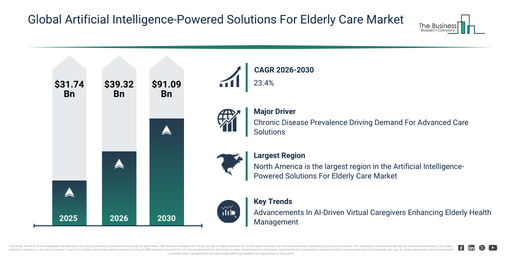
    The market for artificial intelligence-driven elder care solutions has experienced substantial expansion lately, projected to advance from $31.74 billion in 2025 to $39.32 billion in 2026, reflecting a compound annual growth rate of 23.9%. Key drivers behind this historical growth trajectory include an expanding elderly demographic, a higher incidence of chronic illnesses in older adults, the proliferation of in-home care services, the early embrace of remote health monitoring technologies, and the development of digital health ecosystems.

    The market for artificial intelligence-driven elderly care solutions is poised for significant expansion, anticipated to reach $91.09 billion by 2030 with a compound annual growth rate of 23.4%. This projected growth is propelled by several key factors, including a heightened demand for technologies that enable seniors to age independently, increased financial backing for smart home healthcare innovations, the wider application of AI in proactive health management, a concerted effort to alleviate the strain on caregivers, and the growing incorporation of robotic assistance for the elderly. During this forecast period, significant trends shaping the market include the escalating use of AI-powered remote patient monitoring, the broader integration of virtual assistants into care routines, the increased implementation of systems designed for fall detection and overall safety, the expansion of social robots intended for companionship, and a greater emphasis on tailoring care to individual needs.

    Download A Free Sample Report For Comprehensive Market Insights:

    https://www.thebusinessresearchcompany.com/sample.aspx?id=20715&type=smp

    Artificial Intelligence-Powered Solutions For Elderly Care Market Growth Momentum: Which Factors Are Influencing Demand?

    The escalating incidence of long-term illnesses is poised to be a significant catalyst for the expansion of the artificial intelligence (AI) solutions within the elderly care sector. These persistent health conditions, including widely recognized examples like diabetes and cardiovascular ailments, necessitate ongoing management and can profoundly affect an individual’s daily existence. Factors contributing to the growing burden of chronic diseases encompass an aging global population, evolving lifestyle patterns characterized by decreased physical activity and less healthy dietary choices, coupled with increasing urbanization trends. AI-driven tools designed for elder care play a crucial role in alleviating the challenges posed by chronic conditions through capabilities such as continuous health surveillance, the application of predictive analytics for proactive interventions, and the development of tailored care strategies, ultimately leading to improved health results and a better quality of life for seniors. To illustrate this point, data from September 2023, as reported by the World Health Organization, indicates that non-communicable diseases (NCDs), also referred to as chronic diseases, accounted for an alarming 74% of all global deaths annually, totaling 41 million. Specifically, cardiovascular diseases were responsible for 17.9 million fatalities, cancer for 9.3 million, chronic respiratory diseases for 4.1 million, and diabetes for 2.0 million deaths. Consequently, the increasing prevalence of chronic diseases is a primary driver propelling the market for AI-powered solutions in elderly care.

    Artificial Intelligence-Powered Solutions For Elderly Care Market Segment Analysis: What Are The Major Market Categories?

    The artificial intelligence-powered solutions for elderly care market covered in this report is segmented –

    1) By Technology: Machine Learning, Natural Language Processing, Robotics, Computer Vision, Other Technologies

    2) By Application: Fall Detection And Prevention, Remote Monitoring And Healthcare, Personalized Virtual Assistants, Medication Management, Social Interaction And Companionship, Other Applications

    3) By End Users: Home Care Settings, Assisted Living Facilities, Nursing Homes, Hospitals And Clinics, Other End Users

    Subsegments:

    1) By Machine Learning: Predictive Analytics, Personalized Health Monitoring, Data-Driven Decision Making, Adaptive Learning Systems

    2) By Natural Language Processing (NLP): Voice Assistants, Language Translation For Elderly Communication, Sentiment Analysis For Emotional Well-Being, Speech Recognition For Assistance Devices

    3) By Robotics: Social Companions (Companion Robots), Assistance Robots For Daily Activities, Robotic Prosthetics And Exoskeletons, Autonomous Mobility Robots

    4) By Computer Vision: Fall Detection Systems, Vision-Based Health Monitoring (Eye Health), Gesture Recognition For Communication, Environment Mapping And Navigation

    5) By Other Technologies: AI-Powered Wearables, Remote Monitoring Systems, Smart Home Devices Integration, Virtual Reality Therapy

    Artificial Intelligence-Powered Solutions For Elderly Care Market Trends Reshaping Industry Growth

    Leading entities within the artificial intelligence (AI) for elderly care sector are committed to creating cutting-edge solutions, exemplified by the development of AI-powered virtual caregivers designed to deliver tailored support, bolster oversight, and elevate the general living standards for seniors. Essentially, an AI virtual caregiver functions as an intelligent digital companion that assists with health tracking, medication reminders, social interaction, and emergency alerts, primarily empowering elderly individuals to live independently and maintain their health. To illustrate, November 2024 saw Electronic Caregiver Inc., a prominent American health tech firm, introduce Addison Care+ through the AWS marketplace, an sophisticated AI virtual caregiver system engineered to transform senior care by improving health oversight, user interaction, and autonomy for aging populations and those managing chronic conditions. This system offers continuous activity monitoring, early identification of potential health problems, and detailed care analytics, including prescription adherence and critical incident handling. By integrating AI-powered telecare services, it facilitates widespread deployment and equips care providers with proactive resources for overseeing patient health and refining service provision.

    Artificial Intelligence-Powered Solutions For Elderly Care Market Leading Companies Driving Competitive Growth

    Major companies operating in the artificial intelligence-powered solutions for elderly care market are Samsung Electronics Co Ltd, Siemens Healthineers AG, Koninklijke Philips N.V., Cera Care, Elder HQ, Aviva Health, AiCure LLC, GrandCare Systems, K4connect, Sensi AI, Orbita, Blue Frog Robotics, CarePredict, Anvayaa Kin Care, Emoha, Reemo Health, Walk With Path, Intuition Robotics, MiiCare, Care.Coach, MyndYou, ClinOne, PainChek, Somatix Inc., SmartQuare

    Access The Complete Artificial Intelligence-Powered Solutions For Elderly Care Market Report:

    https://www.thebusinessresearchcompany.com/report/artificial-intelligence-powered-solutions-for-elderly-care-global-market-report

    #Artificial Intelligence-Powered Solutions For Elderly Care Market Largest Region: Which Geography Holds The Highest Market Share?

    North Americawas the largest region in the artificial intelligence-powered solutions for elderly Care market in 2025. The regions covered in the artificial intelligence-powered solutions for elderly care market report are Asia-Pacific, South East Asia, Western Europe, Eastern Europe, North America, South America, Middle East, Africa.

    Get in touch with us:

    The Business Research Company: https://www.thebusinessresearchcompany.com/

    Americas: +1 310-496-7795

    Asia: +44 7882 955267 & +91 8897263534

    Europe: +44 7882 955267

    Email us at: marketing@tbrc.info

    Follow us on:

    LinkedIn: https://in.linkedin.com/company/the-business-research-company

    YouTube: https://www.youtube.com/channel/UC24_fI0rV8cR5DxlCpgmyFQ

    Global Market Model: https://www.thebusinessresearchcompany.com/global-market-model
  • Artificial Intelligence-Generated Personalized Prenatal Nutrition Guide Market Forecast Reveals Where Future Industry Value Will Be Created

    Artificial Intelligence-Generated Personalized Prenatal Nutrition Guide Market Forecast Reveals Where Future Industry Value Will Be Created

    Through market attractiveness analysis, total addressable market evaluation, company benchmarking matrices, interactive Excel dashboards, expanded supply chain intelligence, emerging startup coverage, and detailed product insights, The Business Research Company’s 2026 market reports provide more actionable and strategically valuable research.

    Artificial Intelligence-Generated Personalized Prenatal Nutrition Guide Market Value Analysis: What Growth Is Expected Over The Forecast Period?

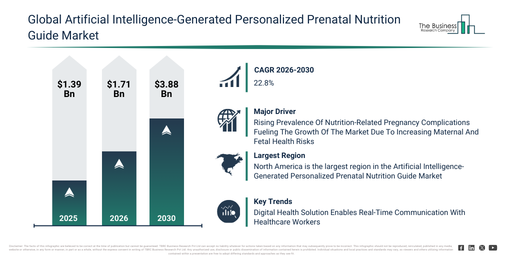
    The market for AI-driven personalized prenatal nutrition guidance has experienced substantial expansion lately, projecting a jump from $1.39 billion in 2025 to $1.71 billion in 2026, demonstrating a compound annual growth rate of 23.1%. This preceding growth trajectory is largely due to heightened public understanding regarding the significance of nutrition during pregnancy, the rapid embrace of health applications designed for expectant mothers, an increase in digital health proficiency, broader access to prenatal care services, and a growing consumer desire for tailored wellness plans.

    The market for AI-driven personalized prenatal nutrition guidance is poised for remarkable expansion, projecting a substantial increase to $3.88 billion by 2030, fueled by a compound annual growth rate of 22.8%. This upward trajectory during the projected timeframe is underpinned by several key factors: escalating investments in digital solutions for maternal health, a heightened reliance on analytical tools powered by artificial intelligence for nutritional insights, the proliferation of remote patient monitoring for expectant mothers, the increasing incorporation of genetic information into dietary strategies, and a growing consumer preference for pregnancy care informed by data. During this same period, dominant market trends are anticipated to include a greater embrace of AI for tailoring prenatal meal plans, a more widespread integration with wearable health monitoring devices, the broadening application of genetic profiling for nutrition advice, the expanded utilization of digital platforms dedicated to maternal well-being, and a concerted emphasis on proactive prenatal healthcare.

    Download A Free Sample Report For Comprehensive Market Insights:

    https://www.thebusinessresearchcompany.com/sample.aspx?id=27206&type=smp

    Artificial Intelligence-Generated Personalized Prenatal Nutrition Guide Market Expansion Drivers: What Is Shaping Future Growth?

    The increasing incidence of pregnancy complications linked to nutrition is poised to fuel the expansion of the market for AI-driven personalized prenatal nutrition guidance. These complications, encompassing issues like anemia, gestational diabetes, and abnormal birth weights stemming from insufficient, excessive, or unbalanced nutrient consumption, are on the rise. Such dietary-related challenges are exacerbated by modern eating habits that contribute to poor nutrient intake, unhealthy weight gain, and metabolic disruptions during pregnancy. AI-generated personalized prenatal nutrition guides serve to counteract these issues by delivering customized dietary advice, offering a valuable resource for expectant mothers. Through individualized tracking and support, these guides effectively lower risks, leading to improved health for both mother and child. For example, data from the Office for Health Improvement and Disparities in the UK indicated that in the 2023-2024 period, 26.2% of women were living with obesity at the early stages of pregnancy, a slight increase from 25.4% in 2022-2023. This escalating trend in nutrition-related pregnancy issues directly stimulates the market for AI-based personalized prenatal nutrition solutions.

    The increasing emphasis on personalized medicine is a key factor anticipated to drive the market for AI-powered personalized prenatal nutrition guides. This medical paradigm focuses on customizing therapies for individuals by considering their unique genetic makeup, environmental exposures, and lifestyle choices, aiming to enhance treatment efficacy and overall well-being. The growing adoption of personalized medicine is fueled by progress in genomic technologies, which facilitate the precise identification of genetic variations and the subsequent development of targeted therapies. AI-generated personalized prenatal nutrition guides significantly contribute to the personalized medicine approach by formulating diet plans specifically tailored to an individual’s health profile, making them exceptionally beneficial for expectant mothers. These guides enhance maternal and fetal health outcomes by providing meticulous monitoring and recommendations, thereby mitigating the risks associated with nutritional deficiencies or excesses during pregnancy. Illustrating this trend, the Personalized Medicine Coalition reported that in February 2024, the U.S. Food and Drug Administration (FDA) authorized 26 new personalized medicines in 2023, a notable rise from the 12 approvals seen in 2022. Consequently, the heightened focus on personalized medicine is a primary driver for the growth of the artificial intelligence-generated personalized prenatal nutrition guide market.

    Artificial Intelligence-Generated Personalized Prenatal Nutrition Guide Market Segment Breakdown: Which Categories Generate The Most Revenue?

    The artificial intelligence-generated personalized prenatal nutrition guide market covered in this report is segmented –

    1) By Product Type: Mobile Apps, Web-Based Platforms, Wearable Integration, Other Product Types

    2) By Deployment Mode: Cloud-Based, Hybrid Deployment Models

    3) By Application: Pregnancy Nutrition Management, Dietary Recommendations, Supplement Tracking, Other Applications

    4) By End User: Hospitals And Clinics, Homecare, Fitness And Wellness Centers, Other End Users

    Subsegments:

    1) By Mobile Apps: Artificial Intelligence-Driven Meal Planning Apps, Prenatal Nutrition Tracking Apps, Genetic-Based Nutrition Recommendation Apps, Microbiome Analysis Apps, Symptom And Health Log Apps For Pregnancy

    2) By Web-Based Platforms: Online Prenatal Diet Planning Portals, Genetic Test Result Dashboards, Artificial Intelligence (AI)-Powered Consultation Platforms, Nutrient Deficiency Monitoring Portals, Personalized Prenatal Recipe Platforms

    3) By Wearable Integration: Fitness Trackers With Prenatal Nutrition Sync, Continuous Glucose Monitoring (CGM) Integration, Smart Scales With Pregnancy Mode, Sleep Trackers Linked To Nutrition Recommendations, Hydration Monitoring Wearables

    4) By Other Product Types: At-Home Genetic Test Kits With Prenatal Focus, Microbiome Test Kits For Pregnancy Health, Artificial Intelligence-Enabled Supplement Dispensers, Voice-Assistant Guided Prenatal Nutrition Tools, Smart Kitchen Devices With Pregnancy Diet Presets

    Artificial Intelligence-Generated Personalized Prenatal Nutrition Guide Market Strategic Trends: What Is Defining The Next Phase Of Growth?

    In the realm of AI-driven personalized prenatal nutrition guides, leading enterprises are dedicated to pioneering sophisticated offerings, notably digital health solutions, designed to furnish customized dietary advice that enhances the well-being of both mothers and their unborn children. Such a digital health solution represents a tech-enabled framework that leverages data analytics and artificial intelligence to deliver individualized nutritional counsel for improved maternal and fetal health. As a concrete illustration, the Alliance for Artificial Intelligence and Medtech, a US-based group advocating for AI and medical technology, joined forces with the government of Andhra Pradesh in December 2024 to introduce the Janani Mitra healthcare application. This AI-endowed digital health solution is intended to support expectant mothers throughout the state, incorporating functionalities like nutritional intake logging via a food scanner and the early identification of anemia through AI analysis of ocular, lingual, and fingernail images. Furthermore, the application extends its capabilities to encompass health and medication oversight, enable immediate interaction between pregnant women and accredited social health activists (ASHAs) as well as auxiliary nurse midwives (ANMs), and maintain a record of prenatal care services, encompassing appointments and diagnostic imaging.

    Artificial Intelligence-Generated Personalized Prenatal Nutrition Guide Market Key Players And Strategic Industry Positioning

    Major companies operating in the artificial intelligence-generated personalized prenatal nutrition guide market are MamaWell, Appinventiv Technologies Pvt. Ltd., Maven Clinic Inc., Ritual Vitamins Inc., Nutrino Health Ltd., Ovia Health Inc., Vitagene Inc., Bump And Beyond Nutrition Limited., Nutrify LLC, Perelel, DayTwo Inc., Qua Nutrition, Baby2Body Limited., JM Nutrition, Rootine Inc., Suggestic Inc., Zaya Care, BellyFuel, Femia, Nuskha Kitchen

    Access The Complete Artificial Intelligence-Generated Personalized Prenatal Nutrition Guide Market Report:

    https://www.thebusinessresearchcompany.com/report/artificial-intelligence-generated-personalized-prenatal-nutrition-guide-global-market-report

    Artificial Intelligence-Generated Personalized Prenatal Nutrition Guide Market Regional Analysis: Which Region Leads By Revenue?

    North Americawas the largest region in the artificial intelligence-generated personalized prenatal nutrition guide market in 2025. Asia Pacific is expected to be the fastest-growing region in the forecast period. The regions covered in the artificial intelligence-generated personalized prenatal nutrition guide market report are Asia-Pacific, South East Asia, Western Europe, Eastern Europe, North America, South America, Middle East, Africa.

    Get in touch with us:

    The Business Research Company: https://www.thebusinessresearchcompany.com/

    Americas: +1 310-496-7795

    Asia: +44 7882 955267 & +91 8897263534

    Europe: +44 7882 955267

    Email us at: marketing@tbrc.info

    Follow us on:

    LinkedIn: https://in.linkedin.com/company/the-business-research-company

    YouTube: https://www.youtube.com/channel/UC24_fI0rV8cR5DxlCpgmyFQ

    Global Market Model: https://www.thebusinessresearchcompany.com/global-market-model
  • Artificial Intelligence-Enhanced Hospital Equipment Utilization Market Growth Through 2030 Creates New Strategic Opportunities

    Artificial Intelligence-Enhanced Hospital Equipment Utilization Market Growth Through 2030 Creates New Strategic Opportunities

    Delivering more actionable and strategically valuable research, The Business Research Company’s 2026 market reports feature market attractiveness analysis, total addressable market evaluation, company benchmarking matrices, interactive Excel dashboards, expanded supply chain intelligence, emerging startup coverage, and detailed product insights.

    Artificial Intelligence-Enhanced Hospital Equipment Utilization Market Size Forecast: How Large Could The Market Become By 2030?

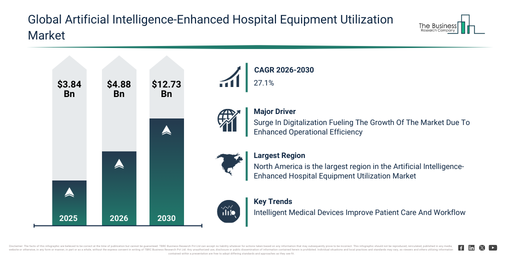
    Driven by advancements in artificial intelligence, the market for enhanced hospital equipment utilization has experienced substantial expansion. Projections indicate a rise from $3.84 billion in 2025 to $4.88 billion in 2026, reflecting a robust compound annual growth rate of 27.3%. Historically, this growth trajectory has been fueled by several key factors, including heightened rates of hospital equipment usage, increasing financial strain on healthcare operations, the early integration of internet-connected medical devices, a surge in digital transformation efforts within hospitals, and the expansion of unified systems for managing medical equipment.

    The expanding utilization of artificial intelligence within hospital equipment is poised for remarkable expansion, projecting a market value of $12.73 billion by 2030, driven by a robust compound annual growth rate of 27.1%. This projected surge is fueled by amplified investments in smart hospital infrastructure, a heightened demand for AI-powered operational enhancements, the proliferation of cloud-based equipment management solutions, deepening integration of comprehensive hospital data analytics, and a concentrated effort on optimizing healthcare expenditures. Key developments anticipated during this period encompass the accelerated adoption of predictive maintenance strategies for medical devices, a greater reliance on AI for asset tracking, increased implementation of real-time performance analytics for equipment, the expansion of platforms designed to optimize workflows, and a stronger emphasis on minimizing equipment downtime.

    Download A Free Sample Report For Comprehensive Market Insights:

    https://www.thebusinessresearchcompany.com/sample.aspx?id=28933&type=smp

    Artificial Intelligence-Enhanced Hospital Equipment Utilization Market Development Factors: Which Trends Are Supporting Demand?

    The expansion of the market for hospital equipment utilization augmented by artificial intelligence is anticipated to be significantly boosted by the ongoing trend of digitalization. Digitalization itself encompasses the incorporation of digital technologies into various aspects of business, including operations, service delivery, and everyday tasks, with the ultimate aim of improving efficiency and generating greater value. This surge in digitalization is largely attributed to the enhanced operational efficiency it facilitates, by refining processes and supporting more informed decision-making grounded in data. Artificial intelligence plays a crucial role in accelerating digitalization within hospital equipment utilization by integrating advanced analytical capabilities and systems for continuous monitoring, which in turn optimizes how equipment functions, boosts overall hospital efficiency, and establishes more robust data connections throughout healthcare systems. A relevant illustration of this adoption is evident in May 2025, when the Centers for Disease Control and Prevention (CDC), a key federal agency in the United States, reported that approximately 92% of state public health laboratories had implemented Electronic Test Orders and Results (ETOR) systems with at least one healthcare partner for a particular laboratory initiative, signifying a substantial increase from the 74% reported in early 2023. Consequently, this widespread digitalization is a primary catalyst for the growth observed in the artificial intelligence-enhanced hospital equipment utilization market.

    Artificial Intelligence-Enhanced Hospital Equipment Utilization Market Segmentation: How Is The Market Structured Across Key Categories?

    The artificial intelligence-enhanced hospital equipment utilization market covered in this report is segmented –

    1) By Component: Software, Hardware, Services

    2) By Deployment Mode: On-Premises, Cloud

    3) By Application: Asset Tracking, Predictive Maintenance, Workflow Optimization, Inventory Management, Patient Flow Management

    4) By End-User: Hospitals, Clinics, Ambulatory Surgical Centers, Diagnostic Centers

    Subsegments:

    1) By Software: Predictive Analytics Software, Imaging Analysis Software, Workflow Optimization Software, Patient Monitoring Software

    2) By Hardware: Imaging Devices, Robotic Surgical Systems, Intelligent Monitoring Equipment, Diagnostic Instruments

    3) By Services: Maintenance And Support, Training And Implementation, Data Management, Consulting

    Artificial Intelligence-Enhanced Hospital Equipment Utilization Market Transformation Trends: Which Innovations Are Driving Change?

    In the realm of hospital equipment utilization augmented by artificial intelligence, leading entities are channeling efforts into pioneering sophisticated medical innovations, with AI-driven imaging solutions emerging as a key differentiator. These AI-enhanced imaging systems leverage artificial intelligence to refine image interpretation, bolstering diagnostic precision and accelerating the identification of anomalies. A notable illustration of this trend occurred in April 2024 when GE HealthCare, a prominent US medical technology firm, integrated its Caption AI technology into the Vscan Air SL portable wireless ultrasound device. This intelligent feature empowers healthcare professionals to acquire superior cardiac imagery with enhanced precision and operational speed. Through its immediate feedback and automated computation capabilities, it empowers even novice users to conduct dependable cardiac evaluations, thereby elevating diagnostic potential and promoting the more effective application of ultrasound within healthcare environments.

    Artificial Intelligence-Enhanced Hospital Equipment Utilization Market Competitive Landscape And Leading Companies

    Major companies operating in the artificial intelligence-enhanced hospital equipment utilization market are Butterfly Network Inc., International Business Machines Corporation, Oracle Corporation, Medtronic Plc, Sectra AB, Siemens Healthineers AG, Fujifilm Holdings Corporation, Stryker Corporation, Philips Healthcare, GE Healthcare, Intuitive Surgical Inc., Hologic Inc., Canon Medical Systems Corporation, Carestream Health Inc., Qventus Inc., Agfa HealthCare NV, TRIMEDX Inc., Nuance Communications Inc., Sonitor Technologies AS, CenTrak Inc.

    Access The Complete Artificial Intelligence-Enhanced Hospital Equipment Utilization Market Report:

    https://www.thebusinessresearchcompany.com/report/artificial-intelligence-enhanced-hospital-equipment-utilization-global-market-report

    Artificial Intelligence-Enhanced Hospital Equipment Utilization Market Geographic Distribution And Regional Opportunities

    North Americawas the largest region in the artificial intelligence-enhanced hospital equipment utilization market in 2025. Asia-Pacificis expected to be the fastest-growing region in the forecast period. The regions covered in the artificial intelligence-enhanced hospital equipment utilization market report are Asia-Pacific, South East Asia, Western Europe, Eastern Europe, North America, South America, Middle East, Africa.

    Get in touch with us:

    The Business Research Company: https://www.thebusinessresearchcompany.com/

    Americas: +1 310-496-7795

    Asia: +44 7882 955267 & +91 8897263534

    Europe: +44 7882 955267

    Email us at: marketing@tbrc.info

    Follow us on:

    LinkedIn: https://in.linkedin.com/company/the-business-research-company

    YouTube: https://www.youtube.com/channel/UC24_fI0rV8cR5DxlCpgmyFQ

    Global Market Model: https://www.thebusinessresearchcompany.com/global-market-model
  • Artificial Intelligence-Driven Hospital Energy Optimization Market Size Projected To Increase From $3.08 Billion To $7.15 Billion During The Forecast Period

    Artificial Intelligence-Driven Hospital Energy Optimization Market Size Projected To Increase From $3.08 Billion To $7.15 Billion During The Forecast Period

    Enhanced with market attractiveness analysis, total addressable market evaluation, company benchmarking matrices, interactive Excel dashboards, expanded supply chain intelligence, emerging startup coverage, and detailed product insights, The Business Research Company’s 2026 market reports deliver more actionable and strategically valuable research.

    Artificial Intelligence-Driven Hospital Energy Optimization Market Revenue Outlook: What CAGR Is Expected Through 2030?

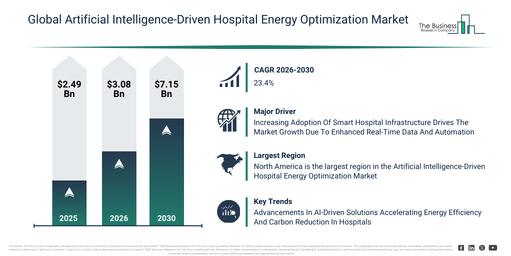
    Fueled by escalating hospital energy usage, mounting operational expense concerns, the initial embrace of building management systems, the expansion of digital hospital frameworks, and a heightened emphasis on operational effectiveness, the marketplace for artificial intelligence solutions in hospital energy management has experienced remarkable expansion lately, projected to advance from $2.49 billion in 2025 to $3.08 billion in 2026, reflecting a compound annual growth rate of 23.7%.

    The market for artificial intelligence solutions aimed at optimizing hospital energy consumption is poised for remarkable expansion in the coming years, projecting a rise to $7.15 billion by 2030 with a compound annual growth rate of 23.4%. This anticipated surge is fueled by several key factors, including augmented investments in sustainable healthcare facilities, a heightened imperative to decrease carbon emissions, the proliferation of smart hospital infrastructure, broader implementation of AI for facility operations, and increasing governmental emphasis on energy efficiency regulations. During this projected timeframe, significant market developments are expected to include a greater integration of AI-powered energy management systems, increased use of intelligent sensors and measurement devices, expanded application of predictive maintenance for crucial hospital systems, more seamless integration of automated building control systems, and a strengthened commitment to reducing energy expenditures.

    Download A Free Sample Report For Comprehensive Market Insights:

    https://www.thebusinessresearchcompany.com/sample.aspx?id=27205&type=smp

    Artificial Intelligence-Driven Hospital Energy Optimization Market Industry Drivers: What Is Driving Revenue Growth?

    The expansion of smart hospital frameworks is anticipated to stimulate the advancement of the market for artificial intelligence-powered hospital energy optimization in the future. Such a framework constitutes a sophisticated web of digital advancements dedicated to streamlining healthcare provision, enabling continuous oversight, and automating the administration of hospital assets. This proliferation of smart hospital infrastructure is motivated by the imperative to enhance patient results via real-time data tracking, which facilitates quicker diagnoses and customized therapeutic strategies, thereby elevating the caliber and effectiveness of medical attention. Smart hospital infrastructure facilitates AI-driven hospital energy optimization by incorporating interconnected sensors and sourcing real-time data from diverse systems, empowering AI algorithms to scrutinize energy consumption trends and automatically modify settings to curtail usage and boost efficiency. For example, per the Centers for Disease Control and Prevention (CDC), a principal US public health body, the proportion of office-based physicians utilizing electronic health records reached 88.2% in December 2024, while the adoption rate for certified EHR systems stood at 77.8%. Consequently, the escalating integration of smart hospital infrastructure is a primary driver for the growth of the artificial intelligence-driven hospital energy optimization market.

    The increasing adoption of remote patient monitoring systems is poised to accelerate the expansion of the artificial intelligence-driven hospital energy optimization market. These remote monitoring solutions utilize digital apparatus and technologies to track individuals’ health information beyond conventional healthcare environments, thereby facilitating uninterrupted care and prompt interventions. The rise in remote monitoring is bolstered by healthcare providers’ pursuit of immediate patient insights, permitting ongoing surveillance of health statuses and timely interventions, which leads to improved care quality and efficiency. Artificial intelligence-enabled hospital energy management offers real-time remote oversight of energy utilization and equipment functionality, identifying suboptimal performance and predicting maintenance requirements, while simultaneously permitting healthcare facilities to refine energy consumption and implement adjustments from afar. As an illustration, data from the National Health Service, a UK government entity, indicated that in December 2023, there were 33.6 million active users of their applications, experiencing a 54% increase in monthly logins during the preceding year, rising from 16.8 million to 25.8 million. Accordingly, the escalating trend towards remote monitoring solutions is a key factor driving the growth of the artificial intelligence-driven hospital energy optimization market.

    Artificial Intelligence-Driven Hospital Energy Optimization Market Segmentation Trends And Revenue Drivers

    The artificial intelligence-driven hospital energy optimization market covered in this report is segmented –

    1) By Component: Software, Hardware, Services

    2) By Deployment Mode: On-Premises, Cloud

    3) By Hospital Size: Small And Medium Hospitals, Large Hospitals

    4) By Application: Heating, Ventilation, And Air Conditioning Optimization, Lighting Control, Energy Management, Equipment Monitoring, Other Applications

    5) By End-User: Public Hospitals, Private Hospitals, Specialty Hospitals, Other End-Users

    Subsegments:

    1) By Software: Energy Management Software, Building Automation Software, Predictive Maintenance Software, Data Analytics and Visualization Tools, Artificial Intelligence Algorithms And Optimization Engines

    2) By Hardware: Smart Sensors And Internet Of Things Devices, Smart Meters, Controllers And Actuators, Heating, Ventilation, And Air Conditioning Systems, Lighting Control Systems, Edge Devices And Gateways

    3) By Services: Consulting And Advisory Services, Installation And Integration Services, Maintenance And Support Services, Energy Auditing Services, Training And Education Services

    #Artificial Intelligence-Driven Hospital Energy Optimization Market Growth Trends: What Is Influencing The Future Outlook?

    Key players within the Artificial Intelligence-Driven Hospital Energy Optimization sector are prioritizing sophisticated energy management strategies to hasten the adoption of eco-friendly solutions throughout healthcare institutions. This advanced energy management entails leveraging AI, cloud infrastructure, and IoT capabilities to oversee, scrutinize, and autonomously fine-tune hospital energy systems, including HVAC, thereby enhancing efficiency and curtailing energy usage. As an illustration, in April 2024, True Digital Group, a firm based in Thailand specializing in digital transformation and technology services, partnered with Alibaba Cloud, a cloud computing provider from China, to introduce the Climate Technology Platform. This platform integrates Alibaba Cloud’s AI-powered “Energy Expert” solution with cloud computing, IoT, and big data analysis to assist Thai businesses in pinpointing energy efficiency obstacles, lowering carbon footprints, and embracing sustainable technologies. It facilitates real-time energy oversight and forward-looking analytics designed to expedite Thailand’s green agenda and achieve a reduction in emissions of as much as 40% by the year 2030, with an ultimate goal of carbon neutrality by 2050. Initial trials, such as those implemented in Bangkok Hospital’s heating, ventilation, and air conditioning system, have already shown a decrease in energy consumption by up to 15%.

    #Artificial Intelligence-Driven Hospital Energy Optimization Market Industry Leaders: Which Organizations Are Driving Competition?

    Major companies operating in the artificial intelligence-driven hospital energy optimization market are Enel S.p.A., General Electric Company, Veolia Environnement S.A., Schneider Electric SE, Honeywell International Inc., ABB Group, Eaton Corporation Plc, Johnson Controls International Plc, Trane Technologies Plc, Centrica Business Solutions Ltd., Rockwell Automation Inc., Ameresco Inc., ENGIE Impact, GridPoint Inc., Optimum Energy LLC, Verdigris Technologies, Enerbrain, BuildingIQ Inc., Deerns, Resync

    Access The Complete Artificial Intelligence-Driven Hospital Energy Optimization Market Report:

    https://www.thebusinessresearchcompany.com/report/artificial-intelligence-driven-hospital-energy-optimization-global-market-report

    Artificial Intelligence-Driven Hospital Energy Optimization Market Largest Region By Revenue And Market Share

    North Americawas the largest region in the artificial intelligence-driven hospital energy optimization market in 2025. Asia-Pacificis expected to be the fastest-growing region in the forecast period. The regions covered in the artificial intelligence-driven hospital energy optimization market report are Asia-Pacific, South East Asia, Western Europe, Eastern Europe, North America, South America, Middle East, Africa.

    Get in touch with us:

    The Business Research Company: https://www.thebusinessresearchcompany.com/

    Americas: +1 310-496-7795

    Asia: +44 7882 955267 & +91 8897263534

    Europe: +44 7882 955267

    Email us at: marketing@tbrc.info

    Follow us on:

    LinkedIn: https://in.linkedin.com/company/the-business-research-company

    YouTube: https://www.youtube.com/channel/UC24_fI0rV8cR5DxlCpgmyFQ

    Global Market Model: https://www.thebusinessresearchcompany.com/global-market-model
  • Artificial Intelligence In The Diagnostic Market Growth Outlook Reveals A CAGR Of 39.3% And A Market Value Of $31.3 Billion By 2030

    Artificial Intelligence In The Diagnostic Market Growth Outlook Reveals A CAGR Of 39.3% And A Market Value Of $31.3 Billion By 2030

    Through market attractiveness analysis, total addressable market evaluation, company benchmarking matrices, interactive Excel dashboards, expanded supply chain intelligence, emerging startup coverage, and detailed product insights, The Business Research Company’s 2026 market reports provide more actionable and strategically valuable research.

    Artificial Intelligence In The Diagnostic Market Growth Analysis: How Will Revenue Expand During The Forecast Period?

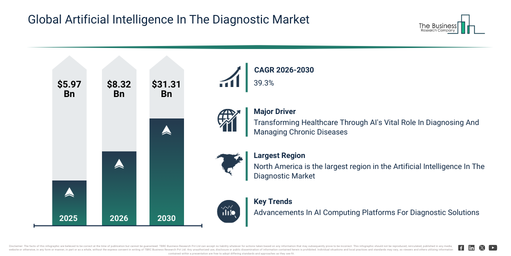
    Within the diagnostic sector, artificial intelligence has experienced remarkable expansion, projecting a significant increase from its 2025 valuation of $5.97 billion to $8.32 billion by 2026, demonstrating a compound annual growth rate of 39.5%. This upward trajectory in the recent past is propelled by several key factors: the burgeoning accessibility of medical imaging data, the pervasive digitization of healthcare records, a growing scarcity of proficient diagnostic specialists, the early integration of computer vision technologies in radiology, and the continuous enhancement of healthcare IT infrastructure.

    The artificial intelligence integrated within the diagnostic market is poised for remarkable expansion over the ensuing years, projected to reach $31.31 billion by 2030, exhibiting a compound annual growth rate of 39.3%. This surge during the projected timeframe is primarily fueled by the escalating need for prompt disease identification, a surge in financial contributions towards AI-powered healthcare innovations, the proliferation of tailored medical approaches, the increasing incorporation of AI diagnostics into established clinical procedures, and a greater number of regulatory endorsements for AI-enabled instruments. Key developments anticipated in the coming period involve a broader acceptance of AI-powered diagnostic imaging technologies, a heightened utilization of machine learning for aiding clinical choices, deeper integration of AI into radiology and pathology processes, the widening application of predictive analytics for identifying illnesses, and an intensified emphasis on achieving both precision and swiftness in diagnostics.

    Download A Free Sample Report For Comprehensive Market Insights:

    https://www.thebusinessresearchcompany.com/sample.aspx?id=13593&type=smp

    #Artificial Intelligence In The Diagnostic Market Growth Factors: Which Forces Are Supporting Market Expansion?

    The increasing incidence of chronic conditions is anticipated to stimulate the expansion of the AI in diagnostics sector in the future. Chronic diseases, characterized as long-lasting health issues that endure throughout a significant portion of an individual’s life, are becoming more common. The integration of AI-driven diagnostic workflows into the management of these chronic conditions facilitates earlier identification, forecasting of future health events, and improved diagnostic support mechanisms, alongside enabling remote patient surveillance, mitigating healthcare expenditures, and personalizing therapeutic approaches by scrutinizing genetic profiles and the advancement of illnesses. Illustratively, as of September 2023, the World Health Organization, a United Nations affiliate based in Switzerland, reported that 41 million deaths annually, representing 74% of global mortality from non-communicable or chronic diseases, occurred worldwide. Specifically, cardiovascular ailments accounted for approximately 17.9 million deaths, cancers for 9.3 million, chronic respiratory illnesses for 4.1 million, and diabetes for 2.0 million. Consequently, the escalating prevalence of chronic diseases acts as a significant catalyst for the growth within the AI in diagnostics market.

    Artificial Intelligence In The Diagnostic Market Segment Analysis Highlighting Growth Areas

    The artificial intelligence in the diagnostic market covered in this report is segmented –

    1) By Component: Hardware, Software, Services

    2) By Technology: Machine Learning, NLP (Natural Language Processing), Context-Aware Computing, Computer Vision

    3) By Diagnosis Type: Radiology, Pathology, Cardiology, Oncology, Neurology, Chest And Lung, Other Diagnosis Types

    Subsegments:

    1) By Hardware: Imaging Devices, Diagnostic Equipment, Wearable Devices

    2) By Software: Diagnostic Imaging Software, Data Analytics Software, Machine Learning Algorithms, Clinical Decision Support Systems

    3) By Services: Consulting Services, Integration Services, Maintenance And Support Services, Training Services

    Artificial Intelligence In The Diagnostic Market Industry Trends: What Changes Are Reshaping Demand?

    To secure a marketplace advantage, leading entities within the AI in diagnostics sector are actively creating novel technological solutions, specifically AI modules. These modules represent distinct software units designed to house particular artificial intelligence functions or abilities. As an illustration, in March of 2023, Qritive, a company based in Singapore specializing in AI-driven solutions, introduced QAi Prostate, a tool aimed at the diagnosis of prostate cancer. This solution is capable of effectively identifying the most prevalent type of prostate cancer, thereby offering the potential to enhance diagnostic precision and decrease instances of incorrect positive results. The utility assists pathologists in differentiating between malignant and benign tissue regions, supporting well-informed treatment strategies. Furthermore, QAi Prostate facilitates the prioritization of patient cases to expedite the diagnostic process and reporting, ultimately boosting operational efficiency and the quality of patient healthcare.

    Artificial Intelligence In The Diagnostic Market Leading Companies: Who Holds Significant Market Presence?

    Major companies operating in the artificial intelligence in the diagnostic market are Siemens Healthineers, Koninklijke Philips N.V., GE Healthcare Technologies Inc., Paige.AI Inc., HeartFlow Inc., Aidoc Medical Ltd., AliveCor Inc., Butterfly Network Inc., Imagen Technologies, Digital Diagnostics Inc., Brainomix Ltd., NovaSignal Corp., Enlitic Inc., Nano-X Imaging LTD., EchoNous Inc., Zebra Medical Vision Ltd., Aidence B.V., Neural Analytics Inc., IDx Technologies Inc., icometrix N.V., Vuno Inc.

    Access The Complete Artificial Intelligence In The Diagnostic Market Report:

    https://www.thebusinessresearchcompany.com/report/artificial-intelligence-in-the-diagnostic-global-market-report

    Artificial Intelligence In The Diagnostic Market Regional Analysis And Leading Geography

    North Americawas the largest region in the artificial intelligence in diagnostics market in 2025. Asia-Pacificis expected to be the fastest-growing region in the forecast period. The regions covered in the artificial intelligence in the diagnostic market report are Asia-Pacific, South East Asia, Western Europe, Eastern Europe, North America, South America, Middle East, Africa.

    Get in touch with us:

    The Business Research Company: https://www.thebusinessresearchcompany.com/

    Americas: +1 310-496-7795

    Asia: +44 7882 955267 & +91 8897263534

    Europe: +44 7882 955267

    Email us at: marketing@tbrc.info

    Follow us on:

    LinkedIn: https://in.linkedin.com/company/the-business-research-company

    YouTube: https://www.youtube.com/channel/UC24_fI0rV8cR5DxlCpgmyFQ

    Global Market Model: https://www.thebusinessresearchcompany.com/global-market-model

  • Artificial Intelligence In Radiology Market Forecast Highlights Expansion From $3.7 Billion To $10.69 Billion Through 2030

    Artificial Intelligence In Radiology Market Forecast Highlights Expansion From $3.7 Billion To $10.69 Billion Through 2030

    Delivering more actionable and strategically valuable research, The Business Research Company’s 2026 market reports feature market attractiveness analysis, total addressable market evaluation, company benchmarking matrices, interactive Excel dashboards, expanded supply chain intelligence, emerging startup coverage, and detailed product insights.

    Artificial Intelligence In Radiology Market Forecast: What Market Value Is Expected By 2030?

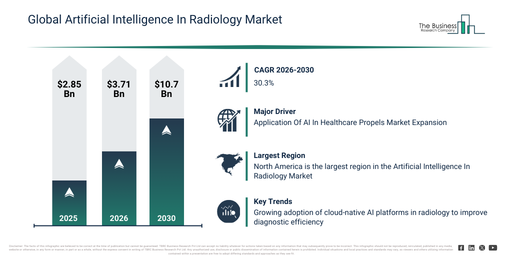
    The artificial intelligence within the radiology sector has experienced substantial expansion lately, with projections indicating a significant increase from $2.85 billion in 2025 to $3.71 billion in 2026, reflecting a compound annual growth rate of 30.2%. This historical growth trajectory has been fueled by several key factors including a heightened need for diagnostic imaging, a scarcity of qualified radiology specialists, the proliferation of digital radiology technologies, the escalating intricacy of imaging data, and the wider implementation of picture archiving systems.

    The AI in radiology market is poised for considerable expansion over the coming years, projecting a surge to USD 10.7 billion by 2030, driven by a robust CAGR of 30.3%. This upward trajectory is fueled by several key factors, including the escalating adoption of AI-powered radiology platforms, a heightened emphasis on enhancing productivity within imaging departments, the growing availability of cloud-based AI radiology solutions, the expanding application of predictive imaging analytics, and the increasing integration with hospital IT infrastructures. Key developments anticipated during this forecast period encompass the deeper integration of AI into radiology reporting processes, a greater reliance on computer vision for interpreting medical images, the wider implementation of AI for optimizing operational workflows, the proliferation of real-time decision support tools, and a strengthened commitment to improving diagnostic precision.

    Download A Free Sample Report For Comprehensive Market Insights:

    https://www.thebusinessresearchcompany.com/sample.aspx?id=13591&type=smp

    Artificial Intelligence In Radiology Market Demand Drivers: What Is Fueling Industry Growth?

    The growing application of artificial intelligence (AI) in healthcare is expected to propel the growth of artificial intelligence (AI) in the radiology market going forward. AI-powered algorithms demonstrate a remarkable capability to analyze and interpret medical images with precision, aiding radiologists in detecting subtle abnormalities and improving overall diagnostic outcomes. The efficiency and speed offered by AI technologies not only streamline radiological workflows but also contribute to faster and more accurate diagnoses. For instance, in July 2024, according to The Health Foundation, a UK-based independent charity, more than half of the UK public (54%) and three-quarters of surveyed NHS staff (76%) expressed support for the use of AI in patient care, while an even larger percentage endorsed its use for administrative tasks (61% of the public and 81% of NHS staff). Therefore, the growing application of AI in healthcare is driving the growth of artificial intelligence (AI) in the radiology market.

    Artificial Intelligence In Radiology Market Segment Performance And Strategic Opportunities

    The artificial intelligence in radiology market covered in this report is segmented –

    1) By Solution Type: AI Software, AI Hardware

    2) By Modality: Computed Tomography (CT), Magnetic Resonance (MR), X-Ray, Mammography, Ultrasound (US), Other Modalities

    3) By Application: Neurology, Chest And Lung, Musculoskeletal, Abdomen, Cardiology, Other Applications

    4) By End-User: Hospitals, Diagnostic Imaging Centers, Other End-Users

    Subsegments:

    1) By AI Software: Image Analysis Software, Workflow Optimization Software, Radiology Reporting Software, Decision Support Systems, Predictive Analytics Tools

    2) By AI Hardware: Imaging Devices, Servers And Computing Infrastructure, Robotics For Automated Imaging, Workstations For Radiologists

    Artificial Intelligence In Radiology Market Innovation Trends: Which Developments Are Transforming The Industry?

    Within the artificial intelligence in radiology sector, prominent entities are actively engaged in pioneering cloud-native radiology informatics solutions. These advancements, exemplified by AI-managed diagnostic environments, are designed to streamline imaging processes, expedite clinical judgment, and address the escalating demand for imaging services. Such cloud-native AI radiology systems merge conventional PACS or RIS capabilities with elastic cloud architecture, facilitating the immediate implementation of AI algorithms, sophisticated image transmission, automated report generation, and fluid integration with other healthcare IT frameworks. A concrete illustration of this trend is the introduction of Diagnostic Suite in February 2025 by DeepHealth, Inc., a U.S. health informatics firm. This AI-driven, cloud-native radiology workspace consolidates worklist coordination, patient summaries, rapid imaging displays, AI coordination, and intelligent reporting into a unified platform. It boasts substantial scalability, incorporates diverse AI diagnostic tools for various imaging areas like the lungs, prostate, brain, and breast, and boosts operational effectiveness through seamless compatibility with established radiology IT infrastructures.

    Artificial Intelligence In Radiology Market Key Players: Which Companies Shape Industry Competition?

    Major companies operating in the artificial intelligence in radiology market are Microsoft Corporation, IBM Corporation, NVIDIA Corporation, Siemens Healthineers AG, Koninklijke Philips N.V, GE Healthcare Technologies Inc., Canon Medical Systems Corporation, HeartFlow Inc., Viz.ai Inc., Aidoc Medical Ltd., EnvoyAI, Butterfly Network Inc., Digital Diagnostics Inc., Caption Health, Enlitic Inc., Arterys, Nano X Imaging Ltd., Subtle Medical Inc., CureMetrix Inc., DiA Imaging Analysis Ltd., Imagen Technologies, Gleamer Ltd., Quibim, Behold.ai, Intel Corporation

    Access The Complete Artificial Intelligence In Radiology Market Report:

    https://www.thebusinessresearchcompany.com/report/artificial-intelligence-in-radiology-global-market-report

    Artificial Intelligence In Radiology Market Geographic Analysis: Where Is Demand Growing The Fastest?

    North Americawas the largest region in the artificial intelligence in radiology market in 2025. The regions covered in the artificial intelligence in radiology market report are Asia-Pacific, South East Asia, Western Europe, Eastern Europe, North America, South America, Middle East, Africa.

    Get in touch with us:

    The Business Research Company: https://www.thebusinessresearchcompany.com/

    Americas: +1 310-496-7795

    Asia: +44 7882 955267 & +91 8897263534

    Europe: +44 7882 955267

    Email us at: marketing@tbrc.info

    Follow us on:

    LinkedIn: https://in.linkedin.com/company/the-business-research-company

    YouTube: https://www.youtube.com/channel/UC24_fI0rV8cR5DxlCpgmyFQ

    Global Market Model: https://www.thebusinessresearchcompany.com/global-market-model