Category: Healthcare Services

  • The Keloids Treatment Market Is Advancing With Support From Surge In Wound And Injury Cases Fuels Keloid Treatment Market Growth

    The Keloids Treatment Market Is Advancing With Support From Surge In Wound And Injury Cases Fuels Keloid Treatment Market Growth

    The Business Research Company’s 2026 market reports feature enhanced tools like market attractiveness analysis, TAM assessment, and company scoring matrices, along with interactive dashboards, deeper supply chain insights, and startup coverage strengthening the depth, usability, and strategic value of insights.

    How Much Larger Will The Keloids Treatment Market Become By 2030 Compared To 2026?

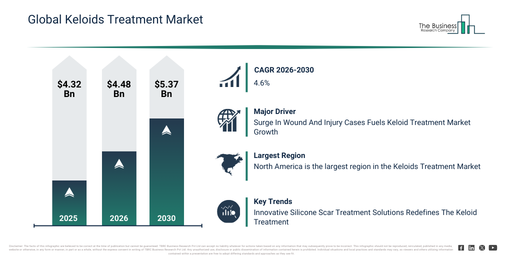
    The keloids treatment market size has shown steady expansion over recent years. It is projected to increase from $4.32 billion in 2025 to $4.48 billion in 2026, demonstrating a compound annual growth rate (CAGR) of 3.7%. The growth observed historically can be attributed to a higher incidence of skin injuries and surgeries, an expanding population susceptible to keloids, the established application of steroid injections, an increasing demand for cosmetic dermatology treatments, and the availability of various treatment options.

    The keloids treatment market is projected to experience consistent expansion over the upcoming years, with its size anticipated to reach $5.37 billion by 2030, demonstrating a compound annual growth rate (CAGR) of 4.6%. This growth during the forecast period can be attributed to advancements in laser and cryotherapy technologies, increased awareness of scar management solutions, a growing inclination towards minimally invasive treatments, the expansion of dermatology clinics in developing markets, and the rising uptake of homecare scar products. Key trends expected in the forecast period encompass a heightened demand for non-invasive keloid treatments, a growing adoption of combination therapy methods, expanded utilization of laser-based scar management, an increase in homecare and topical treatment alternatives, and an emphasis on personalized and recurrence-preventing therapies.

    Download A Free Sample Report For Comprehensive Market Insights:

    https://www.thebusinessresearchcompany.com/sample.aspx?id=12908&type=smp

    Which Drivers Are Advancing The Keloids Treatment Market Growth?

    The keloid treatment market is projected to expand due to the increasing occurrence of wound and injury cases. A wound signifies a physical injury or damage to bodily tissues, typically involving a breach in the skin, resulting from diverse causes such as accidents, surgical procedures, burns, or other traumatic events. An increase in such experienced wounds leads to keloid formation, consequently boosting the demand for effective treatment options, enhancing awareness about keloid complications, fostering advancements in research, and encouraging cooperation among medical professionals. For example, in November 2024, the U.S. Bureau of Labor Statistics (BLS), a US-based federal government agency tasked with providing crucial labor market and workplace safety data, indicated that private industry employers recorded about 2.6 million nonfatal workplace injuries and illnesses in 2023. Therefore, the rising incidence of wound and injury cases will drive the growth of the keloid treatment market.

    What Segment Categories Are Evaluated In The Keloids Treatment Market Study?

    The keloids treatment market covered in this report is segmented –

    1) By Product Type: Topical Products, Injectable Products, Medical Devices

    2) By Treatment: Radiation Therapy, Cryo Therapy, Surgical Treatment, Laser Treatment, Steroid Injections, Other Treatments

    3) By Route Of Administration: Topical Administration, Intralesional Administration

    4) By End User: Hospitals, Homecare, Dermatology Clinics, Other End Users

    Subsegments:

    1) By Topical Products: Silicone-Based Products, Steroid-Based Topical Products

    2) By Injectable Products: Corticosteroid Injections, Antimetabolite Injections

    3) By Medical Devices: Compression Therapy Devices, Silicone-Based Scar Management Devices

    What Trends Are Influencing The Keloids Treatment Market?

    Leading firms within the keloid treatment market are prioritizing the creation of advanced scar management technologies, like scar-erase silicone strips, to achieve a market edge. An example of this is Scar Erase, a UK-based scar treatment company, which introduced Scar Erase silicone strips in April 2023 as a solution for treating scars. Composed of 3 mm of medical-grade silicone, these strips have demonstrated clinical efficacy in enhancing scar appearance and fostering healing. These strips, which are reusable, vegan, and cruelty-free, aim to provide an accessible and convenient at-home scar treatment option effective for a range of scar types, such as hypertrophic, keloid, post-surgery, and stretch marks. The technology also works by encapsulating the scar with silicone to hydrate it and foster an ideal healing condition. This process leads to reduced collagen formation and enhanced scar texture, color, and height, delivering both efficacy and comfort.

    Which Key Players Are Active In The Keloids Treatment Market?

    Major companies operating in the keloids treatment market are Galderma S.A., Sun Pharmaceutical Industries Ltd., Stratpharma AG, Revance Therapeutics Inc., Sensus Healthcare Inc., Cynosure Inc., Cutera Inc., Lumenis Ltd., Candela Medical, Merz Pharma GmbH & Co. KGaA, AbbVie Inc., Teva Pharmaceutical Industries Ltd., Alliance Pharma plc, Sonoma Pharmaceuticals Inc., Strata Skin Sciences Inc., Avita Medical Limited, Biofrontera AG, Sinclair Pharma plc, Fotona d.o.o., Lutronic Corporation

    Access The Complete Keloids Treatment Market Report:

    https://www.thebusinessresearchcompany.com/report/keloids-treatment-global-market-report

    Which Region Holds The Largest Share In The Keloids Treatment Market?

    North America was the largest region in the keloids treatment market in 2025. Asia-Pacific is expected to be the fastest-growing region in the forecast period. The regions covered in the keloids treatment market report are Asia-Pacific, South East Asia, Western Europe, Eastern Europe, North America, South America, Middle East, Africa.

    Access Keloids Treatment Market Report for Deeper Competitive Insights

    https://www.thebusinessresearchcompany.com/customise?id=12908&type=smp

    Browse Through More Reports Similar to the Global Keloids Treatment Market 2026, By The Business Research Company

    Hypertrophic And Keloid Scar Treatment Global Market Report 2026

    https://www.thebusinessresearchcompany.com/report/hypertrophic-and-keloid-scar-treatment-global-market-report

    Actinic Keratosis Treatment Global Market Report 2026

    https://www.thebusinessresearchcompany.com/report/actinic-keratosis-treatment-global-market-report

    Kernicterus Treatment Global Market Report 2026

    https://www.thebusinessresearchcompany.com/report/kernicterus-treatment-global-market-report

    Get in touch with us:

    The Business Research Company: https://www.thebusinessresearchcompany.com/

    Americas: +1 310-496-7795

    Asia: +44 7882 955267 & +91 8897263534

    Europe: +44 7882 955267

    Email us at: marketing@tbrc.info

    Follow us on:

    LinkedIn: https://in.linkedin.com/company/the-business-research-company

    YouTube: https://www.youtube.com/channel/UC24_fI0rV8cR5DxlCpgmyFQ

    Global Market Model: https://www.thebusinessresearchcompany.com/global-market-model
  • Increasing Adoption Of Rising Retinal Disorders Driving The Growth Of The Market Due To Increasing Diabetes Prevalence Is Influencing The Juvenile Macular Degeneration Treatment Market

    Increasing Adoption Of Rising Retinal Disorders Driving The Growth Of The Market Due To Increasing Diabetes Prevalence Is Influencing The Juvenile Macular Degeneration Treatment Market

    The Business Research Company’s 2026 market reports feature enhanced tools like market attractiveness analysis, TAM assessment, and company scoring matrices, along with interactive dashboards, deeper supply chain insights, and startup coverage strengthening the depth, usability, and strategic value of insights.

    What Growth In Market Value Is Anticipated For The Juvenile Macular Degeneration Treatment Market Between 2026 And 2030?

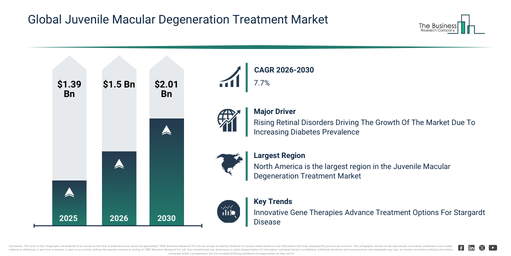
    The juvenile macular degeneration treatment market has experienced substantial expansion in recent years. Its valuation is predicted to rise from $1.39 billion in 2025 to $1.5 billion in 2026, demonstrating a compound annual growth rate (CAGR) of 7.9%. The market’s historical development can be ascribed to limited treatment options for juvenile macular degeneration, increasing awareness of inherited retinal disorders, advancement in retinal imaging technologies, growth in ophthalmology specialty care, and rising diagnosis rates of stargardt disease.

    The juvenile macular degeneration treatment market size is anticipated to experience substantial expansion in the coming years. This market is projected to reach $2.01 billion by 2030, exhibiting a compound annual growth rate (CAGR) of 7.7%. This anticipated growth during the forecast period is driven by several factors, including progress in gene and stem cell research, rising investment in treatments for rare diseases, a greater emphasis on early intervention for pediatric eye conditions, an expansion of clinical research pipelines, and enhanced access to specialized ophthalmic care. Key trends expected during this period involve an increased focus on managing genetic eye disorders, wider adoption of gene and stem cell therapies, greater utilization of vision preservation and assistive devices, the broadening of clinical trials for uncommon retinal diseases, and enhancements in patient support and low-vision rehabilitation initiatives.

    Download A Free Sample Report For Comprehensive Market Insights:

    https://www.thebusinessresearchcompany.com/sample.aspx?id=23433&type=smp

    What Primary Factors Are Fueling The Expansion Of The Juvenile Macular Degeneration Treatment Market?

    The rising occurrence of retinal disorders is anticipated to fuel the expansion of the juvenile macular degeneration treatment market. Retinal disorders encompass various conditions affecting the retina, the eye’s light-sensing layer, leading to potential vision impairment or loss. The increase in these disorders is attributed to the growing prevalence of diabetes, which results in conditions such as diabetic retinopathy that progressively harm the retina. Juvenile macular degeneration treatments play a crucial role for young patients by enhancing retinal disorder management and preserving vision through early intervention. For illustration, a report published by Retina Australia, an Australia-based non-profit organization, in November 2024, indicated that approximately 19,000 individuals in Australia, equivalent to about 1 in 1,380 people, are estimated to be living with an inherited retinal disease (IRD). Additionally, the National Eye Institute, a US-based institute of health, forecasts that the number of Americans with advanced age-related macular degeneration (AMD) will climb from the current 2.1 million to 3.7 million by 2030. Consequently, the increasing prevalence of retinal disorders is driving the growth of the juvenile macular degeneration treatment market.

    How Is The Juvenile Macular Degeneration Treatment Market Examined Through Segment Analysis?

    The juvenile macular degeneration treatment market covered in this report is segmented –

    1) By Type: Stargardt Disease (ABCA4-Associated), X-Linked Juvenile Retinoschisis, Best Vitelliform Macular Dystrophy, Cone or Cone-Rod Dystrophy, Other Types

    2) By Treatment: Devices, Drugs, Surgery

    3) By Application: Vision Preservation, Disease Management, Symptom Relief, Preventive Care, Clinical Trials

    4) By Sales Channel: Hospitals, Ambulatory Surgical Centres, Other Sales Channels

    Subsegments:

    1) By Stargardt Disease (ABCA4-Associated): Juvenile Macular Degeneration, ABCA4 Gene Mutations, Visual Cycle Modulators, Stem Cell–Based Therapies

    2) By X-Linked Juvenile Retinoschisis: RS1 Gene Mutations, Pediatric-Onset Cases, Central Vision Impairment, Gene Therapy Programs

    3) By Best Vitelliform Macular Dystrophy: BEST1 Gene Mutations, Early-Onset BVMD, Late-Onset BVMD, Gene Therapy Approaches

    4) By Cone Or Cone-Rod Dystrophy: Cone-Dominant Disorders, Cone-Rod Progressive Disorders, Syndromic Forms, Non-Syndromic Forms

    5) By Other Types: Pattern Dystrophies, North Carolina Macular Dystrophy, Unclassified Juvenile Macular Dystrophies

    Which Trends Are Guiding The Development Of The Juvenile Macular Degeneration Treatment Market?

    Leading companies within the juvenile macular degeneration treatment market are concentrating on creating advanced solutions, particularly dual adeno-associated viral (AAV) vectors, to boost gene therapy delivery and enhance treatment outcomes for individuals afflicted with juvenile macular degeneration. A dual adeno-associated viral (AAV) vector represents a gene therapy method that utilizes two AAV vectors to transport substantial therapeutic genes, which would otherwise surpass the capacity of a single AAV. An example of this is seen in March 2025, when SpliceBio, a Spain-based biotechnology company, reported the initial patient administration in its Phase 1/2 ASTRA study for SB-007. This therapy, a dual AAV vector gene therapy, is engineered to reinstate full-length ABCA4 protein expression. The objective of this treatment is to offer a possible remedy for juvenile macular degeneration (stargardt disease), a hereditary retinal condition currently lacking approved treatments, by targeting all patients irrespective of their specific mutations. This achievement signifies a crucial progression towards the development of effective gene therapies for uncommon retinal diseases.

    Who Are The Leading Firms Participating In The Juvenile Macular Degeneration Treatment Market?

    Major companies operating in the juvenile macular degeneration treatment market are Alkeus Pharmaceuticals Inc., MeiraGTx Holdings plc, Ocugen Inc., ProQR Therapeutics N.V., Applied Genetic Technologies Corporation, Lineage Cell Therapeutics Inc., jCyte Inc., Nanoscope Therapeutics Inc., Editas Medicine Inc., Beam Therapeutics Inc., ReNeuron Group plc, Astellas Institute for Regenerative Medicine, Kubota Vision Inc., Ionis Pharmaceuticals Inc., Atsena Therapeutics Inc., Vedere Bio Inc., GenSight Biologics S.A., ViGeneron GmbH, Sanofi Gene Therapy, Neurotech Pharmaceuticals Inc.

    Access The Complete Juvenile Macular Degeneration Treatment Market Report:

    https://www.thebusinessresearchcompany.com/report/juvenile-macular-degeneration-treatment-global-market-report

    Which Region Is The Dominant Market In The Juvenile Macular Degeneration Treatment Market?

    North America was the largest region in the juvenile macular degeneration treatment market in 2025. The regions covered in the juvenile macular degeneration treatment market report are Asia-Pacific, South East Asia, Western Europe, Eastern Europe, North America, South America, Middle East, Africa.

    Access Juvenile Macular Degeneration Treatment Market Report for Deeper Competitive Insights

    https://www.thebusinessresearchcompany.com/customise?id=23433&type=smp

    Browse Through More Reports Similar to the Global Juvenile Macular Degeneration Treatment Market 2026, By The Business Research Company

    Age Related Macular Degeneration Global Market Report 2026

    https://www.thebusinessresearchcompany.com/report/age-related-macular-degeneration-global-market-report

    Macular Edema And Macular Degeneration Global Market Report 2026

    https://www.thebusinessresearchcompany.com/report/macular-edema-and-macular-degeneration-global-market-report

    Retinal Disorder Treatment Global Market Report 2026

    https://www.thebusinessresearchcompany.com/report/retinal-disorder-treatment-global-market-report

    Get in touch with us:

    The Business Research Company: https://www.thebusinessresearchcompany.com/

    Americas: +1 310-496-7795

    Asia: +44 7882 955267 & +91 8897263534

    Europe: +44 7882 955267

    Email us at: marketing@tbrc.info

    Follow us on:

    LinkedIn: https://in.linkedin.com/company/the-business-research-company

    YouTube: https://www.youtube.com/channel/UC24_fI0rV8cR5DxlCpgmyFQ

    Global Market Model: https://www.thebusinessresearchcompany.com/global-market-model
  • Rising Prevalence Of Autoimmune Disorders Driving Growth Of The Market Due To Increasing Cases Of Immune-Mediated Joint Inflammation Continues To Impact The Growth Of The Juvenile Idiopathic Arthritis Diagnostic Market

    Rising Prevalence Of Autoimmune Disorders Driving Growth Of The Market Due To Increasing Cases Of Immune-Mediated Joint Inflammation Continues To Impact The Growth Of The Juvenile Idiopathic Arthritis Diagnostic Market

    The Business Research Company’s 2026 market reports feature enhanced tools like market attractiveness analysis, TAM assessment, and company scoring matrices, along with interactive dashboards, deeper supply chain insights, and startup coverage strengthening the depth, usability, and strategic value of insights.

    What Is The Expected Market Value Outlook For The Juvenile Idiopathic Arthritis Diagnostic Market Through 2030?

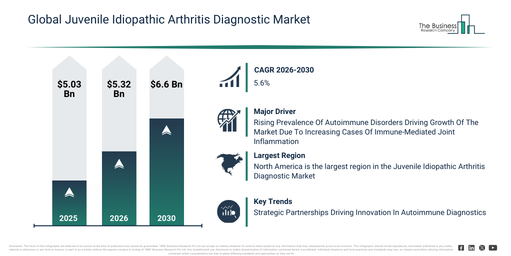
    The juvenile idiopathic arthritis diagnostic market has shown robust growth in recent years. It is projected to expand from $5.03 billion in 2025 to $5.32 billion in 2026, achieving a compound annual growth rate (CAGR) of 5.8%. This historical growth is attributable to the increasing prevalence of autoimmune disorders in children, growing awareness of juvenile idiopathic arthritis, improved availability of serological and imaging tests, expansion of pediatric specialty care, and rising use of laboratory diagnostics.

    The juvenile idiopathic arthritis diagnostic market is projected to experience substantial expansion in the coming years. This market is anticipated to reach $6.6 billion by 2030, demonstrating a compound annual growth rate (CAGR) of 5.6%. This projected growth during the forecast period is primarily driven by advancements in molecular and genetic testing technologies, a heightened emphasis on early disease diagnosis, increased investment in pediatric healthcare infrastructure, an escalating demand for personalized medicine approaches, and the expansion of diagnostic services into emerging markets. Key trends expected over the forecast period encompass the early and precise diagnosis of pediatric autoimmune disorders, an expanding application of advanced imaging in jia detection, a surge in the adoption of genetic and biomarker-based testing, a growing need for multimodal diagnostic approaches, and the broadening of specialized pediatric rheumatology diagnostics.

    Download A Free Sample Report For Comprehensive Market Insights:

    https://www.thebusinessresearchcompany.com/sample.aspx?id=23432&type=smp

    Which Strategic Drivers Are Supporting The Juvenile Idiopathic Arthritis Diagnostic Market Development?

    The anticipated expansion of the juvenile idiopathic arthritis diagnostic market is linked to the rising occurrence of autoimmune conditions. These disorders involve the immune system erroneously targeting healthy cells within the body, leading to inflammation, harm to tissues, and persistent health issues. The surge in autoimmune illnesses stems from an intricate combination of environmental factors, genetic susceptibilities, and shifts in lifestyle. Autoimmune diseases induce juvenile idiopathic arthritis (JIA) by prompting the immune system to wrongly assault the synovial tissue in joints, which results in inflammation and subsequent damage. For example, data from November 2023 by the Multiple Sclerosis International Federation (MSIF), an international UK-based nonprofit dedicated to worldwide MS research and advocacy, indicated that approximately 2.9 million individuals globally had multiple sclerosis, an autoimmune disease, in 2023. Consequently, the growing frequency of autoimmune disorders is fostering the expansion of the juvenile idiopathic arthritis diagnostic market.

    Which Segment Groups Define The Juvenile Idiopathic Arthritis Diagnostic Market Landscape?

    The juvenile idiopathic arthritis diagnostic market covered in this report is segmented –

    1) By Type: Serological Tests, Imaging Tests, Genetic Tests

    2) By Technology: Molecular Diagnostics, Immunoassays

    3) By Application: Hospital Laboratories, Diagnostic Centres

    Subsegments:

    1) By Serological Tests: Rheumatoid Factor (RF) Test, Antinuclear Antibody (ANA) Test, Erythrocyte Sedimentation Rate (ESR) Test, C-Reactive Protein (CRP) Test, Complete Blood Count (CBC)

    2) By Imaging Tests: X-Ray, Magnetic Resonance Imaging (MRI), Ultrasound

    3) By Genetic Tests: HLA-B27 Genetic Marker Test, Polymerase Chain Reaction (PCR)-Based Testing

    What Trends Are Influencing The Future Of The Juvenile Idiopathic Arthritis Diagnostic Market?

    Leading corporations within the juvenile idiopathic arthritis diagnostic market are concentrating on strategic alliances to broaden their product portfolios, elevate research competencies, and reinforce their global market foothold. Such strategic partnerships represent collaborations between entities aimed at fostering earlier detection and diagnosis. For example, in November 2024, Augurex Life Sciences Corp., a Canada-based biotechnology firm, joined forces with Quest Diagnostics, a US-based diagnostic services company, with the objective of enhancing the diagnosis and management of rheumatoid arthritis (RA) through the application of the 14-3-3? (eta) biomarker. Under this collaborative arrangement, Quest Diagnostics will validate and introduce a lab-developed test in the United States, which utilizes Augurex’s 14-3-3? biomarker. This test is designed to identify elevated levels of the 14-3-3? protein, a marker associated with rheumatoid arthritis and linked to increased disease severity and potential joint damage.

    Which Companies Are Engaged In The Juvenile Idiopathic Arthritis Diagnostic Market Environment?

    Major companies operating in the juvenile idiopathic arthritis diagnostic market are Thermo Fisher Scientific Inc., Abbott Laboratories, Roche Diagnostics, Siemens Healthineers, Danaher Corporation, Bio-Rad Laboratories, DiaSorin S.p.A., Sysmex Corporation, Beckman Coulter Inc., BD Biosciences, Agilent Technologies, Merck KGaA, Illumina Inc., Qiagen N.V., Hologic Inc., PerkinElmer Inc., Ortho Clinical Diagnostics, Grifols S.A., Fujirebio, Randox Laboratories

    Access The Complete Juvenile Idiopathic Arthritis Diagnostic Market Report:

    https://www.thebusinessresearchcompany.com/report/juvenile-idiopathic-arthritis-diagnostic-global-market-report

    Which Area Represents The Largest Portion Of The Juvenile Idiopathic Arthritis Diagnostic Market?

    North America was the largest region in the juvenile idiopathic arthritis diagnostic market in 2025. Asia-Pacific is expected to be the fastest-growing region in the forecast period. The regions covered in the juvenile idiopathic arthritis diagnostic market report are Asia-Pacific, South East Asia, Western Europe, Eastern Europe, North America, South America, Middle East, Africa.

    Access Juvenile Idiopathic Arthritis Diagnostic Market Report for Deeper Competitive Insights

    https://www.thebusinessresearchcompany.com/customise?id=23432&type=smp

    Browse Through More Reports Similar to the Global Juvenile Idiopathic Arthritis Diagnostic Market 2026, By The Business Research Company

    Osteoarthritis Global Market Report 2026

    https://www.thebusinessresearchcompany.com/report/osteoarthritis-global-market-report

    Gouty Arthritis Global Market Report 2026

    https://www.thebusinessresearchcompany.com/report/gouty-arthritis-global-market-report

    Axial Spondyloarthritis Axspa Global Market Report 2026

    https://www.thebusinessresearchcompany.com/report/axial-spondyloarthritis-axspa-global-market-report

    Get in touch with us:

    The Business Research Company: https://www.thebusinessresearchcompany.com/

    Americas: +1 310-496-7795

    Asia: +44 7882 955267 & +91 8897263534

    Europe: +44 7882 955267

    Email us at: marketing@tbrc.info

    Follow us on:

    LinkedIn: https://in.linkedin.com/company/the-business-research-company

    YouTube: https://www.youtube.com/channel/UC24_fI0rV8cR5DxlCpgmyFQ

    Global Market Model: https://www.thebusinessresearchcompany.com/global-market-model
  • IVF Services Market Outlook Through 2030 With Analysis Of Industry Trends And Developments

    IVF Services Market Outlook Through 2030 With Analysis Of Industry Trends And Developments

    The Business Research Company’s 2026 market reports feature enhanced tools like market attractiveness analysis, TAM assessment, and company scoring matrices, along with interactive dashboards, deeper supply chain insights, and startup coverage strengthening the depth, usability, and strategic value of insights.

    How Will The Market Value Of The IVF Services Market Increase Between 2026 And 2030?

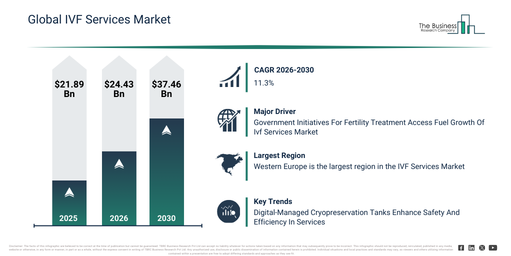
    The ivf services market size has witnessed rapid expansion in recent years. It is anticipated to increase from $21.89 billion in 2025 to $24.43 billion in 2026, exhibiting a compound annual growth rate (CAGR) of 11.6%. The historical growth can be attributed to factors such as increasing infertility rates, delayed parenthood trends, growing awareness of fertility treatments, advancements in embryology techniques, and the rising availability of specialized fertility clinics.

    The ivf services market is projected to experience substantial expansion in the coming years. This market is anticipated to reach $37.46 billion by 2030, demonstrating a compound annual growth rate (CAGR) of 11.3%. The anticipated growth during this period stems from several factors, including the increasing acceptance of ivf across various age demographics, a surge in demand for donor egg cycles, the expansion of medical tourism focused on fertility treatments, enhanced affordability of ivf services, and broader insurance coverage for fertility procedures. Key trends anticipated in the forecast period encompass an escalating demand for assisted reproductive technologies, the increasing embrace of preimplantation genetic testing, a growing preference for frozen embryo transfer cycles, the proliferation of donor egg ivf programs, and improved success rates facilitated by advanced clinical protocols.

    Download A Free Sample Report For Comprehensive Market Insights:

    https://www.thebusinessresearchcompany.com/sample.aspx?id=3348&type=smp

    What Major Growth Factors Are Impacting The IVF Services Market?

    Government efforts aimed at enhancing access to fertility treatments are projected to stimulate the expansion of the IVF services market. These initiatives refer to specific actions, programs, and policies undertaken by governments or their agencies to address particular issues or achieve certain goals. Numerous government authorities are launching diverse initiatives to bolster the IVF services market. For instance, in January 2023, the New South Wales Ministry of Health, an Australia-based government organization, saw the New South Wales (NSW) government commit $80 million from 2022-23 to 2025-26. This funding is intended to broaden access to affordable fertility treatments under the NSW Affordable IVF Program. Consequently, government initiatives concerning access to fertility treatments are a significant driver for the IVF services market.

    What Key Segment Areas Are Included In The IVF Services Market Assessment?

    The ivf services market covered in this report is segmented –

    1) By Cycle Type: Fresh IVF Cycles (Non-donor), Thawed IVF Cycles (Non-donor), Donor Egg IVF Cycles

    2) By Service Provider: Fertility Clinics, Hospitals

    3) By End User: Infertile Couples, Single Women, Same-Sex Couples

    Subsegments:

    1) By Fresh IVF Cycles (Non-donor): Standard Fresh IVF Cycles, IVF Cycles With Preimplantation Genetic Testing (PGT)

    2) By Thawed IVF Cycles (Non-donor): Thawed Embryo Transfer (TET) Cycles, Thawed Blastocyst Transfer Cycles

    3) By Donor Egg IVF Cycles: IVF Cycles Using Fresh Donor Eggs, IVF Cycles Using Frozen Donor Eggs

    Which Trends Are Contributing To Changes In The IVF Services Market?

    Major companies in the IVF services market are concentrating on developing innovative solutions, such as digitally managed cryopreservation tanks, to enhance specimen safety, improve storage scalability, and ensure accurate tracking of frozen eggs, embryos, and sperm. A digitally managed cryopreservation tank integrates a traditional liquid nitrogen storage system with advanced digital tracking, specimen verification, and remote monitoring capabilities, thereby combining the reliability of manual storage with the security and traceability of an automated system. For instance, in March 2025, TMRW Life Sciences, a US-based fertility technology company, introduced the TMRW Vault, a liquid nitrogen smart tank and digital workstation that employs RFID tagging and its proprietary ivfOS software to monitor frozen specimens with complete chain-of-custody. This system supports manual specimen access while conducting thousands of daily environmental checks through its Overwatch system, and it scales capacity to hold as many as ten traditional dewars in a single tank. This particular solution enables IVF clinics to mitigate risk, enhance retrieval accuracy, and manage storage growth more efficiently.

    Who Are The Prominent Players Across The IVF Services Market?

    Major companies operating in the ivf services market are Monash IVF Group, Virtus Health Limited, Genea Limited, Boston IVF, IVF Spain, Bourn Hall Clinic, Indira IVF, Cloudnine Fertility, Chelsea and Westminster Hospital NHS Foundation Trust, Bumrungrad International Hospital, CHA Fertility Center, CREATE Fertility, The Centre for Reproductive & Genetic Health, The Bridge Centre, UNICA Clinic – Prague, Repromeda s.r.o., Australian Concept Infertility Medical Center (ACIMC), Dubai Gynecology and Fertility Centre, Cairo Fertility Centre, Queens Fertility Centre (Egypt), Instituto de Fertilidad Humana

    Access The Complete IVF Services Market Report:

    https://www.thebusinessresearchcompany.com/report/ivf-services-global-market-report

    Which Region Commands The Largest Share Of The IVF Services Market?

    Western Europe was the largest region in the IVF services market in 2025. North America was the second largest region in global IVF services market share. The regions covered in the ivf services market report are Asia-Pacific, South East Asia, Western Europe, Eastern Europe, North America, South America, Middle East, Africa.

    Access IVF Services Market Report for Deeper Competitive Insights

    https://www.thebusinessresearchcompany.com/customise?id=3348&type=smp

    Browse Through More Reports Similar to the Global IVF Services Market 2026, By The Business Research Company

    Donor Egg In Vitro Fertilization Ivf Services Global Market Report 2026

    https://www.thebusinessresearchcompany.com/report/donor-egg-in-vitro-fertilization-ivf-services-global-market-report

    Fertility Services Global Market Report 2026

    https://www.thebusinessresearchcompany.com/report/fertility-services-global-market-report

    Sterilization Services Global Market Report 2026

    https://www.thebusinessresearchcompany.com/report/sterilization-services-global-market-report

    Get in touch with us:

    The Business Research Company: https://www.thebusinessresearchcompany.com/

    Americas: +1 310-496-7795

    Asia: +44 7882 955267 & +91 8897263534

    Europe: +44 7882 955267

    Email us at: marketing@tbrc.info

    Follow us on:

    LinkedIn: https://in.linkedin.com/company/the-business-research-company

    YouTube: https://www.youtube.com/channel/UC24_fI0rV8cR5DxlCpgmyFQ

    Global Market Model: https://www.thebusinessresearchcompany.com/global-market-model
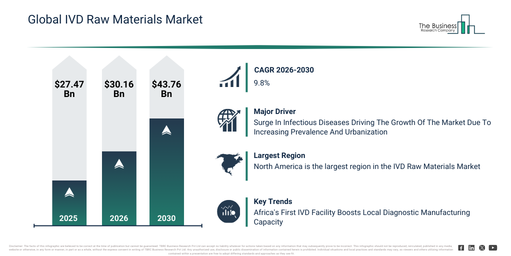
  • IVD Raw Materials Market Revenue Anticipated To Reach $43.76 Billion By 2030 With 9.8% CAGR

    IVD Raw Materials Market Revenue Anticipated To Reach $43.76 Billion By 2030 With 9.8% CAGR

    The Business Research Company’s 2026 market reports feature enhanced tools like market attractiveness analysis, TAM assessment, and company scoring matrices, along with interactive dashboards, deeper supply chain insights, and startup coverage strengthening the depth, usability, and strategic value of insights.

    What Will Be The Estimated Market Size Of The IVD Raw Materials Market By 2030?

    The ivd raw materials market has demonstrated substantial expansion in recent years. This market is projected to expand from $27.47 billion in 2025 to $30.16 billion in 2026, exhibiting a compound annual growth rate (CAGR) of 9.8%. Historically, this growth was propelled by factors such as the increase in clinical diagnostic testing volumes, the growing acceptance of immunoassays, the broadening of molecular diagnostics, a heightened demand for early disease detection, and the established application of enzymes and antibodies within ivd kits.

    The ivd raw materials market is projected to experience robust expansion in the coming years, set to reach $43.76 billion by 2030, exhibiting a compound annual growth rate (CAGR) of 9.8%. Factors driving this growth during the forecast period include the increasing incidence of chronic and infectious diseases, greater investment in precision diagnostics, the expansion of point-of-care testing, burgeoning biopharmaceutical R&D efforts, and a growing need for tailored ivd raw materials. Key trends anticipated for this period encompass a heightened demand for high-purity diagnostic reagents, the increasing embrace of recombinant antibodies and proteins, broader application of molecular diagnostics raw materials, a stronger emphasis on quality and batch consistency, and the diversification of supply chains for essential ivd inputs.

    Download A Free Sample Report For Comprehensive Market Insights:

    https://www.thebusinessresearchcompany.com/sample.aspx?id=24270&type=smp

    What Market Drivers Are Helping Shape The IVD Raw Materials Market Expansion?

    The future expansion of the IVD raw materials market is anticipated to be fueled by the rising occurrence of infectious diseases. These diseases are health conditions stemming from detrimental microorganisms capable of transmission between individuals or organisms. This growing incidence of infectious diseases is linked to swift urbanization, a factor that exacerbates their spread through higher population concentrations and by placing pressure on sanitation and healthcare systems. IVD raw materials are vital in confronting infectious diseases, as they facilitate the creation of precise diagnostic tools essential for prompt identification and efficient management of these conditions. For example, data from March 2024, provided by the Centers for Disease Control and Prevention, a US-based government agency, revealed an escalation in tuberculosis cases from 8,320 in 2022 to 9,615 in 2023, marking an increase of 1,295 cases. Consequently, the expanding occurrence of infectious diseases is a primary catalyst for the development of the IVD raw materials market.

    How Is Segment Classification Applied In The IVD Raw Materials Market?

    The ivd raw materials market covered in this report is segmented –

    1) By Product: Antibodies, Antigens, Enzymes, Proteins, Biological Buffers

    2) By Technology: Molecular Diagnostics, Clinical Chemistry, Immunochemistry

    3) By End User: Pharmaceutical And Biotechnology Companies, Contract Research Organizations

    Subsegments:

    1) By Antibodies: Monoclonal Antibodies, Polyclonal Antibodies, Recombinant Antibodies

    2) By Antigens: Recombinant Antigens, Native Antigens, Synthetic Antigens

    3) By Enzymes: Polymerases, Reverse Transcriptases, Oxidases

    4) By Proteins: Carrier Proteins, Blocking Proteins, Recombinant Proteins

    5) By Biological Buffers: Tris Buffers, HEPES Buffers, Phosphate Buffers

    What Trends Are Shaping The IVD Raw Materials Market Structure?

    Companies operating within the IVD raw materials market are directing their efforts towards developing advanced solutions, including IVD manufacturing facilities, with the aim of strengthening regional diagnostic capabilities and supporting healthcare self-sufficiency. An IVD manufacturing facility is a specialized establishment where devices and equipment utilized for diagnosing diseases and conditions through laboratory testing of samples outside the human body are designed, produced, and subjected to quality and compliance testing. As an illustration, in January 2024, Colexa Biosensor Limited, a health technology company based in Nigeria, partnered with Codix Pharma Limited, a Nigerian pharmaceutical manufacturing company, to launch Sub-Saharan Africa’s first in vitro diagnostics (IVD) manufacturing facility in Lagos. This facility, responsible for producing the onpoint blood glucose meter and strips, represents a significant milestone in Africa’s healthcare industry, specifically designed to address the rising diabetes prevalence and improve diagnostic access. The facility possesses an annual production capacity of 3.6 million packs, with the capacity for expansion to 10.8 million packs, initially prioritizing the fulfillment of demands across West Africa.

    Which Companies Form The Competitive Landscape Of The IVD Raw Materials Market?

    Major companies operating in the ivd raw materials market are Merck KGaA, Thermo Fisher Scientific Inc., Bio-Rad Laboratories Inc., LGC Limited, Neogen Corporation, MP Biomedicals, CUSABIO Technology, Fujirebio, Fapon Biotech, ABclonal Technology, Creative Diagnostics, AIVD Biotech Inc., OPERON, Beijing Diagreat Biotechnology Co. Ltd., Biosynth, Aalto Bio Reagents, Angstrom Biotech, Eximio Biotech, Glentham Life Sciences Limited, OYC Americas Inc., NOVA Biologics Inc., Sino Biological Inc., ACROBiosystems, ProSpec-Tany TechnoGene Ltd.

    Access The Complete IVD Raw Materials Market Report:

    https://www.thebusinessresearchcompany.com/report/ivd-raw-materials-global-market-report

    Which Region Accounts For The Highest Share Of The IVD Raw Materials Market?

    North America was the largest region in the IVD raw materials market in 2025. Asia-Pacific is expected to be the fastest-growing region in the forecast period. The regions covered in the ivd raw materials market report are Asia-Pacific, South East Asia, Western Europe, Eastern Europe, North America, South America, Middle East, Africa.

    Access IVD Raw Materials Market Report for Deeper Competitive Insights

    https://www.thebusinessresearchcompany.com/customise?id=24270&type=smp

    Browse Through More Reports Similar to the Global IVD Raw Materials Market 2026, By The Business Research Company

    Medical Engineered Materials Global Market Report 2026

    https://www.thebusinessresearchcompany.com/report/medical-engineered-materials-global-market-report

    International Wholesale Voice Carrier Global Market Report 2026

    https://www.thebusinessresearchcompany.com/report/international-wholesale-voice-carrier-global-market-report

    Messenger Ribonucleic Acid Mrna Synthesis Raw Materials Global Market Report 2026

    https://www.thebusinessresearchcompany.com/report/messenger-ribonucleic-acid-mrna-synthesis-raw-materials-global-market-report

    Get in touch with us:

    The Business Research Company: https://www.thebusinessresearchcompany.com/

    Americas: +1 310-496-7795

    Asia: +44 7882 955267 & +91 8897263534

    Europe: +44 7882 955267

    Email us at: marketing@tbrc.info

    Follow us on:

    LinkedIn: https://in.linkedin.com/company/the-business-research-company

    YouTube: https://www.youtube.com/channel/UC24_fI0rV8cR5DxlCpgmyFQ

    Global Market Model: https://www.thebusinessresearchcompany.com/global-market-model
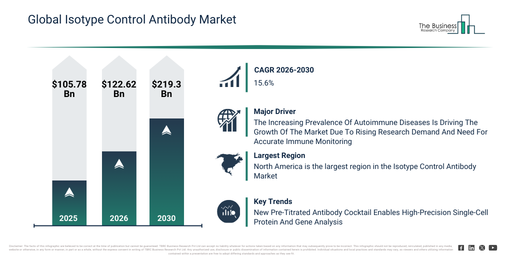
  • Isotype Control Antibody Market Outlook Assessing Future Opportunities And Growth Prospects

    Isotype Control Antibody Market Outlook Assessing Future Opportunities And Growth Prospects

    The Business Research Company’s 2026 market reports feature enhanced tools like market attractiveness analysis, TAM assessment, and company scoring matrices, along with interactive dashboards, deeper supply chain insights, and startup coverage strengthening the depth, usability, and strategic value of insights.

    What Is The Estimated Growth In Market Size Of The Isotype Control Antibody Market During 2026–2030?

    The isotype control antibody market size has demonstrated significant expansion in recent years. It is projected to increase from $105.78 billion in 2025 to $122.62 billion in 2026, achieving a compound annual growth rate (CAGR) of 15.9%. This historical growth can be attributed to several factors including the broadening of immunology and oncology research, the rising adoption of flow cytometry techniques, the enhanced availability of commercial antibodies, the growth in academic laboratory research, and the implementation of standardized experimental protocols.

    The isotype control antibody market is projected to experience substantial expansion in the coming years, with its size anticipated to reach $219.3 billion by 2030, demonstrating a compound annual growth rate (CAGR) of 15.6%. Key factors contributing to this growth during the forecast period include greater financial commitments to translational research, a heightened need for high-throughput assay platforms, the broadening scope of precision medicine research, an amplified emphasis on data accuracy and reliability, and the expanding application of advanced immunostaining techniques. Significant trends observed over the forecast period encompass an increasing requirement for superior isotype controls, the growing integration of flow cytometry-based assays, a stronger concentration on experimental reproducibility, the wider deployment of multiplex immunoassays, and an elevated importance placed on assay validation controls.

    Download A Free Sample Report For Comprehensive Market Insights:

    https://www.thebusinessresearchcompany.com/sample.aspx?id=30308&type=smp

    Which Significant Factors Are Encouraging Growth In The Isotype Control Antibody Market?

    The rising incidence of autoimmune conditions is anticipated to fuel the expansion of the isotype control antibody market moving ahead. These diseases encompass various conditions where the body’s immune system erroneously targets its own healthy cells, tissues, or organs, resulting in persistent inflammation, tissue damage, and compromised organ function. The growing occurrence of autoimmune diseases is linked to genetic predispositions, as individuals inherit particular gene variations that heighten their immune system’s propensity to mistakenly assault their own tissues. In autoimmune disease research, isotype control antibody assists by establishing a benchmark to accurately differentiate specific antibody reactions from non-specific attachments, thereby allowing for precise identification and tracking of immune system irregularities. An example illustrating this trend is data from February 2024, provided by Arthritis Australia, an Australia-based non-profit organization, which estimates that in 2025, 212,136 males and 362,137 females are anticipated to suffer from rheumatoid arthritis (RA). These figures are projected to climb by 2040 to roughly 280,040 males and 479,828 females. Consequently, the expanding prevalence of autoimmune conditions is fueling the expansion of the isotype control antibody market.

    What Are The Core Segment Classifications In The Isotype Control Antibody Market?

    The isotype control antibody market covered in this report is segmented –

    1) By Product Type: Monoclonal Antibodies, Polyclonal Antibodies, Recombinant Antibodies

    2) By Disease Indication: Central Nervous System Disorders, Cardiovascular Diseases, Cancer, Autoimmune Disorders

    3) By Application: Flow Cytometry, Immunohistochemistry, Western Blotting, Enzyme-Linked Immunosorbent Assay, Immunofluorescence

    4) By End-Use: Research Institutes, Pharmaceutical Companies, Biotechnology Companies, Diagnostic Laboratories, Contract Research Organizations

    Subsegments:

    1) By Monoclonal Antibodies: Mouse Monoclonal Antibodies, Human Monoclonal Antibodies, Chimeric Monoclonal Antibodies, Humanized Monoclonal Antibodies

    2) By Polyclonal Antibodies: Rabbit Polyclonal Antibodies, Goat Polyclonal Antibodies, Sheep Polyclonal Antibodies, Donkey Polyclonal Antibodies

    3) By Recombinant Antibodies: Single Chain Variable Fragment Antibodies, Fragment Antigen Binding Antibodies, Bispecific Recombinant Antibodies, Fully Recombinant Monoclonal Antibodies

    Which Trends Are Supporting The Evolution Of The Isotype Control Antibody Market?

    Companies operating within the isotype control antibody market are prioritizing the development of innovative solutions, such as pre-titrated antibody cocktails, to enhance accuracy and convenience. A pre-titrated antibody cocktail is a ready-to-use blend of antibodies, precisely measured and optimized to deliver the correct concentration, ensuring reliable and reproducible experimental results without requiring additional dilution or titration. For example, in November 2023, Proteintech Group Inc., a US-based biotechnology company, introduced the MultiPro Human Fixed Cell Immune Profiling Antibody Cocktail, which is the first commercially available product designed for detecting intracellular proteins in single-cell RNA sequencing (scRNA-seq) experiments. This extensive cocktail features 53 antibodies targeting both intracellular and cell surface proteins, in addition to 5 isotype controls. It is fully compatible with the 10x Genomics Chromium Single Cell Gene Expression Flex assay, allowing for the simultaneous detection of protein markers and whole-transcriptome gene expression in fixed cells. Optimized for high multiplexing, the cocktail delivers detailed insights into immune cell functions through validated targets across nuclear, cytosolic, secreted, and surface proteins, thus supporting advanced multiomic studies.

    Who Are The Key Market Participants In The Isotype Control Antibody Market?

    Major companies operating in the isotype control antibody market are Thermo Fisher Scientific Inc., Biogen Inc., Sartorius AG, Beckman Coulter Life Sciences, Bio-Rad Laboratories Inc., Miltenyi Biotec GmbH, OriGene Technologies Inc., Becton, Dickinson and Company, RayBiotech Inc., Rockland Immunochemicals Inc., Amerigo Scientific Ltd., Creative Biolabs Inc., Novus Biologicals LLC, Absolute Antibody Ltd., Bioss Inc., Ichorbio Inc., Abbexa Ltd., Bio X Cell Inc., Biorbyt Ltd., Leinco Technologies Inc.

    Access The Complete Isotype Control Antibody Market Report:

    https://www.thebusinessresearchcompany.com/report/global-isotype-control-antibody-market-report

    Which Region Is The Primary Market For The Isotype Control Antibody Market?

    North America was the largest region in the isotype control antibody market in 2025. Asia-Pacific is expected to be the fastest-growing region in the forecast period. The regions covered in the isotype control antibody market report are Asia-Pacific, South East Asia, Western Europe, Eastern Europe, North America, South America, Middle East, Africa.

    Access Isotype Control Antibody Market Report for Deeper Competitive Insights

    https://www.thebusinessresearchcompany.com/customise?id=30308&type=smp

    Browse Through More Reports Similar to the Global Isotype Control Antibody Market 2026, By The Business Research Company

    Antibody Discovery Global Market Report 2026

    https://www.thebusinessresearchcompany.com/report/antibody-discovery-global-market-report

    Research Antibodie And Reagent Global Market Report 2026

    https://www.thebusinessresearchcompany.com/report/research-antibodie-and-reagent-global-market-report

    Diagnostic Specialty Antibodies Global Market Report 2026

    https://www.thebusinessresearchcompany.com/report/diagnostic-specialty-antibodies-global-market-report

    Get in touch with us:

    The Business Research Company: https://www.thebusinessresearchcompany.com/

    Americas: +1 310-496-7795

    Asia: +44 7882 955267 & +91 8897263534

    Europe: +44 7882 955267

    Email us at: marketing@tbrc.info

    Follow us on:

    LinkedIn: https://in.linkedin.com/company/the-business-research-company

    YouTube: https://www.youtube.com/channel/UC24_fI0rV8cR5DxlCpgmyFQ

    Global Market Model: https://www.thebusinessresearchcompany.com/global-market-model
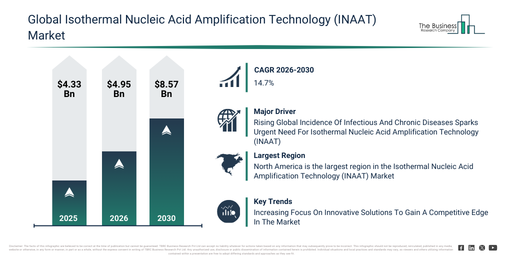
  • Isothermal Nucleic Acid Amplification Technology (INAAT) Market Industry Forecast Reflecting Growth To $8.56 Billion By 2030

    Isothermal Nucleic Acid Amplification Technology (INAAT) Market Industry Forecast Reflecting Growth To $8.56 Billion By 2030

    The Business Research Company’s 2026 market reports feature enhanced tools like market attractiveness analysis, TAM assessment, and company scoring matrices, along with interactive dashboards, deeper supply chain insights, and startup coverage strengthening the depth, usability, and strategic value of insights.

    What Market Value Expansion Is Expected For The Isothermal Nucleic Acid Amplification Technology (INAAT) Market Over The Forecast Period?

    The market size for isothermal nucleic acid amplification technology (INAAT) has expanded quickly in recent years. It is projected to rise from $4.33 billion in 2025 to $4.95 billion in 2026, showing a compound annual growth rate (CAGR) of 14.3%. The historic growth is due to the increasing prevalence of infectious diseases, rising demand for rapid diagnostic techniques, limitations of traditional PCR methods, growing use of molecular diagnostics in hospitals, and expansion of blood screening programs.

    The isothermal nucleic acid amplification technology (inaat) market size is anticipated to undergo swift expansion in the coming years, with projections indicating it will reach $8.57 billion by 2030, demonstrating a compound annual growth rate (CAGR) of 14.7%. This expansion during the forecast period can be attributed to several factors such as the growth in decentralized diagnostic testing, the increasing adoption of portable diagnostic instruments, a greater focus on early disease detection, the widening applications within oncology diagnostics, and escalating healthcare investments in developing markets. Furthermore, significant trends expected over this period include the rapid uptake of point-of-care molecular testing, an escalating demand for portable inaat instruments, the broader deployment of isothermal amplification in infectious disease testing, an increased application of inaat in blood screening programs, and a growing preference for diagnostic workflows characterized by speed and low complexity.

    Download A Free Sample Report For Comprehensive Market Insights:

    https://www.thebusinessresearchcompany.com/sample.aspx?id=2505&type=smp

    What Core Drivers Are Transforming The Isothermal Nucleic Acid Amplification Technology (INAAT) Market?

    The growing prevalence of Infectious and Chronic Diseases is a primary driver for the expansion of the Isothermal Nucleic Acid Amplification Technology (INAAT) market. The escalating rates of infectious conditions, such as H. influenzae and S. pneumonia (which cause respiratory tract infections), along with N. gonorrhoeae and C. trachomatis (leading to genital infections), and tuberculosis, necessitate the application of isothermal nucleic acid amplification technology (INAAT) for their diagnosis. Illustratively, in 2023, data from the World Health Organization (WHO), a health organization based in Switzerland, indicated that an estimated 10 million individuals are infected with tuberculosis, an infectious disease, each year, and it accounts for 1.5 million deaths annually. The rising incidence of infectious or chronic diseases consistently fuels the growth of the isothermal nucleic acid amplification technology market.

    How Is The Isothermal Nucleic Acid Amplification Technology (INAAT) Market Structured Across Different Market Segments?

    The isothermal nucleic acid amplification technology (inaat) market covered in this report is segmented –

    1) By Product: Instrument, Reagent

    2) By Technology: NASBA, Loop-Mediated Isothermal Amplification (LAMP)

    3) By Application: Blood Screening, Infectious Disease Diagnostics

    4) By End-User: Hospital, Reference Laboratories, Other End-Users

    Subsegments:

    1) By Instrument: Portable Instruments, Benchtop Instruments

    2) By Reagent: Enzymes, Primers And Probes, Buffers

    What Trends Are Affecting The Growth Of The Isothermal Nucleic Acid Amplification Technology (INAAT) Market?

    Companies operating in the isothermal nucleic acid amplification technology market are developing cutting-edge solutions, such as the QIAstat-Dx syndromic testing solution, to gain a market advantage. The QIAstat-Dx system functions as a fully integrated, multiplexed molecular testing platform, combining sample preparation, nucleic acid amplification, and detection within a single cartridge. For instance, in April 2023, Qiagen, a Netherlands-based company focused on isothermal nucleic acid amplification technology (INAAT) for various applications, introduced its QIAstat-Dx syndromic testing solution. This system provides Ct (cycle threshold) values and straightforward access to amplification curves, allowing clinicians to monitor the progress of the amplification process and make informed diagnostic decisions.

    Which Organizations Are Operating Within The Isothermal Nucleic Acid Amplification Technology (INAAT) Market?

    Major companies operating in the isothermal nucleic acid amplification technology (inaat) market are Abbott Laboratories, bioMérieux SA, Qiagen NV, Becton, Dickinson and Company, Hologic Inc., Quidel Corporation, Thermo Fisher Scientific Inc., New England Biolabs Inc., Lucigen Corporation, BioHelix Corporation, Meridian Bioscience Inc., Ustar Biotechnologies Ltd., Atila Biosystems Incorporated, OptiGene Limited, DiaSorin SpA, Grifols SA, LGC Ltd., Jena Bioscience GmbH, Eiken Chemical Co., Ltd., Canon Medical Systems Corporation, Roche Diagnostics International AG

    Access The Complete Isothermal Nucleic Acid Amplification Technology (INAAT) Market Report:

    https://www.thebusinessresearchcompany.com/report/isothermal-nucleic-acid-amplification-technology-global-market-report

    Which Geographic Region Represents The Largest Isothermal Nucleic Acid Amplification Technology (INAAT) Market Share?

    North America was the largest region in the isothermal nucleic acid amplification technology (INAAT) market in 2025. Western Europe was the second largest region in the isothermal nucleic acid amplification technology (INAAT) market. The regions covered in the isothermal nucleic acid amplification technology (inaat) market report are Asia-Pacific, South East Asia, Western Europe, Eastern Europe, North America, South America, Middle East, Africa.

    Access Isothermal Nucleic Acid Amplification Technology (INAAT) Market Report for Deeper Competitive Insights

    https://www.thebusinessresearchcompany.com/customise?id=2505&type=smp

    Browse Through More Reports Similar to the Global Isothermal Nucleic Acid Amplification Technology (INAAT) Market 2026, By The Business Research Company

    Automated Nucleic Acid Extraction Devices Global Market Report 2026

    https://www.thebusinessresearchcompany.com/report/automated-nucleic-acid-extraction-devices-global-market-report

    Nucleic Acid Extraction Instruments And Reagents Global Market Report 2026

    https://www.thebusinessresearchcompany.com/report/nucleic-acid-extraction-instruments-and-reagents-global-market-report

    Nucleic Acid Isolation And Purification Global Market Report 2026

    https://www.thebusinessresearchcompany.com/report/nucleic-acid-isolation-and-purification-global-market-report

    Get in touch with us:

    The Business Research Company: https://www.thebusinessresearchcompany.com/

    Americas: +1 310-496-7795

    Asia: +44 7882 955267 & +91 8897263534

    Europe: +44 7882 955267

    Email us at: marketing@tbrc.info

    Follow us on:

    LinkedIn: https://in.linkedin.com/company/the-business-research-company

    YouTube: https://www.youtube.com/channel/UC24_fI0rV8cR5DxlCpgmyFQ

    Global Market Model: https://www.thebusinessresearchcompany.com/global-market-model
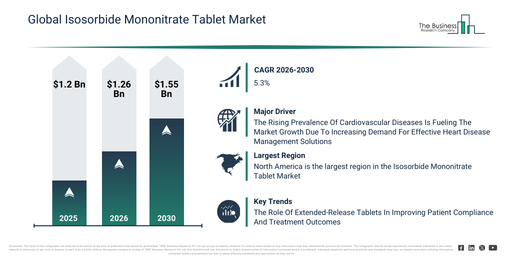
  • Isosorbide Mononitrate Tablet Market Forecast Analysis Through 2030 With Insights On Industry Expansion

    Isosorbide Mononitrate Tablet Market Forecast Analysis Through 2030 With Insights On Industry Expansion

    The Business Research Company’s 2026 market reports feature enhanced tools like market attractiveness analysis, TAM assessment, and company scoring matrices, along with interactive dashboards, deeper supply chain insights, and startup coverage strengthening the depth, usability, and strategic value of insights.

    How Will The Market Value Of The Isosorbide Mononitrate Tablet Market Change Between 2026 And 2030?

    The isosorbide mononitrate tablet market has demonstrated robust growth in recent years. It is forecast to grow from $1.2 billion in 2025 to $1.26 billion in 2026, with a compound annual growth rate (CAGR) of 5.3%. This expansion in the historical period can be attributed to the rising prevalence of coronary artery disease, the long-term use of nitrates in angina management, an increasing aging population, the availability of cost-effective generic drugs, and the expansion of hospital and retail pharmacy infrastructure.

    The isosorbide mononitrate tablet market is anticipated to experience robust expansion in the coming years. By 2030, this market is projected to reach $1.55 billion, demonstrating a compound annual growth rate (CAGR) of 5.3%. Key drivers for this growth during the forecast period include the rise in chronic cardiovascular ailments, a greater need for extended-release tablets, the increasing use of online pharmacies, enhanced diagnosis of angina and heart failure, and broader availability of cardiovascular medications in developing regions. Significant trends anticipated within this period involve the development of long-acting cardiovascular maintenance treatments, an increasing inclination towards extended-release formulations, the wider adoption of generic nitrate drugs, better patient compliance due to once-daily dosing regimens, and expanded availability through online and traditional retail pharmacies.

    Download A Free Sample Report For Comprehensive Market Insights:

    https://www.thebusinessresearchcompany.com/sample.aspx?id=24268&type=smp

    Which Growth Factors Are Strengthening The Isosorbide Mononitrate Tablet Market Landscape?

    The growing incidence of cardiovascular diseases is projected to drive the expansion of the isosorbide mononitrate tablet market. Cardiovascular diseases (CVDs) are a group of conditions impacting the heart and blood vessels, including coronary artery disease, heart failure, and hypertension. The increasing prevalence of these diseases is primarily linked to unhealthy diets, often high in saturated fats, trans fats, sodium, and added sugars, which can lead to conditions like obesity, hypertension, and high cholesterol. Isosorbide mononitrate tablets assist in managing cardiovascular diseases by dilating and relaxing blood vessels, thereby improving blood flow and reducing the heart’s workload. This action helps to alleviate chest pain (angina), lower blood pressure, and enhance oxygen delivery to the heart muscle. For example, in September 2025, a report from the Global Burden of Disease study, as cited by the American College of Cardiology, a US-based nonprofit medical association and professional society for cardiologists, indicated 19.2 million cardiovascular disease deaths globally in 2023. Hence, the rising occurrence of cardiovascular diseases is significantly boosting the isosorbide mononitrate tablet market.

    Which Segment-Based Categories Are Covered In The Isosorbide Mononitrate Tablet Market?

    The isosorbide mononitrate tablet market covered in this report is segmented –

    1) By Dosage Form: Immediate-Release Tablets, Extended-Release Tablets

    2) By Indication Type: Angina Pectoris, Coronary Artery Disease (CAD)

    3) By Distribution Channel: Hospital Pharmacies, Retail Pharmacies, Online Pharmacies

    Subsegments:

    1) By Immediate-Release Tablets: Low-Dose, Single Strength Tablets

    2) By Extended-Release Tablets: Moderate-Dose, High-Dose, Once-Daily Formulation, Twice-Daily Formulation

    Which Trends Are Influencing The Direction Of The Isosorbide Mononitrate Tablet Market?

    Major companies within the isosorbide mononitrate tablet market are concentrating on developing innovative products, such as extended-release (ER) formulations, to improve patient adherence, provide prolonged therapeutic effects, and optimize treatment outcomes for conditions like angina pectoris. An extended-release formulation is an advanced drug delivery system that facilitates the gradual release of medication over an extended period, thereby reducing the frequency of dosing and maintaining consistent blood levels. For instance, in February 2024, Zydus Lifesciences Limited, an India-based pharmaceutical manufacturing company, received approval from the United States Food and Drug Administration (USFDA) to manufacture and market isosorbide mononitrate extended-release tablets USP in strengths of 30 mg, 60 mg, and 120 mg. These tablets are prescribed to prevent chest pain (angina) in patients with coronary artery disease and are equivalent to the reference listed drug (RLD), imdur extended-release tablets.

    Who Are The Businesses Driving Activity In The Isosorbide Mononitrate Tablet Market?

    Major companies operating in the isosorbide mononitrate tablet market are Pfizer Inc., Merck & Co., Inc., AstraZeneca plc, Abbott Laboratories, Teva Pharmaceutical Industries Ltd., Sun Pharmaceutical Industries Ltd., Aurobindo Pharma Ltd., Cipla Ltd., Zydus Lifesciences Limited, Torrent Pharmaceuticals Ltd., Micro Labs Ltd., Lupin Limited, Dr. Reddy’s Laboratories Ltd., Glenmark Pharmaceuticals Ltd., Alkem Laboratories Ltd., Mylan N.V., Hikma Pharmaceuticals PLC, Sandoz International GmbH, Qilu Pharmaceutical Co., Ltd., Lunan Pharmaceutical Group, Shandong Keyuan Pharmaceutical Co., Ltd.

    Access The Complete Isosorbide Mononitrate Tablet Market Report:

    https://www.thebusinessresearchcompany.com/report/isosorbide-mononitrate-tablet-global-market-report

    Which Region Leads The Isosorbide Mononitrate Tablet Market By Size?

    North America was the largest region in the isosorbide mononitrate tablet market in 2025. Asia-Pacific is expected to be the fastest-growing region in the forecast period. The regions covered in the isosorbide mononitrate tablet market report are Asia-Pacific, South East Asia, Western Europe, Eastern Europe, North America, South America, Middle East, Africa.

    Access Isosorbide Mononitrate Tablet Market Report for Deeper Competitive Insights

    https://www.thebusinessresearchcompany.com/customise?id=24268&type=smp

    Browse Through More Reports Similar to the Global Isosorbide Mononitrate Tablet Market 2026, By The Business Research Company

    Effervescent Tablet Global Market Report 2026

    https://www.thebusinessresearchcompany.com/report/effervescent-tablet-global-market-report

    Tablets Global Market Report 2026

    https://www.thebusinessresearchcompany.com/report/tablets-global-market-report

    Isoprene Global Market Report 2026

    https://www.thebusinessresearchcompany.com/report/isoprene-global-market-report

    Get in touch with us:

    The Business Research Company: https://www.thebusinessresearchcompany.com/

    Americas: +1 310-496-7795

    Asia: +44 7882 955267 & +91 8897263534

    Europe: +44 7882 955267

    Email us at: marketing@tbrc.info

    Follow us on:

    LinkedIn: https://in.linkedin.com/company/the-business-research-company

    YouTube: https://www.youtube.com/channel/UC24_fI0rV8cR5DxlCpgmyFQ

    Global Market Model: https://www.thebusinessresearchcompany.com/global-market-model
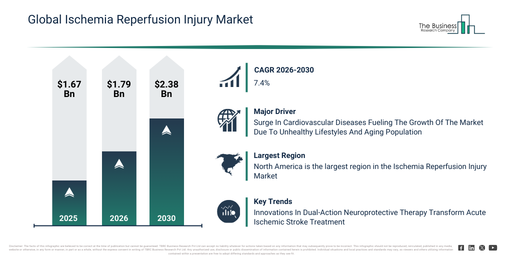
  • Ischemia Reperfusion Injury Market Growth Outlook Indicating Expansion To $2.38 Billion By 2030

    Ischemia Reperfusion Injury Market Growth Outlook Indicating Expansion To $2.38 Billion By 2030

    The Business Research Company’s 2026 market reports feature enhanced tools like market attractiveness analysis, TAM assessment, and company scoring matrices, along with interactive dashboards, deeper supply chain insights, and startup coverage strengthening the depth, usability, and strategic value of insights.

    What Is The Forecasted Rise In Market Size Of The Ischemia Reperfusion Injury Market During The Forecast Period?

    The ischemia reperfusion injury market has demonstrated substantial growth in recent years. It is forecast to grow from $1.67 billion in 2025 to $1.79 billion in 2026, exhibiting a compound annual growth rate (CAGR) of 7.5%. The expansion witnessed in previous periods stemmed from factors such as the increasing incidence of cardiovascular diseases, a rise in organ transplant procedures, the growing prevalence of stroke and heart attack cases, advancements in acute care infrastructure, and the heightened use of pharmacological therapies.

    The ischemia reperfusion injury market size is expected to undergo significant expansion in the upcoming years, projected to reach $2.38 billion by 2030, displaying a compound annual growth rate (CAGR) of 7.4%. This anticipated growth during the forecast period is driven by factors such as the increasing research in stem cell and gene therapy, a growing acceptance of non-pharmacological conditioning therapies, increased investment in critical care technologies, the expansion of clinical trials for agents protecting mitochondria, and a better understanding of ischemia-reperfusion mechanisms. Major trends anticipated in this period include AI-powered prediction of ischemia-reperfusion injury outcomes, the development of precision therapeutics for cellular and mitochondrial protection, data-centric clinical decision support systems, connected monitoring of tissue perfusion and oxygenation, and advanced manufacturing techniques for targeted therapeutics.

    Download A Free Sample Report For Comprehensive Market Insights:

    https://www.thebusinessresearchcompany.com/sample.aspx?id=22025&type=smp

    What Important Drivers Are Powering The Ischemia Reperfusion Injury Market Growth?

    An increasing occurrence of cardiovascular diseases is projected to stimulate the expansion of the ischemia-reperfusion injury market in the coming years. These ailments, encompassing conditions like coronary artery disease, heart failure, and stroke, are a category of disorders impacting the heart and its vascular system. The surge in cardiovascular disease cases stems from an aging populace and detrimental lifestyle decisions, where diets rich in saturated fats, sugar, and salt, coupled with insufficient physical activity, contribute to heightened rates of obesity, hypertension, and diabetes – all key contributors to cardiovascular health issues. Ischemia-reperfusion injury exacerbates the progression of cardiovascular diseases by intensifying tissue damage via oxidative stress, inflammation, and cellular death, ultimately hindering heart function and elevating the likelihood of heart failure and other related complications. For example, reports from the US Centers for Disease Control and Prevention in October 2024 indicated that 919,032 individuals succumbed to cardiovascular disease in 2023, representing one in three deaths. Consequently, the rising incidence of cardiovascular diseases is fueling the expansion of the ischemia-reperfusion injury market. The growing frequency of organ transplantation is anticipated to boost the ischemia-reperfusion injury market moving forward. Organ transplantation involves the surgical transfer of a healthy organ from a donor to a recipient to replace an organ that is failing or damaged. The heightened rate of organ transplants is attributed to continuous advancements in medical technology and an increasing number of patients experiencing organ failure. Improvements in surgical techniques, immunosuppressive therapies, and methods for organ preservation have significantly enhanced the success rates of these procedures. Ischemia-reperfusion injury can be mitigated during organ transplantation through the use of sophisticated preservation techniques, which lessen the damage incurred during the ischemic period, thereby improving the transplanted organ’s survival and function upon reperfusion. For instance, in January 2024, data from the Organ Procurement and Transplantation Network, a US Department of Health and Human Services program, revealed that organ transplants from both living and deceased donors collectively reached 46,632 in 2023, marking an 8.7 percent increase compared to 2022. Of these, 39,679 procedures originated from deceased donors, indicating an 8.9 percent rise over the preceding year. Thus, the growing incidence of organ transplantation is propelling the growth of the ischemia-reperfusion injury market.

    What Are The Major Segment Categories Within The Ischemia Reperfusion Injury Market?

    The ischemia reperfusion injury market covered in this report is segmented –

    1) By Treatment Type: Pharmacological Therapy, Non-pharmacological Therapy

    2) By Application: Cardiovascular Diseases, Stroke, Organ Transplantation, Heart Attack

    3) By End User: Hospitals, Clinics, Ambulatory Services

    Subsegments:

    1) By Pharmacological Therapy: Antioxidants, Anti-inflammatory Agents, Calcium Channel Blockers, Free Radical Scavengers, Nitric Oxide Donors, Mitochondrial Protective Agents

    2) By Non-Pharmacological Therapy: Ischemic Preconditioning (IPC), Ischemic Postconditioning (IPO), Remote Ischemic Conditioning (RIC), Hypothermia Therapy, Mechanical Interventions

    What Trends Are Driving Changes In The Ischemia Reperfusion Injury Market?

    Key players in the ischemia-reperfusion injury market are concentrating on developing novel treatments, including dual-acting stroke therapeutics, aimed at boosting patient recuperation, decreasing impairment, and achieving better treatment results. These dual-acting neuroprotective drugs are sophisticated small-molecule compounds that blend selective modulation of NMDA receptors with antioxidant free-radical scavenging. This combination facilitates various benefits like lessening neuronal damage caused by reperfusion, enhancing tissue survival after occlusion, and aiding functional restoration. An example of this is GNT Pharma, a biopharmaceutical company from South Korea, which secured regulatory approval in July 2025 to commence multinational Phase 3 clinical trials for Nelonemdaz. This drug is a cutting-edge dual-acting neuroprotective agent specifically formulated to mitigate neuronal injury in individuals undergoing endovascular thrombectomy for acute ischemic stroke. This particular therapy works by selectively inhibiting NMDA receptor-mediated excitotoxicity and effectively scavenging free radicals to reduce oxidative harm. Ultimately, Nelonemdaz contributes to improved neuroprotection, better functional recovery, and enhanced outcomes following reperfusion in patients experiencing ischemic stroke.

    Which Firms Are Competing In The Ischemia Reperfusion Injury Market?

    Major companies operating in the ischemia reperfusion injury market are Pfizer Inc, Novartis AG, AstraZeneca PLC, Bristol Myers Squibb, F. Hoffmann-La Roche Ltd, Sanofi, Merck KGaA, Takeda Pharmaceutical Company, Bayer AG, Amgen Inc, Otsuka Pharmaceutical Co Ltd, Simcere Innovation Inc, Faron Pharmaceuticals Oy, Faraday Pharmaceuticals Inc, Prolong Pharmaceuticals LLC, Angion Biomedica Corp, CalciMedica Inc, Athersys Inc, Oxitope Pharma BV, LUCA Science Inc

    Access The Complete Ischemia Reperfusion Injury Market Report:

    https://www.thebusinessresearchcompany.com/report/ischemia-reperfusion-injury-global-market-report

    Which Region Has The Strongest Presence In The Ischemia Reperfusion Injury Market?

    North America was the largest region in the ischemia reperfusion injury market in 2025. Asia-Pacific is expected to be the fastest-growing region in the forecast period. The regions covered in the ischemia reperfusion injury market report are Asia-Pacific, South East Asia, Western Europe, Eastern Europe, North America, South America, Middle East, Africa.

    Access Ischemia Reperfusion Injury Market Report for Deeper Competitive Insights

    https://www.thebusinessresearchcompany.com/customise?id=22025&type=smp

    Browse Through More Reports Similar to the Global Ischemia Reperfusion Injury Market 2026, By The Business Research Company

    Myocardial Ischemia Global Market Report 2026

    https://www.thebusinessresearchcompany.com/report/myocardial-ischemia-global-market-report

    Acute Ischemic Stroke Diagnosis Global Market Report 2026

    https://www.thebusinessresearchcompany.com/report/acute-ischemic-stroke-diagnosis-global-market-report

    Acute Ischemic Stroke Drugs Global Market Report 2026

    https://www.thebusinessresearchcompany.com/report/acute-ischemic-stroke-drugs-global-market-report

    Get in touch with us:

    The Business Research Company: https://www.thebusinessresearchcompany.com/

    Americas: +1 310-496-7795

    Asia: +44 7882 955267 & +91 8897263534

    Europe: +44 7882 955267

    Email us at: marketing@tbrc.info

    Follow us on:

    LinkedIn: https://in.linkedin.com/company/the-business-research-company

    YouTube: https://www.youtube.com/channel/UC24_fI0rV8cR5DxlCpgmyFQ

    Global Market Model: https://www.thebusinessresearchcompany.com/global-market-model
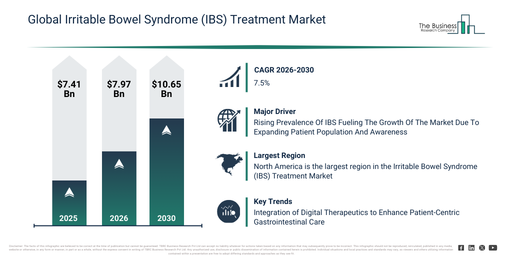
  • Global Irritable Bowel Syndrome (IBS) Treatment Market Anticipated To Grow To $10.64 Billion By 2030 At 7.5% CAGR

    Global Irritable Bowel Syndrome (IBS) Treatment Market Anticipated To Grow To $10.64 Billion By 2030 At 7.5% CAGR

    The Business Research Company’s 2026 market reports feature enhanced tools like market attractiveness analysis, TAM assessment, and company scoring matrices, along with interactive dashboards, deeper supply chain insights, and startup coverage strengthening the depth, usability, and strategic value of insights.

    How Is The Irritable Bowel Syndrome (IBS) Treatment Market’s Market Value Anticipated To Evolve From 2026 To 2030?

    The irritable bowel syndrome (ibs) treatment market has shown significant expansion in recent years. It is anticipated to increase from $7.41 billion in 2025 to $7.97 billion in 2026, achieving a compound annual growth rate (CAGR) of 7.6%. This historical growth can be linked to the rising incidence of gastrointestinal disorders, improved ibs diagnosis rates, increasing knowledge about digestive health, the accessibility of prescription ibs medications, and the expanding presence of hospital and retail pharmacy networks.

    The irritable bowel syndrome (ibs) treatment market size is anticipated to undergo significant expansion in the coming years. Its valuation is projected to reach $10.65 billion by 2030, displaying a compound annual growth rate (CAGR) of 7.5%. This growth throughout the forecast period is driven by advancements in precision medicine, the increasing adoption of digital health platforms, the expansion of online pharmacy channels, a heightened focus on microbiome research, and rising healthcare expenditure for chronic conditions. Notable trends for the forecast period encompass precision medicine and microbiome-based therapies, the integration of digital therapeutics and mobile health, AI-driven ibs diagnosis and treatment optimization, remote patient monitoring combined with smart gut health devices, and sustainable, patient-centric drug development.

    Download A Free Sample Report For Comprehensive Market Insights:

    https://www.thebusinessresearchcompany.com/sample.aspx?id=11978&type=smp

    Which Major Factors Are Contributing To The Development Of The Irritable Bowel Syndrome (IBS) Treatment Market?

    The increasing prevalence of Irritable Bowel Syndrome (IBS) is projected to propel the expansion of the IBS treatment market. IBS is a chronic gastrointestinal condition impacting the large intestine, causing symptoms such as constipation, diarrhea, abdominal pain, and bloating, thereby significantly diminishing quality of life. The rise in IBS cases is attributable to lifestyle factors, including inadequate diet, stress, and environmental exposures, which contribute to more individuals developing the disorder. The IBS treatment market caters to patient needs by offering both pharmacological interventions, such as antispasmodics and gut-targeted medications, and non-pharmacological approaches, including cognitive behavioral therapy, hypnotherapy, and dietary management. As an illustration, in December 2023, the IBD Registry, a UK-based non-profit organization, announced it had reached over 5,300 individuals with Inflammatory Bowel Disease (IBD) by 2023, representing an increase of more than 3,000 members compared to 2022. This demonstrates how the rising incidence of IBS is driving the growth of the IBS treatment market.

    How Is The Irritable Bowel Syndrome (IBS) Treatment Market Distributed Across Key Segments?

    The irritable bowel syndrome (ibs) treatment market covered in this report is segmented –

    1) By Drug Type: Eluxadoline, Alosetron, Other Drugs

    2) By Indication: IBS With Constipation, IBS With Diarrhea, IBS With Alternating Constipation And Diarrhea

    3) By Distribution Channel: Hospital Pharmacies, Online Pharmacies, Retail Pharmacies

    4) By End-Users: Hospitals, Clinics, Homecare Settings

    Subsegments:

    1) By Eluxadoline: IBS with Diarrhea (IBS-D) Treatment, Moderate IBS-D Treatment

    2) By Alosetron: Severe IBS-D Treatment for Women, Refractory IBS-D Treatment

    3) By Other Drugs: Prucalopride, Tenapanor, Plecanatide

    Which Trends Are Shaping The Irritable Bowel Syndrome (IBS) Treatment Market Landscape?

    Leading companies within the irritable bowel syndrome (IBS) treatment market are increasingly integrating digital therapeutics, such as mobile applications rooted in gut-directed hypnotherapy, to boost patient involvement, broaden access to treatment, and improve symptom control. These gut-directed hypnotherapy–based mobile applications represent prescription digital platforms that deliver structured hypnotherapy sessions via a smartphone interface, aiming to regulate gut–brain interaction and offer functionalities like guided behavioural therapy, real-time symptom monitoring, and automated tracking of patient progress. As an illustration, in May 2023, Launchit DTx, a digital health commercialization company based in Canada, unveiled Regulora, a digital therapeutic centered on gut-directed hypnotherapy, specifically crafted to assist adults in managing abdominal pain linked with irritable bowel syndrome (IBS). Regulora incorporates evidence-based hypnotherapy modules, clinician-enabled prescribing processes, and a mobile application for ongoing patient response tracking. By providing a non-pharmacologic, digitally administered therapeutic choice, Regulora enhances treatment accessibility, facilitates self-management, and contributes to overall symptom alleviation for IBS patients.

    Who Are The Major Companies Operating In The Irritable Bowel Syndrome (IBS) Treatment Market?

    Major companies operating in the irritable bowel syndrome (ibs) treatment market are Ironwood Pharmaceuticals Inc., AbbVie Inc., Takeda Pharmaceutical Company Limited, Pfizer Inc., Johnson & Johnson Services Inc., AstraZeneca plc, Novartis AG, Abbott Laboratories, Eli Lilly and Company, Astellas Pharma Inc., Bausch Health Companies Inc., Sebela Pharmaceuticals Inc., Prometheus Laboratories Inc., RedHill Biopharma Ltd., Ardelyx Inc., Renexxion Ireland Ltd., 4D Pharma plc, Biora Therapeutics Inc., Salix Pharmaceuticals Ltd., Allergan plc, Synergy Pharmaceuticals Inc.

    Access The Complete Irritable Bowel Syndrome (IBS) Treatment Market Report:

    https://www.thebusinessresearchcompany.com/report/irritable-bowel-syndrome-ibs-treatment-global-market-report

    Which Region Stands As The Largest Contributor To The Irritable Bowel Syndrome (IBS) Treatment Market?

    North America was the largest region in the irritable bowel syndrome (IBS) treatment market in 2025. Europe is expected to be the fastest-growing region in the forecast period. The regions covered in the irritable bowel syndrome (ibs) treatment market report are Asia-Pacific, South East Asia, Western Europe, Eastern Europe, North America, South America, Middle East, Africa.

    Access Irritable Bowel Syndrome (IBS) Treatment Market Report for Deeper Competitive Insights

    https://www.thebusinessresearchcompany.com/customise?id=11978&type=smp

    Browse Through More Reports Similar to the Global Irritable Bowel Syndrome (IBS) Treatment Market 2026, By The Business Research Company

    Inflammatory Bowel Disease Treatment Global Market Report 2026

    https://www.thebusinessresearchcompany.com/report/inflammatory-bowel-disease-treatment-global-market-report

    Bowel Management Systems Global Market Report 2026

    https://www.thebusinessresearchcompany.com/report/bowel-management-systems-global-market-report

    Constipation Treatment Global Market Report 2026

    https://www.thebusinessresearchcompany.com/report/constipation-treatment-global-market-report

    Get in touch with us:

    The Business Research Company: https://www.thebusinessresearchcompany.com/

    Americas: +1 310-496-7795

    Asia: +44 7882 955267 & +91 8897263534

    Europe: +44 7882 955267

    Email us at: marketing@tbrc.info

    Follow us on:

    LinkedIn: https://in.linkedin.com/company/the-business-research-company

    YouTube: https://www.youtube.com/channel/UC24_fI0rV8cR5DxlCpgmyFQ

    Global Market Model: https://www.thebusinessresearchcompany.com/global-market-model