Category: Healthcare Services

  • Metabolic Dysfunction-Associated Steatohepatitis (MASH) Treatment Market Growth Forecast Reaching $8.59 Billion By 2030 At 22% CAGR

    Metabolic Dysfunction-Associated Steatohepatitis (MASH) Treatment Market Growth Forecast Reaching $8.59 Billion By 2030 At 22% CAGR

    The Business Research Company’s 2026 market reports feature enhanced tools like market attractiveness analysis, TAM assessment, and company scoring matrices, along with interactive dashboards, deeper supply chain insights, and startup coverage strengthening the depth, usability, and strategic value of insights.

    From Its 2026 Market Size, What Value Is The Metabolic Dysfunction-Associated Steatohepatitis (MASH) Treatment Market Projected To Reach By 2030?

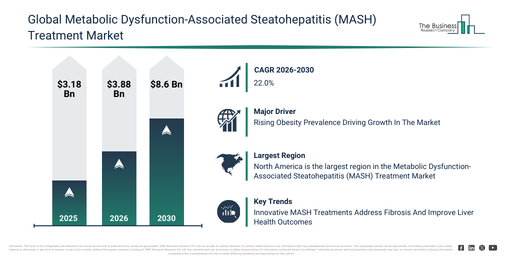
    The metabolic dysfunction-associated steatohepatitis (mash) treatment market size has experienced a significant surge in recent years. This market is projected to expand from $3.18 billion in 2025 to $3.88 billion in 2026, demonstrating a compound annual growth rate (CAGR) of 22.2%. Historically, this growth can be ascribed to an escalating prevalence of obesity, a rising incidence of type 2 diabetes, increased public awareness of liver health disorders, the expansion of diagnostic testing capabilities, and the prompt adoption of lifestyle modification programs.

    The metabolic dysfunction-associated steatohepatitis (mash) treatment market is projected to experience substantial growth in the upcoming years. It is anticipated to reach $8.6 billion by 2030, demonstrating a compound annual growth rate (CAGR) of 22.0%. This expansion during the forecast period is largely driven by the rising uptake of GLP-1 agonists, advancements in antifibrotic drug development, the growing prevalence of digital liver monitoring tools, broader application of bariatric surgery, and an enhanced emphasis on tailored metabolic therapies. Key trends anticipated over the same period encompass the expansion of precision therapeutics for liver diseases, AI-powered early detection and risk stratification, cloud-based platforms for managing liver health data, IoT-integrated monitoring of lifestyle and medication, and the development of sustainable and preventive metabolic health initiatives.

    Access Your Free Sample Report For In-Depth Market Analysis:

    https://www.thebusinessresearchcompany.com/sample.aspx?id=20876&type=smp

    Which Factors Are Influencing The Growth Of The Metabolic Dysfunction-Associated Steatohepatitis (MASH) Treatment Market?

    The escalating rate of obesity is anticipated to drive expansion within the metabolic dysfunction-associated steatohepatitis (MASH) treatment market in the future. Obesity, a medical condition, involves an unhealthy buildup of body fat, detrimental to general well-being, commonly defined by a body mass index (BMI) of 30 or above. Globally, the incidence of obesity is on the rise, influenced by factors such as inactive lifestyles, poor dietary choices, and various metabolic risks. In the context of obesity, the approach to Metabolic Dysfunction-Associated Steatohepatitis (MASH) treatment centers on tackling insulin resistance, decreasing hepatic fat, and enhancing metabolic health via modifications in lifestyle and specific therapeutic interventions. As an illustration, figures from March 2023, reported by the World Heart Foundation, a non-governmental global cardiovascular organization located in Switzerland, indicate that around 2.3 billion adults and children globally are presently categorized as obese or overweight. Based on current obesity trends, this figure is forecast to climb to 2.7 billion by 2025. Consequently, the growing rate of obesity is fueling expansion in the metabolic dysfunction-associated steatohepatitis (MASH) treatment market.

    How Is The Metabolic Dysfunction-Associated Steatohepatitis (MASH) Treatment Market Organized By Segment Classification?

    The metabolic dysfunction-associated steatohepatitis (mash) treatment market covered in this report is segmented –

    1) By Treatment: Drug, Therapy

    2) By Distribution Channel: Hospital Pharmacies, Online Pharmacies, Retail Pharmacies

    3) By End-User: Hospitals, Specialty Clinics, Homecare, Other End-User

    Subsegments:

    1) By Drug: Antifibrotic Agents, Antidiabetic Drugs, Lipid-Lowering Agents, Vitamin E, Obeticholic Acid (OCA), GLP-1 Agonists

    2) By Therapy: Pharmacotherapy, Lifestyle Modifications (Dietary Changes, Exercise), Bariatric Surgery, Liver Transplantation

    Which Trends Are Influencing Demand In The Metabolic Dysfunction-Associated Steatohepatitis (MASH) Treatment Market?

    Major companies in the metabolic dysfunction-associated steatohepatitis (MASH) treatment market are prioritizing the creation of innovative products, such as liver fibrosis treatment solutions, to offer options for patients suffering from metabolic dysfunction-associated steatohepatitis (MASH) accompanied by moderate to severe liver fibrosis. These liver fibrosis treatments focus on addressing the fundamental causes of liver damage through lifestyle adjustments, antiviral medications, and advanced antifibrotic therapies, with the objective of halting or reversing fibrosis progression and enhancing liver function. As an example, in March 2024, Madrigal Pharmaceuticals, Inc., a US-based biopharmaceutical company, declared the FDA approval of Rezdiffra (resmetirom), which is the first-ever treatment for metabolic dysfunction-associated steatohepatitis (MASH) with moderate to severe liver fibrosis. Rezdiffra is a daily oral tablet that demonstrated effectiveness in resolving MASH without worsening fibrosis and improving liver fibrosis in phase 3 clinical trials. This significant advancement provides a non-invasive treatment option, removing the need for liver biopsies, and substantially enhances patient access and outcomes in managing fatty liver disease.

    Who Are The Industry Participants Involved In The Metabolic Dysfunction-Associated Steatohepatitis (MASH) Treatment Market?

    Major companies operating in the metabolic dysfunction-associated steatohepatitis (mash) treatment market are Pfizer Inc., Johnson & Johnson, Merck & Co. Inc., Sanofi SA, AstraZeneca PLC, Novartis AG, Eli Lilly and Company, Gilead Sciences Inc., Boehringer Ingelheim International GmbH, Novo Nordisk A/S, Apollo Health and Lifestyle Limited, Jenny Craig, Nutrisystem, Madrigal Pharmaceuticals, Anoos Clinic, Galectin Therapeutics Inc., Galmed Pharmaceuticals, Hepion Pharmaceuticals, Inventiva, NGM Biopharmaceuticals, Sagimet Biosciences, Viking Therapeutics, Terns Pharma, Genfit SA

    Get The Full Metabolic Dysfunction-Associated Steatohepatitis (MASH) Treatment Market Report:

    https://www.thebusinessresearchcompany.com/report/metabolic-dysfunction-associated-steatohepatitis-mash-treatment-global-market-report

    Which Geographic Region Dominates The Metabolic Dysfunction-Associated Steatohepatitis (MASH) Treatment Market?

    North America was the largest region in the metabolic dysfunction-associated steatohepatitis (MASH) treatment market in 2025. Asia-Pacific is expected to be the fastest-growing region in the forecast period. The regions covered in the metabolic dysfunction-associated steatohepatitis (mash) treatment market report are Asia-Pacific, South East Asia, Western Europe, Eastern Europe, North America, South America, Middle East, Africa.

    Request A Customized Metabolic Dysfunction-Associated Steatohepatitis (MASH) Treatment Market Report For Competitive Insights:

    https://www.thebusinessresearchcompany.com/report/metabolic-dysfunction-associated-steatohepatitis-mash-treatment-global-market-report

    Browse Through More Reports Similar to the Global Metabolic Dysfunction-Associated Steatohepatitis (MASH) Treatment Market 2026, By The Business Research Company

    Renal Biomarkers Market Report 2026

    https://www.thebusinessresearchcompany.com/report/renal-biomarkers-global-market-report

    Cancer Biomarker Market Report

    https://www.thebusinessresearchcompany.com/report/cancer-biomarker-global-market-report

    Non Alcoholic Steatohepatitis Biomarkers Market Report

    https://www.thebusinessresearchcompany.com/report/non-alcoholic-steatohepatitis-biomarkers-global-market-report

    Get in touch with us:

    The Business Research Company: https://www.thebusinessresearchcompany.com/

    Americas +1 310-496-7795

    Asia +44 7882 955267 & +91 8897263534

    Europe +44 7882 955267

    Email us at info@tbrc.info

    Follow us on:

    LinkedIn: https://in.linkedin.com/company/the-business-research-company

    YouTube: https://www.youtube.com/channel/UC24_fI0rV8cR5DxlCpgmyFQ

    Global Market Model: https://www.thebusinessresearchcompany.com/global-market-model
  • Metabolic Biomarker Testing Market Outlook Showing Steady Growth Through 2030

    Metabolic Biomarker Testing Market Outlook Showing Steady Growth Through 2030

    The Business Research Company’s 2026 market reports feature enhanced tools like market attractiveness analysis, TAM assessment, and company scoring matrices, along with interactive dashboards, deeper supply chain insights, and startup coverage strengthening the depth, usability, and strategic value of insights.

    How Much Growth In Market Value Is Expected For The Metabolic Biomarker Testing Market Between 2026 And 2030?

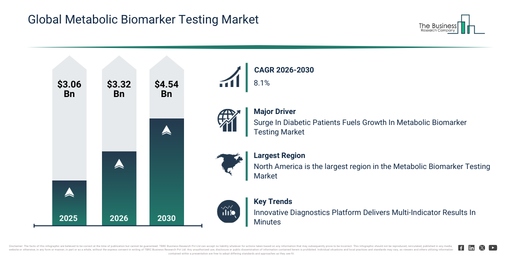
    The metabolic biomarker testing market has experienced robust expansion in recent times. This market is projected to expand from $3.06 billion in 2025 to reach $3.32 billion in 2026, demonstrating a compound annual growth rate (CAGR) of 8.5%. The historical expansion of this sector can be attributed to several factors, including improvements in analytical chemistry methods, the rising prevalence of chronic and metabolic conditions, greater utilization of laboratory diagnostic tools, an increase in clinical research endeavors, and the accessibility of high-throughput testing systems.

    The metabolic biomarker testing market is projected to experience substantial expansion in the coming years. By 2030, its value is anticipated to reach $4.54 billion, demonstrating a compound annual growth rate (CAGR) of 8.1%. This anticipated growth throughout the forecast period stems from several factors, including the escalating demand for tailored healthcare solutions, augmented investments in precise diagnostic tools, the broadening scope of preventive health screening initiatives, the expanding application of AI-powered data interpretation, and heightened partnerships between diagnostic firms and pharmaceutical enterprises. Significant trends expected during this period involve the increasing uptake of metabolomics-based diagnostics, the growing application of biomarkers within personalized medicine, the deepening integration of sophisticated analytical methods, the wider deployment of applications for early disease identification, and a stronger emphasis on clinical decision-making driven by data.

    Access Your Free Sample Report For In-Depth Market Analysis:

    https://www.thebusinessresearchcompany.com/sample.aspx?id=20573&type=smp

    What Leading Drivers Are Supporting The Metabolic Biomarker Testing Market Expansion?

    The increasing occurrence of diabetes is projected to fuel the expansion of the metabolic biomarker testing market in the future. Diabetes, a chronic ailment, is defined by elevated blood glucose levels, resulting from the body’s impaired capacity to generate or utilize insulin effectively. The surge in diabetes cases stems from inadequate dietary habits, particularly the significant intake of processed foods and sweetened beverages, alongside inactive lifestyles marked by limited physical movement. Furthermore, an older demographic and a familial background of diabetes heighten the risk, suggesting a genetic susceptibility. Through offering molecular-level insights into metabolic functions and irregularities, metabolic biomarker testing assists in the diagnosis, tracking, and treatment of metabolic conditions like diabetes. For example, data from April 2025, provided by the International Diabetes Federation (IDF), a Belgium-based diabetes advocacy group, revealed that the global count of adults (aged 20–79 years) afflicted with diabetes reached 589 million, marking a substantial increase from previous years, and this total is forecast to escalate to 853 million by 2050. Consequently, the escalating prevalence of diabetes is set to drive the expansion of the metabolic biomarker testing market.

    Which Segments Define The Metabolic Biomarker Testing Market Segment Structure?

    The metabolic biomarker testing market covered in this report is segmented –

    1) By Type: Separation Techniques, Detection Techniques, Other Types

    2) By Indication: Cancer, Cardiovascular Disorders, Neurological Disorders, Inborn Errors Of Metabolism, Other Indications

    3) By Application: Drug Assessment, Nutrigenomics, Toxicology Testing, Personalized Medicine, Other Applications

    4) By End User: Pharma And Biotech Companies, Diagnostic Tool Companies, Clinical Laboratories

    Subsegments:

    1) By Separation Techniques: Chromatography, Capillary Electrophoresis, Mass Spectrometry (MS), Liquid-Liquid Extraction, Solid-Phase Extraction

    2) By Detection Techniques: Enzyme-Linked Immunosorbent Assay (ELISA), Fluorescence-Based Detection, Electrochemical Detection, Nuclear Magnetic Resonance (NMR), Immunoassays

    3) By Other Types: Metabolomics Profiling, Spectroscopy Techniques

    What Emerging Trends Are Seen In The Metabolic Biomarker Testing Market?

    Leading companies in the metabolic biomarker testing market are concentrating on developing innovative solutions, such as lab-quality home blood testing platforms, to satisfy the growing demand for convenient, accurate, and timely metabolic health monitoring. These lab-quality home blood testing platforms are compact, user-friendly devices designed for at-home use, providing results comparable to traditional laboratory tests. For instance, in January 2023, SiPhox Health, Inc., a U.S.-based health technology company, unveiled the world’s first lab-quality home blood testing platform, empowering users to monitor multiple metabolic biomarkers from the convenience of their homes. The platform integrates proprietary technology to guarantee high accuracy, delivers real-time results through a connected application, and supports a broad array of metabolic health assessments, including glucose, lipid profiles, and other key indicators. Its unique combination of lab-grade precision and at-home accessibility facilitates more frequent monitoring, early detection of metabolic disorders, and personalized health management.

    Who Are The Established Players Within The Metabolic Biomarker Testing Market?

    Major companies operating in the metabolic biomarker testing market are Thermo Fisher Scientific Inc., Danaher Corporation, Agilent Technologies Inc., PerkinElmer Inc., bioMérieux S.A., LECO Corporation, Shimadzu Corporation, Waters Corporation, Bio-Rad Laboratories Inc., Bruker Corporation, SCIEX, Promega Corporation, Cayman Chemical Company, Metabolon Inc., Biocrates Life Sciences AG, Human Metabolome Technologies Inc., KineMed Inc., Evosep Biosystems A/S, Creative Proteomics Inc., Lipotype GmbH, Metabolomic Diagnostics Ltd, Stemina Biomarker Discovery Inc., Chenomx Inc., GlycoPath Pty Ltd

    Get The Full Metabolic Biomarker Testing Market Report:

    https://www.thebusinessresearchcompany.com/report/metabolic-biomarker-testing-global-market-report

    Which Region Is The Leading Market For The Metabolic Biomarker Testing Market?

    North America was the largest region in the metabolic biomarker testing market in 2025. The regions covered in the metabolic biomarker testing market report are Asia-Pacific, South East Asia, Western Europe, Eastern Europe, North America, South America, Middle East, Africa.

    Request A Customized Metabolic Biomarker Testing Market Report For Competitive Insights:

    https://www.thebusinessresearchcompany.com/report/metabolic-biomarker-testing-global-market-report

    Browse Through More Reports Similar to the Global Metabolic Biomarker Testing Market 2026, By The Business Research Company

    Tumor Ablation Therapy Devices Market Report 2026

    https://www.thebusinessresearchcompany.com/report/tumor-ablation-therapy-devices-global-market-report

    Radiotherapy Devices Market Report

    https://www.thebusinessresearchcompany.com/report/radiotherapy-devices-global-market-report

    Cells Therapy Market Report

    https://www.thebusinessresearchcompany.com/report/cells-therapy-global-market-report

    Get in touch with us:

    The Business Research Company: https://www.thebusinessresearchcompany.com/

    Americas +1 310-496-7795

    Asia +44 7882 955267 & +91 8897263534

    Europe +44 7882 955267

    Email us at info@tbrc.info

    Follow us on:

    LinkedIn: https://in.linkedin.com/company/the-business-research-company

    YouTube: https://www.youtube.com/channel/UC24_fI0rV8cR5DxlCpgmyFQ

    Global Market Model: https://www.thebusinessresearchcompany.com/global-market-model
  • Mesotherapy Market Growth Forecast Reaching $1.03 Billion By 2030 At 10.3% CAGR

    Mesotherapy Market Growth Forecast Reaching $1.03 Billion By 2030 At 10.3% CAGR

    The Business Research Company’s 2026 market reports feature enhanced tools like market attractiveness analysis, TAM assessment, and company scoring matrices, along with interactive dashboards, deeper supply chain insights, and startup coverage strengthening the depth, usability, and strategic value of insights.

    What Is The Estimated Market Size Of The Mesotherapy Market In 2026, And How Will Its Value Evolve By 2030?

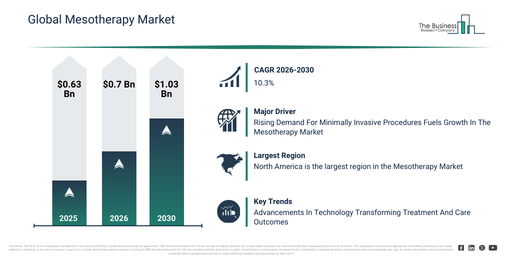
    The mesotherapy market size has seen rapid expansion lately. This market is projected to expand from $0.63 billion in 2025 to $0.7 billion in 2026, achieving a compound annual growth rate (CAGR) of 10.6%. The historical expansion of this market can be linked to heightened awareness in cosmetic dermatology, a rise in disposable incomes, greater social acceptance of aesthetic treatments, the proliferation of dermatology clinics, and the availability of trained aesthetic professionals.

    The mesotherapy market is projected to experience substantial expansion over the coming years, reaching $1.03 billion by 2030, with a compound annual growth rate (CAGR) of 10.3%. This anticipated growth during the forecast period is fueled by several factors, including the rising need for tailored aesthetic solutions, advancements in injectable product innovation, the expansion of medical tourism for cosmetic purposes, a greater emphasis on proactive skin care, and the wider integration of technology-enabled aesthetic instruments. Key trends expected during this period encompass a heightened demand for aesthetic procedures that are minimally invasive, an increased application of customized mesotherapy preparations, the proliferation of non-surgical options for fat reduction, a stronger emphasis on solutions for skin rejuvenation and anti-aging, and greater utilization of sophisticated mesotherapy equipment.

    Access Your Free Sample Report For In-Depth Market Analysis:

    https://www.thebusinessresearchcompany.com/sample.aspx?id=19583&type=smp

    Which Key Factors Are Driving The Mesotherapy Market Growth?

    The future expansion of the mesotherapy market is anticipated to be fueled by the rising preference for minimally invasive procedures. These procedures are medical approaches utilizing minor cuts or non-surgical means to conduct operations or treatments, leading to less tissue harm, quicker recuperation, and diminished post-operative discomfort when contrasted with conventional surgery. Their increase can be attributed to progress in medical technology, patients’ desire for swifter healing and less intrusive options, and the growing occurrence of long-term health issues for which these techniques are beneficial. Mesotherapy is integrated into minimally invasive approaches through targeted injections of potent ingredients into the skin’s middle layer, effectively tackling cosmetic and health concerns with slight discomfort and without requiring prolonged recovery. As an illustration, data from February 2024, provided by the American Academy of Facial Plastic and Reconstructive Surgery, a US-based non-profit body, indicated that around 83% of all medical interventions carried out in 2023 were minimally invasive, while traditional surgical methods constituted the remaining 17%. Furthermore, in 2023, statistics from the American Society of Plastic Surgeons, a US-based specialty group, showed that the overall count of cosmetic minimally invasive procedures rose from 23.7 million in 2022 to 25.4 million in 2023. Consequently, the expanding consumer preference for minimally invasive procedures is propelling the mesotherapy market’s expansion.

    How Is The Mesotherapy Market Segmented Across Different Segment Categories?

    The mesotherapy market covered in this report is segmented –

    1) By Type: Mesotherapy Solutions, Mesotherapy Masks, Mesotherapy Creams, Mesotherapy Devices, Other Types

    2) By Application: Anti-Aging, Facial Rejuvenation, Stretch Marks, Acne And Scar Treatment, Fat Loss, Hair Loss, Other Applications

    3) By End-Use: Hospitals, Dermatology Clinics And Cosmetic Clinics, Clinics, Online Sales, Other End-Uses

    Subsegments:

    1) By Mesotherapy Solutions: Injectable Mesotherapy Solutions, Hyaluronic Acid-Based Solutions, Vitamin and Mineral Infusions, Fat Dissolving Solutions, Anti-Aging Mesotherapy Solutions

    2) By Mesotherapy Masks: Hydrating Mesotherapy Masks, Brightening Mesotherapy Masks, Anti-Aging Mesotherapy Masks, Detoxifying Mesotherapy Masks, Rejuvenating Mesotherapy Masks

    3) By Mesotherapy Creams: Anti-Aging Creams, Skin Tightening Creams, Moisturizing Mesotherapy Creams, Whitening and Brightening Creams, Targeted Treatment Creams

    4) By Mesotherapy Devices: Electroporation Devices, Micro-Needling Devices, Mesotherapy Guns, Ultrasound Devices for Mesotherapy, Radiofrequency Devices

    5) By Other Types: Combination Mesotherapy Products, Customized Mesotherapy Formulations, Mesotherapy for Hair Loss, Mesotherapy for Cellulite Reduction, Mesotherapy for Body Contouring.

    Which Trends Are Guiding The Direction Of The Mesotherapy Market?

    Leading companies within the mesotherapy market are dedicating efforts to creating sophisticated solutions, such as deep skin hydration and volumizing therapies. These advancements aim to elevate skin rejuvenation, enhance anti-aging outcomes, and address the increasing demand for minimally invasive aesthetic treatments. Deep skin hydration refers to procedures that introduce moisture and water-binding substances, like hyaluronic acid, directly into the deeper layers of the skin (dermis), rather than merely the surface, thereby boosting overall skin plumpness, suppleness, and elasticity. For instance, in December 2024, Maypharm Co. Ltd., a South Korea-based dermo-cosmetic company, unveiled Hyalmass Aqua-Exosome. This advanced hybrid mesotherapy filler is formulated with hyaluronic acid, exosomes, and PDRN to improve skin hydration, elasticity, and cellular regeneration. Packaged in prefilled sterile syringes for accurate and hygienic administration, the product harnesses exosome-mediated fibroblast stimulation and PDRN-driven tissue repair to promote collagen production, accelerate skin healing, and deliver rejuvenation effects that are more prolonged than conventional surface-level hydration treatments.

    Which Organizations Play A Role In The Mesotherapy Market Landscape?

    Major companies operating in the mesotherapy market are InMode Ltd., Thermage, Sientra Inc., SkinMedica, Koru Pharmaceuticals Co. Ltd., FILORGA, Aquavit Pharmaceuticals Inc., Dr. Korman Laboratories Ltd., Simildiet Laboratories, Neauvia, Fusion Meso, Toskani Cosmetics, Dermoaroma Italy srl, Messoessence, Institute BCN, Dermaqual, Revitacare, Revolution Aesthetic, HB Aesthetics Group SA, Ostar Beauty Sci-Tech Co. Ltd., MD Skin Solutions, Mesotech International Inc.

    Get The Full Mesotherapy Market Report:

    https://www.thebusinessresearchcompany.com/report/mesotherapy-global-market-report

    Where Is The Mesotherapy Market Primarily Concentrated By Region?

    North America was the largest region in the mesotherapy market in 2025. Asia-Pacific is expected to be the fastest-growing region in the forecast period. The regions covered in the mesotherapy market report are Asia-Pacific, South East Asia, Western Europe, Eastern Europe, North America, South America, Middle East, Africa.

    Request A Customized Mesotherapy Market Report For Competitive Insights:

    https://www.thebusinessresearchcompany.com/report/mesotherapy-global-market-report

    Browse Through More Reports Similar to the Global Mesotherapy Market 2026, By The Business Research Company

    Human Embryonic Stem Cells Market Report 2026

    https://www.thebusinessresearchcompany.com/report/human-embryonic-stem-cells-global-market-report

    Stem Cell Manufacturing Market Report

    https://www.thebusinessresearchcompany.com/report/stem-cell-manufacturing-global-market-report

    Stem Cells Therapy Market Report

    https://www.thebusinessresearchcompany.com/report/stem-cells-therapy-global-market-report

    Get in touch with us:

    The Business Research Company: https://www.thebusinessresearchcompany.com/

    Americas +1 310-496-7795

    Asia +44 7882 955267 & +91 8897263534

    Europe +44 7882 955267

    Email us at info@tbrc.info

    Follow us on:

    LinkedIn: https://in.linkedin.com/company/the-business-research-company

    YouTube: https://www.youtube.com/channel/UC24_fI0rV8cR5DxlCpgmyFQ

    Global Market Model: https://www.thebusinessresearchcompany.com/global-market-model
  • Mesenchymal Stem Cells Market Revenue Expected To Reach $6.53 Billion By 2030 At 11.1% CAGR

    Mesenchymal Stem Cells Market Revenue Expected To Reach $6.53 Billion By 2030 At 11.1% CAGR

    The Business Research Company’s 2026 market reports feature enhanced tools like market attractiveness analysis, TAM assessment, and company scoring matrices, along with interactive dashboards, deeper supply chain insights, and startup coverage strengthening the depth, usability, and strategic value of insights.

    How Does The Market Size Of The Mesenchymal Stem Cells Market Compare Between 2026 And 2030?

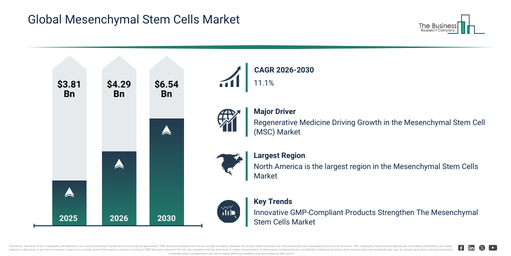
    The mesenchymal stem cells market size has experienced rapid growth in recent years. Its value is anticipated to rise from $3.81 billion in 2025 to $4.29 billion in 2026, at a compound annual growth rate (CAGR) of 12.6%. This historical expansion can be linked to factors such as the increasing prevalence of chronic diseases, the early adoption of stem cell-based therapies, a surge in stem cell research funding, the expansion of cord blood banking facilities, and initial advancements in cell isolation technologies.

    The market for mesenchymal stem cells is projected to experience swift expansion over the coming years. This market is anticipated to reach $6.54 billion by 2030, exhibiting a compound annual growth rate (CAGR) of 11.1%. This projected growth during the forecast period stems from factors such as increasing demand for regenerative medicine, the growing commercialization of allogeneic therapies, the evolution of sophisticated cell culture systems, the expansion of personalized stem cell treatments, and heightened investment in clinical trials. Key trends foreseen in this period encompass progress in regenerative medicine development, the application of AI for stem cell characterization, automated bioprocessing and cell expansion techniques, cloud-integrated data platforms for MSC research, and the proliferation of sustainable cell culture technologies.

    Access Your Free Sample Report For In-Depth Market Analysis:

    https://www.thebusinessresearchcompany.com/sample.aspx?id=16116&type=smp

    What Primary Drivers Are Shaping The Mesenchymal Stem Cells Market?

    Increasing recognition of regenerative medicine is anticipated to drive the expansion of the mesenchymal stem cells (MSC) market in the future. This burgeoning interdisciplinary area, regenerative medicine, is dedicated to mending, substituting, or renewing cells, tissues, or organs to reinstate compromised functionality stemming from various origins, such as congenital issues, illnesses, injuries, and the aging process. The rise of regenerative medicine can be attributed to several significant factors, including an increase in clinical trials, the rising prevalence of chronic conditions, age-related ailments, and advancements in personalized medicine. Mesenchymal stem cells (MSCs) present considerable promise within regenerative medicine, owing to their capacity to differentiate into various cell types, regulate immune reactions, and foster tissue repair and regeneration across numerous medical conditions. For example, a report from the US-based non-profit Alliance for Regenerative Medicine in August 2023 indicated that the global count of cells, gene, and tissue-engineering therapeutic developers reached 2,760 in Q1 2023, representing a 101% increase from 1,369 in Q1 2022. Additionally, a report released in July 2023 by the American Society of Gene & Cell Therapy (ASGCT), a US-based professional membership organization, and Citeline, a US-based drugs and devices provider, noted that while 247 gene therapies were in Phase II at the close of Q1 2023, this figure saw a 5% increase, reaching 260 by the end of Q2. Consequently, heightened awareness concerning regenerative medicine is fueling the expansion of the mesenchymal stem cell (MSC) market.

    What Are The Main Segments Within The Mesenchymal Stem Cells Market Segment Structure?

    The mesenchymal stem cells market covered in this report is segmented –

    1) By Type: Autologous, Allogeneic

    2) By Materials And Tools: Cells And Cell Lines, Kits, Media And Reagents, Other Materials And Tools

    3) By Workflow Type: Cell Sourcing And Isolation, Culture And Cryopreservation, Differentiation, Characterization

    4) By Indication: Bone And Cartilage Repair, Cardiovascular Diseases, Inflammatory And Immunological Diseases, Liver Diseases, Cancer, GvHD, Other Indications

    5) By Application: Disease Modeling, Drug Development And Discovery, Stem Cell Banking, Tissue Engineering, Toxicology Studies, Other Applications

    Subsegments:

    1) By Autologous: Bone Marrow-Derived, Adipose Tissue-Derived, Cord Blood-Derived, Peripheral Blood-Derived

    2) By Allogeneic: Bone Marrow-Derived, Umbilical Cord-Derived, Placental-Derived, Induced Pluripotent Stem Cells (iPSCs) Derived, Wharton’s Jelly-Derived

    What Trends Are Affecting The Growth Of The Mesenchymal Stem Cells Market?

    Major companies operating in the mesenchymal stem cells (MSCs) market are embracing innovative technologies, such as GMP-compliant isolation, to solidify their market position. GMP (Good Manufacturing Practice)-compliant isolation describes the method of separating cells, including mesenchymal stem cells (MSCs), according to GMP regulations to ensure consistent manufacturing and control of product quality. For instance, in July 2023, PromoCell, a Germany-based biotechnology company, announced the unveiling of PromoExQ MSC Growth Medium XF, a serum- and xeno-free medium specifically designed for expanding human mesenchymal stem cells (MSCs) in a Good Manufacturing Practice (GMP)-regulated environment. This medium is produced under the most stringent quality standards and is certified by the EXCiPACT GMP certification scheme, which guarantees the reliable growth and maintenance of MSCs from various sources like bone marrow, umbilical cord matrix, and adipose tissue.

    Who Are The Companies Participating In The Mesenchymal Stem Cells Market?

    Major companies operating in the mesenchymal stem cells market are Thermo Fischer Scientific Inc., Danaher Corporation, Merck KgaA, Becton, Dickinson, and Company, Fujifilm Holdings Corporation, Corning Inc., Daiichi Sankyo, Lonza Group, Terumo Corporation, Sartorius AG, Getinge AB, Bio-Rad Laboratories, Eppendorf AG, Bio-Techne Corporation, STEMCELL Technologies Inc., Miltenyi Biotec GmBH, Takara Bio Group, Organogenesis Holdings Inc., Vericel Corporation, HiMedia Laboratories, PromoCell GmbH, CellGenix GmBH, Anterogen Co. Ltd., Pluristem Therapeutics Inc., American Cryostem Corporation

    Get The Full Mesenchymal Stem Cells Market Report:

    https://www.thebusinessresearchcompany.com/report/mesenchymal-stem-cells-global-market-report

    Which Region Has The Greatest Market Share In The Mesenchymal Stem Cells Market?

    North America was the largest region in the mesenchymal stem cells market in 2025. Asia-Pacific is expected to be the fastest-growing region in the forecast period. The regions covered in the mesenchymal stem cells market report are Asia-Pacific, South East Asia, Western Europe, Eastern Europe, North America, South America, Middle East, Africa.

    Request A Customized Mesenchymal Stem Cells Market Report For Competitive Insights:

    https://www.thebusinessresearchcompany.com/report/mesenchymal-stem-cells-global-market-report

    Browse Through More Reports Similar to the Global Mesenchymal Stem Cells Market 2026, By The Business Research Company

    Cells Therapy Market Report 2026

    https://www.thebusinessresearchcompany.com/report/cells-therapy-global-market-report

    Solid Tumor Cancer Treatment Market Report

    https://www.thebusinessresearchcompany.com/report/solid-tumor-cancer-treatment-global-market-report

    Basal Cell Carcinoma Treatment Market Report

    https://www.thebusinessresearchcompany.com/report/basal-cell-carcinoma-treatment-global-market-report

    Get in touch with us:

    The Business Research Company: https://www.thebusinessresearchcompany.com/

    Americas +1 310-496-7795

    Asia +44 7882 955267 & +91 8897263534

    Europe +44 7882 955267

    Email us at info@tbrc.info

    Follow us on:

    LinkedIn: https://in.linkedin.com/company/the-business-research-company

    YouTube: https://www.youtube.com/channel/UC24_fI0rV8cR5DxlCpgmyFQ

    Global Market Model: https://www.thebusinessresearchcompany.com/global-market-model
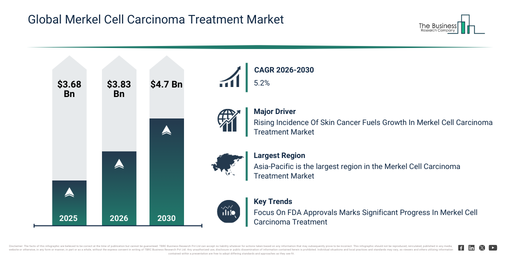
  • Global Merkel Cell Carcinoma Treatment Market Projected To Reach $4.69 Billion By 2030 At 5.2% CAGR

    Global Merkel Cell Carcinoma Treatment Market Projected To Reach $4.69 Billion By 2030 At 5.2% CAGR

    The Business Research Company’s 2026 market reports feature enhanced tools like market attractiveness analysis, TAM assessment, and company scoring matrices, along with interactive dashboards, deeper supply chain insights, and startup coverage strengthening the depth, usability, and strategic value of insights.

    What Is The Forecasted Market Size Trajectory Of The Merkel Cell Carcinoma Treatment Market From 2026 To 2030?

    The merkel cell carcinoma treatment market size has demonstrated consistent expansion in recent years. It is forecast to grow from $3.68 billion in 2025 to $3.83 billion in 2026, registering a compound annual growth rate (CAGR) of 4.1%. Historically, this growth can be attributed to several factors, including an increased prevalence of rare skin cancers, the prompt embrace of immunotherapy, enhancements in diagnostic imaging, advancements in surgical procedures, and heightened public knowledge regarding the risks associated with ultraviolet radiation.

    The merkel cell carcinoma treatment market is anticipated to show significant expansion over the coming years, with its size projected to reach $4.7 billion by 2030, exhibiting a compound annual growth rate (CAGR) of 5.2%. This growth in the outlook period is primarily driven by factors such as the increasing development of targeted treatment pipelines, a surge in investment within oncology research and development, the creation of combination immunotherapies, better access to specialized cancer centers, and the integration of AI-driven diagnostic technologies. Significant trends for the forecast duration encompass the expansion of precision oncology for rare skin cancers, AI-enhanced capabilities for early detection and diagnostic support, the proliferation of digital pathology and cloud-based data platforms, the incorporation of advanced radiotherapy techniques, and the utilization of virtual simulation tools in planning treatments.

    Access Your Free Sample Report For In-Depth Market Analysis:

    https://www.thebusinessresearchcompany.com/sample.aspx?id=12868&type=smp

    Which Major Drivers Are Influencing The Expansion Of The Merkel Cell Carcinoma Treatment Market?

    The rising occurrence of skin cancer cases is projected to drive expansion within the cell carcinoma treatment market moving forward. Skin cancer is characterized as a specific malignancy that originates within the skin’s cells. It develops when normal skin cells undergo genetic alterations, leading to their uncontrolled proliferation and the formation of malignant tumors. Merkel cell carcinoma (MCC) is closely linked to skin cancer, being a rare yet aggressive form that typically develops from Merkel cells, which are specialized skin cells responsible for touch sensation. For instance, in January 2023, data from the American Cancer Society Inc., a US-based voluntary health organization, indicated approximately 97,610 new melanoma cases and an anticipated 7,990 fatalities in the US during 2023. Furthermore, according to Melanoma UK, a UK-based charity organization, and the WHO (World Health Organization), by 2025, there will be a 9% increase in melanoma skin cancer cases, with nearly 22,886 individuals expected to be diagnosed with melanoma skin cancer by 2040. Consequently, the growing incidence rate of skin cancer cases is a significant factor boosting the growth of the Merkel cell carcinoma treatment market.

    How Is Segmentation Applied In The Merkel Cell Carcinoma Treatment Market Segment Analysis?

    The merkel cell carcinoma treatment market covered in this report is segmented –

    1) By Diagnosis: Physical Examination, Sentinel Node Biopsy, Imaging Test

    2) By Therapy: Surgical Excision, Micrographic Surgery, Radiation, Chemotherapy, Other Therapies

    3) By Route Of Administration: Oral, Parenteral

    4) By Distribution Channel: Hospital Pharmacy, Online Pharmacy, Retail Pharmacy

    5) By End User: Hospitals, Homecare, Specialty Centers, Other End Users

    Subsegments:

    1) By Physical Examination: Skin Examination, Lymph Node Assessment, Medical History Review

    2) By Sentinel Node Biopsy: Injection Of Tracer Dye, Removal Of Sentinel Lymph Nodes, Pathological Analysis

    3) By Imaging Test: CT Scan, MRI Scan, PET Scan, Ultrasound, X-Ray

    Which Trends Are Shaping The Merkel Cell Carcinoma Treatment Market?

    Leading companies within the Merkel cell carcinoma treatment market are concentrating on launching innovative products and securing their approval to gain a competitive edge. Product approvals are a critical component of the Merkel cell carcinoma treatment industry, guaranteeing the safety and effectiveness of medical devices and drugs. For instance, in March 2023, Incyte Corporation, a US-based biopharmaceutical company, announced the FDA (Food and Drug Administration) approval of Zynyz (retifanlimab-dlwr). This humanized monoclonal antibody, which targets the programmed death receptor-1 (PD-1), is approved for treating individuals with locally advanced Merkel cell carcinoma (MCC) that has spread or returned. The approval of Zynyz offers healthcare providers additional first-line treatment options against Merkel cell carcinoma, capable of producing durable responses in patients with metastatic disease. ZYNYZ is to be administered as a 500 mg intravenous infusion over 30 minutes every four weeks until the disease progresses, intolerable toxicity occurs, or up to 24 months have elapsed.

    Who Are The Companies Participating In The Merkel Cell Carcinoma Treatment Market Environment?

    Major companies operating in the merkel cell carcinoma treatment market are Pfizer Inc., Johnson & Johnson Private Limited, F. Hoffmann-La Roche AG, Janssen Pharmaceuticals Inc., AbbVie Inc., Novartis AG, Bayer AG, Sanofi S.A., Bristol-Myers Squibb Company, Eli Lilly and Company, Amgen Inc., Merck KGaA, Teva Pharmaceutical Industries Ltd., Regeneron Pharmaceuticals Inc., Ono Pharmaceutical Co Ltd, Millennium Pharmaceuticals Inc., Seattle Genetics Inc., Lupin Ltd., BeiGene Ltd, Siemens AG, Canon Medical Systems Corporation, NantKwest Inc., Immune Design Corporation, Oncovir Inc., ImmunityBio Inc., OncoSec Medical Inc.

    Get The Full Merkel Cell Carcinoma Treatment Market Report:

    https://www.thebusinessresearchcompany.com/report/merkel-cell-carcinoma-treatment-global-market-report

    Which Region Accounts For The Largest Portion Of The Merkel Cell Carcinoma Treatment Market?

    Asia-Pacific was the largest region in the merkel cell carcinoma treatment market in 2025. Europe is expected to be the fastest-growing region in the forecast period. The regions covered in the merkel cell carcinoma treatment market report are Asia-Pacific, South East Asia, Western Europe, Eastern Europe, North America, South America, Middle East, Africa.

    Request A Customized Merkel Cell Carcinoma Treatment Market Report For Competitive Insights:

    https://www.thebusinessresearchcompany.com/report/merkel-cell-carcinoma-treatment-global-market-report

    Browse Through More Reports Similar to the Global Merkel Cell Carcinoma Treatment Market 2026, By The Business Research Company

    Health And Wellness Market Report 2026

    https://www.thebusinessresearchcompany.com/report/health-and-wellness-global-market-report

    Mental Health Market Report

    https://www.thebusinessresearchcompany.com/report/mental-health-global-market-report

    Corporate Wellness Market Report

    https://www.thebusinessresearchcompany.com/report/corporate-wellness-global-market-report

    Get in touch with us:

    The Business Research Company: https://www.thebusinessresearchcompany.com/

    Americas +1 310-496-7795

    Asia +44 7882 955267 & +91 8897263534

    Europe +44 7882 955267

    Email us at info@tbrc.info

    Follow us on:

    LinkedIn: https://in.linkedin.com/company/the-business-research-company

    YouTube: https://www.youtube.com/channel/UC24_fI0rV8cR5DxlCpgmyFQ

    Global Market Model: https://www.thebusinessresearchcompany.com/global-market-model
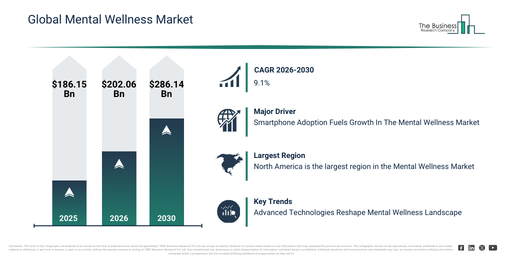
  • Mental Wellness Market Growth Expected To Reach $286.13 Billion By 2030 At 9.1% CAGR

    Mental Wellness Market Growth Expected To Reach $286.13 Billion By 2030 At 9.1% CAGR

    The Business Research Company’s 2026 market reports feature enhanced tools like market attractiveness analysis, TAM assessment, and company scoring matrices, along with interactive dashboards, deeper supply chain insights, and startup coverage strengthening the depth, usability, and strategic value of insights.

    How Much Will The Market Value Of The Mental Wellness Market Grow Between 2026 And 2030?

    The mental wellness market has experienced robust growth in recent years. It is projected to expand from $186.15 billion in 2025 to $202.06 billion in 2026, achieving a compound annual growth rate (CAGR) of 8.6%. This historical growth can be attributed to factors such as increasing awareness of mental health, the expansion of counseling services, a rising prevalence of anxiety disorders, the early adoption of meditation programs, and the broadening reach of wellness applications.

    The mental wellness market is projected to experience robust expansion over the coming years. Its value is anticipated to reach $286.14 billion by 2030, exhibiting a compound annual growth rate (CAGR) of 9.1%. This anticipated growth during the forecast period can be largely ascribed to progress in digital therapeutics, an increase in funding for mental health startups, the widespread use of remote therapy options, the incorporation of wearable devices for mental health tracking, and governmental backing for mental health programs. Key trends expected within this period encompass the development of AI-powered mental health assessment tools, the proliferation of digital therapy and cloud-based counseling platforms, the integration of IoT-enabled mental wellness gadgets, the emergence of AR/VR for immersive stress reduction and mindfulness practices, and the broadening of personalized genomic-based mental wellness initiatives.

    Access Your Free Sample Report For In-Depth Market Analysis:

    https://www.thebusinessresearchcompany.com/sample.aspx?id=10519&type=smp

    What Key Drivers Are Fueling The Growth Of The Mental Wellness Market?

    The mental wellness market is anticipated to expand due to the rising embrace of smartphones. Smartphone adoption describes the percentage of people who possess and actively utilize these devices for various functions like communication, accessing information, and digital services. Factors contributing to this increasing adoption include the wider reach of 4G and 5G networks, reduced costs of devices, and greater dependence on mobile platforms for daily activities. This widespread use of smartphones benefits the mental wellness market by offering constant availability of mental health applications, self-care instruments, online therapy sessions, and digital support networks, all of which contribute to improved psychological well-being. A relevant example shows that in April 2024, Ofcom, a U.K.-based government communications regulator, reported that 94% of U.K. adults owned a smartphone in 2023, which represents 0.064 billion users, demonstrating extensive mobile adoption that facilitates broader digital mental wellness engagement. Consequently, the uptick in smartphone adoption is propelling the expansion of the mental wellness market.

    What Segment Categories Shape The Mental Wellness Market Segment Landscape?

    The mental wellness market covered in this report is segmented –

    1) By Type: Senses Spaces, Sleep, Brain Boosting Nutraceuticals And Botanicals, Self-Improvement, Meditation And Mindfulness

    2) By Service: Emergency Mental Health Services, Outpatient Counselling, Home-Based Treatment Services, Inpatient Hospital Treatment Services, Other Services

    3) By Age: Adult, Geriatric, Teenager

    4) By Disorder: Depression, Anxiety, Schizophrenia, Substance Use Disorder, Bipolar Disorder, Alcohol Use Disorder, Post-Traumatic Stress Disorder, Eating Disorder, Other Disorder

    Subsegments:

    1) By Senses Spaces: Aromatherapy Products, Sound Therapy Solutions, Light Therapy Devices

    2) By Sleep: Sleep Aids And Supplements, Sleep Tracking Devices, Sleep Environment Enhancements

    3) By Brain Boosting Nutraceuticals And Botanicals: Nootropics, Herbal Supplements, Omega-3 Fatty Acids

    4) By Self-Improvement: Personal Development Courses, Coaching And Mentoring Services, Journaling And Self-Reflection Tools

    5) By Meditation And Mindfulness: Guided Meditation Apps, Mindfulness Training Programs, Breathing Exercises And Tools

    What Trends Are Influencing The Mental Wellness Market?

    Leading organizations within the global mental wellness market are concentrating their efforts on creating sophisticated digital solutions, such as device-integrated mood-tracking and mental-wellness platforms, designed to assist users in monitoring their emotional states, managing stress, and enhancing their overall daily psychological well-being. Specifically, these device-integrated platforms are smartphone- and wearable-based systems that gather user-reported emotional data, analyze underlying trends, and offer tailored well-being insights to bolster mental resilience and facilitate the early detection of stress patterns. As an illustration, in June 2023, Apple Inc., a US-based technology company, introduced its State of Mind mental-wellness tracking feature with the iOS 17 and watchOS 10 updates. This functionality allows users to record their momentary and daily moods, gain mental-health insights derived from trends and patterns, and access clinically informed educational resources, thereby supporting proactive mental-wellness management directly through the Health app.

    Who Are The Companies Operating Across The Mental Wellness Market Value Chain?

    Major companies operating in the mental wellness market are CVS Health Corporation, Ascension Health Alliance, BetterHelp Inc., Vitality Group Holdings Limited, Pyramid Healthcare Inc., Calm.com Inc., Virgin Pulse Inc., Headspace Inc., CareTech Holdings Inc., Acadia Healthcare Company Inc., Behavioral Health Network Inc., CuraLinc Healthcare LLC, Promises Behavioral Health LLC, Amare Global LLC, Castlight Health Inc., Happify Health Inc., Wellsource Inc., HealthCheck360 LLC, Sanvello Health Inc., Flow Neuroscience AB, LifeDojo Inc., Prosoma Inc., Clementine Holdings Inc., Sesh Labs Inc.

    Get The Full Mental Wellness Market Report:

    https://www.thebusinessresearchcompany.com/report/mental-wellness-global-market-report

    Which Region Holds The Highest Market Share In The Mental Wellness Market?

    North America was the largest region in the mental wellness market in 2025. The regions covered in the mental wellness market report are Asia-Pacific, South East Asia, Western Europe, Eastern Europe, North America, South America, Middle East, Africa.

    Request A Customized Mental Wellness Market Report For Competitive Insights:

    https://www.thebusinessresearchcompany.com/report/mental-wellness-global-market-report

    Browse Through More Reports Similar to the Global Mental Wellness Market 2026, By The Business Research Company

    Behavioral And Mental Health Software Market Report 2026

    https://www.thebusinessresearchcompany.com/report/behavioral-and-mental-health-software-global-market-report

    Mental Health Market Report

    https://www.thebusinessresearchcompany.com/report/mental-health-global-market-report

    Behavioral Health Software Market Report

    https://www.thebusinessresearchcompany.com/report/behavioral-health-software-global-market-report

    Get in touch with us:

    The Business Research Company: https://www.thebusinessresearchcompany.com/

    Americas +1 310-496-7795

    Asia +44 7882 955267 & +91 8897263534

    Europe +44 7882 955267

    Email us at info@tbrc.info

    Follow us on:

    LinkedIn: https://in.linkedin.com/company/the-business-research-company

    YouTube: https://www.youtube.com/channel/UC24_fI0rV8cR5DxlCpgmyFQ

    Global Market Model: https://www.thebusinessresearchcompany.com/global-market-model
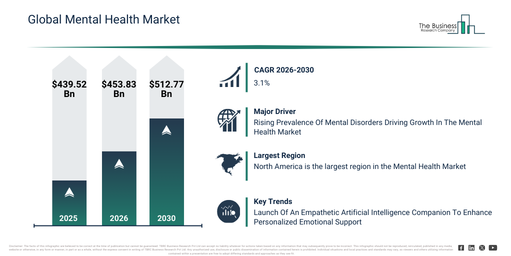
  • Global Mental Health Clinical Trials Market Analysis 2026–2030 Featuring Strategic Insights

    Global Mental Health Clinical Trials Market Analysis 2026–2030 Featuring Strategic Insights

    The Business Research Company’s 2026 market reports feature enhanced tools like market attractiveness analysis, TAM assessment, and company scoring matrices, along with interactive dashboards, deeper supply chain insights, and startup coverage strengthening the depth, usability, and strategic value of insights.

    By 2030, What Market Size Is The Mental Health Clinical Trials Market Expected To Reach Based On Its 2026 Value?

    The market for mental health clinical trials has experienced robust expansion in recent years. This market is projected to expand from $3.23 billion in 2025 to $3.52 billion in 2026, demonstrating a compound annual growth rate (CAGR) of 8.9%. Historically, this growth was driven by several factors, including the rising incidence of mental health disorders, the broadening of pharmaceutical research and development pipelines, heightened public awareness concerning mental health conditions, an increase in funding for clinical research, and a greater adoption of standardized diagnostic criteria.

    The mental health clinical trials market is poised for significant expansion in the foreseeable future. It is projected to reach $4.89 billion by 2030, with a compound annual growth rate (CAGR) of 8.6%. This anticipated growth during the forecast period stems from factors such as the greater acceptance of digital mental health interventions, an uptick in investments in personalized psychiatry research, the broadening of global mental health trial networks, enhanced regulatory backing for novel trial designs, and the expanded application of data-driven outcome assessment. Noteworthy trends within this period involve the rising adoption of decentralized clinical trial models, increased deployment of digital therapeutics in trials, the growing integration of AI-based tools for patient recruitment, the expansion of remote patient monitoring in studies, and a sharpened focus on the generation of real-world evidence.

    Access Your Free Sample Report For In-Depth Market Analysis:

    https://www.thebusinessresearchcompany.com/sample.aspx?id=27343&type=smp

    What Key Factors Are Affecting The Mental Health Clinical Trials Market Demand?

    The escalating incidence of mental health disorders is projected to stimulate the expansion of the mental health clinical trials market moving forward. Mental health disorders are defined as conditions that considerably impact an individual’s emotions, thought processes, conduct, and overall psychological health. The increase in these disorders is attributed to heightened stress from modern lifestyles, encompassing work pressures, social isolation, and constant digital connectivity. Mental health clinical trials are crucial for improving care by assessing the safety and efficacy of new medications, therapeutic approaches, and behavioral interventions for mental health conditions. For example, in May 2024, the American Psychiatric Association, a US-based non-profit organization, reported that around 43% of adults in the USA were experiencing increased anxiety in 2024, up from 37% in 2023 and 32% in 2022. Thus, the growing prevalence of mental health disorders is a significant catalyst for the growth of the mental health clinical trials market.

    How Are Different Segments Classified In The Mental Health Clinical Trials Market Segment Analysis?

    The mental health clinical trials market covered in this report is segmented –

    1) By Phase: Phase I, Phase II, Phase III, Phase IV

    2) By Study Design: Interventional, Observational, Other Study Designs

    3) By Disorder: Anxiety Disorders, Depression, Bipolar Affective Disorder, Dissociation And Dissociative Disorders, Schizophrenia, Other Disorders

    4) By Sponsor: Pharmaceutical And Biopharmaceutical Companies, Government Agencies, Other Sponsors

    Subsegments:

    1) By Phase I: Single Ascending Dose, Multiple Ascending Dose, First In Human, Pharmacokinetics Studies

    2) By Phase II: Dose Ranging Studies, Proof Of Concept Studies, Randomized Controlled Trials, Open Label Studies

    3) By Phase III: Large Scale Randomized Trials, Multicenter Studies, Comparative Effectiveness Trials, Double Blind Studies

    4) By Phase IV: Post Marketing Surveillance, Long Term Safety Studies, Real World Evidence Studies, Pharmacovigilance Studies

    What Trends Are Influencing Changes In The Mental Health Clinical Trials Market?

    Key players in the mental-health clinical trials market are increasingly concentrating on developing innovative solutions, such as software-enhanced drug therapies, to boost treatment efficacy, personalize patient care, and improve real-world therapeutic outcomes. Software-enhanced drug therapies are treatments that combine traditional medications with clinically validated therapeutic software, helping to improve patient outcomes by tailoring care, enhancing adherence, and offering real-time behavioral or symptom-management support. As an example, in October 2024, Click Therapeutics Inc., a US-based digital therapeutics company, launched Click SE, a new product aimed at pioneering software-enhanced drug therapies that blend prescription software with pharmacotherapy to deliver added clinical benefit and enable novel endpoints in mental-health clinical development. Click SE is a software-centric product family, consisting of regulated mobile and cloud applications built on Click’s AI-enabled DTx platform. It functions by delivering structured therapeutic programs, real-time symptom monitoring, and medication-specific digital support designed to complement a co-prescribed drug. Its unique features include adaptive algorithms that customize content to patient response, integration pathways for pharmacologic dosing schedules, and built-in metrics for objective trial endpoints; its applications cover augmentation of antipsychotics for negative symptoms, adjunctive therapy in depression, and support in substance-use disorders.

    Who Are The Companies Driving Activity In The Mental Health Clinical Trials Market?

    Major companies operating in the mental health clinical trials market are Pfizer Inc., Johnson & Johnson, Merck & Co. Inc., AbbVie Inc., Sanofi S.A., Bristol-Myers Squibb Company, AstraZeneca plc, GSK plc, Eli Lilly and Company, Teva Pharmaceutical Industries Ltd., IQVIA Holdings Inc., Biogen Inc., ICON plc., Parexel International Corporation, CMIC Holdings Co. Ltd., Medpace Holdings Inc., PSI CRO AG., Supernus Pharmaceuticals Inc., Worldwide Clinical Trials, Inc., Ergomed, Celerion Inc., Biotrial S.A.S., Lindus Health Ltd., Novotech Health Holdings Pte Ltd., Precision for Medicine Inc.

    Get The Full Mental Health Clinical Trials Market Report:

    https://www.thebusinessresearchcompany.com/report/mental-health-clinical-trials-global-market-report

    Which Region Dominates The Mental Health Clinical Trials Market By Market Share?

    North America was the largest region in the mental health clinical trials market in 2025. Asia-Pacific is expected to be the fastest-growing region in the forecast period. The regions covered in the mental health clinical trials market report are Asia-Pacific, South East Asia, Western Europe, Eastern Europe, North America, South America, Middle East, Africa.

    Request A Customized Mental Health Clinical Trials Market Report For Competitive Insights:

    https://www.thebusinessresearchcompany.com/report/mental-health-clinical-trials-global-market-report

    Browse Through More Reports Similar to the Global Mental Health Clinical Trials Market 2026, By The Business Research Company

    Elevator And Escalator Market Report 2026

    https://www.thebusinessresearchcompany.com/report/elevator-and-escalator-global-market-report

    Smart Elevators Market Report

    https://www.thebusinessresearchcompany.com/report/smart-elevators-global-market-report

    Iot In Elevators Market Report

    https://www.thebusinessresearchcompany.com/report/iot-in-elevators-global-market-report

    Get in touch with us:

    The Business Research Company: https://www.thebusinessresearchcompany.com/

    Americas +1 310-496-7795

    Asia +44 7882 955267 & +91 8897263534

    Europe +44 7882 955267

    Email us at info@tbrc.info

    Follow us on:

    LinkedIn: https://in.linkedin.com/company/the-business-research-company

    YouTube: https://www.youtube.com/channel/UC24_fI0rV8cR5DxlCpgmyFQ

    Global Market Model: https://www.thebusinessresearchcompany.com/global-market-model
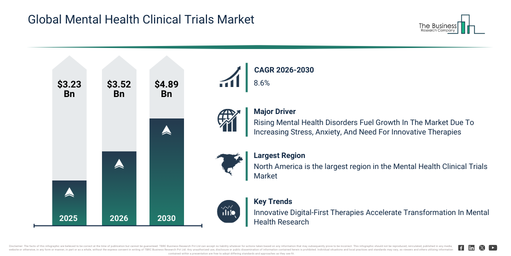
  • Mental Health Market Outlook 2026–2030 Driven By Key Growth Factors And Industry Trends

    Mental Health Market Outlook 2026–2030 Driven By Key Growth Factors And Industry Trends

    The Business Research Company’s 2026 market reports feature enhanced tools like market attractiveness analysis, TAM assessment, and company scoring matrices, along with interactive dashboards, deeper supply chain insights, and startup coverage strengthening the depth, usability, and strategic value of insights.

    What Is The Anticipated Rise In Market Value Of The Mental Health Market During The Forecast Period?

    The mental health market has experienced consistent growth in its size over recent years. It is projected to expand from $439.52 billion in 2025 to $453.83 billion in 2026, achieving a compound annual growth rate (CAGR) of 3.3%. The historical increase in this market can be attributed to the rising prevalence of mental health disorders, increased public awareness and education campaigns, early adoption of digital therapy tools, the expansion of community mental health programs, and growth in government mental health funding.

    The mental health market is projected to experience consistent expansion over the upcoming years. By 2030, its size is anticipated to reach $512.77 billion, growing at a compound annual growth rate (CAGR) of 3.1%. This projected growth during the forecast period is fueled by factors such as a surge in demand for telehealth counseling, the growing adoption of wearable devices for mental health tracking, increased corporate spending on employee wellness initiatives, the advancement of AI-powered mental health diagnostics, and the proliferation of online therapy service providers. Key trends expected during this period involve AI-powered tools for mental health assessment and support, the broadening of cloud-based platforms for mental health services, the incorporation of IoT wearables for monitoring mood and stress, the uptake of AR/VR immersive therapy and well-being platforms, and the development of precision medicine methods within mental health care.

    Access Your Free Sample Report For In-Depth Market Analysis:

    https://www.thebusinessresearchcompany.com/sample.aspx?id=13483&type=smp

    Which Primary Drivers Are Impacting The Mental Health Market Growth?

    The mental health market is expected to experience growth in the near future, propelled by a rise in the prevalence of mental disorders. Such a disorder is characterized as a clinically significant impairment in an individual’s cognition, emotional control, or behavior. Mental disorders play a significant role in mental health by enabling diagnosis, guiding treatment, informing public health efforts, and driving research. For instance, in May 2024, according to the American Psychiatric Association, a US-based non-profit organization, in 2024, 43% of adults reported feeling more anxious compared to the previous year, a rise from 37% in 2023 and 32% in 2022. Therefore, the increase in the prevalence of mental disorders is driving the mental health market.

    How Is The Mental Health Market Categorized Across Its Segment Groups?

    The mental health market covered in this report is segmented –

    1) By Disorder: Schizophrenia, Alcohol Use Disorders, Bipolar Disorder, Depression, Anxiety, Post-Traumatic Stress Disorder, Substance Abuse Disorders, Eating Disorders, Other Disorders

    2) By Services: Emergency Mental Health Services, Outpatient Counselling, Home-Based Treatment Services, Inpatient Hospital Treatment Services, Other Services

    3) By Age Group: Pediatric, Adult, Geriatric

    Subsegments:

    1) By Schizophrenia: Paranoid Schizophrenia, Catatonic Schizophrenia, Schizoaffective Disorder

    2) By Alcohol Use Disorders: Alcohol Dependence, Alcohol Abuse

    3) By Bipolar Disorder: Bipolar I Disorder, Bipolar II Disorder, Cyclothymic Disorder

    4) By Depression: Major Depressive Disorder, Persistent Depressive Disorder (Dysthymia), Seasonal Affective Disorder

    5) By Anxiety: Generalized Anxiety Disorder, Panic Disorder, Social Anxiety Disorder, Phobias

    6) By Post-Traumatic Stress Disorder (PTSD): Acute PTSD, Chronic PTSD, Complex PTSD

    7) By Substance Abuse Disorders: Opioid Use Disorder, Cannabis Use Disorder, Stimulant Use Disorder

    8) By Eating Disorders: Anorexia Nervosa, Bulimia Nervosa, Binge-Eating Disorder

    9) By Other Disorders: Obsessive-Compulsive Disorder (OCD), Attention Deficit Hyperactivity Disorder (ADHD), Personality Disorders

    Which Trends Are Shaping Growth In The Mental Health Market?

    Leading companies in the mental health market are prioritizing the creation of advanced solutions, like empathetic AI companions, to enhance personalized emotional support and boost user engagement. An empathetic AI companion is characterized as an artificial intelligence–driven tool designed to offer supportive, human-like interactions by comprehending user emotions, delivering customized guidance, and promoting overall mental well-being. For example, in October 2024, Headspace Inc., a US-based mental health company, introduced an empathetic AI companion called Ebb within its acclaimed mindfulness and mental well-being platform. This innovation elevates traditional digital mental-health tools by providing conversational support powered by generative AI, allowing users to participate in reflective dialogues, receive personalized content recommendations, and access emotional support at any time without needing human intervention. It offers real-time assistance based on user needs, while also enabling Headspace to smoothly integrate Ebb with its current offerings, such as meditation content, coaching, and stress-reduction tools, without increasing user complexity. Integrated within Headspace’s comprehensive mental-wellness ecosystem, Ebb delivers a unified experience that simplifies user journeys, strengthens emotional resilience, and helps foster deeper engagement and improved outcomes.

    Which Firms Are Influencing Competition In The Mental Health Market?

    Major companies operating in the mental health market are Evernorth Health Inc., Ascension Inc., Universal Health Services Inc., Sevita, Acadia Healthcare Co. Inc., Loma Linda University Health, Promises Behavioral Health, CareTech Holdings Plc, Pyramid Healthcare Inc., Crestwood Behavioral Health Inc., Behavioral Health Network Inc., Modern Health, North Range Behavioral Health, REM Minnesota Inc., Strategic Behavioral Health LLC, Kennebec Behavioral Health, Vita Health Group, Child Mind Institute, Unison Behavioral Health Group Inc., JED Foundation, Brain and Behaviour Foundation, International OCD Foundation, TEAMCare Behavioral Health LLC, The Jason Foundation Inc., Thrive Behavioral Health Inc

    Get The Full Mental Health Market Report:

    https://www.thebusinessresearchcompany.com/report/mental-health-global-market-report

    Which Region Is The Largest In The Mental Health Market?

    North America was the largest region in the mental health market in 2025. Asia-Pacific is expected to be the fastest-growing region in the forecast period. The regions covered in the mental health market report are Asia-Pacific, South East Asia, Western Europe, Eastern Europe, North America, South America, Middle East, Africa.

    Request A Customized Mental Health Market Report For Competitive Insights:

    https://www.thebusinessresearchcompany.com/report/mental-health-global-market-report

    Browse Through More Reports Similar to the Global Mental Health Market 2026, By The Business Research Company

    Womens Health App Market Report 2026

    https://www.thebusinessresearchcompany.com/report/womens-health-app-global-market-report

    Pms And Menstrual Health Supplements Market Report

    https://www.thebusinessresearchcompany.com/report/pms-and-menstrual-health-supplements-global-market-report

    Womens Health Devices Market Report

    https://www.thebusinessresearchcompany.com/report/womens-health-devices-global-market-report

    Get in touch with us:

    The Business Research Company: https://www.thebusinessresearchcompany.com/

    Americas +1 310-496-7795

    Asia +44 7882 955267 & +91 8897263534

    Europe +44 7882 955267

    Email us at info@tbrc.info

    Follow us on:

    LinkedIn: https://in.linkedin.com/company/the-business-research-company

    YouTube: https://www.youtube.com/channel/UC24_fI0rV8cR5DxlCpgmyFQ

    Global Market Model: https://www.thebusinessresearchcompany.com/global-market-model
  • Menstrual Health Apps Market Developments Highlighting Growth Opportunities Across The Forecast Period

    Menstrual Health Apps Market Developments Highlighting Growth Opportunities Across The Forecast Period

    The Business Research Company’s 2026 market reports feature enhanced tools like market attractiveness analysis, TAM assessment, and company scoring matrices, along with interactive dashboards, deeper supply chain insights, and startup coverage strengthening the depth, usability, and strategic value of insights.

    How Is The Market Size Of The Menstrual Health Apps Market Expected To Scale Between 2026 And 2030?

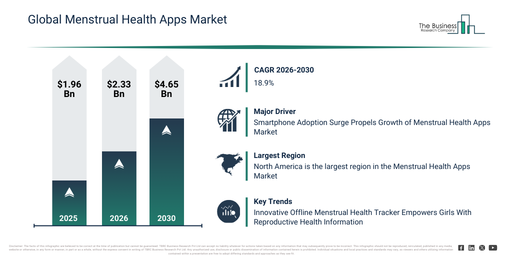
    The menstrual health apps market has experienced substantial expansion in recent years. It is anticipated to grow from $1.96 billion in 2025 to $2.33 billion in 2026, achieving a compound annual growth rate (CAGR) of 18.8%. Historically, this growth has been fueled by the early adoption of period tracking applications, increased awareness of reproductive health, higher smartphone penetration, a rising focus on women’s health education, and the demand for fertility awareness tools.

    The menstrual health apps market size is expected to undergo rapid growth in the coming years. It is projected to reach $4.65 billion by 2030, achieving a compound annual growth rate (CAGR) of 18.9%. This expansion during the forecast period can be attributed to the broadening of telehealth integration, the increasing utilization of wearable health devices, the rise of personalized digital wellness platforms, a growing emphasis on data-driven reproductive insights, and partnerships with healthcare providers to deliver advanced solutions. Major trends anticipated in this period include AI-driven personalized cycle and symptom prediction, cloud-based data storage and enhanced cybersecurity frameworks, the integration of IoT wearables for real-time health and hormone tracking, AR/VR-enabled educational and wellness experiences, and precision health integration through genetic and hormonal profiling.

    Access Your Free Sample Report For In-Depth Market Analysis:

    https://www.thebusinessresearchcompany.com/sample.aspx?id=13701&type=smp

    What Significant Factors Are Influencing The Menstrual Health Apps Market Expansion?

    The increasing adoption of smartphones is anticipated to drive the expansion of the menstrual health apps market moving forward. These devices are portable electronic gadgets featuring a touchscreen display, an integrated operating system, and various software applications. Menstrual health apps are specifically developed to operate on smartphones, aiming to improve the accuracy of tracking physical symptoms and activities related to menstrual health. Such smartphone applications engage users through interactive features, timely reminders, and personalized insights, which enhances user engagement and encourages consistent recording of menstrual health data. For instance, in October 2024, as per The State of Mobile Internet Connectivity 2024, a publication by the GSM Association, a UK-based non-profit mobile ecosystem organization, approximately 160 million people initiated mobile internet usage in 2023, a growth rate similar to 2022. This brought the total number of smartphone internet users to nearly 4.3 billion, or 53% of the global population. Furthermore, the number of 4G and 5G users saw an increase of 330 million between 2022 and 2023, now making up almost 80% of mobile internet subscribers worldwide. Therefore, the rise in smartphone adoption will fuel the growth of the menstrual health app market.

    How Are Segments Identified Within The Menstrual Health Apps Market Segment Framework?

    The menstrual health apps market covered in this report is segmented –

    1) By Type: Nutrition And Fitness, Menstrual Health, Pregnancy Tracking, Menopause, Disease Management, Other Types

    2) By Platform: Android, iPhone Operating System (iOS)

    3) By Application: Period Cycle Tracking, Fertility And Ovulation Management, Menstrual Health Management

    Subsegments:

    1) By Nutrition And Fitness: Diet Tracking, Exercise Tracking, Health Coaching

    2) By Menstrual Health: Cycle Tracking, Symptom Logging, Fertility Awareness

    3) By Pregnancy Tracking: Pregnancy Calendar, Fetal Development Monitoring, Maternal Health Resources

    4) By Menopause: Symptom Management, Hormone Replacement Therapy Tracking, Educational Resources

    5) By Disease Management: Condition-Specific Tracking, Medication Management, Health Analytics

    6) By Other Types: Community Support Platforms, Telehealth Services, Educational Tools And Resources

    What Trends Are Affecting The Direction Of The Menstrual Health Apps Market?

    Key players within the menstrual health apps market are concentrating on inventive methods like offline menstrual health trackers to equip girls in Kenya with readily available and accurate information for managing and tracking their menstrual health. An offline menstrual health tracker is a utility designed for individuals to document and predict their menstrual cycles without requiring internet access, ensuring personal privacy and data security through localized data storage. For example, in May 2023, the United Nations International Children’s Emergency Fund (UNICEF), a US-based United Nations organization, launched Oky Kenya, an offline menstrual health tracker specifically crafted for girls in Kenya. This innovative application offers accessible, evidence-supported knowledge about menstruation, working to dismantle prevalent myths, diminish stigma, and foster gender equality by enabling girls with the instruments to monitor their menstrual cycles and gain insight into their reproductive health.

    Who Are The Companies Competing Within The Menstrual Health Apps Market?

    Major companies operating in the menstrual health apps market are Apple Inc., Google LLC, Bayer AG, Garmin Ltd., Planned Parenthood Federation of America Inc., Fitbit Inc., NURX Inc., Withings, Ovia Health, Natural Cycles USA Corp, Flo Health Inc., Tempdrop Premium, Ava Science Inc., CycleBeads, Glow Inc., Symple Wellness Platform Pte Ltd, Kindara Premium, Biowink GmbH, Comma, Maven Clinic, Eve by Glow, Spot On, Premom, My Calendar, Stardust, Fertility Friend, Aavia, Femia

    Get The Full Menstrual Health Apps Market Report:

    https://www.thebusinessresearchcompany.com/report/menstrual-health-apps-global-market-report

    Which Region Leads The Menstrual Health Apps Market In Terms Of Market Share?

    North America was the largest region in the menstrual health apps market in 2025. Asia-Pacific is expected to be the fastest-growing region in the forecast period. The regions covered in the menstrual health apps market report are Asia-Pacific, South East Asia, Western Europe, Eastern Europe, North America, South America, Middle East, Africa.

    Request A Customized Menstrual Health Apps Market Report For Competitive Insights:

    https://www.thebusinessresearchcompany.com/report/menstrual-health-apps-global-market-report

    Browse Through More Reports Similar to the Global Menstrual Health Apps Market 2026, By The Business Research Company

    Endometriosis Market Report 2026

    https://www.thebusinessresearchcompany.com/report/endometriosis-global-market-report

    Neuropathic Pain Market Report

    https://www.thebusinessresearchcompany.com/report/neuropathic-pain-global-market-report

    Cyclic Heavy Menstrual Bleeding Market Report

    https://www.thebusinessresearchcompany.com/report/cyclic-heavy-menstrual-bleeding-global-market-report

    Get in touch with us:

    The Business Research Company: https://www.thebusinessresearchcompany.com/

    Americas +1 310-496-7795

    Asia +44 7882 955267 & +91 8897263534

    Europe +44 7882 955267

    Email us at info@tbrc.info

    Follow us on:

    LinkedIn: https://in.linkedin.com/company/the-business-research-company

    YouTube: https://www.youtube.com/channel/UC24_fI0rV8cR5DxlCpgmyFQ

    Global Market Model: https://www.thebusinessresearchcompany.com/global-market-model
  • Menorrhalgia Market Forecast 2026–2030 Offering Long-Term Industry Insights

    Menorrhalgia Market Forecast 2026–2030 Offering Long-Term Industry Insights

    The Business Research Company’s 2026 market reports feature enhanced tools like market attractiveness analysis, TAM assessment, and company scoring matrices, along with interactive dashboards, deeper supply chain insights, and startup coverage strengthening the depth, usability, and strategic value of insights.

    What Level Of Market Value Growth Is Predicted For The Menorrhalgia Market From 2026 To 2030?

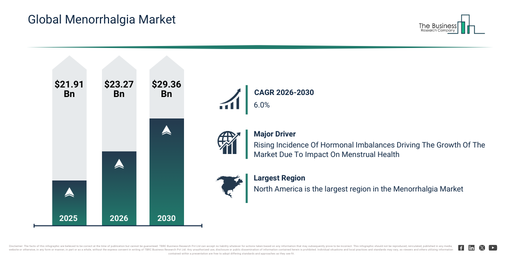
    The menorrhalgia market size has demonstrated significant growth in recent years. It is projected to expand from $21.91 billion in 2025 to $23.27 billion in 2026, at a compound annual growth rate (CAGR) of 6.2%. The growth observed in the historic period can be attributed to the high prevalence of hormonal imbalances, an increased incidence of uterine fibroids and polyps, limited awareness of abnormal menstrual bleeding, the widespread use of oral hormonal therapies, and the expansion of gynecology clinics.

    The market for menorrhagia is anticipated to experience substantial expansion over the coming years. This market is projected to reach a valuation of $29.36 billion by 2030, exhibiting a compound annual growth rate (CAGR) of 6.0%. This expansion during the projection period can be attributed to several factors, including the increasing demand for treatments that preserve fertility, a rise in the adoption of long-acting intrauterine systems, an elevated focus on women’s reproductive health, broader access to gynecological care within developing markets, and the increasing acceptance of non-hormonal therapeutic options. Key trends emerging in the forecast timeframe encompass a growing preference for non-hormonal treatment alternatives, enhanced awareness and prompt diagnosis of menorrhagia, an increased utilization of minimally invasive and intrauterine therapies, the development of personalized gynecological treatment strategies, and a greater emphasis on addressing anemia and improving quality of life.

    Access Your Free Sample Report For In-Depth Market Analysis:

    https://www.thebusinessresearchcompany.com/sample.aspx?id=22052&type=smp

    Which Important Drivers Are Guiding The Menorrhalgia Market Growth?

    The menorrhalgia market is projected to grow due to the increasing frequency of hormonal imbalances. These imbalances signify disturbances within the body’s endocrine system, characterized by either an excess or deficiency of specific hormones, which can result in various health concerns such as alterations in weight, mood fluctuations, exhaustion, or issues with reproduction. The increase in hormonal imbalances stems from elements like lifestyle choices, environmental influences, and existing medical conditions. Contemporary lifestyles, which include inadequate nutrition, significant stress, and insufficient physical activity, interfere with hormone production and its regulation. Hormonal imbalances can contribute to menorrhalgia, which is painful menstruation, by disrupting the normal control of the menstrual cycle and impacting the uterine environment. For example, in January 2025, the World Health Organization, an intergovernmental organization based in Switzerland, reported that polycystic ovary syndrome is a significant public health issue and ranks among the most prevalent hormonal disorders affecting 6–13% of women of reproductive age annually. Consequently, the rising occurrence of hormonal imbalances is a key factor driving the growth of the menorrhagia market.

    What Are The Key Segment Divisions In The Menorrhalgia Market Segment Structure?

    The menorrhalgia market covered in this report is segmented –

    1) By Therapeutics: Hormonal Agents, Non-Hormonal Agents

    2) By Route Of Administration: Oral, Vaginal, Transdermal, Intrauterine, Other Routes Of Administration

    3) By Distribution Channel: Retail Pharmacies, Hospital Pharmacies, Online Pharmacies

    Subsegments:

    1) By Hormonal Agents: Combined Oral Contraceptives (COCs), Progestins, Gonadotropin-Releasing Hormone (GnRH) Agonists, Levonorgestrel-Releasing Intrauterine Systems (LNG-IUS), Danazol, Selective Estrogen Receptor Modulators (SERMs)

    2) By Non-Hormonal Agents: Non-Steroidal Anti-Inflammatory Drugs (NSAIDs), Tranexamic Acid, Antifibrinolytics, Iron Supplements, Herbal And Natural Remedies

    Which Organizations Are Engaged In The Menorrhalgia Market?

    Major companies operating in the menorrhalgia market are AbbVie Inc., Bayer HealthCare Pharmaceuticals Inc., Boston Scientific Corporation, Johns Hopkins Health System Corporation, Aegea Medical Inc., Emory Healthcare Inc., Hologic Inc., Dr Reddys Laboratories Ltd., Meril Life Sciences Pvt Ltd, ASKA Pharmaceutical Holdings Co Ltd, Ferring Pharmaceuticals Group, Xanodyne Pharmaceuticals Inc., Pregna International Ltd., HLL Lifecare Limited, Actiza Pharmaceutical Pvt Ltd, Wellona Pharma, OCON Healthcare Ltd, Pfizer Inc., Medtronic plc, Myovant Sciences Ltd, Gedeon Richter Plc, Cooper Surgical Inc, Olympus Corporation, Takeda Pharmaceutical Company Limited, Novartis AG.

    Get The Full Menorrhalgia Market Report:

    https://www.thebusinessresearchcompany.com/report/menorrhalgia-global-market-report

    Which Region Leads The Menorrhalgia Market In Overall Market Size?

    North America was the largest region in the menorrhalgia market in 2025. The regions covered in the menorrhalgia market report are Asia-Pacific, South East Asia, Western Europe, Eastern Europe, North America, South America, Middle East, Africa.

    Request A Customized Menorrhalgia Market Report For Competitive Insights:

    https://www.thebusinessresearchcompany.com/report/menorrhalgia-global-market-report

    Browse Through More Reports Similar to the Global Menorrhalgia Market 2026, By The Business Research Company

    Menopausal Hot Flashes Market Report 2026

    https://www.thebusinessresearchcompany.com/report/menopausal-hot-flashes-global-market-report

    Womens Health Market Report

    https://www.thebusinessresearchcompany.com/report/womens-health-global-market-report

    Homeopathy Market Report

    https://www.thebusinessresearchcompany.com/report/homeopathy-global-market-report

    Get in touch with us:

    The Business Research Company: https://www.thebusinessresearchcompany.com/

    Americas +1 310-496-7795

    Asia +44 7882 955267 & +91 8897263534

    Europe +44 7882 955267

    Email us at info@tbrc.info

    Follow us on:

    LinkedIn: https://in.linkedin.com/company/the-business-research-company

    YouTube: https://www.youtube.com/channel/UC24_fI0rV8cR5DxlCpgmyFQ

    Global Market Model: https://www.thebusinessresearchcompany.com/global-market-model