Category: Healthcare Services

  • Blood gas and electrolyte analyzers market expected to reach $5.64B by 2030

    Blood gas and electrolyte analyzers market expected to reach $5.64B by 2030

    The Business Research Company’s 2026 market reports feature enhanced tools like market attractiveness analysis, TAM assessment, and company scoring matrices, along with interactive dashboards, deeper supply chain insights, and startup coverage strengthening the depth, usability, and strategic value of insights.

    What Is The Projected Increase In Market Value Of The Blood Gas and Electrolyte Analyzers Market During 2026–2030?

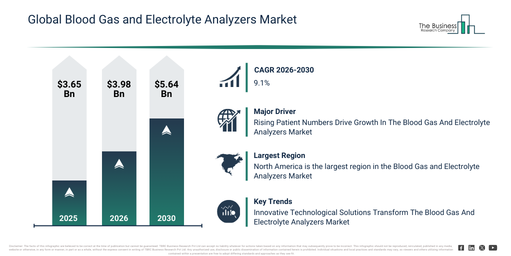
    The blood gas and electrolyte analyzers market has seen significant expansion in recent years. Its value is projected to rise from $3.65 billion in 2025 to $3.98 billion in 2026, achieving a compound annual growth rate (CAGR) of 9.3%. This historical market expansion is primarily due to an increase in critical care admissions, the development of hospital laboratory infrastructure, a surge in the use of arterial blood gas testing, the increasing occurrence of respiratory disorders, and the wider availability of automated analyzers.

    The blood gas and electrolyte analyzers market size is anticipated to expand significantly over the coming years, with projections indicating it will reach $5.64 billion by 2030, demonstrating a compound annual growth rate (CAGR) of 9.1%. This projected growth is largely driven by factors such as the increasing demand for decentralized diagnostics, a heightened focus on emergency and intensive care testing, the expansion of home and near-patient testing models, rising investments in smart diagnostic devices, and the growing adoption of integrated laboratory workflows. Furthermore, significant trends expected during the forecast period encompass the increasing embrace of point-of-care blood gas testing, a growing demand for portable and benchtop analyzers, the expanding integration of multi-parameter testing platforms, the wider use of cartridge-based consumables, and an enhanced emphasis on rapid turnaround diagnostics.

    Access Your Free Sample Report For In-Depth Market Analysis:

    https://www.thebusinessresearchcompany.com/report/blood-gas-and-electrolyte-analyzers-global-market-report

    Which Strong Drivers Are Impacting The Blood Gas and Electrolyte Analyzers Market Growth?

    A rise in patient numbers has resulted in increased blood sample testing, thereby fueling the expansion of the blood gas and electrolyte analyzers market. Blood tests serve numerous functions, such as measuring cholesterol and blood glucose levels. Such measurements aid in monitoring the likelihood of heart disease, vascular disease, and diabetes, alongside assessing treatment efficacy. For example, data from June 2024, provided by the Royal College of General Practitioners, a UK-based professional body, showed that the average patient load per GP rose from 2,222 in 2022 to 2,294 by April 2024, signifying a heightened need for general practitioner services. Consequently, the uptick in patient numbers has driven more blood sample testing, leading to growth in the blood gas and electrolyte analyzers market.

    Which Segment Types Are Examined In The Blood Gas and Electrolyte Analyzers Market Segment Study?

    The blood gas and electrolyte analyzers market covered in this report is segmented –

    1) By Product: Blood Gas Analyzers, Electrolyte Analyzers, Combined Analyzers, Consumables

    2) By Modality: Portable, Laboratory, Benchtop

    3) By End User: Central Laboratories, Diagnostic Centres, Hospitals, Other End Users

    Subsegments:

    1) By Blood Gas Analyzers: Portable Blood Gas Analyzers, Benchtop Blood Gas Analyzers

    2) By Electrolyte Analyzers: Portable Electrolyte Analyzers, Benchtop Electrolyte Analyzers

    3) By Combined Analyzers: Blood Gas And Electrolyte Combined Analyzers, Blood Gas, Electrolyte, And Metabolite Combined Analyzers

    4) By Consumables: Cartridges, Electrodes, Reagents, Sensors

    Which Trends Are Contributing To Changes In The Blood Gas and Electrolyte Analyzers Market?

    Leading companies active in the blood gas and electrolyte analyzers market are concentrating on developing innovative solutions, such as advanced automated analyzer systems, to meet the increasing demand for rapid, accurate, and comprehensive blood parameter testing in clinical settings. These sophisticated automated analyzers integrate multiple detection technologies, including ion-selective electrodes, impedance measurement, and amperometry, to deliver swift, reliable results, offering a more efficient alternative to conventional manual or semi-automated testing methods. For instance, in June 2024, Sensa Core, an India-based company operating in blood gas and electrolyte analyzers, introduced the ST-200 CC Ultra Smart Blood Gas Analyzer for hospitals and diagnostic centers. This fully automated system employs ISE (Ion Selective Electrode), Impedance (Hct), and Amperometry (pO₂) technologies to analyze arterial blood gases and electrolytes. It quantifies parameters such as sodium, potassium, ionized calcium, pH, hematocrit, oxygen, carbon dioxide, and more, providing 27 results from a single blood sample. The analyzer also incorporates an internal barcode scanner and multiple external interfaces to streamline workflow and enhance usability.

    Which Players Are Part Of The Competitive Landscape Of The Blood Gas and Electrolyte Analyzers Market?

    Major companies operating in the blood gas and electrolyte analyzers market are F. Hoffmann-La Roche Ltd, Danaher Corporation, Siemens Healthineers AG, Werfen, Abbott Laboratories, Medica Corporation, EDAN Instruments Inc, Radiometer Medical, Nova Biomedical, OPTI Medical systems Inc, I Sens Inc, JOKOH CO. LTD, Prolong Medical Equipment Co. Ltd, Sensa Core Medical Instrumentation Pvt. Ltd, Hunan Rainbow Technology Co. Ltd, ERBA Mannheim, EKF Diagnostics, Grifols, Vygon SAS, Biofidus, KwertyMed, Instrumentation Laboratory Company, Becton Dickinson and Co, Microbiology E.A Ltd.

    Get The Full Blood Gas and Electrolyte Analyzers Market Report:

    https://www.thebusinessresearchcompany.com/report/blood-gas-and-electrolyte-analyzers-global-market-report

    Which Region Dominates The Blood Gas and Electrolyte Analyzers Market By Market Share?

    North America was the largest region in the blood gas and electrolyte analyzers market in 2025 and is also expected to be the fastest-growing region in the forecast period. The regions covered in the blood gas and electrolyte analyzers market report are Asia-Pacific, South East Asia, Western Europe, Eastern Europe, North America, South America, Middle East, Africa.

    Request A Customized Blood Gas and Electrolyte Analyzers Market Report For Competitive Insights:

    https://www.thebusinessresearchcompany.com/report/blood-gas-and-electrolyte-analyzers-global-market-report

    Browse Through More Reports Similar to the Global Blood Gas and Electrolyte Analyzers Market 2026, By The Business Research Company

    Bioimpedance Analyzers Market Report 2026

    https://www.thebusinessresearchcompany.com/report/bioimpedance-analyzers-global-market-report

    Blood Processing Devices And Consumables Market Report 2026

    https://www.thebusinessresearchcompany.com/report/blood-processing-devices-and-consumables-global-market-report

    Biochemistry Analyzer Market Report 2026

    https://www.thebusinessresearchcompany.com/report/biochemistry-analyzer-global-market-report

    Get in touch with us:

    The Business Research Company: https://www.thebusinessresearchcompany.com/

    Americas +1 310-496-7795

    Asia +44 7882 955267 & +91 8897263534

    Europe +44 7882 955267

    Email us at info@tbrc.info

    Follow us on:

    LinkedIn: https://in.linkedin.com/company/the-business-research-company

    YouTube: https://www.youtube.com/channel/UC24_fI0rV8cR5DxlCpgmyFQ

    Global Market Model: https://www.thebusinessresearchcompany.com/global-market-model
  • Blood-brain barrier technologies market to reach $6.17B by 2030 at 24.6% CAGR

    Blood-brain barrier technologies market to reach $6.17B by 2030 at 24.6% CAGR

    The Business Research Company’s 2026 market reports feature enhanced tools like market attractiveness analysis, TAM assessment, and company scoring matrices, along with interactive dashboards, deeper supply chain insights, and startup coverage strengthening the depth, usability, and strategic value of insights.

    How Is The Market Size Of The Blood Brain Barrier Technologies Market Expected To Change From 2026 To 2030?

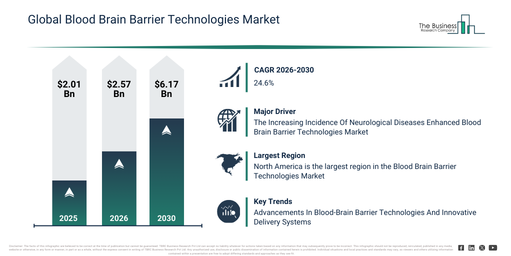
    The market size for blood brain barrier technologies has experienced exponential growth in recent years. It is projected to expand from $2.01 billion in 2025 to $2.57 billion in 2026, exhibiting a compound annual growth rate (CAGR) of 27.8%. This historical growth can be attributed to various factors, including the increasing prevalence of neurological disorders, the expansion of neuroscience research funding, advancements in molecular biology techniques, the growth of targeted drug development programs, and the early adoption of BBB disruption technologies.

    The blood brain barrier technologies market is projected to experience substantial expansion over the upcoming years. This market is anticipated to reach $6.17 billion by 2030, exhibiting a compound annual growth rate (CAGR) of 24.6%. This anticipated growth is driven by several factors, including greater investments in precision neurology treatments, an escalating need for efficient CNS drug delivery, the broadening scope of gene and cell therapy research, the increasing incorporation of artificial intelligence in neuropharmacology, and a heightened emphasis on non-invasive delivery techniques. Key developments expected during this forecast period encompass the augmented creation of targeted brain drug delivery systems, wider acceptance of nanocarrier-based delivery innovations, a stronger concentration on neurotherapeutic research platforms, the proliferation of receptor-mediated transport strategies, and the improved incorporation of sophisticated imaging and monitoring instruments.

    Access Your Free Sample Report For In-Depth Market Analysis:

    https://www.thebusinessresearchcompany.com/report/blood-brain-barrier-technologies-global-market-report

    What Key Factors Are Shaping The Blood Brain Barrier Technologies Market Landscape?

    The increasing occurrence of neurological conditions is anticipated to fuel the expansion of the blood-brain barrier technologies market in the future. These diseases encompass ailments impacting the central and peripheral nervous systems, such as the brain, spinal cord, cranial nerves, peripheral nerves, nerve roots, autonomic nervous system, neuromuscular junction, and muscles. Their prevalence is growing, attributed to an aging global demographic, advancements in diagnostic methods, and shifts in lifestyle that contribute to elevated risk factors like obesity and a lack of physical activity. Blood-brain barrier technology serves a vital function by improving the delivery of medications to the brain, thereby surmounting a significant obstacle in managing neurological disorders and considerably assisting in tackling the escalating rates of these conditions. For example, the World Health Organization, a Switzerland-based specialized agency of the United Nations focused on international public health, stated in October 2025 that neurological conditions impact over 40% of the world’s population and lead to 11 million deaths per year across the globe. Consequently, the expanding occurrence of neurological diseases is a primary catalyst for the growth of the blood-brain barrier technologies market.

    How Are Different Segments Classified In The Blood Brain Barrier Technologies Market Segment Analysis?

    The blood brain barrier technologies market covered in this report is segmented –

    1) By Technology: Bispecific Antibody Receptor-Mediated Transcytosis (RMT) Approach, Trojan Horse Approach, Increasing Permeability, Passive Diffusion, Other Technologies

    2) By Application: Alzheimers Disease, Epilepsy, Parkinsons Disease, Multiple Sclerosis, Hunters Syndrome, Brain Cancer, Other Applications

    3) By End-User: Hospitals, Surgical Centers, Research Institutes, Other End-Users

    Subsegments:

    1) By Bispecific Antibody Receptor-Mediated Transcytosis (RMT) Approach: Bispecific Antibodies, Fusion Proteins, Receptor-Targeted Delivery Systems

    2) By Trojan Horse Approach: Lipid-Based Carriers (Liposomes, Micelles), Peptide-Based Carriers, Nanoparticle-Mediated Delivery

    3) By Increasing Permeability: Chemical Permeabilizers, Physical Disruption Methods, Nanomaterials For Permeability Enhancement

    4) By Passive Diffusion: Small Molecule Drug Delivery, Lipophilic Drug Delivery, Nanocarrier-Based Passive Diffusion

    5) By Other Technologies: Magnetically Targeted Drug Delivery, Gene Therapy And Viral Vectors, Exosome-Based Delivery Systems, Stem Cell-Based Delivery Systems

    What Market Trends Are Affecting The Blood Brain Barrier Technologies Market?

    Major companies operating in the blood-brain barrier technologies market are focused on developing innovative technologies, such as those related to the blood-brain barrier (BBB), which permits the selective entry of essential nutrients and small molecules into the brain while obstructing most large or potentially harmful substances. The blood-brain barrier (BBB) itself is a highly selective barrier that separates the brain and central nervous system (CNS) from the bloodstream. For instance, in November 2024, The Mount Sinai Hospital, a US-based medical research institution and hospital, introduces a novel blood-brain barrier-crossing conjugate (BCC) system, a technology that enables the intravenous delivery of large therapeutic molecules, including oligonucleotides and proteins, across the blood-brain barrier, as part of Mount Sinai’s efforts to advance central nervous system drug delivery, aiming to improve treatments for neurological disorders.

    Who Are The Companies Driving Activity In The Blood Brain Barrier Technologies Market?

    Major companies operating in the blood brain barrier technologies market are Denali Therapeutics Inc., ArmaGen Inc., Angiochem Inc., Ossianix Inc., BiOasis Technologies Inc., JCR Pharma Co. Ltd., Voyager Therapeutics Inc., Neurocrine Biosciences Inc., CNS Pharmaceuticals Inc., Pardes Biosciences Inc., Annexon Inc., Avrobio Inc., Prevail Therapeutics Inc., Alector Inc., Sangamo Therapeutics Inc., uniQure N.V., Bluebird Bio Inc., Ionis Pharmaceuticals Inc., Regenxbio Inc., Neurogene Inc., Vivet Therapeutics

    Get The Full Blood Brain Barrier Technologies Market Report:

    https://www.thebusinessresearchcompany.com/report/blood-brain-barrier-technologies-global-market-report

    Which Region Is The Largest In The Blood Brain Barrier Technologies Market?

    North America was the largest region in the blood brain barrier technologies market in 2025. The regions covered in the blood brain barrier technologies market report are Asia-Pacific, South East Asia, Western Europe, Eastern Europe, North America, South America, Middle East, Africa.

    Request A Customized Blood Brain Barrier Technologies Market Report For Competitive Insights:

    https://www.thebusinessresearchcompany.com/report/blood-brain-barrier-technologies-global-market-report

    Browse Through More Reports Similar to the Global Blood Brain Barrier Technologies Market 2026, By The Business Research Company

    Blood Purification Equipment Market Report 2026

    https://www.thebusinessresearchcompany.com/report/blood-purification-equipment-global-market-report

    Blood Processing Devices And Consumables Market Report 2026

    https://www.thebusinessresearchcompany.com/report/blood-processing-devices-and-consumables-global-market-report

    Non Invasive Brain Trauma Monitoring Devices Market Report 2026

    https://www.thebusinessresearchcompany.com/report/non-invasive-brain-trauma-monitoring-devices-global-market-report

    Get in touch with us:

    The Business Research Company: https://www.thebusinessresearchcompany.com/

    Americas +1 310-496-7795

    Asia +44 7882 955267 & +91 8897263534

    Europe +44 7882 955267

    Email us at info@tbrc.info

    Follow us on:

    LinkedIn: https://in.linkedin.com/company/the-business-research-company

    YouTube: https://www.youtube.com/channel/UC24_fI0rV8cR5DxlCpgmyFQ

    Global Market Model: https://www.thebusinessresearchcompany.com/global-market-model
  • Blood bank information systems market to hit $1.26B by 2030 at 8.3% CAGR

    Blood bank information systems market to hit $1.26B by 2030 at 8.3% CAGR

    The Business Research Company’s 2026 market reports feature enhanced tools like market attractiveness analysis, TAM assessment, and company scoring matrices, along with interactive dashboards, deeper supply chain insights, and startup coverage strengthening the depth, usability, and strategic value of insights.

    From Its 2026 Market Size, What Value Is The Blood Bank Information Systems Market Projected To Reach By 2030?

    The blood bank information systems market size has experienced strong growth in recent years. It is projected to increase from $0.85 billion in 2025 to $0.92 billion in 2026, at a compound annual growth rate (CAGR) of 8.6%. The expansion observed in the historical period can be attributed to the rising demand for safe blood transfusion practices, the growth of hospital blood management programs, increased blood donation volumes, the evolution of healthcare IT infrastructure, and the accessibility of specialized blood bank software.

    The blood bank information systems market is projected to experience robust growth over the coming years. It is anticipated to achieve a valuation of $1.27 billion by 2030, exhibiting a compound annual growth rate (CAGR) of 8.3%. This expansion during the forecast period is fueled by elements such as increasing investments in digital healthcare systems, the rising adoption of interoperable health information platforms, the broadening of mobile-based blood management solutions, a growing focus on patient blood management optimization, and the increasing use of analytics in supporting transfusion decisions. Prominent trends throughout this period encompass the escalating adoption of cloud-based blood bank platforms, the rising integration of end-to-end blood traceability systems, the growing use of real-time inventory management solutions, the expansion of data-driven donor engagement tools, and an enhanced focus on regulatory compliance automation.

    Access Your Free Sample Report For In-Depth Market Analysis:

    https://www.thebusinessresearchcompany.com/report/blood-bank-information-systems-global-market-report

    Which Factors Are Influencing The Growth Of The Blood Bank Information Systems Market?

    The growing incidence of blood cancer is anticipated to drive the expansion of the blood bank information systems market moving ahead. Blood cancer, also referred to as hematologic cancer, is a malignancy impacting the blood, bone marrow, and lymphatic system. The rise in blood cancer cases is attributed to various elements such as environmental, genetic, and lifestyle factors, along with infections. A blood bank information system assists individuals with blood cancer by effectively managing and monitoring blood donations and transfusions, thus guaranteeing prompt availability of suitable blood products. For example, in May 2024, data from the Leukemia Foundation, a national charity located in Australia, indicated that approximately 19,403 Australians were forecast to receive new diagnoses of blood cancers including leukemia, lymphoma, and myeloma, which equates to 53 individuals daily or one person every 27 minutes. Presently, nearly 135,000 people in Australia are living with a blood cancer or blood disorder, and this figure is projected to exceed 275,000 by 2035. Consequently, the expanding occurrence of blood cancer is fueling the expansion of the blood bank information systems market.

    How Is The Blood Bank Information Systems Market Categorized Across Its Segment Groups?

    The blood bank information systems market covered in this report is segmented –

    1) By Type: Blood Donor Management Module, Blood Bank Transfusion Service Module, Other Types

    2) By Application Type: Web-Based, Mobile Based

    3) By End User: Hospital, Blood Banks

    Subsegments:

    1) By Blood Donor Management Module: Donor Registration and Screening, Donor Health History Management, Blood Donation Scheduling and Tracking, Donor Testing and Blood Typing, Donor Retention and Engagement, Donor Communication and Alerts

    2) By Blood Bank Transfusion Service Module: Blood Collection and Processing, Blood Inventory Management, Crossmatching and Compatibility Testing, Blood Transfusion Monitoring and Tracking, Transfusion Reporting and Documentation, Patient Blood Management

    3) By Other Types: Laboratory Information Management Systems (LIMS), Blood Bank Workflow Automation Tools, Regulatory Compliance and Reporting Tools, Clinical Decision Support Systems (CDSS) for Blood Transfusion, Data Analytics and Reporting Tools.

    Which Trends Are Influencing Demand In The Blood Bank Information Systems Market?

    Leading companies in the blood bank information systems market are prioritizing the development of innovative solutions, such as enterprise resource planning (ERP) software, to cater to the specific requirements of blood banks and advanced therapy providers. Enterprise Resource Planning (ERP) software consolidates core business processes into a unified framework to optimize operations and enhance data management capabilities. For example, in June 2023, Blood Bank Computer Systems Inc., a US-based firm specializing in software for blood banks and transfusion services, launched its ForLife Biologics Platform. This advanced ERP software is specifically engineered for the blood and biotherapies sector. The platform aims to streamline processes related to the collection, manufacturing, and distribution of blood products and advanced therapies, thereby addressing the distinct needs of organizations in this field. The ForLife Biologics Platform integrates smoothly with the Blood Bank Control System 6.0, which has achieved regulatory clearance, ensuring compliance with essential standards for blood bank operations.

    Which Firms Are Influencing Competition In The Blood Bank Information Systems Market?

    Major companies operating in the blood bank information systems market are Grifols S.A., Sysmex Corporation, Epic Systems Corporation, Haemonetics Corporation, Sunquest Information Systems Inc., WellSky Technologies Inc., Soft Computer Consultants Inc., LABVANTAGE Solutions Inc., Integrated Medical Systems International Inc., Luminous Infoways Pvt. Ltd., Mediware Information Systems Inc., Mak-System, Orchard Software Corporation, Dataman Computer Systems Pvt. Ltd., Hemosoft, Blood Bank Computer Systems Inc., Strides Software Solutions Pvt Ltd, Sara Technologies Pvt. Ltd., IT Synergistics Inc., Digi-Trax Corporation, Cerner Corporation, McKesson Corporation

    Get The Full Blood Bank Information Systems Market Report:

    https://www.thebusinessresearchcompany.com/report/blood-bank-information-systems-global-market-report

    Which Region Leads The Blood Bank Information Systems Market In Terms Of Market Share?

    North America was the largest region in the blood bank information systems market in 2025. The regions covered in the blood bank information systems market report are Asia-Pacific, South East Asia, Western Europe, Eastern Europe, North America, South America, Middle East, Africa.

    Request A Customized Blood Bank Information Systems Market Report For Competitive Insights:

    https://www.thebusinessresearchcompany.com/report/blood-bank-information-systems-global-market-report

    Browse Through More Reports Similar to the Global Blood Bank Information Systems Market 2026, By The Business Research Company

    Blood Glucose Meters Market Report 2026

    https://www.thebusinessresearchcompany.com/report/blood-glucose-meters-global-market-report

    Blood Bank Market Report 2026

    https://www.thebusinessresearchcompany.com/report/blood-bank-global-market-report

    Blood Transfusion Diagnostics Market Report 2026

    https://www.thebusinessresearchcompany.com/report/blood-transfusion-diagnostics-global-market-report

    Get in touch with us:

    The Business Research Company: https://www.thebusinessresearchcompany.com/

    Americas +1 310-496-7795

    Asia +44 7882 955267 & +91 8897263534

    Europe +44 7882 955267

    Email us at info@tbrc.info

    Follow us on:

    LinkedIn: https://in.linkedin.com/company/the-business-research-company

    YouTube: https://www.youtube.com/channel/UC24_fI0rV8cR5DxlCpgmyFQ

    Global Market Model: https://www.thebusinessresearchcompany.com/global-market-model
  • Rare Disease Family Registry Market (Cloud-Based): Growth Opportunities Through 2030

    Rare Disease Family Registry Market (Cloud-Based): Growth Opportunities Through 2030

    The Business Research Company’s 2026 market reports feature enhanced tools like market attractiveness analysis, TAM assessment, and company scoring matrices, along with interactive dashboards, deeper supply chain insights, and startup coverage strengthening the depth, usability, and strategic value of insights.

    How Much Will The Market Value Of The Cloud-Based Rare Disease Family Registry Market Grow Between 2026 And 2030?

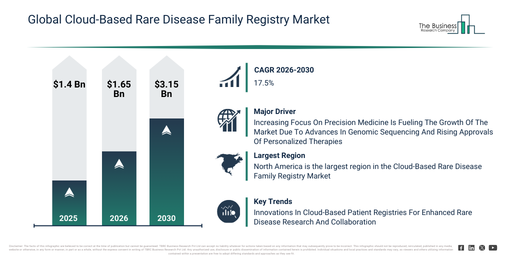
    The cloud-based rare disease family registry market has seen significant expansion in recent years. This market is expected to increase from $1.4 billion in 2025 to $1.65 billion in 2026, achieving a compound annual growth rate (CAGR) of 17.7%. The observed growth in the past can be attributed to several factors, including the rise in rare disease research initiatives, greater involvement from patient advocacy, the expansion of clinical trial networks, the growing adoption of electronic data capture tools, and the necessity for centralized patient data systems.

    The cloud-based rare disease family registry market size is projected to experience substantial expansion over the upcoming years. This market is anticipated to reach a valuation of $3.15 billion by 2030, exhibiting a compound annual growth rate (CAGR) of 17.5%. This projected growth during the forecast period is fueled by factors such as enhanced investments in developing orphan drugs, a greater need for generating real-world evidence, the expansion of research in precision medicine, the escalating application of AI-powered data analytics, and a heightened focus on research models centered around patients. Key trends for the forecast period encompass a wider embrace of cloud-based patient registries, an increased utilization of digital platforms for rare disease investigations, the evolving integration of genomic and clinical information, the broadening of global tools for clinical trial recruitment, and a strengthened emphasis on secure data exchange.

    Access Your Free Sample Report For In-Depth Market Analysis:

    https://www.thebusinessresearchcompany.com/report/cloud-based-rare-disease-family-registry-global-market-report

    Which Primary Drivers Are Impacting The Cloud-Based Rare Disease Family Registry Market Growth?

    A growing emphasis on precision medicine is anticipated to drive the expansion of the cloud-based rare disease family registry market in the future. Precision medicine is a medical strategy that customizes treatment and prevention approaches to an individual’s genetic, environmental, and lifestyle factors. Its adoption is increasing due to advancements in genomic sequencing, which enable medical professionals to understand patients’ genetic makeup more precisely. Cloud-based rare disease family registries aid precision medicine by gathering and centralizing comprehensive patient data, including genetic, clinical, and treatment information. For instance, in February 2024, the Personalized Medicine Coalition, a US-based non-profit organization, reported that in 2023, the Food and Drug Administration (FDA), a US-based federal agency, approved 16 new personalized therapies for patients with rare diseases, a significant increase from the six approvals in 2022; of these newly authorized treatments, seven target cancer, while three focus on other diseases and conditions. Therefore, the heightened focus on precision medicine is a key driver for the growth of the cloud-based rare disease family registry market.

    How Is The Cloud-Based Rare Disease Family Registry Market Segmented Across Different Segment Categories?

    The cloud-based rare disease family registry market covered in this report is segmented –

    1) By Component: Software, Services

    2) By Deployment Mode: Public Cloud, Private Cloud, Hybrid Cloud

    3) By Application: Patient Data Management, Research, Clinical Trials, Genetic Data Collection, Other Applications

    4) By End-User: Hospitals And Clinics, Research Institutes, Pharmaceutical And Biotechnology Companies, Patient Advocacy Groups, Other End-Users

    Subsegments:

    1) By Software: Electronic Data Capture, Data Management Platform, Analytics And Reporting Tools, Patient Engagement Tools, Clinical Trial Management System

    2) By Services: Implementation And Integration, Training And Support, Data Hosting And Security, Consulting Services, Maintenance And Upgrades

    Which Trends Are Shaping Growth In The Cloud-Based Rare Disease Family Registry Market?

    Leading companies in the cloud-based rare disease family registry market are implementing technological advancements, such as bilingual federated registries, to furnish patients, families, and researchers with secure, multi-location data platforms that enhance engagement and facilitate real-time data collection and analysis. A bilingual federated registry functions as a cloud-based system, allowing data to remain at local sites while accommodating multiple languages and adhering to regional consent and privacy regulations. For example, in June 2025, the National Organization for Rare Disorders (NORD), a U.S.-based nonprofit, outlined plans to launch two Canadian patient registries for PKU and MPS. Developed through collaboration with Canadian patient advocacy groups, researchers, and clinicians, these registries mark the first time the IAMRARE Program will be hosted outside the U.S. They are specifically designed to comply with provincial consent requirements, enable cooperative real-time data collection and analysis, and support initiatives to accelerate research, improve the understanding of rare metabolic disorders, and aid in the identification of participants for clinical trials.

    Which Organizations Play A Role In The Cloud-Based Rare Disease Family Registry Market Landscape?

    Major companies operating in the cloud-based rare disease family registry market are Thermo Fisher Scientific Inc., IQVIA Holdings Inc., ICON plc, Syneos Health Inc., Parexel International Corp., Medidata Solutions Inc., FIGMD Inc., OM1 Inc., Mission Health Labs Inc., TREAT-NMD Global Registries Platform, Seqster PDM Inc., ArborMetrix Inc., OpenClinica LLC, Pulse Infoframe Inc., Oracle Healthcare Pvt. Ltd., QuesGen Systems Inc., FTD Disorders Registry, Castor LLC, Data Registry Services LLC, Fibrolamellar Registry, Rare Central

    Get The Full Cloud-Based Rare Disease Family Registry Market Report:

    https://www.thebusinessresearchcompany.com/report/cloud-based-rare-disease-family-registry-global-market-report

    Which Region Is The Leading Market For The Cloud-Based Rare Disease Family Registry Market?

    North America was the largest region in the cloud-based rare disease family registry market in 2025. Asia-Pacific is expected to be the fastest-growing region in the forecast period. The regions covered in the cloud-based rare disease family registry market report are Asia-Pacific, South East Asia, Western Europe, Eastern Europe, North America, South America, Middle East, Africa.

    Request A Customized Cloud-Based Rare Disease Family Registry Market Report For Competitive Insights:

    https://www.thebusinessresearchcompany.com/report/cloud-based-rare-disease-family-registry-global-market-report

    Browse Through More Reports Similar to the Global Cloud-Based Rare Disease Family Registry Market 2026, By The Business Research Company

    Rare Diseases Treatment Market Report 2026

    https://www.thebusinessresearchcompany.com/report/rare-diseases-treatment-global-market-report

    Patient Registry Software Market Report 2026

    https://www.thebusinessresearchcompany.com/report/patient-registry-software-global-market-report

    Disease Management Apps Market Report 2026

    https://www.thebusinessresearchcompany.com/report/disease-management-apps-global-market-report

    Get in touch with us:

    The Business Research Company: https://www.thebusinessresearchcompany.com/

    Americas +1 310-496-7795

    Asia +44 7882 955267 & +91 8897263534

    Europe +44 7882 955267

    Email us at info@tbrc.info

    Follow us on:

    LinkedIn: https://in.linkedin.com/company/the-business-research-company

    YouTube: https://www.youtube.com/channel/UC24_fI0rV8cR5DxlCpgmyFQ

    Global Market Model: https://www.thebusinessresearchcompany.com/global-market-model
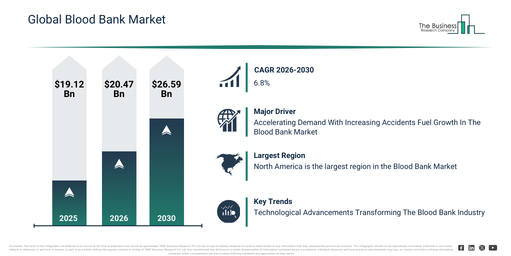
  • Global blood bank market projected to reach $26.58B by 2030 at 6.8% CAGR

    Global blood bank market projected to reach $26.58B by 2030 at 6.8% CAGR

    The Business Research Company’s 2026 market reports feature enhanced tools like market attractiveness analysis, TAM assessment, and company scoring matrices, along with interactive dashboards, deeper supply chain insights, and startup coverage strengthening the depth, usability, and strategic value of insights.

    How Much Growth In Market Value Is Expected For The Blood Bank Market Between 2026 And 2030?

    The blood bank market has experienced robust growth in recent years. It is anticipated to expand from $19.12 billion in 2025 to $20.47 billion in 2026, achieving a compound annual growth rate (CAGR) of 7.1%. This historic growth is attributable to an increasing demand for surgical and emergency care, the expansion of hospital infrastructure, rising participation in blood donation programs, advancements in blood testing accuracy, and the proliferation of both public and private blood banks.

    The blood bank market is projected to experience substantial expansion over the coming years, reaching $26.59 billion by 2030, exhibiting a compound annual growth rate (CAGR) of 6.8%. This anticipated growth during the forecast period is driven by factors such as greater investments in digital blood bank infrastructures, wider embrace of remote donor engagement mechanisms, enlargement of plasma collection systems, heightened attention to traceability and regulatory adherence, and a rising need for streamlined blood logistics. Significant trends anticipated in the same period encompass the growing implementation of automated blood bank management solutions, increased integration of digital platforms for donor tracking, a stronger emphasis on optimizing the cold chain, the proliferation of mobile blood collection facilities, and a heightened commitment to ensuring quality and compliance.

    Access Your Free Sample Report For In-Depth Market Analysis:

    https://www.thebusinessresearchcompany.com/report/blood-bank-global-market-report

    What Leading Drivers Are Supporting The Blood Bank Market Expansion?

    The anticipated surge in accidents is projected to fuel the expansion of the blood bank market going forward. This increase signifies a greater frequency of unforeseen incidents leading to injuries, harm, or fatalities, encompassing various types such as car accidents and workplace accidents. Such an uptick in accidents often necessitates urgent blood transfusions to address injuries, compensate for blood loss, and sustain proper circulation. An illustration of this trend is seen in October 2025, when the European Commission, the Belgium-based executive arm of the European Union responsible for proposing legislation, reported Iceland experiencing the most significant rise, with a 63% increase in road deaths in 2024 compared to 2023. Consequently, the growing incidence of accidents will drive the blood bank market.

    How Are Segments Identified Within The Blood Bank Market Segment Framework?

    The blood bank market covered in this report is segmented –

    1) By Bank Type: Private Blood Bank, Public Blood Bank

    2) By Function: Collection, Processing, Testing, Storage, Transportation

    3) By Product Type: Whole Blood, Red Blood Cells, Platelet, Plasma, White Blood Cells

    4) By End User: Hospitals, Ambulatory Surgical Centers, Clinics, Pharmaceutical Companies

    Subsegments:

    1) By Private Blood Bank: Commercial Blood Banks, Specialty Blood Banks

    2) By Public Blood Bank: Government-Funded Blood Banks, Non-Profit Blood Banks

    What Emerging Trends Are Seen In The Blood Bank Market?

    Leading companies within the blood bank market are directing their efforts toward creating innovative solutions, such as mixed reality applications, to satisfy the growing demand for improved blood donation experiences and greater donor engagement. Mixed reality applications merge digital elements with the actual environment to forge interactive and immersive experiences, presenting a more captivating option compared to traditional blood donation methods that solely depend on physical interactions and manual instructions. For example, in January 2023, Abbott Laboratories, a US-based multinational medical devices and healthcare company, unveiled a mixed reality application incorporating Abbott technology through a partnership with Blood Centers of America, a US-based independent blood center. This application is designed to elevate the blood donation experience by offering an immersive digital environment that captivates donors and lessens anxiety. It helps draw in new donors, especially among younger demographics, by transforming the act of donation into a more interactive and technology-enabled pursuit. Furthermore, the mixed reality tool supports blood centers by modernizing donor interactions, enhancing comfort, and increasing the probability of repeat donations.

    Who Are The Companies Competing Within The Blood Bank Market?

    Major companies operating in the blood bank market are American Association of Blood Banks, Blood Bank of Alaska, Canadian Blood Services, The Japanese Red Cross Society, New York Blood Center, NHS Blood And Transplant, Sanquin Blood Supply Foundation, The American Red Cross, Vitalant, America’s Blood Centers, Australian Red Cross, Terumo Corporation, Haemonetics Corporation, National Blood Transfusion Council, Shire Plc, Abbott, Beckman Coulter Inc., Polymedicure, Thermo Fisher Scientific Inc., Becton Dickinson and Company, Bio-Rad Laboratories Inc., F. Hoffman La Roche, Siemens Healthcare Private Limited, BioMérieux, CSL Behring, Takeda, Octapharma, Kedrion, Macopharma, Fresenius Kabi AG, B. Braun Melsungen AG, Grifols SA, Hologic Inc., Ortho Clinical Diagnostics, Merck KGaA, Roche Diagnostics, Quotient Limited

    Get The Full Blood Bank Market Report:

    https://www.thebusinessresearchcompany.com/report/blood-bank-global-market-report

    Which Region Leads The Blood Bank Market In Overall Market Size?

    North America was the largest region in the blood bank market in 2025. Asia-Pacific is expected to be the fastest-growing region in the blood bank market report during the forecast period. The regions covered in the blood bank market report are Asia-Pacific, South East Asia, Western Europe, Eastern Europe, North America, South America, Middle East, Africa.

    Request A Customized Blood Bank Market Report For Competitive Insights:

    https://www.thebusinessresearchcompany.com/report/blood-bank-global-market-report

    Browse Through More Reports Similar to the Global Blood Bank Market 2026, By The Business Research Company

    Blood Collection Tubes Market Report 2026

    https://www.thebusinessresearchcompany.com/report/blood-collection-tubes-global-market-report

    Blood Market Report 2026

    https://www.thebusinessresearchcompany.com/report/blood-global-market-report

    Stem Cell Cord Blood Banking Market Report 2026

    https://www.thebusinessresearchcompany.com/report/stem-cell-cord-blood-banking-global-market-report

    Get in touch with us:

    The Business Research Company: https://www.thebusinessresearchcompany.com/

    Americas +1 310-496-7795

    Asia +44 7882 955267 & +91 8897263534

    Europe +44 7882 955267

    Email us at info@tbrc.info

    Follow us on:

    LinkedIn: https://in.linkedin.com/company/the-business-research-company

    YouTube: https://www.youtube.com/channel/UC24_fI0rV8cR5DxlCpgmyFQ

    Global Market Model: https://www.thebusinessresearchcompany.com/global-market-model
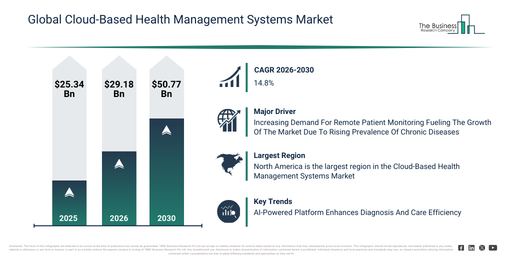
  • Global Cloud-Based Health Management Systems Market to Hit $50.76B by 2030 at 14.8% CAGR

    Global Cloud-Based Health Management Systems Market to Hit $50.76B by 2030 at 14.8% CAGR

    The Business Research Company’s 2026 market reports feature enhanced tools like market attractiveness analysis, TAM assessment, and company scoring matrices, along with interactive dashboards, deeper supply chain insights, and startup coverage strengthening the depth, usability, and strategic value of insights.

    What Changes In Market Value Are Expected For The Cloud-Based Health Management Systems Market Over The 2026–2030 Period?

    The market size for cloud-based health management systems has experienced rapid expansion in recent years. This market is projected to increase from $25.34 billion in 2025 to $29.18 billion in 2026, demonstrating a compound annual growth rate (CAGR) of 15.1%. The growth observed in the historic period can be attributed to factors such as the expansion of electronic health record adoption, rising healthcare digitalization initiatives, an increasing demand for care coordination tools, the growth of chronic disease management programs, and the adoption of cloud computing in healthcare.

    The market size for cloud-based health management systems is projected to experience substantial expansion in the coming years. It is forecast to reach $50.77 billion by 2030, demonstrating a compound annual growth rate (CAGR) of 14.8%. This growth during the forecast period can be attributed to increased investments in digital health infrastructure, the rising adoption of AI-enabled clinical decision support, the expansion of virtual care models, a growing demand for population health analytics, and an increasing emphasis on value-based care delivery. Significant trends for the forecast period include the wider adoption of integrated cloud health platforms, an increase in the use of remote patient monitoring solutions, a growing need for interoperable health data systems, the proliferation of telemedicine and virtual care tools, and an enhanced focus on data privacy and cybersecurity.

    Access Your Free Sample Report For In-Depth Market Analysis:

    https://www.thebusinessresearchcompany.com/report/cloud-based-health-management-systems-global-market-report

    What Significant Factors Are Influencing The Cloud-Based Health Management Systems Market Expansion?

    The rising need for remote patient monitoring is anticipated to drive the expansion of the cloud-based health management systems market. Remote patient monitoring involves leveraging digital technologies to gather and transmit health information from patients outside conventional clinical environments to healthcare providers for evaluation and care. This increased need for remote patient monitoring stems from the rising occurrence of chronic illnesses, as individuals with enduring conditions necessitate ongoing tracking and prompt interventions to enhance their health outcomes. Cloud-based health management systems facilitate remote patient monitoring by offering real-time access to health data, thereby enabling continuous observation of patient states. These systems enhance care coordination through supporting prompt actions, improving treatment results, and decreasing hospital visits. For example, as reported in June 2025 by the National Library of Medicine (NLM), a US-based biomedical library, the use of remote patient monitoring in physician office settings saw a substantial increase, reaching 5,118,772 services in 2023. Consequently, the heightened demand for remote patient monitoring is fueling the growth of the cloud-based health management systems market.

    What Are The Main Segments Within The Cloud-Based Health Management Systems Market Segment Structure?

    The cloud-based health management systems market covered in this report is segmented –

    1) By Type: Electronic Health Records (EHR), Patient Portals, Telemedicine Solutions, Population Health Management, Remote Patient Monitoring

    2) By Size Of Organization: Small And Medium-Sized Enterprises (SMEs), Large Enterprises

    3) By Deployment Model: Public Cloud, Private Cloud, Hybrid Cloud

    4) By Application: Chronic Disease Management, Mental Health Management, Emergency Care Management, Rehabilitation Management, Wellness Management

    5) By End-User: Hospitals, Clinics, Insurance Companies, Pharmaceutical Companies, Research Organizations

    Subsegments:

    1) By Electronic Health Records: Inpatient Electronic Health Records, Outpatient Electronic Health Records, Ambulatory Electronic Health Records, Specialty Electronic Health Records, Cloud-Based Electronic Health Records

    2) By Patient Portals: Appointment Scheduling, Medical Records Access, Prescription Refill Requests, Patient-Provider Communication, Billing And Payments

    3) By Telemedicine Solutions: Video Consultations, Store-and-Forward Telemedicine, Remote Patient Monitoring Telemedicine, Mobile Health Applications, Telepsychiatry

    4) By Population Health Management: Risk Stratification, Care Coordination, Patient Engagement, Analytics And Reporting, Chronic Disease Management

    5) By Remote Patient Monitoring: Wearable Devices, Mobile Health Monitoring, In-Home Monitoring Systems, Chronic Condition Monitoring, Post-Acute Care Monitoring

    What Trends Are Affecting The Direction Of The Cloud-Based Health Management Systems Market?

    Leading companies within the cloud-based health management systems market are concentrating on creating sophisticated solutions, including AI-powered platforms equipped with non-invasive diagnostic capabilities, aiming to enhance diagnosis, patient outcomes, and the overall efficiency of care. These AI-powered platforms with non-invasive diagnostic capabilities denote AI-driven tools designed to identify and track health conditions by leveraging data from sources like imaging, sensors, or wearable devices, all without requiring any invasive procedures. As an example, during July 2025, Blue Cloud Softech Solutions Ltd., an India-based IT service management company, introduced its BluHealth Platform v2.0. This represents an enhanced digital healthcare system that integrates artificial intelligence tools and non-invasive diagnostic technologies. The platform is specifically engineered for clinical applications across hospitals, primary health centers, and mobile health units. Its functionalities include AI-based clinical decision support, automated triage, remote vital signs monitoring, facial scanning for health screening, and non-invasive HbA1c testing. Operating within a secure cloud infrastructure, the BluHealth Platform v2.0 guarantees both data safety and accessibility, simultaneously boosting efficiency and improving the patient experience in healthcare management.

    Who Are The Companies Participating In The Cloud-Based Health Management Systems Market?

    Major companies operating in the cloud-based health management systems market are UnitedHealth Group Incorporated, Oracle Corporation, Philips Healthcare, General Electric Healthcare, Epic Systems Corporation, Athenahealth Incorporated, N. Harris Computer Corporation, eClinicalWorks LLC, Medical Information Technology Incorporated, EverCommerce, Health Catalyst Incorporated, Greenway Health LLC, AdvancedMD Incorporated, CareCloud Incorporated, HelloHealth, Amazing Charts LLC, Microsoft Azure for Health, Populus Health Technologies

    Get The Full Cloud-Based Health Management Systems Market Report:

    https://www.thebusinessresearchcompany.com/report/cloud-based-health-management-systems-global-market-report

    Where Is The Cloud-Based Health Management Systems Market Primarily Concentrated By Region?

    North America was the largest region in the cloud-based health management systems market in 2025. Asia-Pacific is expected to be the fastest-growing region in the forecast period. The regions covered in the cloud-based health management systems market report are Asia-Pacific, South East Asia, Western Europe, Eastern Europe, North America, South America, Middle East, Africa.

    Request A Customized Cloud-Based Health Management Systems Market Report For Competitive Insights:

    https://www.thebusinessresearchcompany.com/report/cloud-based-health-management-systems-global-market-report

    Browse Through More Reports Similar to the Global Cloud-Based Health Management Systems Market 2026, By The Business Research Company

    Facility Management Services Market Report 2026

    https://www.thebusinessresearchcompany.com/report/facility-management-services-global-market-report

    Cloud Based Data Management Services Market Report 2026

    https://www.thebusinessresearchcompany.com/report/cloud-based-data-management-services-global-market-report

    Healthcare Cloud Infrastructure Market Report 2026

    https://www.thebusinessresearchcompany.com/report/healthcare-cloud-infrastructure-global-market-report

    Get in touch with us:

    The Business Research Company: https://www.thebusinessresearchcompany.com/

    Americas +1 310-496-7795

    Asia +44 7882 955267 & +91 8897263534

    Europe +44 7882 955267

    Email us at info@tbrc.info

    Follow us on:

    LinkedIn: https://in.linkedin.com/company/the-business-research-company

    YouTube: https://www.youtube.com/channel/UC24_fI0rV8cR5DxlCpgmyFQ

    Global Market Model: https://www.thebusinessresearchcompany.com/global-market-model
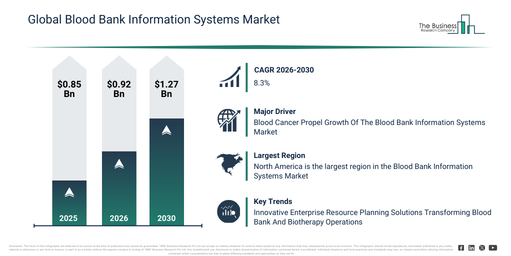
  • Blood and blood components market to reach $55.15B by 2030 at 5% CAGR

    Blood and blood components market to reach $55.15B by 2030 at 5% CAGR

    The Business Research Company’s 2026 market reports feature enhanced tools like market attractiveness analysis, TAM assessment, and company scoring matrices, along with interactive dashboards, deeper supply chain insights, and startup coverage strengthening the depth, usability, and strategic value of insights.

    What Is The Estimated Market Size Of The Blood And Blood Components Market In 2026, And How Will Its Value Evolve By 2030?

    The blood and blood components market has shown significant growth over recent years. It is anticipated to increase from $43 billion in 2025 to $45.38 billion in 2026, reflecting a compound annual growth rate (CAGR) of 5.5%. Historically, this expansion has been driven by the rising incidence of chronic blood disorders, the enlargement of trauma and emergency care services, the growing acceptance of component therapy, enhancements in blood separation technologies, and the development of hospital transfusion services.

    The blood and blood components market is projected to experience consistent expansion in the coming years. This market is anticipated to reach $55.16 billion by 2030, exhibiting a compound annual growth rate (CAGR) of 5.0%. Factors contributing to this growth during the forecast period include a heightened demand for personalized transfusion solutions, increased investments in sophisticated storage technologies, the broader application of oncology and hematology therapies, the wider uptake of pathogen reduction techniques, and a greater emphasis on reducing blood wastage. Key trends expected within this timeframe involve a growing need for transfusions tailored to specific components, the increasing use of automated methods for blood component separation, the expanding application of platelet and plasma treatments, the development of advanced solutions for blood storage, and a sharpened focus on optimizing inventory management.

    Access Your Free Sample Report For In-Depth Market Analysis:

    https://www.thebusinessresearchcompany.com/report/blood-and-blood-components-global-market-report

    Which Key Factors Are Driving The Blood And Blood Components Market Growth?

    The increasing occurrence of bleeding disorders is anticipated to drive the expansion of the blood and blood components market. These disorders, such as hemophilia, represent a category of health issues marked by deficient blood clotting, potentially resulting in excessive or extended bleeding, even from slight wounds or without apparent cause. Blood and its constituent components are vital in managing blood disorders, offering essential elements like red blood cells, platelets, and clotting factors. These can be transfused into patients to substitute or augment deficient or impaired components, thereby enhancing their clotting function and general well-being. For example, data from July 2023 by the Centers for Disease Control and Prevention (CDC), a US-based government agency, indicates that hemophilia A affects about one in 5,000 male births in the United States, with approximately 400 babies diagnosed with hemophilia A annually in the United States. Furthermore, the estimated current population of males living with hemophilia in the United States ranges from 30,000 to 33,000. Consequently, the rising incidence of bleeding disorders is a key factor propelling the expansion of the blood and blood components market.

    What Are The Key Segment Divisions In The Blood And Blood Components Market Segment Structure?

    The blood and blood components market covered in this report is segmented –

    1) By Product: Whole Blood, Blood Components

    2) By End-User: Hospitals, Ambulatory Surgical Centers, Other End-Users

    3) By Application: Anemia, Trauma and Surgery, Cancer Treatment, Bleeding Disorders

    Subsegments:

    1) By Whole Blood: Donor Whole Blood, Autologous Whole Blood

    2) By Blood Components: Red Blood Cells (RBCs), Platelets, Plasma, White Blood Cells (WBCs)

    Which Trends Are Guiding The Direction Of The Blood And Blood Components Market?

    Leading companies within the blood and blood component market are concentrating on developing innovative technology, such as an advanced precision blood typing process, to prevent complications during blood transfusions. Precision blood typing is a unique blood typing method that utilizes sophisticated techniques and technologies to accurately determine an individual’s blood type, including their specific blood group and subgroup, ensuring the precise and safe transfusion of blood or blood products. For instance, in April 2023, the San Diego Blood Bank, a US-based organization, launched its precision blood initiative, aimed at enhancing the standard of care for blood transfusion patients by expanding the precision blood typing process. This program intends to positively transform and save lives by improving the quality of care for those receiving blood transfusions.

    Which Organizations Are Engaged In The Blood And Blood Components Market?

    Major companies operating in the blood and blood components market are American Red Cross, The Japanese Red Cross Society, Canadian Blood Services, Australian Red Cross, Vitalant, SANQUIN BLOOD SUPPLY FOUNDATION, New York Blood Center, Blood Bank of Alaska, Blood Centers of America, Xinjiang Deyuan Bioengineering, Harbin Pacific Biopharmaceutical, Southern Shuanglin Bio-Pharmacy, Beijing Tiantan Biological Products, Shanghai RAAS Blood Products, China Biologic Products, Hualan Biological Engineering, Biotest AG, Lorne Laboratories UK, LMB Germany, Bio Products Laboratory Ltd, Kedrion Biopharma, Hemanext Inc., Cellphire Inc., CSL Behring, Octapharma Canada Inc., Grifols

    Get The Full Blood And Blood Components Market Report:

    https://www.thebusinessresearchcompany.com/report/blood-and-blood-components-global-market-report

    Which Region Is The Top Contributor To The Blood And Blood Components Market By Share?

    North America was the largest region in the blood and blood components market in 2025. Western Europe was the second largest region in the global blood and blood components market analysis. The regions covered in the blood and blood components market report are Asia-Pacific, South East Asia, Western Europe, Eastern Europe, North America, South America, Middle East, Africa.

    Request A Customized Blood And Blood Components Market Report For Competitive Insights:

    https://www.thebusinessresearchcompany.com/report/blood-and-blood-components-global-market-report

    Browse Through More Reports Similar to the Global Blood And Blood Components Market 2026, By The Business Research Company

    Blood Processing Devices And Consumables Market Report 2026

    https://www.thebusinessresearchcompany.com/report/blood-processing-devices-and-consumables-global-market-report

    Bathroom Products Market Report 2026

    https://www.thebusinessresearchcompany.com/report/bathroom-products-global-market-report

    Blood Market Report 2026

    https://www.thebusinessresearchcompany.com/report/blood-global-market-report

    Get in touch with us:

    The Business Research Company: https://www.thebusinessresearchcompany.com/

    Americas +1 310-496-7795

    Asia +44 7882 955267 & +91 8897263534

    Europe +44 7882 955267

    Email us at info@tbrc.info

    Follow us on:

    LinkedIn: https://in.linkedin.com/company/the-business-research-company

    YouTube: https://www.youtube.com/channel/UC24_fI0rV8cR5DxlCpgmyFQ

    Global Market Model: https://www.thebusinessresearchcompany.com/global-market-model
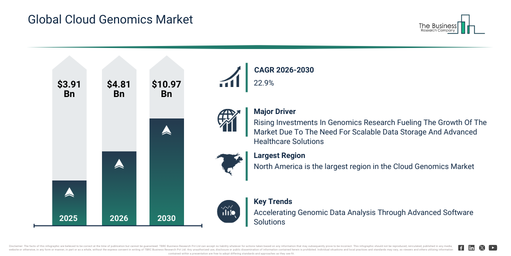
  • Cloud Genomics Market to Reach $10.97B by 2030

    Cloud Genomics Market to Reach $10.97B by 2030

    The Business Research Company’s 2026 market reports feature enhanced tools like market attractiveness analysis, TAM assessment, and company scoring matrices, along with interactive dashboards, deeper supply chain insights, and startup coverage strengthening the depth, usability, and strategic value of insights.

    By 2030, What Market Size Is The Cloud Genomics Market Expected To Reach Based On Its 2026 Value?

    The market size for cloud genomics has experienced significant expansion in recent years. Projections indicate it will advance from $3.91 billion in 2025 to $4.81 billion in 2026, at a compound annual growth rate (CAGR) of 23.2%. Historically, this growth can be ascribed to progress in DNA sequencing technologies, the escalating volume of genomic data being produced, the widening scope of academic and clinical genomics research, the increasing utilization of bioinformatics tools, and the requirement for high-performance computing resources.

    The cloud genomics market size is forecasted to experience substantial growth over the next few years. It is expected to expand to $10.97 billion by 2030, demonstrating a compound annual growth rate (CAGR) of 22.9%. This expansion during the forecast period is attributed to the increasing adoption of precision medicine initiatives, rising investments in genomics research infrastructure, the growing integration of AI in genetic analysis, the expansion of population-scale genomic studies, and the increasing need for interoperable cloud platforms. Prominent trends for this period include the rising adoption of cloud-based genomic data platforms, the increasing use of AI-driven genomic analytics, the growing demand for scalable data storage solutions, the expansion of collaborative genomic research environments, and an enhanced focus on data security and compliance.

    Access Your Free Sample Report For In-Depth Market Analysis:

    https://www.thebusinessresearchcompany.com/report/cloud-genomics-global-market-report

    Which Important Drivers Are Guiding The Cloud Genomics Market Growth?

    Increased financial commitment to genomics investigations is projected to stimulate expansion within the cloud genomics sector in the future. This research entails a comprehensive examination of an organism’s complete DNA code to explore gene roles, interplays, and their influence on biological functions. Funding for genomics studies is increasing, driven by its capacity to facilitate personalized healthcare, providing more precise diagnoses and customized therapies derived from a person’s genetic profile. Higher investments in genomics research result in an amplified adoption of cloud genomics, primarily because the massive volume of genomic data produced necessitates a scalable, efficient, and economical cloud framework for both retention and examination. As an illustration, in March 2024, the National Human Genome Research Institute (NHGRI), a US-based federal government research institute, disclosed a budget request of US$ 663.7 million for fiscal year 2025, which represents a modest increase from previous years. This sustained financial backing underpins essential human genomics research, technological advancements, and the incorporation of clinical genomics. Consequently, the expanding financial inputs into genomics investigations are fueling the growth of the cloud genomics market.

    How Is Segmentation Applied In The Cloud Genomics Market Segment Analysis?

    The cloud genomics market covered in this report is segmented –

    1) By Component: Software, Hardware, Services

    2) By Deployment Mode: Public Cloud, Private Cloud, Hybrid Cloud

    3) By Application: Clinical Diagnostics, Drug Discovery And Development, Personalized Medicine, Research, Other Applications

    4) By End-User: Hospitals And Clinics, Research And Academic Institutions, Pharmaceutical And Biotechnology Companies, Other End-Users

    Subsegments:

    1) By Software: Genomic Data Analysis Software, Bioinformatics Tools, Laboratory Information Management Systems (LIMS), Data Visualization Software, Workflow Automation Software

    2) By Hardware: High-Performance Computing (HPC) Systems, Servers, Storage Systems, Sequencing Instruments, Networking Equipment

    3) By Services: Cloud Storage And Data Management Services, Data Analysis And Interpretation Services, Consulting And Implementation Services, Software-As-A-Service (SaaS) Solutions, Maintenance And Support Services

    What Trends Are Influencing The Evolution Of The Cloud Genomics Market?

    Major companies operating in the cloud genomics market are concentrating on developing advanced solutions, such as software accelerators, to facilitate the quicker development and deployment of intricate applications. These software accelerators function as tools or programs that enhance the speed and efficiency of software applications by optimizing data processing and computational tasks. As an illustration, in January 2023, QIAGEN Digital Insights (QDI), a US-based bioinformatics company, unveiled QIAGEN CLC Genomics Workbench Premium. This offering tackles the data-analysis bottleneck inherent in next-generation sequencing (NGS) by enabling significantly faster analysis for examining and interpreting whole genome sequencing (WGS), whole exome sequencing (WES), and large panel sequencing data. The product incorporates LightSpeed technology, a software accelerator that rapidly converts raw FASTQ sequencing data from any paired-end short-read platform into interpretable VCF-format genetic variant lists. It is capable of analyzing an entire human genome at 34x coverage on a standard computer in merely 25 minutes, and a 50x whole exome in 90 seconds within typical cloud environments. Through this technology, laboratories can conduct whole genome sequencing for approximately $1 per genome and whole exome sequencing for just a few cents per exome utilizing cloud infrastructure. Moreover, QIAGEN CLC LightSpeed can be run efficiently on existing local hardware while sustaining similar high-speed performance.

    Who Are The Companies Participating In The Cloud Genomics Market Environment?

    Major companies operating in the cloud genomics market are Microsoft Corp., Amazon Web Services Inc., F. Hoffmann-La Roche Ltd., IBM Corporation, Oracle Corporation, Thermo Fisher Scientific Inc., Illumina Inc., PerkinElmer Inc., QIAGEN N.V., Element Biosciences Inc., Human Longevity Inc., Seven Bridges Genomics, DNAnexus Inc., Lifebit Biotech Ltd., Fabric Genomics Inc., PierianDx Inc., Veritas Genetics Inc., WuXi, NantOmics LLC, Saphetor SA, Nebula Genomics, Gene by Gene Ltd.

    Get The Full Cloud Genomics Market Report:

    https://www.thebusinessresearchcompany.com/report/cloud-genomics-global-market-report

    Which Region Has The Greatest Market Share In The Cloud Genomics Market?

    North America was the largest region in the cloud genomics market in 2025. Asia-Pacific is expected to be the fastest-growing region in the forecast period. The regions covered in the cloud genomics market report are Asia-Pacific, South East Asia, Western Europe, Eastern Europe, North America, South America, Middle East, Africa.

    Request A Customized Cloud Genomics Market Report For Competitive Insights:

    https://www.thebusinessresearchcompany.com/report/cloud-genomics-global-market-report

    Browse Through More Reports Similar to the Global Cloud Genomics Market 2026, By The Business Research Company

    Cloud Artificial Intelligence Ai Solutions Market Report 2026

    https://www.thebusinessresearchcompany.com/report/cloud-artificial-intelligence-ai-solutions-global-market-report

    Genomics Market Report 2026

    https://www.thebusinessresearchcompany.com/report/genomics-global-market-report

    Ai In Genomics Market Report 2026

    https://www.thebusinessresearchcompany.com/report/ai-in-genomics-global-market-report

    Get in touch with us:

    The Business Research Company: https://www.thebusinessresearchcompany.com/

    Americas +1 310-496-7795

    Asia +44 7882 955267 & +91 8897263534

    Europe +44 7882 955267

    Email us at info@tbrc.info

    Follow us on:

    LinkedIn: https://in.linkedin.com/company/the-business-research-company

    YouTube: https://www.youtube.com/channel/UC24_fI0rV8cR5DxlCpgmyFQ

    Global Market Model: https://www.thebusinessresearchcompany.com/global-market-model
  • Blood market forecast (2026–2030) highlighting industry expansion

    Blood market forecast (2026–2030) highlighting industry expansion

    The Business Research Company’s 2026 market reports feature enhanced tools like market attractiveness analysis, TAM assessment, and company scoring matrices, along with interactive dashboards, deeper supply chain insights, and startup coverage strengthening the depth, usability, and strategic value of insights.

    How Does The Market Size Of The Blood Market Compare Between 2026 And 2030?

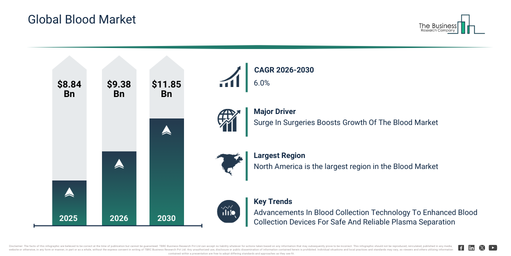
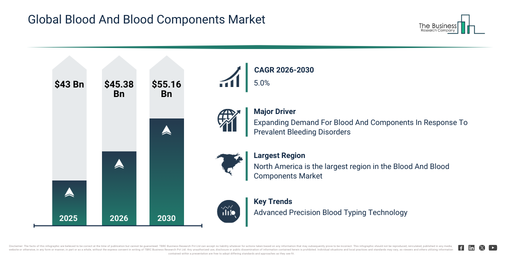
    The blood market has experienced robust growth recently. Projections indicate an expansion from $8.84 billion in 2025 to $9.38 billion by 2026, demonstrating a compound annual growth rate (CAGR) of 6.2%. Historically, this growth has been driven by several factors, including a higher incidence of surgical procedures, an expanding network of diagnostic laboratories, heightened awareness regarding blood safety protocols, the development of organized blood collection systems, and advancements in blood screening technologies.

    The blood market is projected to experience substantial expansion in the coming years. By 2030, its valuation is anticipated to reach $11.85 billion, driven by a compound annual growth rate (CAGR) of 6.0%. This growth during the forecast period stems from factors such as a heightened demand for plasma-derived therapies, the increasing embrace of automated blood processing systems, the enlargement of national blood programs, the expanding utilization of data-driven blood supply management, and greater investments in transfusion safety technologies. Key trends shaping the forecast period encompass a rising demand for automated blood screening technologies, the wider adoption of digital blood inventory management, a growing emphasis on voluntary blood donation programs, the expansion of plasma collection infrastructure, and a strengthened focus on blood safety and traceability.

    Access Your Free Sample Report For In-Depth Market Analysis:

    https://www.thebusinessresearchcompany.com/report/blood-global-market-report

    What Primary Drivers Are Shaping The Blood Market?

    The projected rise in surgical procedures is expected to stimulate the expansion of the blood market. This increase in surgeries is primarily due to advancements in medical technology, an aging population, and a greater incidence of chronic diseases. Blood is crucial during surgery for supplying oxygen and nutrients, assisting in clotting to control bleeding, and enhancing the immune response to combat infections. For example, in May 2025, the Australian Institute of Health and Welfare, an Australia-based government administration, reported that public hospitals admitted 778,500 patients for elective surgery in 2023–24, which was a 5.8% increase from 2022–23. Therefore, the growing number of surgeries is driving the blood market’s progress.

    Which Segment Categories Are Included In The Blood Market Segment Analysis?

    The blood market covered in this report is segmented –

    1) By Product: Whole Blood Collection And Processing, Source Plasma Collection, Blood Typing Products, Blood Screening Products

    2) By Mode of Delivery: Infusion Solutions, Gels, Sprays, Biomedical Sealants

    3) By End User: Blood And Blood Component Bank, Diagnostic Laboratories, Ambulatory Surgical Centers, Hospitals, Other End Users

    Subsegments:

    1) By Whole Blood Collection And Processing: Blood Collection Bags, Blood Processing Kits, Blood Separation Systems, Blood Donation Kits

    2) By Source Plasma Collection: Plasma Collection Kits, Automated Plasma Collection Systems, Plasma Freezers And Storage Equipment

    3) By Blood Typing Products: Blood Typing Reagents, Blood Typing Kits (Manual And Automated), Blood Grouping Solutions

    4) By Blood Screening Products: Blood Screening Reagents, Blood Screening Systems (Automated And Manual), Infectious Disease Testing Kits, Hemoglobin Testing Kits

    What Trends Are Affecting The Growth Of The Blood Market?

    Major companies operating in the blood market are actively developing advanced blood transfusion instruments, such as blood collection tubes, which facilitate the secure and efficient collection of whole blood and enable easy separation of plasma from blood cells. A blood collection tube (BCT) refers to a specialized container utilized for the safe collection, transportation, and storage of blood samples for laboratory testing or medical procedures, engineered to uphold the integrity of the blood and its components. For instance, in July 2025, OraSure Technologies, Inc., a US-based medical diagnostics and device company, through its subsidiary DNA Genotek, introduced the HEMAcollect PROTEIN Blood Collection Tube (BCT). This specialized blood collection device contains a proprietary stabilizing liquid that preserves plasma proteins by minimizing hemolysis and reduces pre-analytical variability caused by cell lysis or platelet activation, thereby enhancing the reliability of downstream proteomic assays.

    Who Are The Active Companies Shaping The Blood Market?

    Major companies operating in the blood market are Cardinal Health Inc., Roche Holding AG, Thermo Fisher Scientific Inc., Abbott Laboratories, Medtronic Plc, Danaher Corp., Merck KGaA, Asahi Kasei Medical Co. Ltd., Henry Schein Inc., Medline Industries Inc., B. Braun Melsungen AG, Grifols SA, Terumo Corp., Nipro Corp., QuidelOrtho Corp., Bio Rad Laboratories Inc., LivaNova PLC, Haemonetics Corp., Macopharma, DIAGAST SAS, BAG Health Care GmbH, Kawasumi Laboratories America Inc

    Get The Full Blood Market Report:

    https://www.thebusinessresearchcompany.com/report/blood-global-market-report

    Which Region Represents The Largest Share Of The Blood Market?

    North America was the largest region in the blood market in 2025. Asia-Pacific is expected to be the fastest-growing region in the forecast period. The regions covered in the blood market report are Asia-Pacific, South East Asia, Western Europe, Eastern Europe, North America, South America, Middle East, Africa.

    Request A Customized Blood Market Report For Competitive Insights:

    https://www.thebusinessresearchcompany.com/report/blood-global-market-report

    Browse Through More Reports Similar to the Global Blood Market 2026, By The Business Research Company

    Blood Bank Market Report 2026

    https://www.thebusinessresearchcompany.com/report/blood-bank-global-market-report

    Bathroom Products Market Report 2026

    https://www.thebusinessresearchcompany.com/report/bathroom-products-global-market-report

    Blood And Blood Components Market Report 2026

    https://www.thebusinessresearchcompany.com/report/blood-and-blood-components-global-market-report

    Get in touch with us:

    The Business Research Company: https://www.thebusinessresearchcompany.com/

    Americas +1 310-496-7795

    Asia +44 7882 955267 & +91 8897263534

    Europe +44 7882 955267

    Email us at info@tbrc.info

    Follow us on:

    LinkedIn: https://in.linkedin.com/company/the-business-research-company

    YouTube: https://www.youtube.com/channel/UC24_fI0rV8cR5DxlCpgmyFQ

    Global Market Model: https://www.thebusinessresearchcompany.com/global-market-model
  • Closed-Back Nursing Shoes Market to Reach $3.12B by 2030 at 11.1% CAGR

    Closed-Back Nursing Shoes Market to Reach $3.12B by 2030 at 11.1% CAGR

    The Business Research Company’s 2026 market reports feature enhanced tools like market attractiveness analysis, TAM assessment, and company scoring matrices, along with interactive dashboards, deeper supply chain insights, and startup coverage strengthening the depth, usability, and strategic value of insights.

    What Is The Anticipated Rise In Market Value Of The Closed-Back Nursing Shoes Market During The Forecast Period?

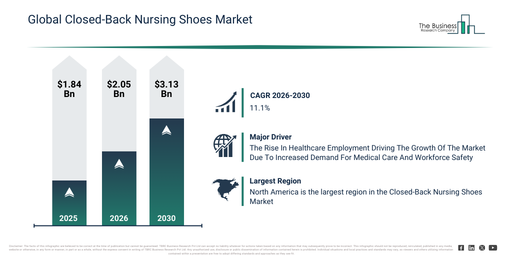
    The closed-back nursing shoes market size has seen rapid expansion in recent years. It is projected to increase from $1.84 billion in 2025 to $2.05 billion in 2026, achieving a compound annual growth rate (CAGR) of 11.3%. The historical growth of this market is attributable to the expansion of the healthcare workforce, a heightened awareness of occupational safety standards, the growing incidence of long working hours in healthcare, the development of hospital infrastructure, and the demand for hygienic workwear.

    The market for closed-back nursing shoes is projected to experience swift expansion over the upcoming years. This market is set to reach $3.13 billion by 2030, exhibiting a compound annual growth rate (CAGR) of 11.1%. Factors driving this growth during the forecast period include greater investments in healthcare infrastructure, a heightened emphasis on the well-being and comfort of staff, the expanding use of premium nursing footwear, the broadening of home healthcare services, and a reinforced commitment to infection prevention standards. Key trends anticipated in this period encompass a heightened demand for slip-resistant and protective footwear, the increasing uptake of ergonomic shoe designs, a developing preference for materials that are simple to clean, the introduction of more lightweight and breathable shoe models, and a stronger focus on adherence to workplace safety regulations.

    Access Your Free Sample Report For In-Depth Market Analysis:

    https://www.thebusinessresearchcompany.com/report/closed-back-nursing-shoes-global-market-report

    What Major Factors Are Driving The Closed-Back Nursing Shoes Market Forward?

    The expanding workforce in the healthcare sector is anticipated to boost the closed-back nursing shoes market. This employment encompasses all personnel involved in delivering medical, clinical, and essential support services, focused on maintaining and enhancing the well-being of individuals and communities. The surge in healthcare employment stems from the growing prevalence of chronic illnesses, which necessitates greater medical care, ongoing treatment, and comprehensive long-term patient management. Closed-back nursing shoes play a role in enhancing safety and comfort for these professionals, thereby indirectly supporting the healthcare workforce by mitigating fatigue, injuries, and staff attrition. For instance, in August 2025, according to the Bureau of Labor Statistics, a US-based government agency, From 2024 to 2034, employment of registered nurses is projected to increase by 5 percent, growing faster than the average for all occupations. Consequently, the rise in healthcare employment is a key factor driving the growth of the closed-back nursing shoes market.

    What Segment Categories Shape The Closed-Back Nursing Shoes Market Segment Landscape?

    The closed-back nursing shoes market covered in this report is segmented –

    1) By Product Type: Slip-resistant Shoes, Orthopedic Shoes, Waterproof Shoes, Breathable Shoes, Lightweight Shoes

    2) By Material: Leather, Synthetic Materials, Mesh Fabrics, Rubber Soles, Memory Foam

    3) By Purpose Of Use: Clinical Environments, Hospital Settings, Long-term Care Facilities, Home Care Assistance, Public Health Services

    4) By Distribution Channel: Online Stores, Supermarkets Or Hypermarkets, Specialty Stores, Other Distributions Channels

    5) By End-User: Hospitals, Clinics, Home Healthcare, Other End-Users

    Subsegments:

    1) By Slip-Resistant Shoes: Rubber Outsole, Textured Sole, Oil Resistant Sole, Non Marking Sole

    2) By Orthopedic Shoes: Arch Support Shoes, Extra Depth Shoes, Wide Toe Box Shoes, Cushioning Support Shoes

    3) By Waterproof Shoes: Water Repellent Coated Shoes, Seam Sealed Shoes, Synthetic Upper Shoes, Slip On Waterproof Shoes

    4) By Breathable Shoes: Mesh Upper Shoes, Ventilated Panel Shoes, Moisture Wicking Lining Shoes, Perforated Design Shoes

    5) By Lightweight Shoes: Foam Sole Shoes, Minimalist Design Shoes, Flexible Material Shoes, Low Profile Sole Shoes

    Who Are The Companies Operating Across The Closed-Back Nursing Shoes Market Value Chain?

    Major companies operating in the closed-back nursing shoes market are Skechers U.S.A. Inc., Birkenstock Holding plc, Rocky Brands Inc., Sanita Footwear A/S, Aetrex Worldwide Inc., Shoes For Crews LLC, Dansko LLC, Cherokee Global Brands Inc., Alpro Footwear GmbH, SafeTstep Footwear, Clove Shoes Inc., Alegria by PG Lite Inc., Lavoro Footwear S.A., Vionic Group LLC, Xiamen Seatyle Import And Export Co. Ltd., Latitudes Inc., Crocs Inc., NursingShoes.com Inc., Toffeln Ltd., Anywear Inc.

    Get The Full Closed-Back Nursing Shoes Market Report:

    https://www.thebusinessresearchcompany.com/report/closed-back-nursing-shoes-global-market-report

    Which Region Accounts For The Largest Portion Of The Closed-Back Nursing Shoes Market?

    North America was the largest region in the closed-back nursing shoes market in 2025. The regions covered in the closed-back nursing shoes market report are Asia-Pacific, South East Asia, Western Europe, Eastern Europe, North America, South America, Middle East, Africa.

    Request A Customized Closed-Back Nursing Shoes Market Report For Competitive Insights:

    https://www.thebusinessresearchcompany.com/report/closed-back-nursing-shoes-global-market-report

    Browse Through More Reports Similar to the Global Closed-Back Nursing Shoes Market 2026, By The Business Research Company

    Diabetic Footwear Market Report 2026

    https://www.thebusinessresearchcompany.com/report/diabetic-footwear-global-market-report

    Shoe Care Market Report 2026

    https://www.thebusinessresearchcompany.com/report/shoe-care-global-market-report

    Custom Shoes Market Report 2026

    https://www.thebusinessresearchcompany.com/report/custom-shoes-global-market-report

    Get in touch with us:

    The Business Research Company: https://www.thebusinessresearchcompany.com/

    Americas +1 310-496-7795

    Asia +44 7882 955267 & +91 8897263534

    Europe +44 7882 955267

    Email us at info@tbrc.info

    Follow us on:

    LinkedIn: https://in.linkedin.com/company/the-business-research-company

    YouTube: https://www.youtube.com/channel/UC24_fI0rV8cR5DxlCpgmyFQ

    Global Market Model: https://www.thebusinessresearchcompany.com/global-market-model