Category: Healthcare Services

  • Cognitive Diagnostics Market: Trends, Drivers, and Opportunities

    Cognitive Diagnostics Market: Trends, Drivers, and Opportunities

    The Business Research Company’s 2026 market reports feature enhanced tools like market attractiveness analysis, TAM assessment, and company scoring matrices, along with interactive dashboards, deeper supply chain insights, and startup coverage strengthening the depth, usability, and strategic value of insights.

    What Is The Projected Increase In Market Value Of The Cognitive Diagnostics Market During 2026–2030?

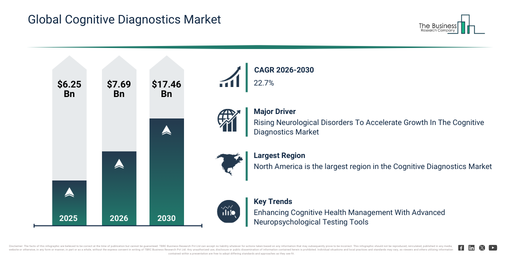
    The cognitive diagnostics market size has experienced significant expansion in recent years. It is anticipated to increase from $6.25 billion in 2025 to $7.69 billion in 2026, exhibiting a compound annual growth rate (CAGR) of 23.1%. The historical development can be linked to the rising prevalence of neurodegenerative disorders, heightened awareness of cognitive health, advancements in diagnostic imaging capabilities, increased adoption of standardized cognitive tests, and the expansion of neurology specialty clinics.

    The cognitive diagnostics market is poised for substantial growth over the next few years. It is projected to expand to $17.46 billion by 2030, demonstrating a compound annual growth rate (CAGR) of 22.7%. The expansion throughout the forecast period is fueled by escalating investments in digital diagnostics, an increasing need for early-stage cognitive disorder detection, the proliferation of home-based cognitive assessment tools, the growing incorporation of AI into clinical decision support, and a heightened emphasis on personalized cognitive care. Prominent trends anticipated in this period include the rising application of AI-based cognitive assessment instruments, greater adoption of digital cognitive screening platforms, the expanding deployment of neuroimaging analytics, the widespread availability of remote cognitive testing solutions, and a reinforced focus on early disease detection.

    Access Your Free Sample Report For In-Depth Market Analysis:

    https://www.thebusinessresearchcompany.com/report/cognitive-diagnostics-global-market-report

    What Leading Drivers Are Supporting The Cognitive Diagnostics Market Expansion?

    The increasing occurrence of neurological conditions is anticipated to fuel expansion within the cognitive diagnostics market moving forward. These conditions, which impact the brain, spinal cord, and nervous system, hinder their proper functioning and manifest in symptoms like cognitive decline, motor impairment, and sensory issues. The surge in neurological disorders is largely attributable to a higher incidence of age-associated illnesses, including Alzheimer’s and Parkinson’s disease. Furthermore, genetic predispositions, alongside exposure to environmental toxins, stress, poor dietary habits, and inactive lifestyles, also contribute to their growing prevalence. Cognitive diagnostics play a crucial role in neurological diseases by evaluating, identifying, and tracking cognitive deficits, thereby assisting in the prompt diagnosis and management of conditions such as Alzheimer’s and Parkinson’s disease. For instance, in May 2024, a report from the Alzheimer’s Association, a U.S.-based nonprofit organization focused on Alzheimer’s care, support, and research, indicated that the count of Americans aged 65 and older diagnosed with Alzheimer’s dementia increased from 6.5 million in 2022 to an estimated 6.9 million in 2024. Consequently, the rising prevalence of neurological disorders is a key factor driving the growth of the cognitive diagnostics market.

    What Are The Key Segment Divisions In The Cognitive Diagnostics Market Segment Structure?

    The cognitive diagnostics market covered in this report is segmented –

    1) By Diagnosis: Brain Imaging Tests, Laboratory Testing, Mental Status Testing, Rapid Home Screening Tests, Neuropsychological Testing, Electroencephalogram (EEG), Cognitive Function And Behavioral Tests, Neuropsychiatric Inventory Questionnaire (NPI-Q)

    2) By Indication: Alzheimer’s Disease, Attention Deficit Or Hyperactivity Disorder, Dementia, Epilepsy-Related Cognitive Dysfunction, Mild Cognitive Impairment, Parkinson’s Disease-Related Cognitive Dysfunction, Stroke-Related Cognitive Dysfunction, Traumatic Brain Injury, Other Indications

    3) By End User: Hospitals, Neurology Clinics, Cognitive Behavioral Therapy Centers, Rehabilitation Centers, Academic And Research Institutes, Diagnostic Imaging Centers, Home Care Settings

    Subsegments:

    1) By Brain Imaging Tests: Magnetic Resonance Imaging (MRI), Positron Emission Tomography (PET), Computed Tomography (CT) Scans, Functional MRI (fMRI), Single-Photon Emission Computed Tomography (SPECT), Magnetoencephalography (MEG)

    2) By Laboratory Testing: Blood Biomarkers for Cognitive Disorders, Genetic Testing for Cognitive Impairment, CSF (Cerebrospinal Fluid) Biomarker Tests, Hormonal and Metabolic Testing, Genetic Sequencing for Alzheimer’s Disease

    3) By Mental Status Testing: Mini-Mental State Examination (MMSE), Montreal Cognitive Assessment (MoCA), Saint Louis University Mental Status (SLUMS) Exam, Cognitive Assessment Screening Tools

    4) By Rapid Home Screening Tests: Self-Administered Cognitive Tests, Mobile App-Based Cognitive Screening, At-Home Memory and Mental Health Tests

    5) By Neuropsychological Testing: Cognitive and Behavioral Assessment Batteries, Attention and Memory Function Tests, Executive Function and Problem-Solving Tests, Verbal and Visual Learning Tests

    6) By Electroencephalogram (EEG): Resting-State EEG for Cognitive Disorders, Event-Related Potential (ERP) Testing, Quantitative EEG (QEEG) for Brain Mapping, Long-Term EEG Monitoring for Cognitive Disorders

    7) By Cognitive Function and Behavioral Tests: Memory Function Tests, Attention and Concentration Tests, Language and Communication Tests, Mood and Behavior Assessments

    8) By Neuropsychiatric Inventory Questionnaire (NPI-Q): NPI-Q for Dementia Screening, Behavioral and Psychological Symptoms of Dementia (BPSD) Assessment, NPI-Q for Alzheimer’s Disease and Other Cognitive Disorders, Shortened Versions of NPI-Q for Clinical Settings.

    What Emerging Trends Are Seen In The Cognitive Diagnostics Market?

    Key companies operating in the cognitive diagnostics market are prioritizing real-time insights into cognitive health, propelled by technological advancements in diagnostic tools such as neuropsychological testing platforms, to heighten the accuracy, efficiency, and comprehensiveness of cognitive assessments. Neuropsychological testing platforms are specialized digital instruments created to evaluate cognitive functions through standardized tests, covering memory, attention, and problem-solving abilities. For instance, in April 2024, BrainCheck Inc., a US-based digital health company advancing cognitive health, launched its comprehensive digital cognitive assessment platform at the American Academy of Neurology (AAN) Annual Meeting, demonstrating its sophisticated tools for cognitive screening, assessment, and care planning. The platform, featuring Assess, Screen, and Plan, offers clinicians a contemporary solution to streamline cognitive health management with mobile, digital technology, ensuring precision and user-friendliness. This innovation aims to improve the efficiency and quality of care for patients and providers by delivering nuanced, evidence-based recommendations and thorough care planning.

    Which Organizations Are Engaged In The Cognitive Diagnostics Market?

    Major companies operating in the cognitive diagnostics market are Cogstate Ltd., Viz.ai, Redcliffe Labs, Mind Maze, Neurocare Group AG, Pathway Genomics, Diadem srl, Cambridge Cognition Ltd., Posit Science Corporation, Anderson Diagnostics & Labs. , Altoida AG, BrainScope Company Inc., Neurotrack Technologies Inc., Cognetivity Neurosciences Ltd., BrainCheck, Cyclops MedTech Pvt Ltd, Twill Inc., CN Diagnostics, Savonix Inc., Cognivue Inc., NeuroCog Trials, Pearson Clinical, Re:Cognition Health, CogniSense, The Neuropsychology Consultants

    Get The Full Cognitive Diagnostics Market Report:

    https://www.thebusinessresearchcompany.com/report/cognitive-diagnostics-global-market-report

    Which Region Dominates The Cognitive Diagnostics Market By Market Share?

    North America was the largest region in the cognitive diagnostics market in 2025. Asia-Pacific is expected to be the fastest-growing region in the forecast period. The regions covered in the cognitive diagnostics market report are Asia-Pacific, South East Asia, Western Europe, Eastern Europe, North America, South America, Middle East, Africa.

    Request A Customized Cognitive Diagnostics Market Report For Competitive Insights:

    https://www.thebusinessresearchcompany.com/report/cognitive-diagnostics-global-market-report

    Browse Through More Reports Similar to the Global Cognitive Diagnostics Market 2026, By The Business Research Company

    Cognitive Process Automation Market Report 2026

    https://www.thebusinessresearchcompany.com/report/cognitive-process-automation-global-market-report

    Cognitive Services Market Report 2026

    https://www.thebusinessresearchcompany.com/report/cognitive-services-global-market-report

    Cognitive Analytics Market Report 2026

    https://www.thebusinessresearchcompany.com/report/cognitive-analytics-global-market-report

    Get in touch with us:

    The Business Research Company: https://www.thebusinessresearchcompany.com/

    Americas +1 310-496-7795

    Asia +44 7882 955267 & +91 8897263534

    Europe +44 7882 955267

    Email us at info@tbrc.info

    Follow us on:

    LinkedIn: https://in.linkedin.com/company/the-business-research-company

    YouTube: https://www.youtube.com/channel/UC24_fI0rV8cR5DxlCpgmyFQ

    Global Market Model: https://www.thebusinessresearchcompany.com/global-market-model
  • Cognitive Behavioral Therapy Market: Developments Driving Growth

    Cognitive Behavioral Therapy Market: Developments Driving Growth

    The Business Research Company’s 2026 market reports feature enhanced tools like market attractiveness analysis, TAM assessment, and company scoring matrices, along with interactive dashboards, deeper supply chain insights, and startup coverage strengthening the depth, usability, and strategic value of insights.

    How Is The Market Size Of The Cognitive Behavioral Therapy Market Expected To Change From 2026 To 2030?

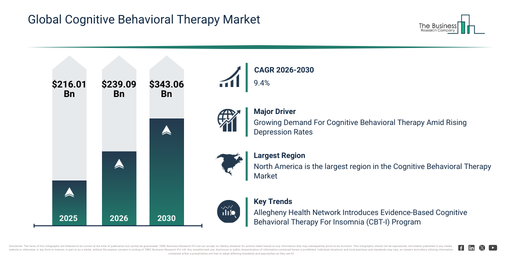
    The cognitive behavioral therapy market size has experienced rapid expansion in recent years. It is projected to increase from $216.01 billion in 2025 to $239.09 billion in 2026, demonstrating a compound annual growth rate (CAGR) of 10.7%. The market’s historical growth can be attributed to heightened awareness of mental health disorders, the broadening of outpatient mental health services, a growing acceptance of psychotherapy treatments, an increase in trained mental health professionals, and more comprehensive insurance coverage for behavioral therapy.

    The cognitive behavioral therapy market is projected to experience substantial expansion in the coming years. This market is anticipated to reach a valuation of $343.06 billion by 2030, demonstrating a compound annual growth rate (CAGR) of 9.4%. This projected growth during the forecast period stems from factors such as heightened demand for remote mental health services, a surge in the application of digital therapeutics within psychiatry, the broadening of anxiety and depression treatment initiatives, an amplified emphasis on early intervention methods, and the wider acceptance of hybrid therapy frameworks. Key developments expected during this timeframe encompass the increased uptake of digital CBT platforms, the escalating utilization of telehealth-supported therapy sessions, the expanding incorporation of VR exposure therapy, the proliferation of structured short-term therapy programs, and a greater emphasis on customized behavioral interventions.

    Access Your Free Sample Report For In-Depth Market Analysis:

    https://www.thebusinessresearchcompany.com/report/cognitive-behavioral-therapy-global-market-report

    Which Key Factors Are Driving The Cognitive Behavioral Therapy Market Growth?

    The rising instances of depression are anticipated to drive the expansion of the cognitive behavioral therapy market in the future. Depression, a mental health condition, is marked by enduring sensations of sorrow, despair, and a lack of enthusiasm or enjoyment in pursuits, frequently alongside physical signs like alterations in hunger or sleep cycles. A rise in depression cases is observed, stemming from various elements including societal demands, financial pressures, hereditary tendencies, traumatic experiences, and insufficient access to mental well-being services and aid. Cognitive behavioral therapy (CBT) proves effective in addressing depression by assisting people in recognizing and altering detrimental thought processes and actions. As an illustration, in October 2024, data from the Maternal and Child Health Bureau (MCHB), a US-based organization, indicated that in 2023, more than 5.3 million adolescents aged 12 to 17 years, comprising approximately 20.3% of this demographic, had been diagnosed with a mental or behavioral health issue, including anxiety, depression, or behavioral/conduct problems. Anxiety represented the most common affliction, impacting 16.1% of adolescents, with depression ranking next at 8.4%, and behavioral/conduct problems at 6.3%. Consequently, the growing prevalence of depression fuels the expansion of the cognitive behavioral therapy market.

    Which Segment Categories Are Included In The Cognitive Behavioral Therapy Market Segment Analysis?

    The cognitive behavioral therapy market covered in this report is segmented –

    1) By Type: Cognitive Behavioral Therapy, Cognitive Behavioral Play Therapy, Desensitization, Other Types

    2) By Age Group: Children, Adult, Geriatric

    3) By Applications: Anxiety Disorders, Depression, Substance Abuse, Post-Traumatic Stress Disorder (PTSD), Eating Disorders, Attention Deficit Hyperactivity Disorder (ADHD), Bipolar Disorders, Other Applications

    4) By Service Provider: Hospitals And Clinics, Specialty Hospitals, Rehabilitation Centers, Home Care, Other Service Providers

    Subsegments:

    1) By Cognitive Behavioral Therapy (CBT): Individual CBT, Group CBT, Online CBT, Telehealth CBT, Cognitive Behavioral Play Therapy

    2) By Cognitive Behavioral Play Therapy: Child-Focused Play Therapy, Parent-Child Play Therapy, Interactive Play Therapy

    3) By Desensitization: Systematic Desensitization, Exposure Therapy, Virtual Reality Exposure Therapy

    4) By Other Types: Dialectical Behavior Therapy (DBT), Mindfulness-Based Cognitive Therapy (MBCT), Acceptance and Commitment Therapy (ACT), Rational Emotive Behavior Therapy (REBT)

    Which Trends Are Guiding The Direction Of The Cognitive Behavioral Therapy Market?

    Leading companies operating within the cognitive behavioral therapy market are developing innovative services, such as the cognitive behavioral therapy for insomnia (CBT-I) program, to secure a competitive advantage. Cognitive behavioral therapy for insomnia (CBT-I) is a structured approach designed to enhance sleep by addressing the underlying cognitive and behavioral elements that contribute to insomnia, including unhelpful sleep habits and negative thought patterns. For instance, in March 2024, Allegheny Health Network, a US-based healthcare company, unveiled a new evidence-based cognitive behavioral therapy for insomnia (CBT-I) program aimed at helping patients improve their sleep quality and quantity. This particular initiative, funded by a grant from the Richard King Mellon Foundation, represents a collaborative effort among the AHN Primary Care Institute, the AHN Psychiatry & Behavioral Health Institute, and Highmark Health.

    Who Are The Active Companies Shaping The Cognitive Behavioral Therapy Market?

    Major companies operating in the cognitive behavioral therapy market are Universal Health Services Inc., Magellan Health, Acadia Healthcare Company, Headspace Inc., American Addiction Centers Inc., Behavioral Health Group Inc., American Well Corp., Landmark Recovery, Haven Behavioural Healthcare Inc., Ieso Digital Health Ltd., Talkspace Inc., Springstone Inc., Unmind, TherapyNotes LLC, Woebot Health, Big Health, Pear Therapeutics Inc., SilverCloud Health Inc., eMindful Inc., Thrive Therapeutic Software Limited, Cognoa Inc., Therachat, Spring Care Inc., Minddistrict, Sanvello

    Get The Full Cognitive Behavioral Therapy Market Report:

    https://www.thebusinessresearchcompany.com/report/cognitive-behavioral-therapy-global-market-report

    Which Region Is The Largest In The Cognitive Behavioral Therapy Market?

    North America was the largest region in the cognitive behavioral therapy market in 2025. Asia-Pacific is expected to be the fastest-growing region in the forecast period. The regions covered in the cognitive behavioral therapy market report are Asia-Pacific, South East Asia, Western Europe, Eastern Europe, North America, South America, Middle East, Africa.

    Request A Customized Cognitive Behavioral Therapy Market Report For Competitive Insights:

    https://www.thebusinessresearchcompany.com/report/cognitive-behavioral-therapy-global-market-report

    Browse Through More Reports Similar to the Global Cognitive Behavioral Therapy Market 2026, By The Business Research Company

    Behavioral And Mental Health Software Market Report 2026

    https://www.thebusinessresearchcompany.com/report/behavioral-and-mental-health-software-global-market-report

    Behavioral Therapy Market Report 2026

    https://www.thebusinessresearchcompany.com/report/behavioral-therapy-global-market-report

    Behavioral Rehabilitation Market Report 2026

    https://www.thebusinessresearchcompany.com/report/behavioral-rehabilitation-global-market-report

    Get in touch with us:

    The Business Research Company: https://www.thebusinessresearchcompany.com/

    Americas +1 310-496-7795

    Asia +44 7882 955267 & +91 8897263534

    Europe +44 7882 955267

    Email us at info@tbrc.info

    Follow us on:

    LinkedIn: https://in.linkedin.com/company/the-business-research-company

    YouTube: https://www.youtube.com/channel/UC24_fI0rV8cR5DxlCpgmyFQ

    Global Market Model: https://www.thebusinessresearchcompany.com/global-market-model
  • Cognitive Assessment & Training Market: Demand Trends and Outlook

    Cognitive Assessment & Training Market: Demand Trends and Outlook

    The Business Research Company’s 2026 market reports feature enhanced tools like market attractiveness analysis, TAM assessment, and company scoring matrices, along with interactive dashboards, deeper supply chain insights, and startup coverage strengthening the depth, usability, and strategic value of insights.

    From Its 2026 Market Size, What Value Is The Cognitive Assessment And Training In Healthcare Market Projected To Reach By 2030?

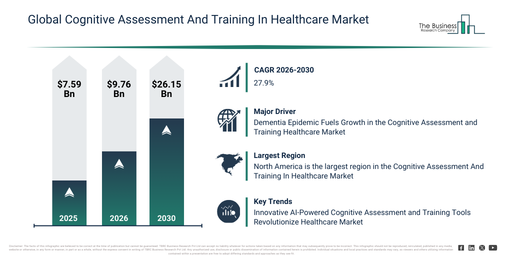
    The cognitive assessment and training in healthcare market has observed substantial growth in recent years. Its valuation is set to climb from $7.59 billion in 2025 to $9.76 billion in 2026, exhibiting a compound annual growth rate (CAGR) of 28.6%. This past expansion can be ascribed to factors such as the increasing prevalence of cognitive disorders, a rise in the application of neuropsychological assessments, the expansion of digital health platforms, greater adoption of mobile health applications, and an intensified focus on the early diagnosis of cognitive decline.

    The market size for cognitive assessment and training in healthcare is projected to experience substantial growth in the coming years. It is expected to expand to $26.15 billion by 2030, demonstrating a compound annual growth rate (CAGR) of 27.9%. This anticipated growth during the forecast period can be attributed to several factors, including heightened investments in digital therapeutics, a rising demand for remote cognitive care solutions, the expansion of care programs for the aging population, the increasing integration of AI in mental health diagnostics, and a greater adoption of personalized cognitive training. Major trends identified for this period encompass the growing adoption of AI-based cognitive assessment tools, the increased utilization of digital brain training platforms, the expanding deployment of remote cognitive monitoring solutions, the broadening of personalized cognitive training programs, and an enhanced integration of data analytics into cognitive evaluation.

    Access Your Free Sample Report For In-Depth Market Analysis:

    https://www.thebusinessresearchcompany.com/report/cognitive-assessment-and-training-in-healthcare-global-market-report

    What Primary Drivers Are Shaping The Cognitive Assessment And Training In Healthcare Market?

    The rising occurrence of dementia is anticipated to fuel the expansion of cognitive assessment and training within the healthcare market in the future. Dementia refers to a group of neurological conditions marked by a reduction in cognitive abilities, including memory, thought processes, problem-solving skills, language proficiency, and the capacity to carry out daily tasks. Tools for cognitive assessment aid in identifying initial indicators of cognitive impairment, which may suggest the presence of dementia. They are also employed to observe the disease’s advancement and monitor shifts in cognitive performance throughout its course, enabling healthcare professionals to modify treatment strategies and offer suitable assistance as the condition advances. For example, reports from June 2023 by Alzheimer’s Research UK, a charity based in the UK, project that more than 1.2 million individuals in the UK will be living with dementia by 2040. This signifies a considerable increase in prevalence, representing a 30% rise compared to figures from 2022. Consequently, the growing rate of dementia cases will stimulate the growth of cognitive assessment and training services in the healthcare market.

    How Is The Cognitive Assessment And Training In Healthcare Market Broken Down By Segment Categories?

    The cognitive assessment and training in healthcare market covered in this report is segmented –

    1) By Component: Solution, Services

    2) By Technology: Pen And Paper Based Assessment, Hosted Assessment And Training Tools, Biometrics

    3) By Application: Screening And Diagnostics, Clinical Trial, Brain Training, Other Applications

    Subsegments:

    1) By Solution: Cognitive Assessment Tools, Cognitive Training Software, Mobile Apps For Cognitive Training, Neuropsychological Assessment Solutions

    2) By Services: Consulting Services, Implementation And Integration Services, Training And Support Services, Custom Assessment And Training Programs

    What Trends Are Affecting The Growth Of The Cognitive Assessment And Training In Healthcare Market?

    Major companies operating in cognitive assessment and training within the healthcare market are prioritizing the development of innovative products that utilize advanced technologies such as artificial intelligence (AI). Their aim is to improve the accuracy and personalization of cognitive assessments, thereby enabling more effective and customized cognitive training programs for patients. Artificial intelligence in healthcare’s cognitive assessment and training tools are specifically designed to leverage AI for providing personalized insights and delivering tailored cognitive training programs to individuals, optimizing both cognitive health and overall well-being. For instance, in February 2023, Cognetivity Neurosciences Ltd., a medical technology company based in the UK, unveiled CognICA. This brain health screening platform is powered by artificial intelligence (AI) and machine learning (ML) techniques, and its function is to assess and monitor brain health. It is employed across medical, commercial, and consumer environments, enabling the early detection of cognitive impairment, which allows for prompt interventions and effective long-term treatment management.

    Which Players Are Present In The Cognitive Assessment And Training In Healthcare Market Space?

    Major companies operating in the cognitive assessment and training in healthcare market are Signant Health Private Limited, Clario Inc., Cognitivescale, Cogstate Ltd., Cognetivity Neurosciences Ltd., MedAvante Inc., CogniFit Inc., Akili Inc., BrainScope Company Inc., Cambridge Cognition Ltd., NeuroNation, Brain Resource Company, CNS Vital Signs LLC, Happify Inc., Pear Therapeutics Inc., Total Brain Ltd., Fit Brains Ltd., Posit Science Corporation, BrainCheck Inc., Lumosity (Lumos Labs Inc.), Neurotrack Technologies Inc., Linus Health, Beacon Health Options

    Get The Full Cognitive Assessment And Training In Healthcare Market Report:

    https://www.thebusinessresearchcompany.com/report/cognitive-assessment-and-training-in-healthcare-global-market-report

    Which Region Leads The Cognitive Assessment And Training In Healthcare Market In Terms Of Market Share?

    North America was the largest region in the cognitive assessment and training in the healthcare market in 2025. Asia-Pacific is expected to be the fastest-growing region in the forecast period. The regions covered in the cognitive assessment and training in healthcare market report are Asia-Pacific, South East Asia, Western Europe, Eastern Europe, North America, South America, Middle East, Africa.

    Request A Customized Cognitive Assessment And Training In Healthcare Market Report For Competitive Insights:

    https://www.thebusinessresearchcompany.com/report/cognitive-assessment-and-training-in-healthcare-global-market-report

    Browse Through More Reports Similar to the Global Cognitive Assessment And Training In Healthcare Market 2026, By The Business Research Company

    Neurocognitive Assessment And Rehabilitation Market Report 2026

    https://www.thebusinessresearchcompany.com/report/neurocognitive-assessment-and-rehabilitation-global-market-report

    Cognitive Assessment And Training Market Report 2026

    https://www.thebusinessresearchcompany.com/report/cognitive-assessment-and-training-global-market-report

    Healthcare Cognitive Computing Market Report 2026

    https://www.thebusinessresearchcompany.com/report/healthcare-cognitive-computing-global-market-report

    Get in touch with us:

    The Business Research Company: https://www.thebusinessresearchcompany.com/

    Americas +1 310-496-7795

    Asia +44 7882 955267 & +91 8897263534

    Europe +44 7882 955267

    Email us at info@tbrc.info

    Follow us on:

    LinkedIn: https://in.linkedin.com/company/the-business-research-company

    YouTube: https://www.youtube.com/channel/UC24_fI0rV8cR5DxlCpgmyFQ

    Global Market Model: https://www.thebusinessresearchcompany.com/global-market-model
  • Coagulation Factor Deficiency Market: Key Drivers and Evolution

    Coagulation Factor Deficiency Market: Key Drivers and Evolution

    The Business Research Company’s 2026 market reports feature enhanced tools like market attractiveness analysis, TAM assessment, and company scoring matrices, along with interactive dashboards, deeper supply chain insights, and startup coverage strengthening the depth, usability, and strategic value of insights.

    How Much Growth In Market Value Is Expected For The Coagulation Factor Deficiency Market Between 2026 And 2030?

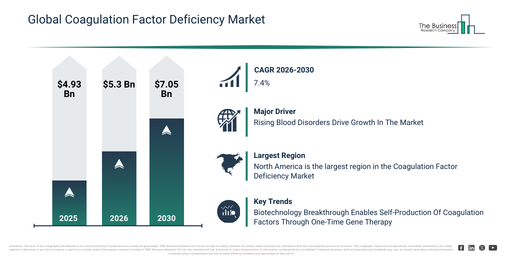
    The coagulation factor deficiency market has demonstrated substantial growth in recent years. It is forecast to expand from $4.93 billion in 2025 to $5.3 billion in 2026, achieving a compound annual growth rate (CAGR) of 7.6%. This historical growth can be attributed to factors like enhanced diagnosis of bleeding disorders, increased accessibility to plasma-derived therapies, the expansion of hemophilia treatment centers, elevated patient awareness initiatives, and the development of specialty healthcare services.

    The coagulation factor deficiency market size is projected to experience substantial growth over the next few years, expanding to $7.05 billion by 2030 with a compound annual growth rate (CAGR) of 7.4%. This projected growth can be attributed to several factors, including advancements in gene therapy development, a rising demand for personalized bleeding disorder treatments, the expansion of home care treatment models, an increasing focus on reducing treatment frequency, and growing investments in rare disease therapeutics. Key trends for the forecast period include the increasing adoption of recombinant coagulation factors, a rising use of gene therapy-based treatments, a growing preference for prophylactic treatment regimens, the expansion of home-based infusion therapies, and an enhanced focus on long-acting factor products.

    Access Your Free Sample Report For In-Depth Market Analysis:

    https://www.thebusinessresearchcompany.com/report/coagulation-factor-deficiency-global-market-report

    Which Major Drivers Are Influencing The Expansion Of The Coagulation Factor Deficiency Market?

    The anticipated rise in cases of blood-related disorders is projected to fuel the expansion of the coagulation factor deficiency market in the future. These disorders encompass various conditions impacting the creation, operation, or makeup of blood cells, platelets, or plasma, resulting in issues like anemia, coagulation difficulties, or immune system weaknesses. The increase in such disorders can be attributed to elements like an aging demographic, genetic tendencies, heightened public awareness, environmental influences, shifts in lifestyle, the increasing prevalence of chronic illnesses, and improvements in diagnostic tools enabling earlier identification. Coagulation factor deficiency treatments assist in handling blood-related disorders by supplying crucial clotting factors necessary to avert or manage profuse bleeding, particularly in conditions such as hemophilia, where the body’s intrinsic capacity to form blood clots is compromised. For example, as reported in September 2024 by the Leukemia and Lymphoma Society, a professional organization in the US, every 3 minutes, an individual in the US receives a diagnosis of leukemia, lymphoma, or myeloma. In 2024, approximately 187,740 individuals are projected to be diagnosed with these cancers, making up 9.4% of the anticipated 2,001,140 new cancer cases across the US. Furthermore, data from May 2024 from the National Health Service (NHS) England, a UK government-funded healthcare provider, indicates that approximately 17,000 people in England are currently living with sickle cell disease, an inherited blood disorder, with about 250 new cases diagnosed annually. Consequently, the rising occurrence of blood-related disorders is propelling the expansion of the coagulation factor deficiency market.

    What Are The Different Segment Types In The Coagulation Factor Deficiency Market Segment Breakdown?

    The coagulation factor deficiency market covered in this report is segmented –

    1) By Product: Recombinant Coagulation Factor Concentrates, Plasma-Derived Coagulation Factor Concentrates, Biologics, Desmopressin, Other Product Types

    2) By Deficiency Type: Haemophilia A, Hemophilia B, Von Willebrand Disease, Factor XI Deficiency, Factor XIII Deficiency, Other Treatment Types

    3) By End Users: Hospitals, Clinics, Home Care, Other End Users

    Subsegments:

    1) By Recombinant Coagulation Factor Concentrates: Recombinant Factor VIII, Recombinant Factor IX, Recombinant Factor VIIa

    2) By Plasma-Derived Coagulation Factor Concentrates: Plasma-Derived Factor VIII, Plasma-Derived Factor IX, Plasma-Derived Factor VII

    3) By Biologics: Monoclonal Antibodies, Gene Therapy Products

    4) By Desmopressin: Intravenous Desmopressin, Intranasal Desmopressin

    5) By Other Product Types: Fresh Frozen Plasma (FFP), Prothrombin Complex Concentrates (PCC)

    Which Trends Are Shaping The Coagulation Factor Deficiency Market?

    Leading companies within the coagulation factor deficiency market are prioritizing the creation of advanced treatments, including single-dose gene therapy. Their aim is to offer sustained or possibly permanent remedies for individuals suffering from bleeding conditions such as hemophilia, thereby lessening the ongoing requirement for clotting factor infusions. A single-administration gene therapy is defined as a medical intervention that entails introducing or modifying genetic material inside a patient’s cells to manage or resolve an illness, with the goal of delivering enduring or permanent treatment outcomes following a sole application. An example occurred in April 2024, when Pfizer Inc., a pharmaceutical and biotechnology firm based in the US, disclosed that the U.S. Food and Drug Administration (FDA) had granted approval for BEQVEZ (fidanacogene elaparvovec-dzkt). This approval is for the management of adults with moderate to severe hemophilia B currently on factor IX (FIX) prophylaxis treatment. This particular therapy is a single-dose adeno-associated virus (AAV)-based gene therapy. Its purpose is to insert a working copy of the FIX gene, which codes for a highly active FIX variant, into the transduced cells. This one-time gene therapy allows individuals with hemophilia B to generate their own FIX, eliminating the need for regular FIX infusions.

    Who Are The Well-Known Companies In The Coagulation Factor Deficiency Market?

    Major companies operating in the coagulation factor deficiency market are Pfizer Inc., Bayer HealthCare Pharmaceuticals, Sanofi Genzyme, Novo Nordisk A/S, Baxter International Inc., CSL Behring LLC, Grifols S.A., Octapharma AG, Takeda Pharmaceutical Company Limited, Swedish Orphan Biovitrum AB, Kedrion Biopharma Inc., Shanghai RAAS Blood Products Co. Ltd., LFB S.A., Biotest AG, BioMarin Pharmaceutical Inc., uniQure, Prothya Biosolutions, Bio Products Laboratory Ltd, Green Cross Corporation, Freeline Therapeutics, Aptevo Therapeutics, Hema Biologics LLC, Generation Bio Co, Intellia Therapeutics Inc.

    Get The Full Coagulation Factor Deficiency Market Report:

    https://www.thebusinessresearchcompany.com/report/coagulation-factor-deficiency-global-market-report

    Which Region Leads The Coagulation Factor Deficiency Market In Overall Market Size?

    North America was the largest region in the coagulation factor deficiency market in 2025. Asia-Pacific is expected to be the fastest-growing region in the forecast period. The regions covered in the coagulation factor deficiency market report are Asia-Pacific, South East Asia, Western Europe, Eastern Europe, North America, South America, Middle East, Africa.

    Request A Customized Coagulation Factor Deficiency Market Report For Competitive Insights:

    https://www.thebusinessresearchcompany.com/report/coagulation-factor-deficiency-global-market-report

    Browse Through More Reports Similar to the Global Coagulation Factor Deficiency Market 2026, By The Business Research Company

    Hemostasis Products Market Report 2026

    https://www.thebusinessresearchcompany.com/report/hemostasis-products-global-market-report

    Coagulation Analyzer Market Report 2026

    https://www.thebusinessresearchcompany.com/report/coagulation-analyzer-global-market-report

    Point Of Care Poc Coagulation Testing Market Report 2026

    https://www.thebusinessresearchcompany.com/report/point-of-care-poc-coagulation-testing-global-market-report

    Get in touch with us:

    The Business Research Company: https://www.thebusinessresearchcompany.com/

    Americas +1 310-496-7795

    Asia +44 7882 955267 & +91 8897263534

    Europe +44 7882 955267

    Email us at info@tbrc.info

    Follow us on:

    LinkedIn: https://in.linkedin.com/company/the-business-research-company

    YouTube: https://www.youtube.com/channel/UC24_fI0rV8cR5DxlCpgmyFQ

    Global Market Model: https://www.thebusinessresearchcompany.com/global-market-model
  • CD3 Antibody Market (2026–2030): Industry Developments

    CD3 Antibody Market (2026–2030): Industry Developments

    The Business Research Company’s 2026 market reports feature enhanced tools like market attractiveness analysis, TAM assessment, and company scoring matrices, along with interactive dashboards, deeper supply chain insights, and startup coverage strengthening the depth, usability, and strategic value of insights.

    What Is The Estimated Market Size Of The Cluster Of Differentiation 3 (CD3) Antibody Market In 2026, And How Will Its Value Evolve By 2030?

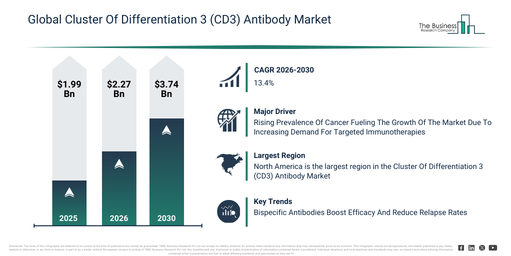
    The market size for cluster of differentiation 3 (cd3) antibodies has experienced rapid expansion over recent years. This market is projected to expand from $1.99 billion in 2025 to reach $2.27 billion in 2026, demonstrating a compound annual growth rate (CAGR) of 13.7%. Historically, this growth has been driven by factors such as advancements in monoclonal antibody therapeutics, a surge in clinical research focused on t-cell biology, the increasing prevalence of cancer indications, the expansion of hospital-based immunotherapy programs, and the growing influence of contract research organizations.

    The cluster of differentiation 3 (cd3) antibody market is projected to experience substantial expansion in the coming years. This market is anticipated to reach a valuation of $3.74 billion by 2030, exhibiting a compound annual growth rate (CAGR) of 13.4%. Several factors contribute to this projected growth, including an expanding pipeline of T-cell engaging therapies, more frequent approvals of antibody-based immunotherapies, increased investments in oncology research, the broadening scope of personalized immune treatments, and a heightened emphasis on mitigating immune-related adverse events. Key trends anticipated during this period involve the rising development of T-cell redirecting therapies, increased adoption of bispecific cd3 antibodies, the expanding application of cd3 in cancer immunotherapy, the growth of Fc-engineered antibody platforms, and an intensified focus on precise immune modulation.

    Access Your Free Sample Report For In-Depth Market Analysis:

    https://www.thebusinessresearchcompany.com/report/global-cluster-of-differentiation-3-cd3-antibody-market-report

    What Key Drivers Are Fueling The Growth Of The Cluster Of Differentiation 3 (CD3) Antibody Market?

    The increasing incidence of cancer is anticipated to fuel the expansion of the cluster of differentiation 3 (CD3) antibody market. Cancer prevalence is defined as the total count of individuals, encompassing both recent and prior diagnoses, living with a history of cancer at a given moment. This rise in cancer prevalence stems from lifestyle factors like unhealthy eating habits, smoking, alcohol use, and exposure to environmental contaminants, which heighten the likelihood of various cancer types. Cluster of Differentiation 3 (CD3) antibodies play a crucial role in cancer therapy by stimulating T-cells and redirecting them to attack cancerous cells. These antibodies boost the immune response’s effectiveness, proving beneficial for both blood and solid cancers. This focused strategy leads to better treatment accuracy and improved patient results. As an illustration, Cancer Australia, an Australian government body, reported 4,641 new cases of pancreatic cancer in 2024 by February 2025, comprising 2,414 male and 2,227 female patients. Consequently, the increasing prevalence of cancer is a key factor propelling the expansion of the cluster of differentiation 3 (CD3) antibody market.

    Which Segment Classifications Are Used In The Cluster Of Differentiation 3 (CD3) Antibody Market Segment Analysis?

    The cluster of differentiation 3 (cd3) antibody market covered in this report is segmented –

    1) By Product Type: Monoclonal Antibodies, Bispecific Antibodies, Antibody-Drug Conjugates, Fragment Crystallizable (Fc) Engineering Products, Other Product Types

    2) By Molecular Weight: Low Molecular Weight, Medium Molecular Weight, High Molecular Weight

    3) By Formulation Type: Aqueous Formulations, Non-Aqueous Formulations

    4) By Therapeutic Application: Cancer Immunotherapy, Autoimmune Diseases, Transplant Rejection, Infectious Diseases, Other Applications

    5) By End-User: Hospitals, Research Institutes, Pharmaceutical Companies, Contract Research Organizations, Other End-Users

    Subsegments:

    1) By Monoclonal Antibodies: Humanized Monoclonal Antibodies, Fully Human Monoclonal Antibodies, Chimeric Monoclonal Antibodies, Murine Monoclonal Antibodies, Recombinant Monoclonal Antibodies

    2) By Bispecific Antibodies: T Cell Engager Bispecific Antibodies, Dual Immune Checkpoint Bispecific Antibodies, Cytokine Modulating Bispecific Antibodies, Tumor Associated Antigen Targeting Bispecific Antibodies

    3) By Antibody-Drug Conjugates: Payload Enhanced Conjugates, Linker Optimized Conjugates, Tumor Targeted Conjugates, Immune Stimulating Conjugates

    4) By Fragment Crystallizable (Fc) Engineering Products: Fragment Crystallizable (Fc) Glycoengineered Antibodies, Fragment Crystallizable (Fc) Mutant Antibodies, Fragment Crystallizable (Fc) Fused Therapeutic Proteins, Extended Half Life Fragment Crystallizable (Fc) Products

    5) By Other Product Types: Single Domain Antibodies, Polyclonal Antibodies, Receptor Fusion Proteins, Engineered Immune Activators

    What Trends Are Influencing The Cluster Of Differentiation 3 (CD3) Antibody Market?

    Leading companies operating within the cluster of differentiation 3 (CD3) antibody market are prioritizing the development of advanced treatments, such as bispecific antibodies. This focus aims to enhance treatment efficacy, improve the targeting of cancer cells, and minimize relapse in patients who have undergone extensive prior treatments. Bispecific antibodies are sophisticated biologic therapies engineered to simultaneously attach to two distinct antigens, thereby redirecting a patient’s own immune cells to attack and eliminate cancer cells. For instance, in August 2023, Johnson and Johnson, a US-based pharmaceutical company, secured US Food and Drug Administration (FDA) approval for Talvey (talquetamab-tgvs). This therapy is a bispecific T-cell engaging antibody specifically designed for patients with relapsed or refractory multiple myeloma. The treatment operates by binding CD3 on T-cells and G protein-coupled receptor class C group 5 member D (GPRC5D) on myeloma cells, offering capabilities such as precise T-cell redirection and off-the-shelf use, removing the necessity for individualized chimeric antigen receptor T-cell (CAR-T) cell manufacturing. It consequently improves treatment accessibility, fosters immune-mediated tumor destruction, and enhances therapeutic outcomes in heavily pretreated patients.

    Which Firms Are Contributing To The Cluster Of Differentiation 3 (CD3) Antibody Market Ecosystem?

    Major companies operating in the cluster of differentiation 3 (cd3) antibody market are Johnson and Johnson, Roche Holding AG, Pfizer Incorporated, AbbVie Inc., Novartis AG, Bristol-Myers Squibb Company, Thermo Fisher Scientific Incorporated, Eli Lilly and Company, Amgen Inc., Gilead Sciences Inc., Merck KGaA, Bio-Rad Laboratories Incorporated, Miltenyi Biotec B V and Co KG, Harbour BioMed Holding Limited, Zymeworks Inc., Adimab LLC, GeneTex Incorporated, Santa Cruz Biotechnology Incorporated, FabGennix Incorporated, EXBIO Praha spol s r o

    Get The Full Cluster Of Differentiation 3 (CD3) Antibody Market Report:

    https://www.thebusinessresearchcompany.com/report/global-cluster-of-differentiation-3-cd3-antibody-market-report

    Which Region Is The Top Contributor To The Cluster Of Differentiation 3 (CD3) Antibody Market By Share?

    North America was the largest region in the cluster of differentiation 3 (CD3) antibody market in 2025. Asia-Pacific is expected to be the fastest-growing region in the forecast period. The regions covered in the cluster of differentiation 3 (cd3) antibody market report are Asia-Pacific, South East Asia, Western Europe, Eastern Europe, North America, South America, Middle East, Africa.

    Request A Customized Cluster Of Differentiation 3 (CD3) Antibody Market Report For Competitive Insights:

    https://www.thebusinessresearchcompany.com/report/global-cluster-of-differentiation-3-cd3-antibody-market-report

    Browse Through More Reports Similar to the Global Cluster Of Differentiation 3 (CD3) Antibody Market 2026, By The Business Research Company

    Monoclonal Antibodies Market Report 2026

    https://www.thebusinessresearchcompany.com/report/monoclonal-antibodies-global-market-report

    Polyclonal Antibodies Market Report 2026

    https://www.thebusinessresearchcompany.com/report/polyclonal-antibodies-global-market-report

    Next Generation Antibody Therapeutics Market Report 2026

    https://www.thebusinessresearchcompany.com/report/next-generation-antibody-therapeutics-global-market-report

    Get in touch with us:

    The Business Research Company: https://www.thebusinessresearchcompany.com/

    Americas +1 310-496-7795

    Asia +44 7882 955267 & +91 8897263534

    Europe +44 7882 955267

    Email us at info@tbrc.info

    Follow us on:

    LinkedIn: https://in.linkedin.com/company/the-business-research-company

    YouTube: https://www.youtube.com/channel/UC24_fI0rV8cR5DxlCpgmyFQ

    Global Market Model: https://www.thebusinessresearchcompany.com/global-market-model
  • CD79a Antibody Market: Trends and Expansion Potential

    CD79a Antibody Market: Trends and Expansion Potential

    The Business Research Company’s 2026 market reports feature enhanced tools like market attractiveness analysis, TAM assessment, and company scoring matrices, along with interactive dashboards, deeper supply chain insights, and startup coverage strengthening the depth, usability, and strategic value of insights.

    How Does The Market Size Of The Cluster Of Differentiation (CD) 79a Antibody Market Compare Between 2026 And 2030?

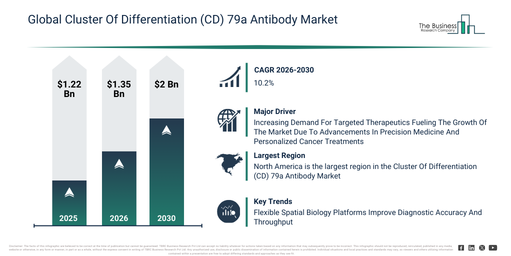
    The market size for the cluster of differentiation (cd) 79a antibody has experienced significant expansion over recent years. Projections indicate a rise from $1.22 billion in 2025 to $1.35 billion in 2026, demonstrating a compound annual growth rate (CAGR) of 10.5%. Historically, this expansion has been driven by several factors, including the increased application of immunohistochemistry in pathology, the growing incidence of b-cell malignancies, advancements in academic immunology research, the broader accessibility of monoclonal antibody production platforms, and the increasing embrace of flow cytometry techniques.

    The cluster of differentiation (cd) 79a antibody market size is projected to experience substantial growth in the coming years. It is anticipated to expand to $2 billion by 2030, achieving a compound annual growth rate (CAGR) of 10.2%. This growth during the forecast period can be attributed to factors such as an increasing demand for precision diagnostics, the expansion of personalized medicine research, rising investments in antibody engineering, the growing adoption of multiplex diagnostic assays, and the development of translational research initiatives. Significant trends expected in the forecast period involve the increasing uptake of recombinant antibody formats, the growing application of cd79a in hematologic cancer diagnostics, a heightened demand for high-specificity B-cell markers, the expansion of automated immunoassay platforms, and an intensified focus on antibody validation standards.

    Access Your Free Sample Report For In-Depth Market Analysis:

    https://www.thebusinessresearchcompany.com/report/global-cluster-of-differentiation-cd-79a-antibody-market-report

    Which Drivers Are Supporting The Cluster Of Differentiation (CD) 79a Antibody Market Growth?

    The increasing need for targeted therapeutics is anticipated to drive the expansion of the cluster of differentiation (CD) 79a antibody market moving ahead. Targeted therapies are medical interventions that specifically identify and block molecular irregularities in conditions like cancer or other diseases, with the goal of improving treatment precision and reducing harm to healthy cells. The rising focus on targeted therapies is primarily fueled by breakthroughs in precision medicine, which allows for personalized, more effective treatments based on individual genetic profiles. CD79a antibodies play a crucial role in targeted therapies by specifically attaching to B-cell markers, making them well-suited for precise treatment of hematologic malignancies. They boost therapeutic efficacy by enabling the selective targeting of cancerous B cells, which leads to better patient outcomes and fewer off-target effects. For instance, in December 2024, according to the American Society of Gene & Cell Therapy (ASGCT), a US-based non-profit medical and scientific organization, the Food and Drug Administration (FDA) approved 6 gene therapy products in 2023, up from 5 approvals in 2022. Consequently, the growing demand for targeted therapeutics is propelling the growth of the cluster of differentiation (CD) 79a antibody market.

    How Is The Cluster Of Differentiation (CD) 79a Antibody Market Organized By Segment Classification?

    The cluster of differentiation (cd) 79a antibody market covered in this report is segmented –

    1) By Product Type: Monoclonal Antibodies, Polyclonal Antibodies, Recombinant Antibodies

    2) By Technology: Western Blotting, Immunohistochemistry, Flow Cytometry, Enzyme-Linked Immunosorbent Assay (ELISA)

    3) By Distribution Channel: Direct Sales, Distributors, Online Sales

    4) By End Use: Biotechnology Companies, Pharmaceutical Companies, Academic And Research Institutes, Diagnostic Laboratories

    Subsegments:

    1) By Monoclonal Antibodies: Mouse Derived Antibodies, Rabbit Derived Antibodies, Human Derived Antibodies, Chimeric Antibodies, Humanized Antibodies

    2) By Polyclonal Antibodies: Goat Derived Antibodies, Rabbit Derived Antibodies, Sheep Derived Antibodies, Donkey Derived Antibodies, Horse Derived Antibodies

    3) By Recombinant Antibodies: Single Chain Variable Fragment Antibodies, Fragment Antigen Binding Antibodies, Bispecific Antibodies, Nanobodies, Engineered Full Length Antibodies

    Which Trends Are Expected To Impact The Cluster Of Differentiation (CD) 79a Antibody Market?

    Major companies in the cluster of differentiation (CD) 79a antibody market are concentrating on creating sophisticated solutions, such as adaptable multiplex immunohistochemistry (IHC) assays, to speed up research, boost data quality, and simplify complex manual workflows. Adaptable multiplex IHC involves advanced laboratory methods that allow for the simultaneous identification of numerous biomarkers on a single tissue sample, maintaining spatial context. For instance, in September 2023, Cell Signaling Technology (CST), a US-based biotechnology firm, introduced the SignalStar Multiplex IHC platform. This spatial biology offering is an adaptable, antibody-centric platform facilitating highly multiplexed experiments with up to 8-plex amplification within just two days. It features integrated panel design assistance and optimized protocols, enabling straightforward biomarker detection and data generation without extensive fine-tuning. This innovation enhances diagnostic precision, throughput, and spatial resolution in tissue-based analysis, marking a notable progression in the CD79a antibody field.

    Who Are The Industry Participants Involved In The Cluster Of Differentiation (CD) 79a Antibody Market?

    Major companies operating in the cluster of differentiation (cd) 79a antibody market are Thermo Fisher Scientific Inc., Becton, Dickinson and Company, Bio-Rad Laboratories Inc., Bio-Techne Corporation, Miltenyi Biotec B.V. & Co. KG, GenScript Biotech Corporation, Cell Signaling Technology Inc., Sino Biological Inc., Proteintech Group Inc., Santa Cruz Biotechnology Inc., OriGene Technologies Inc., GeneTex Inc., Abnova Corporation, RayBiotech Life Inc., Wuhan Fine Biotech Co. Ltd. (commonly known as FineTest), Aviva Systems Biology Corporation, EXBIO Praha a.s., NSJ Bioreagents Inc., Boster Biological Technology Co. Ltd., Bioss Antibodies Inc.

    Get The Full Cluster Of Differentiation (CD) 79a Antibody Market Report:

    https://www.thebusinessresearchcompany.com/report/global-cluster-of-differentiation-cd-79a-antibody-market-report

    Which Region Represents The Largest Share Of The Cluster Of Differentiation (CD) 79a Antibody Market?

    North America was the largest region in the cluster of differentiation (CD) 79a antibody market in 2025. Asia-Pacific is expected to be the fastest-growing region in the forecast period. The regions covered in the cluster of differentiation (cd) 79a antibody market report are Asia-Pacific, South East Asia, Western Europe, Eastern Europe, North America, South America, Middle East, Africa.

    Request A Customized Cluster Of Differentiation (CD) 79a Antibody Market Report For Competitive Insights:

    https://www.thebusinessresearchcompany.com/report/global-cluster-of-differentiation-cd-79a-antibody-market-report

    Browse Through More Reports Similar to the Global Cluster Of Differentiation (CD) 79a Antibody Market 2026, By The Business Research Company

    Monoclonal Antibodies Market Report 2026

    https://www.thebusinessresearchcompany.com/report/monoclonal-antibodies-global-market-report

    Polyclonal Antibodies Market Report 2026

    https://www.thebusinessresearchcompany.com/report/polyclonal-antibodies-global-market-report

    Research Antibodie And Reagent Market Report 2026

    https://www.thebusinessresearchcompany.com/report/research-antibodie-and-reagent-global-market-report

    Get in touch with us:

    The Business Research Company: https://www.thebusinessresearchcompany.com/

    Americas +1 310-496-7795

    Asia +44 7882 955267 & +91 8897263534

    Europe +44 7882 955267

    Email us at info@tbrc.info

    Follow us on:

    LinkedIn: https://in.linkedin.com/company/the-business-research-company

    YouTube: https://www.youtube.com/channel/UC24_fI0rV8cR5DxlCpgmyFQ

    Global Market Model: https://www.thebusinessresearchcompany.com/global-market-model
  • Cluster Headache Market: Drivers and Future Outlook

    Cluster Headache Market: Drivers and Future Outlook

    The Business Research Company’s 2026 market reports feature enhanced tools like market attractiveness analysis, TAM assessment, and company scoring matrices, along with interactive dashboards, deeper supply chain insights, and startup coverage strengthening the depth, usability, and strategic value of insights.

    What Is The Forecasted Market Size Trajectory Of The Cluster Headache Syndrome Market From 2026 To 2030?

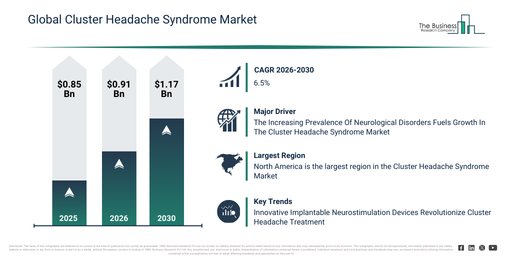
    The cluster headache syndrome market has shown robust expansion in recent times. This market is projected to expand from $0.85 billion in 2025 to $0.91 billion in 2026, exhibiting a compound annual growth rate (CAGR) of 6.6% during this period. Historically, this growth has been driven by factors such as higher diagnosis rates for neurological disorders, heightened awareness of cluster headache conditions, the proliferation of neurology specialty care, the presence of various pharmacological treatments, and the increased adoption of imaging-based diagnostic methods.

    The market for cluster headache syndrome is projected to experience substantial expansion over the upcoming years. This market is forecast to reach $1.17 billion by 2030, exhibiting a compound annual growth rate (CAGR) of 6.5%. Factors contributing to this growth during the projected period include the rising development of innovative headache therapies, a heightened emphasis on personalized neurology treatments, the expansion of specialized headache clinics, increasing investment in neurological research, and a growing need for rapid-acting treatment solutions. Key trends anticipated in the forecast period encompass a greater adoption of targeted drug therapies, an increasing emphasis on managing chronic cluster headaches, the expanding utilization of advanced diagnostic imaging, the broadening of personalized treatment approaches, and an intensified focus on achieving rapid symptom relief.

    Access Your Free Sample Report For In-Depth Market Analysis:

    https://www.thebusinessresearchcompany.com/report/cluster-headache-syndrome-global-market-report

    What Key Factors Are Affecting The Cluster Headache Syndrome Market Demand?

    The increasing occurrence of neurological disorders is anticipated to propel the growth of the cluster headache syndrome market. A neurological disorder refers to any condition that impacts the nervous system, which includes the brain, spinal cord, and nerves throughout the body. The rising incidence of these disorders is driven by factors such as the growing prevalence of risk factors like diabetes, improved diagnostic capabilities, neurological complications stemming from other health conditions, and socioeconomic disparities. Managing neurological disorders helps in the treatment of cluster headache syndrome, as certain disorders share or affect headache pathways. Addressing cluster headaches’ symptoms and underlying factors can effectively reduce their frequency, severity, and overall impact. For example, in October 2023, the World Federation of Neurology, a Switzerland-based organisation, reported that over 40% of the global population currently suffers from some kind of neurological condition, and this burden is projected to nearly double by 2050. Therefore, the expanding prevalence of neurological disorders is driving the cluster headache syndrome market.

    Which Segments Define The Cluster Headache Syndrome Market Segment Structure?

    The cluster headache syndrome market covered in this report is segmented –

    1) By Type: Episodic, Chronic

    2) By Drug Type: Calcium Channel Blockers, Corticosteroids, Sumatriptan, Lithium Carbonate, Ergots, Melatonin, Anti-Seizure, Local Anesthetics

    3) By Diagnosis: Neurological Examination, Magnetic Resonance Imaging, Computed Tomography Scan

    4) By Route of Administration: Oral, Topical, Intravenous, Other Routes Of Administrations

    5) By Distribution Channel: Hospital Pharmacies, Retail Pharmacies, Online Stores, Other Distribution Channels

    Subsegments:

    1) By Episodic: Short-Duration Episodic Cluster Headaches, Long-Duration Episodic Cluster Headaches

    2) By Chronic: Chronic Cluster Headaches With Frequent Attacks, Chronic Cluster Headaches With Rare Attacks

    What Trends Are Influencing Changes In The Cluster Headache Syndrome Market?

    Companies operating in the cluster headache syndrome market are primarily concentrating on developing cutting-edge technologies, such as implantable neurostimulation technology, to offer more effective treatment avenues for those affected. This implantable neurostimulation technology involves devices that are surgically placed to deliver electrical impulses to specific regions of the nervous system. For example, in August 2023, Salvia BioElectronics Corporated, a medical device company based in the Netherlands, introduced a paper-thin neuromodulation device intended for the treatment of severe migraine and cluster headaches. The device features paper-thin bioelectronic foils that conform to the patient’s head when implanted, which then deliver electrical pulses. Since migraines and cluster headaches are connected to heightened sensitivity in parts of the brain, the electrical pulses provided by the neuromodulation device help restore balance and reduce the headaches.

    Who Are The Established Players Within The Cluster Headache Syndrome Market?

    Major companies operating in the cluster headache syndrome market are Pfizer Inc., Bayer AG, GlaxoSmithKline plc, Takeda Pharmaceutical Company Limited, Eli Lilly and Company, Viatris Inc., Teva Pharmaceutical Industries Ltd., Otsuka Pharmaceutical Co. Ltd., Hikma Pharmaceuticals, Amneal Pharmaceuticals, Grünenthal GmbH, Mallinckrodt Pharmaceuticals, Upsher-Smith Laboratories, Zogenix Inc., Neurelis Inc., ElectroCore Medical LLC, Ceruvia Lifesciences, TrioxBio Inc., Winston Pharmaceuticals Inc., Zosano Pharma Corporation, Autonomic Technologies Inc., H. Lundbeck A/S

    Get The Full Cluster Headache Syndrome Market Report:

    https://www.thebusinessresearchcompany.com/report/cluster-headache-syndrome-global-market-report

    Which Geographic Region Dominates The Cluster Headache Syndrome Market?

    North America was the largest region in the cluster headache syndrome market in 2025. Asia-Pacific is expected to be the fastest-growing region in the forecast period. The regions covered in the cluster headache syndrome market report are Asia-Pacific, South East Asia, Western Europe, Eastern Europe, North America, South America, Middle East, Africa.

    Request A Customized Cluster Headache Syndrome Market Report For Competitive Insights:

    https://www.thebusinessresearchcompany.com/report/cluster-headache-syndrome-global-market-report

    Browse Through More Reports Similar to the Global Cluster Headache Syndrome Market 2026, By The Business Research Company

    Migraine Treatment Market Report 2026

    https://www.thebusinessresearchcompany.com/report/migraine-treatment-global-market-report

    Headache Disorders Market Report 2026

    https://www.thebusinessresearchcompany.com/report/headache-disorders-global-market-report

    Migraine Market Report 2026

    https://www.thebusinessresearchcompany.com/report/migraine-global-market-report

    Get in touch with us:

    The Business Research Company: https://www.thebusinessresearchcompany.com/

    Americas +1 310-496-7795

    Asia +44 7882 955267 & +91 8897263534

    Europe +44 7882 955267

    Email us at info@tbrc.info

    Follow us on:

    LinkedIn: https://in.linkedin.com/company/the-business-research-company

    YouTube: https://www.youtube.com/channel/UC24_fI0rV8cR5DxlCpgmyFQ

    Global Market Model: https://www.thebusinessresearchcompany.com/global-market-model
  • Black lung disease market forecast through 2030 with growth insights

    Black lung disease market forecast through 2030 with growth insights

    The Business Research Company’s 2026 market reports feature enhanced tools like market attractiveness analysis, TAM assessment, and company scoring matrices, along with interactive dashboards, deeper supply chain insights, and startup coverage strengthening the depth, usability, and strategic value of insights.

    How Is The Market Size Of The Black Lung Disease Market Expected To Scale Between 2026 And 2030?

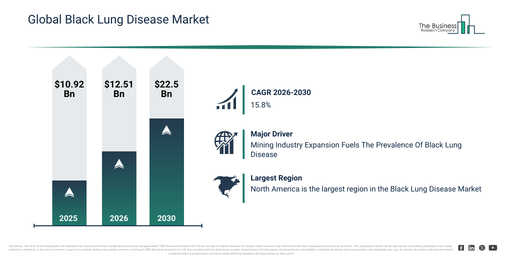
    The black lung disease market size has experienced significant growth over recent years. It is projected to expand from $10.92 billion in 2025 to $12.51 billion in 2026, registering a compound annual growth rate (CAGR) of 14.6%. Historically, this expansion was largely due to increasing coal mining activities, prolonged exposure to coal dust among miners, limited early diagnostic access in mining regions, a rising incidence of respiratory occupational diseases, and a dependence on traditional diagnostic methods.

    The black lung disease market is anticipated to experience swift expansion over the coming years. It is projected to reach $22.5 billion by 2030, exhibiting a compound annual growth rate (CAGR) of 15.8%. This growth during the forecast period can be attributed to the greater uptake of sophisticated diagnostic technologies, increased funding for occupational health initiatives, expanding research into stem cell and regenerative treatments, improved availability of healthcare in mining areas, and stricter enforcement of worker health safety regulations. Key trends expected in the forecast period involve enhancements in diagnostic imaging for earlier detection, a heightened emphasis on preventative occupational health screening, increasing use of advanced pulmonary function tests, broader investigation into regenerative therapies, and more stringent monitoring of coal dust exposure.

    Access Your Free Sample Report For In-Depth Market Analysis:

    https://www.thebusinessresearchcompany.com/report/black-lung-disease-global-market-report

    What Significant Factors Are Influencing The Black Lung Disease Market Expansion?

    The rise in mining operations is projected to stimulate the expansion of the black lung disease market moving forward. These activities involve the extraction of valuable minerals, ores, and other geological resources from the Earth’s crust. Black lung disease, a condition affecting coal miners, results from these mining operations and the inhalation of coal mine dust, which contains hazardous carbon particles. For example, in July 2024, the International Energy Agency (IEA), a France-based intergovernmental organization, reported that global coal production in 2023 surged by 3.1% to 8,970 Mt, marking an all-time high, primarily influenced by major coal producers such as China, India, and Indonesia. Hence, the increase in mining activities is propelling the growth of the black lung disease market.

    How Is The Black Lung Disease Market Segmented Across Different Segment Categories?

    The black lung disease market covered in this report is segmented –

    1) By Type: Simple Coal Worker’s Pneumoconiosis, Complicated Coal Worker’s Pneumoconiosis

    2) By Treatment: Oxygen Therapy, Bronchodilators, Lung Transplant, Stem Cell Therapy, Other Treatment

    3) By Diagnosis: Biopsy, Imaging, Full Blood Count, Pulmonary Or Lung Function Tests, Physical Examination, Other Diagnosis

    4) By End Users: Hospitals And Clinics, Research Organizations And Academic Institutes, Diagnostic Centers And Labs, Other End Users

    Subsegments:

    1) By Simple Coal Worker’s Pneumoconiosis: Asymptomatic Simple Pneumoconiosis, Symptomatic Simple Pneumoconiosis

    2) By Complicated Coal Worker’s Pneumoconiosis: Progressive Massive Fibrosis (PMF), Complicated Pneumoconiosis With Respiratory Symptoms

    Which Organizations Play A Role In The Black Lung Disease Market Landscape?

    Major companies operating in the black lung disease market are Pfizer Inc., Johnson and Johnson, Siemens AG, General Electric, F. Hoffmann-La Roche AG, Merck and Co. Inc., Bayer AG, Novartis AG, Sanofi S.A., AstraZeneca plc, GlaxoSmithKline plc, Medtronic plc, Eli Lilly and Company, Boehringer Ingelheim International GmbH, Toshiba Corporation, Koninklijke Philips N.V., Mayo Clinic, Baxter International Inc., Teva Pharmaceutical Industries Ltd., Sun Pharmaceutical Industries Ltd., Aurobindo Pharma Limited, Hikma Pharmaceuticals plc, Lupin Limited

    Get The Full Black Lung Disease Market Report:

    https://www.thebusinessresearchcompany.com/report/black-lung-disease-global-market-report

    Which Region Holds The Highest Market Share In The Black Lung Disease Market?

    North America was the largest region in the black lung disease market in 2025. Asia-Pacific is expected to be the fastest-growing region in the forecast period. The regions covered in the black lung disease market report are Asia-Pacific, South East Asia, Western Europe, Eastern Europe, North America, South America, Middle East, Africa.

    Request A Customized Black Lung Disease Market Report For Competitive Insights:

    https://www.thebusinessresearchcompany.com/report/black-lung-disease-global-market-report

    Browse Through More Reports Similar to the Global Black Lung Disease Market 2026, By The Business Research Company

    Respiratory Disease Drugs Market Report 2026

    https://www.thebusinessresearchcompany.com/report/respiratory-disease-drugs-global-market-report

    Interstitial Lung Disease Market Report 2026

    https://www.thebusinessresearchcompany.com/report/interstitial-lung-disease-global-market-report

    Idiopathic Pulmonary Fibrosis Market Report 2026

    https://www.thebusinessresearchcompany.com/report/idiopathic-pulmonary-fibrosis-global-market-report

    Get in touch with us:

    The Business Research Company: https://www.thebusinessresearchcompany.com/

    Americas +1 310-496-7795

    Asia +44 7882 955267 & +91 8897263534

    Europe +44 7882 955267

    Email us at info@tbrc.info

    Follow us on:

    LinkedIn: https://in.linkedin.com/company/the-business-research-company

    YouTube: https://www.youtube.com/channel/UC24_fI0rV8cR5DxlCpgmyFQ

    Global Market Model: https://www.thebusinessresearchcompany.com/global-market-model
  • Bipolar disorder therapeutics market outlook (2026–2030) with key trends

    Bipolar disorder therapeutics market outlook (2026–2030) with key trends

    The Business Research Company’s 2026 market reports feature enhanced tools like market attractiveness analysis, TAM assessment, and company scoring matrices, along with interactive dashboards, deeper supply chain insights, and startup coverage strengthening the depth, usability, and strategic value of insights.

    What Level Of Market Value Growth Is Predicted For The Bipolar Disorder Therapeutics Market From 2026 To 2030?

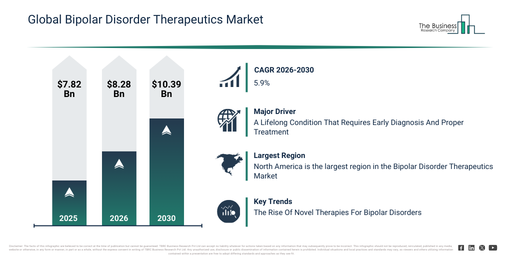
    The bipolar disorder therapeutics market has experienced significant growth in recent years. It is anticipated to expand from $7.82 billion in 2025 to $8.28 billion in 2026, achieving a compound annual growth rate (CAGR) of 5.9%. This historical growth can be attributed to several factors, including the increasing diagnosis of bipolar disorder, a growing awareness of mental health conditions, the expansion of psychiatric care services, the availability of established pharmacological treatments, and rising healthcare expenditure.

    The bipolar disorder therapeutics market is anticipated to experience substantial growth in the upcoming years. It is forecast to expand to $10.39 billion by 2030, achieving a compound annual growth rate (CAGR) of 5.9%. This expansion during the forecast period is propelled by factors such as the rising demand for precision psychiatry solutions, the wider availability of long-acting injectable therapies, the increasing incorporation of digital therapeutics, an elevated focus on improving treatment adherence, and heightened investment in mental health research. Prominent trends observed in this period include the accelerated development of novel mood-stabilizing treatments, the growing acceptance of atypical antipsychotic medications, an intensified focus on personalized mental health care, the broader application of combination drug therapies, and the improved integration of digital mental health support.

    Access Your Free Sample Report For In-Depth Market Analysis:

    https://www.thebusinessresearchcompany.com/report/bipolar-disorder-therapeutics-global-market-report

    Which Important Drivers Are Guiding The Bipolar Disorder Therapeutics Market Growth?

    Rising healthcare spending is projected to drive the expansion of the bipolar disorder therapeutics market in the future. Healthcare expenditure encompasses all expenses associated with medical treatment, preventive strategies, public health programs, rehabilitation services, community health efforts, and health-related research. Various elements contribute to the increase in healthcare spending, such as an aging demographic, the prevalence of chronic illnesses, and elevated pharmaceutical prices, collectively fueling the demand for medical care and interventions. Greater awareness of mental health concerns leads to more diagnoses of bipolar disorder, consequently boosting the need for therapeutic treatments. For example, data from November 2023, provided by the Canadian Institute for Health Information, a non-profit organization based in Canada, indicates that overall health spending in Canada is expected to grow by 2.8% in 2023, after experiencing a relatively small increase of 1.5% in 2022. Consequently, the expanding healthcare expenditure is a key factor propelling the development of the bipolar disorder therapeutics market.

    What Are The Main Segments Within The Bipolar Disorder Therapeutics Market Segment Structure?

    The bipolar disorder therapeutics market covered in this report is segmented –

    1) By Drug Class: Mood Stabilizers, Antipsychotic Drugs, Antidepressant Drugs, Other Drugs

    2) By Mechanism: Selective Serotonin Reuptake Inhibitors, Serotonin-norepinephrine Reuptake Inhibitors, Tricyclic Antidepressants, Monoamine Oxidase Inhibitors, Benzodiazepines, Other Mechanisms

    3) By Distribution Channel: Hospital Pharmacies, Retail Pharmacies, Online Pharmacies

    Subsegments:

    1) By Mood Stabilizers: Lithium, Anticonvulsants

    2) By Antipsychotic Drugs: Atypical Antipsychotics, Typical Antipsychotics

    3) By Antidepressant Drugs: Selective Serotonin Reuptake Inhibitors (SSRIs), Serotonin-Norepinephrine Reuptake Inhibitors (SNRIs), Tricyclic Antidepressants (TCAs)

    4) By Other Drugs: Benzodiazepines, Adjunctive Therapies

    What Trends Are Influencing The Evolution Of The Bipolar Disorder Therapeutics Market?

    Major companies in the Bipolar Disorder Therapeutics and related market are developing new treatments for depressive episodes associated with bipolar I or II disorder, aiming to reach larger customer bases, increase sales, and boost revenue. Bipolar depression is the most prevalent and severe clinical manifestation among bipolar disorders. Compared to manic/hypomanic episodes, these depressed episodes are associated with a poorer prognosis, longer duration, and more recurrences. For instance, in March 2024, the EDIT-B consortium, a France-based collaborative organization specializing in developing innovative diagnostic tools and biomarkers, launched myEDIT-B. This innovative blood diagnostic tool is designed to provide objective biological data that assists psychiatrists and healthcare professionals in making precise diagnoses. It analyzes RNA editing-based biomarkers and has shown sensitivity and specificity rates above 80%. By facilitating quicker and more accurate diagnoses, potentially shortening the wait time to within four weeks, myEDIT-B aims to address the significant issue of misdiagnosis in mental health, as approximately 40% of individuals diagnosed with depression may actually have bipolar disorder.

    Who Are The Companies Participating In The Bipolar Disorder Therapeutics Market?

    Major companies operating in the bipolar disorder therapeutics market are AbbVie Inc., Pfizer Inc., Astellas Pharma Inc., AstraZeneca PLC, Bristol-Myers Squibb, GlaxoSmithKline PLC, Janssen Pharmaceuticals, Novartis AG, Otsuka Pharmaceutical Co. Ltd., Eli Lilly and Company, Gedeon Richter PLC, Sumitomo Pharma Co. Ltd., H. Lundbeck A/S, Sanofi S.A., Allergan plc, Takeda Pharmaceutical Company Limited, Sunovion Pharmaceuticals Inc., Alkermes plc, Mylan N.V., Teva Pharmaceutical Industries Ltd., Johnson & Johnson, NeuroRx Inc., IntraCellular Therapies Inc., Vanda Pharmaceuticals Inc., Sage Therapeutics Inc.

    Get The Full Bipolar Disorder Therapeutics Market Report:

    https://www.thebusinessresearchcompany.com/report/bipolar-disorder-therapeutics-global-market-report

    Where Is The Bipolar Disorder Therapeutics Market Most Concentrated Geographically?

    North America was the largest region in the bipolar disorder therapeutics market in 2025. Europe is expected to be the fastest-growing region in the forecast period. The regions covered in the bipolar disorder therapeutics market report are Asia-Pacific, South East Asia, Western Europe, Eastern Europe, North America, South America, Middle East, Africa.

    Request A Customized Bipolar Disorder Therapeutics Market Report For Competitive Insights:

    https://www.thebusinessresearchcompany.com/report/bipolar-disorder-therapeutics-global-market-report

    Browse Through More Reports Similar to the Global Bipolar Disorder Therapeutics Market 2026, By The Business Research Company

    Addictions Therapeutics Market Report 2026

    https://www.thebusinessresearchcompany.com/report/addictions-therapeutics-global-market-report

    Post Traumatic Stress Disorder Therapeutics Market Report 2026

    https://www.thebusinessresearchcompany.com/report/post-traumatic-stress-disorder-therapeutics-global-market-report

    Attention Deficit Hyperactivity Disorder Adhd Therapeutics Market Report 2026

    https://www.thebusinessresearchcompany.com/report/attention-deficit-hyperactivity-disorder-adhd-therapeutics-global-market-report

    Get in touch with us:

    The Business Research Company: https://www.thebusinessresearchcompany.com/

    Americas +1 310-496-7795

    Asia +44 7882 955267 & +91 8897263534

    Europe +44 7882 955267

    Email us at info@tbrc.info

    Follow us on:

    LinkedIn: https://in.linkedin.com/company/the-business-research-company

    YouTube: https://www.youtube.com/channel/UC24_fI0rV8cR5DxlCpgmyFQ

    Global Market Model: https://www.thebusinessresearchcompany.com/global-market-model
  • Surging demand for PCR is accelerating growth in the biotechnology reagents market

    Surging demand for PCR is accelerating growth in the biotechnology reagents market

    The Business Research Company’s 2026 market reports feature enhanced tools like market attractiveness analysis, TAM assessment, and company scoring matrices, along with interactive dashboards, deeper supply chain insights, and startup coverage strengthening the depth, usability, and strategic value of insights.

    How Will The Market Value Of The Biotechnology Reagents Market Progress Between 2026 And 2030?

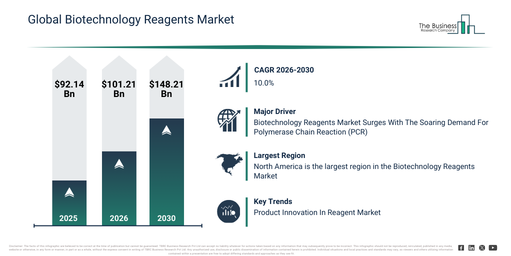
    The biotechnology reagents market size has experienced substantial growth recently. The market is expected to increase from $92.14 billion in 2025 to $101.21 billion in 2026, with a compound annual growth rate (CAGR) of 9.8%. In previous periods, the market’s expansion was due to the expansion of biotechnology research activities, growth in pharmaceutical R&D spending, increasing adoption of molecular diagnostics, rising academic research funding, and the availability of advanced laboratory infrastructure.

    The biotechnology reagents market is projected to experience swift expansion in the coming years, anticipated to reach $148.21 billion by 2030, exhibiting a compound annual growth rate (CAGR) of 10.0%. This growth during the forecast period can be attributed to several factors, including the escalating demand for precision diagnostics, the broadening scope of genomics and proteomics research, increasing investments in personalized medicine, the expanding adoption of automated laboratory systems, and a heightened emphasis on research reproducibility. Key trends characterizing this period involve an increasing need for high-purity molecular biology reagents, the growing uptake of advanced analytical reagents, the expanding utilization of PCR and gene expression kits, the development of automated laboratory workflows, and an elevated focus on the consistency and accuracy of reagents.

    Access Your Free Sample Report For In-Depth Market Analysis:

    https://www.thebusinessresearchcompany.com/report/biotechnology-reagents-global-market-report

    What Major Factors Are Driving The Biotechnology Reagents Market Forward?

    The increasing demand for polymerase chain reaction (PCR) is anticipated to propel the growth of the biotechnology reagents market in the coming period. Polymerase chain reaction (PCR) refers to a molecular technique utilized to amplify smaller segments of DNA into larger ones, which are then used to diagnose certain infectious diseases and investigate genetic changes. During the PCR process, biotechnology reagents are employed to maintain a stable pH, ensuring proper DNA synthesis function, which can subsequently be used for various genomic studies and diagnostic applications. For instance, in March 2025, the World Health Organization, a Switzerland-based United Nations specialized agency responsible for international public health, stated that over the four-week reporting period (6 January to 2 February 2025), weekly SARS-CoV-2 PCR positivity identified through systematic virological surveillance changed from 7.3% in the initial week of the period to 5.0% in the final week, with a weekly average of over 69,900 specimens tested across 103 countries. Consequently, the rising demand for polymerase chain reaction (PCR) is driving the expansion of the biotechnology reagents market.

    How Is Segmentation Applied In The Biotechnology Reagents Market Segment Analysis?

    The biotechnology reagents market covered in this report is segmented –

    1) By Type: Life Science Reagents, Analytical Reagents, Other Reagents

    2) By Applications: Protein synthesis And purification, Gene Expression, DNA And RNA Analysis, Drug Testing

    3) By End-Users: Biotech Companies, Research Institutes, Pharmaceuticals, Diagnostic Centers, Academic Institute, Other End-Users

    Subsegments:

    1) By Life Science Reagents: Molecular Biology Reagents, Cell Culture Reagents, PCR Reagents, Protein Purification Reagents

    2) By Analytical Reagents: Chromatography Reagents, Spectroscopy Reagents, Electrophoresis Reagents

    3) By Other Reagents: Diagnostic Reagents, Biochemical Reagents, Enzyme Reagents

    Which Trends Are Impacting The Progress Of The Biotechnology Reagents Market?

    Leading companies active in the biotechnology reagent market are concentrating on product innovation to solidify their industry standing. This innovation involves creating new or enhanced biotechnology reagents that improve research capabilities, diagnostic accuracy, or analytical performance. For instance, in May 2023, Bio-Techne, a global life sciences company specializing in the development, manufacture, and sale of life science reagents, announced the debut of two new RNAscope in situ Hybridization Probes, Kappa and Lambda, serving as analyte-specific reagents (ASRs). These probes are biotechnology reagents specifically designed for detecting immunoglobulin kappa and lambda light chain mRNA in B-cells, representing a significant advancement for both research and clinical diagnostic applications. This innovation facilitates improved molecular detection and expands the operational capabilities for both research and clinical diagnostic communities.

    Who Are The Companies Participating In The Biotechnology Reagents Market Environment?

    Major companies operating in the biotechnology reagents market are Life Technologies Corporation, Abbott Laboratories, Abcam PLC, Agilent Technologies Inc., Beckman Coulter Inc., Becton Dickinson and Company, BioLegend Inc., bioMérieux SA, Bio-Rad Laboratories Inc., Bio-Techne Corporation, Cell Signaling Technology, Danaher Corp., General Electric incorporated, Hoefer Inc., Illumina Inc., Lonza Group Ltd., Merck KGaA Group, Meridian Bioscience Inc., Millipore Corporation, New England Biolabs Inc., Novus Biologicals LLC, PerkinElmer Inc., Promega Corporation, Quality Biological Inc., Roche Holding AG, Siemens Healthineers AG, Sigma-Aldrich Corp., Sysmex Corporation, Takara Bio Inc., Thermo Fisher Scientific Inc., Tosoh Corporation

    Get The Full Biotechnology Reagents Market Report:

    https://www.thebusinessresearchcompany.com/report/biotechnology-reagents-global-market-report

    Which Region Dominates The Biotechnology Reagents Market By Market Share?

    North America was the largest region in the biotechnology reagents market in 2025. Asia-Pacific is expected to be the fastest-growing region in the forecast period. The regions covered in the biotechnology reagents market report are Asia-Pacific, South East Asia, Western Europe, Eastern Europe, North America, South America, Middle East, Africa.

    Request A Customized Biotechnology Reagents Market Report For Competitive Insights:

    https://www.thebusinessresearchcompany.com/report/biotechnology-reagents-global-market-report

    Browse Through More Reports Similar to the Global Biotechnology Reagents Market 2026, By The Business Research Company

    Biotech Ingredient Market Report 2026

    https://www.thebusinessresearchcompany.com/report/biotech-ingredient-global-market-report

    Molecular Biology Enzymes And Kits And Reagents Market Report 2026

    https://www.thebusinessresearchcompany.com/report/molecular-biology-enzymes-and-kits-and-reagents-global-market-report

    Sequencing Reagents Market Report 2026

    https://www.thebusinessresearchcompany.com/report/sequencing-reagents-global-market-report

    Get in touch with us:

    The Business Research Company: https://www.thebusinessresearchcompany.com/

    Americas +1 310-496-7795

    Asia +44 7882 955267 & +91 8897263534

    Europe +44 7882 955267

    Email us at info@tbrc.info

    Follow us on:

    LinkedIn: https://in.linkedin.com/company/the-business-research-company

    YouTube: https://www.youtube.com/channel/UC24_fI0rV8cR5DxlCpgmyFQ

    Global Market Model: https://www.thebusinessresearchcompany.com/global-market-model