Category: Healthcare Services

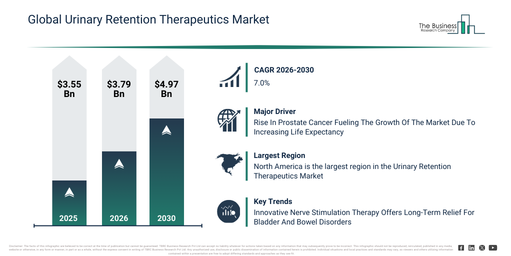
  • Global Urinary Retention Therapeutics Market Expected to Reach $4.97 Billion by 2030 with 7% CAGR

    Global Urinary Retention Therapeutics Market Expected to Reach $4.97 Billion by 2030 with 7% CAGR

    The Business Research Company’s 2026 market reports include new capabilities such as market attractiveness scoring and analysis, total addressable market analysis, company scoring matrix, interactive excel data dashboard, improved supply chain analysis, upcoming startups in the market, and overview of key products, aimed at improving the depth, usability, and strategic value of the insights delivered.

    What Market Value Is Anticipated For The Urinary Retention Therapeutics Market Over The Period 2026–2030?

    The urinary retention therapeutics market size has experienced significant growth recently. This market is expected to expand from $3.55 billion in 2025 to $3.79 billion in 2026, exhibiting a compound annual growth rate (CAGR) of 7.0%. Factors contributing to its historical growth include the increasing prevalence of prostate-related disorders, a rise in neurological conditions, improved diagnostic accuracy for bladder dysfunction, the availability of various pharmacological options, and the expansion of urology services in hospitals.

    The urinary retention therapeutics market is projected to experience substantial expansion in the coming years. This market is anticipated to reach $4.97 billion by 2030, exhibiting a compound annual growth rate (CAGR) of 7.0%. Factors driving this growth during the forecast period include an escalating demand for targeted drug therapies, increased investments in urological research, the expanding application of digital patient monitoring, the broader provision of outpatient therapeutic care, and advancements in next-generation bladder control medications. Key trends expected over the forecast period encompass a rise in the use of combination drug therapies, the increasing embrace of personalized bladder treatment plans, a heightened emphasis on minimally invasive therapeutic options, the proliferation of novel pharmacological agents, and improved monitoring of bladder function outcomes.

    Download the Free Sample Report to Explore Key Market Insights:

    https://www.thebusinessresearchcompany.com/sample.aspx?id=23553&type=smp

    Which Major Factors Are Driving The Expansion Of The Urinary Retention Therapeutics Market?

    The escalating prevalence of prostate cancer is anticipated to drive the expansion of the urinary retention therapeutics market. Prostate cancer is a malignant condition characterized by the uncontrolled proliferation of cells within the prostate gland. Its increasing incidence is attributed to an aging male population, leading to more individuals entering high-risk age brackets. The urinary retention therapeutics sector supports this growth by offering treatments and devices to manage urinary flow blockages, which often result from prostate enlargement or tumour-related urethral obstruction. For instance, in January 2023, according to the American Cancer Society Facts and Figures, a US-based professional organization, the number of new cases of prostate cancer in the US will increase from 268,490 in 2022 to 288,300 in 2023. Additionally, the number of deaths due to prostate cancer will also slightly increase, from 34,500 in 2022 to 34,700 in 2023. Thus, the rising cases of prostate cancer are a significant driver for the growth of the urinary retention therapeutics market.

    How Is The Urinary Retention Therapeutics Market Divided Into Its Major Segments?

    The urinary retention therapeutics market covered in this report is segmented –

    1) By Drug Class: 5-Alpha-Reductase Inhibitor And Alpha-Blocker Drugs, Anticholinergic Or Antispasmodic Agents, Antidepressants, Skeletal Muscle Relaxants, Topical Estrogens, Other Drugs

    2) By Incontinence Type: Stress Incontinence, Urge Incontinence, Over-Flow Incontinence, Mixed Incontinence, Other Incontinence Types

    3) By Administration Route: Oral, Intravesical, Intravenous, Transdermal

    4) By Distribution Channel: Retail Pharmacy, Hospital Pharmacy, Online Pharmacy

    Subsegments:

    1) By 5-Alpha-Reductase Inhibitor And Alpha-Blocker Drugs: Finasteride, Dutasteride, Tamsulosin, Alfuzosin, Terazosin, Doxazosin

    2) By Anticholinergic or Antispasmodic Agents: Oxybutynin, Tolterodine, Solifenacin, Darifenacin, Trospium, Fesoterodine

    3) By Antidepressants: Imipramine, Amitriptyline, Duloxetine

    4) By Skeletal Muscle Relaxants: Baclofen, Tizanidine, Diazepam, Cyclobenzaprine

    5) By Topical Estrogens: Estradiol Cream, Conjugated Estrogens, Estriol Vaginal Cream

    6) By Other Drugs: Botulinum Toxin (Botox), Mirabegron, Desmopressin

    What Trends Are Affecting The Expansion Of The Urinary Retention Therapeutics Market?

    Major companies in the urinary retention therapeutics market are prioritizing the development of advanced solutions like sacral nerve stimulators to enhance bladder control, elevate patient quality of life, and decrease reliance. A sacral nerve stimulator is a medical device that sends gentle electrical impulses to the sacral nerves near the lower spine to aid in controlling bladder and bowel functions. For instance, in November 2024, Medtronic plc, an Ireland-based medical technology company, launched its FDA-approved InterStim X Sacral Neuromodulation (SNM) system in India. This system is designed to treat overactive bladder (OAB), chronic fecal incontinence (FI), and non-obstructive urinary retention. The therapy works by delivering personalized sacral nerve stimulation, targeting nerve signals that regulate bladder and bowel functions to reduce symptoms such as frequent urination and incontinence. The treatment is performed in two stages, starting with a trial phase using an external stimulator, followed by the implantation of a pulse generator if successful, and the device boasts a long battery life of over 10 years without needing recharging.

    Who Are The Prominent Organizations Shaping The Urinary Retention Therapeutics Market?

    Major companies operating in the urinary retention therapeutics market are Pfizer Inc. , Merck KGaA , Abbvie Inc. , Bayer AG , Sanofi SA , GlaxoSmithKline Plc. , Medtronic Plc , Boston Scientific Corp. , Sumitomo Pharma Inc. , Ipsen Pharma , Coloplast A/S , Dr. Reddy’s Laboratories , Cipla Limited , Amneal Pharmaceuticals Inc. , Ferring Pharmaceuticals , Astellas Pharma Inc. , Johnson & Johnson , Teva Pharmaceutical Industries Ltd. , Novartis International AG , Takeda Pharmaceutical Company Limited , Boehringer Ingelheim International GmbH , UroGen Pharma Ltd.

    Read the full urinary retention therapeutics market report here:

    https://www.thebusinessresearchcompany.com/report/urinary-retention-therapeutics-global-market-report

    Which Region Currently Holds The Largest Share Of The Urinary Retention Therapeutics Market?

    North America was the largest region in the urinary retention therapeutics market in 2025. Asia-Pacific is expected to be the fastest-growing region in the forecast period. The regions covered in the urinary retention therapeutics market report are Asia-Pacific, South East Asia, Western Europe, Eastern Europe, North America, South America, Middle East, Africa.

    Request A Tailored Urinary Retention Therapeutics Market Research Report For Competitive Advantage:

    https://www.thebusinessresearchcompany.com/customise?id=23553&type=smp

    Browse Through More Reports Similar to the Global Urinary Retention Therapeutics Market 2026, By The Business Research Company

    Urinary Tract Infection Treatment Global Market Report

    https://www.thebusinessresearchcompany.com/report/urinary-tract-infection-treatment-global-market-report

    Urinary Incontinence And Pelvic Organ Prolapse Devices And Equipment Global Market Report

    https://www.thebusinessresearchcompany.com/report/urinary-incontinence-and-pelvic-organ-prolapse-devices-and-equipment-global-market-report

    Uncomplicated Urinary Tract Infection Treatment Global Market Report

    https://www.thebusinessresearchcompany.com/report/uncomplicated-urinary-tract-infection-treatment-global-market-report

    Get in touch with us:

    The Business Research Company: https://www.thebusinessresearchcompany.com/

    Americas +1 310-496-7795

    Asia +44 7882 955267 & +91 8897263534

    Europe +44 7882 955267

    Email us at info@tbrc.info

    Follow us on:

    LinkedIn: https://in.linkedin.com/company/the-business-research-company

    YouTube: https://www.youtube.com/channel/UC24_fI0rV8cR5DxlCpgmyFQ

    Global Market Model: https://www.thebusinessresearchcompany.com/global-market-model

  • Thrombotic Thrombocytopenic Purpura (TTP) Industry Expansion Forecast Showing Market Size of $1.28 Billion by 2030 at 4.3% CAGR

    Thrombotic Thrombocytopenic Purpura (TTP) Industry Expansion Forecast Showing Market Size of $1.28 Billion by 2030 at 4.3% CAGR

    The Business Research Company’s 2026 market reports include new capabilities such as market attractiveness scoring and analysis, total addressable market analysis, company scoring matrix, interactive excel data dashboard, improved supply chain analysis, upcoming startups in the market, and overview of key products, aimed at improving the depth, usability, and strategic value of the insights delivered.

    What Market Size Expansion Is Predicted For The Thrombotic Thrombocytopenic Purpura (TTP) Market Between 2026 And 2030?

    The market for thrombotic thrombocytopenic purpura (ttp) has shown consistent expansion over recent years. Projections indicate its value will rise from $1.04 billion in 2025 to reach $1.09 billion by 2026, demonstrating a compound annual growth rate (CAGR) of 4.4%. Factors contributing to this historical expansion include enhanced identification of rare hematologic disorders, the widespread availability of plasma exchange therapy, improved survival rates resulting from prompt treatment, the expansion of intensive care services within hospitals, and the introduction of rituximab-based treatments.

    The market size for thrombotic thrombocytopenic purpura (ttp) is projected to experience consistent expansion over the upcoming years. This market is anticipated to reach $1.29 billion by 2030, exhibiting a compound annual growth rate (CAGR) of 4.3%. Factors contributing to this growth during the projected period include the rising acceptance of caplacizumab therapy, increased funding for rare disease research, broader availability of genetic testing for adamtS13 deficiency, a stronger emphasis on preventing early relapses, and the proliferation of specialized ttp treatment centers. Key trends anticipated during this forecast period encompass the increased application of targeted biologic therapies, the growing uptake of plasma exchange advancements, a heightened emphasis on swift diagnostic methods, the establishment of more specialized treatment facilities, and improvements in patient monitoring technologies.

    Download the Free Sample Report to Explore Key Market Insights:

    https://www.thebusinessresearchcompany.com/sample.aspx?id=21299&type=smp

    Which Growth Drivers Are Contributing To The Progress Of The Thrombotic Thrombocytopenic Purpura (TTP) Market?

    The increasing incidence of cardiovascular diseases is anticipated to fuel the expansion of the thrombotic thrombocytopenic purpura (TTP) market in the coming years. Cardiovascular diseases encompass a range of conditions impacting the heart and blood vessels, such as coronary artery disease, heart failure, and stroke. This uptick in cardiovascular disease cases is linked to factors like an aging global population, poor dietary habits, sedentary lifestyles, obesity, smoking, heavy alcohol intake, and heightened stress. Thrombotic thrombocytopenic purpura (TTP) exacerbates cardiovascular issues through widespread microvascular clotting, dysfunction of the endothelium, and systemic inflammation, thereby elevating the likelihood of hypertension, myocardial infarction, and other related complications. For example, the American Heart Association, a US-based non-profit organization, reported in January 2024 that the age-adjusted death rate from cardiovascular disease rose to 233.3 per 100,000 in 2024, marking a 4.0% increase from 224.4 per 100,000 in 2023. Consequently, the growing prevalence of cardiovascular diseases is a key factor boosting the thrombotic thrombocytopenic purpura (TTP) market.

    Which Market Segments Are Examined In The Thrombotic Thrombocytopenic Purpura (TTP) Market Study?

    The thrombotic thrombocytopenic purpura (ttp) market covered in this report is segmented –

    1) By Type: Inherited Thrombotic Thrombocytopenic Purpura (TTP), Acquired Thrombotic Thrombocytopenic Purpura (TTP)

    2) By Treatment: Plasma Exchange, Corticosteroids, Rituximab, Caplacizumab, Other Treatment Types

    3) By End-Users: Hospitals, Speciality Centres, Other End Users

    Subsegments:

    1) By Inherited Thrombotic Thrombocytopenic Purpura (TTP): Congenital ADAMTS13 Deficiency, Upshaw-Schulman Syndrome

    2) By Acquired Thrombotic Thrombocytopenic Purpura (TTP): Immune-Mediated TTP, Secondary TTP

    What Industry Trends Are Redefining The Thrombotic Thrombocytopenic Purpura (TTP) Market?

    Major companies operating in the thrombotic thrombocytopenic purpura (TTP) market are concentrating on the development of innovative therapies, such as recombinant enzyme replacement therapy, to enhance treatment effectiveness and patient outcomes. Recombinant enzyme replacement therapy is defined as a medical treatment involving the administration of synthetic or bioengineered enzymes to patients with enzyme deficiency disorders to restore normal metabolic function. For instance, in November 2023, Takeda Pharmaceutical Company Limited, a Japan-based pharmaceutical company, announced ADZYNMA, a recombinant ADAMTS13 enzyme replacement therapy that received approval from the U.S. Food and Drug Administration (FDA), a US-based government agency. This marks the first and only treatment available for congenital thrombotic thrombocytopenic purpura (cTTP) in both adult and pediatric patients. Congenital thrombotic thrombocytopenic purpura (cTTP) is an ultra-rare blood clotting disorder resulting from a deficiency in the ADAMTS13 enzyme. Clinical trials that supported its approval demonstrated ADZYNMA effectively reduced the risk of acute TTP events, and it is now accessible in the U.S. for both prophylactic and on-demand treatment.

    Who Are The Primary Competitors In The Thrombotic Thrombocytopenic Purpura (TTP) Market?

    Major companies operating in the thrombotic thrombocytopenic purpura (ttp) market are Pfizer Inc., Takeda Pharmaceutical Company, Sanofi S.A., Baxter International Inc., Octapharma AG, Omeros Corporation, Rigel Pharmaceuticals Inc., Biocryst Pharmaceuticals Inc., TargED Biopharmaceuticals B.V., Carelon Research, Archemix Corp., Eisai Inc., Shionogi & Co. Ltd., Global Blood Therapeutics, Beijing InnoCare Pharma, Gilead Sciences, Merck & Co. Inc., AstraZeneca, Janssen Pharmaceutical Companies, F Hoffmann‑La Roche Ltd, CSL Behring

    Read the full thrombotic thrombocytopenic purpura (ttp) market report here:

    https://www.thebusinessresearchcompany.com/report/thrombotic-thrombocytopenic-purpura-ttp-global-market-report

    What Are The Leading Geographic Regions In The Thrombotic Thrombocytopenic Purpura (TTP) Market?

    North America was the largest region in the thrombotic thrombocytopenic purpura (TTP) market in 2025. Asia-Pacific is expected to be the fastest-growing region in the forecast period. The regions covered in the thrombotic thrombocytopenic purpura (ttp) market report are Asia-Pacific, South East Asia, Western Europe, Eastern Europe, North America, South America, Middle East, Africa.

    Request A Tailored Thrombotic Thrombocytopenic Purpura (TTP) Market Research Report For Competitive Advantage:

    https://www.thebusinessresearchcompany.com/customise?id=21299&type=smp

    Browse Through More Reports Similar to the Global Thrombotic Thrombocytopenic Purpura (TTP) Market 2026, By The Business Research Company

    Antithrombotic Drugs Market

    https://www.thebusinessresearchcompany.com/report/antithrombotic-drugs-market

    Venous Thromboembolism Global Market Report

    https://www.thebusinessresearchcompany.com/report/venous-thromboembolism-global-market-report

    Deep Vein Thrombosis Global Market Report

    https://www.thebusinessresearchcompany.com/report/deep-vein-thrombosis-global-market-report

    Get in touch with us:

    The Business Research Company: https://www.thebusinessresearchcompany.com/

    Americas +1 310-496-7795

    Asia +44 7882 955267 & +91 8897263534

    Europe +44 7882 955267

    Email us at info@tbrc.info

    Follow us on:

    LinkedIn: https://in.linkedin.com/company/the-business-research-company

    YouTube: https://www.youtube.com/channel/UC24_fI0rV8cR5DxlCpgmyFQ

    Global Market Model: https://www.thebusinessresearchcompany.com/global-market-model
  • Urinary Incontinence Market Future Outlook Showing Expansion Toward $18.84 Billion by 2030

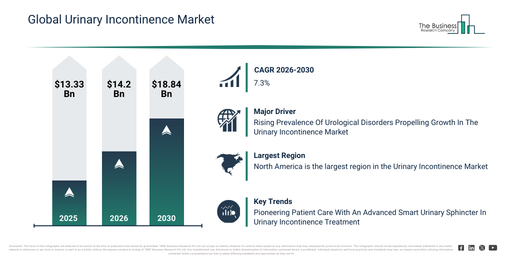
    Urinary Incontinence Market Future Outlook Showing Expansion Toward $18.84 Billion by 2030

    The Business Research Company’s 2026 market reports include new capabilities such as market attractiveness scoring and analysis, total addressable market analysis, company scoring matrix, interactive excel data dashboard, improved supply chain analysis, upcoming startups in the market, and overview of key products, aimed at improving the depth, usability, and strategic value of the insights delivered.

    What Is The Expected Market Size Of The Urinary Incontinence Market From 2026 To 2030?

    The urinary incontinence market has experienced robust expansion over recent years. Its size is projected to increase from $13.33 billion in 2025 to $14.2 billion in 2026, achieving a compound annual growth rate (CAGR) of 6.6%. This historical growth can be primarily attributed to an increasing aging population, the rising prevalence of obesity-related conditions, a higher incidence of childbirth-related pelvic disorders, improved access to diagnostic healthcare services, and growing awareness of urinary health disorders.

    The urinary incontinence market is projected to experience substantial expansion in the coming years. Its valuation is anticipated to reach $18.84 billion by 2030, exhibiting a compound annual growth rate (CAGR) of 7.3%. This projected growth during the forecast period stems from factors such as the proliferation of personalized treatment strategies, the increasing use of digital health monitoring systems, a rising need for non-surgical interventions, a heightened emphasis on preventive urological care, and continuous improvements in incontinence treatment apparatus. Key developments expected within this period encompass a greater uptake of sophisticated diagnostic techniques, an escalating preference for minimally invasive therapeutic choices, an intensifying focus on pelvic floor rehabilitation programs, the broadened availability of home-based solutions for incontinence management, and an elevated understanding of urinary health ailments.

    Download the Free Sample Report to Explore Key Market Insights:

    https://www.thebusinessresearchcompany.com/sample.aspx?id=12946&type=smp

    What Key Drivers Are Influencing The Growth Of The Urinary Incontinence Market?

    The anticipated surge in the prevalence of urological disorders is poised to propel the expansion of the urinary incontinence market in the foreseeable future. Urological disorders encompass medical conditions affecting the urinary system and male reproductive organs, specifically involving areas such as the kidneys, bladder, ureters, urethra, prostate, and testes. The rising occurrence of these disorders is linked to an escalating disease burden, primarily influenced by an aging populace and health shifts related to lifestyle. This escalating trend is met by the urinary incontinence market, which supplies crucial diagnostic instruments, therapeutic goods, and sophisticated treatment options to cater to the growing requirements of patients. As an illustration, in January 2023, reports from the American Cancer Society, a US-based voluntary cancer awareness organization, indicated that the estimated figure for urinary bladder cancer cases reached 82,290 in 2023, demonstrating an increase compared to preceding years as the disease burden continues to rise. Consequently, the increased prevalence of urological disorders will be a key driver for the growth of the urinary incontinence market.

    Which Segments Are Included In The Analysis Of The Urinary Incontinence Market?

    The urinary incontinence market covered in this report is segmented –

    1) By Type: Urge Incontinence, Stress Incontinence, Overflow Incontinence, Functional Incontinence

    2) By Treatment Type: Medication, Devices, Other Treatments

    3) By Route Of Administration: Oral, Parenteral, Other Routes Of Administration

    4) By Diagnosis: Physical Exam, Pad Test, Urodynamic Testing, Cystoscopy, Stress Test, Ultrasound, Urine Samples

    5) By End-Users: Hospitals, Specialty Clinics, Homecare, Other End-Users

    Subsegments:

    1) By Urge Incontinence: Overactive Bladder, Urinary Urgency

    2) By Stress Incontinence: Involuntary Leakage During Physical Activity, Coughing Or Sneezing

    3) By Overflow Incontinence: Chronic Urinary Retention, Frequent Or Constant Dribbling

    4) By Functional Incontinence: Cognitive Impairment, Physical Limitations

    Which Trends Are Influencing The Urinary Incontinence Market?

    Leading companies within the urinary incontinence market are prioritizing the creation of novel solutions, including intelligent, automated artificial urinary sphincters and sophisticated minimally invasive devices, with the goal of improving treatment efficacy and the overall quality of life for patients. These contemporary technologies, comprising smart, automated artificial urinary sphincters and advanced minimally invasive devices, are engineered to enhance bladder control by autonomously regulating urine flow and providing patients with treatment alternatives that are less intrusive and more comfortable. A relevant example occurred in July 2023, when UroMems SAS, a biotechnology firm based in France, successfully implanted its UroActive smart, automated artificial urinary sphincter (AUS) into a female patient for the management of stress urinary incontinence (SUI) in women. This inventive UroActive apparatus operates via a myoelectrical mechanical system (MEMS) and was developed to meet the previously unaddressed requirement for a conclusive treatment for SUI in women. The surgical intervention took place with robotic assistance at La Pitié-Salpêtrière University Hospital in Paris, after securing regulatory clearance from the French equivalent of the FDA. The UroActive device’s adaptability and intelligent features, alongside its minimally invasive methodology, are intended to enhance the quality of life for patients.

    Which Key Industry Participants Are Active In The Urinary Incontinence Market?

    Major companies operating in the urinary incontinence market are Teleflex Incorporated, Ethicon Inc., Laborie Medical Technologies Corp., NeoTract Inc., Promedon GmbH, Caldera Medical Inc, Cook Medical Inc, Cook Group Inc, ConvaTec Group PLC, Boston Scientific Corporation, Coloplast A/S, B Braun Melsungen AG, Medtronic plc, Hollister Incorporated, Becton Dickinson and Company, A.M.I. GmbH, Atlantic Therapeutics Group Ltd, InControl Medical, Zephyr Surgical Implants

    Read the full urinary incontinence market report here:

    https://www.thebusinessresearchcompany.com/report/urinary-incontinence-global-market-report

    Which Region Is Expected To Register The Fastest Growth In The Urinary Incontinence Market?

    North America was the largest region in the urinary incontinence market in 2025. The regions covered in the urinary incontinence market report are Asia-Pacific, South East Asia, Western Europe, Eastern Europe, North America, South America, Middle East, Africa.

    Request A Tailored Urinary Incontinence Market Research Report For Competitive Advantage:

    https://www.thebusinessresearchcompany.com/customise?id=12946&type=smp

    Browse Through More Reports Similar to the Global Urinary Incontinence Market 2026, By The Business Research Company

    Disposable Incontinence Products Global Market Report

    https://www.thebusinessresearchcompany.com/report/disposable-incontinence-products-global-market-report

    Incontinence And Ostomy Care Products Global Market Report

    https://www.thebusinessresearchcompany.com/report/incontinence-and-ostomy-care-products-global-market-report

    Urinary Incontinence And Pelvic Organ Prolapse Devices And Equipment Global Market Report

    https://www.thebusinessresearchcompany.com/report/urinary-incontinence-and-pelvic-organ-prolapse-devices-and-equipment-global-market-report

    Get in touch with us:

    The Business Research Company: https://www.thebusinessresearchcompany.com/

    Americas +1 310-496-7795

    Asia +44 7882 955267 & +91 8897263534

    Europe +44 7882 955267

    Email us at info@tbrc.info

    Follow us on:

    LinkedIn: https://in.linkedin.com/company/the-business-research-company

    YouTube: https://www.youtube.com/channel/UC24_fI0rV8cR5DxlCpgmyFQ

    Global Market Model: https://www.thebusinessresearchcompany.com/global-market-model
  • Thrombocytopenia Market Revenue Expected to Reach $6.58 Billion by 2030 with 7.1% CAGR

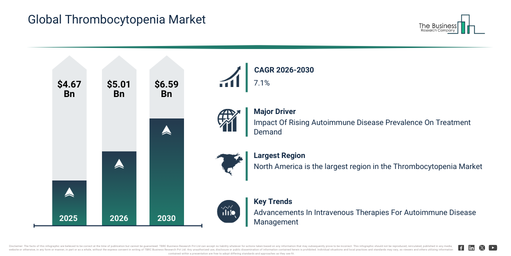
    Thrombocytopenia Market Revenue Expected to Reach $6.58 Billion by 2030 with 7.1% CAGR

    The Business Research Company’s 2026 market reports include new capabilities such as market attractiveness scoring and analysis, total addressable market analysis, company scoring matrix, interactive excel data dashboard, improved supply chain analysis, upcoming startups in the market, and overview of key products, aimed at improving the depth, usability, and strategic value of the insights delivered.

    How Large Is The Thrombocytopenia Market Projected To Become By 2030 Based On Its 2026 Valuation?

    The thrombocytopenia market has experienced robust expansion over recent years. This market is projected to expand from $4.67 billion in 2025 to $5.01 billion in 2026, demonstrating a compound annual growth rate (CAGR) of 7.2%. Historically, this growth can be linked to factors such as a rising incidence of autoimmune disorders, an increase in chemotherapy treatments, enhanced diagnostic abilities for platelet disorders, improved clinical understanding of bleeding conditions, and the broadening of hospital-based hematology services.

    The thrombocytopenia market is anticipated to experience robust expansion over the coming years. This market is projected to reach $6.59 billion by 2030, driven by a compound annual growth rate (CAGR) of 7.1%. Several factors are contributing to this growth during the forecast period, including the ongoing development of new thrombopoietin receptor agonists, a growing embrace of personalized medicine methods, the broadening availability of outpatient treatment solutions, increased funding for rare disease treatments, and a heightened emphasis on strategies for early intervention. Key trends anticipated during the same period involve a greater uptake of targeted drug therapies, an escalating application of immunomodulatory treatments, an intensified focus on diagnosing diseases early, the proliferation of personalized treatment protocols, and improved monitoring of platelet disorders.

    Download the Free Sample Report to Explore Key Market Insights:

    https://www.thebusinessresearchcompany.com/sample.aspx?id=21298&type=smp

    What Primary Drivers Are Shaping The Development Of The Thrombocytopenia Market?

    The increasing incidence of autoimmune conditions is projected to fuel the expansion of the thrombocytopenia market in the future. These conditions arise when the immune system erroneously targets and attacks the body’s own healthy cells and tissues, perceiving them as external dangers. Such an aberrant reaction results in inflammation and damage across different organs and bodily systems. The increase in autoimmune conditions is connected to genetic factors, environmental influences, shifts in lifestyle, and improved awareness contributing to more accurate diagnoses. Autoimmune conditions induce thrombocytopenia by prompting the immune system to target and eliminate the body’s platelets, or by hindering their production within the bone marrow. As an illustration, in August 2024, data from Public Health Scotland, a national organization based in Scotland, indicated that in 2023, the Scottish Multiple Sclerosis Register (SMSR) registered 455 individuals with a new diagnosis of MS. Consequently, the expanding occurrence of autoimmune diseases is propelling the growth of the thrombocytopenia market.

    What Segment Groups Are Identified Within The Thrombocytopenia Market?

    The thrombocytopenia market covered in this report is segmented –

    1) By Type: Idiopathic Thrombocytopenic, Thrombotic Thrombocytopenic, Drug-Induced Thrombocytopenia

    2) By Drugs: Danazol, Intravenous Immune Globulin, Rituximab, Eltrombopag, Romiplostim, Splenectomy, Corticosteroid, Other Drugs

    3) By Route Of Administration: Oral, Parenteral, Other Routes Of Administration

    4) By End User: Hospitals, Specialty Clinics, Homecare, Other End Users

    Subsegments:

    1) By Idiopathic Thrombocytopenic (ITP): Acute ITP, Chronic ITP

    2) By Thrombotic Thrombocytopenic (TTP): Congenital TTP (Hereditary ADAMTS13 Deficiency), Acquired TTP (Immune-Mediated)

    3) By Drug-Induced Thrombocytopenia (DITP): Heparin-Induced Thrombocytopenia (HIT), Chemotherapy-Induced Thrombocytopenia

    What Key Developments And Trends Are Impacting The Thrombocytopenia Market?

    Leading companies operating in the thrombocytopenia market are prioritizing innovations, including the development of intravenous therapy, to enhance treatment effectiveness, accelerate patient response times, improve adherence, and fulfill unmet medical needs. Intravenous therapy in thrombocytopenia facilitates rapid platelet count improvement, ensuring swift symptom relief and minimizing the risk of bleeding complications. Additionally, it increases treatment precision, offering controlled and effective platelet support for individuals with severe or chronic conditions. For example, in March 2024, Argenx SE, a Netherlands-based biotechnology company, secured approval from Japan’s Ministry of Health, Labor, and Welfare (MHLW) for VYVGART for intravenous use in adults diagnosed with primary immune thrombocytopenia (ITP). This authorization marks a significant advancement, providing a targeted treatment characterized by rapid effectiveness and a sustained platelet response, thus addressing critical unmet needs in autoimmune disease management.

    Which Companies Hold Significant Positions In The Thrombocytopenia Market?

    Major companies operating in the thrombocytopenia market are Pfizer Inc., Johnson & Johnson, Bayer AG, Sanofi S.A., Novartis AG, GSK Plc, Takeda Pharmaceutical Company Limited, Eli Lilly and Company, Amgen Inc., Merck & Co. Inc., Swedish Orphan Biovitrum AB, Argenx SE, GC Pharma, Biotest AG, UCB Biopharma, Rigel Pharmaceuticals, Keros Therapeutics Inc., Dova Pharmaceuticals (Sobi), F Hoffmann‑La Roche Ltd, Eisai Co Ltd, Biogen Inc, Bristol‑Myers Squibb Company

    Read the full thrombocytopenia market report here:

    https://www.thebusinessresearchcompany.com/report/thrombocytopenia-global-market-report

    How Does The Thrombocytopenia Market Perform Across Major Global Regions?

    North America was the largest region in the thrombocytopenia market in 2025. Asia-Pacific is expected to be the fastest-growing region in the forecast period. The regions covered in the thrombocytopenia market report are Asia-Pacific, South East Asia, Western Europe, Eastern Europe, North America, South America, Middle East, Africa.

    Request A Tailored Thrombocytopenia Market Research Report For Competitive Advantage:

    https://www.thebusinessresearchcompany.com/customise?id=21298&type=smp

    Browse Through More Reports Similar to the Global Thrombocytopenia Market 2026, By The Business Research Company

    Venous Thromboembolism Global Market Report

    https://www.thebusinessresearchcompany.com/report/venous-thromboembolism-global-market-report

    Deep Vein Thrombosis Global Market Report

    https://www.thebusinessresearchcompany.com/report/deep-vein-thrombosis-global-market-report

    Antithrombotic Drugs Market

    https://www.thebusinessresearchcompany.com/report/antithrombotic-drugs-market

    Get in touch with us:

    The Business Research Company: https://www.thebusinessresearchcompany.com/

    Americas +1 310-496-7795

    Asia +44 7882 955267 & +91 8897263534

    Europe +44 7882 955267

    Email us at info@tbrc.info

    Follow us on:

    LinkedIn: https://in.linkedin.com/company/the-business-research-company

    YouTube: https://www.youtube.com/channel/UC24_fI0rV8cR5DxlCpgmyFQ

    Global Market Model: https://www.thebusinessresearchcompany.com/global-market-model
  • Urinalysis Market Revenue Growth Expected to Reach $5.91 Billion by 2030 with 9.1% CAGR

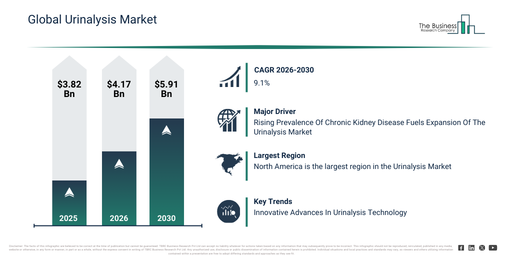
    Urinalysis Market Revenue Growth Expected to Reach $5.91 Billion by 2030 with 9.1% CAGR

    The Business Research Company’s 2026 market reports include new capabilities such as market attractiveness scoring and analysis, total addressable market analysis, company scoring matrix, interactive excel data dashboard, improved supply chain analysis, upcoming startups in the market, and overview of key products, aimed at improving the depth, usability, and strategic value of the insights delivered.

    What Market Valuation Is Forecasted For The Urinalysis Market By 2030 Starting From Its 2026 Size?

    The urinalysis market has shown robust growth over recent years. It is anticipated to increase from $3.82 billion in 2025 to $4.17 billion in 2026, achieving a compound annual growth rate (CAGR) of 9.2%. The expansion seen in the past can be attributed to the rising occurrence of diabetes and kidney conditions, the broadening scope of clinical diagnostic laboratories, an escalating need for routine health screening, increased adoption of laboratory automation, and better availability of consumables.

    The urinalysis market is projected to experience substantial growth in the upcoming years. It is anticipated to reach $5.91 billion by 2030, demonstrating a compound annual growth rate (CAGR) of 9.1%. This expansion during the forecast period is primarily driven by factors such as the increasing demand for rapid diagnostic testing, a rising focus on preventive healthcare, the expansion of home healthcare diagnostics, the growing integration of ai-based interpretation tools, and an increase in healthcare spending on diagnostics. Key trends anticipated during the forecast period involve the increasing adoption of automated urinalysis analyzers, the rising use of point-of-care testing kits, the growing integration of digital result management, the expansion of home-based urinalysis testing, and an enhanced focus on diagnostic accuracy.

    Download the Free Sample Report to Explore Key Market Insights:

    https://www.thebusinessresearchcompany.com/sample.aspx?id=8623&type=smp

    What Major Growth Drivers Are Shaping The Outlook Of The Urinalysis Market?

    The increasing incidence of chronic kidney disease is anticipated to boost the expansion of the urinalysis market in the future. Kidney disease is characterized as a medical condition where the kidneys sustain damage, impeding their ability to effectively filter waste and excess fluids from the blood. The rising occurrence of chronic kidney disease is primarily attributed to the growing rates of diabetes, which can gradually impair kidney function over time. Urinalysis assists in identifying early indicators of kidney disease by detecting abnormalities in urine, such as protein, blood, or imbalances in waste, which signify declining kidney health. For instance, in June 2023, publications by the Oxford University Press, a UK-based department of the University of Oxford, revealed that the prevalence of chronic kidney disease (CKD) in the UK is projected to rise by 4%, increasing from 8.27 million to 8.61 million individuals between 2022 and 2032. Therefore, the growing prevalence of chronic kidney disease is driving the growth of the urinalysis market.

    Which Segment Categories Define The Urinalysis Market?

    The urinalysis market covered in this report is segmented –

    1) By Test Type: Pregnancy And Fertility Tests, Biochemical Urinalysis, Sediment Urinalysis

    2) By Product: Consumables, Instruments

    3) By Application: Urinary Tract Infections (UTIs), Kidney Disease, Liver Disease, Diabetes, Hypertension, Other Applications

    4) By End Users: Diagnostic Laboratories, Hospitals And Clinics, Home Care Settings, Research Laboratories And Institutes

    Subsegments:

    1) By Pregnancy And Fertility Tests: Urine Pregnancy Tests, Ovulation Prediction Tests

    2) By Biochemical Urinalysis: Dipstick Tests, Reagent Strip Tests, Microalbumin Tests

    3) By Sediment Urinalysis: Microscopic Examination, Chemical Analysis Of Sediment, Culture Tests

    What Trends Are Advancing Progress In The Urinalysis Market?

    Major companies operating in the urinalysis market are concentrating on developing innovative products, such as urine particle analyzers, to gain a competitive advantage. Urine analyzers are clinical instruments capable of automated urine testing, featuring multiple analyte detection and quantification capabilities. These particle analyzers provide greater accuracy and precision than manual microscopy, which aids in standardizing urine particle analysis and reducing inter-observer variability. For instance, in April 2023, Sysmex Europe SE, a Germany-based automated in vitro diagnostics provider, launched the UF-1500 Fully Automated Urine Particle Analyzer. It is specifically engineered to achieve substantial footprint reductions (by about 30%1) while maintaining high performance and usability. The device utilizes the same cutting-edge fluorescence flow cytometry technology as their flagship UF-5000. It fulfills a range of customer needs, including the requirement for a fully automated urinalysis workstation in developed and emerging markets, as well as the demand for backup and satellite systems for extensive facilities that have previously installed the UN-Series; it also supports connectivity to their UC-3500 urine chemistry analyzers.

    Who Are The Top Companies Competing In The Urinalysis Market?

    Major companies operating in the urinalysis market are Siemens Healthineers AG, F. Hoffmann-La Roche Ltd., Cardinal Health Inc., Abbott Laboratories, Danaher Corporation, Beckman Coulter Inc., Sysmex Corporation, ARKRAY Inc., ACON Laboratories Inc., Bio-Rad Laboratories Inc., URIT Medical Electronic Group Co Ltd., 77 Elektronika Kft, Thermo Fisher Scientific Inc., Teco Diagnostics, Mindray Medical International Limited, Quidel Corporation, Becton Dickinson and Company, EKF Diagnostics, Shenzhen Mindray Bio-Medical Electronics Co. Ltd., Guangzhou Wondfo Biotech Co. Ltd., Chembio Diagnostic Systems Inc

    Read the full urinalysis market report here:

    https://www.thebusinessresearchcompany.com/report/urinalysis-global-market-report

    Which Regions Are Projected To Dominate The Urinalysis Market In The Coming Years?

    North America was the largest region in the urinalysis market in 2025. The regions covered in the urinalysis market report are Asia-Pacific, South East Asia, Western Europe, Eastern Europe, North America, South America, Middle East, Africa.

    Request A Tailored Urinalysis Market Research Report For Competitive Advantage:

    https://www.thebusinessresearchcompany.com/customise?id=8623&type=smp

    Browse Through More Reports Similar to the Global Urinalysis Market 2026, By The Business Research Company

    Kidney Dialysis Global Market Report

    https://www.thebusinessresearchcompany.com/report/kidney-dialysis-global-market-report

    Urology Surgical Instruments Global Market Report

    https://www.thebusinessresearchcompany.com/report/urology-surgical-instruments-global-market-report

    Hemodialysis Global Market Report

    https://www.thebusinessresearchcompany.com/report/hemodialysis-global-market-report

    Get in touch with us:

    The Business Research Company: https://www.thebusinessresearchcompany.com/

    Americas +1 310-496-7795

    Asia +44 7882 955267 & +91 8897263534

    Europe +44 7882 955267

    Email us at info@tbrc.info

    Follow us on:

    LinkedIn: https://in.linkedin.com/company/the-business-research-company

    YouTube: https://www.youtube.com/channel/UC24_fI0rV8cR5DxlCpgmyFQ

    Global Market Model: https://www.thebusinessresearchcompany.com/global-market-model

  • Urgent Care Center Market Expected to Record Steady Growth and Approach $38.79 Billion by 2030

    Urgent Care Center Market Expected to Record Steady Growth and Approach $38.79 Billion by 2030

    The Business Research Company’s 2026 market reports include new capabilities such as market attractiveness scoring and analysis, total addressable market analysis, company scoring matrix, interactive excel data dashboard, improved supply chain analysis, upcoming startups in the market, and overview of key products, aimed at improving the depth, usability, and strategic value of the insights delivered.

    How Is The Market Size Of The Urgent Care Center Market Expected To Change Between 2026 And 2030?

    The urgent care center market has experienced robust expansion in recent times. This market is projected to expand from $27.05 billion in 2025 to $29.09 billion in 2026, demonstrating a compound annual growth rate (CAGR) of 7.5%. Factors contributing to its historical growth include a heightened patient demand for walk-in services, an increase in emergency department congestion, the proliferation of retail healthcare approaches, escalating urban population density, and enhanced availability of diagnostic instruments.

    The urgent care center market size is projected to undergo significant expansion in the upcoming years, with its valuation expected to reach $38.8 billion by 2030, exhibiting a compound annual growth rate (CAGR) of 7.5%. This anticipated growth during the forecast period is primarily driven by escalating investments in urgent care infrastructure, the increasing demand for decentralized healthcare delivery, the expansion of employer-sponsored urgent care services, a rise in the adoption of digital check-in systems, and a greater emphasis on providing cost-effective care. Notable trends expected in this period encompass the growing implementation of technology-enabled clinics, the increased integration of digital patient management systems, a sharpened focus on rapid diagnostics services, the broader expansion of extended-hour care models, and an enhanced commitment to care standardization.

    Download the Free Sample Report to Explore Key Market Insights:

    https://www.thebusinessresearchcompany.com/sample.aspx?id=8807&type=smp

    What Drivers Are Expected To Influence The Urgent Care Center Market During The Forecast Period?

    The anticipated rise in patient demand for urgent care facilities is projected to fuel the expansion of the urgent care center market in the future. This demand signifies individuals’ desire, necessity, or request for healthcare services when seeking medical care for their health issues. It covers the broad spectrum of reasons people seek medical attention, from preventative care and regular examinations to managing chronic conditions or treating acute illnesses. A significant portion of this increased patient demand for healthcare services has been effectively addressed through the greater use of urgent care centers. These establishments are crucial in meeting the rising need for prompt medical care, providing a convenient and readily available option compared to conventional medical environments. Patients looking for swift and economical solutions for non-emergency ailments find that urgent care centers offer extended operational times, efficient treatment for minor ailments and injuries, and a wide array of services. For example, according to data from August 2023 provided by the Urgent Care Association, a US-based healthcare membership organization, urgent care centers handled approximately 206 million non-emergent cases in 2022, with the total count of centers growing to 14,075 and subsequently reaching 14,382 by June 2023. Consequently, the heightened patient demand for urgent care centers is a key driver for the urgent care centers market.

    How Is The Urgent Care Center Market Structured Across Different Segments?

    The urgent care center market covered in this report is segmented –

    1) By Service: Trauma Or Injury Services, Vaccination Services, Acute Illness Treatment Solutions, Other Services

    2) By Ownership: Corporate Owned, Hospital Owned, Physician Owned, Other Ownerships

    3) By Patient Age Group: Pediatrics (0–17 years), Adults (18–64 years), Geriatrics (65 years and above), All-Age And General Population

    Subsegments:

    1) By Trauma Or Injury Services: Minor Injury Treatment, Fracture Care, Laceration Repair

    2) By Vaccination Services: Routine Immunizations, Travel Vaccinations, Flu Shots

    3) By Acute Illness Treatment Solutions: Cold And Flu Treatment, Gastrointestinal Issues, Skin Infections And Rashes

    4) By Other Services: Diagnostic Services, Physical Exams, Occupational Health Services

    How Are Trends Transforming The Urgent Care Center Market Landscape?

    Major entities active in the urgent care center market are entering into partnerships to enhance their market standing. A business strategic partnership signifies a structured affiliation between two or more commercial enterprises, typically formalized through one or more business agreements or contracts. For example, in July 2023, Baylor Scott & White Health, a US-based healthcare system, forged a partnership with NextCare. This collaboration aims to incorporate 41 urgent care centers into BSWH’s network and provide the state’s largest nonprofit health system with a presence in new markets, including Abilene, San Antonio, and Houston. NextCare is a US-based healthcare provider that delivers primary, virtual, and urgent care services.

    Which Major Players Dominate The Urgent Care Center Market?

    Major companies operating in the urgent care center market are NextCare Holdings Inc., Concentra Inc., HCA Healthcare Inc., MedExpress Urgent Care, American Family Care, FastMed Urgent Care, CareNow Healthcare Private Limited, St Joseph’s Health Care London, U.S. HealthWorks Inc., CityMD Healthcare Private Limited, GoHealth Urgent Care, CareSpot Urgent Care, Dignity Health Care, United Health Group, Texas MedClinic, Patient First Corporation, Aurora Urgent Care, Bellin Health Systems, MD Now Medical Centers Inc., ZOOM Care, Adventist Healthcare, AtlantiCare, CRH Healthcare LLC, Excel Urgent Care, Premier Health Partners, Summit Health, AFC Urgent Care, CityDoc Urgent Care, Fast Pace Medical Clinic PLLC, Geisinger Careworks

    Read the full urgent care center market report here:

    https://www.thebusinessresearchcompany.com/report/urgent-care-center-global-market-report

    Which Region Is Forecast To Lead The Urgent Care Center Market In Terms Of Market Size?

    North America was the largest region in the urgent care center market share in 2025. Asia-Pacific is expected to be the fastest-growing region in the forecast period. The regions covered in the urgent care center market report are Asia-Pacific, South East Asia, Western Europe, Eastern Europe, North America, South America, Middle East, Africa.

    Request A Tailored Urgent Care Center Market Research Report For Competitive Advantage:

    https://www.thebusinessresearchcompany.com/customise?id=8807&type=smp

    Browse Through More Reports Similar to the Global Urgent Care Center Market 2026, By The Business Research Company

    Urgent Care Apps Global Market Report

    https://www.thebusinessresearchcompany.com/report/urgent-care-apps-global-market-report

    Hospital Emergency Department Global Market Report

    https://www.thebusinessresearchcompany.com/report/hospital-emergency-department-global-market-report

    Care Services Global Market Report

    https://www.thebusinessresearchcompany.com/report/care-services-global-market-report

    Get in touch with us:

    The Business Research Company: https://www.thebusinessresearchcompany.com/

    Americas +1 310-496-7795

    Asia +44 7882 955267 & +91 8897263534

    Europe +44 7882 955267

    Email us at info@tbrc.info

    Follow us on:

    LinkedIn: https://in.linkedin.com/company/the-business-research-company

    YouTube: https://www.youtube.com/channel/UC24_fI0rV8cR5DxlCpgmyFQ

    Global Market Model: https://www.thebusinessresearchcompany.com/global-market-model

  • Global Thrombocythaemia Myelofibrosis Treatment Market Set for Strong Expansion Reaching $2.5 Billion by 2030 at 7.6% CAGR

    Global Thrombocythaemia Myelofibrosis Treatment Market Set for Strong Expansion Reaching $2.5 Billion by 2030 at 7.6% CAGR

    The Business Research Company’s 2026 market reports include new capabilities such as market attractiveness scoring and analysis, total addressable market analysis, company scoring matrix, interactive excel data dashboard, improved supply chain analysis, upcoming startups in the market, and overview of key products, aimed at improving the depth, usability, and strategic value of the insights delivered.

    What Market Value Is Anticipated For The Thrombocythaemia Myelofibrosis Treatment Market Over The Period 2026–2030?

    The thrombocythaemia myelofibrosis treatment market size has demonstrated strong growth over recent years. It is projected to expand from $1.73 billion in 2025 to $1.87 billion in 2026, reflecting a compound annual growth rate (CAGR) of 7.9%. The increase during earlier periods can be attributed to several factors, including improved disease awareness among medical professionals, the introduction of oral therapeutic options, the expansion of hematology specialty care, increasing rates of rare blood disorder diagnoses, and advancements in bone marrow pathology techniques.

    The thrombocythaemia myelofibrosis treatment market is anticipated to experience substantial expansion over the upcoming years. Projections indicate it will reach $2.5 billion by 2030, demonstrating a compound annual growth rate (CAGR) of 7.6%. This projected growth during the forecast period is primarily driven by the emergence of advanced targeted therapies, a heightened emphasis on individualized treatment approaches, the broadening of specialty pharmacy networks, increased clinical research endeavors, and increased capital allocation for rare disease medication development. Key trends anticipated for this period encompass the wider acceptance of targeted JAK inhibitor treatments, an increased reliance on multi-drug regimens, an amplified focus on supportive care aimed at symptoms, an expansion in the criteria for stem cell transplantation, and more refined diagnostic and surveillance methods.

    Download the Free Sample Report to Explore Key Market Insights:

    https://www.thebusinessresearchcompany.com/sample.aspx?id=28341&type=smp

    Which Major Factors Are Driving The Expansion Of The Thrombocythaemia Myelofibrosis Treatment Market?

    The future growth of the thrombocythaemia myelofibrosis treatment market is anticipated to be propelled by the expanding adoption of digital health solutions. These solutions utilize digital technologies to improve healthcare delivery, enhance patient outcomes, and optimize overall disease management. The rising embrace of digital health solutions stems from their capacity to provide convenient remote access to healthcare services, thereby boosting patient engagement and care efficiency. The thrombocythaemia myelofibrosis treatment market capitalizes on this by employing digital platforms to remotely track symptoms, monitor treatment responses, and facilitate personalized care management for individuals with complex hematologic disorders. For instance, in April 2024, Queen Margaret University reported that, as of November 2023, 189 NHS trusts had implemented new electronic patient record systems, demonstrating 90% adoption across all trusts. Consequently, the increasing use of digital health solutions is a key driver for the growth of the thrombocythaemia myelofibrosis treatment market.

    How Is The Thrombocythaemia Myelofibrosis Treatment Market Divided Into Its Major Segments?

    The thrombocythaemia myelofibrosis treatment market covered in this report is segmented –

    1) By Treatment Type: Medication, Blood Transfusion, Stem Cell Transplantation, Other Treatment Types

    2) By Route Of Administration: Oral, Intravenous, Subcutaneous

    3) By Distribution Channel: Hospital Pharmacies, Retail Pharmacies, Online Pharmacies, Specialty Pharmacies, Drug Stores

    4) By Application: Clinic, Hospital, Other Applications

    Subsegments:

    1) By Medication: Anti-inflammatory Drugs, Antiplatelet Drugs, Iron Chelators

    2) By Blood Transfusion: Red Blood Cell Transfusion, Platelet Transfusion, Plasma Transfusion

    3) By Stem Cell Transplantation: Allogeneic Stem Cell Transplant, Autologous Stem Cell Transplant

    4) By Other Treatment Types: Splenectomy, Radiation Therapy, Supportive Care

    What Trends Are Projected To Affect The Thrombocythaemia Myelofibrosis Treatment Market?

    Prominent companies operating in the thrombocythaemia myelofibrosis treatment market are primarily focused on developing novel treatments such as Janus Kinase or Activin A Receptor Type 1 (JAK/ACVR1) inhibitors. These advancements aim to target specific molecular pathways in myelofibrosis, thereby improving treatment efficacy and managing associated anemia. JAK/ACVR1 inhibitors are medications designed to selectively block essential enzymes involved in the abnormal production of blood cells, which helps alleviate disease symptoms and enhance patients’ quality of life. As an illustration, in September 2023, GlaxoSmithKline plc (GSK), a biopharmaceutical company headquartered in the UK, obtained US Food and Drug Administration (FDA) approval for Ojjaara (momelotinib), which is indicated for treating intermediate- or high-risk myelofibrosis. Its dual mechanism, which targets both JAK1/JAK2 and ACVR1, not only helps regulate inflammatory pathways but also improves hemoglobin levels, reducing the requirement for transfusions. This approval significantly expands treatment options and establishes a new standard in myelofibrosis management for patients experiencing anemia, a major unmet need within the disease landscape.

    Who Are The Prominent Organizations Shaping The Thrombocythaemia Myelofibrosis Treatment Market?

    Major companies operating in the thrombocythaemia myelofibrosis treatment market are Merck & Co. Inc., AbbVie Inc., Novartis AG, AstraZeneca PLC, Bristol Myers Squibb Company, GlaxoSmithKline PLC, Eli Lilly and Company, Takeda Pharmaceutical Company Limited, Amgen Inc., Gilead Sciences Inc., Teva Pharmaceutical Industries Ltd., Regeneron Pharmaceuticals Inc., Biogen Inc., Sun Pharmaceutical Industries Ltd., Sumitomo Pharma Oncology Inc., Incyte Corporation, Nippon Shinyaku Co. Ltd., Karyopharm Therapeutics, Celon Pharma S.A., Keros Therapeutics Inc.

    Read the full thrombocythaemia myelofibrosis treatment market report here:

    https://www.thebusinessresearchcompany.com/report/thrombocythaemia-myelofibrosis-treatment-global-market-report

    Which Region Currently Holds The Largest Share Of The Thrombocythaemia Myelofibrosis Treatment Market?

    North America was the largest region in the thrombocythaemia myelofibrosis treatment market in 2025. Asia-Pacific is expected to be the fastest-growing region in the forecast period. The regions covered in the thrombocythaemia myelofibrosis treatment market report are Asia-Pacific, South East Asia, Western Europe, Eastern Europe, North America, South America, Middle East, Africa.

    Request A Tailored Thrombocythaemia Myelofibrosis Treatment Market Research Report For Competitive Advantage:

    https://www.thebusinessresearchcompany.com/customise?id=28341&type=smp

    Browse Through More Reports Similar to the Global Thrombocythaemia Myelofibrosis Treatment Market 2026, By The Business Research Company

    Myelodysplastic Syndrome Global Market Report

    https://www.thebusinessresearchcompany.com/report/myelodysplastic-syndrome-global-market-report

    Chronic Myeloid Leukemia Treatment Global Market Report

    https://www.thebusinessresearchcompany.com/report/chronic-myeloid-leukemia-treatment-global-market-report

    Myelodysplastic Syndrome Drugs Global Market Report

    https://www.thebusinessresearchcompany.com/report/myelodysplastic-syndrome-drugs-global-market-report

    Get in touch with us:

    The Business Research Company: https://www.thebusinessresearchcompany.com/

    Americas +1 310-496-7795

    Asia +44 7882 955267 & +91 8897263534

    Europe +44 7882 955267

    Email us at info@tbrc.info

    Follow us on:

    LinkedIn: https://in.linkedin.com/company/the-business-research-company

    YouTube: https://www.youtube.com/channel/UC24_fI0rV8cR5DxlCpgmyFQ

    Global Market Model: https://www.thebusinessresearchcompany.com/global-market-model

  • Urgent Care Apps Industry Expansion Forecast Showing Market Size of $23.47 Billion by 2030 at 39.1% CAGR

    Urgent Care Apps Industry Expansion Forecast Showing Market Size of $23.47 Billion by 2030 at 39.1% CAGR

    The Business Research Company’s 2026 market reports include new capabilities such as market attractiveness scoring and analysis, total addressable market analysis, company scoring matrix, interactive excel data dashboard, improved supply chain analysis, upcoming startups in the market, and overview of key products, aimed at improving the depth, usability, and strategic value of the insights delivered.

    What Is The Market Size Of The Urgent Care Apps Market In 2026 And What Value Is Projected For 2030?

    The urgent care apps market has experienced substantial expansion in recent years. It is projected to increase from $4.5 billion in 2025 to $6.26 billion in 2026, demonstrating a compound annual growth rate (CAGR) of 39.1%. This historical growth can be attributed to factors such as wider smartphone adoption, increased embrace of digital health technologies, a growing need for readily available healthcare services, the enlargement of urgent care networks, and better mobile internet availability.

    The urgent care apps market is anticipated to experience substantial expansion in the coming years. It is forecast to achieve a size of $23.47 billion by 2030, progressing at a compound annual growth rate (CAGR) of 39.1%. This projected growth during the forecast period is fueled by increasing investments in digital health platforms, a growing need for remote triage solutions, the expansion of value-based care models, the rising integration of AI in patient engagement, and increased regulatory support for telehealth. Significant trends expected during this period include the rising adoption of telehealth-integrated urgent care apps, increased utilization of AI-based symptom triage, the growing deployment of real-time care navigation tools, the expansion of wearable-connected emergency apps, and an enhanced focus on patient data security.

    Download the Free Sample Report to Explore Key Market Insights:

    https://www.thebusinessresearchcompany.com/sample.aspx?id=14216&type=smp

    What Drivers Are Influencing The Urgent Care Apps Market?

    The urgent care apps market is anticipated to expand due to the increasing incidence of chronic illnesses like diabetes. Such a disease is defined as a persistent medical state typically enduring for a minimum of three months, often necessitating continuous oversight and management. Diabetes, a long-term metabolic ailment, is identified by elevated blood glucose levels, which can progressively cause significant harm to the heart, blood vessels, and other vital organs. These applications offer support to diabetic individuals in managing their health with greater efficiency, enhancing their quality of life, and alleviating strain on healthcare infrastructure. Furthermore, these tools assist patients with diabetes in documenting and tracking their symptoms, facilitating the recognition of health patterns and trends. For example, data from January 2023 by the National Institutes of Health, a US-based government entity, predicts that 35.66% (range: 33.36–36.04) of adults aged 50 and above will have at least one chronic condition by 2035, with this percentage forecast to increase to 47.81% (range: 46.09–49.71) by 2050. Consequently, the expanding incidence of chronic conditions, including diabetes, is fueling the expansion of the urgent care app market.

    What Are The Key Segments Of The Urgent Care Apps Market?

    The urgent care apps market covered in this report is segmented –

    1) By Type: Pre-Hospital Emergency Care And Triaging Apps, In-Hospital Communication And Collaboration Apps, Post-Hospital Apps

    2) By Technology: Phone-Based Apps, Web-Based Apps, Wearable Patient-Centric Apps

    3) By Clinical Area: Trauma, Stroke, Cardiac Conditions, Other Clinical Areas

    Subsegments:

    1) By Pre-Hospital Emergency Care And Triaging Apps: Symptom Checker Apps, Triage Apps, Remote Patient Monitoring Apps

    2) By In-Hospital Communication And Collaboration Apps: Secure Messaging Apps, Team Collaboration Tools, Patient Management Systems

    3) By Post-Hospital Apps: Follow-Up Care Apps, Medication Management Apps, Telehealth Apps

    Which Trends Are Impacting The Growth Of The Urgent Care Apps Market?

    Leading entities within the urgent care apps market are increasingly prioritizing the deployment of sophisticated technological offerings, including the Cedars-Sinai Connect app and AI-powered urgent care applications, to secure a competitive advantage. The Cedars-Sinai Connect app functions as a digital health initiative, leveraging artificial intelligence (AI) technology to facilitate prompt and convenient access to medical services for its users. Such programs allow individuals to identify and access the nearest urgent care facilities, as well as acquire details concerning urgent and emergency health issues. For example, during October 2023, Cedars-Sinai, a health science and medical center situated in the US, introduced the Cedars-Sinai Connect app; this novel artificial intelligence-powered mHealth application for patients in the USA delivers virtual care solutions for diverse clinical ailments. This application provides opportunities for same-day primary care appointments and continuous virtual consultation with medical specialists when urgent treatment is required. Patients can receive care through the app for a range of conditions, including type 2 diabetes, headaches, colds, anxiety, wellness consultations, and referrals to specialists. Both new and existing patients can utilize this AI-powered application to input their symptoms and health data via a structured intake process. Following data evaluation, the application transmits this information to a medical professional for review. Subsequently, video communication can occur between the patient and the healthcare provider.

    Who Are The Leading Companies Operating In The Urgent Care Apps Market?

    Major companies operating in the urgent care apps market are Teladoc Health, HeyDoctor, American Well, Carbon Health, Doctor on Demand, MDLive, Akira, Lemonaid Health, PlushCare, 98point6, HealthTap, Medici, K Health, MeMD, Maple, CareClix, LiveHealth Online, Push Doctor, Zocdoc, Brave Care, GoodRx Care, Sesame Care, RelyMD, Doctoranytime

    Read the full urgent care apps market report here:

    https://www.thebusinessresearchcompany.com/report/urgent-care-apps-global-market-report

    Which Regions Are Expected To Experience Rapid Expansion In The Urgent Care Apps Market?

    North America was the largest region in the urgent care apps market in 2025. Asia-Pacific is expected to be the fastest-growing region in the forecast period. The regions covered in the urgent care apps market report are Asia-Pacific, South East Asia, Western Europe, Eastern Europe, North America, South America, Middle East, Africa.

    Request A Tailored Urgent Care Apps Market Research Report For Competitive Advantage:

    https://www.thebusinessresearchcompany.com/customise?id=14216&type=smp

    Browse Through More Reports Similar to the Global Urgent Care Apps Market 2026, By The Business Research Company

    Urgent Care Center Global Market Report

    https://www.thebusinessresearchcompany.com/report/urgent-care-center-global-market-report

    Patient Centric Healthcare App Global Market Report

    https://www.thebusinessresearchcompany.com/report/patient-centric-healthcare-app-global-market-report

    Disease Management Apps Global Market Report

    https://www.thebusinessresearchcompany.com/report/disease-management-apps-global-market-report

    Get in touch with us:

    The Business Research Company: https://www.thebusinessresearchcompany.com/

    Americas +1 310-496-7795

    Asia +44 7882 955267 & +91 8897263534

    Europe +44 7882 955267

    Email us at info@tbrc.info

    Follow us on:

    LinkedIn: https://in.linkedin.com/company/the-business-research-company

    YouTube: https://www.youtube.com/channel/UC24_fI0rV8cR5DxlCpgmyFQ

    Global Market Model: https://www.thebusinessresearchcompany.com/global-market-model
  • Throat Cancer Market Growth Expected to Reach $3.71 Billion by 2030 with 8.6% CAGR

    Throat Cancer Market Growth Expected to Reach $3.71 Billion by 2030 with 8.6% CAGR

    The Business Research Company’s 2026 market reports include new capabilities such as market attractiveness scoring and analysis, total addressable market analysis, company scoring matrix, interactive excel data dashboard, improved supply chain analysis, upcoming startups in the market, and overview of key products, aimed at improving the depth, usability, and strategic value of the insights delivered.

    What Is The Expected Market Size Of The Throat Cancer Market From 2026 To 2030?

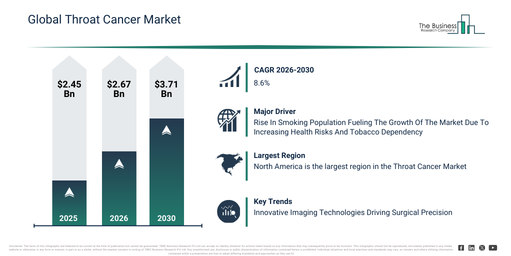
    The throat cancer market size has experienced robust growth in recent years. This market is anticipated to expand from $2.45 billion in 2025 to $2.67 billion in 2026, demonstrating a compound annual growth rate (CAGR) of 8.9%. The historical expansion can be linked to several factors, including increasing rates of tobacco and alcohol consumption, a rising prevalence of HPV infections, advancements in cancer diagnostic methods, the development of oncology treatment infrastructure, and enhanced public awareness of throat cancer symptoms.

    The throat cancer market is predicted to experience significant expansion in the coming years. Its valuation is expected to reach $3.71 billion by 2030, growing at a compound annual growth rate (CAGR) of 8.6%. The projected increase during this period stems from elevated investments in specific cancer treatments, an escalating desire for less invasive procedures, the development of customized medicine strategies, the broader use of AI-powered diagnostic tools, and a heightened emphasis on intervention at early stages. Prominent developments for the forecast period include the increasing integration of precision oncology techniques, greater deployment of advanced diagnostic imaging, a intensified focus on detecting cancer early, the proliferation of targeted and combination therapies, and improved incorporation of artificial intelligence into treatment formulation.

    Download the Free Sample Report to Explore Key Market Insights:

    https://www.thebusinessresearchcompany.com/sample.aspx?id=24722&type=smp

    What Key Drivers Are Influencing The Growth Of The Throat Cancer Market?

    A projected surge in the smoking demographic is anticipated to stimulate the expansion of the throat cancer market in the coming years. The term “smoking population” denotes the proportion or count of people within a specific region who habitually consume tobacco items. This demographic is growing as elevated stress levels prompt more individuals to turn to smoking as a means of managing pressure. Throat cancer starkly illustrates the profound health hazards linked with smoking, underscoring the critical necessity for public education and preventative actions to diminish its occurrence among smokers. As an illustration, data from October 2024, sourced from the European Respiratory Society (ERS), a non-profit organization based in Switzerland, presented findings from a study on youth smoking patterns, indicating a notable increase in smoking prevalence; specifically, 22.5% of participants reported smoking in 2022, which rose to 40.1% by 2024. Consequently, the expanding smoking population is acting as a catalyst for the growth of the throat cancer market.

    Which Segments Are Included In The Analysis Of The Throat Cancer Market?

    The throat cancer market covered in this report is segmented –

    1) By Type: Pharyngeal Cancer, Laryngeal Cancer

    2) By Treatments: Surgery, Radiation Therapy, Targeted Therapy, Chemotherapy, Antimetabolites, Platinum Derivatives, Plant Derivatives, Nitrogen Mustards, Immunotherapy, Other Treatments

    3) By End-User: Hospitals, Cancer Research Institutes, Multispecialty Clinics, Ambulatory Surgical Centers

    Subsegments:

    1) By Pharyngeal Cancer: Oropharyngeal Cancer, Nasopharyngeal Cancer, Hypopharyngeal Cancer

    2) By Laryngeal Cancer: Glottic Cancer, Supraglottic Cancer, Subglottic Cancer

    Which Upcoming Trends Are Expected To Influence The Throat Cancer Market?

    Leading companies in the throat cancer market are focusing on technological advancements in robotic and imaging-assisted surgery, such as real-time, microscopic cellular-level imaging, to enhance surgical precision and minimize the removal of healthy tissue. Real-time, microscopic cellular-level imaging involves visualizing live cellular structures during an operation to accurately distinguish between cancerous and healthy tissue. For instance, in January 2025, Mauna Kea Technologies, a France-based medical device company, launched a new application that integrates its Cellvizio confocal laser endomicroscopy into transoral robotic surgery (TORS). This enables intraoperative microscopic margin assessment in the larynx, oropharynx, and hypopharynx, providing surgeons with real-time cellular-level imaging to identify tumor boundaries. This guides precise tissue-sparing resections, helps achieve cleaner surgical margins, preserves critical functions like speech and swallowing, and ultimately improves outcomes in head and neck cancer procedures.

    Which Key Industry Participants Are Active In The Throat Cancer Market?

    Major companies operating in the throat cancer market are Pfizer Inc, Roche Holding AG, Merck And Co Inc, AbbVie Inc, Sanofi SA, Bristol Myers Squibb, AstraZeneca plc, Novartis AG, GlaxoSmithKline plc, Takeda Pharmaceutical Company Limited, Eli Lilly And Company, Amgen Inc, Astellas Pharma Inc, Dr Reddy’s Laboratories, Biocon Ltd, Coherus BioSciences Inc, Inovio Pharmaceuticals Inc, Boston Biomedical Inc, Shanghai Sunway Biotech Co Ltd, Eisai Co Ltd

    Read the full throat cancer market report here:

    https://www.thebusinessresearchcompany.com/report/throat-cancer-global-market-report

    Which Region Is Expected To Register The Fastest Growth In The Throat Cancer Market?

    North America was the largest region in the throat cancer market in 2025. The regions covered in the throat cancer market report are Asia-Pacific, South East Asia, Western Europe, Eastern Europe, North America, South America, Middle East, Africa.

    Request A Tailored Throat Cancer Market Research Report For Competitive Advantage:

    https://www.thebusinessresearchcompany.com/customise?id=24722&type=smp

    Browse Through More Reports Similar to the Global Throat Cancer Market 2026, By The Business Research Company

    Breast Cancer Drugs Global Market Report

    https://www.thebusinessresearchcompany.com/report/breast-cancer-drugs-global-market-report

    Lung Cancer Drugs Global Market Report

    https://www.thebusinessresearchcompany.com/report/lung-cancer-drugs-global-market-report

    Cancer Diagnostics Global Market Report

    https://www.thebusinessresearchcompany.com/report/cancer-diagnostics-global-market-report

    Get in touch with us:

    The Business Research Company: https://www.thebusinessresearchcompany.com/

    Americas +1 310-496-7795

    Asia +44 7882 955267 & +91 8897263534

    Europe +44 7882 955267

    Email us at info@tbrc.info

    Follow us on:

    LinkedIn: https://in.linkedin.com/company/the-business-research-company

    YouTube: https://www.youtube.com/channel/UC24_fI0rV8cR5DxlCpgmyFQ

    Global Market Model: https://www.thebusinessresearchcompany.com/global-market-model
  • Ureteroscope Market Revenue Expected to Reach $1.53 Billion by 2030 with 5.6% CAGR

    Ureteroscope Market Revenue Expected to Reach $1.53 Billion by 2030 with 5.6% CAGR

    The Business Research Company’s 2026 market reports include new capabilities such as market attractiveness scoring and analysis, total addressable market analysis, company scoring matrix, interactive excel data dashboard, improved supply chain analysis, upcoming startups in the market, and overview of key products, aimed at improving the depth, usability, and strategic value of the insights delivered.

    What Will Be The Estimated Market Valuation Of The Ureteroscope Market By The End Of 2030?

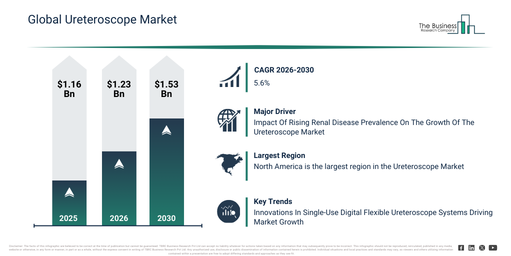
    The ureteroscope market size has demonstrated significant expansion in recent years. It is anticipated to increase from $1.16 billion in 2025 to $1.23 billion in 2026, exhibiting a compound annual growth rate (CAGR) of 6.3%. This historical growth can be attributed to several factors including the rising prevalence of urolithiasis, the expansion of urology specialty services, growing hospital investments in endoscopy equipment, increasing adoption of minimally invasive diagnostics, and improved availability of trained urologists.

    The ureteroscope market size is set to experience robust expansion over the next few years. It is projected to reach $1.53 billion by 2030, growing at a compound annual growth rate (CAGR) of 5.6%. This anticipated growth is driven by a surging demand for disposable endoscopic devices, a rise in kidney disorder prevalence, the proliferation of outpatient urology procedures, advancements in digital imaging technology, and an increasing emphasis on patient safety. Significant trends during the forecast period include the greater adoption of single-use ureteroscopes, an escalating need for high-definition imaging tools, a growing preference for flexible ureteroscopes, the expansion of minimally invasive urological interventions, and a heightened focus on infection control.

    Download the Free Sample Report to Explore Key Market Insights:

    https://www.thebusinessresearchcompany.com/sample.aspx?id=16562&type=smp

    What Drivers Are Shaping The Future Growth Of The Ureteroscope Market?

    The expanding occurrence of renal diseases is set to drive the growth of the ureteroscope market in the coming years. These conditions, also referred to as kidney diseases, are a diverse group of disorders that impair the kidneys’ function and structure. The rising incidence of renal diseases is influenced by several elements, including genetic susceptibilities, lifestyle choices, environmental factors, and existing health issues. Ureteroscopes play a crucial role in addressing renal diseases by enabling the minimally invasive diagnosis and treatment of kidney stones, tumors, strictures, and blockages, offering precise visualization and access within the urinary tract. For instance, in June 2023, Kidney Research UK reported that an estimated 7.19 million people in the UK were living with chronic kidney disease in 2023, representing more than 10% of the UK population, with projections showing an increase to 7.61 million people by 2033. This escalating prevalence of renal diseases is therefore a significant driver for the ureteroscope market’s development.

    Which Segment Classifications Shape The Ureteroscope Market?

    The ureteroscope market covered in this report is segmented –

    1) By Product: Digital Ureteroscopes, Flexible Ureteroscopes, Rigid Ureteroscope, Semi-Rigid Ureteroscopes, Fiberoptic Ureteroscopes

    2) By Application: Urinary Stricture, Urolithiasis, Kidney Cancer, Diagnostics

    3) By End-User: Ambulatory Surgical Centers, Specialty Clinics, Hospitals, Urology Clinics, Diagnostic Centers, Endoscopic Clinic, Other End-Users

    Subsegments:

    1) By Digital Ureteroscopes: Standard Digital Ureteroscopes, High-Definition (HD) Digital Ureteroscopes, Single-Use Digital Ureteroscopes

    2) By Flexible Ureteroscopes: Semi-Flexible Ureteroscopes, Fully Flexible Ureteroscopes, Single-Use Flexible Ureteroscopes

    3) By Rigid Ureteroscope: Standard Rigid Ureteroscopes, High-Definition (HD) Rigid Ureteroscopes, Single-Use Rigid Ureteroscopes

    4) By Semi-Rigid Ureteroscopes: Standard Semi-Rigid Ureteroscopes, Flexible Semi-Rigid Ureteroscopes

    5) By Fiberoptic Ureteroscopes: Standard Fiberoptic Ureteroscopes, High-Performance Fiberoptic Ureteroscopes

    What Major Market Trends Are Driving Changes In The Ureteroscope Market?

    Leading companies within the ureteroscope market are creating innovative products, such as single-use digital flexible ureteroscope systems, with the goal of improving patient safety by decreasing the danger of cross-contamination. These single-use digital flexible ureteroscope systems are disposable devices crafted for a singular procedure, characterized by flexible shafts and sophisticated digital imaging technology. For example, in February 2023, Boston Scientific, a US-based medical device manufacturing firm, secured approval from the U.S. Food and Drug Administration (FDA) for its LithoVue Elite System, which is a single-use digital flexible ureteroscope system. This system boasts advanced image quality, intrarenal pressure monitoring, direct control over image and video capture, and seamless integration with existing operating room visualization towers and endoscopic monitors. An integrated sensor is included in the system, allowing urologists to monitor intrarenal pressure in real-time during interventions, which supports making informed decisions related to pressure.

    Which Companies Are Expanding Their Footprint In The Ureteroscope Market?

    Major companies operating in the ureteroscope market are Siemens Healthineers AG, Stryker Healthcare, Boston Scientific Corporation, Olympus Corporation, Karl Storz SE & Co. KG, Richard Wolf GmbH, PENTAX Medical, Dornier MedTech, Cogentix Medical, Henke-Sass Wolf GmbH, Merit Medical Systems, Ambu A/S, Elmed Medical Systems Inc, OPCOM Medical Inc, Maxer Endoscopy GmbH, Rocamed SAM, NeoScope Inc, Teleflex Incorporated, Medtronic plc, Hoya Corporation

    Read the full ureteroscope market report here:

    https://www.thebusinessresearchcompany.com/report/ureteroscope-global-market-report

    Which Geographic Regions Are Influencing Demand In The Ureteroscope Market?

    North America was the largest region in the ureteroscope market in 2025. Asia-Pacific is expected to be the fastest-growing region in the forecast period. The regions covered in the ureteroscope market report are Asia-Pacific, South East Asia, Western Europe, Eastern Europe, North America, South America, Middle East, Africa.

    Request A Tailored Ureteroscope Market Research Report For Competitive Advantage:

    https://www.thebusinessresearchcompany.com/customise?id=16562&type=smp

    Browse Through More Reports Similar to the Global Ureteroscope Market 2026, By The Business Research Company

    Urology Surgical Instruments Global Market Report

    https://www.thebusinessresearchcompany.com/report/urology-surgical-instruments-global-market-report

    Urology Devices Global Market Report

    https://www.thebusinessresearchcompany.com/report/urology-devices-global-market-report

    Nephrology And Urology Devices Global Market Report

    https://www.thebusinessresearchcompany.com/report/nephrology-and-urology-devices-global-market-report

    Get in touch with us:

    The Business Research Company: https://www.thebusinessresearchcompany.com/

    Americas +1 310-496-7795

    Asia +44 7882 955267 & +91 8897263534

    Europe +44 7882 955267

    Email us at info@tbrc.info

    Follow us on:

    LinkedIn: https://in.linkedin.com/company/the-business-research-company

    YouTube: https://www.youtube.com/channel/UC24_fI0rV8cR5DxlCpgmyFQ

    Global Market Model: https://www.thebusinessresearchcompany.com/global-market-model