Category: Healthcare Services

  • Smart Hospital Wayfinding Robot Market Developments and Growth Opportunities Across 2026–2030

    Smart Hospital Wayfinding Robot Market Developments and Growth Opportunities Across 2026–2030

    The Business Research Company’s 2026 market reports include new capabilities such as market attractiveness scoring and analysis, total addressable market analysis, company scoring matrix, interactive excel data dashboard, improved supply chain analysis, upcoming startups in the market, and overview of key products, aimed at improving the depth, usability, and strategic value of the insights delivered.

    What Is The Forecasted Market Value Of The Smart Hospital Wayfinding Robot Market Across 2026–2030?

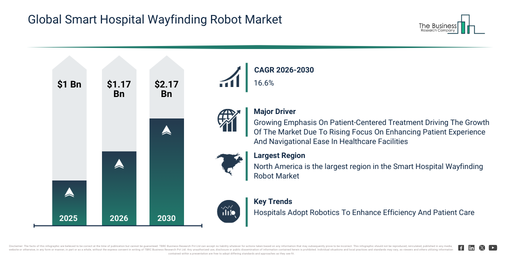
    The smart hospital wayfinding robot market size has experienced rapid growth in recent years. This market is expected to increase from $1 billion in 2025 to $1.17 billion in 2026, exhibiting a compound annual growth rate (CAGR) of 16.9%. Historically, this expansion can be ascribed to the increasing complexity of hospital layouts, a rise in patient footfall within large healthcare facilities, the integration of service robots in hospitals, a growing demand for operational efficiency, and advancements in indoor navigation technologies.

    The smart hospital wayfinding robot market size is projected to experience substantial expansion over the upcoming years, reaching a valuation of $2.17 billion by 2030, driven by a compound annual growth rate (CAGR) of 16.6%. This anticipated growth stems from several factors, including heightened investments in smart hospital infrastructure, an increasing need for contactless patient services, the broadening of digital tools for patient engagement, the expanding application of robotics in healthcare operations, and innovations in indoor positioning technologies. Key developments expected during this period involve the wider implementation of autonomous navigation robots, a surge in the embrace of AI-powered wayfinding systems, greater integration with existing hospital information systems, the proliferation of voice-activated patient support, and a sharpened emphasis on improving the overall patient experience.

    Download the Free Sample Report to Explore Key Market Insights:

    https://www.thebusinessresearchcompany.com/sample.aspx?id=29198&type=smp

    What Drivers Are Shaping The Future Growth Of The Smart Hospital Wayfinding Robot Market?

    The smart hospital wayfinding robot market is anticipated to grow due to the rising prominence of patient-centered treatment. This approach in healthcare places the individual needs, preferences, and values of patients at the forefront throughout their care journey. The increase in patient-centered treatment stems from enhanced patient empowerment, as greater access to information enables individuals to actively participate in decisions about their care. Smart hospital wayfinding robots facilitate patient-centered treatment by alleviating stress and confusion in navigating intricate hospital settings, allowing patients to dedicate more attention to their care and overall well-being. For instance, in July 2023, a survey conducted by the National Health Service, a UK-based government department, revealed that 90.3% of patients felt involved in decisions about their care, an increase from 89.9% in 2022, while 93.0% reported confidence and trust in their healthcare professional, consistent with the previous year. Consequently, the growing emphasis on patient-centered treatment is a primary driver for the smart hospital wayfinding robot market.

    What Segmentation Levels Are Considered In The Smart Hospital Wayfinding Robot Market?

    The smart hospital wayfinding robot market covered in this report is segmented –

    1) By Component: Hardware, Software, Services

    2) By Technology: Artificial Intelligence-Based, Sensor-Based, Radio Frequency Identification, Other Technologies

    3) By Application: Patient Navigation, Visitor Assistance, Asset Tracking, Emergency Response, Other Applications

    4) By End-User: Hospitals, Clinics, Specialty Centers, Other End-Users

    Subsegments:

    1) By Hardware: Display Screens, Sensors, Wheels And Motors, Cameras, Battery Systems

    2) By Software: Navigation Management, Voice Recognition, Mapping And Localization, User Interface, Data Analytics

    3) By Services: Installation Services, Maintenance Services, Training Services, Technical Support, Software Updates

    Which Upcoming Trends Are Expected To Influence The Smart Hospital Wayfinding Robot Market?

    Major companies operating in the smart hospital wayfinding robot market are concentrating on advanced innovations like medicine delivery robots to enhance operational efficiency, reduce staff workload, improve patient care, and streamline medication distribution within healthcare facilities. Medicine delivery robots are autonomous robots that transport medications within hospitals, thereby improving efficiency, reducing staff workload, and ensuring timely delivery to patient care areas. For instance, in July 2023, Changi General Hospital Pte Ltd, a Singapore-based medical institution, introduced three robots, including Edi the Robotic Navigator for patient wayfinding, MEDi the ‘Smart’ Medicine-Delivery-on-Wheels for efficient medication transport, and BLANKi the Blanket Delivery Robot to enhance patient comfort and reduce staff workload in the Emergency Department. These robots collectively aim to improve efficiency, streamline operations, and provide a better overall experience for patients and visitors. The hospital plans to expand its deployment across other areas of the campus to further optimize healthcare services. Early feedback from staff and patients has been positive, demonstrating the ability of robotics to transform patient care.

    Which Leading Firms Are Contributing To The Growth Of The Smart Hospital Wayfinding Robot Market?

    Major companies operating in the smart hospital wayfinding robot market are LG Electronics Inc., Panasonic Corporation, Singapore Technologies Engineering Ltd., Keenon Robotics Co. Ltd., Changi General Hospital Pte Ltd., UBTech Robotics Corp., SoftBank Robotics Group Corp., CenTrak Inc., Yujin Robot Co. Ltd., Pudu Robotics Co. Ltd., OrionStar Technology Co. Ltd., Pointr Ltd., Ateago Technology Co. Ltd., Bivocom Co. Ltd., PAL Robotics S.L., Robotlab Ltd., Botzee Inc., RIFE TECHNOLOGIES, PredictML Inc., iHub Robotics.

    Read the full smart hospital wayfinding robot market report here:

    https://www.thebusinessresearchcompany.com/report/smart-hospital-wayfinding-robot-global-market-report

    Which Geographic Regions Are Influencing Demand In The Smart Hospital Wayfinding Robot Market?

    North America was the largest region in the smart hospital wayfinding robot market in 2025. Asia-Pacific is expected to be the fastest-growing region in the forecast period. The regions covered in the smart hospital wayfinding robot market report are Asia-Pacific, South East Asia, Western Europe, Eastern Europe, North America, South America, Middle East, Africa.

    Request A Tailored Smart Hospital Wayfinding Robot Market Research Report For Competitive Advantage:

    https://www.thebusinessresearchcompany.com/customise?id=29198&type=smp

    Browse Through More Reports Similar to the Global Smart Hospital Wayfinding Robot Market 2026, By The Business Research Company

    Healthcare Assistive Robot Global Market Report

    https://www.thebusinessresearchcompany.com/report/healthcare-assistive-robot-global-market-report

    Healthcare Mobile Robots Global Market Report

    https://www.thebusinessresearchcompany.com/report/healthcare-mobile-robots-global-market-report

    Healthcare Companion Robots Global Market Report

    https://www.thebusinessresearchcompany.com/report/healthcare-companion-robots-global-market-report

    Get in touch with us:

    The Business Research Company: https://www.thebusinessresearchcompany.com/

    Americas +1 310-496-7795

    Asia +44 7882 955267 & +91 8897263534

    Europe +44 7882 955267

    Email us at info@tbrc.info

    Follow us on:

    LinkedIn: https://in.linkedin.com/company/the-business-research-company

    YouTube: https://www.youtube.com/channel/UC24_fI0rV8cR5DxlCpgmyFQ

    Global Market Model: https://www.thebusinessresearchcompany.com/global-market-model
  • Global Smart Hospital Market Forecast 2026–2035 Presenting Long-Term Industry Expansion Insights

    Global Smart Hospital Market Forecast 2026–2035 Presenting Long-Term Industry Expansion Insights

    The Business Research Company’s 2026 market reports include new capabilities such as market attractiveness scoring and analysis, total addressable market analysis, company scoring matrix, interactive excel data dashboard, improved supply chain analysis, upcoming startups in the market, and overview of key products, aimed at improving the depth, usability, and strategic value of the insights delivered.

    What Market Size Increase Is Anticipated For The Smart Hospital Market Over The 2026–2030 Period?

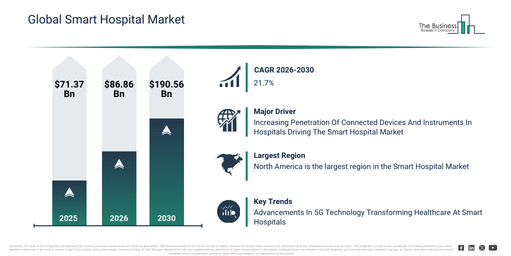
    The smart hospital market size has seen rapid expansion in recent years. This market is set to increase from $71.37 billion in 2025 to $86.86 billion in 2026, demonstrating a compound annual growth rate (CAGR) of 21.7%. The historical growth can be attributed to several factors, including hospital overcrowding, the need for operational efficiency, the adoption of electronic health records, healthcare IT investments, and patient safety regulations.

    The smart hospital market is set for remarkable expansion in the coming years. It is projected to reach $190.56 billion by 2030, exhibiting a compound annual growth rate (CAGR) of 21.7%. This growth over the forecast period is fueled by elements such as smart infrastructure funding, AI-driven workflow automation, interoperability mandates, the escalating demand for value-based care, and the ongoing expansion of digital hospitals. Noteworthy trends during this period include the uptake of hospital management platforms, the integration of real-time location systems, the development of AI-powered diagnostics, the spread of smart ICU solutions, and increased cybersecurity investments.

    Download the Free Sample Report to Explore Key Market Insights:

    https://www.thebusinessresearchcompany.com/sample.aspx?id=13734&type=smp

    Which Economic Or Industry Drivers Are Impacting The Smart Hospital Market?

    The rising adoption of connected devices and tools within hospitals is projected to fuel the expansion of the smart hospital market in the future. These connected devices and instruments in hospitals represent a network of internet-enabled medical tools utilized to gather extensive data across various business and medical operations. This growing integration of connected devices and instruments in hospitals is crucial for the advancement of smart hospitals, facilitating improved patient care, greater operational efficiency, and decisions based on data. As an illustration, in October 2023, the Food and Drug Administration, a US-based federal agency, updated its catalog of artificial intelligence (AI) and machine learning (ML)-enabled medical devices available in the United States, listing 171 new additions by October 2023. This marks a notable rise from the previous year, and the count of AI/ML-enabled devices is anticipated to increase by 30% or more. Consequently, the expanding deployment of connected devices and instruments in hospitals is propelling the growth of the smart hospitals market.

    How Is The Smart Hospital Market Segmented Across Key Categories?

    The smart hospital market covered in this report is segmented –

    1) By Component: Hardware, Software System, Services

    2) By Technology: Cloud Computing, Artificial Intelligence, Wearable Technologies, Radio Frequencies Identification, Other Technologies

    3) By Connectivity: Wired, Wireless

    4) By Application: Remote Medicine Management, Medical Connected Imaging, Medical Assistance, Electronic Health Record, Outpatient Vigilance

    Subsegments:

    1) By Hardware: Medical Devices, Internet Of Things (IoT) Devices, Wearable Health Monitors, Infrastructure Equipment (Sensors, Cameras)

    2) By Software System: Electronic Health Records (EHR), Hospital Management Systems, Patient Engagement Software, Data Analytics And Reporting Tools

    3) By Services: Consulting Services, Implementation And Integration Services, Maintenance And Support Services, Training And Education Services

    How Are Trends Shaping The Direction Of The Smart Hospital Market?

    Leading companies active in the smart hospitals market are concentrating on strategic alliances to create smart hospital innovations. Such a partnership involves a cooperative alliance formed between two or more entities, typically businesses, with the objective of achieving shared benefits. For instance, in March 2023, LifeSigns, a US-based health-tech start-up, collaborated with Amala Hospital, an Indian-based provider of orthopedic treatments and therapeutic services, to introduce a smart ward. This smart ward employs LifeSigns’ iMS technology, which includes wearable wireless sensors for continuous patient supervision. This development obviates the requirement for conventional wired systems, thereby enhancing comfort and improving data acquisition.

    Who Are The Dominant Players Shaping The Smart Hospital Market Landscape?

    Major companies operating in the smart hospital market are Microsoft Corporation, Alphabet Inc, International Business Machines Corporation, Cisco Systems Inc, SAP SE, Siemens Healthineers AG, Koninklijke Philips N.V., GE Healthcare, Medtronic plc, Cerner Corporation, Allscripts Healthcare Solutions, Athenahealth, Honeywell Life Care Solutions, Stanley Healthcare, Qualcomm Life, Nvidia Corporation, Oracle Health, Epic Systems Corporation, Fujitsu Limited, Hitachi Healthcare Systems, Schneider Electric Healthcare, Toshiba Healthcare Systems

    Read the full smart hospital market report here:

    https://www.thebusinessresearchcompany.com/report/smart-hospital-global-market-report

    What Are The Top-Performing Regions Within The Smart Hospital Market?

    North America was the largest region in the smart hospital market in 2025. Asia-Pacific is expected to be the fastest-growing region in the forecast period. The regions covered in the smart hospital market report are Asia-Pacific, South East Asia, Western Europe, Eastern Europe, North America, South America, Middle East, Africa.

    Request A Tailored Smart Hospital Market Research Report For Competitive Advantage:

    https://www.thebusinessresearchcompany.com/customise?id=13734&type=smp

    Browse Through More Reports Similar to the Global Smart Hospital Market 2026, By The Business Research Company

    Hospitality Global Market Report

    https://www.thebusinessresearchcompany.com/report/hospitality-global-market-report

    Smart Healthcare Products Global Market Report

    https://www.thebusinessresearchcompany.com/report/smart-healthcare-products-global-market-report

    Private Hospital Global Market Report

    https://www.thebusinessresearchcompany.com/report/private-hospital-global-market-report

    Get in touch with us:

    The Business Research Company: https://www.thebusinessresearchcompany.com/

    Americas +1 310-496-7795

    Asia +44 7882 955267 & +91 8897263534

    Europe +44 7882 955267

    Email us at info@tbrc.info

    Follow us on:

    LinkedIn: https://in.linkedin.com/company/the-business-research-company

    YouTube: https://www.youtube.com/channel/UC24_fI0rV8cR5DxlCpgmyFQ

    Global Market Model: https://www.thebusinessresearchcompany.com/global-market-model
  • Smart Home Healthcare Market Outlook 2026–2030 Exploring New Business Opportunities

    Smart Home Healthcare Market Outlook 2026–2030 Exploring New Business Opportunities

    The Business Research Company’s 2026 market reports include new capabilities such as market attractiveness scoring and analysis, total addressable market analysis, company scoring matrix, interactive excel data dashboard, improved supply chain analysis, upcoming startups in the market, and overview of key products, aimed at improving the depth, usability, and strategic value of the insights delivered.

    How Much Is The Smart Home Healthcare Market Expected To Grow In Terms Of Market Value Between 2026 And 2030?

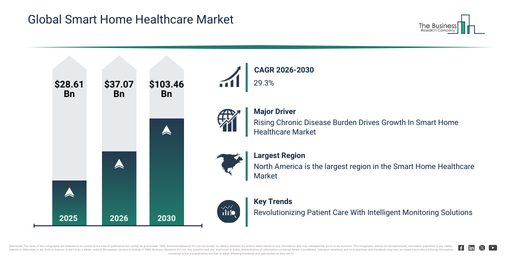
    The smart home healthcare market size has witnessed significant expansion in recent years. Its value is projected to increase from $28.61 billion in 2025 to $37.07 billion in 2026, reflecting a compound annual growth rate (CAGR) of 29.6%. This historical growth can be linked to the rising prevalence of chronic diseases, the expansion of home-based healthcare services, increasing healthcare digitization, the growth of telemedicine adoption, and the development of connected medical devices.

    The smart home healthcare market is projected to experience substantial expansion in the coming years. This market is anticipated to reach $103.46 billion by 2030, exhibiting a compound annual growth rate (CAGR) of 29.3%. Factors contributing to this growth during the forecast period include a rise in the aging population living autonomously, increasing investments directed towards smart healthcare infrastructure, the broadening of AI-enabled remote diagnostics, a burgeoning demand for preventive healthcare options, and a heightened emphasis on delivering cost-effective care. Key trends expected over the forecast horizon involve the wider embrace of remote patient monitoring systems, a surge in the utilization of wearable health sensors, the deepening integration of AI-based health analytics, the proliferation of connected home care platforms, and an intensified concentration on the management of chronic diseases.

    Download the Free Sample Report to Explore Key Market Insights:

    https://www.thebusinessresearchcompany.com/sample.aspx?id=19701&type=smp

    What Major Drivers Are Influencing Demand In The Smart Home Healthcare Market?

    The escalating burden of chronic diseases is anticipated to propel the growth of the smart home healthcare market moving forward. The increasing incidence of these long-term conditions is influenced by factors such as aging populations, inactive lifestyles, inadequate diets, and environmental factors. Smart home healthcare assists patients with chronic illnesses by offering continuous monitoring and customized management, thereby improving their health outcomes and adherence to treatment. For instance, in March 2025, according to GOV.UK, a UK-based non-profit government organization, general practitioners recorded the prevalence of type 2 diabetes in adults aged 17 and over in England as 7.0% in March 2024, representing an increase from 6.8% in March 2023. Thus, the growing burden of chronic diseases is a key driver for the expansion of the smart home healthcare market.

    What Major Segment Divisions Exist Within The Smart Home Healthcare Market?

    The smart home healthcare market covered in this report is segmented –

    1) By Product: Smart Glucose Monitoring System, Medical Device Alert Systems, Smart Cardiac Monitoring System, Other Products

    2) By Service: Skilled Nursing Services, Rehabilitation Therapy Services, Hospice And Palliative Care Services, Unskilled Care Services, Respiratory Therapy Services, Infusion Therapy Services, Pregnancy Care Services

    3) By Technology: Wired, Wireless

    4) By Indication: Diabetes, Respiratory Diseases, Pregnancy, Mobility Disorders, Hearing Disorders, Cancer, Wound Care

    5) By Application: Fall Prevention And Detection, Health Status Monitoring, Nutrition Or Diet Monitoring, Memory Aids

    Subsegments:

    1) By Smart Glucose Monitoring System: Continuous Glucose Monitors (CGMs), Smart Glucose Meters, Mobile Apps For Glucose Tracking, Integrated Diabetes Management Systems

    2) By Medical Device Alert Systems: Fall Detection Systems, Medication Reminder Systems, Emergency Alert Systems, Wearable Alert Devices

    3) By Smart Cardiac Monitoring System: Remote Cardiac Monitoring Devices, Smart ECG Monitors, Wearable Heart Rate Monitors, Mobile Cardiac Telemetry Systems

    4) By Other Products: Smart Blood Pressure Monitors, Smart Thermometers, Remote Patient Monitoring Systems, Health Management Apps, Smart Health Hubs

    Which Market Trends Are Creating New Opportunities In The Smart Home Healthcare Market?

    Leading entities within the smart home healthcare market are concentrating on developing innovative solutions, such as intelligent monitoring systems, to deliver uninterrupted care and elevate patient results by empowering healthcare professionals to observe vital signs remotely and instantaneously. Such intelligent monitoring systems employ sophisticated technologies, including artificial intelligence, machine learning, and Internet of Things (IoT) devices, for gathering and interpreting data originating from diverse sensors and equipment. An illustrative instance is the introduction of Continuum Care by LifeSigns, an India-based specialist in remote patient monitoring solutions, in April 2023. This particular solution facilitates real-time remote patient monitoring, irrespective of the patient’s geographical position. Its operation relies on wearable biosensors and cloud-based analytical tools to monitor as many as eight vital signs, which encompass the electrocardiogram (ECG), blood pressure, peripheral oxygen saturation (SpO2), and temperature. Continuum Care demonstrates adaptability and can be tailored to meet distinct healthcare demands. It is specifically engineered for deployment in ambulances, hospitals, and domestic environments, thereby guaranteeing ongoing care and enhanced patient outcomes.

    Which Companies Are Leading Innovation In The Smart Home Healthcare Market?

    Major companies operating in the smart home healthcare market are Apple Inc., Samsung Electronics Co. Ltd., AT&T Inc., GE Healthcare, Honeywell International Inc., F. Hoffmann-La Roche Ltd, Medtronic Plc, Koninklijke Philips N.V., Boston Scientific Corp, Fitbit Inc., Companion Medical, Connect America, Tunstall Group, Medical Guardian LLC, Withings, VitalConnect, Nureca Limited, Qure4u Inc., Sunfox Technologies Pvt. Ltd., Agatsa Software Pvt. Ltd., Bay Alarm Medical, Health Care Originals, MariCare, Murata Vios Inc.

    Read the full smart home healthcare market report here:

    https://www.thebusinessresearchcompany.com/report/smart-home-healthcare-global-market-report

    Which Region Shows The Strongest Potential For Future Growth In The Smart Home Healthcare Market?

    North America was the largest region in the smart home healthcare market in 2025. Asia-Pacific is expected to be the fastest-growing region in the forecast period. The regions covered in the smart home healthcare market report are Asia-Pacific, South East Asia, Western Europe, Eastern Europe, North America, South America, Middle East, Africa.

    Request A Tailored Smart Home Healthcare Market Research Report For Competitive Advantage:

    https://www.thebusinessresearchcompany.com/customise?id=19701&type=smp

    Browse Through More Reports Similar to the Global Smart Home Healthcare Market 2026, By The Business Research Company

    Skin Cancer Diagnostics Global Market Report

    https://www.thebusinessresearchcompany.com/report/skin-cancer-diagnostics-global-market-report

    Diabetic Gastroparesis Treatment Global Market Report

    https://www.thebusinessresearchcompany.com/report/diabetic-gastroparesis-treatment-global-market-report

    Alopecia Areata Global Market Report

    https://www.thebusinessresearchcompany.com/report/alopecia-areata-global-market-report

    Get in touch with us:

    The Business Research Company: https://www.thebusinessresearchcompany.com/

    Americas +1 310-496-7795

    Asia +44 7882 955267 & +91 8897263534

    Europe +44 7882 955267

    Email us at info@tbrc.info

    Follow us on:

    LinkedIn: https://in.linkedin.com/company/the-business-research-company

    YouTube: https://www.youtube.com/channel/UC24_fI0rV8cR5DxlCpgmyFQ

    Global Market Model: https://www.thebusinessresearchcompany.com/global-market-model

  • Global Smart Healthcare Products Market Report 2026–2035 Highlighting Expansion Outlook and Forecast Opportunities

    Global Smart Healthcare Products Market Report 2026–2035 Highlighting Expansion Outlook and Forecast Opportunities

    The Business Research Company’s 2026 market reports include new capabilities such as market attractiveness scoring and analysis, total addressable market analysis, company scoring matrix, interactive excel data dashboard, improved supply chain analysis, upcoming startups in the market, and overview of key products, aimed at improving the depth, usability, and strategic value of the insights delivered.

    What Market Value Is Expected For The Smart Healthcare Products Market At The End Of The 2026–2030 Forecast Period?

    The smart healthcare products market has experienced significant expansion in recent years. This market is set to expand from $296.93 billion in 2025 to $339.78 billion in 2026, at a compound annual growth rate (CAGR) of 14.4%. The historical increase in this market can be linked to healthcare digitization, the proliferation of smartphones, a rising need for preventive care, the development of wearable technology, and measures for healthcare cost containment.

    The smart healthcare products market is projected to experience substantial expansion in the coming years. It is anticipated to reach $574.47 billion by 2030, demonstrating a compound annual growth rate (CAGR) of 14.0%. This expansion during the forecast period is attributable to factors such as an aging population, the broadening of telehealth services, an increasing burden of chronic diseases, progress in AI analytics, and supportive regulatory frameworks for digital health. Key trends for this period encompass the proliferation of connected diagnostic devices, the incorporation of AI analytics, a surge in consumer health wearables, the wider availability of home monitoring solutions, and enhancements in interoperability.

    Download the Free Sample Report to Explore Key Market Insights:

    https://www.thebusinessresearchcompany.com/sample.aspx?id=7029&type=smp

    Which Market Drivers Are Supporting The Expansion Of The Smart Healthcare Products Market?

    Elevated expenditure in healthcare fuels expansion within the smart healthcare products market. The demand for medical services and facilities has significantly escalated because of the COVID-19 pandemic. Key factors propelling the rise in healthcare spending include greater governmental focus on universal healthcare, growing disposable incomes, a demographic shift towards an older population, enhanced understanding of health issues, wider adoption of health insurance, and the escalating prevalence of non-communicable ailments. These intelligent healthcare solutions enable the diagnosis and treatment of conditions regardless of location or time. As an illustration, the Centers for Medicare & Medicaid Services, a US agency overseeing Medicare and Medicaid, reported in December 2024 that U.S. health spending saw a 7.5% rise in 2023, reaching $4.9 trillion, equivalent to approximately $14,570 per person. Consequently, the growing outlay on healthcare is set to propel the smart healthcare products market forward.

    What Segment Types Make Up The Smart Healthcare Products Market?

    The smart healthcare products market covered in this report is segmented –

    1) By Product Type: Telemedicine, Electronic Health Records, mHealth, Smart Pills And Syringes, Smart RFID Cabinets

    2) By Application: Storage And Inventory Management, Monitoring, Treatment

    3) By End User: Hospitals, Home Care Settings

    Subsegments:

    1) By Telemedicine: Video Consultation Platforms, Remote Patient Monitoring Solutions, Telehealth Software Solutions

    2) By Electronic Health Records: Cloud-Based EHR Systems, On-Premises EHR Solutions, EHR Interoperability Solutions

    3) By mHealth: Mobile Health Applications, Wearable Health Devices, Mobile Health Monitoring Solutions

    4) By Smart Pills And Syringes: Ingestible Sensors, Smart Insulin Pens, Connected Syringe Systems

    5) By Smart RFID Cabinets: RFID Medication Management Systems, RFID Asset Tracking Cabinets, RFID-enabled Supply Chain Solutions

    What Trends Are Affecting The Expansion Of The Smart Healthcare Products Market?

    Leading companies in the global smart healthcare products market are concentrating on developing novel technologies, such as FS-Sample technology, to boost diagnostic accuracy, improve patient monitoring, and optimize healthcare processes, ultimately leading to better patient outcomes and more streamlined healthcare delivery. FS-Sample technology is a sophisticated approach for analyzing biological samples that enhances diagnostic precision and efficiency within healthcare settings. For example, in April 2024, Mindray, a China-based medical device company, introduced mid-volume laboratories. Mindray’s recent innovations mark a substantial advancement for mid-volume laboratories, equipping them with the necessary tools to improve operational efficiency and provide reliable diagnostics. The emphasis on a compact design, advanced technology, and modular integration positions these solutions as significant assets in modern clinical environments.

    Who Are The Key Players Driving Competition In The Smart Healthcare Products Market?

    Major companies operating in the smart healthcare products market are AirStrip Technologies, Samsung Healthcare, Siemens Healthineers AG, Cerner Corporation, Allscripts Healthcare Solutions, Apple Inc., Cisco Systems Inc., GE Healthcare, Given Imaging Inc., International Business Machines Corporation, Abbott Laboratories, Agfa-Gevaert Group, Becton Dickinson and Company, Cognizant Technology Solutions India Private Limited, Fujifilm Holdings Corporation, Honeywell Life Care Solutions, Johnson & Johnson, Koninklijke Philips N.V., Medtronic Plc, Microsoft Corporation, Omron Corporation, Oracle Corporation, ResMed Inc, Epic Systems Corporation, Teladoc Health Inc

    Read the full smart healthcare products market report here:

    https://www.thebusinessresearchcompany.com/report/smart-healthcare-products-global-market-report

    How Is The Smart Healthcare Products Market Distributed Across Key Geographic Regions?

    North America was the largest region in the smart healthcare products market in 2025. Asia-Pacific is expected to be the fastest-growing region in the forecast period. The regions covered in the smart healthcare products market report are Asia-Pacific, South East Asia, Western Europe, Eastern Europe, North America, South America, Middle East, Africa.

    Request A Tailored Smart Healthcare Products Market Research Report For Competitive Advantage:

    https://www.thebusinessresearchcompany.com/customise?id=7029&type=smp

    Browse Through More Reports Similar to the Global Smart Healthcare Products Market 2026, By The Business Research Company

    Smart Card In Healthcare Global Market Report

    https://www.thebusinessresearchcompany.com/report/smart-card-in-healthcare-global-market-report

    Healthcare Technology Global Market Report

    https://www.thebusinessresearchcompany.com/report/healthcare-technology-global-market-report

    Smart Hospital Global Market Report

    https://www.thebusinessresearchcompany.com/report/smart-hospital-global-market-report

    Get in touch with us:

    The Business Research Company: https://www.thebusinessresearchcompany.com/

    Americas +1 310-496-7795

    Asia +44 7882 955267 & +91 8897263534

    Europe +44 7882 955267

    Email us at info@tbrc.info

    Follow us on:

    LinkedIn: https://in.linkedin.com/company/the-business-research-company

    YouTube: https://www.youtube.com/channel/UC24_fI0rV8cR5DxlCpgmyFQ

    Global Market Model: https://www.thebusinessresearchcompany.com/global-market-model
  • A key trend shaping the Scleroderma Market involves the Key Strategies Of Major Companies In The Scleroderma Market

    A key trend shaping the Scleroderma Market involves the Key Strategies Of Major Companies In The Scleroderma Market

    The Business Research Company’s 2026 market reports include new capabilities such as market attractiveness scoring and analysis, total addressable market analysis, company scoring matrix, interactive excel data dashboard, improved supply chain analysis, upcoming startups in the market, and overview of key products, aimed at improving the depth, usability, and strategic value of the insights delivered.

    What Is The Estimated Market Size Of The Scleroderma Market During 2026–2030?

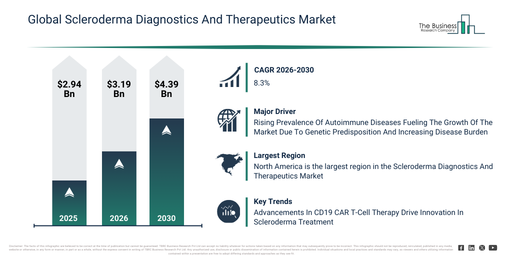
    The scleroderma market has experienced substantial expansion in recent years. It is projected to increase from $2.48 billion in 2025 to $2.65 billion in 2026, reflecting a compound annual growth rate (CAGR) of 6.7%. This historical growth can be attributed to several factors including the rising prevalence of systemic sclerosis, the use of immunosuppressive therapies, the availability of antifibrotic agents, the growth of specialty rheumatology clinics, and increasing awareness of connective tissue disorders.

    The scleroderma market is anticipated to undergo significant expansion over the next few years. Its value is projected to reach $3.48 billion by 2030, exhibiting a compound annual growth rate (CAGR) of 7.1%. This expected growth throughout the forecast period stems from factors such as a strong pipeline of innovative disease-modifying pharmaceuticals, the increasing adoption of telehealth for managing chronic illnesses, the proliferation of multidisciplinary care models, augmented government investment in rare disease research, and the enlargement of patient education and support initiatives. Prominent trends for the forecast duration include the creation and authorization of novel disease-modifying treatments, a heightened utilization of immunosuppressive and antifibrotic agents, the proliferation of patient support and early intervention programs, an expansion of clinical trials focusing on systemic scleroderma, and the integration of multidisciplinary care methodologies for sustained management.

    Download the Free Sample Report to Explore Key Market Insights:

    https://www.thebusinessresearchcompany.com/sample.aspx?id=12615&type=smp

    What Underlying Factors Are Accelerating The Growth Of The Scleroderma Market?

    The scleroderma market is being propelled forward by exposure to toxins. This refers to the contact with or intake of detrimental substances capable of negatively impacting biological systems. The scleroderma market plays a vital role in addressing toxin exposure by advancing research, developing targeted treatments, and improving patient care for those affected by scleroderma, a condition with potential environmental and genetic triggers. For instance, in April 2024, according to data published by the Department for Environment, Food, and Rural Affairs, a UK-based ministerial department, urban background concentrations increased by 3 percent from 2022, reaching 66.8 µg/m³ in 2023, which was the highest value recorded in the time series. Consequently, the exposure to toxins is driving the scleroderma market.

    How Are The Various Segments Of The Scleroderma Market Categorized?

    The scleroderma market covered in this report is segmented –

    1) By Treatment: Medication, Surgery, Other Treatments

    2) By Indication: Systemic Scleroderma, Localized Scleroderma

    3) By End User: Hospital, Pharmaceutical Stores, Other End Users

    Subsegments:

    1) By Medication: Immunosuppressants, Antifibrotic Agents, Vasodilators, Corticosteroids, Pain Relievers

    2) By Surgery: Lung Transplantation, Other Surgical Interventions

    3) By Other Treatments: Physical Therapy, Occupational Therapy, Lifestyle Modifications, Alternative Therapies

    Which Upcoming Trends Are Expected To Influence The Scleroderma Market?

    Leading companies active in the scleroderma market are concentrating on launching products, such as clinical trial platforms, to advance scleroderma treatments and identify agents ready to progress from Phase IIb to Phase III. A clinical trial platform is an extensive infrastructure and framework that enables the simultaneous evaluation of multiple therapies or interventions in a standardized manner across various clinical trials. For example, in August 2023, The Scleroderma Research Foundation (SRF), a US-based non-profit organization funding scleroderma research, introduced CONQUEST, an innovative clinical trial platform. This platform’s launch features global participation with enrollment across 130 centers in 22 countries, utilizing a master protocol for the assessment of numerous therapies. This pioneering initiative is expected to substantially impact the scleroderma market by accelerating the development and approval of effective therapies through its cooperative and efficient approach to clinical evaluation.

    Which Major Firms Influence Developments In The Scleroderma Market?

    Major companies operating in the scleroderma market are Pfizer Inc., Johnson And Johnson Inc., F. Hoffmann-La Roche AG, Abbvie Inc., Bayer AG, Novartis AG, Merck And Co. Inc., Sanofi S.A., Bristol-Myers Squibb Company, AstraZeneca plc, Takeda Pharmaceutical Company Limited, Eli Lilly and Company, Gilead Sciences Inc., Amgen Inc., GSK plc, Teva Pharmaceutical Industries Ltd., Astellas Pharma Inc., Boehringer Ingelheim International GmbH, Principia Biopharma Corp, aTyr Pharma Inc., Kadmon Holdings Inc., FibroGen Inc., Corbus Pharmaceuticals Holdings Inc., CSL Behring, UCB Pharma, Kyowa Kirin, Mitsubishi Tanabe Pharma, Chugai Pharmaceutical Co. Ltd.

    Read the full scleroderma market report here:

    https://www.thebusinessresearchcompany.com/report/scleroderma-global-market-report

    Which Region Is Projected To Dominate The Scleroderma Market During The Forecast Period?

    North America was the largest region in the scleroderma market in 2025. Asia-Pacific is expected to be the fastest-growing region in the forecast period. The regions covered in the scleroderma market report are Asia-Pacific, South East Asia, Western Europe, Eastern Europe, North America, South America, Middle East, Africa.

    Request A Tailored Scleroderma Market Research Report For Competitive Advantage:

    https://www.thebusinessresearchcompany.com/customise?id=12615&type=smp

    Browse Through More Reports Similar to the Global Scleroderma Market 2026, By The Business Research Company

    Clinical Diagnostics Global Market Report

    https://www.thebusinessresearchcompany.com/report/clinical-diagnostics-global-market-report

    Skin Cancer Diagnostics Global Market Report

    https://www.thebusinessresearchcompany.com/report/skin-cancer-diagnostics-global-market-report

    Tissue Diagnostic Global Market Report

    https://www.thebusinessresearchcompany.com/report/tissue-diagnostic-global-market-report

    Get in touch with us:

    The Business Research Company: https://www.thebusinessresearchcompany.com/

    Americas +1 310-496-7795

    Asia +44 7882 955267 & +91 8897263534

    Europe +44 7882 955267

    Email us at info@tbrc.info

    Follow us on:

    LinkedIn: https://in.linkedin.com/company/the-business-research-company

    YouTube: https://www.youtube.com/channel/UC24_fI0rV8cR5DxlCpgmyFQ

    Global Market Model: https://www.thebusinessresearchcompany.com/global-market-model
  • An Important Factor Driving the Scleritis Market Is the Impact Of Rising Autoimmune Disease Prevalence On Ocular Inflammation

    An Important Factor Driving the Scleritis Market Is the Impact Of Rising Autoimmune Disease Prevalence On Ocular Inflammation

    The Business Research Company’s 2026 market reports include new capabilities such as market attractiveness scoring and analysis, total addressable market analysis, company scoring matrix, interactive excel data dashboard, improved supply chain analysis, upcoming startups in the market, and overview of key products, aimed at improving the depth, usability, and strategic value of the insights delivered.

    What Market Size Expansion Is Predicted For The Scleritis Market Between 2026 And 2030?

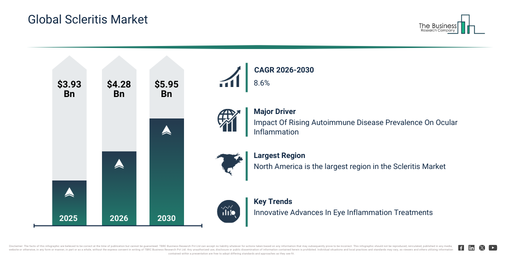
    The scleritis market has experienced significant growth in recent years. It is projected to increase from $3.93 billion in 2025 to $4.28 billion in 2026, demonstrating a compound annual growth rate (CAGR) of 8.9%. This historic growth can be linked to factors such as the rising prevalence of autoimmune disorders, the application of corticosteroids in ocular therapy, the availability of immunosuppressive agents, an increasing number of ophthalmology clinics, and growing awareness of ocular inflammatory diseases.

    The scleritis market size is projected to experience substantial growth over the coming years, reaching $5.95 billion in 2030 with a compound annual growth rate (CAGR) of 8.6%. This expansion during the forecast period is primarily driven by an active pipeline of biologic medications for ocular inflammation, the increasing uptake of teleophthalmology platforms, advancements in targeted anti-inflammatory treatments, improved accessibility to sophisticated imaging methods, and the broadening scope of rare eye disease awareness initiatives. Furthermore, significant market trends anticipated during this period encompass the widening application of biologic treatments for ocular inflammation, a surge in the utilization of corticosteroids and immunosuppressant agents, the increasing embrace of combination therapy strategies, a heightened emphasis on early diagnosis and diagnostic imaging, and the creation of new anti-inflammatory ophthalmic pharmaceutical products.

    Download the Free Sample Report to Explore Key Market Insights:

    https://www.thebusinessresearchcompany.com/sample.aspx?id=21283&type=smp

    Which Growth Drivers Are Contributing To The Progress Of The Scleritis Market?

    The increasing occurrence of autoimmune conditions is projected to fuel the expansion of the scleritis market in the future. These conditions arise when the body’s own immune defenses mistakenly target and damage its healthy cells and tissues, perceiving them as threats. The growing incidence of autoimmune diseases is attributed to factors such as genetic susceptibility, environmental influences, shifts in lifestyle, and improved diagnostic capabilities resulting from greater awareness. Autoimmune disorders contribute to scleritis by initiating an inflammatory immune reaction that erroneously attacks the scleral tissue, leading to symptoms like pain and redness. As an illustration, in August 2024, data released by Public Health Scotland, a national organization based in Scotland, indicated that during 2023, the Scottish Multiple Sclerosis Register (SMSR) registered 455 individuals newly diagnosed with MS. Consequently, the escalating prevalence of autoimmune diseases is propelling the growth of the scleritis market.

    Which Market Segments Are Examined In The Scleritis Market Study?

    The scleritis market covered in this report is segmented –

    1) By Type: Anterior Scleritis, Posterior Scleritis, Other Types

    2) By Treatment: Medication, Surgery, Other Treatment

    3) By Distribution Channel: Direct Tender, Hospital Pharmacy, Retail Pharmacy, Online Pharmacy, Other Distribution Channel

    4) By End-Users: Hospitals, Specialty Clinics, Home Healthcare, Other End-Users

    Subsegments:

    1) By Anterior Scleritis: Non-Necrotizing Anterior Scleritis, Necrotizing Anterior Scleritis

    2) By Posterior Scleritis: Diffuse Posterior Scleritis, Nodular Posterior Scleritis, Scleritis With Choroidal Involvement

    3) By Other Types: Chronic Scleritis, Recurrent Scleritis, Infectious Scleritis

    How Are Trends Shaping The Direction Of The Scleritis Market?

    Key companies operating within the scleritis market are concentrating on developing advanced products, such as eye drops, to address the underlying inflammation and offer practical, non-invasive treatment alternatives for patients. Eye drops are fluid preparations designed for direct application to the eyes to manage issues like irritation, dryness, inflammation, or infections. For example, in May 2023, Entod Pharmaceuticals, an India-based pharmaceutical company, launched CYCLOTEARS eye drops across India and globally. This novel therapeutic option for inflammatory eye disease incorporates proprietary SEDDS technology. This product enhances drug delivery and effectiveness, providing an innovative approach to manage inflammation in DED. This innovation signifies a major progression in the treatment of eye inflammation, ocular myositis, and scleritis.

    Who Are The Primary Competitors In The Scleritis Market?

    Major companies operating in the scleritis market are Pfizer Inc, Johnson And Johnson, F Hoffmann La Roche Ltd, Bayer AG, Novartis AG, Teva Pharmaceuticals USA Inc, Baxter International Inc, Boehringer Ingelheim, Regeneron Pharmaceuticals Inc, Fresenius Kabi USA LLC, Sun Pharmaceutical Industries Ltd, Perrigo Company, Horizon Therapeutics plc, Aurobindo Pharma Ltd, Hikma Pharmaceuticals PLC, Amneal Pharmaceuticals LLC, Mallinckrodt Pharmaceuticals, Alvogen, Accord Healthcare, West Ward Pharmaceuticals, Jubilant Cadista Pharmaceuticals Inc, Mylan Pharmaceuticals Inc, Zydus Pharmaceuticals Inc

    Read the full scleritis market report here:

    https://www.thebusinessresearchcompany.com/report/scleritis-global-market-report

    What Are The Leading Geographic Regions In The Scleritis Market?

    North America was the largest region in the scleritis market in 2025. Asia-Pacific is expected to be the fastest-growing region in the forecast period. The regions covered in the scleritis market report are Asia-Pacific, South East Asia, Western Europe, Eastern Europe, North America, South America, Middle East, Africa.

    Request A Tailored Scleritis Market Research Report For Competitive Advantage:

    https://www.thebusinessresearchcompany.com/customise?id=21283&type=smp

    Browse Through More Reports Similar to the Global Scleritis Market 2026, By The Business Research Company

    Dermatitis Drugs Global Market Report

    https://www.thebusinessresearchcompany.com/report/dermatitis-drugs-global-market-report

    Knee Bursitis Global Market Report

    https://www.thebusinessresearchcompany.com/report/knee-bursitis-global-market-report

    Bacterial Conjunctivitis Global Market Report

    https://www.thebusinessresearchcompany.com/report/bacterial-conjunctivitis-global-market-report

    Get in touch with us:

    The Business Research Company: https://www.thebusinessresearchcompany.com/

    Americas +1 310-496-7795

    Asia +44 7882 955267 & +91 8897263534

    Europe +44 7882 955267

    Email us at info@tbrc.info

    Follow us on:

    LinkedIn: https://in.linkedin.com/company/the-business-research-company

    YouTube: https://www.youtube.com/channel/UC24_fI0rV8cR5DxlCpgmyFQ

    Global Market Model: https://www.thebusinessresearchcompany.com/global-market-model
  • A Significant Growth Driver for the Sciatica Treatment Market Is the Sciatica Obesity Trends Driving Demand For Pain Relief Solutions

    A Significant Growth Driver for the Sciatica Treatment Market Is the Sciatica Obesity Trends Driving Demand For Pain Relief Solutions

    The Business Research Company’s 2026 market reports include new capabilities such as market attractiveness scoring and analysis, total addressable market analysis, company scoring matrix, interactive excel data dashboard, improved supply chain analysis, upcoming startups in the market, and overview of key products, aimed at improving the depth, usability, and strategic value of the insights delivered.

    How Large Is The Sciatica Treatment Market Projected To Become By 2030 Based On Its 2026 Valuation?

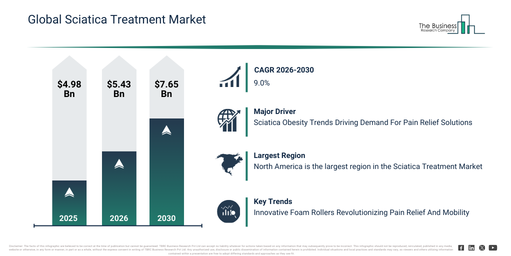
    The sciatica treatment market has seen substantial growth recently. It is anticipated to expand from $4.98 billion in 2025 to $5.43 billion in 2026, exhibiting a compound annual growth rate (CAGR) of 9.1%. Historically, this market expansion can be linked to the rising occurrence of sciatica, the development of conventional pain management solutions, the proliferation of orthopedic and rehabilitation centers, the accessibility of spinal surgery and injection methods, and increasing healthcare spending across developed nations.

    The sciatica treatment market is projected to experience robust expansion over the coming years. This market is anticipated to reach $7.65 billion by 2030, exhibiting a compound annual growth rate (CAGR) of 9.0%. This growth during the forecast period is attributable to several factors, including the development of minimally invasive spinal devices, the increasing uptake of tele-rehabilitation and digital therapy platforms, improved access to sophisticated imaging and diagnostic tools, the proliferation of non-opioid pain management solutions, and the broadening of sciatica treatment awareness initiatives in developing economies. Key trends expected during this period involve a rising preference for non-opioid pain management therapies, wider adoption of physical therapy and rehabilitation programs, an increase in minimally invasive spinal surgery procedures, greater utilization of epidural injections and nerve block interventions, and the ongoing development of advanced pain relief devices and orthopedic implants.

    Download the Free Sample Report to Explore Key Market Insights:

    https://www.thebusinessresearchcompany.com/sample.aspx?id=19179&type=smp

    What Primary Drivers Are Shaping The Development Of The Sciatica Treatment Market?

    Rising obesity levels are anticipated to fuel the expansion of the sciatica treatment market in the future. Obesity is defined as a medical state marked by an excessive build-up of body fat, presenting health hazards like cardiovascular disease, diabetes, and high blood pressure. The escalation in obesity prevalence largely stems from the readily accessible high-calorie processed foods, coupled with progressively inactive lifestyles brought about by technological advancements and urban development. For obese individuals, sciatica treatment offers advantages by alleviating nerve discomfort and enhancing mobility through methods such as physical therapy and weight control, concurrently lessening the pressure excess body weight exerts on the spine. As an illustration, data from May 2025 by the Office for Health Improvement and Disparities (OHID), a UK government body, indicated that approximately 64.5% of adults (aged 18 and over) in England were estimated to be overweight or obese during 2023–2024. This figure represents a slight increase from the 64.0% recorded in the preceding period (2022–2023). Consequently, the rising prevalence of obesity is a key factor propelling the expansion of the sciatica treatment market.

    What Segment Groups Are Identified Within The Sciatica Treatment Market?

    The sciatica treatment market covered in this report is segmented –

    1) By Type: Acute Sciatica, Chronic Sciatica, Other Types

    2) By Treatment Type: Prescription Drugs, Steroids, Non-Steroidal Anti-Inflammatory Drugs, Antidepressants, Physical Therapy, Spinal Injections, Surgery, Alternative Therapies, Other Treatment Types

    3) By Distribution Channel: Hospitals And Associated Pharmacies, Retail Pharmacies, Online Pharmacies

    Subsegments:

    1) By Acute Sciatica: Physical Therapy, Medications, Chiropractic Care, Epidural Steroid Injections, Heat Or Ice Therapy, Lifestyle Modifications

    2) By Chronic Sciatica: Long-term Physical Therapy, Prescription Medications, Surgery, Nerve Block Injections, Alternative Therapies, Pain Management Programs

    3) By Other Types: Sciatica Due To Pregnancy, Sciatica Due To Herniated Discs, Sacroiliac Joint Dysfunction, Spondylolisthesis-Related Sciatica, Post-surgical Sciatica Treatment

    Which Market Trends Are Creating New Opportunities In The Sciatica Treatment Market?

    Major companies operating in the sciatica treatment market are concentrating on developing novel products, such as advanced foam rollers, to boost pain relief and improve patient mobility. Advanced foam rollers for alleviating sciatica pain are specialized foam tools for self-myofascial release, which aim at tight muscles and enhance blood circulation across the lower back, hips, and legs. For instance, in July 2024, Rolex Recovery, a US-based provider of innovative recovery tools, introduced an innovative foam rolling solution specifically crafted to relieve sciatica pain. This product features a distinctive design that targets the sciatic nerve and surrounding muscles, encouraging self-myofascial release to reduce inflammation and promote increased blood flow. The foam roller’s unique design precisely addresses the sciatic nerve and surrounding muscles, enabling users to apply accurate pressure to affected regions. This directed approach assists in lessening inflammation, improving blood flow, and ultimately reducing pain. The roller’s ergonomic design facilitates its easy integration into daily routines, whether at home, in the gym, or during travel.

    Which Companies Hold Significant Positions In The Sciatica Treatment Market?

    Major companies operating in the sciatica treatment market are HCA Healthcare, Merck And Co Inc, Bayer AG, Abbott Laboratories, Novartis AG, Medtronic plc, Stryker Corporation, Mayo Clinic, Boston Scientific, Johns Hopkins Medicine, DJO Global Inc, Rothman Orthopaedic Institute, Axogen Inc, SCILEX Pharmaceuticals Inc, Aurobindo Pharma, Sinfonia Biotherapeutics, QI Spine Clinic, OrthoVirginia Inc, ReLiva Physiotherapy And Rehab, SpineThera Inc, Pfizer Inc, GlaxoSmithKline plc, Eli Lilly And Company, Teva Pharmaceutical Industries Ltd, Sun Pharmaceutical Industries Ltd, Dr Reddys Laboratories Ltd

    Read the full sciatica treatment market report here:

    https://www.thebusinessresearchcompany.com/report/sciatica-treatment-global-market-report

    How Does The Sciatica Treatment Market Perform Across Major Global Regions?

    North America was the largest region in the sciatica treatment market in 2025. Asia-Pacific is expected to be the fastest-growing region in the forecast period. The regions covered in the sciatica treatment market report are Asia-Pacific, South East Asia, Western Europe, Eastern Europe, North America, South America, Middle East, Africa.

    Request A Tailored Sciatica Treatment Market Research Report For Competitive Advantage:

    https://www.thebusinessresearchcompany.com/customise?id=19179&type=smp

    Browse Through More Reports Similar to the Global Sciatica Treatment Market 2026, By The Business Research Company

    Muscle Pain Treatment Global Market Report

    https://www.thebusinessresearchcompany.com/report/muscle-pain-treatment-global-market-report

    Spine Biologics Global Market Report

    https://www.thebusinessresearchcompany.com/report/spine-biologics-global-market-report

    Neuralgia Treatment Global Market Report

    https://www.thebusinessresearchcompany.com/report/neuralgia-treatment-global-market-report

    Get in touch with us:

    The Business Research Company: https://www.thebusinessresearchcompany.com/

    Americas +1 310-496-7795

    Asia +44 7882 955267 & +91 8897263534

    Europe +44 7882 955267

    Email us at info@tbrc.info

    Follow us on:

    LinkedIn: https://in.linkedin.com/company/the-business-research-company

    YouTube: https://www.youtube.com/channel/UC24_fI0rV8cR5DxlCpgmyFQ

    Global Market Model: https://www.thebusinessresearchcompany.com/global-market-model
  • Global Sciatica Industry Trends and Market Growth Forecast for 2026–2030

    Global Sciatica Industry Trends and Market Growth Forecast for 2026–2030

    The Business Research Company’s 2026 market reports include new capabilities such as market attractiveness scoring and analysis, total addressable market analysis, company scoring matrix, interactive excel data dashboard, improved supply chain analysis, upcoming startups in the market, and overview of key products, aimed at improving the depth, usability, and strategic value of the insights delivered.

    What Market Value Is Anticipated For The Sciatica Market Over The Period 2026–2030?

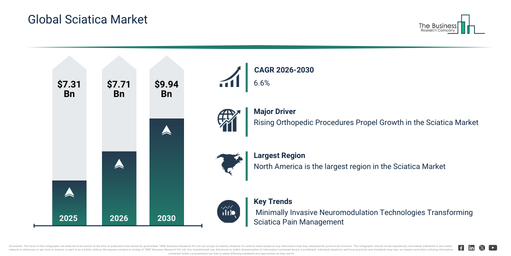
    The sciatica market has experienced robust expansion over recent years. Forecasts indicate its size will increase from $7.31 billion in 2025 to $7.71 billion in 2026, demonstrating a compound annual growth rate (CAGR) of 5.5%. Historically, this growth is primarily due to factors such as the rising incidence of sciatica and lumbar disorders, the embrace of traditional pain management treatments, the proliferation of orthopedic and rehabilitation centers, the accessibility of spinal surgery and injection methods, and the escalating healthcare spending in developed areas.

    The sciatica market is anticipated to experience substantial growth over the next few years. Its value is projected to climb to $9.94 billion by 2030, expanding at a compound annual growth rate (CAGR) of 6.6%. This expansion during the forecast period can be linked to a developing pipeline of minimally invasive spinal devices, the increasing embrace of tele-rehabilitation and digital therapy, improved access to advanced imaging and diagnostics, the proliferation of non-opioid pain management solutions, and broadened sciatica treatment awareness campaigns in emerging markets. Key trends expected throughout this period include a rising inclination towards non-opioid pain management therapies, a growing adoption of physical therapy and rehabilitation programs, the wider application of minimally invasive spinal surgery procedures, increased utilization of epidural injections and nerve blocks, and the development of advanced pain relief devices and orthopedic implants.

    Download the Free Sample Report to Explore Key Market Insights:

    https://www.thebusinessresearchcompany.com/sample.aspx?id=13000&type=smp

    Which Major Factors Are Driving The Expansion Of The Sciatica Market?

    The rising volume of orthopedic interventions is projected to fuel the expansion of the sciatica market. These interventions encompass operations addressing spinal and joint conditions, as well as correcting skeletal deformities. The increasing count of these procedures stems from factors such as an aging populace, a higher incidence of musculoskeletal conditions, and expanded participation in physical activities and sports. Orthopedic doctors and surgeons frequently play a role in both the diagnosis and treatment of sciatica, which, when effectively managed, offers patients improved pain relief, restored mobility, and enhanced quality of life. For instance, a study published by the National Library of Medicine, a US-based biomedical library, in February 2023, indicated that by 2040, total hip arthroplasty (THA) and total knee arthroplasty (TKA) interventions are projected to climb by 719,364 and 1,222,988, respectively. Furthermore, by 2060, TKAs are estimated to reach 2,917,959, while THAs are estimated to reach 1,982,099. Consequently, the expanding volume of orthopedic procedures is propelling the growth of the sciatica market.

    How Is The Sciatica Market Divided Into Its Major Segments?

    The sciatica market covered in this report is segmented –

    1) By Type: Acute Sciatica, Chronic Sciatica, Other Types

    2) By Drugs: Oxycodone, Tramadol, Opioid Analgesics, Amitriptyline, Tricyclic Antidepressants, Other Drugs

    3) By Treatment: Medication, Surgery

    4) By End Users: Hospitals, Homecare, Specialty Clinics, Other End Users

    Subsegments:

    1) By Acute Sciatica: Short-Term Pain Management, Physical Therapy, Nonsteroidal Anti-Inflammatory Drugs (NSAIDs)

    2) By Chronic Sciatica: Long-Term Pain Management, Epidural Steroid Injections, Surgical Options

    3) By Other Types: Sciatica Due To Herniated Disc, Sciatica From Spinal Stenosis, Sciatica From Spondylolisthesis

    What Trends Are Affecting The Expansion Of The Sciatica Market?

    Leading companies in the sciatica market are prioritizing technological advancements, such as minimally invasive neuromodulation devices. This focus addresses increasing demand stemming from the rising prevalence of chronic lower back pain, patient preference for non-opioid pain management, and the need for safer, lasting treatment options. Minimally invasive neuromodulation devices, including closed-loop spinal cord stimulators, provide targeted electrical stimulation to interrupt pain signaling pathways and offer improved relief compared to traditional surgical or pharmacological treatments. For instance, in January 2025, Medtronic plc, a US-based medical technology company, revealed positive 12-month clinical trial data for its Inceptiv closed-loop spinal cord stimulator (CL-SCS), showing significant improvements in pain and quality of life for patients with chronic neuropathic pain and sciatica. The device automatically adjusts stimulation based on spinal cord signals, optimizing effectiveness and patient comfort. This development highlights an expanding trend towards personalized, technology-driven methods that enhance outcomes and decrease reliance on opioids.

    Who Are The Prominent Organizations Shaping The Sciatica Market?

    Major companies operating in the sciatica market are Pfizer Inc., Merck and Co. Inc., AbbVie Inc., Bayer AG, Novartis AG, Sanofi-Aventis LLC., AstraZeneca PLC, GlaxoSmithKline plc., Eli Lilly and Co Ltd., Boehringer Ingelheim International GmbH, Teva Pharmaceutical Industries Ltd., Macleods Pharmaceuticals Limited, Sun Pharmaceutical Industries Limited, Dr. Reddy’s Laboratories Ltd., Aurobindo Pharma Ltd., Intas Pharmaceuticals Ltd., Hikma Pharmaceuticals PLC, Cipla Inc., Endo International plc, Amneal Pharmaceuticals Inc., Aspen Pharmacare Holdings Limited, Zydus Lifesciences Ltd., Lupin Limited, Alkem Laboratories Limited, Torrent Pharmaceuticals Ltd.

    Read the full sciatica market report here:

    https://www.thebusinessresearchcompany.com/report/sciatica-global-market-report

    Which Region Currently Holds The Largest Share Of The Sciatica Market?

    North America was the largest region in the sciatica market in 2025. Asia-Pacific is expected to be the fastest-growing region in the forecast period. The regions covered in the sciatica market report are Asia-Pacific, South East Asia, Western Europe, Eastern Europe, North America, South America, Middle East, Africa.

    Request A Tailored Sciatica Market Research Report For Competitive Advantage:

    https://www.thebusinessresearchcompany.com/customise?id=13000&type=smp

    Browse Through More Reports Similar to the Global Sciatica Market 2026, By The Business Research Company

    Spine Biologics Global Market Report

    https://www.thebusinessresearchcompany.com/report/spine-biologics-global-market-report

    Peripheral Nerve Injuries Global Market Report

    https://www.thebusinessresearchcompany.com/report/peripheral-nerve-injuries-global-market-report

    Anaplastic Astrocytoma Global Market Report

    https://www.thebusinessresearchcompany.com/report/anaplastic-astrocytoma-global-market-report

    Get in touch with us:

    The Business Research Company: https://www.thebusinessresearchcompany.com/

    Americas +1 310-496-7795

    Asia +44 7882 955267 & +91 8897263534

    Europe +44 7882 955267

    Email us at info@tbrc.info

    Follow us on:

    LinkedIn: https://in.linkedin.com/company/the-business-research-company

    YouTube: https://www.youtube.com/channel/UC24_fI0rV8cR5DxlCpgmyFQ

    Global Market Model: https://www.thebusinessresearchcompany.com/global-market-model
  • Schizophrenia Market Size Outlook and Demand Growth Across 2026–2030

    Schizophrenia Market Size Outlook and Demand Growth Across 2026–2030

    The Business Research Company’s 2026 market reports include new capabilities such as market attractiveness scoring and analysis, total addressable market analysis, company scoring matrix, interactive excel data dashboard, improved supply chain analysis, upcoming startups in the market, and overview of key products, aimed at improving the depth, usability, and strategic value of the insights delivered.

    What Is The Expected Market Size Of The Schizophrenia Market From 2026 To 2030?

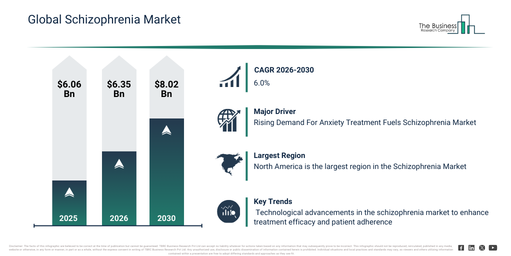
    The market size for schizophrenia has shown steady growth recently. Forecasts indicate the market will increase from $6.06 billion in 2025 to $6.35 billion by 2026, achieving a compound annual growth rate (CAGR) of 4.9%. This historical growth is attributable to several factors, including the rising prevalence of schizophrenia, the expansion of psychiatric hospitals and clinics, the availability of both first- and second-generation antipsychotics, increased healthcare spending in developed markets, and advancements in diagnostic criteria and clinical guidelines.

    The schizophrenia market is projected to experience substantial expansion in the coming years. This market is set to reach a valuation of $8.02 billion by 2030, exhibiting a compound annual growth rate (CAGR) of 6.0%. This anticipated growth is attributable to several factors, including a robust pipeline of novel antipsychotic molecules, an increase in long-acting injectable formulations, escalating government efforts in mental health initiatives, improved treatment accessibility in emerging markets, and the incorporation of digital monitoring and adherence tools. Key trends for this period encompass a greater reliance on long-acting injectable antipsychotics, a move towards second- and third-generation antipsychotic drugs, a heightened emphasis on early diagnosis and intervention programs, an expansion of community-based and outpatient treatment models, and the increased uptake of combination therapy and adjunct treatments.

    Download the Free Sample Report to Explore Key Market Insights:

    https://www.thebusinessresearchcompany.com/sample.aspx?id=12869&type=smp

    What Key Drivers Are Influencing The Growth Of The Schizophrenia Market?

    The schizophrenia market is projected to experience growth driven by the increasing demand for anxiety treatment. Anxiety treatment involves various therapeutic methods and interventions aimed at assisting individuals who suffer from excessive and debilitating anxiety symptoms to manage and alleviate their condition. This treatment proves beneficial for individuals with schizophrenia by addressing comorbid anxiety symptoms that often manifest alongside schizophrenia, and it can also help to lessen the severity of psychotic symptoms such as hallucinations and delusions. For example, a report from May 2024 by the American Psychiatric Association, a US-based professional organization of psychologists, revealed that in 2024, 43% of adults reported feeling more anxious, an increase from 37% in 2023 and 32% in 2022, demonstrating a consistent upward trend in anxiety levels. Thus, the escalating demand for anxiety treatment is contributing to the expansion of the schizophrenia market.

    Which Segments Are Included In The Analysis Of The Schizophrenia Market?

    The schizophrenia market covered in this report is segmented –

    1) By Type: Catatonic Schizophrenia, Paranoid Schizophrenia, Undifferentiated Schizophrenia, Hebephrenic Schizophrenia, Residual Schizophrenia, Other Types

    2) By Treatment: First-Generation Antipsychotics, Second-Generation Antipsychotics, Third-Generation Antipsychotics, Psychotherapies, Other Treatments

    3) By Route of Administration: Oral, Injectables

    Subsegments:

    1) By Catatonic Schizophrenia: Waxy Flexibility, Stupor, Agitation, Catatonic Excitement

    2) By Paranoid Schizophrenia: Delusions Of Persecution, Auditory Hallucinations, Paranoid Ideation

    3) By Undifferentiated Schizophrenia: Symptoms Not Specific To Other Types, Mixed Symptoms Of Schizophrenia

    4) By Hebephrenic Schizophrenia (Disorganized Schizophrenia): Disorganized Behavior, Disorganized Speech, Emotional Flatness

    5) By Residual Schizophrenia: History Of Schizophrenia With Low-Level Symptoms, Social Withdrawal, Mild Hallucinations Or Delusions

    6) By Other Types: Schizoaffective Disorder, Brief Psychotic Disorder, Delusional Disorder

    Which Trends Are Influencing The Schizophrenia Market?

    Leading firms within the schizophrenia market are prioritizing technological innovations, particularly atypical oral antipsychotics that boast enhanced safety and effectiveness, to address the growing demand spurred by the necessity for superior symptom management, broader treatment alternatives for young people, and better patient acceptance. An example is the launch of Rxulti (brexpiprazole) in March 2025, a joint effort by Japan’s Otsuka Pharmaceutical Europe Ltd. and Denmark’s H. Lundbeck A/S, targeting schizophrenia in adolescents who are 13 years and older. This medication, Rxulti, is an atypical oral antipsychotic administered once daily, functioning to modulate serotonin and dopamine systems through its role as a partial agonist at serotonergic 5-HT1A and dopaminergic D2 receptors, coupled with antagonist effects at serotonergic 5-HT2A and noradrenergic a1B/2C receptors. Such a varied receptor binding profile provides a balanced strategy for managing both positive and negative symptoms, accompanied by a good safety record, thereby enhancing treatment compliance and patient results over conventional antipsychotics. The European Commission granted approval following a stringent 6-week randomized clinical trial, which confirmed substantial symptom reduction and excellent tolerability among adolescent patients.

    Which Key Industry Participants Are Active In The Schizophrenia Market?

    Major companies operating in the schizophrenia market are Pfizer Inc, Johnson And Johnson Services Inc, AbbVie Inc, Novartis AG, Bristol Myers Squibb Company, AstraZeneca PLC, GlaxoSmithKline PLC, Takeda Pharmaceutical Company, Eli Lilly And Company, Boehringer Ingelheim International GmbH, Otsuka Holdings Co Ltd, Daiichi Sankyo Co Ltd, Astellas Pharma Inc, Sumitomo Dainippon Pharma Co Ltd, Mitsubishi Tanabe Pharma Corporation, Recordati SpA, Lundbeck AS, Neurocrine Biosciences Inc, Torrent Pharmaceutical Ltd, Alkermes PLC, Indivior PLC, Vanda Pharmaceuticals Inc, Intra Cellular Therapies Inc, Axsome Therapeutics Inc, Karuna Therapeutics Inc, Minerva Neurosciences Inc

    Read the full schizophrenia market report here:

    https://www.thebusinessresearchcompany.com/report/schizophrenia-global-market-report

    Which Region Is Expected To Register The Fastest Growth In The Schizophrenia Market?

    North America was the largest region in the schizophrenia market in 2025. The regions covered in the schizophrenia market report are Asia-Pacific, South East Asia, Western Europe, Eastern Europe, North America, South America, Middle East, Africa.

    Request A Tailored Schizophrenia Market Research Report For Competitive Advantage:

    https://www.thebusinessresearchcompany.com/customise?id=12869&type=smp

    Browse Through More Reports Similar to the Global Schizophrenia Market 2026, By The Business Research Company

    Antipsychotic Drugs Global Market Report

    https://www.thebusinessresearchcompany.com/report/antipsychotic-drugs-global-market-report

    Mental Health Global Market Report

    https://www.thebusinessresearchcompany.com/report/mental-health-global-market-report

    Psychedelic Drugs Global Market Report

    https://www.thebusinessresearchcompany.com/report/psychedelic-drugs-global-market-report

    Get in touch with us:

    The Business Research Company: https://www.thebusinessresearchcompany.com/

    Americas +1 310-496-7795

    Asia +44 7882 955267 & +91 8897263534

    Europe +44 7882 955267

    Email us at info@tbrc.info

    Follow us on:

    LinkedIn: https://in.linkedin.com/company/the-business-research-company

    YouTube: https://www.youtube.com/channel/UC24_fI0rV8cR5DxlCpgmyFQ

    Global Market Model: https://www.thebusinessresearchcompany.com/global-market-model

  • Schizoaffective Disorder Market Insights Highlighting Opportunities and Drivers Supporting Growth to 2030

    Schizoaffective Disorder Market Insights Highlighting Opportunities and Drivers Supporting Growth to 2030

    The Business Research Company’s 2026 market reports include new capabilities such as market attractiveness scoring and analysis, total addressable market analysis, company scoring matrix, interactive excel data dashboard, improved supply chain analysis, upcoming startups in the market, and overview of key products, aimed at improving the depth, usability, and strategic value of the insights delivered.

    What Market Valuation Is Forecasted For The Schizoaffective Disorder Market By 2030 Starting From Its 2026 Size?

    The schizoaffective disorder market has experienced significant expansion over recent years. It is forecast to increase from $7.74 billion in 2025 to $8.14 billion in 2026, achieving a compound annual growth rate (CAGR) of 5.1%. This historical growth can be linked to the ongoing reliance on antipsychotic medications, a rise in the diagnosis of schizophrenia spectrum disorders, increasing public awareness of severe mental illnesses, the growth of psychiatric care facilities, and the gradual refinement of diagnostic criteria and classification.

    The schizoaffective disorder market size is anticipated to experience consistent expansion in the upcoming years. This market is projected to reach a valuation of $9.83 billion by 2030, exhibiting a compound annual growth rate (CAGR) of 4.8%. The drivers for this growth during the projected period include the introduction of new atypical antipsychotic medications, a rising need for long-acting drug formulations, increased healthcare expenditure on mental well-being, the broadening of community-focused mental health initiatives, and a heightened focus on individualized therapeutic strategies. Key trends expected in the forecast timeframe encompass a greater reliance on combination therapies involving antipsychotics and mood stabilizers, the growing acceptance of long-acting injectable antipsychotics, an intensified focus on early detection and intervention, the increased integration of psychotherapy alongside drug treatments, and the expanding utilization of digital tools for mental health support.

    Download the Free Sample Report to Explore Key Market Insights:

    https://www.thebusinessresearchcompany.com/sample.aspx?id=21282&type=smp

    What Major Growth Drivers Are Shaping The Outlook Of The Schizoaffective Disorder Market?

    An anticipated increase in neurological disorders is projected to fuel expansion within the schizoaffective disorder market in the future. These disorders encompass health issues impacting the nervous system—specifically the brain, spinal cord, and nerves—resulting in diverse impairments across cognitive, motor, and sensory functions. Their growing prevalence stems from factors like genetic alterations, infections, physical trauma, environmental contaminants, autoimmune reactions, or deteriorative processes affecting the neural system. The widespread presence of neurological conditions fosters a higher rate of diagnosis and incidence of schizoaffective disorder, attributable to common biological pathways, advancements in diagnostic methods, and heightened public understanding. As an illustration, the National Library of Medicine, a US-based medical research information library, indicated in April 2023 that approximately 6.7 million Americans were living with Alzheimer’s in 2023, with projections showing this figure reaching 13.8 million by 2060. Consequently, the upward trend in neurological disorders is propelling the schizoaffective disorder market forward.

    Which Segment Categories Define The Schizoaffective Disorder Market?

    The schizoaffective disorder market covered in this report is segmented –

    1) By Drugs: Antipsychotic Medication, Mood Stabilizers, Antidepressant Medication, Anticonvulsants

    2) By Causes: Genetic Factors, Environmental Factors, Chemical Factors

    3) By End User: Hospitals, Clinics, Other End User

    Subsegments:

    1) By Antipsychotic Medication: Atypical Antipsychotics, Typical Antipsychotics

    2) By Mood Stabilizers: Lithium, Valproate, Lamotrigine, Carbamazepine

    3) By Antidepressant Medication: Selective Serotonin Reuptake Inhibitors (SSRIs), Serotonin-Norepinephrine Reuptake Inhibitors (SNRIs), Tricyclic Antidepressants (TCAs), Monoamine Oxidase Inhibitors (MAOIs)

    4) By Anticonvulsants: Lamotrigine, Valproate, Topiramate, Levetiracetam

    What Trends Are Advancing Progress In The Schizoaffective Disorder Market?

    Leading companies within the schizoaffective disorder market are concentrating on the development of innovative drugs, such as extended-release injectable suspension drugs, with the goal of improving treatment efficacy, boosting patient compliance, and decreasing dosing frequency. This type of injectable medication is specifically designed to release its active ingredient slowly over an extended period. Such a formulation facilitates less frequent dosing compared to traditional immediate-release versions, thereby improving patient convenience and adherence to treatment. For example, in July 2024, Luye Pharma Group Ltd., a China-based pharmaceutical company, announced that the US Food and Drug Administration (FDA) approved ERZOFRI (paliperidone palmitate) extended-release injectable suspension for managing schizophrenia and schizoaffective disorder. This novel treatment provides a long-acting injectable formulation crafted to deliver therapeutic effects over an extended duration, consequently reducing the administration frequency for patients. The extended-release technology ensures consistent medication levels within the body, enhancing patient adherence and diminishing the risk of relapse. The advantage of fewer injections compared to oral medications can considerably improve the quality of life for individuals with chronic mental health conditions.

    Who Are The Top Companies Competing In The Schizoaffective Disorder Market?

    Major companies operating in the schizoaffective disorder market are Pfizer Inc., Johnson & Johnson, Bristol Myers Squibb Company, AstraZeneca PLC, Abbott Laboratories, Takeda Pharmaceutical Company Limited, Eli Lilly and Company, Boehringer Ingelheim International GmbH, Zydus Lifesciences Limited, Neurocrine Biosciences Inc., Alkermes Inc., Luye Pharma Group Ltd., Merz Pharma GmbH & Co. KGaA, Acadia Pharmaceuticals Inc., Intra-Cellular Therapies Inc., Cerevel Therapeutics Inc., Avanir Pharmaceuticals Inc., Otsuka Pharmaceutical Co. Ltd., Reviva Pharmaceuticals Inc., Zogenix Inc., Sunovion Pharmaceuticals Inc., Newron Pharmaceuticals S.p.A., Sage Therapeutics Inc., Lyndra Therapeutics Inc., BioXcel Therapeutics Inc.

    Read the full schizoaffective disorder market report here:

    https://www.thebusinessresearchcompany.com/report/schizoaffective-disorder-global-market-report

    Which Regions Are Projected To Dominate The Schizoaffective Disorder Market In The Coming Years?

    North America was the largest region in the schizoaffective disorder market in 2025. Asia-Pacific is expected to be the fastest-growing region in the forecast period. The regions covered in the schizoaffective disorder market report are Asia-Pacific, South East Asia, Western Europe, Eastern Europe, North America, South America, Middle East, Africa.

    Request A Tailored Schizoaffective Disorder Market Research Report For Competitive Advantage:

    https://www.thebusinessresearchcompany.com/customise?id=21282&type=smp

    Browse Through More Reports Similar to the Global Schizoaffective Disorder Market 2026, By The Business Research Company

    Major Depressive Disorder Global Market Report

    https://www.thebusinessresearchcompany.com/report/major-depressive-disorder-global-market-report

    Panic Disorders Global Market Report

    https://www.thebusinessresearchcompany.com/report/panic-disorders-global-market-report

    Antipsychotic Drugs Global Market Report

    https://www.thebusinessresearchcompany.com/report/antipsychotic-drugs-global-market-report

    Get in touch with us:

    The Business Research Company: https://www.thebusinessresearchcompany.com/

    Americas +1 310-496-7795

    Asia +44 7882 955267 & +91 8897263534

    Europe +44 7882 955267

    Email us at info@tbrc.info

    Follow us on:

    LinkedIn: https://in.linkedin.com/company/the-business-research-company

    YouTube: https://www.youtube.com/channel/UC24_fI0rV8cR5DxlCpgmyFQ

    Global Market Model: https://www.thebusinessresearchcompany.com/global-market-model