Category: Healthcare Services

  • Global Predictive Genetic Testing And Consumer Genomics Market Set for Strong Expansion Reaching $18.61 Billion by 2030 at 15.4% CAGR

    Global Predictive Genetic Testing And Consumer Genomics Market Set for Strong Expansion Reaching $18.61 Billion by 2030 at 15.4% CAGR

    The Business Research Company’s 2026 market reports include new capabilities such as market attractiveness scoring and analysis, total addressable market analysis, company scoring matrix, interactive excel data dashboard, improved supply chain analysis, upcoming startups in the market, and overview of key products, aimed at improving the depth, usability, and strategic value of the insights delivered.

    What Market Size Growth Is Projected For The Predictive Genetic Testing And Consumer Genomics Market During The Forecast Period 2026–2030?

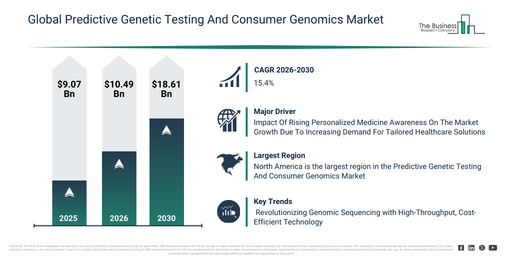
    The predictive genetic testing and consumer genomics market has experienced substantial expansion in its size over recent years. It is anticipated to increase from $9.07 billion in 2025 to $10.49 billion in 2026, showing a compound annual growth rate (CAGR) of 15.7%. The expansion observed in the historic period can be linked to factors such as the growth of consumer health awareness, the expansion of genetic testing accessibility, the rising availability of affordable sequencing technologies, an increasing interest in ancestry testing, and the development of digital health ecosystems.

    The predictive genetic testing and consumer genomics market is projected to experience substantial expansion in the coming years. By 2030, this market is anticipated to reach $18.61 billion, demonstrating a compound annual growth rate (CAGR) of 15.4%. This projected growth stems from several factors, including a heightened demand for personalized preventive healthcare, the increasing uptake of pharmacogenomic testing, the broadening reach of consumer genomics platforms, greater integration with digital health applications, and enhanced regulatory scrutiny concerning genetic data utilization. Key trends expected during this period involve the rising popularity of direct-to-consumer genetic testing, wider utilization of digital health platforms, an increasing desire for preventive health information, the proliferation of at-home sample collection kits, and an intensified emphasis on data privacy and security.

    Download the Free Sample Report to Explore Key Market Insights:

    https://www.thebusinessresearchcompany.com/sample.aspx?id=25884&type=smp

    What Drivers Are Expected To Influence The Predictive Genetic Testing And Consumer Genomics Market During The Forecast Period?

    Increasing recognition of personalized medicine is anticipated to drive expansion in the predictive genetic testing and consumer genomics market in the future. This medical approach involves tailoring treatment and prevention plans for individuals, considering their unique genetic makeup, lifestyle choices, and environmental influences. Awareness of personalized medicine is expanding due to its capacity to enhance treatment efficacy through aligning therapies with a patient’s distinct biological traits. Predictive genetic testing and consumer genomics contribute to personalized medicine by identifying genetic predispositions and characteristics, thereby facilitating customized prevention, prompt diagnosis, and treatment plans congruent with an individual’s genetic profile. An example supporting this trend is seen in February 2024, when the Personalized Medicine Coalition, a US-based professional membership organization, reported that the Food and Drug Administration (FDA) had sanctioned 16 new personalized medicines in 2023, marking a rise from the 6 approved in 2022. Consequently, the heightened awareness of personalized medicine serves as a key driver for the growth of the predictive genetic testing and consumer genomics market.

    What Market Segments Are Evaluated Within The Predictive Genetic Testing And Consumer Genomics Market?

    The predictive genetic testing and consumer genomics market covered in this report is segmented –

    1) By Testing Type: Diagnostic Testing, Predictive Testing, Pharmacogenomic Testing, Carrier Screening

    2) By Technology: Polymerase Chain Reaction (PCR), Next-Generation Sequencing (NGS), Microarray Technology, DNA Sequencing

    3) By Service Type: Genetic Counseling Services, Sample Collection And Analysis, Data Interpretation And Reporting

    4) By Application: Breast And Ovarian Cancer, Cardiovascular Screening, Diabetic Screening And Monitoring, Colon Cancer, Parkinsonism Or Alzheimer’s Disease, Urologic Screening Or Prostate Cancer Screening, Orthopedic And Musculoskeletal, Other Cancer Screening, Other Diseases

    5) By End User: Healthcare Providers, Research Institutions, Diagnostic Laboratories, Consumers (Direct-to-Consumer Testing)

    Subsegments:

    1) By Diagnostic Testing: Cancer Diagnostic Testing, Neurological Disorder Testing, Rare Disease Diagnostics

    2) By Predictive Testing: Cancer Risk Prediction, Cardiovascular Disease Risk, Neurodegenerative Disorder Risk

    3) By Pharmacogenomic Testing: Adverse Drug Reaction Prediction, Psychiatric Medication Response, Dosage Optimization

    4) By Carrier Screening: Cystic Fibrosis Carrier Screening, Sickle Cell Anemia Carrier Screening, Tay-Sachs Carrier Screening

    What Key Developments And Trends Are Impacting The Predictive Genetic Testing And Consumer Genomics Market?

    Major companies operating in the predictive genetic testing and consumer genomics market are prioritizing technological advancements, such as high-throughput and cost-efficient sequencing, to facilitate large-scale, accurate, and affordable genomic analysis. High-throughput and cost-efficient sequencing refers to the ability to process a massive quantity of genomes quickly while simultaneously reducing per-genome costs, making population-level testing achievable. For instance, in February 2024, Ultima Genomics Inc., a U.S.-based sequencing company, launched its UG 100 sequencing system, featuring the ppmSeq extreme-accuracy mode, which offers up to 6–8 billion reads per wafer with dual-wafer runs reaching approximately 4.8 Tb and expected run times under 14 hours. Constructed with a wafer-based substrate and flexible reagent cartridges, the system supports an industry-leading ~$100-genome roadmap via reagent costs of roughly $2,000 per wafer. The ppmSeq mode enables Q60 SNV raw-read accuracy without the need for additional workflow steps. With its blend of low reagent cost, high automation, and AI-driven variant calling, the UG 100 is positioned for extensive applications across consumer genomics, population screening, clinical WGS, pharmacogenomics, and large-scale research. Overall, the platform delivers faster, more scalable, and more affordable genomic data generation compared to legacy NGS technologies.

    Who Are The Top Market Participants Influencing The Predictive Genetic Testing And Consumer Genomics Market?

    Major companies operating in the predictive genetic testing and consumer genomics market are Thermo Fisher Scientific Inc., Abbott Laboratories, Laboratory Corporation of America Holdings, Quest Diagnostics Incorporated, QIAGEN N.V., Ancestry.com, Myriad Genetics Inc., ARUP Laboratories, BGI Genomics Co. Ltd., Invitae Corporation, 23andMe Inc., Helix Inc., Color Health Inc., Mapmygenome India Ltd., Reliance Life Sciences, Dante Labs Inc., EasyDNA, Gene by Gene Ltd., Nebula Genomics Inc., Pathway Genomics Corporation

    Read the full predictive genetic testing and consumer genomics market report here:

    https://www.thebusinessresearchcompany.com/report/predictive-genetic-testing-and-consumer-genomics-global-market-report

    Which Region Is Forecast To Lead The Predictive Genetic Testing And Consumer Genomics Market In Terms Of Market Size?

    North America was the largest region in the predictive genetic testing and consumer genomics market in 2025. Asia-Pacific is expected to be the fastest-growing region in the forecast period. The regions covered in the predictive genetic testing and consumer genomics market report are Asia-Pacific, South East Asia, Western Europe, Eastern Europe, North America, South America, Middle East, Africa.

    Request A Tailored Predictive Genetic Testing And Consumer Genomics Market Research Report For Competitive Advantage:

    https://www.thebusinessresearchcompany.com/customise?id=25884&type=smp

    Browse Through More Reports Similar to the Global Predictive Genetic Testing And Consumer Genomics Market 2026, By The Business Research Company

    Property Management Software Market

    https://www.thebusinessresearchcompany.com/report/property-management-software-market

    Property Management Service Global Market Report

    https://www.thebusinessresearchcompany.com/report/property-management-service-global-market-report

    Commercial Property Insurance Global Market Report

    https://www.thebusinessresearchcompany.com/report/commercial-property-insurance-global-market-report

    Get in touch with us:

    The Business Research Company: https://www.thebusinessresearchcompany.com/

    Americas +1 310-496-7795

    Asia +44 7882 955267 & +91 8897263534

    Europe +44 7882 955267

    Email us at info@tbrc.info

    Follow us on:

    LinkedIn: https://in.linkedin.com/company/the-business-research-company

    YouTube: https://www.youtube.com/channel/UC24_fI0rV8cR5DxlCpgmyFQ

    Global Market Model: https://www.thebusinessresearchcompany.com/global-market-model
  • Remote Healthcare Market Developments and Growth Opportunities Across 2026–2030

    Remote Healthcare Market Developments and Growth Opportunities Across 2026–2030

    The Business Research Company’s 2026 market reports include new capabilities such as market attractiveness scoring and analysis, total addressable market analysis, company scoring matrix, interactive excel data dashboard, improved supply chain analysis, upcoming startups in the market, and overview of key products, aimed at improving the depth, usability, and strategic value of the insights delivered.

    What Is The Forecasted Market Value Of The Remote Healthcare Market Across 2026–2030?

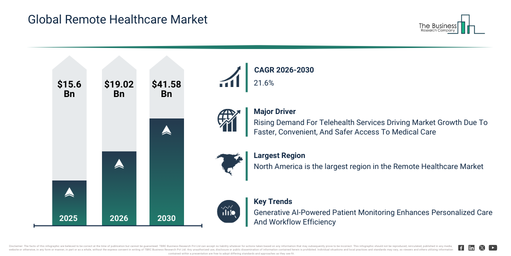
    The remote healthcare market size has seen substantial growth in recent years. It is forecast to rise from $15.6 billion in 2025 to $19.02 billion in 2026, exhibiting a compound annual growth rate (CAGR) of 21.9%. The expansion observed in the historic period is credited to elements such as increasing healthcare access gaps, the development of digital health infrastructure, a rising prevalence of chronic conditions, greater internet and smartphone penetration, and the widespread acceptance of virtual healthcare models.

    The remote healthcare market is projected to experience rapid expansion in the coming years. Its value is anticipated to reach $41.58 billion by 2030, exhibiting a compound annual growth rate (CAGR) of 21.6%. This growth during the projected timeframe is driven by factors such as increased investments in digital health platforms, a surge in demand for home-based care options, the proliferation of remote monitoring technologies, a heightened emphasis on value-based healthcare, and the greater incorporation of AI and analytics into care provision. Key trends expected throughout the forecast period involve the wider adoption of teleconsultation services, an uptick in the utilization of remote patient monitoring devices, the broadening of virtual care platforms, a sharper focus on managing chronic diseases, and the increasing incorporation of AI-based clinical support tools.

    Download the Free Sample Report to Explore Key Market Insights:

    https://www.thebusinessresearchcompany.com/sample.aspx?id=24681&type=smp

    Which Market Drivers Are Supporting The Expansion Of The Remote Healthcare Market?

    The expanding need for telehealth services is projected to fuel the future growth of the remote healthcare market. Telehealth services involve leveraging digital tools to offer healthcare from a distance, enabling virtual connections between patients and providers for consultations, diagnoses, monitoring, and treatment. The growing embrace of telehealth services stems from individuals desiring quicker, more convenient, and safer healthcare access for distant consultations, ongoing monitoring, and less travel. These services enhance remote healthcare by offering easy and prompt access to medical attention and consultations for individuals in remote or underserved regions, eliminating travel requirements. For example, in April 2023, FAIR Health Inc., a US-based non-profit organization, reported that in 2023, national telehealth use grew by 7.3%, rising from 5.5% of medical claim lines in December 2022 to 5.9% in January 2023. Consequently, the escalating demand for telehealth services is stimulating the expansion of the remote healthcare market.

    What Segmentation Levels Are Considered In The Remote Healthcare Market?

    The remote healthcare market covered in this report is segmented –

    1) By Service: Remote Patient Monitoring, Real Time Virtual Health, Tele-ICU (Telemedicine Intensive Care Unit)

    2) By Deployment Mode: On-Premises, Cloud

    3) By Application: Diagnosis, Cardiology, Obstetrics, Senior Care, Other Applications

    4) By End-User: Hospitals, Clinics, Home Care Settings, Other End-Users

    Subsegments:

    1) By Remote Patient Monitoring: Chronic Disease Monitoring, Postoperative Monitoring, Vital Signs Monitoring, Medication Adherence Monitoring, Remote Fetal Monitoring

    2) By Real Time Virtual Health: Video Consultations, Audio Consultations, Remote Diagnosis And Treatment, Virtual Specialist Consultations, Mental Health Teletherapy Sessions

    3) By Tele-ICU (Telemedicine Intensive Care Unit): Continuous Patient Monitoring, Remote Specialist Consultation, Alarm And Event Management, Data Analytics And Decision Support, Remote Ventilator Management

    Which Trends Are Impacting The Growth Of The Remote Healthcare Market?

    Leading companies in the remote healthcare market are concentrating on developing technologically advanced solutions, such as generative AI-driven remote patient monitoring assistants and real-time diagnostics, to improve patient engagement and facilitate personalized care delivery. A generative AI-powered remote patient monitoring assistant serves as an intelligent system that utilizes AI to analyze real-time health data, generate customized insights, and automate patient communication to enhance remote care. For example, in February 2025, Validic Inc., a US-based digital health firm, introduced a generative AI-powered assistant within its Validic Impact platform to boost remote patient monitoring. This assistant automatically interprets and summarizes complex health data. It identifies health trends, creates concise data summaries, enables time-based comparisons, streamlines clinical workflows, and eases providers’ administrative burden. The system is built upon a secure, HITRUST-certified, HIPAA-compliant infrastructure, supports numerous health conditions, and is compatible with hundreds of devices, thereby empowering clinicians to deliver more personalized, proactive, and efficient care.

    Which Leading Firms Are Contributing To The Growth Of The Remote Healthcare Market?

    Major companies operating in the remote healthcare market are Medtronic plc, Siemens Healthcare GmbH, Koninklijke Philips N.V., GE Healthcare Limited, Resideo Technologies Inc., Teladoc Health Inc., Comarch S.A., American Well Corporation, MDLive Inc., Doctor on Demand Inc., CallHealth Services Pvt. Ltd., Talkspace, AMC Health Inc., 98point6 Technologies, Altibbi Inc., GlobalMed Inc., Binah.ai Ltd., InTouch Health Inc., Vivify Health Inc., VSee Lab Inc.

    Read the full remote healthcare market report here:

    https://www.thebusinessresearchcompany.com/report/remote-healthcare-global-market-report

    How Is The Remote Healthcare Market Distributed Across Key Geographic Regions?

    North America was the largest region in the remote healthcare market in 2025. The regions covered in the remote healthcare market report are Asia-Pacific, South East Asia, Western Europe, Eastern Europe, North America, South America, Middle East, Africa.

    Request A Tailored Remote Healthcare Market Research Report For Competitive Advantage:

    https://www.thebusinessresearchcompany.com/customise?id=24681&type=smp

    Browse Through More Reports Similar to the Global Remote Healthcare Market 2026, By The Business Research Company

    Remote Patient Monitoring Devices And Equipment Global Market Report

    https://www.thebusinessresearchcompany.com/report/remote-patient-monitoring-devices-and-equipment-global-market-report

    Remote Cardiac Monitoring Global Market Report

    https://www.thebusinessresearchcompany.com/report/remote-cardiac-monitoring-global-market-report

    Real Time Health Monitoring Devices Global Market Report

    https://www.thebusinessresearchcompany.com/report/real-time-health-monitoring-devices-global-market-report

    Get in touch with us:

    The Business Research Company: https://www.thebusinessresearchcompany.com/

    Americas +1 310-496-7795

    Asia +44 7882 955267 & +91 8897263534

    Europe +44 7882 955267

    Email us at info@tbrc.info

    Follow us on:

    LinkedIn: https://in.linkedin.com/company/the-business-research-company

    YouTube: https://www.youtube.com/channel/UC24_fI0rV8cR5DxlCpgmyFQ

    Global Market Model: https://www.thebusinessresearchcompany.com/global-market-model
  • Predictive Genetic Counselling Market Growth Expected to Reach $8.78 Billion by 2030 with 15.9% CAGR

    Predictive Genetic Counselling Market Growth Expected to Reach $8.78 Billion by 2030 with 15.9% CAGR

    The Business Research Company’s 2026 market reports include new capabilities such as market attractiveness scoring and analysis, total addressable market analysis, company scoring matrix, interactive excel data dashboard, improved supply chain analysis, upcoming startups in the market, and overview of key products, aimed at improving the depth, usability, and strategic value of the insights delivered.

    How Will The Market Size Of The Predictive Genetic Counselling Market Evolve From 2026 To 2030?

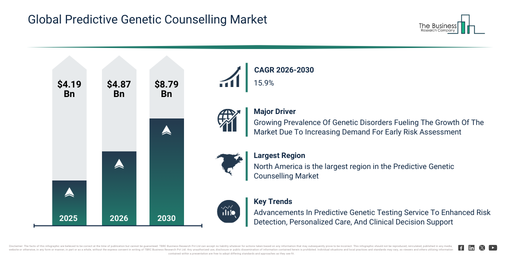
    The predictive genetic counselling market has observed significant expansion in recent years. This market is expected to grow from $4.19 billion in 2025 to $4.87 billion in 2026, exhibiting a compound annual growth rate (CAGR) of 16.2%. The historical increase in its size can be linked to the increasing utilization of family history evaluation, expansion of cancer risk screening programs, growing acceptance of genetic testing, improvements in counseling methodologies, and rising public awareness of inherited diseases.

    The predictive genetic counselling market size is anticipated to experience substantial expansion over the upcoming years. This market is projected to reach a valuation of $8.79 billion by 2030, demonstrating a compound annual growth rate (CAGR) of 15.9%. Factors contributing to this growth during the forecast period include the increasing incorporation of genomics into standard healthcare practices, the growing uptake of virtual counseling platforms, the broadening scope of preventive screening programs, the expanding application of AI-driven genetic interpretation, and the rising need for personalized health risk information. Key trends expected within the forecast timeframe encompass a surge in demand for online genetic counseling services, the increasing application of polygenic risk scoring, wider acceptance of direct-to-consumer genetic testing, the broadening of predictive oncology counseling, and a heightened emphasis on patient education and support for decision-making.

    Download the Free Sample Report to Explore Key Market Insights:

    https://www.thebusinessresearchcompany.com/sample.aspx?id=27397&type=smp

    What Drivers Are Influencing The Predictive Genetic Counselling Market?

    The increasing occurrence of genetic disorders is anticipated to propel the growth of the predictive genetic counselling market in the future. Genetic disorders are conditions that arise from changes or defects in an individual’s DNA, impacting the body’s growth, development, and overall function. The rise in these disorders is often linked to increasing parental age, as older age at conception is associated with a higher likelihood of genetic mutations in offspring. This supports the expansion of predictive genetic counselling by escalating the demand for risk assessment services, which help individuals understand their probability of inheriting or passing on such conditions. For instance, in October 2024, the Cystic Fibrosis Trust, a UK-based charitable organization, reported that the number of patients registered with cystic fibrosis climbed to 11,318 in 2023, up from 11,148 in 2022. Consequently, the growing prevalence of genetic disorders is driving the predictive genetic counselling market.

    Which Segment Areas Are Covered In The Predictive Genetic Counselling Market Analysis?

    The predictive genetic counselling market covered in this report is segmented –

    1) By Service Type: Risk Assessment, Carrier Testing, Predictive Testing, Other Service Types

    2) By Mode Of Delivery: In-Person, Online

    3) By Application: Consumer Genomics, Breast And Ovarian Cancer, Cardiovascular Screening, Diabetic Screening And Monitoring, Colon Cancer, Parkinsonism Or Alzheimer’s Disease, Urologic Screening Or Prostate Cancer Screening, Orthopedic And Musculoskeletal, Other Applications

    4) By End-User: Hospitals And Clinics, Diagnostic Laboratories, Research And Academic Institutes, Other End-Users

    Subsegments:

    1) By Risk Assessment: Family History Evaluation, Lifestyle And Environmental Risk Analysis, Polygenic Risk Score Analysis, Hereditary Disease Susceptibility Screening

    2) By Carrier Testing: Cystic Fibrosis Carrier Testing, Tay-Sachs Carrier Testing, Fragile X Syndrome Testing, Sickle Cell Carrier Testing, Thalassemia Carrier Screening

    3) By Predictive Testing: Breast Cancer Gene 1 (BRCA1) Or Breast Cancer Gene 2 (BRCA2) Mutation Testing, Lynch Syndrome Testing, Huntington’s Disease Testing, Cardiovascular Genetic Risk Testing, Neurological Disorder Prediction Testing

    4) By Other Service Types: Pharmacogenomic Testing, Prenatal Genetic Testing, Newborn Genetic Screening, Direct-To-Consumer Genetic Testing, Whole Genome Sequencing For Prediction

    What Trends Are Projected To Affect The Predictive Genetic Counselling Market?

    Key players in the predictive genetic counselling market are dedicated to developing advanced solutions, such as the predictive genetic testing service, aimed at early disease risk detection and supporting informed clinical decision-making. The predictive genetic testing service itself is a medical offering that examines an individual’s DNA to identify genetic variations linked to an elevated risk of developing specific inherited conditions or diseases in the future. As an illustration, in August 2024, Genetic Technologies Limited, an Australia-based enterprise specializing in genomics-based health testing, unveiled the geneType Risk Assessment test. This particular test functions as a distinctive, comprehensive, multi-risk predictive genetic screening tool created to evaluate an individual’s probability of developing serious conditions including breast cancer, colorectal cancer, ovarian cancer, prostate cancer, coronary artery disease, and type 2 diabetes. It integrates clinically validated polygenic risk scores with non-genetic factors like age, family history, and clinical measurements to deliver a personalized, actionable risk profile. Designed for proactive health management, the test also provides clear reports with tailored recommendations to guide preventive care and lifestyle choices in over 42 countries.

    Which Global Companies Are Actively Competing In The Predictive Genetic Counselling Market?

    Major companies operating in the predictive genetic counselling market are Thermo Fisher Scientific Inc., Abbott Laboratories, Laboratory Corporation of America Holdings (LabCorp), Quest Diagnostics Inc., Agilent Technologies Inc., Illumina Inc., Bio-Rad Laboratories Inc., QIAGEN NV, Natera Inc, Myriad Genetics Inc., Fulgent Genetics Inc, Invitae Corporation, 23andMe Holding Co, Color Genomics Inc, deCODE genetics, Centogene NV, Admera Health LLC, Mapmygenome, Exact Sciences Corporation, BGI Group

    Read the full predictive genetic counselling market report here:

    https://www.thebusinessresearchcompany.com/report/predictive-genetic-counselling-global-market-report

    Which Regions Are Expected To Experience Rapid Expansion In The Predictive Genetic Counselling Market?

    North America was the largest region in the predictive genetic counselling market in 2025. Asia-Pacific is expected to be the fastest-growing region in the forecast period. The regions covered in the predictive genetic counselling market report are Asia-Pacific, South East Asia, Western Europe, Eastern Europe, North America, South America, Middle East, Africa.

    Request A Tailored Predictive Genetic Counselling Market Research Report For Competitive Advantage:

    https://www.thebusinessresearchcompany.com/customise?id=27397&type=smp

    Browse Through More Reports Similar to the Global Predictive Genetic Counselling Market 2026, By The Business Research Company

    Rapid Strength Concrete Global Market Report

    https://www.thebusinessresearchcompany.com/report/rapid-strength-concrete-global-market-report

    Latex Mattress Global Market Report

    https://www.thebusinessresearchcompany.com/report/latex-mattress-global-market-report

    Concrete Materials Global Market Report

    https://www.thebusinessresearchcompany.com/report/concrete-materials-global-market-report

    Get in touch with us:

    The Business Research Company: https://www.thebusinessresearchcompany.com/

    Americas +1 310-496-7795

    Asia +44 7882 955267 & +91 8897263534

    Europe +44 7882 955267

    Email us at info@tbrc.info

    Follow us on:

    LinkedIn: https://in.linkedin.com/company/the-business-research-company

    YouTube: https://www.youtube.com/channel/UC24_fI0rV8cR5DxlCpgmyFQ

    Global Market Model: https://www.thebusinessresearchcompany.com/global-market-model
  • Global Remote Health Monitoring Market Forecast 2026–2035 Presenting Long-Term Industry Expansion Insights

    Global Remote Health Monitoring Market Forecast 2026–2035 Presenting Long-Term Industry Expansion Insights

    The Business Research Company’s 2026 market reports include new capabilities such as market attractiveness scoring and analysis, total addressable market analysis, company scoring matrix, interactive excel data dashboard, improved supply chain analysis, upcoming startups in the market, and overview of key products, aimed at improving the depth, usability, and strategic value of the insights delivered.

    What Market Size Increase Is Anticipated For The Remote Health Monitoring Market Over The 2026–2030 Period?

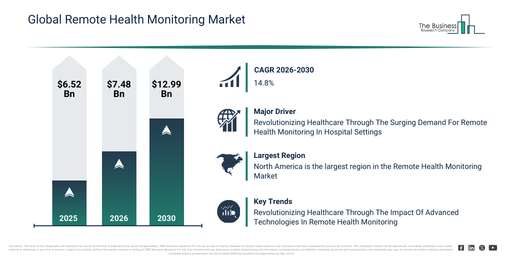
    The remote health monitoring market has demonstrated rapid growth over recent years. Forecasts indicate an expansion from $6.52 billion in 2025 to $7.48 billion in 2026, representing a compound annual growth rate (CAGR) of 14.7%. In the past, this growth was primarily driven by the expansion of telehealth services, the rising prevalence of chronic diseases, increased adoption of connected medical devices, growing healthcare digitization, and the expansion of home care settings.

    The remote health monitoring market is projected to experience substantial expansion over the upcoming years. Its valuation is anticipated to reach $12.99 billion by 2030, demonstrating a compound annual growth rate (CAGR) of 14.8%. This projected growth is driven by factors such as increased funding for digital health platforms, a heightened need for tailored remote care, the broader application of AI-powered clinical decision support, a strengthened emphasis on value-based healthcare frameworks, and the wider uptake of continuous monitoring technologies. Key trends anticipated during this period encompass the growing integration of wearable health monitoring devices, increased reliance on continuous remote patient monitoring, the expanding incorporation of AI-based health analytics, the development of home-based chronic care solutions, and an elevated commitment to preventive healthcare.

    Download the Free Sample Report to Explore Key Market Insights:

    https://www.thebusinessresearchcompany.com/sample.aspx?id=9920&type=smp

    What Underlying Factors Are Accelerating The Growth Of The Remote Health Monitoring Market?

    The increasing demand within hospitals is anticipated to drive the expansion of the remote health monitoring market. Hospitals, as extensive and intricate healthcare facilities, are structured to deliver a broad spectrum of medical services and care to individuals facing illness or injury. Implementing remote health monitoring in these settings can result in more patient-centric, streamlined, and anticipatory healthcare, enabling timely interventions, continuous oversight, a reduction in hospital readmissions, earlier disease detection, and enhanced data accuracy, ultimately contributing to improved patient outcomes. For instance, in May 2025, the Australian Institute of Health and Welfare, an Australia-based government agency, indicated that hospitalizations escalated from 12.1 million in 2022–23 to 12.6 million in 2023–24, representing a 4.1% rise year on year. Thus, the growing demand in hospitals is a key factor propelling the growth of the remote health monitoring market.

    How Is The Remote Health Monitoring Market Segmented Across Key Categories?

    The remote health monitoring market covered in this report is segmented –

    1) By Devices: Respiratory Monitoring, Blood Glucose Monitoring, Cardiac Monitoring, Multi-Parameter Monitoring

    2) By Application: Cancer Treatment, Cardiovascular Diseases, Diabetes Treatment, Sleep Disorder, Weight Management And Fitness Monitoring, Other Applications

    3) By End-User: Home Care Settings, Hospitals Or Clinics, Other End-Users

    Subsegments:

    1) By Respiratory Monitoring: Spirometers, Pulse Oximeters, Capnometers, Respiratory Rate Monitors

    2) By Blood Glucose Monitoring: Glucometers, Continuous Glucose Monitors (CGMs), Smart Insulin Pens

    3) By Cardiac Monitoring: ECG Monitors, Holter Monitors, Implantable Cardiac Monitors, Blood Pressure Monitors

    4) By Multi-Parameter Monitoring: Vital Sign Monitors, Telemetry Systems, Wearable Health Monitors

    What Major Market Trends Are Driving Changes In The Remote Health Monitoring Market?

    Leading companies within the remote health monitoring market are concentrating on embedding innovative technologies, such as cloud computing and artificial intelligence (AI), into their systems to improve accuracy. Artificial intelligence (AI) and machine learning leverage mathematical data models to facilitate computer learning without explicit programming. This advancement significantly alters the way healthcare organizations scale remote patient monitoring and enhances patient outcomes. For example, in November 2023, Royal Philips, a health technology firm based in the Netherlands, unveiled Philips HealthSuite Imaging. This offering is a cloud-based picture archiving and communication system (PACS) developed to optimize radiology and imaging workflows. It prioritizes enabling swift remote access for diagnostic interpretations, consolidated reporting, and artificial intelligence (AI)-driven workflow orchestration. By incorporating sophisticated technologies, HealthSuite Imaging elevates the quality of study interpretation and reporting, boosts operational productivity, and ultimately improves patient care.

    Who Are The Dominant Players Shaping The Remote Health Monitoring Market Landscape?

    Major companies operating in the remote health monitoring market are Nihon Kohden Corporation, Koninklijke Philips NV, Omron Corporation, F. Hoffmann-La Roche Ltd., American Telecare Inc., GE Healthcare Company, Masimo Corporation, Abbott Laboratories, Biotronik SE & Co. KG, Athelas Inc., Dexcom Inc., Senseonics Holdings Inc., Medtronic plc, Health Recovery Solutions Inc., Babyscripts Inc., TytoCare Ltd., Accuhealth Inc., Vivify Health Inc., Get Well Network Inc., VitalTech Holdings Inc., Rimidi Inc., SeamlessMD Inc., Raziel Health Inc., Conversa Health Inc.

    Read the full remote health monitoring market report here:

    https://www.thebusinessresearchcompany.com/report/remote-health-monitoring-global-market-report

    Which Region Is Projected To Dominate The Remote Health Monitoring Market During The Forecast Period?

    North America was the largest region in the remote health monitoring market in 2025. The regions covered in the remote health monitoring market report are Asia-Pacific, South East Asia, Western Europe, Eastern Europe, North America, South America, Middle East, Africa.

    Request A Tailored Remote Health Monitoring Market Research Report For Competitive Advantage:

    https://www.thebusinessresearchcompany.com/customise?id=9920&type=smp

    Browse Through More Reports Similar to the Global Remote Health Monitoring Market 2026, By The Business Research Company

    Automotive Remote Diagnostics Global Market Report

    https://www.thebusinessresearchcompany.com/report/automotive-remote-diagnostics-global-market-report

    Remote Health Monitoring Global Market Report

    https://www.thebusinessresearchcompany.com/report/remote-health-monitoring-global-market-report

    Remote Monitoring And Control Global Market Report

    https://www.thebusinessresearchcompany.com/report/remote-monitoring-and-control-global-market-report

    Get in touch with us:

    The Business Research Company: https://www.thebusinessresearchcompany.com/

    Americas +1 310-496-7795

    Asia +44 7882 955267 & +91 8897263534

    Europe +44 7882 955267

    Email us at info@tbrc.info

    Follow us on:

    LinkedIn: https://in.linkedin.com/company/the-business-research-company

    YouTube: https://www.youtube.com/channel/UC24_fI0rV8cR5DxlCpgmyFQ

    Global Market Model: https://www.thebusinessresearchcompany.com/global-market-model
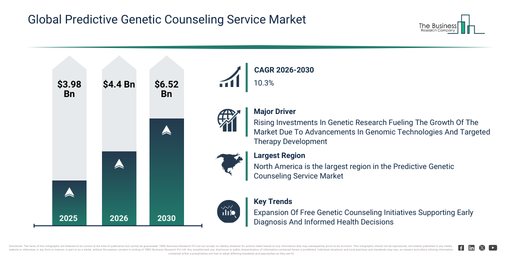
  • Predictive Genetic Counseling Service Market Forecast 2026–2035 Reflecting Expansion Opportunities Across Industries

    Predictive Genetic Counseling Service Market Forecast 2026–2035 Reflecting Expansion Opportunities Across Industries

    The Business Research Company’s 2026 market reports include new capabilities such as market attractiveness scoring and analysis, total addressable market analysis, company scoring matrix, interactive excel data dashboard, improved supply chain analysis, upcoming startups in the market, and overview of key products, aimed at improving the depth, usability, and strategic value of the insights delivered.

    What Is The Forecasted Market Value Of The Predictive Genetic Counseling Service Market Across 2026–2030?

    The predictive genetic counseling service market size has experienced rapid expansion in recent years. This market is projected to expand from $3.98 billion in 2025 to $4.4 billion in 2026, demonstrating a compound annual growth rate (CAGR) of 10.6%. Historically, this growth can be ascribed to several factors, including heightened awareness of inherited genetic conditions, wider availability of genetic testing, increased adoption of prenatal screening services, a surge in demand for family risk assessment, and advancements in the precision of molecular diagnostics.

    The predictive genetic counseling service market size is anticipated to experience substantial growth in the upcoming years, expanding to $6.52 billion by 2030 with a compound annual growth rate (CAGR) of 10.3%. This expansion during the forecast period is driven by factors such as the increasing demand for personalized preventive healthcare, the growing integration of AI in genetic interpretation, the expansion of remote healthcare services, a stronger focus on early disease prediction, and the rising adoption of population-scale genetic screening. Furthermore, prominent trends for this period include the increased utilization of AI-assisted genetic risk assessment, the surging adoption of digital counseling platforms, a heightened demand for preventive genetic screening services, the broader implementation of tele-genetic counseling models, and an intensified focus on data-driven risk interpretation.

    Download the Free Sample Report to Explore Key Market Insights:

    https://www.thebusinessresearchcompany.com/sample.aspx?id=27396&type=smp

    What Drivers Are Shaping The Future Growth Of The Predictive Genetic Counseling Service Market?

    Future expansion of the predictive genetic counseling service market is anticipated, driven by escalating investments in genetic research. This type of research encompasses a methodical study of genes and heredity, aiming to comprehend the transmission of genetic traits and their impact on biological functions. A surge in genetic research investments stems from innovations in genetic sequencing and precision medicine technologies, which in turn hasten the creation of targeted therapies and boost the efficiency and commercial viability of biomedical research. Such investments bolster the need for predictive genetic counseling services by revealing novel genetic markers linked to inherited diseases, thereby escalating the requirement for experts who can interpret these discoveries and counsel individuals about their potential health risks. As an illustration, the National Institutes of Health (NIH), a US-based federal medical research agency, reported in September 2024 an allocation of $27 million over five years. This funding is intended to create a new genomics-enabled learning health system (gLHS) network, designed to integrate genomic information into clinical practice across various hospital learning health systems throughout the nation. Consequently, the expanding investments in genetic research are propelling the advancement of the predictive genetic counseling service market.

    What Segmentation Levels Are Considered In The Predictive Genetic Counseling Service Market?

    The predictive genetic counseling service market covered in this report is segmented –

    1) By Type: Premarital Examination Service, Parent Child Identification Service, Antenatal Examination Service, Single Gene Or Polygene Disease Diagnosis Service

    2) By Application: Adult, Child

    3) By End-User: Hospitals, Clinical Laboratories, Academic Institutions, Research Organizations, Pharmaceutical Companies

    Subsegments:

    1) By Premarital Examination Service: Genetic Carrier Screening, Chromosomal Abnormality Testing, Inherited Disorder Risk Assessment

    2) By Parent Child Identification Service: Paternity Testing, Maternity Testing, Kinship Analysis

    3) By Antenatal Examination Service: Non-Invasive Prenatal Testing (NIPT), Chorionic Villus Sampling (CVS), Amniocentesis, Fetal DNA Sequencing

    4) By Single Gene Or Polygene Disease Diagnosis Service: Monogenic Disorder Testing, Polygenic Risk Scoring, Pharmacogenomics Testing, Hereditary Cancer Risk Testing

    Which Upcoming Trends Are Expected To Influence The Predictive Genetic Counseling Service Market?

    Leading companies within the predictive genetic counseling service market are concentrating on developing advanced solutions, including no-cost genetic counseling services, to promote early risk assessment and informed decision-making. No-cost genetic counseling services offer individuals free consultations to assist them in comprehending their genetic health risks, generally backed by public health programs, research initiatives, or charitable organizations. For example, in May 2023, Vigil Neuroscience Inc., a US-based biotechnology company, introduced ALSPAware, a new program delivering free genetic testing and counseling services for the diagnosis of adult-onset leukoencephalopathy with axonal spheroids and pigmented glia (ALSP). ALSPAware makes free and confidential genetic testing and counseling available to U.S. residents aged 18 and above. The program is designed to support both individuals and healthcare professionals, providing a single-gene test for those with a family history of ALSP and a custom gene panel for diagnosing adult-onset neurological disorders. Licensed genetic counselors facilitate the testing process and aid in interpreting the results. This initiative also offers access to specialized resources aimed at reducing misdiagnosis and improving disease management for people affected by ALSP.

    Which Leading Firms Are Contributing To The Growth Of The Predictive Genetic Counseling Service Market?

    Major companies operating in the predictive genetic counseling service market are Roche Ltd., Thermo Fisher Scientific Inc., Agilent Technologies Inc., Illumina Inc., Natera Inc., Tempus AI Inc., Fulgent Genetics Inc., Invitae Corporation, Berry Genomics Co. Ltd., Color Genomics Inc., Decode Genetics Inc., Myriad Genetics Inc., Genpath Diagnostics, Genomic Medical Inc., GeneDx Inc., EasyDNA, Blueprint Genetics Inc., Veritas Genetics International Ltd., Abbott Pathology, Bgi Group Ltd.

    Read the full predictive genetic counseling service market report here:

    https://www.thebusinessresearchcompany.com/report/predictive-genetic-counseling-service-global-market-report

    Which Geographic Regions Are Influencing Demand In The Predictive Genetic Counseling Service Market?

    North America was the largest region in the predictive genetic counseling service market in 2025. Asia-Pacific is expected to be the fastest-growing region in the forecast period. The regions covered in the predictive genetic counseling service market report are Asia-Pacific, South East Asia, Western Europe, Eastern Europe, North America, South America, Middle East, Africa.

    Request A Tailored Predictive Genetic Counseling Service Market Research Report For Competitive Advantage:

    https://www.thebusinessresearchcompany.com/customise?id=27396&type=smp

    Browse Through More Reports Similar to the Global Predictive Genetic Counseling Service Market 2026, By The Business Research Company

    Predictive Analytics Global Market Report

    https://www.thebusinessresearchcompany.com/report/predictive-analytics-global-market-report

    Predictive Maintenance Global Market Report

    https://www.thebusinessresearchcompany.com/report/predictive-maintenance-global-market-report

    Healthcare Predictive Analytics Global Market Report

    https://www.thebusinessresearchcompany.com/report/healthcare-predictive-analytics-global-market-report

    Get in touch with us:

    The Business Research Company: https://www.thebusinessresearchcompany.com/

    Americas +1 310-496-7795

    Asia +44 7882 955267 & +91 8897263534

    Europe +44 7882 955267

    Email us at info@tbrc.info

    Follow us on:

    LinkedIn: https://in.linkedin.com/company/the-business-research-company

    YouTube: https://www.youtube.com/channel/UC24_fI0rV8cR5DxlCpgmyFQ

    Global Market Model: https://www.thebusinessresearchcompany.com/global-market-model
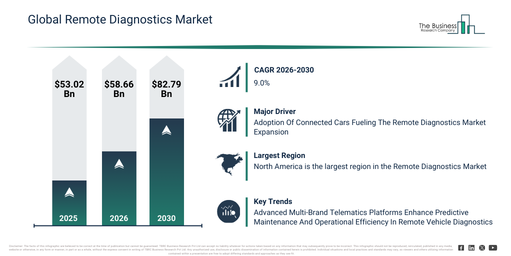
  • Remote Diagnostics Market Outlook 2026–2030 Exploring New Business Opportunities

    Remote Diagnostics Market Outlook 2026–2030 Exploring New Business Opportunities

    The Business Research Company’s 2026 market reports include new capabilities such as market attractiveness scoring and analysis, total addressable market analysis, company scoring matrix, interactive excel data dashboard, improved supply chain analysis, upcoming startups in the market, and overview of key products, aimed at improving the depth, usability, and strategic value of the insights delivered.

    How Much Is The Remote Diagnostics Market Expected To Grow In Terms Of Market Value Between 2026 And 2030?

    The remote diagnostics market has experienced substantial expansion in its size over recent years. This market is projected to expand from $53.02 billion in 2025 to $58.66 billion in 2026, demonstrating a compound annual growth rate (CAGR) of 10.7%. Historically, this growth can be attributed to several factors, including the increasing complexity of vehicle electrification, the broadening of connected vehicle technologies, a rising need for quicker service resolution, the expansion of fleet management systems, and a growing dependence on telematics data.

    The remote diagnostics market is anticipated to experience robust expansion over the coming years. Its valuation is projected to reach $82.79 billion by 2030, exhibiting a compound annual growth rate (CAGR) of 9.0%. This forecasted growth is primarily driven by factors such as the increasing embrace of AI-driven diagnostic solutions, greater investments in connected mobility platforms, the broadening of over-the-air diagnostics functionalities, a surging need for remote vehicle assistance, and enhanced integration of diagnostics with fleet analytics. Key developments expected during this period involve the wider implementation of cloud-based diagnostic platforms, an increase in the application of predictive maintenance diagnostics, the expanding incorporation of real-time vehicle health monitoring, the growth of remote software-based troubleshooting, and a heightened emphasis on minimizing downtime.

    Download the Free Sample Report to Explore Key Market Insights:

    https://www.thebusinessresearchcompany.com/sample.aspx?id=15660&type=smp

    Which Growth Drivers Are Contributing To The Progress Of The Remote Diagnostics Market?

    The increasing uptake of connected vehicles is anticipated to fuel the expansion of the remote diagnostics market in the future. Connected cars are defined as vehicles equipped with Internet connectivity, often including Wi-Fi, which enables them to interact with various devices, networks, and services. The growing popularity of connected vehicles stems from various factors, including a greater need for convenience, efficiency, enhanced safety and security, entertainment options, and seamless connectivity. These vehicles send real-time data, facilitating early issue identification and removing the necessity for manual inspections. Furthermore, they enhance safety by automatically relaying diagnostic information to emergency services during collisions, which leads to faster responses and potentially life-saving interventions. An illustration of this trend is found in the statement from Scania, a Sweden-based commercial vehicle manufacturer, which reported in February 2025 that it had approximately 638,000 connected vehicles by the end of 2024, a number that is rapidly increasing. Consequently, the swift increase in the adoption of connected vehicles is propelling the growth of the remote diagnostics market.

    What Major Segment Divisions Exist Within The Remote Diagnostics Market?

    The remote diagnostics market covered in this report is segmented –

    1) By Product Type: Software, Diagnostic Equipment

    2) By Connectivity: 3G (Third Generation), 4G LTE (Fourth Generation Long Term Evolution), Wi-Fi (Wireless Fidelity), Bluetooth

    3) By Application: Roadside Assistance, Vehicle Tracking, Vehicle State Alert, Crash Notification, Training Assistance, Other Applications

    4) By Vehicle Type: Commercial Vehicles, Passenger Vehicles

    Subsegments:

    1) By Software: Diagnostic Software, Remote Monitoring Software, Diagnostic Reporting Software

    2) By Diagnostic Equipment: On-Board Diagnostic Devices, Portable Diagnostic Devices, Imaging Systems For Remote Diagnosis

    Which Trends Are Shaping The Future Of The Remote Diagnostics Market?

    Major entities operating in the remote diagnostics market are concentrating on developing advanced solutions, such as multi-brand telematics platforms, to enhance real-time vehicle monitoring, predictive maintenance, and service efficiency. Multi-brand telematics platforms are integrated systems that compile and analyze real-time performance data from vehicles across different brands, enabling proactive diagnostics and improving fleet reliability. For example, in September 2024, Hella Gutmann, a Germany-based automotive technology company, introduced macsLive, a cloud-based telematics platform specifically designed for real-time, multi-brand vehicle diagnostics. It was developed to support fleet operators and workshops with improved monitoring and maintenance functionalities. The solution facilitates remote error-code analysis, early detection of potential vehicle faults, and streamlined service scheduling, thus boosting operational efficiency and minimizing downtime.

    Which Companies Are Leading Innovation In The Remote Diagnostics Market?

    Major companies operating in the remote diagnostics market are Toyota Motor Corporation, Ford Motor Company, Robert Bosch GmbH, Tesla Inc., Nissan Motor Co. Ltd., Denso Corporation, Qualcomm Technologies Inc., Continental AG, Mercedes Benz Group AG, ABB Ltd., Aptiv PLC, SKF Group, OMRON Corporation, Tech Mahindra Limited, Snap On Incorporated, Vector Informatik GmbH, Softing AG, Delphi Technologies, AVL DiTEST GmbH, Vidiwave Ltd., OnStar Corporation, Harman International Industries Inc., Valeo SA, ZF Friedrichshafen AG

    Read the full remote diagnostics market report here:

    https://www.thebusinessresearchcompany.com/report/remote-diagnostics-global-market-report

    What Are The Leading Geographic Regions In The Remote Diagnostics Market?

    North America was the largest region in the remote diagnostics market in 2025. Asia-Pacific is expected to be the fastest-growing region in the forecast period. The regions covered in the remote diagnostics market report are Asia-Pacific, South East Asia, Western Europe, Eastern Europe, North America, South America, Middle East, Africa.

    Request A Tailored Remote Diagnostics Market Research Report For Competitive Advantage:

    https://www.thebusinessresearchcompany.com/customise?id=15660&type=smp

    Browse Through More Reports Similar to the Global Remote Diagnostics Market 2026, By The Business Research Company

    Autoimmune Treatment Global Market Report

    https://www.thebusinessresearchcompany.com/report/autoimmune-treatment-global-market-report

    Healthcare Fraud Detection Global Market Report

    https://www.thebusinessresearchcompany.com/report/healthcare-fraud-detection-global-market-report

    Typhoid Vi Polysaccharide Vaccine Global Market Report

    https://www.thebusinessresearchcompany.com/report/typhoid-vi-polysaccharide-vaccine-global-market-report

    Get in touch with us:

    The Business Research Company: https://www.thebusinessresearchcompany.com/

    Americas +1 310-496-7795

    Asia +44 7882 955267 & +91 8897263534

    Europe +44 7882 955267

    Email us at info@tbrc.info

    Follow us on:

    LinkedIn: https://in.linkedin.com/company/the-business-research-company

    YouTube: https://www.youtube.com/channel/UC24_fI0rV8cR5DxlCpgmyFQ

    Global Market Model: https://www.thebusinessresearchcompany.com/global-market-model
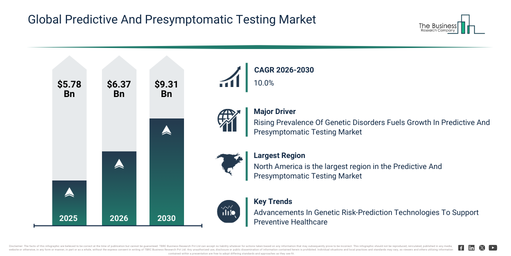
  • Global Predictive And Presymptomatic Testing Market Analysis for 2026–2030 with Strategic Forecast Insights for Businesses

    Global Predictive And Presymptomatic Testing Market Analysis for 2026–2030 with Strategic Forecast Insights for Businesses

    The Business Research Company’s 2026 market reports include new capabilities such as market attractiveness scoring and analysis, total addressable market analysis, company scoring matrix, interactive excel data dashboard, improved supply chain analysis, upcoming startups in the market, and overview of key products, aimed at improving the depth, usability, and strategic value of the insights delivered.

    What Market Size Increase Is Anticipated For The Predictive And Presymptomatic Testing Market Over The 2026–2030 Period?

    The predictive and presymptomatic testing market has experienced swift expansion in recent years. It is anticipated to grow from $5.78 billion in 2025 to $6.37 billion in 2026, achieving a compound annual growth rate (CAGR) of 10.3%. This historical growth is attributable to advancements in genetic sequencing technologies, increasing awareness of inherited disease risks, the expansion of clinical genetic testing services, the rise of oncology and neurology testing programs, and a reduction in the costs of genetic testing.

    The predictive and presymptomatic testing market size is projected to experience substantial growth over the coming years. This sector is expected to expand to $9.31 billion by 2030, demonstrating a compound annual growth rate (CAGR) of 10.0%. This anticipated growth can be attributed to several factors during the forecast period, including the increasing demand for personalized medicine, the rising integration of AI in genomic analysis, the expansion of population-scale screening programs, a growing focus on preventive healthcare strategies, and increasing regulatory support for genetic diagnostics. Prominent trends observed in the forecast period involve the growing adoption of preventive genetic screening, the rising use of risk-based disease prediction models, the expansion of genetic counseling services, an increased focus on early disease detection, and the integration of genomic data in clinical decision-making.

    Download the Free Sample Report to Explore Key Market Insights:

    https://www.thebusinessresearchcompany.com/sample.aspx?id=20594&type=smp

    Which Economic Or Industry Drivers Are Impacting The Predictive And Presymptomatic Testing Market?

    The increasing occurrence of genetic conditions is projected to fuel the expansion of the predictive and presymptomatic testing market in the future. These disorders are illnesses stemming from deoxyribonucleic acid (DNA) irregularities, encompassing gene mutations and chromosomal alterations, exemplified by conditions like cystic fibrosis and Down syndrome. The growing frequency of genetic disorders is linked to elements such as older maternal age, environmental influences, and improved diagnostic techniques. Predictive and presymptomatic testing is vital for lowering the incidence of genetic disorders by pinpointing at-risk individuals prior to symptom onset. This proactive strategy facilitates early interventions or modifications to lifestyle that can either prevent or lessen the severity of these conditions. For example, data from June 2023, provided by the American Society of Gene and Cell Therapy, a US-based non-profit medical and scientific organization, indicated that gene therapies in Phase III clinical trials saw a 10% rise in quarter 3, 2023, marking the initial quarterly growth since quarter 3, 2022. Consequently, the increased occurrence of genetic conditions is propelling the predictive and presymptomatic testing market.

    How Is The Predictive And Presymptomatic Testing Market Segmented Across Key Categories?

    The predictive and presymptomatic testing market covered in this report is segmented –

    1) By Test Type: Predictive Testing, Presymptomatic Testing

    2) By Application: Cancer Genetic Testing, Cardiovascular Genetic Testing, Neurological Genetic Testing, Other Applications

    3) By End User: Hospitals And Clinics, Diagnostic Laboratories

    Subsegments:

    1) By Predictive Testing: Genetic Testing for Inherited Conditions, Cancer Risk Prediction, Cardiovascular Disease Prediction, Neurodegenerative Disease Risk Prediction, Genetic Screening for Autosomal Dominant Disorders

    2) By Presymptomatic Testing: Huntington’s Disease Testing, Hereditary Cancer Risk Testing, Cystic Fibrosis Presymptomatic Testing, Early-Onset Alzheimer’s Disease Testing, Presymptomatic Genetic Testing for Familial Diseases

    How Are Trends Shaping The Direction Of The Predictive And Presymptomatic Testing Market?

    Leading companies in the predictive and presymptomatic testing market are focused on developing advanced multi-gene testing solutions that feature enhanced genetic risk-scoring capabilities, aiming to enable earlier disease prediction and improve personalized prevention strategies. Polygenic-enabled panels integrate the sequencing of clinically relevant hereditary-risk genes with the analysis of multiple common variants, offering a more comprehensive and individualized assessment of future disease likelihood than traditional single-gene tests. For instance, in November 2025, Myriad Genetics Inc., a U.S.-based molecular diagnostics company, broadened its MyRisk Hereditary Cancer Test to encompass 63 clinically actionable genes across more than 11 cancer types. This expanded panel combines next-generation sequencing with personalized lifetime and five-year cancer-risk estimates, allowing physicians to guide proactive clinical decision-making. The product effectively enhances risk detection even in individuals without strong family histories and supports targeted surveillance, earlier screening initiation, and preventive care planning.

    Who Are The Dominant Players Shaping The Predictive And Presymptomatic Testing Market Landscape?

    Major companies operating in the predictive and presymptomatic testing market are F. Hoffmann-La Roche AG, Thermo Fisher Scientific Inc., Mayo Clinic, Quest Diagnostics Inc., Illumina Inc., Bio-Rad Laboratories Inc., Qiagen N.V., Peter MacCallum Cancer Centre, Myriad Genetics Inc., SomaLogic Inc., Siteman Cancer Center, Dante Labs S.R.L., Mapmygenome, Manipal Health Enterprises, Gene Vision, Reliance Diagnostic, GenepoweRx, Personal Genomics, Apollo Hospitals Enterprise Limited, Cardio Diagnostics Inc.

    Read the full predictive and presymptomatic testing market report here:

    https://www.thebusinessresearchcompany.com/report/predictive-and-presymptomatic-testing-global-market-report

    What Are The Top-Performing Regions Within The Predictive And Presymptomatic Testing Market?

    North America was the largest region in the predictive and presymptomatic testing market in 2025. Asia-Pacific is expected to be the fastest-growing region in the forecast period. The regions covered in the predictive and presymptomatic testing market report are Asia-Pacific, South East Asia, Western Europe, Eastern Europe, North America, South America, Middle East, Africa.

    Request A Tailored Predictive And Presymptomatic Testing Market Research Report For Competitive Advantage:

    https://www.thebusinessresearchcompany.com/customise?id=20594&type=smp

    Browse Through More Reports Similar to the Global Predictive And Presymptomatic Testing Market 2026, By The Business Research Company

    Central Precocious Puberty Global Market Report

    https://www.thebusinessresearchcompany.com/report/central-precocious-puberty-global-market-report

    Premature Ejaculation Treatment Global Market Report

    https://www.thebusinessresearchcompany.com/report/premature-ejaculation-treatment-global-market-report

    Hormone Therapy Global Market Report

    https://www.thebusinessresearchcompany.com/report/hormone-therapy-global-market-report

    Get in touch with us:

    The Business Research Company: https://www.thebusinessresearchcompany.com/

    Americas +1 310-496-7795

    Asia +44 7882 955267 & +91 8897263534

    Europe +44 7882 955267

    Email us at info@tbrc.info

    Follow us on:

    LinkedIn: https://in.linkedin.com/company/the-business-research-company

    YouTube: https://www.youtube.com/channel/UC24_fI0rV8cR5DxlCpgmyFQ

    Global Market Model: https://www.thebusinessresearchcompany.com/global-market-model
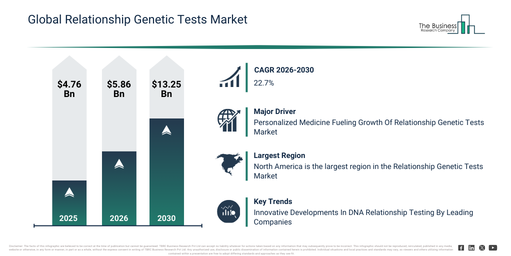
  • Global Relationship Genetic Tests Market Report 2026–2035 Highlighting Expansion Outlook and Forecast Opportunities

    Global Relationship Genetic Tests Market Report 2026–2035 Highlighting Expansion Outlook and Forecast Opportunities

    The Business Research Company’s 2026 market reports include new capabilities such as market attractiveness scoring and analysis, total addressable market analysis, company scoring matrix, interactive excel data dashboard, improved supply chain analysis, upcoming startups in the market, and overview of key products, aimed at improving the depth, usability, and strategic value of the insights delivered.

    What Market Value Is Expected For The Relationship Genetic Tests Market At The End Of The 2026–2030 Forecast Period?

    The relationship genetic tests market size has experienced substantial expansion in recent years. This market is projected to rise from $4.76 billion in 2025 to $5.86 billion in 2026, demonstrating a compound annual growth rate (CAGR) of 22.9%. Historically, this growth has been driven by several factors, including increasing awareness of genetic relationship testing, the expansion of forensic dna laboratories, a rising demand for paternity and kinship testing, improvements in dna amplification technologies, and the availability of affordable genetic test kits.

    The relationship genetic tests market is anticipated to experience substantial growth in the upcoming years, projected to reach $13.25 billion by 2030, exhibiting a compound annual growth rate (CAGR) of 22.7%. This expansion during the forecast period is largely driven by factors such as the increasing integration of digital reporting platforms, a rising demand for rapid relationship verification, the expansion of legally admissible DNA testing services, the growing adoption of online genetic services, and an increased focus on secure genetic data management. Key trends anticipated within this period involve the increasing adoption of direct-to-consumer genetic testing, a rising use of advanced DNA marker analysis, a growing demand for legal and forensic genetic tests, the expansion of non-invasive sample collection methods, and an enhanced focus on data accuracy and confidentiality.

    Download the Free Sample Report to Explore Key Market Insights:

    https://www.thebusinessresearchcompany.com/sample.aspx?id=19674&type=smp

    What Primary Drivers Are Shaping The Development Of The Relationship Genetic Tests Market?

    The expanding implementation of personalized medicine is anticipated to drive the growth of the relationship genetic tests market moving forward. Personalized medicine is a medical framework that tailors treatments and healthcare strategies to an individual’s genetic, environmental, and lifestyle factors for more targeted and effective care. This increased adoption is due to advancements in genetic research, improved accessibility to genomic data, and a heightened emphasis on customized healthcare solutions that align with individual genetic profiles and specific health requirements. Relationship genetic tests are utilized in personalized medicine to offer insights into genetic relationships and familial predispositions, thereby assisting in the customization of preventive care, treatment plans, and health monitoring strategies based on unique genetic backgrounds. For instance, in February 2024, the Personalized Medicine Coalition, a US-based non-profit organization, reported that in 2023, the FDA approved 16 new personalized treatments for rare disease patients, an increase from six in 2022. Among these approvals, seven were cancer drugs, while three targeted other diseases and conditions. Therefore, the increasing adoption of personalized medicine is propelling the growth of the relationship genetic tests market.

    What Segment Types Make Up The Relationship Genetic Tests Market?

    The relationship genetic tests market covered in this report is segmented –

    1) By Type: Siblings DNA Test, Grandparentage Test, Genetic Reconstruction Test, Other Types

    2) By Sample: Saliva, Urine, Blood

    3) By Application: Direct-To-Consumer, Legal Service Tests

    Subsegments:

    1) By Siblings DNA Test: Full Siblings DNA Test, Half Siblings DNA Test, Triangulation DNA Testing, Autosomal DNA Testing for Siblings

    2) By Grandparentage Test: Grandparent-Grandchild DNA Test, Grandparentage Verification Through Autosomal Testing, Y-DNA And mtDNA Testing for Grandparentage

    3) By Genetic Reconstruction Test: Ancestry Reconstruction Test, Genetic Family Tree Construction, Genetic Relationship Analysis

    4) By Other Types: Paternity Test, Maternity Test, Avuncular Test, Cousin Relationship Test

    What Key Trends Are Influencing The Development Of The Relationship Genetic Tests Market?

    Prominent companies within the relationship genetic tests market are prioritizing the creation of innovative testing solutions, such as DNA relationship testing, aimed at improving the accuracy and dependability of genetic relationship evaluations. DNA relationship testing involves genetic analysis to establish biological ties between individuals by scrutinizing their DNA. For example, in October 2023, AlphaBiolabs, a UK-based firm providing health testing services, introduced a sophisticated DNA test designed to identify genetic connections between people, including parentage or sibling relationships. This advanced test incorporates cutting-edge technology to achieve unmatched accuracy in determining biological relationships. It presents an expanded array of genetic markers, thereby increasing the precision of the results and decreasing the chance of false positives or negatives. The test is engineered for swift processing, delivering results more quickly than many conventional tests, and integrates a robust data analysis platform that supplies comprehensive and easily comprehensible reports.

    Who Are The Key Players Driving Competition In The Relationship Genetic Tests Market?

    Major companies operating in the relationship genetic tests market are Laboratory Corporation of America Holdings, Quest Diagnostics Incorporated, Myriad Genetics Inc., Invitae Corporation, Ancestry.com LLC, 23andMe Inc., Ambry Genetics Corporation, Color Health Inc., MyHeritage Ltd., DNA Diagnostics Center Inc., EasyDNA, AlphaBiolabs Ltd., Living DNA Ltd., Pathway Genomics Corporation, Anglia DNA Services Ltd., African Ancestry Inc., Canadian DNA Services Inc., DNA Family Check, Circle DNA, iGene

    Read the full relationship genetic tests market report here:

    https://www.thebusinessresearchcompany.com/report/relationship-genetic-tests-global-market-report

    How Does The Relationship Genetic Tests Market Perform Across Major Global Regions?

    North America was the largest region in the relationship genetic tests market in 2025. The regions covered in the relationship genetic tests market report are Asia-Pacific, South East Asia, Western Europe, Eastern Europe, North America, South America, Middle East, Africa.

    Request A Tailored Relationship Genetic Tests Market Research Report For Competitive Advantage:

    https://www.thebusinessresearchcompany.com/customise?id=19674&type=smp

    Browse Through More Reports Similar to the Global Relationship Genetic Tests Market 2026, By The Business Research Company

    Rare Neurological Disease Treatment Global Market Report

    https://www.thebusinessresearchcompany.com/report/rare-neurological-disease-treatment-global-market-report

    Progressive Multifocal Leukoencephalopathy Treatment Global Market Report

    https://www.thebusinessresearchcompany.com/report/progressive-multifocal-leukoencephalopathy-treatment-global-market-report

    Nerve Repair And Regenerative Global Market Report

    https://www.thebusinessresearchcompany.com/report/nerve-repair-and-regenerative-global-market-report

    Get in touch with us:

    The Business Research Company: https://www.thebusinessresearchcompany.com/

    Americas +1 310-496-7795

    Asia +44 7882 955267 & +91 8897263534

    Europe +44 7882 955267

    Email us at info@tbrc.info

    Follow us on:

    LinkedIn: https://in.linkedin.com/company/the-business-research-company

    YouTube: https://www.youtube.com/channel/UC24_fI0rV8cR5DxlCpgmyFQ

    Global Market Model: https://www.thebusinessresearchcompany.com/global-market-model
  • Precocious Puberty Treatment Market Outlook 2026–2035 Driven by Key Growth Factors and Industry Projections

    Precocious Puberty Treatment Market Outlook 2026–2035 Driven by Key Growth Factors and Industry Projections

    The Business Research Company’s 2026 market reports include new capabilities such as market attractiveness scoring and analysis, total addressable market analysis, company scoring matrix, interactive excel data dashboard, improved supply chain analysis, upcoming startups in the market, and overview of key products, aimed at improving the depth, usability, and strategic value of the insights delivered.

    How Much Is The Precocious Puberty Treatment Market Expected To Grow In Terms Of Market Value Between 2026 And 2030?

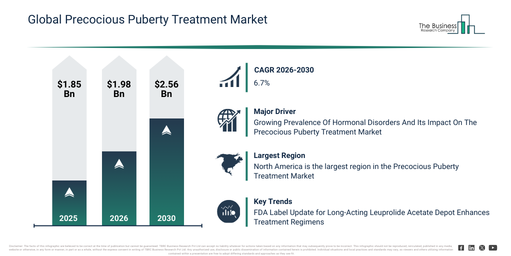
    The precocious puberty treatment market has experienced robust expansion in recent years. Its value is anticipated to rise from $1.85 billion in 2025 to $1.98 billion in 2026, reflecting a compound annual growth rate (CAGR) of 6.8%. This historical growth can be attributed to several factors, including enhanced diagnostic capabilities for hormonal disorders, heightened awareness of early puberty conditions, the widespread availability of gonadotropin-releasing hormone analogs, the expansion of pediatric healthcare services, and an increase in physician education initiatives.

    The precocious puberty treatment market size is anticipated to experience substantial growth over the next few years. It is forecast to expand to $2.56 billion by 2030, achieving a compound annual growth rate (CAGR) of 6.7%. This expansion during the forecast period is primarily driven by an increasing emphasis on personalized endocrine care, greater investments in pediatric rare disease treatments, the development and spread of long-acting injectable formulations, the rising utilization of digital patient monitoring tools, and improved access to specialty healthcare services. Prominent trends expected in this period include the increased adoption of long-acting hormonal therapies, a heightened focus on early diagnosis and intervention, the growing implementation of personalized treatment protocols, the expansion of pediatric endocrinology services, and an enhanced awareness regarding growth preservation outcomes.

    Download the Free Sample Report to Explore Key Market Insights:

    https://www.thebusinessresearchcompany.com/sample.aspx?id=13517&type=smp

    What Major Drivers Are Influencing Demand In The Precocious Puberty Treatment Market?

    The increasing occurrence of hormonal disorders is anticipated to fuel the expansion of the precocious puberty treatment market in the future. These conditions are defined as health issues stemming from malfunctions or irregularities within the endocrine system, responsible for hormone production and regulation. They contribute to precocious puberty when the usual regulation of sex hormones is disturbed, resulting in the premature activation of the hypothalamic-pituitary-gonadal (HPG) axis, the system that governs puberty’s initiation. As an illustration, a report from May 2023 by the National Library of Medicine, a US-based medical library, indicated that approximately 13 million individuals in the U.S., accounting for 4.78% of the population, live with undiagnosed endocrine disorders. Among these, thyroid disease stands out as particularly common, making up 30-40% of cases encountered in endocrine practices and affecting roughly half of all endocrine patients. Furthermore, almost half (48.8%) of those with metabolic disorders present with rare variants, and the overall prevalence of rare metabolic disorders is 10.96 per 10,000 individuals. Consequently, the increasing occurrence of hormonal disorders is propelling the expansion of the precocious puberty treatment market.

    What Major Segment Divisions Exist Within The Precocious Puberty Treatment Market?

    The precocious puberty treatment market covered in this report is segmented –

    1) By Drug Class: Leuprorelin, Histrelin, Triptorelin, Nafarelin

    2) By Application: Hospitals, Clinics, Other Applications

    3) By End-User: Pediatric Patients, Adolescent Patients, Other End-Users

    Subsegments:

    1) By Leuprorelin: Leuprorelin Acetate Injection, Leuprorelin For Depot Administration, Leuprorelin For Subcutaneous Administration

    2) By Histrelin: Histrelin Acetate Implant, Histrelin For Depot Injection, Histrelin For Subcutaneous Administration

    3) By Triptorelin: Triptorelin Acetate Injection, Triptorelin For Long-Acting Depot Injection, Triptorelin For Subcutaneous Implantation

    4) By Nafarelin: Nafarelin Acetate Nasal Spray, Nafarelin For Injectable Administration

    Which Market Trends Are Creating New Opportunities In The Precocious Puberty Treatment Market?

    Leading companies in the precocious puberty treatment market are concentrating on refining drug formulations, specifically extended-duration leuprolide acetate depot therapies, to improve treatment convenience, safety, and clinical outcomes. Long-acting leuprolide acetate therapies are developed to provide ongoing suppression of gonadotropin-releasing hormone (GnRH), which helps delay premature sexual development and reduces the need for frequent dosing. For example, in April 2023, the U.S. Food and Drug Administration (FDA), a US-based federal agency, issued an updated label for Lupron Depot-Ped (6-month intramuscular) to include more precise dosage administration guidelines. This therapy, a synthetic form of GnRH, assists in postponing the start of secondary sexual characteristics such as breast or testicular growth and menstruation, providing a more efficient and simplified treatment alternative for children suffering from central precocious puberty.

    Which Companies Are Leading Innovation In The Precocious Puberty Treatment Market?

    Major companies operating in the precocious puberty treatment market are Pfizer Inc., AbbVie Inc., Sanofi SA, Abbott Laboratories, Eli Lilly And Company, Glenmark Pharmaceuticals Ltd, Sun Pharmaceutical Industries Ltd, Ipsen Ltd, Ferring Pharmaceuticals Private Limited, Endo Pharmaceuticals Inc, Livzon Pharmaceutical Group Inc, Actiza Pharmaceutical Private Limited, Biocon Limited, Mallinckrodt plc, Arbor Pharmaceuticals LLC, Tolmar Pharmaceuticals Inc, Debiopharm Group, Emcure Pharmaceuticals Ltd, Cadila Pharmaceuticals Limited, Sandoz International GmbH, Foresee Pharmaceuticals Co Ltd, Verity Pharmaceuticals Inc, Aurobindo Pharma Ltd

    Read the full precocious puberty treatment market report here:

    https://www.thebusinessresearchcompany.com/report/precocious-puberty-treatment-global-market-report

    Which Region Shows The Strongest Potential For Future Growth In The Precocious Puberty Treatment Market?

    North America was the largest region in the precocious puberty treatment market in 2025. Asia-Pacific is expected to be the fastest-growing region in the forecast period. The regions covered in the precocious puberty treatment market report are Asia-Pacific, South East Asia, Western Europe, Eastern Europe, North America, South America, Middle East, Africa.

    Request A Tailored Precocious Puberty Treatment Market Research Report For Competitive Advantage:

    https://www.thebusinessresearchcompany.com/customise?id=13517&type=smp

    Browse Through More Reports Similar to the Global Precocious Puberty Treatment Market 2026, By The Business Research Company

    Medical Imaging Global Market Report

    https://www.thebusinessresearchcompany.com/report/medical-imaging-global-market-report

    Pediatric Imaging Global Market Report

    https://www.thebusinessresearchcompany.com/report/pediatric-imaging-global-market-report

    Clinical Trial Imaging Global Market Report

    https://www.thebusinessresearchcompany.com/report/clinical-trial-imaging-global-market-report

    Get in touch with us:

    The Business Research Company: https://www.thebusinessresearchcompany.com/

    Americas +1 310-496-7795

    Asia +44 7882 955267 & +91 8897263534

    Europe +44 7882 955267

    Email us at info@tbrc.info

    Follow us on:

    LinkedIn: https://in.linkedin.com/company/the-business-research-company

    YouTube: https://www.youtube.com/channel/UC24_fI0rV8cR5DxlCpgmyFQ

    Global Market Model: https://www.thebusinessresearchcompany.com/global-market-model
  • Relapsing-Remitting Multiple Sclerosis Market Growth Prospects 2026–2030 with Innovation Trends and Competitive Landscape

    Relapsing-Remitting Multiple Sclerosis Market Growth Prospects 2026–2030 with Innovation Trends and Competitive Landscape

    The Business Research Company’s 2026 market reports include new capabilities such as market attractiveness scoring and analysis, total addressable market analysis, company scoring matrix, interactive excel data dashboard, improved supply chain analysis, upcoming startups in the market, and overview of key products, aimed at improving the depth, usability, and strategic value of the insights delivered.

    What Is The Estimated Market Size Of The Relapsing-Remitting Multiple Sclerosis Market During 2026–2030?

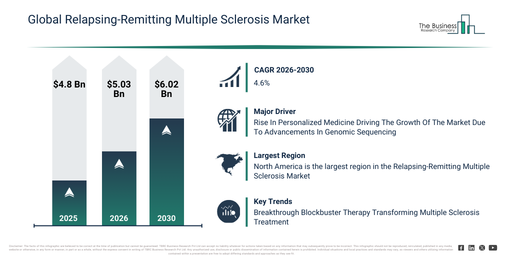
    The market for relapsing-remitting multiple sclerosis has experienced steady expansion in recent years. It is anticipated to increase from $4.8 billion in 2025 to $5.03 billion in 2026, achieving a compound annual growth rate (CAGR) of 4.9%. The growth observed in the preceding period is attributable to enhancements in multiple sclerosis diagnosis rates, greater accessibility of immunomodulating therapies, a surge in clinical research for autoimmune diseases, heightened neurologist awareness of rrms, and the proliferation of specialty neurology clinics.

    The relapsing-remitting multiple sclerosis market size is projected to experience consistent expansion in the upcoming years. This market is predicted to reach $6.02 billion by 2030, demonstrating a compound annual growth rate (CAGR) of 4.6%. Factors contributing to this growth during the forecast period include the escalating development of next-generation RRMS therapies, an increased emphasis on precision medicine strategies, the broader availability of oral and less invasive treatment options, expanding patient adherence initiatives, and greater financial commitments to neurodegenerative disease research. Key trends anticipated during this period encompass the wider acceptance of targeted disease-modifying therapies, a surge in the application of personalized treatment plans, a heightened focus on early detection and disease tracking, the increased availability of oral immunomodulatory medications, and a stronger emphasis on managing the disease over the long term.

    Download the Free Sample Report to Explore Key Market Insights:

    https://www.thebusinessresearchcompany.com/sample.aspx?id=23495&type=smp

    Which Major Factors Are Driving The Expansion Of The Relapsing-Remitting Multiple Sclerosis Market?

    The relapsing-remitting multiple sclerosis (RRMS) market is projected to grow as personalized medicine becomes more widely adopted. This medical strategy focuses on customizing treatments and therapies to an individual’s genetic, environmental, and lifestyle factors to optimize healthcare outcomes. The rise of personalized medicine is driven by advancements in genomic sequencing, which allow for the precise identification of genetic variations and biomarkers, leading to more targeted and effective treatments. Relapsing-remitting multiple sclerosis (RRMS) serves as a prime example of the need for personalized medicine, illustrating how tailored treatments can address unique differences in disease progression, symptom severity, and treatment response, thereby improving patient outcomes. For example, in February 2024, the U.S. Food and Drug Administration sanctioned 16 new personalized treatments for rare disease patients, a substantial increase from 6 in 2022, according to the Personalized Medicine Coalition, a US-based organization that champions personalized medicine. Hence, the increasing integration of personalized medicine is a key factor driving the expansion of the relapsing-remitting multiple sclerosis market.

    How Are The Various Segments Of The Relapsing-Remitting Multiple Sclerosis Market Categorized?

    The relapsing-remitting multiple sclerosis market covered in this report is segmented –

    1) By Drug Type: Beta-Interferon, Cladribine, Dimethyl Fumarate, Fingolimod, Ozanimod, Other Drug Types

    2) By Route Of Administration: Subcutaneous, Intravenous

    3) By Treatment: Immunomodulating Drugs, NrF2 Activators, Interferons, Other Treatments

    4) By End-User: Hospitals, Clinics, Other End-Users

    Subsegments:

    1) By Beta-Interferon: Interferon Beta-1a, Interferon Beta-1b

    2) By Cladribine: Oral Cladribine, Injectable Cladribine

    3) By Dimethyl Fumarate: Tecfidera, Vumerity

    4) By Fingolimod: Gilenya Fingolimod, Generic Fingolimod

    5) By Ozanimod: Zeposia, Generic Ozanimod Formulations

    6) By Other Drug Types: Natalizumab, Alemtuzumab, Ocrelizumab, Siponimod, Teriflunomide

    What Key Trends Are Influencing The Development Of The Relapsing-Remitting Multiple Sclerosis Market?

    Leading firms in the relapsing-remitting multiple sclerosis market are prioritizing the creation of novel treatment strategies, including breakthrough blockbuster therapies, to boost treatment effectiveness, better patient results, and reshape the existing care standards for relapsing-remitting multiple sclerosis (RRMS). Such a therapy denotes an inventive and highly potent medical intervention that considerably propels healthcare forward, frequently addressing previously unfulfilled requirements or delivering better results than current treatments. As an example, in February 2024, Roche Products (India) Pvt. Ltd., a pharmaceutical company located in India, introduced Ocrevus (Ocrelizumab), an innovative multiple sclerosis (MS) treatment, with the goal of expanding its neurology offerings and catering to the unaddressed medical demands of patients in India. Ocrevus works by targeting CD20-positive B cells, known contributors to MS progression, thereby aiming to decrease relapse rates and decelerate the progression of disability in those affected. This treatment possesses a distinct mechanism of action that specifically reduces B cells, assisting in altering the disease’s trajectory and enhancing long-term patient results.

    Which Major Firms Influence Developments In The Relapsing-Remitting Multiple Sclerosis Market?

    Major companies operating in the relapsing-remitting multiple sclerosis market are Johnson And Johnson Services Inc., F Hoffmann La Roche Ltd, Bayer AG, Sanofi S.A., Bristol Myers Squibb Company, Novartis AG, Merck KGaA, Viatris Inc., Teva Pharmaceutical Industries Ltd., Biogen Inc., Genentech Inc., Hikma Pharmaceuticals LLC, Glenmark Pharmaceuticals Limited, CinnaGen Co, Zenas BioPharma Inc., Roche Diagnostics GmbH, Sandoz AG, Sun Pharmaceutical Industries Ltd., Dr Reddys Laboratories Ltd., Zydus Lifesciences Ltd., AbbVie Neurology Division, Almirall S.A., UCB S.A., Otsuka Pharmaceutical Co. Ltd.

    Read the full relapsing-remitting multiple sclerosis market report here:

    https://www.thebusinessresearchcompany.com/report/relapsing-remitting-multiple-sclerosis-global-market-report

    Which Region Currently Holds The Largest Share Of The Relapsing-Remitting Multiple Sclerosis Market?

    North America was the largest region in the relapsing-remitting multiple sclerosis market in 2025. Asia-Pacific is expected to be the fastest-growing region in the forecast period. The regions covered in the relapsing-remitting multiple sclerosis market report are Asia-Pacific, South East Asia, Western Europe, Eastern Europe, North America, South America, Middle East, Africa.

    Request A Tailored Relapsing-Remitting Multiple Sclerosis Market Research Report For Competitive Advantage:

    https://www.thebusinessresearchcompany.com/customise?id=23495&type=smp

    Browse Through More Reports Similar to the Global Relapsing-Remitting Multiple Sclerosis Market 2026, By The Business Research Company

    Rehabilitation Equipment Global Market Report

    https://www.thebusinessresearchcompany.com/report/rehabilitation-equipment-global-market-report

    Physiotherapy And Rehabilitation Products And Services Global Market Report

    https://www.thebusinessresearchcompany.com/report/physiotherapy-and-rehabilitation-products-and-services-global-market-report

    Medical Rehabilitation Services Global Market Report

    https://www.thebusinessresearchcompany.com/report/medical-rehabilitation-services-global-market-report

    Get in touch with us:

    The Business Research Company: https://www.thebusinessresearchcompany.com/

    Americas +1 310-496-7795

    Asia +44 7882 955267 & +91 8897263534

    Europe +44 7882 955267

    Email us at info@tbrc.info

    Follow us on:

    LinkedIn: https://in.linkedin.com/company/the-business-research-company

    YouTube: https://www.youtube.com/channel/UC24_fI0rV8cR5DxlCpgmyFQ

    Global Market Model: https://www.thebusinessresearchcompany.com/global-market-model