Category: Healthcare Services

  • Parkinson’s Disease Market Insights Highlighting Opportunities and Drivers Supporting Growth to 2030

    Parkinson’s Disease Market Insights Highlighting Opportunities and Drivers Supporting Growth to 2030

    The Business Research Company’s 2026 market reports include new capabilities such as market attractiveness scoring and analysis, total addressable market analysis, company scoring matrix, interactive excel data dashboard, improved supply chain analysis, upcoming startups in the market, and overview of key products, aimed at improving the depth, usability, and strategic value of the insights delivered.

    What Market Value Is Expected For The Parkinson’s Disease Market At The End Of The 2026–2030 Forecast Period?

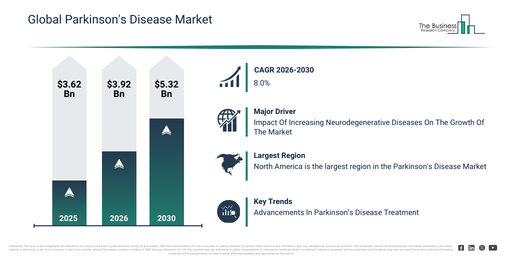
    The parkinson’s disease market size has experienced robust growth in recent years. Its value is set to increase from $3.62 billion in 2025 to $3.92 billion in 2026, reflecting a compound annual growth rate (CAGR) of 8.2%. Historically, this expansion has been driven by several factors, including the limited treatment options available for disease progression, a significant reliance on levodopa-centric therapy, challenges in early diagnosis due to symptom overlap, a scarcity of specialized movement disorder clinics, and inconsistent access to advanced surgical interventions.

    The Parkinson’s disease market size is anticipated to undergo significant growth over the next few years, projected to reach $5.32 billion by 2030, exhibiting a compound annual growth rate (CAGR) of 8.0%. This expansion during the forecast period is fueled by the creation of new dopamine and non-dopamine treatments, the increasing number of elderly individuals, the rising preference for deep brain stimulation procedures, a heightened focus on personalized medicine strategies, and the growth of neurology specialty clinics. Prominent trends observed in the forecast period encompass the increasing integration of combination drug therapies, a greater application of deep brain stimulation interventions, advancements in early diagnosis and intervention methods, the widening scope of multidisciplinary Parkinson’s care initiatives, and better symptom management achieved through individualized treatment plans.

    Download the Free Sample Report to Explore Key Market Insights:

    https://www.thebusinessresearchcompany.com/sample.aspx?id=21247&type=smp

    What Major Growth Drivers Are Shaping The Outlook Of The Parkinson’s Disease Market?

    The growing incidence of neurodegenerative conditions is anticipated to fuel the expansion of the parkinson’s disease market in the future. These diseases are a category of ailments marked by the gradual deterioration and impaired functioning of neurons within the brain and nervous system. Their rising occurrence is attributable to several elements, including an aging demographic, genetic susceptibility, environmental factors, enhanced diagnostic methods, an increase in chronic illnesses, and shifts in lifestyle. Parkinson’s disease contributes significantly to advancing comprehension of neurodegenerative conditions by offering crucial insights into their fundamental mechanisms, prospective therapeutic targets, and the formulation of novel treatment strategies. For example, the National Institutes of Health (NIH), a key US government medical research agency, projected in 2025 that the prevalence of Parkinson’s disease by 2050 would be approximately 267 cases per 100,000 people, ranging from 230 to 320. Consequently, the rising incidence of neurodegenerative conditions is a major factor boosting the parkinson’s disease market’s growth.

    What Segment Types Make Up The Parkinson’s Disease Market?

    The parkinson’s disease market covered in this report is segmented –

    1) By Drug Class: Dopamine Agonists, Catechol-O-Methyltransferase Inhibitors, Monoamine Oxidase B Inhibitors, Anticholinergics, Carbidopa-Levodopa, Other Drug Classes

    2) By Route Of Administration: Oral, Injectable, Intestinal infusion, Subcutaneous, Other Routes Of Administrations

    3) By Distribution Channel: Retail Pharmacies, Hospital Pharmacies, Online Pharmacies

    4) By Patient Care Setting: Clinics, Hospitals

    Subsegments:

    1) By Dopamine Agonists: Ergot Derivatives, Non-Ergot Derivatives

    2) By Catechol-O-Methyltransferase (COMT) Inhibitors: Entacapone, Tolcapone, Opicapone

    3) By Monoamine Oxidase B (MAO-B) Inhibitors: Selegiline, Rasagiline, Safinamide

    4) By Anticholinergics: Trihexyphenidyl, Benztropine, Procyclidine

    5) By Carbidopa-Levodopa: Immediate-Release Formulation, Extended-Release Formulation, Inhaled And Intestinal Gel Formulations

    6) By Other Drug Classes: Amantadine And Derivatives, Adenosine A2A Receptor Antagonists, Glutamate Antagonists

    Which Trends Are Shaping The Future Of The Parkinson’s Disease Market?

    Leading companies within the parkinson’s disease market are actively developing innovative solutions, particularly levodopa-based therapy, to improve motor function and ensure continuous symptom management for individuals suffering from advanced parkinson’s disease. Levodopa-based therapy operates by administering levodopa, a medication that transforms into dopamine in the brain, which in turn enhances motor function and alleviates Parkinson’s disease symptoms. For example, in October 2024, AbbVie Inc., a US-based biopharmaceutical firm, obtained US Food and Drug Administration (FDA) approval for VYALEV, a combined therapy featuring levodopa and carbidopa, specifically developed for treating Parkinson’s disease. This medication’s formulation is intended to increase levodopa’s effectiveness by preventing its premature breakdown, allowing more of it to reach the brain and elevate dopamine levels. VYALEV proves effective in controlling motor symptoms associated with Parkinson’s disease, including tremors, rigidity, and bradykinesia, thereby enhancing a patient’s ability to conduct daily tasks. It is acknowledged as a vital therapeutic choice for Parkinson’s disease patients who experience motor fluctuations.

    Who Are The Key Players Driving Competition In The Parkinson’s Disease Market?

    Major companies operating in the parkinson’s disease market are Roche Holding AG, AbbVie Inc., Novo Nordisk A/S, Takeda Pharmaceutical Company Limited, UCB S.A., Eisai Co. Ltd., Kyowa Kirin Co. Ltd., Amneal Pharmaceuticals Inc., Neurocrine Biosciences Inc., Supernus Pharmaceuticals Inc., Sunovion Pharmaceuticals Inc., Intracellular Therapies Inc., Voyager Therapeutics Inc., Sage Therapeutics Inc., Adamas Pharmaceuticals Inc., Sun Pharma Advanced Research Company Ltd., Neuraly Inc., Mitsubishi Tanabe Pharma Corporation, Athira Pharma Inc., VistaGen Therapeutics Inc.

    Read the full parkinson’s disease market report here:

    https://www.thebusinessresearchcompany.com/report/parkinsons-disease-global-market-report

    Which Regions Are Projected To Dominate The Parkinson’s Disease Market In The Coming Years?

    North America was the largest region in the parkinson’s disease market in 2025. Asia-Pacific is expected to be the fastest-growing region in the forecast period. The regions covered in the parkinson’s disease market report are Asia-Pacific, South East Asia, Western Europe, Eastern Europe, North America, South America, Middle East, Africa.

    Request A Tailored Parkinson’s Disease Market Research Report For Competitive Advantage:

    https://www.thebusinessresearchcompany.com/customise?id=21247&type=smp

    Browse Through More Reports Similar to the Global Parkinson’s Disease Market 2026, By The Business Research Company

    Esophageal Cancer Global Market Report

    https://www.thebusinessresearchcompany.com/report/esophageal-cancer-global-market-report

    Head And Neck Cancer Diagnostics Global Market Report

    https://www.thebusinessresearchcompany.com/report/head-and-neck-cancer-diagnostics-global-market-report

    Oral Cancer Treatment Global Market Report

    https://www.thebusinessresearchcompany.com/report/oral-cancer-treatment-global-market-report

    Get in touch with us:

    The Business Research Company: https://www.thebusinessresearchcompany.com/

    Americas +1 310-496-7795

    Asia +44 7882 955267 & +91 8897263534

    Europe +44 7882 955267

    Email us at info@tbrc.info

    Follow us on:

    LinkedIn: https://in.linkedin.com/company/the-business-research-company

    YouTube: https://www.youtube.com/channel/UC24_fI0rV8cR5DxlCpgmyFQ

    Global Market Model: https://www.thebusinessresearchcompany.com/global-market-model
  • Global Paranasal Sinus Cancer Market Expected to Reach $1.51 Billion by 2030 with 6.5% CAGR

    Global Paranasal Sinus Cancer Market Expected to Reach $1.51 Billion by 2030 with 6.5% CAGR

    The Business Research Company’s 2026 market reports include new capabilities such as market attractiveness scoring and analysis, total addressable market analysis, company scoring matrix, interactive excel data dashboard, improved supply chain analysis, upcoming startups in the market, and overview of key products, aimed at improving the depth, usability, and strategic value of the insights delivered.

    What Is The Estimated Market Size Of The Paranasal Sinus Cancer Market During 2026–2030?

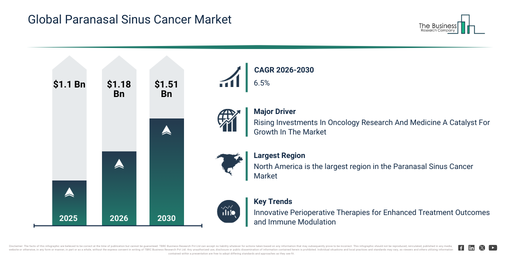
    The market size for paranasal sinus cancer has shown strong growth over recent years. It is projected to expand from $1.1 billion in 2025 to $1.18 billion in 2026, achieving a compound annual growth rate (CAGR) of 6.7%. The historical increase can be attributed to factors such as delayed diagnosis due to non-specific symptoms, restricted availability of specialized oncology centers, a dependency on conventional surgery and radiation therapy, insufficient awareness of rare sinonasal cancers, and disjointed diagnostic and referral pathways.

    The paranasal sinus cancer market size is anticipated to undergo significant expansion in the next few years, projected to reach $1.51 billion by 2030 with a compound annual growth rate (CAGR) of 6.5%. This growth throughout the forecast period can be attributed to advancements in targeted therapy and immunotherapy, the increasing adoption of AI-supported diagnostic imaging, rising investments in rare cancer research, the expansion of multidisciplinary cancer care models, and the growth of hospital-based oncology infrastructure. Key trends during this period include the increasing use of precision oncology approaches, the adoption of minimally invasive surgical techniques, the growth of multimodal treatment strategies, the expansion of advanced imaging for early diagnosis, and a rising focus on quality of life–centered cancer care.

    Download the Free Sample Report to Explore Key Market Insights:

    https://www.thebusinessresearchcompany.com/sample.aspx?id=21246&type=smp

    What Drivers Are Expected To Influence The Paranasal Sinus Cancer Market During The Forecast Period?

    The expansion of financial commitments within oncology research and medicine is anticipated to fuel the future growth of the paranasal sinus cancer market. Such investments encompass financial resources directed by various entities, including governments, drug manufacturers, research bodies, and private contributors, all aimed at enhancing the comprehension, prevention, detection, and therapeutic approaches for cancer. This uptick in funding is attributable to several factors: the escalating global incidence of cancer, breakthroughs in precision medicine, a rising need for novel treatments, an expansion in clinical trials, support from both public and private funding programs, and the creation of specialized and immune-based therapies. These investments significantly aid the paranasal sinus cancer sector by fostering progress in early detection, improving therapeutic choices like targeted and immunotherapy, financing clinical trials for more potent medications, bolstering pediatric cancer care facilities, and stimulating inventive research to deepen understanding of the disease’s biology and progression. As an illustration, in May 2024, data from IQVIA, an advanced analytics provider based in India, revealed that worldwide expenditure on cancer pharmaceuticals climbed to $223 billion in 2023, an increase of $25 billion from 2022, with projections indicating it will hit $409 billion by 2028. Consequently, the growing capital injection into oncology research and medicine is a key driver for the paranasal sinus cancer market.

    How Are The Various Segments Of The Paranasal Sinus Cancer Market Categorized?

    The paranasal sinus cancer market covered in this report is segmented –

    1) By Type: Squamous Cell Carcinoma, Adenocarcinoma, Mucoepidermoid Carcinoma, Other Types

    2) By Diagnosis: Medical History And Physical Examination, Imaging Tests, Biopsy, Other Diagnosis

    3) By Treatment: Surgery, Radiation Therapy, Chemotherapy, Targeted Therapy, Immunotherapy

    4) By End-User: Hospital And Clinics, Cancer Treatment And Research Center, Research Laboratories, Other End-Users

    Subsegments:

    1) By Squamous Cell Carcinoma: Keratinizing Squamous Cell Carcinoma, Non-Keratinizing Squamous Cell Carcinoma, Basaloid Squamous Cell Carcinoma

    2) By Adenocarcinoma: Intestinal-Type Adenocarcinoma, Non-Intestinal-Type Adenocarcinoma

    3) By Mucoepidermoid Carcinoma: Low-Grade Mucoepidermoid Carcinoma, Intermediate-Grade Mucoepidermoid Carcinoma, High-Grade Mucoepidermoid Carcinoma

    4) By Other Types: Sinonasal Undifferentiated Carcinoma, Neuroendocrine Carcinoma, Adenoid Cystic Carcinoma, Melanoma, Sarcomas, Lymphoma

    What Key Trends Are Influencing The Development Of The Paranasal Sinus Cancer Market?

    Leading firms in the paranasal sinus cancer market are prioritizing the creation of sophisticated innovations, such as perioperative chemo immunotherapy regimens, to achieve a competitive edge. This strategy integrates immune checkpoint inhibition (for instance, PD-1 antibodies) with conventional chemotherapy administered prior to surgery, with the goal of decreasing tumor burden and enhancing surgical results. As an illustration, Coherus Biosciences, a US-based biopharma company, commenced a Phase II trial in June 2025 involving toripalimab combined with carboplatin and docetaxel for individuals suffering from sinonasal cancers. This specific regimen presents benefits such as the potential for preoperative tumor shrinkage, continuous immune monitoring, and seamless integration into existing standard treatment pathways. This development has the potential to broaden the range of therapeutic options for uncommon paranasal sinus malignancies and enhance patient outcomes, although its long-term effectiveness and necessary regulatory approvals are still pending confirmation.

    Which Major Firms Influence Developments In The Paranasal Sinus Cancer Market?

    Major companies operating in the paranasal sinus cancer market are Bristol-Myers Squibb, Penn Medicine, MD Anderson Cancer Center, RWJBarnabas Health, Mayo Foundation for Medical Education and Research, Stanford Health Care, Memorial Sloan Kettering Cancer Center, Massachusetts General Hospital, The University of Chicago Medical Center, City of Hope, Moffitt Cancer Center, Northwestern Medicine, UK Markey Cancer Center, Karmanos Cancer Institute, Dana-Farber Cancer Institute Inc., VCU Massey Cancer Center, Vanderbilt-Ingram Cancer Center, Fulgent Pharma, Duke University Health System

    Read the full paranasal sinus cancer market report here:

    https://www.thebusinessresearchcompany.com/report/paranasal-sinus-cancer-global-market-report

    Which Region Is Forecast To Lead The Paranasal Sinus Cancer Market In Terms Of Market Size?

    North America was the largest region in the paranasal sinus cancer market in 2025. Asia-Pacific is expected to be the fastest-growing region in the forecast period. The regions covered in the paranasal sinus cancer market report are Asia-Pacific, South East Asia, Western Europe, Eastern Europe, North America, South America, Middle East, Africa.

    Request A Tailored Paranasal Sinus Cancer Market Research Report For Competitive Advantage:

    https://www.thebusinessresearchcompany.com/customise?id=21246&type=smp

    Browse Through More Reports Similar to the Global Paranasal Sinus Cancer Market 2026, By The Business Research Company

    Paraganglioma Global Market Report

    https://www.thebusinessresearchcompany.com/report/paraganglioma-global-market-report

    Anaplastic Astrocytoma Global Market Report

    https://www.thebusinessresearchcompany.com/report/anaplastic-astrocytoma-global-market-report

    Anaplastic Astrocytoma Global Market Report

    https://www.thebusinessresearchcompany.com/report/anaplastic-astrocytoma-global-market-report

    Get in touch with us:

    The Business Research Company: https://www.thebusinessresearchcompany.com/

    Americas +1 310-496-7795

    Asia +44 7882 955267 & +91 8897263534

    Europe +44 7882 955267

    Email us at info@tbrc.info

    Follow us on:

    LinkedIn: https://in.linkedin.com/company/the-business-research-company

    YouTube: https://www.youtube.com/channel/UC24_fI0rV8cR5DxlCpgmyFQ

    Global Market Model: https://www.thebusinessresearchcompany.com/global-market-model
  • Paraganglioma Market Future Outlook Showing Expansion Toward $3.76 Billion by 2030

    Paraganglioma Market Future Outlook Showing Expansion Toward $3.76 Billion by 2030

    The Business Research Company’s 2026 market reports include new capabilities such as market attractiveness scoring and analysis, total addressable market analysis, company scoring matrix, interactive excel data dashboard, improved supply chain analysis, upcoming startups in the market, and overview of key products, aimed at improving the depth, usability, and strategic value of the insights delivered.

    What Market Size Expansion Is Predicted For The Paraganglioma Market Between 2026 And 2030?

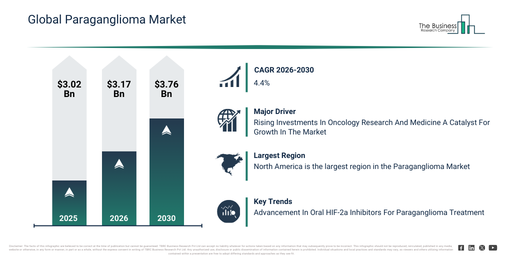
    The paraganglioma market has experienced consistent expansion in recent times. Projections indicate its value will increase from $3.02 billion in 2025 to $3.17 billion in 2026, demonstrating a compound annual growth rate (CAGR) of 4.7%. Historically, this expansion has been driven by factors such as limited access to ophthalmology specialists, a reliance on corticosteroid therapies, the absence of sophisticated diagnostic tools, inadequate awareness regarding panuveitis complications, and a fragmented treatment infrastructure.

    The paraganglioma market is projected to experience consistent expansion over the upcoming years. This market is anticipated to reach $3.76 billion by 2030, exhibiting a compound annual growth rate (CAGR) of 4.4%. This projected growth is driven by several factors, including developments in biologic and immunotherapy medications, a rise in autoimmune and infectious eye conditions, the expansion of teleophthalmology and digital observation methods, increased capital directed towards AI-powered diagnostic tools, and the broadening of hospital and specialized clinic distribution networks. Key trends anticipated during this period encompass a greater embrace of biologic and targeted treatments, the incorporation of teleophthalmology and distant monitoring, AI-supported diagnostic instruments for uveitis, the development of individualized eye care options, and the establishment of more specialized ophthalmology facilities.

    Download the Free Sample Report to Explore Key Market Insights:

    https://www.thebusinessresearchcompany.com/sample.aspx?id=21245&type=smp

    What Drivers Are Influencing The Paraganglioma Market?

    Increased financial commitments to oncology research and medicine are anticipated to fuel the expansion of the paraganglioma market in the future. These investments encompass funds from governmental bodies, pharmaceutical companies, research organizations, and private contributors, all aimed at advancing the understanding, prevention, diagnosis, and treatment of cancer. The growth in these investments is driven by factors such as the escalating global burden of cancer, progress in precision medicine, a rising demand for innovative therapies, the expansion of clinical trials, various government and private funding initiatives, and the development of targeted and immunotherapy treatments. For paraganglioma, these investments are crucial as they propel advancements in early diagnosis, enhance therapeutic options including targeted therapies and immunotherapy, fund clinical trials for more effective drugs, bolster pediatric cancer care infrastructure, and foster cutting-edge research to deepen understanding of the disease’s biology and progression. For example, according to IQVIA, an India-based information technology firm providing advanced analytics, global spending on cancer medicine increased to $223 billion in 2023, a $25 billion rise from 2022, and is projected to hit $409 billion by 2028, as reported in May 2024. Thus, the growing investments in oncology research and medicine are a significant driver for the paraganglioma market.

    Which Market Segments Are Examined In The Paraganglioma Market Study?

    The paraganglioma market covered in this report is segmented –

    1) By Type: Sympathetic Paragangliomas, Parasympathetic Paragangliomas, Carotid Paragangliomas, Cervical Paragangliomas, Jugular Paragangliomas, Secretory Paragangliomas, Temporal Paragangliomas

    2) By Origin: Head And Neck, Abdomen, Pelvis, Other Origins

    3) By Treatment Type: Peptide Receptor Radionuclide Therapy, Surgery, Chemotherapy, Radiation Therapy, Other Treatment Types

    4) By Distribution Channel: Hospital Pharmacies, Drug Stores And Retail Pharmacies, Online Pharmacies

    5) By End-User: Hospitals, Specialty Clinics, Cancer Research Institutes, Other End-Users

    Subsegments:

    1) By Sympathetic Paragangliomas: Adrenal Sympathetic Paragangliomas, Extra-Adrenal Sympathetic Paragangliomas

    2) By Parasympathetic Paragangliomas: Head And Neck Parasympathetic Paragangliomas, Thoracic Parasympathetic Paragangliomas

    3) By Carotid Paragangliomas: Unilateral Carotid Paragangliomas, Bilateral Carotid Paragangliomas

    4) By Cervical Paragangliomas: Vagal Paragangliomas, Hypoglossal Paragangliomas

    5) By Jugular Paragangliomas: Type A, Type B, Type C, Type D

    6) By Secretory Paragangliomas: Catecholamine-Secreting Paragangliomas, Non-Catecholamine-Secreting Paragangliomas

    7) By Temporal Paragangliomas: Tympanic Paragangliomas, Mastoid Paragangliomas

    What Key Trends Are Influencing The Development Of The Paraganglioma Market?

    Leading companies within the paraganglioma market are concentrating on developing advanced therapies, such as oral hypoxia-inducible factor-2 alpha (HIF-2a) inhibitors, to provide targeted treatment options for patients with paraganglioma. An oral HIF-2a inhibitor functions as a targeted therapy by suppressing HIF-2a activity, a crucial element in tumor growth under conditions of low oxygen, thereby assisting in slowing the progression of cancers like paraganglioma. For example, in January 2025, Merck, a US-based biopharmaceutical company, declared that its supplemental new drug application for Welireg (belzutifan) had been granted priority review by the U.S. Food and Drug Administration (FDA), a US-based government agency. This therapy is intended for adult and pediatric patients (12 years and older) suffering from advanced, unresectable, or metastatic pheochromocytoma and paraganglioma (PPGL). The sNDA’s foundation rests on objective response rate (ORR) and duration of response (DOR) data from the Phase 2 LITESPARK-015 trial.

    Who Are The Primary Competitors In The Paraganglioma Market?

    Major companies operating in the paraganglioma market are F. Hoffmann-La Roche Ltd., Merck & Co. Inc. , Mount Sinai, Penn Medicine, Stanford Health Care, St. Jude Children’s Research Hospital, UT Health San Antonio, The University of Chicago Medical Center, Fred Hutchinson Cancer Center, Florida Cancer Specialists & Research Institute, Invitae Corp., Clinigen Group plc, Fulgent Genetics, Dana-Farber Cancer Institute Inc., Oncology Hematology Care Inc., Enterome , National Institutes of Health Clinical Center, Progenics Pharmaceuticals Inc., Pheo Para Alliance, Saint John’s Cancer Institute

    Read the full paraganglioma market report here:

    https://www.thebusinessresearchcompany.com/report/paraganglioma-global-market-report

    Which Regions Are Expected To Experience Rapid Expansion In The Paraganglioma Market?

    North America was the largest region in the paraganglioma market in 2025. Asia-Pacific is expected to be the fastest-growing region in the forecast period. The regions covered in the paraganglioma market report are Asia-Pacific, South East Asia, Western Europe, Eastern Europe, North America, South America, Middle East, Africa.

    Request A Tailored Paraganglioma Market Research Report For Competitive Advantage:

    https://www.thebusinessresearchcompany.com/customise?id=21245&type=smp

    Browse Through More Reports Similar to the Global Paraganglioma Market 2026, By The Business Research Company

    Sinusitis Treatment Global Market Report

    https://www.thebusinessresearchcompany.com/report/sinusitis-treatment-global-market-report

    Pharyngitis Treatment Global Market Report

    https://www.thebusinessresearchcompany.com/report/pharyngitis-treatment-global-market-report

    Ocular Inflammation Treatment Global Market Report

    https://www.thebusinessresearchcompany.com/report/ocular-inflammation-treatment-global-market-report

    Get in touch with us:

    The Business Research Company: https://www.thebusinessresearchcompany.com/

    Americas +1 310-496-7795

    Asia +44 7882 955267 & +91 8897263534

    Europe +44 7882 955267

    Email us at info@tbrc.info

    Follow us on:

    LinkedIn: https://in.linkedin.com/company/the-business-research-company

    YouTube: https://www.youtube.com/channel/UC24_fI0rV8cR5DxlCpgmyFQ

    Global Market Model: https://www.thebusinessresearchcompany.com/global-market-model
  • Panuveitis Treatment Market Revenue Growth Expected to Reach $6.88 Billion by 2030 with 9.8% CAGR

    Panuveitis Treatment Market Revenue Growth Expected to Reach $6.88 Billion by 2030 with 9.8% CAGR

    The Business Research Company’s 2026 market reports include new capabilities such as market attractiveness scoring and analysis, total addressable market analysis, company scoring matrix, interactive excel data dashboard, improved supply chain analysis, upcoming startups in the market, and overview of key products, aimed at improving the depth, usability, and strategic value of the insights delivered.

    How Large Is The Panuveitis Treatment Market Projected To Become By 2030 Based On Its 2026 Valuation?

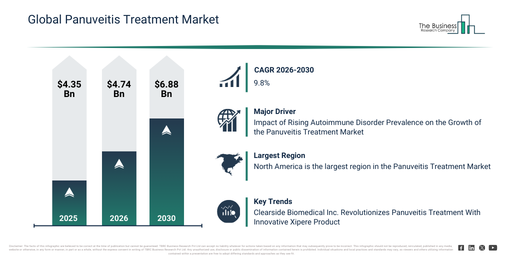
    The panuveitis treatment market size has demonstrated significant growth in recent years. It is forecast to expand from $4.35 billion in 2025 to $4.74 billion in 2026, achieving a compound annual growth rate (CAGR) of 8.8%. The expansion observed historically is attributable to several factors, including limited access to ophthalmology specialists, a reliance on corticosteroid therapies, a shortage of advanced diagnostic tools, insufficient awareness of panuveitis complications, and a fragmented treatment infrastructure.

    The panuveitis treatment market size is projected to undergo significant expansion in the forthcoming years. It is forecast to reach $6.88 billion by 2030, demonstrating a compound annual growth rate (CAGR) of 9.8%. This anticipated growth can be attributed to progress in biologic and immunotherapy medications, a rising occurrence of autoimmune and infectious eye conditions, the proliferation of teleophthalmology and digital monitoring, increasing investments in AI-based diagnostic solutions, and the broadening of hospital and specialty clinic distribution channels. Noteworthy trends during the forecast period include the increasing acceptance of biologic and targeted treatments, the incorporation of teleophthalmology and remote monitoring systems, AI-assisted diagnostic utilities for uveitis, the advancement of personalized eye care options, and the establishment of additional specialized ophthalmology centers.

    Download the Free Sample Report to Explore Key Market Insights:

    https://www.thebusinessresearchcompany.com/sample.aspx?id=13157&type=smp

    What Drivers Are Shaping The Future Growth Of The Panuveitis Treatment Market?

    The increasing prevalence of autoimmune disorders is anticipated to stimulate the expansion of the panuveitis treatment market in the future. Autoimmune disorders are becoming more common due to a blend of genetic predispositions, environmental elements like pollution and dietary changes, and greater exposure to certain infections and stressors that can trigger immune system imbalance. These conditions contribute to improvements in panuveitis treatment by encouraging research into immune system modulation, given that numerous instances of panuveitis are linked to autoimmune activity. For instance, in May 2023, according to the University of Oxford, a UK-based research university, autoimmune disorders affect 10% of the world’s population, with 13% of women and 7% of males affected. Consequently, the rising prevalence of autoimmune disorders is driving the growth of the panuveitis treatment market.

    What Segment Groups Are Identified Within The Panuveitis Treatment Market?

    The panuveitis treatment market covered in this report is segmented –

    1) By Drug Class: Anti-Inflammatory, Antimicrobial Drugs, Immunotherapy And Targeted Therapies

    2) By Route Of Administration: Oral, Topical

    3) By End Users: Hospitals, Home Care, Specialty Clinics, Other End Users

    Subsegments:

    1) By Anti-Inflammatory: Corticosteroids, Non-Steroidal Anti-Inflammatory Drugs (NSAIDs)

    2) By Antimicrobial Drugs: Antibiotics, Antifungal Agents, Antiviral Medications

    3) By Immunotherapy And Targeted Therapies: Biologic Agents, Janus Kinase (JAK) Inhibitors, Cytokine Modulators

    How Are Trends Impacting The Panuveitis Treatment Market?

    Leading firms within the panuveitis treatment market are prioritizing the creation of novel solutions, specifically oral dual TYK2/JAK1 inhibitors, to secure an edge over rivals. These small-molecule immunomodulators work by inhibiting numerous pro-inflammatory cytokine pathways, thereby diminishing intraocular inflammation and providing the ease of oral administration. A notable example is Priovant Therapeutics, a US-based biotech company, which reported in April 2024 that its oral medication, brepocitinib, designed to inhibit TYK2 and JAK1, demonstrated significant effectiveness in a phase 2 clinical trial for non-infectious uveitis, successfully decreasing macular edema in a number of patients. Primary benefits encompass wide-ranging cytokine suppression, convenient daily oral intake, and a decreased need for intravitreal injections. Nevertheless, associated risks involve potential systemic immunosuppression and unintended off-target effects, necessitating diligent long-term oversight.

    Which Companies Hold Significant Positions In The Panuveitis Treatment Market?

    Major companies operating in the panuveitis treatment market are Pfizer Inc., Johnson and Johnson Pvt. Ltd., Bausch Health Companies Inc., AbbVie Inc., Novartis AG, Allergan Inc., Regeneron Pharmaceuticals Inc., Santen Pharmaceutical Co. Ltd., Ocular Therapeutix Inc., EyeGate Pharmaceuticals Inc., Eyepoint Pharmaceuticals Inc., Graybug Vision Inc., Aciont Inc., Clearside Biomedical Inc., Aldeyra Therapeutics Inc., UCB S.A., Amgen Inc., Sanofi S.A., Galapagos NV, Kiora Pharmaceuticals Inc., ONL Therapeutics, Eyevensys, Nicox S.A., Abbott Laboratories

    Read the full panuveitis treatment market report here:

    https://www.thebusinessresearchcompany.com/report/panuveitis-treatment-global-market-report

    Which Geographic Regions Are Influencing Demand In The Panuveitis Treatment Market?

    North America was the largest region in the panuveitis treatment market in 2025. The regions covered in the panuveitis treatment market report are Asia-Pacific, South East Asia, Western Europe, Eastern Europe, North America, South America, Middle East, Africa.

    Request A Tailored Panuveitis Treatment Market Research Report For Competitive Advantage:

    https://www.thebusinessresearchcompany.com/customise?id=13157&type=smp

    Browse Through More Reports Similar to the Global Panuveitis Treatment Market 2026, By The Business Research Company

    Dermatitis Drugs Global Market Report

    https://www.thebusinessresearchcompany.com/report/dermatitis-drugs-global-market-report

    Acute Pancreatitis Global Market Report

    https://www.thebusinessresearchcompany.com/report/acute-pancreatitis-global-market-report

    Scleroderma Global Market Report

    https://www.thebusinessresearchcompany.com/report/scleroderma-global-market-report

    Get in touch with us:

    The Business Research Company: https://www.thebusinessresearchcompany.com/

    Americas +1 310-496-7795

    Asia +44 7882 955267 & +91 8897263534

    Europe +44 7882 955267

    Email us at info@tbrc.info

    Follow us on:

    LinkedIn: https://in.linkedin.com/company/the-business-research-company

    YouTube: https://www.youtube.com/channel/UC24_fI0rV8cR5DxlCpgmyFQ

    Global Market Model: https://www.thebusinessresearchcompany.com/global-market-model
  • Panuveitis Market Expected to Record Steady Growth and Approach $7.14 Billion by 2030

    Panuveitis Market Expected to Record Steady Growth and Approach $7.14 Billion by 2030

    The Business Research Company’s 2026 market reports include new capabilities such as market attractiveness scoring and analysis, total addressable market analysis, company scoring matrix, interactive excel data dashboard, improved supply chain analysis, upcoming startups in the market, and overview of key products, aimed at improving the depth, usability, and strategic value of the insights delivered.

    What Market Value Is Anticipated For The Panuveitis Market Over The Period 2026–2030?

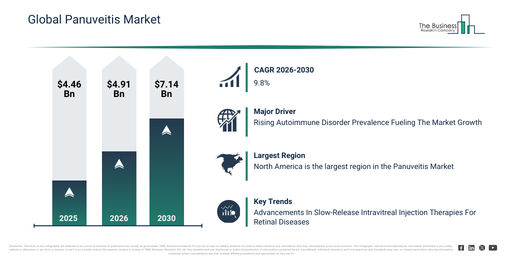
    The panuveitis market size has experienced rapid expansion in recent years. It is projected to expand from $4.46 billion in 2025 to $4.91 billion in 2026, demonstrating a compound annual growth rate (CAGR) of 10.1%. Historically, this growth can be linked to factors such as restricted knowledge of panuveitis, dependence on traditional corticosteroid treatments, inadequate access to ophthalmology experts, a disjointed treatment framework, and the sluggish uptake of diagnostic imaging technologies.

    The panuveitis market size is anticipated to experience substantial growth in the upcoming years. It is projected to expand to $7.14 billion by 2030, achieving a compound annual growth rate (CAGR) of 9.8%. This expansion during the forecast period is primarily driven by progress in biologics and immunomodulatory medications, the increasing prevalence of autoimmune and infectious eye conditions, the development of teleophthalmology services, rising investments in AI-assisted diagnostic tools, and the broadening of hospital and retail pharmacy distribution channels. Significant trends expected during this period include the wider adoption of targeted biologic therapies, increased application of teleophthalmology and remote monitoring, the integration of AI-based diagnostic solutions for eye inflammation, the evolution of personalized treatment methodologies, and the proliferation of specialized ophthalmology centers.

    Download the Free Sample Report to Explore Key Market Insights:

    https://www.thebusinessresearchcompany.com/sample.aspx?id=21244&type=smp

    Which Economic Or Industry Drivers Are Impacting The Panuveitis Market?

    The increasing incidence of autoimmune conditions is anticipated to boost the expansion of the panuveitis market in the future. These conditions arise when the immune system incorrectly targets and damages the body’s own healthy cells and tissues. The growing prevalence of autoimmune diseases is attributable to a combination of genetic predispositions, environmental factors such as pollution and dietary changes, and increased exposure to specific infections and stressors that can trigger immune system dysregulation. Autoimmune disorders contribute to advancements in panuveitis treatment by driving research into immune system modulation, as many panuveitis cases are related to autoimmune activity. For instance, in May 2023, according to the University of Oxford, a UK-based research university, autoimmune disorders affect 10% of the world’s population, with 13% of women and 7% of males affected. Therefore, the rising prevalence of autoimmune disorders is driving the growth of the panuveitis market.

    How Is The Panuveitis Market Divided Into Its Major Segments?

    The panuveitis market covered in this report is segmented –

    1) By Type: Infectious Panuveitis, Non-Infectious Panuveitis

    2) By Treatment: Pharmacological, Surgical, Phototherapy

    3) By Route Of Administration: Oral, Intravitreal, Topical

    4) By Distribution Channel: Hospital Pharmacies, Retail Pharmacies, Online Pharmacies

    Subsegments:

    1) By Infectious Panuveitis: Bacterial Panuveitis, Viral Panuveitis, Fungal Panuveitis, Parasitic Panuveitis

    2) By Non-Infectious Panuveitis: Autoimmune-Related Panuveitis, Idiopathic Panuveitis, Drug-Induced Panuveitis

    What Industry Trends Are Redefining The Panuveitis Market?

    Leading companies within the panuveitis market are concentrating on creating advanced products, like oral TYK2/JAK-1 inhibitors, to secure a competitive edge. These substances are small-molecule immunomodulators designed to obstruct inflammatory signaling pathways through the inhibition of both TYK2 and JAK-1 kinases, consequently lessening cytokine-driven inflammation in the eye. As an illustration, Roivant Sciences, a US-based biopharma company, disclosed encouraging mid-stage clinical results for brepocitinib from its NEPTUNE study concerning non-infectious uveitis (encompassing panuveitis) in April 2024. The medication demonstrated effectiveness in diminishing inflammation and macular edema, was well-tolerated, and presented no novel safety concerns. Concurrently, Alumis, a US biotherapeutic company, commenced dosing in June 2023 for its Phase 2 proof-of-concept ESK-001 trial targeting non-infectious uveitis, including panuveitis; this particular molecule is highly selective, orally bioavailable, and engineered to reduce off-target effects through allosteric TYK2 inhibition.

    Who Are The Prominent Organizations Shaping The Panuveitis Market?

    Major companies operating in the panuveitis market are Pfizer Inc., AbbVie, Amgen, Mallinckrodt plc, EyePoint Pharmaceuticals Inc., Clearside Biomedical Inc., pSivida Corp., Santen Pharmaceutical Co Ltd, Alimera Sciences Inc, Novartis AG, F Hoffmann-La Roche AG, Regeneron Pharmaceuticals Inc, Sanofi S A, Bausch Health Companies Inc, Johnson & Johnson, UCB SA, Aldeyra Therapeutics Inc, Kiora Pharmaceuticals Inc, Lux Biosciences Inc, Aciont Inc, Sirion Therapeutics Inc, EyeGate Pharmaceuticals Inc, Oculis Pharma AG, Alcon Inc, Sun Pharmaceutical Industries Ltd, Aerie Pharmaceuticals Inc.

    Read the full panuveitis market report here:

    https://www.thebusinessresearchcompany.com/report/panuveitis-global-market-report

    What Are The Top-Performing Regions Within The Panuveitis Market?

    North America was the largest region in the panuveitis market in 2025. The regions covered in the panuveitis market report are Asia-Pacific, South East Asia, Western Europe, Eastern Europe, North America, South America, Middle East, Africa.

    Request A Tailored Panuveitis Market Research Report For Competitive Advantage:

    https://www.thebusinessresearchcompany.com/customise?id=21244&type=smp

    Browse Through More Reports Similar to the Global Panuveitis Market 2026, By The Business Research Company

    Generalized Anxiety Disorder Global Market Report

    https://www.thebusinessresearchcompany.com/report/generalized-anxiety-disorder-global-market-report

    Major Depressive Disorder Global Market Report

    https://www.thebusinessresearchcompany.com/report/major-depressive-disorder-global-market-report

    Mental Health Global Market Report

    https://www.thebusinessresearchcompany.com/report/mental-health-global-market-report

    Get in touch with us:

    The Business Research Company: https://www.thebusinessresearchcompany.com/

    Americas +1 310-496-7795

    Asia +44 7882 955267 & +91 8897263534

    Europe +44 7882 955267

    Email us at info@tbrc.info

    Follow us on:

    LinkedIn: https://in.linkedin.com/company/the-business-research-company

    YouTube: https://www.youtube.com/channel/UC24_fI0rV8cR5DxlCpgmyFQ

    Global Market Model: https://www.thebusinessresearchcompany.com/global-market-model
  • Panic Disorders Industry Expansion Forecast Showing Market Size of $14.99 Billion by 2030 at 6.3% CAGR

    Panic Disorders Industry Expansion Forecast Showing Market Size of $14.99 Billion by 2030 at 6.3% CAGR

    The Business Research Company’s 2026 market reports include new capabilities such as market attractiveness scoring and analysis, total addressable market analysis, company scoring matrix, interactive excel data dashboard, improved supply chain analysis, upcoming startups in the market, and overview of key products, aimed at improving the depth, usability, and strategic value of the insights delivered.

    What Is The Expected Market Size Of The Panic Disorders Market From 2026 To 2030?

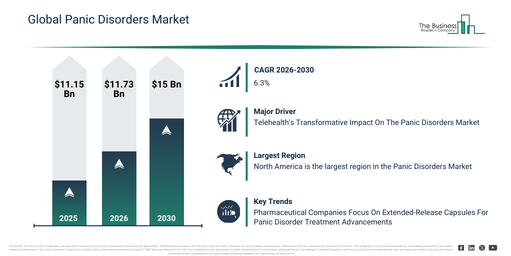
    The panic disorders market has experienced robust expansion in recent years. Projections indicate it will increase from $11.15 billion in 2025 to $11.73 billion by 2026, demonstrating a compound annual growth rate (CAGR) of 5.3%. The expansion observed during the historic period is linked to factors such as limited public understanding of panic disorders, a prevailing dependence on conventional in-person therapeutic approaches, expensive medication costs, a disjointed mental healthcare system, and minimal uptake of digital therapy instruments.

    The panic disorders market is poised for robust expansion in the coming years. This market is projected to reach $15 billion by 2030, exhibiting a compound annual growth rate (CAGR) of 6.3%. The anticipated growth during this period stems from factors such as the increasing occurrence of anxiety and panic disorders, a rise in telepsychiatry adoption, developments in virtual reality and neurofeedback treatments, the broadening of online pharmacy and hospital distribution networks, and a growing need for customized mental healthcare strategies. Key trends anticipated during the forecast period encompass an uptick in telepsychiatry and mobile mental health app usage, the incorporation of virtual reality therapy for anxiety conditions, wider application of biofeedback and neurofeedback methods, an increase in personalized medication protocols for panic disorders, and the expansion of mental healthcare centers and hospital provisions.

    Download the Free Sample Report to Explore Key Market Insights:

    https://www.thebusinessresearchcompany.com/sample.aspx?id=13191&type=smp

    What Major Drivers Are Influencing Demand In The Panic Disorders Market?

    The expanding adoption of telehealth is projected to advance the growth of the panic disorders market. Telehealth leverages electronic communication technologies, such as videoconferencing, phone calls, and secure messaging, to offer remote healthcare services and medical consultations. It facilitates psychotherapy and counseling services for individuals with panic disorders, allowing therapists to conduct individual therapy, group therapy, or support groups via secure videoconferencing platforms. For instance, in April 2023, FAIR Health Inc., a US-based non-profit organization, observed a 7.3% national rise in telehealth usage, increasing from 5.5% of medical claim lines in December 2022 to 5.9% in January 2023. Thus, the escalating utilization of telehealth is stimulating the growth of the panic disorders market.

    Which Segments Are Included In The Analysis Of The Panic Disorders Market?

    The panic disorders market covered in this report is segmented –

    1) By Treatment Type: Pharmacotherapies, Psychotherapeutic Interventions, Digital Or Tech-Enabled Therapies

    2) By Disorder Type: Panic Disorder Without Agoraphobia, Panic Disorder With Agoraphobia, Mild Panic Disorder, Moderate Panic Disorder, Severe Panic Disorder, Panic Disorder With Comorbidities

    3) By Age Group: Children And Adolescents, Adults, Elderly

    4) By End User: Hospitals, Specialty Mental Health Clinics, Primary Care Clinics, Telehealth And Digital Platforms, Home Healthcare Services

    Subsegments:

    1) By Pharmacotherapies: Antidepressants, Benzodiazepines, Beta-Blockers

    2) By Psychotherapeutic Interventions: Cognitive Behavioral Therapy (CBT), Exposure Therapy, Psychodynamic Therapy, Group And Family Therapy

    3) By Digital Or Tech-Enabled Therapies: Mental Health Apps, Telepsychiatry Or Teletherapy, Virtual CBT Programs

    What Key Developments And Trends Are Impacting The Panic Disorders Market?

    Leading companies in the panic disorder market are concentrating on creating innovative medications, such as extended-release capsules, to maintain their market standing. Extended-release capsules are a type of drug designed to gradually release their active component, usually over 12 or 24 hours, suitable for managing long-term conditions. An example is Granules India Ltd., an Indian pharmaceutical firm, which secured abbreviated new drug application (ANDA) approval for venlafaxine hydrochloride extended-release capsules from the US Food & Drug Administration (USFDA) in May 2023. This product showed bioequivalence with the reference-listed drug (RLD), Effexor XR Extended-Release Capsules, produced by Upjohn US 2 LLC. Venlafaxine HCl extended-release capsules are prescribed for the treatment of conditions such as generalized anxiety disorder (GAD), major depressive disorder (MDD), panic disorder (PD), and social anxiety disorder (SAD). Their mechanism involves elevating serotonin and norepinephrine levels in the brain, with an initial dosage typically set at 75 mg daily, adjustable by the physician as required.

    Which Key Industry Participants Are Active In The Panic Disorders Market?

    Major companies operating in the panic disorders market are F. Hoffmann-La Roche Ltd, Sanofi S.A, Bristol-Myers Squibb Company, AstraZeneca plc, Abbott Laboratories, GlaxoSmithKline plc, Eli Lilly and Company, Boehringer Ingelheim International GmbH, Teva Pharmaceutical Industries Ltd, Mylan N.V., Pfizer Inc, Sun Pharmaceutical Industries Ltd, H. Lundbeck A/S, Neurocrine Biosciences Inc, Neuraxpharm, Actavis Plc, Sumitomo Pharma Co Ltd, LIFECARE NEURO PRODUCTS LTD, Merck & Co Inc, Johnson & Johnson, Novartis AG, Otsuka Pharmaceutical Co Ltd.

    Read the full panic disorders market report here:

    https://www.thebusinessresearchcompany.com/report/panic-disorders-global-market-report

    Which Region Shows The Strongest Potential For Future Growth In The Panic Disorders Market?

    North America was the largest region in the panic disorders market in 2025. Asia Pacific is expected to be the fastest-growing region in the forecast period. The regions covered in the panic disorders market report are Asia-Pacific, South East Asia, Western Europe, Eastern Europe, North America, South America, Middle East, Africa.

    Request A Tailored Panic Disorders Market Research Report For Competitive Advantage:

    https://www.thebusinessresearchcompany.com/customise?id=13191&type=smp

    Browse Through More Reports Similar to the Global Panic Disorders Market 2026, By The Business Research Company

    Generalized Anxiety Disorder Global Market Report

    https://www.thebusinessresearchcompany.com/report/generalized-anxiety-disorder-global-market-report

    Migraine Treatment Global Market Report

    https://www.thebusinessresearchcompany.com/report/migraine-treatment-global-market-report

    Catalepsy Treatment Global Market Report

    https://www.thebusinessresearchcompany.com/report/catalepsy-treatment-global-market-report

    Get in touch with us:

    The Business Research Company: https://www.thebusinessresearchcompany.com/

    Americas +1 310-496-7795

    Asia +44 7882 955267 & +91 8897263534

    Europe +44 7882 955267

    Email us at info@tbrc.info

    Follow us on:

    LinkedIn: https://in.linkedin.com/company/the-business-research-company

    YouTube: https://www.youtube.com/channel/UC24_fI0rV8cR5DxlCpgmyFQ

    Global Market Model: https://www.thebusinessresearchcompany.com/global-market-model
  • Panic Attack Treatment Market Revenue Expected to Reach $7.96 Billion by 2030 with 17.3% CAGR

    Panic Attack Treatment Market Revenue Expected to Reach $7.96 Billion by 2030 with 17.3% CAGR

    The Business Research Company’s 2026 market reports include new capabilities such as market attractiveness scoring and analysis, total addressable market analysis, company scoring matrix, interactive excel data dashboard, improved supply chain analysis, upcoming startups in the market, and overview of key products, aimed at improving the depth, usability, and strategic value of the insights delivered.

    What Market Valuation Is Forecasted For The Panic Attack Treatment Market By 2030 Starting From Its 2026 Size?

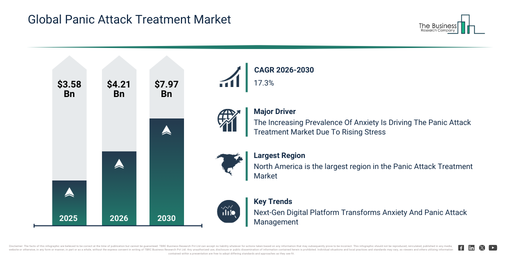
    The panic attack treatment market size has experienced swift expansion in recent years. It is projected to grow from $3.58 billion in 2025 to $4.21 billion in 2026, achieving a compound annual growth rate (CAGR) of 17.6%. Historically, the market’s growth was shaped by factors such as limited understanding of panic attack treatments, a reliance on traditional in-person therapy, the high cost of specialized medications, a fragmented mental healthcare infrastructure, and low adoption rates for digital therapy tools.

    The market for panic attack treatments is projected to experience swift expansion over the coming years. This market is anticipated to reach $7.97 billion by 2030, exhibiting a compound annual growth rate (CAGR) of 17.3%. Factors contributing to this growth during the forecast period include the greater adoption of telehealth platforms, the rise of virtual reality and digital therapeutics, the increasing occurrence of anxiety and panic disorders, progress in personalized medicine, and the broadening of online pharmacy and hospital distribution networks. Key trends observed within the forecast timeframe encompass the growing embrace of telepsychiatry and mobile health applications, the incorporation of virtual reality therapy specifically for panic disorders, the increased application of neurofeedback and biofeedback methods, the development of individualized medication plans, and the enlargement of mental healthcare centers and hospital services.

    Download the Free Sample Report to Explore Key Market Insights:

    https://www.thebusinessresearchcompany.com/sample.aspx?id=24356&type=smp

    Which Market Drivers Are Supporting The Expansion Of The Panic Attack Treatment Market?

    The rising occurrence of anxiety is anticipated to propel growth within the panic attack treatment market moving forward. Anxiety is a mental health condition characterized by persistent feelings of worry, nervousness, and fear, often accompanied by physical symptoms such as restlessness, rapid heartbeat, and difficulty concentrating. The demands of contemporary life contribute to escalating anxiety levels by creating continuous pressure for productivity, financial stability, and social success, leaving minimal time for rest or emotional recovery. Panic attack treatment addresses anxiety by offering effective solutions to alleviate symptoms, improve emotional well-being, and assist individuals in regaining control of their lives through personalized and timely interventions. For instance, in May 2024, according to the American Psychiatric Association (APA), a US-based medical specialty society representing psychiatrists nationwide, a growing percentage of U.S. adults report feeling more anxious, with 43% in 2024 expressing higher anxiety levels compared to 37% in 2023 and 32% in 2022. Therefore, the increasing prevalence of anxiety is driving the panic attack treatment market.

    Which Segment Categories Define The Panic Attack Treatment Market?

    The panic attack treatment market covered in this report is segmented –

    1) By Treatment Type: Cognitive Behavioral Therapy (CBT), Medications, Other Treatment Types

    2) By Drug Class: Antidepressants, Anti-Anxiety Drugs, Calcitonin Gene-Related Peptide (CGRP) Antagonists, Other Drug Classes

    3) By Route Of Administration: Oral, Sublingual, Other Routes Of Administration

    4) By Distribution Channel: Hospital Pharmacies, Retail Pharmacies, Online Pharmacies

    5) By Application: Hospitals, Mental Healthcare Centers, Other Applications

    Subsegments:

    1) By Cognitive Behavioral Therapy (CBT): Exposure Therapy, Dialectical Behavior Therapy (DBT), Acceptance And Commitment Therapy (ACT), Mindfulness-Based Cognitive Therapy (MBCT), Rational Emotive Behavior Therapy (REBT)

    2) By Medications: Beta Blockers, Buspirone, Anticonvulsants, Atypical Antipsychotics, Herbal And Natural Supplements

    3) By Other Treatment Types: Telepsychiatry, Biofeedback And Neurofeedback, Virtual Reality Therapy, Mobile Health Applications, Support Groups And Counseling Services

    What Trends Are Projected To Affect The Panic Attack Treatment Market?

    Companies operating in the panic attack treatment market are increasingly focusing on medical technology advancements, such as digital anxiety relief platforms, to improve the management of anxiety and panic attacks through accessible, technology-driven solutions. Digital anxiety relief platforms are technology-based applications or services designed to help individuals manage and reduce anxiety, offering tools like guided meditation, cognitive behavioral therapy modules, mood tracking, and relaxation exercises. For instance, in October 2024, CalmiGo, a US-based mental health startup, launched CalmiGo Plus, an advanced digital platform developed to assist users in managing anxiety and panic attacks more effectively. This platform features a patented, sensor-based exhaler device and a companion mobile application that utilizes gamification and personalized therapeutic techniques to enhance mental health outcomes. This innovation allows users to experience immediate, drug-free relief while also monitoring their progress over time, signifying a major leap forward in accessible and data-driven anxiety treatment solutions.

    Who Are The Top Companies Competing In The Panic Attack Treatment Market?

    Major companies operating in the panic attack treatment market are Pfizer Inc., Johnson & Johnson Services Inc., F. Hoffmann-La Roche Ltd., Sanofi S.A., AstraZeneca Plc, Novartis AG, GlaxoSmithKline plc, Takeda Pharmaceutical Company Limited, Eli Lilly and Company, Viatris Inc., Teva Pharmaceutical Industries Ltd., Sun Pharmaceutical Industries Ltd., Sumitomo Dainippon Pharma, Lundbeck A/S, Torrent Pharmaceuticals Ltd., Merck & Co Inc., Bristol-Myers Squibb Company, Otsuka Pharmaceutical Co Ltd, Boehringer Ingelheim International GmbH, Allergan plc, Alkermes plc, Jazz Pharmaceuticals plc, Bayer AG, Amgen Inc., Cipla Limited

    Read the full panic attack treatment market report here:

    https://www.thebusinessresearchcompany.com/report/panic-attack-treatment-global-market-report

    How Is The Panic Attack Treatment Market Distributed Across Key Geographic Regions?

    North America was the largest region in the panic attack treatment market in 2025. Asia-Pacific is expected to be the fastest-growing region in the forecast period. The regions covered in the panic attack treatment market report are Asia-Pacific, South East Asia, Western Europe, Eastern Europe, North America, South America, Middle East, Africa.

    Request A Tailored Panic Attack Treatment Market Research Report For Competitive Advantage:

    https://www.thebusinessresearchcompany.com/customise?id=24356&type=smp

    Browse Through More Reports Similar to the Global Panic Attack Treatment Market 2026, By The Business Research Company

    Pancreatic Cancer Drugs Global Market Report

    https://www.thebusinessresearchcompany.com/report/pancreatic-cancer-drugs-global-market-report

    Digestive Enzyme Global Market Report

    https://www.thebusinessresearchcompany.com/report/digestive-enzyme-global-market-report

    Pancreatic Cancer Diagnostic Global Market Report

    https://www.thebusinessresearchcompany.com/report/pancreatic-cancer-diagnostic-global-market-report

    Get in touch with us:

    The Business Research Company: https://www.thebusinessresearchcompany.com/

    Americas +1 310-496-7795

    Asia +44 7882 955267 & +91 8897263534

    Europe +44 7882 955267

    Email us at info@tbrc.info

    Follow us on:

    LinkedIn: https://in.linkedin.com/company/the-business-research-company

    YouTube: https://www.youtube.com/channel/UC24_fI0rV8cR5DxlCpgmyFQ

    Global Market Model: https://www.thebusinessresearchcompany.com/global-market-model
  • Global Pancreatic Enzyme Replacement Market Set for Strong Expansion Reaching $7.53 Billion by 2030 at 7.5% CAGR

    Global Pancreatic Enzyme Replacement Market Set for Strong Expansion Reaching $7.53 Billion by 2030 at 7.5% CAGR

    The Business Research Company’s 2026 market reports include new capabilities such as market attractiveness scoring and analysis, total addressable market analysis, company scoring matrix, interactive excel data dashboard, improved supply chain analysis, upcoming startups in the market, and overview of key products, aimed at improving the depth, usability, and strategic value of the insights delivered.

    How Is The Market Size Of The Pancreatic Enzyme Replacement Market Expected To Change Between 2026 And 2030?

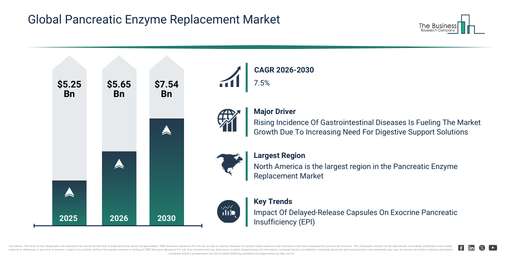
    The pancreatic enzyme replacement market size has demonstrated strong growth in recent years. This market is projected to expand from $5.25 billion in 2025 to $5.65 billion in 2026, achieving a compound annual growth rate (CAGR) of 7.7%. The growth observed in the past can be attributed to several factors, including the limited availability of synthetic enzyme formulations, a reliance on porcine-derived enzymes, low awareness regarding enzyme replacement therapy, a distribution model primarily centered in hospitals, and fragmented supply chains.

    The pancreatic enzyme replacement market is projected to experience substantial growth in the upcoming years. It is forecast to expand to $7.54 billion by 2030, demonstrating a compound annual growth rate (CAGR) of 7.5%. This anticipated growth can be attributed to the rising application of microbial and recombinant-derived enzymes, an increase in the patient base with chronic pancreatitis and cystic fibrosis, the expansion of home healthcare services, a surge in oral and delayed-release formulations, and the integration of digital monitoring and dosage optimization. Significant trends during the forecast period involve the increasing embrace of personalized enzyme therapy, the incorporation of AI for dosage optimization, the proliferation of oral powder and capsule formulations, a growing demand for home healthcare enzyme solutions, and the broadening of hospital and clinic distribution channels.

    Download the Free Sample Report to Explore Key Market Insights:

    https://www.thebusinessresearchcompany.com/sample.aspx?id=24355&type=smp

    What Underlying Factors Are Accelerating The Growth Of The Pancreatic Enzyme Replacement Market?

    The growing occurrence of gastrointestinal illnesses is anticipated to drive the expansion of the pancreatic enzyme replacement market moving forward. Gastrointestinal diseases are conditions that impact the digestive tract, including the esophagus, stomach, intestines, liver, pancreas, and gallbladder, manifesting as symptoms such as abdominal pain, bloating, diarrhea, and constipation. The heightened incidence of gastrointestinal diseases primarily results from inadequate dietary habits, as increased consumption of processed foods, insufficient fiber intake, and high-fat diets can compromise gut health and contribute to issues like acid reflux, irritable bowel syndrome, and inflammatory bowel disease. Pancreatic enzyme replacement aids in managing gastrointestinal diseases by enhancing nutrient absorption and digestion, thereby easing symptoms such as malnutrition, bloating, and steatorrhea, which are often linked with pancreatic insufficiency. For instance, in December 2023, according to the IBD Registry, a UK-based non-profit organization, the number of individuals with inflammatory bowel disease (IBD) surpassed 5,300, marking an increase of over 3,000 members compared to 2022. Therefore, the rising incidence of gastrointestinal diseases is stimulating the growth of the pancreatic enzyme replacement market.

    How Is The Pancreatic Enzyme Replacement Market Structured Across Different Segments?

    The pancreatic enzyme replacement market covered in this report is segmented –

    1) By Product Type: Tablets, Capsules, Powders, Other Product Types

    2) By Source Of Enzymes: Porcine-Derived Enzymes, Microbial-Derived Enzymes, Recombinant-Derived Enzymes

    3) By Application: Chronic Pancreatitis, Cystic Fibrosis, Pancreatic Cancer, Other Applications

    4) By Distribution Channel: Hospital Pharmacies, Retail Pharmacies, Online Pharmacies, Other Distribution Channels

    5) By End-User: Hospitals, Clinics, Home Healthcare

    Subsegments:

    1) By Tablets: Film-Coated Tablets, Chewable Tablets, Extended-Release Tablets

    2) By Capsules: Gel Capsules, Liquid-Filled Capsules, Delayed-Release Capsules

    3) By Powders: Oral Powder, Sachets

    4) By Other Product Types: Enzyme Suspensions, Oral Solutions

    Which Upcoming Trends Are Expected To Influence The Pancreatic Enzyme Replacement Market?

    Key companies within the pancreatic enzyme replacement market are prioritizing the development of innovative formulas, such as delayed-release capsules, to enhance enzyme stability and boost therapeutic effectiveness for individuals with pancreatic insufficiency. Delayed-release capsules are engineered to release their contents at a specific point or time in the digestive system, thereby facilitating pancreatic enzyme replacement by ensuring enzymes are liberated in the small intestine, where they can assist digestion, while circumventing the stomach’s acidic environment that would otherwise render them inactive. For instance, in March 2025, Adalvo Limited, a pharmaceutical manufacturing firm based in Malta, unveiled its Pancreatin Delayed-Release Capsules. These capsules are specifically designed to improve enzyme stability and enhance therapeutic efficacy for patients experiencing exocrine pancreatic insufficiency (EPI). Their formulation ensures the release of their contents in the small intestine, allowing pancreatic enzymes to effectively aid digestion, while bypassing the stomach’s acidic conditions that would degrade them. This advancement aims to fulfill a significant need for patients afflicted with conditions like chronic pancreatitis, cystic fibrosis, and those who have undergone pancreatectomy.

    Which Major Players Dominate The Pancreatic Enzyme Replacement Market?

    Major companies operating in the pancreatic enzyme replacement market are Johnson & Johnson, Abbott Laboratories, Viatris Inc., Nestlé Health Science S.A., Chiesi Farmaceutici S.p.A., Now Health Group Inc., AzurRx BioPharma Inc., Nordmark Arzneimittel GmbH & Co. KG, Alcresta Therapeutics Inc., Perseo Pharma AG, Digestive Care Inc., Anagram Therapeutics Inc., Entero Therapeutics Inc., Sun Pharmaceutical Industries Ltd, Laboratoires Mayoly Spindler, Recordati S.p.A., Synmosa Biopharma Corporation, Dr Falk Pharma GmbH, Enzymedica Inc., VIVUS Inc., Pharming Group NV, Dr Reddy’s Laboratories, Teva Pharmaceutical Industries Ltd, AstraZeneca plc, Bausch Health Companies Inc

    Read the full pancreatic enzyme replacement market report here:

    https://www.thebusinessresearchcompany.com/report/pancreatic-enzyme-replacement-global-market-report

    Which Region Is Projected To Dominate The Pancreatic Enzyme Replacement Market During The Forecast Period?

    North America was the largest region in the pancreatic enzyme replacement market in 2025. Asia-Pacific is expected to be the fastest-growing region in the forecast period. The regions covered in the pancreatic enzyme replacement market report are Asia-Pacific, South East Asia, Western Europe, Eastern Europe, North America, South America, Middle East, Africa.

    Request A Tailored Pancreatic Enzyme Replacement Market Research Report For Competitive Advantage:

    https://www.thebusinessresearchcompany.com/customise?id=24355&type=smp

    Browse Through More Reports Similar to the Global Pancreatic Enzyme Replacement Market 2026, By The Business Research Company

    Invasive Ductal Carcinoma Therapeutics Global Market Report

    https://www.thebusinessresearchcompany.com/report/invasive-ductal-carcinoma-therapeutics-global-market-report

    Pancreatic Cancer Drugs Global Market Report

    https://www.thebusinessresearchcompany.com/report/pancreatic-cancer-drugs-global-market-report

    Cancer Diagnostics Global Market Report

    https://www.thebusinessresearchcompany.com/report/cancer-diagnostics-global-market-report

    Get in touch with us:

    The Business Research Company: https://www.thebusinessresearchcompany.com/

    Americas +1 310-496-7795

    Asia +44 7882 955267 & +91 8897263534

    Europe +44 7882 955267

    Email us at info@tbrc.info

    Follow us on:

    LinkedIn: https://in.linkedin.com/company/the-business-research-company

    YouTube: https://www.youtube.com/channel/UC24_fI0rV8cR5DxlCpgmyFQ

    Global Market Model: https://www.thebusinessresearchcompany.com/global-market-model
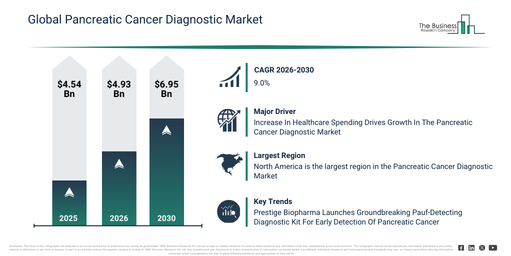
  • Pancreatic Cancer Diagnostic Market Growth Expected to Reach $6.95 Billion by 2030 with 9% CAGR

    Pancreatic Cancer Diagnostic Market Growth Expected to Reach $6.95 Billion by 2030 with 9% CAGR

    The Business Research Company’s 2026 market reports include new capabilities such as market attractiveness scoring and analysis, total addressable market analysis, company scoring matrix, interactive excel data dashboard, improved supply chain analysis, upcoming startups in the market, and overview of key products, aimed at improving the depth, usability, and strategic value of the insights delivered.

    What Is The Market Size Of The Pancreatic Cancer Diagnostic Market In 2026 And What Value Is Projected For 2030?

    The pancreatic cancer diagnostic market has experienced substantial growth in its size over recent years. It is projected to expand from $4.54 billion in 2025 to $4.93 billion by 2026, achieving a compound annual growth rate (CAGR) of 8.6%. Historically, this expansion can be linked to several factors, including the restricted availability of advanced diagnostic instruments, a reliance on conventional imaging and biopsy techniques, low rates of early detection, fragmented diagnostic service provision, and a diagnostic model primarily centered around hospitals.

    The pancreatic cancer diagnostic market is anticipated to experience substantial expansion in the coming years. It is set to reach $6.95 billion by 2030, demonstrating a compound annual growth rate (CAGR) of 9.0%. This projected growth during the forecast period is fueled by the growing utilization of genomic and biomarker-driven tests, the integration of AI and machine learning into diagnostic processes, the development of minimally invasive liquid biopsy techniques, the broadening of diagnostic offerings in hospitals and cancer centers, and an increase in combined laboratory and consulting services. Key trends anticipated for this period encompass the uptake of sophisticated genomic testing for pancreatic cancer, the incorporation of AI-driven diagnostic imaging, an increase in liquid biopsy and other less invasive testing methods, advances in precision medicine diagnostics, and the broadening of services provided by hospitals and diagnostic centers.

    Download the Free Sample Report to Explore Key Market Insights:

    https://www.thebusinessresearchcompany.com/sample.aspx?id=11981&type=smp

    Which Growth Drivers Are Contributing To The Progress Of The Pancreatic Cancer Diagnostic Market?

    The rising healthcare expenditure is driving the expansion of the pancreatic cancer diagnostic market. Healthcare spending refers to the total financial resources allocated to the healthcare sector within a particular region, country, or organization. This spending directs resources to pancreatic cancer diagnostics to facilitate early detection, accurate staging, and timely intervention, aiming to improve patient outcomes and survival rates. For instance, in November 2023, the Canadian Institute for Health Information, a Canada-based institute for health information, projected total health spending in Canada to reach $344 billion in 2023, equivalent to $8,740 per person. This represents a 2.8% increase over the prior year, compared to only a 1.5% growth in health spending in 2022, indicating a notable resurgence in healthcare investment. Therefore, an increase in healthcare spending is propelling the growth of the pancreatic cancer diagnostic market.

    What Are The Key Segments Of The Pancreatic Cancer Diagnostic Market?

    The pancreatic cancer diagnostic market covered in this report is segmented –

    1) By Product: Instruments, Consumables, Services

    2) By Treatment: Surgery, Chemotherapy, Radiation Therapy, Targeted Therapy

    3) By Cancer Type: Exocrine, Adenocarcinoma, Squamous Cell Carcinoma, Adenosquamous Carcinoma, Colloid Carcinoma, Endocrine

    4) By Test Type: Imaging Test, Biopsy, Blood Test, Genomic Test, Other Test Types

    5) By End-User: Hospitals, Diagnostic Centers, Cancer Research Centers, Academic Institutes, Ambulatory Surgical Centers, Other End-Users

    Subsegments:

    1) By Instruments: Imaging Systems, Biopsy Devices, Endoscopy Equipment

    2) By Consumables: Reagents, Biopsy Needles, Assay Kits

    3) By Services: Diagnostic Testing Services, Laboratory Services, Consulting Services

    How Are Trends Shaping The Direction Of The Pancreatic Cancer Diagnostic Market?

    Leading firms within the pancreatic cancer diagnostic market are concentrating on creating novel solutions, including biomarker-based diagnostic kits, to address the increasing need for early identification, enhanced diagnostic precision, and superior patient survival rates. These biomarker-driven diagnostics work by detecting tumor-related proteins or genetic indicators in blood or tissue samples, providing a more precise and targeted method compared to traditional imaging-based diagnoses, which frequently identify pancreatic cancer only in its later stages. As an example, in March 2023, Prestige Biopharma Limited, a biopharmaceutical firm headquartered in Singapore, introduced its pioneering PAUF-detecting diagnostic kit, a potent tool designed for the prompt discovery of pancreatic cancer. PAUF (Pancreatic Adenocarcinoma Upregulated Factor) serves as a distinct tumor-specific biomarker linked to early metastasis and is overexpressed in approximately 80% of pancreatic cancer instances. This cutting-edge diagnostic method demonstrates significant sensitivity and specificity in identifying PAUF. Initial research indicated that the concentration of PAUF in the blood plasma of individuals with pancreatic cancer is nearly 1.9 times greater than in healthy people, according to data from Prestige Biopharma’s IDC (Innovative Discovery Center).

    Who Are The Leading Companies Operating In The Pancreatic Cancer Diagnostic Market?

    Major companies operating in the pancreatic cancer diagnostic market are Hitachi Medical Corporation, F. Hoffmann-La Roche AG, Thermo Fisher Scientific Inc., Abbott Laboratories Inc., Danaher Corporation, Siemens Healthcare GmbH, FUJIFILM Corporation, Becton Dickinson and Company, Koninklijke Philips N.V., GE Healthcare Bio Sciences AB, Laboratory Corporation of America Holdings, Agilent Technologies Inc., Illumina Inc., Qiagen Inc., Myriad Genetics Inc., Canon Medical Systems Corporation, Biological Dynamics Inc., Berg LLC, Abcodia Ltd., Acobiom, Amplified Sciences LLC, Avant Diagnostics Inc., Axim Biotechnologies Inc., Alaunus Biosciences Inc., Advanced Marker Discovery SL, Anixa Diagnostics Corporation

    Read the full pancreatic cancer diagnostic market report here:

    https://www.thebusinessresearchcompany.com/report/pancreatic-cancer-diagnostic-global-market-report

    What Are The Leading Geographic Regions In The Pancreatic Cancer Diagnostic Market?

    North America was the largest region in the pancreatic cancer diagnostic market in 2025. Asia-Pacific is expected to be the fastest-growing region in the forecast period. The regions covered in the pancreatic cancer diagnostic market report are Asia-Pacific, South East Asia, Western Europe, Eastern Europe, North America, South America, Middle East, Africa.

    Request A Tailored Pancreatic Cancer Diagnostic Market Research Report For Competitive Advantage:

    https://www.thebusinessresearchcompany.com/customise?id=11981&type=smp

    Browse Through More Reports Similar to the Global Pancreatic Cancer Diagnostic Market 2026, By The Business Research Company

    Invasive Ductal Carcinoma Therapeutics Global Market Report

    https://www.thebusinessresearchcompany.com/report/invasive-ductal-carcinoma-therapeutics-global-market-report

    Pancreatic Cancer Diagnostic Global Market Report

    https://www.thebusinessresearchcompany.com/report/pancreatic-cancer-diagnostic-global-market-report

    Acute Pancreatitis Global Market Report

    https://www.thebusinessresearchcompany.com/report/acute-pancreatitis-global-market-report

    Get in touch with us:

    The Business Research Company: https://www.thebusinessresearchcompany.com/

    Americas +1 310-496-7795

    Asia +44 7882 955267 & +91 8897263534

    Europe +44 7882 955267

    Email us at info@tbrc.info

    Follow us on:

    LinkedIn: https://in.linkedin.com/company/the-business-research-company

    YouTube: https://www.youtube.com/channel/UC24_fI0rV8cR5DxlCpgmyFQ

    Global Market Model: https://www.thebusinessresearchcompany.com/global-market-model
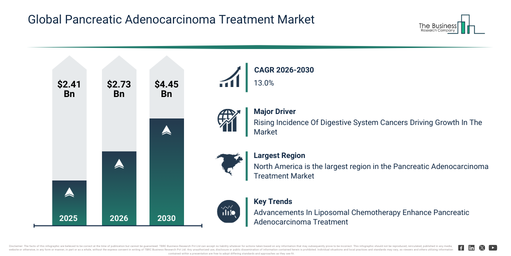
  • Pancreatic Adenocarcinoma Treatment Market Forecast 2026–2035 Reflecting Expansion Opportunities Across Industries

    Pancreatic Adenocarcinoma Treatment Market Forecast 2026–2035 Reflecting Expansion Opportunities Across Industries

    The Business Research Company’s 2026 market reports include new capabilities such as market attractiveness scoring and analysis, total addressable market analysis, company scoring matrix, interactive excel data dashboard, improved supply chain analysis, upcoming startups in the market, and overview of key products, aimed at improving the depth, usability, and strategic value of the insights delivered.

    What Will Be The Estimated Market Valuation Of The Pancreatic Adenocarcinoma Treatment Market By The End Of 2030?

    The pancreatic adenocarcinoma treatment market size has recently seen rapid growth. It is set to expand from $2.41 billion in 2025 to $2.73 billion in 2026, exhibiting a compound annual growth rate (CAGR) of 13.3%. Historically, this growth can be attributed to several factors including the scarcity of treatment options for pancreatic adenocarcinoma, a heavy reliance on conventional chemotherapy, low rates of early-stage diagnosis, high mortality coupled with a poor prognosis, and treatment delivery primarily centered in hospitals.

    The pancreatic adenocarcinoma treatment market size is anticipated to experience significant expansion in the coming years. This market is projected to reach $4.45 billion by 2030, exhibiting a compound annual growth rate (CAGR) of 13.0%. Factors contributing to this growth during the forecast period include the rise of personalized targeted therapies, increased embrace of monoclonal antibodies and immunotherapies, advances in digital health monitoring solutions, the broadening of combination therapy protocols, and enhanced accessibility via hospital and retail pharmacies. Key developments expected within the forecast timeframe involve the expanded utilization of targeted therapies and small molecule inhibitors, a surge in the uptake of monoclonal antibody treatments, the widening scope of immunotherapy applications, the incorporation of digital platforms for patient oversight, and an increase in distribution through hospital pharmacies for cancer medications.

    Download the Free Sample Report to Explore Key Market Insights:

    https://www.thebusinessresearchcompany.com/sample.aspx?id=21243&type=smp

    What Primary Drivers Are Shaping The Development Of The Pancreatic Adenocarcinoma Treatment Market?

    The rising occurrence of digestive system cancers is anticipated to fuel the expansion of the pancreatic adenocarcinoma treatment market in the future. These digestive system cancers are defined as malignant growths originating in organs vital for digestion, including the stomach, liver, pancreas, intestines, esophagus, and colon. The growing prevalence of digestive system cancers is primarily attributed to unhealthy lifestyle choices, such as inadequate diet, alcohol intake, and tobacco use. Treatment for pancreatic adenocarcinoma is vital in managing this aggressive form of digestive system cancer, with the goal of enhancing patient survival and overall quality of life. For example, in January 2023, the American Cancer Society, a US-based non-profit, estimated that 64,050 individuals in the United States would be diagnosed with pancreatic cancer, and 50,550 people were predicted to die from it. Consequently, the increasing incidence of cancers related to the digestive system is stimulating the growth of the pancreatic adenocarcinoma treatment market.

    Which Segment Classifications Shape The Pancreatic Adenocarcinoma Treatment Market?

    The pancreatic adenocarcinoma treatment market covered in this report is segmented –

    1) By Type: Chemotherapy, Targeted Therapy, Other Types

    2) By Affected Area: Exocrine, Endocrine

    3) By Distribution Channel: Hospital Pharmacies, Retail Pharmacies, Other Distribution Channels

    Subsegments:

    1) By Chemotherapy: Monotherapy, Combination Therapy

    2) By Targeted Therapy: Small Molecule Inhibitors, Monoclonal Antibodies

    3) By Other Types: Immunotherapy, Radiation Therapy

    Which Market Trends Are Creating New Opportunities In The Pancreatic Adenocarcinoma Treatment Market?

    Major companies operating in the pancreatic adenocarcinoma treatment market are prioritizing the creation of innovative solutions, including irinotecan liposome injection, with the aim of enhancing treatment efficacy, reducing adverse effects, and tackling issues related to tumor resistance. Irinotecan liposome injection is a chemotherapy medication encased in liposomes, engineered to improve its targeted delivery to cancer cells, amplify its potency, and diminish side effects in the management of pancreatic adenocarcinoma. For example, in February 2024, Ipsen SA, a biopharmaceutical company based in France, announced that the U.S. Food and Drug Administration (FDA) had approved its supplemental new drug application for Onivyde (irinotecan liposome injection) in conjunction with oxaliplatin. The combination of Onivyde (irinotecan liposome injection) with oxaliplatin offers enhanced tumor targeting through improved drug delivery, resulting in fewer side effects compared to traditional therapies. This regimen employs a liposomal formulation that boosts the bioavailability and sustained release of irinotecan, while oxaliplatin provides additional efficacy against pancreatic cancer cells. The approval underscores the potential of this regimen to address the crucial demand for more effective treatment options for this aggressive cancer.

    Which Companies Are Expanding Their Footprint In The Pancreatic Adenocarcinoma Treatment Market?

    Major companies operating in the pancreatic adenocarcinoma treatment market are Pfizer Inc., Roche AG, Merck & Co Inc., Sanofi, Bristol-Myers Squibb Company, AstraZeneca plc, Novartis AG, GlaxoSmithKline plc, Takeda Pharmaceutical Company Limited, Eli Lilly and Company, Amgen Inc., Teva Pharmaceutical Industries Ltd, Mylan N.V., Astellas Pharma Inc., Sun Pharmaceutical Industries Ltd., Ipsen SA, Clovis Oncology Inc., Oncolytics Biotech Inc., Zydus Cadila, PharmaCyte Biotech Inc., Infinity Pharmaceuticals Inc.

    Read the full pancreatic adenocarcinoma treatment market report here:

    https://www.thebusinessresearchcompany.com/report/pancreatic-adenocarcinoma-treatment-global-market-report

    How Does The Pancreatic Adenocarcinoma Treatment Market Perform Across Major Global Regions?

    North America was the largest region in the pancreatic adenocarcinoma treatment market in 2025. The regions covered in the pancreatic adenocarcinoma treatment market report are Asia-Pacific, South East Asia, Western Europe, Eastern Europe, North America, South America, Middle East, Africa.

    Request A Tailored Pancreatic Adenocarcinoma Treatment Market Research Report For Competitive Advantage:

    https://www.thebusinessresearchcompany.com/customise?id=21243&type=smp

    Browse Through More Reports Similar to the Global Pancreatic Adenocarcinoma Treatment Market 2026, By The Business Research Company

    Scleroderma Global Market Report

    https://www.thebusinessresearchcompany.com/report/scleroderma-global-market-report

    Ankylosing Spondylitis Global Market Report

    https://www.thebusinessresearchcompany.com/report/ankylosing-spondylitis-global-market-report

    Plantar Fasciitis Treatment Global Market Report

    https://www.thebusinessresearchcompany.com/report/plantar-fasciitis-treatment-global-market-report

    Get in touch with us:

    The Business Research Company: https://www.thebusinessresearchcompany.com/

    Americas +1 310-496-7795

    Asia +44 7882 955267 & +91 8897263534

    Europe +44 7882 955267

    Email us at info@tbrc.info

    Follow us on:

    LinkedIn: https://in.linkedin.com/company/the-business-research-company

    YouTube: https://www.youtube.com/channel/UC24_fI0rV8cR5DxlCpgmyFQ

    Global Market Model: https://www.thebusinessresearchcompany.com/global-market-model