Category: Medical Equipment

  • Global Sacral Nerve Stimulation Devices Market Report 2026–2035: Key Forecasts and Growth Areas

    Global Sacral Nerve Stimulation Devices Market Report 2026–2035: Key Forecasts and Growth Areas

    Uncover key drivers, emerging technologies, and competitive movements shaping the worker heat stress monitoring wearable market from 2026–2035 with trusted insights from The Business Research Company

    What market expansion outlook does the Sacral Nerve Stimulation Devices Market show for the 2026–2030 period?

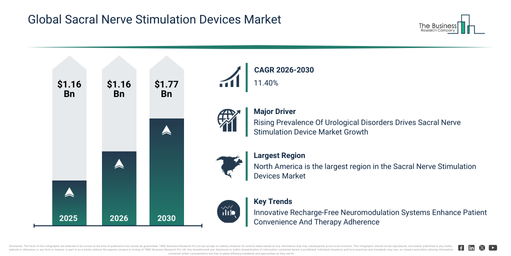
    The sacral nerve stimulation devices market has observed rapid expansion in recent years. It is anticipated to grow from $1.48 billion in 2025 to $1.65 billion in 2026, at a compound annual growth rate (CAGR) of 11.5%. Historically, this market’s growth can be attributed to the rising prevalence of urinary incontinence, an increasing geriatric population, advancements in neuromodulation technology, wider clinical acceptance of nerve stimulation therapies, and the expansion of urology specialty services.

    The sacral nerve stimulation devices market is set for substantial expansion in the coming years, with projections indicating a rise to $2.54 billion by 2030, reflecting a compound annual growth rate (CAGR) of 11.4%. This growth during the forecast period is fueled by the increasing embrace of smart implantable devices, a growing need for long-term continence solutions, the spread of outpatient neuromodulation procedures, a heightened focus on personalized neurological treatments, and increasing investments in bioelectronic medicine. Significant developments anticipated in this period include the wider adoption of implantable neuromodulation devices, an increasing demand for minimally invasive bladder control therapies, the expanding integration of programmable stimulation technologies, the broader availability of long-term neurological therapy solutions, and an enhanced emphasis on customizing therapies for individual patients.

    Access Your Free Sample Report for In-Depth Market Insights:

    https://www.thebusinessresearchcompany.com/sample.aspx?id=18458&type=smp

    What Drivers Are Shaping The Development Of The Sacral Nerve Stimulation Devices Market?

    The rising incidence of urological conditions is anticipated to drive the expansion of the sacral nerve stimulation devices market in the future. Urologic disorders cover a spectrum of ailments impacting the urinary tract, kidneys, bladder, and prostate, spanning from short-term to long-term. These conditions can stem from diverse origins, influencing both the urinary and reproductive systems. Furthermore, lifestyle elements like inadequate diet, insufficient hydration, and lack of physical activity can lead to the formation of kidney stones, a painful ailment affecting the urinary tract. Sacral nerve stimulation devices offer a less invasive treatment approach capable of effectively managing urological issues such as urinary and fecal incontinence. For example, in April 2024, data from the National Institute of Diabetes and Digestive and Kidney Diseases, a US-based healthcare company, indicated that annually, an average of 651,446 individuals aged 65 and older (212,875 men and 438,572 women) received a new diagnosis of some type of urinary incontinence. Consequently, the growing occurrence of urological disorders will fuel the demand within the sacral nerve stimulation devices market.

    Which Segments Are Contributing To The Growth Of The Sacral Nerve Stimulation Devices Market?

    The sacral nerve stimulation devices market covered in this report is segmented –

    1) By Technology Modality: Implantable Sacral Neuromodulation, External Sacral Neuromodulation

    2) By Product: External Sacral Nerve Stimulation Devices, Implantable Sacral Nerve Stimulation Devices

    3) By Age Group: Pediatrics, Adults, Geriatrics

    4) By Application: Urinary Incontinence, Fecal Incontinence, Bowel Dysfunction, Other Applications

    5) By End User: Hospitals, Ambulatory Surgical Centers, Specialty Clinics

    Subsegments:

    1) By Implantable Sacral Neuromodulation: Rechargeable Implantable SNS Systems, Non-Rechargeable Implantable SNS Systems

    2) By External Sacral Neuromodulation: Transcutaneous Sacral Neuromodulation Systems, Wearable External Neuromodulation Devices

    Which Competitive Trends Are Impacting The Structure Of The Sacral Nerve Stimulation Devices Market?

    Key companies within the Sacral Nerve Stimulation (SNS) devices market are prioritizing the creation of advanced solutions, such as recharge-free sacral neuromodulation systems, to boost patient convenience and adherence to treatment. These recharge-free sacral neuromodulation systems are implantable devices designed to stimulate sacral nerves, treating bladder and bowel dysfunction without requiring frequent battery recharging. For example, in January 2025, Medtronic PLC, an Ireland-based medical technology company, secured FDA approval for its InterStim X Sacral Neuromodulation (SNM) system in India for addressing bladder and bowel control issues, including overactive bladder (OAB), chronic fecal incontinence (FI), and non-obstructive urinary retention. These systems incorporate a proprietary fifth-generation battery that delivers over 10 years of therapy without recharging, potentially extending up to 15 years when set to low-energy modes. The system also features a smart programmer, similar to a smartphone, enabling patients to privately adjust up to 11 therapy settings at home or while moving. Moreover, the system supports SureScan MRI technology, allowing individuals to safely undergo full-body 1.5T and 3T MRI scans, with the MRI mode simply managed by the patient under physician supervision.

    Who Are The Primary Competitors In The Global Sacral Nerve Stimulation Devices Market?

    Major companies operating in the sacral nerve stimulation devices market are Abbott, Medtronic plc, Boston Scientific Corporation, Axonics Modulation Technologies, Laborie Medical Technologies, Beijing PINS Medical Co. Ltd., Neuspera Medical, Coloplast Group, Medtronic Neurovascular, NeuroPace Inc., Aleva Neurotherapeutics, LivaNova Neuromodulation, Nalu Medical, SetPoint Medical, NeuroSigma Inc., Saluda Medical, Soterix Medical, Inspire Medical Systems Inc., Synapse Biomedical Inc., Bioinduction Ltd

    Access The Complete Report For Deeper Market Insights:

    https://www.thebusinessresearchcompany.com/report/sacral-nerve-stimulation-devices-global-market-report

    Which Region Is Expected To Experience The Fastest Growth In The Sacral Nerve Stimulation Devices Market?

    North America was the largest region in the sacral nerve stimulation devices market in 2025. Asia-Pacific is expected to be the fastest-growing region in the forecast period. The regions covered in the sacral nerve stimulation devices market report are Asia-Pacific, South East Asia, Western Europe, Eastern Europe, North America, South America, Middle East, Africa.

    Request Your Customized Sacral Nerve Stimulation Devices Market Research Report for Competitive Advantage:

    https://www.thebusinessresearchcompany.com/customise?id=18458&type=smp

    Browse Through More Reports Similar to the Global Sacral Nerve Stimulation Devices Market 2026, By The Business Research Company

    Electrical Stimulation Devices Global Market Report 2026

    https://www.thebusinessresearchcompany.com/report/electrical-stimulation-devices-global-market-report

    Spinal Cord Stimulation Global Market Report 2026

    https://www.thebusinessresearchcompany.com/report/spinal-cord-stimulation-global-market-report

    Neurostimulation Devices Global Market Report 2026

    https://www.thebusinessresearchcompany.com/report/neurostimulation-devices-global-market-report

    Get in touch with us:

    The Business Research Company: https://www.thebusinessresearchcompany.com/

    Americas +1 310-496-7795

    Asia +44 7882 955267 & +91 8897263534

    Europe +44 7882 955267

    Email us at info@tbrc.info

    Follow us on:

    LinkedIn: https://in.linkedin.com/company/the-business-research-company
  • Robotic-Assisted Eye Surgery Market 2026–2030: Forecast, Innovation, and Competitive Trends

    Robotic-Assisted Eye Surgery Market 2026–2030: Forecast, Innovation, and Competitive Trends

    Uncover key drivers, emerging technologies, and competitive movements shaping the workstation graphics processing unit (gpu) market from 2026–2035 with trusted insights from The Business Research Company

    What level of growth is expected in the Robotic-Assisted Eye Surgery Market between 2026 and 2030?

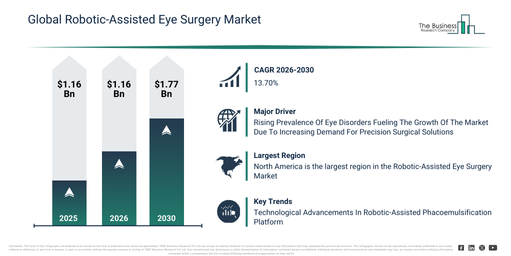
    The market size for robotic-assisted eye surgery has expanded quickly in recent years. It is anticipated to increase from $1.39 billion in 2025 to $1.59 billion in 2026, achieving a compound annual growth rate (CAGR) of 14.4%. The expansion observed in the past can be linked to several factors, including the constraints of manual microsurgical methods, the increasing occurrence of cataract and retinal conditions, the proliferation of specialized eye care facilities, a rising demand from surgeons for more precise instruments, and the phased integration of computer-assisted ophthalmic systems.

    The market for robotic-assisted eye surgery is projected to experience swift expansion over the coming years. This market is anticipated to reach $2.66 billion by 2030, exhibiting a compound annual growth rate (CAGR) of 13.7%. Several factors are expected to fuel this expansion during the forecast period, including innovations in AI-powered robotic technologies, a rising elderly demographic suffering from eye conditions, the proliferation of ambulatory surgical facilities, increased funding for ophthalmic robotics research and development, and greater surgeon adoption of robot-assisted operations. Key trends characterizing this period encompass a surge in the embrace of less invasive ophthalmic techniques, a growing requirement for highly accurate and consistent surgical results, the increasing application of robotic aid in intricate retinal and corneal operations, the broadening of training and professional development initiatives for medical practitioners, and an elevated emphasis on patient security alongside a reduction in surgical inconsistencies.

    Access Your Free Sample Report for In-Depth Market Insights:

    https://www.thebusinessresearchcompany.com/sample.aspx?id=27410&type=smp

    Which Drivers Are Expected To Impact The Robotic-Assisted Eye Surgery Market During The Forecast Period?

    The escalating occurrence of eye disorders is anticipated to propel the expansion of the robotic-assisted eye surgery market moving forward. Eye disorders are medical conditions that impact the structure or function of the eye, potentially leading to vision problems or blindness. The rising incidence of these conditions is fueled by increased screen time, which results in digital eye strain, dry eyes, and blurred vision from extended screen exposure without sufficient breaks. Robot-assisted eye surgery addresses various eye disorders by enhancing surgical precision, minimizing human error, and enabling minimally invasive procedures, thereby leading to improved patient outcomes and faster recovery times. For instance, in May 2024, the Centers for Disease Control and Prevention, a US-based government agency, indicated that 20.5 million people aged 40 and older in the United States, representing 17.2% of that age group, were expected to have cataracts in at least one eye in 2024. This figure is projected to exceed 30 million by 2028. Therefore, the growing prevalence of eye disorders is driving the growth of the robotic-assisted eye surgery market.

    How Is The Robotic-Assisted Eye Surgery Market Divided Into Segments?

    The robotic-assisted eye surgery market covered in this report is segmented –

    1) By Type: Robotic Systems, Instruments And Accessories, Software And Services

    2) By Surgery Type: Cataract Surgery, Retinal Surgery, Corneal Surgery, Glaucoma Surgery, Refractive Surgery, Other Surgery Types

    3) By Technology: Telerobotics, Haptic Feedback Systems, Image-Guided Systems, Artificial Intelligent (AI)-Driven Robotic Systems, Other Technologies

    4) By Application: Anterior Segment Procedures, Posterior Segment Procedures, Corneal Procedures, Other Applications

    5) By End-User: Hospitals, Ambulatory Surgical Centers (ASCs), Specialized Eye Clinics, Research And Academic Institutes

    Subsegments:

    1) By Robotic Systems: Fully Automated Systems, Semi-Automated Systems

    2) By Instruments And Accessories: Surgical Instruments, Robotic Controllers, Visualization Systems

    3) By Software And Services: Robotic Surgery Software, Maintenance And Upgrades, Training And Support

    What Industry Trends Are Transforming The Robotic-Assisted Eye Surgery Market?

    Leading companies within the robotic-assisted eye surgery market are concentrating on developing advanced solutions, such as robotic-assisted phacoemulsification platforms, to enhance surgical precision, reduce complication rates, and improve patient outcomes. A robotic-assisted phacoemulsification platform refers to a surgical system that employs robotic technology to assist doctors in performing cataract removal surgery with greater accuracy. For example, in May 2024, ForSight Robotics, an Israel-based provider of robotic surgery platforms, introduced the ORYOM surgical robotics platform, designed to execute a complete, remote robotic cataract procedure. The ORYOM surgical robotics platform comes equipped with a miniature robotic hand featuring 14 degrees of freedom and hybrid kinematics, allowing for superior maneuverability inside the eye. It integrates artificial intelligence, advanced imaging, and compact mechanical components to support accurate and consistent surgical performance. The incorporation of stereoscopic imaging enhances depth perception and provides real-time visual feedback, aiding surgeons in achieving high precision. Additionally, the platform utilizes machine learning to adapt and improve its capabilities with each procedure performed.

    Which Key Market Players Are Investing In Expansion And Innovation Within The Robotic-Assisted Eye Surgery Market?

    Major companies operating in the robotic-assisted eye surgery market are Johnson & Johnson, ZEISS Group, Alcon Inc., Intuitive Surgical Operations Inc., Bausch + Lomb Corp., Leica Microsystems, Lumenis Ltd., Topcon Healthcare, IRIDEX Corp., ForSight Robotics Ltd., Prasad Netralaya, Haag‑Streit Group, Nidek Co. Ltd., Ophthorobotics AG, Preceyes BV, Horizon Surgical Systems, AcuSurgical, LENSAR Inc., Ziemer Ophthalmic Systems AG, STAAR Surgical Company, Optovue, Glaukos Corporation, Eyenuk, AcuFocus, Avedro Inc., Aeon Astron Europe BV, Omega Ophthalmics

    Access The Complete Report For Deeper Market Insights:

    https://www.thebusinessresearchcompany.com/report/robotic-assisted-eye-surgery-global-market-report

    Which Geographic Areas Are Emerging As Strong Markets For The Robotic-Assisted Eye Surgery Market?

    North America was the largest region in the robotic-assisted eye surgery market in 2025. Asia-Pacific is expected to be the fastest-growing region in the forecast period. The regions covered in the robotic-assisted eye surgery market report are Asia-Pacific, South East Asia, Western Europe, Eastern Europe, North America, South America, Middle East, Africa.

    Request Your Customized Robotic-Assisted Eye Surgery Market Research Report for Competitive Advantage:

    https://www.thebusinessresearchcompany.com/customise?id=27410&type=smp

    Browse Through More Reports Similar to the Global Robotic-Assisted Eye Surgery Market 2026, By The Business Research Company

    Bearing Steel Global Market Report 2026

    https://www.thebusinessresearchcompany.com/report/bearing-steel-global-market-report

    Mounted Bearing Global Market Report 2026

    https://www.thebusinessresearchcompany.com/report/mounted-bearing-global-market-report

    Automotive Elastomers Global Market Report 2026

    https://www.thebusinessresearchcompany.com/report/automotive-elastomers-global-market-report

    Get in touch with us:

    The Business Research Company: https://www.thebusinessresearchcompany.com/

    Americas +1 310-496-7795

    Asia +44 7882 955267 & +91 8897263534

    Europe +44 7882 955267

    Email us at info@tbrc.info

    Follow us on:

    LinkedIn: https://in.linkedin.com/company/the-business-research-company

  • Robotic Ultrasound Systems Market Forecast 2026–2035: Data Trends and Industry Insights

    Robotic Ultrasound Systems Market Forecast 2026–2035: Data Trends and Industry Insights

    Uncover key drivers, emerging technologies, and competitive movements shaping the worker heat stress monitoring wearable market from 2026–2035 with trusted insights from The Business Research Company

    How much is the Robotic Ultrasound Systems Market valued at in 2026, and what valuation is forecast for 2030?

    The robotic ultrasound systems market size has seen swift expansion in recent years. It is projected to grow from $1.78 billion in 2025 to $2.07 billion in 2026, achieving a compound annual growth rate (CAGR) of 16.5%. The historical growth of this market is attributable to various elements such as ultrasound operator shortages, the increasing demand for diagnostic accuracy, the progression of telemedicine, the requirements for imaging standardization, and the introduction of early robotic imaging systems.

    The robotic ultrasound systems market is projected to experience substantial expansion in the coming years, anticipated to reach $3.77 billion by 2030, exhibiting a compound annual growth rate (CAGR) of 16.2%. Factors contributing to this growth during the forecast period include remote healthcare expansion, AI assisted diagnostics, rising chronic disease screening, portable robotic imaging demand, and hospital workflow automation. Key trends expected over the forecast period encompass remote ultrasound examinations, operator independent imaging, standardized diagnostic scanning, automated image acquisition, and enhanced imaging reproducibility.

    Access Your Free Sample Report for In-Depth Market Insights:

    https://www.thebusinessresearchcompany.com/sample.aspx?id=30376&type=smp

    What Drivers Are Influencing The Growth Of The Robotic Ultrasound Systems Market?

    An increase in patient numbers is projected to fuel expansion in the robotic ultrasound systems market. Patient volumes represent the total count of individuals receiving medical assessment, diagnostic procedures, or care at a healthcare facility over a specific timeframe. This surge in patient volumes largely stems from growing demands placed on emergency and inpatient departments, where the need for care frequently surpasses the existing clinical capacity, leading to accumulating delays and a larger pool of patients awaiting prompt evaluation. Robotic ultrasound systems offer a solution to manage the effects of increasing patient volumes by boosting scanning efficiency, streamlining workflow, and allowing clinicians to handle a greater number of cases more consistently and with less operational burden. For example, data from October 2025, provided by the British Medical Association (BMA), a UK-based professional association and trade union, revealed a rise in patients waiting over 12 hours for emergency admission, climbing from 35,900 in August 2025 to approximately 44,800 in September 2025. Consequently, the upward trend in patient volumes is a key driver for the robotic ultrasound systems market.

    What Segments Are Included Within The Robotic Ultrasound Systems Market?

    The robotic ultrasound systems market covered in this report is segmented –

    1) By Product Type: Trolley-Based Robotic Ultrasound Systems, Compact Or Portable Robotic Ultrasound Systems

    2) By Technology: Automated, Semi-Automated

    3) By End-User: Hospitals, Diagnostic Centers, Ambulatory Surgical Centers, Research Institutes, Other End-Users

    Subsegments:

    1) By Trolley-Based Robotic Ultrasound Systems: High-Precision Robotic Scanning Units, Integrated Robotic Imaging Workstations

    2) By Compact Or Portable Robotic Ultrasound Systems: Handheld Robotic Assisted Ultrasound Devices, Mobile Autonomous Scanning Units

    What Trends Are Reshaping The Dynamics Of The Robotic Ultrasound Systems Market?

    Companies operating within the robotic ultrasound systems market are prioritizing the development of technologically advanced products, such as robotic ultrasound platforms, to enhance scanning efficiency and minimize operator strain. A robotic ultrasound platform is defined as a computer-assisted system that employs robotic actuation to precisely position and manage an ultrasound transducer, thereby enabling consistent imaging while reducing the physical effort required from clinicians. For instance, in May 2025, Life Science Robotics, a Denmark-based developer of medical robotics solutions, unveiled ARUS. This product introduces a robotic arm equipped with joystick-based control, haptic feedback, and adaptive pressure management, designed to support precise ultrasound scanning and reduce the physical burden on sonographers. It is engineered to improve image consistency, enhance the ability to scan patients with a high body mass index, and mitigate work-related musculoskeletal risks in obstetric imaging environments.

    Who Are The Core Companies Influencing Trends In The Robotic Ultrasound Systems Market?

    Major companies operating in the robotic ultrasound systems market are Siemens Healthineers AG, Koninklijke Philips N.V., GE HealthCare, Canon Medical Systems Corporation, Samsung Medison Co. Ltd., Fujifilm Holdings Corporation, Mindray Medical International Limited, Esaote S.p.A., BK Medical Holding Company Inc., Exact Imaging Inc., AdEchoTech Inc., EchoNous Inc., Butterfly Network Inc., Clarius Mobile Health Corp., ImFusion GmbH, Sonivate Medical Inc., TeleRobotic Ultrasound Systems Inc., Mecasonic Group, Medo.ai, Ultrasound Robotics Ltd.

    Access The Complete Report For Deeper Market Insights:

    https://www.thebusinessresearchcompany.com/report/global-robotic-ultrasound-systems-market-report

    Which Region Is Projected To Lead The Robotic Ultrasound Systems Market During The Forecast Period?

    North America was the largest region in the robotic ultrasound systems market in 2025. The regions covered in the robotic ultrasound systems market report are Asia-Pacific, South East Asia, Western Europe, Eastern Europe, North America, South America, Middle East, Africa.

    Request Your Customized Robotic Ultrasound Systems Market Research Report for Competitive Advantage:

    https://www.thebusinessresearchcompany.com/customise?id=30376&type=smp

    Browse Through More Reports Similar to the Global Robotic Ultrasound Systems Market 2026, By The Business Research Company

    Contrast Enhanced Ultrasound Global Market Report 2026

    https://www.thebusinessresearchcompany.com/report/contrast-enhanced-ultrasound-global-market-report

    Ultrasound Transducer Global Market Report 2026

    https://www.thebusinessresearchcompany.com/report/ultrasound-transducer-global-market-report

    Ultrasonic Technology Global Market Report 2026

    https://www.thebusinessresearchcompany.com/report/ultrasonic-technology-global-market-report

    Get in touch with us:

    The Business Research Company: https://www.thebusinessresearchcompany.com/

    Americas +1 310-496-7795

    Asia +44 7882 955267 & +91 8897263534

    Europe +44 7882 955267

    Email us at info@tbrc.info

    Follow us on:

    LinkedIn: https://in.linkedin.com/company/the-business-research-company

  • Robotic Surgical Companion Market Outlook 2026–2030: Key Business Drivers and Trends

    Robotic Surgical Companion Market Outlook 2026–2030: Key Business Drivers and Trends

    Uncover key drivers, emerging technologies, and competitive movements shaping the workstation graphics processing unit (gpu) market from 2026–2035 with trusted insights from The Business Research Company

    By how much is the Robotic Surgical Companion Market expected to grow between 2026 and 2030?

    The robotic surgical companion market size has seen rapid growth in recent years. It is anticipated to expand from $6.9 billion in 2025 to $7.86 billion in 2026, achieving a compound annual growth rate (CAGR) of 13.8%. The historical growth in this market can be attributed to several factors including a shortage of skilled surgeons, the increasing complexity of surgical procedures, a rising demand for minimally invasive operations, significant technological advances in robotics, and substantial hospital investment in advanced surgical techniques.

    The robotic surgical companion market is anticipated to expand swiftly in the coming years. By 2030, this market is projected to reach $13.07 billion, demonstrating a compound annual growth rate (CAGR) of 13.5%. This projected expansion is driven by factors such as AI-enabled surgical assistance, increased robotic surgery training, a rise in outpatient surgeries, the need for quicker patient recovery, and better integration with imaging systems. Key trends expected during this period involve precision-assisted surgical procedures, advancements in minimally invasive robotic surgery, tools for surgeon guidance and decision support, more capable surgical dexterity systems, and improved operating room workflow optimization.

    Access Your Free Sample Report for In-Depth Market Insights:

    https://www.thebusinessresearchcompany.com/sample.aspx?id=29182&type=smp

    Which Drivers Are Influencing Market Acceleration In The Robotic Surgical Companion Market?

    The expanding occurrence of cancer is anticipated to fuel the expansion of the robotic surgical companion market moving ahead. Cancer refers to a medical state where cells within the body proliferate without regulation, harming adjacent tissues and potentially migrating to other regions. The surge in cancer incidents primarily stems from unhealthy habits like inadequate nutrition, insufficient physical activity, and tobacco consumption, which heighten the likelihood of cellular impairment and uncontrolled cellular development. Robotic surgical companions assist in combating cancer through the execution of highly precise, minimally invasive operations that reduce injury to sound tissues and facilitate faster patient recuperation. As an illustration, the World Health Organization, an intergovernmental organization based in Switzerland, reported in February 2024 that new cancer diagnoses are projected to surpass 35 million by 2050, representing a 77% increase from the roughly 20 million cases documented in 2022. Consequently, the rising frequency of cancer is propelling the growth of the robotic surgical companion market.

    What Leading Segments Are Studied In The Robotic Surgical Companion Market?

    The robotic surgical companion market covered in this report is segmented –

    1) By Component: Hardware, Software, Services

    2) By Product Type: Surgical Robots, Robotic Surgical Assistants, Robotic Navigation Systems, Other Product Types

    3) By Application: General Surgery, Urology, Gynecology, Orthopedics, Cardiovascular, Neurosurgery, Other Applications

    4) By End-User: Hospitals, Ambulatory Surgical Centers, Specialty Clinics, Other End-Users

    Subsegments:

    1) By Hardware: Surgical Robots, Accessories And Consumables

    2) By Software: Surgical Planning Software Artificial Intelligence And Analytics Software, Imaging And Navigation Software

    3) By Services: Maintenance And Support, Remote Monitoring And Upgrades, Training And Consulting

    How Are New Market Trends Shaping The Landscape Of The Robotic Surgical Companion Market?

    Leading companies in the robotic surgical companion market are focusing on developing advanced solutions, such as AI-powered robotic surgery systems, to enhance surgical precision, reduce operative time, and improve patient outcomes. An AI-powered robotic surgery system denotes a surgical platform that integrates artificial intelligence algorithms with robotic instruments to assist surgeons in planning, guiding, and performing procedures with increased precision, accuracy, and efficiency. For instance, in July 2025, CARE Hospitals, an India-based healthcare provider, introduced a Stryker Mako Robotic System to enhance precision in orthopedic surgeries. This is an advanced AI-powered technology that facilitates highly precise, personalized joint replacement surgeries by utilizing detailed 3D modeling and real-time robotic guidance. Its key benefits include enhanced surgical accuracy, minimized tissue damage, reduced postoperative pain, quicker recovery, and more predictable outcomes. The system’s objective is to improve the quality and consistency of orthopedic surgeries, enabling patients to achieve superior long-term joint function with shorter hospital stays and fewer complications compared to traditional methods.

    Which Major Industry Participants Are Leading The Robotic Surgical Companion Market Growth?

    Major companies operating in the robotic surgical companion market are Intuitive Surgical Inc., Medtronic plc, Stryker Corporation, Zimmer Biomet Holdings Inc., Asensus Surgical Inc., Globus Medical Inc., Distalmotion SA, Medicaroid Corporation, CMR Surgical Ltd., Johnson & Johnson, Smith & Nephew plc, eCential Robotics SAS, Renishaw plc, Meere Company Inc., avateramedical GmbH, Robocath SAS, Preceyes B.V., Neocis Inc., Microbot Medical Inc., NDR Medical Technology Pte. Ltd., Accuray Incorporated

    Access The Complete Report For Deeper Market Insights:

    https://www.thebusinessresearchcompany.com/report/robotic-surgical-companion-global-market-report

    Which Region Currently Holds The Largest Share Of The Robotic Surgical Companion Market?

    North America was the largest region in the robotic surgical companion market in 2025. The regions covered in the robotic surgical companion market report are Asia-Pacific, South East Asia, Western Europe, Eastern Europe, North America, South America, Middle East, Africa.

    Request Your Customized Robotic Surgical Companion Market Research Report for Competitive Advantage:

    https://www.thebusinessresearchcompany.com/customise?id=29182&type=smp

    Browse Through More Reports Similar to the Global Robotic Surgical Companion Market 2026, By The Business Research Company

    Surgical Robot Accessories Global Market Report 2026

    https://www.thebusinessresearchcompany.com/report/surgical-robot-accessories-global-market-report

    Robotic Surgery Services Global Market Report 2026

    https://www.thebusinessresearchcompany.com/report/robotic-surgery-services-global-market-report

    Healthcare Companion Robots Global Market Report 2026

    https://www.thebusinessresearchcompany.com/report/healthcare-companion-robots-global-market-report

    Get in touch with us:

    The Business Research Company: https://www.thebusinessresearchcompany.com/

    Americas +1 310-496-7795

    Asia +44 7882 955267 & +91 8897263534

    Europe +44 7882 955267

    Email us at info@tbrc.info

    Follow us on:

    LinkedIn: https://in.linkedin.com/company/the-business-research-company

  • Percutaneous Mechanical Circulatory Support Devices Market Outlook 2026–2035: Growth Drivers and Industry Forecast

    Percutaneous Mechanical Circulatory Support Devices Market Outlook 2026–2035: Growth Drivers and Industry Forecast

    Uncover key drivers, emerging technologies, and competitive movements shaping the worker heat stress monitoring wearable market from 2026–2035 with trusted insights from The Business Research Company

    Starting from its 2026 valuation, what market size is the Percutaneous Mechanical Circulatory Support Devices Market expected to reach by 2030?

    The percutaneous mechanical circulatory support devices market has experienced robust expansion in recent years. Its value is projected to climb from $2.46 billion in 2025 to $2.7 billion in 2026, achieving a compound annual growth rate (CAGR) of 9.7%. This historical growth has been driven by an increasing burden of cardiovascular diseases, a rise in cardiogenic shock incidents, the widespread adoption of minimally invasive procedures, the expansion of intensive care unit (ICU) services, and an aging global population.

    The percutaneous mechanical circulatory support devices market is anticipated to experience substantial expansion over the coming years. This market is projected to reach a valuation of $3.87 billion by 2030, demonstrating a compound annual growth rate (CAGR) of 9.4%. Several factors are contributing to this growth during the forecast period, including AI-assisted cardiac monitoring, an increase in complex cardiac interventions, the expansion of cath lab procedures, a rising demand for temporary heart support, and advancements in pump technologies. Furthermore, significant trends expected during this period involve minimally invasive cardiac support, short-term hemodynamic assistance, support devices for high-risk PCI procedures, rapid deployment cardiac systems, and designs focused on enhanced patient safety.

    Access Your Free Sample Report for In-Depth Market Insights:

    https://www.thebusinessresearchcompany.com/sample.aspx?id=20921&type=smp

    What Drivers Are Driving Adoption Within The Percutaneous Mechanical Circulatory Support Devices Market?

    The rising occurrence of cardiovascular diseases is anticipated to fuel the expansion of the percutaneous mechanical circulatory support devices market in the foreseeable future. Cardiovascular diseases (CVDs) encompass various conditions impacting the heart and blood vessels, such as coronary artery disease, heart attacks, heart failure, stroke, and high blood pressure. This growing prevalence of cardiovascular diseases stems from factors like an aging population, poor lifestyle habits, obesity, high blood pressure, and genetic susceptibility. Percutaneous mechanical circulatory support devices find application in cardiovascular diseases to enhance heart function, lessen cardiac strain, and aid recuperation during severe heart ailments. For example, data from October 2024, provided by the Centers for Disease Control and Prevention, a US-based public health institute, revealed that in 2023, approximately 1 out of every 6 deaths due to cardiovascular diseases occurred in adults younger than 65 years old, with a total of 919,032 people succumbing to cardiovascular disease, accounting for 1 in every 3 deaths. Consequently, the rising occurrence of cardiovascular diseases is propelling the expansion of the percutaneous mechanical circulatory support (MCS) devices market.

    How Is The Percutaneous Mechanical Circulatory Support Devices Market Organized Into Various Segments?

    The percutaneous mechanical circulatory support devices market covered in this report is segmented –

    1) By Product Type: Intra-Aortic Balloon Pumps, Impella Devices, Extracorporeal Membrane Oxygenation, TandemHeart, Other Types

    2) By Application: Cardiogenic Shock, Acute Myocardial Infarction, Heart Failure, Other Applications

    3) By End-User: Hospitals, Ambulatory Surgical Centers, Other End Users

    Subsegments:

    1) By Intra-Aortic Balloon Pumps (IABP): Standard IABP Devices, Enhanced IABP Devices

    2) By Impella Devices: Impella 2.5, Impella 5.0, Impella CP (Cardiac Power)

    3) By Extracorporeal Membrane Oxygenation (ECMO): Veno-Venous ECMO (VV ECMO), Veno-Arterial ECMO (VA ECMO)

    4) By Tandemheart: Tandemheart PUMP System, Tandemheart PRO System

    5) By Other Types: Centrifugal Pumps, Pneumatic Assist Devices

    What Trends Are Reshaping The Dynamics Of The Percutaneous Mechanical Circulatory Support Devices Market?

    Leading companies within the percutaneous mechanical circulatory support devices market are concentrating on developing technologically advanced solutions, such as intra-aortic axial-flow devices, to improve patient outcomes and minimize surgical risks. An intra-aortic axial-flow device is a category of percutaneous mechanical circulatory support (MCS) device specifically engineered to aid heart function by increasing blood flow from the left ventricle into the aorta. For instance, in February 2023, Procyrion, Inc., a US-based medical device firm, announced the successful initial human use of its Aortix pump. This innovative device aims to prevent acute kidney injury (AKI) in individuals undergoing cardiac surgery. Delivered through a catheter in the descending thoracic aorta, the Aortix pump enhances renal perfusion while simultaneously reducing the heart’s workload during the surgical procedure. It achieves this by improving both renal and systemic perfusion while decreasing the strain on the heart, making it particularly advantageous for patients with compromised left ventricular function and renal impairment. Capable of providing up to 5.0 liters of flow per minute, the Aortix pump is designed for temporary application during procedures like percutaneous coronary interventions (PCI).

    Who Are The Top-Performing Companies In The Percutaneous Mechanical Circulatory Support Devices Market In Recent Years?

    Major companies operating in the percutaneous mechanical circulatory support devices market are Abbott Laboratories, Medtronic Plc, Getinge AB, Teleflex Incorporated, Biotronik, Abiomed Inc., LivaNova Plc, Bioventrix, Berlin Heart, Eurosets, Magenta Medical Ltd, SynCardia Systems LLC, CardiacAssist Inc., Jarvik Heart Inc., Procyrion, BiVACOR Inc., CardioBridge GmbH and Company, Circulite Medical Inc., NovaPump GmbH, Supira Medical Inc., Pulsatile Technologies Inc.

    Access The Complete Report For Deeper Market Insights:

    https://www.thebusinessresearchcompany.com/report/percutaneous-mechanical-circulatory-support-devices-global-market-report

    How Does The Percutaneous Mechanical Circulatory Support Devices Market Perform Across Major Global Regions?

    North America was the largest region in the percutaneous mechanical circulatory support devices market in 2025. The regions covered in the percutaneous mechanical circulatory support devices market report are Asia-Pacific, South East Asia, Western Europe, Eastern Europe, North America, South America, Middle East, Africa.

    Request Your Customized Percutaneous Mechanical Circulatory Support Devices Market Research Report for Competitive Advantage:

    https://www.thebusinessresearchcompany.com/customise?id=20921&type=smp

    Browse Through More Reports Similar to the Global Percutaneous Mechanical Circulatory Support Devices Market 2026, By The Business Research Company

    Peripheral Vascular Devices And Equipment Global Market Report 2026

    https://www.thebusinessresearchcompany.com/report/peripheral-vascular-devices-and-equipment-global-market-report

    Cardiovascular Devices Global Market Report 2026

    https://www.thebusinessresearchcompany.com/report/cardiovascular-devices-global-market-report

    Cardiac Assist Devices And Equipment Global Market Report 2026

    https://www.thebusinessresearchcompany.com/report/cardiac-assist-devices-and-equipment-global-market-report

    Get in touch with us:

    The Business Research Company: https://www.thebusinessresearchcompany.com/

    Americas +1 310-496-7795

    Asia +44 7882 955267 & +91 8897263534

    Europe +44 7882 955267

    Email us at info@tbrc.info

    Follow us on:

    LinkedIn: https://in.linkedin.com/company/the-business-research-company
  • Pen Needles Market 2026–2030: Emerging Trends and Forecast Opportunities

    Pen Needles Market 2026–2030: Emerging Trends and Forecast Opportunities

    Uncover key drivers, emerging technologies, and competitive movements shaping the workstation graphics processing unit (gpu) market from 2026–2035 with trusted insights from The Business Research Company

    Across 2026–2030, what is the expected market valuation path of the Pen Needles Market?

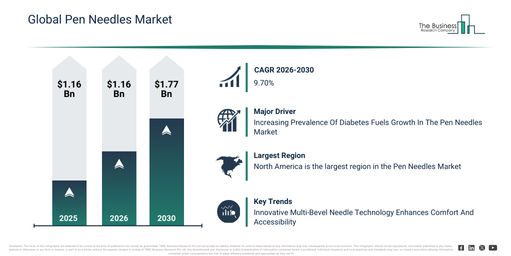
    The pen needles market size has seen rapid growth in recent years. It is projected to expand from $2.69 billion in 2025 to $2.99 billion in 2026, demonstrating a compound annual growth rate (CAGR) of 11.4%. The expansion observed in the past can be ascribed to several factors, including the increasing global incidence of diabetes, the wider adoption of insulin pens, enhanced access to self-injection therapies, the proliferation of home healthcare services, and advancements in needle manufacturing techniques.

    The pen needles market is projected to experience robust expansion over the coming years. Its valuation is anticipated to reach $4.34 billion by 2030, exhibiting a compound annual growth rate (CAGR) of 9.7%. This forecasted growth can be linked to several factors, such as the increasing integration of GLP-1 therapies, a heightened emphasis on regulations concerning needle safety, the wider availability of sustainable disposable medical goods, a rising need for comfortable injection methods, and a greater inclination towards managing diseases at home. Key developments expected during this period involve a surge in the use of ultra-thin pen needles, an escalating requirement for secure pen needle systems, a growing partiality for shorter needle lengths, the broadening scope of home-based injection treatments, and a stronger commitment to patient well-being and adherence.

    Access Your Free Sample Report for In-Depth Market Insights:

    https://www.thebusinessresearchcompany.com/sample.aspx?id=15632&type=smp

    Which Drivers Are Supporting The Rise Of The Pen Needles Market?

    The pen needles market is expected to grow due to the increasing prevalence of diabetes, a chronic health condition marked by high blood sugar levels stemming from insufficient insulin production or the body’s impaired utilization of insulin. The rising incidence of diabetes is linked to factors such as sedentary lifestyles, unhealthy dietary habits, genetic predisposition, urbanization, aging populations, limited access to healthcare, and escalating obesity rates worldwide. Pen needles are essential tools for managing diabetes, enabling precise insulin delivery through convenient, minimally invasive injections, thereby fostering improved glycemic control and patient adherence. For instance, in June 2024, the National Health Service, a UK-based government department, reported that in 2023, over half a million (549,000) new individuals in England were identified as being at risk of developing type 2 diabetes. This brought the total number of people with non-diabetic hyperglycemia, or pre-diabetes, registered with a GP to 3,615,330, which is a significant increase compared to 3,065,825 in 2022, indicating a rise of nearly 20%. Consequently, the escalating prevalence of diabetes is a primary driver for the pen needles market’s expansion.

    What Segments Are Identified Within The Structure Of The Pen Needles Market?

    The pen needles market covered in this report is segmented –

    1) By Type: Standard Pen Needles, Safety Pen Needles

    2) By Needle Length: Short Length Pen Needles, Medium Length Pen Needles, Long Length Pen Needles

    3) By Therapy: Insulin, Glucagon-like-Peptide-1 (GLP-1), Growth Hormone

    4) By Mode Of Purchase: Retail, Non-Retail

    5) By End User: Hospitals And Clinics, Home Healthcare, Other End Users

    Subsegments:

    1) By Standard Pen Needles: Fixed-Needle Pen Needles, Removable-Needle Pen Needles, Short Pen Needles ( 4mm, 5mm), Long Pen Needles ( 8mm, 12mm)

    2) By Safety Pen Needles: Automatic Safety Pen Needles, Manual Safety Pen Needles, Retractable Safety Pen Needles, Shielded Safety Pen Needles

    How Are New Market Trends Shaping The Landscape Of The Pen Needles Market?

    Major companies operating within the insulin pen-needle market are concentrating on developing innovative solutions, such as advanced multi-bevel needles, to enhance injection comfort and improve patient compliance. Advanced multi-bevel needles are specifically designed with multiple precision-cut bevels at their tip, aiming to make injections smoother, less painful, and more comfortable for patients. For instance, in August 2025, Trividia Health Inc., a US-based diabetes-care company, introduced its TRUEplus 5-Bevel Pen Needles in the UK. These pen needles are offered in various gauges and lengths (for example, 31 G 5 mm, 6 mm, 8 mm; and 32 G 4 mm), feature a silicone coating to reduce friction, are constructed for sterile single-use, and include color-coded caps for easy size recognition, all intending to maximize comfort, safety, and ease of use. Additionally, they are the lowest-priced 5-bevel pen needles available via prescription in the UK, presenting a cost-effective yet high-quality alternative to older 3-bevel designs.

    Which Leading Companies Dominate The Pen Needles Market Share?

    Major companies operating in the pen needles market are Cardinal Health Inc., Novo Nordisk AS, Becton Dickinson And Company, B. Braun Melsungen AG, Terumo Corporation, Nipro Corporation, Artsana Group, Embecta Corp., Trividia Health Inc., Medical Technology And Devices S.p.A., Owen Mumford, Dynarex Corporation, UltiMed Inc., Bio-Med HealthCare Products Pvt. Ltd., Allison Medical Inc., GlucoRx Ltd., HTL-STREFA S.A., Hindustan Syringes And Medical Devices Ltd., Ypsomed AG, Haselmeier GmbH

    Access The Complete Report For Deeper Market Insights:

    https://www.thebusinessresearchcompany.com/report/pen-needles-global-market-report

    Which Region Is Anticipated To See The Fastest Growth In The Pen Needles Market?

    North America was the largest region in the pen needles market in 2025. Asia-Pacific is expected to be the fastest-growing region in the forecast period. The regions covered in the pen needles market report are Asia-Pacific, South East Asia, Western Europe, Eastern Europe, North America, South America, Middle East, Africa.

    Request Your Customized Pen Needles Market Research Report for Competitive Advantage:

    https://www.thebusinessresearchcompany.com/customise?id=15632&type=smp

    Browse Through More Reports Similar to the Global Pen Needles Market 2026, By The Business Research Company

    Injection Pen Global Market Report 2026

    https://www.thebusinessresearchcompany.com/report/injection-pen-global-market-report

    Diabetes Pen Global Market Report 2026

    https://www.thebusinessresearchcompany.com/report/diabetes-pen-global-market-report

    Disposable Syringes Global Market Report 2026

    https://www.thebusinessresearchcompany.com/report/disposable-syringes-global-market-report

    Get in touch with us:

    The Business Research Company: https://www.thebusinessresearchcompany.com/

    Americas +1 310-496-7795

    Asia +44 7882 955267 & +91 8897263534

    Europe +44 7882 955267

    Email us at info@tbrc.info

    Follow us on:

    LinkedIn: https://in.linkedin.com/company/the-business-research-company
  • Global Pedicle Screw Systems Market Forecast 2026–2035: Long-Term Growth Insights

    Global Pedicle Screw Systems Market Forecast 2026–2035: Long-Term Growth Insights

    Uncover key drivers, emerging technologies, and competitive movements shaping the worker heat stress monitoring wearable market from 2026–2035 with trusted insights from The Business Research Company

    What size range is anticipated for the Pedicle Screw Systems Market from 2026 to 2030?

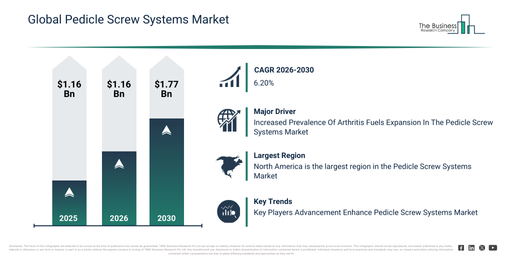
    The pedicle screw systems market has demonstrated substantial growth in recent years. It is anticipated to expand from $5.69 billion in 2025 to $6.02 billion in 2026, reflecting a compound annual growth rate (CAGR) of 5.8%. Historically, this market’s expansion can be attributed to the rising prevalence of spinal degeneration disorders, an increased incidence of traumatic spinal injuries, the broadening scope of spinal fusion surgical procedures, the growing adoption of internal fixation devices, and enhancements in orthopedic implant materials.

    The pedicle screw systems market is anticipated to experience substantial growth in the upcoming years. It is projected to reach $7.65 billion by 2030, exhibiting a compound annual growth rate (CAGR) of 6.2%. Factors driving this expansion during the forecast period include a surge in demand for minimally invasive spinal procedures, the increasing embrace of navigation-assisted spine surgery, an expanding elderly demographic experiencing spinal ailments, the proliferation of outpatient spine surgery facilities, and ongoing advancements in spinal implant technologies. Key trends anticipated during this period encompass the greater uptake of minimally invasive spine fixation systems, an escalating demand for polyaxial pedicle screws, wider application of image-guided screw placement techniques, the development of more low-profile implant designs, and a heightened emphasis on surgical accuracy and stability.

    Access Your Free Sample Report for In-Depth Market Insights:

    https://www.thebusinessresearchcompany.com/sample.aspx?id=10606&type=smp

    What Drivers Are Affecting Demand In The Pedicle Screw Systems Market?

    The increasing incidence of arthritis is projected to fuel the expansion of the pedicle screw systems market in the coming years. Arthritis refers to a medical condition characterized by joint pain or disease. Pedicle screw systems are employed to ensure precise and secure cervical pedicle screw insertion for individuals suffering from cervical disorders, specifically including rheumatoid arthritis (RA). Evidence supporting this trend comes from February 2024, when the CDC National Center for Health Statistics (NCHS), the U.S.’s primary health statistics agency, reported that the age-adjusted prevalence of diagnosed arthritis among adults aged 18 and above reached 18.9%, signifying a notable surge in the condition’s occurrence. This data reveals that approximately 1 in 5 adults in the U.S. live with arthritis, with a higher propensity among women (21.5%) compared to men (16.1%). Consequently, the growing prevalence of arthritis is anticipated to boost the growth of the pedicle screw systems market.

    Which Segments Are Gaining Traction In The Pedicle Screw Systems Market?

    The pedicle screw systems market covered in this report is segmented –

    1) By Product: Monoaxial Pedicle Screw, Polyaxial Pedicle Screw, Other Products

    2) By Surgery Type: Open Surgery, Minimally Invasive Surgery

    3) By Indication: Spinal Trauma Injuries, Spinal Deformities, Spinal Degeneration

    Subsegments:

    1) By Monoaxial Pedicle Screw: Standard Monoaxial Screws, Specialized Monoaxial Screws

    2) By Polyaxial Pedicle Screw: Standard Polyaxial Screws, Low-Profile Polyaxial Screws, Cannulated Polyaxial Screws

    3) By Other Products: Pedicle Screw Rods, Connector Systems, Instrumentation Sets

    Which Trends Are Expected To Influence The Pedicle Screw Systems Market In The Upcoming Years?

    Companies operating within the pedicle screw systems market are primarily focused on creating sophisticated products like reduction and correction instrumentation to improve spinal alignment, stability, and overall surgical results. Reduction and correction instrumentation describes specialized tools and devices utilized in spinal surgery to precisely realign and correct vertebral deformities or injuries, contributing to better surgical outcomes. As an illustration, in August 2023, Orthofix Medical Inc., a US-based medical device company, unveiled the new Mariner deformity pedicle screw system. The commercial introduction of this system aims to incorporate advanced reduction and correction instrumentation, along with specialized implant technologies and osteotomy tools, for enhanced surgical intervention. Additionally, the system expands the unique features of the new gimbal technology, which is integrated across the Mariner family of products to support the placement of complex instrumentation.

    Who Are The Major Companies Operating In The Pedicle Screw Systems Market?

    Major companies operating in the pedicle screw systems market are Globus Medical Inc., Medtronic plc, Orthofix Medical Inc., Stryker Corporation, DePuy Synthes Companies of Johnson & Johnson, Zimmer Biomet Holdings Inc., B. Braun Melsungen AG, Alphatec Holdings Inc., Atec Spine Inc., CoreLink Holding LLC, Xtant Medical Inc., Life Spine Inc., NuVasive Inc., Precision Spine Inc., Spineart SA, Aesculap Implant Systems LLC, K2M Inc., Paradigm Spine LLC, Spinal Elements Inc., Titan Spine LLC, X-spine Systems Inc., Aurora Spine Corporation, Captiva Spine Inc., ChoiceSpine LP, FH Orthopedics Inc., RTI Surgical Inc., Exactech Inc., CTL Amedica Corporation, Solco Biomedical Pvt Ltd

    Access The Complete Report For Deeper Market Insights:

    https://www.thebusinessresearchcompany.com/report/pedicle-screw-systems-global-market-report

    Which Region Is Anticipated To See The Fastest Growth In The Pedicle Screw Systems Market?

    North America was the largest region in the pedicle screw systems market in 2025.Asia-Pacific is expected to be the fastest-growing region in the global pedicle screw systems market report during the forecast period. The regions covered in the pedicle screw systems market report are Asia-Pacific, South East Asia, Western Europe, Eastern Europe, North America, South America, Middle East, Africa.

    Request Your Customized Pedicle Screw Systems Market Research Report for Competitive Advantage:

    https://www.thebusinessresearchcompany.com/customise?id=10606&type=smp

    Browse Through More Reports Similar to the Global Pedicle Screw Systems Market 2026, By The Business Research Company

    Orthopedic Screws Global Market Report 2026

    https://www.thebusinessresearchcompany.com/report/orthopedic-screws-global-market-report

    Structural Wood Screws Global Market Report 2026

    https://www.thebusinessresearchcompany.com/report/structural-wood-screws-global-market-report

    Machine Shops Turned Product And Screw Nut And Bolt Global Market Report 2026

    https://www.thebusinessresearchcompany.com/report/machine-shops-turned-product-and-screw-nut-and-bolt-global-market-report

    Get in touch with us:

    The Business Research Company: https://www.thebusinessresearchcompany.com/

    Americas +1 310-496-7795

    Asia +44 7882 955267 & +91 8897263534

    Europe +44 7882 955267

    Email us at info@tbrc.info

    Follow us on:

    LinkedIn: https://in.linkedin.com/company/the-business-research-company
  • Pediatric Wheelchair Market 2026–2030: Forecasting Business Opportunities Ahead

    Pediatric Wheelchair Market 2026–2030: Forecasting Business Opportunities Ahead

    Uncover key drivers, emerging technologies, and competitive movements shaping the workstation graphics processing unit (gpu) market from 2026–2035 with trusted insights from The Business Research Company

    How is the Pediatric Wheelchair Market size predicted to change over the forecast window of 2026–2035?

    The pediatric wheelchair market has experienced substantial growth in recent years. It is anticipated to expand from $2.12 billion in 2025 to $2.28 billion in 2026, achieving a compound annual growth rate (CAGR) of 7.7%. Historically, this expansion has been driven by an increase in pediatric disabilities, improved survival of premature infants, the expansion of rehabilitation programs, advancements in insurance coverage, and a heightened awareness of pediatric mobility aids.

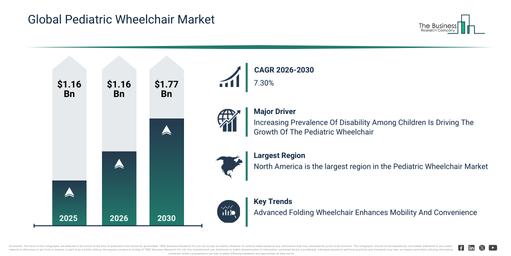
    The pediatric wheelchair market is projected to experience substantial expansion over the coming years, reaching $3.02 billion by 2030, demonstrating a compound annual growth rate (CAGR) of 7.3%. This anticipated increase during the forecast period is driven by factors such as inclusive education initiatives, increased utilization in homecare settings, advancements in powered mobility technology, a growing need for customization, and an increase in pediatric neurological conditions. Key developments expected during this timeframe involve a surging need for lightweight wheelchairs, tailored pediatric mobility solutions, an uptick in powered pediatric wheelchairs, a greater emphasis on posture support, and the broadening of online wheelchair sales channels.

    Access Your Free Sample Report for In-Depth Market Insights:

    https://www.thebusinessresearchcompany.com/sample.aspx?id=20588&type=smp

    Which Drivers Are Contributing To The Expansion Of The Pediatric Wheelchair Market?

    The pediatric wheelchair market is anticipated to expand due to the rising incidence of disability among children. Childhood disability encompasses various physical, cognitive, developmental, or emotional conditions that hinder a child’s capacity for daily activities and full societal involvement. This increase in childhood disability can be attributed primarily to advancements in diagnostic methods, enhanced survival rates for premature infants, and a greater awareness of developmental disorders. Pediatric wheelchairs offer vital support to disabled children by fostering mobility and independence, thereby enabling smoother navigation of their surroundings and participation in activities that might otherwise pose difficulties. As an illustration, the United Nations Children’s Fund (UNICEF) reported in June 2023 that approximately 240 million children globally live with disabilities, a rise from figures in 2022. Consequently, the expanding prevalence of childhood disability is a significant factor propelling the growth of the pediatric wheelchair market.

    What Segment Categories Are Covered In The Pediatric Wheelchair Market?

    The pediatric wheelchair market covered in this report is segmented –

    1) By Type: Manual Wheelchairs, Powered Wheelchairs

    2) By Portability: Standalone, Portable

    3) By Distribution Channel: Brick And Mortar, E-Commerce

    4) By Application: Mobility, Neurological Conditions

    5) By End-User: Hospitals, Home Care, Other End-Users

    Subsegments:

    1) By Manual Wheelchairs: Folding Manual Wheelchairs, Rigid Frame Manual Wheelchairs, Lightweight Manual Wheelchairs, Tilt-In-Space Manual Wheelchairs, Sport Manual Wheelchairs, Pediatric Reclining Manual Wheelchairs

    2) By Powered Wheelchairs: Rear-Wheel Drive Powered Wheelchairs, Front-Wheel Drive Powered Wheelchairs, Mid-Wheel Drive Powered Wheelchairs, Standing Powered Wheelchairs, Folding Powered Wheelchairs, Lightweight Powered Wheelchairs

    What Trends Are Driving The Growth Trajectory Of The Pediatric Wheelchair Market?

    Major companies operating within the pediatric wheelchair market are prioritizing the development of sophisticated products, such as folding wheelchairs, to improve mobility and convenience for children and their caregivers. Folding wheelchairs are characterized by a collapsible frame design that enables effortless storage, transportation, and portability without requiring the chair to be disassembled. For instance, in November 2024, Sunrise Medical, a Germany-based wheelchair manufacturer company, introduced the QUICKIE QS5 X, a lightweight folding wheelchair specifically engineered to boost ease of use and portability. This product features the FlexFold 2.0 mechanism and an optional S-Ergo 2.0 seating system, which together provide optimal posture support and a highly customizable fit for various user needs, all while maintaining its compact folded form. Additionally, an optional Fold-n-Lock feature secures the wheelchair in its folded position with a simple click, allowing it to stand independently for hassle-free transport and storage.

    Which Major Firms Are Strengthening Their Position In The Pediatric Wheelchair Market?

    Major companies operating in the pediatric wheelchair market are Medline Industries LP, Sunrise Medical LLC, Invacare Corporation, Numotion Inc., Permobil AB, Drive Medical Design & Manufacturing Inc., Etac AB, Vermeiren Group, Motion Composites Inc., SpinLife.com Inc., Roma Medical Aids Ltd., MEYRA Group, Karma Medical Products Co Ltd., Panthera Healthcare, Karman Healthcare Inc., Rehamo GmbH, SORG Rollstuhltechnik GmbH & Co. KG, Ottobock SE & Co KGaA, Quantum Rehab, RGK Wheelchairs Ltd, Ki Mobility, Convaid Products LLC

    Access The Complete Report For Deeper Market Insights:

    https://www.thebusinessresearchcompany.com/report/pediatric-wheelchair-global-market-report

    Which Global Regions Are Shaping The Competitive Landscape Of The Pediatric Wheelchair Market?

    North America was the largest region in the pediatric wheelchair market in 2025. Asia-Pacific is expected to be the fastest-growing region in the forecast period. The regions covered in the pediatric wheelchair market report are Asia-Pacific, South East Asia, Western Europe, Eastern Europe, North America, South America, Middle East, Africa.

    Request Your Customized Pediatric Wheelchair Market Research Report for Competitive Advantage:

    https://www.thebusinessresearchcompany.com/customise?id=20588&type=smp

    Browse Through More Reports Similar to the Global Pediatric Wheelchair Market 2026, By The Business Research Company

    Wheelchair Accessible Vehicle Converter Global Market Report 2026

    https://www.thebusinessresearchcompany.com/report/wheelchair-accessible-vehicle-converter-global-market-report

    Remote Patient Monitoring Devices And Equipment Global Market Report 2026

    https://www.thebusinessresearchcompany.com/report/remote-patient-monitoring-devices-and-equipment-global-market-report

    Patient Monitoring Devices Global Market Report 2026

    https://www.thebusinessresearchcompany.com/report/patient-monitoring-devices-global-market-report

    Get in touch with us:

    The Business Research Company: https://www.thebusinessresearchcompany.com/

    Americas +1 310-496-7795

    Asia +44 7882 955267 & +91 8897263534

    Europe +44 7882 955267

    Email us at info@tbrc.info

    Follow us on:

    LinkedIn: https://in.linkedin.com/company/the-business-research-company
  • Global Pediatric Perfusion Market Report 2026–2035: Key Forecasts and Growth Areas

    Global Pediatric Perfusion Market Report 2026–2035: Key Forecasts and Growth Areas

    Uncover key drivers, emerging technologies, and competitive movements shaping the worker heat stress monitoring wearable market from 2026–2035 with trusted insights from The Business Research Company

    What market expansion outlook does the Pediatric Perfusion Market show for the 2026–2030 period?

    The pediatric perfusion market size has observed significant growth in recent years. This market is projected to expand from $2.83 billion in 2025 to $3.09 billion in 2026, exhibiting a compound annual growth rate (CAGR) of 8.9%. The historic period’s growth can be attributed to a higher incidence of congenital heart defects, the development of pediatric cardiac surgery programs, increasing access to specialized pediatric care centers, improved survival rates in neonatal intensive care, and enhancements in extracorporeal circulation techniques.

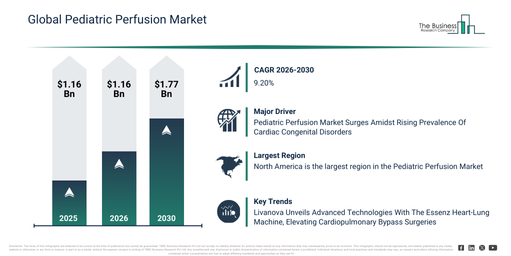
    The pediatric perfusion market size is anticipated to experience significant expansion over the next few years. It is projected to reach $4.39 billion in 2030, demonstrating a compound annual growth rate (CAGR) of 9.2%. This growth in the forecast period is primarily fueled by increasing investments in pediatric critical care infrastructure, a rising adoption of advanced monitoring technologies, a greater focus on minimally invasive pediatric surgeries, the expansion of ECMO usage in pediatric respiratory failure, and continuous innovation in biocompatible perfusion materials. Major developments expected in the forecast period encompass the increasing integration of miniaturized pediatric perfusion devices, a surging demand for ECMO systems in neonatal care, the growing incorporation of real-time perfusion monitoring, a broader availability of disposable and single-use perfusion components, and an enhanced emphasis on patient-specific perfusion solutions.

    Access Your Free Sample Report for In-Depth Market Insights:

    https://www.thebusinessresearchcompany.com/sample.aspx?id=10717&type=smp

    What Drivers Are Shaping The Development Of The Pediatric Perfusion Market?

    The increasing occurrence of cardiac congenital disorders is anticipated to fuel the expansion of the pediatric perfusion market. Cardiac congenital disorders are birth defects that impair a baby’s heart development and function, influencing blood circulation to other organs. Pediatric perfusion finds widespread application in cardiac surgeries aimed at mending or rectifying structural heart abnormalities, including procedures like ventricular septal defect (VSD) repair, atrial septal defect (ASD) repair, tetralogy of Fallot (TOF) repair, coarctation of the aorta repair, among others. For example, data from February 2023 by the World Health Organization, a Switzerland-based specialized agency of the United Nations dedicated to international public health, indicates that congenital diseases are estimated to cause 240,000 newborn deaths globally annually within 28 days of birth. Additionally, a January 2022 report from the Centers for Disease Control (CDC) highlighted that roughly 40,000 births in the United States are impacted by a congenital cardiac abnormality each year, representing about 1% of the global population. Consequently, the widespread occurrence of cardiac congenital disorders is a significant impetus for the growth of the pediatric perfusion market.

    Which Segments Are Contributing To The Growth Of The Pediatric Perfusion Market?

    The pediatric perfusion market covered in this report is segmented –

    1) By Product: Pediatric Cannulae, Pediatric Centrifugal Blood Pumps, Pediatric Arterial Filters, Hem concentrators, Pediatric Oxygenators

    2) By Procedure Type: Pediatric Cardiac Surgeries, Pediatric Organ Transplantation, Pediatric Extracorporeal Life Support (ECLS)

    3) By End-User: Hospitals (Tertiary and Pediatric Specialty Hospitals), Pediatric Cardiac and Transplant Centers, Critical Care and ECMO Centers, Academic and Research Medical Centers

    Subsegments:

    1) By Pediatric Cannulae: Venous Cannulae, Arterial Cannulae, Dual-Lumen Cannulae

    2) By Pediatric Centrifugal Blood Pumps: Continuous Flow Pumps, Pulsatile Pumps, Disposable Blood Pumps

    3) By Pediatric Arterial Filters: Inline Arterial Filters, Bubble Traps, Microaggregate Filters

    4) By Hemoconcentrators: Ultra-Filtration Hemoconcentrators, Continuous Renal Replacement Therapy (CRRT) Devices, Dialysis Hemoconcentrators

    5) By Pediatric Oxygenators: Membrane Oxygenators, Bubble Oxygenators, Extracorporeal Membrane Oxygenation (ECMO) Systems

    What Upcoming Trends Are Likely To Define The Future Path Of The Pediatric Perfusion Market?

    Leading companies in the pediatric perfusion market are innovating new technologies, such as cardiopulmonary bypass (CPB) systems, to improve surgical safety and enhance clinical outcomes for infants and children. Cardiopulmonary bypass (CPB) systems are medical devices that temporarily assume the functions of the heart and lungs during surgery, sustaining circulation and oxygenation while the heart is not active. For instance, in March 2023, LivaNova, a UK-based medical device manufacturer, introduced the Essenz Heart-Lung Machine in the US region after securing 510 (k) clearance from the U.S. Food and Drug Administration. The Essenz Heart-Lung Machine, when combined with LivaNova’s patient monitor, forms a perfusion system employed during cardiopulmonary bypass surgeries. During open-heart procedures, a perfusion system acts as the patient’s heart and lungs. Moreover, it is suitable for both adult and pediatric patients and is designed to be mast-mounted to minimize distractions and maintain a clean environment. The cockpit offers a centralized view for controlling the device and monitoring all perfusion and patient data, alongside interfacing with external operating room devices and hospital information systems.

    Who Are The Primary Competitors In The Global Pediatric Perfusion Market?

    Major companies operating in the pediatric perfusion market are Medtronic plc, Terumo Cardiovascular Systems Corporation, LivaNova PLC, Eurosets, Getinge AB, Edwards Lifesciences Corporation, Smiths Medical Inc., Fresenius Kabi AG, Nipro Medical Corporation, Hemovent GmbH, Spectrum Medical Ltd., Braile Biomédica, Leviticus Cardio Ltd., B. Braun Melsungen AG, Baxter International Inc., ALung Technologies Inc., Novalung GmbH, Xenios AG, Xvivo Perfusion AB, Edwards Lifesciences Corporation

    Access The Complete Report For Deeper Market Insights:

    https://www.thebusinessresearchcompany.com/report/pediatric-perfusion-global-market-report

    Which Regions Are Poised For Strategic Growth In The Pediatric Perfusion Market?

    North America was the largest region in the pediatric perfusion market in 2025. The regions covered in the pediatric perfusion market report are Asia-Pacific, South East Asia, Western Europe, Eastern Europe, North America, South America, Middle East, Africa.

    Request Your Customized Pediatric Perfusion Market Research Report for Competitive Advantage:

    https://www.thebusinessresearchcompany.com/customise?id=10717&type=smp

    Browse Through More Reports Similar to the Global Pediatric Perfusion Market 2026, By The Business Research Company

    Perfusion Systems Global Market Report 2026

    https://www.thebusinessresearchcompany.com/report/perfusion-systems-global-market-report

    Pediatric Supplements Global Market Report 2026

    https://www.thebusinessresearchcompany.com/report/pediatric-supplements-global-market-report

    Pediatric Clinical Trials Global Market Report 2026

    https://www.thebusinessresearchcompany.com/report/pediatric-clinical-trials-global-market-report

    Get in touch with us:

    The Business Research Company: https://www.thebusinessresearchcompany.com/

    Americas +1 310-496-7795

    Asia +44 7882 955267 & +91 8897263534

    Europe +44 7882 955267

    Email us at info@tbrc.info

    Follow us on:

    LinkedIn: https://in.linkedin.com/company/the-business-research-company

  • Pediatric Orthopedic Implants Market 2026–2030: Forecast, Innovation, and Competitive Trends

    Pediatric Orthopedic Implants Market 2026–2030: Forecast, Innovation, and Competitive Trends

    Uncover key drivers, emerging technologies, and competitive movements shaping the workstation graphics processing unit (gpu) market from 2026–2035 with trusted insights from The Business Research Company

    What level of growth is expected in the Pediatric Orthopedic Implants Market between 2026 and 2030?

    The pediatric orthopedic implants market has experienced rapid expansion in recent years. This market is expected to increase from $2 billion in 2025 to $2.21 billion in 2026, registering a compound annual growth rate (CAGR) of 10.3%. The historical growth in this sector is attributable to the rising incidence of pediatric musculoskeletal disorders, the expansion of pediatric orthopedic surgery programs, improvements in implant material science, growing access to specialized pediatric care, and increasing surgical success rates.

    The pediatric orthopedic implants market is anticipated to experience substantial growth over the next few years, with projections indicating it will reach $3.33 billion by 2030, demonstrating a compound annual growth rate (CAGR) of 10.8%. This expansion during the forecast period is largely driven by factors such as the broader application of 3D-printed pediatric implants, an increasing emphasis on personalized orthopedic solutions, the greater adoption of advanced biomaterials, the escalation in pediatric trauma and corrective surgeries, and the integration of digital surgical planning. Furthermore, significant trends shaping this period include the wider use of growth-friendly orthopedic implants, a rising acceptance of custom pediatric implants, increasing demand for biocompatible materials, the expansion of minimally invasive orthopedic procedures, and a heightened focus on the long-term adaptability of implants.

    Access Your Free Sample Report for In-Depth Market Insights:

    https://www.thebusinessresearchcompany.com/sample.aspx?id=12392&type=smp

    Which Drivers Are Expected To Impact The Pediatric Orthopedic Implants Market During The Forecast Period?

    The growing occurrence of sports injuries is anticipated to drive the expansion of the pediatric orthopedic implants market moving forward. Sports injuries are defined as physical harm or damage sustained during athletic activities or exercise. Pediatric orthopedic implants are utilized in sports injuries to stabilize fractures or repair growth plate damage in children, offering structural support and assisting in the proper healing of bones to restore normal function. For instance, in October 2024, Insideworldfootball, a UK-based online news service, reported that sports injuries totaled 4,123 during the 2023-24 season, representing a 4% increase when compared to the 2022-23 period. Therefore, the rising incidence of sports injuries is a key driver for the pediatric orthopedic implants market.

    How Is The Pediatric Orthopedic Implants Market Divided Into Segments?

    The pediatric orthopedic implants market covered in this report is segmented –

    1) By Type: Hip Implants, Spine Implants, Craniomaxillofacial Implants, Other Types

    2) By Application: Birth Deformities, Broken Bones, Spinal Deformities, Other Applications

    3) By End User: Hospitals, Pediatric Clinics, Other End Users

    Subsegments:

    1) By Hip Implants: Total Hip Replacement Implants, Partial Hip Replacement Implants, Hip Stabilization Implants

    2) By Spine Implants: Spinal Fusion Implants, Growth-Friendly Spinal Implants, Scoliosis Correction Implants

    3) By Craniomaxillofacial Implants: Cranial Implants, Facial Reconstruction Implants, Mandibular Implants

    4) By Other Types: Upper Extremity Implants, Lower Extremity Implants, Custom Pediatric Implants

    Which Trends Are Shaping Activity Within The Pediatric Orthopedic Implants Market?

    Major companies operating in the pediatric orthopedic implants market are concentrating on advanced solutions like patented modular quick-clip technology to improve surgical precision, shorten operative time, and enhance patient outcomes. Patented modular quick-clip technology refers to an exclusive system that enables quick assembly or connection of modular components in various applications or devices. For instance, in November 2023, OrthoPediatrics Corporation, a US-based medical devices company, introduced the Mitchell Ponseti Plus Bar (MP+) as part of their specialty bracing portfolio for kids with clubfoot. This orthopedic device is utilized in the Ponseti method for the treatment of clubfoot, helping to maintain correction after initial casting and stretching. It was launched with patented modular quick-clip technology and elastomer bumpers on the heels to increase the width range for a custom fit.

    Which Key Market Players Are Investing In Expansion And Innovation Within The Pediatric Orthopedic Implants Market?

    Major companies operating in the pediatric orthopedic implants market are Medtronic Plc., Stryker Corporation, B. Braun SE, Zimmer Biomet, Smith & Nephew Plc., Arthrex Inc., Globus Medical, Orthofix Medical Inc., OrthoPediatrics Corporation, FH Orthopedics, Wishbone Medical Inc., Acumed, Merete Medical GmbH, JRI Orthopaedics Limited, GPC Medical Ltd., Samay Surgical, Auxein Inc., Waldemar Link GmbH & Co. KG, Implantcast GmbH, Bioretec Ltd., Baumer S.A., Suhradam Ortho, Vast Ortho

    Access The Complete Report For Deeper Market Insights:

    https://www.thebusinessresearchcompany.com/report/pediatric-orthopedic-implants-global-market-report

    Which Regions Are Projected To Dominate The Pediatric Orthopedic Implants Market In The Coming Years?

    North America was the largest region in the pediatric orthopedic implants market in 2025. The regions covered in the pediatric orthopedic implants market report are Asia-Pacific, South East Asia, Western Europe, Eastern Europe, North America, South America, Middle East, Africa.

    Request Your Customized Pediatric Orthopedic Implants Market Research Report for Competitive Advantage:

    https://www.thebusinessresearchcompany.com/customise?id=12392&type=smp

    Browse Through More Reports Similar to the Global Pediatric Orthopedic Implants Market 2026, By The Business Research Company

    Advanced Orthopedic Technologies Implants And Regenerative Products Global Market Report 2026

    https://www.thebusinessresearchcompany.com/report/advanced-orthopedic-technologies-implants-and-regenerative-products-global-market-report

    Knee Implants Global Market Report 2026

    https://www.thebusinessresearchcompany.com/report/knee-implants-global-market-report

    Hip Replacement Implants Global Market Report 2026

    https://www.thebusinessresearchcompany.com/report/hip-replacement-implants-global-market-report

    Get in touch with us:

    The Business Research Company: https://www.thebusinessresearchcompany.com/

    Americas +1 310-496-7795

    Asia +44 7882 955267 & +91 8897263534

    Europe +44 7882 955267

    Email us at info@tbrc.info

    Follow us on:

    LinkedIn: https://in.linkedin.com/company/the-business-research-company