Category: Medical Equipment

  • Global Medical Equipment Outsourcing Market Report 2026: Emerging Trends and Growth Scenarios

    Global Medical Equipment Outsourcing Market Report 2026: Emerging Trends and Growth Scenarios

    Uncover key drivers, emerging technologies, and competitive movements shaping the workstation graphics processing unit (gpu) market from 2026–2035 with trusted insights from The Business Research Company

    What was the valuation of the Medical Equipment Outsourcing Market in 2026, and what figure is it projected to hit by 2030?

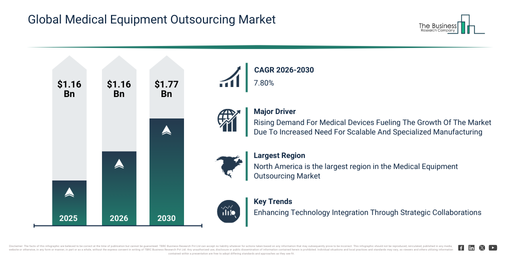
    The medical equipment outsourcing market size has demonstrated robust expansion in recent years. Forecasts indicate it will escalate from $81.11 billion in 2025 to $87.6 billion in 2026, achieving a compound annual growth rate (CAGR) of 8.0%. The market’s historical growth was driven by factors such as the increasing complexity of medical device regulations, rising cost pressures on device manufacturers, the expansion of global medical device production, a growing reliance on specialized engineering expertise, and an increasing demand for faster product commercialization.

    The medical equipment outsourcing market is anticipated to show significant expansion in the coming years. By 2030, its valuation is expected to reach $118.2 billion, progressing at a compound annual growth rate (CAGR) of 7.8%. This projected increase during the forecast period is driven by factors such as the rising uptake of digital health devices, increased outsourcing of software-enabled medical equipment, the expansion of nearshore manufacturing approaches, a growing requirement for scalable production frameworks, and an intensified focus on innovation that is also cost-efficient. Notable trends for the forecast period include a rise in end-to-end device development outsourcing, greater demand for regulatory compliance assistance, the increasing adoption of design-to-manufacture collaborations, the expansion of lifecycle management outsourcing paradigms, and an elevated emphasis on quality and risk management.

    Access Your Free Sample Report for In-Depth Market Insights:

    https://www.thebusinessresearchcompany.com/sample.aspx?id=24298&type=smp

    Which Drivers Are Affecting Market Participation In The Medical Equipment Outsourcing Market?

    The medical equipment outsourcing market is projected to expand due to an increasing need for medical devices. These devices encompass tools, machinery, implants, or software applications employed for the diagnosis, prevention, monitoring, or treatment of health conditions, operating without relying on chemical mechanisms for their main function. This heightened demand for medical devices primarily stems from the expanding global elderly demographic, leading to more chronic illnesses and consequently a greater requirement for diagnostic, monitoring, and therapeutic apparatus. Outsourcing medical equipment production helps satisfy this rising demand by facilitating quicker, more economical manufacturing and providing access to expert knowledge, thus allowing manufacturers to scale operations effectively and fulfill market requirements. For example, reports from the National Medical Products Administration (NMPA), China’s regulatory body overseeing pharmaceuticals, medical devices, and cosmetics, indicated in January 2025 that 126,139 medical device products had been officially registered, alongside the issuance of 163,489 filing certificates across the country. Consequently, the growing requirement for medical devices is set to fuel the expansion of the medical equipment outsourcing market.

    What Segment Classifications Make Up The Medical Equipment Outsourcing Market?

    The medical equipment outsourcing market covered in this report is segmented –

    1) By Service Type: Regulatory Affairs Services, Product Design And Development Services, Product Testing And Certification Services, Product Implementation Services, Product Upgrade Services

    2) By Mode Of Outsourcing: Offshore Outsourcing, Nearshore Outsourcing, Onshore Outsourcing

    3) By Application: Diagnostic Imaging, Cardiology, Orthopedic, Dental, Endoscopy

    4) By End User: Hospitals, Clinics, Diagnostic Laboratories, Research And Development Centers

    Subsegments:

    1) By Regulatory Affairs Services: Regulatory Strategy development, Regulatory Submissions (e.g., FDA, EMA, PMDA), Labeling Compliance, Post-market Surveillance Support, Clinical Evaluation Reports (CER)

    2) By Product Design and Development Services: Concept And Feasibility Analysis, Industrial And Human Factors Design, Electrical And Mechanical Engineering, Software Development (Embedded Systems, Apps), Prototyping And Pilot Production

    3) By Product Testing And Certification Services: Electrical Safety Testing, Biocompatibility Testing, Performance Testing, EMC Or EMI Compliance Testing, Certification Support

    4) By Product Implementation Services: Manufacturing Process Validation, Assembly And Integration, Packaging Design And Validation, Sterilization Process Management, Supply Chain Setup

    5) By Product Upgrade Services: Product Lifecycle Management, Software And Firmware Updates, Hardware Redesign For Newer Standards, Compliance With Updated Regulations, Cost-reduction Engineering

    How Are New Market Trends Shaping The Landscape Of The Medical Equipment Outsourcing Market?

    Key players in the medical equipment outsourcing market are utilizing strategic partnerships to foster technological integration and extend their market reach. Medical outsourcing services are bolstered by these strategic alliances, which merge specialized expertise, cutting-edge technologies, and global infrastructure to accelerate development schedules, reduce costs, and improve the quality and compliance of healthcare solutions. For example, in June 2023, NAMSA, a US-based medical device Contract Research Organization (CRO), revealed a strategic outsourcing collaboration with Terumo Aortic. This partnership seeks to expedite the development and commercialization of Terumo Aortic’s innovative aortic disease products. NAMSA is set to provide direct access to clinical experts and cardiovascular-focused teams to support study initiation and capacity, thereby facilitating a quicker market entry for new devices. Furthermore, in January 2025, US Med-Equip, a US-based supplier of medical equipment rentals, partnered with Zopec Medical to furnish hospitals with supplementary battery power solutions. This collaboration guarantees that healthcare providers have access to dependable power sources for crucial medical equipment, improving patient care during electricity disruptions or in areas with unstable power supplies.

    Which Major Firms Are Strengthening Their Position In The Medical Equipment Outsourcing Market?

    Major companies operating in the medical equipment outsourcing market are Jabil Inc., Flex Ltd., IQVIA Holdings Inc., Labcorp, Sanmina Corporation, ICON plc, Celestica Inc., Eurofins Scientific, WuXi AppTec Co. Ltd., Nipro Corporation, Charles River Laboratories International Inc., lntertek Group, Plexus Corp., Parexel International Corporation, West Pharmaceutical Services Inc., Benchmark Electronics Inc., Gerresheimer AG, Phillips-Medisize Corporation, Medpace Holdings Inc., Integer Holdings Corporation

    Access The Complete Report For Deeper Market Insights:

    https://www.thebusinessresearchcompany.com/report/medical-equipment-outsourcing-global-market-report

    Which Global Regions Are Shaping The Competitive Landscape Of The Medical Equipment Outsourcing Market?

    North America was the largest region in the medical equipment outsourcing market in 2025. Asia-Pacific is expected to be the fastest-growing region in the forecast period. The regions covered in the medical equipment outsourcing market report are Asia-Pacific, South East Asia, Western Europe, Eastern Europe, North America, South America, Middle East, Africa.

    Request Your Customized Medical Equipment Outsourcing Market Research Report for Competitive Advantage:

    https://www.thebusinessresearchcompany.com/customise?id=24298&type=smp

    Browse Through More Reports Similar to the Global Medical Equipment Outsourcing Market 2026, By The Business Research Company

    Hospital Outsourcing Global Market Report 2026

    https://www.thebusinessresearchcompany.com/report/hospital-outsourcing-global-market-report

    Medical Billing Outsourcing Global Market Report 2026

    https://www.thebusinessresearchcompany.com/report/medical-billing-outsourcing-global-market-report

    Healthcare Rcm Outsourcing Global Market Report 2026

    https://www.thebusinessresearchcompany.com/report/healthcare-rcm-outsourcing-global-market-report

    Get in touch with us:

    The Business Research Company: https://www.thebusinessresearchcompany.com/

    Americas +1 310-496-7795

    Asia +44 7882 955267 & +91 8897263534

    Europe +44 7882 955267

    Email us at info@tbrc.info

    Follow us on:

    LinkedIn: https://in.linkedin.com/company/the-business-research-company

  • Medical Equipment Financing Market Forecast 2026: Where the Industry Is Headed

    Medical Equipment Financing Market Forecast 2026: Where the Industry Is Headed

    Uncover key drivers, emerging technologies, and competitive movements shaping the worker heat stress monitoring wearable market from 2026–2035 with trusted insights from The Business Research Company

    What are the forecasted starting (2026) and ending (2030) market sizes for the Medical Equipment Financing Market?

    The medical equipment financing market has demonstrated substantial growth in recent years. This market is expected to expand from $175.65 billion in 2025 to $191.14 billion in 2026, achieving a compound annual growth rate (CAGR) of 8.8%. Throughout its historic period, the market’s expansion can be attributed to factors like limited access to capital for healthcare providers, the significant upfront cost of medical equipment, a prevailing reliance on traditional bank loans, the slow uptake of digital financing platforms, and the availability of fragmented financing options.

    The medical equipment financing market is anticipated to show significant expansion over the next few years. Its valuation is predicted to reach $265.19 billion by 2030, growing at a compound annual growth rate (CAGR) of 8.5%. This growth during the forecast period is attributable to factors such as the increasing demand for digital health solutions, rising investment in hospitals and clinics, the emergence of fintech-enabled lending platforms, the expansion of government-backed financing initiatives, and the growing adoption of subscription-based and pay-per-use models. Prominent trends expected in the forecast period include the increasing uptake of flexible financing options for medical equipment, a heightened demand for leasing and loan-based models, the proliferation of OEM and government-supported financing programs, the expansion of financing for software and digital health solutions, and a stronger emphasis on financial risk management and credit assessment.

    Access Your Free Sample Report for In-Depth Market Insights:

    https://www.thebusinessresearchcompany.com/sample.aspx?id=27339&type=smp

    What Drivers Are Supporting Technological Adoption In The Medical Equipment Financing Market?

    The expanding presence of private hospitals and diagnostic centers is anticipated to propel the growth of the medical equipment financing market in the coming years. These entities are defined as non-governmental healthcare facilities that deliver medical treatment, surgical care, and diagnostic services, including laboratory tests and imaging. The surge in private hospitals and diagnostic centers is attributable to an escalating demand for quality and specialized healthcare services, driven by increasing populations and higher income levels. Medical equipment financing supports private hospitals and diagnostic centers by enabling them to acquire advanced medical technologies and diagnostic tools without significant upfront costs, thereby improving service quality and expanding their capacity. For instance, in May 2023, the UK government committed more than $26 billion (£20 billion) in funding towards new hospital infrastructure, with a goal to rebuild five major hospitals by the year 2030 under their new hospital program. Consequently, the increasing number of private hospitals and diagnostic centers is a key factor driving the growth of the medical equipment financing market.

    What Segment Types Are Examined In The Medical Equipment Financing Market?

    The medical equipment financing market covered in this report is segmented –

    1) By Type: Equipment Financing, Software Financing, Service Financing

    2) By Financing Type: Lease, Loan, Line Of Credit, Other Financing Types

    3) By Providers: Banks, Non-Banking Financial Institutions, Original Equipment Manufacturer Financing, Government Programs, Banks

    4) By End-User: Hospitals, Clinics, Ambulatory Surgical, Diagnostic Centers

    Subsegments:

    1) By Equipment Financing: Hospital Bed Financing, Diagnostic Imaging Equipment Financing, Surgical Instrument Financing

    2) By Software Financing: Electronic Health Record Software Financing, Medical Billing Software Financing, Practice Management Software Financing

    3) By Service Financing: Installation And Setup Service Financing, Maintenance And Repair Service Financing, Training And Education Service Financing

    Which Trends Are Expected To Influence The Medical Equipment Financing Market In The Upcoming Years?

    Leading companies in the medical equipment financing market are concentrating on innovative strategies, such as the creation of transformative healthcare companies, to expand access to advanced medical technologies and improve the efficiency of healthcare delivery. Transformative healthcare companies are defined as enterprises that generate significant positive alterations in the healthcare system by introducing advanced medical innovations, broadening access to care, and enhancing efficiency and patient outcomes. For instance, in May 2023, the Nigeria Sovereign Investment Authority, a Nigeria-based capital market company, launched NSIA Advanced Medical Service Ltd. (MedServe) and Equilease Systems Limited (Equilease) to bolster healthcare infrastructure and provide medical equipment leasing solutions throughout Nigeria. MedServe aims to provide high-quality, affordable healthcare with equitable access by establishing and operating healthcare centers nationwide. Equilease Systems Limited (Equilease) facilitates the acquisition of medical equipment through innovative leasing and financing programs, initially supporting MedServe to elevate healthcare quality across Nigeria.

    Who Are The Primary Competitors In The Global Medical Equipment Financing Market?

    Major companies operating in the medical equipment financing market are Wells Fargo Co., Toronto Dominion Bank, Siemens Healthineers AG, HDFC Bank Ltd., GE Healthcare Technologies Inc., Henry Schein Inc., Macquarie Group Limited, Synovus Financial Corp., Bajaj Finserv Ltd., Balboa Capital Corporation, Ascentium Capital LLC, SMC Group, National Funding Inc., PEAC Solutions, Med One Group Inc., Blue Bridge Financial LLC, Crest Capital, First American Equipment Finance, CMS Funding, First Capital Business Finance, Hitachi Capital America Corp., U.S. Bank Equipment LLC

    Access The Complete Report For Deeper Market Insights:

    https://www.thebusinessresearchcompany.com/report/medical-equipment-financing-global-market-report

    Which Regions Are Poised For Strategic Growth In The Medical Equipment Financing Market?

    North America was the largest region in the medical equipment financing market in 2025. Asia-Pacific is expected to be the fastest-growing region in the forecast period. The regions covered in the medical equipment financing market report are Asia-Pacific, South East Asia, Western Europe, Eastern Europe, North America, South America, Middle East, Africa.

    Request Your Customized Medical Equipment Financing Market Research Report for Competitive Advantage:

    https://www.thebusinessresearchcompany.com/customise?id=27339&type=smp

    Browse Through More Reports Similar to the Global Medical Equipment Financing Market 2026, By The Business Research Company

    Refurbished Medical Equipment Global Market Report 2026

    https://www.thebusinessresearchcompany.com/report/refurbished-medical-equipment-global-market-report

    Medical Equipment Maintenance Global Market Report 2026

    https://www.thebusinessresearchcompany.com/report/medical-equipment-maintenance-global-market-report

    Medical Equipment Rental Global Market Report 2026

    https://www.thebusinessresearchcompany.com/report/medical-equipment-rental-global-market-report

    Get in touch with us:

    The Business Research Company: https://www.thebusinessresearchcompany.com/

    Americas +1 310-496-7795

    Asia +44 7882 955267 & +91 8897263534

    Europe +44 7882 955267

    Email us at info@tbrc.info

    Follow us on:

    LinkedIn: https://in.linkedin.com/company/the-business-research-company
  • Medical Equipment Industry Growth Insights: Revenue Forecast to 2030

    Medical Equipment Industry Growth Insights: Revenue Forecast to 2030

    Uncover key drivers, emerging technologies, and competitive movements shaping the workstation graphics processing unit (gpu) market from 2026–2035 with trusted insights from The Business Research Company

    What upper market value could the Medical Equipment Market reach by 2030 starting from 2026 levels?

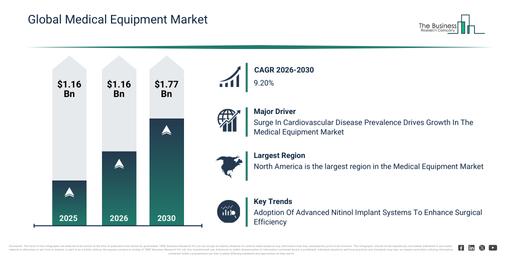
    The medical equipment market size has shown strong growth over recent years. It is anticipated to expand from $791.33 billion in 2025 to $857.08 billion in 2026, reflecting a compound annual growth rate (CAGR) of 8.3%. The market’s past growth can be linked to the expansion of global healthcare infrastructure, the increasing prevalence of chronic diseases, rising healthcare expenditure, technological advancements in medical diagnostics, and growing hospital modernization initiatives.

    The medical equipment market size is anticipated to experience robust expansion over the next few years, reaching $1217.9 billion by 2030, with a compound annual growth rate (CAGR) of 9.2%. This growth during the forecast period is driven by factors such as the increasing uptake of digital health solutions, a rising need for home-based medical equipment, the expansion of AI-enabled diagnostic devices, a growing emphasis on preventive healthcare, and increased investments in smart hospital technologies. Significant trends in the coming period include a greater adoption of smart and connected medical devices, an escalating demand for diagnostic imaging equipment, the growing application of minimally invasive surgical systems, the spread of remote patient monitoring devices, and an enhanced focus on the accuracy and reliability of equipment.

    Access Your Free Sample Report for In-Depth Market Insights:

    https://www.thebusinessresearchcompany.com/sample.aspx?id=3157&type=smp

    Which Drivers Are Influencing Long-Term Growth In The Medical Equipment Market?

    The increasing incidence of cardiovascular diseases is projected to propel growth in the medical equipment market. Cardiovascular disease (CVD) is a comprehensive term for conditions affecting the heart or blood vessels. It is frequently associated with the accumulation of fatty substances within the arteries, known as atherosclerosis, and an elevated potential for blood clots. Various medical equipment is necessary for the prevention, diagnosis, and treatment of cardiovascular diseases. For instance, in September 2025, the British Heart Foundation, a UK-based charity, reported that over 7.6 million people across the UK, including more than 4 million men and over 3.6 million women, are living with cardiovascular disease. Projections further suggest that this number could increase by approximately 1 million by 2030 and by about 2 million by 2040, primarily due to an aging population and improved survival rates. Therefore, the expanding prevalence of cardiovascular diseases will stimulate the medical equipment market’s expansion.

    Which Segments Are Driving Activity In The Medical Equipment Market?

    The medical equipment market covered in this report is segmented –

    1) By Type: In-Vitro Diagnostics, Dental Equipment And Supplies, Ophthalmic Devices, Diagnostic Imaging Equipment, Cardiovascular Devices, Hospital Supplies, Surgical Equipment, Orthopedic Devices, Patient Monitoring Devices, Other Types

    2) By Type Of Expenditure: Public, Private

    3) By Category: Instruments And Equipment, Disposables And Consumables

    4) By End User: Hospitals And Clinics, Homecare And Diagnostic Centers, Other End Users

    Subsegments:

    1) By In-Vitro Diagnostics: Clinical Chemistry, Immunoassay, Molecular Diagnostics, Hematology, Microbiology

    2) By Dental Equipment And Supplies: Dental Instruments, Dental Implants, Dental Chairs And Equipment, Orthodontic Supplies, Dental Consumables

    3) By Ophthalmic Devices: Contact Lenses, Intraocular Lenses, Ophthalmic Lasers, Diagnostic Devices, Surgical Devices

    4) By Diagnostic Imaging Equipment: X-Ray Systems, Ultrasound Systems, MRI Systems, CT Scanners, Nuclear Imaging Systems

    5) By Cardiovascular Devices: Cardiac Rhythm Management Devices, Catheters, Heart Valves, Stents, Cardiac Assist Devices

    6) By Hospital Supplies: Disposables, Sterilization Equipment, Surgical Masks And Gowns, IV Solutions And Administration Sets, Diagnostic Strips

    7) By Surgical Equipment: Surgical Instruments, Electrosurgical Devices, Robotic Surgery Systems, Surgical Sutures And Staplers, Minimally Invasive Surgery Devices

    8) By Orthopedic Devices: Joint Replacement Devices, Trauma Fixation Devices, Spinal Implants, Orthopedic Braces And Supports, Arthroscopy Devices

    9) By Patient Monitoring Devices: Vital Signs Monitors, Remote Patient Monitoring Devices, Fetal And Neonatal Monitors, Cardiac Monitoring Devices, Multi-Parameter Monitors

    10) By Other Types: Blood Glucose Meters, Insulin Delivery Devices, Continuous Glucose Monitoring Systems (CGMs), Lancets And Strips, Dialysis Equipment (Hemodialysis, Peritoneal Dialysis), Urinary Catheters, Stone Management Devices

    What Trends Are Driving The Growth Trajectory Of The Medical Equipment Market?

    Leading companies in the medical equipment market are concentrating on developing advanced solutions, such as nitinol implant systems, to boost surgical accuracy, optimize procedural efficiency, and offer robust fixation options for reconstructive surgeries. Nitinol implant systems utilize a nickel-titanium alloy that provides dynamic compression, strength, and flexibility, which enables precise bone fixation and leads to improved procedural outcomes. For instance, in September 2023, Medline UNITE, a US-based healthcare company, unveiled the REFLEX TETRA Nitinol Staples, featuring a four-leg design crafted to fit the unique bone structures of the MTP, first and lesser TMT, and TN joints. The system incorporates targeting guides to efficiently place a cannulated screw or a two-legged staple through the inner legs of the staples. The REFLEX Foot Recon Nitinol Implant System possesses FDA clearances for various joint-specific indications and includes all staples, discs, joint preparation instruments, targeting guides, and related instrumentation in one comprehensive tray. This launch significantly enhances intraoperative versatility and efficiency, facilitates fully dynamic fixation constructs, addresses prior nitinol product limitations, and supports greater surgeon confidence and positive patient outcomes.

    Which Key Market Players Are Investing In Expansion And Innovation Within The Medical Equipment Market?

    Major companies operating in the medical equipment market are Medtronic Inc, Abbott Laboratories, Johnson & Johnson, Siemens AG, Becton Dickinson and Company(BD), STRYKER CORPORATION, Cardinal Health, Danaher Corporation, Boston Scientific Corporation, Koninklijke Philips N.V., SCHILLER Healthcare India Pvt. Ltd, GE Healthcare, Covidien Healthcare India Private Limited, Philips Healthcare India, Fisher & Paykel Healthcare India Private Limited, Smiths Medical India Pvt Ltd, Agappe Diagnostics Ltd, ARKRAY Healthcare Pvt. Ltd, Accord Medical Products Private Limited, Shinva Medical Instrument Company Limited, Shandong WeiGao Group Medical Polymer Company Limited, Lepu Medical Technology Company (Beijing) Co. Ltd, Yuwell – Jiangsu Yuyue Medical Equipment & Supply Co. Ltd, Shanghai Runda Medical Technology Co. Ltd, Terumo Corporation, Olympus Medical Systems Corporation, Canon Medical Systems Corporation, Hitachi Group, Nihon Koden Corporation, Sanko Manufacturing Co. Ltd, Fukuda Denshi, Metran Co. Ltd, Clarity Medical, Welcare Industries S.P.A, F.L. Medical S.r.l, Empire MEDICAL UK LTD, Europlaz Technologies Ltd, Alfa-Med LLC, Medplant LLC, Medical-Lomza Sp. z o.o., P.H.U. Medical, ProVeterináre, Panop CZ, Baxter, SunMed, Beckman Coulter, Draegerwerk AG, Getinge Group, Masimo, Teleflex Inc, Nipro Medical Ltda, LINET Brazil, Fotoptica Ltda, Leistung Engineering Pvt. Ltd, Saudi Mais Co. for Medical Products (SMMP), Life Pulse Medical Co, Watan, AlKawashef, 3BY Ltd, Qatari German Medical Devices Co, Israeli Hospitals Ltd, CAPS Medical, Amana Healthcare (Pty) Ltd, CapeRay, TiTaMED (Pty) Ltd, Sinapi Biomedical, Egyptian Medical And Environment Group, ResMed Inc.

    Access The Complete Report For Deeper Market Insights:

    https://www.thebusinessresearchcompany.com/report/medical-equipment-global-market-report

    Which Regions Are Projected To Dominate The Medical Equipment Market In The Coming Years?

    North America was the largest region in the medical equipment market in 2025. Asia-Pacific is expected to be the fastest-growing region in the forecast period. The regions covered in the medical equipment market report are Asia-Pacific, South East Asia, Western Europe, Eastern Europe, North America, South America, Middle East, Africa.

    Request Your Customized Medical Equipment Market Research Report for Competitive Advantage:

    https://www.thebusinessresearchcompany.com/customise?id=3157&type=smp

    Browse Through More Reports Similar to the Global Medical Equipment Market 2026, By The Business Research Company

    Derivatives And Commodities Brokerage Global Market Report 2026

    https://www.thebusinessresearchcompany.com/report/derivatives-and-commodities-brokerage-global-market-report

    Over The Counter Otc Drugs Global Market Report 2026

    https://www.thebusinessresearchcompany.com/report/over-the-counter-otc-drugs-global-market-report

    Algorithmic Trading Software Global Market Report 2026

    https://www.thebusinessresearchcompany.com/report/algorithmic-trading-software-global-market-report

    Get in touch with us:

    The Business Research Company: https://www.thebusinessresearchcompany.com/

    Americas +1 310-496-7795

    Asia +44 7882 955267 & +91 8897263534

    Europe +44 7882 955267

    Email us at info@tbrc.info

    Follow us on:

    LinkedIn: https://in.linkedin.com/company/the-business-research-company

  • Global Medical Engineered Materials Market Performance Report: Global Trends 2026–2030

    Global Medical Engineered Materials Market Performance Report: Global Trends 2026–2030

    Uncover key drivers, emerging technologies, and competitive movements shaping the worker heat stress monitoring wearable market from 2026–2035 with trusted insights from The Business Research Company

    What level of CAGR-driven expansion is anticipated in the Medical Engineered Materials Market between 2026 and 2030?

    The medical engineered materials market has experienced substantial growth in recent years. It is projected to expand from $25.24 billion in 2025 to $28.97 billion in 2026, at a compound annual growth rate (CAGR) of 14.8%. This historical expansion can be attributed to several factors, including the rising adoption of implantable medical devices, an expansion in surgical procedures, an increased demand for advanced wound care products, the availability of specialized medical polymers, and the integration of material science in healthcare design.

    The medical engineered materials market is projected to experience substantial expansion over the coming years. By 2030, its valuation is anticipated to reach $48.85 billion, driven by a compound annual growth rate (CAGR) of 13.9%. This expansion during the forecast period is primarily fueled by a heightened need for next-generation implants, a sharpened emphasis on regenerative medicine, the proliferation of personalized medical devices, the increasing adoption of sustainable medical materials, and breakthroughs in material engineering technologies. Key developments expected during this timeframe involve the intensified creation of sophisticated biomaterials, a greater reliance on tailored medical polymers, an escalating requirement for biocompatible and bioresorbable substances, the broadening application of engineered materials in implants, and a heightened commitment to material efficacy and security.

    Access Your Free Sample Report for In-Depth Market Insights:

    https://www.thebusinessresearchcompany.com/sample.aspx?id=7647&type=smp

    What Drivers Are Affecting Demand-Supply Dynamics In The Medical Engineered Materials Market?

    The medical engineered materials market is anticipated to experience growth driven by the increasing volume of surgical procedures. Surgical procedures encompass medical interventions or treatments that utilize incisions or invasive methods to access and treat internal or external regions of the body. An escalation in such procedures directly fuels the need for materials employed in surgical instruments, implantable devices, and minimally invasive techniques. The integration of biocompatible and infection-resistant materials is vital for ensuring patient safety. Research and development efforts are spurred by customization demands and regulatory standards, while material innovation is advanced through cost efficiency and technological breakthroughs. For example, in June 2024, information from the American Society of Plastic Surgeons, a US-based non-profit organization, revealed that minimally invasive procedures saw a 7% increase in 2023, exceeding the growth rate of surgical procedures by 2%. Furthermore, hand surgeries for conditions like carpal tunnel, arthritis, and trigger finger reached a combined 207,887 procedures, reflecting a 2% rise from 2022. Thus, the expanding number of surgical procedures is a significant force propelling the growth of the medical engineered materials market.

    How Is The Medical Engineered Materials Market Organized Into Various Segments?

    The medical engineered materials market covered in this report is segmented –

    1) By Type: Medical Plastics, Medical Foams, Medical Films, Medical Adhesives, Medical Elastomer

    2) By Application: Medical Devices, Medical Disposables, Medical Wearables, Advanced Woundcare

    3) By End-User Or Industry: Hospitals And Clinics, Diagnostic Laboratories, Pharmaceutical And Biotech Companies, Research And Academic Institutions, Home Healthcare And Personal Care

    Subsegments:

    1) By Medical Plastics: Polyethylene (PE), Polyvinyl Chloride (PVC), Polycarbonate (PC), Polypropylene (PP)

    2) By Medical Foams: Polyurethane Foams, Polyethylene Foams, Silicone Foams

    3) By Medical Films: Thermoplastic Films, Biodegradable Films, Adhesive Films

    4) By Medical Adhesives: Epoxy Adhesives, Cyanoacrylate Adhesives, Silicone Adhesives

    5) By Medical Elastomers: Silicone Elastomers, Thermoplastic Elastomers (TPE), Polyurethane Elastomers

    What Upcoming Trends Are Likely To Define The Future Path Of The Medical Engineered Materials Market?

    Leading companies in the medical engineered materials market are concentrating on developing sophisticated material solutions, such as high-durability materials, to improve safety, performance, and sterilization compatibility within healthcare applications. These highly durable materials are specifically engineered to withstand extreme conditions, mechanical stress, and chemical exposure without degradation, thereby ensuring long-lasting performance, safety, and repeated sterilization for medical uses. For instance, in February 2023, Covestro AG, a Germany-based polymer materials company, launched Makrolon 3638 polycarbonate, an advanced material solution specifically tailored for healthcare and life sciences applications. It provides significant durability across a wide temperature range, from cryogenic to steam sterilization conditions, along with high impact strength and ductility. The material demonstrates strong chemical resistance, conforms to medical-grade and biocompatibility standards, and is suitable for skin contact applications. Moreover, it meets food contact quality requirements and can be sterilized using common methods prevalent in the healthcare sector.

    Who Are The Core Companies Influencing Trends In The Medical Engineered Materials Market?

    Major companies operating in the medical engineered materials market are Evonik Industries AG, Covestro AG, BASF SE, Solvay SA, Saudi Basic Industries Corporation, Trelleborg AB, Koninklijke DSM N.V., Celanese Corporation, DuPont de Nemours Inc., Henkel AG & Co. KGaA, Huntsman Corporation, Momentive Performance Materials Inc., Nitto Denko Corporation, Recticel Ltd., Victrex plc, Ensinger GmbH, RTP Company, Foster Corporation, Zeus Industrial Products Inc., Saint-Gobain SA, Arkema SA, Eastman Chemical Company, Lubrizol Corporation, PolyOne Corporation, Quadrant AG, Röchling Group, DSM Biomedical, Invibio Ltd., Carpenter Technology Corporation, Heraeus Medical Components GmbH, CeramTec GmbH, Morgan Advanced Materials plc, Freudenberg Medical LLC

    Access The Complete Report For Deeper Market Insights:

    https://www.thebusinessresearchcompany.com/report/medical-engineered-materials-global-market-report

    Which Region Is Expected To Experience The Fastest Growth In The Medical Engineered Materials Market?

    Asia-Pacific was the largest region in the medical engineered materials market in 2025. Asia-Pacific is expected to be the fastest-growing region in the forecast period. The regions covered in the medical engineered materials market report are Asia-Pacific, South East Asia, Western Europe, Eastern Europe, North America, South America, Middle East, Africa.

    Request Your Customized Medical Engineered Materials Market Research Report for Competitive Advantage:

    https://www.thebusinessresearchcompany.com/customise?id=7647&type=smp

    Browse Through More Reports Similar to the Global Medical Engineered Materials Market 2026, By The Business Research Company

    Biomaterials Global Market Report 2026

    https://www.thebusinessresearchcompany.com/report/biomaterials-global-market-report

    Tissue Engineering Global Market Report 2026

    https://www.thebusinessresearchcompany.com/report/tissue-engineering-global-market-report

    Specialty Materials Global Market Report 2026

    https://www.thebusinessresearchcompany.com/report/specialty-materials-global-market-report

    Get in touch with us:

    The Business Research Company: https://www.thebusinessresearchcompany.com/

    Americas +1 310-496-7795

    Asia +44 7882 955267 & +91 8897263534

    Europe +44 7882 955267

    Email us at info@tbrc.info

    Follow us on:

    LinkedIn: https://in.linkedin.com/company/the-business-research-company
  • Medical Electrodes Market Future Outlook 2026: Key Drivers and Growth Potential

    Medical Electrodes Market Future Outlook 2026: Key Drivers and Growth Potential

    Uncover key drivers, emerging technologies, and competitive movements shaping the workstation graphics processing unit (gpu) market from 2026–2035 with trusted insights from The Business Research Company

    What long-term size projections exist for the Medical Electrodes Market covering 2026–2035?

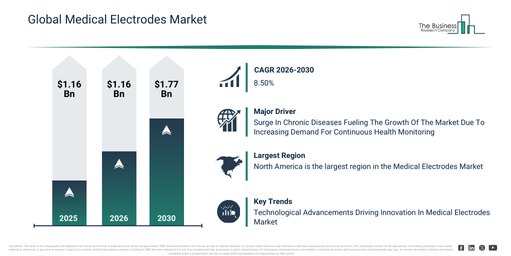
    The medical electrodes market has shown strong growth recently. It is projected to expand from $2.21 billion in 2025 to $2.41 billion in 2026, exhibiting a compound annual growth rate (CAGR) of 8.9%. The market’s historical development was driven by the increasing incidence of cardiac and neurological disorders, the expansion of diagnostic testing procedures, greater adoption of non-invasive monitoring techniques, a rise in the use of electrophysiology within hospitals, and the accessibility of low-cost disposable electrodes.

    The medical electrodes market size is projected to experience robust expansion over the coming years. This market is anticipated to reach $3.34 billion by 2030, exhibiting a compound annual growth rate (CAGR) of 8.5%. Factors driving this growth during the projected period include the rising acceptance of remote patient monitoring, an increased need for wearable health devices, the expansion of home-based diagnostic tools, a heightened emphasis on continuous monitoring solutions, and progress in electrode material science. Key trends identified for the forecast timeframe encompass a surging demand for disposable medical electrodes, the growing uptake of multi-modal diagnostic electrodes, an increasing preference for skin-friendly and biocompatible materials, the development of more wearable-compatible electrode designs, and a stronger focus on signal accuracy and stability.

    Access Your Free Sample Report for In-Depth Market Insights:

    https://www.thebusinessresearchcompany.com/sample.aspx?id=7430&type=smp

    Which Drivers Are Impacting The Competitive Landscape Of The Medical Electrodes Market?

    The increasing occurrence of chronic illnesses is anticipated to boost the expansion of the medical electrodes market moving forward. These are persistent, non-communicable health conditions, including cardiovascular disease, diabetes, hypertension, cancer, and chronic respiratory disease, necessitating ongoing oversight and treatment. The surge in chronic ailments stems from growing rates of poor lifestyle choices like inadequate nutrition, lack of physical activity, and an aging population, particularly in affluent and developing nations. Medical Electrodes facilitate healthcare management through precise and continuous monitoring, such as ECGs for heart patients, enabling medical professionals to accurately diagnose and manage these conditions. For example, in June 2024, the National Health Service, a UK-based government department, reported that 3,615,330 individuals registered with a general practitioner (GP) were diagnosed with non-diabetic hyperglycemia or pre-diabetes (a condition with elevated blood sugar levels, not high enough to be classified as diabetes) in 2023, representing an 18% rise from 3,065,825 cases in 2022. Consequently, the escalating incidence of chronic diseases is fueling the growth of the medical electrodes market.

    What Segments Are Identified Within The Structure Of The Medical Electrodes Market?

    The medical electrodes market covered in this report is segmented –

    1) By Usability: Disposable Medical Electrodes, Reusable Medical Electrodes

    2) By Technology: Wet Electrodes, Dry Electrodes, Needle Electrodes

    3) By Procedure: Electrocardiography, Electroencephalography, Electromyography, Other Procedures

    4) By Application: Cardiology, Neurophysiology, Sleep Disorders, Intraoperative Monitoring, Other Applications

    Subsegments:

    1) By Disposable Medical Electrodes: ECG Electrodes, EEG Electrodes, EMG Electrodes

    2) By Reusable Medical Electrodes: Reusable ECG Electrodes, Reusable EEG Electrodes, Reusable EMG Electrodes

    Which Trends Are Shaping Activity Within The Medical Electrodes Market?

    Major companies operating in the medical electrodes market are concentrating on developing innovative products like wire-free electrodes to improve patient comfort and enable more flexible, mobile monitoring. Wire-free electrodes are medical electrodes designed to transmit signals without physical cables, thereby enhancing patient mobility, simplifying setup, and permitting more comfortable, natural movement during monitoring or stimulation. For instance, in April 2024, Soterix Medical, a US-based medical device company, unveiled the MxN-GO EEG device, which integrates EEG capabilities with high-definition transcranial electrical stimulation (HD-tES). This system is engineered to support research applications that require both electrical brain stimulation and activity recording in natural, mobile environments. Soterix Medical’s HD-tES incorporates advanced electrode designs, ensuring the safe and comfortable delivery of electrical currents through High-Definition electrodes. The technology further includes personalized brain current-flow modeling and proprietary targeting algorithms, guiding the precise placement and activation of HD electrodes on the head.

    Which Major Industry Participants Are Leading The Medical Electrodes Market Growth?

    Major companies operating in the medical electrodes market are 3M Company, ConMed Corporation, Koninklijke Philips N.V., Medtronic plc, Ambu A/S, General Electric Company, Nihon Kohden Corporation, Cardinal Health Inc., Dymedix Diagnostics Inc., Natus Medical Incorporated, CooperSurgical Inc., B. Braun Melsungen AG, ZOLL Medical Corporation, Rhythmlink International LLC, Cognionics Inc., Compumedics Limited, Nissha Medical Technologies Group, C.R. Bard Inc., Curbell Medical Products Inc., Leonhard Lang GmbH, Graphic Controls Ltd., Bio Protech Inc., Medico Electrodes International Ltd., Ad-Tech Medical Instrument Corporation, Tenko Medical Systems Crop., Ambulatory Monitoring Inc., R&D Medical Electrodes, NeuroWave Systems Inc., NCC Medical Co. Ltd., Nihon Kohden America Inc., Zynex Medical Inc.

    Access The Complete Report For Deeper Market Insights:

    https://www.thebusinessresearchcompany.com/report/medical-electrodes-global-market-report

    Which Geographic Areas Are Emerging As Strong Markets For The Medical Electrodes Market?

    North America was the largest region in the medical electrodes market in 2025. Asia-Pacific is expected to be the fastest-growing region in the forecast period. The regions covered in the medical electrodes market report are Asia-Pacific, South East Asia, Western Europe, Eastern Europe, North America, South America, Middle East, Africa.

    Request Your Customized Medical Electrodes Market Research Report for Competitive Advantage:

    https://www.thebusinessresearchcompany.com/customise?id=7430&type=smp

    Browse Through More Reports Similar to the Global Medical Electrodes Market 2026, By The Business Research Company

    Electrocardiography Ecg Electrodes Global Market Report 2026

    https://www.thebusinessresearchcompany.com/report/electrocardiography-ecg-electrodes-global-market-report

    Electro Medical And Electrotherapeutic Apparatus Global Market Report 2026

    https://www.thebusinessresearchcompany.com/report/electro-medical-and-electrotherapeutic-apparatus-global-market-report

    Electroceuticals Global Market Report 2026

    https://www.thebusinessresearchcompany.com/report/electroceuticals-global-market-report

    Get in touch with us:

    The Business Research Company: https://www.thebusinessresearchcompany.com/

    Americas +1 310-496-7795

    Asia +44 7882 955267 & +91 8897263534

    Europe +44 7882 955267

    Email us at info@tbrc.info

    Follow us on:

    LinkedIn: https://in.linkedin.com/company/the-business-research-company

  • Medical Electrocardiogram (ECG) Telemetry Equipment Market Trends and Insights: Global Forecast to 2030

    Medical Electrocardiogram (ECG) Telemetry Equipment Market Trends and Insights: Global Forecast to 2030

    Uncover key drivers, emerging technologies, and competitive movements shaping the worker heat stress monitoring wearable market from 2026–2035 with trusted insights from The Business Research Company

    What total market size is anticipated for the Medical Electrocardiogram (ECG) Telemetry Equipment Market in 2030?

    The medical electrocardiogram (ecg) telemetry equipment market has experienced rapid expansion in recent years. Its size is projected to increase from $1.25 billion in 2025 to $1.38 billion in 2026, demonstrating a compound annual growth rate (CAGR) of 10.4%. Factors contributing to its growth in the historic period include the limited availability of wireless ecg technology, a reliance on traditional resting and stress ecg devices, an expanding cardiac patient population, increasing hospital cardiac care facilities, and the adoption of wired ecg monitoring systems.

    The medical electrocardiogram (ecg) telemetry equipment market is expected to experience substantial growth over the coming years. It is projected to expand to $2.09 billion by 2030, exhibiting a compound annual growth rate (CAGR) of 10.9%. This anticipated growth can be primarily attributed to advancements in cloud-based ecg solutions, the integration of mobile and wearable ecg devices, the expansion of telemedicine services, an increasing demand for real-time cardiac monitoring, and a regulatory push encouraging digital health adoption. Prominent trends expected in this forecast period involve the rising implementation of remote patient monitoring solutions, the integration of wireless and mobile ecg devices, an expansion in telemedicine and home-based cardiac care, the increased utilization of wearable and patch-based ecg monitors, and a heightened focus on early detection and predictive cardiac analytics.

    Access Your Free Sample Report for In-Depth Market Insights:

    https://www.thebusinessresearchcompany.com/sample.aspx?id=27338&type=smp

    What Drivers Are Influencing Production Trends In The Medical Electrocardiogram (ECG) Telemetry Equipment Market?

    The increasing occurrence of cardiovascular conditions is projected to drive expansion in the medical electrocardiogram (ECG) telemetry equipment market in the future. These diseases encompass a range of ailments impacting the heart and blood vessels, such as coronary heart disease, heart failure, stroke, and hypertension. The growing prevalence of cardiovascular illnesses is mainly linked to inadequate dietary habits, with excessive intake of saturated fats, trans fats, added sugars, and sodium leading to elevated blood pressure, obesity, and high cholesterol, all significant risk factors for cardiac ailments. Medical electrocardiogram telemetry equipment aids in diagnosing cardiovascular diseases by allowing continuous, real-time heart monitoring, which is vital for the early identification of arrhythmias and other heart conditions. This equipment minimizes diagnostic delays through the remote transmission of ECG data to healthcare professionals, thereby facilitating prompt intervention and better patient outcomes. For example, GOV.UK, a UK government body, stated in December 2024 that approximately 2.24 million adults in England, representing about 4.4% of individuals aged 18 and over, had a GP-confirmed diagnosis of CKD in March 2024. This marked an increase from 2.09 million instances reported the preceding year. Consequently, the growing occurrence of cardiovascular diseases is fueling the expansion of the medical electrocardiogram (ECG) telemetry equipment market.

    Which Segments Are Gaining Traction In The Medical Electrocardiogram (ECG) Telemetry Equipment Market?

    The medical electrocardiogram (ecg) telemetry equipment market covered in this report is segmented –

    1) By Type: Resting Electrocardiogram Devices, Stress Electrocardiogram Devices, Other Types

    2) By Technology: Analog Electrocardiogram (ECG) Devices, Digital Electrocardiogram (ECG) Devices, Cloud-Based Electrocardiogram (ECG) Solutions, Mobile Electrocardiogram (ECG) Monitoring Technologies, Wireless Transmission Technologies

    3) By Connectivity: Wired Electrocardiogram Systems, Wireless Electrocardiogram Systems, Bluetooth-Enabled Electrocardiogram Devices, Wireless Fidelity Connected Electrocardiogram Monitors, Satellite Communication-Based Electrocardiogram Systems

    4) By Application: Cardiology, Critical Care, Emergency Care, Telemedicine, Remote Patient Monitoring

    5) By End User: Hospitals, Diagnostic Laboratories, Home Care Settings, Ambulatory Surgical Centers, Nursing Homes

    Subsegments:

    1) By Resting Electrocardiogram (ECG) Devices: Single-Channel Electrocardiogram (ECG) Devices, Multi-Channel Electrocardiogram (ECG) Devices, Handheld Electrocardiogram (ECG) Devices, Portable Electrocardiogram (ECG) Monitors, Wearable Electrocardiogram (ECG) Patches

    2) By Stress Electrocardiogram (ECG) Devices: Treadmill Electrocardiogram (ECG) Systems, Bicycle Electrocardiogram (ECG) Systems, Wireless Stress Electrocardiogram (ECG) Devices, Personal Computer-Based Stress Electrocardiogram (ECG) Systems, Integrated Stress Test Electrocardiogram (ECG) Workstations

    3) By Other Types: Telemetry Electrocardiogram (ECG) Transmitters, Electrocardiogram (ECG) Signal Processing Software, Patch-Based Electrocardiogram (ECG) Monitoring Kits, Electrocardiogram (ECG) Data Management Platforms, Electrocardiogram (ECG) Accessories And Leads

    Which Trends Are Influencing The Development Of The Medical Electrocardiogram (ECG) Telemetry Equipment Market?

    Major companies in the medical electrocardiogram (ECG) telemetry equipment market are increasingly concentrating on technological innovations, specifically AI-enabled remote cardiac telemetry platforms. This focus aims to address the growing necessity for continuous, real-time patient oversight, reduce the burden of alarm fatigue, and support seamless transitions from hospital to home care. These AI-driven telemetry systems integrate wearable or ambulatory sensors with cloud-based analytics and intelligent decision support. Unlike traditional bedside telemetry, which depends on wired monitors within hospital wards, these platforms facilitate patient mobility, early detection of arrhythmias, and the consolidation of multiple biometric signals for a more comprehensive understanding of patient health. For example, in September 2025, Philips, a Netherlands-based health-technology company, launched its Telemetry Monitor 5500 as part of a new smart telemetry platform. This system features a lightweight, touchscreen wearable monitor, networked analytics delivered through Philips’ central monitoring unit (CMU), and data-driven insights to optimize alarm management, filter out non-actionable alerts, and extend telemetry coverage across high-acuity beds. The Telemetry Monitor 5500 ensures continuous enterprise-wide connectivity, supports ‘act-anywhere’ workflows via a mobile application, and contributes to reducing alarm fatigue by allowing for retrospective analysis of alarms, patient deterioration, and telemetry utilization.

    Who Are The Prominent Global Companies Shaping The Medical Electrocardiogram (ECG) Telemetry Equipment Market Landscape?

    Major companies operating in the medical electrocardiogram (ecg) telemetry equipment market are Abbott Laboratories, Medtronic plc, Koninklijke Philips N.V., GE HealthCare Technologies Inc., Philips Healthcare, Boston Scientific Corporation, Shenzhen Mindray Bio-Medical Electronics Co. Ltd., Nihon Kohden Corporation, CONTEC Medical Systems Co. Ltd., Natus Medical Incorporated, iRhythm Technologies Inc., Schiller AG, Edan Instruments Inc., BPL Medical Technologies Pvt. Ltd., AliveCor Inc., Innomed Medical Inc., Bionet Co. Ltd., Cardioline S.p.A., Aerotel Medical Systems Ltd., CompuMed Inc.

    Access The Complete Report For Deeper Market Insights:

    https://www.thebusinessresearchcompany.com/report/medical-electrocardiogram-telemetry-equipment-global-market-report

    Which Region Is Projected To Lead The Medical Electrocardiogram (ECG) Telemetry Equipment Market During The Forecast Period?

    North America was the largest region in the medical electrocardiogram (ECG) telemetry equipment market in 2025. Asia-Pacific is expected to be the fastest-growing region in the forecast period. The regions covered in the medical electrocardiogram (ecg) telemetry equipment market report are Asia-Pacific, South East Asia, Western Europe, Eastern Europe, North America, South America, Middle East, Africa.

    Request Your Customized Medical Electrocardiogram (ECG) Telemetry Equipment Market Research Report for Competitive Advantage:

    https://www.thebusinessresearchcompany.com/customise?id=27338&type=smp

    Browse Through More Reports Similar to the Global Medical Electrocardiogram (ECG) Telemetry Equipment Market 2026, By The Business Research Company

    Trade Management Software Global Market Report 2026

    https://www.thebusinessresearchcompany.com/report/trade-management-software-global-market-report

    Agricultural Commodity Global Market Report 2026

    https://www.thebusinessresearchcompany.com/report/agricultural-commodity-global-market-report

    Agricultural Software Global Market Report 2026

    https://www.thebusinessresearchcompany.com/report/agricultural-software-global-market-report

    Get in touch with us:

    The Business Research Company: https://www.thebusinessresearchcompany.com/

    Americas +1 310-496-7795

    Asia +44 7882 955267 & +91 8897263534

    Europe +44 7882 955267

    Email us at info@tbrc.info

    Follow us on:

    LinkedIn: https://in.linkedin.com/company/the-business-research-company

  • Global Medical Digital Imaging Systems Market Report 2026–2030: Data-Driven Growth Insights

    Global Medical Digital Imaging Systems Market Report 2026–2030: Data-Driven Growth Insights

    Uncover key drivers, emerging technologies, and competitive movements shaping the workstation graphics processing unit (gpu) market from 2026–2035 with trusted insights from The Business Research Company

    What is the expected shift in the Medical Digital Imaging Systems Market’s size between 2026 and 2030?

    The medical digital imaging systems market size has seen swift expansion in recent years. It is forecast to grow from $23.13 billion in 2025 to $25.87 billion in 2026, exhibiting a compound annual growth rate (CAGR) of 11.9%. This historical growth can be linked to the significant cost of conventional film-based imaging, restricted access to advanced imaging options in developing areas, delayed adoption of digital radiography, inadequate integration with hospital information systems, and an increasing occurrence of chronic diseases.

    The medical digital imaging systems market is expected to experience substantial growth in the coming years, projected to reach $40.08 billion by 2030, driven by a compound annual growth rate (CAGR) of 11.6%. This expansion over the forecast period is attributed to several factors, including advancements in AI-assisted diagnostics, the widening of digital imaging infrastructure in hospitals, a rise in government healthcare initiatives, the increasing demand for minimally invasive procedures, and the growing adoption of hybrid imaging modalities such as PET/CT and PET/MRI. Significant trends anticipated during this period include the increased uptake of 3D and 4D imaging systems, a rising demand for portable and handheld imaging devices, the integration of imaging systems with electronic health records (EHR), a strengthened focus on patient safety and reducing radiation doses, and the expanding use of imaging systems in early disease detection and screening.

    Access Your Free Sample Report for In-Depth Market Insights:

    https://www.thebusinessresearchcompany.com/sample.aspx?id=19573&type=smp

    Which Drivers Are Shaping Strategic Decisions In The Medical Digital Imaging Systems Market?

    The rising prevalence of chronic conditions is anticipated to fuel the expansion of the medical digital imaging systems market in the future. Chronic conditions are enduring medical ailments that necessitate continuous medical oversight, including conditions like diabetes, cardiovascular diseases, and respiratory disorders. The widespread occurrence of chronic diseases is a complex and multifaceted challenge shaped by factors such as urbanization, genetic predisposition, and sedentary lifestyles. Medical digital imaging systems assist in detecting subtle alterations in tissues and organs, thereby facilitating more precise diagnoses. These systems also empower physicians to contrast historical and current scans, recognizing trends and patterns. For example, in February 2024, the World Health Organization, a Switzerland-based agency of the United Nations, projected that more than 35 million new cancer cases would emerge by 2050, representing a 77% surge compared to the estimated 20 million cases in 2022. Consequently, the growing number of chronic conditions is propelling the medical digital imaging systems market.

    What Segment Categories Are Covered In The Medical Digital Imaging Systems Market?

    The medical digital imaging systems market covered in this report is segmented –

    1) By Type: Magnetic Resonance Imaging (MRI), X-Ray, Ultrasound, Computed Tomography (CT), Nuclear Imaging, Mammography

    2) By Technology: 2D, 3D And 4D

    3) By End-User: Hospitals, Diagnostic Centers, Specialty Centers, Other End-Users

    Subsegments:

    1) By Magnetic Resonance Imaging (MRI): Closed MRI Systems, Open MRI Systems, Functional MRI (fMRI), MRI-Guided Interventions

    2) By X-Ray: Digital X-Ray Systems, Computed Radiography (CR), Fluoroscopy, Portable X-Ray Systems

    3) By Ultrasound: 2D Ultrasound, 3D Or 4D Ultrasound, Doppler Ultrasound, Portable Or Handheld Ultrasound Devices

    4) By Computed Tomography (CT): Helical Or Spiral CT, Multi-Slice CT Scanners, CT Angiography, Cone Beam CT

    5) By Nuclear Imaging: Positron Emission Tomography (PET), Single Photon Emission Computed Tomography (SPECT), Hybrid Imaging Systems (PET/CT), Radiopharmaceuticals

    6) By Mammography: Digital Mammography, 3D Digital Mammography (Tomosynthesis), Screening Mammography, Diagnostic Mammography

    What Trends Are Expected To Impact The Competitive Landscape Of The Medical Digital Imaging Systems Market?

    Leading firms within the medical digital imaging systems market are creating AI-augmented imaging solutions aimed at elevating diagnostic precision, accelerating image evaluation, and aiding in the prompt identification of diseases. This AI-enhanced imaging concept involves incorporating artificial intelligence into digital imaging setups to boost diagnostic reliability and operational efficiency. A prime example occurred in April 2024, when GE Healthcare, a U.S.-based medical technology company, launched its AI-enhanced voluson signature 20 and 18 ultrasound systems, specifically engineered to further progress in women’s health imaging. These particular systems leverage AI to refine image clarity, automatically identify fetal anatomical features, and deliver quicker, more precise measurements, consequently diminishing scanning durations and enhancing diagnostic certainty. Such an innovation underscores the expanding influence of AI in specialized medical imaging, thereby propelling the development of more accurate and streamlined healthcare interventions for women.

    Which Key Players Are Driving Competition In The Medical Digital Imaging Systems Market?

    Major companies operating in the medical digital imaging systems market are Samsung Electronics Co. Ltd., Hitachi Ltd., Siemens AG, Koninklijke Philips N.V., GE HealthCare Technologies Inc., Shimadzu Corporation, Hologic Inc., Mindray Medical International Limited, Bruker Corporation, Carestream Health Inc., Barco NV, Analogic Corporation, Esaote SpA, Canon Medical Systems Corporation, Ampronix LLC, Pie Medical Imaging B.V., Agfa-Gevaert Group, Fujifilm Corporation, United Imaging Healthcare, Neusoft Medical Systems, Ziehm Imaging AG, Planmed Oy, Allengers Medical Systems, CurveBeam AI, United States Medical Imaging Systems

    Access The Complete Report For Deeper Market Insights:

    https://www.thebusinessresearchcompany.com/report/medical-digital-imaging-systems-global-market-report

    Which Region Currently Holds The Largest Share Of The Medical Digital Imaging Systems Market?

    North America was the largest region in the medical digital imaging systems market in 2025. Asia-Pacific is expected to be the fastest-growing region in the forecast period. The regions covered in the medical digital imaging systems market report are Asia-Pacific, South East Asia, Western Europe, Eastern Europe, North America, South America, Middle East, Africa.

    Request Your Customized Medical Digital Imaging Systems Market Research Report for Competitive Advantage:

    https://www.thebusinessresearchcompany.com/customise?id=19573&type=smp

    Browse Through More Reports Similar to the Global Medical Digital Imaging Systems Market 2026, By The Business Research Company

    Medical Waste Management Global Market Report 2026

    https://www.thebusinessresearchcompany.com/report/medical-waste-management-global-market-report

    Medical Lasers Global Market Report 2026

    https://www.thebusinessresearchcompany.com/report/medical-lasers-global-market-report

    Urology Medical Lasers Global Market Report 2026

    https://www.thebusinessresearchcompany.com/report/urology-medical-lasers-global-market-report

    Get in touch with us:

    The Business Research Company: https://www.thebusinessresearchcompany.com/

    Americas +1 310-496-7795

    Asia +44 7882 955267 & +91 8897263534

    Europe +44 7882 955267

    Email us at info@tbrc.info

    Follow us on:

    LinkedIn: https://in.linkedin.com/company/the-business-research-company
  • Injectable Cement Market 2026–2030: Forecast, Innovation, and Competitive Trends

    Injectable Cement Market 2026–2030: Forecast, Innovation, and Competitive Trends

    Uncover key drivers, emerging technologies, and competitive movements shaping the workstation graphics processing unit (gpu) market from 2026–2035 with trusted insights from The Business Research Company

    What level of growth is expected in the Injectable Cement Market between 2026 and 2030?

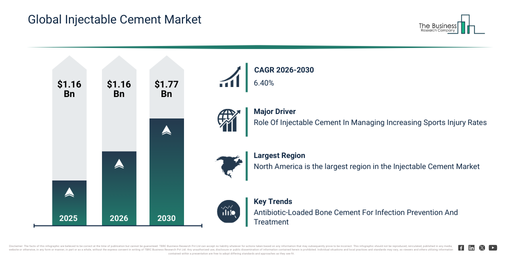
    The injectable cement market has shown significant expansion in recent years. Its size is expected to increase from $1.55 billion in 2025 to $1.66 billion in 2026, achieving a compound annual growth rate (CAGR) of 6.7%. This historical growth can be attributed to several factors, including the rising occurrence of bone fractures, the persistent reliance on traditional orthopedic fixation methods, an expanding elderly demographic, the broadening of hospital-based orthopedic care services, and the adoption of PMMA-based bone cements.

    The injectable cement market size is projected to experience substantial growth over the next few years. It is forecast to expand to $2.13 billion by 2030, demonstrating a compound annual growth rate (CAGR) of 6.4%. This anticipated growth during the forecast period can be attributed to several factors, including technological innovations in injectable cement formulations, increasing demand for minimally invasive surgical interventions, a rise in orthopedic trauma incidents, the expansion of outpatient and clinic-based procedures, and a heightened focus on biocompatible and bioactive materials. Furthermore, significant trends expected in the forecast period involve the increasing adoption of minimally invasive orthopedic procedures, the wider application of injectable cement in fracture stabilization, a growing preference for image-guided cement injection techniques, ongoing advancements in bioactive and composite injectable cements, and an enhanced focus on achieving faster patient recovery and improved clinical outcomes.

    Access Your Free Sample Report for In-Depth Market Insights:

    https://www.thebusinessresearchcompany.com/sample.aspx?id=19528&type=smp

    Which Drivers Are Expected To Impact The Injectable Cement Market During The Forecast Period?

    The future expansion of the injectable cement market is anticipated to be driven by the growing incidence of sports-related injuries. These injuries encompass physical harm sustained during athletic pursuits, such as strains, sprains, fractures, and concussions, frequently necessitating medical intervention and rehabilitation for recuperation. The uptick in sports injuries is likely a result of increased involvement in athletic events, more rigorous training schedules, and improvements in sports gear that test physical boundaries, leading to elevated injury rates among athletes globally. Injectable cement serves in treating sports-related injuries by stabilizing fractures, aiding bone recovery, and improving surgical results through a dependable and minimally invasive method for bone reinforcement. For example, as reported in July 2025 by the Australian Institute of Health and Welfare, a Australia-based government agency, cycling accounted for the largest proportion of sports-related hospitalisations in 2023–24, at 12% (around 7,500 cases). Following this were Australian rules football at 8.7% (about 5,400 cases) and soccer at 8.6% (roughly 5,300 cases). Consequently, the rising number of sports-related injuries will propel the injectable cement market’s development.

    How Is The Injectable Cement Market Divided Into Segments?

    The injectable cement market covered in this report is segmented –

    1) By Type: High Viscosity Cement, Low Viscosity Cement, Medium Viscosity Cement

    2) By Application: Periprosthetic Fractures, Pelvic Fractures, Other Applications

    3) By End User: Hospital, Clinics, Other End Users

    Subsegments:

    1) By High Viscosity Cement: Calcium Phosphate Cements, Polymethyl Methacrylate (PMMA) Cements

    2) By Low Viscosity Cement: Acrylic-Based Injectable Cements, Bioactive Glass Cements

    3) By Medium Viscosity Cement: Hybrid Injectable Cements, Composite Injectable Cements

    Which Trends Are Influencing The Development Of The Injectable Cement Market?

    Major companies in the injectable cement market are prioritizing technological advancements, such as antibiotic-loaded bone cement, to improve infection control, enhance patient outcomes, and support more effective and targeted treatment during orthopedic surgeries. Antibiotic-loaded bone cement is a formulation of bone cement that incorporates antibiotics within its material to help prevent or treat infections at the surgical site, particularly in orthopedic procedures. For instance, in April 2024, Heraeus Medical GmbH, a medical technology manufacturer based in Germany, launched COPAL G+C, its latest antibiotic-loaded bone cement. This product is the first from the company to receive certification under the MDR. COPAL G+C integrates gentamicin and clindamycin, facilitating precise infection management in arthroplasty by targeting up to 90% of pathogens frequently associated with prosthetic joint infections.

    Which Key Market Players Are Investing In Expansion And Innovation Within The Injectable Cement Market?

    Major companies operating in the injectable cement market are Johnson & Johnson, Stryker Corporation, Zimmer Biomet Holdings Inc, Smith & Nephew, Arthrex Inc, Enovis Corporation, Globus Medical Inc, Wright Medical Group N.V, Medacta International, Orthofix Medical Inc, Alphatec Spine Inc, Exactech Inc, Spine Wave Inc, Tecres SpA, Heraeus Medical GmbH, TEKNIMED, Graftys SA, Solco Biomedical, Terumo Corporation, Bonesupport AB, Peregrine Biologics, aap Implantate AG, Biometrix Ltd, OSARTIS GmbH, IZI Medical

    Access The Complete Report For Deeper Market Insights:

    https://www.thebusinessresearchcompany.com/report/injectable-cement-global-market-report

    Which Region Is Expected To Experience The Fastest Growth In The Injectable Cement Market?

    North America was the largest region in the injectable cement market in 2025. Asia-Pacific is expected to be the fastest-growing region in the forecast period. The regions covered in the injectable cement market report are Asia-Pacific, South East Asia, Western Europe, Eastern Europe, North America, South America, Middle East, Africa.

    Request Your Customized Injectable Cement Market Research Report for Competitive Advantage:

    https://www.thebusinessresearchcompany.com/customise?id=19528&type=smp

    Browse Through More Reports Similar to the Global Injectable Cement Market 2026, By The Business Research Company

    Home Infusion Therapy Global Market Report 2026

    https://www.thebusinessresearchcompany.com/report/home-infusion-therapy-global-market-report

    Infusion Pump Global Market Report 2026

    https://www.thebusinessresearchcompany.com/report/infusion-pump-global-market-report

    Implantable Infusion Pumps Global Market Report 2026

    https://www.thebusinessresearchcompany.com/report/implantable-infusion-pumps-global-market-report

    Get in touch with us:

    The Business Research Company: https://www.thebusinessresearchcompany.com/

    Americas +1 310-496-7795

    Asia +44 7882 955267 & +91 8897263534

    Europe +44 7882 955267

    Email us at info@tbrc.info

    Follow us on:

    LinkedIn: https://in.linkedin.com/company/the-business-research-company

  • Inhaler Corticosteroid Device Market Forecast 2026–2035: Data Trends and Industry Insights

    Inhaler Corticosteroid Device Market Forecast 2026–2035: Data Trends and Industry Insights

    Uncover key drivers, emerging technologies, and competitive movements shaping the worker heat stress monitoring wearable market from 2026–2035 with trusted insights from The Business Research Company

    How much is the Inhaler Corticosteroid Device Market valued at in 2026, and what valuation is forecast for 2030?

    The inhaler corticosteroid device market has demonstrated robust growth in recent years. It is projected to expand from $16.83 billion in 2025 to $17.98 billion in 2026, at a compound annual growth rate (CAGR) of 6.8%. This historical growth can be attributed to factors such as the increasing prevalence of asthma and COPD, heightened awareness regarding inhaler therapies, government initiatives for respiratory health, advancements in metered-dose inhalers, and the expansion of hospital and homecare facilities.

    The inhaler corticosteroid device market is projected for substantial expansion over the upcoming years. This market is anticipated to reach $23.18 billion by 2030, demonstrating a compound annual growth rate (CAGR) of 6.6%. Key factors contributing to this projected growth include the incorporation of AI and IoT into inhaler technologies, the creation of environmentally friendly inhalers, the broader availability of telehealth services, tailored medication dispensing, and increasing consumer interest in developing economies. Noteworthy trends during this period are expected to encompass the integration of smart inhalers, customized dosage management, monitoring facilitated by telehealth, sustainable and eco-friendly device designs, and innovative aerosol delivery methods.

    Access Your Free Sample Report for In-Depth Market Insights:

    https://www.thebusinessresearchcompany.com/sample.aspx?id=25794&type=smp

    What Drivers Are Influencing The Growth Of The Inhaler Corticosteroid Device Market?

    The rising occurrence of respiratory diseases is projected to drive the growth of the inhaler corticosteroid device market moving forward. Respiratory diseases are a spectrum of conditions affecting the lungs and airways, impeding proper and efficient breathing for individuals. The increase in these diseases is attributed to escalating air pollution, which exposes people to harmful particles that damage lung tissue and can initiate chronic conditions such as asthma and bronchitis. Inhaler corticosteroid devices are utilized in the treatment of respiratory diseases by delivering anti-inflammatory medication directly to the lungs, which helps in reducing inflammation and improving breathing. For instance, in June 2025, the Office for Health Improvement and Disparities, a UK-based government department, indicated that in the financial year ending 2024, England recorded 854,922 emergency hospital admissions for respiratory diseases. This figure corresponds to a rate of 1,428 (ranging from 1,424 to 1,432) per 100,000 population, marking a 7% increase when compared to the preceding year. Therefore, the increasing prevalence of respiratory diseases is a key factor boosting the expansion of the inhaler corticosteroid device market.

    What Segments Are Included Within The Inhaler Corticosteroid Device Market?

    The inhaler corticosteroid device market covered in this report is segmented –

    1) By Product Type: Metered-Dose Inhalers, Dry Powder Inhalers, Soft Mist Inhalers

    2) By Formulation Type: Fluticasone Propionate, Budesonide, Beclomethasone, Mometasone Furoate

    3) By Distribution Channel: Online Pharmacies, Retail Pharmacies, Direct Sales, Hospital Pharmacies

    4) By Application: Asthma, Chronic Obstructive Pulmonary Disease (COPD), Other Applications

    5) By End-User: Hospitals, Homecare, Specialty Clinics, Other End-Users

    Subsegments:

    1) By Metered-Dose Inhalers: Conventional Metered-Dose Inhalers, Breath-Actuated Metered-Dose Inhalers, Spacer-Integrated Metered-Dose Inhalers

    2) By Dry Powder Inhalers: Single-Dose Dry Powder Inhalers, Multi-Dose Dry Powder Inhalers, Reservoir Dry Powder Inhalers

    3) By Soft Mist Inhalers: Manual Soft Mist Inhalers, Battery-Operated Soft Mist Inhalers

    What Trends Are Expected To Impact The Competitive Landscape Of The Inhaler Corticosteroid Device Market?

    Leading companies in the inhaler corticosteroid device market are concentrating on developing innovative solutions, such as rescue inhalers that combine albuterol and budesonide, to enhance treatment effectiveness and provide patients with a more convenient, dual-action therapy in a single device. An inhaler integrating albuterol and budesonide functions as a dual-action rescue inhaler, delivering both a bronchodilator (albuterol) to rapidly open airways and a corticosteroid (budesonide) to mitigate inflammation, offering quick symptom relief and long-term control of asthma from one device. For instance, in January 2024, AstraZeneca PLC, a UK-based pharmaceutical company, launched AIRSUPRA, which is the first and only FDA-approved rescue inhaler combining albuterol and budesonide for adults with asthma. This inhaler is designed for as-needed use to both alleviate acute bronchoconstriction symptoms and reduce airway inflammation, thereby lowering the risk of severe asthma exacerbations. It signifies a novel approach by merging a short-acting beta2-agonist (albuterol) with an inhaled corticosteroid (budesonide) in a single inhaler, approved based on clinical trials that demonstrated its superior efficacy over albuterol alone in preventing asthma attacks.

    Who Are The Core Companies Influencing Trends In The Inhaler Corticosteroid Device Market?

    Major companies operating in the inhaler corticosteroid device market are AstraZeneca PLC, Novartis AG, GlaxoSmithKline plc, Boehringer Ingelheim International GmbH, Teva Pharmaceutical Industries Ltd., Teijin Pharma Limited, Sun Pharmaceutical Industries Limited, Aurobindo Pharma Limited, Chiesi Farmaceutici S.p.A., Cipla Limited, Hikma Pharmaceuticals PLC, Amneal Pharmaceuticals Inc., Mundipharma International Limited, Lupin Limited, Zydus Lifesciences Limited, Recipharm AB, Glenmark Pharmaceuticals Limited, Orion Corporation, Beximco Pharmaceuticals Limited, PARI Medical Holding GmbH

    Access The Complete Report For Deeper Market Insights:

    https://www.thebusinessresearchcompany.com/report/inhaler-corticosteroid-device-global-market-report

    Which Geographic Areas Are Emerging As Strong Markets For The Inhaler Corticosteroid Device Market?

    North America was the largest region in the inhaler corticosteroid device market in 2025. Asia-Pacific is expected to be the fastest-growing region in the forecast period. The regions covered in the inhaler corticosteroid device market report are Asia-Pacific, South East Asia, Western Europe, Eastern Europe, North America, South America, Middle East, Africa.

    Request Your Customized Inhaler Corticosteroid Device Market Research Report for Competitive Advantage:

    https://www.thebusinessresearchcompany.com/customise?id=25794&type=smp

    Browse Through More Reports Similar to the Global Inhaler Corticosteroid Device Market 2026, By The Business Research Company

    Implantable Infusion Pumps Global Market Report 2026

    https://www.thebusinessresearchcompany.com/report/implantable-infusion-pumps-global-market-report

    Intravenous Infusion Pumps Global Market Report 2026

    https://www.thebusinessresearchcompany.com/report/intravenous-infusion-pumps-global-market-report

    Ambulatory Iv Infusion Pumps Global Market Report 2026

    https://www.thebusinessresearchcompany.com/report/ambulatory-iv-infusion-pumps-global-market-report

    Get in touch with us:

    The Business Research Company: https://www.thebusinessresearchcompany.com/

    Americas +1 310-496-7795

    Asia +44 7882 955267 & +91 8897263534

    Europe +44 7882 955267

    Email us at info@tbrc.info

    Follow us on:

    LinkedIn: https://in.linkedin.com/company/the-business-research-company
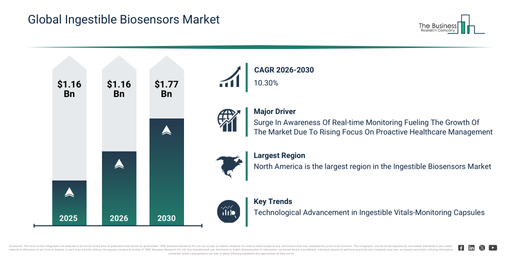
  • Ingestible Biosensors Market Outlook 2026–2030: Key Business Drivers and Trends

    Ingestible Biosensors Market Outlook 2026–2030: Key Business Drivers and Trends

    Uncover key drivers, emerging technologies, and competitive movements shaping the workstation graphics processing unit (gpu) market from 2026–2035 with trusted insights from The Business Research Company

    By how much is the Ingestible Biosensors Market expected to grow between 2026 and 2030?

    The ingestible biosensors market size has experienced significant expansion in recent years. This market is projected to grow from $1.97 billion in 2025 to $2.18 billion in 2026, advancing at a compound annual growth rate (CAGR) of 10.6%. The historical development of this market is largely attributable to factors such as limitations of traditional endoscopy, a heightened demand for non invasive diagnostics, continuous advances in miniaturized sensors, an increase in gastrointestinal disorders, and the early adoption of capsule endoscopy.

    The ingestible biosensors market is projected to experience substantial expansion in the coming years. This market is set to reach $3.23 billion by 2030, exhibiting a compound annual growth rate (CAGR) of 10.3%. This anticipated growth during the forecast period is primarily driven by factors such as the expansion of personalized medicine, the incorporation of mobile health platforms, an expanding elderly population, enhancements in data transmission technology, and a rise in clinical acceptance. Key developments expected within this period encompass non invasive gastrointestinal monitoring, diagnostics based on smart capsules, real time internal health tracking, individualized digestive health analysis, and the emergence of minimally invasive diagnostic alternatives.

    Access Your Free Sample Report for In-Depth Market Insights:

    https://www.thebusinessresearchcompany.com/sample.aspx?id=30305&type=smp

    Which Drivers Are Influencing Market Acceleration In The Ingestible Biosensors Market?

    Heightened recognition of real-time monitoring is set to drive the expansion of the ingestible biosensors market in the future. This involves the ongoing collection, analysis, and transmission of data concurrently with its generation, facilitating prompt health evaluations and swift medical actions. The growing understanding of real-time monitoring stems from an increased focus on proactive healthcare management, with both patients and healthcare providers acknowledging its capacity to enable early identification of health problems and prompt medical interventions. Ingestible biosensors facilitate real-time monitoring by sending physiological data from inside the body, thereby allowing constant tracking of metrics like medication compliance, digestive system activity, and biomarker concentrations for accurate diagnosis and tailored therapies. For example, a report by HealthArc, a U.S.-based healthcare solutions provider, indicated that approximately 30 million patients in the U.S. were using remote patient monitoring (RPM) in October 2024, a figure projected to increase to 70.6 million by the close of 2025. Furthermore, RPM has been incorporated into Medicaid coverage by 42 states, and over 26% of Americans are anticipated to adopt this technology. Consequently, the heightened awareness of real-time monitoring is propelling the expansion of the ingestible biosensors market.

    What Leading Segments Are Studied In The Ingestible Biosensors Market?

    The ingestible biosensors market covered in this report is segmented –

    1) By Product Type: Capsule Biosensors, Pill Biosensors, Other Product Types

    2) By Sensor Type: Temperature Sensors, pH Sensors, Image Sensors, Other Sensor Types

    3) By Application: Medical Diagnostics, Drug Delivery, Patient Monitoring, Other Applications

    4) By End-User: Hospitals And Clinics, Research Institutes, Other End Users

    Subsegments:

    1) By Capsule Biosensors: Single Sensor Capsule, Multi Sensor Capsule, Smart Capsule

    2) By Pill Biosensors: Diagnostic Pill, Therapeutic Pill, Monitoring Pill

    3) By Other Product Types: Patch Integrated Capsule, Biodegradable Sensor, Wearable Assisted Sensor

    Which Trends Are Guiding The Evolution Of The Ingestible Biosensors Market?

    Leading companies in the ingestible biosensors market are concentrating on developing innovative solutions, such as vitals-monitoring pills, to improve real-time health tracking and enhance early disease detection. Vitals-monitoring pills are ingestible electronic capsules that track key physiological parameters, like heart rate, and transmit real-time health data to external devices for monitoring and analysis. For instance, in November 2023, Celero Solutions Inc., an information technology company based in Canada, developed an ingestible electronic capsule, roughly the size of a multivitamin, that can measure heart and breathing rates from within the gastrointestinal tract. In a first-in-human trial involving ten participants, the device reliably detected breathing depressions similar to those found in obstructive sleep apnea and potentially in opioid overdose situations. The sensor utilizes an internal accelerometer and wireless transmission to capture vital-sign data and passes safely through the digestive tract without adverse effects. Researchers envision this technology being used for non-intrusive monitoring of respiratory status and potentially triggering interventions in high-risk patients.

    Which Major Industry Participants Are Leading The Ingestible Biosensors Market Growth?

    Major companies operating in the ingestible biosensors market are Otsuka Holdings Co. Ltd., Proteus Digital Health Inc., etectRx Inc., CapsoVision Inc., IntroMedic Co. Ltd., BodyCap S.A.S., AnX Robotica Corporation, Atmo Biosciences Pty Ltd., Check-Cap Ltd., Chongqing Jinshan Science & Technology Group Co. Ltd., RF Co. Ltd., Biora Therapeutics Inc., EnteraSense Ltd., Lucid Medical Diagnostics Pvt. Ltd., Medisafe Capsule Technologies Ltd., Medtronic plc, Verily Life Sciences LLC, Olympus Corporation, JIFU Medical Technology Co. Ltd., Smart Medical Systems Ltd.

    Access The Complete Report For Deeper Market Insights:

    https://www.thebusinessresearchcompany.com/report/global-ingestible-biosensors-market-report

    Which Region Is Projected To Lead The Ingestible Biosensors Market During The Forecast Period?

    North America was the largest region in the ingestible biosensors market in 2025. Asia-Pacific is expected to be the fastest-growing region in the forecast period. The regions covered in the ingestible biosensors market report are Asia-Pacific, South East Asia, Western Europe, Eastern Europe, North America, South America, Middle East, Africa.

    Request Your Customized Ingestible Biosensors Market Research Report for Competitive Advantage:

    https://www.thebusinessresearchcompany.com/customise?id=30305&type=smp

    Browse Through More Reports Similar to the Global Ingestible Biosensors Market 2026, By The Business Research Company

    Temperature Sensor Global Market Report 2026

    https://www.thebusinessresearchcompany.com/report/temperature-sensor-global-market-report

    Temperature Monitoring Devices Global Market Report 2026

    https://www.thebusinessresearchcompany.com/report/temperature-monitoring-devices-global-market-report

    Baby Thermometers Global Market Report 2026

    https://www.thebusinessresearchcompany.com/report/baby-thermometers-global-market-report

    Get in touch with us:

    The Business Research Company: https://www.thebusinessresearchcompany.com/

    Americas +1 310-496-7795

    Asia +44 7882 955267 & +91 8897263534

    Europe +44 7882 955267

    Email us at info@tbrc.info

    Follow us on:

    LinkedIn: https://in.linkedin.com/company/the-business-research-company