Category: Medical Equipment

  • Micro-Perforated Films Market Trends and Insights: Global Forecast to 2030

    Micro-Perforated Films Market Trends and Insights: Global Forecast to 2030

    Uncover key drivers, emerging technologies, and competitive movements shaping the worker heat stress monitoring wearable market from 2026–2035 with trusted insights from The Business Research Company

    What growth pattern is forecast for the Micro-Perforated Films Market size between 2026 and 2035?

    The micro-perforated films market size has experienced robust expansion over recent years. Projections indicate it will grow from $1.78 billion in 2025 to $1.93 billion in 2026, exhibiting a compound annual growth rate (CAGR) of 8.5%. Historically, this expansion has been driven by factors such as the growth of packaged food consumption, demand for fresh produce packaging, the expansion of cold chain logistics, agricultural export growth, and the availability of cost-effective plastic films.

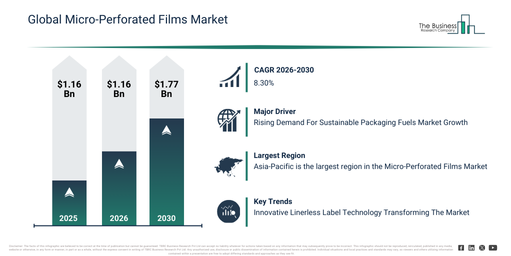
    The micro-perforated films market is projected to experience substantial expansion over the upcoming years. This market is anticipated to reach a valuation of $2.65 billion by 2030, exhibiting a compound annual growth rate (CAGR) of 8.3%. Key drivers for this growth during the forecast timeframe include the increasing adoption of sustainable packaging, a rising need for recyclable films, the integration of precision perforation technology, various food waste reduction efforts, and the expansion of pharmaceutical packaging applications. Notable trends expected during the same period encompass controlled atmosphere packaging, innovations in shelf-life extension, the development of moisture-regulating films, advanced customized hole size engineering, and the increasing use of lightweight flexible packaging.

    Access Your Free Sample Report for In-Depth Market Insights:

    https://www.thebusinessresearchcompany.com/sample.aspx?id=20881&type=smp

    Which Drivers Are Impacting Market Performance In The Micro-Perforated Films Market?

    The increasing need for sustainable packaging options is anticipated to drive the expansion of the micro-perforated films market in the future. These solutions prioritize environmentally friendly materials and processes, aiming to lessen their ecological footprint throughout their life cycle, with a strong focus on aspects like recyclability, biodegradability, and conserving resources. This increasing requirement is fueled by consumers’ greater understanding of environmental problems, more stringent regulations, companies’ sense of responsibility, and the goal to decrease plastic waste and carbon emissions. Within sustainable packaging, micro-perforated films improve breathability and extend shelf life, concurrently decreasing waste and promoting the utilization of environmentally friendly materials. An example is the 2023 Buying Green Report by Trivium Packaging, a Netherlands-based packaging company, released in April 2023, which indicated that 82% of respondents are prepared to pay extra for sustainable packaging, representing a 4-point rise from 2022. Younger consumers (18-24 years old) led this trend at 90%, underscoring the ongoing significance of environmental considerations even amidst economic difficulties. Consequently, the increased demand for sustainable packaging solutions is propelling the expansion of the micro-perforated films market.

    Which Segments Are Contributing To The Growth Of The Micro-Perforated Films Market?

    The micro-perforated films market covered in this report is segmented –

    1) By Material: Polypropylene (PP), Polyethylene (PE), Polyvinyl Chloride (PVC), Polyethylene Terephthalate (PET)

    2) By Hole Size: Less Than 0.1 mm, 0.1-0.5 mm, 0.5-1.0 mm, More Than 1.0 mm

    3) By Application: Packaging, Agriculture, Automotive, Electronics, Construction

    Subsegments:

    1) By Polypropylene (PP): BOPP (Biaxially Oriented Polypropylene), CPP (Cast Polypropylene)

    2) By Polyethylene (PE): LDPE (Low-Density Polyethylene), HDPE (High-Density Polyethylene), LLDPE (Linear Low-Density Polyethylene)

    3) By Polyvinyl Chloride (PVC): Rigid PVC, Flexible PVC

    4) By Polyethylene Terephthalate (PET): APET (Amorphous PET), RPET (Recycled PET), PETG (Glycol-Modified PET)

    What Upcoming Trends Are Likely To Define The Future Path Of The Micro-Perforated Films Market?

    Leading companies operating within the micro-perforated films market are prioritizing innovative technologies, such as linerless label technology, to transform the pressure-sensitive label sector. Linerless label technology functions by eliminating the backing paper typically found in traditional labels, thereby allowing labels to be printed and applied directly without a liner. This method reduces waste and enhances efficiency. As an illustration, in September 2023, Avery Dennison, a US-based company specializing in labeling and packaging materials and solutions, introduced its AD LinrSave technology. This new decorative linerless labeling system aims to significantly impact the pressure-sensitive prime label market. Key attributes of this innovation include micro-perforations that enable efficient label application without generating liner waste, coupled with a versatile adhesive and release system that is compatible with existing converting equipment. This development is vital for the packaging industry as it contributes to sustainability efforts by eliminating liner waste and diminishing carbon footprints. Additionally, it offers brands an inventive solution to improve operational efficiency and decrease expenditures within their labeling processes.

    Who Are The Prominent Global Companies Shaping The Micro-Perforated Films Market Landscape?

    Major companies operating in the micro-perforated films market are The 3M Company, Mitsubishi Chemical Corporation, Bolloré SE, Amcor Plc, Avery Dennison Corporation, ProAmpac, Coveris, Jindal Films, RKW Group, Printpack, TCL Packaging, Hexis graphics, Amerplast, Speciality polyfilms, Now Plastics Inc., FlexPak Services, Jiangyin Bairuijia Plastics Science & Technology Co. Ltd., Penguin Plastics, Folene Packaging, A-Roo Company, Golden Eagle Extrusions Inc., Aristo Flexi Pack, Aera Sa, Hipex Group

    Access The Complete Report For Deeper Market Insights:

    https://www.thebusinessresearchcompany.com/report/micro-perforated-films-global-market-report

    Which Region Is Projected To Lead The Micro-Perforated Films Market During The Forecast Period?

    Asia-Pacific was the largest region in the micro-perforated films market in 2025. North America is expected to be the fastest-growing region in the forecast period. The regions covered in the micro-perforated films market report are Asia-Pacific, South East Asia, Western Europe, Eastern Europe, North America, South America, Middle East, Africa.

    Request Your Customized Micro-Perforated Films Market Research Report for Competitive Advantage:

    https://www.thebusinessresearchcompany.com/customise?id=20881&type=smp

    Browse Through More Reports Similar to the Global Micro-Perforated Films Market 2026, By The Business Research Company

    Microneedle Drug Delivery Systems Global Market Report 2026

    https://www.thebusinessresearchcompany.com/report/microneedle-drug-delivery-systems-global-market-report

    Vaccine Contract Manufacturing Global Market Report 2026

    https://www.thebusinessresearchcompany.com/report/vaccine-contract-manufacturing-global-market-report

    Vaccines Global Market Report 2026

    https://www.thebusinessresearchcompany.com/report/vaccines-global-market-report

    Get in touch with us:

    The Business Research Company: https://www.thebusinessresearchcompany.com/

    Americas +1 310-496-7795

    Asia +44 7882 955267 & +91 8897263534

    Europe +44 7882 955267

    Email us at info@tbrc.info

    Follow us on:

    LinkedIn: https://in.linkedin.com/company/the-business-research-company
  • Global Microneedle Flu Vaccine Market Report 2026–2030: Data-Driven Growth Insights

    Global Microneedle Flu Vaccine Market Report 2026–2030: Data-Driven Growth Insights

    Uncover key drivers, emerging technologies, and competitive movements shaping the workstation graphics processing unit (gpu) market from 2026–2035 with trusted insights from The Business Research Company

    How much larger will the Microneedle Flu Vaccine Market be in 2030 compared with 2026?

    The microneedle flu vaccine market size has experienced substantial expansion in recent years. It is anticipated to expand from $1.66 billion in 2025 to $1.82 billion in 2026, exhibiting a compound annual growth rate (CAGR) of 10.0%. The expansion observed historically is attributable to factors such as the rise in global influenza vaccination programs, advancements in transdermal drug delivery research, the broadening of public immunization initiatives, initial clinical trials of microneedle platforms, and an increasing demand for minimally invasive vaccines.

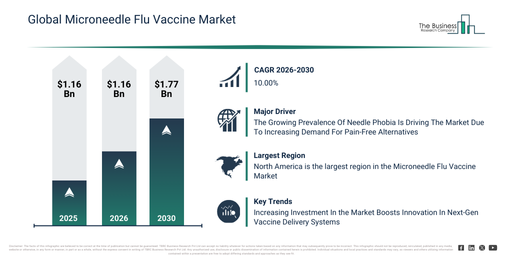
    The market for microneedle flu vaccines is projected to experience swift expansion in the coming years. This market is anticipated to reach a valuation of $2.67 billion by 2030, exhibiting a compound annual growth rate (CAGR) of 10.0%. Factors contributing to this expansion over the forecast duration include greater financial commitments to advanced vaccine technologies, an intensified emphasis on readiness for pandemics, the proliferation of decentralized vaccination approaches, increased uptake among younger and older demographics, and more frequent regulatory endorsements for microneedle systems. Key trends anticipated during this period encompass the accelerated creation of pain-free vaccine administration techniques, a surge in the use of self-applied vaccination methods, a heightened interest in vaccine types that do not require cold-chain storage, the enlargement of extensive immunization initiatives, and a greater prioritization of patient adherence.

    Access Your Free Sample Report for In-Depth Market Insights:

    https://www.thebusinessresearchcompany.com/sample.aspx?id=24322&type=smp

    What Drivers Are Guiding Growth Patterns In The Microneedle Flu Vaccine Market?

    The increasing occurrence of needle phobia is anticipated to boost the expansion of the microneedle flu vaccine market in the future. This condition, characterized by an acute fear or apprehension provoked by seeing, feeling, or expecting procedures involving needles, frequently leads to individuals foregoing essential medical treatments. The rising incidence of needle phobia stems from psychological predispositions and unfavorable prior encounters, establishing prolonged fear and avoidance patterns. Microneedle flu vaccines present a minimally invasive and nearly pain-free option, which serves to lower psychological obstacles to getting vaccinated and enhances patient adherence. For example, data from February 2025, provided by the American Society for Clinical Pathology (ASCP), a professional membership organization based in the US, indicates that roughly 50% to 60% of children suffer from needle phobia, also referred to as trypanophobia, with its highest occurrence observed between the ages of 4 and 6. Consequently, the increasing presence of needle phobia is a key factor propelling the microneedle flu vaccine market.

    How Is The Microneedle Flu Vaccine Market Divided Into Segments?

    The microneedle flu vaccine market covered in this report is segmented –

    1) By Product Type: Hollow Microneedle, Solid Microneedle, Coated Microneedle, Dissolving Microneedle

    2) By Route Of Administration: Transdermal, Intradermal

    3) By Distribution Channel: Hospital Pharmacies, Retail Pharmacies, Online Pharmacies

    4) By Application: Flu Vaccination, Seasonal Flu Prevention, Pediatric Vaccines, Elderly Vaccines

    Subsegments:

    1) By Hollow Microneedle: Single-Use Hollow Microneedles, Pre-Filled Disposable Microneedles, Polymer-Based Hollow Microneedles, Silicon-Based Hollow Microneedles

    2) By Solid Microneedle: Metal Solid Microneedles, Silicon Solid Microneedles, Polymer Solid Microneedles

    3) By Coated Microneedle: Antigen-Coated Microneedles, Vaccine-Coated Microneedles, Biodegradable Coated Microneedles, Nano-Coated Microneedles

    4) By Dissolving Microneedle: Fast-Dissolving Microneedles, Slow-Release Microneedles, Hydrogel-Based Dissolving Microneedles, Sugar-Based Dissolving Microneedles

    Which Trends Are Shaping Activity Within The Microneedle Flu Vaccine Market?

    Leading entities within the microneedle flu vaccine market are allocating funds to expedite the creation of patch-based RNA vaccines. These efforts bolster initial research and foster partnerships to propel future vaccine administration methods. An example is observed in March 2024, when the Biomedical Advanced Research and Development Authority (BARDA), a U.S.-based government agency, disclosed a $50 million investment via the Patch Forward Prize, aimed at speeding up the advancement of microneedle patch-based RNA vaccines for influenza and COVID-19. The objective of this program is to stimulate early innovation by financing the conception phase and progressing combination products to Phase I clinical trials. It also encourages cooperation between entities developing vaccines and those creating patches. Furthermore, the initiative endeavors to surmount technical and regulatory challenges, improve access to vaccines, and bolster national readiness against the dangers of infectious diseases.

    Which Key Players Are Driving Competition In The Microneedle Flu Vaccine Market?

    Major companies operating in the microneedle flu vaccine market are Merck & Co. Inc., Sanofi SA, GlaxoSmithKline plc, Seqirus, Vaxxas, Micron Biomedical Inc., Vaxess Technologies, Debiotech S.A., NanoPass Technologies Limited, Microdermics Inc., Micropoint Technologies Pte Ltd., CosMED Pharmaceutical Co. Ltd., TSRL Inc., Corium International, Becton Dickinson and Company (BD), AptarGroup, FluGen Inc., 3M Drug Delivery Systems, Nitto Denko Corporation, Zosano Pharma Corporation, Camurus AB, Raphas Co. Ltd.

    Access The Complete Report For Deeper Market Insights:

    https://www.thebusinessresearchcompany.com/report/microneedle-flu-vaccine-global-market-report

    Which Region Currently Holds The Largest Share Of The Microneedle Flu Vaccine Market?

    North America was the largest region in the microneedle flu vaccine market in 2025. Asia-Pacific is expected to be the fastest-growing region in the forecast period. The regions covered in the microneedle flu vaccine market report are Asia-Pacific, South East Asia, Western Europe, Eastern Europe, North America, South America, Middle East, Africa.

    Request Your Customized Microneedle Flu Vaccine Market Research Report for Competitive Advantage:

    https://www.thebusinessresearchcompany.com/customise?id=24322&type=smp

    Browse Through More Reports Similar to the Global Microneedle Flu Vaccine Market 2026, By The Business Research Company

    Needle Free Drug Delivery Devices Global Market Report 2026

    https://www.thebusinessresearchcompany.com/report/needle-free-drug-delivery-devices-global-market-report

    Nasal Drug Delivery Technology Global Market Report 2026

    https://www.thebusinessresearchcompany.com/report/nasal-drug-delivery-technology-global-market-report

    Advanced Drug Delivery Systems Global Market Report 2026

    https://www.thebusinessresearchcompany.com/report/advanced-drug-delivery-systems-global-market-report

    Get in touch with us:

    The Business Research Company: https://www.thebusinessresearchcompany.com/

    Americas +1 310-496-7795

    Asia +44 7882 955267 & +91 8897263534

    Europe +44 7882 955267

    Email us at info@tbrc.info

    Follow us on:

    LinkedIn: https://in.linkedin.com/company/the-business-research-company

  • Microneedle Drug Delivery Systems Market Dynamics 2026: Future Outlook and Key Insights

    Microneedle Drug Delivery Systems Market Dynamics 2026: Future Outlook and Key Insights

    Uncover key drivers, emerging technologies, and competitive movements shaping the worker heat stress monitoring wearable market from 2026–2035 with trusted insights from The Business Research Company

    Starting from its 2026 valuation, what market size is the Microneedle Drug Delivery Systems Market expected to reach by 2030?

    The size of the microneedle drug delivery systems market has seen rapid growth over recent years. This market is projected to expand from $5.86 billion in 2025 to $6.92 billion in 2026, achieving a compound annual growth rate (CAGR) of 18.1%. Key contributors to this historic growth include an uptick in transdermal drug delivery research, a heightened patient demand for less invasive therapies, the expansion of vaccination programs, more clinical trials involving microneedles, and advancements in microfabrication techniques.

    The microneedle drug delivery systems market is projected to experience substantial expansion in the coming years, with its size expected to reach $13.16 billion by 2030, exhibiting a robust compound annual growth rate (CAGR) of 17.4%. This anticipated growth during the forecast period is primarily driven by several factors, including the increasing adoption of self-care medical devices, rising investments in biologics delivery systems, the expansion of wearable drug delivery platforms, a growing focus on patient compliance, and the increasing commercialization of microneedle products. Furthermore, major trends in the forecast period are expected to involve the increasing adoption of dissolving microneedle technologies, a rising demand for painless drug delivery methods, an intensified focus on vaccine delivery applications, the expansion of self-administered drug systems, and an enhanced emphasis on biodegradable microneedles.

    Access Your Free Sample Report for In-Depth Market Insights:

    https://www.thebusinessresearchcompany.com/sample.aspx?id=5338&type=smp

    What Drivers Are Driving Adoption Within The Microneedle Drug Delivery Systems Market?

    The expanding occurrence of obesity is projected to boost the expansion of the microneedle drug delivery systems market in the coming years. Obesity refers to a health condition marked by excessive body fat, which can detrimentally impact an individual’s well-being. These systems offer a convenient and painless method for administering medications to patients for obesity treatment. For example, data from May 2024, provided by the Office for Health Improvement and Disparities, a UK government organization, indicated that an estimated 64.0% of adults aged 18 and above in England were classified as overweight or living with obesity during the period of 2022 to 2023. Consequently, the rising prevalence of obesity is fueling the growth within the microneedle drug delivery systems market.

    What Segments Are Included Within The Microneedle Drug Delivery Systems Market?

    The microneedle drug delivery systems market covered in this report is segmented –

    1) By Technology: Hollow, Porous, Solid, Other Technologies

    2) By Application: Drug Delivery, Vaccine Delivery, Other Applications

    3) By End-User: Life Sciences, Research Laboratories, Hospitals, Ambulatory Surgical Centers, Other End-Users

    Subsegments:

    1) By Hollow: Solid Hollow Microneedles, Coated Hollow Microneedles

    2) By Porous: Porous Silicon Microneedles, Hydrogel-Based Porous Microneedles

    3) By Solid: Solid Microneedles For Vaccination, Solid Microneedles For Drug Delivery

    4) By Other Technologies: Dissolving Microneedles, Biodegradable Microneedles

    Which Trends Are Influencing The Development Of The Microneedle Drug Delivery Systems Market?

    Major companies in the microneedle drug delivery systems sector are focusing on product innovation, such as radiofrequency microneedle systems, to offer reliable services to customers. A radiofrequency microneedle system is a minimally invasive technology that combines microneedles with radiofrequency energy to improve drug delivery and stimulate collagen production in the skin for both therapeutic and cosmetic purposes. For example, in February 2023, Candela, a US-based medical aesthetic device company, launched its Profound Matrix system. This multi-application system includes the Sublime, Sublative RF, and the innovative Matrix Pro applicators. Both Sublime and Sublative RF utilize bipolar radiofrequency (RF) technology to enhance the appearance of fine lines and wrinkles, while the Matrix Pro applicator focuses on regenerating and stimulating collagen production. It features a series of thin microneedles that deliver short-pulse RF energy to the skin, leading to enhanced patient comfort, reduced downtime, and improved overall results.

    Who Are The Top-Performing Companies In The Microneedle Drug Delivery Systems Market In Recent Years?

    Major companies operating in the microneedle drug delivery systems market are Zosano Pharma Corporation, Nanopass Technologies, Raphas Co. Ltd., Micron Biomedical Inc., Vaxess Technologies, Debiotech, TheraJect Inc., Corium Inc., Valeritas Inc., LTS Lohmann Therapie-Systeme AG, Cutanos, Moonlight Therapeutics Inc., QuadMedicine, SNVIA Co. Ltd., NanoPass Technologies Ltd., BioSerenTach, Innoture Medical Technology Limited, AdminMed nanoBioSciences LLC, MyLife Technologies, Micropoint Technologies

    Access The Complete Report For Deeper Market Insights:

    https://www.thebusinessresearchcompany.com/report/microneedle-drug-delivery-systems-global-market-report

    How Does The Microneedle Drug Delivery Systems Market Perform Across Major Global Regions?

    North America was the largest region in the microneedle drug delivery systems market in 2025. Europe was the second-largest region in the microneedle drug delivery systems market analysis. The regions covered in the microneedle drug delivery systems market report are Asia-Pacific, South East Asia, Western Europe, Eastern Europe, North America, South America, Middle East, Africa.

    Request Your Customized Microneedle Drug Delivery Systems Market Research Report for Competitive Advantage:

    https://www.thebusinessresearchcompany.com/customise?id=5338&type=smp

    Browse Through More Reports Similar to the Global Microneedle Drug Delivery Systems Market 2026, By The Business Research Company

    Fluid Dispensing Systems Global Market Report 2026

    https://www.thebusinessresearchcompany.com/report/fluid-dispensing-systems-global-market-report

    Fluid Sensors Global Market Report 2026

    https://www.thebusinessresearchcompany.com/report/fluid-sensors-global-market-report

    Fluid Transfer System Global Market Report 2026

    https://www.thebusinessresearchcompany.com/report/fluid-transfer-system-global-market-report

    Get in touch with us:

    The Business Research Company: https://www.thebusinessresearchcompany.com/

    Americas +1 310-496-7795

    Asia +44 7882 955267 & +91 8897263534

    Europe +44 7882 955267

    Email us at info@tbrc.info

    Follow us on:

    LinkedIn: https://in.linkedin.com/company/the-business-research-company
  • Microfluidic Devices Market Research: Growth Projections and Trends 2030

    Microfluidic Devices Market Research: Growth Projections and Trends 2030

    Uncover key drivers, emerging technologies, and competitive movements shaping the workstation graphics processing unit (gpu) market from 2026–2035 with trusted insights from The Business Research Company

    Across 2026–2030, what is the expected market valuation path of the Microfluidic Devices Market?

    The microfluidic devices market has seen rapid expansion in recent years. It is anticipated to expand from $10.14 billion in 2025 to $11.72 billion in 2026, achieving a compound annual growth rate (CAGR) of 15.5%. This market’s historical growth can be attributed to factors like restricted microfabrication techniques, the high cost of early microfluidic devices, reliance on traditional fluid handling methods, an increase in pharmaceutical and biotech research, and the adoption of basic lab-on-a-chip applications.

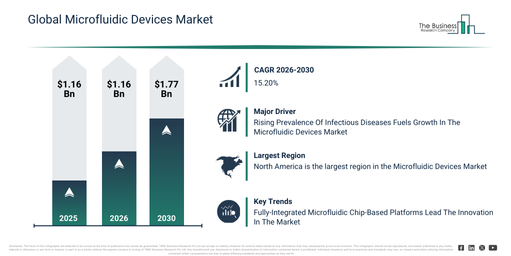
    The microfluidic devices market is expected to experience substantial growth in the next few years, projected to reach $20.65 billion by 2030, with a compound annual growth rate (CAGR) of 15.2%. This expansion during the forecast period can be attributed to advancements in microfabrication and 3D printing technologies, the increasing demand for point-of-care diagnostics, the integration of sensors and actuators into microfluidic platforms, rising investment in precision medicine research, and the broadened application of high-throughput screening. Key trends for this period include the growing adoption of lab-on-a-chip and digital microfluidic devices, the incorporation of advanced microfluidic sensors for diagnostic purposes, an increased use of microfluidic platforms in pharmaceutical research, the expansion of polymer and silicon-based microfluidic materials, and a heightened emphasis on miniaturization and high-throughput fluid handling.

    Access Your Free Sample Report for In-Depth Market Insights:

    https://www.thebusinessresearchcompany.com/sample.aspx?id=19589&type=smp

    Which Drivers Are Supporting The Rise Of The Microfluidic Devices Market?

    The increasing occurrence of infectious diseases is anticipated to drive the expansion of the microfluidic devices market in the future. These diseases are health conditions stemming from disease-causing microorganisms like bacteria, viruses, fungi, or parasites. Their widespread nature is influenced by the traits of pathogens, environmental elements, human actions, and access to healthcare services. Microfluidic devices prove to be an effective instrument against infectious diseases, owing to their capability to process and examine small quantities of biological specimens with great accuracy and effectiveness. This technology improves the capacity to detect, diagnose, and manage infectious diseases both efficiently and precisely, leading to improved health results and better disease management. For example, in November 2025, the European Centre for Disease Prevention and Control (ECDC), a government agency based in Sweden, documented 266,165 CHIKVD cases and 118 deaths in 2025, showing a 35.2% reduction compared to 2024, with Brazil in South America being the most impacted region. Consequently, the growing incidence of infectious diseases is a key driver for the growth of the microfluidic devices market.

    What Leading Segments Are Studied In The Microfluidic Devices Market?

    The microfluidic devices market covered in this report is segmented –

    1) By Device Type: Chips, Sensors, Other Device Types

    2) By Material: Glass, Silicon, Polymer, Other Materials

    3) By End-User: Pharmaceutical And Biotechnology Companies, Research Institutes, Diagnostic Centers, Healthcare Facilities, Other End-Users

    Subsegments:

    1) By Chips: Lab-On-A-Chip (LoC) Devices, Digital Microfluidic Chips, Microfluidic Flow Control Chips, Integrated Microfluidic Platforms, Diagnostic Microfluidic Chips

    2) By Sensors: Pressure Sensors, Flow Sensors, Temperature Sensors, Chemical Sensors, Optical Sensors

    3) By Other Device Types: Microfluidic Pumps, Valves And Actuators, Microarray Devices, Microfluidic Analytical Devices, Microfluidic Bioreactors

    What Trends Are Expected To Impact The Competitive Landscape Of The Microfluidic Devices Market?

    Leading entities within the microfluidic devices sector are concentrating on creating advanced platforms, including those based on microfluidic chips, with the aim of simplifying and automating intricate laboratory procedures, boosting the accuracy and effectiveness of experiments, and facilitating diverse applications. Such a platform is characterized as a miniaturized device that integrates various laboratory functions onto a singular chip, designed for the precise manipulation and analysis of minute fluid volumes. An illustrative case occurred in January 2023 when SCIEX, a US-based manufacturer specializing in mass spectrometry instrumentation, unveiled the Intabio ZT system, which stands as the inaugural fully integrated microfluidic chip-based platform. This system uniquely combines imaged capillary isoelectric focusing (icIEF) separation with UV detection. Furthermore, it employs the Biologics Explorer software, which significantly improves data processing functionalities, thereby enabling a more comprehensive insight into the biopharmaceuticals under examination.

    Which Leading Companies Dominate The Microfluidic Devices Market Share?

    Major companies operating in the microfluidic devices market are Thermo Fisher Scientific Inc., Danaher Corporation, Agilent Technologies Inc., Teledyne Technologies Incorporated, Illumina Inc., PerkinElmer Inc., Bio-Rad Laboratories Inc., Zeon Corporation, Standard BioTools Inc., Biosurfit SA, Blacktrace Holdings Ltd., LioniX International B.V., CMC Microsystems Inc., Micronit Microfluidics B.V., Sphere Fluidics Limited, Microfluidic ChipShop GmbH, BlackHole Lab Inc., Bartels-Mikrotechnik GmbH, Hesperos Inc., Fluigent SA

    Access The Complete Report For Deeper Market Insights:

    https://www.thebusinessresearchcompany.com/report/microfluidic-devices-global-market-report

    Which Region Is Anticipated To See The Fastest Growth In The Microfluidic Devices Market?

    North America was the largest region in the microfluidic devicess market in 2025. Asia-Pacific is expected to be the fastest-growing region in the market going forward. The regions covered in the microfluidic devices market report are Asia-Pacific, South East Asia, Western Europe, Eastern Europe, North America, South America, Middle East, Africa.

    Request Your Customized Microfluidic Devices Market Research Report for Competitive Advantage:

    https://www.thebusinessresearchcompany.com/customise?id=19589&type=smp

    Browse Through More Reports Similar to the Global Microfluidic Devices Market 2026, By The Business Research Company

    Bio Implants Global Market Report 2026

    https://www.thebusinessresearchcompany.com/report/bio-implants-global-market-report

    Smart Implants Global Market Report 2026

    https://www.thebusinessresearchcompany.com/report/smart-implants-global-market-report

    Metal Implants And Medical Alloys Global Market Report 2026

    https://www.thebusinessresearchcompany.com/report/metal-implants-and-medical-alloys-global-market-report

    Get in touch with us:

    The Business Research Company: https://www.thebusinessresearchcompany.com/

    Americas +1 310-496-7795

    Asia +44 7882 955267 & +91 8897263534

    Europe +44 7882 955267

    Email us at info@tbrc.info

    Follow us on:

    LinkedIn: https://in.linkedin.com/company/the-business-research-company
  • Global Microelectronic Medical Implants Industry Insights: Key Trends and Growth Estimates

    Global Microelectronic Medical Implants Industry Insights: Key Trends and Growth Estimates

    Uncover key drivers, emerging technologies, and competitive movements shaping the worker heat stress monitoring wearable market from 2026–2035 with trusted insights from The Business Research Company

    What size range is anticipated for the Microelectronic Medical Implants Market from 2026 to 2030?

    The microelectronic medical implants market size has experienced substantial expansion in recent years. This market is projected to expand from $48.23 billion in 2025 to $53.42 billion in 2026, exhibiting a compound annual growth rate (CAGR) of 10.8%. Factors contributing to its historical growth include breakthroughs in microelectronics manufacturing, an increasing incidence of chronic diseases, the widespread use of implantable cardiac devices, enhancements in biocompatible materials, and the rise of minimally invasive therapies.

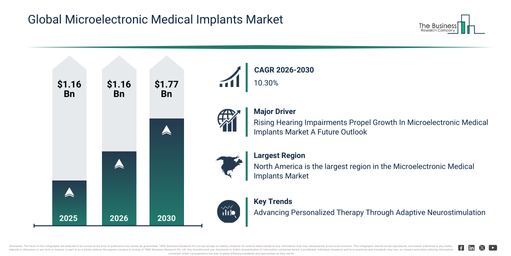
    The microelectronic medical implants market size is anticipated to experience rapid expansion over the next few years. It is forecast to grow to $79.08 billion in 2030, demonstrating a compound annual growth rate (CAGR) of 10.3%. This growth during the forecast period can be attributed to increasing investments in bioelectronic medicine, the rising adoption of personalized implant therapies, the expansion of wireless and remote monitoring implants, a growing demand for long-term therapeutic implants, and an increasing focus on digital health integration. Prominent trends expected in this period include the increasing adoption of smart implantable devices, a rising demand for miniaturized electronic implants, the growing integration of wireless monitoring capabilities, the expansion of neurostimulation and cardiac implants, and an enhanced focus on long-term implant reliability.

    Access Your Free Sample Report for In-Depth Market Insights:

    https://www.thebusinessresearchcompany.com/sample.aspx?id=8992&type=smp

    What Drivers Are Affecting Demand In The Microelectronic Medical Implants Market?

    The anticipated expansion of the microelectronic medical implants market is directly linked to the increasing prevalence of hearing impairments. Hearing impairment refers to a reduced ability to hear compared to someone with normal hearing, which is defined by hearing thresholds of 20 dB or better in both ears. Microelectronic medical implants are capable of improving hearing for individuals experiencing severe hearing loss who no longer benefit from conventional hearing aids, thereby stimulating the microelectronic medical implants market. For instance, in February 2024, the World Health Organization (WHO), an intergovernmental organization based in Switzerland that provides leadership on global health matters, projected that over 5% of the global population, or 430 million people, including 34 million children, are in need of rehabilitation for disabling hearing loss. This figure is expected to exceed 700 million by 2050. Consequently, the rising occurrence of hearing impairments is a significant factor driving the growth of the microelectronic medical implants market.

    Which Segment Groups Are Influencing The Microelectronic Medical Implants Market?

    The microelectronic medical implants market covered in this report is segmented –

    1) By Product: Neurostimulators, Drug Infusion Pumps, Pacemakers, Spinal Fusion Stimulators, Implantable Drug Pumps, Hearing Implants, Eye Implants, Ocular Implants, Other Products

    2) By Technology: Radiofrequency, Sensors, Other Technologies

    3) By Material: Metals, Titanium, Stainless Steel, Platinum, Gold Brazed Alloys, Polymers, Ceramics, Other Materials

    4) By Application: Cardiology, Neurology, Ophthalmology, Oncology, Other Applications

    5) By End-Users: Hospitals And Clinics, Ambulatory Surgical Centers

    Subsegments:

    1) By Neurostimulators: Deep Brain Stimulators, Peripheral Nerve Stimulators

    2) By Drug Infusion Pumps: Insulin Pumps, Pain Management Pumps

    3) By Pacemakers: Single-Chamber Pacemakers, Dual-Chamber Pacemakers, Biventricular Pacemakers

    4) By Spinal Fusion Stimulators: Bone Growth Stimulators, Electrical Stimulation Devices

    5) By Implantable Drug Pumps: Intrathecal Drug Delivery Systems, Programmable Pumps

    6) By Hearing Implants: Cochlear Implants, Bone-Anchored Hearing Aids

    7) By Eye Implants: Retinal Implants, Glaucoma Implants

    8) By Ocular Implant: Intraocular Lenses, Sustained-Release Drug Delivery Implants

    9) By Other Products: Bioelectronic Implants: Wireless Monitoring Devices

    Which Trends Are Guiding The Evolution Of The Microelectronic Medical Implants Market?

    Leading companies within the microelectronic medical implants market are prioritizing the integration of adaptive neuromodulation technologies, such as adaptive deep brain stimulation (aDBS), to elevate treatment precision, enable real-time monitoring, and refine personalized therapy optimization. aDBS systems function as closed-loop neurostimulation technologies capable of sensing neural activity and automatically adjusting electrical stimulation based on real-time brain biomarkers, facilitating capabilities like dynamic therapy modulation, reducing instances of overstimulation, and improving symptom management. As an illustration, in February 2025, Medtronic plc, an Ireland-based medical technology company, obtained U.S. FDA approval for its BrainSense Adaptive Deep Brain Stimulation (aDBS) System. This sophisticated aDBS technology is engineered to optimize Parkinson’s disease therapy by continuously detecting neural signals and adjusting stimulation as needed, featuring real-time brain-signal monitoring, automated stimulation adjustments, and an Electrode Identifier tool that speeds up and enhances programming accuracy. BrainSense aDBS contributes to improved therapy consistency, greater clinician workflow efficiency, and superior overall patient outcomes.

    Who Are The Major Companies Operating In The Microelectronic Medical Implants Market?

    Major companies operating in the microelectronic medical implants market are Medtronic PLC, Abbott Laboratories, Boston Scientific Corporation, BIOTRONIK SE & Co. KG, Cochlear Limited, LivaNova PLC, MicroPort Scientific Corporation, Zimmer Biomet Holdings Inc., Edwards Lifesciences Corporation, Inspire Medical Systems Inc., NeuroPace Inc., Envoy Medical Corporation, ImThera Medical Inc., EndoStim Inc., Integra LifeSciences Corporation, MED-EL Elektromedizinische Geräte GmbH, Abiomed Inc., Lepu Medical Technology Co. Ltd., Beijing PINS Medical Co. Ltd., Nurotron Biotechnology Co. Ltd.

    Access The Complete Report For Deeper Market Insights:

    https://www.thebusinessresearchcompany.com/report/microelectronic-medical-implants-global-market-report

    Which Region Is Anticipated To See The Fastest Growth In The Microelectronic Medical Implants Market?

    North America was the largest region in the microelectronic medical implants market share in 2025. Asia-Pacific is expected to be the fastest-growing region in the microelectronic medical implants market during the forecast period. The regions covered in the microelectronic medical implants market report are Asia-Pacific, South East Asia, Western Europe, Eastern Europe, North America, South America, Middle East, Africa.

    Request Your Customized Microelectronic Medical Implants Market Research Report for Competitive Advantage:

    https://www.thebusinessresearchcompany.com/customise?id=8992&type=smp

    Browse Through More Reports Similar to the Global Microelectronic Medical Implants Market 2026, By The Business Research Company

    Diagnostic Catheters Global Market Report 2026

    https://www.thebusinessresearchcompany.com/report/diagnostic-catheters-global-market-report

    Peripheral Iv Catheters Global Market Report 2026

    https://www.thebusinessresearchcompany.com/report/peripheral-iv-catheters-global-market-report

    Urinary Catheters Global Market Report 2026

    https://www.thebusinessresearchcompany.com/report/urinary-catheters-global-market-report

    Get in touch with us:

    The Business Research Company: https://www.thebusinessresearchcompany.com/

    Americas +1 310-496-7795

    Asia +44 7882 955267 & +91 8897263534

    Europe +44 7882 955267

    Email us at info@tbrc.info

    Follow us on:

    LinkedIn: https://in.linkedin.com/company/the-business-research-company
  • Microcatheter Market Forecast: How Big Will It Be by 2030?

    Microcatheter Market Forecast: How Big Will It Be by 2030?

    Uncover key drivers, emerging technologies, and competitive movements shaping the workstation graphics processing unit (gpu) market from 2026–2035 with trusted insights from The Business Research Company

    How is the Microcatheter Market size predicted to change over the forecast window of 2026–2035?

    The microcatheter market has witnessed substantial growth in recent years. It is anticipated to increase in value from $1.6 billion in 2025 to $1.71 billion in 2026, achieving a compound annual growth rate (CAGR) of 6.6%. The historical expansion of this market can be attributed to several factors, including an increase in cardiovascular procedures, advancements in interventional radiology, the rising demand for minimally invasive surgery, early innovations in catheter technology, and an aging population.

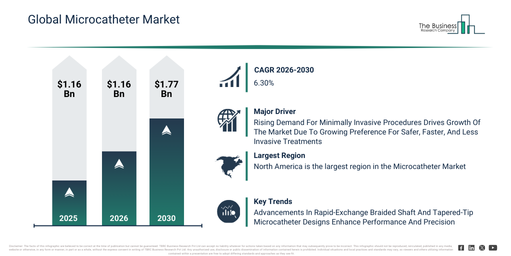
    The microcatheter market is projected to experience robust expansion over the coming years. By 2030, this market is forecast to reach $2.18 billion, achieving a compound annual growth rate (CAGR) of 6.3%. This projected growth is primarily driven by an increase in neurovascular conditions, advancements in catheter miniaturization technology, the expansion of oncology interventions, the adoption of robotic assisted procedures, and the proliferation of surgical centers. Key developments anticipated during this time encompass an uptick in minimally invasive surgeries, the development of highly flexible catheter designs, specific drug delivery applications, a broadening of neurovascular interventions, and catheters compatible with advanced imaging technologies.

    Access Your Free Sample Report for In-Depth Market Insights:

    https://www.thebusinessresearchcompany.com/sample.aspx?id=30324&type=smp

    Which Drivers Are Contributing To The Expansion Of The Microcatheter Market?

    The microcatheter market is anticipated to expand due to the escalating demand for minimally invasive procedures. These procedures involve medical interventions carried out via small cuts or natural bodily orifices, utilizing specialized tools to lessen tissue damage, shorten recovery periods, and reduce complications in contrast to conventional surgical methods. The increased popularity of minimally invasive procedures stems from a growing inclination towards treatments that provide quicker recovery, less pain, and a decreased risk of adverse effects. Microcatheters facilitate minimally invasive techniques by allowing medical professionals to reach tiny or winding vessels with great accuracy. This enables precise delivery of therapeutic substances or devices, concurrently minimizing tissue harm, procedural dangers, and patient recovery time. As an illustration, in June 2024, the International Society of Aesthetic Plastic Surgery (ISAPS), a US-based international organization, disclosed that global aesthetic procedures reached almost 35 million worldwide, representing a 3.4% increase from 2023. This growth was spurred by a rising desire for minimally invasive cosmetic interventions and a greater focus on enhancing one’s appearance. Consequently, the growing need for minimally invasive procedures is a key factor propelling the expansion of the microcatheter market.

    What Segment Classifications Make Up The Microcatheter Market?

    The microcatheter market covered in this report is segmented –

    1) By Product: Delivery Microcatheters, Diagnostic Microcatheters, Aspiration Microcatheters, Steerable Microcatheters, Micro-Guide Catheters

    2) By Design: Single-Lumen, Dual-Lumen

    3) By Application: Cardiovascular, Neurovascular, Peripheral Vascular, Oncological

    Subsegments:

    1) By Delivery Microcatheters: Single-Lumen, Dual-Lumen, Drug or Therapeutic Agent, Device-Deployment

    2) By Diagnostic Microcatheters: Imaging-Guided, Sampling or Biopsy, Angiographic, Hybrid Diagnostic-Therapeutic

    3) Aspiration Microcatheters: Large-Bore, Small-Bore, Combined Aspiration + Embolization, Disposable

    4) Steerable Microcatheters: Manual, Robotic Or Actuated, Shape-Memory Alloy Tip, Multi-Directional Or Omni-Directional

    5) Micro-Guide Catheters: Over-The-Wire, Flow-Directed, Single-Lumen, Dual-Lumen

    What Trends Are Projected To Support The Growth Of The Microcatheter Market?

    Leading firms within the microcatheter market are focusing on developing improved rapid-exchange braided shaft and tapered-tip configurations to bolster their market position. Such innovations include microcatheters designed with multi-layered reinforced braided shafts that boost pushability and precise torque control, combined with exceptionally fine tapered tips that allow for deeper penetration while reducing harm to blood vessels. As an illustration, in February 2024, BIOTRONIK, a company headquartered in Switzerland, introduced the Micro Rx catheter. This device incorporates a strengthened distal shaft where a core wire is positioned between two braided layers to ensure excellent push transmission, along with a tapered tip featuring one of the smallest leading edges for enhanced penetration, and a proximal-end stop crafted to connect with guide extension catheters for increased stability. Collectively, these improvements enhance physician maneuverability in intricate vascular structures, shorten procedure duration, and contribute to superior patient results.

    Which Major Firms Are Strengthening Their Position In The Microcatheter Market?

    Major companies operating in the microcatheter market are Cardinal Health Inc., Medtronic PLC, Stryker Corporation, Koninklijke Philips N.V., Becton Dickinson and Company, Boston Scientific Corporation, B. Braun Melsungen AG, Terumo Corporation, Teleflex Incorporated, Cook Group Incorporated, Integer Holdings, Merit Medical Systems Inc., Penumbra Inc., MicroPort Scientific Corp., Asahi Intecc Co. Ltd., Phenox GmbH, Rapid Medical, Acandis GmbH & Co. KG, Evasc Neurovascular, Vantis Vascular Inc.

    Access The Complete Report For Deeper Market Insights:

    https://www.thebusinessresearchcompany.com/report/global-microcatheter-market-report

    Which Global Regions Are Shaping The Competitive Landscape Of The Microcatheter Market?

    North America was the largest region in the microcatheter market in 2025. Asia-Pacific is expected to be the fastest-growing region in the forecast period. The regions covered in the microcatheter market report are Asia-Pacific, South East Asia, Western Europe, Eastern Europe, North America, South America, Middle East, Africa.

    Request Your Customized Microcatheter Market Research Report for Competitive Advantage:

    https://www.thebusinessresearchcompany.com/customise?id=30324&type=smp

    Browse Through More Reports Similar to the Global Microcatheter Market 2026, By The Business Research Company

    Microbiology And Bacterial Culture For Industrial Testing Global Market Report 2026

    https://www.thebusinessresearchcompany.com/report/microbiology-and-bacterial-culture-for-industrial-testing-global-market-report

    Gastrointestinal Pathogen Testing Global Market Report 2026

    https://www.thebusinessresearchcompany.com/report/gastrointestinal-pathogen-testing-global-market-report

    Hospital Acquired Infections Testing Kits Global Market Report 2026

    https://www.thebusinessresearchcompany.com/report/hospital-acquired-infections-testing-kits-global-market-report

    Get in touch with us:

    The Business Research Company: https://www.thebusinessresearchcompany.com/

    Americas +1 310-496-7795

    Asia +44 7882 955267 & +91 8897263534

    Europe +44 7882 955267

    Email us at info@tbrc.info

    Follow us on:

    LinkedIn: https://in.linkedin.com/company/the-business-research-company

  • Global Neuroscience Antibodies & Assays Market Report 2026–2035: Key Forecasts and Growth Areas

    Global Neuroscience Antibodies & Assays Market Report 2026–2035: Key Forecasts and Growth Areas

    Uncover key drivers, emerging technologies, and competitive movements shaping the worker heat stress monitoring wearable market from 2026–2035 with trusted insights from The Business Research Company

    What market expansion outlook does the Neuroscience Antibodies & Assays Market show for the 2026–2030 period?

    The neuroscience antibodies & assays market has shown swift expansion in recent years. It is anticipated to increase from $5.03 billion in 2025 to $5.76 billion in 2026, achieving a compound annual growth rate (CAGR) of 14.5%. Historically, this growth can be attributed to the rising prevalence of neurological disorders, the expansion of neuroscience research funding, the increased use of immunoassays in diagnostics, the availability of advanced laboratory instruments, and the growth of academic neuroscience programs.

    The neuroscience antibodies & assays market size is expected to show significant expansion in the coming years. It is projected to grow to $9.83 billion by 2030, achieving a compound annual growth rate (CAGR) of 14.3%. The growth during this forecast period can be linked to increased investments in neurodegenerative disease research, a rising demand for personalized neurology diagnostics, the expansion of drug discovery programs, a growing adoption of automated assay platforms, and an increasing focus on early disease detection. Prominent trends for the forecast period include the increasing use of high-specificity antibody reagents, a rising utilization of multiplex assay platforms, the growing integration of automation in neuro research laboratories, the expansion of biomarker-based neurological studies, and an enhanced focus on reproducibility and sensitivity.

    Access Your Free Sample Report for In-Depth Market Insights:

    https://www.thebusinessresearchcompany.com/sample.aspx?id=7548&type=smp

    What Drivers Are Shaping The Development Of The Neuroscience Antibodies & Assays Market?

    The growing number of neurological illness cases is anticipated to stimulate expansion within the neuroscience antibodies and assays market in the foreseeable future. These conditions, which involve disorders of the brain, spinal cord, and nerves, lead to impaired cognitive, motor, or sensory functions. The escalating occurrence of neurological illnesses is primarily attributable to an aging population, given that an increasing proportion of older individuals in developed nations results in a higher prevalence of age-related neurological disorders like Alzheimer’s disease and Parkinson’s disease. The rising incidence of neurological conditions boosts the need for specialized antibodies and assays, as these diagnostic and research instruments are essential for researchers and clinicians to identify, investigate, and track disease-specific biomarkers and protein anomalies in neurological disorders. As an illustration, in March 2023, the Alzheimer’s Association, a US-based nonprofit voluntary health organization, reported that in 2023, around 6.7 million Americans aged 65 and older are living with Alzheimer’s dementia, a figure expected to climb to 13.8 million by 2060. Consequently, the uptick in neurological illness incidents is fueling the growth of the neuroscience antibodies and assays market.

    Which Segments Are Contributing To The Growth Of The Neuroscience Antibodies & Assays Market?

    The neuroscience antibodies & assays market covered in this report is segmented –

    1) By Product: Consumables, Instruments

    2) By Technology: Molecular Diagnostics, Immunoassays Or Immunochemistry, Other Technologies

    3) By Application: In Vitro Diagnostics, Research, Drug Discovery

    4) By End User: Hospitals And Diagnostics Centers, Academic And Research Institutes, Pharmaceutical And Biotechnology Companies

    Subsegments:

    1) By Consumables: Antibodies, Assay Kits

    2) By Instruments: Spectrophotometers, Microplate Readers, Flow Cytometers, Western Blotting Systems, Imaging Systems, Automated Workstations

    Which Competitive Trends Are Impacting The Structure Of The Neuroscience Antibodies & Assays Market?

    Leading firms within the neuroscience antibodies and assays market are concentrating on creating novel products, like bispecific in vivo–ready antibodies, designed to target multiple neurological pathways concurrently, leading to more accurate and impactful research results. These bispecific in vivo–ready antibodies are crafted to link with two distinct targets simultaneously and are prepared for application in live animal models, enabling scientists to regulate numerous neurological pathways concurrently for more accurate and biologically pertinent neuroscience investigations. As an illustration, in October 2025, Bio X Cell LLC, a US–based biotechnology firm, introduced an expanded range of bispecific and ADC (antibody-drug conjugate) antibodies, aligning with its updated brand identity, aimed at advanced preclinical neuroscience and translational research applications. Specifically, these bispecific antibodies are designed to attach to two separate antigens concurrently, empowering researchers to adjust multiple signaling pathways or specific cell groups within the brain during a single experiment, a capability distinct from conventional monoclonal antibodies that focus on a single molecule. Manufactured with a high purity (= 95%) and ultra-low endotoxin levels (= 0.5 EU/mg), these antibodies are ideal for delicate in vivo experiments, organoid models, and organ-on-chip systems. The ADCs, on the other hand, unite a functional antibody with a cytotoxic payload to specifically target particular neuronal or glial populations, providing exact modulation and enhanced experimental adaptability.

    Who Are The Primary Competitors In The Global Neuroscience Antibodies & Assays Market?

    Major companies operating in the neuroscience antibodies & assays market are Abcam plc, BioLegend Inc., Bio-Rad Laboratories Inc., Cell Signaling Technology Inc., F. Hoffmann-La Roche AG, Thermo Fisher Scientific, Merck KGaA, Rockland Immunochemicals Inc., GenScript Biotech Corporation, Santa Cruz Biotechnology Inc., Wak-Chemie Medical GmbH, Epitope Diagnostics Inc., Agilent Technologies, Bio-Techne Corporation, Creative Diagnostics, Enzo Life Sciences Inc., Jackson ImmunoResearch Laboratories Inc., Novus Biologicals LLC, OriGene Technologies Inc., Proteintech Group Inc., R&D Systems Inc., RayBiotech Inc., StressMarq Biosciences Inc., Synaptic Systems GmbH, Tocris Bioscience, Alomone Labs Ltd., AnaSpec Inc., Antibodies.com, Antibody Solutions, Arbor Assays, Uscn Life Science Inc., Zymo Research Corp., AAT Bioquest Inc., Abbexa Ltd., ACROBiosystems Inc., Active Motif Inc., AdipoGen Life Sciences, Advanced Targeting Systems Inc., AgriSera AB

    Access The Complete Report For Deeper Market Insights:

    https://www.thebusinessresearchcompany.com/report/neuroscience-antibodies-and-assays-global-market-report

    Which Regions Are Poised For Strategic Growth In The Neuroscience Antibodies & Assays Market?

    North America was the largest region in the neuroscience antibodies & assays market in 2025. The regions covered in the neuroscience antibodies & assays market report are Asia-Pacific, South East Asia, Western Europe, Eastern Europe, North America, South America, Middle East, Africa.

    Request Your Customized Neuroscience Antibodies & Assays Market Research Report for Competitive Advantage:

    https://www.thebusinessresearchcompany.com/customise?id=7548&type=smp

    Browse Through More Reports Similar to the Global Neuroscience Antibodies & Assays Market 2026, By The Business Research Company

    Neurological Biomarkers Global Market Report 2026

    https://www.thebusinessresearchcompany.com/report/neurological-biomarkers-global-market-report

    Next Generation Antibody Therapeutics Global Market Report 2026

    https://www.thebusinessresearchcompany.com/report/next-generation-antibody-therapeutics-global-market-report

    Antibody Discovery Global Market Report 2026

    https://www.thebusinessresearchcompany.com/report/antibody-discovery-global-market-report

    Get in touch with us:

    The Business Research Company: https://www.thebusinessresearchcompany.com/

    Americas +1 310-496-7795

    Asia +44 7882 955267 & +91 8897263534

    Europe +44 7882 955267

    Email us at info@tbrc.info

    Follow us on:

    LinkedIn: https://in.linkedin.com/company/the-business-research-company
  • Neurorehabilitation Devices Market 2026–2030: Forecast, Innovation, and Competitive Trends

    Neurorehabilitation Devices Market 2026–2030: Forecast, Innovation, and Competitive Trends

    Uncover key drivers, emerging technologies, and competitive movements shaping the workstation graphics processing unit (gpu) market from 2026–2035 with trusted insights from The Business Research Company

    What level of growth is expected in the Neurorehabilitation Devices Market between 2026 and 2030?

    The neurorehabilitation devices market has experienced rapid growth in recent years. It is projected to expand from $2.07 billion in 2025 to $2.32 billion in 2026, achieving a compound annual growth rate (CAGR) of 11.8%. This historical growth can be attributed to an increase in stroke incidence, the proliferation of rehabilitation centers, heightened awareness regarding neurorehabilitation, developments in assistive devices, and the expansion of physical therapy services.

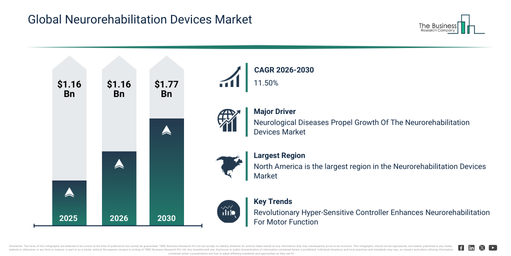
    The neurorehabilitation devices market size is poised for rapid expansion in the coming years. It is projected to increase to $3.58 billion by 2030, achieving a compound annual growth rate (CAGR) of 11.5%. The projected growth during this period stems from factors such as an expanding aging population, an increasing call for home care rehabilitation, technological breakthroughs in exoskeletons, a rise in neurological injury incidents, and enhanced healthcare funding. Prominent trends anticipated for the forecast timeframe involve the increasing adoption of robotic rehabilitation systems, the growing utilization of wearable neurorehabilitation devices, the widening scope of home-based rehabilitation initiatives, a stronger emphasis on personalized therapy strategies, and the integration of cognitive and physical rehabilitation.

    Access Your Free Sample Report for In-Depth Market Insights:

    https://www.thebusinessresearchcompany.com/sample.aspx?id=20579&type=smp

    Which Drivers Are Expected To Impact The Neurorehabilitation Devices Market During The Forecast Period?

    The future expansion of the neurorehabilitation devices market is projected to be driven by the rising incidence of neurological diseases. This surge in neurological disease cases is attributable to multiple factors such as an aging population, advancements in diagnostics, heightened awareness, and issues related to stress and mental health. These devices are employed in the management of neurological diseases to assist in restoring motor, cognitive, and sensory functions via specific therapies and stimulation. For example, Headway, a UK-based non-profit organization, reported in May 2025 that 335,409 individuals were hospitalized in the UK during 2023–2024 because of acquired brain injury (ABI). Consequently, the escalating occurrence of neurological diseases is a significant catalyst for the growth of the neurorehabilitation devices market.

    How Is The Neurorehabilitation Devices Market Divided Into Segments?

    The neurorehabilitation devices market covered in this report is segmented –

    1) By Product: Neurorobotics, Brain-Computer Interface, Wearable Devices, Non-Invasive Stimulators, Other Products

    2) By Application: Stroke, Parkinson’s Disease, Brain And Spinal Cord Injury, Cerebral Palsy, Multiple Sclerosis, Other Applications

    3) By End User: Rehabilitation Centers, Hospitals And Clinics, Home Care, Other End Users

    Subsegments:

    1) By Neurorobotics: Robotic Exoskeletons, Robotic Rehabilitation Devices, Assistive Robots For Gait Training

    2) By Brain-Computer Interface: Invasive Brain-Computer Interfaces, Non-Invasive Brain-Computer Interfaces, Hybrid Brain-Computer Interfaces

    3) By Wearable Devices: Smart Gloves, Smart Sensors, Exosuits and Wearable Robotics

    4) By Non-Invasive Stimulators: Transcranial Magnetic Stimulation (TMS) Devices, Transcranial Direct Current Stimulation (tDCS) Devices, Functional Electrical Stimulation (FES) Devices

    5) By Other Products: Virtual Reality Rehabilitation Systems, Software Platforms For Neurorehabilitation, Cognitive Training Devices

    What Industry Trends Are Transforming The Neurorehabilitation Devices Market?

    Major companies operating in the neurorehabilitation devices market are concentrating on developing innovative products, like hyper-sensitive controllers, to improve precision and patient interaction during rehabilitation therapies. A hyper-sensitive controller refers to a system or component engineered to respond with significant sensitivity to a user’s movements, intentions, or neural signals. For instance, in February 2023, MindMaze, a Switzerland-based digital neurotherapeutics (DTx) solutions company, launched Izar, a novel smart peripheral device designed to enhance hand motor function in patients with neurological conditions such as stroke and Parkinson’s disease. This advanced, portable device boosts hand dexterity and strength by accurately sensing fine grasp forces and wrist movements, facilitating precise training and assessment. Izar supports both in-clinic and remote self-training, addressing a vital requirement in neurological rehabilitation.

    Which Key Market Players Are Investing In Expansion And Innovation Within The Neurorehabilitation Devices Market?

    Major companies operating in the neurorehabilitation devices market are ReWalk Robotics Ltd., Ottobock SE & Co. KGaA, Helius Medical Technologies Inc., Bioness Inc., Neofect Co. Ltd., Tyromotion GmbH, Ekso Bionics Holdings Inc., Reha Technology AG, Kinestica Inc., Motus Nova, NeuroGym, NeuroMetrix Inc., Rehab-Robotics Company Limited, Rex Bionics Ltd., Saebo Inc., Bionik Laboratories Corp., Medtronic plc, Abbott Laboratories, Hocoma AG, Cyberdyne Inc., MindMaze SA, NeuroPace Inc., Paradromics Inc., Cognixion

    Access The Complete Report For Deeper Market Insights:

    https://www.thebusinessresearchcompany.com/report/neurorehabilitation-devices-global-market-report

    Which Regions Are Projected To Dominate The Neurorehabilitation Devices Market In The Coming Years?

    North America was the largest region in the neurorehabilitation devices market in 2025. The regions covered in the neurorehabilitation devices market report are Asia-Pacific, South East Asia, Western Europe, Eastern Europe, North America, South America, Middle East, Africa.

    Request Your Customized Neurorehabilitation Devices Market Research Report for Competitive Advantage:

    https://www.thebusinessresearchcompany.com/customise?id=20579&type=smp

    Browse Through More Reports Similar to the Global Neurorehabilitation Devices Market 2026, By The Business Research Company

    Neuropathic Pain Global Market Report 2026

    https://www.thebusinessresearchcompany.com/report/neuropathic-pain-global-market-report

    Neurotrophic Keratitis Treatment Global Market Report 2026

    https://www.thebusinessresearchcompany.com/report/neurotrophic-keratitis-treatment-global-market-report

    Neurofibromatosis Treatment Global Market Report 2026

    https://www.thebusinessresearchcompany.com/report/neurofibromatosis-treatment-global-market-report

    Get in touch with us:

    The Business Research Company: https://www.thebusinessresearchcompany.com/

    Americas +1 310-496-7795

    Asia +44 7882 955267 & +91 8897263534

    Europe +44 7882 955267

    Email us at info@tbrc.info

    Follow us on:

    LinkedIn: https://in.linkedin.com/company/the-business-research-company
  • Neurophysiology Devices And Equipment Market Forecast 2026–2035: Data Trends and Industry Insights

    Neurophysiology Devices And Equipment Market Forecast 2026–2035: Data Trends and Industry Insights

    Uncover key drivers, emerging technologies, and competitive movements shaping the worker heat stress monitoring wearable market from 2026–2035 with trusted insights from The Business Research Company

    How much is the Neurophysiology Devices And Equipment Market valued at in 2026, and what valuation is forecast for 2030?

    The market size for neurophysiology devices and equipment has seen modest expansion in recent years. It is anticipated to increase from $1.72 billion in 2025 to $1.76 billion in 2026, achieving a compound annual growth rate (CAGR) of 2.3%. This historical growth can be attributed to several factors, including an increase in neurological testing, advancements in EMG and EEG technologies, a rise in surgical volumes, the expansion of hospital neurology departments, and a boost in clinical research activities.

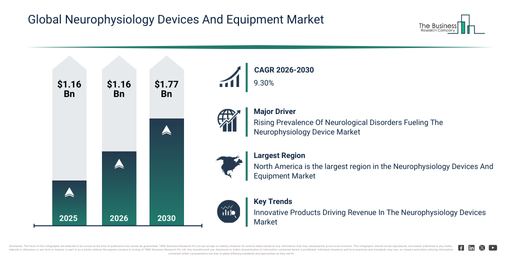
    The neurophysiology devices and equipment market is projected to experience substantial expansion over the upcoming years. This market is anticipated to reach $2.51 billion by 2030, demonstrating a compound annual growth rate (CAGR) of 9.3%. Several factors are driving this expansion during the projection period, including the increasing demand for point-of-care diagnostics, the growing occurrence of nerve disorders, advancements in technological miniaturization, the proliferation of ambulatory centers, and the expansion of training and education initiatives. Key trends emerging within the forecast timeframe encompass the increasing integration of portable neurophysiology devices, their expanded application in intraoperative monitoring, a heightened need for wireless recording systems, the growth of neurology and neurodiagnostic laboratories, and an emphasized focus on the early identification of nerve disorders.

    Access Your Free Sample Report for In-Depth Market Insights:

    https://www.thebusinessresearchcompany.com/sample.aspx?id=2521&type=smp

    What Drivers Are Influencing The Growth Of The Neurophysiology Devices And Equipment Market?

    The primary driver for the expansion of the neurophysiology device and equipment market is the global surge in neurological disorders. Recognized as some of the most prevalent recurring ailments, there are over 600 types of neurological disorders, including brain tumors, epilepsy, Parkinson’s disease, and Alzheimer’s. These conditions have been identified as a leading cause group for Disability Adjusted Life Years (DALYs), which represents years lost due to ill-health, disability, or early death. The escalating number of neurological disease cases and growing patient demographics are fueling an increased demand for devices used in treating such disorders. For example, as reported in February 2023 by the UK-based charity Cancer Research UK, the average annual incidence of new brain, other CNS, and intracranial tumors in the UK is anticipated to rise from approximately 12,600 cases between 2023 and 2025 to about 13,600 cases by 2038 to 2040. This projected increase will, in turn, heighten the need for medical devices designed for neurological disorder treatment, thereby propelling the Neurophysiology device and equipment market throughout the forecast period.

    What Segments Are Included Within The Neurophysiology Devices And Equipment Market?

    The neurophysiology devices and equipment market covered in this report is segmented –

    1) By Technology: Electromyography (EMG), Electroencephalography (EEG), Electrocorticography (ECoG), Evoked Potential (EP)

    2) By Modality: Standalone, Portable

    3) By End Users: Hospitals, Ambulatory Surgical Centers

    Subsegments:

    1) By Electromyography (EMG): Surface EMG Devices, Needle EMG Devices, Wireless EMG Devices

    2) By Electroencephalography (EEG): Conventional EEG Systems, Portable EEG Systems, Wireless EEG Systems

    3) By Electrocorticography (ECoG): Grid Electrodes, Strip Electrodes, Subdural Electrodes

    4) By Evoked Potential (EP): Visual Evoked Potential (VEP) Devices, Auditory Evoked Potential (AEP) Devices, Somatosensory Evoked Potential (SEP) Devices

    What Trends Are Reshaping The Dynamics Of The Neurophysiology Devices And Equipment Market?

    Leading companies in the neurophysiology devices and equipment market are developing innovative offerings, such as Evo sEEG electrodes, to increase their market revenues. The Evo sEEG electrode is characterized as a high-definition, minimally invasive thin film electrode, created for diagnosing and treating a variety of neurological conditions. For example, in May 2023, NeuroOne Medical Technologies Corporation, a US-based medical technology company, launched Evo sEEG electrodes. This Evo sEEG electrode also presents future capabilities for spinal cord stimulation and ablation solutions. This electrode incorporates high-definition, thin film electrodes that are anticipated to enhance signal clarity and offer secure, precise, and less invasive diagnostic procedures for patients with epilepsy, chronic back pain, and Parkinson’s disease.

    Who Are The Core Companies Influencing Trends In The Neurophysiology Devices And Equipment Market?

    Major companies operating in the neurophysiology devices and equipment market are Medtronic Plc, Nihon Kohden Corporation, Dr. Langer Medical GmbH, Natus Medical Incorporated, Inomed Medizintechnik, NuVasive Inc, Axon Healthcare Ltd., Bovie Medical Corporation, Neurosign, Neurowave Systems, Cadwell Industries, Brainsway, Checkpoint Surgical, Deymed Diagnostic Inc., EMS Biomedical, Compumedics Limited, Magtism, Langer Medical, Shanghai NCC Medical, Ambu, Blackrock Microsystems, Cognionics, Morningside Medical Equipment, BeckerSmith Medical, Cognivue, Helius Medical Technologies, inTRAvent Medical Partners, Neural Diagnostics Pty Ltd, Irras AB

    Access The Complete Report For Deeper Market Insights:

    https://www.thebusinessresearchcompany.com/report/neurophysiology-devices-and-equipment-global-market-report

    Which Region Is Expected To Experience The Fastest Growth In The Neurophysiology Devices And Equipment Market?

    North America was the largest region in the neurophysiology devices and equipment market in 2025. Western Europe was the second-largest region in the global neurophysiology devices and equipment market share. The regions covered in the neurophysiology devices and equipment market report are Asia-Pacific, South East Asia, Western Europe, Eastern Europe, North America, South America, Middle East, Africa.

    Request Your Customized Neurophysiology Devices And Equipment Market Research Report for Competitive Advantage:

    https://www.thebusinessresearchcompany.com/customise?id=2521&type=smp

    Browse Through More Reports Similar to the Global Neurophysiology Devices And Equipment Market 2026, By The Business Research Company

    Neurology Devices Global Market Report 2026

    https://www.thebusinessresearchcompany.com/report/neurology-devices-global-market-report

    Neurodegenerative Disorder Therapeutic Global Market Report 2026

    https://www.thebusinessresearchcompany.com/report/neurodegenerative-disorder-therapeutic-global-market-report

    Interventional Neurology Devices And Equipment Global Market Report 2026

    https://www.thebusinessresearchcompany.com/report/interventional-neurology-devices-and-equipment-global-market-report

    Get in touch with us:

    The Business Research Company: https://www.thebusinessresearchcompany.com/

    Americas +1 310-496-7795

    Asia +44 7882 955267 & +91 8897263534

    Europe +44 7882 955267

    Email us at info@tbrc.info

    Follow us on:

    LinkedIn: https://in.linkedin.com/company/the-business-research-company
  • Neuro-Navigation Systems Market Outlook 2026–2030: Key Business Drivers and Trends

    Neuro-Navigation Systems Market Outlook 2026–2030: Key Business Drivers and Trends

    Uncover key drivers, emerging technologies, and competitive movements shaping the workstation graphics processing unit (gpu) market from 2026–2035 with trusted insights from The Business Research Company

    By how much is the Neuro-Navigation Systems Market expected to grow between 2026 and 2030?

    The neuro-navigation systems market has witnessed significant expansion over recent years. Forecasts show its value will escalate from $3.13 billion in 2025 to $3.44 billion in 2026, achieving a compound annual growth rate (CAGR) of 9.9%. Historically, this market growth has been propelled by factors including the increasing prevalence of neurological disorders, the growing demand for neurosurgical precision, continuous imaging technology advancement, upgrades in hospital infrastructure, and a heightened focus on improving surgical outcomes.

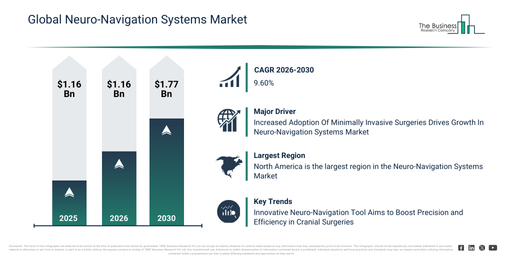
    The market for neuro-navigation systems is projected to experience substantial expansion over the upcoming years. This market is anticipated to reach $4.96 billion by 2030, driven by a compound annual growth rate (CAGR) of 9.6%. This expansion during the forecast period is primarily driven by factors such as the rise in robot-assisted surgeries, an increase in complex brain operations, the adoption of AI-integrated navigation, heightened demand for spine surgery, and the ongoing expansion of specialty hospitals. Key trends anticipated during this period encompass image-guided brain surgery, the development of minimally invasive neurosurgery, real-time surgical navigation capabilities, advanced robotic-assisted neurosurgical procedures, and the advancement of precision spine surgery.

    Access Your Free Sample Report for In-Depth Market Insights:

    https://www.thebusinessresearchcompany.com/sample.aspx?id=19613&type=smp

    Which Drivers Are Influencing Market Acceleration In The Neuro-Navigation Systems Market?

    The increasing embrace of minimally invasive surgical techniques is anticipated to fuel the expansion of the neuro-navigation systems market in the future. These procedures entail conducting operations via tiny cuts or natural orifices utilizing specific instruments and methodologies. The increasing popularity of minimally invasive methods stems from their advantages, including diminished discomfort, faster recuperation, and a lower chance of adverse events. Neuro-navigation systems boost the accuracy and success of minimally invasive operations by offering immediate, comprehensive direction, enabling surgeons to precisely traverse intricate anatomical formations. An illustrative example shows that in January 2023, the American Society of Plastic Surgeons, a US-based association of plastic surgeons, reported that roughly 23,672,269 minimally invasive cosmetic surgeries occurred in the USA in 2022, rising by 7% to 25,442,640 procedures in 2023. Consequently, the increased use of minimally invasive surgical practices is a key impetus behind the growth of the neuro-navigation systems market.

    What Leading Segments Are Studied In The Neuro-Navigation Systems Market?

    The neuro-navigation systems market covered in this report is segmented –

    1) By Type: Optical Surgical Navigation Systems, Electromagnetic Surgical Navigation Systems, Robotic Navigation Systems

    2) By Application: Neurosurgery, Craniomaxillofacial Surgery, Spinal Surgery, Other Applications

    3) By End User: Hospitals, Neurology Clinic, Ambulatory Surgical Centers (ASC), Research Centers, Other End Users

    Subsegments:

    1) By Optical Surgical Navigation Systems: 2D Optical Navigation Systems, 3D Optical Navigation Systems, Optical Tracking Devices, Image-Guided Surgery Systems

    2) By Electromagnetic Surgical Navigation Systems: Electromagnetic Tracking Systems, Wireless Electromagnetic Navigation Devices, Electromagnetic Guidance Systems for Biopsies

    3) By Robotic Navigation Systems: Robotic-Assisted Surgical Systems, Telemanipulation Navigation Systems

    How Are New Market Trends Shaping The Landscape Of The Neuro-Navigation Systems Market?

    Leading companies in the neuro-navigation systems market are prioritizing the development of sophisticated products, such as advanced surgical planning and navigation platforms, to boost surgical accuracy, minimize operation durations, and achieve better patient outcomes. These advanced surgical planning and navigation platforms are complex technologies that integrate imaging capabilities and real-time tracking to assist surgeons in accurately navigating intricate anatomical structures during procedures, ultimately improving precision and patient recovery. For instance, in July 2023, Stryker, a US-based medical technology company, unveiled the Q Guidance System with Cranial Guidance Software. The Q Guidance System with Cranial Guidance Software represents a cutting-edge neuro-navigation tool engineered to deliver real-time, high-resolution imaging and precise guidance for complex cranial surgeries. It enhances surgical exactness and improves patient results by providing surgeons with 3D visualization and enhanced assistance during operations. This system is anticipated to streamline operational processes, reduce time spent in the operating room, and contribute significantly to the evolving domain of neuro-navigation systems.

    Which Major Industry Participants Are Leading The Neuro-Navigation Systems Market Growth?

    Major companies operating in the neuro-navigation systems market are Medtronic Plc, Stryker Corporation, BrainLAB AG, Synaptive Medical, ClearPoint Neuro Inc., ClaroNav, Scopis GmbH, Northern Digital Inc., Philips Healthcare, GE HealthCare Technologies Inc., Canon Medical Systems, Hitachi Medical Systems, Siemens Healthineers, Zimmer Biomet, Johnson And Johnson Medical Devices, Mazor Robotics, Brainlab Spine, FHC Inc., Inomed Medizintechnik GmbH, Renishaw Plc, Leica Microsystems

    Access The Complete Report For Deeper Market Insights:

    https://www.thebusinessresearchcompany.com/report/neuro-navigation-systems-global-market-report

    Which Geographic Areas Are Emerging As Strong Markets For The Neuro-Navigation Systems Market?

    North America was the largest region in the neuro-navigation systems market in 2025. Asia-Pacific is expected to be the fastest-growing region in the forecast period. The regions covered in the neuro-navigation systems market report are Asia-Pacific, South East Asia, Western Europe, Eastern Europe, North America, South America, Middle East, Africa.

    Request Your Customized Neuro-Navigation Systems Market Research Report for Competitive Advantage:

    https://www.thebusinessresearchcompany.com/customise?id=19613&type=smp

    Browse Through More Reports Similar to the Global Neuro-Navigation Systems Market 2026, By The Business Research Company

    Internal Neuromodulation Devices Global Market Report 2026

    https://www.thebusinessresearchcompany.com/report/internal-neuromodulation-devices-global-market-report

    Neurotechnology Global Market Report 2026

    https://www.thebusinessresearchcompany.com/report/neurotechnology-global-market-report

    Neurostimulation Devices Global Market Report 2026

    https://www.thebusinessresearchcompany.com/report/neurostimulation-devices-global-market-report

    Get in touch with us:

    The Business Research Company: https://www.thebusinessresearchcompany.com/

    Americas +1 310-496-7795

    Asia +44 7882 955267 & +91 8897263534

    Europe +44 7882 955267

    Email us at info@tbrc.info

    Follow us on:

    LinkedIn: https://in.linkedin.com/company/the-business-research-company