Category: Medical Equipment

  • Global Injury Prediction Wearable Sensor Market Forecast 2026–2035: Long-Term Growth Insights

    Global Injury Prediction Wearable Sensor Market Forecast 2026–2035: Long-Term Growth Insights

    Uncover key drivers, emerging technologies, and competitive movements shaping the worker heat stress monitoring wearable market from 2026–2035 with trusted insights from The Business Research Company

    What size range is anticipated for the Injury Prediction Wearable Sensor Market from 2026 to 2030?

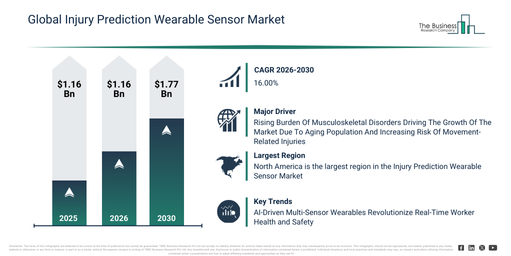
    The injury prediction wearable sensor market size has observed rapid expansion in recent years. Its valuation is set to increase from $2.28 billion in 2025 to $2.66 billion in 2026, driven by a compound annual growth rate (CAGR) of 16.3%. This historical growth can be attributed to several factors, including the adoption of these sensors in professional sports, the continuous growth in wearable sensor technology, the evolution of accelerometers and gyroscopes, their integration with fitness applications, and a heightened awareness concerning athlete safety.

    The injury prediction wearable sensor market size is projected to experience substantial expansion over the upcoming years. This market is set to reach a value of $4.82 billion by 2030, exhibiting a compound annual growth rate (CAGR) of 16.0%. Several factors are driving this anticipated growth, including AI-driven predictive algorithms, broader application in workplace safety and military sectors, increased use in rehabilitation programs, the creation of multi-sensor platforms, and integration with cloud-based health monitoring systems. Key developments expected during this period involve real-time biomechanical monitoring, AI-powered injury prediction, wearable motion analytics, assessments of muscle load and fatigue, and remote health alerts.

    Access Your Free Sample Report for In-Depth Market Insights:

    https://www.thebusinessresearchcompany.com/sample.aspx?id=29102&type=smp

    What Drivers Are Affecting Demand In The Injury Prediction Wearable Sensor Market?

    The future expansion of the injury prediction wearable sensor market is anticipated to be driven by the growing prevalence of musculoskeletal disorders. These disorders are described as conditions or injuries impacting muscles, bones, joints, tendons, ligaments, or nerves, frequently leading to pain, discomfort, and restricted movement. The rising load of musculoskeletal conditions can be attributed to the aging demographic, given that older individuals face a higher susceptibility to joint degeneration, osteoporosis, and associated mobility challenges. Injury prediction wearable sensors play a crucial role in tackling musculoskeletal disorders by facilitating the early identification of movement-related risks, aiding in preventive actions, and decreasing the probability of severe injuries. For example, in January 2024, data from GOV.UK, a UK-based government agency, indicated that 18.4% of individuals aged 16 and above reported having a long-term MSK condition in 2023. Consequently, the increasing incidence of musculoskeletal disorders is fueling the growth of the injury prediction wearable sensor market.

    Which Segments Are Gaining Traction In The Injury Prediction Wearable Sensor Market?

    The injury prediction wearable sensor market covered in this report is segmented –

    1) By Sensor Type: Accelerometers, Gyroscopes, Heart Rate Sensors, Electromyography (EMG) Sensors, Global Positioning System (GPS)

    2) By Application: Sports And Fitness, Military, Workplace Safety

    3) By Distribution Channel: Online, Offline

    4) By End Users: Athletes, Industrial Workers, Military Personnel, Others End Users

    Subsegments:

    1) By Accelerometers: Triaxial Accelerometers, Wearable-Grade MEMS Accelerometers

    2) By Gyroscopes: Microelectromechanical (MEMS) Gyroscopes, Vibrating Structure Gyroscopes

    3) By Heart Rate Sensors: Photoplethysmography (PPG) Sensors, Electrocardiography (ECG) Sensors, Optical Heart Rate Sensors

    4) By Electromyography (EMG) Sensors: Surface Electromyography Sensors, Wireless Electromyography Sensors

    5) By Global Positioning System (GPS): Standard GPS Sensors, High-Precision GPS Sensors, Multi-Constellation GPS Sensors

    What Trends Are Driving The Growth Trajectory Of The Injury Prediction Wearable Sensor Market?

    Major companies operating in the injury prediction wearable sensor market are concentrating on developing advanced products, such as wearable biopatches, to track physiological and biomechanical data instantly to avert injuries. Wearable biopatches are compact, sensor-equipped devices affixed to the body for continuous observation of vital signs and biomechanical data, thereby promoting health and injury prevention. For instance, in September 2025, Emory University, a US-based private research organization, in partnership with the Georgia Institute of Technology, a US-based research organization, developed the SENSE Biopatch, a wearable device crafted to monitor and protect the well-being of outdoor workers. This patch tracks multiple physiological signals, including skin temperature, heart rate, hydration, physical activity, and blood oxygen levels. Its AI algorithms analyze these signals in real time to identify early indicators of heat stress and issue predictive alerts. The design emphasizes comfort and discreteness, ensuring that workers can wear it continuously without interruption.

    Who Are The Major Companies Operating In The Injury Prediction Wearable Sensor Market?

    Major companies operating in the injury prediction wearable sensor market are Catapult Sports, STATSports, PlayerTek, GPSports, Dyamotech, ActiGraph, Biostrap, WHOOP, Oura Health, Garmin, Polar Electro, Zephyr Technology, Kinetisense, Physimax Technologies, Orreco, Sensoria Health, Athlete Intelligence, Hykso, VERT Wearable, Stryd

    Access The Complete Report For Deeper Market Insights:

    https://www.thebusinessresearchcompany.com/report/injury-prediction-wearable-sensor-global-market-report

    Which Global Regions Are Shaping The Competitive Landscape Of The Injury Prediction Wearable Sensor Market?

    North America was the largest region in the injury prediction wearable sensor market in 2025. Asia-Pacific is expected to be the fastest-growing region in the forecast period. The regions covered in the injury prediction wearable sensor market report are Asia-Pacific, South East Asia, Western Europe, Eastern Europe, North America, South America, Middle East, Africa.

    Request Your Customized Injury Prediction Wearable Sensor Market Research Report for Competitive Advantage:

    https://www.thebusinessresearchcompany.com/customise?id=29102&type=smp

    Browse Through More Reports Similar to the Global Injury Prediction Wearable Sensor Market 2026, By The Business Research Company

    Injection Molding Machine Global Market Report 2026

    https://www.thebusinessresearchcompany.com/report/injection-molding-machine-global-market-report

    Chemical Injection Skids Global Market Report 2026

    https://www.thebusinessresearchcompany.com/report/chemical-injection-skids-global-market-report

    Fuel Injection Systems Global Market Report 2026

    https://www.thebusinessresearchcompany.com/report/fuel-injection-systems-global-market-report

    Get in touch with us:

    The Business Research Company: https://www.thebusinessresearchcompany.com/

    Americas +1 310-496-7795

    Asia +44 7882 955267 & +91 8897263534

    Europe +44 7882 955267

    Email us at info@tbrc.info

    Follow us on:

    LinkedIn: https://in.linkedin.com/company/the-business-research-company
  • Injection Pen Market 2026–2030: Forecasting Business Opportunities Ahead

    Injection Pen Market 2026–2030: Forecasting Business Opportunities Ahead

    Uncover key drivers, emerging technologies, and competitive movements shaping the workstation graphics processing unit (gpu) market from 2026–2035 with trusted insights from The Business Research Company

    How is the Injection Pen Market size predicted to change over the forecast window of 2026–2035?

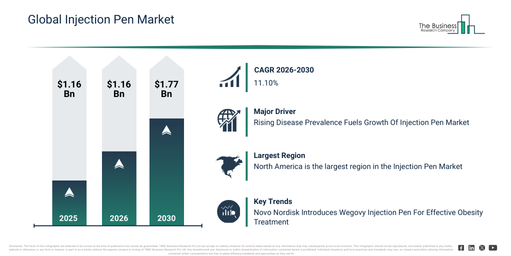
    The injection pen market has experienced substantial growth in recent years. It is projected to expand from $61.17 billion in 2025 to $67.94 billion in 2026, exhibiting a compound annual growth rate (CAGR) of 11.1%. Historically, this expansion has been driven by the increasing prevalence of diabetes and chronic diseases, the rise of self-administration therapies, the broader application of biologic drugs, continuous improvements in injection device design, and a growing patient preference for pen-based delivery solutions.

    The injection pen market is projected to experience substantial expansion in the coming years. This market is anticipated to reach a valuation of $103.59 billion by 2030, exhibiting a compound annual growth rate (CAGR) of 11.1%. This expansion during the projection period stems from factors such as increasing demand for drug delivery at home, the growing embrace of intelligent injection pens, the broadening scope of chronic disease management initiatives, a heightened emphasis on sustainability within medical devices, and innovations in networked drug delivery technologies. Key trends foreseen for this period encompass the greater uptake of easy-to-use injection devices, an escalating need for disposable and pre-filled pens, the continuous incorporation of features ensuring dose precision and safety, the broader availability of reusable and rechargeable injection pens, and a stronger commitment to developing solutions for improving patient compliance.

    Access Your Free Sample Report for In-Depth Market Insights:

    https://www.thebusinessresearchcompany.com/sample.aspx?id=5676&type=smp

    Which Drivers Are Contributing To The Expansion Of The Injection Pen Market?

    The increasing occurrence of conditions such as diabetes and arthritis is fostering the expansion of the injection pen market. An expanding obese population, sedentary lifestyles, poor dietary choices, and an aging demographic have collectively resulted in a higher global incidence of diabetes. To illustrate, in April 2025, data from the International Diabetes Federation (IDF) – a Belgium-based non-governmental, global advocacy organization dedicated to diabetes care, prevention, and research – revealed that 589 million adults aged 20-79 years worldwide are afflicted with diabetes, surpassing the combined populations of the U.S., Canada, Mexico, and the Caribbean. Projections indicate that the population of adults living with diabetes will escalate to 853 million by 2050. Consequently, the escalating prevalence of conditions like diabetes and arthritis is anticipated to propel the growth of the injection pen market.

    What Segment Categories Are Covered In The Injection Pen Market?

    The injection pen market covered in this report is segmented –

    1) By Product Type: Disposable Injection Pens, Reusable Injection Pens

    2) By Therapy: Diabetes, Fertility, Osteoporosis, Growth Hormone Therapy, Other Therapies

    3) By End Users: Home Care, Hospital And Clinics

    Subsegments:

    1) By Disposable Injection Pens: Pre-filled Disposable Injection Pens, Single-Use Disposable Injection Pens

    2) By Reusable Injection Pens: Refillable Injection Pens, Multi-Use Injection Pens, Rechargeable Injection Pens

    What Upcoming Trends Are Likely To Define The Future Path Of The Injection Pen Market?

    Leading companies active in the injection pen market are concentrating on developing innovative products, such as Wegovy, to offer reliable services to their clientele. Wegovy functions as an injection pen designed for addressing obesity and facilitating weight loss in patients. For example, in September 2023, Novo Nordisk A/S, a pharmaceutical company located in Denmark, introduced Wegovy. This injection pen product includes the drug semaglutide. Wegovy assists patients in lowering their body weight by approximately 15% when incorporated with exercise and changes to their lifestyle.

    Which Major Firms Are Strengthening Their Position In The Injection Pen Market?

    Major companies operating in the injection pen market are Novo Nordisk A/S, Ypsomed Holding AG, Eli Lilly and Company, Merck KGaA, AstraZeneca plc, F. Hoffmann-La Roche Ltd., Owen Mumford Ltd., Sun Pharmaceutical Industries Ltd., Pfizer Inc., Lupin Ltd., Wockhardt Ltd., AptarGroup Inc., Novartis AG, Gerresheimer AG, SHL Medical AG, Boehringer Ingelheim International GmbH, Nemera France SA, Companion Medical Inc., Jiangsu Delfu Medical Devices Co. Ltd., Haselmeier GmbH, Biocon Limited, Becton Dickinson and Company, Mylan N.V., Terumo Corporation, West Pharmaceutical Services Inc., Bespak Europe Ltd., Nipro Corporation, Consort Medical plc, Sandoz Inc., Sulzer Ltd., DuPont de Nemours Inc., Mitsubishi Gas Chemical Company Inc.

    Access The Complete Report For Deeper Market Insights:

    https://www.thebusinessresearchcompany.com/report/injection-pen-global-market-report

    Which Regions Are Poised For Strategic Growth In The Injection Pen Market?

    North America was the largest region in the injection pen market in 2025. The regions covered in the injection pen market report are Asia-Pacific, South East Asia, Western Europe, Eastern Europe, North America, South America, Middle East, Africa.

    Request Your Customized Injection Pen Market Research Report for Competitive Advantage:

    https://www.thebusinessresearchcompany.com/customise?id=5676&type=smp

    Browse Through More Reports Similar to the Global Injection Pen Market 2026, By The Business Research Company

    Corticosteroid Global Market Report 2026

    https://www.thebusinessresearchcompany.com/report/corticosteroid-global-market-report

    Respiratory Devices And Equipment Therapeutic Global Market Report 2026

    https://www.thebusinessresearchcompany.com/report/respiratory-devices-and-equipment-therapeutic-global-market-report

    Smart Inhalers Global Market Report 2026

    https://www.thebusinessresearchcompany.com/report/smart-inhalers-global-market-report

    Get in touch with us:

    The Business Research Company: https://www.thebusinessresearchcompany.com/

    Americas +1 310-496-7795

    Asia +44 7882 955267 & +91 8897263534

    Europe +44 7882 955267

    Email us at info@tbrc.info

    Follow us on:

    LinkedIn: https://in.linkedin.com/company/the-business-research-company
  • Global Injectable Drug Delivery Devices Market Report 2026–2035: Key Forecasts and Growth Areas

    Global Injectable Drug Delivery Devices Market Report 2026–2035: Key Forecasts and Growth Areas

    Uncover key drivers, emerging technologies, and competitive movements shaping the worker heat stress monitoring wearable market from 2026–2035 with trusted insights from The Business Research Company

    What market expansion outlook does the Injectable Drug Delivery Devices Market show for the 2026–2030 period?

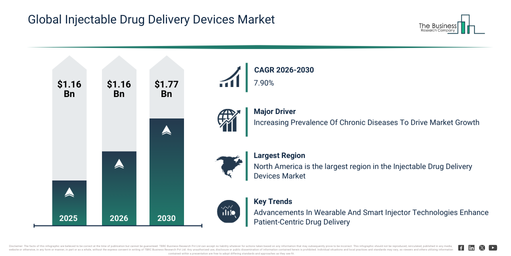
    The market size for injectable drug delivery devices has shown strong expansion in recent years. It is projected to increase from $54.3 billion in 2025 to $58.69 billion in 2026, advancing at a compound annual growth rate (CAGR) of 8.1%. The significant growth observed historically can be attributed to several factors, including the increasing prevalence of chronic diseases, the expansion of biologics and biosimilars, a rise in hospital-based injectable treatments, enhancements in sterile manufacturing practices, and the broader availability of injection devices.

    The injectable drug delivery devices market size is anticipated to undergo significant expansion in the coming years. It is projected to reach $79.51 billion by 2030, exhibiting a compound annual growth rate (CAGR) of 7.9%. This forecasted growth can be attributed to factors such as a growing preference for self-administration devices, an escalating demand for personalized drug delivery, the expansion of biologic drug pipelines, increasing investments in smart injection technologies, and the wider adoption of home healthcare solutions. Prominent trends expected during this period include the increased uptake of prefilled and safety syringes, a rising demand for autoinjectors and pen injectors, the greater use of home-based injectable therapies, the proliferation of wearable and implantable infusion pumps, and an amplified focus on dose accuracy and patient safety.

    Access Your Free Sample Report for In-Depth Market Insights:

    https://www.thebusinessresearchcompany.com/sample.aspx?id=2835&type=smp

    What Drivers Are Shaping The Development Of The Injectable Drug Delivery Devices Market?

    The increasing occurrence of chronic diseases is anticipated to drive the expansion of the injectable drug delivery devices market. A chronic disease is defined as an ailment persisting for three months or longer, with the potential to worsen over time. Injectable drug delivery devices provide a dependable and easy way to administer medications for prolonged durations. Such devices are capable of improving patients’ compliance with their prescribed treatments, which helps in the efficient management of chronic conditions and ultimately results in improved health outcomes. For example, data released in June 2024 by the National Health Service, a UK government department, indicated that 3,615,330 individuals registered with a general practitioner (GP) received a diagnosis of non-diabetic hyperglycemia or pre-diabetes (characterized by elevated blood sugar levels, insufficient to be classified as diabetes) in 2023. This figure represents an 18% rise from the 3,065,825 cases recorded in 2022. Consequently, the growing incidence of chronic diseases is propelling the expansion of the injectable drug delivery devices market into the future.

    Which Segments Are Contributing To The Growth Of The Injectable Drug Delivery Devices Market?

    The injectable drug delivery devices market covered in this report is segmented –

    1) By Type: Syringes, Injectors, Pump

    2) By Application: Autoimmune Diseases, Hormonal Disorders, Oncology, Orphan Diseases, Pain Management, Respiratory Therapy, Other Applications

    3) By End-user: Hospitals And Clinics, Home Healthcare Settings, Pharmaceutical And Biotechnological Companies, Research Laboratories, Other End Users

    Subsegments:

    1) By Syringes: Conventional Syringes, Prefilled Syringes, Safety Syringes

    2) By Injectors: Autoinjectors, Pen Injectors, Needle-Free Injectors

    3) By Pumps: Insulin Pumps, Ambulatory Infusion Pumps, Implantable Pumps

    Which Trends Are Shaping Activity Within The Injectable Drug Delivery Devices Market?

    Major companies within the injectable drug delivery devices market are dedicated to developing cutting-edge solutions, including wearable and smart injectors, to enhance patient convenience, foster adherence, and facilitate self-administration of complex therapies. These innovative wearable and smart injectors are engineered to deliver precise doses of medications, encompassing biologics and large-volume formulations, while minimizing discomfort, reducing user error, and improving the overall treatment experience. As an illustration, in January 2025, Becton, Dickinson and Company, a US-based medical technology company, introduced a range of next-generation devices such as the BD Accuspray Nasal Spray System, BD Hylok Glass Prefillable Syringe, BD Effivax Glass Prefillable Syringe, BD Libertas Wearable Injector, BD Evolve On-body Injector, BD Physioject Disposable Autoinjector, and BD Vystra Disposable Pen. These solutions are characterized by user-friendly designs for independent administration, offer precise and consistent dosing for biologics and vaccines, maintain compatibility with diverse drug formulations, and feature wearable formats that accommodate large-volume delivery, all while ensuring sterility and safety through disposable components. This product launch signifies the industry’s transition towards advanced, patient-centric injectable drug delivery systems focused on enhancing adherence, comfort, and therapeutic outcomes.

    Who Are The Primary Competitors In The Global Injectable Drug Delivery Devices Market?

    Major companies operating in the injectable drug delivery devices market are Becton Dickinson and Company, Baxter International, Gerresheimer AG, Catalent Inc., Antares Pharma, Owen Mumford, West Pharmaceutical Services Inc., B. Braun Melsungen AG, Ypsomed AG, AptarGroup Inc., Nemera, Teleflex Medical, Medtronic, Caplin Steriles Limited, Hovione Technology, Jiangsu Delfu Medical Device Co. Ltd., Terumo Corporation, Roche, Sorrel Medical, Novo Nordisk

    Access The Complete Report For Deeper Market Insights:

    https://www.thebusinessresearchcompany.com/report/injectable-drug-delivery-devices-global-market-report

    Which Regions Are Projected To Dominate The Injectable Drug Delivery Devices Market In The Coming Years?

    North America was the largest region in the injectable drug delivery devices market in 2025. Asia-Pacific is expected to be the fastest-growing region in the forecast period. The regions covered in the injectable drug delivery devices market report are Asia-Pacific, South East Asia, Western Europe, Eastern Europe, North America, South America, Middle East, Africa.

    Request Your Customized Injectable Drug Delivery Devices Market Research Report for Competitive Advantage:

    https://www.thebusinessresearchcompany.com/customise?id=2835&type=smp

    Browse Through More Reports Similar to the Global Injectable Drug Delivery Devices Market 2026, By The Business Research Company

    Glucose Biosensors Global Market Report 2026

    https://www.thebusinessresearchcompany.com/report/glucose-biosensors-global-market-report

    Disposable Medical Sensors Global Market Report 2026

    https://www.thebusinessresearchcompany.com/report/disposable-medical-sensors-global-market-report

    Disposable Medical Devices Sensors Global Market Report 2026

    https://www.thebusinessresearchcompany.com/report/disposable-medical-devices-sensors-global-market-report

    Get in touch with us:

    The Business Research Company: https://www.thebusinessresearchcompany.com/

    Americas +1 310-496-7795

    Asia +44 7882 955267 & +91 8897263534

    Europe +44 7882 955267

    Email us at info@tbrc.info

    Follow us on:

    LinkedIn: https://in.linkedin.com/company/the-business-research-company
  • Implantable Cardiac Rhythm Management Device Market 2026–2030: Forecasting Business Opportunities Ahead

    Implantable Cardiac Rhythm Management Device Market 2026–2030: Forecasting Business Opportunities Ahead

    Uncover key drivers, emerging technologies, and competitive movements shaping the worker heat stress monitoring wearable market from 2026–2035 with trusted insights from The Business Research Company

    What size range is anticipated for the Implantable Cardiac Rhythm Management Device Market from 2026 to 2030?

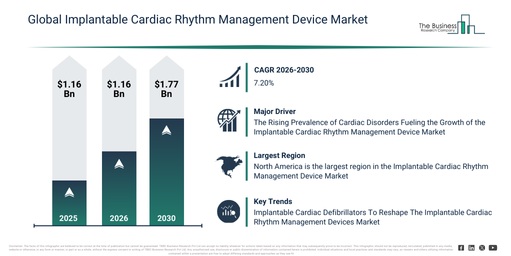
    The implantable cardiac rhythm management device market has demonstrated robust expansion recently. Forecasting its trajectory, the market is projected to expand from $17.7 billion in 2025 to $18.89 billion by 2026, exhibiting a compound annual growth rate (CAGR) of 6.7%. This historical growth can be linked to factors such as the increasing incidence of cardiac arrhythmias, a burgeoning aging demographic, the proliferation of cardiac care facilities, the rising embrace of implantable pacemakers and defibrillators, and enhancements in the dependability of cardiac devices.

    The implantable cardiac rhythm management device market is anticipated to experience significant expansion over the coming years. This market is projected to reach $24.91 billion by 2030, demonstrating a compound annual growth rate (CAGR) of 7.2%. This projected growth is driven by factors such as the increasing integration of smart implantable technologies, an elevated emphasis on remote patient monitoring, the broadening use of AI for rhythm analysis, an expanding need for minimally invasive cardiac interventions, and augmented healthcare investments in cardiac care infrastructure. Key trends anticipated during this period encompass the widespread embrace of remote cardiac monitoring features, the greater utilization of advanced battery solutions, the expanding incorporation of wireless cardiac devices, the proliferation of minimally invasive implantation methods, and an intensified commitment to enhancing device longevity and reliability.

    Access Your Free Sample Report for In-Depth Market Insights:

    https://www.thebusinessresearchcompany.com/sample.aspx?id=10117&type=smp

    What Drivers Are Affecting Demand In The Implantable Cardiac Rhythm Management Device Market?

    The expanding occurrence of cardiac conditions is projected to stimulate the growth of the implantable cardiac rhythm management devices market moving ahead. A cardiac disorder describes medical conditions impacting the heart or blood vessels. Implantable cardiac rhythm management devices serve to aid individuals experiencing heart failure and diminished left ventricular function, enhancing systolic function by resynchronizing cardiac contractions and re-establishing normal heart rhythm during severe rapid ventricular arrhythmias. Consequently, the rising incidence of cardiac disorders will elevate the demand for implantable cardiac rhythm management devices. As an illustration, in January 2024, data from the American Heart Association, a US-based non-profit organization, indicated that the age-adjusted death rate from cardiovascular disease climbed to 233.3 per 100,000 in 2024, marking a 4.0% increase from 224.4 per 100,000 in 2023. Hence, the growing prevalence of cardiac disorders is propelling the implantable cardiac rhythm management device market’s expansion.

    Which Segments Are Gaining Traction In The Implantable Cardiac Rhythm Management Device Market?

    The implantable cardiac rhythm management device market covered in this report is segmented –

    1) By Device: Cardiac Resynchronization Therapy, Defibrillators, Pacemakers

    2) By Application: Bradycardia, Tachycardia, Other Applications

    3) By End-Use: Hospitals, Specialty Cardiac Centers, Other End-Uses

    Subsegments:

    1) By Cardiac Resynchronization Therapy (CRT): CRT-P (Pacemaker), CRT-D (Defibrillator)

    2) By Defibrillators: Implantable Cardioverter Defibrillators (ICDs), Subcutaneous Implantable Defibrillators (S-ICDs)

    3) By Pacemakers: Single-Chamber Pacemakers, Dual-Chamber Pacemakers, Biventricular Pacemakers

    Which Trends Are Shaping Activity Within The Implantable Cardiac Rhythm Management Device Market?

    Leading companies in the implantable cardiac rhythm management devices market are focusing on releasing innovative products, such as implantable cardiac defibrillators. These implantable cardiac defibrillators are compact, battery-powered units typically placed under the skin near the collarbone. For instance, in October 2023, MicroPort CRM, a France-based implantable cardiac defibrillator manufacturer, announced the introduction of its ULYS Implantable Cardioverter Defibrillator (ICDs) and INVICTA defibrillation implantable devices. The ULYS ICD integrates advanced technology with minimal power consumption, leading to its longest projected lifespan. It also includes an AutoMRI function and a PARAD arrhythmia discrimination algorithm, which aid in automatically adjusting the device. The INVICTA defibrillation leads consistently sense electrical signals from the heart’s right ventricle, providing pacing therapy if the heart rate is too slow.

    Who Are The Prominent Global Companies Shaping The Implantable Cardiac Rhythm Management Device Market Landscape?

    Major companies operating in the implantable cardiac rhythm management device market are Medtronic plc, Abbott Laboratories, Boston Scientific Corporation, Biotronik SE & Co. KG, MicroPort Scientific Corporation, LivaNova PLC, Japan Lifeline Co Ltd, Lepu Medical Technology Beijing Co Ltd, Shree Pacetronix Ltd, Osypka Medical GmbH, Sorin Group Italia Srl, Medico SpA, Vitatron Holding BV, Pacetronix Ltd, CardioElectronica SA, Imricor Medical Systems Inc, Impulse Dynamics plc, Kardium Inc, Cortrium ApS, EBR Systems Inc

    Access The Complete Report For Deeper Market Insights:

    https://www.thebusinessresearchcompany.com/report/implantable-cardiac-rhythm-management-device-global-market-report

    Which Region Currently Holds The Largest Share Of The Implantable Cardiac Rhythm Management Device Market?

    North America was the largest region in the implantable cardiac rhythm management device market in 2025. The regions covered in the implantable cardiac rhythm management device market report are Asia-Pacific, South East Asia, Western Europe, Eastern Europe, North America, South America, Middle East, Africa.

    Request Your Customized Implantable Cardiac Rhythm Management Device Market Research Report for Competitive Advantage:

    https://www.thebusinessresearchcompany.com/customise?id=10117&type=smp

    Browse Through More Reports Similar to the Global Implantable Cardiac Rhythm Management Device Market 2026, By The Business Research Company

    Implantable Heart Pacemaker Global Market Report 2026

    https://www.thebusinessresearchcompany.com/report/implantable-heart-pacemaker-global-market-report

    Cardiac Rhythm Management Crm Devices And Equipment Global Market Report 2026

    https://www.thebusinessresearchcompany.com/report/cardiac-rhythm-management-crm-devices-and-equipment-global-market-report

    Cardiac Arrhythmia Monitoring Devices Global Market Report 2026

    https://www.thebusinessresearchcompany.com/report/cardiac-arrhythmia-monitoring-devices-global-market-report

    Get in touch with us:

    The Business Research Company: https://www.thebusinessresearchcompany.com/

    Americas +1 310-496-7795

    Asia +44 7882 955267 & +91 8897263534

    Europe +44 7882 955267

    Email us at info@tbrc.info

    Follow us on:

    LinkedIn: https://in.linkedin.com/company/the-business-research-company
  • Global Implantable Cardiac Devices Market Report 2026–2035: Key Forecasts and Growth Areas

    Global Implantable Cardiac Devices Market Report 2026–2035: Key Forecasts and Growth Areas

    Uncover key drivers, emerging technologies, and competitive movements shaping the workstation graphics processing unit (gpu) market from 2026–2035 with trusted insights from The Business Research Company

    How is the Implantable Cardiac Devices Market size predicted to change over the forecast window of 2026–2035?

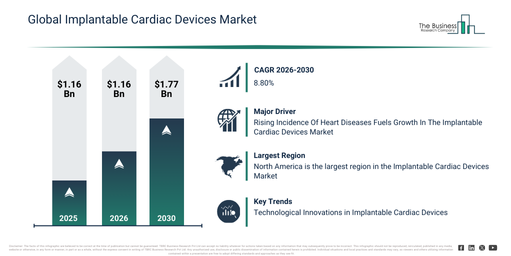
    The implantable cardiac devices market has demonstrated robust expansion in recent years. It is projected to grow from $13.34 billion in 2025 to $14.51 billion in 2026, achieving a compound annual growth rate (CAGR) of 8.8%. The growth observed in the past can be attributed to an increasing prevalence of cardiac arrhythmias, a rising aging population, the expansion of hospital cardiac care infrastructure, the adoption of pacemaker technologies, and the availability of advanced implantable devices.

    The implantable cardiac devices market is projected to experience substantial expansion over the upcoming years. It is anticipated to reach a valuation of $20.33 billion by 2030, exhibiting a compound annual growth rate (CAGR) of 8.8%. This growth during the projected period can be ascribed to several factors, including the escalating demand for remote patient monitoring, a heightened emphasis on minimally invasive cardiac treatments, the broader integration of digital healthcare, advancing innovation in battery and lead technologies, and the expanding application of AI-assisted cardiac diagnostics. Key trends foreseen for this period encompass the increased adoption of miniaturized implantable devices, a growing integration of remote cardiac monitoring systems, the wider utilization of MRI-compatible implants, the expansion of cardiac resynchronization therapies, and an intensified focus on enhancing device longevity and reliability.

    Access Your Free Sample Report for In-Depth Market Insights:

    https://www.thebusinessresearchcompany.com/sample.aspx?id=19097&type=smp

    Which Drivers Are Contributing To The Expansion Of The Implantable Cardiac Devices Market?

    The increasing occurrence of heart ailments is anticipated to fuel the expansion of the implantable cardiac devices market. This surge in cardiovascular conditions stems from a higher incidence of risk factors, including inadequate nutrition, inactive routines, excessive weight, and persistent health issues like diabetes and high blood pressure. Furthermore, an aging demographic and heightened stress levels also play a role in the escalating rates of heart-related illnesses. These devices are utilized to manage and address conditions such as heart failure, irregular heartbeats, and blocked arteries. The amplified demand prompts accelerated innovation and greater investment in creating advanced cardiac devices to serve the expanding patient base and optimize treatment results. For example, data from May 2024, as reported by the Singapore Heart Foundation (SHF), a Singapore-based non-profit organization, indicated that ischemic heart disease caused 5,302 fatalities, marking a minor rise from 5,290 deaths recorded in 2022. Consequently, the escalating occurrence of heart disease is a primary driver for the expansion of the implantable cardiac devices market.

    What Segment Categories Are Covered In The Implantable Cardiac Devices Market?

    The implantable cardiac devices market covered in this report is segmented –

    1) By Type: Pacemaker, Implantable Cardioverter Defibrillator (ICD), Biventricular Implantable Cardioverter Defibrillator (BI-V ICD)

    2) By Application: Bradycardia, Tachycardia, Heart Failure, Other Applications

    3) By End User: Hospitals, Specialty Clinics, Other End Users

    Subsegments:

    1) By Pacemaker: Single-Chamber Pacemakers, Dual-Chamber Pacemakers, Rate-Responsive Pacemakers

    2) By Implantable Cardioverter Defibrillator (ICD): Transvenous ICDs, Subcutaneous ICDs

    3) By Biventricular Implantable Cardioverter Defibrillator (BI-V ICD): Standard BI-V ICDs, Advanced BI-V ICDs with Cardiac Resynchronization Therapy (CRT)

    Which Trends Are Influencing The Development Of The Implantable Cardiac Devices Market?

    Leading companies operating in the implantable cardiac devices market are prioritizing enhanced compatibility with diagnostic tools, such as AutoMRI, to prolong device longevity and improve patient safety. The AutoMRI function within implantable cardiac defibrillators automatically fine-tunes device settings, ensuring secure operation during MRI scans, which elevates patient care while granting access to advanced imaging technologies. As an illustration, in October 2023, MicroPort CRM, a France-based medical device company, launched the ULYS implantable cardioverter defibrillator (ICD) and INVICTA defibrillation leads in Japan. These products boast advanced technology characterized by low current consumption for an extended device lifespan and full MRI compatibility. The ULYS ICD integrates the PARAD+ arrhythmia discrimination algorithm and AutoMRI functionality, while the INVICTA lead delivers precise pacing and defibrillation therapy, having demonstrated a 100% implantation success rate and a 97.4% complication-free rate in clinical trials.

    Which Key Players Are Driving Competition In The Implantable Cardiac Devices Market?

    Major companies operating in the implantable cardiac devices market are Abbott Laboratories, Medtronic plc, Boston Scientific Corporation, Biotronik SE & Co. KG, LivaNova plc, Lepu Medical Technology, MicroPort Scientific Corporation, LifeTech Scientific Corporation, EBR Systems Inc., CVRx Inc., Medico S.p.A., Osypka Medical GmbH, Sorin Group Italia (LivaNova legacy), Shree Pacetronix Ltd., Inpace Medikal, CCC Medical Devices, Imricor Medical Systems Inc., BlueWind Medical Ltd., Vectorious Medical Technologies, Medico Electrodes International Ltd.

    Access The Complete Report For Deeper Market Insights:

    https://www.thebusinessresearchcompany.com/report/implantable-cardiac-devices-global-market-report

    How Does The Implantable Cardiac Devices Market Perform Across Major Global Regions?

    North America was the largest region in the implantable cardiac devices market in 2025. Asia-Pacific is expected to be the fastest-growing region in the forecast period. The regions covered in the implantable cardiac devices market report are Asia-Pacific, South East Asia, Western Europe, Eastern Europe, North America, South America, Middle East, Africa.

    Request Your Customized Implantable Cardiac Devices Market Research Report for Competitive Advantage:

    https://www.thebusinessresearchcompany.com/customise?id=19097&type=smp

    Browse Through More Reports Similar to the Global Implantable Cardiac Devices Market 2026, By The Business Research Company

    Implantable Heart Pacemaker Global Market Report 2026

    https://www.thebusinessresearchcompany.com/report/implantable-heart-pacemaker-global-market-report

    Cardiac Prosthetic Devices Global Market Report 2026

    https://www.thebusinessresearchcompany.com/report/cardiac-prosthetic-devices-global-market-report

    Active Implantable Medical Devices Global Market Report 2026

    https://www.thebusinessresearchcompany.com/report/active-implantable-medical-devices-global-market-report

    Get in touch with us:

    The Business Research Company: https://www.thebusinessresearchcompany.com/

    Americas +1 310-496-7795

    Asia +44 7882 955267 & +91 8897263534

    Europe +44 7882 955267

    Email us at info@tbrc.info

    Follow us on:

    LinkedIn: https://in.linkedin.com/company/the-business-research-company
  • Implantable Biomaterials Market 2026–2030: Forecast, Innovation, and Competitive Trends

    Implantable Biomaterials Market 2026–2030: Forecast, Innovation, and Competitive Trends

    Uncover key drivers, emerging technologies, and competitive movements shaping the worker heat stress monitoring wearable market from 2026–2035 with trusted insights from The Business Research Company

    What market expansion outlook does the Implantable Biomaterials Market show for the 2026–2030 period?

    The implantable biomaterials market size has shown robust growth in recent years. It is projected to expand from $165.43 billion in 2025 to $180.87 billion in 2026, registering a compound annual growth rate (CAGR) of 9.3%. Historically, this growth can be attributed to the early adoption of metallic implants, an increasing prevalence of orthopedic disorders, a rise in dental implant procedures, the restricted availability of bioresorbable materials, and a dependence on traditional surgical techniques.

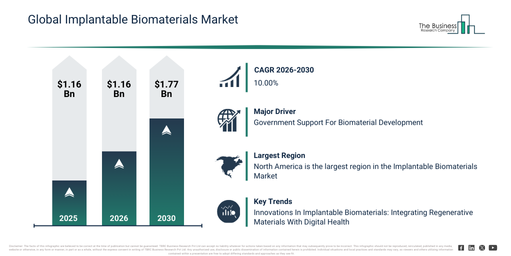
    The implantable biomaterials market is anticipated to experience significant growth in the upcoming years. It is projected to expand to $264.59 billion by 2030, achieving a compound annual growth rate (CAGR) of 10.0%. This growth during the forecast period is attributed to breakthroughs in polymer and ceramic biomaterials, an increasing aging population, a rise in cardiovascular and ophthalmic procedures, advancements in regenerative medicine research, and the expansion of specialty clinics and surgical centers. Prominent trends for the forecast period include an escalating demand for biocompatible and bioactive materials, a wider application of implantable biomaterials in orthopedic and dental fields, an increase in minimally invasive surgical procedures, improvements in the long-term durability and performance of implants, and the growing adoption of natural and bio-resorbable biomaterials.

    Access Your Free Sample Report for In-Depth Market Insights:

    https://www.thebusinessresearchcompany.com/sample.aspx?id=3274&type=smp

    What Drivers Are Shaping The Development Of The Implantable Biomaterials Market?

    Governmental bodies’ provision of financial resources for the creation of new biomaterials has played a role in fostering the growth of the implantable biomaterials market. For example, Drexel University allocated USD 200,000 to the National Science Foundation to support research on how biomaterials influence macrophage behavior, which impacts biomaterial vascularization. Such governmental support for developing advanced biomaterials is expected to continue driving the expansion of the implantable biomaterials market. Implantable Biomaterials Market Driver: The Increasing Number Of Cardiovascular Disease Cases Is Driving A Significant Demand For Implantable Biomaterials. The rising incidence of cardiovascular conditions, which encompass disorders of the heart and blood vessels, is anticipated to accelerate the expansion of the implantable biomaterial market. Implantable biomaterials are crucial for treating and managing cardiovascular diseases, being integrated into various medical devices and procedures to repair or replace damaged cardiovascular tissues. As more individuals encounter cardiovascular issues, the demand for effective and innovative biomaterials increases, leading to improved and more efficient implants that ultimately enhance patient outcomes and quality of life. For instance, in October 2025, the Australian Institute Of Health And Welfare, an Australia-based government agency, reported that in 2023, an estimated 57,100 adults aged 25 and above experienced acute coronary events, averaging roughly 156 incidents per day. This increasing prevalence of cardiovascular diseases is set to drive the implantable biomaterial market forward.

    Which Segments Are Contributing To The Growth Of The Implantable Biomaterials Market?

    The implantable biomaterials market covered in this report is segmented –

    1) By Material: Metallic, Ceramic, Polymers, Natural

    2) By Application: Dental, Cardiovascular, Ophthalmology, Orthopedic, Other Applications

    3) By End-User: Hospitals, Ambulatory Surgical Centers, Specialty Clinics

    Subsegments:

    1) By Metallic: Stainless Steel, Titanium And Titanium Alloys, Cobalt-Chromium Alloys

    2) By Ceramic: Alumina, Hydroxyapatite, Bioactive Glass

    3) By Polymers: Polyethylene (PE), Polymethyl Methacrylate (PMMA), Polylactic Acid (PLA), Polyurethane (PU)

    4) By Natural: Collagen, Chitosan, Silk Fibroin

    What Trends Are Expected To Impact The Competitive Landscape Of The Implantable Biomaterials Market?

    Major companies operating in the implantable biomaterials market are actively developing innovative solutions, including the trabeculeX continuum, to enhance patient outcomes, improve surgical precision, accelerate recovery times, and integrate advanced digital health monitoring with next-generation biomaterials for more personalized and effective treatments. TrabeculeX Continuum, a technology platform created by Xenco Medical, unifies regenerative biomaterials with digital health, aiming to connect a patient’s surgical implantation with their subsequent post-operative recovery journey. For instance, in January 2024, Xenco Medical LLC, a US-based medical technology company, launched the TrabeculeX Continuum, presenting an innovative convergence of biomaterials and digital health that enables continuous patient monitoring and individualized recovery plans. The product’s unique attributes encompass patient enrollment in remote therapeutic monitoring, real-time communication with healthcare providers, and an advanced regenerative material architecture designed for optimal bone healing, marking a significant progression beyond conventional implantable biomaterials.

    Who Are The Top-Performing Companies In The Implantable Biomaterials Market In Recent Years?

    Major companies operating in the implantable biomaterials market are BASF SE, 3M Company, Medtronic plc, Evonik Industries AG, Stryker Corporation, DuPont de Nemours Inc., Celanese Corporation, Zimmer Biomet Holdings Inc., Koninklijke DSM NV, Arthrex Inc., DePuy Synthes Companies, Carpenter Technology Corporation, Corbion NV, GELITA AG, CoorsTek Inc., CeramTec GmbH, Orthofix Holdings Inc., Invibio Biomaterial Solutions plc, Keystone Dental Inc., KLS Martin SE & Co., Collagen Matrix Inc., Cam Bioceramics BV, Aap Implantate AG, Berkeley Advanced Biomaterials Inc., AdvanSource Biomaterials Corporation, Collagen Solutions plc, Surgival SL, SBM France SAS.

    Access The Complete Report For Deeper Market Insights:

    https://www.thebusinessresearchcompany.com/report/implantable-biomaterials-global-market-report

    Which Region Is Anticipated To See The Fastest Growth In The Implantable Biomaterials Market?

    North America was the largest region in the implantable biomaterials market in 2025. Western Europe was the second largest region in the global implantable biomaterials market report. The regions covered in the implantable biomaterials market report are Asia-Pacific, South East Asia, Western Europe, Eastern Europe, North America, South America, Middle East, Africa.

    Request Your Customized Implantable Biomaterials Market Research Report for Competitive Advantage:

    https://www.thebusinessresearchcompany.com/customise?id=3274&type=smp

    Browse Through More Reports Similar to the Global Implantable Biomaterials Market 2026, By The Business Research Company

    Orthopedic Biomaterials Global Market Report 2026

    https://www.thebusinessresearchcompany.com/report/orthopedic-biomaterials-global-market-report

    Implantable Drug Delivery Devices Global Market Report 2026

    https://www.thebusinessresearchcompany.com/report/implantable-drug-delivery-devices-global-market-report

    Implantable Infusion Pumps Global Market Report 2026

    https://www.thebusinessresearchcompany.com/report/implantable-infusion-pumps-global-market-report

    Get in touch with us:

    The Business Research Company: https://www.thebusinessresearchcompany.com/

    Americas +1 310-496-7795

    Asia +44 7882 955267 & +91 8897263534

    Europe +44 7882 955267

    Email us at info@tbrc.info

    Follow us on:

    LinkedIn: https://in.linkedin.com/company/the-business-research-company
  • Immunohistochemistry (IHC) Market Forecast 2026–2035: Data Trends and Industry Insights

    Immunohistochemistry (IHC) Market Forecast 2026–2035: Data Trends and Industry Insights

    Uncover key drivers, emerging technologies, and competitive movements shaping the workstation graphics processing unit (gpu) market from 2026–2035 with trusted insights from The Business Research Company

    What level of growth is expected in the Immunohistochemistry (IHC) Market between 2026 and 2030?

    The immunohistochemistry (ihc) market size has expanded considerably in recent years. It is projected to grow from $2.76 billion in 2025 to $3.05 billion in 2026, demonstrating a compound annual growth rate (CAGR) of 10.3%. The growth observed in the preceding period can be attributed to factors such as the increasing application of ihc in cancer diagnostics, the establishment of more hospital pathology laboratories, enhanced access to monoclonal antibodies, a rising inclination towards tissue-based diagnostics, and intensified clinical research endeavors.

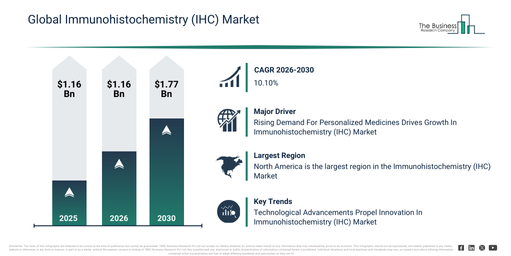
    The immunohistochemistry (IHC) market is projected to experience substantial expansion in the coming years, anticipated to reach a valuation of $4.47 billion by 2030, demonstrating a compound annual growth rate (CAGR) of 10.1%. This projected growth is primarily driven by factors such as a heightened demand for precision oncology diagnostics, the increasing embrace of AI-enabled pathology analysis, the broadening scope of biomarker-driven drug development, the expanding application of multiplex tissue profiling, and greater investments in sophisticated pathology infrastructure. Key trends anticipated during the forecast period encompass a wider adoption of automated IHC staining systems, an increase in the utilization of multiplex IHC techniques, the progressive integration of digital pathology platforms, the expansion of companion diagnostic uses, and a sharpened focus on high-specificity antibodies.

    Access Your Free Sample Report for In-Depth Market Insights:

    https://www.thebusinessresearchcompany.com/sample.aspx?id=9267&type=smp

    Which Drivers Are Expected To Impact The Immunohistochemistry (IHC) Market During The Forecast Period?

    The increasing need for personalized medicines is anticipated to boost the expansion of the immunohistochemistry (IHC) market in the future. Personalized medicine represents a healthcare strategy focused on customizing medical choices, procedures, treatments, and goods for each patient, considering their distinct genetic makeup, environmental factors, and lifestyle. Immunohistochemistry (IHC) holds crucial importance in personalized medicine, being employed to identify particular protein markers which aid in precise tumor categorization and diagnosis. For example, in February 2024, data from the Personalized Medicine Coalition, a US-based non-profit research organization, indicated that personalized medicines constituted more than one-third of new approvals by the US Food and Drug Administration in 2023. During the identical year, the FDA sanctioned 16 new personalised treatments for rare-disease patients, an increase from 6 in 2022. Consequently, the escalating demand for personalized medicines is fueling the expansion of the immunohistochemistry (IHC) market.

    How Is The Immunohistochemistry (IHC) Market Divided Into Segments?

    The immunohistochemistry (ihc) market covered in this report is segmented –

    1) By Product: Antibodies, Equipment, Reagents, Kits

    2) By Applications: Diagnostics, Drug Testing, Other Applications

    3) By End-Users: Hospitals And Diagnostic Laboratories, Research Institutes, Other End-Users

    Subsegments:

    1) By Antibodies: Primary Antibodies, Secondary Antibodies, Conjugated Antibodies

    2) By Equipment: IHC Staining Systems, Slide Scanners, Microscopes

    3) By Reagents: Detection Reagents, Blocking Reagents, Mounting Media

    4) By Kits: Pre-prepared IHC Kits, Multiplex IHC Kits, Specialty Kits

    Which Trends Are Guiding The Evolution Of The Immunohistochemistry (IHC) Market?

    Leading companies within the immunohistochemistry (IHC) market are intensely focused on enhancing diagnostic precision by leveraging innovative technologies and premium reagents, thus improving the effectiveness of tissue analysis in various clinical and research settings. The Neoflex multiomics mass spectrometry imaging (MSI) system stands as a sophisticated imaging platform specifically designed for accurate tissue examination. It empowers researchers to move from initial discovery stages into clinical applications through high-resolution mass spectrometry techniques, particularly for the spatial mapping of biomolecules in tissues. For example, in June 2024, Bruker Corporation, a US-based firm specializing in scientific instruments and analytical and diagnostic solutions, unveiled its matrix-assisted laser desorption/ionization-time of flight (MALDI-TOF/TOF) Neoflex Imaging Profiler for mass spectrometry-based tissue imaging. This Neoflex multiomics mass spectrometry imaging (MSI) system aims to meet the demand for advancing from discovery imaging to clinical tissue research. It is equipped with Bruker’s 10-kHz smartbeam 3D laser, features enhanced imaging detectors, and facilitates OME-TIFF file output via SCiLS Scope software.

    Which Leading Companies Dominate The Immunohistochemistry (IHC) Market Share?

    Major companies operating in the immunohistochemistry (ihc) market are Thermo Fisher Scientific Inc., F. Hoffmann-La Roche AG, Merck Group, Danaher Corporation, PerkinElmer Inc., Bio-Rad Laboratories Inc., Cell Signaling Technology Inc., Bio SB Inc., Agilent Technologies Inc., Abcam plc, Takara Bio Inc., Biocare Medical LLC, Bio-Genex Laboratories, Diagnostic BioSystems Inc., PHC Holdings Corporation, Leica Biosystems, Vector Laboratories, Ionpath Inc., Reveal Biosciences, Akrivis Technologies Private Limited, LifeSpan BioSciences Inc., Enzo Life Sciences Inc., Epitomics Inc., GenScript Biotech

    Access The Complete Report For Deeper Market Insights:

    https://www.thebusinessresearchcompany.com/report/immunohistochemistry-ihc-global-market-report

    Which Region Is Anticipated To See The Fastest Growth In The Immunohistochemistry (IHC) Market?

    North America was the largest region in the immunohistochemistry (IHC) market in 2025. Asia-Pacific is expected to be the fastest-growing region in the immunohistochemistry (IHC) market report during the forecast period. The regions covered in the immunohistochemistry (ihc) market report are Asia-Pacific, South East Asia, Western Europe, Eastern Europe, North America, South America, Middle East, Africa.

    Request Your Customized Immunohistochemistry (IHC) Market Research Report for Competitive Advantage:

    https://www.thebusinessresearchcompany.com/customise?id=9267&type=smp

    Browse Through More Reports Similar to the Global Immunohistochemistry (IHC) Market 2026, By The Business Research Company

    Immunohematology Global Market Report 2026

    https://www.thebusinessresearchcompany.com/report/immunohematology-global-market-report

    Immunoassay Global Market Report 2026

    https://www.thebusinessresearchcompany.com/report/immunoassay-global-market-report

    Immunotoxin Global Market Report 2026

    https://www.thebusinessresearchcompany.com/report/immunotoxin-global-market-report

    Get in touch with us:

    The Business Research Company: https://www.thebusinessresearchcompany.com/

    Americas +1 310-496-7795

    Asia +44 7882 955267 & +91 8897263534

    Europe +44 7882 955267

    Email us at info@tbrc.info

    Follow us on:

    LinkedIn: https://in.linkedin.com/company/the-business-research-company
  • Immunofluorescence Assay Market Outlook 2026–2030: Key Business Drivers and Trends

    Immunofluorescence Assay Market Outlook 2026–2030: Key Business Drivers and Trends

    Uncover key drivers, emerging technologies, and competitive movements shaping the worker heat stress monitoring wearable market from 2026–2035 with trusted insights from The Business Research Company

    How much is the Immunofluorescence Assay Market valued at in 2026, and what valuation is forecast for 2030?

    The immunofluorescence assay market has witnessed swift growth in its size over recent years. The market is set to expand from $3.56 billion in 2025 to $3.94 billion in 2026, with a compound annual growth rate (CAGR) calculated at 10.6%. In the past, this expansion was influenced by the growth in laboratory diagnostic testing, increased application of immunoassays in disease detection, more extensive academic and clinical research, innovations in fluorescence labeling technologies, and a rise in the acceptance of antibody-based diagnostics.

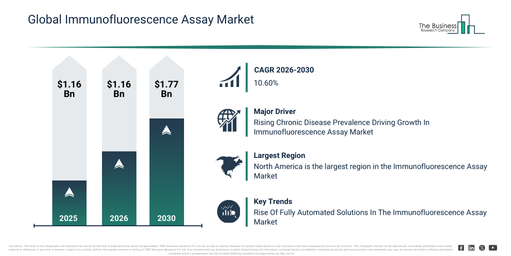
    The immunofluorescence assay market is anticipated to experience significant growth in the coming years, with its size projected to reach $5.89 billion by 2030, achieving a compound annual growth rate (CAGR) of 10.6%. This expansion during the forecast period is driven by factors such as the increasing demand for precision diagnostics, rising investments in translational research, the expansion of personalized medicine approaches, heightened automation in laboratory workflows, and advancements in imaging and data analysis software. Key trends throughout this period include the increasing adoption of multiplex immunofluorescence assays, a rising utilization of automated imaging and analysis systems, growing demand for high-sensitivity diagnostic reagents, the expansion of immunofluorescence applications within oncology, and an enhanced focus on standardized and reproducible testing.

    Access Your Free Sample Report for In-Depth Market Insights:

    https://www.thebusinessresearchcompany.com/sample.aspx?id=6778&type=smp

    What Drivers Are Influencing The Growth Of The Immunofluorescence Assay Market?

    The immunofluorescence assay market is experiencing significant growth, predominantly driven by the increasing occurrence of chronic diseases. Changes in lifestyle, dietary habits, and insufficient weight management are contributing to the rapid rise in chronic conditions, and some prolonged chronic infections are even elevating the risk of cancer. This growing prevalence of chronic disease is expected to boost demand for immunofluorescence assays, given their widespread use in diagnosis and drug development activities. For instance, in January 2025, PubMed Central, a US-based free digital repository for biomedical and life sciences journal articles, reported that as individuals live longer, the prevalence and cost of chronic disease continue to expand. The estimated cost of chronic disease is projected to reach $47 trillion worldwide by 2030. Therefore, the increasing prevalence of chronic diseases is anticipated to boost demand for immunofluorescence assays during the forecast period.

    What Segments Are Included Within The Immunofluorescence Assay Market?

    The immunofluorescence assay market covered in this report is segmented –

    1) By Assay Method: Direct Immunofluorescence, Indirect Immunofluorescence

    2) By Product: Reagents, Instruments, Antibodies, Kits, Consumables and Accessories

    3) By Disease: Cancer, Infectious Disease, Autoimmune Diseases, Other Diseases

    4) By End User: Academic And Research Institutions, Pharmaceutical And Biotechnology Companies, Contract Research Organizations, Hospitals And Diagnostic Centers

    Subsegments:

    1) By Direct Immunofluorescence: Single-Step Direct Assays, Multiplex Direct Assays

    2) By Indirect Immunofluorescence: Standard Indirect Immunofluorescence Assays, Conventional Indirect Immunofluorescence Assays

    What Trends Are Projected To Support The Growth Of The Immunofluorescence Assay Market?

    Leading companies in the immunofluorescence assay market are increasingly prioritizing the introduction of fully automated solutions, such as UNIQO 160 (CE-IVDR), to maximize their market revenues. A fully automated solution serves to optimize the efficiency of the entire immunofluorescence testing process, encompassing sample preparation, incubation, washing, and mounting of slides. For instance, in June 2023, Revvity Inc., a US-based company specializing in life sciences and diagnostics, announced the release of UNIQO 160 (CE-IVDR), an automated indirect immunofluorescence test (IIFT) system designed for autoimmune disease diagnostics. The UNIQO 160 operates as a tabletop device, integrating a completely automated processing system with a high-quality microscope. It can be effortlessly incorporated into existing diagnostic laboratory operations. This UNIQO 160 system is capable of managing up to 160 main samples and 18 slides within a single run. It also utilizes barcode technology to recognize individual samples, reagents, and slides.

    Who Are The Major Companies Operating In The Immunofluorescence Assay Market?

    Major companies operating in the immunofluorescence assay market are Thermo Fisher Scientific Inc., Abcam plc, Bio-Rad Laboratories Inc., PerkinElmer Inc., Werfen Company, Merck KGaA, Danaher Corporation, Cell Signaling Technology Inc., Vector Laboratories Inc., INOVA Diagnostics Inc., Sino Biological Inc., Medipan GmbH, BioLegend Inc., Jackson ImmunoResearch Laboratories Inc., Rockland Immunochemicals Inc., Bethyl Laboratories Inc., Fitzgerald Industries International Inc., Creative Diagnostics, Boster Biological Technology, Acris Antibodies GmbH, RayBiotech Inc., Proteintech Group Inc., Novus Biologicals LLC, R&D Systems Inc., OriGene Technologies Inc., GenScript Biotech Corporation, MBL International Corporation, Abnova Corporation, Cellabs India Technologies Limited, J. Mitra & Co. Pvt. Ltd., EpiGentek Group Inc., Elabscience Biotechnology Co. Ltd., Aesku.Diagnostics GmbH

    Access The Complete Report For Deeper Market Insights:

    https://www.thebusinessresearchcompany.com/report/immunofluorescence-assay-global-market-report

    Which Global Regions Are Shaping The Competitive Landscape Of The Immunofluorescence Assay Market?

    North America was the largest region in the immunofluorescence assay market in 2025. Asia-Pacific is expected to be the fastest-growing region in the forecast period. The regions covered in the immunofluorescence assay market report are Asia-Pacific, South East Asia, Western Europe, Eastern Europe, North America, South America, Middle East, Africa.

    Request Your Customized Immunofluorescence Assay Market Research Report for Competitive Advantage:

    https://www.thebusinessresearchcompany.com/customise?id=6778&type=smp

    Browse Through More Reports Similar to the Global Immunofluorescence Assay Market 2026, By The Business Research Company

    Chemiluminescence Immunoassay Analyzer Global Market Report 2026

    https://www.thebusinessresearchcompany.com/report/chemiluminescence-immunoassay-analyzer-global-market-report

    Immunohematology Global Market Report 2026

    https://www.thebusinessresearchcompany.com/report/immunohematology-global-market-report

    Immunoassay Global Market Report 2026

    https://www.thebusinessresearchcompany.com/report/immunoassay-global-market-report

    Get in touch with us:

    The Business Research Company: https://www.thebusinessresearchcompany.com/

    Americas +1 310-496-7795

    Asia +44 7882 955267 & +91 8897263534

    Europe +44 7882 955267

    Email us at info@tbrc.info

    Follow us on:

    LinkedIn: https://in.linkedin.com/company/the-business-research-company
  • Immunodiagnostics Market Future Outlook: Strong Growth Expected Toward $35.75 Billion by 2030

    Immunodiagnostics Market Future Outlook: Strong Growth Expected Toward $35.75 Billion by 2030

    Uncover key drivers, emerging technologies, and competitive movements shaping the workstation graphics processing unit (gpu) market from 2026–2035 with trusted insights from The Business Research Company

    What upper market value could the Immunodiagnostics Market reach by 2030 starting from 2026 levels?

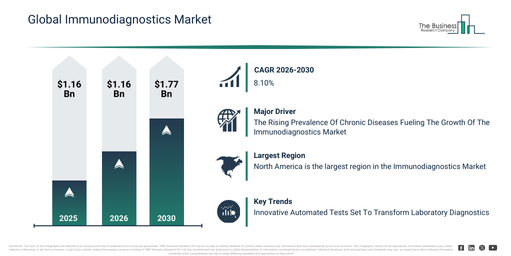
    The immunodiagnostics market has experienced robust growth recently. This market is projected to expand from $24.32 billion in 2025 to $26.16 billion in 2026, exhibiting a compound annual growth rate (CAGR) of 7.5%. Historically, this expansion has been driven by factors such as the increasing prevalence of infectious and chronic diseases, the broadening of clinical laboratory networks, a rising need for early disease detection, the increased adoption of antibody-based diagnostics, and the availability of standardized immunoassay technologies.

    The immunodiagnostics market is expected to witness substantial growth in the coming years, projected to reach $35.76 billion by 2030, reflecting a compound annual growth rate (CAGR) of 8.1%. This expansion during the forecast period is primarily due to the increasing adoption of personalized diagnostics, growing investments in automated laboratories, the broadening scope of point-of-care immunodiagnostics, enhanced integration of AI-based result interpretation, and a heightened focus on preventive healthcare testing. Key trends influencing the market over this period include the increasing adoption of automated immunoassay analyzers, a rising demand for high-sensitivity diagnostic tests, the expanding use of rapid immunodiagnostic kits, an increase in multiplex testing capabilities, and improved integration of laboratory data management systems.

    Access Your Free Sample Report for In-Depth Market Insights:

    https://www.thebusinessresearchcompany.com/sample.aspx?id=10093&type=smp

    Which Drivers Are Influencing Long-Term Growth In The Immunodiagnostics Market?

    The growing prevalence of chronic illnesses is projected to stimulate the expansion of the immunodiagnostics market in the future. Chronic diseases are long-term medical conditions that typically progress slowly, including diabetes, heart disease, and arthritis, often requiring ongoing medical care and lifestyle management to control symptoms and avert complications. The increase in chronic diseases is largely due to unhealthy lifestyles, encompassing poor diet, physical inactivity, and smoking, which heighten the risk of conditions such as diabetes, heart disease, and obesity. Immunodiagnostics support chronic disease diagnosis by allowing for the accurate identification of biomarkers and immune responses linked to long-term health issues. They improve the early detection and monitoring of conditions like diabetes, autoimmune disorders, and cardiovascular diseases, thereby enhancing patient management and aiding prompt treatment decisions. For instance, in June 2024, according to the National Health Service, a UK-based government department, 3,615,330 individuals registered with a general practitioner (GP) were diagnosed with non-diabetic hyperglycemia or pre-diabetes (a condition with elevated blood sugar levels, not high enough to be classified as diabetes) in 2023, marking an 18% increase from 3,065,825 cases in 2022. Consequently, the rising incidence of chronic and infectious diseases is driving the growth of the immunodiagnostics market.

    How Is The Immunodiagnostics Market Divided Into Segments?

    The immunodiagnostics market covered in this report is segmented –

    1) By Product: Reagents And Consumables, Instruments

    2) By Technology: Enzyme-Linked Immunosorbent Assay, Chemiluminescence Immunoassay, Fluorescent Immunoassay, Rapid Test, Other Technologies

    3) By Application: Infectious Diseases, Oncology And Endocrinology, Bone And Mineral Diseases, Autoimmunity Disorders, Cardiac Biomarkers, Drug Monitoring, Other Applications

    4) By End User: Hospitals, Clinics, Diagnostic Laboratories

    Subsegments:

    1) By Reagents And Consumables: Antibodies, Assay Kits, Buffers And Substrates

    2) By Instruments: Immunoassay Analyzers, ELISA Readers

    Which Trends Are Influencing The Performance And Direction Of The Immunodiagnostics Market?

    Major companies operating in the immunodiagnostics market are increasingly focusing on developing innovative solutions, such as automated chemiluminescence immunoassays (CLIAs), to enhance diagnostic accuracy, reduce testing time, and improve laboratory efficiency. Automated chemiluminescence immunoassays (CLIAs) are laboratory tests that utilize light-emitting chemical reactions and automation to quickly and accurately detect specific proteins or antibodies in blood or other samples. For instance, in September 2025, DiaSorin S.p.A., an Italy-based diagnostics company, launched the LIAISON® TSH-R Ab assay for autoimmune thyroid disorder assessment. The test introduces features such as enhanced antibody specificity through double-bridge assay architecture, seamless integration into existing LIAISON analyzers to streamline laboratory workflows, and CE-marked compatibility supporting deployment across multiple regulated regions.

    Which Key Market Players Are Investing In Expansion And Innovation Within The Immunodiagnostics Market?

    Major companies operating in the immunodiagnostics market are Abbott Laboratories, F. Hoffmann-La Roche Ltd., Siemens Healthineers AG, Danaher Corporation, Thermo Fisher Scientific Inc., Bio-Rad Laboratories Inc., DiaSorin S.p.A., bioMérieux SA, Sysmex Corporation, Becton Dickinson and Company, Grifols S.A., Ortho Clinical Diagnostics, Beckman Coulter Inc., Fujirebio Holdings Inc., Quidel Corporation, Luminex Corporation, Bio-Techne Corporation, PerkinElmer Inc., Merck KGaA, Gold Standard Diagnostics Corp., OraSure Technologies Inc., Immunodiagnostic Systems Holdings Plc (IDS)

    Access The Complete Report For Deeper Market Insights:

    https://www.thebusinessresearchcompany.com/report/immunodiagnostics-global-market-report

    Which Regions Are Poised For Strategic Growth In The Immunodiagnostics Market?

    North America was the largest region in the immunodiagnostics market in 2025. The regions covered in the immunodiagnostics market report are Asia-Pacific, South East Asia, Western Europe, Eastern Europe, North America, South America, Middle East, Africa.

    Request Your Customized Immunodiagnostics Market Research Report for Competitive Advantage:

    https://www.thebusinessresearchcompany.com/customise?id=10093&type=smp

    Browse Through More Reports Similar to the Global Immunodiagnostics Market 2026, By The Business Research Company

    Immunohematology Global Market Report 2026

    https://www.thebusinessresearchcompany.com/report/immunohematology-global-market-report

    Immunoassay Global Market Report 2026

    https://www.thebusinessresearchcompany.com/report/immunoassay-global-market-report

    Automated Immunoassay Analyzers Global Market Report 2026

    https://www.thebusinessresearchcompany.com/report/automated-immunoassay-analyzers-global-market-report

    Get in touch with us:

    The Business Research Company: https://www.thebusinessresearchcompany.com/

    Americas +1 310-496-7795

    Asia +44 7882 955267 & +91 8897263534

    Europe +44 7882 955267

    Email us at info@tbrc.info

    Follow us on:

    LinkedIn: https://in.linkedin.com/company/the-business-research-company
  • Revenue of the Immunochemistry Diagnostic Devices And Equipment Market Predicted to Achieve $6.21 Billion by 2030, Driven by 10.9% CAGR

    Revenue of the Immunochemistry Diagnostic Devices And Equipment Market Predicted to Achieve $6.21 Billion by 2030, Driven by 10.9% CAGR

    Uncover key drivers, emerging technologies, and competitive movements shaping the worker heat stress monitoring wearable market from 2026–2035 with trusted insights from The Business Research Company

    What level of CAGR-driven expansion is anticipated in the Immunochemistry Diagnostic Devices And Equipment Market between 2026 and 2030?

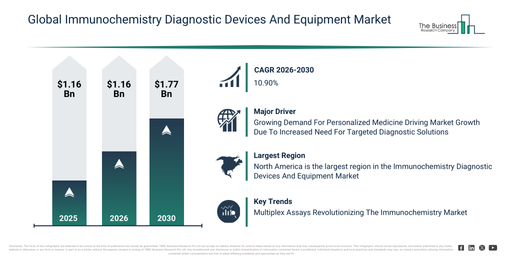
    The immunochemistry diagnostic devices and equipment market size has experienced swift expansion in recent years. This market is set to increase from $3.67 billion in 2025 to $4.11 billion in 2026, exhibiting a compound annual growth rate (CAGR) of 11.9%. The growth witnessed in the past can be primarily attributed to factors such as the rising volume of clinical diagnostic testing, the increasing prevalence of chronic and infectious diseases, the establishment and expansion of centralized diagnostic laboratories, the broader adoption of immunoassays in oncology and endocrinology, and advancements in laboratory infrastructure.

    The immunochemistry diagnostic devices and equipment market is projected to experience substantial expansion over the upcoming years, reaching a valuation of $6.22 billion by 2030, driven by a robust compound annual growth rate (CAGR) of 10.9%. This projected growth is primarily fueled by a surge in demand for precise diagnostic tools, the increasing integration of automated laboratory systems, the broadening scope of personalized medicine applications, heightened investment in cutting-edge diagnostic technologies, and a greater emphasis on detecting diseases at early stages. Key trends anticipated during this period encompass the wider deployment of automated immunoassay analyzers, an escalating need for highly sensitive diagnostic reagents, the expanding utilization of multiplex testing platforms, the further development of laboratory automation solutions, and a stronger emphasis on optimizing workflow efficiency and precision.

    Access Your Free Sample Report for In-Depth Market Insights:

    https://www.thebusinessresearchcompany.com/sample.aspx?id=2547&type=smp

    What Drivers Are Affecting Demand-Supply Dynamics In The Immunochemistry Diagnostic Devices And Equipment Market?

    The escalating need for personalized medicine is anticipated to stimulate the expansion of the immunochemistry diagnostic devices and equipment market. This medical approach customizes healthcare decisions and treatment plans based on an individual’s unique genetic, genomic, and clinical attributes, aiming to optimize patient outcomes and minimize adverse effects. The surge in demand for personalized medicine stems from increasing awareness and acceptance of tailored treatments that consider individual genetic, lifestyle, and environmental factors to improve patient results. Personalized medicine necessitates the development and utilization of advanced immunochemistry assays to identify specific biomarkers and guide bespoke treatment strategies for individual patients. For instance, in February 2024, according to the Personalized Medicine Coalition, a US-based nonprofit organization promoting individualized treatment approaches, 20 of the 53 new therapeutic molecular entities approved by the Food and Drug Administration in 2023, along with six new gene and cell-based therapies, were classified as personalized medicines, accounting for approximately 38 percent of all new molecular entities approved in the country. Consequently, the rising demand for personalized medicine is driving the growth of the immunochemistry diagnostic devices and equipment market moving forward.

    What Segments Are Included Within The Immunochemistry Diagnostic Devices And Equipment Market?

    The immunochemistry diagnostic devices and equipment market covered in this report is segmented –

    1) By Product Type: Immunochemistry Analyzers, Immunochemistry Stainers, Incubators, Microscopes, Centrifuges, Autoclaves, Consumables

    2) By Consumables: Antibodies, Antigens, Enzymes, Reagents, Stains, Buffers, Disposables, Other Consumables

    3) By Application: Endocrinology, Oncology, Cardiology, Therapeutic Drug Development And Monitoring, Infectious Disease Testing, Drugs Of Abuse Testing, Other Applications

    4) By End Users: Hospitals And Clinics, Diagnostic Laboratories, Research Labs And Institutes, Biopharmaceutical And Biotechnology Companies, Other End Users

    Subsegments:

    1) By Immunochemistry Analyzers: Chemiluminescence Immunoassay (CLIA) Analyzers, Enzyme-Linked Immunosorbent Assay (ELISA) Analyzers, Radioimmunoassay (RIA) Analyzers, Fluorescence Immunoassay (FIA) Analyzers

    2) By Immunochemistry Stainers: Automated Stainers, Manual Stainers

    3) By Incubators: CO2 Incubators, Shaking Incubators, Heated Incubators

    4) By Microscopes: Light Microscopes, Fluorescence Microscopes, Electron Microscopes

    5) By Centrifuges: Microcentrifuges, Refrigerated Centrifuges, Ultracentrifuges

    6) By Autoclaves: Tabletop Autoclaves, Vertical Autoclaves, Horizontal Autoclaves

    7) By Consumables: Reagents and Kits, Test Plates, Filters and Membranes, Microplates and Accessories

    What Long-Term Trends Are Expected To Shape The Future Of The Immunochemistry Diagnostic Devices And Equipment Market?

    Key players in the immunochemistry market are actively developing new offerings like multiplex assays to enhance their competitive standing. Multiplex assays are laboratory methodologies that facilitate the simultaneous assessment and examination of multiple analytes within a single biological specimen, thereby presenting an exhaustive and efficient method for investigating numerous factors or biomarkers in one experiment. For example, in June 2023, Navigate BioPharma Services, Inc., a US-based biotechnology company, introduced new multiplex digital PCR assays. These were specifically engineered for the precise measurement of chimeric antigen receptor (CAR) T cells, a significant advancement in cancer immunotherapy. Built upon the Qiagen QIAcuity digital PCR System, these assays allow for the concurrent assessment of CAR-T cell quantity, activity, and endurance in clinical blood and bone marrow samples, without the necessity of standard curves, and can detect CAR-T cells at concentrations as minute as 0.01%. This cutting-edge assay supports clinicians in tracking responses and ensuring safety during clinical trials, thereby accelerating the development of CAR-T therapies through its precision, exactness, and effectiveness.

    Who Are The Core Companies Influencing Trends In The Immunochemistry Diagnostic Devices And Equipment Market?

    Major companies operating in the immunochemistry diagnostic devices and equipment market are Abbott Diagnostics, Roche Diagnostics, Siemens Healthcare Diagnostics, Diamond Diagnostics Inc., Dynex Technologies Inc., Grifols S.A., Hycor Biomedical LLC, Immunodiagnostic Systems, Inova Diagnostics, LabCorp, Mindray Medical International Limited, Ortho Clinical Diagnostics, Quest Diagnostics, Randox Laboratories, Sysmex Corporation, ThermoFisher Scientific Inc., Tosoh Bioscience, Danaher Corporation, Johnson & Johnson, Boditech Med Inc., Beckman Coulter Inc., Bio-Rad Laboratories, bioMérieux Clinical Diagnostics, Carolina Liquid Chemistries Corporate, DiaSorin Inc., Agilent Technologies Inc., Merck KGAA, Eagle Biosciences Inc., Biocare Medical LLC, Elabscience Biotechnology Inc., Bio-Genex Laboratories Inc., Diagnostic Biosystem, Histo-Line Laboratories, Rockland Immunochemicals Inc., Abcam plc, Becton Dickinson & Company, Cell Signaling Technology Inc., ImmunoChemistry Technologies LLC, Genemed Biotechnologies Inc., Miltenyi Biotec GmbH, PerkinElmer Inc., Takara Bio. Inc, Immucor Inc., Quidel Corporation

    Access The Complete Report For Deeper Market Insights:

    https://www.thebusinessresearchcompany.com/report/immunochemistry-diagnostic-devices-and-equipment-global-market-report

    Which Regions Are Projected To Dominate The Immunochemistry Diagnostic Devices And Equipment Market In The Coming Years?

    North America was the largest region in the global immunochemistry diagnostic devices and equipment market in 2025. Asia-Pacific was the second-largest region in the immunochemistry diagnostic devices and equipment market. The regions covered in the immunochemistry diagnostic devices and equipment market report are Asia-Pacific, South East Asia, Western Europe, Eastern Europe, North America, South America, Middle East, Africa.

    Request Your Customized Immunochemistry Diagnostic Devices And Equipment Market Research Report for Competitive Advantage:

    https://www.thebusinessresearchcompany.com/customise?id=2547&type=smp

    Browse Through More Reports Similar to the Global Immunochemistry Diagnostic Devices And Equipment Market 2026, By The Business Research Company

    Hematology Diagnostic Devices And Equipment Global Market Report 2026

    https://www.thebusinessresearchcompany.com/report/hematology-diagnostic-devices-and-equipment-global-market-report

    Automated Immunoassay Analyzers Global Market Report 2026

    https://www.thebusinessresearchcompany.com/report/automated-immunoassay-analyzers-global-market-report

    Molecular Diagnostics Devices And Equipment Global Market Report 2026

    https://www.thebusinessresearchcompany.com/report/molecular-diagnostics-devices-and-equipment-global-market-report

    Get in touch with us:

    The Business Research Company: https://www.thebusinessresearchcompany.com/

    Americas +1 310-496-7795

    Asia +44 7882 955267 & +91 8897263534

    Europe +44 7882 955267

    Email us at info@tbrc.info

    Follow us on:

    LinkedIn: https://in.linkedin.com/company/the-business-research-company