Category: Medical Equipment

  • Cardiovascular And Soft Tissue Repair Patches Industry Poised for Rapid Growth, Forecast to Touch $8.08 Billion by 2030 at 10.6% CAGR

    Cardiovascular And Soft Tissue Repair Patches Industry Poised for Rapid Growth, Forecast to Touch $8.08 Billion by 2030 at 10.6% CAGR

    Uncover key drivers, emerging technologies, and competitive movements shaping the subscription economy market from 2026–2035 with trusted insights from The Business Research Company

    What total market size is anticipated for the Cardiovascular And Soft Tissue Repair Patches Market in 2030?

    The cardiovascular and soft tissue repair patches market size has witnessed rapid expansion in recent years. This market is projected to increase from $4.85 billion in 2025 to $5.41 billion in 2026, achieving a compound annual growth rate (CAGR) of 11.4%. The historical growth of this market is primarily driven by factors such as the increasing incidence of congenital heart defects, the expansion of cardiovascular surgical procedures, the adoption of synthetic repair patches, advancements in biomaterial science, and the growing availability of specialized cardiac surgery centers.

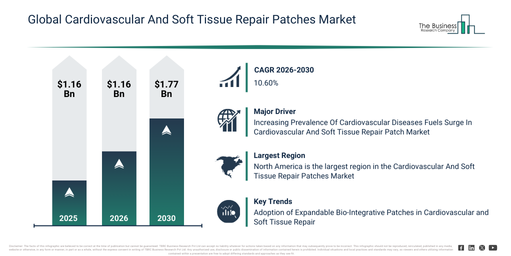
    The cardiovascular and soft tissue repair patches market is projected to experience substantial expansion in the coming years, reaching a valuation of $8.09 billion by 2030, demonstrating a compound annual growth rate (CAGR) of 10.6%. This anticipated growth during the forecast period is primarily driven by factors such as the increasing need for regenerative cardiovascular treatments, elevated investments in tissue engineering research, the proliferation of advanced cardiac reconstruction procedures, a heightened emphasis on absorbable patch materials, and the wider uptake of personalized repair solutions. Concurrently, key trends anticipated for this period involve the greater adoption of biologic repair patches, an increase in the utilization of tissue-engineered materials, a stronger focus on regenerative cardiac therapies, the broadening scope of minimally invasive patch implantation techniques, and an intensified commitment to biocompatibility and effective healing.

    Access Your Free Sample Report for In-Depth Market Insights:

    https://www.thebusinessresearchcompany.com/sample.aspx?id=7764&type=smp

    What Drivers Are Influencing Production Trends In The Cardiovascular And Soft Tissue Repair Patches Market?

    The rising occurrence of cardiovascular diseases is projected to boost the expansion of the cardiovascular and soft tissue repair patches market in the future. Cardiovascular diseases (CVDs) encompass various conditions impacting the heart and blood vessels, such as heart attacks, strokes, and high blood pressure, often resulting from factors like poor nutrition, inactivity, smoking, and genetic predispositions. The growing incidence of these diseases is primarily fueled by an aging global population, unhealthy habits, and an increase in risk factors like obesity, diabetes, and hypertension. Cardiovascular and soft tissue repair patches serve to strengthen or substitute compromised heart or blood vessel tissues in CVD patients, thereby restoring structural integrity and optimal function. A notable example is data from January 2024, where the American Heart Association, a US-based non-profit organization, reported that the age-adjusted death rate from cardiovascular disease rose to 233.3 per 100,000 in 2024, representing a 4.0% increase from 224.4 per 100,000 in 2023. Consequently, the increasing prevalence of cardiovascular disease is a key factor propelling the growth of the cardiovascular and soft tissue repair patches market.

    Which Segment Groups Are Influencing The Cardiovascular And Soft Tissue Repair Patches Market?

    The cardiovascular and soft tissue repair patches market covered in this report is segmented –

    1) By Raw Materials: ePTFE, Biomaterial and Tissue-Engineered Material, Other Raw Materials

    2) By Product: Synthetic Patch, Biologic Patch

    3) By Application: Cardiac Repair, Atrial Septal Defect, Ventricular Septal Defect, Tetralogy Of Fallot, Right Ventricular Outflow Tract Reconstruction, Vascular Repair And Reconstruction, Transposition Of The Great Vessels

    4) By End User: Hospitals, Ambulatory Surgical Centers, Specialty Clinics

    Subsegments:

    1) By ePTFE (Expanded Polytetrafluoroethylene): Non-Absorbable ePTFE Patches, Absorbable ePTFE Patches

    2) By Biomaterial and Tissue-Engineered Material: Collagen-Based Patches, Synthetic Polymer-Based Patches, Decellularized Tissue Patches

    3) By Other Raw Materials: Silicones, Hydrogel-Based Materials, Natural Materials

    What Upcoming Trends Are Likely To Define The Future Path Of The Cardiovascular And Soft Tissue Repair Patches Market?

    Major companies operating in the cardiovascular and soft tissue repair patches market are concentrating on developing advanced expandable, bio-integrative surgical patches to address the increasing demand for long-term, biocompatible implants that can accommodate patient growth and minimize re-interventions. An expandable, bio-integrative patch is engineered using a combination of bio-absorbable and non-absorbable yarns within a knitted structure, further coated with cross-linked gelatin; post-implantation, the absorbable component gradually degrades, while the patient’s own tissue integrates to envelop the remaining non-absorbable mesh, thereby diminishing foreign-body response and inflammation, and allowing the patch to expand as the patient’s body grows. For instance, in July 2023, Teijin Limited, a Japan-based materials and healthcare company, obtained manufacturing and marketing approval from Japan’s Ministry of Health for SYNFOLIUM (development code OFT G1). This innovative surgical patch features a knitted framework of both bio-absorbable and permanent yarns, covered in cross-linked gelatin to prevent blood leakage; over time, native tissue permeates and substitutes the biodegradable fibers, promoting regeneration, while the persistent structure maintains its strength and expands to align with physiological growth. Due to this design, SYNFOLIUM can notably reduce risks associated with traditional synthetic or non-growing patches, such as calcification, stiffening, or immune reactions.

    Who Are The Primary Competitors In The Global Cardiovascular And Soft Tissue Repair Patches Market?

    Major companies operating in the cardiovascular and soft tissue repair patches market are B. Braun, Baxter International Inc., CorMatrix Cardiovascular Inc., CryoLife Inc., Edwards Lifesciences Corporation, LeMaitre Vascular Inc., Anteris Technologies Limited, Abbott Laboratories, Terumo Medical Corporation, Integra LifeSciences Corporation, W. L. Gore & Associates Inc., Medtronic Inc., LifeCell Corporation, ACell Inc., Tissue Regenix Group Plc, Aroa Biosurgery Ltd., LifeNet Health Inc., Cook Medical, Getinge AB, Glycar SA Pty Ltd., Biointegral Surgical Inc., Admedus Ltd., Johnson & Johnson, Stryker Corporation, Zimmer Biomet, Smith & Nephew plc, Organogenesis Inc.

    Access The Complete Report For Deeper Market Insights:

    https://www.thebusinessresearchcompany.com/report/cardiovascular-and-soft-tissue-repair-patches-global-market-report

    Which Global Regions Are Shaping The Competitive Landscape Of The Cardiovascular And Soft Tissue Repair Patches Market?

    North America was the largest region in the cardiovascular and soft tissue repair patches market in 2025. Asia-Pacific is expected to be the fastest-growing region in the forecast period. The regions covered in the cardiovascular and soft tissue repair patches market report are Asia-Pacific, South East Asia, Western Europe, Eastern Europe, North America, South America, Middle East, Africa.

    Request Your Customized Cardiovascular And Soft Tissue Repair Patches Market Research Report for Competitive Advantage:

    https://www.thebusinessresearchcompany.com/customise?id=7764&type=smp

    Browse Through More Reports Similar to the Global Cardiovascular And Soft Tissue Repair Patches Market 2026, By The Business Research Company

    Comprehensive Metabolic Panel Cmp Testing Global Market Report 2026

    https://www.thebusinessresearchcompany.com/report/comprehensive-metabolic-panel-cmp-testing-global-market-report

    Cardiopulmonary Stress Testing Systems Global Market Report 2026

    https://www.thebusinessresearchcompany.com/report/cardiopulmonary-stress-testing-systems-global-market-report

    Cardiac Biomarkers Global Market Report 2026

    https://www.thebusinessresearchcompany.com/report/cardiac-biomarkers-global-market-report

    Get in touch with us:

    The Business Research Company: https://www.thebusinessresearchcompany.com/

    Americas +1 310-496-7795

    Asia +44 7882 955267 & +91 8897263534

    Europe +44 7882 955267

    Email us at info@tbrc.info

    Follow us on:

    LinkedIn: https://in.linkedin.com/company/the-business-research-company
  • Cardiopulmonary Stress Testing Systems Market Performance Outlook 2026–2030: Revenue to Hit $7.53 Billion at 5.6% CAGR

    Cardiopulmonary Stress Testing Systems Market Performance Outlook 2026–2030: Revenue to Hit $7.53 Billion at 5.6% CAGR

    Uncover key drivers, emerging technologies, and competitive movements shaping the stereotactic neuro-navigation system market from 2026–2035 with trusted insights from The Business Research Company

    What is the expected shift in the Cardiopulmonary Stress Testing Systems Market’s size between 2026 and 2030?

    The cardiopulmonary stress testing systems market has experienced substantial expansion in recent years. It is projected to grow from $5.75 billion in 2025 to $6.06 billion in 2026, exhibiting a compound annual growth rate (CAGR) of 5.6%. This historical development can be attributed to the rising prevalence of cardiovascular diseases, the increased application of exercise testing in clinical care, the expansion of hospital diagnostic services, the growing adoption of non-invasive monitoring tools, and the availability of advanced physiological sensors.

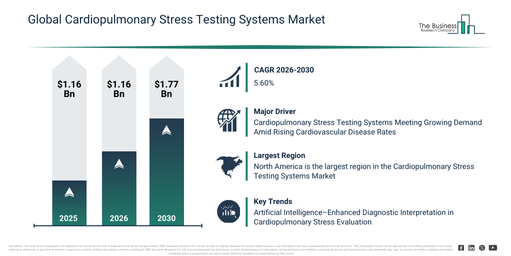
    The cardiopulmonary stress testing systems market size is anticipated to experience substantial growth over the coming years. This market is projected to reach $7.53 billion by 2030, exhibiting a compound annual growth rate (CAGR) of 5.6%. The expansion during the forecast period is primarily driven by a growing demand for personalized cardiac assessment, the escalating adoption of AI-based diagnostic analytics, the broadening of preventive cardiology programs, the increasing integration of wearable monitoring technologies, and a heightened focus on outcome-based healthcare. Significant trends expected during this period encompass the growing integration of integrated CPET systems, a greater utilization of digital stress ECG platforms, the expanding deployment of advanced respiratory monitoring tools, the broadening of data-driven exercise testing protocols, and a more pronounced emphasis on predictive cardiac diagnostics.

    Access Your Free Sample Report for In-Depth Market Insights:

    https://www.thebusinessresearchcompany.com/sample.aspx?id=14063&type=smp

    Which Drivers Are Shaping Strategic Decisions In The Cardiopulmonary Stress Testing Systems Market?

    The growing incidence of cardiovascular diseases is set to advance the expansion of the cardiopulmonary stress testing systems market. These conditions, known as CVDs, are a collection of disorders affecting the heart and blood vessels. Factors contributing to their rising prevalence include unhealthy diet, physical inactivity, and urbanization. Cardiopulmonary stress testing systems evaluate cardiovascular health by assessing cardiac and pulmonary function during exercise. This provides vital information for creating personalized exercise programs tailored to a patient’s functional capacity and cardiovascular limitations. For instance, in October 2024, data from the Centers for Disease Control and Prevention (CDC), a US-based national public health agency of the United States, revealed that in 2023, cardiovascular disease led to 919,032 deaths, accounting for roughly one out of every three lives lost. Thus, the increasing occurrence of cardiovascular diseases is propelling the growth of the cardiopulmonary stress testing systems market.

    What Segment Classifications Make Up The Cardiopulmonary Stress Testing Systems Market?

    The cardiopulmonary stress testing systems market covered in this report is segmented –

    1) By Product: Cardiopulmonary Exercise Testing (CPET) Systems, Stress ECG, Pulse Oximeters, Stress Blood Pressure Monitors

    2) By Application: Oxygen Uptake, Carbon Dioxide, Minute Ventilation, Anaerobic Threshold

    3) By End User: Hospitals, Specialty Clinics Or Cardiology Clinics, Ambulatory Surgical Centers, Diagnostic Centers

    Subsegments:

    1) By Cardiopulmonary Exercise Testing (CPET) Systems: Metabolic Measurement Systems, Treadmill Ergometers, Cycle Ergometers, Software For CPET Analysis

    2) By Stress ECG: Resting ECG Systems, Portable Stress ECG Systems, Digital Stress ECG Systems, Wireless Stress ECG Monitors

    3) By Pulse Oximeters: Fingertip Pulse Oximeters, Handheld Pulse Oximeters, Tabletop Pulse Oximeters, Wearable Pulse Oximeters

    4) By Stress Blood Pressure Monitors: Automated Blood Pressure Monitors, Digital Blood Pressure Monitors, Portable Blood Pressure Monitors, Ambulatory Blood Pressure Monitors

    Which Trends Are Shaping Activity Within The Cardiopulmonary Stress Testing Systems Market?

    Major companies in the cardiopulmonary stress testing system market are focusing on incorporating AI-enabled diagnostic enhancements, such as intelligent metabolic analyzers capable of automating the real-time interpretation of respiratory and cardiac data induced by exercise. Intelligent metabolic analyzers are defined as advanced CPET devices utilizing embedded algorithms to analyze oxygen uptake, carbon dioxide production, heart-rate response, and ventilation efficiency during physical stress, which helps clinicians achieve faster and more precise diagnostic insights. For instance, in 2023, COSMED S.r.l., an Italy-based medical diagnostics company, unveiled the Q-NRG Max. This next-generation metabolic assessment system features automated data-analysis workflows, enhanced accuracy in breath-by-breath gas exchange, and a portable clinical design optimized for cardiopulmonary stress evaluations.

    Which Key Market Players Are Investing In Expansion And Innovation Within The Cardiopulmonary Stress Testing Systems Market?

    Major companies operating in the cardiopulmonary stress testing systems market are General Electric, Siemens Healthineers AG, Koninklijke Philips N.V., Masimo Corporation, Nihon Kohden Corporation, Welch Allyn, Fukuda Denshi Co Ltd, Spacelabs Healthcare, Schiller AG, Vyaire Medical Inc, Nonin Medical Inc, MGC Diagnostic Corporation, SunTech Medical Inc, COSMED srl, Allengers Medical Systems Ltd, Nasiff Associates Inc, Clarity Medical, Medisoft srl, Ergometrics Inc, Cardiac Science Corporation, Cardiopulmonary Corporation

    Access The Complete Report For Deeper Market Insights:

    https://www.thebusinessresearchcompany.com/report/cardiopulmonary-stress-testing-systems-global-market-report

    Which Regions Are Poised For Strategic Growth In The Cardiopulmonary Stress Testing Systems Market?

    North America was the largest region in the cardiopulmonary stress testing systems market in 2025. The regions covered in the cardiopulmonary stress testing systems market report are Asia-Pacific, South East Asia, Western Europe, Eastern Europe, North America, South America, Middle East, Africa.

    Request Your Customized Cardiopulmonary Stress Testing Systems Market Research Report for Competitive Advantage:

    https://www.thebusinessresearchcompany.com/customise?id=14063&type=smp

    Browse Through More Reports Similar to the Global Cardiopulmonary Stress Testing Systems Market 2026, By The Business Research Company

    Pediatric Heart Valve Repair And Replacement Global Market Report 2026

    https://www.thebusinessresearchcompany.com/report/pediatric-heart-valve-repair-and-replacement-global-market-report

    Commercial Valves Global Market Report 2026

    https://www.thebusinessresearchcompany.com/report/commercial-valves-global-market-report

    Prosthetic Heart Valve Devices And Equipment Global Market Report 2026

    https://www.thebusinessresearchcompany.com/report/prosthetic-heart-valve-devices-and-equipment-global-market-report

    Get in touch with us:

    The Business Research Company: https://www.thebusinessresearchcompany.com/

    Americas +1 310-496-7795

    Asia +44 7882 955267 & +91 8897263534

    Europe +44 7882 955267

    Email us at info@tbrc.info

    Follow us on:

    LinkedIn: https://in.linkedin.com/company/the-business-research-company
  • Global Cardiopulmonary Bypass Accessory Equipment Market Set for Strong Expansion, Reaching $23.09 Billion With 6.8% CAGR by 2030

    Global Cardiopulmonary Bypass Accessory Equipment Market Set for Strong Expansion, Reaching $23.09 Billion With 6.8% CAGR by 2030

    Uncover key drivers, emerging technologies, and competitive movements shaping the stem cell expansion hollow-fiber bioreactors market from 2026–2035 with trusted insights from The Business Research Company

    What growth pattern is forecast for the Cardiopulmonary Bypass Accessory Equipment Market size between 2026 and 2035?

    The market for cardiopulmonary bypass accessory equipment has experienced significant expansion in recent years. Its value is anticipated to rise from $16.59 billion in 2025 to $17.73 billion in 2026, demonstrating a compound annual growth rate (CAGR) of 6.9%. This historical growth can be linked to an increase in open heart surgical procedures, the escalating prevalence of cardiovascular diseases, a greater uptake of cardiopulmonary bypass techniques, the development of hospital cardiac surgery infrastructure, and improved patient survival rates following cardiac surgeries.

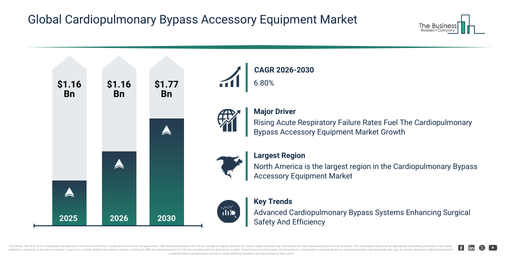
    The cardiopulmonary bypass accessory equipment market is projected to experience substantial expansion over the coming years. It is anticipated to attain a value of $23.1 billion by 2030, demonstrating a compound annual growth rate (CAGR) of 6.8%. This growth during the forecast period is primarily driven by an increasing number of intricate cardiac and lung transplant procedures, a heightened need for enhanced patient safety during operations, the proliferation of specialized centers for cardiac surgery, broader availability of sophisticated cardiac care in developing regions, and greater financial input into enhancing surgical quality. Key developments expected during this period encompass a growing need for sophisticated accessories for managing blood temperature, an intensifying emphasis on filtering microemboli and ensuring patient safety, the expanding use of single-use cardiopulmonary bypass accessory devices, the broader application of CPB in intricate cardiac operations, and greater harmonization of CPB accessories within surgical guidelines.

    Access Your Free Sample Report for In-Depth Market Insights:

    https://www.thebusinessresearchcompany.com/sample.aspx?id=18284&type=smp

    Which Drivers Are Impacting Market Performance In The Cardiopulmonary Bypass Accessory Equipment Market?

    The increasing occurrence of acute respiratory failure is anticipated to drive expansion in the cardiopulmonary bypass accessory equipment market. Acute respiratory failure manifests when the respiratory system is unable to perform its gas exchange functions, either oxygenation or carbon dioxide elimination, or both. This condition is becoming more common owing to various elements, encompassing an aging demographic, infectious illnesses, and medical interventions. Cardiopulmonary bypass equipment addresses the need for sophisticated respiratory support by delivering extensive oxygenation and ventilation control within ICUs and hospitals, thus managing intricate respiratory distress scenarios efficiently. As an illustration, in April 2024, the Australian Bureau of Statistics, an Australian-based government agency, reported 361 fatalities attributable to respiratory syncytial virus (RSV) in 2023, which marked an increase from 241 deaths in 2022. Consequently, the expanding incidence of acute respiratory failure is fueling the development of the cardiopulmonary bypass accessory equipment market.

    What Segment Types Are Examined In The Cardiopulmonary Bypass Accessory Equipment Market?

    The cardiopulmonary bypass accessory equipment market covered in this report is segmented –

    1) By Product Type: Single Roller Pump, Double Roller Pump

    2) By Operation: Manually Operated, Electrically Operated, Battery Operated

    3) By Distribution Channel: Direct Tender, Third-Party Distributor

    4) By Application: Lung Transplant Operation, Cardiac Surgery, Other Applications

    5) By End-Use: Hospitals, Surgical Centers, Other End-Uses

    Subsegments:

    1) By Single Roller Pump: Disposable Single Roller Pump, Reusable Single Roller Pump

    2) By Double Roller Pump: Disposable Double Roller Pump, Reusable Double Roller Pump

    Which Trends Are Influencing The Development Of The Cardiopulmonary Bypass Accessory Equipment Market?

    Leading companies within the cardiopulmonary bypass accessory equipment market are advancing perfusion systems to ensure safe and effective cardiopulmonary bypass procedures, incorporating sophisticated features and improved clinical workflows. These perfusion systems typically include a next-generation heart-lung machine (HLM) and precise sensing technology, enabling data-driven decision-making for secure cardiopulmonary bypass (CPB) management. For instance, in March 2023, LiveNova PLC, a UK-based company specializing in cardiac surgery devices, launched the Essenz Heart-Lung Machine (HLM) and Essenz Patient Monitor, together forming the Essenz Perfusion System. The Essenz heart-lung machine system, which is based on LivaNova’s proven S5 HLM, aims to enhance clinical workflows and the quality of patient care. This device features several components designed to prevent air bubbles and other potential emboli from entering the patient’s bloodstream, thereby reducing the risk of stroke and related issues. Additionally, it offers intra-operative quality indicator thresholds and goal-directed perfusion (GDP) modules to facilitate personalized patient care strategies.

    Who Are The Core Companies Influencing Trends In The Cardiopulmonary Bypass Accessory Equipment Market?

    Major companies operating in the cardiopulmonary bypass accessory equipment market are Medtronic plc, Getinge AB, LivaNova PLC, Terumo Corporation, Edwards Lifesciences Corporation, Braile Biomédica, EUROSETS S.r.l., MicroPort Scientific Corporation, Nipro Corporation, Xenios AG, Tianjin Medical, CalMed Technology Inc., Avalon Laboratories LLC, Boston Scientific Corporation, ALung Technologies Inc., Kewei (Guangzhou) Medical Instrument Co Ltd, SynCardia Systems LLC, Hemovent GmbH, Elite LifeCare, Technowood International Pte Ltd

    Access The Complete Report For Deeper Market Insights:

    https://www.thebusinessresearchcompany.com/report/cardiopulmonary-bypass-accessory-equipment-global-market-report

    Which Regions Are Projected To Dominate The Cardiopulmonary Bypass Accessory Equipment Market In The Coming Years?

    North America was the largest region in the cardiopulmonary bypass accessory equipment market in 2025. The regions covered in the cardiopulmonary bypass accessory equipment market report are Asia-Pacific, South East Asia, Western Europe, Eastern Europe, North America, South America, Middle East, Africa.

    Request Your Customized Cardiopulmonary Bypass Accessory Equipment Market Research Report for Competitive Advantage:

    https://www.thebusinessresearchcompany.com/customise?id=18284&type=smp

    Browse Through More Reports Similar to the Global Cardiopulmonary Bypass Accessory Equipment Market 2026, By The Business Research Company

    Heart Transplant Global Market Report 2026

    https://www.thebusinessresearchcompany.com/report/heart-transplant-global-market-report

    Cardiac Prosthetic Devices Global Market Report 2026

    https://www.thebusinessresearchcompany.com/report/cardiac-prosthetic-devices-global-market-report

    Cardiovascular Implants Global Market Report 2026

    https://www.thebusinessresearchcompany.com/report/cardiovascular-implants-global-market-report

    Get in touch with us:

    The Business Research Company: https://www.thebusinessresearchcompany.com/

    Americas +1 310-496-7795

    Asia +44 7882 955267 & +91 8897263534

    Europe +44 7882 955267

    Email us at info@tbrc.info

    Follow us on:

    LinkedIn: https://in.linkedin.com/company/the-business-research-company
  • Artificial Intelligence (AI)-Based Orthopedic Imaging Global Forecast: Market to Scale Up to $9.56 Billion by 2030 at 34.1% CAGR

    Artificial Intelligence (AI)-Based Orthopedic Imaging Global Forecast: Market to Scale Up to $9.56 Billion by 2030 at 34.1% CAGR

    Uncover key drivers, emerging technologies, and competitive movements shaping the digital twins market from 2026–2035 with trusted insights from The Business Research Company

    What is the estimated market size of the Artificial Intelligence (AI)-Based Orthopedic Imaging Market by the end of 2030?

    The market size for artificial intelligence (ai)-based orthopedic imaging has seen exponential expansion in recent years. This market is projected to expand from $2.2 billion in 2025 to $2.95 billion by 2026, demonstrating a compound annual growth rate (CAGR) of 34.4%. Factors contributing to its historical growth include the increasing prevalence of orthopedic disorders, a rising number of imaging centers, the adoption of digital radiography, early ai adoption in imaging, and the growth of hospital it infrastructure.

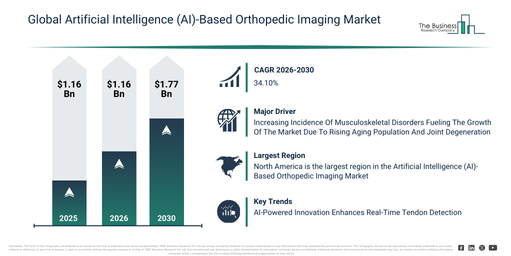
    The artificial intelligence (ai)-based orthopedic imaging market is expected to experience substantial growth in the upcoming years. It is projected to expand to $9.56 billion by 2030, achieving a compound annual growth rate (CAGR) of 34.1%. This expansion during the forecast period can be attributed to factors such as the increasing demand for personalized orthopedic care, the integration of predictive analytics, the growth of cloud-based imaging services, the wider adoption of AI-driven diagnostics, and the rise in minimally invasive orthopedic procedures. Significant trends over the forecast horizon include AI-assisted fracture detection, the development of predictive orthopedic analytics, the use of cloud-based imaging platforms, integration with hospital PACS systems, and automated bone density analysis.

    Access Your Free Sample Report for In-Depth Market Insights:

    https://www.thebusinessresearchcompany.com/sample.aspx?id=28127&type=smp

    What Drivers Are Shaping Future Opportunities In The Artificial Intelligence (AI)-Based Orthopedic Imaging Market?

    The escalating occurrence of musculoskeletal conditions is anticipated to drive the expansion of the artificial intelligence (AI)-based orthopedic imaging market in the future. These disorders encompass ailments impacting muscles, bones, joints, tendons, and ligaments, resulting in discomfort or restricted movement. The growing prevalence of musculoskeletal disorders is attributed to an aging populace, which naturally experiences joint deterioration and reduced bone density over time. Artificial intelligence (AI)-based orthopedic imaging facilitates the diagnosis of musculoskeletal disorders by offering accurate image analysis, thereby allowing for the early identification of anomalies. It minimizes diagnostic inaccuracies via automated interpretation, enhancing clinical effectiveness and supporting tailored treatment strategies. A relevant example shows that, in January 2024, the Office for Health Improvement and Disparities, a UK-based government department, reported that the prevalence of long-term musculoskeletal (MSK) conditions among individuals aged 16 and over who self-reported reached 18.4% in 2023, up from 17.6% in 2022. Consequently, the rising incidence of musculoskeletal disorders is propelling the growth of the artificial intelligence (AI)-based orthopedic imaging market.

    Which Segments Are Gaining Traction In The Artificial Intelligence (AI)-Based Orthopedic Imaging Market?

    The artificial intelligence (ai)-based orthopedic imaging market covered in this report is segmented –

    1) By Component: Software, Hardware, Services

    2) By Modality: X-Ray, Computed Tomography (CT), Magnetic Resonance Imaging (MRI), Other Modalities

    3) By Deployment Mode: On-Premises, Cloud-Based

    4) By Application: Fracture Detection, Bone Age Assessment, Joint Disease Diagnosis, Bone Tumor Detection, Other Applications

    Subsegments:

    1) By Software: Image Analysis And Processing Software, Visualization And Detection Software, Workflow Management Software, Diagnostic And Predictive Analytics Software, Machine Learning And Deep Learning Algorithms

    2) By Hardware: Imaging Systems, AI-Integrated Imaging Devices, Graphics Processing Units (GPUs) Or Processing Units, Workstations And Servers, Data Storage Systems

    3) By Services: Installation And Integration Services, Training And Education Services, Consulting Services, Maintenance And Support Services, Cloud-Based Artificial Intelligence (AI) Services

    What Trends Are Reshaping The Dynamics Of The Artificial Intelligence (AI)-Based Orthopedic Imaging Market?

    Major companies in the artificial intelligence (AI)-based orthopedic imaging market are prioritizing the development of sophisticated solutions, such as advanced AI models, to enhance diagnostic capabilities, streamline workflows, and support individualized patient care. Advanced AI models are defined as intricate algorithms that analyze medical images to identify abnormalities, automate interpretations, and assist with personalized treatment plans. For instance, in February 2023, Clarius Mobile Health, a Canada-based medical imaging company, obtained US Food and Drug Administration (FDA) 510(k) clearance for its Clarius musculoskeletal (MSK) AI model. This model is designed to automatically detect and measure tendons in the foot, ankle, and knee using AI, and it will be compatible with the Clarius L7 HD3 and L15 HD3 handheld ultrasound scanners. This innovation aims to simplify musculoskeletal ultrasound examinations by assisting clinicians with real-time tendon identification, labeling, and measurement, thereby improving workflow, standardizing measurements, and reducing variability between different observers. This AI-enhanced scanner makes high-definition imaging more accessible and user-friendly, facilitating faster and more accurate patient care.

    Who Are The Primary Competitors In The Global Artificial Intelligence (AI)-Based Orthopedic Imaging Market?

    Major companies operating in the artificial intelligence (ai)-based orthopedic imaging market are United Imaging Intelligence Co. Ltd., Carestream Health Inc., Brainlab AG, Materialise NV, Aidoc Medical Ltd., Qure.ai Technologies Private Limited, Clarius Mobile Health Corp., Quibim S.L., RSIP Vision Ltd., GLEAMER SAS, Nano-X Imaging Ltd., CurveBeam AI Inc., AZmed SAS, VUNO Inc., Radiobotics ApS, PeekMed – Peek Health S.A., ImageBiopsy Lab GmbH, Synapsica Healthcare Pvt. Ltd., Oxipit UAB, Milvue SAS, Raylytic Software GmbH

    Access The Complete Report For Deeper Market Insights:

    https://www.thebusinessresearchcompany.com/report/artificial-intelligence-ai-based-orthopedic-imaging-global-market-report

    Which Global Regions Are Shaping The Competitive Landscape Of The Artificial Intelligence (AI)-Based Orthopedic Imaging Market?

    North America was the largest region in the artificial intelligence (AI)-based orthopedic imaging market in 2025. Asia-Pacific is expected to be the fastest-growing region in the forecast period. The regions covered in the artificial intelligence (AI)-based orthopedic imaging market report are Asia-Pacific, South East Asia, Western Europe, Eastern Europe, North America, South America, Middle East, Africa.

    Request Your Customized Artificial Intelligence (AI)-Based Orthopedic Imaging Market Research Report for Competitive Advantage:

    https://www.thebusinessresearchcompany.com/customise?id=28127&type=smp

    Browse Through More Reports Similar to the Global Artificial Intelligence (AI)-Based Orthopedic Imaging Market 2026, By The Business Research Company

    Ai In Medical Imaging Global Market Report 2026

    https://www.thebusinessresearchcompany.com/report/ai-in-medical-imaging-global-market-report

    Ai Enabled Medical Imaging Solutions Global Market Report 2026

    https://www.thebusinessresearchcompany.com/report/ai-enabled-medical-imaging-solutions-global-market-report

    Artificial Intelligence In Magnetic Resonance Imaging Mri Global Market Report 2026

    https://www.thebusinessresearchcompany.com/report/artificial-intelligence-in-magnetic-resonance-imaging-mri-global-market-report

    Get in touch with us:

    The Business Research Company: https://www.thebusinessresearchcompany.com/

    Americas +1 310-496-7795

    Asia +44 7882 955267 & +91 8897263534

    Europe +44 7882 955267

    Email us at info@tbrc.info

    Follow us on:

    LinkedIn: https://in.linkedin.com/company/the-business-research-company
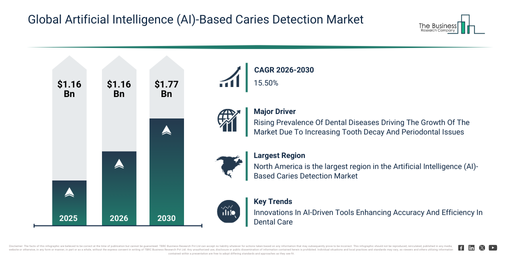
  • Artificial Intelligence (AI)-Based Caries Detection Market Future Outlook: Strong Growth Expected Toward $1.28 Billion by 2030

    Artificial Intelligence (AI)-Based Caries Detection Market Future Outlook: Strong Growth Expected Toward $1.28 Billion by 2030

    Uncover key drivers, emerging technologies, and competitive movements shaping the digital stethoscope tele-auscultation hubs market from 2026–2035 with trusted insights from The Business Research Company

    What was the valuation of the Artificial Intelligence (AI)-Based Caries Detection Market in 2026, and what figure is it projected to hit by 2030?

    The artificial intelligence (AI)-based caries detection market has experienced substantial growth in recent years. It is forecast to increase from $0.62 billion in 2025 to $0.72 billion in 2026, demonstrating a compound annual growth rate (CAGR) of 15.8%. The historical expansion of this market can be attributed to several factors, including the increasing integration of digital imaging in dentistry, the rising incidence of dental caries, continuous advancements in AI algorithms for image analysis, growing public awareness of preventive dental care, and the accessibility of affordable dental imaging devices.

    The artificial intelligence (ai)-based caries detection market is anticipated to undergo significant expansion in the coming years, with its size projected to reach $1.29 billion by 2030, demonstrating a compound annual growth rate (CAGR) of 15.5%. This growth during the forecast period is primarily driven by factors such as the expansion of tele-dentistry services, the integration of AI with cloud-based dental platforms, the development of portable intraoral imaging devices, increasing investment in AI-powered healthcare solutions, and a growing demand for personalized dental treatment. Key trends observed in this period include advancements in AI-powered diagnostic accuracy, the utilization of predictive analytics for early detection, the emergence of remote dental monitoring, the seamless integration of imaging and AI software, and the customization of treatment planning.

    Access Your Free Sample Report for In-Depth Market Insights:

    https://www.thebusinessresearchcompany.com/sample.aspx?id=28126&type=smp

    Which Drivers Are Affecting Market Participation In The Artificial Intelligence (AI)-Based Caries Detection Market?

    The escalating prevalence of dental ailments is projected to boost the expansion of the artificial intelligence (AI)-based caries detection market moving forward. These oral conditions affect the teeth, gums, or adjacent tissues, potentially leading to discomfort, infections, or issues with basic oral functions. The surge in dental diseases is attributed to greater intake of sugary and processed foods, which fosters tooth decay and gum issues by nourishing detrimental oral bacteria. AI-based caries detection contributes to the effective management of these conditions by accurately identifying early-stage tooth decay, thus facilitating timely intervention and lowering the chance of severe issues. As an illustration, in September 2023, the National Institutes of Health (NIH), a US-based federal agency, reported that around 62.06% of older adults are anticipated to suffer from tooth decay, and approximately 54.57% are expected to develop periodontal disease by 2050. Consequently, the growing impact of dental diseases is stimulating the growth of the artificial intelligence (AI)-based caries detection market.

    What Segment Categories Are Covered In The Artificial Intelligence (AI)-Based Caries Detection Market?

    The artificial intelligence (ai)-based caries detection market covered in this report is segmented –

    1) By Product: Software, Hardware, Services

    2) By Deployment Mode: On-Premises, Cloud-Based

    3) By Application: Hospitals, Dental Clinics, Academic And Research Institutes, Other Applications

    4) By End User: General Dentists, Pediatric Dentists, Orthodontists, Other End Users

    Subsegments:

    1) By Software: Diagnostic Software, Imaging Analysis Software, Data Management Software, Predictive Analytics Software, Cloud-Based Software Solutions

    2) By Hardware: Intraoral Cameras, Digital X-Ray Machines, Optical Coherence Tomography (OCT) Devices, Near-Infrared (NIR) Imaging Devices, Laser Fluorescence Devices

    3) By Services: Remote Diagnostic Services, Software As A Service (SaaS), Maintenance And Support Services, Training And Consultation Services, Data Storage And Management Services

    How Are New Market Trends Shaping The Landscape Of The Artificial Intelligence (AI)-Based Caries Detection Market?

    Companies prominent in the artificial intelligence (AI)-based caries detection market are dedicated to developing inventive solutions, such as sophisticated clinical enhancers, aimed at streamlining clinical workflows, saving time, and lessening the potential for human error. Advanced clinical enhancers are innovative instruments or technologies that improve the precision, effectiveness, and overall results of medical care. For instance, in January 2025, VideaHealth, a US-based dental technology company, introduced the Caries 3.0 model. Caries 3.0 incorporates an advanced clinical enhancer that boosts accuracy by filtering out potential false positives based on factors like caries size, tooth location, and other crucial clinical elements. It boasts extensive patient applicability as the sole FDA-cleared AI model for detecting caries in individuals aged 3 and above using bitewing and periapical X-rays. The model also aids in better patient communication with improved visualizations that simplify explaining conditions and promoting treatment acceptance. These advancements allow dental practices to offer precise, evidence-based care while remaining technologically cutting-edge.

    Which Key Market Players Are Investing In Expansion And Innovation Within The Artificial Intelligence (AI)-Based Caries Detection Market?

    Major companies operating in the artificial intelligence (ai)-based caries detection market are Dentsply Sirona, Straumann AG, Envista, Planmeca Oy, 3Shape Inc., Dexis Corp., Acteon Group, Carestream Dental LLC, Vatech Co. Ltd., RapidAI, Pearl Inc., Overjet, Videa Health, Dentomo, CranioCatch, Denti.AI Technology Inc., Diagnocat Inc., Genoray Co. Ltd., Manchester Imaging Ltd., Owandy Radiology, Tab32

    Access The Complete Report For Deeper Market Insights:

    https://www.thebusinessresearchcompany.com/report/artificial-intelligence-ai-based-caries-detection-global-market-report

    Which Regions Are Poised For Strategic Growth In The Artificial Intelligence (AI)-Based Caries Detection Market?

    North America was the largest region in the artificial intelligence (AI)-based caries detection market in 2025. Asia-Pacific is expected to be the fastest-growing region in the forecast period. The regions covered in the artificial intelligence (AI)-based caries detection market report are Asia-Pacific, South East Asia, Western Europe, Eastern Europe, North America, South America, Middle East, Africa.

    Request Your Customized Artificial Intelligence (AI)-Based Caries Detection Market Research Report for Competitive Advantage:

    https://www.thebusinessresearchcompany.com/customise?id=28126&type=smp

    Browse Through More Reports Similar to the Global Artificial Intelligence (AI)-Based Caries Detection Market 2026, By The Business Research Company

    Artificial Intelligence Ai Camera Global Market Report 2026

    https://www.thebusinessresearchcompany.com/report/artificial-intelligence-ai-camera-global-market-report

    Artificial Intelligence Ai In Animal Health Global Market Report 2026

    https://www.thebusinessresearchcompany.com/report/artificial-intelligence-ai-in-animal-health-global-market-report

    Artificial Intelligence In The Diagnostic Global Market Report 2026

    https://www.thebusinessresearchcompany.com/report/artificial-intelligence-in-the-diagnostic-global-market-report

    Get in touch with us:

    The Business Research Company: https://www.thebusinessresearchcompany.com/

    Americas +1 310-496-7795

    Asia +44 7882 955267 & +91 8897263534

    Europe +44 7882 955267

    Email us at info@tbrc.info

    Follow us on:

    LinkedIn: https://in.linkedin.com/company/the-business-research-company
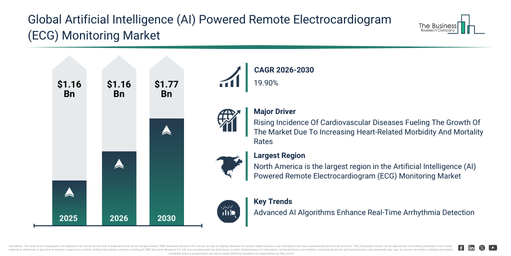
  • Revenue of the Artificial Intelligence (AI) Powered Remote Electrocardiogram (ECG) Monitoring Market Predicted to Achieve $4 Billion by 2030, Driven by 19.9% CAGR

    Revenue of the Artificial Intelligence (AI) Powered Remote Electrocardiogram (ECG) Monitoring Market Predicted to Achieve $4 Billion by 2030, Driven by 19.9% CAGR

    Uncover key drivers, emerging technologies, and competitive movements shaping the digital slide scanners market from 2026–2035 with trusted insights from The Business Research Company

    What are the forecasted starting (2026) and ending (2030) market sizes for the Artificial Intelligence (AI) Powered Remote Electrocardiogram (ECG) Monitoring Market?

    The artificial intelligence (ai) powered remote electrocardiogram (ecg) monitoring market size has experienced significant expansion in recent years. This market is set to grow from $1.61 billion in 2025 to $1.94 billion in 2026, demonstrating a compound annual growth rate (CAGR) of 20.2%. The historical growth of this market is attributable to factors such as the increasing prevalence of cardiovascular diseases, the widespread adoption of wearable ecg devices, a growing demand for continuous heart monitoring, the integration of ai in cardiac diagnostics, and the expansion of telehealth platforms.

    The artificial intelligence (ai) powered remote electrocardiogram (ecg) monitoring market is set for rapid expansion over the next few years, with projections indicating it will reach $4.01 billion by 2030, exhibiting a compound annual growth rate (CAGR) of 19.9%. This anticipated growth is driven by several factors, including the emergence of cloud-based ECG monitoring platforms, the integration of predictive analytics for arrhythmia, the broadening scope of remote patient monitoring services, increased investment in portable and wearable ECG devices, and the rising adoption in homecare and ambulatory settings. During this forecast period, significant trends are expected to include remote cardiac monitoring, AI-based arrhythmia detection, predictive cardiovascular analytics, cloud-integrated ECG platforms, and real-time insights into heart health.

    Access Your Free Sample Report for In-Depth Market Insights:

    https://www.thebusinessresearchcompany.com/sample.aspx?id=28125&type=smp

    What Drivers Are Supporting Technological Adoption In The Artificial Intelligence (AI) Powered Remote Electrocardiogram (ECG) Monitoring Market?

    The increasing occurrence of cardiovascular diseases is anticipated to boost the expansion of the artificial intelligence (AI) powered remote electrocardiogram (ECG) monitoring market in the future. These diseases encompass various conditions impacting the heart and blood vessels, such as coronary artery disease, heart failure, and stroke. The surge in cardiovascular diseases stems from poor dietary choices, specifically the overconsumption of processed foods and fats, which contributes to elevated cholesterol and heightened cardiac risks. Artificial intelligence (AI) powered remote electrocardiogram (ECG) monitoring supports the management of cardiovascular diseases by offering continuous, real-time analysis of heart rhythms. This technology facilitates the early identification of irregularities, allows for prompt medical interventions, and improves patient oversight from distant locations, thereby promoting superior long-term heart health results. For example, data from October 2024, released by the US-based government agency, the Centers for Disease Control, indicated that in 2023, approximately 919,032 people succumbed to cardiovascular disease, representing 1 in every 3 deaths. Consequently, the growing prevalence of cardiovascular diseases is a primary driver for the expansion of the artificial intelligence (AI) powered remote electrocardiogram (ECG) monitoring market.

    Which Segments Are Contributing To The Growth Of The Artificial Intelligence (AI) Powered Remote Electrocardiogram (ECG) Monitoring Market?

    The artificial intelligence (ai) powered remote electrocardiogram (ecg) monitoring market covered in this report is segmented –

    1) By Component: Hardware, Software, Services

    2) By Deployment Mode: Cloud-Based, On-Premises

    3) By End-User: Hospitals And Clinics, Ambulatory Surgical Centers, Homecare Settings, Research Institutes, Other End User

    Subsegments:

    1) By Hardware: Wearable Devices, Electrocardiogram Machines, Sensors And Electrodes, Mobile Devices

    2) By Software: Data Analytics Platforms, Artificial Intelligence Algorithms, Cloud-Based Monitoring Solutions, Mobile Applications

    3) By Services: Remote Patient Monitoring, Technical Support And Maintenance, Training And Consultation, Data Management Services

    Which Trends Are Expected To Influence The Artificial Intelligence (AI) Powered Remote Electrocardiogram (ECG) Monitoring Market In The Upcoming Years?

    Leading companies in the artificial intelligence (AI)-powered remote electrocardiogram (ECG) monitoring market are concentrating on creating advanced products, such as AI-driven arrhythmia detection tools, to elevate diagnostic precision, improve patient outcomes, and reduce healthcare expenditures. AI-driven arrhythmia detection tools are systems that utilize artificial intelligence to automatically process ECG data and pinpoint irregular heart rhythms, thereby facilitating early detection, real-time notifications, and enhanced cardiac care. For instance, in April 2024, BIOTRONIK, a medical technology firm based in Germany, introduced the BIOMONITOR IV insertable cardiac monitor, which incorporates artificial intelligence capabilities. This device is engineered to refine arrhythmia detection and patient management. It boasts sophisticated AI algorithms that continuously analyze cardiac signals, accurately identifying clinically relevant arrhythmias while minimizing false positives. The BioMonitor IV ICM features automated rhythm classification and adaptive monitoring functionality, supporting proactive intervention and tailored treatment plans without necessitating manual data review by clinicians.

    Who Are The Core Companies Influencing Trends In The Artificial Intelligence (AI) Powered Remote Electrocardiogram (ECG) Monitoring Market?

    Major companies operating in the artificial intelligence (ai) powered remote electrocardiogram (ecg) monitoring market are Koninklijke Philips N.V., GE Healthcare, Masimo Corporation, Biotronik SE & Co. KG, Nihon Kohden Corporation, iRhythm Technologies Inc., Biofourmis Pte. Ltd., BioSerenity Inc., Withings SA, Eko Devices Inc., AliveCor Inc., Compumedics Limited, Anumana Inc., Electrical Geodesics Inc. (EGI), InfoBionic Inc., Neurable Inc., Cardiomatics Sp. z o.o., IDOVEN S.L., Zeto Inc., NextGen Neuro Inc.

    Access The Complete Report For Deeper Market Insights:

    https://www.thebusinessresearchcompany.com/report/artificial-intelligence-ai-powered-remote-electrocardiogram-ecg-monitoring-global-market-report

    Which Regions Are Projected To Dominate The Artificial Intelligence (AI) Powered Remote Electrocardiogram (ECG) Monitoring Market In The Coming Years?

    North America was the largest region in the artificial intelligence (AI) powered remote electrocardiogram (ECG) monitoring market in 2025. Asia-Pacific is expected to be the fastest-growing region in the forecast period. The regions covered in the artificial intelligence (AI) powered remote electrocardiogram (ecg) monitoring market report are Asia-Pacific, South East Asia, Western Europe, Eastern Europe, North America, South America, Middle East, Africa.

    Request Your Customized Artificial Intelligence (AI) Powered Remote Electrocardiogram (ECG) Monitoring Market Research Report for Competitive Advantage:

    https://www.thebusinessresearchcompany.com/customise?id=28125&type=smp

    Browse Through More Reports Similar to the Global Artificial Intelligence (AI) Powered Remote Electrocardiogram (ECG) Monitoring Market 2026, By The Business Research Company

    Artificial Intelligence Ai In Remote Patient Monitoring Global Market Report 2026

    https://www.thebusinessresearchcompany.com/report/artificial-intelligence-ai-in-remote-patient-monitoring-global-market-report

    Remote Cardiac Monitoring Global Market Report 2026

    https://www.thebusinessresearchcompany.com/report/remote-cardiac-monitoring-global-market-report

    Electrocardiogram Ecg Equipment And Management System Global Market Report 2026

    https://www.thebusinessresearchcompany.com/report/electrocardiogram-ecg-equipment-and-management-system-global-market-report

    Get in touch with us:

    The Business Research Company: https://www.thebusinessresearchcompany.com/

    Americas +1 310-496-7795

    Asia +44 7882 955267 & +91 8897263534

    Europe +44 7882 955267

    Email us at info@tbrc.info

    Follow us on:

    LinkedIn: https://in.linkedin.com/company/the-business-research-company
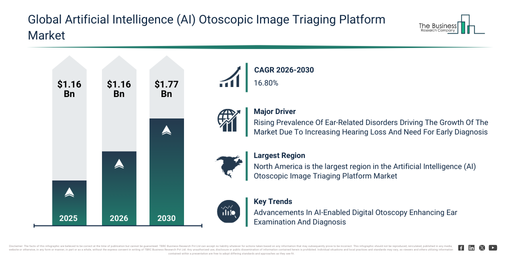
  • Artificial Intelligence (AI) Otoscopic Image Triaging Platform Sector Forecast Shows Robust Momentum, Climbing to $1.39 Billion With 16.8% CAGR

    Artificial Intelligence (AI) Otoscopic Image Triaging Platform Sector Forecast Shows Robust Momentum, Climbing to $1.39 Billion With 16.8% CAGR

    Uncover key drivers, emerging technologies, and competitive movements shaping the digital rights management software market from 2026–2035 with trusted insights from The Business Research Company

    What upper market value could the Artificial Intelligence (AI) Otoscopic Image Triaging Platform Market reach by 2030 starting from 2026 levels?

    The artificial intelligence (ai) otoscopic image triaging platform market has observed rapid expansion in recent years. It is projected to expand from $0.64 billion in 2025 to $0.75 billion in 2026, achieving a compound annual growth rate (CAGR) of 17.1%. This historical expansion can be ascribed to several factors, including the increased adoption of digital otoscopes, the proliferation of telemedicine services, a rising prevalence of ear infections, the consistent demand for efficient ENT diagnostics, and continuous advancements in imaging sensors.

    The market for artificial intelligence (ai) otoscopic image triaging platforms is projected to experience substantial expansion in the coming years. This market is anticipated to reach a valuation of $1.4 billion by 2030, exhibiting a compound annual growth rate (CAGR) of 16.8%. Several factors will drive this growth during the forecast period, including the incorporation of AI into portable otoscopes, the proliferation of cloud-based triaging platforms, the creation of predictive diagnostic algorithms, increased funding for remote ENT monitoring solutions, and wider acceptance in both primary care and telehealth services. Key trends foreseen over this period encompass automated classification of ear images, AI-driven workflow enhancements, the emergence of remote otoscopy tools, cloud-centric image analysis, and streamlined case prioritization.

    Access Your Free Sample Report for In-Depth Market Insights:

    https://www.thebusinessresearchcompany.com/sample.aspx?id=28123&type=smp

    Which Drivers Are Influencing Long-Term Growth In The Artificial Intelligence (AI) Otoscopic Image Triaging Platform Market?

    The increasing prevalence of ear conditions is anticipated to fuel the expansion of the artificial intelligence (AI) otoscopic image triaging platform market in the coming period. These disorders are health issues that hinder the ear’s normal operations, impacting an individual’s hearing, equilibrium, or general ear well-being. A rise in ear-related disorders is being propelled by greater exposure to loud noise, since continuous or recurrent exposure to intense sounds can harm the sensitive components of the inner ear, resulting in both hearing impairment and issues with balance. Artificial intelligence (AI) otoscopic image triaging platforms assist in addressing ear-related disorders through swift and precise analysis of ear images to detect anomalies, thereby enabling prompt diagnosis, efficient prioritization of critical instances, and improved strategies for treatment. For example, in February 2025, the World Health Organization (WHO), an intergovernmental body situated in Switzerland, projected that approximately 2.5 billion individuals would suffer from some degree of hearing loss by 2050, with more than 700 million requiring hearing rehabilitation. Consequently, the increasing prevalence of ear-related disorders is stimulating the expansion of the artificial intelligence (AI) otoscopic image triaging platform market.

    How Is The Artificial Intelligence (AI) Otoscopic Image Triaging Platform Market Divided Into Segments?

    The artificial intelligence (ai) otoscopic image triaging platform market covered in this report is segmented –

    1) By Component: Software, Hardware, Services

    2) By Deployment Mode: Cloud-Based, On-Premises

    3) By Application: Telemedicine, Primary Care, ENT Clinics, Hospitals, Research And Academic Institutes, Other Applications

    Subsegments:

    1) By Software: AI Algorithms, Image Analysis Tools, Diagnostic Support Systems, Workflow Management Solutions, Cloud-Based Platforms

    2) By Hardware: Digital Otoscopes, Imaging Sensors And Detectors, Workstations And Displays, AI-Enhanced Imaging Devices

    3) By Services: Implementation And Integration Services, Training And Maintenance Services, Consulting Services, Data Management Services, Technical Support Services

    What Trends Are Driving The Growth Trajectory Of The Artificial Intelligence (AI) Otoscopic Image Triaging Platform Market?

    Leading companies operating within the artificial intelligence (AI) otoscopic image triaging platform market are concentrating on developing advanced solutions, such as digital otoscopes, to facilitate easier documentation and remote consultations. Digital otoscopes are electronic instruments that provide clear images or videos of the ear canal and eardrum, aiding in precise examination and diagnosis. For instance, in February 2025, JEDMED, a US-based medical instrument company, along with Otologic Tech, a US-based company specializing in AI-enabled digital otoscopy, launched an AI-enabled digital otoscope. This device integrates seamlessly with Otologic Technologies’ platform to support medical professionals with automated diagnostics. It offers real-time analysis of middle ear conditions, enhancing clinical decision-making. By converting the captured video feed into a single, high-quality image, it simplifies examination and review. Additionally, it provides a probability assessment indicating whether the ear is normal or diseased, enabling faster and more informed treatment decisions.

    Which Major Industry Participants Are Leading The Artificial Intelligence (AI) Otoscopic Image Triaging Platform Market Growth?

    Major companies operating in the artificial intelligence (ai) otoscopic image triaging platform market are TytoCare Ltd, Digital Diagnostics Inc, Tympa Health Technologies, hearX, Otologic Technologies, OtoNexus Medical Technologies Inc, Siemens Healthineers AG, Philips Healthcare, Folio3 Software Inc, Aidoc Medical Ltd, Ajackus, DeepTek, CARPL AI, Zebra Medical Vision, Enlitic, VUNO Inc, CellScope, PhotoniCare, Otovation, Cupris Health, Aural Analytics, Earscan, Otoharmonics, ResApp Health

    Access The Complete Report For Deeper Market Insights:

    https://www.thebusinessresearchcompany.com/report/artificial-intelligence-ai-otoscopic-image-triaging-platform-global-market-report

    Which Region Is Expected To Experience The Fastest Growth In The Artificial Intelligence (AI) Otoscopic Image Triaging Platform Market?

    North America was the largest region in the artificial intelligence (AI) otoscopic image triaging platform market in 2025. Asia-Pacific is expected to be the fastest-growing region in the forecast period. The regions covered in the artificial intelligence (AI) otoscopic image triaging platform market report are Asia-Pacific, South East Asia, Western Europe, Eastern Europe, North America, South America, Middle East, Africa.

    Request Your Customized Artificial Intelligence (AI) Otoscopic Image Triaging Platform Market Research Report for Competitive Advantage:

    https://www.thebusinessresearchcompany.com/customise?id=28123&type=smp

    Browse Through More Reports Similar to the Global Artificial Intelligence (AI) Otoscopic Image Triaging Platform Market 2026, By The Business Research Company

    Ai Enabled Medical Imaging Solutions Global Market Report 2026

    https://www.thebusinessresearchcompany.com/report/ai-enabled-medical-imaging-solutions-global-market-report

    Artificial Intelligence Ai Radiology Tool Global Market Report 2026

    https://www.thebusinessresearchcompany.com/report/artificial-intelligence-ai-radiology-tool-global-market-report

    Ai In Medical Imaging Global Market Report 2026

    https://www.thebusinessresearchcompany.com/report/ai-in-medical-imaging-global-market-report

    Get in touch with us:

    The Business Research Company: https://www.thebusinessresearchcompany.com/

    Americas +1 310-496-7795

    Asia +44 7882 955267 & +91 8897263534

    Europe +44 7882 955267

    Email us at info@tbrc.info

    Follow us on:

    LinkedIn: https://in.linkedin.com/company/the-business-research-company
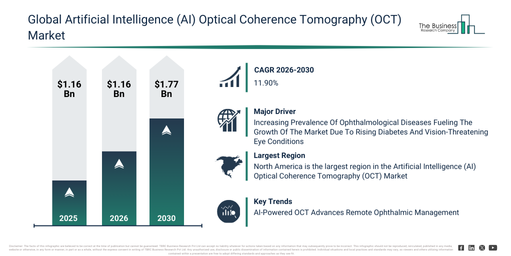
  • Artificial Intelligence (AI) Optical Coherence Tomography (OCT) Market Anticipated to Record Steady Gains, Advancing to $3.62 Billion by 2030

    Artificial Intelligence (AI) Optical Coherence Tomography (OCT) Market Anticipated to Record Steady Gains, Advancing to $3.62 Billion by 2030

    Uncover key drivers, emerging technologies, and competitive movements shaping the digital product passport (dpp) market from 2026–2035 with trusted insights from The Business Research Company

    What level of CAGR-driven expansion is anticipated in the Artificial Intelligence (AI) Optical Coherence Tomography (OCT) Market between 2026 and 2030?

    The artificial intelligence (ai) optical coherence tomography (oct) market size has demonstrated rapid expansion in recent years. It is forecast to increase from $2.06 billion in 2025 to $2.32 billion in 2026, reflecting a compound annual growth rate (CAGR) of 12.2%. The historical growth of this market can be attributed to factors such as the adoption of OCT in ophthalmology, the demand for early disease detection, continuous advancements in retinal imaging devices, the increasing prevalence of eye disorders, and the integration of digital imaging technologies.

    The artificial intelligence (ai) optical coherence tomography (oct) market is projected for substantial expansion over the next few years. This market is set to achieve a size of $3.63 billion by 2030, demonstrating a compound annual growth rate (CAGR) of 11.9%. This anticipated growth during the forecast period is primarily driven by the integration of AI with portable OCT devices, the expansion of cloud-based ophthalmic platforms, the creation of real-time diagnostic algorithms, increasing investments in tele-ophthalmology, and the escalating demand for personalized eye care solutions. Significant trends expected during this period include AI-assisted retinal imaging, automated disease detection, predictive ophthalmic analysis, the widespread use of cloud-based OCT platforms, and advancements in high-resolution image interpretation.

    Access Your Free Sample Report for In-Depth Market Insights:

    https://www.thebusinessresearchcompany.com/sample.aspx?id=28121&type=smp

    What Drivers Are Affecting Demand-Supply Dynamics In The Artificial Intelligence (AI) Optical Coherence Tomography (OCT) Market?

    The rising occurrence of eye-related ailments is anticipated to drive the expansion of the artificial intelligence (AI) optical coherence tomography (OCT) market in the future. These diseases encompass various conditions impacting the eyes and the visual system, with potential consequences for vision, eye structure, or overall ocular well-being. A key factor contributing to the increase in ophthalmological diseases is the growing prevalence of diabetes, which can harm retinal blood vessels and result in conditions that endanger vision. Artificial intelligence (AI) optical coherence tomography (OCT) assists in diagnosing ophthalmological conditions by providing detailed retinal imaging, making it highly effective for early identification and continuous monitoring of eye disorders. Furthermore, this technology shortens diagnostic periods through automated analysis of retinal scans, thereby enhancing clinical efficiency and patient management. For example, data from May 2024, reported by the Centers for Disease Control and Prevention (CDC), a US-based public health agency, indicated that over 3 million individuals were affected by glaucoma, a figure expected to rise to 6.3 million by 2050. Consequently, the escalating frequency of ophthalmological diseases is fueling the development of the artificial intelligence (AI) optical coherence tomography (OCT) market.

    What Segments Are Included Within The Artificial Intelligence (AI) Optical Coherence Tomography (OCT) Market?

    The artificial intelligence (ai) optical coherence tomography (oct) market covered in this report is segmented –

    1) By Type: Table Type, Portable

    2) By Technology: Time Domain Optical Coherence Tomography, Spectral Domain Optical Coherence Tomography, Swept Source Optical Coherence Tomography

    3) By Application: Hospitals, Clinic, Other Applications

    Subsegments:

    1) By Table Type: Spectral-Domain Optical Coherence Tomography (SD-OCT), Time-Domain Optical Coherence Tomography (TD-OCT), Swept-Source Optical Coherence Tomography (SS-OCT), Full-Field Optical Coherence Tomography, Doppler Optical Coherence Tomography

    2) By Portable: Handheld Optical Coherence Tomography, Smartphone Or Tablet-Based Optical Coherence Tomography, Point-Of-Care Optical Coherence Tomography Devices, Compact Or Bedside Optical Coherence Tomography Units, Wearable Optical Coherence Tomography

    What Upcoming Trends Are Likely To Define The Future Path Of The Artificial Intelligence (AI) Optical Coherence Tomography (OCT) Market?

    Leading companies active in the artificial intelligence (AI) optical coherence tomography (OCT) market are concentrating on developing sophisticated offerings, such as at-home optical coherence tomography (OCT) devices, to elevate diagnostic accuracy, enable distant observation, and optimize ophthalmic processes. At-home optical coherence tomography (OCT) devices are portable instruments that allow patients to capture retinal scans from their homes for the remote monitoring of various eye diseases. For instance, in May 2024, Notal Vision Inc., a US-based healthcare company, secured de novo authorization for its artificial intelligence (AI)-powered SCANLY Home OCT device from the US Food and Drug Administration (FDA), marking it as the first self-operated retinal imaging device specifically for monitoring wet age-related macular degeneration (AMD) in older adults. This technology utilizes spectral-domain optical coherence tomography (OCT) and the AI-driven Notal OCT analyzer (NOA) to pinpoint and measure retinal biomarkers, thereby enabling remote, high-resolution surveillance between clinic visits. The device securely transmits these images to the Notal Health cloud for review by physicians. Furthermore, SCANLY is supported by current procedural terminology (CPT) billing codes.

    Who Are The Prominent Global Companies Shaping The Artificial Intelligence (AI) Optical Coherence Tomography (OCT) Market Landscape?

    Major companies operating in the artificial intelligence (ai) optical coherence tomography (oct) market are Abbott Laboratories, Canon Inc., Carl Zeiss AG, Excelitas Technologies Corp., Topcon Corporation, Thorlabs Inc., Santec Holdings Corporation, Notal Vision Inc., Optopol Technology Sp. z o.o., BigVision Tech Inc., Shenzhen Certainn Technology Co. Ltd., Conavi Medical Inc., Wasatch Photonics Inc., RSIP Vision Ltd., Visionix Ltd., Altris AI Ltd., NIDEK Co. Ltd., Perimeter Medical Imaging AI Inc., Michelson Diagnostics Ltd., Artelus Private Limited

    Access The Complete Report For Deeper Market Insights:

    https://www.thebusinessresearchcompany.com/report/artificial-intelligence-ai-optical-coherence-tomography-oct-global-market-report

    Which Geographic Areas Are Emerging As Strong Markets For The Artificial Intelligence (AI) Optical Coherence Tomography (OCT) Market?

    North America was the largest region in the artificial intelligence (AI) optical coherence tomography (OCT) market in 2025. Asia-Pacific is expected to be the fastest-growing region in the forecast period. The regions covered in the artificial intelligence (AI) optical coherence tomography (oct) market report are Asia-Pacific, South East Asia, Western Europe, Eastern Europe, North America, South America, Middle East, Africa.

    Request Your Customized Artificial Intelligence (AI) Optical Coherence Tomography (OCT) Market Research Report for Competitive Advantage:

    https://www.thebusinessresearchcompany.com/customise?id=28121&type=smp

    Browse Through More Reports Similar to the Global Artificial Intelligence (AI) Optical Coherence Tomography (OCT) Market 2026, By The Business Research Company

    Ai In Medical Imaging Global Market Report 2026

    https://www.thebusinessresearchcompany.com/report/ai-in-medical-imaging-global-market-report

    Artificial Intelligence In Medical Imaging Global Market Report 2026

    https://www.thebusinessresearchcompany.com/report/artificial-intelligence-in-medical-imaging-global-market-report

    Ai Enabled Imaging Solutions Global Market Report 2026

    https://www.thebusinessresearchcompany.com/report/ai-enabled-imaging-solutions-global-market-report

    Get in touch with us:

    The Business Research Company: https://www.thebusinessresearchcompany.com/

    Americas +1 310-496-7795

    Asia +44 7882 955267 & +91 8897263534

    Europe +44 7882 955267

    Email us at info@tbrc.info

    Follow us on:

    LinkedIn: https://in.linkedin.com/company/the-business-research-company

  • Global Bifurcation Lesions Market Report 2026–2035: Key Forecasts and Growth Areas

    Global Bifurcation Lesions Market Report 2026–2035: Key Forecasts and Growth Areas

    Uncover key drivers, emerging technologies, and competitive movements shaping the medical magnets market from 2026–2035 with trusted insights from The Business Research Company

    How is the Bifurcation Lesions Market size predicted to change over the forecast window of 2026–2035?_x000D_

    The market size for bifurcation lesions has shown substantial growth in recent years. This market is expected to expand from $2.84 billion in 2025 to $3.1 billion in 2026, achieving a compound annual growth rate (CAGR) of 9.4%. Historically, this expansion has been driven by an increasing incidence of coronary artery disease, a rise in interventional cardiology procedures, the adoption of stenting as an alternative to surgical bypass, the presence of specialized bifurcation stents, and improved clinical expertise in performing complex interventions._x000D_

    _x000D_

    The bifurcation lesions market size is set for significant expansion in the upcoming period. It is projected to achieve a value of $4.34 billion by 2030, growing at a compound annual growth rate (CAGR) of 8.7%. This anticipated growth is attributable to factors such as the increasing utilization of precision-guided coronary interventions, a rising demand for next-generation stent technologies, the broadening availability of personalized cardiovascular treatments, enhanced integration of imaging and analytics, and an increasing emphasis on procedural success rates. Key developments expected during the forecast period include the expanding adoption of advanced stent techniques for managing complex lesions, a growing reliance on imaging-guided bifurcation interventions, an increasing preference for drug-eluting stents, the expansion of minimally invasive coronary procedures, and a greater focus on achieving long-term vessel patency._x000D_

    _x000D_

    #Access Your Free Sample Report for In-Depth Market Insights:#_x000D_

    https://www.thebusinessresearchcompany.com/sample.aspx?id=7414&type=smp_x000D_

    _x000D_

    Which Drivers Are Contributing To The Expansion Of The Bifurcation Lesions Market?_x000D_

    Rising healthcare spending is anticipated to propel the expansion of the bifurcation lesions market in the future. Healthcare spending encompasses all financial disbursements for medical treatments, preventive strategies, public health programs, rehabilitation services, community wellness activities, and medical research. Greater expenditure on healthcare enables medical institutions to acquire cutting-edge equipment and technologies, such as sophisticated interventional cardiology devices utilized for managing bifurcation lesions. As an illustration, in May 2024, the Office for National Statistics, a UK-based government department, reported that overall healthcare expenditure experienced a 5.6% increase in nominal terms during 2023, marking a 0.9% growth compared to the figures from 2022. Consequently, the growing healthcare expenditure is fueling the expansion of the bifurcation lesions market._x000D_

    _x000D_

    What Segment Categories Are Covered In The Bifurcation Lesions Market?_x000D_

    The bifurcation lesions market covered in this report is segmented – _x000D_

    _x000D_

    1) By Type: One-Stent, Two-Stent_x000D_

    2) By Application: Coronary Vascular, Peripheral Vascular_x000D_

    3) By End-User: Hospitals & Cardiac Care Centers, Ambulatory Surgical Centers, Specialty Clinics, Diagnostic Centers_x000D_

    _x000D_

    Subsegments:_x000D_

    1) By One-Stent: Single-Stent Deployment, Balloon-Expandable Stents, Self-Expanding Stents _x000D_

    2) By Two-Stent: Crush Technique, T- or Y-Configuration Stenting, Side Branch Stenting Techniques _x000D_

    _x000D_

    What Trends Are Reshaping The Dynamics Of The Bifurcation Lesions Market?_x000D_

    Leading firms in the bifurcation lesions market are creating novel products, like drug-eluting coronary stent systems, with the aim of expanding their customer reach, boosting sales, and generating higher revenue. These systems are medical devices utilized in interventional cardiology for addressing coronary artery disease. For example, in August 2023, Medtronic Plc, a medical device company from Ireland, introduced the Onyx Frontier drug-eluting stent (DES) specifically for managing non-left main bifurcation lesions through the provisional stenting technique. A key feature of this product lies in its improved design, which includes an innovative dual-layer balloon, a smaller crossing profile, and enhanced catheter flexibility. These advancements lead to a 16% increase in deliverability when contrasted with the previous Resolute Onyx DES, without compromising radial strength. Beyond the upgraded delivery system, Onyx Frontier offers a wide array of sizes, suitable for patients needing diameters between 2.0 mm and 5.0 mm. Significantly, its 4.50-5.00 mm sizes can expand up to 6.00 mm, specifically targeting the treatment of extra-large vessels, such as those in the left main artery. Onyx Frontier retains the identical clinical data and indications as Resolute Onyx, encompassing approval for managing bifurcation lesions, left main percutaneous coronary intervention (PCI), and a suggested one-month dual antiplatelet therapy (DAPT) for patients at high risk of bleeding._x000D_

    _x000D_

    Which Key Players Are Driving Competition In The Bifurcation Lesions Market?_x000D_

    Major companies operating in the bifurcation lesions market are Boston Scientific Corporation, Terumo Medical Corporation, Spectranetics Corporation, Medtronic plc, Abbott Laboratories, Biosensors International Group Ltd., B. Braun Melsungen AG, Cook Medical LLC, Cordis Corporation, InspireMD Inc., MicroPort Scientific Corporation, OrbusNeich Medical Company Limited, Biotronik SE & Co. KG, Medinol Ltd., Meril Life Sciences Pvt. Ltd., Sahajanand Medical Technologies Pvt. Ltd., Elixir Medical Corporation, Veryan Medical Ltd., Zorion Medical Inc., Svelte Medical Systems Inc., Amaranth Medical Inc., Cardiva Medical Inc. _x000D_

    _x000D_

    #Access The Complete Report For Deeper Market Insights:#_x000D_

    https://www.thebusinessresearchcompany.com/report/bifurcation-lesions-global-market-report_x000D_

    _x000D_

    Which Region Is Projected To Lead The Bifurcation Lesions Market During The Forecast Period?_x000D_

    North America was the largest region in the bifurcation lesions market in 2025. Asia-Pacific is expected to be the fastest-growing region in the forecast period. The regions covered in the bifurcation lesions market report are Asia-Pacific, South East Asia, Western Europe, Eastern Europe, North America, South America, Middle East, Africa._x000D_

    _x000D_

    #Request Your Customized Bifurcation Lesions Market Research Report for Competitive Advantage:#_x000D_

    https://www.thebusinessresearchcompany.com/customise?id=7414&type=smp_x000D_

    _x000D_

    #Browse Through More Reports Similar to the Global Bifurcation Lesions Market 2026, By The Business Research Company#_x000D_

    _x000D_

    Furfural Derivatives Global Market Report 2026_x000D_

    https://www.thebusinessresearchcompany.com/report/furfural-derivatives-global-market-report_x000D_

    _x000D_

    Anaplastic Astrocytoma Global Market Report 2026_x000D_

    https://www.thebusinessresearchcompany.com/report/anaplastic-astrocytoma-global-market-report_x000D_

    _x000D_

    Capital Exchange Ecosystem Global Market Report 2026_x000D_

    https://www.thebusinessresearchcompany.com/report/capital-exchange-ecosystem-global-market-report_x000D_

    _x000D_

    #Get in touch with us:#_x000D_

    _x000D_

    The Business Research Company: https://www.thebusinessresearchcompany.com/_x000D_

    Americas +1 310-496-7795_x000D_

    Asia +44 7882 955267 & +91 8897263534_x000D_

    Europe +44 7882 955267_x000D_

    Email us at info@tbrc.info_x000D_

    _x000D_

    #Follow us on:#_x000D_

    _x000D_

    LinkedIn: https://in.linkedin.com/company/the-business-research-company_x000D_

  • Benign Prostatic Hyperplasia (BPH) Treatment Devices And Equipment Market 2026–2030: Forecast, Innovation, and Competitive Trends

    Benign Prostatic Hyperplasia (BPH) Treatment Devices And Equipment Market 2026–2030: Forecast, Innovation, and Competitive Trends

    Uncover key drivers, emerging technologies, and competitive movements shaping the medical imaging reconstruction artificial intelligence (ai) market from 2026–2035 with trusted insights from The Business Research Company

    What market expansion outlook does the Benign Prostatic Hyperplasia (BPH) Treatment Devices And Equipment Market show for the 2026–2030 period?_x000D_

    The market size for benign prostatic hyperplasia (bph) treatment devices and equipment has shown strong expansion in recent years. It is anticipated to grow from $1.34 billion in 2025 to $1.43 billion in 2026, progressing at a compound annual growth rate (CAGR) of 6.3%. Historically, this growth can be attributed to the rising prevalence of benign prostatic hyperplasia, increased awareness regarding urological disorders, the adoption of transurethral procedures, the expansion of urology departments in hospitals, and improvements in endoscopic surgical tools._x000D_

    _x000D_

    The benign prostatic hyperplasia (bph) treatment devices and equipment market size is projected to experience robust expansion over the coming years. It is anticipated to grow to $1.86 billion by 2030, achieving a compound annual growth rate (CAGR) of 6.9%. This projected growth during the forecast period is attributable to an expanding aging male population, a heightened preference for minimally invasive therapies, the proliferation of outpatient urology clinics, increased adoption of laser and implant-based treatments, and a greater emphasis on reducing hospital stays. Significant trends within the forecast period encompass a rising uptake of minimally invasive bph treatment devices, the growing use of laser-based prostate therapies, an increasing demand for implant-based treatment options, the expansion of office-based bph procedures, and an enhanced focus on patient comfort and recovery._x000D_

    _x000D_

    #Access Your Free Sample Report for In-Depth Market Insights:#_x000D_

    https://www.thebusinessresearchcompany.com/sample.aspx?id=2431&type=smp_x000D_

    _x000D_

    What Drivers Are Shaping The Development Of The Benign Prostatic Hyperplasia (BPH) Treatment Devices And Equipment Market?_x000D_

    The benign prostatic hyperplasia market is anticipated to grow due to the increasing number of prostate cancer cases. Prostate cancer is a malignancy that develops in the prostate gland, a small, walnut-sized organ located just beneath the bladder in males. A rise in prostate cancer diagnoses frequently leads more elderly men to seek medical evaluation for prostate-related conditions, which in turn facilitates the identification and management of benign prostatic hyperplasia. For illustration, according to information from February 2023, provided by the American Society of Clinical Oncology (ASCO), a US-based professional organization that publishes patient details on the cancer.net website, an estimated 288,300 men in the United States had prostate cancer in 2023, while 268,490 new cases and 34,500 deaths from prostate cancer were reported in 2022. Therefore, the growing incidence of prostate cancer cases is a key driver for the benign prostatic hyperplasia market’s expansion._x000D_

    _x000D_

    Which Segments Are Contributing To The Growth Of The Benign Prostatic Hyperplasia (BPH) Treatment Devices And Equipment Market?_x000D_

    The benign prostatic hyperplasia (bph) treatment devices and equipment market covered in this report is segmented – _x000D_

    _x000D_

    1) By Product: Resectoscopes, Radiofrequency Ablation Device, Urology Lasers, Prostatic Stents, Implants_x000D_

    2) By Procedure Type: Transurethral Needle Ablation (TUNA), Transurethral Resection Of Prostate (TURP), Transurethral Incision Of Prostate (TUIP), Transurethral Microwave Thermotherapy (TUMT), Laser Surgery, Other Procedure Types_x000D_

    3) By End-User: Hospitals, Ambulatory Surgical Centres (ASC), Clinics, Specialty Urology Centers_x000D_

    _x000D_

    Subsegments:_x000D_

    1) By Resectoscopes: Bipolar Resectoscopes, Monopolar Resectoscopes, High-Performance Resectoscopes _x000D_

    2) By Radiofrequency Ablation Device: Single-Needle Radiofrequency Ablation, Multi-Needle Radiofrequency Ablation _x000D_

    3) By Urology Lasers: Holmium Lasers, Diode Lasers, Green Light Lasers _x000D_

    4) By Prostatic Stents: Temporary Prostatic Stents, Permanent Prostatic Stents _x000D_

    5) By Implants: Prostatic Urethral Lift (PUL) Implants, Balloon-Expandable Stents, Permanent Implants for BPH Treatment_x000D_

    _x000D_

    How Are New Market Trends Shaping The Landscape Of The Benign Prostatic Hyperplasia (BPH) Treatment Devices And Equipment Market?_x000D_

    Leading companies in the benign prostatic hyperplasia (BPH) treatment devices and equipment market are focusing on developing innovative, minimally invasive solutions, such as temporarily implantable devices, which expand access to outpatient treatment and reduce reliance on long-term medication or tissue-removal procedures. These temporarily implantable BPH devices are single-use or short-term implants designed to reshape the prostatic urethra and relieve lower urinary tract symptoms (LUTS) caused by an enlarged prostate. For instance, in February 2025, Olympus, a Japan-based medical technology company, announced a milestone for its iTind device with expanded availability across major APAC markets (Thailand, Australia, Hong Kong, Singapore, India and a planned launch in Korea), highlighting that the iTind procedure is a minimally invasive, clinic-room option that can be performed under local anaesthesia and supported by a comprehensive physician training programme to aid clinical adoption. The iTind is a temporarily implantable nitinol device that reshapes the prostatic urethra to improve urinary flow and patient quality of life, and recent guideline and reimbursement developments are helping accelerate its adoption._x000D_

    _x000D_

    Who Are The Top-Performing Companies In The Benign Prostatic Hyperplasia (BPH) Treatment Devices And Equipment Market In Recent Years?_x000D_

    Major companies operating in the benign prostatic hyperplasia (bph) treatment devices and equipment market are Karl Storz, Lumenis Ltd., Olympus Corporation, Urologix LLC, Boston Scientific Inc., NeoTract Inc., OmniGuide Inc., ProArc Medical Ltd., Urotech Devices, Prostalund Operations AB, NxThera Inc., Richard Wolf GmbH, Coloplast A/S, Biolitec AG, BVM Medical, Convergent Laser Technologies, Cook Medical, GreenLight Technologies, PROCEPT BioRobotics, Quanta System _x000D_

    _x000D_

    #Access The Complete Report For Deeper Market Insights:#_x000D_

    https://www.thebusinessresearchcompany.com/report/benign-prostatic-hyperplasia-bph-treatment-devices-and-equipment-global-market-report_x000D_

    _x000D_

    Which Region Currently Holds The Largest Share Of The Benign Prostatic Hyperplasia (BPH) Treatment Devices And Equipment Market?_x000D_

    North America was the largest region in the benign prostatic hyperplasia (BPH) treatment devices and equipment market in 2025. Western Europe was the second-largest region in the global benign prostatic hyperplasia (BPH) treatment devices and equipment market. The regions covered in the benign prostatic hyperplasia (bph) treatment devices and equipment market report are Asia-Pacific, South East Asia, Western Europe, Eastern Europe, North America, South America, Middle East, Africa._x000D_

    _x000D_

    #Request Your Customized Benign Prostatic Hyperplasia (BPH) Treatment Devices And Equipment Market Research Report for Competitive Advantage:#_x000D_

    https://www.thebusinessresearchcompany.com/customise?id=2431&type=smp_x000D_

    _x000D_

    #Browse Through More Reports Similar to the Global Benign Prostatic Hyperplasia (BPH) Treatment Devices And Equipment Market 2026, By The Business Research Company#_x000D_

    _x000D_

    Drugs For Benign Prostatic Hypertrophy Global Market Report 2026_x000D_

    https://www.thebusinessresearchcompany.com/report/drugs-for-benign-prostatic-hypertrophy-global-market-report_x000D_

    _x000D_

    Prostate Cancer Drugs Global Market Report 2026_x000D_

    https://www.thebusinessresearchcompany.com/report/prostate-cancer-drugs-global-market-report_x000D_

    _x000D_

    Prostate Cancer Nuclear Medicine Diagnostics Global Market Report 2026_x000D_

    https://www.thebusinessresearchcompany.com/report/prostate-cancer-nuclear-medicine-diagnostics-global-market-report_x000D_

    _x000D_

    #Get in touch with us:#_x000D_

    _x000D_

    The Business Research Company: https://www.thebusinessresearchcompany.com/_x000D_

    Americas +1 310-496-7795_x000D_

    Asia +44 7882 955267 & +91 8897263534_x000D_

    Europe +44 7882 955267_x000D_

    Email us at info@tbrc.info_x000D_

    _x000D_

    #Follow us on:#_x000D_

    _x000D_

    LinkedIn: https://in.linkedin.com/company/the-business-research-company_x000D_