Category: Medical Equipment

  • Global Bioprosthetics Market Performance Report: Global Trends 2026–2030

    Global Bioprosthetics Market Performance Report: Global Trends 2026–2030

    Uncover key drivers, emerging technologies, and competitive movements shaping the neuromuscular disorders market from 2026–2035 with trusted insights from The Business Research Company

    What upper market value could the Bioprosthetics Market reach by 2030 starting from 2026 levels?

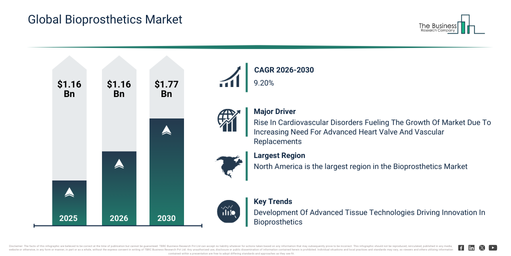
    The bioprosthetics market has experienced substantial growth in recent years. It is forecast to grow from $6.27 billion in 2025 to $6.86 billion in 2026, exhibiting a compound annual growth rate (CAGR) of 9.5%. The expansion witnessed in the past can be attributed to factors such as limited biocompatible materials, a high prevalence of tissue injuries, the constraints of conventional prosthetics, an increase in surgical procedures, and the absence of smart prosthetic integration.

    The bioprosthetics market is anticipated to experience robust growth in the coming years. It is projected to expand to $9.77 billion by 2030, achieving a compound annual growth rate (CAGR) of 9.2%. This growth during the forecast period stems from factors such as the rise of personalized implants, advancements in tissue-engineered constructs, AI-driven prosthetic development, the increasing adoption of smart prosthetic devices, and the global expansion of orthopedic and reconstructive surgeries. Major trends expected in this period include AI-enhanced prosthetic design, the integration of biocompatible materials, personalized implant manufacturing, smart prosthetic devices incorporating sensors, and advanced tissue-engineered constructs.

    Access Your Free Sample Report for In-Depth Market Insights:

    https://www.thebusinessresearchcompany.com/sample.aspx?id=28150&type=smp

    Which Drivers Are Influencing Long-Term Growth In The Bioprosthetics Market?

    The increasing prevalence of cardiovascular conditions is projected to drive the expansion of the bioprosthetics market in the future. These conditions encompass a range of ailments impacting the heart and blood vessels, including but not limited to coronary artery disease, heart failure, irregular heartbeats, birth defects of the heart, and cerebrovascular issues like stroke. The escalation of cardiovascular diseases is partially attributable to the growing intake of diets rich in saturated fats, salt, and sugar, which in turn lead to obesity, high blood pressure, and elevated cholesterol. Bioprosthetic devices play a crucial role in managing cardiovascular ailments by replacing impaired heart valves or blood vessels with biocompatible implants, thereby improving cardiac function and mitigating the likelihood of further complications. To illustrate, the American Heart Association, a US-based nonprofit organization, reported in January 2024 that the overall count of cardiovascular-related fatalities amounted to 931,578 in 2023, representing a modest rise from 928,741 deaths recorded in 2022. Consequently, the increasing incidence of cardiovascular diseases is a key factor propelling the expansion of the bioprosthetics market.

    Which Segments Are Driving Activity In The Bioprosthetics Market?

    The bioprosthetics market covered in this report is segmented –

    1) By Type: Allograft, Xenograft, Autograft

    2) By Application: Cardiovascular, Orthopedic, Wound healing, Other Applications

    3) By End User: Hospitals, Specialty Centers, Other End Users

    Subsegments:

    1) By Allograft: Cartilage Allograft, Tendon Allograft, Meniscus Allograft, Dental Allograft, Skin Allograft

    2) By Xenograft: Porcine Heart Valve Xenograft, Bovine Heart Valve Xenograft, Porcine Dermis Xenograft, Bovine Pericardium Xenograft

    3) By Autograft: Bone Autograft, Tendon Autograft, Skin Autograft, Cartilage Autograft

    Which Trends Are Influencing The Development Of The Bioprosthetics Market?

    Leading companies within the bioprosthetics market are concentrating on developing advanced transcatheter heart valve (THV) technologies, such as non-metallic, leaflet-suspension designs, with the aim of improving procedural success, enhancing patient outcomes, and reducing long-term complications. These non-metallic, leaflet-suspension designs represent innovative valve architectures utilizing a polymer frame and a unique leaflet attachment method to optimize hemodynamics and durability. For example, in December 2024, Meril Life Sciences, an India-based structural heart company, introduced the Myval OCTAPRO THV series in Europe. This product is a next-generation balloon-expandable transcatheter heart valve, equipped with a proprietary Octa-Armour polymer sleeve and an 8-point leaflet suspension design. This particular architecture is engineered to distribute stress more uniformly, minimize leaflet fatigue, and improve coaptation, thereby aspiring to enhance the valve’s longevity and hemodynamic performance for patients with severe aortic stenosis.

    Which Leading Companies Dominate The Bioprosthetics Market Share?

    Major companies operating in the bioprosthetics market are Abbott Laboratories, Medtronic Plc, Boston Scientific Corporation, Edwards Lifesciences Corporation, Meril Life Sciences Pvt. Ltd., LivaNova PLC, Artivion Inc., LifeNet Health Inc., TTK Healthcare Limited, Corcym S.r.l., Biosensors International Group Ltd., Braile Biomedica, Xeltis NV, Peijia Medical Technology Co. Ltd., Labcor Laboratórios Ltda., Colibri Heart Valve LLC, Autotissue Berlin GmbH, Humacyte Inc., Bioprosthetics Inc., Shijiazhuang Perfect Prosthetic Manufacture Co. Ltd.

    Access The Complete Report For Deeper Market Insights:

    https://www.thebusinessresearchcompany.com/report/bioprosthetics-global-market-report

    How Does The Bioprosthetics Market Perform Across Major Global Regions?

    North America was the largest region in the bioprosthetics market in 2025. Asia-Pacific is expected to be the fastest-growing region in the forecast period. The regions covered in the bioprosthetics market report are Asia-Pacific, South East Asia, Western Europe, Eastern Europe, North America, South America, Middle East, Africa.

    Request Your Customized Bioprosthetics Market Research Report for Competitive Advantage:

    https://www.thebusinessresearchcompany.com/customise?id=28150&type=smp

    Browse Through More Reports Similar to the Global Bioprosthetics Market 2026, By The Business Research Company

    Medical Biomimetics Global Market Report 2026

    https://www.thebusinessresearchcompany.com/report/medical-biomimetics-global-market-report

    Robotic Prosthetics Global Market Report 2026

    https://www.thebusinessresearchcompany.com/report/robotic-prosthetics-global-market-report

    Bio Implants Global Market Report 2026

    https://www.thebusinessresearchcompany.com/report/bio-implants-global-market-report

    Get in touch with us:

    The Business Research Company: https://www.thebusinessresearchcompany.com/

    Americas +1 310-496-7795

    Asia +44 7882 955267 & +91 8897263534

    Europe +44 7882 955267

    Email us at info@tbrc.info

    Follow us on:

    LinkedIn: https://in.linkedin.com/company/the-business-research-company
  • Bioprocess Containers Market Future Outlook 2026: Key Drivers and Growth Potential

    Bioprocess Containers Market Future Outlook 2026: Key Drivers and Growth Potential

    Uncover key drivers, emerging technologies, and competitive movements shaping the neurology services market from 2026–2035 with trusted insights from The Business Research Company

    What level of CAGR-driven expansion is anticipated in the Bioprocess Containers Market between 2026 and 2030?

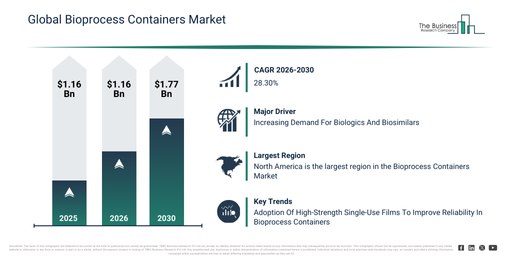
    The bioprocess containers market size has witnessed substantial growth in recent years. It is anticipated to expand from $6.39 billion in 2025 to $8.2 billion in 2026, reflecting a compound annual growth rate (CAGR) of 28.4%. The historical expansion of this market can be attributed to several factors, including the increasing scope of biopharmaceutical manufacturing, the rising adoption of disposable bioprocess systems, advancements in biologics development, a greater need for sterile processing solutions, and the accessibility of advanced polymer materials.

    The bioprocess containers market is projected to experience substantial expansion in the coming years. By 2030, its valuation is anticipated to reach $22.19 billion, demonstrating a compound annual growth rate (CAGR) of 28.3%. This projected growth throughout the forecast period stems from factors such as heightened investments in cell and gene therapy manufacturing, a growing emphasis on modular bioprocess facilities, the broadening scope of contract biomanufacturing, a stronger focus on sustainability within bioprocessing, and an increasing need for scalable production platforms. Key developments during this period will involve a greater uptake of single-use bioprocessing systems, an increasing need for adaptable and scalable biomanufacturing methods, wider application of sterile liquid handling solutions, the expansion of cell and gene therapy output, and a more pronounced commitment to mitigating contamination risks.

    Access Your Free Sample Report for In-Depth Market Insights:

    https://www.thebusinessresearchcompany.com/sample.aspx?id=6364&type=smp

    What Drivers Are Affecting Demand-Supply Dynamics In The Bioprocess Containers Market?

    The rising need for biologics and biosimilars is anticipated to fuel the expansion of bioprocess containers in the future. These are specific types of drugs utilized for addressing diverse medical conditions. Bioprocess containers, especially single-use versions, provide considerable benefits such as adaptability, expandability, economic efficiency, and lower contamination risks. Such advantages render them highly suitable for the ever-changing and quickly developing manufacturing sector of biologics and biosimilars. As an example, in June 2024, Cardinal Health Inc., a healthcare firm based in the US, reported that 40 Food and Drug Administration (FDA) approved biosimilar products existed in 2023, with 25 of these being commercially available in the US market, marking an increase from 33 biosimilar products in 2022. Consequently, the growing demand for and use of biologics and biosimilars stimulate the bioprocess container market.

    How Is The Bioprocess Containers Market Organized Into Various Segments?

    The bioprocess containers market covered in this report is segmented –

    1) By Type: 2D Bioprocess Containers, 3D Bioprocess Containers, Tank Liners, Other Containers & Accessories

    2) By Application: Process Development, Upstream, Downstream

    3) By End User: Biopharmaceutical Companies, Life Science R&D Companies, Other End Users

    Subsegments:

    1) By 2D Bioprocess Containers: Single-Use Bags, Flexible Film Containers

    2) By 3D Bioprocess Containers: Bioreactor Bags, 3D Cell Culture Containers

    3) By Tank Liners: Protective Liners, Flexible Tank Liners

    4) By Other Containers & Accessories: Connectors and Tubing, Manifolds, Holders and Racks

    What Trends Are Expected To Impact The Competitive Landscape Of The Bioprocess Containers Market?

    Leading companies within the bioprocess containers market are focused on developing sophisticated materials, such as high-strength, leak-resistant multilayer films, to improve container durability, decrease contamination risks, and support the manufacturing of large volumes of biologics. These cutting-edge films employ reinforced polymer structures engineered to provide superior tensile strength, better puncture resistance, and lower extractables compared to older single-use films. For instance, in April 2023, Merck KGaA, a Germany-based life sciences and technology company, unveiled the Ultimus Single-Use Process Container Film, specifically developed for challenging bioprocessing applications. This film integrates a proprietary woven-nylon strength layer, alongside a medical-grade polyethylene contact layer and gas-barrier components, to ensure stability across upstream and downstream workflows. It delivers up to ten times greater abrasion resistance and markedly enhanced leak prevention, facilitating the safer handling of high-value biologics while retaining compatibility with Merck’s Mobius 3D bioprocess containers.

    Who Are The Major Companies Operating In The Bioprocess Containers Market?

    Major companies operating in the bioprocess containers market are Sartorius Stedim Biotech S.A., Thermo Fisher Scientific Inc., Danaher Corporation, Merck KGaA, Sartorius AG, Compagnie de Saint-Gobain S.A., Lonza Group AG, Avantor Inc., Eppendorf AG, Meissner Filtration Products Inc., Corning Incorporated, GE Healthcare Technologies Inc., Fluids Control Inc., Neta Scientific Incorporated, ALLpaQ Packaging Group plc, Kawasumi Laboratories Inc., F.L. Medical SRL, Sani-Tech West Inc., Cellon SA, Celltainer Biotech BV, Entegris Inc., Flexboy AG, GE Healthcare Life Sciences, GEA Group AG, GEMÜ Group, GVS Group Ltd., Integra Companies, Kuhner AG

    Access The Complete Report For Deeper Market Insights:

    https://www.thebusinessresearchcompany.com/report/bioprocess-containers-global-market-report

    Which Region Is Anticipated To See The Fastest Growth In The Bioprocess Containers Market?

    North America was the largest region in the bioprocess containers market in 2025. Asia-Pacific is expected to be the fastest-growing region in the forecast period. The regions covered in the bioprocess containers market report are Asia-Pacific, South East Asia, Western Europe, Eastern Europe, North America, South America, Middle East, Africa.

    Request Your Customized Bioprocess Containers Market Research Report for Competitive Advantage:

    https://www.thebusinessresearchcompany.com/customise?id=6364&type=smp

    Browse Through More Reports Similar to the Global Bioprocess Containers Market 2026, By The Business Research Company

    Bioprocess Technology Global Market Report 2026

    https://www.thebusinessresearchcompany.com/report/bioprocess-technology-global-market-report

    Upstream Bioprocessing Global Market Report 2026

    https://www.thebusinessresearchcompany.com/report/upstream-bioprocessing-global-market-report

    Bioprocess Bags Global Market Report 2026

    https://www.thebusinessresearchcompany.com/report/bioprocess-bags-global-market-report

    Get in touch with us:

    The Business Research Company: https://www.thebusinessresearchcompany.com/

    Americas +1 310-496-7795

    Asia +44 7882 955267 & +91 8897263534

    Europe +44 7882 955267

    Email us at info@tbrc.info

    Follow us on:

    LinkedIn: https://in.linkedin.com/company/the-business-research-company
  • Biopharmaceutical Tubing Market Trends and Insights: Global Forecast to 2030

    Biopharmaceutical Tubing Market Trends and Insights: Global Forecast to 2030

    Uncover key drivers, emerging technologies, and competitive movements shaping the neuro immunoassay market from 2026–2035 with trusted insights from The Business Research Company

    What long-term size projections exist for the Biopharmaceutical Tubing Market covering 2026–2035?

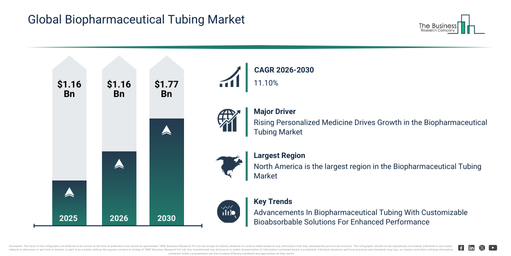
    The biopharmaceutical tubing market has experienced substantial expansion in recent years. Its size is projected to increase from $4.79 billion in 2025 to $5.32 billion by 2026, demonstrating a compound annual growth rate (CAGR) of 11.2%. Historically, this growth has been driven by several factors, including the expansion of biopharmaceutical manufacturing capacity, the increasing standardization of sterile processing components, the early adoption of silicone and pvc tubing in drug production lines, an increase in contract manufacturing and fill-finish activities, and a growing regulatory focus on material biocompatibility and purity.

    The biopharmaceutical tubing market is projected to experience substantial expansion in the coming years, with its valuation set to reach $8.12 billion by 2030, demonstrating a compound annual growth rate (CAGR) of 11.1%. This anticipated growth throughout the forecast period stems from factors such as an expanding pipeline of biologics, cell, and gene therapy products, a growing move towards single-use and disposable processing systems, increased demand for high-performance TPE and polyolefin tubing, the wider adoption of automated production and closed system workflows, and increased investment in sophisticated bioprocessing and aseptic transfer technologies. Key trends expected during this period involve the increasing incorporation of high-purity and biocompatible tubing in biopharmaceutical processes, the rising acceptance of single-use and sterile transfer tubing systems, a growing need for precise fluid handling in drug manufacturing and fill-finish procedures, the broader application of tubing across pharmaceutical, medical device, and R&D environments, and an emphasis on material longevity, sterility guarantees, and robust contamination control.

    Access Your Free Sample Report for In-Depth Market Insights:

    https://www.thebusinessresearchcompany.com/sample.aspx?id=18525&type=smp

    Which Drivers Are Impacting The Competitive Landscape Of The Biopharmaceutical Tubing Market?

    The rising number of personalized medicines is projected to stimulate the growth of the biopharmaceutical tubing market moving forward. Personalized medicine signifies a healthcare strategy that customizes medical decisions, practices, interventions, and treatments according to the distinct characteristics of each patient. This field has gained prominence due to genetic research, which enables tailored treatment approaches based on an individual’s genetic profile, lifestyle, and specific health conditions. Biopharmaceutical tubing supports personalized medicine by providing precise, sterile, and reliable fluid transfer, which is essential for delivering customized treatments and therapies unique to individual patient profiles. For example, in February 2024, the U.S. Food and Drug Administration (FDA) approved 26 new personalized therapies in 2023, an increase from 18 in 2022, according to the Personalized Medicine Coalition, a US-based non-profit organization, marking one of the highest annual gains in personalized medicine approvals. Therefore, the increasing volume of personalized medicines is fueling the expansion of the biopharmaceutical tubing market.

    What Segments Are Identified Within The Structure Of The Biopharmaceutical Tubing Market?

    The biopharmaceutical tubing market covered in this report is segmented –

    1) By Product: Silicone Tubing, Polyvinyl Chloride (PVC) Tubing, Polyolefin Tubing, Thermoplastic Elastomer Tubing

    2) By Manufacturing Process: Extrusion, Vulcanization, Other Manufacturing Processes

    3) By Application: Pharmaceutical, Medical Devices, Research And Development, Other Applications

    Subsegments:

    1) By Silicone Tubing: Medical-Grade Silicone Tubing, Platinum-Cured Silicone Tubing, Peroxide-Cured Silicone Tubing

    2) By Polyvinyl Chloride (Pvc) Tubing: Clear Pvc Tubing, Non-Dehp Pvc Tubing, Soft Pvc Tubing

    3) By Polyolefin Tubing: Cross-Linked Polyolefin Tubing, Low-Density Polyethylene Tubing, High-DDensity Polyethylene Tubing

    4) By Thermoplastic Elastomer Tubing: Medical-Grade Tpe Tubing, Elastomeric Tpe Tubing, Biocompatible Tpe Tubing

    Which Trends Are Guiding The Evolution Of The Biopharmaceutical Tubing Market?

    Leading companies in the biopharmaceutical tubing market are developing advanced customizable solutions, such as bioabsorbable tubing, to improve performance, enhance sterility, and optimize fluid handling for sophisticated biopharmaceutical applications. Bioabsorbable tubing refers to specialized tubes made from materials that gradually break down and are absorbed by the body over time, eliminating the need for removal after use. For instance, in September 2023, Zeus Company Inc., a US-based advanced polymer solutions provider, launched the Absorv XSE-oriented tubing, a next-generation bioabsorbable product specifically designed for bioresorbable vascular scaffolds (BRS). This development empowers medical device manufacturers to explore BRS applications beyond just coronary artery disease treatment and potentially replace metallic stents in various procedures. The new tubing offers improved uniformity in both wall thickness and sizing, which leads to greater efficiency during laser cutting processes, ultimately resulting in more usable scaffolds.

    Which Major Firms Are Strengthening Their Position In The Biopharmaceutical Tubing Market?

    Major companies operating in the biopharmaceutical tubing market are Compagnie de Saint-Gobain S.A., Thermo Fisher Scientific Inc., Merck KGaA, GE HealthCare Technologies Inc., Parker Hannifin Corporation, DuPont de Nemours Inc., Freudenberg Group, Alfa Laval AB, REHAU Group, W. L. Gore & Associates Inc., Sartorius AG, Elkem ASA, Trelleborg AB, Bio-Rad Laboratories Inc., Tekni-Plex Inc., Pall Corporation, Zeus Company Inc., Watson-Marlow Ltd., Raumedic AG, Optinova AB, ESI Ultrapure

    Access The Complete Report For Deeper Market Insights:

    https://www.thebusinessresearchcompany.com/report/biopharmaceutical-tubing-global-market-report

    Which Region Is Anticipated To See The Fastest Growth In The Biopharmaceutical Tubing Market?

    North America was the largest region in the biopharmaceutical tubing market in 2025. Asia-Pacific is expected to be the fastest-growing region in the forecast period. The regions covered in the biopharmaceutical tubing market report are Asia-Pacific, South East Asia, Western Europe, Eastern Europe, North America, South America, Middle East, Africa.

    Request Your Customized Biopharmaceutical Tubing Market Research Report for Competitive Advantage:

    https://www.thebusinessresearchcompany.com/customise?id=18525&type=smp

    Browse Through More Reports Similar to the Global Biopharmaceutical Tubing Market 2026, By The Business Research Company

    Biopreservation Global Market Report 2026

    https://www.thebusinessresearchcompany.com/report/biopreservation-global-market-report

    Membrane Filtration Global Market Report 2026

    https://www.thebusinessresearchcompany.com/report/membrane-filtration-global-market-report

    Biopharmaceutical Cmo Global Market Report 2026

    https://www.thebusinessresearchcompany.com/report/biopharmaceutical-cmo-global-market-report

    Get in touch with us:

    The Business Research Company: https://www.thebusinessresearchcompany.com/

    Americas +1 310-496-7795

    Asia +44 7882 955267 & +91 8897263534

    Europe +44 7882 955267

    Email us at info@tbrc.info

    Follow us on:

    LinkedIn: https://in.linkedin.com/company/the-business-research-company
  • Global Bionics Market Report 2026–2030: Data-Driven Growth Insights

    Global Bionics Market Report 2026–2030: Data-Driven Growth Insights

    Uncover key drivers, emerging technologies, and competitive movements shaping the neural processing units (npus) market from 2026–2035 with trusted insights from The Business Research Company

    What total market size is anticipated for the Bionics Market in 2030?

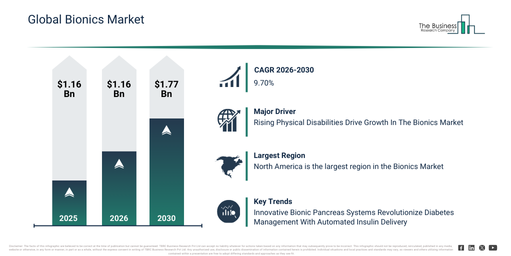
    The bionics market has demonstrated significant expansion in recent years. It is anticipated to increase from $14.9 billion in 2025 to $16.36 billion in 2026, exhibiting a compound annual growth rate (CAGR) of 9.8%. This historical growth can be attributed to a rise in disability and limb loss cases, the early adoption of electronic and mechanical prosthetics, increasing investment in biomedical engineering research, the development of implantable and external bionic systems, and the growing acceptance of functional restoration technologies.

    The bionics market is projected to experience substantial expansion over the upcoming years, with its size anticipated to reach $23.73 billion by 2030, demonstrating a compound annual growth rate (CAGR) of 9.7%. Key drivers for this growth during the forecast period include the increasing demand for responsive and realistic bionic solutions, the escalating commercialization of neural and sensory bionics, broader adoption of exoskeletons in healthcare and defense sectors, a heightened emphasis on customized and patient-specific prosthetic designs, and the expanded incorporation of sophisticated control, sensing, and material technologies. Significant trends expected during this timeframe encompass continuous advancements in prosthetic limbs, organs, and devices for sensory restoration, the surging integration of biological interfaces with electronic and mechanical systems, the expanding development of neural and brain-computer interface–driven bionic solutions, the wider deployment of bionic technologies for rehabilitation and mobility support, and a sustained focus on improving functional restoration, comfort, and overall quality of life.

    Access Your Free Sample Report for In-Depth Market Insights:

    https://www.thebusinessresearchcompany.com/sample.aspx?id=18524&type=smp

    What Drivers Are Influencing Production Trends In The Bionics Market?

    The escalating occurrence of physical disabilities is projected to stimulate the expansion of the bionics market in the coming years. Physical disabilities are defined as impairments impacting an individual’s capacity to move, execute physical tasks, or sustain physical endurance. These disabilities are often associated with conditions such as osteoporosis, arthritis, or overall physical degeneration. Bionics significantly enhances the quality of life for those with physical disabilities by substituting or supplementing lost bodily functions, thereby improving mobility and increasing personal independence. For example, according to the UK Parliament’s House of Commons Library, a UK-based government administration, in October 2024, data for 2022-23 indicated that disability prevalence in the UK rose with age, with approximately 11% of children having a disability, compared to 23% of working-age adults and 45% of individuals past the State Pension age. Therefore, the increasing prevalence of physical disabilities is expected to propel the growth of the bionics market.

    Which Segments Are Gaining Traction In The Bionics Market?

    The bionics market covered in this report is segmented –

    1) By Type: Bionic Brain, Bionic Heart, Bionic Limbs, Bionic Vision, Exoskeleton, Other Types

    2) By Fixation: Implantable Bionics, External Bionics

    3) By Technology: Mechanical Bionics, Electronic Bionics

    4) By Application: Healthcare, Defense

    Subsegments:

    1) By Bionic Brain: Neural Prosthetics, Brain-Computer Interfaces (Bcis), Deep Brain Stimulation Devices

    2) By Bionic Heart: Artificial Heart, Ventricular Assist Devices (Vads), Heart Valve Prostheses

    3) By Bionic Limbs: Prosthetic Arms, Prosthetic Legs, Bionic Hands And Fingers

    4) By Bionic Vision: Retinal Implants, Visual Prosthetics, Bionic Eyewear

    5) By Exoskeleton: Lower Body Exoskeletons, Full-Body Exoskeletons, Upper Body Exoskeletons

    6) By Other Types: Bionic Ears, Bionic Skin, Bionic Organs

    What Trends Are Projected To Support The Growth Of The Bionics Market?

    Leading companies in the bionics market are developing advanced technological solutions, such as the bionic pancreas automated insulin delivery systems, to enhance diabetes management by closely imitating the function of a healthy pancreas. This particular system is a device that automatically adjusts insulin delivery based on real-time glucose monitoring to more precisely replicate natural pancreatic function. For example, in December 2023, Beta Bionics Inc., a US-based biotechnology company, launched iLet bionic pancreas, an advanced automated insulin delivery system designed to simplify diabetes management. It integrates with continuous glucose monitors (CGMs) to provide real-time glucose readings and adjust insulin delivery accordingly. The system requires minimal user input, primarily just the patient’s weight, eliminating the need for complex calculations like insulin-to-carb ratios or correction factors. The iLet Bionic Pancreas features closed-loop functionality that autonomously manages insulin dosing, making it user-friendly and reducing the burden on both patients and healthcare providers.

    Who Are The Primary Competitors In The Global Bionics Market?

    Major companies operating in the bionics market are Boston Scientific Corporation, Sonova Holding AG, Ottobock SE & Co. KGaA, Cochlear Limited, Bioengineering Technology Inc., Össur hf, Hanger Inc., BionX Medical Technologies Inc., Cyberdyne Inc., Syncardia Systems LLC, AlterG Inc., Ekso Bionics Holdings Inc., MediTouch Ltd., ReWalk Robotics Ltd., Retina Implant AG, Human Engineering, Pixium Vision, Second Sight Medical Products Inc., Bionik Laboratories Corp., Neuroprosthetics Ltd., Sierra Bionics

    Access The Complete Report For Deeper Market Insights:

    https://www.thebusinessresearchcompany.com/report/bionics-global-market-report

    Which Global Regions Are Shaping The Competitive Landscape Of The Bionics Market?

    North America was the largest region in the bionics market in 2025. Asia-Pacific is expected to be the fastest-growing region in the forecast period. The regions covered in the bionics market report are Asia-Pacific, South East Asia, Western Europe, Eastern Europe, North America, South America, Middle East, Africa.

    Request Your Customized Bionics Market Research Report for Competitive Advantage:

    https://www.thebusinessresearchcompany.com/customise?id=18524&type=smp

    Browse Through More Reports Similar to the Global Bionics Market 2026, By The Business Research Company

    Bionic Devices Global Market Report 2026

    https://www.thebusinessresearchcompany.com/report/bionic-devices-global-market-report

    Biochips Global Market Report 2026

    https://www.thebusinessresearchcompany.com/report/biochips-global-market-report

    Space Technology Spacetech Global Market Report 2026

    https://www.thebusinessresearchcompany.com/report/space-technology-spacetech-global-market-report

    Get in touch with us:

    The Business Research Company: https://www.thebusinessresearchcompany.com/

    Americas +1 310-496-7795

    Asia +44 7882 955267 & +91 8897263534

    Europe +44 7882 955267

    Email us at info@tbrc.info

    Follow us on:

    LinkedIn: https://in.linkedin.com/company/the-business-research-company
  • Bionic Devices Market Dynamics 2026: Future Outlook and Key Insights

    Bionic Devices Market Dynamics 2026: Future Outlook and Key Insights

    Uncover key drivers, emerging technologies, and competitive movements shaping the networked glucose meter market from 2026–2035 with trusted insights from The Business Research Company

    What is the expected shift in the Bionic Devices Market’s size between 2026 and 2030?

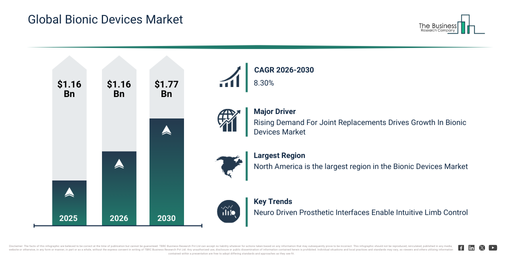
    The bionic devices market size has shown significant growth over recent years. Forecasts indicate an increase from $5.88 billion in 2025 to $6.37 billion in 2026, achieving a compound annual growth rate (CAGR) of 8.4%. This past growth can be attributed to several factors, including an uptick in limb loss due to accidents and trauma, the initial adoption of electronic and myoelectric prosthetics, an expansion of rehabilitation and assistive technology programs, developments in actuator and sensor engineering, and an increasing clinical endorsement of functional restoration devices.

    The market for bionic devices is projected to experience substantial expansion over the upcoming years, with its valuation anticipated to reach $8.76 billion by 2030, advancing at a compound annual growth rate (CAGR) of 8.3%. This expansion during the projection timeframe stems from several factors, including an escalating need for prosthetic movements that are both highly responsive and lifelike, increased capital directed towards research into neural interfaces and brain-machine control, broader integration of bionic devices within rehabilitation medicine, an amplified emphasis on enhancing quality of life and achieving mobility independence, and the broadened development of bionic devices tailored to individual patients. Key trends anticipated during the forecast period encompass the increasing incorporation of prosthetic systems that are sensor-based and neurally controlled, a growing uptake of sophisticated bionic limbs designed for improved mobility and dexterity, the expanding utilization of myoelectric and actuator-driven assistive technologies, the broader application of bionic solutions for supporting organs and restoring function, and a concentrated effort on designs that prioritize the patient, ensuring comfort and realistic movement capabilities.

    Access Your Free Sample Report for In-Depth Market Insights:

    https://www.thebusinessresearchcompany.com/sample.aspx?id=18523&type=smp

    Which Drivers Are Shaping Strategic Decisions In The Bionic Devices Market?

    The escalating need for joint replacements is anticipated to drive the expansion of the bionic devices market. Joint replacements are surgical interventions where damaged or diseased joints are substituted with artificial implants to regain function and ease pain. The increase in joint replacement procedures is attributed to an aging global population, the rising prevalence of osteoarthritis, and advancements in surgical techniques and implant materials. Bionic devices utilized for joint replacement enhance mobility and functionality, mitigate pain, and deliver customized, durable solutions through integrated advanced technology. For instance, in November 2024, the American Academy of Orthopaedic Surgeons, a US-based non-profit organization, reported that in 2023, ASCs recorded 62,110 total joint arthroplasty care procedural cases, signifying a 70% rise compared with 2022. Therefore, the heightened demand for joint replacements is fueling the growth of the bionic devices market.

    What Segment Categories Are Covered In The Bionic Devices Market?

    The bionic devices market covered in this report is segmented –

    1) By Device Type: Upper-Limb Prosthetics, Lower-Limb Prosthetics, Exoskeletons, Bionic Organs, Soft Robotics & Assistive Devices

    2) By Technology: Sensor-Based Devices, Actuator-Based Devices, Neural-Controlled Interfaces, Hybrid Systems

    3) By Application: Rehabilitation, Daily Assistance, Military/Industrial, Medical Enhancement

    4) By End User: Individuals with Disabilities, Hospitals and Rehabilitation Centers, Research & Clinical Institutions, Specialized Clinics

    Subsegments:

    1) By Upper-Limb Prosthetics: Myoelectric Hands, Robotic Arms, Partial Finger Prosthetics

    2) By Lower-Limb Prosthetics: Robotic Legs & Feet, Knee Prosthetics, Ankle-Foot Prosthetics

    3) By Exoskeletons: Rehabilitation Exoskeletons, Industrial/Load-Bearing Exoskeletons, Military/Defense Exoskeletons

    4) By Bionic Organs: Artificial Heart Systems, Cochlear Implants, Retinal Implants

    5) By Soft Robotics & Assistive Devices: Soft Robotic Gloves, Wearable Support Devices, Assistive Devices for Fine Motor Skills

    Which Trends Are Influencing The Performance And Direction Of The Bionic Devices Market?

    Major companies within the bionic devices market are concentrating on neuro-driven interfaces, such as minimally invasive neural control systems for prosthetic limbs. These systems are designed to translate residual nerve or muscle signals into prosthetic movement with high accuracy and low surgical risk. For instance, in April 2025, Ottobock, a Germany-based prosthetics company, spearheaded a US$19 million Series A funding round for Phantom Neuro, a neurotechnology firm, to further develop its Phantom X interface. Phantom X is a muscle-machine link that can be implanted under the skin to detect electrical impulses from residual nerves and convert them into commands for prosthetic limbs or exoskeletons. Its key features include 94% decoding accuracy across 11 hand/wrist movements, a strip implant design that is less invasive than a full brain implant, and rapid calibration, allowing users to restore up to 85% functionality after just 10 minutes of calibration.

    Which Key Market Players Are Investing In Expansion And Innovation Within The Bionic Devices Market?

    Major companies operating in the bionic devices market are Ottobock SE and Co. KGaA, Hanger Inc., Cochlear Limited, Ossur hf., Bionx Medical Technologies Inc., Berlin Heart GmbH, Cyberdyne Inc., Ekso Bionics Holdings Inc., Open Bionics Ltd., Jarvik Heart Inc., Axosuits Srl, Bioservo Technologies AB, Carmat SA, ActiveLink Inc., ReWalk Robotics Ltd., B-Temia Inc., Bionik Laboratories Corp., COAPT LLC, Pixium Vision SA, Mobius Bionics LLC, Nano Retina Inc.

    Access The Complete Report For Deeper Market Insights:

    https://www.thebusinessresearchcompany.com/report/bionic-devices-global-market-report

    Which Regions Are Poised For Strategic Growth In The Bionic Devices Market?

    North America was the largest region in the bionic devices market in 2025. Asia-Pacific is expected to be the fastest-growing region in the forecast period. The regions covered in the bionic devices market report are Asia-Pacific, South East Asia, Western Europe, Eastern Europe, North America, South America, Middle East, Africa.

    Request Your Customized Bionic Devices Market Research Report for Competitive Advantage:

    https://www.thebusinessresearchcompany.com/customise?id=18523&type=smp

    Browse Through More Reports Similar to the Global Bionic Devices Market 2026, By The Business Research Company

    Bionics Global Market Report 2026

    https://www.thebusinessresearchcompany.com/report/bionics-global-market-report

    Medical Device Technologies Global Market Report 2026

    https://www.thebusinessresearchcompany.com/report/medical-device-technologies-global-market-report

    Space Technology Spacetech Global Market Report 2026

    https://www.thebusinessresearchcompany.com/report/space-technology-spacetech-global-market-report

    Get in touch with us:

    The Business Research Company: https://www.thebusinessresearchcompany.com/

    Americas +1 310-496-7795

    Asia +44 7882 955267 & +91 8897263534

    Europe +44 7882 955267

    Email us at info@tbrc.info

    Follow us on:

    LinkedIn: https://in.linkedin.com/company/the-business-research-company
  • Bionic Contact Lenses Market Research: Growth Projections and Trends 2030

    Bionic Contact Lenses Market Research: Growth Projections and Trends 2030

    Uncover key drivers, emerging technologies, and competitive movements shaping the network application programming interface (api) market from 2026–2035 with trusted insights from The Business Research Company

    What growth pattern is forecast for the Bionic Contact Lenses Market size between 2026 and 2035?

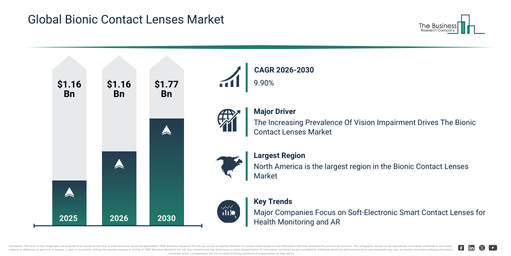
    The bionic contact lenses market has seen rapid growth in its size over recent years. This market is projected to expand from $0.32 billion in 2025 to $0.36 billion by 2026, demonstrating a compound annual growth rate (CAGR) of 11.2%. The historical expansion of this market can be ascribed to several factors, including progress in microelectronic sensor miniaturization, initial research efforts in smart and therapeutic contact lenses, a heightened emphasis on wearable biomedical monitoring solutions, the creation of multifunctional vision correction lenses, and an uptick in investment dedicated to ophthalmic technology innovation.

    The bionic contact lenses market is projected to experience substantial expansion over the upcoming years. Its value is predicted to reach $0.53 billion by 2030, demonstrating a compound annual growth rate (CAGR) of 9.9%. This anticipated growth is driven by factors such as the increasing need for augmented and mixed-reality visual improvements, a rising focus on continuous health and glucose tracking through lenses, broader use in military and specialized training scenarios, the growing availability of therapeutic and drug-delivery contact lenses, and broader consumer embrace of intelligent wearable eye-care technologies. Key trends anticipated during this period involve the intensified creation of bionic lenses for vision correction and ocular wellness, increased uptake of smart contact lenses for health and physiological observation, a surge in interest for non-invasive glucose and biomarker detection via lenses, the broadened application of bionic contact lenses in military, training, and other specific sectors, and an emphasis on improving user comfort, safety, and the biocompatibility of wearable lenses.

    Access Your Free Sample Report for In-Depth Market Insights:

    https://www.thebusinessresearchcompany.com/sample.aspx?id=15743&type=smp

    Which Drivers Are Impacting Market Performance In The Bionic Contact Lenses Market?

    The future expansion of the bionic contact lenses market is anticipated to be propelled by the rising occurrence of vision impairments. These impairments refer to conditions that hinder an individual’s ability to see clearly, encompassing refractive errors like myopia and hyperopia, as well as more severe issues such as cataracts or age-related macular degeneration. Key contributors to the escalating prevalence of these impairments include aging populations, prolonged screen time, and evolving lifestyle changes. Bionic contact lenses help mitigate the increasing incidence of vision impairments by offering advanced vision correction and supplementary functionalities, such as augmented reality, providing individuals with effective solutions to address their visual challenges and enhance their overall quality of life. For instance, in December 2023, according to the National Institutes of Health (NIH), a US-based government agency responsible for conducting and supporting medical research, Ukraine recorded 19,551 individuals diagnosed with vision impairments in 2022, while over 19,000 new cases were reported in just the first seven months of 2023, highlighting a continuing high incidence of vision-related conditions. Therefore, the increasing prevalence of vision impairments is a significant driver for the bionic contact lenses market.

    Which Segments Are Contributing To The Growth Of The Bionic Contact Lenses Market?

    The bionic contact lenses market covered in this report is segmented –

    1) By Type: Vision Correction, Therapeutic, Augmented Reality (AR), Virtual Reality (VR)

    2) By Application: Medical, Military, Other Applications

    3) By Distribution Channel: Hospitals And Clinics, Retail Stores, Online Platforms

    Subsegments:

    1) By Vision Correction: Myopia Correction, Hyperopia Correction, Astigmatism Correction, Presbyopia Correction

    2) By Therapeutic: Drug Delivery Lenses, Corneal Healing Lenses, UV Protection Lenses

    3) By Augmented Reality (AR): Navigation Assistance, Real-Time Information Display, Facial Recognition

    4) By Virtual Reality (VR): Immersive Gaming Lenses, Training Simulation Lenses, Entertainment And Media Lenses

    What Long-Term Trends Are Expected To Shape The Future Of The Bionic Contact Lenses Market?

    Key companies active in the bionic contact lenses market are concentrating on the advancement of soft-electronic smart contact lenses. These include flexible, sensor-integrated lenses that offer health monitoring and augmented reality (AR) displays, bringing together comfort with advanced features. For example, in March 2025, XPANCEO, a deep-tech firm based in Dubai, introduced three novel smart contact lens prototypes: one with a wireless powering companion that enables fully remote power transfer with twice the range of previous options, a biosensing lens capable of monitoring biomarkers in tear fluid such as glucose, hormones, and vitamins, and a lens incorporating an intraocular pressure (IOP) sensor that uses an AI-powered app for real-time glaucoma detection.

    Who Are The Core Companies Influencing Trends In The Bionic Contact Lenses Market?

    Major companies operating in the bionic contact lenses market are Samsung Electronics, Sony Corporation, Alcon Inc., BostonSight, Hoya Corporation, Bausch & Lomb, Santen Pharmaceutical, Johnson & Johnson Vision Care, Verily Life Sciences, OrCam Technologies, Eyenovia Inc., Innovega INC, AlphaMicron Inc., Nano Retina Ltd, SwissLens AG, Bionic Vision Technologies, Inwith Corp., Medella Health, Ocumetrics Bionic Lens, Optobionics Corporation, Sensimed AG, SmartLens Inc., Pixium Vision S.A, Mojo Vision, Fraunhofer IAP, iBionics, Nidek Co Ltd

    Access The Complete Report For Deeper Market Insights:

    https://www.thebusinessresearchcompany.com/report/bionic-contact-lenses-global-market-report

    Which Regions Are Projected To Dominate The Bionic Contact Lenses Market In The Coming Years?

    North America was the largest region in the bionic contact lenses market in 2025. The regions covered in the bionic contact lenses market report are Asia-Pacific, South East Asia, Western Europe, Eastern Europe, North America, South America, Middle East, Africa.

    Request Your Customized Bionic Contact Lenses Market Research Report for Competitive Advantage:

    https://www.thebusinessresearchcompany.com/customise?id=15743&type=smp

    Browse Through More Reports Similar to the Global Bionic Contact Lenses Market 2026, By The Business Research Company

    Contact Lenses Global Market Report 2026

    https://www.thebusinessresearchcompany.com/report/contact-lenses-global-market-report

    Smart Contact Lenses Global Market Report 2026

    https://www.thebusinessresearchcompany.com/report/smart-contact-lenses-global-market-report

    Contact Lens Solution Global Market Report 2026

    https://www.thebusinessresearchcompany.com/report/contact-lens-solution-global-market-report

    Get in touch with us:

    The Business Research Company: https://www.thebusinessresearchcompany.com/

    Americas +1 310-496-7795

    Asia +44 7882 955267 & +91 8897263534

    Europe +44 7882 955267

    Email us at info@tbrc.info

    Follow us on:

    LinkedIn: https://in.linkedin.com/company/the-business-research-company
  • Global Biomedical Pressure Sensor Industry Insights: Key Trends and Growth Estimates

    Global Biomedical Pressure Sensor Industry Insights: Key Trends and Growth Estimates

    Uncover key drivers, emerging technologies, and competitive movements shaping the nerve patch market from 2026–2035 with trusted insights from The Business Research Company

    How much larger will the Biomedical Pressure Sensor Market be in 2030 compared with 2026?

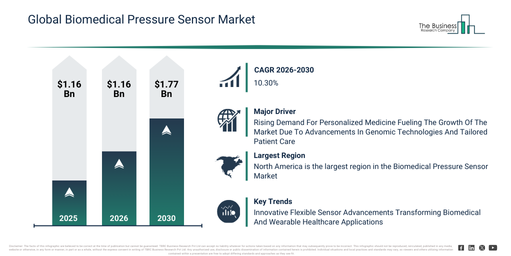
    The biomedical pressure sensor market has demonstrated rapid expansion in recent years. This market is projected to grow from $2.07 billion in 2025 to $2.29 billion by 2026, achieving a compound annual growth rate (CAGR) of 10.6%. Historically, this growth can be attributed to several factors including increased critical care monitoring, a rise in cardiovascular disorders, the adoption of invasive pressure monitoring, the expansion of hospital infrastructure, and advancements in sensor materials.

    The biomedical pressure sensor market is projected to experience substantial growth in the near future. Its valuation is predicted to climb to $3.39 billion by 2030, driven by a compound annual growth rate (CAGR) of 10.3%. This projected expansion during the forecast period is primarily fueled by factors such as the rise of remote patient monitoring, increased adoption of wearable medical devices, the growing aging population, a strong demand for minimally invasive diagnostics, and enhanced integration with digital health platforms. Significant trends anticipated during the forecast period involve continuous physiological pressure monitoring, the emergence of miniaturized implantable sensors, an increase in wireless pressure measurement devices, the development of high accuracy MEMS sensors, and the integration of multi-parameter monitoring.

    Access Your Free Sample Report for In-Depth Market Insights:

    https://www.thebusinessresearchcompany.com/sample.aspx?id=30213&type=smp

    What Drivers Are Guiding Growth Patterns In The Biomedical Pressure Sensor Market?

    The increasing need for personalized medicine is anticipated to drive expansion in the biomedical pressure sensor market moving ahead. Personalized medicine refers to a healthcare strategy where treatments are customized for individual patients, considering their genetic makeup, environmental influences, and lifestyle choices to enhance results and patient care. Growth in demand for personalized medicine stems from breakthroughs in genomic technologies, allowing for accurate identification of genetic differences and customized therapies. Biomedical pressure sensors improve personalized medicine by offering precise, real-time tracking of physiological pressures, including blood pressure or intracranial pressure. These sensors facilitate customized treatment choices, prompt identification of irregularities, and better patient results, thereby advancing precision healthcare. As an illustration, the Personalized Medicine Coalition (PMC), a US-based nonprofit organization, reported in February 2024 that the U.S. Food and Drug Administration (FDA) approved 26 new personalized medicines in 2023, marking a notable rise from the 12 approved in 2022. Consequently, the increasing need for personalized medicine is fueling the expansion of the biomedical pressure sensor market.

    How Is The Biomedical Pressure Sensor Market Divided Into Segments?

    The biomedical pressure sensor market covered in this report is segmented –

    1) By Product Type: Disposable, Reusable, Wireless, Micro-Electro-Mechanical Systems (MEMS)-Based

    2) By Application: Cardiology, Respiratory, Urology, Neurology, Diagnostics, Other Applications

    3) By End-User: Hospitals, Clinics, Diagnostic Centers, Ambulatory Surgical Centers, Homecare Settings, Other End-Users

    Subsegments:

    1) By Disposable: Catheter-Based Sensors, Implantable Sensors, Wearable Sensors, External Sensors

    2) By Reusable: Sterilizable Sensors, Calibrated Sensors, Maintenance-Free Sensors, Long-Life Sensors

    3) By Wireless: Bluetooth-Enabled Sensors, Wi-Fi-Enabled Sensors, Radio Frequency Sensors, Near Field Communication Sensors

    4) By Micro-Electro-Mechanical Systems (Mems)-Based: Piezoresistive Sensors, Capacitive Sensors, Optical Sensors, Resonant Sensors

    Which Market Trends Are Opening Growth Opportunities In The Biomedical Pressure Sensor Market?

    Major companies operating in the biomedical pressure sensor market are concentrating on developing innovative advancements, such such as flexible capacitive pressure sensors, to boost the accessibility and performance of pressure-sensing technologies in healthcare and assistive applications. This type of sensor is a thin, deformable device that detects pressure changes through variations in capacitance between conductive layers, enabling accurate and adaptable sensing for biomedical and wearable applications. For instance, in September 2025, researchers from the International Institute of Information Technology Hyderabad (IIIT Hyderabad), an India-based autonomous university, and King Abdullah University of Science and Technology (KAUST), a Saudi Arabia-based research university, developed a flexible dielectric capacitive pressure sensor. The newly developed sensor incorporates bubble-induced polydimethylsiloxane (PDMS) foam and polypyrrole-coated textile electrodes, allowing it to achieve high sensitivity, flexibility, and repeatability at a low cost. Due to its scalability and use of easily available materials, it is well-suited for applications in wearable healthcare monitoring, surgical robotics, and human–machine interaction systems.

    Which Major Industry Participants Are Leading The Biomedical Pressure Sensor Market Growth?

    Major companies operating in the biomedical pressure sensor market are Abbott Laboratories, Edwards Lifesciences Corporation, Endotronix Inc., Samba Sensors AB, Sensirion AG, First Sensor AG, Memscap S.A., Merit Medical Systems Inc., ICU Medical Inc., Argon Medical Devices Inc., B. Braun SE, GE Healthcare Technologies, Philips Healthcare, Smiths Medical, Codman Neuro (Integra LifeSciences), Raumedic AG, PendoTECH Inc., Opsens Solutions Inc., Millar Inc., Utah Medical Products Inc., Merit Medical OEM, Cook Medical

    Access The Complete Report For Deeper Market Insights:

    https://www.thebusinessresearchcompany.com/report/global-biomedical-pressure-sensor-market-report

    Which Region Is Expected To Experience The Fastest Growth In The Biomedical Pressure Sensor Market?

    North America was the largest region in the biomedical pressure sensor market in 2025. Asia-Pacific is expected to be the fastest-growing region in the forecast period. The regions covered in the biomedical pressure sensor market report are Asia-Pacific, South East Asia, Western Europe, Eastern Europe, North America, South America, Middle East, Africa.

    Request Your Customized Biomedical Pressure Sensor Market Research Report for Competitive Advantage:

    https://www.thebusinessresearchcompany.com/customise?id=30213&type=smp

    Browse Through More Reports Similar to the Global Biomedical Pressure Sensor Market 2026, By The Business Research Company

    Fluid Pressure Sensors Global Market Report 2026

    https://www.thebusinessresearchcompany.com/report/fluid-pressure-sensors-global-market-report

    Automotive Pressure Sensor Global Market Report 2026

    https://www.thebusinessresearchcompany.com/report/automotive-pressure-sensor-global-market-report

    Air Pressure Sensors Global Market Report 2026

    https://www.thebusinessresearchcompany.com/report/air-pressure-sensors-global-market-report

    Get in touch with us:

    The Business Research Company: https://www.thebusinessresearchcompany.com/

    Americas +1 310-496-7795

    Asia +44 7882 955267 & +91 8897263534

    Europe +44 7882 955267

    Email us at info@tbrc.info

    Follow us on:

    LinkedIn: https://in.linkedin.com/company/the-business-research-company
  • Biomaterial Wound Dressing Market Forecast: How Big Will It Be by 2030?

    Biomaterial Wound Dressing Market Forecast: How Big Will It Be by 2030?

    Uncover key drivers, emerging technologies, and competitive movements shaping the neonatal radiant warmer market from 2026–2035 with trusted insights from The Business Research Company

    Starting from its 2026 valuation, what market size is the Biomaterial Wound Dressing Market expected to reach by 2030?

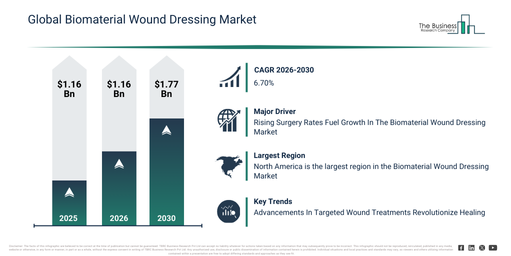
    The biomaterial wound dressing market has experienced significant expansion in recent years. It is anticipated to increase from $6.18 billion in 2025 to $6.65 billion in 2026, at a compound annual growth rate (CAGR) of 7.6%. This historical growth can be linked to factors such as an escalation in the occurrence of burns and traumatic injuries, a rise in hospitalizations for chronic and diabetic wounds, the swift integration of hydrogel and alginate dressing technologies, a greater emphasis on infection prevention and maintaining moisture balance for healing, and the extended reach of wound care services across various hospitals and clinics.

    The biomaterial wound dressing market is projected to experience substantial expansion over the upcoming years, with its size forecast to reach $8.62 billion by 2030, demonstrating a compound annual growth rate (CAGR) of 6.7%. This growth during the forecast period is attributable to an expanding aging population and increased prevalence of pressure ulcers, a rising demand for bioengineered and cellular skin substitutes, higher adoption of advanced dressings in homecare and ambulatory care, a growing focus on faster healing and reduced treatment time, and continuous innovation in biomaterial wound dressing composition and design. Key trends anticipated in the same period include a growing preference for advanced moisture-retentive wound dressings, increased adoption of antibacterial and antimicrobial biomaterial dressings, their expanded utilization in chronic wound, burn, and pressure ulcer management, the broadening application of biomaterial dressings in surgical and post-operative care, and an emphasis on biocompatibility, comfort, and enhanced tissue regeneration.

    Access Your Free Sample Report for In-Depth Market Insights:

    https://www.thebusinessresearchcompany.com/sample.aspx?id=15742&type=smp

    What Drivers Are Driving Adoption Within The Biomaterial Wound Dressing Market?

    The increasing number of surgical procedures is projected to fuel the expansion of the biomaterial wound dressing market. Surgical operations, which involve making incisions to treat injuries, diseases, or deformities by repairing or removing tissue, are becoming more frequent. This rise is due to factors such as an increase in chronic disease prevalence, broader health insurance coverage, a surge in medical tourism, and ongoing advancements in the health industry. Biomaterial wound dressings provide a crucial protective barrier against pathogens, thereby mitigating the risk of surgical site infections (SSIs). For example, in May 2025, the Australian Institute of Health and Welfare (AIHW), an Australia-based agency focused on health and welfare information and statistics, reported that public hospitals admitted 778,500 elective surgery patients in 2023-24. This figure indicated a 5.8% year-on-year increase in admissions when compared to 2022–23. Consequently, the growing volume of surgeries is a significant driver for the biomaterial wound dressing market’s growth.

    What Segments Are Included Within The Biomaterial Wound Dressing Market?

    The biomaterial wound dressing market covered in this report is segmented –

    1) By Type: Hydrogel, Alginate Dressing, Hydrocolloid Dressings, Skin Substitutes

    2) By Application: Burns, Pressure Ulcers, Surgical Wounds, Lacerations And Cuts, Skin Grafts

    3) By End User: Hospitals And Clinics, Ambulatory Surgical Centre, Homecare Settings

    Subsegments:

    1) By Hydrogel: Amorphous Hydrogel, Impregnated Hydrogel, Sheet Hydrogel

    2) By Alginate Dressing: Calcium Alginate, Silver Alginate, Ribbon Alginate

    3) By Hydrocolloid Dressings: Standard Hydrocolloid, Hydrocolloid With Film Backing, Hydrocolloid With Foam Backing

    4) By Skin Substitutes: Acellular Skin Substitutes, Cellular Skin Substitutes, Bioengineered Skin Substitutes

    How Are Emerging Trends Affecting The Progression Of The Biomaterial Wound Dressing Market?

    Leading companies within the biomaterial wound dressing market are developing focused wound treatments to provide more effective and convenient solutions. These targeted wound treatments are medical therapies specifically designed to address the unique conditions and needs of a particular type of wound. For instance, in March 2023, researchers from the California Institute of Technology, a US-based private research university, introduced the Smart Bandage, which accelerated the healing of chronic infected wounds similar to diabetic ulcers in humans. These bandages are crafted from a flexible, elastic polymer embedded with electronics and drugs, with the polymer substrate being biocompatible. They are equipped with various sensors to identify inflammation and infection by monitoring wound indicators such as uric acid, lactate, pH, and temperature. The bandages can also cure infections by delivering antibiotics or other treatments stored in drug-loaded hydrogels directly to the wound site.

    Who Are The Prominent Global Companies Shaping The Biomaterial Wound Dressing Market Landscape?

    Major companies operating in the biomaterial wound dressing market are Johnson & Johnson, The 3M Company, Medline Industries LP, B. Braun SE, Smith & Nephew plc, Milliken Healthcare Products LLC, Coloplast A/S, Mölnlycke Health Care AB, Integra LifeSciences, Lohmann & Rauscher International GmbH & Co. KG, Hollister Incorporated, DeRoyal Industries Inc., Advanced Medical Solutions Group, URGO MEDICAL, BSN Medical, Gentell, Dukal LLC, Covalon Technologies, Argentum Medical LLC, PolyMedics Innovations Inc., Spenco Medical Corporation

    Access The Complete Report For Deeper Market Insights:

    https://www.thebusinessresearchcompany.com/report/biomaterial-wound-dressing-global-market-report

    Which Geographic Areas Are Emerging As Strong Markets For The Biomaterial Wound Dressing Market?

    North America was the largest region in the biomaterial wound dressing market in 2025. Asia-Pacific is expected to be the fastest-growing region in the forecast period. The regions covered in the biomaterial wound dressing market report are Asia-Pacific, South East Asia, Western Europe, Eastern Europe, North America, South America, Middle East, Africa.

    Request Your Customized Biomaterial Wound Dressing Market Research Report for Competitive Advantage:

    https://www.thebusinessresearchcompany.com/customise?id=15742&type=smp

    Browse Through More Reports Similar to the Global Biomaterial Wound Dressing Market 2026, By The Business Research Company

    Moist Wound Dressings Global Market Report 2026

    https://www.thebusinessresearchcompany.com/report/moist-wound-dressings-global-market-report

    Wound Contact Layer Dressing Global Market Report 2026

    https://www.thebusinessresearchcompany.com/report/wound-contact-layer-dressing-global-market-report

    Interactive Wound Dressing Global Market Report 2026

    https://www.thebusinessresearchcompany.com/report/interactive-wound-dressing-global-market-report

    Get in touch with us:

    The Business Research Company: https://www.thebusinessresearchcompany.com/

    Americas +1 310-496-7795

    Asia +44 7882 955267 & +91 8897263534

    Europe +44 7882 955267

    Email us at info@tbrc.info

    Follow us on:

    LinkedIn: https://in.linkedin.com/company/the-business-research-company

  • Biological Sample Collection Kits Market Report 2026: Strategic Insights and Revenue Outlook

    Biological Sample Collection Kits Market Report 2026: Strategic Insights and Revenue Outlook

    Uncover key drivers, emerging technologies, and competitive movements shaping the neonatal intensive care respiratory devices market from 2026–2035 with trusted insights from The Business Research Company

    Across 2026–2030, what is the expected market valuation path of the Biological Sample Collection Kits Market?

    The biological sample collection kits market size has experienced significant growth in recent years. It is anticipated to increase from $11.39 billion in 2025 to $12.78 billion in 2026, achieving a compound annual growth rate (CAGR) of 12.1%. The market’s historical expansion is largely due to a rise in infectious disease testing programs, an increase in testing capabilities at hospitals and diagnostic centers, the early adoption of standardized swab and VTM kits, an expansion in clinical research and sample-based studies, and heightened awareness of safe specimen handling protocols.

    The biological sample collection kits market is projected for significant expansion in the coming years, reaching $19.26 billion by 2030, driven by a compound annual growth rate (CAGR) of 10.8%. This expansion during the forecast period is primarily fueled by an escalating demand for homecare and self-collection test kits, increased deployment of DNA and RNA collection kits in genomics, broader use of blood and saliva kits in chronic disease and screening initiatives, the enlargement of research biobanking and long-term cohort studies, and a rising inclination towards user-friendly, transport-stable collection methods. Key developments anticipated in this period encompass a greater integration of biological sample collection kits in diagnostic testing, the expanding embrace of at-home and remote sample collection systems, increased application of swabs, VTM, and blood collection kits in clinical environments, the broadening scope of sample collection for research and biobanking, and a heightened emphasis on ensuring sterility, safety, and sample integrity during transit and storage.

    Access Your Free Sample Report for In-Depth Market Insights:

    https://www.thebusinessresearchcompany.com/sample.aspx?id=15995&type=smp

    Which Drivers Are Supporting The Rise Of The Biological Sample Collection Kits Market?

    The expanding prevalence of infectious diseases is anticipated to accelerate the growth of the biological sample collection kits market in the future. These illnesses originate from pathogenic microorganisms such as bacteria, viruses, fungi, or parasites, which can be transmitted from one individual to another. The escalating number of infectious diseases is influenced by factors including increased global travel, urbanization, antimicrobial resistance, environmental shifts, and inadequate healthcare infrastructure. Biological sample collection kits are essential in managing infectious diseases, providing a secure and efficient means to gather specimens for diagnosis, monitoring, and research. As an illustration, in March 2024, the Centers for Disease Control and Prevention, a US-based national public health agency, reported a 16% rise in U.S. tuberculosis cases from 2022 to 2023, totaling 9,615 cases, with an incidence rate climbing from 2.5 to 2.9 per 100,000 people. Substantial increases were observed within Hispanic (23%) and Black (28%) groups among non-U.S.-born individuals, emphasizing the demographic changes in TB incidence. Therefore, the rise in infectious diseases is a significant driver for the growth of the biological sample collection kits market.

    What Leading Segments Are Studied In The Biological Sample Collection Kits Market?

    The biological sample collection kits market covered in this report is segmented –

    1) By Product: Swabs, Viral Transport Media, Blood Collection Kits

    2) By Application: Diagnostics, Research

    3) By End-Use: Hospitals And Clinics, Homecare, Diagnostics Centers, Other End-Uses

    Subsegments:

    1) By Swabs: Nasopharyngeal Swabs, Oropharyngeal Swabs, Flocked Swabs, Polyester Swabs

    2) By Viral Transport Media (VTM): Liquid VTM, Dry VTM

    3) By Blood Collection Kits: Venous Blood Collection Kits, Capillary Blood Collection Kits, Fingerstick Blood Collection Kits

    Which Innovation Trends Are Advancing Developments Within The Biological Sample Collection Kits Market?

    Leading entities within the biological sample collection kits market are creating novel products, such as personalized diagnostic test kits, to provide customers with advanced features and enhanced service. These personalized diagnostic test kits are instruments designed to identify specific biomarkers or genetic information tailored to an individual’s unique health profile, enabling a customized medical diagnosis. For instance, in March 2023, Cue Health, a US-based diagnostic test service provider, introduced at-home diagnostic test kits. This particular at-home test kit supplies all necessary items for secure, simple, and private sample collection. Once the sample is sent to and analyzed by an independent, CLIA-certified laboratory, clear and easily understandable results are safely delivered to the customer via the Cue Health App, along with information pertinent to their condition or concern.

    Which Key Players Are Driving Competition In The Biological Sample Collection Kits Market?

    Major companies operating in the biological sample collection kits market are Thermo Fisher Scientific Inc, Roche Holding AG, Abbott Laboratories, Becton Dickinson and Company, 3M Company, Copan Diagnostics Inc, Puritan Medical Products Inc, HiMedia Laboratories Pvt Ltd, Omega Laboratories Ltd, VIRCELL SL, Titan Biotech Ltd, BTNX Inc, MWE Medical Wire and Equipment Co Ltd, Quidel Corporation, Greiner Bio-One International GmbH, Terumo Corporation, Sarstedt AG & Co KG, QIAGEN NV, Deltalab Spain, Trinity Biotech Ltd

    Access The Complete Report For Deeper Market Insights:

    https://www.thebusinessresearchcompany.com/report/biological-sample-collection-kits-global-market-report

    Which Region Is Projected To Lead The Biological Sample Collection Kits Market During The Forecast Period?

    North America was the largest region in the biological sample collection kits market in 2025. Asia-Pacific is expected to be the fastest-growing region in the forecast period. The regions covered in the biological sample collection kits market report are Asia-Pacific, South East Asia, Western Europe, Eastern Europe, North America, South America, Middle East, Africa.

    Request Your Customized Biological Sample Collection Kits Market Research Report for Competitive Advantage:

    https://www.thebusinessresearchcompany.com/customise?id=15995&type=smp

    Browse Through More Reports Similar to the Global Biological Sample Collection Kits Market 2026, By The Business Research Company

    Dna Test Kits Global Market Report 2026

    https://www.thebusinessresearchcompany.com/report/dna-test-kits-global-market-report

    Rare Biomarkers Specimen Collection And Stabilization Global Market Report 2026

    https://www.thebusinessresearchcompany.com/report/rare-biomarkers-specimen-collection-and-stabilization-global-market-report

    Clinical Trial Supplies Global Market Report 2026

    https://www.thebusinessresearchcompany.com/report/clinical-trial-supplies-global-market-report

    Get in touch with us:

    The Business Research Company: https://www.thebusinessresearchcompany.com/

    Americas +1 310-496-7795

    Asia +44 7882 955267 & +91 8897263534

    Europe +44 7882 955267

    Email us at info@tbrc.info

    Follow us on:

    LinkedIn: https://in.linkedin.com/company/the-business-research-company

  • Global Biologic Hernia Repair Mesh Industry Trends and Market Forecast 2026–2030

    Global Biologic Hernia Repair Mesh Industry Trends and Market Forecast 2026–2030

    Uncover key drivers, emerging technologies, and competitive movements shaping the natural leaf alcohol market from 2026–2035 with trusted insights from The Business Research Company

    What size range is anticipated for the Biologic Hernia Repair Mesh Market from 2026 to 2030?

    The biologic hernia repair mesh market has experienced robust expansion in recent years. Its valuation is projected to rise from $1.85 billion in 2025 to $1.99 billion in 2026, demonstrating a compound annual growth rate (CAGR) of 7.6%. This historical expansion can be linked to factors such as a greater occurrence of hernia conditions, the drawbacks of synthetic mesh in situations involving infection, an increase in the volume of surgical procedures performed, a rise in hernia repairs carried out within hospitals, and the initial integration of tissue-based implants.

    The biologic hernia repair mesh market is projected to experience substantial expansion in the coming years. This market is anticipated to reach $2.63 billion by 2030, exhibiting a compound annual growth rate (CAGR) of 7.2%. This expansion during the forecast period is primarily driven by improvements in biologic tissue processing techniques, an increasing need for customized repair options for patients, heightened understanding of complications following surgery, the proliferation of ambulatory surgical centers, and a growing inclination among surgeons towards regenerative substances. Key developments expected over the forecast timeframe encompass a greater inclination for biologic mesh in challenging hernia repairs, wider acceptance of absorbable and regenerative mesh products, their expanded application in intricate and contaminated surgical scenarios, the proliferation of minimally invasive and laparoscopic hernia operations, and an enhanced clinical emphasis on lowering rates of infection and recurrence.

    Access Your Free Sample Report for In-Depth Market Insights:

    https://www.thebusinessresearchcompany.com/sample.aspx?id=25708&type=smp

    What Drivers Are Affecting Demand In The Biologic Hernia Repair Mesh Market?

    The rising occurrence of hernia cases is projected to fuel the expansion of the biologic hernia repair mesh market going forward. Hernia cases are defined as instances where an internal organ or tissue abnormally protrudes through a compromised area in muscle or connective tissue. This increase in hernia cases stems from rising obesity rates, given that surplus body weight intensifies pressure on abdominal muscles, thereby heightening the likelihood of hernia development. Biologic hernia repair mesh assists in addressing hernia cases by providing a natural tissue scaffold that supports healing, integrates well with the patient’s body, and reduces the chances of rejection or ongoing inflammation. For example, in November 2024, the British Hernia Society, a UK-based national professional organization representing hernia surgeons in the United Kingdom and Ireland, reported that its new British Hernia Society Registry attracted registrations from over 100 surgeons at its inaugural conference. By January 2025, the registry had documented 400 cases, submitted by 30 surgeons from 31 hospitals, demonstrating quick initial adoption and underscoring the ongoing clinical challenge posed by hernia cases. Consequently, the growing frequency of hernia cases is a key factor propelling the expansion of the biologic hernia repair mesh market.

    Which Segment Groups Are Influencing The Biologic Hernia Repair Mesh Market?

    The biologic hernia repair mesh market covered in this report is segmented –

    1) By Absorption: Partially Absorbable Hernia Repair Mesh, Fully Absorbable Hernia Repair Mesh

    2) By Product Type: Porcine, Bovine, Human Dermis, Other Product Types

    3) By Distribution Channel: Direct Sales, Distributors, Online Sales, Pharmacies

    4) By Application: Inguinal Hernia Repair, Ventral Hernia Repair, Umbilical Hernia Repair, Other Hernia Repairs

    5) By End-User: Hospitals, Ambulatory Surgical Centers, Clinics, Other End Users

    Subsegments:

    1) By Partially Absorbable Hernia Repair Mesh: Composite Mesh, Reinforced Biologic Mesh

    2) By Fully Absorbable Hernia Repair Mesh: Extracellular Matrix (ECM) Mesh, Acellular Dermal Matrix (ADM) Mesh

    Which Competitive Trends Are Impacting The Structure Of The Biologic Hernia Repair Mesh Market?

    Key companies operating within the biologic hernia repair mesh market are dedicating efforts to developing innovative solutions, such as reinforced biologic mesh, aimed at enhancing strength, flexibility, and integration with host tissue. Reinforced biologic mesh represents a form of surgical mesh that integrates biologic tissue with synthetic fibers to bolster durability, support tissue regeneration, and reduce the likelihood of hernia recurrence. As an illustration, in April 2024, TELA Bio Inc., a US-based medical technology company, introduced OviTex inguinal hernia repair (IHR), presenting a reinforced biologic mesh alternative for inguinal hernia repair. This reinforced tissue matrix is specifically engineered for laparoscopic and robotic inguinal hernia procedures, leveraging a combination of biologic ovine extracellular matrix (ECM) and a minimal synthetic polymer to provide strength, facilitate swift tissue integration, and mitigate the risk of complications. Its benefits include reduced recurrence rates, expedited healing, and improved patient satisfaction, thereby effectively addressing the shortcomings linked with conventional synthetic meshes.

    Who Are The Top-Performing Companies In The Biologic Hernia Repair Mesh Market In Recent Years?

    Major companies operating in the biologic hernia repair mesh market are Johnson And Johnson, Medtronic plc, DSM Biomedical, W L Gore And Associates Inc, Meril Life Sciences, Cook Medical LLC, Integra LifeSciences Corporation, MTF Biologics, LifeCell Corporation, AlloSource, TELA Bio Inc, Kerecis, Assut Europe S p A, Serag Wiessner GmbH And Co KG, Aroa Biosurgery Limited, ACell Inc, Tissue Regenix Group plc, RTI Surgical Inc, Beijing Datsing Bio Tech Co Ltd, Shanghai Pine And Power Biotech Co Ltd, Axogen Inc, XenoSure Biologics

    Access The Complete Report For Deeper Market Insights:

    https://www.thebusinessresearchcompany.com/report/biologic-hernia-repair-mesh-global-market-report

    Which Region Currently Holds The Largest Share Of The Biologic Hernia Repair Mesh Market?

    North America was the largest region in the biologic hernia repair mesh market in 2025. Asia-Pacific is expected to be the fastest-growing region in the forecast period. The regions covered in the biologic hernia repair mesh market report are Asia-Pacific, South East Asia, Western Europe, Eastern Europe, North America, South America, Middle East, Africa.

    Request Your Customized Biologic Hernia Repair Mesh Market Research Report for Competitive Advantage:

    https://www.thebusinessresearchcompany.com/customise?id=25708&type=smp

    Browse Through More Reports Similar to the Global Biologic Hernia Repair Mesh Market 2026, By The Business Research Company

    Hernia Repair Devices And Consumables Global Market Report 2026

    https://www.thebusinessresearchcompany.com/report/hernia-repair-devices-and-consumables-global-market-report

    Surgical Meshes Global Market Report 2026

    https://www.thebusinessresearchcompany.com/report/surgical-meshes-global-market-report

    Congenital Diaphragmatic Hernia Drugs Global Market Report 2026

    https://www.thebusinessresearchcompany.com/report/congenital-diaphragmatic-hernia-drugs-global-market-report

    Get in touch with us:

    The Business Research Company: https://www.thebusinessresearchcompany.com/

    Americas +1 310-496-7795

    Asia +44 7882 955267 & +91 8897263534

    Europe +44 7882 955267

    Email us at info@tbrc.info

    Follow us on:

    LinkedIn: https://in.linkedin.com/company/the-business-research-company