Category: Medical Equipment

  • Nuclear Imaging Devices And Equipment Market Performance and Future Outlook at 2.9% CAGR Through 2029

    Nuclear Imaging Devices And Equipment Market Performance and Future Outlook at 2.9% CAGR Through 2029

    Uncover key drivers, emerging technologies, and competitive movements shaping the nuclear imaging devices and equipment market from 2025–2034 with trusted insights from The Business Research Company

    What Is The Predicted Size Of The Nuclear Imaging Devices And Equipment Industry By 2029?

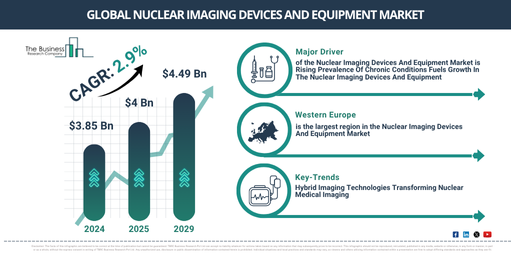
    The nuclear imaging devices and equipment market has shown consistent expansion in recent years. Its valuation is anticipated to climb from $3.85 billion in 2024 to $4 billion in 2025, exhibiting a compound annual growth rate (CAGR) of 3.8%. This historical increase is primarily driven by the expanding utilization of diagnostic medical imaging, the high prevalence of cancer and cardiovascular conditions, and a surge in government-led initiatives.

    The nuclear imaging devices and equipment market size is projected to experience consistent expansion over the upcoming years. This market is anticipated to reach $4.49 billion by 2029, achieving a compound annual growth rate (CAGR) of 2.9%. Factors contributing to this growth throughout the forecast period include increasing healthcare spending, an expanding elderly demographic, and improved access to healthcare services. Key trends for the forecast period encompass progress in pet/ct (positron emission tomography/computed tomography), the introduction of advanced spectral detector angio CT solutions, the adoption of artificial intelligence (AI)-enabled applications, a focus on employing cutting-edge digital technologies, an emphasis on product innovation, and a strategic pursuit of partnerships and collaborations.

    Access A Free Sample Of The Report:

    https://www.thebusinessresearchcompany.com/sample.aspx?id=2399&type=smp

    What Major Drivers Are Impacting The Nuclear Imaging Devices And Equipment Market?

    The projected expansion of the nuclear imaging devices and equipment market is anticipated to be fueled by the rising occurrence of chronic conditions. Chronic conditions, interchangeably called chronic diseases, are defined as medical ailments enduring for an extended duration, typically exceeding three months. These nuclear imaging tools and equipment facilitate the diagnosis and ongoing surveillance of chronic diseases, offering crucial information on how illnesses advance, how effective treatments are, and how to manage patients. A notable example is data from September 2022 by the World Health Organization (WHO), a Switzerland-based intergovernmental body, indicating that chronic diseases cause 41 million deaths globally each year, making up 74% of all fatalities. Specifically, this figure encompasses 17.9 million deaths due to cardiovascular diseases, 9.3 million from cancer, 4.1 million linked to chronic respiratory diseases, and 2.0 million from diabetes. Consequently, the growing incidence of chronic conditions is a significant impetus for the expansion of the nuclear imaging devices and equipment market.

    Which Segment Categories Are Driving Maximum Growth In The Nuclear Imaging Devices And Equipment Market?

    The nuclear imaging devices and equipmentmarket covered in this report is segmented –

    1) By Product Type: SPECT Systems, PET Systems, Planar Scintigraphy Systems

    2) By Application: Oncology, Cardiology, Neurology, Other Applications

    3) By End-User: Hospitals, Imaging Centers, Academic & Research Institutes, Other End-Users

    Subsegments:

    1) By SPECT Systems: Single-Photon Emission Computed Tomography (SPECT) Cameras, Hybrid SPECT/CT Systems, SPECT Probes

    2) By PET Systems: Positron Emission Tomography (PET) Scanners, Hybrid PET/CT Systems, PET Probes

    3) By Planar Scintigraphy Systems: Gamma Cameras, Dual-Head Gamma Cameras, Single-Head Gamma Cameras

    Which Long-Term Trends Will Play A Crucial Role In The Nuclear Imaging Devices And Equipment Market?

    Companies operating within the nuclear imaging devices and equipment market are integrating hybrid imaging technologies for nuclear medical imaging, specifically positron emission tomography/computed tomography (PET/CT), single-photon emission computed tomography/computed tomography (SPECT/CT), and positron emission tomography/magnetic resonance imaging (PET/MRI). These integrated systems produce highly precise images with improved resolution, offering both morphological and physiological data from a single diagnostic test. For example, a SPECT/CT system used for skeletal evaluation provides accurate localization and enhances the specificity of information gained from CT.

    Who Are The Dominant Players In The Nuclear Imaging Devices And Equipment Market Today?

    Major companies operating in the nuclear imaging devices and equipment market include Siemens Healthineers AG, Koninklijke Philips N.V., General Electric Company, Cardinal Health, Inc, NTP Radioisotopes SOC Ltd, SurgicEye GmbH, Neusoft Medical Systems Co., Ltd, Digirad Corporation, Mediso Medical Imaging Systems Ltd, Shimadzu Corporation, BCL X-Ray Canada Inc., Absolute Imaging Inc., Alliar Medicos a Frente, Clinica da Imagem do Tocantins, Curium, DB Diagnosticos do Brasil, DASA, Bracco Imaging SpA, CMR Naviscan Corporation, Canon Medical Systems Corporation

    Download The Full Report Here:

    https://www.thebusinessresearchcompany.com/report/nuclear-imaging-devices-and-equipment-global-market-report

    Which Region Is At The Forefront Of Innovation In The Nuclear Imaging Devices And Equipment Market?

    Western Europe was the largest region in nuclear imaging devices and equipment market in 2024. North America was the second-largest region in nuclear imaging devices and equipment market. The regions covered in the nuclear imaging devices and equipment market report are Asia-Pacific, Western Europe, Eastern Europe, North America, South America, Middle East, Africa

    Get A Report Customized For You Here:

    https://www.thebusinessresearchcompany.com/customise?id=2399&type=smp

    Browse Through More Reports Similar to the Global Nuclear Imaging Devices And Equipment Market 2025, By The Business Research Company

    Diagnostic Imaging Equipment Global Market Report 2025

    https://www.thebusinessresearchcompany.com/report/diagnostic-imaging-equipment-global-market-report

    3D Diagnostic Imaging Services Global Market Report 2025

    https://www.thebusinessresearchcompany.com/report/3d-diagnostic-imaging-services-global-market-report

    Pediatric Imaging Global Market Report 2025

    https://www.thebusinessresearchcompany.com/report/pediatric-imaging-global-market-report

    Get in touch with us:

    The Business Research Company: https://www.thebusinessresearchcompany.com/

    Americas +1 310-496-7795

    Asia +44 7882 955267 & +91 8897263534

    Europe +44 7882 955267

    Email us at info@tbrc.info

    Follow us on:

    LinkedIn: https://in.linkedin.com/company/the-business-research-company

    YouTube: https://www.youtube.com/channel/UC24_fI0rV8cR5DxlCpgmyFQ

    Global Market Model: https://www.thebusinessresearchcompany.com/global-market-model
  • Projected Growth of the Global Non-Invasive Aesthetic Treatment Market to Reach $137.07 Billion by 2029

    Projected Growth of the Global Non-Invasive Aesthetic Treatment Market to Reach $137.07 Billion by 2029

    Uncover key drivers, emerging technologies, and competitive movements shaping the non-invasive aesthetic treatment market from 2025–2034 with trusted insights from The Business Research Company

    What CAGR And Valuation Are Anticipated For The Non-Invasive Aesthetic Treatment Market By The End Of 2029?

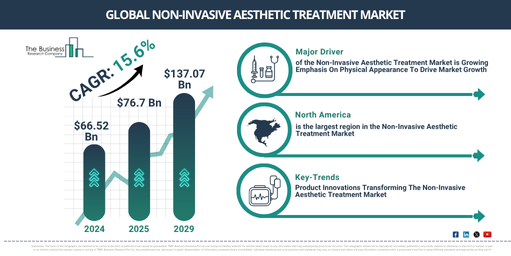
    The non-invasive aesthetic treatment market size has observed rapid expansion in recent years. It is projected to increase from $66.52 billion in 2024 to $76.7 billion in 2025, demonstrating a compound annual growth rate (CAGR) of 15.3%. The growth witnessed during the historic period can be attributed to cultural shifts, changing demographics, medical advancements, the impact of media and influencers, pioneering treatments, and evolving beauty ideals.

    The non-invasive aesthetic treatment market is projected to experience substantial expansion in the coming years, with its size forecast to reach $137.07 billion by 2029, demonstrating a compound annual growth rate (CAGR) of 15.6%. This anticipated increase during the forecast period is attributable to factors such as evolving health and wellness trends, the impact of emerging markets, the broadening men’s market, a global aging demographic, and progress in personalization. Prominent trends expected throughout this period include an increasing preference for minimally invasive procedures, greater consumer awareness and educational efforts, the influence of celebrity endorsements and influencer culture, and enhanced customization and personalization.

    Access A Free Sample Of The Report:

    https://www.thebusinessresearchcompany.com/sample.aspx?id=6772&type=smp

    Which Business Drivers Are Underpinning The Growth Of The Non-Invasive Aesthetic Treatment Market?

    A heightened emphasis on physical appearance among adults is set to drive the expansion of the non-invasive aesthetic treatment market. This concept of physical appearance encompasses an individual’s outward look, regardless of their gender, weight, height, or other bodily attributes. As self-consciousness rapidly grows, people are increasingly investing in products and medical procedures designed to enhance their external appearance. An illustrative example comes from L’Oréal S.A., a personal care products company headquartered in France, which reported in February 2023 that its consumer product sales rose from 11.8% to 14.6%, and active cosmetics sales climbed from 28.0% to 30.6% between the third and fourth quarters of 2022. Consequently, this growing attention to physical appearance is anticipated to stimulate demand for non-invasive aesthetic treatment throughout the forecast period.

    What Are The Principal Segment Types In The Non-Invasive Aesthetic Treatment Market?

    The non-invasive aesthetic treatmentmarket covered in this report is segmented –

    1) By Product: Injectable, Skin Rejuvenation

    2) By End Use: Hospitals & Surgery Centers, Medical Spa, Clinics, Traditional Spa, HCP Owned Clinic

    Subsegments:

    1) By Injectable: Dermal Fillers, Botulinum Toxin Injections, Biostimulatory Injectables, Mesotherapy, Skin Rejuvenation

    2) By Skin Rejuvenation: Chemical Peels, Microdermabrasion, Laser Resurfacing, Radiofrequency Treatments, Intense Pulsed Light (IPL) Therapy

    How Are Industry Trends Steering The Expansion Of The Non-Invasive Aesthetic Treatment Market?

    Leading companies in the non-invasive aesthetic treatment market are introducing new products, such as picosecond lasers, to gain a competitive advantage. A picosecond laser is characterized as a type of laser that emits exceptionally brief light pulses, typically ranging from 1 picosecond (ps) to 100 ps. For example, in June 2022, Cynosure, a US-based manufacturer specializing in light-based aesthetic and medical treatments, launched its PicoSure Pro device. This device is an improved version of the PicoSure system and stands as the first and only FDA-cleared 755nm picosecond laser available commercially. The PicoSure Pro device delivers energy in a trillionth of a second, utilizing pressure rather than heat to ensure safe and effective treatments for unwanted pigmentation and overall skin revitalization across all skin types. This device provides practitioners with increased flexibility compared to previous models, allowing them to treat more patients daily and achieve enhanced outcomes in a reduced timeframe.

    Which Companies Are Contributing Significantly To The Non-Invasive Aesthetic Treatment Market Growth?

    Major companies operating in the non-invasive aesthetic treatment market include Johnson & Johnson, Allergen, BTL Industries, Bausch Health Companies Inc., Hologic Inc., Cynosure LLC, Galderma S.A., MerzPharma, Sinclair Pharma, InMode Ltd., Lumenis, ZELTIQ Aesthetics Inc., Solta Medical, Syneron Medical Ltd., Cutera Inc., Lutronic Corporation, Revance Therapeutics Inc., Venus Concept, Fotona d.o.o., Sientra Inc., EndyMed Medical Ltd., Alma Lasers, Sciton Inc., ThermiGen LLC, Candela Corporation.

    Download The Full Report Here:

    https://www.thebusinessresearchcompany.com/report/non-invasive-aesthetic-treatment-global-market-report

    Which Region Offers The Most Opportunity For Non-Invasive Aesthetic Treatment Market Expansion?

    North America was the largest region in the non-invasive aesthetic treatment market in 2024. The Asia-Pacific is expected to be the fastest-growing region in the forecast period. The regions covered in the non-invasive aesthetic treatment market report are Asia-Pacific, Western Europe, Eastern Europe, North America, South America, Middle East, Africa.

    Get A Report Customized For You Here:

    https://www.thebusinessresearchcompany.com/customise?id=6772&type=smp

    Browse Through More Reports Similar to the Global Non-Invasive Aesthetic Treatment Market 2025, By The Business Research Company

    Gastrointestinal Bleeding Treatment Devices Global Market Report 2025

    https://www.thebusinessresearchcompany.com/report/gastrointestinal-bleeding-treatment-devices-global-market-report

    Gastrointestinal Devices Global Market Report 2025

    https://www.thebusinessresearchcompany.com/report/gastrointestinal-devices-global-market-report

    Medical Equipment Maintenance Global Market Report 2025

    https://www.thebusinessresearchcompany.com/report/medical-equipment-maintenance-global-market-report

    Get in touch with us:

    The Business Research Company: https://www.thebusinessresearchcompany.com/

    Americas +1 310-496-7795

    Asia +44 7882 955267 & +91 8897263534

    Europe +44 7882 955267

    Email us at info@tbrc.info

    Follow us on:

    LinkedIn: https://in.linkedin.com/company/the-business-research-company

    YouTube: https://www.youtube.com/channel/UC24_fI0rV8cR5DxlCpgmyFQ

    Global Market Model: https://www.thebusinessresearchcompany.com/global-market-model
  • Next Generation Sequencing Market 2025–2029: Strategic Opportunities and Growth Insights

    Next Generation Sequencing Market 2025–2029: Strategic Opportunities and Growth Insights

    Uncover key drivers, emerging technologies, and competitive movements shaping the next generation sequencing market from 2025–2034 with trusted insights from The Business Research Company

    What Are The Market Size Estimates For The Next Generation Sequencing Market Now And By 2029?

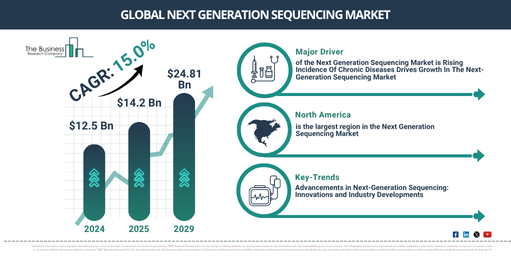
    The next generation sequencing market has shown substantial growth in recent years. The market is anticipated to expand from $12.5 billion in 2024 to $14.2 billion by 2025, achieving a compound annual growth rate (CAGR) of 13.6%. Factors contributing to its historical growth include a rise in funding, augmented healthcare expenditure, the expansion of emerging markets, quick technological progress, and a rapidly increasing elderly population.

    The next generation sequencing market size is projected to experience substantial expansion over the upcoming years. This market is anticipated to reach $24.81 billion by 2029, exhibiting a compound annual growth rate (CAGR) of 15.0%. Key factors driving this expansion during the forecast period include an aging global population, improved access to healthcare services, the growing incidence of chronic ailments, and the heightened demand for next generation sequencing spurred by COVID-19. Significant trends expected within this timeframe involve leveraging artificial intelligence to optimize costs and shorten timelines, cost-effectively researching rare diseases to gain a competitive advantage over alternative technologies, providing NGS solutions for newborn screening, and integrating big data technologies for the analysis of extensive genomic data.

    Access A Free Sample Of The Report:

    https://www.thebusinessresearchcompany.com/sample.aspx?id=3990&type=smp

    Which Long-Term Drivers Are Expected To Sustain The Next Generation Sequencing Market?

    An increasing incidence of chronic illnesses like cancer, AIDS, and thalassemia has contributed to the expansion of the next-generation sequencing market. Globally, chronic diseases and conditions are becoming more prevalent, with an aging demographic and evolving social behaviors leading to a gradual rise in these widespread and costly long-term health problems. Next-generation sequencing (NGS) serves as a versatile development tool utilized by researchers and clinicians across various cancer studies to recognize biomarkers that give guidance on treatments. Furthermore, the World Health Organization anticipates a significant increase in the prevalence of chronic diseases. Consequently, the rising number of chronic disease cases will necessitate greater demand for NGS sequencing, thereby boosting revenues and driving the growth of the next-generation sequencing market.

    How Is The Next Generation Sequencing Market Classified By Different Segments?

    The next generation sequencingmarket covered in this report is segmented –

    1) By Product: Instruments, Reagents And Kits, Software

    2) By Technology: Sequencing by Synthesis, Ion Semiconductor Sequencing, Single-molecule Real-time Sequencing, Nanopore Sequencing, Other Sequencing Technologies

    3) By Application: Diagnostics, Drug Discovery, Other Applications

    Subsegments:

    1) By Instruments: Sequencing Systems, Library Preparation Instruments, Quality Control Instruments

    2) By Reagents And Kits: Sequencing Reagents, Library Preparation Kits, Amplification Kits

    3) By Software: Data Analysis Software, Bioinformatics Software, Workflow Management Software

    What Current And Upcoming Trends Are Shaping The Next Generation Sequencing Market?

    Leading firms within the next-generation sequencing market are prioritizing the creation of advanced solutions, specifically next-generation sequencing (NGS) platform technology, aimed at boosting operational speed, precision, and economic efficiency. Significant progress involves enhanced accuracy, increased processing capacity, and the incorporation of artificial intelligence for analyzing data. Next-generation sequencing (NGS) platforms represent sophisticated tools designed to facilitate quick and economical DNA and RNA sequencing through the simultaneous handling of millions of genetic fragments. These platforms find diverse utility in applications such as whole-genome sequencing and targeted resequencing, thereby revolutionizing both genomic research and the field of personalized medicine. A notable example occurred in April 2022, when Thermo Fisher Scientific, a US-based biotechnology company, introduced the IonTorrent Genexus Dx Integrated Sequencer, which allows for swift, automated next-generation sequencing within clinical laboratories, providing outcomes in as quickly as 24 hours. Its intuitive design and adaptability cater to both diagnostic procedures and research initiatives, effectively propelling advancements in precision medicine.

    Who Are The Primary Market Leaders In The Next Generation Sequencing Market?

    Major companies operating in the next generation sequencing market include Illumina, Inc., Thermo Fisher Scientific Inc., QIAGEN, Agilent Technologies, Inc., Pacific Biosciences of California Inc., Oxford Nanopore Technologies, 10x Genomics, Bio-Rad Laboratories, Inc., MGI Tech Co., Ltd., Oxford Gene Technology, Hoffmann-La Roche Ltd, BGI, PerkinElmer Inc., Macrogen Inc., Genotypic Technology Pvt. Ltd., Beijing Genomics Institute, SciGenom Labs Pvt. Ltd (India), Dante Labs, Roche, First Genetics JCS, Helix, Tempus, Massive Bio, Genetricsinc and King Abdullah International Medical Research Center, Inqaba biotec

    Download The Full Report Here:

    https://www.thebusinessresearchcompany.com/report/next-generation-sequencing-global-market-report

    Which Regional Markets Are Emerging As Key Centers For The Next Generation Sequencing Market?

    North America was the largest region in the next generation sequencing market in 2024. Asia-Pacific was the second largest region in the global next generation sequencing market share. The regions covered in the next generation sequencing market report are Asia-Pacific, Western Europe, Eastern Europe, North America, South America, Middle East, Africa

    Get A Report Customized For You Here:

    https://www.thebusinessresearchcompany.com/customise?id=3990&type=smp

    Browse Through More Reports Similar to the Global Next Generation Sequencing Market 2025, By The Business Research Company

    Synthetic Biology Global Market Report 2025

    https://www.thebusinessresearchcompany.com/report/synthetic-biology-global-market-report

    Molecular Diagnostics Devices And Equipment Global Market Report 2025

    https://www.thebusinessresearchcompany.com/report/molecular-diagnostics-devices-and-equipment-global-market-report

    Molecular Diagnostics Global Market Report 2025

    https://www.thebusinessresearchcompany.com/report/molecular-diagnostics-global-market-report

    Get in touch with us:

    The Business Research Company: https://www.thebusinessresearchcompany.com/

    Americas +1 310-496-7795

    Asia +44 7882 955267 & +91 8897263534

    Europe +44 7882 955267

    Email us at info@tbrc.info

    Follow us on:

    LinkedIn: https://in.linkedin.com/company/the-business-research-company

    YouTube: https://www.youtube.com/channel/UC24_fI0rV8cR5DxlCpgmyFQ

    Global Market Model: https://www.thebusinessresearchcompany.com/global-market-model
  • Neurology Devices Market Trends, Drivers, and Regional Analysis 2025–2029

    Neurology Devices Market Trends, Drivers, and Regional Analysis 2025–2029

    Uncover key drivers, emerging technologies, and competitive movements shaping the neurology devices market from 2025–2034 with trusted insights from The Business Research Company

    How Is The Neurology Devices Market Size Expected To Expand Over 2029-2034?

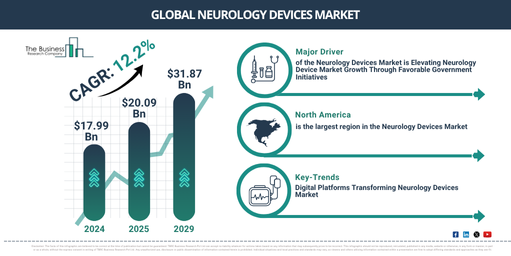
    The neurology devices market has experienced rapid expansion in recent years. Its valuation is forecast to climb from $17.99 billion in 2024 to $20.09 billion in 2025, demonstrating a compound annual growth rate (CAGR) of 11.7%. The market’s historical growth can be attributed to various factors, including a quickly expanding elderly population, rapid technological advancements, economic development in emerging markets, an increase in research and development within the field, and substantial investments from private sector players in neurology devices.

    The neurology devices market size is projected to experience swift expansion over the coming years. This market is anticipated to reach $31.87 billion by 2029, exhibiting a compound annual growth rate (CAGR) of 12.2%. Several factors are contributing to this growth during the forecast period, including an expanding elderly demographic, evolving lifestyle patterns, heightened understanding of neurological conditions, an increased prevalence of neurological illnesses, and accelerated economic development. Key trends identified for the forecast timeframe encompass investments in the creation of neuromodulation devices and wearable neurology devices, the introduction of novel products, the implementation of merger and acquisition tactics, and an uplift in research and development endeavors.

    Access A Free Sample Of The Report:

    https://www.thebusinessresearchcompany.com/sample.aspx?id=1977&type=smp

    Which Market Factors Are Fueling The Neurology Devices Industry Growth?

    Positive government initiatives are anticipated to boost the need for neurology devices. Government efforts for medical devices encompass policies, regulations, and programs focused on supervising and advancing the safety, quality, and development of these healthcare products. Advantageous government initiatives possess the potential to significantly affect the neurology device market by influencing regulations, funding research and development, offering financial incentives, broadening telemedicine, fostering public health awareness, and improving overall healthcare infrastructure and access. As an illustration, in October 2023, the Food and Drug Administration, a US-based federal agency under the Department of Health and Human Services, expanded the Total Product Life Cycle Advisory Programme (TAP) to include neurological and physical medicine devices, with the goal of accelerating technological progress in these domains. By the first quarter of 2025, the FDA intends to incorporate an additional four offices into the program and enroll up to 65 more devices. Consequently, beneficial government initiatives will drive the expansion of the neurology device market going forward.

    Which Categories Are Covered In The Neurology Devices Market Segmentation Analysis?

    The neurology devicesmarket covered in this report is segmented –

    1) By Type: Cerebrospinal Fluid Management (CSF) Devices And Equipment, Interventional Neurology Devices And Equipment, Neurosurgery Devices And Equipment, Neurostimulation Devices

    2) By Type of Expenditure: Public, Private

    3) By Product: Instruments/Equipment, Disposables

    4) By End User: Hospitals And Clinics, Diagnostic Laboratories, Other End Users

    Subsegments:

    1) By Cerebrospinal Fluid Management (CSF) Devices And Equipment: CSF Shunts, CSF Drainage Systems, Ventriculostomy Devices

    2) By Interventional Neurology Devices And Equipment: Intracranial Stents, Embolic Coils, Neurovascular Catheters

    3) By Neurosurgery Devices And Equipment: Surgical Microscopes, Surgical Navigation Systems, Neurosurgical Instruments

    4) By Neurostimulation Devices: Deep Brain Stimulation Devices, Spinal Cord Stimulation Devices, Transcranial Magnetic Stimulation Devices

    Which Market Trends Are Expected To Define The Future Of The Neurology Devices Market?

    Leading companies in the neurology devices market are actively developing digital platforms, including BrainTale-care, to improve their product portfolios and optimize patient therapy. BrainTale-Care functions as a specialized digital platform intended for the observation and forecasting of neurological conditions. For example, Braintale, a medical device firm based in France, unveiled the brainTale-care platform in March 2022, incorporating modules such as brainQuant for assessing white matter and brainScore-coma for anticipating coma recovery. This signifies a major step forward for the company, as it seeks to provide European doctors and healthcare teams with an innovative digital medical tool for supporting clinical decisions. Braintale aims to supply resuscitation specialists and neurologists with non-invasive, clinically validated solutions that refine the diagnosis, tracking, and prediction of neurological disease progression.

    Which Organizations Are At The Forefront Of The Neurology Devices Market?

    Major companies operating in the neurology devices market include Medtronic PLC, Stryker Corporation, Boston Scientific Corporation, Integra LifeSciences, Abbott Laboratories, Terumo Corporation, LivaNova, PLC, Integer, Penumbra, Inc., B. Braun Group, Johnson & Johnson, W.L Gore, St. Jude Medical LLC, Parasym, TUR Therapietechnik GmbH, Smiths Medical, Cizeta Surgical, Neuro France Implants, Ectron, Accentus Medical Ltd, Adaptix, Argonaut Therapeutics, Brainwave Discovery, Cerus Endovascular, Chronus Therapeutics, Natus Medical Incorporated, Cerenovus, Nevro, Aleva Neurotherapeutics SA, Dynatronics Corporation, Cyberonics Inc.

    Download The Full Report Here:

    https://www.thebusinessresearchcompany.com/report/neurology-devices-global-market-report

    Which Geographic Areas Are Driving Strong Demand For The Neurology Devices Market?

    North America was the largest region in the global neurology devices market in 2024. Asia-Pacific was the second largest region in the global neurology devices market. Africa was the smallest region in the global neurology devices market. The regions covered in the neurology devices market report are Asia-Pacific, Western Europe, Eastern Europe, North America, South America, Middle East, Africa

    Get A Report Customized For You Here:

    https://www.thebusinessresearchcompany.com/customise?id=1977&type=smp

    Browse Through More Reports Similar to the Global Neurology Devices Market 2025, By The Business Research Company

    Medical And Diagnostic Laboratory Services Global Market Report 2025

    https://www.thebusinessresearchcompany.com/report/medical-and-diagnostic-laboratory-services-global-market-report

    Computed Tomography Ct Scanners Devices And Equipment Global Market Report 2025

    https://www.thebusinessresearchcompany.com/report/computed-tomography-ct-scanners-devices-and-equipment-global-market-report

    Magnetic Resonance Imaging Devices And Equipment Global Market Report 2025

    https://www.thebusinessresearchcompany.com/report/magnetic-resonance-imaging-devices-and-equipment-global-market-report

    Get in touch with us:

    The Business Research Company: https://www.thebusinessresearchcompany.com/

    Americas +1 310-496-7795

    Asia +44 7882 955267 & +91 8897263534

    Europe +44 7882 955267

    Email us at info@tbrc.info

    Follow us on:

    LinkedIn: https://in.linkedin.com/company/the-business-research-company

    YouTube: https://www.youtube.com/channel/UC24_fI0rV8cR5DxlCpgmyFQ

    Global Market Model: https://www.thebusinessresearchcompany.com/global-market-model
  • Global Nebulizers Market Revenue and Share Analysis Through 2029

    Global Nebulizers Market Revenue and Share Analysis Through 2029

    Uncover key drivers, emerging technologies, and competitive movements shaping the nebulizers market from 2025–2034 with trusted insights from The Business Research Company

    What Is The Projected Valuation Of The Nebulizers Market In The Period 2029-2034?

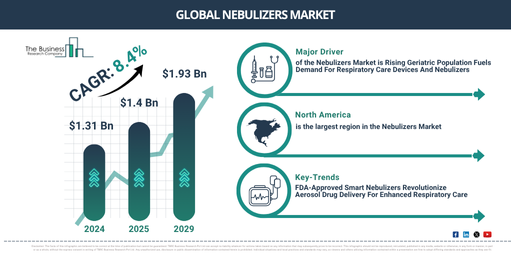
    The nebulizers market size has seen significant expansion in recent years. It is anticipated to increase from $1.31 billion in 2024 to $1.4 billion in 2025, reflecting a compound annual growth rate (CAGR) of 6.7%. The market’s past growth was primarily influenced by the rising prevalence of chronic respiratory conditions and an increase in healthcare spending across developing economies.

    The nebulizers market is anticipated to experience robust expansion over the coming years. Projections indicate it will reach $1.93 billion by 2029, demonstrating a compound annual growth rate (CAGR) of 8.4%. This growth during the forecast period is primarily driven by factors such as an expanding elderly population, rising demand for at-home healthcare equipment like portable devices, greater adoption of mesh nebulizers, the widespread incidence of COVID-19 worldwide, and increased intake of tobacco and alcohol. Key trends for the upcoming period encompass the creation of connected nebulizers, an emphasis on producing lightweight portable nebulizers, the utilization of vibrating technology for new nebulizer development, and efforts to innovate products using environmentally friendly materials.

    Access A Free Sample Of The Report:

    https://www.thebusinessresearchcompany.com/sample.aspx?id=3790&type=smp

    What Strategic Drivers Are Accelerating The Nebulizers Market Expansion?

    The global increase in the elderly population is anticipated to boost the utilization of respiratory care devices, including nebulizers, over the forecast period. For instance, a report published by the US-based Pew Research Center Organization in January 2024 stated that while the geriatric population was 0.2% in 2024, it is forecast to rise by 0.5% in 2054. Elderly individuals are more prone to respiratory conditions such as Chronic Obstructive Pulmonary Disease (COPD), sleep apnea, and the recent pandemic COVID-19, owing to various reasons including a gradual decrease in immune function. Therefore, an expanding geriatric population is expected to drive the growth of the nebulizers market.

    What Is The Detailed Segment Distribution Of The Nebulizers Market?

    The nebulizersmarket covered in this report is segmented –

    1) By Type: Pneumatic Nebulizer, Ultrasonic Nebulizer, Mesh Nebulizer

    2) By Portability: Portable Nebulizer, Tabletop Nebulizer

    3) By Application: COPD, Cystic Fibrosis, Asthma, Other Applications

    4) By End Use: Hospitals and Clinics, Emergency Centers, Home Healthcare

    Subsegments:

    1) By Pneumatic Nebulizer: Jet Nebulizers, Handheld Pneumatic Nebulizers, Tabletop Pneumatic Nebulizers

    2) By Ultrasonic Nebulizer: Portable Ultrasonic Nebulizers, Stationary Ultrasonic Nebulizers

    3) By Mesh Nebulizer: Portable Mesh Nebulizers, Battery-Operated Mesh Nebulizers, Hospital-Grade Mesh Nebulizers

    How Are Global Trends Impacting The Development Of The Nebulizers Market?

    Key players in the nebulizers market are securing FDA approvals for devices like Smart Nebulizers, with the goal of augmenting their market profitability. Smart nebulizers are innovative devices that utilize digital technology to optimize the delivery of aerosol drugs to the lungs. For example, in June 2022, Vectura Group Limited, a UK-based pharmaceutical company, announced it had received FDA approval for its Smart Nebulizers, designed to improve pediatric asthma treatment. These smart nebulizers are capable of effectively delivering the aerosol to the lungs while factoring in the patient’s individual breathing capacity. The smart nebulizers are applicable for treating a range of respiratory conditions, including asthma, bronchitis, sore throats, and both acute and chronic tracheitis.

    Who Are The Major Stakeholders Operating In The Nebulizers Market?

    Major companies operating in the nebulizers market include Vyaire Medical, Inc., Aerogen, Omron Corporation, PARI, GF Health Products, Medline Industries, Trudell Medical International, Briggs Healthcare, Feellife Health Inc., CF Pharmtech Inc., Hoyo Scitech Co., Ltd, Simzon, Yirdoc (Qingdao Future Medical Technology Co., Ltd), Healthgenie, Meditive, Agaro, Dr Trust, Dr. Morepen, Handyneb, Nuwik, Philips Healthcare, Nagashima Medical Instruments co., Ltd, Shenzhen Bi-rich, Yuyao Dengyue Medical Devices Co., Ltd, Shenzhen Aeon Technology Co., Ltd., EverGreen, MediSave, Scala, ResMed, Draegerwerk AG, Fisher & Paykel Healthcare Limited, Vectura, GE Healthcare, B. Braun Melsungen, Beikohn, Respiratorniy Kompleks, Alvateks, Dixion Russia, 3M Company, Dynarex Corporation, BD, Drive DeVilbiss Healthcare, InvacAre Corporation, Canada Medical Ltd., Medicom, Stevens Company (Canada), Smiths Medical, FLOWTRONIX

    Download The Full Report Here:

    https://www.thebusinessresearchcompany.com/report/nebulizers-global-market-report

    Which Region Is Projected To Achieve The Fastest Growth In The Nebulizers Market?

    North America was the largest region in the nebulizers market in 2024. Asia-Pacific was the second largest region in the global nebulizers market share. The regions covered in the nebulizers market report are Asia-Pacific, Western Europe, Eastern Europe, North America, South America, Middle East, Africa

    Get A Report Customized For You Here:

    https://www.thebusinessresearchcompany.com/customise?id=3790&type=smp

    Browse Through More Reports Similar to the Global Nebulizers Market 2025, By The Business Research Company

    Respiratory Devices And Equipment Therapeutic And Diagnostic Global Market Report 2025

    https://www.thebusinessresearchcompany.com/report/respiratory-devices-and-equipment-therapeutic-and-diagnostic-global-market-report

    Respiratory Devices And Equipment Therapeutic Global Market Report 2025

    https://www.thebusinessresearchcompany.com/report/respiratory-devices-and-equipment-therapeutic-global-market-report

    Respiratory Disease Drugs Global Market Report 2025

    https://www.thebusinessresearchcompany.com/report/respiratory-disease-drugs-global-market-report

    Get in touch with us:

    The Business Research Company: https://www.thebusinessresearchcompany.com/

    Americas +1 310-496-7795

    Asia +44 7882 955267 & +91 8897263534

    Europe +44 7882 955267

    Email us at info@tbrc.info

    Follow us on:

    LinkedIn: https://in.linkedin.com/company/the-business-research-company

    YouTube: https://www.youtube.com/channel/UC24_fI0rV8cR5DxlCpgmyFQ

    Global Market Model: https://www.thebusinessresearchcompany.com/global-market-model
  • Narcotics Scanner Market Analysis 2025–2029: Growth Forecast and Competitive Insights

    Narcotics Scanner Market Analysis 2025–2029: Growth Forecast and Competitive Insights

    Uncover key drivers, emerging technologies, and competitive movements shaping the narcotics scanner market from 2025–2034 with trusted insights from The Business Research Company

    How Much Will The Narcotics Scanner Market Be Worth By 2029, And What CAGR Will It Achieve?

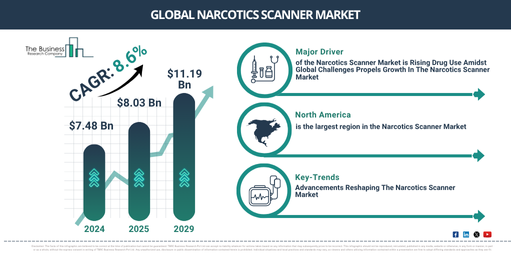
    The narcotics scanner market size has exhibited strong growth in recent years. It is forecast to expand from $7.48 billion in 2024 to $8.03 billion in 2025, at a compound annual growth rate (CAGR) of 7.3%. The growth observed in previous periods is attributable to trends in illicit drug production, the demand for non-intrusive inspection, investments in research and development, security threats prevalent at borders and ports, and increased drug trafficking activities.

    The narcotics scanner market size is anticipated to expand significantly over the coming years. This market is projected to reach $11.19 billion by 2029, achieving a compound annual growth rate (CAGR) of 8.6%. This projected growth is fueled by factors such as public safety investments, an increase in illicit drug production, market expansion strategies, the adoption of AI and machine learning technologies, and enhanced border and port security measures. Key developments anticipated during this period encompass a worldwide rise in drug trafficking, evolving regulatory requirements, improvements in port security, a growing need for non-intrusive inspection methods, and the integration of artificial intelligence.

    Access A Free Sample Of The Report:

    https://www.thebusinessresearchcompany.com/sample.aspx?id=5709&type=smp

    Which Factors Are Driving The Narcotics Scanner Market Forward?

    The escalating number of drug users is significantly propelling the expansion of the narcotics scanner market. The COVID-19 pandemic brought about considerable poverty, job loss, social pressures, and mental health challenges, collectively intensifying drug users’ dependency. A narcotics scanner is a security instrument employed to detect illegal drugs and hazardous substances utilized by individuals. For instance, as reported by the Press Information Bureau, a central agency, the population of drug users reached 292 million in 2022, marking a 20 % increase over 10 years. Hence, this sustained rise in drug users is anticipated to stimulate the growth of the narcotics scanner market moving forward.

    Which Segments Form The Key Structure Of The Narcotics Scanner Market?

    The narcotics scannermarket covered in this report is segmented –

    1) By Product Type: Handheld Scanner, Tabletop Scanner, Walkthrough Scanner

    2) By Technology: Ion Mobility Spectrum Technology, Contraband Detection Equipment, Videoscope Inspection System, Infrared Spectroscopy

    3) By End-User: Airport, Sea Port, Railway Terminal, Law Enforcement, Defense And Military, Other End-Users

    Subsegments:

    1) By Handheld Scanner: Portable Narcotics Detection Devices, Battery-Operated Handheld Scanners

    2) By Tabletop Scanner: Fixed Narcotics Detection Systems, High-Throughput Tabletop Scanners

    3) By Walkthrough Scanner: Walkthrough Detection Systems, Automated Walkthrough Scanners for Security Checkpoints

    What Strategic Shifts And Innovations Are Influencing The Narcotics Scanner Market?

    The narcotics scanner market is being significantly influenced by technological advancements. Key companies operating in this sector are concentrating on developing new technological solutions to enhance their market position. For instance, in 2022, Smiths Detection introduced The IONSCAN 600, a highly sensitive trace detection system built for the simultaneous identification of both explosives and narcotics. This system features a lightweight, portable desktop configuration, making it appropriate for various screening environments, including airports and law enforcement applications.

    Which Firms Are Making The Biggest Impact In The Narcotics Scanner Market?

    Major companies operating in the narcotics scanner market include Thermo Fisher Scientific Inc., Safran SA, Science Applications International Corporation (SAIC), Elbit Systems Ltd., Smiths Group plc, Bruker Corporation, FLIR Systems Inc., OSI Systems Inc., NUCTECH Company Ltd., Chemring Group plc, Rapiscan Security Products Inc., L-3 Security and Detection Systems Inc., Garrett Electronics Inc., Morpho Detection Inc., Astrophysics Inc., Autoclear LLC, NABCO Systems LLC, CEIA USA Ltd., Aventura Technologies Inc., Detecta Chem Inc., Viken Detection, Kromek Group plc, Scanna MSC Ltd., Argo Security SRL.

    Download The Full Report Here:

    https://www.thebusinessresearchcompany.com/report/narcotics-scanner-global-market-report

    Which Region Is Expected To Lead The Narcotics Scanner Market In The Next Few Years?

    North America was the largest region in the narcotics scanner market in 2024. Asia-Pacific is expected to be the fastest-growing region in the forecast period. The regions covered in the narcotics scanner market report are Asia-Pacific, Western Europe, Eastern Europe, North America, South America, Middle East, Africa.

    Get A Report Customized For You Here:

    https://www.thebusinessresearchcompany.com/customise?id=5709&type=smp

    Browse Through More Reports Similar to the Global Narcotics Scanner Market 2025, By The Business Research Company

    Biometric Sensor Global Market Report 2025

    https://www.thebusinessresearchcompany.com/report/biometric-sensor-global-market-report

    Land Survey Equipment Global Market Report 2025

    https://www.thebusinessresearchcompany.com/report/land-survey-equipment-global-market-report

    Bone Densitometer Global Market Report 2025

    https://www.thebusinessresearchcompany.com/report/bone-densitometer-global-market-report

    Get in touch with us:

    The Business Research Company: https://www.thebusinessresearchcompany.com/

    Americas +1 310-496-7795

    Asia +44 7882 955267 & +91 8897263534

    Europe +44 7882 955267

    Email us at info@tbrc.info

    Follow us on:

    LinkedIn: https://in.linkedin.com/company/the-business-research-company

    YouTube: https://www.youtube.com/channel/UC24_fI0rV8cR5DxlCpgmyFQ

    Global Market Model: https://www.thebusinessresearchcompany.com/global-market-model
  • Molecular Diagnostics Devices And Equipment Market Outlook 2025–2029: Emerging Opportunities and Key Drivers

    Molecular Diagnostics Devices And Equipment Market Outlook 2025–2029: Emerging Opportunities and Key Drivers

    Uncover key drivers, emerging technologies, and competitive movements shaping the molecular diagnostics devices and equipment market from 2025–2034 with trusted insights from The Business Research Company

    What Is The Present Size Of The Molecular Diagnostics Devices And Equipment Market And What Value Is Projected For 2029?

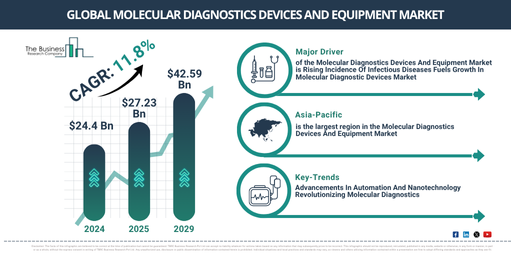
    The molecular diagnostics devices and equipment market has experienced substantial growth in recent years. This market is projected to expand from $24.4 billion in 2024 to $27.23 billion in 2025, demonstrating a compound annual growth rate (CAGR) of 11.6%. The expansion observed in the past can be attributed to a rise in funding, increased healthcare expenditure, economic growth in emerging markets, rapid technological advances, the appearance of novel pathogenic infestations, and a quickly growing geriatric population.

    The market for molecular diagnostics devices and equipment is projected to experience substantial expansion over the upcoming years. This market is anticipated to reach a valuation of $42.59 billion by 2029, exhibiting a compound annual growth rate (CAGR) of 11.8%. Key factors contributing to this projected growth include the swift increase in bacterial and viral epidemics, an aging global demographic, enhanced access to healthcare services, the growing incidence of chronic ailments, and the surge in demand for molecular diagnostic devices and equipment prompted by COVID-19. Noteworthy trends expected during this period encompass the integration of automation into molecular diagnostics, the application of artificial intelligence, a heightened need for molecular diagnostic tools in researching rare conditions, the expanding acceptance of big data, the implementation of next-generation sequencing for newborn screenings, and the development of point-of-care molecular diagnostics (POC mdx).

    Access A Free Sample Of The Report:

    https://www.thebusinessresearchcompany.com/sample.aspx?id=2595&type=smp

    What Factors Are Boosting The Molecular Diagnostics Devices And Equipment Market?

    The growing occurrence of infectious diseases is projected to boost the expansion of the molecular diagnostic devices and equipment market in the future. Infectious diseases are defined as ailments resulting from pathogenic microorganisms, including bacteria, viruses, fungi, or parasites, which possess the capability of transmission between individuals or from animals to people. The increasing frequency of infectious diseases stems from contributors like antimicrobial resistance, global mobility and travel, urban development, differences in socioeconomic status, and an aging demographic. Critical instruments for identifying and managing infectious diseases include molecular diagnostic devices and equipment. As an illustration, data from the Office for National Statistics, a UK-based government body, indicated that for the week concluding 17 March 2023, the UK registered 619 deaths linked to COVID-19, an increase from 605 in the preceding week. In the same week, fatalities due to COVID-19 constituted 4.5% of total deaths in the UK, a minor reduction from 4.6% observed the week prior. Consequently, the escalating incidence of infectious diseases is fueling the expansion of the molecular diagnostic devices and equipment market.

    What Are The Core Segmentation Criteria In The Molecular Diagnostics Devices And Equipment Market?

    The molecular diagnostics devices and equipmentmarket covered in this report is segmented –

    1) By Product: Instruments, Reagents And Consumables, Software

    2) By Technology: DNA(Deoxyribonucleic acid) sequencing, Polymerase chain reaction, Isothermal Nucleic Acid Amplification Technology, Transcription Mediated Amplification (TMA), In situ hybridization, Microarrays, Mass spectrometry, Other Technologies

    3) By Application: Cancer, Pharmacogenomics, Genetic testing, Infectious disease, Prenatal, Other Applications

    4) By End User: Diagnostic laboratories, Hospitals, Other End Users

    Subsegments:

    1) By Instruments: Polymerase Chain Reaction (PCR) Machines, Nucleic Acid Analyzers, DNA Sequencers, Microarrays

    2) By Reagents And Consumables: PCR Reagents, DNA Probes And Primers, Sample Preparation Kits, Control And Calibration Materials

    3) By Software: Data Analysis Software, Laboratory Information Management Systems (LIMS), Bioinformatics Software, Integration Software For Instrumentation

    Which Emerging Trends Are Reshaping The Molecular Diagnostics Devices And Equipment Market Landscape?

    Leading entities within the molecular diagnostic sector are concentrating on creating automated systems for the instrumentation and machinery involved in molecular diagnostic procedures. Automating these procedures is expected to boost the overall diagnostic process’s productivity and uniformity. Computerized diagnostic methods yield dependable and effective test outcomes, surpassing those achieved through manual testing by various specialists. Prominent industry participants are employing the nanotechnology-driven Oral Fluid Nano Sensor Test (OFNASET). This particular test utilizes a microfluidic nanosensor to identify oral cancer biomarkers present in saliva. Aligning with the ongoing emphasis on automation and precision, Roche developed cobas connection modules (CCM) to enhance scalability and the smooth movement of samples, enabling their automatic transfer across various systems and instruments. This effectively establishes a completely automated operational flow.

    Which Players Are Shaping The Competitive Landscape Of The Molecular Diagnostics Devices And EquipmentXX Market?

    Major companies operating in the molecular diagnostics devices and equipment market include F. Hoffmann-La Roche Ltd, QIAGEN N.V., Abbott Laboratories, Danaher Corporation, Biomérieux, Becton Dickinson & Co, Siemens Healthineers AG, Grifols S.A., Sysmex Corporation, Abbott India Limited, Qiagen India Pvt Ltd, Biocartis, Bio-Techne India Private Limited, Cleaver Scientific, Zhejiang Di’an Diagnostics Technology Co. Ltd, ADICON Clinical Laboratories, Guangzhou Kingmed Diagnostics Center Co. Ltd., Kindstar Global, BGI-Shenzhen, OriGene Technologies, Bayer AG, Johnson & Johnson, Nippon Becton Dickinson Company, QuantuMDx, Yourgene Health, Genefirst, Interlabservis, GeneMe, TestLine, Clinical Diagnostics s.r.o, Hologic Inc., Illumina Inc., Novartis AG, Cepheid Inc., Admera Health, Agilent technologies Inc., AutoGenomics, Bio-Red Laboratories Inc, Ortho Clinical Diagnostics Inc, Sysmex Middle East FZ-LLC, QIAGEN SA (Pty) Ltd.

    Download The Full Report Here:

    https://www.thebusinessresearchcompany.com/report/molecular-diagnostics-devices-and-equipment-global-market-report

    What Regional Trends Are Shaping Growth In The Molecular Diagnostics Devices And Equipment Market?

    Asia-Pacific was the largest region in the global molecular diagnostics devices (or) equipment market in 2024. Western Europe was the second largest market in molecular diagnostics devices (or) equipment market. The regions covered in the molecular diagnostics devices and equipment market report are Asia-Pacific, Western Europe, Eastern Europe, North America, South America, Middle East, Africa

    Get A Report Customized For You Here:

    https://www.thebusinessresearchcompany.com/customise?id=2595&type=smp

    Browse Through More Reports Similar to the Global Molecular Diagnostics Devices And Equipment Market 2025, By The Business Research Company

    Diagnostic Equipment Global Market Report 2025

    https://www.thebusinessresearchcompany.com/report/diagnostic-equipment-global-market-report

    Diagnostic Imaging Equipment Global Market Report 2025

    https://www.thebusinessresearchcompany.com/report/diagnostic-imaging-equipment-global-market-report

    Point Of Care Diagnostics Devices And Equipment Global Market Report 2025

    https://www.thebusinessresearchcompany.com/report/point-of-care-diagnostics-devices-and-equipment-global-market-report

    Get in touch with us:

    The Business Research Company: https://www.thebusinessresearchcompany.com/

    Americas +1 310-496-7795

    Asia +44 7882 955267 & +91 8897263534

    Europe +44 7882 955267

    Email us at info@tbrc.info

    Follow us on:

    LinkedIn: https://in.linkedin.com/company/the-business-research-company

    YouTube: https://www.youtube.com/channel/UC24_fI0rV8cR5DxlCpgmyFQ

    Global Market Model: https://www.thebusinessresearchcompany.com/global-market-model
  • Global Microbiology Diagnostic Devices And Equipment Market Size and Forecast to 2029: Revenue, Growth, and Trends

    Global Microbiology Diagnostic Devices And Equipment Market Size and Forecast to 2029: Revenue, Growth, and Trends

    Uncover key drivers, emerging technologies, and competitive movements shaping the microbiology diagnostic devices and equipment market from 2025–2034 with trusted insights from The Business Research Company

    How Big Is The Microbiology Diagnostic Devices And Equipment Market Size Today And What Will Its Value Be At The End Of 2029?

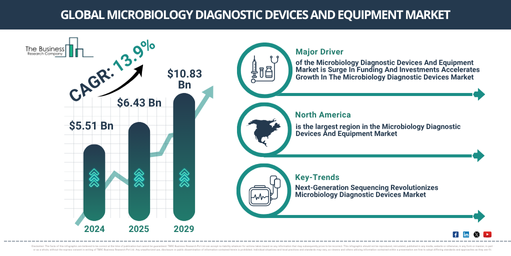
    The microbiology diagnostic devices and equipment market size has seen rapid expansion in recent years. It is projected to increase from $5.51 billion in 2024 to $6.43 billion in 2025, exhibiting a compound annual growth rate (CAGR) of 16.8%. This historical growth can be attributed to factors such as elevated healthcare spending, the development of emerging markets, swift technological progress, a significant rise in the aging population, and the onset of new pathogenic infections.

    The microbiology diagnostic devices and equipment market is anticipated to exhibit rapid growth over the next few years. This market is set to expand to $10.83 billion by 2029, achieving a compound annual growth rate (CAGR) of 13.9%. Key drivers for this growth throughout the forecast period include an increase in funding, the aging global population, improved access to healthcare, and the quick spread of various bacterial and viral epidemics. Significant trends anticipated in this period encompass the increasing integration of predictive diagnostics, greater automation within microbiology diagnostics, advancements in next-generation microbial testing, and a rise in mergers and acquisitions.

    Access A Free Sample Of The Report:

    https://www.thebusinessresearchcompany.com/sample.aspx?id=3408&type=smp

    Which Key Drivers Are Powering Growth In The Microbiology Diagnostic Devices And Equipment Market?

    The growth of the microbiology diagnostic devices market is being propelled by increasing public and private funding directed towards medical devices. This rise in investments indicates a heightened confidence among various private and public stakeholders in microbiology diagnostic devices, thereby suggesting a steady expansion and stimulating market development. For instance, according to MedTech news, a publisher of information on medical technology, the private equity industry invested $111.8 B (approximately $151 B) in the healthTech industry. Additionally, across the globe, 96 deals valued at $40.8 billion were concluded within the medTech vertical. The microbiology diagnostic devices market is further anticipated to be driven by increasing investments in digital health technologies, artificial intelligence and non-invasive monitoring capabilities, the delivery of gene therapy and regenerative medicines technologies, and the customized 3D printing of medical devices.

    Which Segment Categories Are Driving Maximum Growth In The Microbiology Diagnostic Devices And Equipment Market?

    The microbiology diagnostic devices and equipmentmarket covered in this report is segmented –

    1) By Type: Laboratory Instruments, Microbiology Analyzers, Reagents And Consumables

    2) By Reagents: Pathogen-Specific Kits, General Reagents

    3) By End-User: Diagnostic Laboratories, Hospitals, Other End-Users

    Subsegments:

    1) By Laboratory Instruments: Incubators, Autoclaves And Sterilizers, Refrigerators And Freezers, Centrifuges, Microscopes

    2) By Microbiology Analyzers: Automated Microbiology Analyzers, Polymerase Chain Reaction (PCR) Analyzers, Mass Spectrometers, Immunoassay Analyzers, Flow Cytometers

    3) By Reagents And Consumables: Culture Media, Stains And Dyes, Reagent Kits, Sample Collection Devices, Test Strips And Kits For Specific Pathogens

    What Key Trends Are Driving Growth In The Microbiology Diagnostic Devices And Equipment Market?

    Next-Generation Sequencing (NGS) technologies are becoming more widespread in the microbiology diagnostic devices market, primarily due to their cost effectiveness, enhanced sensitivity for detecting low-frequency variants, and extensive genomic coverage. Known also as high throughput sequencing or Massively Parallel Sequencing (MPS), NGS is a genome sequencing method capable of analyzing hundreds to thousands of genes or specific gene regions, and it possesses the ability to identify novel resistance genes (ARG) in bacteria. In a notable collaboration, BioMérieux partnered with Illumina to introduce bioMérieux EpiSe, an NGS service intended to streamline the epidemiological monitoring of bacterial infections and track outbreaks within hospital settings. Among the modern next-generation sequencing technologies facilitating DNA and RNA sequencing are Illumina (Solexa) sequencing, Roche 454 sequencing, Ion torrent Proton / PGM sequencing, and SOLiD sequencing.

    Who Are The Leading Companies Driving The Microbiology Diagnostic Devices And Equipment Market?

    Major companies operating in the microbiology diagnostic devices and equipment market include Danaher, Abbott Laboratories, Thermo Fisher Scientific, Becton Dickinson and Company, Biomerieux, Bio-Rad Laboratories Inc., Roche, Bruker Corporation, Merck KGaA, Johnson & Johnson, Simens Healthcare, Beckman Coulter Inc., Ortho Clinical Diagnostics, Sysmex Corporation, Siemens Healthineers, TestLine Clinical Diagnostics s.r.o., Cepheid, Hologic, Bayer AG, Meridian Bioscience, Qiagen N.V., Immunodiagnostic Systems Holdings PLC, Mesa Biotech Inc., PerkinElmer Inc., Neogen Corporation

    Download The Full Report Here:

    https://www.thebusinessresearchcompany.com/report/microbiology-diagnostic-devices-and-equipment-global-market-report

    Which Region Holds The Largest Share In The Microbiology Diagnostic Devices And Equipment Market Today?

    North America was the largest region in the microbiology diagnostics devices and equipment market in 2024. Asia-Pacific was the second largest region in the global microbiology diagnostic devices and equipment market. The regions covered in the microbiology diagnostic devices and equipment market report are Asia-Pacific, Western Europe, Eastern Europe, North America, South America, Middle East, Africa

    Get A Report Customized For You Here:

    https://www.thebusinessresearchcompany.com/customise?id=3408&type=smp

    Browse Through More Reports Similar to the Global Microbiology Diagnostic Devices And Equipment Market 2025, By The Business Research Company

    Pharma Microbiology Testing Kits Global Market Report 2025

    https://www.thebusinessresearchcompany.com/report/pharma-microbiology-testing-kits-global-market-report

    Rapid Microbiology Testing Kits Global Market Report 2025

    https://www.thebusinessresearchcompany.com/report/rapid-microbiology-testing-kits-global-market-report

    Molecular Diagnostics Global Market Report 2025

    https://www.thebusinessresearchcompany.com/report/molecular-diagnostics-global-market-report

    Get in touch with us:

    The Business Research Company: https://www.thebusinessresearchcompany.com/

    Americas +1 310-496-7795

    Asia +44 7882 955267 & +91 8897263534

    Europe +44 7882 955267

    Email us at info@tbrc.info

    Follow us on:

    LinkedIn: https://in.linkedin.com/company/the-business-research-company

    YouTube: https://www.youtube.com/channel/UC24_fI0rV8cR5DxlCpgmyFQ

    Global Market Model: https://www.thebusinessresearchcompany.com/global-market-model
  • Medical Imaging Market Expansion to $59.03 Billion by 2029: Key Drivers and Trends

    Medical Imaging Market Expansion to $59.03 Billion by 2029: Key Drivers and Trends

    Uncover key drivers, emerging technologies, and competitive movements shaping the medical imaging market from 2025–2034 with trusted insights from The Business Research Company

    What Is The Base Market Size For The Medical Imaging Market Today And What Will It Reach By 2029?

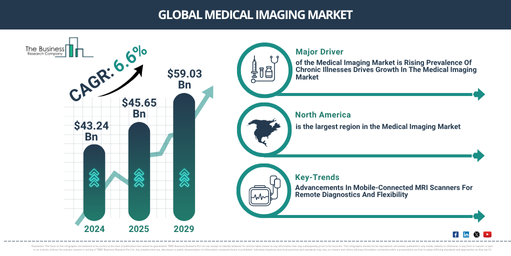
    The medical imaging market size has experienced significant expansion over recent years. It is anticipated to grow from $43.24 billion in 2024 to $45.65 billion in 2025, achieving a compound annual growth rate (CAGR) of 5.6%. This historical growth can be linked to the rising prevalence of chronic diseases, an aging population, government initiatives and healthcare investments, increasing awareness leading to early diagnosis, and an uptick in minimally invasive procedures.

    The medical imaging market is projected to experience substantial expansion in the coming years, reaching a valuation of $59.03 billion by 2029, driven by a compound annual growth rate (CAGR) of 6.6%. This anticipated growth during the forecast period is fueled by several factors, including the adoption of personalized medicine strategies, the advent of new modalities and hybrid imaging techniques, responses to global health challenges and readiness initiatives, the seamless integration with electronic health records (EHRs), and an increasing focus on patient-centric care and enhancing patient experience. Key developments defining this period encompass the rise of telemedicine and remote imaging solutions, the incorporation of artificial intelligence (AI), continuous technological progress, innovations in 3D and 4D imaging, and the wider deployment of portable and point-of-care imaging instruments.

    Access A Free Sample Of The Report:

    https://www.thebusinessresearchcompany.com/sample.aspx?id=10141&type=smp

    What Factors Are Boosting The Medical Imaging Market?

    The rising incidence of long-term diseases is anticipated to fuel the expansion of the medical imaging market in the coming future. A chronic illness refers to a medical condition or ailment that typically endures for three months or longer and has the potential to worsen progressively. Elderly individuals are more prone to chronic illnesses, which are often manageable but lack a definitive cure. The growing prevalence of chronic illnesses enhances the medical imaging market, as these technologies are crucial for diagnosing and detecting such ailments. For instance, data from January 2023, provided by the National Center for Biotechnology Information (NCBI), a US-based National Library of Medicine, projects that by 2050, the population aged 50 years and above experiencing at least one chronic illness will increase by 99.5%, climbing from 71.522 million in 2020 to 142.66 million. This indicates that the increasing prevalence of chronic illnesses is a key driver for the medical imaging market.

    How Is The Medical Imaging Market Categorized By Application, Type, And Region?

    The medical imagingmarket covered in this report is segmented –

    1) By Product: X-Ray Devices, Magnetic Resonance Imaging (MRI), Ultrasound, Computed Tomography, Nuclear Imaging, Mammography

    2) By Application: Obstetrics And Gynecology Health, Orthopedics And Musculoskeletal, Neuro And Spine, Cardiovascular And Thoracic, General Imaging, Oncology, Urology, Breast Health, Other Applications

    3) By End User: Hospitals, Specialty Clinics, Diagnostic Imaging Centers, Other End Users

    Subsegments:

    1) By X-Ray Devices: Conventional X-Ray Systems, Digital Radiography Systems, Portable X-Ray Machines

    2) By Magnetic Resonance Imaging (MRI): Closed MRI Systems, Open MRI Systems, Functional MRI (fMRI)

    3) By Ultrasound: Diagnostic Ultrasound Systems, 3D/4D Ultrasound Systems, Portable Ultrasound Devices

    4) By Computed Tomography (CT): Spiral/Helical CT Scanners, Cone Beam CT Scanners, Multi-Slice CT Scanners

    5) By Nuclear Imaging: Positron Emission Tomography (PET) Scanners, Single Photon Emission Computed Tomography (SPECT) Scanners

    6) By Mammography: Digital Mammography Systems, 3D Tomosynthesis Mammography Systems, Screening and Diagnostic Mammography Systems

    How Are Technological Trends Affecting The Medical Imaging Market Growth?

    Major companies operating in the medical imaging market are prioritizing technological advancements, such as mobile connectivity, which allows remote experts to support scanning and diagnostic processes. Mobile connectivity enables healthcare professionals to remotely supervise and control MRI scans, retrieve patient data, and receive alerts regarding scan status or emergencies. For example, in November 2022, Siemens Healthcare, a Germany-based healthcare company, unveiled Magnetom Viato.Mobile, a novel mobile magnetic resonance imaging scanner designed for portable use. This scanner provides remarkable flexibility with its 70-centimeter patient bore and trailer configuration, ensuring easy mobility and on-site setup. It facilitates remote operation and service through fixed internet or 4G, making it usable in diverse settings. This capability reduces the necessity for on-site personnel while allowing specialists to offer remote assistance for scans and maintenance.

    Who Are The Global Leaders Steering The Medical Imaging Market Forward?

    Major companies operating in the medical imaging market include Hitachi Medical Corporation, General Electric Company, Medtronic PLC, Siemens Healthcare GmbH, Fujifilm Holdings Corporation, Koninklijke Philips N V, Hologic Inc., Mindray Medical International Limited, PerkinElmer Inc., Shimadzu Corporation, Varian Medical Systems Inc., Agfa-Gevaert Group, Neusoft Medical Systems Co Ltd., Carestream Health Inc., Esaote SpA, Analogic Corporation, Samsung Medison Co Ltd., Canon Medical Systems Corporation, TomTec Imaging Systems GmbH, IBM Watson Health, Ziehm Imaging GmbH, MIM Software Inc., SuperSonic Imagine SA, EOS Imaging SA, Cubresa Inc., Planmed Oy, CurveBeam LLC, ContextVision AB, Koning Health, Intrasense SA

    Download The Full Report Here:

    https://www.thebusinessresearchcompany.com/report/medical-imaging-global-market-report

    Which Region Is Projected To Achieve The Fastest Growth In The Medical Imaging Market?

    North America was the largest region in the medical device market in 2024. Asia-Pacific is expected to be the fastest-growing region in the global medical imaging market report during the forecast period. The regions covered in the medical imaging market report are Asia-Pacific, Western Europe, Eastern Europe, North America, South America, Middle East, Africa.

    Get A Report Customized For You Here:

    https://www.thebusinessresearchcompany.com/customise?id=10141&type=smp

    Browse Through More Reports Similar to the Global Medical Imaging Market 2025, By The Business Research Company

    Medical And Diagnostic Laboratory Services Global Market Report 2025

    https://www.thebusinessresearchcompany.com/report/medical-and-diagnostic-laboratory-services-global-market-report

    Dental Diagnostic Imaging Devices And Equipment Global Market Report 2025

    https://www.thebusinessresearchcompany.com/report/dental-diagnostic-imaging-devices-and-equipment-global-market-report

    Magnetic Resonance Imaging Devices And Equipment Global Market Report 2025

    https://www.thebusinessresearchcompany.com/report/magnetic-resonance-imaging-devices-and-equipment-global-market-report

    Get in touch with us:

    The Business Research Company: https://www.thebusinessresearchcompany.com/

    Americas +1 310-496-7795

    Asia +44 7882 955267 & +91 8897263534

    Europe +44 7882 955267

    Email us at info@tbrc.info

    Follow us on:

    LinkedIn: https://in.linkedin.com/company/the-business-research-company

    YouTube: https://www.youtube.com/channel/UC24_fI0rV8cR5DxlCpgmyFQ

    Global Market Model: https://www.thebusinessresearchcompany.com/global-market-model
  • Medical Equipment Market 2025–2029: Tracking 8.9% CAGR Toward $1112.28 Billion in Revenue

    Medical Equipment Market 2025–2029: Tracking 8.9% CAGR Toward $1112.28 Billion in Revenue

    Uncover key drivers, emerging technologies, and competitive movements shaping the medical equipment market from 2025–2034 with trusted insights from The Business Research Company

    How Will The Medical Equipment Market Size Evolve Between Now And 2029?

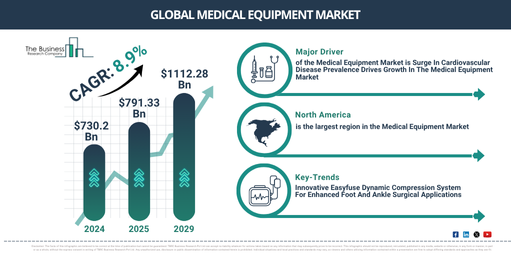
    The medical equipment market size has experienced strong growth in recent years. It is anticipated to expand from $730.2 billion in 2024 to $791.33 billion in 2025, demonstrating a compound annual growth rate (CAGR) of 8.4%. This historical growth can be attributed to factors such as increased healthcare expenditure, robust economic growth observed in emerging markets, a rise in the number of healthcare facilities, and an increased volume of surgical procedures.

    The medical equipment market is projected for substantial expansion in the coming years. It is anticipated to reach $1112.28 billion by 2029, exhibiting a compound annual growth rate (CAGR) of 8.9%. This expansion during the forecast period is driven by factors such as a rapidly expanding elderly demographic, a rise in chronic disease prevalence, and supportive government initiatives. Key trends expected over the forecast period encompass the creation of novel technological solutions, an emphasis on broadening medical equipment manufacturing capabilities, fostering partnerships and collaborations, concentrating on the production of cardiovascular devices, and advancing hybrid imaging technologies.

    Access A Free Sample Of The Report:

    https://www.thebusinessresearchcompany.com/sample.aspx?id=3157&type=smp

    Which Key Drivers Are Powering Growth In The Medical Equipment Market?

    The growing occurrence of cardiovascular diseases is projected to propel the expansion of the medical equipment market. Cardiovascular disease (CVD) encompasses a wide array of conditions impacting the heart or blood vessels. This condition is frequently associated with the buildup of fatty deposits in the arteries (atherosclerosis) and an increased likelihood of blood clot formation. A range of medical equipment is essential for the prevention, diagnosis, and treatment of cardiovascular diseases. For instance, as reported in May 2024 by the Centers for Disease Control and Prevention, a US-based government agency, heart disease was responsible for 702,880 deaths in 2022, representing 1 in every 5 deaths. Annually in the United States, approximately 805,000 individuals suffer a heart attack; among these, 605,000 are initial occurrences, while 200,000 affect those who have previously experienced one. Consequently, the increasing incidence of cardiovascular diseases is set to stimulate the future expansion of the medical equipment market.

    How Is The Global Medical Equipment Market Structured By Key Segments?

    The medical equipmentmarket covered in this report is segmented –

    1) By Type: In-Vitro Diagnostics, Dental Equipment And Supplies, Ophthalmic Devices, Diagnostic Imaging Equipment, Cardiovascular Devices, Hospital Supplies, Surgical Equipment, Orthopedic Devices, Patient Monitoring Devices, Others

    2) By Type Of Expenditure: Public, Private

    3) By Product: Instruments And Equipment, Disposables And Consumables

    4) By End User: Hospitals And Clinics, Homecare And Diagnostic Centers, Other End Users

    Subsegments:

    1) By In-Vitro Diagnostics: Clinical Chemistry, Immunoassay, Molecular Diagnostics, Hematology, Microbiology

    2) By Dental Equipment And Supplies: Dental Instruments, Dental Implants, Dental Chairs And Equipment, Orthodontic Supplies, Dental Consumables

    3) By Ophthalmic Devices: Contact Lenses, Intraocular Lenses, Ophthalmic Lasers, Diagnostic Devices, Surgical Devices

    4) By Diagnostic Imaging Equipment: X-Ray Systems, Ultrasound Systems, MRI Systems, CT Scanners, Nuclear Imaging Systems

    5) By Cardiovascular Devices: Cardiac Rhythm Management Devices, Catheters, Heart Valves, Stents, Cardiac Assist Devices

    6) By Hospital Supplies: Disposables, Sterilization Equipment, Surgical Masks And Gowns, IV Solutions And Administration Sets, Diagnostic Strips

    7) By Surgical Equipment: Surgical Instruments, Electrosurgical Devices, Robotic Surgery Systems, Surgical Sutures And Staplers, Minimally Invasive Surgery Devices

    8) By Orthopedic Devices: Joint Replacement Devices, Trauma Fixation Devices, Spinal Implants, Orthopedic Braces And Supports, Arthroscopy Devices

    9) By Patient Monitoring Devices: Vital Signs Monitors, Remote Patient Monitoring Devices, Fetal And Neonatal Monitors, Cardiac Monitoring Devices, Multi-Parameter Monitors

    10) By Others: Blood Glucose Meters, Insulin Delivery Devices, Continuous Glucose Monitoring Systems (CGMs), Lancets And Strips, Dialysis Equipment (Hemodialysis, Peritoneal Dialysis), Urinary Catheters, Stone Management Devices

    What Future-Focused Trends Are Anticipated In The Medical Equipment Market?

    Leading firms within the medical equipment market are developing novel products, including the EasyFuse Dynamic Compression System, with the aim of boosting their market profitability. The EasyFuse Dynamic Compression System itself is a complete super-elastic nitinol staple system crafted to offer quick and straightforward fixation for demanding foot and ankle procedures. As an illustration, Stryker Corporation, a US-based medical technology enterprise, introduced the EasyFuse Dynamic Compression System in May 2022. This system is specifically engineered to streamline surgical processes, provide durable dynamic-compression implants, and reduce operative waste. Furthermore, the EasyFuse system features an unusually wide staple bridge, designed to evenly spread forces and guarantee uniform implant strength.

    Which Companies Hold A Competitive Edge In The Medical Equipment Market?

    Major companies operating in the medical equipment market include Medtronic Inc, Abbott Laboratories, Johnson & Johnson, Siemens AG, Becton Dickinson and Company(BD), STRYKER CORPORATION, Cardinal Health, Danaher Corporation, Boston Scientific Corporation, Koninklijke Philips N.V., SCHILLER Healthcare India Pvt. Ltd, GE Healthcare, Covidien Healthcare India Private Limited, Philips Healthcare India, Fisher & Paykel Healthcare India Private Limited, Smiths Medical India Pvt Ltd, Agappe Diagnostics Ltd, ARKRAY Healthcare Pvt. Ltd, Accord Medical Products Private Limited, Shinva Medical Instrument Company Limited, Shandong WeiGao Group Medical Polymer Company Limited, Lepu Medical Technology Company (Beijing) Co., Ltd, Yuwell – Jiangsu Yuyue Medical Equipment & Supply Co., Ltd, Shanghai Runda Medical Technology Co., Ltd, Terumo Corporation, Olympus Medical Systems Corporation, Canon Medical Systems Corporation, Hitachi Group, Nihon Koden Corporation, Sanko Manufacturing Co., Ltd, Fukuda Denshi, Metran Co. Ltd, Clarity Medical, Welcare Industries S.P.A, F.L. Medical S.r.l, Empire MEDICAL UK LTD, Europlaz Technologies Ltd, Alfa-Med LLC, Medplant LLC, Medical-Łomża Sp. z o.o., P.H.U. Medical, ProVeterináře, Panop CZ, Baxter, SunMed, Beckman Coulter, Draegerwerk AG, Getinge Group, Masimo, Teleflex Inc, Nipro Medical Ltda, LINET Brazil, Fotoptica Ltda, Leistung Engineering Pvt. Ltd, Saudi Mais Co. for Medical Products (SMMP), Life Pulse Medical Co, Watan, AlKawashef, 3BY Ltd, Qatari German Medical Devices Co, Israeli Hospitals Ltd, CAPS Medical, Amana Healthcare (Pty) Ltd, CapeRay, TiTaMED (Pty) Ltd, Sinapi Biomedical, Egyptian Medical And Environment Group, ResMed Inc.

    Download The Full Report Here:

    https://www.thebusinessresearchcompany.com/report/medical-equipment-global-market-report

    Which Region Is Expected To Lead The Medical Equipment Market In The Next Few Years?

    North America was the largest region in the global medical equipment market in 2024. Asia-Pacific was the second largest region in the global medical equipment market. The regions covered in the medical equipment market report are Asia-Pacific, Western Europe, Eastern Europe, North America, South America, Middle East, Africa

    Get A Report Customized For You Here:

    https://www.thebusinessresearchcompany.com/customise?id=3157&type=smp

    Browse Through More Reports Similar to the Global Medical Equipment Market 2025, By The Business Research Company

    Electrosurgical Devices And Equipment Global Market Report 2025

    https://www.thebusinessresearchcompany.com/report/electrosurgical-devices-and-equipment-global-market-report

    Anesthetics Global Market Report 2025

    https://www.thebusinessresearchcompany.com/report/anesthetics-global-market-report

    Ent Surgical Devices And Equipment Global Market Report 2025

    https://www.thebusinessresearchcompany.com/report/ent-surgical-devices-and-equipment-global-market-report

    Get in touch with us:

    The Business Research Company: https://www.thebusinessresearchcompany.com/

    Americas +1 310-496-7795

    Asia +44 7882 955267 & +91 8897263534

    Europe +44 7882 955267

    Email us at info@tbrc.info

    Follow us on:

    LinkedIn: https://in.linkedin.com/company/the-business-research-company

    YouTube: https://www.youtube.com/channel/UC24_fI0rV8cR5DxlCpgmyFQ

    Global Market Model: https://www.thebusinessresearchcompany.com/global-market-model