Category: Medical Equipment

  • Global Point Of Care Hematology Diagnostics Market 2025–2029: Unveiling Growth Developments with the Latest Updates

    Global Point Of Care Hematology Diagnostics Market 2025–2029: Unveiling Growth Developments with the Latest Updates

    Uncover key drivers, emerging technologies, and competitive movements shaping the point of care hematology diagnostics market from 2025–2034 with trusted insights from The Business Research Company

    What Is The Present And Forecasted Size Of The Point Of Care Hematology Diagnostics Market?

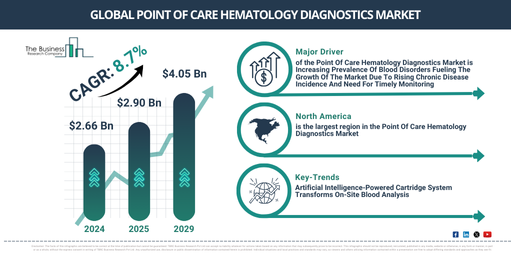
    The point of care hematology diagnostics market size has demonstrated robust growth over recent years. It is anticipated to expand from $2.66 billion in 2024 to $2.90 billion in 2025, at a compound annual growth rate (CAGR) of 9.1%. This historical market expansion is primarily due to the increasing occurrence of hematological conditions, the expansion of decentralized healthcare models, a greater emphasis on early disease identification, rising healthcare investments in developing markets, and the wider deployment of portable diagnostic instruments.

    The point of care hematology diagnostics market size is anticipated to experience robust expansion over the coming years. This market is projected to reach $4.05 billion by 2029, growing at a compound annual growth rate (CAGR) of 8.7%. This projected growth during the forecast period is primarily driven by the increasing adoption of personalized medicine, a rising demand for immediate clinical decisions, the expanding need for home healthcare diagnostics, the growing prevalence of blood-related disorders, and enhanced awareness regarding preventive healthcare. Significant trends anticipated in the forecast period involve advanced connectivity features in hematology analyzers, ongoing innovation in sample preparation methods, the integration of artificial intelligence into diagnostic tools, developments in single-cell analysis, the incorporation of cloud-based data platforms, and progress in lab-on-a-chip solutions.

    Get A Free Sample Of The Report:

    https://www.thebusinessresearchcompany.com/sample.aspx?id=27388&type=smp

    Which Market Dynamics Are Playing A Critical Role In The Growth Of The Point Of Care Hematology Diagnostics Market?

    The expanding occurrence of blood-related ailments is anticipated to fuel the expansion of the point-of-care hematology diagnostics market in the future. These conditions involve abnormalities in the various constituents of blood, such as red blood cells, white blood cells, platelets, or plasma. The heightened incidence of blood disorders largely stems from the growing presence of chronic illnesses, which directly affect blood health and necessitate continuous oversight. Point-of-care hematology diagnostics facilitate prompt detection and ongoing surveillance of blood disorders by delivering fast, precise results directly at or close to the patient care location, leading to faster clinical judgments and enhanced disease control. For example, in April 2024, the Perth Blood Institute, an Australian non-profit, reported that the count of individuals diagnosed with hemophilia (a hereditary blood condition where blood fails to clot properly, leading to extended bleeding) reached 257,146 in 2022, an increase from 233,577 in 2021. Consequently, the increasing frequency of blood disorders is propelling the development of the point-of-care hematology diagnostics market.

    What Are The Key Segment Trends Observed In The Point Of Care Hematology Diagnostics Market?

    The point of care hematology diagnostics market covered in this report is segmented

    1) By Type: Complete Blood Count, Coagulation Testing, Hemoglobin Testing, Anemia Diagnosis, Other Types

    2) By Product: Consumables, Systems

    3) By Mode Of Prescription: Prescription Based Product, Over-The-Counter Based Product

    4) By End User: Diagnostic Centers, Hospitals, Blood Banks, Transfusion Centers, Other End Users

    Subsegments:

    1) By Complete Blood Count: White Blood Cell Count, Red Blood Cell Count, Platelet Count, Hematocrit, Hemoglobin Concentration, Mean Corpuscular Volume (MCV)

    2) By Coagulation Testing: Prothrombin Time (PT), Activated Partial Thromboplastin Time (aPTT), International Normalized Ratio (INR), D-Dimer Test, Fibrinogen Level

    3) By Hemoglobin Testing: Total Hemoglobin, Glycated Hemoglobin (HbA1c), Oxyhemoglobin, Carboxyhemoglobin, Methemoglobin

    4) By Anemia Diagnosis: Iron Studies, Vitamin B12 Levels, Folate Levels, Reticulocyte Count, Ferritin Test, Transferrin Saturation

    5) By Other Types: Blood Typing And Crossmatching, Erythrocyte Sedimentation Rate, Malaria Parasite Detection, Sickle Cell Screening, C-Reactive Protein Testing

    Which Disruptive Trends Are Driving Change Across The Point Of Care Hematology Diagnostics Market?

    Leading companies within the point-of-care hematology diagnostics market are concentrating on developing state-of-the-art products, such as cartridge-based AI-powered hematology analyzers, to provide quick, precise, and on-site blood analysis for better patient care. These analyzers are compact diagnostic devices that utilize single-use reagent cartridges and artificial intelligence algorithms to efficiently and accurately analyze blood samples directly at the point of care. For example, in September 2024, Zoetis Inc., a US-based veterinary health company, launched Vetscan OptiCell, which is a cartridge-based, AI-powered hematology analyzer specifically designed for veterinary applications. This innovative system delivers rapid, reference laboratory-quality complete blood count (CBC) results in mere minutes at the point of care, while also reducing maintenance and operational time. It features advanced AI-driven image analysis and viscoelastic focusing technology that meticulously aligns cells for clear imaging, allowing for accurate blood cell classification and automated abnormality detection, thereby ensuring efficient and reliable veterinary diagnostics.

    Who Are The Leading Companies Driving The Point Of Care Hematology Diagnostics Market?

    Major companies operating in the point of care hematology diagnostics market are F. Hoffmann-La Roche Ltd., Thermo Fisher Scientific Inc., Abbott Laboratories, Danaher Corporation, Siemens Healthineers AG, Shenzhen Mindray Bio-Medical Electronics Co. Ltd., Sysmex Corporation, HORIBA Ltd., Nova Biomedical Corp., S.D. Sight Diagnostics Ltd., EKF Diagnostics Holdings plc., Medsource Ozone Biomedicals Pvt. Ltd., BioSystems S.A., Chengdu Seamaty Technology Co. Ltd., Drucker Diagnostics LLC, Diamond Diagnostics Inc., DIAGON Kft., BioMedomics Inc., Norma Instruments Zrt., PixCell Medical Technologies Ltd.

    Access The Complete Report Here:

    https://www.thebusinessresearchcompany.com/report/point-of-care-hematology-diagnostics-global-market-report

    Which Region Is Forecasted To Lead The Point Of Care Hematology Diagnostics Market In The Coming Years?

    North America was the largest region in the point of care hematology market in 2024. Asia-Pacific is expected to be the fastest-growing region in the forecast period. The regions covered in the point of care hematology diagnostics market report are Asia-Pacific, Western Europe, Eastern Europe, North America, South America, Middle East, Africa.

    Customize Your Report Here:

    https://www.thebusinessresearchcompany.com/customise?id=27388&type=smp

    Browse Through More Reports Similar to the Global Point Of Care Hematology Diagnostics Market 2025, By The Business Research Company

    Pre Engineered Buildings Global Market Report 2025

    https://www.thebusinessresearchcompany.com/report/pre-engineered-buildings-global-market-report

    Architectural And Structural Metals Global Market Report 2025

    https://www.thebusinessresearchcompany.com/report/architectural-and-structural-metals-global-market-report

    Buildings Construction Global Market Report 2025

    https://www.thebusinessresearchcompany.com/report/buildings-construction-global-market-report

    About The Business Research Company:

    With over 15000+ reports from 27 industries covering 60+ geographies, The Business Research Company has built a reputation for offering comprehensive, data-rich research and insights. Armed with 1,500,000 datasets, the optimistic contribution of in-depth secondary research, and unique insights from industry leaders, you can get the information you need to stay ahead in the game.

    Get in touch with us:

    The Business Research Company: https://www.thebusinessresearchcompany.com/

    Americas +1 310-496-7795

    Asia +44 7882 955267 & +91 8897263534

    Europe +44 7882 955267

    Email us at info@tbrc.info

    Follow us on:

    LinkedIn: https://in.linkedin.com/company/the-business-research-company

    YouTube: https://www.youtube.com/channel/UC24_fI0rV8cR5DxlCpgmyFQ

    Global Market Model: https://www.thebusinessresearchcompany.com/global-market-model
  • Point Of Care Devices Market Emerging Trends and Growth Drivers Through 2029 | Reach USD $44.84 Billion

    Point Of Care Devices Market Emerging Trends and Growth Drivers Through 2029 | Reach USD $44.84 Billion

    Uncover key drivers, emerging technologies, and competitive movements shaping the point of care devices market from 2025–2034 with trusted insights from The Business Research Company

    How Big Is The Point Of Care Devices Market Today And What Is Its Future Size?

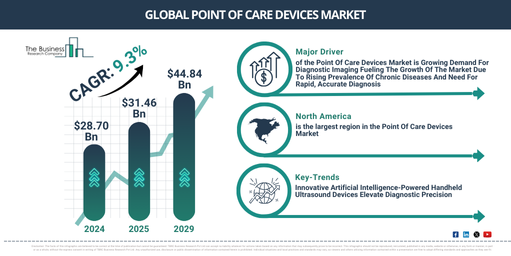
    The point of care devices market size has experienced robust growth in recent years. Projections indicate it will expand from $28.70 billion in 2024 to $31.46 billion in 2025, at a compound annual growth rate (CAGR) of 9.6%. This historical expansion is attributable to several factors, including increasing awareness of early disease detection, greater adoption of portable healthcare devices, an increasing demand for decentralized testing, growing government initiatives focused on healthcare accessibility, and rising healthcare expenditure across the globe.

    The point of care devices market is expected to experience significant expansion in the coming years, reaching $44.84 billion by 2029, demonstrating a compound annual growth rate (CAGR) of 9.3%. This growth during the forecast period is driven by factors such as the increasing adoption of wireless and interconnected devices, a greater focus on point-of-care testing in remote locations, a rising emphasis on cost-effective diagnostic tools, increased investments in healthcare infrastructure, the growing prevalence of infectious diseases, and an escalating demand for multi-parameter testing devices. Prominent trends anticipated in this period include advancements in lab-on-a-chip technology, the development of artificial intelligence-powered diagnostic platforms, innovations in smartphone-integrated testing devices, improvements in multiplex testing capabilities, and the creation of cloud-connected point-of-care systems.

    Get A Free Sample Of The Report:

    https://www.thebusinessresearchcompany.com/sample.aspx?id=27387&type=smp

    What External And Internal Drivers Are Influencing The Point Of Care Devices Market?

    The increasing need for diagnostic imaging is anticipated to fuel the expansion of the point-of-care devices market in the future. Diagnostic imaging involves methods and procedures that generate visual depictions of a body’s internal structures for medical assessment and treatment. The uptake of diagnostic imaging is on the rise, driven by the increasing occurrence of chronic illnesses that necessitate prompt and precise diagnosis. Point-of-care instruments improve diagnostic imaging capabilities through their compact and portable designs, rendering them highly suitable for use in clinics, at the patient’s bedside, and in distant healthcare environments. These devices expedite processes by delivering quick and precise imaging outcomes, thereby enhancing clinical decision-making and the effectiveness of patient care. As an illustration, a survey published by the National Library of Medicine, a US-based federal government entity, in February 2025, which analyzed 348,214,053 insured individuals across Medicare fee-for-service, Medicare Advantage, Medicaid, and commercial insurance plans from 2018 to 2022, indicated that imaging utilization is predicted to be 16.9% to 26.9% greater in 2055 than in 2023. Consequently, the expanding need for diagnostic imaging is propelling the expansion of the point-of-care devices market.

    How Is The Point Of Care Devices Market Categorized Across Applications And Types?

    The point of care devices market covered in this report is segmented

    1) By Type Of Device: Diagnostic Devices, Therapeutic Devices, Monitoring Devices, Treatment Devices, Support Devices

    2) By Technology: Biochemical Technology, Microfluidics, Immunoassay Technology, Nucleic Acid Testing, Wearable Technology

    3) By Application: Cardiology, Diabetes Management, Infectious Diseases, Oncology, Pediatrics

    4) By Distribution Channel: Direct Sales, Distributors, Online Sales, Retail Pharmacies, Healthcare Institutions

    5) By End User: Hospitals, Clinics, Home Care Settings, Diagnostic Laboratories, Emergency Medical Services (EMS)

    Subsegments:

    1) By Diagnostic Devices: Blood Glucose Monitors, Hematology Analyzers, Coagulation Analyzers, Urinalysis Devices, Molecular Diagnostics

    2) By Therapeutic Devices: Infusion Pumps, Respiratory Therapy Devices, Pain Management Devices, Wound Care Devices, Dialysis Devices

    3) By Monitoring Devices: Vital Signs Monitors, Cardiac Monitors, Pulse Oximeters, Temperature Monitors, Respiratory Monitors

    4) By Treatment Devices: Defibrillators, Surgical Devices, Laser Therapy Devices, Physical Therapy Devices

    5) By Support Devices: Sample Collection Devices, Specimen Transport Devices, Data Management Devices, Calibration And Maintenance Devices

    How Are Market Trends Influencing Competition In The Point Of Care Devices Market?

    Leading companies in the point-of-care devices market are concentrating on developing advanced technological solutions, such as artificial intelligence-powered handheld ultrasound systems, to enhance diagnostic accuracy and portability. Artificial intelligence-enhanced handheld ultrasound systems represent portable imaging devices that leverage AI algorithms to assist in capturing and interpreting ultrasound images, leading to faster and more accurate diagnoses. For instance, in October 2023, Koninklijke Philips N.V., a Netherlands-based healthcare technology company, introduced the Compact 5000 Series, an AI-enhanced point-of-care ultrasound system. This portable device provides superior image quality along with advanced AI-driven automation for measurements and streamlined workflows, enabling rapid and precise diagnostics across various healthcare settings. It features user-friendly controls, supports multiple transducers, and integrates smoothly with telemedicine platforms to facilitate collaborative remote clinical care.

    Who Are The Global Leaders Steering The Point Of Care Devices Market Forward?

    Major companies operating in the point of care devices market are Johnson & Johnson, F. Hoffmann-La Roche AG, Thermo Fisher Scientific Inc., Abbott Laboratories, Danaher Corporation, Siemens Healthineers AG, Becton, Dickinson and Company, Hologic Inc., BioMérieux SA, Quidel Corporation, OraSure Technologies Inc., Nova Biomedical Corporation, Sekisui Diagnostics LLC, Abaxis Inc., EKF Diagnostics Holdings plc, Trinity Biotech plc, Chembio Diagnostics Inc., PTS Diagnostics LLC, MeMed, Alere Inc., Diagnostics For All Inc.

    Access The Complete Report Here:

    https://www.thebusinessresearchcompany.com/report/point-of-care-devices-global-market-report

    What Are The Emerging Regional Trends Driving The Point Of Care Devices Market?

    North America was the largest region in the point of care devices market in 2024. Asia-Pacific is expected to be the fastest-growing region in the forecast period. The regions covered in the point of care devices market report are Asia-Pacific, Western Europe, Eastern Europe, North America, South America, Middle East, Africa.

    Customize Your Report Here:

    https://www.thebusinessresearchcompany.com/customise?id=27387&type=smp

    Browse Through More Reports Similar to the Global Point Of Care Devices Market 2025, By The Business Research Company

    Ai In Inventory Management Global Market Report 2025

    https://www.thebusinessresearchcompany.com/report/ai-in-inventory-management-global-market-report

    Artificial Intelligence Ai In Retail Global Market Report 2025

    https://www.thebusinessresearchcompany.com/report/artificial-intelligence-ai-in-retail-global-market-report

    Ai In Fintech Global Market Report 2025

    https://www.thebusinessresearchcompany.com/report/ai-in-fintech-global-market-report

    About The Business Research Company:

    With over 15000+ reports from 27 industries covering 60+ geographies, The Business Research Company has built a reputation for offering comprehensive, data-rich research and insights. Armed with 1,500,000 datasets, the optimistic contribution of in-depth secondary research, and unique insights from industry leaders, you can get the information you need to stay ahead in the game.

    Get in touch with us:

    The Business Research Company: https://www.thebusinessresearchcompany.com/

    Americas +1 310-496-7795

    Asia +44 7882 955267 & +91 8897263534

    Europe +44 7882 955267

    Email us at info@tbrc.info

    Follow us on:

    LinkedIn: https://in.linkedin.com/company/the-business-research-company

    YouTube: https://www.youtube.com/channel/UC24_fI0rV8cR5DxlCpgmyFQ

    Global Market Model: https://www.thebusinessresearchcompany.com/global-market-model
  • Plasmonic Laser Ablation Device Market Size, Share & Trends Analysis Report By Product | Forecast to 2029

    Plasmonic Laser Ablation Device Market Size, Share & Trends Analysis Report By Product | Forecast to 2029

    Uncover key drivers, emerging technologies, and competitive movements shaping the plasmonic laser ablation device market from 2025–2034 with trusted insights from The Business Research Company

    How Will The Plasmonic Laser Ablation Device Market Valuation Change Between Now And 2029?

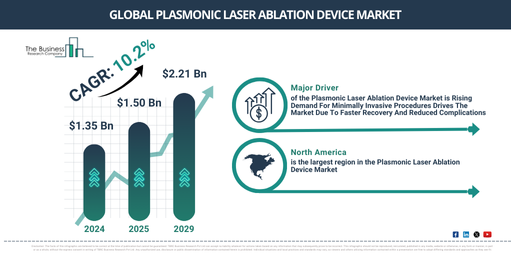
    The market for plasmonic laser ablation devices has experienced rapid expansion in recent years. This market is projected to expand from $1.35 billion in 2024 to $1.50 billion in 2025, achieving a compound annual growth rate (CAGR) of 10.6%. The historical growth was driven by the rising prevalence of cancer and chronic diseases, increased investment in medical research and clinical trials, the growing integration of plasmonic in biomedical applications, its expanding adoption in material science and nanotechnology, and an increasing emphasis on patient safety and recovery.

    The plasmonic laser ablation device market size is anticipated to experience substantial expansion over the upcoming years. This market is projected to reach $2.21 billion by 2029, exhibiting a compound annual growth rate (CAGR) of 10.2%. The expansion during the projected timeframe stems from factors such as the expanding application of femtosecond and nanosecond laser pulses, an escalating need for outpatient and day-care surgical interventions, the evolving inclination towards precision medicine, greater implementation in dermatological and cosmetic treatments, and an increasing requirement for image-guided surgical solutions. Key trends anticipated for this forecast period encompass progress in femtosecond and nanosecond laser technologies, the incorporation of real-time imaging capabilities, innovations in biocompatible nanoparticle formulations, enhancements in surface plasmon resonance (SPR) monitoring, and breakthroughs concerning photothermal and photomechanical effects.

    Get A Free Sample Of The Report:

    https://www.thebusinessresearchcompany.com/sample.aspx?id=27386&type=smp

    What Underlying Factors Are Supporting The Plasmonic Laser Ablation Device Market Growth?

    A growing need for minimally invasive procedures is anticipated to propel the plasmonic laser ablation device market’s expansion. These procedures involve medical techniques conducted via small cuts or natural bodily openings, employing specialized instruments to lessen pain, scarring, and recuperation periods. The rise in minimally invasive procedures stems from their quicker recovery times, enabling patients to resume regular activities sooner with fewer issues. Plasmonic laser ablation devices find application in these procedures for extremely accurate and localized tissue removal, ensuring minimal heat damage to adjacent regions, which in turn diminishes incision dimensions and speeds up recovery. For example, in June 2024, data from the American Society of Plastic Surgeons, a US-based professional society, indicated that roughly 25.4 million minimally invasive procedures were carried out in 2023, marking a 7% increase from 2022. Consequently, the heightened demand for minimally invasive procedures is fueling the growth of the plasmonic laser ablation device market. The escalating healthcare expenditure is projected to advance the plasmonic laser ablation device market. Healthcare expenditure denotes the overall financial outlay by individuals, governments, and organizations on medical services, treatments, and health-related assets. This spending is on the rise because of an aging global population, as older individuals generally need more frequent and expensive medical attention for chronic ailments and conditions linked to age. Greater healthcare expenditure facilitates the creation and uptake of sophisticated technologies like plasmonic laser ablation devices by allocating funds for research, acquisition, and assimilation into clinical use. As an illustration, in March 2022, the Centers for Medicare and Medicaid Services (CMS), a US-based federal agency, forecasted that the yearly rise in national health spending would average 5.1% from 2021 to 2030, anticipated to hit around $6.8 trillion by 2030. Thus, increasing healthcare spending is propelling the expansion of the plasmonic laser ablation device market.

    Which Sub-Segments Are Driving Growth Within The Plasmonic Laser Ablation Device Market?

    The plasmonic laser ablation device market covered in this report is segmented

    1) By Type: Yttrium Aluminum Garnet Laser, Carbon Dioxide Laser, Other Types

    2) By Device Type: Pulsed Plasmonic Laser Ablation Devices, Continuous Wave Plasmonic Laser Ablation Devices, Femtosecond Plasmonic Laser Ablation Devices, Nanosecond Plasmonic Laser Ablation Devices

    3) By Technology: Surface Plasmon Resonance (SPR) Technology, Nanoparticle Mediated Laser Ablation, Optical Coherence Tomography (OCT)

    4) By Application: Medical Applications, Material Processing, Research And Development

    5) By End-User: Hospitals, Research Institutes, Manufacturing Industries, Other Users

    Subsegments:

    1) By Yttrium Aluminum Garnet: Nanosecond Yttrium Aluminum Garnet Laser, Picosecond Yttrium Aluminum Garnet Laser, Q-switched Yttrium Aluminum Garnet Laser

    2) By Carbon Dioxide (CO₂) Laser: Continuous Wave Carbon Dioxide Laser, Pulsed Carbon Dioxide Laser, rational Carbon Dioxide Laser

    3) By Other Types: Femtosecond Laser, Excimer Laser, Ultrafast Laser

    Which Companies Hold A Competitive Edge In The 191 Market?

    Major companies operating in the plasmonic laser ablation device market are Mitsubishi Electric Corporation, Boston Scientific Corporation, Trumpf Group, Coherent Corp., Han’s Laser Technology Industry Group Co. Ltd., Lumentum Holdings Inc., Thorlabs Inc., Edmund Optics Inc, Jenoptik AG, Universal Laser Systems Inc., Cincinnati Incorporated, Epilog Laser, RPMC Lasers, Dongguan Mactron Technology Co. Ltd., Aesthetic World, Astanza Laser LLC, Boss Laser LLc, Quantum Composers, Laser Photonics Corporation, Medioxra LLP.

    Access The Complete Report Here:

    https://www.thebusinessresearchcompany.com/report/plasmonic-laser-ablation-device-global-market-report

    Which Region Dominates The Plasmonic Laser Ablation Device Market Today?

    North America was the largest region in the plasmonic laser ablation device market in 2024. Asia-Pacific is expected to be the fastest-growing region in the forecast period. The regions covered in the plasmonic laser ablation device market report are Asia-Pacific, Western Europe, Eastern Europe, North America, South America, Middle East, Africa.

    Customize Your Report Here:

    https://www.thebusinessresearchcompany.com/customise?id=27386&type=smp

    Browse Through More Reports Similar to the Global Plasmonic Laser Ablation Device Market 2025, By The Business Research Company

    Precast Concrete Global Market Report 2025

    https://www.thebusinessresearchcompany.com/report/precast-concrete-market

    Ready Mix Concrete Global Market Report 2025

    https://www.thebusinessresearchcompany.com/report/ready-mix-concrete-global-market-report

    Insulated Concrete Form Global Market Report 2025

    https://www.thebusinessresearchcompany.com/report/insulated-concrete-form-global-market-report

    About The Business Research Company:

    With over 15000+ reports from 27 industries covering 60+ geographies, The Business Research Company has built a reputation for offering comprehensive, data-rich research and insights. Armed with 1,500,000 datasets, the optimistic contribution of in-depth secondary research, and unique insights from industry leaders, you can get the information you need to stay ahead in the game.

    Get in touch with us:

    The Business Research Company: https://www.thebusinessresearchcompany.com/

    Americas +1 310-496-7795

    Asia +44 7882 955267 & +91 8897263534

    Europe +44 7882 955267

    Email us at info@tbrc.info

    Follow us on:

    LinkedIn: https://in.linkedin.com/company/the-business-research-company

    YouTube: https://www.youtube.com/channel/UC24_fI0rV8cR5DxlCpgmyFQ

    Global Market Model: https://www.thebusinessresearchcompany.com/global-market-model
  • Syndromic Multiplex Diagnostics Market Emerging Trends and Growth Drivers Through 2029 | Reach USD $4.96 Billion

    Syndromic Multiplex Diagnostics Market Emerging Trends and Growth Drivers Through 2029 | Reach USD $4.96 Billion

    Uncover key drivers, emerging technologies, and competitive movements shaping the syndromic multiplex diagnostics market from 2025–2034 with trusted insights from The Business Research Company

    How Will The Syndromic Multiplex Diagnostics Market Valuation Change Between Now And 2029?

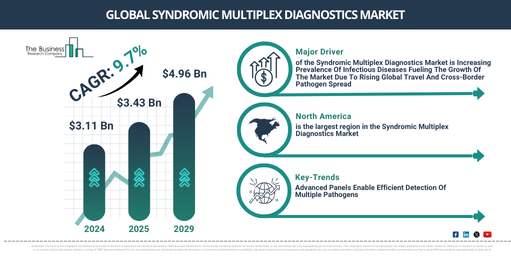
    The syndromic multiplex diagnostics market has experienced rapid growth in its size over recent years. It is projected to expand from $3.11 billion in 2024 to reach $3.43 billion by 2025, at a compound annual growth rate (CAGR) of 10.0%. This historical growth can be attributed to factors such as an escalating demand for swift and precise diagnostic tools, increased awareness regarding the early detection of diseases, a rise in hospital-acquired infections, the growing adoption of molecular diagnostics, augmented healthcare expenditure, and an increasing need for point-of-care testing.

    The syndromic multiplex diagnostics market is projected to experience robust expansion over the coming years. This market is anticipated to reach a value of $4.96 billion by 2029, exhibiting a compound annual growth rate (CAGR) of 9.7%. Several factors are expected to fuel this growth during the forecast period, including higher investments in research and development, increased uptake in settings with limited resources, expanding healthcare infrastructure in emerging economies, heightened government efforts to control infectious diseases, and an escalating need for testing solutions that are decentralized. Key trends for the forecast period encompass progress in multiplex polymerase chain reaction (PCR) technologies, breakthroughs in microfluidics and lab-on-chip systems, enhanced automation for sample processing, novel point-of-care molecular platforms, the incorporation of cloud-based diagnostic data systems, and improvements in portable diagnostic devices.

    Get A Free Sample Of The Report:

    https://www.thebusinessresearchcompany.com/sample.aspx?id=27427&type=smp

    What Growth-Enabling Forces Are Impacting The Syndromic Multiplex Diagnostics Market?

    The syndromic multiplex diagnostics market is anticipated to expand due to the growing occurrence of infectious diseases. Infectious ailments arise from detrimental microorganisms such as bacteria, viruses, fungi, or parasites, which infiltrate the body, proliferate, and lead to symptoms and health issues. The surge in these diseases is fueled by increased global travel, which facilitates the rapid spread of pathogens across regions and populations. Syndromic multiplex diagnostics improve the management of infectious diseases by offering swift and concurrent detection of multiple pathogens from a single specimen. They enhance diagnostic precision and speed, thereby supporting prompt treatment decisions and superior patient outcomes. For illustration, in March 2023, the Centers for Disease Control and Prevention, a US-based national public health organization, reported 8,331 cases of tuberculosis (TB) in 2022, marking an increase of 5.9% from 7,874 cases recorded in 2021. Consequently, the rising occurrence of infectious diseases is a key factor driving the expansion of the syndromic multiplex diagnostics market.

    What Are The Main Segment Classifications In The Syndromic Multiplex Diagnostics Market?

    The syndromic multiplex diagnostics market covered in this report is segmented

    1) By Product Type: Instruments, Reagents, Software And Services

    2) By Sample Type: Blood Samples, Urine Samples, Saliva Samples, Tissue Samples

    3) By Technology: Polymerase Chain Reaction, Mass Spectrometry, Nucleic Acid Amplification Tests, Next-Generation Sequencing

    4) By Application: Infectious Diseases, Respiratory Diseases, Gastrointestinal Diseases, Sexually Transmitted Infections, Central Nervous System Diseases

    5) By End User: Clinical Laboratories, Hospitals, Pharmaceutical And Biotechnology Companies, Research Institutes, Other End Users

    Subsegments:

    1) By Instruments: Real-Time Polymerase Chain Reaction (PCR) Systems, Microfluidic-Based Systems, Automated Sample-To-Answer Systems, Cartridge-Based Systems, Multiplex Polymerase Chain Reaction (PCR) Platforms

    2) By Reagents: Assay Panels, Primers And Probes, Enzymes, Buffers And Solutions, Sample Preparation Reagents

    3) By Software And Services: Data Analysis Software, Cloud-Based Diagnostic Platforms, Integration And Connectivity Solutions, Technical Support Services, Maintenance And Calibration Services, Training And Installation Services

    How Are Industry Trends Steering The Expansion Of The Syndromic Multiplex Diagnostics Market?

    Leading companies operating within the syndromic multiplex diagnostics market are concentrating on developing technologically advanced solutions, such as AI-enhanced diagnostic algorithms, to boost the speed, accuracy, and thoroughness of pathogen detection. AI-enhanced diagnostic algorithms represent sophisticated computational tools that utilize artificial intelligence, particularly machine learning and deep learning techniques, to analyze complex clinical and laboratory data for faster and more precise disease diagnosis. For example, in January 2024, Qiagen N.V., a Netherlands-based molecular diagnostics company, unveiled two syndromic testing panels, specifically the Gastrointestinal Panel 2 and the Meningitis and Encephalitis Panel, for its QIAstat Dx platform. These panels allow for the rapid and accurate diagnosis of infectious diseases by identifying multiple pathogens in one test, thereby improving clinical decision-making and patient outcomes. The QIAstat-Dx system also integrates advanced data analytics, aiding healthcare professionals in efficiently identifying and managing infectious disease outbreaks.

    Which Firms Are Driving Innovation Within The Syndromic Multiplex Diagnostics Market?

    Major companies operating in the syndromic multiplex diagnostics market are Roche Molecular Systems Inc., Abbott Laboratories, Becton Dickinson and Company, Hologic Inc., Bio‑Rad Laboratories Inc., Qiagen N.V., Cepheid, Bosch Healthcare Solutions GmbH, Biocartis NV, Luminex Corporation, Curetis GmbH, Accelerate Diagnostics Inc., Applied BioCode Inc., Ador Diagnostics Ltd., Akonni Biosystems Inc., Alveo Technologies Inc., Atlas Genetics Ltd., BioFire Diagnostics LLC, Nanomix Inc., Primerdesign Ltd.

    Access The Complete Report Here:

    https://www.thebusinessresearchcompany.com/report/syndromic-multiplex-diagnostics-global-market-report

    What Are The Emerging Regional Trends Driving The Syndromic Multiplex Diagnostics Market?

    North America was the largest region in the syndromic multiplex diagnostics market in 2024. Asia-Pacific is expected to be the fastest-growing region in the forecast period. The regions covered in the syndromic multiplex diagnostics market report are Asia-Pacific, Western Europe, Eastern Europe, North America, South America, Middle East, Africa.

    Customize Your Report Here:

    https://www.thebusinessresearchcompany.com/customise?id=27427&type=smp

    Browse Through More Reports Similar to the Global Syndromic Multiplex Diagnostics Market 2025, By The Business Research Company

    Scissor Lift Global Market Report 2025

    https://www.thebusinessresearchcompany.com/report/scissor-lift-global-market-report

    Artificial Lift System Global Market Report 2025

    https://www.thebusinessresearchcompany.com/report/artificial-lift-system-global-market-report

    Medical Lifting Sling Global Market Report 2025

    https://www.thebusinessresearchcompany.com/report/medical-lifting-sling-global-market-report

    About The Business Research Company:

    With over 15000+ reports from 27 industries covering 60+ geographies, The Business Research Company has built a reputation for offering comprehensive, data-rich research and insights. Armed with 1,500,000 datasets, the optimistic contribution of in-depth secondary research, and unique insights from industry leaders, you can get the information you need to stay ahead in the game.

    Get in touch with us:

    The Business Research Company: https://www.thebusinessresearchcompany.com/

    Americas +1 310-496-7795

    Asia +44 7882 955267 & +91 8897263534

    Europe +44 7882 955267

    Email us at info@tbrc.info

    Follow us on:

    LinkedIn: https://in.linkedin.com/company/the-business-research-company

    YouTube: https://www.youtube.com/channel/UC24_fI0rV8cR5DxlCpgmyFQ

    Global Market Model: https://www.thebusinessresearchcompany.com/global-market-model
  • What Are The Strategic Insights Behind The Superconducting Magnet For Medical Magnetic Resonance Imaging (MRI) System Market Expansion To $2.87 Billion?

    What Are The Strategic Insights Behind The Superconducting Magnet For Medical Magnetic Resonance Imaging (MRI) System Market Expansion To $2.87 Billion?

    Uncover key drivers, emerging technologies, and competitive movements shaping the superconducting magnet for medical magnetic resonance imaging (mri) system market from 2025–2034 with trusted insights from The Business Research Company

    What Is The Current Size And Growth Outlook For The Superconducting Magnet For Medical Magnetic Resonance Imaging (MRI) System Market?

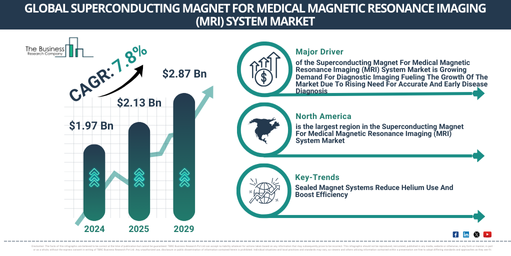
    The market for superconducting magnets used in medical magnetic resonance imaging (MRI) systems has experienced substantial expansion recently. This market is projected to expand from $1.97 billion in 2024 to $2.13 billion in 2025, demonstrating a compound annual growth rate (CAGR) of 8.1%. Historically, this growth has been driven by factors such as the increasing need for high-resolution imaging, an uptick in diagnostic imaging procedures, the growing incidence of chronic diseases, governmental spending on medical imaging, an expanding elderly population, and greater recognition of the benefits of early disease detection.

    The superconducting magnet for medical magnetic resonance imaging (MRI) system market size is projected to undergo significant expansion in the next few years. It is predicted to climb to $2.87 billion by 2029, exhibiting a compound annual growth rate (CAGR) of 7.8%. The forecasted increase during this period is largely due to the creation of compact superconducting magnets, penetration into emerging healthcare markets, a rising demand for outpatient imaging facilities, the progression of personalized medicine, and the increasing necessity for non-invasive diagnostic instruments. Prominent trends expected in the forecast period encompass a movement towards enhanced magnetic field strength, the proliferation of helium-free and zero boil-off magnet technologies, breakthroughs in superconducting materials, the design of compact superconducting magnet systems, and an emphasis on environmental sustainability and operational efficiency.

    Get A Free Sample Of The Report:

    https://www.thebusinessresearchcompany.com/sample.aspx?id=27425&type=smp

    What Core Drivers Are Expected To Influence The Superconducting Magnet For Medical Magnetic Resonance Imaging (MRI) System Market?

    The increasing need for diagnostic imaging is anticipated to boost the expansion of the superconducting magnet for medical magnetic resonance imaging (MRI) system market in the future. Diagnostic imaging encompasses methods and procedures that generate visual depictions of a body’s internal structures for clinical assessment and medical treatment. The escalating incidence of chronic illnesses, which necessitate timely and precise diagnosis, is driving the heightened demand for diagnostic imaging. Superconducting magnets for medical magnetic resonance imaging (MRI) system meet the requirements of diagnostic imaging by facilitating high-field strength, leading to more distinct and precise scans. These magnets enhance diagnostic accuracy, decrease scan durations, improve patient flow, and boost clinical effectiveness. As an illustration, a survey study conducted by the National Library of Medicine, a US-based federal government, among 348,214,053 insured individuals (including those with Medicare fee-for-service, Medicare Advantage, Medicaid, and commercial insurance) from 2018 to 2022 indicated that in February 2025, imaging utilization is forecast to be 16.9% to 26.9% greater in 2055 when contrasted with 2023. Consequently, the increasing need for diagnostic imaging is fueling the expansion of the superconducting magnet for medical magnetic resonance imaging (MRI) system market.

    Which Segmentation Categories Are Highlighted In The Superconducting Magnet For Medical Magnetic Resonance Imaging (MRI) System Market Analysis?

    The superconducting magnet for medical magnetic resonance imaging (MRI) system market covered in this report is segmented

    1) By Type: Low-Temperature Superconductors (LTS), High-Temperature Superconductors (HTS)

    2) By System Type: Open Magnetic Resonance Imaging (MRI) Systems, Closed Magnetic Resonance Imaging (MRI) Systems, Dedicated Magnetic Resonance Imaging (MRI) Systems For Specific Applications

    3) By Magnetic Field Strength: 1.5 Tesla, 3 Tesla, 7 Tesla, Ultra-High Field Magnetic Resonance Imaging (MRI)

    4) By Application: Neurological Imaging, Musculoskeletal Imaging, Cardiac Imaging, Pediatric Imaging, Oncology Imaging

    5) By End-User: Hospitals, Diagnostic Imaging Centers, Research Institutions, Academic Medical Centers

    Subsegments:

    1) By Low-Temperature Superconductors (LTS): Niobium-Titanium (NbTi), Niobium-Tin (Nb₃Sn), Other Low-Temperature Superconductors (LTS) Materials

    2) By High-Temperature Superconductors (HTS): Yttrium Barium Copper Oxide (YBCO), Bismuth Strontium Calcium Copper Oxide (BSCCO), Other High-Temperature Superconductors (HTS) Materials

    Which Market Trends Are Expected To Define The Future Of The Superconducting Magnet For Medical Magnetic Resonance Imaging (MRI) System Market?

    Leading companies within the superconducting magnet for medical magnetic resonance imaging (MRI) system market are directing their efforts towards developing advanced products, such as sealed magnet systems. Their objective is to lower helium consumption, enhance operational efficiency, and improve system reliability. Sealed magnet systems represent superconducting magnet technologies designed to function with minimal or zero helium boil-off, by containing the cryogen within a fully sealed, maintenance-free cryostat. For example, in February 2025, GE HealthCare Technologies Inc., a US-based health technology company, unveiled Freelium. This next-generation sealed magnet platform is engineered to deliver high-quality MRI imaging while using less than 1% of the helium typically required by conventional systems. Freelium operates without needing additional cooling or power infrastructure and integrates intelligent sensor technology for remote monitoring and automated recovery, thus reducing reliance on field engineers. This sealed construction also streamlines transport and installation, contributing to more equitable access to magnetic resonance imaging (MRI) services.

    Who Are The Dominant Players In The Superconducting Magnet For Medical Magnetic Resonance Imaging (MRI) System Market Today?

    Major companies operating in the superconducting magnet for medical magnetic resonance imaging (mri) system market are Hitachi Medical Corporation, Siemens Healthineers AG, Fujifilm Healthcare Corporation, Philips Medical Systems Nederland B.V., GE Healthcare Technologies Inc., Bruker Corporation, Shanghai United Imaging Healthcare Co. Ltd., Oxford Instruments plc, Canon Medical Systems Corporation, Japan Superconductor Technology Inc., Tesla Engineering Ltd., Cryogenic Ltd., Alltech Medical Systems America Inc., Aurora Imaging Technology Inc., American Magnetics Inc., Cryomagnetics Inc., Scientific Magnetics Ltd., Western Superconducting Technologies Co. Ltd., Yangzhou Kindsway Biotech Co. Ltd., Ningbo Jansen Superconducting Technologies Co. Ltd.

    Access The Complete Report Here:

    https://www.thebusinessresearchcompany.com/report/superconducting-magnet-for-medical-magnetic-resonance-imaging-mri-system-global-market-report

    Which Regional Markets Are Emerging As Key Hubs For The Superconducting Magnet For Medical Magnetic Resonance Imaging (MRI) System Market?

    North America was the largest region in the superconducting magnet for medical magnetic resonance imaging (MRI) system market in 2024. Asia-Pacific is expected to be the fastest-growing region in the forecast period. The regions covered in the superconducting magnet for medical magnetic resonance imaging (MRI) system market report are Asia-Pacific, Western Europe, Eastern Europe, North America, South America, Middle East, Africa.

    Customize Your Report Here:

    https://www.thebusinessresearchcompany.com/customise?id=27425&type=smp

    Browse Through More Reports Similar to the Global Superconducting Magnet For Medical Magnetic Resonance Imaging (MRI) System Market 2025, By The Business Research Company

    Concrete Repair Mortars Global Market Report 2025

    https://www.thebusinessresearchcompany.com/report/concrete-repair-mortars-global-market-report

    Decorative Concrete Global Market Report 2025

    https://www.thebusinessresearchcompany.com/report/decorative-concrete-global-market-report

    Concrete Materials Global Market Report 2025

    https://www.thebusinessresearchcompany.com/report/concrete-materials-global-market-report

    About The Business Research Company:

    With over 15000+ reports from 27 industries covering 60+ geographies, The Business Research Company has built a reputation for offering comprehensive, data-rich research and insights. Armed with 1,500,000 datasets, the optimistic contribution of in-depth secondary research, and unique insights from industry leaders, you can get the information you need to stay ahead in the game.

    Get in touch with us:

    The Business Research Company: https://www.thebusinessresearchcompany.com/

    Americas +1 310-496-7795

    Asia +44 7882 955267 & +91 8897263534

    Europe +44 7882 955267

    Email us at info@tbrc.info

    Follow us on:

    LinkedIn: https://in.linkedin.com/company/the-business-research-company

    YouTube: https://www.youtube.com/channel/UC24_fI0rV8cR5DxlCpgmyFQ

    Global Market Model: https://www.thebusinessresearchcompany.com/global-market-model
  • How Will The Suction And Aspiration Devices Market Reach $1.68 Billion By 2029 Amid Global Shifts?

    How Will The Suction And Aspiration Devices Market Reach $1.68 Billion By 2029 Amid Global Shifts?

    Uncover key drivers, emerging technologies, and competitive movements shaping the suction and aspiration devices market from 2025–2034 with trusted insights from The Business Research Company

    What Is The Predicted Market Size Of The Suction And Aspiration Devices Industry By 2029?

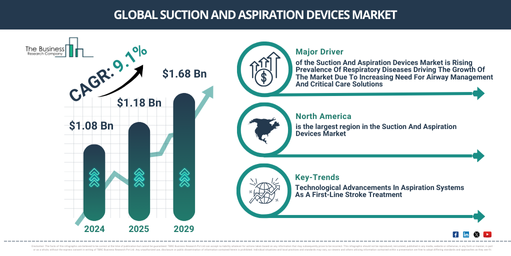
    The suction and aspiration devices market size has shown significant growth in recent years. This market is set to expand from $1.08 billion in 2024 to $1.18 billion in 2025, exhibiting a compound annual growth rate (CAGR) of 9.5%. The expansion witnessed during the historic period is credited to a global increase in surgical procedures, a rising prevalence of respiratory disorders, a greater number of emergency care admissions, enhanced adoption in dental practices, and an escalating demand for portable suction units.

    The suction and aspiration devices market is projected to experience substantial expansion over the coming years. Its valuation is anticipated to reach $1.68 billion by 2029, exhibiting a compound annual growth rate (CAGR) of 9.1%. This projected growth during the forecast period is primarily driven by factors such as the rising demand for minimally invasive surgical procedures, the expanding requirement for sophisticated critical care facilities, the increasing incidence of chronic illnesses, greater adoption in home healthcare environments, and a heightened emphasis on ensuring patient safety and promoting recovery. Key trends expected during the forecast timeframe encompass technological progress in battery-operated suction apparatus, advancements leading to silent and smaller suction units, the evolution of disposable suction accessories, increased investment in the design of portable medical devices, and breakthroughs in dual-powered aspiration systems.

    Get A Free Sample Of The Report:

    https://www.thebusinessresearchcompany.com/sample.aspx?id=27424&type=smp

    Which Industry Forces Are Driving The Suction And Aspiration Devices Market Forward?

    An anticipated rise in respiratory disease cases is set to boost the expansion of the suction and aspiration devices market in the future. These diseases encompass various medical conditions impacting the lungs and other components of the respiratory system, organs vital for respiration. The growing occurrence of respiratory diseases is linked to air pollution; extended exposure to contaminants such as particulate matter and nitrogen dioxide harms the lungs and airways, resulting in ailments like asthma, COPD, and other persistent respiratory conditions. Suction and aspiration devices play a crucial role in respiratory care by effectively clearing airways, facilitating ongoing airway management, and decreasing the likelihood of complications. This renders them indispensable in critical and emergency environments for enhancing patient outcomes with respiratory ailments. For example, data from June 2025, provided by the UK’s Office for Health Improvement and Disparities, showed that the North East and Yorkshire NHS England region registered the highest respiratory disease admission rate in 2024. This was recorded at 1,765 admissions per 100,000 population (with a range of 1,753 to 1,777), indicating a 7% increase from the prior year. Consequently, the rising incidence of respiratory diseases is fueling the expansion of the suction and aspiration devices market.

    What Is The Segment Breakdown Of The Suction And Aspiration Devices Market?

    The suction and aspiration devices market covered in this report is segmented

    1) By Type: Alternating Current (AC) Powered Devices, Battery Powered Devices, Dual Powered Devices, Manually Operated Devices

    2) By Portability: Hand Held Suction Device, Wall Mounted Suction Device

    3) By Vacuum System: Electrically Powered, Manual, Venturi

    4) By Application: Airway Clearing, Surgical Applications, Research And Diagnostics

    5) By End User: Gastric, Respiratory, Wound Section, Delivery Rooms, Other End Users

    Subsegments:

    1) By Alternating Current (AC) Powered Devices: Wall-Mounted Suction Units, Portable AC-Powered Aspirators, High-Vacuum Suction Devices, Continuous Suction Systems

    2) By Battery Powered Devices: Rechargeable Handheld Suction Devices, Battery-Powered Portable Suction Pumps, Emergency Medical Suction Units, Pediatric Battery Suction Devices

    3) By Dual Powered Devices: AC Or DC Convertible Suction Systems, Hybrid Emergency Aspirators, Field-Deployable Suction Units, Multi-Mode Hospital Suction Devices

    4) By Manually Operated Devices: Handheld Manual Suction Pumps, Foot-Operated Suction Devices, Manual Mucus Extractors, Manual Resuscitator With Suction Integration

    How Are Global Trends Impacting The Development Of The Suction And Aspiration Devices Market?

    Key companies within the suction and aspiration devices market are concentrating on creating sophisticated solutions, including first-line mechanical thrombectomy methods, aimed at improving the swiftness, safety, and patient results of acute ischemic stroke interventions. These first-line mechanical thrombectomy techniques represent the primary approach used to remove a blood clot obstructing a cerebral artery during an ischemic stroke event. An illustrative instance occurred in May 2025 when Imperative Care Inc., a medical technology firm based in the US, introduced a dual-catheter stroke aspiration system specifically designed to eliminate blood clots that impede oxygen flow. This dual-catheter system possesses distinct characteristics, including concurrent proximal and distal aspiration, facilitating uninterrupted clot engagement and extraction; a dual-lumen configuration that reduces the necessity for numerous device swaps; superior trackability and adaptability for traversing intricate cerebral vessels; powerful and steady suction for successful clot retrieval; and an ergonomic, user-friendly design for physicians, which collectively enhances procedural effectiveness and oversight during acute ischemic stroke procedures.

    Which Companies Are Contributing Significantly To The Suction And Aspiration Devices Market Growth?

    Major companies operating in the suction and aspiration devices market are Cardinal Health Inc., Medtronic Plc, Stryker Corporation, Boston Scientific Corporation, Draegerwerk AG & Co. KGaA, Cook Medical Inc., Schuco International KG, Penumbra Inc., Laerdal Medical AS, Drive DeVilbiss Healthcare, B. Braun Melsungen AG, Karl Storz SE & Co. KG, Integra Biosciences AG, Amsino International Inc., Labcoco Corporation, Precision Medical Inc., SunMed LLC, Allied Healthcare Products Inc., Pacific Hospital Supply Co. Ltd., and Medicop Inc.

    Access The Complete Report Here:

    https://www.thebusinessresearchcompany.com/report/suction-and-aspiration-devices-global-market-report

    Which Region Is Leading Innovation In The Suction And Aspiration Devices Market?

    North America was the largest region in the suction and aspiration devices market in 2024. Asia-Pacific is expected to be the fastest-growing region in the forecast period. The regions covered in the suction and aspiration devices market report are Asia-Pacific, Western Europe, Eastern Europe, North America, South America, Middle East, Africa.

    Customize Your Report Here:

    https://www.thebusinessresearchcompany.com/customise?id=27424&type=smp

    Browse Through More Reports Similar to the Global Suction And Aspiration Devices Market 2025, By The Business Research Company

    Plywood Global Market Report 2025

    https://www.thebusinessresearchcompany.com/report/plywood-market

    Dental Veneers Global Market Report 2025

    https://www.thebusinessresearchcompany.com/report/dental-veneers-global-market-report

    Manufactured Wood Materials Global Market Report 2025

    https://www.thebusinessresearchcompany.com/report/manufactured-wood-materials-market

    About The Business Research Company:

    With over 15000+ reports from 27 industries covering 60+ geographies, The Business Research Company has built a reputation for offering comprehensive, data-rich research and insights. Armed with 1,500,000 datasets, the optimistic contribution of in-depth secondary research, and unique insights from industry leaders, you can get the information you need to stay ahead in the game.

    Get in touch with us:

    The Business Research Company: https://www.thebusinessresearchcompany.com/

    Americas +1 310-496-7795

    Asia +44 7882 955267 & +91 8897263534

    Europe +44 7882 955267

    Email us at info@tbrc.info

    Follow us on:

    LinkedIn: https://in.linkedin.com/company/the-business-research-company

    YouTube: https://www.youtube.com/channel/UC24_fI0rV8cR5DxlCpgmyFQ

    Global Market Model: https://www.thebusinessresearchcompany.com/global-market-model
  • Global Orthopedic Spine Navigation System Market Revenue and CAGR Forecast Analysis 2025–2029

    Global Orthopedic Spine Navigation System Market Revenue and CAGR Forecast Analysis 2025–2029

    Uncover key drivers, emerging technologies, and competitive movements shaping the orthopedic spine navigation system market from 2025–2034 with trusted insights from The Business Research Company

    What Is The Predicted Market Size Of The Orthopedic Spine Navigation System Industry By 2029?

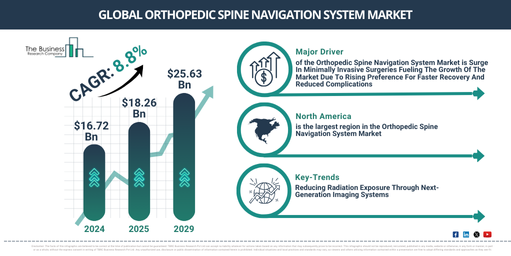
    The orthopedic spine navigation system market has exhibited strong growth in recent years. It is anticipated to increase from $16.72 billion in 2024 to $18.26 billion in 2025, achieving a compound annual growth rate (CAGR) of 9.2%. This historical growth can be attributed to the escalating use of conventional image-guided surgery systems, a greater reliance on intraoperative computed tomography and fluoroscopy, hospitals’ expanding investments in surgical navigation infrastructure, heightened awareness regarding postoperative complications stemming from misaligned implants, and the rising acceptance of early-stage computer-assisted spine surgeries.

    The orthopedic spine navigation system market is projected for significant expansion over the coming years. This market is anticipated to reach $25.63 billion by 2029, demonstrating a compound annual growth rate (CAGR) of 8.8%. Factors contributing to this growth during the forecast period include a global rise in surgical procedures, an increasing preference for computer-assisted surgical methods, a higher occurrence of sports-related spinal injuries, greater investments in medical technology innovation, and heightened awareness regarding spine health. Key trends expected throughout this period encompass improvements in real-time imaging integration, advancements in AI-powered surgical navigation, the incorporation of augmented reality into spine surgeries, developments in portable and compact navigation systems, and innovative robotics-assisted spine procedures.

    Get A Free Sample Of The Report:

    https://www.thebusinessresearchcompany.com/sample.aspx?id=27375&type=smp

    Which Growth Drivers Are Shaping The Orthopedic Spine Navigation System Market Outlook?

    The future expansion of the orthopedic spine navigation system market is anticipated to be driven by the rising need for minimally invasive surgical procedures. Minimally invasive surgeries are defined as operations conducted via small cuts instead of major incisions, leading to benefits such as less harm to tissue, diminished pain, shorter periods in the hospital, and quicker patient recovery. The increase in these surgeries stems from the lower physical trauma involved, allowing for faster recuperation and reduced duration of hospital visits. Orthopedic spine navigation systems play a crucial role in minimally invasive procedures by boosting surgical accuracy, providing real-time visual guidance, and minimizing potential complications, which ultimately enhances the overall effectiveness of surgery and patient results. For example, reports from the National Health Service, a UK government body, in June 2025 indicated that by 2035, half a million operations annually will be aided by robotic-assisted surgery, a significant increase from 70,000 in 2023/24. Furthermore, its application is projected to escalate from one in five current procedures to becoming the standard method for numerous minimally invasive operations. Consequently, the escalating demand for minimally invasive surgeries is a key catalyst for the expansion of the orthopedic spine navigation system market.

    How Is The Global Orthopedic Spine Navigation System Market Broken Down By Segment?

    The orthopedic spine navigation system market covered in this report is segmented

    1) By Type: Electromagnetic, Optical, Other Types

    2) By Modality: Intraoperative, Preoperative

    3) By Application: Deformity Correction, Cervical Spine Surgery, Thoracolumbar Spine Surgery, Sacroiliac Joint Surgery

    4) By End-User: Hospitals, Ambulatory Surgery Centers, Orthopedic Clinics

    Subsegment:

    1) By Electromagnetic: Electromagnetic Tracking Systems, Hybrid Electromagnetic Navigation, Portable Electromagnetic Navigation Units

    2) By Optical: Passive Optical Tracking Systems, Active Optical Tracking Systems, Hybrid Optical Navigation

    3) By Other Types: Ultrasound-Based Navigation Systems, Fluoroscopic Navigation Systems, Computed Tomography-Based Navigation Systems

    Which Trends Are Likely To Redefine Growth Paths In The Orthopedic Spine Navigation System Market?

    Leading companies within the orthopedic spine navigation system market are concentrating on advancing technologies, such as proprietary camera technologies, to enhance real-time 3D imaging, improve surgical accuracy, reduce radiation exposure, and streamline minimally invasive procedures for superior patient outcomes. Proprietary camera technology refers to a distinct or exclusive imaging system developed and owned by a company, typically safeguarded by patents or trade secrets. As an illustration, in September 2023, Orthofix Medical Inc., a US-based medical technology company, launched its 7D FLASH Navigation Percutaneous Module 2.0, which enabled the completion of the first US cases featuring augmented planning capabilities to better support minimally invasive spine surgery. The 7D FLASH Navigation System facilitates navigated spinal fusion procedures for both open and minimally invasive surgery techniques, prioritizing safety, speed, and efficiency. By employing visible light to rapidly generate 3D images, the system’s proprietary camera and machine-vision technology address common navigation challenges while simultaneously decreasing radiation exposure for staff and patients in open procedures.

    Who Are The Primary Market Leaders In The Orthopedic Spine Navigation System Market?

    Major companies operating in the orthopedic spine navigation system market are Johnson & Johnson, Medtronic Plc, Siemens Healthineers AG, Stryker Corporation, GE Healthcare Technologies Inc., Zimmer Biomet Holdings Inc., Globus Medical Inc., MicroPort Scientific Corporation, Orthofix Medical Inc., Hefei Meyer Optoelectronic Technology INC., B. Braun Melsungen AG, Spineart, Alphatec Holdings Inc., Augmedics Inc., Fiagon GmbH, Medivis Inc., Nanjing Perlove Medical Equipment Co. Ltd., Captiva Spine Inc., Surglasses Inc., and HRS NAVIGATION.

    Access The Complete Report Here:

    https://www.thebusinessresearchcompany.com/report/orthopedic-spine-navigation-system-global-market-report

    Which Regional Markets Are Emerging As Key Hubs For The Orthopedic Spine Navigation System Market?

    North America was the largest region in the orthopedic spine navigation system market in 2024. Asia-Pacific is expected to be the fastest-growing region in the forecast period. The regions covered in the orthopedic spine navigation system market report are Asia-Pacific, Western Europe, Eastern Europe, North America, South America, Middle East, Africa.

    Customize Your Report Here:

    https://www.thebusinessresearchcompany.com/customise?id=27375&type=smp

    Browse Through More Reports Similar to the Global Orthopedic Spine Navigation System Market 2025, By The Business Research Company

    Polyurethane Processing Machine Global Market Report 2025

    https://www.thebusinessresearchcompany.com/report/polyurethane-processing-machine-global-market-report

    Polyurethane Global Market Report 2025

    https://www.thebusinessresearchcompany.com/report/polyurethane-global-market-report

    Polyurethane Sealants Pu Global Market Report 2025

    https://www.thebusinessresearchcompany.com/report/polyurethane-sealants-pu-global-market-report

    About The Business Research Company:

    With over 15000+ reports from 27 industries covering 60+ geographies, The Business Research Company has built a reputation for offering comprehensive, data-rich research and insights. Armed with 1,500,000 datasets, the optimistic contribution of in-depth secondary research, and unique insights from industry leaders, you can get the information you need to stay ahead in the game.

    Get in touch with us:

    The Business Research Company: https://www.thebusinessresearchcompany.com/

    Americas +1 310-496-7795

    Asia +44 7882 955267 & +91 8897263534

    Europe +44 7882 955267

    Email us at info@tbrc.info

    Follow us on:

    LinkedIn: https://in.linkedin.com/company/the-business-research-company

    YouTube: https://www.youtube.com/channel/UC24_fI0rV8cR5DxlCpgmyFQ

    Global Market Model: https://www.thebusinessresearchcompany.com/global-market-model
  • How Is The Smart Wearable Snore Detector Market Expected To Grow At 12.2% CAGR Over 2025–2029?

    How Is The Smart Wearable Snore Detector Market Expected To Grow At 12.2% CAGR Over 2025–2029?

    Uncover key drivers, emerging technologies, and competitive movements shaping the smart wearable snore detector market from 2025–2034 with trusted insights from The Business Research Company

    What Is The Projected Valuation Of The Smart Wearable Snore Detector Market In The Coming Years?

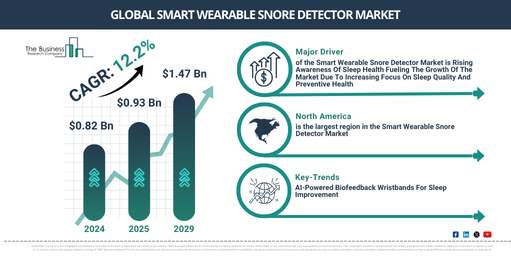
    The smart wearable snore detector market size has seen substantial growth in recent times. It is set to expand from $0.82 billion in 2024 to $0.93 billion in 2025, with a compound annual growth rate (CAGR) of 12.6%. The market’s past growth can be linked to a rise in diagnosis rates, growth in telemedicine services, increasing prevalence of comorbidities, increasing number of clinical trials, and increasing regulatory approvals.

    The smart wearable snore detector market is projected to experience substantial expansion in the coming years. By 2029, its valuation is anticipated to reach $1.47 billion, expanding at a compound annual growth rate (CAGR) of 12.2%. This anticipated growth throughout the forecast period stems from factors such as increasing awareness regarding sleep health concerns, the growing incidence of obstructive sleep apnea, escalating healthcare spending, and an expanding middle-class demographic. Key trends for the forecast period encompass technological advancements, connectivity with smartwatches, incorporation into mobile health dashboards, the convergence of wearable snore data, and the creation of AI models.

    Get A Free Sample Of The Report:

    https://www.thebusinessresearchcompany.com/sample.aspx?id=27420&type=smp

    What Drivers Are Accelerating Expansion Of The Smart Wearable Snore Detector Market?

    The increasing understanding of sleep health problems is anticipated to drive the expansion of the smart wearable snore detector market in the future. This awareness signifies the public’s growing acknowledgment of how crucial adequate and good quality sleep is for general well-being, enhancing productivity, and preventing illnesses. The heightened recognition of sleep health challenges stems from a growing understanding of the connection between insufficient sleep and long-term medical conditions like obesity, diabetes, and cardiovascular disease. These smart wearable snore detectors contribute to sleep health awareness by offering immediate data and insights, enabling users to detect and address possible sleep disorders at an early stage. As an illustration, in December 2023, the Sleep Foundation, a US-based entity focused on advancing sleep health through research and evidence, reported that approximately 37% of U.S. adults in 2023 indicated a decline in their sleep quality, contrasting with 28% in previous years. Consequently, the growing consciousness regarding sleep health issues is a key factor driving the growth of the smart wearable snore detector market.

    How Is The Global Smart Wearable Snore Detector Market Broken Down By Segment?

    The smart wearable snore detector market covered in this report is segmented

    1) By Product Type: Wristband Snore Detectors, Patch Snore Detectors, Headband Snore Detectors, Other Products

    2) By Technology: Sound-Based, Vibration-Based, Motion Sensor-Based, Other Technologies

    3) By Distribution Channel: Online Stores, Pharmacies, Specialty Stores, Other Distribution Channels

    4) By Application: Home Care, Sleep Clinics, Hospitals, Other Applications

    Subsegments:

    1) By Wristband Snore Detectors: Vibration-Based Snore Alerts, Bluetooth-Enabled Wristbands, Sleep Tracking Integrated Wristbands, Adjustable Sensitivity Bands.

    2) By Patch Snore Detectors: Adhesive Chest Patches, Throat Vibration Patches, Multi-Sensor Sleep Patches, Disposable Snore Detection Patches

    3) By Headband Snore Detectors: Electroencephalogram-Based Headbands, Bone Conduction Feedback Headbands, Sleep Position Monitoring Headbands, Wireless Smart Headbands

    4) By Other Products: Smart Neckbands, In-Ear Snore Monitors, Jaw-Support Wearables, Smart Sleep Masks With Snore Detection

    Which Trends Are Likely To Redefine Growth Paths In The Smart Wearable Snore Detector Market?

    Leading companies within the smart wearable snore detector market are prioritizing the creation of technologically advanced solutions, such as AI-powered biofeedback-enabled wristbands, aimed at tracking snoring patterns, enhancing sleep quality, and mitigating episodes of sleep-disordered breathing. These AI-driven biofeedback wristbands function as intelligent wearables, employing artificial intelligence to monitor physiological signals and deliver subtle feedback, like vibrations, to assist users in modifying behaviors or alleviating issues such as snoring. For example, in September 2024, the Israeli digital health firm AppYea Inc. unveiled its AppySleep device, an advanced AI-powered wearable wristband designed to help lessen snoring and observe sleep patterns. This device connects smoothly to a smartphone application, identifying snoring and irregular breathing during sleep. Upon detecting snoring, it vibrates gently to encourage the user to change positions, frequently promoting side-sleeping for enhanced airflow. Users can customize these vibration settings according to their preferences. The accompanying app offers detailed sleep insights, including data on snoring, breathing rhythms, and progress charts. Furthermore, users gain access to a personal cloud account to track long-term improvements in their sleep quality.

    Which Firms Are Making The Biggest Impact In The Smart Wearable Snore Detector Market?

    Major companies operating in the smart wearable snore detector market are Samsung Electronics Co. Ltd., Koninklijke Philips N.V., Fitbit Inc., Zeus Sleep Inc., Ozlo Inc., Hupnos Inc., Imagimob AB, VVFLY Electronics Co. Ltd., Meditas Ltd., AppYea Inc., Beddr Inc., Shenzhen Xinhui Technology Co. Ltd., Snore Circle, Wellue Health, Go2Silence, Sleepmi, Walkervo, Snooor Ltd., ELBME, AMAZHEAL.

    Access The Complete Report Here:

    https://www.thebusinessresearchcompany.com/report/smart-wearable-snore-detector-global-market-report

    Which Geographic Regions Are Creating Strong Demand In The Smart Wearable Snore Detector Market?

    North America was the largest region in the smart wearable snore detector market in 2024. Asia-Pacific is expected to be the fastest-growing region in the forecast period. The regions covered in the smart wearable snore detector market report are Asia-Pacific, Western Europe, Eastern Europe, North America, South America, Middle East, Africa.

    Customize Your Report Here:

    https://www.thebusinessresearchcompany.com/customise?id=27420&type=smp

    Browse Through More Reports Similar to the Global Smart Wearable Snore Detector Market 2025, By The Business Research Company

    Nanomaterials Global Market Report 2025

    https://www.thebusinessresearchcompany.com/report/nanomaterials-global-market-report

    Smart Polymers Global Market Report 2025

    https://www.thebusinessresearchcompany.com/report/smart-polymers-global-market-report

    Internet Of Nano Things Global Market Report 2025

    https://www.thebusinessresearchcompany.com/report/internet-of-nano-things-global-market-report

    About The Business Research Company:

    With over 15000+ reports from 27 industries covering 60+ geographies, The Business Research Company has built a reputation for offering comprehensive, data-rich research and insights. Armed with 1,500,000 datasets, the optimistic contribution of in-depth secondary research, and unique insights from industry leaders, you can get the information you need to stay ahead in the game.

    Get in touch with us:

    The Business Research Company: https://www.thebusinessresearchcompany.com/

    Americas +1 310-496-7795

    Asia +44 7882 955267 & +91 8897263534

    Europe +44 7882 955267

    Email us at info@tbrc.info

    Follow us on:

    LinkedIn: https://in.linkedin.com/company/the-business-research-company

    YouTube: https://www.youtube.com/channel/UC24_fI0rV8cR5DxlCpgmyFQ

    Global Market Model: https://www.thebusinessresearchcompany.com/global-market-model
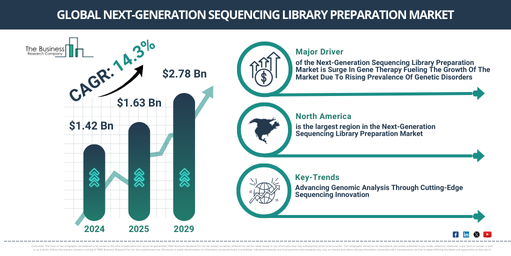
  • What Are The Strategic Insights Behind The Next-Generation Sequencing Library Preparation Market Expansion To $2.77 Billion?

    What Are The Strategic Insights Behind The Next-Generation Sequencing Library Preparation Market Expansion To $2.77 Billion?

    Uncover key drivers, emerging technologies, and competitive movements shaping the next-generation sequencing library preparation market from 2025–2034 with trusted insights from The Business Research Company

    What Is The Current Size And Growth Outlook For The Next-Generation Sequencing Library Preparation Market?

    The next-generation sequencing library preparation market size has experienced rapid growth in recent years. It is anticipated to expand from $1.42 billion in 2024 to $1.63 billion in 2025, achieving a compound annual growth rate (CAGR) of 14.7%. Historically, this market’s expansion can be attributed to its increasing deployment in infectious disease surveillance, along with a rise in funding for genomic research, its growing implementation during the pandemic, improved accessibility for research labs, and its escalating application in precision medicine.

    The next-generation sequencing library preparation market is anticipated to expand significantly in the coming years, with its size projected to reach $2.78 billion by 2029 at a compound annual growth rate (CAGR) of 14.3%. This expansion during the forecast period can be attributed to increasing adoption in clinical diagnostics, rising demand for personalized medicine, growing applications in oncology research, increasing need for high-throughput sequencing, and rising focus on reducing turnaround time. Furthermore, major trends anticipated include advancements in workflow efficiency, integration of artificial intelligence in data analysis, technology-driven standardization of protocols, developments in user-friendly systems, and advancements in cloud-based data solutions.

    Get A Free Sample Of The Report:

    https://www.thebusinessresearchcompany.com/sample.aspx?id=27365&type=smp

    What Core Drivers Are Expected To Influence The Next-Generation Sequencing Library Preparation Market?

    The rise in gene therapy is projected to drive the expansion of the next-generation sequencing library preparation market in the future. Gene therapy is a medical procedure that modifies a person’s genes to treat or prevent diseases. The increasing occurrence of genetic disorders that demand targeted and lasting treatment solutions is leading to a surge in gene therapy. Next-generation sequencing (NGS) library preparation is utilized in gene therapy for accurately analyzing and validating genetic modifications by preparing high-quality DNA or RNA samples for sequencing. For instance, in April 2024, the American Society of Gene and Cell Therapy, a US-based non-profit medical and scientific organization, reported that the number of phase III gene therapy clinical trials increased by 10% in the fourth quarter, representing the first quarterly rise since the third quarter of 2022. Therefore, the growth of gene therapy is propelling the next-generation sequencing library preparation market.

    Which Segmentation Categories Are Highlighted In The Next-Generation Sequencing Library Preparation Market Analysis?

    The next-generation sequencing library preparation market covered in this report is segmented

    1) By Sequencing Type: Targeted Genome Sequencing, Whole Genome Sequencing, Whole Exome Sequencing, Other Sequencing Types

    2) By Product: Reagents And Consumables, DNA Library Preparation Kits, Library Preparation Kits, RNA Library Preparation Kits, Other Products

    3) By Technology: Ion Semiconductor Sequencing, Sequencing By Synthesis (SBS), Nanopore Sequencing, Single-Molecule Real-Time Sequencing (SMRT), Other Technologies

    4) By Application: Drug And Biomarker Discovery, Disease Diagnostics, Cancer Diagnostics, Reproductive Health Diagnostics, Infectious Disease Diagnostics, Other Applications

    5) By End-User: Hospitals And Clinics, Academic And Research Institutions, Pharmaceutical And Biotechnology Companies, Other End Users

    Subsegments:

    1) By Targeted Genome Sequencing: Amplicon Sequencing, Hybridization Capture-Based Sequencing, CRISPR-Based Target Enrichment, Multiplex PCR

    2) By Whole Genome Sequencing: Human Whole Genome Sequencing, Animal Whole Genome Sequencing, Plant Whole Genome Sequencing, Microbial Whole Genome Sequencing

    3) By Whole Exome Sequencing: Clinical Whole Exome Sequencing, Research Whole Exome Sequencing, Custom Exome Sequencing, Population-Scale Exome Sequencing

    4) By Other Sequencing Types: RNA Sequencing, ChIP Sequencing (ChIP-Seq), Methylation Sequencing, Single-Cell Sequencing

    Which Market Trends Are Expected To Define The Future Of The Next-Generation Sequencing Library Preparation Market?

    Companies operating in the next-generation sequencing library preparation market are prioritizing the development of advanced technologies, like Xpandomer technology, to enhance sequencing speed, improve data accuracy, and increase scalability, thereby streamlining workflows and supporting more efficient and reliable genomic analysis. Xpandomer technology is an advanced deoxyribonucleic acid (DNA) or ribonucleic acid (RNA) sequencing method that converts a target nucleic acid molecule into a synthetic, expanded polymer called an Xpandomer, which is 50 times longer than the original deoxyribonucleic acid (DNA) or ribonucleic acid (RNA) strand. For instance, in February 2025, Roche AG, a Switzerland-based biotechnology company, launched Sequencing by Expansion, a cutting-edge sequencing platform designed to improve genomic resolution for advanced diagnostics, disease research, and precision medicine applications. This innovative automated next-generation sequencing (NGS) library preparation system streamlines complex workflows, enhances data quality, and accelerates genomic analysis to support advanced research and personalized medicine. The sequencing by expansion platform is highly versatile, enabling precise analysis of various genomic alterations across a wide range of diseases, including cancer and rare genetic disorders, by enhancing resolution and accuracy for deeper biological insights.

    Who Are The Dominant Players In The Next-Generation Sequencing Library Preparation Market Today?

    Major companies operating in the next-generation sequencing library preparation market are F. Hoffmann-La Roche Ltd., Thermo Fisher Scientific Inc., Agilent Technologies India Private Limited, Illumina Inc., Beckman Coulter Inc., Bio-Rad Laboratories Inc., IDT Corporation, Tecan Group AG, Hamilton Company, Takara Bio Inc., 10x Genomics Inc., Oxford Nanopore Technologies Plc, Twist Bioscience Corporation, New England Biolabs Inc., SPT Labtech Limited, Watchmaker Genomics Inc., Pillar Biosciences Inc., Aurora Biomed Inc., BGI Group, and SEQWELL INC.

    Access The Complete Report Here:

    https://www.thebusinessresearchcompany.com/report/next-generation-sequencing-library-preparation-global-market-report

    Which Regional Markets Are Emerging As Key Hubs For The Next-Generation Sequencing Library Preparation Market?

    North America was the largest region in the next-generation sequencing library preparation market in 2024. Asia-Pacific is expected to be the fastest-growing region in the forecast period. The regions covered in the next-generation sequencing library preparation market report are Asia-Pacific, Western Europe, Eastern Europe, North America, South America, Middle East, Africa.

    Customize Your Report Here:

    https://www.thebusinessresearchcompany.com/customise?id=27365&type=smp

    Browse Through More Reports Similar to the Global Next-Generation Sequencing Library Preparation Market 2025, By The Business Research Company

    Digital Water Solution Global Market Report 2025

    https://www.thebusinessresearchcompany.com/report/digital-water-solution-global-market-report

    Cooling Water Treatment Chemicals Global Market Report 2025

    https://www.thebusinessresearchcompany.com/report/cooling-water-treatment-chemicals-global-market-report

    Water Treatment Chemicals Global Market Report 2025

    https://www.thebusinessresearchcompany.com/report/water-treatment-chemicals-global-market-report

    About The Business Research Company:

    With over 15000+ reports from 27 industries covering 60+ geographies, The Business Research Company has built a reputation for offering comprehensive, data-rich research and insights. Armed with 1,500,000 datasets, the optimistic contribution of in-depth secondary research, and unique insights from industry leaders, you can get the information you need to stay ahead in the game.

    Get in touch with us:

    The Business Research Company: https://www.thebusinessresearchcompany.com/

    Americas +1 310-496-7795

    Asia +44 7882 955267 & +91 8897263534

    Europe +44 7882 955267

    Email us at info@tbrc.info

    Follow us on:

    LinkedIn: https://in.linkedin.com/company/the-business-research-company

    YouTube: https://www.youtube.com/channel/UC24_fI0rV8cR5DxlCpgmyFQ

    Global Market Model: https://www.thebusinessresearchcompany.com/global-market-model
  • How Will The Next-Generation Mass Spectrometer Market Reach $5.24 Billion By 2029 Amid Global Shifts?

    How Will The Next-Generation Mass Spectrometer Market Reach $5.24 Billion By 2029 Amid Global Shifts?

    Uncover key drivers, emerging technologies, and competitive movements shaping the next-generation mass spectrometer market from 2025–2034 with trusted insights from The Business Research Company

    What Is The Predicted Market Size Of The Next-Generation Mass Spectrometer Industry By 2029?

    The next-generation mass spectrometer market has experienced significant expansion in recent years. This market is projected to grow from $3.26 billion in 2024 to $3.60 billion in 2025, demonstrating a compound annual growth rate (CAGR) of 10.2%. The past growth can be attributed to several factors, including growing adoption in pharmaceutical research, the rising need for food safety analysis, increasing environmental monitoring applications, the expansion of academic proteomics studies, and rising government funding for clinical diagnostics.

    The next-generation mass spectrometer market is projected to experience substantial expansion over the upcoming years. This market is set to reach $5.24 billion by 2029, exhibiting a compound annual growth rate (CAGR) of 9.9%. Factors driving this growth during the forecast period include the escalating demand for personalized medicine, expanding applications within biotechnology and life sciences, the rising incidence of chronic illnesses necessitating molecular diagnostics, an increase in forensic and toxicology testing, and heightened regulatory demands for contaminant assessment. Key trends anticipated during this period encompass the development of miniaturized and portable instruments, advancements in software and artificial intelligence for data analysis, ongoing research and development in proteomics and metabolomics, and the adoption of automation and integration in high-throughput analytical processes.

    Get A Free Sample Of The Report:

    https://www.thebusinessresearchcompany.com/sample.aspx?id=27364&type=smp

    Which Industry Forces Are Driving The Next-Generation Mass Spectrometer Market Forward?

    The increasing focus on personalized medicine is projected to propel the next-generation mass spectrometer market ahead. Personalized medicine is a medical strategy that customizes treatment and healthcare decisions based on an individual’s unique genetic, environmental, and lifestyle characteristics to achieve more effective results. This growing emphasis on personalized medicine arises from the necessity to provide tailored treatments that enhance patient outcomes, reduce adverse effects, and optimize healthcare efficiency by considering individual genetic and lifestyle elements. The next-generation mass spectrometer aids personalized medicine by offering highly precise and extensive molecular analysis, which assists in identifying specific biomarkers, monitoring therapeutic responses, and guiding customized treatment plans for improved patient outcomes. For instance, in February 2024, a report by the Personalized Medicine Coalition, a US-based non-profit organization, indicated that in 2023, the Food and Drug Administration (FDA), a US-based federal agency, approved 16 new personalized medicines for rare disease patients, an increase from six in 2022. Therefore, the expanding emphasis on personalized medicine will drive the growth of the next-generation mass spectrometer market.

    What Is The Segment Breakdown Of The Next-Generation Mass Spectrometer Market?

    The next-generation mass spectrometer market covered in this report is segmented

    1) By Type: Fourier Transform, Linear Ion Trap Mass Spectrometry, Other Types

    2) By Application: Pharmaceuticals, Biotechnology, Clinical Diagnostics, Environmental Analysis, Food And Beverage Testing, Forensic Science, Other Applications

    3) By End User: Research Laboratories, Academic Institutions, Pharmaceutical Companies, Biotechnology Firms, Clinical Laboratories, Government Agencies

    Subsegments:

    1) By Fourier Transform Mass Spectrometry: Fourier Transform Ion Cyclotron Resonance (FT-ICR), Fourier Transform Orbitrap Mass Spectrometry, Hybrid FT-MS Systems, High-Resolution Accurate Mass (HRAM) FT-MS

    2) By Linear Ion Trap Mass Spectrometry: Quadrupole Ion Trap, Three-Dimensional Linear Ion Trap, Dual-Pressure Linear Ion Trap, Linear Ion Trap-Time Of Flight (LIT-TOF) Hybrid

    3) By Other Types: Time-Of-Flight Mass Spectrometry (TOF-MS), Quadrupole Mass Spectrometry, Orbitrap Mass Spectrometry (Non-FT Applications), Magnetic Sector Mass Spectrometry, Ion Mobility Mass Spectrometry, Hybrid Mass Spectrometers

    How Are Global Trends Impacting The Development Of The Next-Generation Mass Spectrometer Market?

    Leading firms within the next-generation mass spectrometer market are concentrating on creating highly effective instruments designed to allow researchers to examine intricate biological samples with unparalleled accuracy and rapidity. The goal of these advancements is to enhance biomarker identification, aid in the early detection of diseases, and quicken the pace of personalized therapy development. As an illustration, in June 2023, Thermo Fisher Scientific Inc., a US-based clinical research company, introduced the Orbitrap Astral mass spectrometer, which offers rapid throughput, elevated sensitivity, and extensive proteome coverage, representing one of the most notable mass spectrometry breakthroughs in 15 years. This advanced instrument allows scientists to identify low-abundance proteins that were previously undetectable by integrating ultra-fast scan speeds, outstanding sensitivity, and comprehensive proteome coverage, thereby considerably progressing large-scale proteomic analysis. Furthermore, it incorporates improved ion transmission efficiency, an expanded dynamic range, and up to four times greater throughput, facilitating quicker biomarker discovery, accurate quantification, and the creation of targeted treatments for various illnesses.

    Which Companies Are Contributing Significantly To The Next-Generation Mass Spectrometer Market Growth?

    Major companies operating in the next-generation mass spectrometer market are Hitachi Ltd., F. Hoffmann-La Roche Ltd, Thermo Fisher Scientific Inc., Danaher Corporation, Agilent Technologies Inc., PerkinElmer Inc., Shimadzu Corporation, Waters Corporation, Bruker Corporation, HORIBA Ltd., JEOL Ltd., Rigaku Corporation, LECO Corporation, Hiden Analytical Ltd., Scion Instruments Ltd., MOBILion Systems Inc., Jiangsu Skyray Instrument Co. Ltd., Spacetek Technology Inc., and Hexsor Scientific Ltd.

    Access The Complete Report Here:

    https://www.thebusinessresearchcompany.com/report/next-generation-mass-spectrometer-global-market-report

    Which Region Is Leading Innovation In The Next-Generation Mass Spectrometer Market?

    North America was the largest region in the next-generation mass spectrometer market in 2024. Asia-Pacific is expected to be the fastest-growing region in the forecast period. The regions covered in the next-generation mass spectrometer market report are Asia-Pacific, Western Europe, Eastern Europe, North America, South America, Middle East, Africa.

    Customize Your Report Here:

    https://www.thebusinessresearchcompany.com/customise?id=27364&type=smp

    Browse Through More Reports Similar to the Global Next-Generation Mass Spectrometer Market 2025, By The Business Research Company

    Point Of Sale Pos Software Global Market Report 2025

    https://www.thebusinessresearchcompany.com/report/point-of-sale-pos-software-global-market-report

    Cloud Point Of Sale Pos Global Market Report 2025

    https://www.thebusinessresearchcompany.com/report/cloud-point-of-sale-pos-global-market-report

    Electronic Cash Register Global Market Report 2025

    https://www.thebusinessresearchcompany.com/report/electronic-cash-register-global-market-report

    About The Business Research Company:

    With over 15000+ reports from 27 industries covering 60+ geographies, The Business Research Company has built a reputation for offering comprehensive, data-rich research and insights. Armed with 1,500,000 datasets, the optimistic contribution of in-depth secondary research, and unique insights from industry leaders, you can get the information you need to stay ahead in the game.

    Get in touch with us:

    The Business Research Company: https://www.thebusinessresearchcompany.com/

    Americas +1 310-496-7795

    Asia +44 7882 955267 & +91 8897263534

    Europe +44 7882 955267

    Email us at info@tbrc.info

    Follow us on:

    LinkedIn: https://in.linkedin.com/company/the-business-research-company

    YouTube: https://www.youtube.com/channel/UC24_fI0rV8cR5DxlCpgmyFQ

    Global Market Model: https://www.thebusinessresearchcompany.com/global-market-model