Category: Medical Equipment

  • Lumbar Disc Replacement Devices Market Forecast: What to Expect by 2029

    Lumbar Disc Replacement Devices Market Forecast: What to Expect by 2029

    Unlock Global Insights – Save 20% on Market Reports with Code ONLINE20

    What Are The Forecasted Market Size Estimates For The Lumbar Disc Replacement Devices Market Between 2025 And 2029?

    The market for devices used in lumbar disc replacement has been experiencing swift expansion lately, projected to increase its valuation from $1.15 billion in 2024 to $1.3 billion the following year, reflecting a combined annual growth rate of 13.1%. Key factors underlying this historical expansion include a proliferation of specialized spine clinics and surgical facilities, escalating overall healthcare expenditures, heightened public consciousness regarding health matters, a growing incidence of obesity, and more favorable reimbursement structures established for spinal surgical procedures.

    Anticipating substantial expansion, the market for lumbar disc replacement devices is projected to achieve a valuation of $2.12 billion by the year 2029, demonstrating a robust compound annual growth rate (CAGR) of 13.0% over the ensuing period, a surge fueled by increased emphasis on recovery following surgical procedures, the concurrent expansion of the orthopedic device sector, a proliferation in the establishment of specialized spine clinics and surgical facilities, heightened consumer demand for tailored healthcare provisions, and a greater incidence of spinal trauma linked to changes in lifestyle habits; concurrently, significant developments shaping this sector involve progress in medical engineering, innovations derived from three-dimensional printing applications, fresh breakthroughs in the design of spinal implants, the increasing integration of robotic assistance in surgical practice, and ongoing improvements in the substances utilized for manufacturing artificial discs.

    Unlock Your Free Sample Report for Exclusive Market Data:

    https://www.thebusinessresearchcompany.com/sample.aspx?id=20864&type=smp

    Which Drivers Are Impacting The Lumbar Disc Replacement Devices Market?

    The anticipated expansion of the market for lumbar disc replacement devices is predicted to be fueled by the mounting frequency of spinal ailments. Spinal disorders encompass various ailments affecting the vertebral column, such as structural deviations, trauma, or sicknesses impacting the vertebrae, the intervertebral discs, neural structures, and adjacent tissues, frequently resulting in discomfort, restricted movement, or other secondary problems. This surge in spinal disorder occurrences can be linked to demographic shifts like aging populations, the prevalence of inactive lifestyles, increased body weight, and a greater incidence of degenerative conditions such as osteoarthritis and slipped (herniated) discs. Devices utilized for lumbar disc replacement offer patients suffering from degenerative disc disease a means to regain mobility and obtain relief from pain, presenting a viable substitute for conventional spinal fusion procedures. Illustratively, data from the World Health Organization, an intergovernmental entity based in Switzerland, indicated in April 2024 that more than 15 million individuals globally currently cope with spinal cord injuries (SCI). Furthermore, the New Zealand Spinal Trust, an organization offering disability support services, noted in November 2023 that New Zealand’s rate of incidence climbed to 45 per million during 2022, an increase from the 41 per million figure recorded in 2021, citing 2022 NZSCIR statistics. Concerning gender distribution in 2022, men constituted 74% of individuals diagnosed with traumatic SCI, whereas women represented 33% of those with non-traumatic spinal cord injuries (NTSCI). Consequently, the rising prevalence of spinal disorders serves as a key driver propelling the growth trajectory of the lumbar disc replacement devices market.

    How Is The Lumbar Disc Replacement Devices Market Classified Into Different Segments?

    The lumbar disc replacement devicesmarket covered in this report is segmented –

    1) By Product: Metal-On-Metal, Metal-On-Biopolymer

    2) By Pain Type: Chronic, Acute, Radicular, Other Pain Types

    3) By End-User: Hospitals, Ambulatory Surgical Center, Other End Users

    Subsegments:

    1) By Metal-On-Metal: Cobalt-Chromium Alloy, Titanium Alloy

    2) By Metal-On-Biopolymer: Metal-On-PEEK (Polyether Ether Ketone), Metal-On-Polymer Composite

    Which Competitive Trends Are Defining The Lumbar Disc Replacement Devices Market Structure?

    Leading enterprises within the sector for lumbar disc replacement apparatus are concentrating efforts on incorporating cutting-edge innovations like numerical code technology to elevate the standard of care for complex lumbar total disc replacement surgeries. This numerical code methodology involves employing sophisticated computational frameworks and specialized algorithms to model and refine the creation, functional attributes, and surgical placement protocols associated with medical instruments, including those designed for lumbar disc substitution, thereby boosting the accuracy and efficacy observed during patient treatment. Illustratively, in the initial month of 2023, the American Medical Association, an organization representing physicians in the United States, established a specific Current Procedural Terminology designation for procedures involving a second-level lumbar total disc replacement. Following this development, Centinel Spine LLC, an American manufacturer of medical instrumentation, leveraged this newly assigned code to broaden the availability and utilization of their two-level lumbar TDR interventions, a strategic action crucial for enlarging the array of therapeutic choices accessible to individuals, which in turn supports superior results in patient health and streamlines the overall provision of medical services.

    Who Are The Core Companies Influencing The Lumbar Disc Replacement Devices Market Landscape?

    Major companies operating in the lumbar disc replacement devices market are Medtronic Inc., Stryker Corporation, Zimmer Biomet Holdings Inc., NuVasive Inc., Globus Medical Inc., Orthofix International NV, Medacta International, Aesculap Inc., Alphatec Spine Inc., Paradigm Spine GmbH, B. Braun Melsungen AG, Neoflex Spine Inc., Centinel Spine Inc., Spineart SA, DePuy Synthes, AxioMed LLC, Spinal Stabilization Technologies LLC, NEURO FRANCE Implants SARL, SINTX Technologies Inc., SIGNUS Medizintechnik GmbH

    Download The Full Report For Exclusive Market Findings:

    https://www.thebusinessresearchcompany.com/report/lumbar-disc-replacement-devices-global-market-report

    What Are The Key Regional Factors Influencing The Lumbar Disc Replacement Devices Market Growth?

    North America was the largest region in the lumbar disc replacement devices market in 2024. The regions covered in the lumbar disc replacement devices market report are Asia-Pacific, Western Europe, Eastern Europe, North America, South America, Middle East, Africa.

    Request A Customized Version Of The Lumbar Disc Replacement Devices Market Report:

    https://www.thebusinessresearchcompany.com/customise?id=20864&type=smp

    Browse Through More Reports Similar to the Global Lumbar Disc Replacement Devices Market 2025, By The Business Research Company

    Hip Replacement Global Market Report 2025

    https://www.thebusinessresearchcompany.com/report/hip-replacement-global-market-report

    Enzyme Replacement Therapy Global Market Report 2025

    https://www.thebusinessresearchcompany.com/report/enzyme-replacement-therapy-global-market-report

    Transcatheter Aortic Valve Replacement Global Market Report 2025

    https://www.thebusinessresearchcompany.com/report/transcatheter-aortic-valve-replacement-global-market-report

    Get in touch with us:

    The Business Research Company: https://www.thebusinessresearchcompany.com/

    Americas +1 310-496-7795

    Asia +44 7882 955267 & +91 8897263534

    Europe +44 7882 955267

    Email us at info@tbrc.info

    Follow us on:

    LinkedIn: https://in.linkedin.com/company/the-business-research-company

    YouTube: https://www.youtube.com/channel/UC24_fI0rV8cR5DxlCpgmyFQ

    Global Market Model: https://www.thebusinessresearchcompany.com/global-market-model
  • Global Healthcare Chromatography Analyzers Market Trends and Growth Analysis 2025–2029

    Global Healthcare Chromatography Analyzers Market Trends and Growth Analysis 2025–2029

    Unlock Global Insights – Save 20% on Market Reports with Code ONLINE20

    How Does The Market Size Of The Healthcare Chromatography Analyzers Industry Compare Between 2025 And 2029?

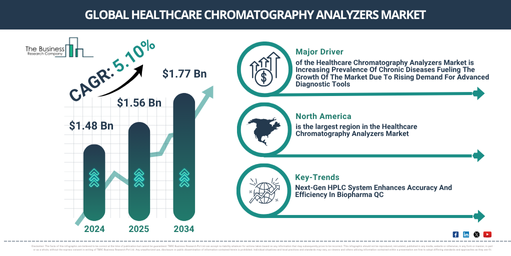
    The market size for healthcare chromatography analyzers has experienced significant growth in recent years. It is anticipated to expand from $1.48 billion in 2024 to $1.56 billion in 2025, reflecting a compound annual growth rate (CAGR) of 5.4%. This historical growth can be linked to the increasing occurrence of chronic diseases, a heightened focus on analytical testing in hospitals, a growing demand for quality control in biologics, increasing application in clinical trials, and enhanced government funding for life sciences research.

    The healthcare chromatography analyzers market is projected to experience robust expansion over the coming years. This market is anticipated to reach a valuation of $1.90 billion by 2029, exhibiting a compound annual growth rate (CAGR) of 5.1%. Factors driving this growth during the forecast period include the increasing uptake of personalized medicine, the surging need for high-throughput analyzers, expanded use in therapeutic drug monitoring, a greater emphasis on metabolomics and lipidomics, and the rising requirement for home-based diagnostic instruments. Key trends anticipated within this period encompass improvements in detector sensitivity, the development of bespoke chromatography solutions for targeted treatments, the merging of chromatography with mass spectrometry, the incorporation of lab automation systems, and breakthroughs in column technology enabling quicker analysis.

    Unlock Your Free Sample Report for Exclusive Market Data:

    https://www.thebusinessresearchcompany.com/sample.aspx?id=25775&type=smp

    Which Drivers Are Supporting Growth Of The Healthcare Chromatography Analyzers Market?

    The expanding occurrence of chronic illnesses is anticipated to fuel the future expansion of the healthcare chromatography analyzers market. These are enduring health issues that manifest gradually and persist over long durations, frequently necessitating ongoing medical attention. The rising incidence of chronic diseases is partially attributed to sedentary lifestyles, given that prolonged sitting and inadequate physical activity heighten the risk of ailments like heart conditions and diabetes. Healthcare chromatography analyzers improve diagnostic accuracy through precise biomolecular separation, rendering them crucial for the oversight of chronic diseases. These devices facilitate the early identification and monitoring of biomarkers, thereby enhancing disease management and patient results in clinical environments. For example, data from June 2024, released by the National Health Service, a UK-based government department, indicated that 3,615,330 individuals registered with a general practitioner (GP) received a diagnosis of non-diabetic hyperglycemia or pre-diabetes (a state characterized by elevated blood sugar, insufficient for a diabetes diagnosis) in 2023, representing an 18% rise from 3,065,825 cases recorded in 2022. Consequently, the growing occurrence of chronic illnesses is propelling the expansion of the healthcare chromatography analyzers market.

    What Are The Major Segment Types Covered In The Healthcare Chromatography Analyzers Market?

    The healthcare chromatography analyzers market covered in this report is segmented –

    1) By Type: Supercritical Fluid Chromatography Systems, Thin-Layer Chromatography Systems, Gas Chromatography Systems, Liquid Chromatography Systems

    2) By Consumable And Accessory: Flow Management Accessories And Consumables, Detectors, Fraction Collectors, Chromatography Fittings And Tubing, Pressure Regulators, Column Accessories And Consumables, Autosamplers, Mobile Phase Accessories And Consumables, Columns, Other Accessories And Consumables

    3) By End-User: Pharmaceutical And Biotechnology Industries, Academics And Research Institutes, Life Science Industry, Food And Beverage Industries, Hospitals Or Clinics, Environmental Agencies, Other End-Users

    Subsegments:

    1) By Supercritical Fluid Chromatography Systems: Analytical Supercritical Fluid Chromatography (SFC) Systems, Preparative Supercritical Fluid Chromatography (Prep-SFC) Systems

    2) By Thin-Layer Chromatography Systems: Automated Thin-Layer Chromatography (TLC) Systems, Manual Thin-Layer Chromatography (TLC) Systems

    3) By Gas Chromatography Systems: Benchtop Gas Chromatography Systems, Portable Gas Chromatography Systems, Gas Chromatography-Mass Spectrometry (GC-MS) Systems

    4) By Liquid Chromatography Systems: High-Performance Liquid Chromatography (HPLC) Systems, Ultra-High Performance Liquid Chromatography (UHPLC) Systems, Low-Pressure Liquid Chromatography (LPLC) Systems, Liquid Chromatography-Mass Spectrometry (LC-MS) Systems

    Which Market Trends Are Creating New Opportunities In The Healthcare Chromatography Analyzers Industry?

    Leading companies in the healthcare chromatography analyzers market are concentrating on developing technologically advanced products, such as high-performance liquid chromatography (HPLC) systems, to improve accuracy and efficiency in clinical diagnostics and pharmaceutical research. High-performance liquid chromatography (HPLC) systems are sophisticated analytical instruments employed in the healthcare industry to accurately separate, identify, and quantify components present in complex biological and pharmaceutical samples. For instance, in April 2024, Waters Corporation, a US-based analytical instruments company, launched the Alliance iS Bio HPLC System, a next-generation high-performance liquid chromatography (HPLC) platform specifically designed to address the unique requirements of biopharmaceutical quality control (QC) laboratories. This particular system integrates advanced bio-inert MaxPeak high-performance surfaces (HPS) technology to lessen unwanted analyte interactions. It also features embedded instrument intelligence, including an intuitive touchscreen interface and guided workflows that contribute to reducing human error by up to 40%. These innovations enable the delivery of faster, more consistent results with enhanced data integrity, positioning it as an ideal solution for QC labs in the biopharmaceutical sector.

    Which Key Players Are Driving Competition In The Healthcare Chromatography Analyzers Market?

    Major companies operating in the healthcare chromatography analyzers market are Hitachi Ltd., Merck and Co. Inc., Thermo Fisher Scientific Inc., Danaher Corporation, GE Healthcare Life Sciences, Agilent Technologies Inc., Cytiva, PerkinElmer Inc., Shimadzu Corp, Waters Corp, Bio-Rad Laboratories Inc., Bruker Corp, Phenomenex Inc., Gilson Inc., Restek Corporation, Scion Instruments UK Ltd, Knauer GmbH, JASCO Corporation, E-Chrom Tech Co. Ltd., SRI Instruments Inc.

    Download The Full Report For Exclusive Market Findings:

    https://www.thebusinessresearchcompany.com/report/healthcare-chromatography-analyzers-global-market-report

    How Is Healthcare Chromatography Analyzers Market Demand Varying Across Different Regions?

    North America was the largest region in the healthcare chromatography analyzers market in 2024. The regions covered in the healthcare chromatography analyzers market report are Asia-Pacific, Western Europe, Eastern Europe, North America, South America, Middle East, Africa.

    Request A Customized Version Of The Healthcare Chromatography Analyzers Market Report:

    https://www.thebusinessresearchcompany.com/customise?id=25775&type=smp

    Browse Through More Reports Similar to the Global Healthcare Chromatography Analyzers Market 2025, By The Business Research Company

    Chromatography Software Global Market Report 2025

    https://www.thebusinessresearchcompany.com/report/chromatography-software-global-market-report

    Liquid Chromatography Instruments Global Market Report 2025

    https://www.thebusinessresearchcompany.com/report/liquid-chromatography-instruments-global-market-report

    Clinical Chemistry Analyzers Global Market Report 2025

    https://www.thebusinessresearchcompany.com/report/clinical-chemistry-analyzers-global-market-report

    Get in touch with us:

    The Business Research Company: https://www.thebusinessresearchcompany.com/

    Americas +1 310-496-7795

    Asia +44 7882 955267 & +91 8897263534

    Europe +44 7882 955267

    Email us at info@tbrc.info

    Follow us on:

    LinkedIn: https://in.linkedin.com/company/the-business-research-company

    YouTube: https://www.youtube.com/channel/UC24_fI0rV8cR5DxlCpgmyFQ

    Global Market Model: https://www.thebusinessresearchcompany.com/global-market-model

  • Intracranial Hemorrhage Devices Industry Insights: Market Forecast to 2029

    Intracranial Hemorrhage Devices Industry Insights: Market Forecast to 2029

    Unlock Global Insights – Save 20% on Market Reports with Code ONLINE20

    How Is The Intracranial Hemorrhage Devices Market Size Likely To Evolve From 2025 Through 2034?

    The valuation of the intracranial hemorrhage devices sector has experienced consistent upward movement throughout the recent past, projected to increase from a figure of $1.71 billion in the year 2024 to reach $1.79 billion by 2025, reflecting a compounded annual expansion rate (CAGR) of 4.4%. This momentum observed during the historical timeframe is largely attributable to several contributing factors, including a higher frequency of bleeding-related medical events, favorable governmental support programs, proactive healthcare regulations, the escalating occurrence of conditions linked to modern lifestyles, and an expansion in specialized neurology centers.

    Anticipated to experience substantial expansion in the ensuing years, the market for intracranial hemorrhage devices is projected to reach a valuation of $2.17 billion by 2029, exhibiting a compound annual growth rate (CAGR) of 5.0%; this upward trajectory throughout the projection timeframe is fueled by the increasing incidence of head trauma, concentrated efforts to shorten inpatient hospital durations, greater uptake of wearable health monitors, escalating requirements for tailored medical treatments, and the wider deployment of robotic systems, while key shifts shaping the market involve the innovation of transportable equipment, progress in sophisticated imaging apparatus, enhancements in continuous surveillance tools, the introduction of three-dimensional printing methodologies, and the incorporation of machine learning capabilities within medical diagnostic imagery.

    Unlock Your Free Sample Report for Exclusive Market Data:

    https://www.thebusinessresearchcompany.com/sample.aspx?id=20855&type=smp

    Which Industry Drivers Are Expected To Accelerate The Intracranial Hemorrhage Devices Market From 2025 To 2029?

    Anticipated escalation in instances of neurological ailments is projected to fuel the expansion of the market for intracranial hemorrhage devices in the future. These brain disorders encapsulate a broad spectrum of ailments impacting the brain’s architecture, operation, or biochemical makeup, resulting in interruptions to typical cerebral functions. The surge in brain disorder occurrences is attributable to several elements, including advancements in diagnostic capabilities, demographic shifts toward older ages, alterations in daily living habits, heightened societal consciousness, and increasing levels of mental strain. Devices designed for intracranial hemorrhage management serve the purpose of recognizing, observing, and therapeutically intervening in brain conditions characterized by bleeding; this is achieved through hemorrhage identification, pressure regulation, and the elimination of blood clots to avert additional harm to the brain tissue. To illustrate this trend, data from the National Institutes of Health, a governmental organization in the United States, indicated that the projected count of new primary brain and other central nervous system tumor diagnoses within the US reached 93,470 during 2022, subsequently increasing to 94,390 by 2023. Consequently, the uptrend in brain disorder prevalence acts as a primary impetus for the advancement of the intracranial hemorrhage devices industry.

    What Are The Major Segments Identified In The Intracranial Hemorrhage Devices Market?

    The intracranial hemorrhage devicesmarket covered in this report is segmented –

    1) By Product Type: Diagnosis, Treatment

    2) By Devices: Invasive, Non-Invasive

    3) By End Users: Hospitals, Ambulatory Surgical Centres, Other End Users

    Subsegments:

    1) By Diagnosis: MRI (Magnetic Resonance Imaging) Devices, CT (Computed Tomography) Scanners, Ultrasound Devices, EEG (Electroencephalogram) Devices, Intracranial Pressure Monitors, Blood Gas Analyzers

    2) By Treatment: Surgical Instruments (Craniotomy Instruments), Drainage Devices (Ventriculostomy Catheters), Embolization Devices, Hemostatic Agents, Coagulation Devices, Neurostimulation Devices

    What Are The Latest Industry Trends Transforming The Intracranial Hemorrhage Devices Market?

    Leading enterprises engaged in the intracranial hemorrhage device sector are intently concentrating efforts on engineering novel solutions, particularly sophisticated neuro access instruments, aiming to significantly boost the accuracy and effectiveness of identifying and addressing cerebral trauma. These sophisticated neuro access tools represent specialized medical apparatus and methodologies intended to provide exact entry points into the brain or central nervous system for subsequent diagnostic examination, surgical intervention, or therapeutic application. As an illustration, in the month of June in 2024, Penumbra Inc., a medical technology firm situated in the United States, publicized the introduction across Europe of its cutting-edge neuro access devices, namely the BMX81 and BMX96 models. Engineered specifically for the management of strokes resulting from blockages or bleeding, these particular tools utilize breakthrough laser-cut stainless steel hypotube construction to achieve superior navigational control and structural rigidity, all while accommodating greater internal bore sizes, thus underscoring Penumbra’s dedication to advancing stroke treatment capabilities throughout the European continent.

    Which Major Industry Participants Are Leading The Intracranial Hemorrhage Devices Market Growth?

    Major companies operating in the intracranial hemorrhage devices market are Johnson & Johnson Services Inc., Medtronic Inc., Siemens Healthcare GmbH, Stryker Corporation, General Electric Company, Terumo Corporation, Canon Medical Systems Corporation, Penumbra Inc., MicroPort Scientific Corporation, Aidoc Medical Ltd., Viz.ai Inc., Phenox GmbH, RAPID AI Inc., Acandis GmbH, Kaneka Medix Corporation, Hyperfine Inc., ClearMind Biomedical Inc., InfraScan Inc., Schindler Endoskopie Technologie GmbH, Sense Neuro Diagnostics Inc., MaxQ AI Inc., Invamed Inc.

    Download The Full Report For Exclusive Market Findings:

    https://www.thebusinessresearchcompany.com/report/intracranial-hemorrhage-devices-global-market-report

    How Do Regional Market Performances Compare Within The Intracranial Hemorrhage Devices Industry?

    North America was the largest region in the intracranial hemorrhage devices market in 2024. The regions covered in the intracranial hemorrhage devices market report are Asia-Pacific, Western Europe, Eastern Europe, North America, South America, Middle East, Africa.

    Request A Customized Version Of The Intracranial Hemorrhage Devices Market Report:

    https://www.thebusinessresearchcompany.com/customise?id=20855&type=smp

    Browse Through More Reports Similar to the Global Intracranial Hemorrhage Devices Market 2025, By The Business Research Company

    Intracranial Stents Global Market Report 2025

    https://www.thebusinessresearchcompany.com/report/intracranial-stents-global-market-report

    Cranial Implants Global Market Report 2025

    https://www.thebusinessresearchcompany.com/report/cranial-implants-global-market-report

    Transcranial Magnetic Stimulator Global Market Report 2025

    https://www.thebusinessresearchcompany.com/report/transcranial-magnetic-stimulator-global-market-report

    Get in touch with us:

    The Business Research Company: https://www.thebusinessresearchcompany.com/

    Americas +1 310-496-7795

    Asia +44 7882 955267 & +91 8897263534

    Europe +44 7882 955267

    Email us at info@tbrc.info

    Follow us on:

    LinkedIn: https://in.linkedin.com/company/the-business-research-company

    YouTube: https://www.youtube.com/channel/UC24_fI0rV8cR5DxlCpgmyFQ

    Global Market Model: https://www.thebusinessresearchcompany.com/global-market-model
  • Insufflation Devices Market Size and Growth Forecast for Businesses 2025–2029

    Insufflation Devices Market Size and Growth Forecast for Businesses 2025–2029

    Unlock Global Insights – Save 20% on Market Reports with Code ONLINE20

    What Are The Growth Projections For The Insufflation Devices Market Size During 2025–2029?

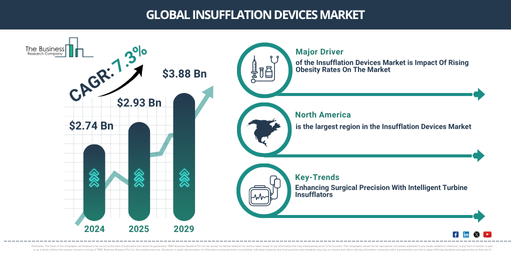
    The financial valuation of the insufflation devices sector has experienced robust expansion recently, projected to advance from a market valuation of $2.74 billion in the year 2024 to $2.93 billion by 2025, reflecting a consistent compound annual growth rate (CAGR) of 6.8%. This historical upward trajectory stems from several key factors, including the proliferation of laparoscopic surgical techniques, escalating consumer and provider desire for procedures that minimize invasiveness, the proliferation of outpatient surgical facilities, a heightened emphasis on minimizing complications during operations, and the growing requirement for high-precision instruments utilized in oncology interventions.

    Projections indicate that the market for insufflation devices is slated for considerable expansion over the coming years, reaching a valuation of $3.88 billion by 2029, driven by a consistent compound annual growth rate (CAGR) of 7.3%. This anticipated upswing in the forecasted duration is underpinned by several key factors, such as a heightened need for procedures utilizing robotic assistance, the aging demographic profile globally, a surge in cosmetic and aesthetic operations, expanding educational initiatives and awareness campaigns, alongside a greater incidence of long-term health conditions. During this same period, principal market movements will involve the refinement of endoscopic surgical approaches, greater utilization of remote healthcare services, innovations focused on methods for preserving and reusing CO2, progress in insufflation apparatus engineering, and the incorporation of artificial intelligence and machine learning capabilities.

    Unlock Your Free Sample Report for Exclusive Market Data:

    https://www.thebusinessresearchcompany.com/sample.aspx?id=20852&type=smp

    What Are The Top Growth Drivers Impacting The Insufflation Devices Market Outlook?

    The continuous increase in the prevalence of obesity globally is anticipated to be a major catalyst for expansion within the market for insufflation apparatuses; this escalating obesity, which is typically quantified by a Body Mass Index (BMI) at or exceeding 30 within a population segment, stems mainly from the proliferation of unfavorable dietary practices, insufficient engagement in physical exercise, higher intake of factory-prepared foodstuffs, and more sedentary ways of living. These critical insufflation tools find application in managing obesity, specifically facilitating operations such as weight-loss surgeries by expanding the abdominal space to enhance operative visualization and reach; consider the data shared in March 2023 by the World Heart Foundation, a Switzerland-located international non-governmental body focused on cardiovascular health, which indicated that the global count of adults and youngsters who are either overweight or obese presently stands near 2.3 billion, a figure forecast to climb to 2.7 billion by the year 2025 given current trends, thus cementing the link between the surge in obesity statistics and the subsequent upward momentum for the insufflation devices sector.

    What Are The Emerging Segments Gaining Attention In The Insufflation Devices Market?

    The insufflation devicesmarket covered in this report is segmented –

    1) By Type: Disposable, Reusable

    2) By Application: Laparoscopic Surgery, Bariatric Surgery, Cardiac Surgery

    3) By End-Use: Hospitals, Clinics, Ambulatory Surgical Centers

    Subsegments:

    1) By Disposable: Single-Use Insufflation Devices, Disposable Insufflation Tubes

    2) By Reusable: Reusable Insufflation Devices (Manual Or Electronic), Reusable Insufflation Tubes

    What Trends Are Redefining The Insufflation Devices Market Dynamics?

    Leading firms within the insufflation devices sector are directing their efforts toward crafting groundbreaking solutions, notably smart turbine insufflators, with the aim of boosting accuracy, lessening surgical risks, and elevating the results for patients undergoing minimally invasive interventions. An intelligent turbine insufflator represents a crucial piece of medical apparatus engineered to deliver regulated, high-pressure gas flow necessary for distension during keyhole operations, incorporating sophisticated functionalities for both exacting control and heightened safety. As an illustration, in October of 2024, the University of Politecnico di Milano, situated in Italy, entered into a collaborative agreement with the Erasmus Medical Center, located in the Netherlands, specifically to pioneer insufflator technology designed to refine complex surgical field visualization by generating an artificially maintained space inside the body via compressed gas. This technological leap successfully addresses the shortcomings present in existing insufflation equipment through its capacity to dynamically modulate gas pressure according to the unique physical and respiratory profiles of the individual undergoing surgery. The resulting patented intelligent turbine insufflation not only optimizes the surrounding surgical environment but also contributes to superior patient recovery profiles, cutting down on the necessity for extensive incisions while simultaneously affording finer regulation throughout the operative phase.

    Who Are The Prominent Global Companies Shaping The Insufflation Devices Market?

    Major companies operating in the insufflation devices market are Cardinal Health Inc., Johnson & Johnson, Medtronic plc, Fujifilm Holdings Corporation, Becton Dickinson and Company, Stryker Corporation, Olympus Corporation, Hoya Corporation, Smith & Nephew PLC, Mindray Medical International Limited, STERIS Corporation, CooperSurgical Inc., Teleflex Incorporated, Karl Storz SE & Co. KG, ConMed Corporation, Applied Medical Resources Corporation, Richard Wolf GmbH, B. Braun Melsungen AG, Pennine Healthcare Limited, Micro-Tech Endoscopy Co. Ltd.

    Download The Full Report For Exclusive Market Findings:

    https://www.thebusinessresearchcompany.com/report/insufflation-devices-global-market-report

    Which Region Currently Holds The Largest Share Of The Insufflation Devices Market?

    North America is the largest region in the insufflation devices market in 2024. Asia-Pacific is expected to be the fastest-growing region in the forecast period. The regions covered in the insufflation devices market report are Asia-Pacific, Western Europe, Eastern Europe, North America, South America, Middle East, Africa.

    Request A Customized Version Of The Insufflation Devices Market Report:

    https://www.thebusinessresearchcompany.com/customise?id=20852&type=smp

    Browse Through More Reports Similar to the Global Insufflation Devices Market 2025, By The Business Research Company

    Minimal Invasive Surgery Devices Global Market Report 2025

    https://www.thebusinessresearchcompany.com/report/minimal-invasive-surgery-devices-global-market-report

    Minimally Invasive Surgery Global Market Report 2025

    https://www.thebusinessresearchcompany.com/report/minimally-invasive-surgery-global-market-report

    Trauma Fixation Devices And Equipment Global Market Report 2025

    https://www.thebusinessresearchcompany.com/report/trauma-fixation-devices-and-equipment-global-market-report

    Get in touch with us:

    The Business Research Company: https://www.thebusinessresearchcompany.com/

    Americas +1 310-496-7795

    Asia +44 7882 955267 & +91 8897263534

    Europe +44 7882 955267

    Email us at info@tbrc.info

    Follow us on:

    LinkedIn: https://in.linkedin.com/company/the-business-research-company

    YouTube: https://www.youtube.com/channel/UC24_fI0rV8cR5DxlCpgmyFQ

    Global Market Model: https://www.thebusinessresearchcompany.com/global-market-model

  • Global Infusion Therapy Devices Market Overview: Trends Shaping Growth to 2029

    Global Infusion Therapy Devices Market Overview: Trends Shaping Growth to 2029

    Unlock Global Insights – Save 20% on Market Reports with Code ONLINE20

    What Is The Global Market Value Of The Infusion Therapy Devices Industry In 2025?

    The market for infusion therapy apparatus has experienced swift expansion lately, projected to escalate from a valuation of $12.1 billion in 2024 to $13.33 billion by the subsequent year, reflecting a compounded annual growth trajectory of 10.2%; this upswing during the past timeframe is fundamentally linked to a rise in patient admissions to healthcare facilities, advancements in medical groundwork, supportive governmental programs, the expansion of medical travel, and supportive mechanisms for reimbursement.

    Projections indicate that the market for infusion therapy devices is poised for swift expansion in the years ahead, reaching a valuation of $19.82 billion by 2029, driven by a compound annual growth rate (CAGR) of 10.4%.This upward trajectory throughout the projected timeframe is largely fueled by developments in personalized medical treatments, ongoing efforts in pandemic readiness and reaction, the emergence of wearable infusion apparatuses, a noticeable movement favoring infusion-based care, and broader healthcare digitization initiatives.Key developments anticipated to shape this period involve the adoption of 5G network capabilities, the advent of quantum computing, the integration of the Internet of Things (IoT), advancements in wearable health technology, and the utilization of voice assistants alongside natural language processing.

    Unlock Your Free Sample Report for Exclusive Market Data:

    https://www.thebusinessresearchcompany.com/sample.aspx?id=20849&type=smp

    Which Major Market Drivers Are Shaping The Future Of The Infusion Therapy Devices Market?

    The escalating incidence of conditions categorized as long-term ailments—health issues persisting over a year that necessitate continuous medical management or restrict everyday functioning—is anticipated to fuel the expansion of the infusion therapy devices sector moving ahead. This heightened frequency of persistent diseases stems from diverse elements, including suboptimal lifestyle decisions, inactivity, poor eating patterns, and environmental factors, compounded by the proliferation of risk elements like obesity, tobacco use, and elevated stress levels. Infusion therapy apparatus plays a critical role in managing these protracted conditions through the accurate, regulated administration of therapeutic agents and fluids right into the circulatory system, thereby guaranteeing uniform and efficacious care for ailments such as diabetes, immune system dysfunctions, and malignancies, which ultimately leads to superior patient results, increased ease of use, and fewer mandatory hospital admissions. Illustratively, data from the US National Center for Biotechnology Information (NCBI) indicated in January 2023 an expectation that the population aged 50 and older suffering from a minimum of one chronic ailment will almost double by 2050, jumping from 71.522 million in 2020 to an estimated 142.66 million; consequently, the burgeoning rate of chronic illnesses stands as a key impetus for the market growth of infusion therapy equipment.

    What Are The Major Segment Types Covered In The Infusion Therapy Devices Market?

    The infusion therapy devicesmarket covered in this report is segmented –

    1) By Product: Infusion Pumps, Intravenous (Iv) Sets, Cannulas, Needleless Connectors

    2) By Mobility: Portable Infusion Pumps, Stationary Pumps

    3) By Application: Oncology, Diabetes, Pain Management, Other Applications

    4) By End-User: Hospitals And Clinics, Ambulatory Surgical Centers, Homecare, Other End-Users

    Subsegments:

    1) By Infusion Pumps: Volumetric Infusion Pumps, Syringe Infusion Pumps, Ambulatory Infusion Pumps, Insulin Infusion Pumps

    2) By Intravenous (IV) Sets: Standard IV Sets, Extension IV Sets, IV Administration Sets with Filters

    3) By Cannulas: Peripheral Intravenous (PIV) Cannulas, Central Venous Cannulas, Butterfly Cannulas

    4) By Needleless Connectors: Positive Pressure Needleless Connectors, Neutral Pressure Needleless Connectors, Negative Pressure Needleless Connectors

    How Are Emerging Market Trends Shaping The Infusion Therapy Devices Industry Landscape?

    Key players within the infusion therapy devices sector are prioritizing the creation of novel approaches, such as pressure-enabled drug delivery (PEDD) technology, aimed at augmenting the therapeutic management of malignancies affecting the liver and pancreas. PEDD denotes a method of administering therapeutic agents where mechanical pressure facilitates their introduction into target tissues or organs, especially overcoming obstacles encountered with standard infusion techniques. As an illustration, in the month of November in 2024, TriSalus Life Sciences, a medical technology firm situated in the United States, introduced both the TriNav LV Infusion System and the TriGuide Guiding Catheters, thereby broadening their suite utilizing PEDD technology to refine the infusion of treatments, thus improving therapeutic choices and possibly yielding better results for individuals requiring care. The TriNav LV Infusion System boasts distinct attributes, including suitability for larger blood vessels ranging from 3.5 to 5.0 mm, which broadens the applicability of TriSalus’ Pressure-Enabled Drug Delivery (PEDD) method across a larger cohort of patients, extending its device compatibility for PEDD from vessels measuring 1.5 mm up to 5.0 mm and furnishing interventional radiologists with increased procedural selections. Furthermore, the TriGuide Guiding Catheters are equipped with a wider internal bore, a low-friction internal coating, and an inverted curve architecture engineered to simplify access via the femoral artery and boost the efficiency of procedures; initial feedback from practitioners indicates a satisfaction level of 97 percent, underscoring the apparatus’s efficacy and user-friendliness in cancer therapy applications.

    Which Key Players Are Driving Competition In The Infusion Therapy Devices Market?

    Major companies operating in the infusion therapy devices market are Roche Holding AG, Fresenius Kabi AG, Medtronic plc, Medline Industries Inc., Baxter International Inc., Terumo Corporation, Mindray Medical International Limited, Nipro Corporation, ICU Medical Inc., Cook Medical, Acelity L.P Inc., LivaNova PLC, Vygon S.A., AngioDynamics Inc., B. Braun Melsungen AG, Moog Medical Devices Group, Kangaroo, Vantage Medical Technologies, Alaris Medical Systems Inc., AccuVein Inc.

    Download The Full Report For Exclusive Market Findings:

    https://www.thebusinessresearchcompany.com/report/infusion-therapy-devices-global-market-report

    What Regional Growth Trends Are Shaping The Infusion Therapy Devices Market Outlook?

    North America was the largest region in the infusion therapy devices market in 2024. Asia-Pacific is expected to be the fastest-growing region in the forecast period. The regions covered in the infusion therapy devices market report are Asia-Pacific, Western Europe, Eastern Europe, North America, South America, Middle East, Africa.

    Request A Customized Version Of The Infusion Therapy Devices Market Report:

    https://www.thebusinessresearchcompany.com/customise?id=20849&type=smp

    Browse Through More Reports Similar to the Global Infusion Therapy Devices Market 2025, By The Business Research Company

    Intravenous Infusion Pumps Global Market Report 2025

    https://www.thebusinessresearchcompany.com/report/intravenous-infusion-pumps-global-market-report

    Ambulatory Iv Infusion Pumps Global Market Report 2025

    https://www.thebusinessresearchcompany.com/report/ambulatory-iv-infusion-pumps-global-market-report

    Implantable Infusion Pumps Global Market Report 2025

    https://www.thebusinessresearchcompany.com/report/implantable-infusion-pumps-global-market-report

    Get in touch with us:

    The Business Research Company: https://www.thebusinessresearchcompany.com/

    Americas +1 310-496-7795

    Asia +44 7882 955267 & +91 8897263534

    Europe +44 7882 955267

    Email us at info@tbrc.info

    Follow us on:

    LinkedIn: https://in.linkedin.com/company/the-business-research-company

    YouTube: https://www.youtube.com/channel/UC24_fI0rV8cR5DxlCpgmyFQ

    Global Market Model: https://www.thebusinessresearchcompany.com/global-market-model

  • Implantable Collamer Lens Market Growth Opportunities: Insights from 2025–2029

    Implantable Collamer Lens Market Growth Opportunities: Insights from 2025–2029

    Unlock Global Insights – Save 20% on Market Reports with Code ONLINE20

    By How Much Is The Implantable Collamer Lens Market Expected To Expand Between 2025 And 2029?

    The impressive expansion observed recently in the market for implantable collamer lenses shows a robust trajectory, projected to increase its valuation from $19.53 billion in 2024 to $20.77 billion the following year, reflecting a compound annual growth rate of 6.3% across this period. This upward trend during the past few years has been fueled by several contributing factors, including heightened public understanding regarding various sight correction alternatives, the expanding acceptance of surgical procedures that require less invasion, a growing incidence of refractive vision problems, supportive policies in established territories that cover the costs, and greater capital allocation toward eye health studies.

    Anticipating substantial expansion, the market dedicated to implantable collamer lenses is projected to reach a valuation of $27 billion by the year 2029, achieving this through a compound annual growth rate (CAGR) of 6.8% throughout the projection timeframe; this upward trajectory is fueled by several key factors, such as the escalating desire for enduring vision correction methods, the increasing incidence of both myopia and astigmatism, a heightened emphasis on developing implants tailored precisely to individual patients, the needs arising from an aging populace requiring more eye care, and the proliferation of surgical facilities operating on an outpatient basis.Contemporary significant developments shaping this era involve the incorporation of artificial intelligence within the processes of planning before surgery, ongoing research resulting in implantable lens materials that are both foldable and fully compatible with biological systems, partnerships forming between those who produce the lenses and the entities providing healthcare, continuous technological breakthroughs concerning the composition and configuration of these lenses, alongside progress in the broader field of implantable lens technology itself.

    Unlock Your Free Sample Report for Exclusive Market Data:

    https://www.thebusinessresearchcompany.com/sample.aspx?id=20840&type=smp

    What Are The Main Drivers Boosting The Implantable Collamer Lens Industry’s Expansion?

    The increasing frequency of visual impairments is projected to fuel the expansion of the market centered on implantable collamer lenses. These disorders, which involve a progressive deterioration in visual sharpness and ocular well-being, hinder the capacity for clear sight. Factors such as an aging demographic, elevated exposure to digital screens, and the growing incidence rates of conditions like nearsightedness and age-related macular degeneration are contributing to the global surge in vision problems. Implantable Collamer Lenses (ICLs) deliver an efficacious remedy for correcting refractive errors such as myopia, hyperopia, and astigmatism, presenting a secure, reversible option compared to older refractive procedures like LASIK. Illustratively, data from the World Health Organization, a United Nations specialized body situated in Switzerland, indicated in August 2023 that worldwide, more than 2.2 billion individuals experience vision impairment either up close or at a distance, with one billion of these instances being conditions that could be prevented or remain unmanaged. Furthermore, in July 2023, the Welsh Government, an agency of the UK administration, reported that approximately 1,563 new certificates of vision impairment (CVI) were granted during 2021-22, marking a significant 49.1 percent jump from the preceding fiscal year. Consequently, the escalating rate of vision disorders serves as a catalyst for the upward trajectory of the implantable collamer lens market.

    What Are The Major Segment Categories Driving The Implantable Collamer Lens Market Growth?

    The implantable collamer lensmarket covered in this report is segmented –

    1) By Type: Visian Implantable Collamer Lens (ICL), EVO Implantable Collamer Lens (ICL)

    2) By Technology Adoption: Laser-Assisted Techniques, Traditional Techniques

    3) By Application: Myopia, Hyperopia, Astigmatism

    4) By End User: Ophthalmic Clinics, Hospitals, Ambulatory Surgical Center, Other End User

    Subsegments:

    1) By Visian Implantable Collamer Lens (ICL): Visian ICL for Myopia, Visian ICL For Hyperopia, Visian ICL For Astigmatism, Visian ICL For Presbyopia

    2) By EVO Implantable Collamer Lens (ICL): EVO ICL For Myopia, EVO ICL For Hyperopia, EVO ICL For Astigmatism, EVO ICL For Presbyopia

    Which Key Trends Are Expected To Influence The Implantable Collamer Lens Market In The Coming Years?

    Key players within the implantable collamer lens sector are prioritizing enhancements in lens design and securing regulatory clearances to bolster their standing against competitors. This specific type of lens, the Implantable Collamer Lens, functions as a method to rectify visual defects stemming from refractive errors, presenting a less invasive alternative for individuals dealing with nearsightedness and astigmatism. A notable example occurred in April 2022 when STAAR Surgical Company, an American entity specializing in the production and sales of implantable ocular lenses and associated delivery mechanisms, announced that the U.S. Food and Drug Administration (FDA) had granted clearance for its EVO/EVO+ Visian Implantable Collamer Lens (EVO) to treat both myopia and myopia complicated by astigmatism. Specifically tailored to amend or alleviate myopia within the range of minus three point zero diopters to minus twenty point zero diopters, the EVO Visian ICL lens is also capable of addressing astigmatism levels spanning from one point zero diopter up to four point zero diopters.

    Who Are The Top Performing Companies In The Implantable Collamer Lens Market In Recent Years?

    Major companies operating in the implantable collamer lens market are STAAR Surgical Company

    Download The Full Report For Exclusive Market Findings:

    https://www.thebusinessresearchcompany.com/report/implantable-collamer-lens-global-market-report

    Which Regional Markets Are Contributing Most To The Implantable Collamer Lens Industry Expansion?

    North America was the largest region in the implantable collamer lens market in 2024. Asia-Pacific is expected to be the fastest-growing region in the forecast period. The regions covered in the implantable collamer lens market report are Asia-Pacific, Western Europe, Eastern Europe, North America, South America, Middle East, Africa.

    Request A Customized Version Of The Implantable Collamer Lens Market Report:

    https://www.thebusinessresearchcompany.com/customise?id=20840&type=smp

    Browse Through More Reports Similar to the Global Implantable Collamer Lens Market 2025, By The Business Research Company

    Optical Instrument And Lens Global Market Report 2025

    https://www.thebusinessresearchcompany.com/report/optical-instrument-and-lens-global-market-report

    Intraocular Lens Global Market Report 2025

    https://www.thebusinessresearchcompany.com/report/intraocular-lens-global-market-report

    Coloured Contact Lenses Global Market Report 2025

    https://www.thebusinessresearchcompany.com/report/coloured-contact-lenses-global-market-report

    Get in touch with us:

    The Business Research Company: https://www.thebusinessresearchcompany.com/

    Americas +1 310-496-7795

    Asia +44 7882 955267 & +91 8897263534

    Europe +44 7882 955267

    Email us at info@tbrc.info

    Follow us on:

    LinkedIn: https://in.linkedin.com/company/the-business-research-company

    YouTube: https://www.youtube.com/channel/UC24_fI0rV8cR5DxlCpgmyFQ

    Global Market Model: https://www.thebusinessresearchcompany.com/global-market-model

  • Hemodynamic Flow Alteration Devices Market Expansion Outlook: $1.21 Billion by 2029 Forecast

    Hemodynamic Flow Alteration Devices Market Expansion Outlook: $1.21 Billion by 2029 Forecast

    Unlock Global Insights – Save 20% on Market Reports with Code ONLINE20

    #What Is The Projected Market Size Of The Hemodynamic Flow Alteration Devices Market By 2029?

    Recent years have witnessed robust expansion within the market for devices designed to modify hemodynamic flow, projecting an increase from its 2024 valuation of $0.82 billion to $0.88 billion by 2025, reflecting a compound annual growth rate (CAGR) of 7.9%; this historical growth trajectory has been fueled by several factors, including the expanding elderly demographic, escalating healthcare spending, a higher incidence of cardiovascular ailments, the proliferation of risk factors like obesity, diabetes, and hypertension, and augmented investment in research and development activities.

    Anticipation surrounds the hemodynamic flow alteration devices sector, projecting robust expansion ahead, with market valuation set to reach $1.21 billion by 2029, driven by an 8.1% compound annual growth rate throughout the projection timeframe; this upward trajectory stems from the surging incidence of central nervous system vascular disorders, a growing preference for less invasive neurosurgical techniques, a swelling elderly population demographic, the elevated probability of blood clot formation, and expanding personal wealth across regions. Key developments shaping this market during the forecast window involve a movement towards non-intrusive surgical methods, innovations in materials suitable for biological interfacing, the emergence of portable patient observation setups, the incorporation of artificial intelligence and machine learning capabilities, and the linkage of these devices with established cardiac surveillance infrastructure.

    Unlock Your Free Sample Report for Exclusive Market Data:

    https://www.thebusinessresearchcompany.com/sample.aspx?id=20831&type=smp

    Which Factors And Drivers Are Influencing The Hemodynamic Flow Alteration Devices Market In 2025?

    Anticipated growth in the incidence of heart and circulatory problems is set to boost the market for devices designed to modify hemodynamic flow. This broad category of cardiovascular ailments, which affects both the heart and the circulatory network, is expanding due to several contributing elements, including an aging global demographic, suboptimal eating patterns, insufficient physical activity, and escalating occurrences of illnesses like high blood pressure and diabetes. The rising burden of these conditions necessitates the use of hemodynamic flow alteration equipment, which serves to regulate and improve blood circulation for individuals suffering from issues such as cardiac insufficiency, hypertension, and arterial obstructions. To illustrate this trend, data from the British Heart Foundation in September 2024 revealed that about 7.6 million people in the United Kingdom currently cope with heart and circulatory diseases, split between 4 million males and 3.6 million females, with projections indicating a further escalation of one million cases by 2030 and an additional two million above current numbers by 2040. Consequently, the expanding footprint of cardiovascular disease is the primary impetus propelling the hemodynamic flow alteration devices market onward.

    How Is The Hemodynamic Flow Alteration Devices Market Segmented?

    The hemodynamic flow alteration devicesmarket covered in this report is segmented –

    1) By Type: Embolic Protection Device, Chronic Total Occlusion Device

    2) By Application: Cardiovascular Diseases, Neurological Disorders, Renal Disorders, Respiratory Disorders

    3) By End User: Hospitals, Clinics, Ambulatory Care Centre, Home Care Setting, Other End Users

    Subsegments:

    1) By Embolic Protection Device: Distal Embolic Protection Devices, Proximal Embolic Protection Devices, Filter-Based Embolic Protection Devices, Balloon-Based Embolic Protection Devices, Mesh Or Cage-Based Embolic Protection Devices

    2) By Chronic Total Occlusion Device: Crossing Guidewires For CTO, CTO Balloon Catheters, CTO Microcatheters, Re-Entry Devices For CTO, CTO Support Catheters

    What Are The Major Trends Driving The Growth Of The Hemodynamic Flow Alteration Devices Market?

    Within the market for hemodynamic flow alteration devices, leading corporations are focused on creating novel technologies, such as left ventricular assist devices, with the objectives of bolstering cardiac function, achieving superior patient results, and confronting the increasing worldwide incidence of heart failure. A left ventricular assist device (LVAD), fundamentally a mechanical pump, is surgically placed within individuals experiencing advanced stages of heart failure. Illustratively, the government research body, Indian Institute of Technology-Kanpur from India, commenced a notable undertaking in January 2022, establishing the Hridyantra project to engineer a cutting-edge artificial heart, specifically an LVAD. This endeavor is specifically designed to cater to the requirements of individuals in end-stage heart failure by engineering a complex cardiac support mechanism capable of functioning either as a temporary measure preceding a heart transplant or as a permanent therapeutic option for those ineligible for the transplant procedure.

    Which Leading Companies Dominate The Hemodynamic Flow Alteration Devices Market Share?

    Major companies operating in the hemodynamic flow alteration devices market are Cardinal Health Inc., Abbott Laboratories, Medtronic plc, Siemens Healthcare GmbH, Becton Dickinson and Company, Stryker Corporation, Boston Scientific Corporation, Edwards Lifesciences Corporation, W. L. Gore & Associates Inc., ZOLL Medical Corporation, Getinge AB, Lepu Medical Technology (Beijing) Co. Ltd., Abiomed Inc., LivaNova PLC, Cordis US Corp., Silk Road Medical Inc., Berlin Heart GmbH, CorWave SA, Jarvik Heart Inc., CARMAT SA

    Download The Full Report For Exclusive Market Findings:

    https://www.thebusinessresearchcompany.com/report/hemodynamic-flow-alteration-devices-global-market-report

    How Does The Hemodynamic Flow Alteration Devices Market Perform Across Key Geographic Regions?

    North America was the largest region in the hemodynamic flow alteration devices market in 2024. The regions covered in the hemodynamic flow alteration devices market report are Asia-Pacific, Western Europe, Eastern Europe, North America, South America, Middle East, Africa.

    Request A Customized Version Of The Hemodynamic Flow Alteration Devices Market Report:

    https://www.thebusinessresearchcompany.com/customise?id=20831&type=smp

    Browse Through More Reports Similar to the Global Hemodynamic Flow Alteration Devices Market 2025, By The Business Research Company

    Hemodynamic Monitoring Systems Global Market Report 2025

    https://www.thebusinessresearchcompany.com/report/hemodynamic-monitoring-systems-global-market-report

    Vascular Grafts Global Market Report 2025

    https://www.thebusinessresearchcompany.com/report/vascular-grafts-global-market-report

    Vascular Endothelial Growth Factor Inhibitors Global Market Report 2025

    https://www.thebusinessresearchcompany.com/report/vascular-endothelial-growth-factor-inhibitors-global-market-report

    Get in touch with us:

    The Business Research Company: https://www.thebusinessresearchcompany.com/

    Americas +1 310-496-7795

    Asia +44 7882 955267 & +91 8897263534

    Europe +44 7882 955267

    Email us at info@tbrc.info

    Follow us on:

    LinkedIn: https://in.linkedin.com/company/the-business-research-company

    YouTube: https://www.youtube.com/channel/UC24_fI0rV8cR5DxlCpgmyFQ

    Global Market Model: https://www.thebusinessresearchcompany.com/global-market-model

  • Global Heart Closure Devices Industry Trends: Where the Market Is Headed by 2029

    Global Heart Closure Devices Industry Trends: Where the Market Is Headed by 2029

    Unlock Global Insights – Save 20% on Market Reports with Code ONLINE20

    How Much Was The Heart Closure Devices Market Worth In 2025, And What Is Its Anticipated Value By 2029?

    The market valuation for heart closure devices has experienced considerable expansion lately, projected to elevate from $2.77 billion in the year 2024 to reach $3.08 billion by 2025, reflecting an aggregated annual growth rate (CAGR) of 11.2%. This upward trajectory observed during the past period is largely fueled by heightened cognizance among medical professionals, a rising number of regulatory endorsements for these devices, the implementation of more supportive reimbursement frameworks, a greater prevalence of cardiac ailments, and the expanding proportion of elderly individuals within the populace.

    Anticipation surrounds the heart closure devices sector, predicting substantial expansion over coming years, as the market valuation is projected to reach $4.86 billion by 2029, fueled by an annual compounded growth rate (CAGR) of 12.0%; this upward trajectory is fundamentally driven by the escalating prevalence of congenital heart abnormalities, the greater utilization of MRI examinations, a growing count of cardiac strokes, the rising occurrences of atrial fibrillation, alongside a marked preference for surgical interventions that involve less invasiveness, whereas key directional shifts anticipated within this timeframe encompass the incorporation of devices offering multiple functionalities, continuous technological evolution, advancements in material science and product blueprints, the assimilation of sophisticated imaging systems, and pioneering efforts in developing materials that can be naturally reabsorbed by the body.

    Unlock Your Free Sample Report for Exclusive Market Data:

    https://www.thebusinessresearchcompany.com/sample.aspx?id=20828&type=smp

    What Are The Key Drivers Of Growth In The Heart Closure Devices Market?

    Elevated rates of cardiovascular ailments are anticipated to fuel the expansion of the market for heart closure apparatuses moving ahead.This rise in cardiovascular disease occurrences is attributed to an aging populace, poor lifestyle habits, inherited vulnerabilities, and the growing ubiquity of risk elements like elevated blood pressure, diabetes, and excess weight.Heart closure technologies facilitate the management of complications arising from congenital heart anomalies by employing non-surgical techniques to seal aberrant openings within the heart, thereby enhancing circulation and averting subsequent health deterioration.To illustrate this trend, data from the Singapore Heart Foundation (SHF), a charitable entity headquartered in Singapore, indicated that cardiovascular diseases were responsible for 26,885 fatalities in the year 2023, with ischemic heart disease alone causing 5,302 deaths, a slight uptick from the 5,290 recorded in 2022; consequently, the escalating prevalence of CVDs directly necessitates greater use of heart closure devices, thereby stimulating market expansion.

    What Are The Key Segments In The Heart Closure Devices Market?

    The heart closure devicesmarket covered in this report is segmented –

    1) By Product: Atrial Septal Defect (ASD) Closure Devices, Ventricular Septal Defect (VSD) Closure Devices, Patent Foramen Ovale (PFO) Closure Devices, Left Atrial Appendage (LAA) Closure Devices, Other Products

    2) By Material: Nitinol-Based Devices, Stainless Steel Devices, Other Materials

    3) By Mode of Delivery: Transcatheter Delivery, Surgical Delivery

    4) By End Use: Hospitals, Ambulatory Surgical Centers (ASCs), Cardiac Catheterization Laboratories, Other End Uses

    Subsegments:

    1) By Atrial Septal Defect (ASD) Closure Devices: Self-expanding Occluders, Balloon-expandable Occluders, Other ASD Closure Devices

    2) By Ventricular Septal Defect (VSD) Closure Devices: Transcatheter VSD Closure Devices, Surgical VSD Closure Devices, Other VSD Closure Devices

    3) By Patent Foramen Ovale (PFO) Closure Devices: Double-Disc Occluders, Single-Disc Occluders, Other PFO Closure Devices

    4) By Left Atrial Appendage (LAA) Closure Devices: LAA Occluders, LAA Clip Systems, Other LAA Closure Devices

    5) By Other Products: Septal Defect Closure Devices, Endovascular Closure Devices, Other Specialty Closure Devices

    What Are The Major Trends Driving The Growth Of The Heart Closure Devices Market?

    Leading firms within the cardiac closure device sector are concentrating their efforts on engineering sophisticated technological offerings, exemplified by patent foramen ovale occlusion technologies, with the dual aims of enhancing the results for patients and minimizing issues during medical procedures. Patent foramen ovale (PFO) closure mechanisms represent specialized hardware employed to seal a persistent aperture in the cardiac structure, specifically the PFO, which is an interatrial communication that customarily seals shortly after delivery but persists open. As an illustration, in the month of September in 2022, Abbott Laboratories, a corporation situated in the United States that specializes in medical apparatus, introduced the Amplatzer Talisman PFO Occlusion System to the market. This cutting-edge apparatus has been engineered specifically to aid patients living with a PFO, especially those who have previously suffered a stroke and face an elevated likelihood of another episode. The system boasts several key attributes, including a pre-connected occluder to simplify the intervention process, a flexible 30mm dimension allowing for superior accommodation, and a design that permits complete retrieval, all contributing to the effective closure of the PFO and consequently mitigating the probability of subsequent cerebrovascular incidents.

    Who Are The Major Companies Operating In The Heart Closure Devices Market?

    Major companies operating in the heart closure devices market are Abbott Laboratories, Medtronic plc, Boston Scientific Corp., Lepu Medical Technology Ltd., Terumo Corporation, Edwards Lifesciences, Teleflex Incorporated, Merit Medical Systems Inc., Cordis Corporation, AtriCure Inc., Lifetech Scientific Corp., Sahajanand Medical Technologies, W. L. Gore And Associates Inc., Occlutech GmbH, NMT Medical Inc., Sorin Group Italia S.p.A., Vivasure Medical Limited, B Braun Interventional Systems, HeartStitch Inc., MicroPort Scientific Corporation

    Download The Full Report For Exclusive Market Findings:

    https://www.thebusinessresearchcompany.com/report/heart-closure-devices-global-market-report

    Which Region Is Expected To Witness The Fastest Growth In The Heart Closure Devices Market?

    North America was the largest region in the heart closure devices market in 2024. Asia-Pacific is expected to be the fastest-growing region in the forecast period. The regions covered in the heart closure devices market report are Asia-Pacific, Western Europe, Eastern Europe, North America, South America, Middle East, Africa.

    Request A Customized Version Of The Heart Closure Devices Market Report:

    https://www.thebusinessresearchcompany.com/customise?id=20828&type=smp

    Browse Through More Reports Similar to the Global Heart Closure Devices Market 2025, By The Business Research Company

    Prosthetic Heart Valve Devices And Equipment Global Market Report 2025

    https://www.thebusinessresearchcompany.com/report/prosthetic-heart-valve-devices-and-equipment-global-market-report

    Hearth Global Market Report 2025

    https://www.thebusinessresearchcompany.com/report/hearth-global-market-report

    Flea Tick And Heartworm Products Global Market Report 2025

    https://www.thebusinessresearchcompany.com/report/flea-tick-and-heartworm-products-global-market-report

    Get in touch with us:

    The Business Research Company: https://www.thebusinessresearchcompany.com/

    Americas +1 310-496-7795

    Asia +44 7882 955267 & +91 8897263534

    Europe +44 7882 955267

    Email us at info@tbrc.info

    Follow us on:

    LinkedIn: https://in.linkedin.com/company/the-business-research-company

    YouTube: https://www.youtube.com/channel/UC24_fI0rV8cR5DxlCpgmyFQ

    Global Market Model: https://www.thebusinessresearchcompany.com/global-market-model
  • Saliva Test Device Industry Overview 2025: Growth Projections and Market Trends

    Saliva Test Device Industry Overview 2025: Growth Projections and Market Trends

    Unlock Global Insights – Save 20% on Market Reports with Code ONLINE20

    What Is The Future Market Size Estimation For The Saliva Test Device Market Covering 2025–2034?

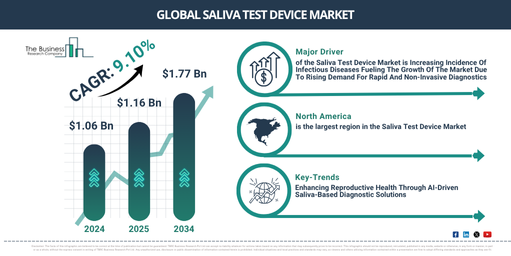
    The saliva test device market has experienced significant expansion in recent years. This market is expected to grow from $1.06 billion in 2024 to $1.16 billion in 2025, achieving a compound annual growth rate (CAGR) of 9.4%. Historically, this growth has been fueled by increased investment in research and development, broadening applications in disease diagnostics, expanded adoption in forensic and research contexts, a rising consumer preference for at-home testing, and an escalating demand for multiplex testing platforms.

    The saliva test device market is projected for substantial expansion over the next few years, with its size expected to reach $1.65 billion by 2029, demonstrating a compound annual growth rate (CAGR) of 9.1%. This growth during the forecast period is primarily driven by factors such as an escalating demand for non-invasive diagnostic procedures, the rising occurrence of chronic illnesses, an increasing emphasis on personalized medicine, broader adoption of point-of-care testing, and the expanding applications of remote testing and telemedicine. Significant trends foreseen in this period include ongoing advancements in biosensor technology, the creation of microfluidic devices, their integration with smartphone-based diagnostics, the incorporation of technology into at-home test kits, and the evolution of artificial intelligence (AI)-powered saliva analysis platforms.

    Unlock Your Free Sample Report for Exclusive Market Data:

    https://www.thebusinessresearchcompany.com/sample.aspx?id=25897&type=smp

    What Are The Key Drivers Of Growth In The Saliva Test Device Market?

    The growing occurrence of infectious diseases is anticipated to fuel the expansion of the saliva test device market in the future. Infectious diseases are defined as ailments stemming from harmful microorganisms such as bacteria, viruses, fungi, or parasites, capable of transmission between individuals either directly or indirectly. The rising prevalence of these diseases is linked to increased global travel, which facilitates the swift transmission of pathogens across different regions. Saliva test devices are instrumental in identifying infectious diseases through their non-invasive and straightforward sample collection method, making them well-suited for both at-home and point-of-care diagnostics. They also accelerate diagnostic processes by delivering rapid and precise outcomes, thereby enhancing early disease identification and management. For instance, in February 2024, the UK Health Security Agency, a UK-based government agency, indicated that tuberculosis (a contagious bacterial infection predominantly impacting the lungs) instances in England climbed to 4,850 in 2023, representing a 10.7% increase from 4,380 cases recorded in 2022. Consequently, the rising incidence of infectious diseases is a key driver for the growth of the saliva test device market.

    What Are The Major Segments Identified In The Saliva Test Device Market?

    The saliva test device market covered in this report is segmented –

    1) By Type: 5-Panel Saliva Test Kits, 6-Panel Saliva Test Kits, 10-Panel Saliva Test Kits, 12-Panel Saliva Test Kits, Other Types

    2) By Sample Type: Saliva, Blood, Urine

    3) By Technology: Immunoassay, Polymerase Chain Reaction (PCR), Enzyme-Linked Immunosorbent Assay (ELISA), Microarray

    4) By Application: Workplace Testing, Criminal Justice Testing, Disease Testing

    5) By End-User: Hospitals, Clinics, Diagnostic Laboratories, Home Care Settings

    Subsegments:

    1) By 5-Panel Saliva Test Kits: Tetrahydrocannabinol, Cocaine, Opiates

    2) By 6-Panel Saliva Test Kits: Amphetamines, Phencyclidine, Benzodiazepines

    3) By 10-Panel Saliva Test Kits: Barbiturates, 3,4-Methylenedioxymethamphetamine, Methadone

    4) By 12-Panel Saliva Test Kits: Oxycodone, Synthetic Cannabinoids, Fentanyl Or Tramadol

    5) By Other Types: Custom Panel Kits, Alcohol Detection Kits, Single-Drug Test Kits

    Which Key Trends Are Expected To Influence The Saliva Test Device Market In The Coming Years?

    Leading companies in the saliva test device market are focusing on developing advanced technological solutions, such as integrating artificial intelligence into saliva-based tests, to improve diagnostic accuracy, enable real-time analysis, and enhance user convenience. The integration of artificial intelligence in saliva-based tests involves employing artificial intelligence (AI) algorithms to analyze test data, identify patterns, and deliver faster, more accurate diagnostic results. For example, in July 2024, Ovulio Corp., a US-based fertility company, introduced a saliva-based AI fertility tracker. This product offers women a convenient, non-invasive means to monitor ovulation and hormonal trends using saliva samples analyzed by artificial intelligence. Its primary purpose is to equip users with accurate, real-time fertility insights for family planning and reproductive health management.

    Which Global Market Leaders Are Shaping The Future Of The Saliva Test Device Sector?

    Major companies operating in the saliva test device market are F. Hoffmann-La Roche AG, Thermo Fisher Scientific Inc., Abbott Laboratories, Danaher Corporation, Becton, Dickinson and Company, Quest Diagnostics Incorporated, PerkinElmer Inc., AncestryDNA, Neogen Corporation, OraSure Technologies Inc., Guangzhou Wondfo Biotech Co. Ltd., 23andMe Inc., Porex Corporation, Everlywell Inc., DNA Genotek Inc., Premier Biotech Inc., Oasis Diagnostics Corporation, Salimetrics LLC, Securetec Detektions-Systeme AG, AccuBioTech Co. Ltd., Abionic SA, MyLab Box Inc., Oranoxis Inc., Salignostics Ltd.

    Download The Full Report For Exclusive Market Findings:

    https://www.thebusinessresearchcompany.com/report/saliva-test-device-global-market-report

    How Does The Saliva Test Device Market Perform Across Key Geographic Regions?

    North America was the largest region in the saliva test device market in 2024. Asia-Pacific is expected to be the fastest-growing region in the forecast period. The regions covered in the saliva test device market report are Asia-Pacific, Western Europe, Eastern Europe, North America, South America, Middle East, Africa.

    Request A Customized Version Of The Saliva Test Device Market Report:

    https://www.thebusinessresearchcompany.com/customise?id=25897&type=smp

    Browse Through More Reports Similar to the Global Saliva Test Device Market 2025, By The Business Research Company

    Artificial Saliva Global Market Report 2025

    https://www.thebusinessresearchcompany.com/report/artificial-saliva-global-market-report

    Covid 19 Saliva Screening Test Potential Global Market Report 2025

    https://www.thebusinessresearchcompany.com/report/covid-19-saliva-screening-test-potential-global-market-report

    Medical Device Testing Global Market Report 2025

    https://www.thebusinessresearchcompany.com/report/medical-device-testing-global-market-report

    Get in touch with us:

    The Business Research Company: https://www.thebusinessresearchcompany.com/

    Americas +1 310-496-7795

    Asia +44 7882 955267 & +91 8897263534

    Europe +44 7882 955267

    Email us at info@tbrc.info

    Follow us on:

    LinkedIn: https://in.linkedin.com/company/the-business-research-company

    YouTube: https://www.youtube.com/channel/UC24_fI0rV8cR5DxlCpgmyFQ

    Global Market Model: https://www.thebusinessresearchcompany.com/global-market-model

  • Global Hearing Screening And Diagnostic Devices Market Trends and Growth Analysis 2025–2029

    Global Hearing Screening And Diagnostic Devices Market Trends and Growth Analysis 2025–2029

    Unlock Global Insights – Save 20% on Market Reports with Code ONLINE20

    How Does The Market Size Of The Hearing Screening And Diagnostic Devices Industry Compare Between 2025 And 2029?

    The market accommodating hearing assessment and diagnostic apparatus has experienced robust expansion across recent years, projected to increase from a valuation of $7.83 billion in 2024 to $8.56 billion in the subsequent year, reflecting a compound annual growth rate (CAGR) pegged at 9.3%. This upward trajectory observed during the past period is supported by various factors, including the implementation of governmental screening initiatives, enhancements to existing medical infrastructure, broader health insurance accessibility, financial backing from governmental bodies and non-governmental organizations, coupled with supportive regulatory frameworks and established industry benchmarks.

    Anticipation surrounds the hearing screening and diagnostic devices sector, projecting robust expansion moving forward; by 2029, this market is set to reach a valuation of $12.27 billion, driven by a compound annual growth rate (CAGR) of 9.4%, with underlying factors for this upswing encompassing the proliferation of telehealth and remote diagnostic capabilities, concentrated efforts on identifying hearing issues early, the rise of customized hearing solutions, a heightened emphasis on preventative health measures, and the growing accessibility of these devices due to better pricing. Key developments poised to shape this market during the forecast timeframe involve advancements in wireless and remote interfacing, the trend towards smaller and more mobile equipment, the emergence of blended and versatile gadgets, the incorporation of 3D and virtual reality simulations, and the continued refinement of superior noise-cancellation systems.

    Unlock Your Free Sample Report for Exclusive Market Data:

    https://www.thebusinessresearchcompany.com/sample.aspx?id=20827&type=smp

    Which Industry Drivers Are Expected To Accelerate The Hearing Screening And Diagnostic Devices Market From 2025 To 2029?

    Anticipated increases in hearing impairment occurrences are set to be a primary catalyst in advancing the market for hearing assessment and diagnostic apparatus. Reduced auditory perception, which negatively affects interactions and overall well-being, defines hearing loss; the rising prevalence of this condition, often age-related (presbycusis), stems from the deterioration of internal ear components, the demise of auditory sensory cells, and alterations within the auditory neural routes. Equipment for screening and diagnosing hearing assists in handling this issue by facilitating prompt identification, precise evaluation, and tailored therapeutic approaches, all of which empower individuals to grasp their auditory condition better, track shifts over duration, and obtain suitable support to enhance both their standard of living and their capacity for communication. As a concrete illustration, official data from the World Health Organization (WHO), a United Nations body located in Switzerland, indicated this past February 2024 that roughly 430 million individuals globally, comprising 34 million youngsters, likely need rehabilitation for significant hearing impairment, putting the figure above 5 percent of everyone worldwide, with projections showing this number could reach close to 2.5 billion experiencing some level of hearing impairment by the year 2050, necessitating rehabilitation services for at least 700 million; consequently, the escalating rate of hearing loss supplies significant momentum to the market for devices used in screening and diagnosis.

    What Are The Major Segment Types Covered In The Hearing Screening And Diagnostic Devices Market?

    The hearing screening and diagnostic devicesmarket covered in this report is segmented –

    1) By Product Type: OAE (Otoacoustic Emission) And ABR (Auditory Brainstem Response) Testing Devices, Audiometers, Immittance Screeners

    2) By Age Group: Newborn Hearing Screening, Other Age Group

    3) By Indication: Conductive Hearing Loss, Sensorineural Hearing Loss, Combination Hearing Loss, Other Indications

    4) By Test: Pure-Tone Test, Bone Conduction Test, Tests Of The Middle Ear, Speech Discrimination Test, Speech Recognition Threshold Test, Most Comfortable Listening Test, Uncomfortable Loudness Level Test

    5) By End User: Hospitals And Clinics, Diagnostic Centers, Other End Users

    Subsegments:

    1) By OAE (Otoacoustic Emission) And ABR (Auditory Brainstem Response) Testing Devices: Portable OAE And ABR Testing Devices, Standalone OAE And ABR Testing Devices

    2) By Audiometers: Clinical Audiometers, Screening Audiometers, Diagnostic Audiometers

    3) By Immittance Screeners: Tympanometers, Acoustic Reflex Testers, Middle Ear Analyzers

    What Trends Are Expected To Drive The Hearing Screening And Diagnostic Devices Market?

    Leading enterprises within the hearing assessment and diagnostic equipment sector are placing emphasis on evolving their technology, particularly integrating AI-driven hearing solutions, with the goals of boosting the precision of diagnoses, elevating positive results for patients, and delivering customized auditory support. This application of artificial intelligence in hearing technology pertains to sophisticated hearing aids engineered to automatically fine-tune sound processing based on surrounding conditions, thereby improving the intelligibility of speech, minimizing ambient noise interference, and tailoring the listening experience dynamically based on individual usage patterns. As a concrete illustration, in February of 2023, Starkey Hearing Technologies, a firm based in the United States prominent in hearing aid production, introduced its Edge AI and Genesis AI devices, marking a substantial progression in terms of operational capability, interconnectedness, and overall user interaction. These devices boast distinctive functionalities, including the G2 Neuro Processor designed to sharpen speech clarity and diminish noise factors, a battery endurance reaching as high as 51 hours, coupled with a structure resistant to water immersion, in addition to featuring Bluetooth LE Audio compatibility, integrated wellness tracking capabilities (like fall detection and balance assessments), and a voice-commanded digital assistant driven by generative AI for effortless modifications.

    Which Global Market Leaders Are Shaping The Future Of The Hearing Screening And Diagnostic Devices Sector?

    Major companies operating in the hearing screening and diagnostic devices market are Medtronic Plc, Baxter International Inc., Henry Schein Inc., Demant Group, William Demant Holding Group, Amplivox Limited, Starkey Hearing Technologies, Natus Medical Incorporated, Heine Optotechnik GmbH & Co. KG, Maico Diagnostics GmbH, Interacoustics A/S, Vivosonic Inc., Path Medical GmbH, Grason-Stadler Inc., Inventis Srl, Intelligent Hearing Systems Corporation, Otodynamics Limited, Echodia SAS, MeCan Medical Limited, Western Surgical & Medical

    Download The Full Report For Exclusive Market Findings:

    https://www.thebusinessresearchcompany.com/report/hearing-screening-and-diagnostic-devices-global-market-report

    How Does The Hearing Screening And Diagnostic Devices Market Perform Across Key Geographic Regions?

    North America was the largest region in the hearing screening and diagnostic devices market in 2024. Asia Pacific is expected to be the fastest-growing region in the forecast period. The regions covered in the hearing screening and diagnostic devices market report are Asia-Pacific, Western Europe, Eastern Europe, North America, South America, Middle East, Africa.

    Request A Customized Version Of The Hearing Screening And Diagnostic Devices Market Report:

    https://www.thebusinessresearchcompany.com/customise?id=20827&type=smp

    Browse Through More Reports Similar to the Global Hearing Screening And Diagnostic Devices Market 2025, By The Business Research Company

    Hearing Aid Devices And Equipment Global Market Report 2025

    https://www.thebusinessresearchcompany.com/report/hearing-aid-devices-and-equipment-global-market-report

    Hearing Diagnostic Devices And Equipment Global Market Report 2025

    https://www.thebusinessresearchcompany.com/report/hearing-diagnostic-devices-and-equipment-global-market-report

    Hearing Implants Global Market Report 2025

    https://www.thebusinessresearchcompany.com/report/hearing-implants-global-market-report

    Get in touch with us:

    The Business Research Company: https://www.thebusinessresearchcompany.com/

    Americas +1 310-496-7795

    Asia +44 7882 955267 & +91 8897263534

    Europe +44 7882 955267

    Email us at info@tbrc.info

    Follow us on:

    LinkedIn: https://in.linkedin.com/company/the-business-research-company

    YouTube: https://www.youtube.com/channel/UC24_fI0rV8cR5DxlCpgmyFQ

    Global Market Model: https://www.thebusinessresearchcompany.com/global-market-model